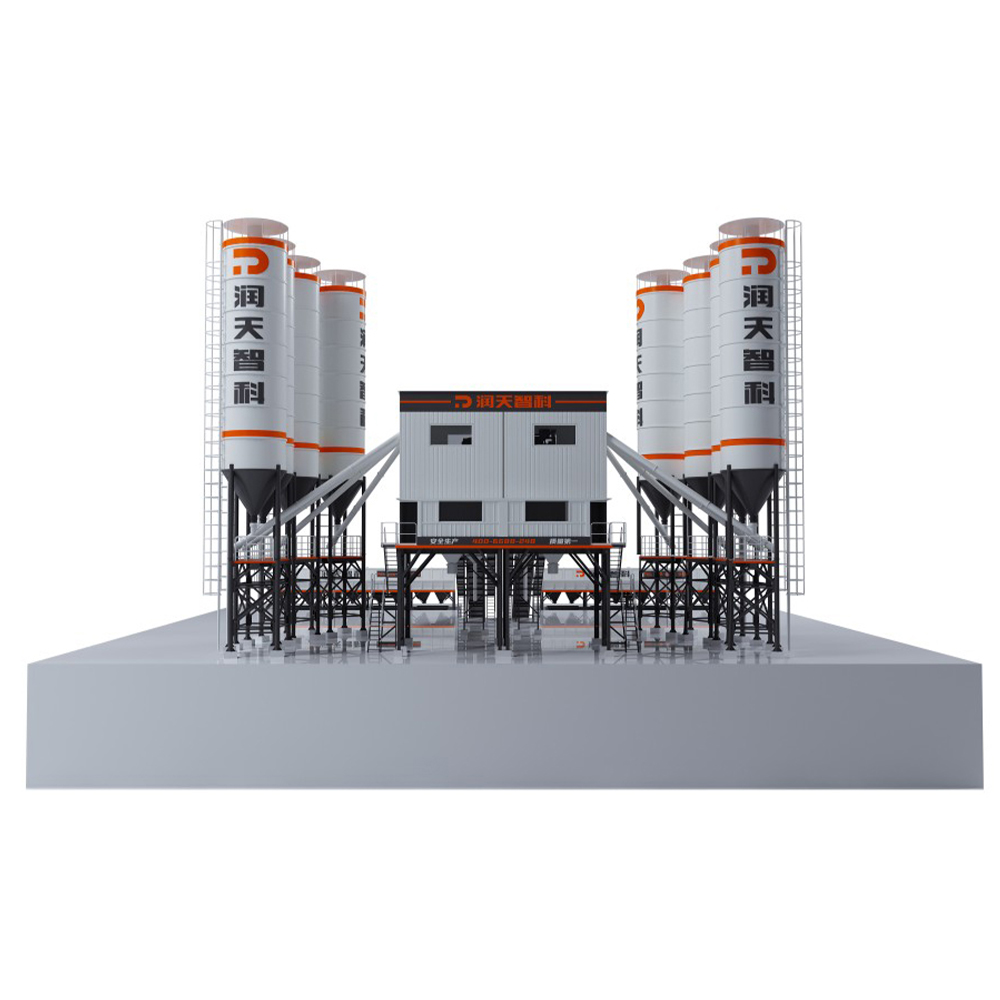
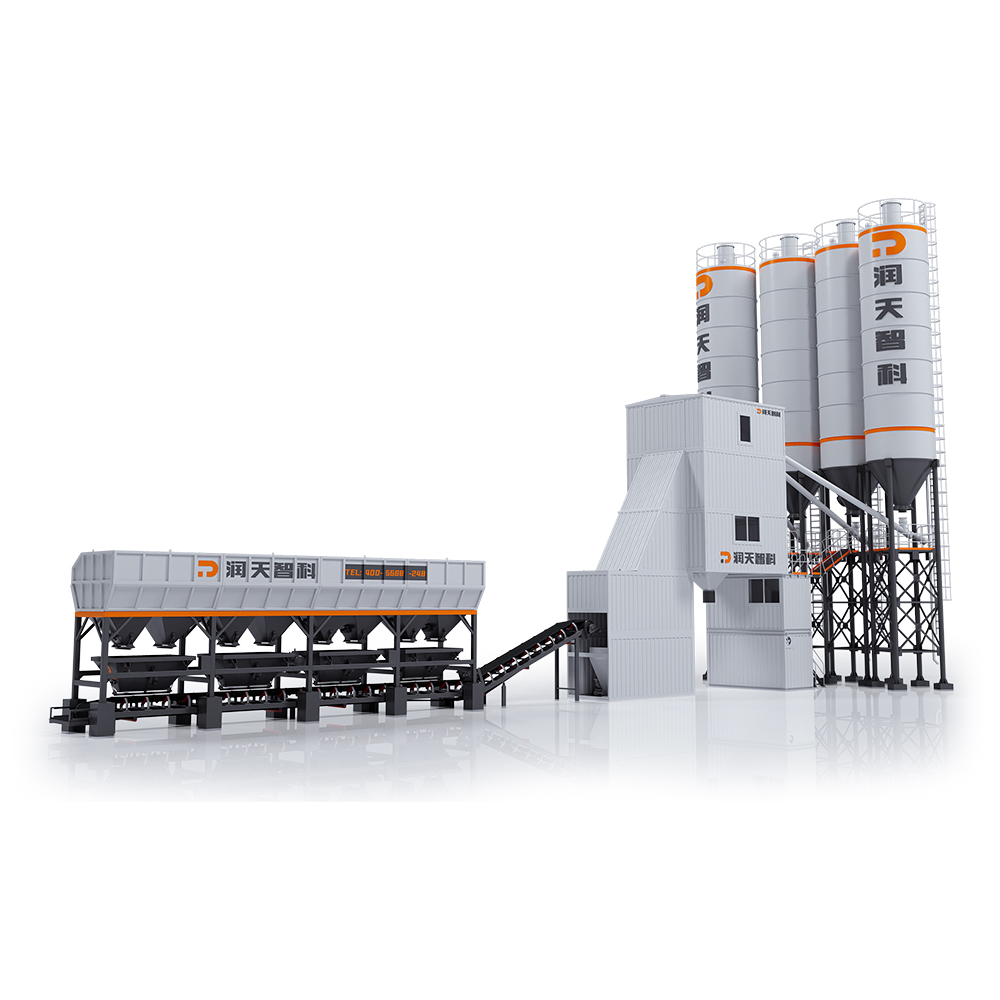
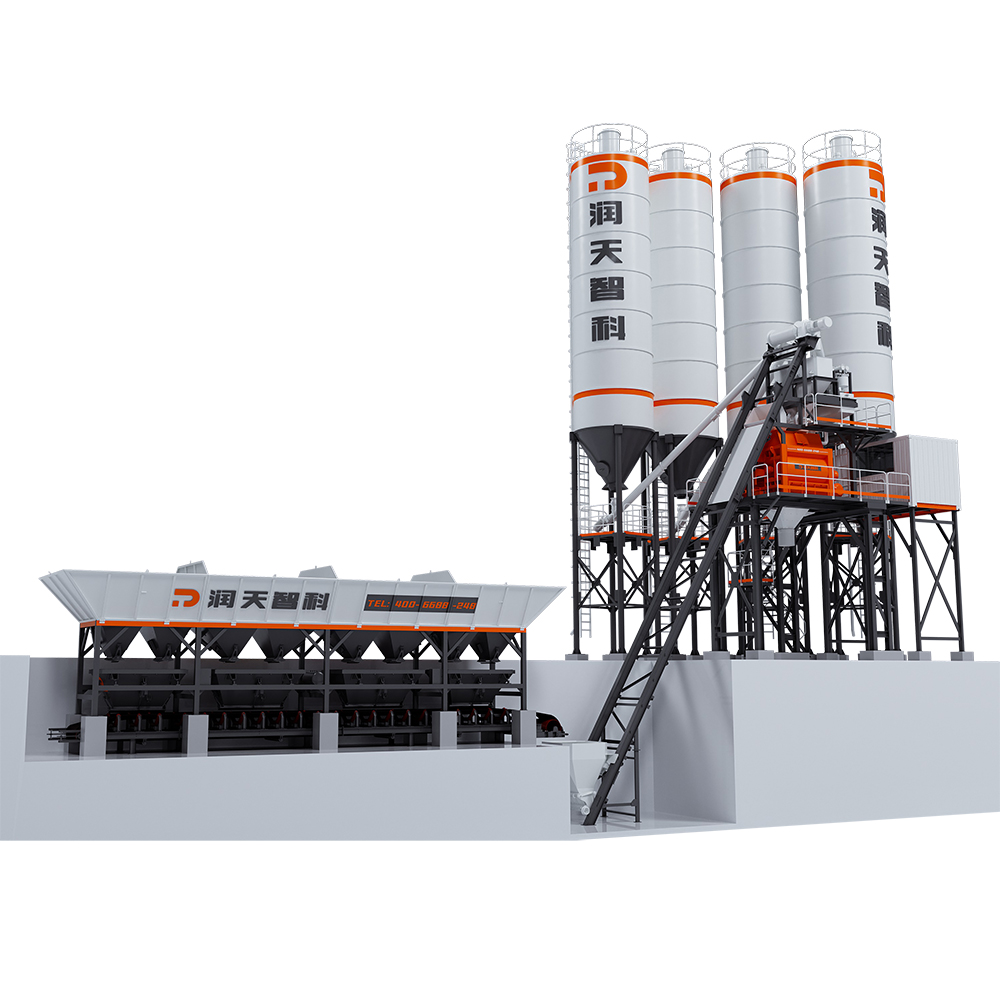
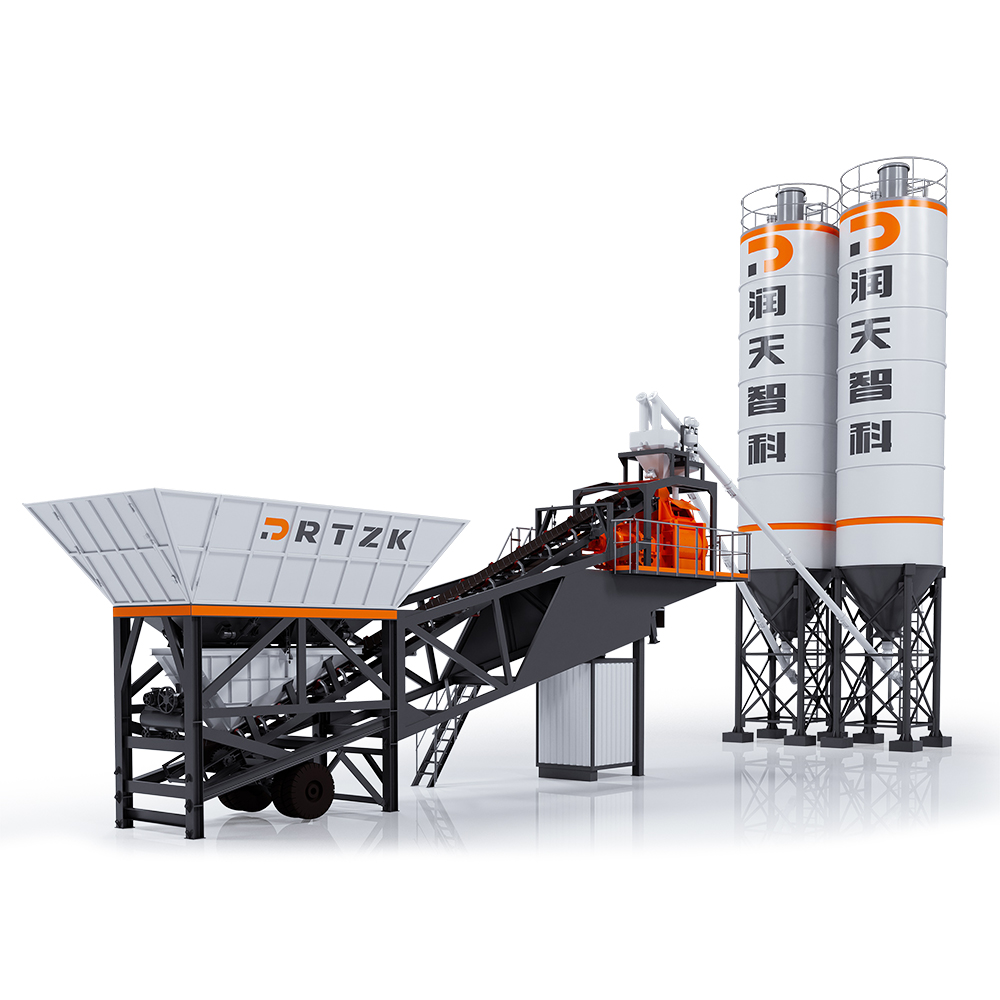
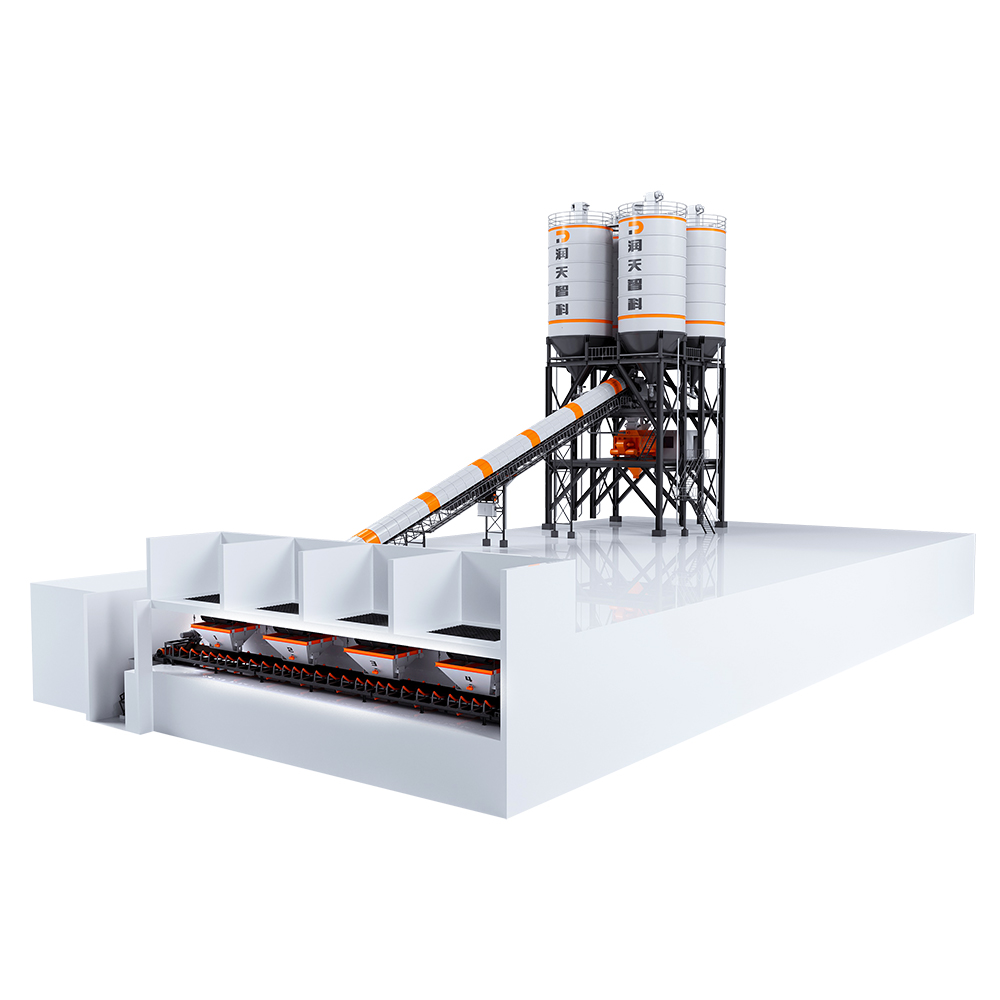
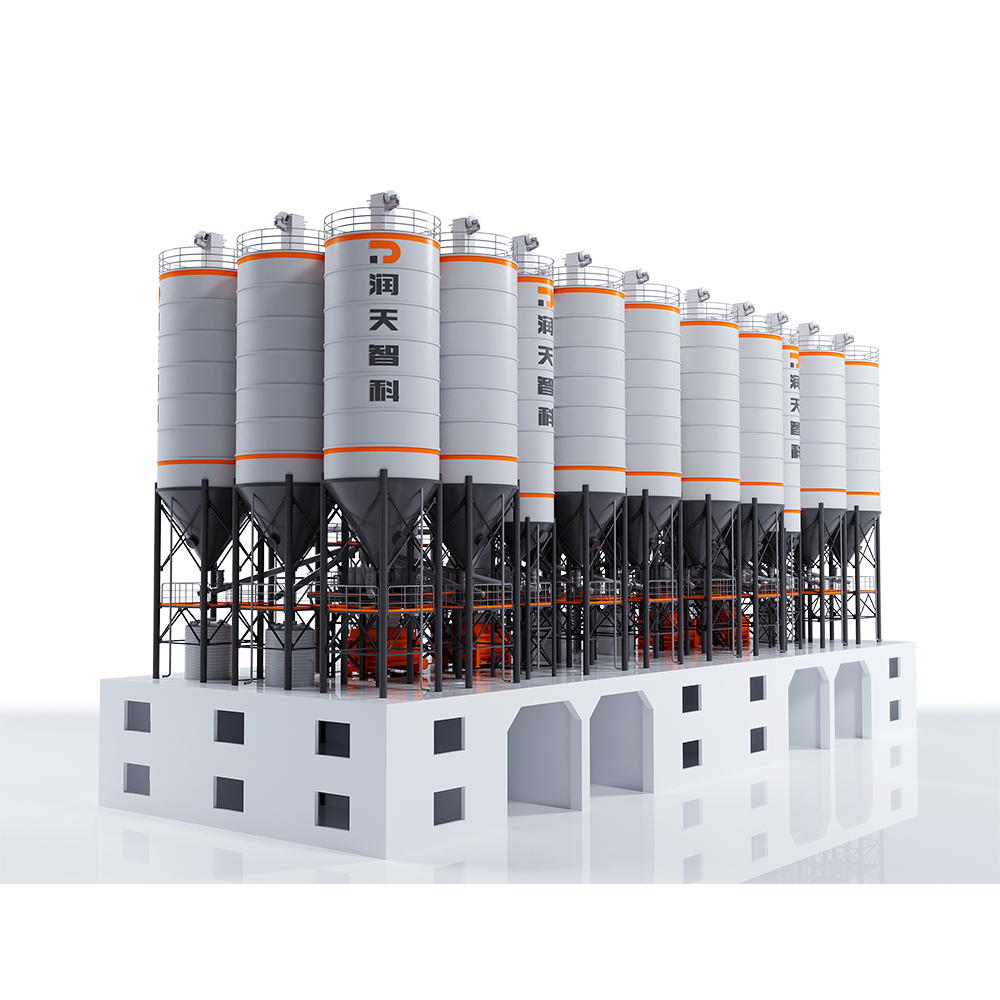
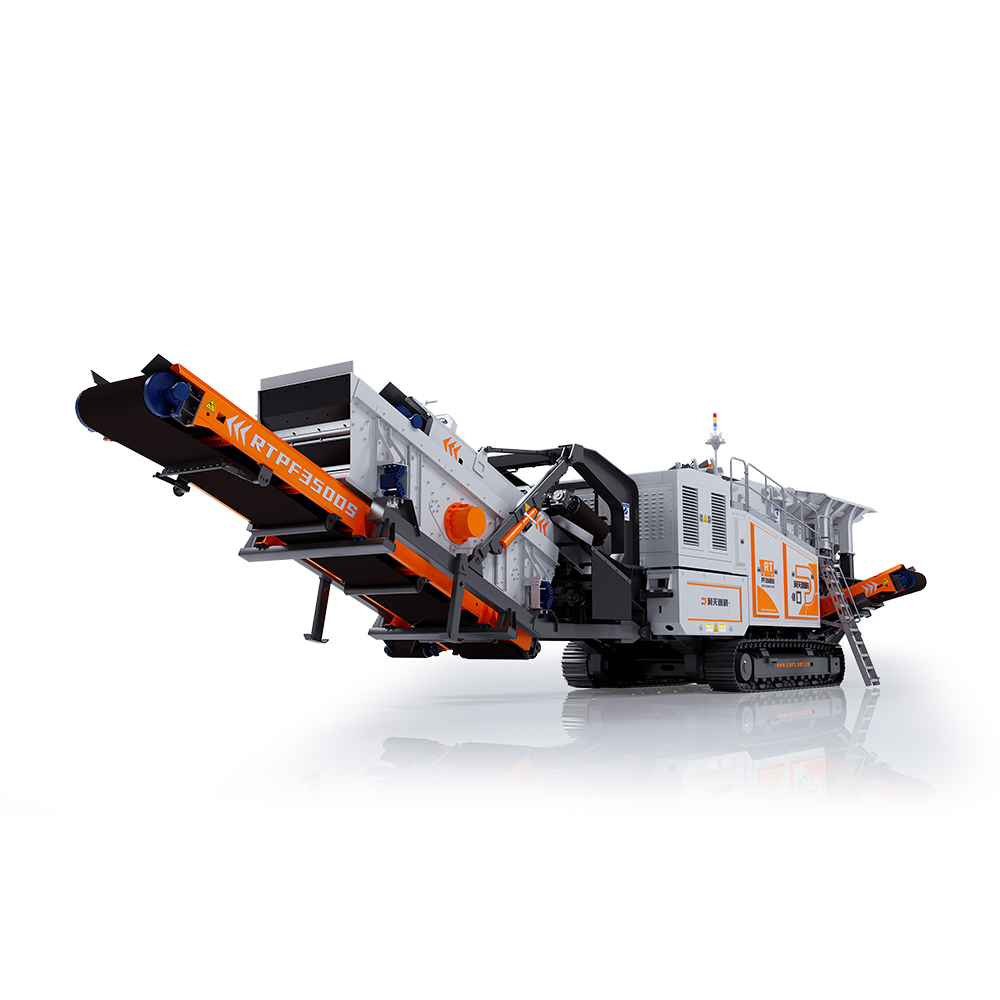
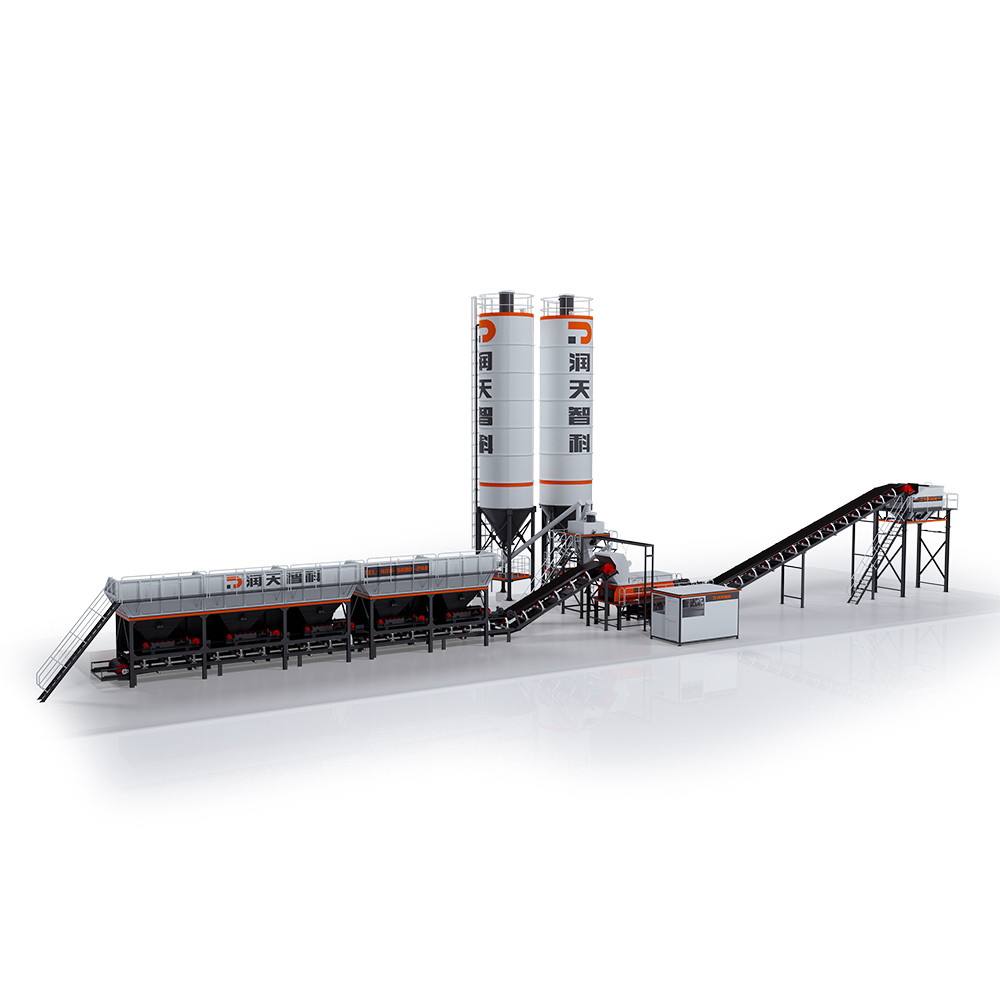
HZS Series Belt Concrete Mixing Plant
HZS Series Bucket-Lifting Type Container Concrete Mixing Plant
HZS60 Mobile Concrete Mixing Plant
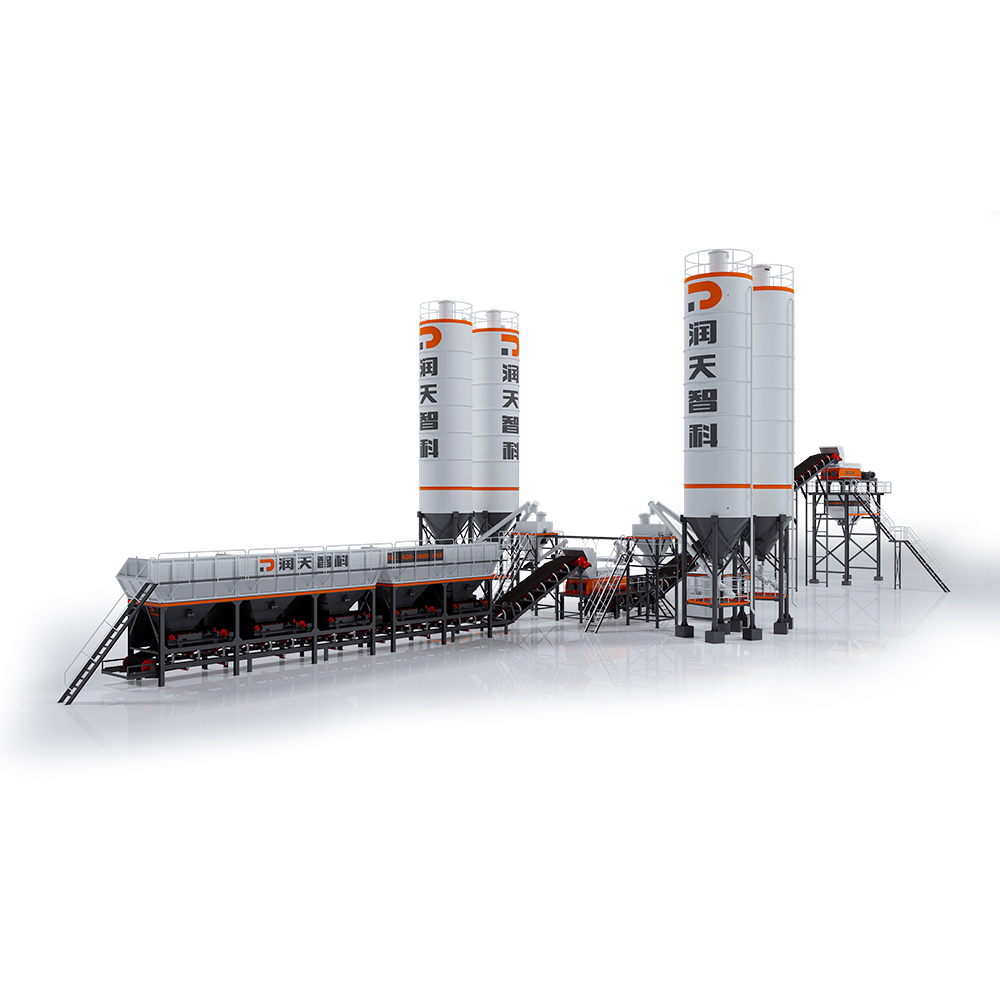
HZS Series Bucket-Lifting Type Concrete Mixing Plant
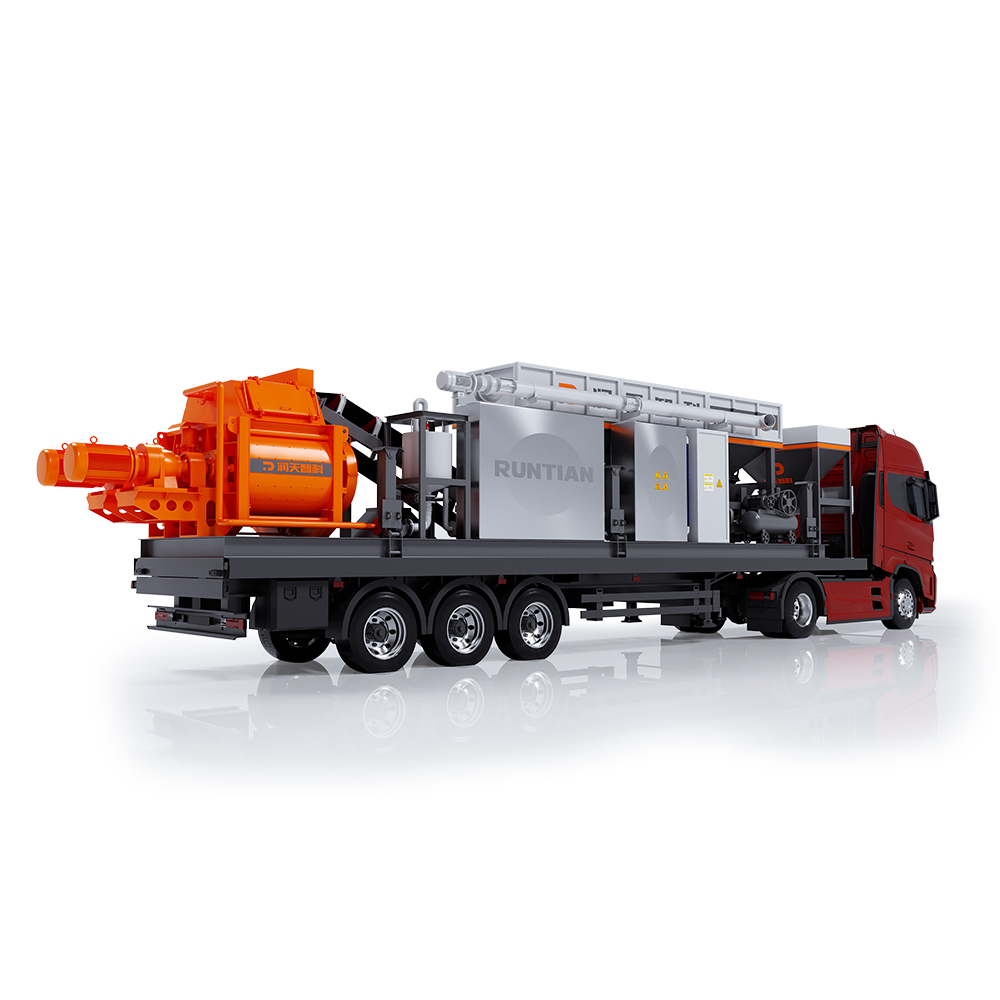
HZS Series Mobile Concrete Mixing Plant
HZS Series Top-Mounted Concrete Mixing plant
HZS Series Semi-Top Mounted Concrete Mixing Plant
RTPF350DS Crawler Mobile Impact Crushing Plant
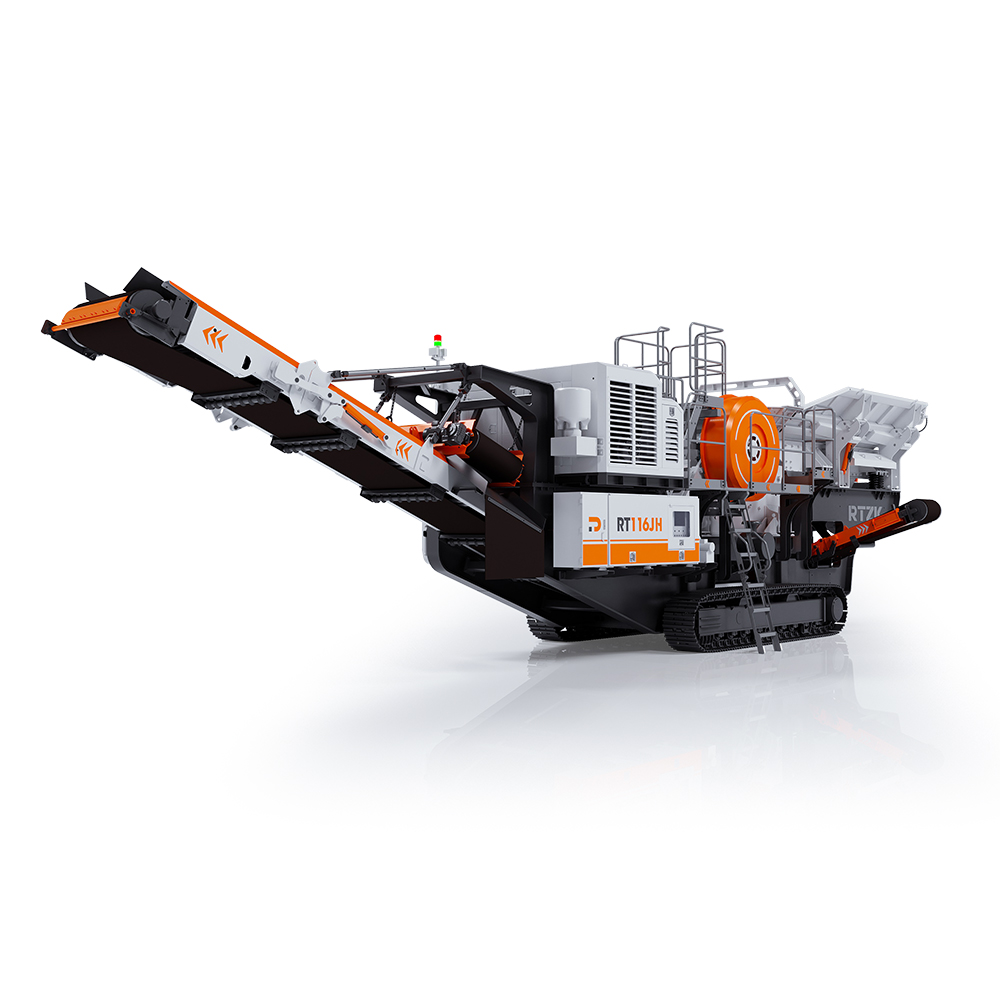
RT116JH Crawler Mobile Jaw Crushing Plant
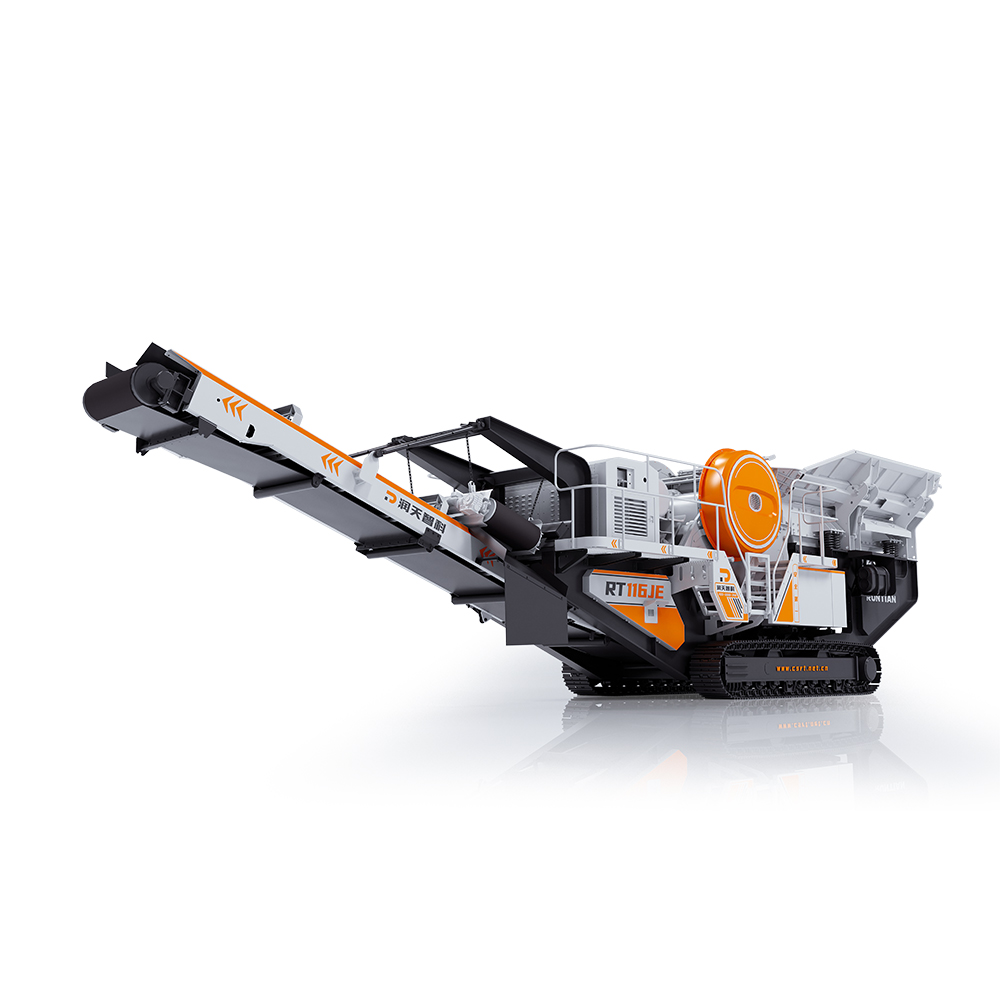
RT116JE Crawler Mobile Jaw Crushing Plant
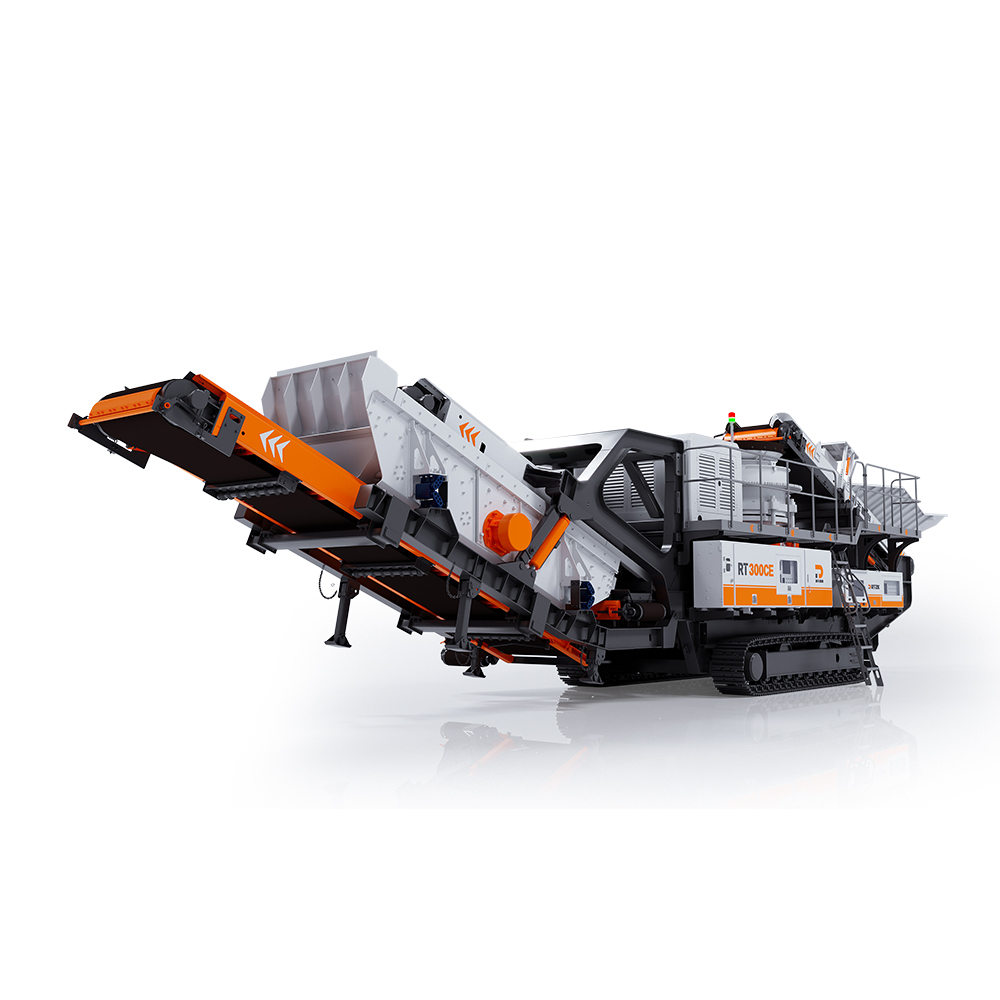
RT300CE Crawler Mobile Cone Crushing Plant
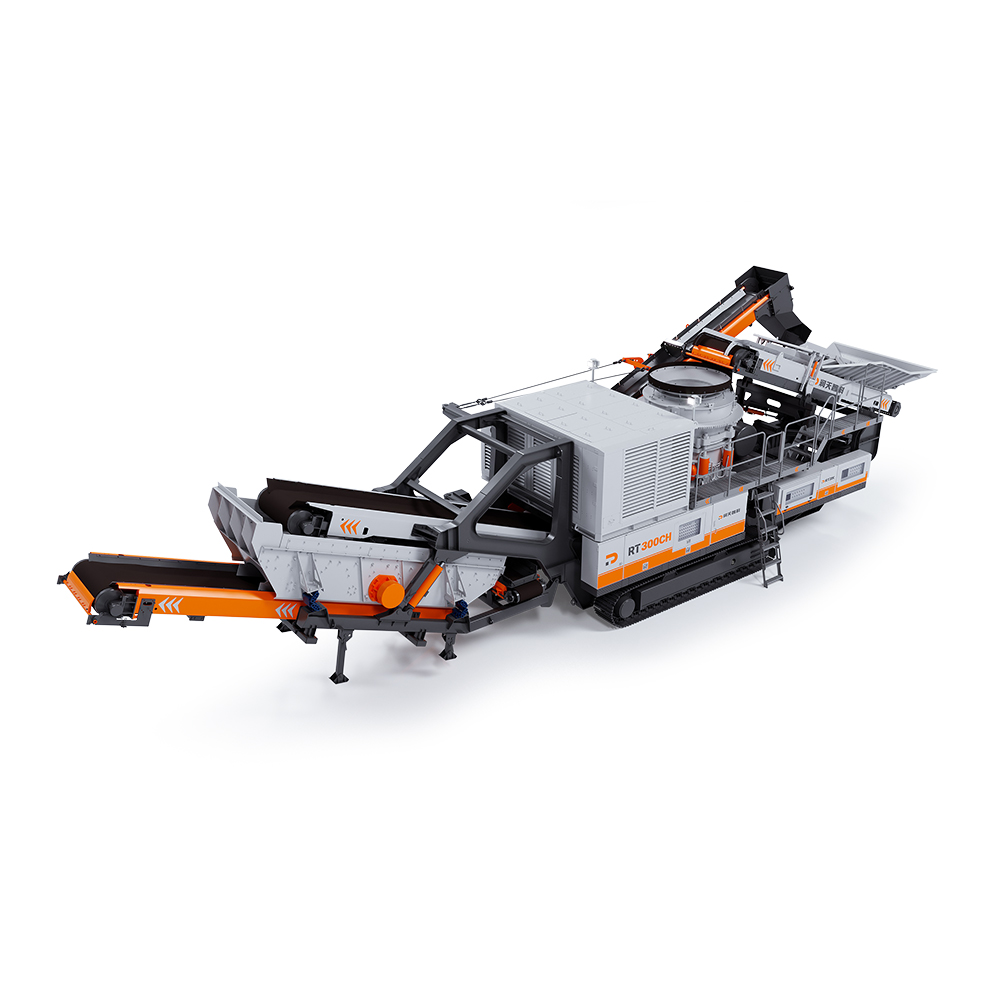
RT300CH Crawler Mobile Cone Crushing Plant
RT5015H Mobile Scalping Screen
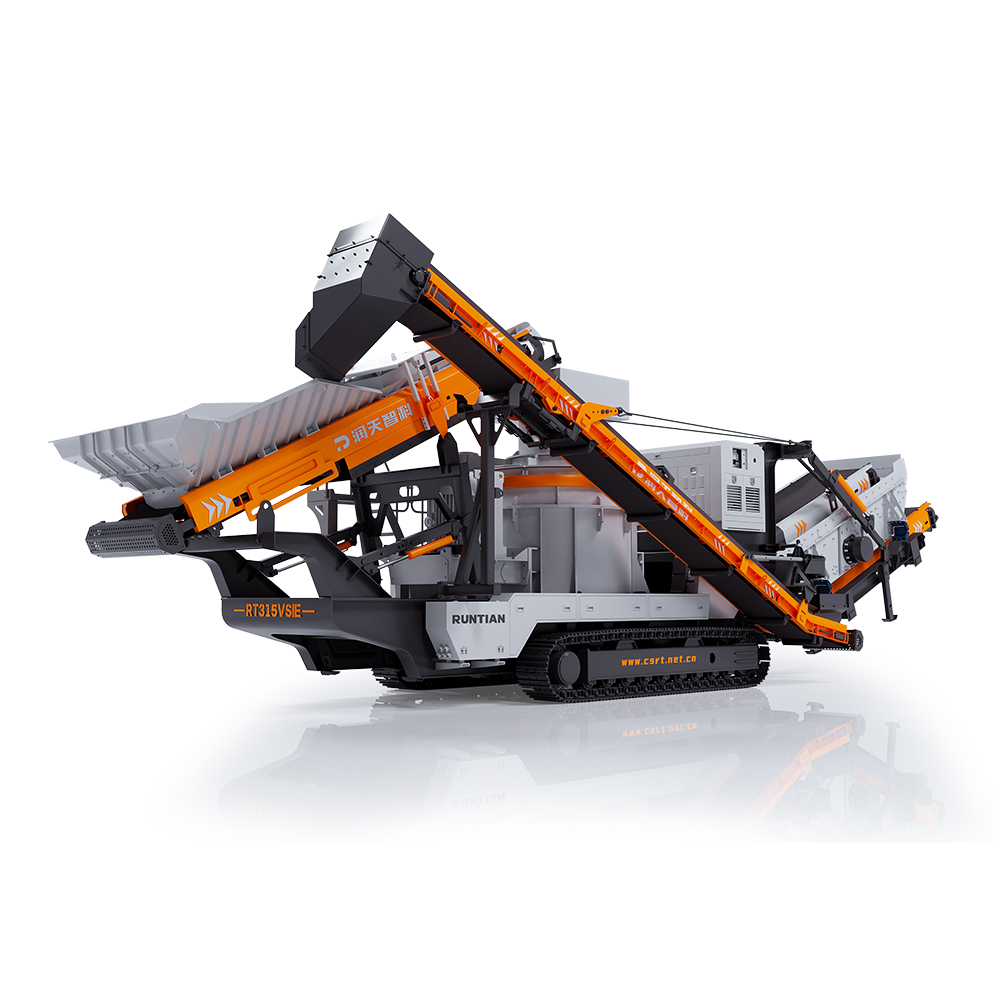
RT315VSIE Crawler Mobile Sand Maker
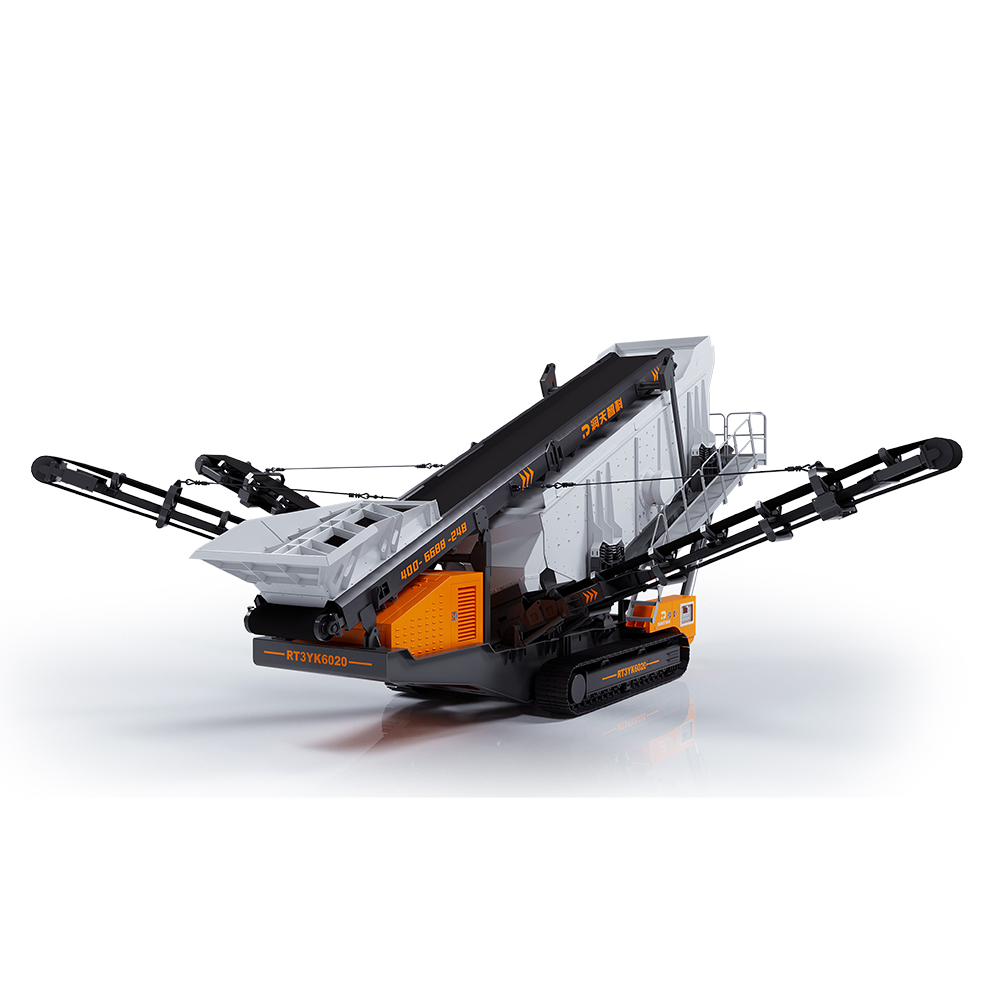
RT3YK6020 Crawler Mobile Screening Plant
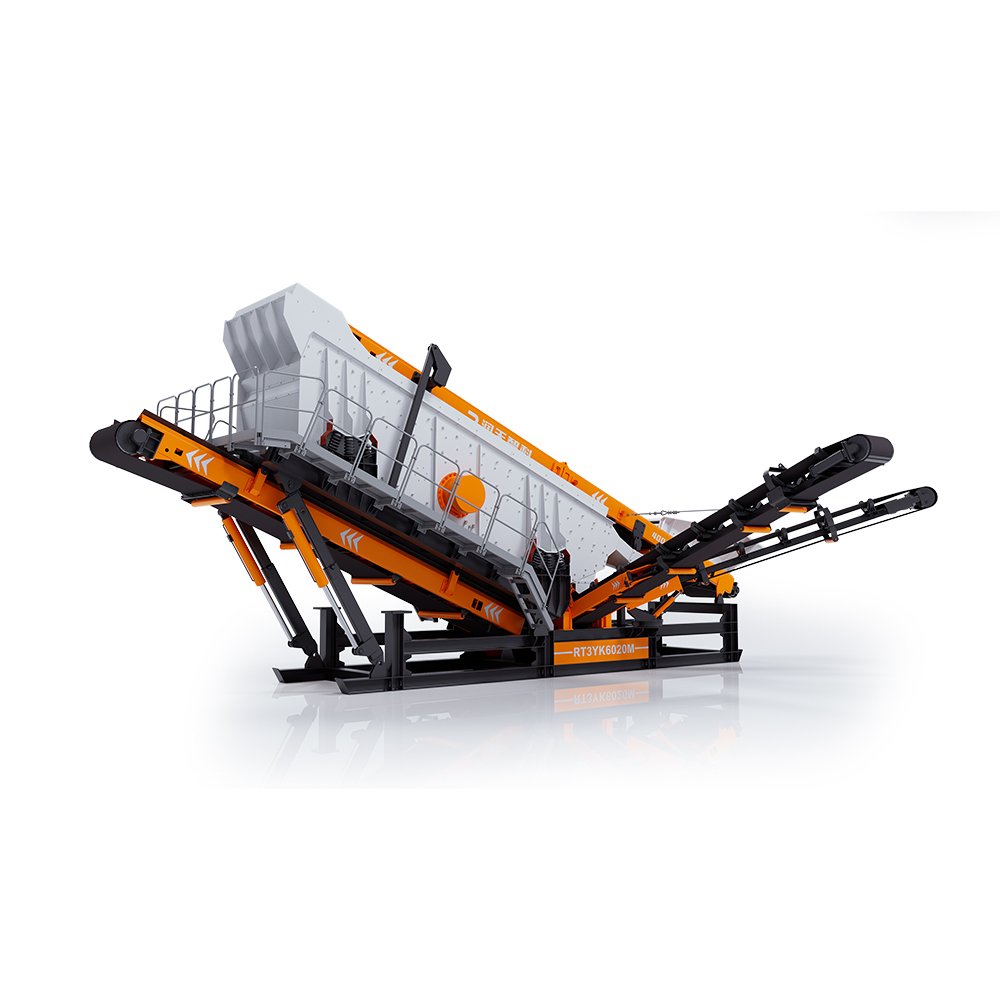
RT3YK6020M Modular Screening Plant
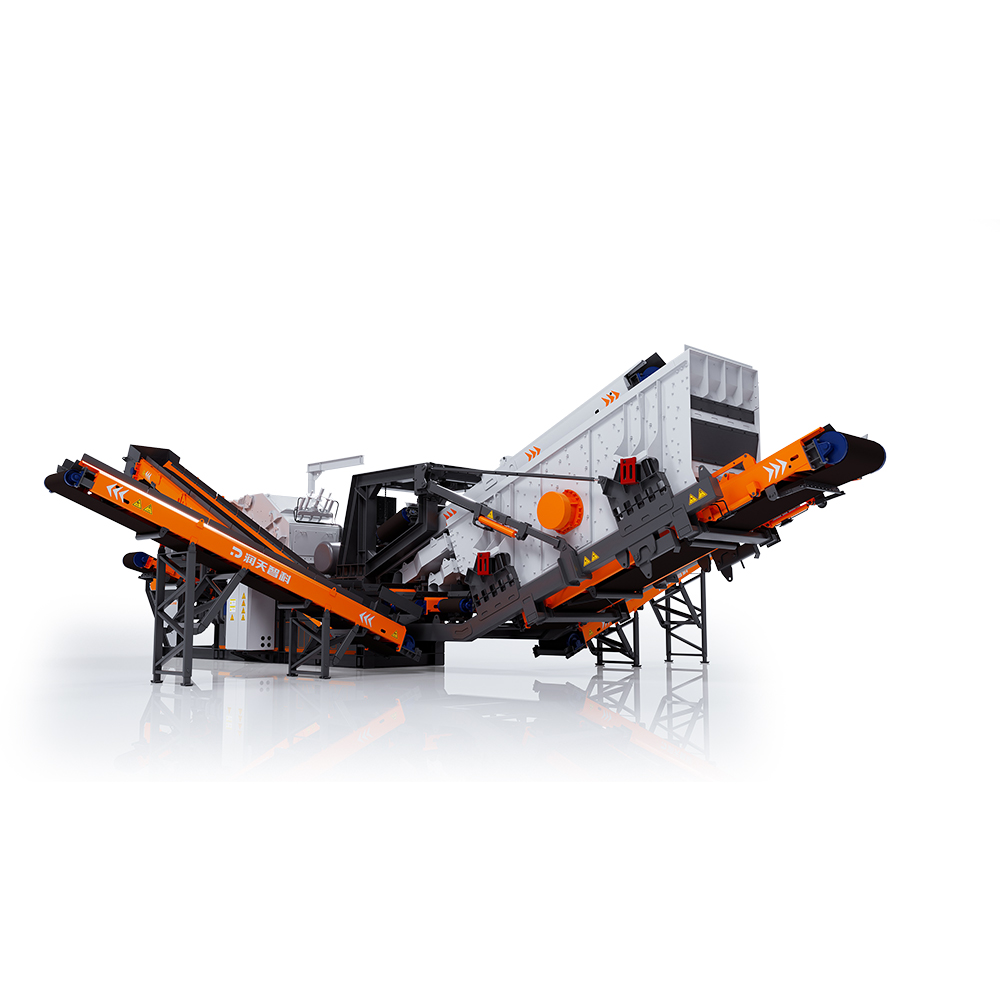
RTF260M Modular Counterattack Crushing and Screening Integrated Machine
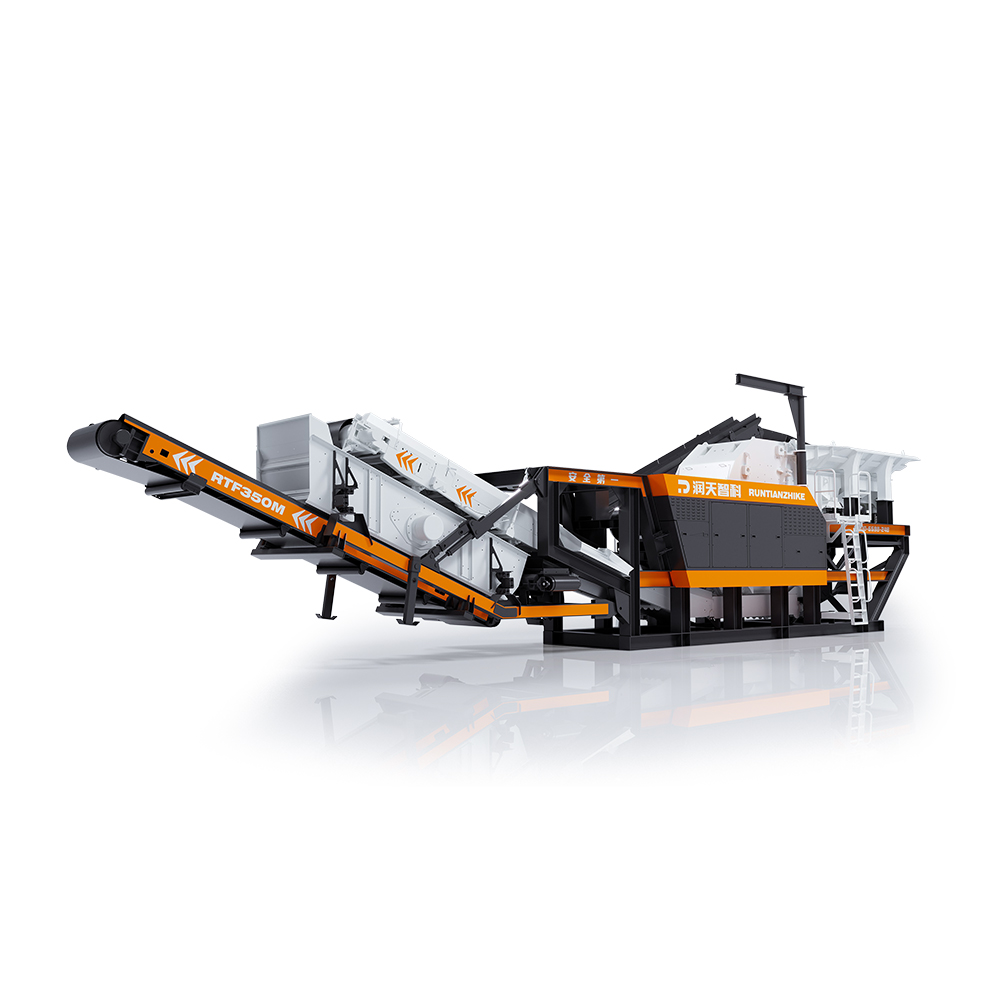
RTF350M Modular Impact Crushing Plant
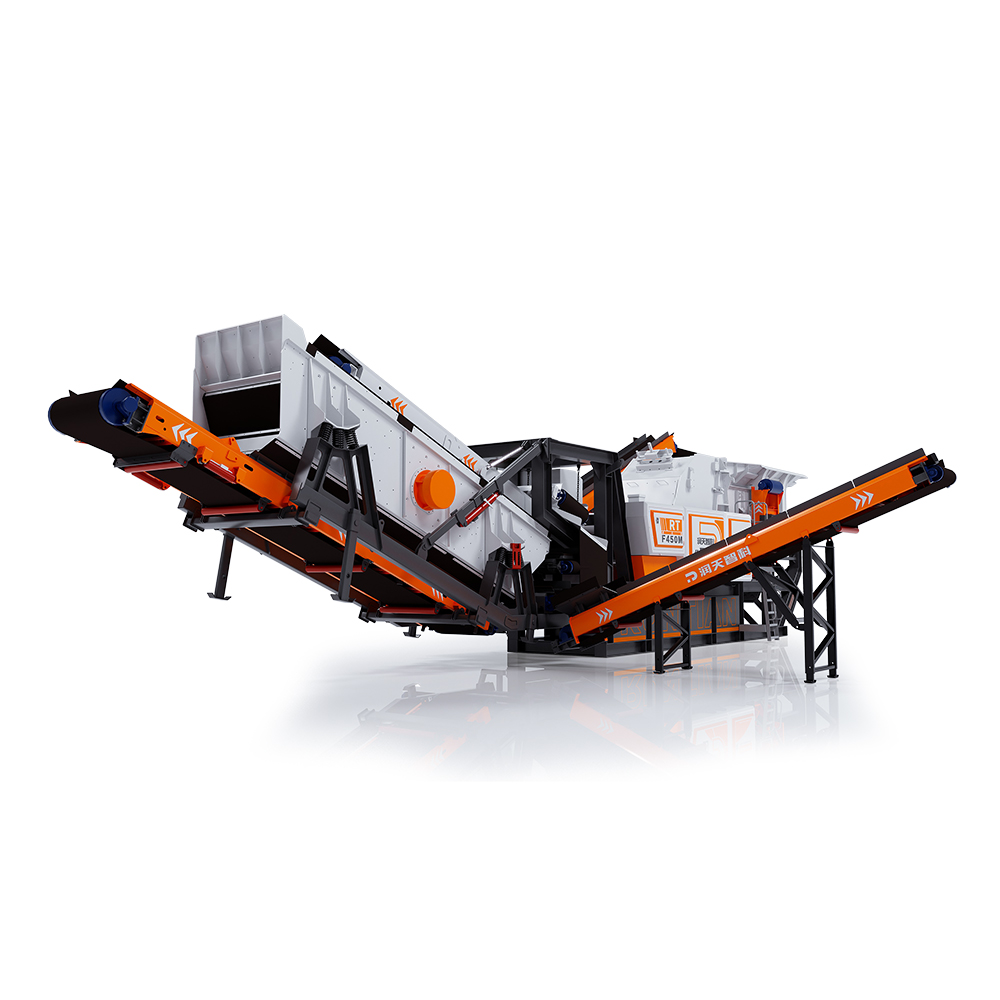
RTF450M Modular Impact Crushing Plant
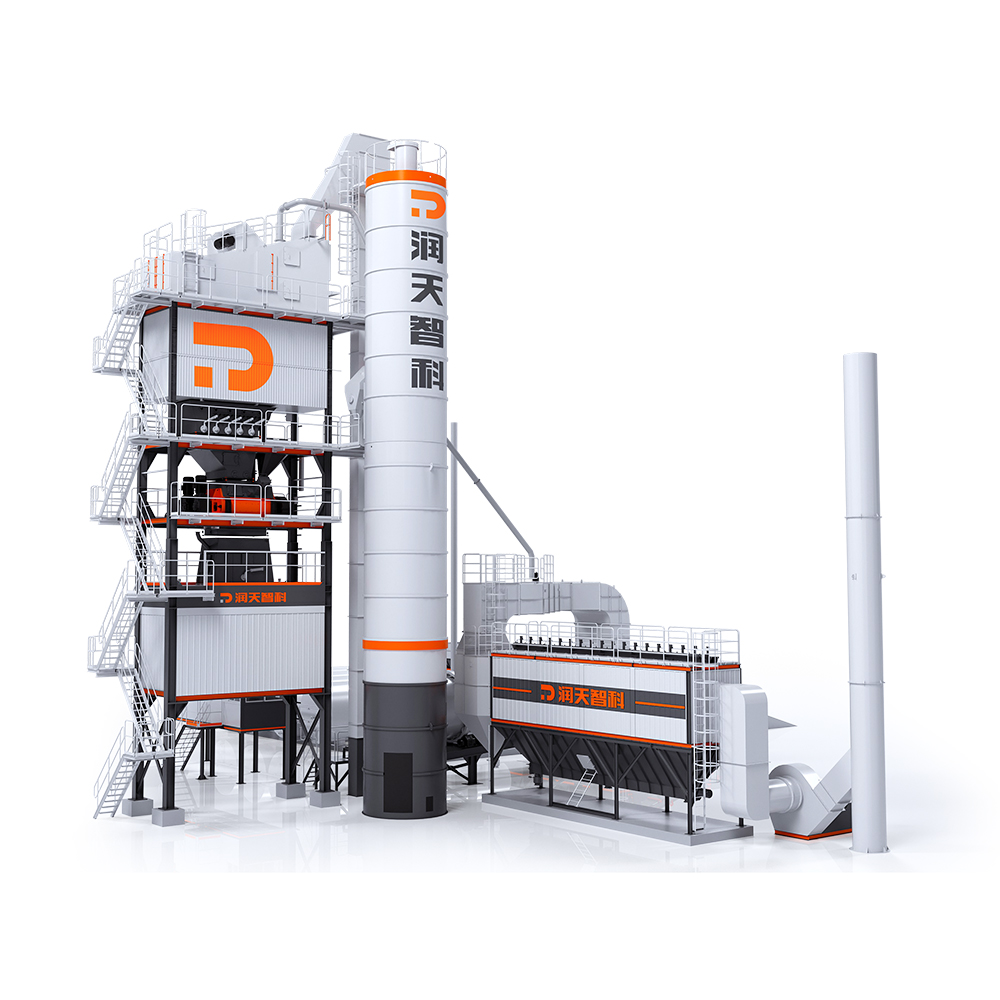
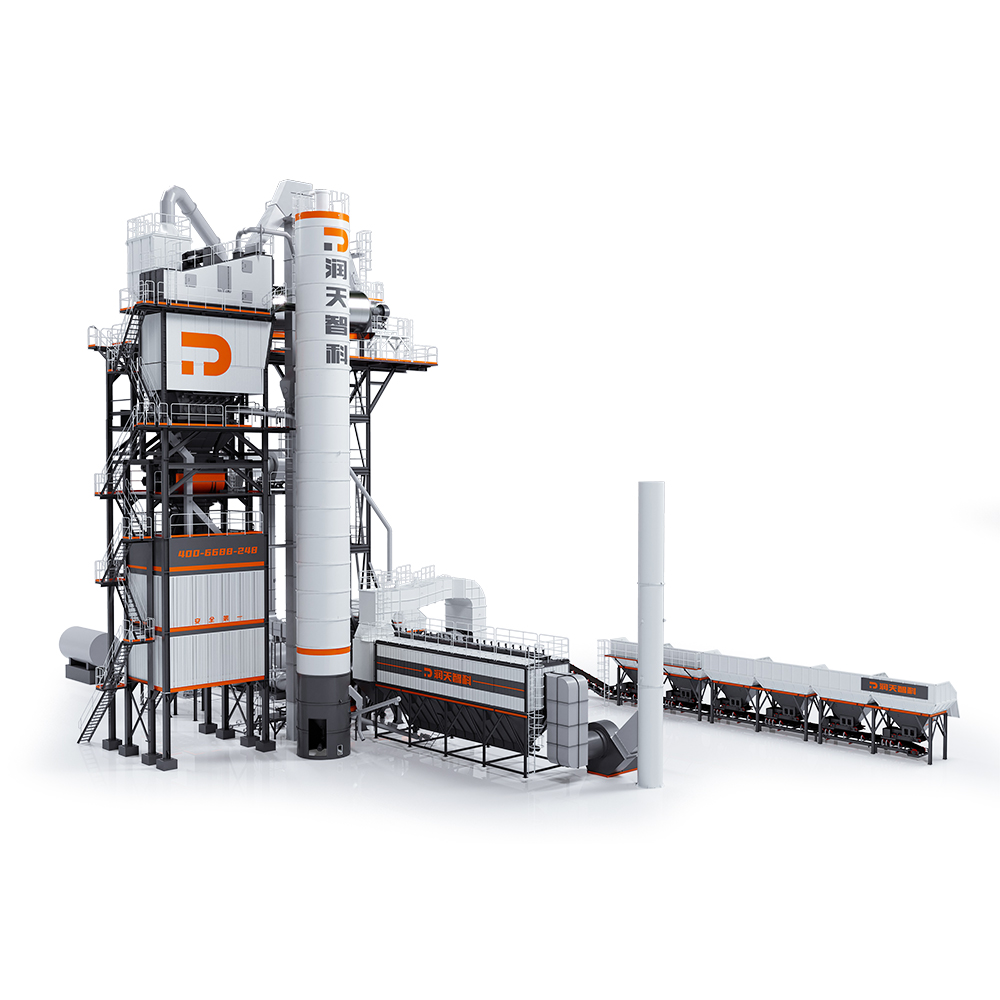
An Asphalt Batching Plant is a facility that combines aggregates, mineral filler, and bitumen to produce asphalt mix. It controls material quantities and heating so the finished mixture meets a project’s specified requirements. In a typical plant, cold-feed bins supply aggregates, a dryer removes moisture, and screens separate material by size. Hot bins then hold the sorted aggregates before they are weighed and mixed with bitumen and filler. The exact arrangement varies by plant design.
Some plants operate in batches, producing measured loads in cycles. Others use a continuous process, feeding materials through a steady production line. Both types rely on calibrated equipment and consistent operating conditions. Small details matter. Damp aggregate, worn screens, or inaccurate scales can affect the mix and disrupt production. Operators therefore monitor temperatures, feed rates, and material quality, while following the manufacturer’s instructions and project specifications.
A plant’s capacity alone does not show whether it suits a particular job. Site layout, fuel use, maintenance needs, and the required mix also deserve attention. There is no single setup that fits every project. Real conditions can differ from a plant’s rated performance, so expectations should be checked against operating data. This guide explains what an Asphalt Batching Plant does, how its main components work, and what practical factors to consider when evaluating one.
An asphalt batching plant is a facility that combines heated mineral aggregates, asphalt binder, and sometimes recycled material in measured batches. Its purpose is to produce a consistent paving mixture to a specified recipe. Aggregate is dried and heated, then weighed into a mixing chamber. Binder is metered separately and blended until it coats the particles evenly. The mix then moves to a storage silo or directly to a truck.
The controls matter. A small change in aggregate moisture can affect heating demand and final proportions, so operators monitor temperatures, weights, and mixing time. From the ground, the process is easy to picture: hot stone drops into a mixer, binder sprays across it, and the dark mixture turns over in steady cycles. Batch plants also let crews adjust recipes between loads. That flexibility is useful, though it does not guarantee perfect uniformity; calibration and sampling still matter.
The National Asphalt Pavement Association’s 2022 industry survey estimated that U.S. producers made about 420 million tons of asphalt mixture that year. That scale helps explain why accurate batching matters: small proportioning errors can affect many truckloads. The figure describes national production, not the output of any single plant. For a project, the plant’s recipe and quality checks should be considered alongside the mix design and site conditions.
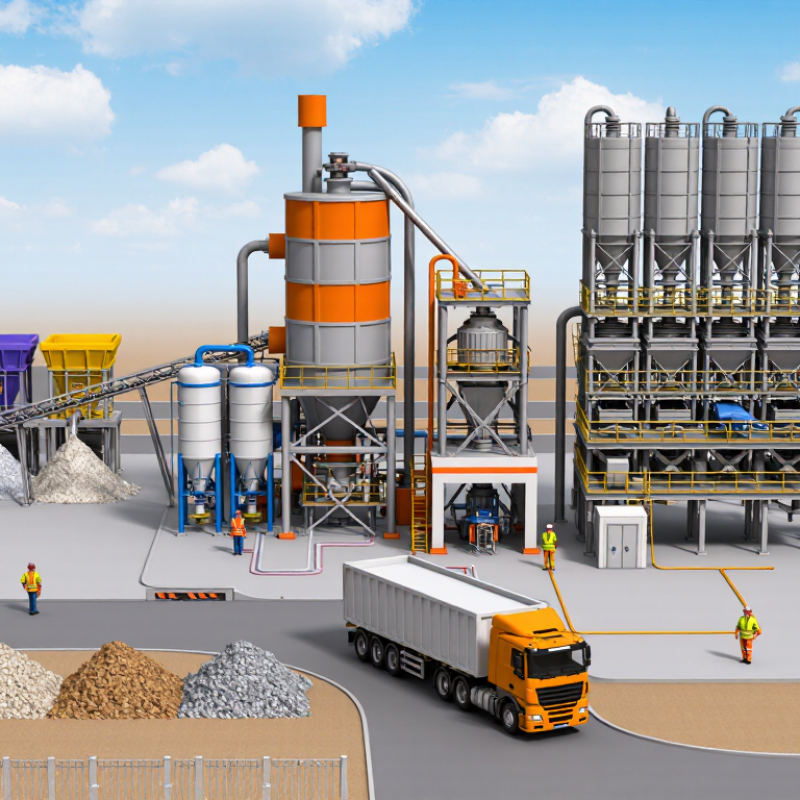
An asphalt batching plant produces hot-mix asphalt by drying, heating, weighing, and blending aggregate with bitumen. Its cold-feed bins hold different stone sizes; adjustable gates meter them onto a conveyor. In the rotary dryer, a burner heats and dries the aggregate. A dust collector captures fine particles from the exhaust and returns suitable material to the process.
Inside the mixing tower, screens separate heated aggregate by size. Hot bins store each fraction, while calibrated scales weigh aggregate, mineral filler, and bitumen for each batch. The pugmill then blends them into a uniform mix before discharge to a storage silo or truck. Small timing errors matter. A plant diagram can make this look cleaner than it is: damp aggregate, worn gates, or inconsistent feed can undermine repeatability.
These components also affect recycled-material handling. The National Asphalt Pavement Association’s 2023 industry survey reported that producers used about 94.3 million tons of reclaimed asphalt pavement in 2022. That scale makes accurate metering and controlled mixing important. Yet a single plant’s performance cannot be judged from component lists alone; calibration, maintenance, and material moisture all matter. A missed check can change the mix.
| Component | What It Does | Role in the Production Process |
|---|---|---|
| Cold aggregate feed bins | Store separate sizes or grades of unheated aggregate. | Supply controlled quantities of aggregate to the plant’s material handling system. |
| Cold feed conveyors | Carry aggregate from the feed bins toward the drying drum. | Move and meter aggregate; feed rates are adjusted to help achieve the required mix proportions. |
| Drying drum and burner | Tumble, heat, and dry aggregate using hot gases from the burner. | Prepare aggregate for screening and mixing by reducing moisture and raising it to the required process temperature. |
| Dust collection system | Capture dust carried from the drum exhaust, commonly using a primary collector and a baghouse. | Control particulate emissions and recover collected mineral fines for reuse or disposal, depending on plant design. |
| Hot aggregate elevator | Lift heated aggregate from the drum to the screening section. | Transfer hot material to the upper part of the plant for separation by size. |
| Vibrating screen | Separate hot aggregate into different size fractions. | Direct each fraction to its corresponding hot bin so the plant can batch the required gradation. |
| Hot aggregate bins | Temporarily store screened aggregate fractions separately. | Provide a consistent supply of each size fraction for weighing and batch preparation. |
| Weighing systems | Measure aggregate, mineral filler, and asphalt binder in controlled quantities. | Set the proportions for each batch according to the approved mix design. |
| Mineral filler system | Store and meter fine mineral material, such as recovered or added filler. | Add the specified filler quantity to the batch to help meet the mix gradation and binder-filler requirements. |
| Asphalt binder storage and supply system | Store binder in heated tanks and pump it to the weighing or metering equipment. | Keep binder at a suitable handling temperature and deliver the required amount for each batch. |
| Pugmill mixer | Mix the weighed hot aggregate, filler, and asphalt binder using rotating mixing paddles. | Coat the aggregate uniformly and produce a finished batch of asphalt mixture. |
| Control system | Monitor and coordinate feeders, temperatures, weighing, mixing, and material handling. | Manage the production sequence and help operators maintain the specified batch quantities and process conditions. |
Note: Component layout and equipment details vary by plant design and capacity. In a batch plant, aggregate is screened and weighed into separate batches before being mixed with filler and asphalt binder.
What Is an Asphalt Batching Plant?
How the Asphalt Production Process Works
In a batch asphalt plant, production starts with separate cold bins holding different aggregate sizes. Conveyors feed the material toward a dryer, where a burner removes moisture and heats the stone. Hot aggregate then passes over screens and into storage bins, separating it by size. For each batch, operators weigh the selected fractions and combine them with heated asphalt binder and, when specified, mineral filler. The mixer blends them into a coated mixture, which is discharged into a truck or storage silo. Small variations matter. A few degrees of temperature difference can affect workability and compaction.
The process is controlled through checks on aggregate gradation, binder proportion, and mixture temperature. A process chart looks cleaner than a real shift: damp aggregate or a drifting sensor can upset the rhythm, so operators need to investigate readings rather than trust automation blindly. The National Asphalt Pavement Association’s 2023 industry survey estimated that U.S. producers used 94.6 million tons of reclaimed asphalt pavement in 2022. That figure shows why many plants also manage recycled material, which must be proportioned carefully to maintain consistent performance. The number is an industry estimate, not a guarantee for every plant or mix. Batch plants offer precise, repeatable weighing, but good results still depend on calibration, material handling, and routine quality checks.
An asphalt batching plant heats and combines aggregate, bitumen, and mineral filler to make paving mix. In a batch plant, materials are measured in separate cycles. Cold-feed bins meter different aggregate sizes into a dryer. Screens then sort the hot material into storage bins, where weighed portions enter a pugmill for mixing. That sequence gives operators control over each recipe.
Drum-mix plants work continuously. Aggregate travels through a rotating drum, where it is heated and mixed with binder. These plants usually have a simpler material path, but steady feed rates and temperature checks matter. A brief interruption can affect the mix. Neither type is universally better; production needs and material consistency help guide the choice.
Plants can also be stationary or mobile. Stationary setups often allow larger storage areas and established truck routes, but they need a suitable site. Mobile configurations use transportable modules and may fit projects that move between locations. Dryer flow, cold-feed layout, storage capacity, and truck access all shape the arrangement. A tidy equipment diagram can hide awkward access on the ground. Walk the site before fixing the layout.
An asphalt batching plant dries and heats aggregates, then combines them with binder and mineral filler in measured proportions. Its purpose is practical: supplying paving crews with consistent mix at a usable temperature. Applications include road resurfacing, new highways, airport aprons, parking areas, and truck yards. Each site has different traffic loads and drainage needs. Details matter.
The National Asphalt Pavement Association’s 2023 Asphalt Pavement Industry Survey reported 94.6 million tons of reclaimed asphalt pavement reused in 2022. That represented about 21.9% of total asphalt-mixture production. Plants therefore need accurate reclaimed-material feed rates and reliable weighing systems. Moisture changes everything. Wet aggregate takes longer to dry and can disrupt temperature control; inconsistent gradation can affect compaction and surface texture. Operators should check cold-feed settings, burner output, baghouse pressure, and mix temperature throughout each shift.
Plant capacity should match daily tonnage, haul distance, mix designs, and stockpile space. A high-capacity unit may still underperform if trucks queue or mix cools before placement. Calibration records and mix samples help reveal problems that visual checks can miss. Small errors travel. Dust collection and burner tuning also require routine attention, since poor control can increase fuel use and emissions. Site conditions rarely stay constant, so operating plans may need adjustment as aggregate moisture and weather change.