| Stationary Batch-Mix Plant |
80–320 tonnes per hour |
Aggregates are weighed and mixed with asphalt binder in separate batches. |
Permanent foundation; designed for long-term operation at one location. |
Large highways, airports, urban road networks, and long-duration infrastructure programs. |
Usually 10–30% RAP in the standard configuration; higher percentages require dedicated RAP heating and feeding systems. |
Accurate recipe control, flexible mix production, fast formulation changes, and strong quality consistency. |
Higher civil-work cost, longer installation time, and limited relocation flexibility. |
Buyers with stable long-term demand and a permanent production site. |
| Stationary Drum-Mix Plant |
100–400 tonnes per hour |
Continuous drying, heating, and mixing in a drum process. |
Permanent installation with substantial aggregate storage and conveying infrastructure. |
High-volume road construction, continuous paving operations, and major regional supply centers. |
Commonly 15–30% RAP; engineered counterflow systems can support higher RAP percentages. |
High throughput, relatively simple material flow, and competitive operating cost at steady production. |
Less convenient for frequent recipe changes and dependent on stable, continuous material feeding. |
Large contractors or public works suppliers requiring high daily output. |
| Portable Drum-Mix Plant |
60–240 tonnes per hour |
Continuous drying, heating, and mixing in a transportable drum system. |
Modular or skid-mounted layout; can be dismantled and moved between projects. |
Road upgrades, mining roads, remote regions, and projects with a medium-term operating period. |
Typically 10–25% RAP, depending on the burner, feed system, moisture level, and emissions controls. |
Faster deployment than a conventional stationary plant and lower relocation cost. |
Production and storage capacity may be lower than that of large permanent plants. |
Contractors working across several regions or projects with changing locations. |
| Portable Batch-Mix Plant |
60–160 tonnes per hour |
Aggregates are measured and mixed in controlled batches. |
Containerized or modular components; suitable for temporary or semi-permanent sites. |
Municipal roads, airport maintenance, bridge approaches, and projects requiring several asphalt recipes. |
Usually 10–25% RAP without major plant modifications; higher RAP use needs additional heating equipment. |
Good mix flexibility, accurate dosing, and easier relocation than a fully stationary batch plant. |
Lower maximum output and more frequent material handling than a high-capacity drum plant. |
Medium-sized contractors prioritizing flexibility and project mobility. |
| Counterflow Drum-Mix Plant |
100–400 tonnes per hour |
Aggregate flow and hot-gas flow move in opposite directions, allowing controlled heating and mixing. |
Usually stationary or semi-portable; requires appropriate foundations, silos, and emissions equipment. |
High-volume production where fuel efficiency, emission control, and increased RAP use are priorities. |
Often designed for approximately 25–50% RAP; the actual rate depends on feed arrangement and temperature control. |
Efficient heat transfer, improved control of exhaust gases, and good potential for higher RAP incorporation. |
More complex design and controls; higher initial investment than basic drum configurations. |
Experienced operators with strong sustainability targets and reliable RAP supply. |
| Parallel-Flow Drum-Mix Plant |
80–300 tonnes per hour |
Aggregate and hot gases move in the same direction through the drum. |
Commonly installed as a stationary or relocatable production unit. |
General road paving, commercial developments, and projects requiring straightforward continuous production. |
Commonly 10–20% RAP in standard layouts; higher RAP levels require specialized design and temperature management. |
Simple process arrangement, relatively easy operation, and suitable for consistent mix demand. |
Less favorable for very high RAP percentages and potentially higher exhaust-gas temperatures. |
Buyers seeking a practical continuous plant for conventional asphalt mixtures. |
| Warm-Mix Asphalt-Compatible Plant |
Capacity depends on the base batch or drum plant; commonly 80–400 tonnes per hour |
Uses additives, foaming systems, or other technologies to produce asphalt at lower temperatures than conventional hot-mix asphalt. |
Can be integrated into stationary, portable, batch, or drum plant configurations. |
Urban paving, long-haul delivery, emission-sensitive locations, and projects seeking lower production temperatures. |
RAP capability depends on the underlying plant; approximately 15–40% is common with suitable process controls. |
Potentially lower fuel consumption, reduced production temperatures, improved worker conditions, and longer hauling windows. |
May require additives, process monitoring, compatible mix designs, and local approval procedures. |
Buyers focused on energy reduction, lower emissions, and urban or environmentally regulated projects. |
| RAP-Focused Recycling Asphalt Plant |
80–320 tonnes per hour, depending on virgin aggregate and recycling configuration |
Uses separate RAP heating, proportioning, and mixing systems to protect the reclaimed binder from overheating. |
Usually stationary or semi-portable because of additional RAP silos, conveyors, and screening equipment. |
Rehabilitation programs, circular-economy projects, regions with abundant reclaimed pavement, and material-cost reduction programs. |
Approximately 25–70% RAP is possible in specialized configurations; project specifications and material quality determine the practical rate. |
Reduces demand for virgin aggregate and binder while supporting material recycling and potential cost savings. |
Requires consistent RAP grading, moisture control, stockpile management, and more advanced process control. |
Buyers with dependable RAP supply and technical capability for recycled asphalt mix design. |
| Compact or Mini Asphalt Plant |
20–80 tonnes per hour |
Batch or simplified continuous mixing, depending on the configuration. |
Small footprint; may be trailer-mounted, skid-mounted, or installed on a compact foundation. |
Local road maintenance, rural roads, small municipal projects, patching programs, and low-volume paving. |
Usually limited to approximately 5–15% RAP unless upgraded with dedicated recycling equipment. |
Lower purchase cost, reduced space requirement, and suitability for smaller aggregate and binder demand. |
Limited output, smaller storage capacity, and less economical for large continuous paving operations. |
Small contractors, municipalities, and buyers serving localized asphalt demand. |
| Continuous Mix Plant with Integrated Mineral Filler System |
80–250 tonnes per hour |
Continuous proportioning and mixing with controlled addition of mineral filler and asphalt binder. |
Stationary or modular installation; requires reliable feed bins, silos, and dust collection. |
Dense-graded mixes, high-quality surface courses, industrial pavements, and projects requiring controlled filler content. |
Commonly 10–30% RAP, subject to the design of the recycling feed and quality of reclaimed material. |
Stable filler dosing, consistent gradation control, and efficient production of standard continuous mixes. |
Requires careful calibration and dependable filler storage to maintain mix compliance. |
Buyers needing consistent mineral filler control for specification-driven projects. |

 Concrete Mixing Plant
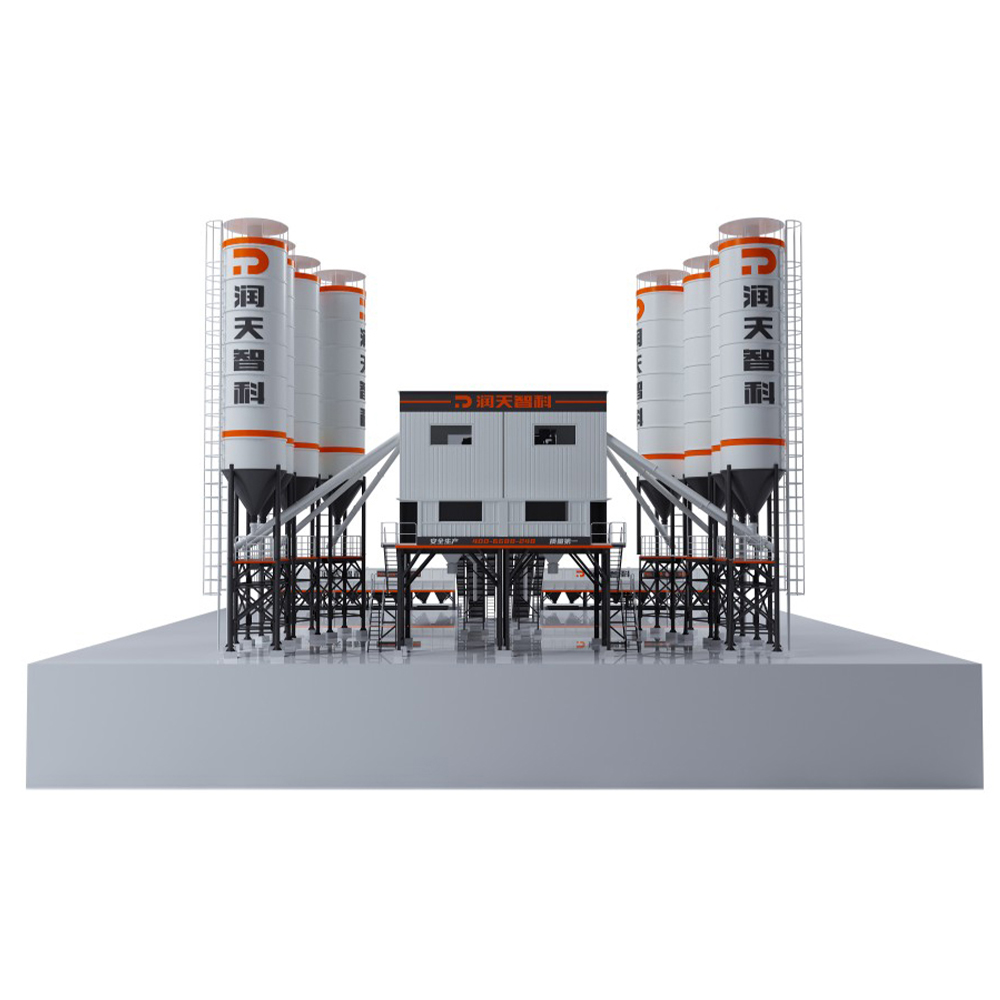 HZS Series Belt Concrete Mixing Plant
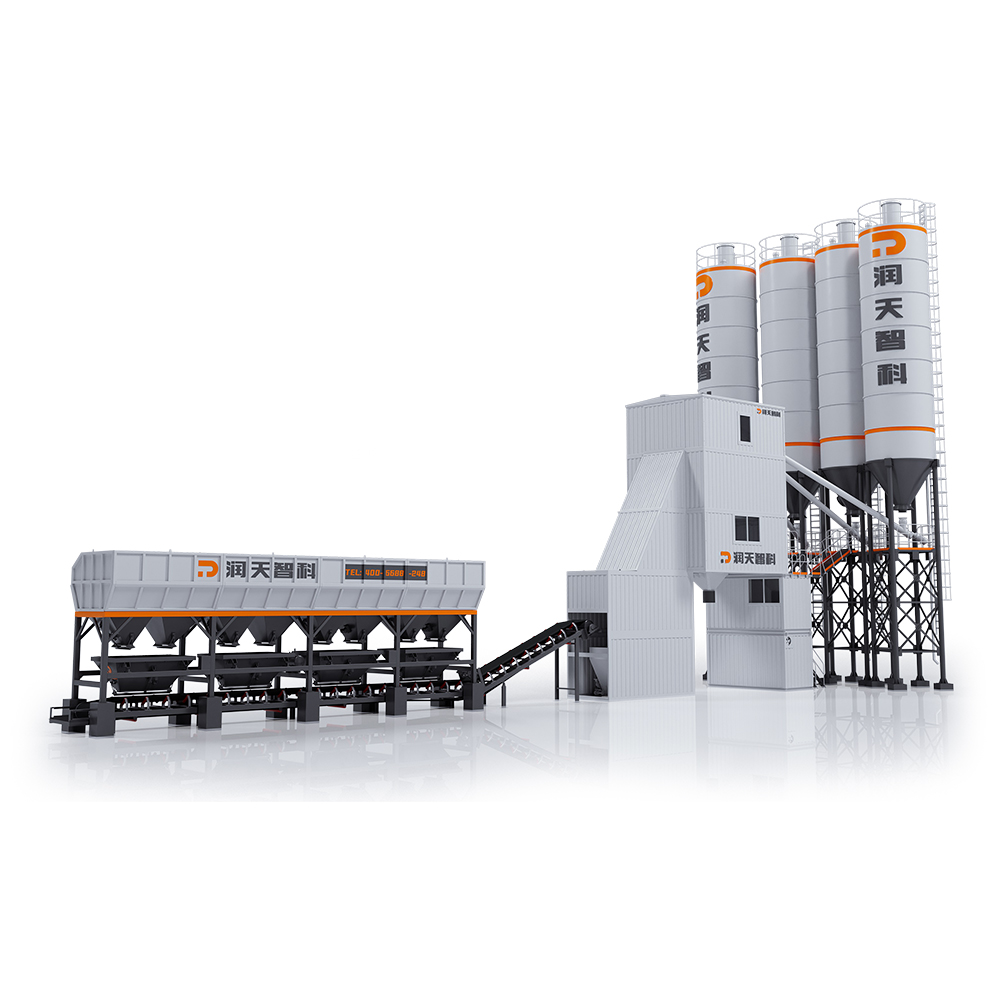 HZS Series Bucket-Lifting Type Container Concrete Mixing Plant
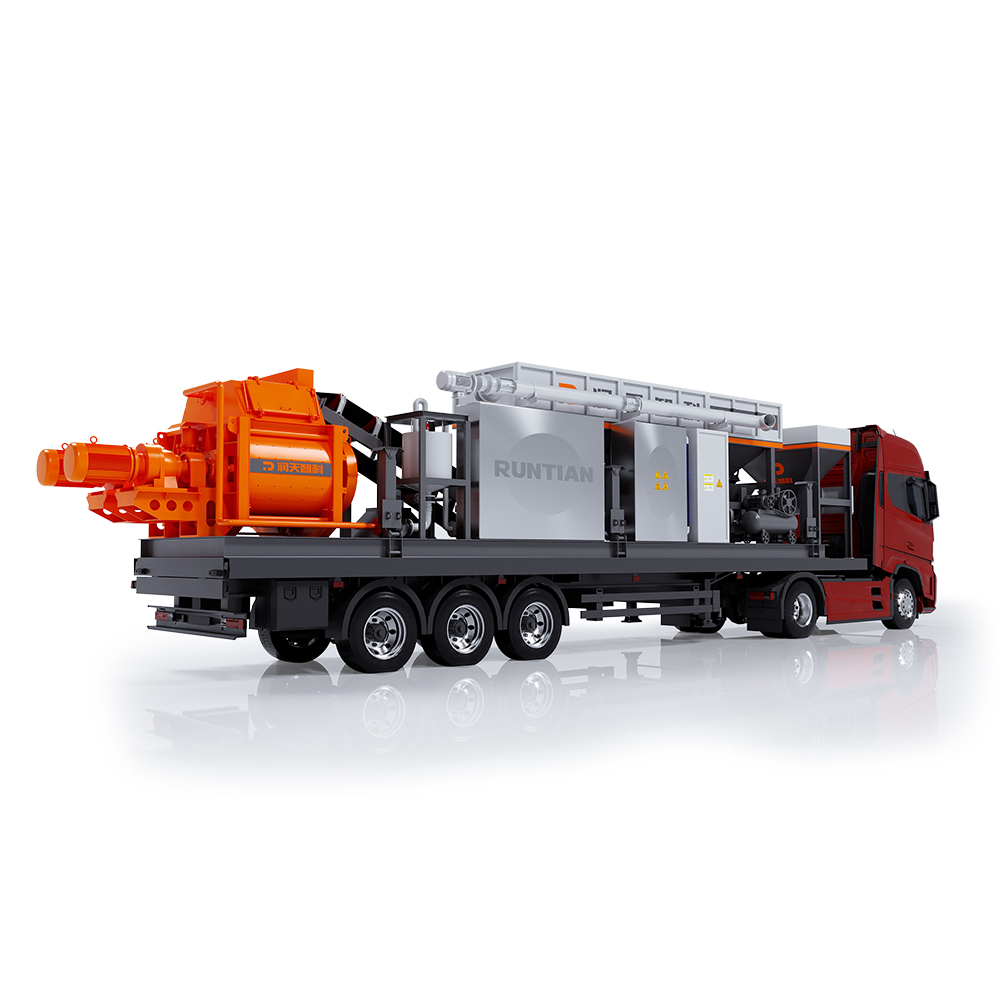 HZS60 Mobile Concrete Mixing Plant
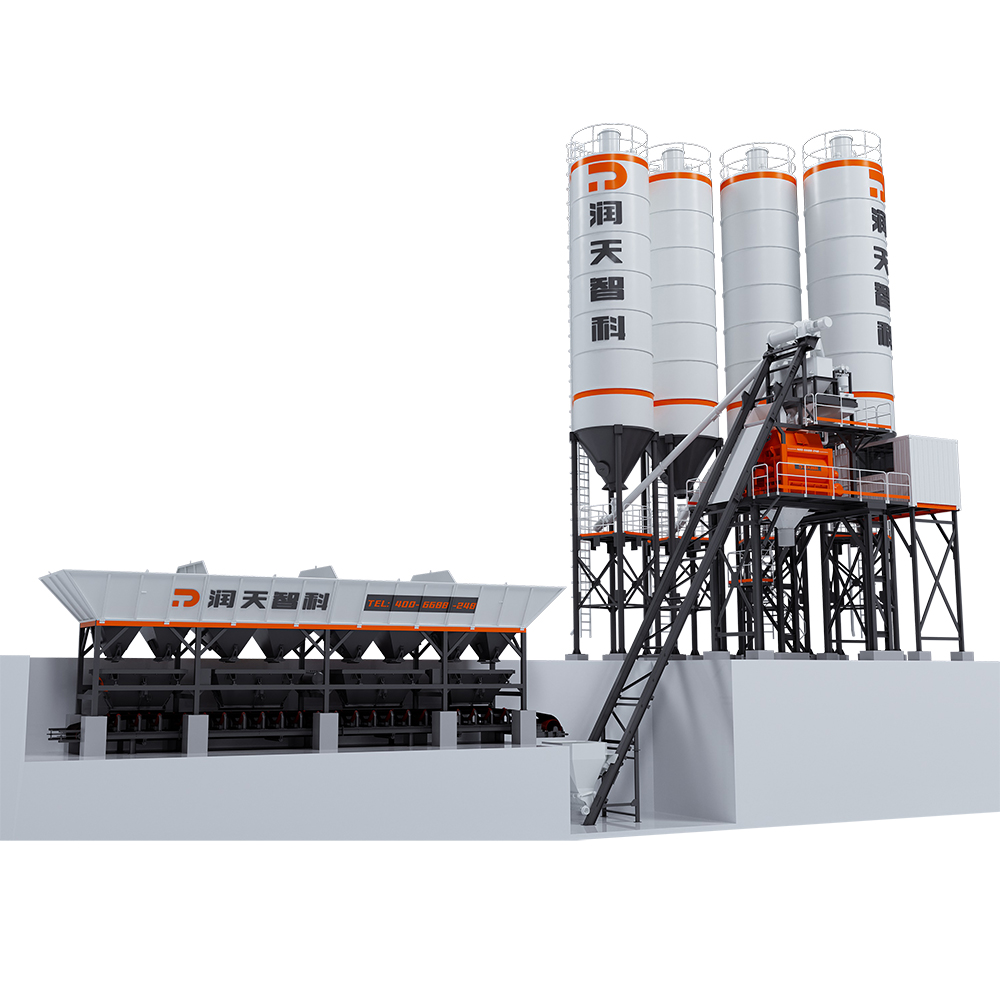 HZS Series Bucket-Lifting Type Concrete Mixing Plant
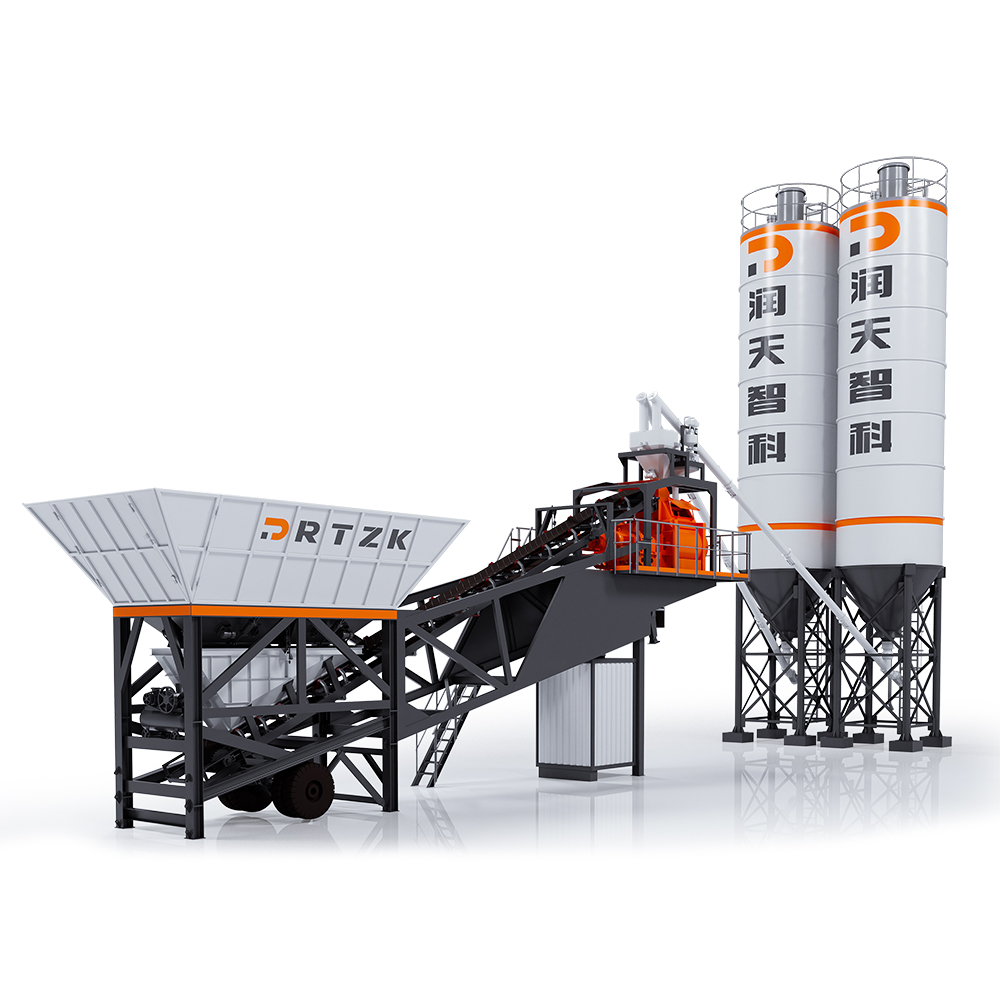 HZS Series Mobile Concrete Mixing Plant
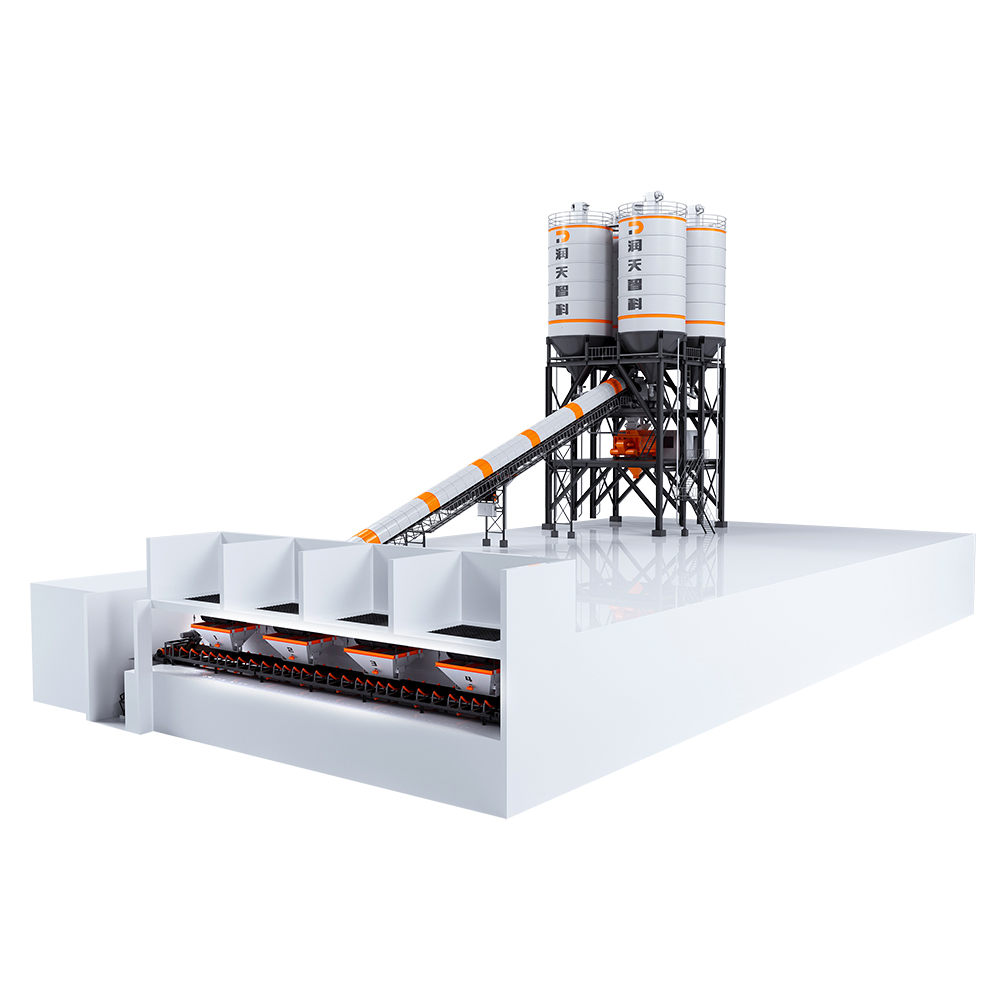 HZS Series Top-Mounted Concrete Mixing plant
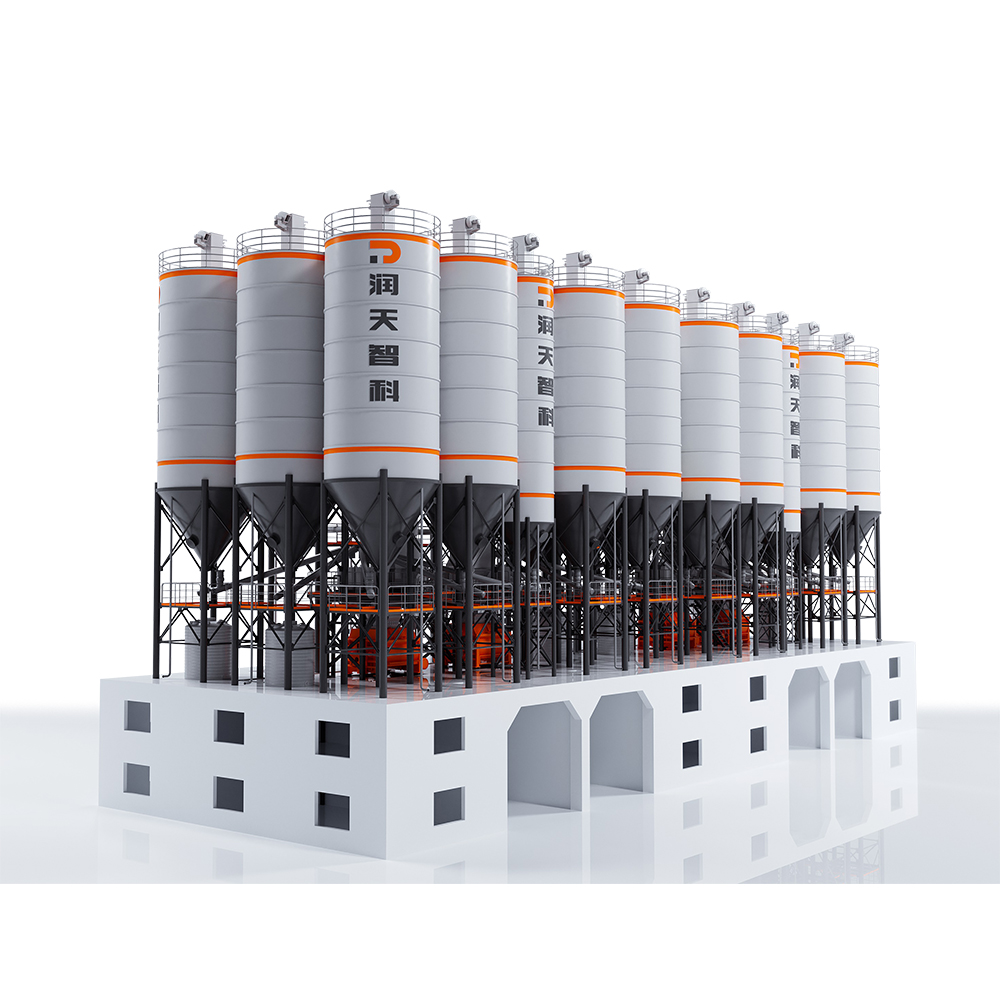 HZS Series Semi-Top Mounted Concrete Mixing Plant
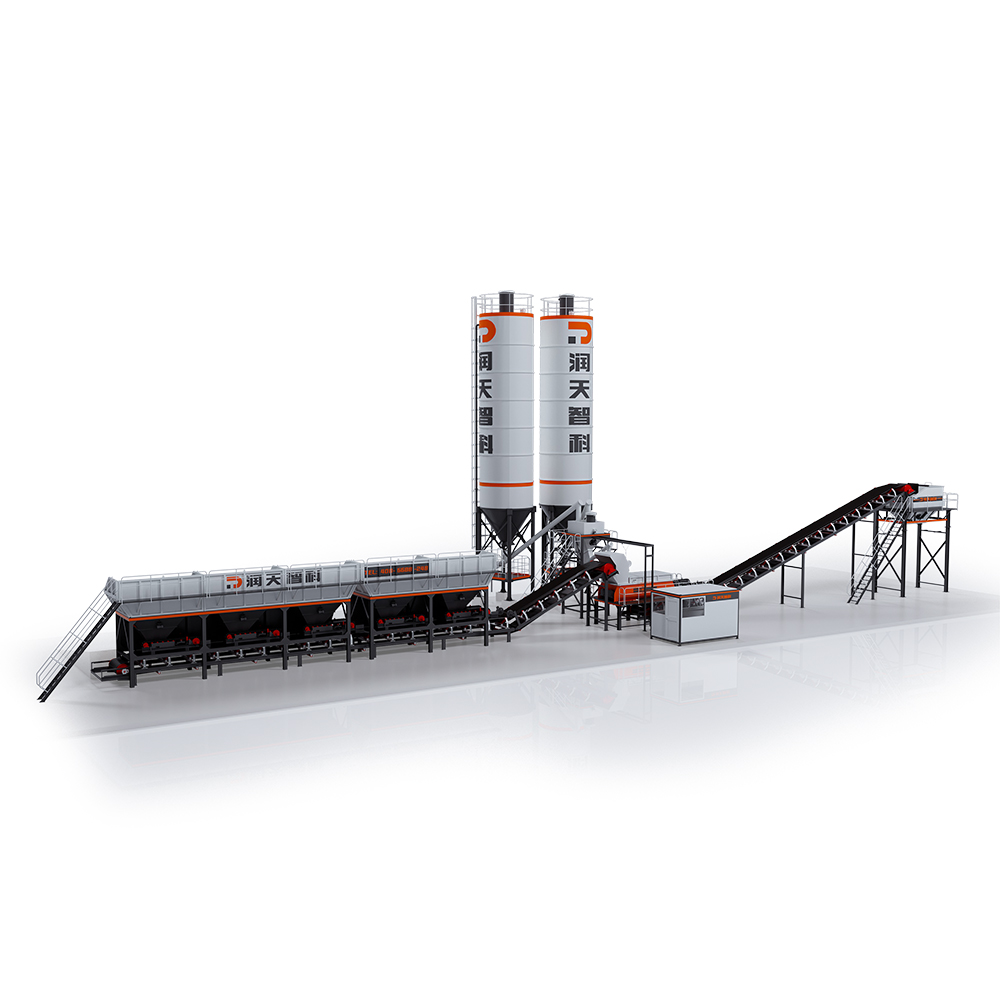 WDB Series Foundation-Free Stability Soil Mixing Plant
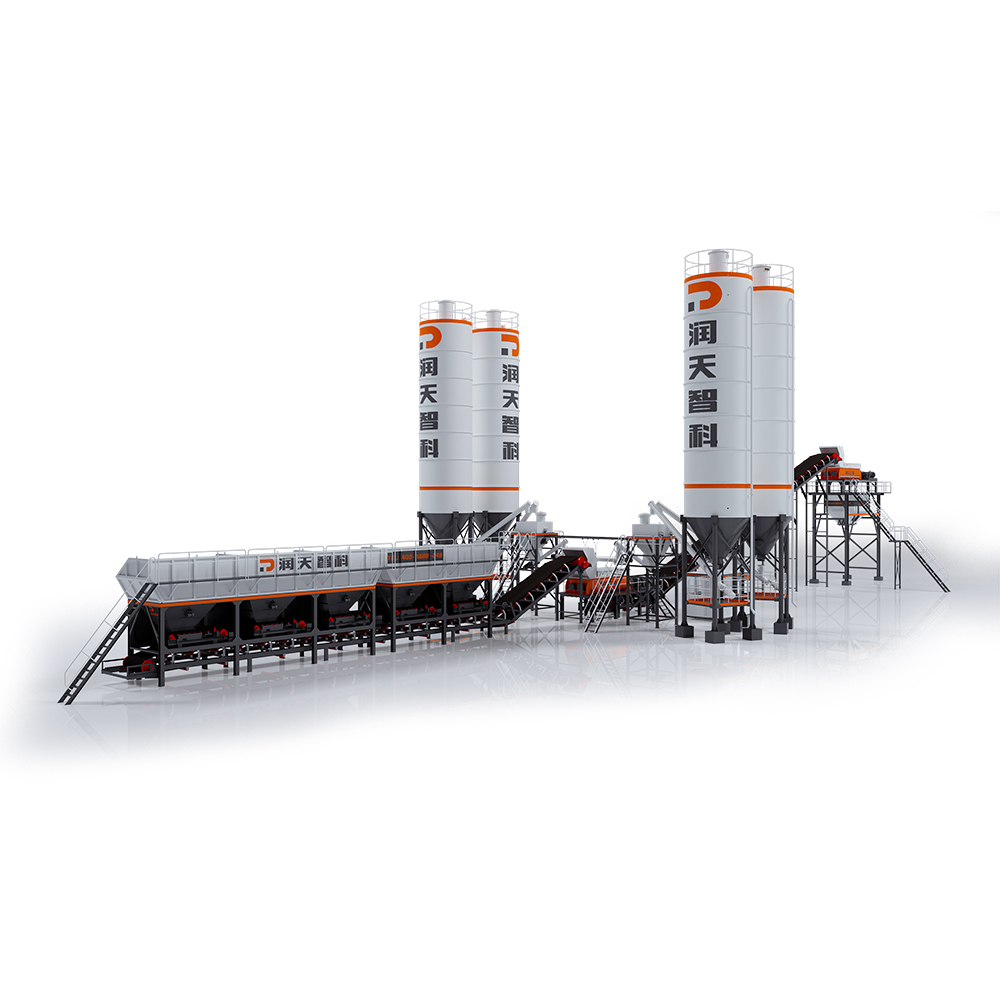 LCB Series Emulsified Asphalt Cold Regeneration Secondary Mixing Plant
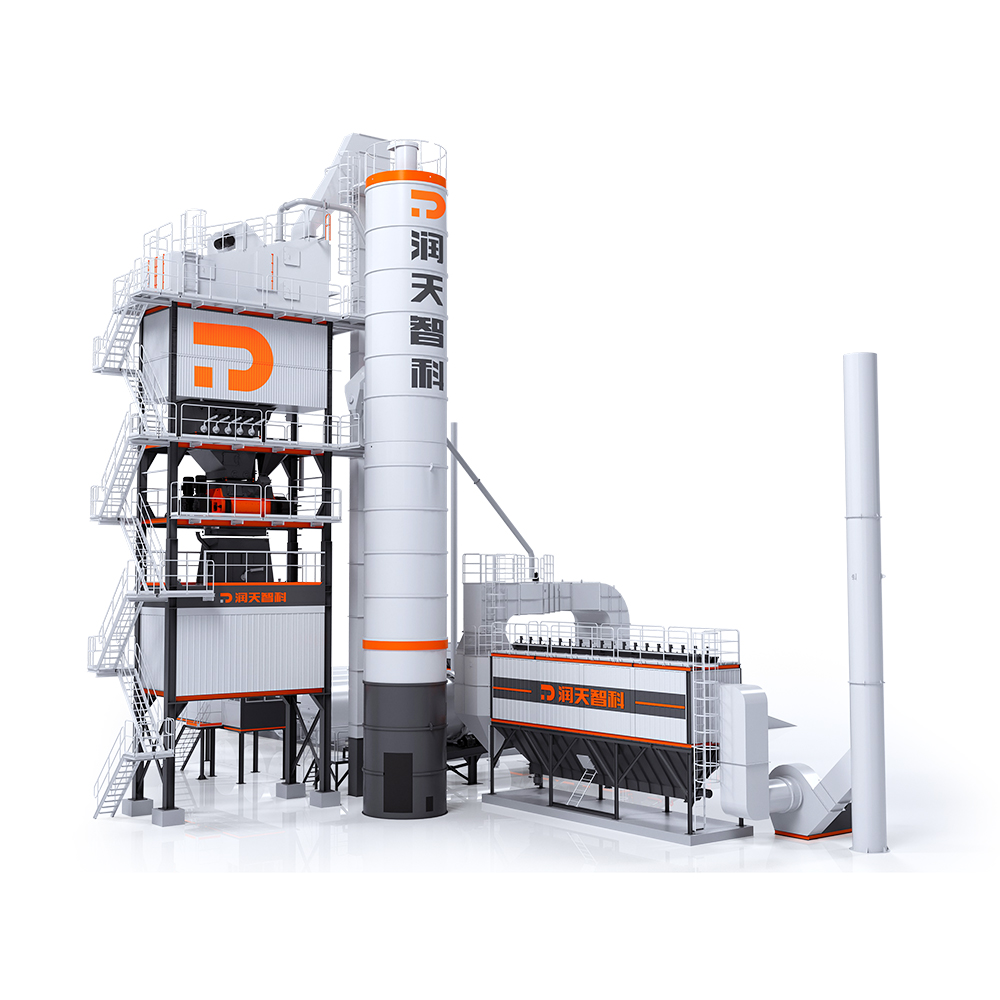 LB Series Asphalt Mixing Plant
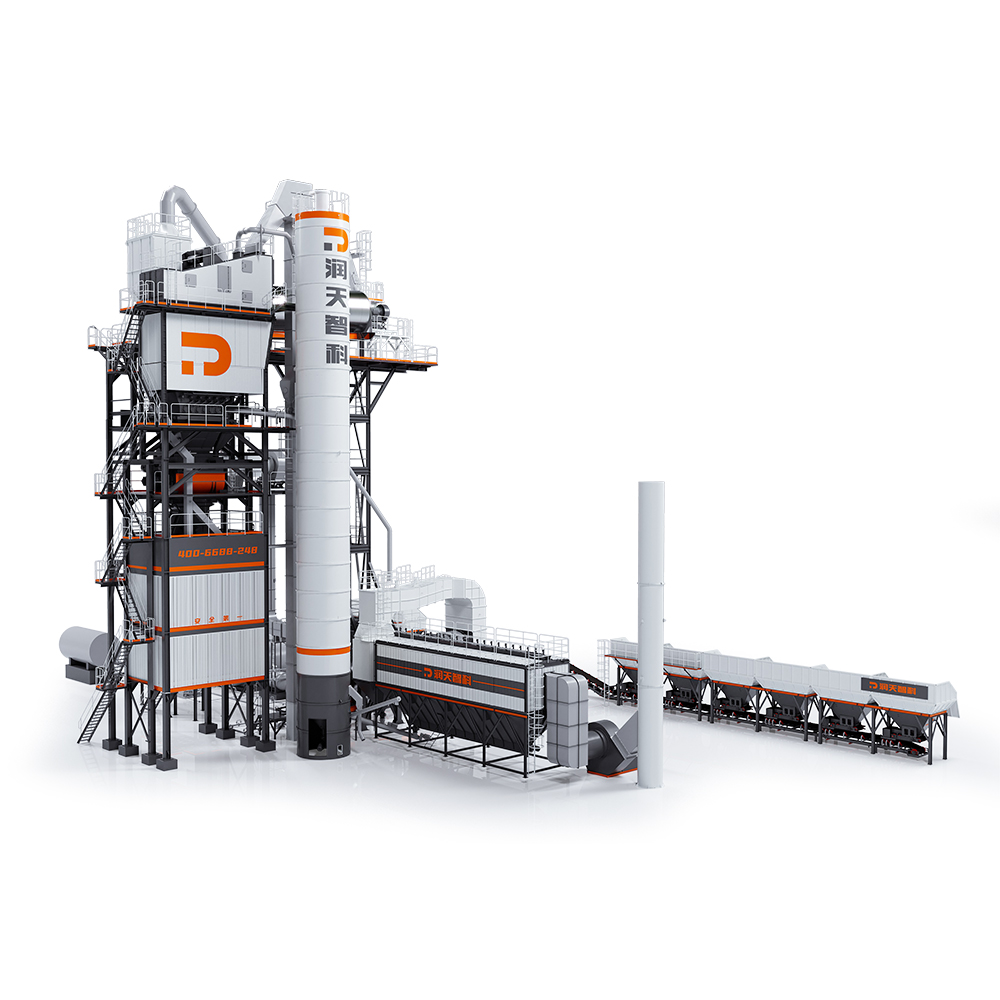 LBR Series Integrated Asphalt Mixing Plant
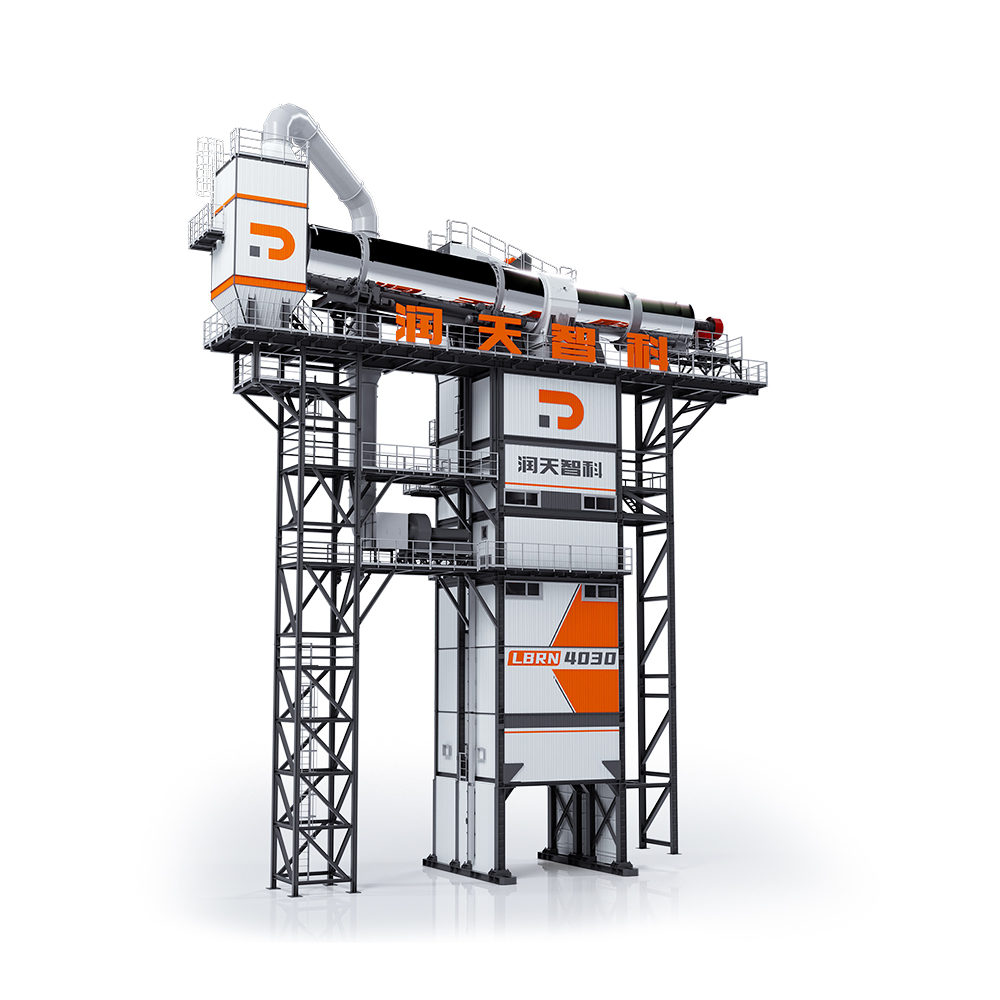 LBRN Series Counterflow Integral Asphalt Mixing Plant
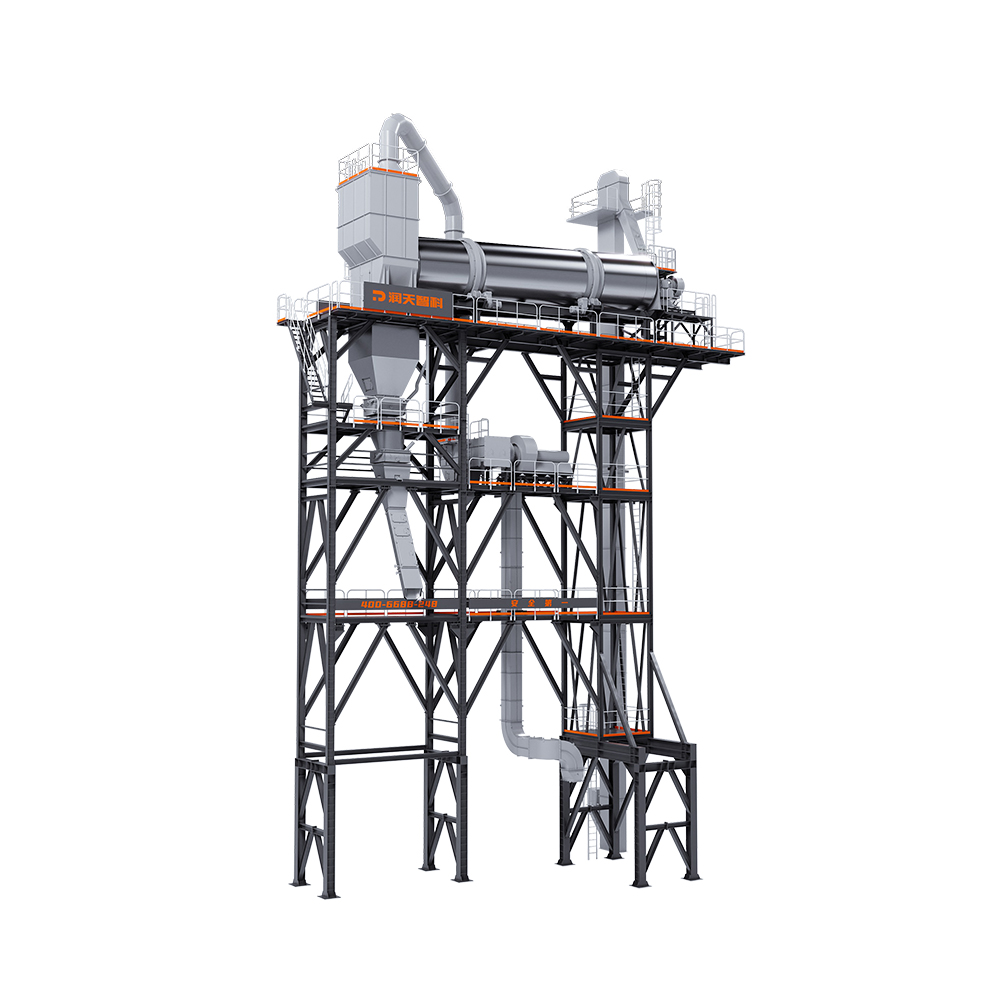 RZS Series Asphalt Mixing Plant
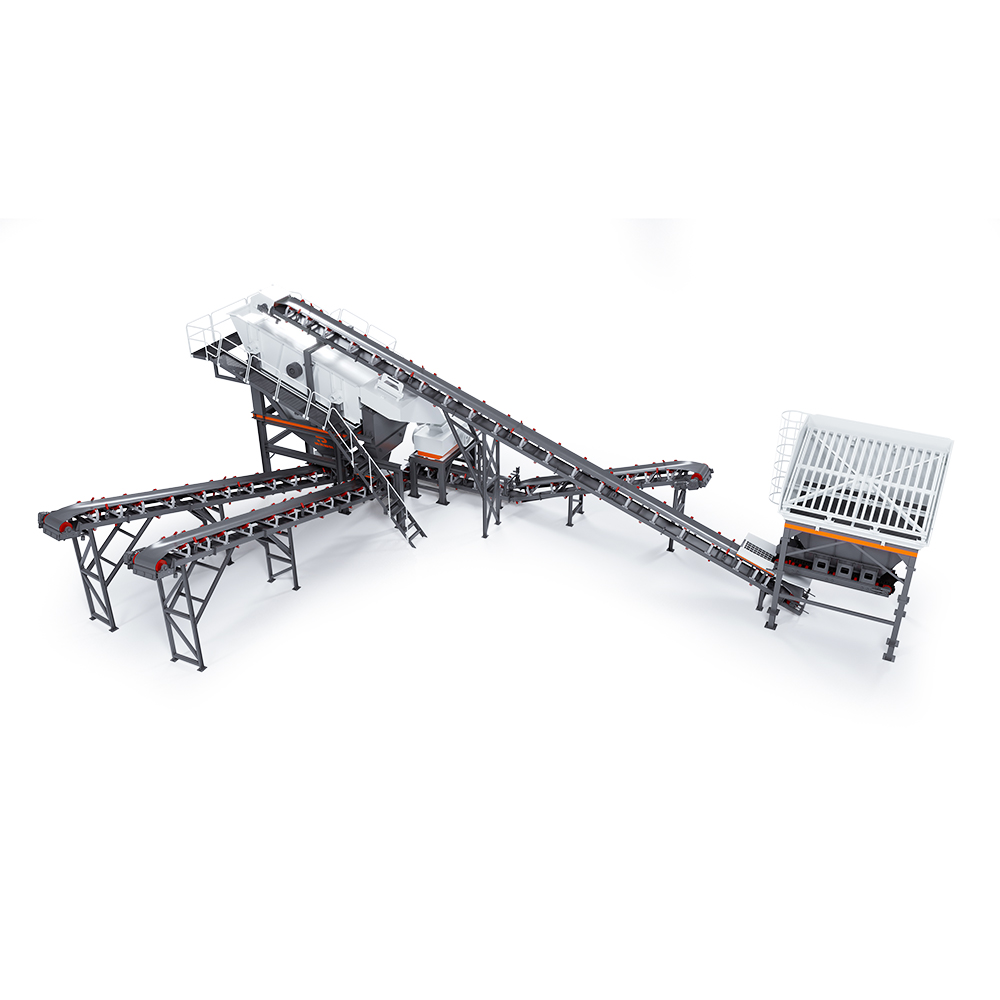 RTZS120 Series RAP Crushing & Screening Plant
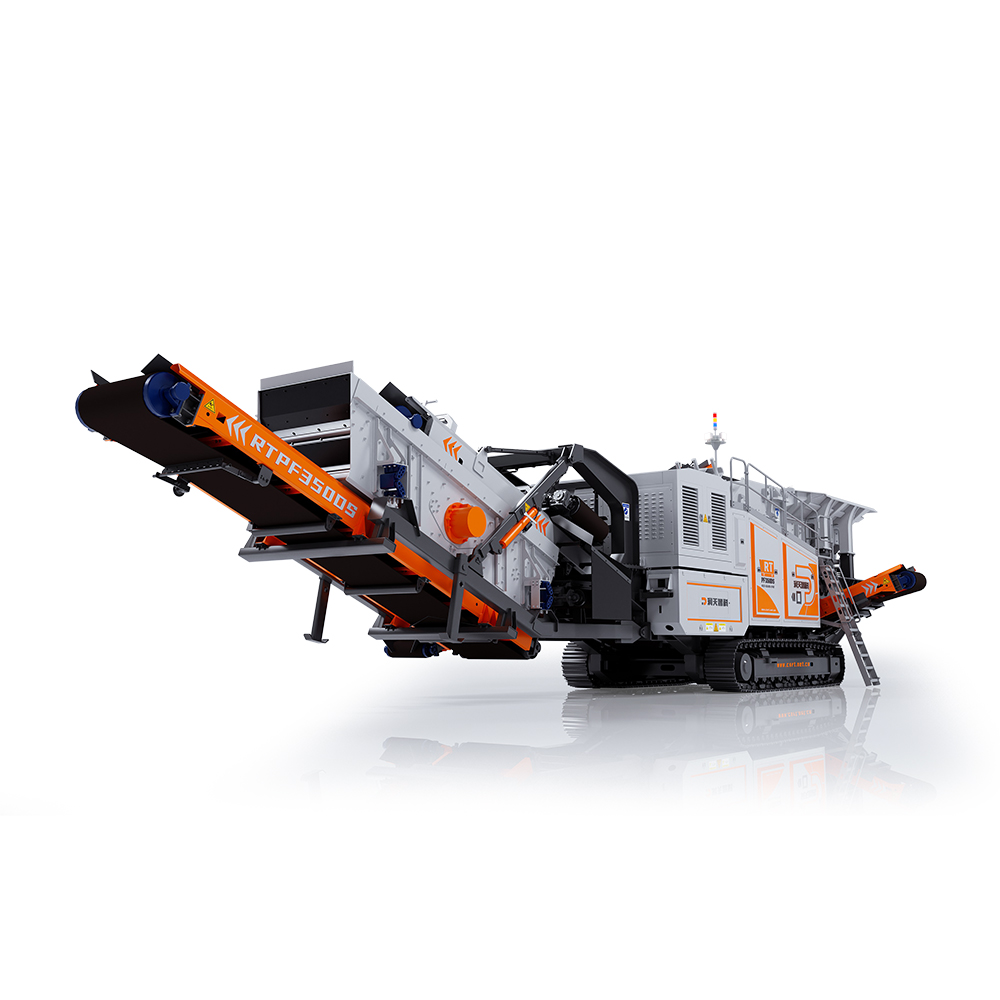 RTPF350DS Crawler Mobile Impact Crushing Plant
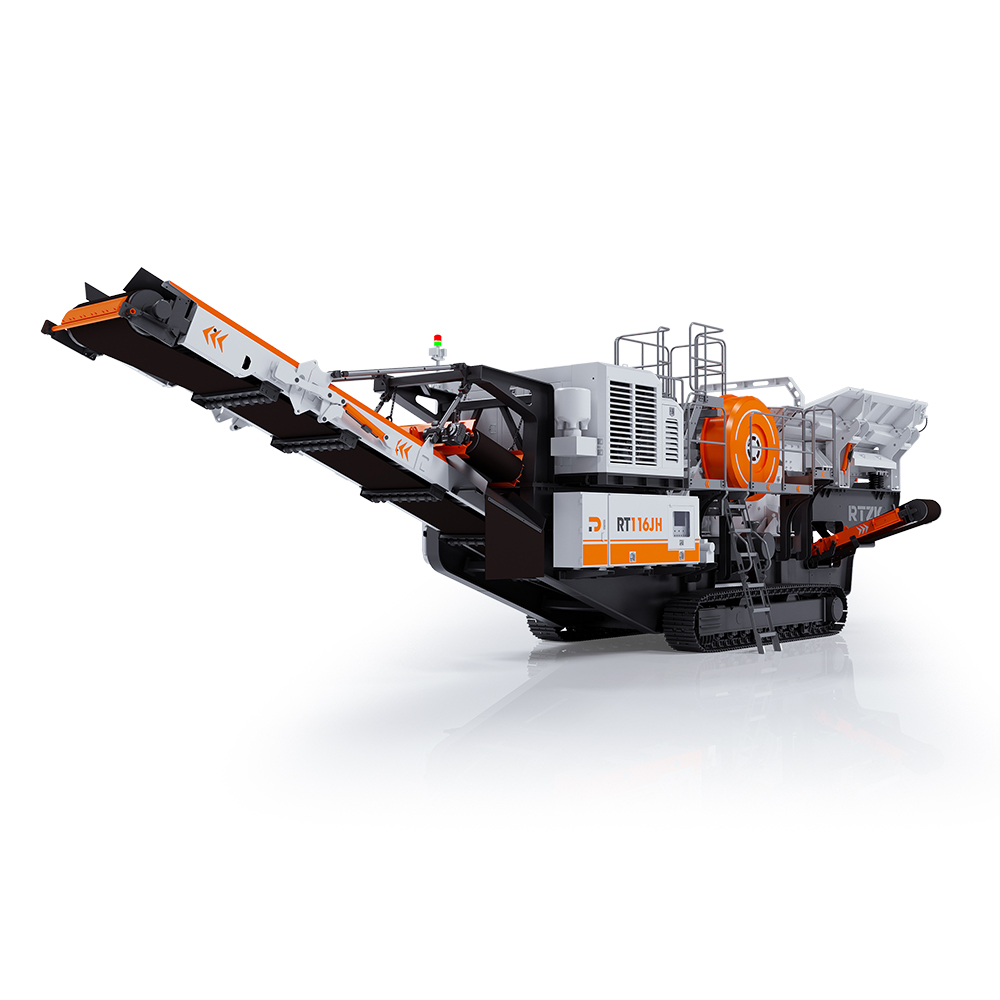 RT116JH Crawler Mobile Jaw Crushing Plant
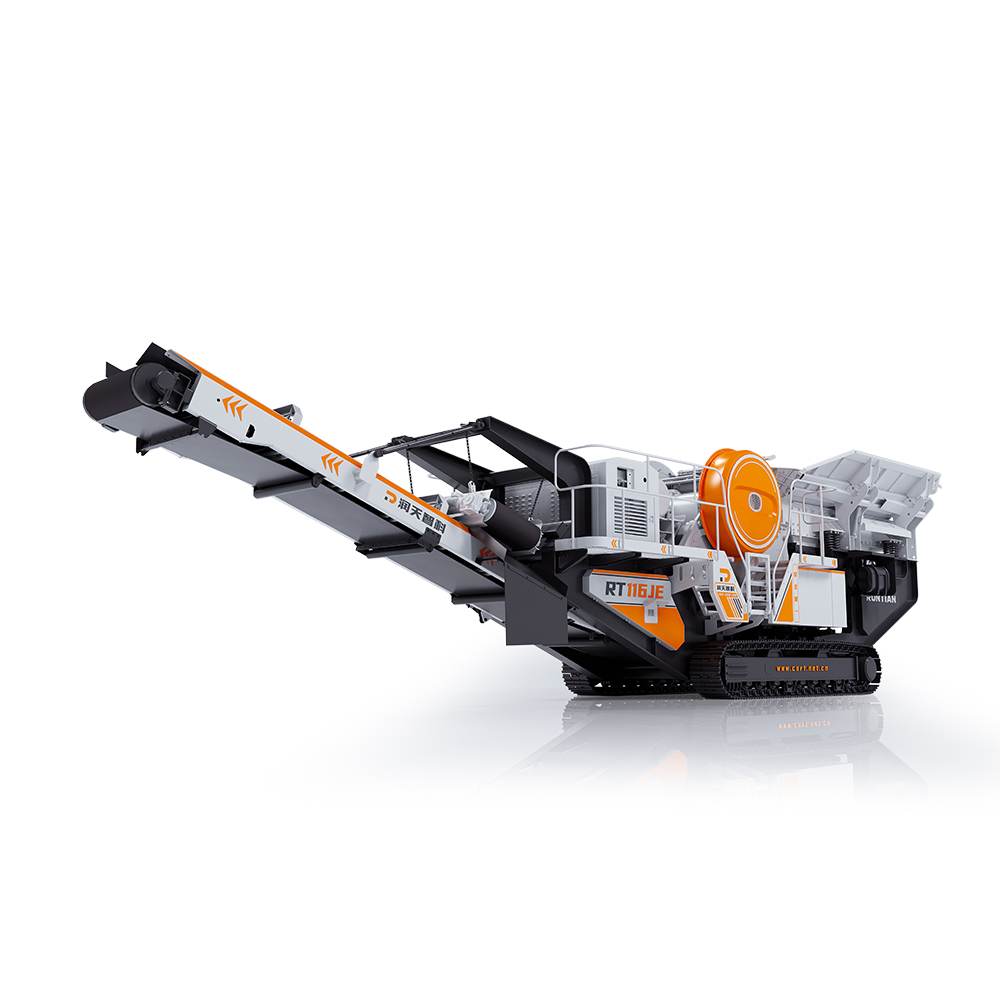 RT116JE Crawler Mobile Jaw Crushing Plant
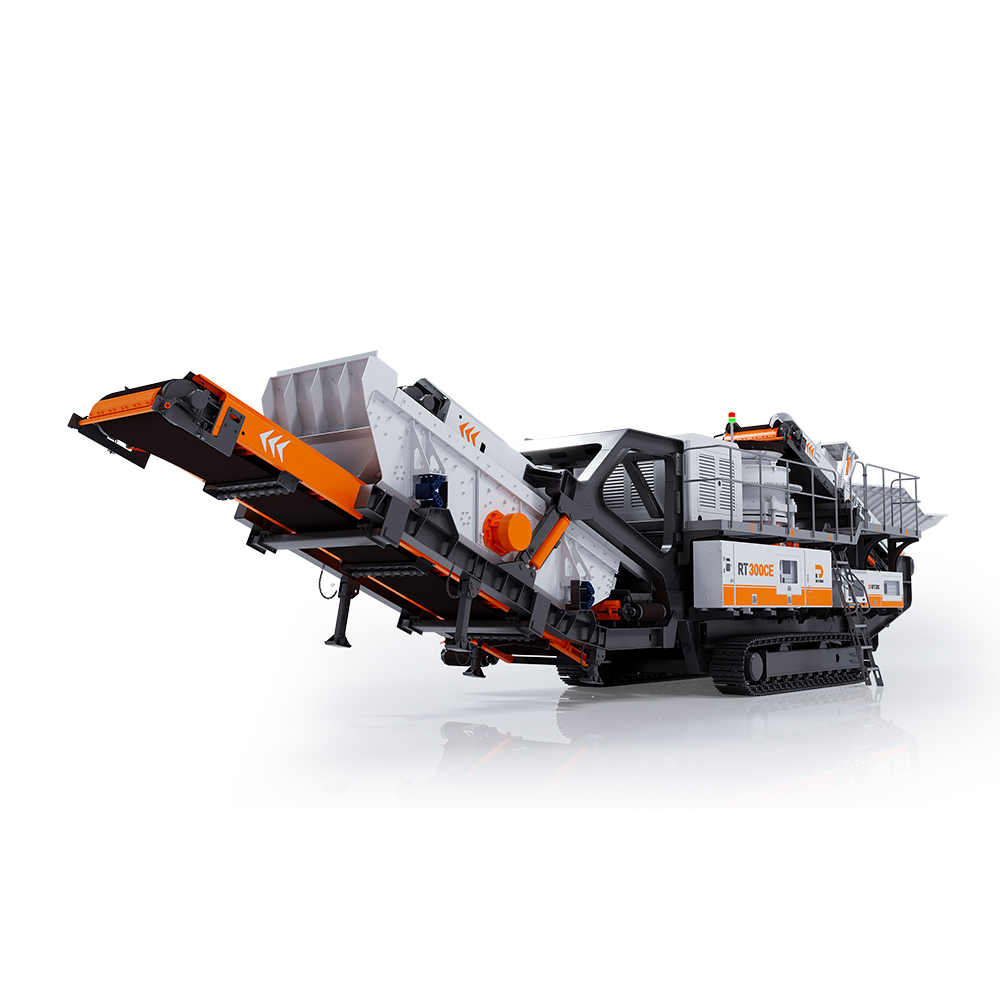 RT300CE Crawler Mobile Cone Crushing Plant
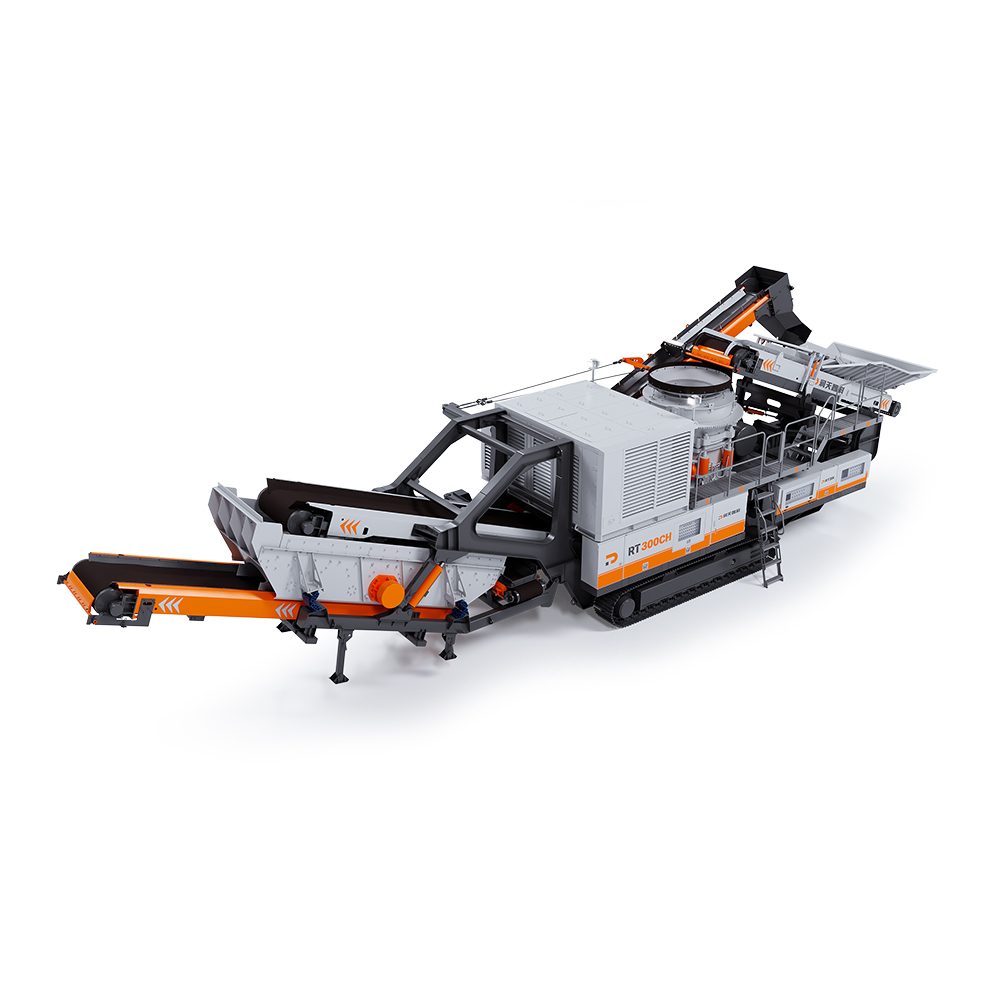 RT300CH Crawler Mobile Cone Crushing Plant
 RT5015H Mobile Scalping Screen
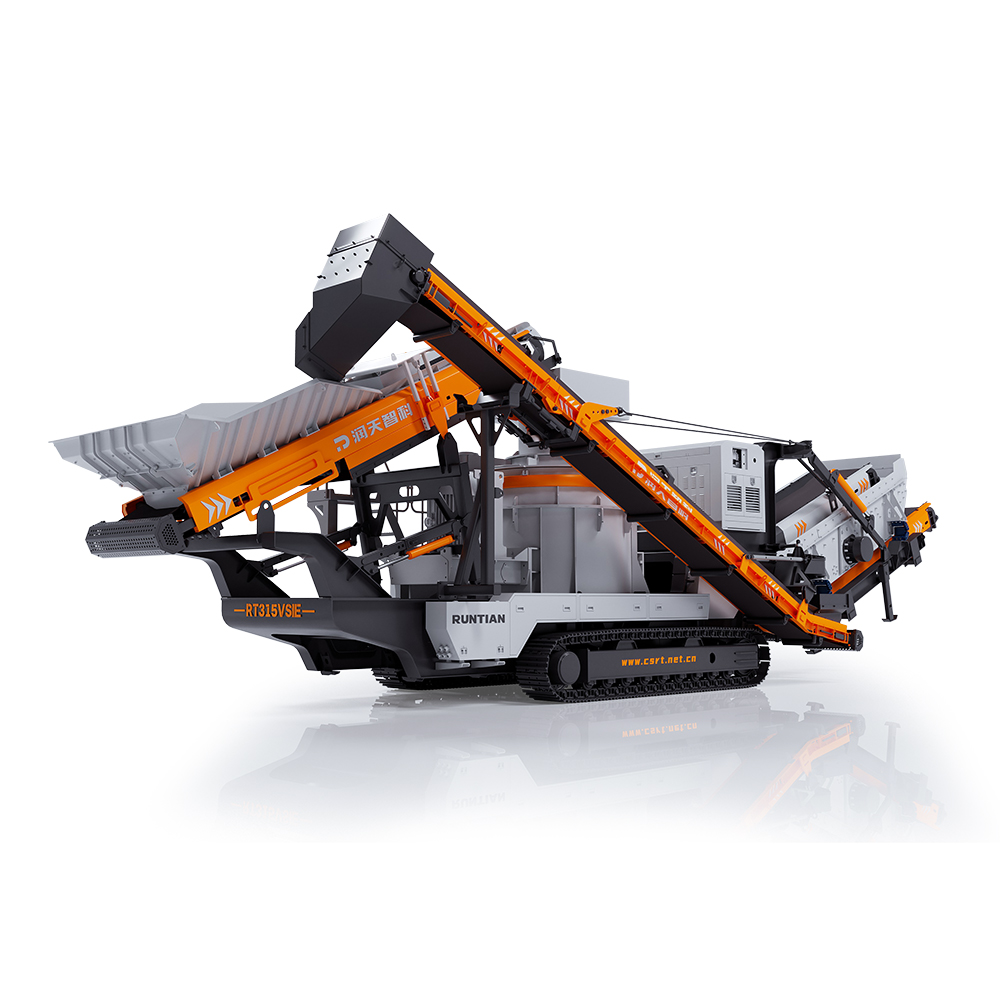 RT315VSIE Crawler Mobile Sand Maker
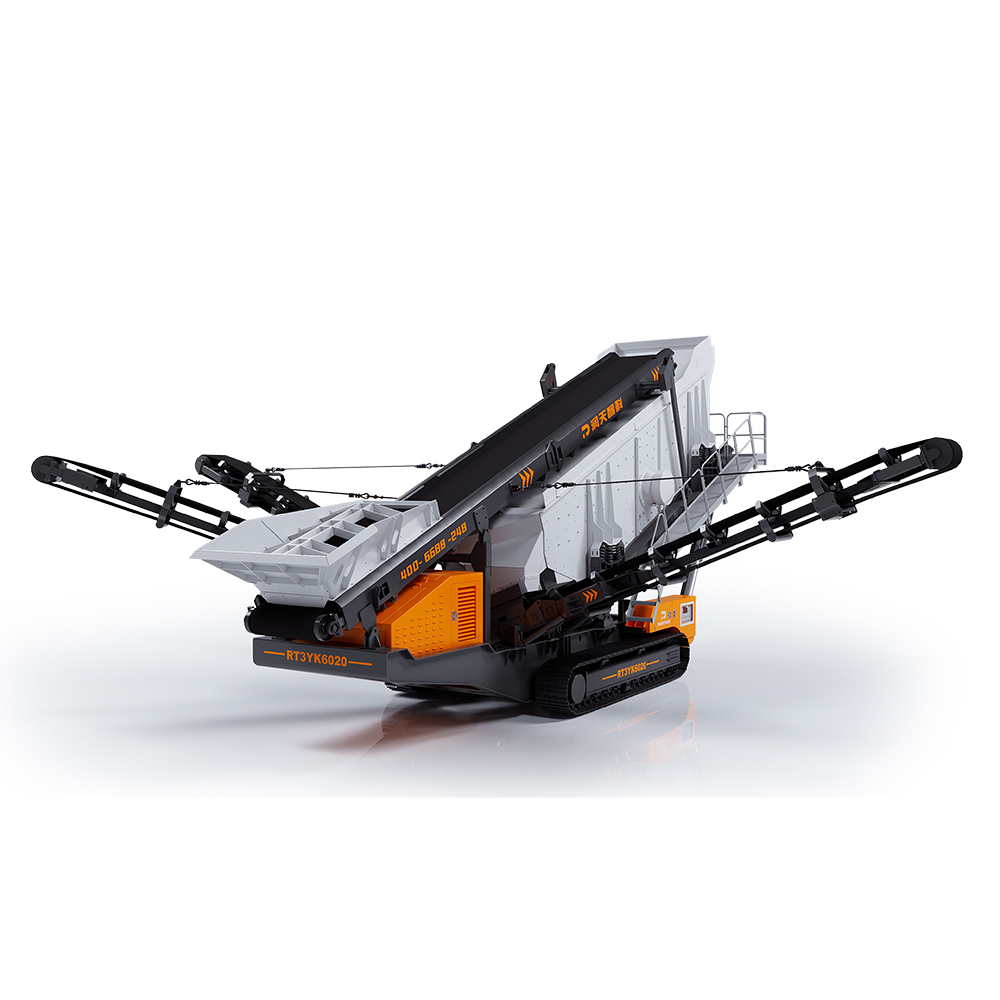 RT3YK6020 Crawler Mobile Screening Plant
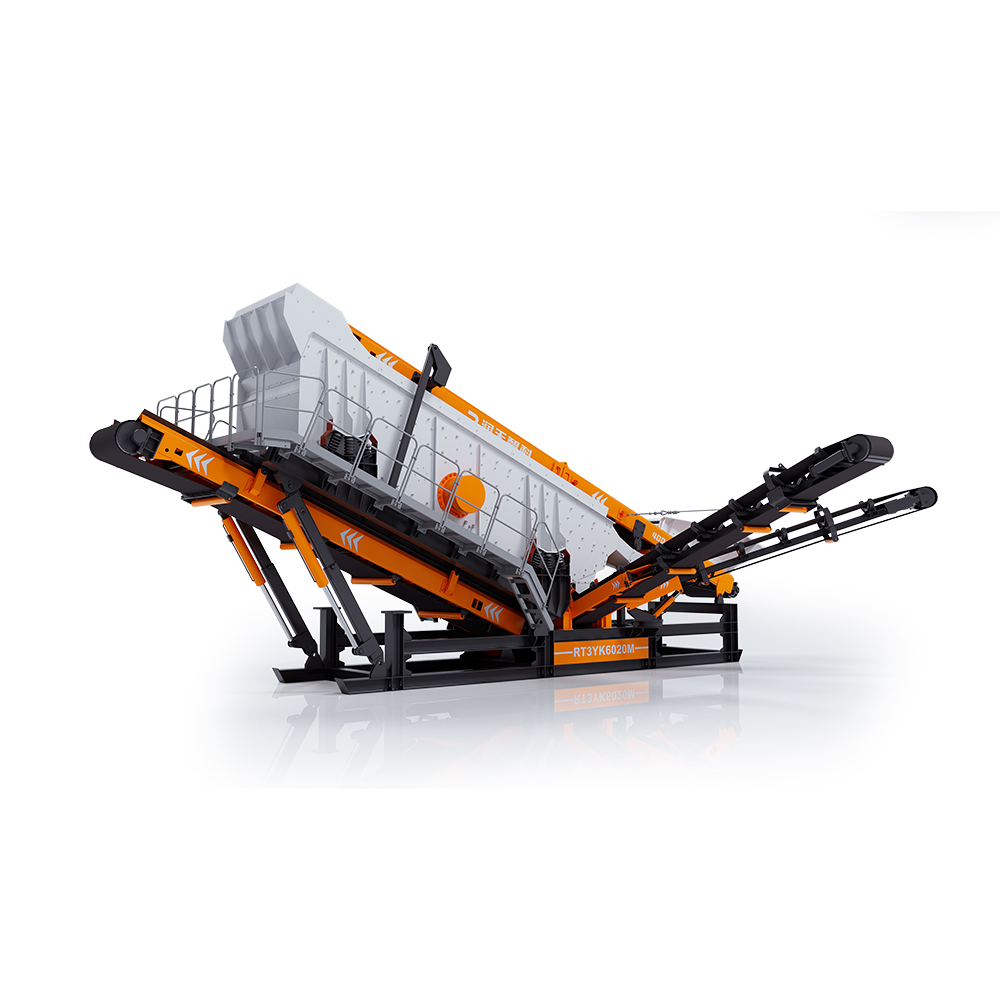 RT3YK6020M Modular Screening Plant
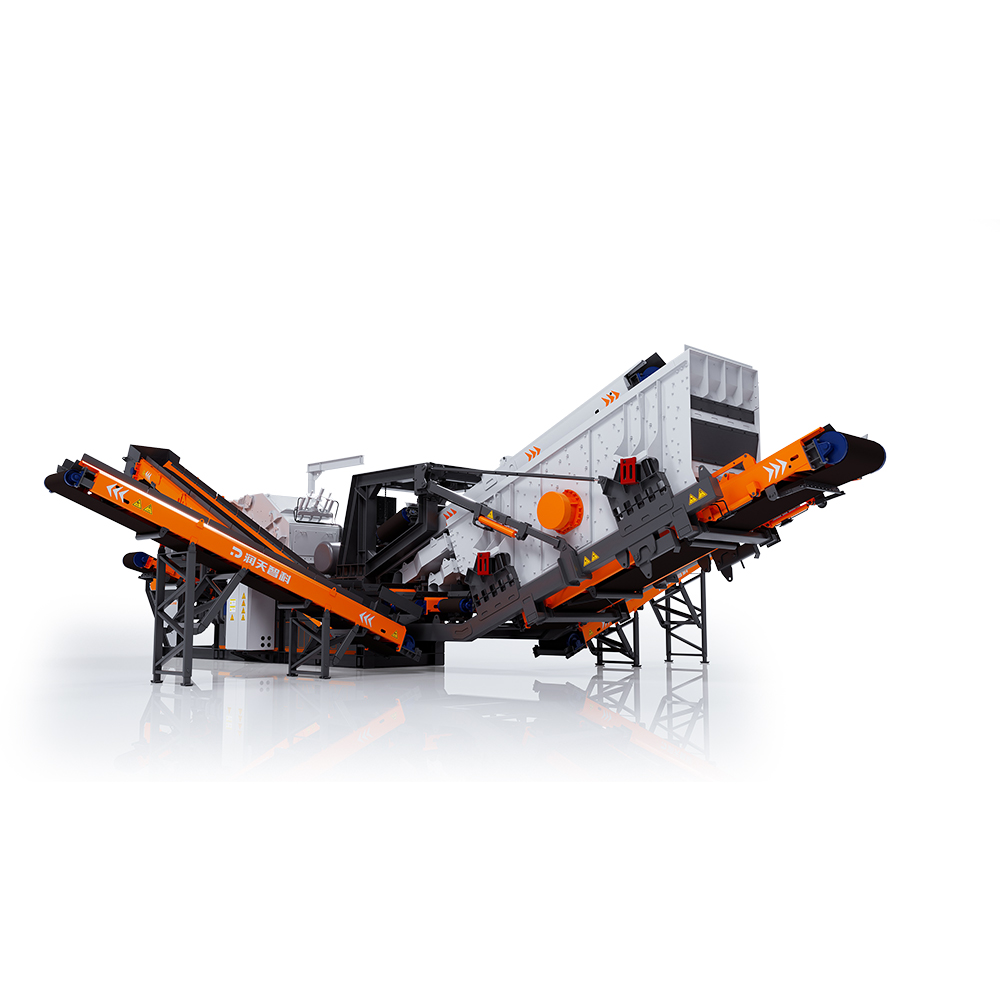 RTF260M Modular Counterattack Crushing and Screening Integrated Machine
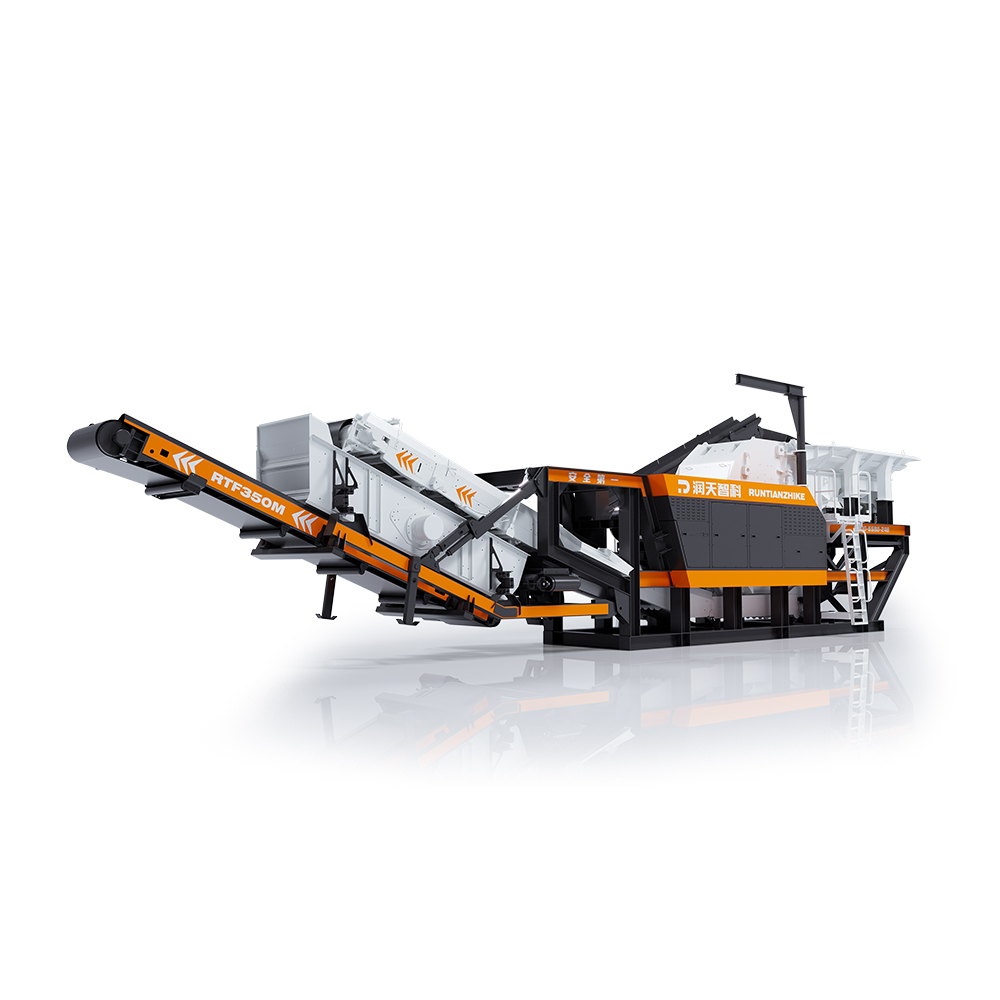 RTF350M Modular Impact Crushing Plant
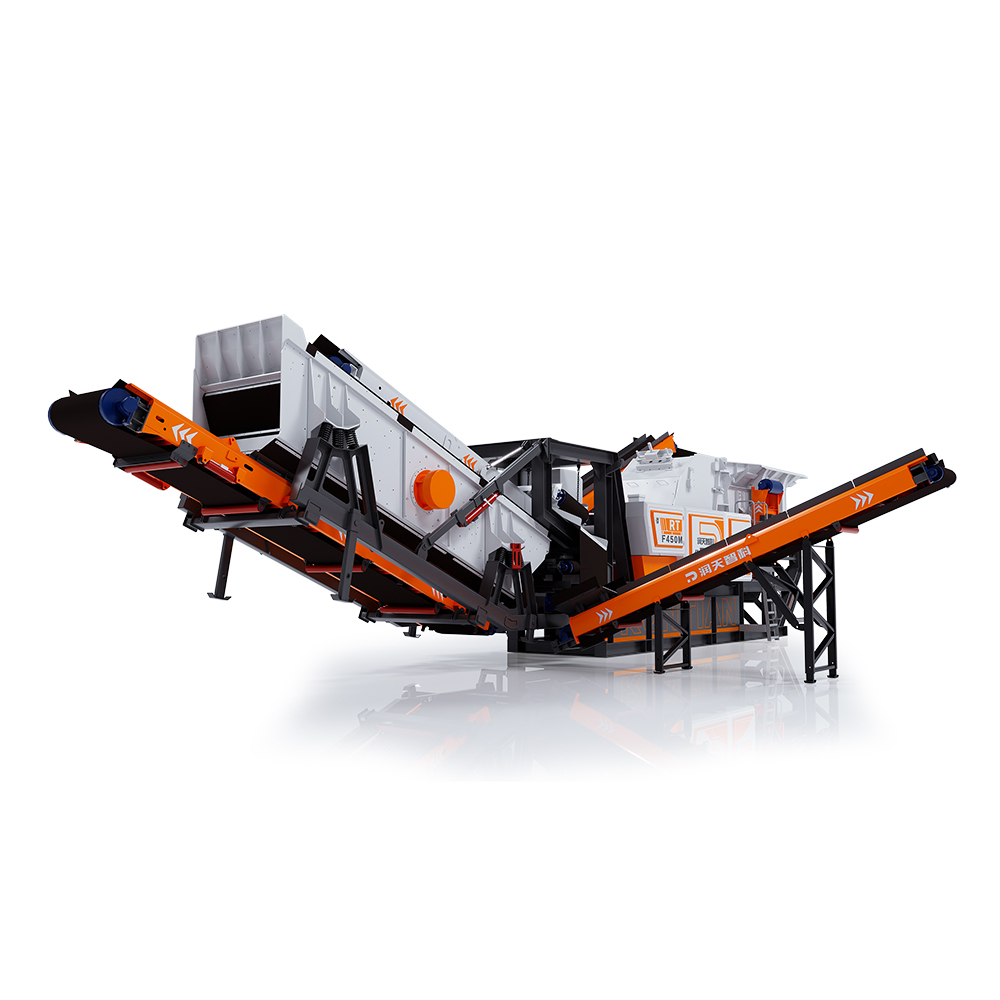 RTF450M Modular Impact Crushing Plant
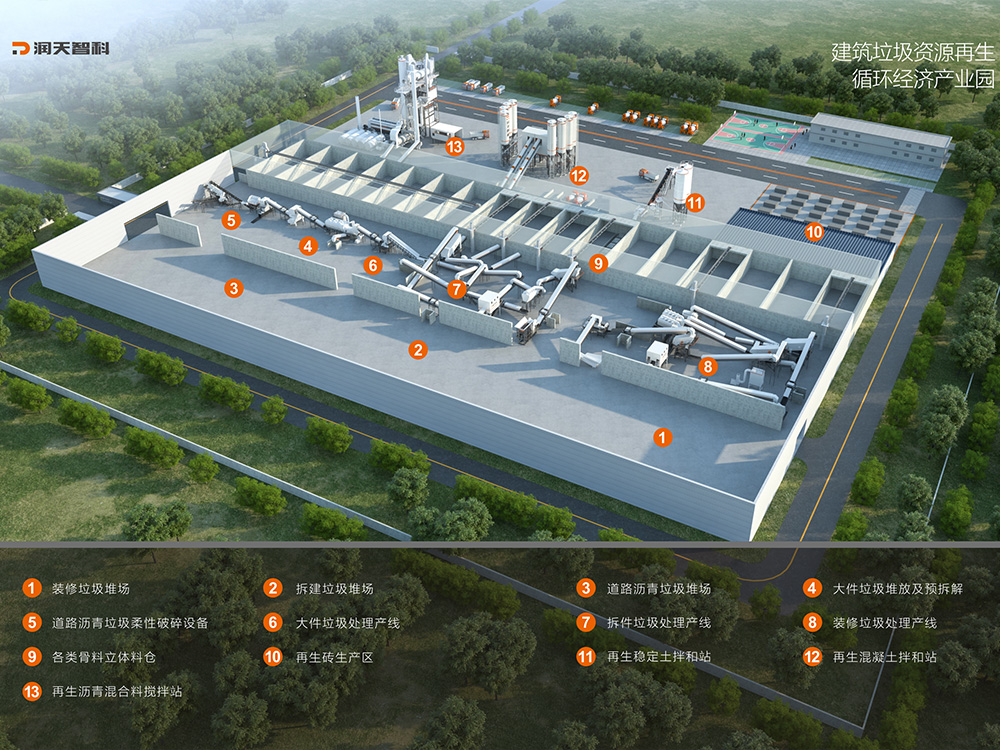 Construction Waste Resourceful Treatment Line