Leave Your Message

What Is an Asphalt Plant and How Does It Work?

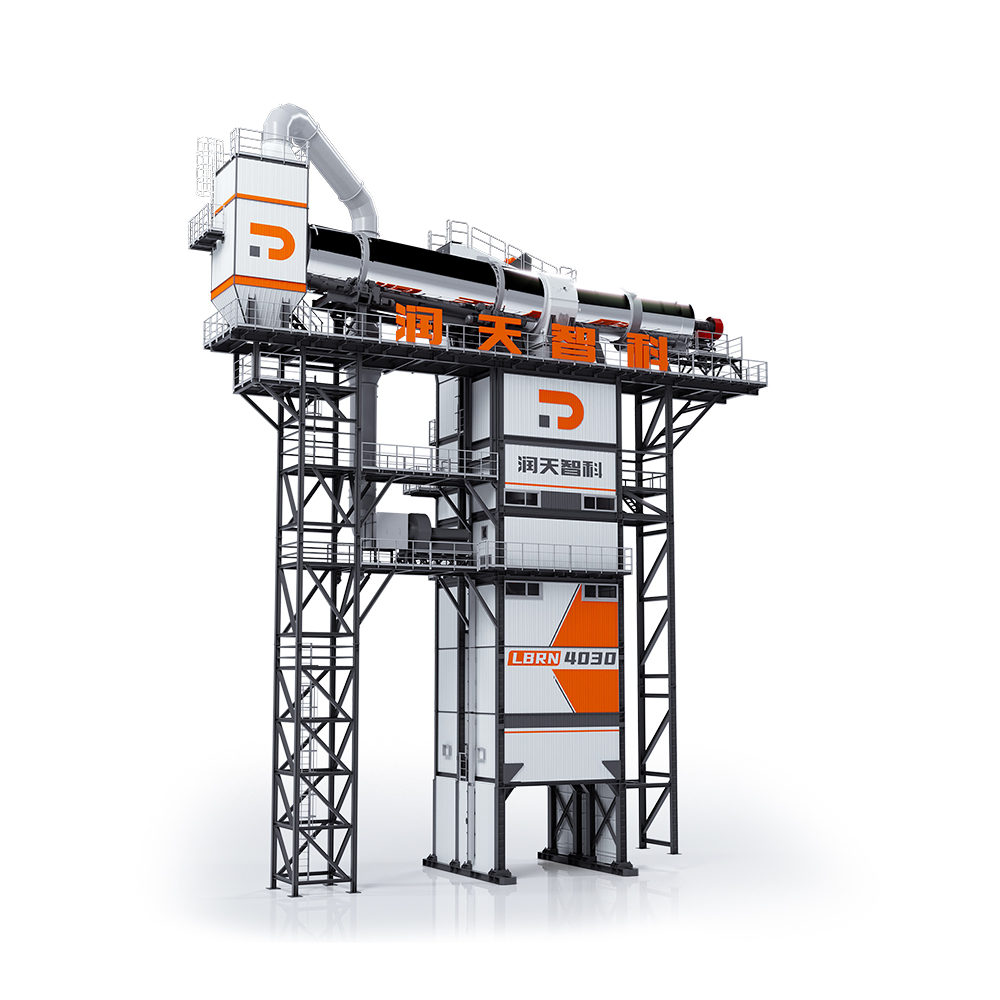
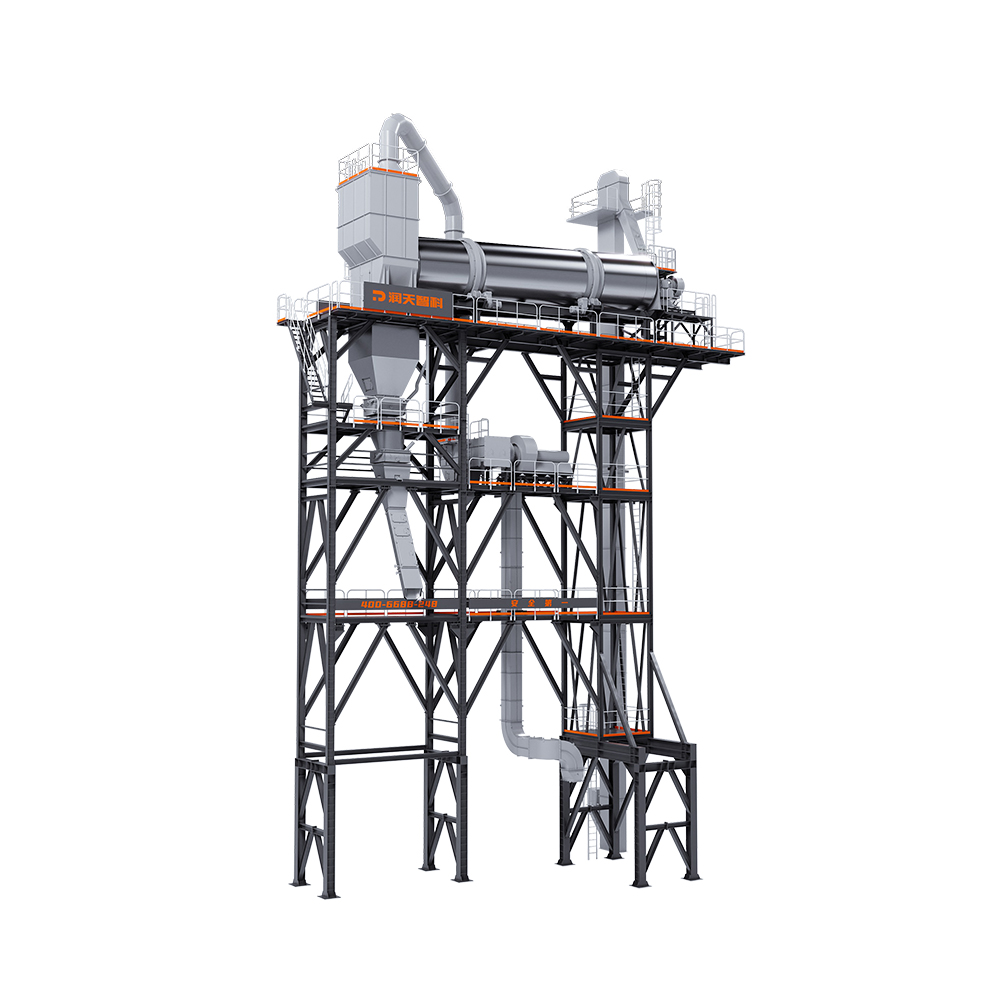
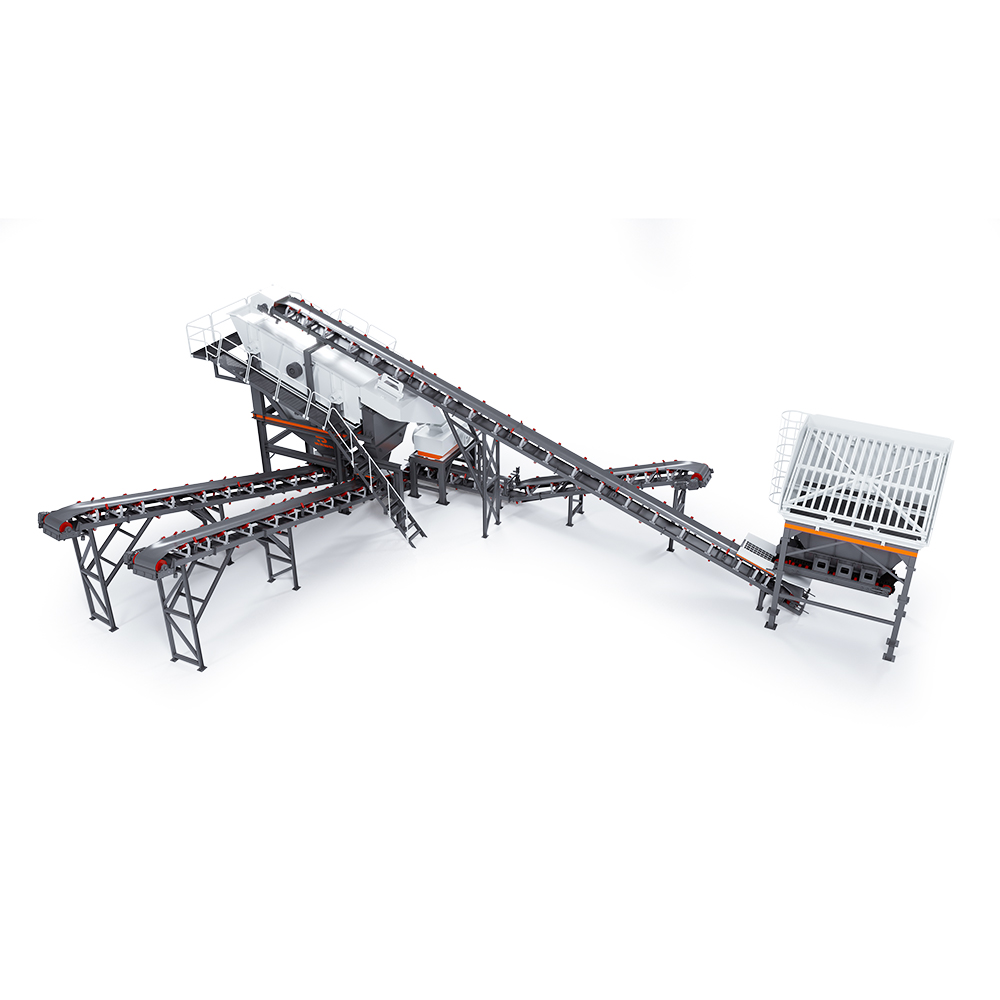
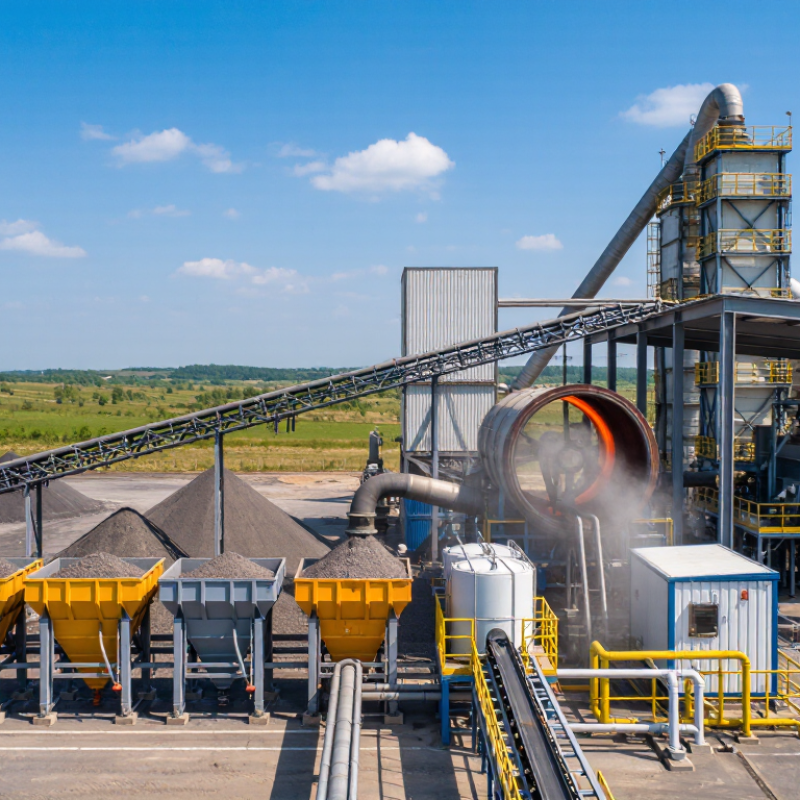
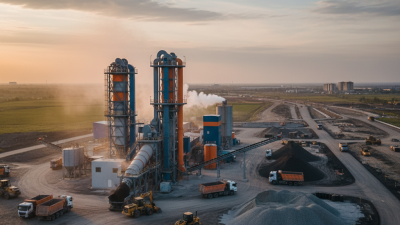
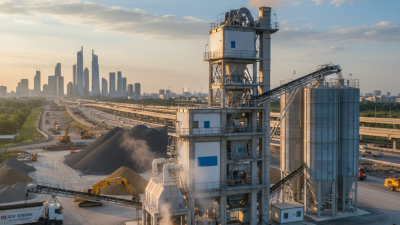
An Asphalt Plant is an engineered production site where aggregates, mineral filler, and bitumen become durable paving material. Its operation looks straightforward, yet every stage affects road performance. Stone enters through cold feed bins, where conveyors control the initial flow. The material then moves through a dryer, often a rotating drum heated by a burner. Moisture leaves the aggregate as hot air passes through the drum.

Temperature matters greatly.

Dry, heated aggregate reaches the mixing area at a controlled temperature. Bitumen is stored in insulated tanks and pumped through calibrated lines. The plant blends these materials until the binder coats each particle evenly. Modern systems use sensors, scales, and automated controls to maintain consistent proportions. Operators still monitor the process closely. A sensor can drift, and a small error may affect an entire truckload.

Different plant designs serve different production needs. Batch plants measure and mix materials in separate cycles. Drum-mix plants combine drying and mixing in a continuous process. Both systems can produce reliable asphalt when maintained properly and operated by trained personnel. Dust collectors also capture fine particles, supporting cleaner and safer plant operation.

Real-world experience shows that quality depends on more than machinery. Aggregate moisture, weather, storage time, and maintenance all influence the final mixture. No plant is perfectly efficient. That is worth remembering. A clean control screen cannot replace careful inspection, accurate testing, and responsible decisions. Understanding how an Asphalt Plant works helps contractors, engineers, and buyers judge material quality with greater confidence.

What Is an Asphalt Plant and How Does It Work?

What Is an Asphalt Plant?

What Is an Asphalt Plant?

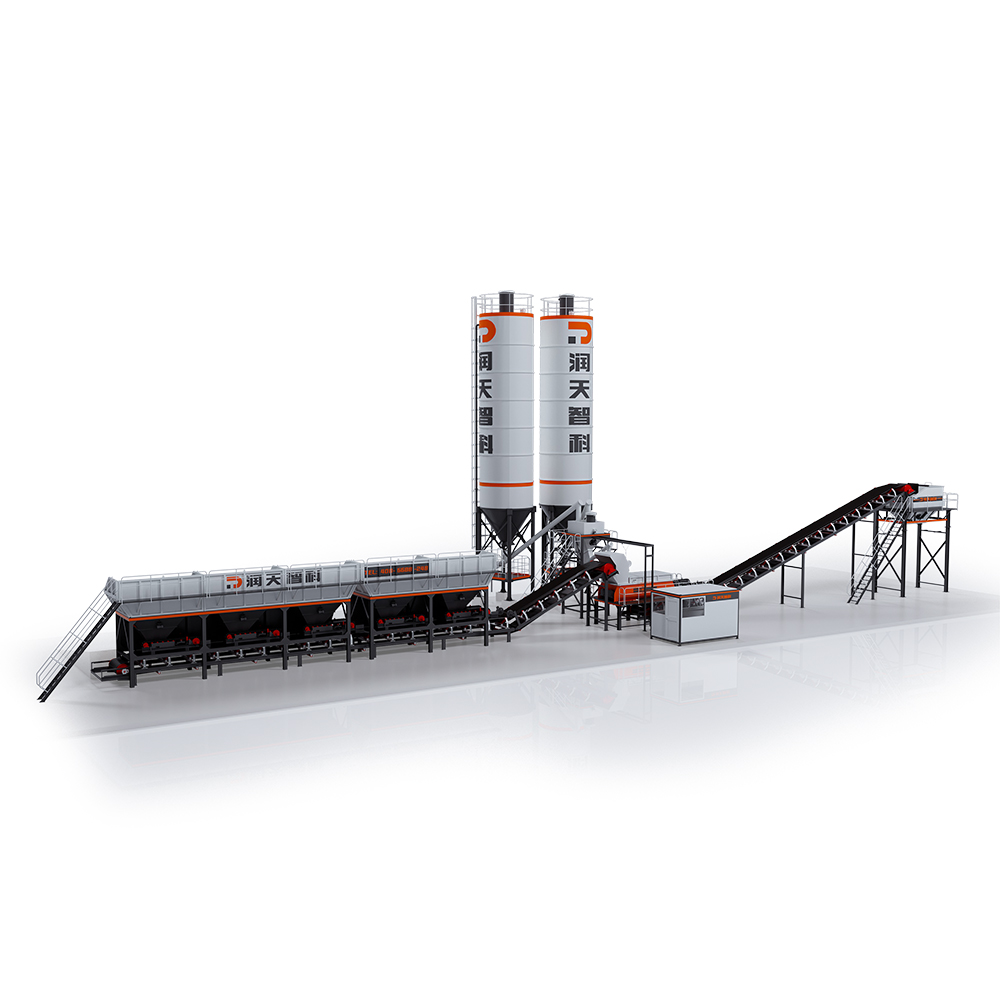
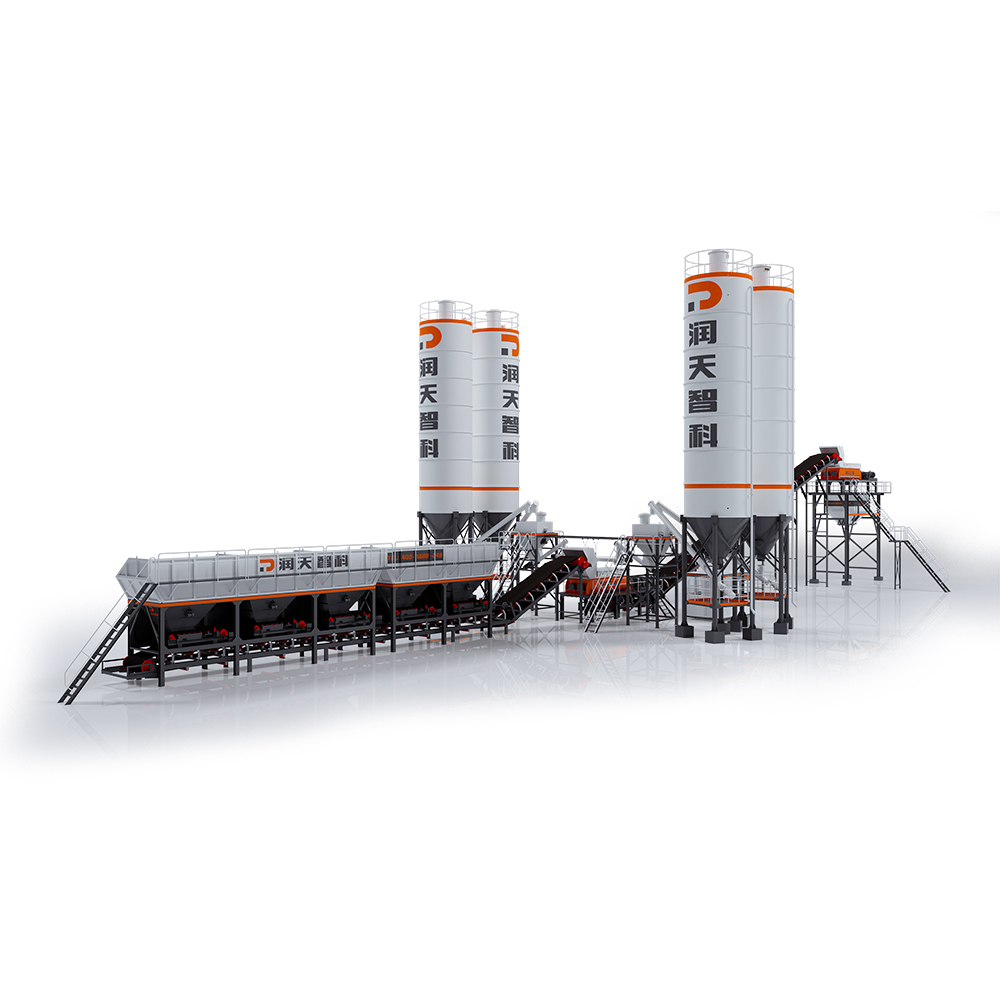
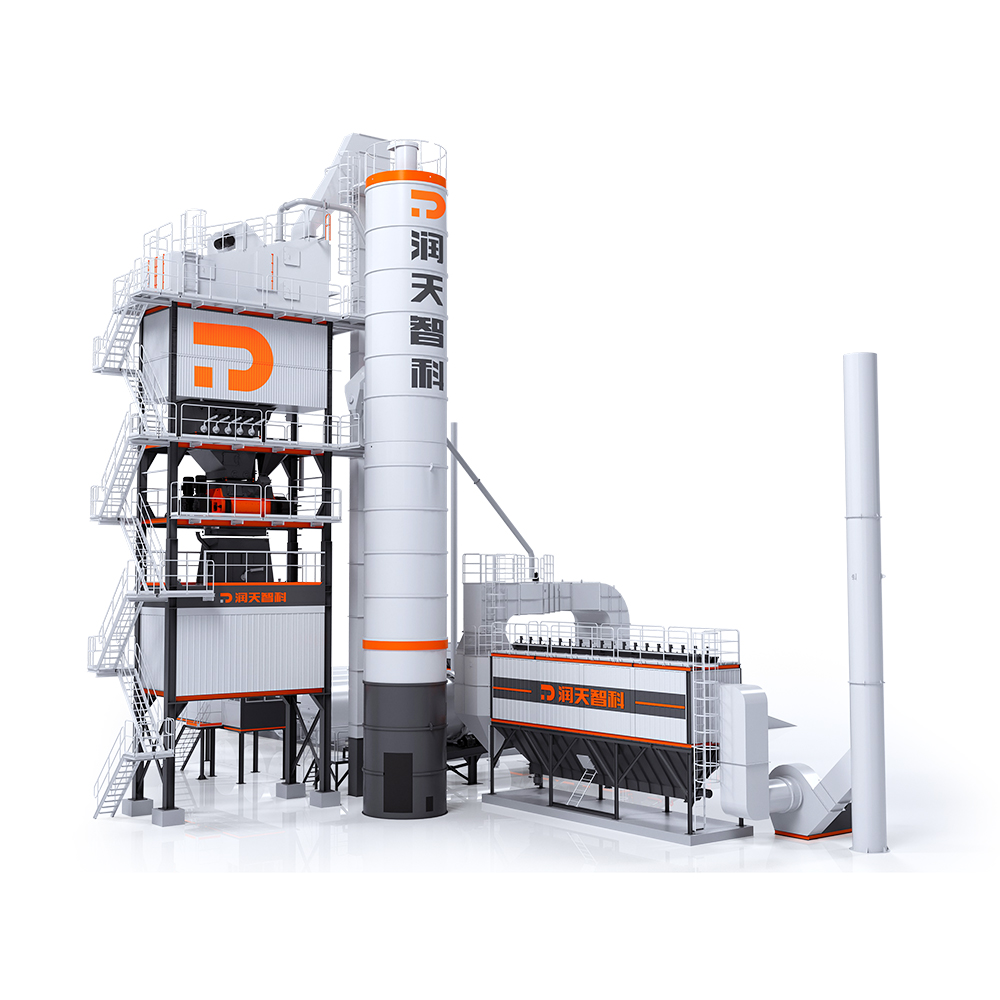
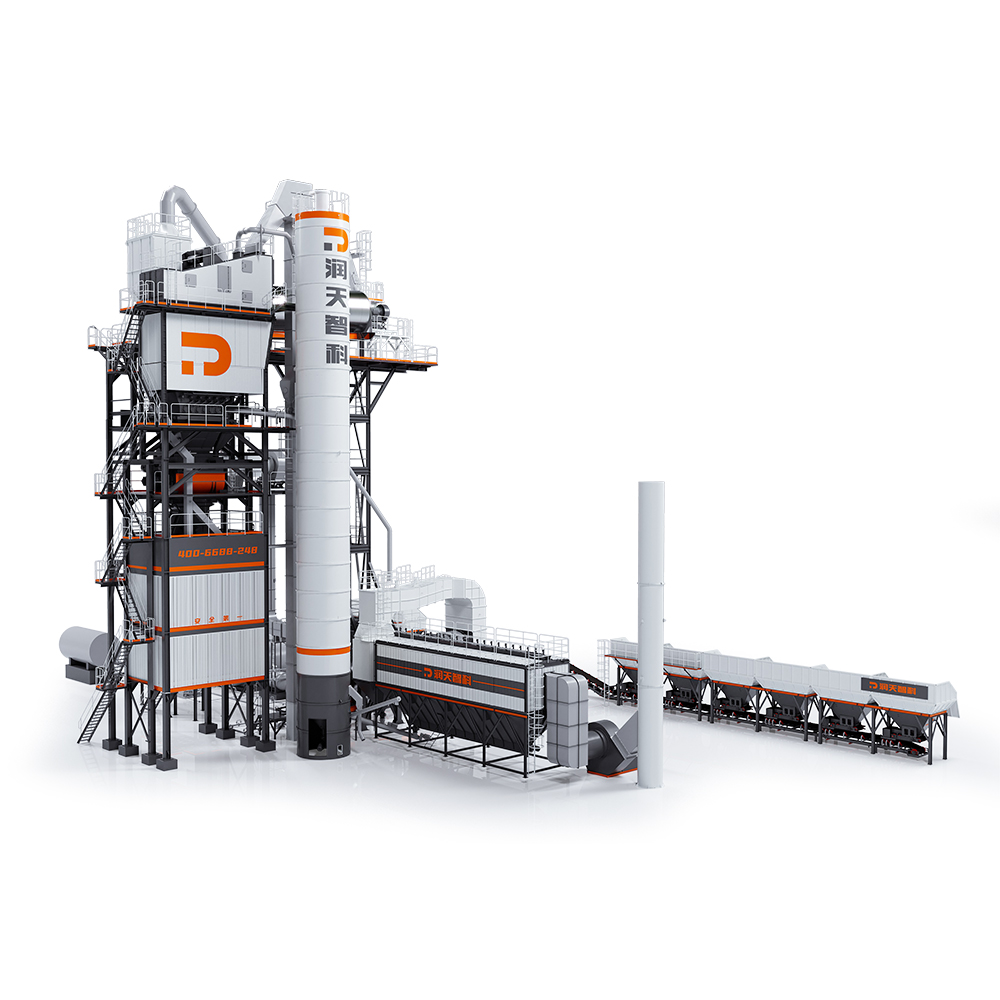
An asphalt plant is an industrial facility that produces asphalt mixture for roads, parking areas, and other paved surfaces. It combines mineral aggregates, such as sand, gravel, and crushed stone, with heated asphalt binder. The plant controls each material carefully. A plant is not simply a giant mixer. It is a coordinated system of storage bins, conveyors, dryers, screens, mixers, and silos. Each part supports consistent production and dependable pavement performance.

During operation, cold aggregates move from separate stockpiles into measured bins. Conveyors carry them into a dryer, where heat removes moisture. The hot material is then screened and divided by size. A weighing system adds the correct amount of asphalt binder before mixing begins. Operators monitor temperature, moisture, gradation, and mixing time. These checks require practical experience, not just automatic controls. A small moisture change can affect fuel use and mixture quality. No plant runs perfectly. That is why trained staff inspect samples and adjust settings during production.

Tips: Keep stockpiles separated and clean. Check moisture after heavy rain. Inspect belts, screens, and temperature sensors regularly. Record adjustments and test results. Simple records help reveal repeated problems. Avoid chasing production speed when quality begins to drift.

What Is an Asphalt Plant and How Does It Work?

An asphalt plant combines heated aggregates, mineral filler, and asphalt binder to produce hot-mix asphalt for road construction. The chart shows representative temperature targets used during key production stages; actual settings vary with the mix design, materials, and weather conditions.

Aggregates are dried and heated first, then blended with binder and filler in the mixer. The finished asphalt mix is commonly maintained at a lower temperature during storage and loading so it remains workable for transport and paving.

What Materials and Components Does an Asphalt Plant Use?

An asphalt plant combines stone, sand, mineral filler, and asphalt binder into a durable paving mixture. Each material has a specific role. Aggregates provide strength, while the binder coats them and holds the mixture together. Reclaimed asphalt pavement may also be added after testing. Moisture matters greatly. Wet aggregate consumes extra heat and can weaken production control.

The process begins in cold-feed bins, where different aggregate sizes are stored separately. A conveyor moves them toward a dryer drum or heating chamber. Hot air removes moisture and raises the aggregate to the required temperature. A screening unit then separates the heated material by size.

Weighing systems measure aggregates, filler, and binder before mixing. In a batch plant, these materials enter a mixer for controlled cycles. A drum plant blends them continuously. Both systems require accurate calibration, dust collection, and temperature monitoring. Small errors can spread quickly.

Tips: Inspect bins, belts, screens, and sensors before each shift. Keep the binder temperature within the supplier’s specification. Check moisture and gradation regularly, not only when problems appear. Experienced operators also watch the mix texture, but visual judgment alone is not enough. Laboratory testing should confirm field observations. Some plants use more automation than others, yet no system removes the need for careful maintenance. A neglected filter or worn conveyor can affect quality before anyone notices.

How Does the Asphalt Production Process Work?

What Is an Asphalt Plant and How Does It Work?

How Does the Asphalt Production Process Work?

An asphalt plant converts mineral aggregates and liquid binder into a durable paving mixture. The process begins with crushed stone, sand, and recycled pavement stored in separate cold-feed bins. Each bin releases material at a controlled rate. A conveyor then carries the combined aggregates toward the drying system. Inside a rotating drum, heated air removes moisture and raises the aggregate temperature. This step requires close control. Excess heat can damage the binder later.

Hot, dry aggregates move to a screening and storage section. Screens separate the materials by size, while weighing systems measure each fraction. The plant then heats the asphalt binder and injects it into a mixing chamber. Paddles coat every stone with a thin, even film. Mixing time and temperature affect workability, strength, and long-term performance. Small changes matter.

Quality technicians collect samples during production. They check gradation, binder content, temperature, and coating consistency. If the aggregate contains unexpected moisture, the operator may adjust the drying rate. A minor measurement error can change the final pavement mixture. Field feedback sometimes reveals that a laboratory-perfect mix needs practical adjustment. Trucks receive the finished asphalt and transport it quickly, because cooling begins immediately after discharge.

What Is an Asphalt Plant and How Does It Work? - How Does the Asphalt Production Process Work?

Process Stage Main Material or Equipment What Happens Typical Operating Data Quality or Environmental Purpose
1. Aggregate Storage Cold-feed bins, stockpiles, and conveyors Different sizes of crushed stone, gravel, and manufactured sand are stored separately and metered into the production line. Common aggregate sizes: approximately 0–37.5 mm, depending on the pavement mix design. Separate storage helps maintain the target particle-size distribution and prevents uncontrolled material blending.
2. Proportioning and Feeding Variable-speed feeders and collecting conveyor Each aggregate fraction is fed at a controlled rate according to the approved asphalt mixture design. Control basis: mass flow or calibrated feeder settings; accuracy depends on regular calibration and material consistency. Correct proportioning supports mixture uniformity and reduces segregation.
3. Aggregate Drying Rotary dryer drum and burner Aggregates pass through a rotating drum while hot gases remove surface moisture and raise the material temperature. Typical aggregate discharge temperature: about 150–180°C, depending on mix requirements and ambient conditions. Drying is essential because residual moisture can interfere with asphalt coating and increase fuel consumption.
4. Dust Collection Primary collector, baghouse, fan, and stack Fine particles carried by the exhaust gas are separated and either returned to the process or managed as controlled material. Common system: fabric-filter baghouse; operating performance depends on airflow, temperature, and filter condition. Captures particulate matter and helps the plant comply with applicable air-emission requirements.
5. Screening and Hot Storage Vibrating screen and hot bins In batch plants, dried aggregate is screened into size fractions and temporarily stored in separate hot bins. Typical function: multiple screened fractions are held before precise batch weighing. Screening improves gradation control and allows accurate batching of each aggregate size.
6. Aggregate Weighing Load cells and weigh hopper Required quantities of hot aggregate, mineral filler, and reclaimed material are weighed for each batch or controlled continuously. Measurement: batch mass or continuous mass flow, recorded by the plant control system. Accurate weighing ensures that the final mixture meets its specified composition.
7. Asphalt Binder Heating Insulated storage tank, heater, and pump Petroleum-based asphalt binder is heated to reduce viscosity so it can be pumped, metered, and uniformly mixed with aggregate. Typical binder temperature: approximately 135–165°C, subject to binder grade and supplier requirements. Temperature control supports coating quality while avoiding unnecessary overheating and binder aging.
8. Mixing Pugmill mixer or continuous mixing chamber Heated aggregate, mineral filler, asphalt binder, and approved additives are combined until the particles are evenly coated. Typical mixing temperature: about 140–180°C for conventional hot-mix asphalt; warm-mix processes operate at lower temperatures. Uniform mixing provides consistent strength, workability, durability, and resistance to moisture damage.
9. Reclaimed Asphalt Integration Reclaimed asphalt pavement feeder or recycled-material system Reclaimed asphalt pavement may be proportioned into the mixture, with the process adjusted to account for its existing binder and aggregate. Reclaimed content: varies by mixture design, material quality, plant configuration, and project specification. Recycling conserves virgin aggregate and binder while reducing material sent to disposal.
10. Storage and Loadout Surge silo, storage silo, weigh hopper, and truck loading gate Finished asphalt mixture is temporarily stored and then loaded into insulated transport vehicles for delivery to the paving site. Typical delivery target: maintain sufficient temperature for placement and compaction; the exact limit is specified by the project. Covered and controlled storage helps prevent segregation, temperature loss, and contamination.
11. Quality Control Sampling equipment and laboratory testing Samples are tested for gradation, binder content, air voids, density-related properties, moisture susceptibility, and temperature. Common reference: job-mix formula or approved mix design establishes target values and allowable tolerances. Testing verifies that the produced material conforms to engineering, safety, and paving requirements.
12. Process Monitoring Control system, temperature sensors, flow meters, and emissions monitors Operators monitor material rates, temperatures, fuel use, silo levels, burner conditions, and dust-collection performance. Key variables: aggregate moisture, fuel rate, binder flow, exhaust temperature, and mixture discharge temperature. Continuous monitoring improves production stability, energy efficiency, traceability, and regulatory compliance.

What Are the Main Types of Asphalt Plants?

An asphalt plant heats, dries, and combines aggregates with bitumen to produce paving material. Its design controls production rate, fuel use, mix consistency, and recycled-material capacity. The main types are batch plants and drum-mix plants, although real facilities often combine features from both.

A batch plant makes asphalt in measured batches. Cold aggregates move through separate bins, then enter a dryer and hot screens. The plant weighs each mineral fraction before mixing it with bitumen and additives. This arrangement supports frequent recipe changes and tight quality control. It suits highways, municipal projects, and specialty mixes. According to the U.S. Environmental Protection Agency’s AP-42 guidance, aggregate moisture strongly affects dryer fuel demand and emissions. That detail matters during rainy shifts. Small moisture changes can disrupt production.

A drum-mix plant dries and mixes materials continuously inside a rotating drum. It usually offers higher throughput and simpler material flow. Counter-flow drums can improve heat transfer and protect bitumen from excessive direct heating. Parallel-flow designs remain common, but their thermal control needs careful monitoring. The National Asphalt Pavement Association’s 2023 industry survey reported more than 90 million tons of reclaimed asphalt pavement used in the United States during 2022. That figure shows why recycling capability matters when selecting plant equipment. Batch systems often provide flexible RAP dosing, while drum systems can process large, steady volumes. Still, neither type is automatically better. Site moisture, aggregate grading, fuel prices, and quality targets change the decision. A neat classification can mislead. Operators still need calibration, sampling, and honest maintenance records.

How Does an Asphalt Plant Control Quality and Emissions?

An asphalt plant heats, dries, and mixes mineral aggregates with asphalt binder. Quality control begins with accurate material proportions. Operators monitor aggregate moisture, temperature, gradation, and binder content throughout production. A small moisture change can affect the final mixture significantly. Hot mix usually leaves the plant at a controlled temperature, often checked with calibrated sensors and manual samples. Technicians also test samples for density, coating, and uniformity before delivery.

Emissions control starts at the dryer and mixing areas. A baghouse captures fine dust from the heated aggregate stream. Enclosed conveyors and covered storage points reduce airborne particles. Burner settings must balance efficient heating with clean combustion. Too much fuel can increase emissions. Too little heat can produce weak, poorly coated material. Operators inspect pressure readings, filter conditions, and stack data during each shift.

Field experience still matters.

Automated readings can drift. A sensor may appear normal while a sample reveals uneven coating. For this reason, responsible plants compare instruments with laboratory results and keep clear production records. Regular maintenance helps prevent leaks, blocked filters, and unstable temperatures. No control system is perfect. Wind, wet aggregate, equipment wear, and rushed sampling can influence results. Careful operators recognize these weaknesses and adjust procedures rather than trusting a single number. That practical discipline supports consistent pavement performance and more reliable emission management.