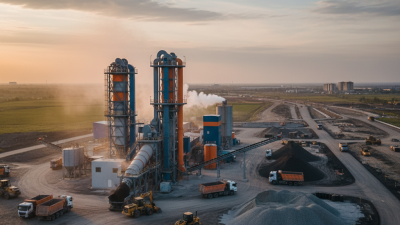
China Top 10 Asphalt Mixing Plant Manufacturers
China’s road construction sector continues to create strong demand for reliable asphalt production equipment. The Ministry of Transport reported that China’s total highway mileage exceeded 5.4 million kilometers by the end of 2023. This enormous network requires consistent pavement quality, efficient material heating, and accurate aggregate dosing.
That is where an Asphalt Mixing Plant becomes critical. It combines aggregates, bitumen, mineral filler, and recycled materials under controlled conditions. A modern plant may include twin-shaft mixing, baghouse filtration, automatic temperature monitoring, and intelligent control systems. Small details matter. A blocked filter can delay an entire paving shift.
Industry market reports generally expect steady growth in asphalt plant demand through this decade. However, their market sizes and forecasts differ because they use different product definitions. That difference deserves attention. The China Statistical Yearbook and transport investment data provide a stronger local context than global estimates alone.
This guide examines China’s top 10 asphalt mixing plant manufacturers through practical purchasing criteria. These include production capacity, fuel efficiency, batch accuracy, recycling compatibility, component quality, export experience, and after-sales support. Factory testing also matters. Buyers should inspect welding quality, control cabinet layout, spare-parts availability, and maintenance access.
A polished brochure proves little.
Experience from real projects often reveals more. A dependable supplier should explain installation conditions, climate limitations, operator training, and expected maintenance intervals. No ranking can replace site-specific evaluation. Still, this comparison offers a useful starting point for contractors, distributors, and infrastructure investors seeking technically capable Chinese manufacturers.
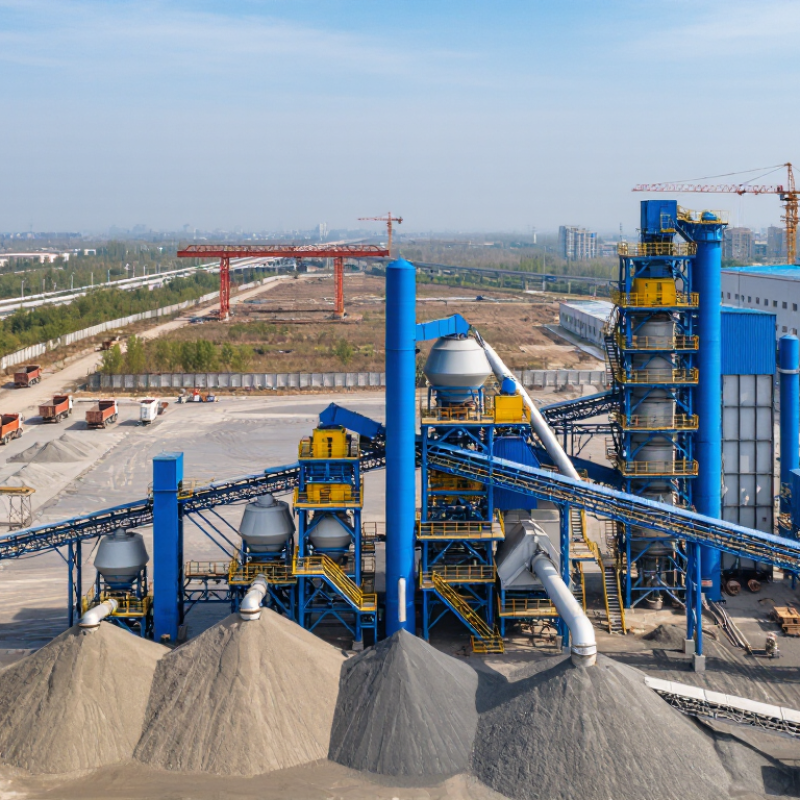
China’s Asphalt Mixing Plant Manufacturing Landscape
China’s asphalt mixing plant manufacturing landscape is shaped by large infrastructure demand, dense supply chains, and strong engineering competition. The Ministry of Transport reported more than 183,000 kilometers of expressways by the end of 2023. This network supports continuous demand for batch and drum mixing equipment. China Construction Machinery Industry Association data also shows that road construction machinery remains an important domestic equipment segment, despite uneven property investment.
Market research reports estimate that China represents a major share of Asia-Pacific asphalt plant consumption and production. However, estimates vary because manufacturers classify mobile, stationary, and recycling systems differently. That matters. A ranking based only on shipment volume can overlook burner efficiency, control accuracy, and after-sales response. Plant audits commonly examine aggregate moisture control, dust collection, weighing tolerance, and reclaimed asphalt integration. These details affect fuel use and pavement consistency.
Leading Chinese manufacturers increasingly compete through modular layouts, automated control systems, low-emission burners, and remote diagnostics. Export growth is also visible across Southeast Asia, Africa, Central Asia, and Latin America. Yet international customs data often groups asphalt plants with broader construction machinery, limiting precise comparisons. Buyers should therefore verify factory testing records, component traceability, local service capacity, and actual operating references. A cheaper quotation may become expensive when calibration drifts or replacement parts arrive slowly. The strongest manufacturers are not always the largest; technical transparency still deserves more weight in China’s evolving market.
How to Evaluate China’s Leading Asphalt Plant Manufacturers
Choosing among China’s top 10 asphalt mixing plant manufacturers requires more than comparing prices. Evaluate their engineering experience, production capacity, and documented project history. A reliable manufacturer should explain mixing accuracy, fuel consumption, emissions control, and maintenance access in clear technical language. Ask for recent test reports, factory inspection records, and customer references from projects with similar output requirements.
Visit the factory if possible. Observe welding quality, component storage, electrical cabinet protection, and final assembly procedures. Request a live demonstration using realistic aggregate sizes and moisture levels. Pay attention to temperature stability and discharge consistency. These details often reveal more than attractive brochures. Check whether the supplier can provide layout drawings, installation guidance, operator training, spare parts, and responsive after-sales support. A low quotation may become expensive when support is slow.
Tips: Compare complete lifecycle costs, not only purchase prices. Confirm production capacity under local climate conditions. Review warranty terms line by line. Ask how quickly critical parts can be supplied. Speak with at least two previous customers. No supplier is flawless. Even strong manufacturers may underestimate site preparation or communication needs. That is why a written technical specification matters. It should define materials, performance limits, testing methods, delivery stages, and responsibilities. Careful evaluation may feel slower, but it reduces avoidable downtime and costly changes after installation.
Top 10 Chinese Asphalt Mixing Plant Manufacturers
China Top 10 Asphalt Mixing Plant Manufacturers
The Top 10 Chinese Asphalt Mixing Plant Manufacturers are best assessed through measurable performance, not catalog claims. China Statistical Yearbook 2024 records about 5.44 million kilometers of roads nationwide. This extensive network supports steady demand for durable, mobile, and stationary asphalt plants.
A practical ranking should examine output accuracy, fuel use, recycled asphalt compatibility, dust control, and service response. Leading Chinese manufacturers commonly offer batch capacities from 40 to 400 tonnes per hour. However, rated capacity can look better than real production. Site temperature, aggregate moisture, and operator skill often reduce output. That detail matters.
The National Bureau of Statistics and regional transport reports show continuing investment in road maintenance and upgrading. Meanwhile, the Global Asphalt Mixing Plants Market Report 2024 identifies automation, energy efficiency, and emission reduction as major purchasing factors. Chinese suppliers increasingly use PLC control, digital weighing, burner adjustment, and remote fault diagnosis. These features can reduce material waste and improve mixture consistency. They cannot replace experienced technicians.
A serious buyer should request fuel consumption records, calibration certificates, factory testing data, and references from similar climates. ISO 9001 certification may support process control, but it does not guarantee field performance. I would also compare warranty exclusions carefully. Some rankings feel too neat. Actual reliability appears after months of dust, rain, vibration, and rushed maintenance.
Core Technologies and Product Differences Among the Top 10
China’s top asphalt mixing plant manufacturers differ less by headline capacity than by process control.
Batch plants suit projects needing frequent recipe changes and precise aggregate weighing.
Drum plants offer continuous output and simpler material flow.
Counterflow designs separate drying from mixing, improving heat transfer and allowing higher recycled asphalt pavement (RAP) content. Some suppliers also use twin-shaft mixers, variable-frequency drives, and automatic moisture correction.
These details matter on a wet morning.
RAP capability is a major dividing line.
The National Asphalt Pavement Association’s 2023 survey reported more than
89 million tons of RAP
were used in the United States during the 2022 construction season. This supports stronger demand for hot-recycling rings, parallel-flow drums, and controlled RAP feeding systems.
However, a high RAP percentage alone proves little. Feed temperature, moisture, gradation, and binder rejuvenation still affect mixture quality.
Foamed asphalt systems can lower production temperatures, while FHWA research links warm-mix technologies with reduced fuel use and lower emissions under suitable conditions.
Environmental engineering separates advanced equipment from ordinary capacity.
Modern plants commonly combine pulse-jet baghouses, sealed transfer points, burner optimization, and digital production records. The U.S. EPA’s AP-42 guidance shows that particulate emissions depend heavily on aggregate moisture, fuel type, and collection efficiency.
Automation can reduce operator error, but it cannot replace calibration. That is where many comparisons become too optimistic.
A larger control screen is not necessarily better control.
Field service, spare-part access, and stable performance after years of dust exposure deserve equal attention. Some specifications look impressive on paper.
Real sites can be less forgiving.
Selecting the Right Chinese Asphalt Mixing Plant Supplier
Selecting the Right Chinese Asphalt Mixing Plant Supplier
China offers a wide range of asphalt mixing plant manufacturers, but supplier selection should begin with evidence, not catalogue photos. The EAPA Asphalt in Figures 2023 report recorded roughly 280 million tonnes of asphalt production across Europe. This scale shows why stable output, accurate dosing, and maintainable equipment matter. During a factory audit, inspect the cold-feed bins, weigh hoppers, burner, baghouse, and control cabinet. Ask for calibration records and recent performance data.
Recycling capability deserves careful attention. The National Asphalt Pavement Association reported that the United States reused more than 100 million tons of reclaimed asphalt pavement in its 2022 industry survey. A suitable Chinese supplier should explain its RAP feeding method, heating control, and material uniformity. Request a test mix with your local aggregate and bitumen. Check temperature variation at the discharge point. Small inconsistencies become expensive paving defects.
Energy use also needs measurable proof. The International Energy Agency identifies industrial heat efficiency as a major route for reducing fuel demand. Therefore, compare burner efficiency, warm-mix compatibility, dust recovery, and automatic temperature control. Ask for fuel consumption per tonne under defined production conditions. The number may look impressive, yet the testing method can be unclear. That deserves questions. Confirm spare-parts availability, remote diagnostics, installation training, and warranty response times in writing. A polished factory tour is useful, but it cannot replace independent inspection and a documented acceptance test.
Common nominal production capacities in the Chinese asphalt mixing plant market range from 40 to 400 tonnes per hour. When selecting a supplier, match the plant class to required output, project scale, fuel efficiency, mobility, automation, and local environmental requirements.

 Concrete Mixing Plant
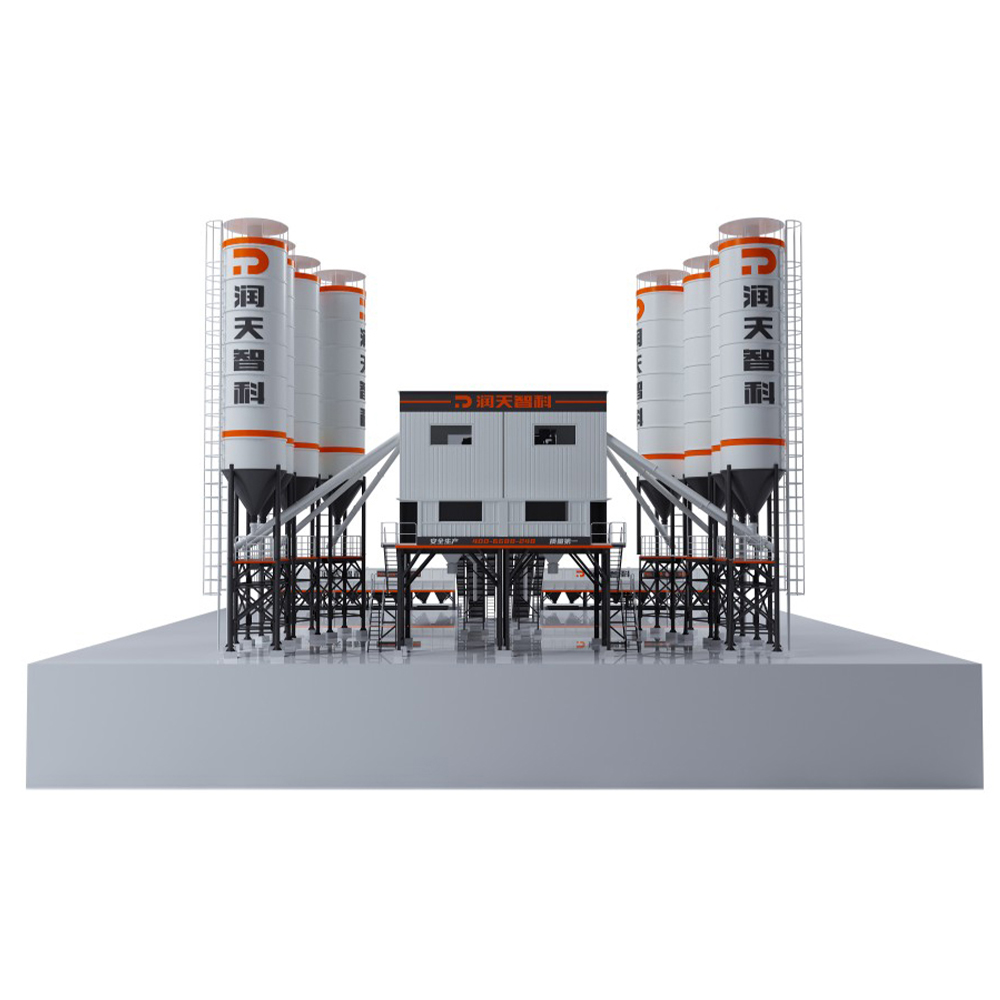 HZS Series Belt Concrete Mixing Plant
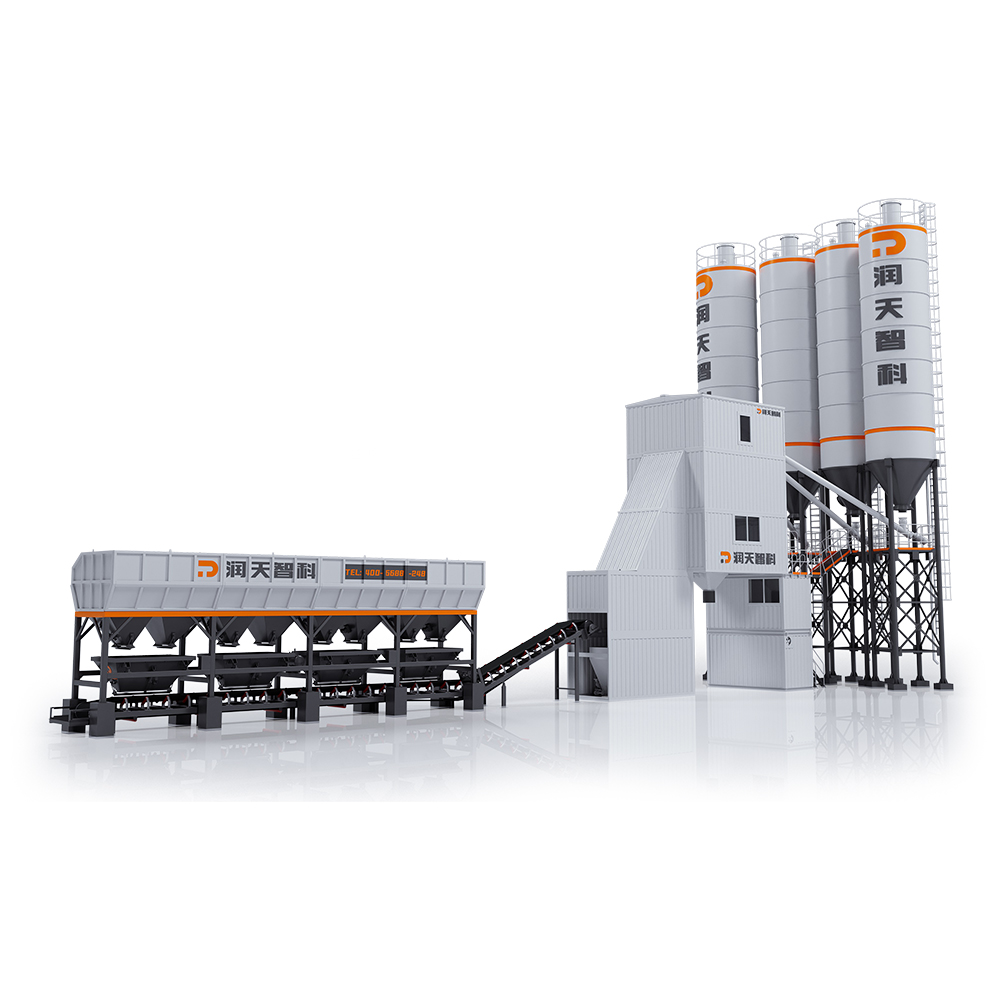 HZS Series Bucket-Lifting Type Container Concrete Mixing Plant
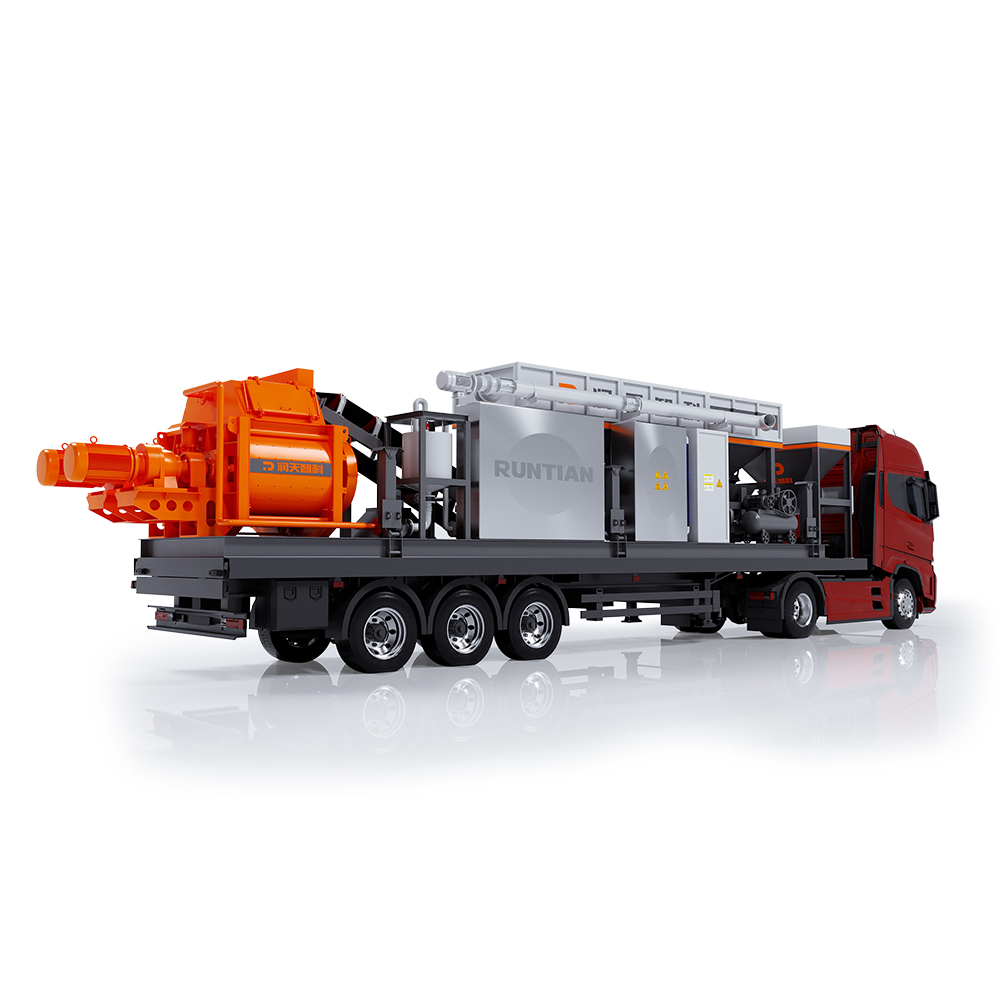 HZS60 Mobile Concrete Mixing Plant
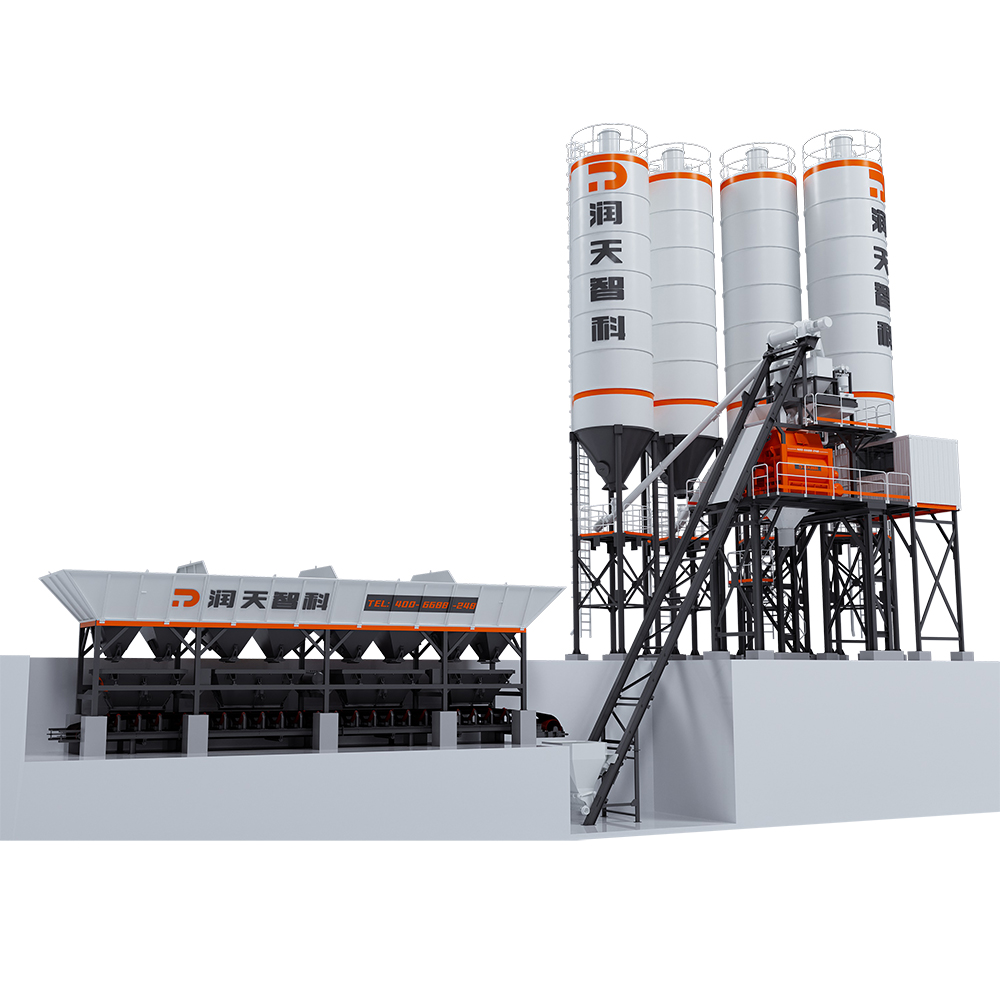 HZS Series Bucket-Lifting Type Concrete Mixing Plant
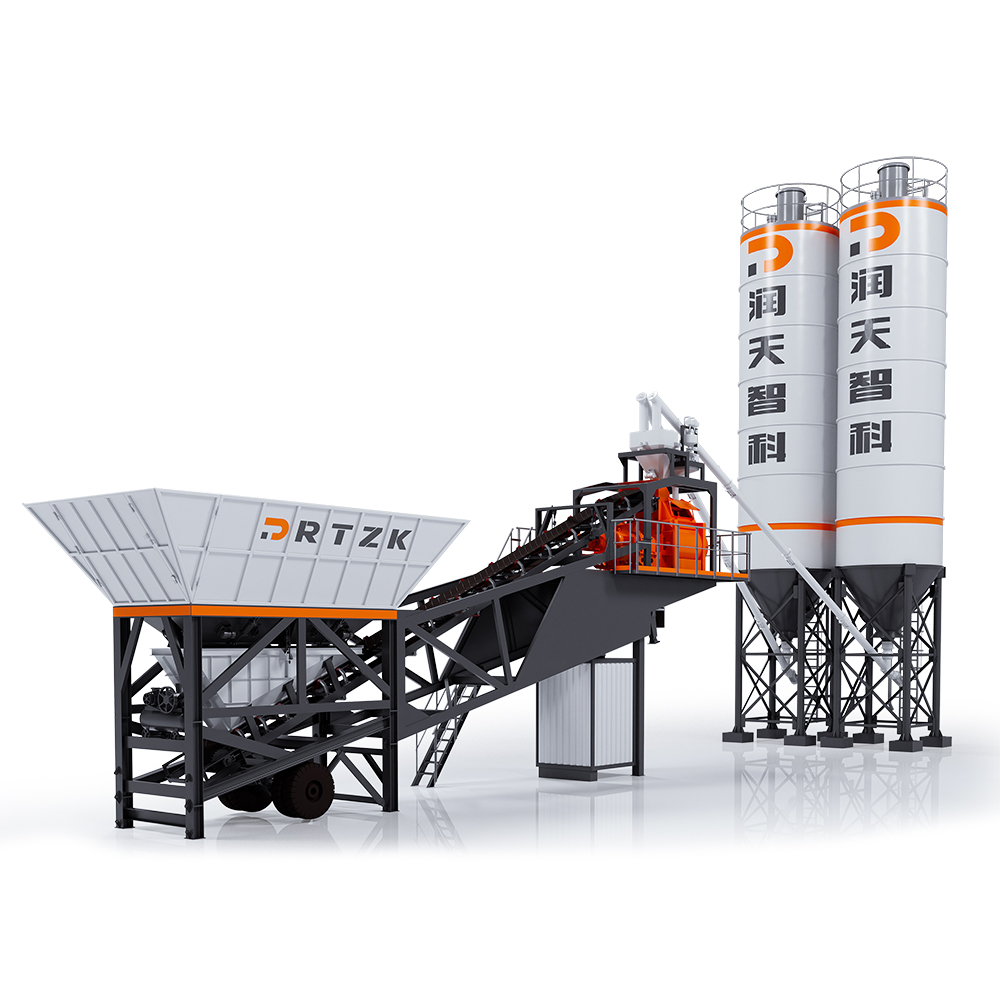 HZS Series Mobile Concrete Mixing Plant
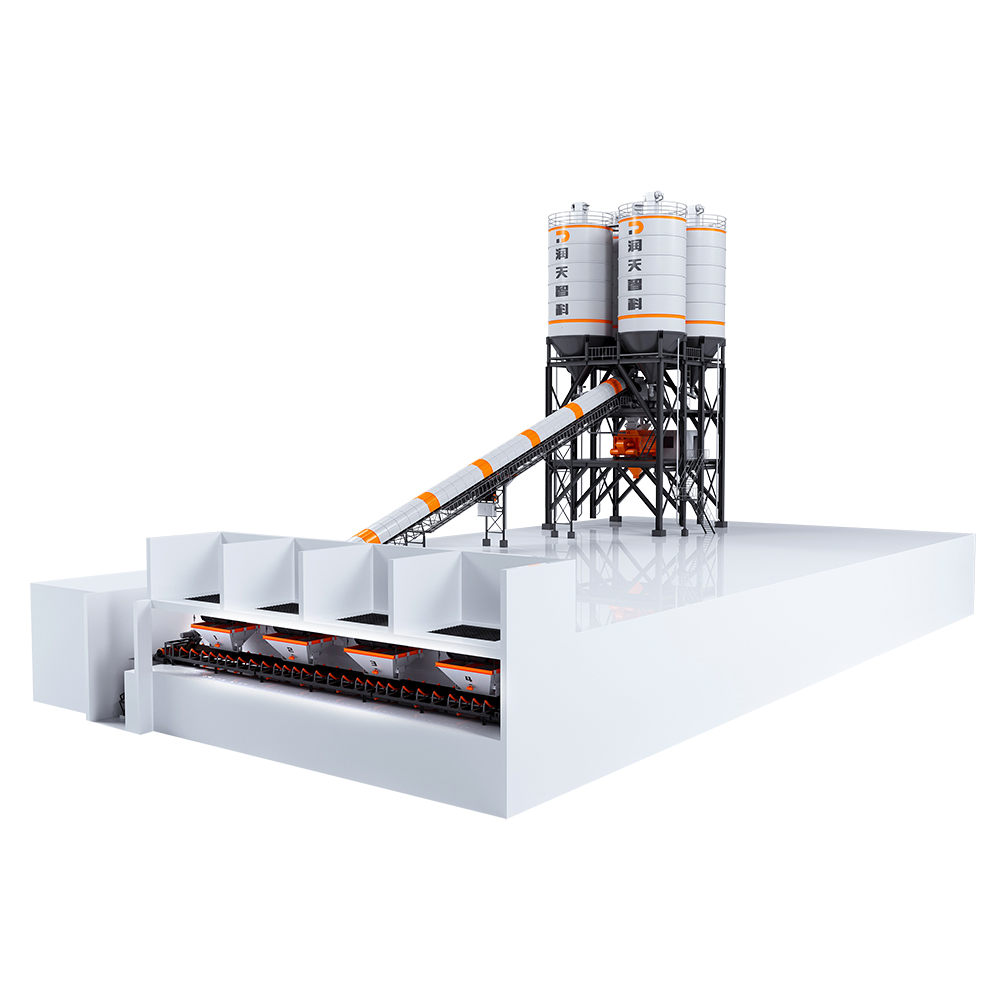 HZS Series Top-Mounted Concrete Mixing plant
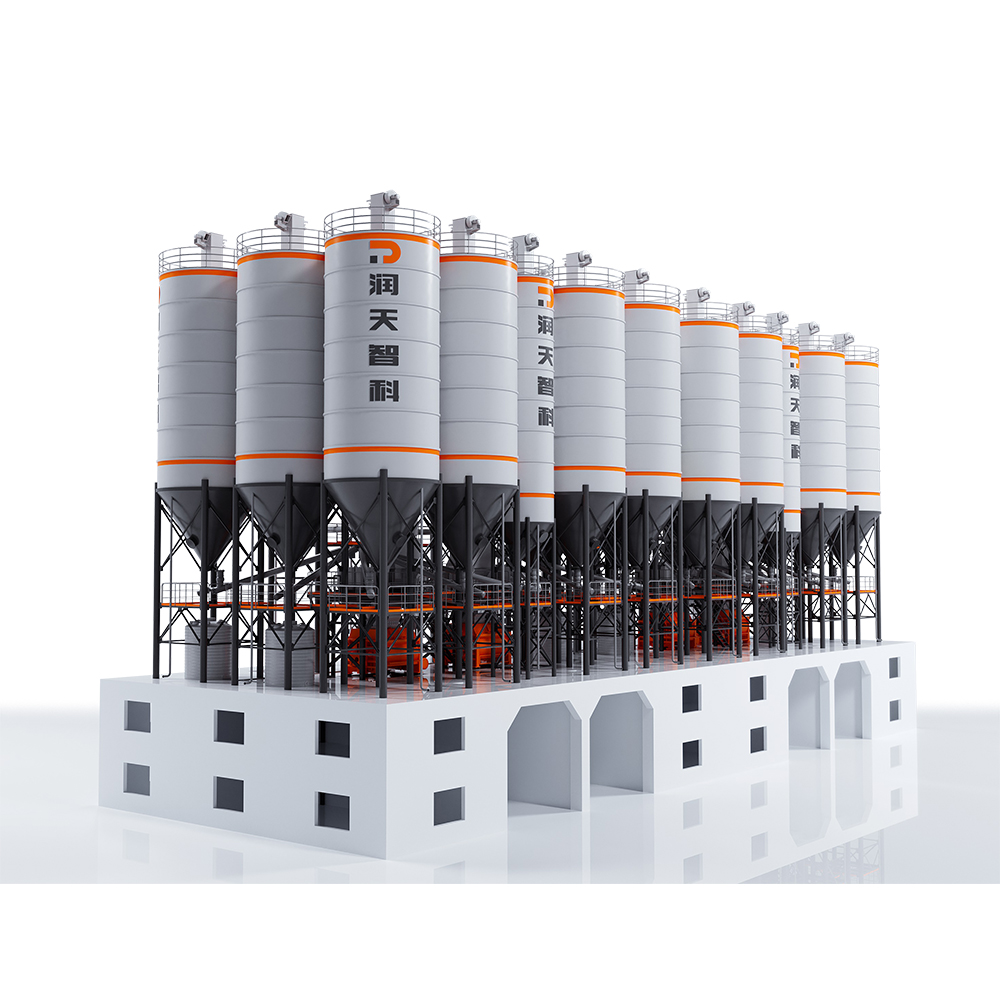 HZS Series Semi-Top Mounted Concrete Mixing Plant
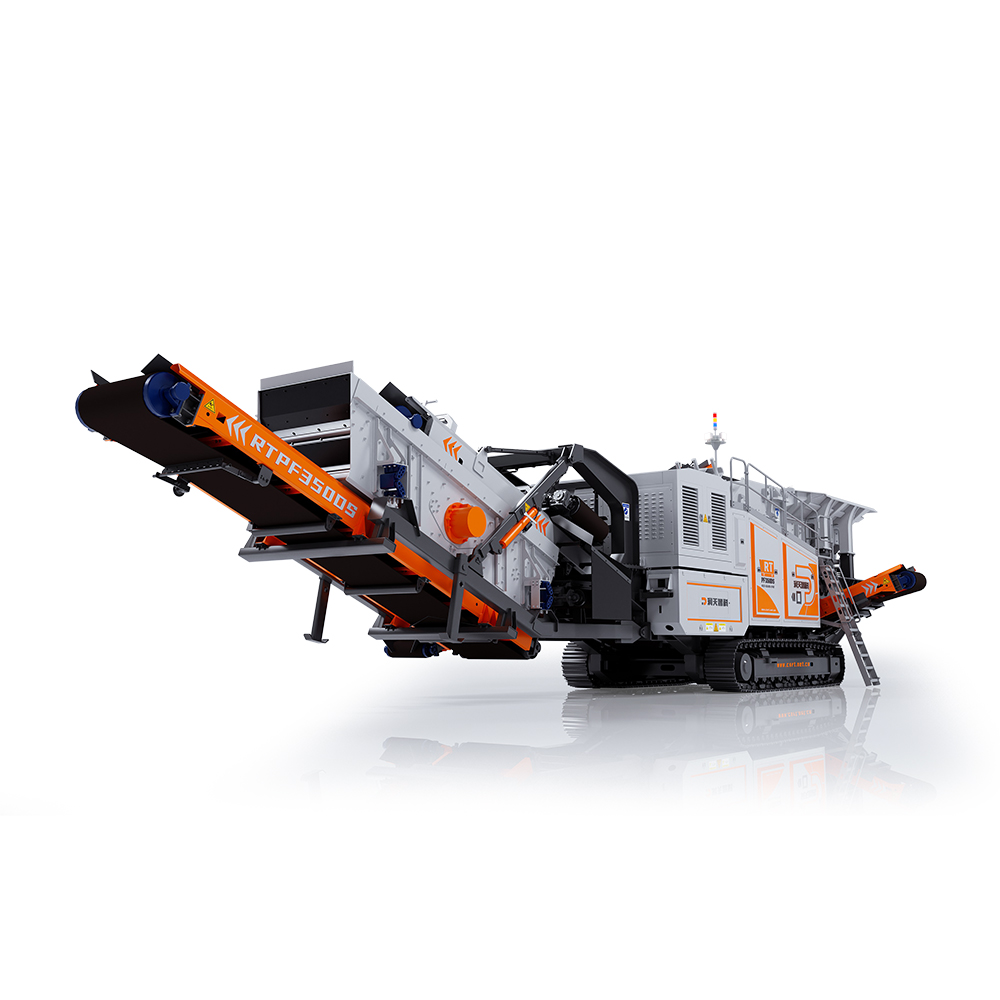 RTPF350DS Crawler Mobile Impact Crushing Plant
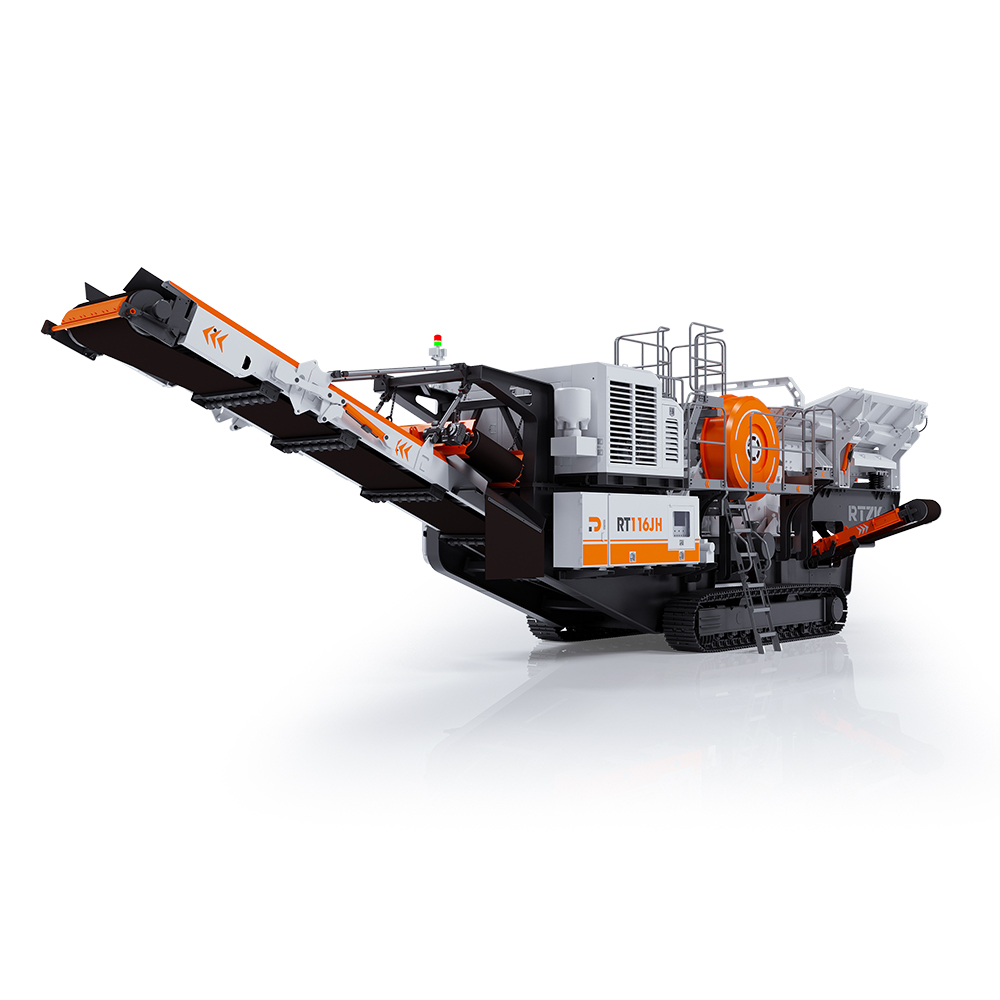 RT116JH Crawler Mobile Jaw Crushing Plant
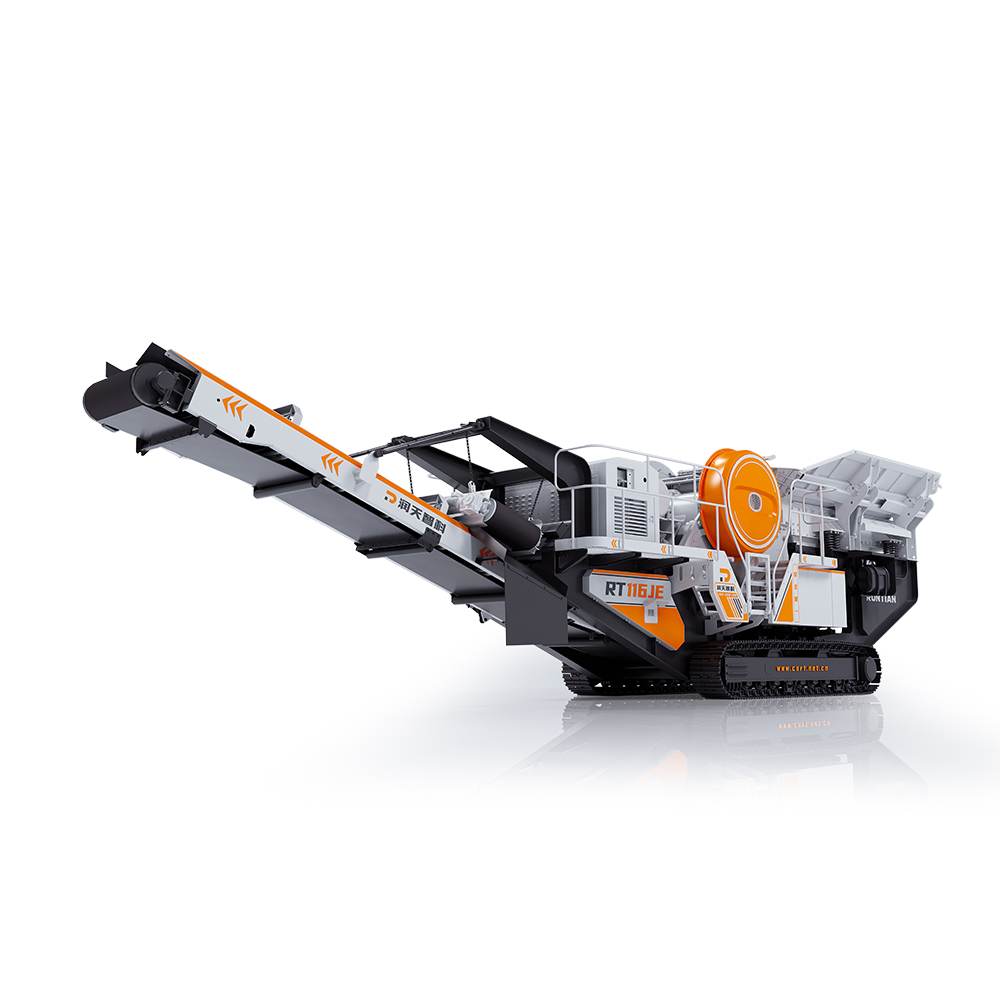 RT116JE Crawler Mobile Jaw Crushing Plant
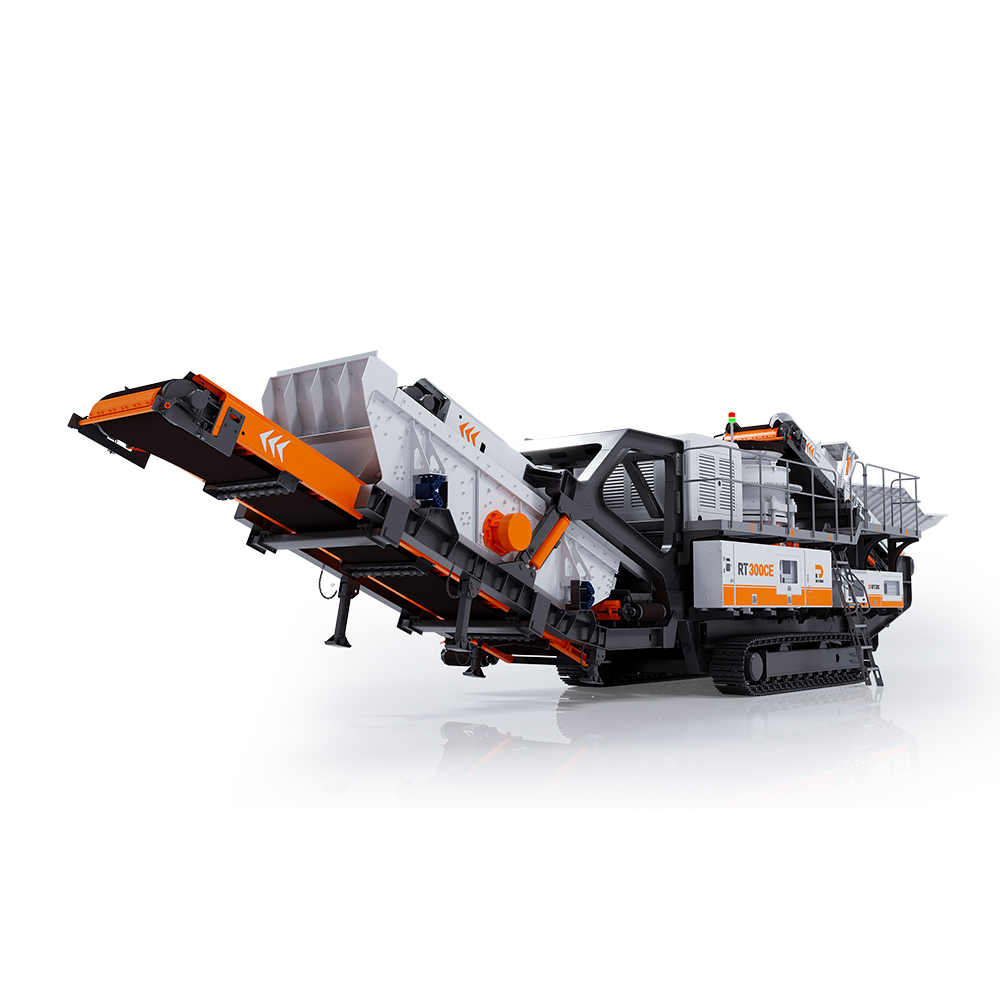 RT300CE Crawler Mobile Cone Crushing Plant
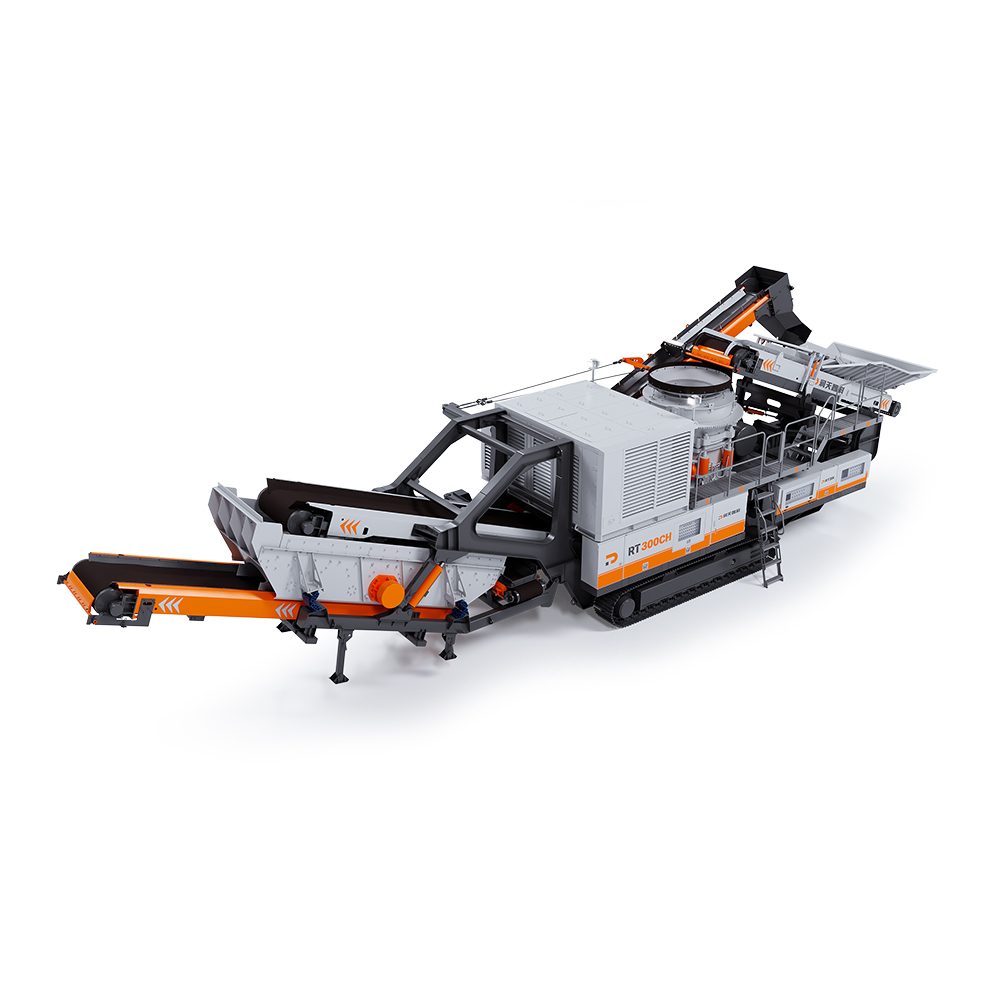 RT300CH Crawler Mobile Cone Crushing Plant
 RT5015H Mobile Scalping Screen
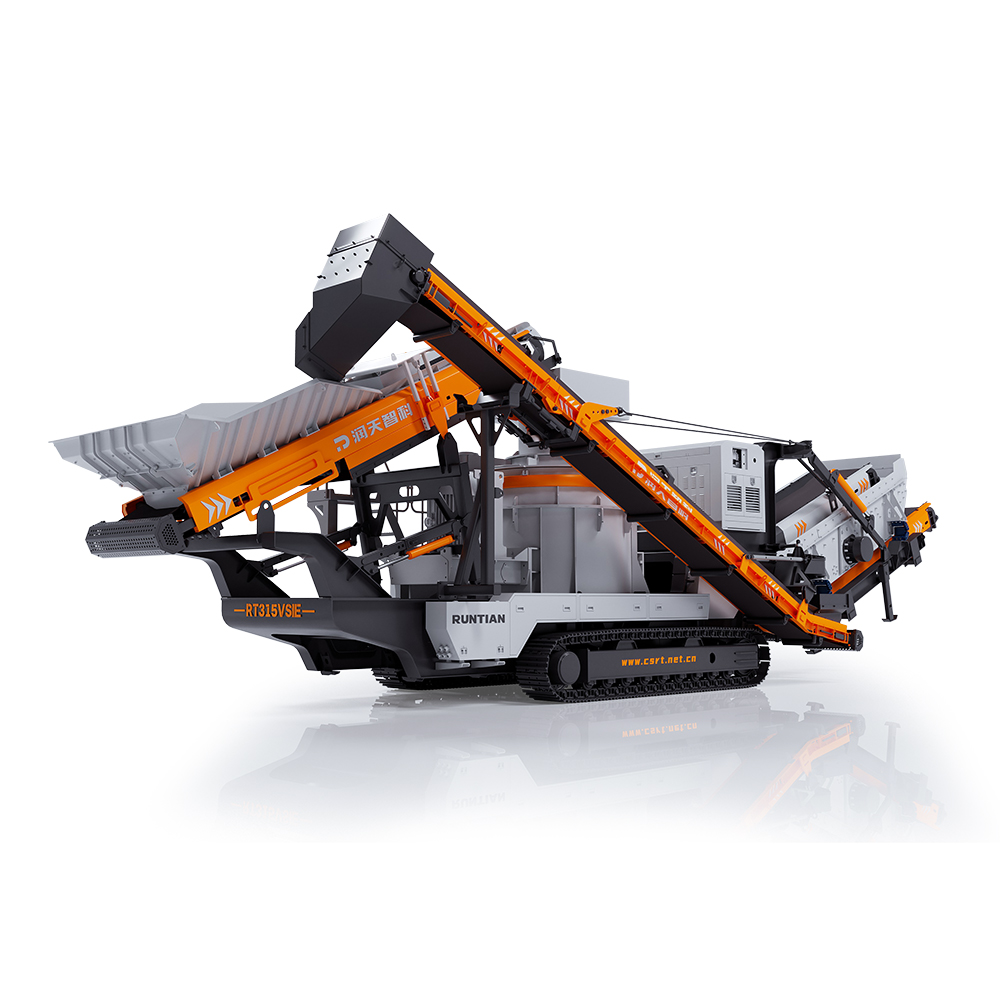 RT315VSIE Crawler Mobile Sand Maker
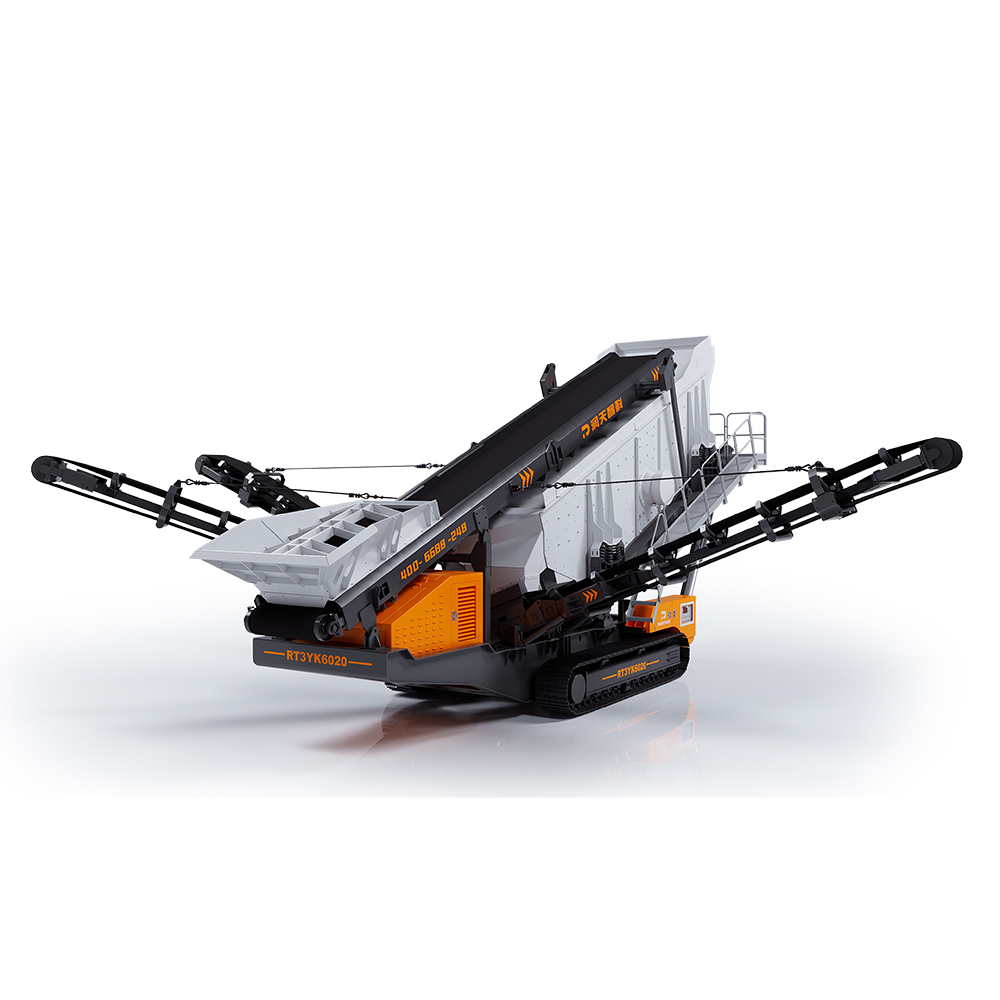 RT3YK6020 Crawler Mobile Screening Plant
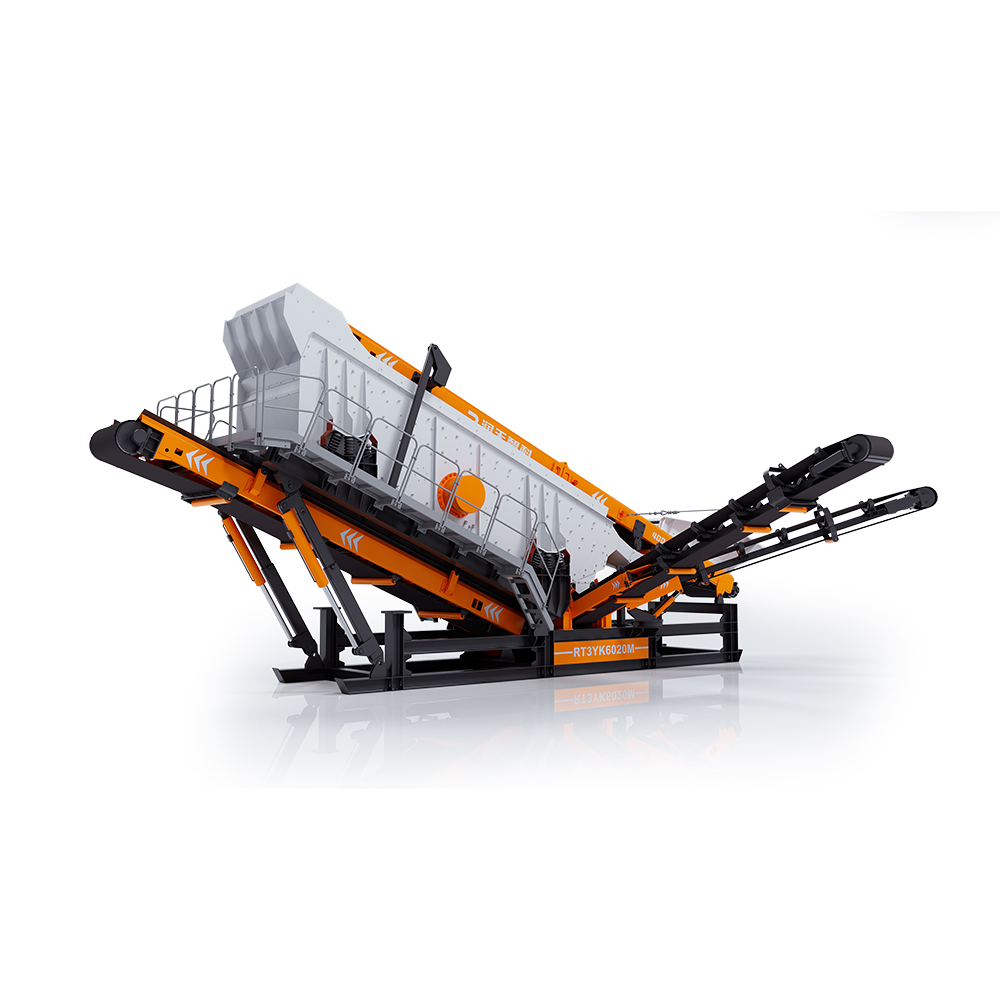 RT3YK6020M Modular Screening Plant
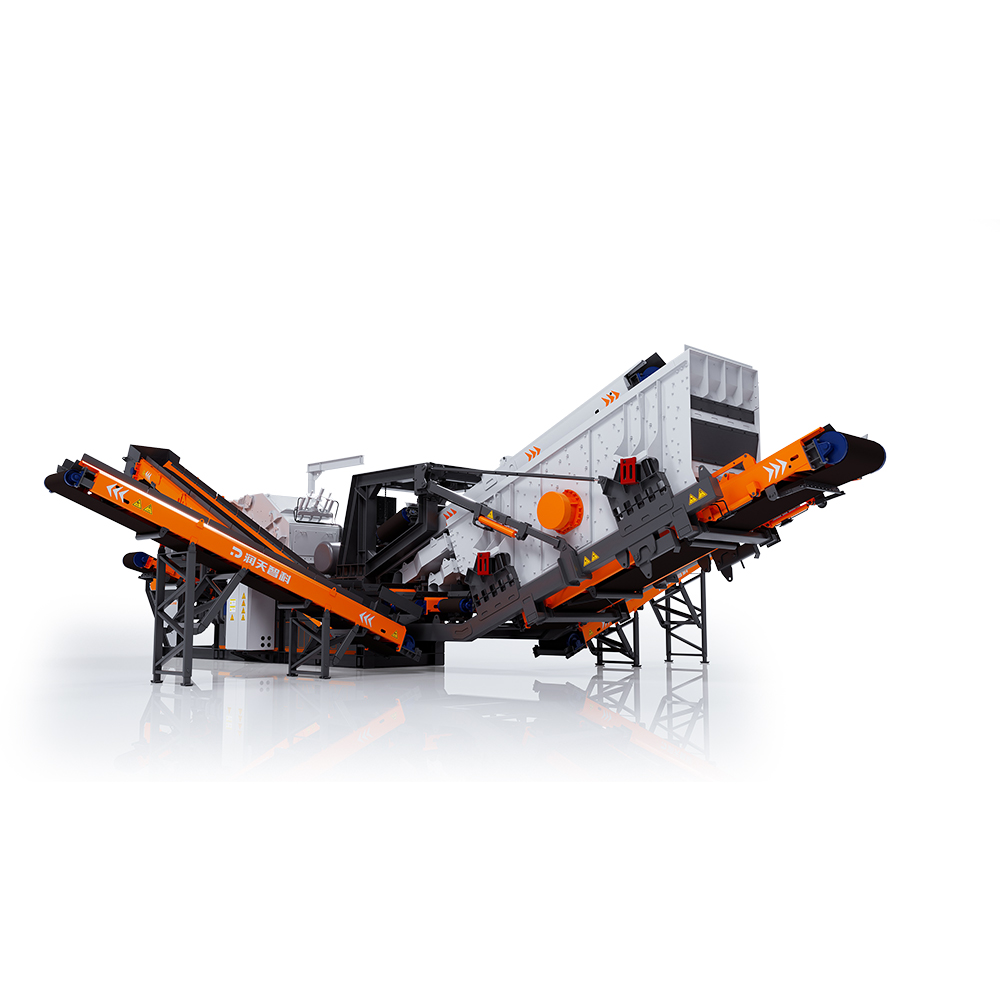 RTF260M Modular Counterattack Crushing and Screening Integrated Machine
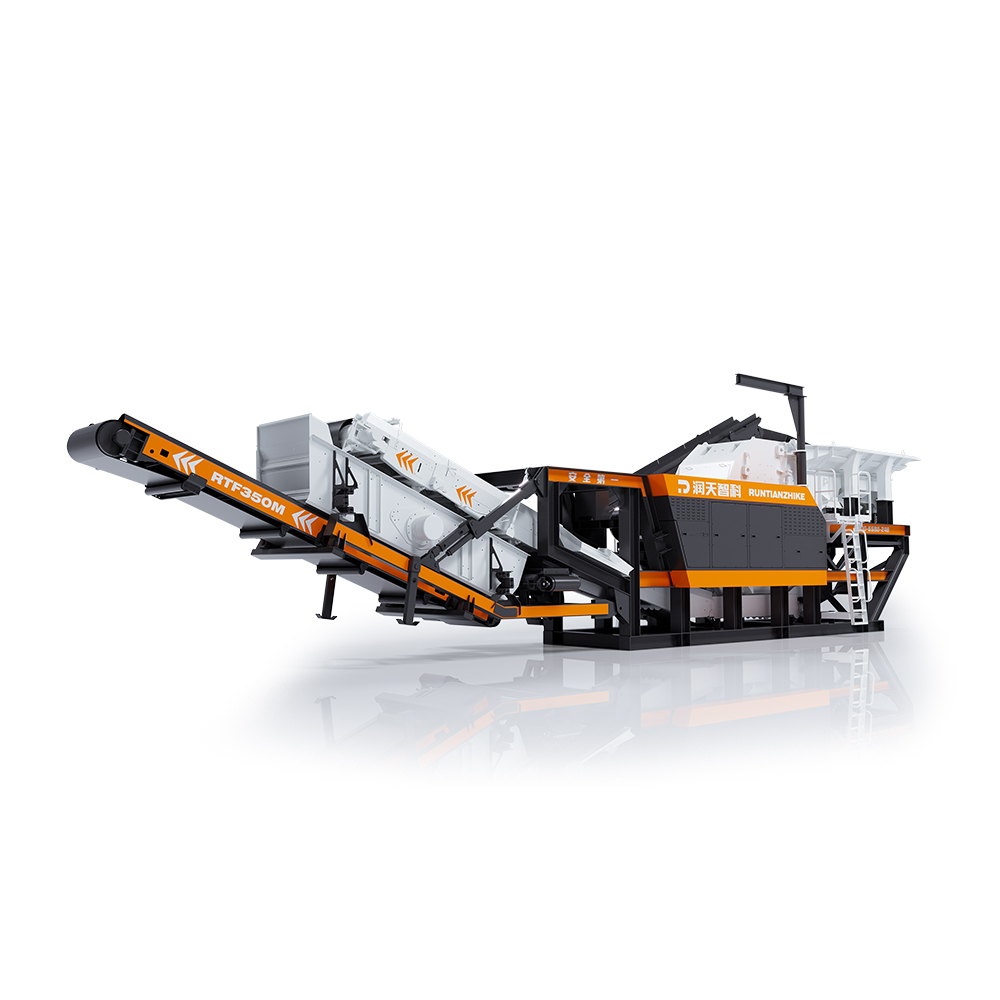 RTF350M Modular Impact Crushing Plant
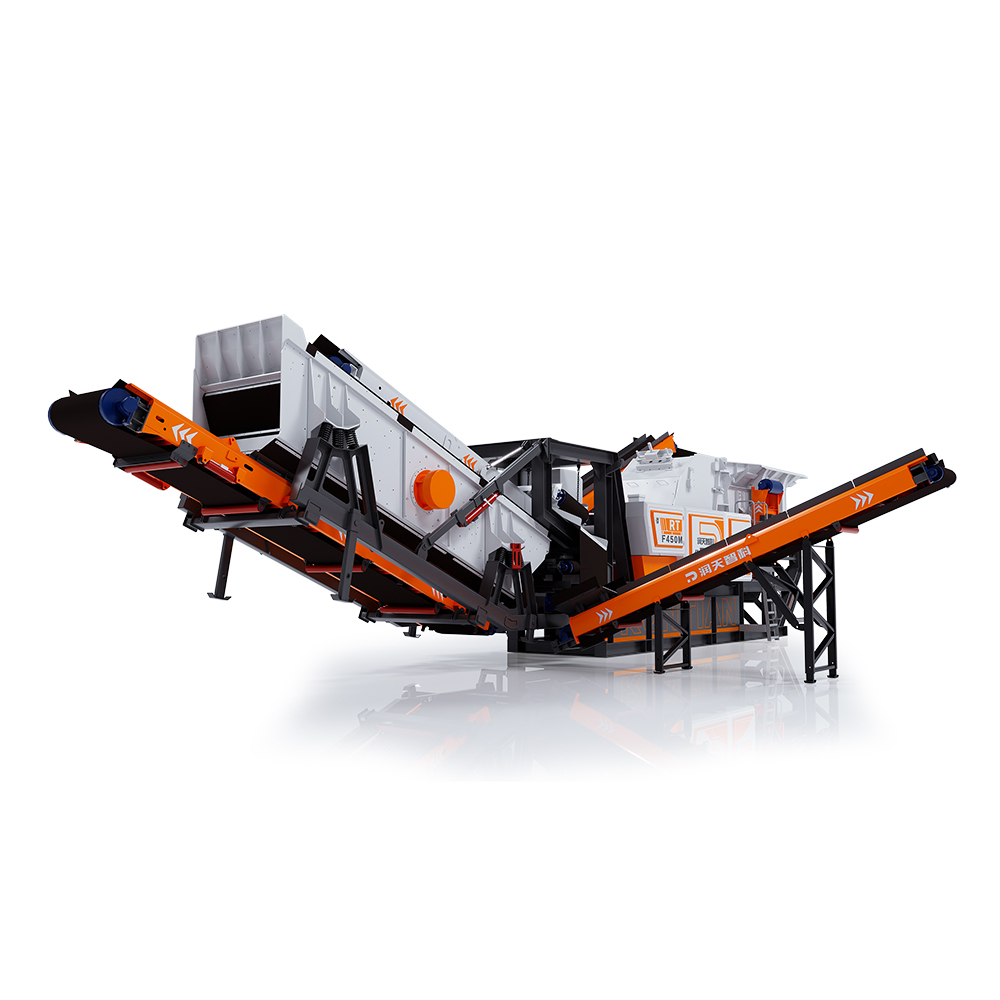 RTF450M Modular Impact Crushing Plant
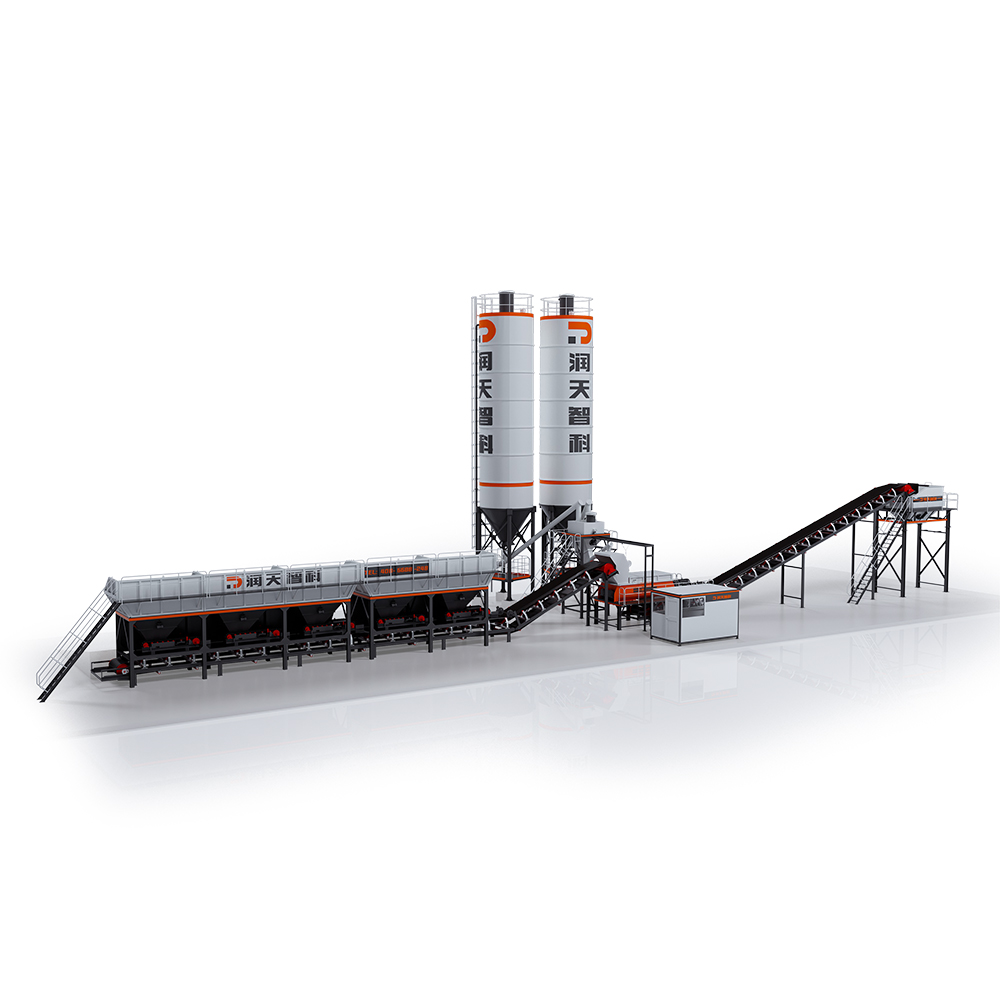 WDB Series Foundation-Free Stability Soil Mixing Plant
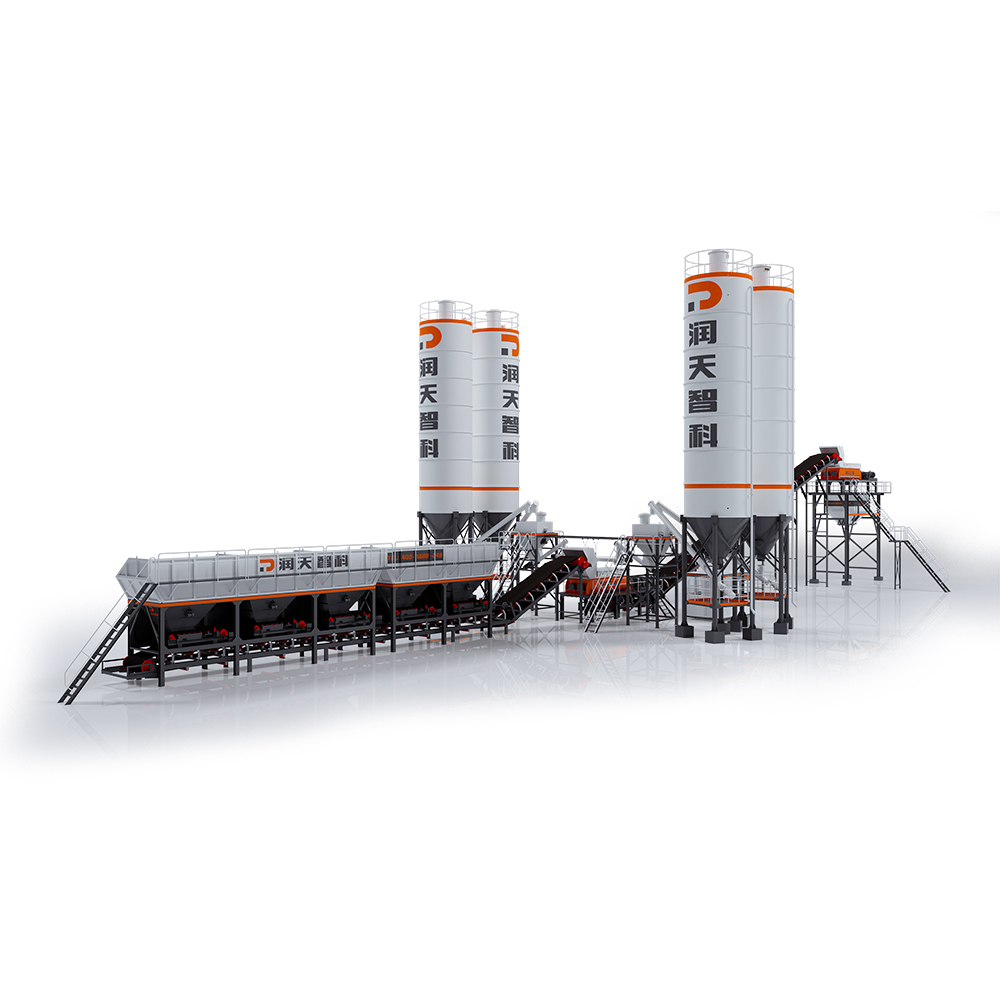 LCB Series Emulsified Asphalt Cold Regeneration Secondary Mixing Plant
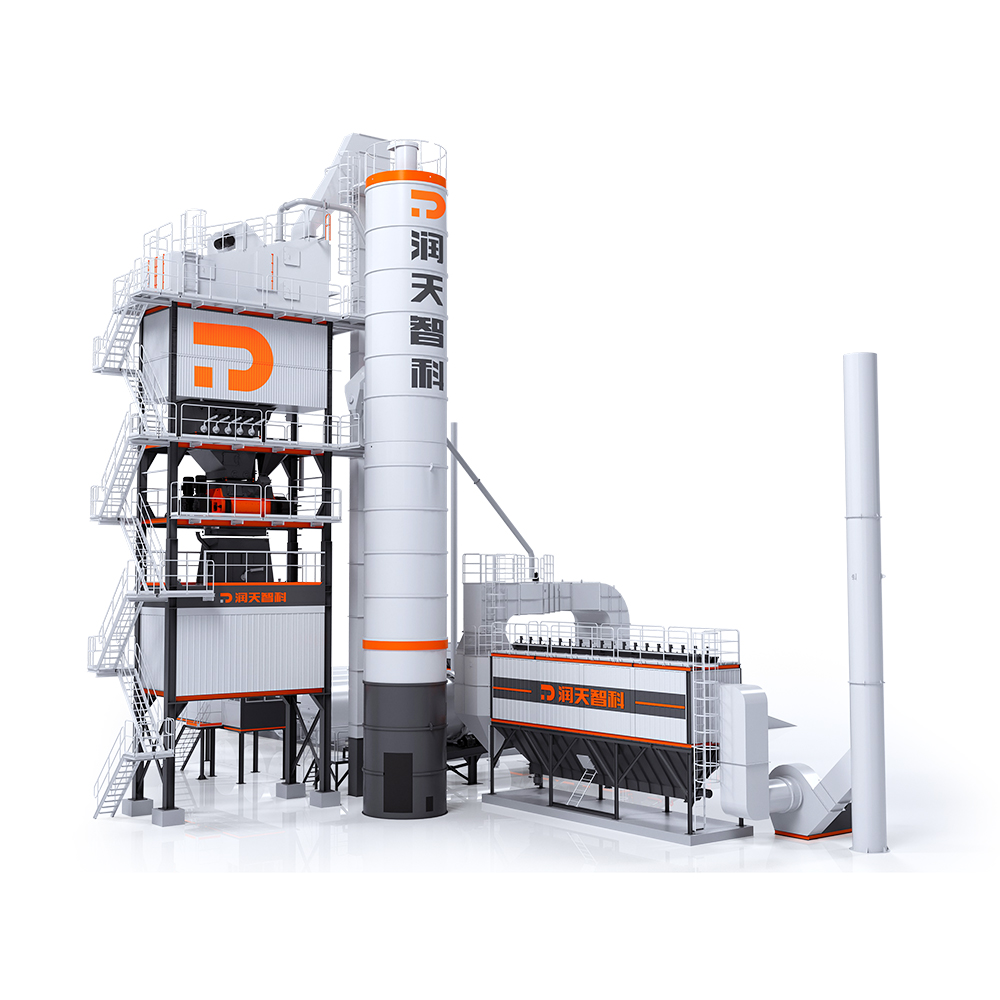 LB Series Asphalt Mixing Plant
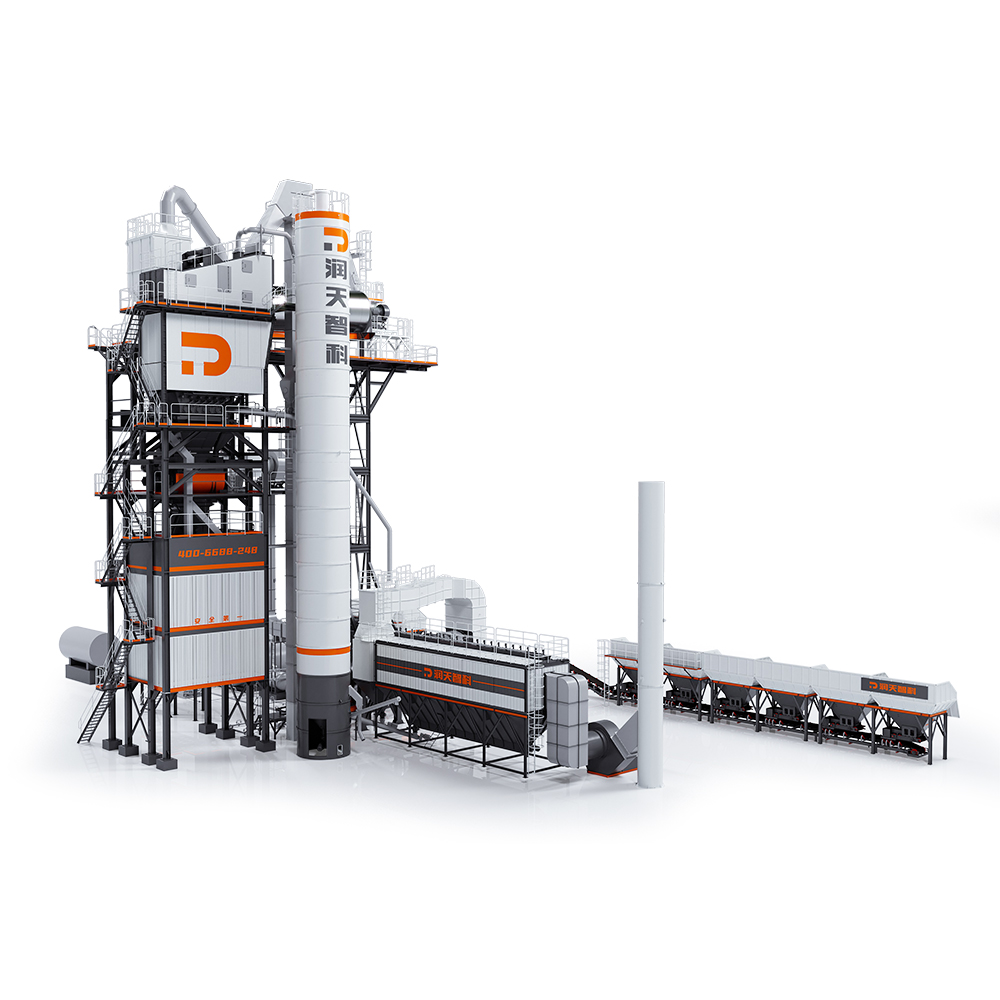 LBR Series Integrated Asphalt Mixing Plant
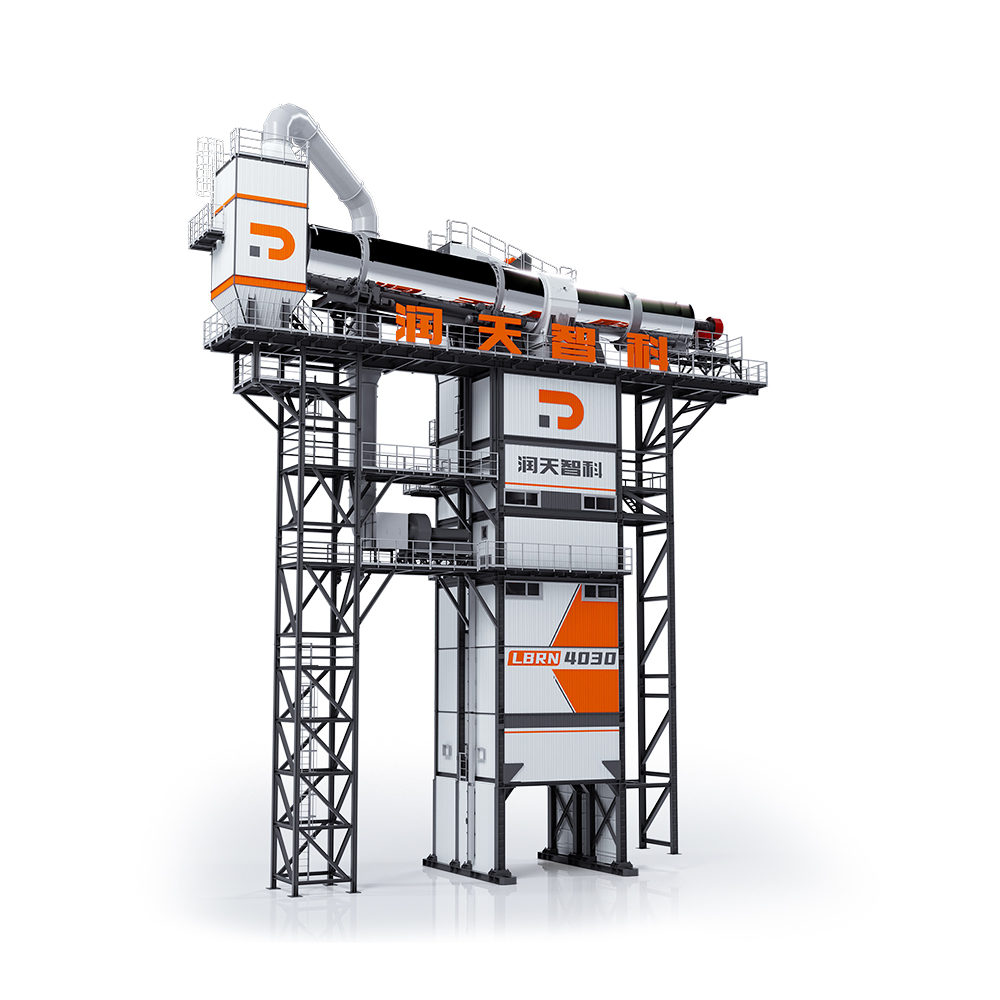 LBRN Series Counterflow Integral Asphalt Mixing Plant
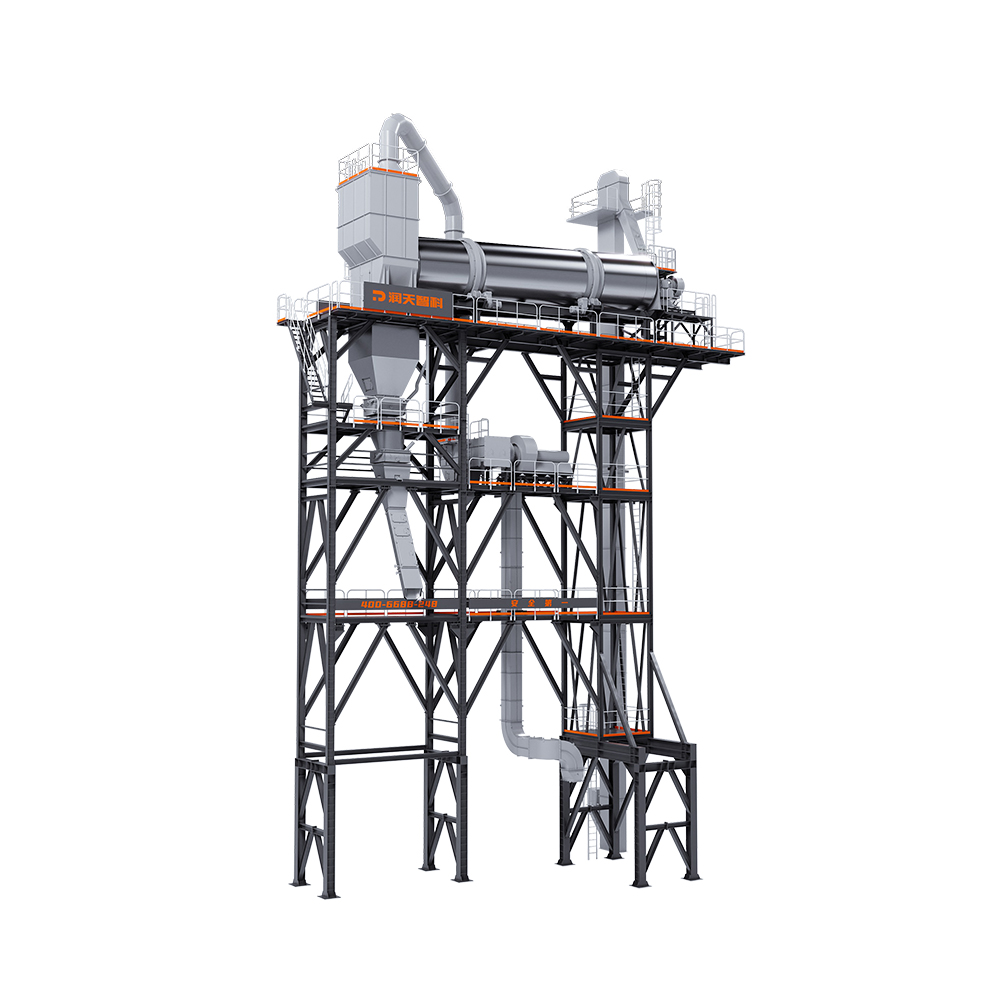 RZS Series Asphalt Mixing Plant
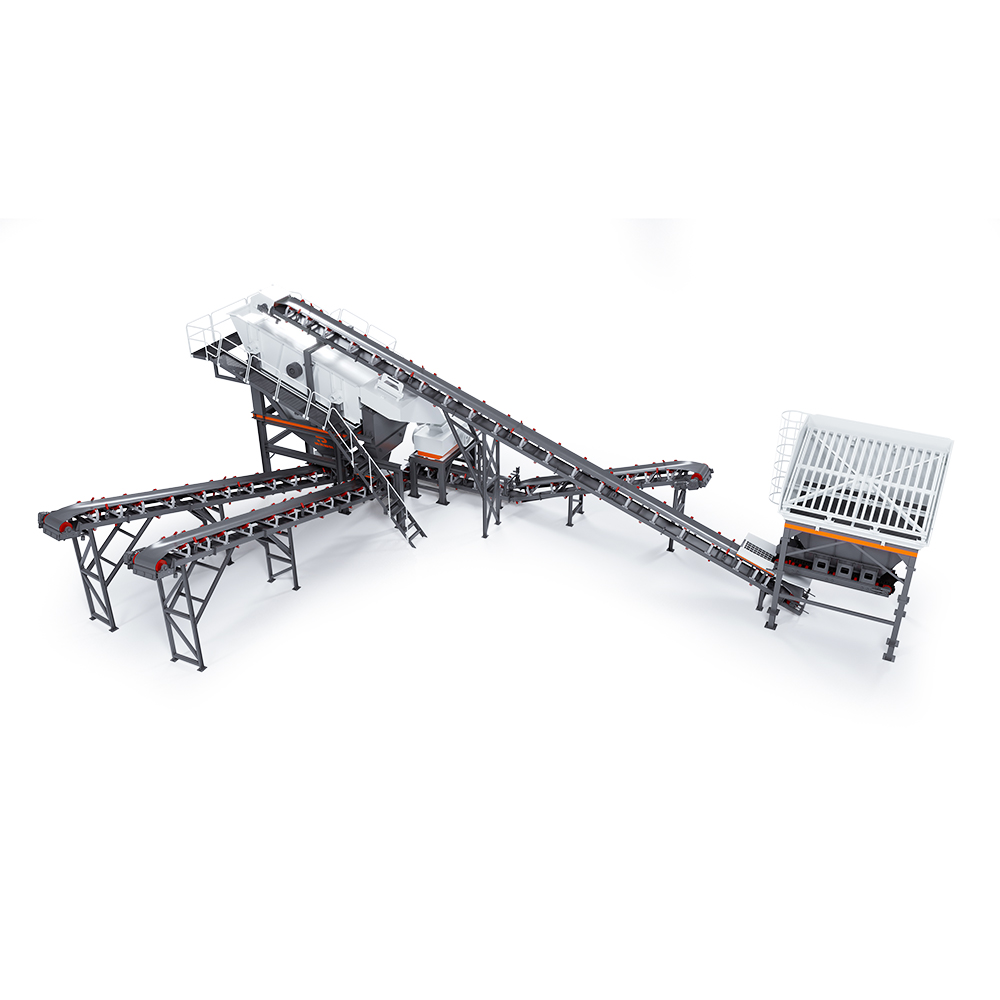 RTZS120 Series RAP Crushing & Screening Plant
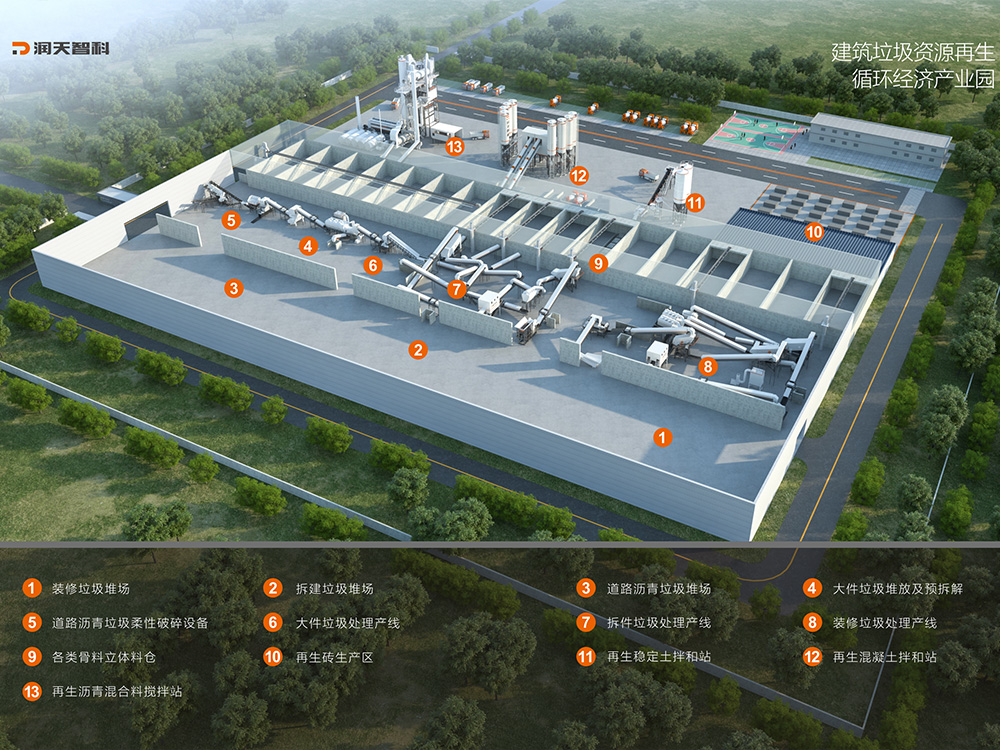 Construction Waste Resourceful Treatment Line