| 1 |
Thermal energy efficiency |
Fuel consumption per tonne, production rate, aggregate moisture, mix temperature, and operating hours. |
A well-operated conventional hot-mix process may use approximately 5–8 litres of fuel per tonne under typical conditions; actual consumption varies significantly with moisture, weather, mix temperature, and plant design. |
Select equipment with verified fuel data from comparable materials and production conditions rather than relying only on rated capacity. |
High fuel use at normal moisture levels, unstable burner operation, or performance data without test conditions. |
| 2 |
Aggregate moisture control |
Moisture sensors, covered stockpiles, drainage, cold-feed control, and average moisture entering the dryer. |
One percentage point of moisture in one tonne of aggregate represents about 10 kg of water. Evaporating that water requires at least approximately 22.6 MJ of latent heat, before heating and system losses. |
Choose a plant layout that minimizes water ingress and provides continuous moisture monitoring or routine laboratory verification. |
Uncovered wet stockpiles, poor drainage, fluctuating fuel use, or no moisture records. |
| 3 |
Dryer and burner performance |
Burner turndown ratio, combustion controls, oxygen level, exhaust temperature, flame stability, and maintenance history. |
Efficient combustion requires adequate air–fuel control and stable heat transfer. Excess air can increase exhaust volume and heat loss, while insufficient air can increase carbon monoxide and unburned hydrocarbons. |
Prefer automatic air–fuel control, documented burner tuning, and operating data at both low and high production rates. |
Visible flame instability, frequent manual adjustments, excessive CO readings, or a burner that performs well only at full load. |
| 4 |
Heat retention and insulation |
Insulation condition around the dryer, hot elevators, storage silos, transfer points, ducts, and hot-mix piping. |
Uninsulated or damaged hot surfaces increase heat loss and can create worker-safety risks. Surface-temperature surveys can identify damaged insulation and thermal bridges. |
Require complete insulation specifications, accessible inspection points, and infrared survey records during commissioning and maintenance. |
Hot spots, damaged cladding, exposed piping, or unexplained temperature drops between the dryer and storage system. |
| 5 |
Particulate emission control |
Baghouse or filter type, filtration area, pressure drop, outlet concentration, leak detection, and maintenance intervals. |
Particulate limits are set by the applicable permit and jurisdiction. A stable filter pressure drop and documented stack-test results are more meaningful than a generic equipment claim. |
Select a system with a demonstrated compliance margin below the local permit limit and continuous monitoring of key filter parameters. |
Dust visible at the stack, frequent filter failures, uncontrolled bypasses, or missing recent performance tests. |
| 6 |
NOx, CO, and hydrocarbon emissions |
Burner emissions, oxygen correction basis, fuel type, combustion settings, testing frequency, and operating load during tests. |
NOx generally increases with high flame temperature and excess oxygen, while CO and hydrocarbons can rise during incomplete combustion, poor mixing, or low-load operation. |
Require emission test results obtained under representative production conditions and compare them directly with permit limits. |
Results available only at ideal full-load conditions, recurring CO alarms, or no documented combustion-tuning procedure. |
| 7 |
Reclaimed asphalt pavement capability |
Maximum approved reclaimed asphalt content, RAP feed location, moisture level, material uniformity, and temperature-control method. |
RAP contains usable aggregate and aged binder, but higher RAP percentages require careful control of moisture, temperature, gradation, binder properties, and emissions. |
Choose a plant that can meet the project specification at the required RAP percentage without overheating the material or compromising mix uniformity. |
RAP percentage is quoted without a validated mix design, excessive blue smoke, inconsistent discharge temperature, or poor RAP metering. |
| 8 |
Regulatory permits and compliance history |
Air permit, operating limits, construction approvals, noise and dust requirements, inspection reports, and corrective-action records. |
Permit limits vary by country, region, fuel, plant capacity, location, and pollutant. Compliance must be assessed against the specific local permit rather than a universal threshold. |
Verify that the proposed configuration, production capacity, fuel, RAP rate, and operating schedule are all covered by the applicable permit. |
Unresolved violations, expired permits, unclear ownership of permit obligations, or equipment changes not reflected in approval documents. |
| 9 |
Automation and production data |
Batch records, fuel flow, aggregate feed rate, binder dosage, temperatures, filter pressure, alarms, and downtime history. |
Accurate mass-flow and temperature records help identify energy waste, out-of-specification production, material imbalance, and recurring equipment faults. |
Prefer systems that provide time-stamped records, trend charts, alarm histories, exportable data, and role-based access controls. |
Manual-only records, missing calibration certificates, inaccessible historical data, or alarms that cannot be traced to operating events. |
| 10 |
Total cost of ownership |
Capital cost, fuel use, electricity, filter replacement, burner maintenance, calibration, downtime, labor, permit fees, and expected service life. |
A lower purchase price can be offset by higher fuel consumption, more frequent maintenance, emission-control costs, or production interruptions. |
Compare a multi-year cost model using the same annual tonnes, fuel price, operating hours, maintenance assumptions, and compliance requirements. |
Evaluation based only on purchase price, omitted compliance costs, unrealistic fuel assumptions, or no allowance for planned downtime. |

 Concrete Mixing Plant
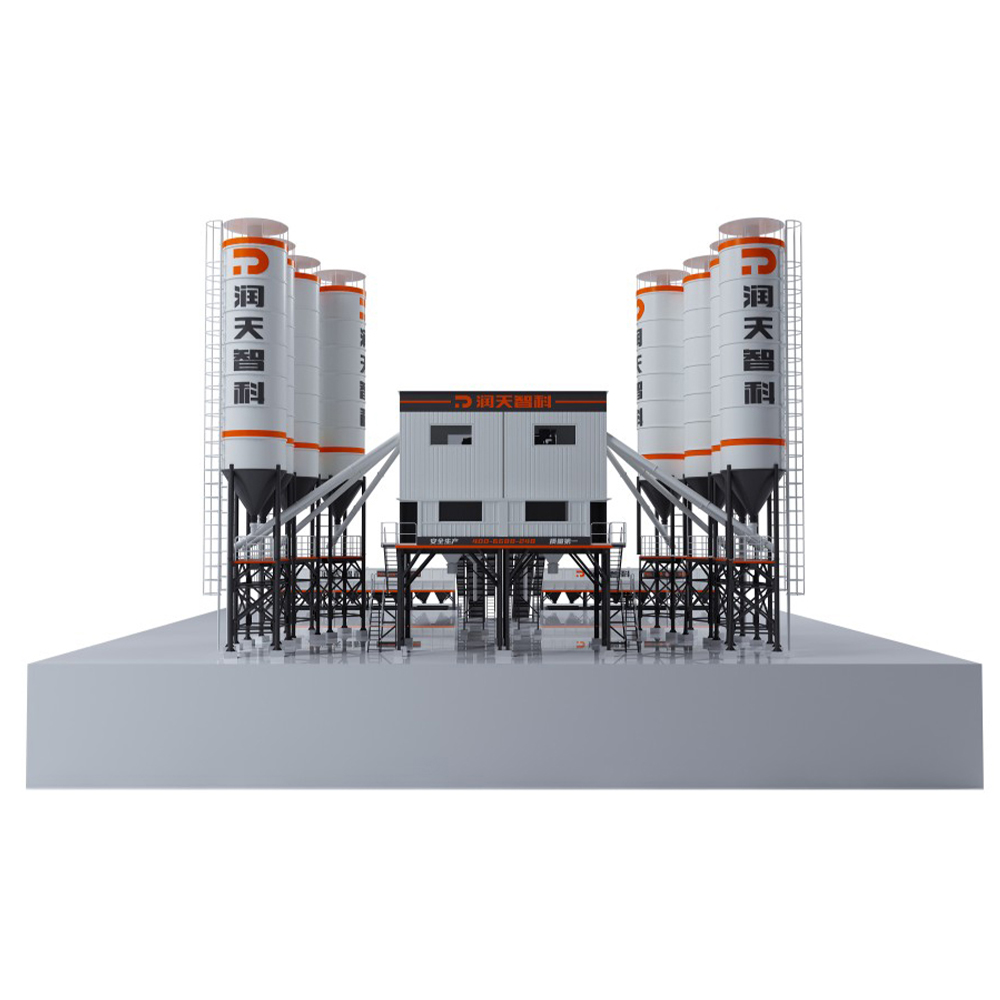 HZS Series Belt Concrete Mixing Plant
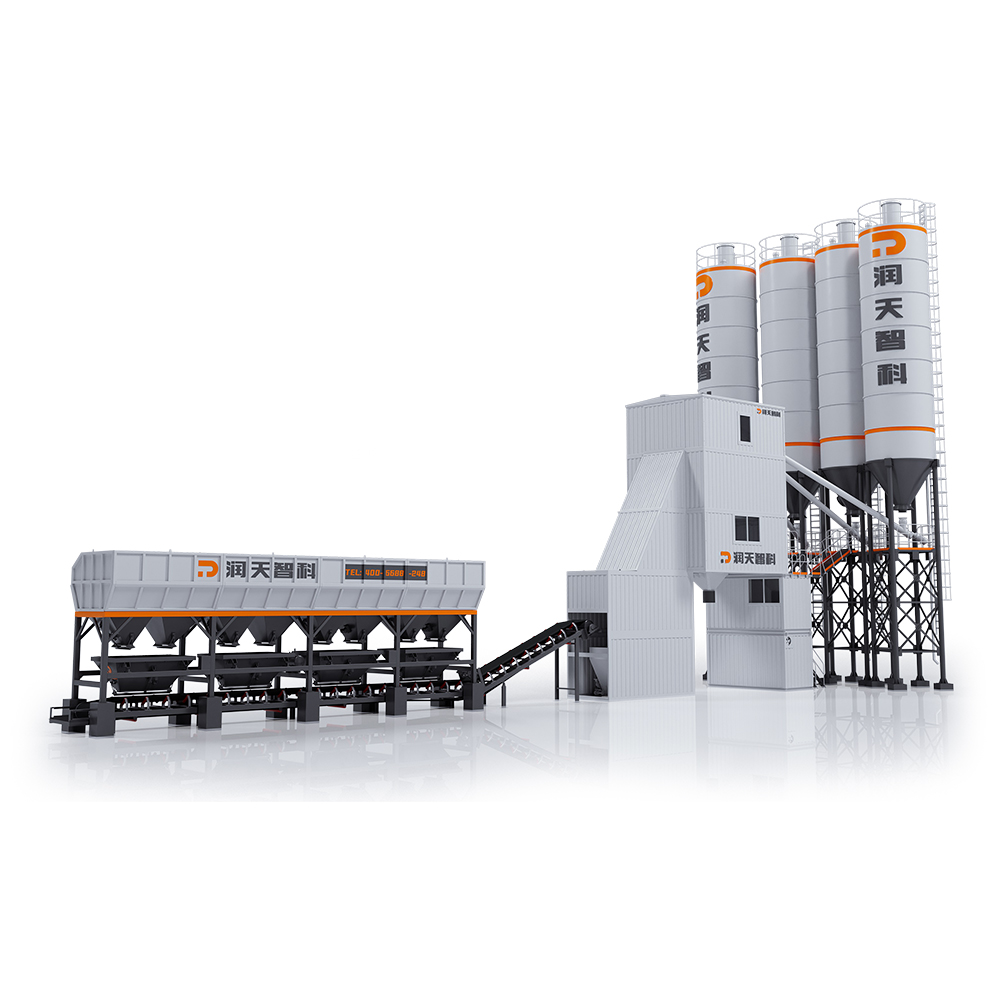 HZS Series Bucket-Lifting Type Container Concrete Mixing Plant
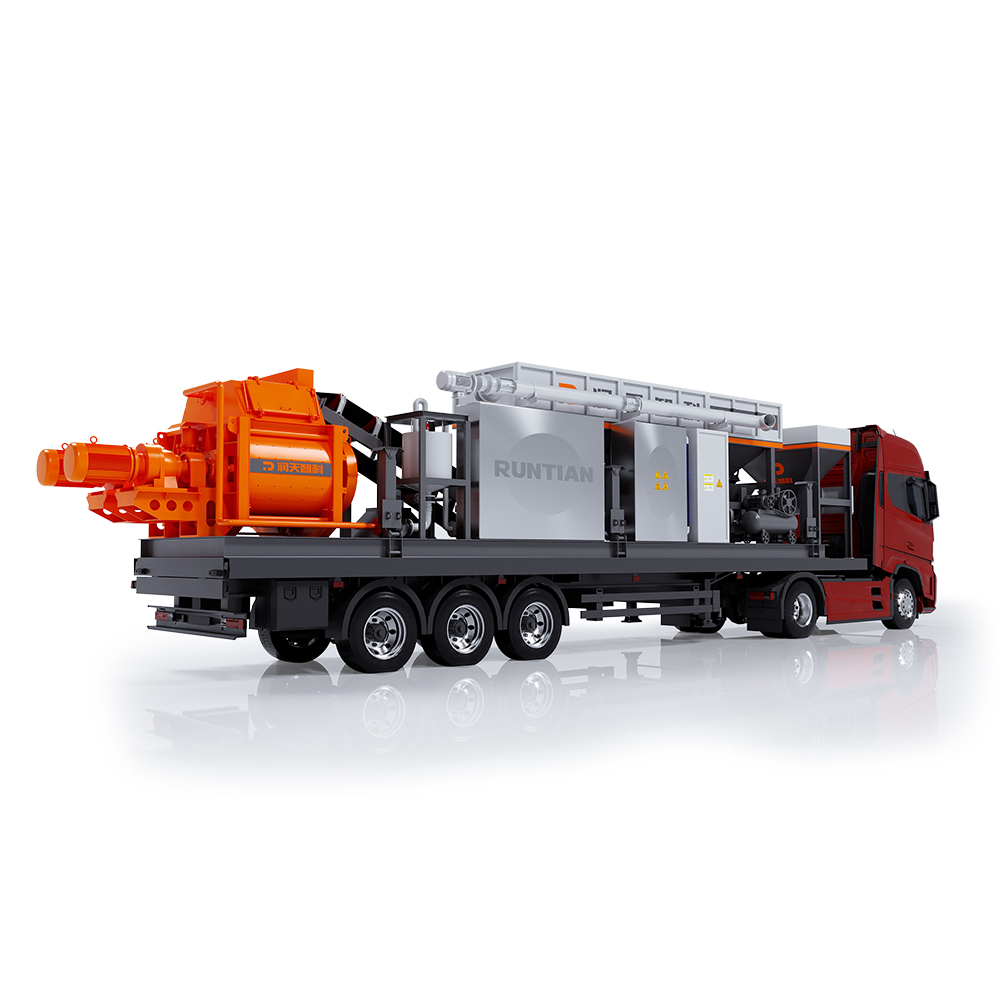 HZS60 Mobile Concrete Mixing Plant
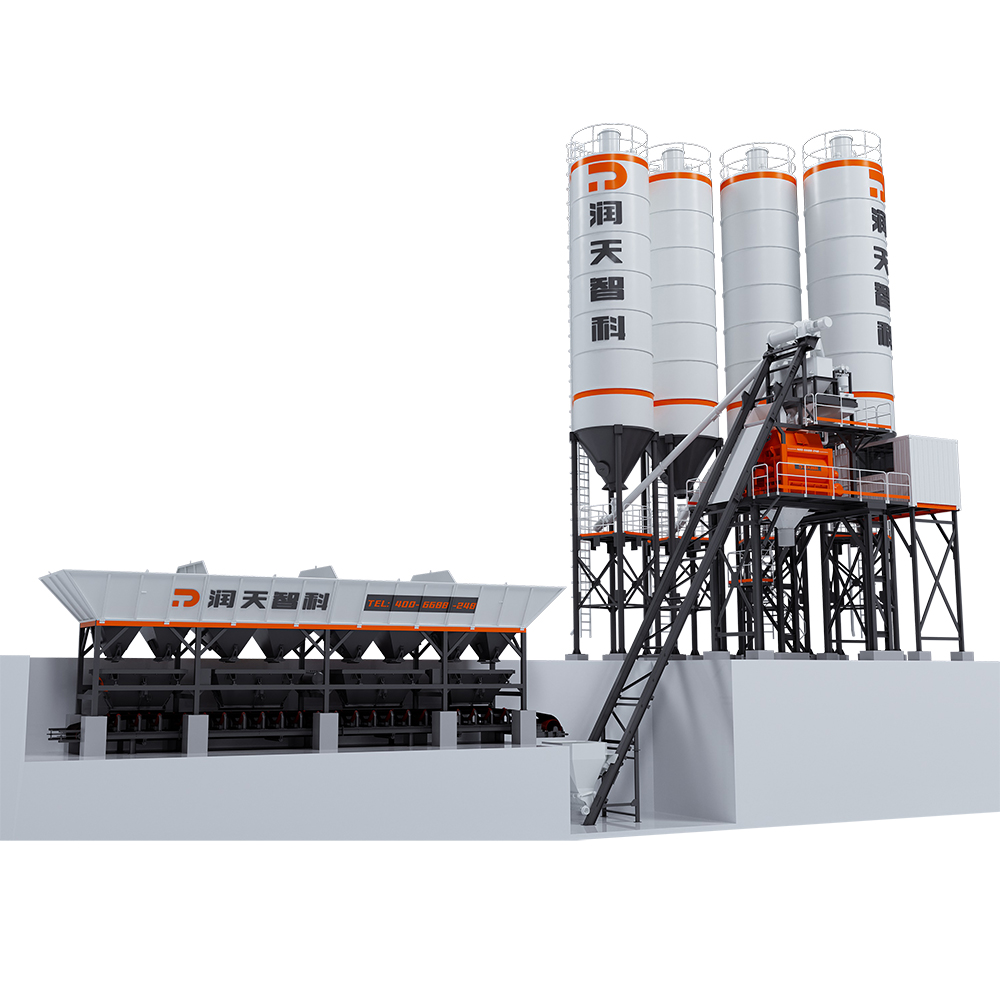 HZS Series Bucket-Lifting Type Concrete Mixing Plant
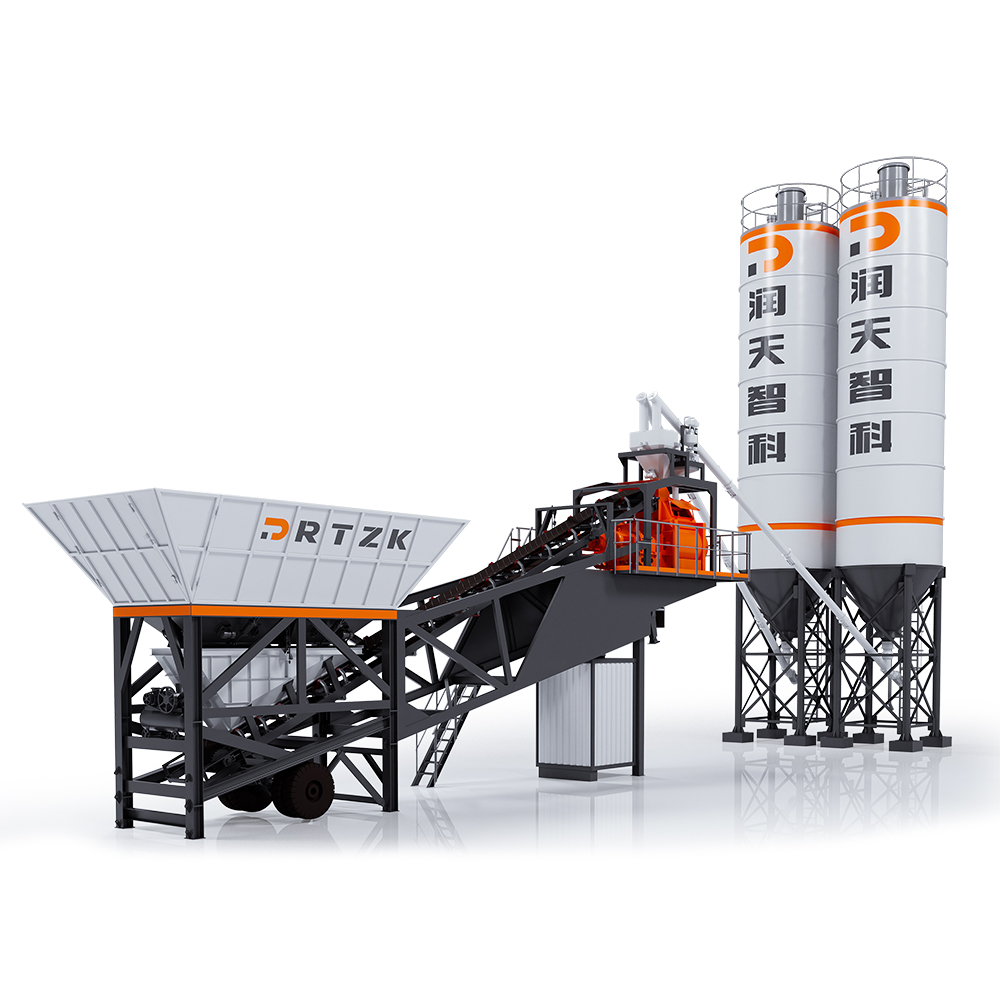 HZS Series Mobile Concrete Mixing Plant
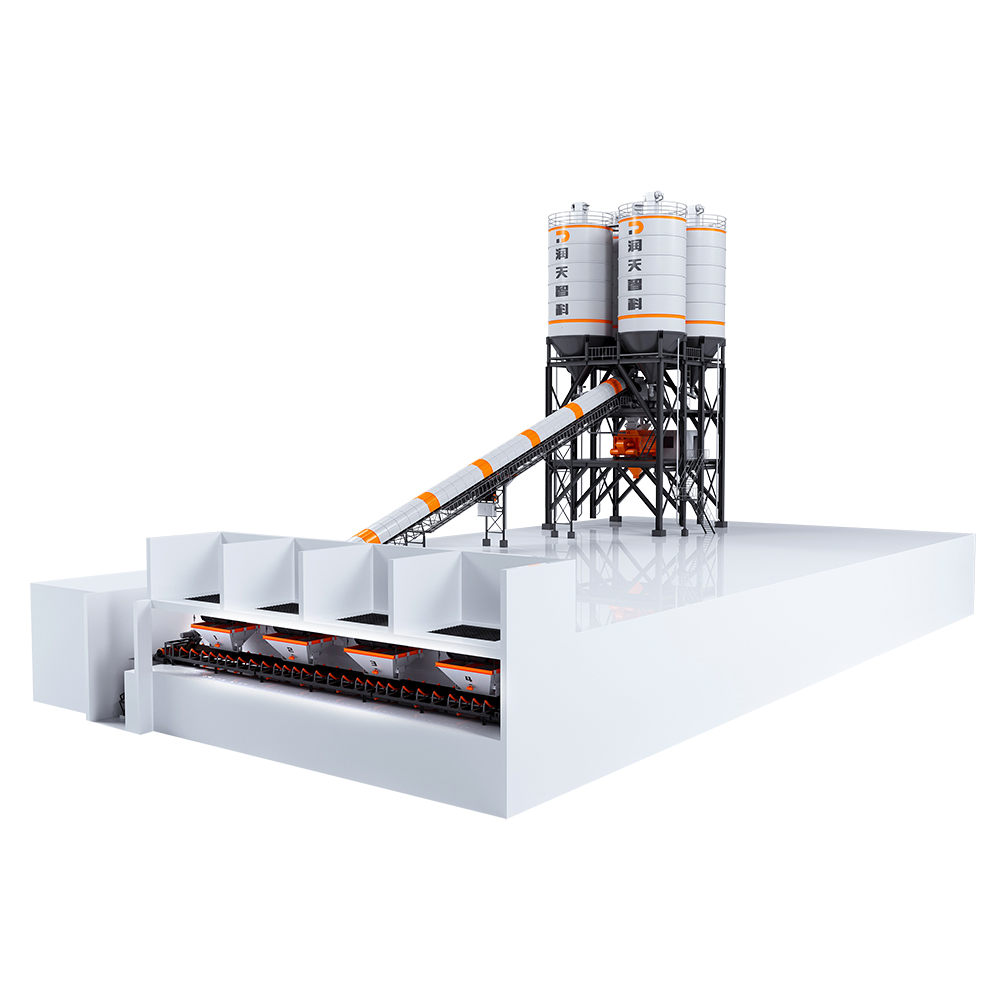 HZS Series Top-Mounted Concrete Mixing plant
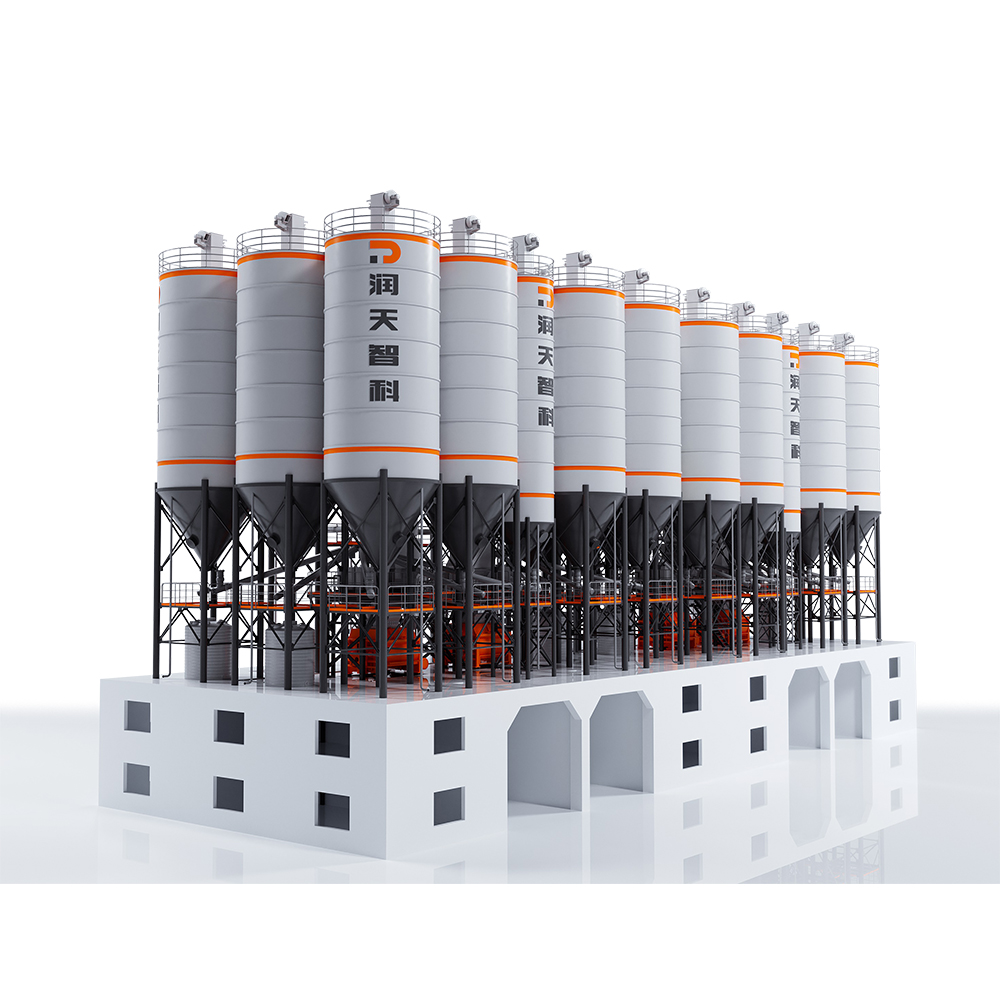 HZS Series Semi-Top Mounted Concrete Mixing Plant
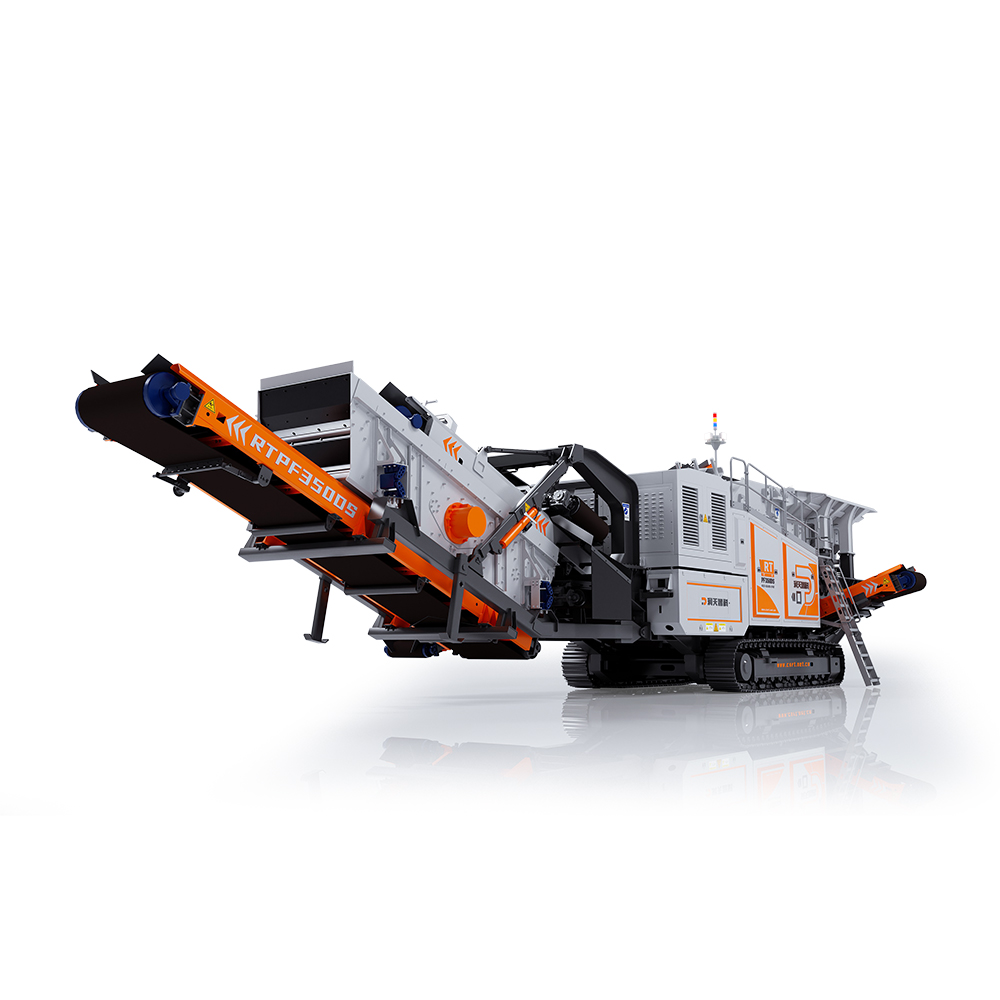 RTPF350DS Crawler Mobile Impact Crushing Plant
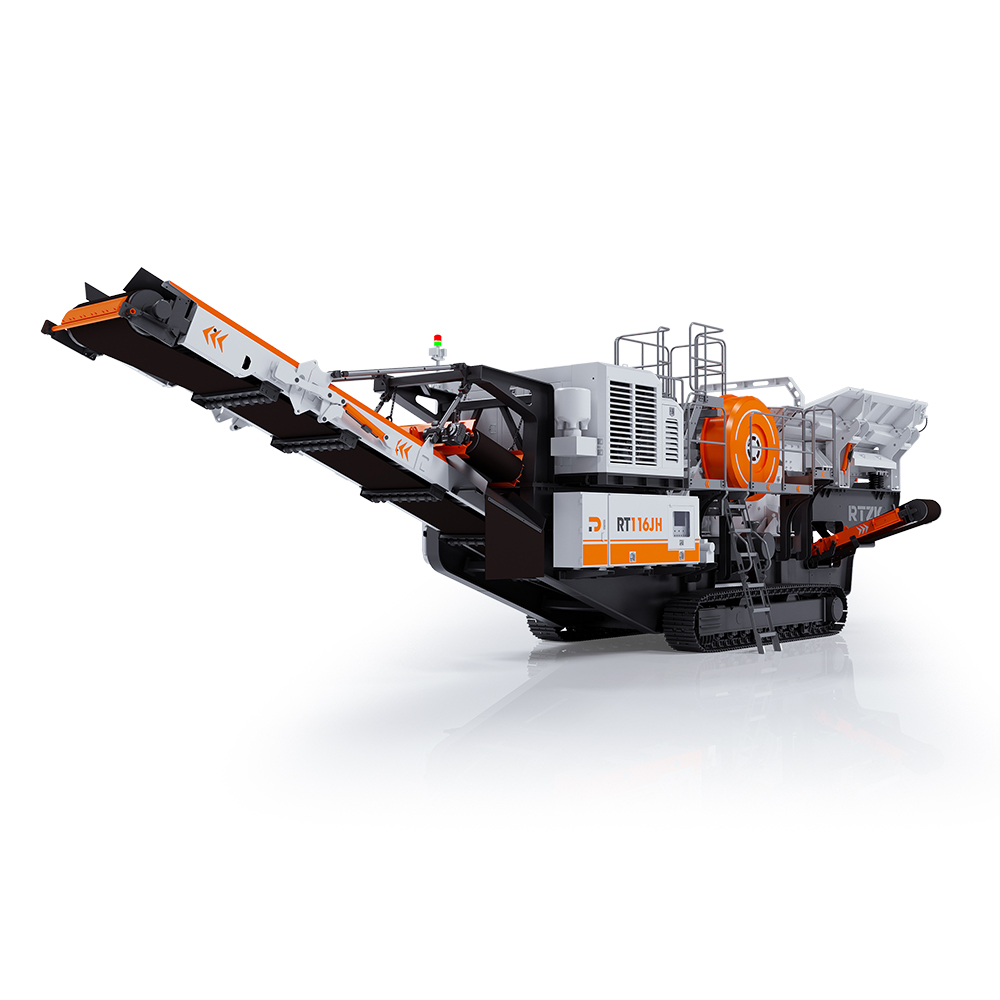 RT116JH Crawler Mobile Jaw Crushing Plant
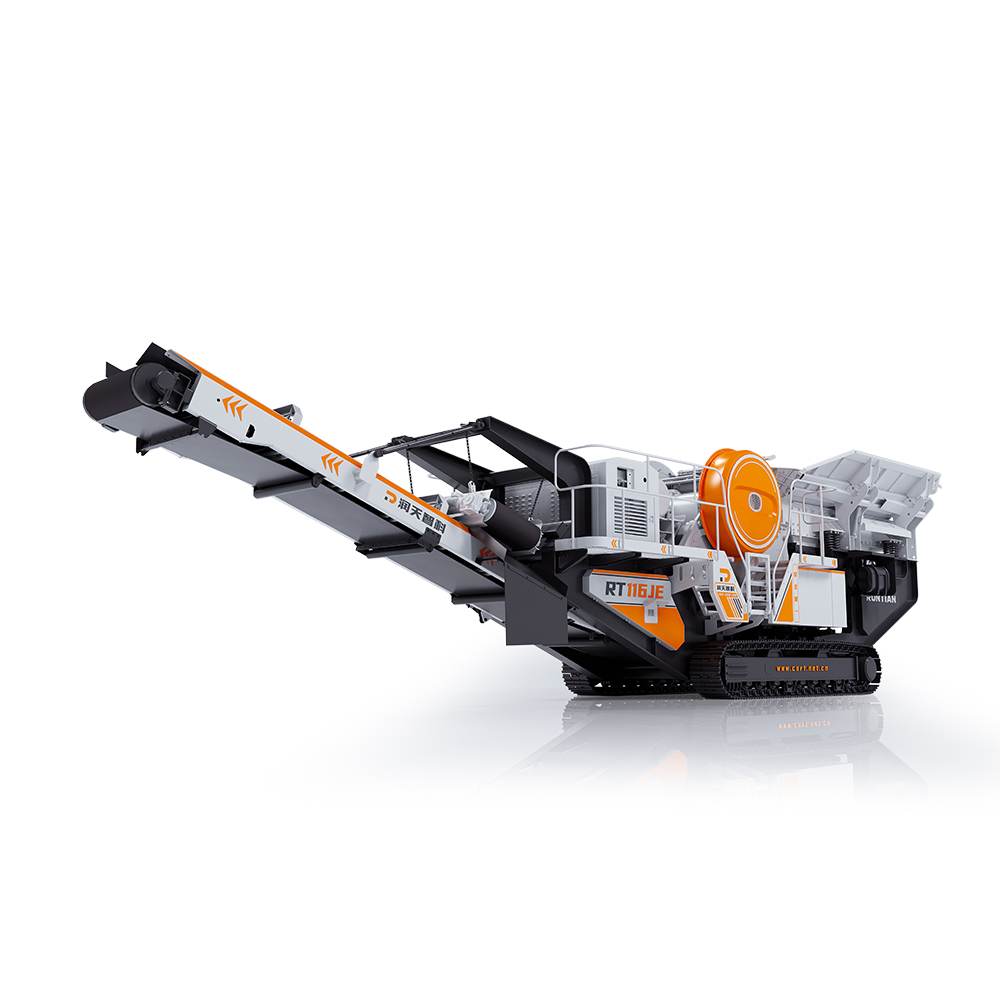 RT116JE Crawler Mobile Jaw Crushing Plant
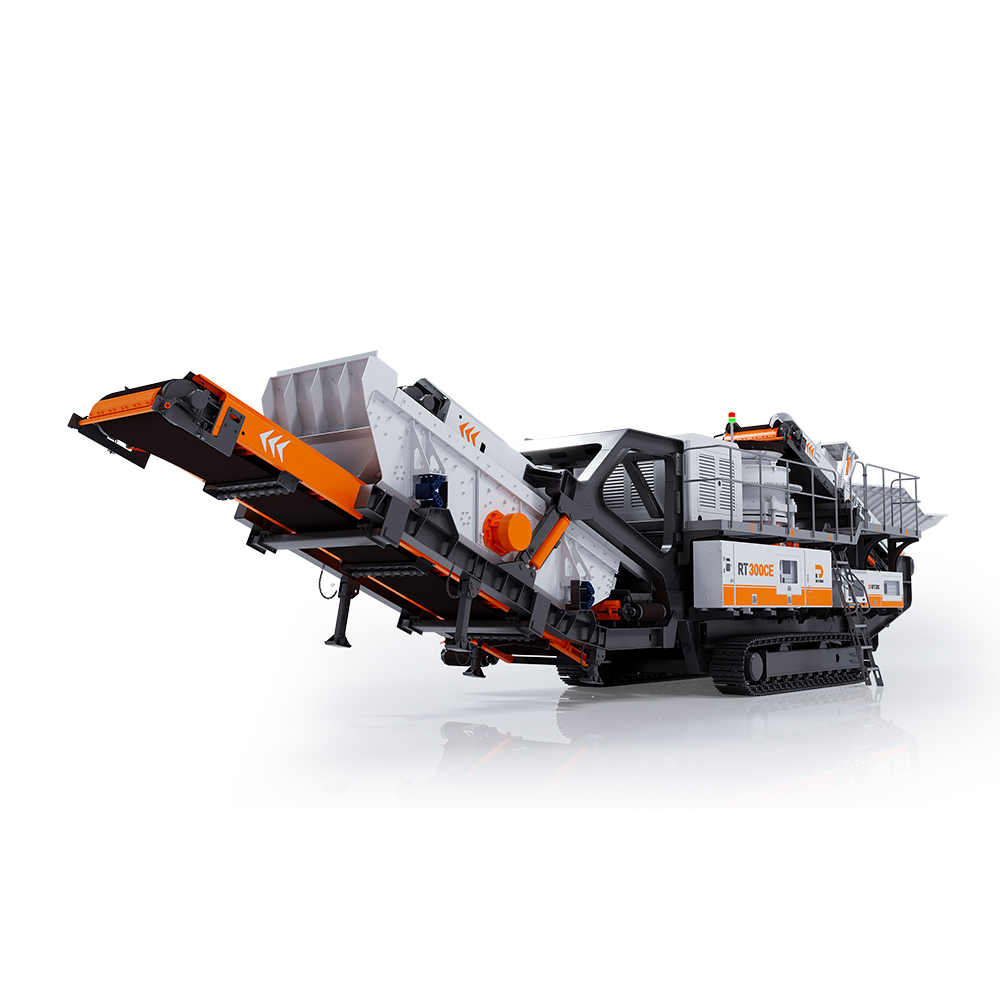 RT300CE Crawler Mobile Cone Crushing Plant
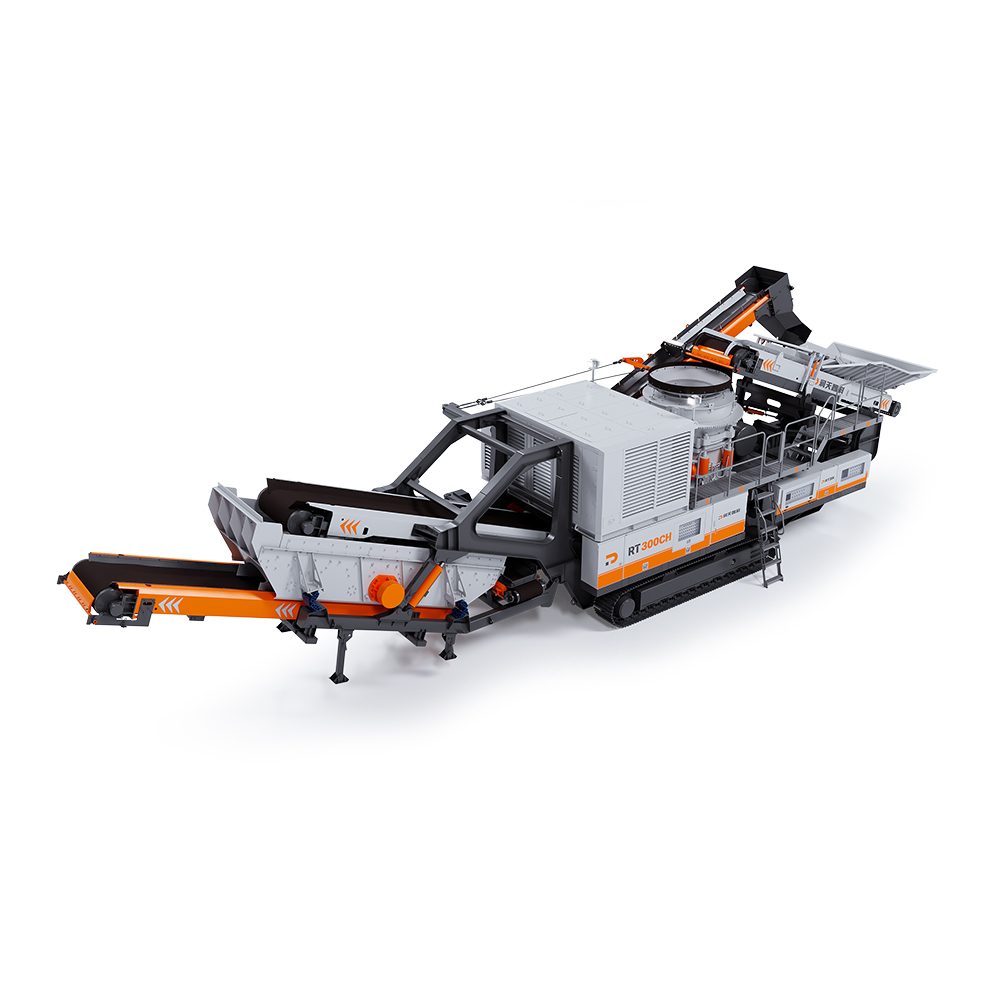 RT300CH Crawler Mobile Cone Crushing Plant
 RT5015H Mobile Scalping Screen
 RT315VSIE Crawler Mobile Sand Maker
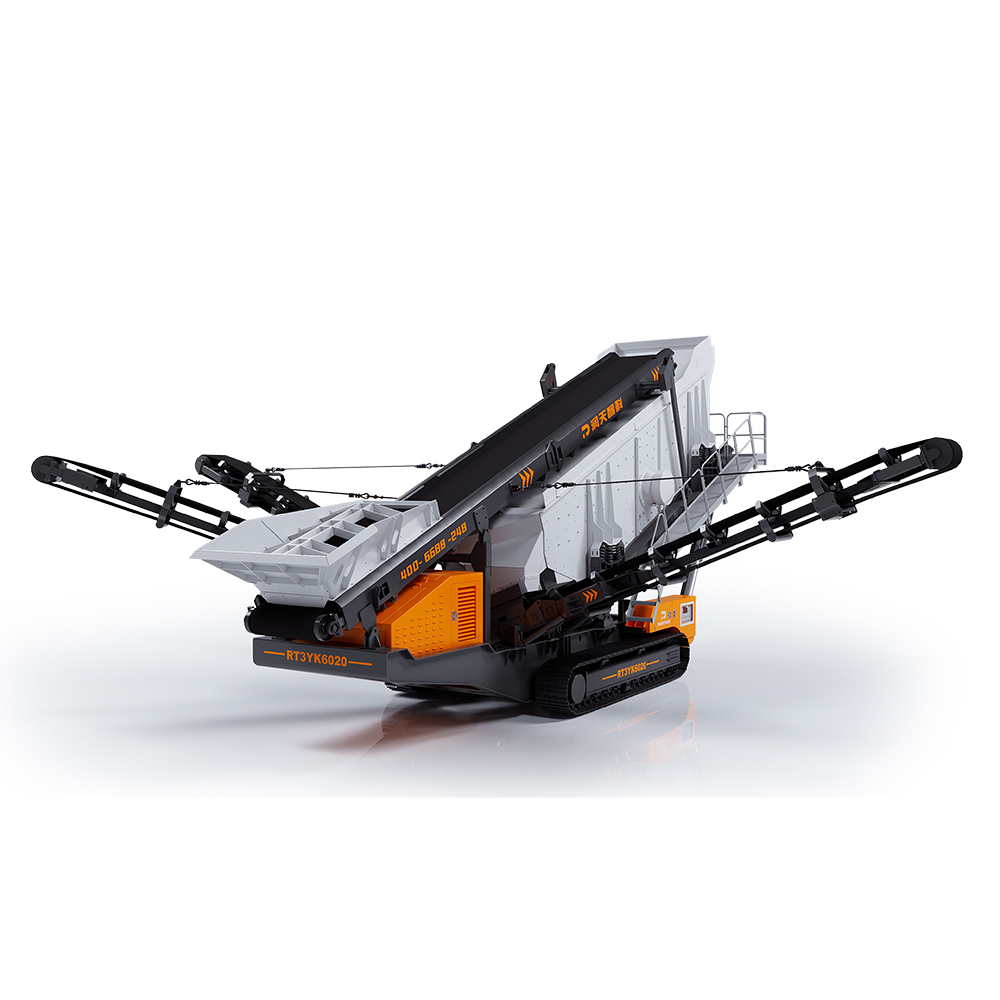 RT3YK6020 Crawler Mobile Screening Plant
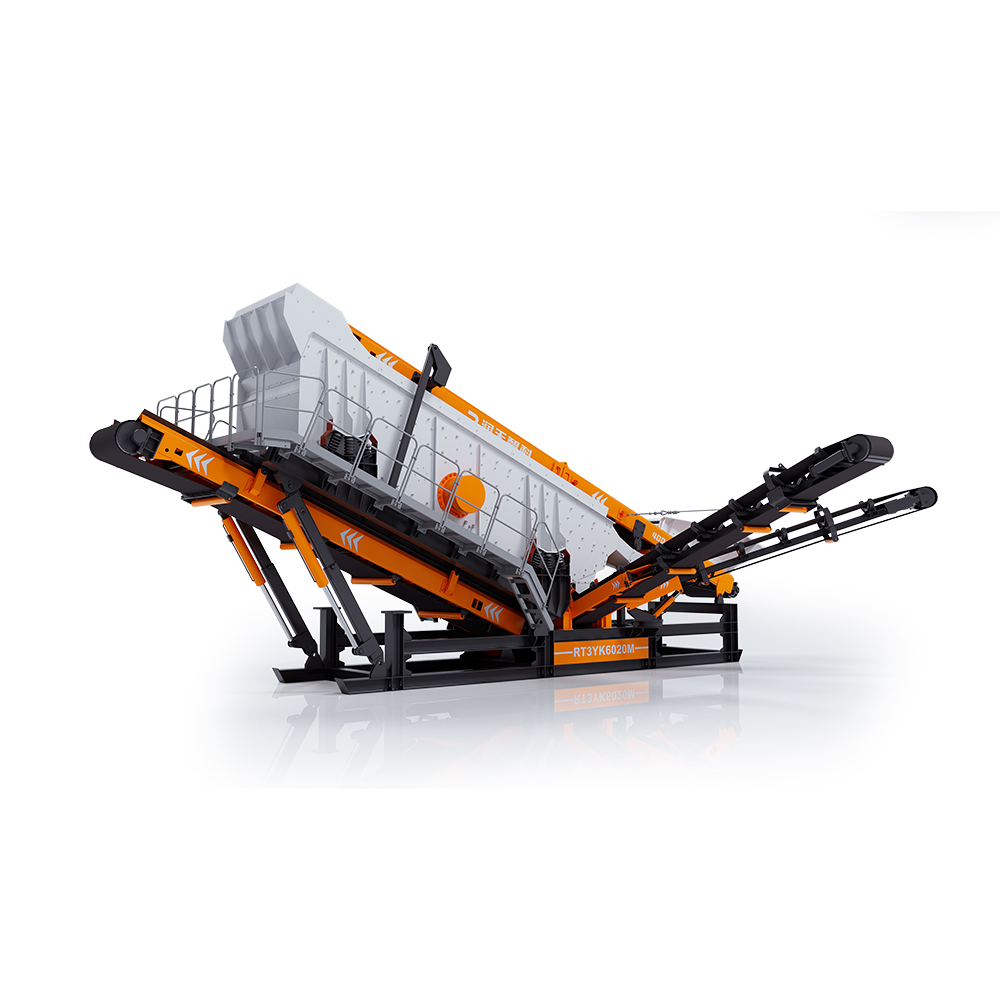 RT3YK6020M Modular Screening Plant
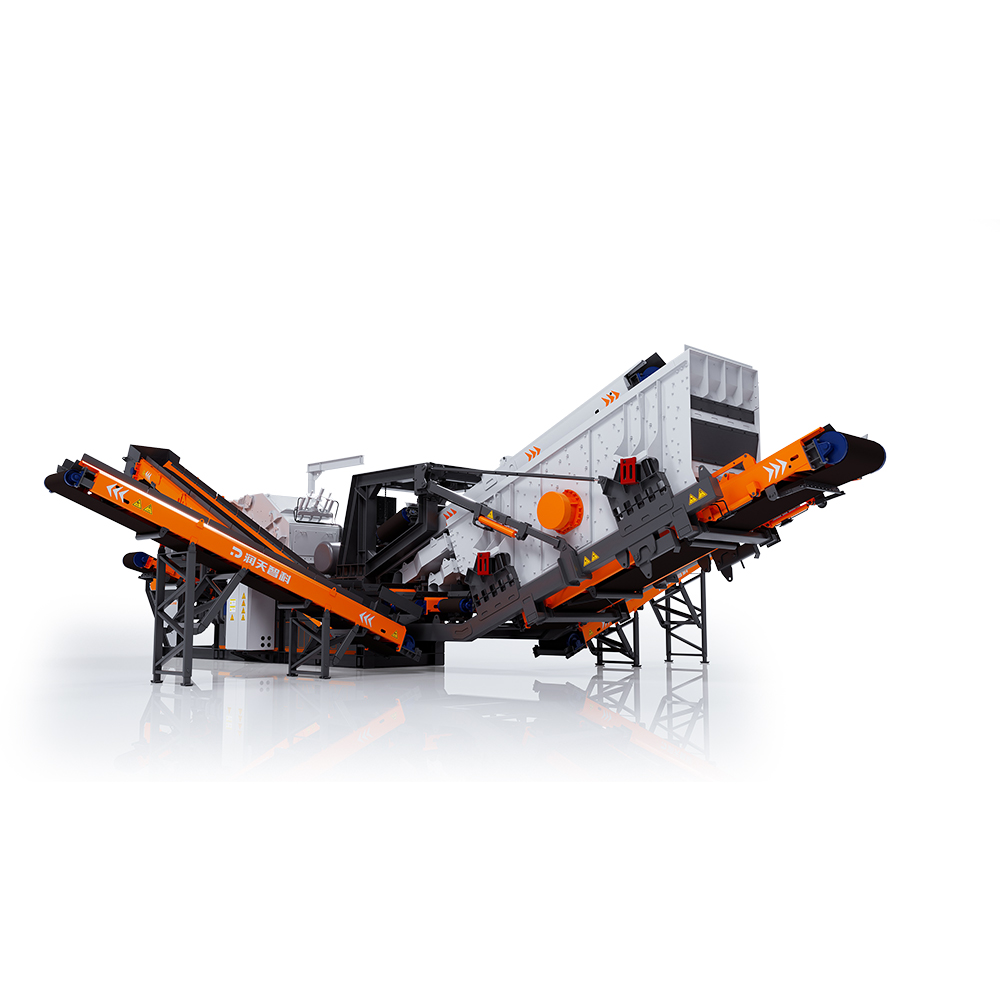 RTF260M Modular Counterattack Crushing and Screening Integrated Machine
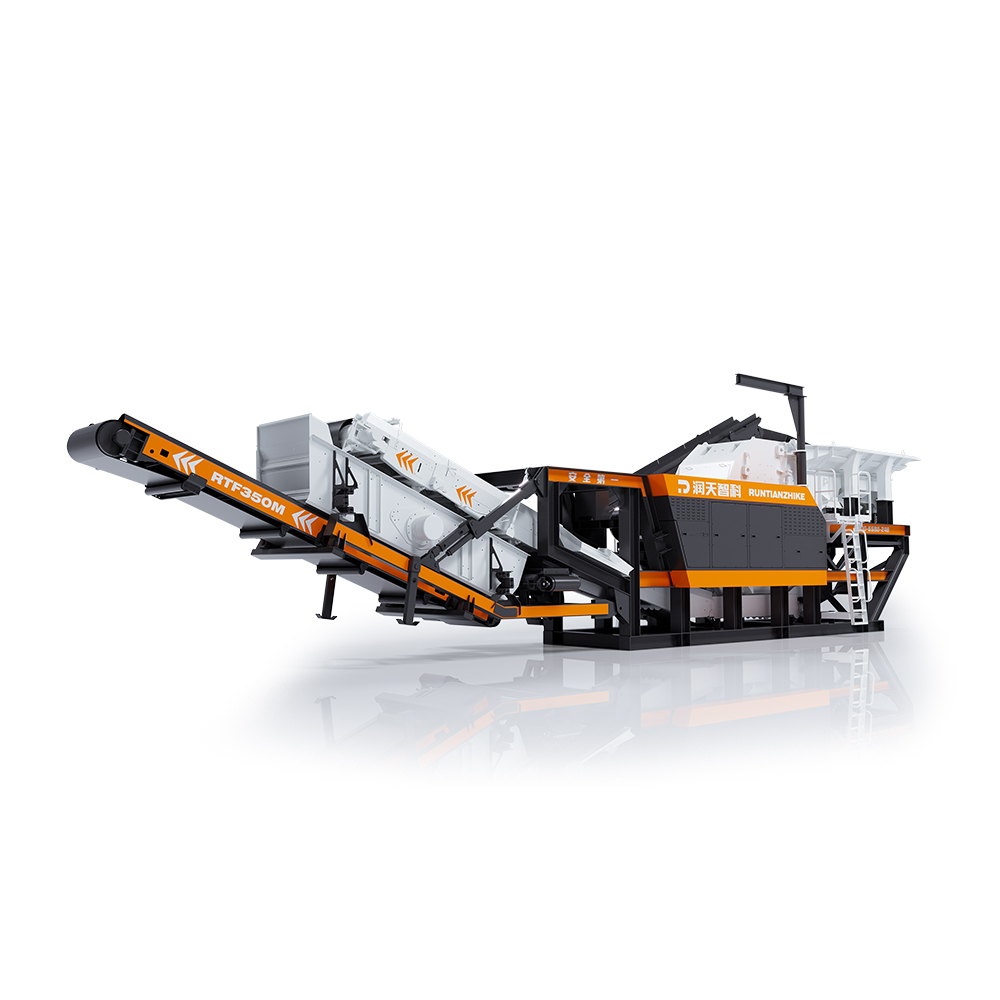 RTF350M Modular Impact Crushing Plant
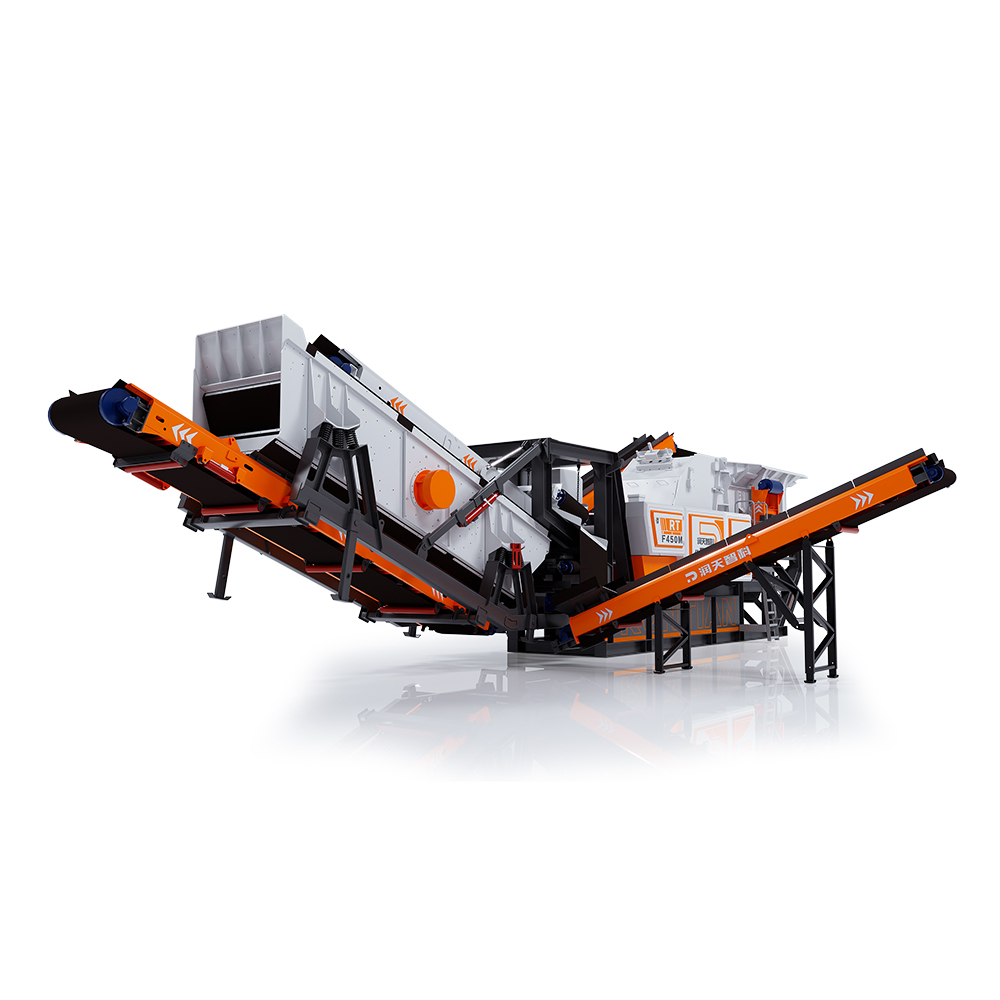 RTF450M Modular Impact Crushing Plant
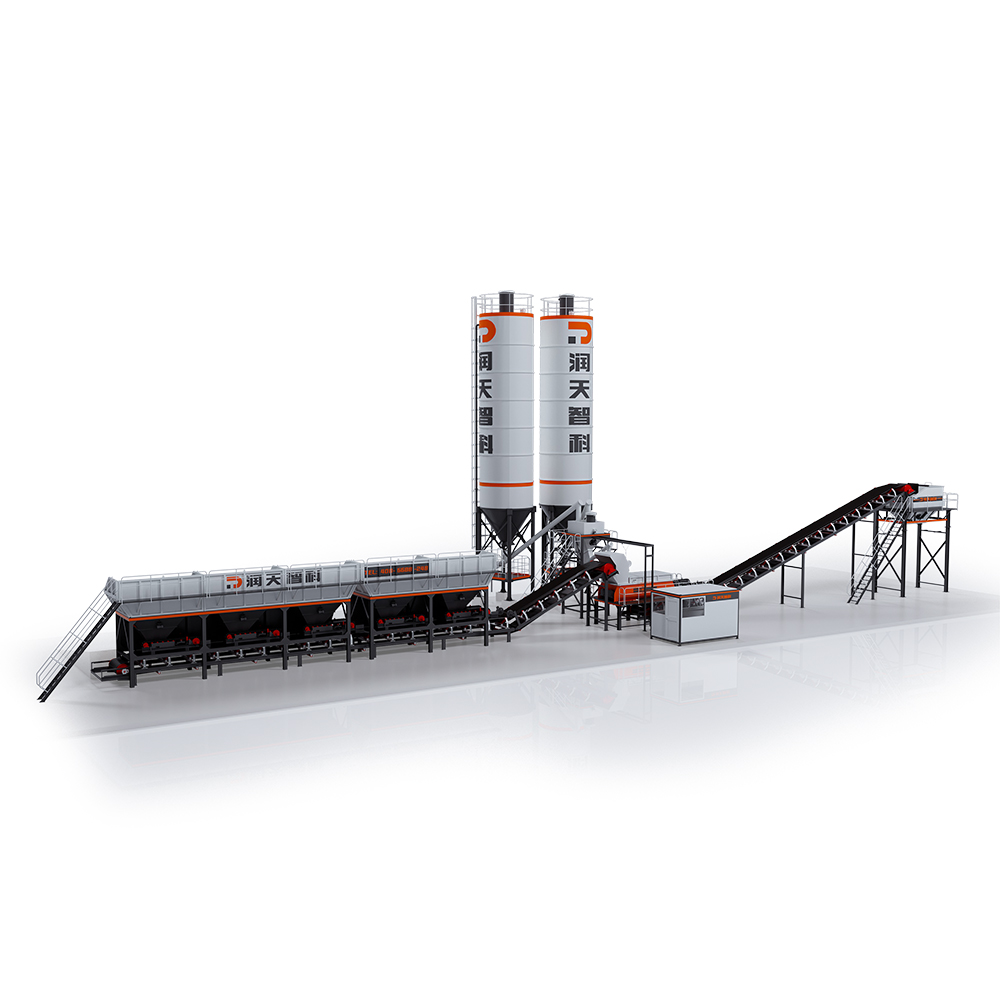 WDB Series Foundation-Free Stability Soil Mixing Plant
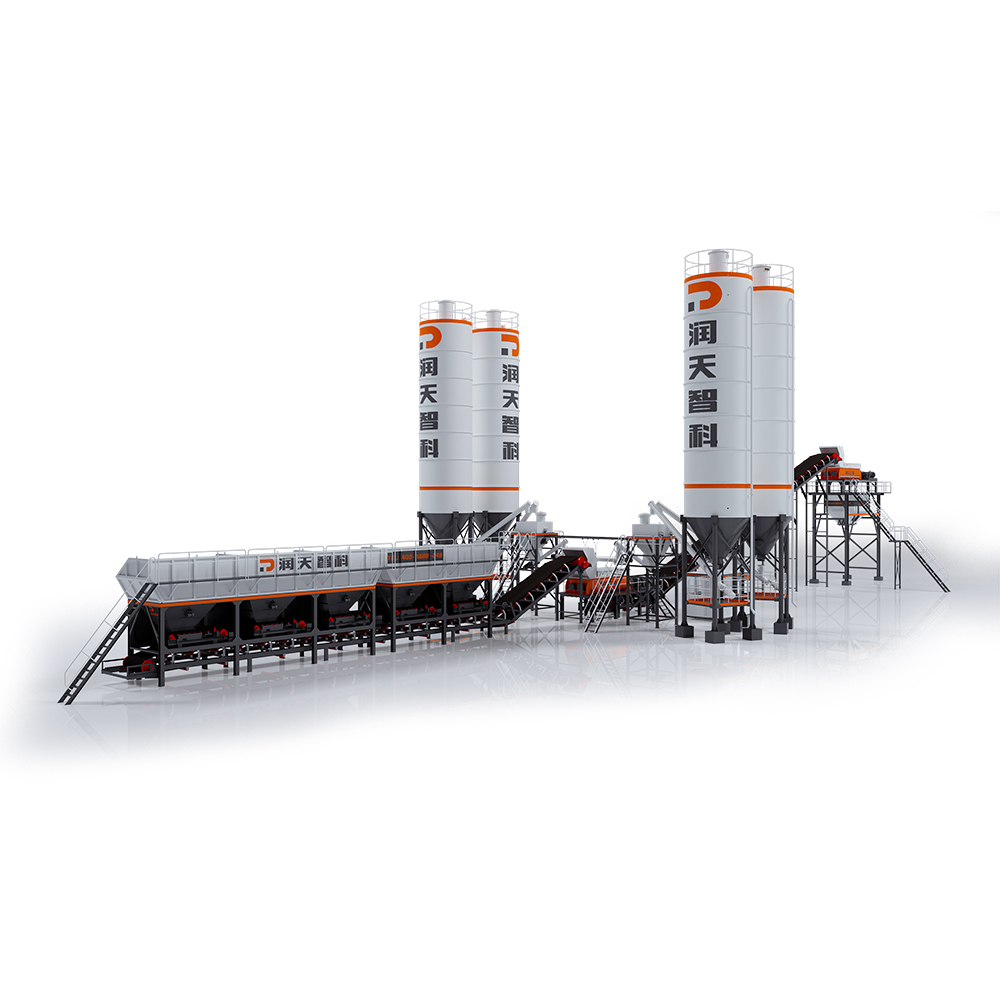 LCB Series Emulsified Asphalt Cold Regeneration Secondary Mixing Plant
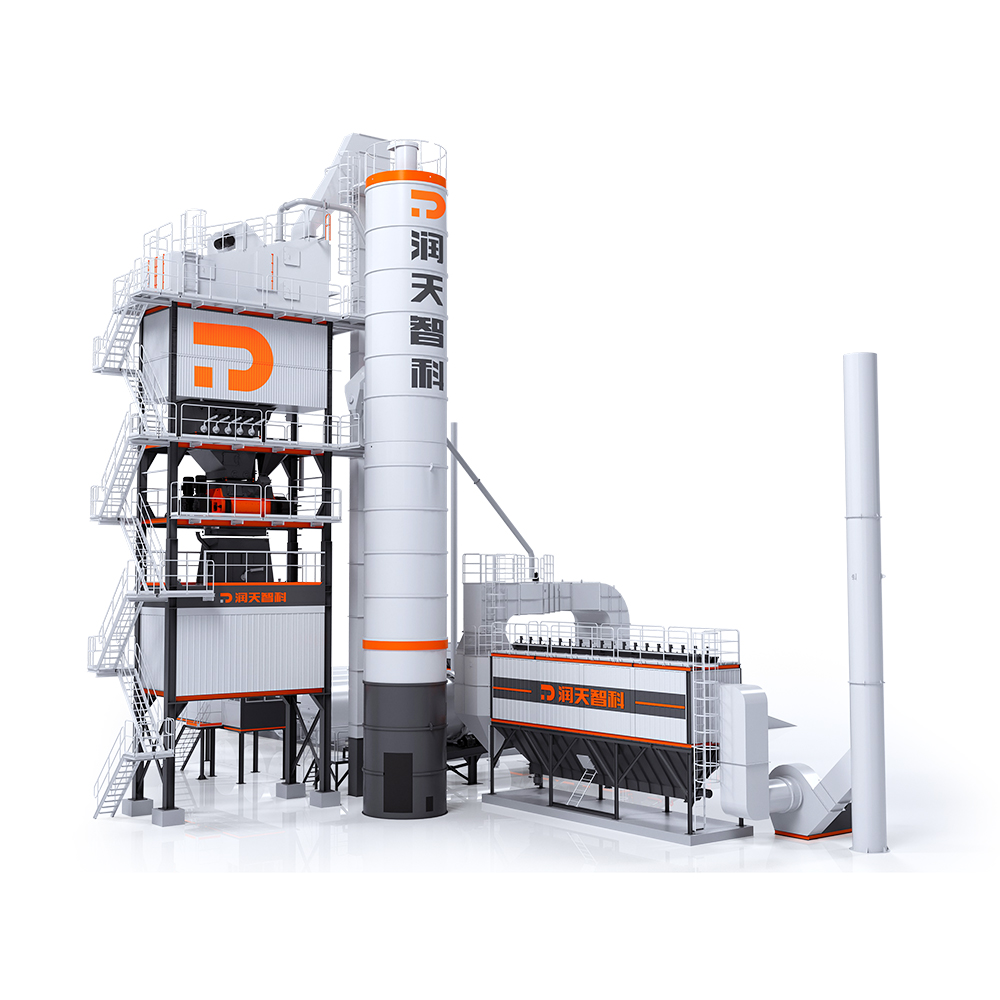 LB Series Asphalt Mixing Plant
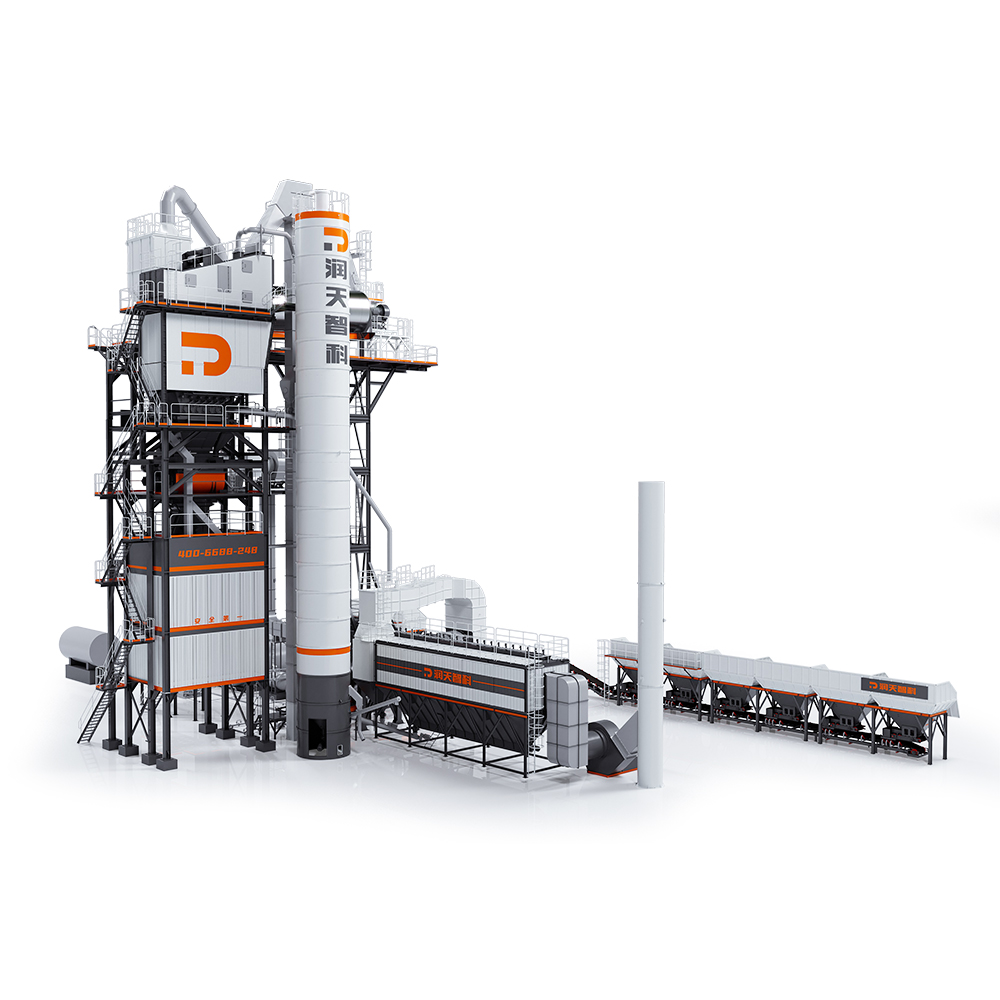 LBR Series Integrated Asphalt Mixing Plant
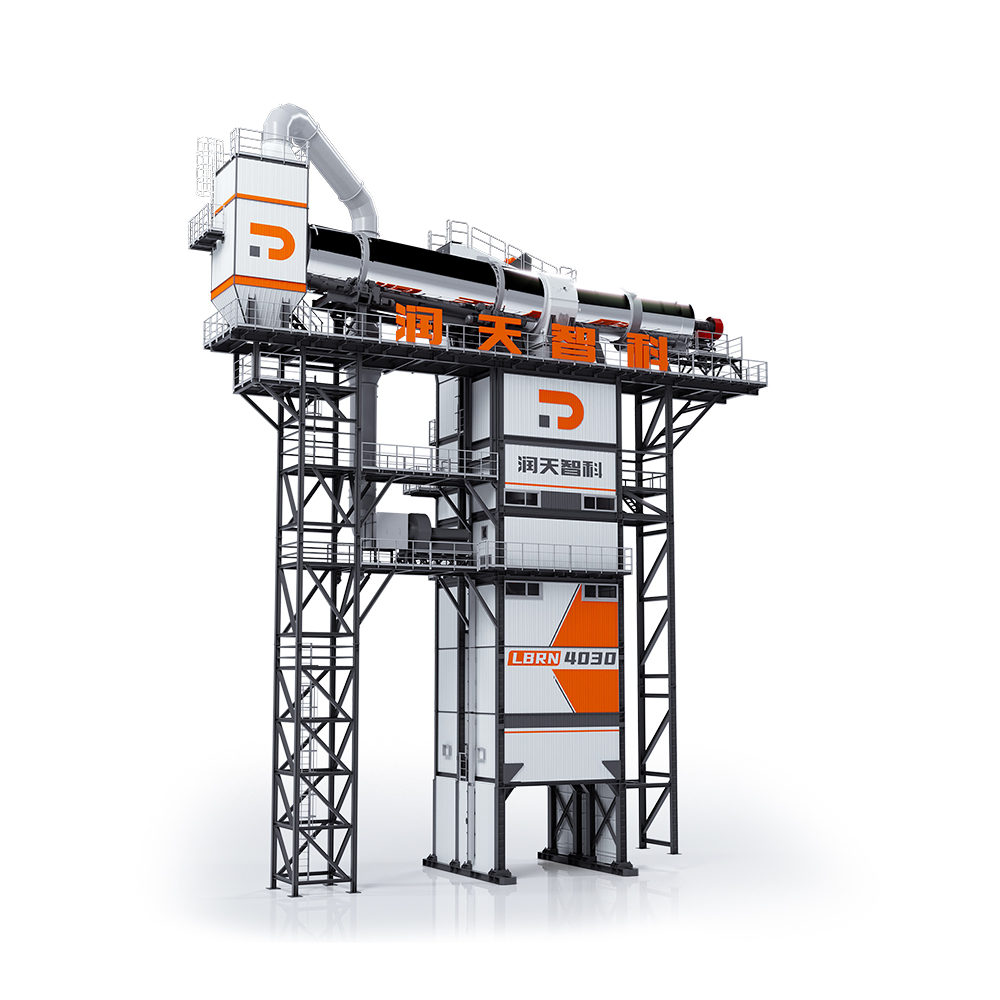 LBRN Series Counterflow Integral Asphalt Mixing Plant
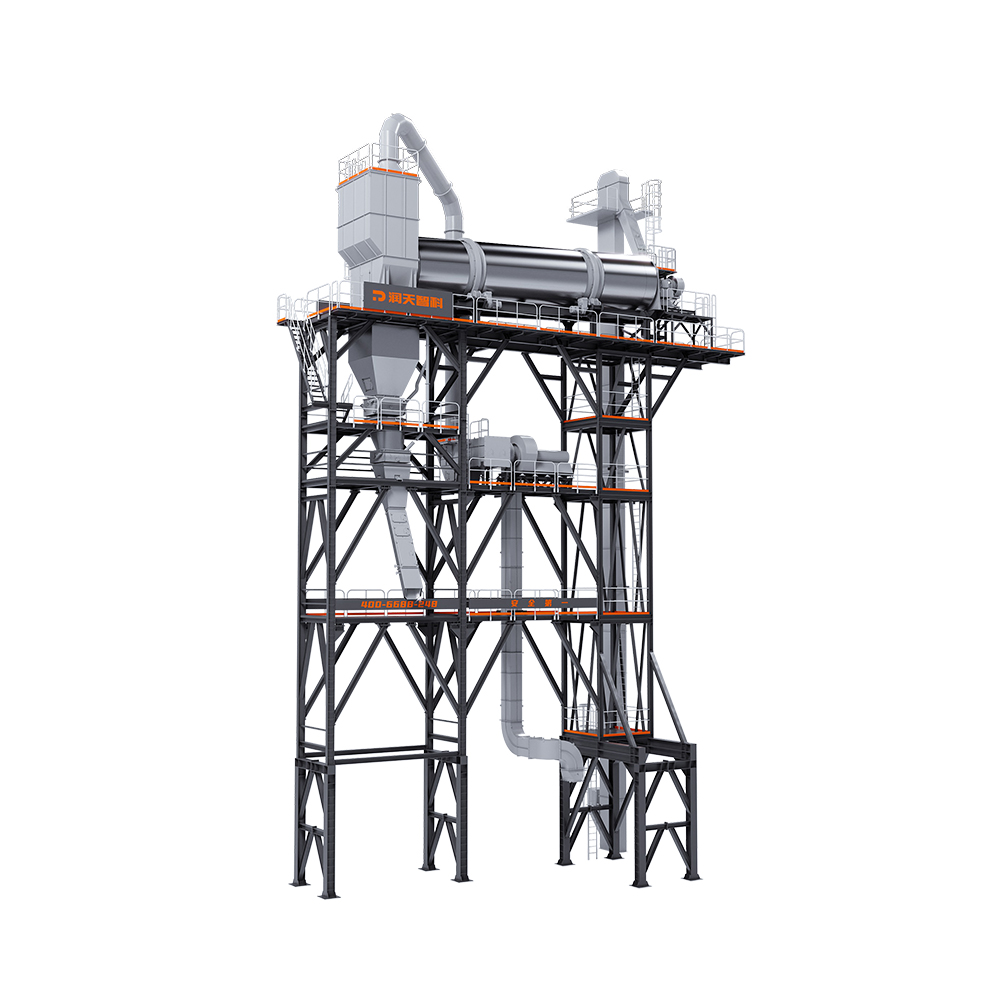 RZS Series Asphalt Mixing Plant
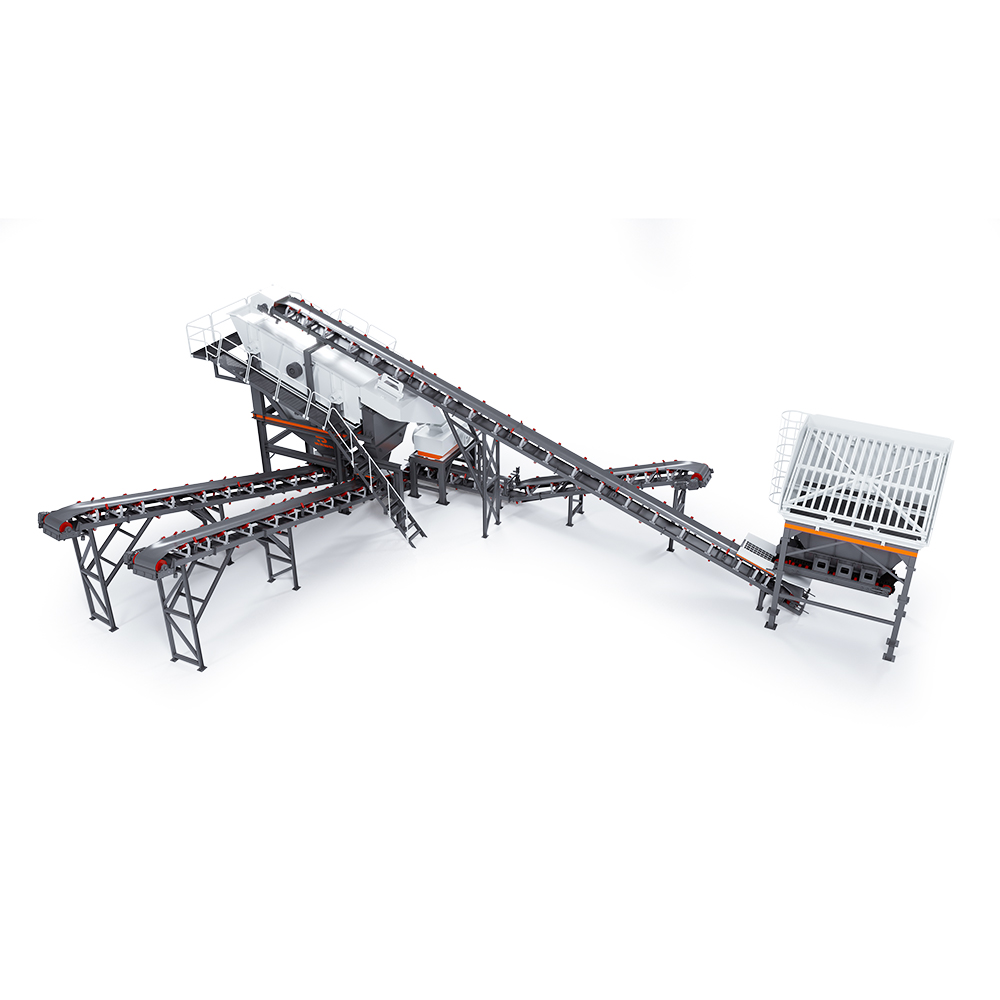 RTZS120 Series RAP Crushing & Screening Plant
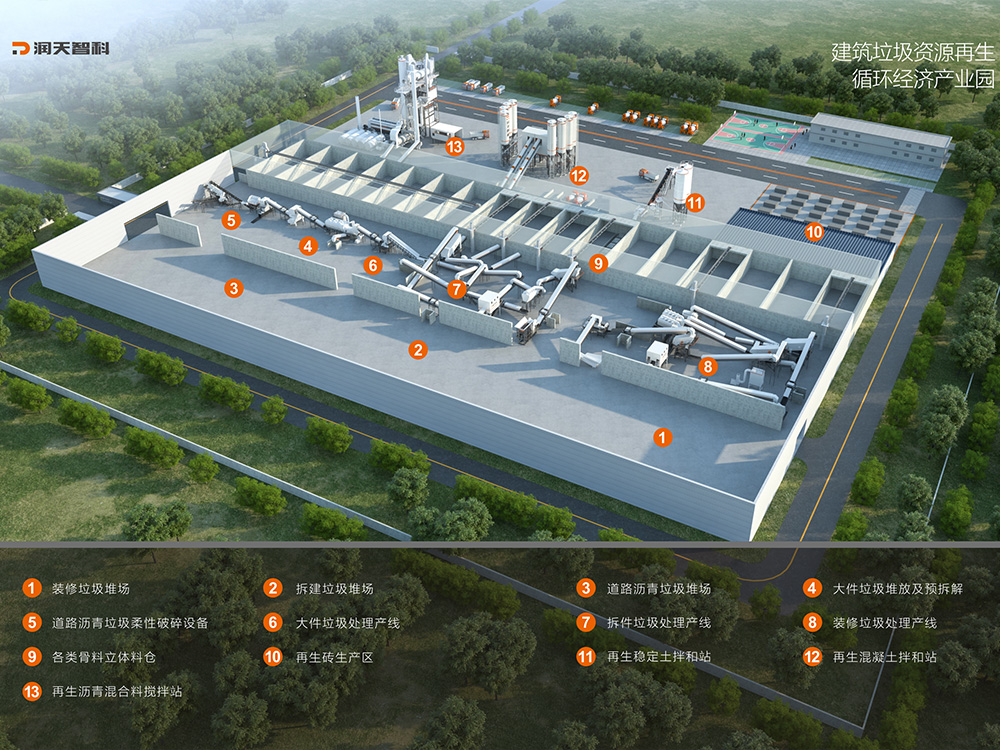 Construction Waste Resourceful Treatment Line