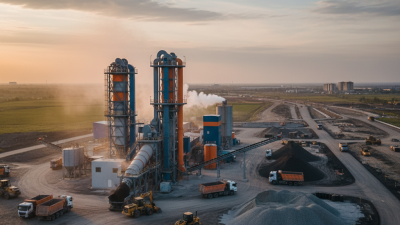
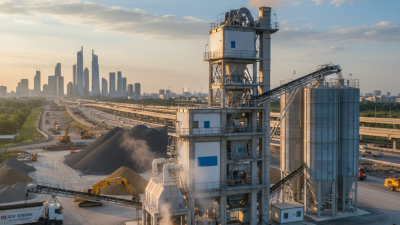
| Batch Mix Plant |
Approximately 40–320 tonnes per hour, depending on the mixer size and aggregate moisture. |
Aggregates are dried and heated continuously, then weighed and mixed in separate batches. Each batch can be controlled independently. |
Very high flexibility. Suitable for multiple gradations, polymer-modified asphalt, colored mixes, stone mastic asphalt, and controlled RAP addition. |
Available as stationary or semi-mobile systems. Requires more equipment and foundation work than a simple drum plant. |
Municipal roads, highways, airport paving, commercial contractors, and projects requiring frequent recipe changes. |
- Excellent recipe accuracy and quality control.
- Fast changeover between mix designs.
- Usually more complex and costly to install than a basic drum plant.
- Requires adequate space for hot bins, weigh hoppers, and the mixer tower.
|
| Parallel-Flow Drum Mix Plant |
Approximately 40–400 tonnes per hour. |
Drying, heating, and mixing occur continuously inside one drum, with aggregate and hot gases moving in the same direction. |
Good for conventional asphalt mixtures. RAP use is possible but normally requires careful temperature control and a suitable feed arrangement. |
Commonly offered in stationary and portable layouts. Generally faster to assemble than a batch tower plant. |
Large-volume paving projects using stable mix designs and continuous production. |
- Simple material flow and high throughput.
- Often lower initial cost and fewer transfer points.
- Less convenient for frequent recipe changes.
- RAP integration may be more limited than in counterflow or batch configurations.
|
| Counterflow Drum Mix Plant |
Approximately 60–400 tonnes per hour. |
Aggregate travels opposite to the hot gas stream. Mixing and, in many designs, RAP introduction occur in a cooler section of the drum. |
Good to very high RAP capability when equipped with a dedicated RAP feeder and controlled injection point. |
Usually stationary or relocatable. Layout is compact compared with many batch plants, but the thermal and feed-control system is more specialized. |
High-volume work, fuel-conscious operations, and projects using moderate to high percentages of RAP. |
- Can improve heat transfer and protect asphalt binder from excessive direct heating.
- Suitable for continuous production and controlled RAP recycling.
- More complex burner, drum, and material-control requirements.
- Actual emissions and fuel performance depend on moisture, fuel, RAP content, and operating practice.
|
| Batch Plant with RAP System |
Approximately 40–320 tonnes per hour, with RAP capacity commonly designed as a percentage of total production rather than a fixed universal value. |
Virgin aggregates are heated separately. RAP is normally metered through a dedicated cold or hot recycling system before final batch mixing. |
Very high flexibility for virgin mixes and recycled mixes, provided the RAP moisture, gradation, and temperature are properly controlled. |
Normally requires additional conveyors, RAP bins, weigh equipment, screening, and dust-control capacity. |
Contractors producing many specifications while using recycled asphalt pavement from milling operations. |
- Accurate control of virgin aggregate, binder, mineral filler, and RAP.
- Supports frequent product changes and higher-quality recycled mixes.
- Higher capital cost, footprint, and maintenance requirements.
- RAP must be properly processed and protected from excess moisture.
|
| Mobile or Portable Asphalt Plant |
Approximately 20–160 tonnes per hour, although larger relocatable systems are also available. |
May use batch or drum technology. Components are mounted on skids, frames, or transportable modules for relocation. |
Depends on the selected process. A mobile batch plant generally offers more mix flexibility than a mobile drum plant. |
Designed for rapid relocation. Site preparation, transport permits, utilities, and setup time remain important planning factors. |
Short- to medium-term projects, remote paving sites, quarry-linked production, and contractors serving several regions. |
- Lower relocation time and improved project-site flexibility.
- May reduce haul distance between plant and paving site.
- Usually has lower storage and expansion capacity than a large stationary plant.
- Transport and setup costs can be significant for frequent moves.
|
| Stationary Asphalt Plant |
Approximately 80–400 tonnes per hour, depending on the process and configuration. |
Permanent or long-term installation with dedicated aggregate storage, hot storage, dust collection, control systems, and material handling. |
Can be configured as batch, drum, or recycling-capable equipment. Expansion is generally easier than with compact mobile systems. |
Requires a prepared foundation, reliable power or fuel supply, access roads, permitting, and sufficient land. |
Long-term production bases, large infrastructure programs, commercial asphalt suppliers, and high annual output. |
- Supports larger storage volumes, automation, and future expansion.
- Often provides stable production and easier maintenance access.
- Higher civil-work cost and limited relocation flexibility.
- Site selection must consider traffic, noise, dust, emissions, and local regulations.
|
| Typical Cold-Feed Configuration |
Commonly 3–8 aggregate bins, selected according to the required gradations and material sources. |
Separate bins meter different aggregate sizes onto a collecting conveyor. A scalping screen or vibrating screen may be added where feed cleanliness is uncertain. |
More bins generally improve gradation control. Separate RAP, mineral filler, or recycled material feeders can increase flexibility. |
Used with both mobile and stationary plants. The cold-feed arrangement should match loader access and stockpile management. |
Projects requiring stable aggregate gradation, multiple quarry materials, or frequent mix design changes. |
- Accurate and consistent aggregate proportioning.
- Additional bins and feeders increase footprint and maintenance points.
- Bin capacity should be matched to production rate and delivery logistics.
|
| Key Selection Considerations |
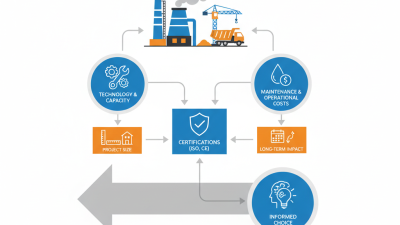
Choose capacity from required hourly output and annual production, not only from the maximum rated value. |
Evaluate batch versus continuous production, aggregate moisture, fuel availability, dust collection, automation, and temperature control. |
Specify expected RAP percentage, binder type, number of mix designs, filler requirements, and future recycling plans before selecting equipment. |
Compare foundation work, transport dimensions, installation time, electrical requirements, and local environmental approvals. |
Match the plant to project duration, haul distance, regional climate, material supply, and the operator’s maintenance capability. |
- Ask for verified test data, component specifications, warranty terms, spare-parts availability, and commissioning support.
- Confirm that the proposed configuration complies with the destination country’s safety and emission requirements.
- Rated capacity is not guaranteed production under every condition.
|
|
Note: Capacity ranges are typical industry ranges for commercial asphalt plants and are provided for comparison only. Actual output, fuel consumption, RAP percentage, emissions, and product quality depend on aggregate moisture, aggregate gradation, mix temperature, binder type, RAP properties, plant configuration, ambient conditions, and operating skill.
|

 Concrete Mixing Plant
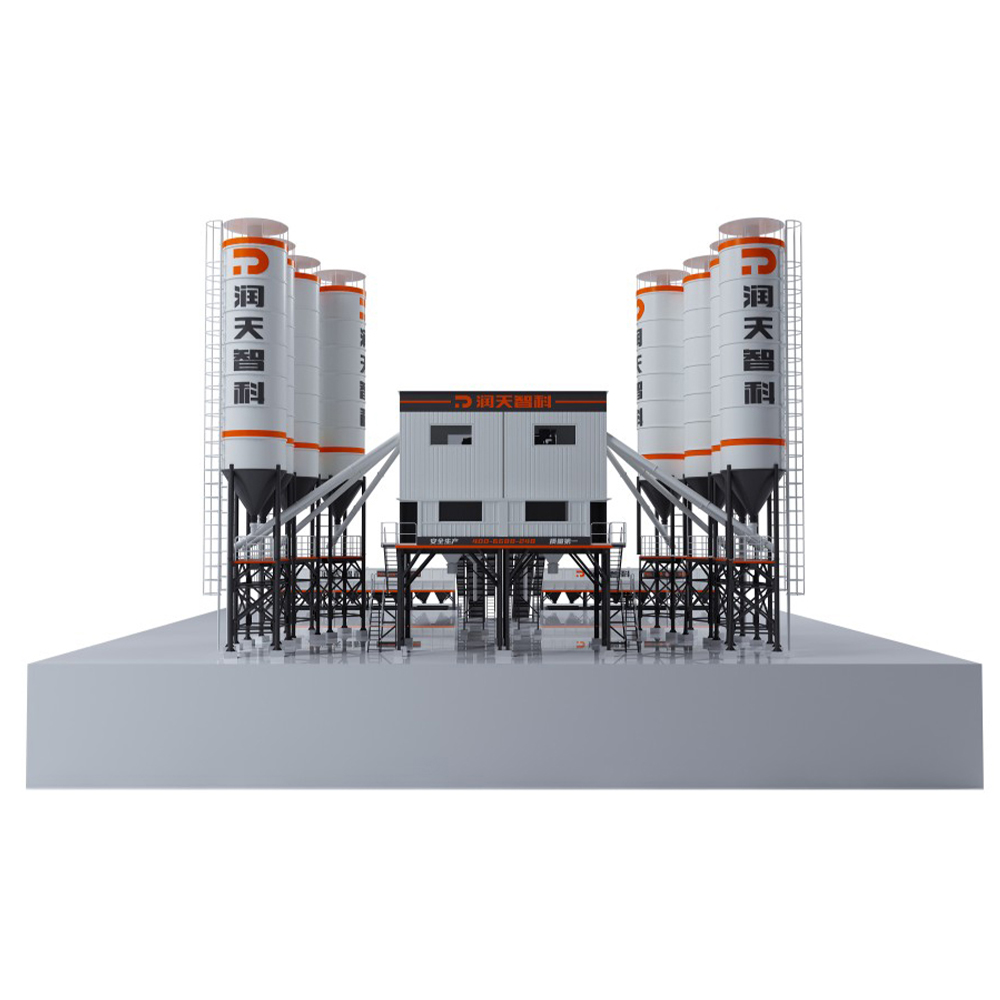 HZS Series Belt Concrete Mixing Plant
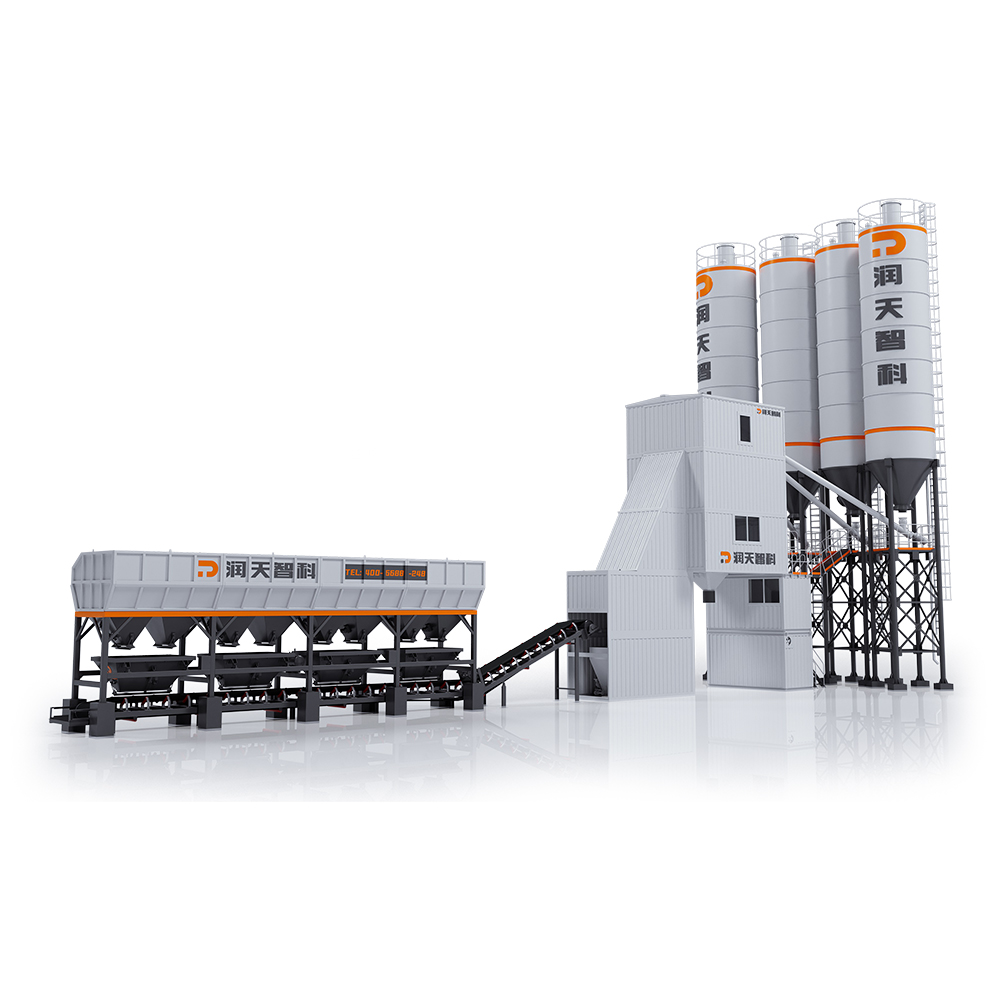 HZS Series Bucket-Lifting Type Container Concrete Mixing Plant
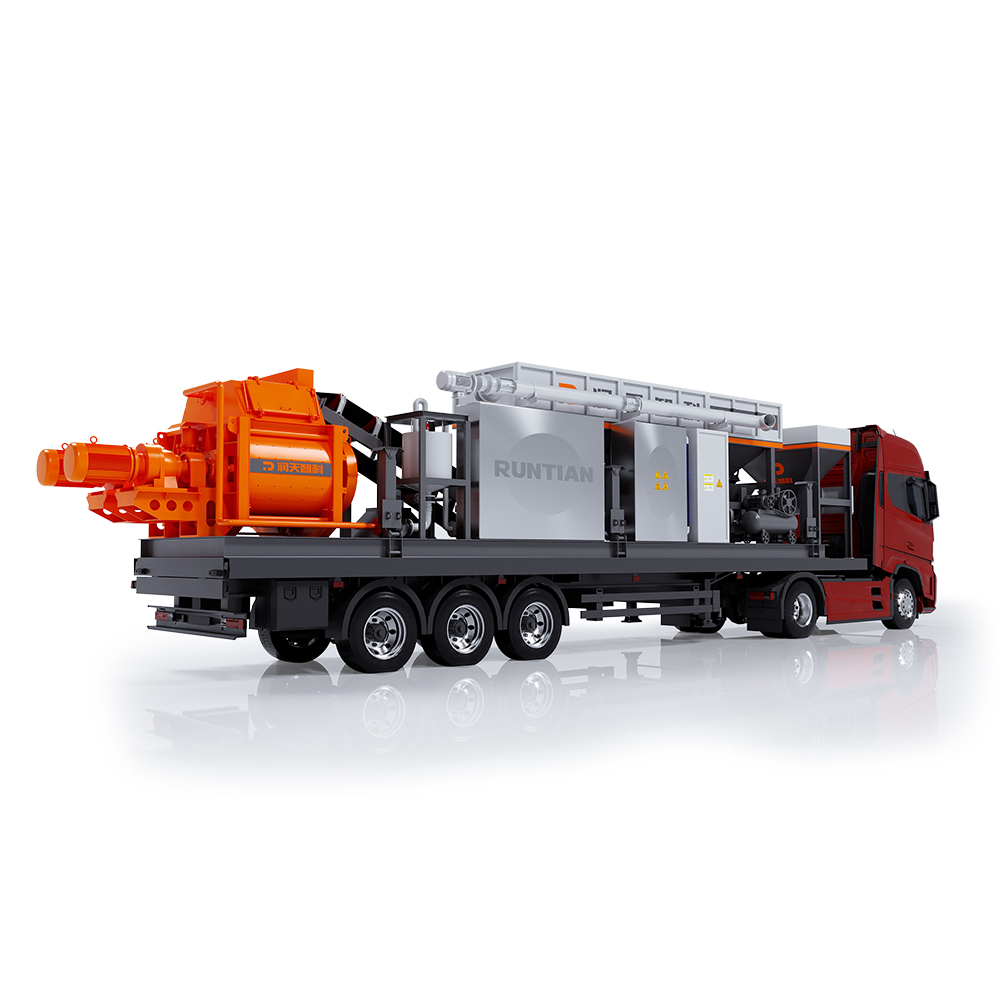 HZS60 Mobile Concrete Mixing Plant
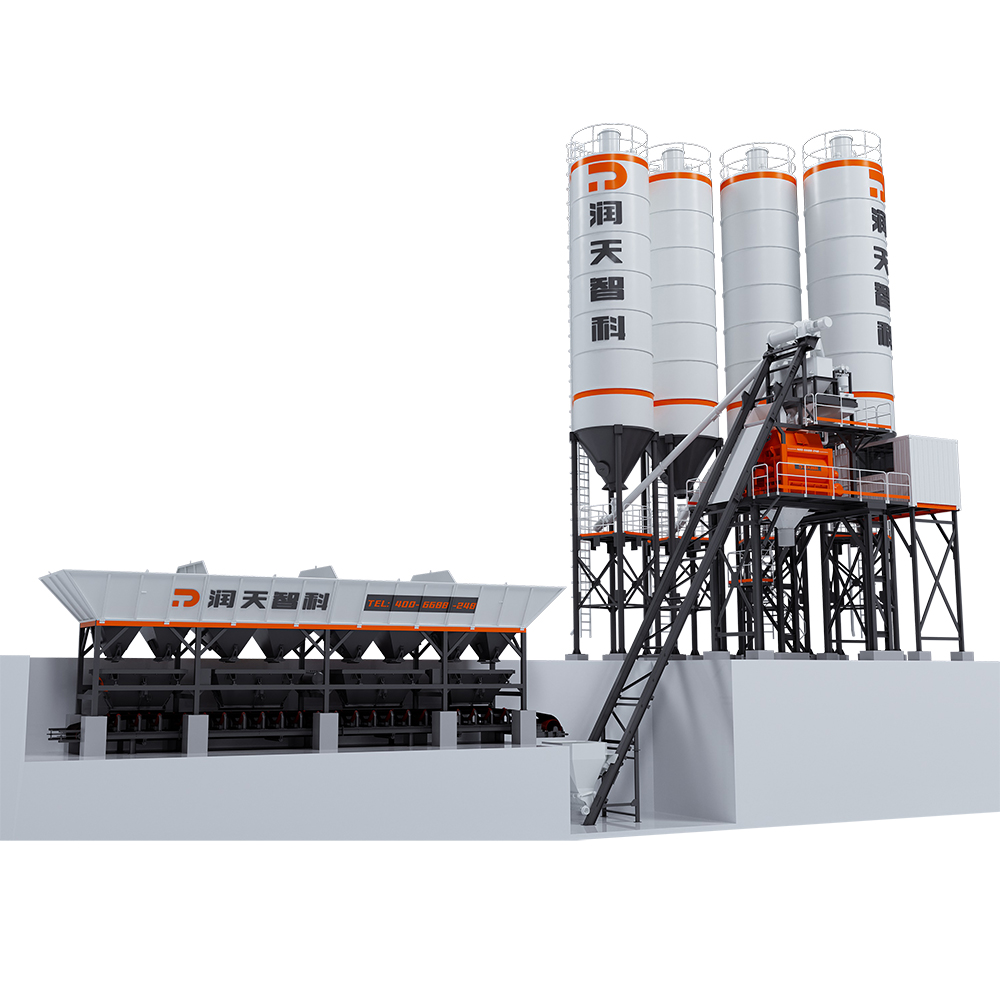 HZS Series Bucket-Lifting Type Concrete Mixing Plant
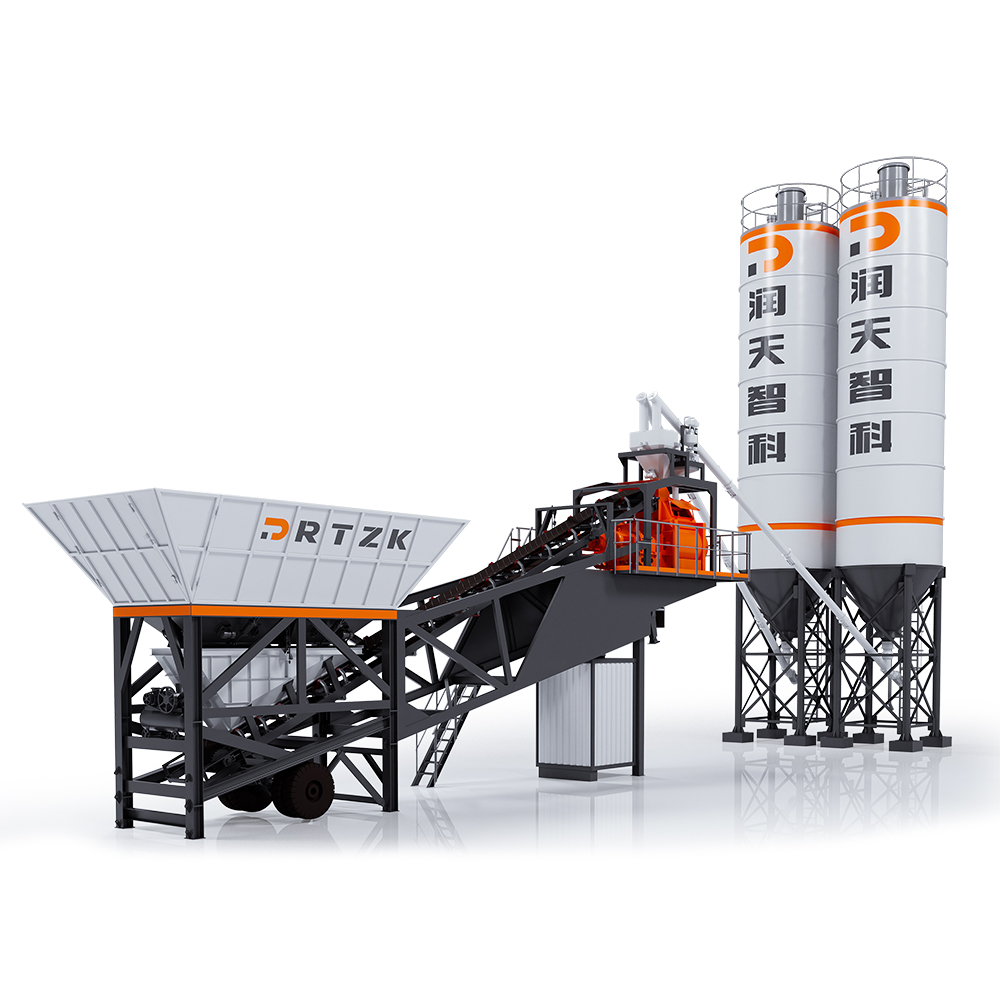 HZS Series Mobile Concrete Mixing Plant
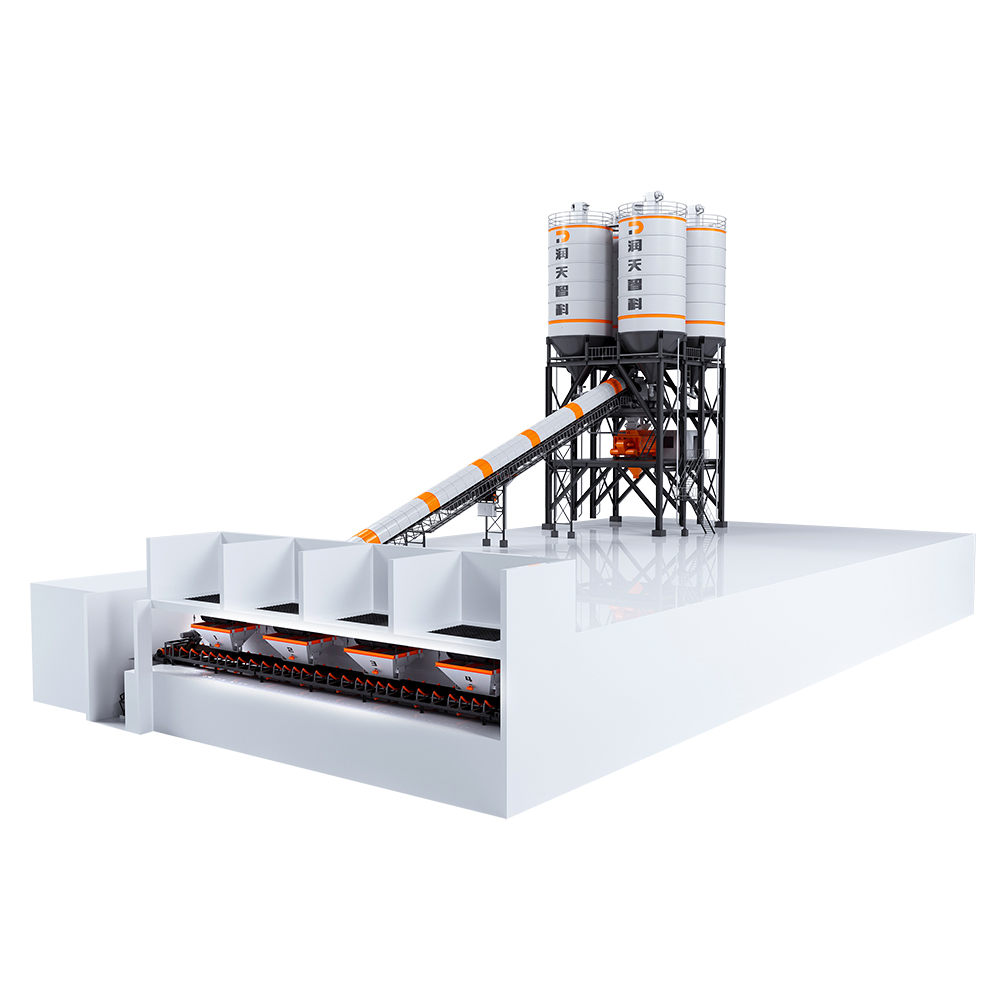 HZS Series Top-Mounted Concrete Mixing plant
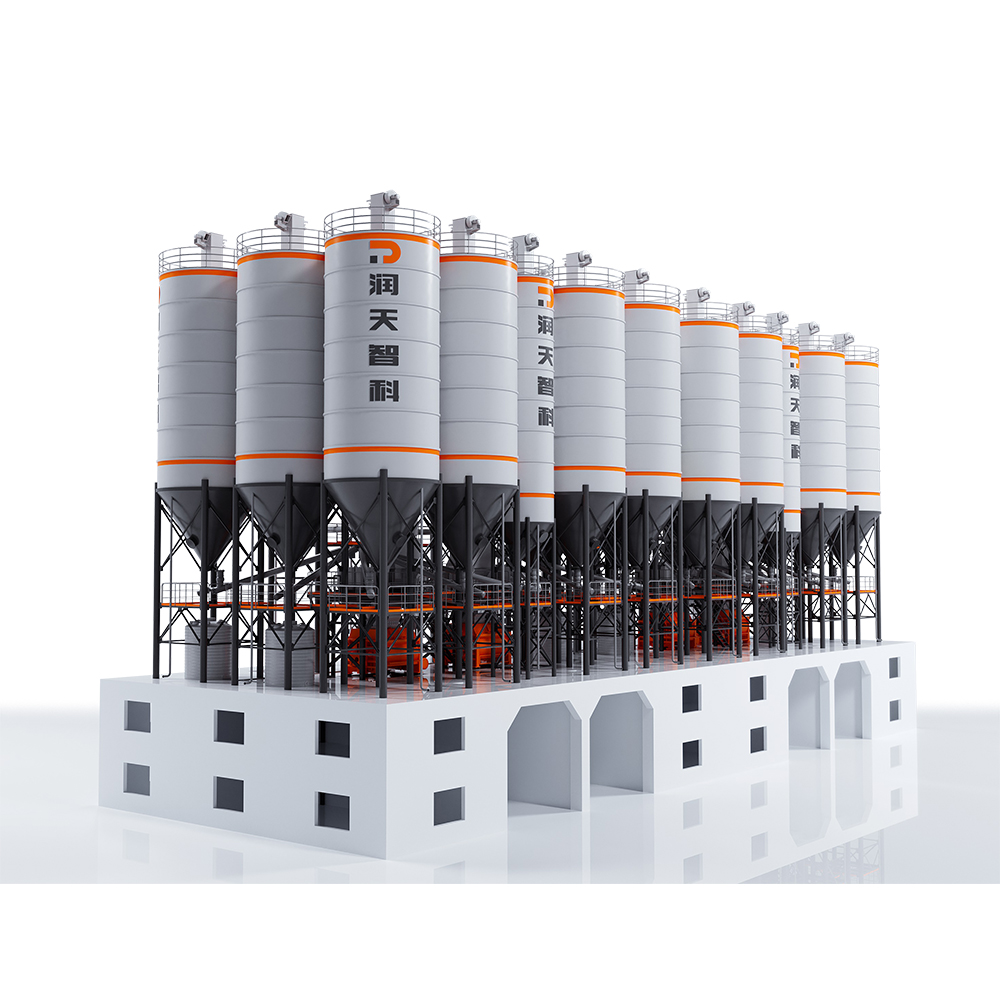 HZS Series Semi-Top Mounted Concrete Mixing Plant
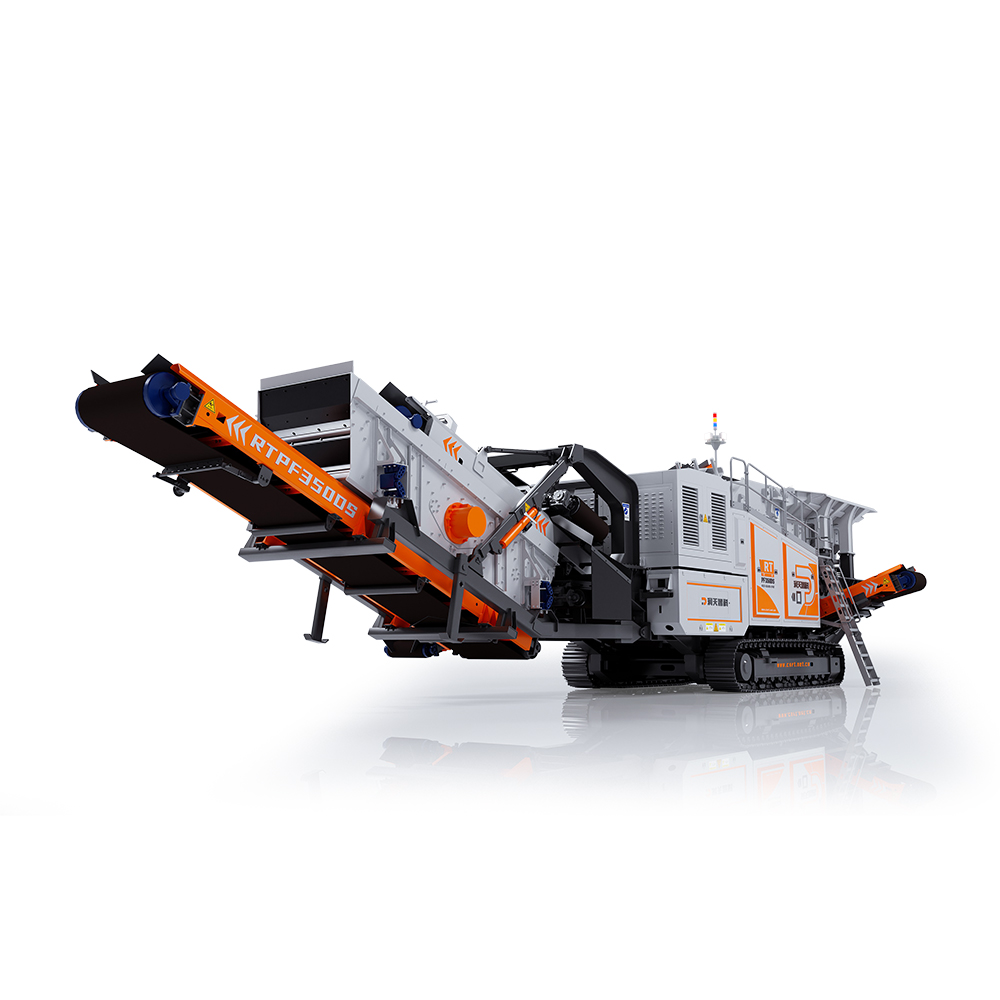 RTPF350DS Crawler Mobile Impact Crushing Plant
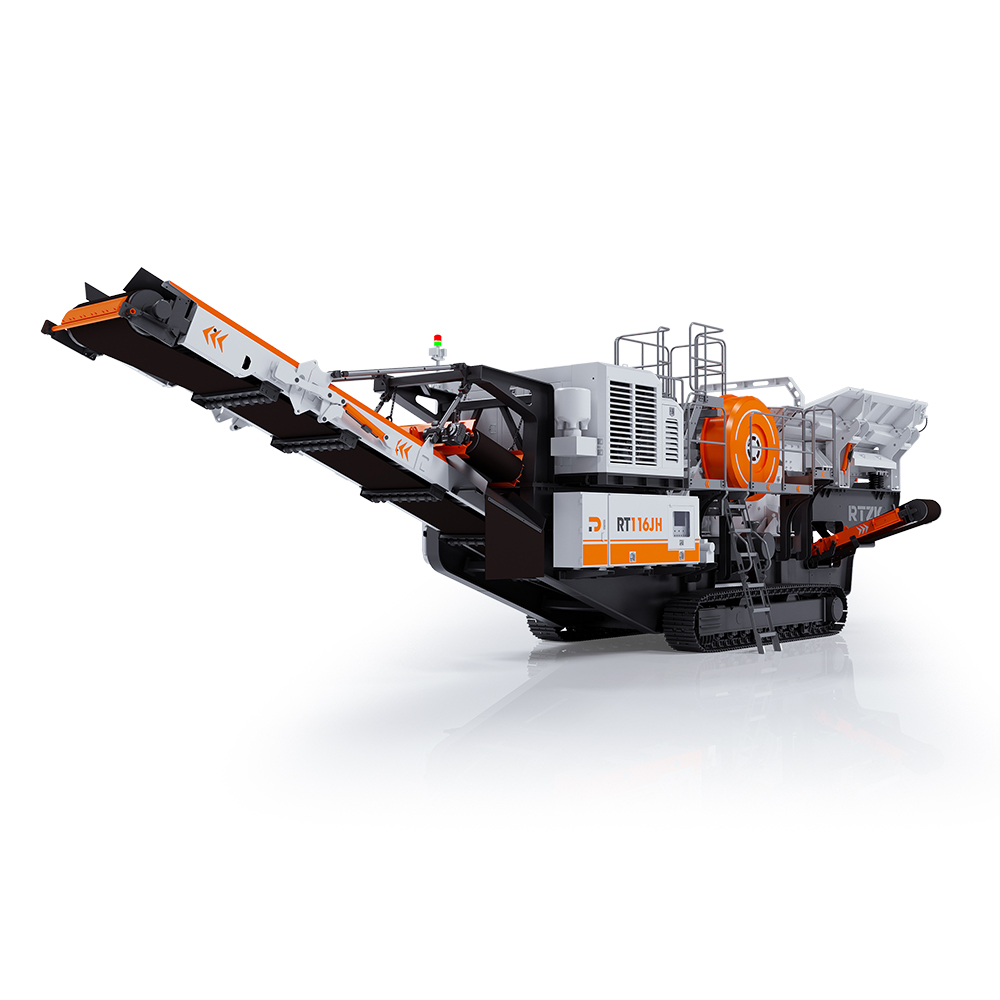 RT116JH Crawler Mobile Jaw Crushing Plant
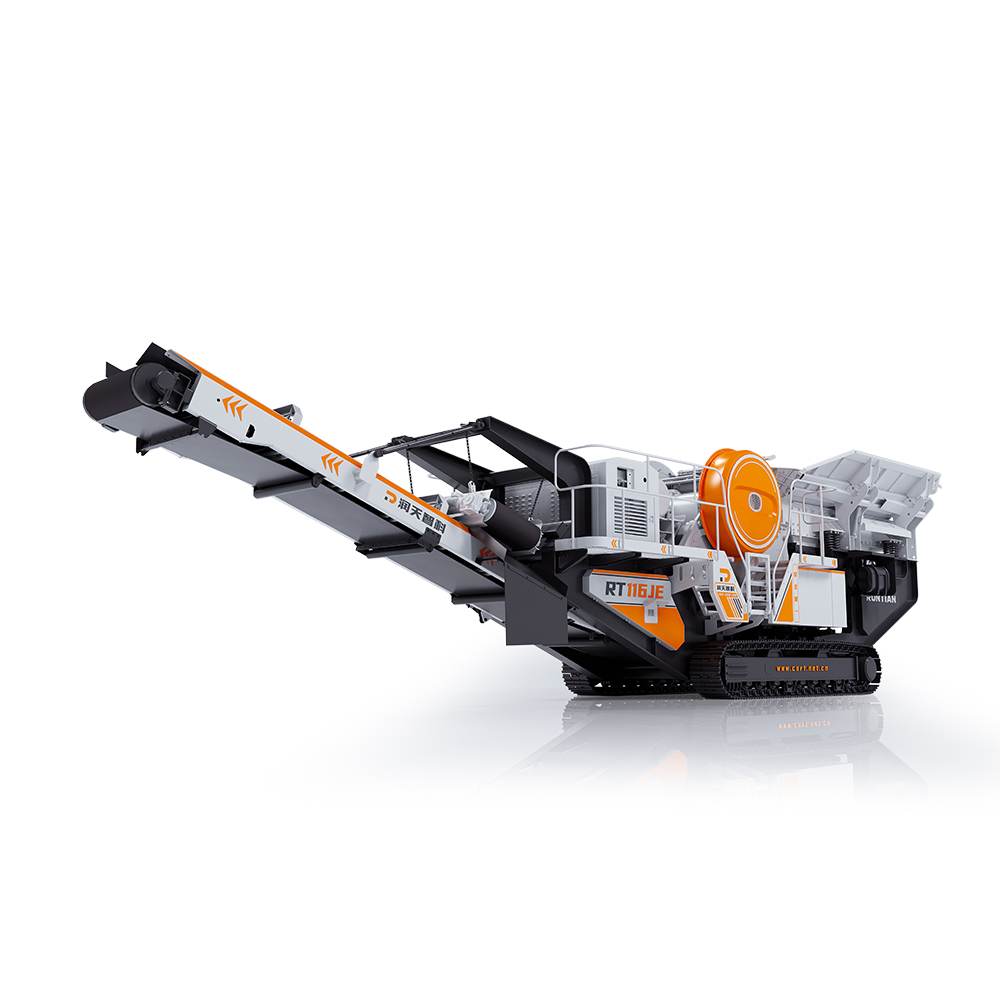 RT116JE Crawler Mobile Jaw Crushing Plant
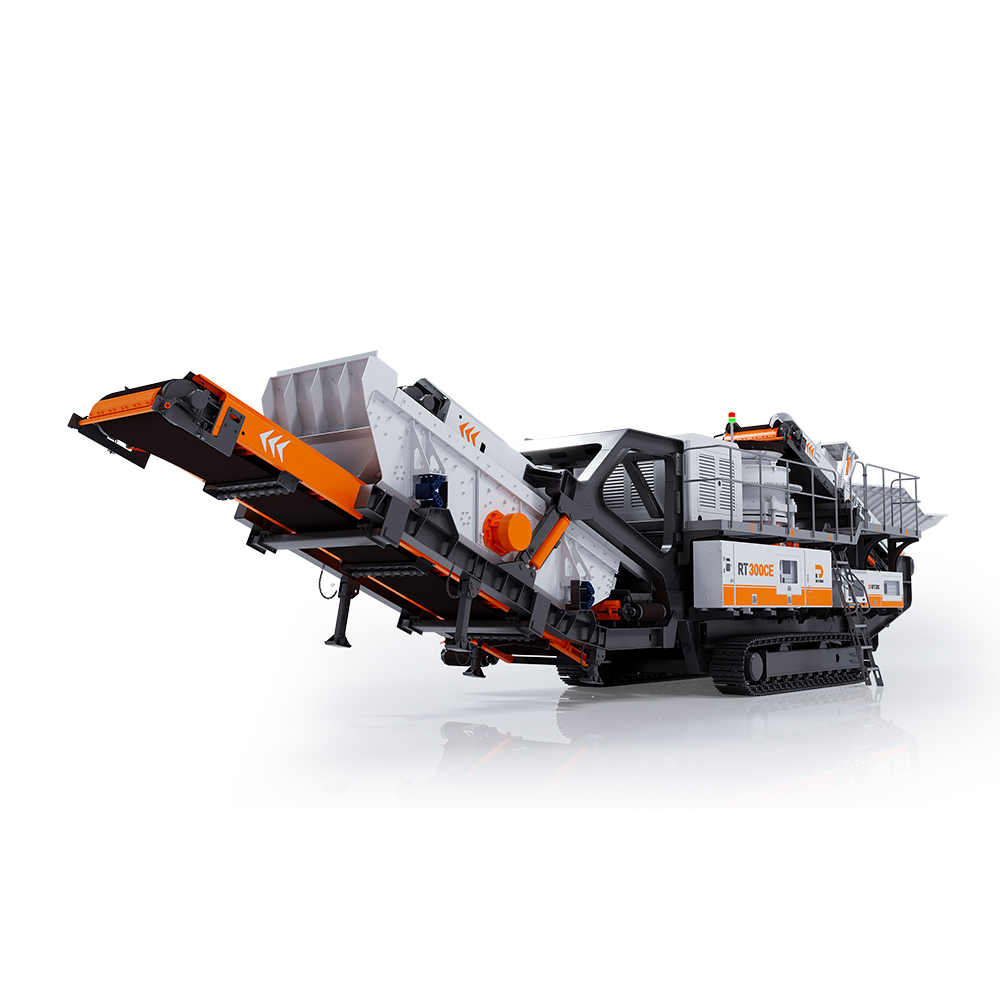 RT300CE Crawler Mobile Cone Crushing Plant
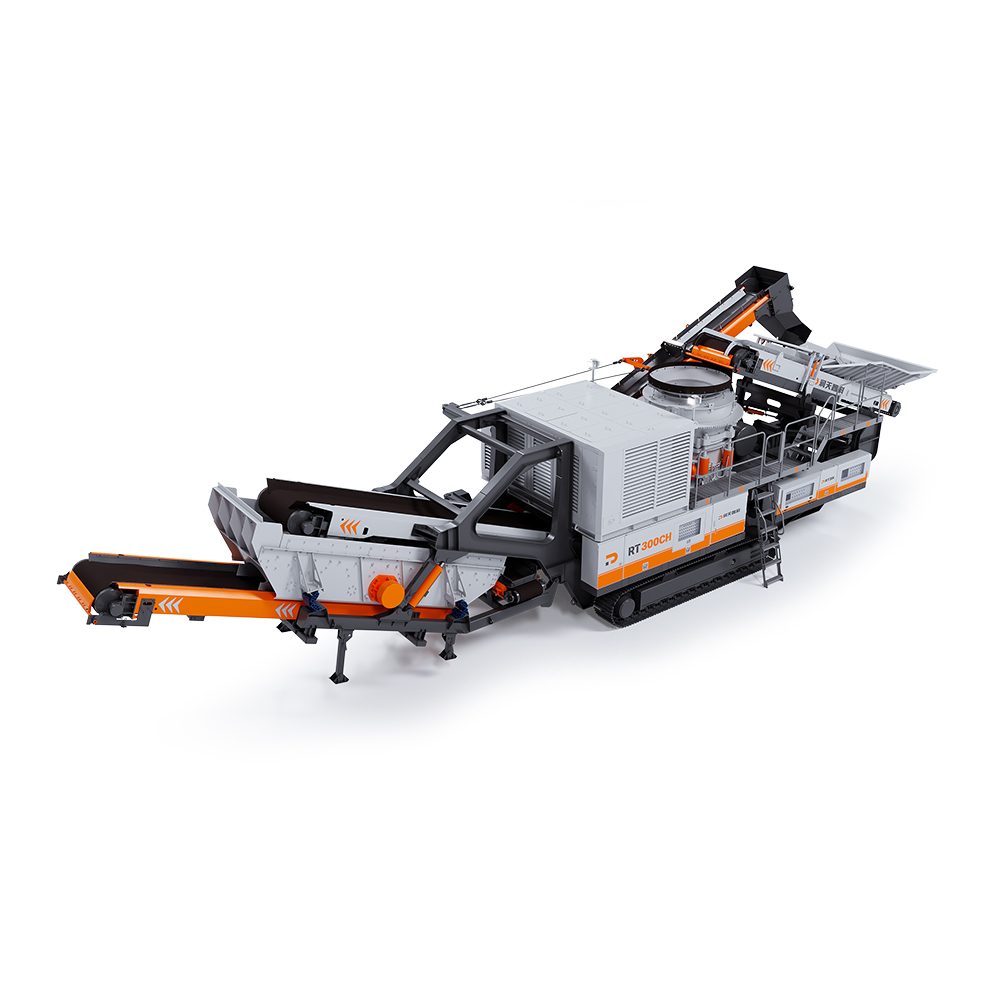 RT300CH Crawler Mobile Cone Crushing Plant
 RT5015H Mobile Scalping Screen
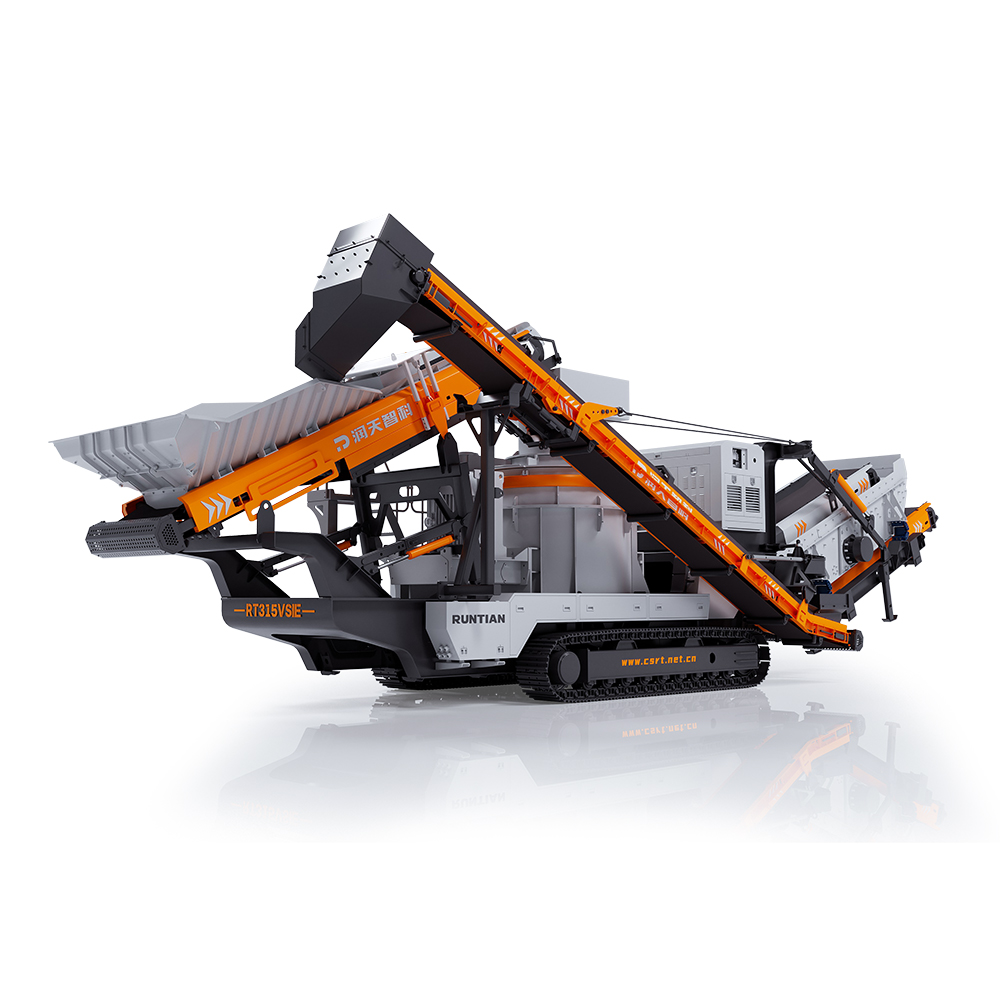 RT315VSIE Crawler Mobile Sand Maker
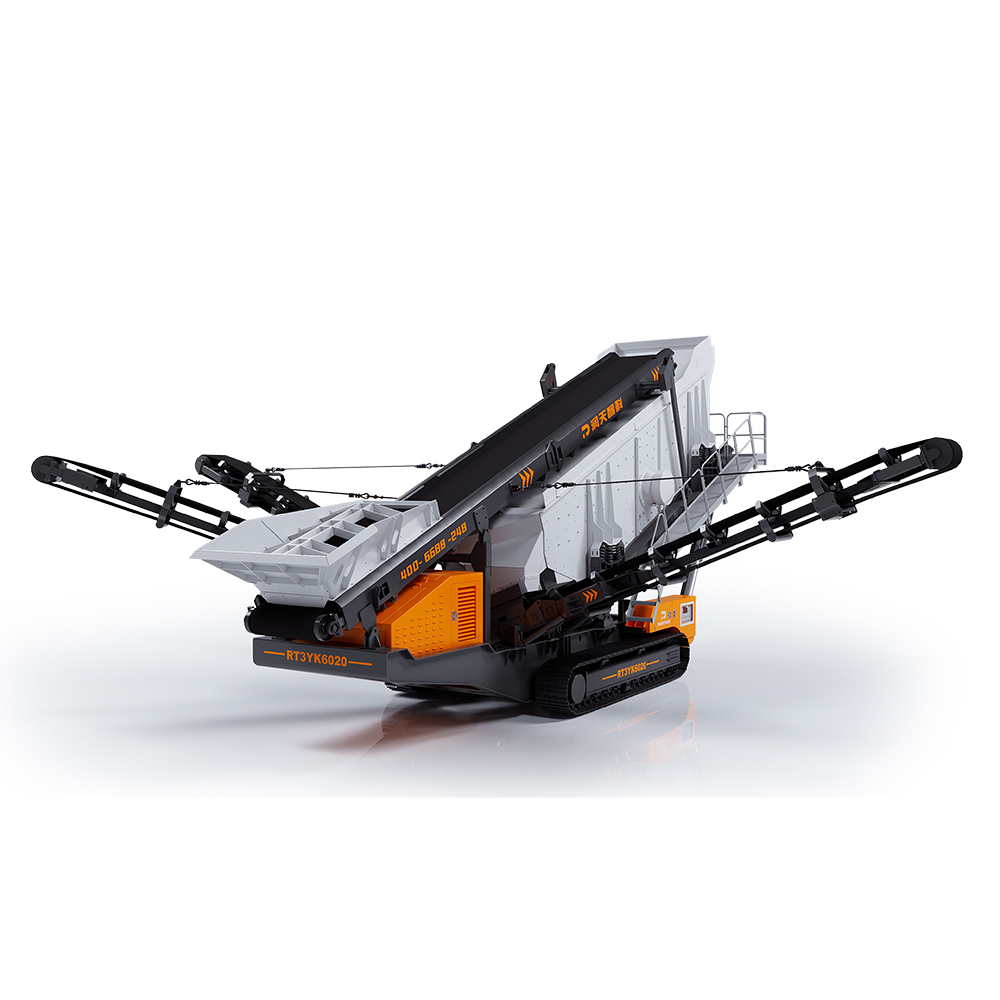 RT3YK6020 Crawler Mobile Screening Plant
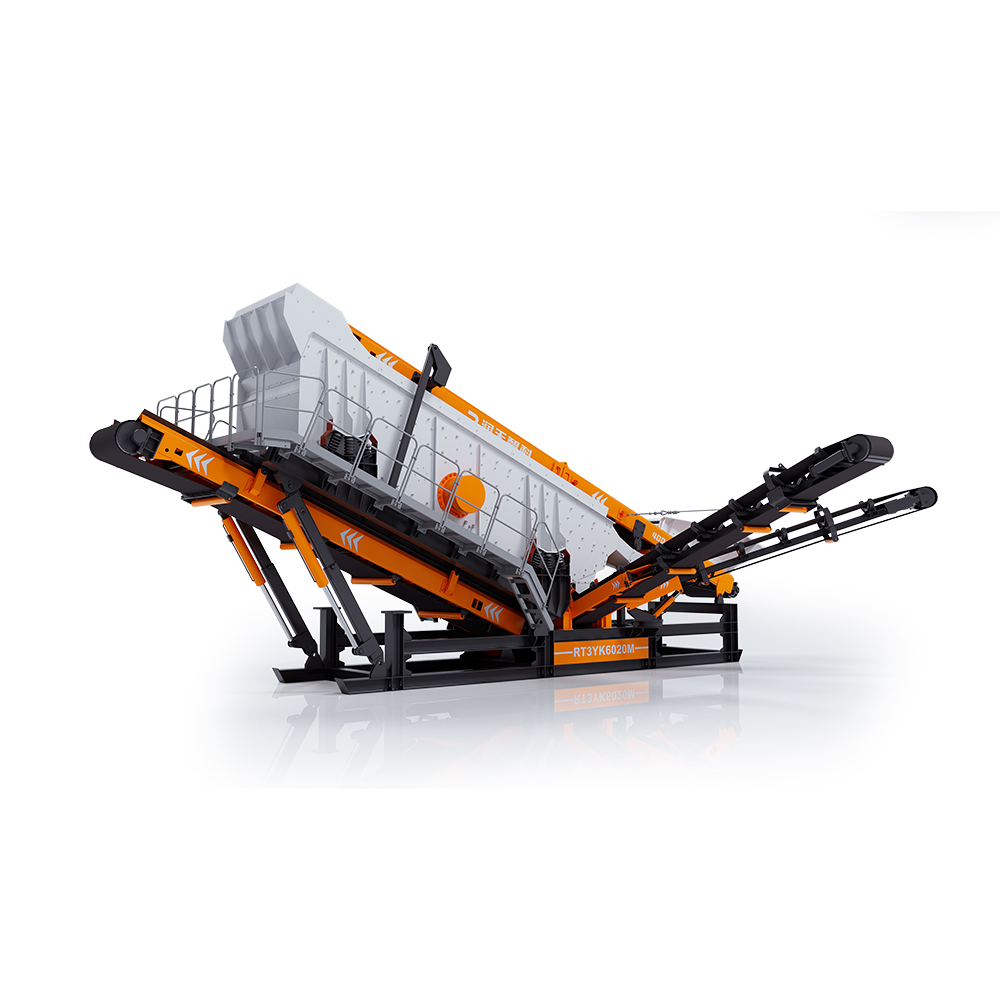 RT3YK6020M Modular Screening Plant
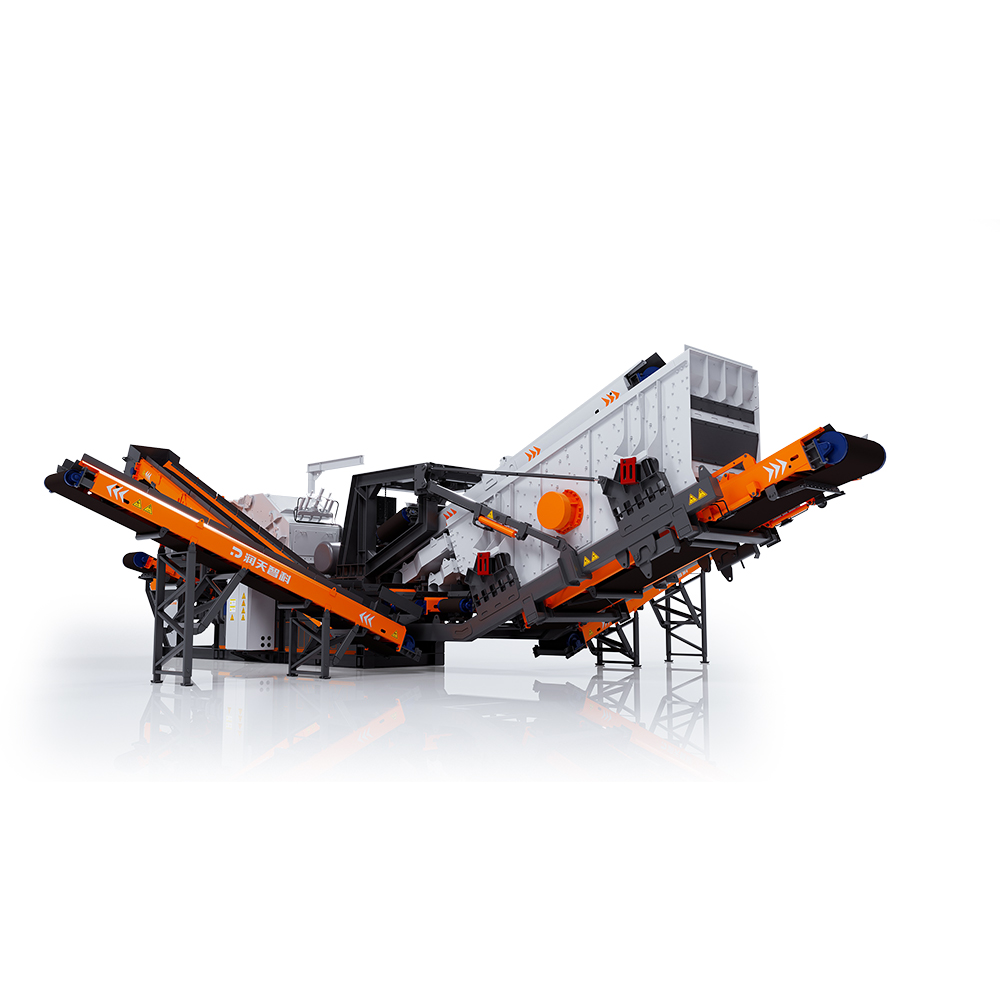 RTF260M Modular Counterattack Crushing and Screening Integrated Machine
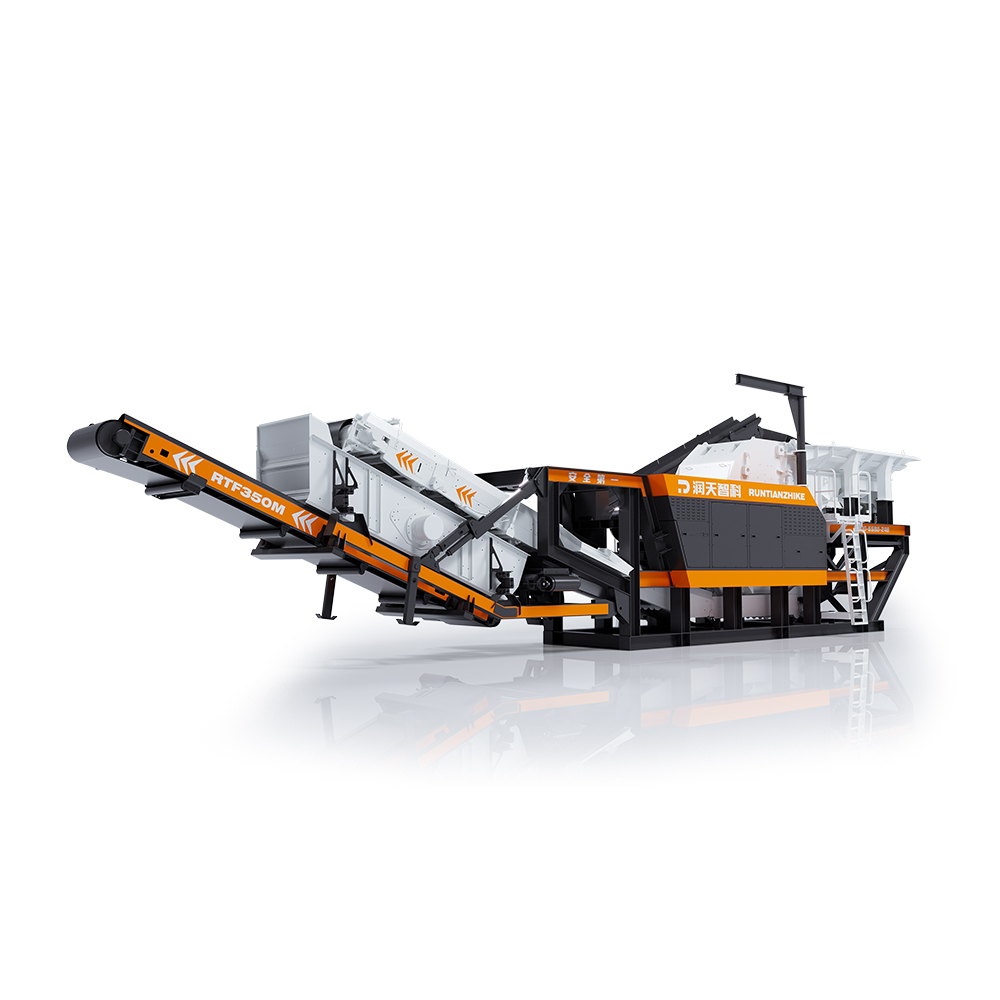 RTF350M Modular Impact Crushing Plant
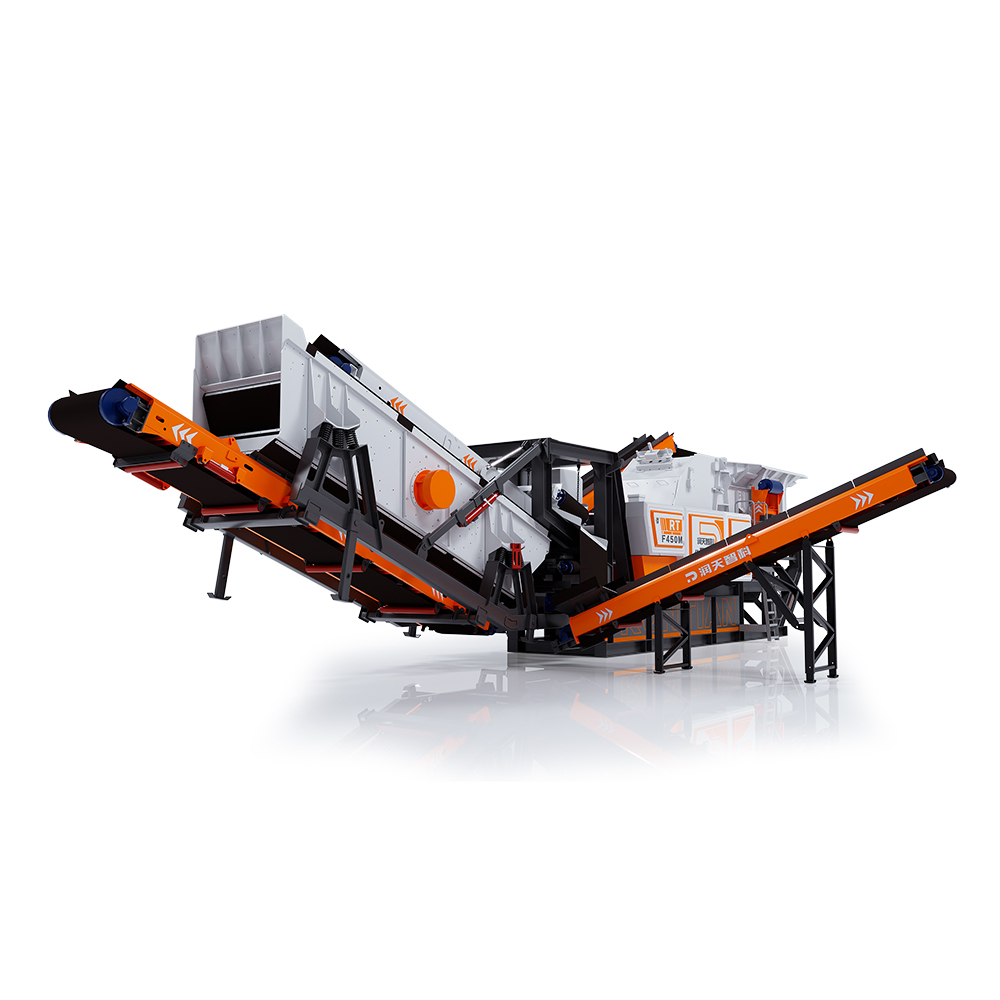 RTF450M Modular Impact Crushing Plant
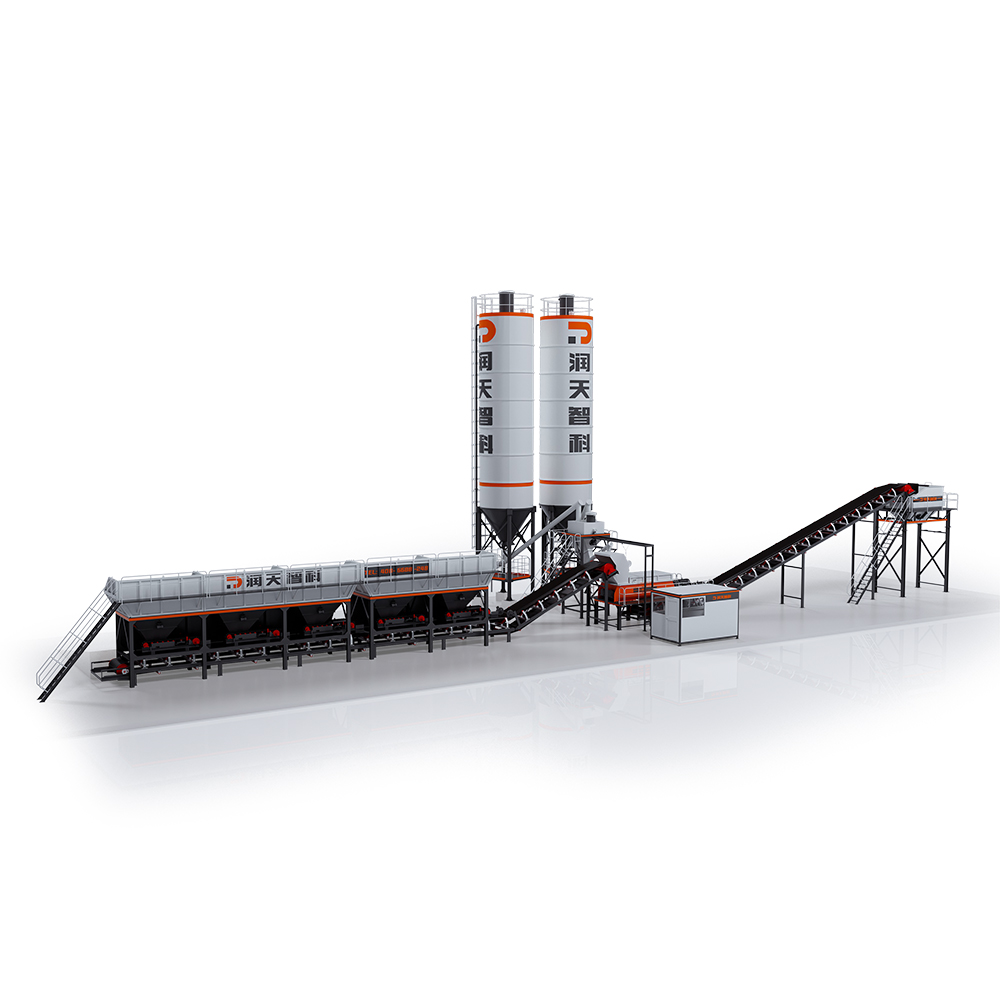 WDB Series Foundation-Free Stability Soil Mixing Plant
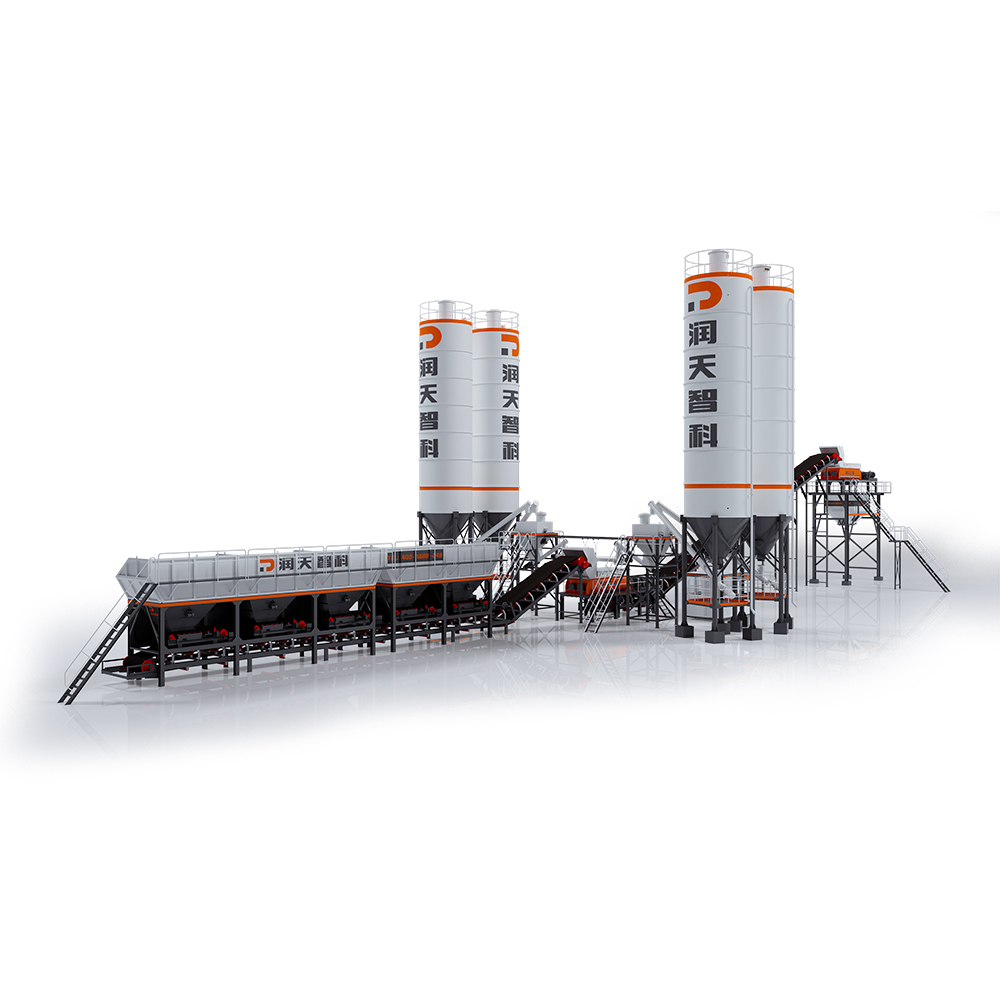 LCB Series Emulsified Asphalt Cold Regeneration Secondary Mixing Plant
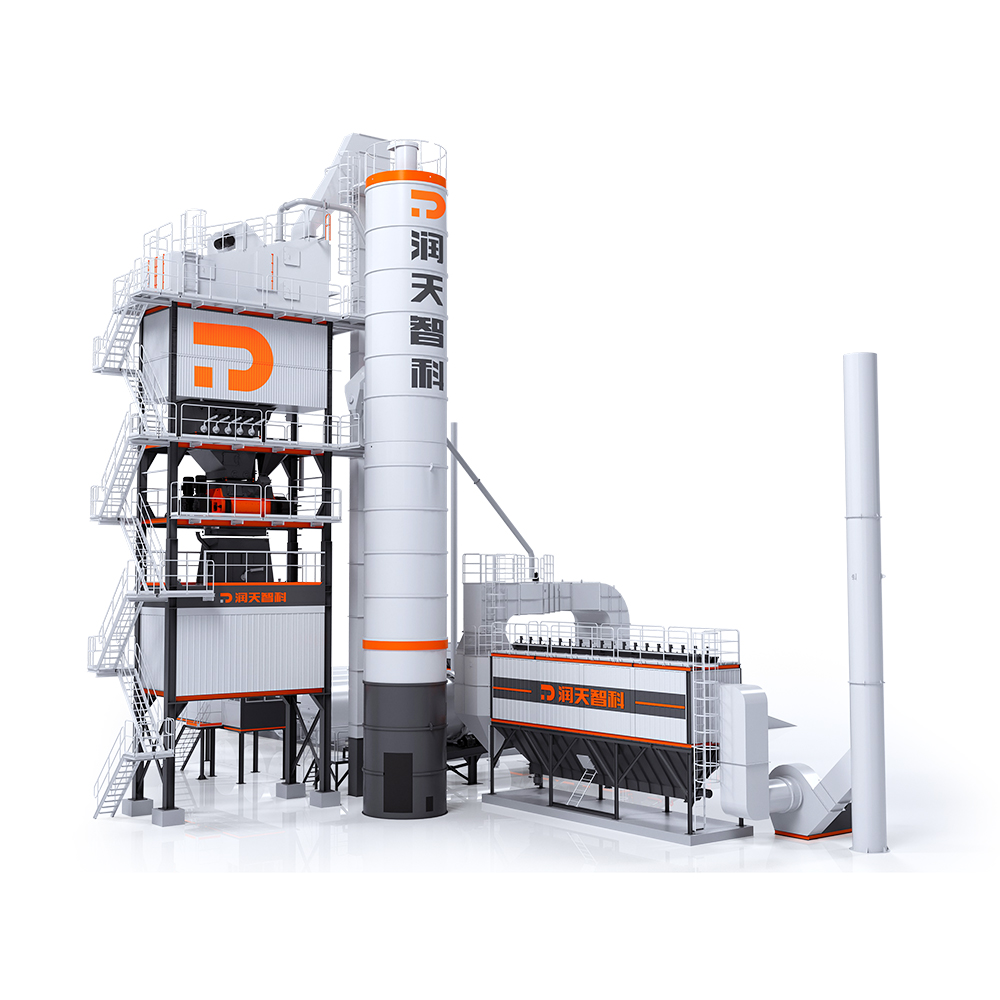 LB Series Asphalt Mixing Plant
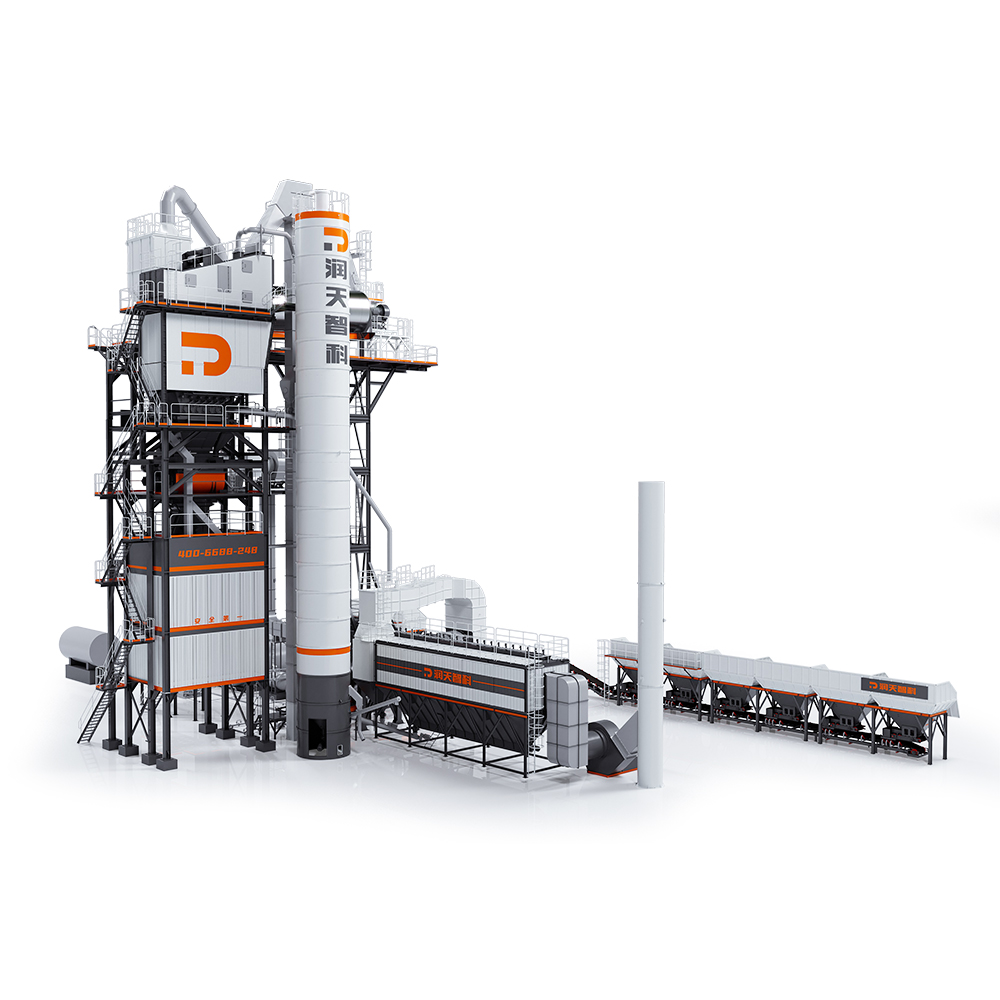 LBR Series Integrated Asphalt Mixing Plant
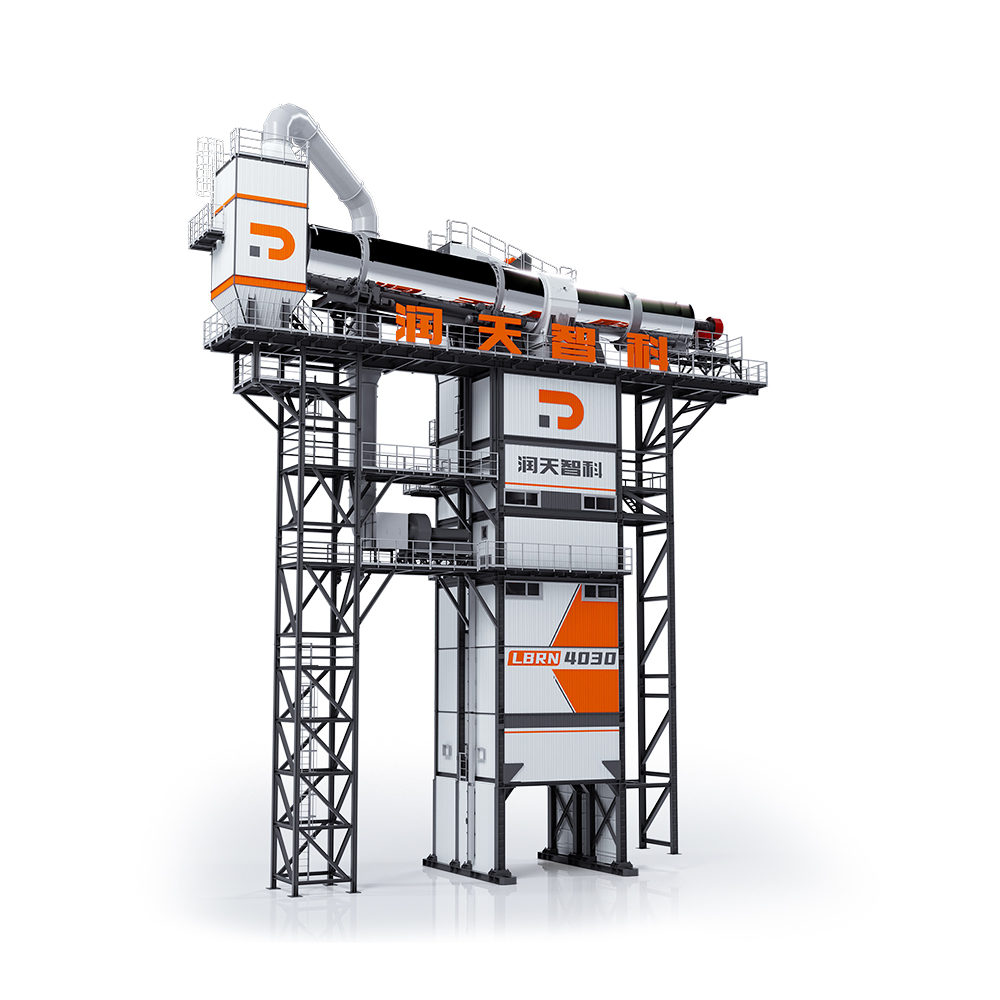 LBRN Series Counterflow Integral Asphalt Mixing Plant
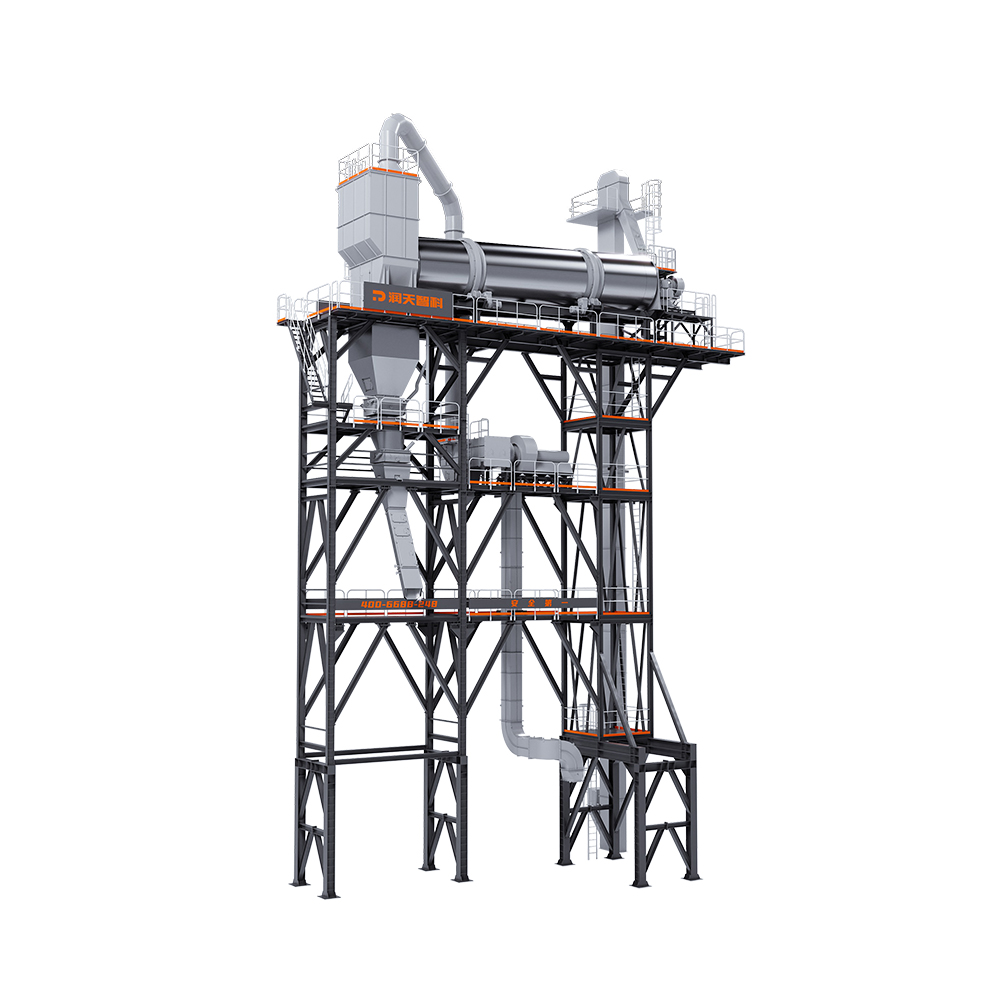 RZS Series Asphalt Mixing Plant
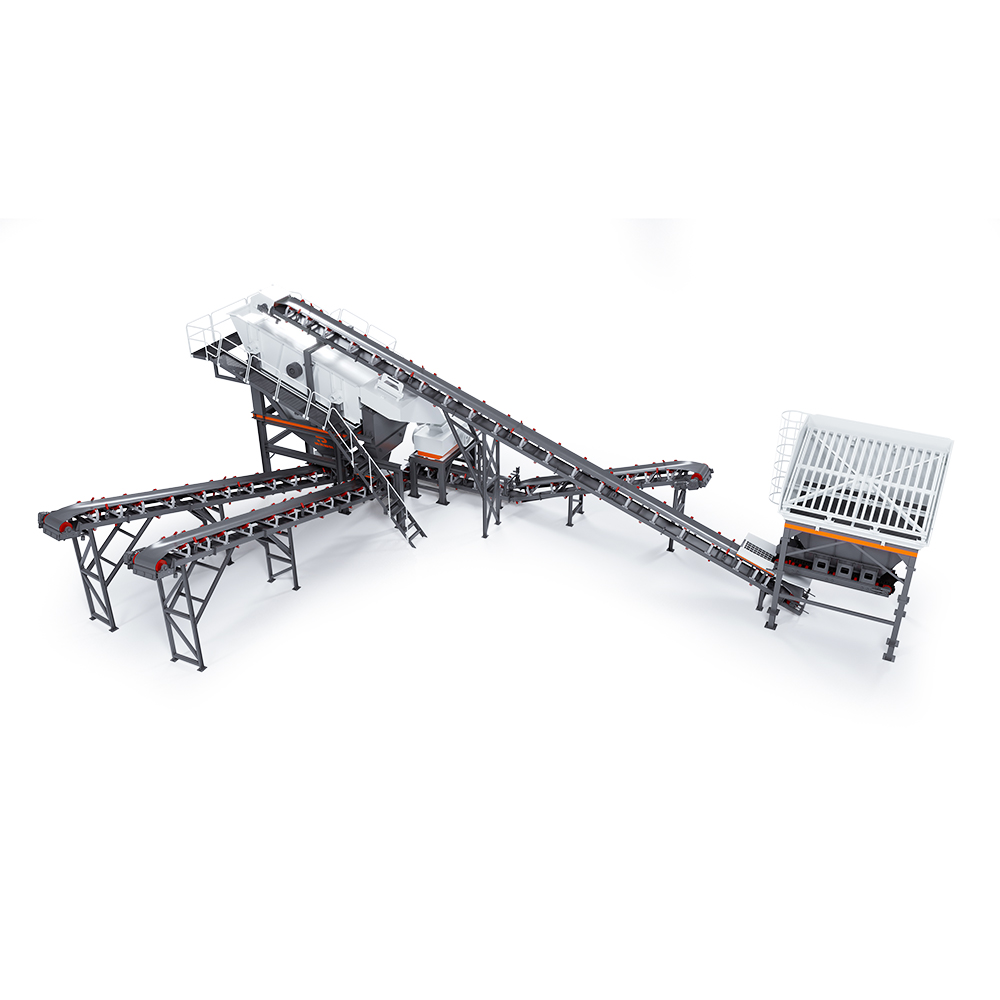 RTZS120 Series RAP Crushing & Screening Plant
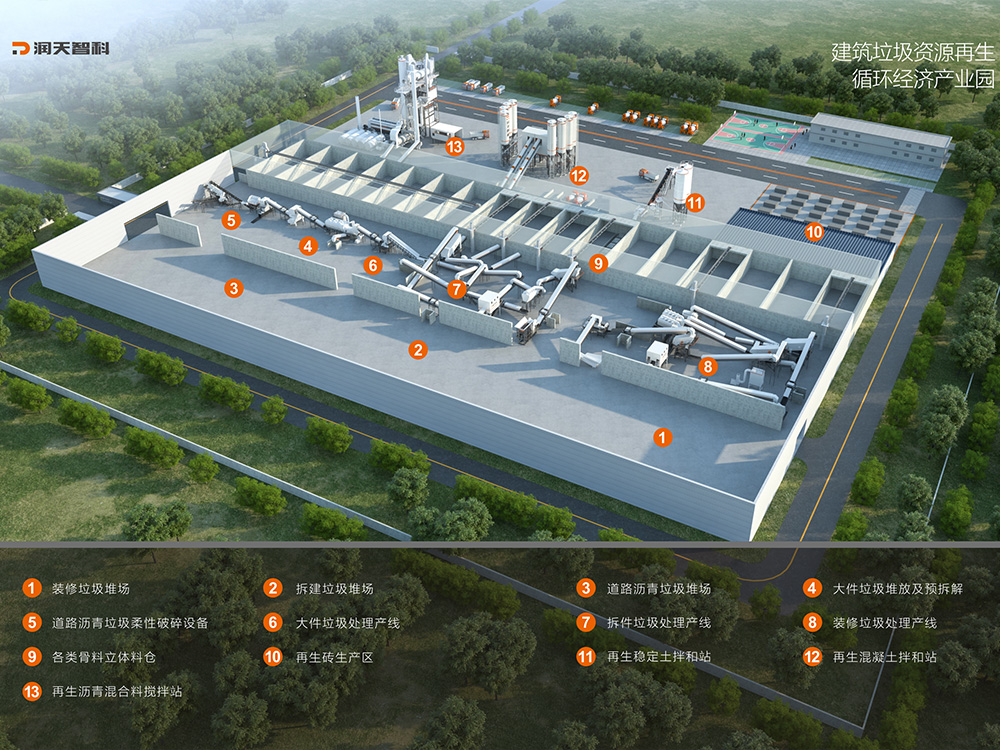 Construction Waste Resourceful Treatment Line