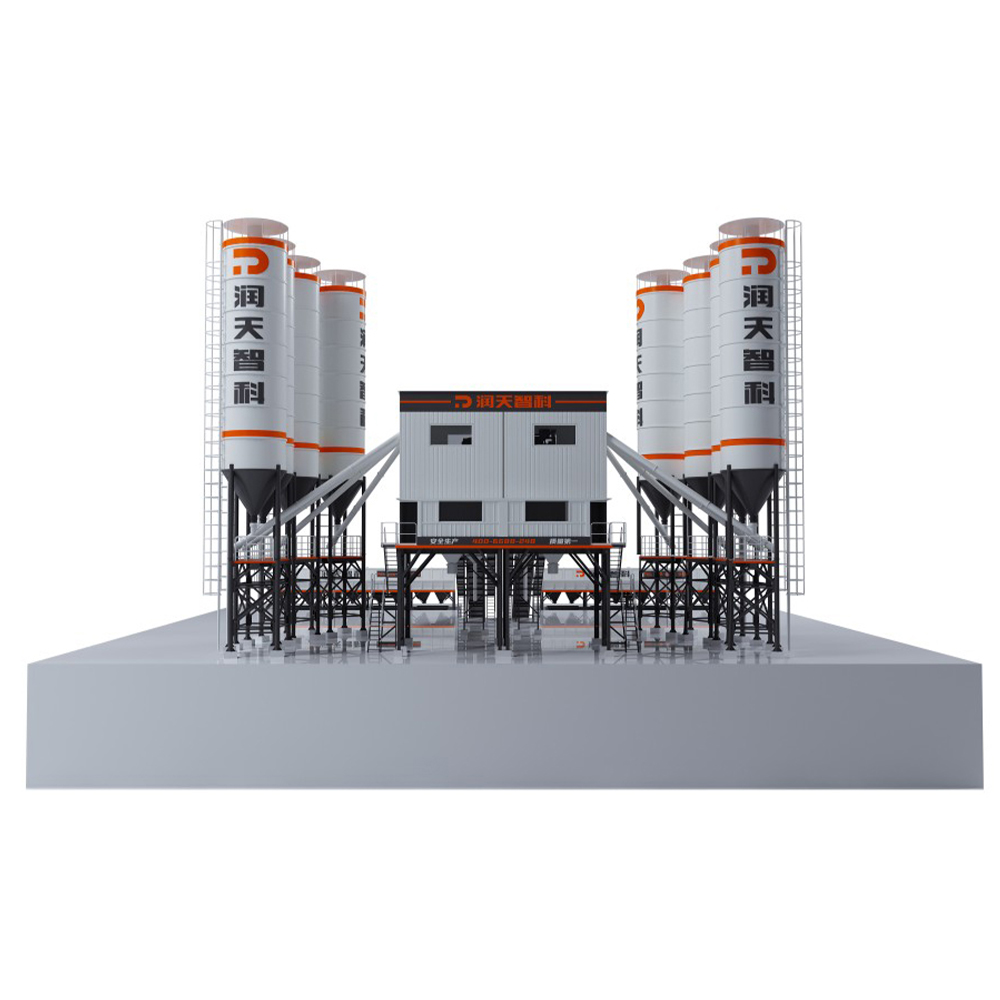
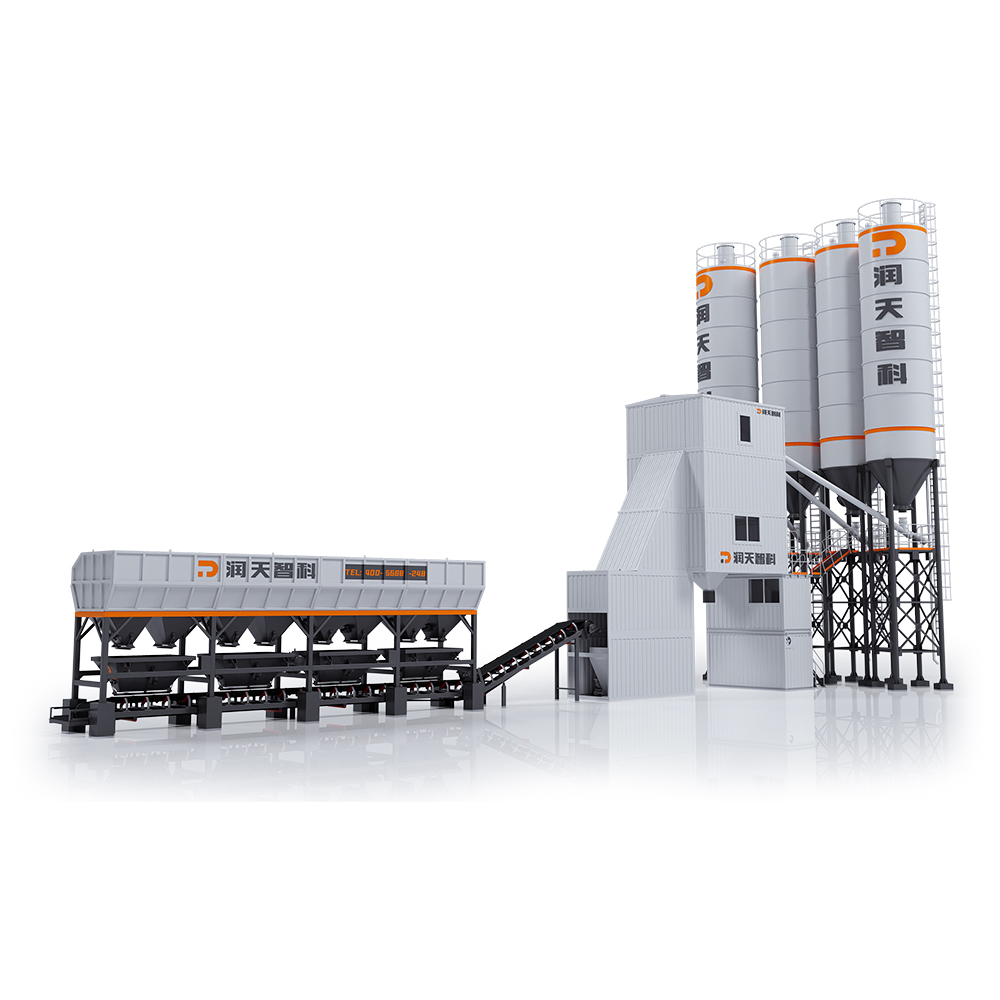
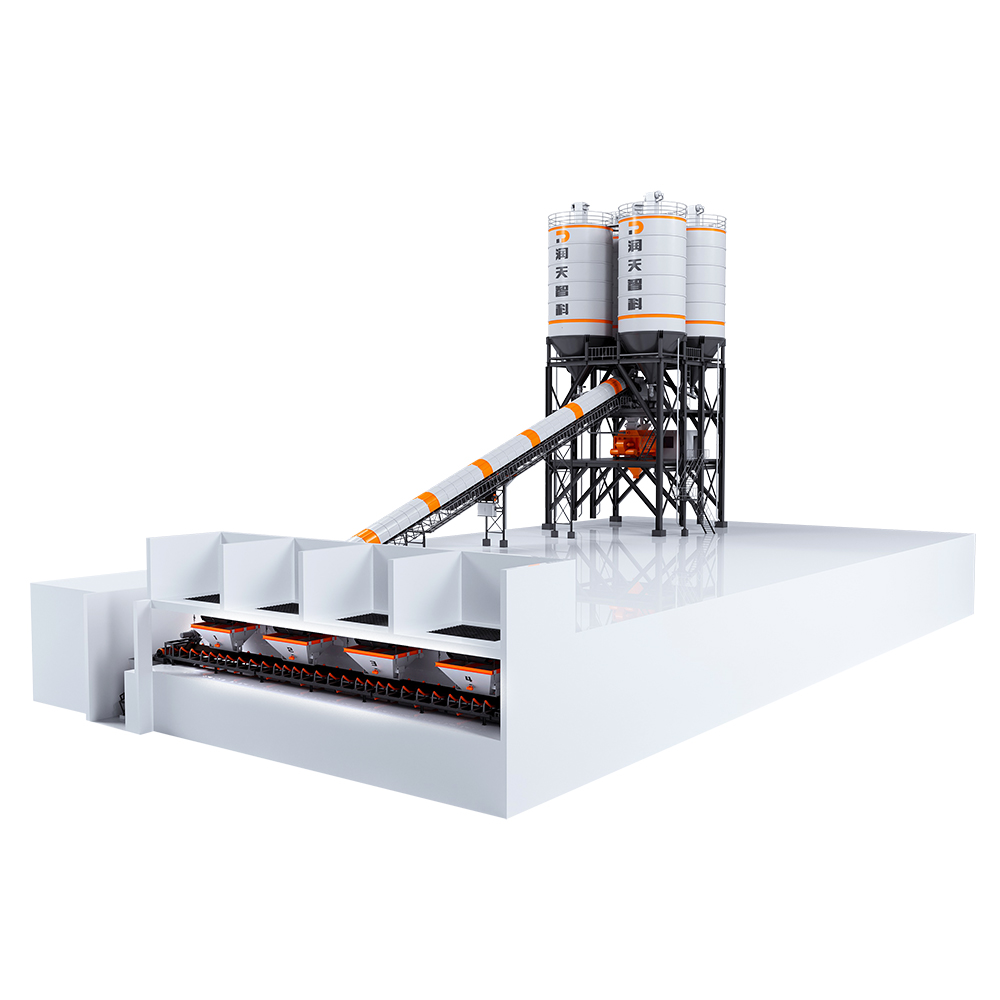
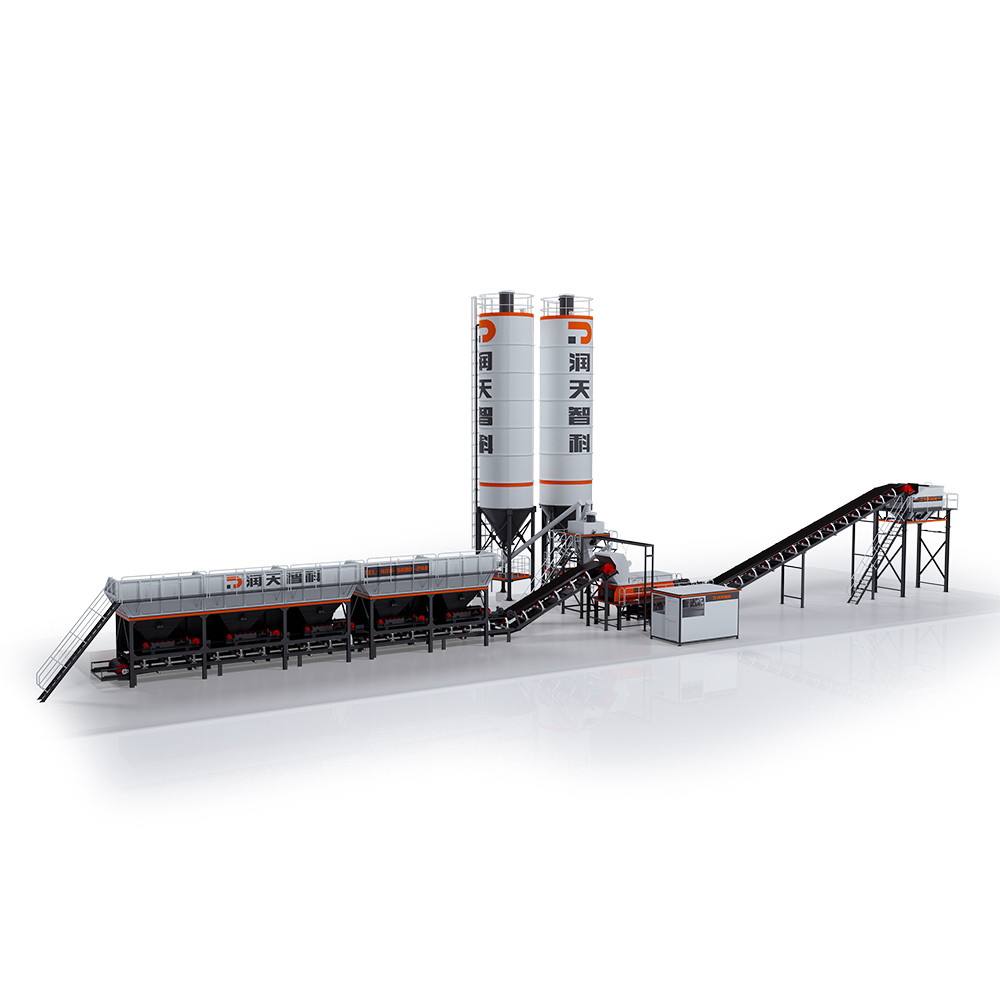
HZS Series Belt Concrete Mixing Plant
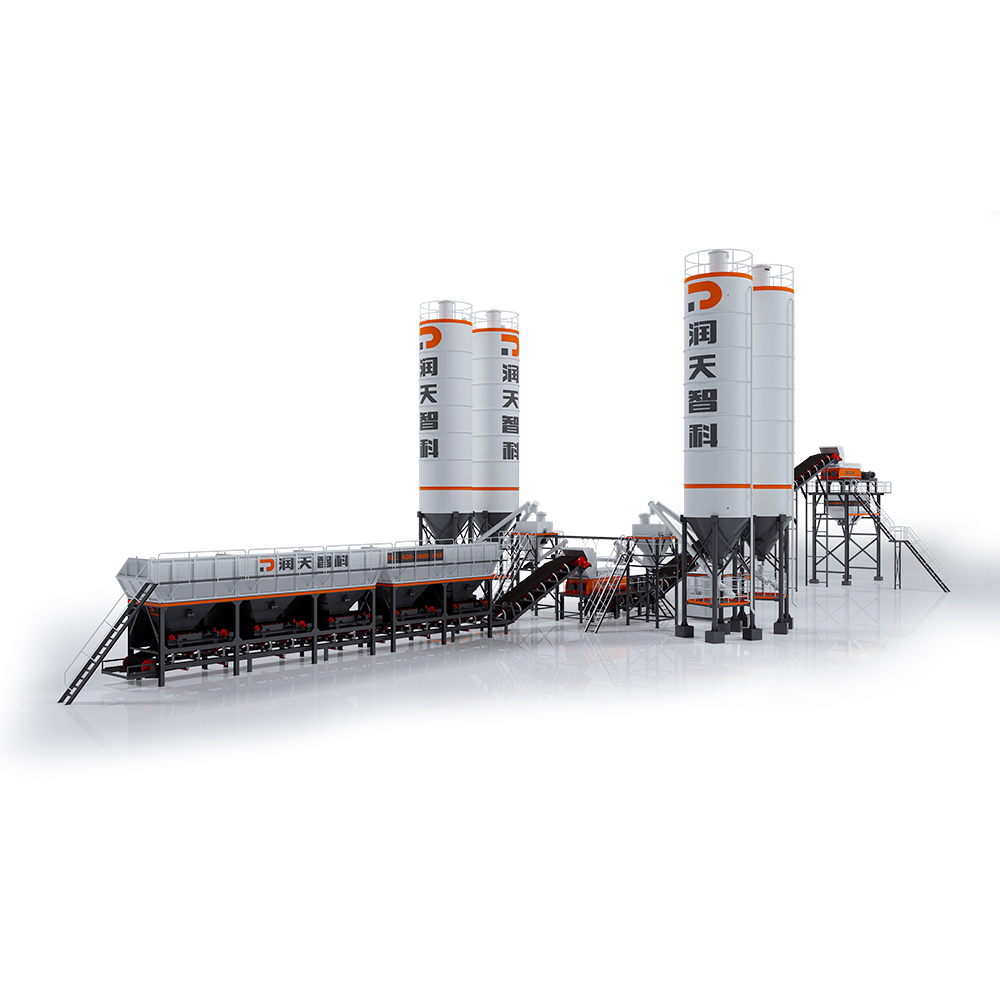
HZS Series Bucket-Lifting Type Container Concrete Mixing Plant
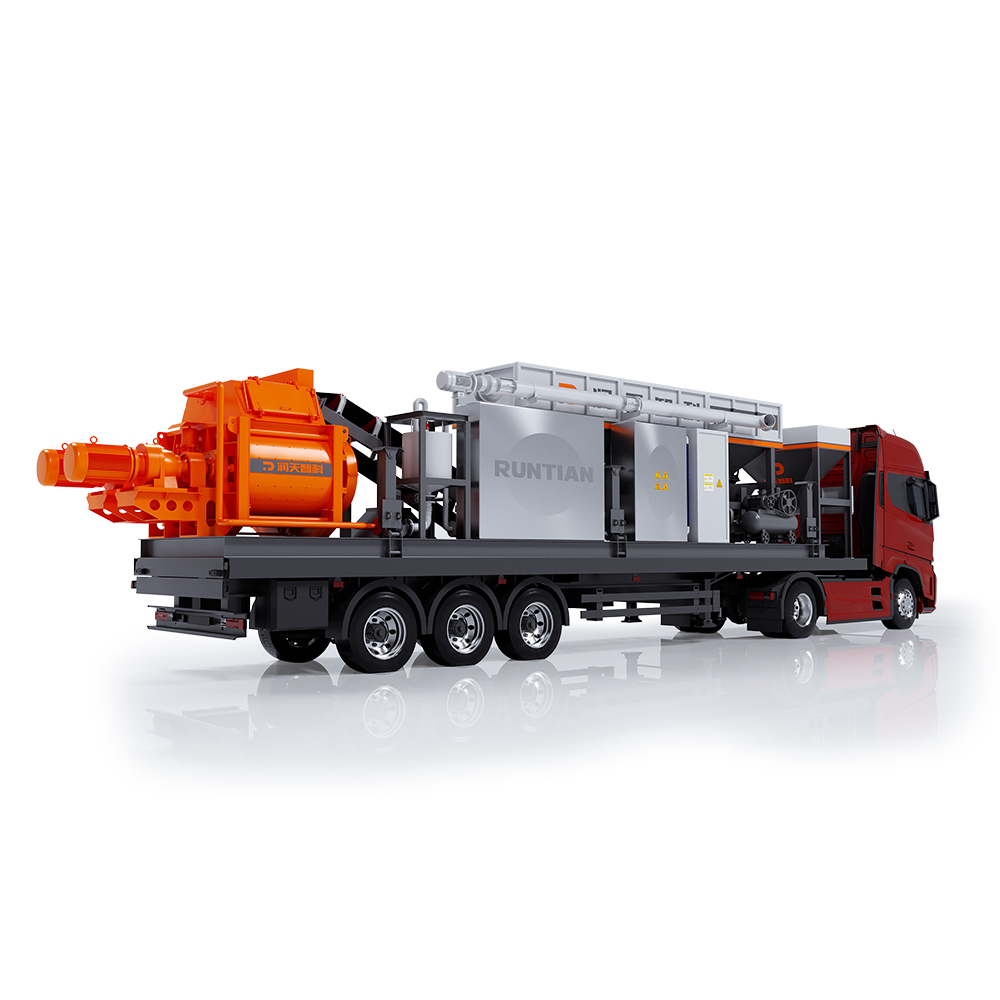
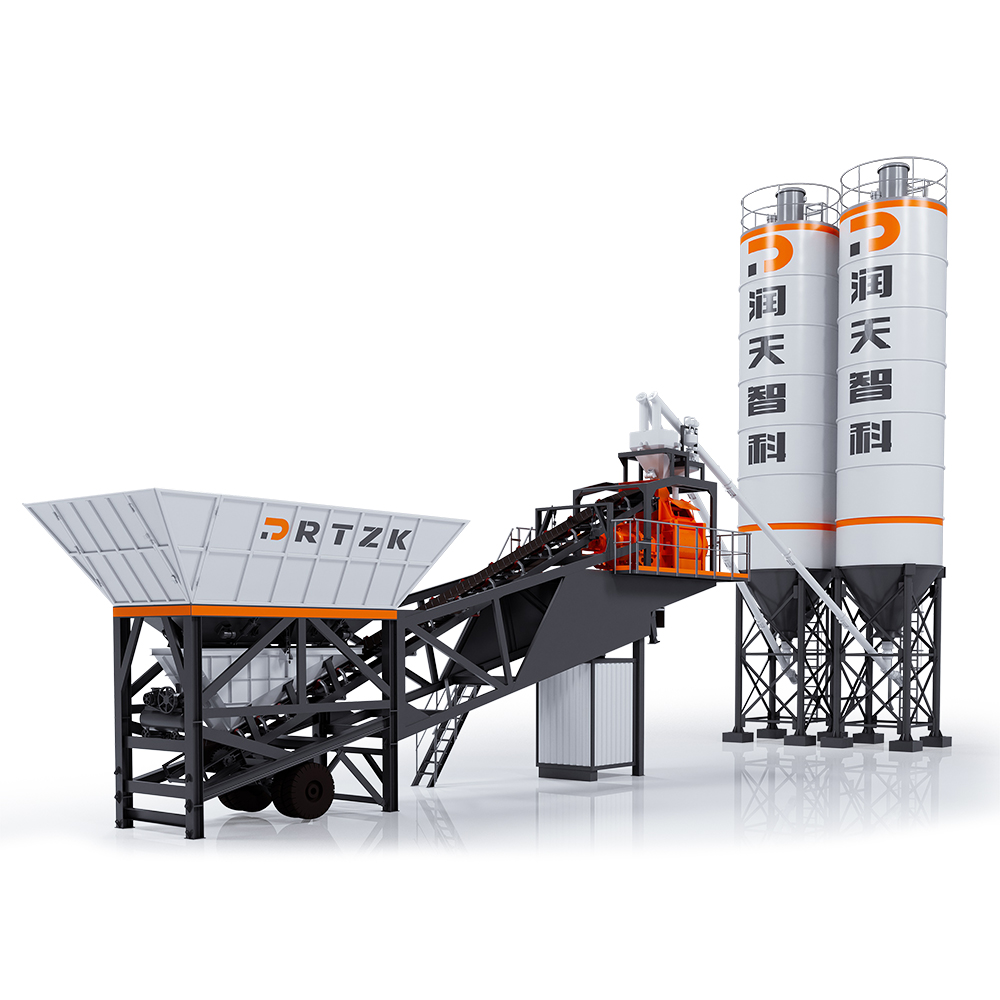
HZS60 Mobile Concrete Mixing Plant
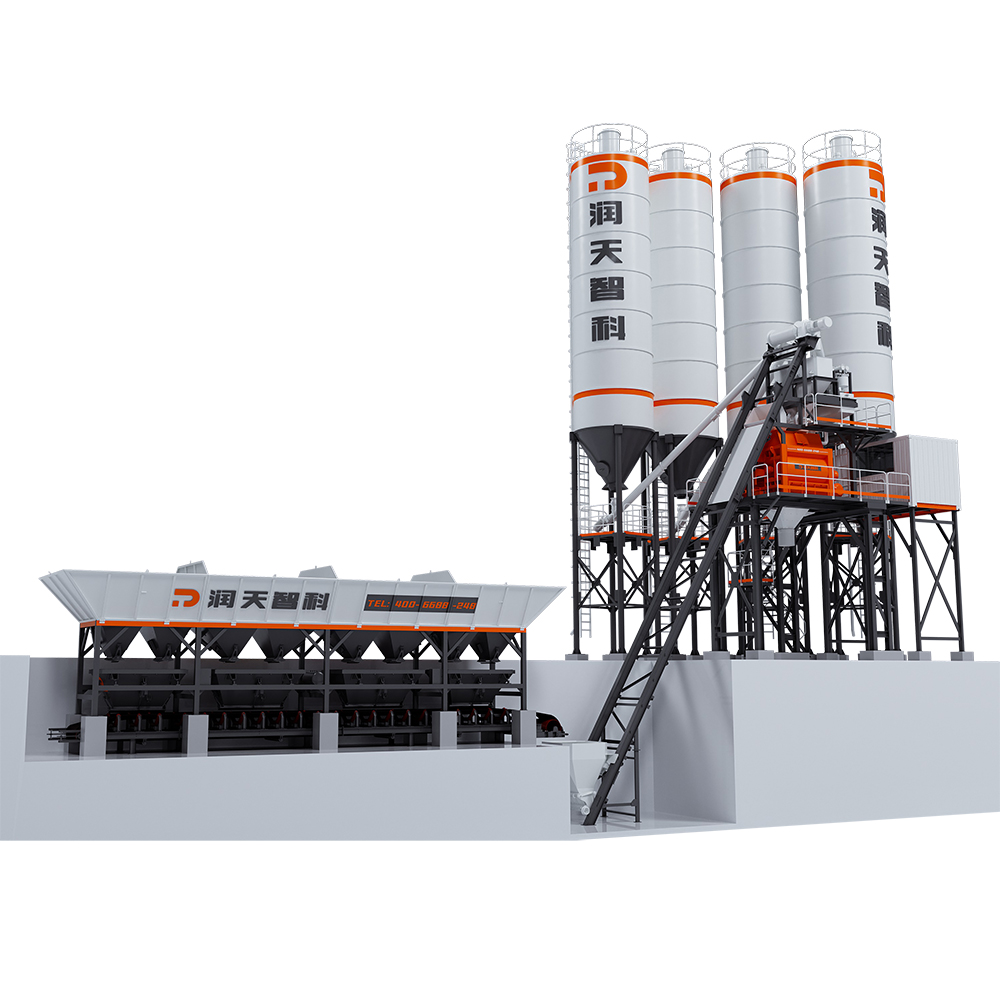
HZS Series Bucket-Lifting Type Concrete Mixing Plant
HZS Series Mobile Concrete Mixing Plant
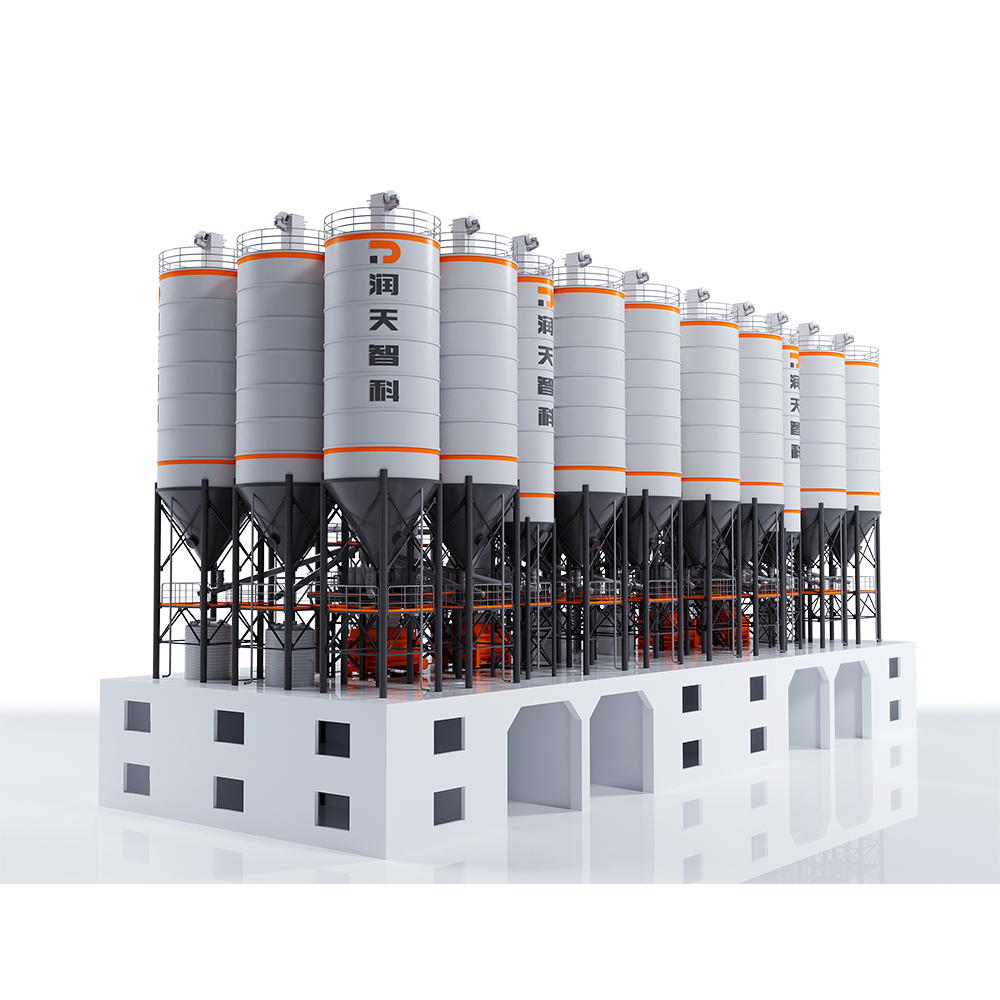
HZS Series Top-Mounted Concrete Mixing plant
HZS Series Semi-Top Mounted Concrete Mixing Plant
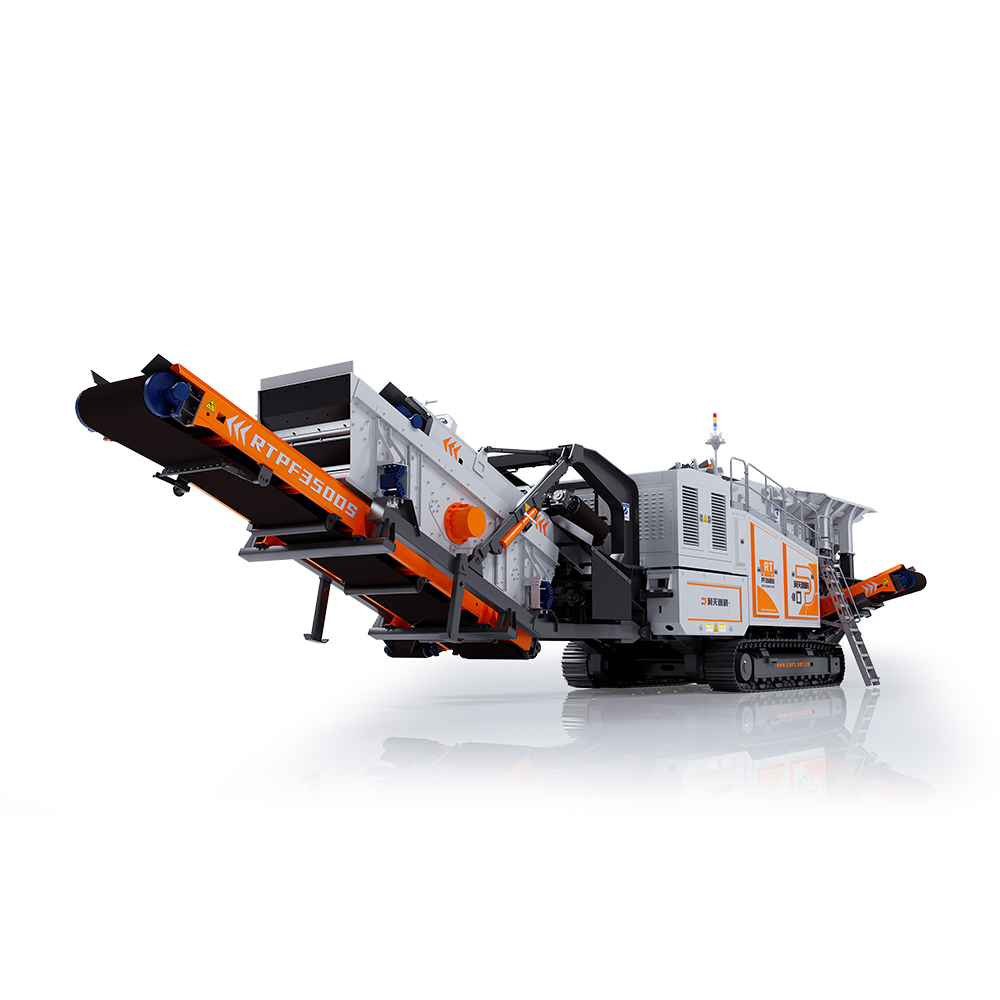
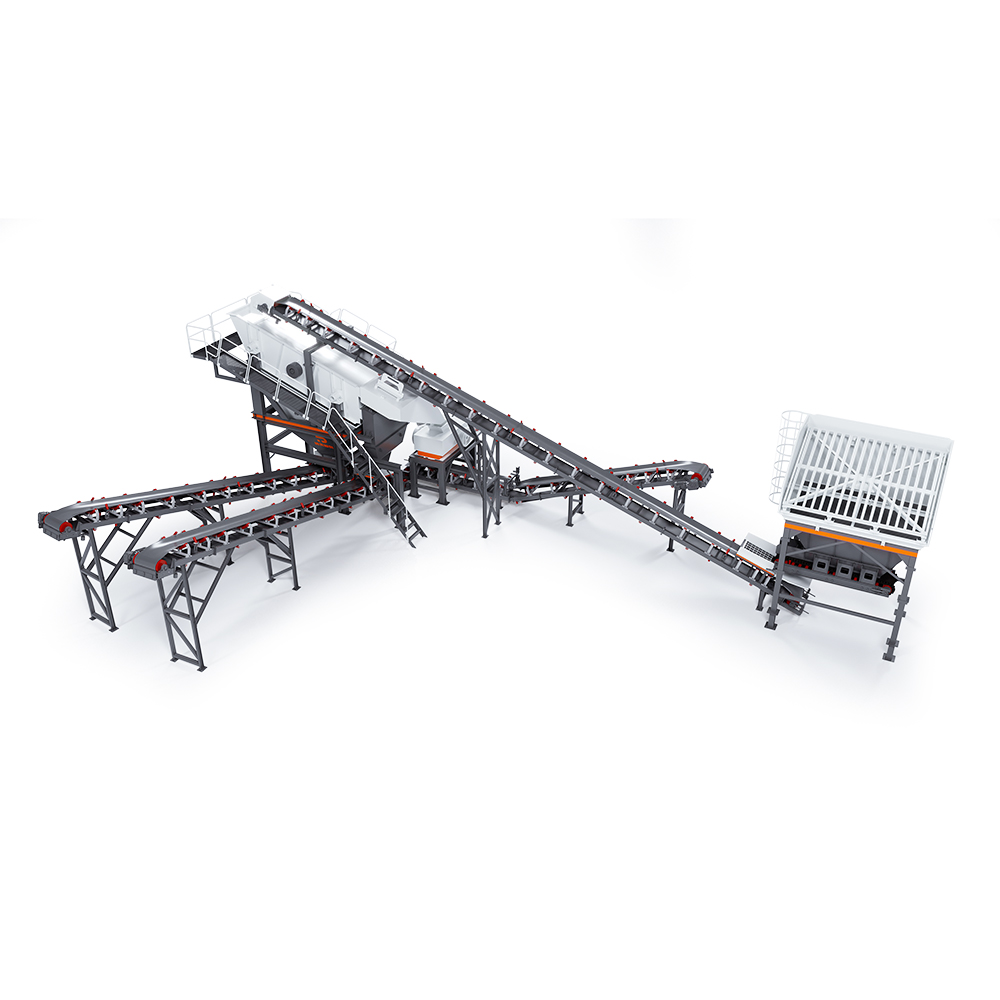
RTPF350DS Crawler Mobile Impact Crushing Plant
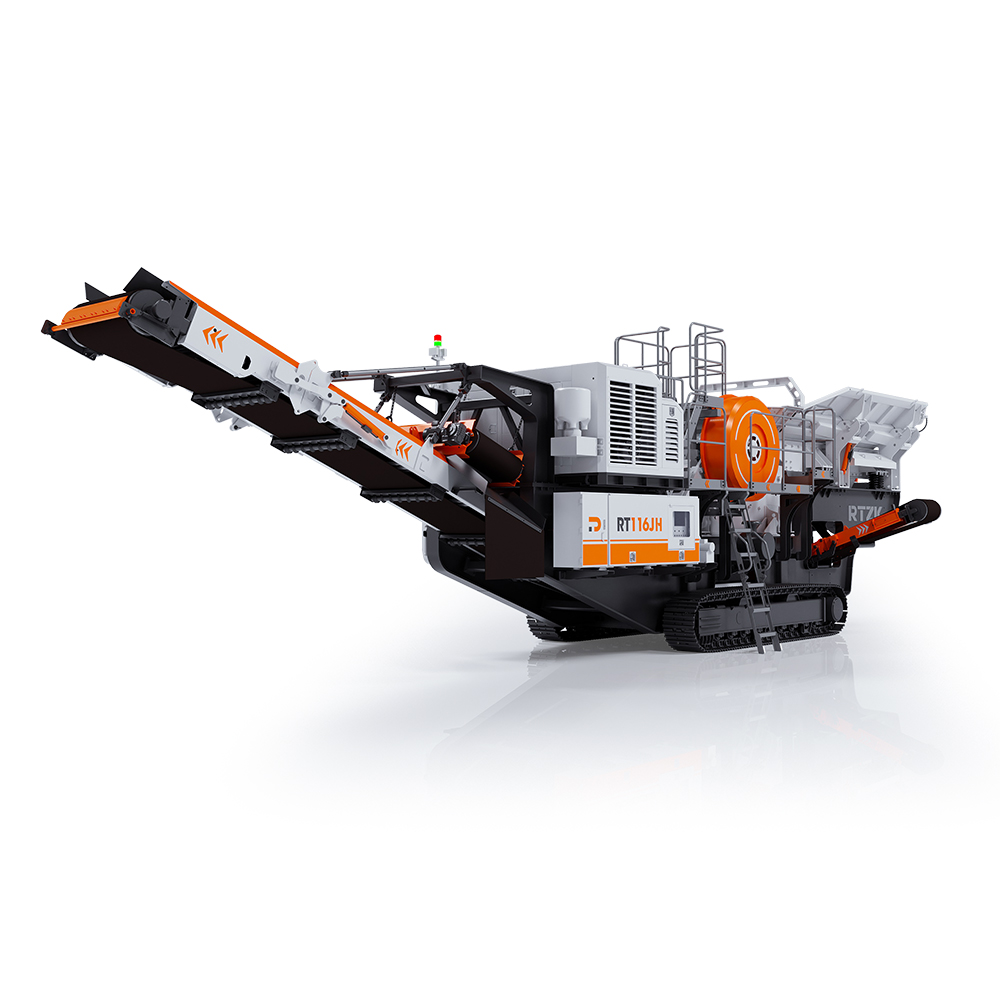
RT116JH Crawler Mobile Jaw Crushing Plant
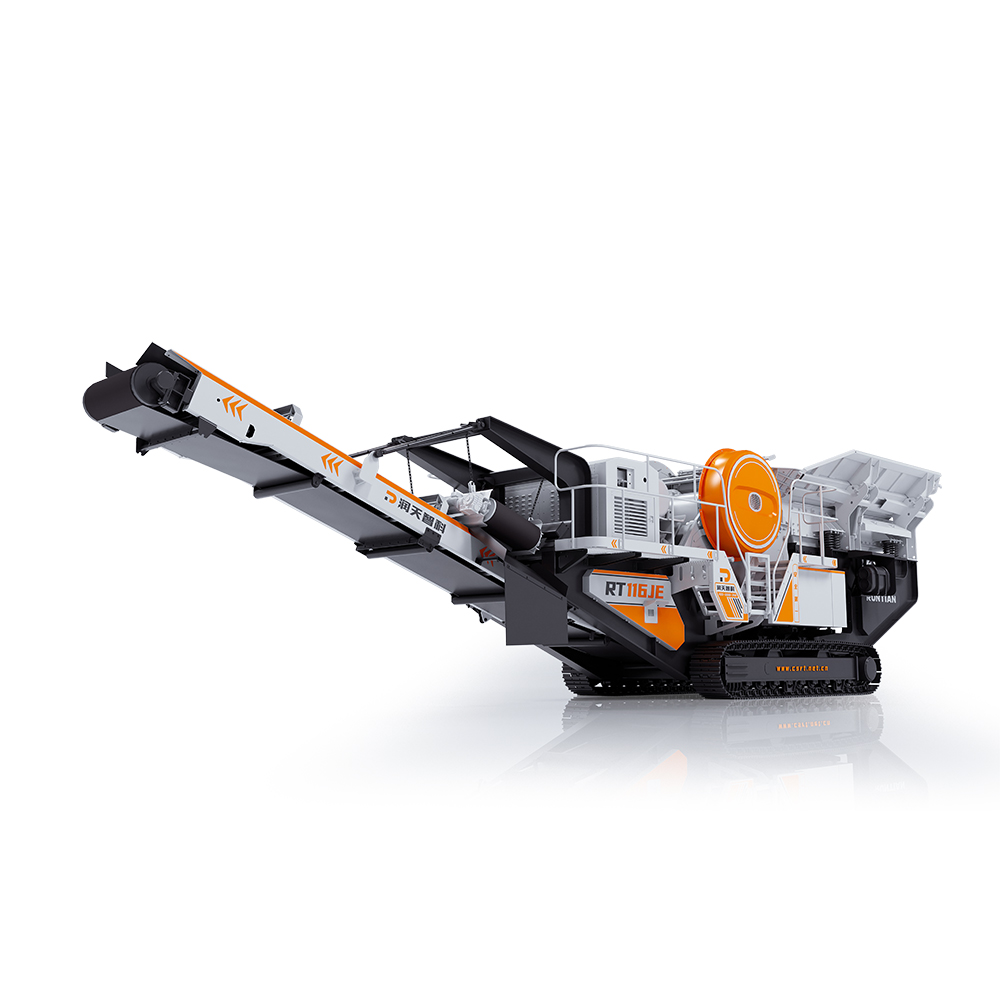
RT116JE Crawler Mobile Jaw Crushing Plant
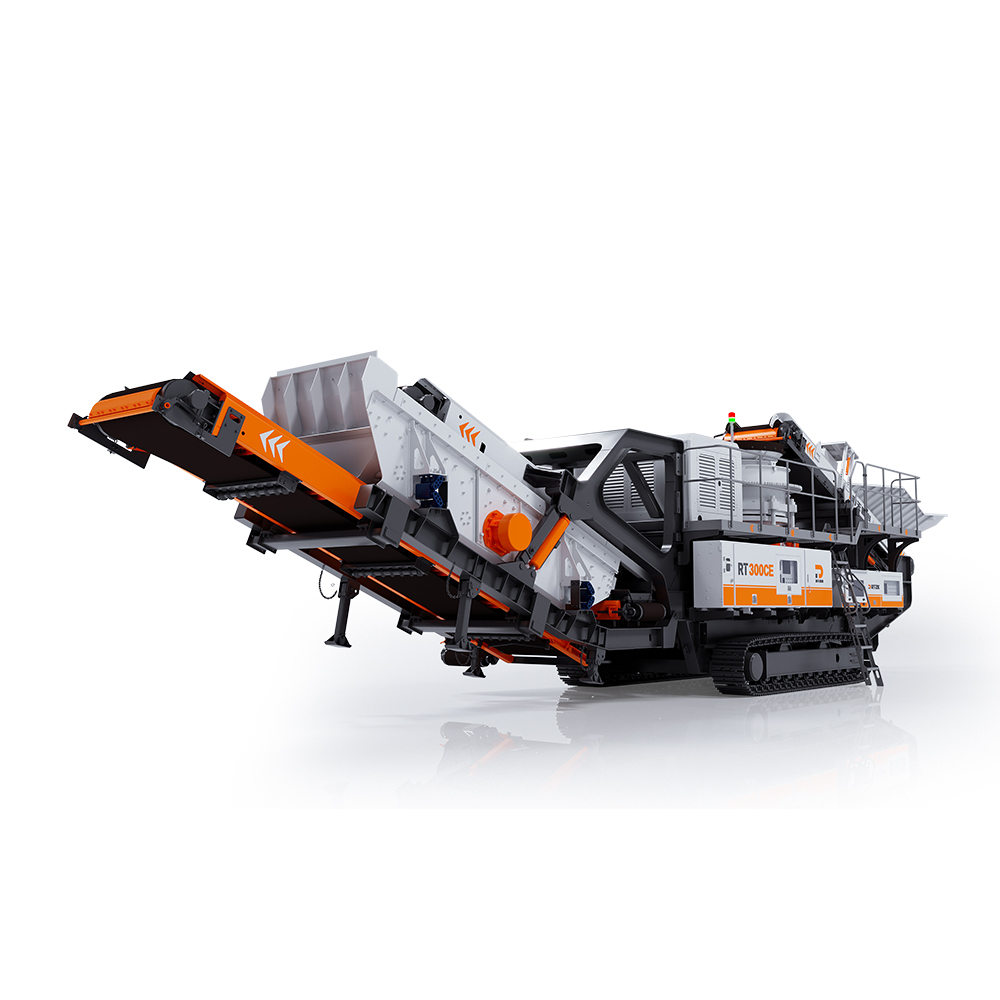
RT300CE Crawler Mobile Cone Crushing Plant
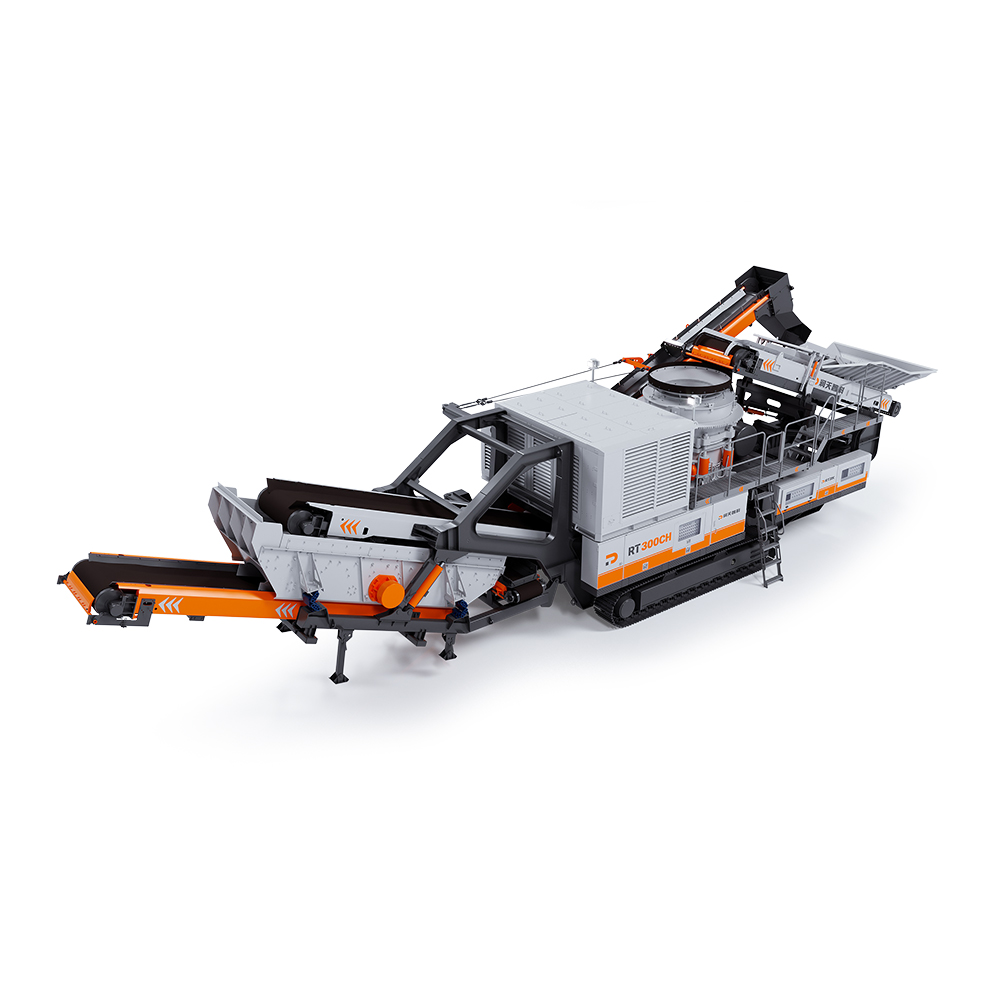
RT300CH Crawler Mobile Cone Crushing Plant
RT5015H Mobile Scalping Screen
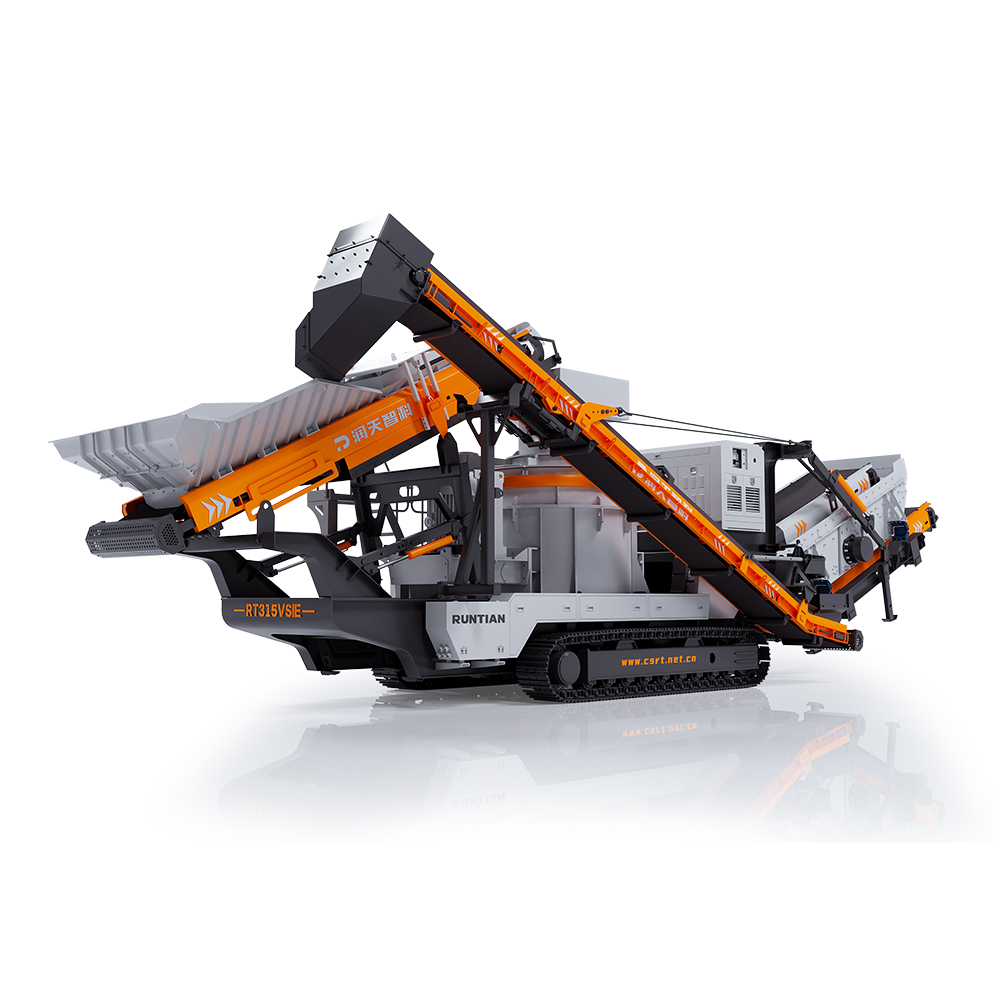
RT315VSIE Crawler Mobile Sand Maker
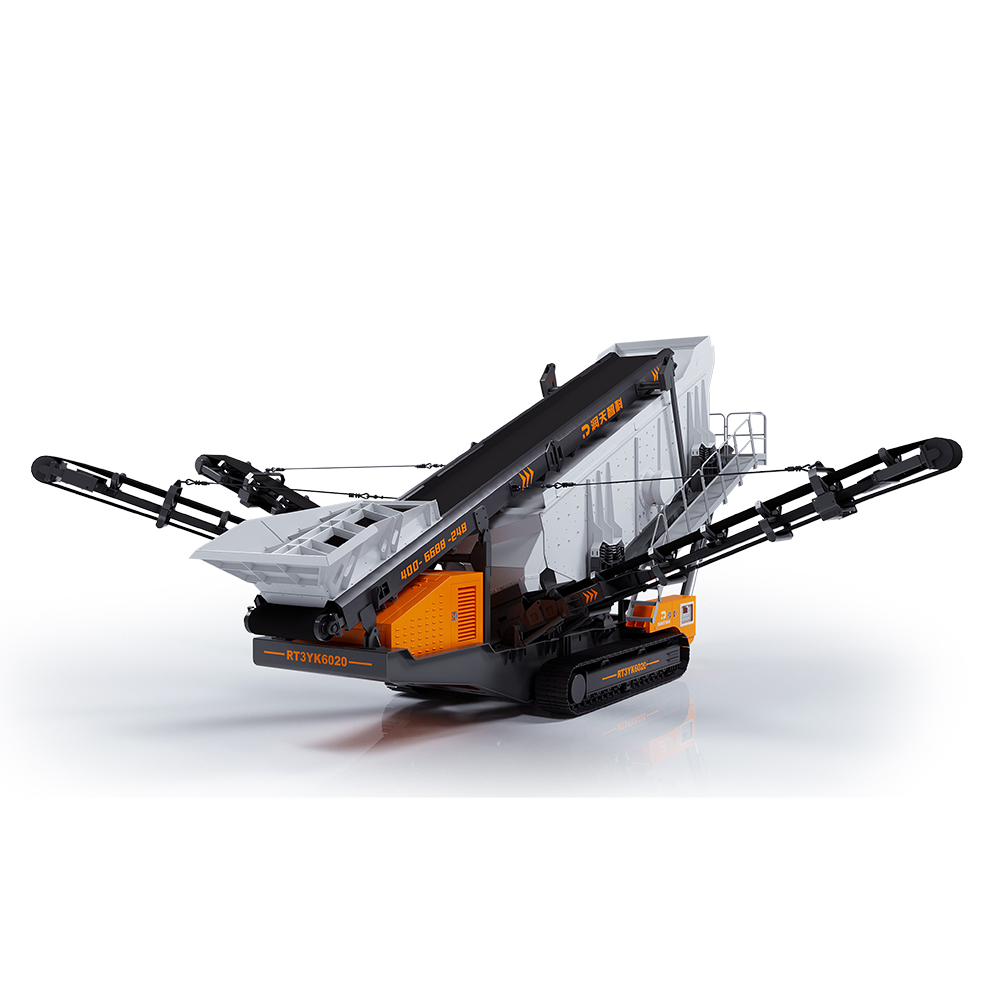
RT3YK6020 Crawler Mobile Screening Plant
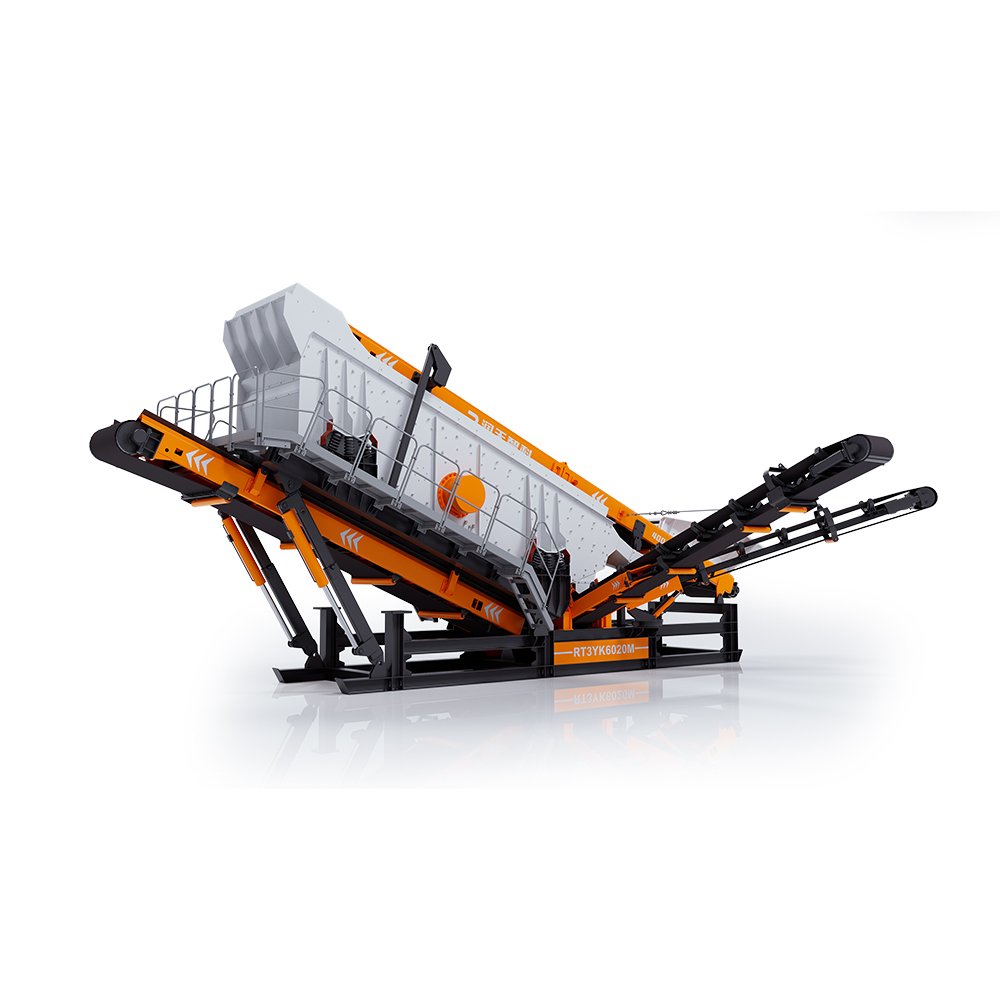
RT3YK6020M Modular Screening Plant
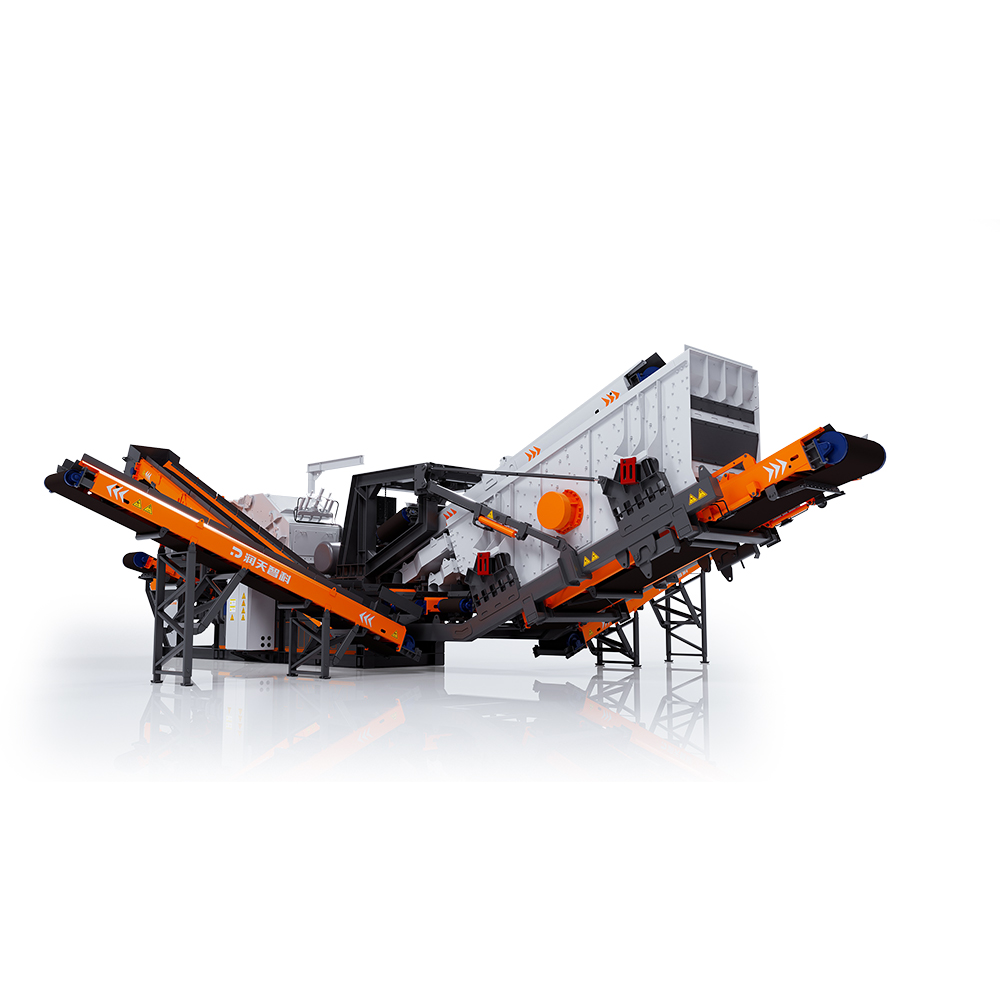
RTF260M Modular Counterattack Crushing and Screening Integrated Machine
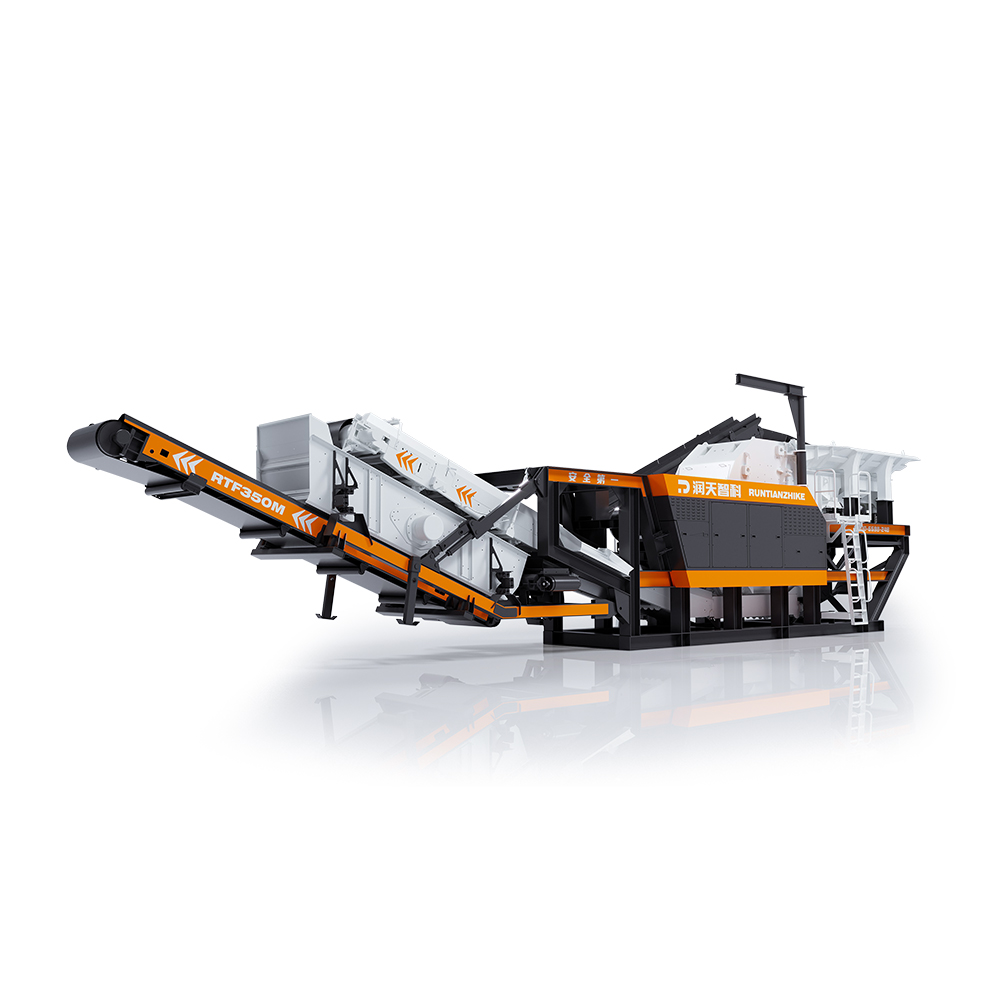
RTF350M Modular Impact Crushing Plant
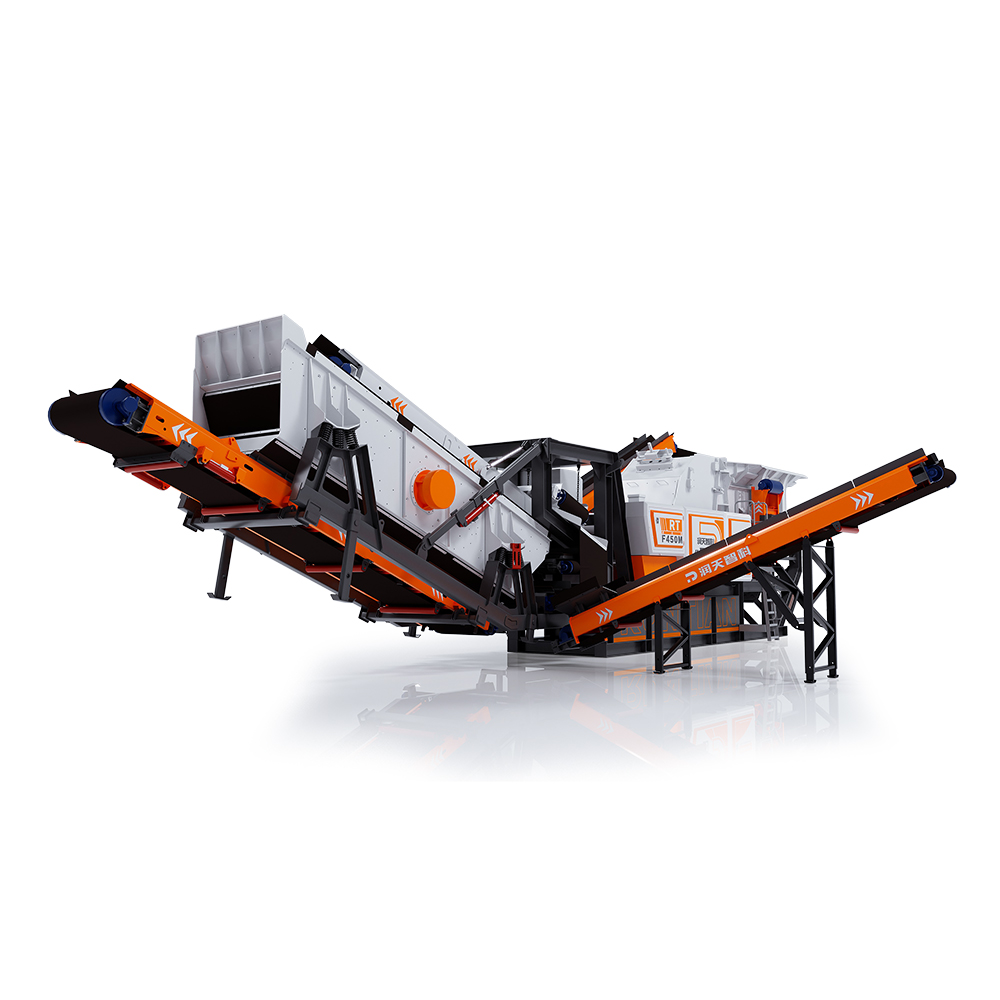
RTF450M Modular Impact Crushing Plant
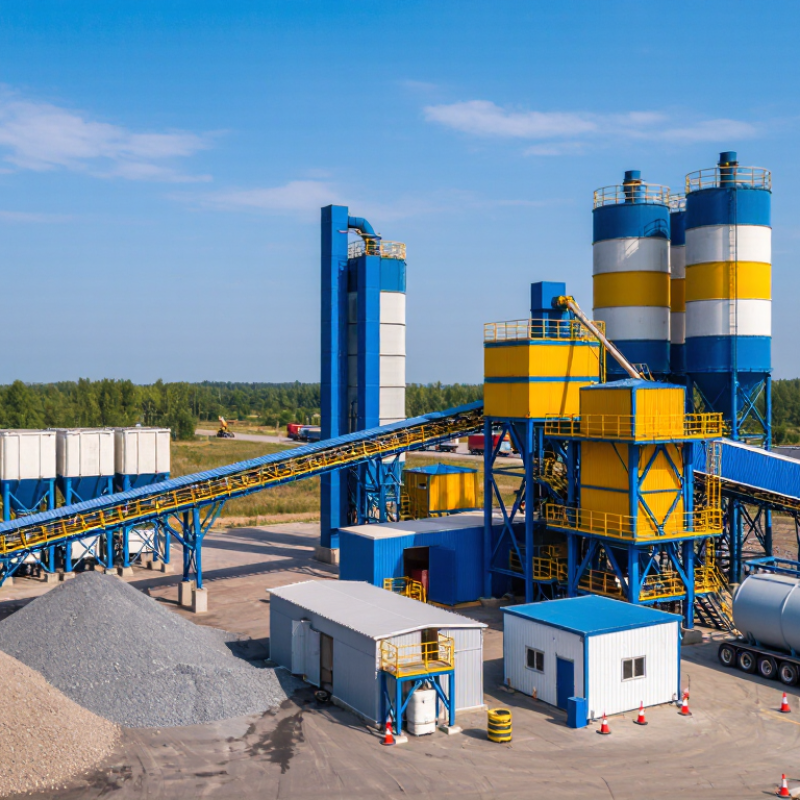
Buying an Asphalt Mixing Plant is a long-term production decision, not just a capacity purchase. A plant must fit the projects it will serve, the materials available locally, and the operating conditions at its site. A machine rated for high output may still disappoint if aggregate moisture, fuel costs, or maintenance access are overlooked. Small details matter. A hard-to-reach filter or a poorly matched burner can affect daily operations.
Industry data offers useful context. The National Asphalt Pavement Association’s 2023 Industry Survey estimated that U.S. producers made about 420 million tons of asphalt mixture in 2023. That scale reflects a diverse market, not a universal specification. Buyers should compare capacity claims carefully and ask how they were measured. NAPA President and CEO Audrey Copeland has described asphalt as “America’s most recycled material.” That emphasis makes reclaimed asphalt capability worth examining, including feed systems, mix controls, and the supplier’s operating guidance. Recycling performance depends on the full setup. It is not guaranteed by a plant’s brochure.
This guide outlines ten practical buying checks for global purchasers. It covers plant type, output, fuel options, automation, emissions controls, spare parts, and after-sales support. It also encourages buyers to verify references and request clear technical documentation. A supplier’s promise is useful, but operating evidence is better. Not every buyer will have perfect data. That is a reason to ask more questions, not to guess. The right Asphalt Mixing Plant is the one that fits real production needs and remains supportable after installation.
Asphalt plants commonly offer rated capacities from 40 to 400 tonnes per hour. Choose a size based on your paving schedule, not the largest figure in a brochure. A plant rated at 120 t/h may produce less in practice when aggregate is damp or the mix requires longer heating. Check the supplier’s stated output conditions carefully.
Estimate the tonnes your crews can place during a normal shift. Include loading time, truck travel, site access, and planned pauses. For example, a road project with steady truck arrivals may use a different capacity than a small site with intermittent paving. Check the math. Oversizing can leave equipment underused; undersizing can delay paving. Neither is ideal, and estimates may need revision as project conditions change.
Batch and drum plants solve different production problems. A batch plant weighs aggregates separately, then mixes each charge. This suits contractors changing mix designs, aggregate sources, or job specifications throughout the day. Separate hot bins also help operators adjust gradation with control. The trade-off is more stop-start handling and potentially lower output during frequent changes. A drum plant dries and mixes material continuously, making it a strong fit for long runs of consistent mixtures. Its steady flow can support high daily output, but frequent product changes may disrupt production and require careful transition planning.
Scale matters. The National Asphalt Pavement Association’s 2022 Asphalt Pavement Industry Survey reported 370.1 million tons of U.S. asphalt mixture production. That volume does not dictate one plant design; local demand and product variety do. For example, a supplier serving several small paving crews may value batch flexibility, while a highway project with stable specifications may favor continuous output. Ask suppliers for demonstrated hourly production using your actual aggregate moisture, mix recipes, and recycled-material targets—not only nameplate capacity. That matters. Also check how quickly the plant can change recipes and how much material remains in the system during a switch. A spreadsheet may make either design look perfect. Real operating schedules rarely are.
| # | Buying Consideration | Batch Plant: When It Fits | Drum Plant: When It Fits | What to Verify Before Purchase |
|---|---|---|---|---|
| 1 | Product range and mix changes | Often suits operations that change recipes frequently or need separate, controlled batches for different mix designs. | Often suits longer production runs with fewer recipe changes and a more consistent product schedule. | List the required mix designs, aggregate sizes, binder grades, additives, and expected changeover frequency. |
| 2 | Production capacity | Capacity is commonly specified in tonnes per hour and depends on batch size, cycle time, aggregate moisture, and operating conditions. | Capacity is commonly specified in tonnes per hour and depends on drum size, fuel, aggregate moisture, and operating conditions. | Compare guaranteed output at the site’s expected aggregate moisture and mix temperature, not only the rated maximum. |
| 3 | Weighing and proportioning | Aggregates, filler, and binder are typically measured for each batch, supporting recipe control between batches. | Materials are generally fed and proportioned continuously, so stable feeders and calibrated controls are important. | Check scale or feeder accuracy, calibration procedures, operating records, and the available control-system reports. |
| 4 | Production flexibility | Separate mixing cycles can make it practical to switch between recipes, subject to plant design and changeover procedures. | Continuous production can be efficient for steady runs; transitions between recipes may require planning and material management. | Ask for the documented recipe-change procedure, expected transition time, and guidance on handling material during transitions. |
| 5 | Reclaimed asphalt pavement (RAP) | RAP can be incorporated with suitable feeding, heating, and mixing arrangements; the permitted proportion depends on design and process controls. | RAP can also be incorporated with suitable equipment and process design; feeding location and temperature control are important. | Specify the target RAP proportion and material characteristics, then request a process description and performance data for that setup. |
| 6 | Fuel use and aggregate moisture | Fuel demand is influenced by aggregate moisture, required production rate, burner performance, and heat losses. | Fuel demand is influenced by the same factors; continuous operation may suit steady demand but does not remove moisture-related fuel needs. | Request fuel-consumption assumptions and test conditions. Compare estimates using local aggregate moisture, fuel type, and operating hours. |
| 7 | Emission controls and permits | Dust collection and other emission-control equipment must be selected for the process, site, and applicable regulations. | Dust collection and other emission-control equipment must likewise match the process, site, and applicable regulations. | Confirm local permitting limits, dust-collector design basis, stack-monitoring requirements, and the scope of supplied controls. |
| 8 | Site layout and mobility | Configuration ranges from relocatable arrangements to larger fixed installations; layout depends on storage, access, and foundation needs. | Configuration also ranges from relocatable arrangements to fixed installations; continuous production equipment still needs adequate site infrastructure. | Review transport dimensions, lifting plans, foundation loads, aggregate-bin layout, truck circulation, and utility connections. |
| 9 | Storage and dispatch | Hot-mix storage capacity and dispatch arrangements should be matched to batch output and the paving schedule. | Storage capacity and dispatch arrangements should be matched to continuous output to manage truck loading and production interruptions. | Estimate peak hourly demand, truck availability, haul times, and the required storage capacity while following mix-temperature limits. |
| 10 | Lifecycle cost and support | Evaluate the full installed cost, energy use, wear parts, maintenance access, operator training, and service availability. | Evaluate the same lifecycle factors, including maintenance needs for continuous feeding and production equipment. | Compare a written scope of supply, commissioning plan, spare-parts list, warranty terms, training, and service response arrangements. |

For many conventional hot-mix asphalt projects, production temperatures fall within the 140–180°C range. Treat this as a guide, not a universal setting: the approved mix design, binder grade, aggregate moisture, and haul conditions all affect the target. The Federal Highway Administration’s Warm-Mix Asphalt: European Practice review (FHWA-PL-08-007, 2008) reports that warm-mix processes can reduce production temperatures by about 20–40°C compared with conventional hot mix. That difference makes accurate temperature control important for both product consistency and energy use.
When evaluating a plant, ask where its sensors measure temperature and how often they are calibrated. Check readings at the dryer discharge and mixing stage against a calibrated reference thermometer; a control-room display alone is not proof of accuracy. Look for adjustable alarms, clear trend records, and stable burner response when wet aggregates enter the system. Small drifts are easy to miss. A surface infrared reading can also differ from the temperature inside a material stream, so confirm the measurement method. I would not accept a fixed 140°C pass mark without checking the job mix requirements. Real plant conditions are messier than a brochure suggests.
RAP capability is not just a percentage on a brochure. The National Asphalt Pavement Association’s 2022 Asphalt Pavement Industry Survey reported 89.2 million tons of reclaimed asphalt pavement were reused in the United States. The average RAP content in asphalt mixtures was about 21.4%. That is useful context, not a universal target. Local material quality, mix design, and operating conditions matter.
A plant advertised for 10–30% RAP should be checked for how it reaches that range. Ask whether RAP enters through a separate cold-feed system or another controlled process. Inspect the weighing setup, belt access, and space for stockpiles. The Federal Highway Administration’s technical guidance on RAP mixtures highlights material consistency and processing as important design considerations. A high percentage may require tighter control of moisture and gradation. A neat number can still mislead.
Tip: Ask the supplier to demonstrate a trial mix using your own RAP sample. Request production records showing feed-rate stability, mix temperature, and output at the proposed percentage. Check whether the plant can run lower RAP levels reliably, too. Specifications change; equipment should not be judged by its maximum alone. I would verify this in person, if possible. Small operational details are easy to miss on paper.
An asphalt mixing plant should be compared against the requirements at its intended site, not just a supplier’s standard figures. Local permits may set limits for dust, nitrogen oxides, noise, or operating hours. Ask for emissions test results and check how they were measured. Were they recorded during steady production, or only under favorable conditions? That distinction matters.
Fuel use needs the same careful reading. Compare consumption per tonne of finished mix, not per operating hour. Aggregate moisture, burner settings, cold starts, and long idle periods can change the result. A wet stockpile after rain may raise fuel demand noticeably. Small details matter. Request estimates for the mix designs and production rates you actually expect, then confirm the assumptions with a local engineer or operator.
Operating costs extend beyond fuel. Include electricity, filter replacements, wear parts, labor, scheduled maintenance, and likely downtime. Local fuel prices and access to technicians can shift the real cost more than a small difference in quoted efficiency. Ask for service intervals and replacement-part prices in writing. A spreadsheet helps, but it can flatter a weak estimate. I would leave room for uncertainty, especially when site conditions are still being checked. Compare the same production scenario across each option, and verify that emissions controls suit local limits without creating unbudgeted operating demands.