How to Choose the Right Hot Mix Asphalt Plant for Your Needs?
Choosing the right Hot Mix Asphalt Plant is crucial for construction projects. It involves more than just picking a machine. Various factors must be considered to ensure reliability and efficiency. The right plant can enhance productivity and deliver quality asphalt. However, selecting one can be overwhelming due to different types and specifications available.
Understanding your needs is the first step. Consider project size, required output, and material types. The ideal Hot Mix Asphalt Plant should align with these factors. Experience in the field often helps in making informed choices. Consulting with experts can provide valuable insights.
Investing in a Hot Mix Asphalt Plant is significant. It impacts project timelines and costs. Decisions based on thorough research often yield the best results. Reflecting on previous experiences with asphalt plants can guide current choices. With careful consideration, you can find a solution that meets your specific requirements.
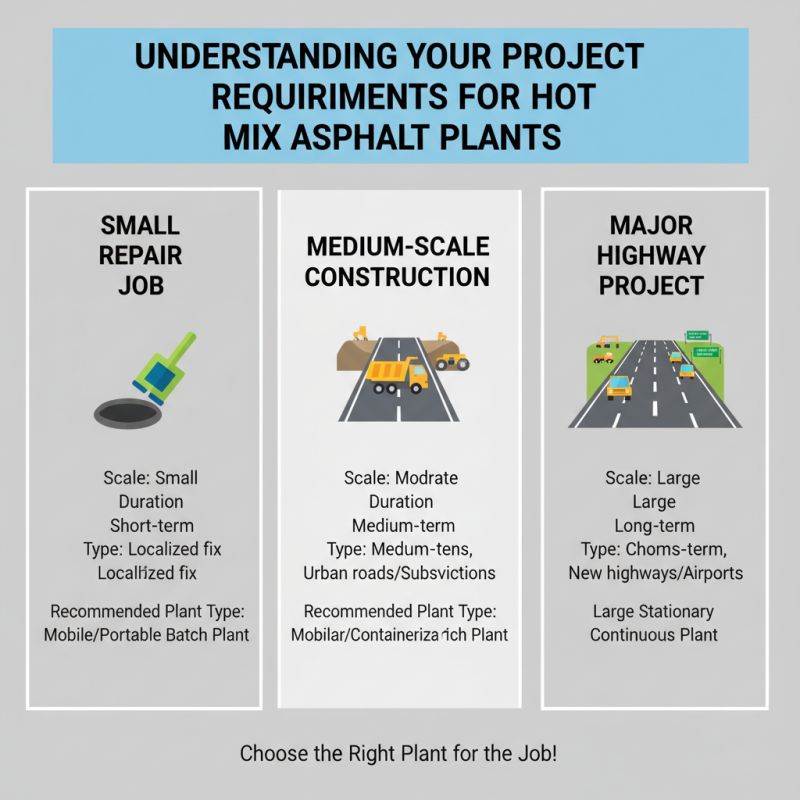
Understanding Your Project Requirements for Hot Mix Asphalt Plants
Understanding project requirements is essential when choosing a hot mix asphalt plant. Different projects have unique needs. The scale, duration, and type of work influence the best choice. For example, a small repair job may not require a large, stationary plant. Conversely, a major highway project often demands a high-capacity setup.
Consider the production capacity of the plant. Are you planning for a long-term project or a series of smaller tasks? A plant with higher output is beneficial for extensive projects. However, this may lead to cost inefficiencies for short-term use. Ensure you also assess the desired asphalt quality. Specific jobs may need certain grades or types of asphalt mixtures.
Don't overlook the location and logistical factors. Site accessibility plays a vital role in efficiency. If material delivery is challenging, a more mobile solution could be ideal. Environmental regulations in your area may also affect your choice. Adapting to local laws is crucial for compliance.
Types of Hot Mix Asphalt Plants and Their Specifications
When selecting a hot mix asphalt plant, understanding the types available is crucial. There are several main types: batch mix plants, continuous mix plants, and drum mix plants. Batch mix plants provide flexibility. They produce asphalt in batches, allowing for different mixes at each cycle. This is ideal for projects needing varied specifications. However, their production rate can be slower.
Continuous mix plants operate differently. They produce a steady flow of asphalt, which is suitable for large projects. This type maximizes efficiency and minimizes downtime. However, they may lack the versatility of batch plants. Drum mix plants fall in between. They are efficient for high-output scenarios and maintain good quality consistency. Each type comes with specific specifications related to production capacity and heating systems, making it essential to evaluate your project needs.
Choosing the right plant also depends on location and project scope. Not every type is suitable for every environment. For example, urban projects may require a more versatile batch mix plant. In contrast, rural locations may benefit from the efficiency of drum mix plants. Understanding the pros and cons of each type is vital. Reflect on the project demands carefully and choose wisely.
How to Choose the Right Hot Mix Asphalt Plant for Your Needs?
| Type of Plant |
Production Capacity (ton/h) |
Mix Type |
Main Features |
Ideal Use Cases |
| Batch Mix Plant |
80-160 |
Hot Mix |
Precise control of mix, suitable for high-quality pavement |
Highway construction, large projects |
| Continuous Mix Plant |
100-300 |
Hot Mix |
Constant production, effective for large volumes |
Roadway maintenance, continuous paving |
| Drum Mix Plant |
100-500 |
Warm Mix |
Simple operation, efficient fuel use |
Large-scale projects, urban infrastructure |
| Mobile Asphalt Plant |
40-120 |
Hot Mix |
Portability, quick setup |
Small projects, temporary locations |
Key Features to Consider When Choosing an Asphalt Plant
Choosing the right hot mix asphalt plant requires careful consideration of several key features. One critical aspect is production capacity. According to industry studies, demand for asphalt is expected to grow by 3.5% annually through 2025. This surge presents a need for plants that can meet increasing project demands efficiently. A plant that produces at least 150 tons per hour can significantly enhance productivity for larger projects.
Another essential feature is emissions control. With stricter regulations on air quality, plants must comply with environmental standards. Modern asphalt plants utilize advanced technology to minimize emissions. Data shows that plants equipped with baghouses can reduce particulate emissions by over 80%. This not only promotes a healthier work environment but also mitigates potential fines from regulatory bodies.
Flexibility is also vital. A versatile plant can adapt to various project requirements, from warm mix asphalt to recycled materials. This adaptability can lead to increased cost savings. However, potential buyers should be aware of the initial investment and operational costs. Assessing long-term benefits versus immediate financial impact is crucial for making a sound decision. This nuanced approach ensures a plant meets specific needs while remaining economical.
Evaluating Cost and Budget for Asphalt Plant Investment
When investing in a hot mix asphalt plant, evaluating costs is crucial. Understand your budget and identify key expenses. This includes purchase price, installation costs, and ongoing operational expenses.
Consider the various plant types available. Each may have different price ranges. Some may offer advanced technology but come at a higher cost. Balance your needs with your financial capabilities. For instance, a high-capacity plant may serve larger projects, but it could strain your budget.
Don't overlook maintenance and repair costs. These can significantly impact your overall expenditure. Assess the availability of spare parts and support services. A less common model might save you upfront, but could become a liability later. Reflect on potential hidden costs before making a decision. Budgeting is more than just the initial outlay; it requires a comprehensive outlook on the plant's life cycle.
Cost Evaluation of Different Hot Mix Asphalt Plants
Maintenance and Support Services for Asphalt Production equipment
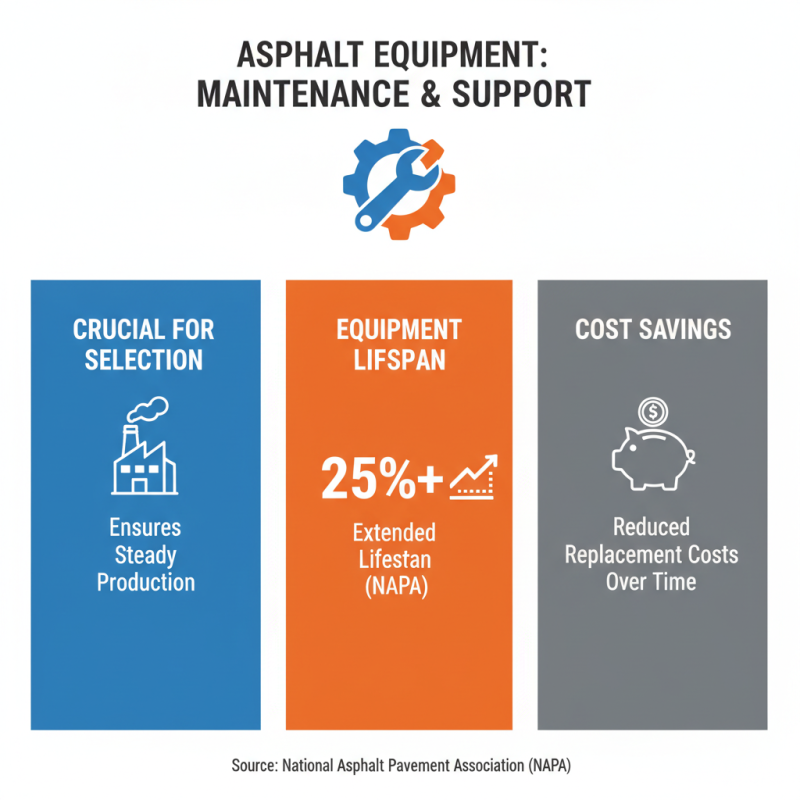
When selecting hot mix asphalt plants, maintenance and support services are crucial. Regular maintenance ensures steady production. According to the National Asphalt Pavement Association, proper upkeep can extend equipment lifespan by 25%. This reduction in replacements saves significant costs over time.
Technical support is vital. It helps operators troubleshoot issues quickly. A report from the Federal Highway Administration states that 30% of businesses experience delays due to equipment malfunction. Having reliable support minimizes downtime. This is key for meeting project deadlines.
Consider the types of maintenance services available. Some plants offer comprehensive packages that include routine checks, repairs, and replacement parts. Adequate training for the staff is essential but often overlooked. Investing in training can improve efficiency by 20%, as highlighted in a study by the Asphalt Institute. A well-trained team is better equipped to handle equipment challenges and enhance production quality.

 Concrete Mixing Plant
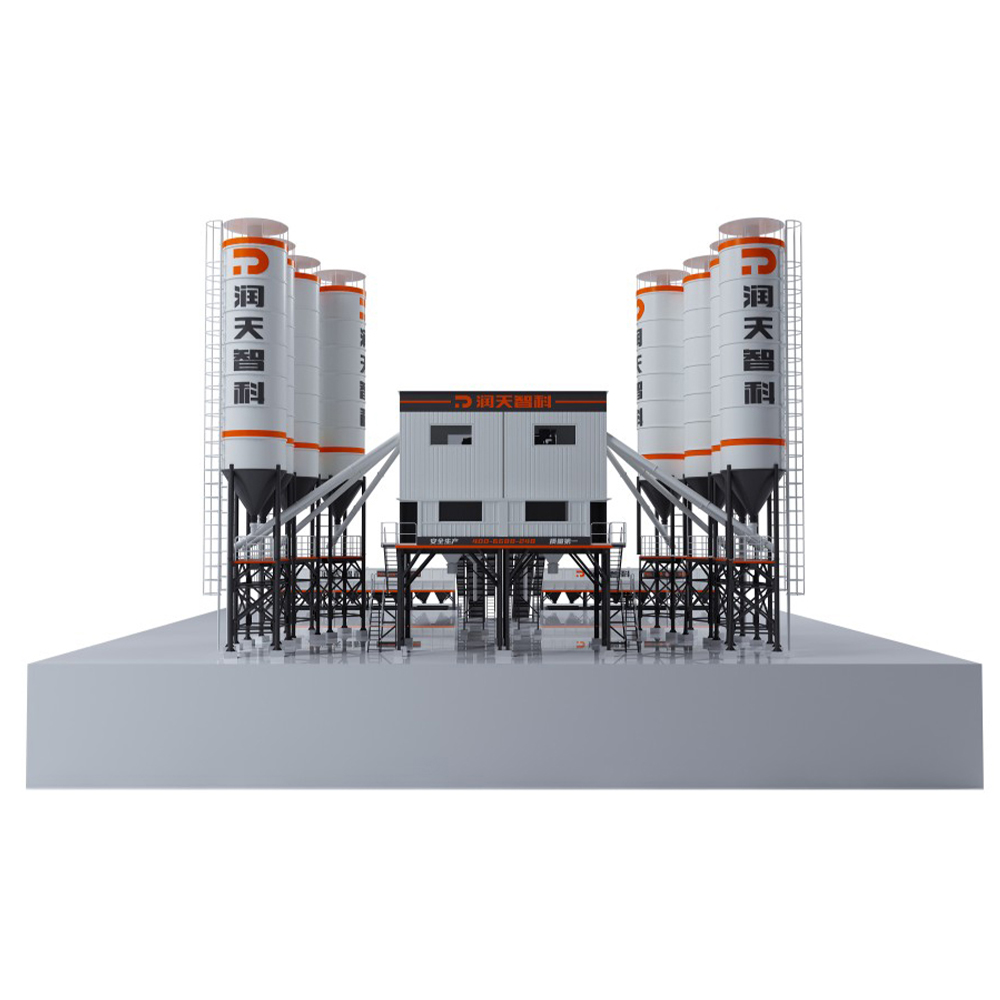 HZS Series Belt Concrete Mixing Plant
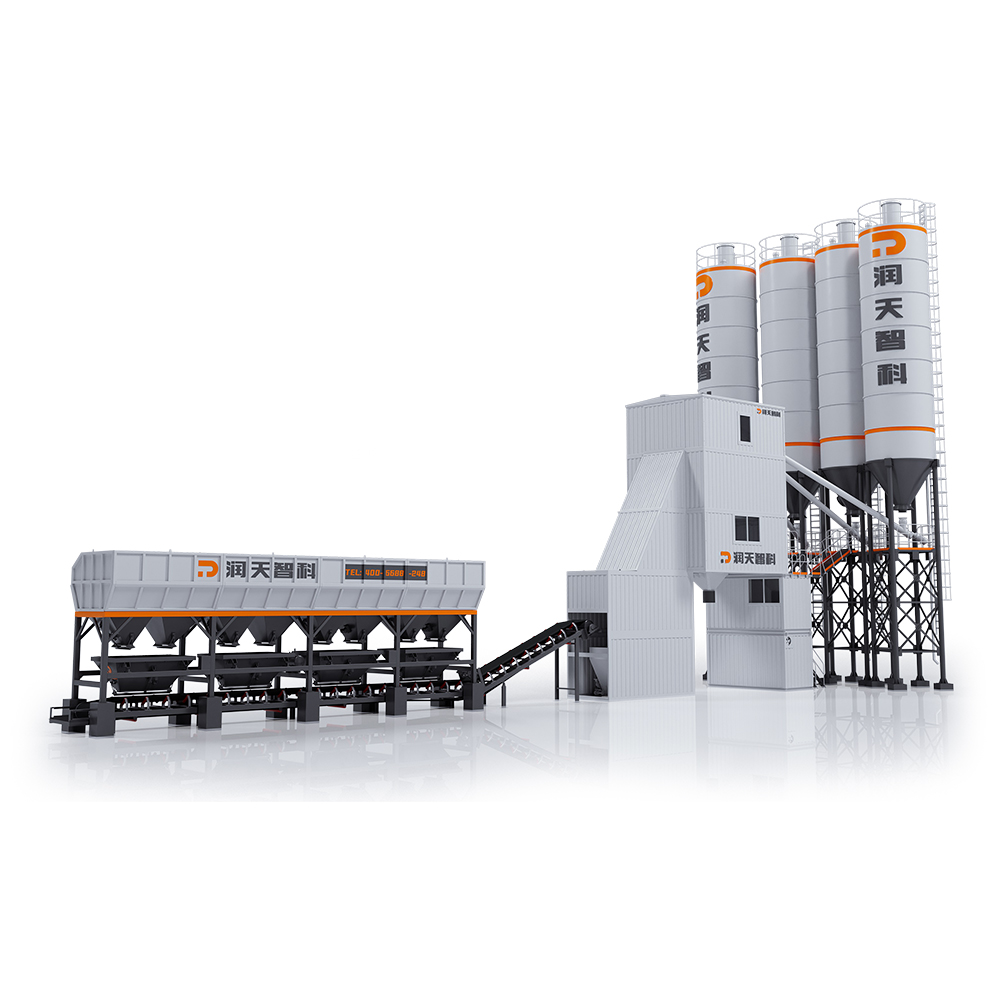 HZS Series Bucket-Lifting Type Container Concrete Mixing Plant
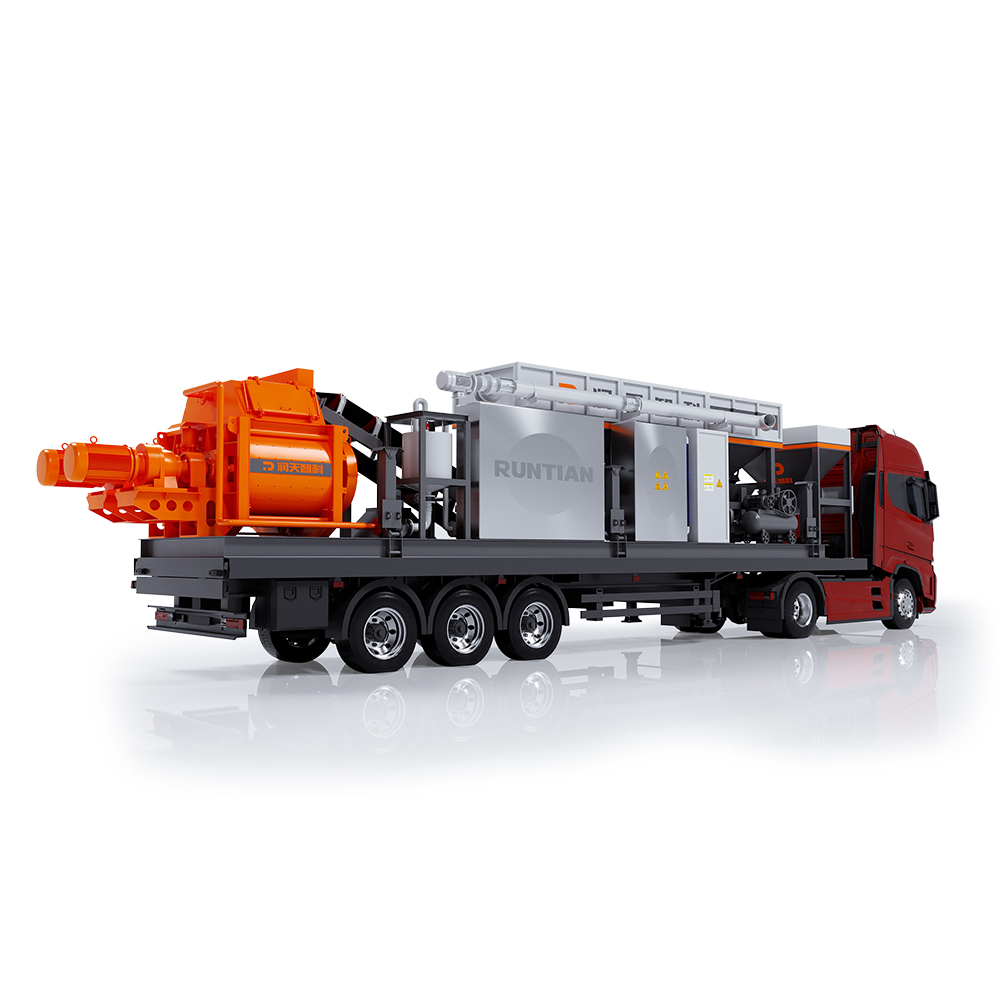 HZS60 Mobile Concrete Mixing Plant
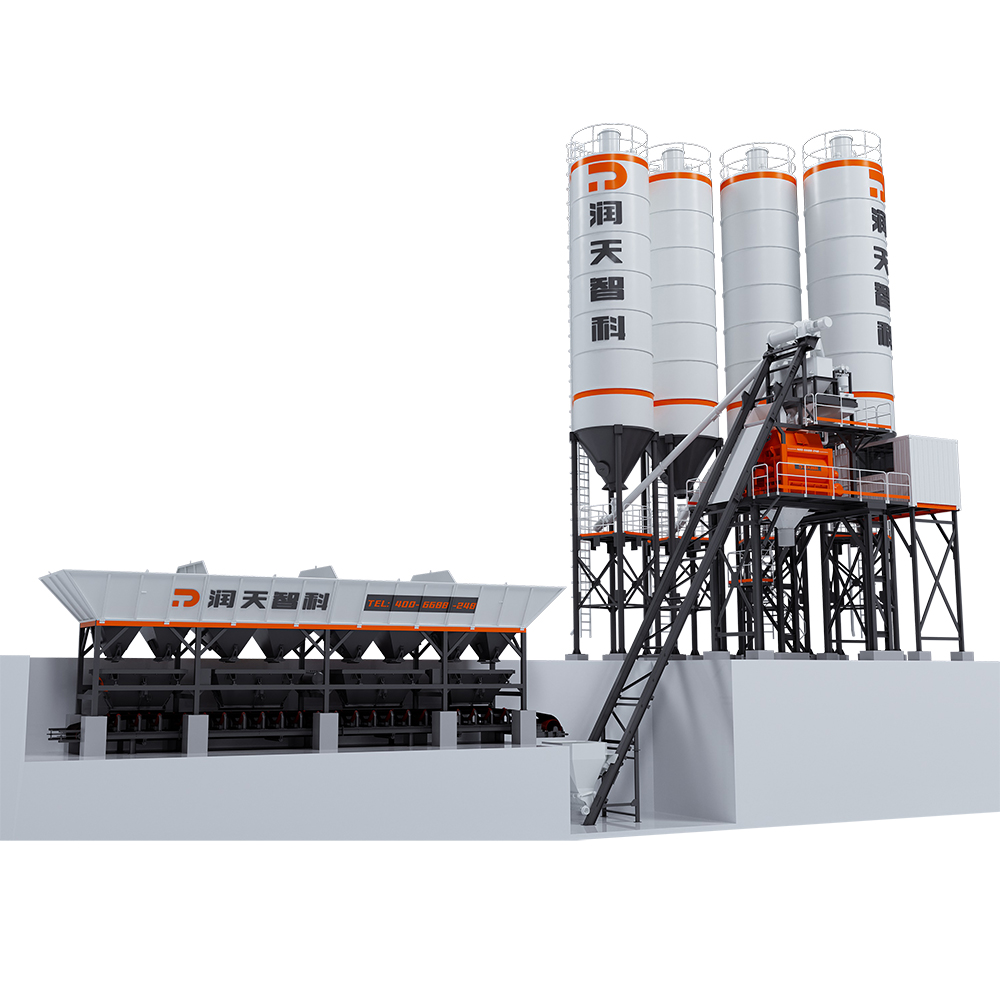 HZS Series Bucket-Lifting Type Concrete Mixing Plant
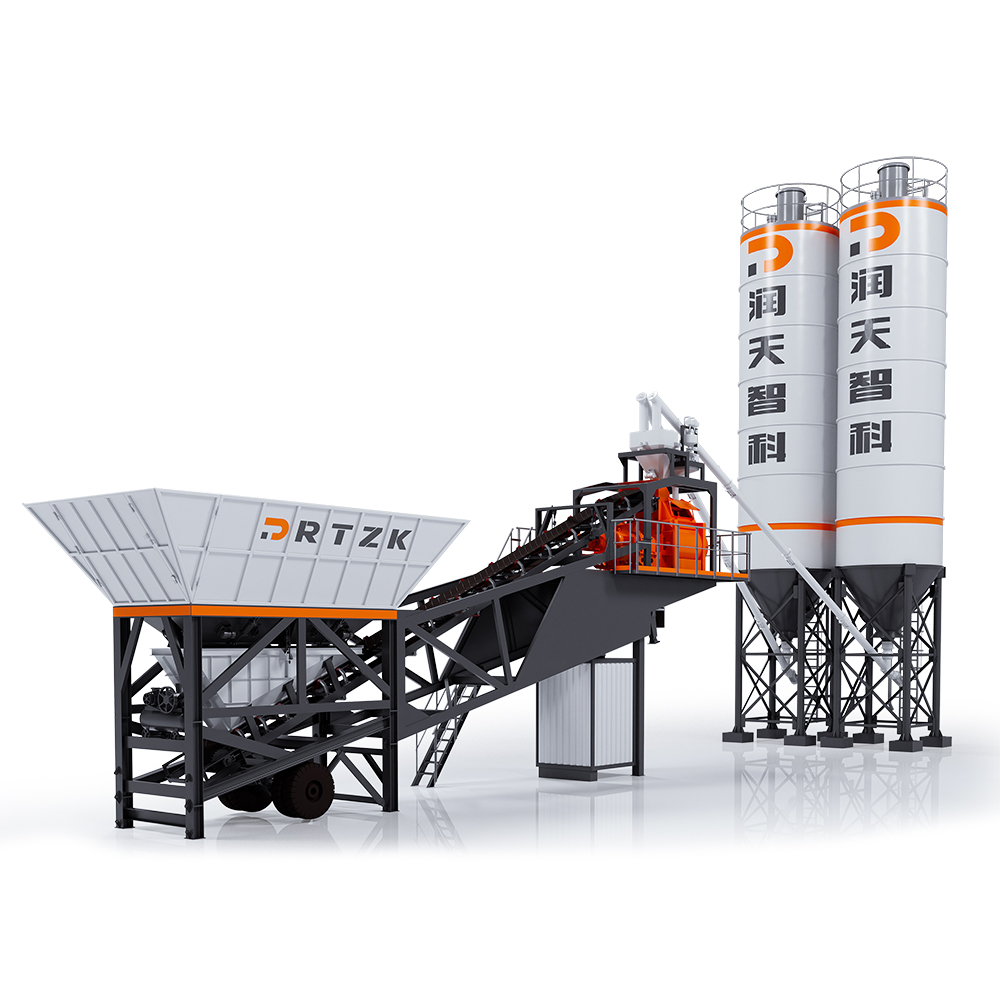 HZS Series Mobile Concrete Mixing Plant
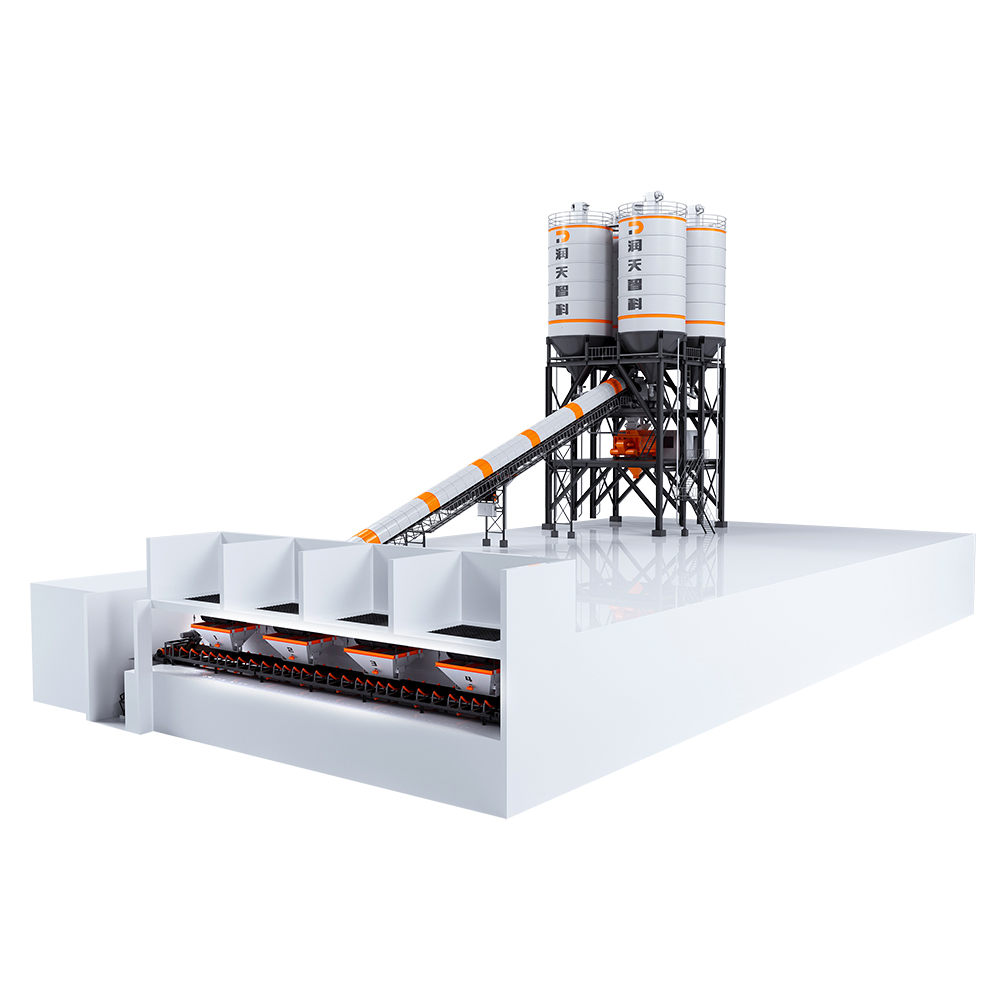 HZS Series Top-Mounted Concrete Mixing plant
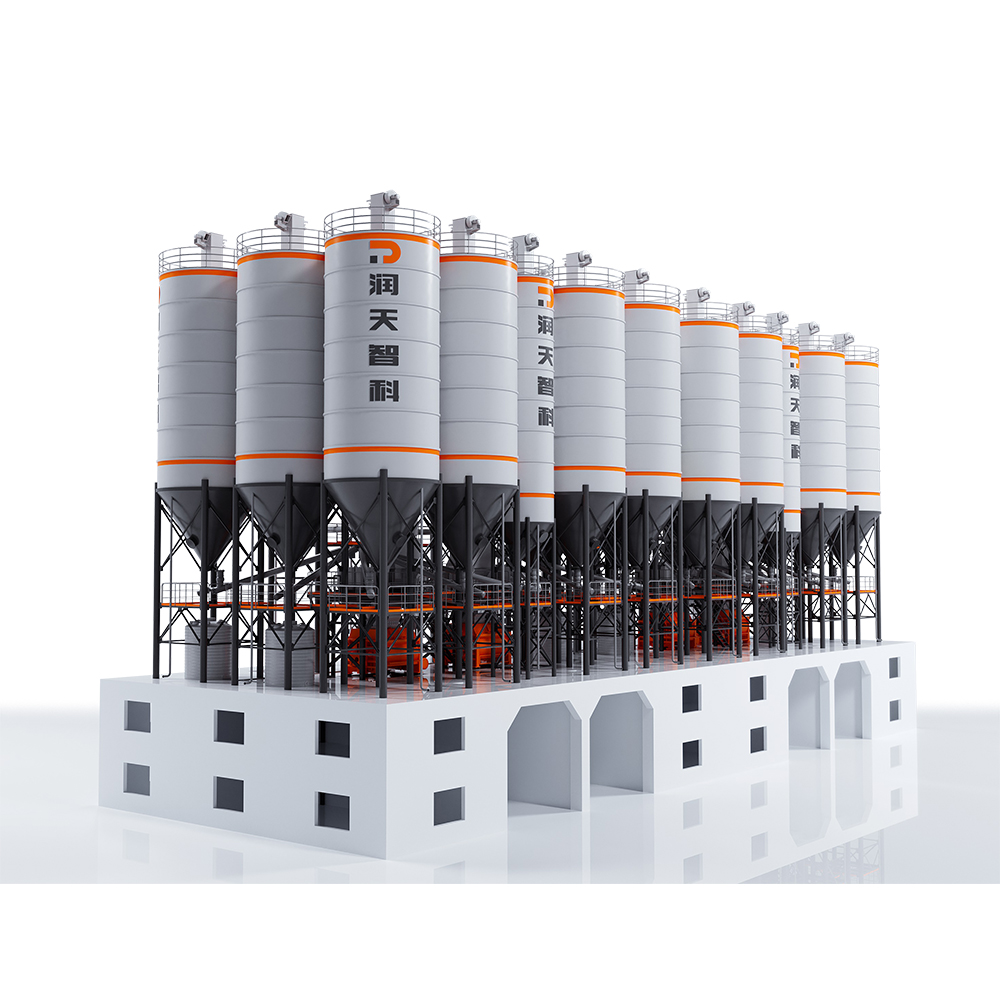 HZS Series Semi-Top Mounted Concrete Mixing Plant
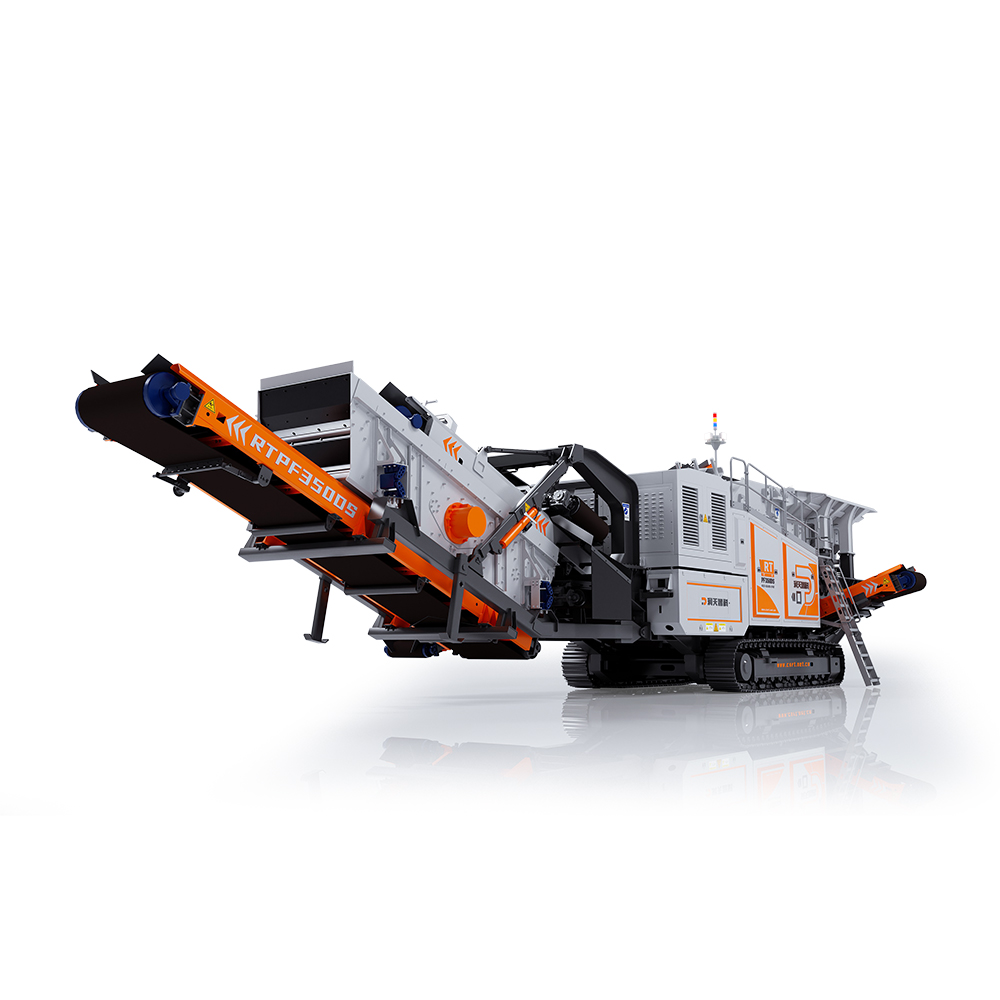 RTPF350DS Crawler Mobile Impact Crushing Plant
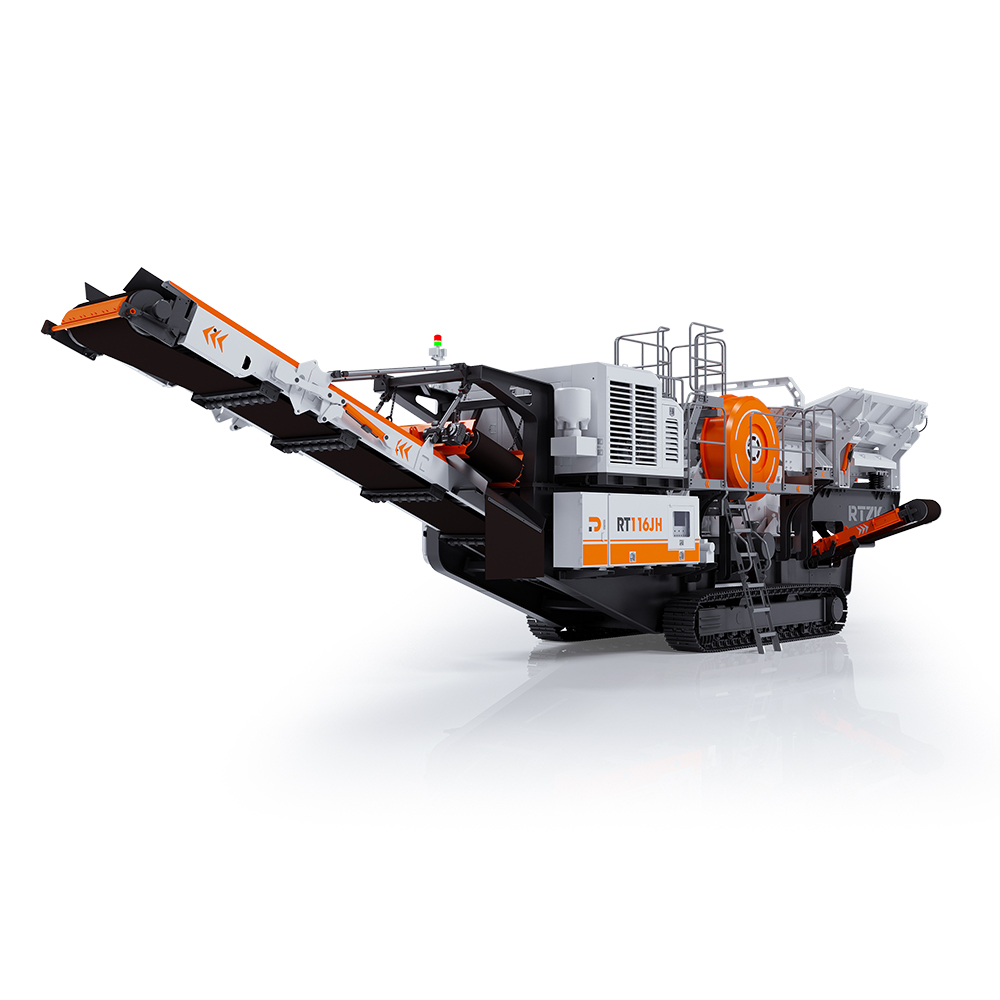 RT116JH Crawler Mobile Jaw Crushing Plant
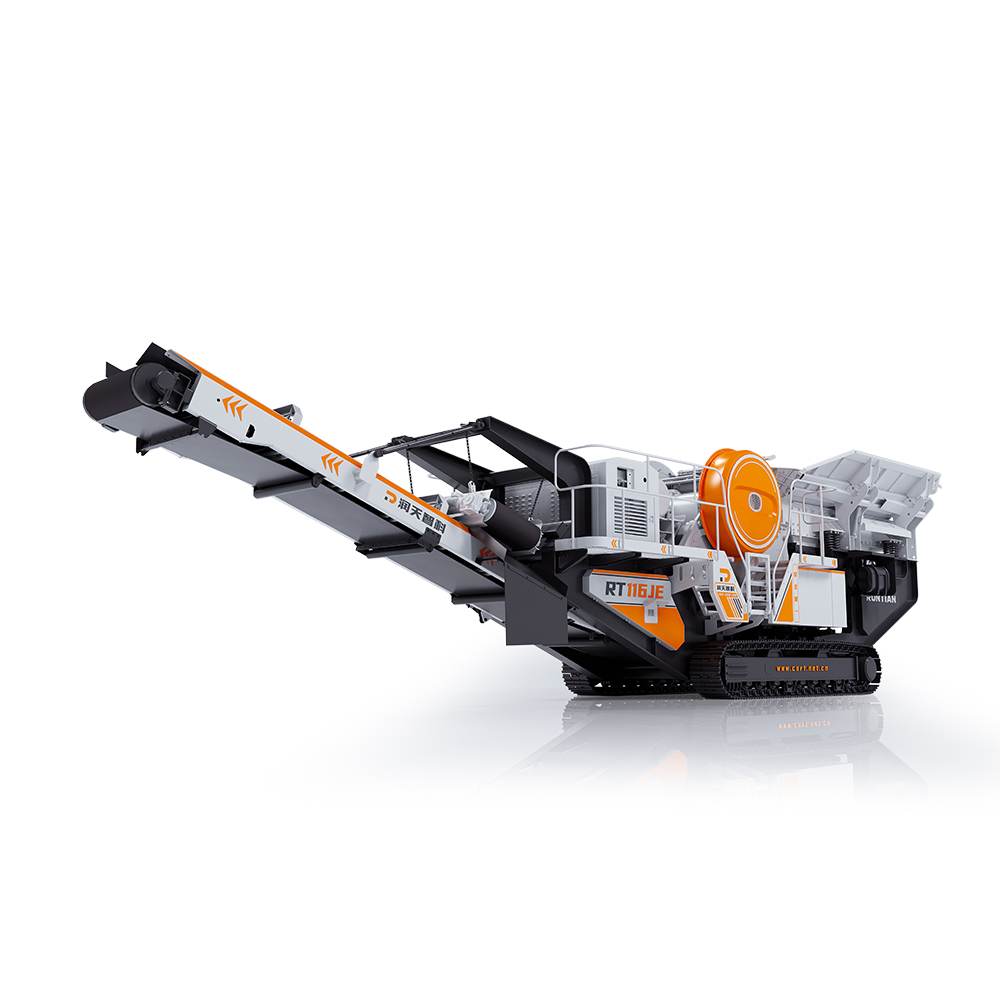 RT116JE Crawler Mobile Jaw Crushing Plant
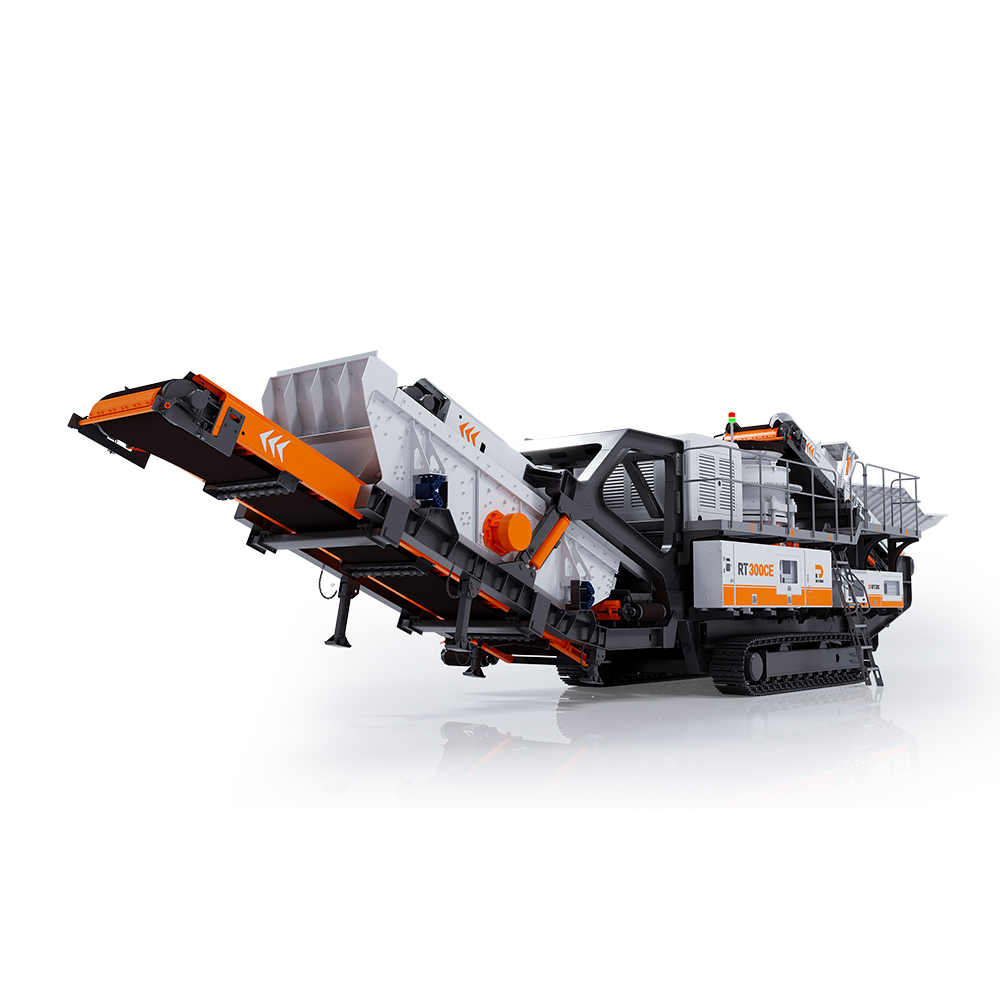 RT300CE Crawler Mobile Cone Crushing Plant
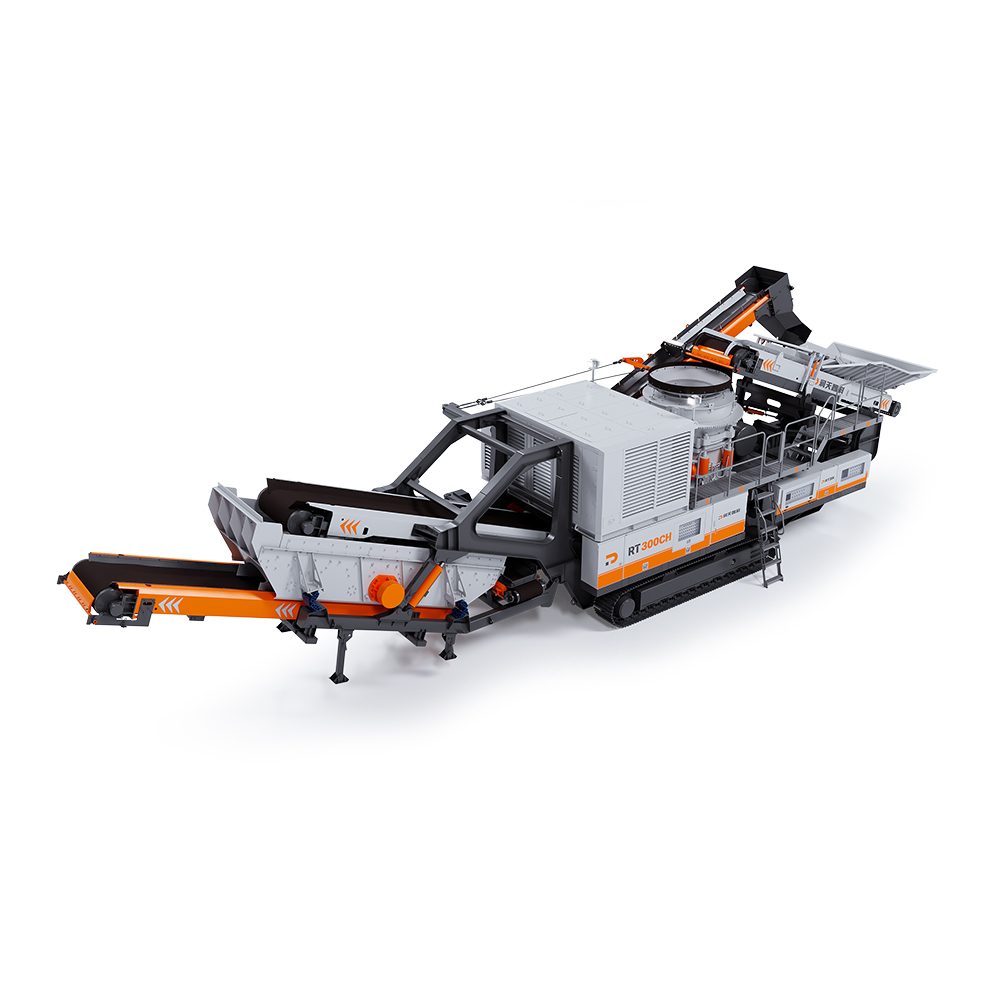 RT300CH Crawler Mobile Cone Crushing Plant
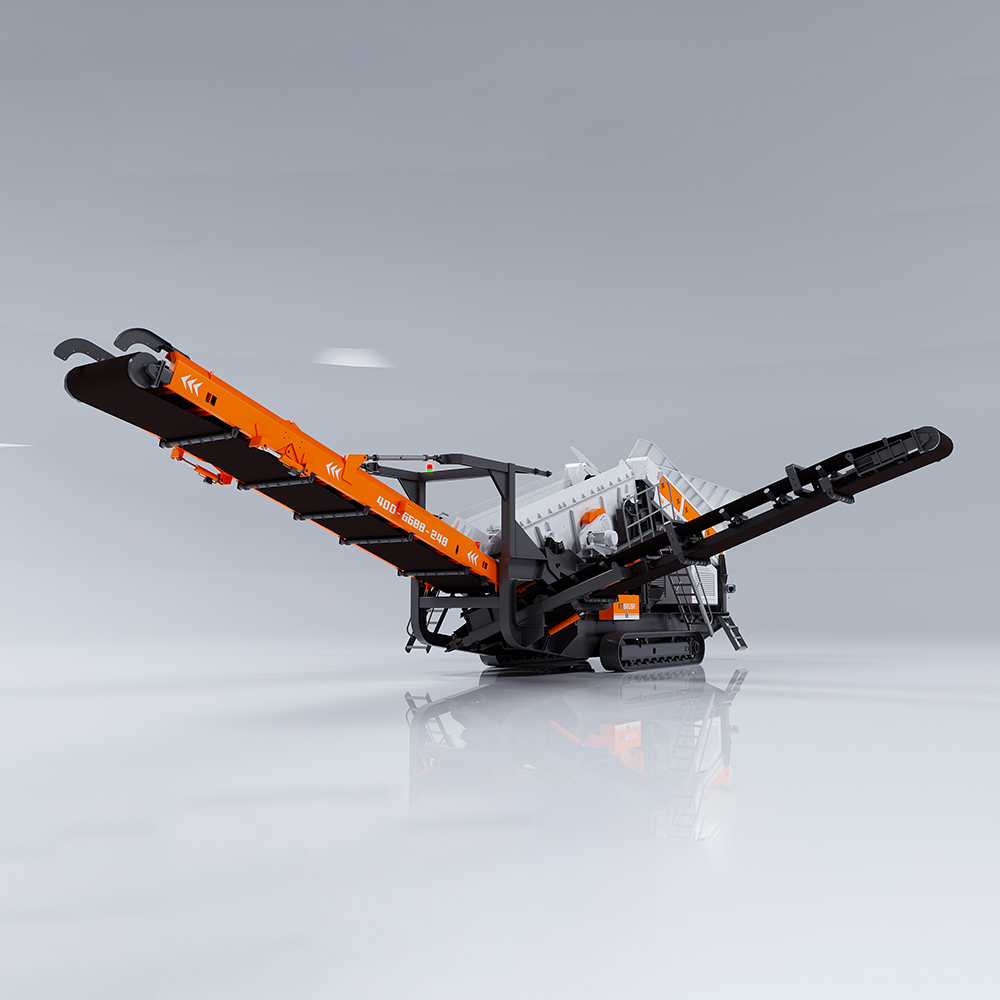 RT5015H Mobile Scalping Screen
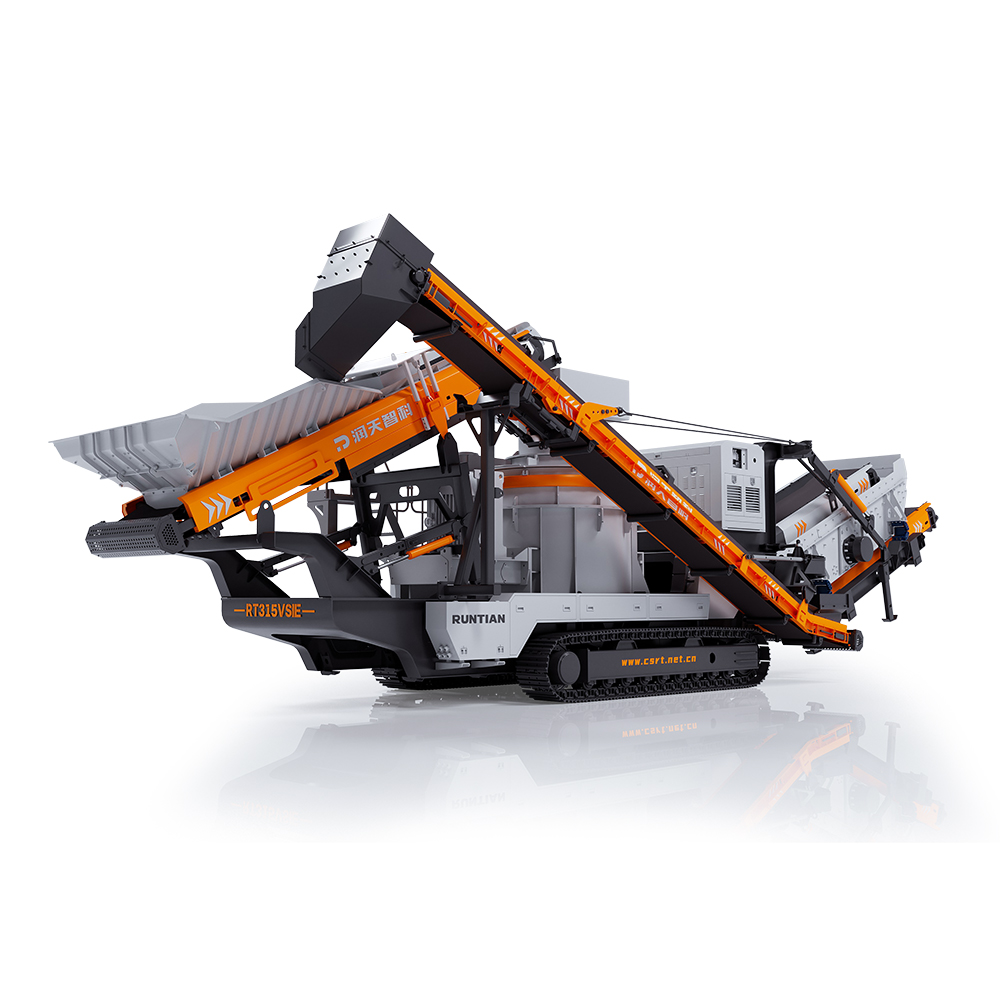 RT315VSIE Crawler Mobile Sand Maker
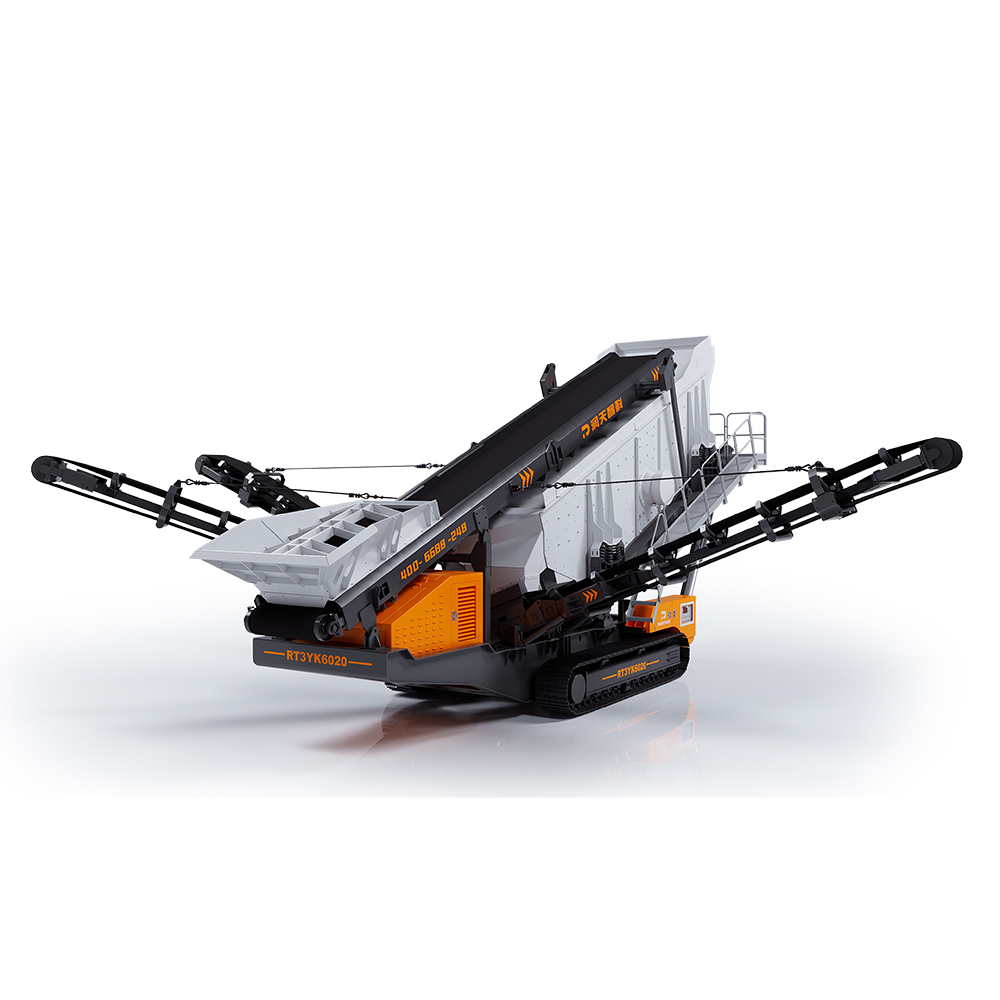 RT3YK6020 Crawler Mobile Screening Plant
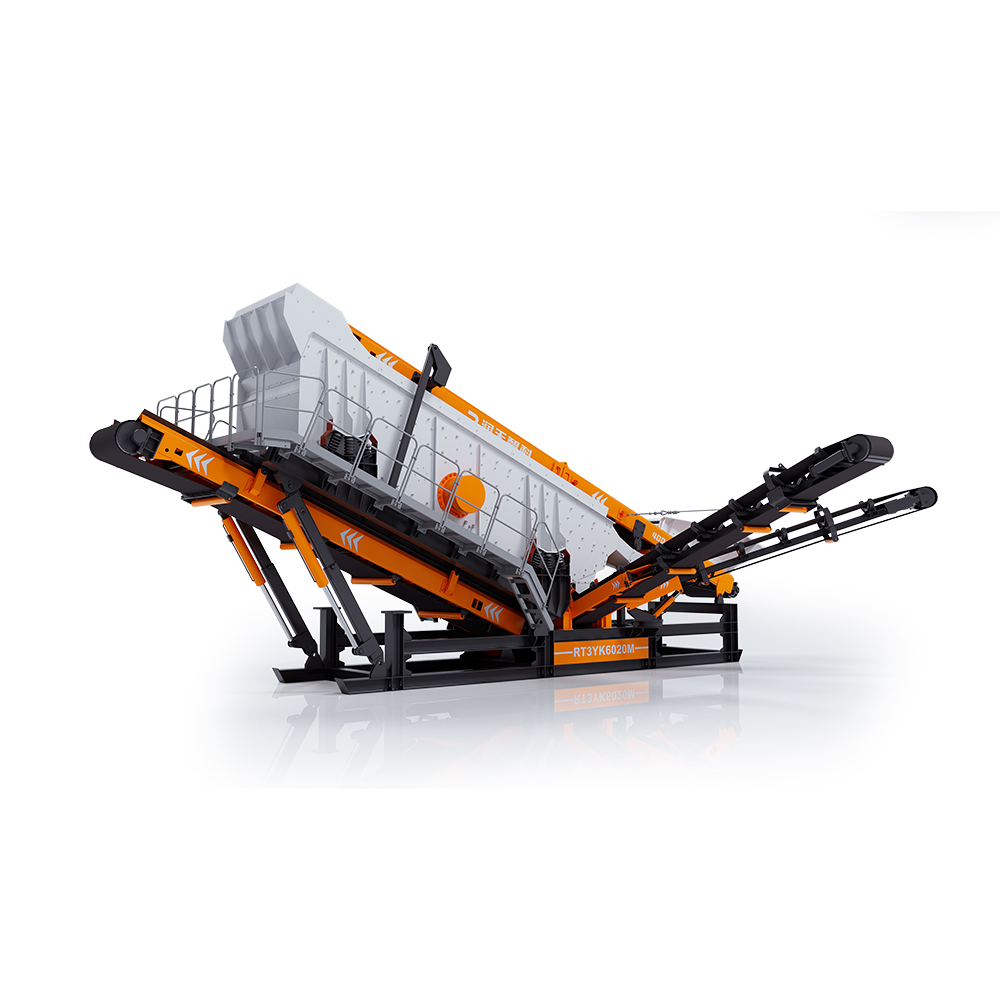 RT3YK6020M Modular Screening Plant
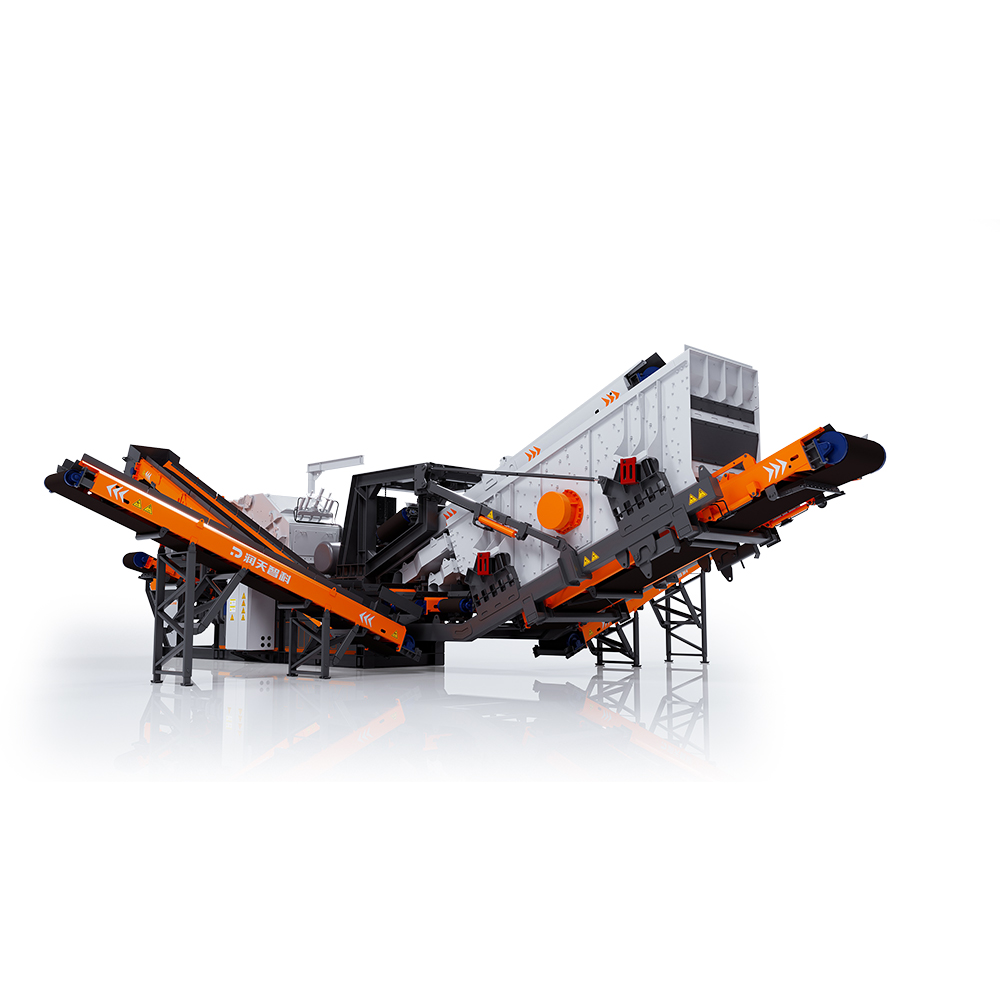 RTF260M Modular Counterattack Crushing and Screening Integrated Machine
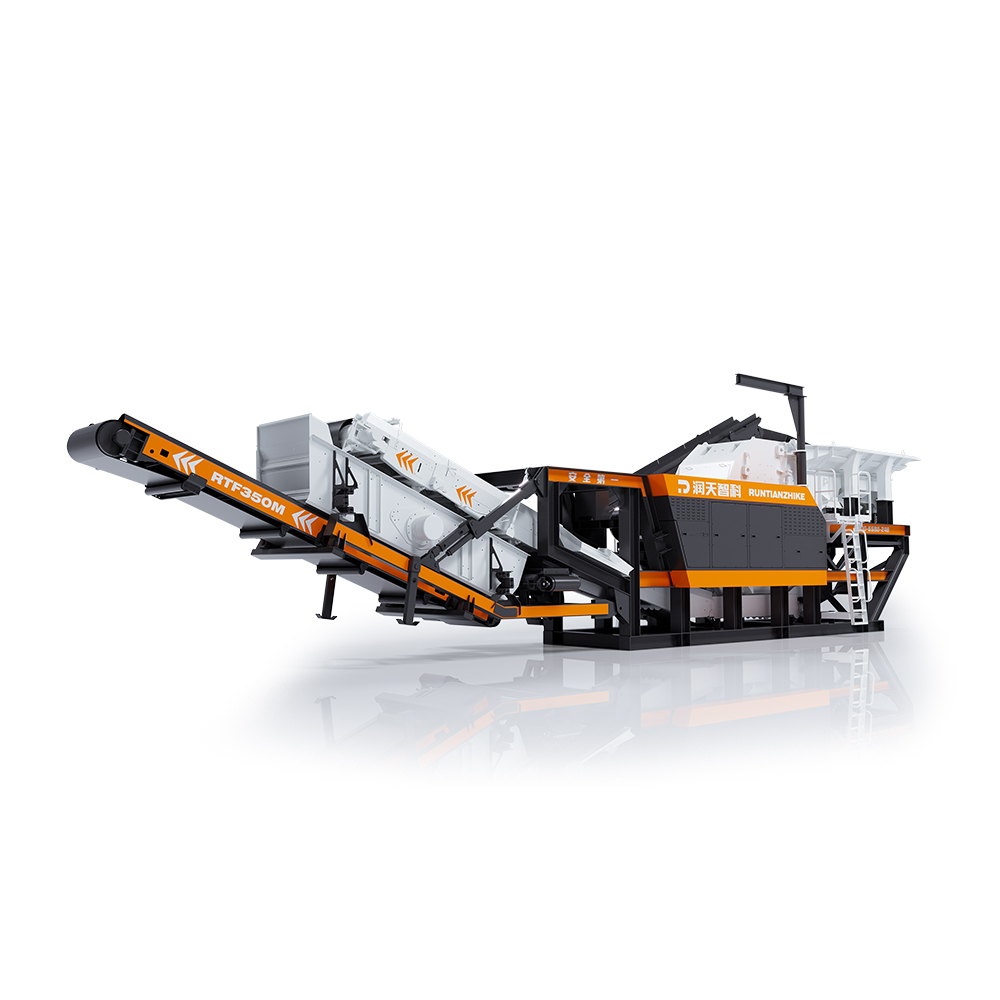 RTF350M Modular Impact Crushing Plant
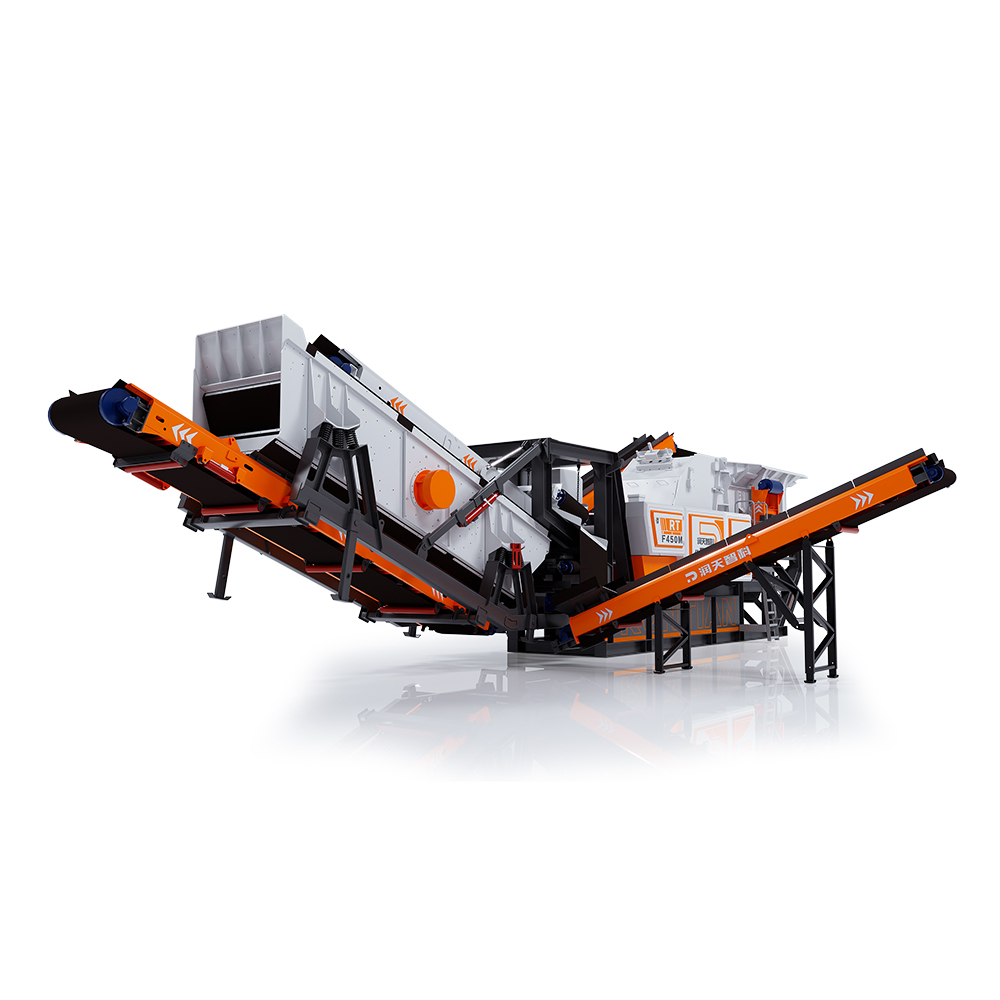 RTF450M Modular Impact Crushing Plant
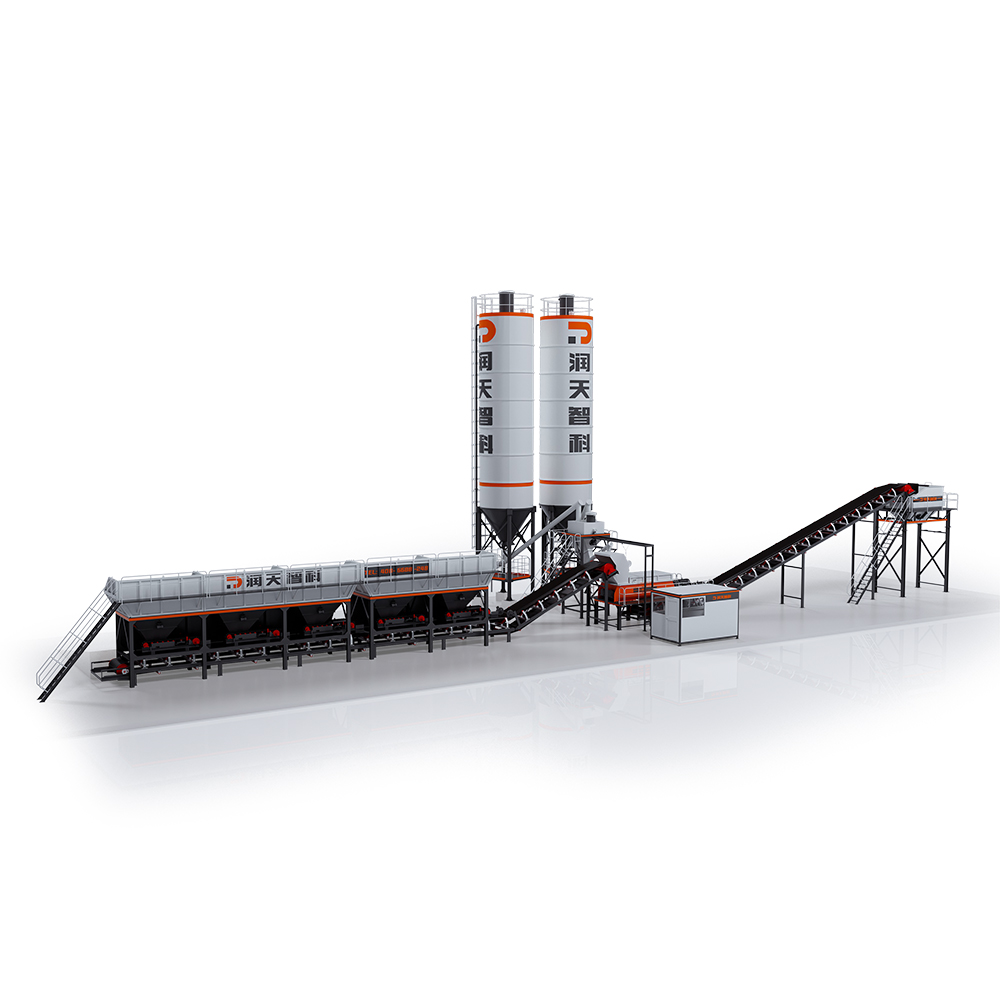 WDB Series Foundation-Free Stability Soil Mixing Plant
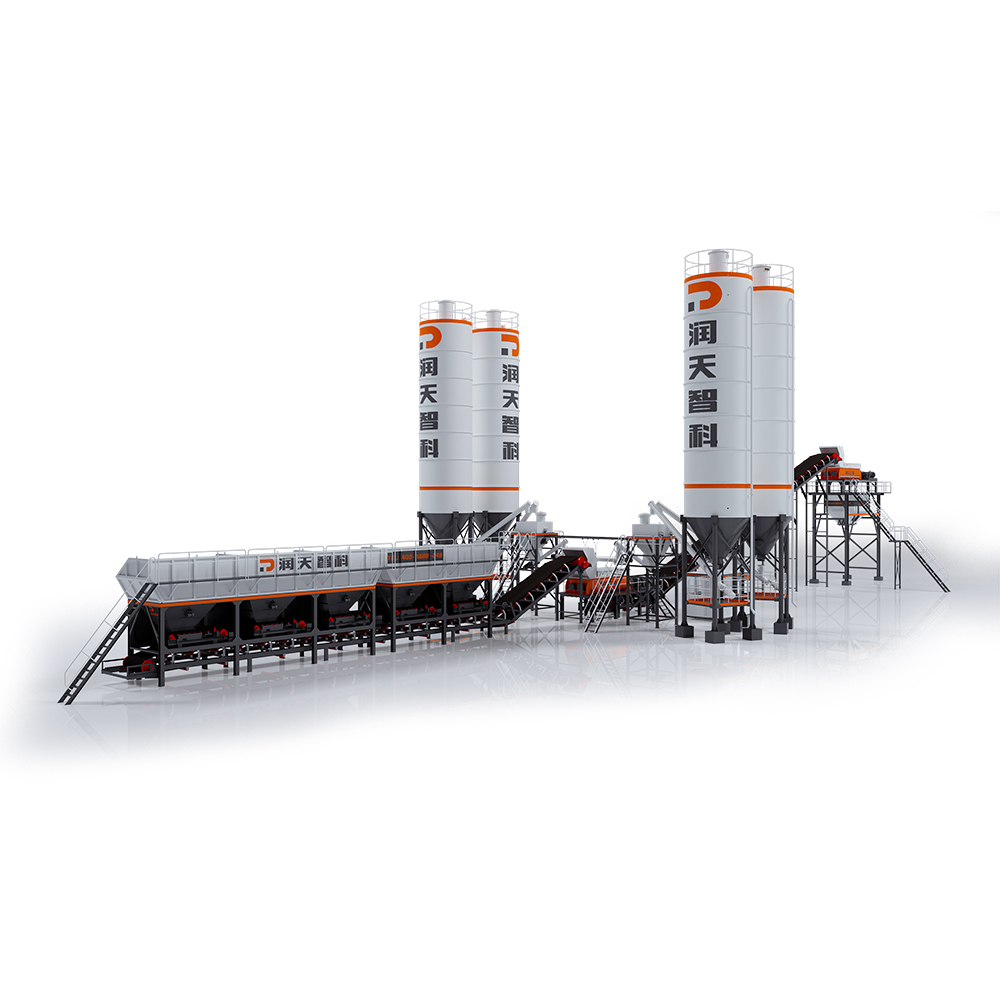 LCB Series Emulsified Asphalt Cold Regeneration Secondary Mixing Plant
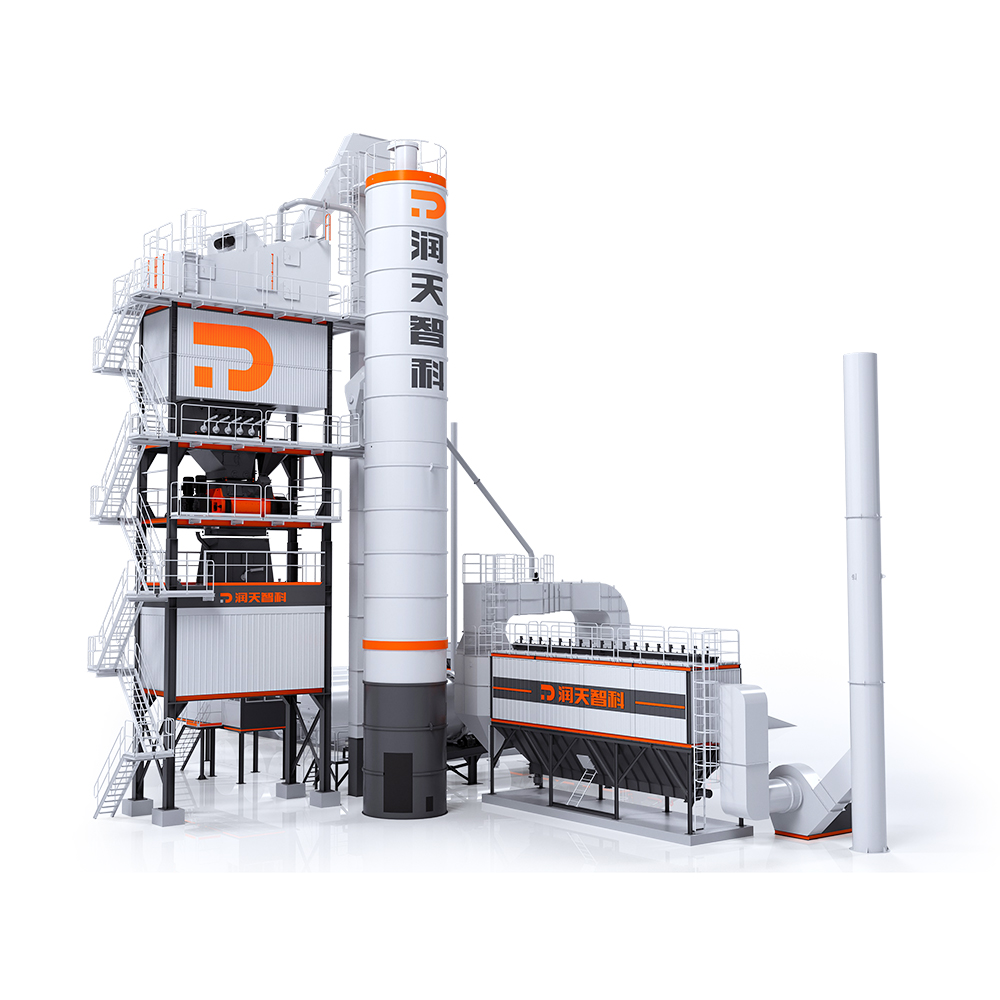 LB Series Asphalt Mixing Plant
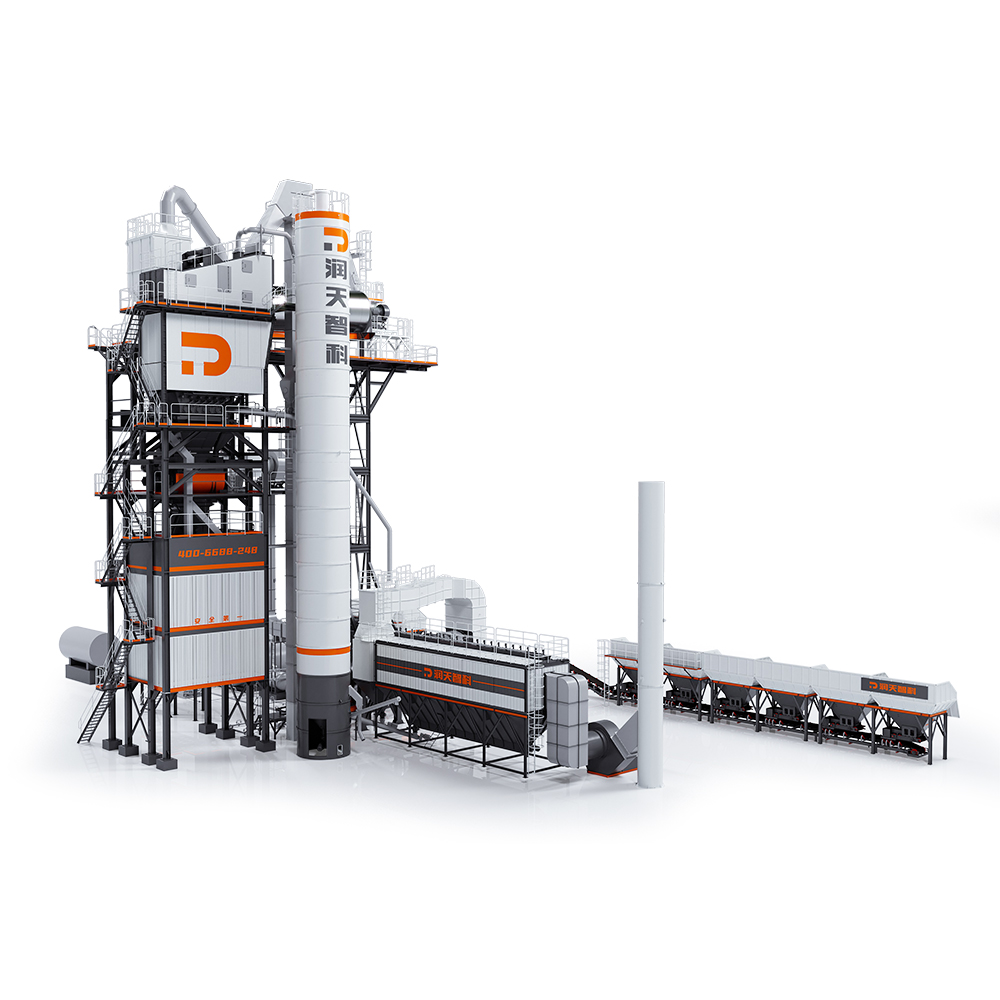 LBR Series Integrated Asphalt Mixing Plant
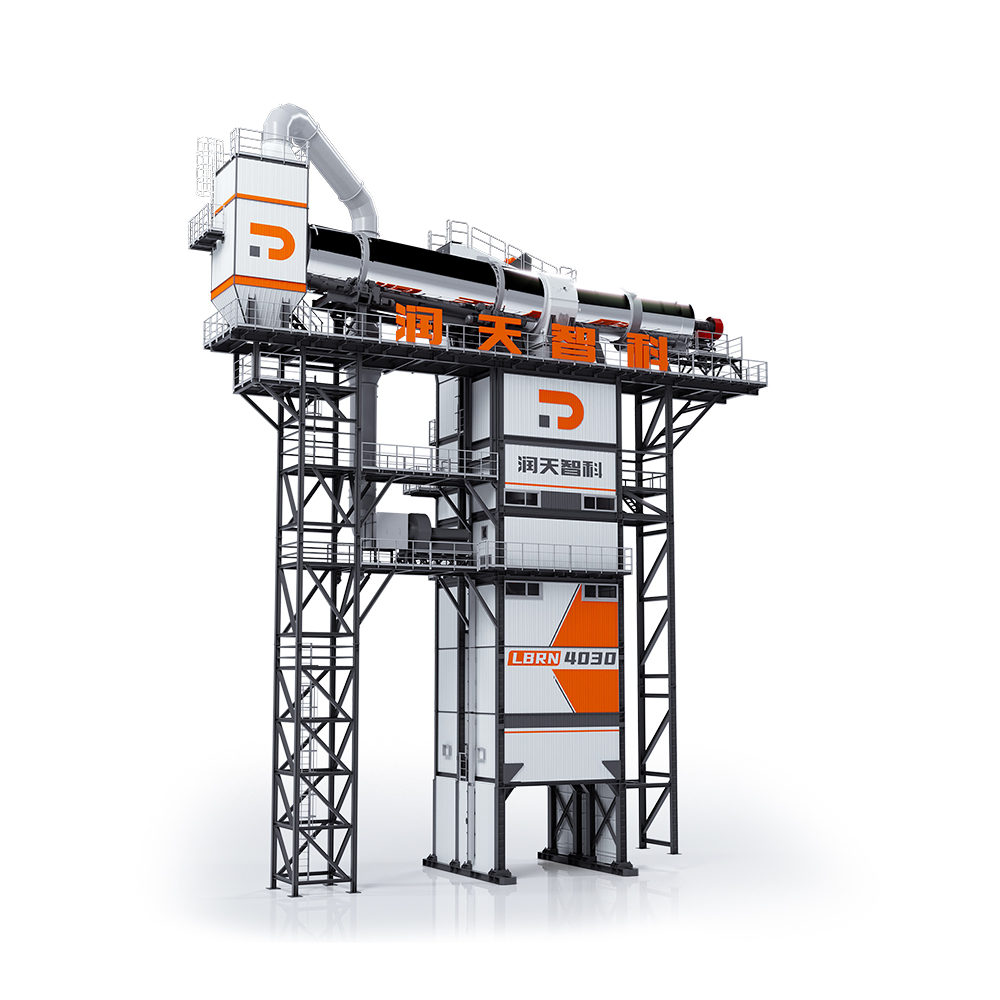 LBRN Series Counterflow Integral Asphalt Mixing Plant
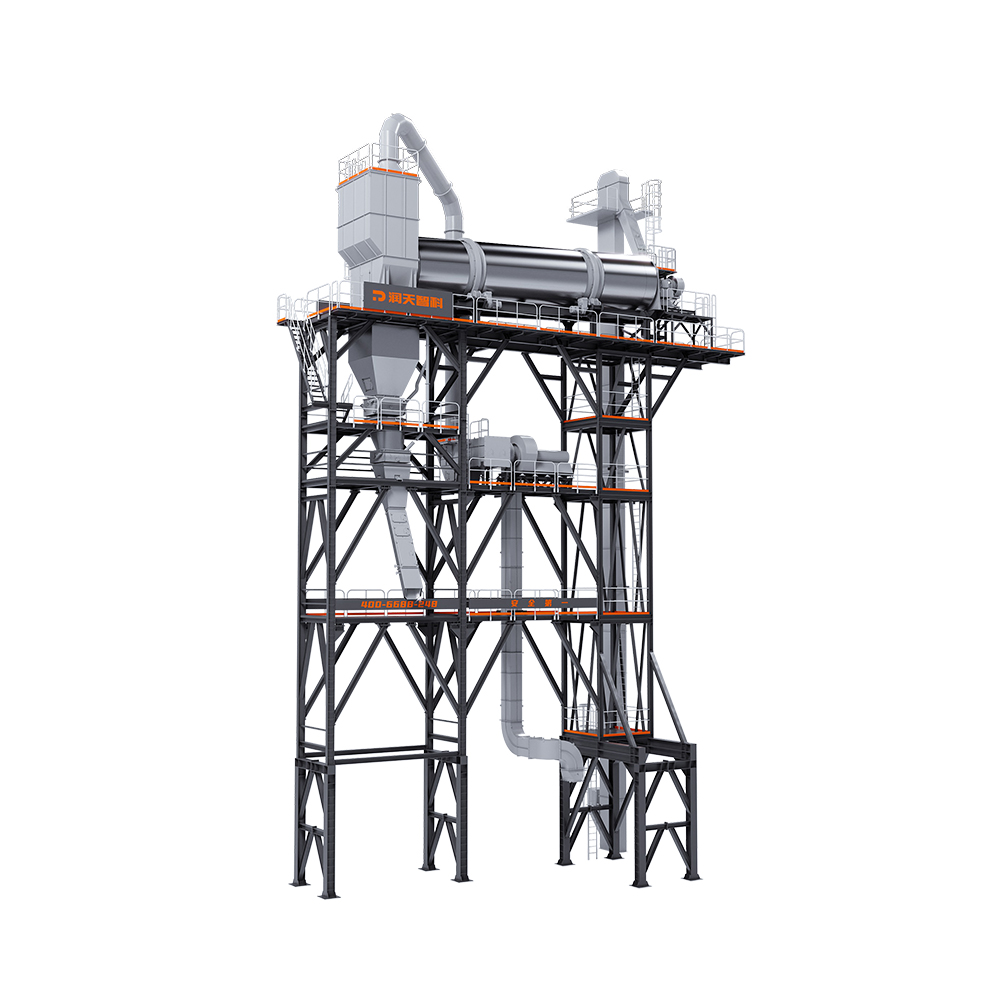 RZS Series Asphalt Mixing Plant
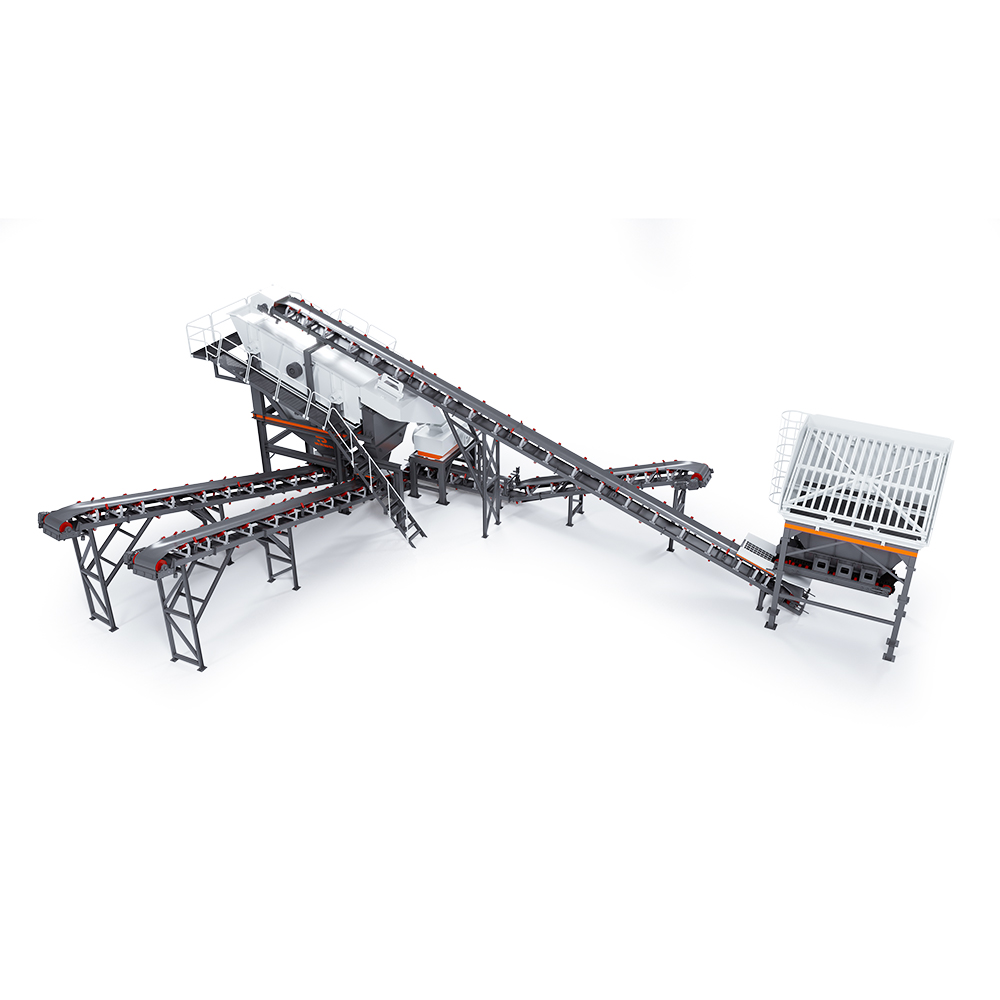 RTZS120 Series RAP Crushing & Screening Plant
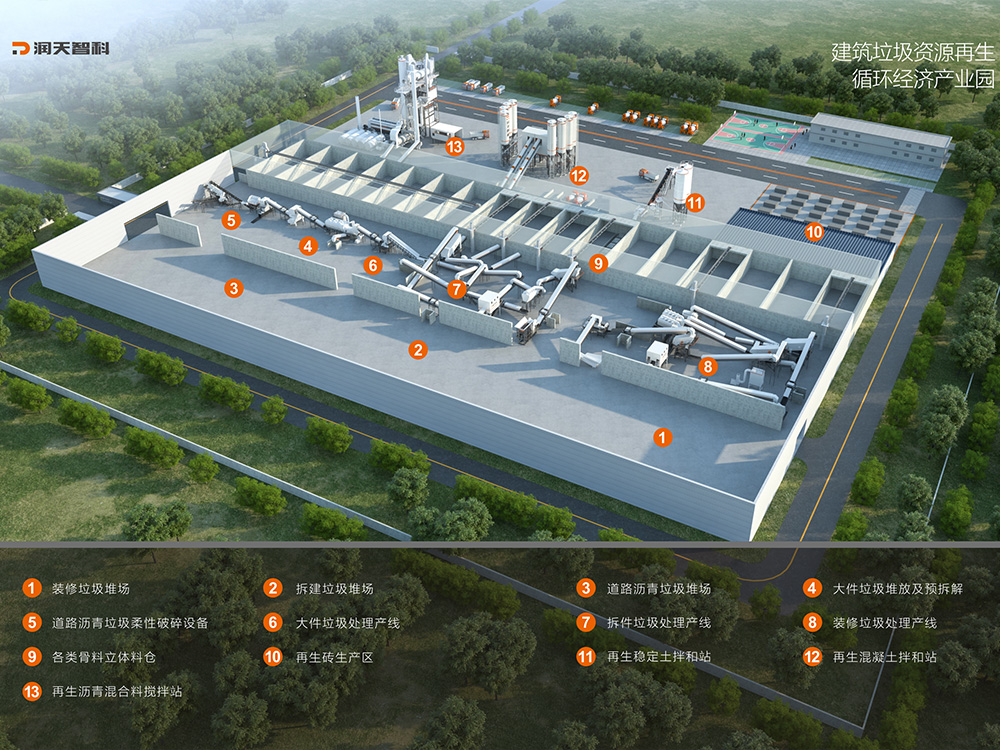 Construction Waste Resourceful Treatment Line