Leave Your Message

2026 How to Choose an Asphalt Mixing Plant

Choosing an Asphalt Mixing Plant in 2026 is a production decision, not just a capacity purchase. The right plant must match your mix designs, delivery distances, fuel options, and maintenance capability. A model rated for 240 tons per hour may look ideal on paper. It can still underperform when aggregate moisture changes or trucks arrive late.

Industry data makes material efficiency hard to ignore. The National Asphalt Pavement Association’s 2023 industry survey reported that producers reused 94.6 million tons of reclaimed asphalt pavement in 2022. That figure highlights why buyers should examine a plant’s RAP handling, weighing accuracy, and temperature control—not simply its advertised output. Ask to see production records for a mix similar to yours. Check how quickly operators can change recipes. Watch the cold-feed bins and the baghouse during a live demonstration.

Quality comes first. Dr. Prithvi S. Kandhal, a respected asphalt pavement researcher, has emphasized the importance of producing consistent, well-designed asphalt mixtures in his technical work. A practical paraphrase of that guidance is: protect mix quality before chasing peak tonnage. That distinction matters. A plant that runs steadily may serve a project better than one with a higher headline capacity. This guide compares batch and drum systems, new and used equipment, emissions controls, automation, and lifecycle costs. Paper specifications are useful, but they cannot show every operating constraint. Bring your own mix designs and ask detailed questions. The right choice should fit the work you can verify—not only the work you hope to win.

2026 How to Choose an Asphalt Mixing Plant

Define Project Requirements and Production Goals

Define the project before comparing plant capacities. Estimate peak hourly demand, total tonnage, mix designs, and available production shifts. A road resurfacing job with a short paving window may need higher hourly output than a steady municipal program. Check truck cycle times, too: a plant producing faster than trucks can haul may simply build a queue.

The National Asphalt Pavement Association’s 2022 Asphalt Pavement Industry Survey estimated U.S. asphalt mixture production at 420.6 million tons. That figure shows the industry’s scale, not your local demand. Use your own schedule, haul distances, and seasonal work plan to set a realistic target. Be cautious with averages; actual output can fall during mix changes, maintenance, or supply delays.

Tips: List expected tons per day, peak tons per hour, mix types, and truck availability. Add a practical allowance for interruptions. It may not be perfect.

Then match the target to the plant’s rated capacity and operating hours. Ask how long mix changes take and what routine maintenance requires. For example, a site running two asphalt mixes may lose productive time during transitions. Check aggregate storage and reclaimed material needs against the mix designs. A spreadsheet helps, but field estimates can still be wrong; revisit them with the paving and haul teams before choosing.

Compare Asphalt Mixing Plant Types and Configurations

2026 How to Choose an Asphalt Mixing Plant
Compare Asphalt Mixing Plant Types and Configurations

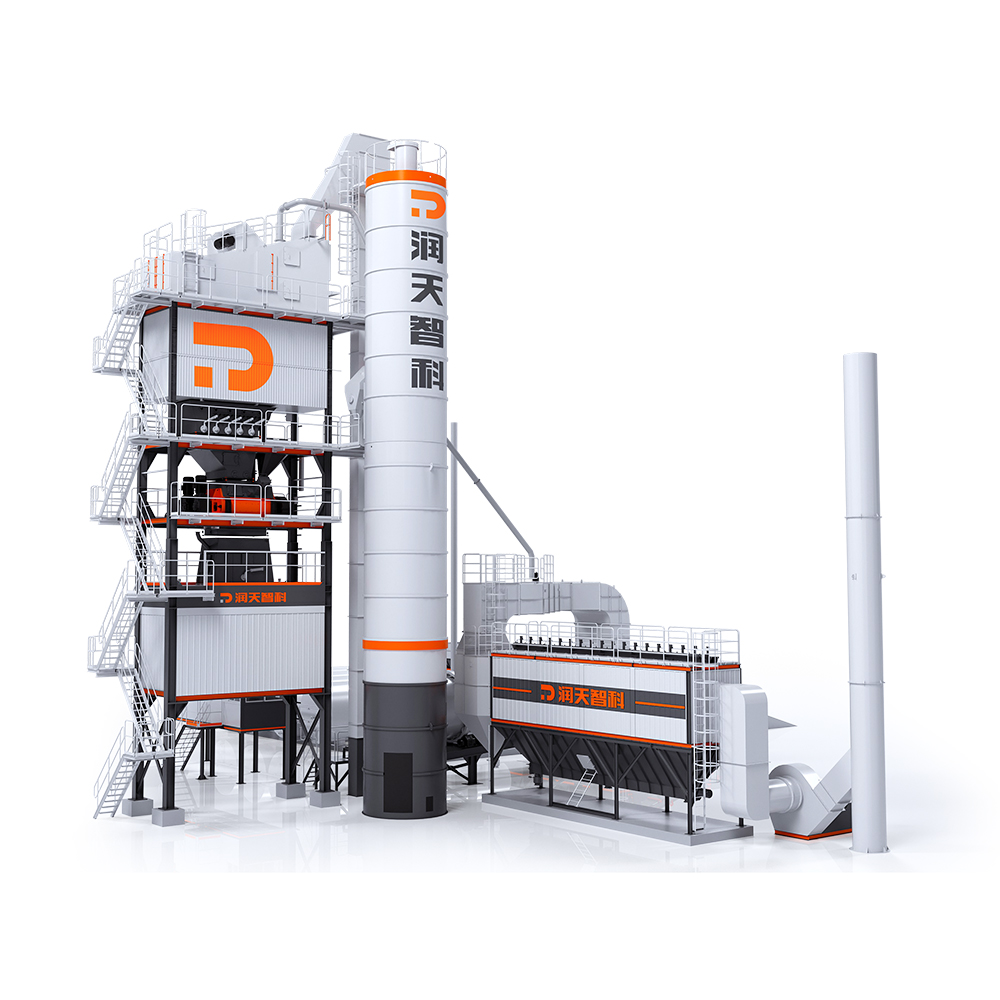
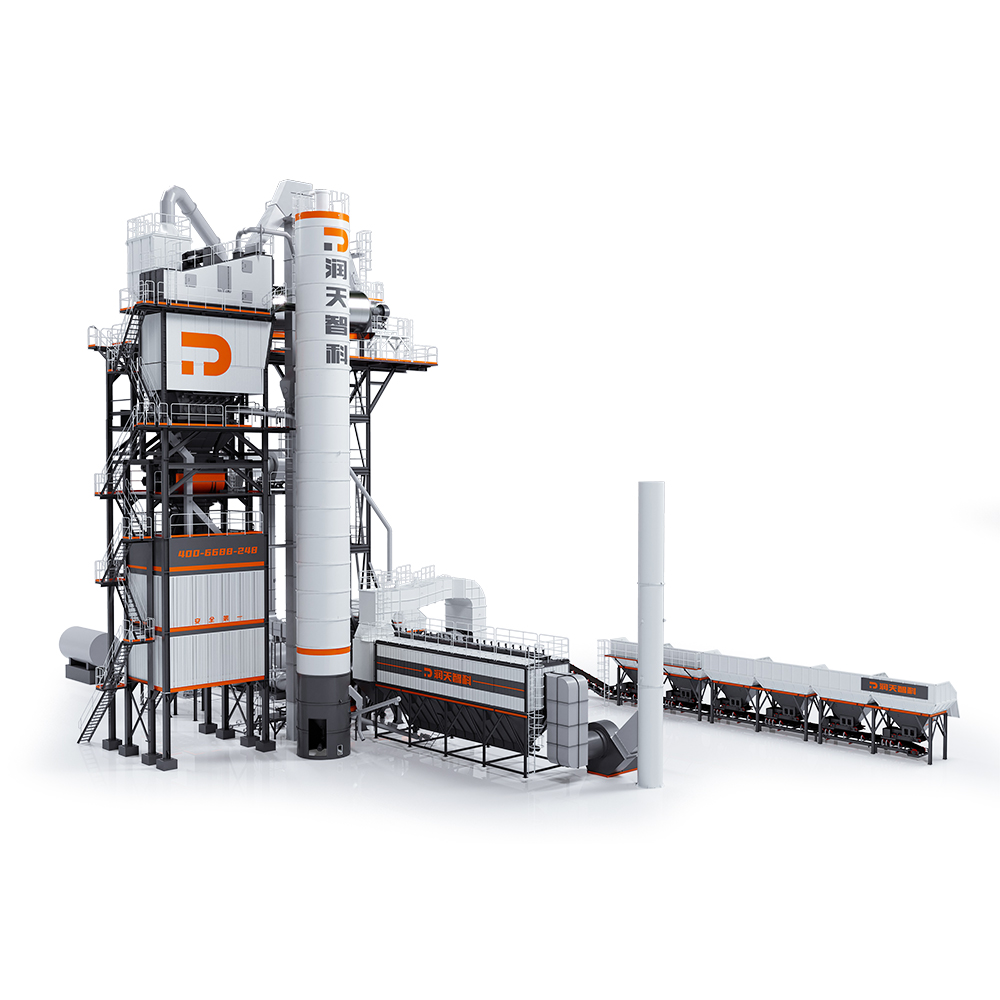
Batch plants produce asphalt in measured batches, making mix changes and quality checks easier. They suit projects with varied recipes or changing specifications. Drum-mix plants blend and heat materials continuously, supporting steady, high-volume production. But frequent mix changes can be less convenient. Neither type is automatically the better choice.

Configuration matters as much as plant type. Compare stationary and mobile layouts, cold-feed bin capacity, storage silos, dust collection, and reclaimed asphalt pavement (RAP) handling. NAPA’s 2023 Industry Survey reported that U.S. producers used about 94.6 million tons of RAP in 2022. That figure makes RAP capacity worth checking, though it does not predict your project’s needs. Ask how the proposed setup controls RAP feed and maintains consistent output. I would not choose on rated capacity alone; site access, haul distance, and actual mix schedules can change the calculation.

Tips: Request a configuration drawing and a written output estimate for your expected mix recipes. Check the space needed for feed bins and truck turning. Small detail. Big impact.

2026 How to Choose an Asphalt Mixing Plant - Compare Asphalt Mixing Plant Types and Configurations
Plant Configuration Mixing Process Typical Capacity Range Mix Changeovers and Control Reclaimed Asphalt Pavement (RAP) Best Suited For Main Trade-Offs
Stationary batch plant Aggregates are dried and heated, then weighed and mixed in separate batches. Each batch is made to a defined recipe. Common commercial installations are roughly 80–400 tonnes per hour; actual output depends on mix, moisture, aggregate temperature, and plant design. High flexibility for frequent changes in mix type, aggregate proportions, and binder content. Batch-by-batch weighing supports precise recipe control. Can use RAP through dedicated cold or heated RAP systems. Achievable RAP content depends on the feed system, mix design, emissions limits, and operating conditions. Plants serving multiple projects or producing several mix designs, including work with demanding recipe-control requirements. More equipment and process stages than a basic drum plant; batch operation and additional handling systems can increase complexity and footprint.
Stationary parallel-flow drum plant Aggregate and hot gases move through the drum in the same direction. Drying and mixing take place continuously in the drum. Common commercial installations are roughly 80–500 tonnes per hour, with practical output varying by material and operating conditions. Continuous production is efficient for long runs of a consistent mix. Recipe changes are possible, but changeovers may require more planning and material transition management. RAP can be added using suitable feed and mixing arrangements. Heat exposure and emissions control must be considered when selecting the system. High-volume production where demand is steady and the number of mix changes is relatively low. Less suited to frequent short runs of different recipes; RAP configuration and process design need careful evaluation.
Stationary counterflow drum plant Aggregate travels through the dryer while hot gases flow in the opposite direction. Mixing is arranged separately from the main drying zone. Capacity varies widely by design; many commercial plants fall within approximately 80–400 tonnes per hour. Continuous production, with recipe control generally based on metered material feeds. Changeovers are workable but are usually less convenient than on a batch plant. Can be configured for RAP addition, including systems designed to limit direct exposure of RAP to the hottest gases. The suitable rate depends on the complete plant and mix design. Continuous production with an emphasis on process flexibility and planned use of recycled material. Configuration can be more involved than a basic drum setup; performance depends on the chosen RAP feed, mixing, and emissions-control equipment.
Mobile or relocatable batch plant Uses batch-style weighing and mixing, with major modules designed for transport and installation at different sites. Often selected in smaller or mid-sized production classes; capacity is model-specific and should be checked against the required hourly output. Retains the recipe flexibility associated with batch production. Setup, calibration, and commissioning are needed after relocation. RAP capability depends on the supplied configuration; verify whether the required feeders, conveyors, and heating or dosing equipment are included. Temporary projects, remote sites, or operations that need to move production equipment between locations. Transport and relocation can reduce availability during moves. Site access, foundations, utilities, and local permitting remain important.
Mobile or relocatable drum plant Continuous drying and mixing in a drum, with plant modules arranged for transport and faster site changes than a permanent installation. Typically chosen for low-to-mid or mid-range project demand; confirm rated output under the site's actual aggregate moisture and mix requirements. Well suited to sustained production of a limited range of mixes. Recipe transitions are possible but require attention to feed rates and material in the system. RAP use is configuration-dependent. Confirm the feed location, metering method, allowable material characteristics, and emissions requirements. Projects requiring continuous output and the option to relocate equipment between sites. May offer fewer production options than a larger fixed installation; transportability does not eliminate site preparation or commissioning needs.
Selection note: Capacity figures are broad indicative ranges for common commercial plant classes, not guaranteed production rates. Compare plants using the same mix, aggregate moisture, fuel, operating hours, emissions requirements, and RAP assumptions. A batch plant describes the production process; mobile or stationary describes the installation and transport arrangement, so these categories can overlap.

Evaluate Capacity, Features, and Environmental Controls

2026 How to Choose an Asphalt Mixing Plant

Evaluate capacity against the work you actually schedule, not a brochure’s peak output. A plant rated for high hourly tonnage may still struggle with frequent mix changes, cold-feed interruptions, or limited storage. Check the expected production rate, burner range, silo capacity, and time needed to switch recipes. NAPA’s 2022 asphalt industry survey reported that producers used 89.2 million tons of reclaimed asphalt pavement in new mixes. That scale makes reliable reclaimed-material feeding and temperature control practical selection criteria. Real loads vary.

Look closely at environmental controls as part of the plant, not as optional extras. The U.S. EPA’s AP-42, Section 11.1, describes particulate matter, carbon monoxide, and organic-compound emissions from asphalt production. Ask how the proposed system captures dust and manages exhaust, and request operating data from comparable installations. For a baghouse, review filter access, pressure-drop monitoring, and how collected dust returns to the process. Dust matters. A control system can underperform when maintenance is awkward or monitoring is ignored.

Inspect the details operators touch every shift: clear screens, accessible sampling points, stable material feeds, and readable control displays. Ask for a demonstration using a representative mix and reclaimed-material percentage. Confirm that the supplier’s stated capacity accounts for local aggregate moisture and the required mix temperature. I would not treat one successful trial as proof of year-round performance; seasonal moisture can change the picture. Request documented test conditions, maintenance intervals, and emissions results before comparing proposals.

Check Site, Installation, and Regulatory Requirements

Before selecting an asphalt mixing plant, assess the actual site, not just its advertised capacity. Measure the usable footprint, turning areas, and distance to nearby homes. A loaded truck may need more room than a site plan suggests. Check soil strength, drainage, and space for aggregate stockpiles. Soft ground after rain can delay installation and create costly access problems. Small details matter.

Tips: Mark the plant layout on the ground with stakes. Confirm power, water, fuel, and communications connections with qualified contractors. Ask installers about crane access, foundation specifications, delivery sequence, and weather limits. Keep these answers in writing.

Regulatory requirements vary by location and may cover emissions, dust, noise, wastewater, traffic, and operating hours. Contact the relevant local authorities early, and verify which permits and technical documents they require. Do not rely on a supplier’s general checklist alone; it may not reflect local conditions. Allow time for reviews and possible design changes. It is easy to underestimate this stage. A nearby school, narrow road, or prevailing wind direction can affect practical siting decisions. Recheck the layout after reviewing permit conditions, because a small adjustment can change truck circulation or utility routing.

2026 How to Choose an Asphalt Mixing Plant: Site, Installation & Regulatory Readiness

Use these indicative 1–5 planning scores to compare key considerations before selecting a plant. They are a discussion aid, not regulatory limits; confirm zoning, air permits, noise rules, utilities, access, and installation requirements with local authorities and qualified engineers.

Compare Suppliers, Total Costs, and After-Sales Support

When choosing an asphalt mixing plant, compare suppliers beyond the quoted equipment price. Request an itemized offer covering the burner, controls, dust collection, installation, commissioning, and operator training. A low quote may leave out wiring or site preparation, creating costs that appear only after delivery. Ask for written specifications and clear exclusions. Details matter.

Estimate total ownership costs using your expected production schedule. Compare fuel and electricity consumption, routine maintenance, wear parts, and the cost of shipping replacement components. Ask suppliers to explain the assumptions behind their figures; a polished estimate may not reflect your site’s climate, aggregate moisture, or working hours. Check warranty coverage carefully, including response procedures and any travel charges. One spreadsheet can still miss something.

After-sales support matters when a plant stops unexpectedly. Confirm where service technicians are based, how quickly they usually respond, and whether remote troubleshooting is available. Ask about spare-parts stock, operator training, and maintenance manuals in a language your team can use. Request references from comparable installations and ask what service was like after commissioning, not just during the sale. A candid answer may reveal limitations—and that is useful.