Leave Your Message

What Is a Mobile Jaw Crusher?

A mobile jaw crusher is a primary crushing plant mounted on tracks or wheels. It reduces large rock through pressure between a fixed jaw and a moving jaw. Unlike a stationary plant, it can be repositioned closer to the quarry face or job site. That can reduce hauling distance. It does not remove every logistical challenge.

The U.S. Geological Survey’s Mineral Commodity Summaries 2024 estimated U.S. crushed-stone output at about 1.5 billion metric tons in 2023. The report valued that production at roughly $25 billion. These figures describe crushed stone, not mobile-crusher sales, but they show the scale of material handling behind construction and infrastructure work. A Jaw Crusher Mobile unit may suit sites that need flexible primary crushing and a defined feed size for downstream equipment. Its performance still depends on rock hardness, feed consistency, jaw settings, and maintenance. Dust control and safe access also need attention. Small details matter.

In this guide, we explain the machine’s main components, working process, typical applications, and selection factors. We also consider its limits, including setup needs, wear-part costs, and uneven feed. Mobility is useful, but not magic. A careful site assessment matters more than a brochure claim.

What Is a Mobile Jaw Crusher?

Definition and Core Purpose of a Mobile Jaw Crusher

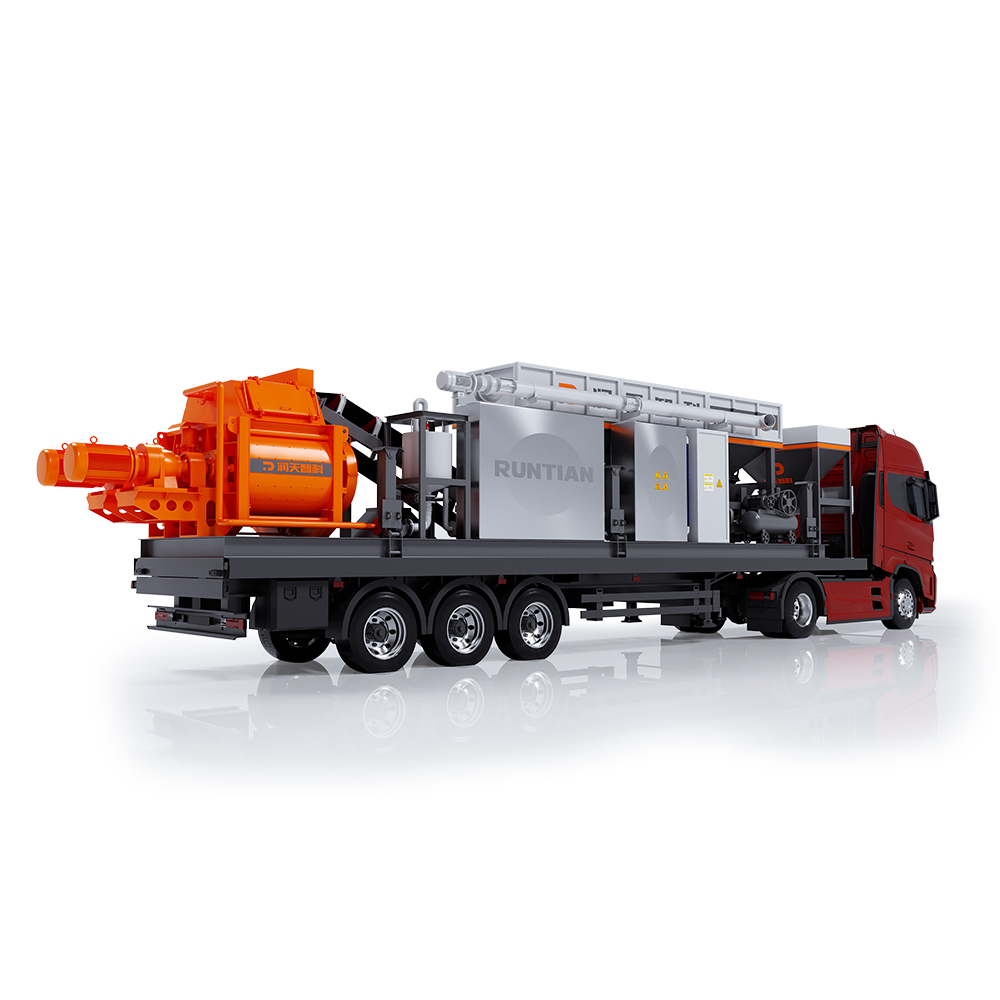
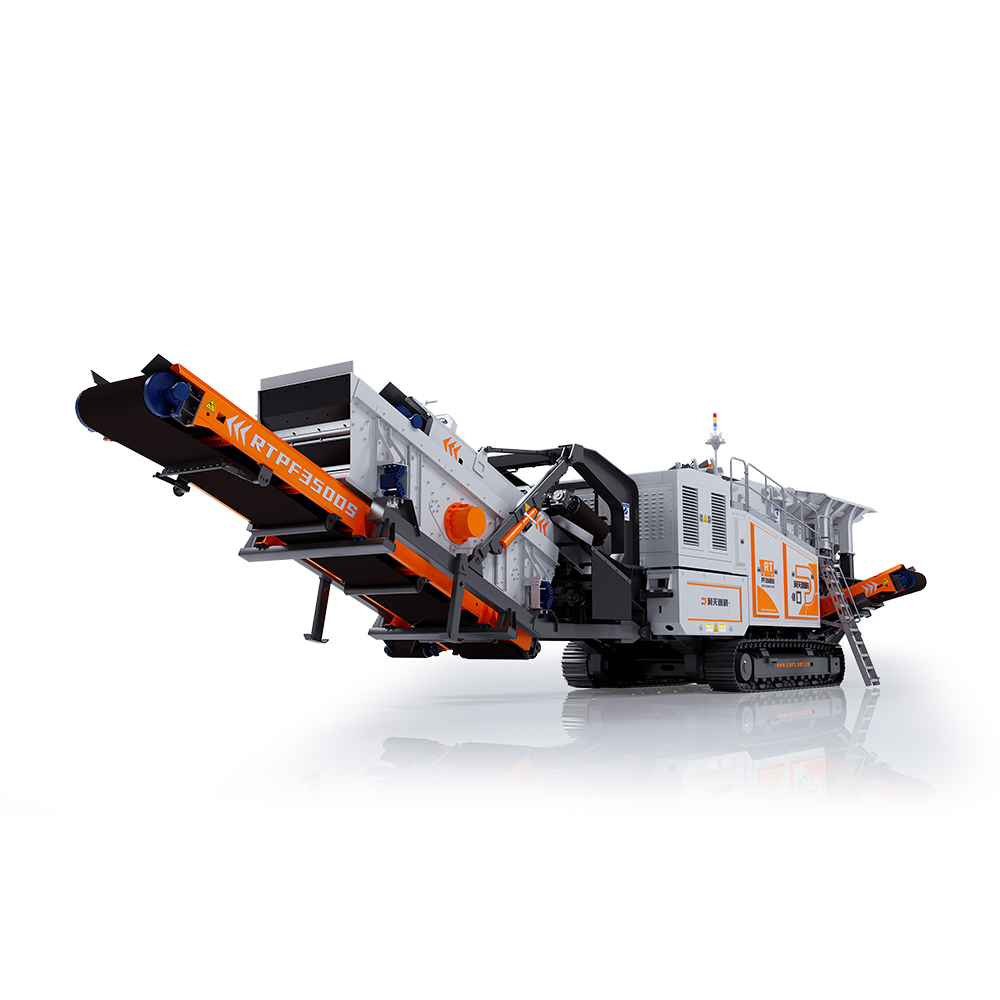
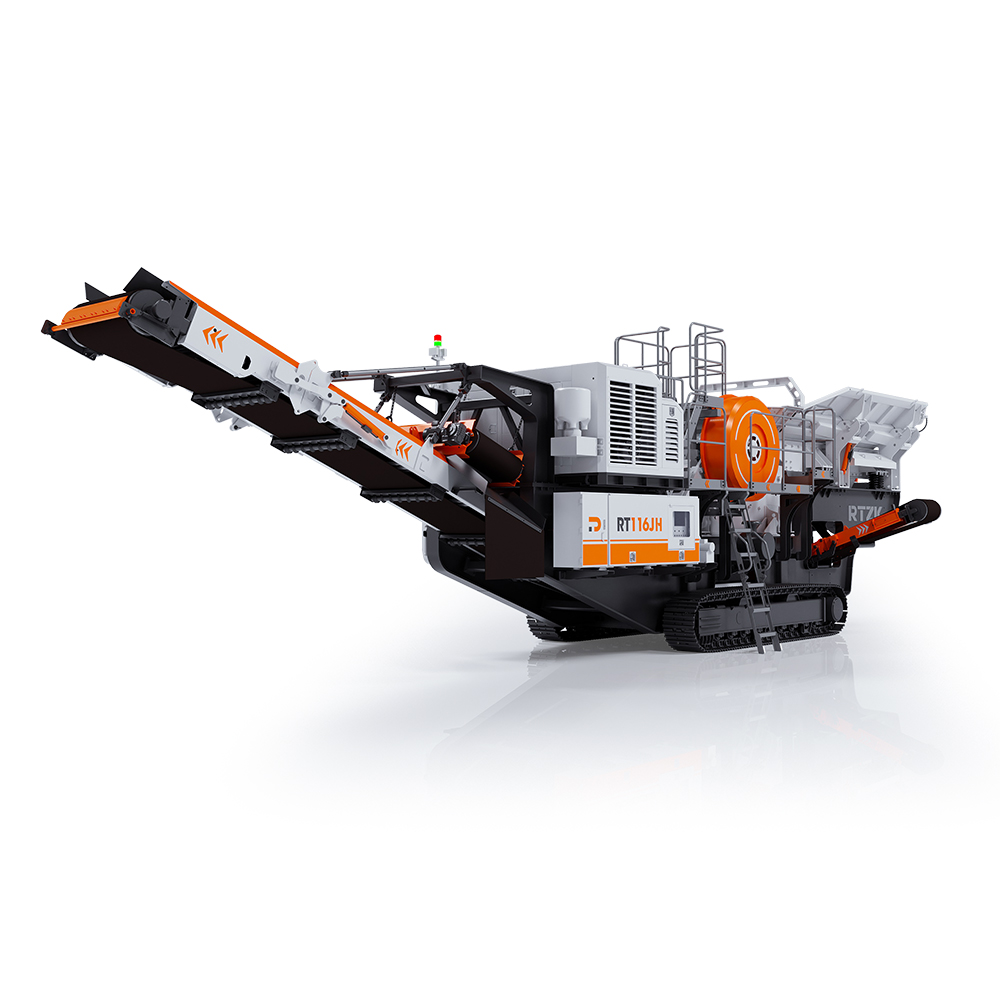
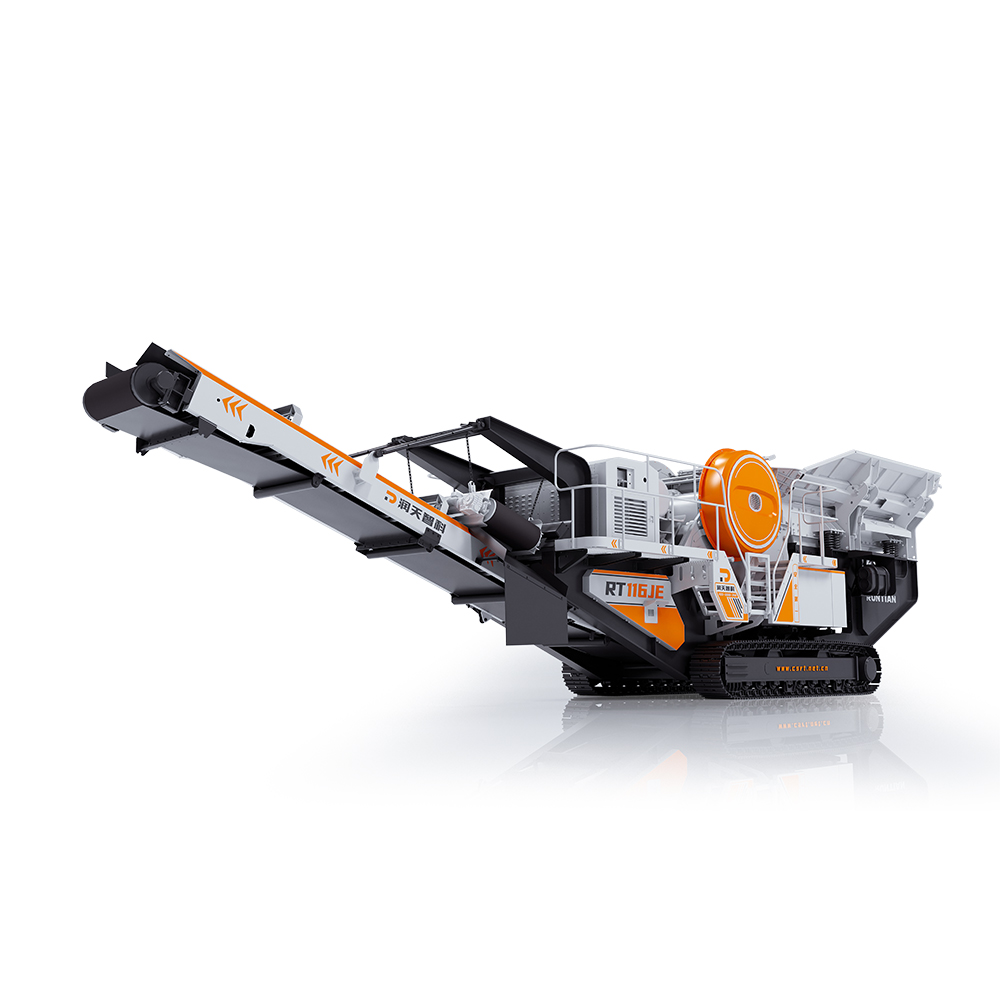
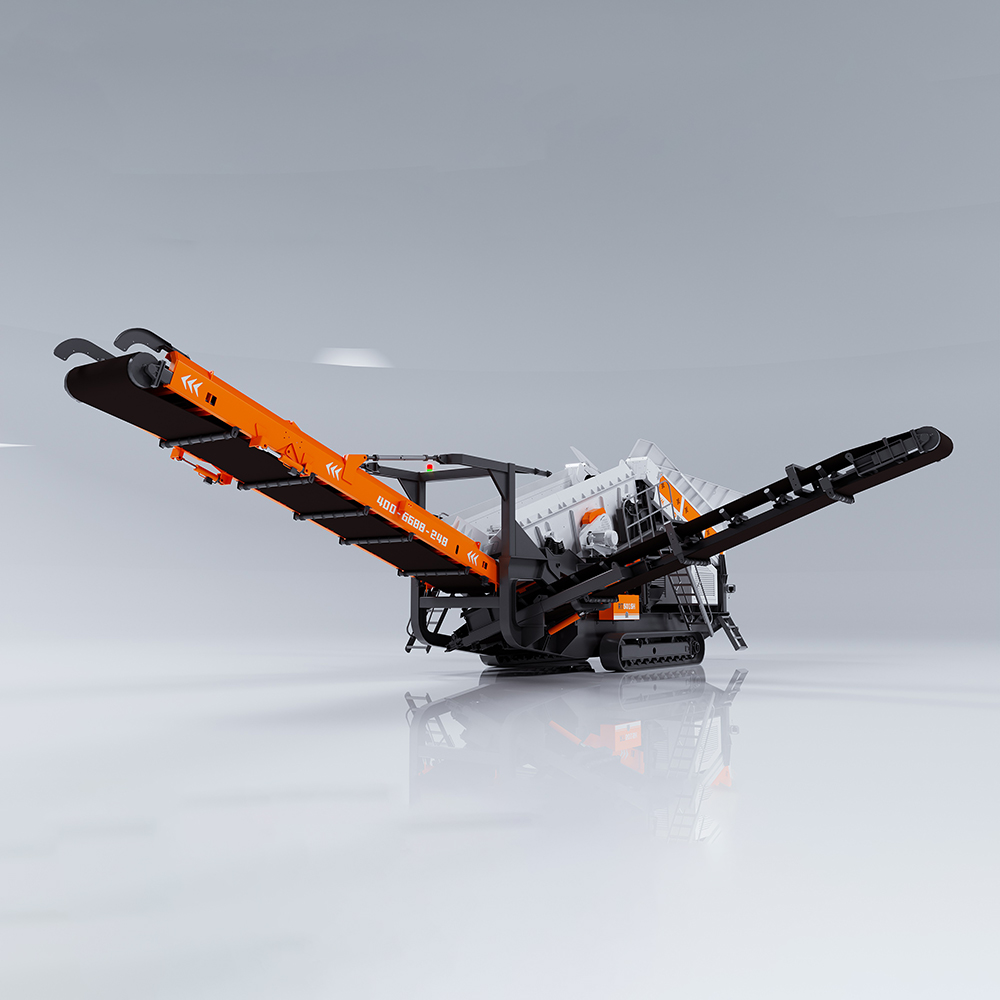
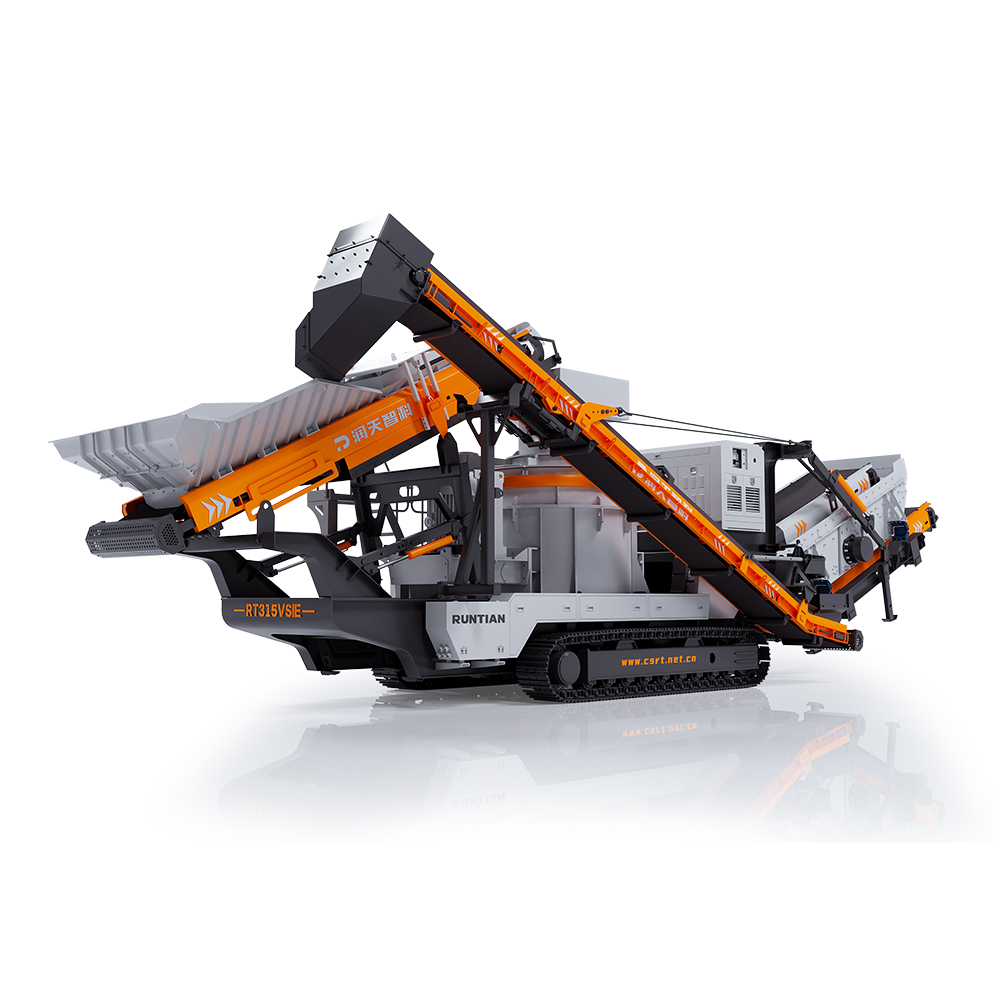
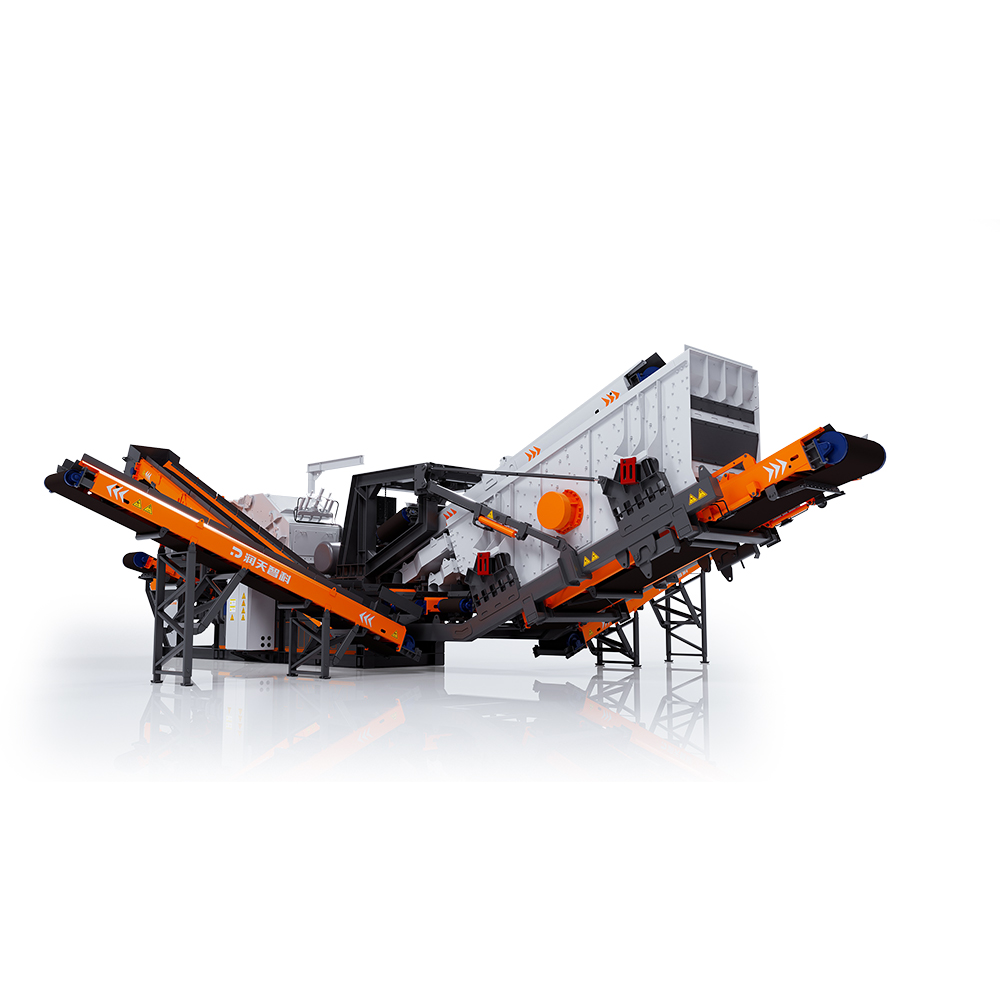
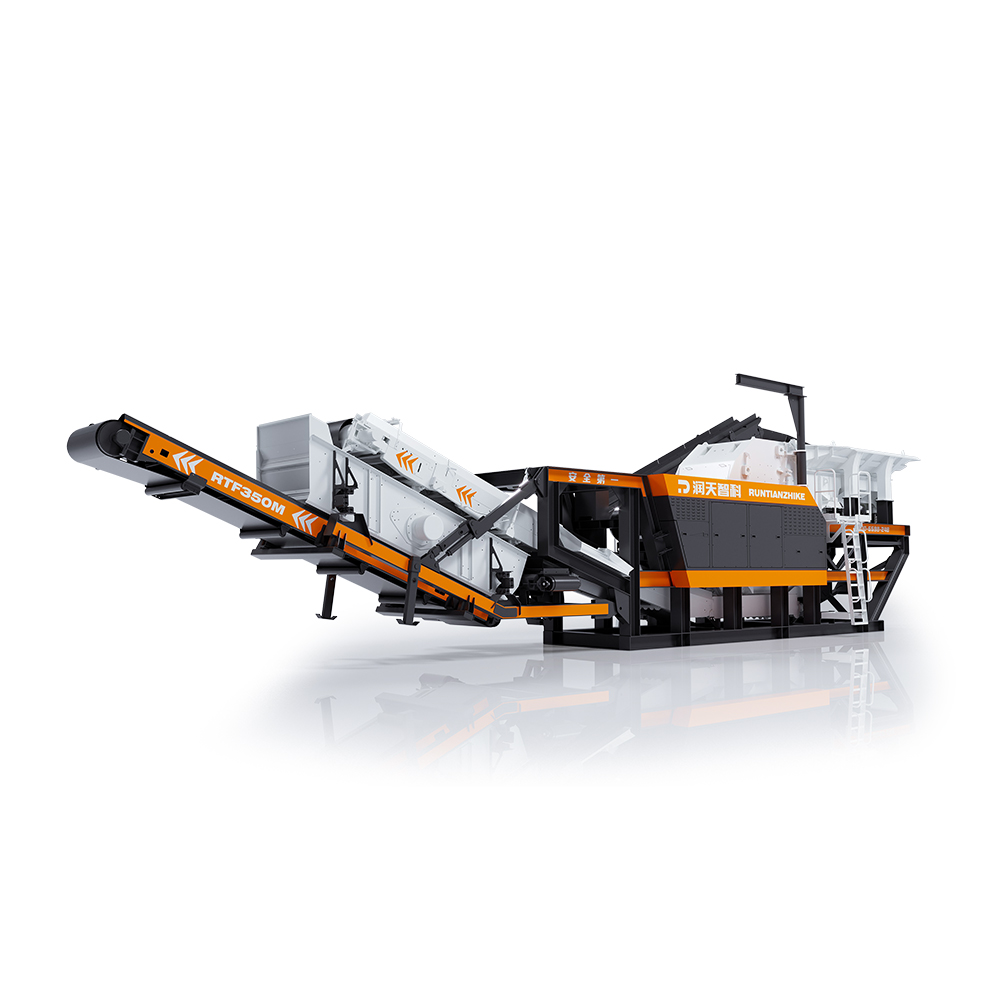
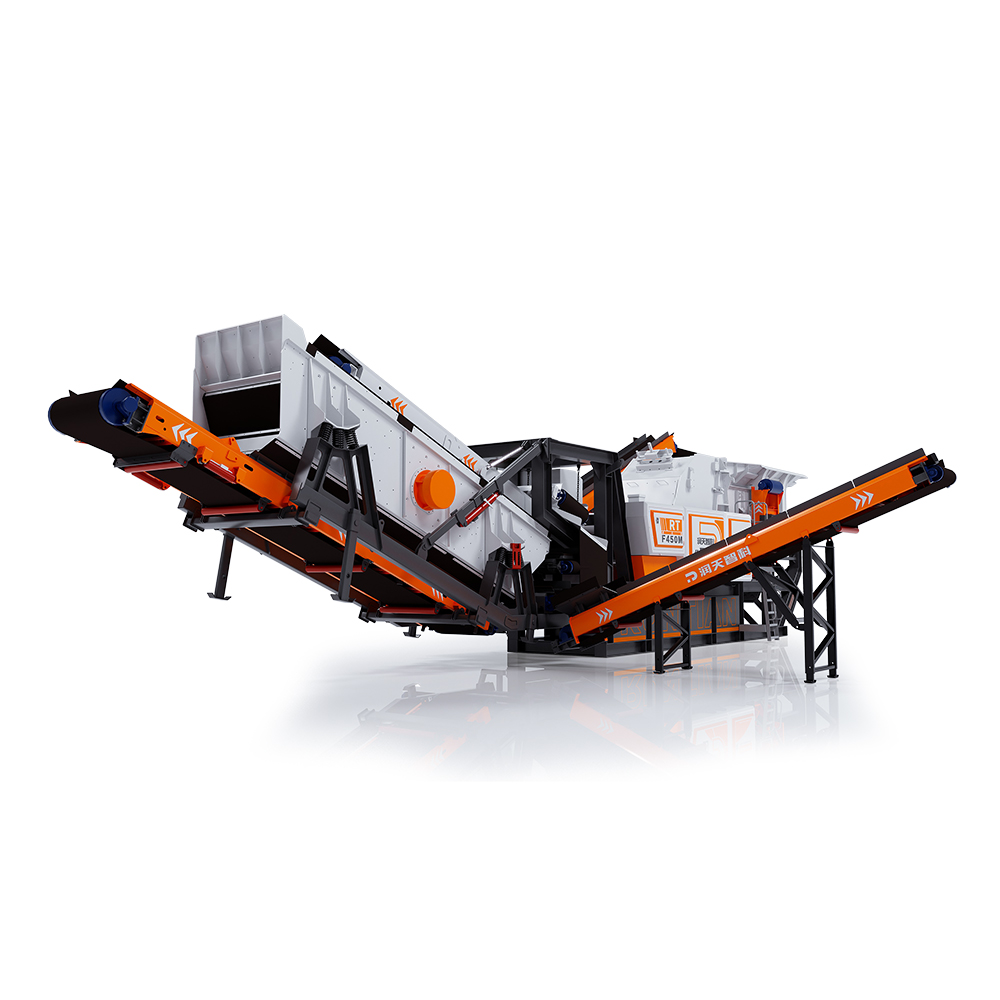
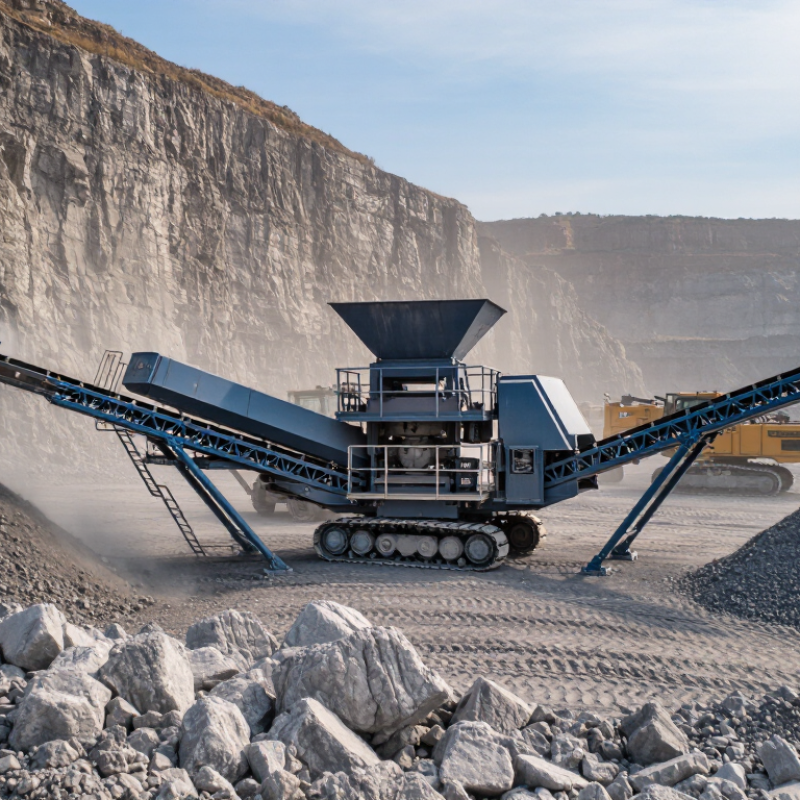
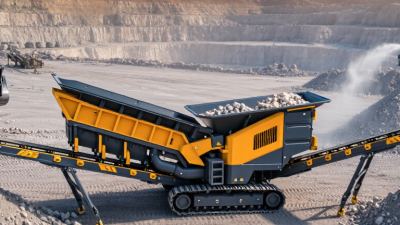
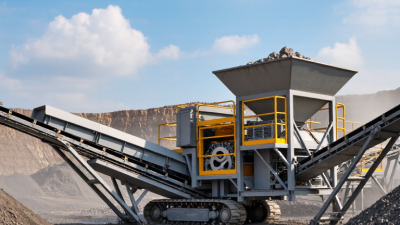
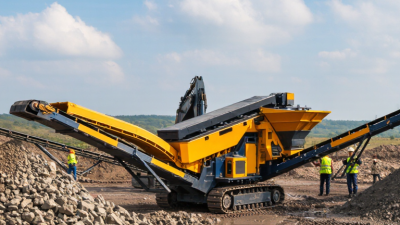
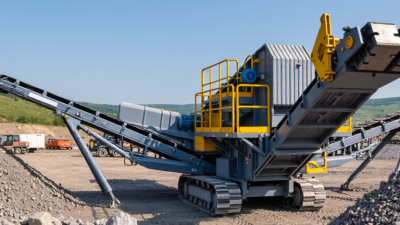
A mobile jaw crusher is a transportable machine designed to reduce large, hard materials into smaller pieces. Its core purpose is primary crushing: breaking material close to where it is excavated, rather than hauling every large fragment to a fixed plant. It commonly combines a feed hopper, vibrating feeder, jaw chamber, and discharge conveyor on a tracked or wheeled chassis.

Inside the chamber, one jaw stays fixed while another moves back and forth. The material is compressed between them until it fractures. Operators can adjust the discharge gap, often called the closed-side setting, to influence the size of the output. Actual results also depend on feed size, rock hardness, moisture, and how steadily material enters the machine. Small details matter.

Mobility is useful on changing work sites. A tracked unit can move nearer to a quarry face or demolition area, reducing internal hauling and extra handling. It does not replace every part of a crushing plant: screening or secondary crushing may still be needed to meet a specific product specification. Nor is “mobile” always simpler. A poorly arranged feed pile or blocked conveyor can interrupt production, even when the crusher itself is sound. On site, watching the feed and checking wear on the jaw plates are practical parts of getting consistent operation.

Main Components and Their Functions

What Is a Mobile Jaw Crusher?

Main Components and Their Functions

A mobile jaw crusher is a tracked or wheeled machine that reduces rock between two steel jaw plates. Its mobility lets crews process material closer to where it is excavated, reducing some hauling. The chassis supports the equipment and carries it between work areas. Tracks can help on uneven ground, but they do not remove the need for a stable setup.

The feeder meters stone into the crushing chamber. Inside, one jaw stays fixed while the other moves, squeezing material until it breaks into smaller pieces. Plate profiles and the closed-side setting affect the product size, so operators check both against the job’s requirements. Wear builds gradually. It can be easy to miss.

A diesel or electric power unit drives the crusher and supporting systems. The discharge conveyor carries processed material away, while controls let operators monitor settings and stop the machine when needed. Guards and dust-control equipment help manage hazards and airborne particles. One practical detail: oversized feed can cause blockages or uneven wear. A quick visual check of the feed and discharge areas can reveal issues, though it cannot replace scheduled inspection and maintenance.

How the Crushing Process Works

What Is a Mobile Jaw Crusher?

How the Crushing Process Works

A mobile jaw crusher moves between work areas on tracks or wheels. It reduces large rocks into smaller pieces near the source material. The process sounds straightforward, but setup matters. Before operation, the crew checks feed size, chamber settings, and the feeder’s condition.

Rock travels along a vibrating feeder into the crushing chamber. Inside, a fixed jaw faces a moving jaw. The moving jaw presses rock against the fixed surface until it fractures. Then it pulls back, allowing broken pieces to fall lower. Gravity helps. Material exits through an adjustable discharge opening, which influences the size of the product. A narrower gap can produce smaller pieces, but it will not make every stone identical. Rock varies naturally, and some material may need another pass.

Tracks or wheels let the unit move closer to a stockpile or work face, potentially reducing hauling. The ground still needs to support the machine, and dust control remains important. Operators watch for uneven feeding, unusual vibration, or material bridging above the chamber. Small checks count. Wet, clay-rich feed may stick and slow production. No single setting suits every site; trial runs often reveal details that specifications cannot.

What Is a Mobile Jaw Crusher? — How the Crushing Process Works

A mobile jaw crusher uses a movable jaw to compress rock against a fixed jaw. Material is fed into the crusher, reduced in size, and carried onward for screening. This illustrative example shows a 500 mm feed, a 100 mm jaw discharge, and a screened fraction passing 50 mm. Actual sizes vary with the material, crusher settings, and screen openings.

Common Uses Across Industries

What Is a Mobile Jaw Crusher?

Common Uses Across Industries

A mobile jaw crusher reduces large rocks and concrete into smaller pieces using a moving jaw and a fixed jaw. Mounted on tracks or wheels, it can work near the material instead of relying on long-distance hauling. On construction sites, crews use it to process broken concrete, masonry, and excavated stone for reuse as fill or base material. This can reduce truck movements, though the machine still needs stable ground and room to operate.

Dust matters.

Quarries use mobile jaw crushers to handle primary crushing, turning blasted rock into manageable material for later processing. In road construction, teams may crush suitable stone close to the work area, helping supply aggregate for sub-bases. Mining operations can use them near extraction points, especially where access or changing work locations make fixed equipment less practical.

Recycling facilities also process clean concrete and similar materials, but feed quality matters: steel, wood, and excess soil can slow work or damage equipment. So does access. Operators need to consider material size, moisture, output needs, and safe clearance around the machine before choosing a setup.

A mobile crusher is not automatically the cheaper choice; transport, fuel, maintenance, and site conditions can change the calculation.

Benefits and Key Operating Considerations

A mobile jaw crusher is a primary crushing machine mounted on tracks or wheels. It uses a fixed jaw and a moving jaw to break rock into smaller pieces. A feeder controls how material enters the chamber, while the discharge setting influences the product size. Because the unit can move between work areas, it may reduce hauling and setup time. Less hauling, sometimes. Its benefits depend on the site: soft ground, tight turns, or limited stockpile space can make positioning difficult. A crusher that arrives quickly is not automatically productive.

Operating results depend on steady, suitable feed. Oversized pieces can block the chamber, while uneven feeding may reduce output and increase wear. Before startup, check the feed area, discharge conveyor, guards, and emergency stops. Watch for unusual vibration, rising temperatures, or changes in the sound of the machine. These small clues matter. Adjust the jaw setting to meet the required product size, then verify the actual output; settings alone do not guarantee consistent material. Keep dust controls and access routes in mind. Clear blockages only after the machine is stopped and isolated according to its operating instructions. Even experienced crews can misjudge how quickly wear changes performance, so regular inspections are worth the time.