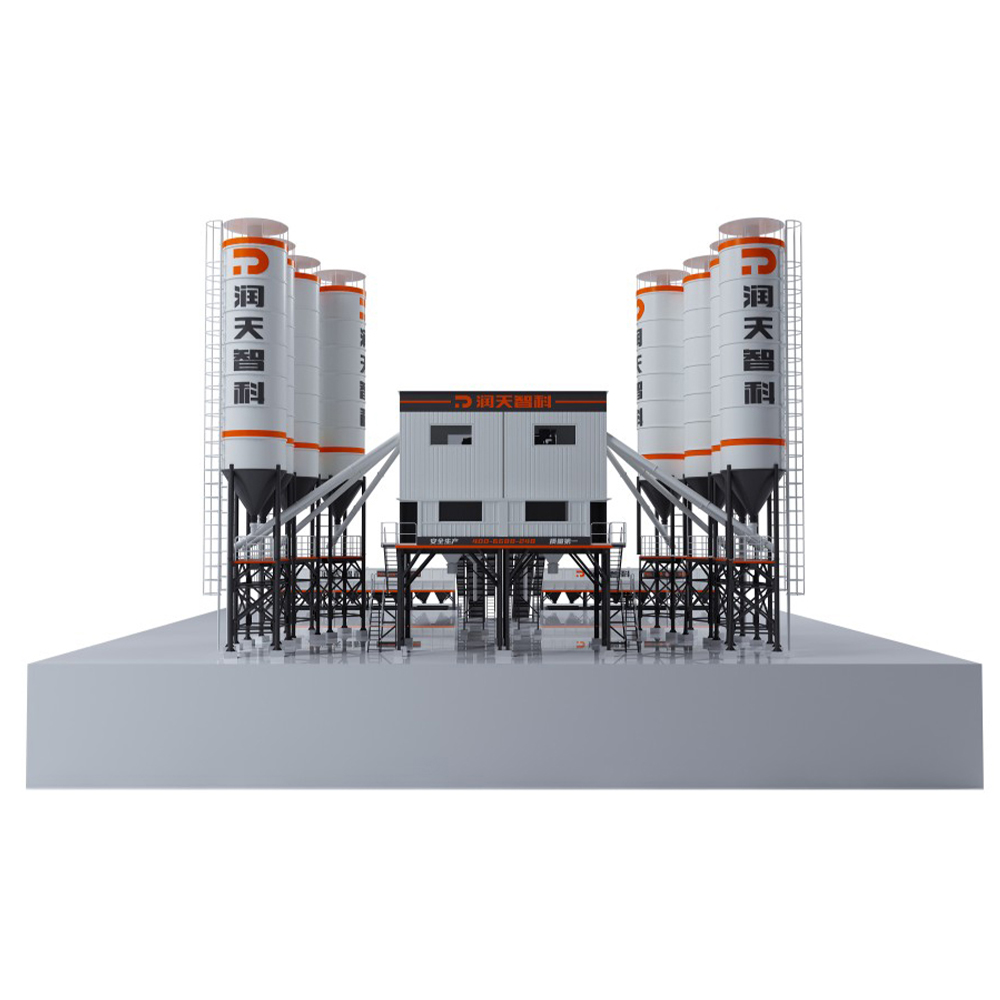
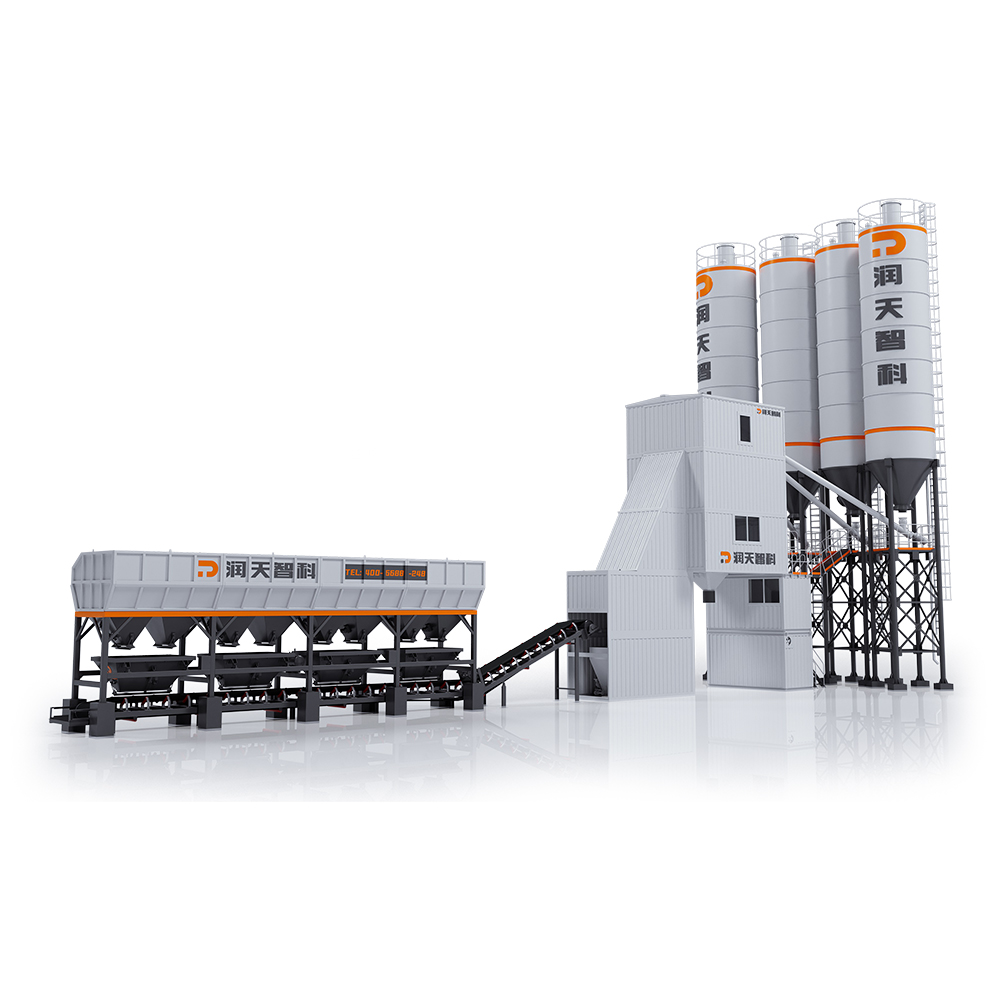
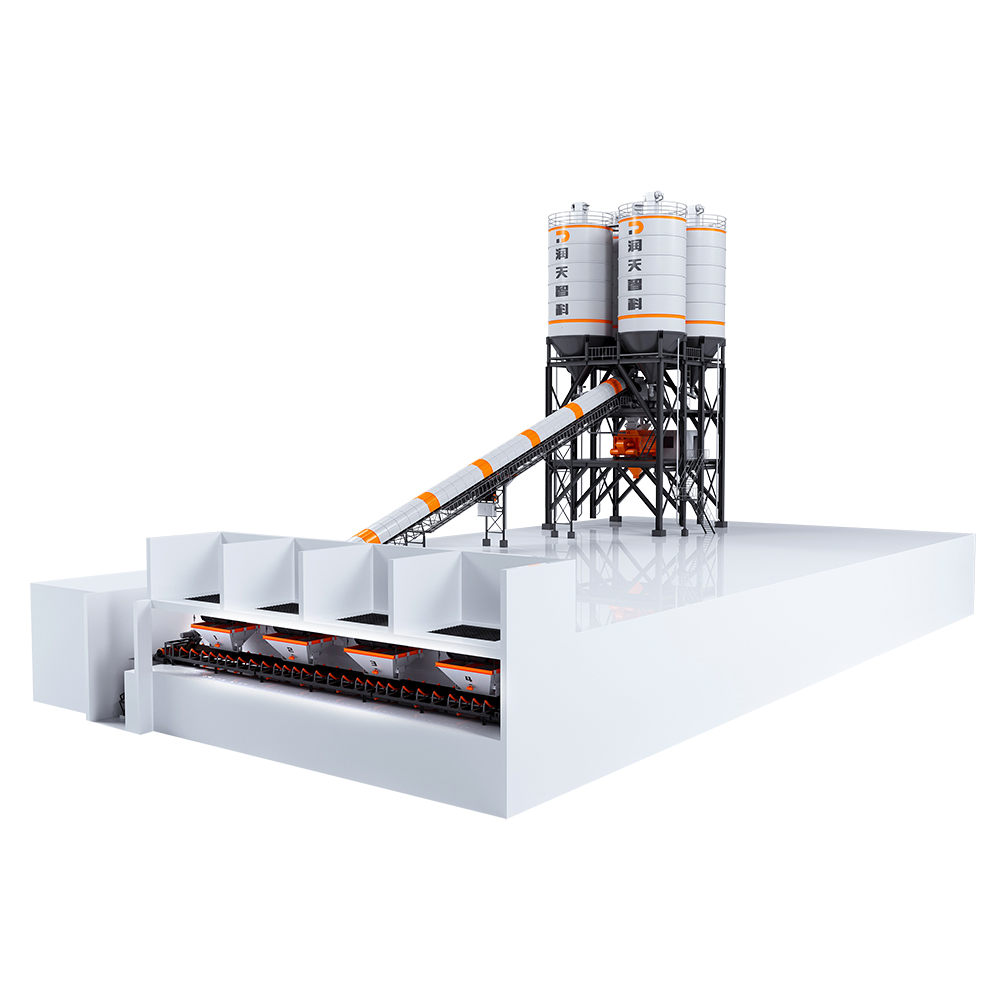
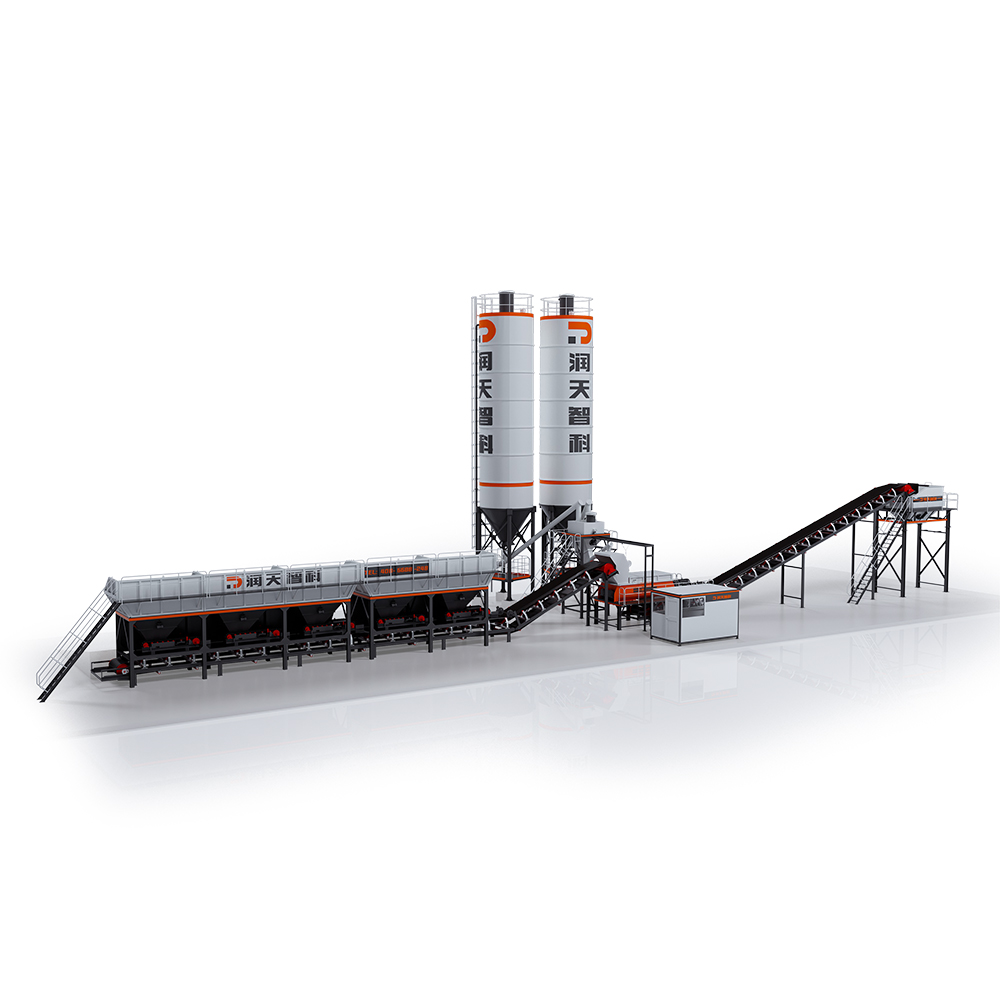
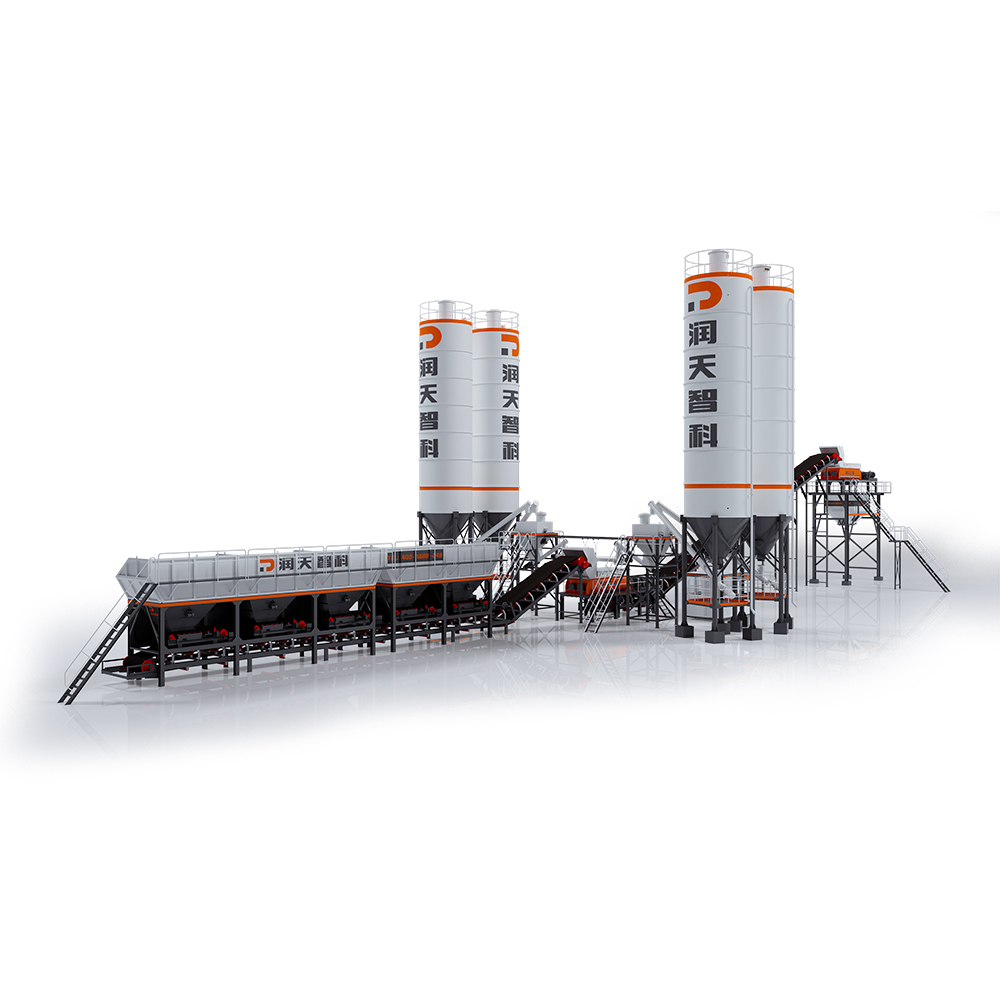
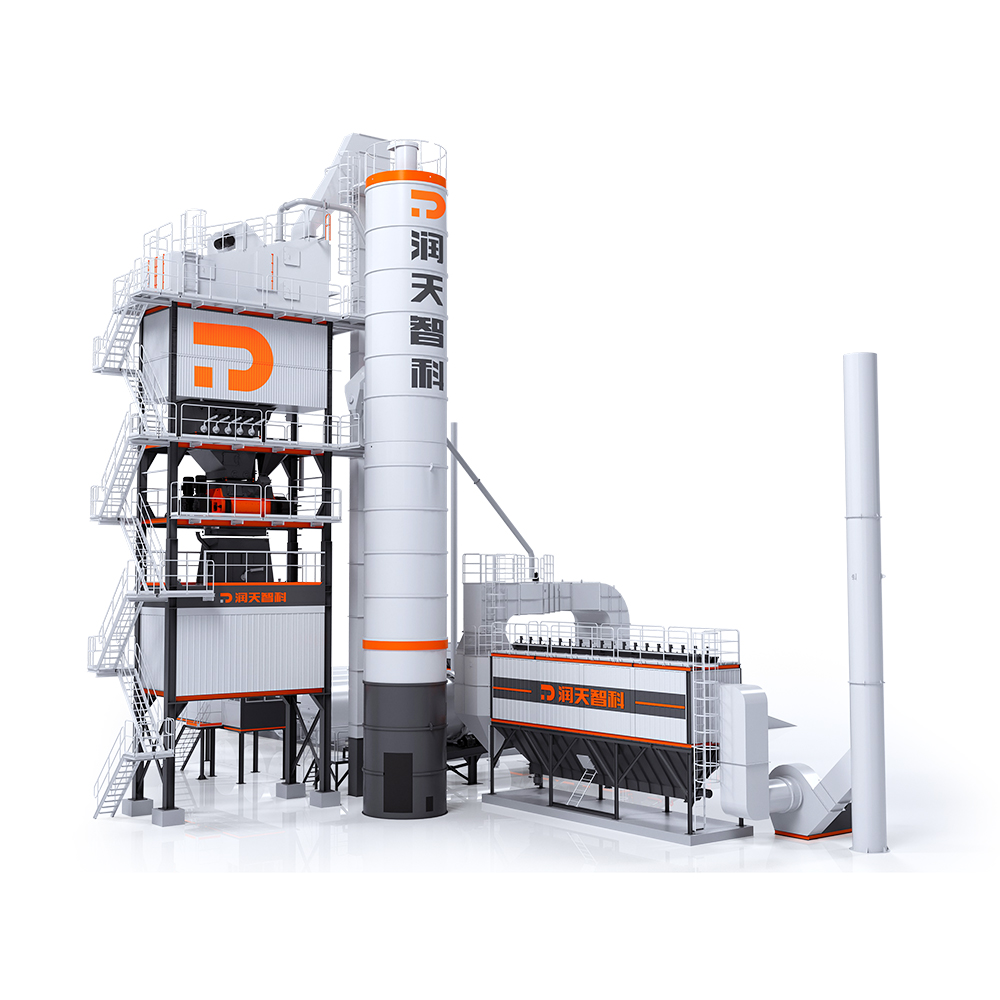
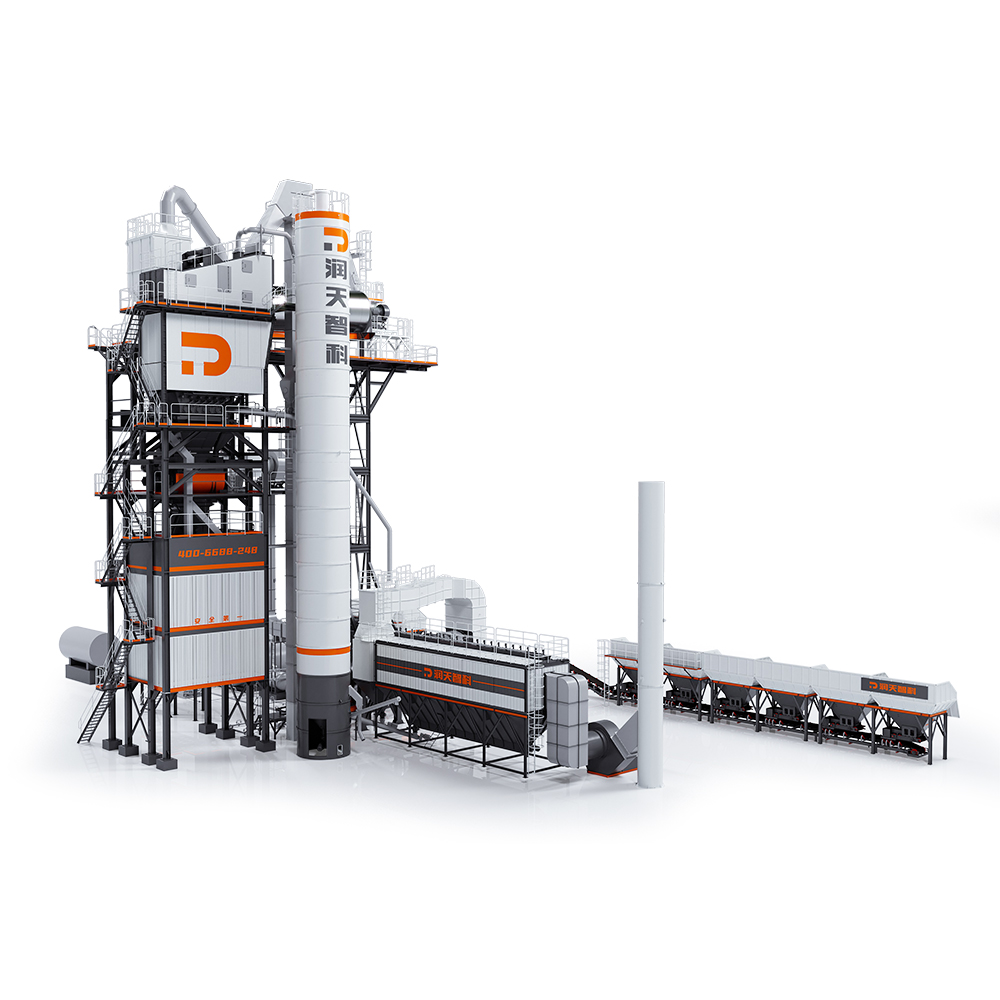
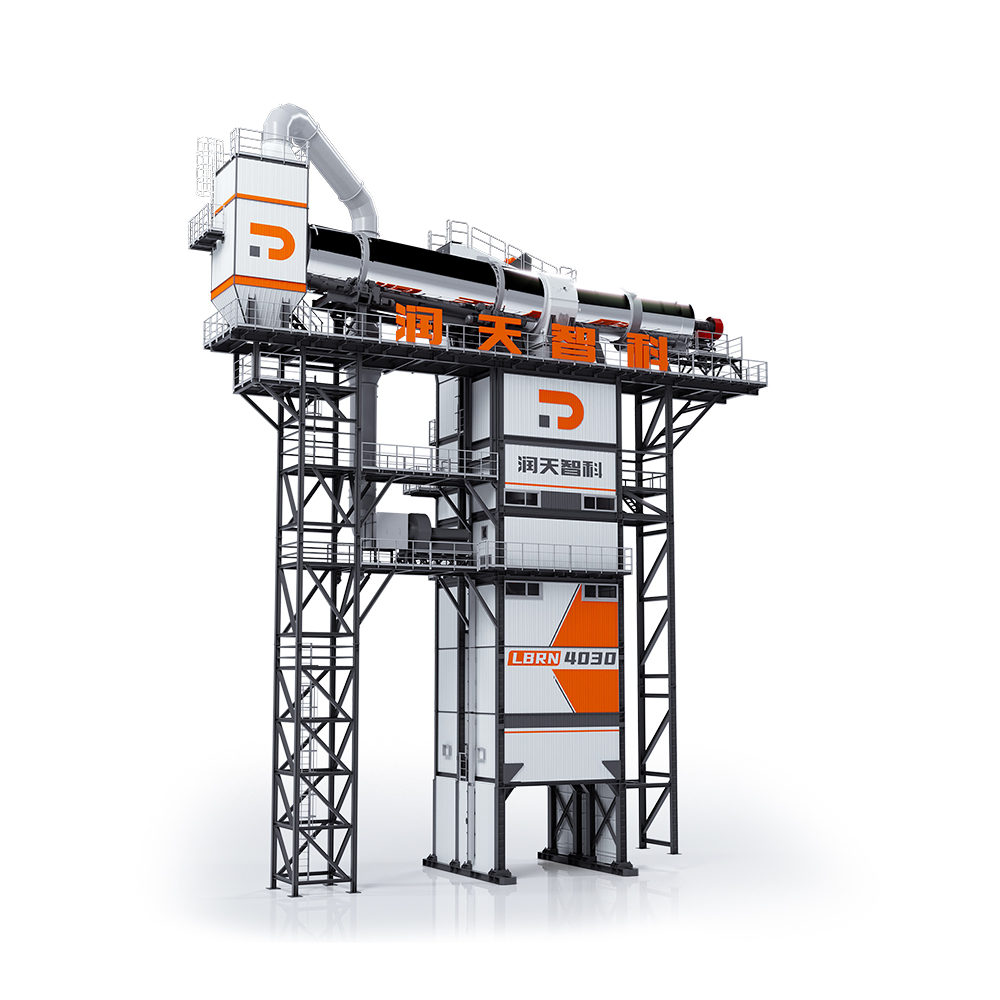
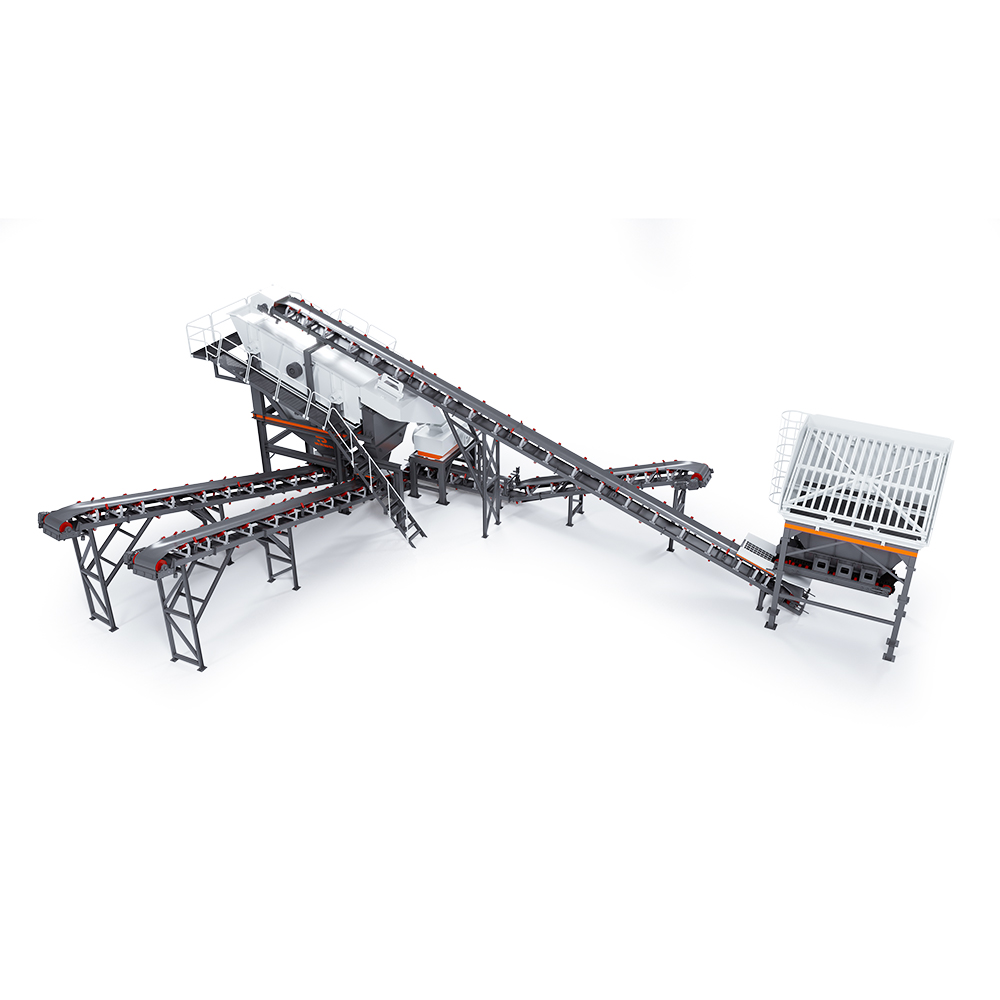
HZS Series Belt Concrete Mixing Plant
HZS Series Bucket-Lifting Type Container Concrete Mixing Plant
HZS60 Mobile Concrete Mixing Plant
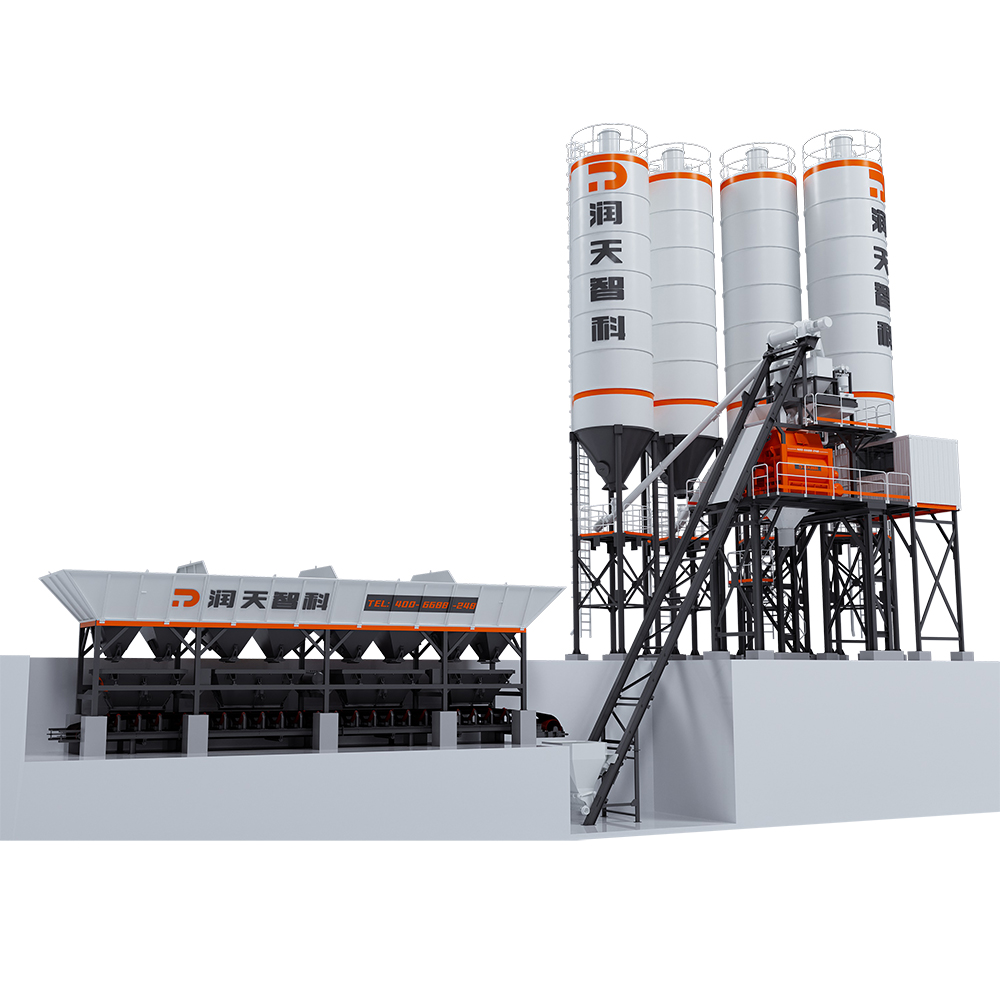
HZS Series Bucket-Lifting Type Concrete Mixing Plant
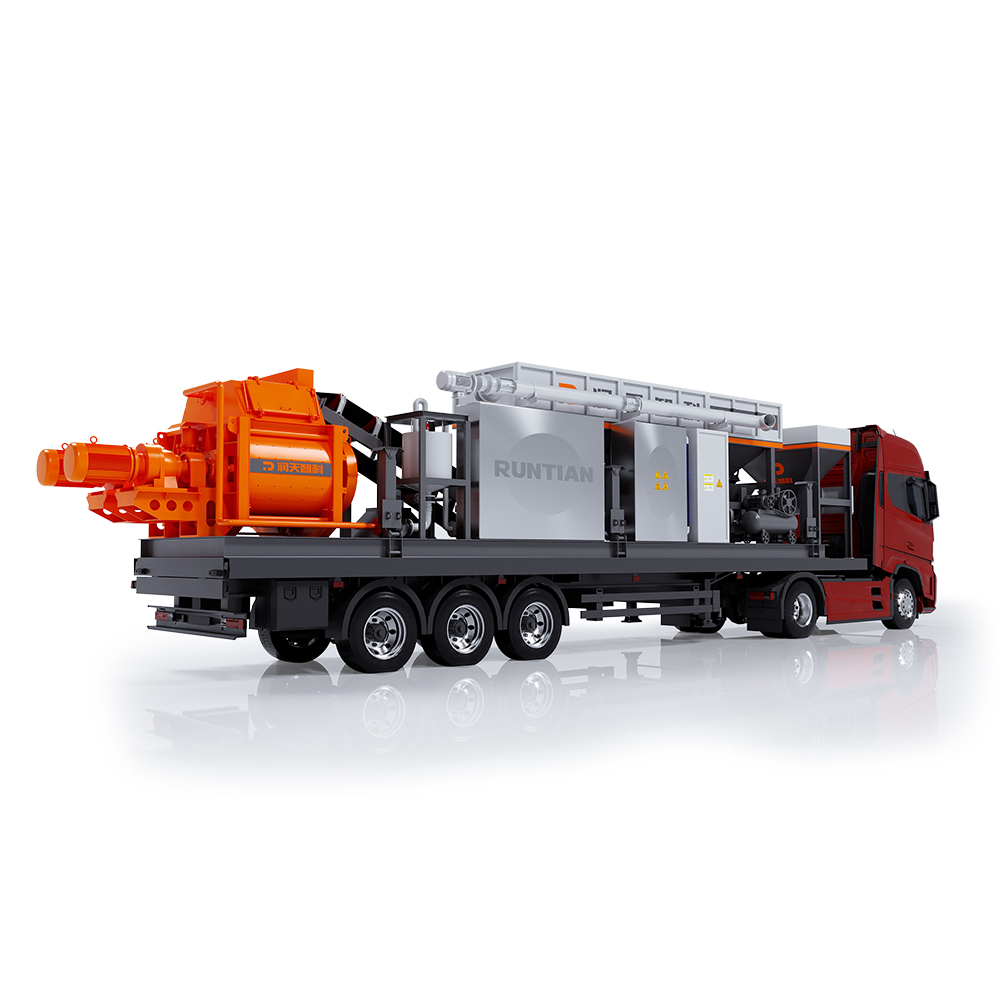
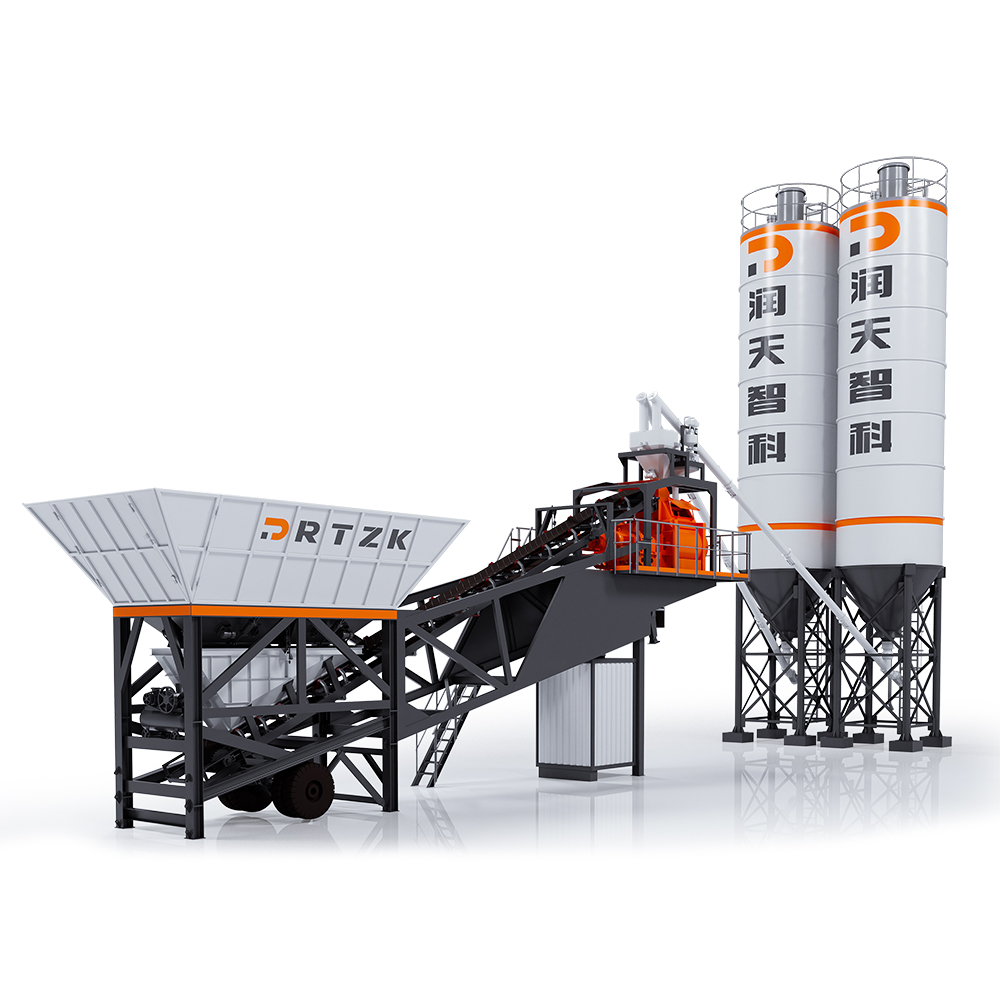
HZS Series Mobile Concrete Mixing Plant
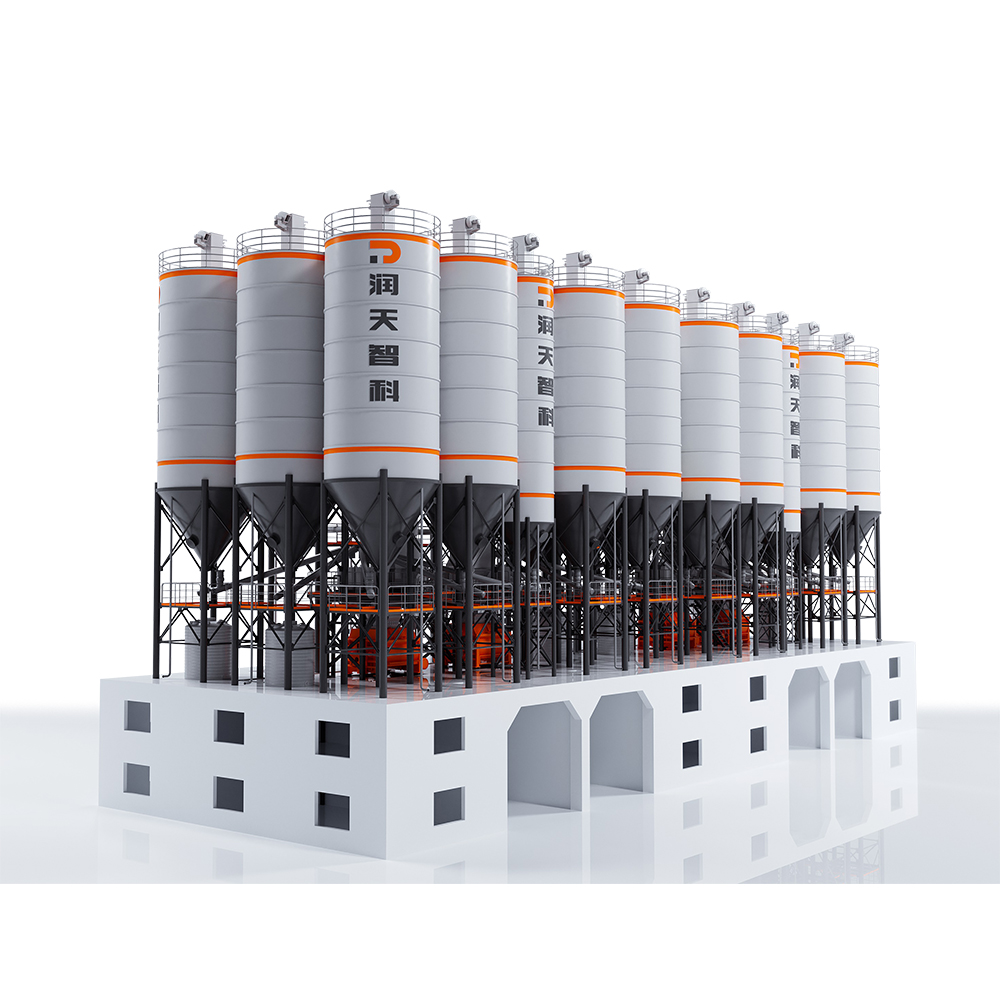
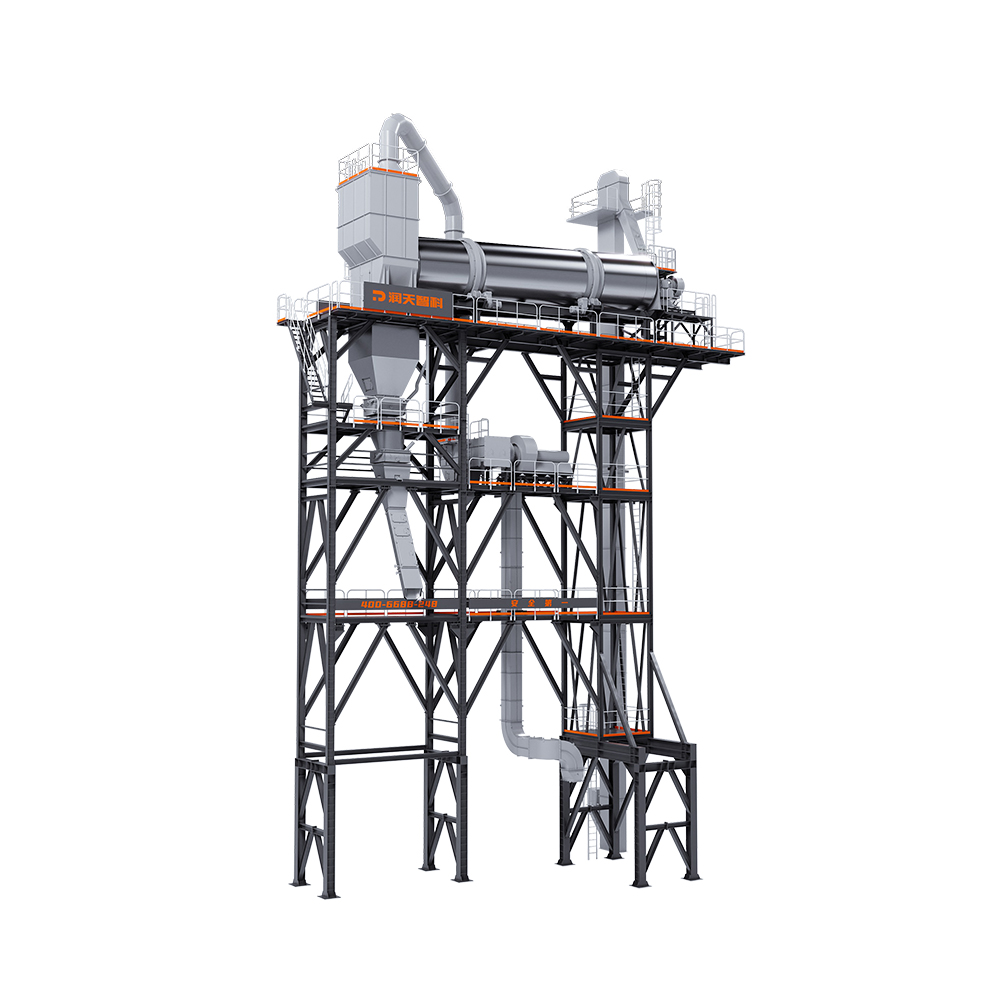
HZS Series Top-Mounted Concrete Mixing plant
HZS Series Semi-Top Mounted Concrete Mixing Plant
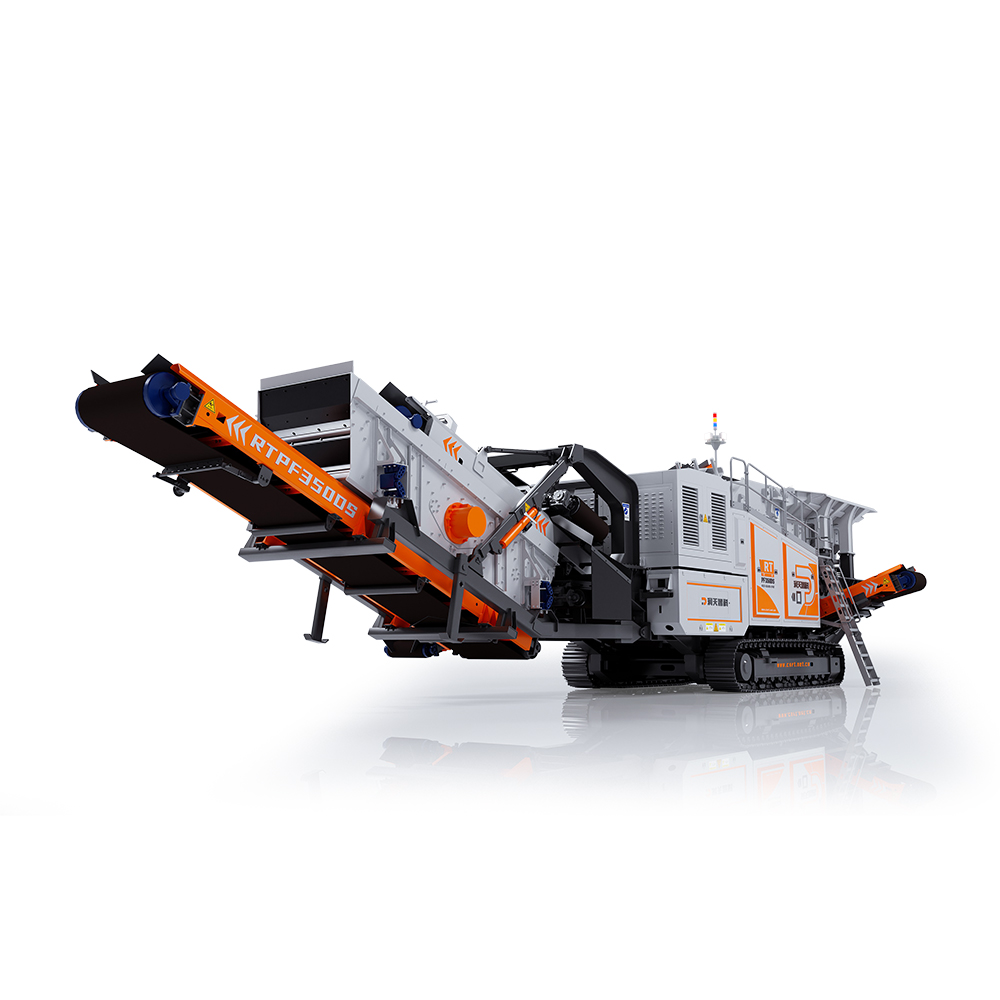
RTPF350DS Crawler Mobile Impact Crushing Plant
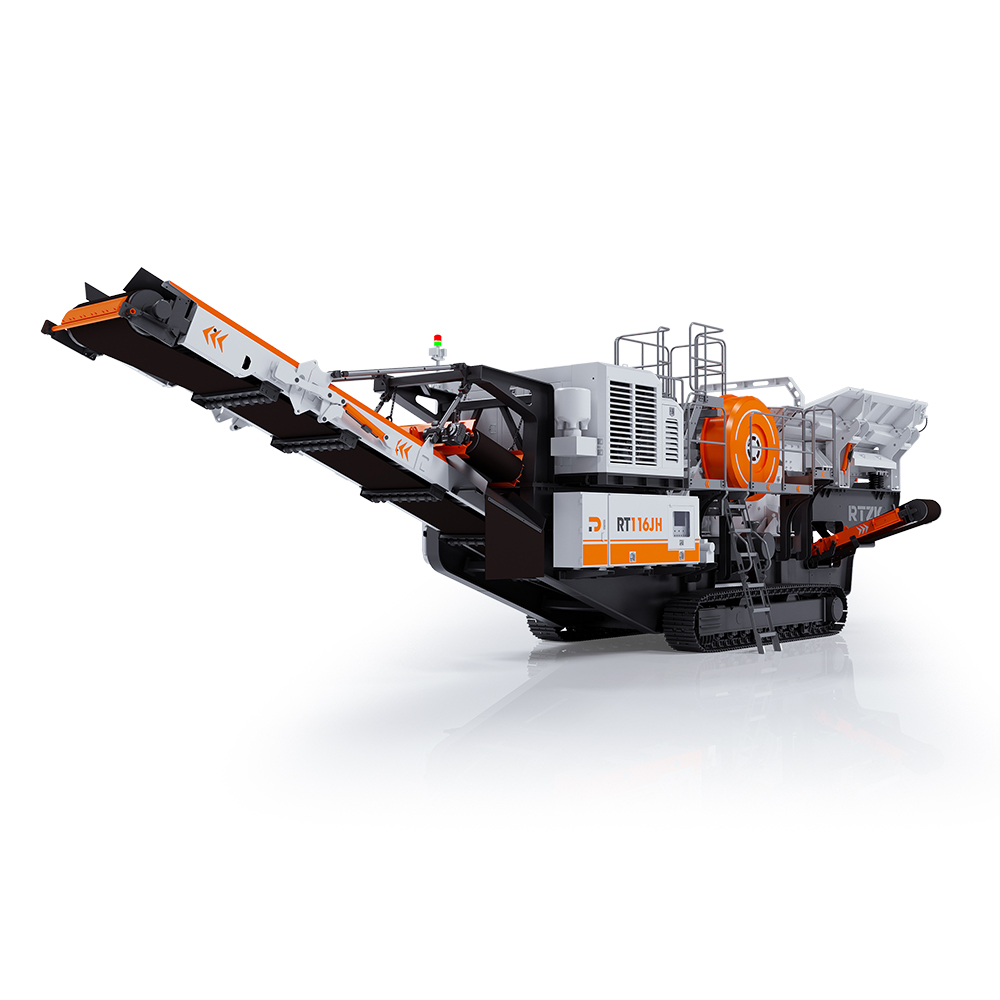
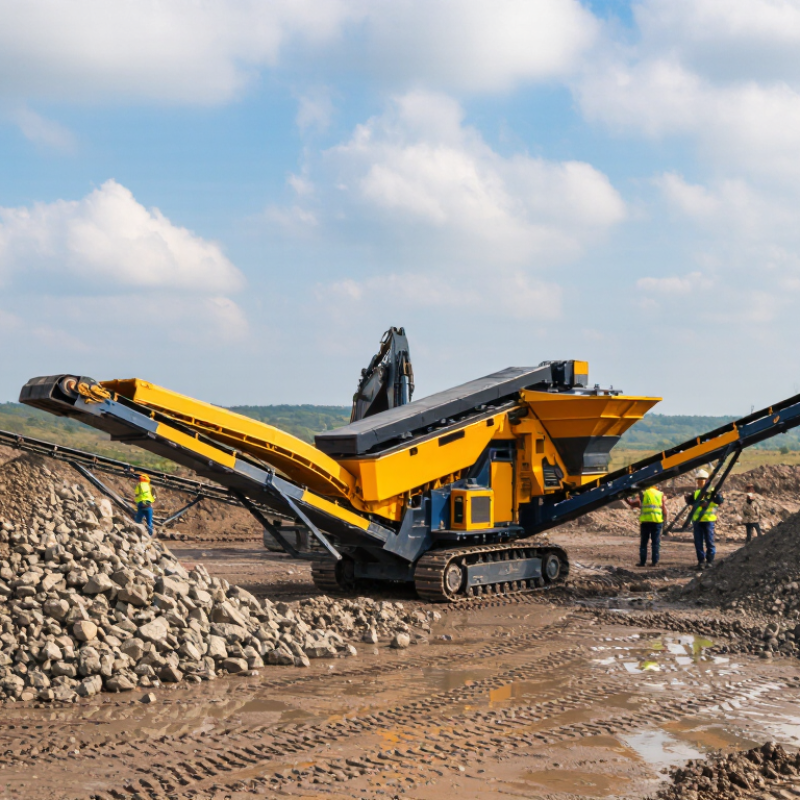
RT116JH Crawler Mobile Jaw Crushing Plant
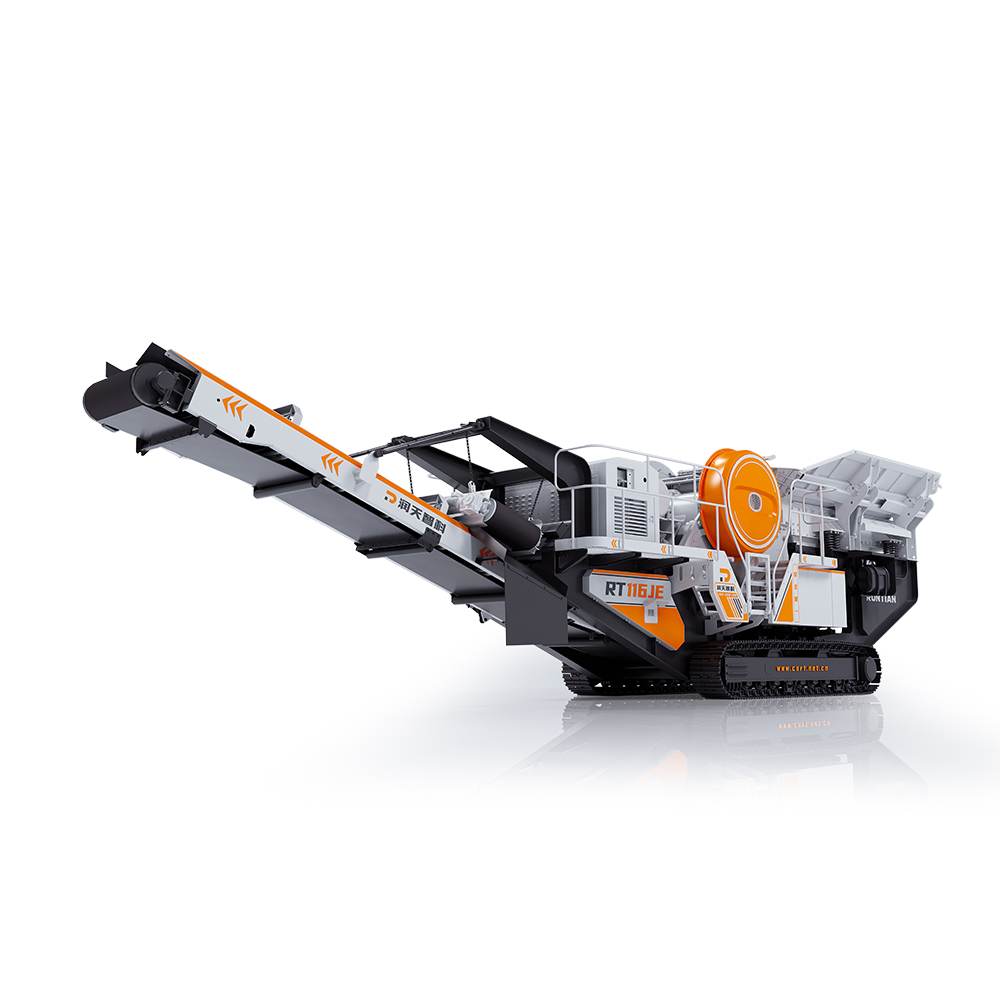
RT116JE Crawler Mobile Jaw Crushing Plant
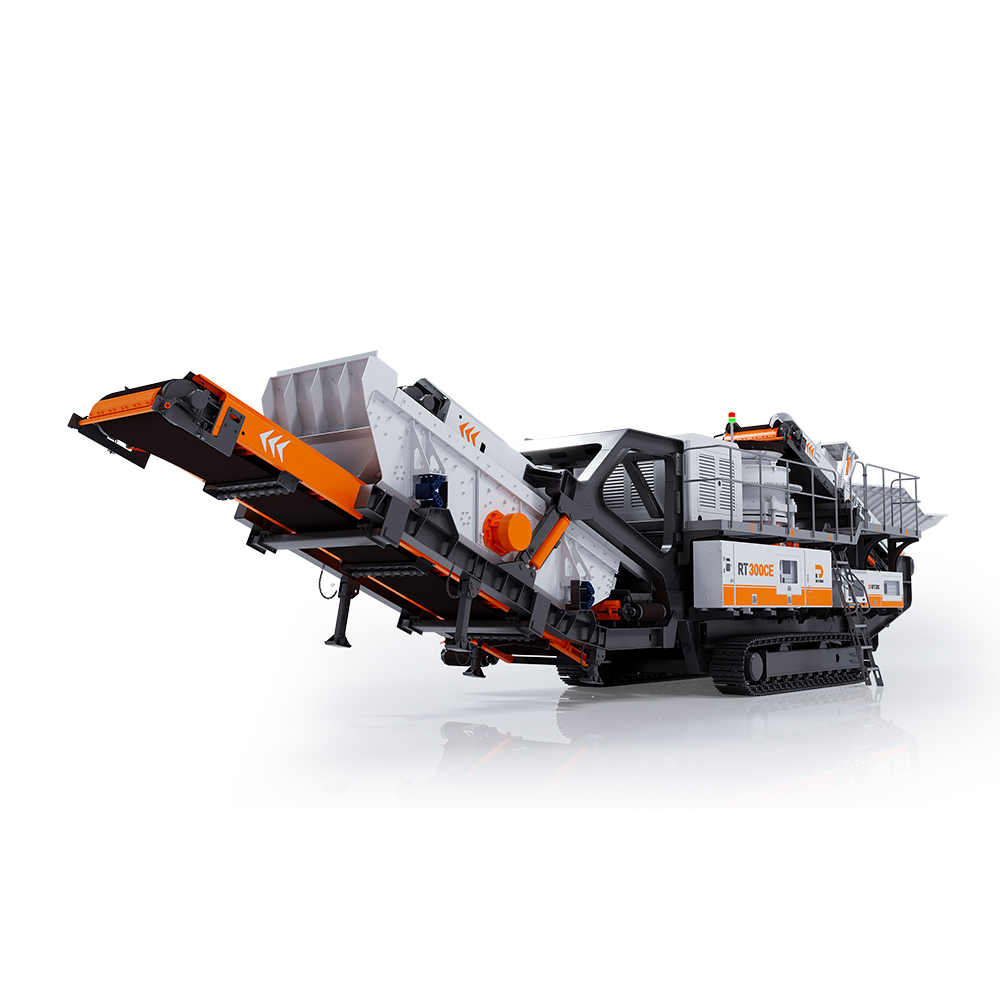
RT300CE Crawler Mobile Cone Crushing Plant
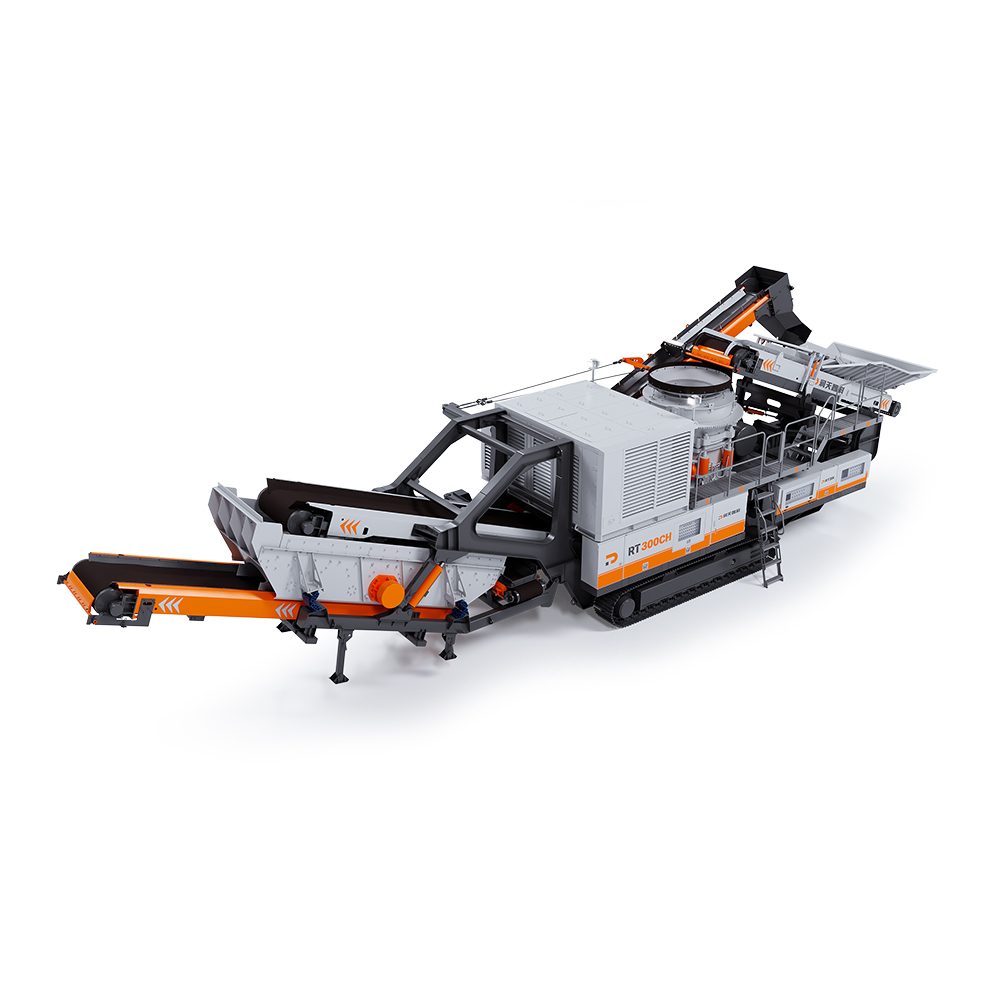
RT300CH Crawler Mobile Cone Crushing Plant
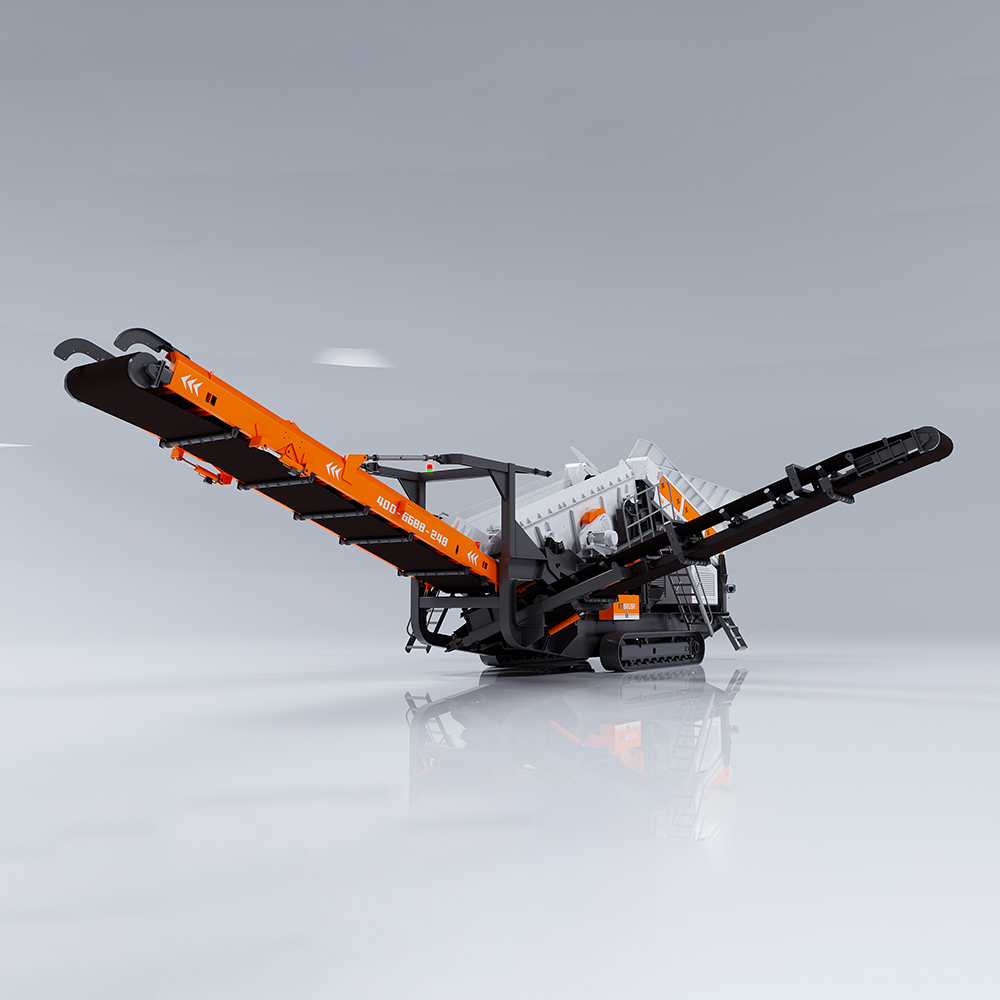
RT5015H Mobile Scalping Screen
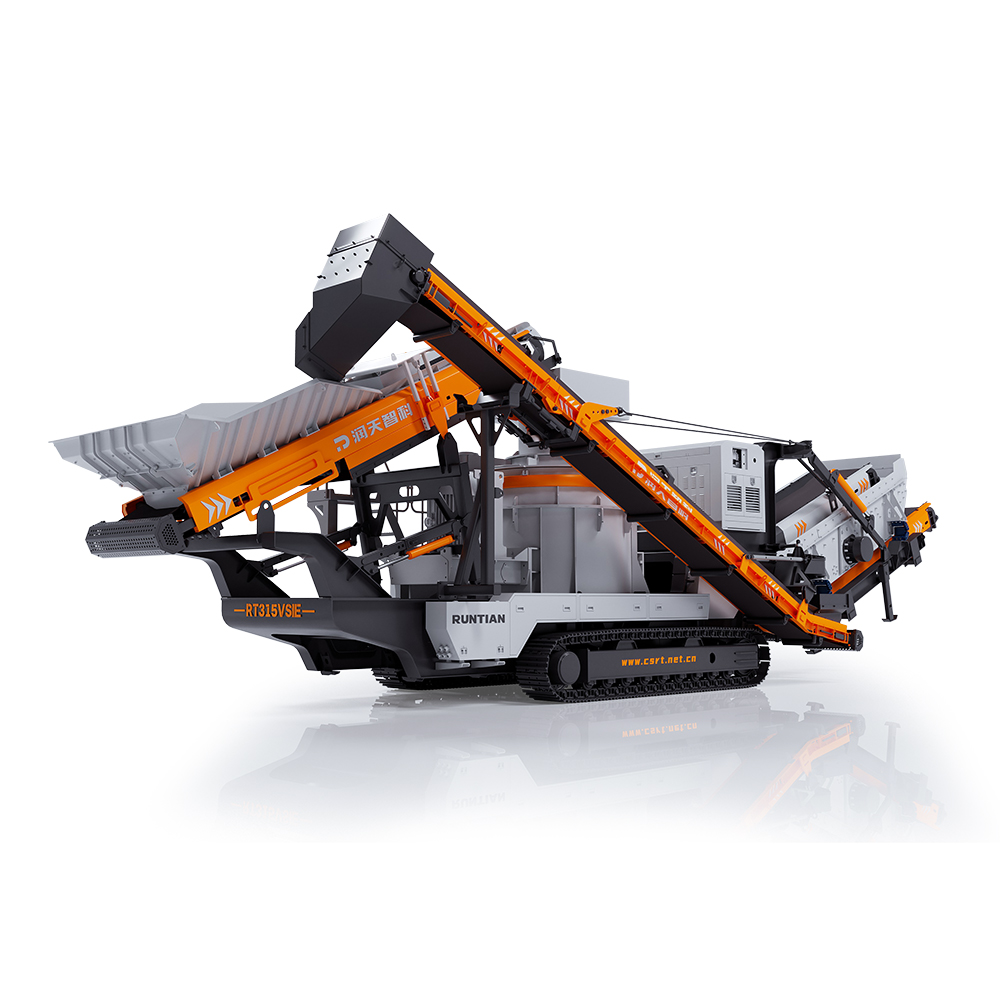
RT315VSIE Crawler Mobile Sand Maker
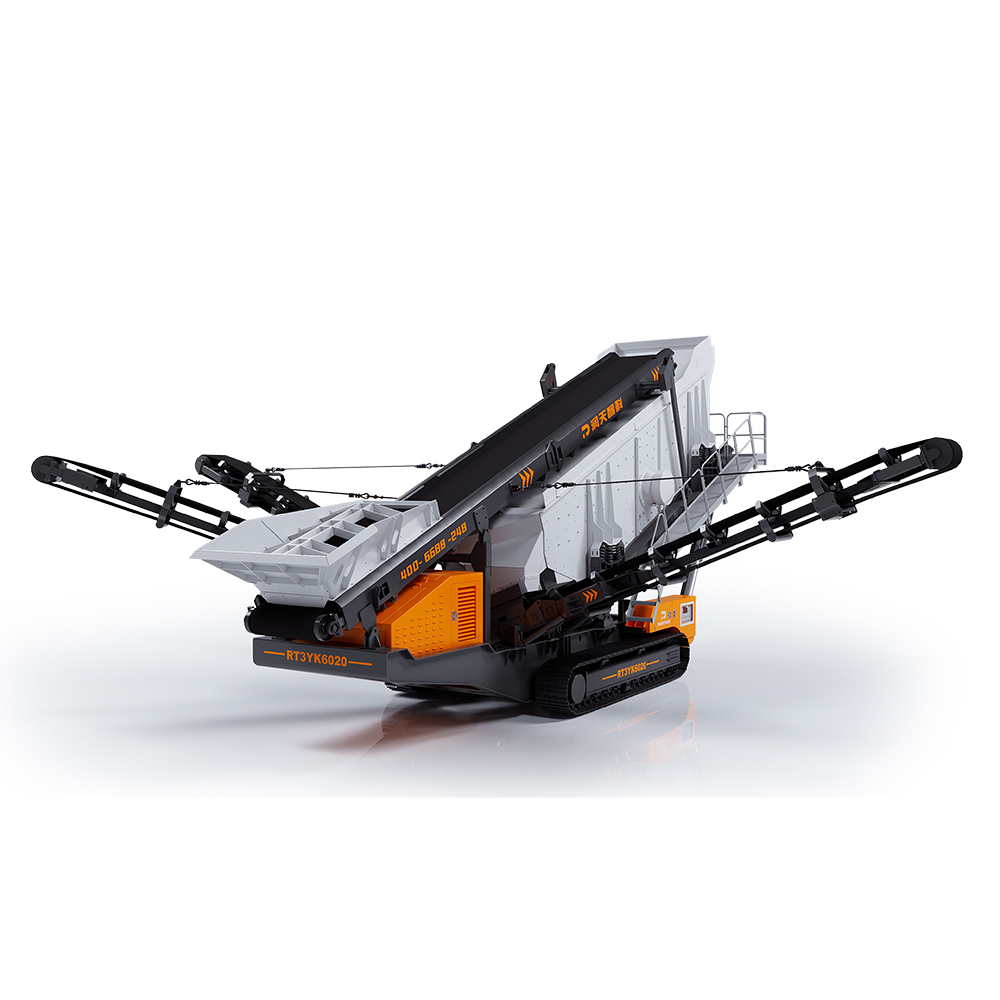
RT3YK6020 Crawler Mobile Screening Plant
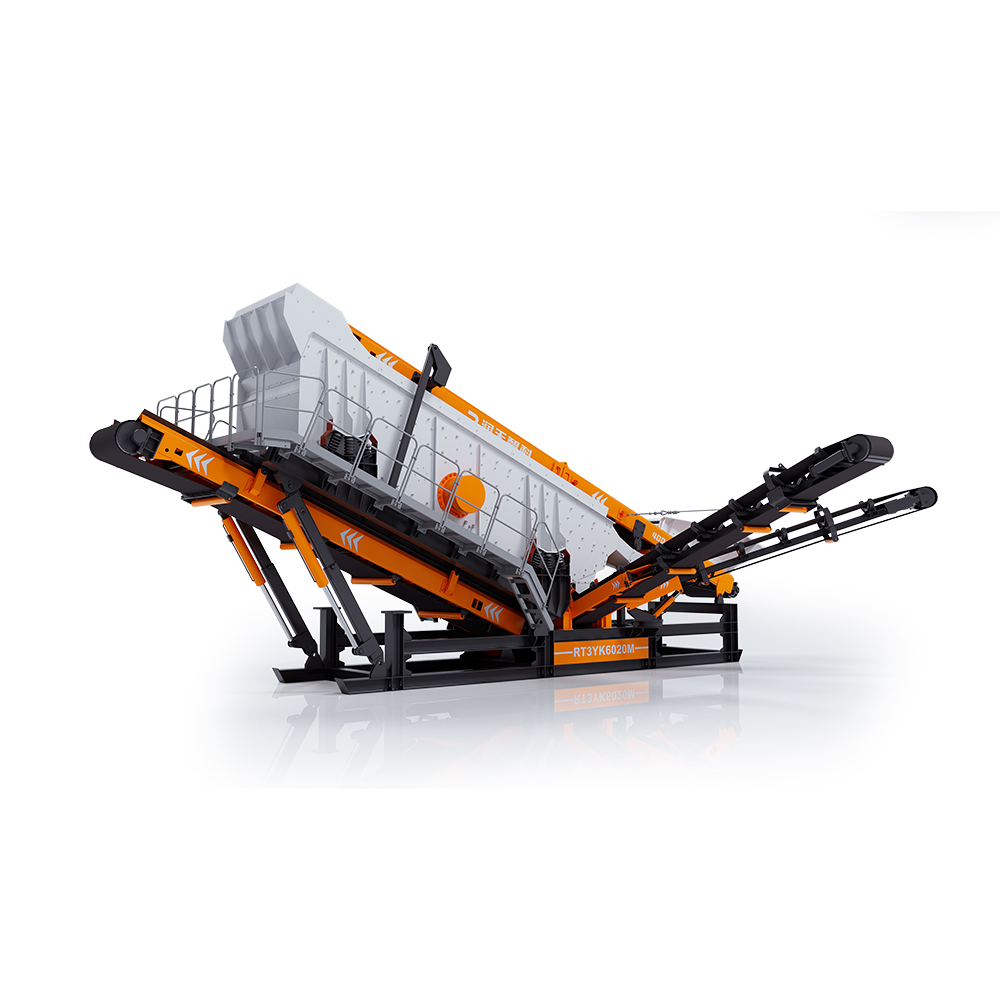
RT3YK6020M Modular Screening Plant
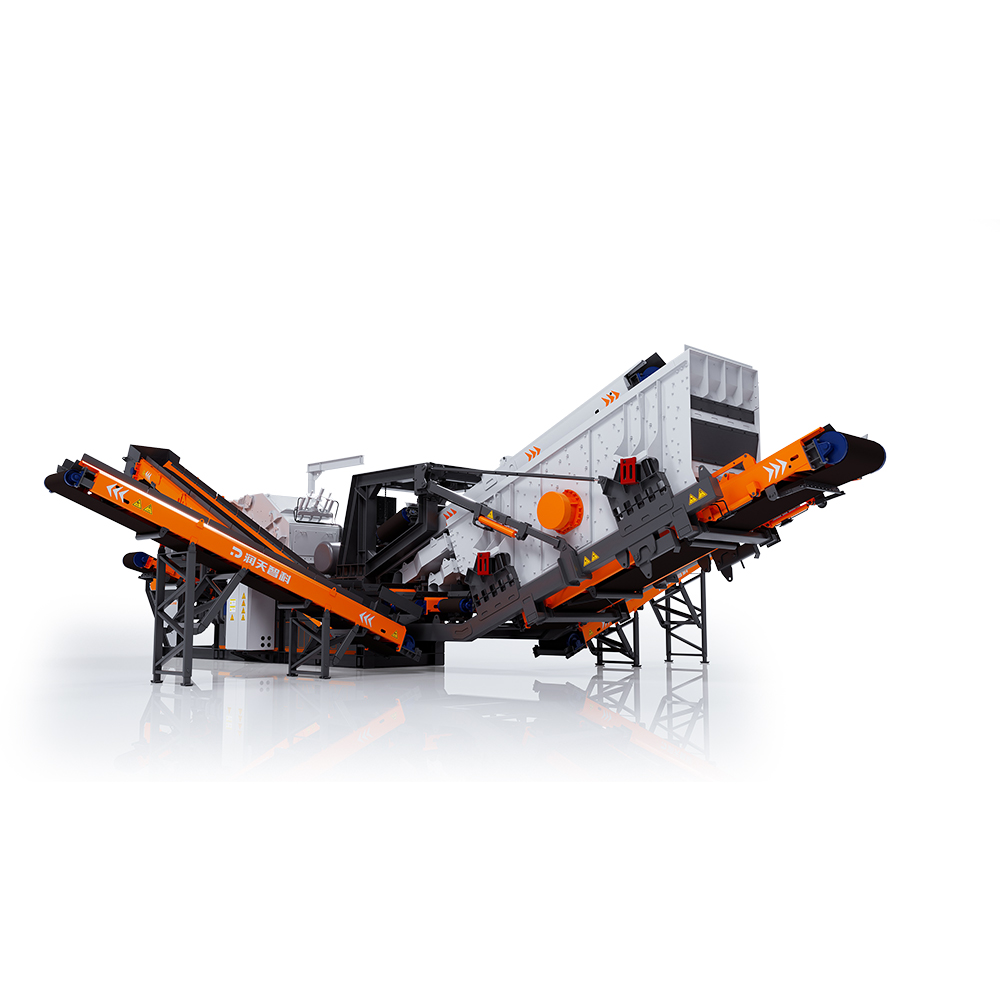
RTF260M Modular Counterattack Crushing and Screening Integrated Machine
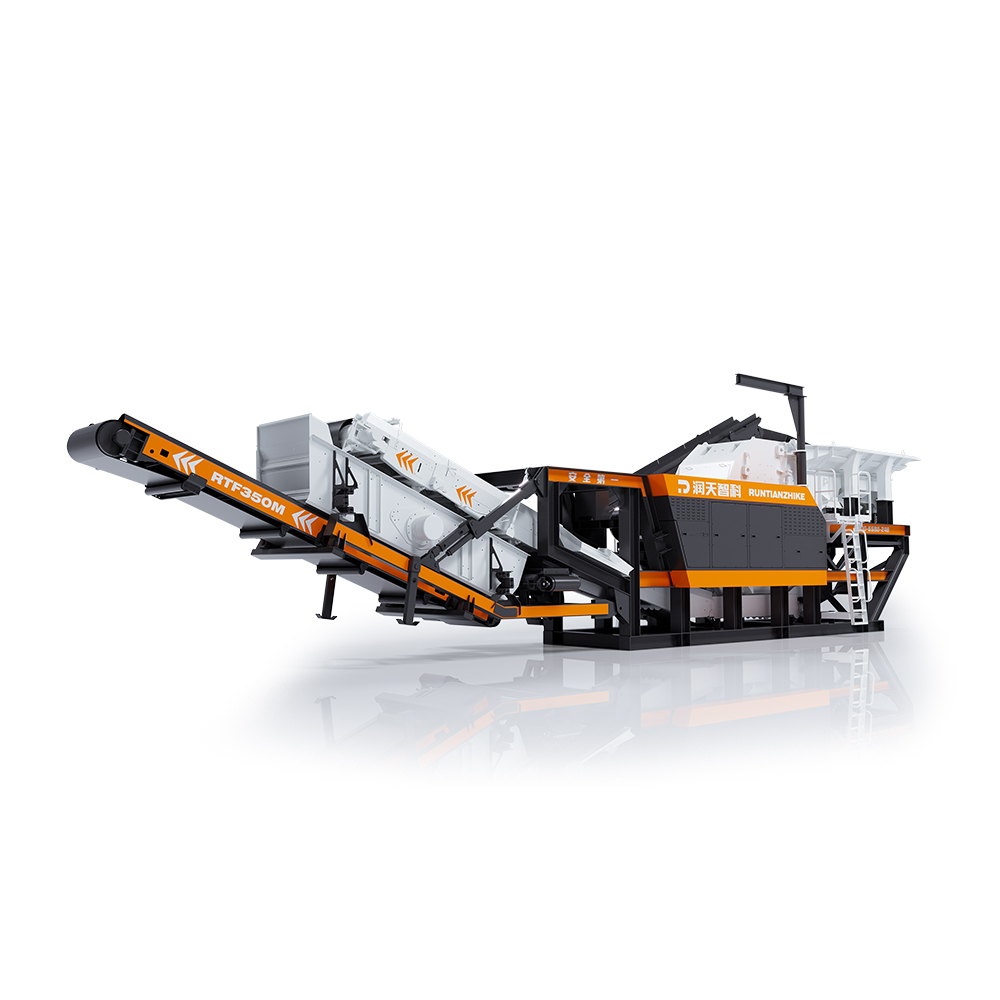
RTF350M Modular Impact Crushing Plant
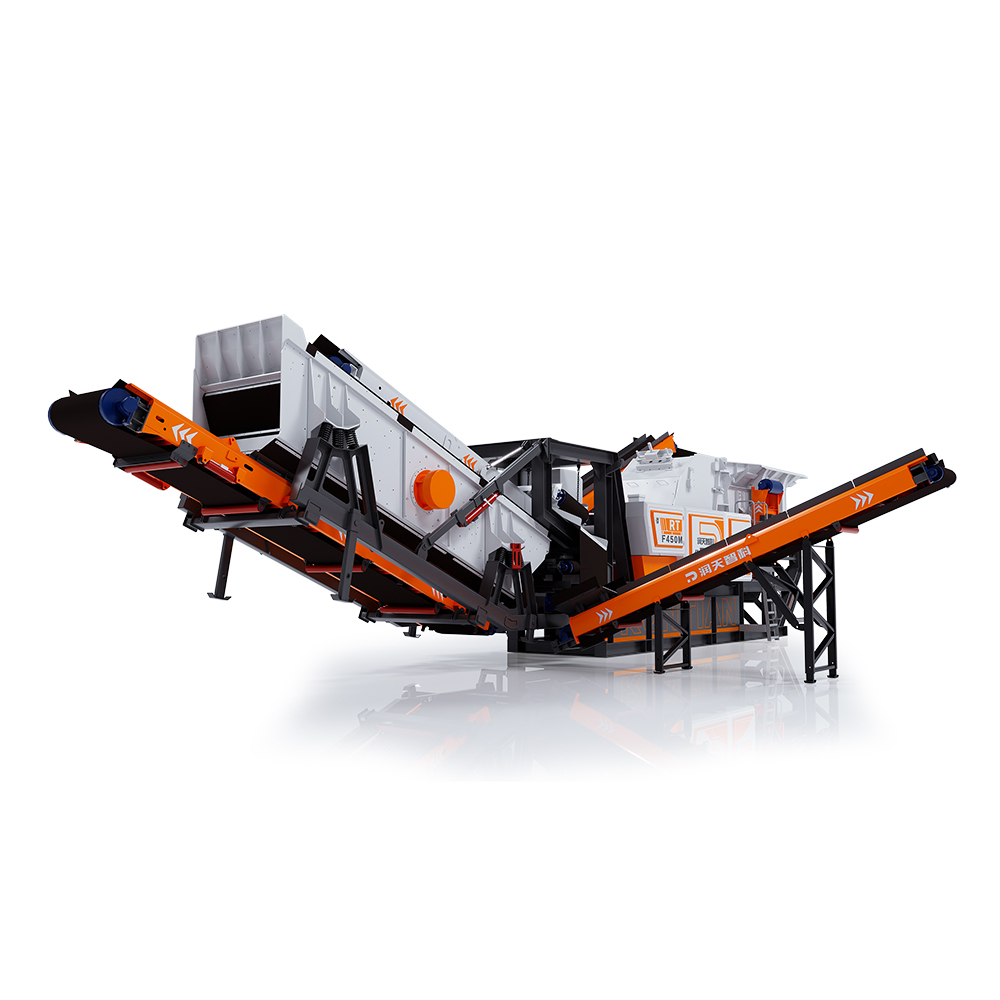
RTF450M Modular Impact Crushing Plant
Choosing a Jaw Crusher Mobile unit is not simply a matter of comparing engine power or feed opening. The right machine must match your material, production target, transport limits, and site conditions. A compact crusher may look efficient beside a stockpile, yet struggle when the feed contains wet clay or oversized rock. Real performance appears in daily work, not only in a brochure.
Veteran crushing consultant Mike Woof often emphasizes, “The best crusher is the one that fits the whole process, not just the feed size.” This principle deserves attention. Examine the complete circuit, including screening, discharge conveyors, loading equipment, and maintenance access. A powerful jaw crusher can still create bottlenecks if the screen cannot handle its output. Watch the details. Dust, noise, fuel use, and operator visibility also affect long-term value.
When comparing a Jaw Crusher Mobile, start with the rock’s compressive strength and abrasiveness. Then review the required capacity, jaw adjustment range, wear-part availability, and travel frequency. Ask how quickly the machine can be set up on uneven ground. Check the service records of similar units, not just advertised specifications. A dealer’s technical support may matter more than a small difference in horsepower.
There is no perfect choice. A smaller model may reduce transport costs but require more crushing stages. A larger model may improve output but increase fuel consumption and maintenance exposure. Even experienced buyers can overlook seasonal changes in moisture. That is why site trials, measured production data, and honest operator feedback should guide the final decision.
Start with the material, not the machine. Measure feed size, compressive strength, abrasiveness, moisture, and expected output. A quarry processing hard, flaky rock needs different protection than a recycling site handling clean concrete. The U.S. Geological Survey reported about 1.5 billion metric tons of crushed stone production in 2023. That scale hides major differences between applications.
Record the required capacity in tonnes per hour, then check peak demand. Do not size equipment only around the average. A practical target may allow 15–20% extra capacity for uneven feeding and short production surges. Confirm the maximum feed opening, closed-side setting, discharge size, and reduction ratio. A smaller setting can improve product shape, but it may increase power use and wear. Watch moisture closely. Wet fines can bridge the chamber and reduce throughput.
Operating conditions deserve equal attention. Track haul-road slope, transport distance, ambient temperature, dust, and available maintenance support. ISO 21873-2 covers mobile crushing plant safety requirements, while the U.S. Mine Safety and Health Administration emphasizes guarding, lockout procedures, and dust control. These are not paperwork details. They affect uptime and worker exposure. A neat spreadsheet can still mislead. Trial samples, belt-scale readings, and a short field test often reveal assumptions that looked correct on paper. Choose the crusher only after those conditions are measured.
How to Choose a Mobile Jaw Crusher?
Choosing a mobile jaw crusher starts with the material, not the machine’s appearance. From field inspections, I have seen operators select oversized units and lose efficiency through unnecessary fuel use and transport costs. Compare jaw designs carefully. A single-toggle jaw often offers a simpler structure and lower maintenance demands. A double-toggle design can handle heavy, abrasive feed, but its added components may require closer inspection. Check the feed opening against your largest rocks, and leave practical room for irregular shapes.
Capacity figures need careful interpretation. Rated output can change with rock hardness, moisture, closed-side setting, and feeding consistency. Ask for performance data under conditions similar to your site. A crusher producing 200 tons per hour in a test may deliver less beside a dusty quarry face. Small details matter. Look for accessible wear plates, clear adjustment points, and sensors that reveal blocked chambers. I prefer measured production records over optimistic brochures.
Mobility features should match the work pattern. Tracked crushers suit uneven ground and frequent movement between short-term sites. Wheeled units may travel efficiently between prepared locations, especially with suitable towing equipment. Check operating weight, folding conveyors, setup time, ground pressure, and clearance around the discharge area. Remote controls can improve safety and positioning, but they do not replace a trained operator. I once underestimated setup space; the machine worked well, yet material stockpiles restricted access. That mistake changed how I assess layouts. Examine service access, spare-part availability, and local technical support before purchase.
The chart compares typical mobile jaw crusher configurations by average throughput, transport weight, and setup time. Compact models suit smaller sites and frequent relocation, standard models provide a balanced choice, while heavy-duty models deliver higher capacity for demanding applications.
Values are representative mid-range figures for commonly specified mobile jaw crusher configurations. Actual performance depends on feed gradation, material hardness, moisture, CSS, and operating conditions.
How to Choose a Mobile Jaw Crusher?
Power should match the feed, not only the engine’s maximum rating. Track the crusher’s hourly load, start-up demand, and fuel use during a typical shift. The U.S. Environmental Protection Agency reports that Tier 4 nonroad standards reduce particulate matter by up to 50% and nitrogen oxides by up to 80% against earlier limits. A compliant engine can improve air quality, but it may require cleaner fuel and stricter maintenance. That detail is easy to underestimate.
Transportability affects real production time. The Federal Highway Administration’s Freight Facts and Figures 2023 identifies trucking as the dominant freight mode by weight and value in the United States. Therefore, check transport width, total mass, axle loads, and permit requirements before purchase. A compact frame may still need dismantling before entering a narrow quarry road. Measure the gate.
Site access deserves a physical inspection. Record turning radii, overhead cables, slope angles, ground bearing capacity, and the distance from the unloading point. European Stage V requirements apply particle-number limits to many non-road engines above 19 kW, according to Regulation (EU) 2016/1628. Hybrid systems may reduce idling, yet battery performance can suffer in cold or dusty conditions. Field tests are imperfect, but they reveal problems brochures often hide.
| Evaluation Factor | Compact Mobile Jaw Crusher | Standard Mobile Jaw Crusher | Heavy-Duty Mobile Jaw Crusher | Selection Guidance |
|---|---|---|---|---|
| Power System and Crushing Capability | ||||
| Typical operating weight | 20–30 tonnes | 30–45 tonnes | 45–70 tonnes | Higher operating weight generally supports a larger jaw and more stable crushing, but it increases transport requirements. |
| Typical engine power | 120–200 kW 161–268 hp |
200–300 kW 268–402 hp |
300–400 kW 402–536 hp |
Power demand rises with feed size, material hardness, throughput, and the use of conveyors or screening equipment. |
| Common power configuration | Diesel-hydraulic or diesel-electric | Diesel-hydraulic, diesel-electric, or hybrid | Diesel-electric or high-capacity diesel-hydraulic | Diesel-electric and hybrid systems can reduce fuel use when auxiliary equipment is electrically driven and the site has suitable power infrastructure. |
| Typical feed opening | Approximately 700 × 500 to 900 × 600 mm | Approximately 1,000 × 700 to 1,100 × 700 mm | Approximately 1,200 × 800 to 1,300 × 900 mm | Choose an opening that is safely larger than the largest planned feed material. Oversized rock may require a hydraulic breaker or pre-splitting. |
| Typical nominal throughput | 80–250 tonnes per hour | 150–400 tonnes per hour | 250–600 tonnes per hour | Actual production depends on rock type, moisture, CSS, feed gradation, operator practice, and downstream conveyors. |
| Fuel and energy considerations | Lower absolute fuel consumption; suitable for intermittent or low-to-medium production | Balanced fuel consumption and output for general quarrying and recycling | Higher fuel demand; justified for continuous high-volume production | Compare fuel use per tonne rather than fuel use per hour. Include idling, loading, conveyors, and auxiliary equipment in the calculation. |
| Transportability and Road Logistics | ||||
| Typical transport width | Approximately 2.5–3.0 m | Approximately 3.0–3.2 m | Approximately 3.2–3.5 m | A width near or below 2.55 m may simplify road transport in jurisdictions using common legal road-width limits. Wider units may require permits or escort vehicles. |
| Typical transport length | Approximately 10–13 m | Approximately 12–15 m | Approximately 14–17 m | Check trailer length, turning paths, bridge restrictions, and the location of the machine’s center of gravity before arranging delivery. |
| Typical transport height | Approximately 3.2–3.8 m | Approximately 3.5–4.1 m | Approximately 3.8–4.3 m | Measure the complete transport configuration, including folded conveyors, walkways, handrails, lights, and any removable feed hopper sections. |
| Transport preparation | Short preparation time; some conveyors and hoppers fold hydraulically | Moderate preparation time; folding or removal of selected components may be required | Longer preparation time; component removal and specialized trailers are more common | Ask for the exact transport envelope and the number of separate loads, not only the machine’s operating dimensions. |
| Approximate setup time | 20–45 minutes | 30–60 minutes | 45–90 minutes | Setup time depends on leveling, conveyor deployment, machine inspections, electrical connections, and site safety procedures. |
| Site Access and Ground Conditions | ||||
| Recommended working platform | Firm, level ground with adequate bearing capacity | Firm, level ground with improved access and maneuvering space | Engineered or heavily compacted platform is often preferred | A mobile crusher should not be positioned on unstable fill, soft saturated soil, or an unverified slope. Ground preparation can be more important than machine size. |
| Typical track shoe width | Approximately 400–600 mm | Approximately 500–700 mm | Approximately 600–800 mm | Wider tracks can reduce ground pressure, but they may increase overall transport width and turning clearance. |
| Practical access route width | At least 3.5–4.0 m, plus clearance for turns | At least 4.0–5.0 m, plus clearance for turns | At least 5.0–6.0 m, plus clearance for turns | Include machine overhang, trailer width, barriers, drainage ditches, trees, power lines, and the swept path during turns. |
| Slope and ramp planning | Best suited to short, moderate slopes and prepared ramps | Requires controlled ramps and adequate traction | Requires carefully engineered ramps and strict travel procedures | Do not rely only on a crawler’s advertised gradeability. Confirm the manufacturer’s travel limit for the actual load, surface, and direction of travel. |
| Turning and repositioning | Good maneuverability for confined sites | Suitable for most quarry and recycling sites | Requires larger turning areas and more planning | Consider two-way access, reversing distance, stockpile locations, loading equipment, and emergency vehicle routes. |
| Best-fit applications | Urban recycling, small quarries, demolition sites, and short-term projects | General quarrying, road construction, aggregate recycling, and multi-site contractors | Large quarries, hard-rock production, major infrastructure projects, and high-volume applications | Match machine size to the required daily production, available loading equipment, transport rules, and the constraints of the smallest site. |
| Primary trade-off | Lower capacity and smaller feed opening | Balanced capacity, mobility, and operating cost | Higher production potential but greater transport, fuel, and site-preparation demands | The largest crusher is not always the most productive choice if access, material supply, or downstream capacity is limited. |

When comparing mobile jaw crushers, treat safety controls as operating equipment, not optional accessories. Look for guarded access points, emergency stops, remote shutdowns, reverse alarms, and clear isolation procedures. Controls should remain reachable from ground level during a blockage. That matters.
The U.S. Mine Safety and Health Administration recorded 40 mining fatalities in 2023, including 30 in metal and nonmetal operations. These figures do not isolate jaw crushers, but they underline the cost of weak site discipline. Ask for documented service intervals, inspection checklists, and maintenance access without climbing over moving components. Grease points, belt guards, hydraulic hoses, and chamber access should be visible and practical to inspect. A clever design can still fail if technicians avoid it.
Wear-part costs need more than a catalogue price. Request a cost-per-ton estimate separating jaw plates, cheek plates, labor, shipping, and downtime. Ask how abrasive, wet, or poorly graded feed changes expected wear. The U.S. Geological Survey’s Mineral Commodity Summaries 2024 estimated U.S. crushed stone production at about 1.5 billion metric tons in 2023. At that scale, small efficiency losses become significant. Track actual tonnes, plate thickness, and operating hours after installation. One test is not enough. I would challenge any estimate based on ideal rock and perfect feeding.、】【
How to Choose a Mobile Jaw Crusher?
Selecting a mobile jaw crusher should begin with total ownership cost, not the purchase price. USGS Mineral Commodity Summaries 2024 estimated U.S. crushed stone production at about 1.5 billion metric tons in 2023. That scale makes small efficiency losses expensive. Compare fuel use, liner life, scheduled maintenance, transport, labor, and resale value. A machine producing 250 tonnes per hour may cost more initially, yet lower its cost per tonne on a demanding site.
Performance must match the material and operating conditions. Check the maximum feed size, closed-side setting, required product grading, and moisture level. Measure tonnes per hour during a controlled trial, not only from a brochure. The Energy Institute Statistical Review of World Energy 2024 reported continued volatility in oil markets, so fuel consumption deserves close attention. Record litres per operating hour, idle time, and fuel per tonne. Small numbers become large bills.
Look beyond the first month. A crusher that handles hard, abrasive rock may need stronger wear protection and more frequent inspections. That trade-off can be worthwhile, but it should appear in the ownership model. Include downtime risk, spare-parts access, operator training, and transport permits. My field notes often show an uncomfortable gap between rated capacity and real output. Dust, uneven feeding, and blocked discharge can reduce production sharply. Test the machine with your actual feedstock. Then challenge the result.