How to Choose a Mobile Jaw Crusher for Sale?
Choosing a Jaw Crusher Mobile is not simply a matter of comparing engine power or advertised capacity. The machine must match the rock, feed size, required product, site access, and operating rhythm.
Market evidence supports careful selection. Grand View Research valued the global mobile crushers market at approximately USD 3.1 billion in 2023. It expects continued growth through 2030, driven by road construction, recycling, and quarrying demand. Fortune Business Insights also reports steady expansion in mobile crushers and screeners. These figures suggest stronger competition, but they do not guarantee the right purchase.
Barry A. Wills, co-author of Wills’ Mineral Processing Technology, states, “The main purpose of comminution is to liberate valuable minerals from the ore.” His principle applies to aggregate producers, too. A crusher should create the required material efficiently, not merely process the largest possible tonnage.
Start with the feed. Hard granite may demand different jaw plates than softer limestone. Measure the largest rock entering the hopper. Check discharge size, CSS adjustment, belt width, magnetic separation, and dust-control features. Consider the ground beneath the tracks.
Small details matter.
A unit that reaches the quarry face quickly can reduce hauling distance. A machine with simple liner access can shorten maintenance stops. Fuel consumption, service support, transport dimensions, and resale value deserve equal attention.
No single model wins every application. That is easy to forget. Product brochures often simplify real conditions, while field performance changes with moisture, fines, operator skill, and maintenance discipline. The most reliable choice combines test data, site experience, and verified technical support.
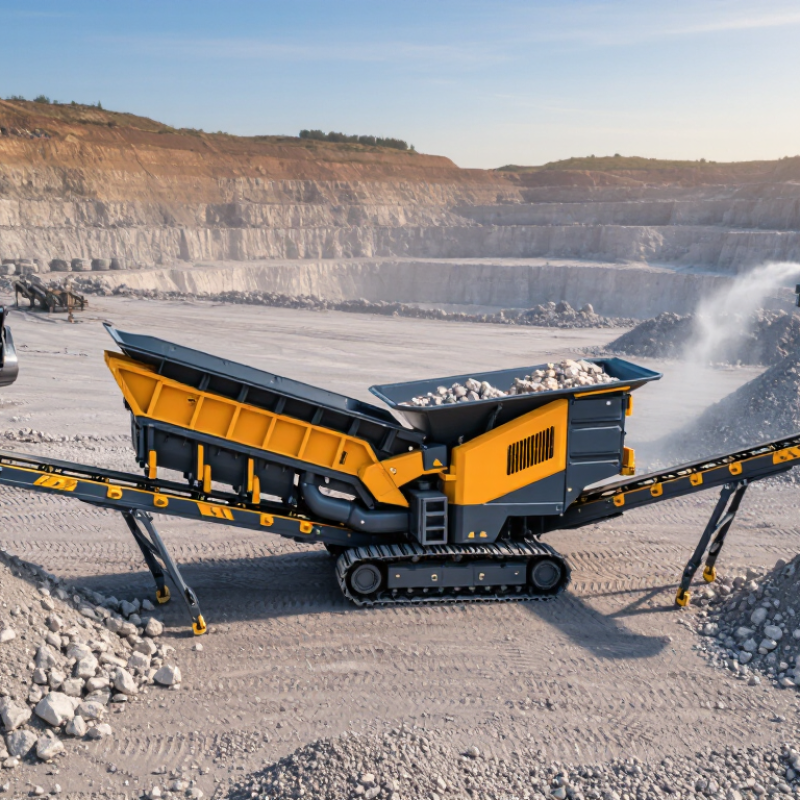
Mobile Jaw Crusher Basics and Main Applications
How to Choose a Mobile Jaw Crusher for Sale?
A mobile jaw crusher uses two plates to compress and break rock, concrete, or other hard materials. One plate moves, while the other remains fixed. The crushing chamber, feed opening, and discharge setting control the final product size. A wider feed opening accepts larger stones, but it may require a stronger loading machine. Check the crusher’s real capacity under your material conditions, not only the advertised maximum.
On site, I inspect the material before comparing machines. Hard granite behaves differently from recycled concrete. Wet, sticky feed can reduce performance and block the chamber. A tracked unit suits rough quarry ground and changing work areas. A wheeled unit may fit better on prepared roads and frequent transport routes. Confirm the transport weight, fuel system, electrical controls, and maintenance access before buying.
Mobile jaw crushers support quarry production, road construction, demolition recycling, and aggregate preparation. In concrete recycling, a magnetic separator can remove steel before further processing. Dust suppression and noise controls also matter near homes or busy roads. Look for clear service records, wear-part availability, safety guards, and responsive technical support. Small details matter. I would still test the machine with representative feed whenever possible. A perfect choice is unlikely, and my first estimate may be wrong. Performance can change with operator skill, moisture, and daily maintenance.
Define Your Crushing Needs and Production Goals
Choosing a mobile jaw crusher for sale starts with defining your crushing needs and production goals. Identify the material first: granite, limestone, recycled concrete, or mixed demolition waste. Hard rock demands stronger wear protection and stable power delivery. Measure the largest feed size, desired output size, and expected moisture level. These details affect the jaw opening, discharge setting, and screening arrangement.
Set a realistic hourly target. A project requiring 120 tons per hour needs different equipment from a small road repair job. Consider daily working hours, transport distance, and available operators. On a steep site, mobility, ground clearance, and remote control can matter more than maximum capacity. In practice, stated capacity may fall when the material is wet or poorly graded. Allow a practical margin instead of planning at the machine’s absolute limit.
Tips:
Record one full week of material conditions before purchasing. Note oversize rocks, dust, moisture, and fuel use. Ask for verified capacity data under similar conditions. Check inspection access, spare wear parts, service response, and safety features. A compact crusher may save transport costs, but its smaller feed opening could slow production. Recheck the numbers with your actual site layout; this step is often missed.
Evaluate Power, Maintenance, Safety, and Operating Costs
How to Choose a Mobile Jaw Crusher for Sale?
Power should match the feed size, material hardness, and planned daily production. A larger motor does not automatically deliver lower costs. The U.S. Department of Energy reports that motor-driven systems can use over half of industrial electricity. Therefore, compare power consumption per processed tonne, not motor size alone. Request test results using your actual rock. Laboratory figures often feel too optimistic.
Maintenance affects uptime more than many buyers expect. Inspect jaw plates, bearings, belts, and hydraulic lines before each shift. Ask for service intervals, replacement times, and local technician support. A five-minute inspection can prevent a costly shutdown, although this is easy to neglect during busy production. Track fuel, electricity, wear parts, labor, and downtime in one monthly cost sheet.
Safety must be measurable. OSHA’s respirable crystalline silica standard sets an action level of 25 micrograms per cubic meter and a permissible exposure limit of 50. Choose effective dust suppression, enclosed controls, emergency stops, and clear access around the machine. Noise protection also matters; NIOSH recommends controlling exposure near 85 dBA over an eight-hour workday.
Tips:
Compare three suppliers using the same feed material and output target. Check actual fuel use under load. Calculate maintenance cost per tonne. Ask operators what failed last season. Their answer may be more useful than a polished brochure.
How to Choose a Mobile Jaw Crusher for Sale? — Evaluate Power, Maintenance, Safety, and Operating Costs
| Equipment Class |
Typical Capacity |
Engine Power |
Feed Opening |
Maximum Feed Size |
Approx. Fuel Use |
Maintenance Profile |
Key Safety Requirements |
Estimated Operating Cost |
| Compact Mobile Jaw Crusher |
30–80 metric t/h |
75–150 kW |
600 × 400 to
800 × 500 mm |
350–450 mm |
8–14 L/h
Diesel |
Daily greasing and visual inspection.
Jaw-gap checks every shift.
Jaw plates commonly inspected every 50–100 operating hours.
|
Guarded flywheel and drive components; emergency stops; lockout/tagout; dust suppression; safe access platforms.
|
US$3–8/t
Excluding purchase financing and taxes |
| Medium Mobile Jaw Crusher |
80–180 metric t/h |
150–250 kW |
900 × 600 to
1,060 × 700 mm |
500–600 mm |
14–25 L/h
Diesel |
Daily lubrication and belt checks.
Hydraulic and electrical inspections weekly.
Jaw plates typically changed when the wear profile reaches the manufacturer’s limit.
|
Hydraulic overload protection, blocked-chamber procedure, pull-wire emergency stops, guarding, reverse-alarm system, and formal pre-start inspections.
|
US$2.50–6/t
Usually lower per tonne at steady utilization |
| Large Mobile Jaw Crusher |
150–350 metric t/h |
250–450 kW |
1,200 × 800 to
1,500 × 1,000 mm |
650–850 mm |
25–45 L/h
Diesel |
Scheduled lubrication system recommended.
Daily checks of bearings, belts, hydraulics, and discharge conveyor.
Planned shutdowns are needed for jaw-plate and liner replacement.
|
Engine and crusher interlocks, hydraulic tramp-release protection, guarded maintenance zones, remote emergency stops, isolation procedures, and operator training.
|
US$2–5/t
Most economical when operated near rated throughput |
Planning basis: The figures are typical industry planning ranges for diesel-powered mobile jaw-crushing applications and are not tied to any specific manufacturer or model. Actual capacity depends on rock hardness, moisture, feed gradation, CSS setting, liner condition, operator practice, and material handling. Fuel estimates assume a properly loaded machine operating in normal duty; actual consumption varies with engine load and site conditions. Estimated operating cost includes fuel, routine maintenance, wear parts, and normal labor allowances, but excludes capital cost, financing, transport, taxes, permits, and major component replacement.
Verify Suppliers, Specifications, and Purchase Conditions
How to Choose a Mobile Jaw Crusher for Sale?
Supplier verification should come before comparing prices. The U.S. Geological Survey reported about 1.5 billion metric tons of crushed stone production in 2023. This scale makes reliable equipment support commercially important. Ask each supplier for recent customer references, factory inspection records, and service-response times. Check whether technicians can reach your site quickly. Request evidence for stated capacity, not only a sales brochure. A machine may look suitable on paper, yet perform poorly with wet, abrasive feed.
Specifications must match your actual material and production target.
Review feed opening, maximum lump size, closed-side setting, discharge range, engine power, and transport dimensions. Ask for test results using similar rock. Include fuel or electricity use, dust-control provisions, safety features, and expected wear-part life. The purchase agreement should clearly define delivery terms, commissioning, warranty coverage, spare parts, training, and payment milestones. OECD infrastructure reports repeatedly identify cost overruns and schedule delays as major project risks, so vague conditions deserve attention.
Tips: Request three comparable quotations. Compare total ownership cost. Keep a written inspection checklist. I would also allow a small contingency for wear parts and unexpected site changes. That is not pessimism; it is practical planning. Reconsider any supplier who avoids measurable promises.

 Concrete Mixing Plant
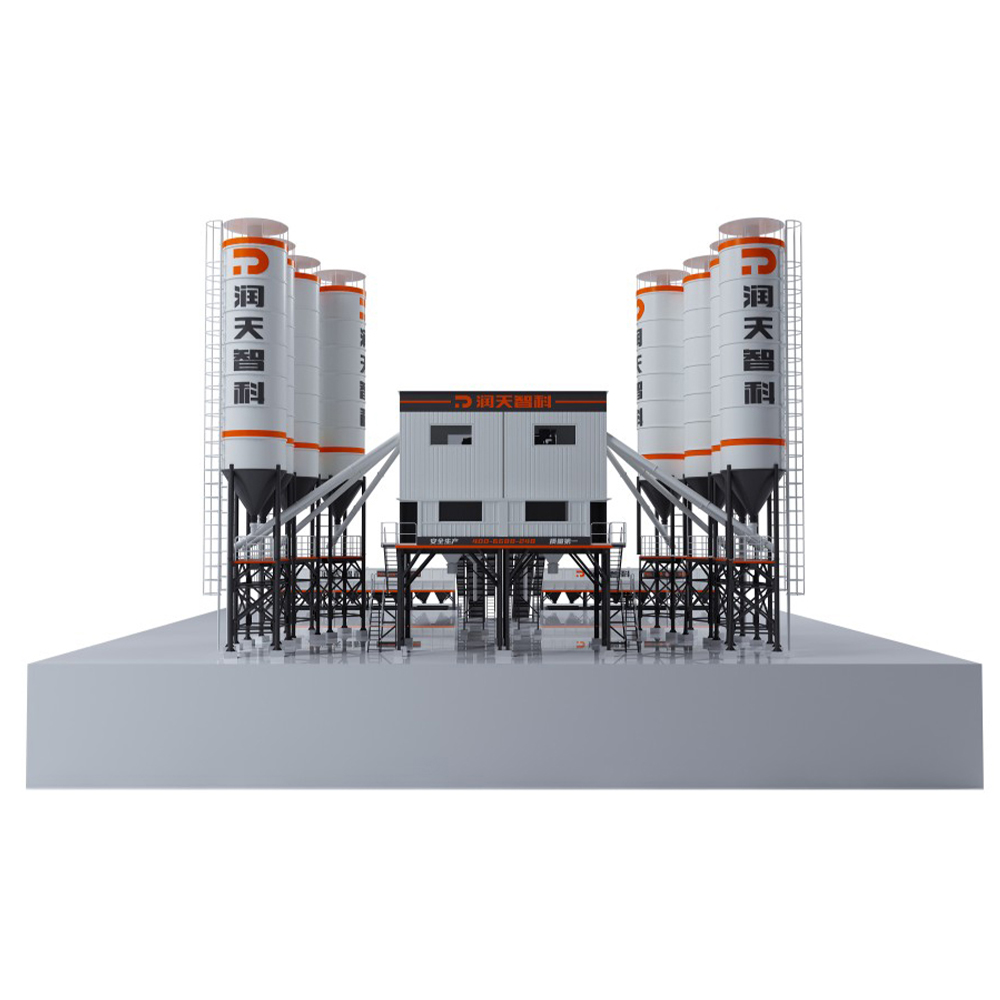 HZS Series Belt Concrete Mixing Plant
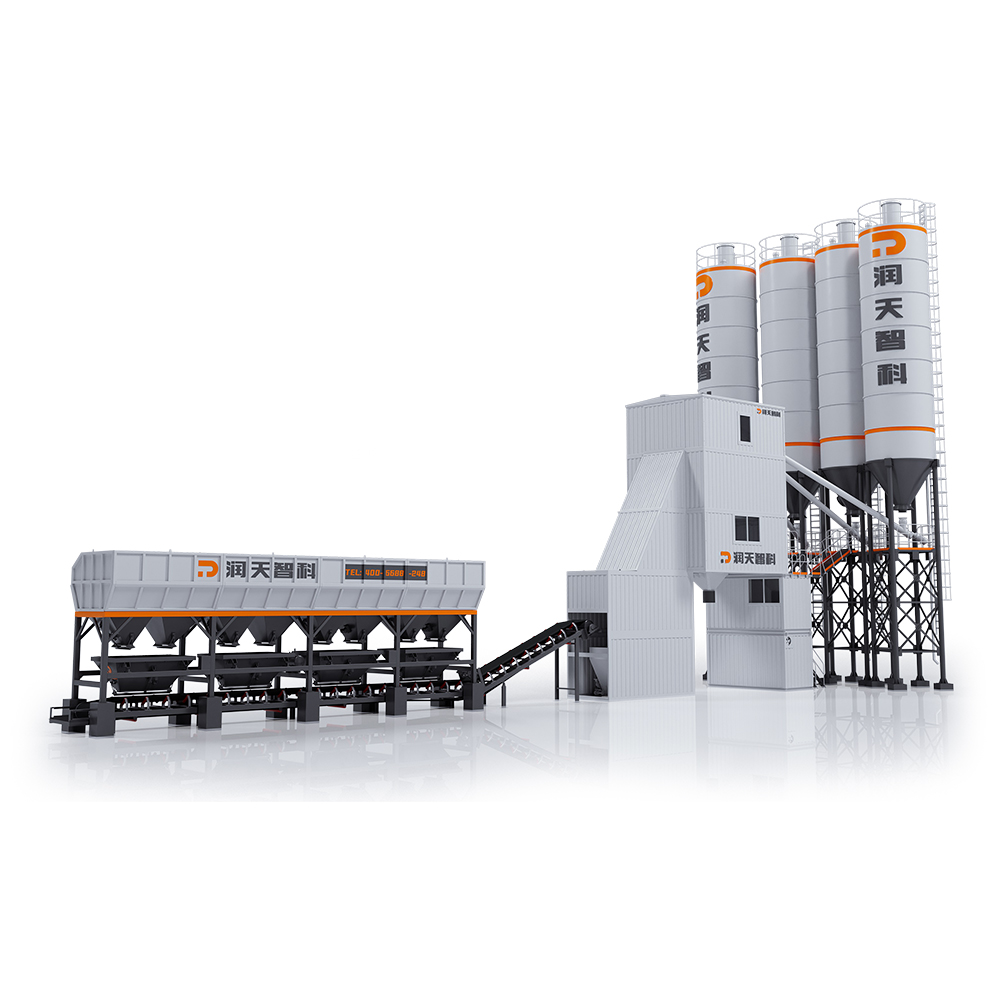 HZS Series Bucket-Lifting Type Container Concrete Mixing Plant
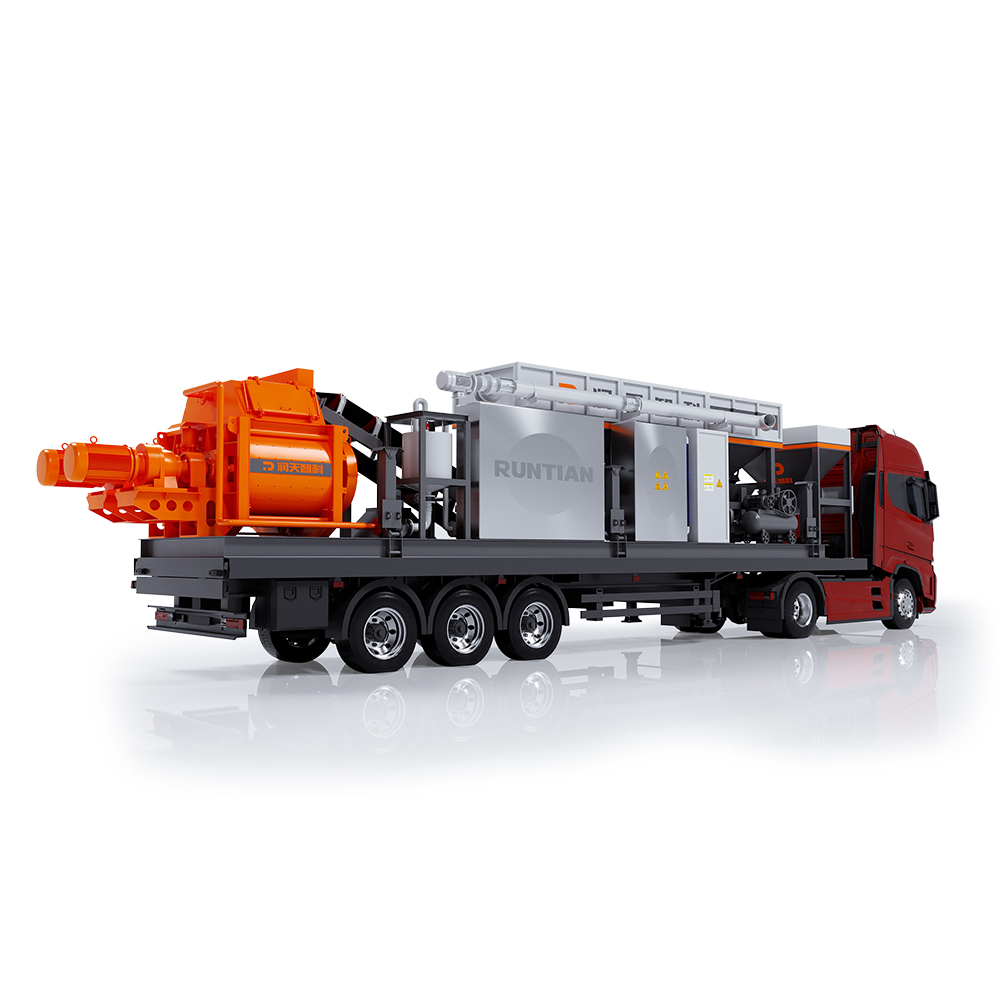 HZS60 Mobile Concrete Mixing Plant
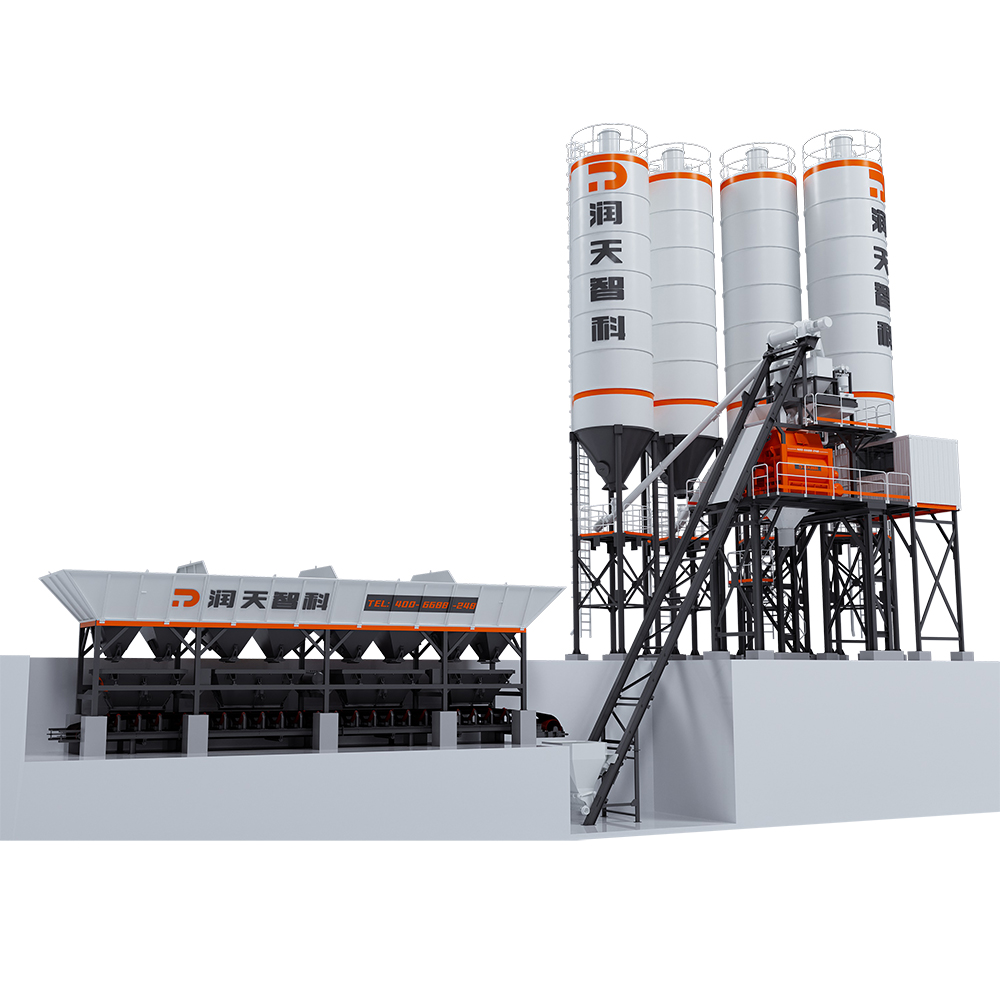 HZS Series Bucket-Lifting Type Concrete Mixing Plant
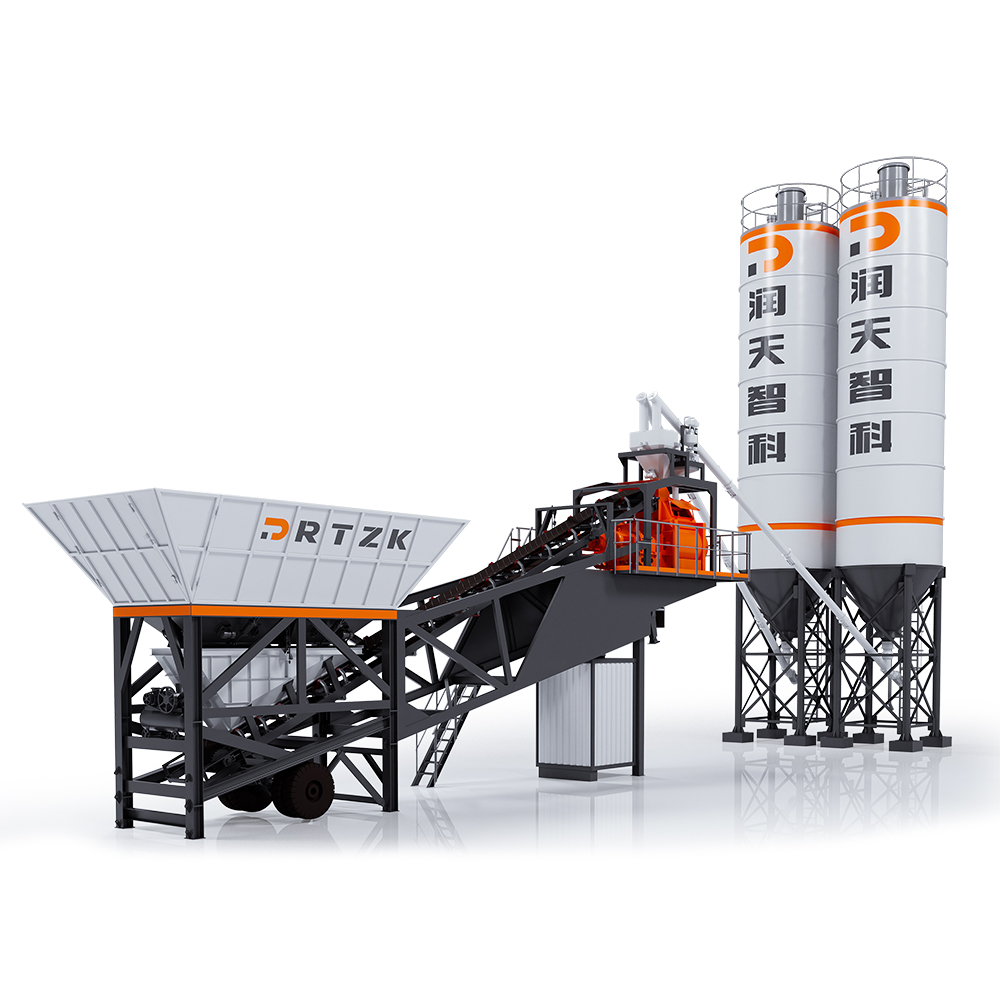 HZS Series Mobile Concrete Mixing Plant
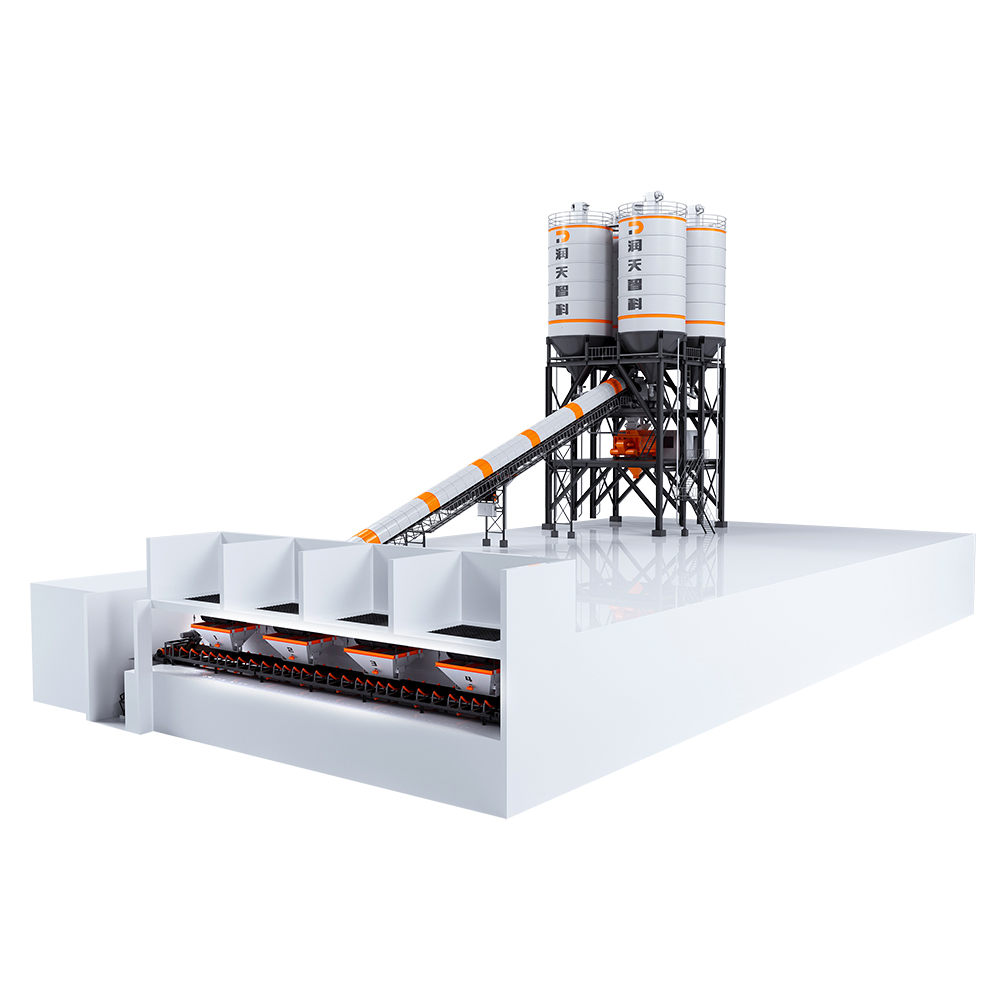 HZS Series Top-Mounted Concrete Mixing plant
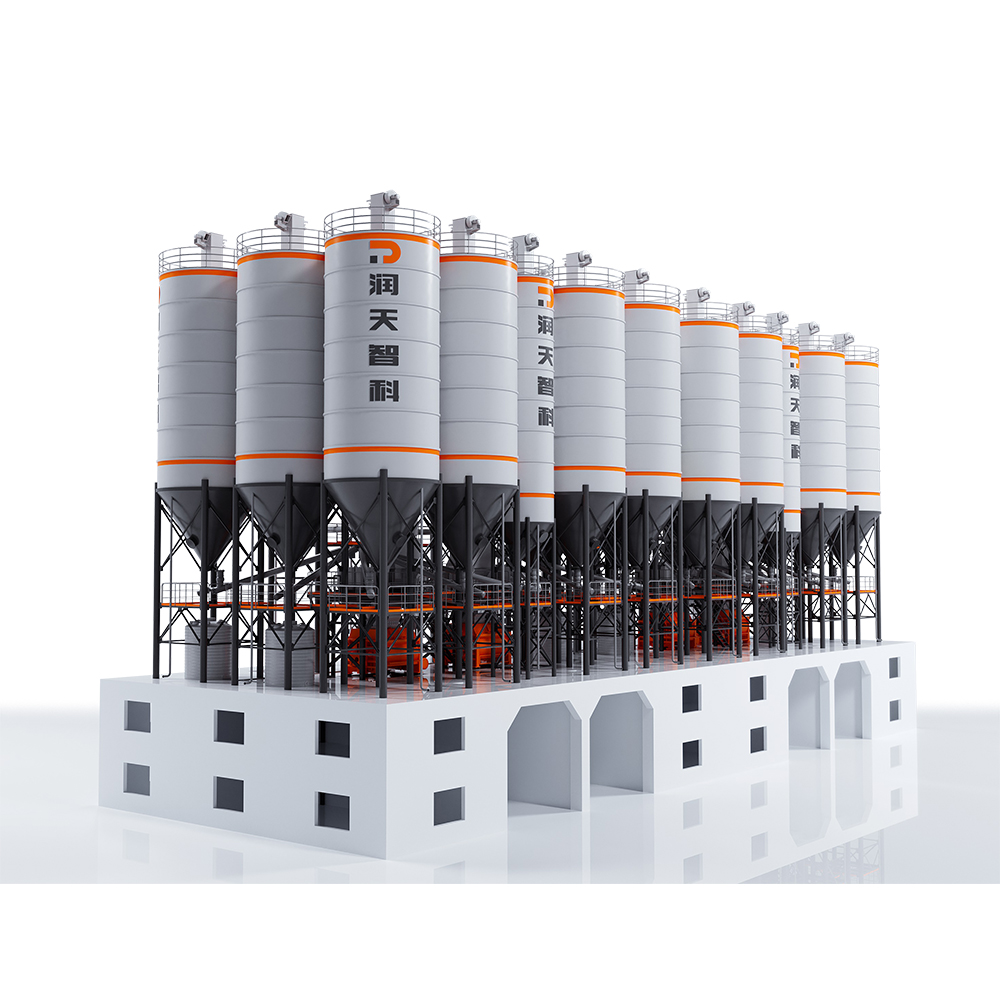 HZS Series Semi-Top Mounted Concrete Mixing Plant
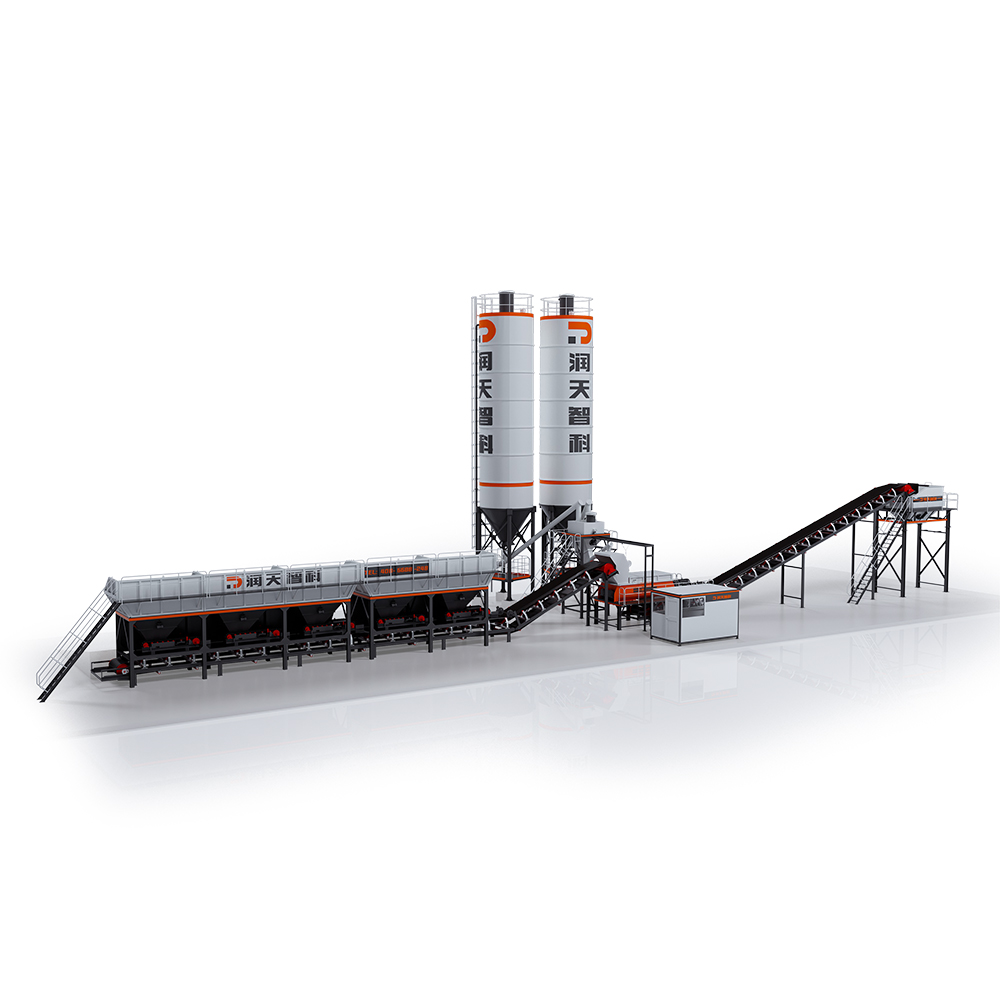 WDB Series Foundation-Free Stability Soil Mixing Plant
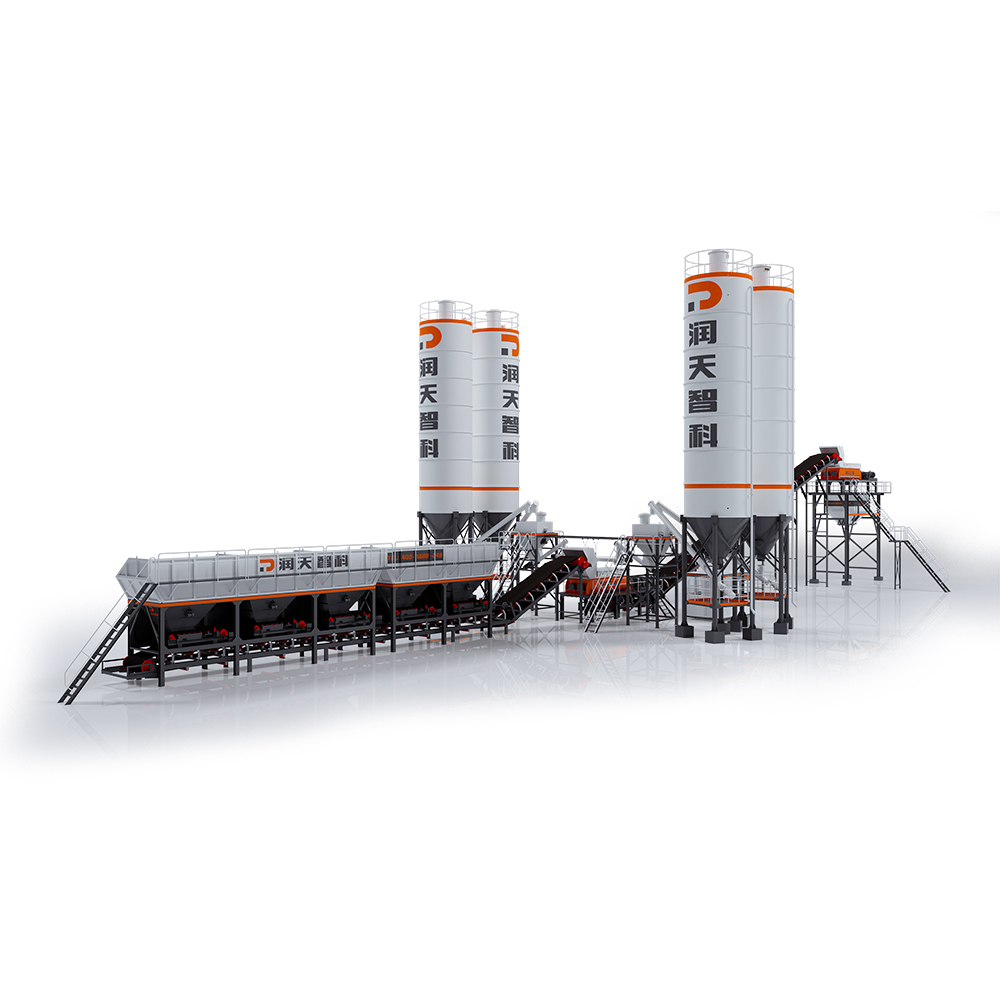 LCB Series Emulsified Asphalt Cold Regeneration Secondary Mixing Plant
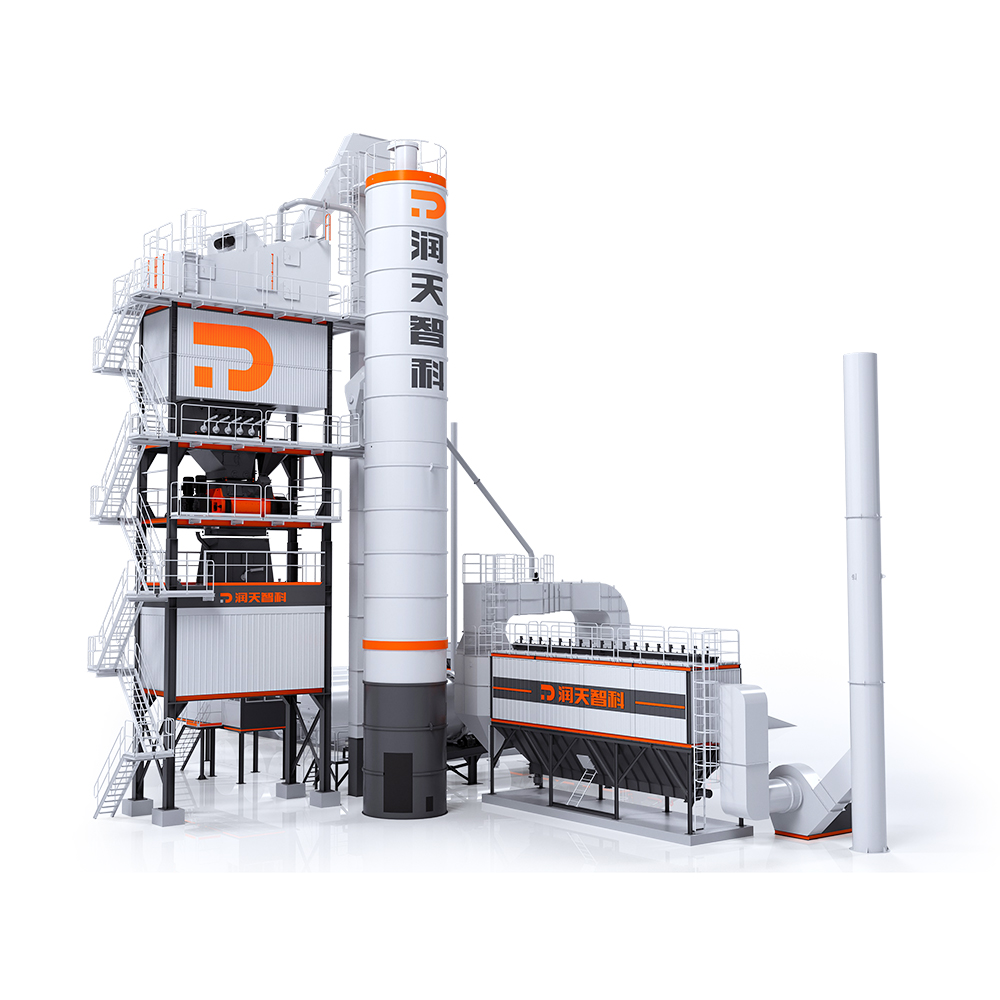 LB Series Asphalt Mixing Plant
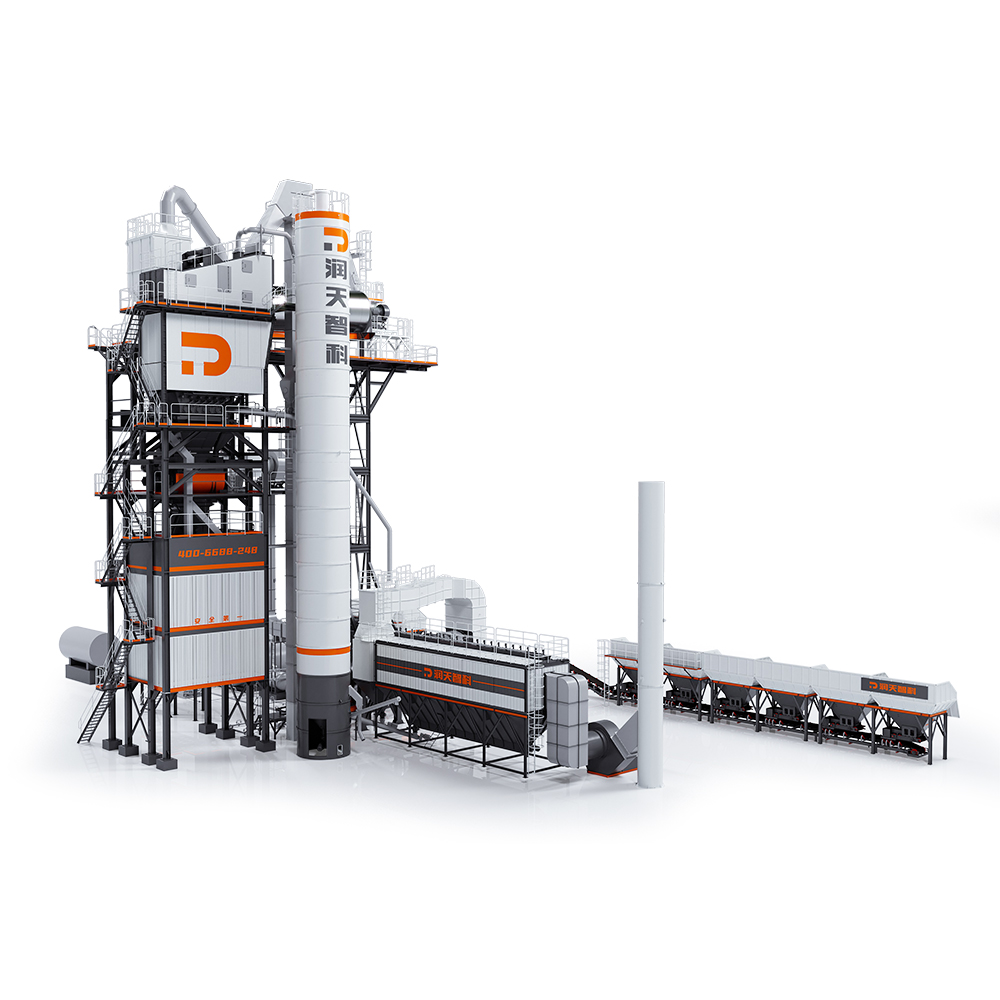 LBR Series Integrated Asphalt Mixing Plant
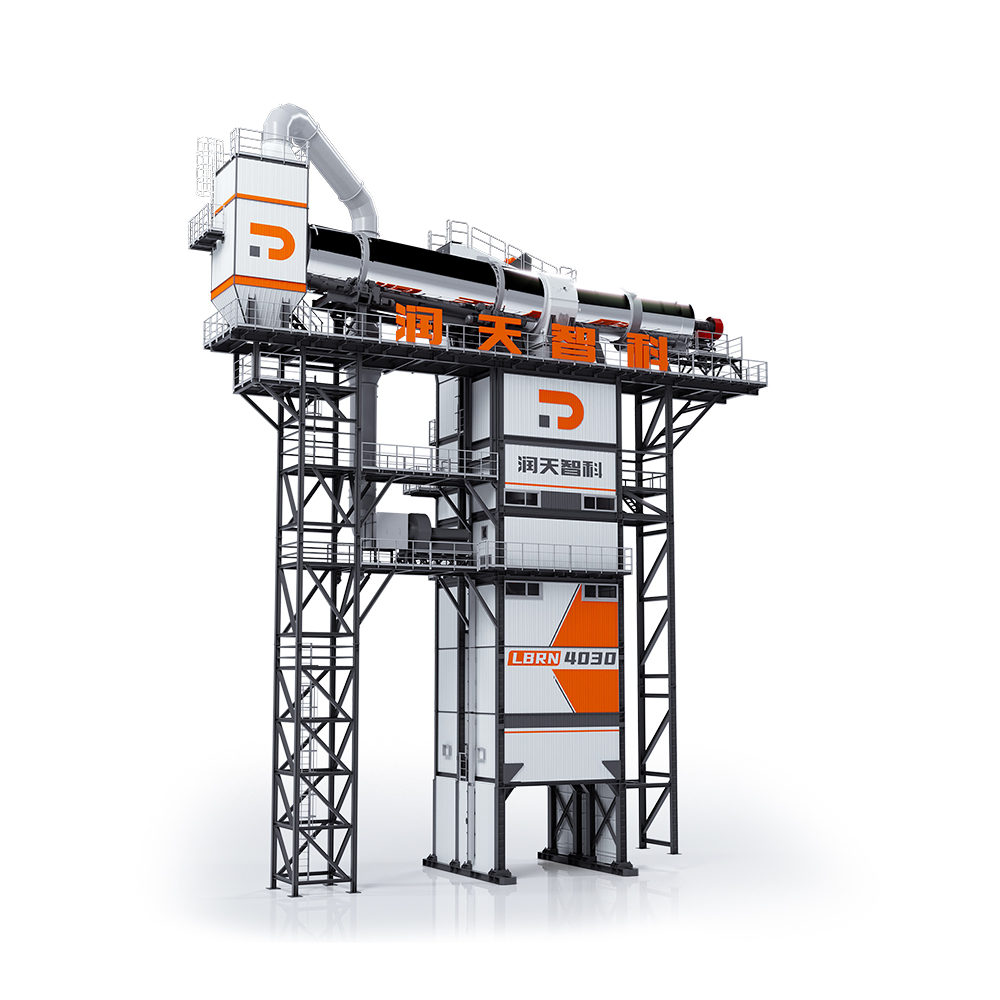 LBRN Series Counterflow Integral Asphalt Mixing Plant
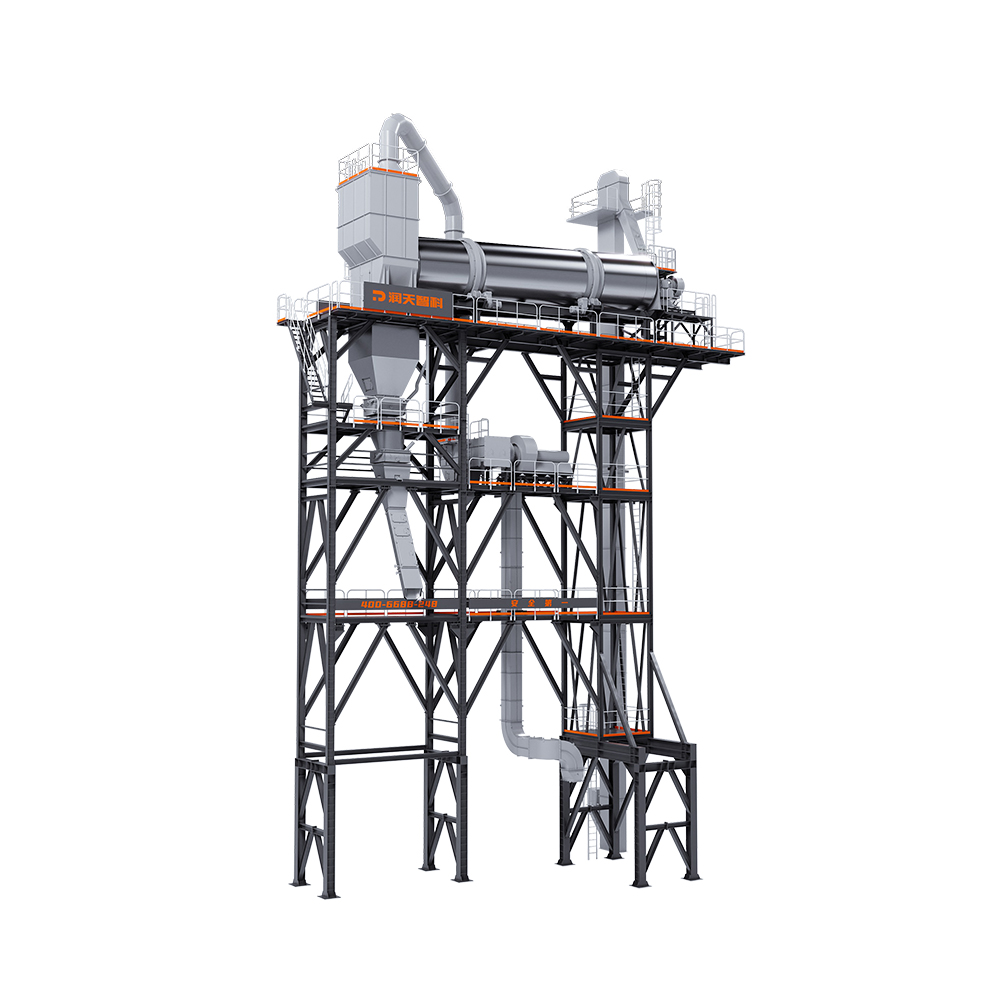 RZS Series Asphalt Mixing Plant
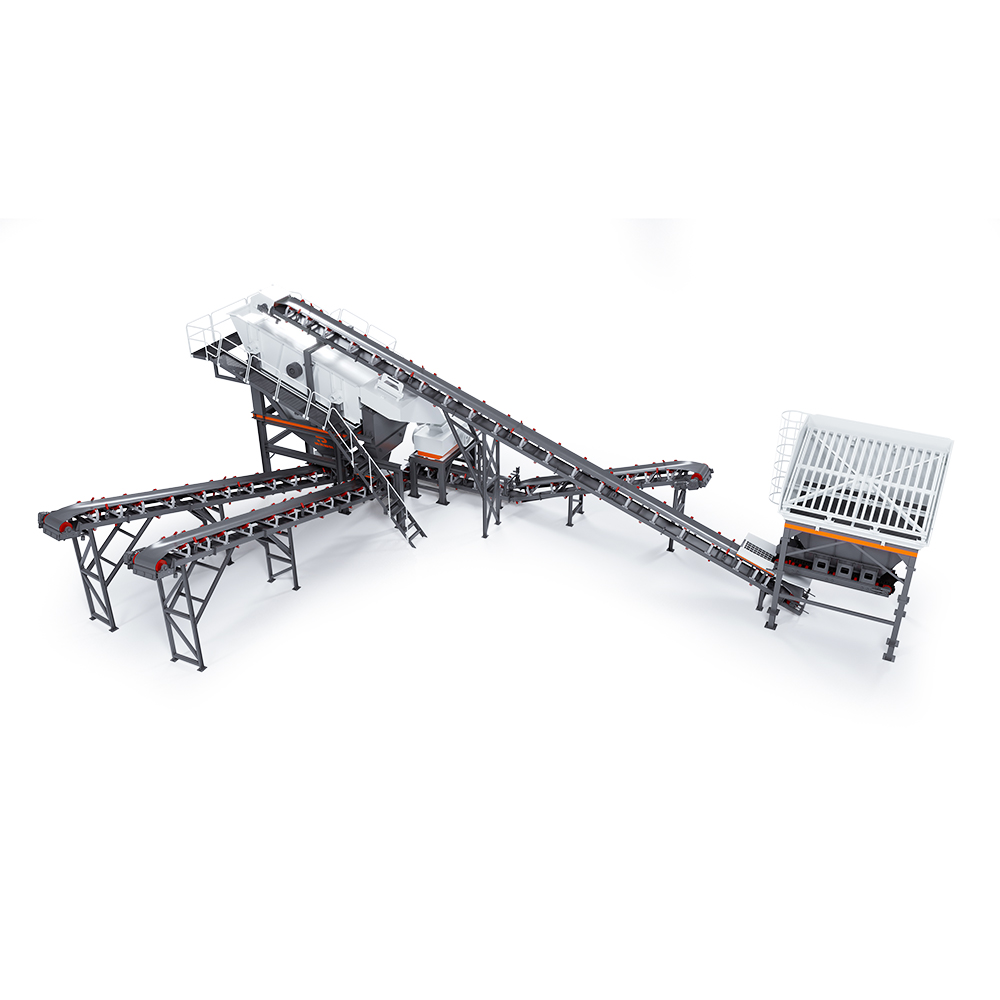 RTZS120 Series RAP Crushing & Screening Plant
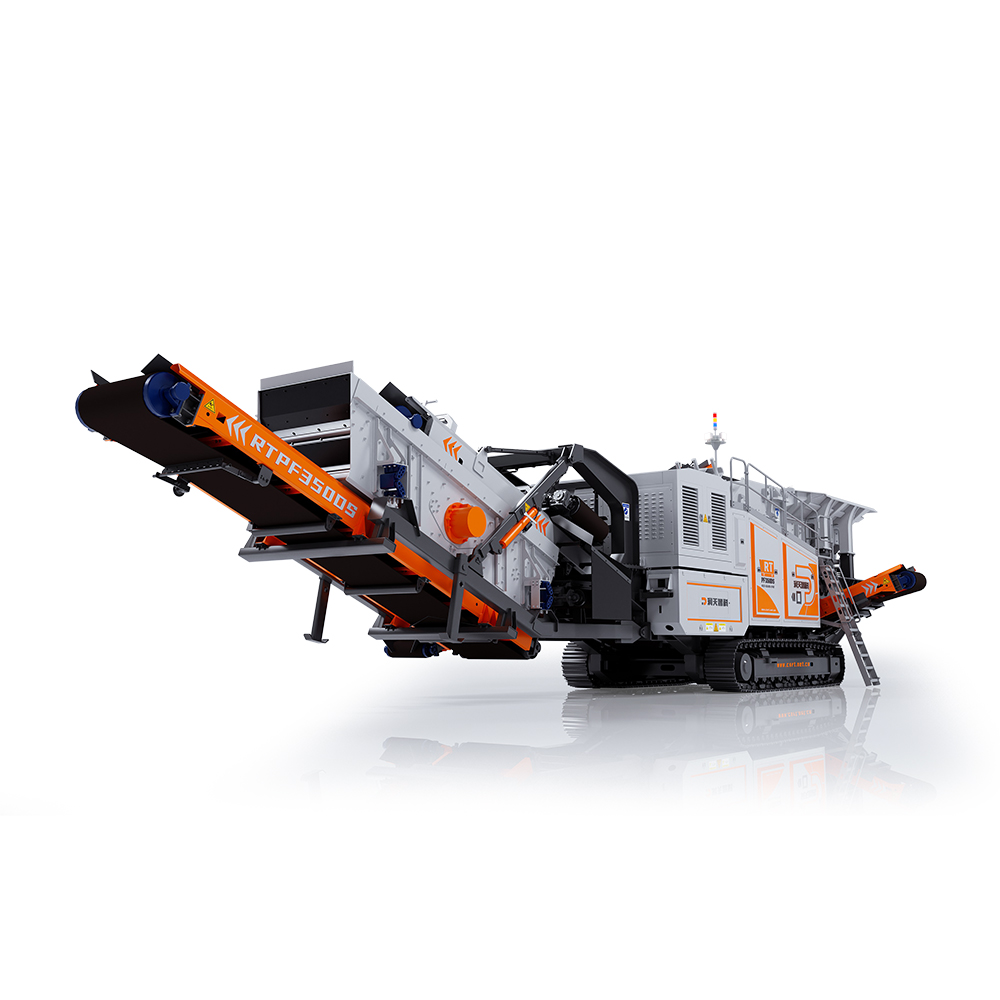 RTPF350DS Crawler Mobile Impact Crushing Plant
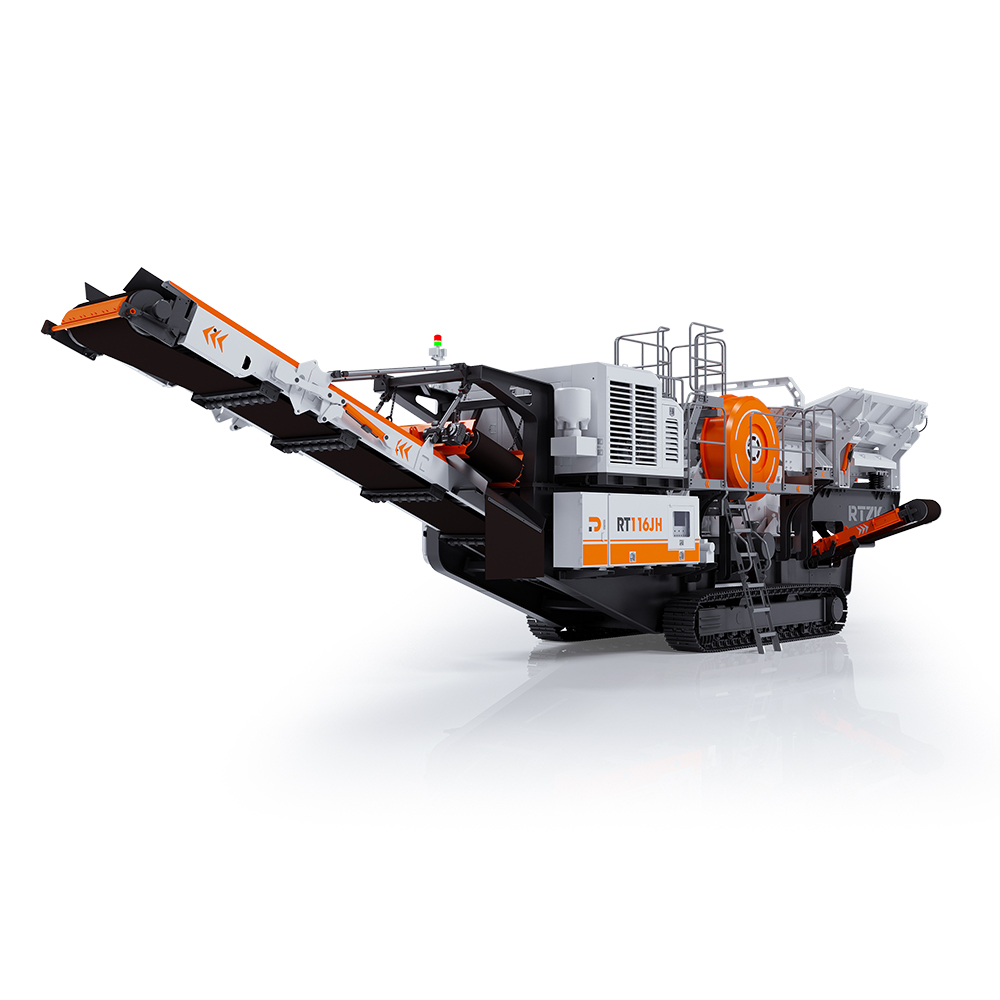 RT116JH Crawler Mobile Jaw Crushing Plant
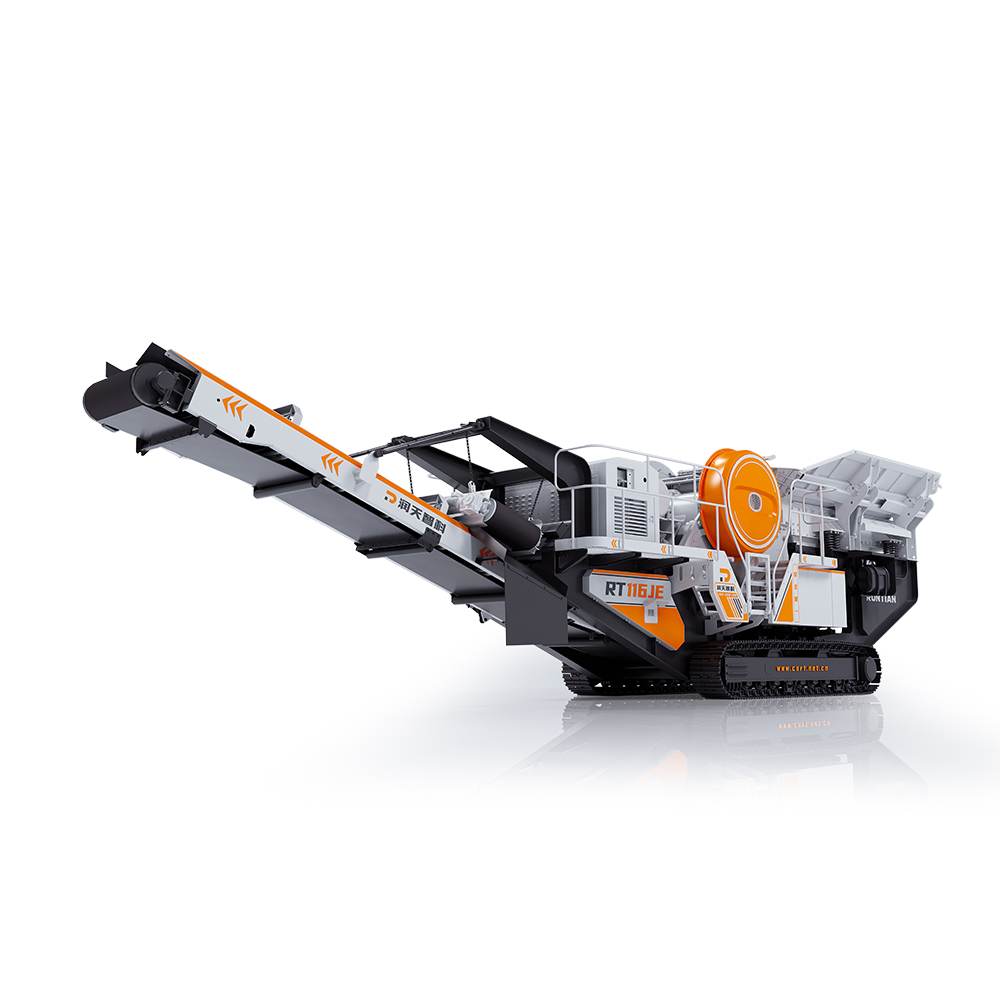 RT116JE Crawler Mobile Jaw Crushing Plant
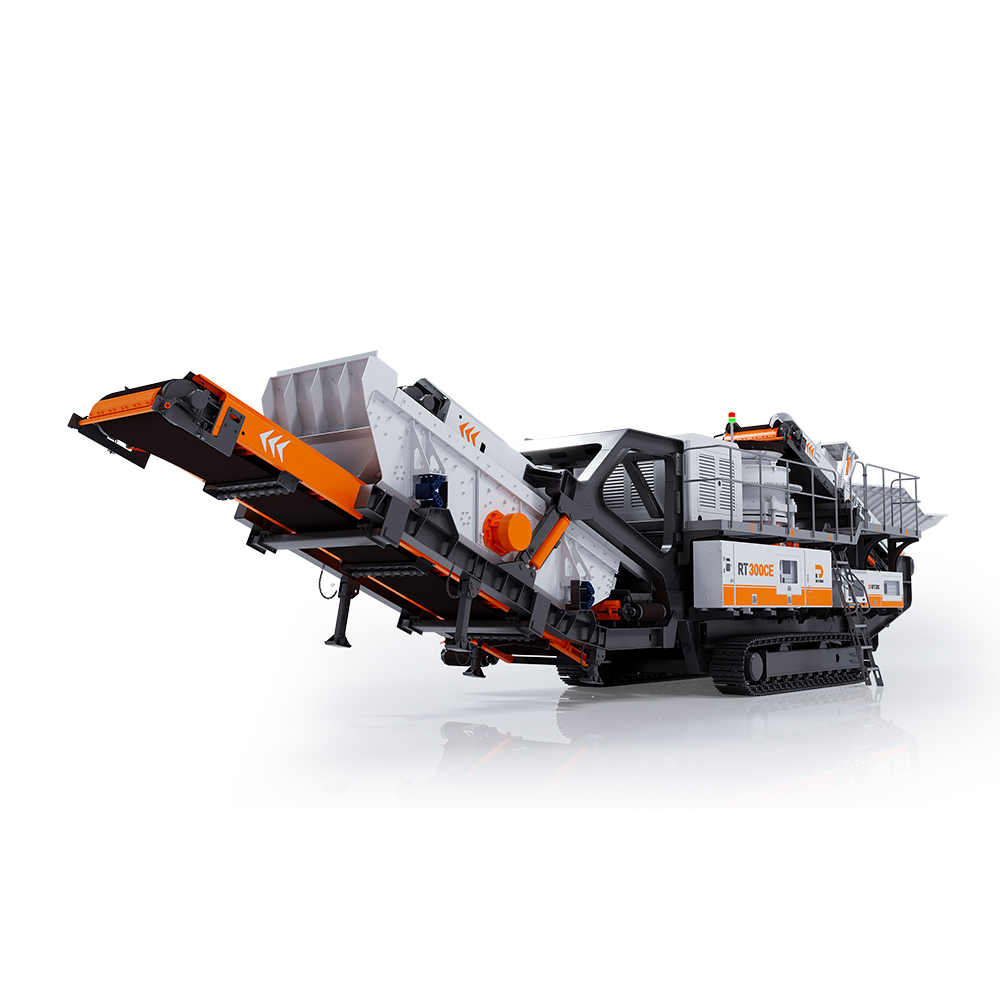 RT300CE Crawler Mobile Cone Crushing Plant
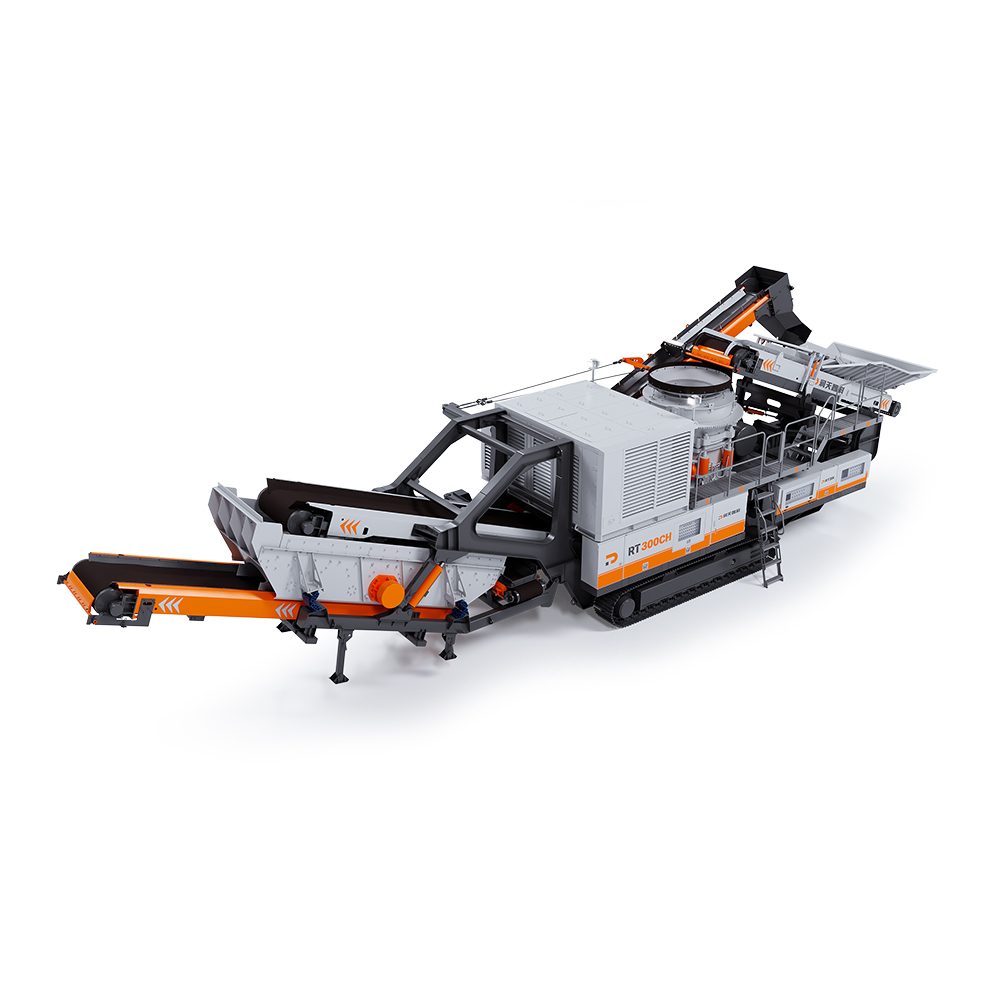 RT300CH Crawler Mobile Cone Crushing Plant
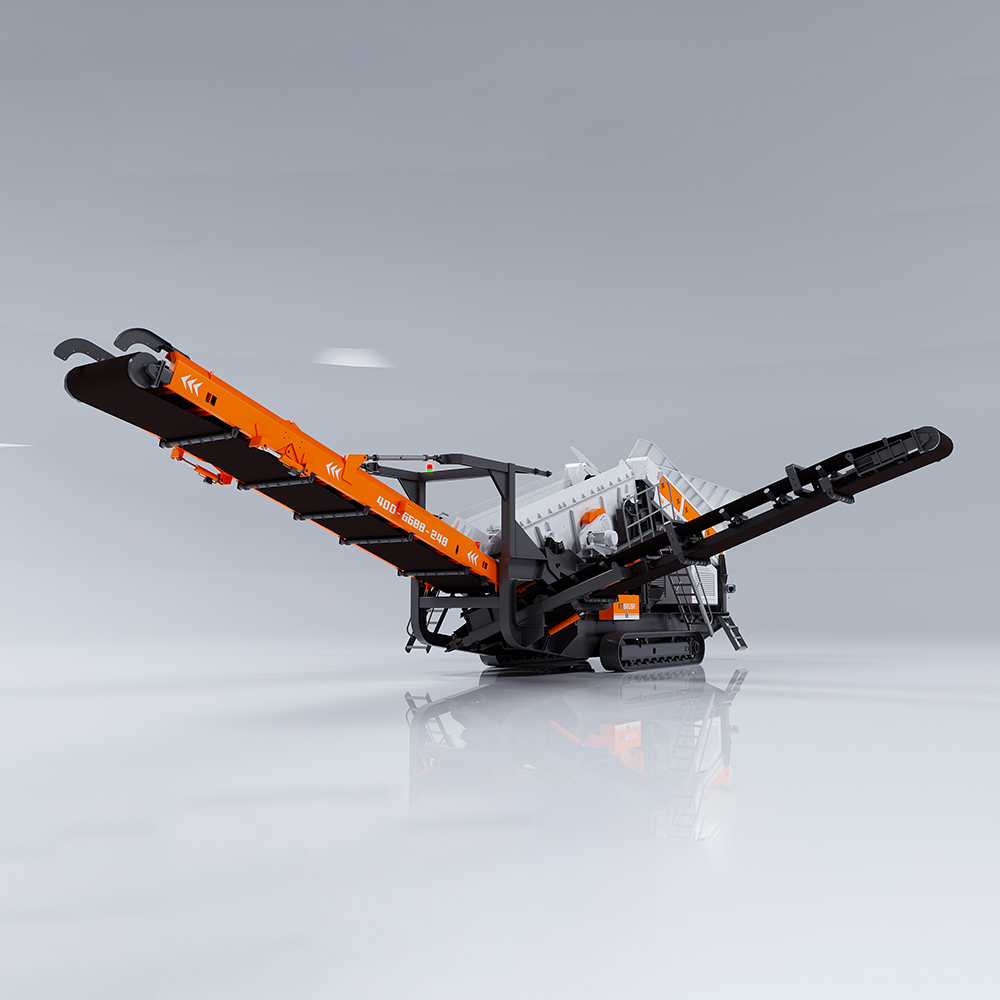 RT5015H Mobile Scalping Screen
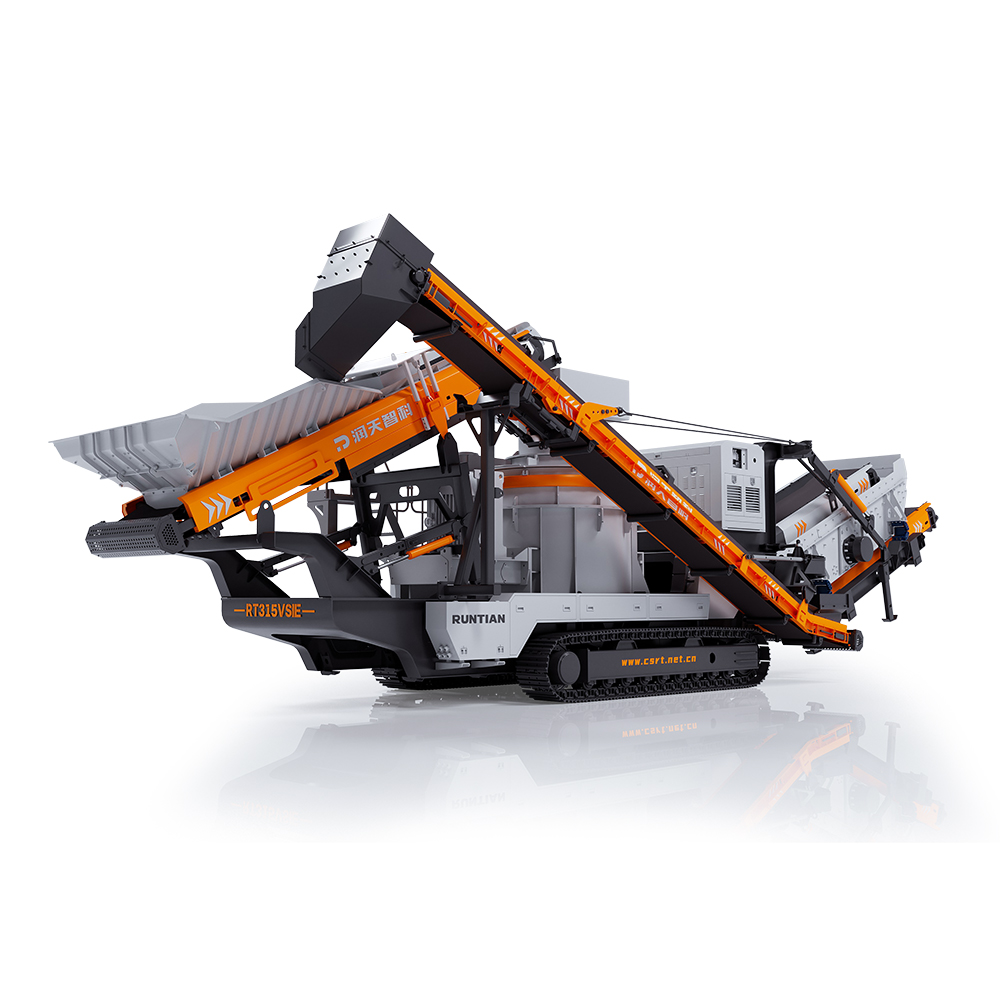 RT315VSIE Crawler Mobile Sand Maker
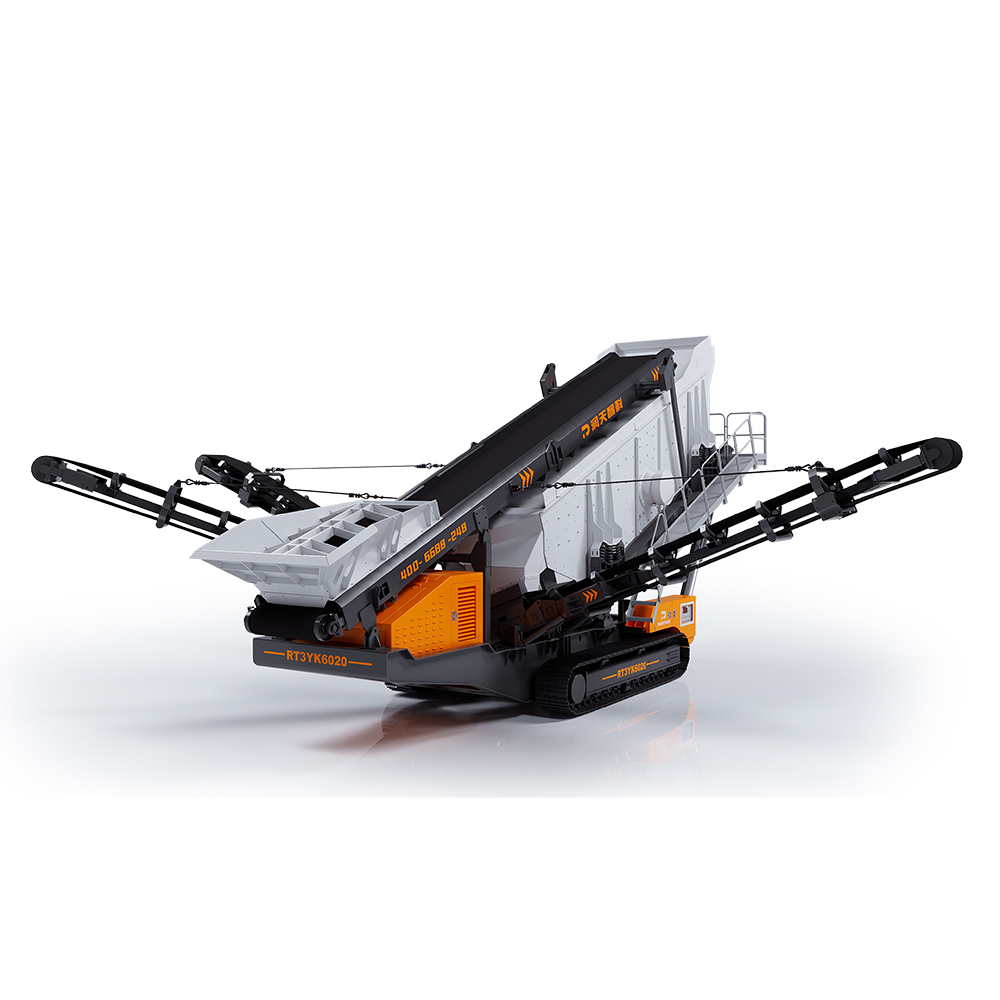 RT3YK6020 Crawler Mobile Screening Plant
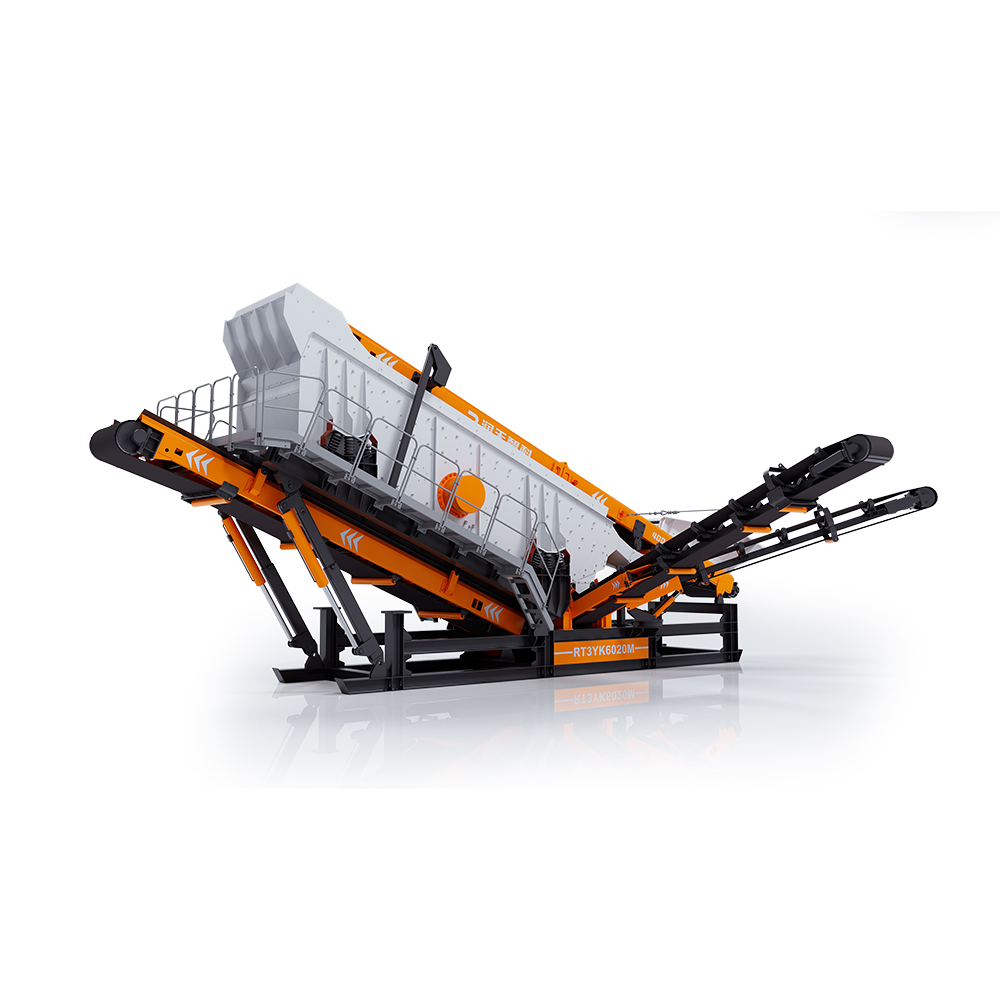 RT3YK6020M Modular Screening Plant
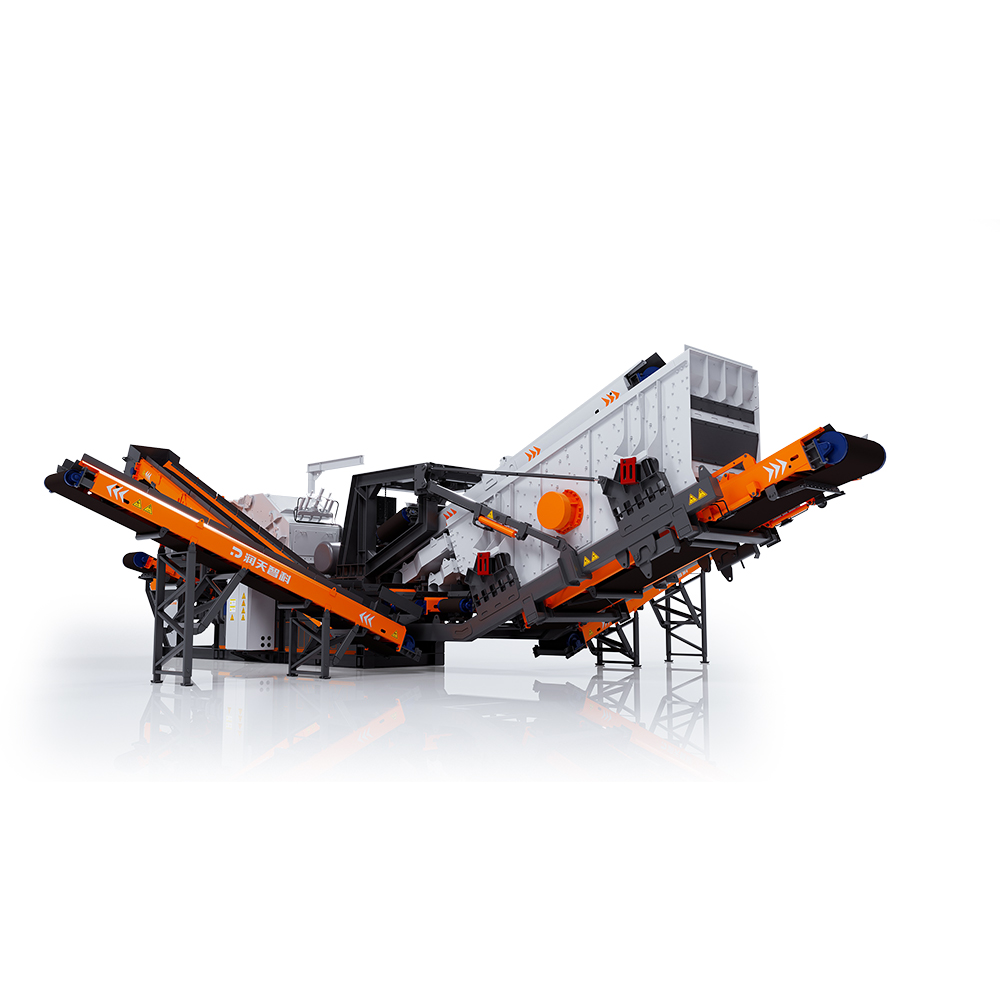 RTF260M Modular Counterattack Crushing and Screening Integrated Machine
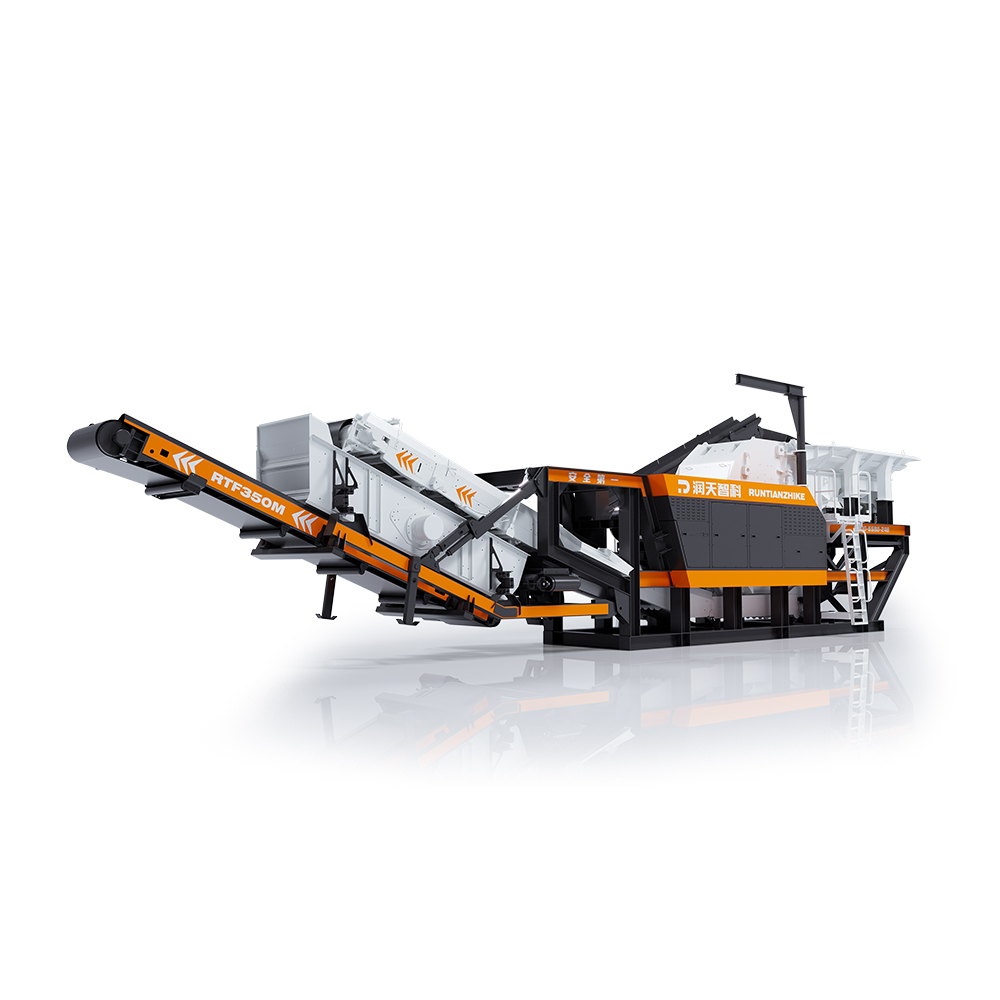 RTF350M Modular Impact Crushing Plant
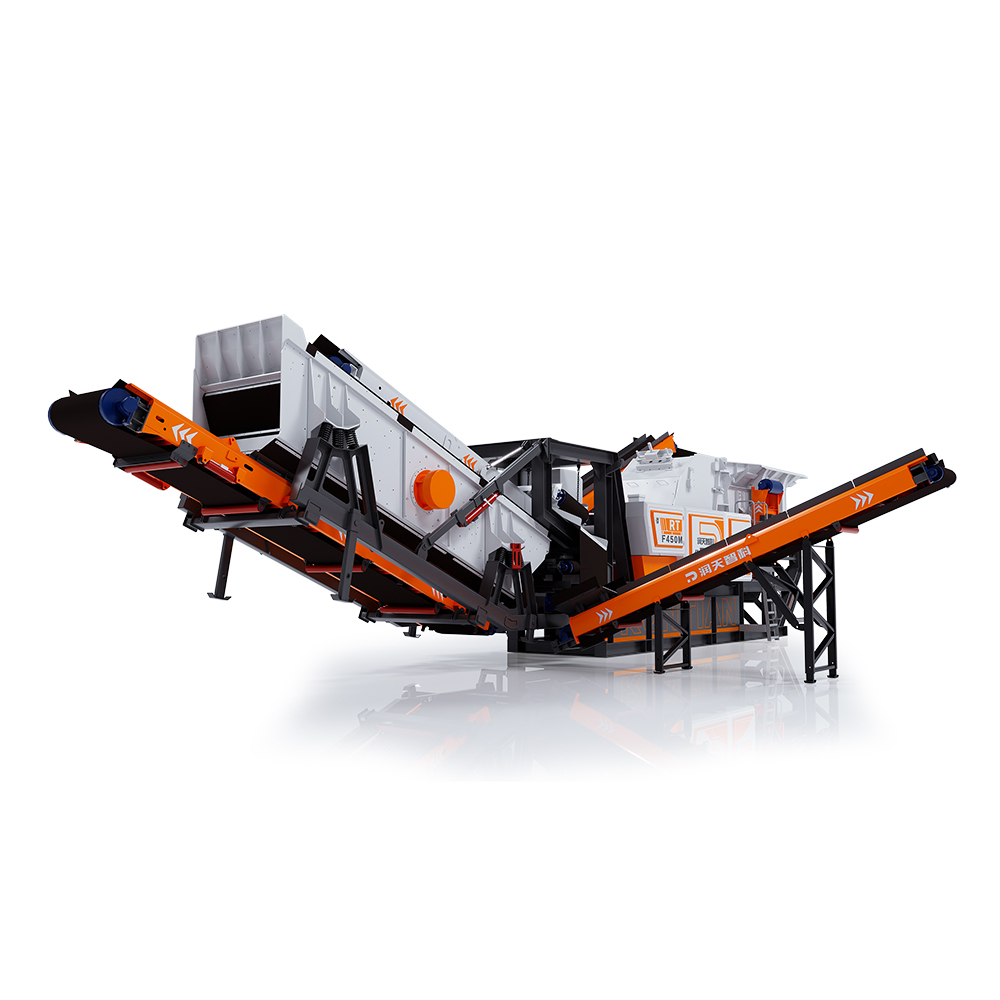 RTF450M Modular Impact Crushing Plant
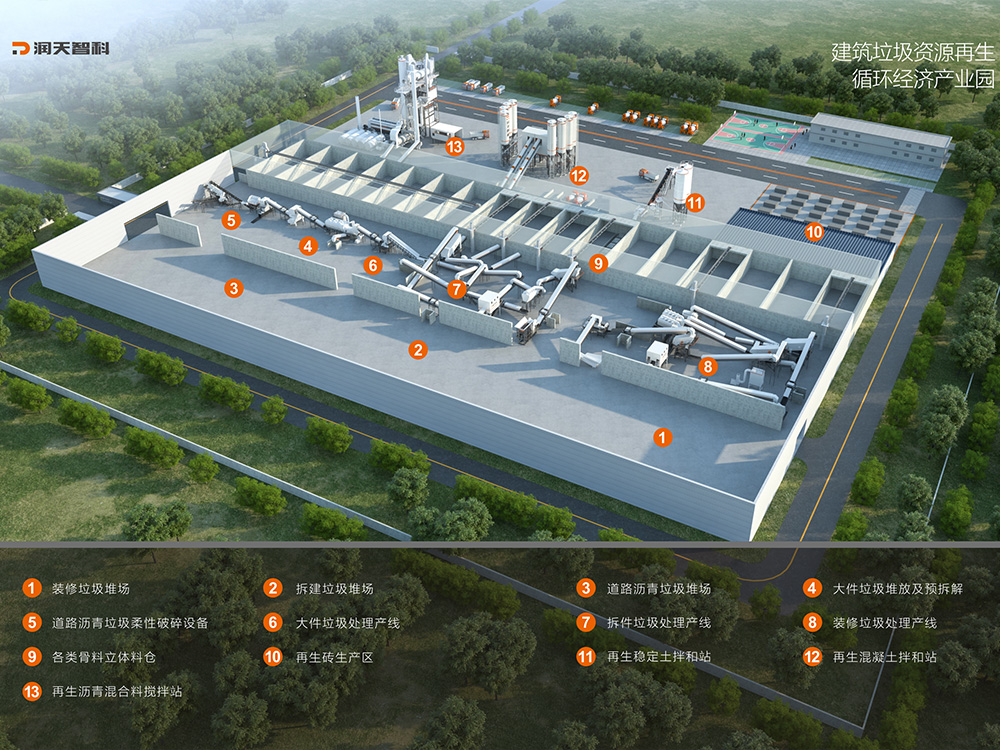 Construction Waste Resourceful Treatment Line