What Is the Best China Top Mobile Jaw Crusher?
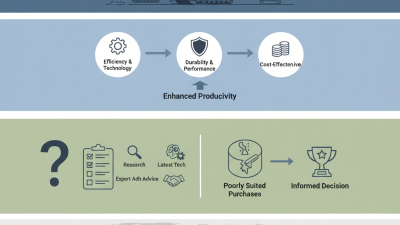
Choosing the best China top Mobile Jaw Crusher requires more than comparing prices or advertised capacity. Real performance depends on rock type, feed size, output requirements, and site conditions. A crusher handling hard granite may need different settings from one processing recycled concrete or limestone.
This guide examines practical indicators used by experienced buyers and operators. These include jaw opening dimensions, crushing ratio, motor power, frame strength, and discharge adjustment. Wear plate thickness also matters. Thin plates may reduce the initial cost but increase replacement frequency. A clear view of the crushing chamber helps during inspection and maintenance.
Reliable manufacturers should provide test data, equipment drawings, component details, and documented quality procedures. Factory visits, trial runs, and customer references can reveal more than polished brochures. Ask how quickly the supplier delivers jaw plates, bearings, and other wear parts. Check service coverage before signing a purchase agreement.
No model is perfect.
A technically strong machine may still disappoint if spare parts arrive late or operators receive poor training. Fuel consumption, transport dimensions, noise control, and dust management deserve attention. Safety features must match recognized industry requirements and local regulations. The best choice is therefore not always the largest crusher or the cheapest offer. It is the Mobile Jaw Crusher that delivers consistent output, manageable maintenance, and dependable support for your specific project. Some comparisons remain uncertain without site testing, and that limitation should be acknowledged openly.
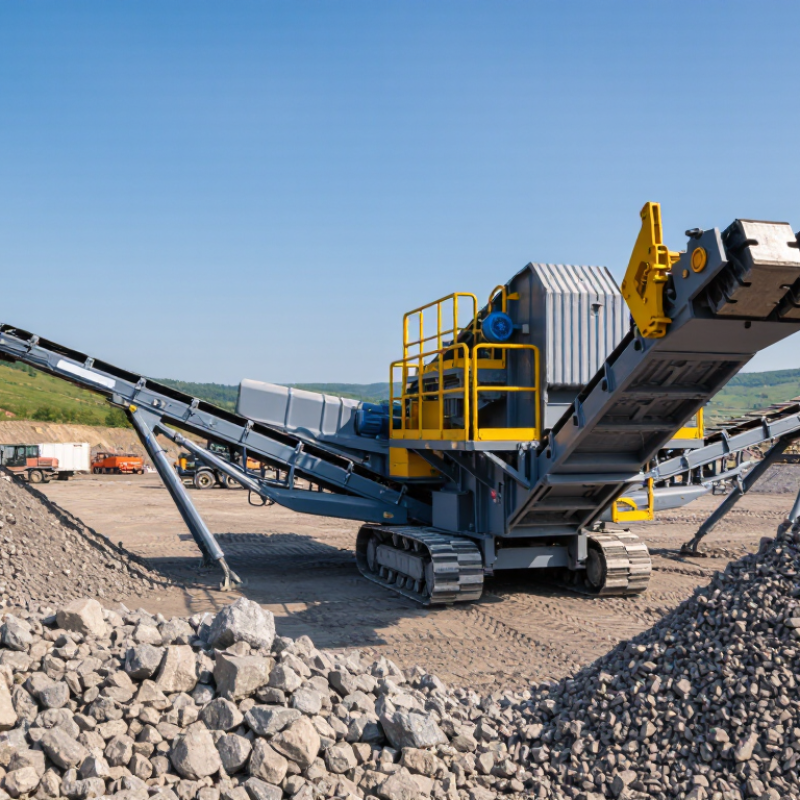
What Is a Mobile Jaw Crusher and How Does It Work?
What Is a Mobile Jaw Crusher and How Does It Work?
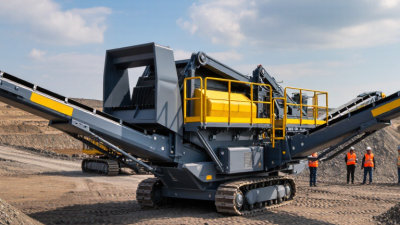
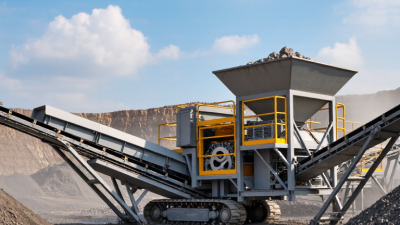
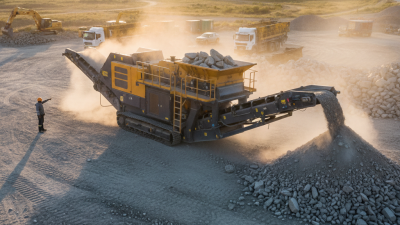
A mobile jaw crusher is a tracked or wheeled machine that reduces rocks and demolition concrete on site. Its main chamber uses a fixed jaw and a moving jaw. The moving jaw compresses material until it breaks. Discharge size depends on the jaw gap, feed size, and material hardness. A vibrating feeder controls the flow and removes smaller fines before crushing. This simple arrangement supports fast relocation between quarries, road projects, and recycling sites.
Its value becomes clearer beside industry data. The U.S. Geological Survey reported about 1.5 billion metric tons of crushed stone production in the United States during 2023. The U.S. Environmental Protection Agency estimated 600 million tons of construction and demolition debris in 2018. These volumes create strong demand for equipment that reduces hauling distances. Mobile crushing can process material near the work area, lowering truck movements and fuel use. However, mobility does not guarantee lower costs. A muddy site, oversized feed, or poor maintenance can quickly reduce output. I have seen production estimates fail because operators ignored moisture and wear. That assumption needs testing. Before choosing a top mobile jaw crusher, check hourly capacity, maximum feed size, engine power, dust controls, and service access. A practical trial with local material remains more reliable than brochure figures.
What Is the Best China Top Mobile Jaw Crusher?
What Is a Mobile Jaw Crusher and How Does It Work?
A mobile jaw crusher uses a fixed jaw and a moving jaw to compress and break rock into smaller pieces. The chart shows representative throughput ranges commonly associated with compact, mid-size, and large mobile jaw crusher configurations. Actual output depends on feed gradation, material hardness, closed-side setting, moisture, and operating conditions.
Values are typical engineering ranges synthesized from publicly available mobile crushing equipment specifications; they are not a comparison of any company or brand.
Which Features Define a High-Quality China Mobile Jaw Crusher?
A high-quality China mobile jaw crusher should begin with a strong crushing chamber, not attractive paint. The jaw plates need hard, wear-resistant material and a practical profile. Their shape affects production, power use, and final particle size. A wide feed opening helps process larger rocks, while a stable toggle system reduces unexpected movement. In field inspections, I check weld quality, bearing protection, and frame alignment closely. Small defects can become expensive downtime.
Useful mobility is more than adding wheels or tracks. A reliable unit should move steadily on uneven ground, with balanced weight and responsive controls. Hydraulic setting adjustment allows operators to change the closed-side setting with less manual work. Overload protection is also important when uncrushable material enters the chamber. It should protect the machine without creating constant interruptions. That balance is not always perfect.
Maintenance details often define real quality. Large inspection doors, clear grease points, and accessible filters can shorten daily service. Dust suppression should control visible dust near the discharge area, although performance depends on water pressure and site conditions. A practical control panel should display engine temperature, hydraulic pressure, and fault warnings. Before purchase, request verified capacity data, wear-part specifications, noise information, and a test report. Claimed output may change with rock hardness, moisture, feeding method, and operator skill. A careful buyer should question figures that appear too convenient.
How Do Leading China Mobile Jaw Crushers Compare?
What Is the Best China Top Mobile Jaw Crusher?
How Do Leading China Mobile Jaw Crushers Compare?
Leading China mobile jaw crushers should be compared by working results, not brochure capacity. A strong model combines a wide jaw opening, stable feeding, and consistent output. Check the closed-side setting range, because it controls final product size. Track performance also matters on uneven quarry roads and crowded construction sites. A reliable machine should climb steadily without excessive vibration.
Engine power is only one part of the decision. Compare fuel use, hydraulic response, dust suppression, and access to service points. In field inspections, operators often notice small details first. Grease fittings should be easy to reach. Jaw plates should change without unnecessary lifting. A clear control panel can prevent costly mistakes.
Yet, published capacity may fall when the feed contains wet clay or oversized rock. This is where many comparisons become too optimistic.
Tips:
Request a test using your actual rock. Measure tons per hour, fuel consumed, and product size. Ask for maintenance records and spare-part delivery times. Inspect welds, conveyors, guards, and emergency stops in person. A cheaper unit may still cost more when downtime increases. I would also leave room for doubt: one successful demonstration cannot prove long-term durability. Compare at least two operating shifts before making a final choice.
How Can Buyers Select the Right Mobile Jaw Crusher?
Choosing the best China top mobile jaw crusher starts with the worksite, not the brochure. Buyers should measure the feed material, maximum rock size, required output, and daily operating hours. A crusher handling hard granite needs different jaw plates and power than one processing softer limestone. Check the feed opening carefully. A narrow opening can create blockages and costly delays.
Mobility also matters. Review track performance, transport dimensions, ground clearance, and setup time. Ask for verified production data under similar material conditions. Inspect the engine system, dust control, emergency stops, and guarding before purchase. Spare parts availability and technician response can affect long-term costs more than the initial price. Request maintenance records, warranty terms, and a practical test with your own material when possible.
I once focused too much on capacity. That was a mistake. Real output changed with moisture, feeding habits, and operator skill. Buyers should also compare fuel use, jaw replacement time, and access to service points. A clear inspection checklist helps prevent optimistic sales estimates from guiding the decision. Choose a machine that fits the site, crew, transport rules, and maintenance ability, even if its advertised capacity looks lower.
What Is the Best China Top Mobile Jaw Crusher? – How Can Buyers Select the Right Mobile Jaw Crusher?
The comparison below uses typical industry specification ranges for commonly offered mobile jaw crusher configurations. Actual output depends on material hardness, feed gradation, closed-side setting, moisture, feeding method, and operating conditions.
Buyer selection checklist:
Confirm the required hourly output, maximum feed size, material compressive strength, desired product size, operating hours per day, mobility requirements, local service availability, spare-parts supply, transport regulations, fuel consumption, and total ownership cost before making a purchase decision.

 Concrete Mixing Plant
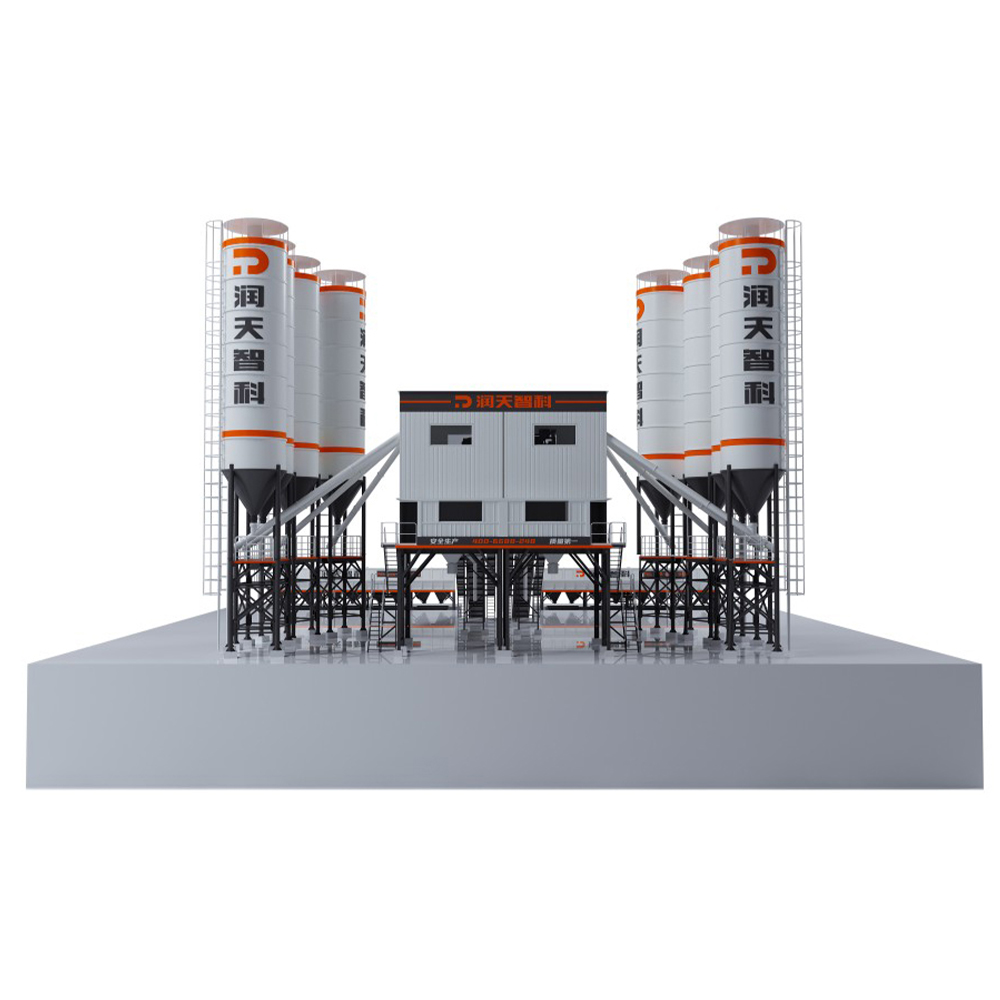 HZS Series Belt Concrete Mixing Plant
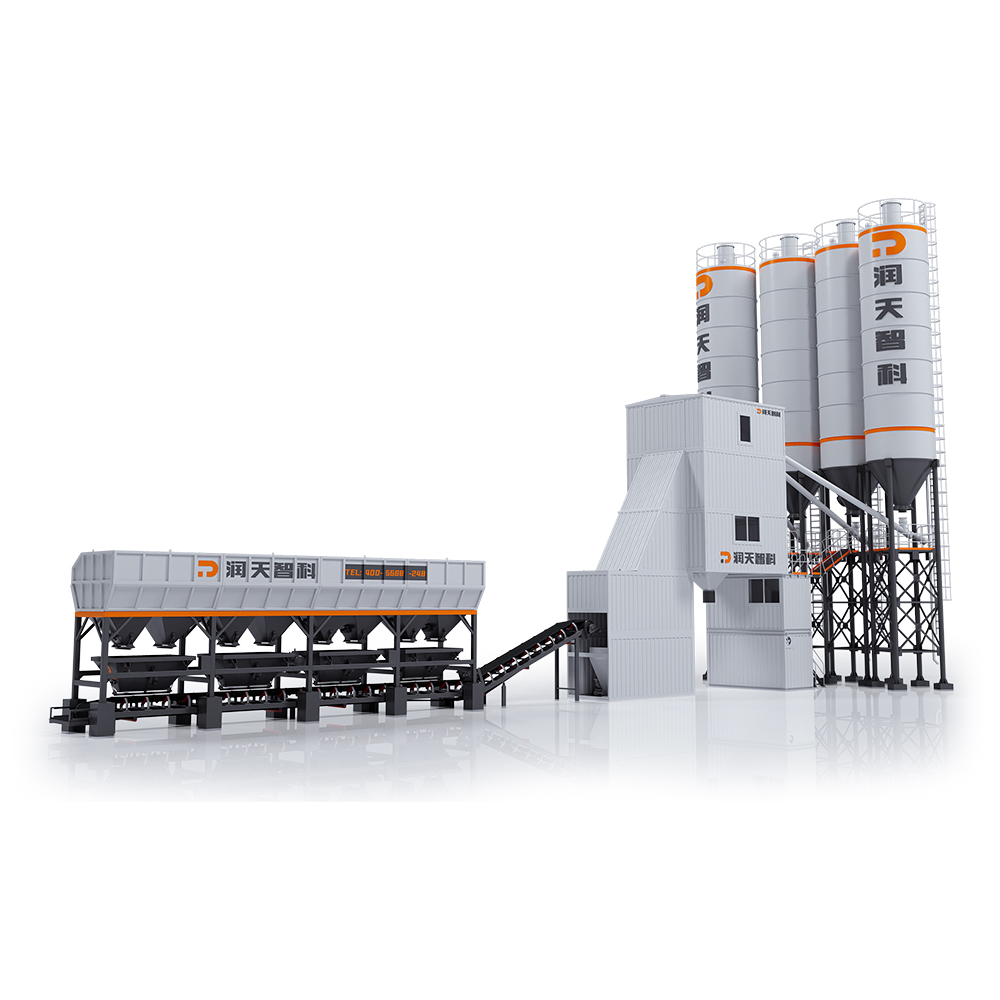 HZS Series Bucket-Lifting Type Container Concrete Mixing Plant
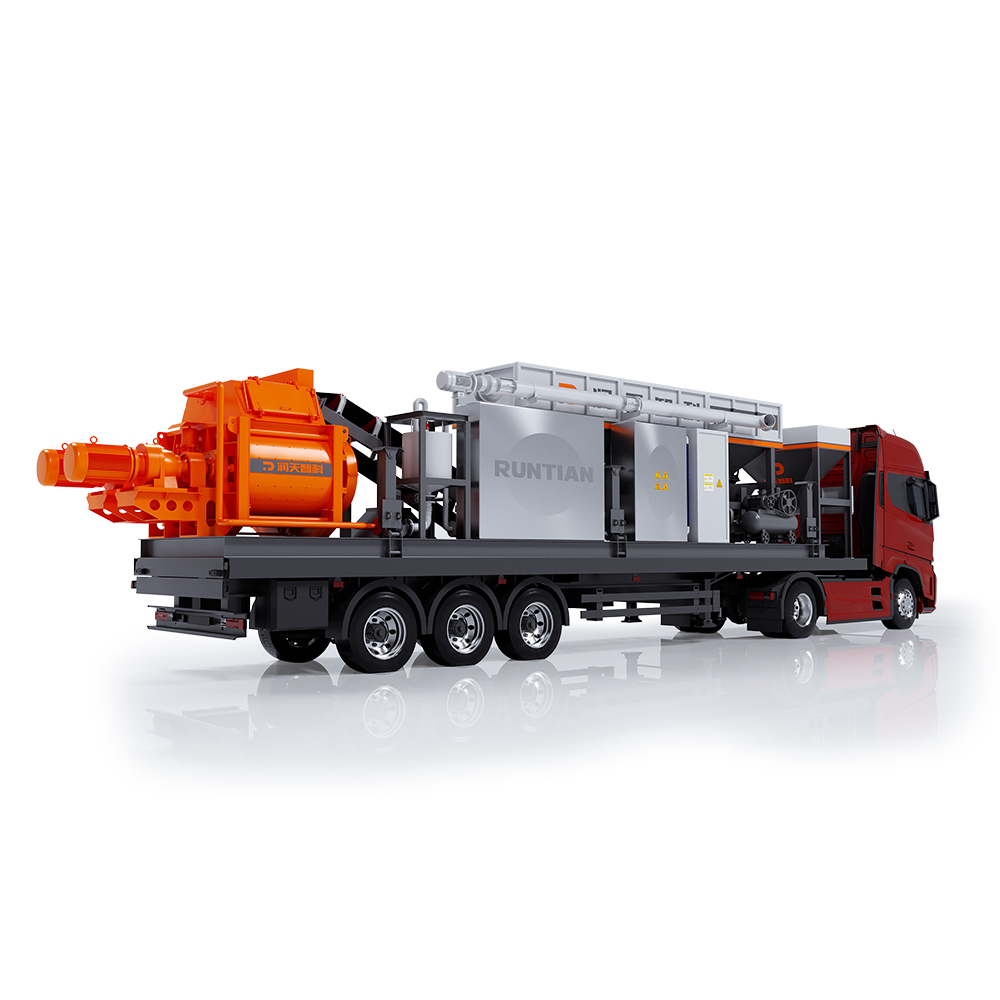 HZS60 Mobile Concrete Mixing Plant
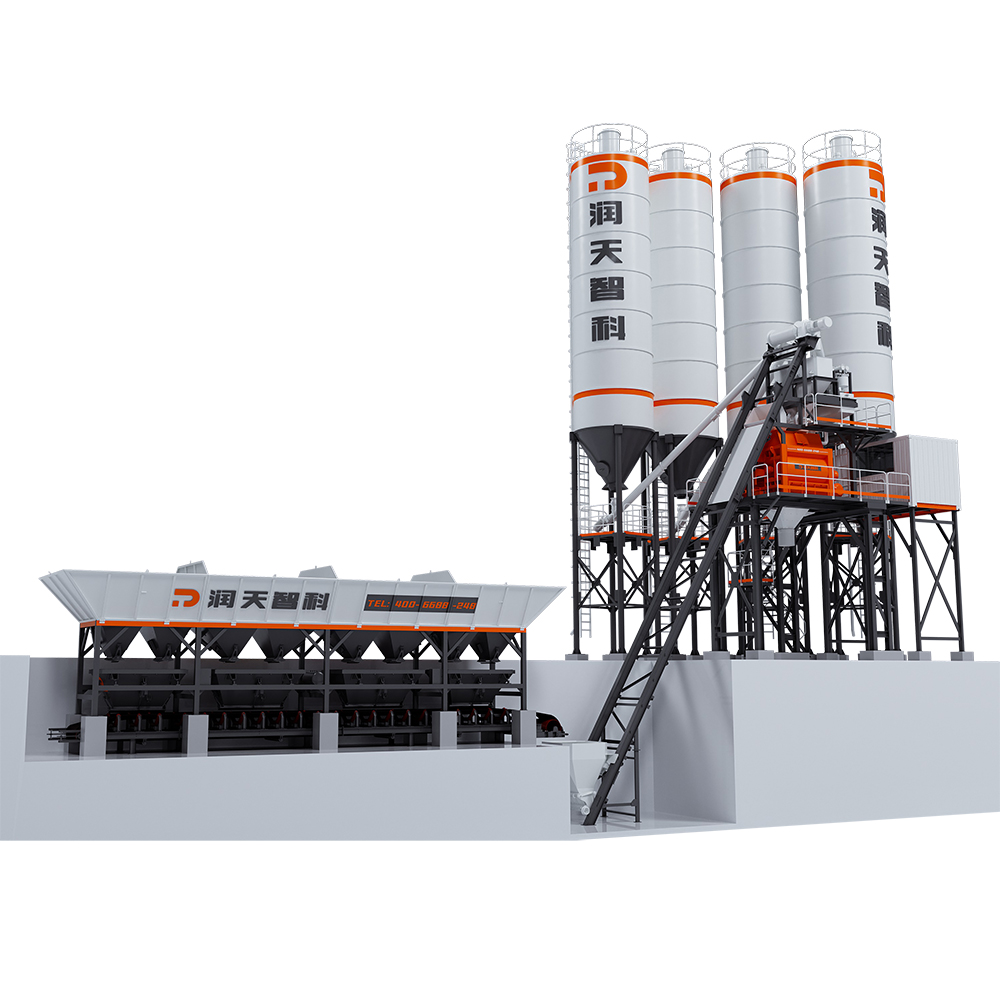 HZS Series Bucket-Lifting Type Concrete Mixing Plant
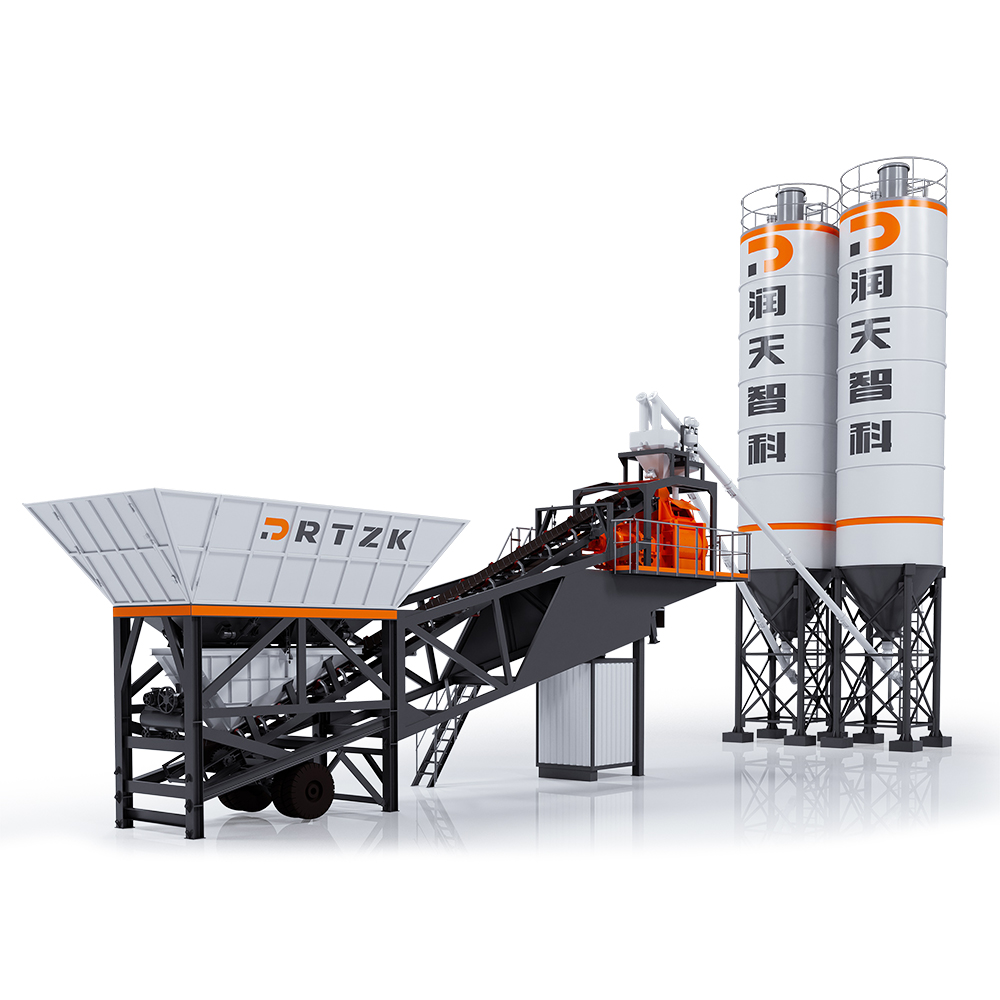 HZS Series Mobile Concrete Mixing Plant
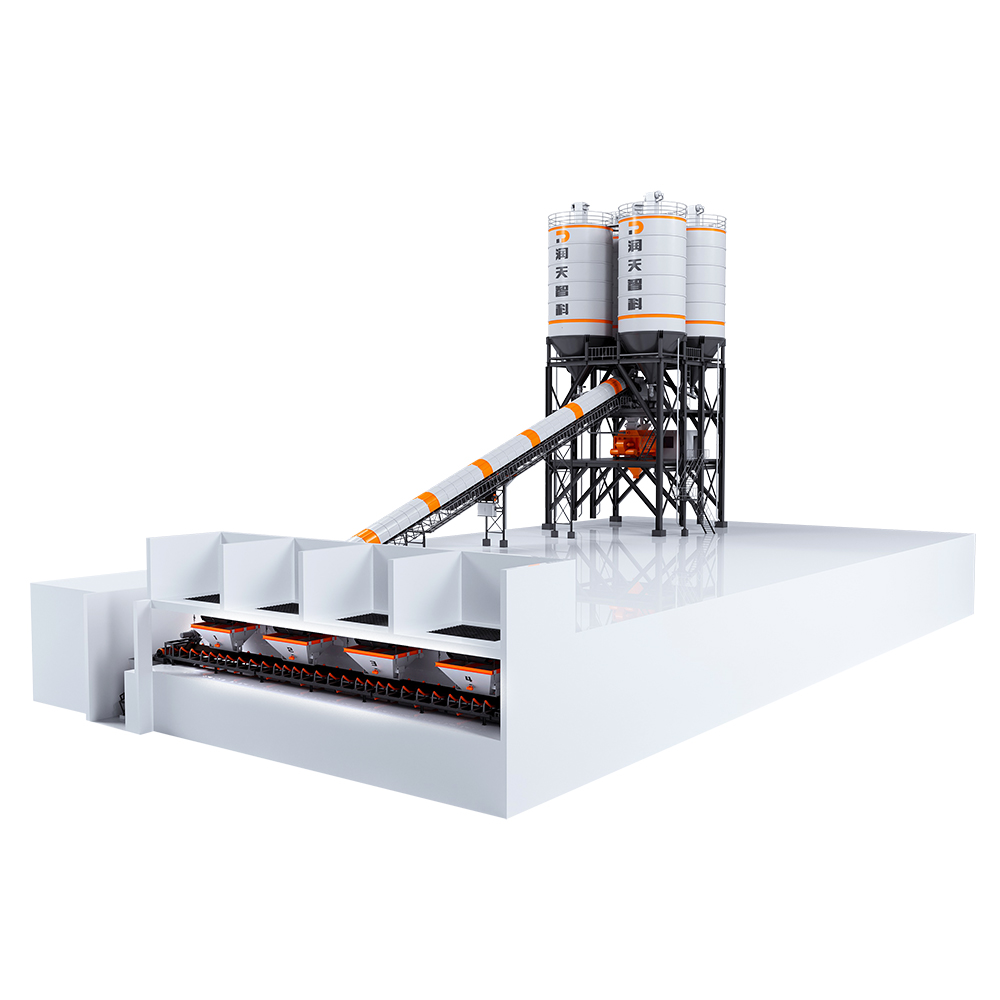 HZS Series Top-Mounted Concrete Mixing plant
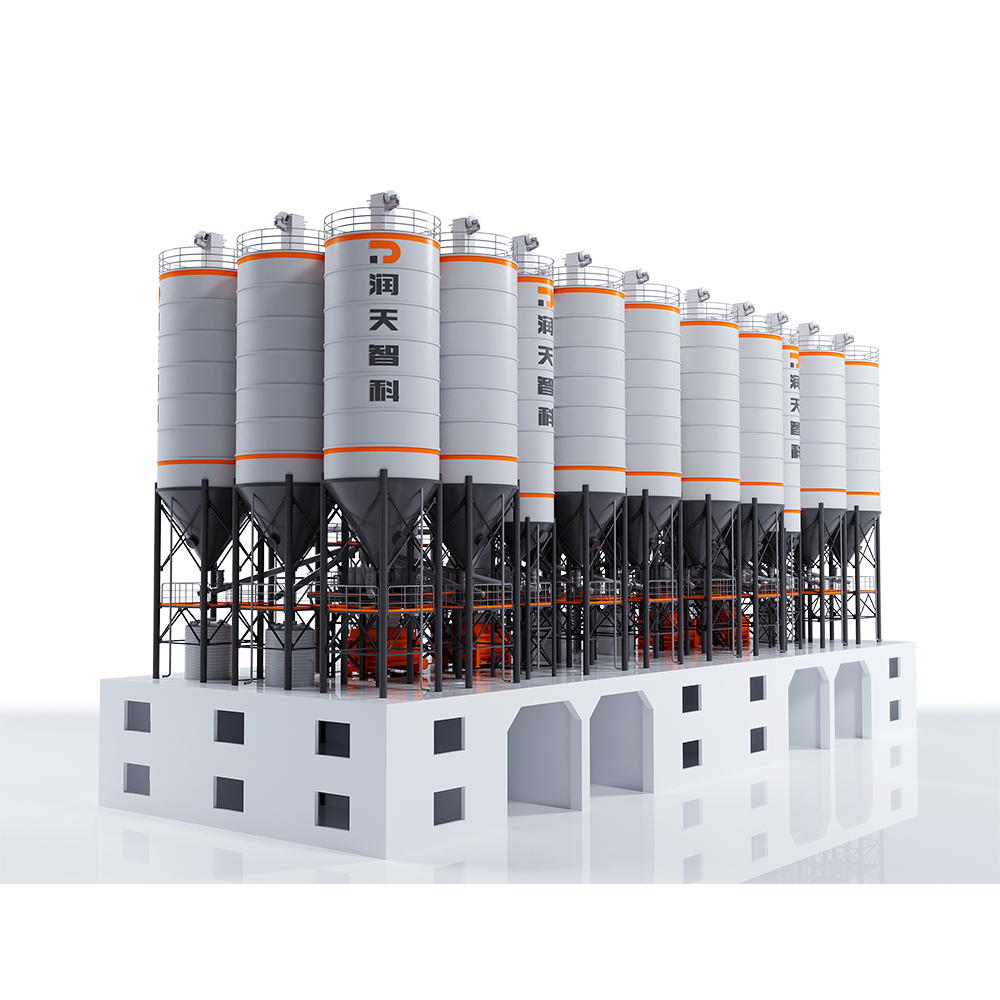 HZS Series Semi-Top Mounted Concrete Mixing Plant
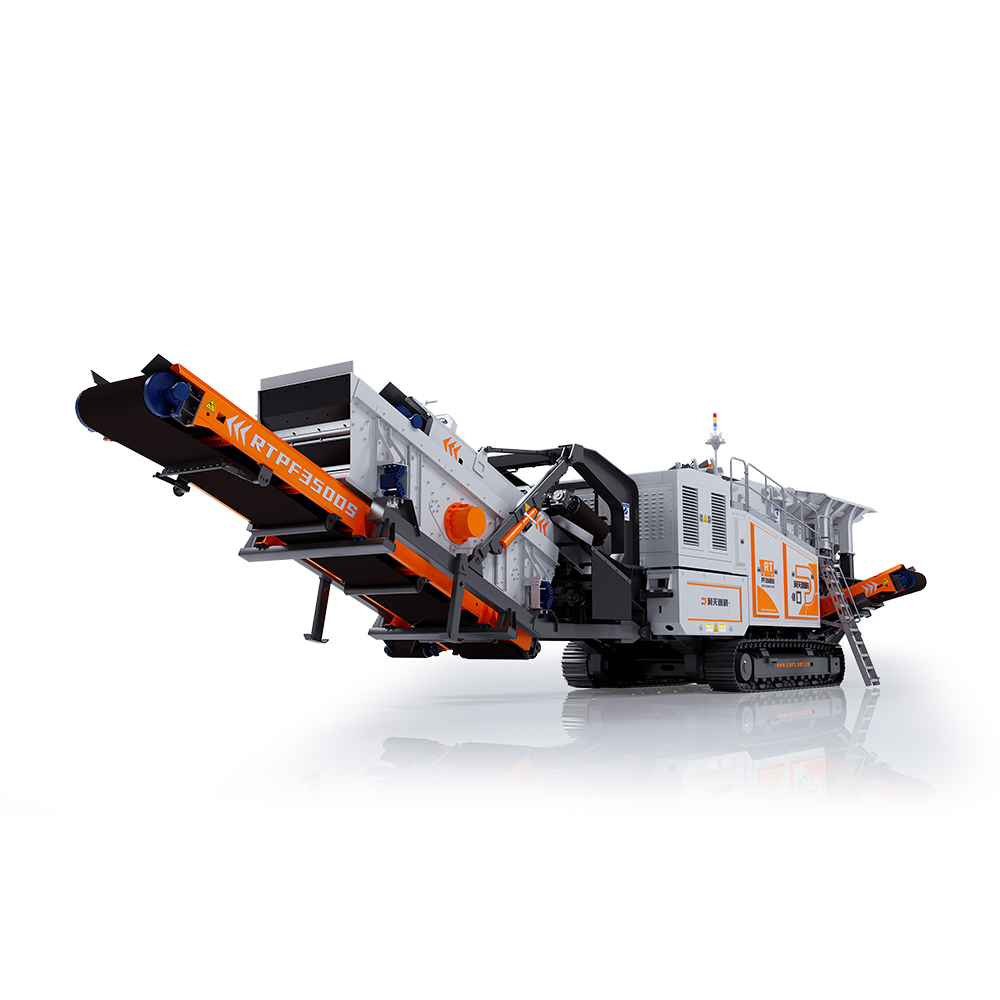 RTPF350DS Crawler Mobile Impact Crushing Plant
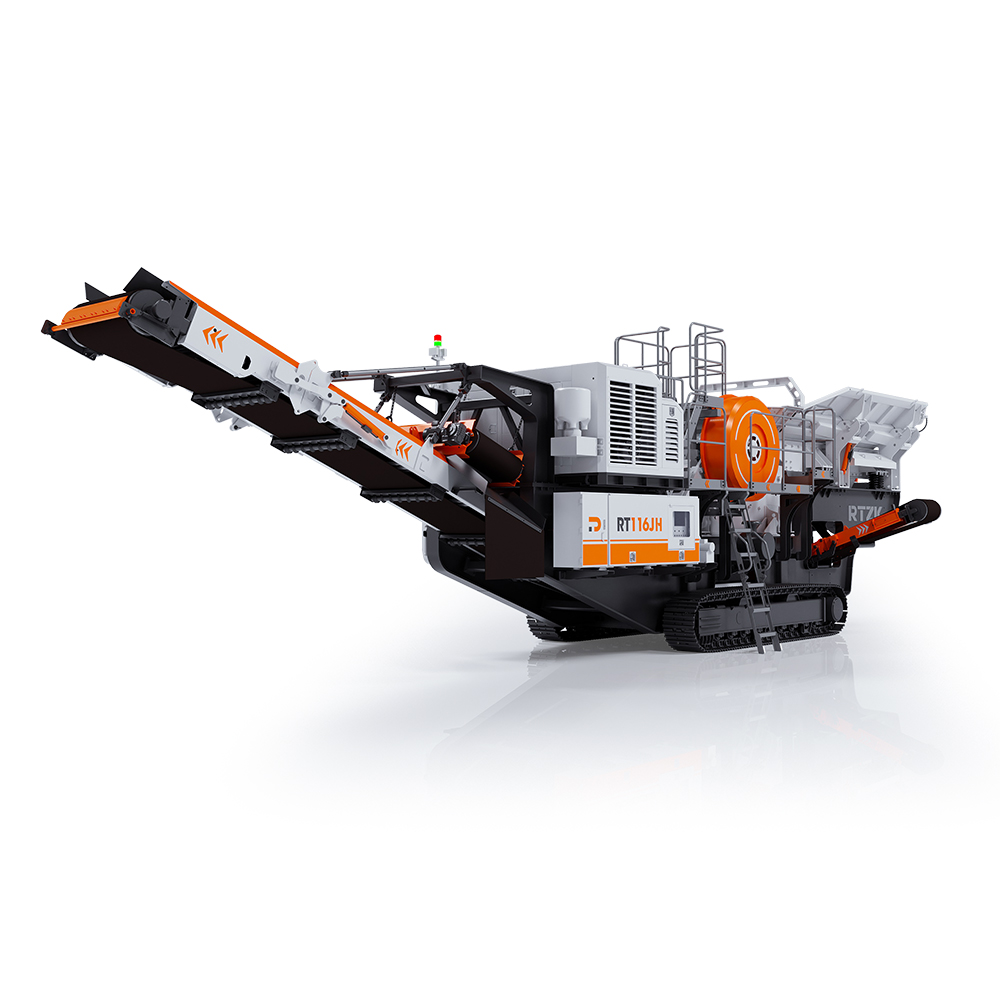 RT116JH Crawler Mobile Jaw Crushing Plant
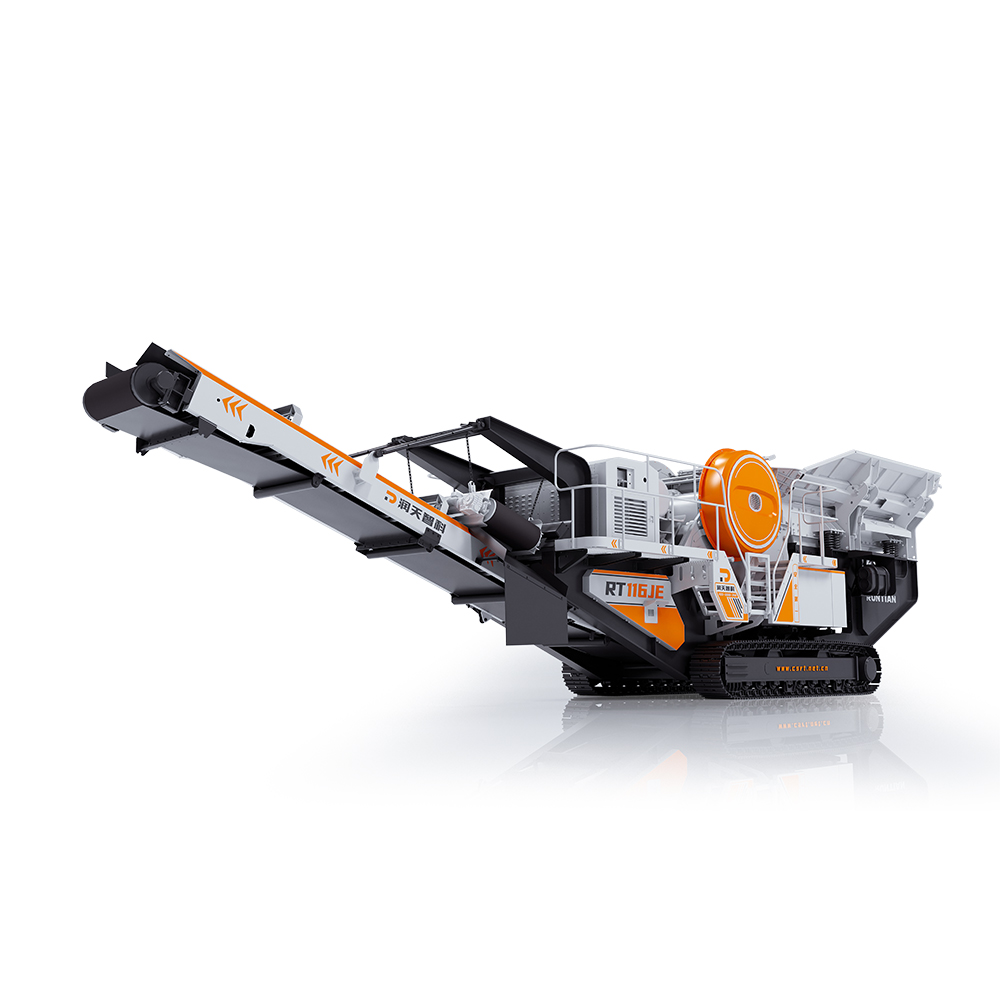 RT116JE Crawler Mobile Jaw Crushing Plant
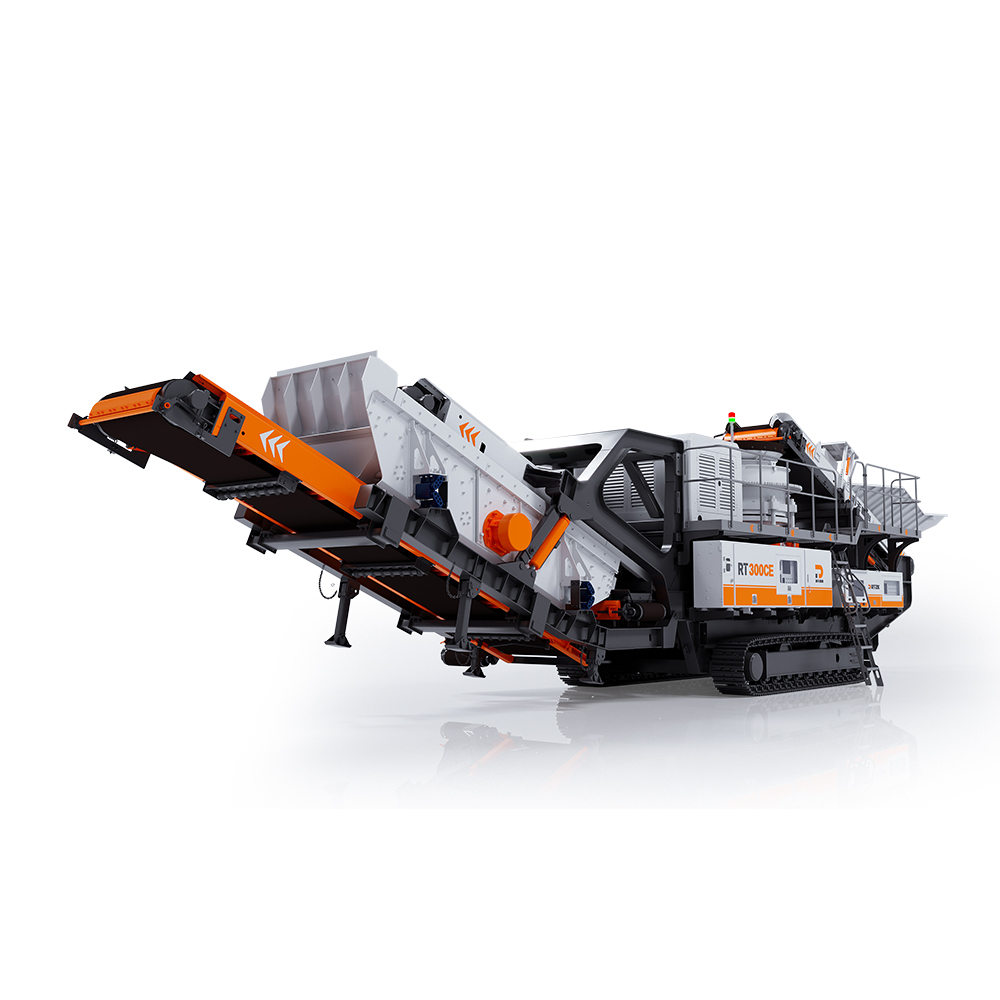 RT300CE Crawler Mobile Cone Crushing Plant
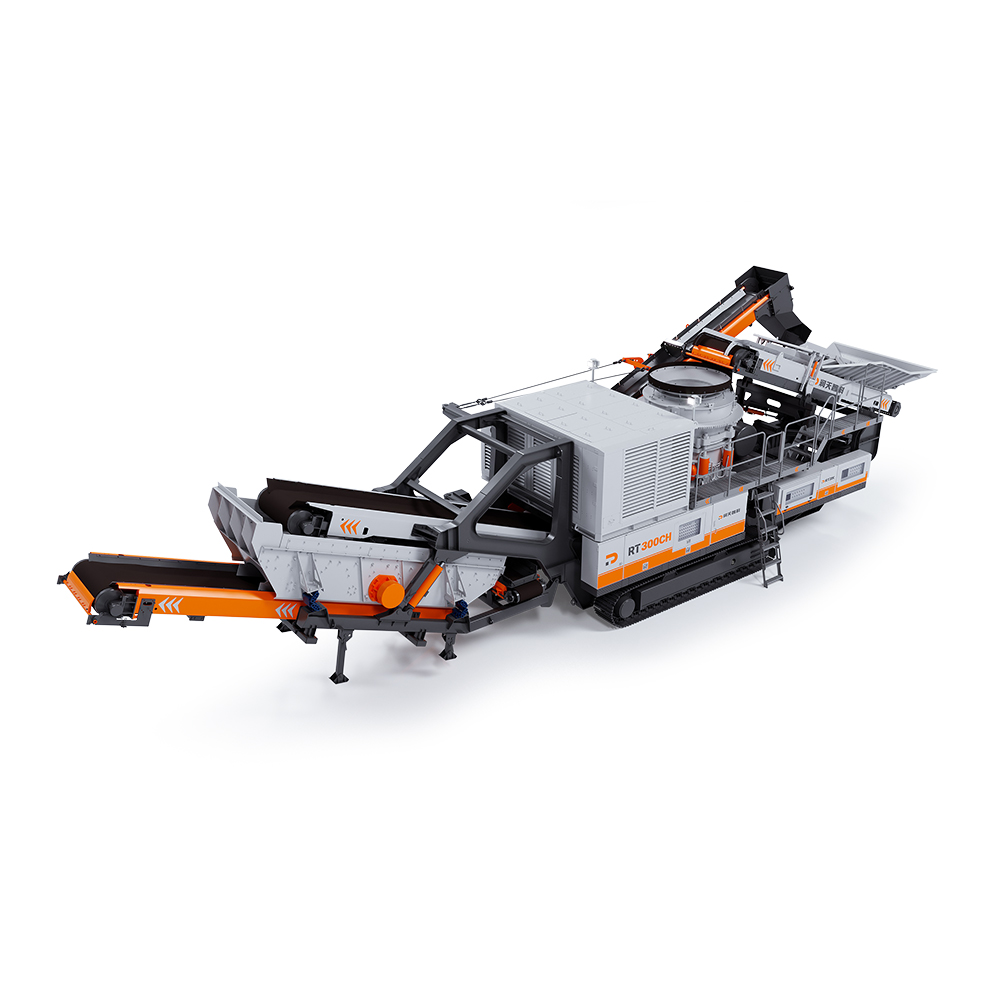 RT300CH Crawler Mobile Cone Crushing Plant
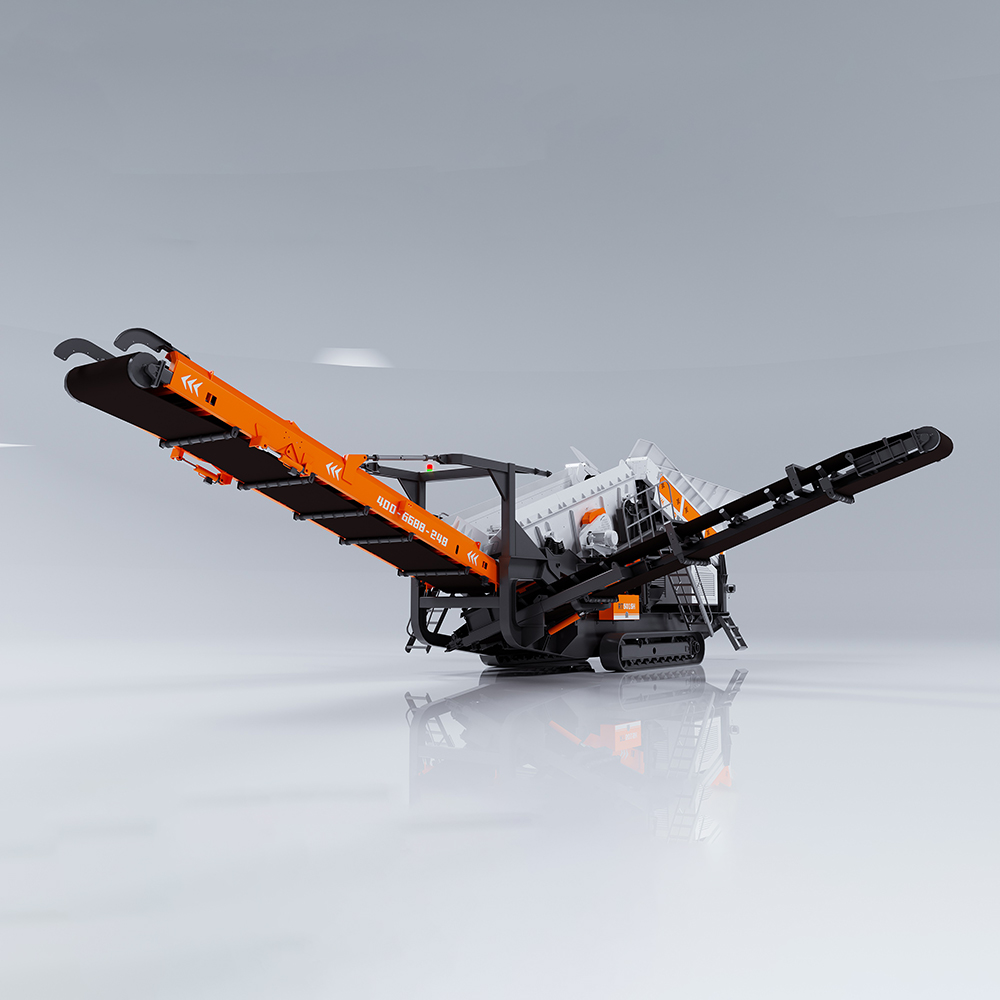 RT5015H Mobile Scalping Screen
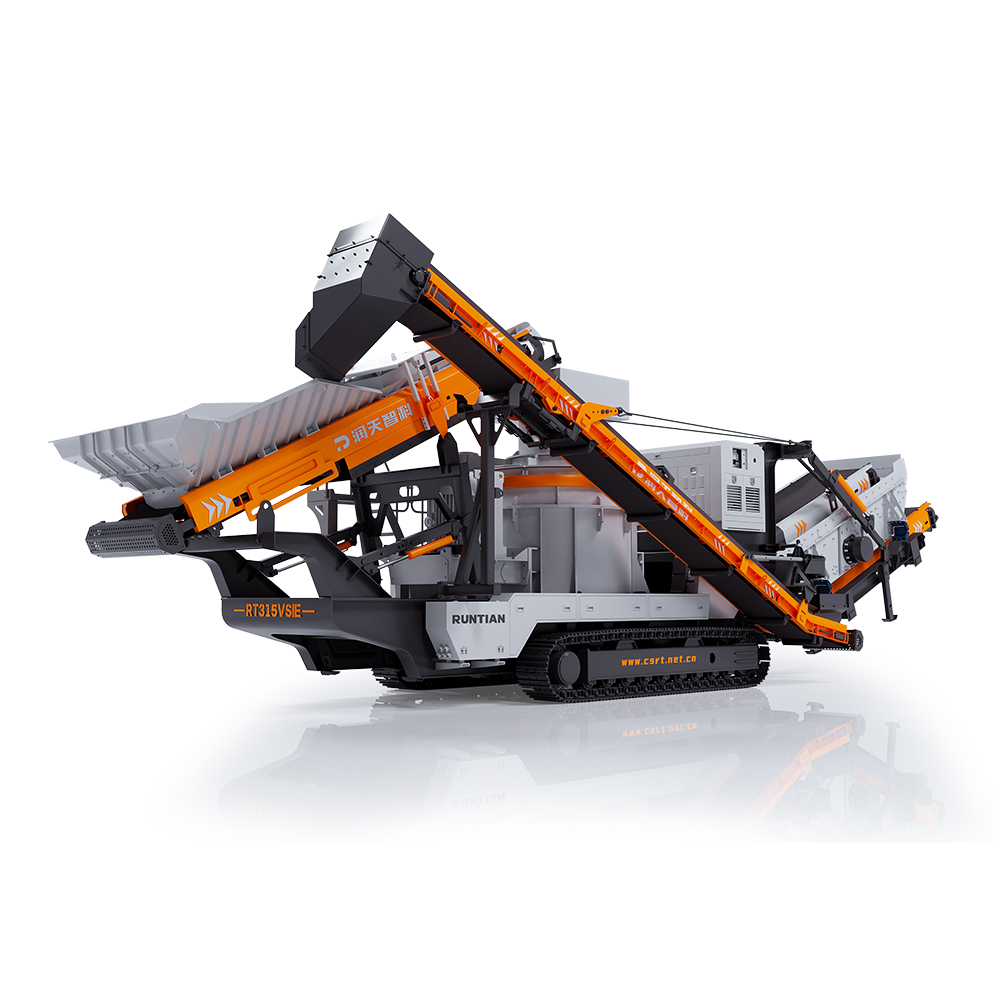 RT315VSIE Crawler Mobile Sand Maker
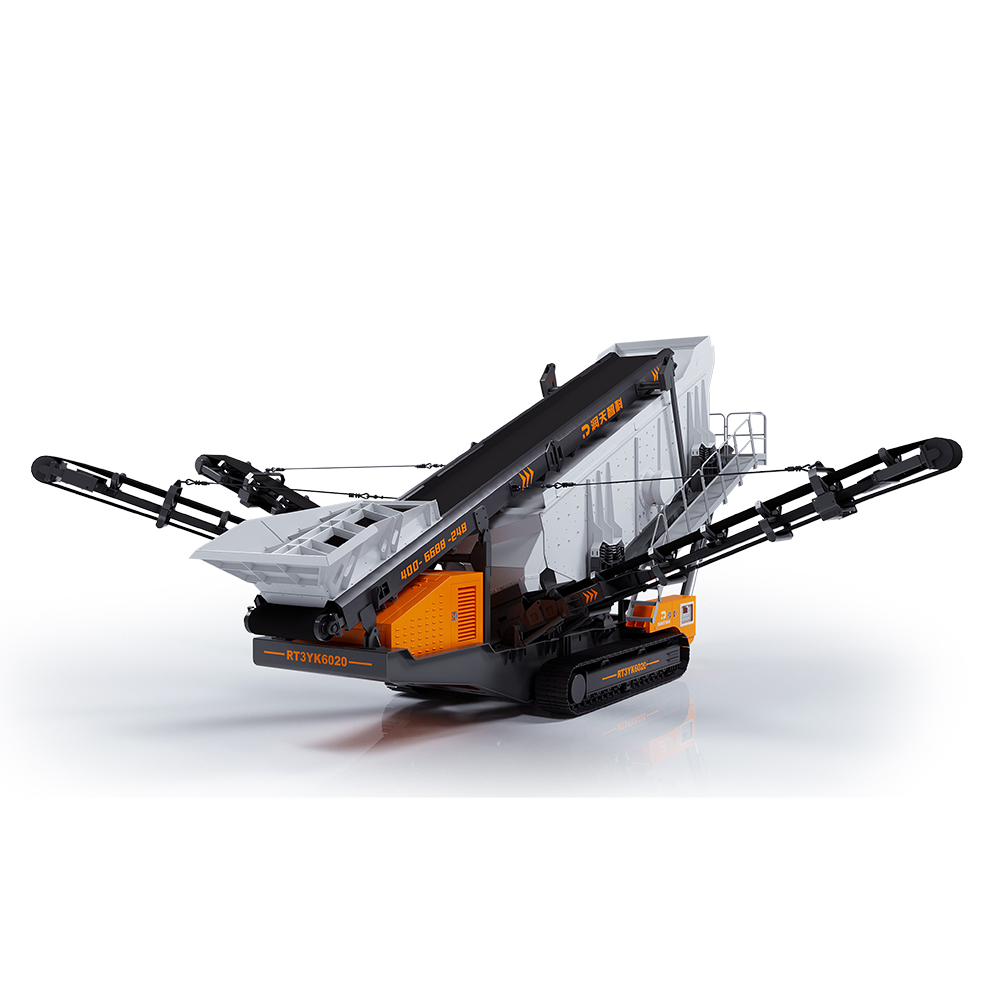 RT3YK6020 Crawler Mobile Screening Plant
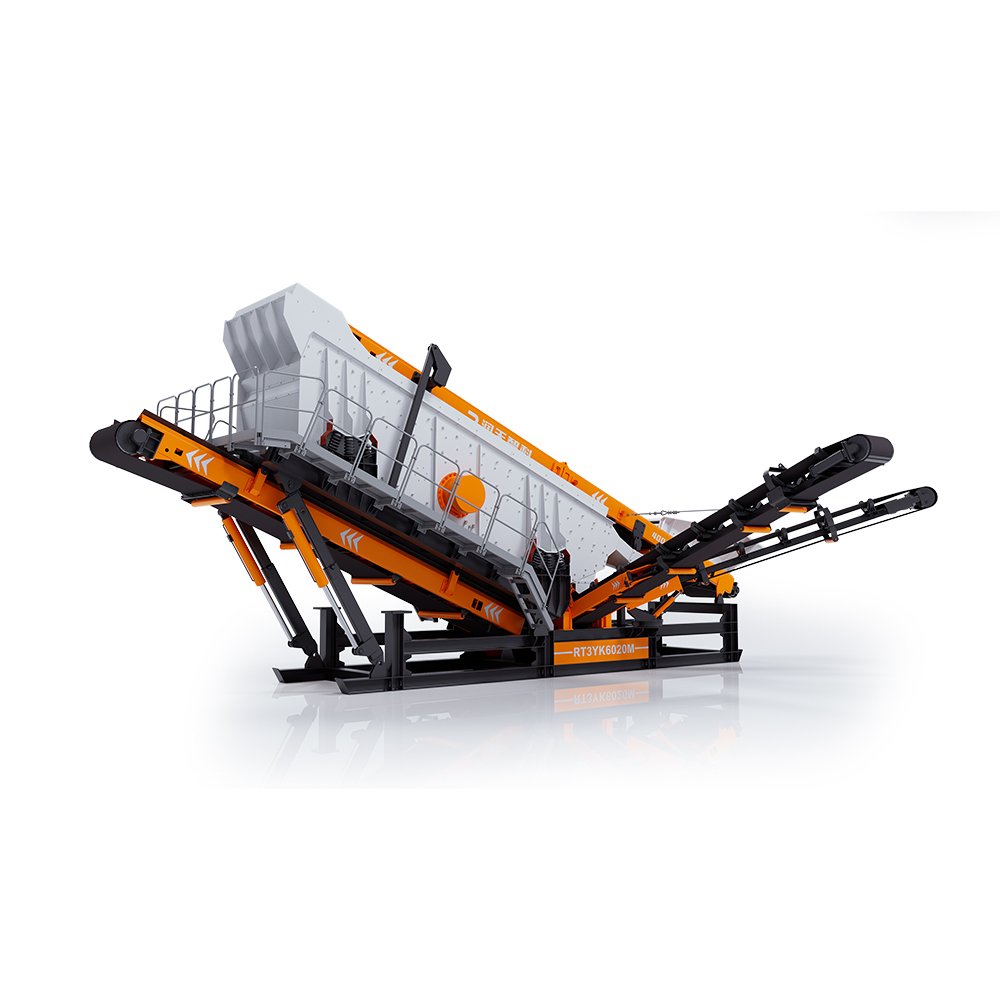 RT3YK6020M Modular Screening Plant
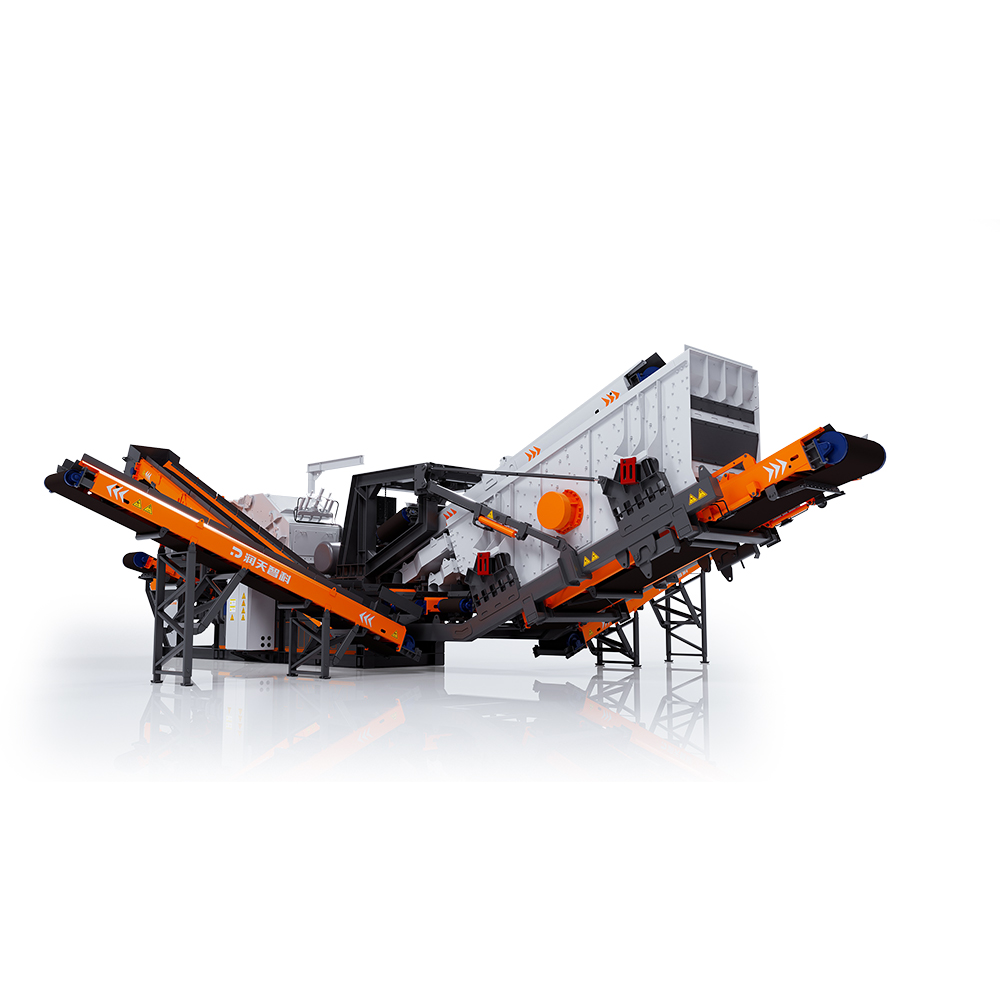 RTF260M Modular Counterattack Crushing and Screening Integrated Machine
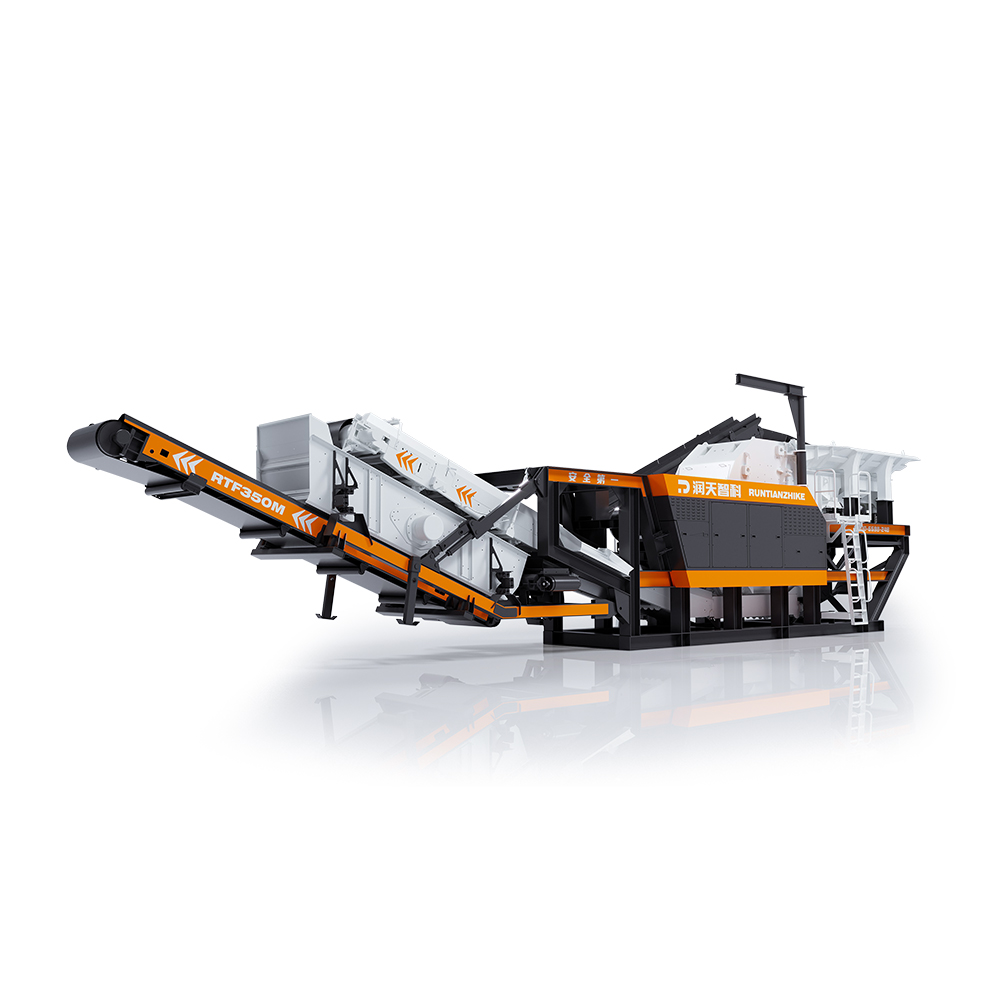 RTF350M Modular Impact Crushing Plant
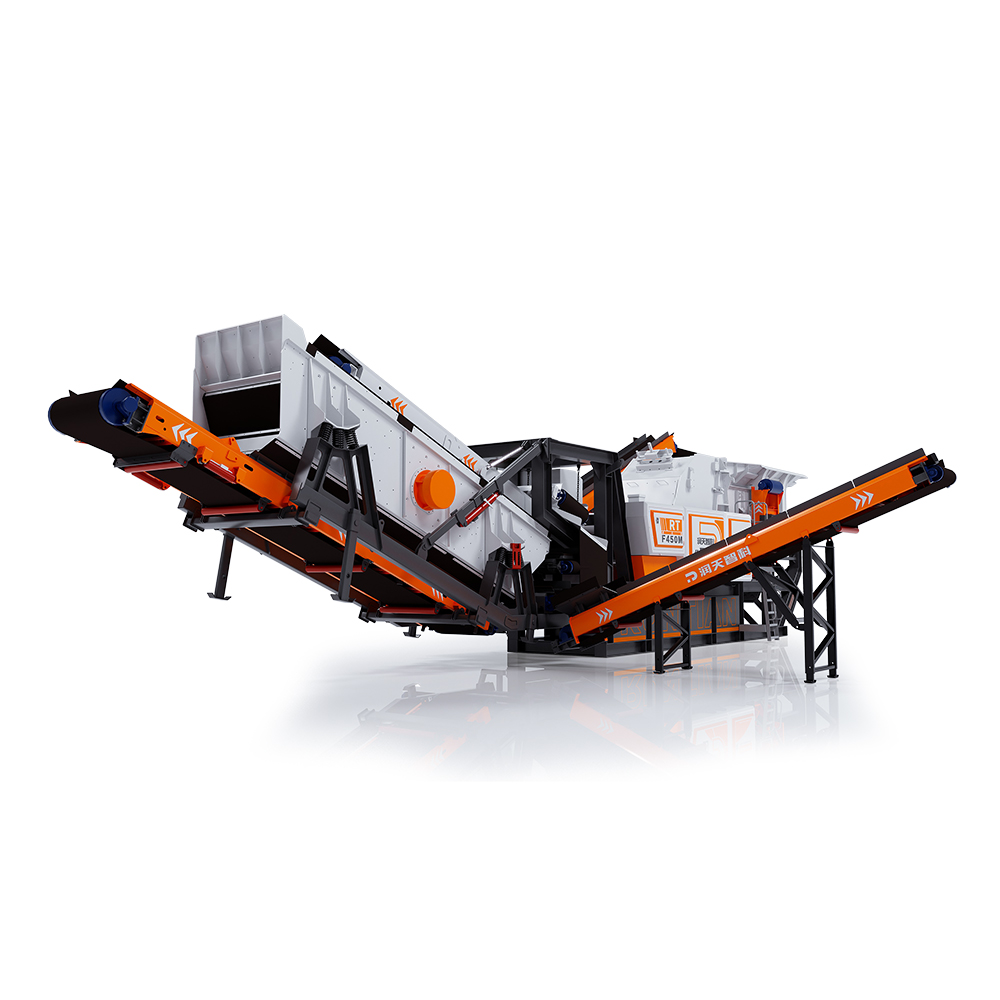 RTF450M Modular Impact Crushing Plant
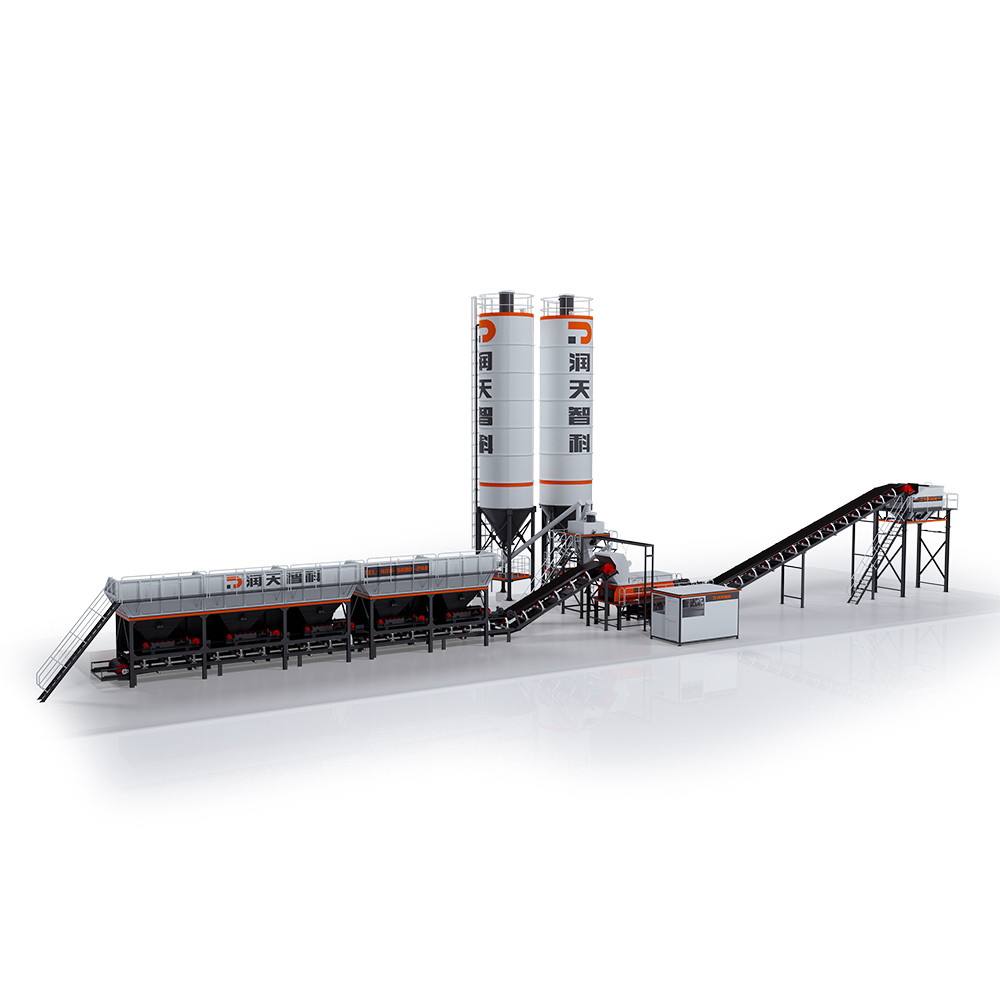 WDB Series Foundation-Free Stability Soil Mixing Plant
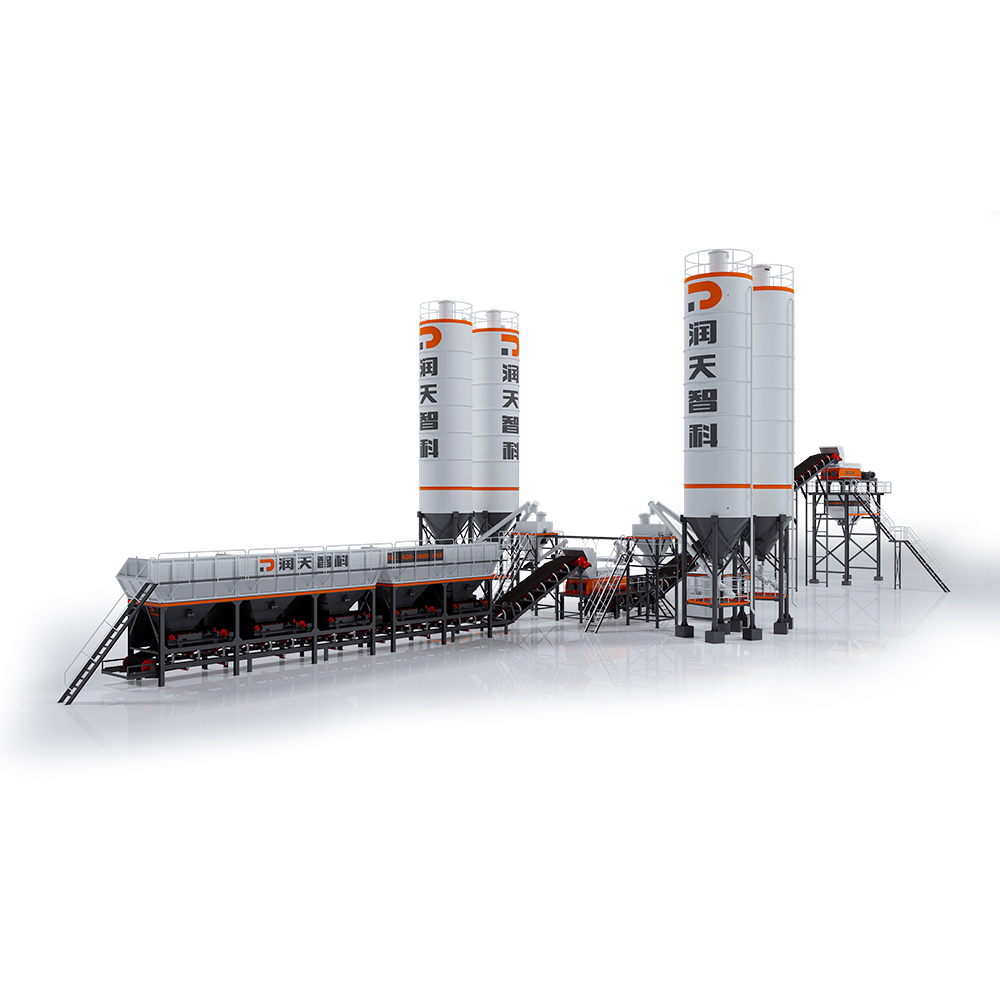 LCB Series Emulsified Asphalt Cold Regeneration Secondary Mixing Plant
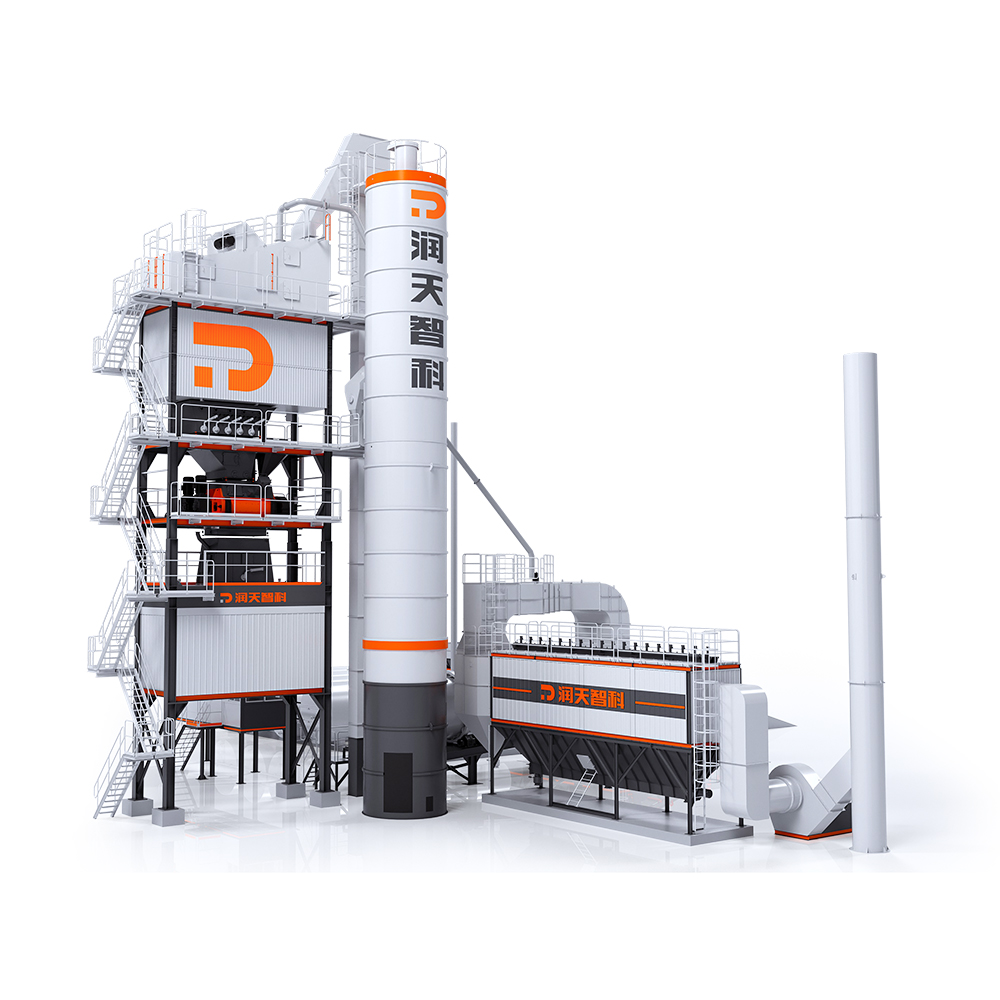 LB Series Asphalt Mixing Plant
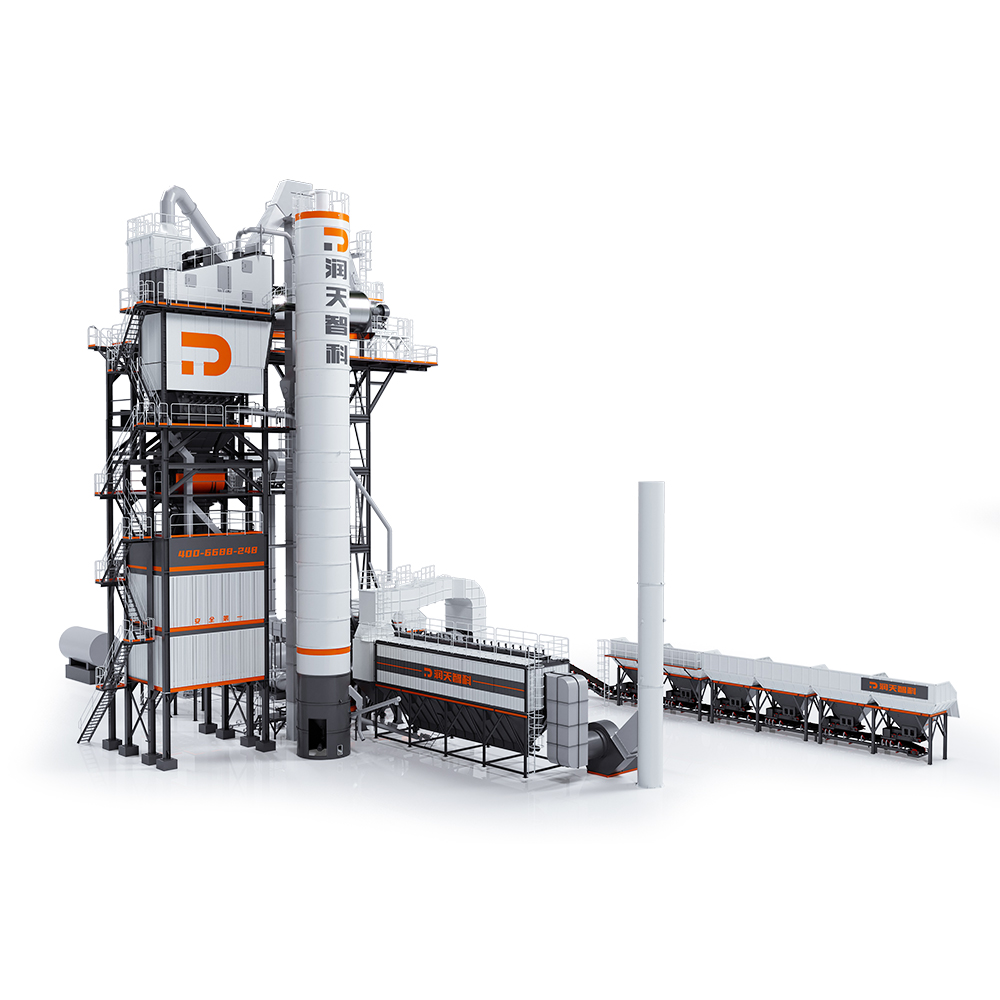 LBR Series Integrated Asphalt Mixing Plant
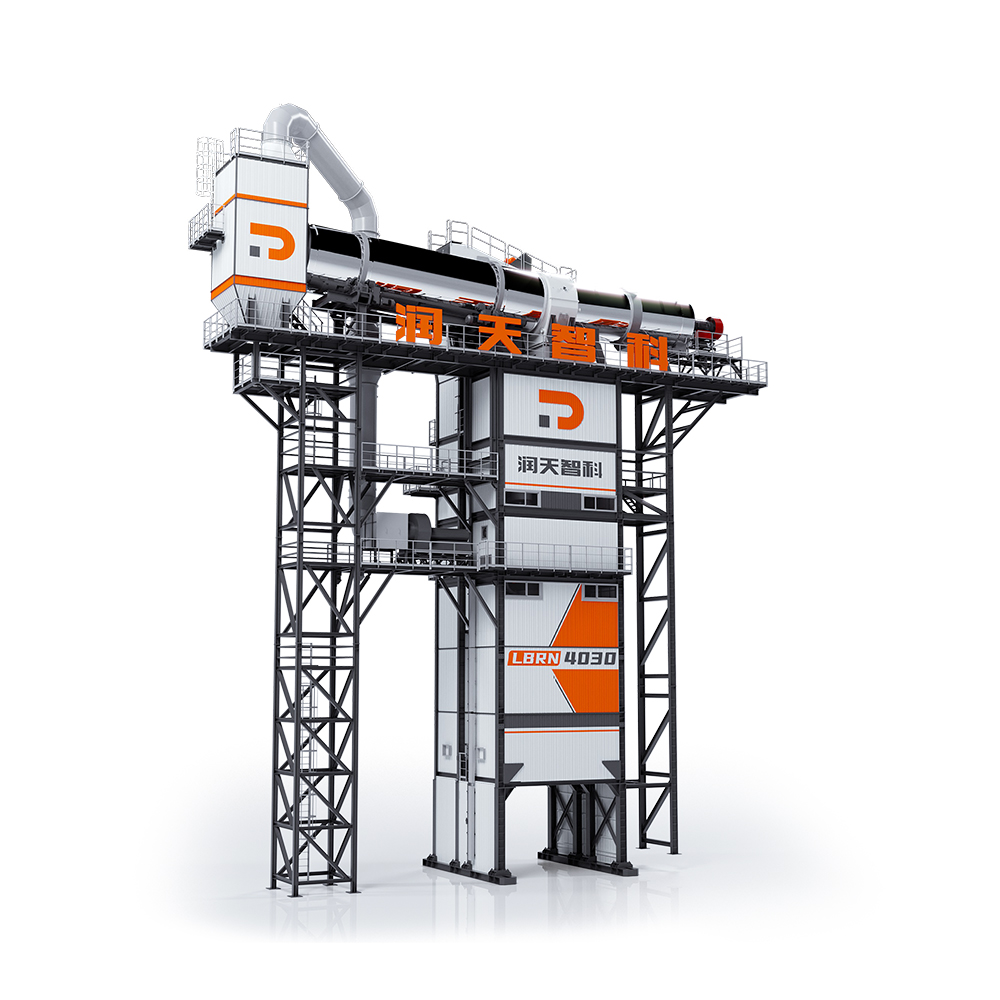 LBRN Series Counterflow Integral Asphalt Mixing Plant
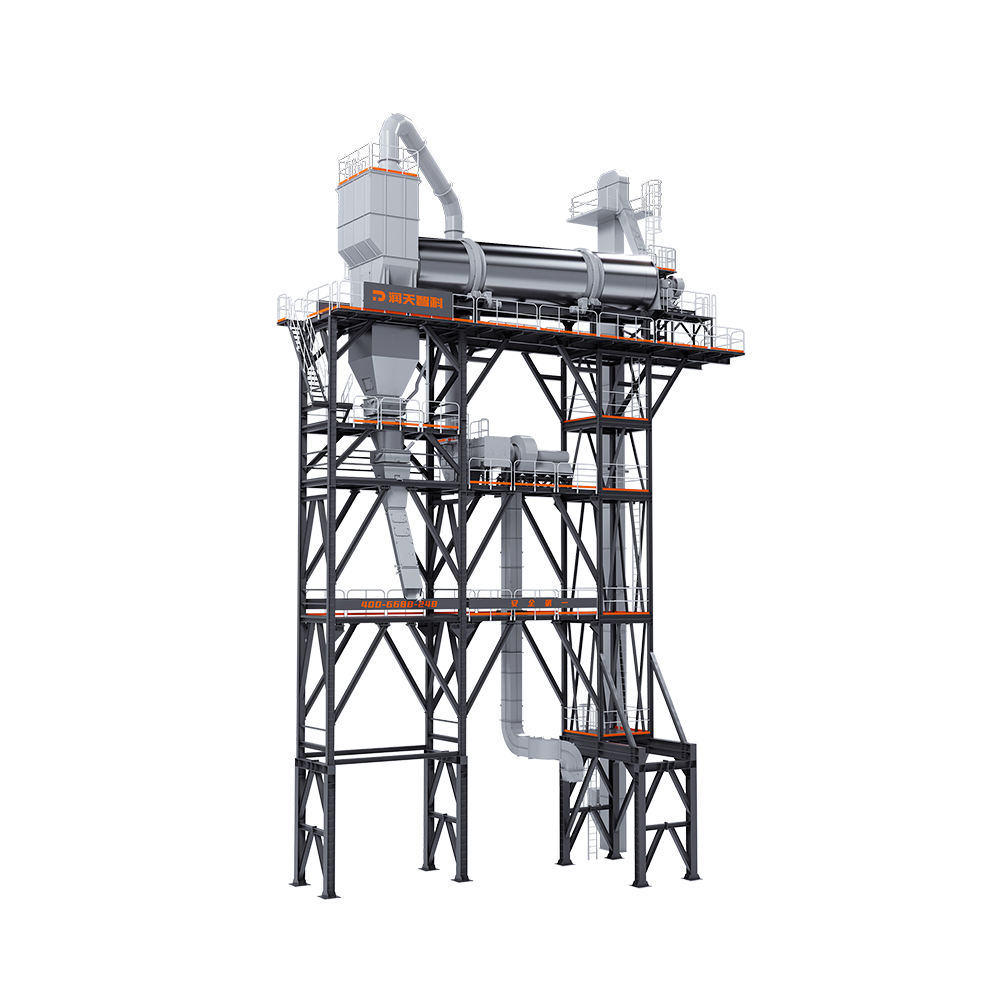 RZS Series Asphalt Mixing Plant
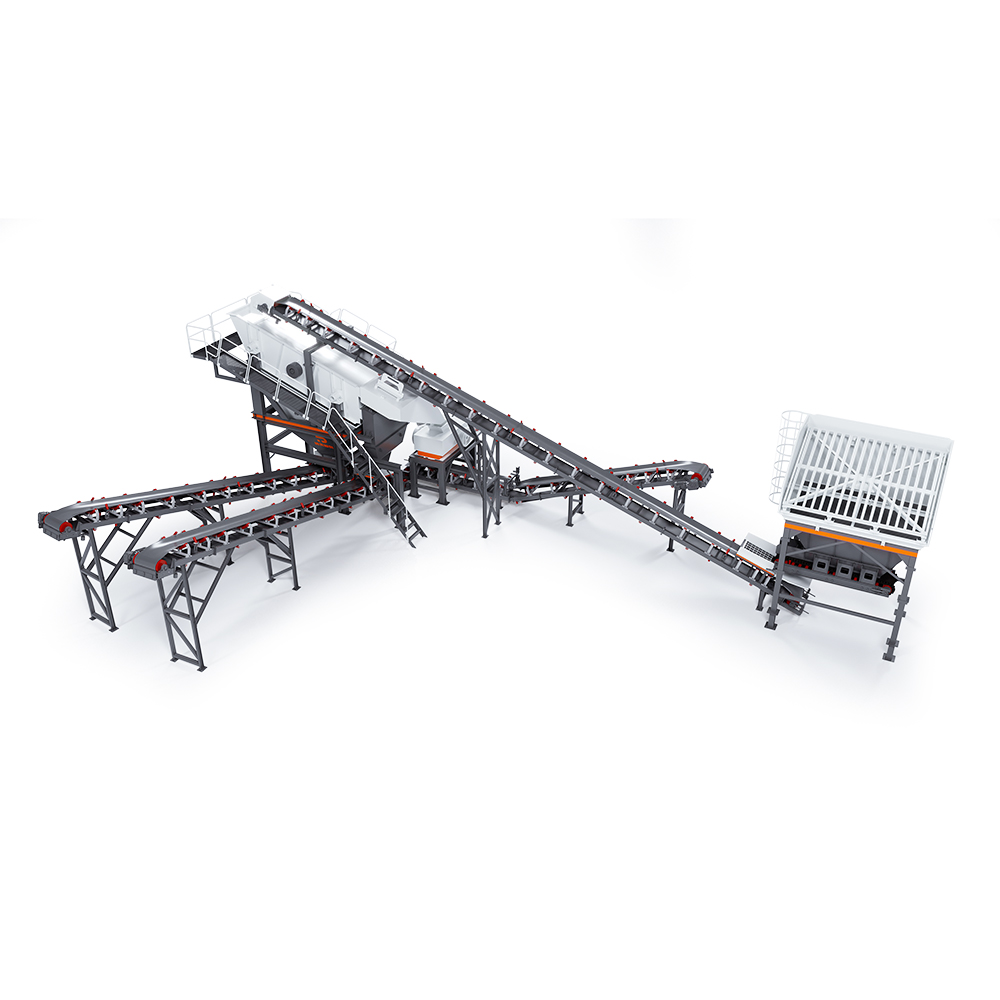 RTZS120 Series RAP Crushing & Screening Plant
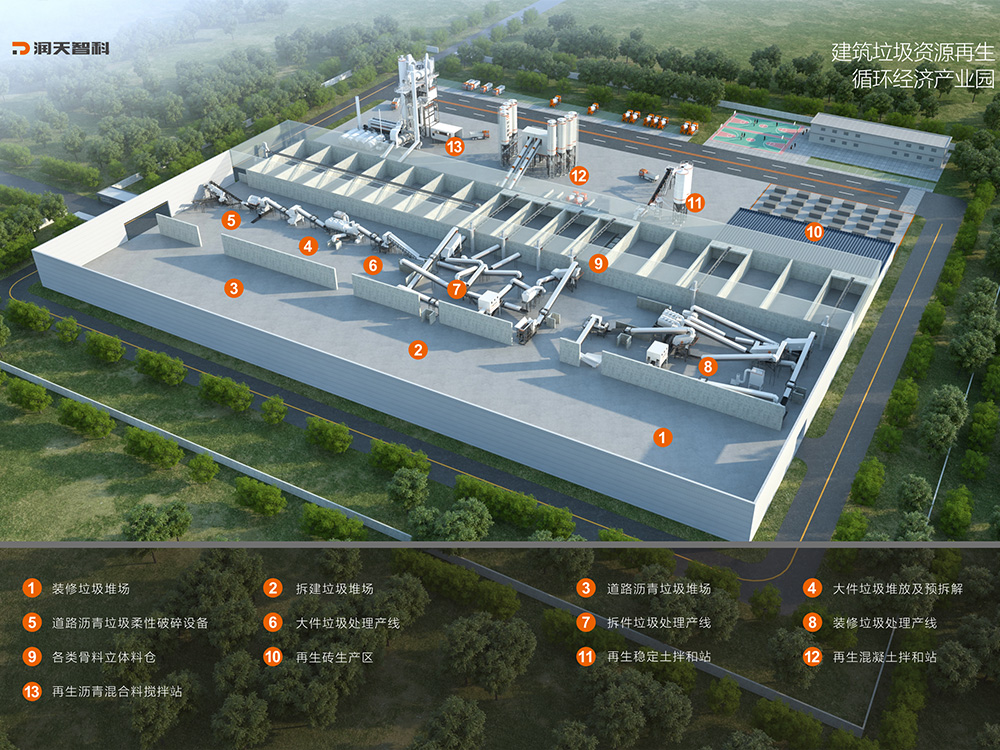 Construction Waste Resourceful Treatment Line