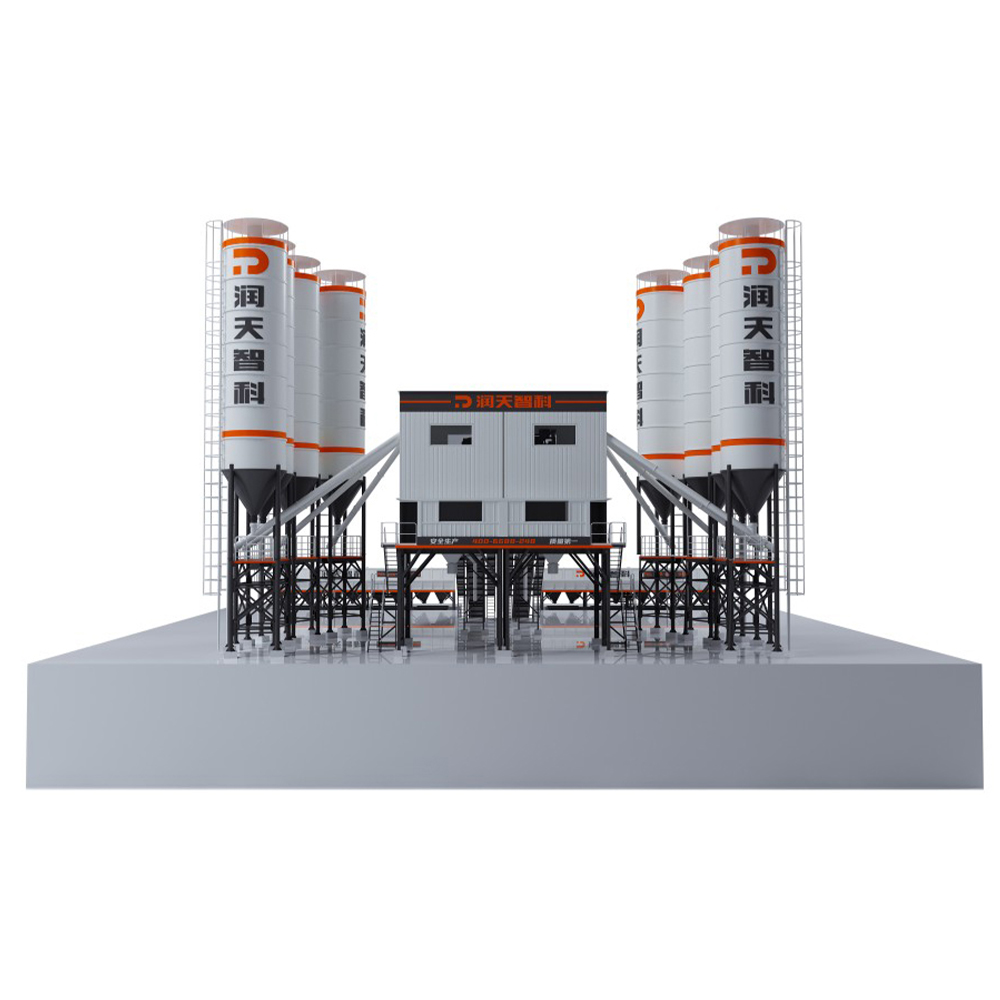
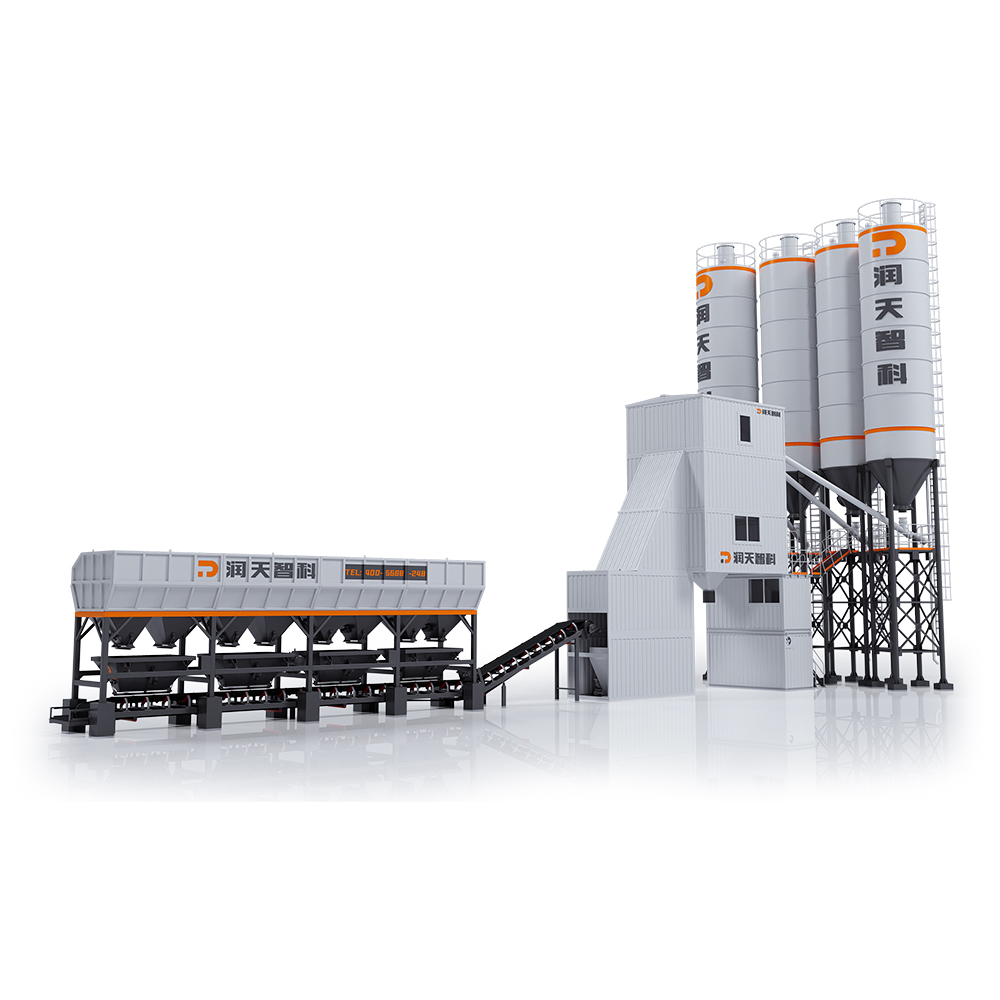
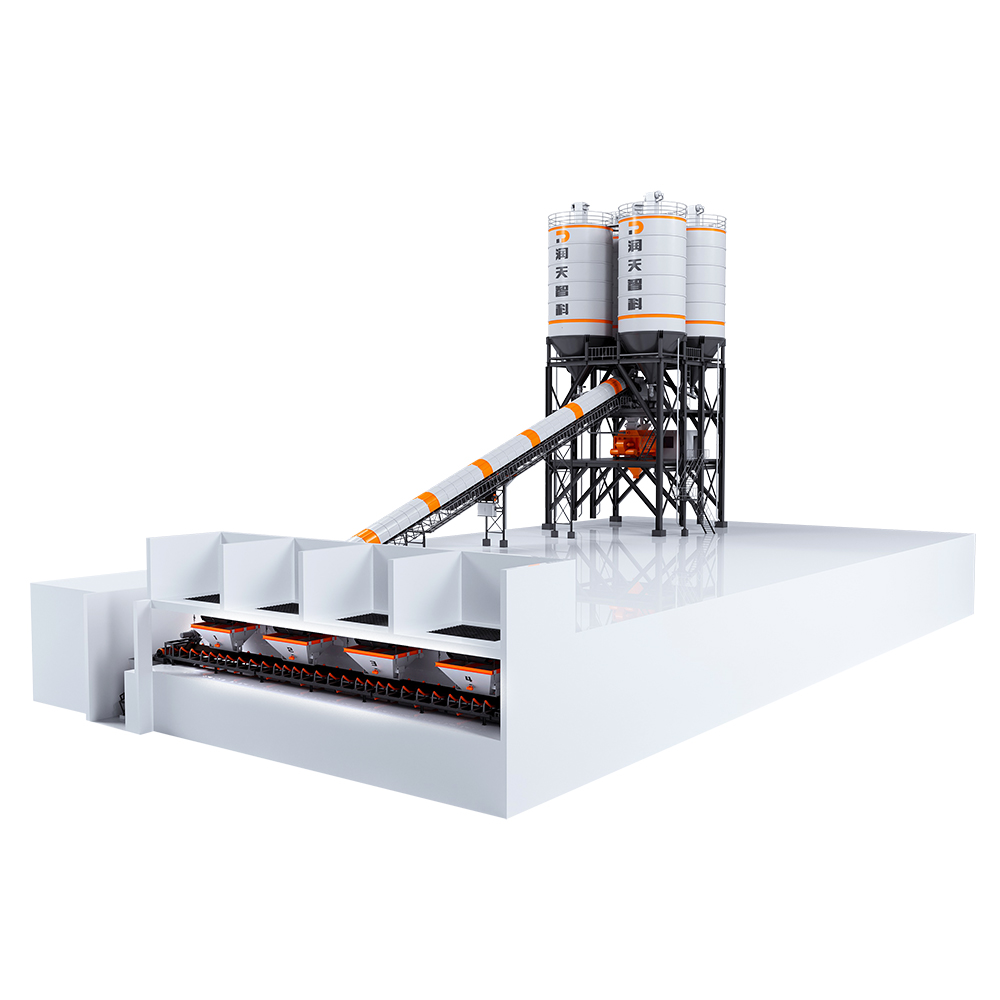
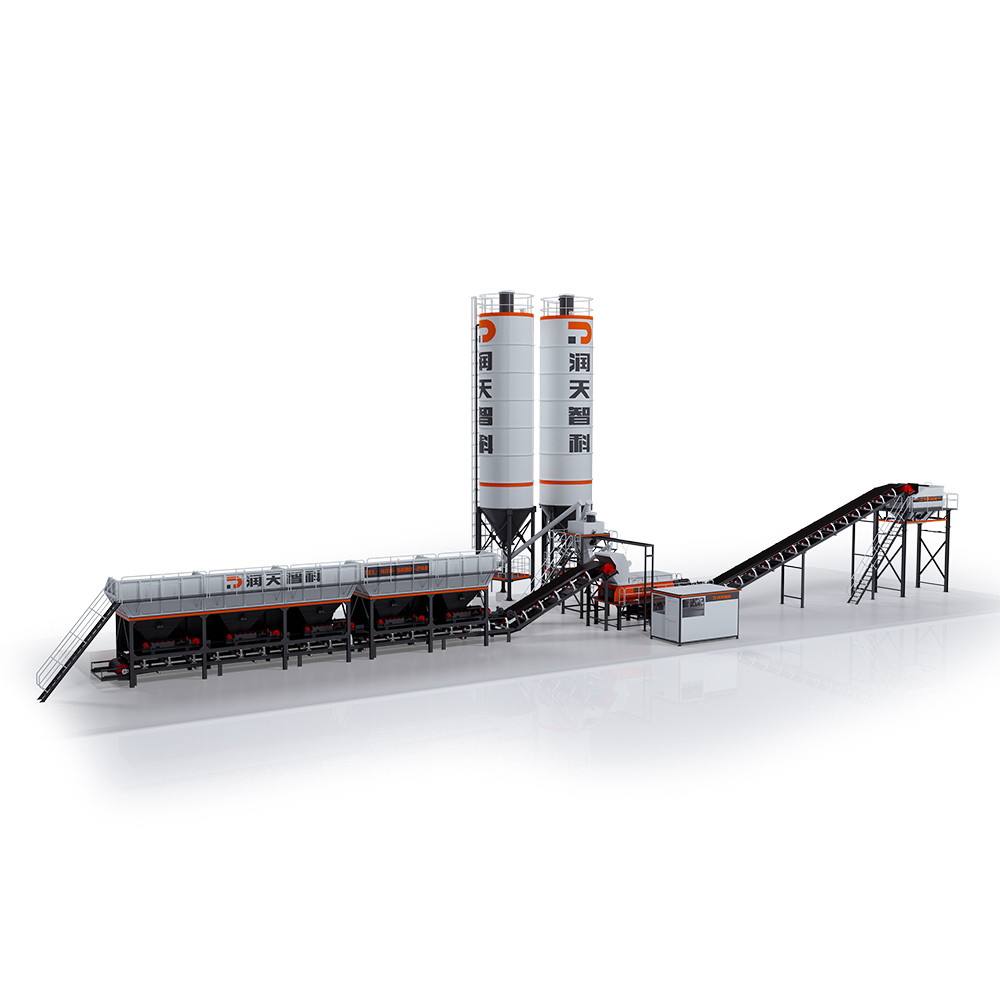
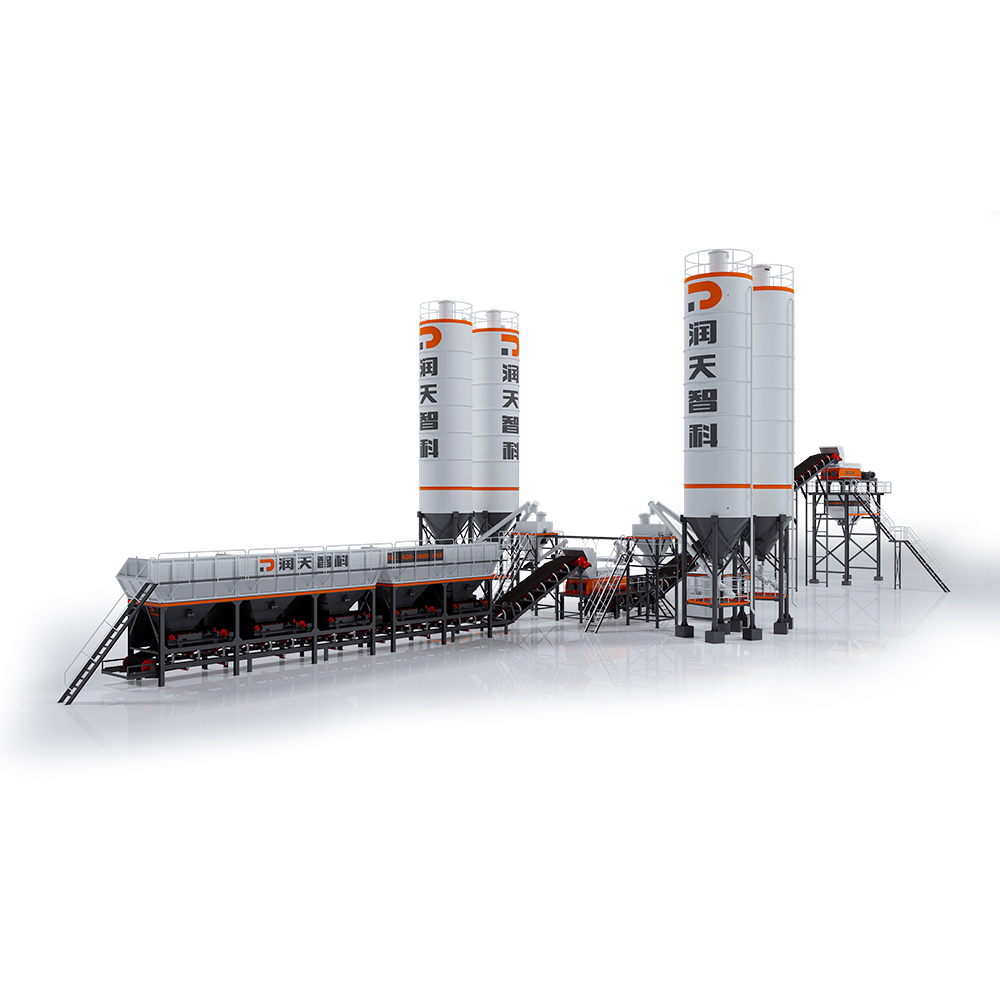
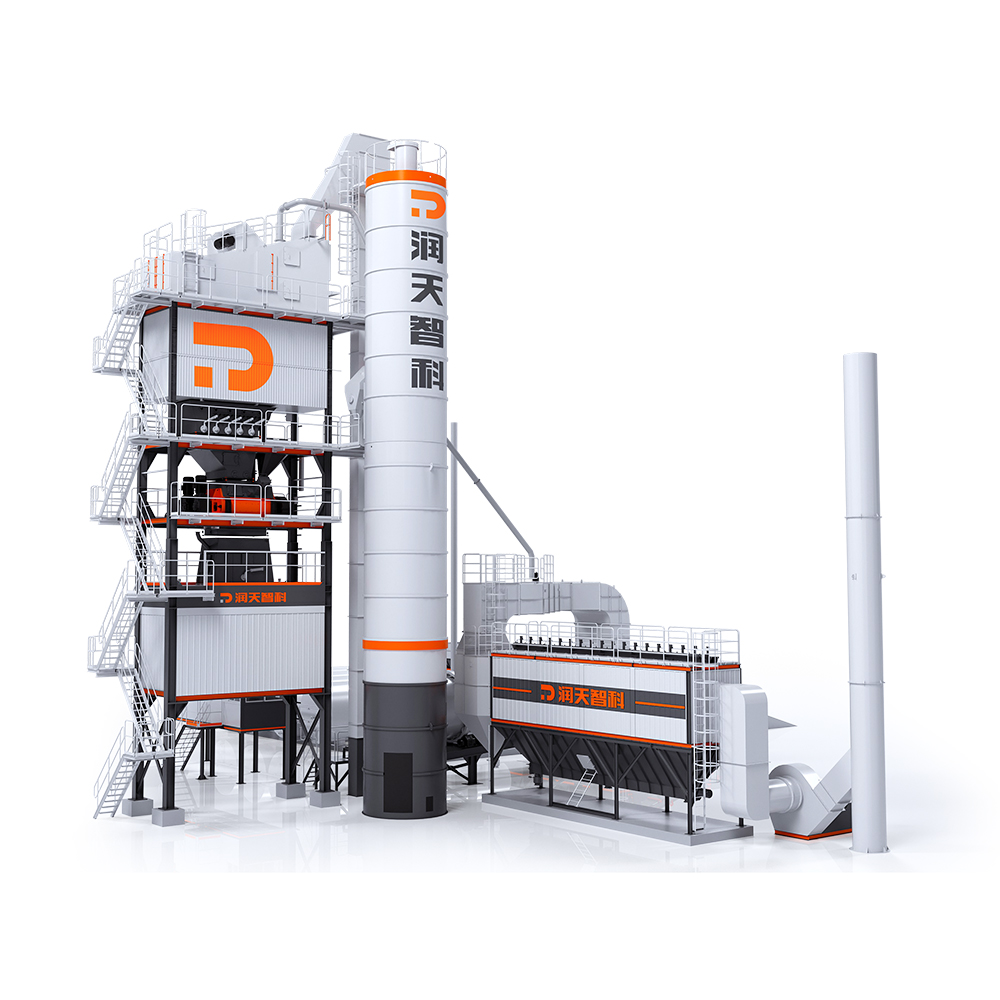
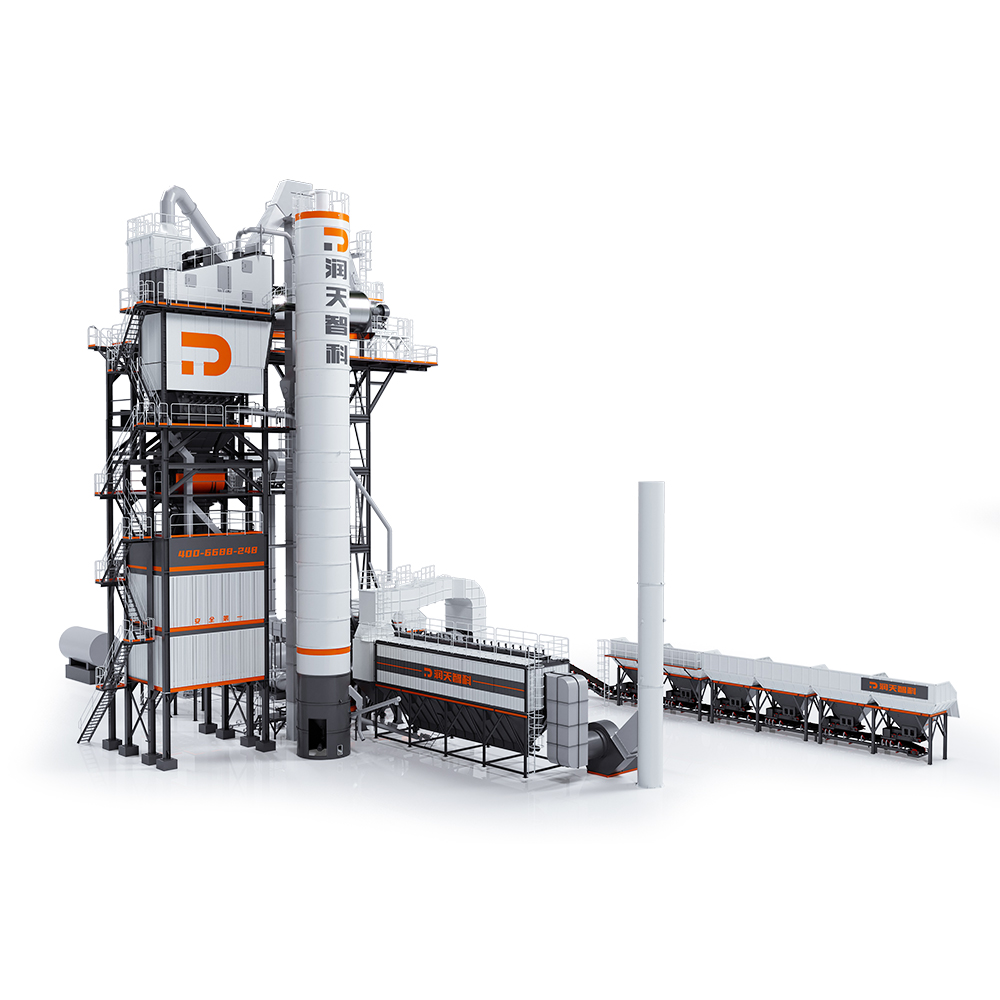
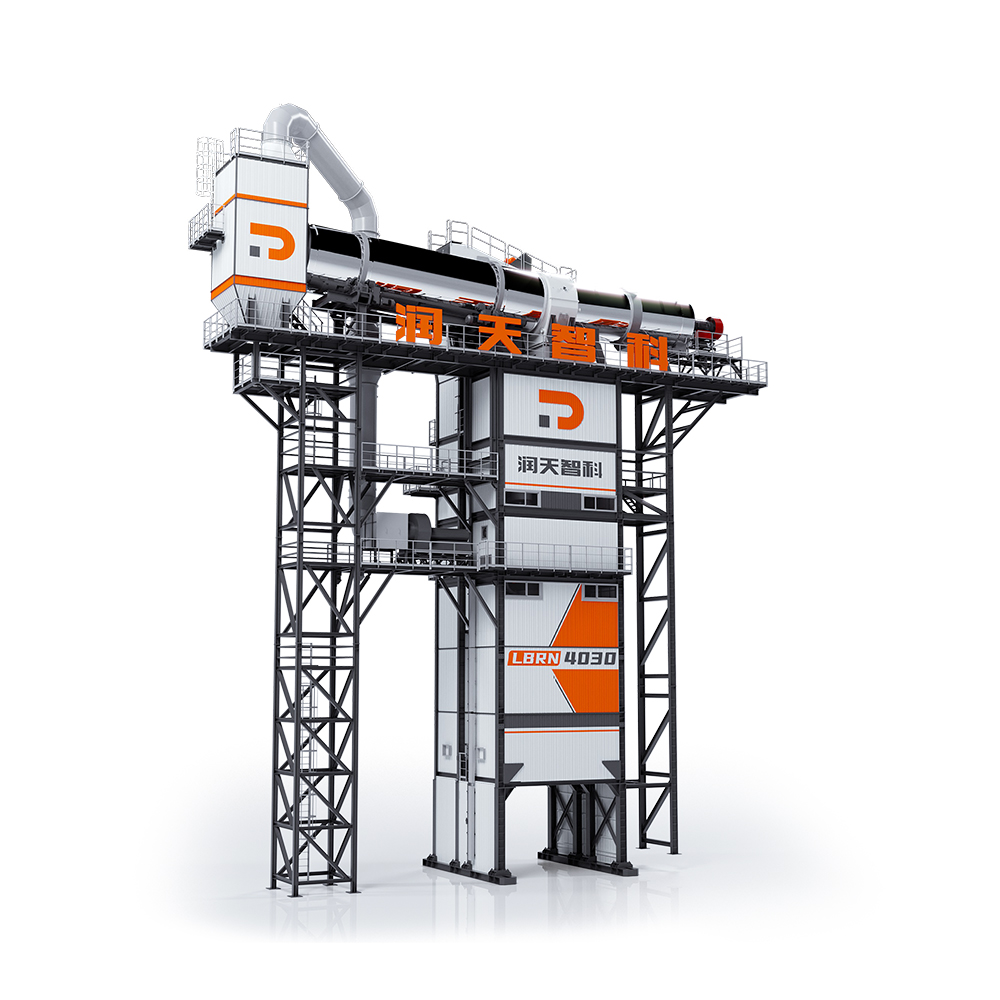
HZS Series Belt Concrete Mixing Plant
HZS Series Bucket-Lifting Type Container Concrete Mixing Plant
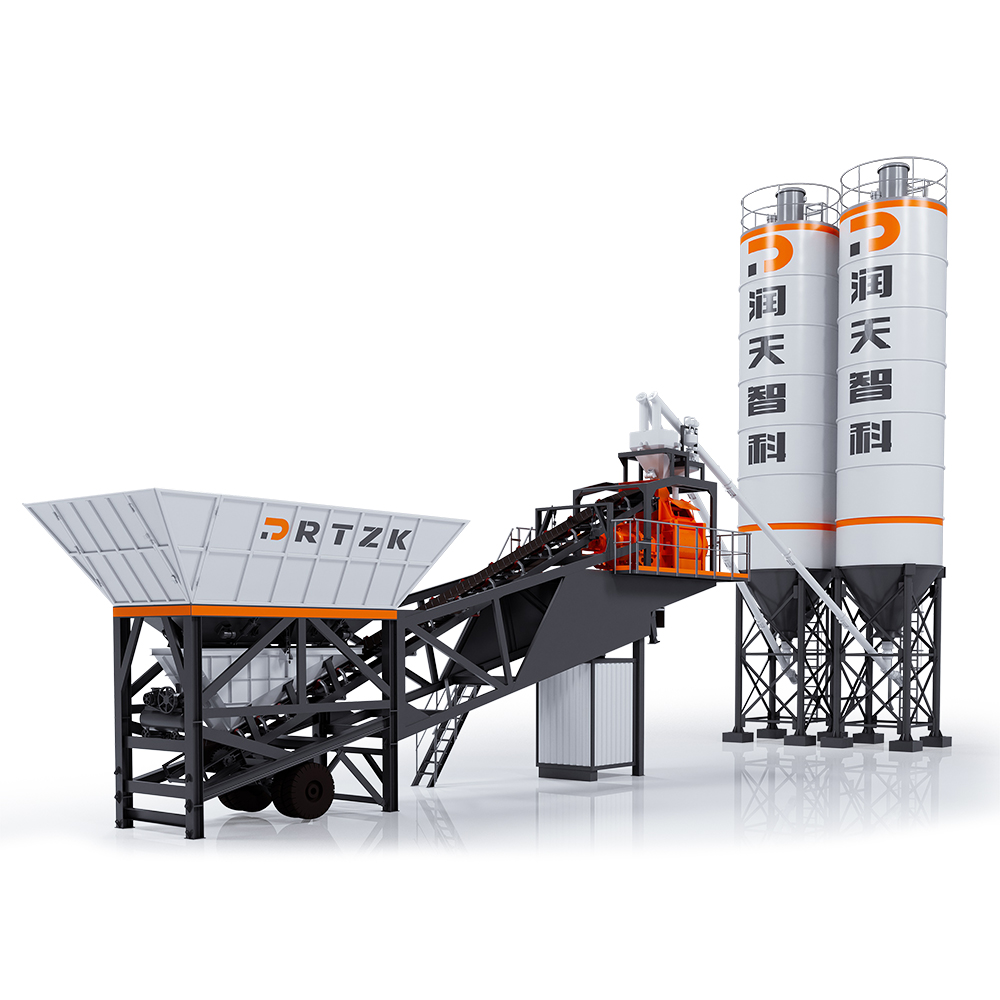
HZS60 Mobile Concrete Mixing Plant
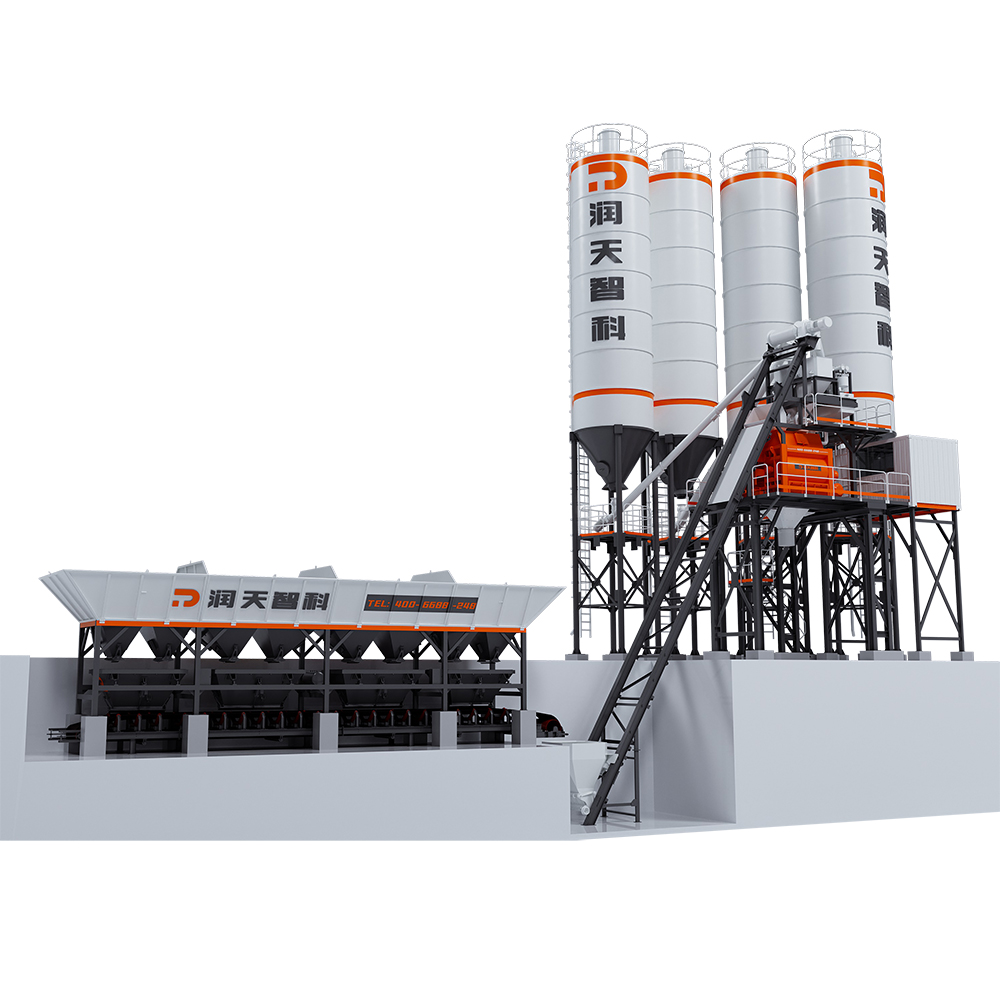
HZS Series Bucket-Lifting Type Concrete Mixing Plant
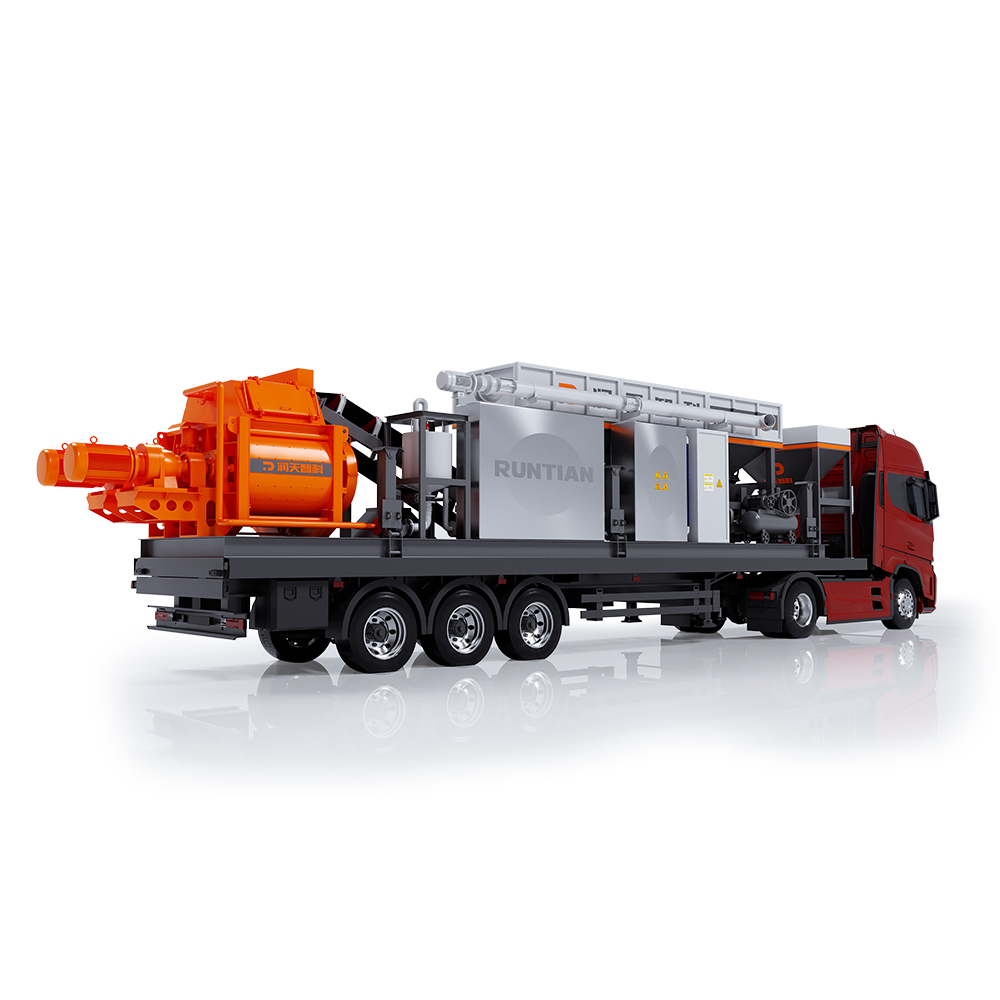
HZS Series Mobile Concrete Mixing Plant
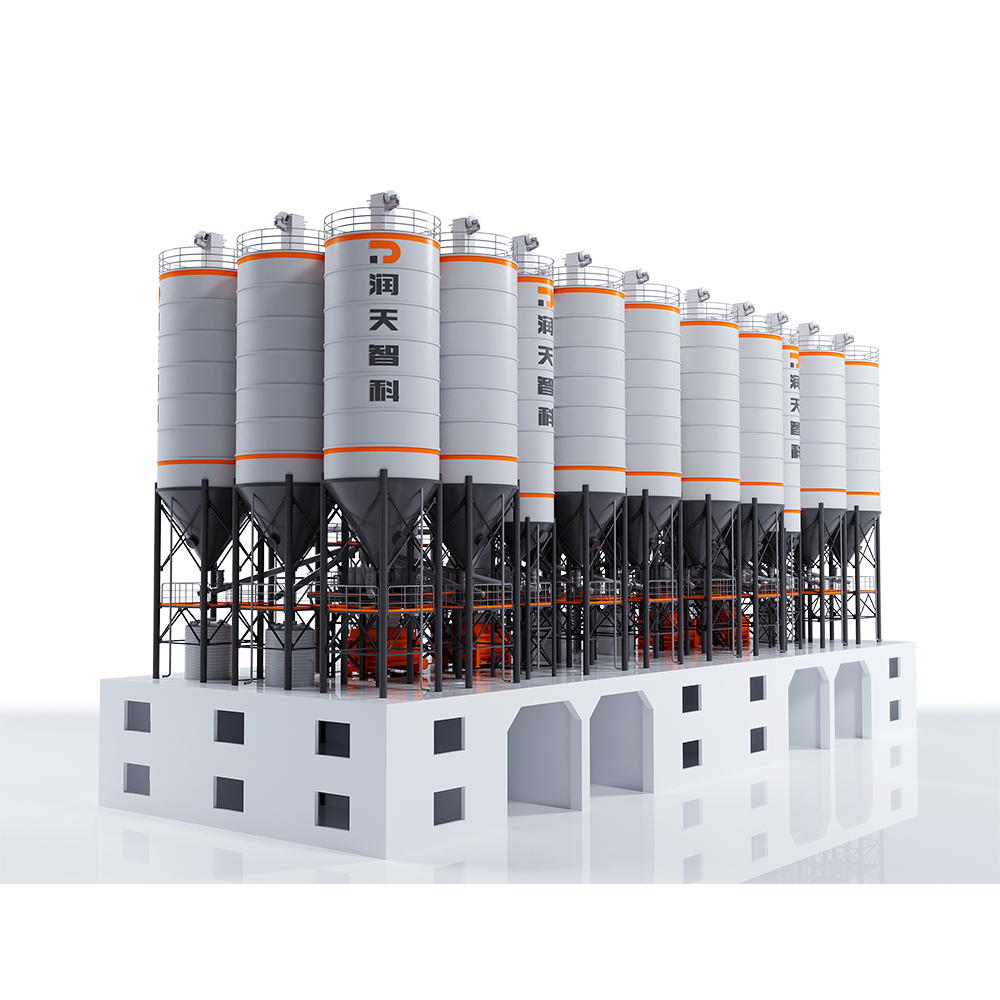
HZS Series Top-Mounted Concrete Mixing plant
HZS Series Semi-Top Mounted Concrete Mixing Plant
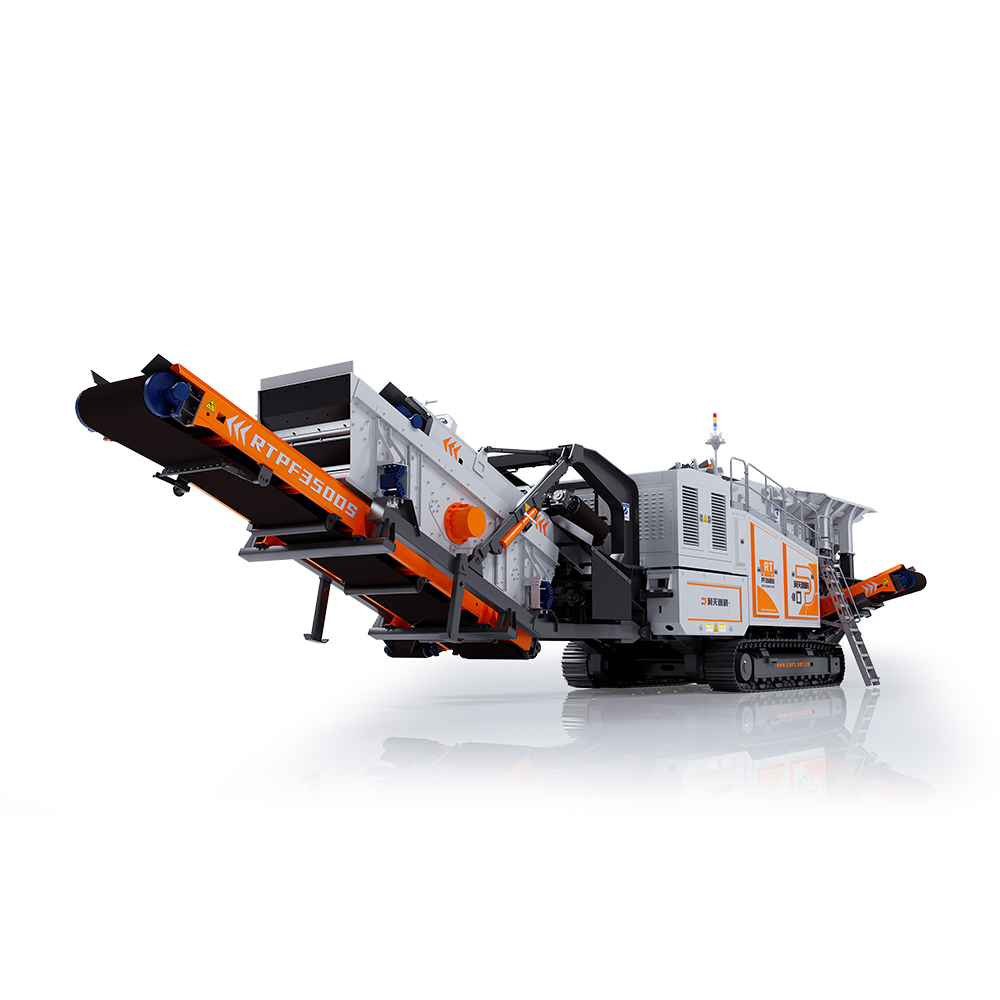
RTPF350DS Crawler Mobile Impact Crushing Plant
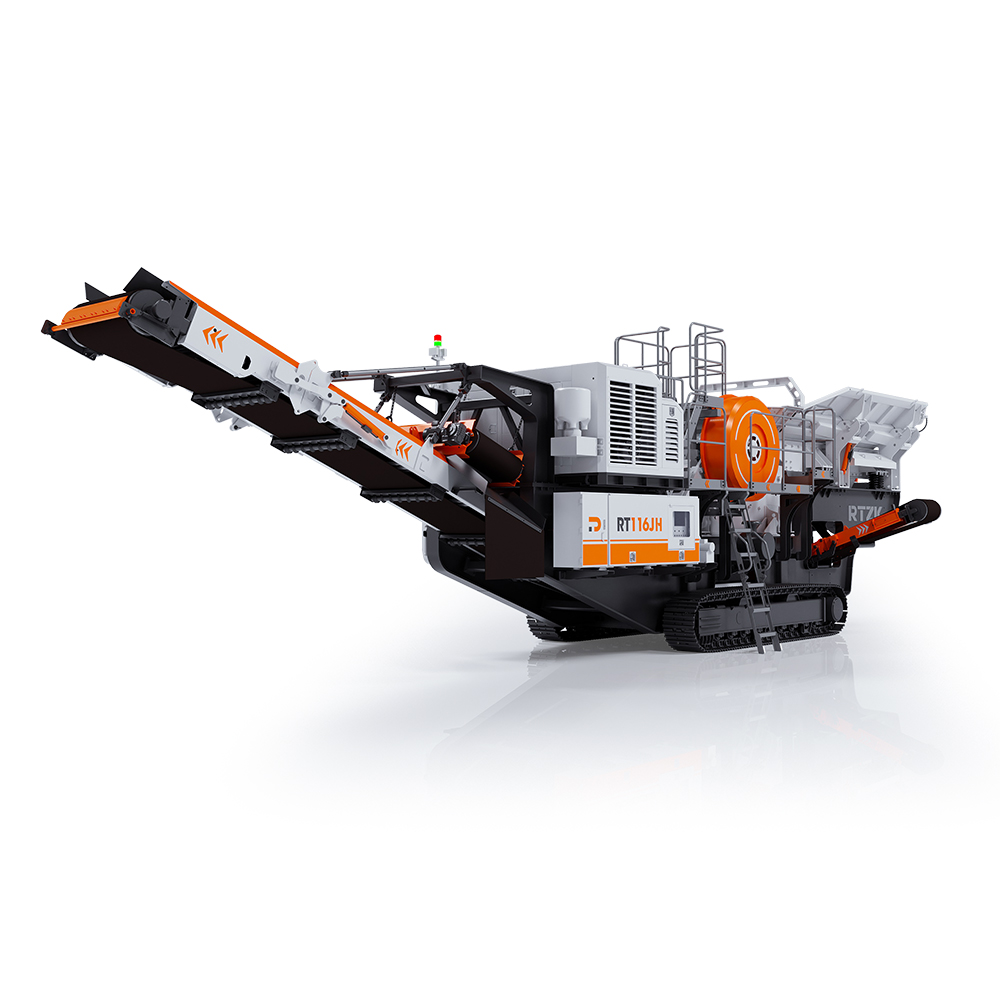
RT116JH Crawler Mobile Jaw Crushing Plant
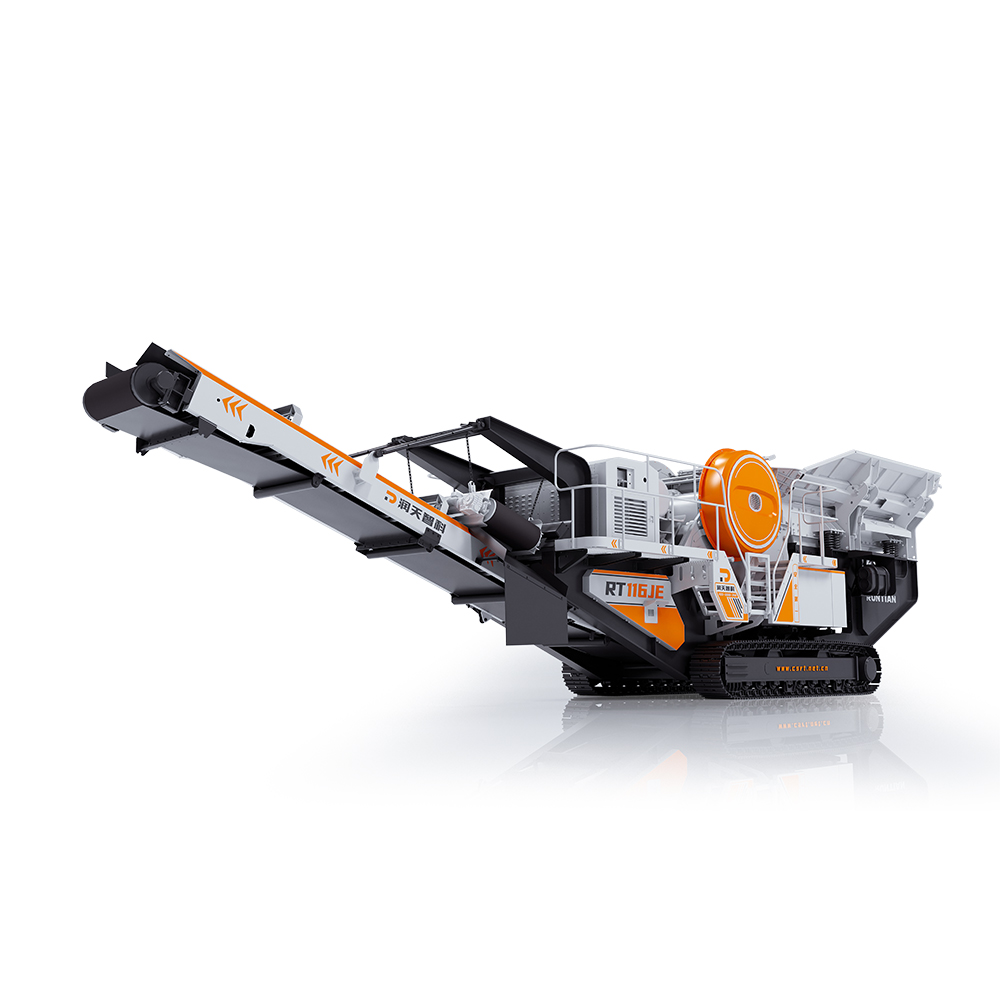
RT116JE Crawler Mobile Jaw Crushing Plant
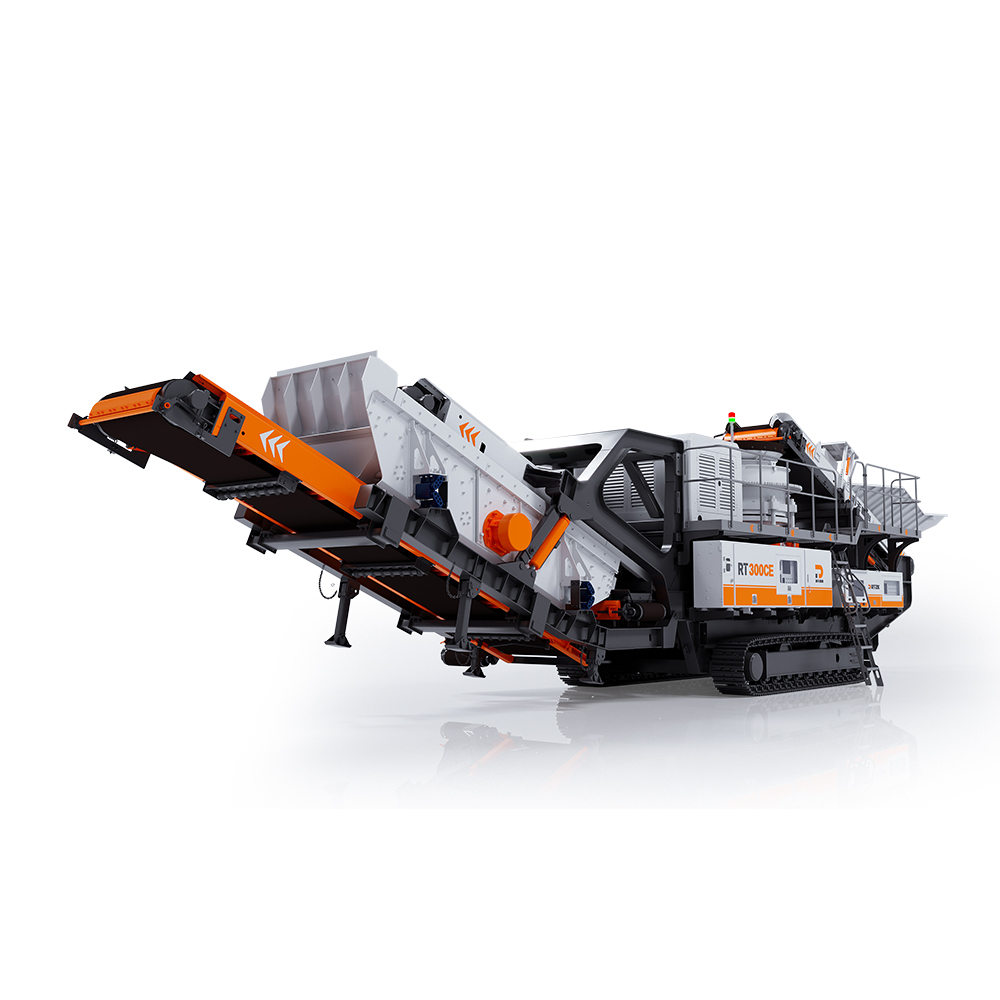
RT300CE Crawler Mobile Cone Crushing Plant
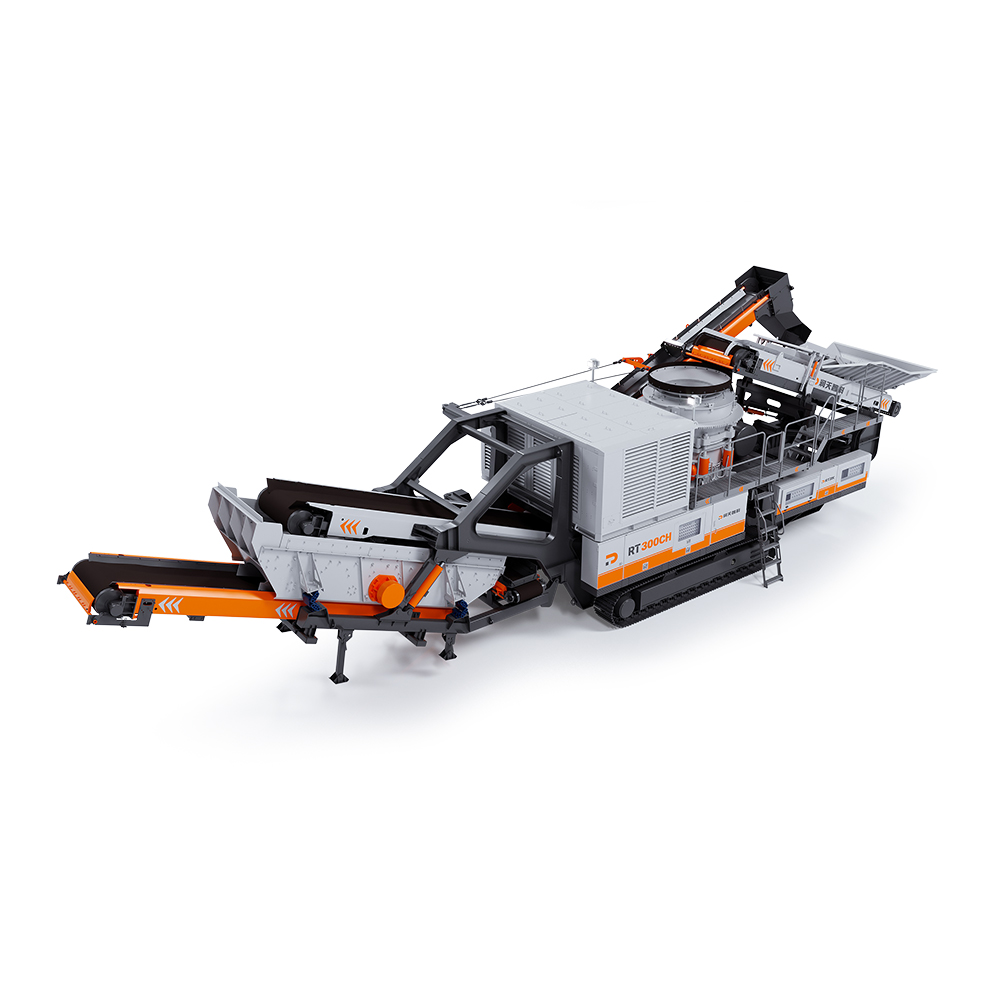
RT300CH Crawler Mobile Cone Crushing Plant
RT5015H Mobile Scalping Screen
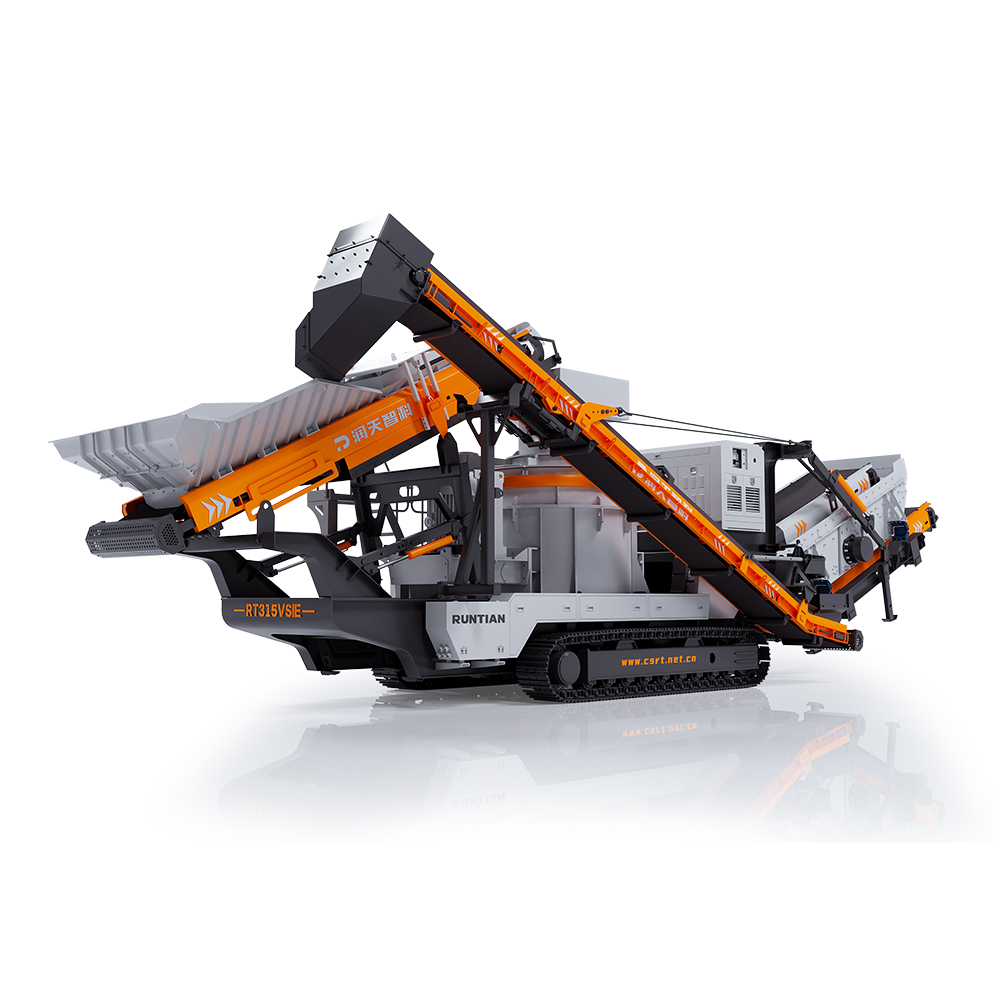
RT315VSIE Crawler Mobile Sand Maker
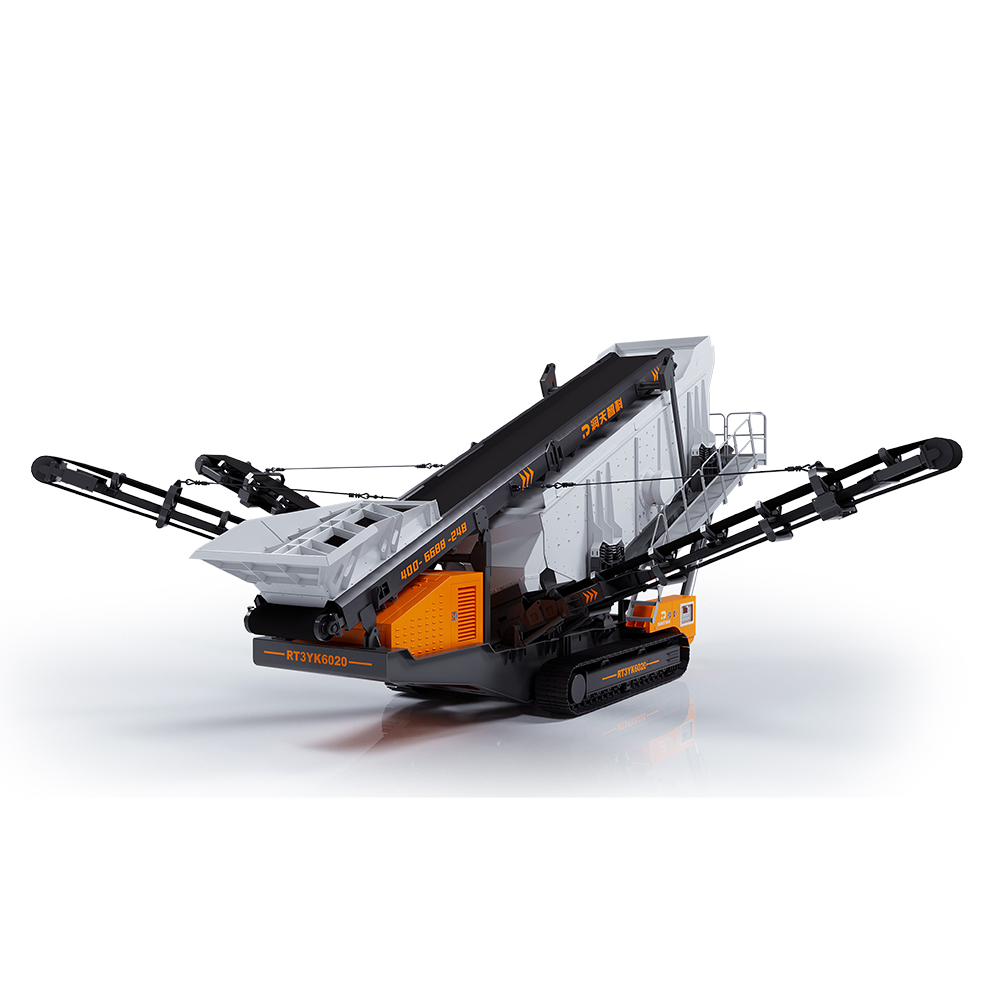
RT3YK6020 Crawler Mobile Screening Plant
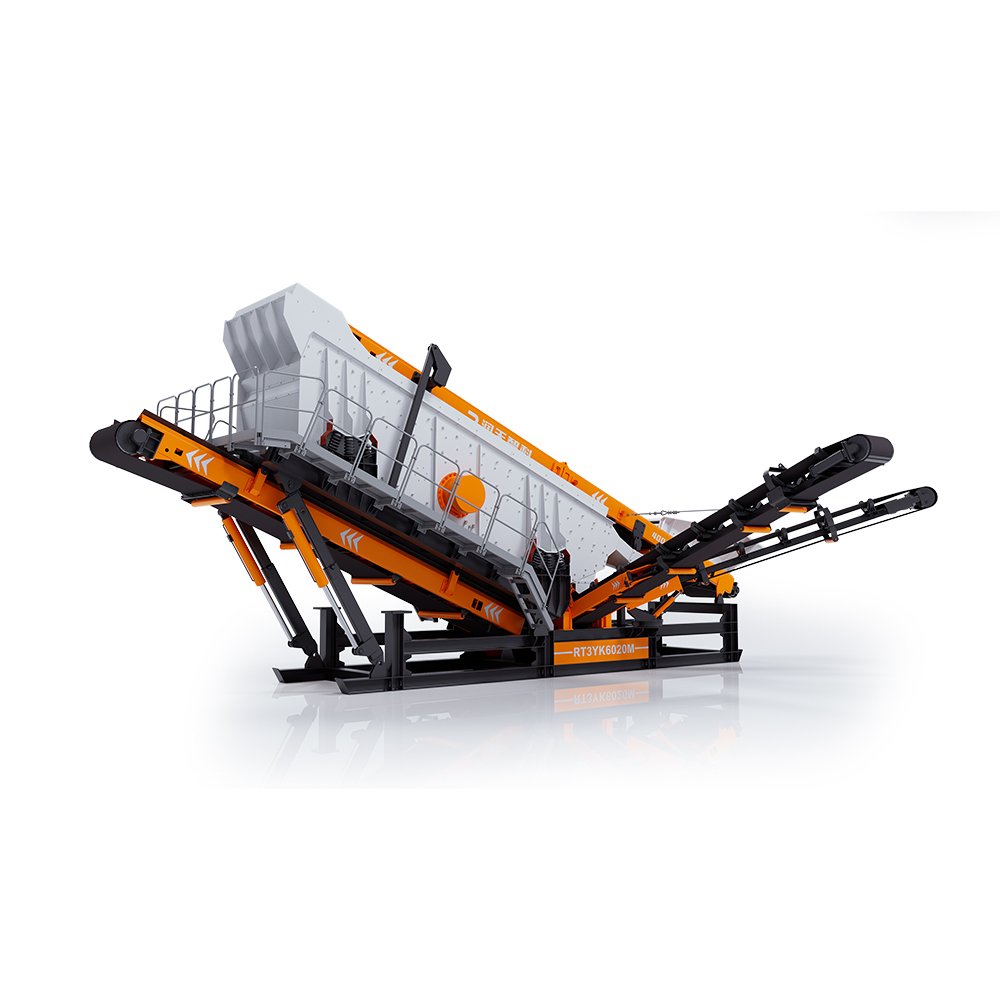
RT3YK6020M Modular Screening Plant
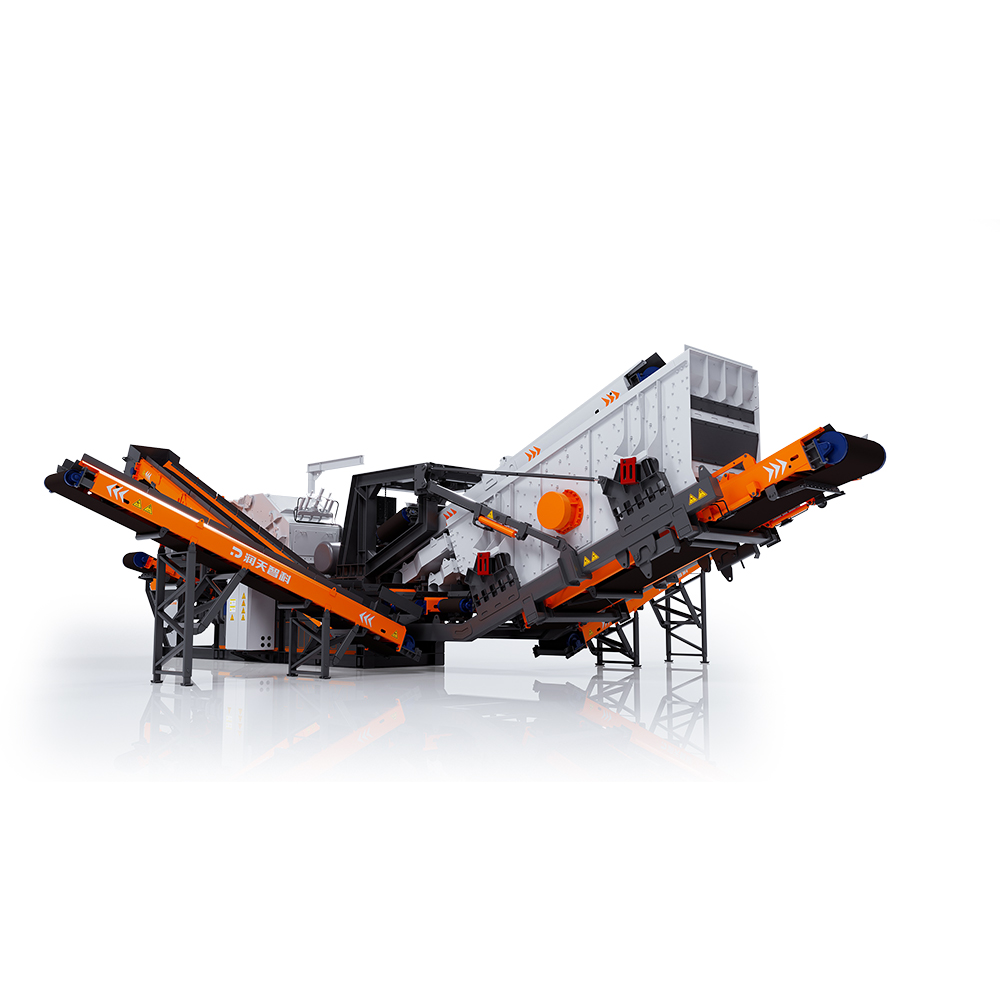
RTF260M Modular Counterattack Crushing and Screening Integrated Machine
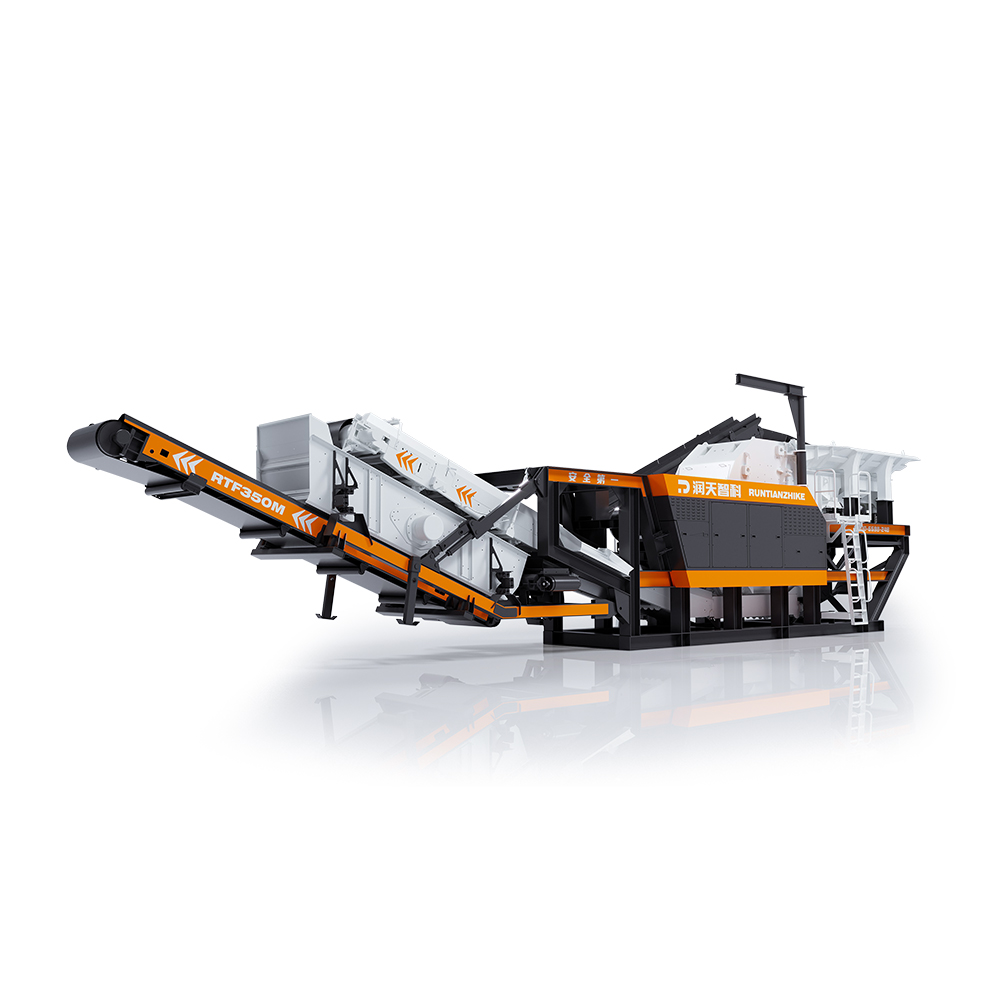
RTF350M Modular Impact Crushing Plant
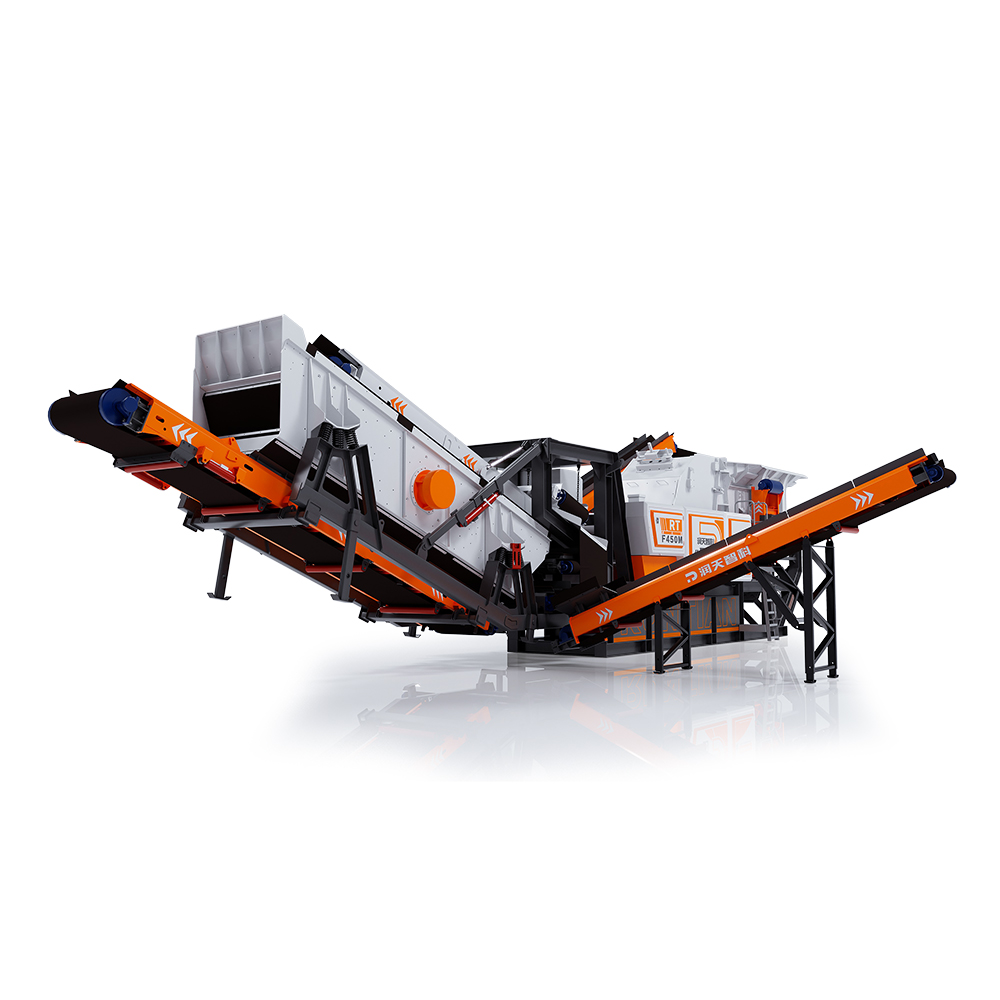
RTF450M Modular Impact Crushing Plant
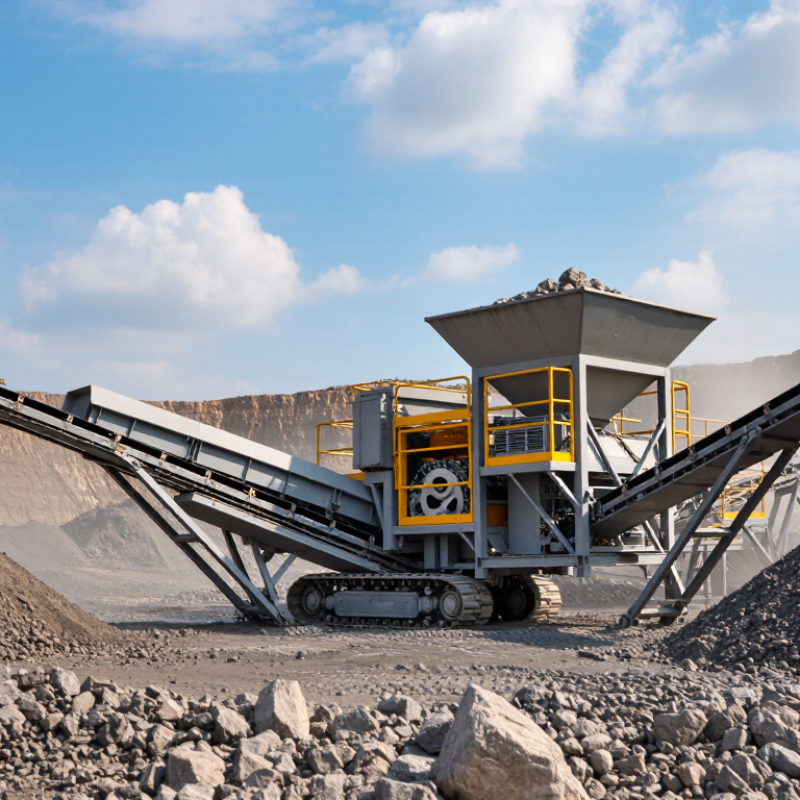
A mobile jaw crusher is a track-mounted or wheeled machine that reduces large rocks into smaller, usable sizes. It brings crushing power directly to quarries, road projects, and demolition sites. This reduces hauling distance and can lower fuel consumption when the site is properly planned.
The central component is a fixed jaw and a moving jaw. Material enters through the feed hopper and falls into the crushing chamber. The moving jaw compresses the rock against the fixed jaw. Repeated pressure breaks the material along natural fracture lines. The discharge opening controls the final product size. Operators can adjust this setting for base material, recycled concrete, or aggregate production.
A Jaw Crusher Mobile unit also includes a feeder, conveyor, engine, and safety controls. The feeder regulates material flow and helps prevent chamber blockages. The conveyor carries crushed stone away for screening or stockpiling. Dust suppression may use water sprays, while magnets can remove unwanted steel from demolition waste. Practical results depend on feed size, rock hardness, moisture, and operator settings. A machine that performs well in granite may struggle with sticky clay.
Small details matter.
Experienced operators inspect jaw plates, belts, bearings, and hydraulic lines before each shift. They also listen for unusual vibration or uneven crushing. Manufacturer specifications provide a reliable starting point, but site conditions often require adjustment. No calculation replaces observation. Even accurate equipment can produce poor results when overloaded, poorly maintained, or fed with unsuitable material. This article explains the machine’s structure, working cycle, applications, advantages, and limitations with practical clarity.
A mobile jaw crusher is a track-mounted machine that reduces hard rock, concrete, and recycled aggregate. Its defining feature is a jaw chamber with a feed opening commonly ranging from 400 to 1,200 mm. This dimension indicates the largest practical material size entering the crusher. It does not describe the final product size.
The tracks let operators move the crusher across a quarry, demolition site, or temporary road project. After positioning, an excavator loads material into the hopper. One jaw stays fixed while the other moves toward it. Compression breaks the feed into smaller pieces, which leave through the discharge gap. Adjusting this gap changes the output size. Smaller gaps usually produce finer material, but they can reduce capacity.
Real feed is rarely uniform. Oversized rocks, wet clay, and steel contamination can interrupt production. A careful operator checks the feed size, moisture, and material strength before changing settings. The 400–1,200 mm range is useful, but it should not guide selection alone. Chamber geometry, engine power, belt width, and track stability also matter. Site experience often exposes problems that a specification sheet misses. A machine may accept large stone, yet perform poorly when sticky fines cover the jaw plates. Regular inspections help identify uneven wear, blocked discharge areas, and unsafe loading patterns before they become costly failures.
Mobile jaw crushers commonly use a nominal feed opening of approximately 400–1,200 mm. Larger openings generally accept larger blasted rock, while tracked undercarriages allow the crusher to move between processing locations without fixed foundations.
A mobile jaw crusher turns large stone into controlled fragments while moving between extraction and stockpile areas. Its cycle is simple, but each stage changes the final hourly result. Material enters through a vibrating feeder, which removes some fines and keeps the jaw chamber supplied evenly. Oversized rock needs careful sizing; forced feeding can raise pressure and accelerate wear. Field operators watch the feed opening, engine load, and belt discharge together.
Inside the chamber, one jaw remains fixed while the other moves toward it. Compression breaks the stone along natural weaknesses. The closed-side setting controls product size, though rock hardness and shape still matter. A tighter setting can produce smaller material, but it may reduce capacity and increase power demand.
After release, crushed stone falls onto a discharge conveyor, where a magnet, screen, or second crusher may follow. Conveyor tracking matters.
Typical mobile jaw crusher capacities range from about 50 to 1,000 t/h. That range is not a promise. Actual output depends on feed gradation, moisture, bulk density, setting, machine condition, and operator control. Dry, evenly sized limestone may flow steadily, while wet clay can bridge the chamber and slow production. A practical test records belt weight, fuel use, product size, and stoppages across a full shift. Small errors in the feed estimate can distort the production plan. That is where specifications need honest site measurements.
A mobile jaw crusher uses an eccentric shaft to move one jaw toward a fixed jaw. This repeated compression breaks blasted rock into smaller pieces. The jaw stroke commonly ranges from 20 to 60 mm, depending on machine design and operating conditions. A longer stroke can improve material movement, but it may increase power demand and wear. The result is not always perfectly uniform.
The closed-side setting, or CSS, controls the narrowest gap between the jaws. Operators may adjust CSS from about 50 to 300 mm for different feed materials and output requirements. A 50 mm setting usually produces finer material than a 300 mm setting. However, actual output also depends on rock hardness, moisture, feed size, and chamber filling. CSS is a control point, not a guaranteed product size.
This matters in a large aggregate market. The U.S. Geological Survey reported approximately 1.5 billion metric tons of crushed stone production in 2023. The European Commission’s Best Available Techniques reference documents also identify primary crushing as a key stage requiring dust and energy controls. In field use, technicians should check stroke behavior, jaw wear, and feed distribution together. A poorly centered feed can reduce capacity, even with a correct CSS. I have seen settings measured carefully while uneven loading quietly undermined performance.
A mobile jaw crusher reduces rock through compression between a fixed jaw and a swinging jaw. As the swing jaw closes, large fragments break along natural weaknesses. The machine then opens, allowing crushed material to fall through the discharge opening. In practice, the reduction ratio commonly ranges from 3:1 to 6:1. A 600-millimeter feed may produce material near 200 millimeters at 3:1, or about 100 millimeters at 6:1.
This ratio is not a promise. It changes with rock strength, moisture, feed grading, and the closed-side setting. Hard, blocky stone usually requires more controlled feeding. Wet clay can clog the chamber and reduce real output.
The U.S. Geological Survey’s Mineral Commodity Summaries 2024 reported approximately 1.5 billion metric tons of crushed stone produced in the United States during 2023. That scale shows why small ratio errors can create major downstream costs. Measure it carefully.
Field operators should compare the maximum feed size with the actual product size, not rely only on the machine’s nameplate. Screen samples at regular intervals and record the percentage passing the target size. A 3:1 ratio may suit primary reduction, while a 6:1 ratio can increase fines and energy demand. The Construction Industry Research and Information Association recommends using measured gradation data when evaluating aggregate-processing performance. Yet site conditions remain unpredictable. A clean calculation can still fail when feed size varies sharply.
What Is a Mobile Jaw Crusher and How Does It Work?
A mobile jaw crusher uses a fixed plate and a moving plate to compress rock. The drive turns an eccentric shaft, creating a repeated crushing cycle. Its practical performance depends on feed size, rock strength, moisture, and closed-side setting. Rated outputs commonly span 50–1,000 tonnes per hour, while electric or diesel-electric drives may range from 150–500 kW. These figures describe an operating envelope, not a guaranteed result. Real sites rarely match brochure numbers.
The USGS Mineral Commodity Summaries 2024 estimated U.S. crushed stone production at about 1.5 billion metric tons in 2023. That scale explains the demand for flexible primary crushing. However, higher power does not automatically deliver higher throughput. A 500 kW drive can still underperform with wet fines, oversized feed, or poor material flow. The European Commission’s Best Available Techniques guidance also emphasizes monitoring energy use and process stability. Operators should record tonnes per hour, kWh per tonne, CSS, and unplanned stops. Small measurement gaps can distort plant decisions.
Tips: Start with a realistic feed survey. Check the largest rock, average bulk density, moisture, and fines content. Compare hourly output with energy consumption, not power alone. Leave operating margin. A plant running continuously at its limit may look efficient, but maintenance risk rises quickly.
| Performance Dimension | Compact Class | Intermediate Class | Heavy-Duty Class | Assessment Notes |
|---|---|---|---|---|
| Typical crushing capacity | 50–200 t/h | 200–500 t/h | 500–1,000 t/h | Actual output depends on feed gradation, rock hardness, moisture, closed-side setting and feed consistency. |
| Installed drive power | 150–250 kW | 250–400 kW | 400–500 kW | Power is used by the jaw crusher and may also support conveyors, hydraulics, tracks and auxiliary equipment. |
| Typical jaw inlet size | Approx. 700 × 500 to 900 × 600 mm | Approx. 1,000 × 650 to 1,100 × 700 mm | Approx. 1,200 × 800 to 1,500 × 1,000 mm | The inlet must be large enough for the planned maximum feed size and the selected reduction ratio. |
| Recommended maximum feed size | Up to approximately 400–500 mm | Up to approximately 550–650 mm | Up to approximately 700–900 mm | Oversized or slab-shaped feed can reduce capacity and increase blockage risk, even when it fits the opening. |
| Typical closed-side setting | 40–100 mm | 50–150 mm | 75–200 mm | A smaller setting generally produces finer product but can lower throughput and raise power demand. |
| Primary reduction ratio | Approximately 4:1 to 6:1 | Approximately 4:1 to 6:1 | Approximately 4:1 to 7:1 | Jaw crushers are normally used for primary size reduction rather than producing a final fine aggregate. |
| Typical product size range | Approximately 50–150 mm | Approximately 60–200 mm | Approximately 75–250 mm | Final gradation is controlled by the jaw setting, feed characteristics and downstream screening or secondary crushing. |
| Main operating principle | A feeder delivers rock into a fixed and moving jaw. The eccentric shaft drives the moving jaw in a compressive motion, breaking material as the crushing chamber closes. Crushed material exits through the bottom opening when the jaw moves away. | Compression crushing is well suited to hard, abrasive rock and recycled demolition material. | ||
| Mobility and setup | Tracked; compact site layout | Tracked; medium site layout | Tracked; heavy-duty site layout | Tracks allow relocation between working areas, reducing the need for permanent foundations and long haul distances. |
| Indicative fuel or energy load | Lower plant fuel demand; load varies with duty | Moderate plant fuel demand; load varies with duty | Higher plant fuel or electrical demand; load varies with duty | Actual energy consumption is affected by material strength, feed size, setting, utilization and auxiliary equipment. |
| Best-fit applications | Small quarries, construction sites and limited demolition work | Aggregates, road base, quarrying and recycled concrete | Large quarries, mining overburden and high-volume aggregate production | Select the class according to required hourly production, maximum feed size and site logistics. |
| Key performance checks | Feed rate, motor load, crusher utilization, closed-side setting, product gradation, liner wear, belt loading and unplanned downtime | Consistent choke feeding and correct setting are essential for stable capacity and efficient power use. | ||

Note: The figures are representative engineering ranges for mobile jaw-crushing systems and are not specifications for a particular manufacturer or model. Capacity should be confirmed through material testing and site-specific commissioning data.