Why Choose Mobile Jaw Crusher for Your Crushing Needs?
In the ever-evolving construction and mining industries, efficiency is paramount. The "Mobile Jaw Crusher" stands out as a powerful solution. According to David Harris, a leading expert in crushing technology, "The Mobile Jaw Crusher revolutionizes the way we approach material processing." This innovation enhances productivity and simplifies transportation.
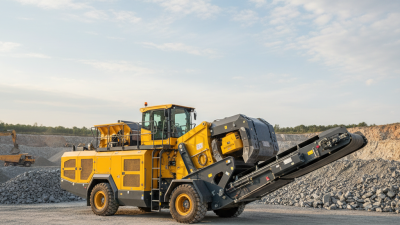
Investors and operators recognize the value of flexibility. A Mobile Jaw Crusher can be easily moved across sites, adapting to various environments. Its design allows for quick setup and operation, minimizing downtime. This versatility is crucial in fast-paced projects where every minute counts.
However, potential buyers must consider factors like maintenance and operating conditions. While the Mobile Jaw Crusher provides unmatched mobility, it's essential to evaluate specific needs. Not every application suits this machine perfectly. Reflecting on these aspects ensures the right choice is made to enhance overall efficacy in crushing operations.
Understanding Mobile Jaw Crushers and Their Functionality
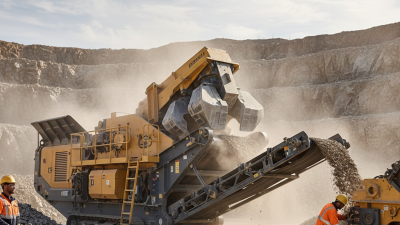
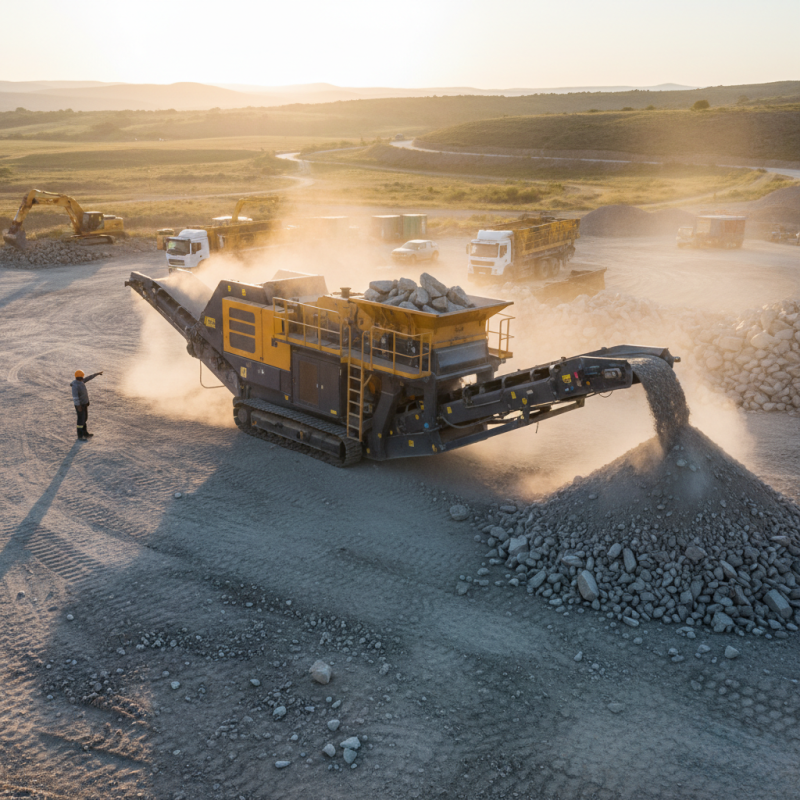
Mobile jaw crushers are essential in the construction and mining industries. They combine mobility with robust crushing capabilities. These machines are designed to crush various materials, from rocks to recycling debris. Their adaptability makes them suitable for different job sites.
Understanding how mobile jaw crushers function is crucial. The jaw crusher works by using a set of jaws. The material enters the top, where it is crushed between these jaws. This process allows for efficient reduction in size. Yet, it's not without challenges. Regular maintenance is needed to ensure optimal performance. If not maintained well, wear and tear can impact efficiency significantly.
The versatility of mobile jaw crushers is noteworthy. They can be used in limited space or remote locations. However, managing logistics and transportation of these machines can be complex. Operators must be trained to maximize their functionality. This includes knowing when and how to adjust or replace parts. In essence, while mobile jaw crushers offer excellent benefits, continuous evaluation and improvement in operational practices are necessary for sustained success.
Key Advantages of Mobile Jaw Crushers in Various Industries
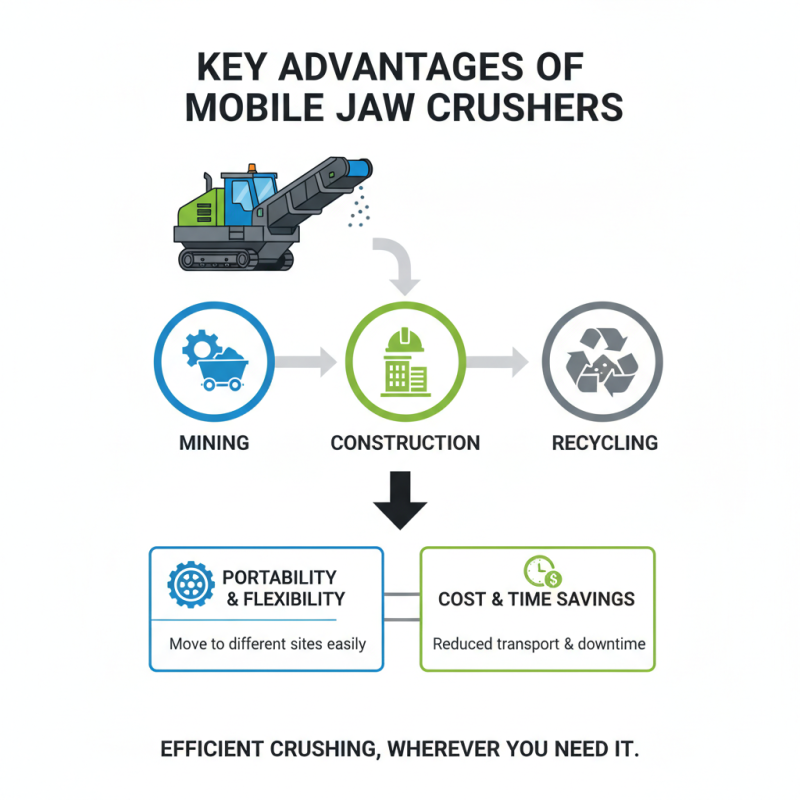
Mobile jaw crushers have gained popularity across various sectors due to their unique advantages. These machines provide flexibility in mining, construction, and recycling industries. The portability of mobile jaw crushers allows them to be moved easily to different sites, ensuring effective crushing where it is most needed. This feature leads to reduced transportation costs and minimizes downtime.
One key advantage of mobile jaw crushers is their ability to operate in challenging terrains. They can navigate rough environments where stationary crushers may struggle. This capability enables businesses to maximize productivity and efficiency. Many industries rely on these crushers for their quick setup and minimal installation requirements. On-site repairs can often be made, reducing the need for extensive maintenance schedules.
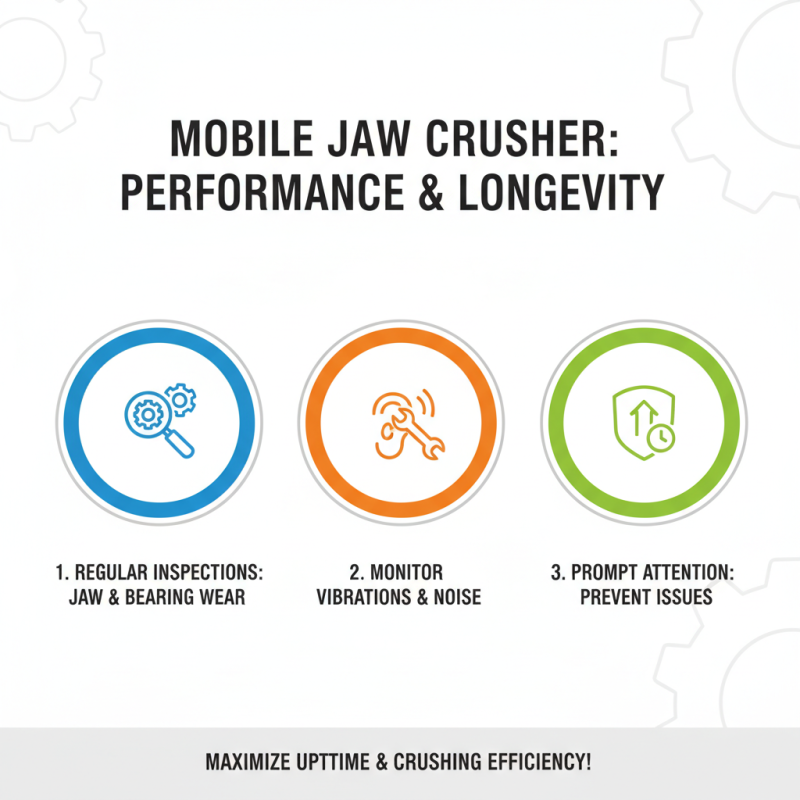
Tips: Regularly check the wear parts on your mobile jaw crusher. This ensures consistent performance and prevents unexpected failures. Consider investing in training for your operators. A skilled team can adapt to different site conditions and improve productivity. Always evaluate the advantages of mobility against the specific needs of your project, as there might be instances where stationary options could be more effective.
Factors to Consider When Choosing a Mobile Jaw Crusher
When selecting a mobile jaw crusher, various factors come into play. The crushing capacity and size should align with your project needs. A unit with optimum capacity can significantly enhance productivity. Additionally, portability is crucial for flexibility in different job sites. A compact design facilitates easier transportation and setup.
Another important aspect is the crusher's material adaptability. It should handle various materials, from concrete to rocks. The durability and maintenance requirements also matter. Some machines may demand frequent maintenance, leading to downtime. Check the availability of spare parts as well. This ensures that you can quickly address any repairs.
Moreover, consider the operator's experience. A complex machine might require skilled operators. Training may be necessary, adding to operational costs. Always reflect on the investment and returns. Balancing efficiency and cost is essential. An informed decision today can lead to sustainable operations in the future.
Why Choose Mobile Jaw Crusher for Your Crushing Needs?
Mobile jaw crushers offer various advantages for crushing needs, including portability, high crushing capacity, fuel efficiency, and maintenance costs. This chart compares these critical factors to help inform your decision.
Comparison of Mobile Jaw Crushers with Traditional Crushing Equipment
Mobile jaw crushers have gained popularity due to their versatility and efficiency. Unlike traditional crushing equipment that often remains stationary, mobile jaw crushers can transport easily to job sites. This flexibility enables producers to process materials close to the source, reducing the need for transport costs. Efficiency is further enhanced by their ability to quickly set up and start operations.
Traditional crushing equipment typically requires extensive infrastructure. This means higher fixed costs and longer downtime during installation. In contrast, mobile jaw crushers often have a compact design, making them easier to integrate into various projects. They can adapt to different materials, whether it’s asphalt, concrete, or rubble.
However, challenges do exist, such as potential wear on the mobile components, which can affect longevity. Availability of parts can also be a concern. While mobile jaw crushers are designed for durability, their mobility might compromise some ruggedness seen in traditional units.
Users should regularly assess the condition of their mobile crushers. This ongoing evaluation can prevent downtime and ensure that they are operating at peak performance. The choice between mobile and traditional units often comes down to specific project needs. Each option has its strengths and weaknesses, requiring careful consideration.

 Concrete Mixing Plant
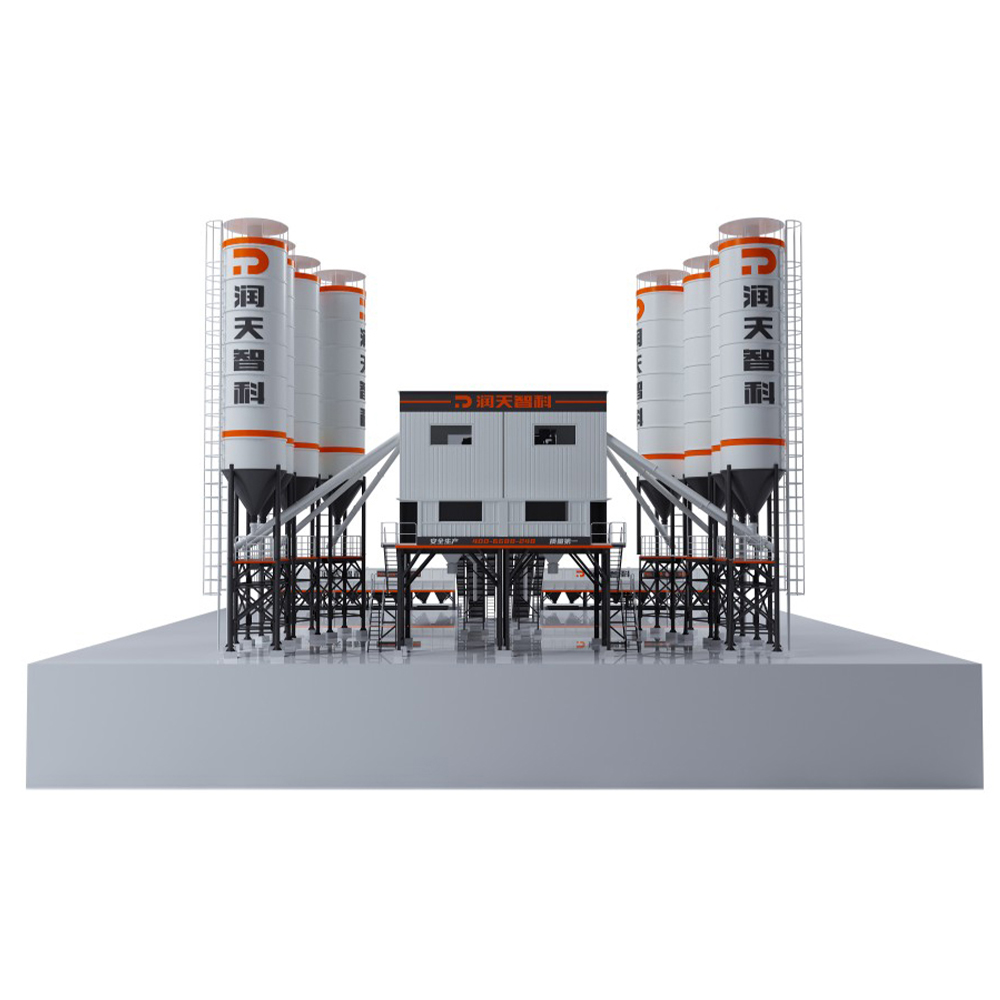 HZS Series Belt Concrete Mixing Plant
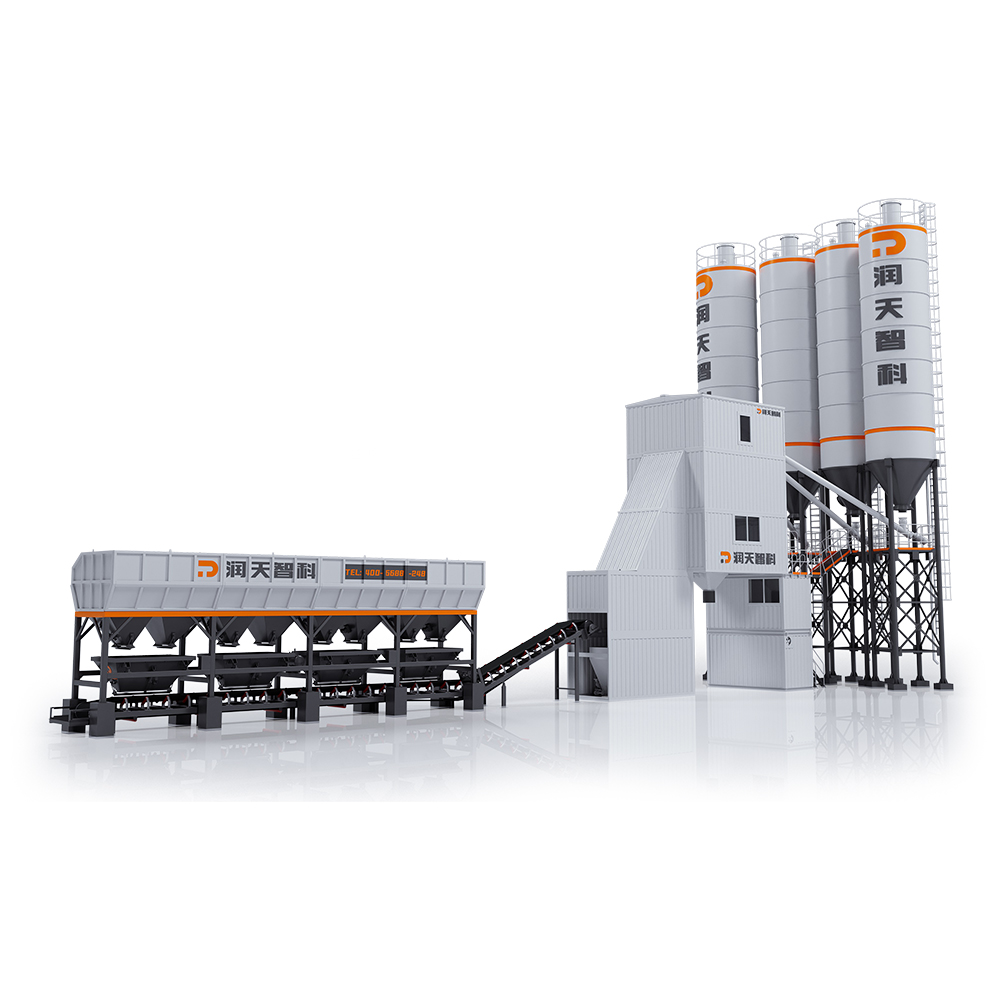 HZS Series Bucket-Lifting Type Container Concrete Mixing Plant
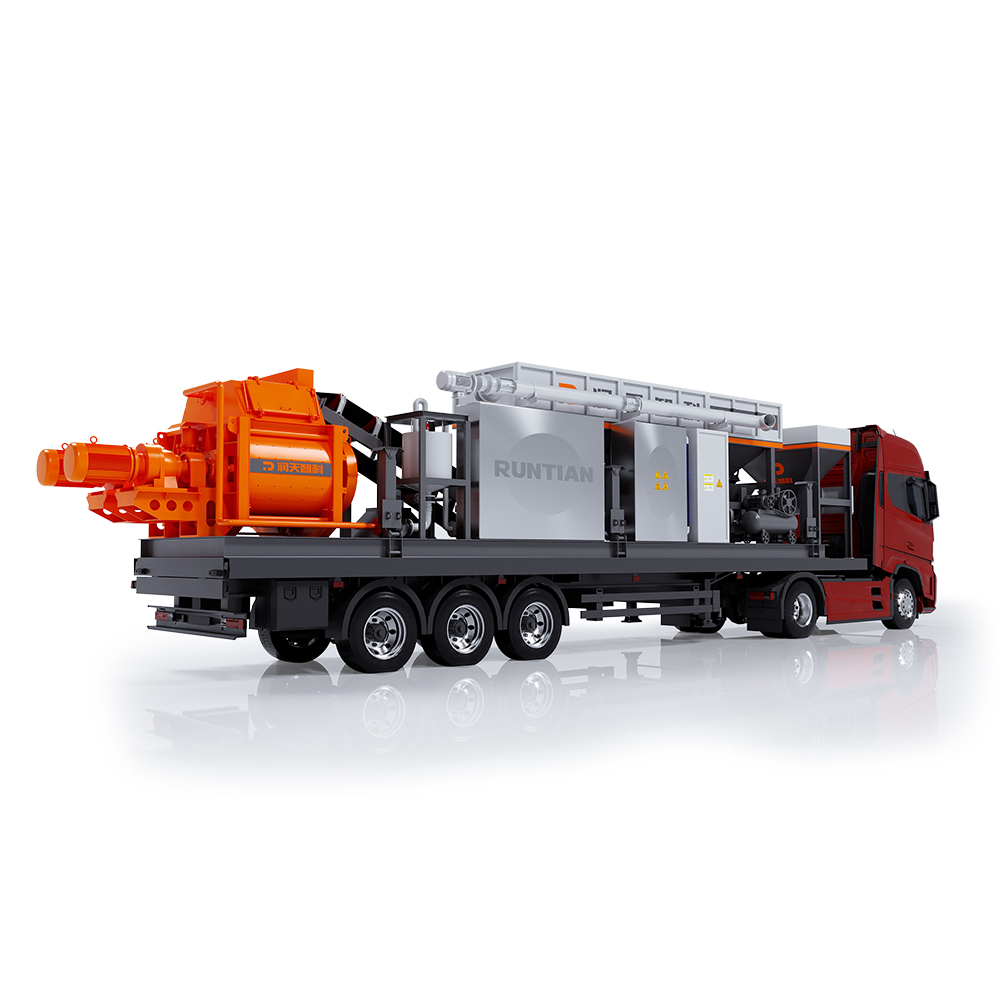 HZS60 Mobile Concrete Mixing Plant
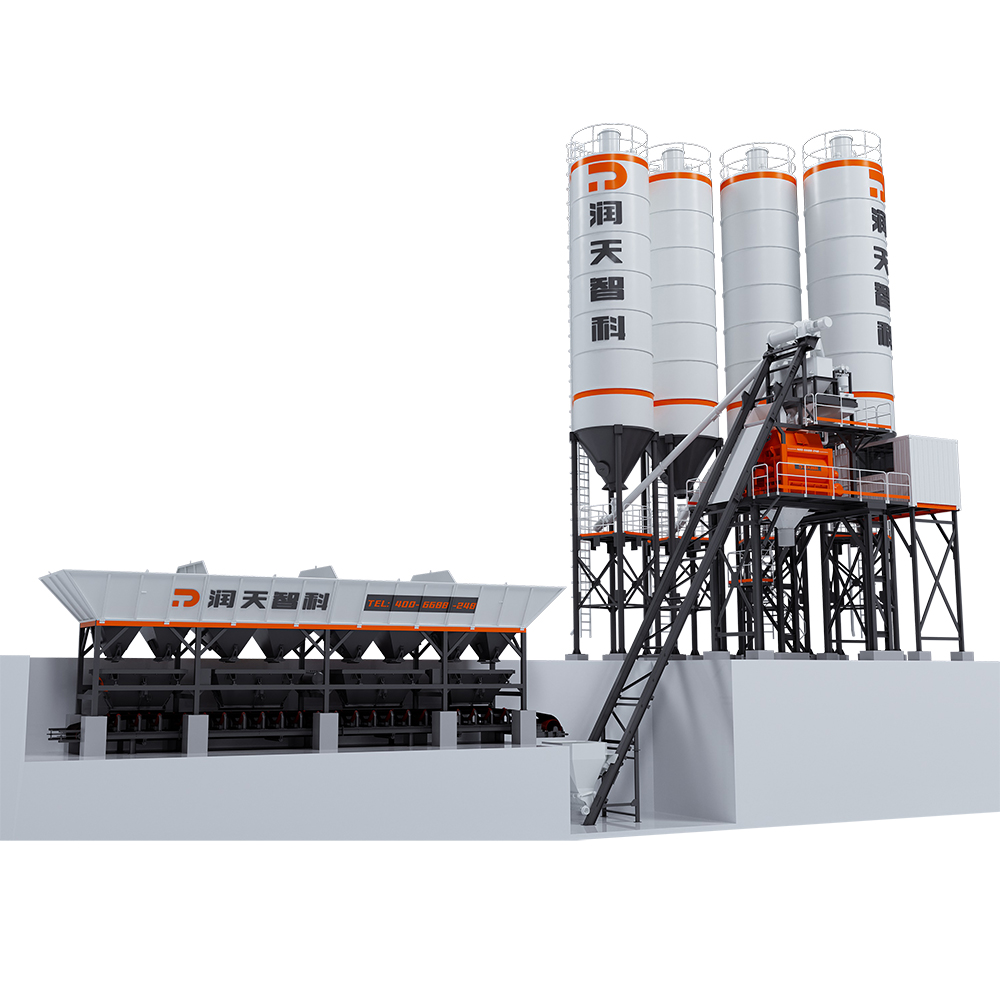 HZS Series Bucket-Lifting Type Concrete Mixing Plant
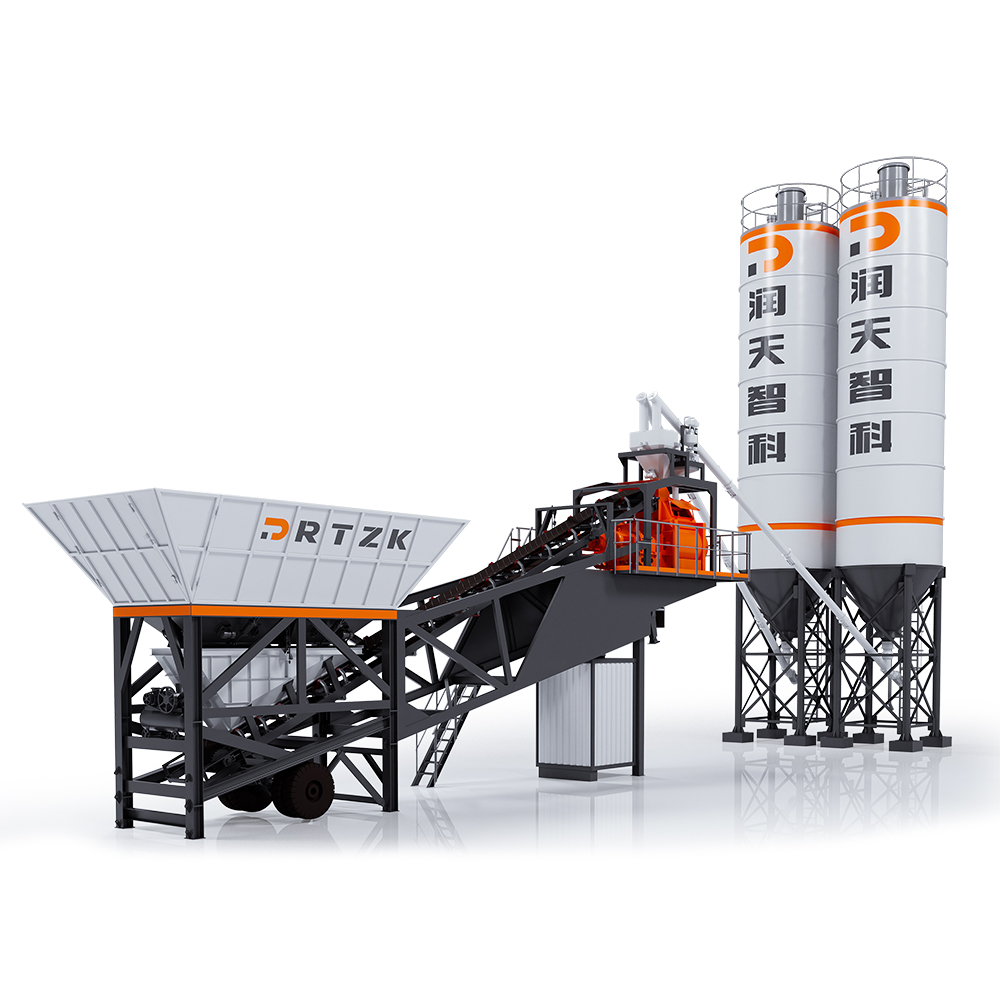 HZS Series Mobile Concrete Mixing Plant
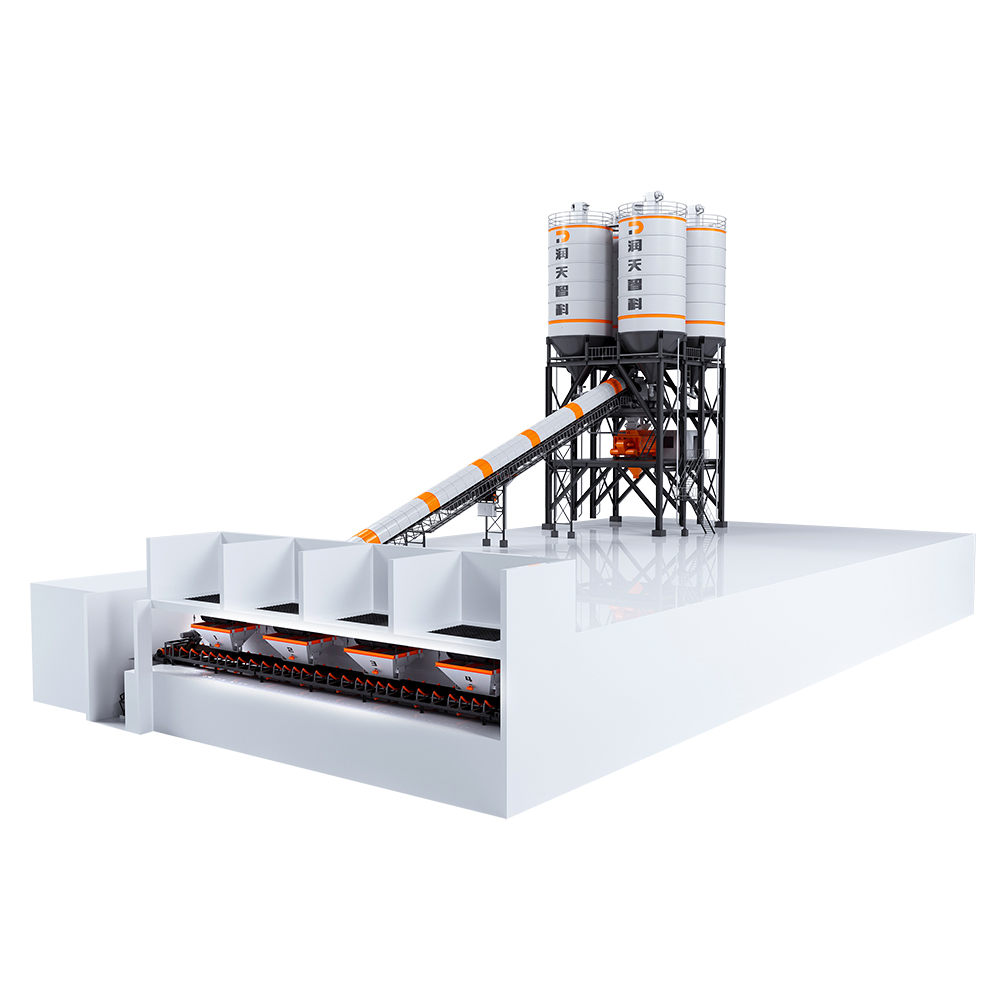 HZS Series Top-Mounted Concrete Mixing plant
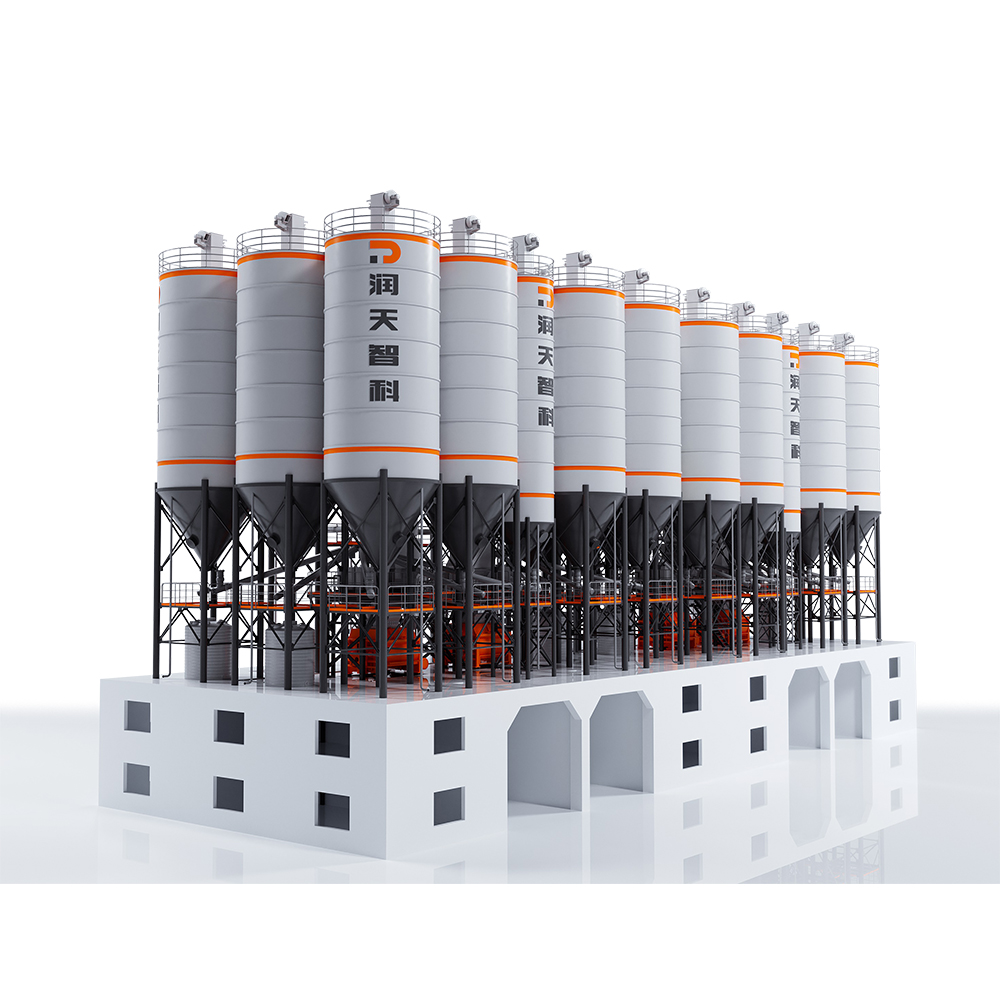 HZS Series Semi-Top Mounted Concrete Mixing Plant
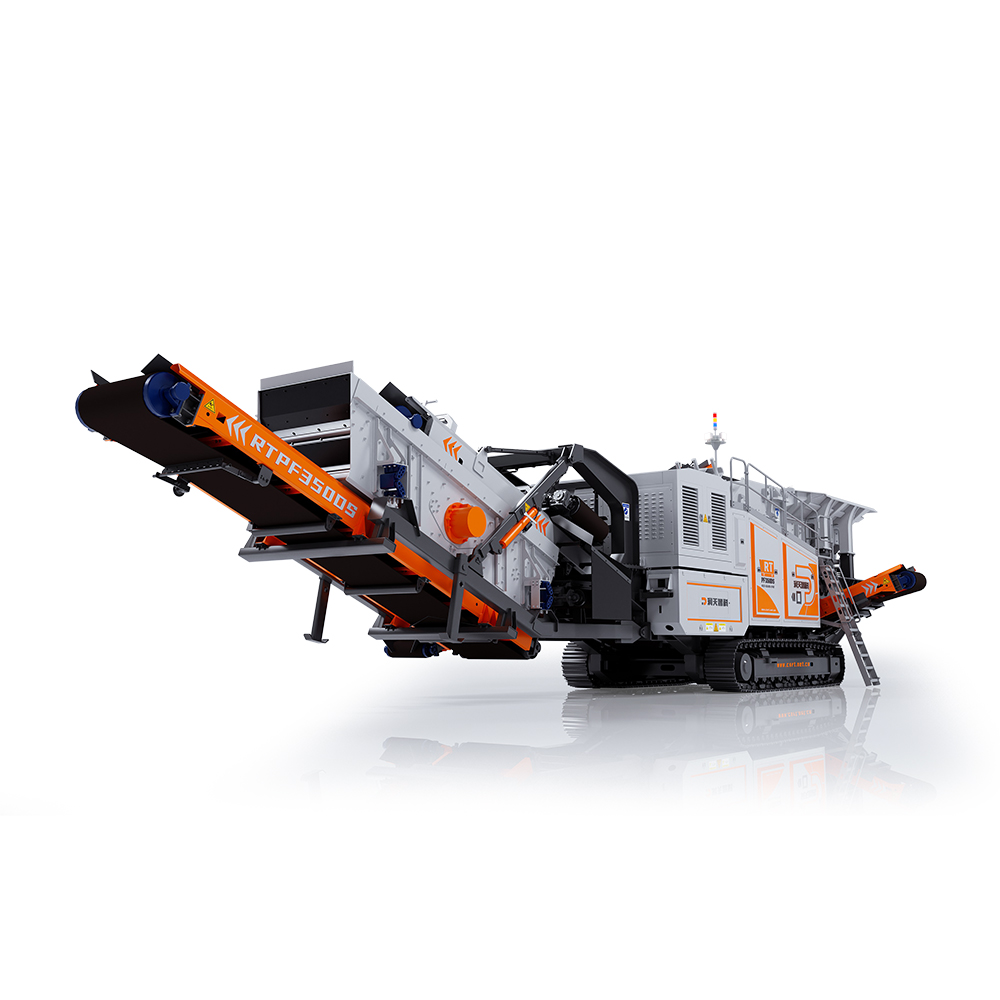 RTPF350DS Crawler Mobile Impact Crushing Plant
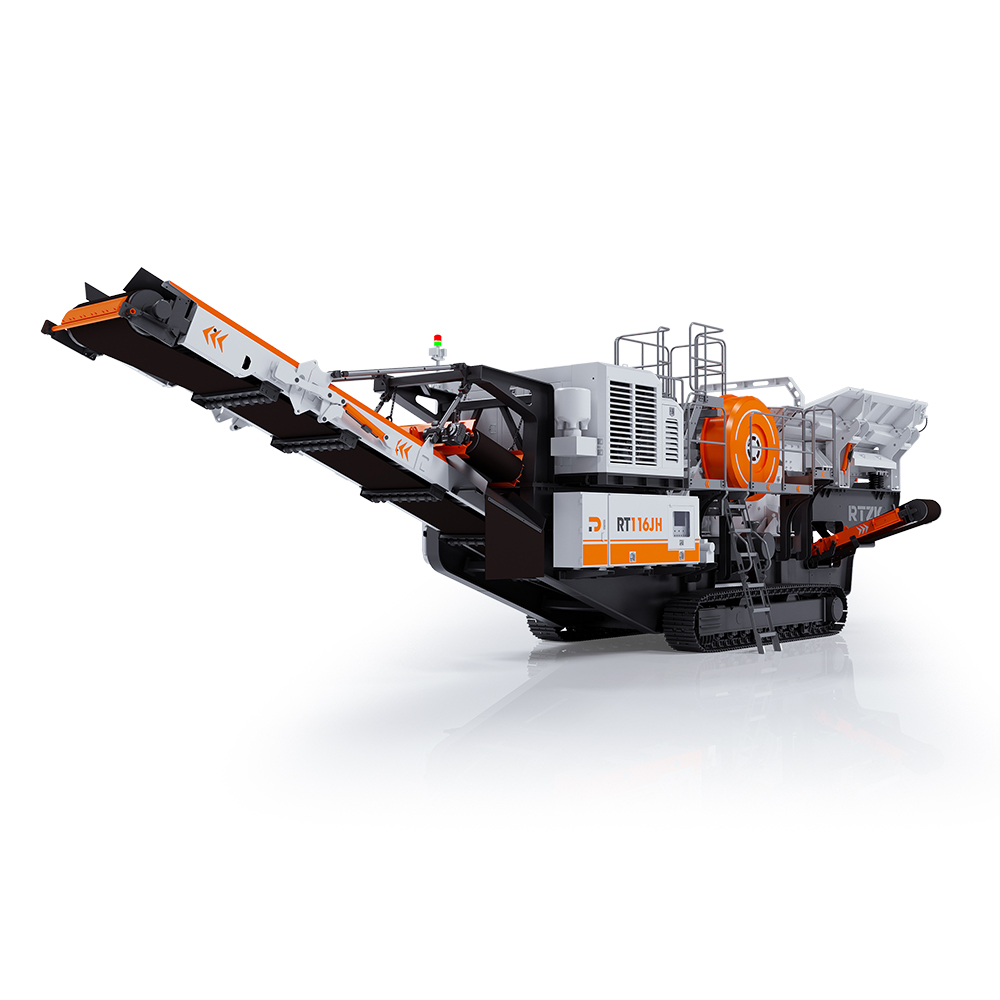 RT116JH Crawler Mobile Jaw Crushing Plant
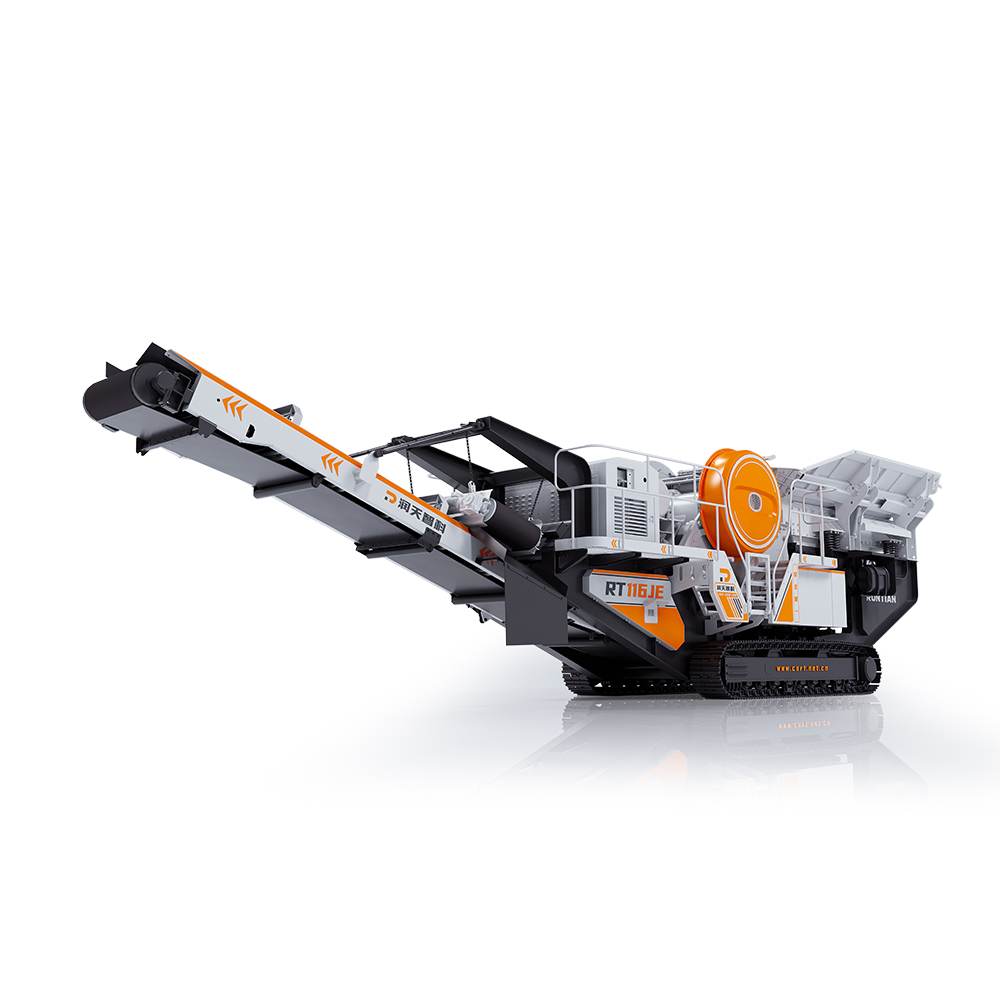 RT116JE Crawler Mobile Jaw Crushing Plant
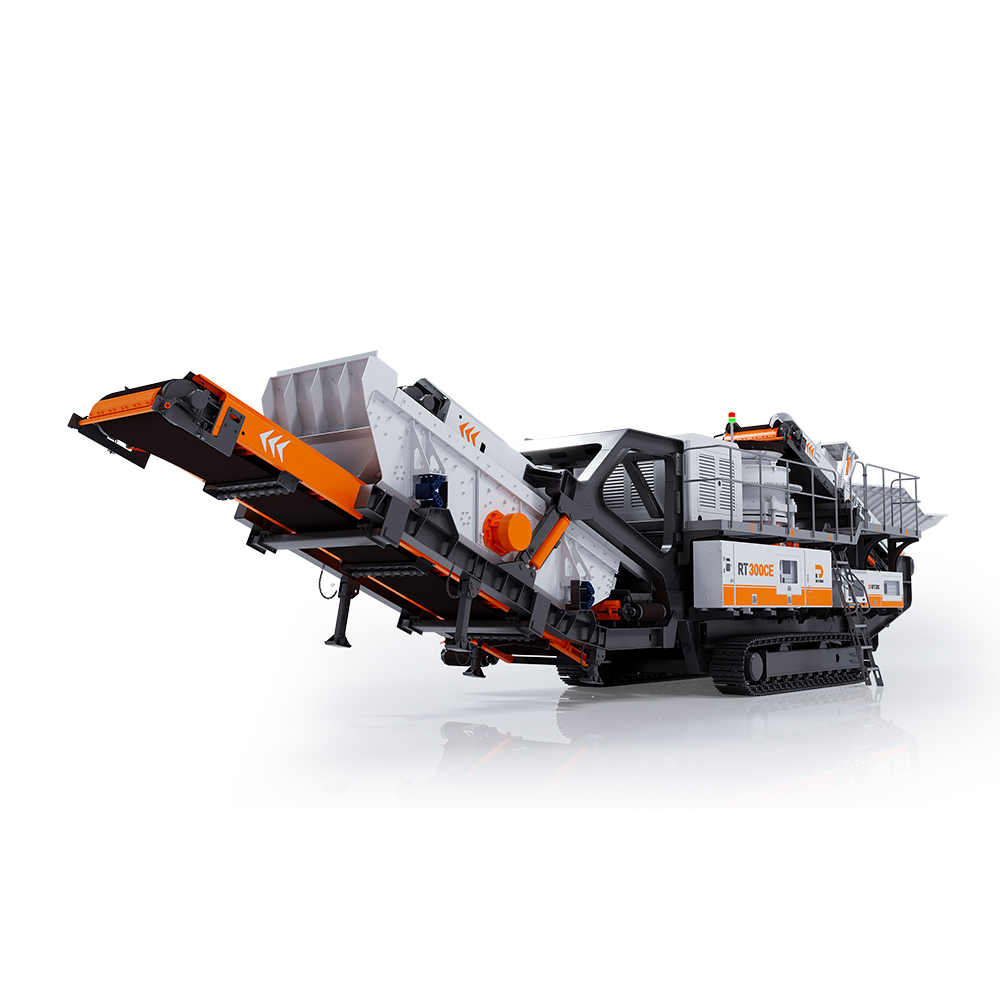 RT300CE Crawler Mobile Cone Crushing Plant
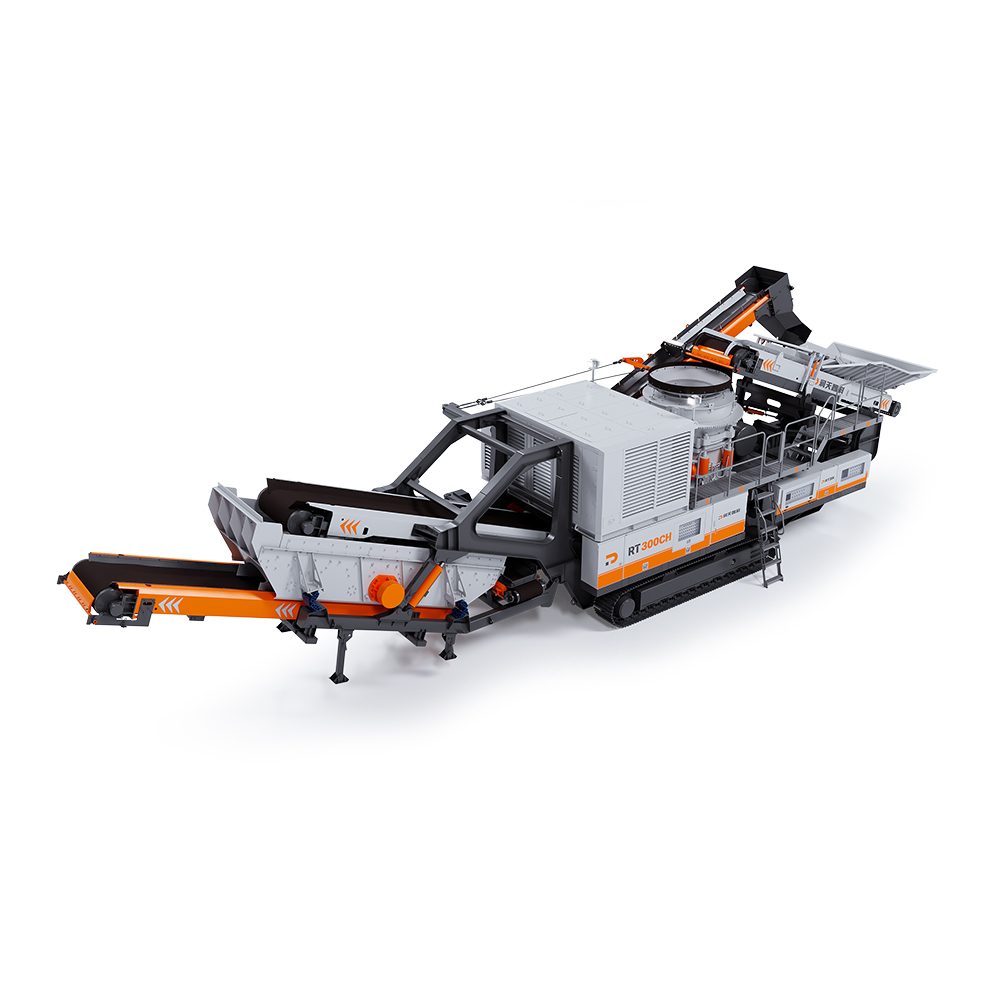 RT300CH Crawler Mobile Cone Crushing Plant
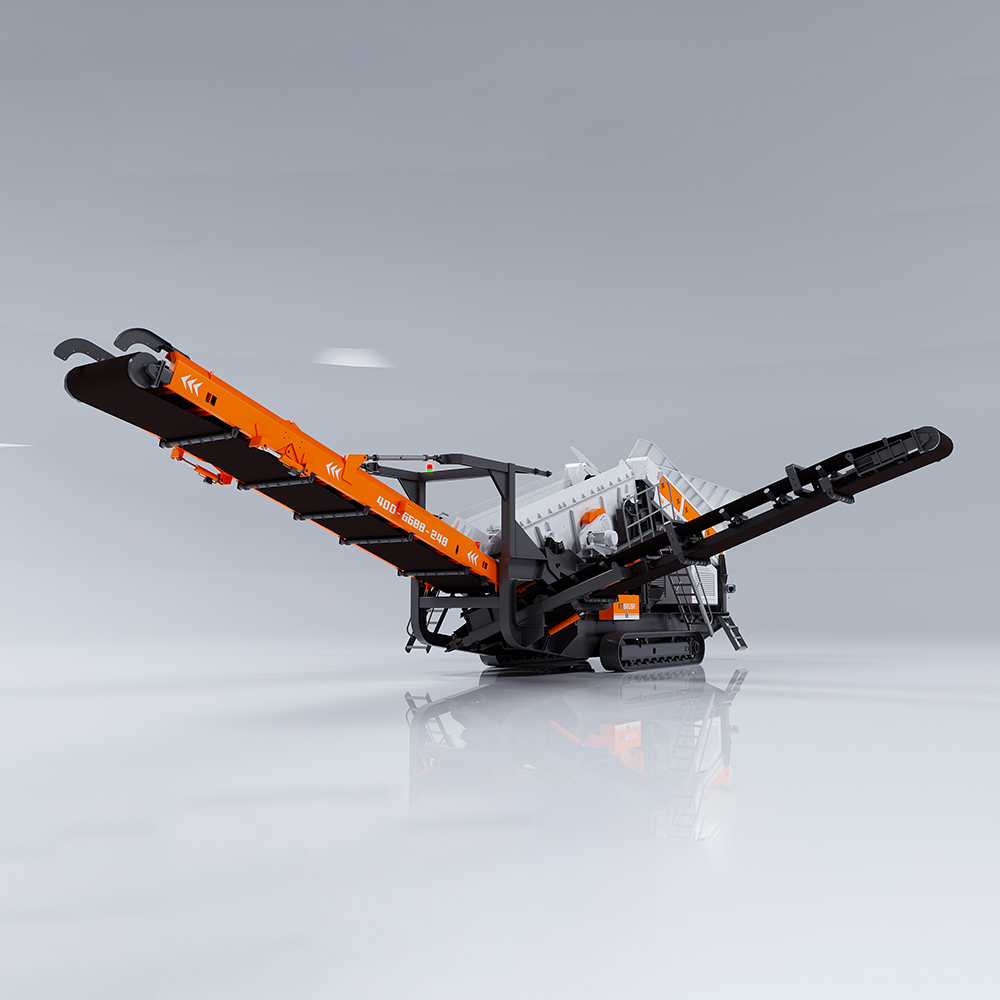 RT5015H Mobile Scalping Screen
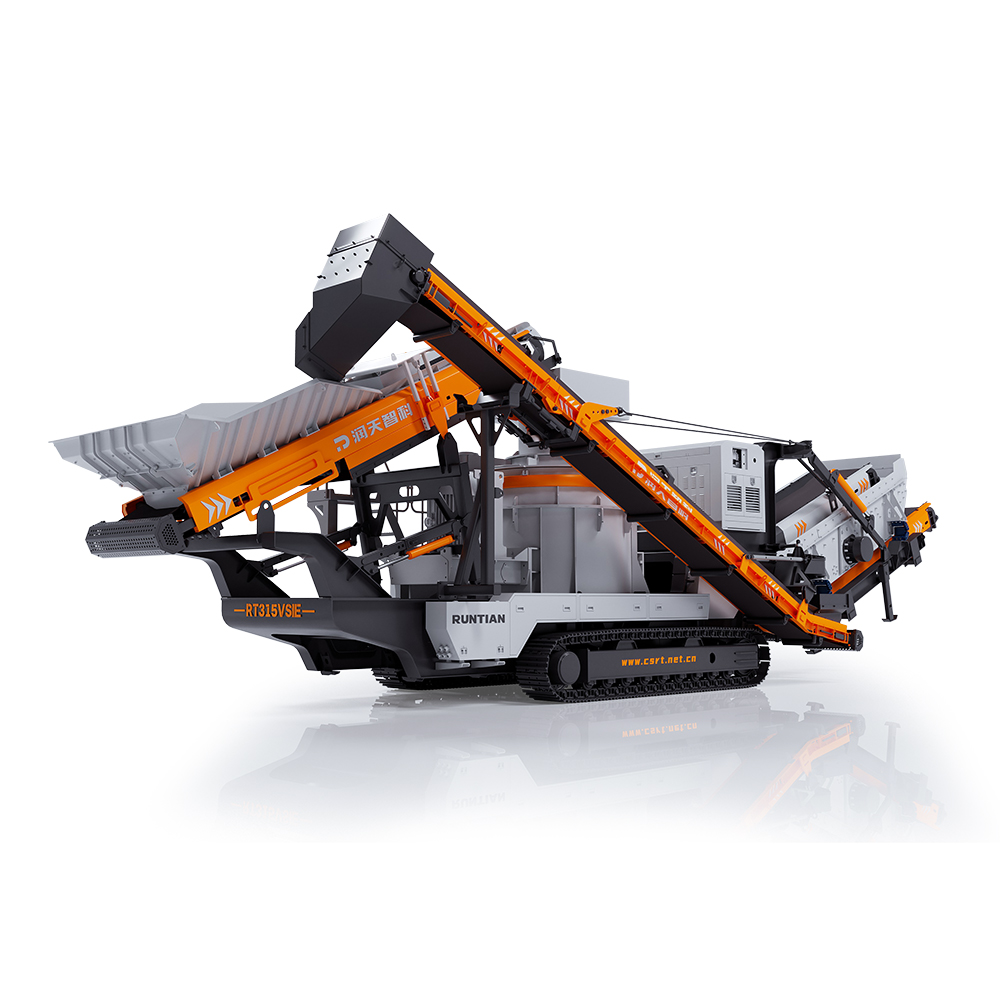 RT315VSIE Crawler Mobile Sand Maker
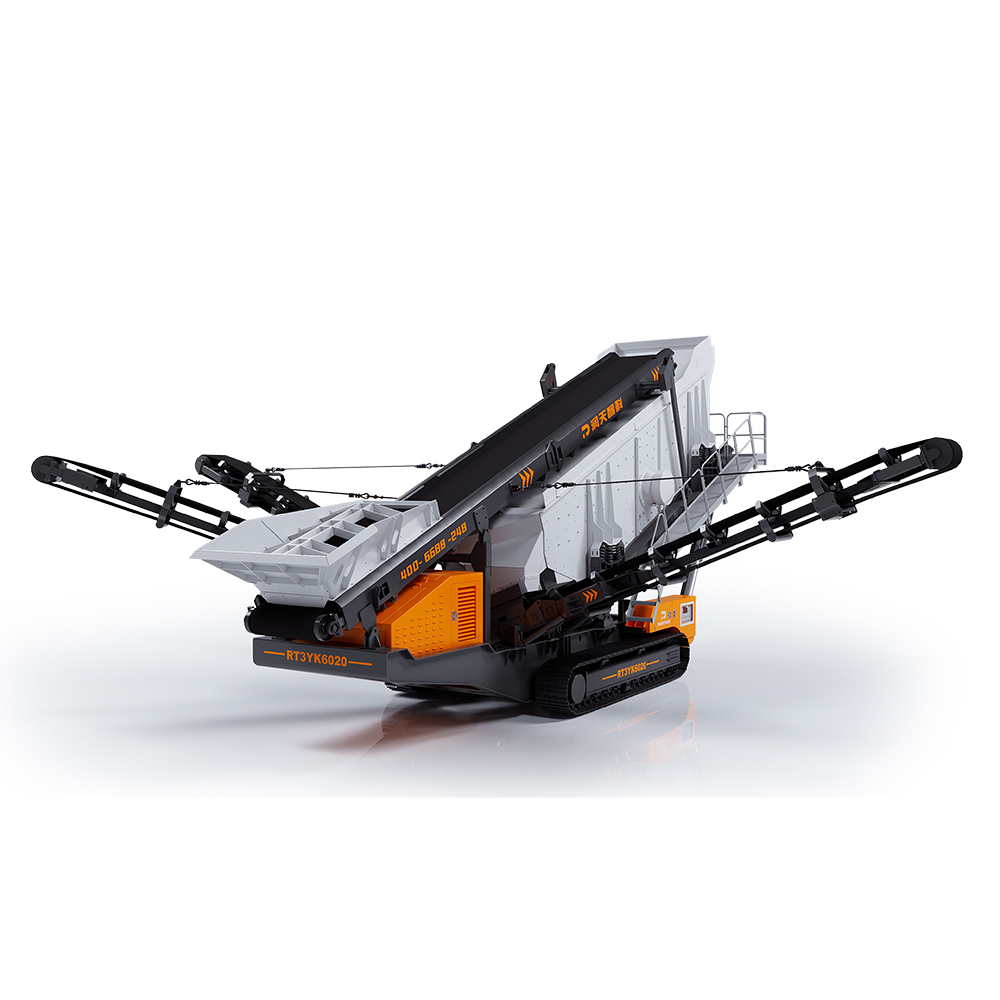 RT3YK6020 Crawler Mobile Screening Plant
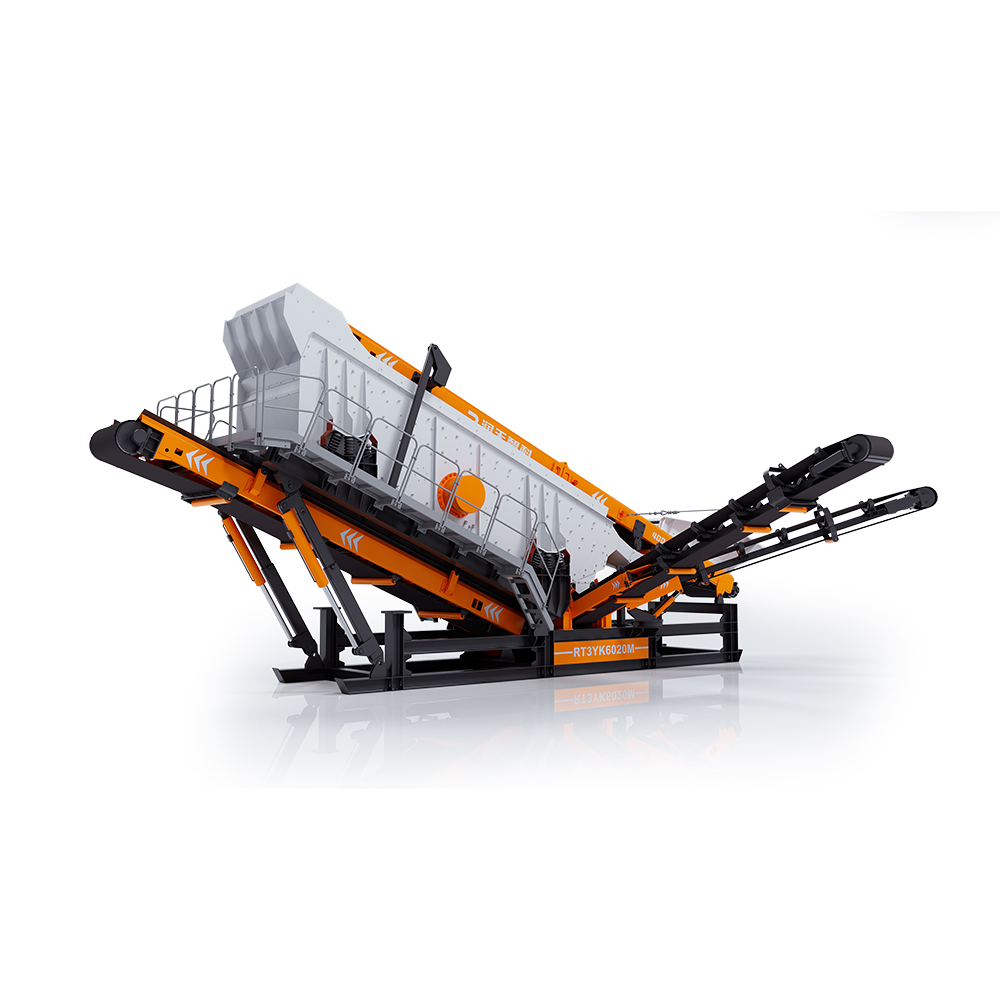 RT3YK6020M Modular Screening Plant
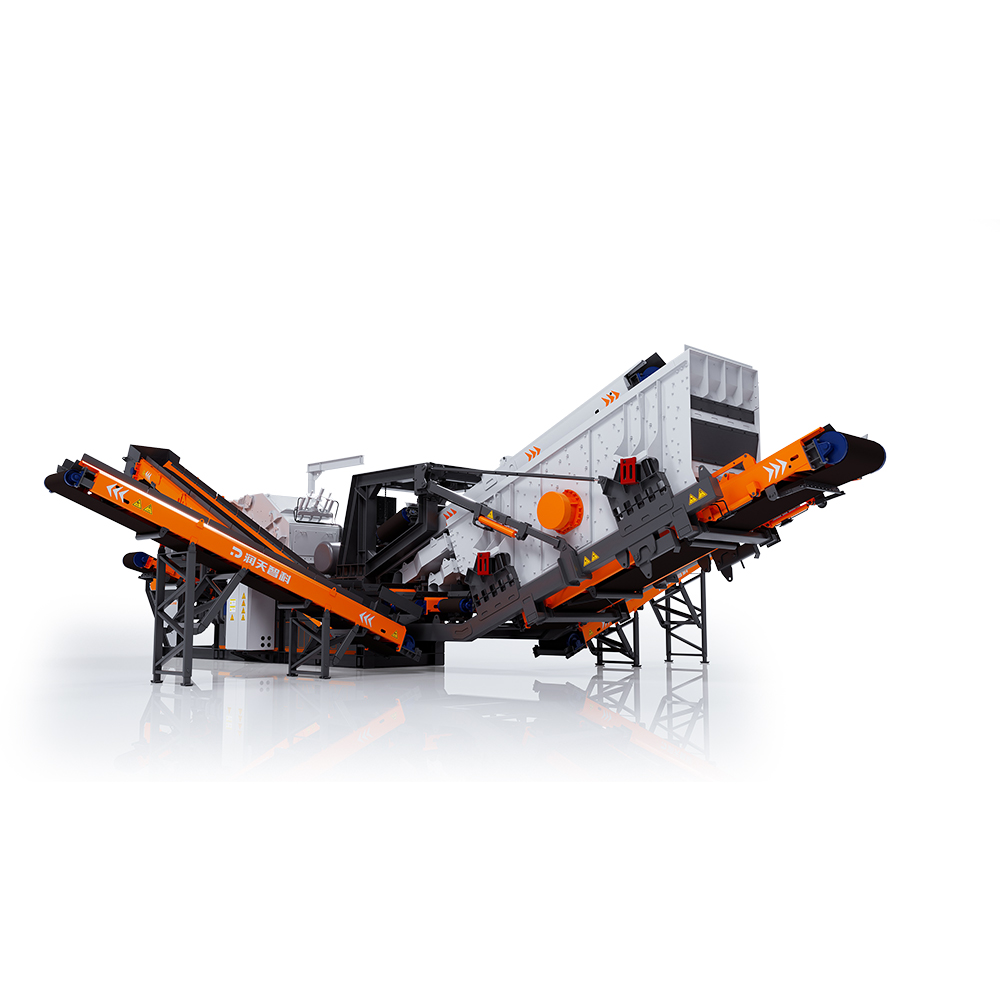 RTF260M Modular Counterattack Crushing and Screening Integrated Machine
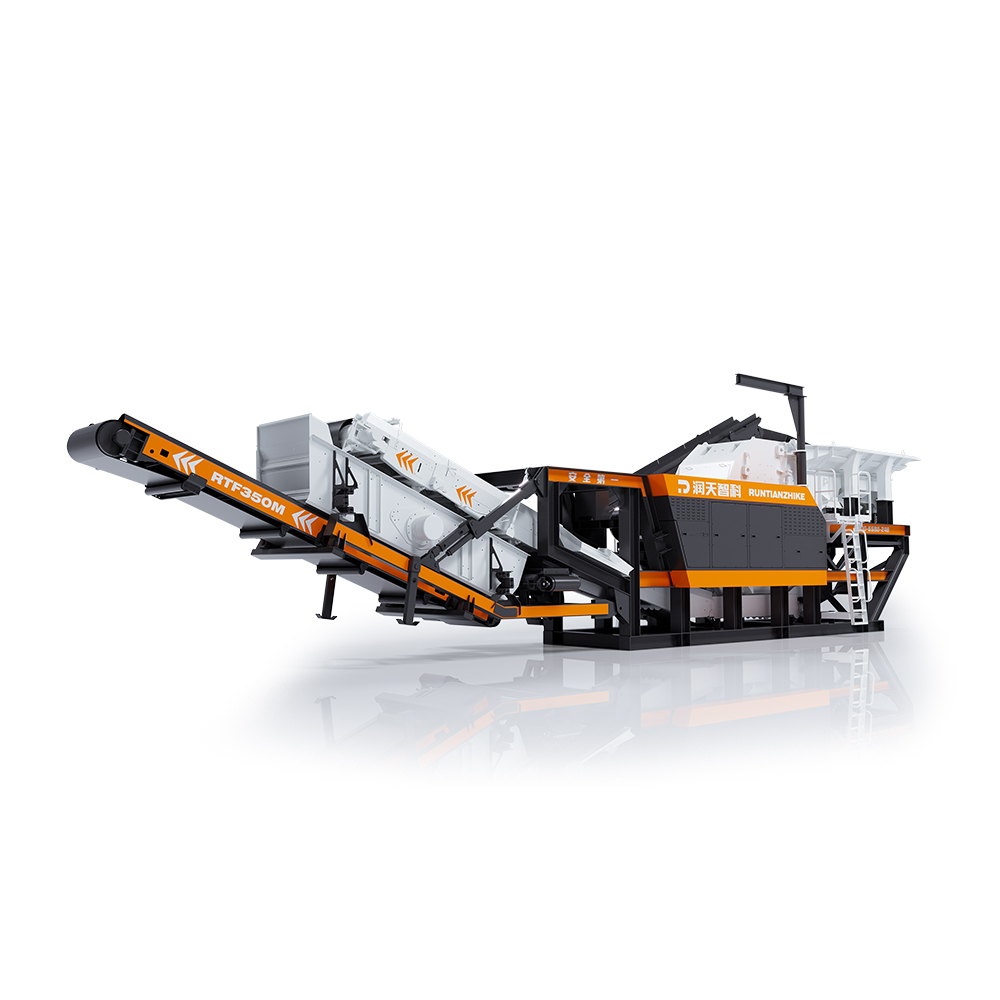 RTF350M Modular Impact Crushing Plant
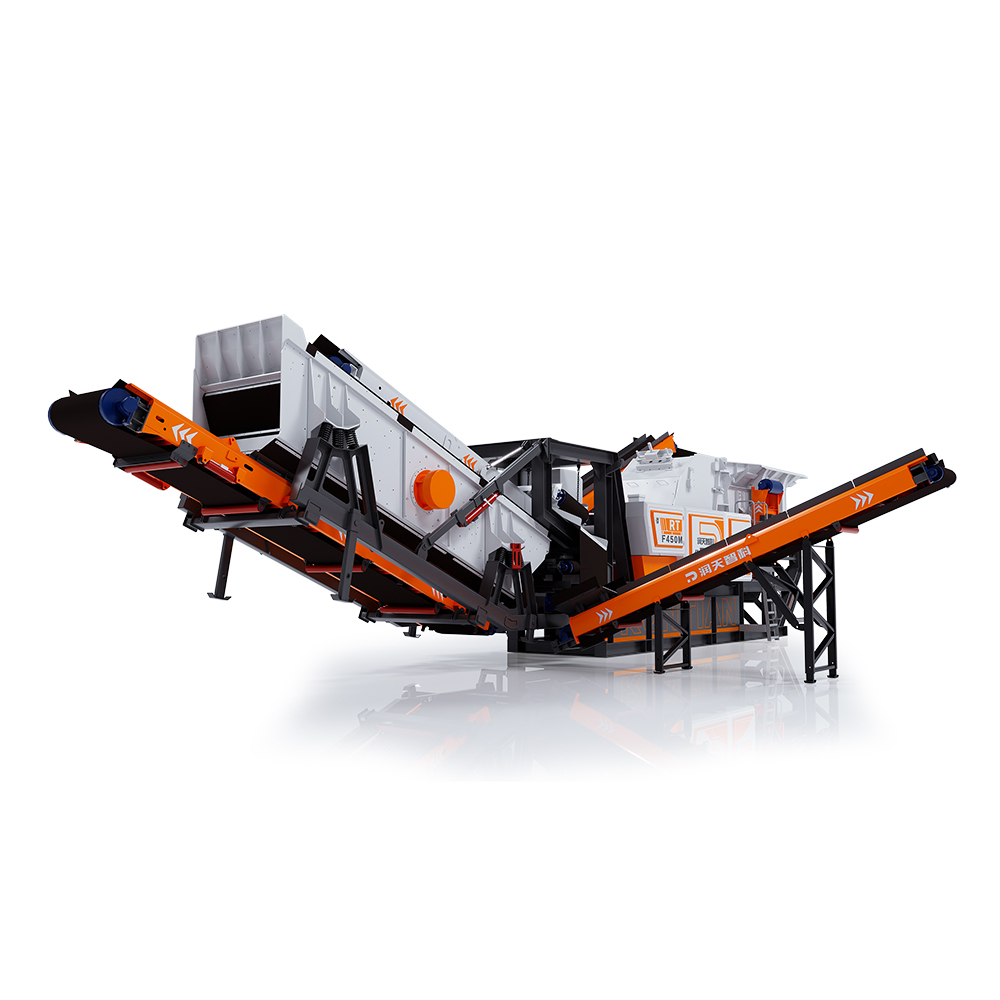 RTF450M Modular Impact Crushing Plant
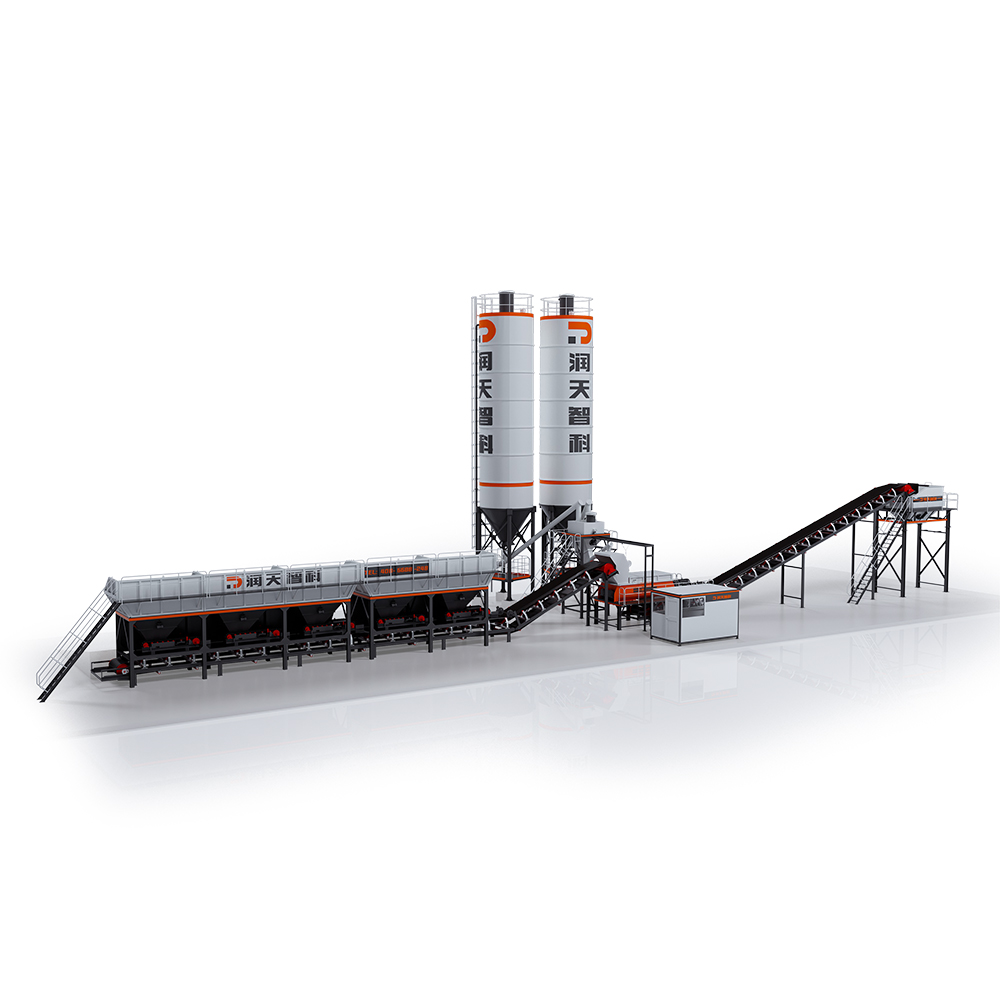 WDB Series Foundation-Free Stability Soil Mixing Plant
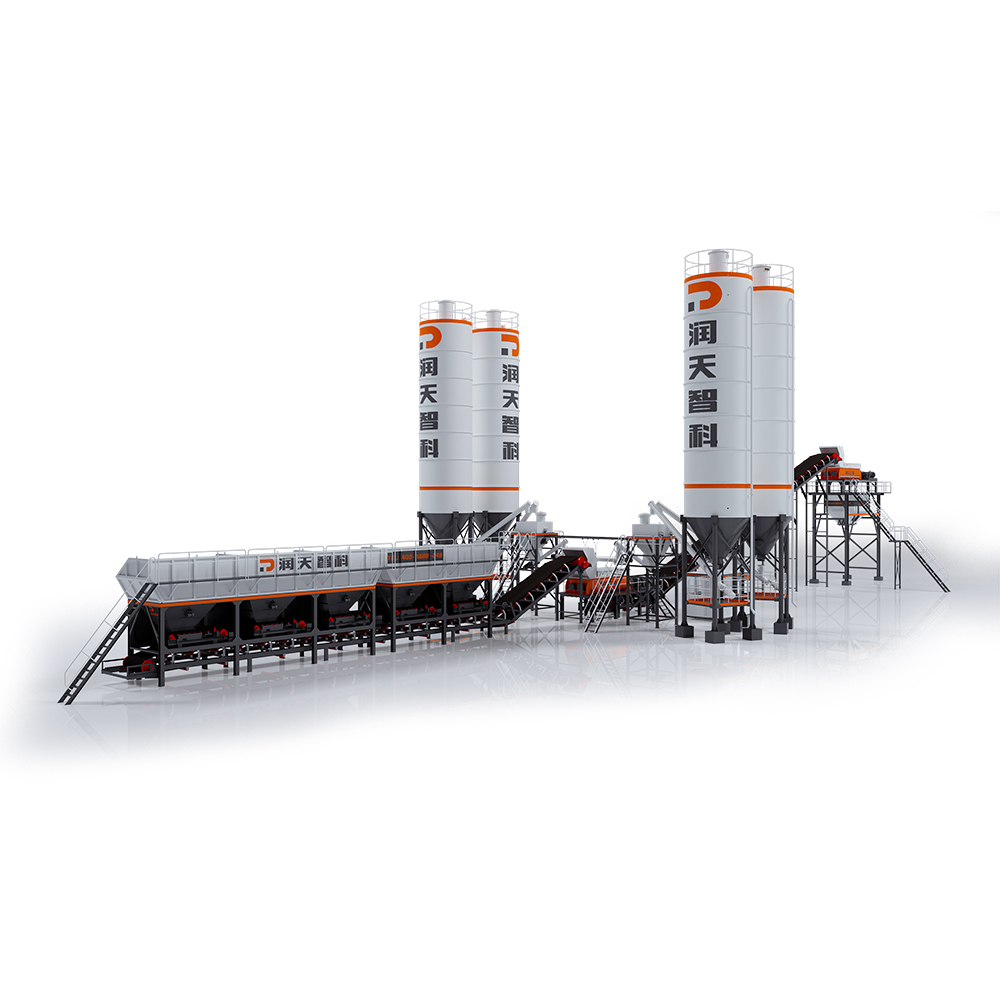 LCB Series Emulsified Asphalt Cold Regeneration Secondary Mixing Plant
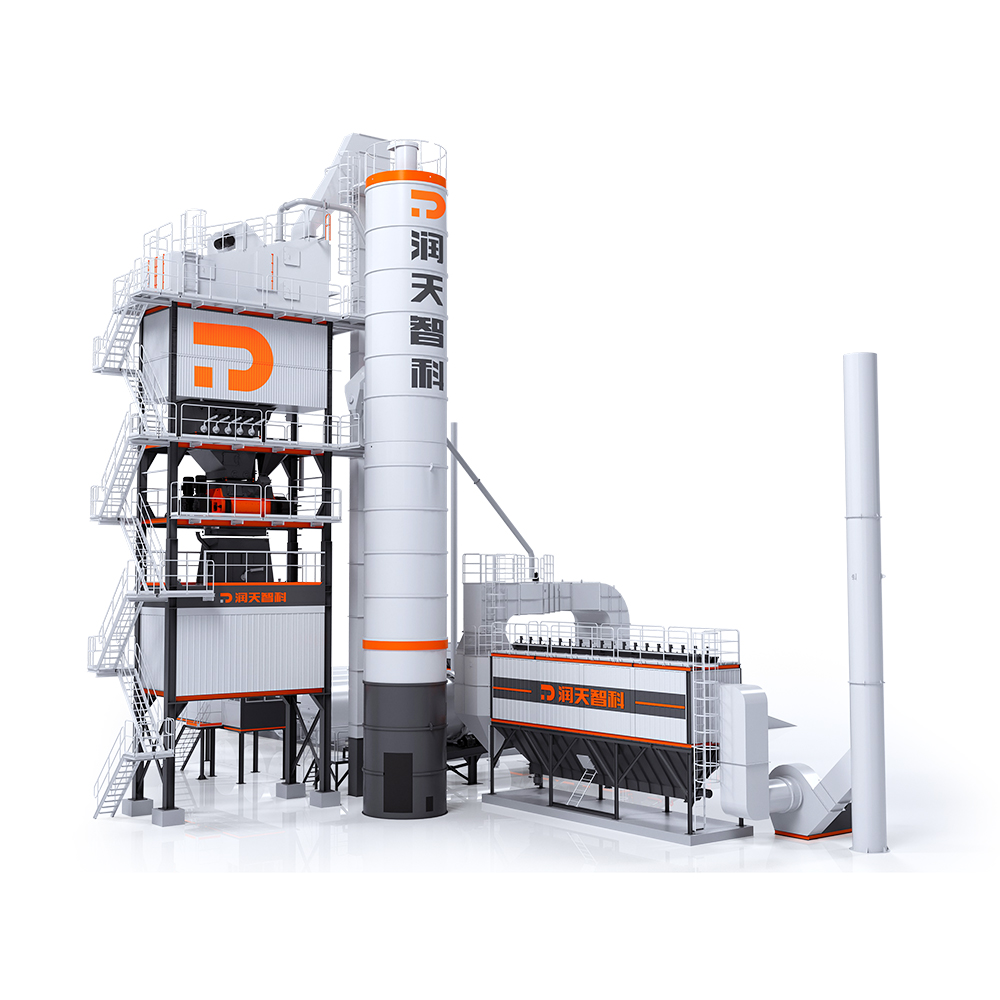 LB Series Asphalt Mixing Plant
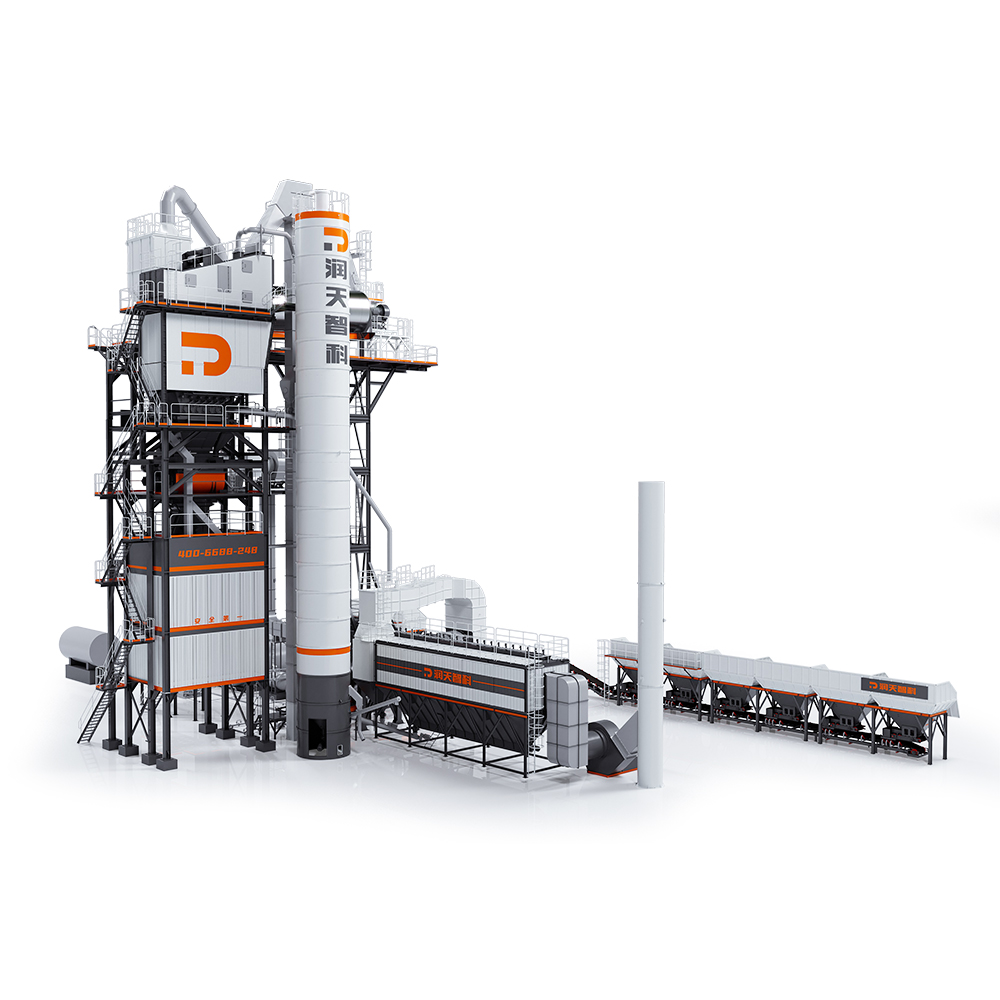 LBR Series Integrated Asphalt Mixing Plant
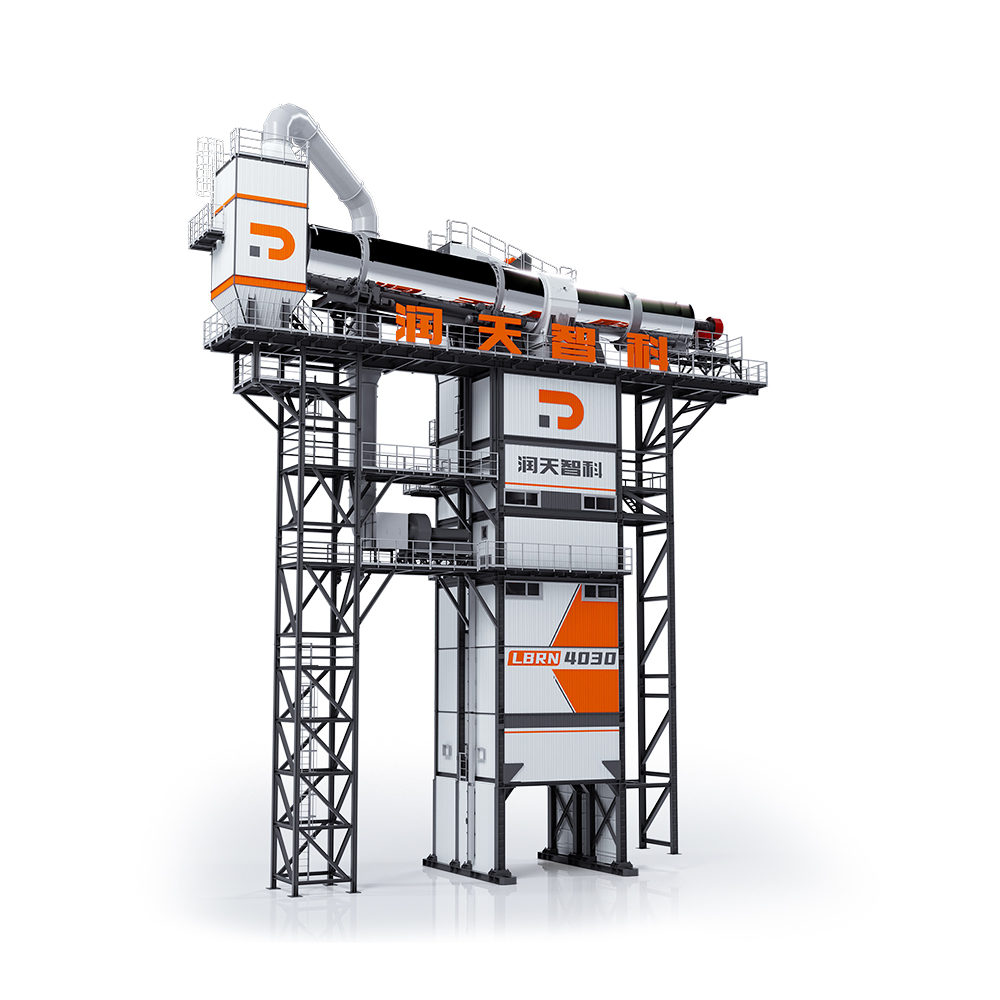 LBRN Series Counterflow Integral Asphalt Mixing Plant
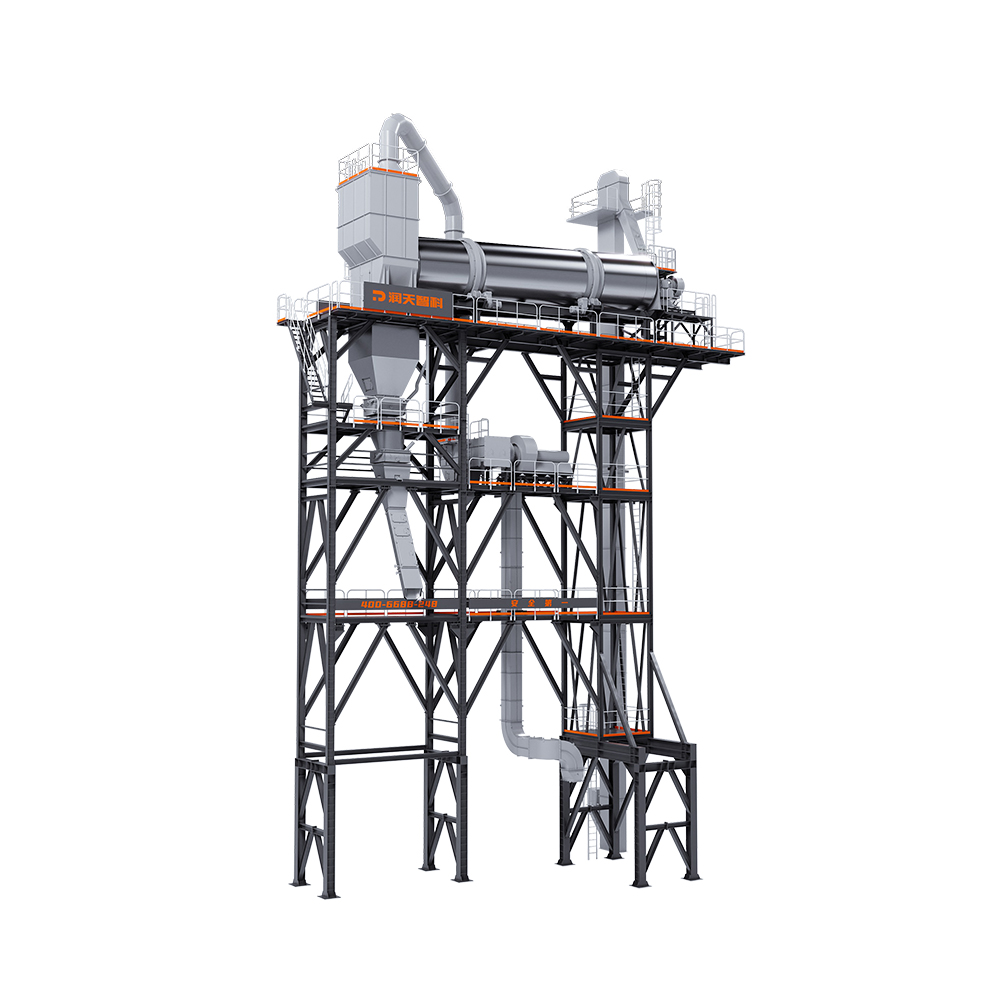 RZS Series Asphalt Mixing Plant
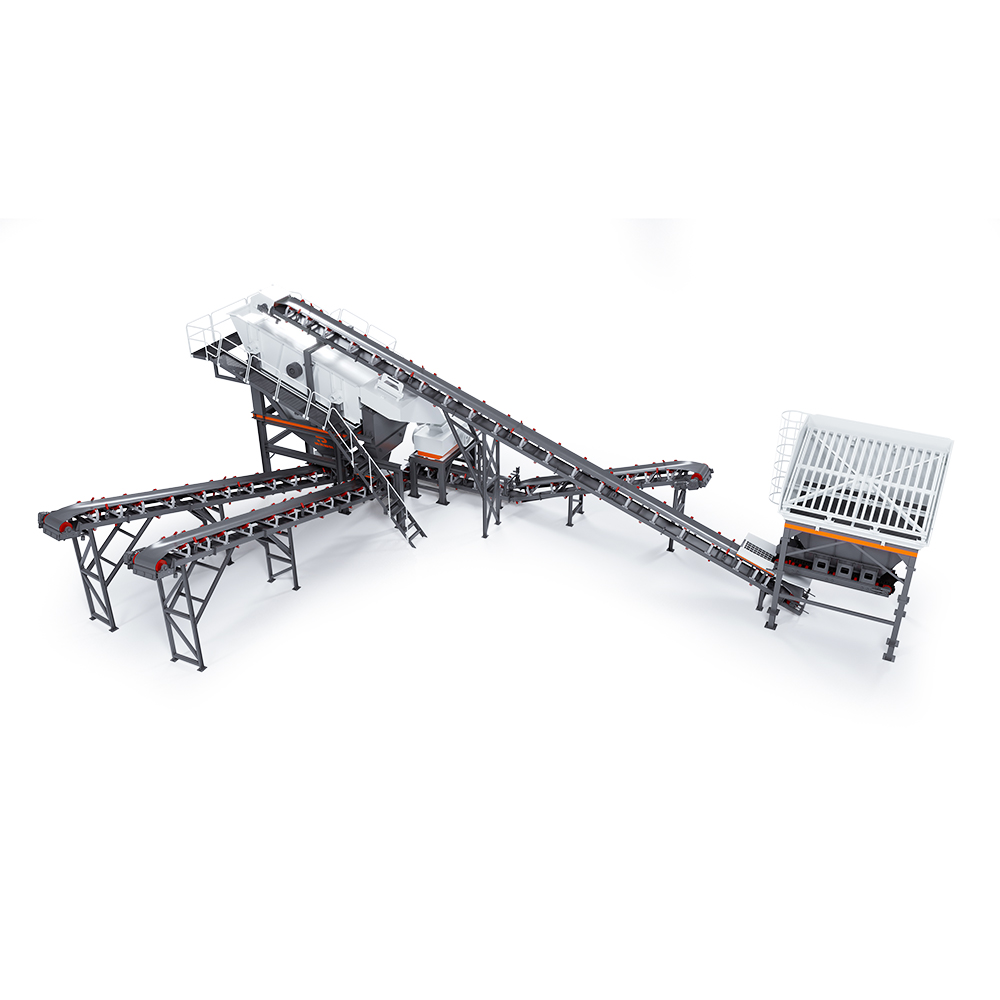 RTZS120 Series RAP Crushing & Screening Plant
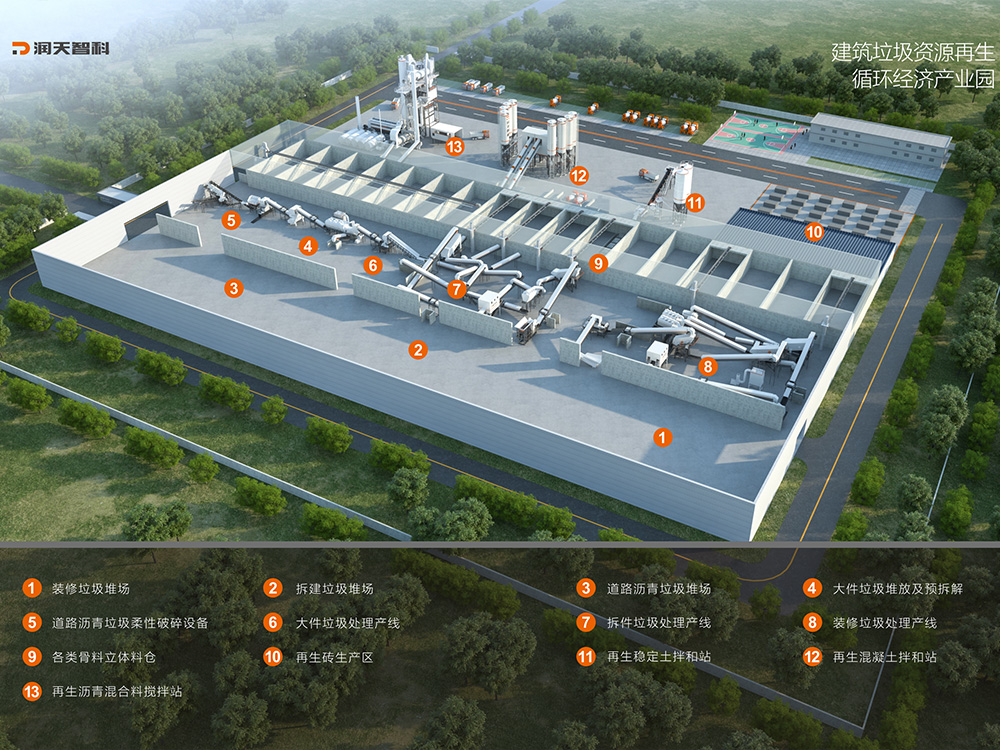 Construction Waste Resourceful Treatment Line