2026 Best Mobile Jaw Crusher for Global Buyers to Consider?
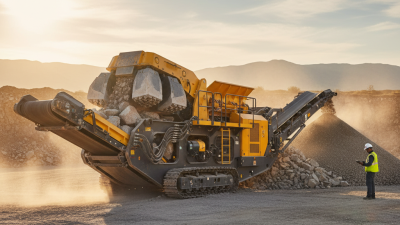
As the demand for efficient and versatile crushing solutions rises, the Jaw Crusher Mobile emerges as a key player in the market. This equipment has gained popularity among global buyers due to its mobility and operational flexibility. Thus, understanding the features and advantages of various mobile jaw crushers is essential for making informed purchasing decisions.
Quality and reliability are crucial factors when selecting a Jaw Crusher Mobile. Buyers must consider the manufacturer's reputation and expertise in the market. Some brands offer superior performance and durability, while others may fall short in reliability. It’s important to research customer reviews to gauge the experiences of previous users.
In a market filled with options, discerning the best mobile jaw crusher can be challenging. Not all models are created equal, and occasionally, they may not meet all expectations. Buyers should reflect on their specific needs and the unique demands of their projects. An informed choice will lead to improved efficiency and longevity in operations.

Overview of Mobile Jaw Crushers: What to Expect in 2026
Mobile jaw crushers are crucial in modern construction and recycling industries. Their efficiency in crushing large materials minimizes downtime. In 2026, we can expect significant advancements in technology and performance.
These machines will likely feature enhanced automation. Operators may benefit from intuitive controls, making them easier to use. Increased fuel efficiency is another area of focus. Eco-friendly options will appeal to a broader audience. However, some models might still lack advanced safety features. Regular testing and updates will be essential for reliability.
Future mobile jaw crushers are projected to have improved mobility. Innovations in design may allow for easier transport. Yet, with advancements, the complexity of maintenance could increase. Operators may need more training to keep up. The balance between cutting-edge technology and user-friendliness will be vital.
Key Features to Look for in 2026 Mobile Jaw Crushers
When considering mobile jaw crushers in 2026, key features can significantly influence operational efficiency and productivity. The demand for mobility is growing. Many buyers seek crushers that can easily adapt to different terrains and conditions. According to industry data, over 60% of buyers prioritize portability and ease of setup. A mobile jaw crusher with a compact design can provide a significant advantage in diverse job sites.
Power and efficiency are crucial. In 2026, the average fuel consumption for jaw crushers is projected to be around 10-12 liters per hour. Buyers should look for models that balance power with fuel efficiency. Hygienic features, such as easy cleaning mechanisms, are also growing in importance. The ability to quickly switch between operational modes adds versatility, catering to various crushing needs.
Safety features cannot be overlooked. Advanced technology in monitoring systems alerts operators to potential failures. This can prevent downtime and ensure smooth operations. However, some models still lack in user-friendly interfaces. Managing these complexities can be a challenge. Investing in training for operators is essential to maximize the benefits of new technologies implemented in mobile jaw crushers.
2026 Best Mobile Jaw Crusher for Global Buyers to Consider
| Feature |
Description |
Value |
| Weight |
Total weight of the mobile jaw crusher |
25 tons |
| Output Capacity |
Maximum production rate |
300 tons per hour |
| Crusher Type |
Type of jaw crusher |
Single Toggle |
| Engine Power |
Power output of the engine |
300 HP |
| Feed Opening Size |
Dimensions of the feed opening |
1000 x 600 mm |
| Mobility |
Ease of movement and transport |
Tracked |
| Fuel Consumption |
Fuel efficiency rating |
20 L/hour |
| Safety Features |
Includes safety mechanisms |
Emergency stop button, guards |
| Price Range |
Estimated market price |
$150,000 - $200,000 |
Top Brands and Models to Watch for Global Buyers in 2026
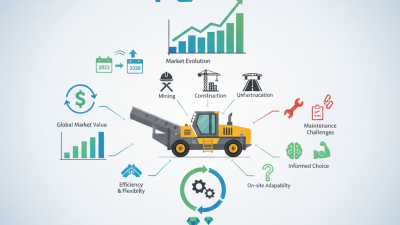
In 2026, the mobile jaw crusher market is set to see significant advancements. According to recent industry reports, the global market is projected to grow at a compound annual growth rate (CAGR) of 5.4% from 2023 to 2028. This growth is fueled by increasing infrastructure needs and technological innovations.
Several models have gained attention for their efficiency. Buyers are particularly focused on machines that offer high mobility and low operational costs. The emphasis on emission standards also influences decisions. Industry experts note that equipment with innovative fuel-efficient engines will lead the market. Notably, data shows that machines emitting less than 0.5 grams of NOx are preferred, indicating a shift toward eco-friendly options.
The models poised for success face challenges too. Market volatility and fluctuating material costs impact pricing strategies. Additionally, competition among manufacturers increases scrutiny on production quality. Buyers need to watch for features that enhance reliability and serviceability, ensuring long-term value. This evolving landscape calls for a careful evaluation of all options available in the market.
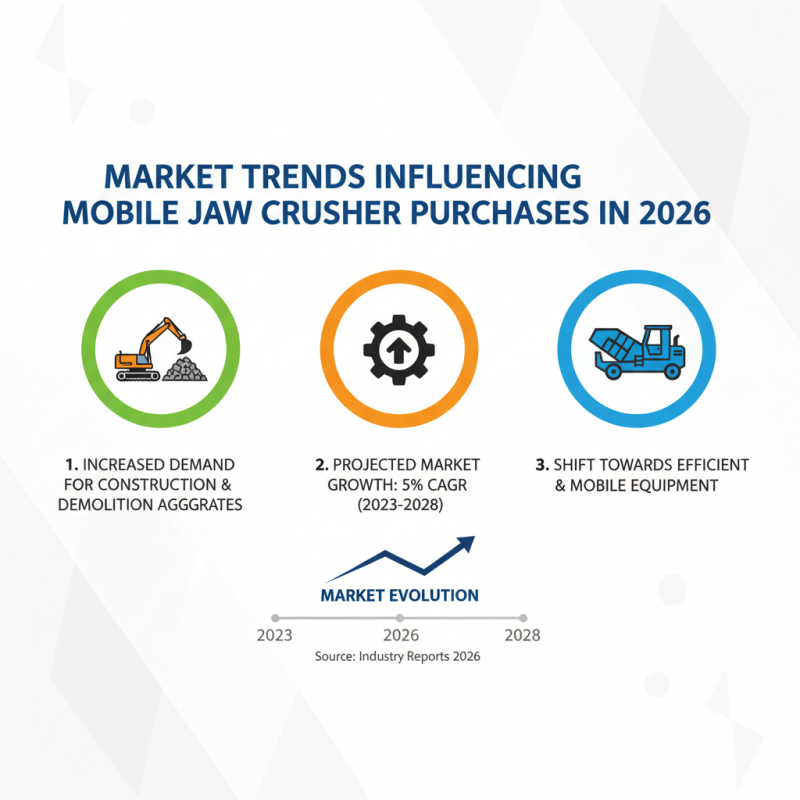
Market Trends Influencing Mobile Jaw Crusher Purchases in 2026
The mobile jaw crusher market is evolving rapidly, driven by various trends in 2026. Increasing demand for construction and demolition aggregates pushes manufacturers to innovate. Reports indicate that the market is projected to grow at a CAGR of 5% from 2023 to 2028. This growth reflects the industry's shift towards more efficient and mobile equipment.
Key factors influencing purchasing decisions include sustainability and operational efficiency. Environmental regulations compel companies to adopt greener technologies. As a result, many buyers favor models that reduce emissions and enhance fuel efficiency. The global focus on sustainability is evident, as up to 70% of buyers now consider environmental impact before making purchases.
Moreover, technological advancements also play a crucial role. Incorporating AI and automation into mobile jaw crushers increases their efficiency. However, some users express challenges in adapting to new software and mechanisms. Ongoing training and support are essential for a smooth transition to these advanced models. The importance of user-friendly interfaces cannot be overstated, as they affect overall productivity and satisfaction.
Tips for Selecting the Right Mobile Jaw Crusher for Your Needs
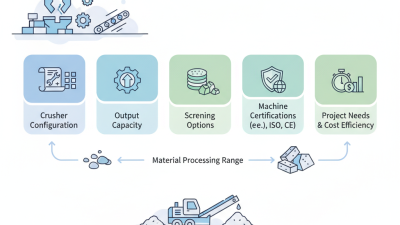
Selecting the right mobile jaw crusher requires careful consideration of several factors. First, evaluate your operational needs. What materials will you crush? Different crushers excel in handling specific materials. For instance, hard rocks may require a robust model, while softer materials might allow for a lighter option.
Next, portability is key. A mobile unit should be easy to transport. If your projects take you to various locations, ensure the crusher can fit on standard trailers. Pay attention to weight and dimensions. Also, consider the terrain where it will operate. Some models are better suited for rugged environments.
Finally, maintenance is a crucial aspect often overlooked. Machines should have accessible parts for repairs. Regular maintenance can extend the lifespan of the crusher and optimize performance. Don't overlook the importance of reliable service support from the manufacturer. It's an area worth reflecting on that can save time and cost in the long run.

 Concrete Mixing Plant
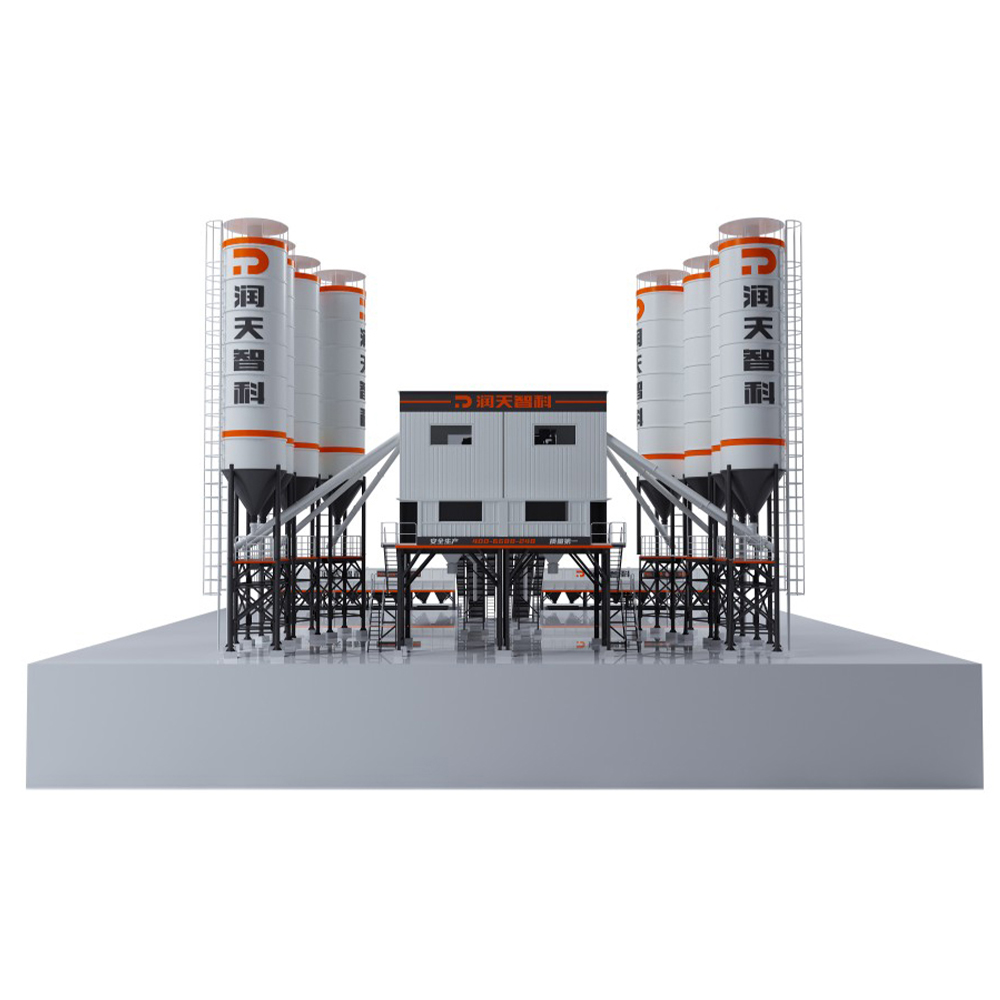 HZS Series Belt Concrete Mixing Plant
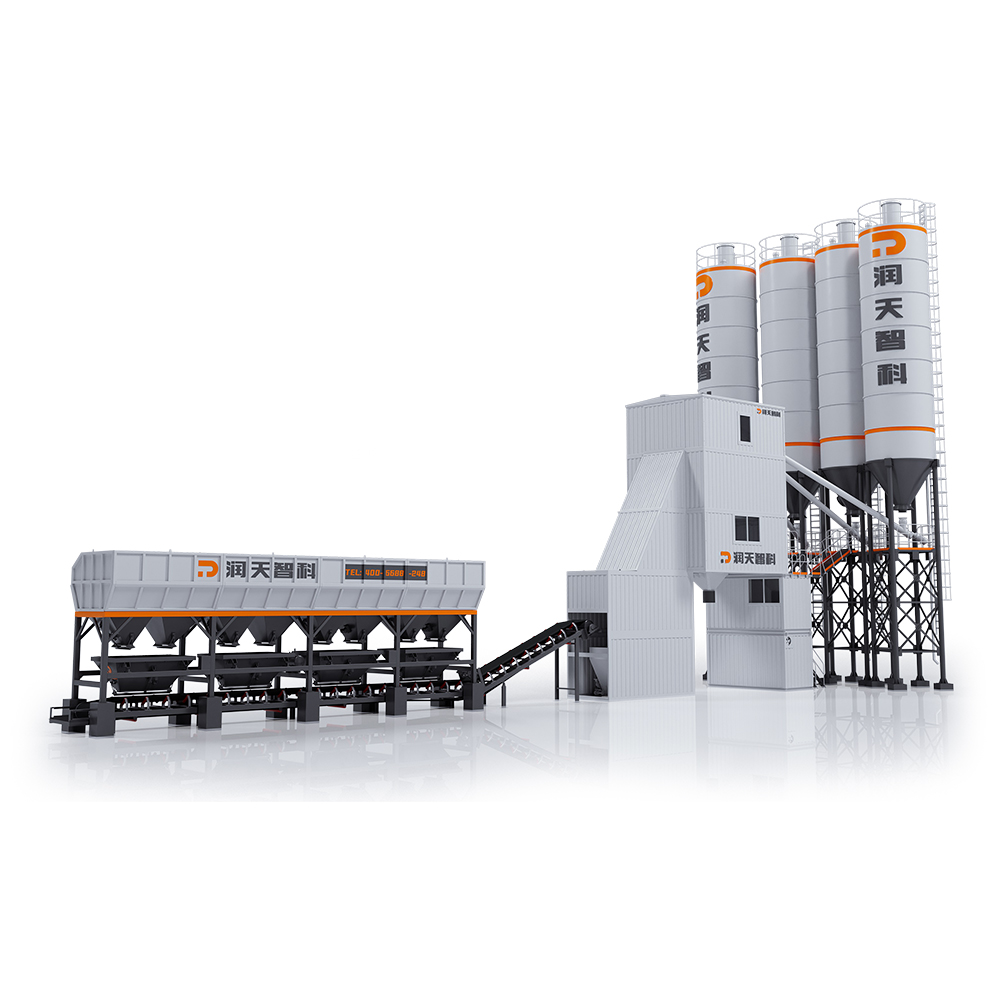 HZS Series Bucket-Lifting Type Container Concrete Mixing Plant
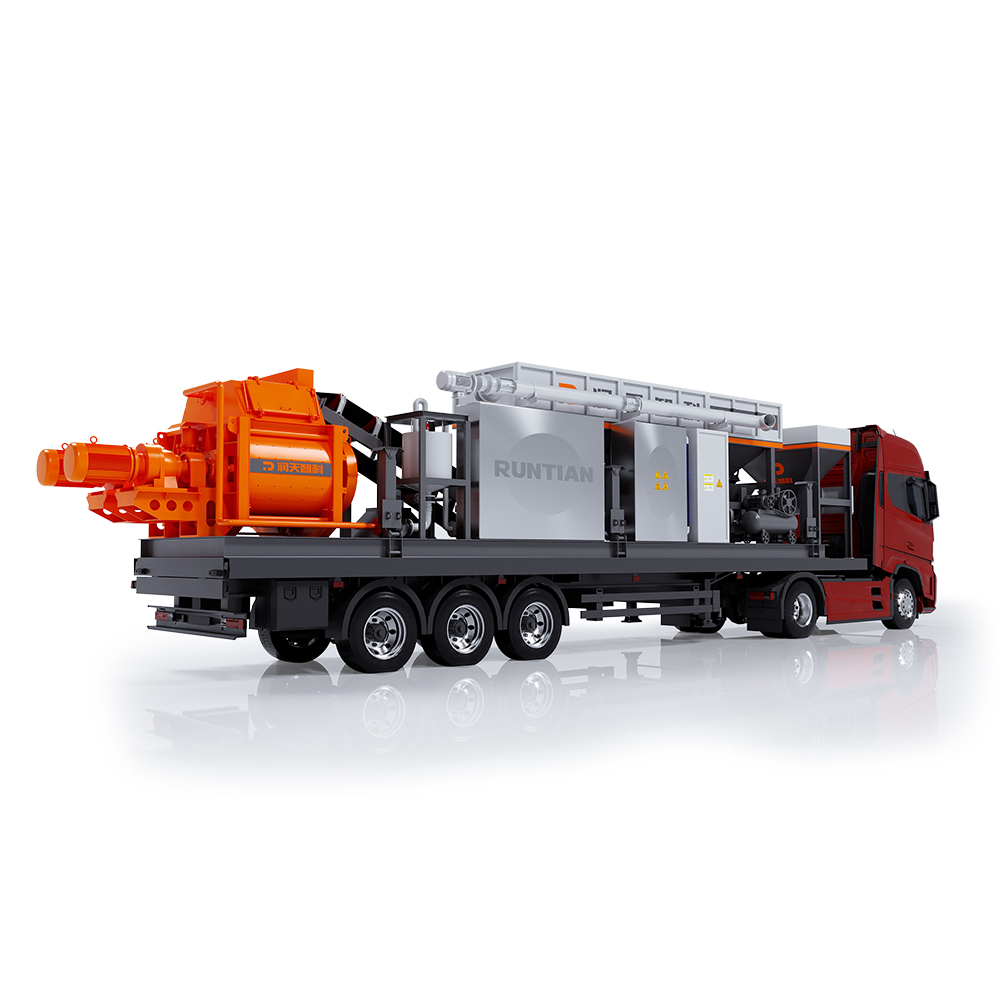 HZS60 Mobile Concrete Mixing Plant
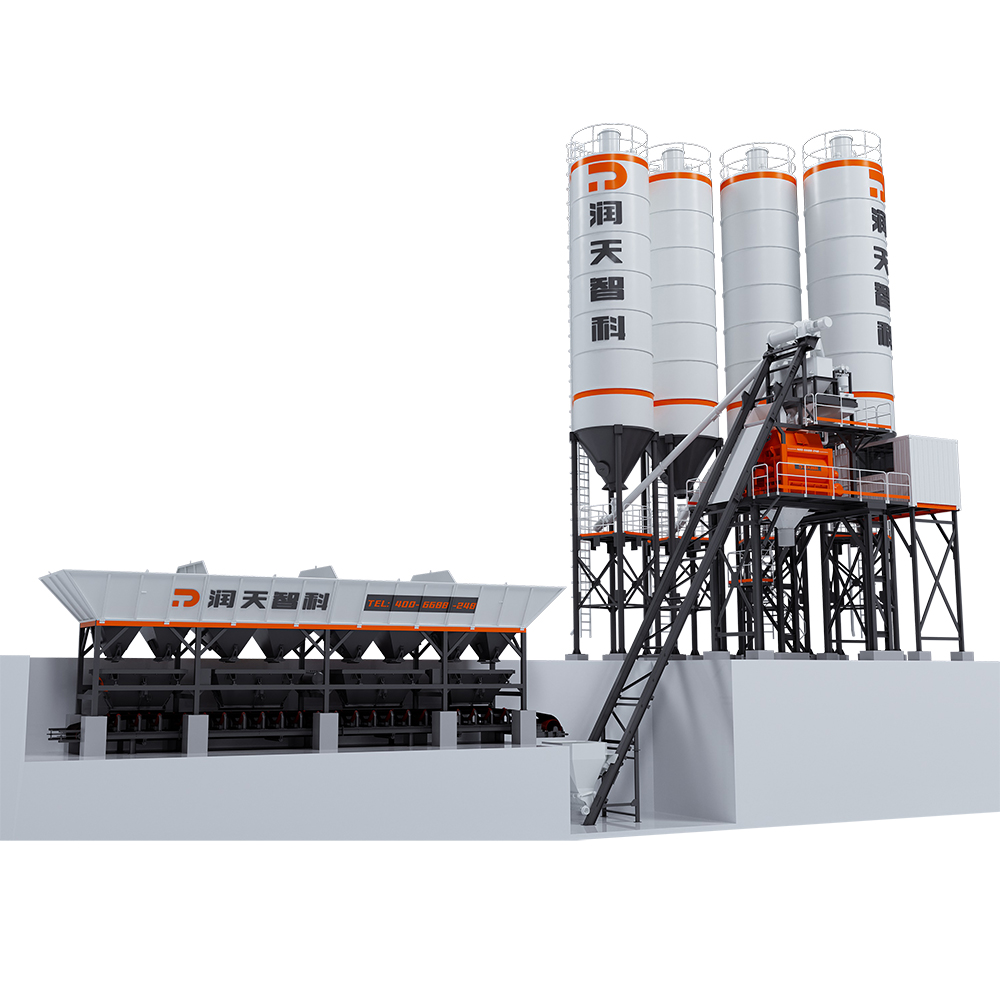 HZS Series Bucket-Lifting Type Concrete Mixing Plant
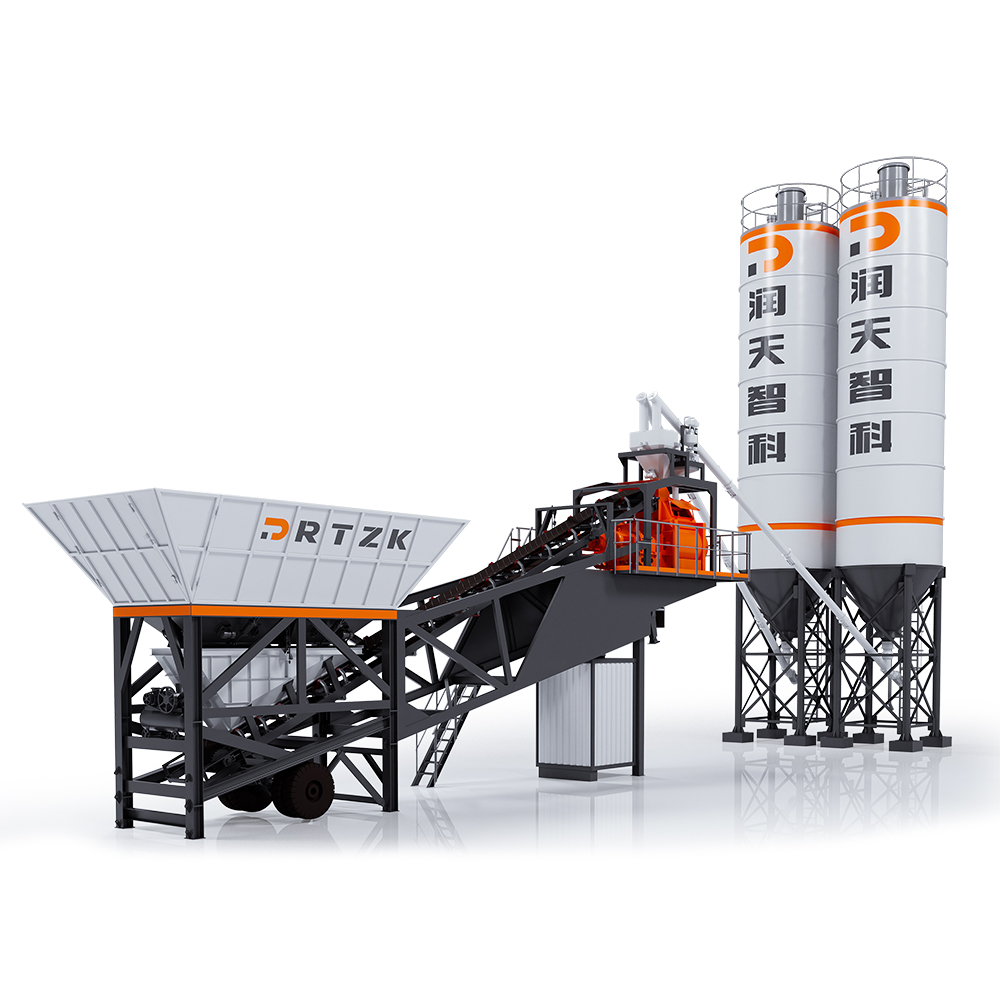 HZS Series Mobile Concrete Mixing Plant
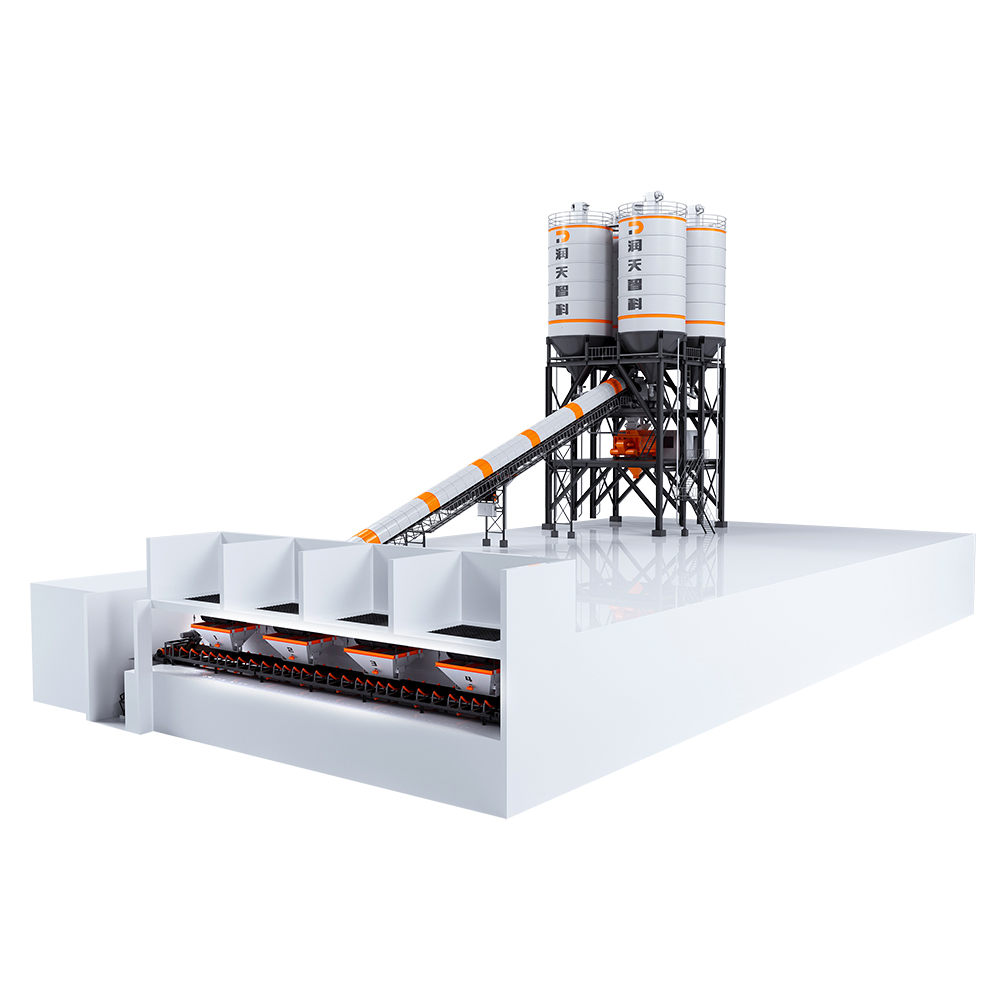 HZS Series Top-Mounted Concrete Mixing plant
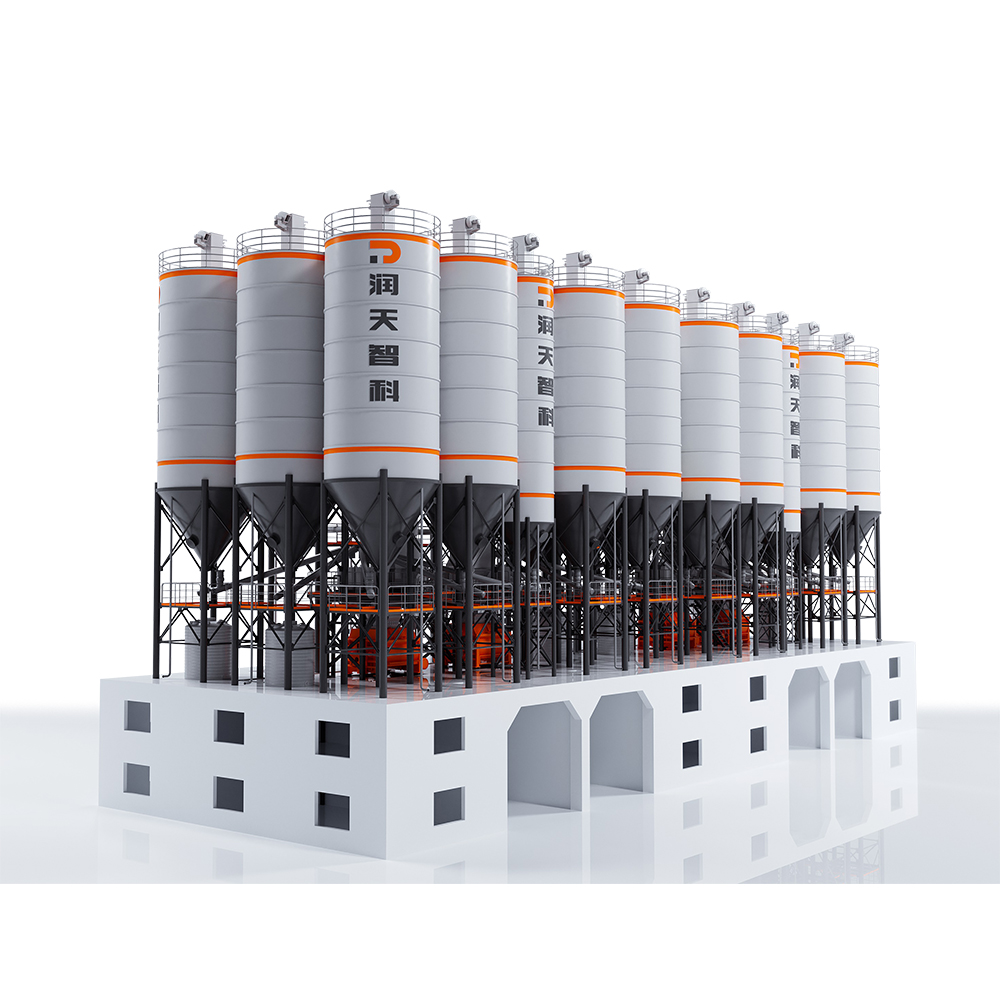 HZS Series Semi-Top Mounted Concrete Mixing Plant
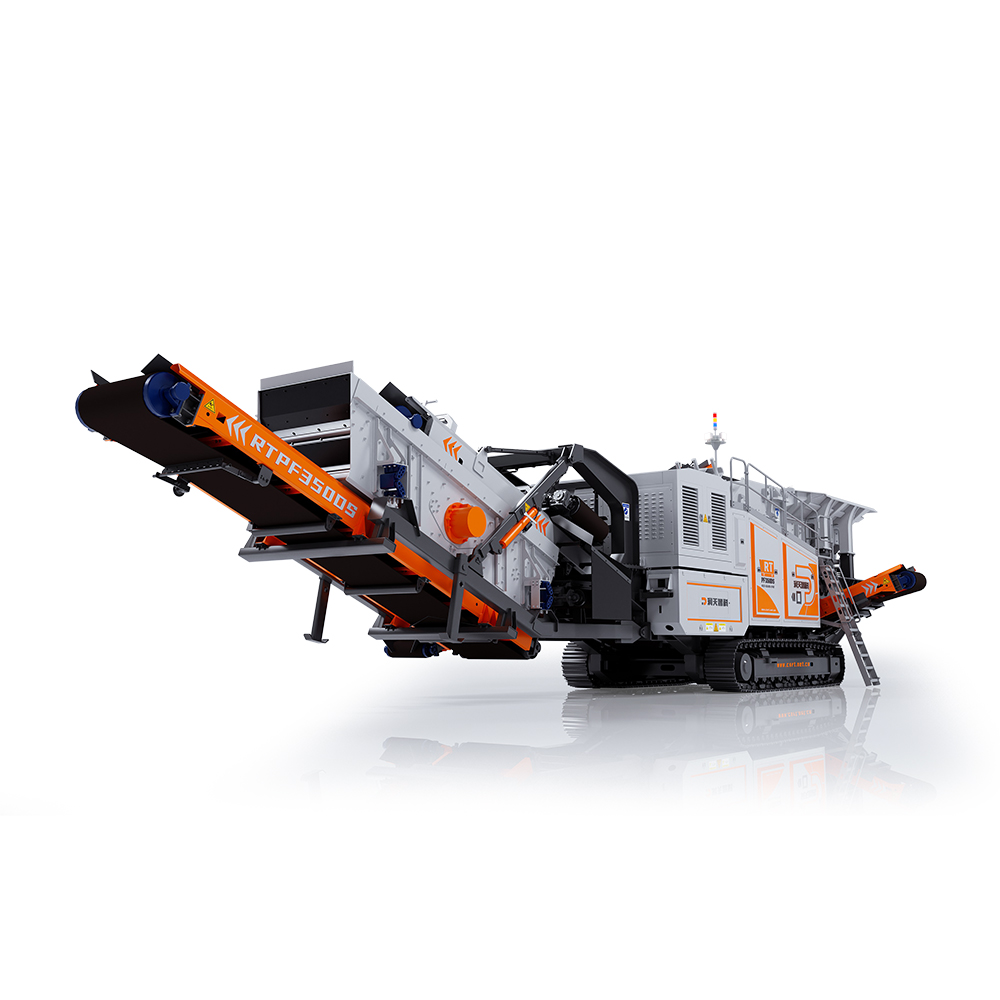 RTPF350DS Crawler Mobile Impact Crushing Plant
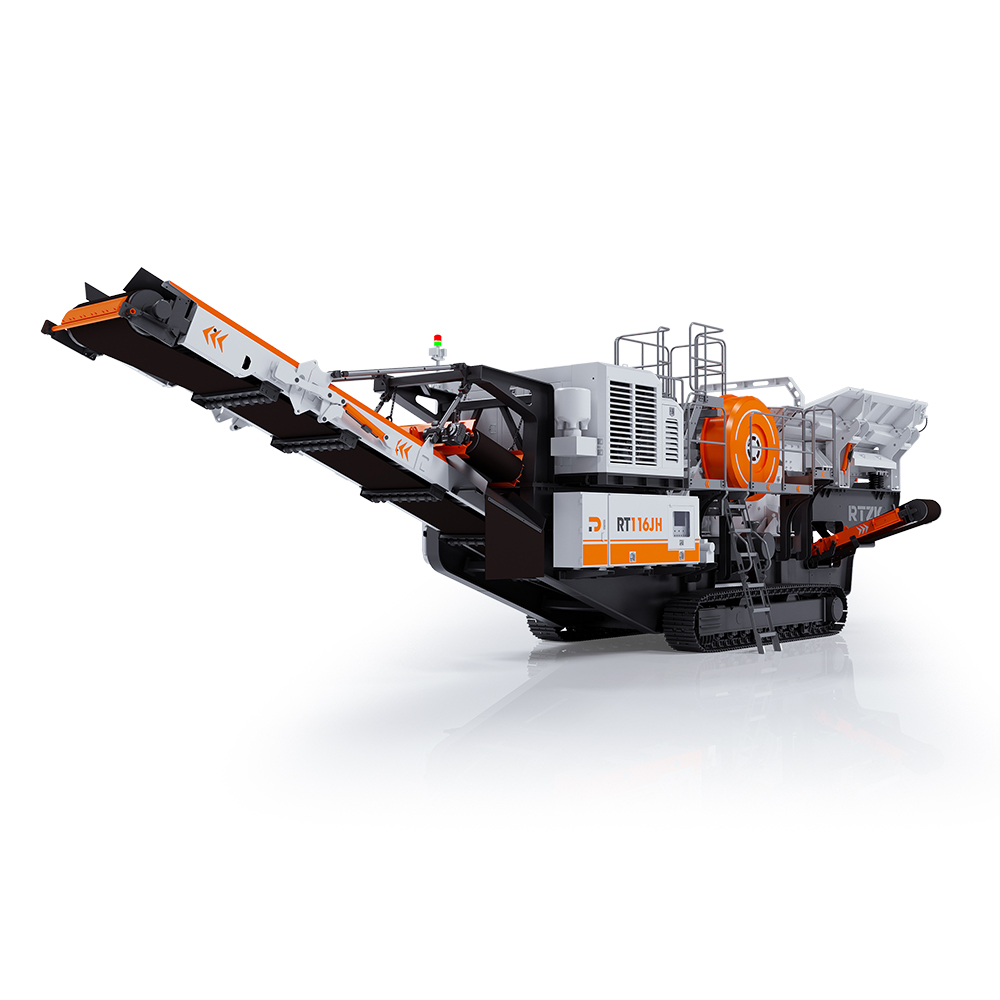 RT116JH Crawler Mobile Jaw Crushing Plant
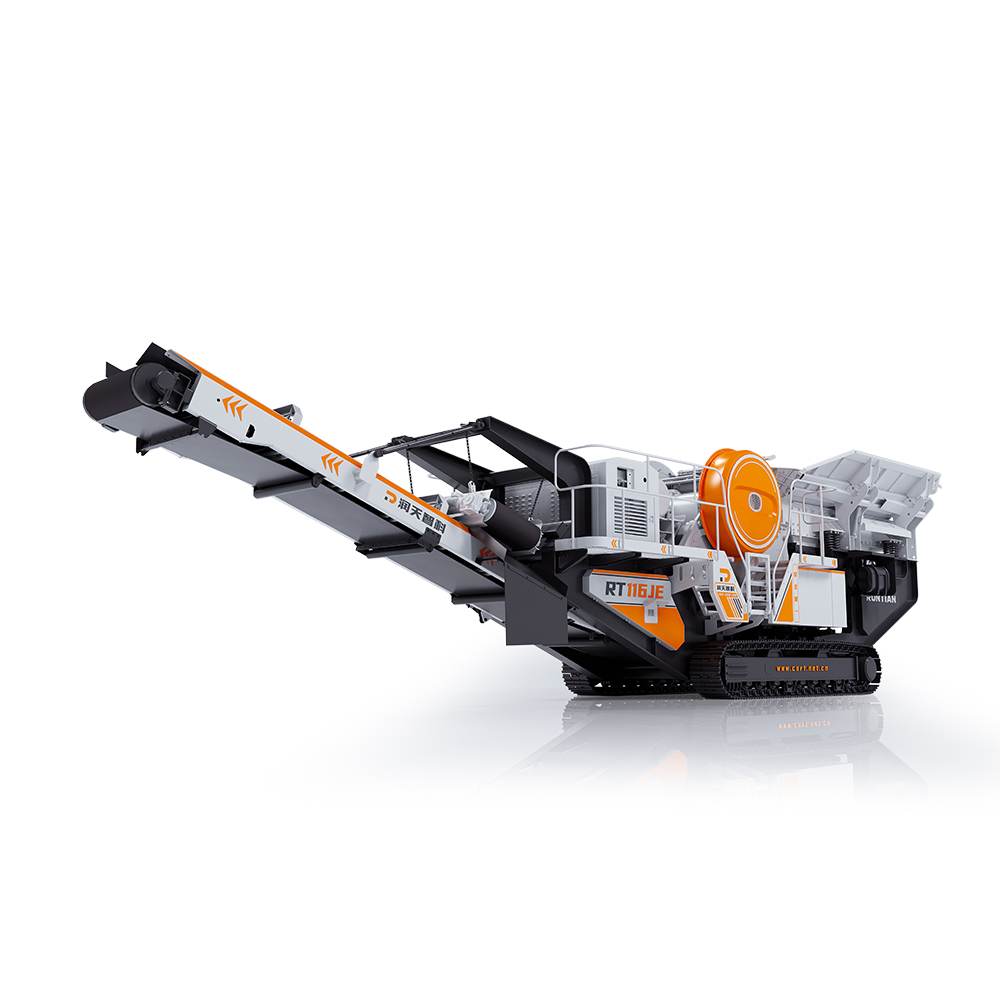 RT116JE Crawler Mobile Jaw Crushing Plant
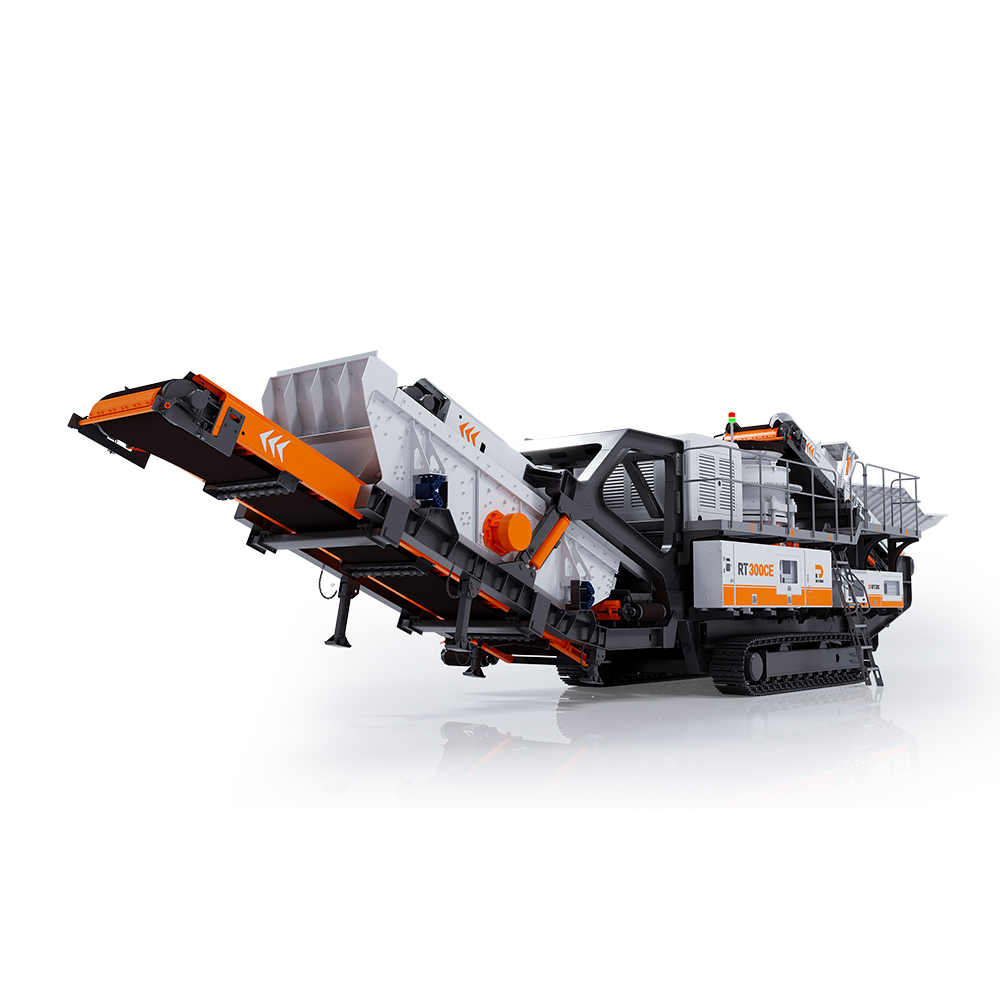 RT300CE Crawler Mobile Cone Crushing Plant
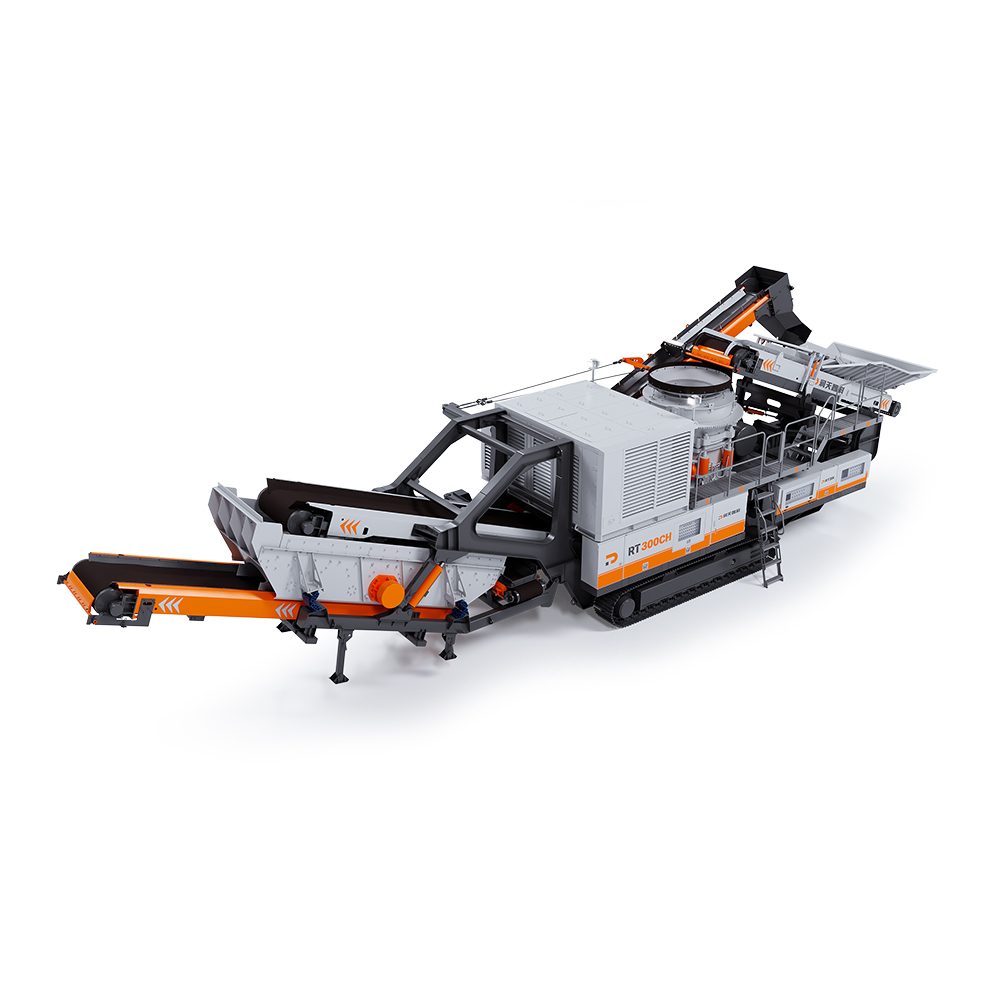 RT300CH Crawler Mobile Cone Crushing Plant
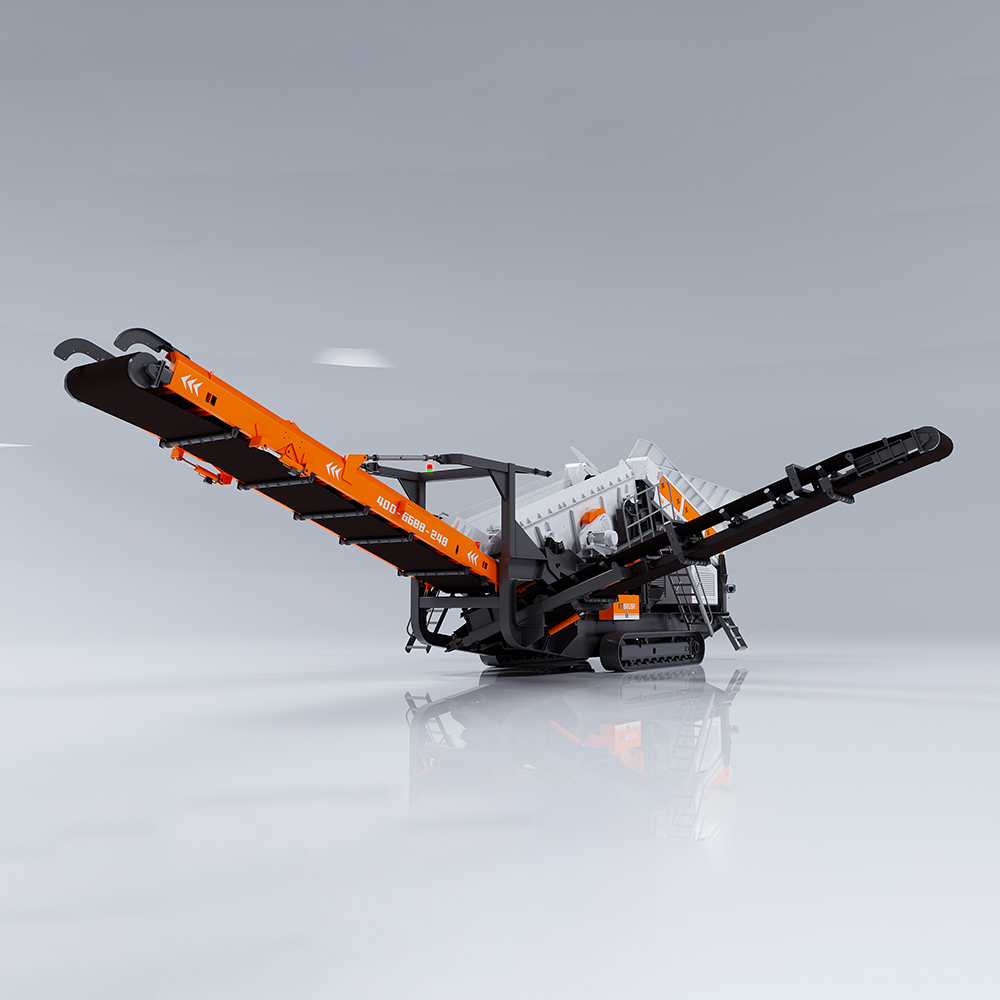 RT5015H Mobile Scalping Screen
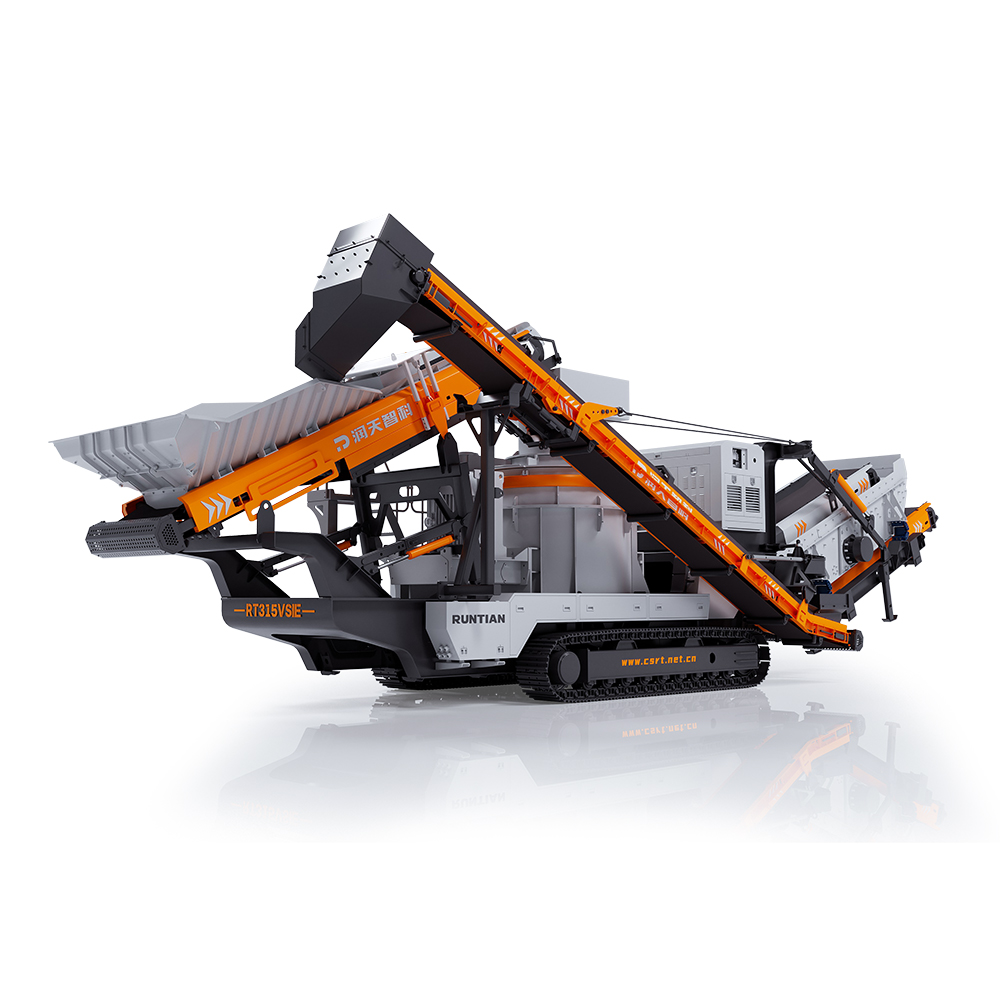 RT315VSIE Crawler Mobile Sand Maker
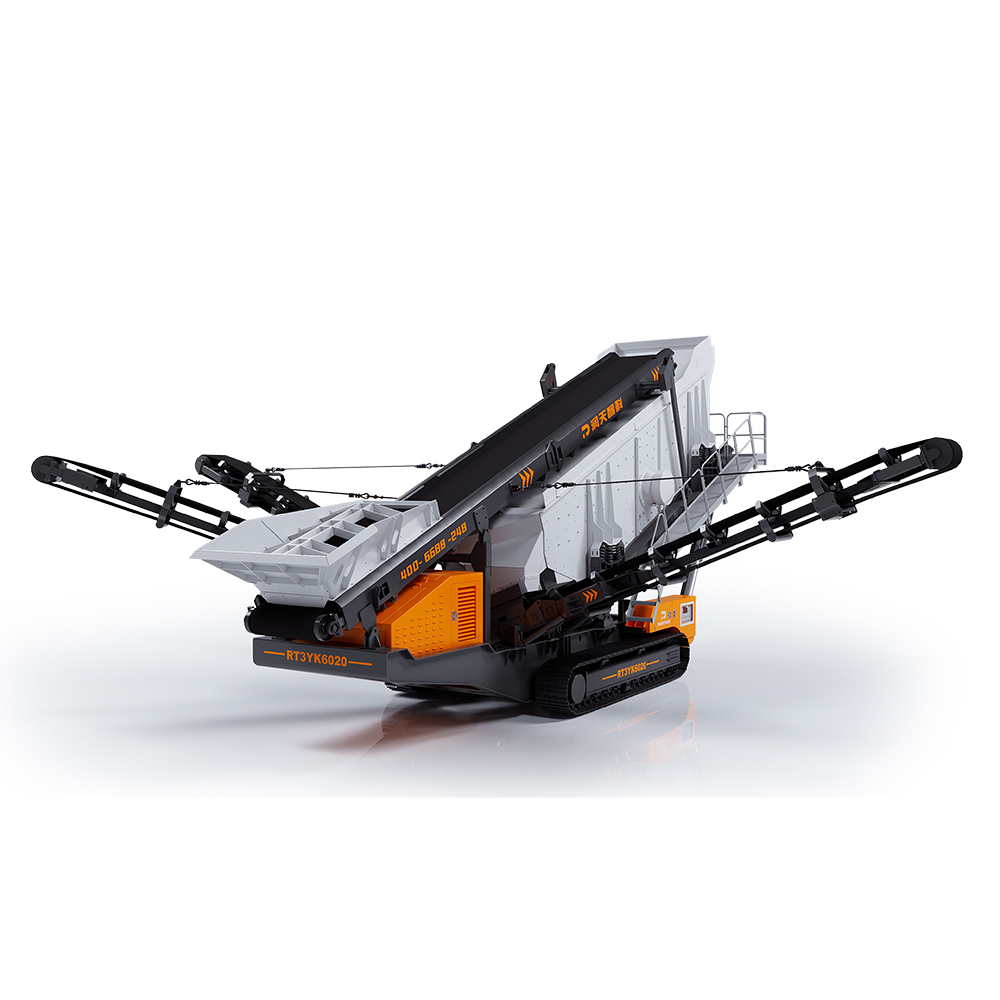 RT3YK6020 Crawler Mobile Screening Plant
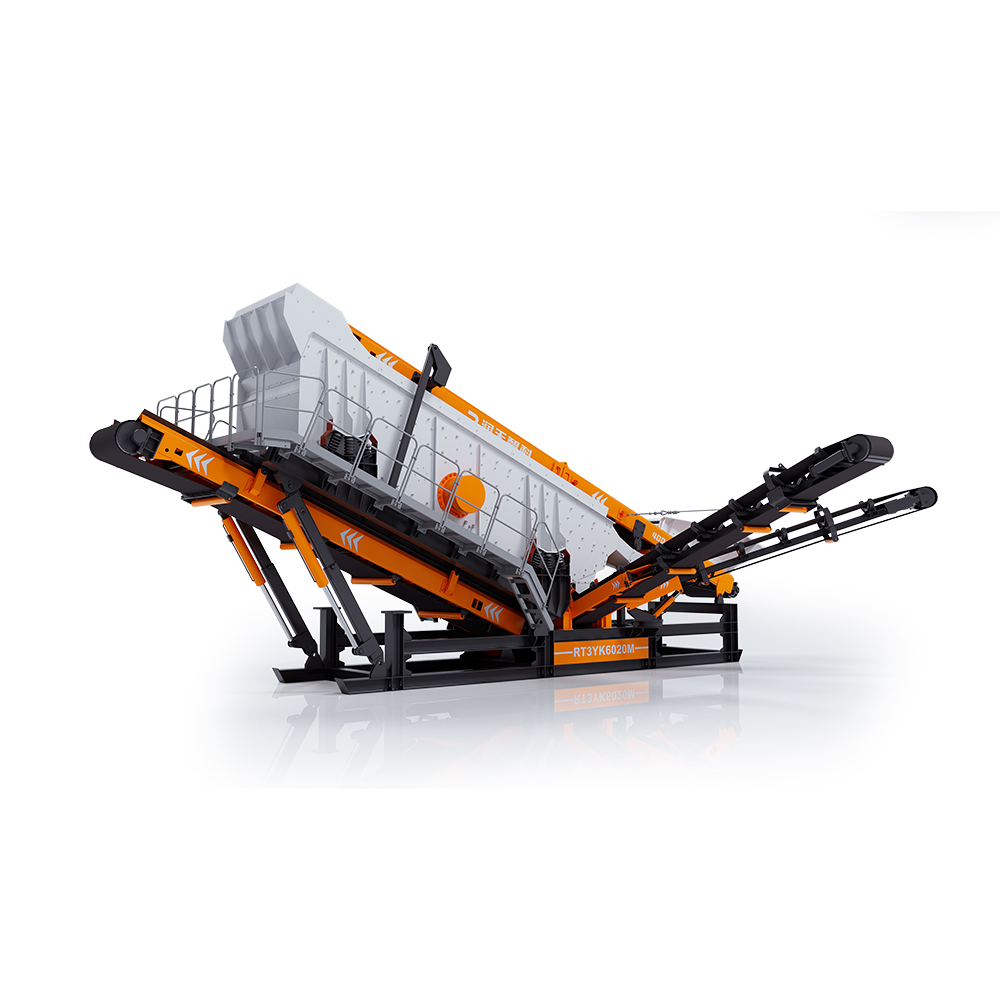 RT3YK6020M Modular Screening Plant
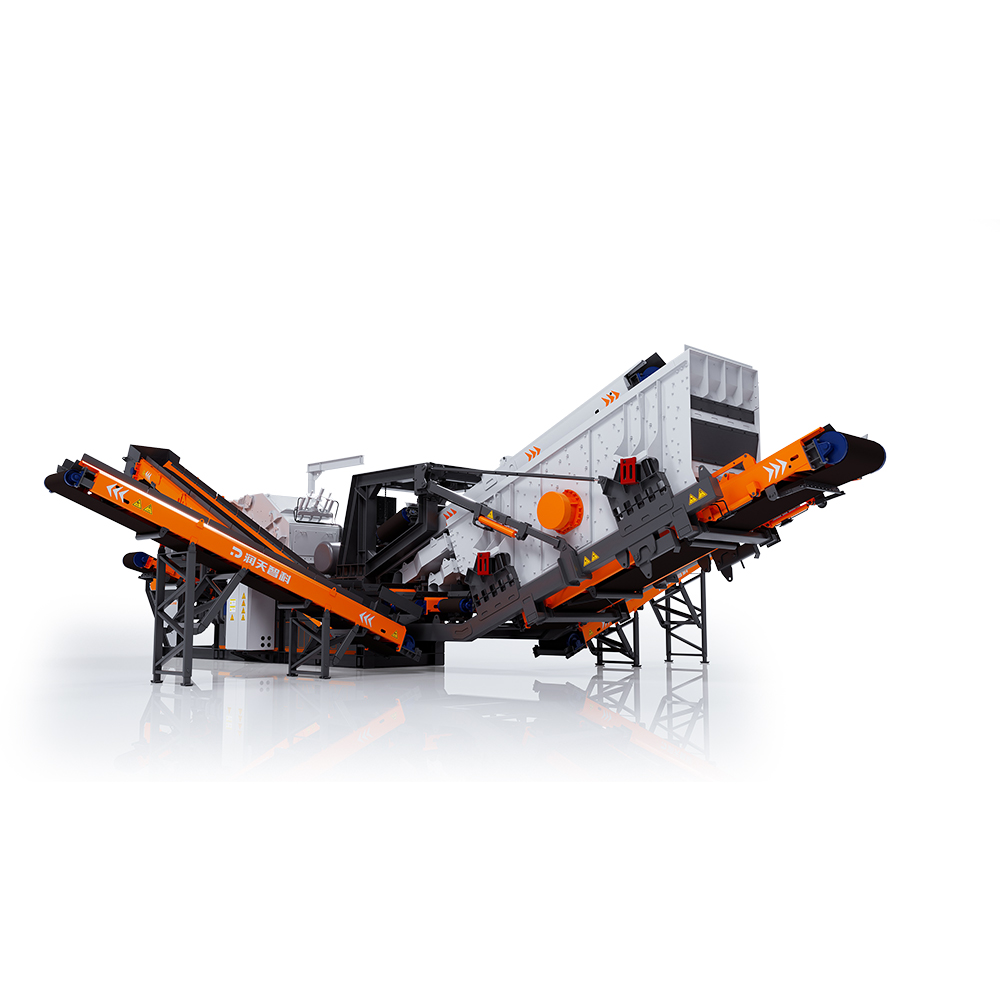 RTF260M Modular Counterattack Crushing and Screening Integrated Machine
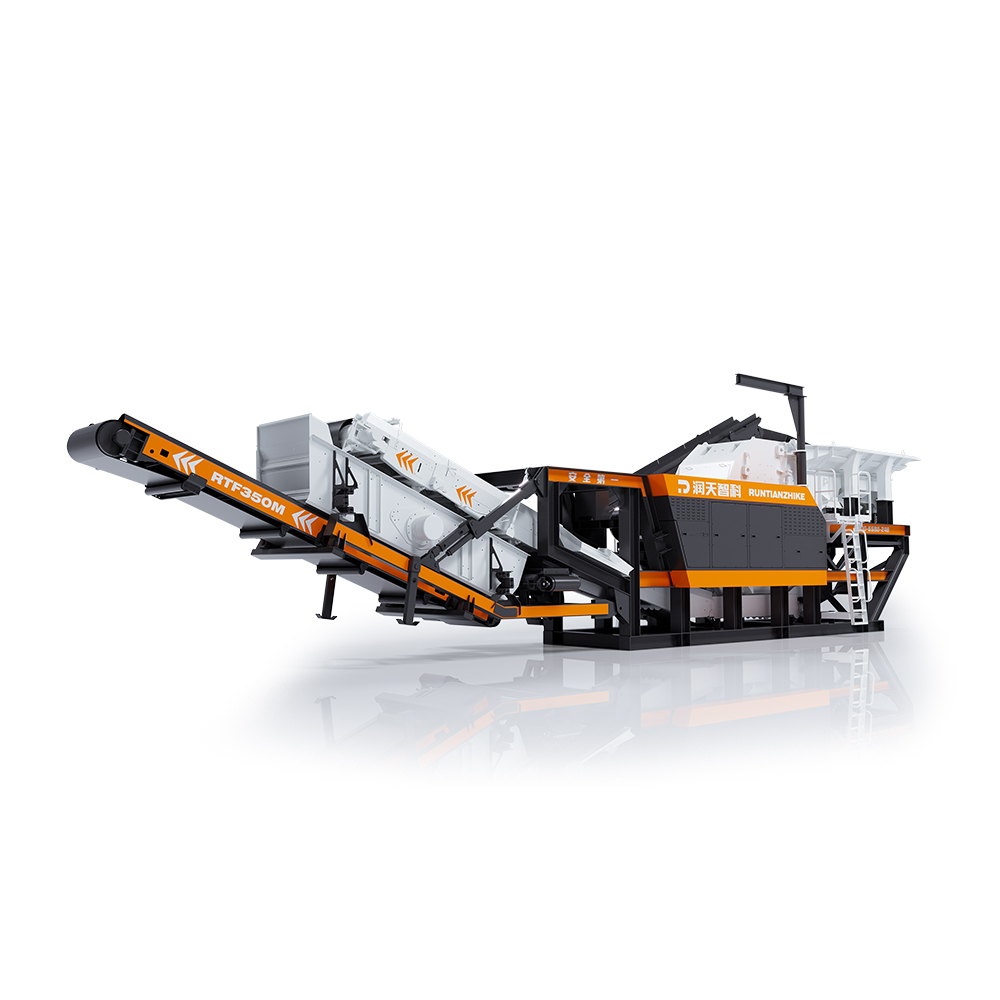 RTF350M Modular Impact Crushing Plant
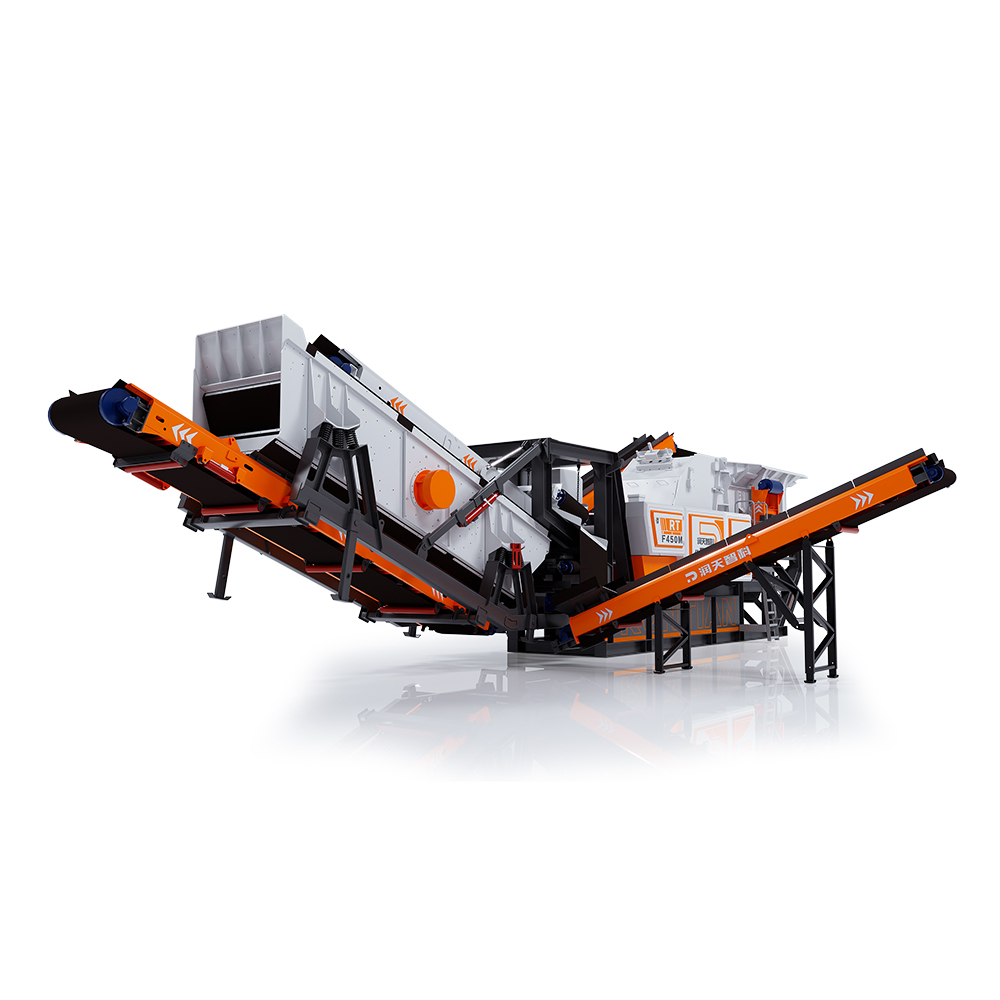 RTF450M Modular Impact Crushing Plant
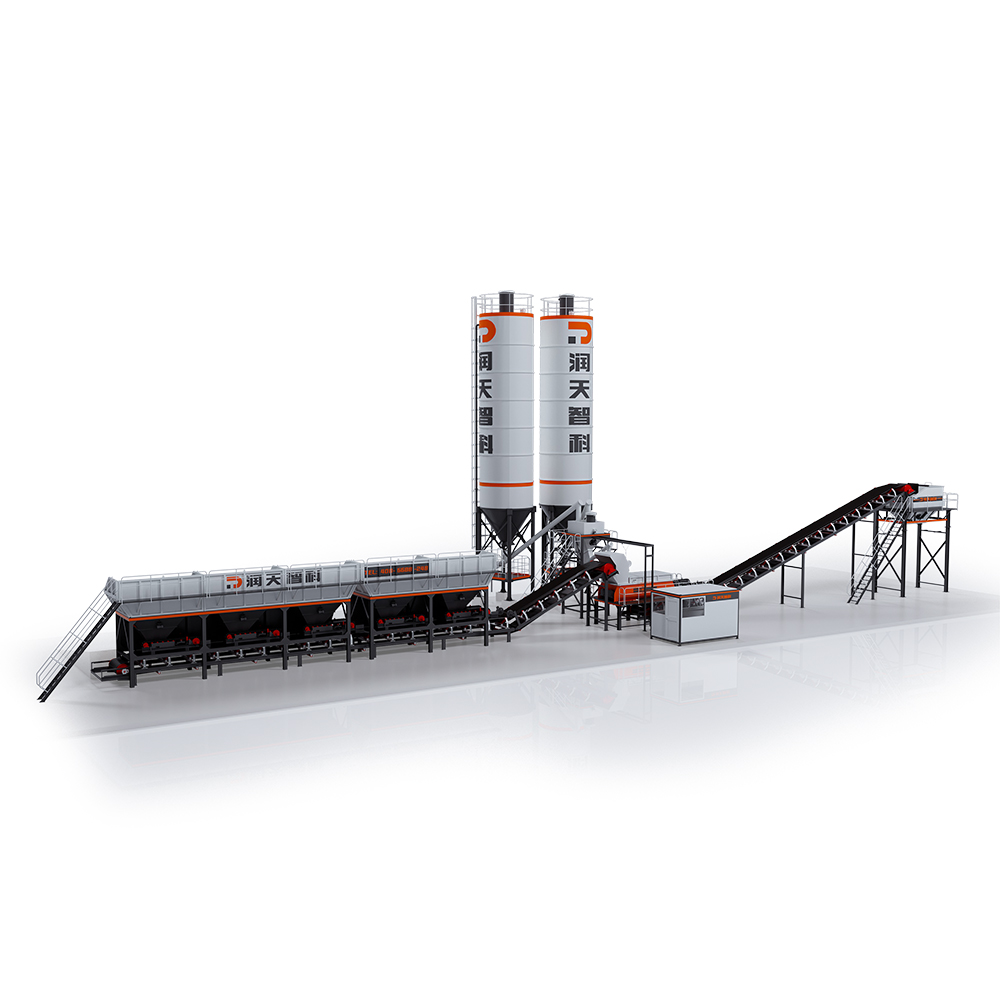 WDB Series Foundation-Free Stability Soil Mixing Plant
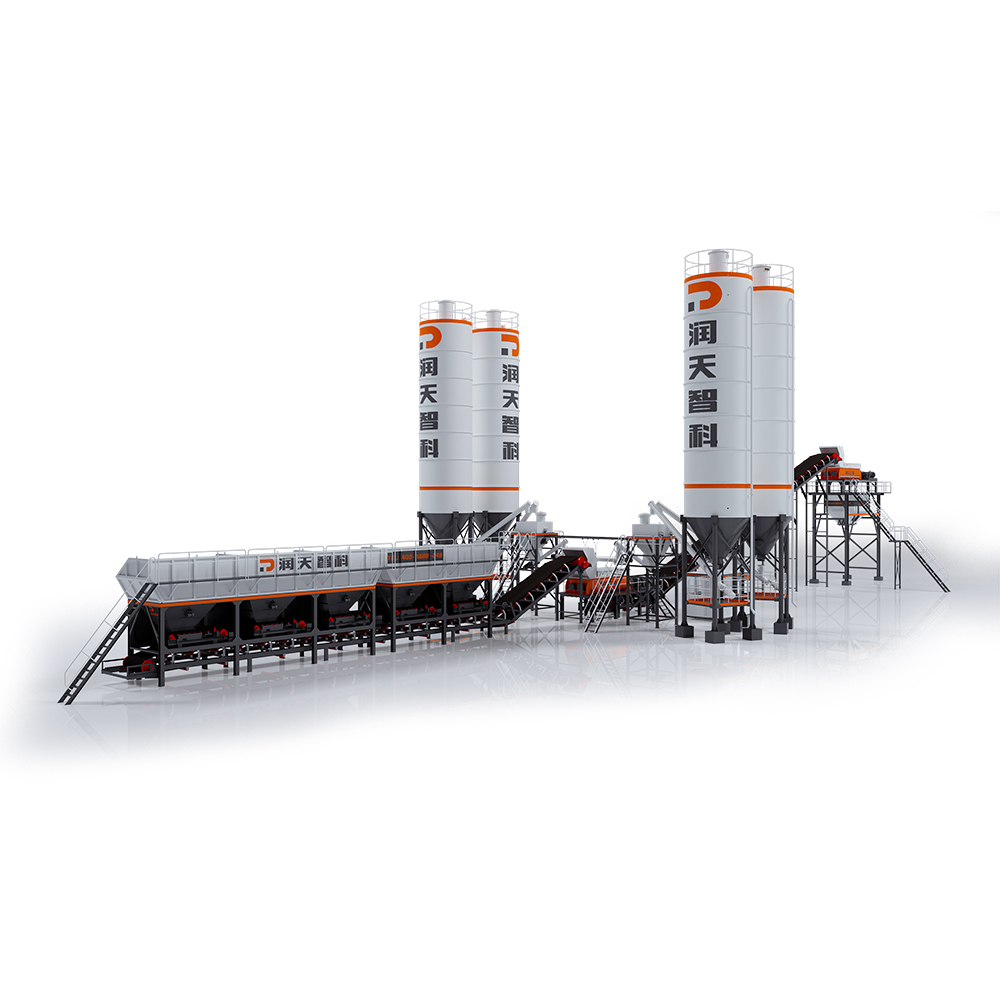 LCB Series Emulsified Asphalt Cold Regeneration Secondary Mixing Plant
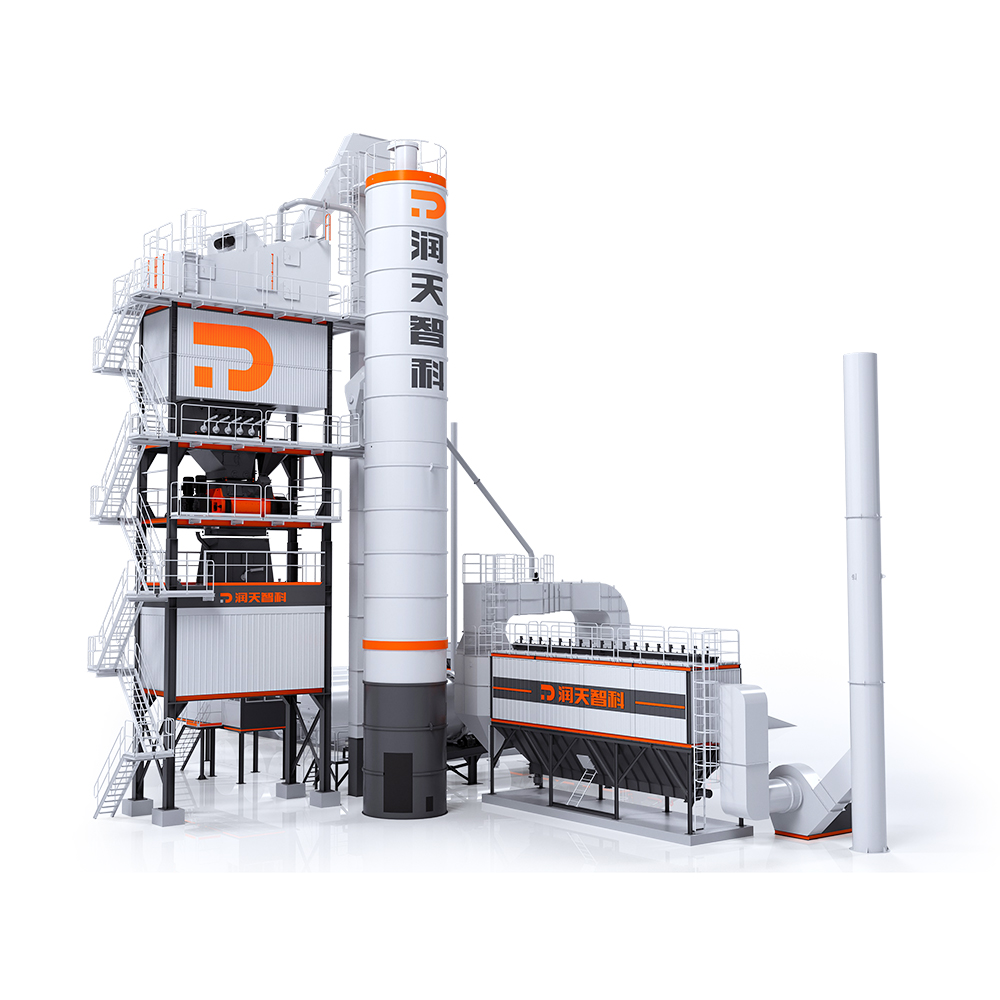 LB Series Asphalt Mixing Plant
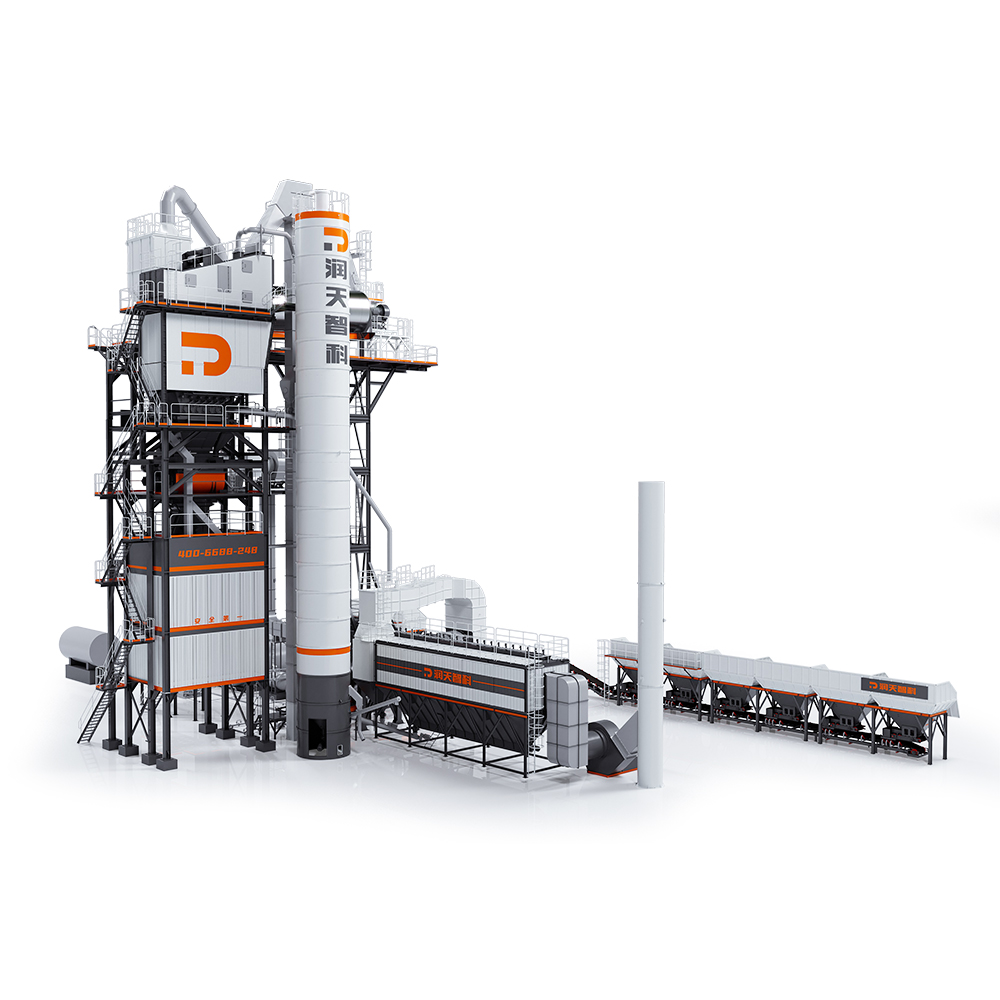 LBR Series Integrated Asphalt Mixing Plant
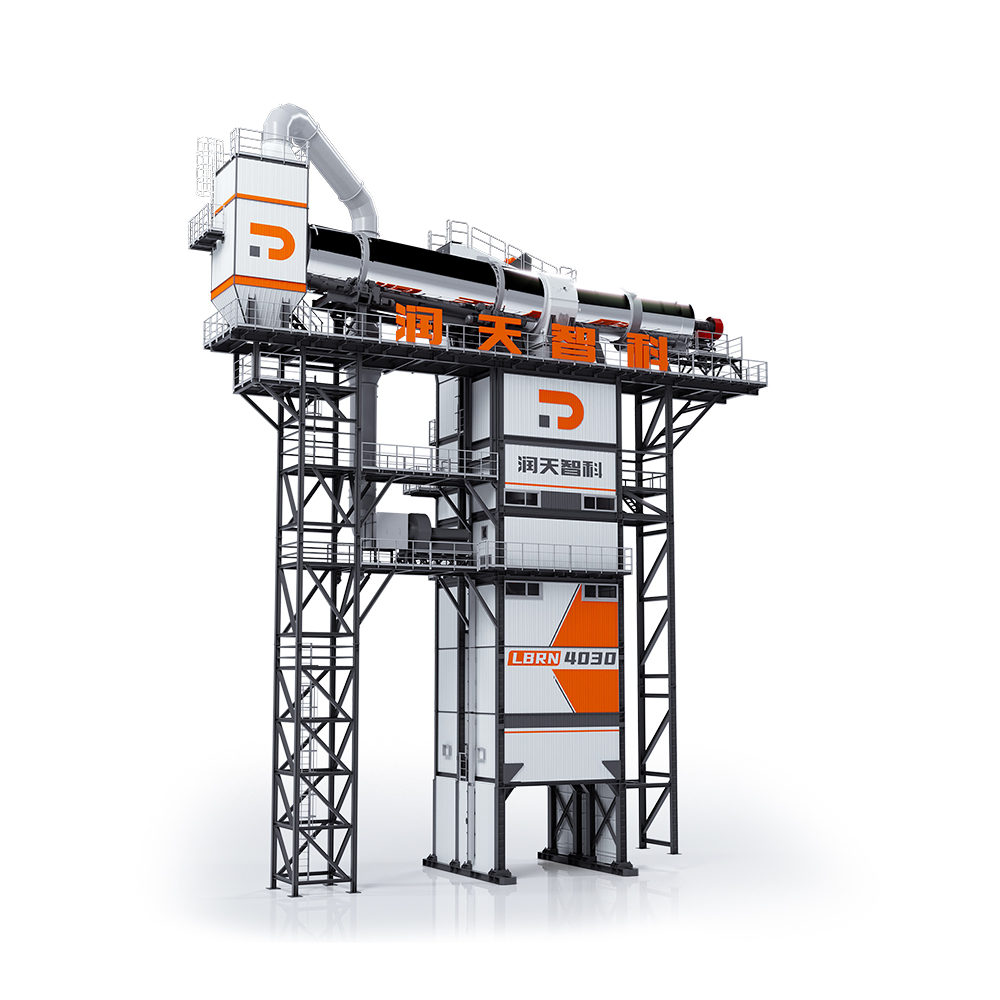 LBRN Series Counterflow Integral Asphalt Mixing Plant
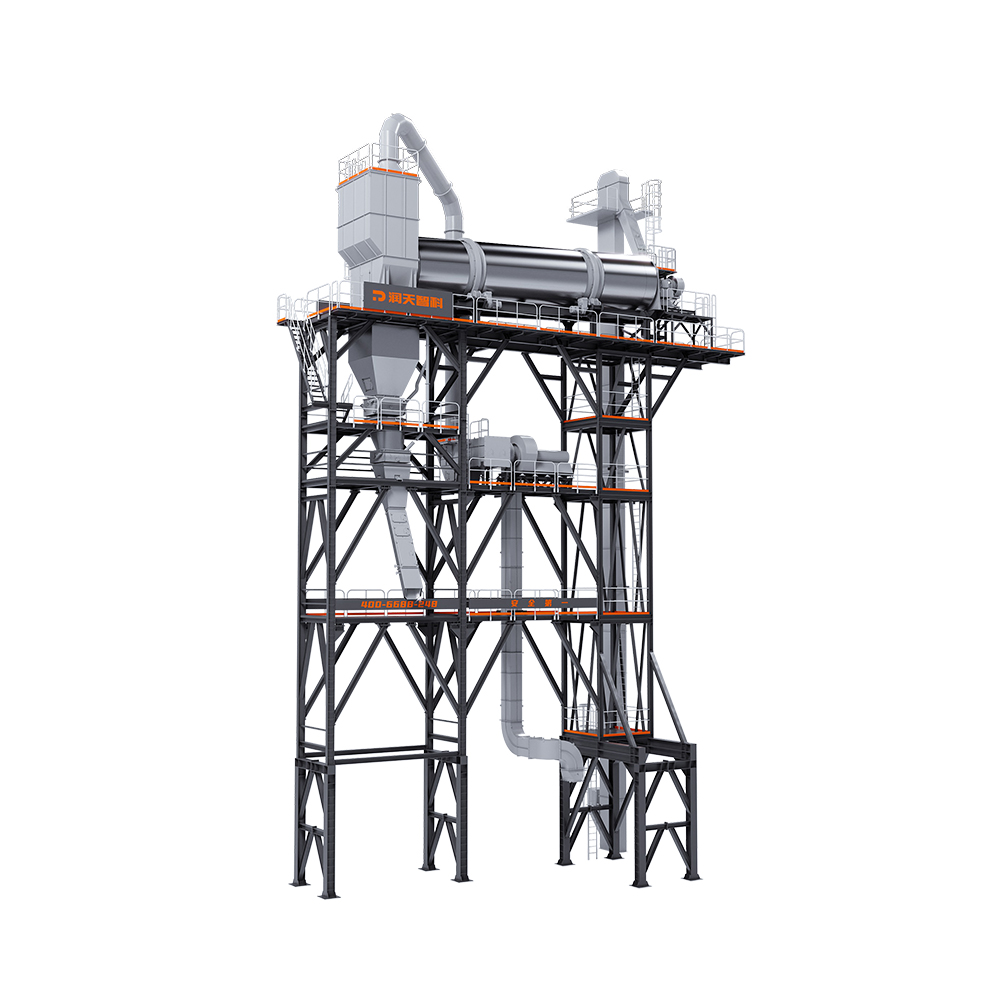 RZS Series Asphalt Mixing Plant
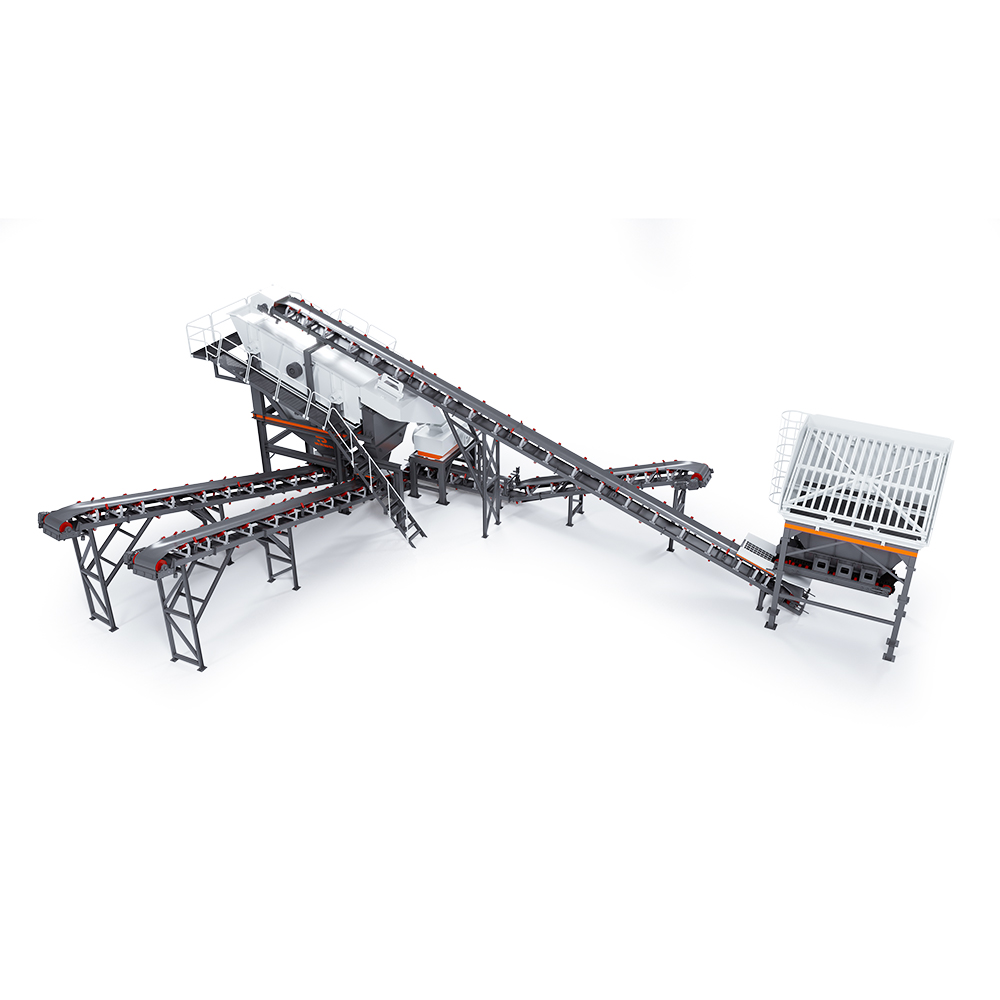 RTZS120 Series RAP Crushing & Screening Plant
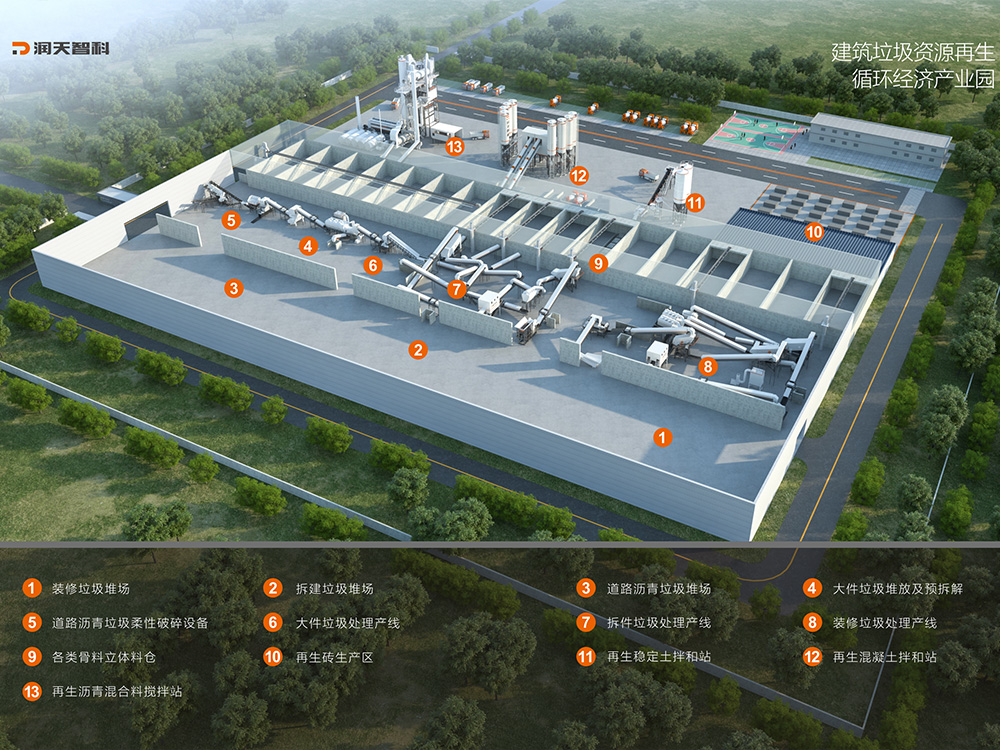 Construction Waste Resourceful Treatment Line