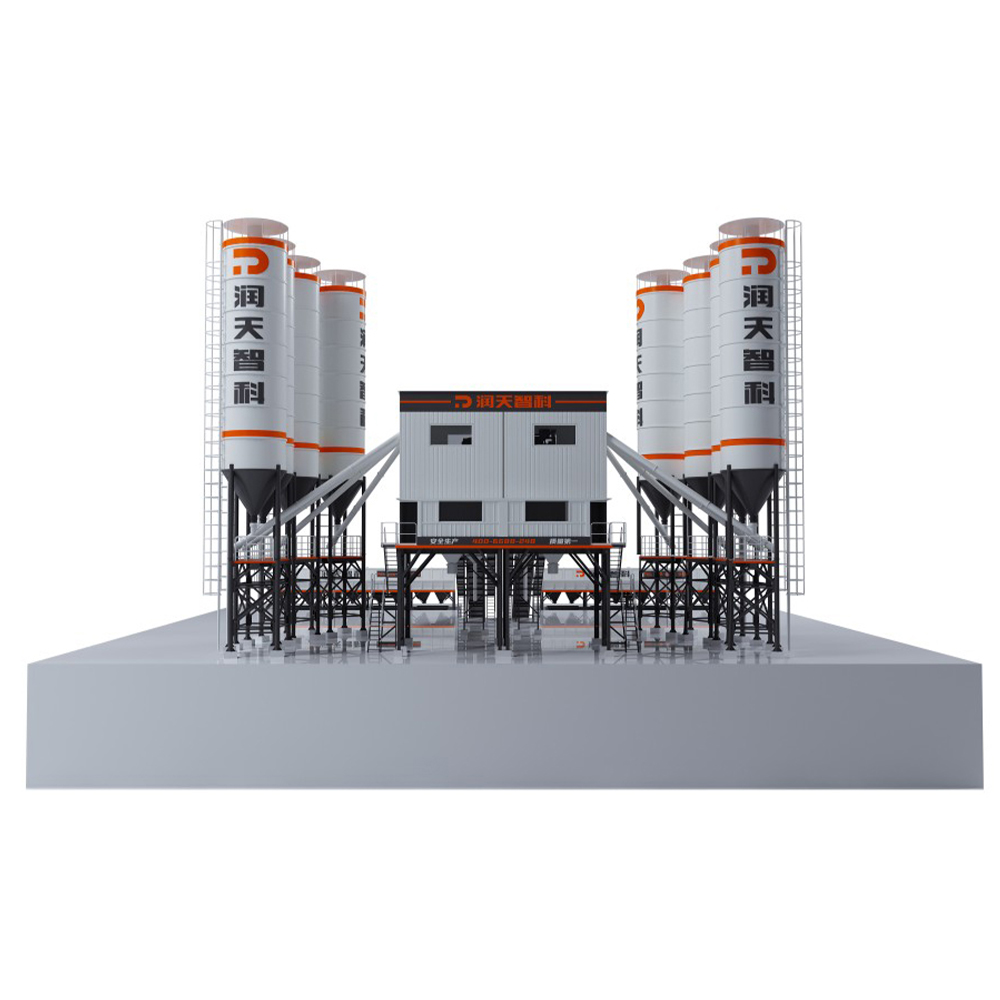
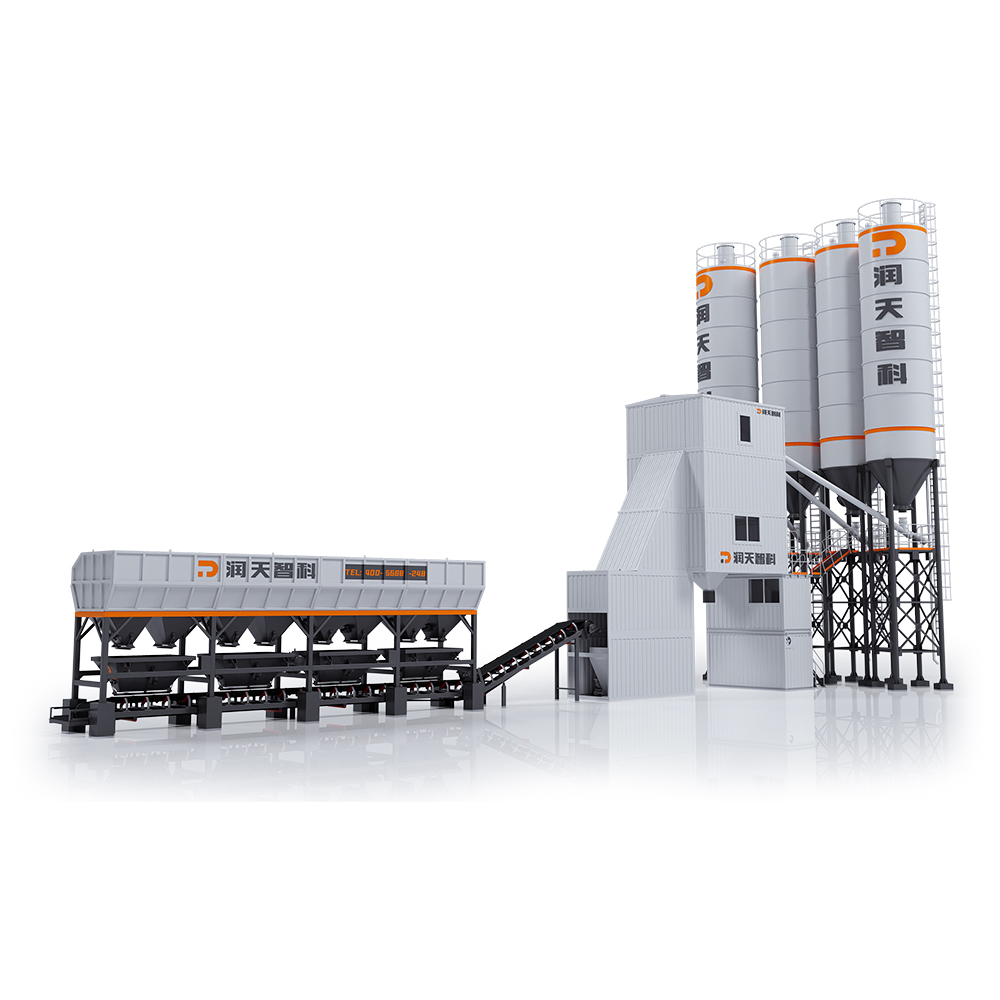
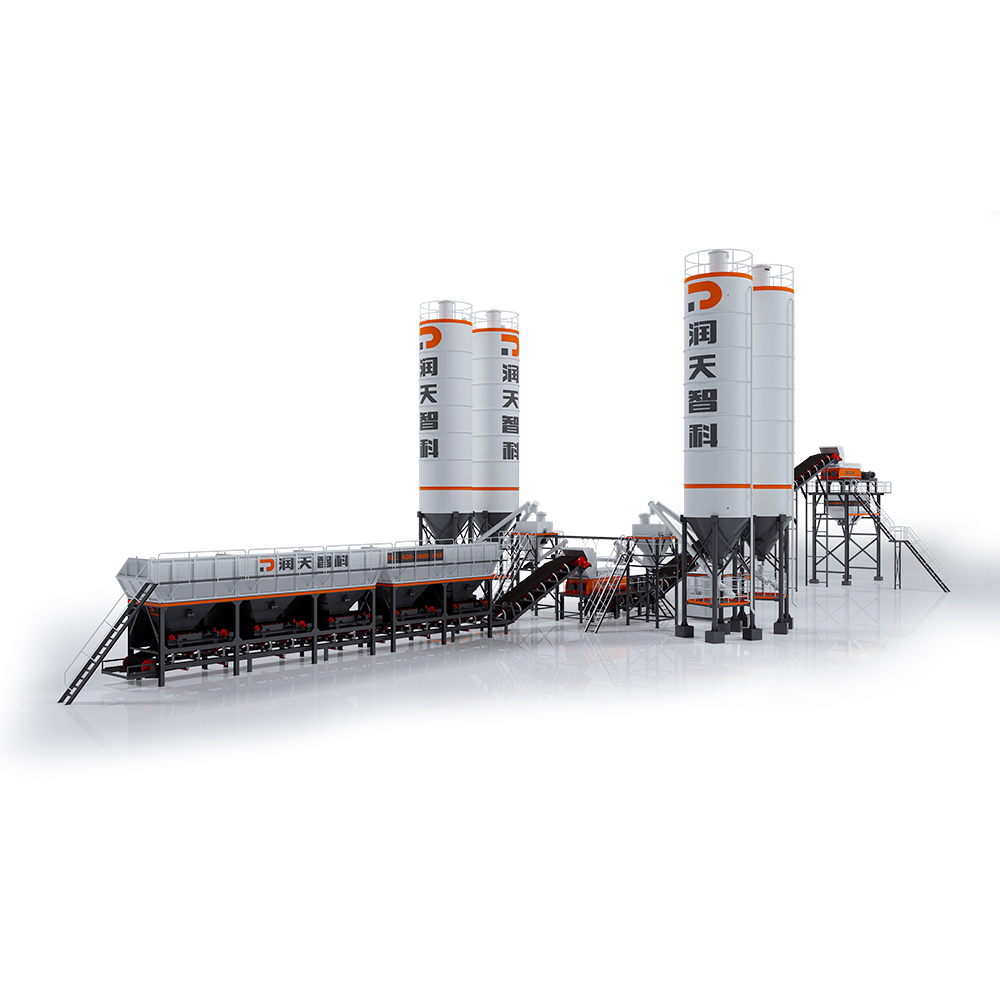
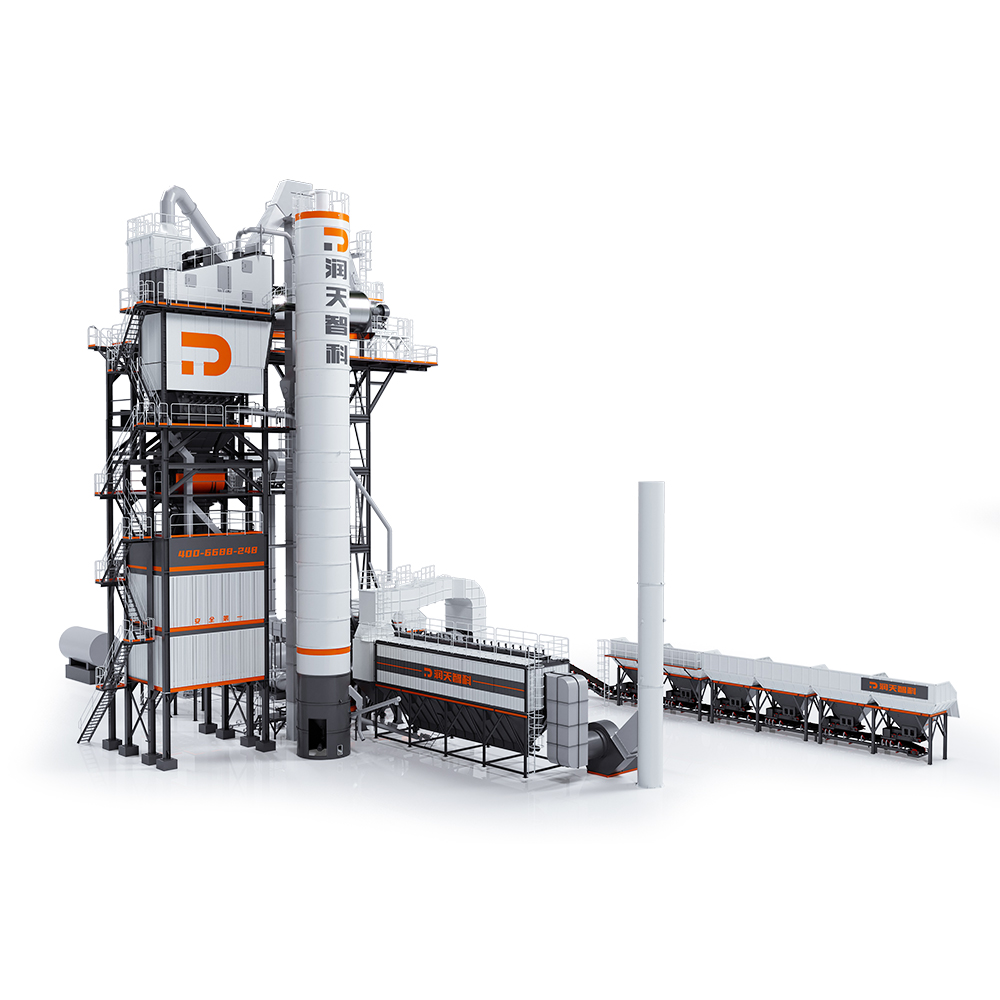
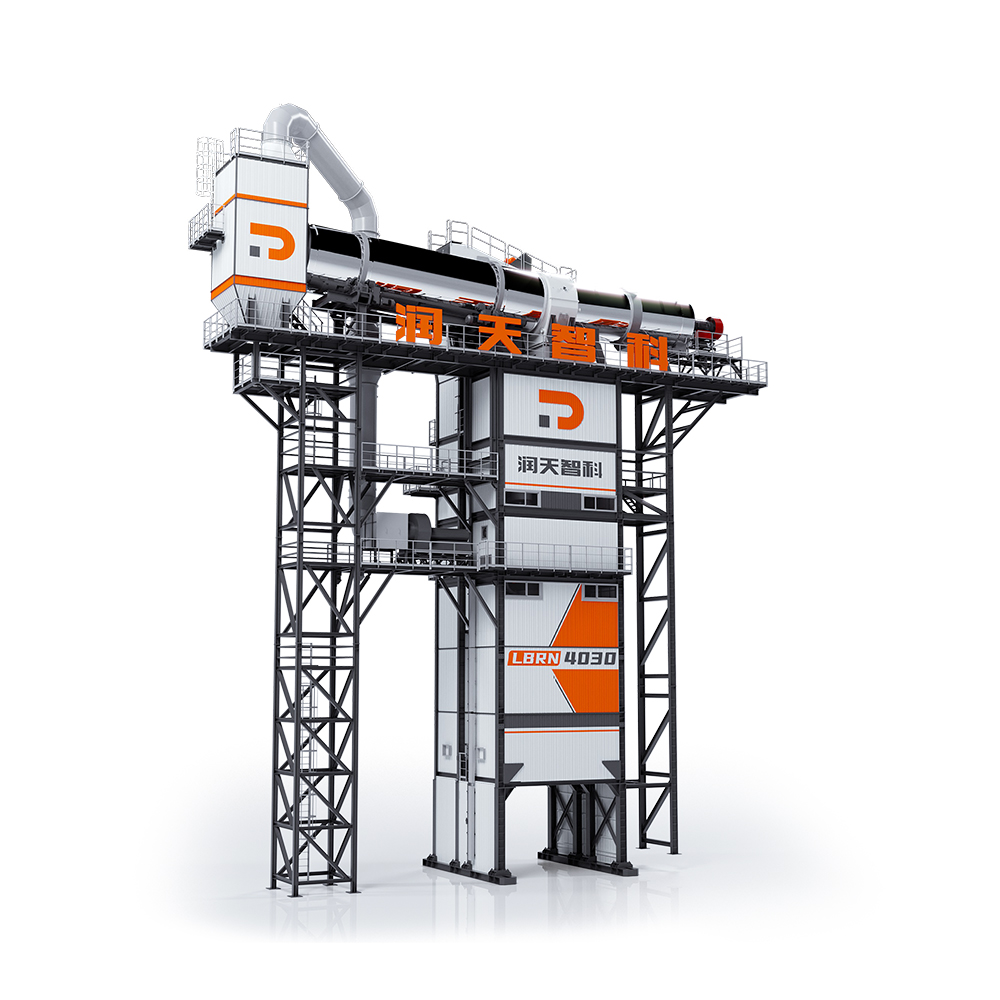
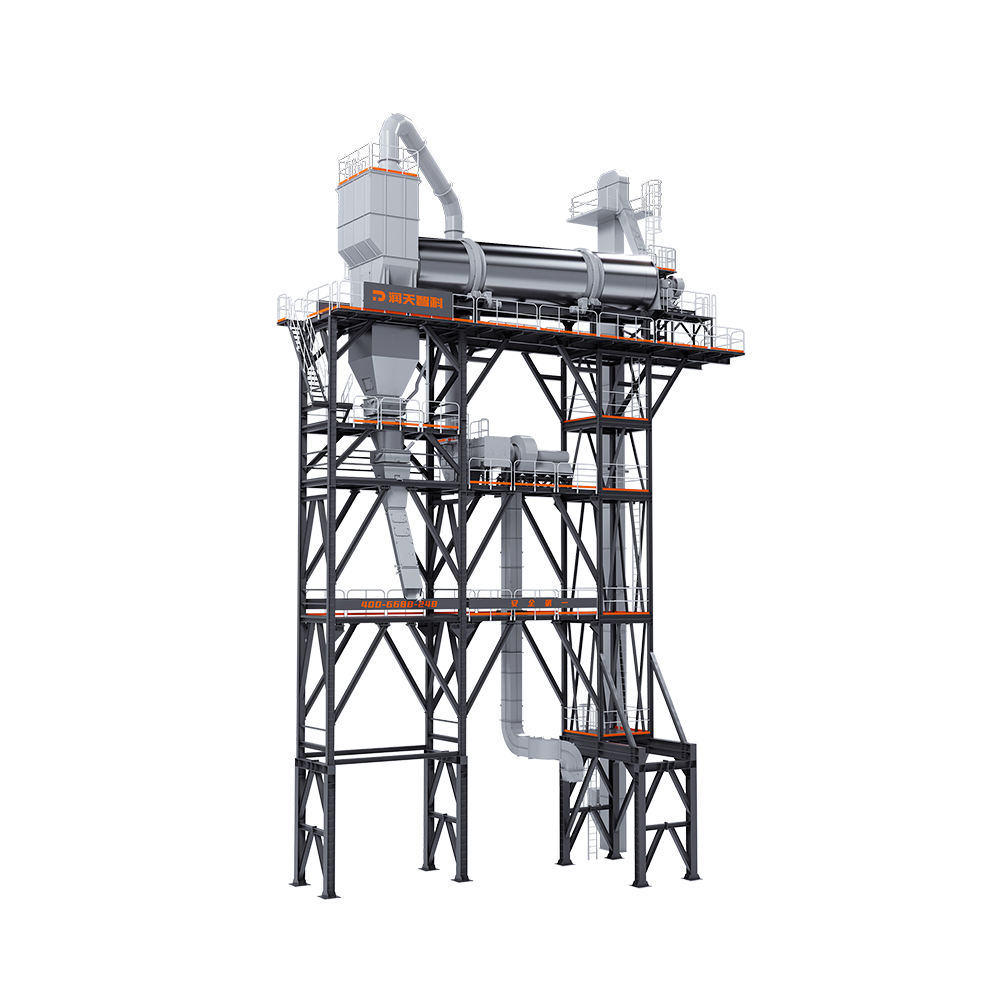
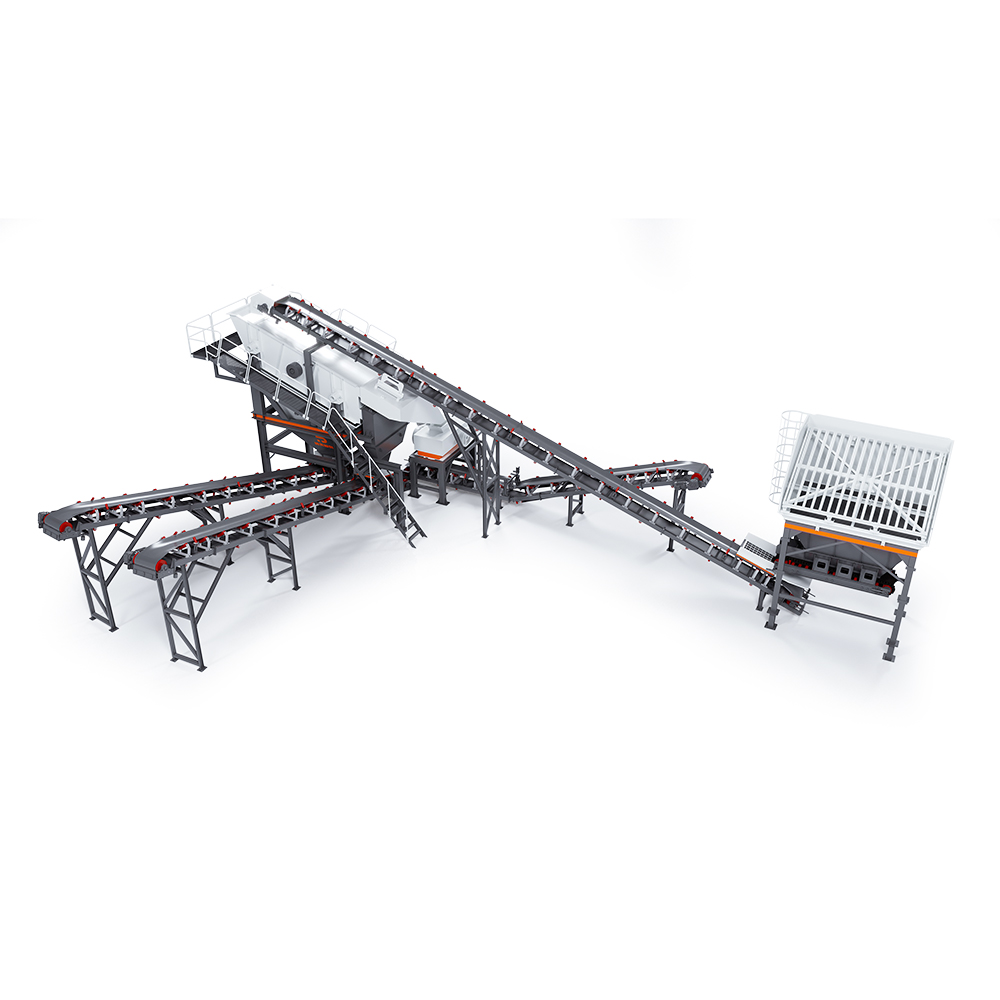
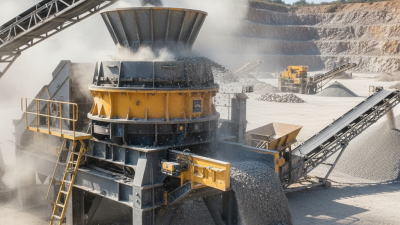
HZS Series Belt Concrete Mixing Plant
HZS Series Bucket-Lifting Type Container Concrete Mixing Plant
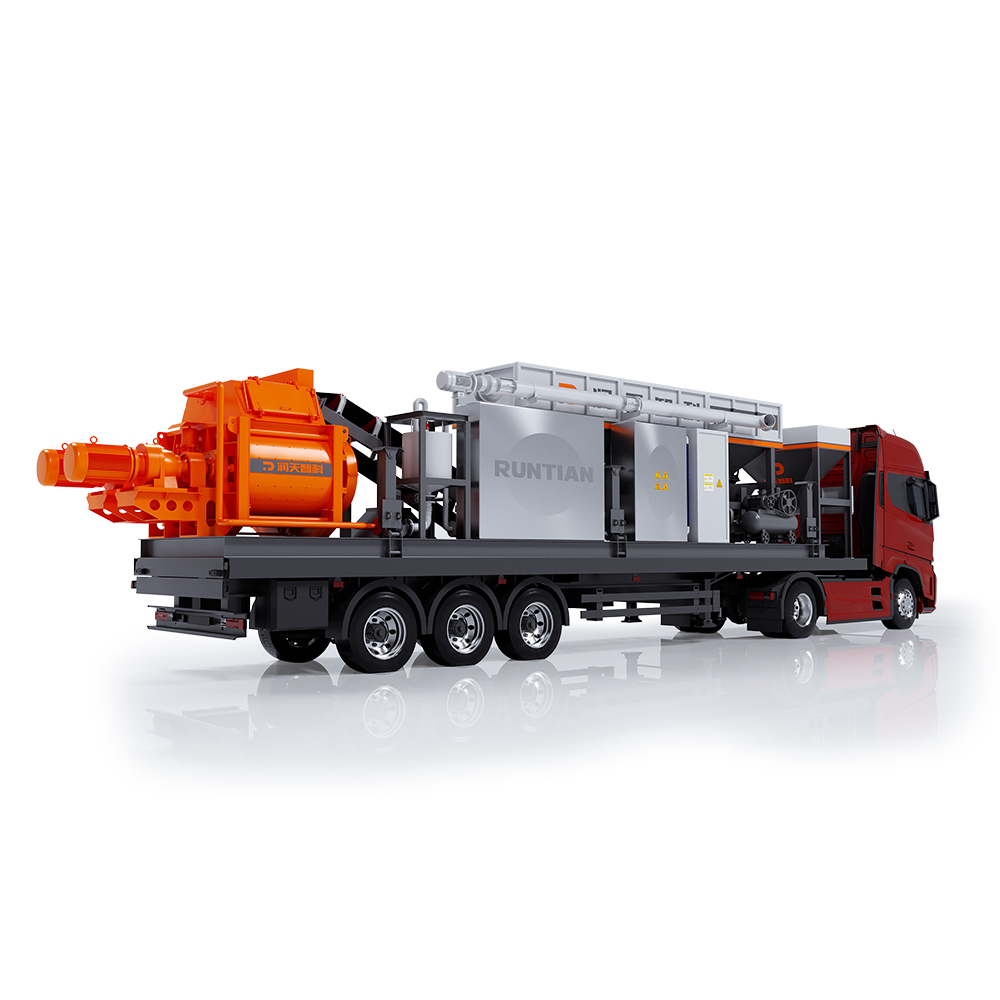
HZS60 Mobile Concrete Mixing Plant
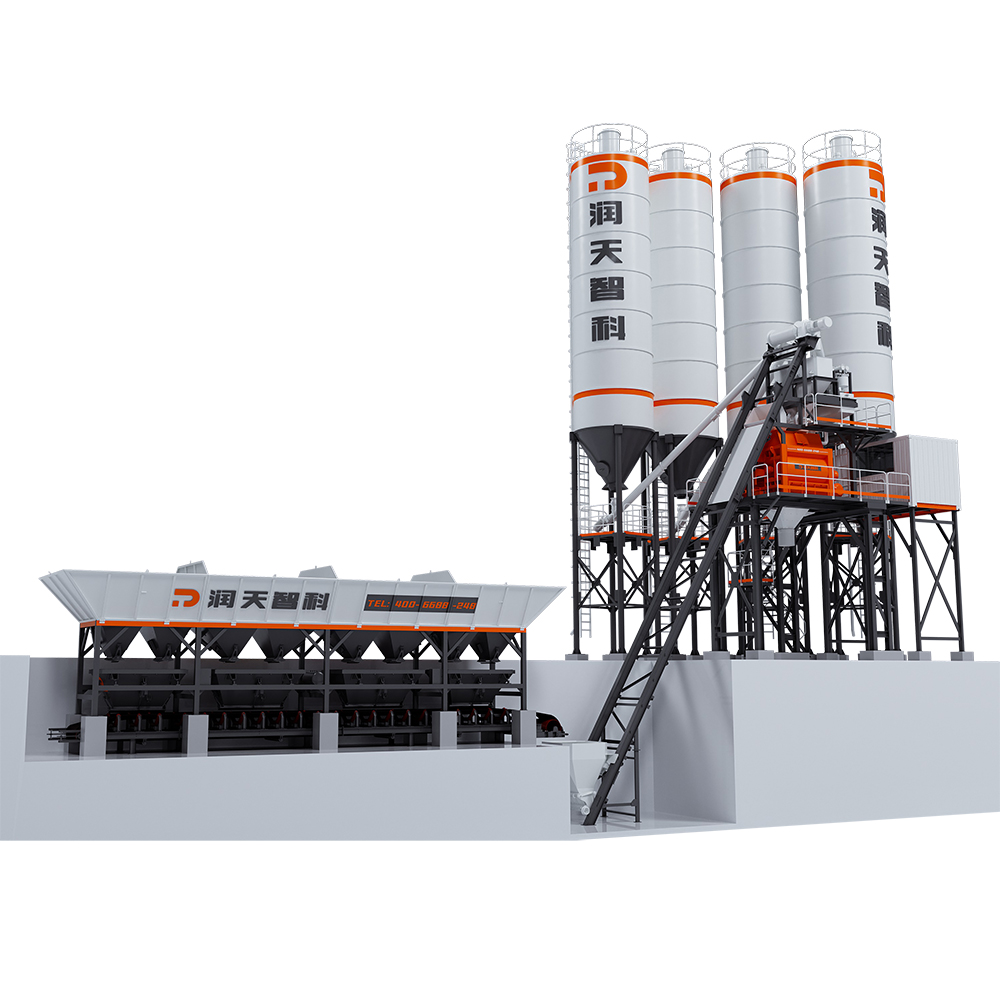
HZS Series Bucket-Lifting Type Concrete Mixing Plant
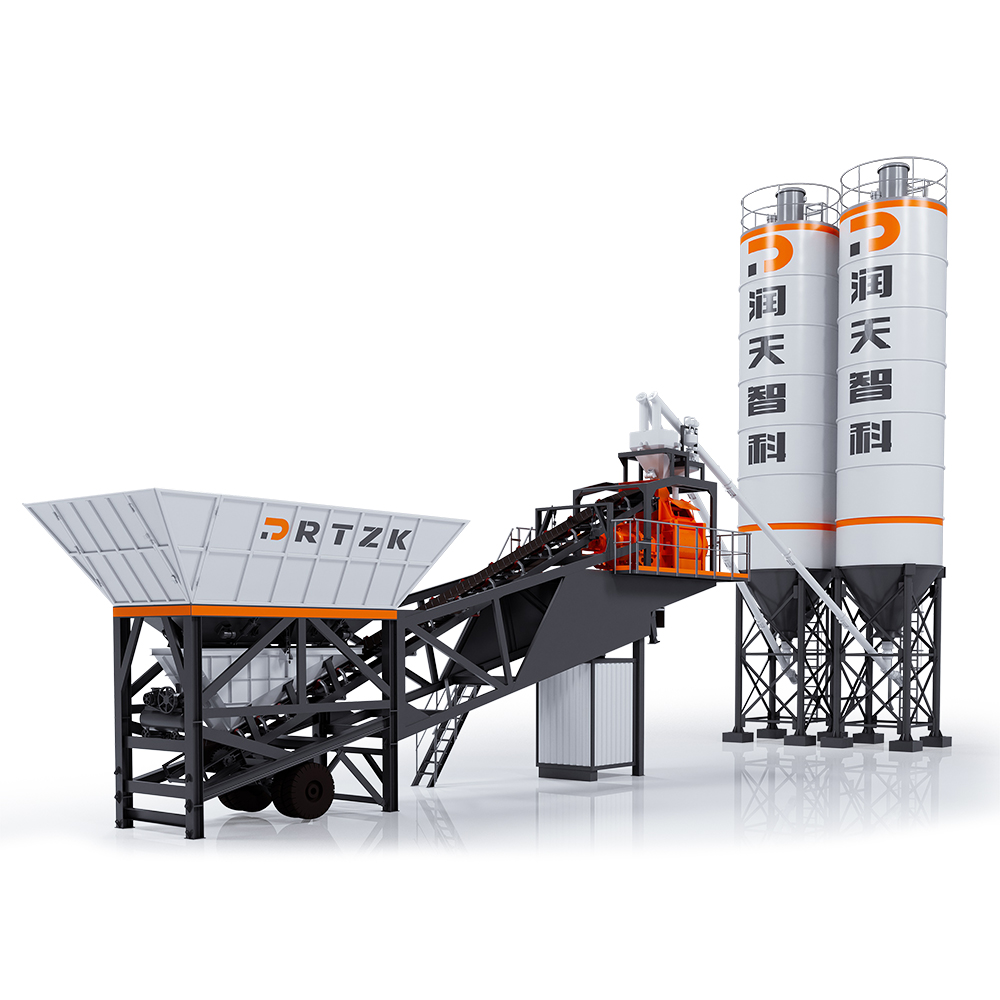
HZS Series Mobile Concrete Mixing Plant
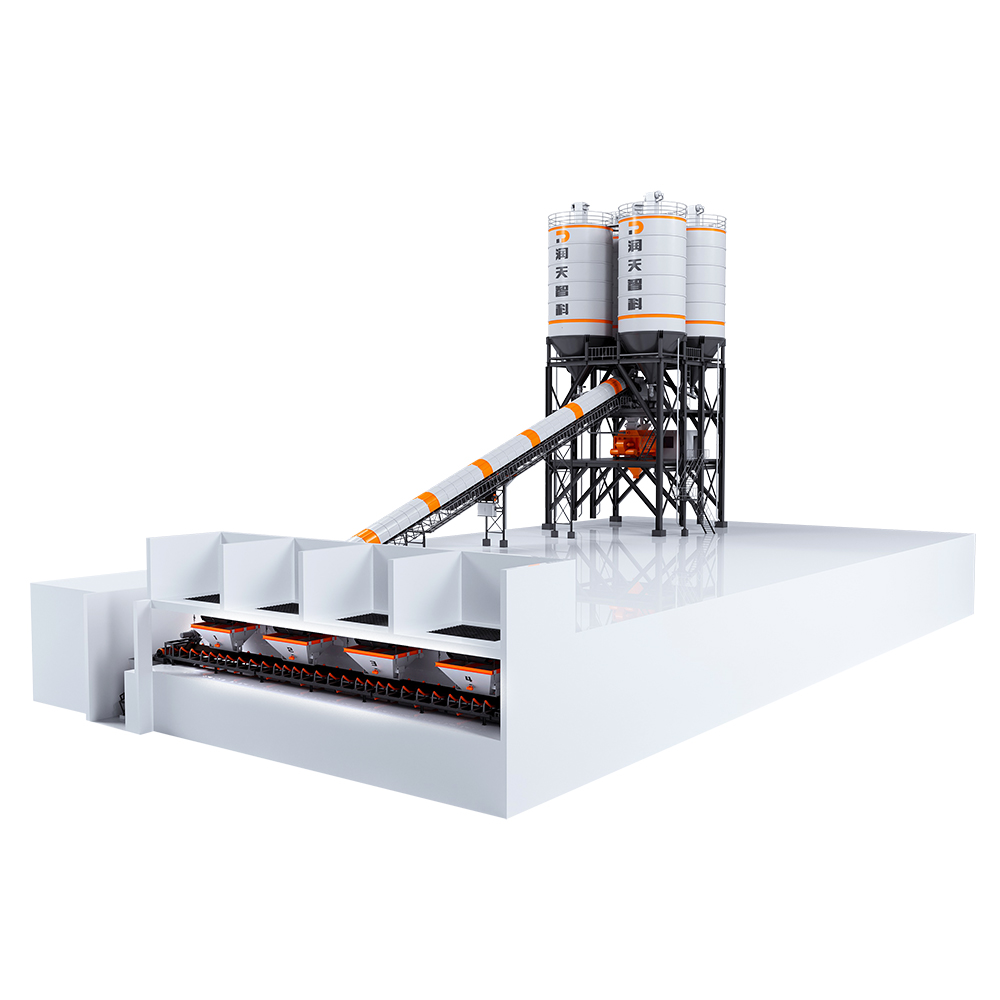
HZS Series Top-Mounted Concrete Mixing plant
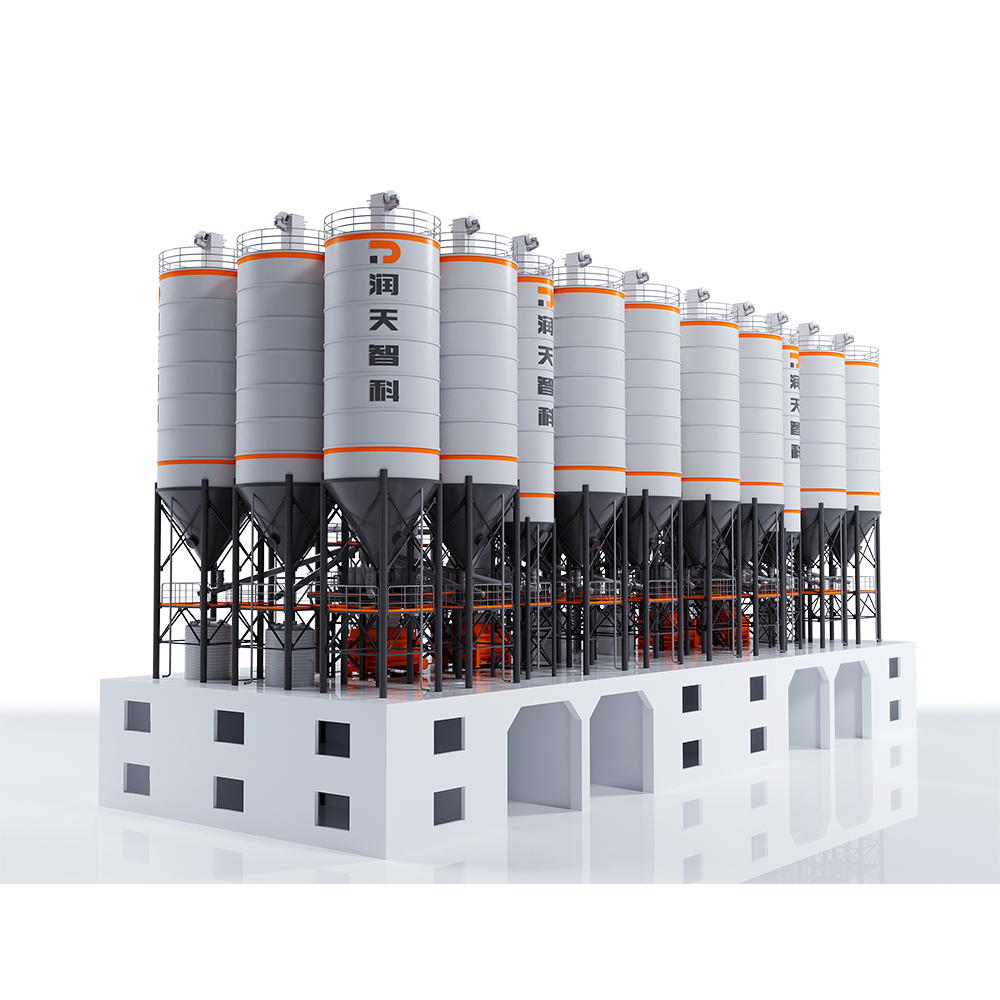
HZS Series Semi-Top Mounted Concrete Mixing Plant
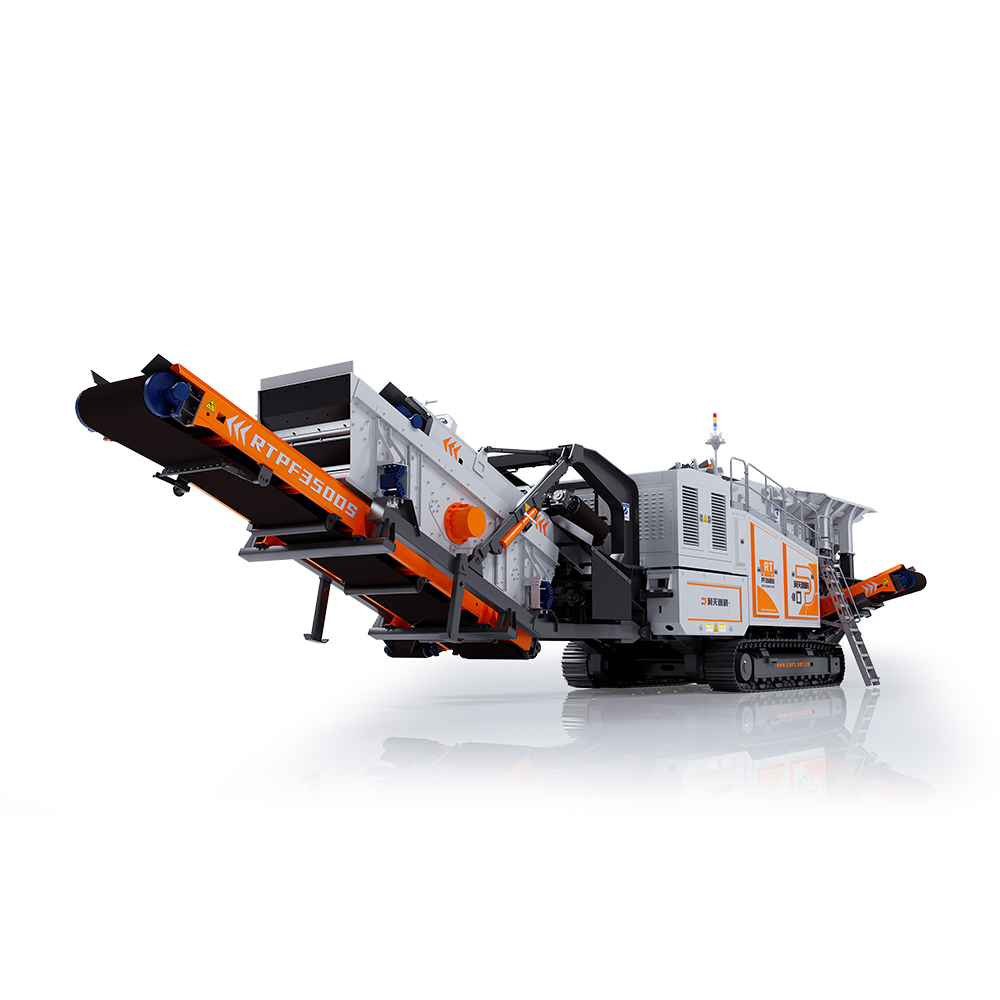
RTPF350DS Crawler Mobile Impact Crushing Plant
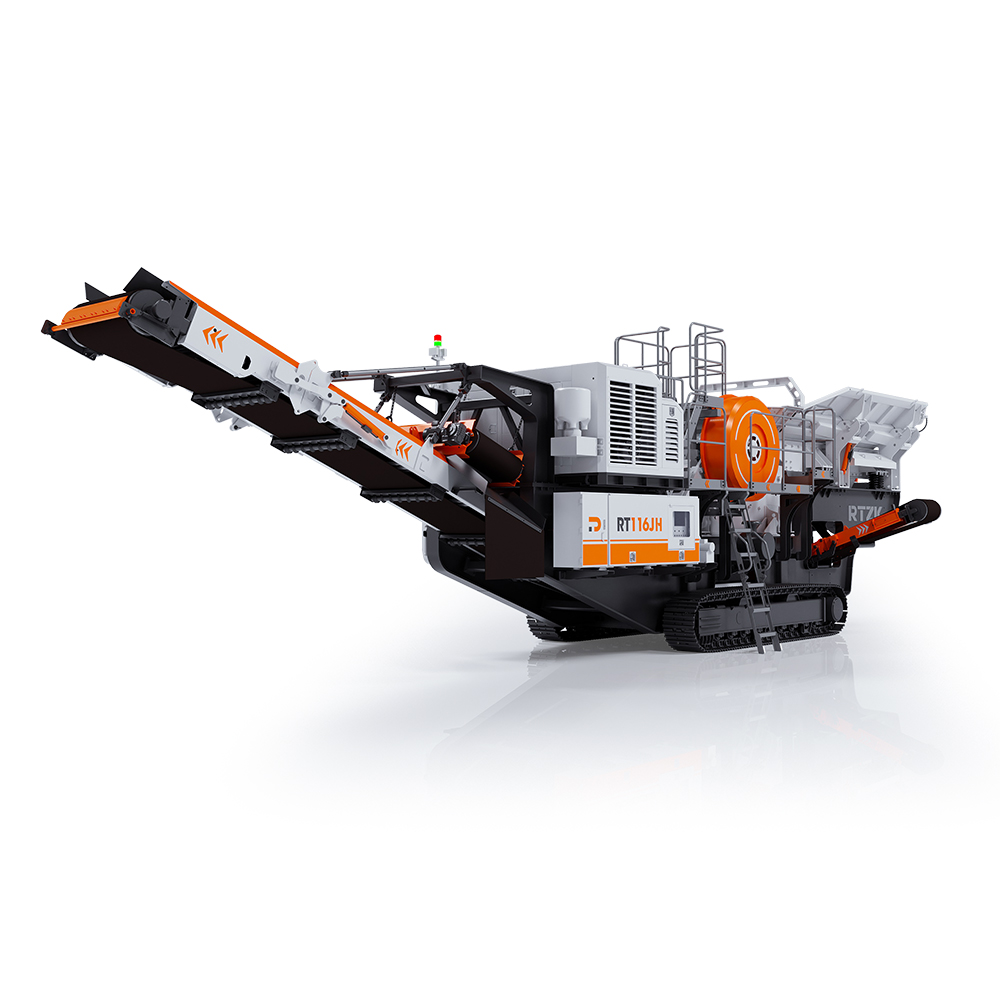
RT116JH Crawler Mobile Jaw Crushing Plant
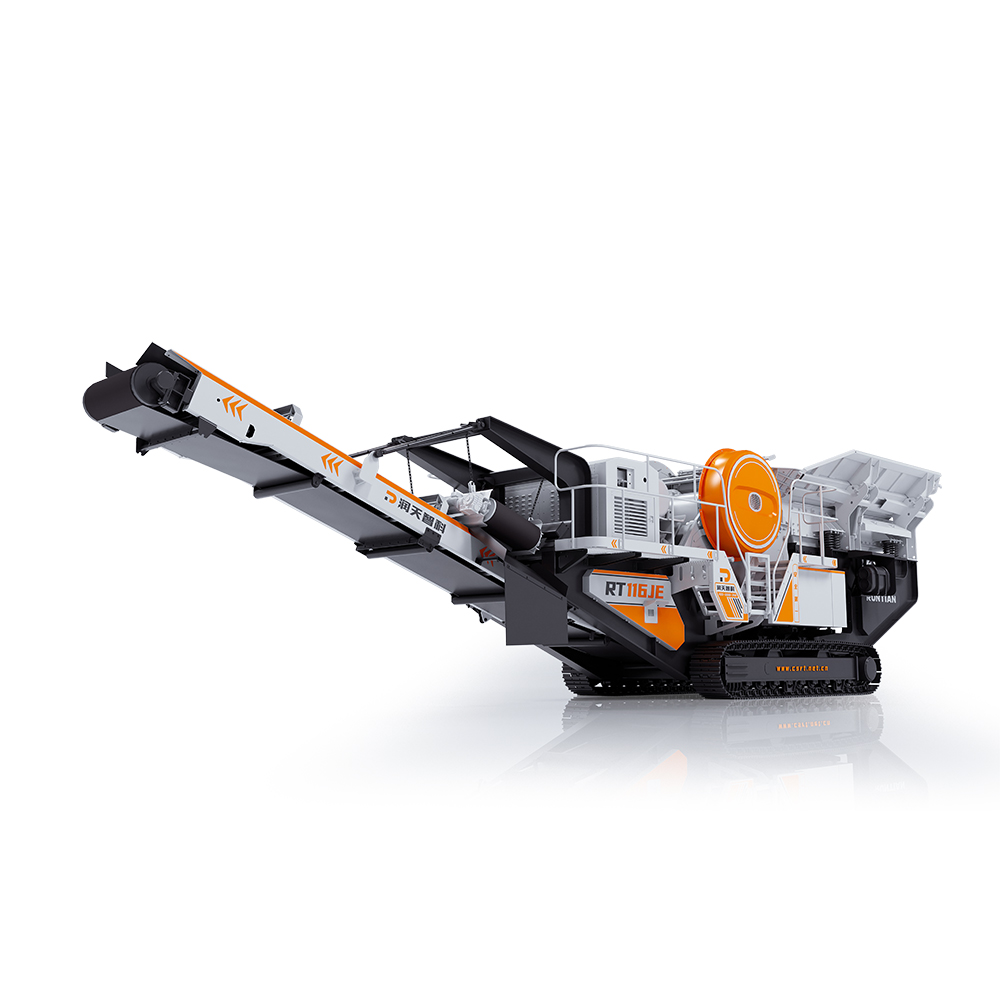
RT116JE Crawler Mobile Jaw Crushing Plant
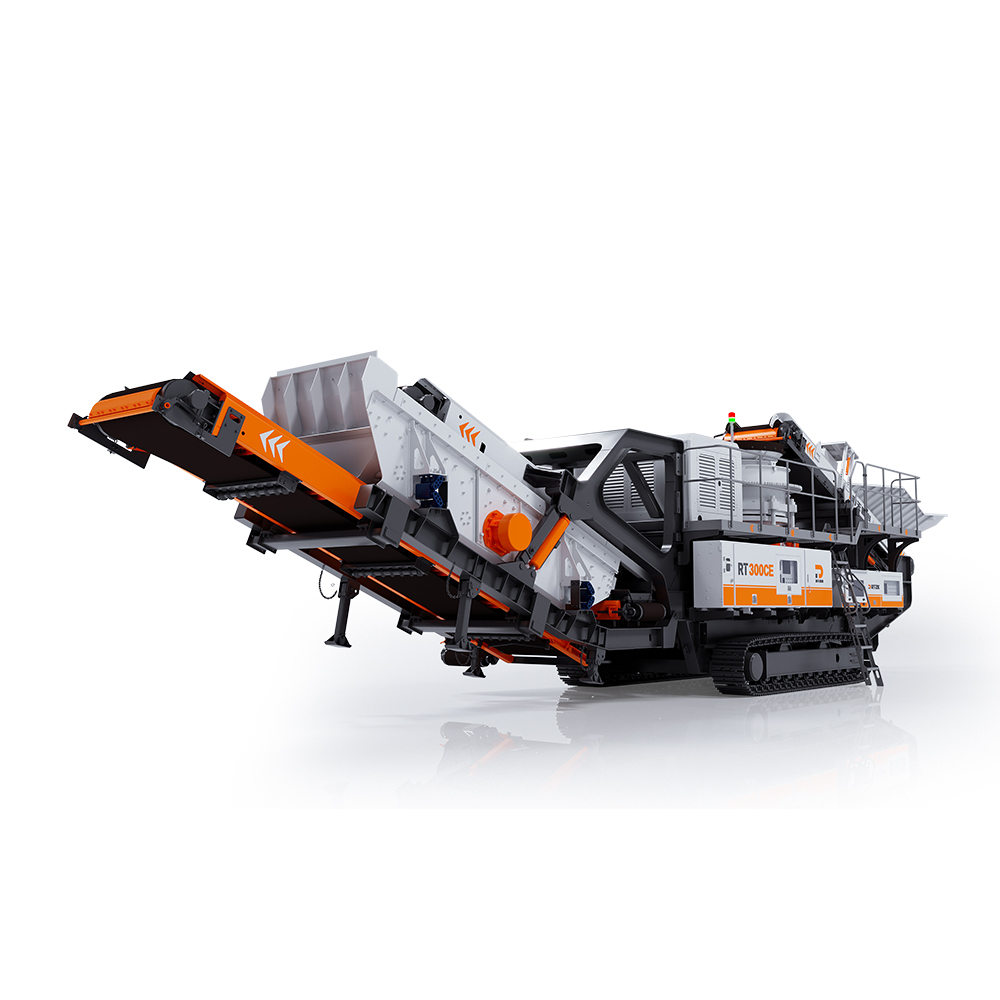
RT300CE Crawler Mobile Cone Crushing Plant
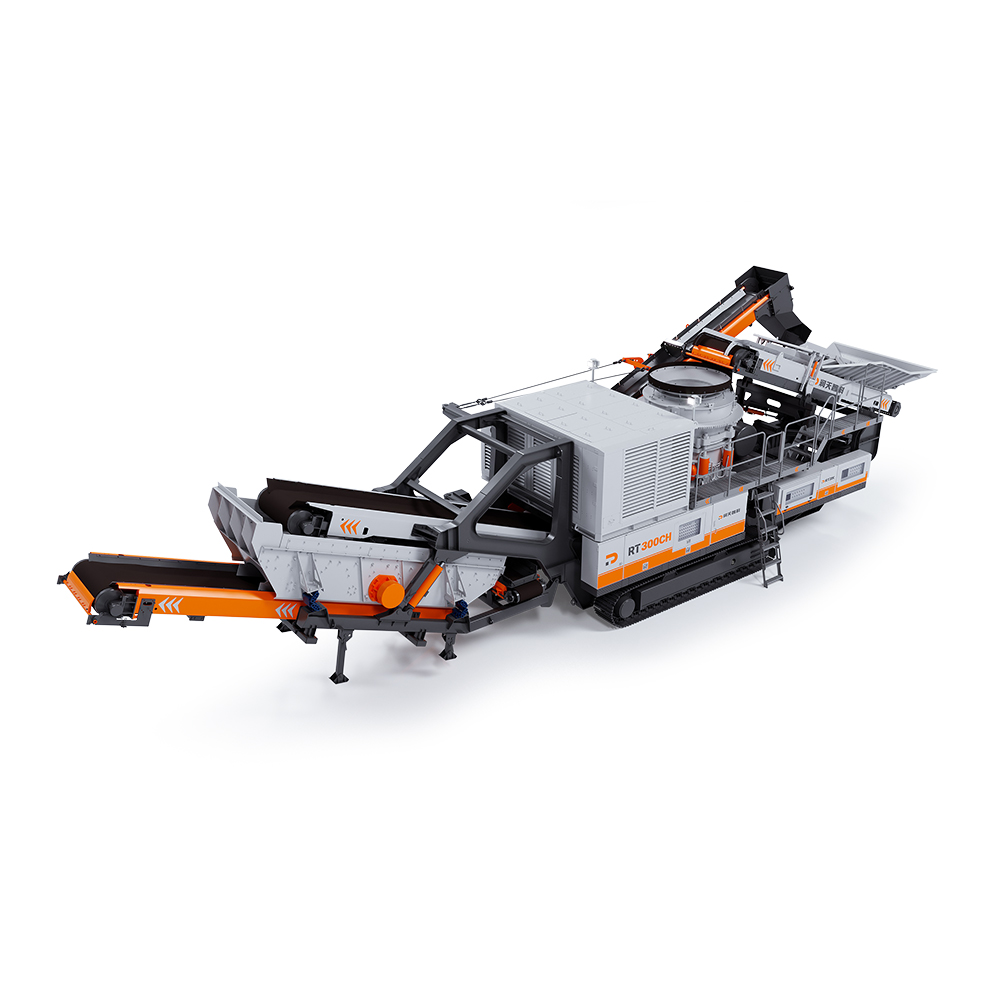
RT300CH Crawler Mobile Cone Crushing Plant
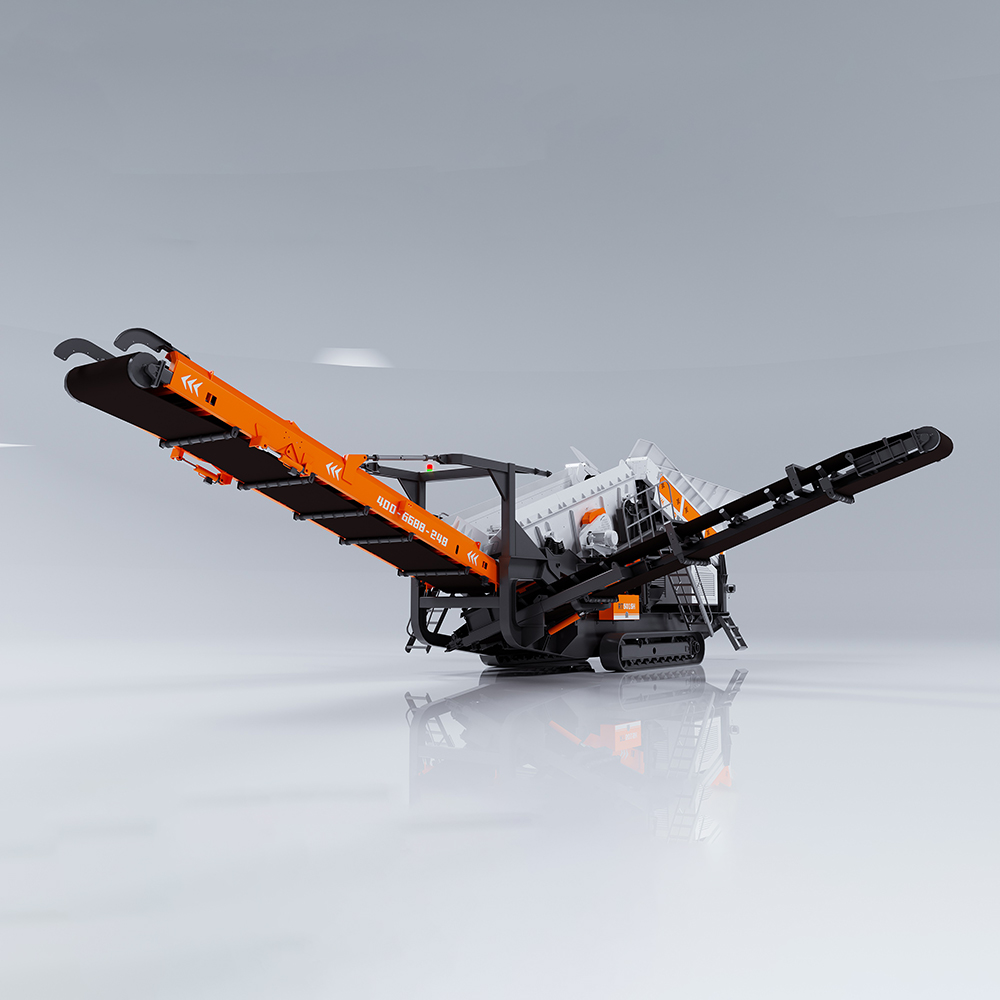
RT5015H Mobile Scalping Screen
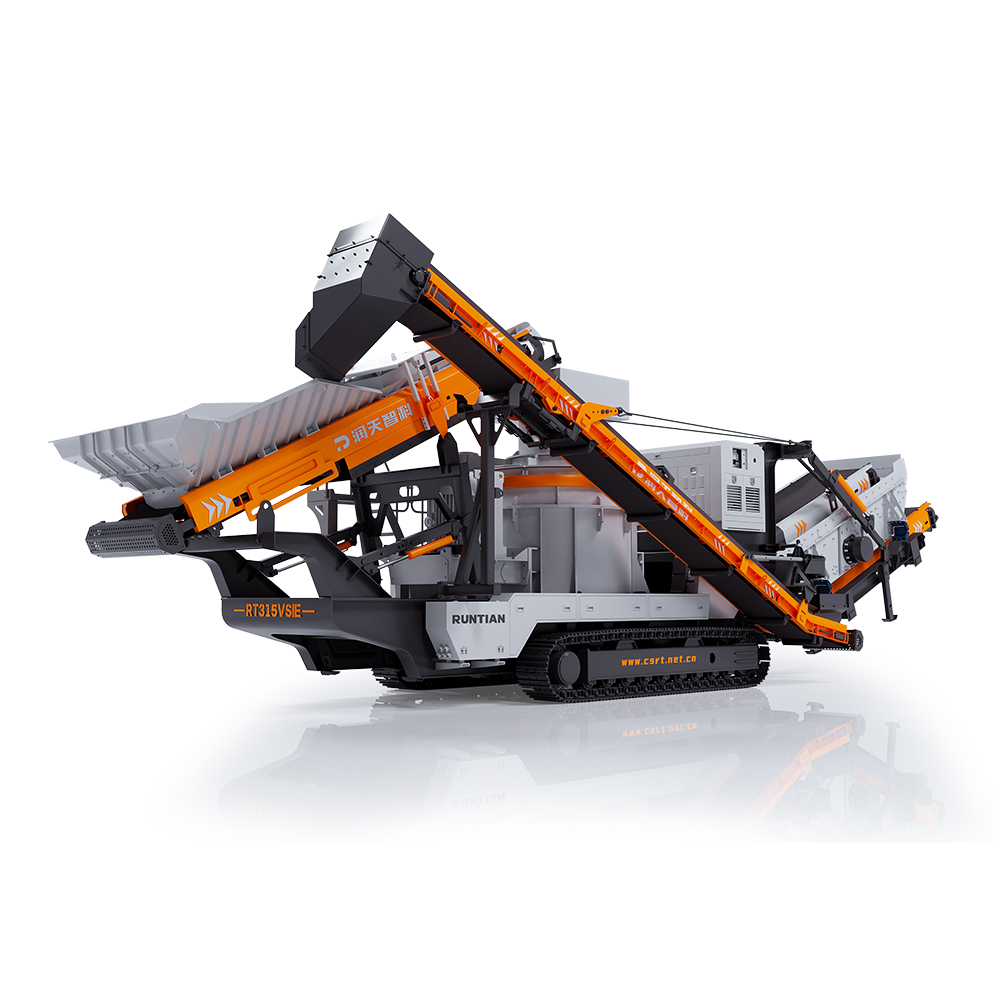
RT315VSIE Crawler Mobile Sand Maker
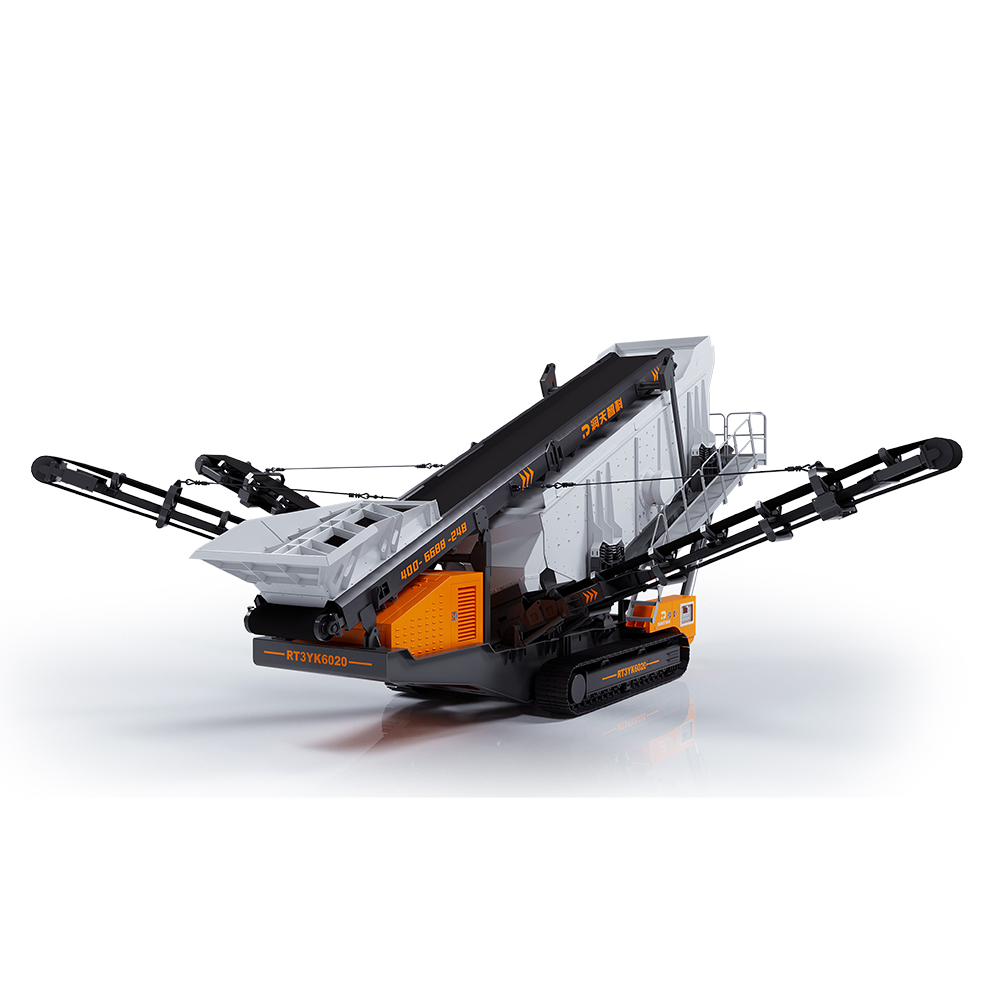
RT3YK6020 Crawler Mobile Screening Plant
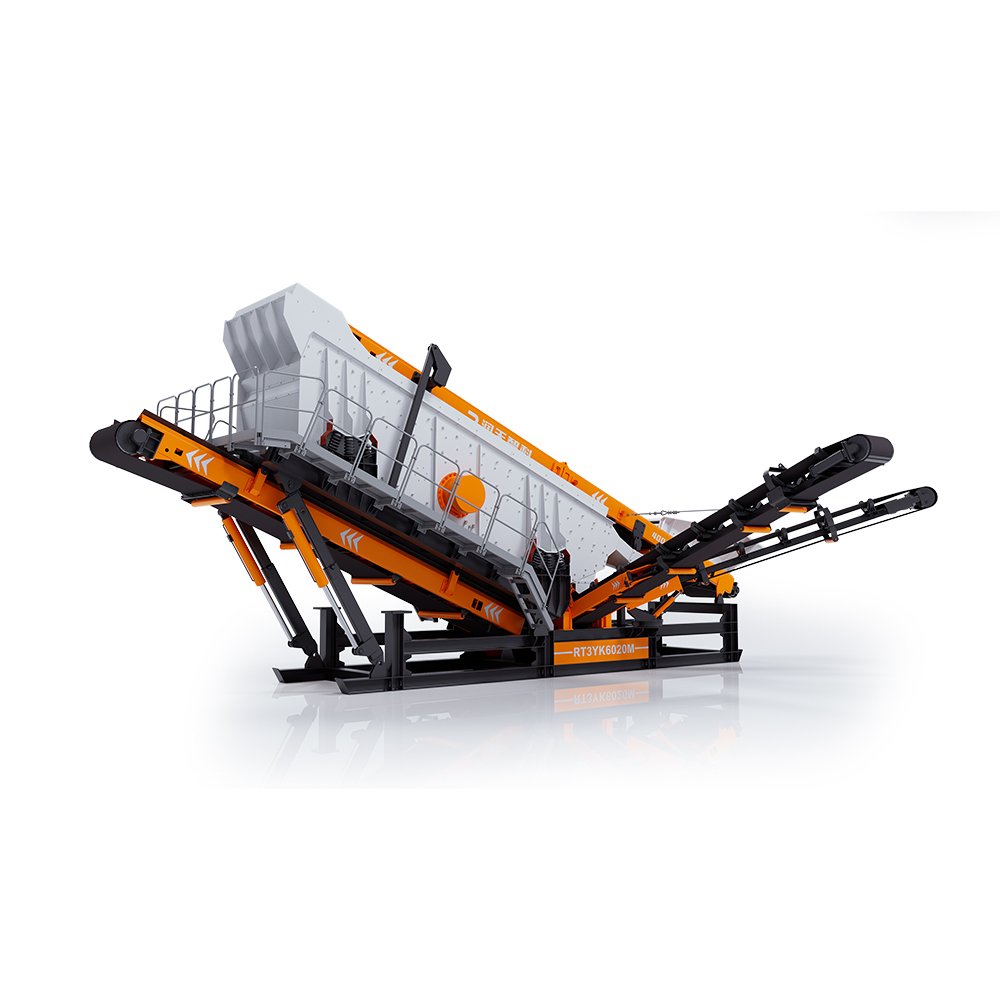
RT3YK6020M Modular Screening Plant
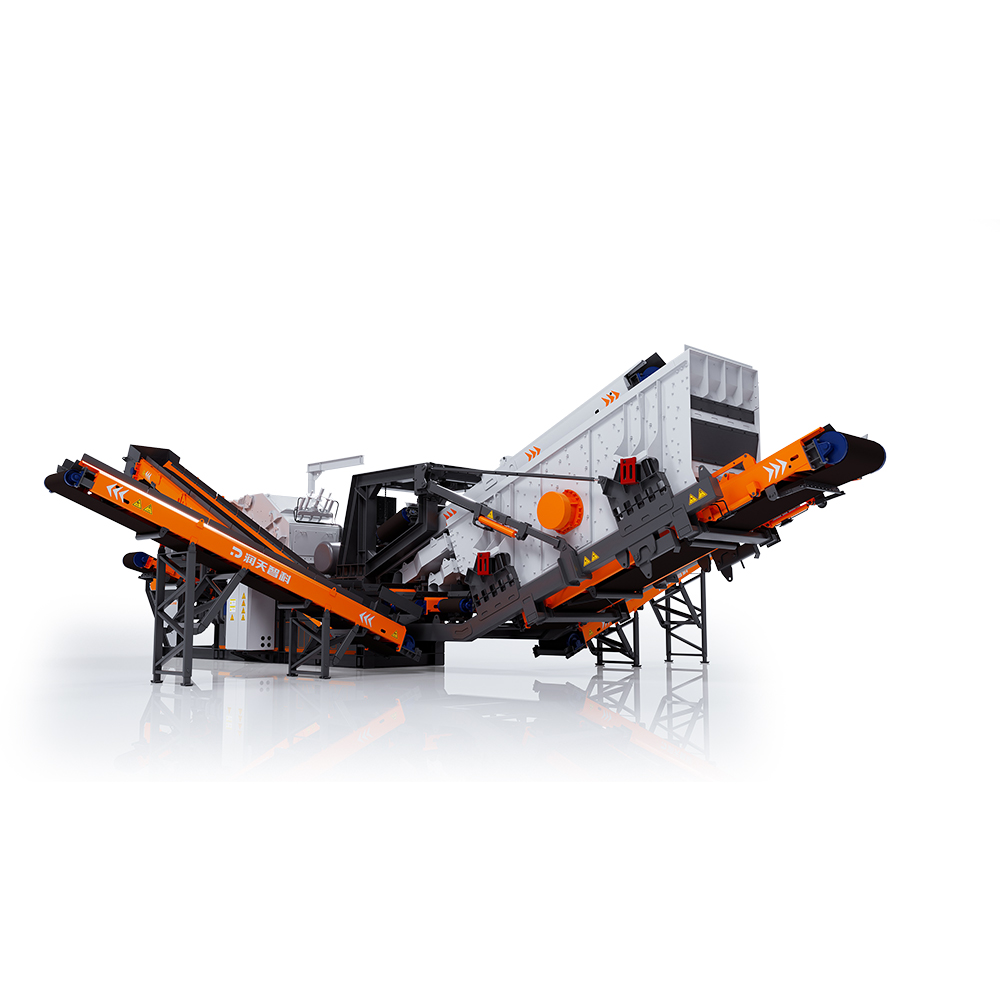
RTF260M Modular Counterattack Crushing and Screening Integrated Machine
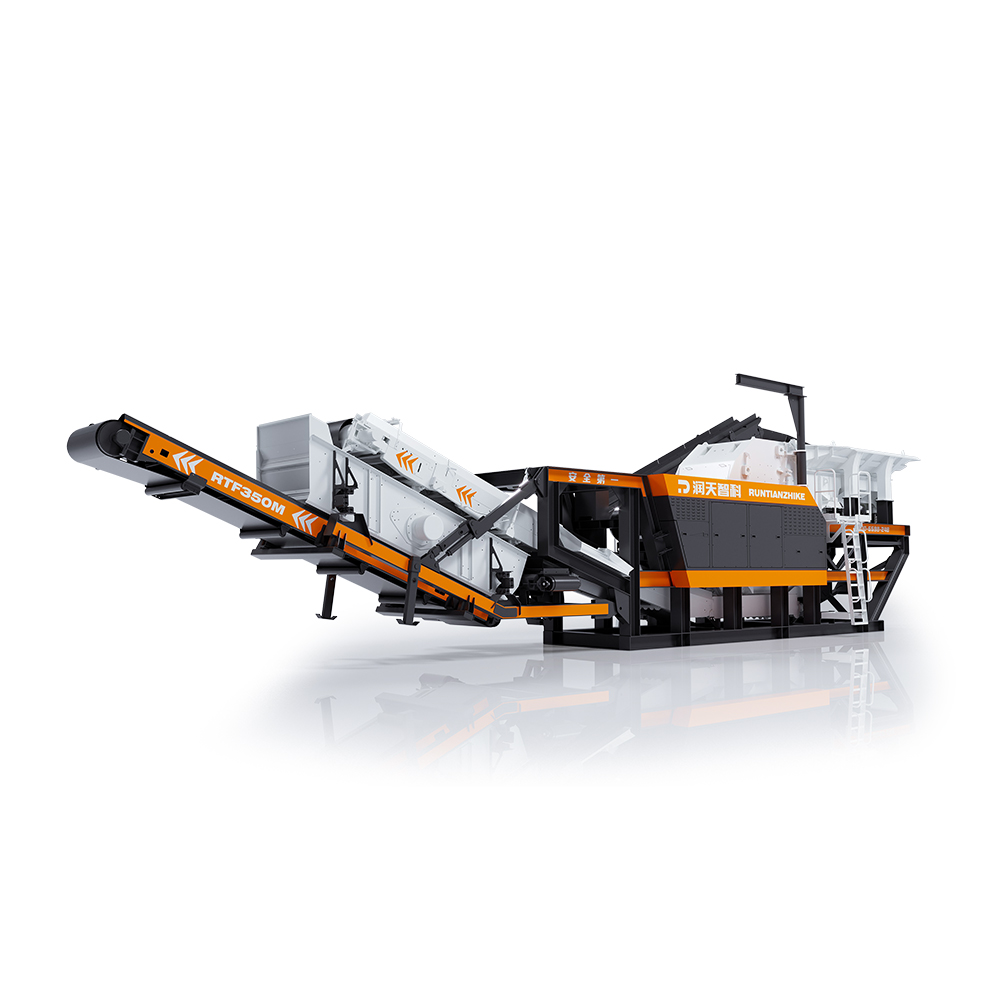
RTF350M Modular Impact Crushing Plant
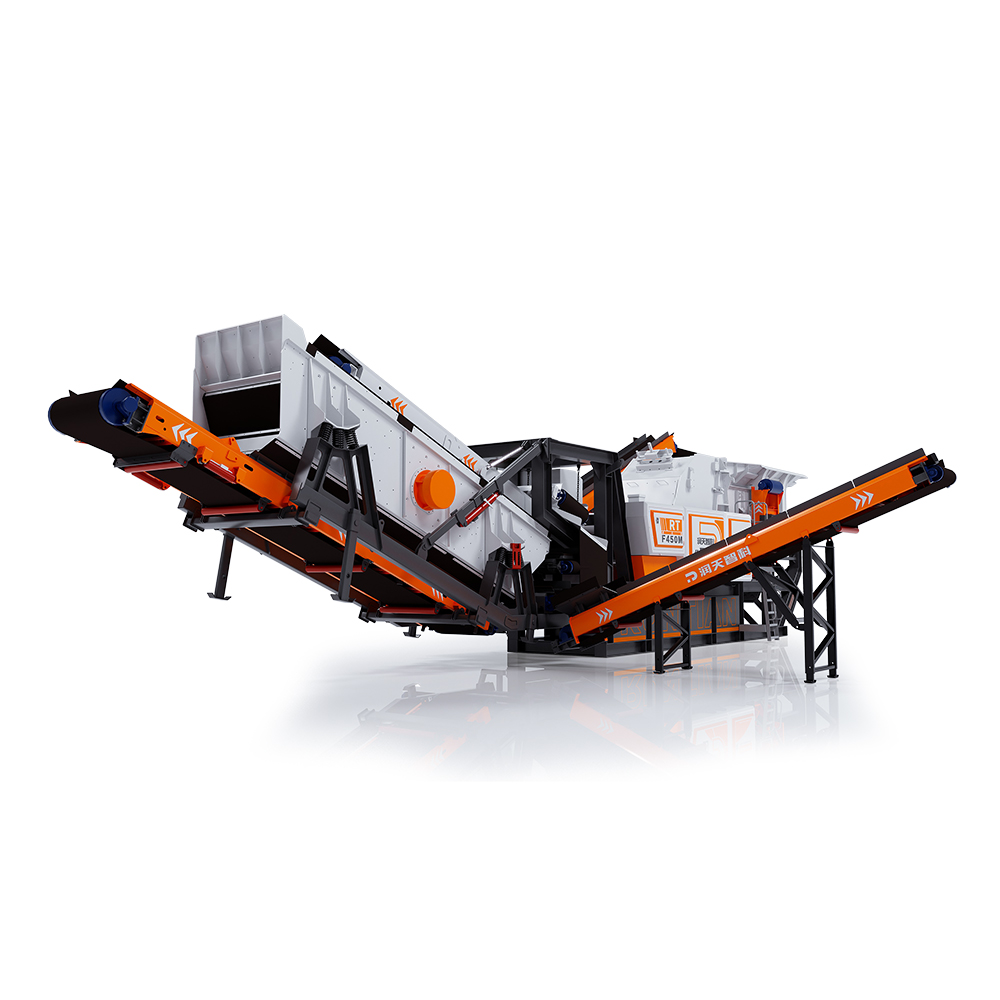
RTF450M Modular Impact Crushing Plant
China has become an important sourcing destination for vertical shaft impact equipment, but choosing a VSI Crusher requires more than comparing prices. Buyers need to examine rotor design, feed-size limits, wear-part availability, motor power, and the quality of the finished aggregate. A machine that performs well in a showroom may behave differently beside a dusty, high-throughput production line.
This guide introduces ten Chinese manufacturers for global buyers. It considers product range, manufacturing capability, export experience, service support, and the clarity of technical information. These factors matter. A prompt reply is useful, but it cannot replace verified performance data, a clear warranty, or access to spare parts. Buyers should also confirm that a proposed model matches their feed material and target output. Small details count.
One sourcing detail remains imperfect: no source articles or verifiable expert quotation were included with the request. Naming an expert or presenting a sentence as their actual words without evidence would risk misleading readers. The guide should add a named specialist’s quotation only after confirming its original source. Until then, treat the manufacturer profiles as a starting point, not a final recommendation. Request current specifications, inspect relevant references, and compare operating costs for your own application. The right VSI Crusher is the one that fits the plant—not simply the one with the strongest sales claim.
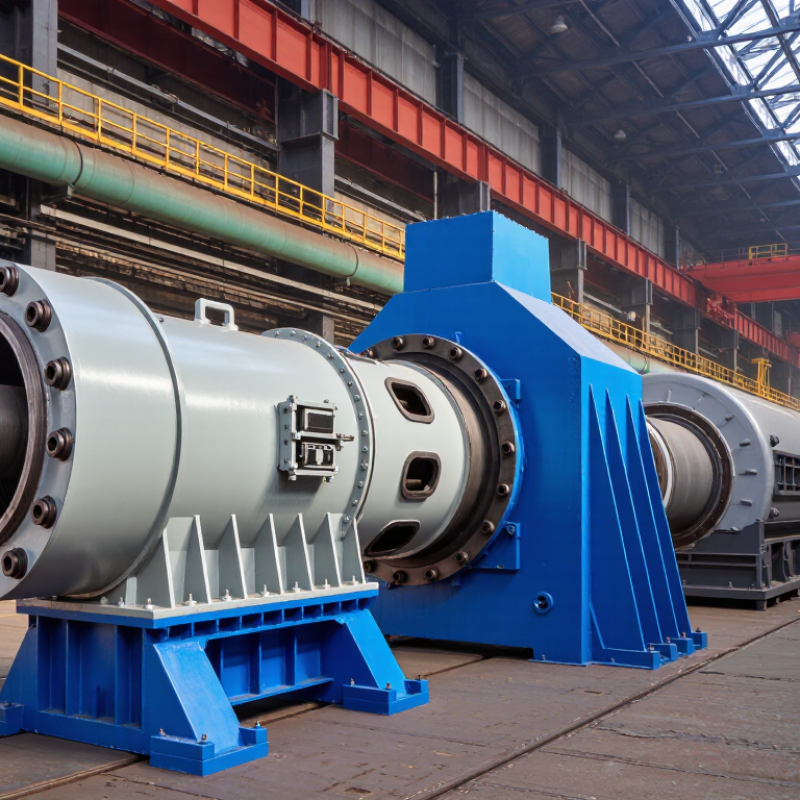
A vertical shaft impact (VSI) crusher uses a high-speed rotor to accelerate feed and propel particles against a rock bed or impact surfaces. The collisions break and reshape material. In rock-on-rock operation, stone impacts stone; in rock-on-steel operation, it strikes metal surfaces. The UN Environment Programme’s 2019 Sand and Sustainability report estimates annual sand and gravel use at about 50 billion tonnes. That scale helps explain demand for manufactured sand and well-shaped construction aggregates. Shape matters.
VSI crushers are commonly used in the final crushing stage, where they can improve particle cubicality and produce controlled fines for concrete, asphalt, and road base. Operators adjust rotor speed, feed rate, and screen settings to balance product size against energy use and wear. Wet, sticky feed can cause buildup, while abrasive rock may increase wear on internal parts. A VSI is not a cure-all. Poor feed consistency can undermine results, and the best settings often require plant trials. Even experienced teams may need to revisit them as quarry geology changes.
China’s VSI crusher manufacturing landscape rests on a broad industrial base: metal casting, machining, electric drives, bearings, and wear-part production. The World Bank’s World Development Indicators place manufacturing at roughly one-quarter of China’s GDP in 2023. That figure describes the wider economy, not crusher output, but it helps explain the depth of the supplier network. The World Steel Association reported that China produced about 1.02 billion tonnes of crude steel in 2023. Steel capacity alone does not guarantee reliable machines. Still, it supports access to heavy fabrication and materials for high-impact components.
For global buyers, the practical difference often shows in rotor balance, bearing protection, and the fit of replaceable wear parts. Ask how a manufacturer checks vibration under load, not just during an empty test. Request material specifications and service-part lead times in writing. Factory scale can be impressive. Consistency is harder to verify, and buyers may overlook that gap when comparing brochures.
Tips: Send representative feed samples and target product sizes before requesting a quote. Confirm throughput assumptions, power supply, and maintenance access. Ask for test records or a witnessed trial where feasible.
Choosing a Chinese VSI crusher manufacturer starts with your feed, not its catalogue. Request a test using representative rock, including its moisture and size range. Compare throughput, product gradation, and energy use in kilowatt-hours per tonne. Ask for the test method and raw results, not just a polished curve. Claims are cheap.
The International Energy Agency’s Global Critical Minerals Outlook 2024 projects that clean-energy technology demand for critical minerals could nearly triple by 2030 under its Announced Pledges Scenario. That forecast does not predict crusher sales, but it highlights the value of reliable processing capacity. Check whether quoted capacity holds across realistic feed conditions. One caveat: a clean laboratory sample may not match wet, variable quarry rock.
Inspect rotor balance records, wear-part material specifications, and quality-control traceability. Ask how wear life is measured; tonnes processed are more useful than hours alone. Check spare-parts lead times, commissioning support, and references at comparable sites. A factory video proves little. Request a live inspection or independent audit, then verify the serial-number and inspection records. No supplier is perfect; unresolved gaps deserve a written explanation.
Across ten leading Chinese VSI crusher manufacturer profiles, buyers will find different strengths rather than one universal solution. Some producers focus on high-volume aggregate plants, while others offer compact machines for smaller sites. Compare rotor design, feed-size limits, motor power, and wear-part access. These details affect daily output and maintenance time. A crusher rated for a certain capacity may perform differently with wet, abrasive, or irregular feed. Ask for test data that matches your material.
Tips: Request a clear parts list, service response times, and a recent reference installation. Check whether routine inspection points are reachable without special tools. Small details matter.
Before shortlisting suppliers, review production records, quality checks, and export experience. Ask how the machine handles changing feed conditions, and confirm what the quoted capacity assumes. Practical support matters too: operators need useful manuals, training, and timely replacement parts. A factory visit or live equipment inspection can clarify claims, though it may not reveal long-term reliability. No profile tells the whole story. Compare evidence, not just specifications.
Indicative ranges across VSI crusher product specifications. Actual ratings vary by model, configuration and material.
30–600 tonnes per hour
75–600 kilowatts
20–50 millimetres
45–80 metres per second
These broad reference ranges are for general orientation, not a specification for any particular manufacturer or machine.
Global buyers comparing VSI crusher suppliers should look beyond rated capacity and headline price. Check the feed-size range, rotor speed, expected output gradation, and wear-part life. Ask suppliers to explain how their figures were measured. A machine tested on dry, uniform stone may perform differently with damp or abrasive feed. Matching test conditions matters.
Supplier reliability also depends on practical support. Request a parts list, clear maintenance intervals, and written details about commissioning and remote assistance. Confirm whether manuals, electrical drawings, and training materials are available in usable formats. Compare delivery estimates and packaging for long-distance transport. A polished quotation can still leave gaps. No comparison is perfect, and buyers may need to verify claims against operating references or a material test. That extra check takes time, but can prevent costly assumptions.
Tips: Send each supplier the same feed description and target capacity. Ask for a sample wear-parts schedule and a recent performance report. Note unanswered questions; response quality is useful evidence, too.
This is a supplier-comparison checklist, not a verified ranking of named manufacturers. VSI crusher specifications vary by model and configuration; confirm every performance figure against the proposed machine and supporting documents.
| No. | Comparison dimension | What a buyer should compare | Evidence to request | Why it matters |
|---|---|---|---|---|
| 1 | Feed material and size | Accepted feed size, material type, moisture limits, and any stated abrasiveness or hardness restrictions for the proposed model. | Model-specific technical data sheet and written confirmation based on the buyer’s feed material. | Feed characteristics affect wear, throughput, and whether pre-screening or a different crushing stage is needed. |
| 2 | Capacity and operating conditions | Rated throughput range, specified feed conditions, and whether the figure is for a particular material and configuration. | Capacity curve or test data stating feed size, material, rotor configuration, and product setting. | A capacity figure without its test conditions is not a reliable basis for plant sizing. |
| 3 | Crushing configuration | Available rock-on-rock and rock-on-anvil configurations, rotor options, and the recommended setup for the intended application. | Configuration drawings and application guidance for the specified material. | VSI crushers use a high-speed rotor to accelerate material; the impact arrangement influences product shape and wear. |
| 4 | Product size and shape | Expected product gradation, target size range, and any stated particle-shape results for the buyer’s feed. | Gradation curves or representative test results, with test conditions clearly identified. | Final grading depends on feed, machine settings, recirculation, and the wider crushing circuit; it cannot be guaranteed by a generic catalogue figure alone. |
| 5 | Power and drive system | Installed motor power, supply voltage and frequency, drive arrangement, and electrical protection options. | Motor nameplate data, wiring diagram, and a written electrical specification for the destination market. | Electrical compatibility must be checked against the buyer’s site supply and applicable local requirements. |
| 6 | Wear parts and maintenance | Wear-part materials, inspection access, replacement procedure, and availability of commonly replaced components. | Parts list with part numbers, maintenance manual, and quotation for recommended spares. | Wear-part life varies with feed properties and operating conditions, so unsupported service-life claims should be treated cautiously. |
| 7 | Controls and protection | Included instrumentation, overload or vibration protection, interlocks, and compatibility with the plant control system. | Control-system description, electrical drawings, and a list of included sensors and protections. | The scope of automation and safety devices differs between offers and should be specified in the purchase contract. |
| 8 | Quality documentation | Inspection and testing procedures, traceability of supplied equipment, and certificates relevant to the order. | Applicable certificates and inspection records that can be checked with the issuing body or through the stated verification process. | Certificates and quality claims should be verified; their existence or scope should not be assumed from a supplier’s marketing material. |
| 9 | Export and delivery scope | Included equipment, packing, shipping terms, delivery point, commissioning scope, and responsibility for import requirements. | Itemized quotation, packing details, delivery schedule, and clearly stated Incoterms® rule and named place. | A comparable landed-cost assessment requires a clearly defined delivery scope and allocation of transport and customs responsibilities. |
| 10 | Warranty and after-sales support | Warranty duration and exclusions, remote support, service response arrangements, training, and spare-parts dispatch terms. | Written warranty terms, support contact process, training scope, and spare-parts lead-time commitment. | Support obligations vary by contract and destination; written terms are more useful than general service promises. |