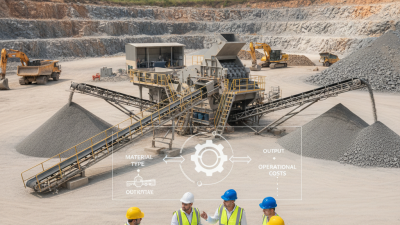
7 Best VSI Crushers for Sale in 2026?
Demand for reliable aggregates makes crusher selection a practical production decision, not just a equipment comparison. The U.S. Geological Survey’s Mineral Commodity Summaries 2025 estimates that the United States produced about 1.5 billion tons of crushed stone in 2024, worth roughly $25 billion. Those figures show the scale of the industry, though they do not measure demand for any particular crusher type.
A Vsi Crusher can shape feed material into consistent, cubical particles, making it useful for manufactured sand and quality-focused aggregate applications. Actual results depend on the rock, feed gradation, moisture, rotor speed, and operating setup. The machine alone does not guarantee a better product. Sometimes, the bottleneck is upstream.
This guide compares seven VSI crushers available for sale in 2026, focusing on the details buyers can verify: capacity ranges, maximum feed size, power requirements, wear-part access, service support, and stated application limits. Manufacturer specifications are useful, but they are not independent performance tests. Treat advertised output as a starting point, and request test data using material similar to yours. A small detail, such as how quickly the rotor assembly can be inspected, may matter more than a headline capacity figure. The right choice depends on site conditions, target product, and total operating cost—not ranking alone. One caveat remains: specifications can change by configuration and market, so confirm current details directly with the supplier before purchase.
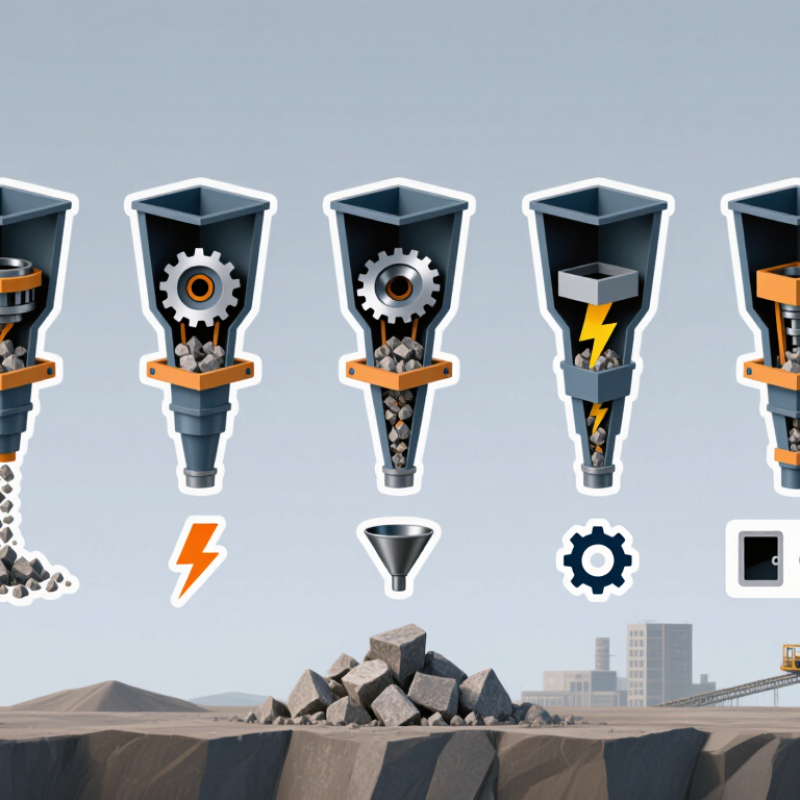
What a VSI Crusher Is and How It Works
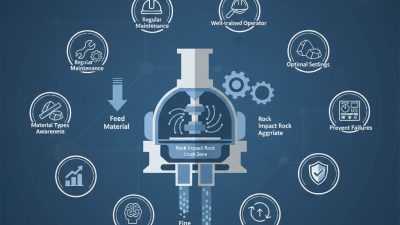
A vertical shaft impact (VSI) crusher shapes rock through speed and impact. Material enters a spinning rotor, accelerates, and exits through openings near its rim. The fast-moving particles strike a rock-lined chamber or impact surfaces, breaking along natural weaknesses. Some models use a rock-on-rock arrangement; others rely more on metal impact surfaces. The result can be cubical aggregate, useful where particle shape matters in asphalt or concrete mixes. Small details count.
The U.S. Geological Survey’s Mineral Commodity Summaries 2024 estimated U.S. crushed-stone production at about 1.5 billion metric tons in 2023. That scale helps explain why plants value predictable output, but a VSI is not a universal fix. Rotor speed, feed size, moisture, and rock hardness all affect product shape and wear. In practical plant checks, operators compare samples from the discharge with the target grading, then adjust settings gradually. Wet or uneven feed may cause trouble. A VSI can also consume substantial power, so its shaping benefit should be weighed against energy and wear costs. USGS production figures describe the market, not crusher performance; actual results need testing with the site’s own material.
Key Factors for Comparing VSI Crushers
When comparing VSI crushers, match the test to your actual feed: rock type, top size, moisture, and abrasiveness. USGS Mineral Commodity Summaries 2025 estimates U.S. crushed-stone output at about 1.5 billion tons in 2024, underscoring the scale of aggregate production. But national output says little about one plant’s needs. Compare saleable tons per hour, product shape, and grading under identical feed conditions. ASTM C136/C136M sieve analysis can help verify particle-size distribution; inspect samples from several operating hours, not just a fresh, clean batch.
Operating cost matters more than headline capacity. Record energy use per saleable ton, wear-part life, downtime, and the labor needed for routine rotor checks. Ask whether the crusher handles the largest stones in your feed without frequent recirculation. Check the finished product against your customer’s specification, too. A machine may produce attractive cubical aggregate but struggle when feed moisture rises. That trade-off is easy to miss in a short demonstration.
Tips: Bring representative feed, including the dusty and damp material. Compare power draw and grading over a full shift. Keep the test notes; memory gets optimistic.
Seven VSI Crusher Models to Consider in 2026
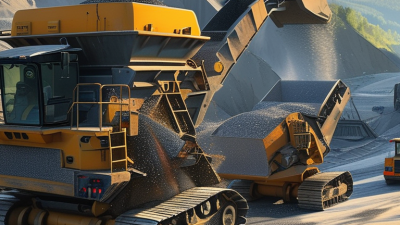
A 2026 VSI shortlist should reflect your feed material, target product, and site layout—not just rated capacity. Consider seven configurations: a compact skid-mounted unit for tight sites; a tracked mobile unit for frequent relocation; a fixed open-rotor model for flexible crushing; an enclosed-rotor model for controlled feed; a rock-on-rock design for shaping abrasive stone; a rock-on-steel design for efficient reduction; and a high-capacity, dual-drive unit for steady production. Names vary by manufacturer, so compare rotor design and operating limits, not labels alone.
Each option suits a different job. A tracked crusher can save haulage on a changing quarry face, but its mobility adds maintenance points. Rock-on-rock crushing may limit metal wear, though feed consistency matters. A dual-drive system can offer useful control, yet it may be excessive for a small plant. Ask for test results using material close to yours. Check product gradation, power draw, liner life, and access for routine service. Small details matter. A hard-to-reach wear part can turn a brief stop into a long one.
Tips: Confirm maximum feed size and moisture tolerance before choosing. Watch a trial run if possible, and inspect the finished aggregate yourself. I would leave room for doubt: one sample rarely represents every season.
7 Best VSI Crushers to Consider in 2026
Indicative throughput by VSI crusher size class (tonnes per hour)
These approximate planning figures illustrate how capacity can scale across VSI crusher sizes; they are not specifications for individual products. Actual throughput depends on feed material, feed size, rotor configuration, and operating conditions.
How Capacity, Rotor Design, and Wear Parts Affect Performance
When comparing VSI crushers for sale in 2026, treat capacity figures as a starting point, not a promise. Actual output depends on feed size, moisture, and how consistently material enters the machine. A crusher rated for high throughput may struggle if damp fines build up or the feed varies sharply. Ask for performance data using material similar to your own, and check whether the quoted capacity assumes a particular circuit configuration.
Rotor design affects both product shape and operating cost. A balanced rotor with suitable feed openings can keep material moving evenly, while excessive speed may increase wear without improving the finished product. Small details count. Look for accessible inspection points and clear guidance on rotor speed adjustments. Wear parts matter just as much: tips, liners, and distributor plates face different impact and abrasion patterns. Their service life depends on feed hardness, operating settings, and maintenance habits. Check replacement intervals, changeout access, and whether wear can be monitored before parts fail. A tidy specification sheet can still hide inconvenient maintenance. Compare those practical details alongside capacity, and leave room for uncertainty when site conditions differ from test conditions.
What to Check Before Buying a VSI Crusher
Before buying a VSI crusher, match its rated capacity to your actual feed and target product. Check the largest feed size, rock hardness, moisture, and required particle shape. A machine listed at a high hourly rate may perform differently with wet, abrasive material. Ask for test data using rock similar to yours.
Inspect the rotor, anvils, liners, and wear plates, and ask how quickly each part can be changed. Get expected wear life in operating hours, not just a vague estimate. Check motor power, control options, access doors, and whether routine inspections can be done safely. Small details matter. A cramped service area can turn a brief wear-part change into a long stoppage.
Request a written breakdown of the quoted package: crusher, drive, screens, conveyors, installation, and commissioning. Confirm what the warranty covers and how replacement parts are supplied. If buying used, review maintenance records and inspect the rotor for uneven wear or cracks with a qualified technician. Ask for a demonstration on representative feed. It may take extra time, but relying on brochure figures alone is a poor shortcut. A little uncertainty is normal; document what still needs testing before you commit.

 Concrete Mixing Plant
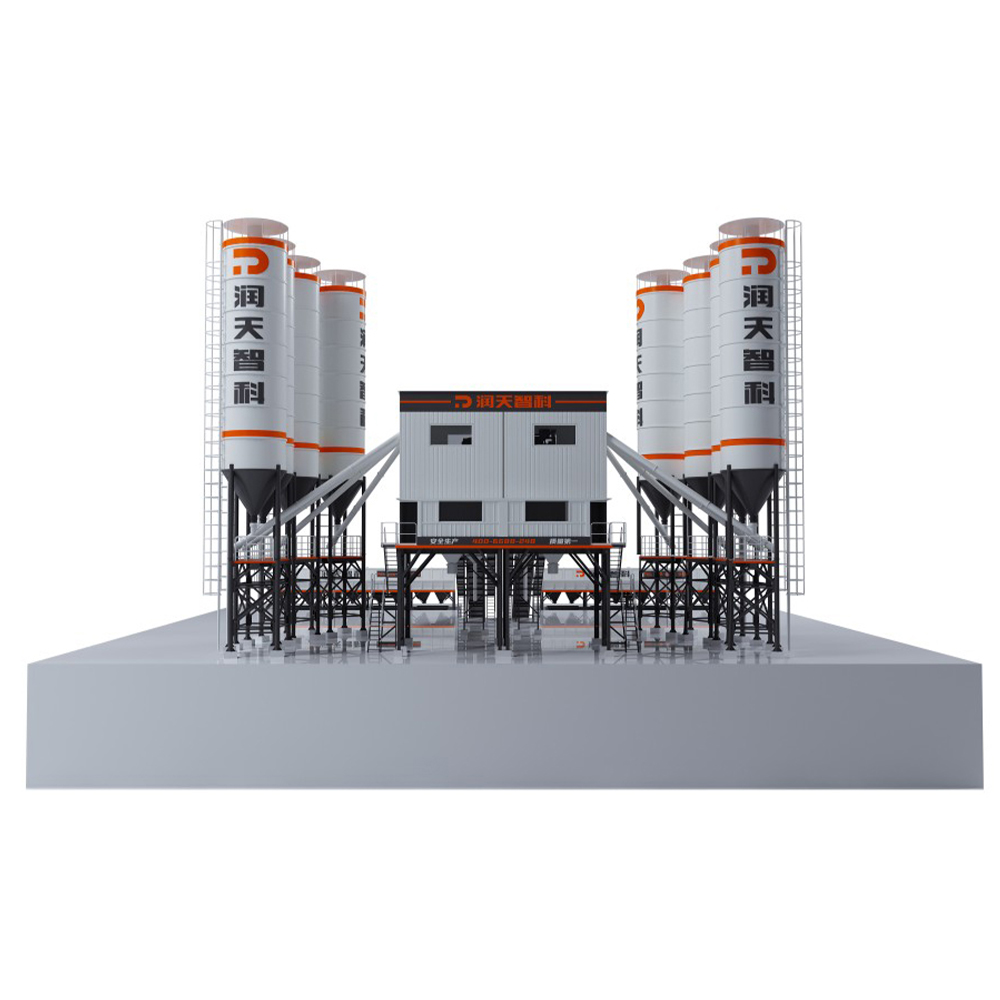 HZS Series Belt Concrete Mixing Plant
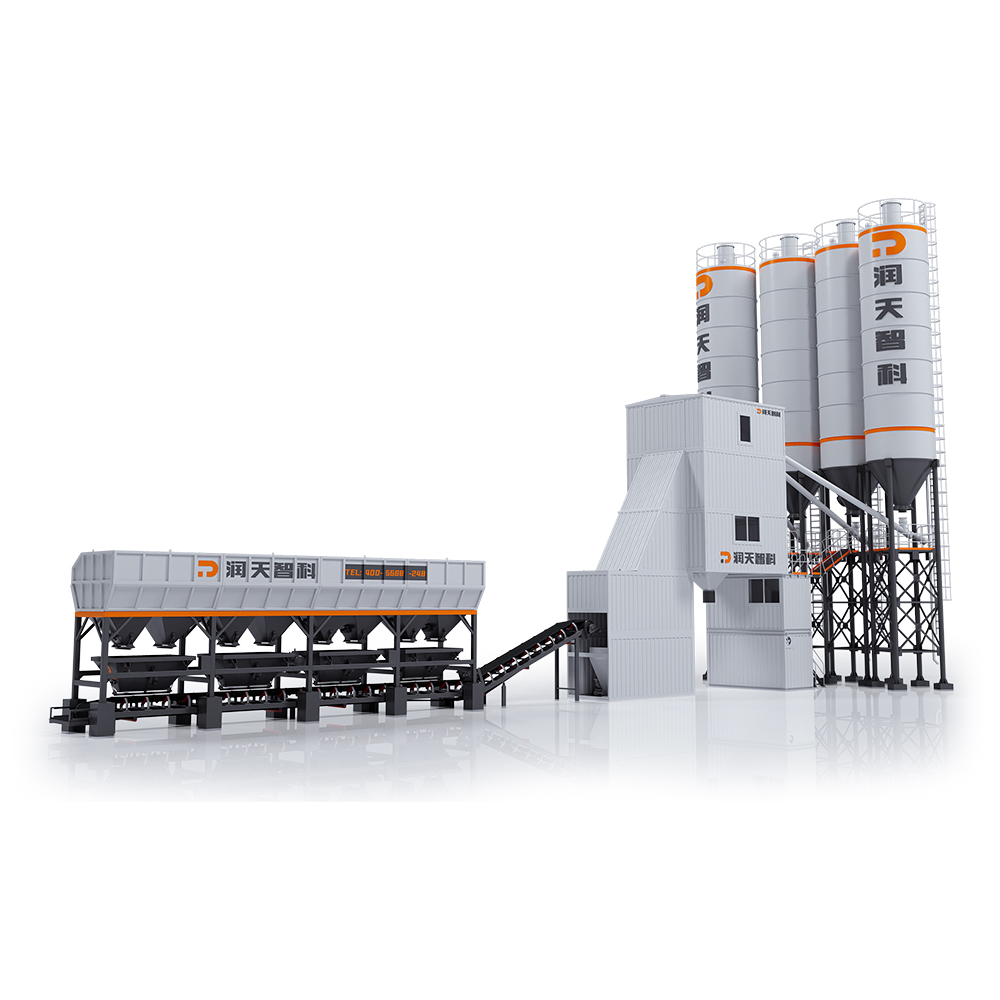 HZS Series Bucket-Lifting Type Container Concrete Mixing Plant
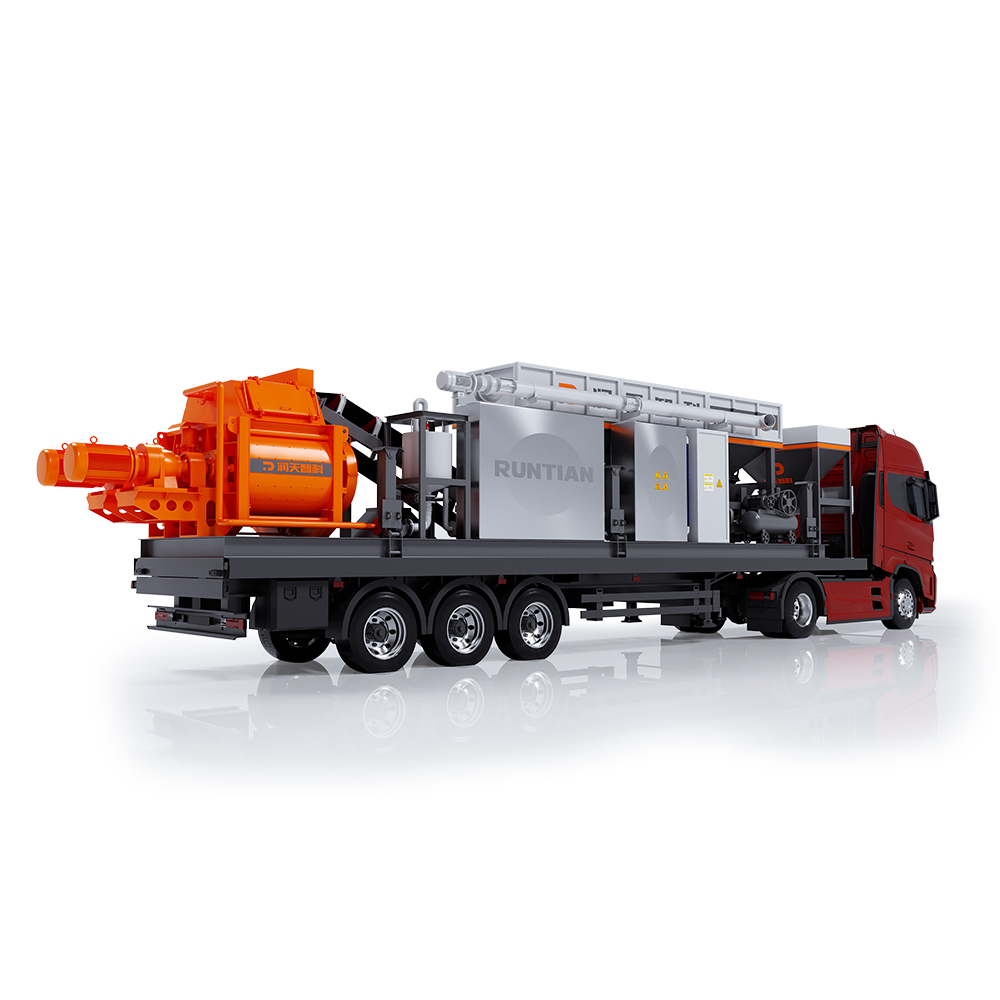 HZS60 Mobile Concrete Mixing Plant
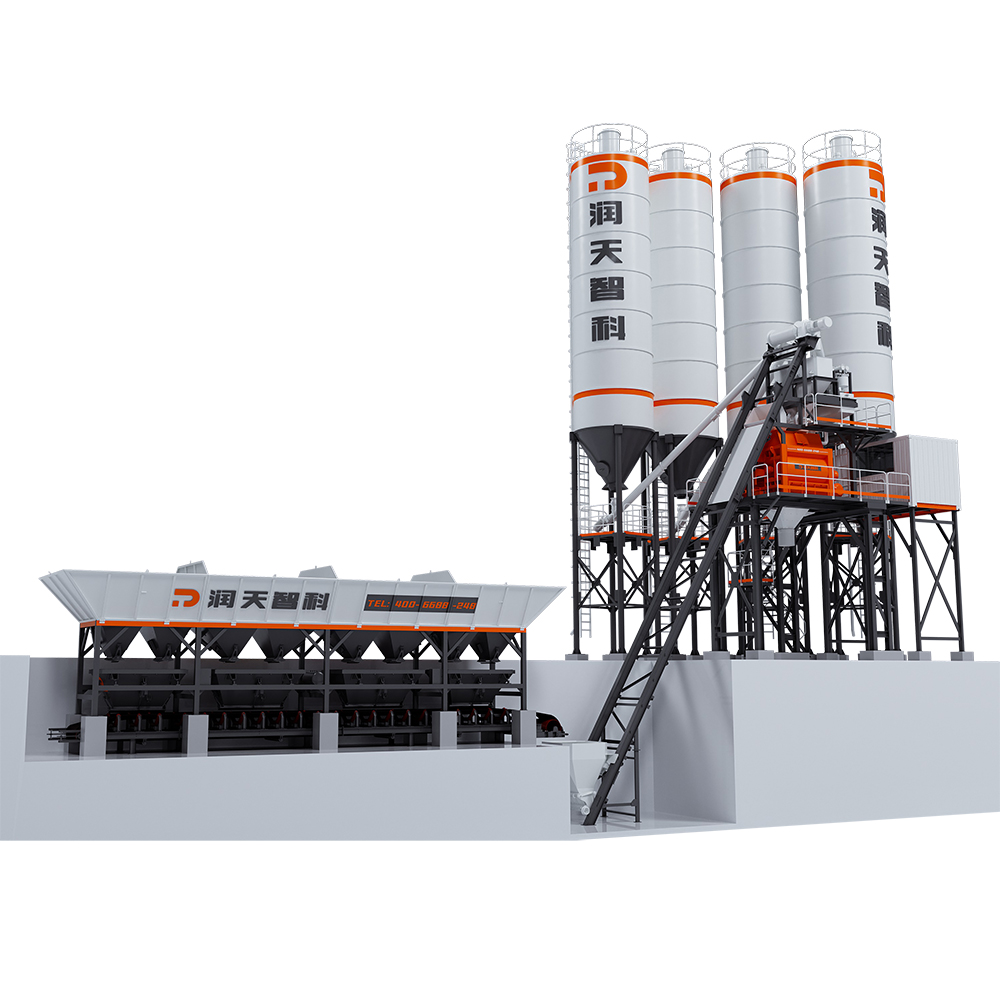 HZS Series Bucket-Lifting Type Concrete Mixing Plant
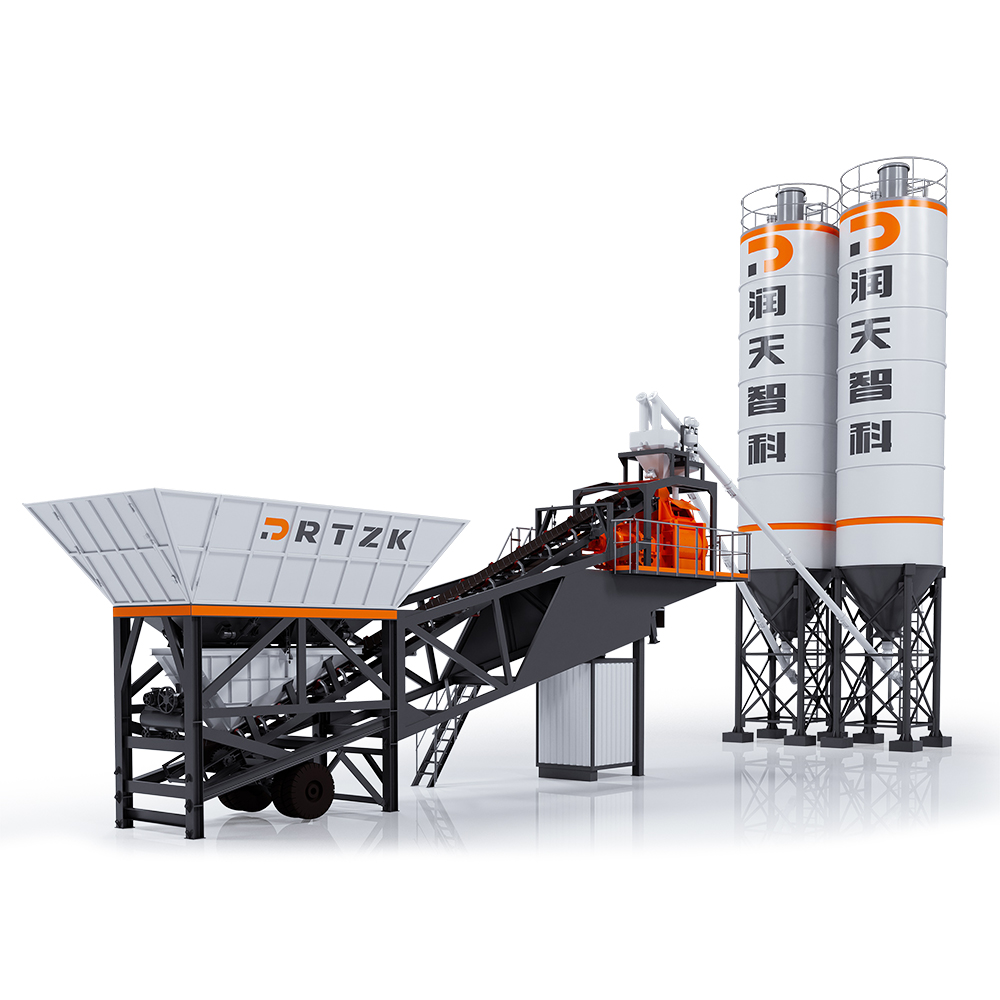 HZS Series Mobile Concrete Mixing Plant
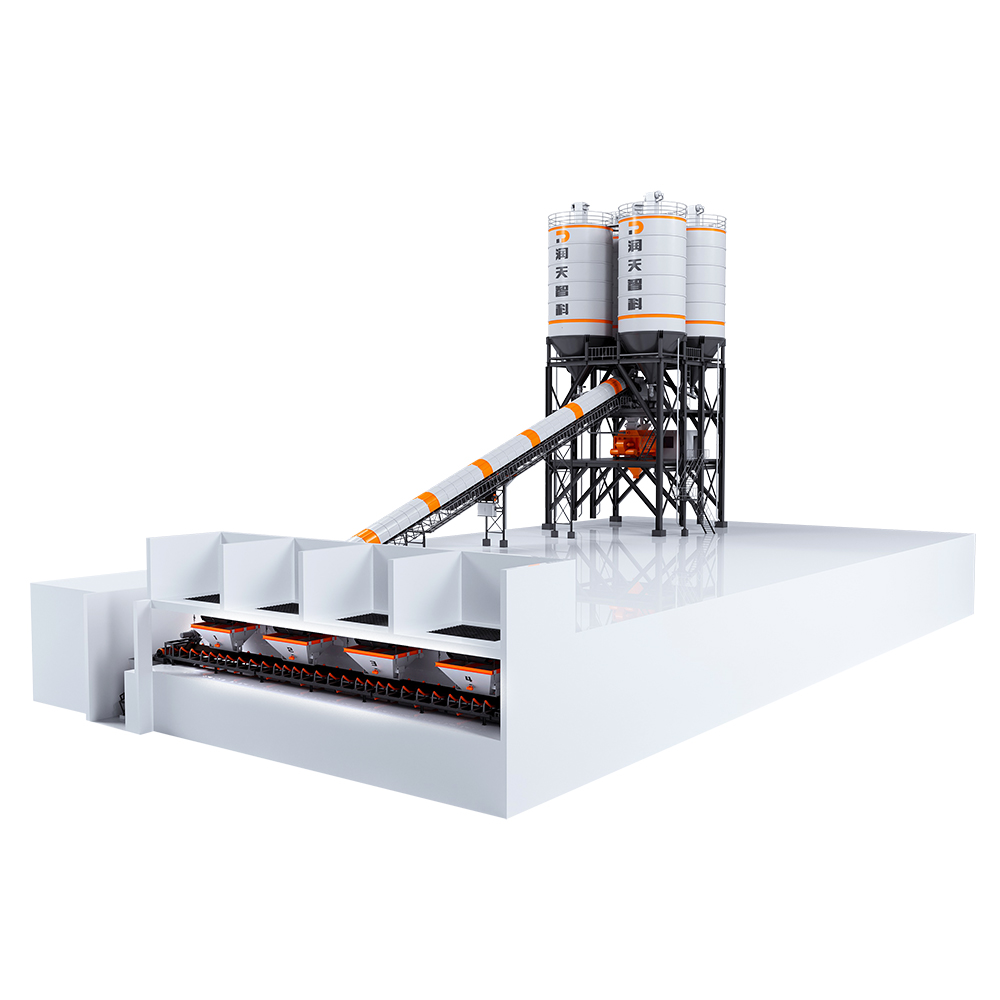 HZS Series Top-Mounted Concrete Mixing plant
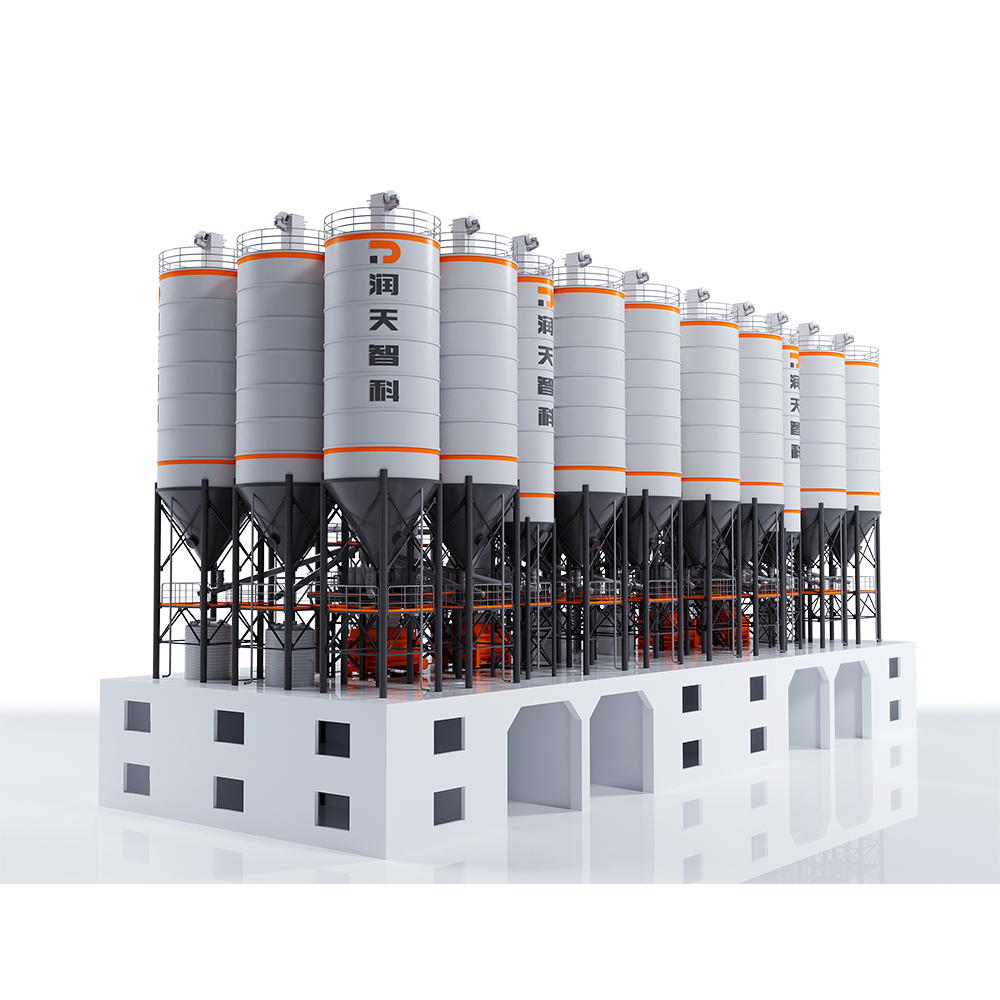 HZS Series Semi-Top Mounted Concrete Mixing Plant
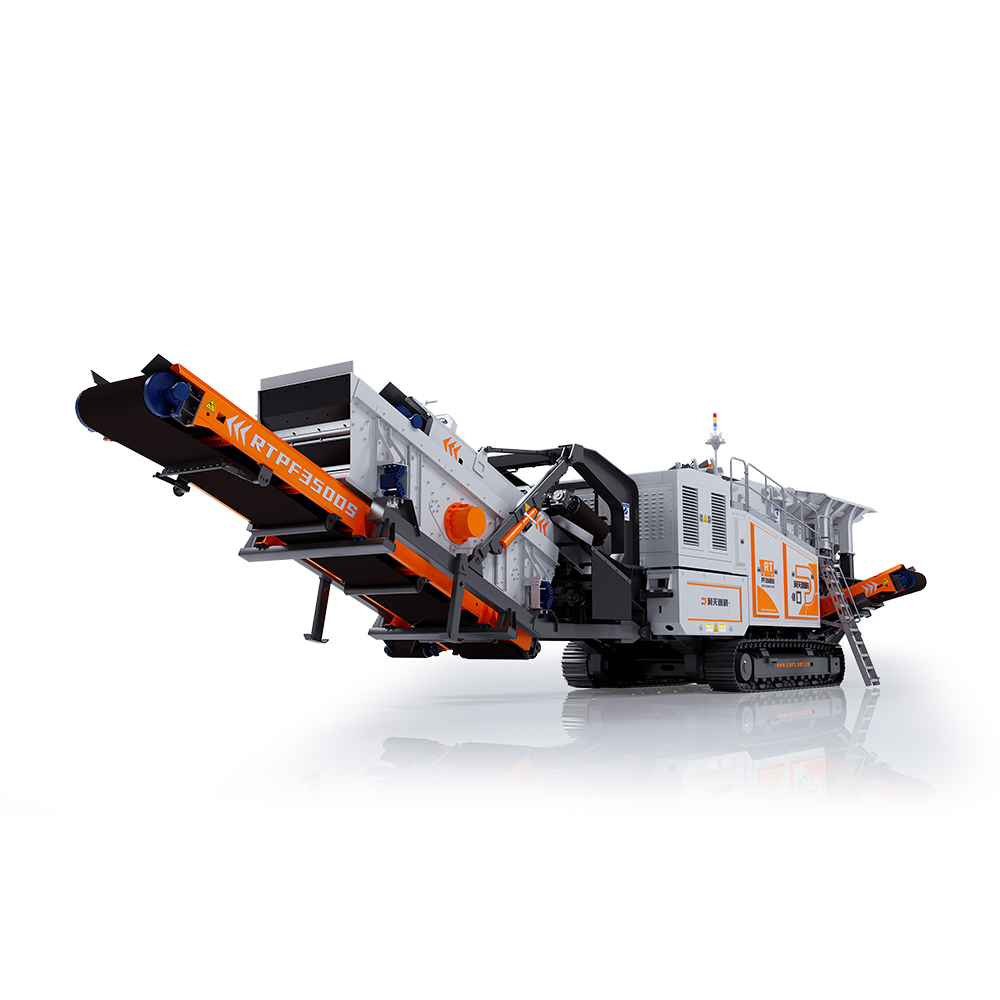 RTPF350DS Crawler Mobile Impact Crushing Plant
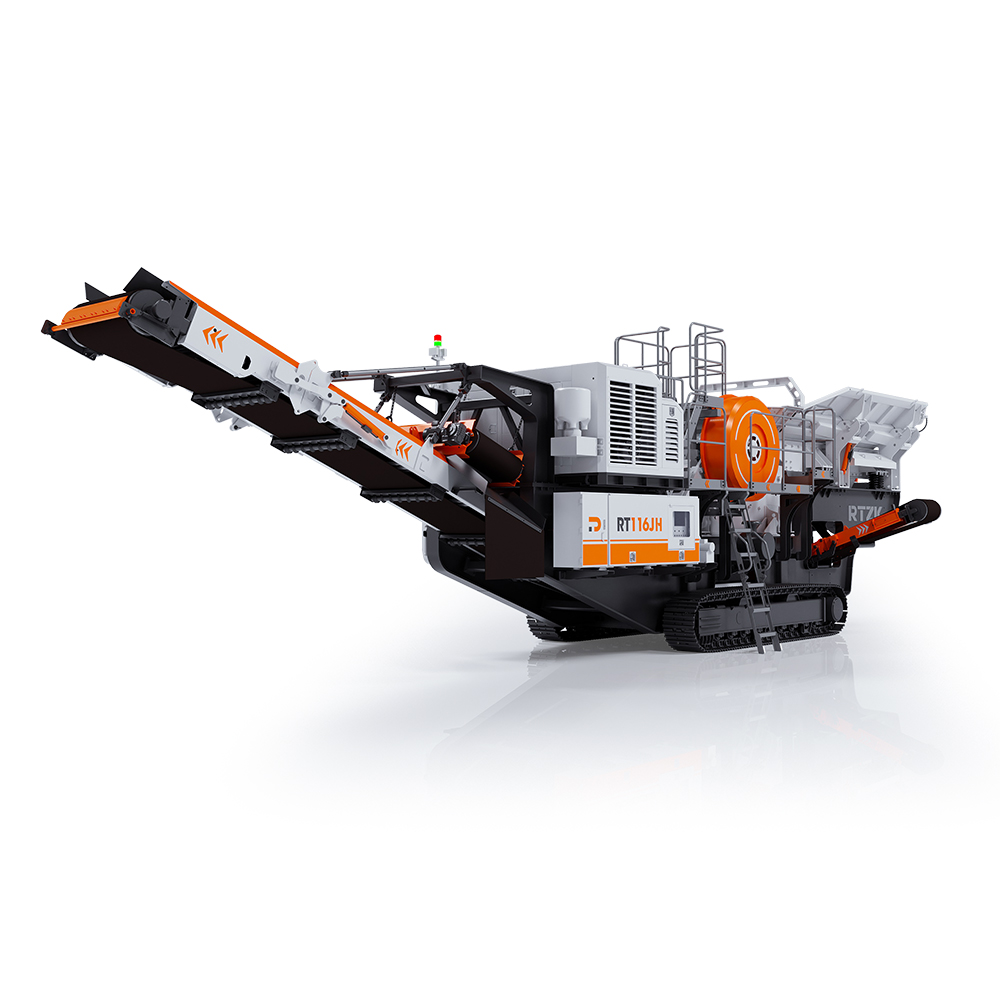 RT116JH Crawler Mobile Jaw Crushing Plant
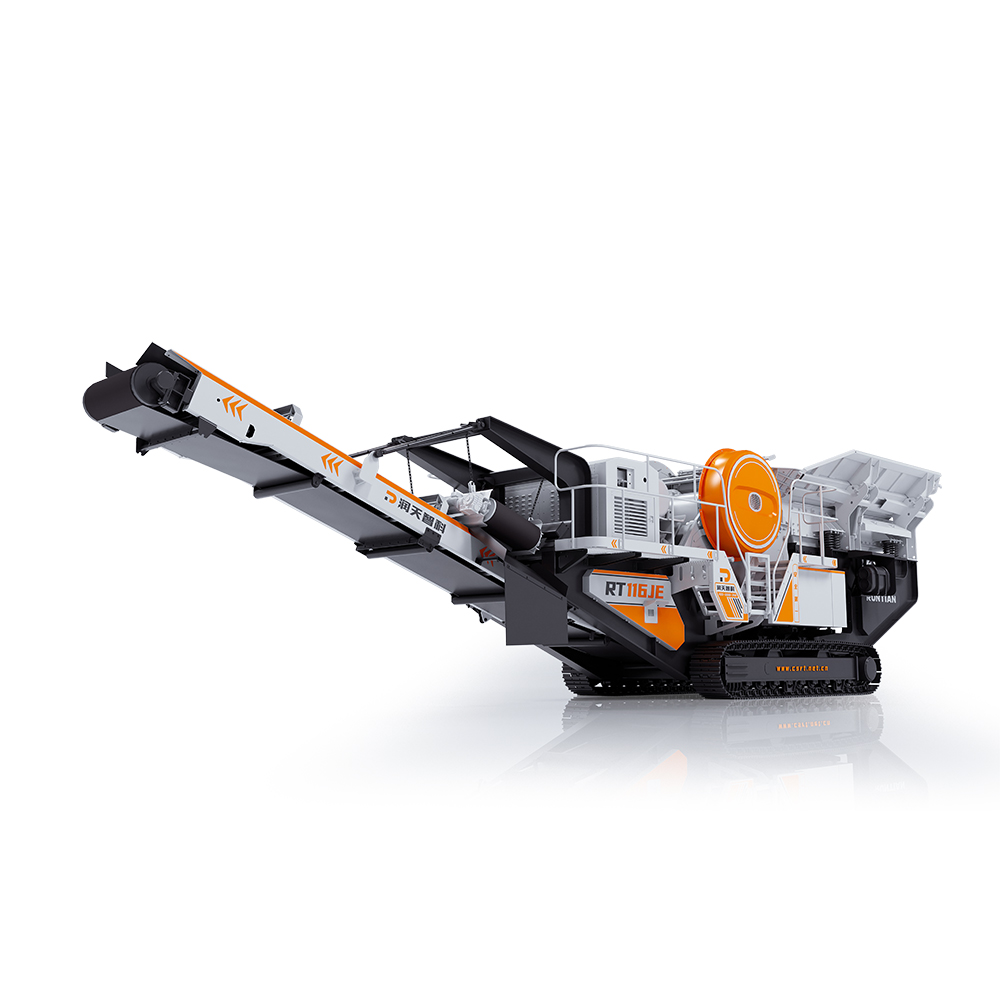 RT116JE Crawler Mobile Jaw Crushing Plant
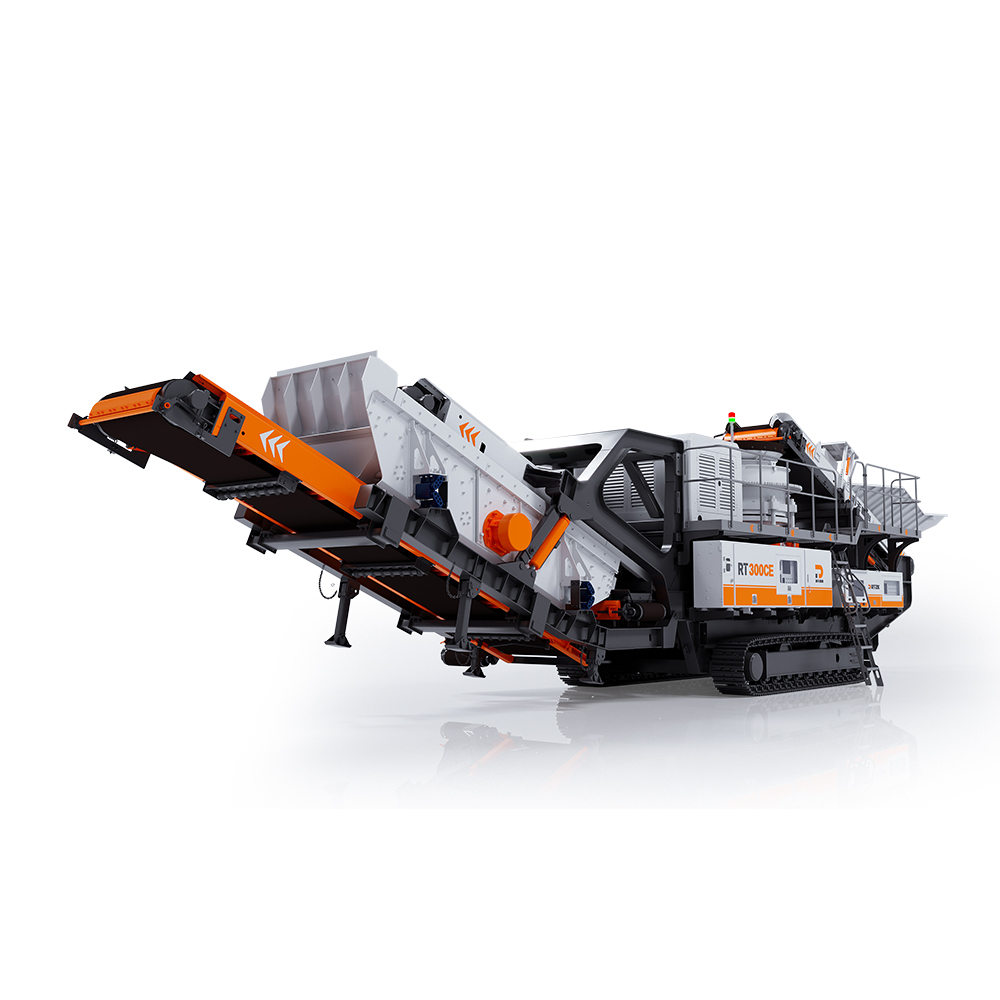 RT300CE Crawler Mobile Cone Crushing Plant
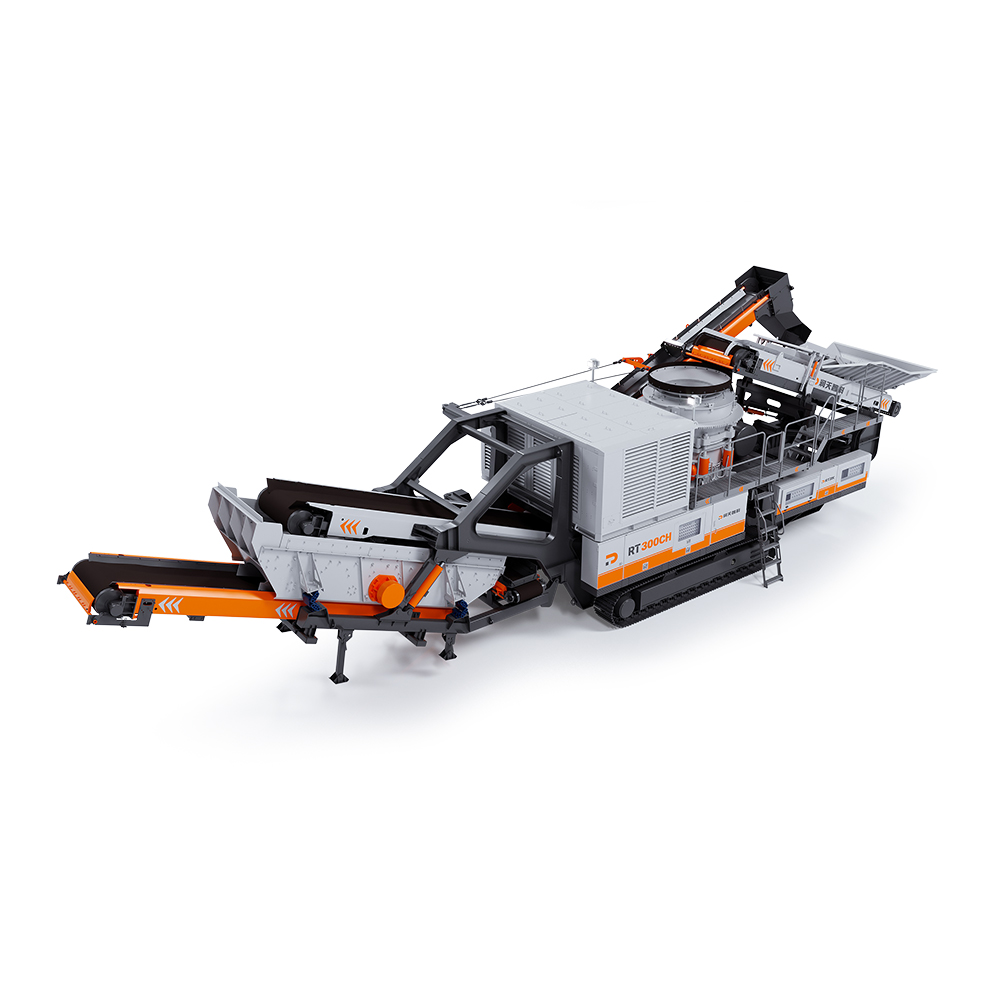 RT300CH Crawler Mobile Cone Crushing Plant
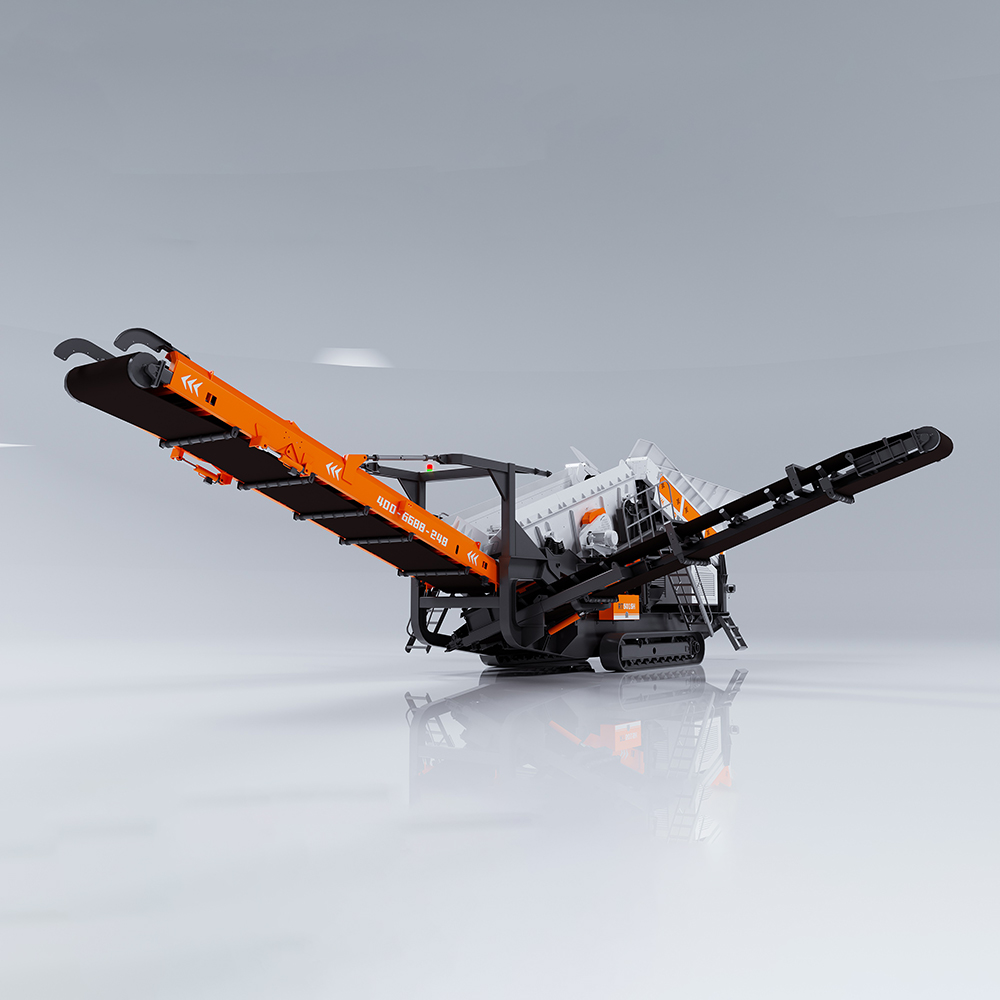 RT5015H Mobile Scalping Screen
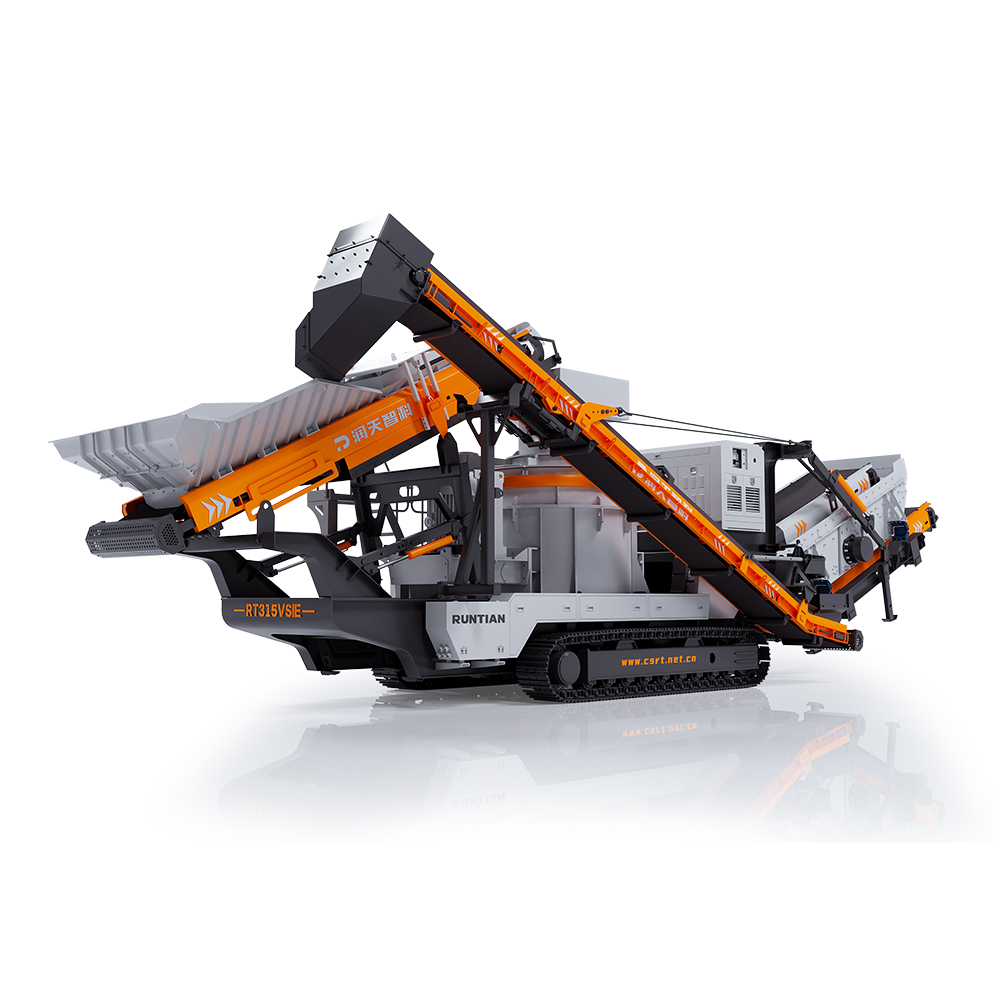 RT315VSIE Crawler Mobile Sand Maker
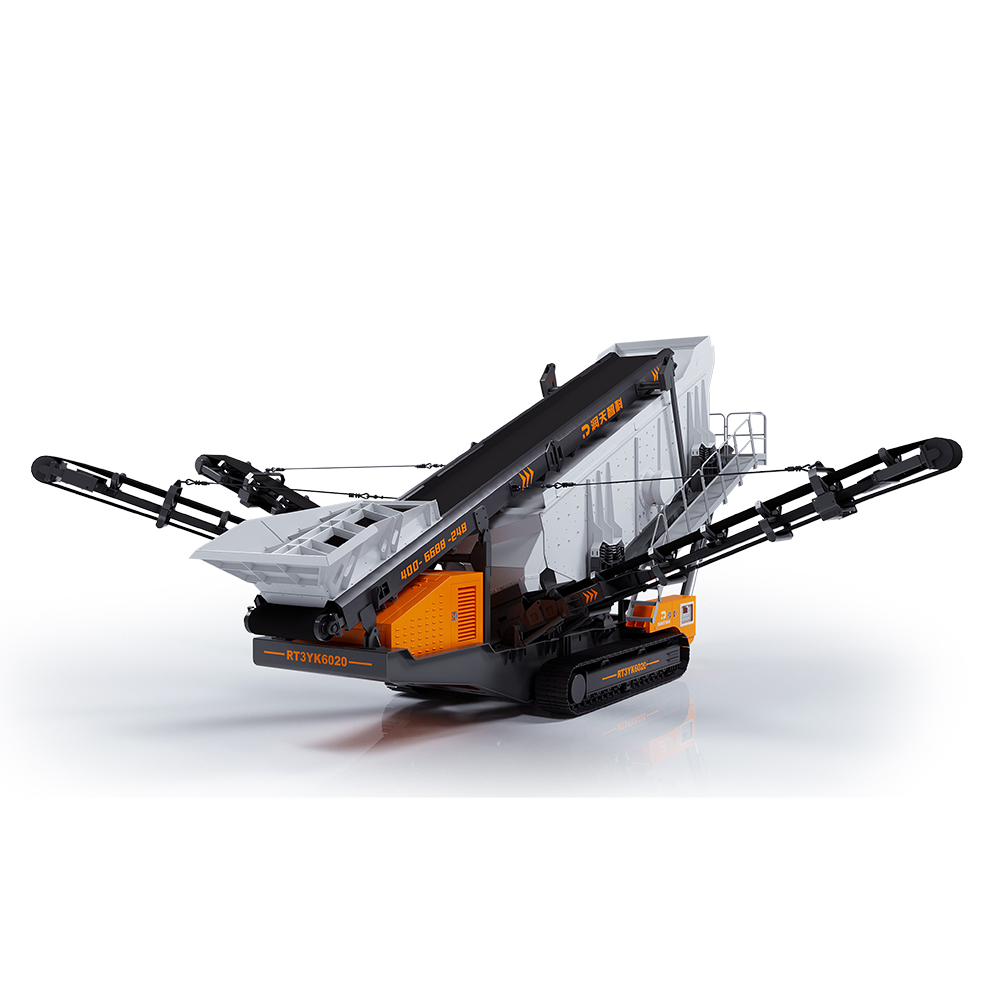 RT3YK6020 Crawler Mobile Screening Plant
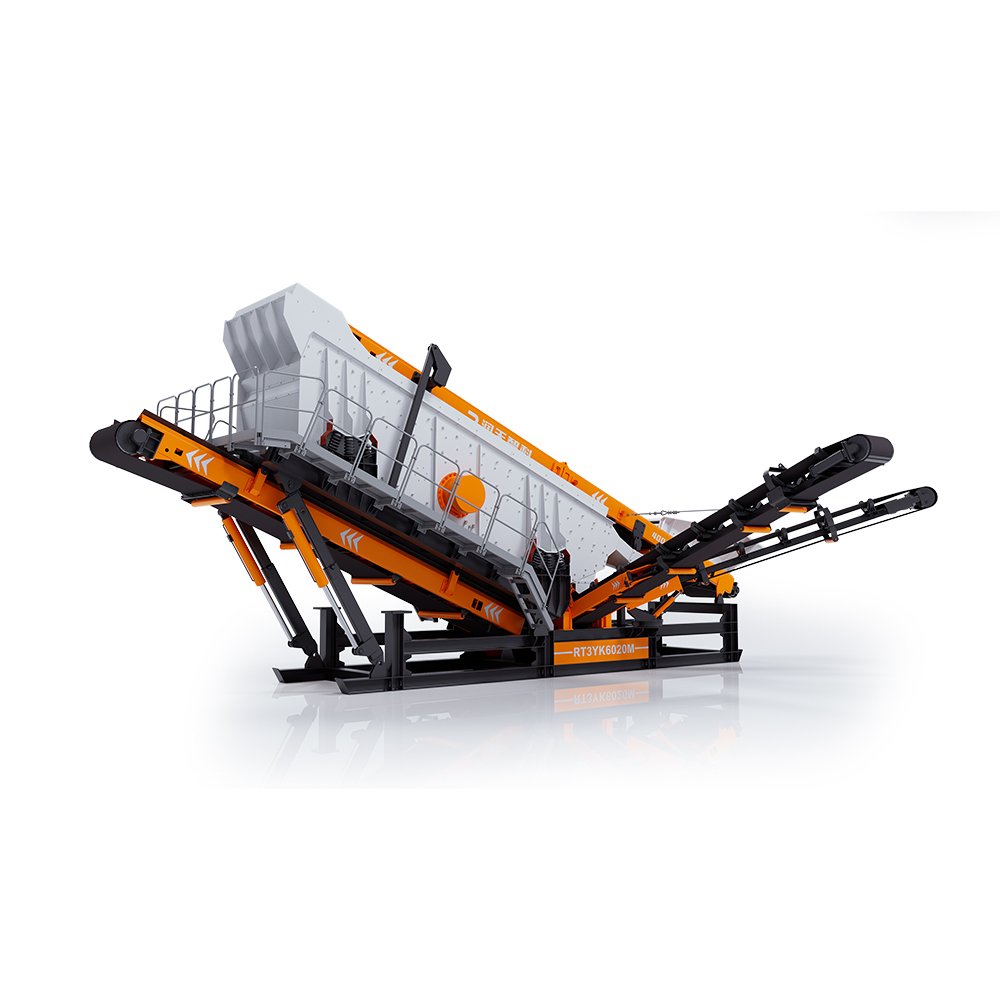 RT3YK6020M Modular Screening Plant
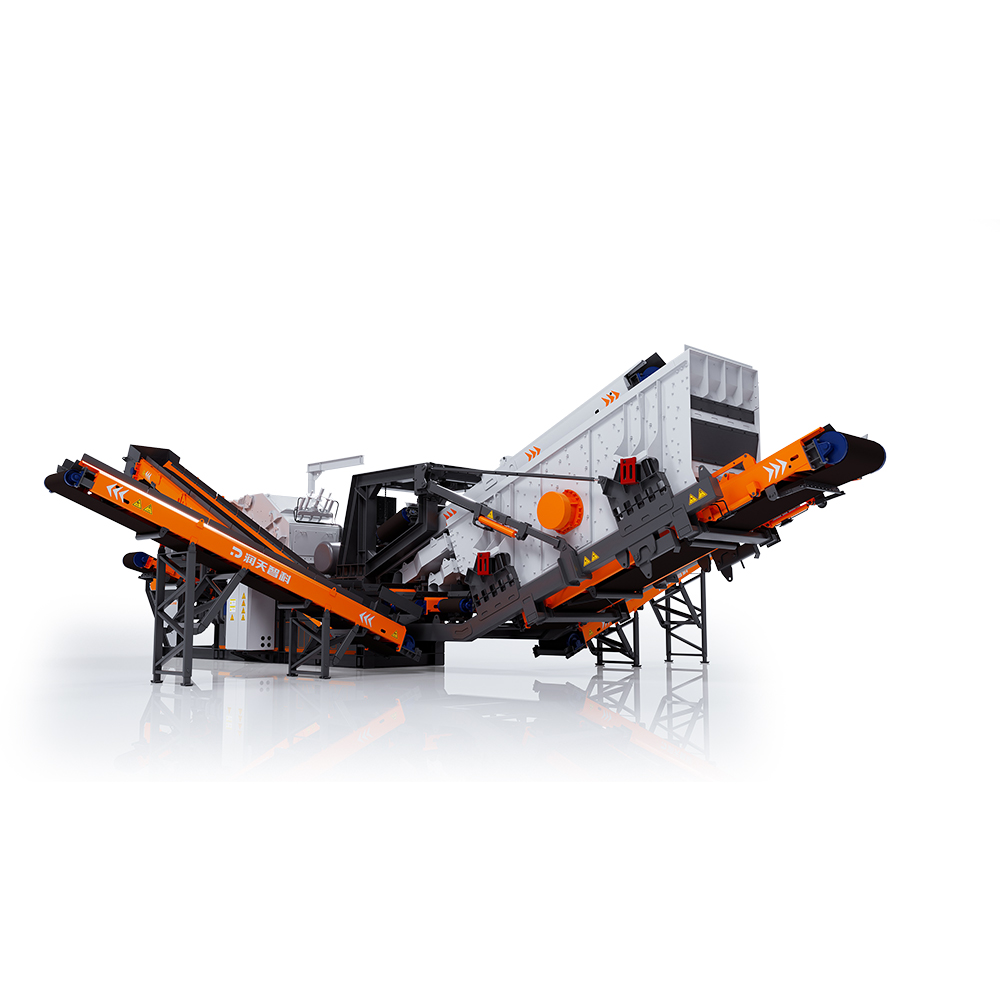 RTF260M Modular Counterattack Crushing and Screening Integrated Machine
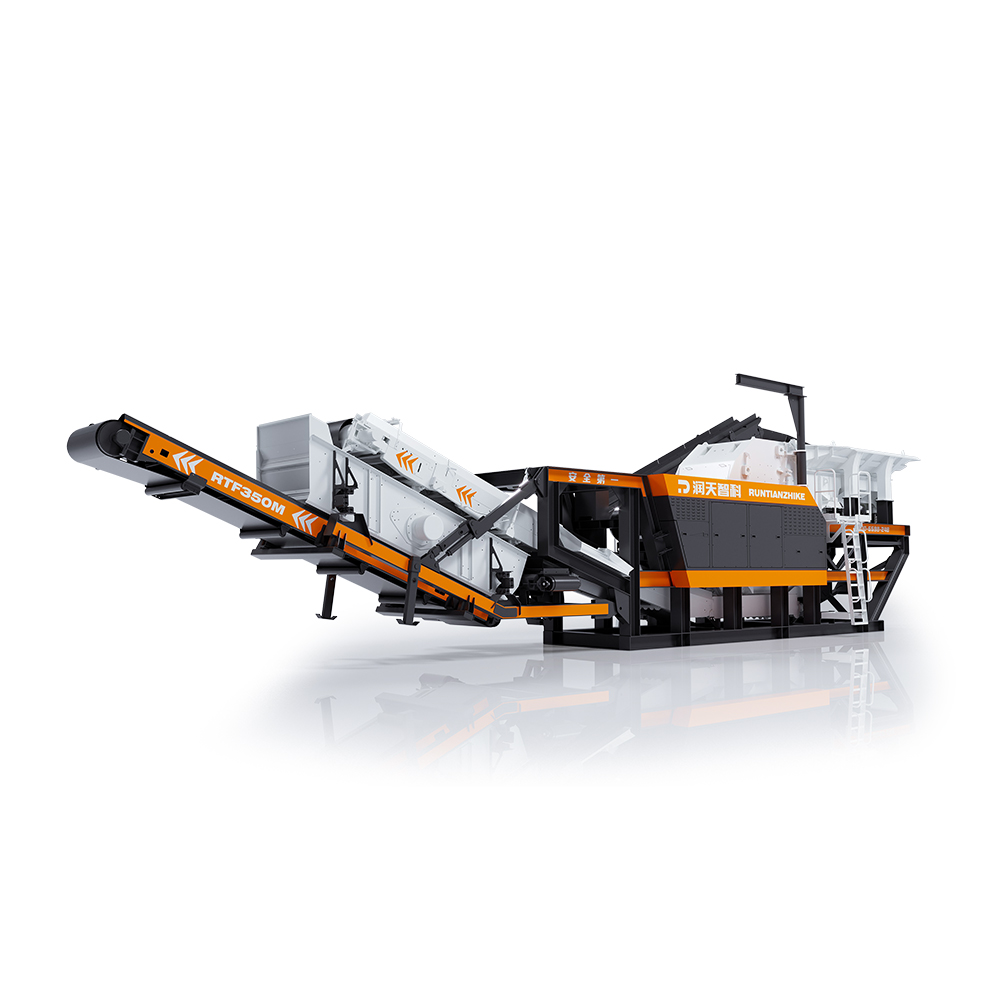 RTF350M Modular Impact Crushing Plant
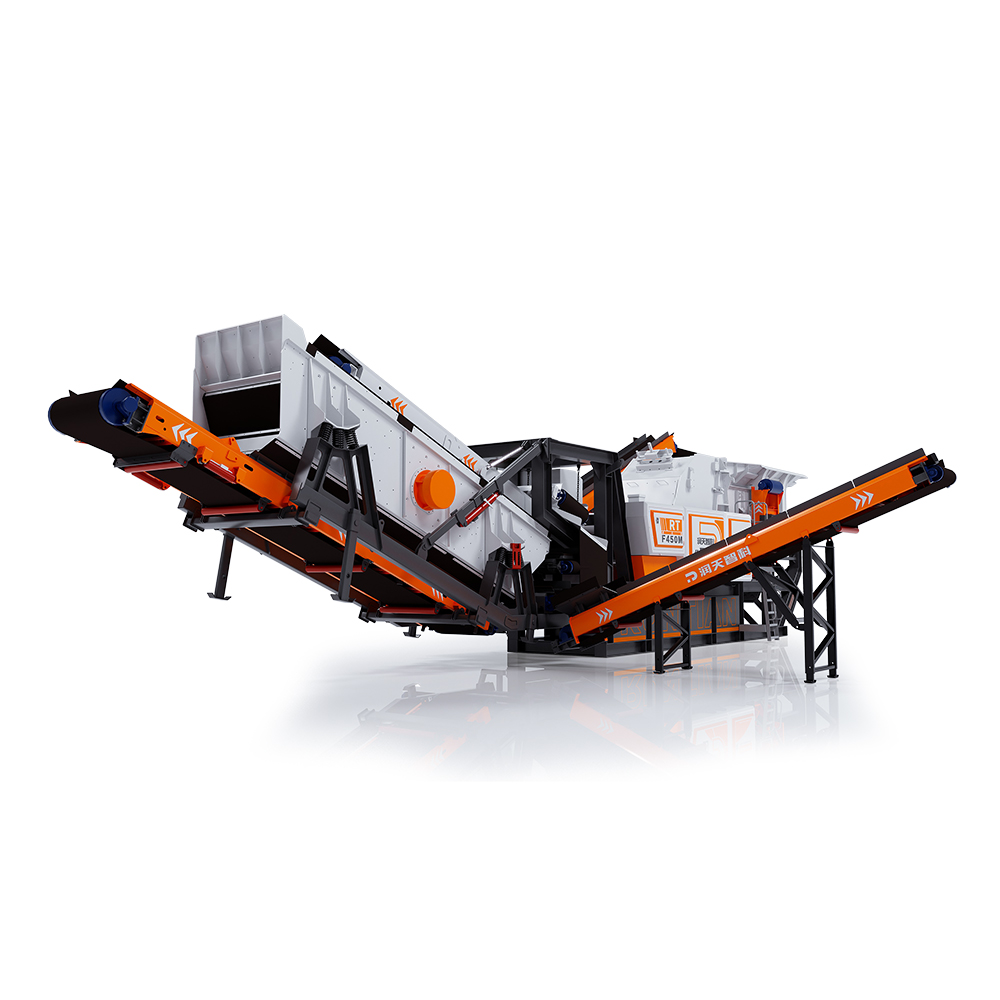 RTF450M Modular Impact Crushing Plant
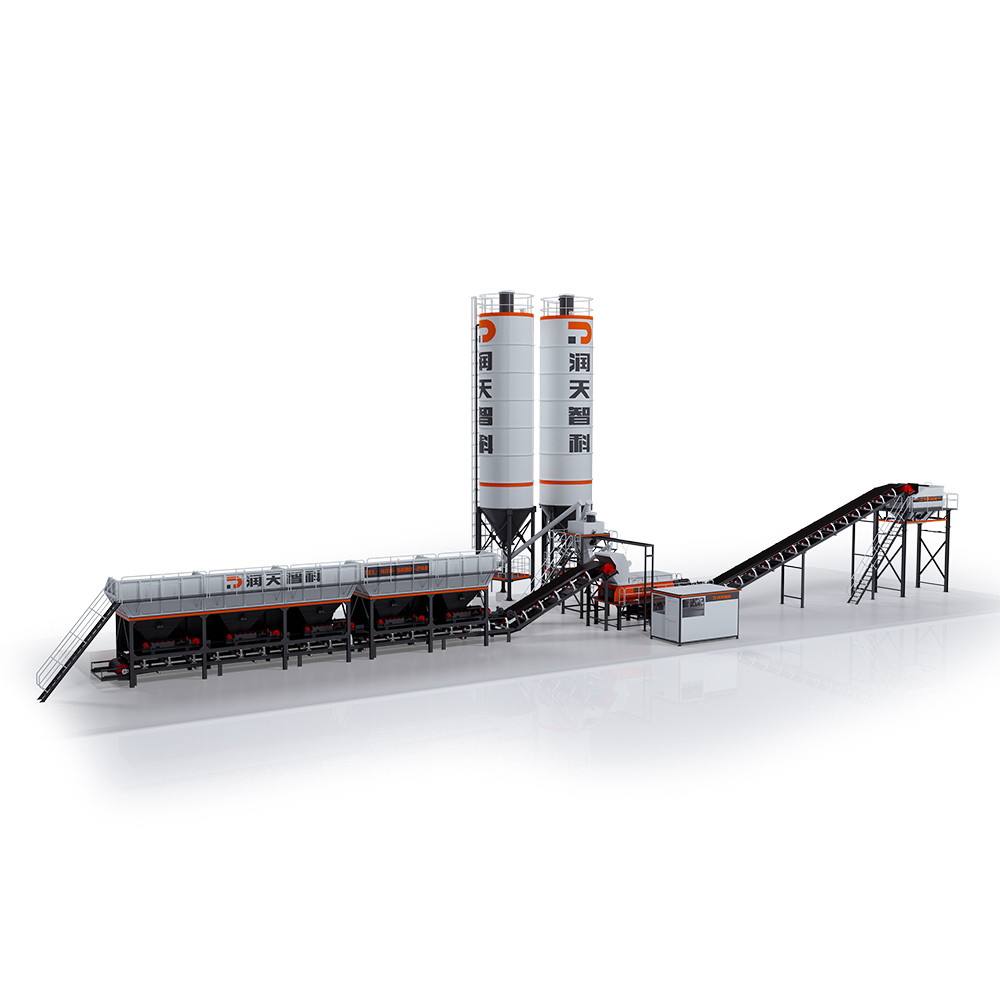 WDB Series Foundation-Free Stability Soil Mixing Plant
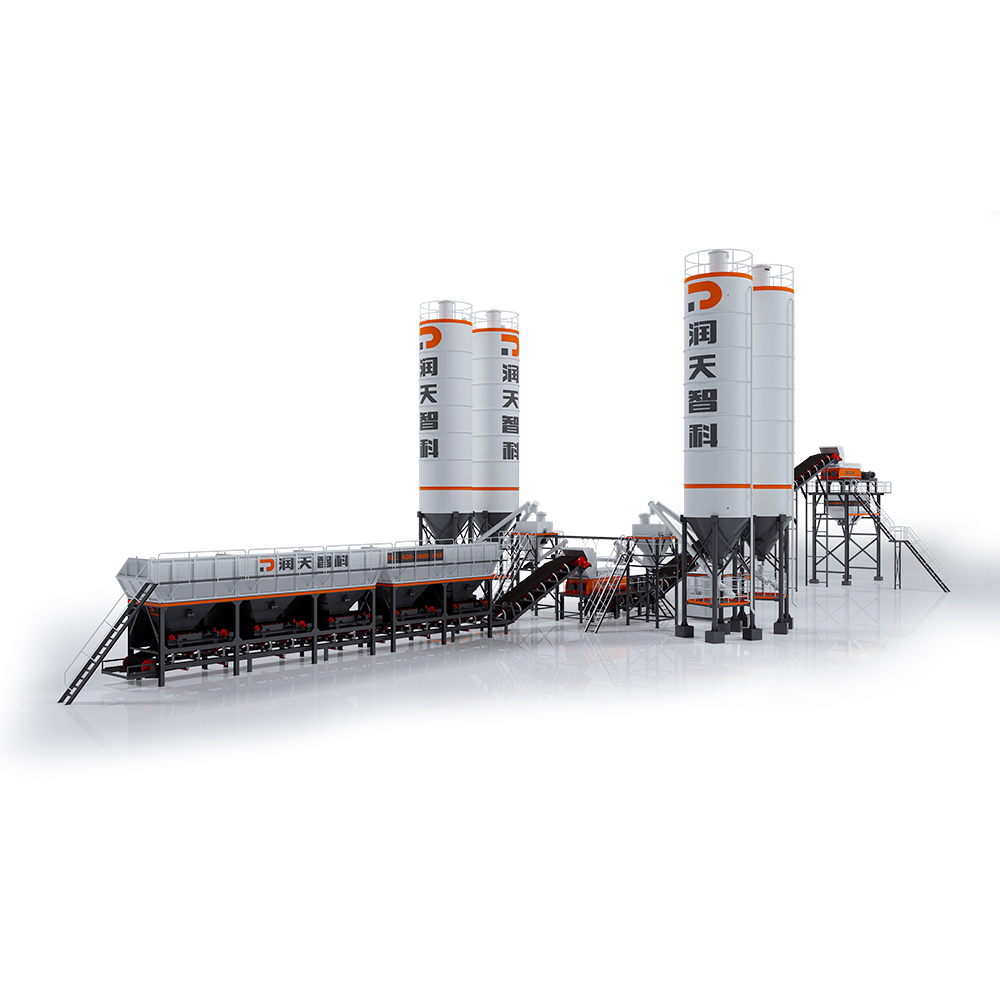 LCB Series Emulsified Asphalt Cold Regeneration Secondary Mixing Plant
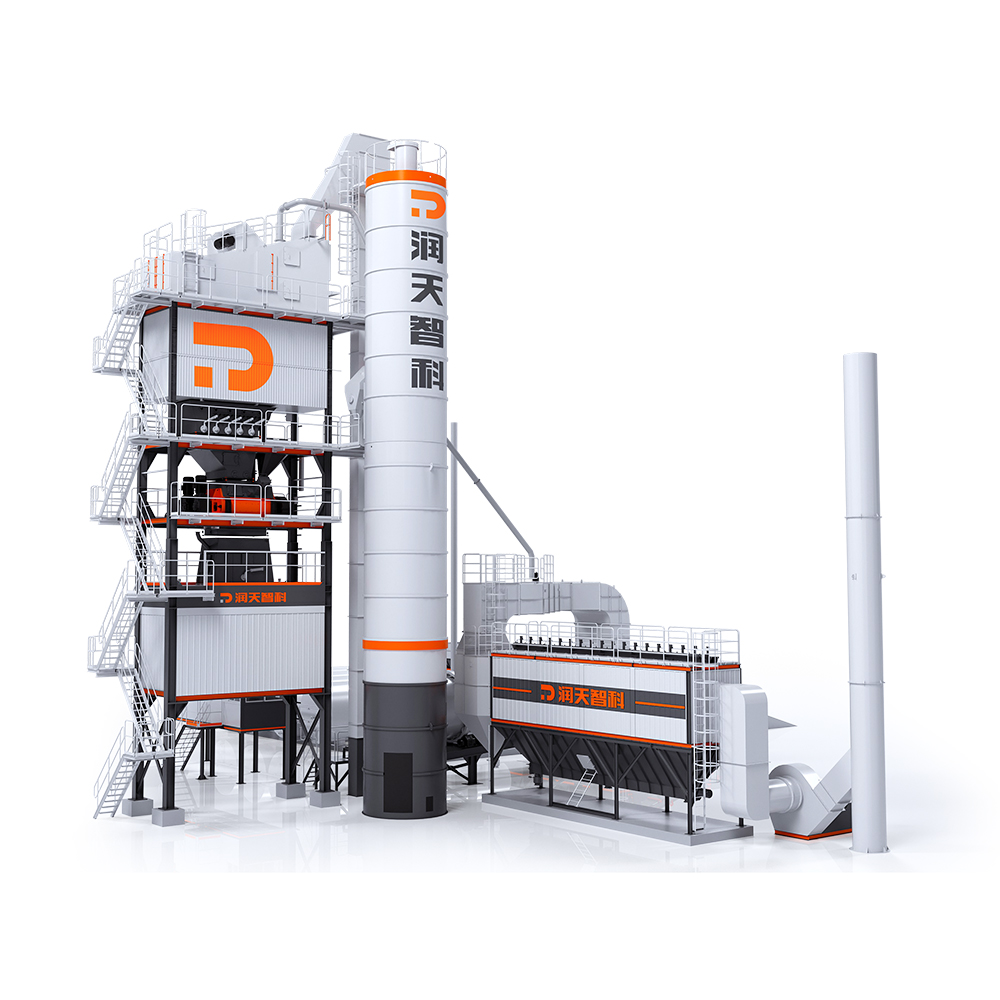 LB Series Asphalt Mixing Plant
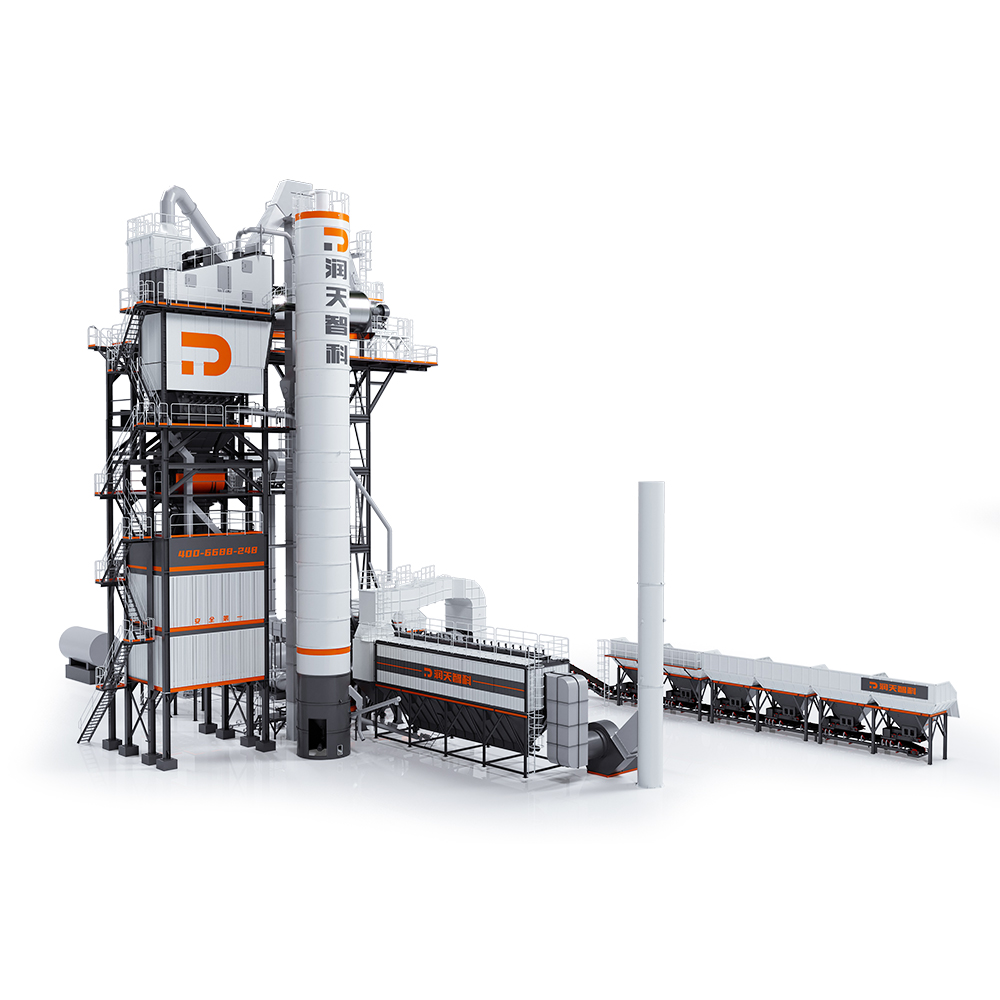 LBR Series Integrated Asphalt Mixing Plant
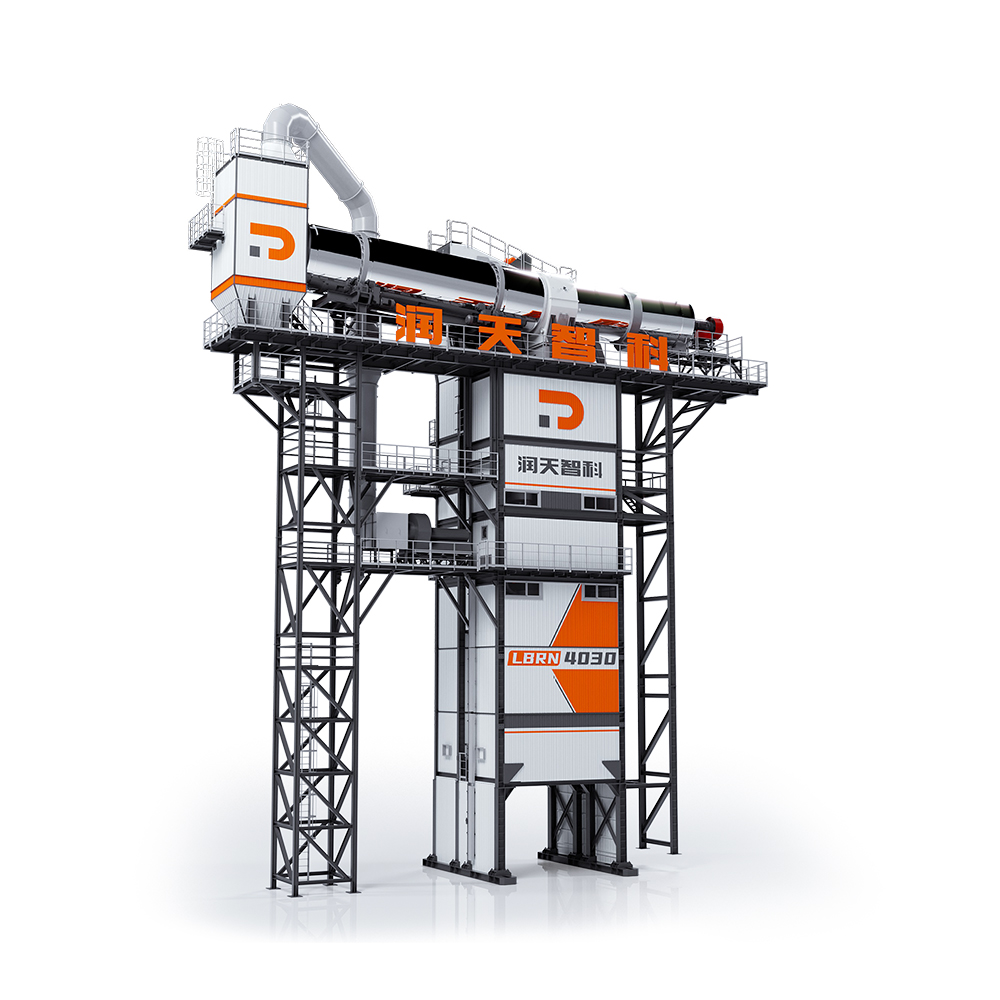 LBRN Series Counterflow Integral Asphalt Mixing Plant
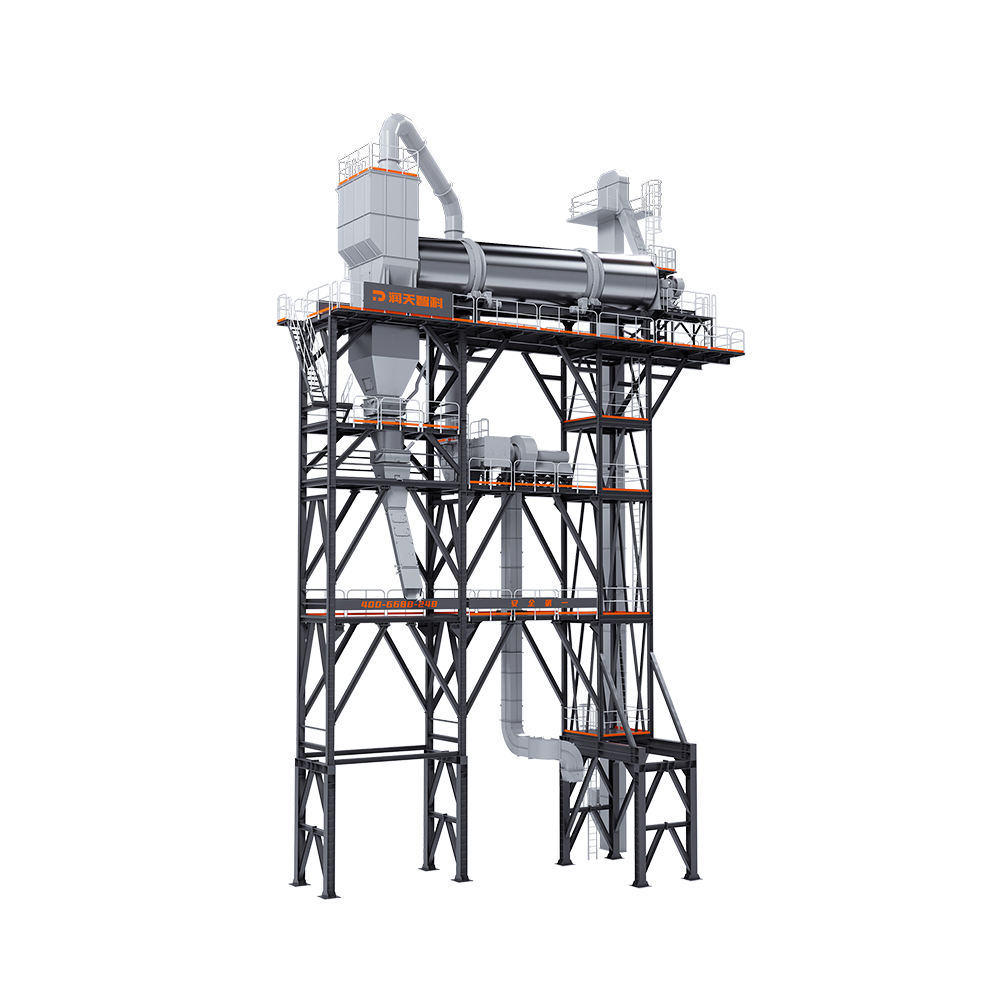 RZS Series Asphalt Mixing Plant
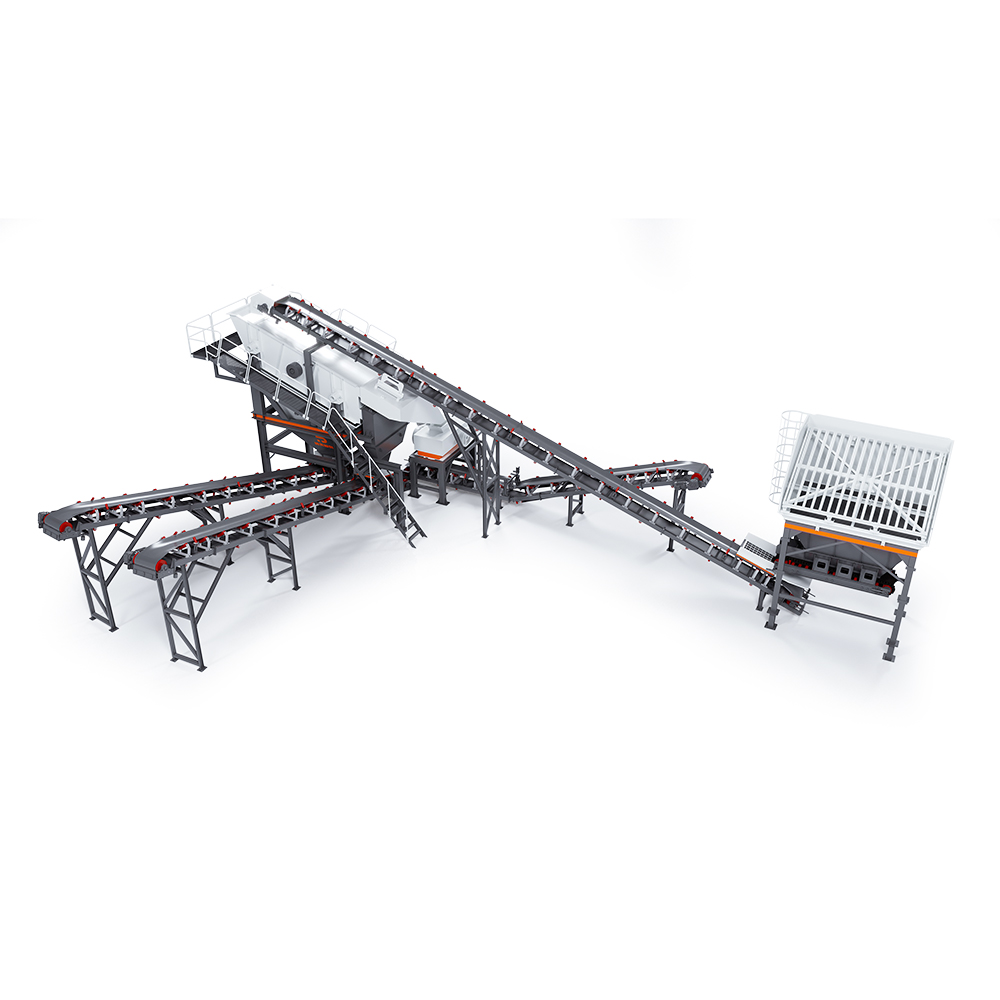 RTZS120 Series RAP Crushing & Screening Plant
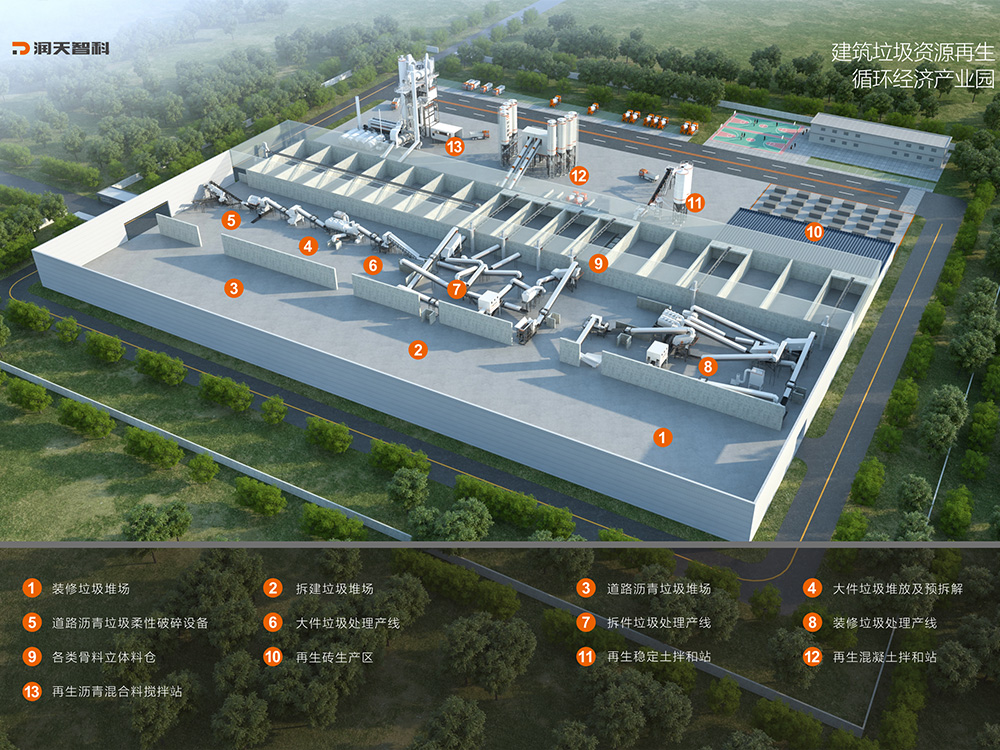 Construction Waste Resourceful Treatment Line