How to Choose the Right VSI Crusher for Your Aggregates Processing Needs?
Choosing the right VSI Crusher for your aggregates processing needs is a crucial task. As industry expert John Smith notes, "Selecting the right VSI Crusher can significantly impact operational efficiency." A VSI Crusher, or vertical shaft impact crusher, offers unique benefits for producing high-quality aggregates.
Understanding your specific processing requirements is key. Factors such as material type, desired output size, and production capacity are essential to consider. For example, some materials may require a more robust machine. You might find that a specific model better suits harder materials compared to softer ones.
It is important to research various VSI Crusher options. Take time to compare different brands and models. Look for customer reviews and expert opinions. Reflecting on your choices can help you make a more informed decision. Trust in reliable sources for guidance, ensuring your investment aligns with industry standards and performance expectations.
Factors to Consider When Selecting a VSI Crusher for Aggregates
When selecting a VSI crusher, several critical factors must be considered to meet your aggregates processing needs. A recent industry report indicates that proper material compatibility can significantly impact efficiency. The rock type and size will dictate the choice of rotor and chamber configurations. Understanding the material’s abrasiveness is key to choosing durable components. For example, materials with high silica content wear down components quickly.
Another aspect to evaluate is the desired production capacity. A VSI crusher's throughput can range widely. Reports show that some models can process up to 800 tons per hour. Selecting a model that fits your production goals ensures efficiency and minimizes operational costs. Additionally, energy consumption is vital; modern VSI crushers optimize energy use for better performance.
Maintenance needs cannot be overlooked. Regular upkeep extends equipment life but can be resource-intensive. Many operators underestimate this aspect, resulting in unexpected downtime. Additionally, consider the availability of replacement parts in your region. This factor affects not only maintenance but also long-term operational efficiency. Balancing these considerations with your specific requirements leads to an informed decision.
Key Performance Metrics of VSI Crushers: What to Look For
When selecting a VSI (Vertical Shaft Impactor) crusher for aggregates processing, understanding key performance metrics is essential. One important metric is the throughput rate, which defines how much material can be processed per hour. Industry reports indicate optimal VSI crushers can achieve throughput rates exceeding 400 tons per hour, depending on the material and configuration. Ensure the model you choose meets your specific daily production goals to avoid operational bottlenecks.
Another critical aspect is the reduction ratio. A VSI typically offers a reduction ratio of 10:1 or higher. This ratio helps in optimizing the size of the material. Be cautious, though. Higher reduction ratios may lead to increased wear on the crusher. Thus, a balance must be struck between efficiency and maintenance needs. Additionally, the feed size and the hardness of the material can impact performance. Studies show that harder materials tend to require more power and can affect throughput.
Also, consider the energy consumption of the crusher. Reports from industry experts indicate that energy-efficient models can reduce operational costs significantly. Aim for VSI crushers that provide good energy efficiency while still delivering the desired output. Inefficiency in energy use can lead to higher operating costs over time, which is something to reflect upon during your selection process.
How to Choose the Right VSI Crusher for Your Aggregates Processing Needs?
| VSI Crusher Model |
Max Feed Size (mm) |
Production Capacity (tph) |
Power (kW) |
Weight (kg) |
Features |
| Model A |
50 |
100 |
160 |
700 |
High Efficiency, Low Maintenance |
| Model B |
60 |
120 |
200 |
850 |
Versatile Applications, Robust Design |
| Model C |
70 |
150 |
250 |
900 |
Energy Efficient, High Throughput |
| Model D |
80 |
200 |
300 |
1100 |
Advanced Automation, High Durability |
Understanding the Different Types of VSI Crushers Available in the Market
When selecting a VSI crusher, it's essential to understand the different types available in the market. VSI crushers are primarily classified into two categories: open and closed rotor systems. Open rotor systems are popular for their high throughput capabilities. They tend to have a higher production rate, especially for harder materials. Closed rotor systems, however, are ideal for applications demanding more control over product shape and size.
Recent industry reports indicate that manufacturing efficiency plays a crucial role in VSI equipment performance. For instance, a well-designed rotor can improve energy efficiency by up to 30%. This becomes a vital consideration for operators. They often must balance output with operational costs. The right choice also involves understanding the feed material characteristics. Some VSI crushers perform better with specific materials, such as granite versus limestone.
Choosing the appropriate VSI crusher involves evaluating various factors: expected output, material type, and production costs. Operational challenges are not uncommon. Some users report frequent maintenance issues or underperformance in specific applications. Making a decision without thorough assessment could lead to unintended consequences, like decreased productivity or higher energy consumption. It’s advisable to consult with experts and gather detailed specifications before purchasing.
Evaluating Feed Size and Material Characteristics for VSI Selection
When selecting a VSI crusher, understanding feed size and material characteristics is crucial. Feed size impacts the efficiency of the crushing process and the quality of the final product. Typical practices suggest that maintaining a feed size that is about 25% smaller than the maximum acceptable size improves throughput. Reports from industry surveys indicate that 70% of operators experience lower production rates when feed sizes exceed recommendations.
Material characteristics also play a significant role. Hardness can affect the wear on the VSI crusher. For instance, softer materials usually require less energy input. According to data from the Aggregates Research Institute (ARI), the energy consumption can rise by 20% when crushing harder materials without proper adjustments. Consider the shape and angularity of the aggregate as well. These factors can influence the choice of rotor design and wear parts, necessitating careful analysis.
Reflection on these parameters may reveal gaps in historical data collected during operations. For active setups, regularly examining feed materials ensures the VSI crusher operates at optimal levels. Meeting the right feed characteristics can significantly enhance the return on investment over time.
Cost-Effectiveness: Balancing Initial Investment and Long-Term ROI
When selecting the right VSI crusher, cost-effectiveness is a crucial factor. It's not just about the initial financial outlay. A 2021 industry report indicates that maintenance costs can average 15-20% of operating expenses annually. Therefore, understanding both upfront investment and long-term ROI is essential for decision-making.
Operating costs also vary significantly among different models. For example, some units consume less energy, which can reduce operational costs by 10% or more. Additionally, downtime due to maintenance may lead to lost revenue. A survey revealed that 35% of operators faced unplanned downtime. An efficient VSI crusher can help mitigate this issue, ensuring constant production and maximizing profit margins.
It's important to consider the material types you plan to process. An ideal crusher should align with your project’s specific requirements. Don't overlook the capacity as well. Sometimes, a higher capacity machine can lead to waste. Striking a balance between capacity and efficiency can lead to higher returns over time. Careful analysis of these factors will enhance your overall profitability in aggregates processing.
Cost-Effectiveness of VSI Crushers: Initial Investment vs. Long-Term ROI

 Concrete Mixing Plant
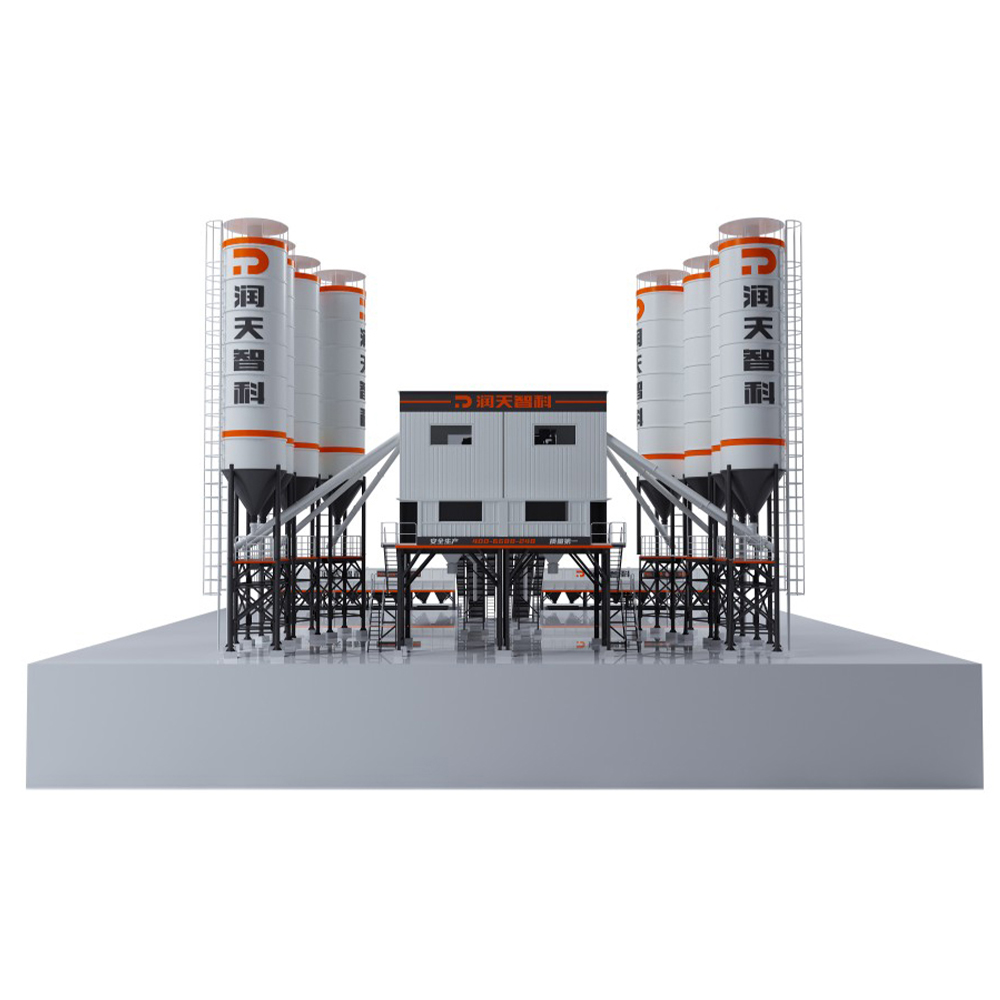 HZS Series Belt Concrete Mixing Plant
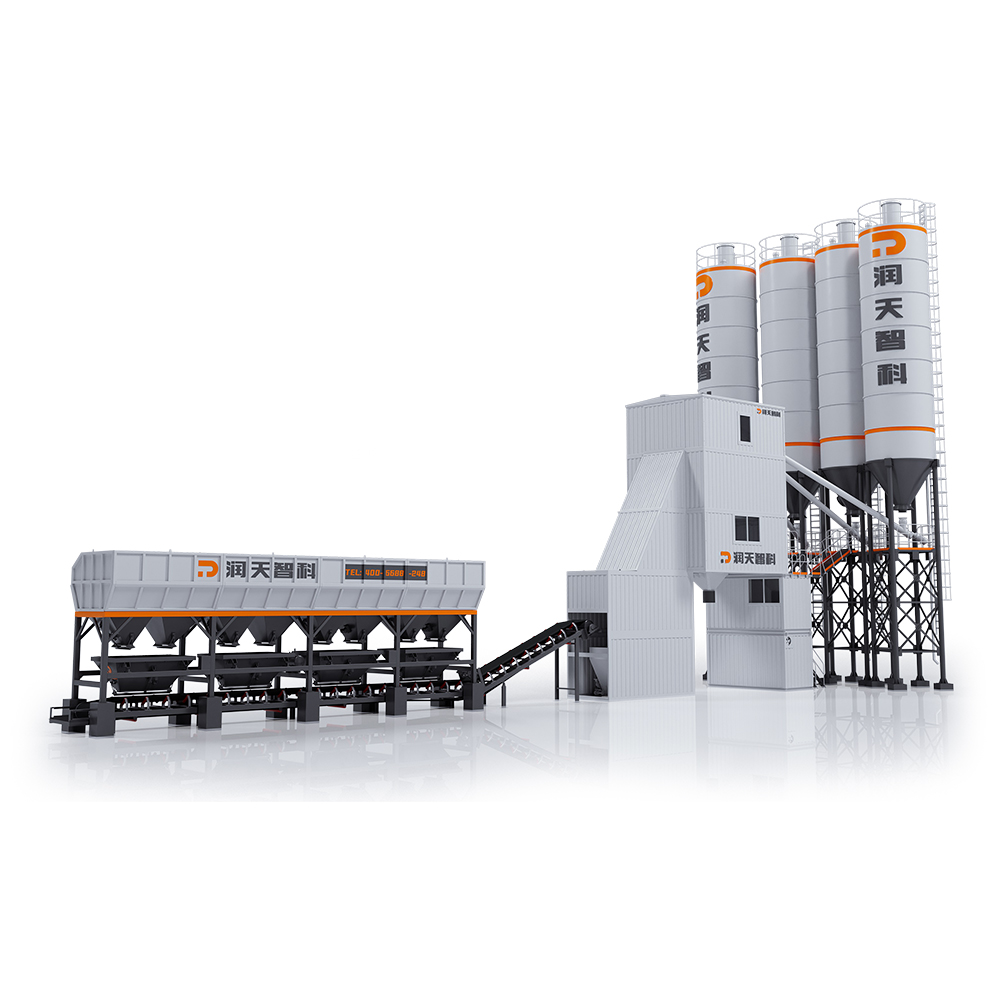 HZS Series Bucket-Lifting Type Container Concrete Mixing Plant
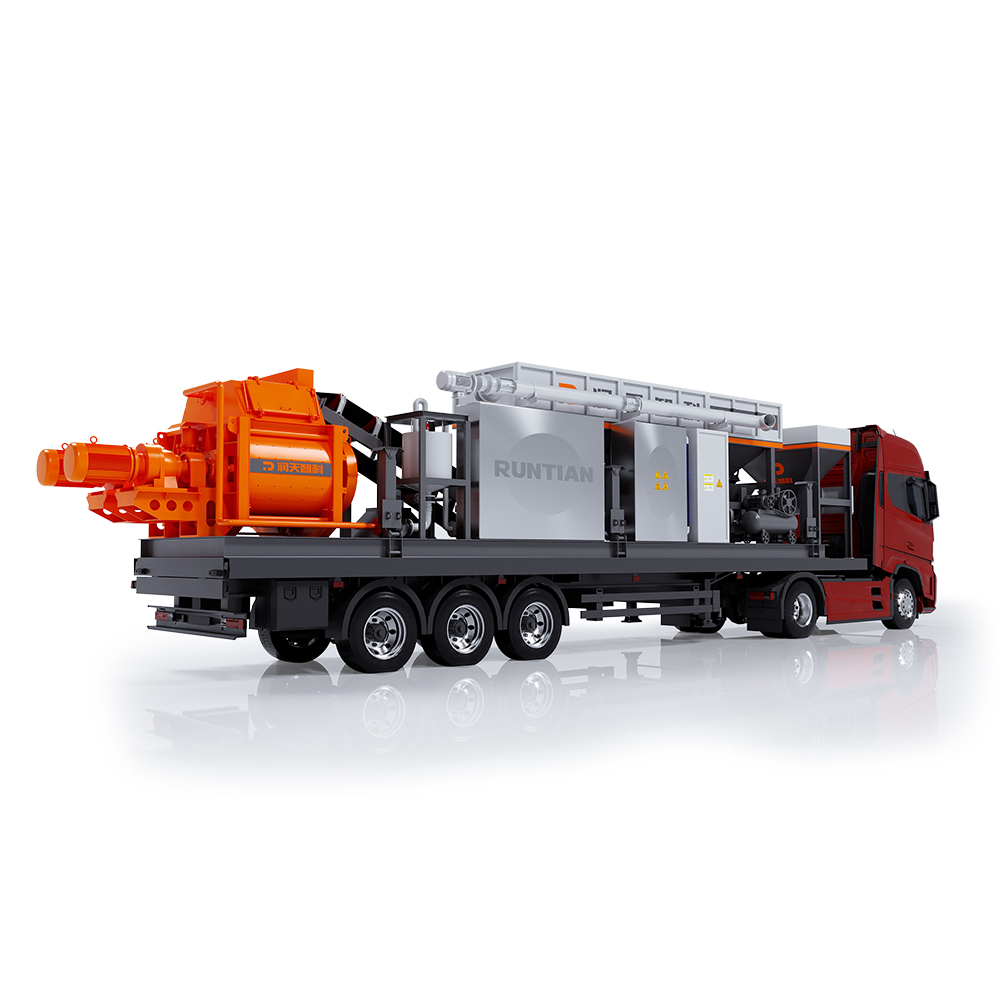 HZS60 Mobile Concrete Mixing Plant
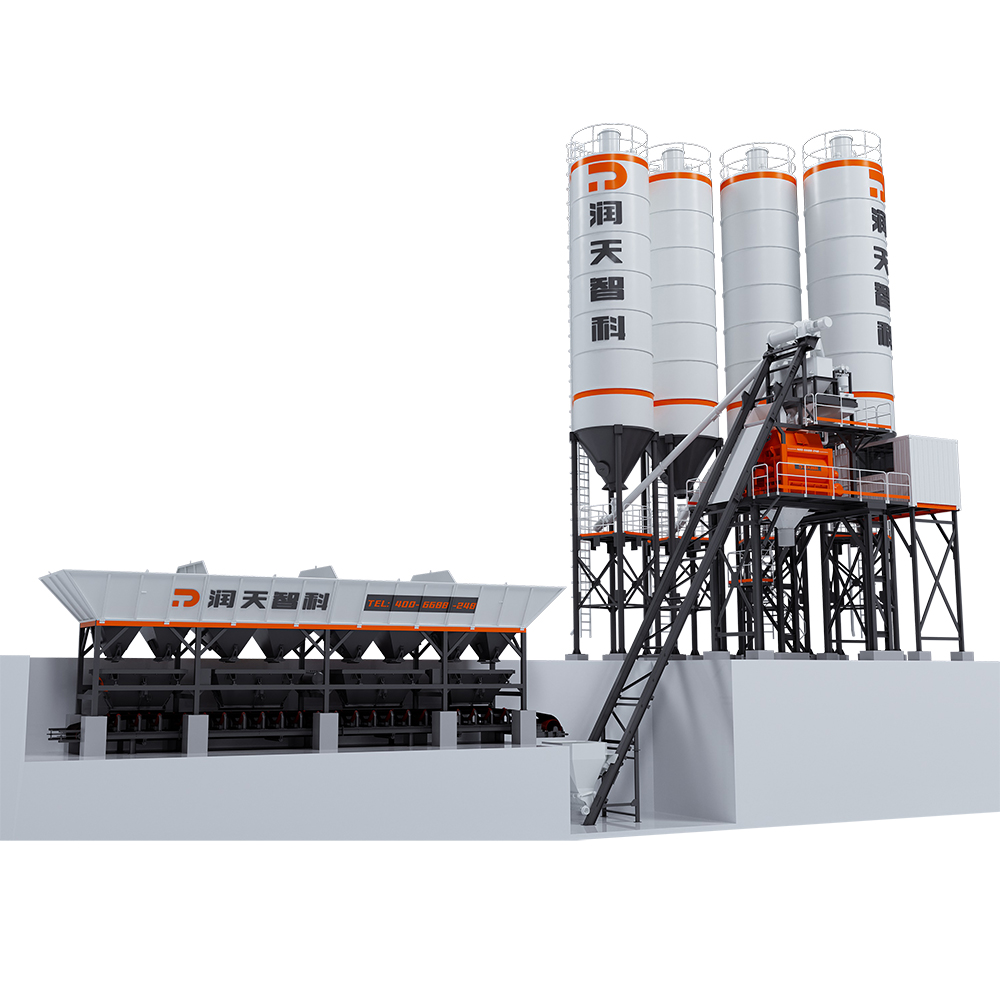 HZS Series Bucket-Lifting Type Concrete Mixing Plant
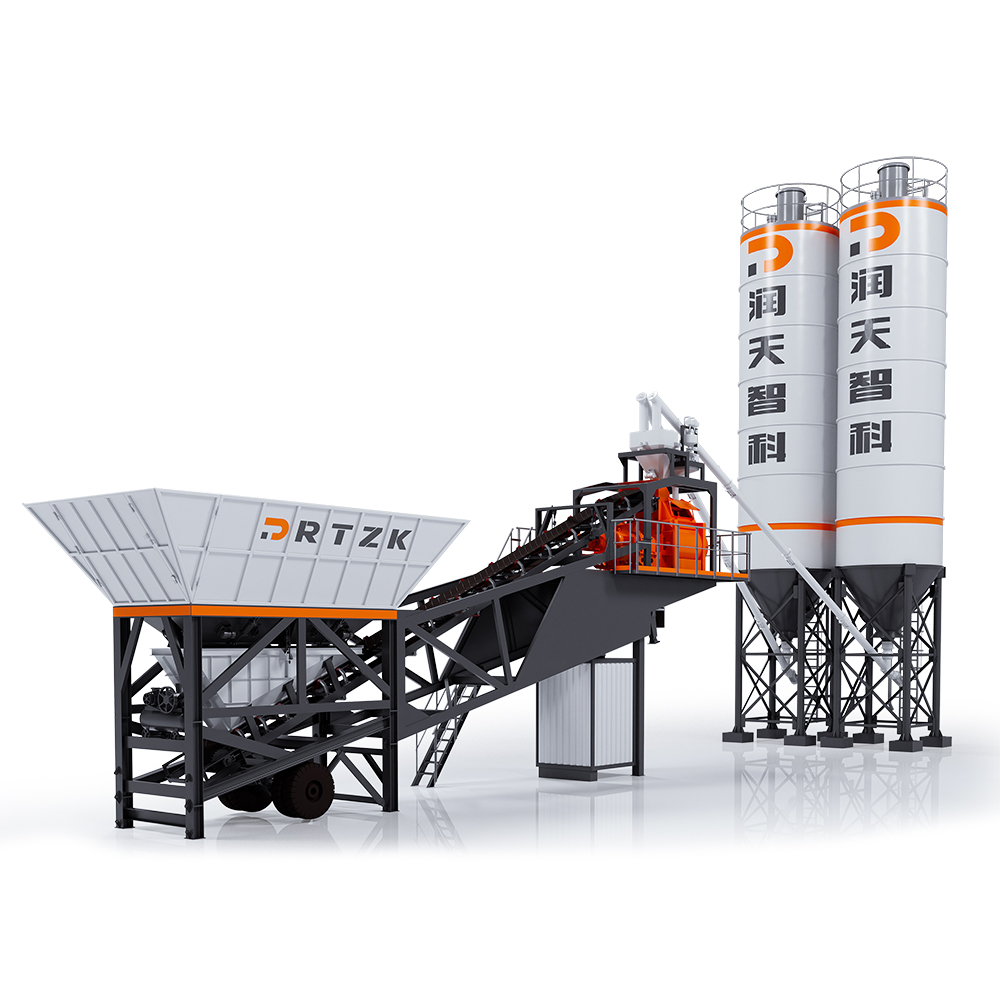 HZS Series Mobile Concrete Mixing Plant
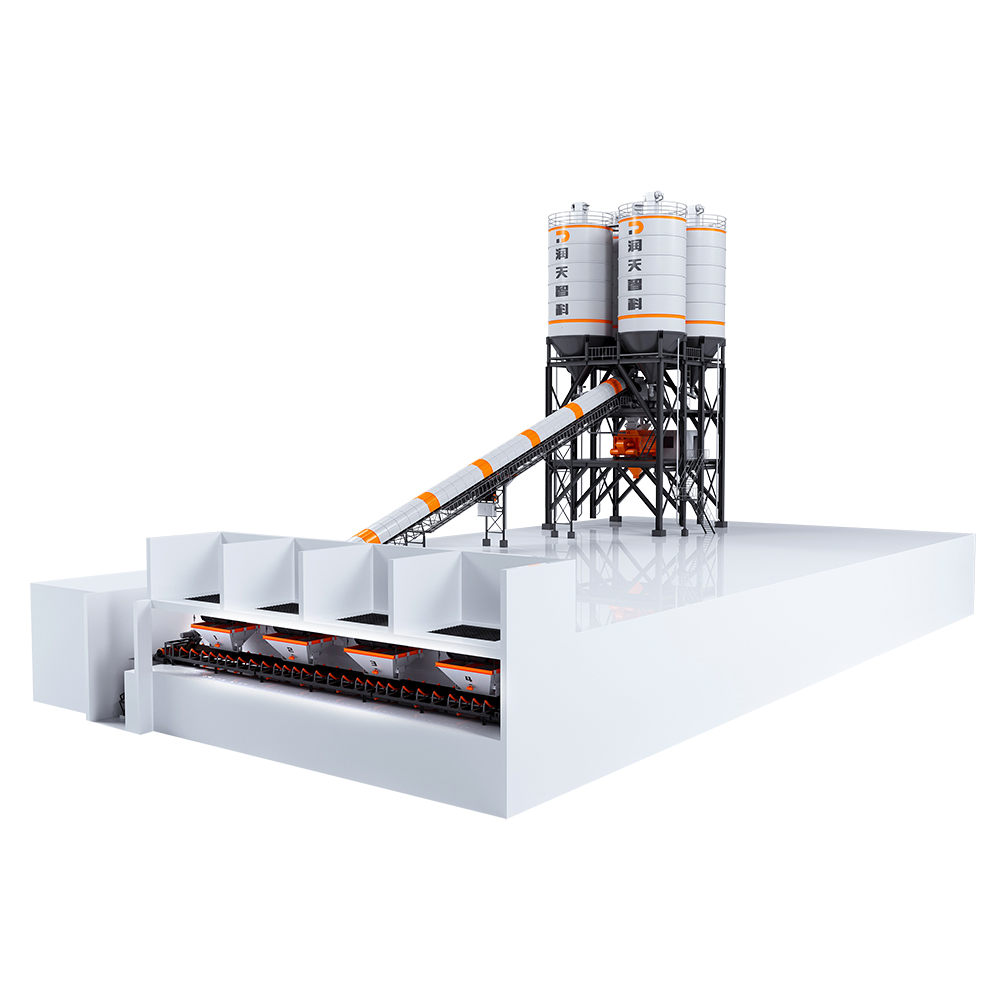 HZS Series Top-Mounted Concrete Mixing plant
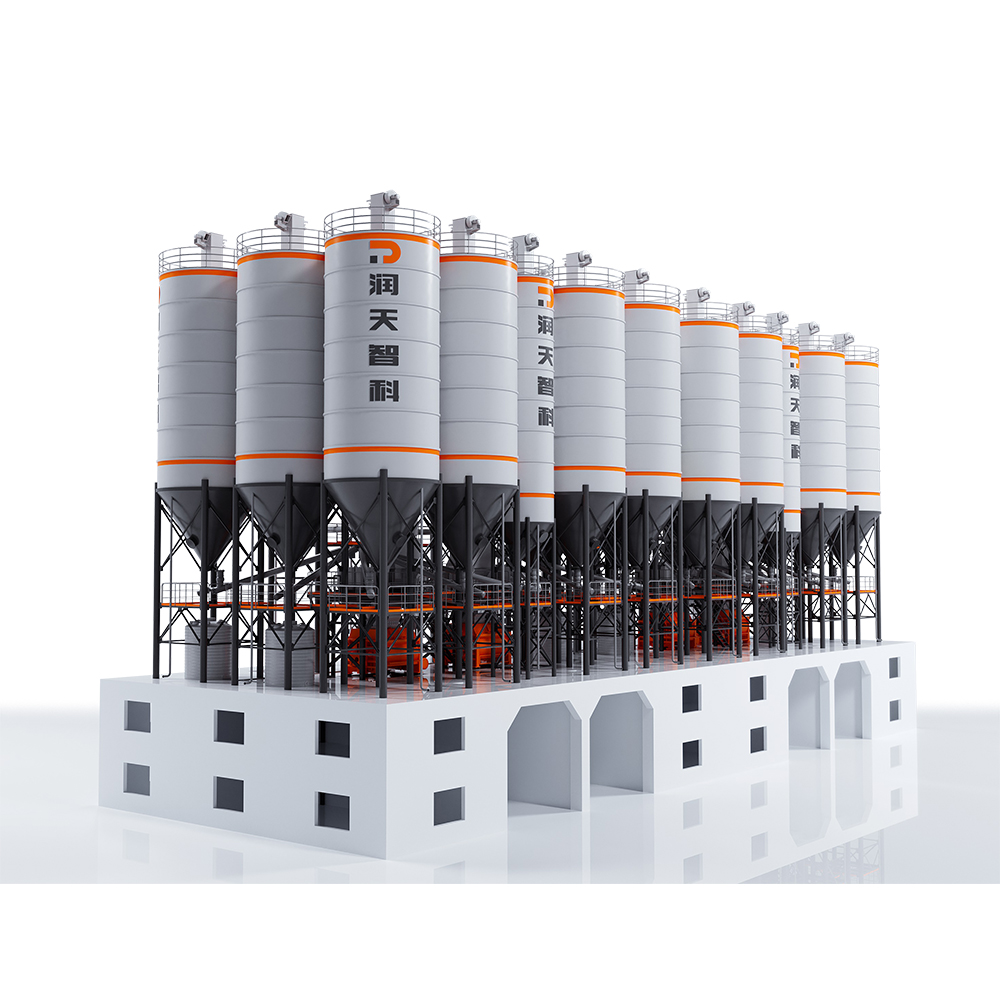 HZS Series Semi-Top Mounted Concrete Mixing Plant
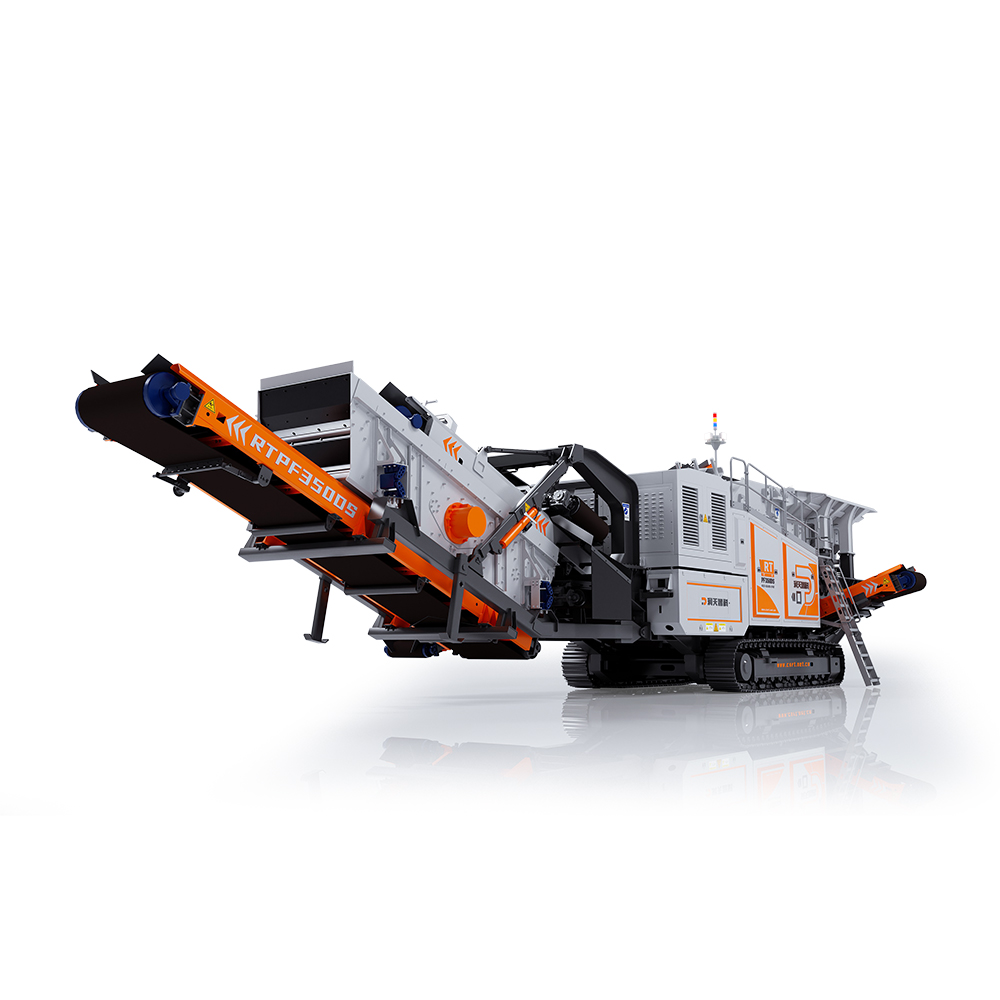 RTPF350DS Crawler Mobile Impact Crushing Plant
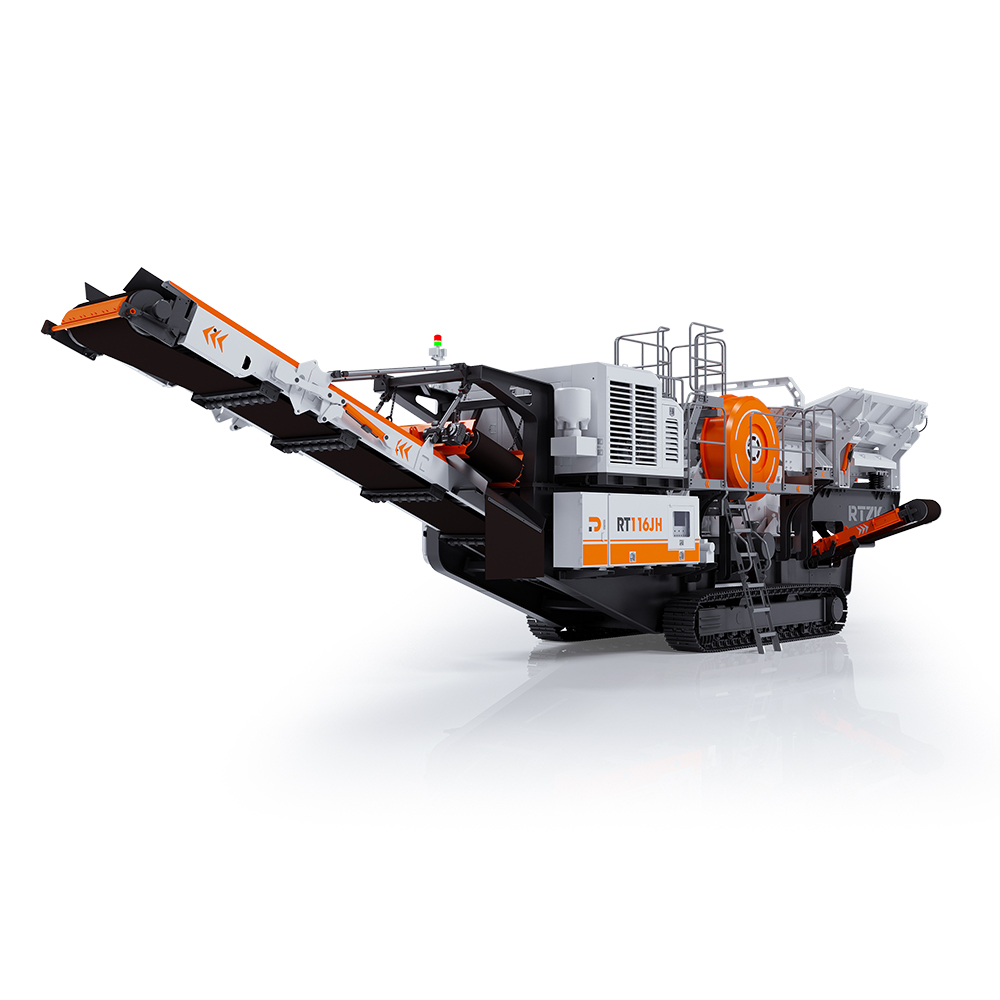 RT116JH Crawler Mobile Jaw Crushing Plant
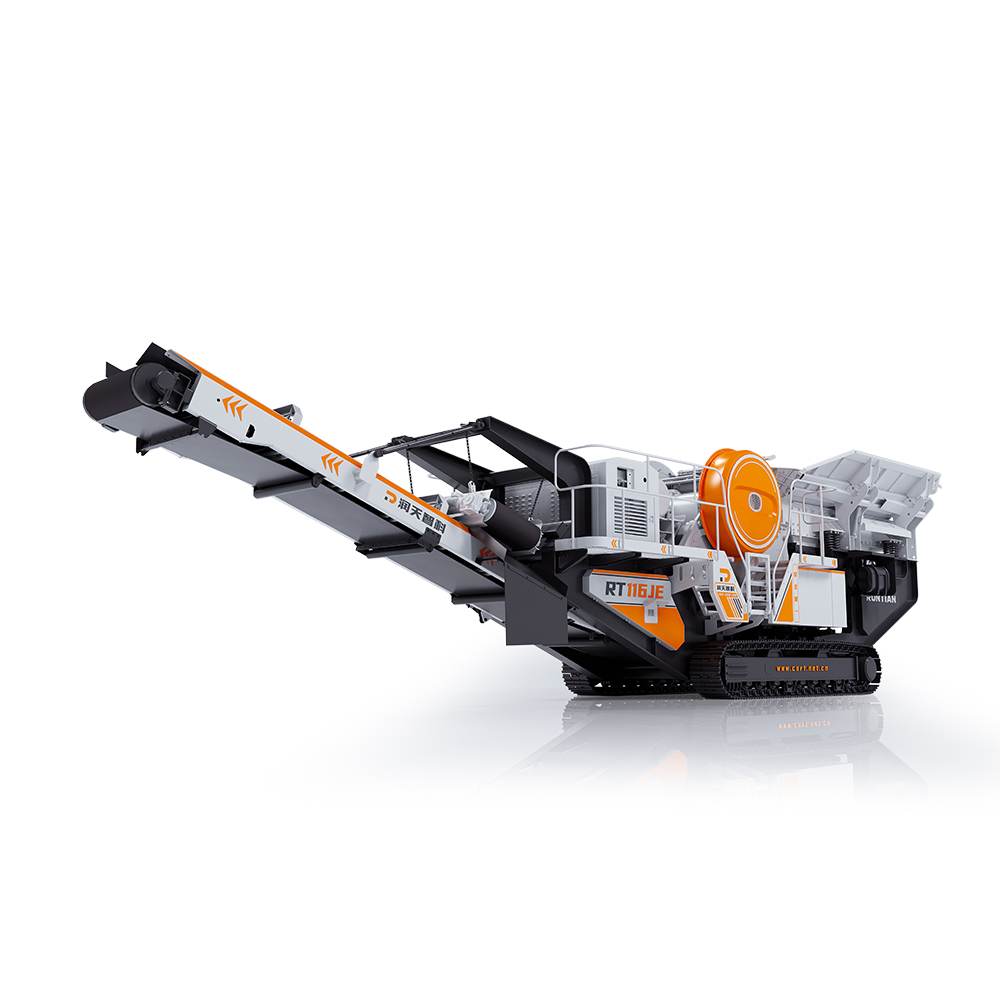 RT116JE Crawler Mobile Jaw Crushing Plant
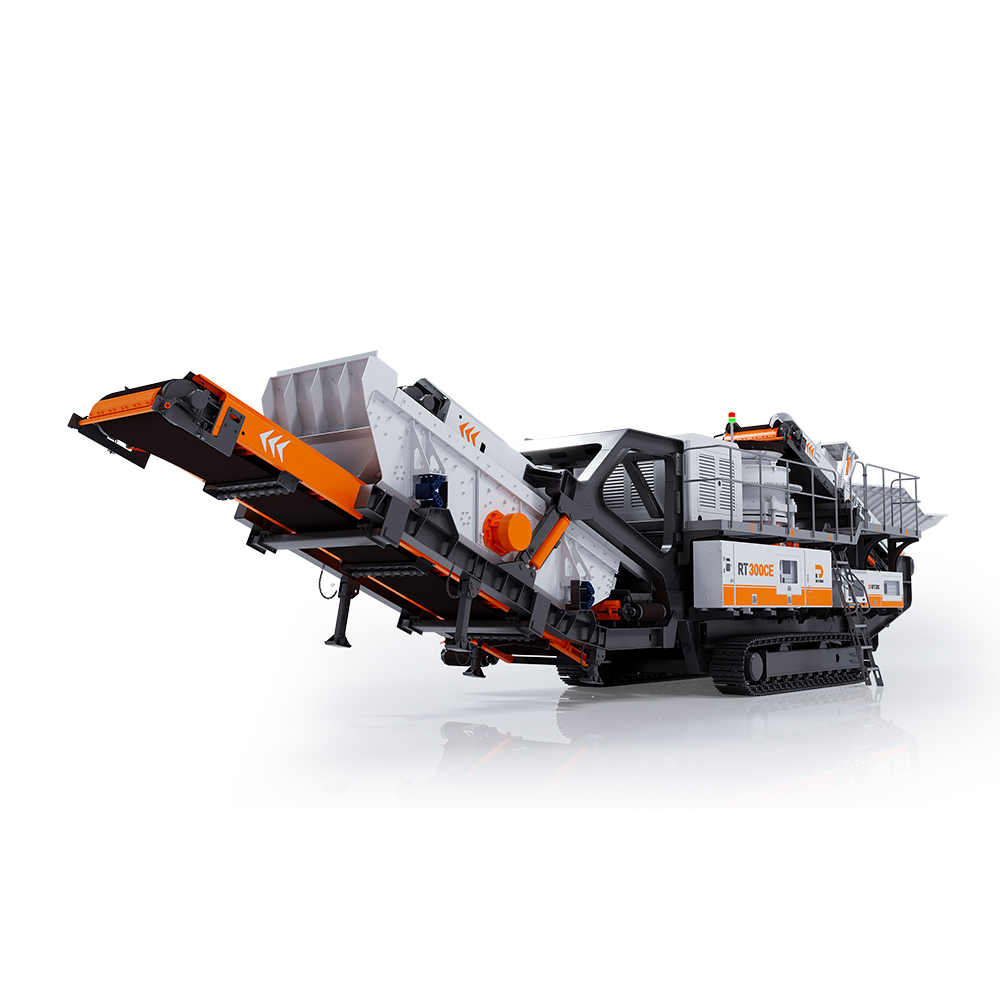 RT300CE Crawler Mobile Cone Crushing Plant
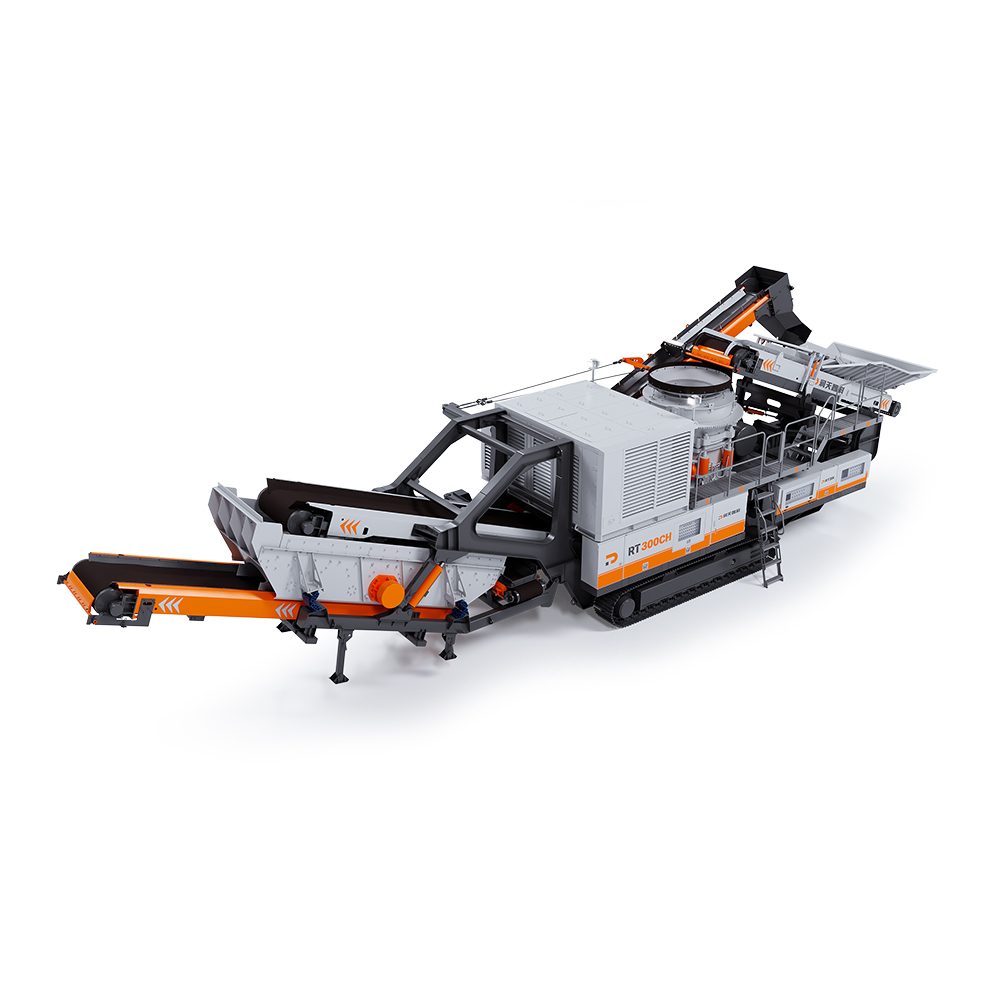 RT300CH Crawler Mobile Cone Crushing Plant
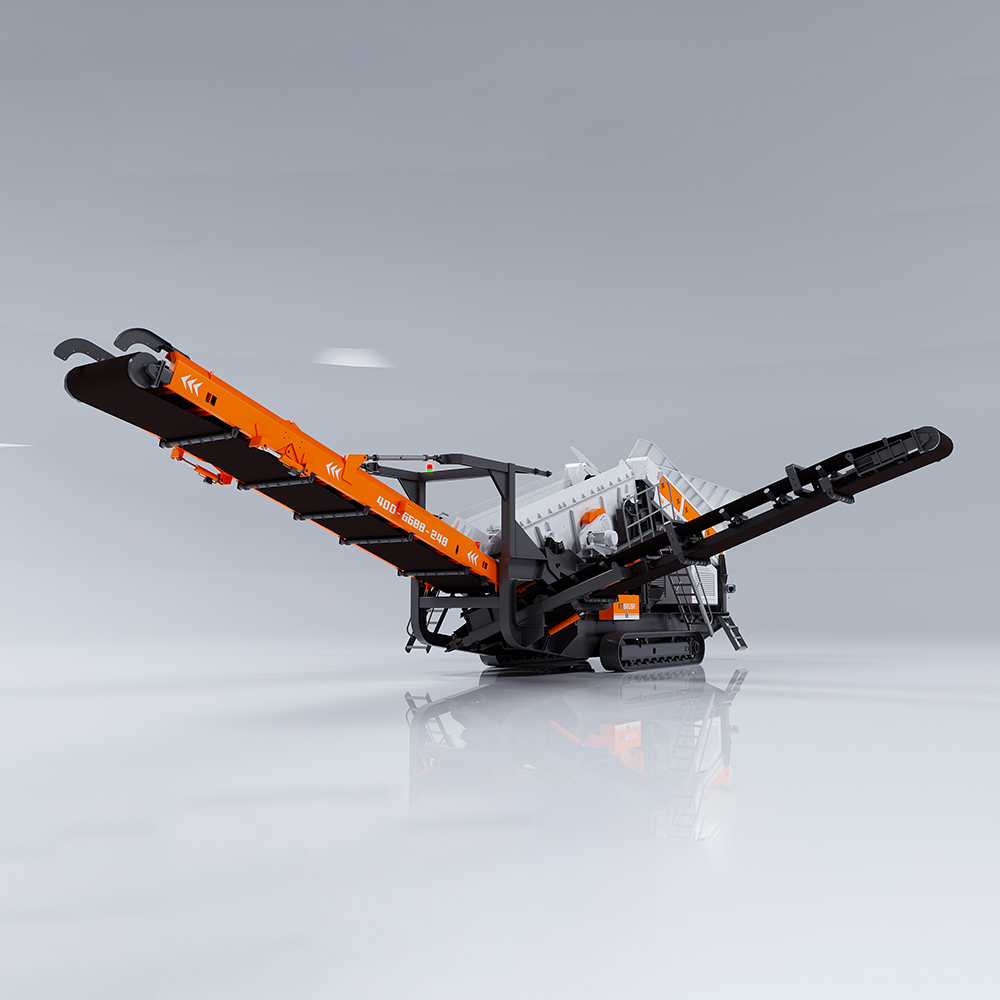 RT5015H Mobile Scalping Screen
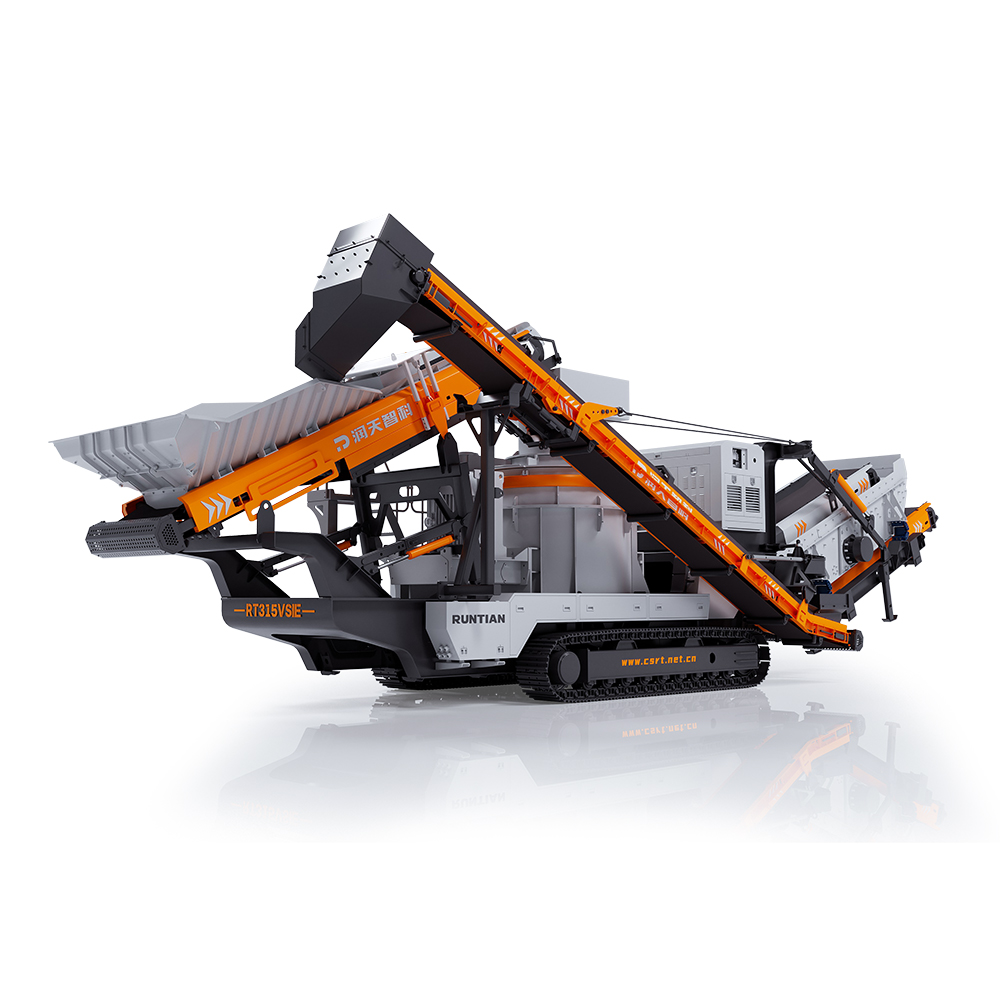 RT315VSIE Crawler Mobile Sand Maker
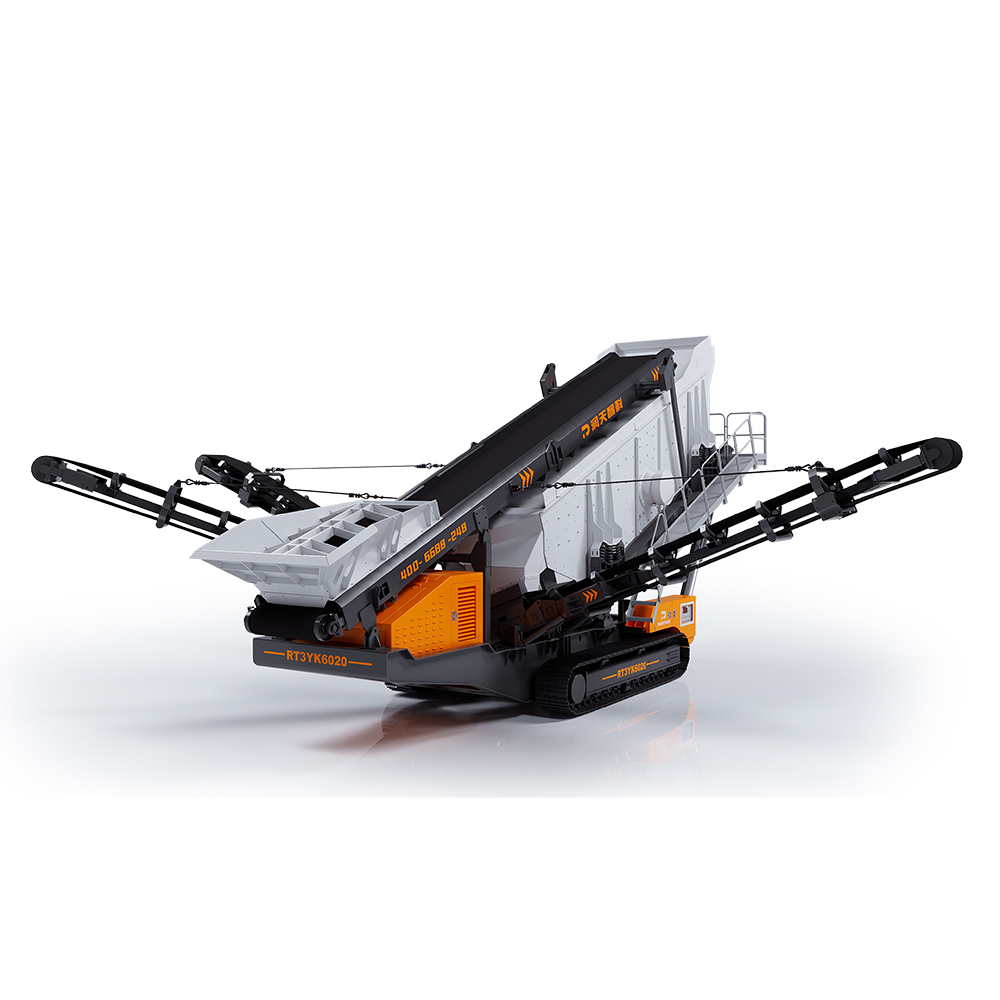 RT3YK6020 Crawler Mobile Screening Plant
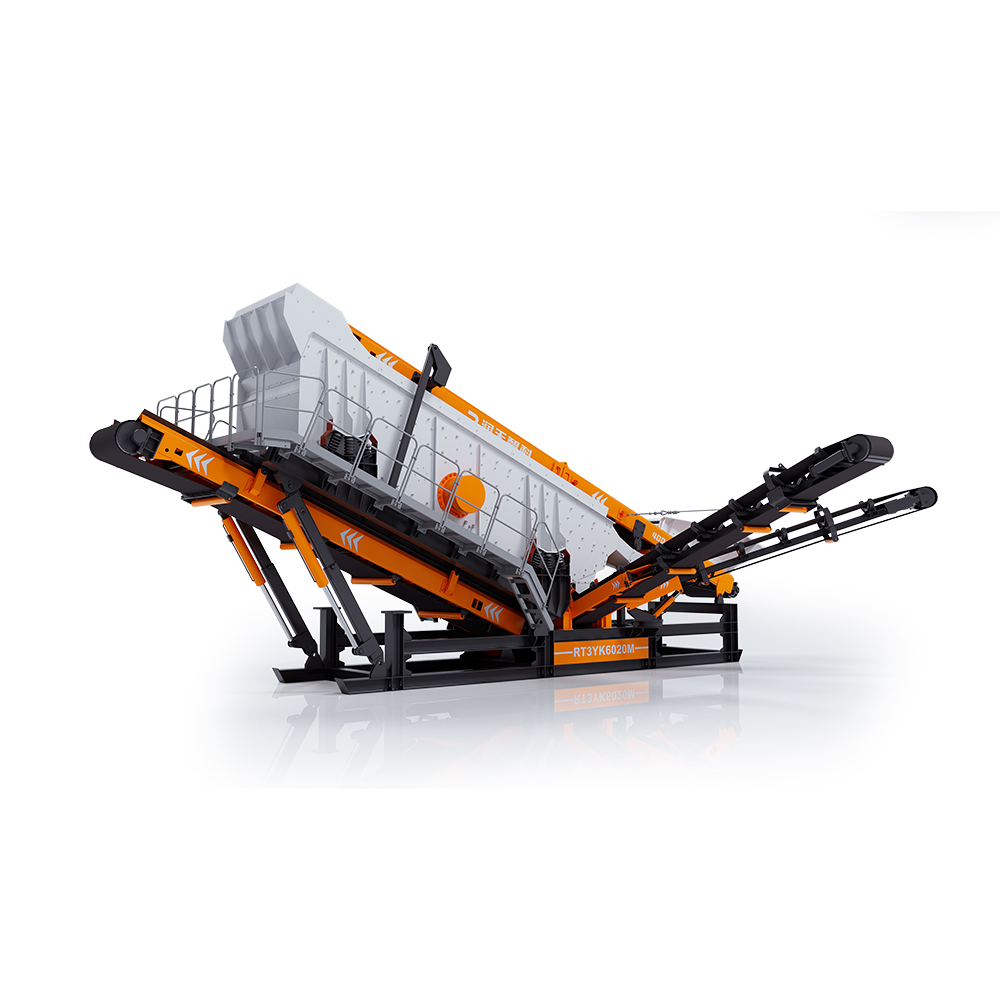 RT3YK6020M Modular Screening Plant
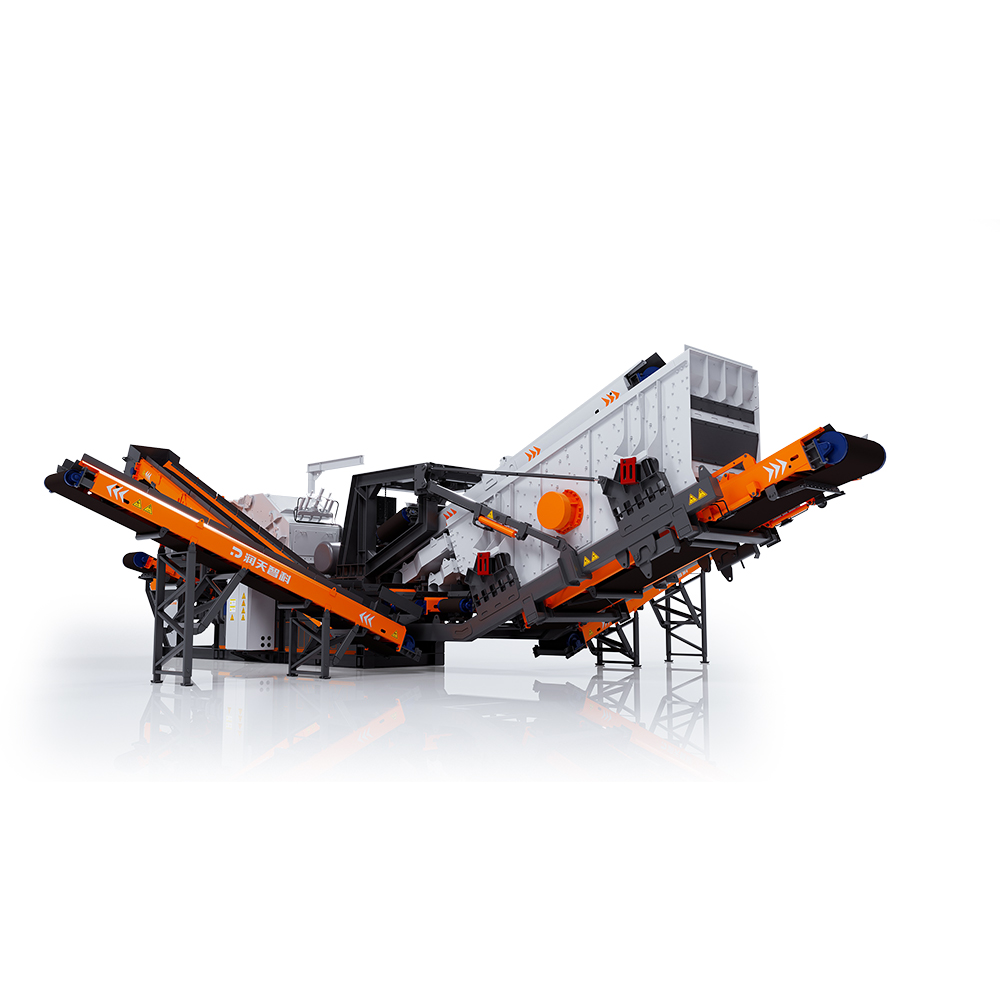 RTF260M Modular Counterattack Crushing and Screening Integrated Machine
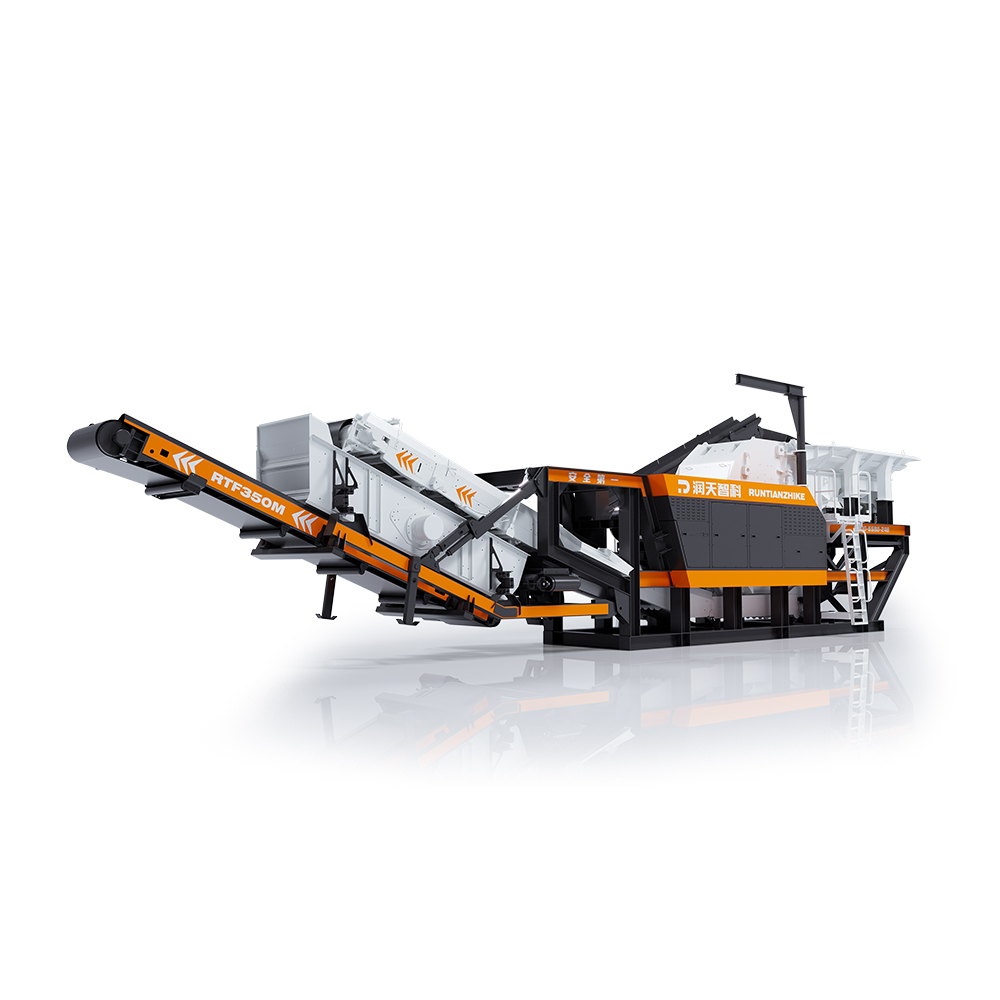 RTF350M Modular Impact Crushing Plant
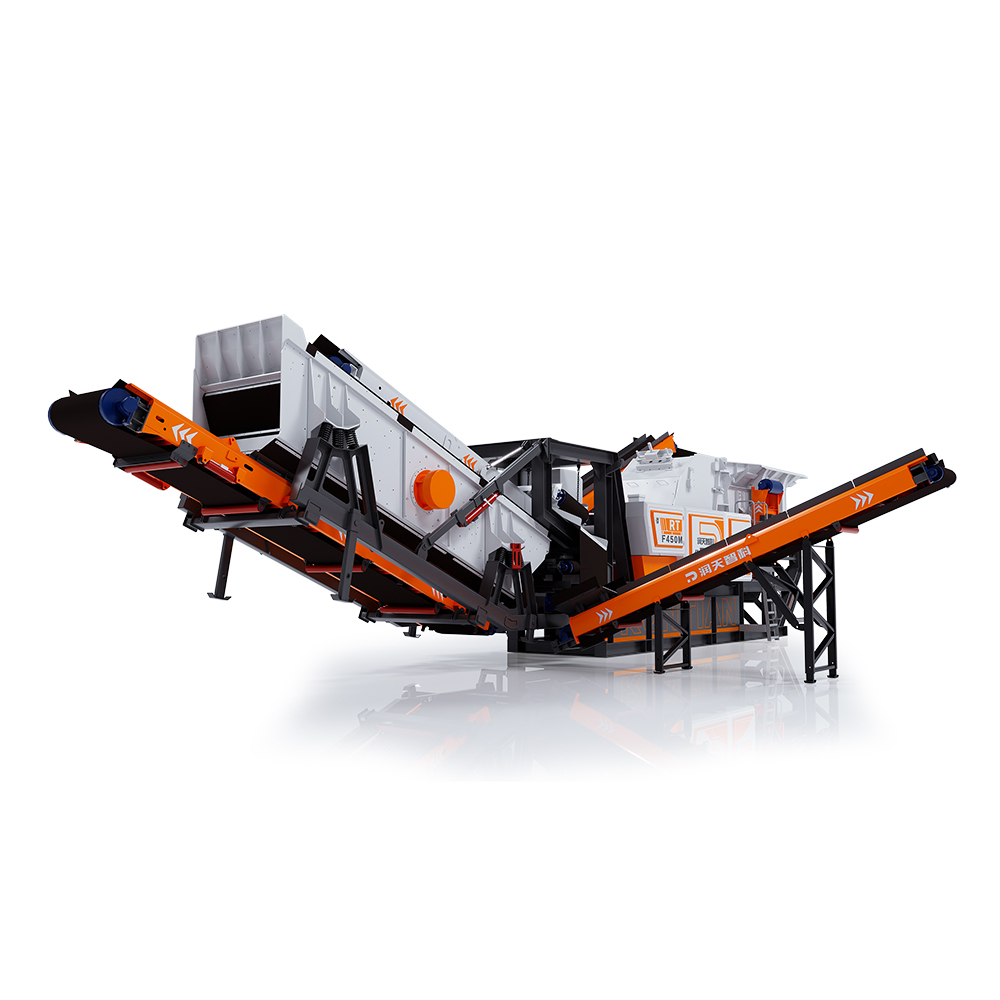 RTF450M Modular Impact Crushing Plant
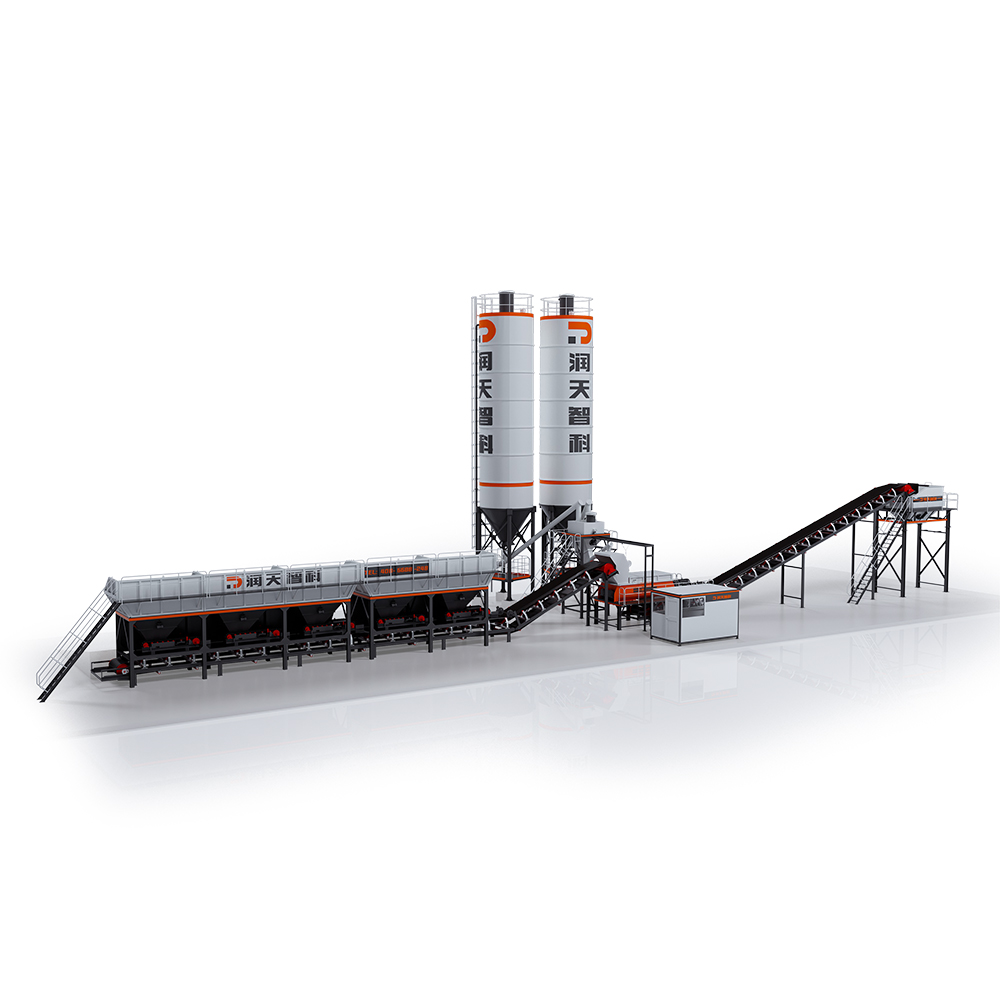 WDB Series Foundation-Free Stability Soil Mixing Plant
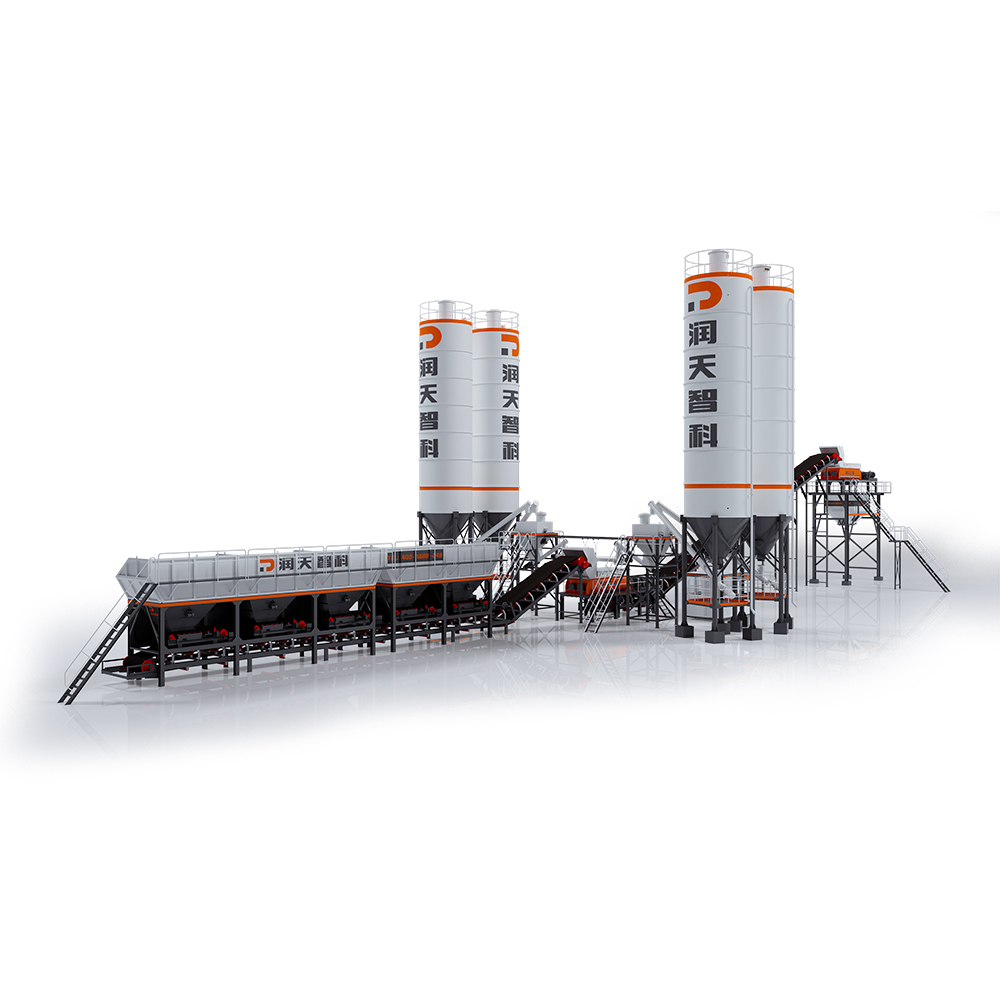 LCB Series Emulsified Asphalt Cold Regeneration Secondary Mixing Plant
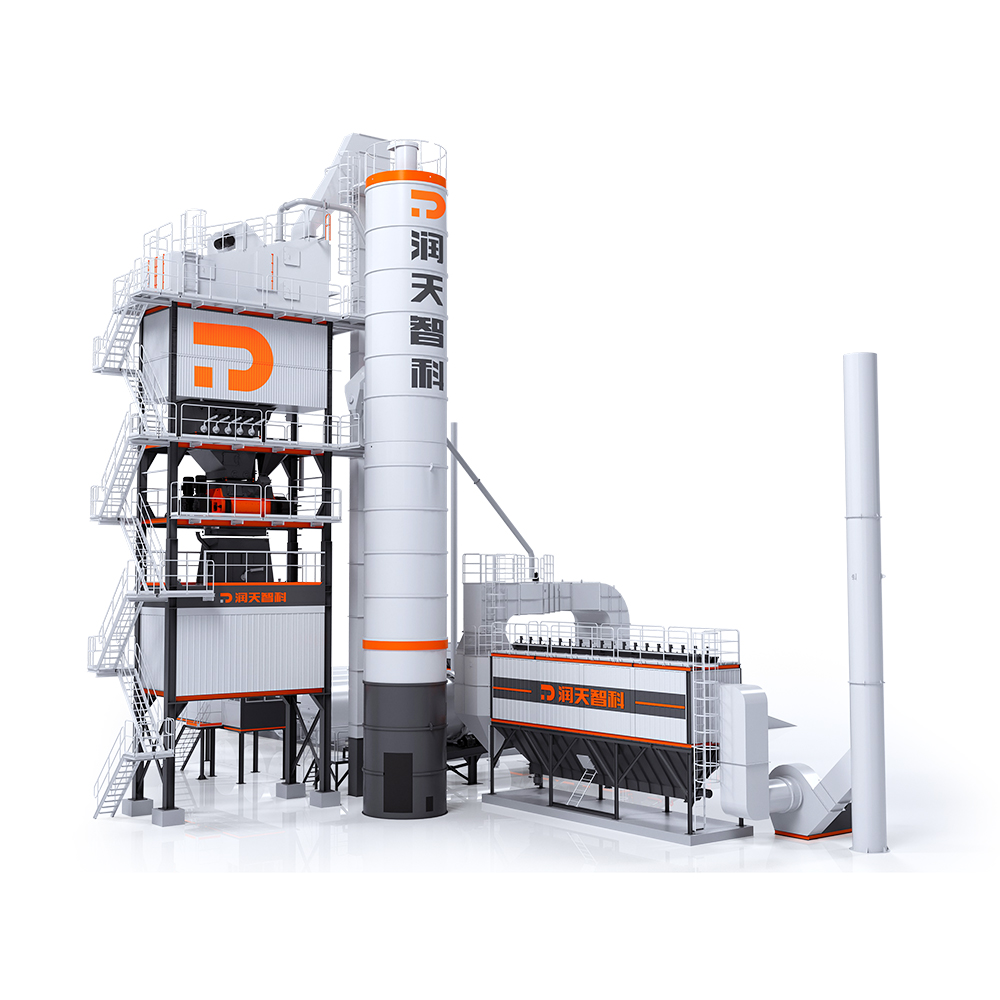 LB Series Asphalt Mixing Plant
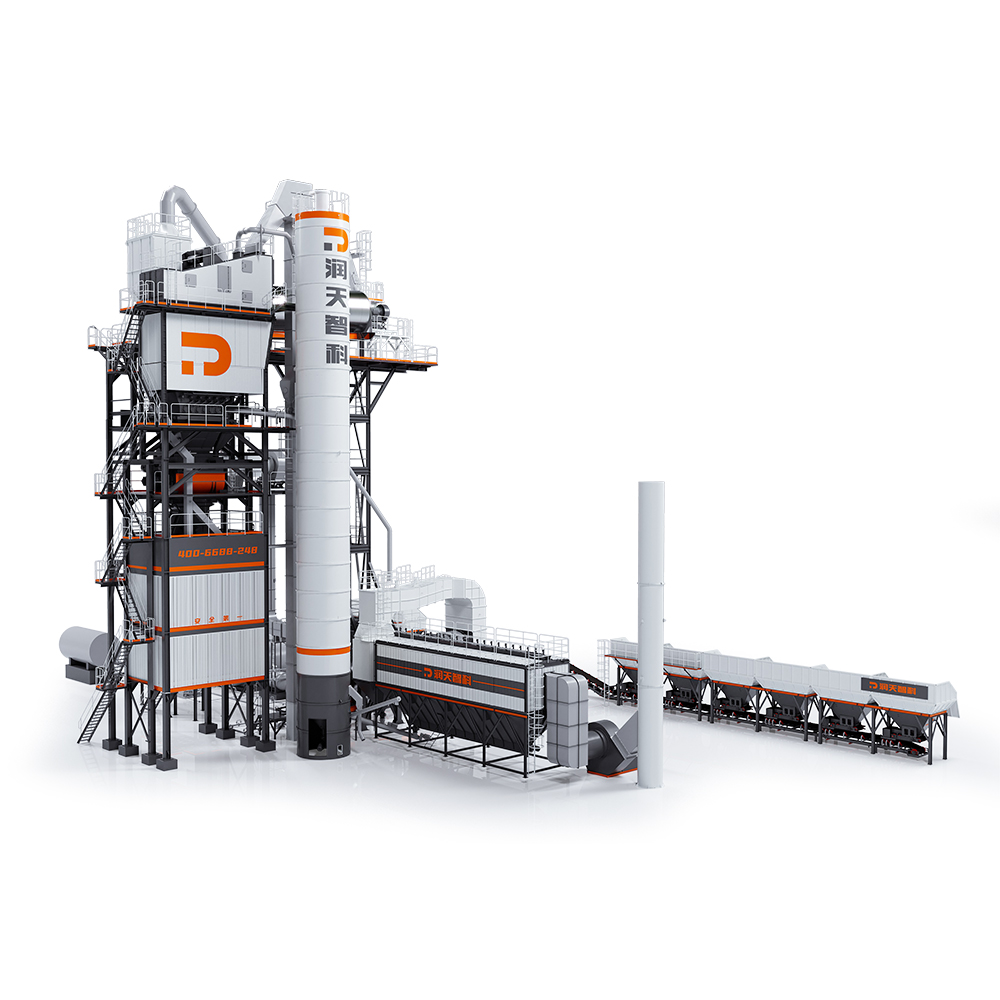 LBR Series Integrated Asphalt Mixing Plant
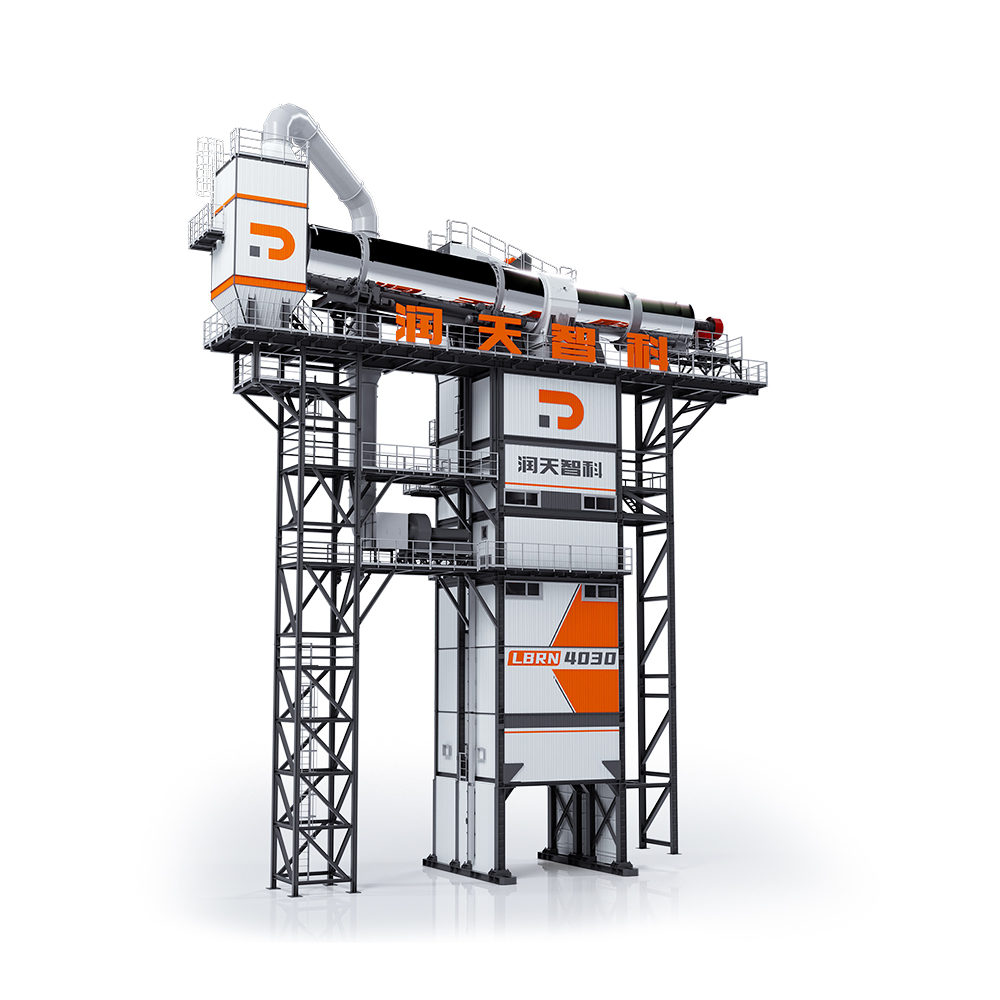 LBRN Series Counterflow Integral Asphalt Mixing Plant
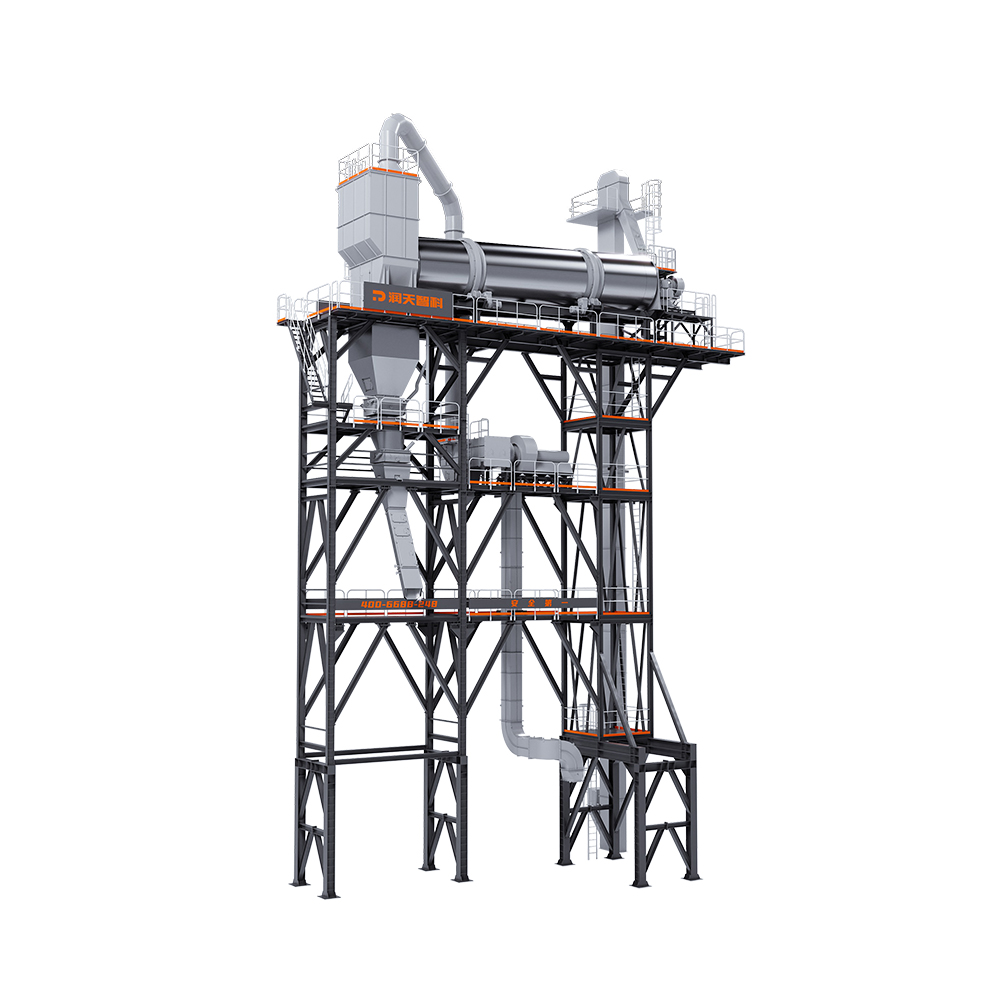 RZS Series Asphalt Mixing Plant
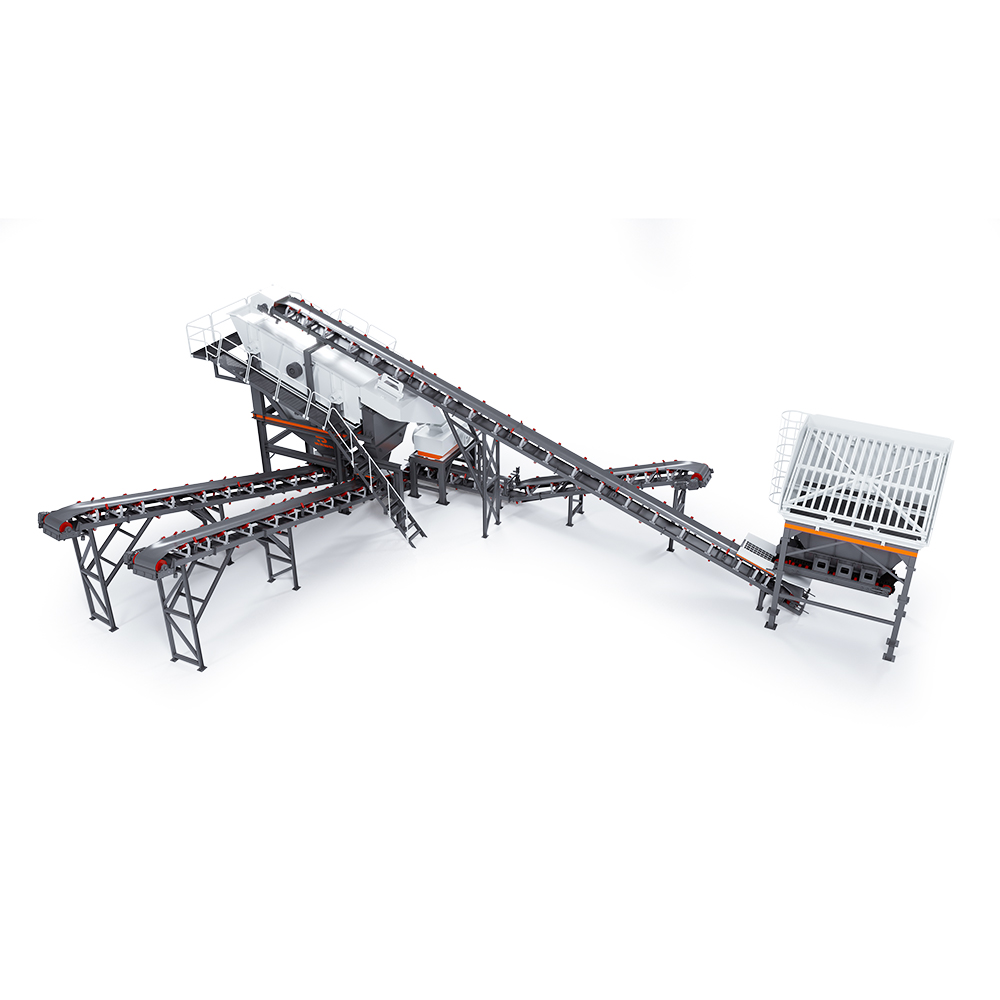 RTZS120 Series RAP Crushing & Screening Plant
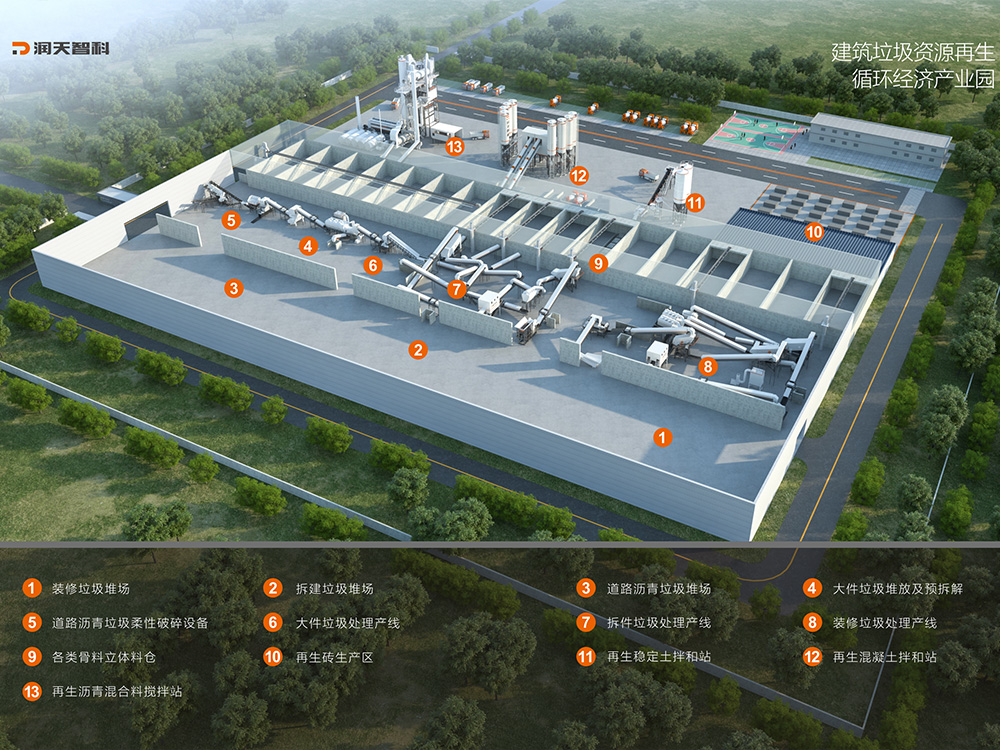 Construction Waste Resourceful Treatment Line