| VSI Crusher Basics |
Operating principle |
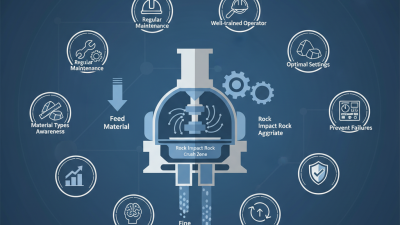
A Vertical Shaft Impact crusher accelerates feed material through a high-speed rotor and breaks particles by rock-on-rock or rock-on-metal impact. |
Confirm whether the proposed configuration is suitable for the required product shape, capacity, and material abrasiveness. |
| VSI Crusher Basics |
Main product function |
VSI crushers are commonly used for shaping cubical aggregates, producing manufactured sand, and reducing the size of suitable hard materials. |
Define whether the primary goal is shaping, sand production, fine reduction, or a combination of these functions. |
| Capacity |
Typical processing range |
Many industrial VSI models are designed for approximately 30–600 tonnes per hour, depending on rotor size, feed grading, material density, and operating conditions. |
Compare capacity using the same feed size, bulk density, moisture level, and required product specification. |
| Feed Conditions |
Maximum feed size |
A VSI is generally a tertiary or quaternary crusher. Typical allowable feed sizes are often below 50 mm, although the exact limit depends on the equipment design and rotor configuration. |
Verify the maximum lump size and install a suitable secondary crusher or screening stage if the feed is oversized. |
| Material Suitability |
Commonly processed materials |
Suitable applications include limestone, granite, basalt, river gravel, quartz, concrete aggregates, and other materials within the machine's hardness and abrasiveness limits. |
Request test data for the actual feed material, especially when processing highly abrasive rock or recycled aggregate. |
| Product Quality |
Particle shape |
Impact crushing can improve aggregate shape by reducing elongated and flaky particles. Final results depend on feed gradation, rotor speed, crusher design, and closed-circuit screening. |
Ask for laboratory or site test results showing flakiness, elongation, sand equivalent, and particle-size distribution where relevant. |
| Manufactured Sand |
Fines production |
VSI crushers can produce manufactured sand and fine aggregate, but the amount of fines varies with rock type, rotor speed, feed size, moisture, and chamber configuration. |
Check whether a dust-control system, classifier, air separator, or additional screening is required to meet the target grading. |
| Configuration |
Rock-on-rock versus rock-on-metal |
Rock-on-rock operation generally reduces wear in suitable, abrasive materials and is often used for shaping. Rock-on-metal operation can provide higher reduction but may increase wear in abrasive feed. |
Choose the crushing chamber and anvil configuration according to abrasiveness, reduction ratio, product shape, and operating cost. |
| Power and Efficiency |
Installed power |
VSI power requirements vary widely by rotor diameter, throughput, material resistance, and reduction duty. Industrial units may use one or more motors with total installed power commonly ranging from about 75 to 800 kW. |
Compare power consumption per tonne under identical operating conditions instead of comparing motor size alone. |
| Wear Management |
Typical replaceable wear parts |
Common wear components include rotor tips, wear plates, distributor plates, cavity liners, anvils, and feed tubes. Service life depends strongly on material abrasiveness and operating practice. |
Check the material grade, replacement procedure, lead time, local stock, and documented wear-life results. |
| Reliability |
Rotor balancing and vibration control |
Rotor balance, bearing protection, correct assembly, and stable lubrication are essential for safe operation and reduced vibration. |
Request rotor balancing records, bearing specifications, vibration limits, and commissioning procedures. |
| Automation |
Monitoring and protection |
Useful protection functions include vibration monitoring, bearing temperature monitoring, lubrication alarms, motor overload protection, and access-door interlocks. |
Confirm which sensors are included, how alarms are displayed, and whether the control system can communicate with the plant PLC. |
| Plant Integration |
Recommended circuit arrangement |
A typical VSI circuit may include a feeder, primary or secondary crusher, vibrating screen, VSI crusher, conveyors, dust suppression, and recirculation of oversize material. |
Review the complete flow sheet rather than selecting the VSI independently from the rest of the plant. |
| Environmental Control |
Dust and noise management |
Dry crushing can generate dust, particularly during fine aggregate production. Enclosures, water sprays, bag filters, ventilation, and acoustic controls may be required by local regulations. |
Request a dust-control plan and verify compliance with the installation site's environmental and occupational-safety requirements. |
| Supplier Evaluation |
Technical documentation |
A reliable supplier should provide general arrangement drawings, foundation loads, electrical data, wear-part drawings, operating instructions, maintenance schedules, and recommended spare-parts lists. |
Ensure the documents are complete, consistent, and available in the required language before signing the contract. |
| Supplier Evaluation |
Performance verification |
A factory inspection or witnessed test can verify dimensions, assembly quality, rotation direction, lubrication systems, safety devices, and instrumentation. |
Include measurable acceptance criteria for throughput, product grading, power use, vibration, and noise where applicable. |
| Supplier Evaluation |
Quality management |
Production traceability, incoming-material inspection, welding procedures, machining controls, and final inspection help reduce manufacturing and assembly risks. |
Ask for quality-control records and applicable management-system certificates without relying on certification alone. |
| After-Sales Service |
Installation and commissioning |
Proper foundation alignment, rotor installation, belt tension, lubrication, electrical checks, and no-load and loaded commissioning are important for reliable operation. |
Confirm the scope, response time, travel arrangements, remote support, and commissioning deliverables in writing. |
| After-Sales Service |
Spare-parts availability |
Critical spare parts should include rotor tips, wear plates, bearings, belts, lubrication components, sensors, and fasteners appropriate to the selected configuration. |
Compare delivery times, interchangeability, packaging, warranty terms, and the recommended first-year spare-parts package. |
| Commercial Review |
Total cost of ownership |
The purchase price is only one part of cost. Energy consumption, wear-part usage, labor, downtime, maintenance, dust control, and transportation can significantly affect the life-cycle cost. |
Evaluate cost per tonne over the planned service period using realistic production and maintenance assumptions. |
| Application in China |
Typical project uses |
VSI crushers are used in aggregate quarries, manufactured-sand plants, expressway and railway construction-material projects, hydropower projects, concrete aggregate production, and recycling operations. |
Match the machine to local feedstock, required national or project-specific aggregate grading, climate, electricity supply, and service conditions. |
| Final Selection |
Reliable supplier checklist |
The preferred supplier should demonstrate relevant application experience, transparent technical specifications, verifiable test data, controlled manufacturing, complete documentation, available spare parts, and responsive service. |
Use at least two comparable technical quotations and select based on verified performance and life-cycle value, not price alone. |

 Concrete Mixing Plant
 HZS Series Belt Concrete Mixing Plant
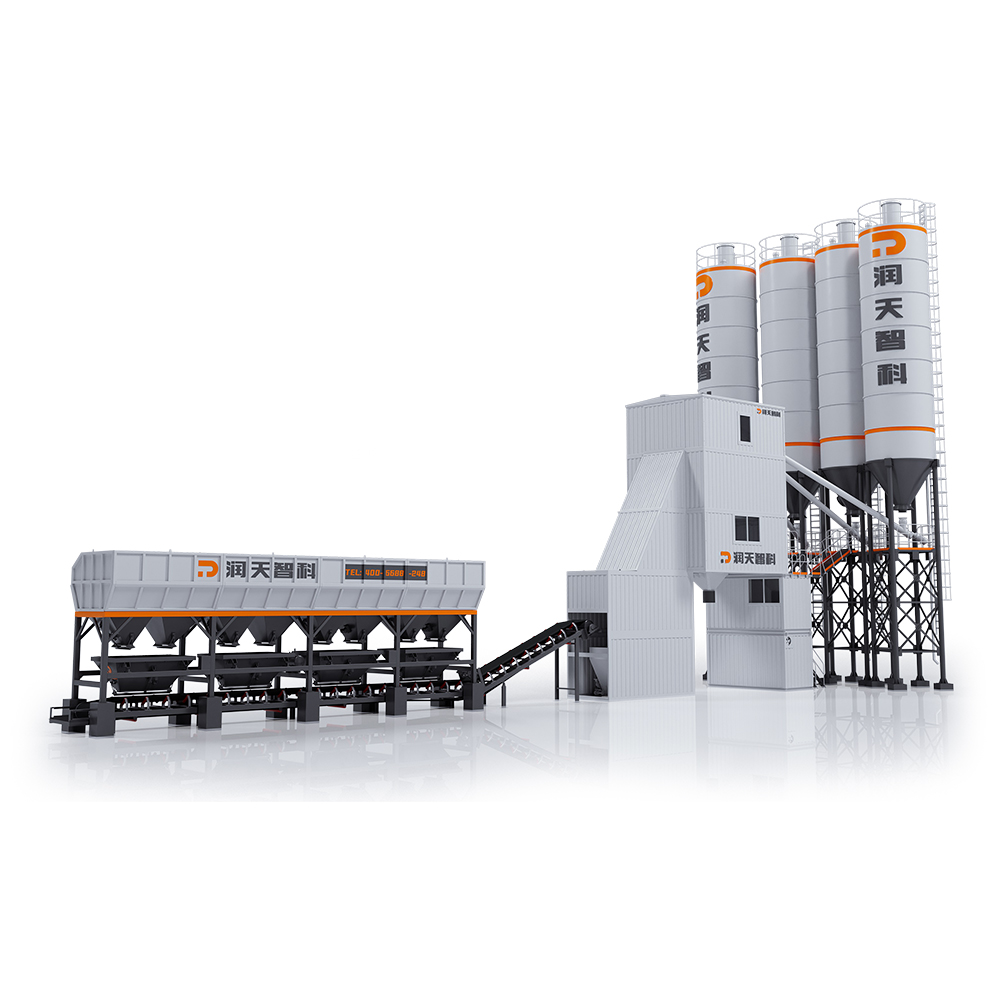 HZS Series Bucket-Lifting Type Container Concrete Mixing Plant
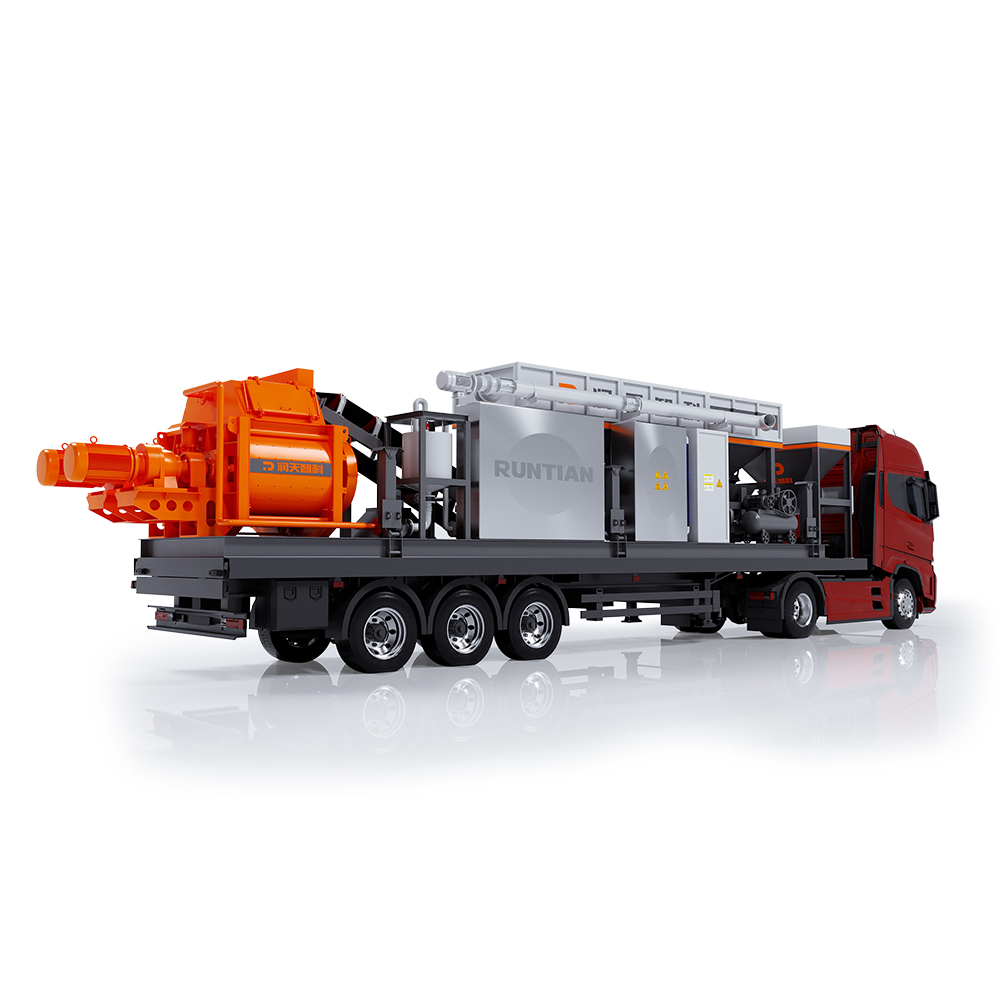 HZS60 Mobile Concrete Mixing Plant
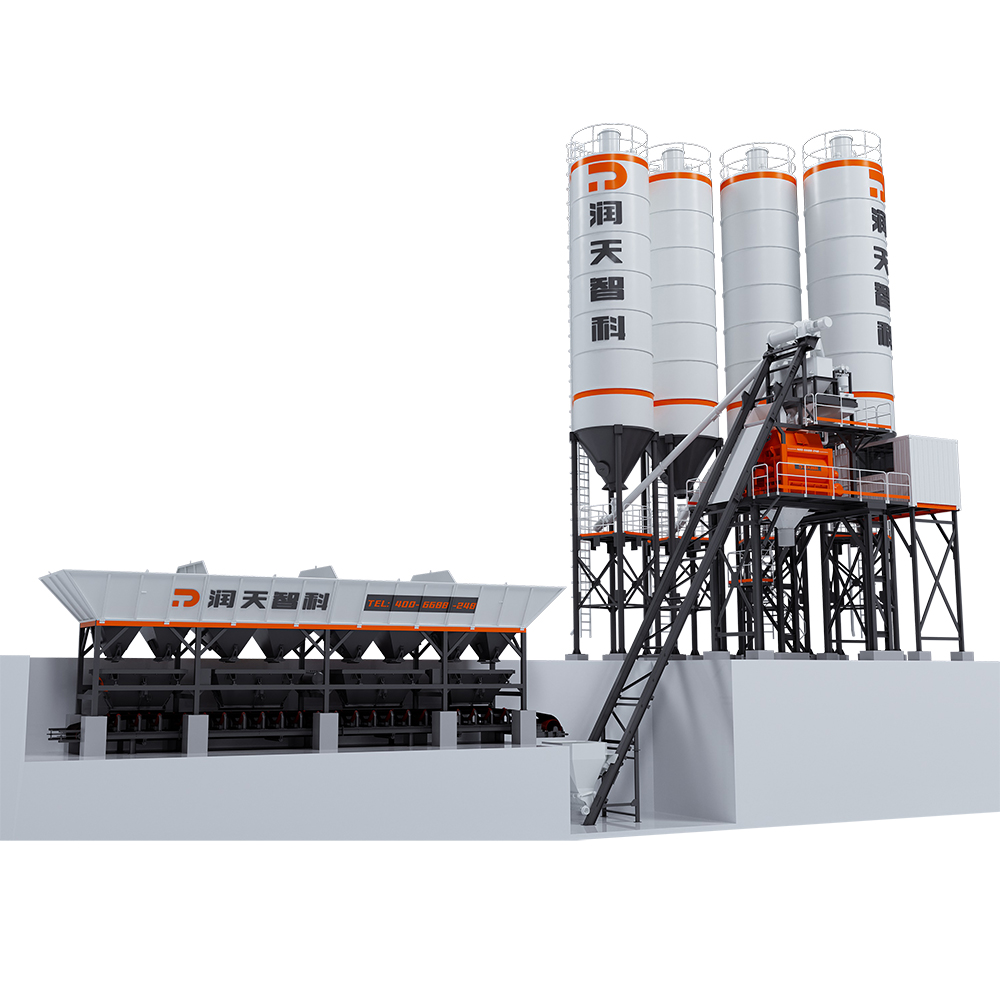 HZS Series Bucket-Lifting Type Concrete Mixing Plant
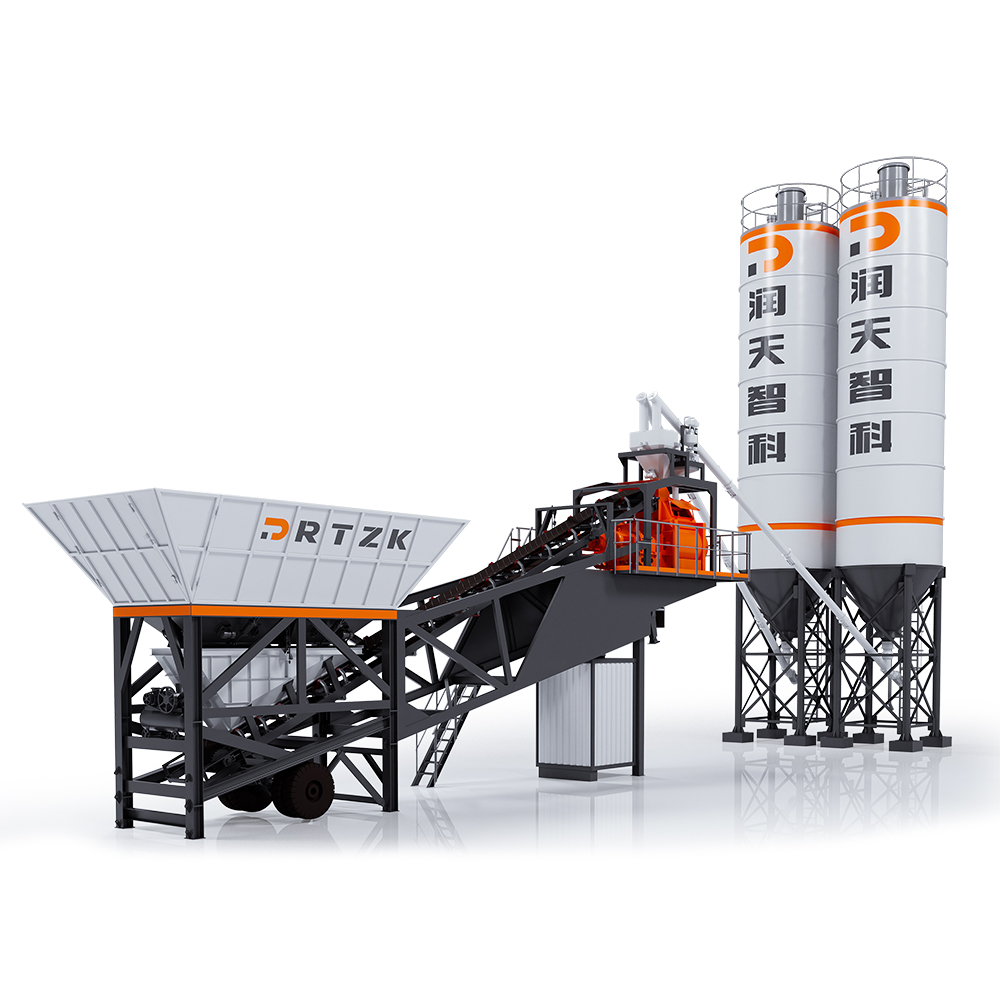 HZS Series Mobile Concrete Mixing Plant
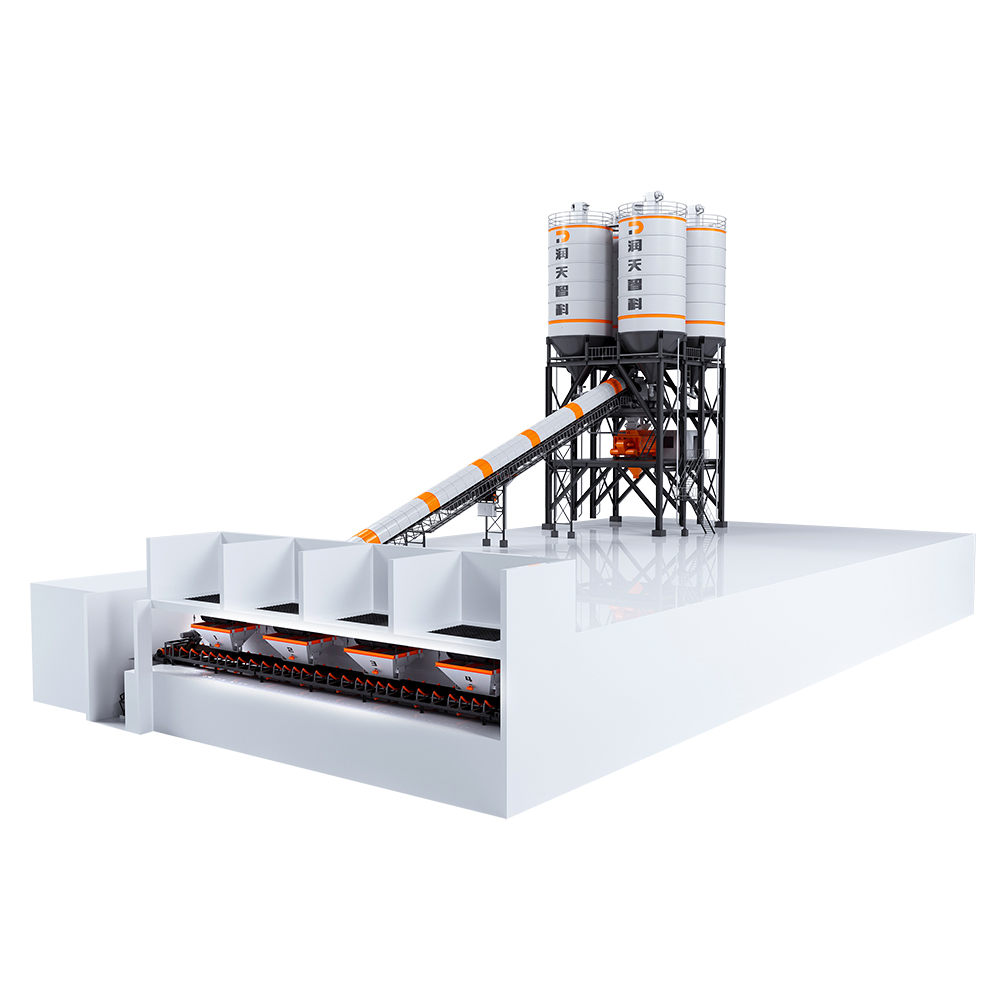 HZS Series Top-Mounted Concrete Mixing plant
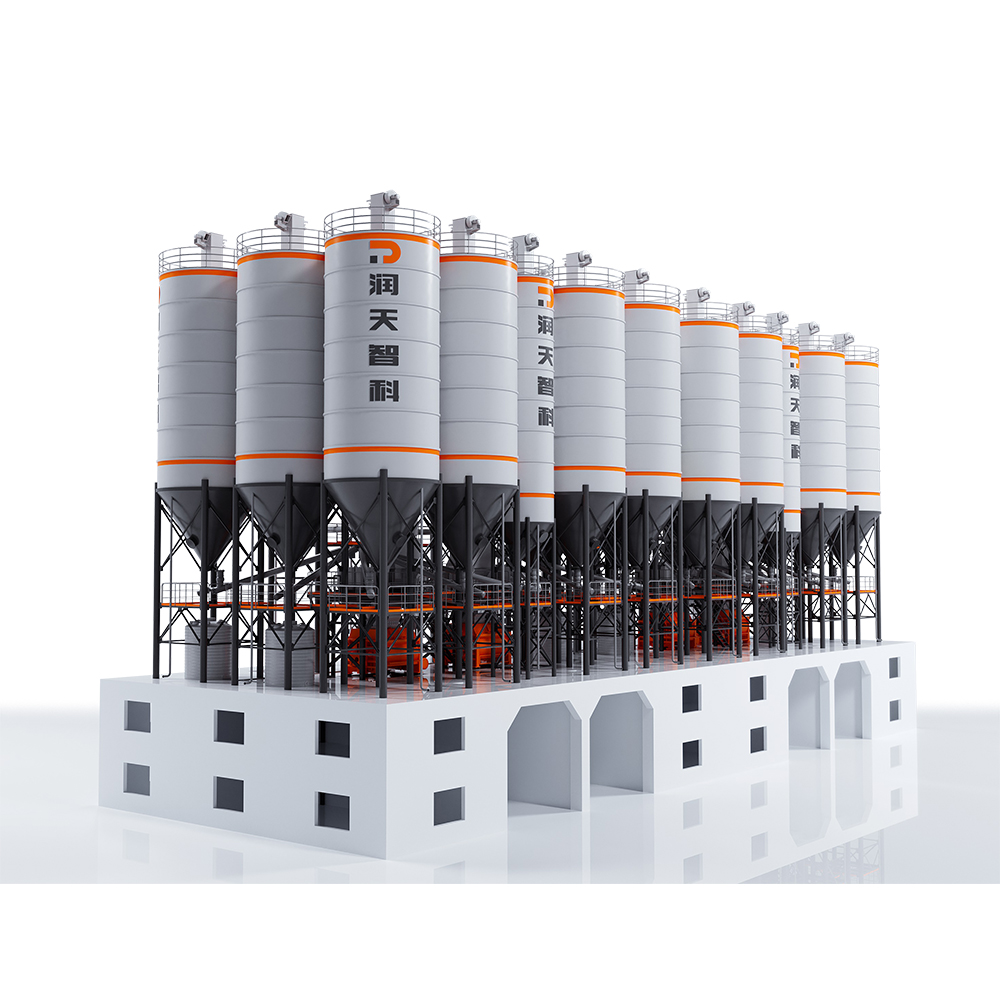 HZS Series Semi-Top Mounted Concrete Mixing Plant
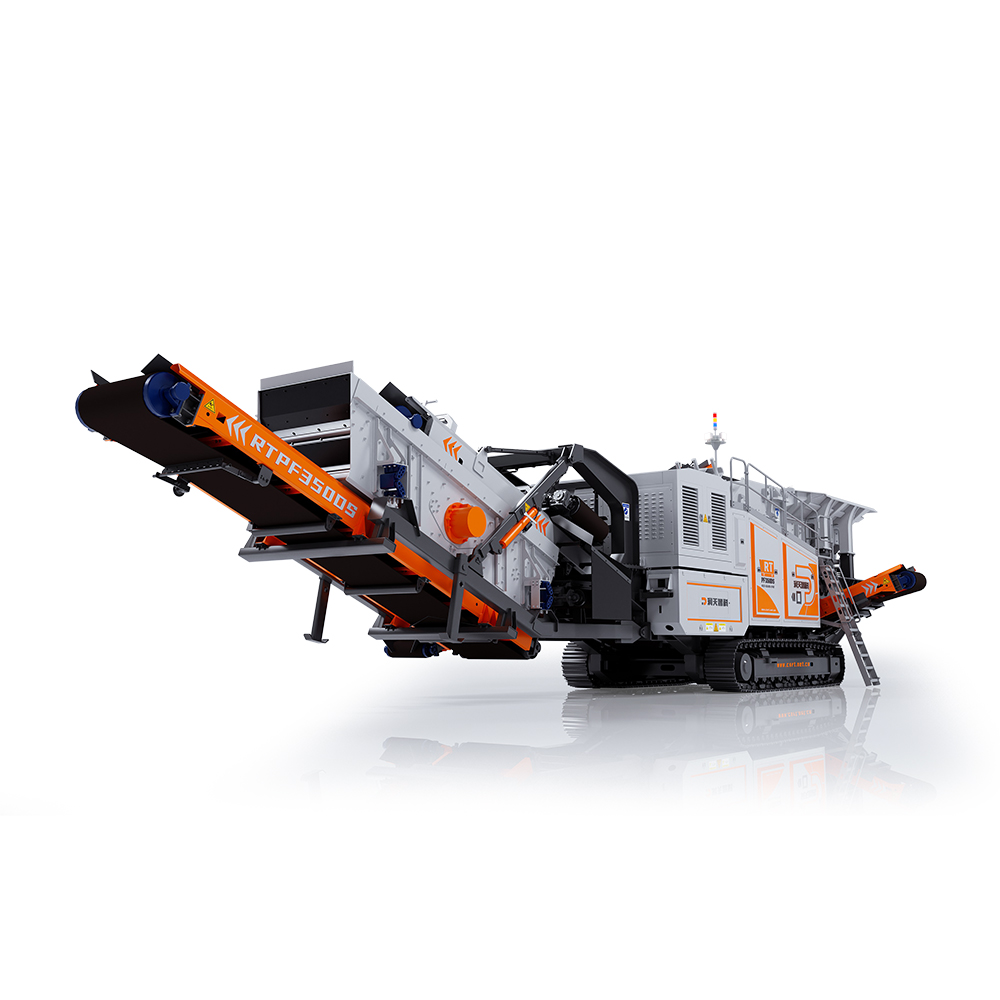 RTPF350DS Crawler Mobile Impact Crushing Plant
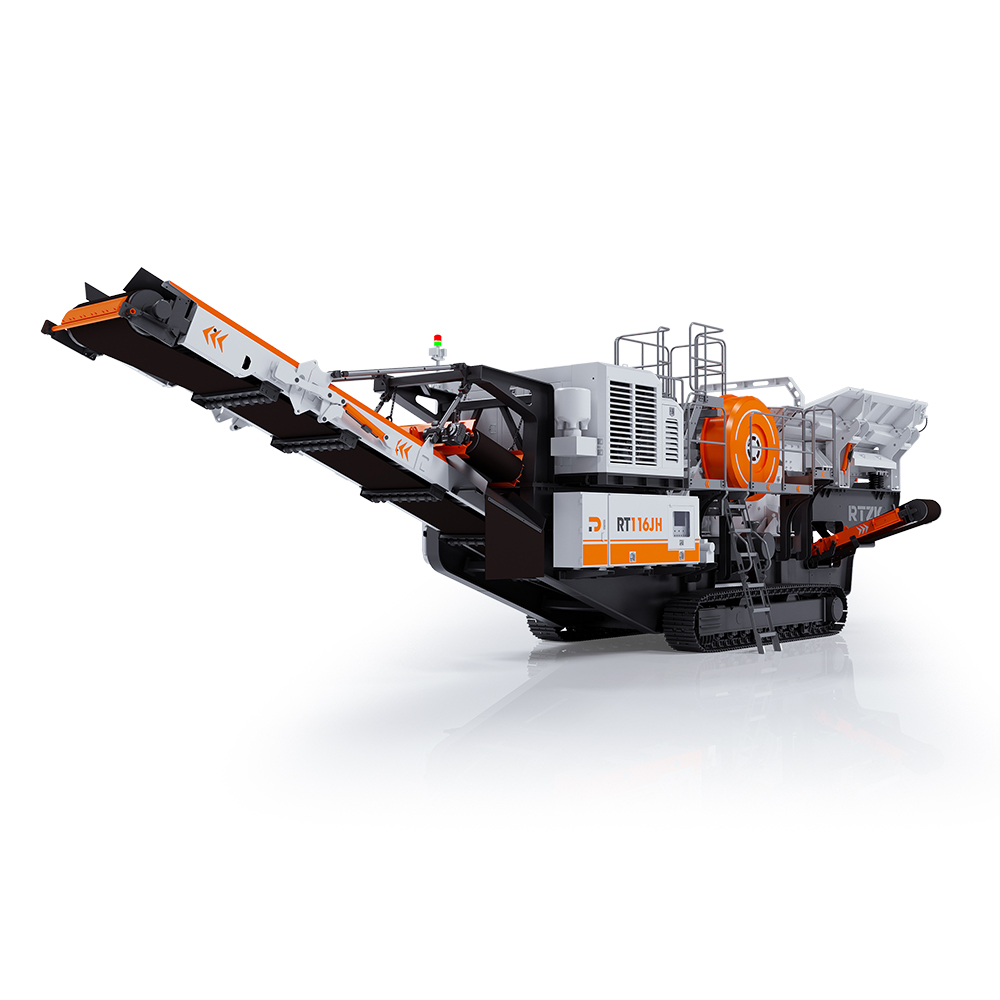 RT116JH Crawler Mobile Jaw Crushing Plant
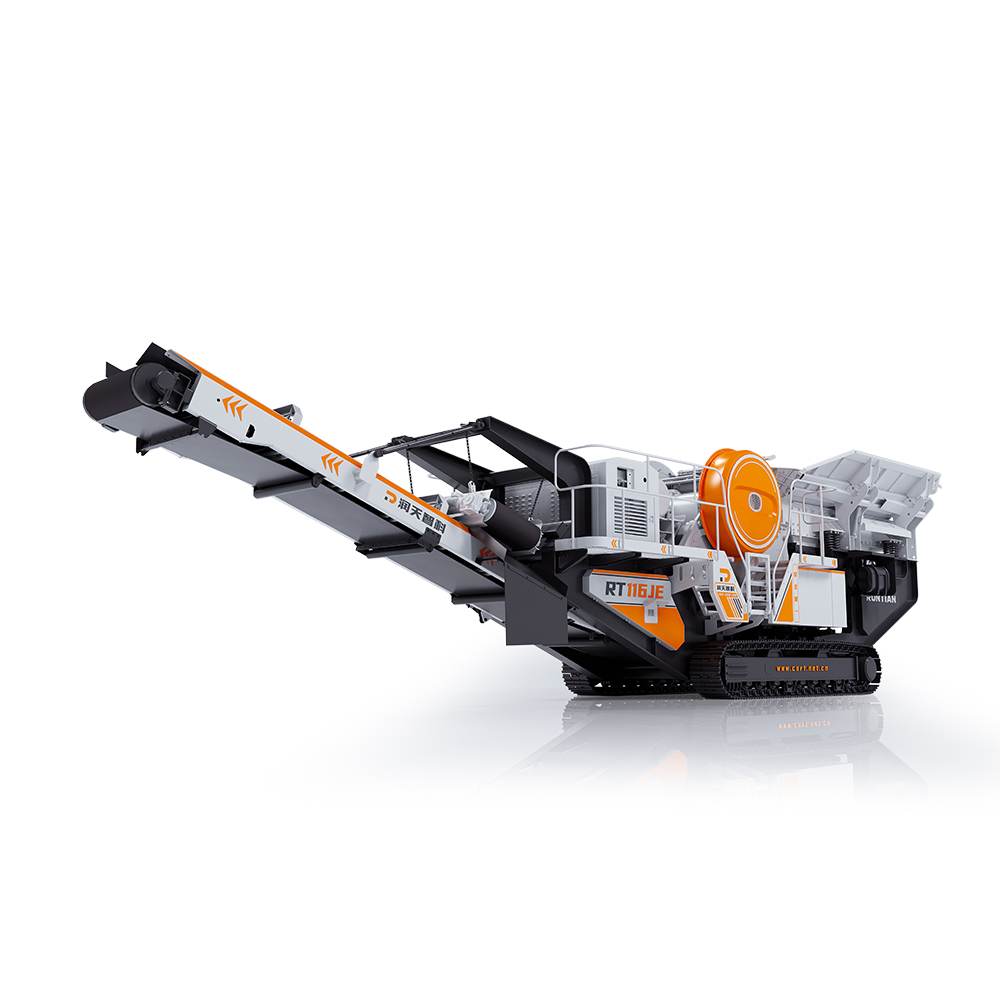 RT116JE Crawler Mobile Jaw Crushing Plant
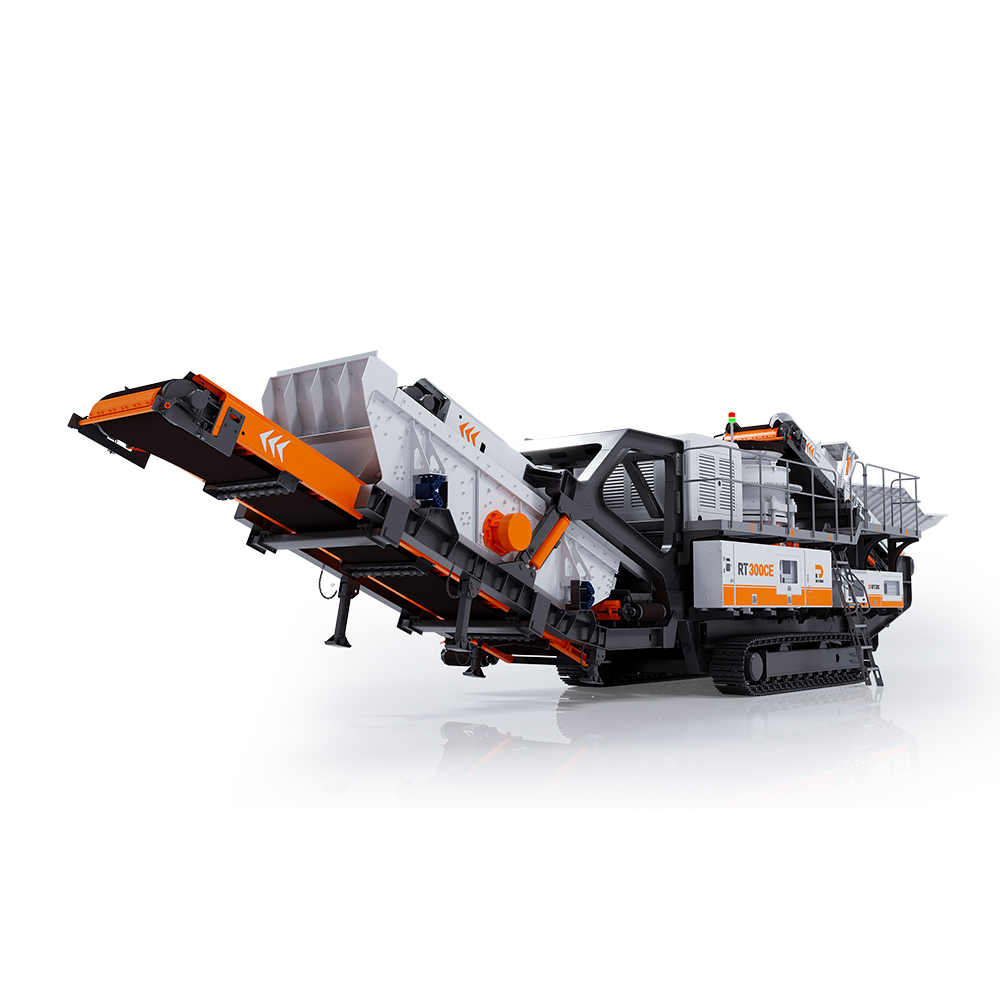 RT300CE Crawler Mobile Cone Crushing Plant
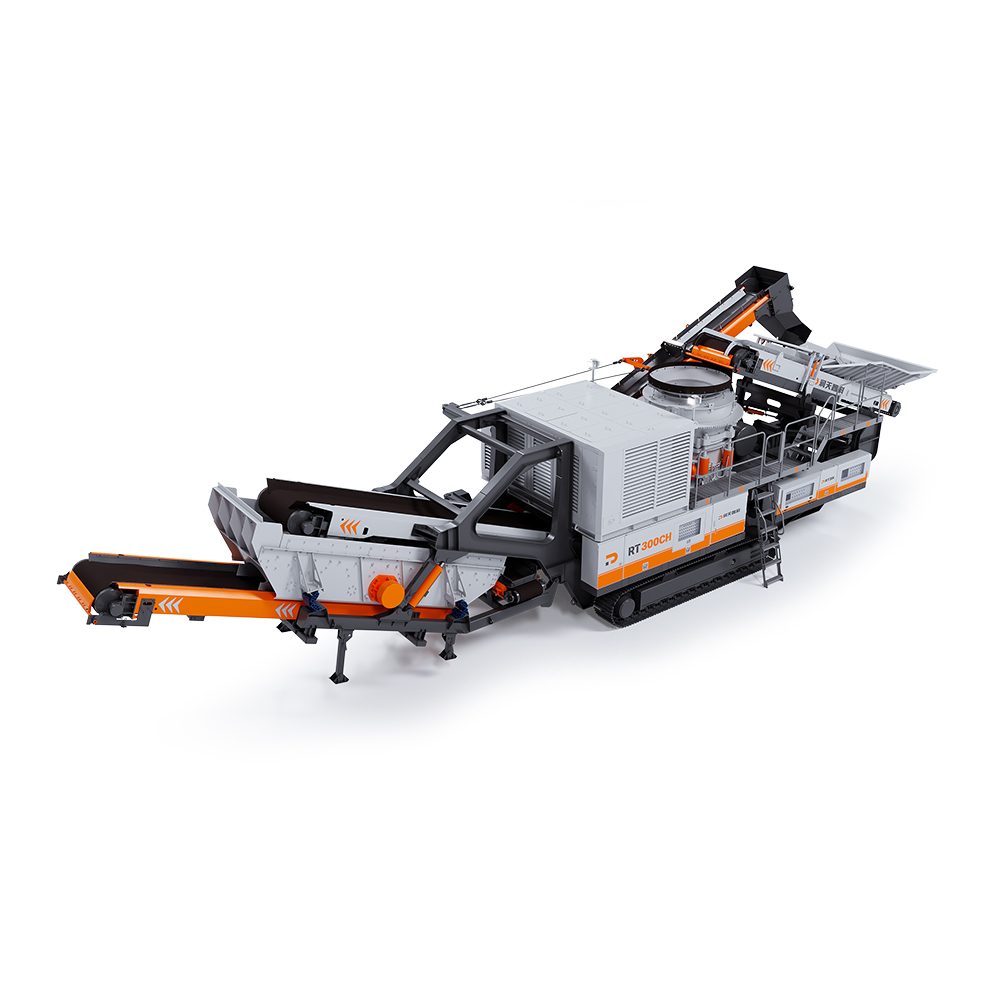 RT300CH Crawler Mobile Cone Crushing Plant
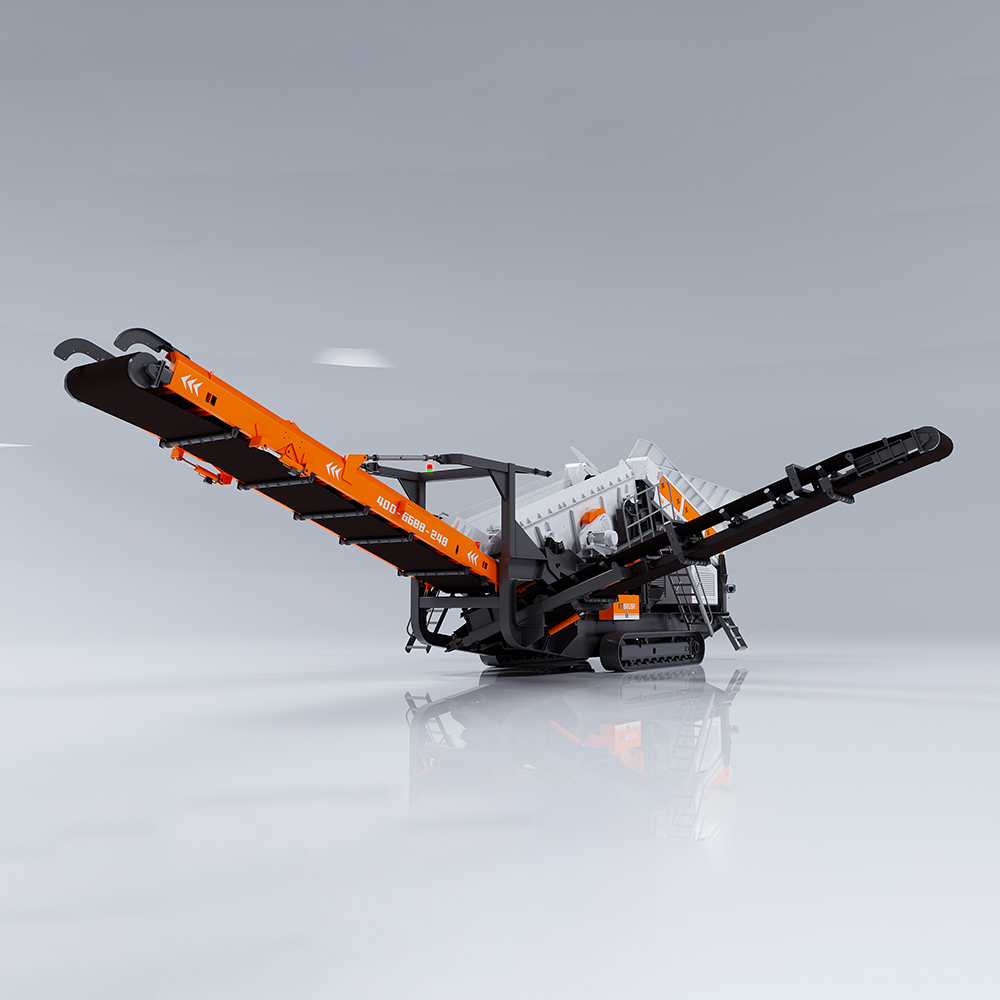 RT5015H Mobile Scalping Screen
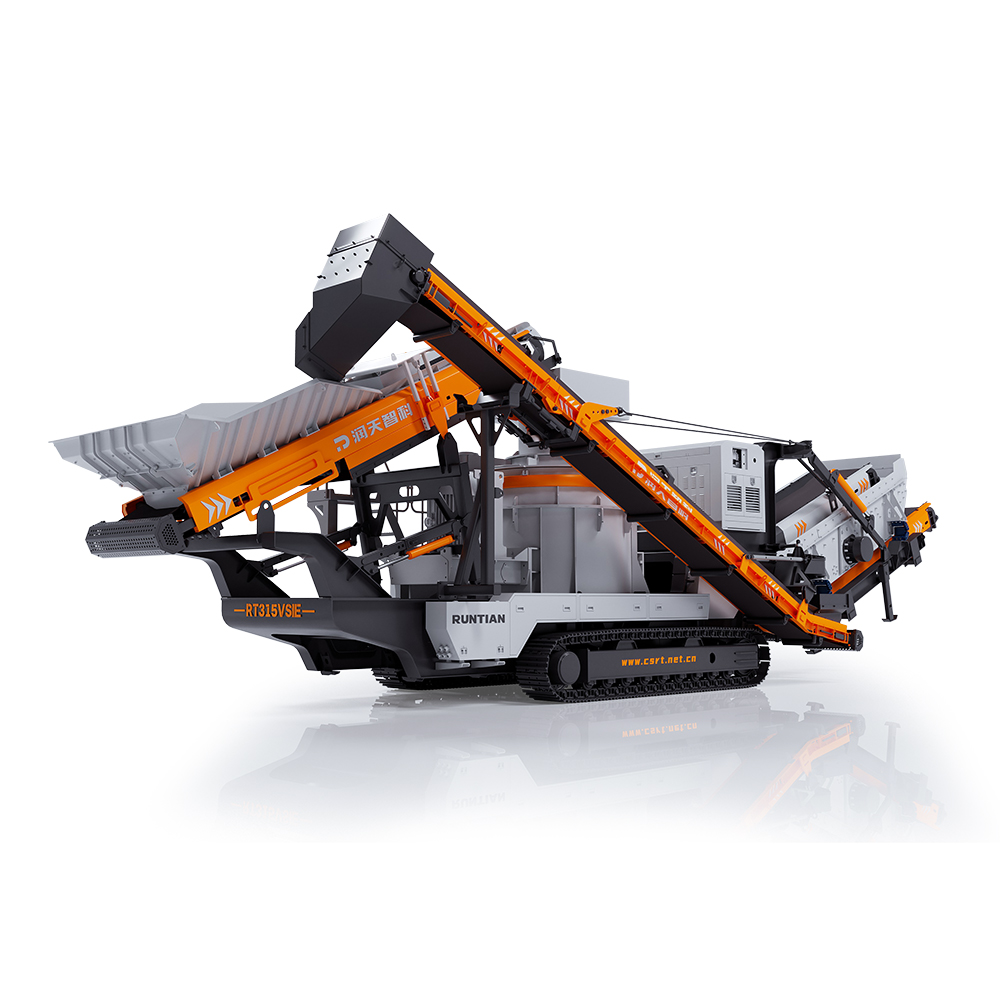 RT315VSIE Crawler Mobile Sand Maker
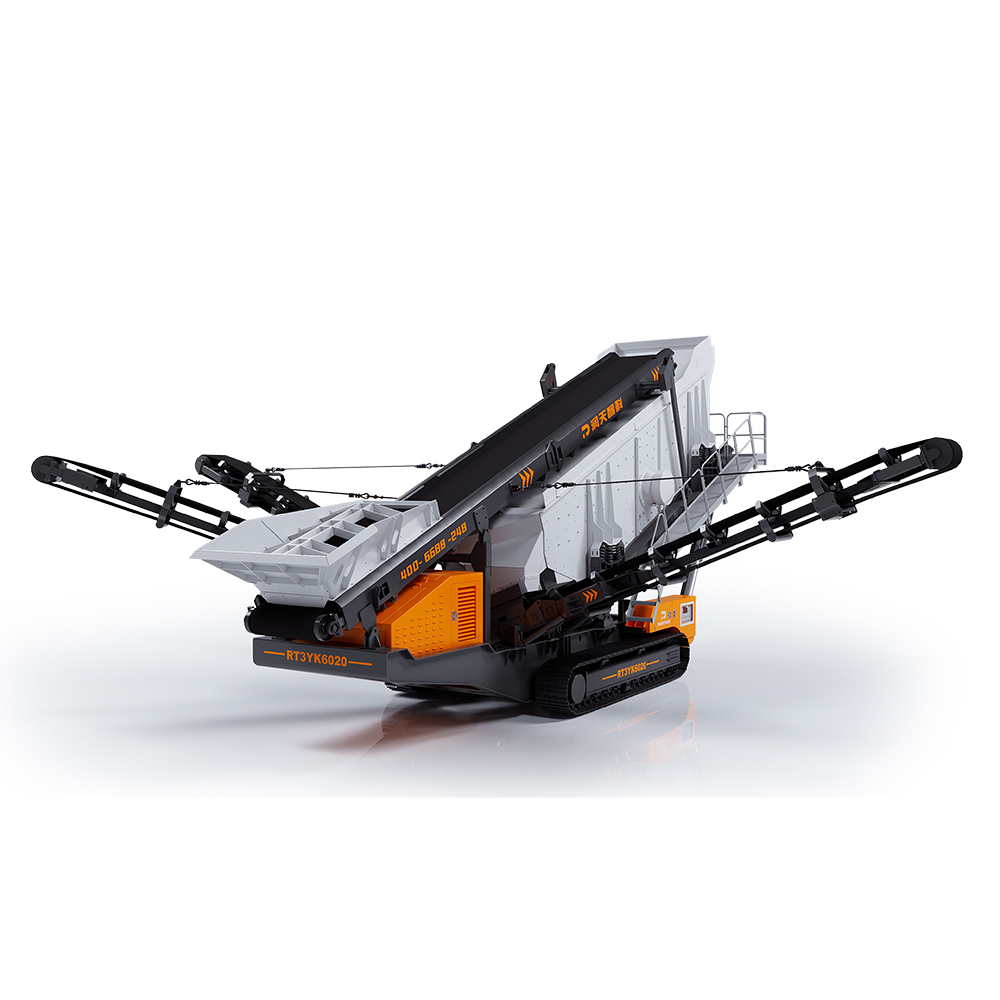 RT3YK6020 Crawler Mobile Screening Plant
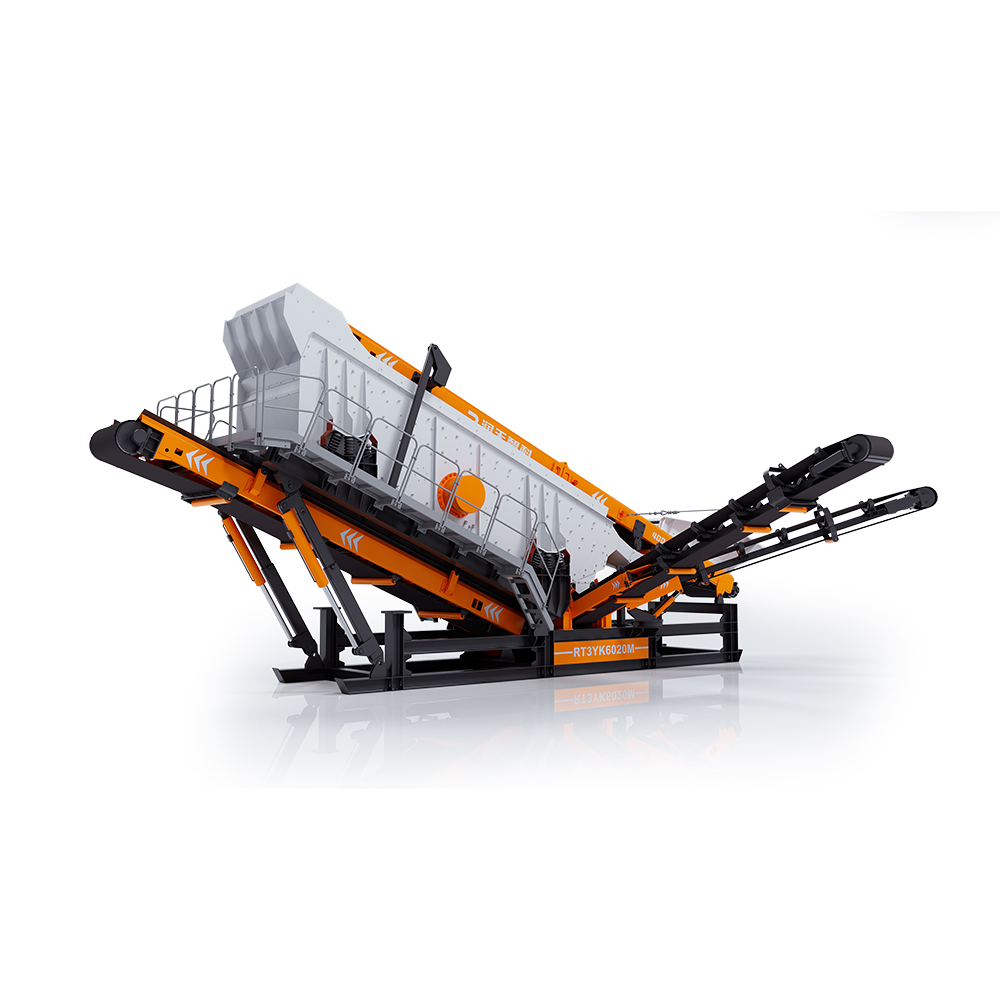 RT3YK6020M Modular Screening Plant
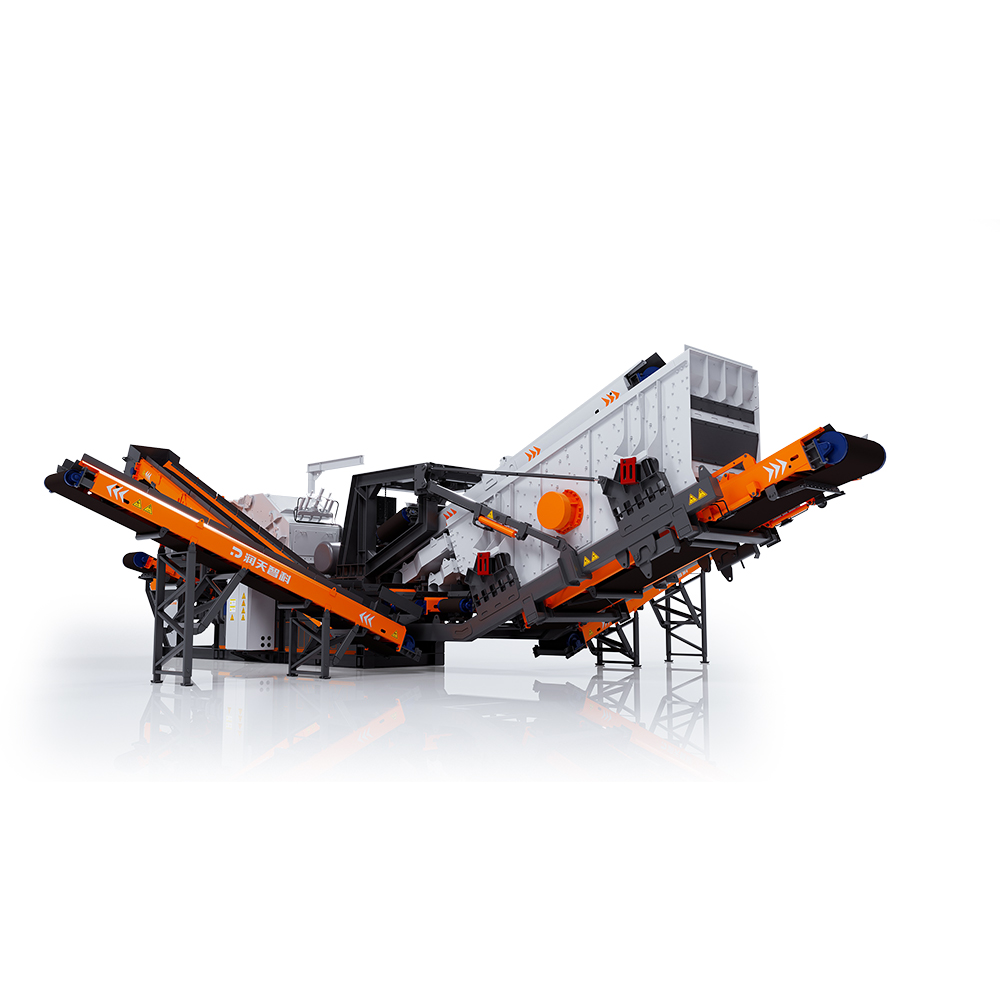 RTF260M Modular Counterattack Crushing and Screening Integrated Machine
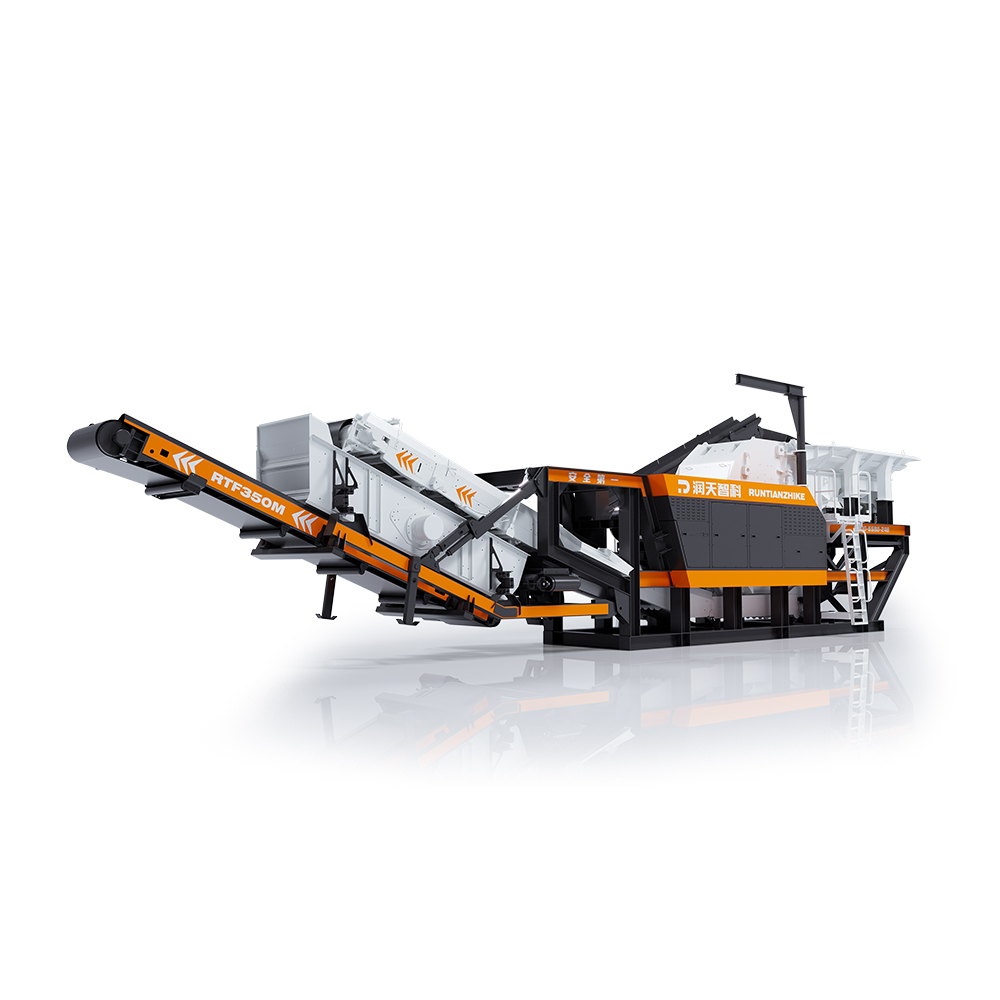 RTF350M Modular Impact Crushing Plant
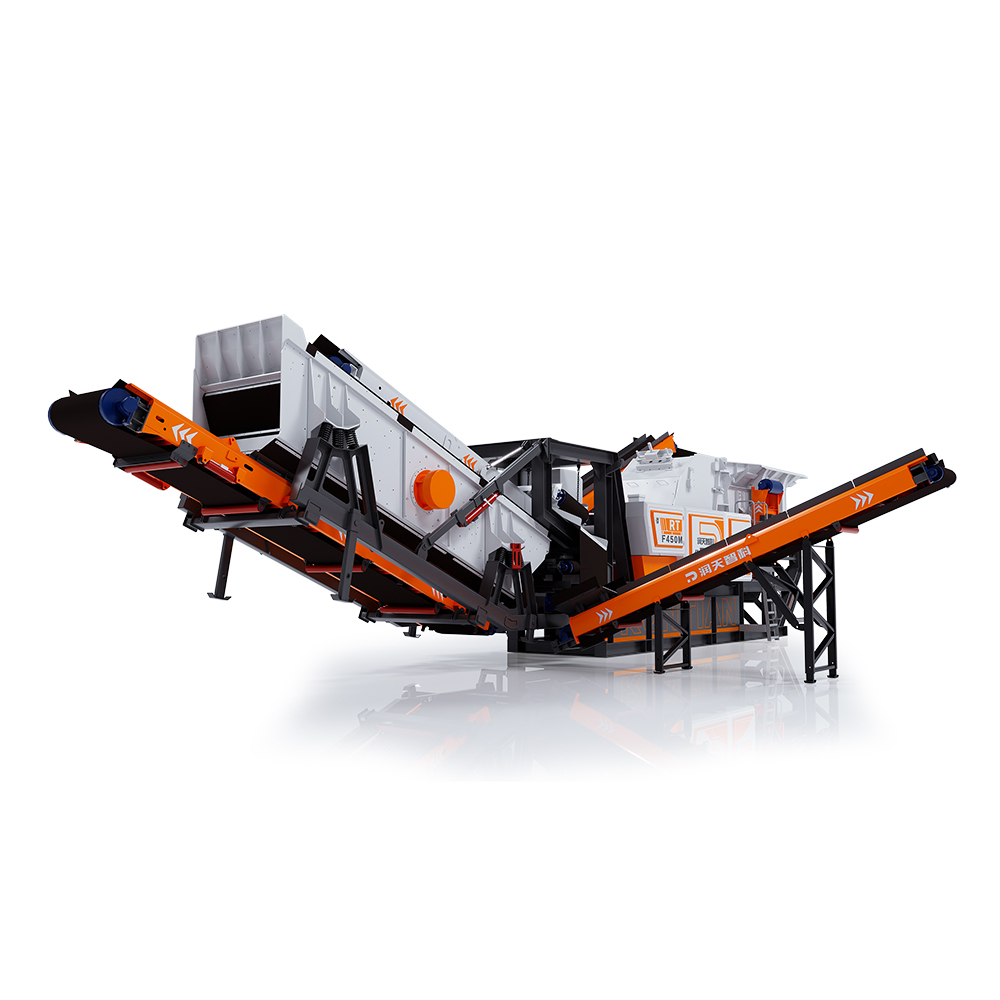 RTF450M Modular Impact Crushing Plant
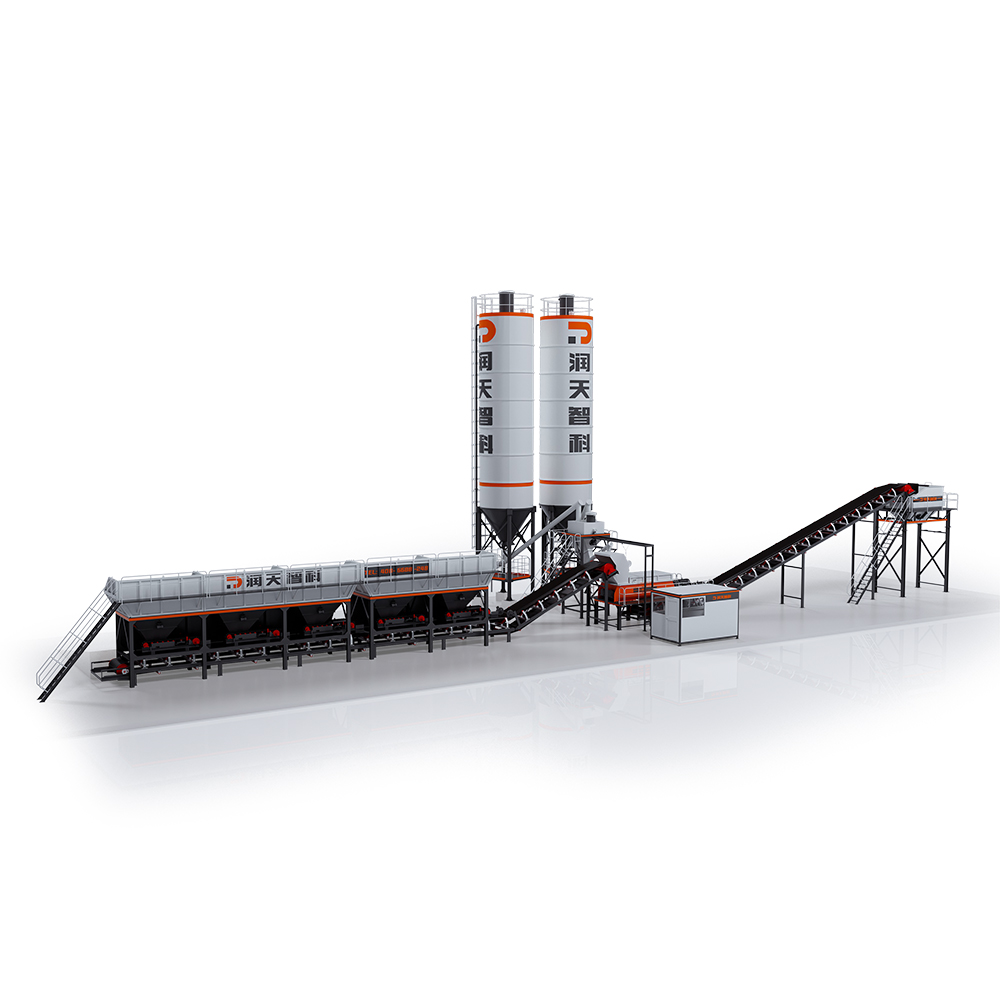 WDB Series Foundation-Free Stability Soil Mixing Plant
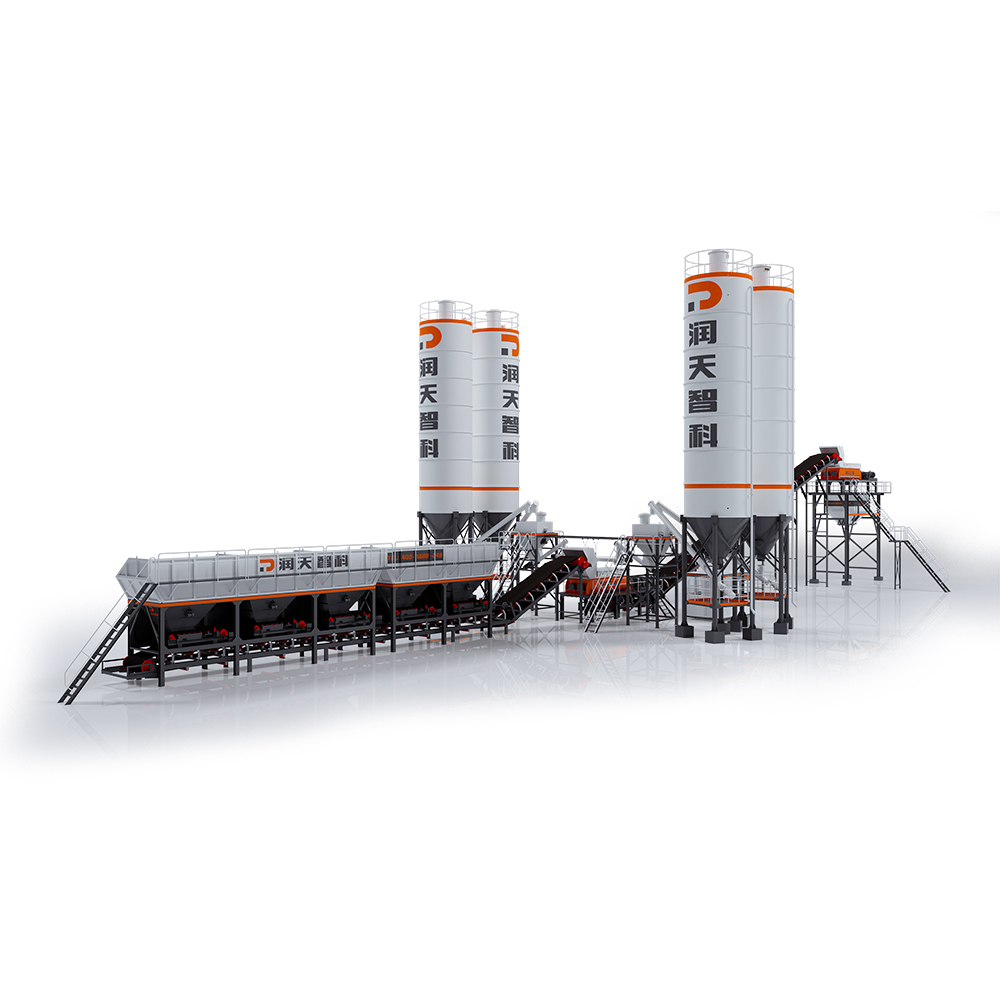 LCB Series Emulsified Asphalt Cold Regeneration Secondary Mixing Plant
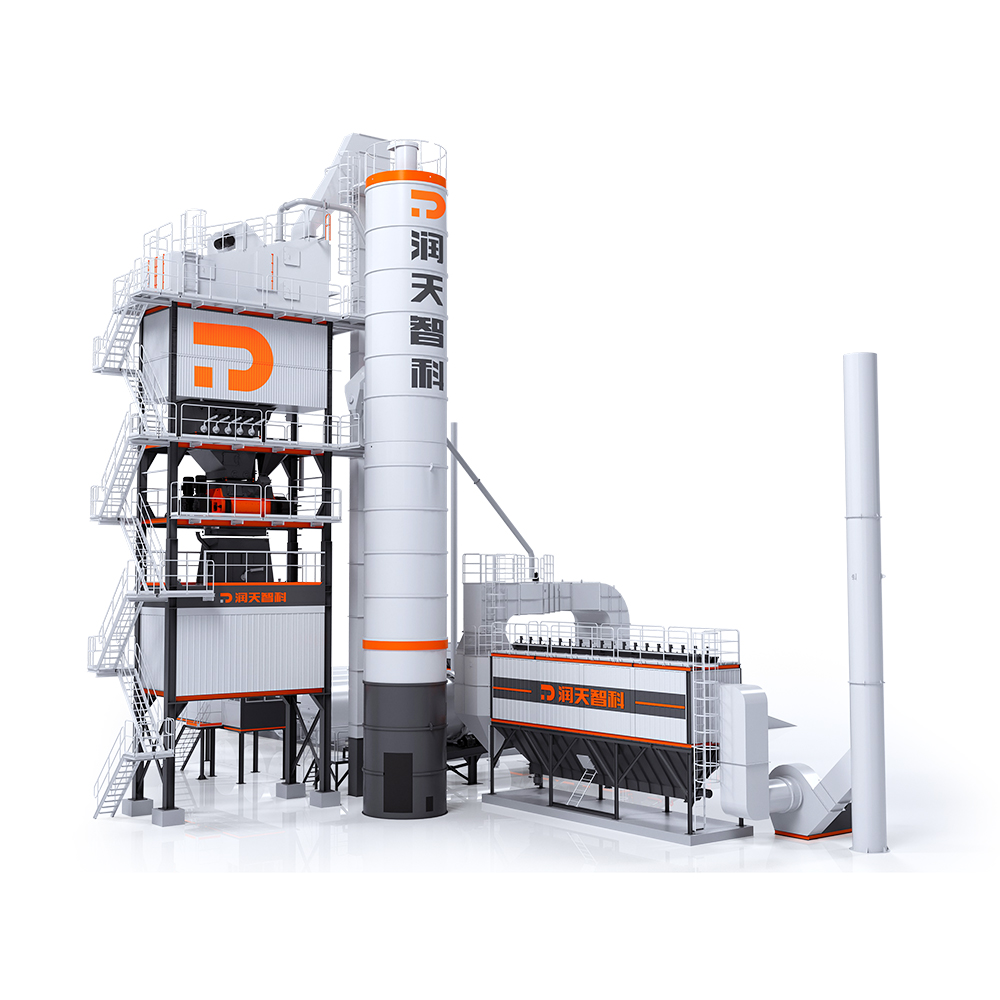 LB Series Asphalt Mixing Plant
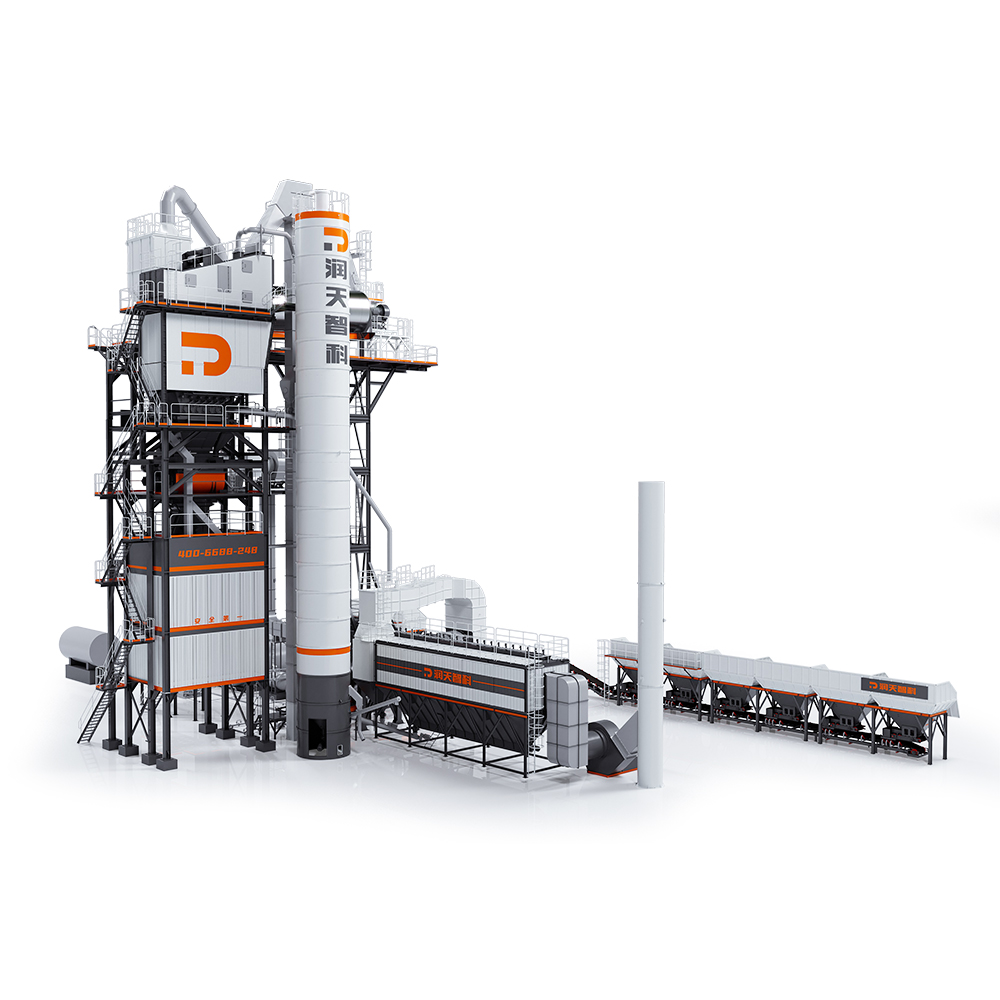 LBR Series Integrated Asphalt Mixing Plant
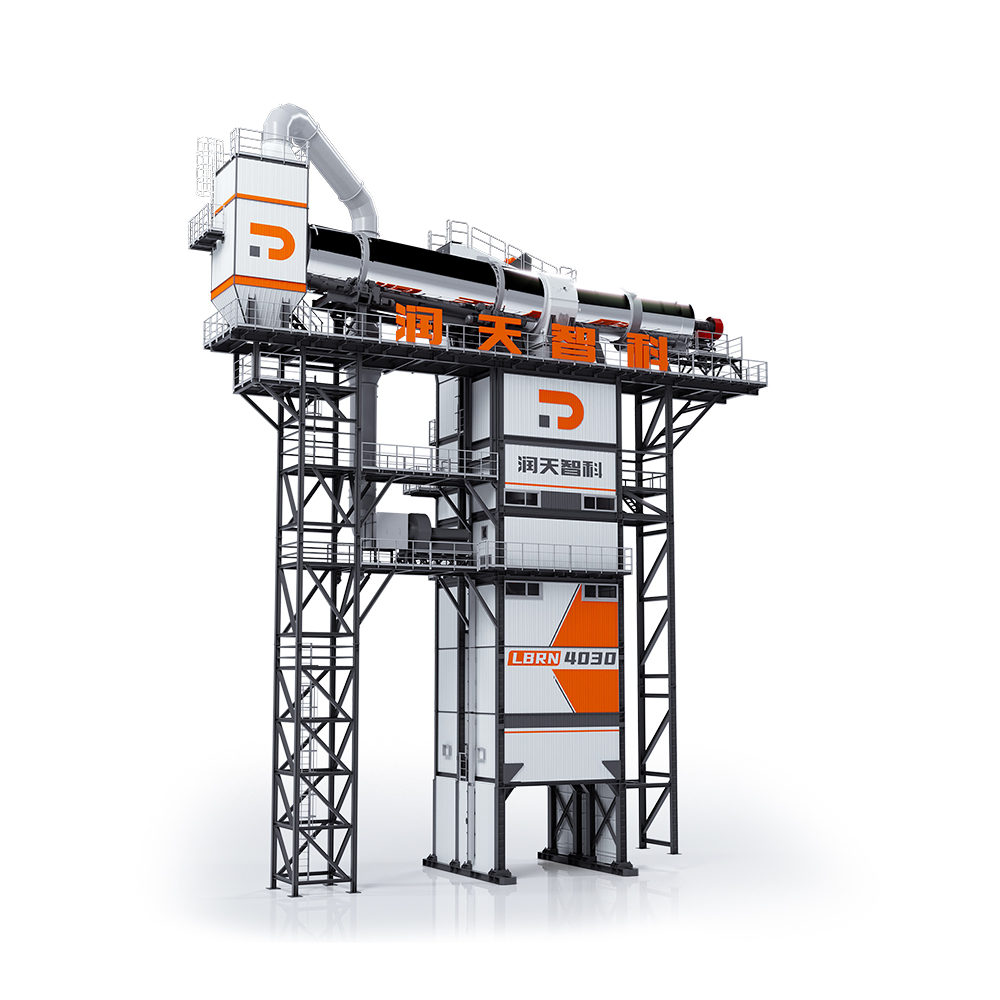 LBRN Series Counterflow Integral Asphalt Mixing Plant
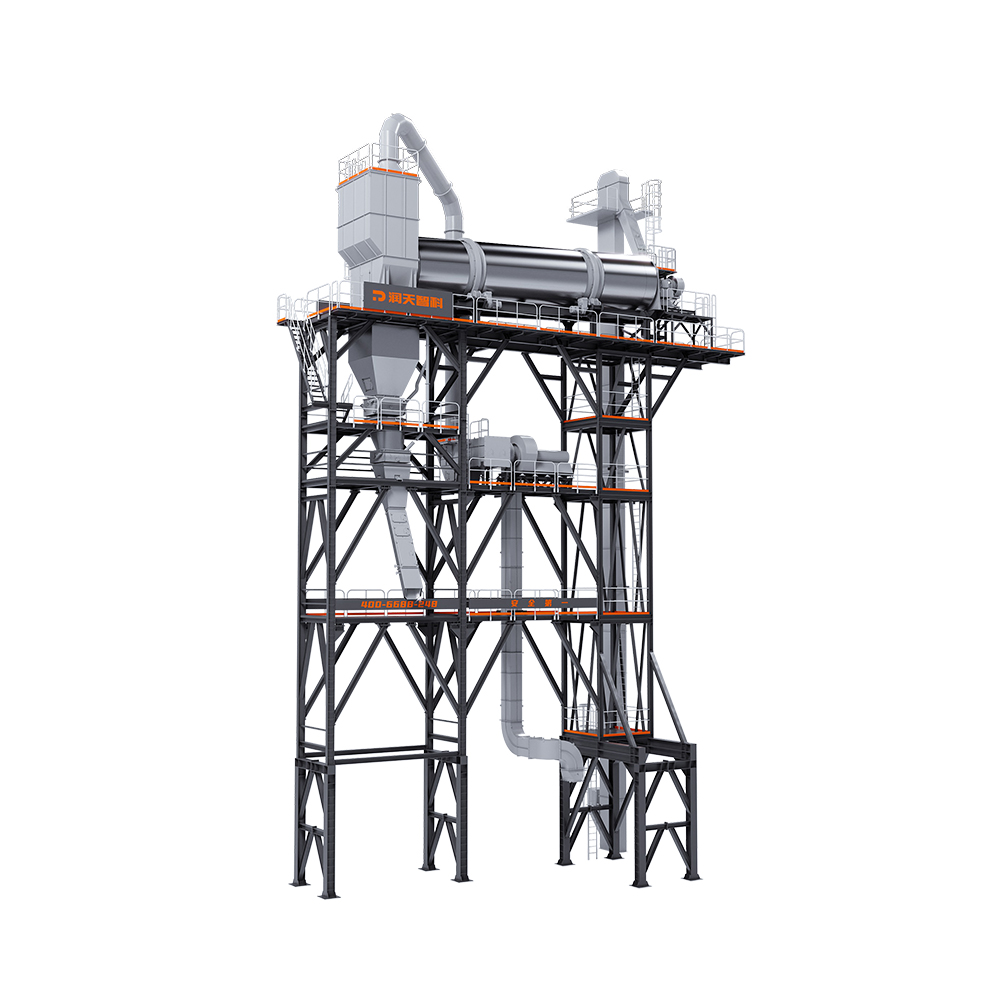 RZS Series Asphalt Mixing Plant
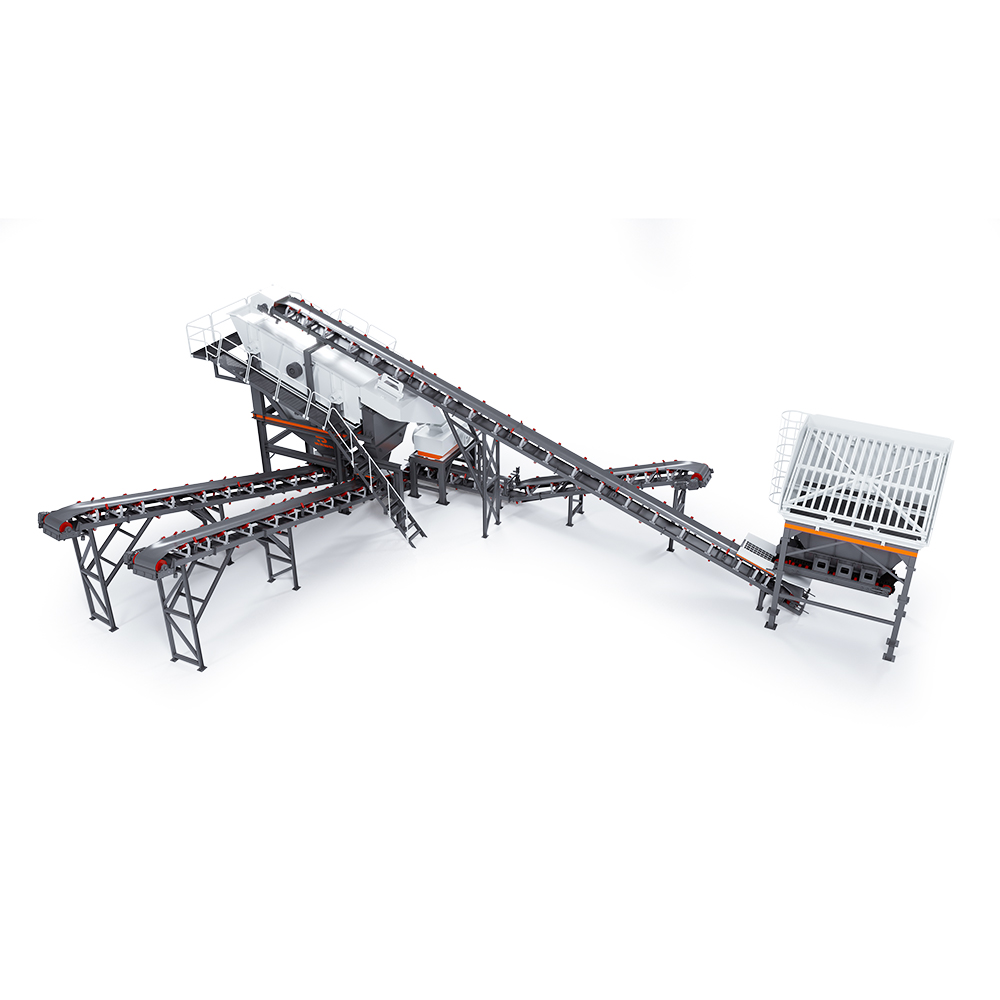 RTZS120 Series RAP Crushing & Screening Plant
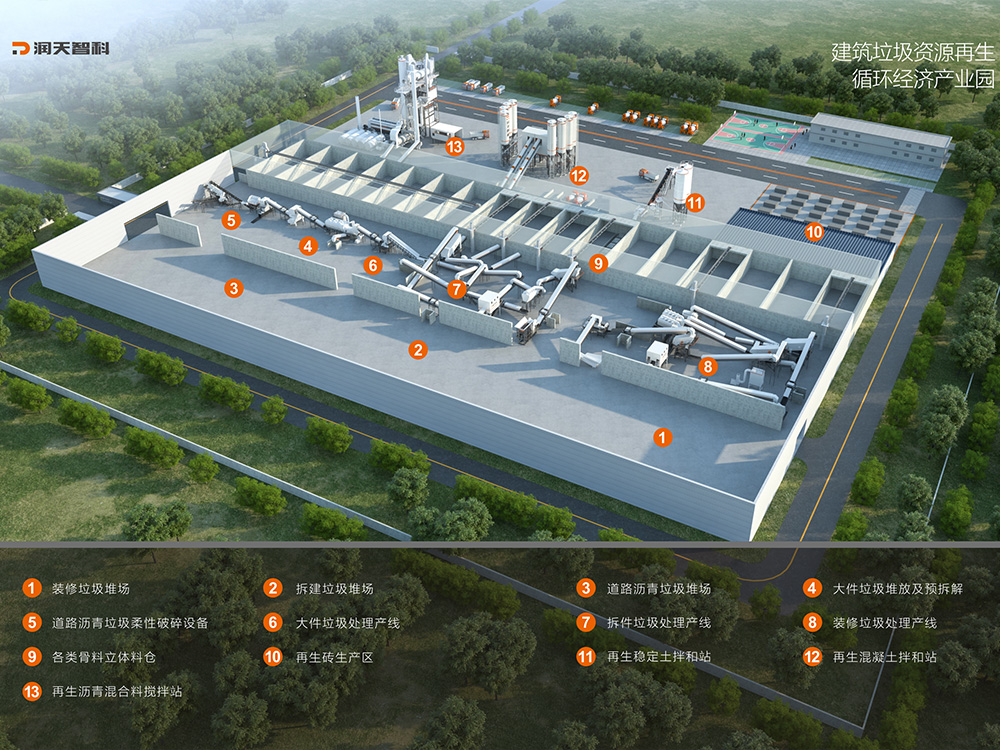 Construction Waste Resourceful Treatment Line