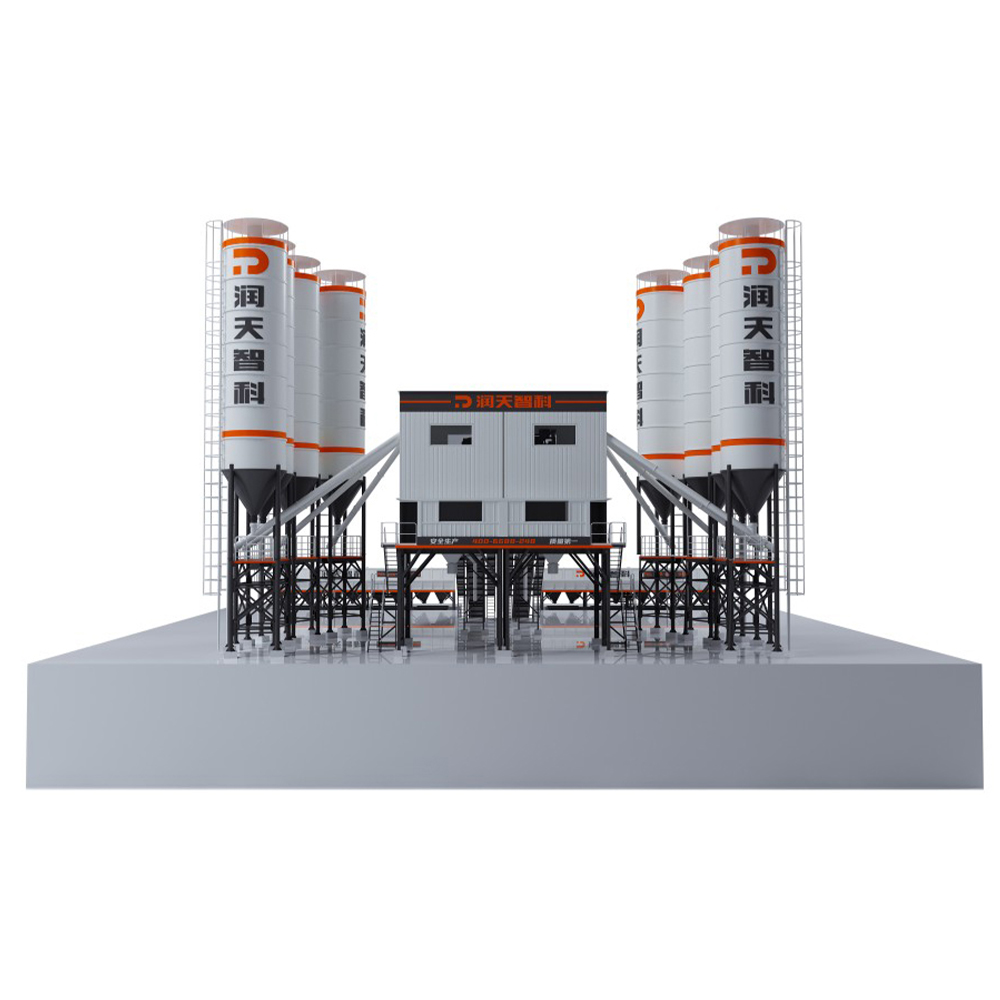
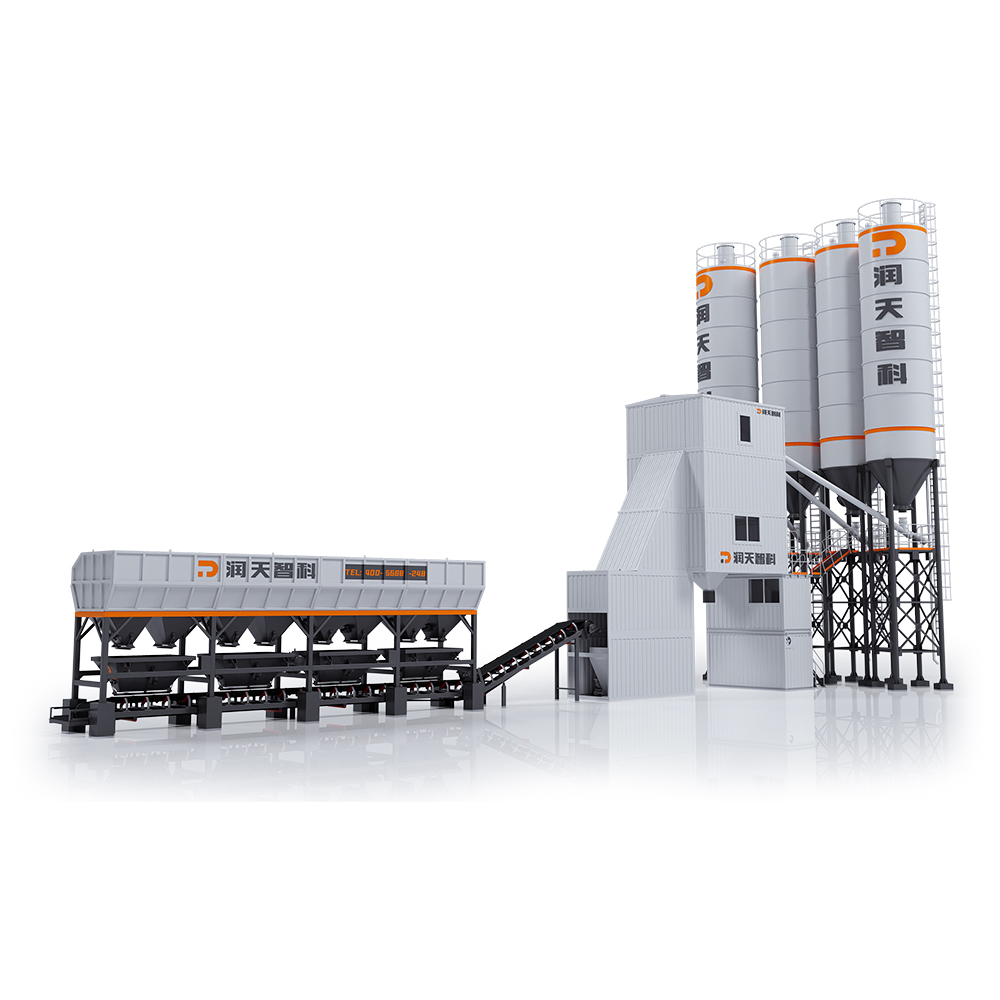
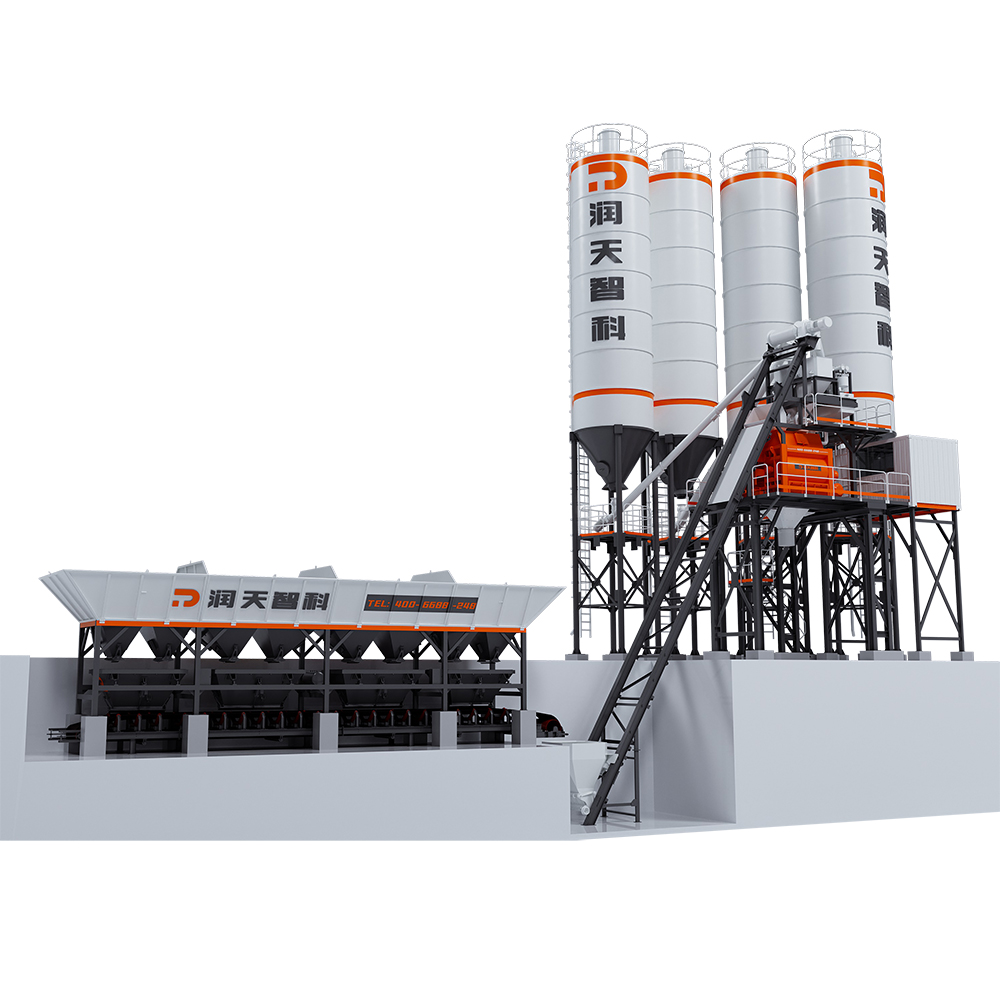
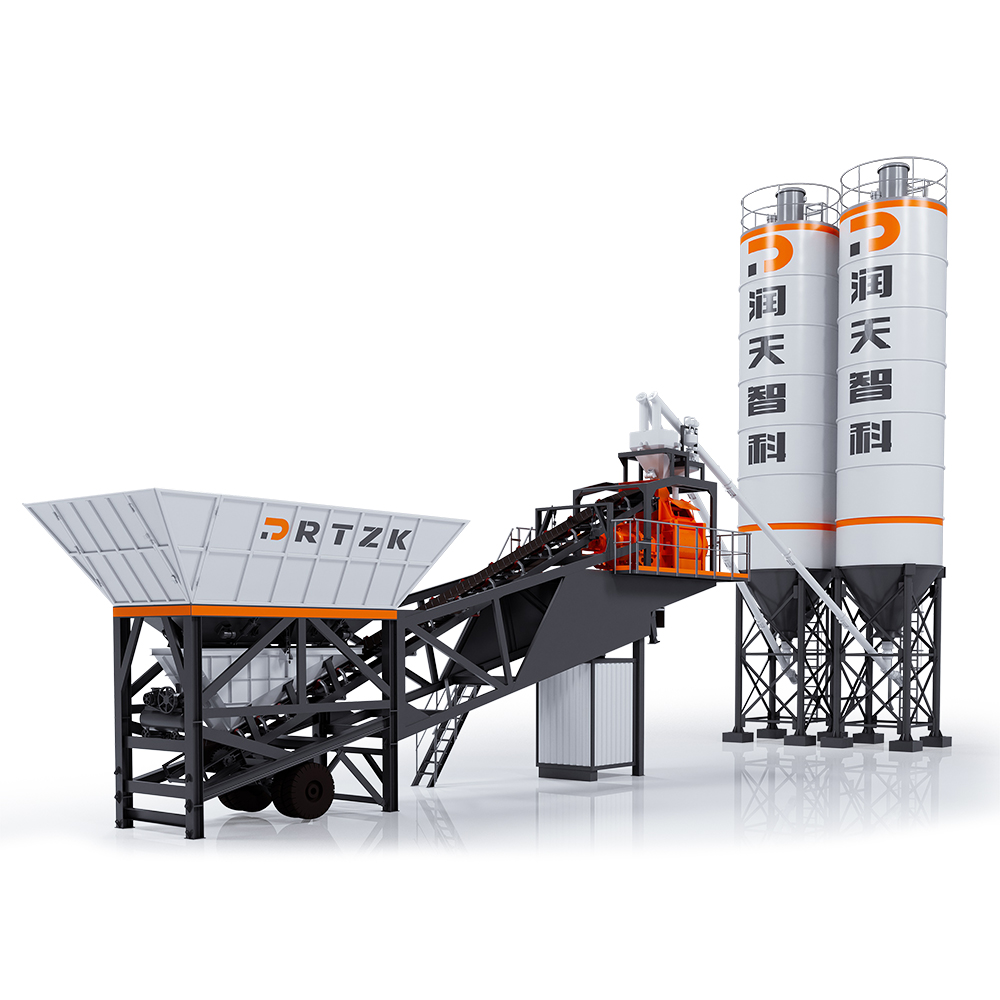
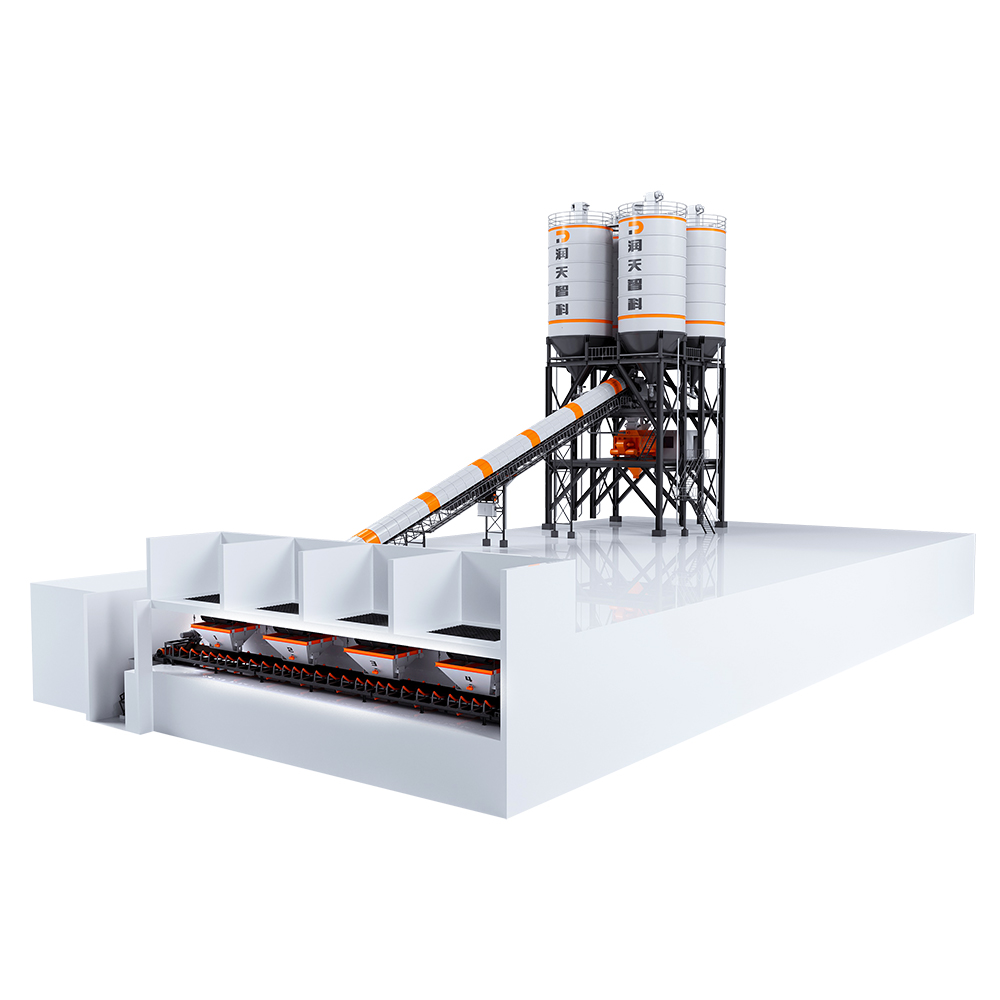
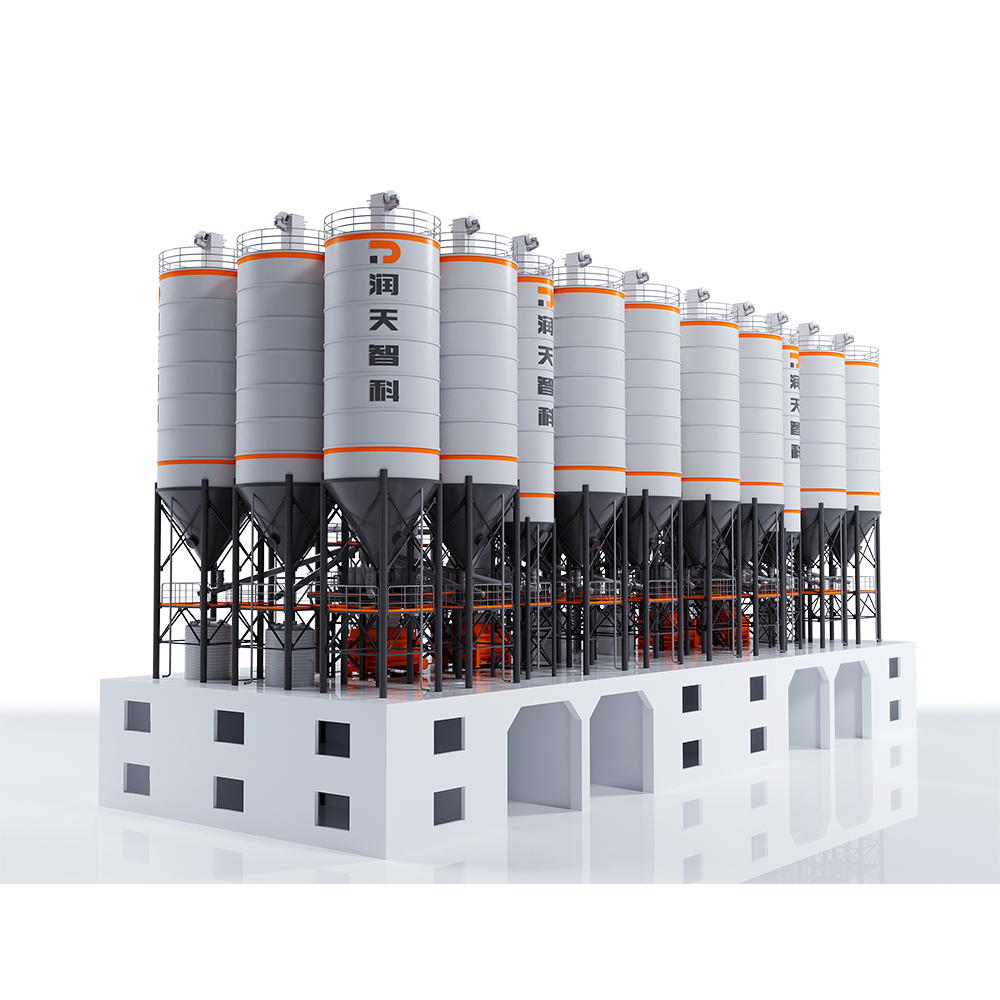
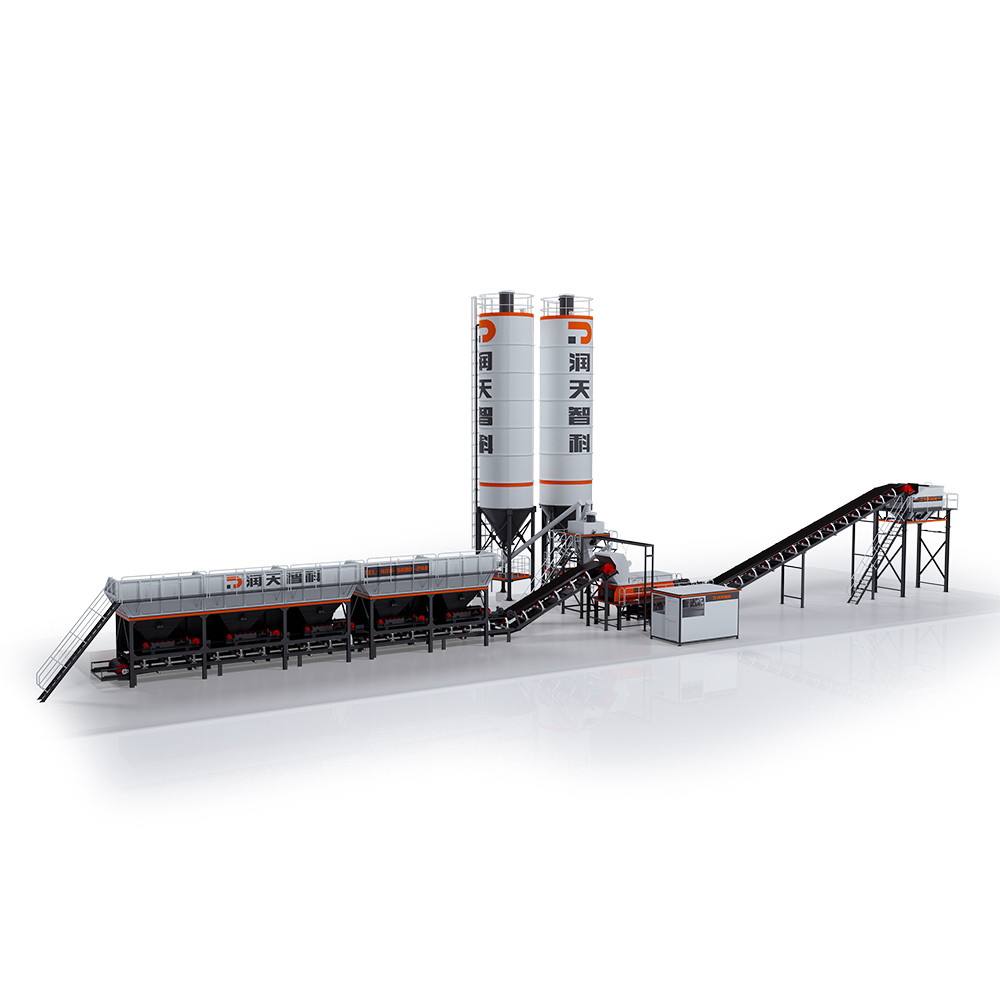
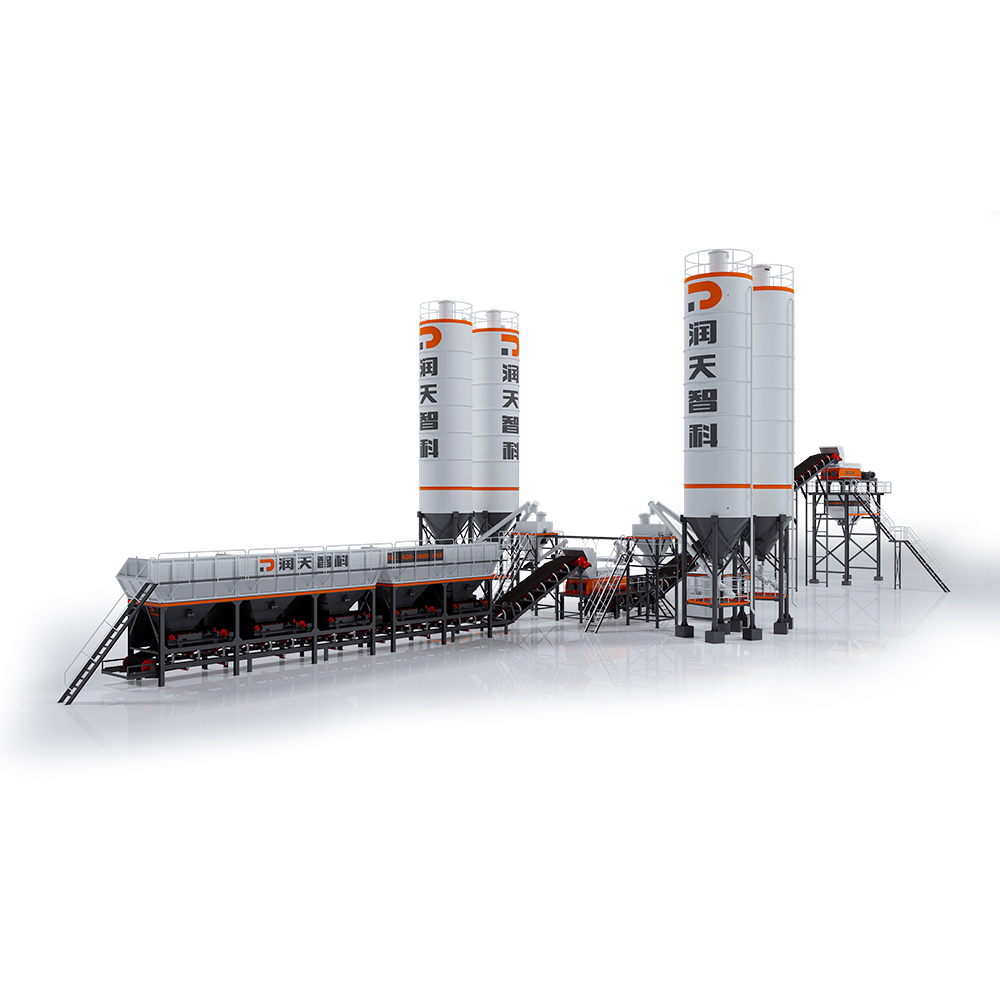
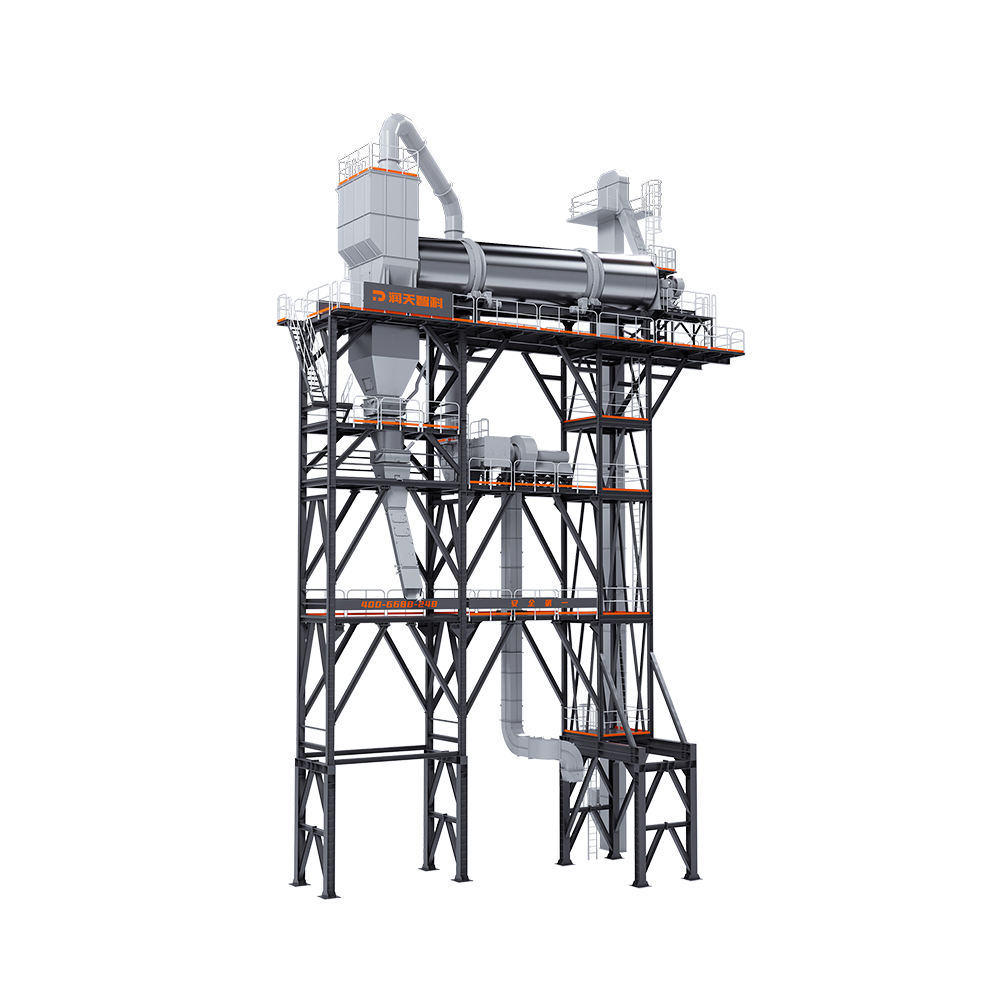
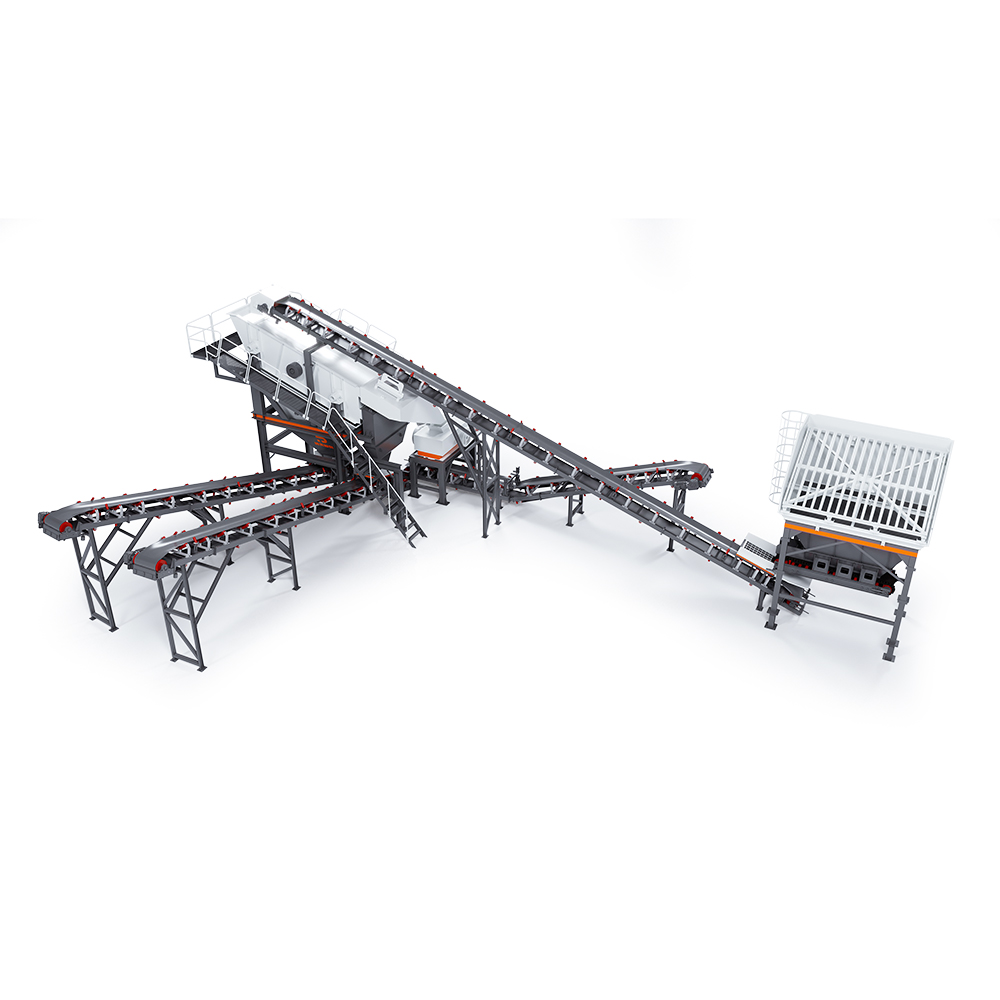
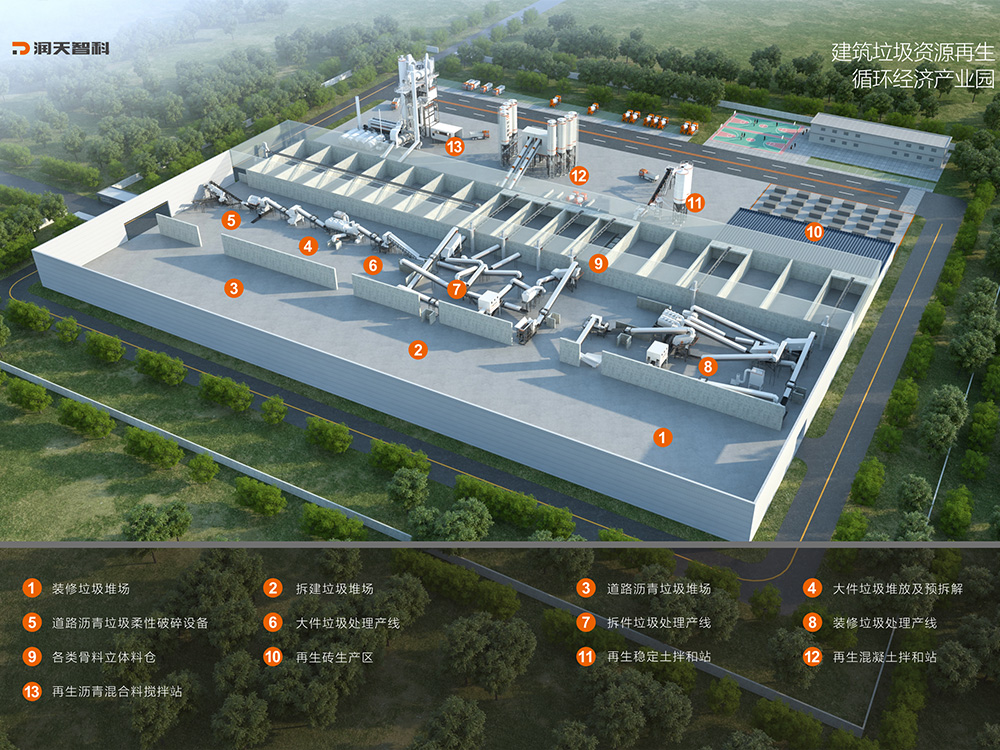
HZS Series Belt Concrete Mixing Plant
HZS Series Bucket-Lifting Type Container Concrete Mixing Plant
HZS60 Mobile Concrete Mixing Plant
HZS Series Bucket-Lifting Type Concrete Mixing Plant
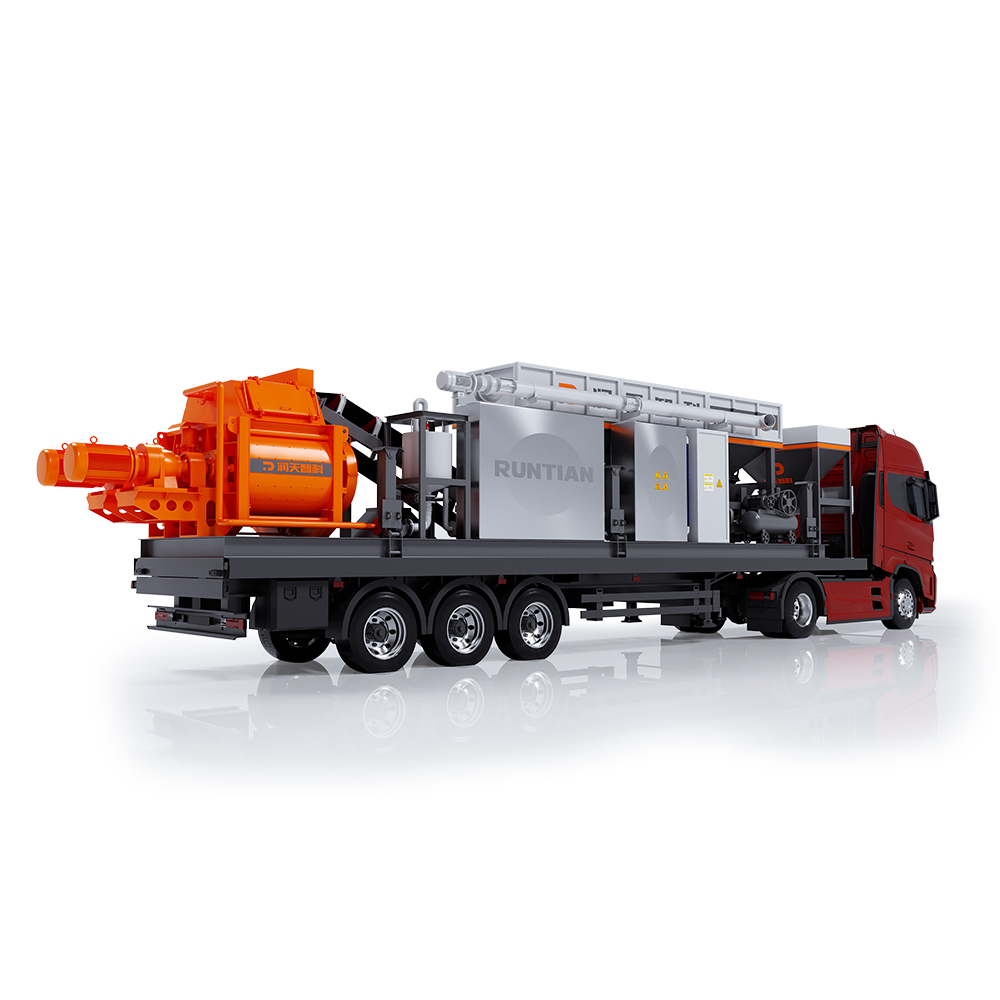
HZS Series Mobile Concrete Mixing Plant
HZS Series Top-Mounted Concrete Mixing plant
HZS Series Semi-Top Mounted Concrete Mixing Plant
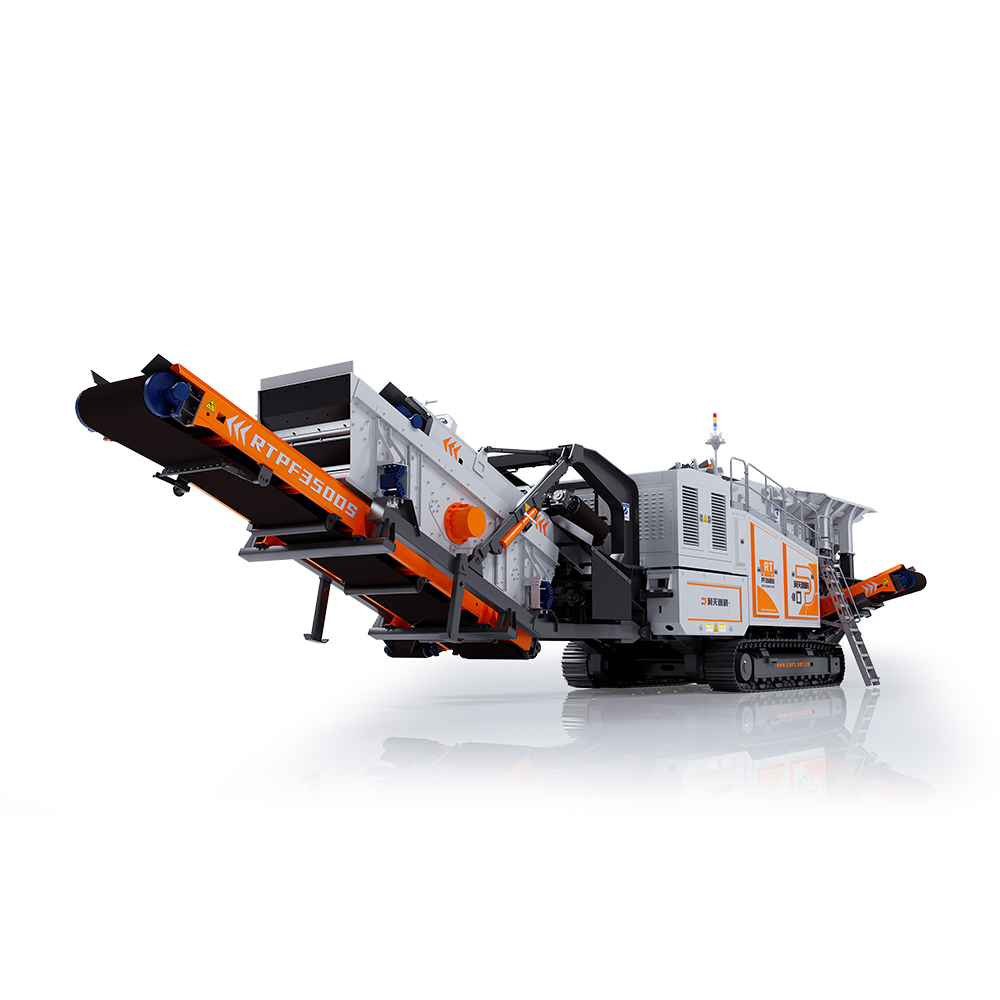
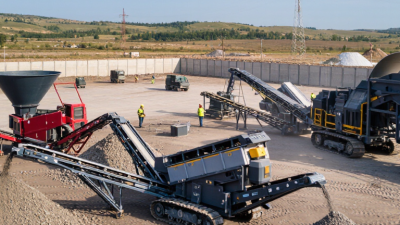
RTPF350DS Crawler Mobile Impact Crushing Plant
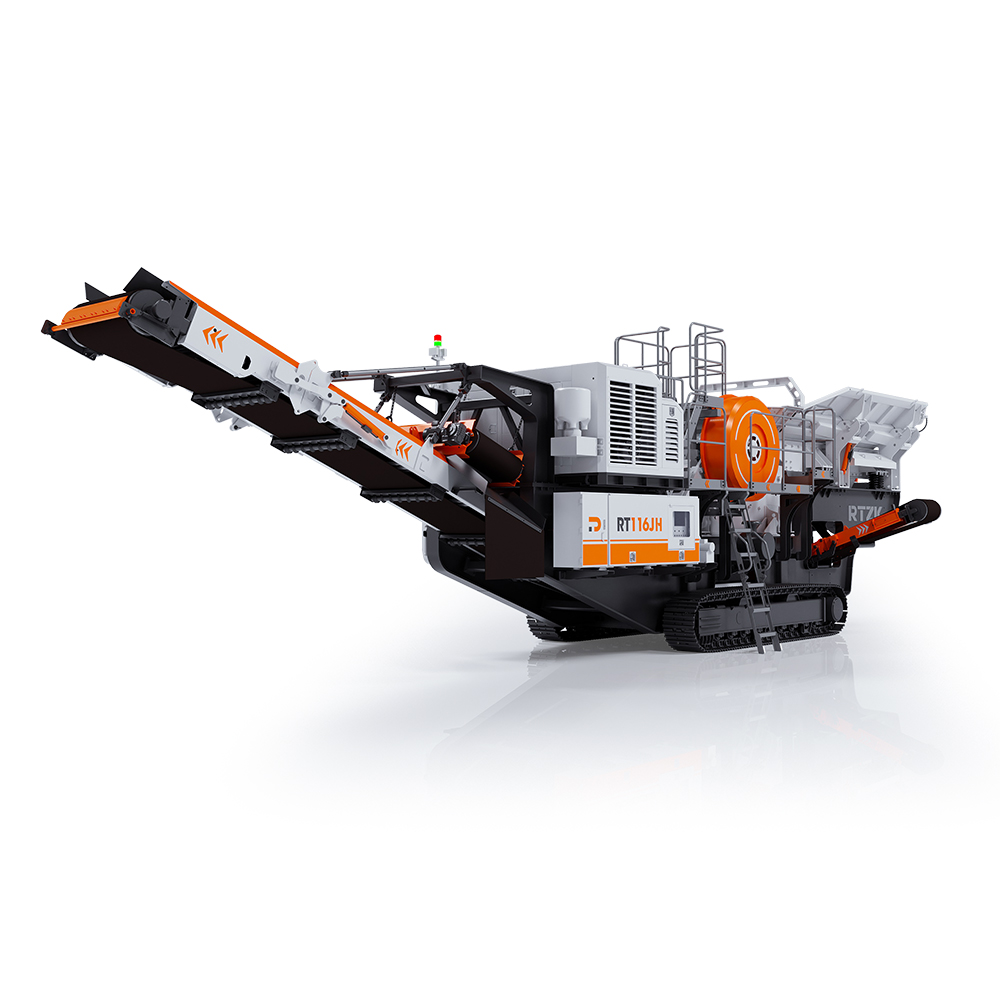
RT116JH Crawler Mobile Jaw Crushing Plant
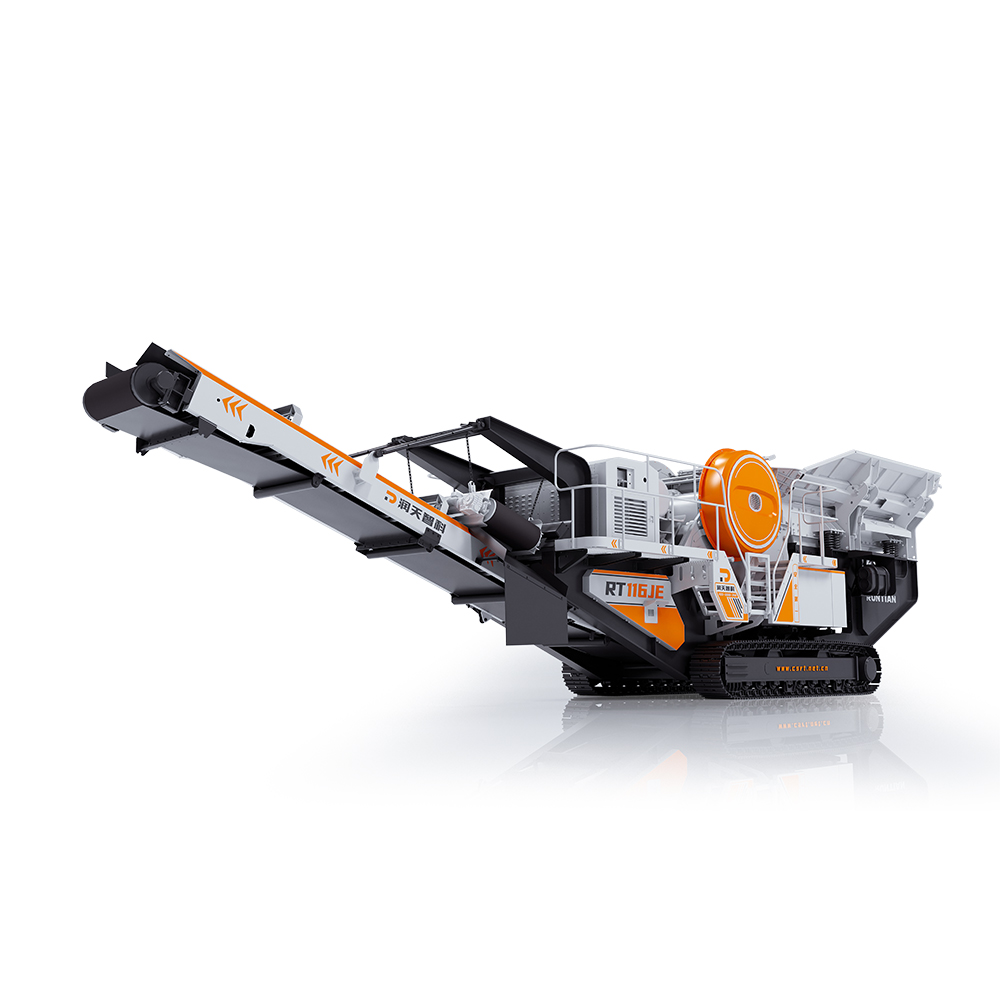
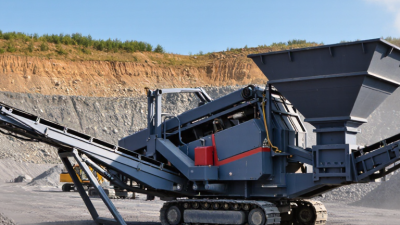
RT116JE Crawler Mobile Jaw Crushing Plant
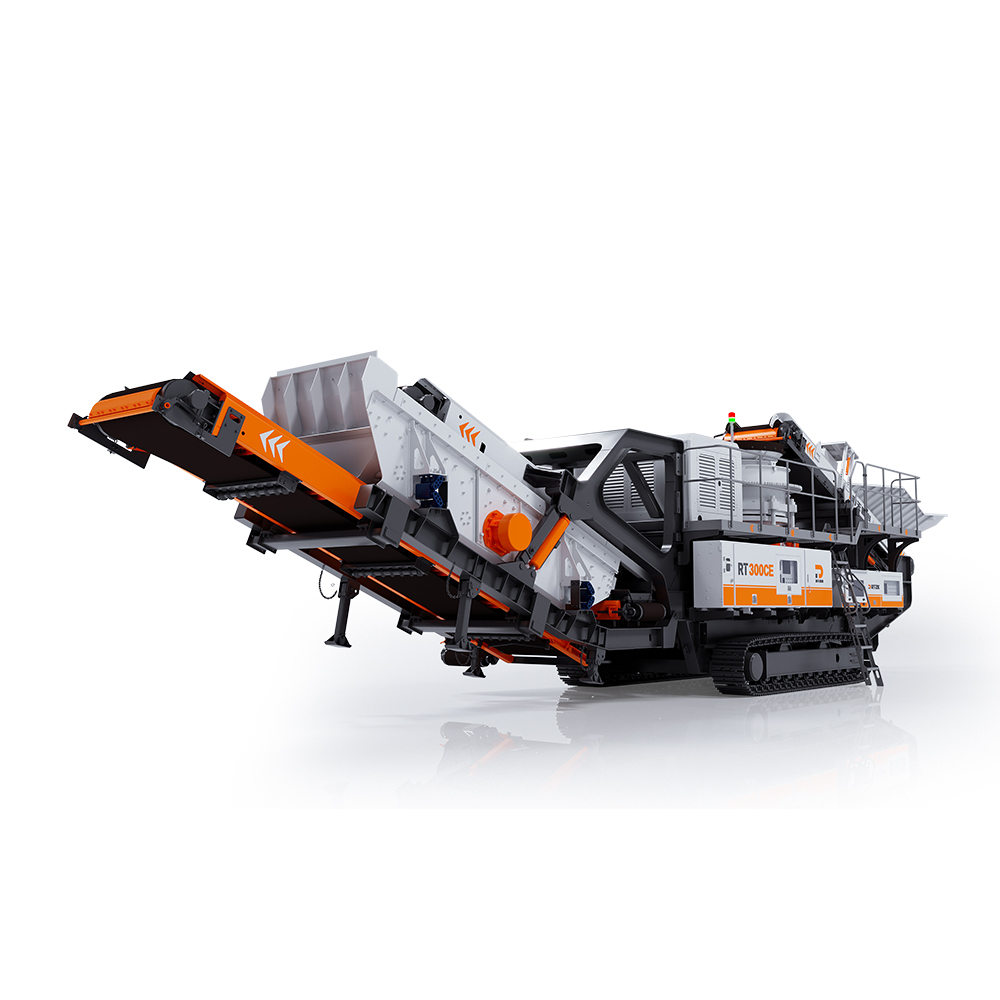
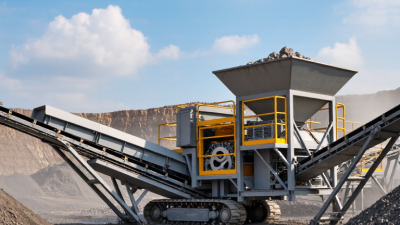
RT300CE Crawler Mobile Cone Crushing Plant
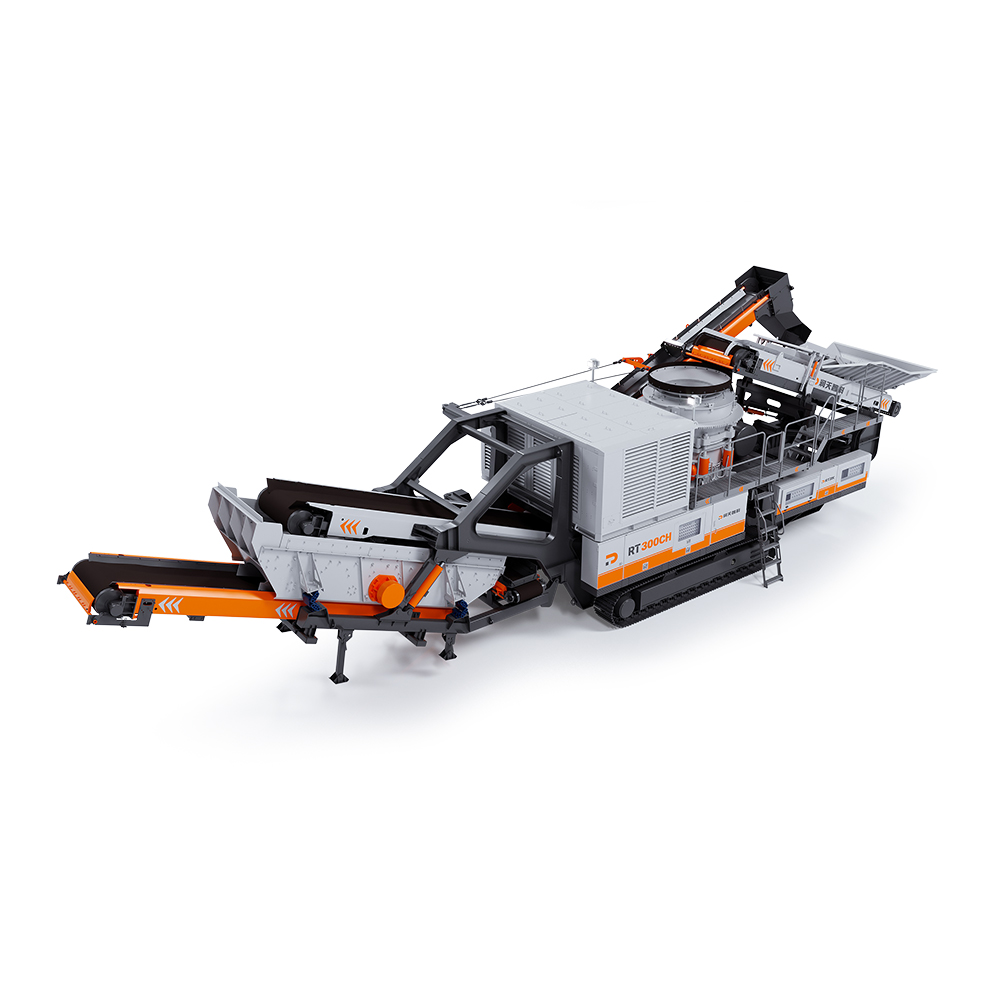
RT300CH Crawler Mobile Cone Crushing Plant
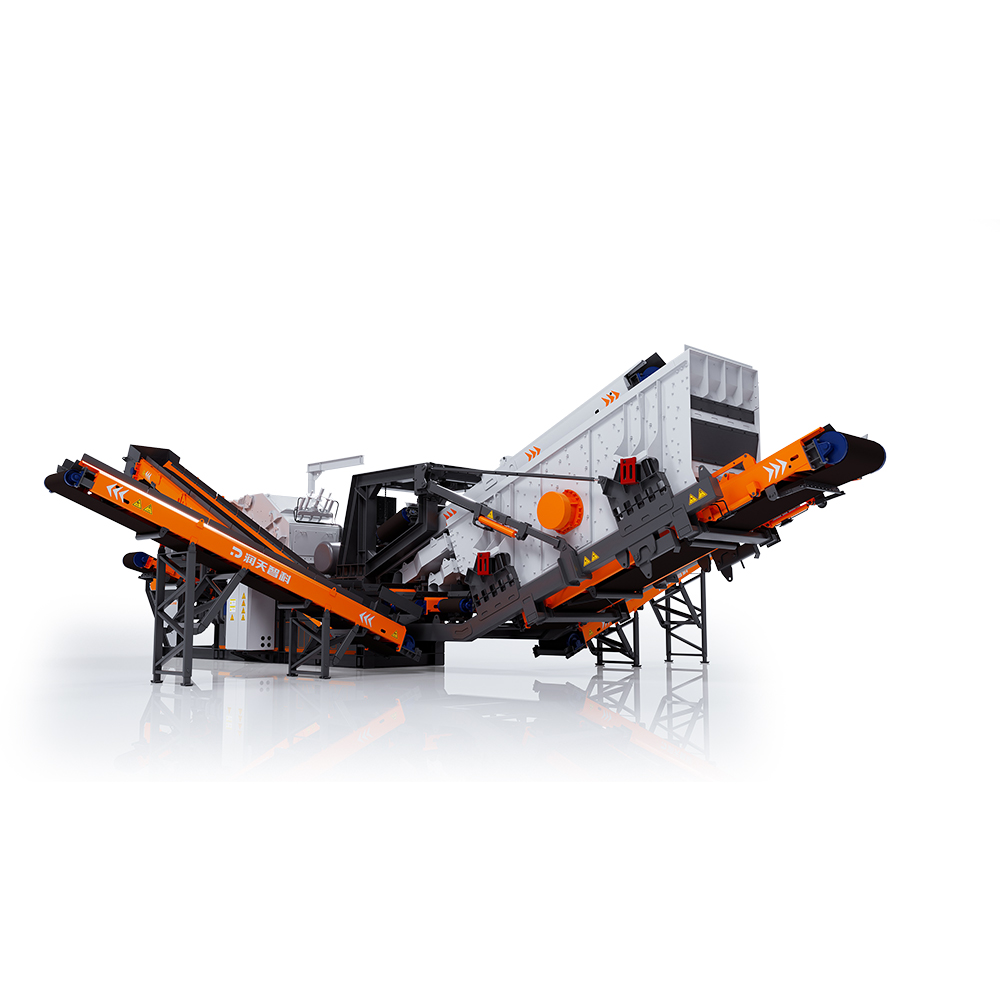
RT5015H Mobile Scalping Screen
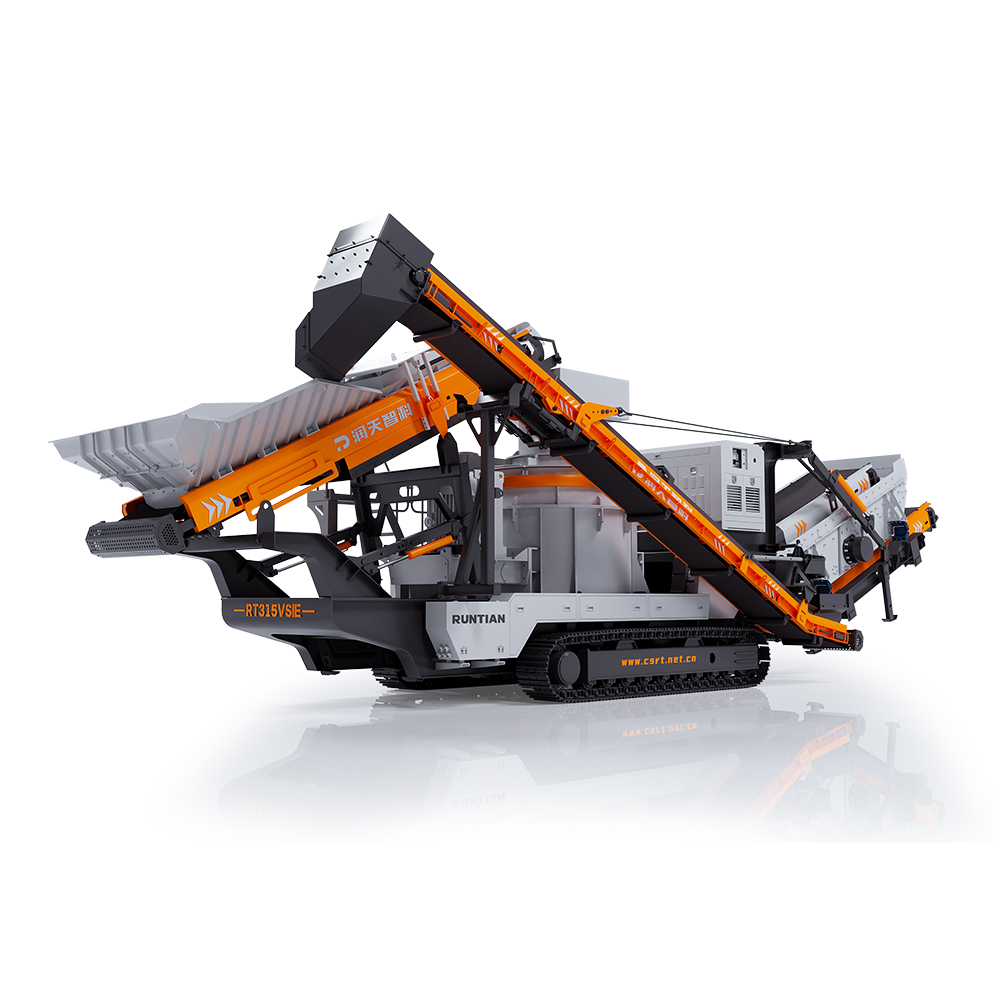
RT315VSIE Crawler Mobile Sand Maker
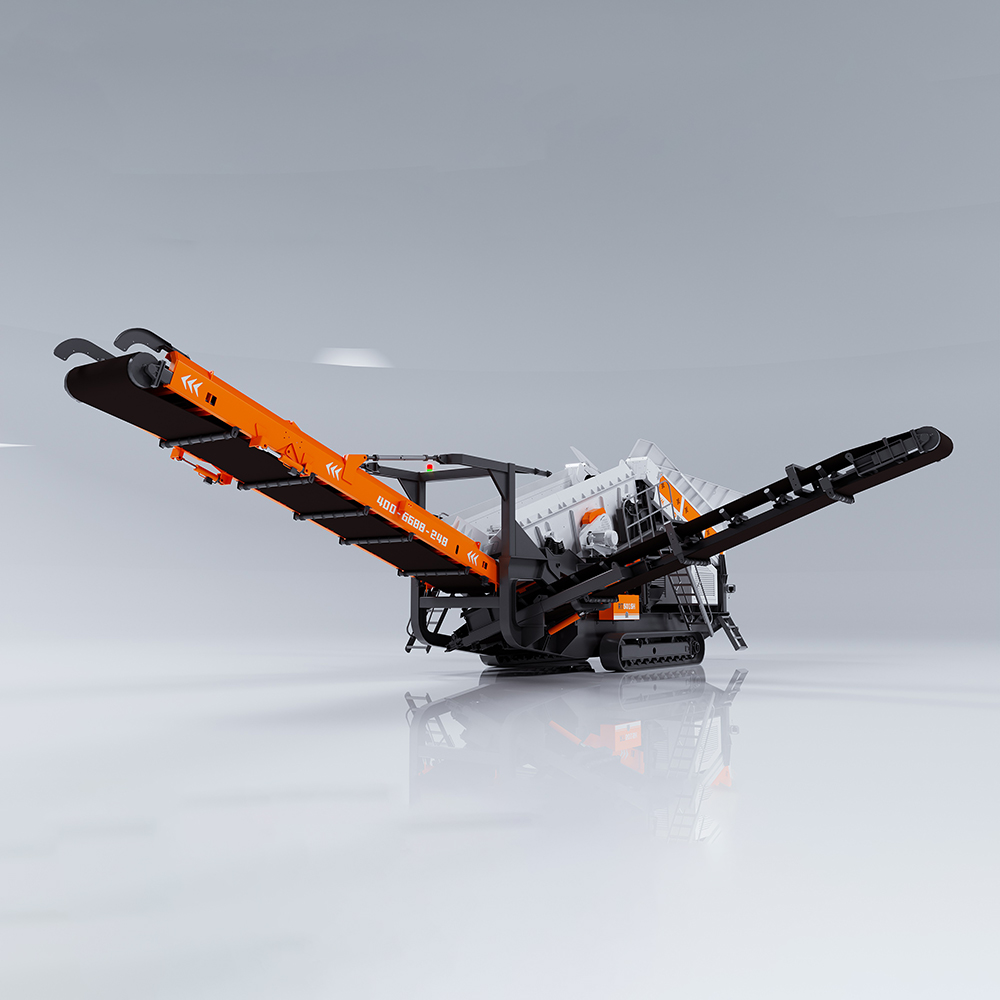
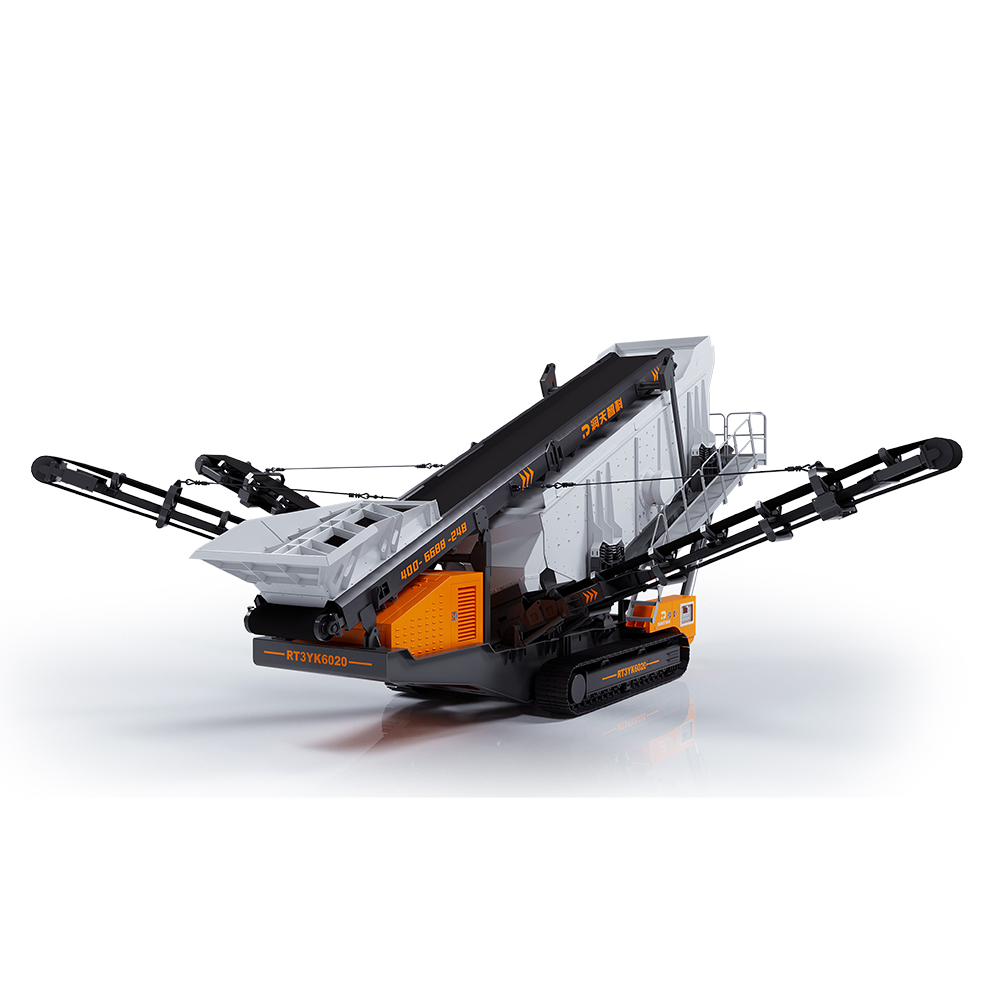
RT3YK6020 Crawler Mobile Screening Plant
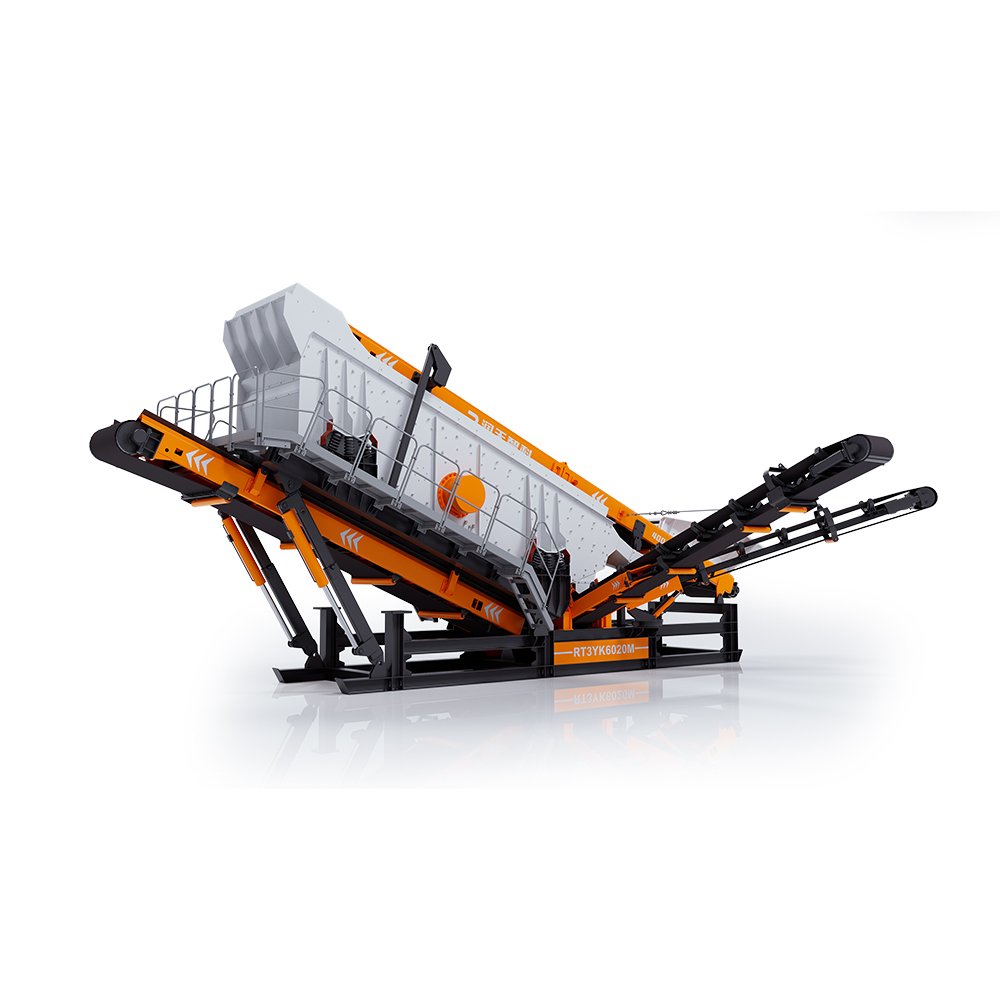
RT3YK6020M Modular Screening Plant
RTF260M Modular Counterattack Crushing and Screening Integrated Machine
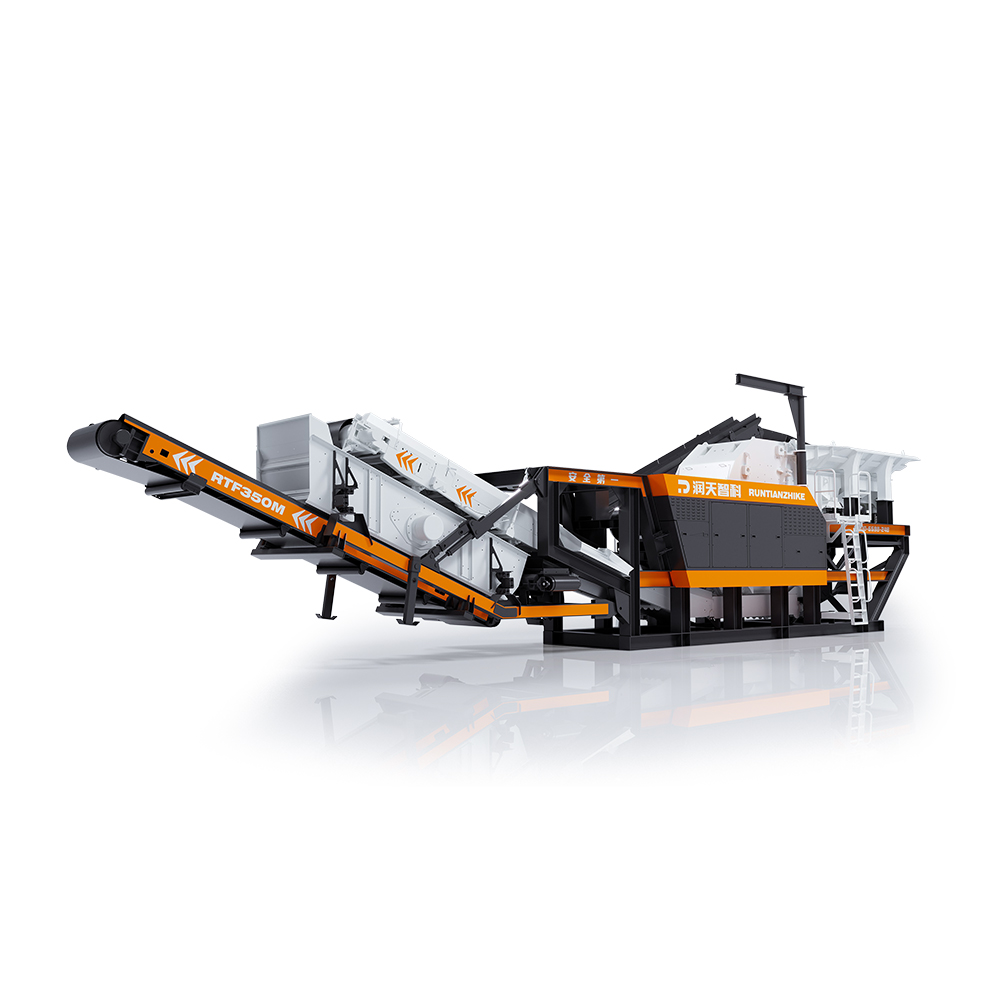
RTF350M Modular Impact Crushing Plant
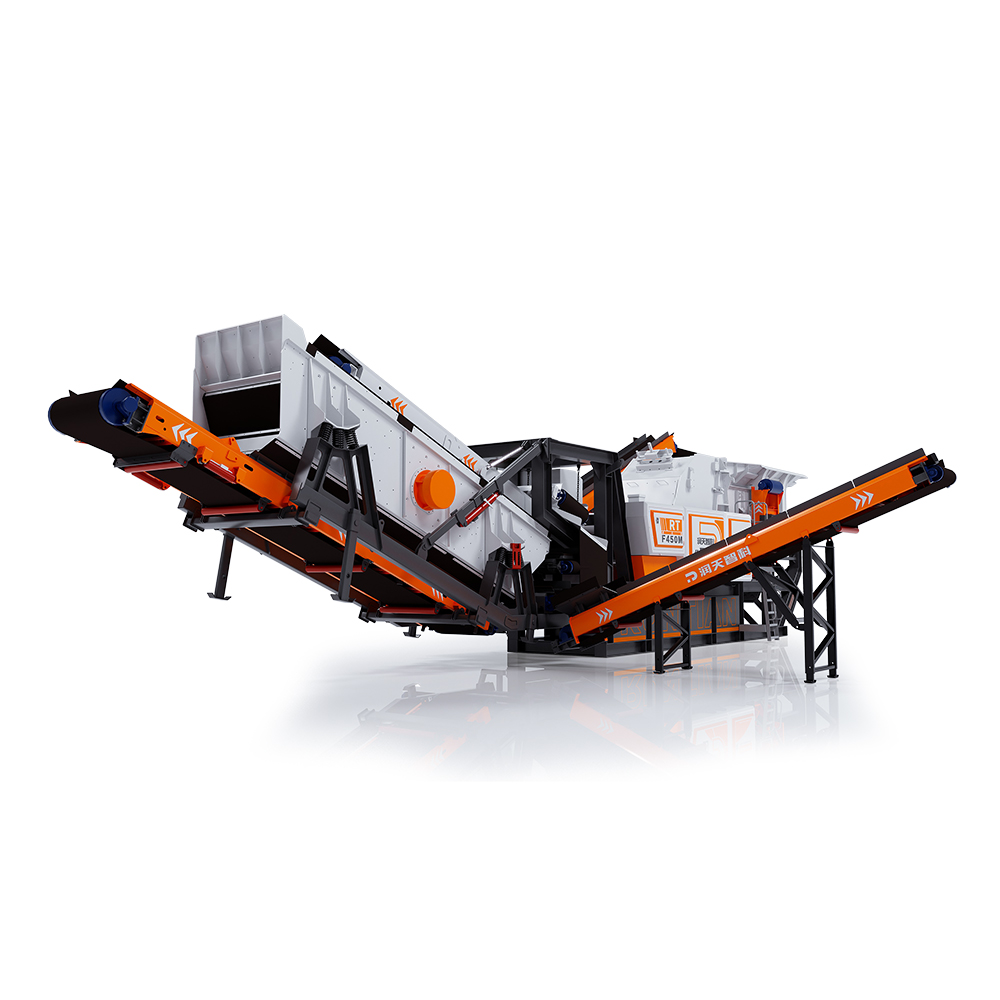
RTF450M Modular Impact Crushing Plant
Portable rock crushing is not a one-size-fits-all purchase. A machine that fits a compact site may struggle with abrasive rock, steep access roads, or long shifts. Choosing well means looking beyond advertised capacity. Feed size, output gradation, mobility, fuel use, maintenance access, and support availability all matter. Small details matter.
The market serves a substantial materials sector. The U.S. Geological Survey’s Mineral Commodity Summaries 2024 estimated U.S. crushed-stone production at about 1.5 billion metric tons in 2023. That scale helps explain demand for equipment that can move between sites and reduce unnecessary material handling. It does not guarantee a particular crusher will be profitable; site conditions and operating costs still decide much.
This Top 10 guide compares Portable Rock Crusher options for different work settings, from compact units for restricted sites to higher-capacity mobile systems. It considers practical trade-offs, not just headline specifications. A jaw crusher may suit primary reduction, while impact and cone designs fit different materials and stages. There is no universal winner.
The USGS report identifies commodity specialist Jason Christopher Willett, but the supplied materials contain no verifiable quotation from him about portable crushers. Rather than invent a quote, this introduction relies on published production data. That limitation is worth noting. Specifications also vary by configuration, so buyers should confirm figures with manufacturers and compare them against real feed material, access, and service needs.
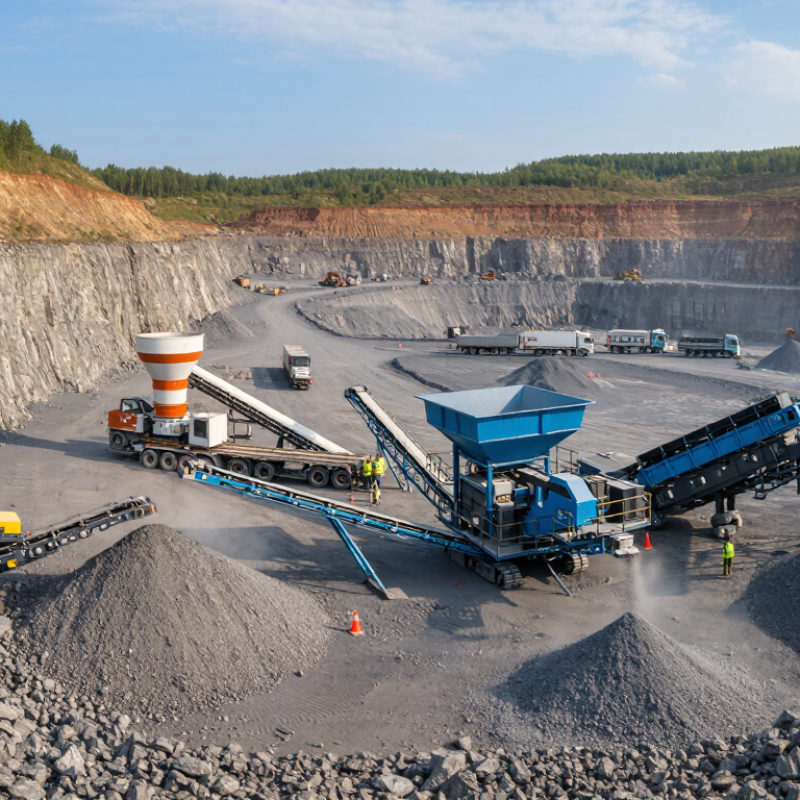
Portable rock crushers are crushing systems mounted on tracks, wheels, or skids, designed to move between work areas. They reduce stone into usable sizes near the source, often combining a feeder, crusher, conveyor, and screening unit. A jaw crusher handles primary reduction of hard, coarse rock; impact or cone units may suit later stages, depending on the material and product requirements. Setup still needs firm ground, safe access, and space for stockpiles.
These machines are used at quarries, road projects, construction and demolition sites, and remote infrastructure jobs. A crew might crush blasted granite beside a new road, or process concrete rubble into graded aggregate near a renovation site. Shorter hauling distances can reduce truck traffic and fuel use, but only when site layout and production rates make sense. Dust, noise, vibration, and changing feed sizes also need active monitoring. Small details matter.
“Portable” does not mean effortless. Transport permits, lifting points, ground conditions, power supply, and maintenance access all affect performance. Operators should match crusher type and screen openings to the rock’s hardness, moisture, and target size, then check output regularly. Wet, sticky feed can clog a screen; oversized pieces may slow the line. Specifications help, but site conditions can expose gaps in the plan. A second look helps.
Assess a portable rock crusher against the material and conditions it will actually face. Hard, abrasive stone can wear parts faster than softer feed, while wet or clay-rich material may clog screens and slow production. Check the expected feed size, required output size, and daily tonnage before comparing capacity figures. A crusher rated for high throughput may not achieve it with your rock.
Site access matters. Measure narrow gates, turning areas, ground clearance, and the distance to the work face. Consider whether the machine can move safely across the site and whether its power supply suits the location. Dust control, noise limits, and space for stockpiles also affect practical performance. Small details add up.
Ask for performance data using material similar to yours, and clarify what conditions produced those results. Check how quickly operators can inspect wear parts, clear blockages, and service the machine. Compare the total operating needs, not just the purchase price. A neat spec sheet can still mislead. If possible, arrange a site trial and record output, downtime, and fuel or power use. The trial may expose gaps in your assumptions—and that is useful.
Ten portable rock crusher configurations are commonly offered in equipment markets worldwide, although local inventory and specifications vary. The familiar choices are wheeled and tracked jaw crushers, wheeled and tracked impact crushers, and wheeled and tracked cone crushers. Other options include compact jaw units, mobile hammer crushers, vertical-shaft impact units, and combined jaw-cone plants. That makes ten practical categories, not ten identical machines.
Jaw crushers reduce blasted rock with a fixed and moving plate, making them useful for primary crushing. Impact units can produce more uniform shapes, but abrasive stone may increase wear. Cone crushers suit secondary reduction, while vertical-shaft models are often selected for shaping aggregate. A tracked machine can move across a rough site; a wheeled plant may suit frequent road transport. Check feed opening, finished-size range, rated capacity, engine or power requirements, and transport dimensions against the actual site.
A capacity figure can look convincing, yet real output depends on rock hardness, moisture, feed consistency, and operator settings. That part is easy to overlook. Ask for test data on similar material, service intervals, wear-part costs, and setup requirements. Inspect access around the crusher too: a narrow work area can complicate maintenance. No configuration fits every job, and published figures may not match field conditions. A careful comparison should include the full processing line, not just the crusher itself.
Indicative capacity ranges for common portable crusher configurations
Bars show broad typical nominal throughput ranges in metric tonnes per hour (t/h), not a product ranking. Actual capacity varies with rock type, feed size, moisture, and equipment setup.
Portable rock crushers differ most in how they balance throughput with transport needs. Compact tracked jaw units can suit tight demolition sites, while larger wheeled or tracked plants handle steadier quarry work. Capacity figures are only a starting point: hard, abrasive stone and oversized feed can reduce actual output. A machine rated for a high hourly tonnage may not deliver it every shift.
Mobility affects setup time and where a crusher can work. Tracked models can cross uneven ground and reposition without a separate tow vehicle, but their weight still matters on soft soil. Towable units travel more easily between sites, though they need suitable access and room to stabilize. Small details count. Check ground clearance, conveyor reach, and how quickly screens or wear parts can be reached. A comparison can look neat on paper, then get messy at the site.
Power needs also vary across the ten leading model types. Electric drives can suit operations with reliable site power; diesel units offer more independence but require fuel planning. Match engine or motor power to the feed material, desired product size, and other equipment in the line. More power alone does not guarantee greater production. Ask for test results using similar rock, and verify whether quoted capacity assumes ideal conditions. That caveat is easy to miss.
The entries below compare common portable crusher configurations, not specific branded models. Figures are indicative industry ranges: actual capacity and power depend on rock type, feed size, moisture, crusher settings, and plant configuration.
| # | Portable Crusher Configuration | Typical Capacity | Typical Feed Opening / Top Size | Mobility | Typical Installed or Prime-Mover Power | Common Applications |
|---|---|---|---|---|---|---|
| 1 | Compact tracked jaw crusher | 30–100 t/h | Approx. 400–700 mm opening | Self-propelled tracks; suited to small sites and short moves | Approx. 75–160 kW | Small quarries, demolition concrete, and restricted-access jobs |
| 2 | Small tracked jaw crusher | 50–150 t/h | Approx. 500–800 mm opening | Tracked; relocates around a site without a separate haul trailer | Approx. 100–250 kW | Primary crushing of blasted rock and recycled aggregates |
| 3 | Medium tracked jaw crusher | 100–350 t/h | Approx. 700–1,000 mm opening | Tracked; designed for frequent movement between work areas | Approx. 200–400 kW | Quarry primary crushing and larger recycling projects |
| 4 | Heavy-duty tracked jaw crusher | 200–600 t/h | Approx. 900–1,300 mm opening | Tracked; high output but requires substantial transport planning | Approx. 300–600 kW | High-volume primary crushing of hard rock |
| 5 | Wheeled or trailer-mounted jaw crusher | 80–300 t/h | Approx. 600–1,000 mm opening | Road-towable chassis; typically needs a suitable tractor and setup area | Approx. 150–400 kW | Contract crushing and operations moving between prepared sites |
| 6 | Compact tracked impact crusher (HSI) | 50–150 t/h | Approx. 300–500 mm feed size | Tracked; generally quick to reposition on-site | Approx. 100–250 kW | Concrete, asphalt, and softer or moderately hard stone |
| 7 | Full-size tracked impact crusher (HSI) | 150–500 t/h | Approx. 500–800 mm feed size | Tracked; mobile between stages or production areas | Approx. 250–600 kW | Secondary crushing, limestone, and recycled construction material |
| 8 | Tracked cone crusher | 100–500 t/h | Usually accepts pre-crushed feed; often around 150–250 mm maximum | Tracked; often used as a mobile secondary or tertiary stage | Approx. 200–600 kW | Hard, abrasive rock and production of controlled aggregate sizes |
| 9 | Portable vertical-shaft impact (VSI) crusher | 80–300 t/h | Typically pre-screened feed, often up to about 50–100 mm | Trailer-mounted or incorporated into a portable plant | Approx. 150–400 kW | Tertiary crushing, manufactured sand, and particle shaping |
| 10 | Portable roll crusher | 50–300 t/h | Commonly accepts pre-sized feed; often up to about 100–300 mm | Skid-mounted or trailer-mounted; typically moved between prepared locations | Approx. 50–300 kW | Coal, softer minerals, and applications needing controlled reduction |
Comparison note: Capacity is a broad typical range, not a guaranteed production rate. Confirm required feed opening, final product size, transport dimensions, and power supply with the supplier before selecting equipment.
Before buying a portable rock crusher, match its feed opening to the largest stones at your site.
A machine rated for smaller material may need extra breaking before crushing. Check the expected output size, too. Ask for a test using rock similar to yours, since hard, wet, or abrasive material can change production and wear rates.
Numbers on a specification sheet are not the whole story.
Look closely at transport weight, working dimensions, and setup time. Can the crusher reach your site, and will the ground support it? Check power requirements, fuel use, and access for routine maintenance.
Inspect guards, emergency stops, dust suppression, and noise controls in person.
Dust matters. A quick demonstration can miss awkward service points, so ask a technician to show how screens and wear parts are replaced.
Request written details for capacity under your material conditions, expected wear-part life, and service support near your operating area. Compare the full operating cost, not just the purchase price.
I have seen buyers focus too heavily on headline output; that is an easy mistake, and it is worth questioning. Ask what happens when feed size varies or the machine works fewer hours than planned.
Then review the manual and confirm that operators can perform daily checks safely.