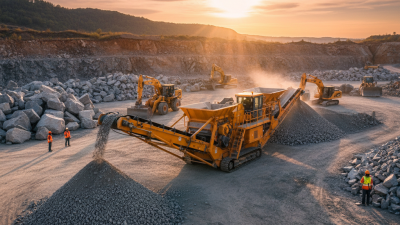
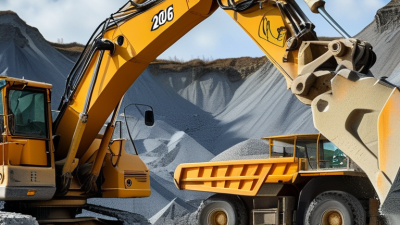
Top Portable Rock Crusher Manufacturers in China?
Choosing the right Portable Rock Crusher manufacturer in China requires more than comparing prices and product photos. Quarry owners, contractors, and recycling companies need equipment that performs reliably under dust, vibration, and changing job-site conditions. A dependable supplier should provide clear specifications, practical engineering support, quality documentation, and responsive after-sales service.
This guide examines leading Chinese manufacturers through these real-world factors. It considers crushing capacity, feed size, mobility, fuel or electric systems, wear-part access, and safety features. A machine may look powerful on paper but struggle with wet material or uneven ground. That difference matters.
Field experience often reveals what brochures omit. Operators notice maintenance access, hydraulic response, noise levels, and how quickly screens become blocked. Small details can affect daily output and operating costs. Manufacturer experience matters too, especially when a company can explain test procedures and provide suitable configurations for granite, limestone, concrete, or mixed construction waste.
The comparison does not treat every supplier as perfect. Product quality can vary between models, production batches, and local service teams. Even respected manufacturers may leave room for improvement. Buyers should request recent references, inspect technical records, and confirm spare-parts availability before ordering. A careful decision protects investment and reduces avoidable downtime.
For businesses seeking a Portable Rock Crusher from China, credibility should stand beside performance. The strongest manufacturers combine practical design, transparent communication, and measurable support after delivery. This introduction sets the foundation for evaluating those companies with a balanced and evidence-based approach.
Portable Rock Crushers in China: 50–500 t/h Capacity and Market Scope
Portable Rock Crushers in China: 50–500 t/h Capacity and Market Scope
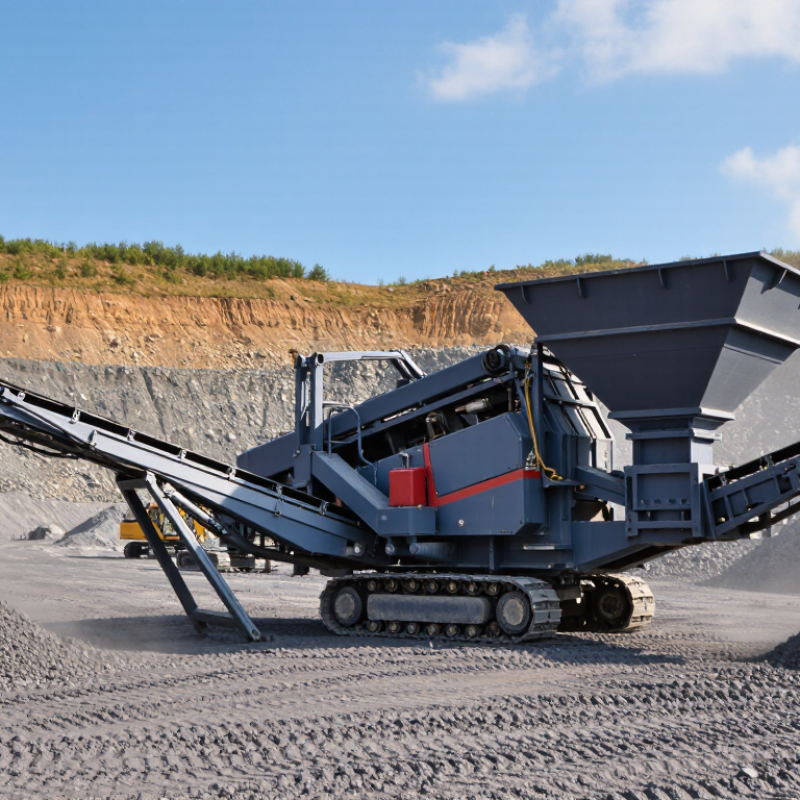
China’s portable rock crusher market serves projects that need crushing equipment moved between sites. Published capacity ranges can span roughly 50–500 tonnes per hour, but the rated figure is not a production guarantee. Actual output depends on rock hardness, feed size, moisture, and the required final grading. A compact unit may suit a small quarry or road project; larger setups need more room for conveyors, stockpiles, and safe maintenance access. Details matter.
For buyers comparing manufacturers, the market includes mobile jaw, cone, and impact configurations, often paired with screening equipment. Ask for performance data using material similar to your own, not just a headline capacity. Check transport dimensions, setup time, wear-part availability, and access to technical support. Site conditions can change the calculation. A narrow work area or inconsistent feed may reduce throughput, even when the machine appears correctly sized.
Tips: Request a written capacity estimate with feed and product sizes stated. Confirm what the quoted configuration includes, such as conveyors and screens. If possible, inspect a working unit processing comparable rock. A specification sheet helps, but it cannot replace a realistic site assessment.
Portable Rock Crusher Capacity Range in China
Stated capacity scope: 50–500 tonnes per hour (t/h)
The bars mark the lower and upper bounds of the stated capacity range. Actual throughput depends on factors such as feed material, crusher configuration, and operating conditions.
How Portable Rock Crushers Work: Feed Size, Mobility, and Crushing Stages
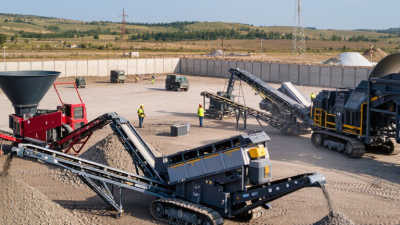
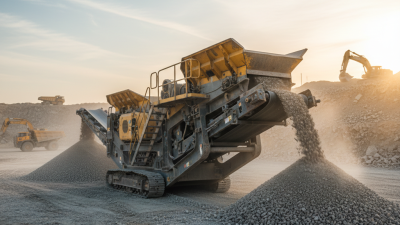
Portable rock crushers combine a feeder, crushing chamber, conveyor, and screening unit on a wheeled or tracked frame. At a quarry or road project, an excavator drops rock into the feed hopper. A grizzly can separate fine material before it reaches the crusher. The U.S. Geological Survey’s Mineral Commodity Summaries 2024 estimated U.S. crushed-stone output at about 1.5 billion tons in 2023, showing the scale of demand for reliable aggregate processing. That matters on site.
Feed size must match the crusher’s inlet opening and the rock’s hardness. Oversized blocks can bridge at the hopper, while uneven feed may cause surges and reduce throughput. Operators often use a jaw crusher for primary reduction, then a cone or impact crusher for a smaller, more uniform product. Screens sort the crushed material by size; oversize can return for another pass. The U.S. EPA’s AP-42 Section 11.19.2 documents this general sequence of crushing and screening. Real rock is less tidy than a process diagram suggests.
Mobility changes the setup, not the physics. Tracked units can reposition across uneven ground, while wheeled units may suit sites with prepared access. Either way, turning space, ground strength, dust control, and conveyor clearance need checking before work starts. A tighter feed setting may improve product size, but it can also slow production or increase wear. There is no universal setting; test the material and inspect the output.
Manufacturer Selection Criteria: Output, Power, Weight, and Product Standards
When comparing portable rock crusher manufacturers in China, start with your material and target output, not headline capacity.
Ask for rated tonnes per hour, feed size, and the rock conditions behind the figure. A crusher advertised at 100 tonnes per hour may produce less with wet, sticky stone or frequent size changes. Request test data using material similar to yours. Numbers can mislead.
Power is more than motor rating.
Check total installed power, energy use, and whether the unit can run steadily at your site. A diesel-powered machine may suit remote work; an electric model may be practical where supply is reliable. Compare tonnes processed per hour with energy consumption. Ask how screens and conveyors affect the load.
Weight and dimensions matter when moving between sites.
Confirm transport weight, working footprint, lifting points, and setup time. Review drawings, manuals, spare-parts lists, and inspection records. Product standards and certificates should match the intended market and machine configuration; verify their scope, not just a logo on a brochure. A witnessed trial can reveal build details, but it cannot predict every field condition. Leave room for doubt. Record test conditions and exceptions, even when it feels tedious.
Leading Chinese Manufacturers: Models, Certifications, and Export Capabilities
Chinese portable rock crusher manufacturers offer several configurations, but the model should match the rock, feed size, and required output. Jaw-crusher plants suit primary crushing; impact models can produce more cubical aggregate. Compare feed openings, hourly capacity, engine options, and transport dimensions—not just advertised output. Small details matter. Ask for a recent test report using material similar to yours, since headline capacity can vary with rock hardness and moisture.
Tips: Request current certificates and check their scope and expiry dates. Ask whether they cover the factory, product, or management system. Confirm destination-market requirements with your importer before ordering.
Export capability shows in practical details. A capable supplier can provide clear drawings, packing dimensions, spare-parts lists, and operating manuals in an agreed language. Check how quickly wear parts can be dispatched, and ask for references from comparable export projects. Confirm whether the quoted package includes commissioning support, remote troubleshooting, and shipping preparation. Some details may still need clarification; resolve them in writing before production, especially voltage, control-panel language, and included accessories.
Comparing Chinese Crushers: 100–300 t/h Output, Costs, and After-Sales Support
Portable rock crushers rated at 100–300 t/h can suit quarry start-ups, road projects, and mobile recycling sites. But rated capacity is not guaranteed daily output. Feed size, rock hardness, moisture, screen openings, and operator adjustments all affect production. A 200 t/h unit handling clean, uniform limestone may perform very differently on damp, abrasive feed.
The U.S. Geological Survey’s Mineral Commodity Summaries 2025 estimates 2024 U.S. crushed-stone production at about 1.5 billion short tons, valued near $25 billion. That scale highlights why small differences in uptime and wear costs matter. Compare quotations using the same assumptions: delivered price, power demand, expected liner life, spare-parts availability, and commissioning support. Ask for a witnessed test with your material. Request response times and parts lead times in writing. Service promises can sound excellent; distance and stock levels decide whether they help.
Tips: Check the discharge belt and screen access before purchase. Photograph wear parts during the test, and confirm their replacement cost. A spreadsheet helps, but it cannot predict every breakdown. I would leave room for that uncertainty.

 Concrete Mixing Plant
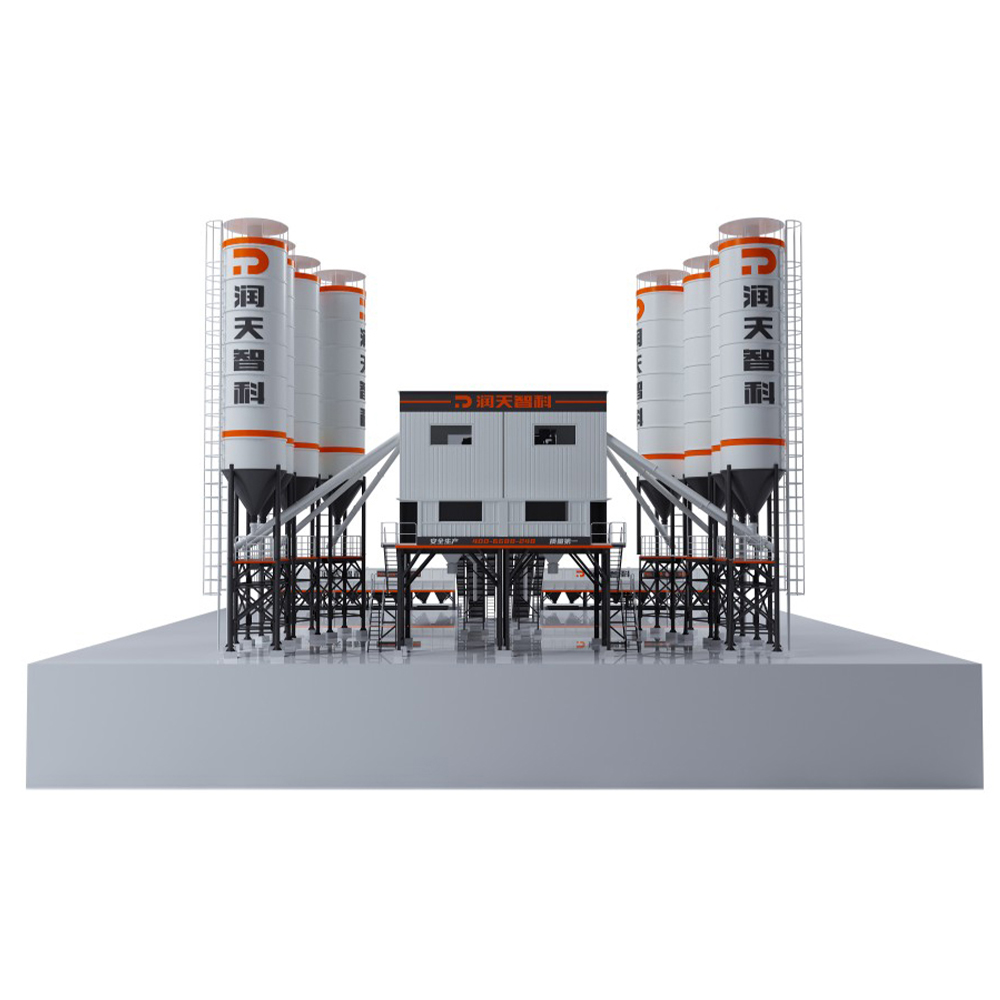 HZS Series Belt Concrete Mixing Plant
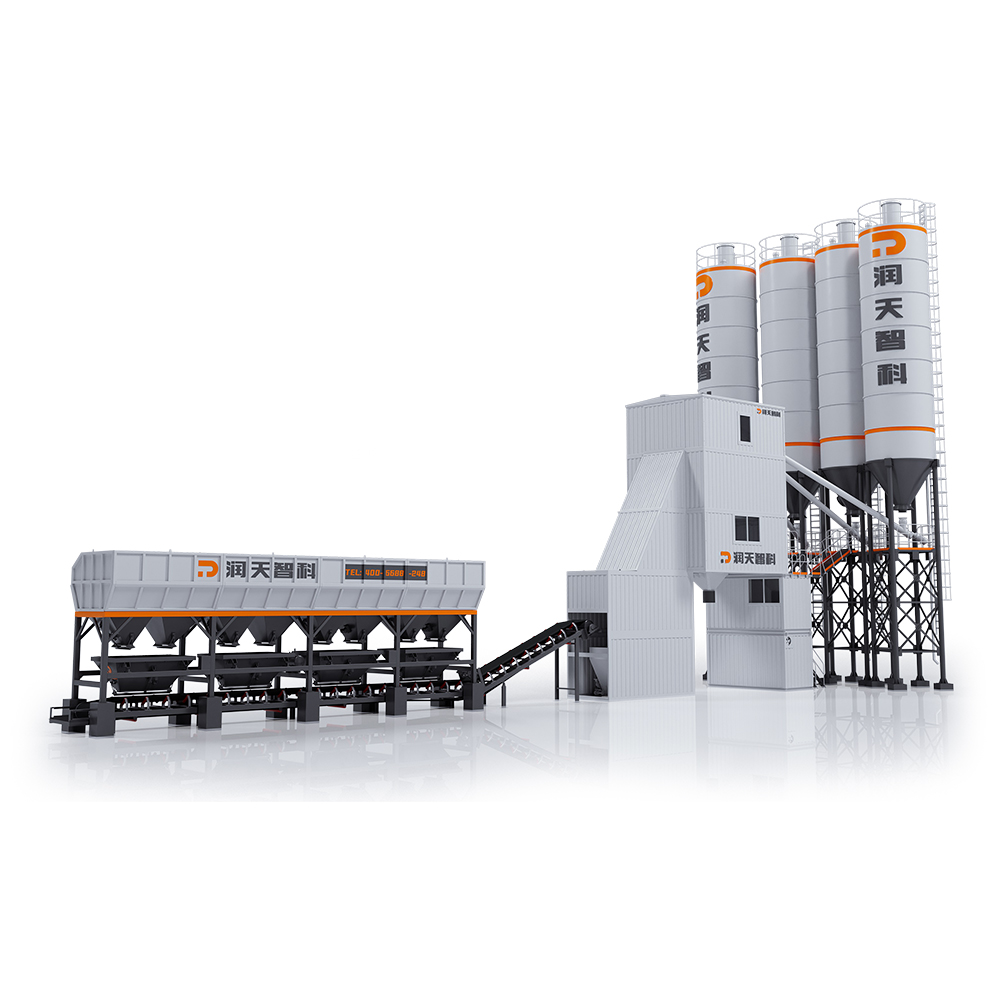 HZS Series Bucket-Lifting Type Container Concrete Mixing Plant
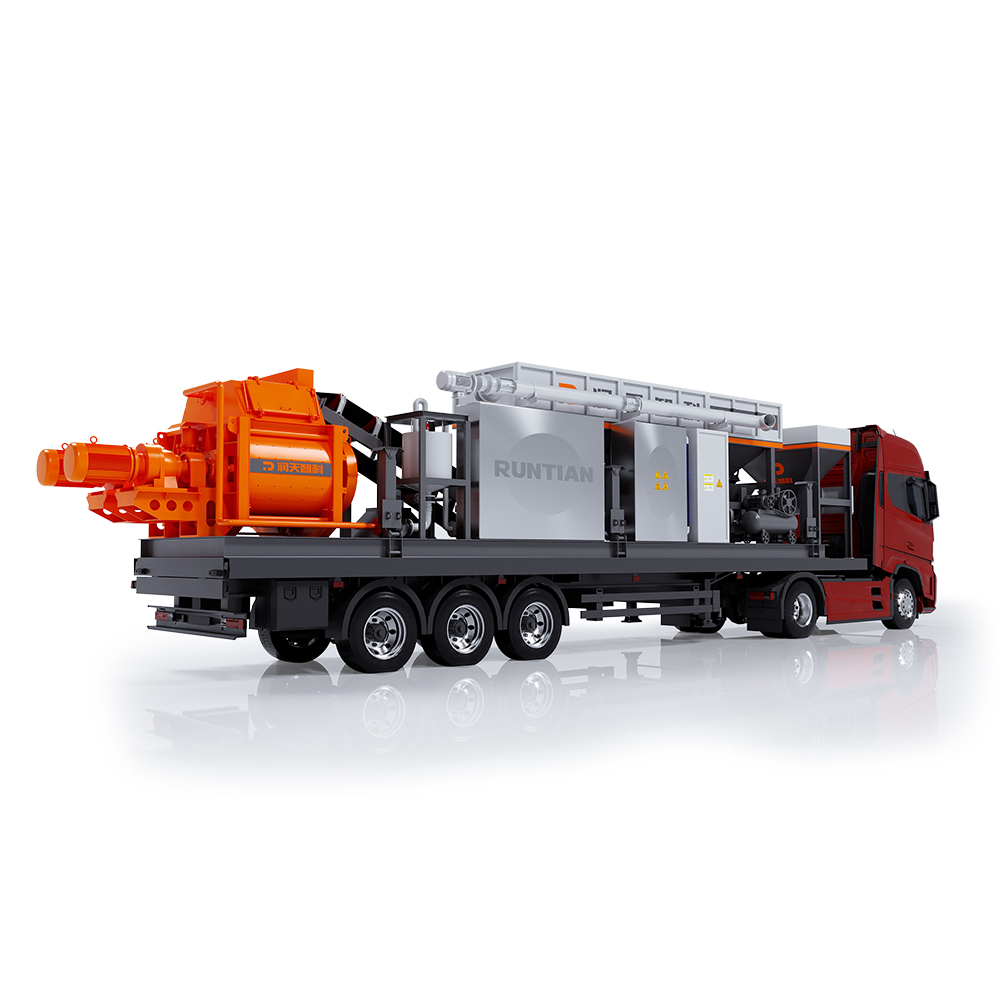 HZS60 Mobile Concrete Mixing Plant
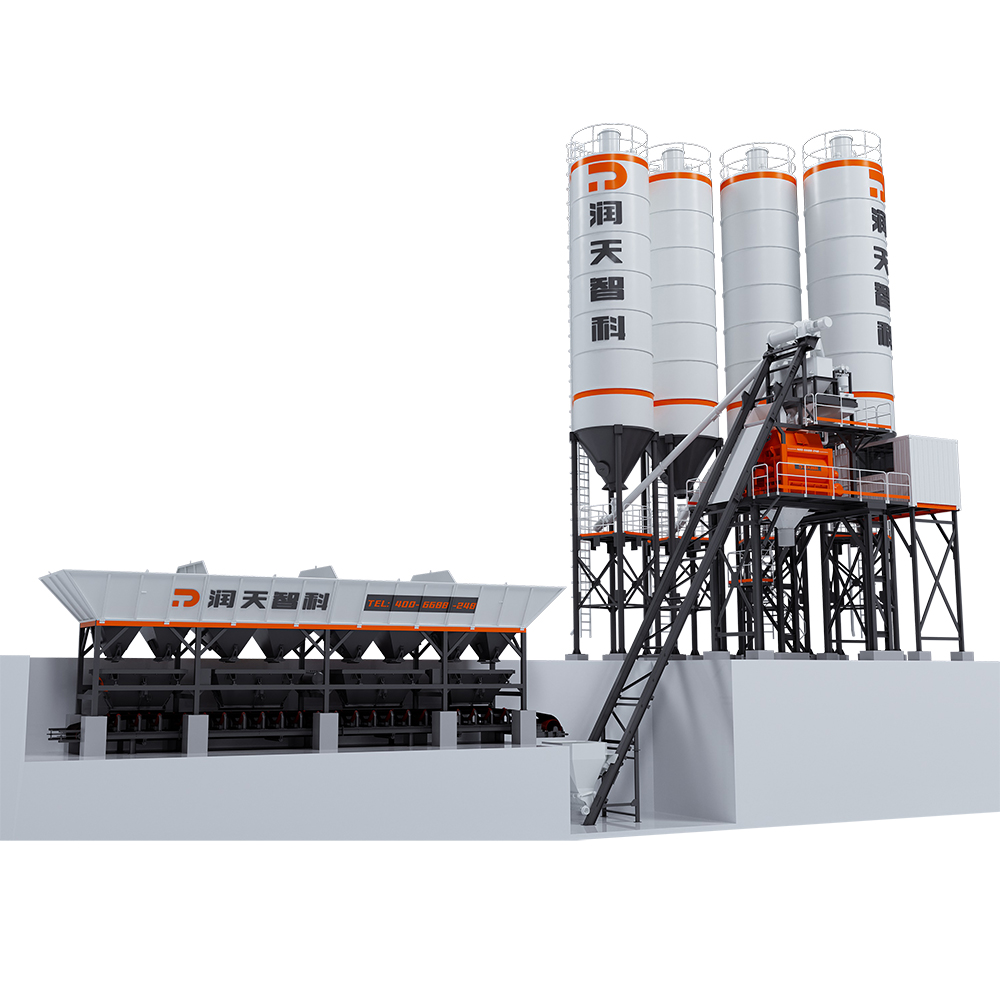 HZS Series Bucket-Lifting Type Concrete Mixing Plant
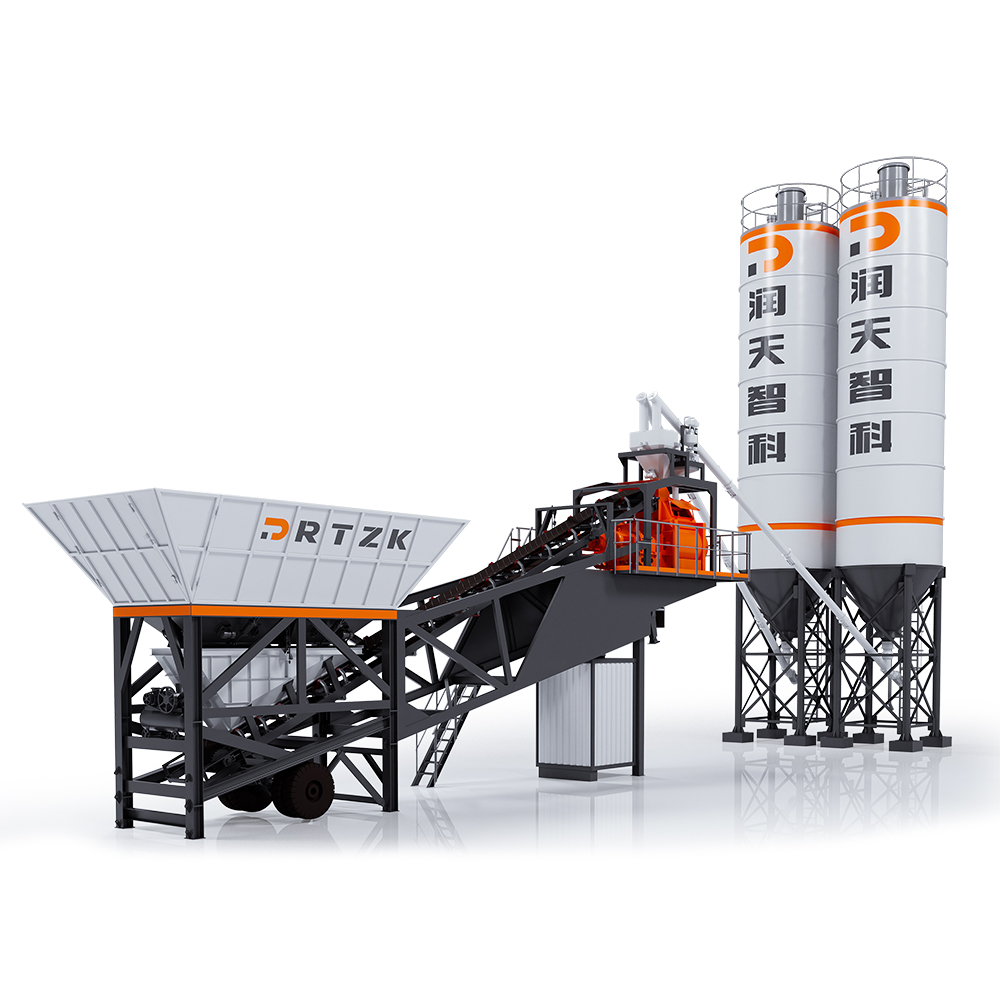 HZS Series Mobile Concrete Mixing Plant
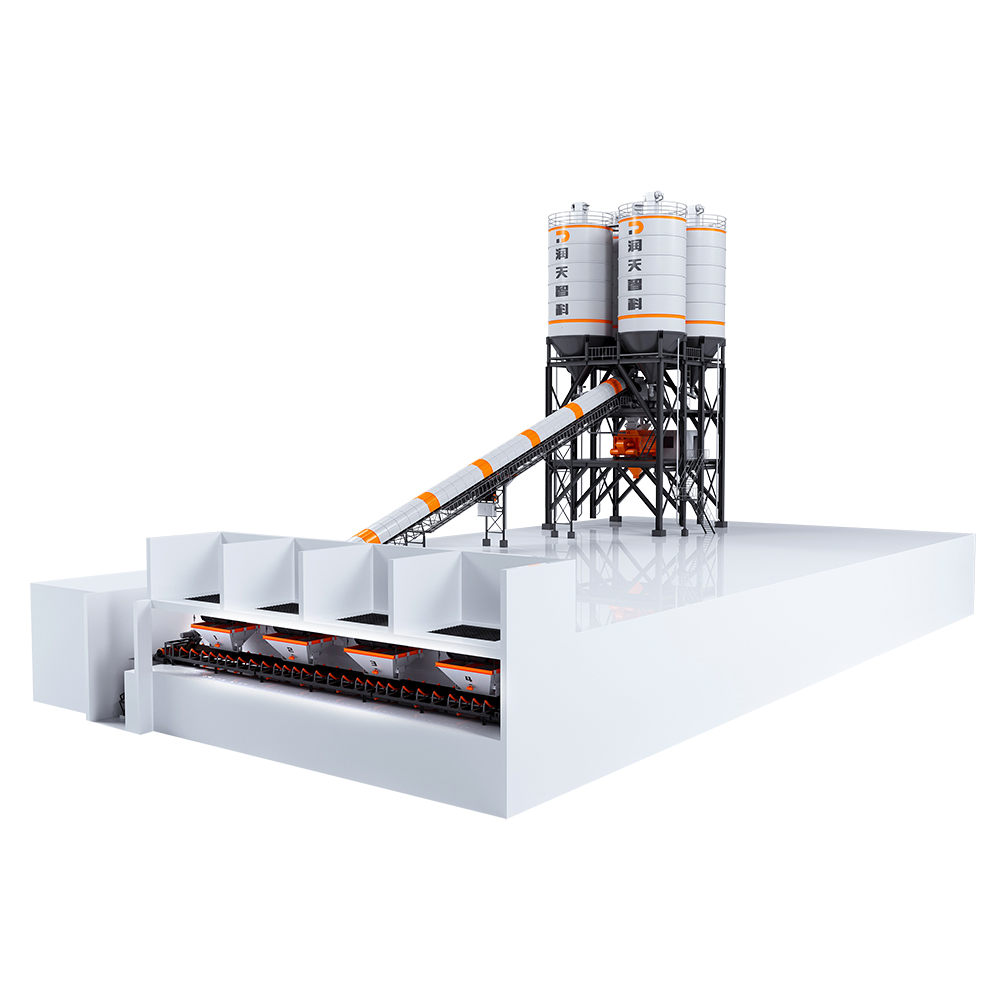 HZS Series Top-Mounted Concrete Mixing plant
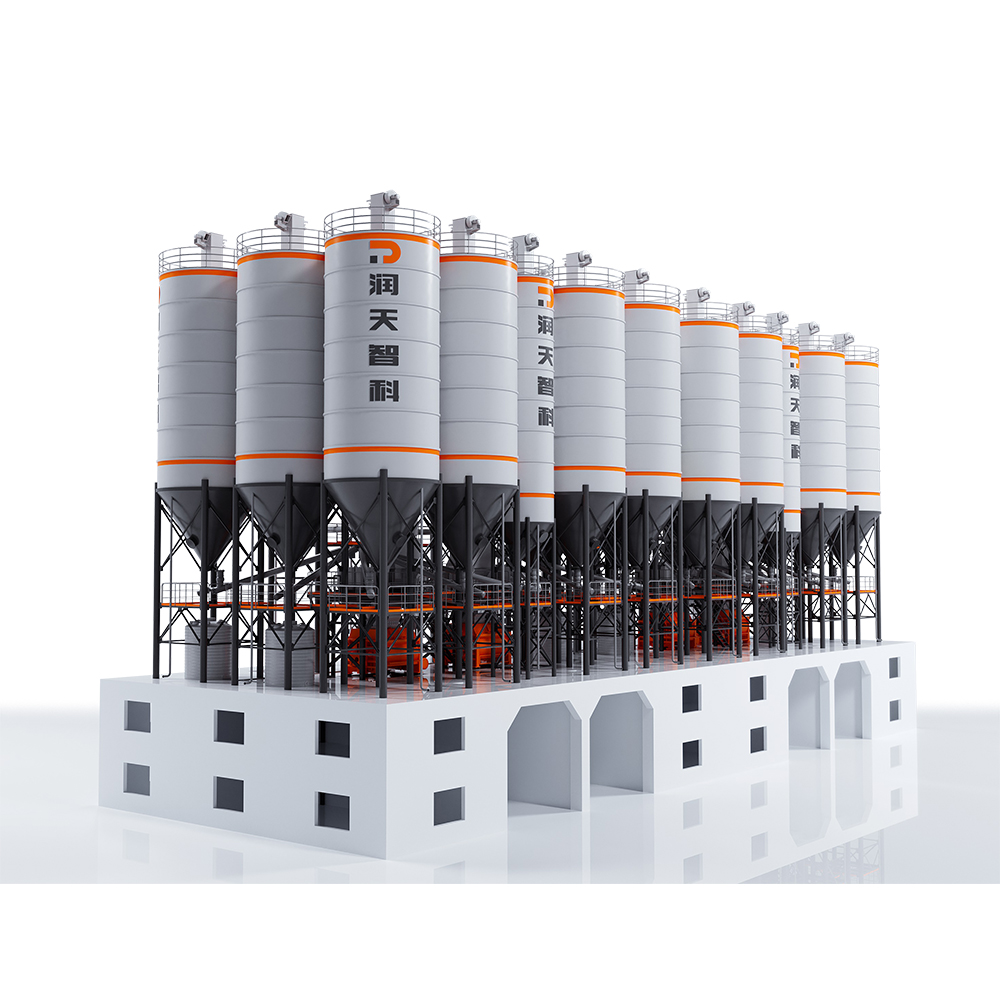 HZS Series Semi-Top Mounted Concrete Mixing Plant
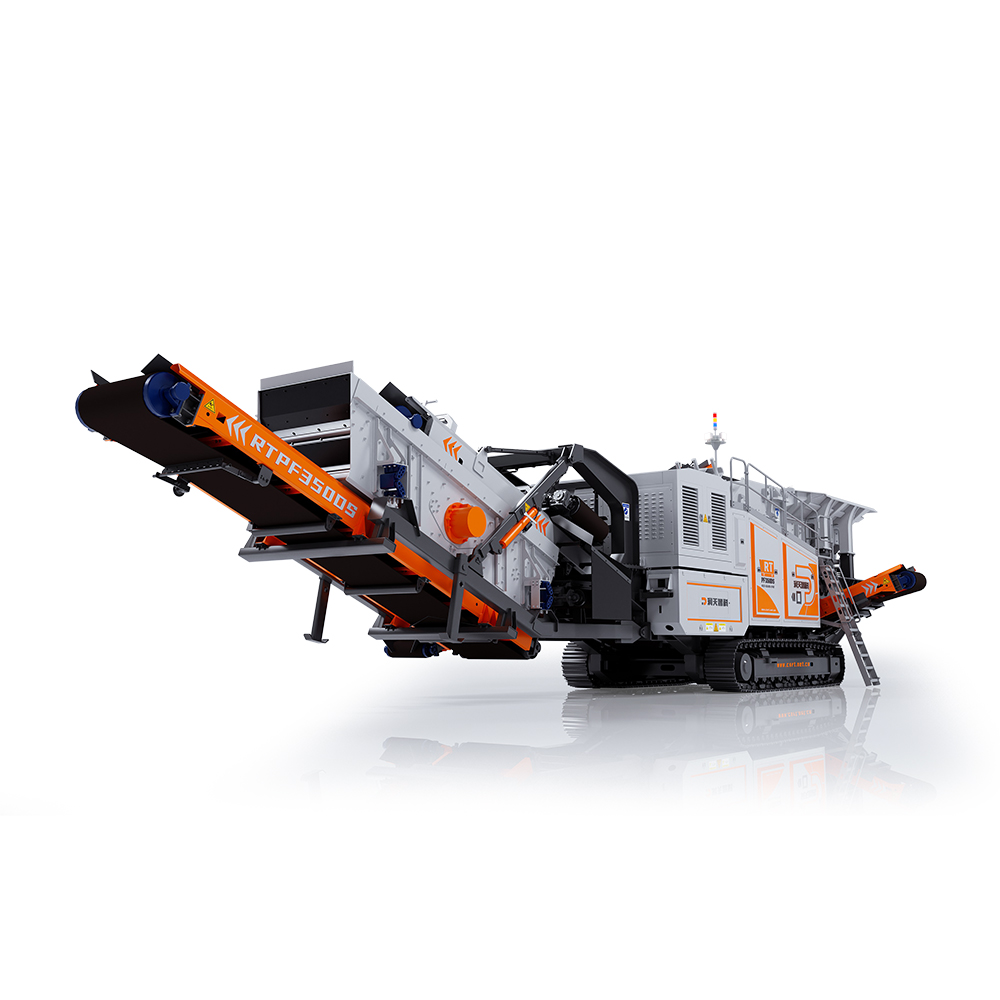 RTPF350DS Crawler Mobile Impact Crushing Plant
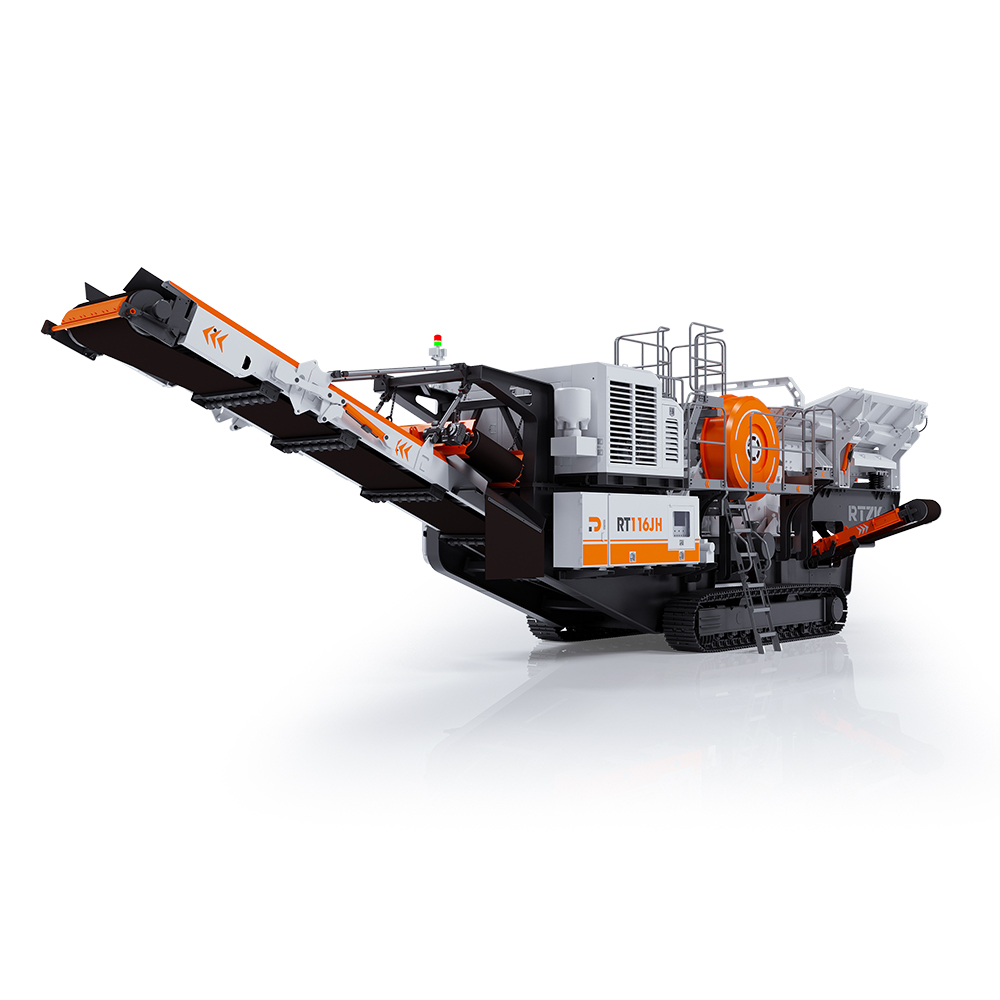 RT116JH Crawler Mobile Jaw Crushing Plant
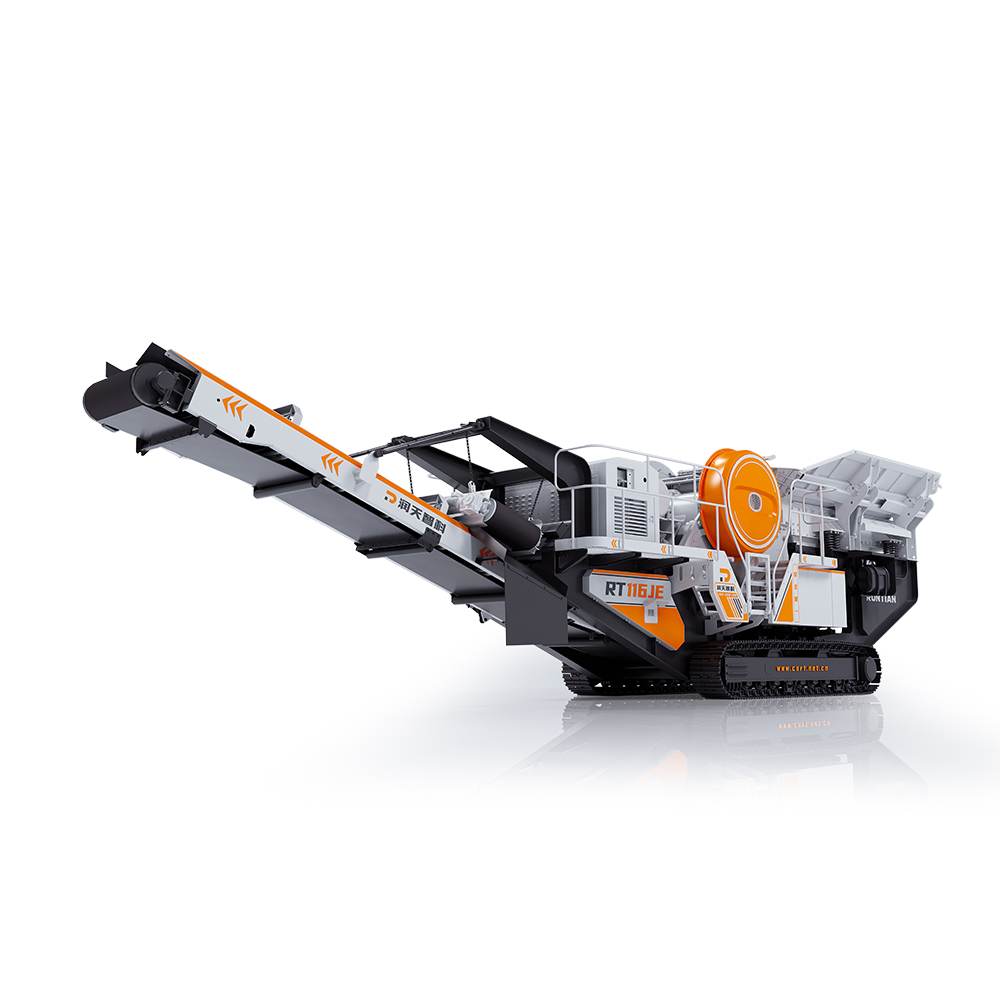 RT116JE Crawler Mobile Jaw Crushing Plant
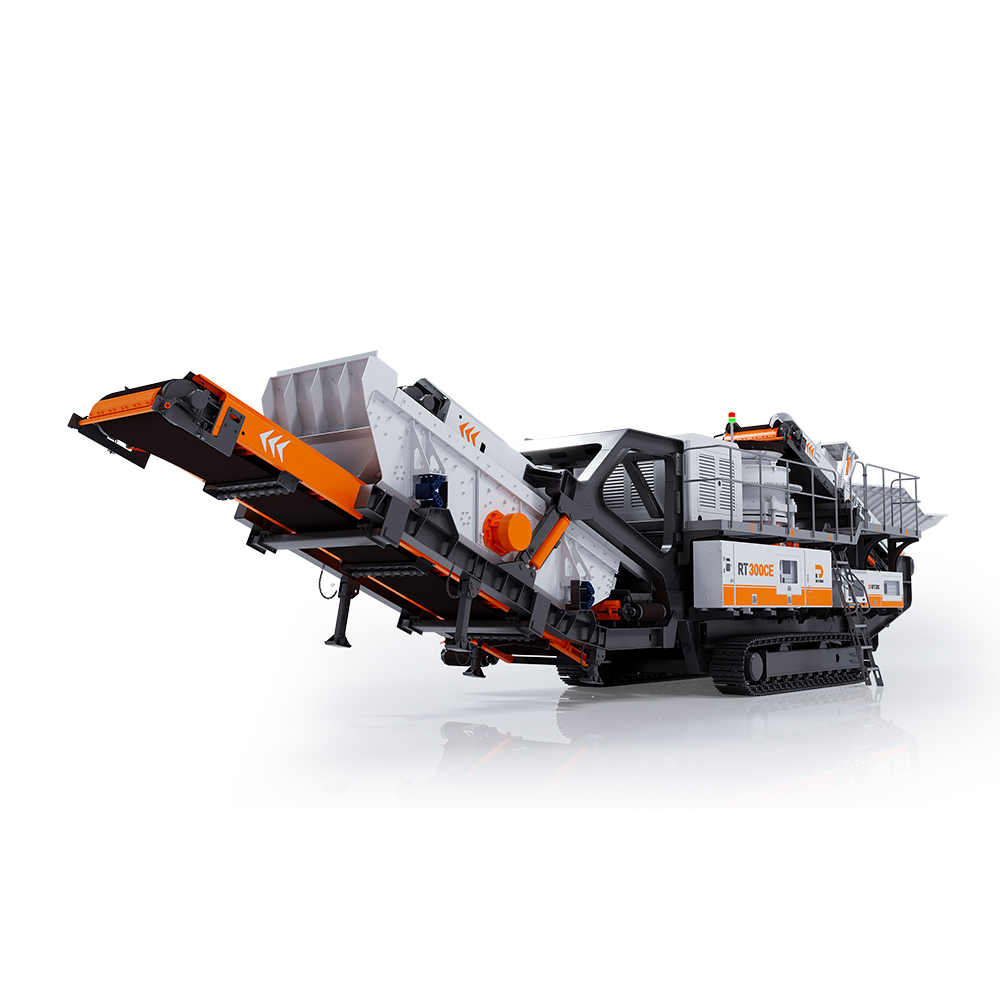 RT300CE Crawler Mobile Cone Crushing Plant
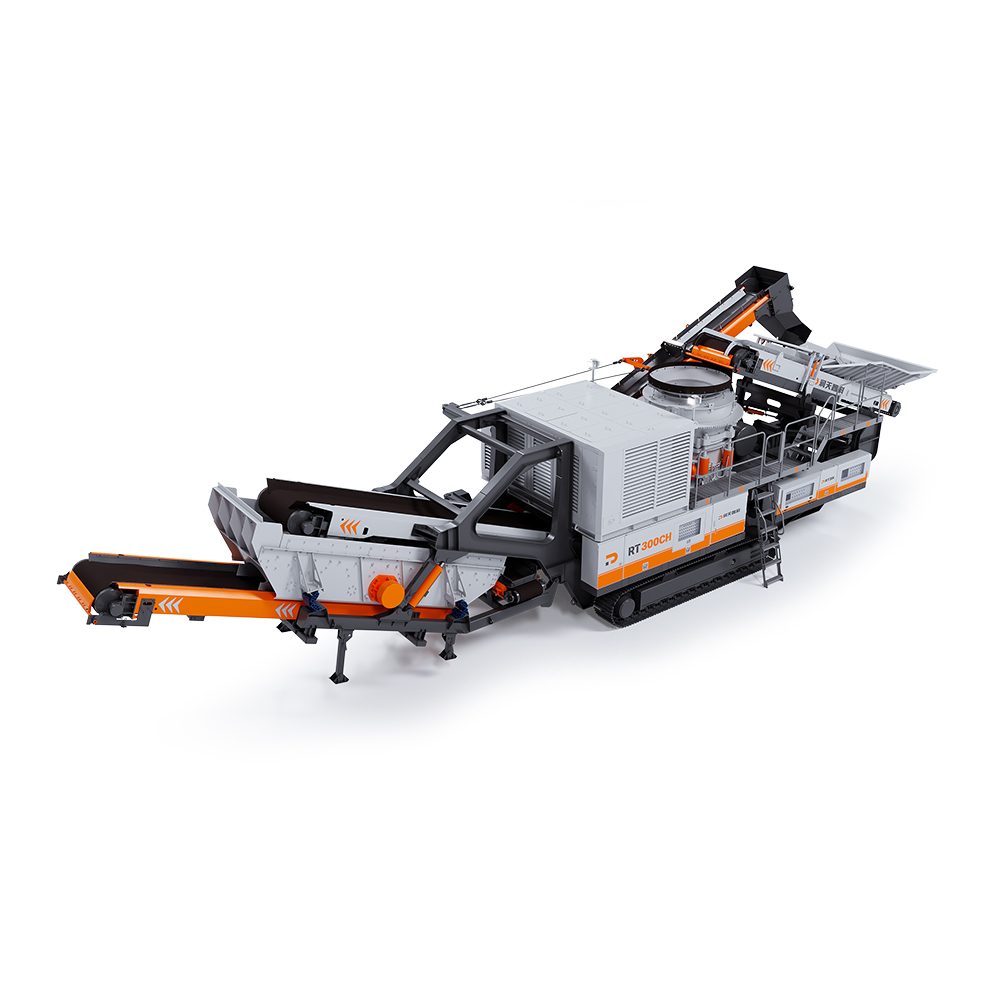 RT300CH Crawler Mobile Cone Crushing Plant
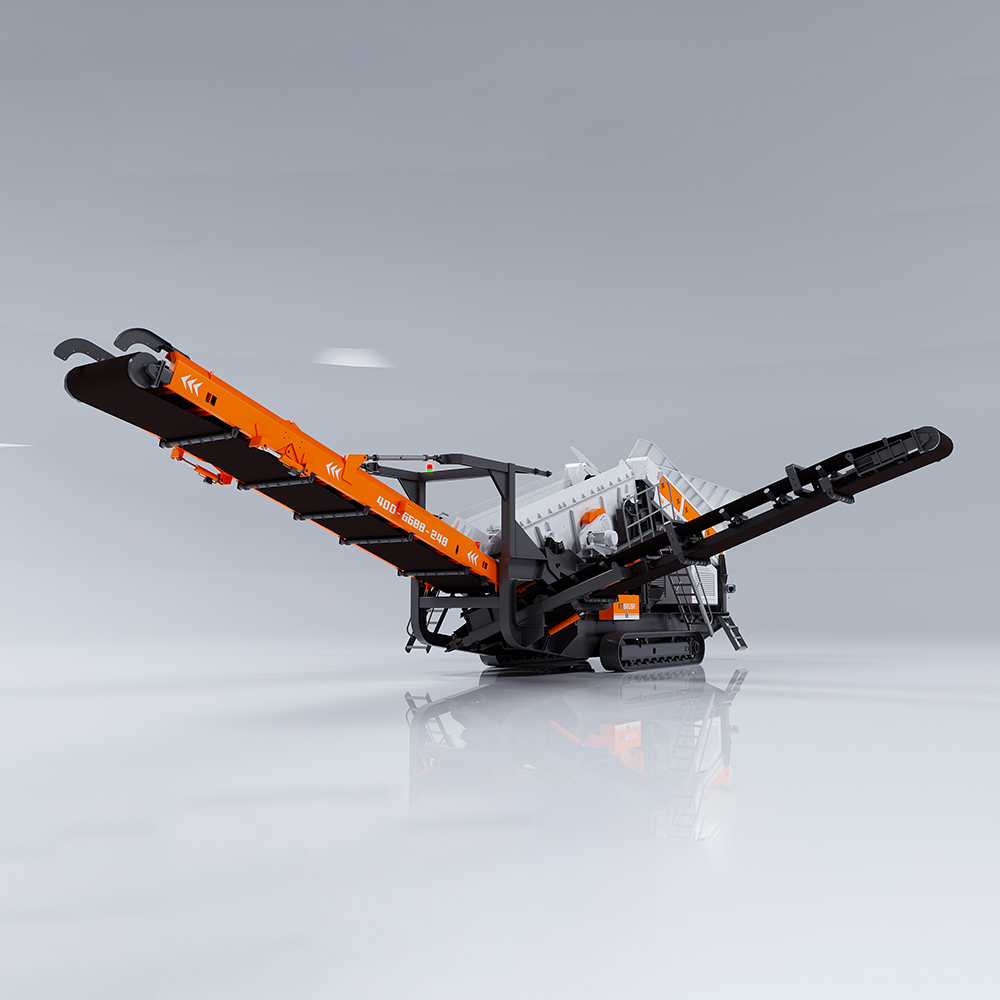 RT5015H Mobile Scalping Screen
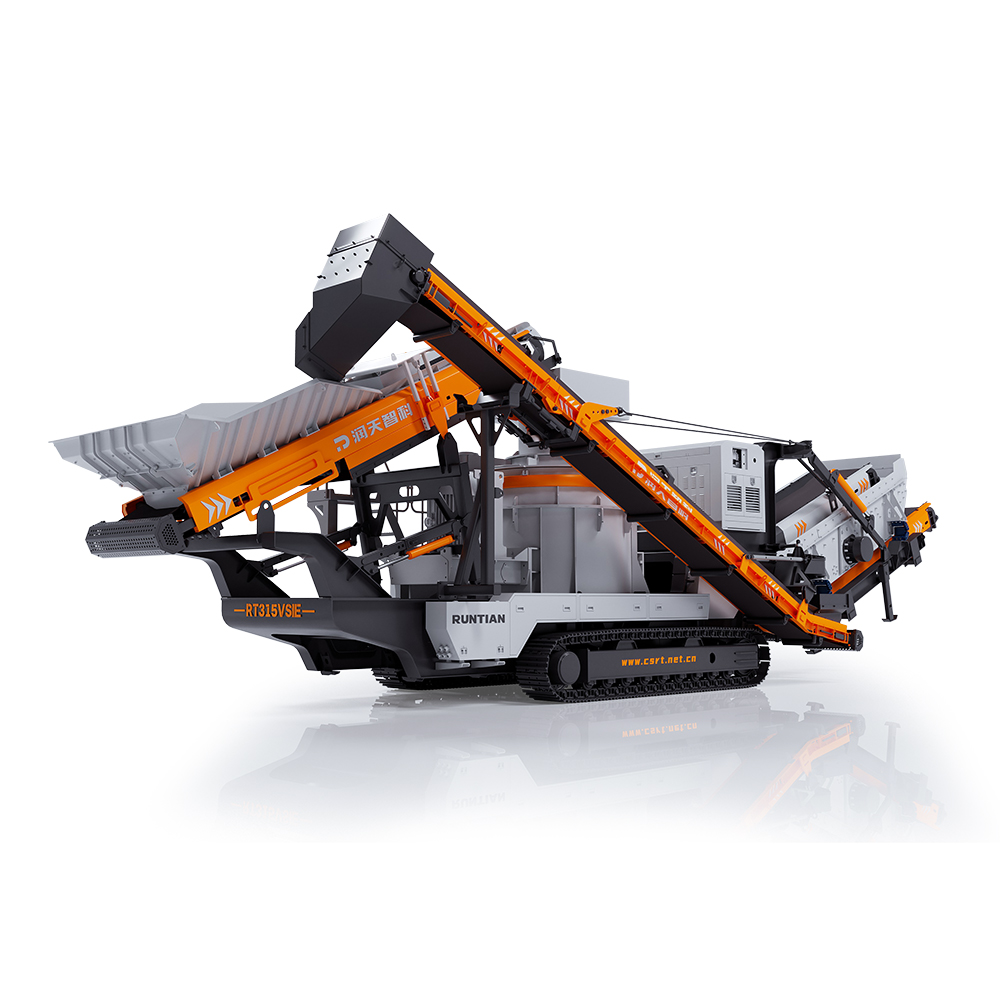 RT315VSIE Crawler Mobile Sand Maker
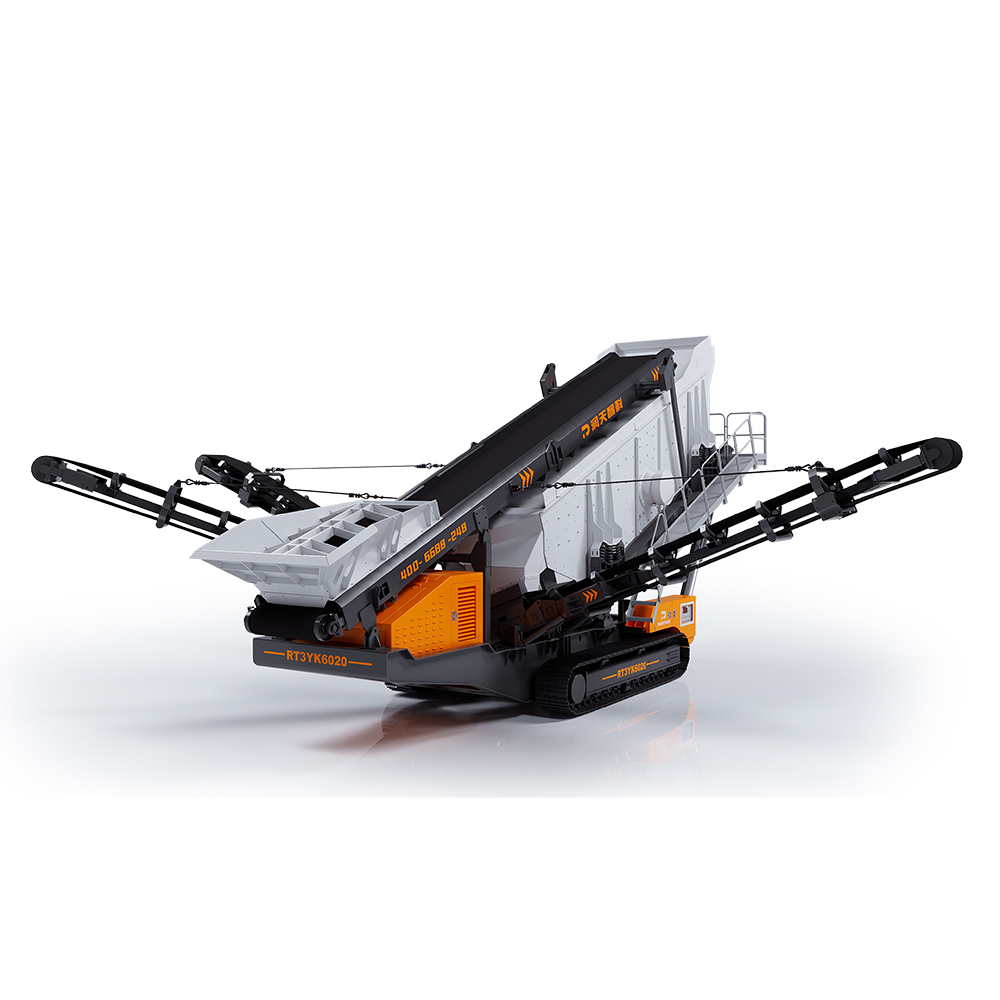 RT3YK6020 Crawler Mobile Screening Plant
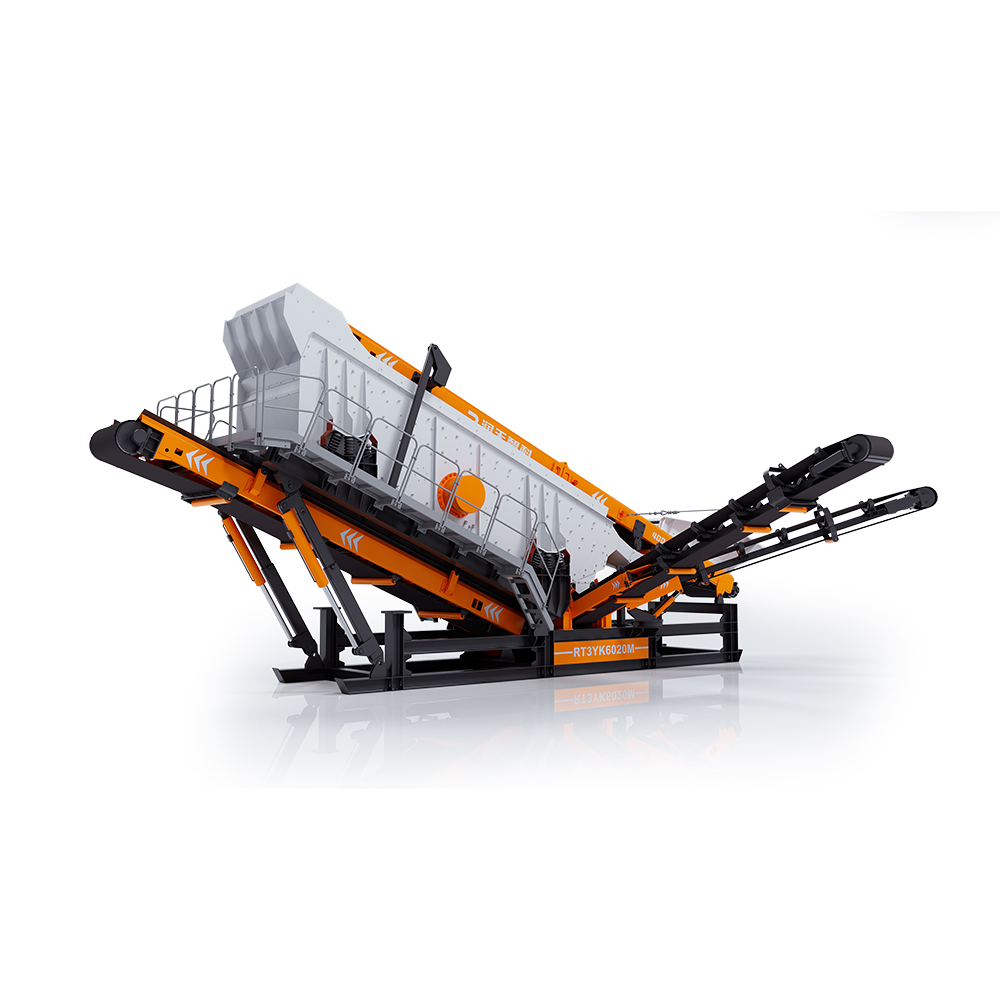 RT3YK6020M Modular Screening Plant
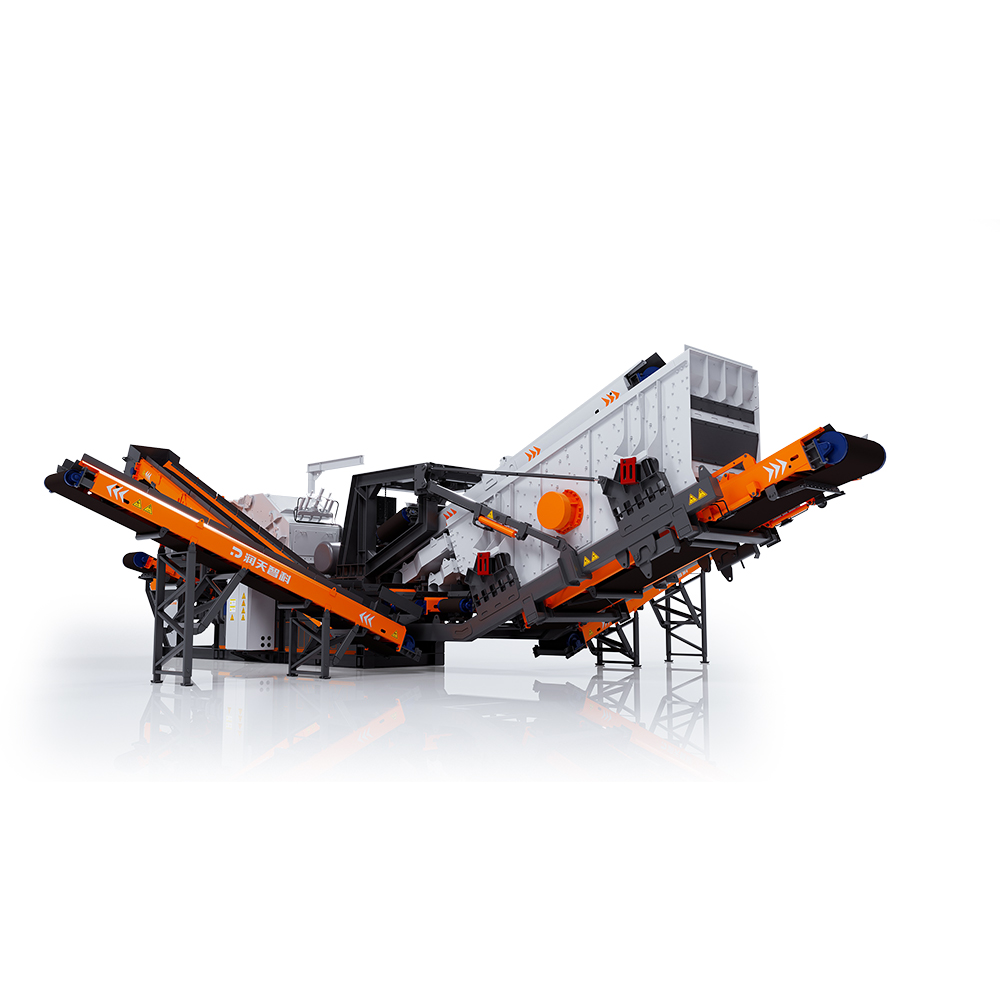 RTF260M Modular Counterattack Crushing and Screening Integrated Machine
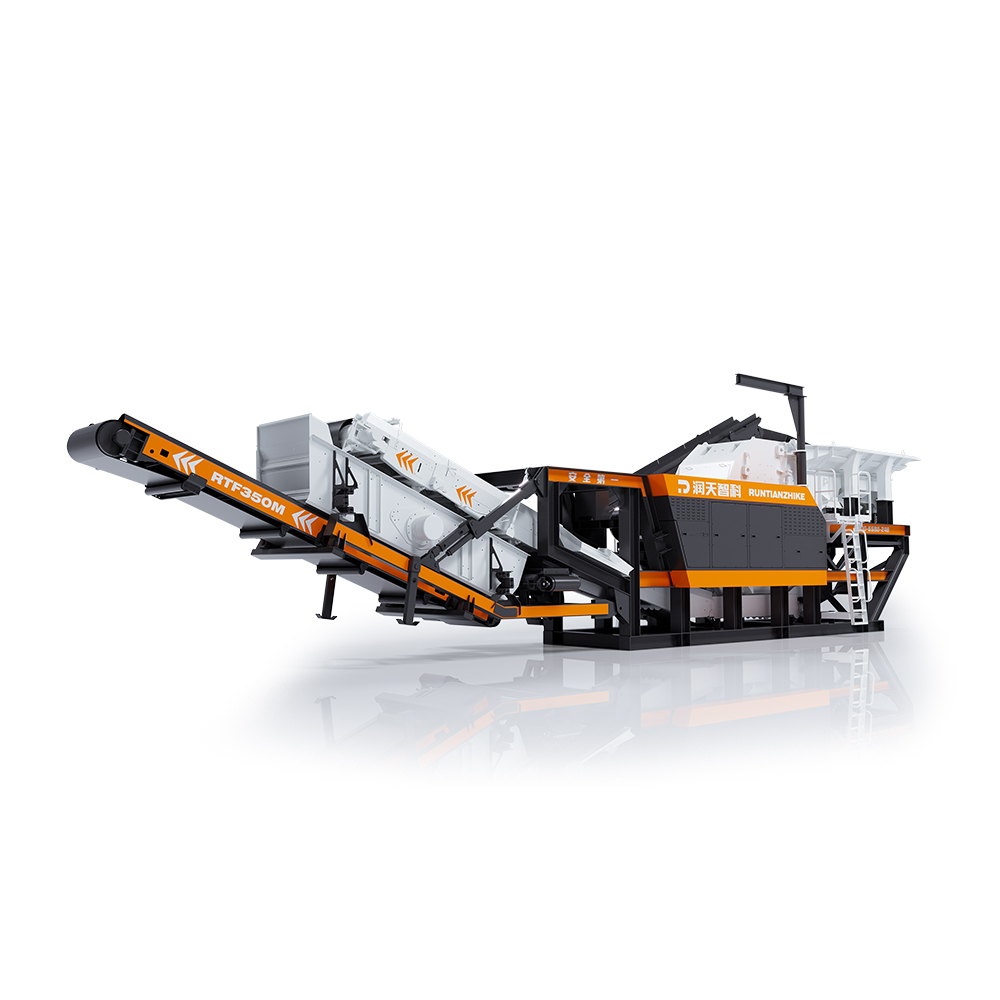 RTF350M Modular Impact Crushing Plant
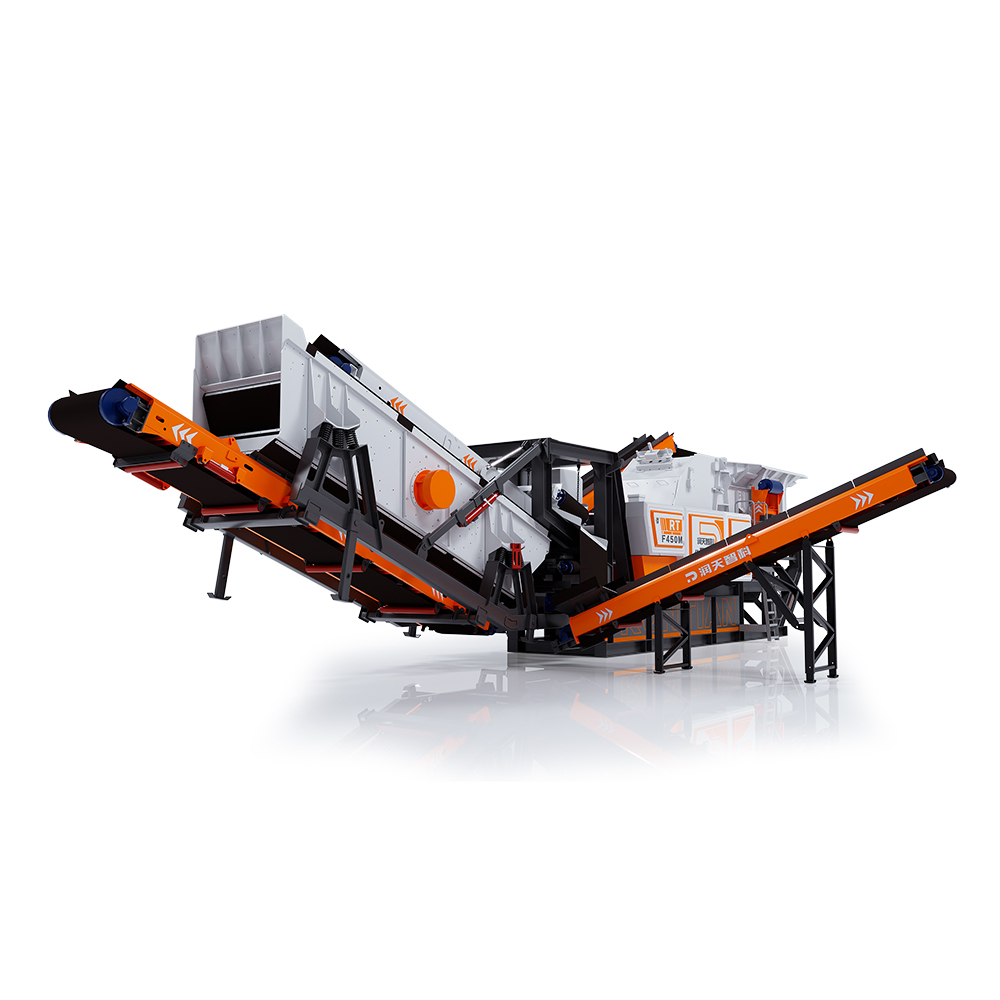 RTF450M Modular Impact Crushing Plant
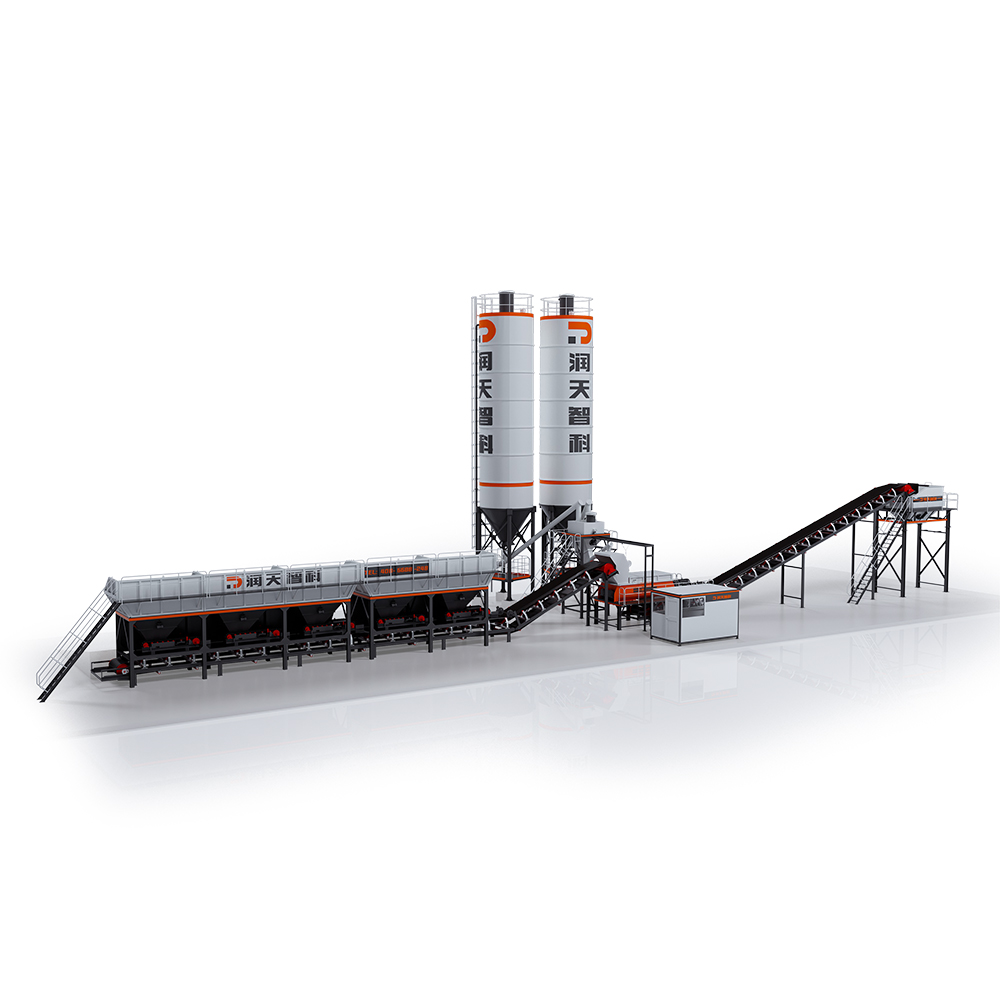 WDB Series Foundation-Free Stability Soil Mixing Plant
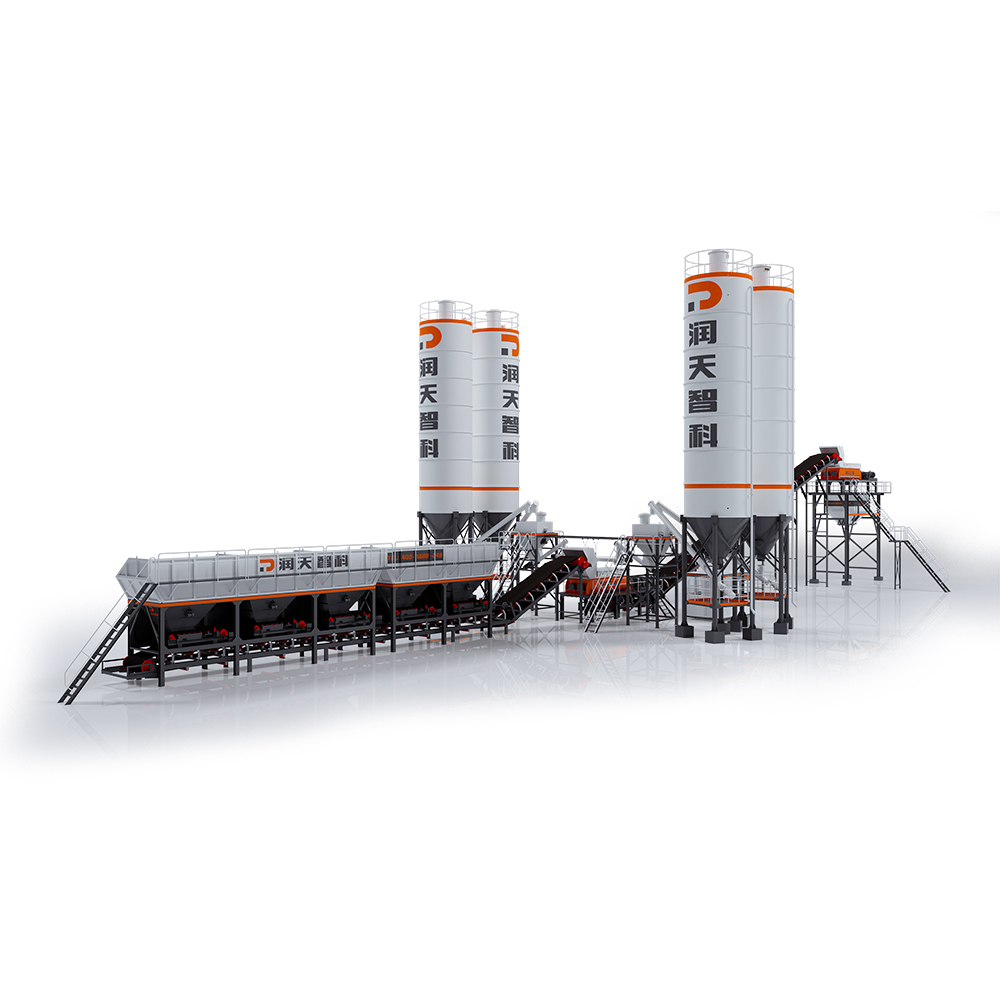 LCB Series Emulsified Asphalt Cold Regeneration Secondary Mixing Plant
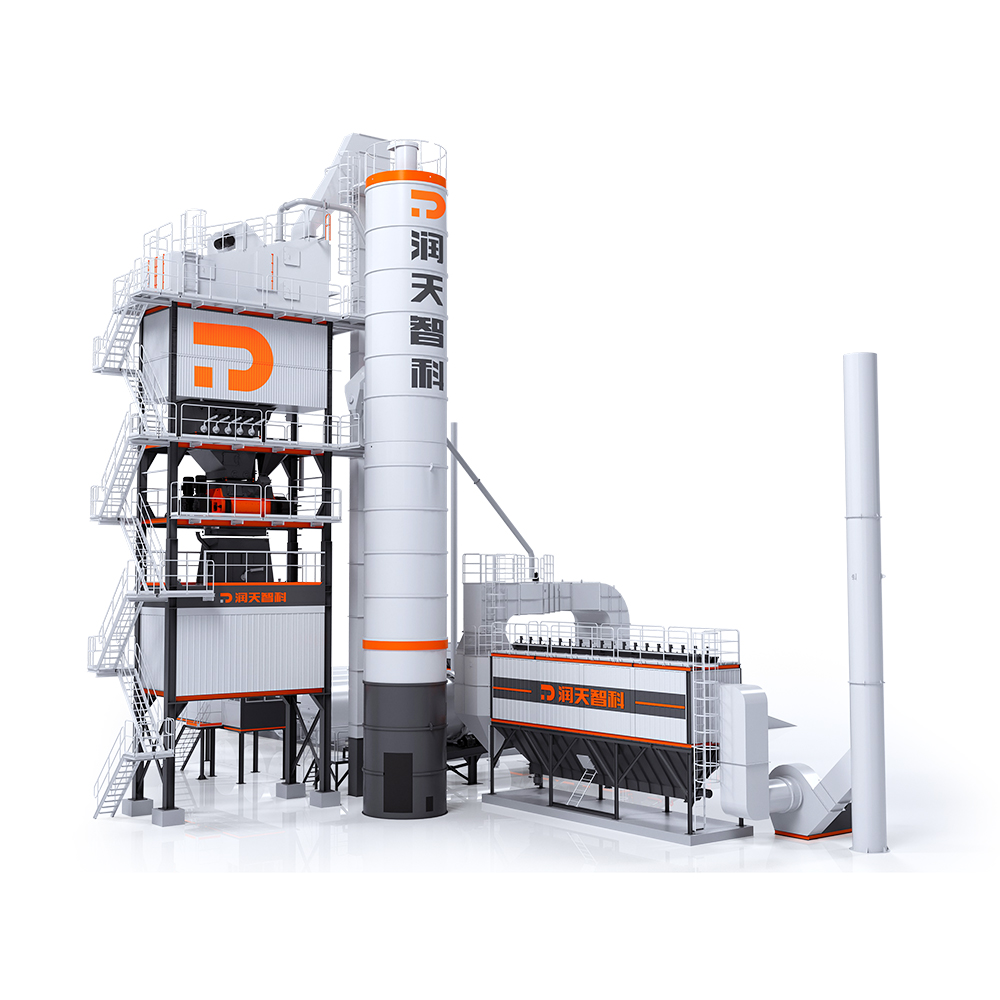 LB Series Asphalt Mixing Plant
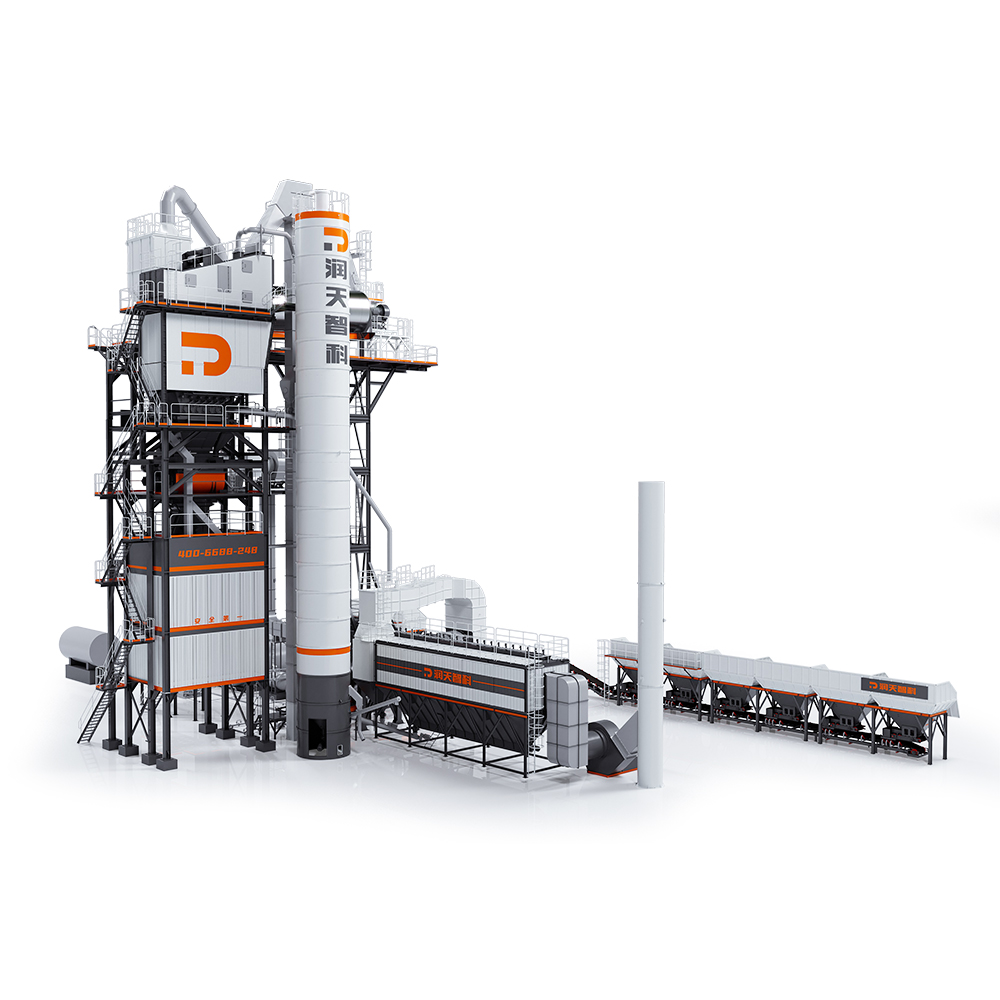 LBR Series Integrated Asphalt Mixing Plant
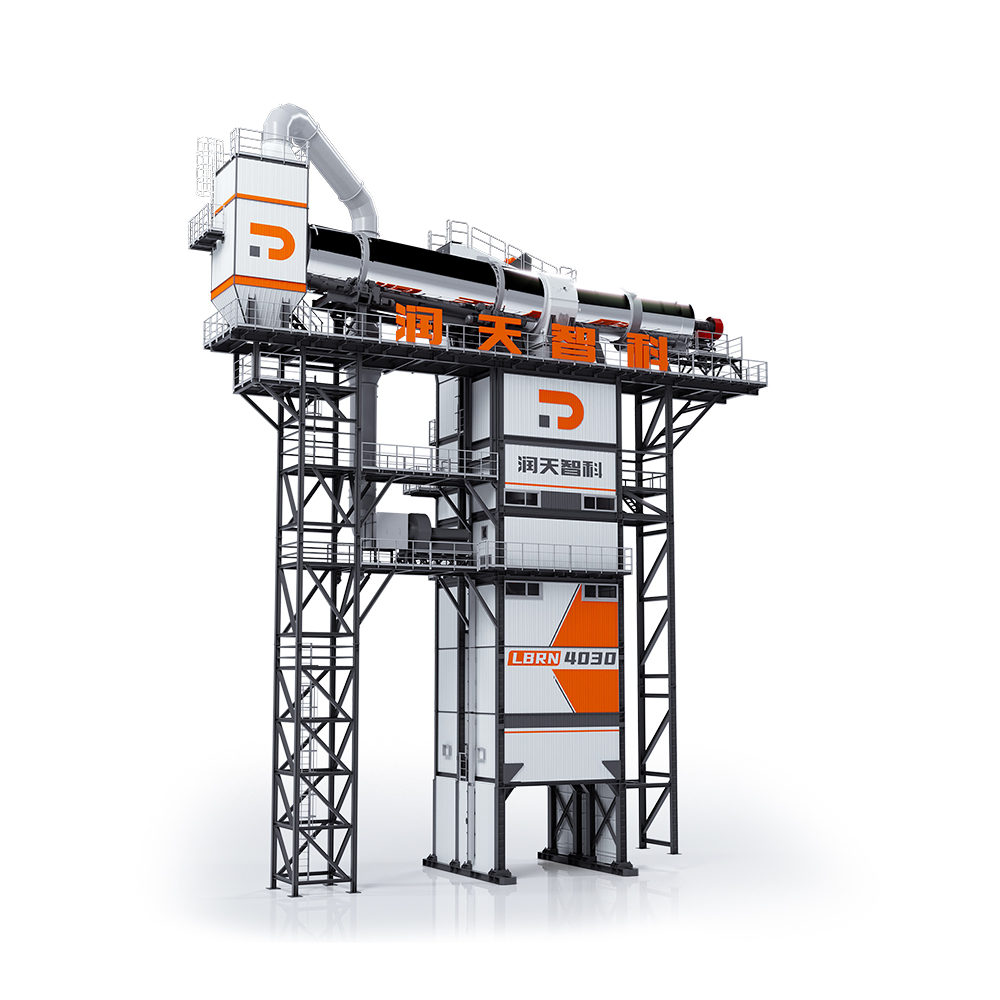 LBRN Series Counterflow Integral Asphalt Mixing Plant
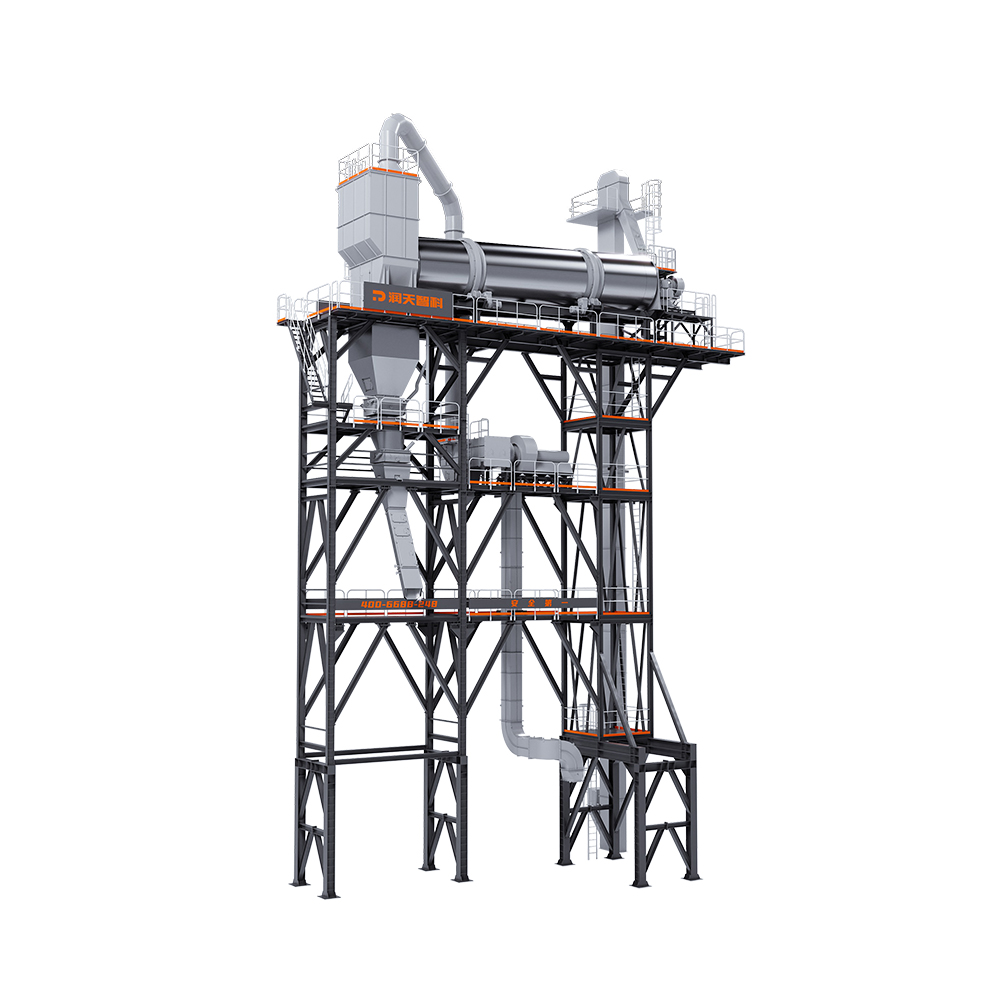 RZS Series Asphalt Mixing Plant
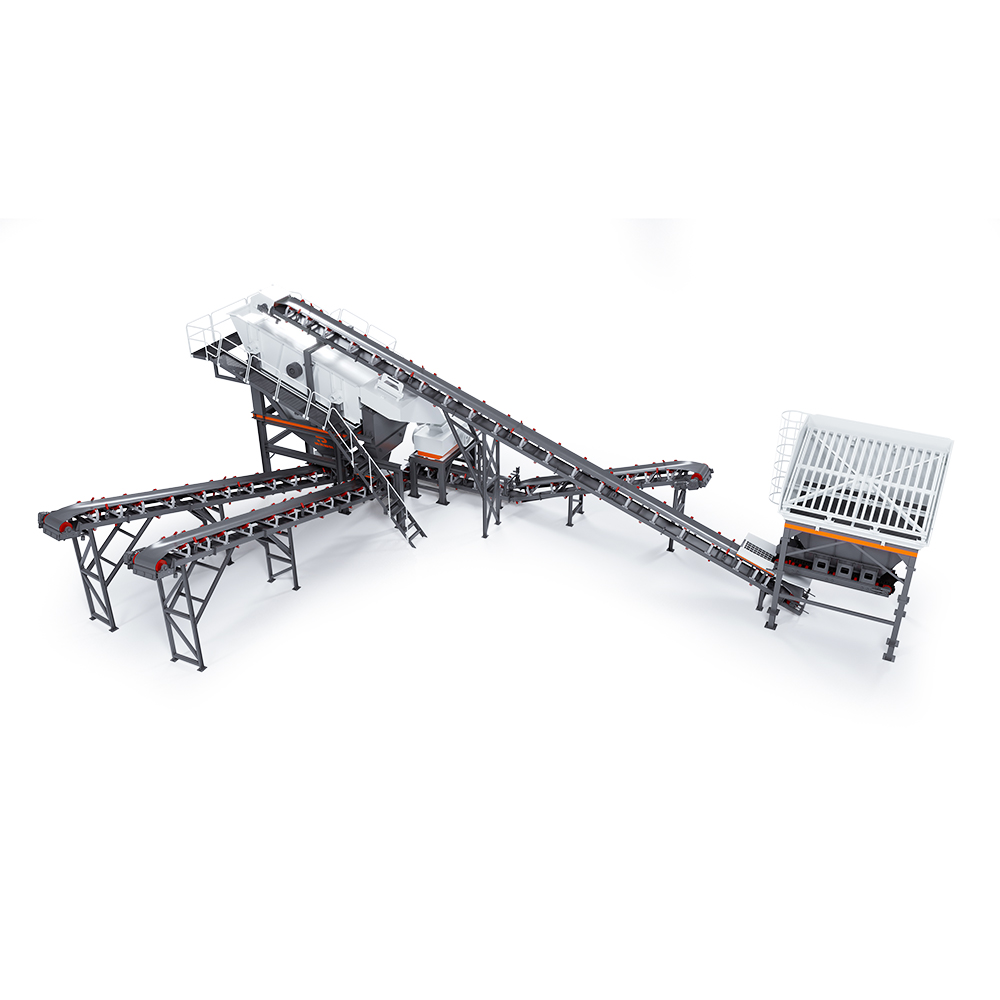 RTZS120 Series RAP Crushing & Screening Plant
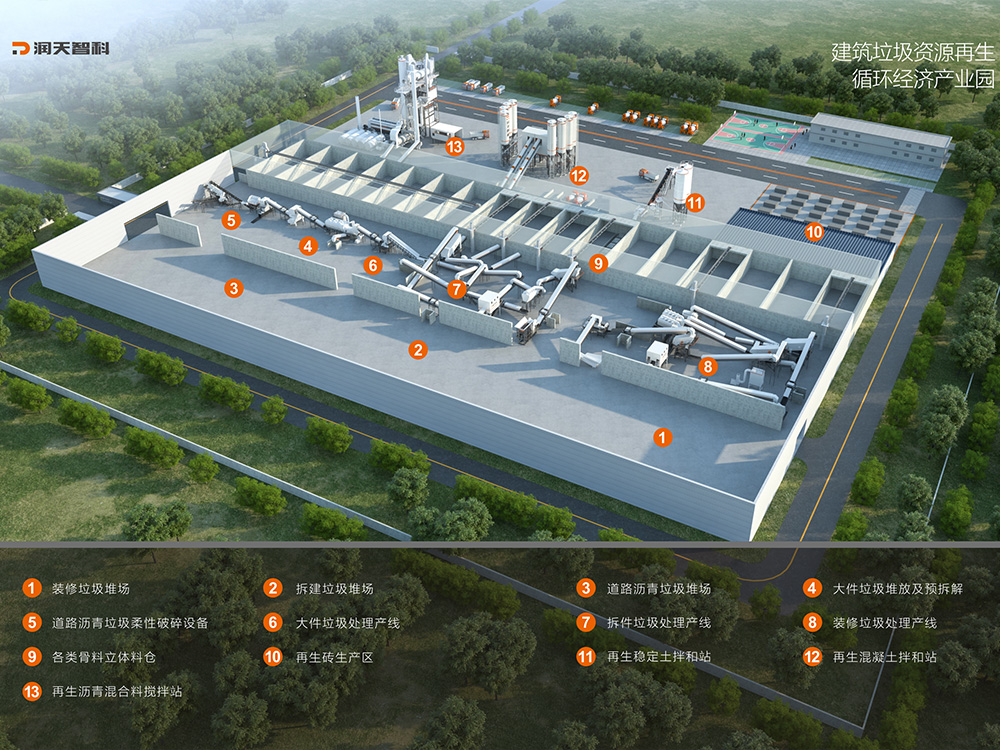 Construction Waste Resourceful Treatment Line