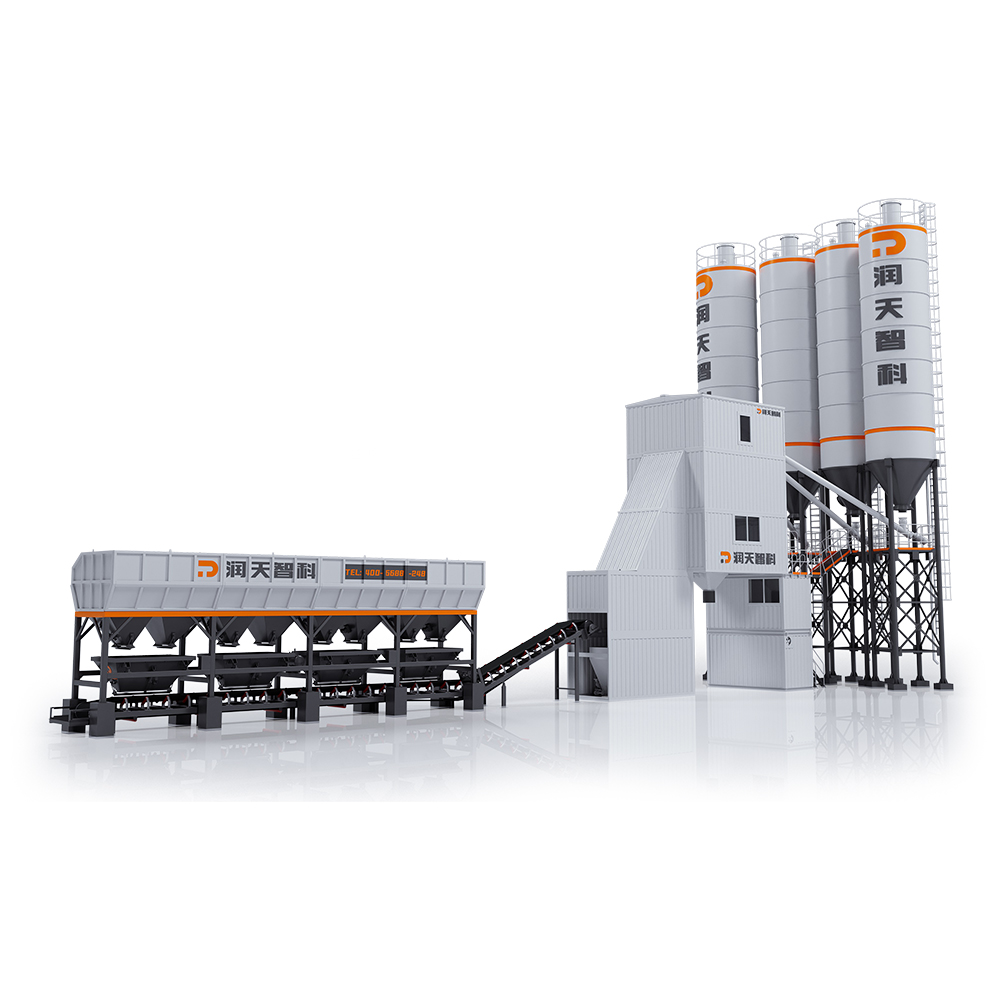
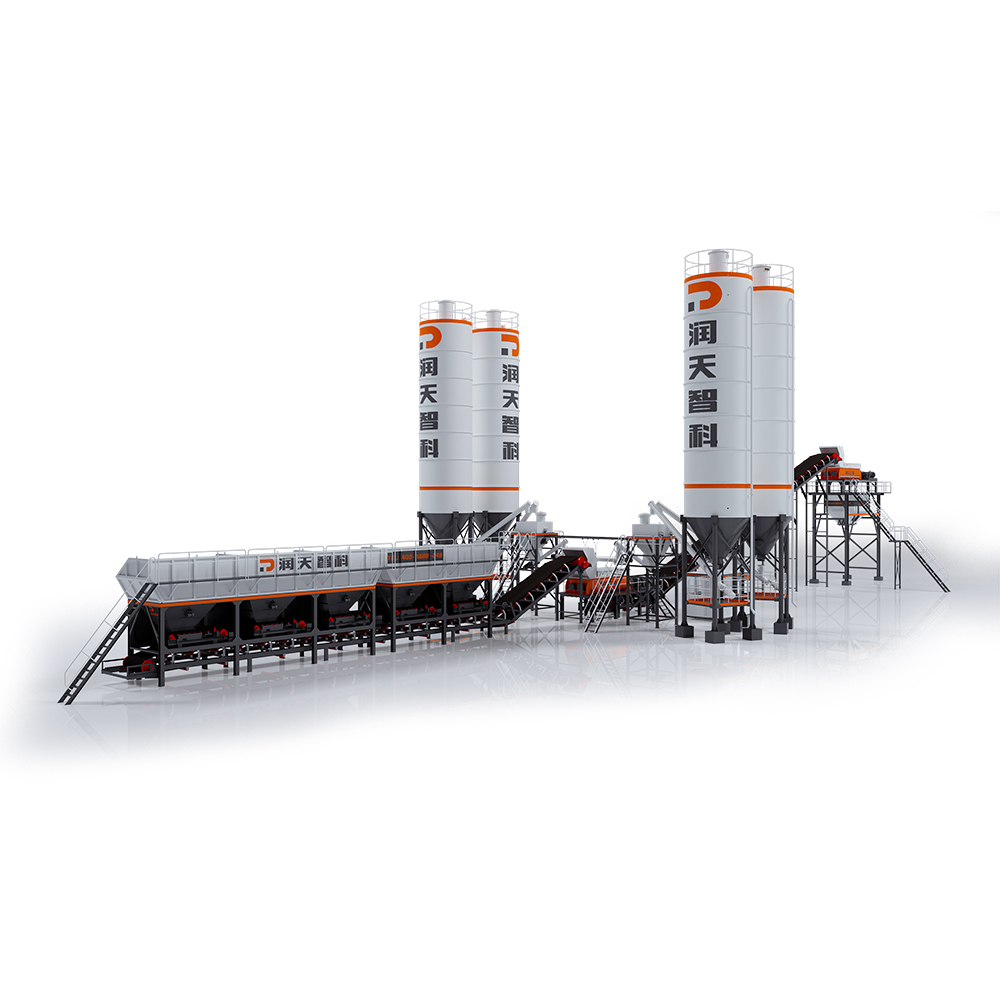
HZS Series Belt Concrete Mixing Plant
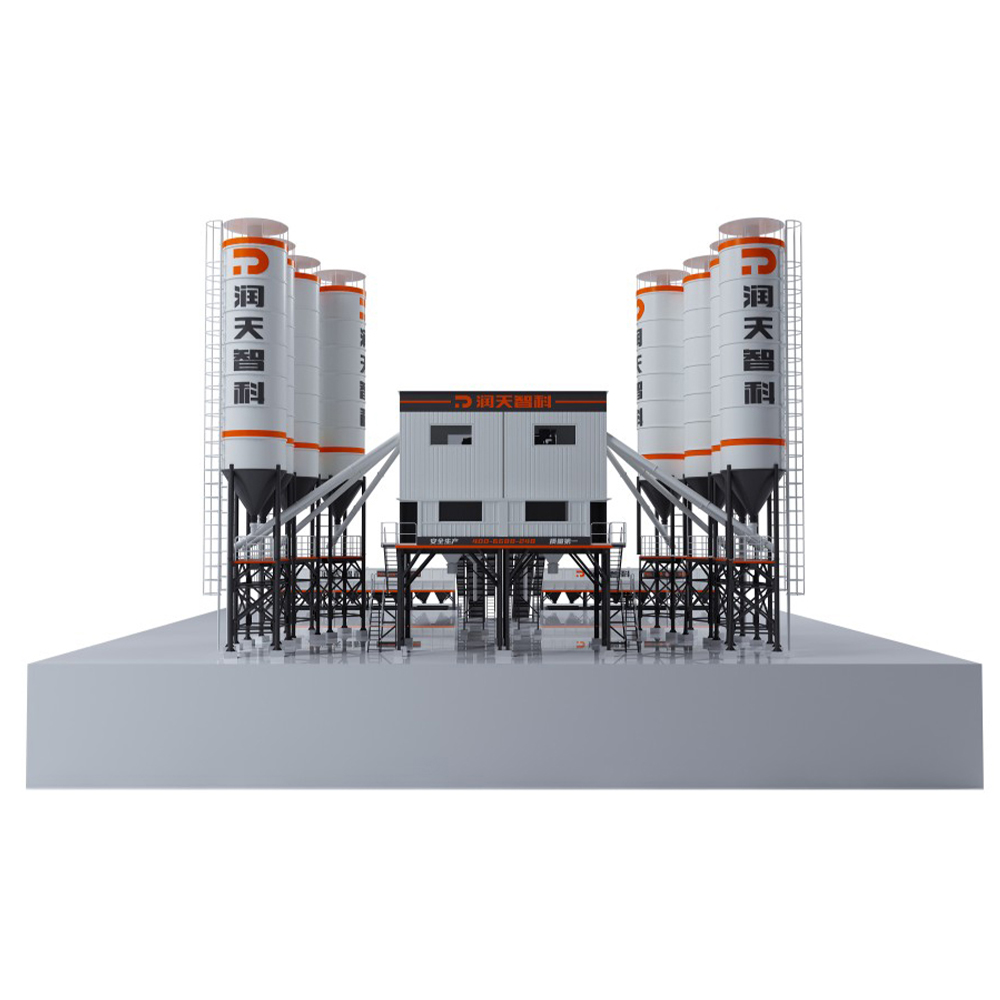
HZS Series Bucket-Lifting Type Container Concrete Mixing Plant
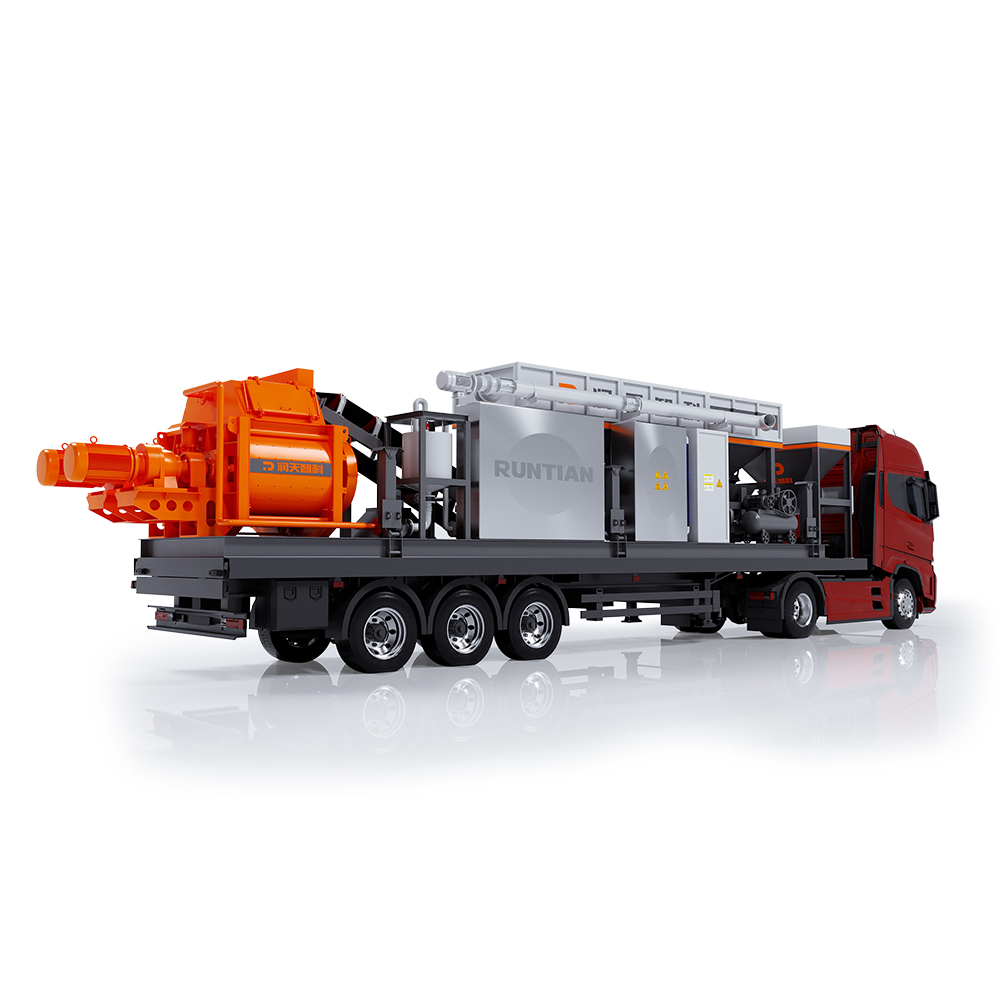
HZS60 Mobile Concrete Mixing Plant
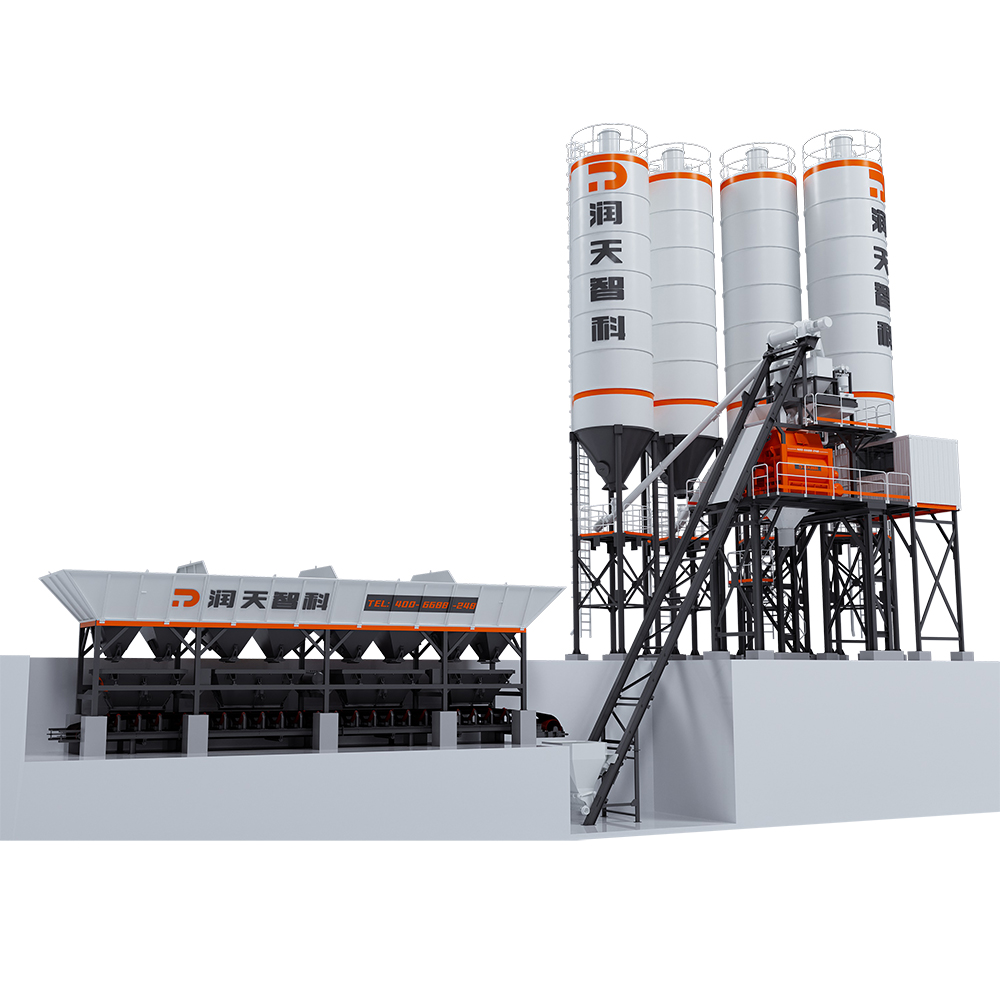
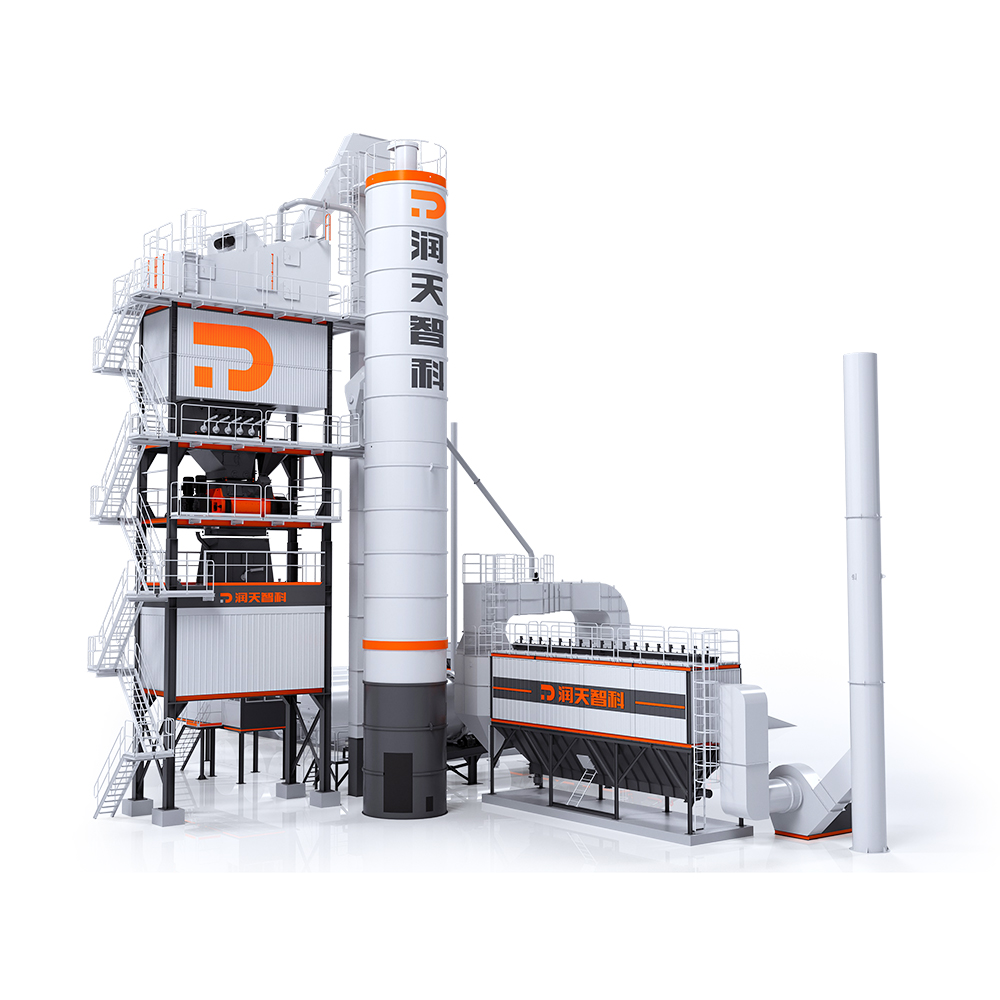
HZS Series Bucket-Lifting Type Concrete Mixing Plant
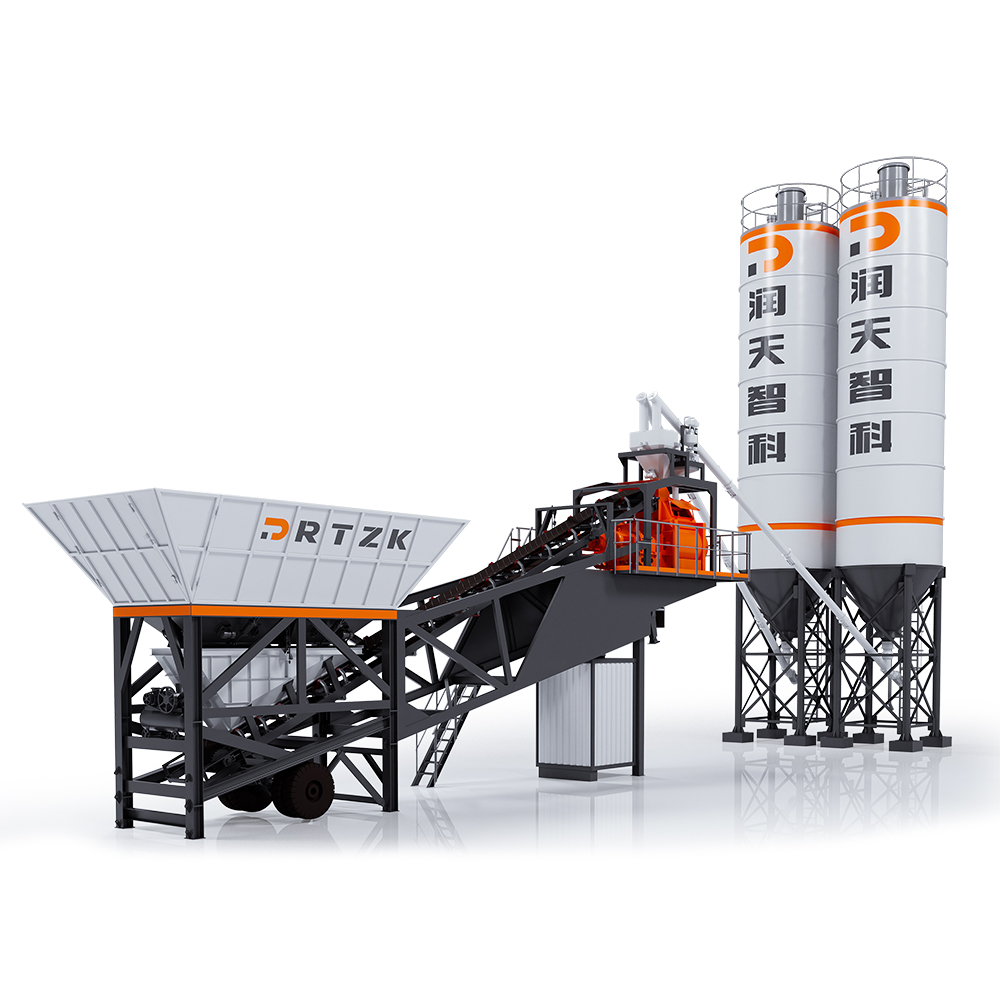
HZS Series Mobile Concrete Mixing Plant
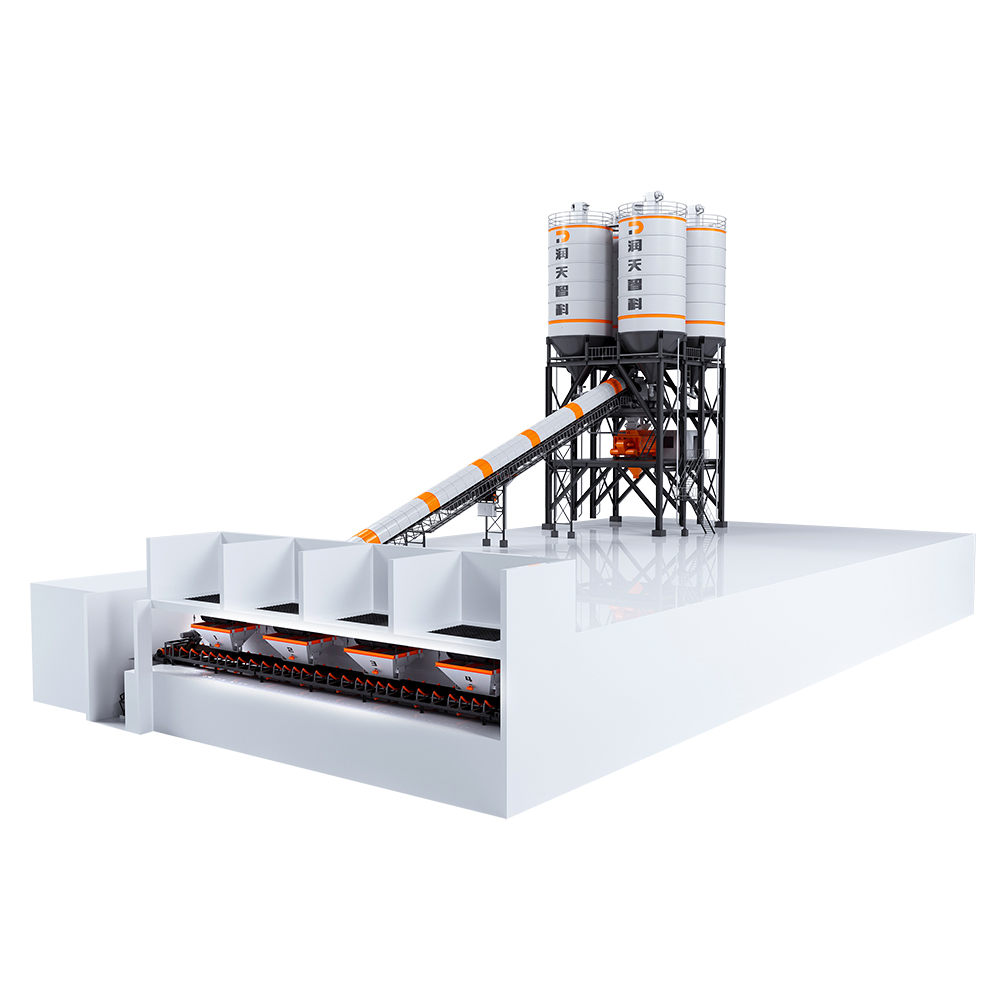
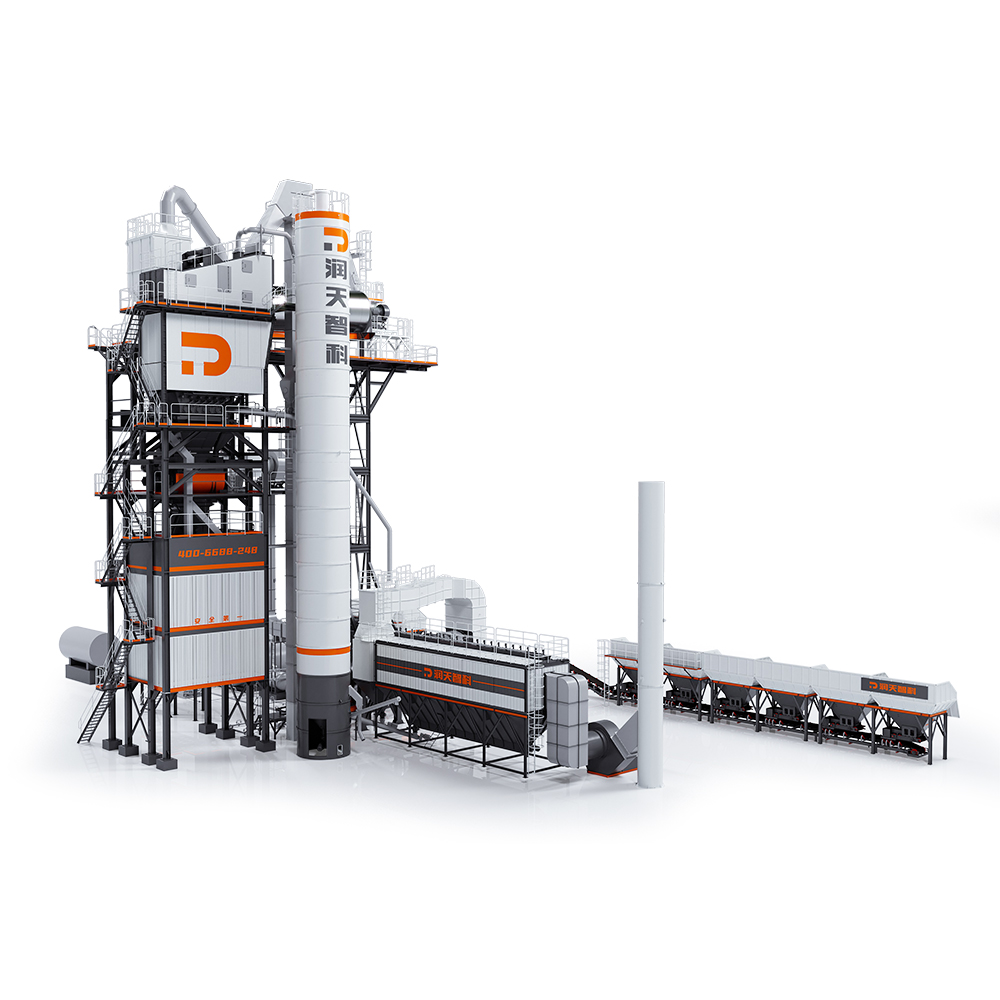
HZS Series Top-Mounted Concrete Mixing plant
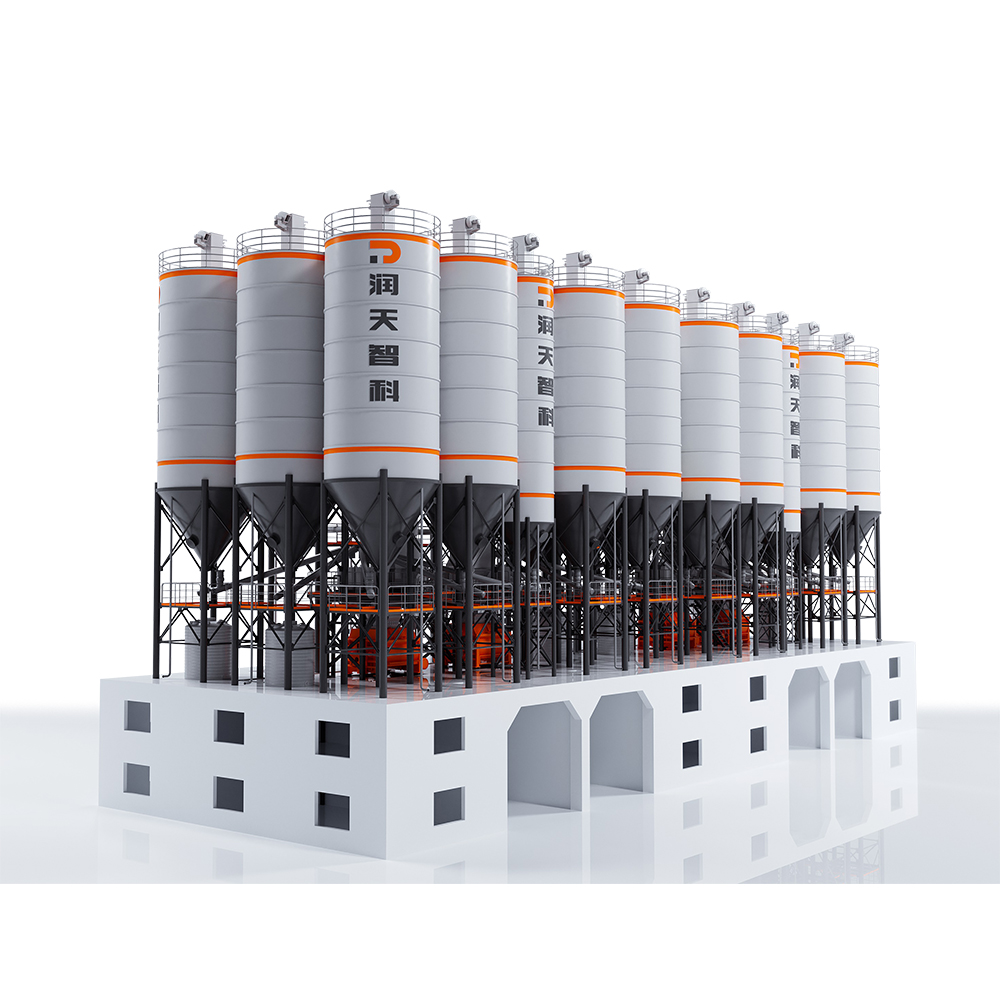
HZS Series Semi-Top Mounted Concrete Mixing Plant
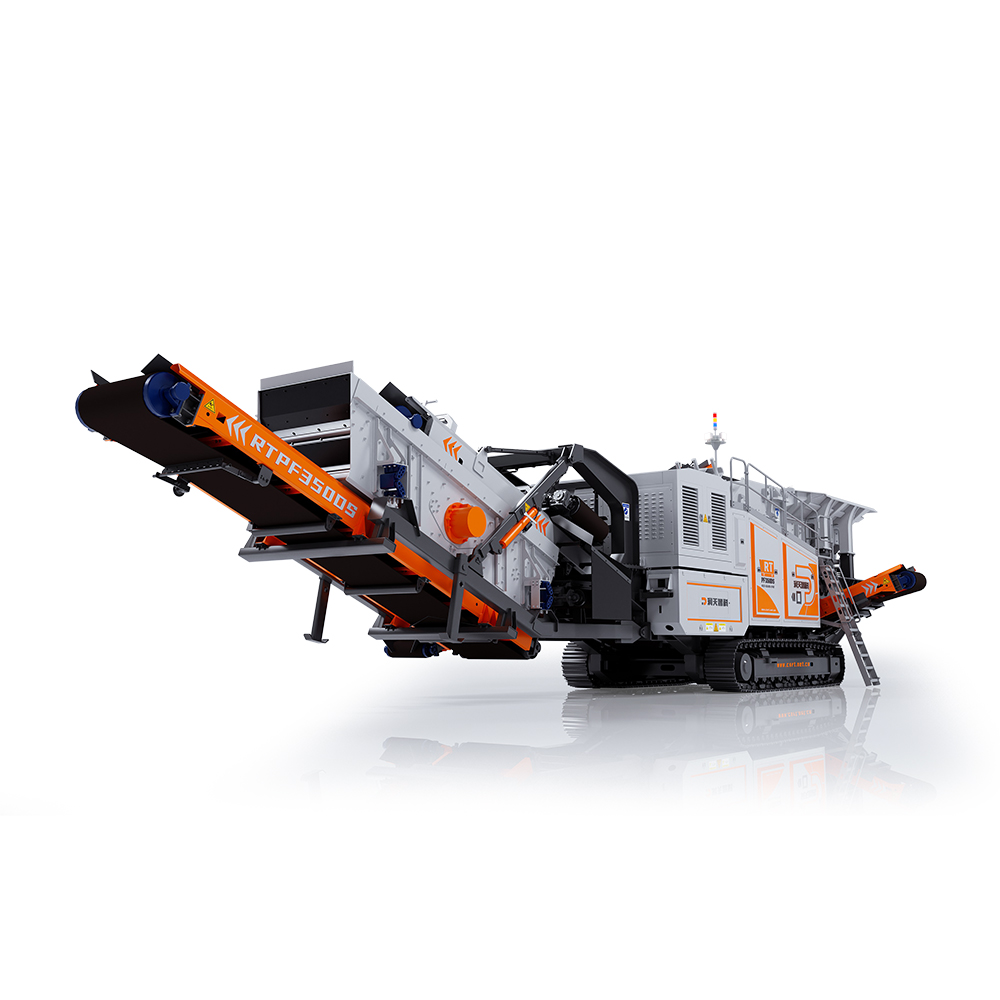
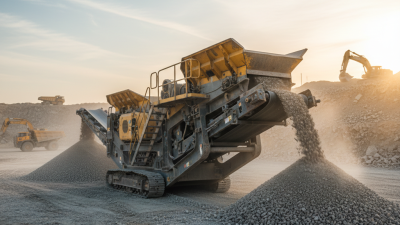
RTPF350DS Crawler Mobile Impact Crushing Plant
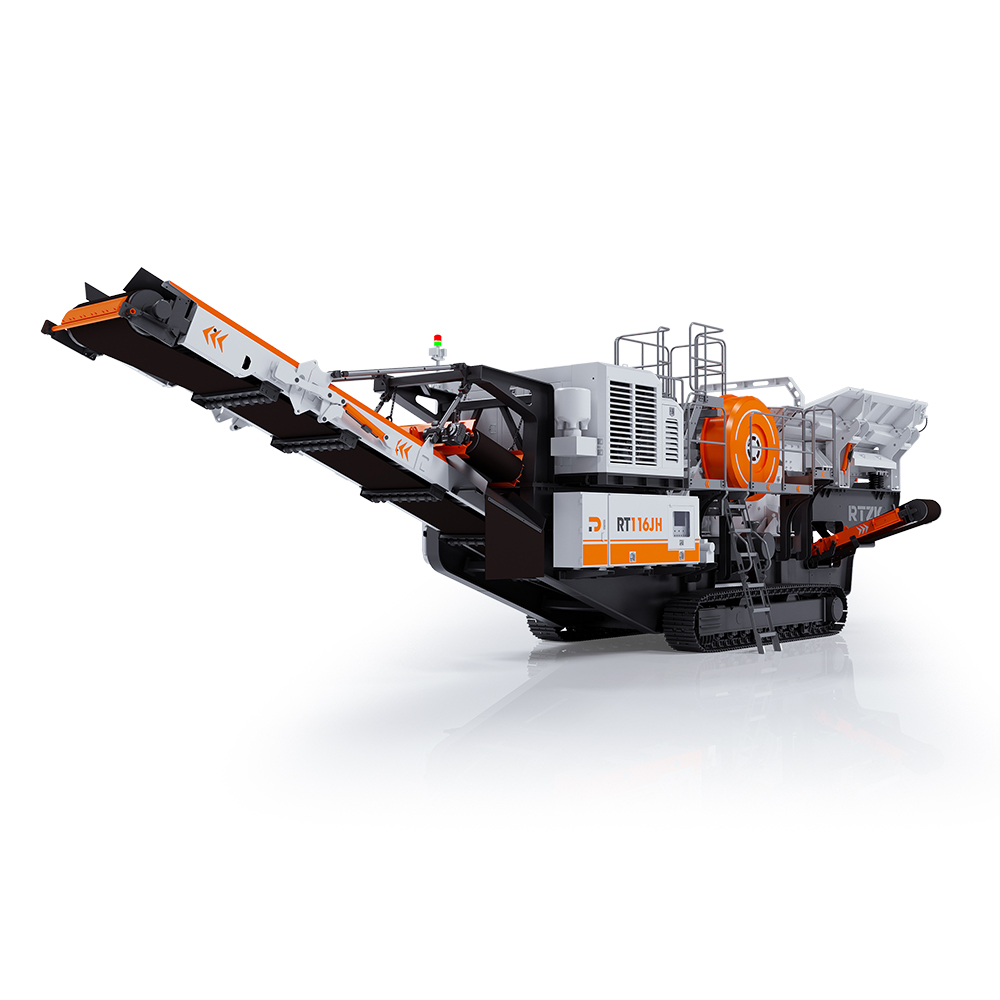
RT116JH Crawler Mobile Jaw Crushing Plant
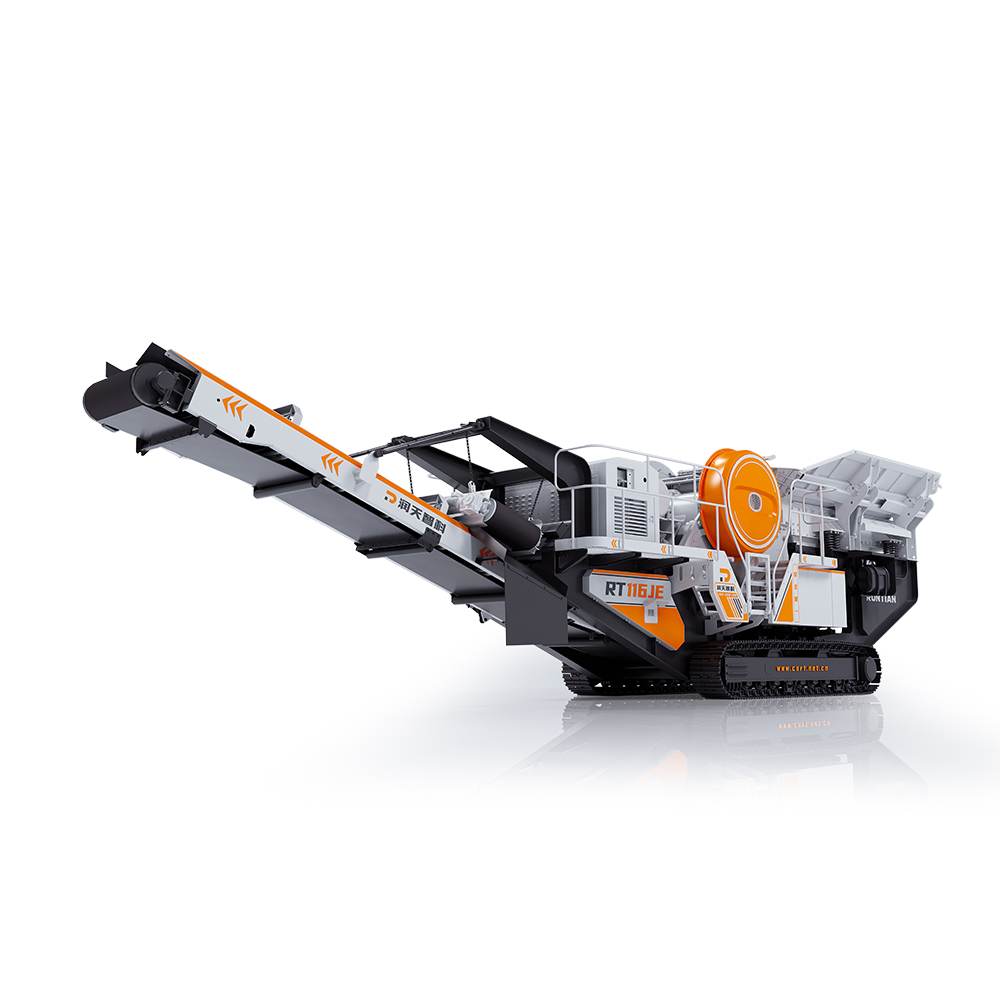
RT116JE Crawler Mobile Jaw Crushing Plant
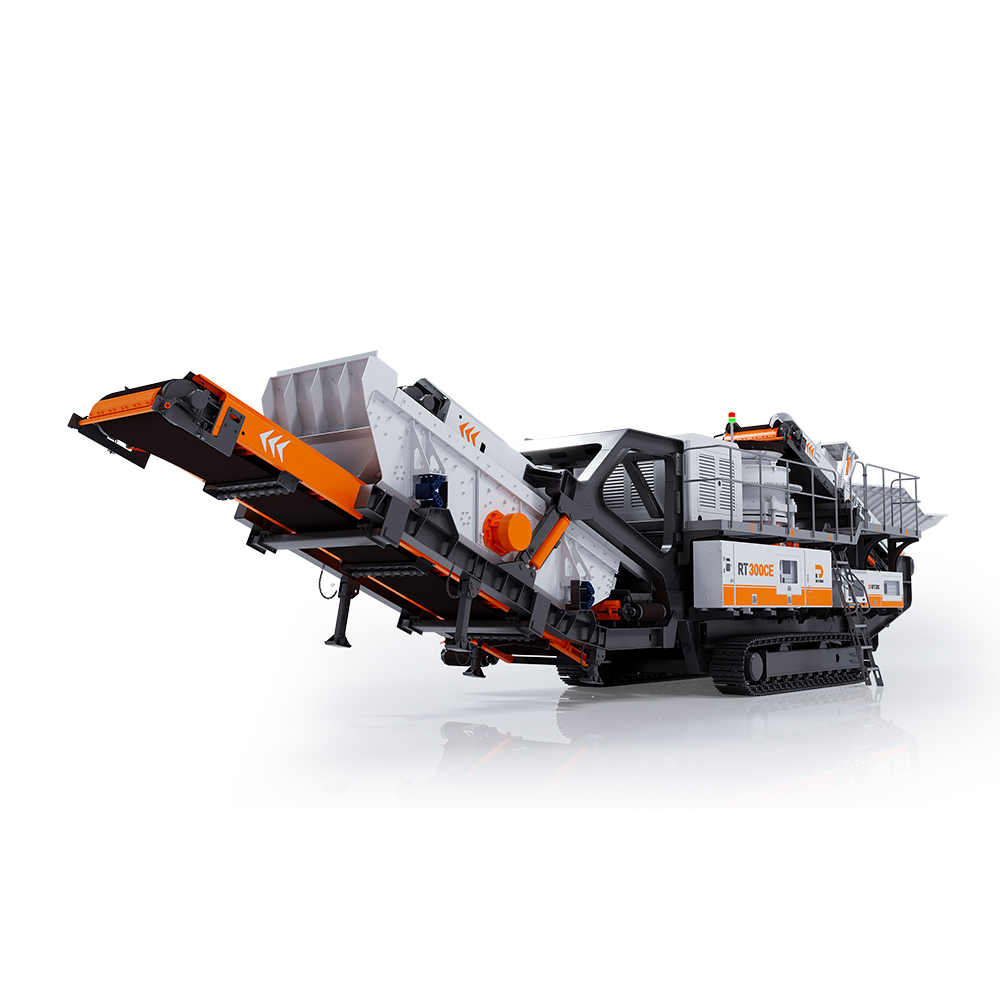
RT300CE Crawler Mobile Cone Crushing Plant
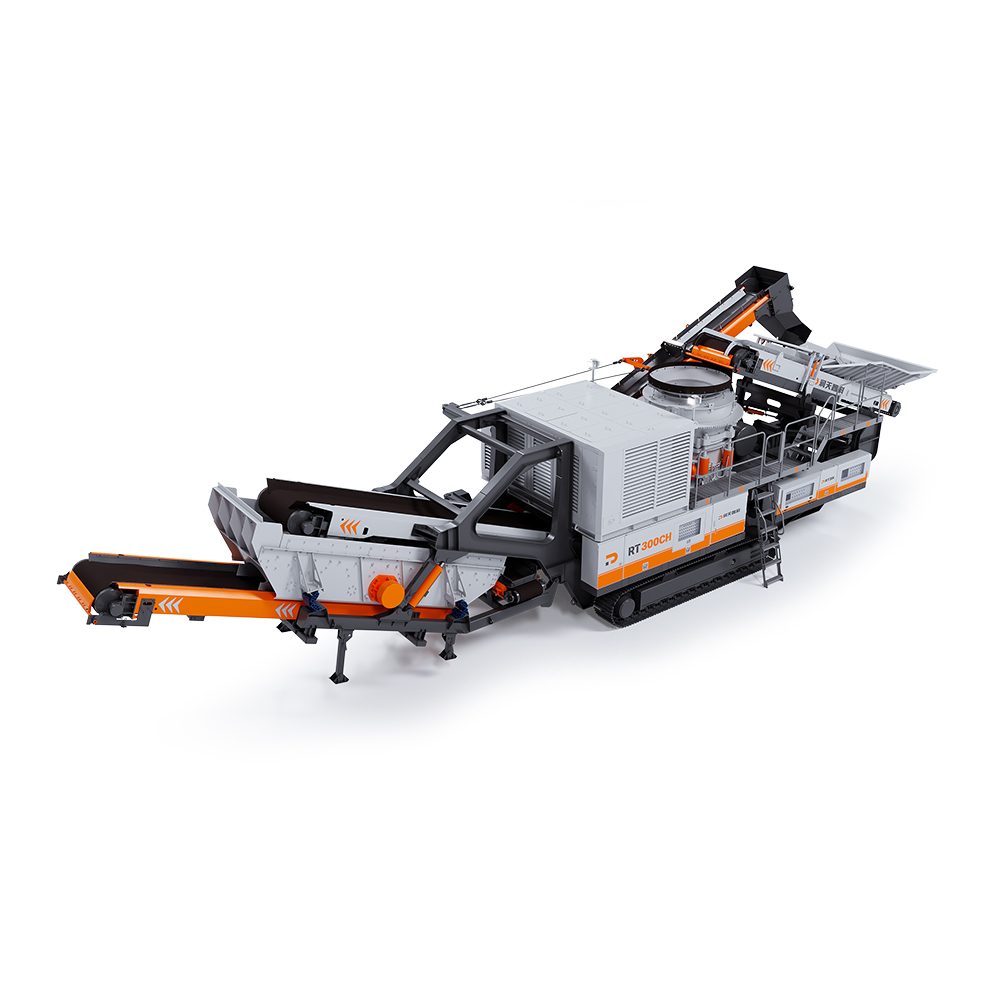
RT300CH Crawler Mobile Cone Crushing Plant
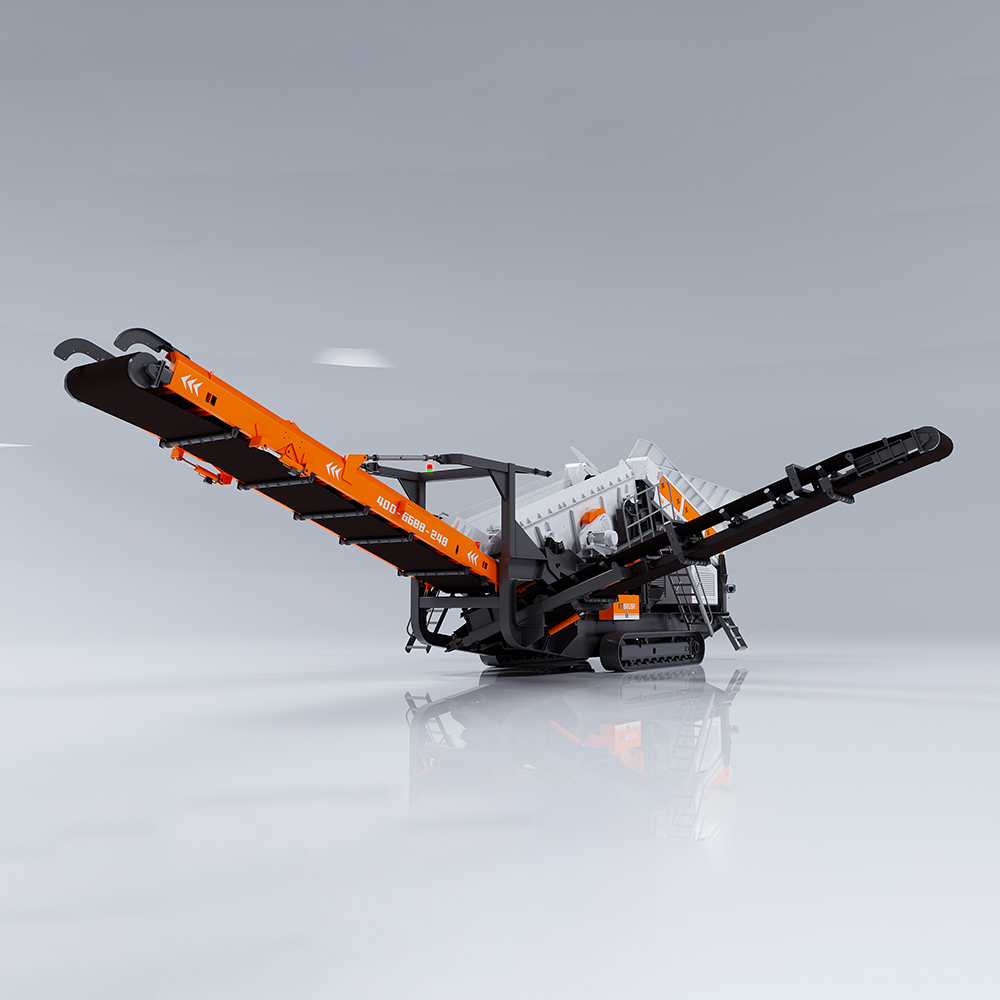
RT5015H Mobile Scalping Screen
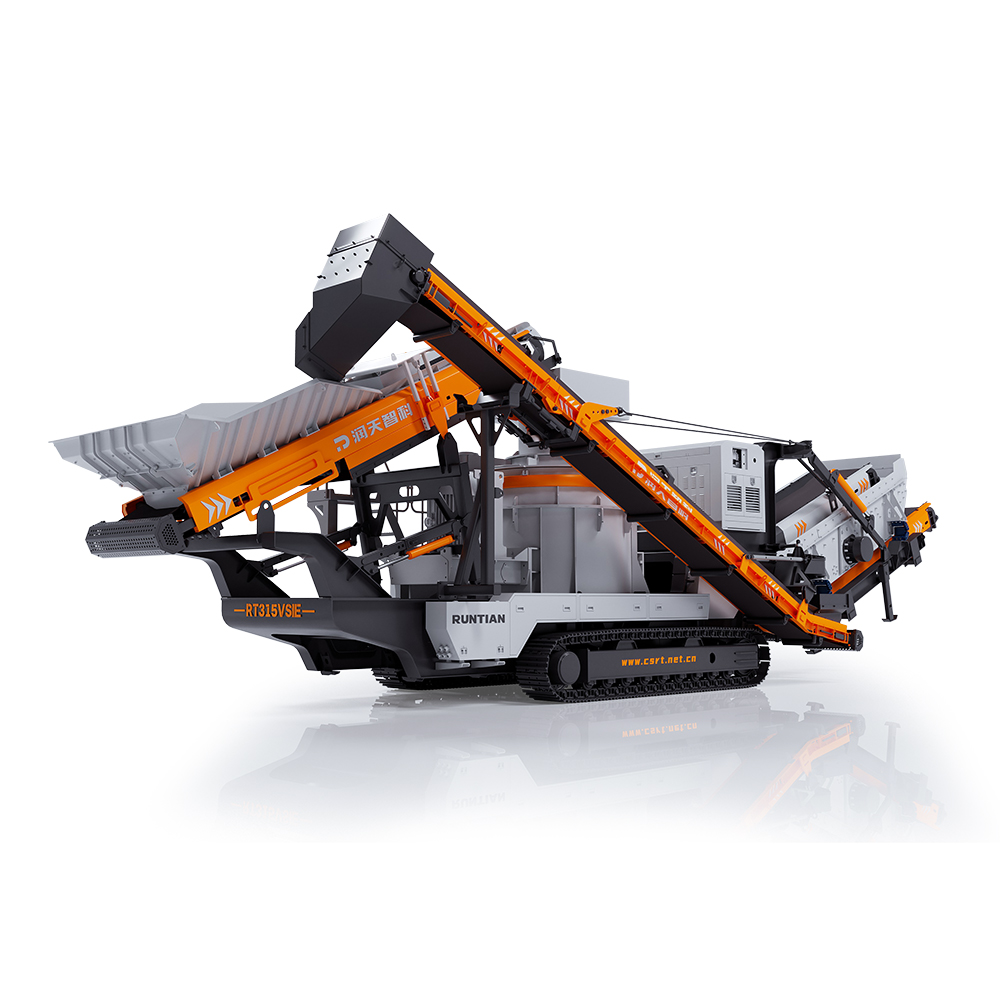
RT315VSIE Crawler Mobile Sand Maker
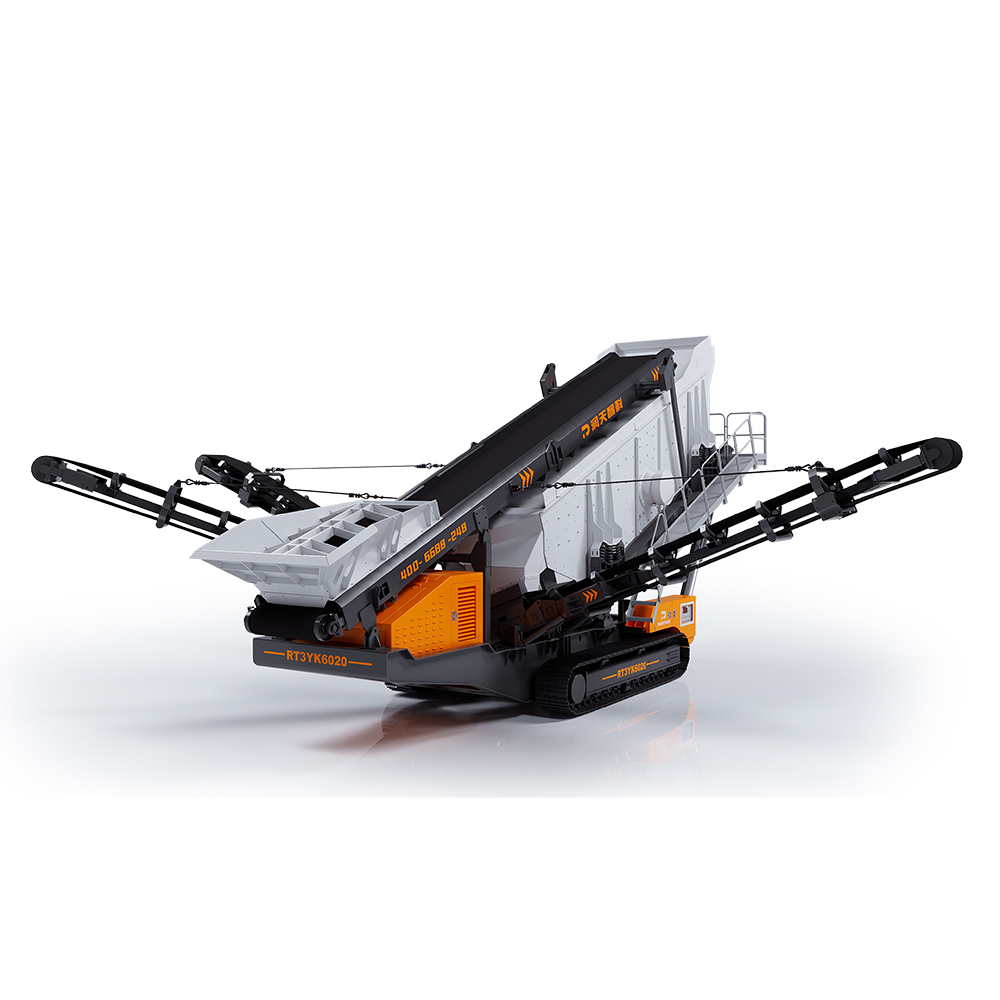
RT3YK6020 Crawler Mobile Screening Plant
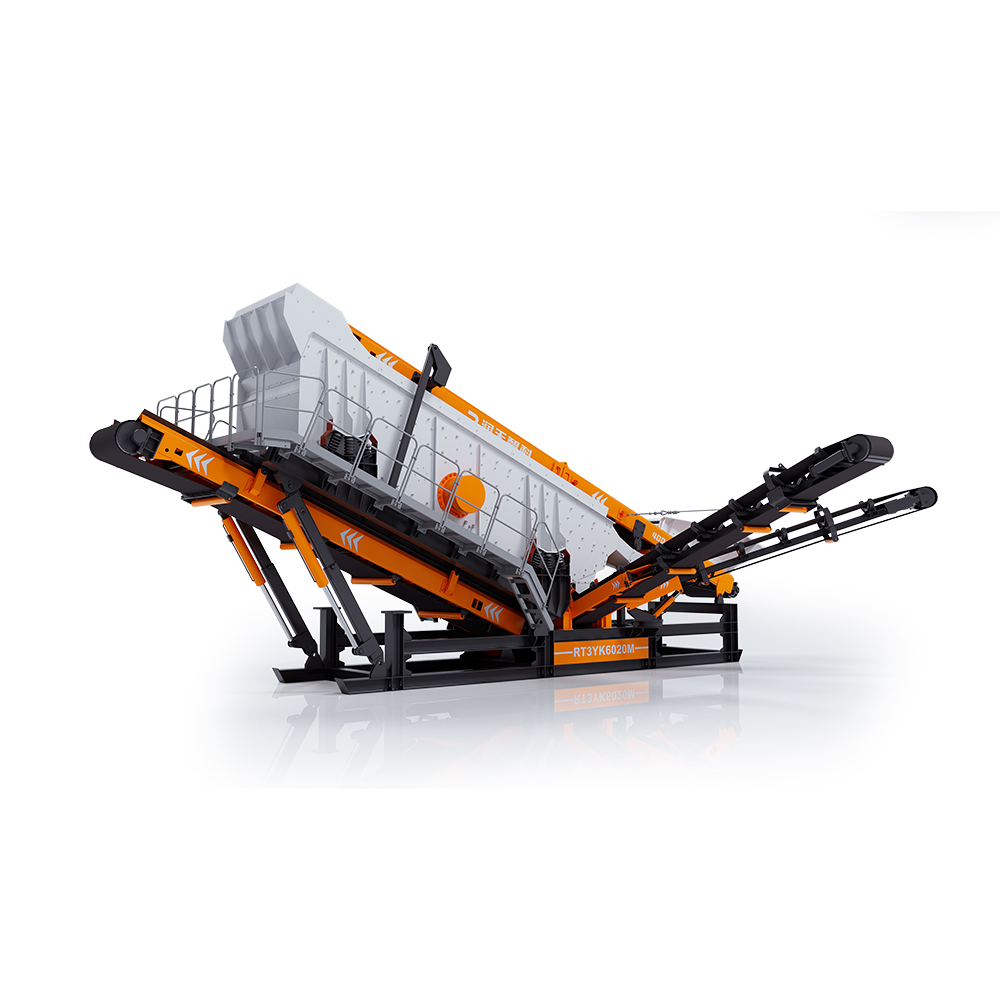
RT3YK6020M Modular Screening Plant
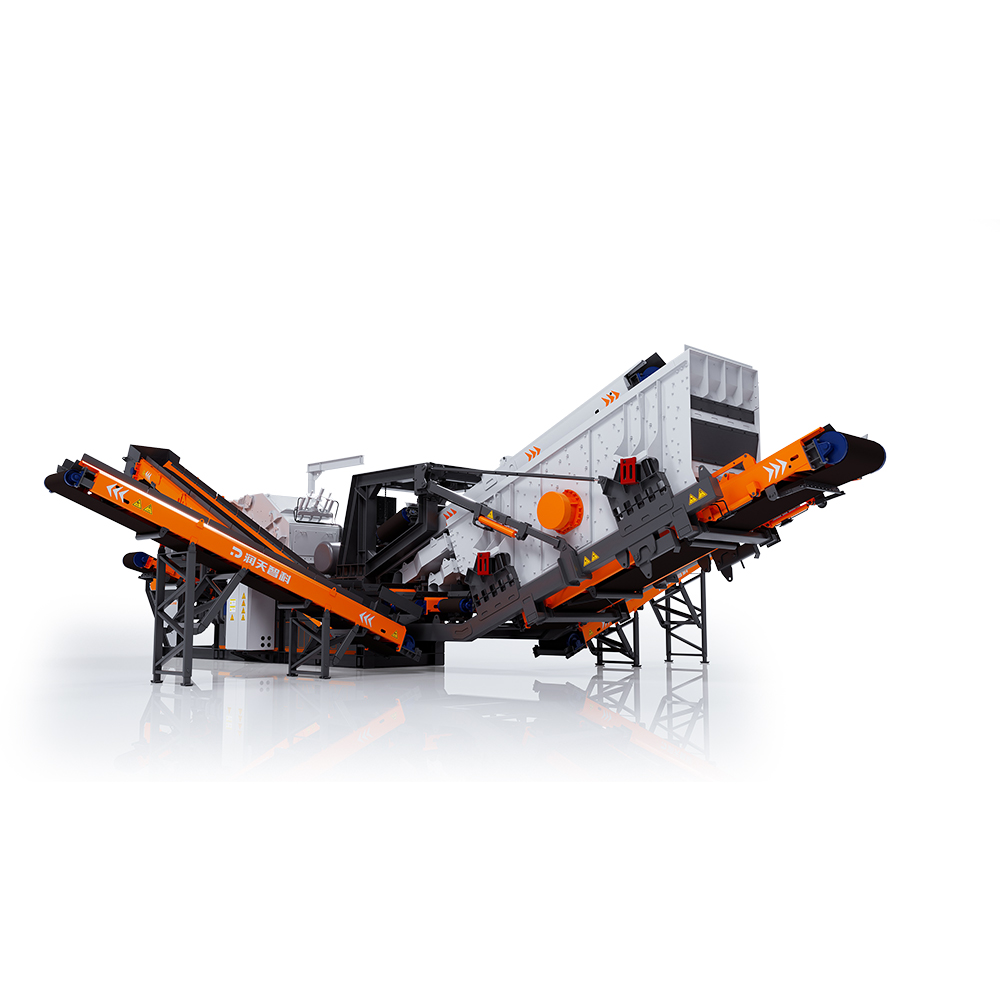
RTF260M Modular Counterattack Crushing and Screening Integrated Machine
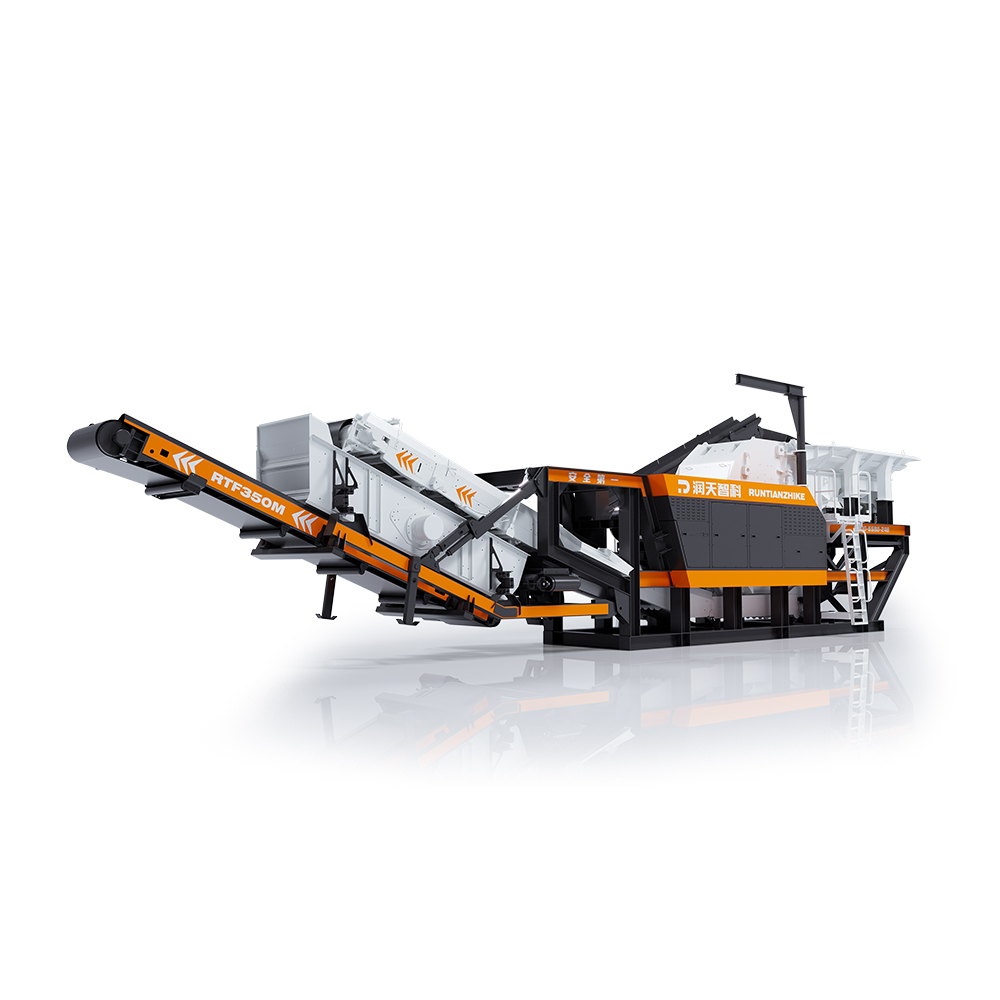
RTF350M Modular Impact Crushing Plant
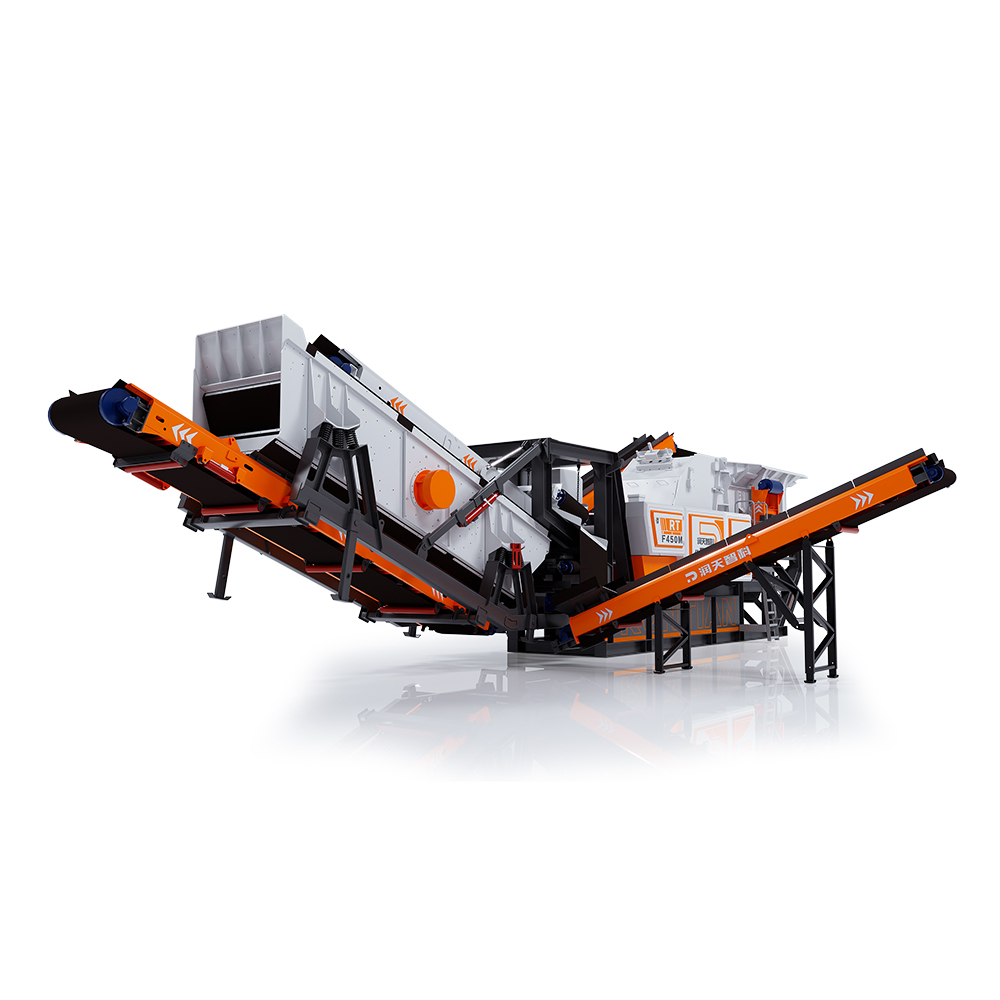
RTF450M Modular Impact Crushing Plant
Choosing the best Portable Rock Crusher in 2026 is not about chasing the largest capacity figure. It is about matching the machine to real site conditions.
Recent market analyses from Grand View Research and Fortune Business Insights identify mobility, infrastructure investment, fuel efficiency, and faster project deployment as important market drivers. Their findings support a practical buying view: transport distance, feed size, rock hardness, and expected tons per hour matter more than brochure language. A crusher working beside a dusty road faces different demands from one operating in a hard-rock quarry.
Mike Woof, an experienced mining-equipment journalist and editor, has repeatedly emphasized a useful principle: “Production figures mean little without context.” That warning deserves attention. A compact jaw crusher may perform well on recycled concrete, yet struggle with abrasive granite. A tracked cone crusher may offer excellent shaping, but require more careful maintenance and operator training.
Small details decide large costs.
Look closely at fuel consumption, chamber design, liner life, discharge control, and service access. Check whether local technicians can support the powertrain and hydraulic system. Also examine noise, dust, and transport requirements before purchase. These points are easy to overlook.
This guide compares the main Portable Rock Crusher types for 2026 buyers, including jaw, cone, impact, and tracked combination units. The recommendations are practical, but not absolute. Site tests remain valuable, because laboratory assumptions can fail in muddy, uneven, or highly abrasive conditions.
2026 Best Portable Rock Crusher Types for Buyers?
Portable Rock Crusher Basics and Core Operating Principles
Portable rock crushers reduce oversized stone through controlled compression, impact, or compression between rotating surfaces. Jaw crushers squeeze material between a fixed plate and a moving jaw. Cone crushers compress stone inside a rotating crushing chamber. Impact crushers use rapid blow forces. The correct type depends on hardness, feed size, moisture, and the required product shape.
The U.S. Geological Survey’s Mineral Commodity Summaries 2025 reports approximately 1.5 billion metric tons of crushed stone production in the United States during 2024. That scale shows why efficient size reduction matters. A portable unit must maintain steady feeding, because uneven loading can increase vibration, power use, and wear. Operators should check the closed-side setting, inspect liners, and remove trapped material only after proper shutdown procedures.
Small details matter.
A practical test starts with a representative sample, not one convenient rock. Track output size, fuel use, dust levels, and screen carryover. The International Energy Agency reports that industrial motors consume substantial electricity worldwide, so motor efficiency and idle-time control deserve attention. Still, field conditions often defeat neat calculations. Wet feed may clog screens, while highly abrasive stone can shorten wear-part life unexpectedly. Buyers should leave capacity headroom instead of selecting a machine at its maximum advertised rate. That choice costs more initially, but it can reduce unstable operation and unplanned maintenance.
Portable rock crushers reduce feed material through compression, impact, or repeated hammering. The chart shows typical reduction-ratio ranges, calculated as feed size divided by product size.
How to read it: Jaw and cone crushers are commonly selected for hard, abrasive rock and controlled reduction. Impact and hammer crushers can achieve higher reduction ratios in suitable, less abrasive materials, but wear and operating conditions strongly affect actual results.
Portable rock crushers serve different jobs, and the right type depends on rock hardness, feed size, and the required output.
Jaw crushers are practical primary units for hard granite, basalt, and oversized quarry stone. Their strong compression action handles large feed material with predictable results. They usually need a secondary crusher afterward. This adds equipment and transport planning.
Impact crushers suit limestone, asphalt, and recycled concrete with moderate hardness. They produce a more cubical shape, which can benefit road base and concrete aggregates. However, abrasive stone can wear the blow bars quickly. That cost is easy to underestimate.
Cone crushers work well as secondary or tertiary units when a consistent, fine product matters. They need controlled feeding and careful CSS adjustment. Wet or sticky material may create blockages.
Tracked mobile crushers fit changing quarry faces and construction sites with limited access. Wheeled units can move efficiently between prepared locations and often simplify highway transport. Compact electric models may reduce local exhaust emissions near urban projects, but power availability becomes a real constraint.
Measure the stockpile area, clearance, and ground bearing capacity before choosing. A crusher that looks portable may still require a heavy transport permit and support equipment.
Check output samples during a trial, rather than trusting catalog figures alone. The first choice can be wrong. Field conditions often expose that gap.
For 2026 buyers, the best portable rock crusher depends on site conditions, not brochure promises. The USGS Mineral Commodity Summaries 2025 estimated U.S. crushed stone production near 1.5 billion metric tons in 2024. That scale demands reliable throughput. Jaw crushers handle primary reduction and oversized feed well. Cone crushers offer more consistent aggregate shapes after pre-crushing. Impact crushers can deliver strong cubical output, but abrasive rock may increase wear costs. Numbers can mislead.
Compare capacity using actual feed size, closed-side setting, moisture, and material hardness. A machine rated at 300 tonnes per hour may produce less on wet, irregular rock. Ask for test results using comparable geology. Mobility matters too. Track-mounted units reduce relocation time on scattered sites, while wheeled units may move faster between prepared areas. Dust changes everything. Poor access can erase the productivity advantage of a larger plant.
Power systems need equal scrutiny. Diesel-hydraulic systems support remote work and rapid deployment. Hybrid or electric drives may reduce local fuel use and simplify maintenance where stable power exists. The IEA’s Electricity 2024 report projected global electricity demand growth of about 3.3% annually through 2026, but grid access remains uneven. Check peak load, cable distance, charging arrangements, and backup requirements. I would also inspect service access personally. A smaller crusher with easy screen and belt maintenance can outperform a larger unit that sits idle. This is an imperfect comparison, but downtime rarely appears in capacity tables.
Portable rock crushers in 2026 include jaw, impact, and cone types. Each suits different feed sizes and material conditions.
Jaw crushers handle hard, uneven stone well.
Impact crushers can produce more uniform shapes, but wear faster with abrasive rock.
Cone crushers offer fine output, though they need careful setup and steady feeding.
Safety begins before the machine moves. Inspect guards, emergency stops, belts, and hydraulic lines every shift.
Keep workers away from the hopper and discharge zone. Dust can hide hazards, so use water sprays and suitable respiratory protection. Noise also deserves attention.
A crusher beside a residential area may create complaints and expensive delays. I have seen teams focus on output and overlook loose fasteners.
That mistake is small, but costly.
Tips: Clean the chamber after shutdown. Check oil levels, jaw plates, screens, and tracked components daily.
Keep a written service log with operating hours and unusual sounds. Use low-emission engines when practical, and avoid unnecessary idling.
Place the unit on stable ground to reduce vibration and fuel waste. Recycle crushed material near the work area when possible.
It can reduce hauling distance and emissions.
Environmental planning is not perfect on every site, but measuring dust, noise, fuel use, and runoff reveals where improvement is needed.
Choosing the best portable rock crusher in 2026 starts with the material, not the advertised capacity. Hard, abrasive granite often suits a jaw crusher for primary reduction. Softer limestone may work efficiently with an impact crusher. Cone crushers can produce smaller, more uniform material, but they need controlled feed. Think about the complete process. A fast crusher may still create bottlenecks at screening, hauling, or stockpiling.
Measure feed size, target output, hourly volume, and available space before comparing equipment. Tracked units move across rough ground with less setup. Wheeled units may simplify transport between prepared sites. Check fuel use, power options, noise limits, dust suppression, guarding, and maintenance access. Ask for verified test data, not only catalogue figures. Actual output changes with moisture, operator habits, and rock shape. That detail is easy to underestimate.
Tips: Keep a sample of the actual feed and request a controlled demonstration when possible. Watch discharge flow, screen performance, and belt tracking. Inspect wear parts after a trial shift. Record tonnes per hour, downtime, and fuel use. Leave a safety margin. Daily operation at maximum capacity can shorten service life. I would question my first choice after testing. A smaller crusher with steady feed may outperform a larger unit in a cramped site. Portable does not mean effortless. Budget for inspections, replacement parts, and trained operators from the beginning.
| Portable Crusher Type | Typical Feed Opening | Typical Production Range | Typical Product Size | Best Rock and Material Conditions | Main Advantages | Important Limitations | Best Project Fit in 2026 |
|---|---|---|---|---|---|---|---|
| Compact Portable Jaw Crusher | Approximately 400–600 mm | About 20–100 metric tonnes per hour | Generally 20–100 mm, depending on the closed-side setting | Concrete, brick, limestone, granite, and other hard feed materials in small quantities | Simple design, strong primary crushing capability, low setup complexity, and good performance in confined areas | Produces a less cubical product; finer output may require a secondary crusher or screening circuit | Small demolition jobs, landscaping aggregates, utility work, and short-term construction projects |
| Standard Portable Jaw Crusher | Approximately 600–1,100 mm | About 80–300 metric tonnes per hour | Generally 25–150 mm, depending on the model and setting | Hard, abrasive rock such as granite, basalt, recycled concrete, and quarry stone | High reduction force, reliable primary crushing, and broad feed-material tolerance | Usually needs secondary and screening equipment for precise final gradation; can generate slab-shaped particles | Quarry start-up operations, road base production, mining infrastructure, and large demolition sites |
| Portable Impact Crusher | Approximately 500–1,000 mm | About 80–350 metric tonnes per hour | Typically 0–80 mm, with good control of finer fractions | Soft to medium-hard limestone, recycled concrete, asphalt, and moderately abrasive rock | Good particle shape, high reduction ratio, and effective production of manufactured sand and base material | Wear costs can rise with highly abrasive feed; unsuitable for some very hard, silica-rich rock | Recycling, road construction, aggregate shaping, and applications requiring cubical products |
| Portable Cone Crusher | Approximately 500–1,000 mm, depending on the cone size | About 100–500 metric tonnes per hour | Typically 6–50 mm, depending on the chamber and setting | Medium-hard to very hard, abrasive rock such as granite, basalt, and high-quality quarry stone | Consistent gradation, efficient secondary or tertiary crushing, and good particle shape in closed-circuit operation | Requires controlled feed; generally not the first choice for unprocessed oversize rock or sticky clay-rich material | Hard-rock quarries, aggregate production, railway ballast, and high-volume specification products |
| Portable VSI Crusher | Usually accepts material up to approximately 50–100 mm | About 60–300 metric tonnes per hour | Commonly produces 0–25 mm, including manufactured sand | Clean, abrasive rock or previously crushed material requiring shaping or fine reduction | Excellent particle shaping and efficient manufactured-sand production | Not normally suitable as a primary crusher; rotor and wear parts require careful feed control | Final-stage aggregate shaping, manufactured sand, asphalt aggregate, and concrete-grade materials |
| Portable Hammer Crusher | Approximately 300–800 mm | About 50–250 metric tonnes per hour | Often 0–50 mm, depending on grate and rotor configuration | Soft to medium-hard, low-abrasion materials such as limestone, gypsum, coal, and some recycled materials | High reduction ratio, compact layout, and effective production of relatively fine material | Hammer and liner wear can be significant with hard or abrasive rock; moisture and sticky feed may reduce performance | Soft-stone processing, cement-related materials, small aggregate plants, and controlled recycling duties |
| Portable Jaw–Cone Combination Plant | Primary jaw stage: approximately 600–1,100 mm | About 100–400 metric tonnes per hour for the complete circuit | Commonly 6–75 mm after secondary crushing and screening | Hard rock, recycled concrete, and mixed feed requiring two-stage reduction | Combines strong primary reduction with consistent secondary products; suitable for multi-size aggregate production | Higher capital, transport, power, and maintenance requirements than a single portable crusher | Longer-duration road projects, quarry development, and contractors needing several saleable product sizes |