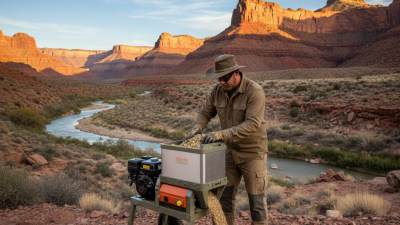
2026 How to Choose the Best Portable Rock Crusher for Your Needs?
In the ever-evolving world of mining and construction, selecting the right Portable Rock Crusher is crucial. With advancements in technology, choices abound. As Steve Johnson, a renowned expert in the portable crushing industry, says, "The right equipment can make or break your operation." His insights highlight the importance of matching the crusher to your specific needs.
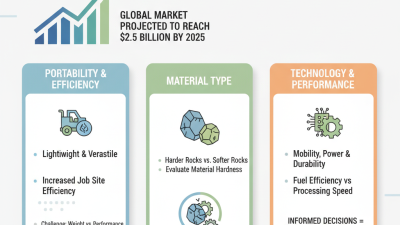
When considering a Portable Rock Crusher, various factors come into play. Portability, size, and power are essential. Users must determine the material types they will process. If you target hard rocks, you need a robust model. On the other hand, lighter models suit softer materials well. Evaluating these factors ensures efficiency and effectiveness.
It's tempting to focus only on price, but reliability counts too. A cheap option can lead to costly breakdowns. The best choice balances cost with performance. Reflecting on past experiences can guide you towards a decision that aligns with your operational goals. Choosing wisely today leads to better outcomes tomorrow. The right Portable Rock Crusher could be the difference between success and setbacks.
Understanding the Different Types of Portable Rock Crushers Available
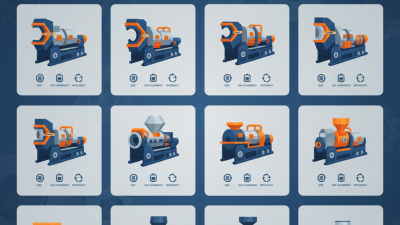
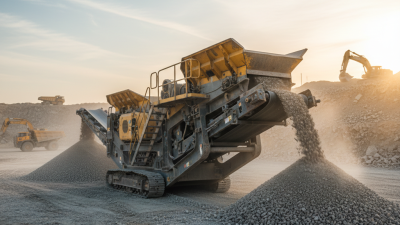
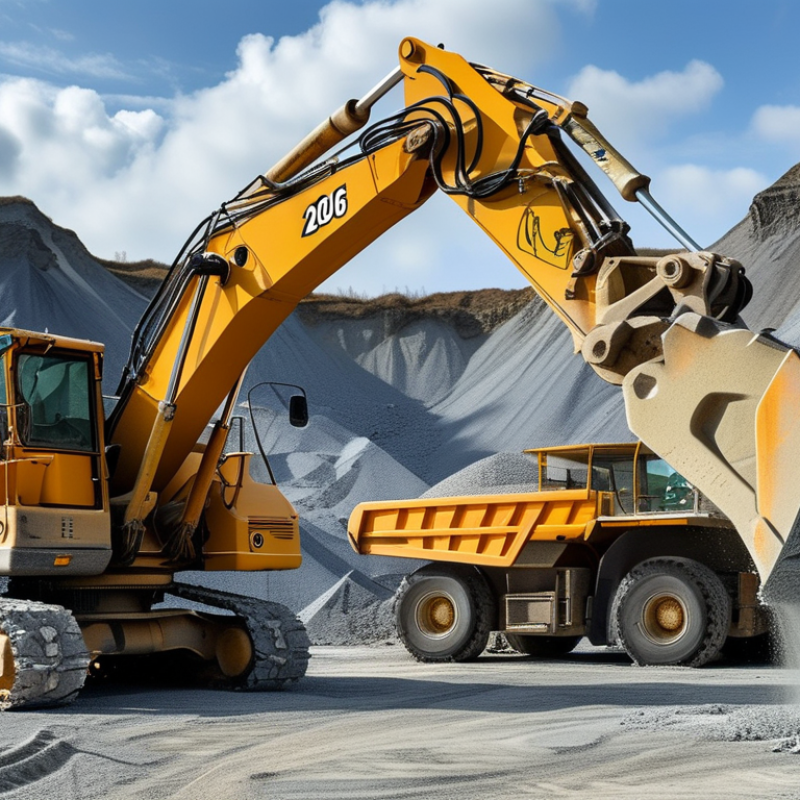
When exploring portable rock crushers, it's vital to understand the various types available on the market. Portable crushers generally fall into three categories: jaw, impact, and cone crushers. Each type has its unique strengths and applications, catering to different material types and project requirements. For instance, jaw crushers are ideal for primary crushing due to their ability to handle hard materials, while impact crushers excel in processing softer, more friable rocks.
According to research from the Mining Industry Analysts, the global market for portable rock crushers is expected to reach $4.4 billion by 2026. Certain models can process up to 400 tons per hour, showcasing the efficiency and productivity potential of these machines. However, buyers must consider factors like power consumption, ease of transport, and maintenance costs. Often overlooked, the longevity of wear parts can greatly affect overall operational costs.
Choosing the right portable rock crusher means assessing your specific needs. Assess the material you will be working with and the crushing capacity required for your projects. Some users may underutilize their machinery, impacting their return on investment. It’s crucial to analyze not just the immediate benefits, but also long-term serviceability and reliability, which can vary significantly between models. Proper research and understanding your operational demands will lead to a better purchasing decision.
2026 How to Choose the Best Portable Rock Crusher for Your Needs?
| Type of Crusher |
Weight (lbs) |
Feed Size (inches) |
Output (tons/hr) |
Power Source |
Price Range ($) |
| Jaw Crusher |
250 |
6-8 |
15-20 |
Gasoline |
2,000 - 3,500 |
| Cone Crusher |
500 |
3-5 |
20-25 |
Electric |
3,500 - 5,000 |
| Impact Crusher |
300 |
4-6 |
10-15 |
Diesel |
1,500 - 2,500 |
| Hammer Mill |
350 |
2-4 |
5-10 |
Gasoline |
1,000 - 1,800 |
Key Factors to Consider When Choosing a Portable Rock Crusher
Choosing the right portable rock crusher requires careful consideration of several key factors. One major element is the crusher's capacity. The crushing capacity often ranges from 20 tons per hour to over 100 tons per hour. Assess your project's volume needs to find the best match. Consider the material types as well. Different crushers handle various rock types differently, such as limestone, granite, or river rock. According to industry reports, understanding the rock's hardness on the Mohs scale can influence your choice.
Weight and portability are also crucial. Many models weigh between 1,500 to 5,000 pounds. Transportability can impact your operation efficiency. A lighter model may be easier to move but might compromise on performance. Regular maintenance needs should not be overlooked either. Some crushers require frequent checks and parts replacements. Neglecting this can lead to unscheduled downtimes. Always evaluate the long-term operational costs, not just the initial purchase price.
Assessing Your Specific Crushing Needs and Requirements
When selecting a portable rock crusher, it's crucial to assess your specific crushing needs. Different materials require different approaches. For instance, granite may demand a more robust machine compared to limestone. According to industry studies, 60% of crushing efficiency stems from matching the equipment to the material type. Therefore, understanding your applications can significantly improve output.
Consider also the size and mobility of the crusher. Many users report that a model weighing less than 1,500 pounds offers better portability. This can enhance operational efficiency across various job sites. The report from the National Stone, Sand & Gravel Association indicates that ease of transport can boost production by 20%. However, a more portable crusher may compromise on power, so balancing these features is essential.
Evaluating specific features is key. Look for adjustments that accommodate different sizes of rocks. A user may face challenges if the machine doesn't meet varying project demands. The ability to change settings quickly can save time. It’s also worth noting that some users express frustration over maintenance accessibility. If a machine is not easy to service, long-term productivity can suffer.
Portable Rock Crusher Performance Comparison
Comparing Performance Metrics of Portable Rock Crushers
When choosing a portable rock crusher, performance metrics are crucial. An effective rock crusher should have a high crushing ratio. Reports indicate that the best models achieve ratios greater than 20:1. This efficiency translates to reduced operational time and energy use, making projects feasible on tight schedules.
Another vital aspect to consider is the crushing capacity. The average portable crusher can handle anywhere from 10 to 300 tons per hour. Selecting a model that aligns with your production goals is essential. It's interesting that while some high-capacity models promise great output, they may compromise on weight and mobility. Heavy units can limit your work area and increase transportation costs.
Durability is also a concern. Data reveals that an average portable rock crusher lasts 5 to 10 years with proper maintenance. However, wear and tear can vary significantly based on usage. Regular maintenance remains a critical factor. Some models have reported higher failure rates due to poor material choices in construction. Thus, assessing build quality before purchase can save future headaches.
Budgeting for Your Portable Rock Crusher Purchase and Maintenance
When budgeting for a portable rock crusher, consider more than just the initial purchase price. Think about maintenance costs, operating expenses, and potential repairs. Each of these factors can significantly affect your overall budget. While the upfront cost might be appealing, hidden expenses can arise from poor quality or inadequate support. Ensuring durability and reliability in your selection is crucial.
Evaluate your intended usage. Are you a hobbyist or a professional? Assess the frequency and intensity of your work. This will guide you in determining how much you should invest. A more robust machine may have a higher price but can save you money over time. Do not overlook the costs of replacement parts. They can add up quickly, sometimes surpassing your initial investment.
Additionally, keep in mind transportation and setup expenses. These may vary based on your location. If you're operating in remote areas, mobility becomes a key factor in your decision-making. It's beneficial to account for all associated costs to avoid surprises later on. Reflect on what features you need and what trade-offs you might be willing to make. This thoughtful approach will ensure you find a portable rock crusher that meets your practical needs without straining your budget.

 Concrete Mixing Plant
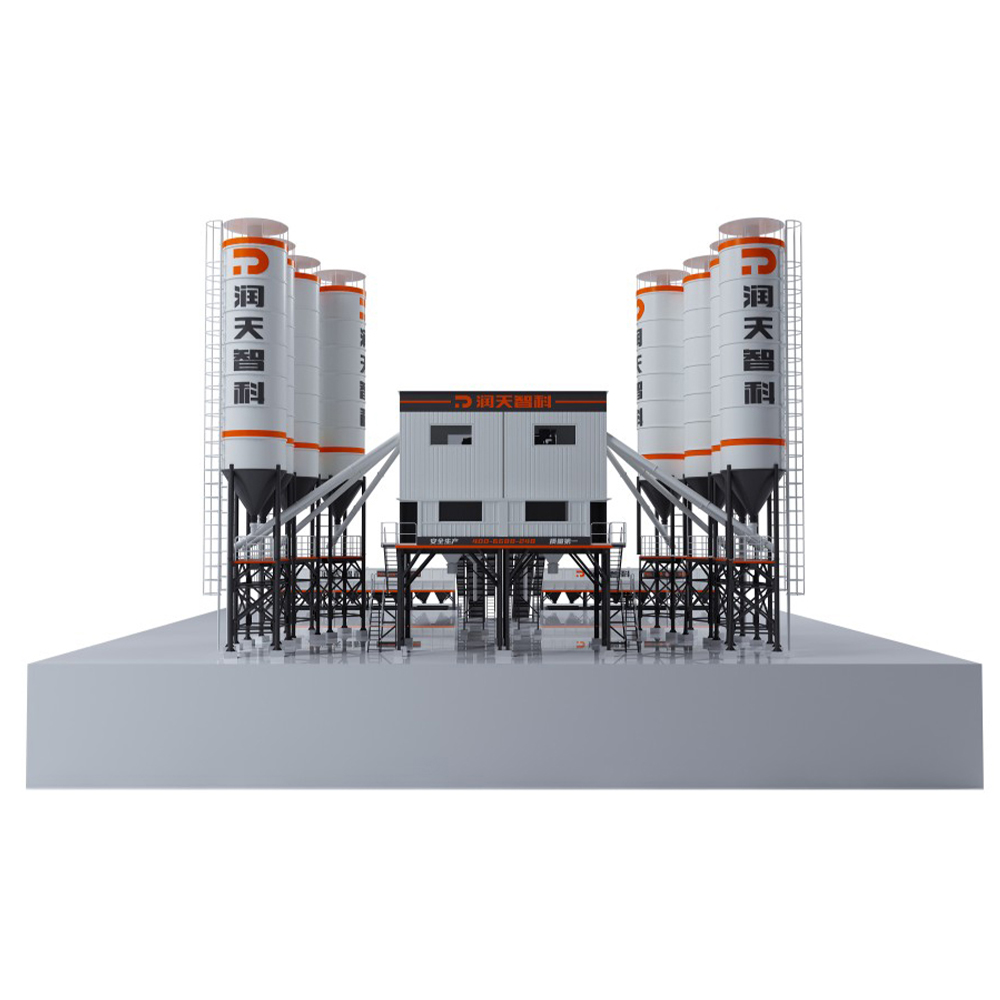 HZS Series Belt Concrete Mixing Plant
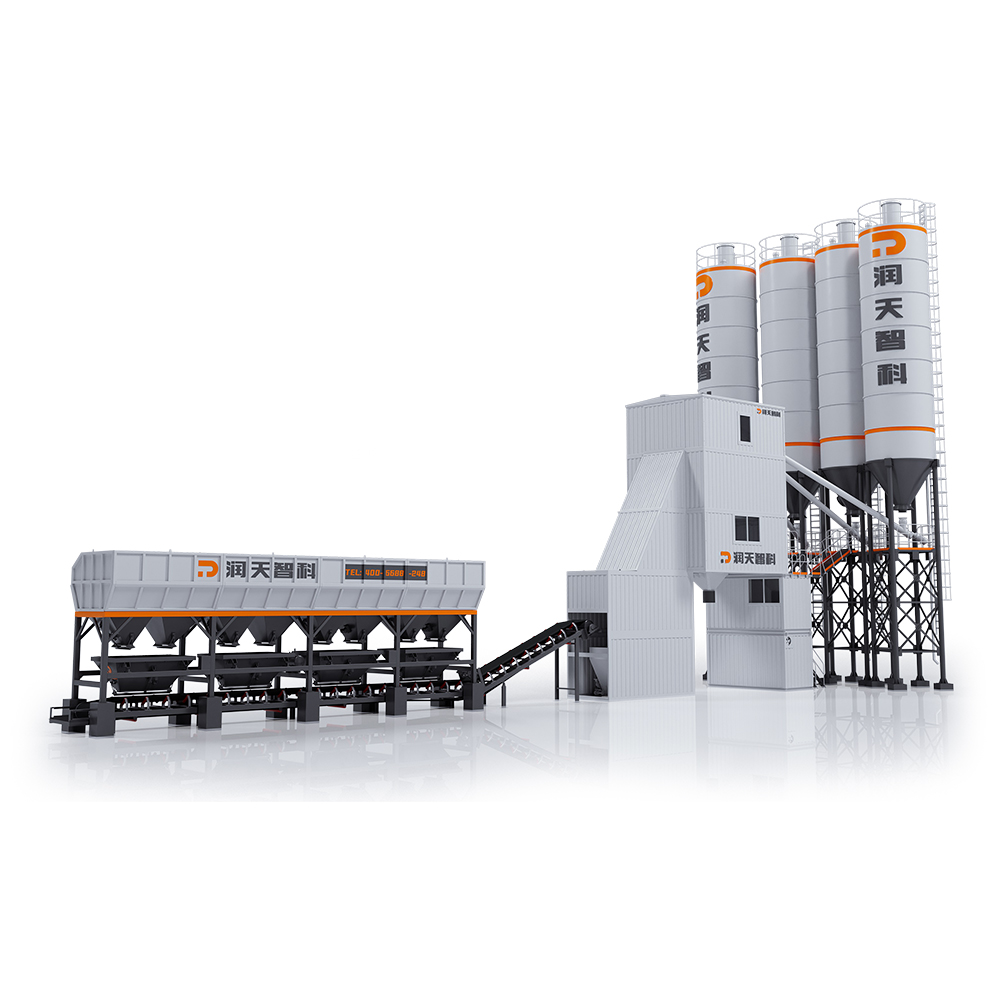 HZS Series Bucket-Lifting Type Container Concrete Mixing Plant
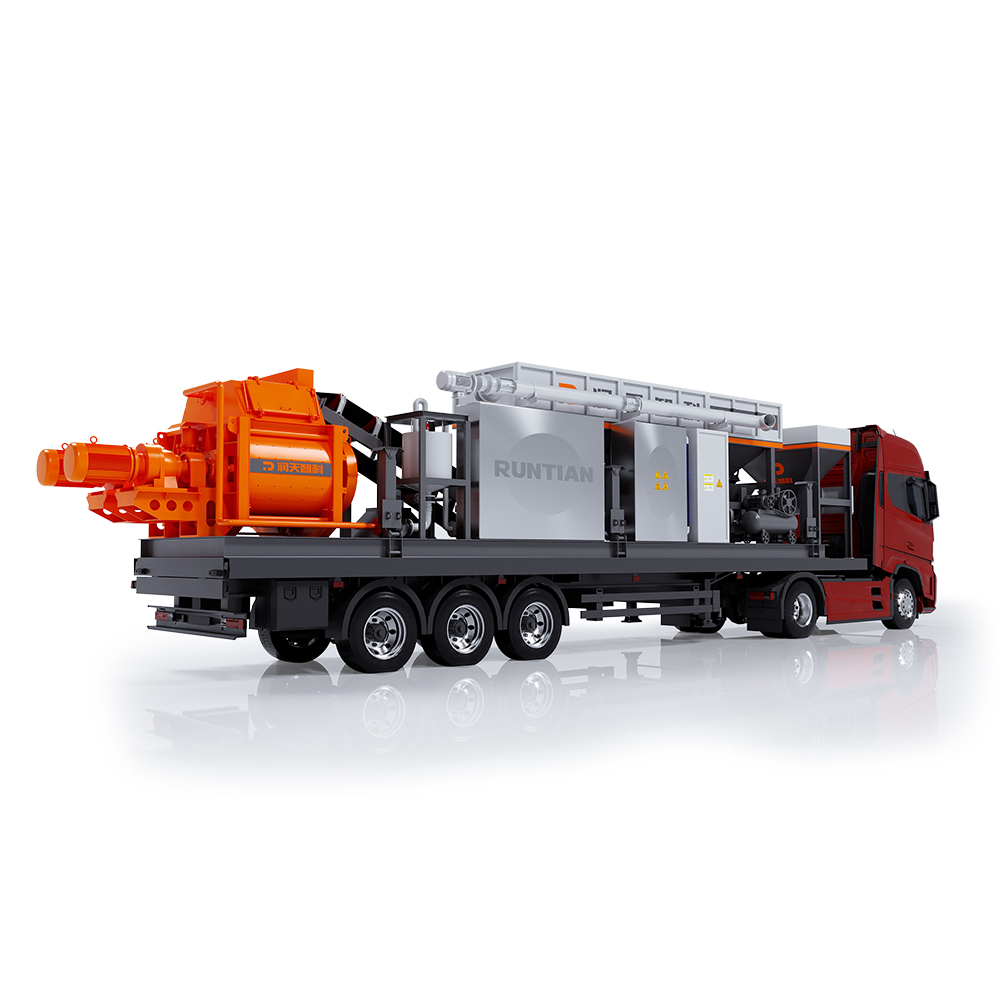 HZS60 Mobile Concrete Mixing Plant
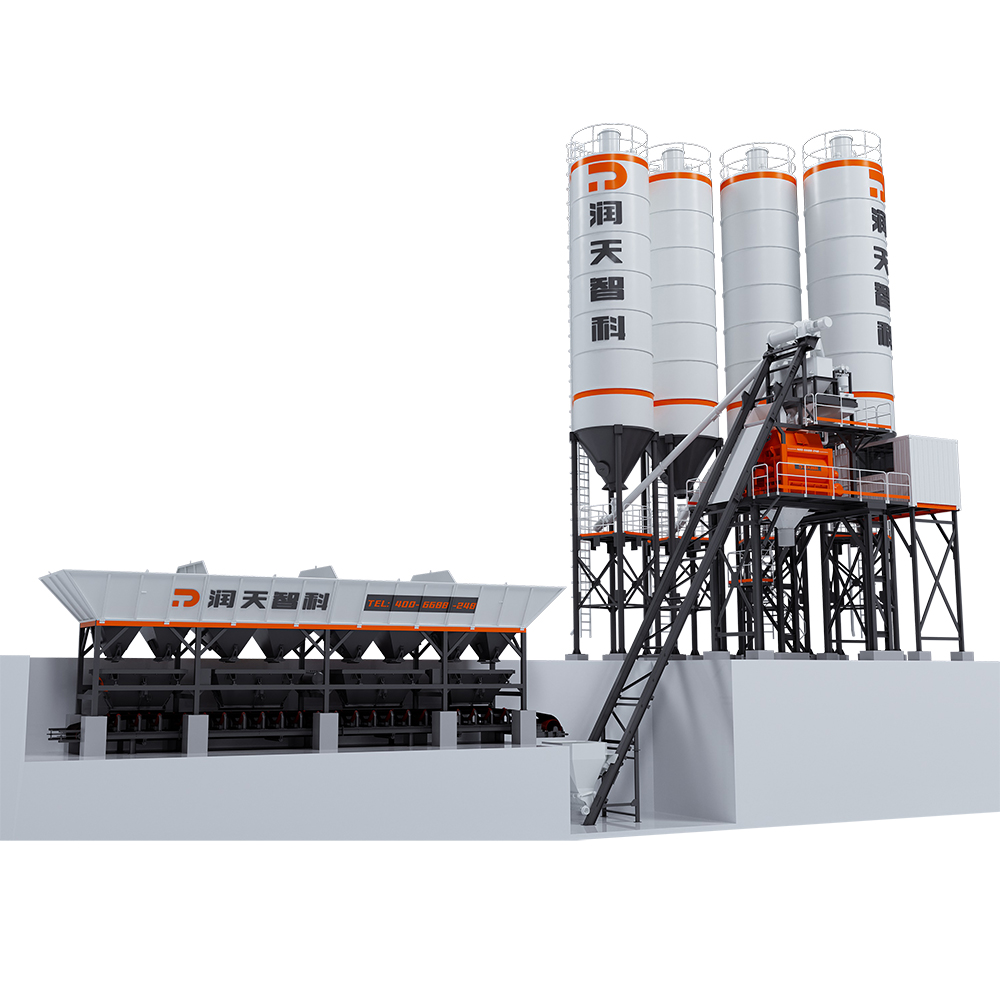 HZS Series Bucket-Lifting Type Concrete Mixing Plant
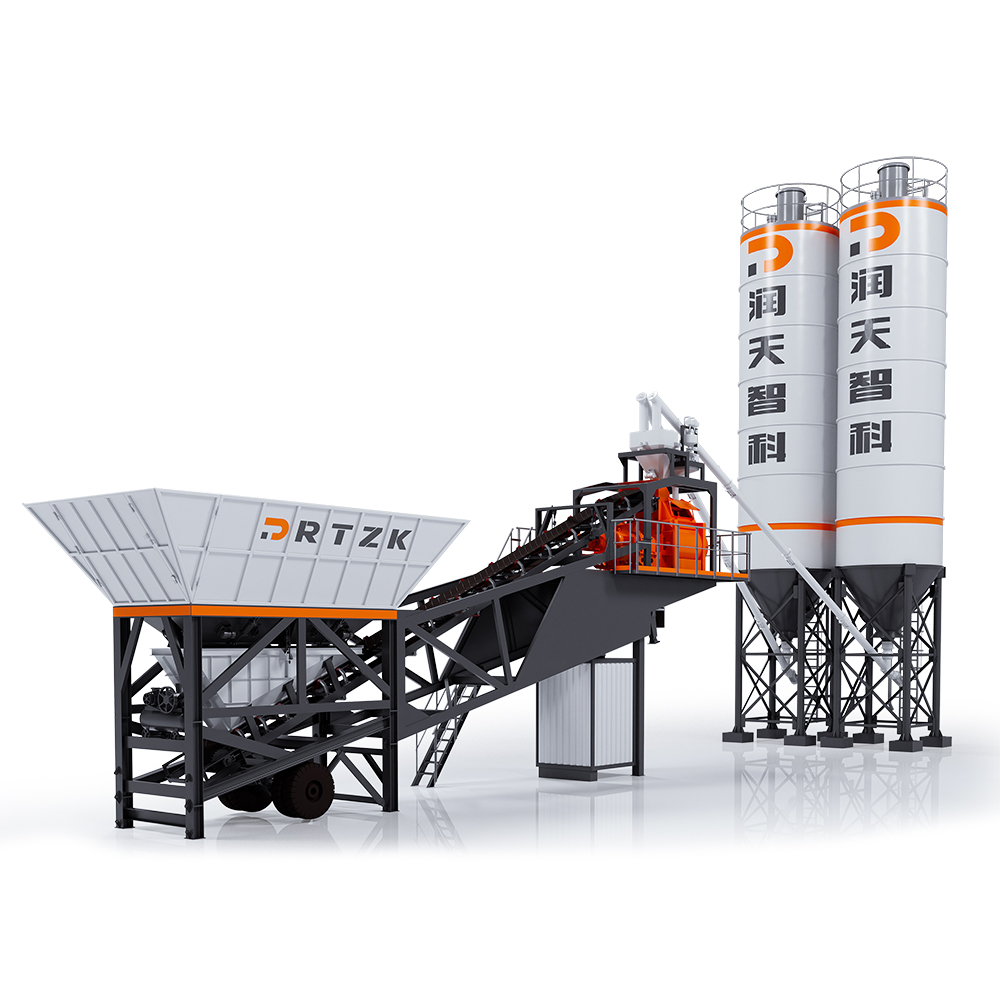 HZS Series Mobile Concrete Mixing Plant
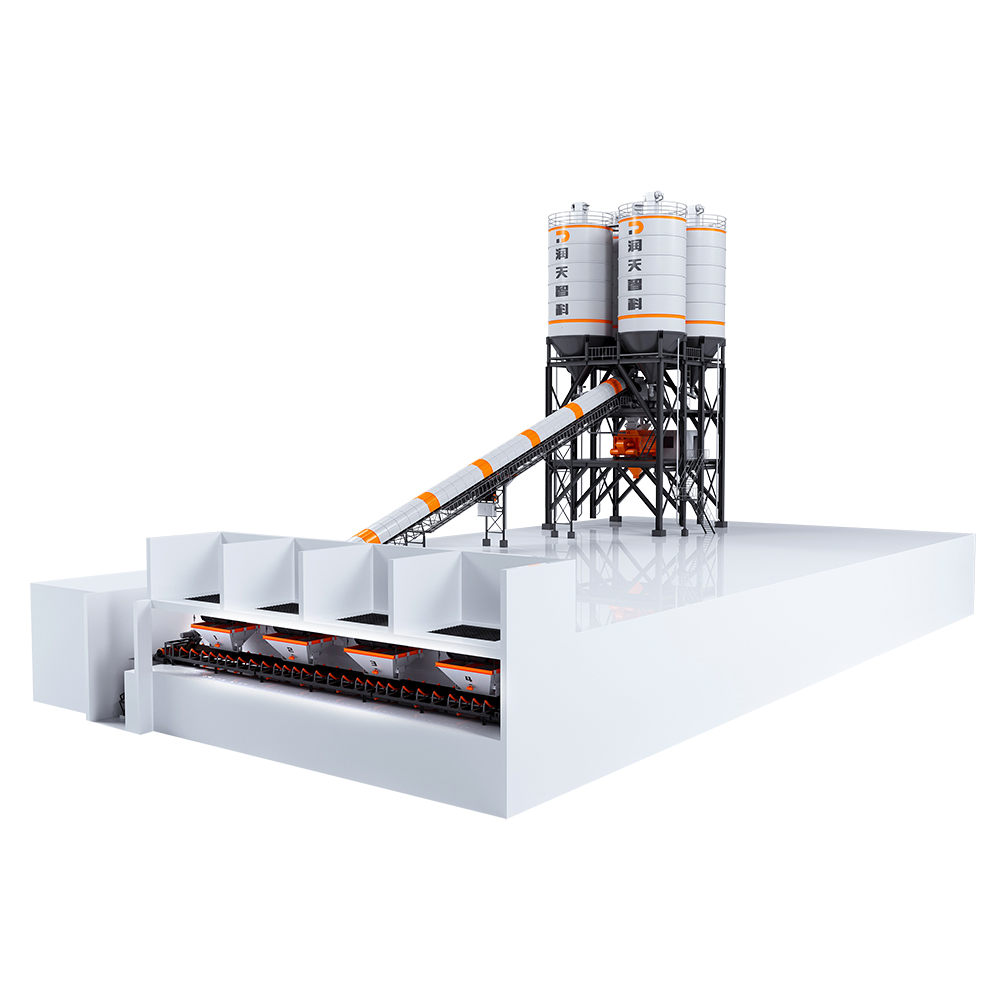 HZS Series Top-Mounted Concrete Mixing plant
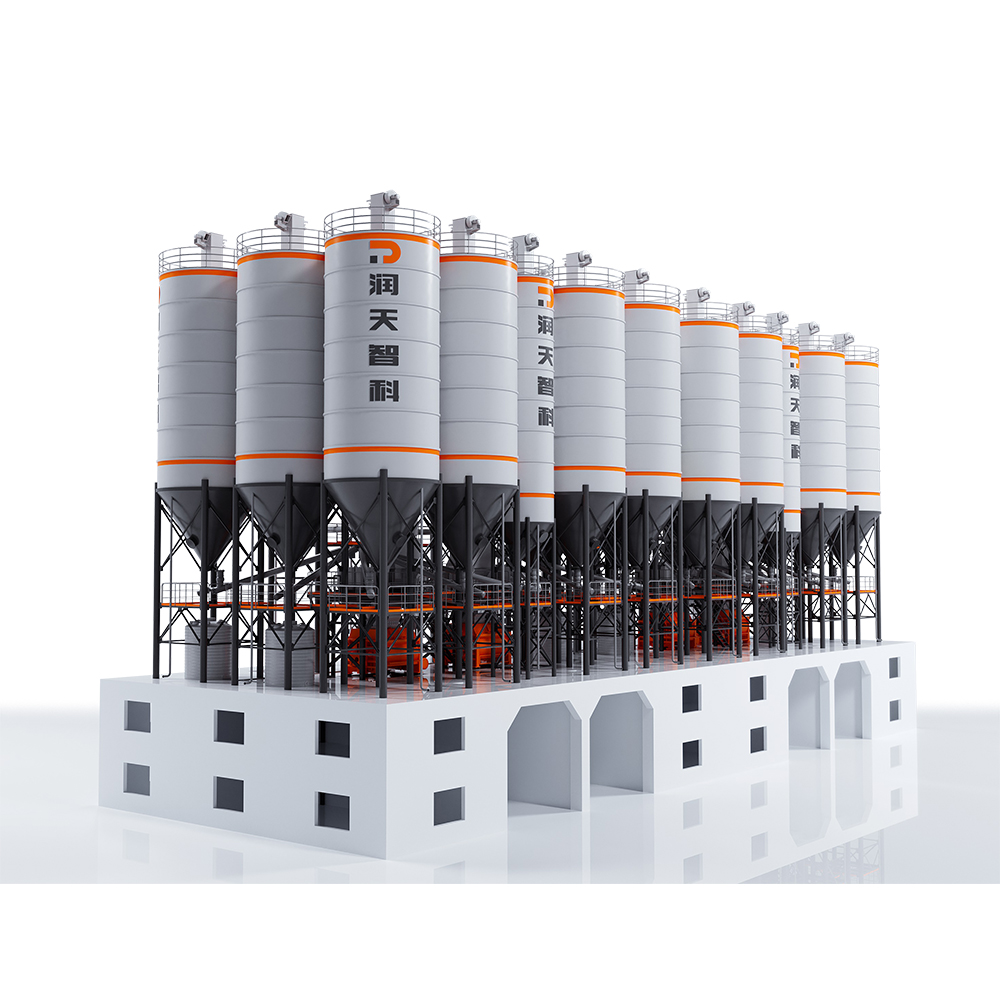 HZS Series Semi-Top Mounted Concrete Mixing Plant
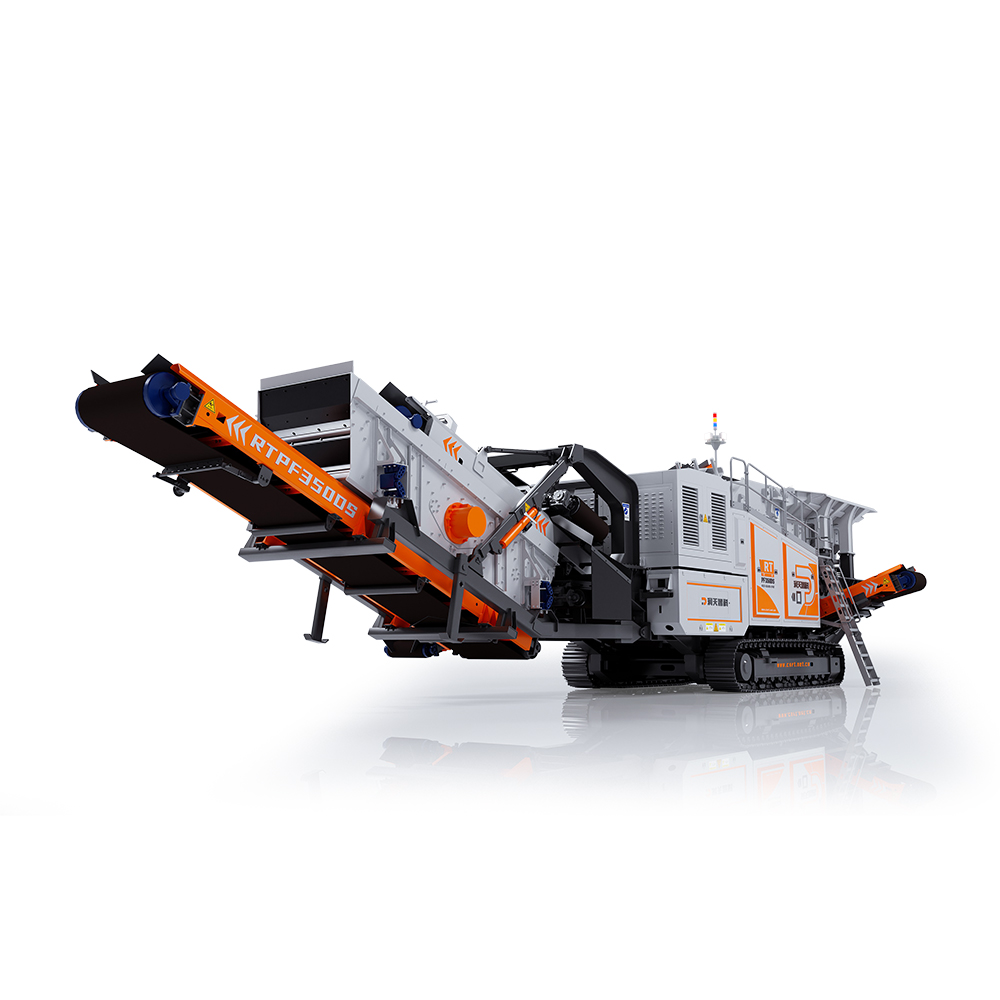 RTPF350DS Crawler Mobile Impact Crushing Plant
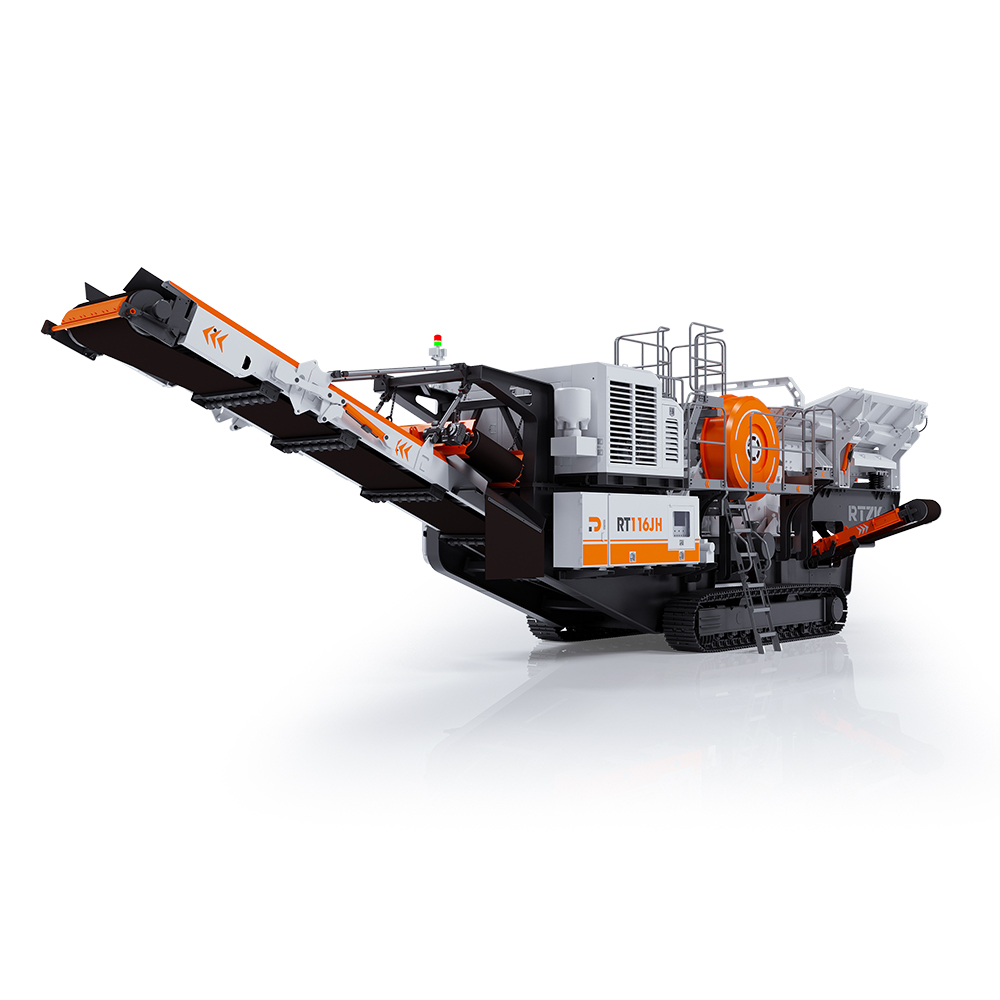 RT116JH Crawler Mobile Jaw Crushing Plant
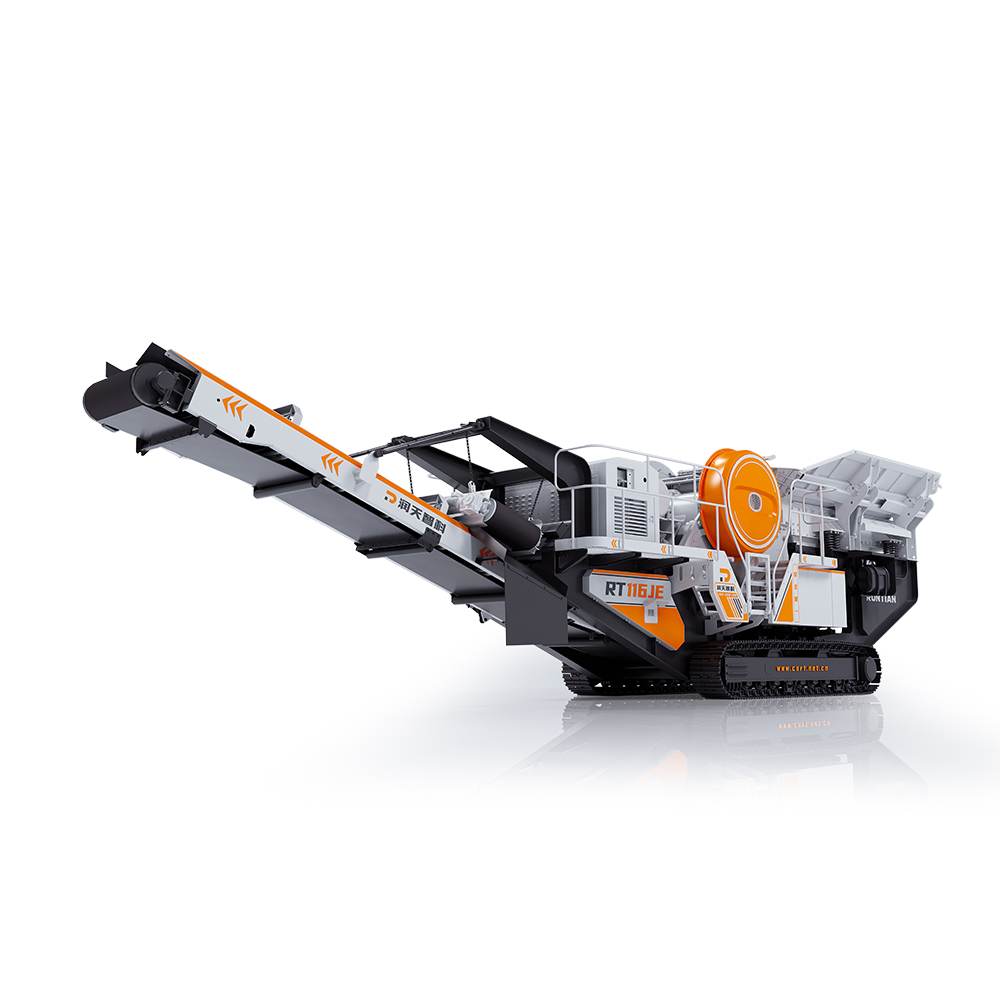 RT116JE Crawler Mobile Jaw Crushing Plant
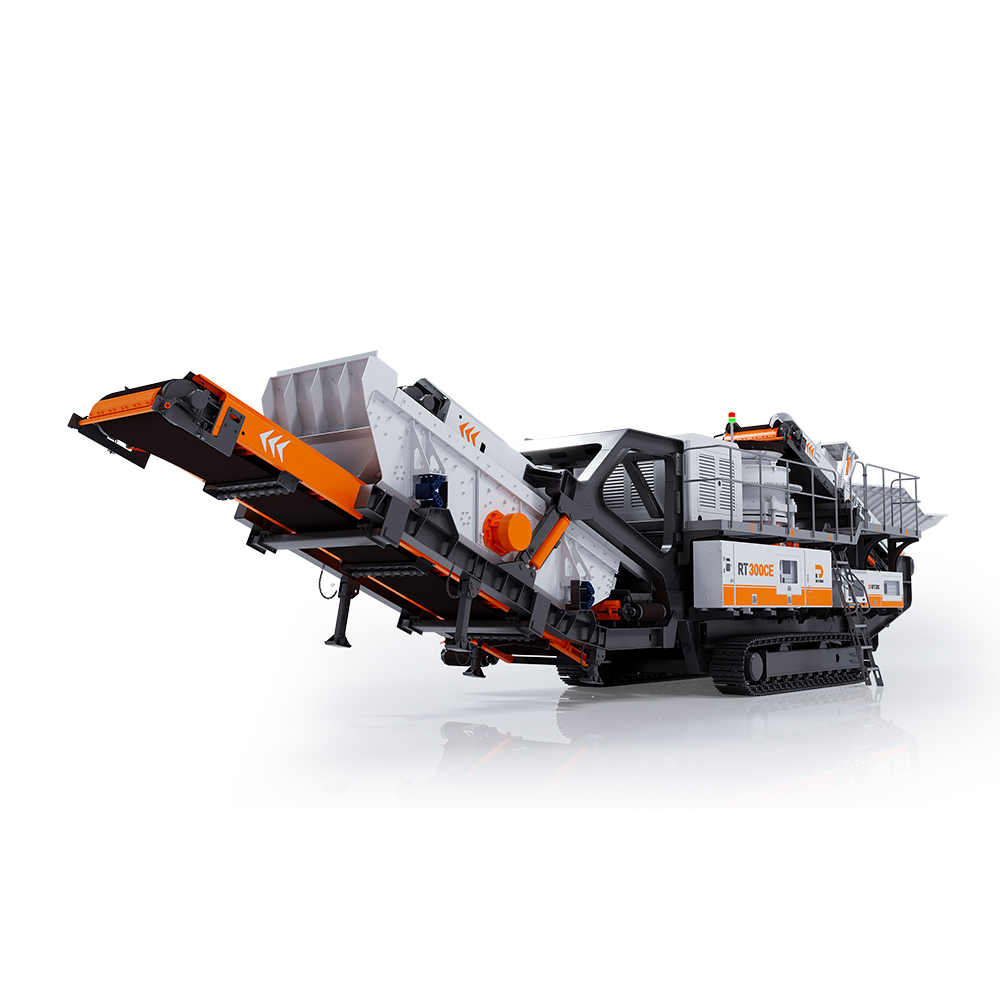 RT300CE Crawler Mobile Cone Crushing Plant
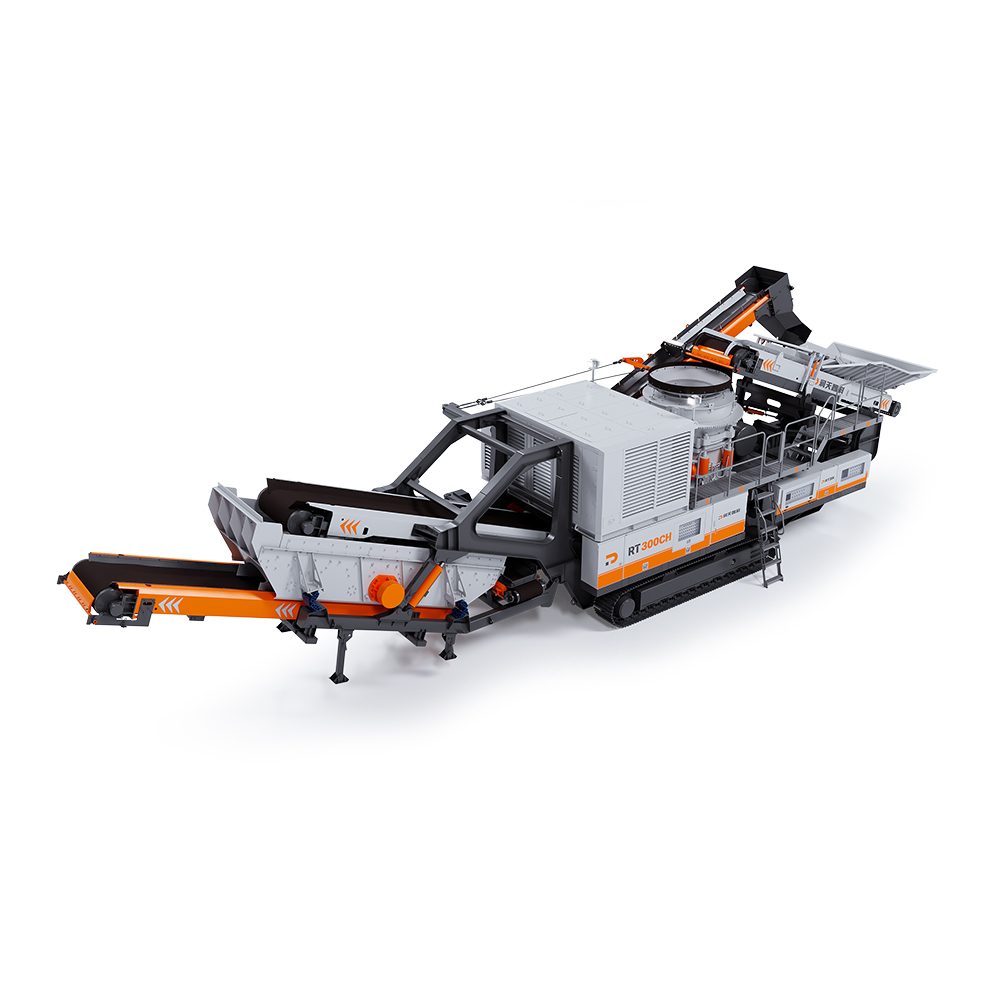 RT300CH Crawler Mobile Cone Crushing Plant
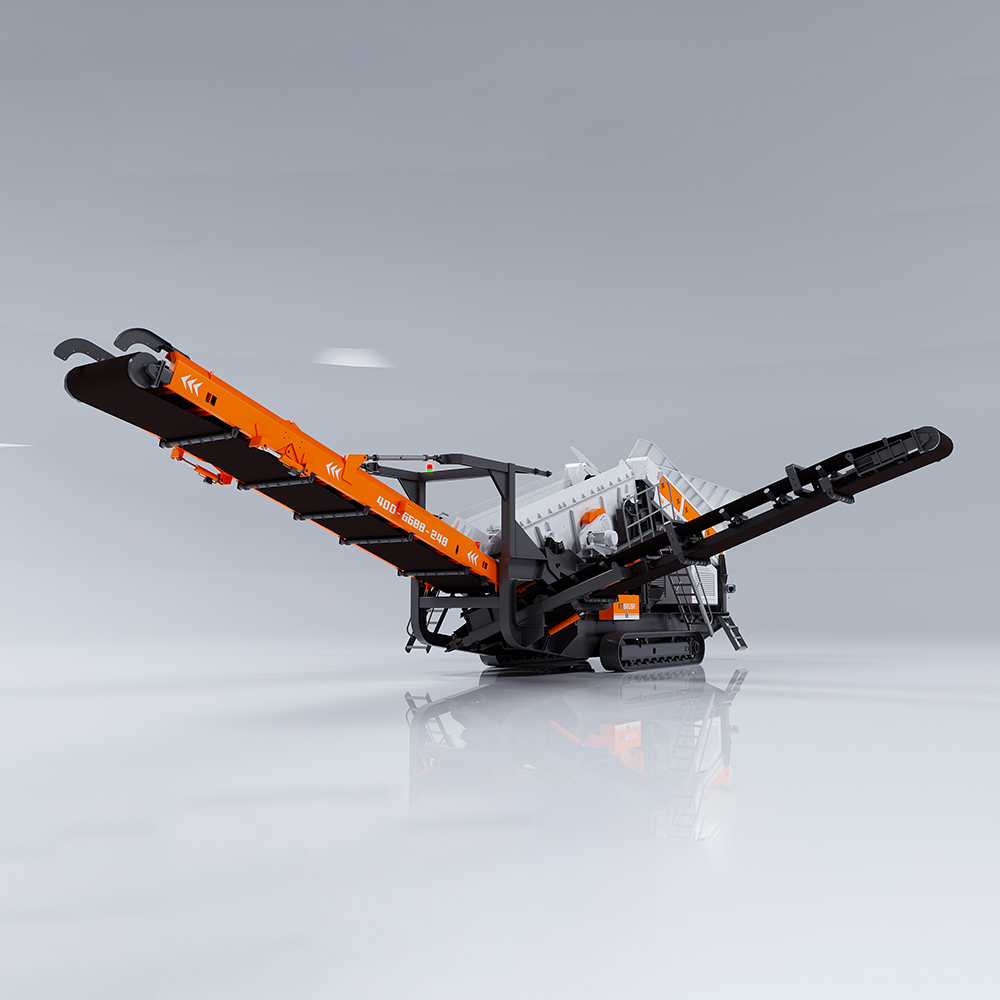 RT5015H Mobile Scalping Screen
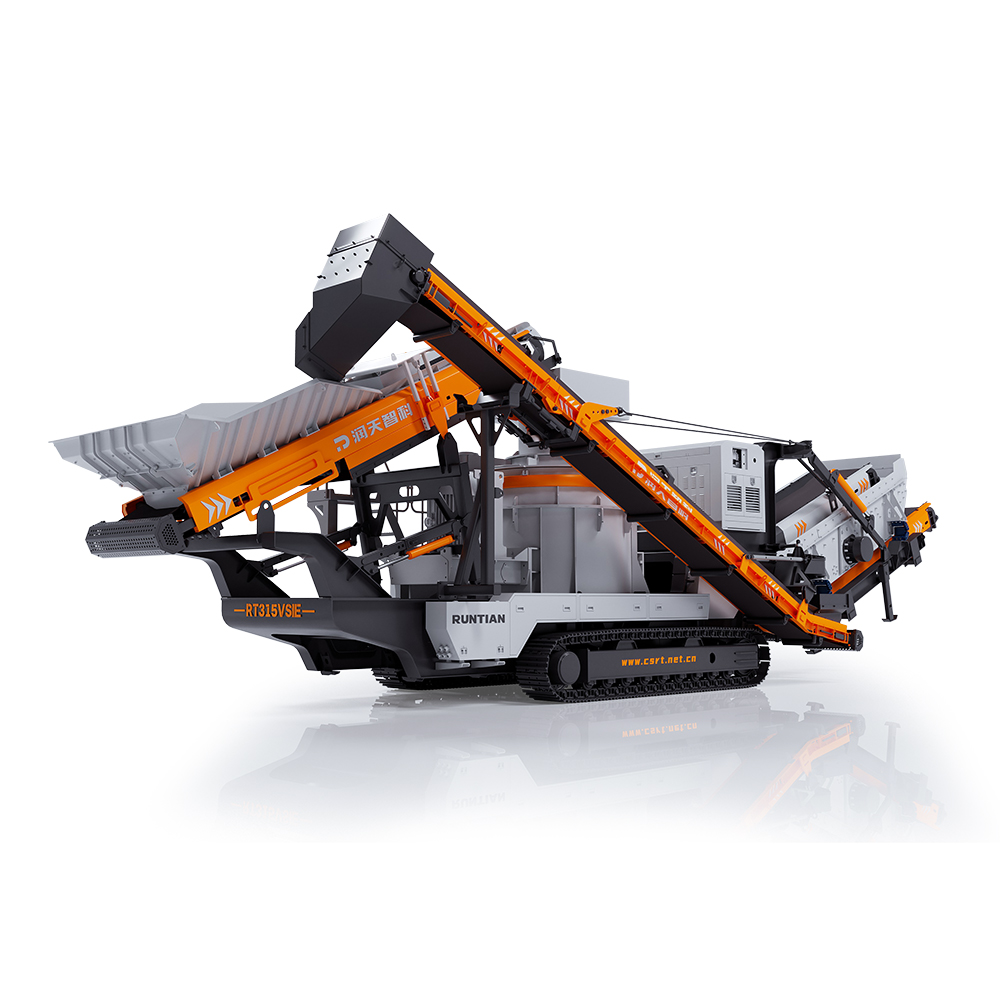 RT315VSIE Crawler Mobile Sand Maker
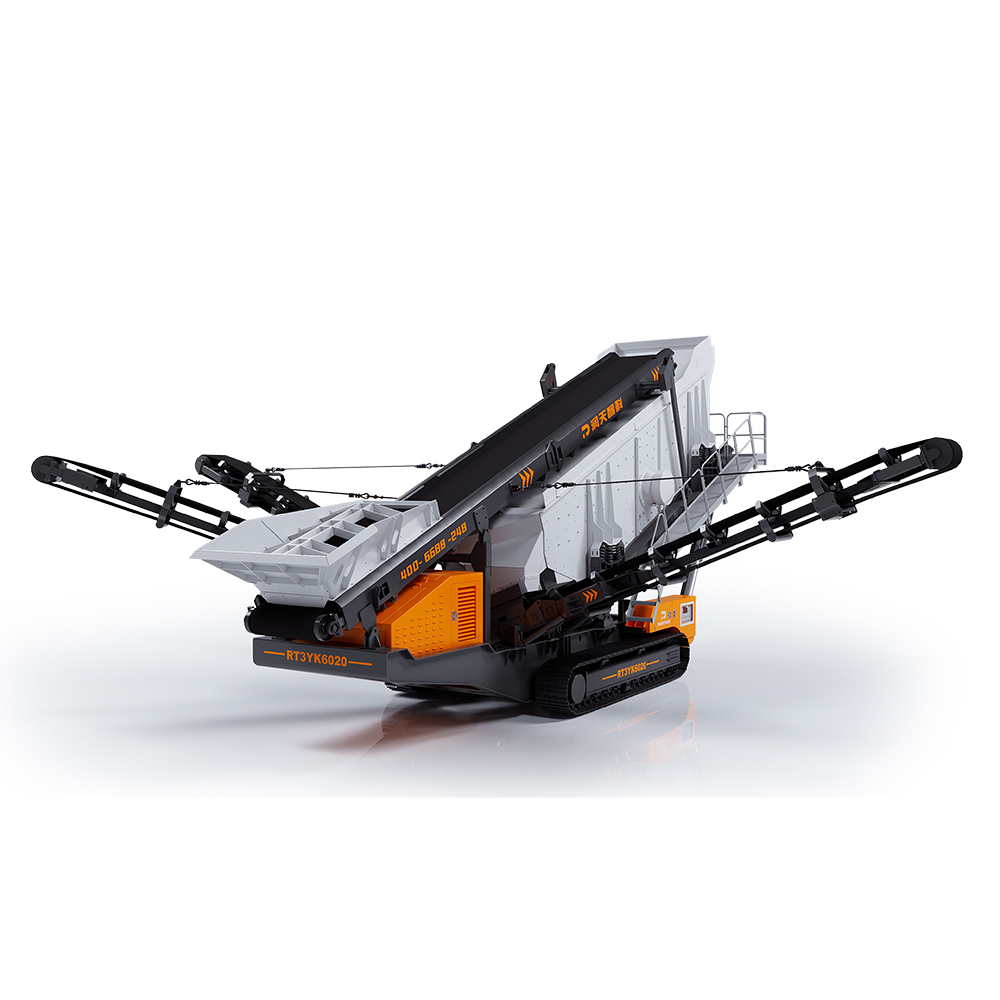 RT3YK6020 Crawler Mobile Screening Plant
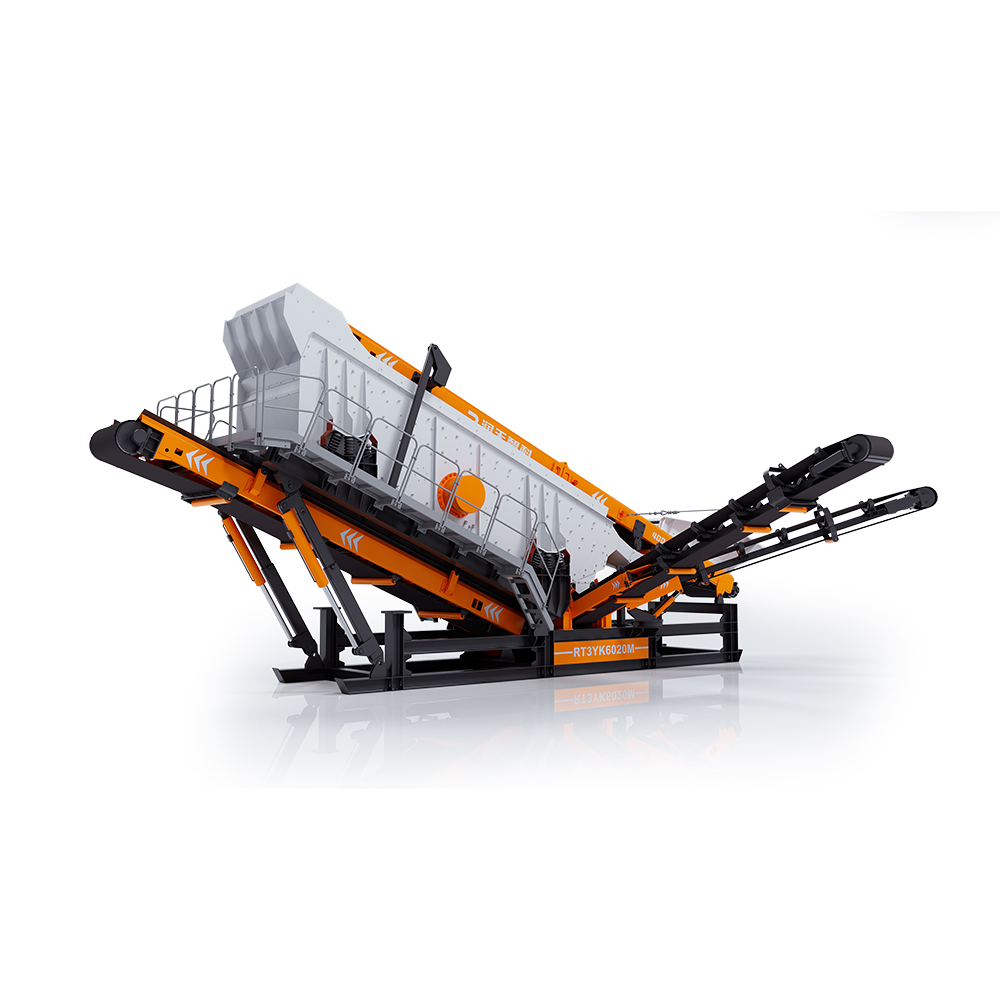 RT3YK6020M Modular Screening Plant
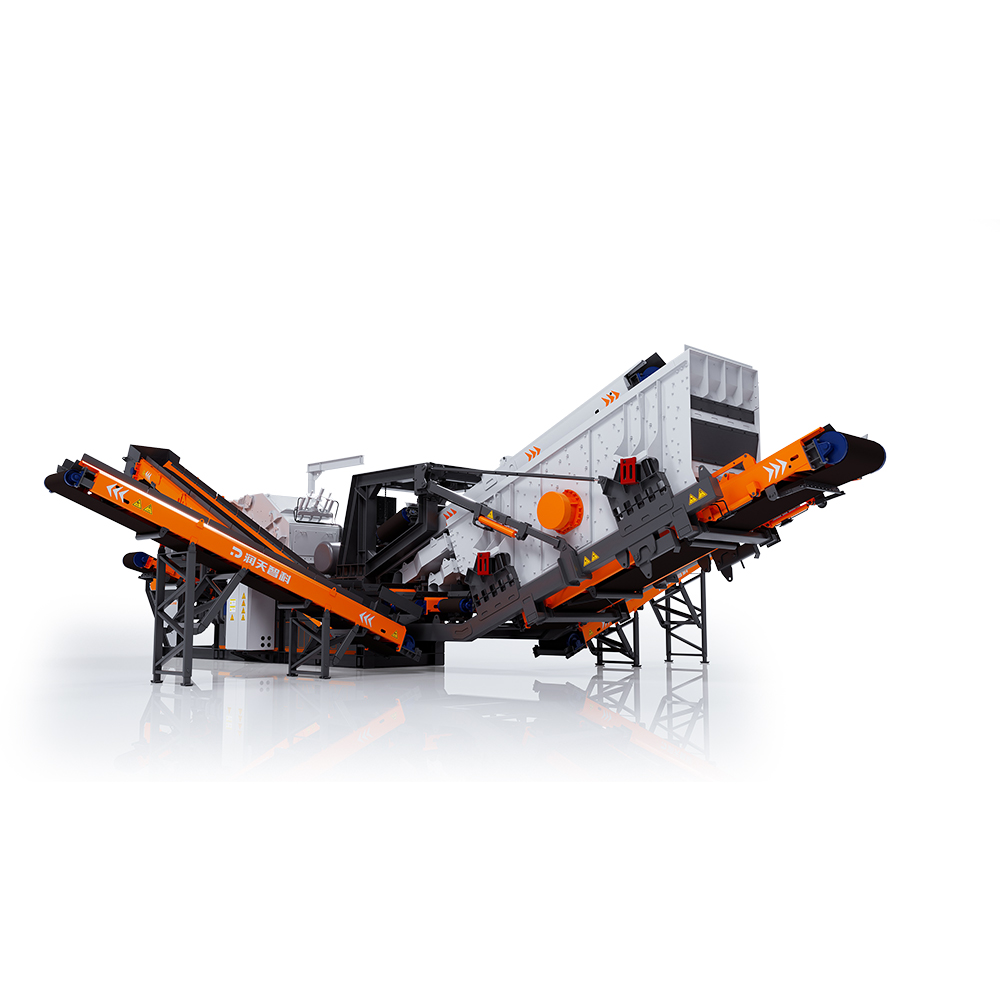 RTF260M Modular Counterattack Crushing and Screening Integrated Machine
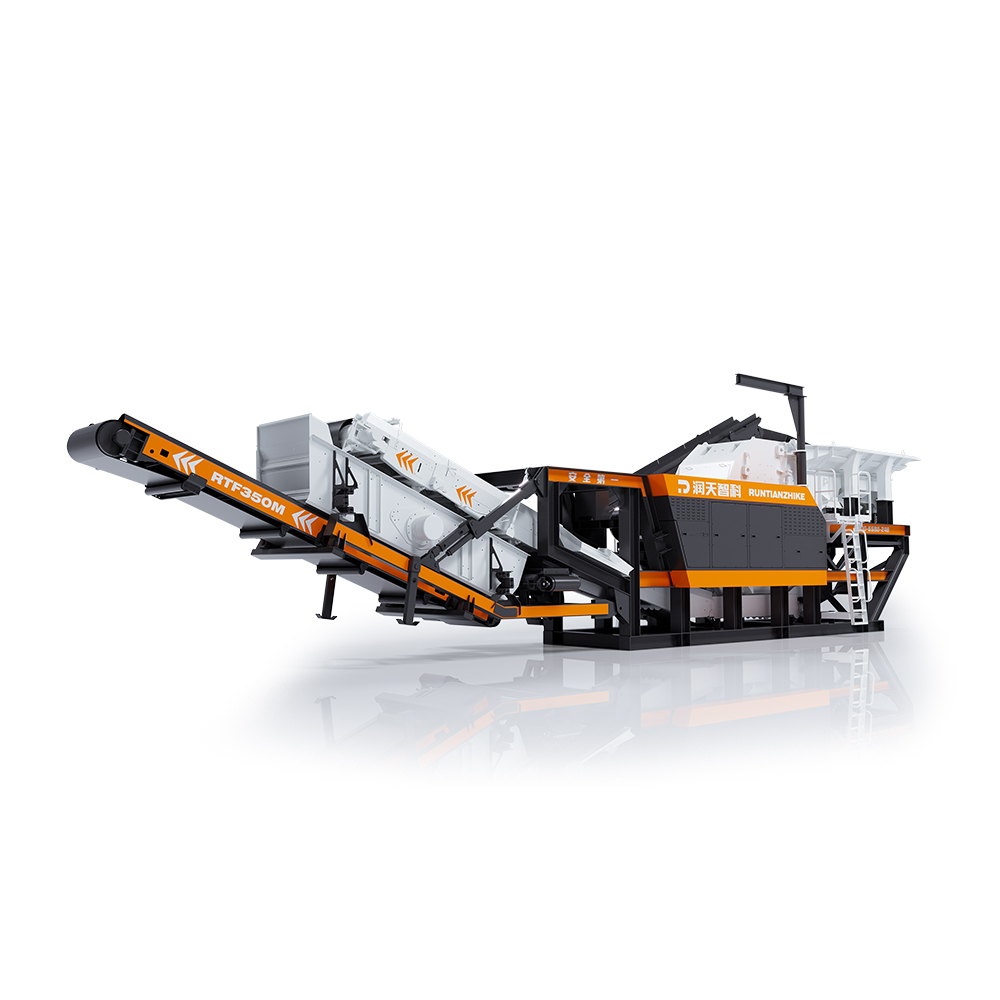 RTF350M Modular Impact Crushing Plant
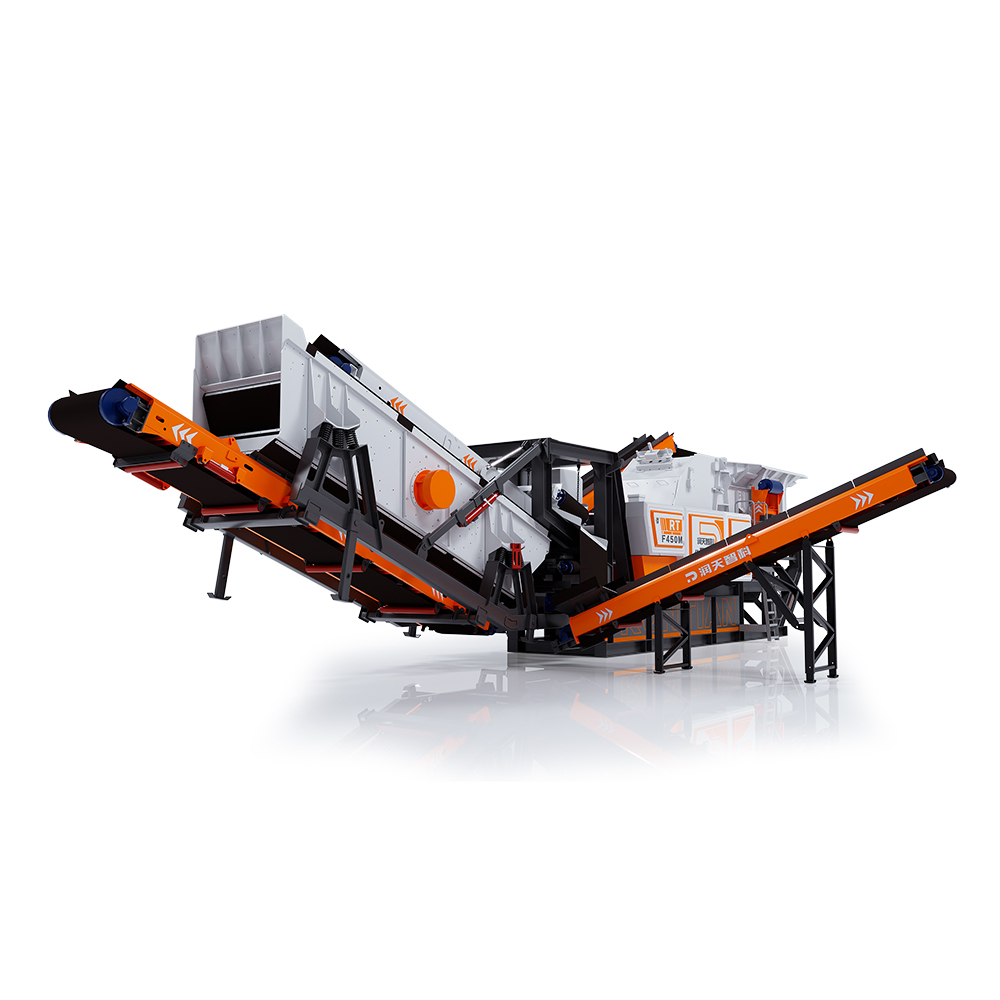 RTF450M Modular Impact Crushing Plant
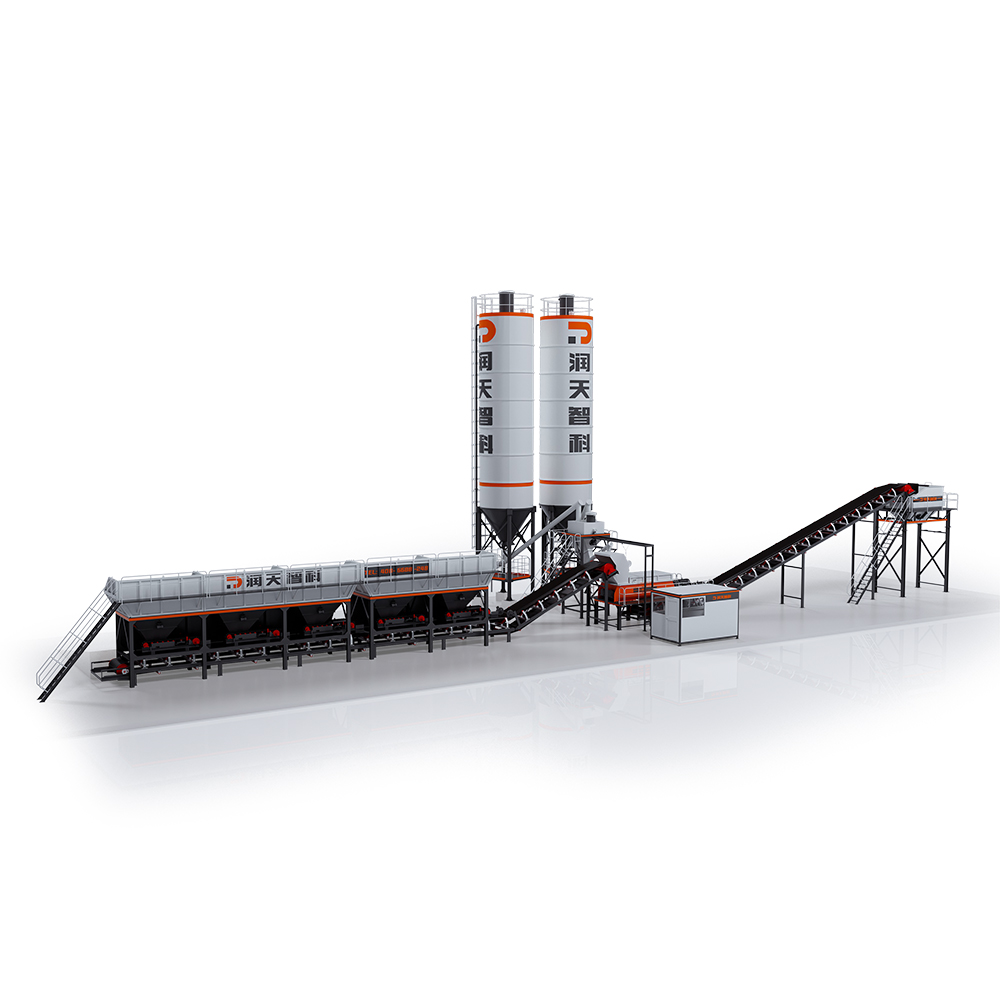 WDB Series Foundation-Free Stability Soil Mixing Plant
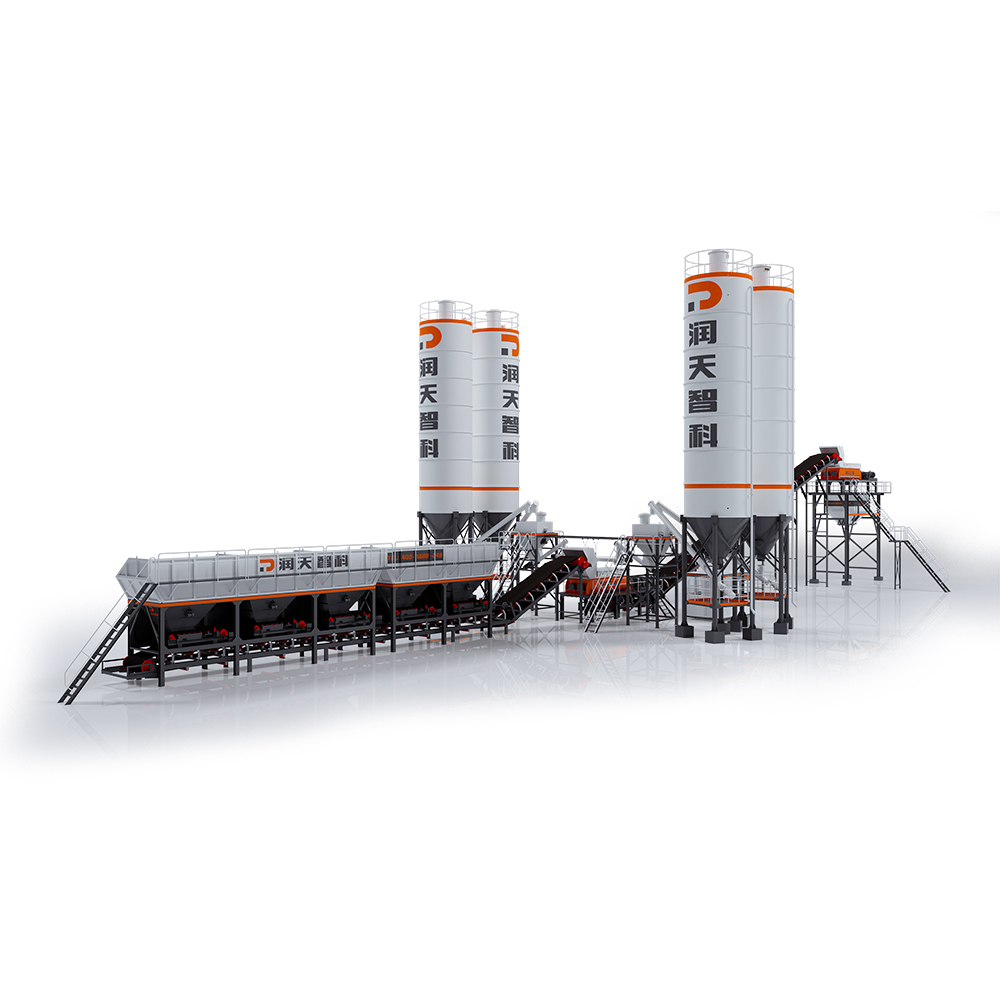 LCB Series Emulsified Asphalt Cold Regeneration Secondary Mixing Plant
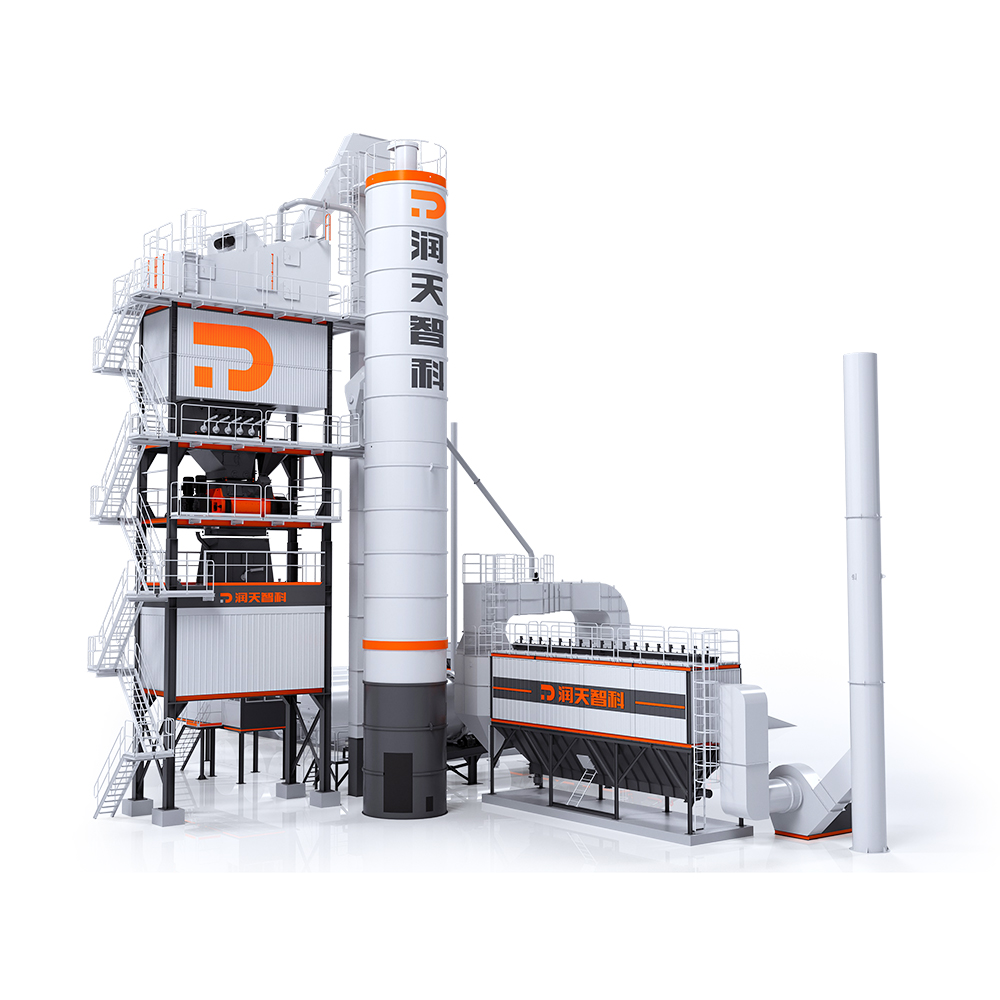 LB Series Asphalt Mixing Plant
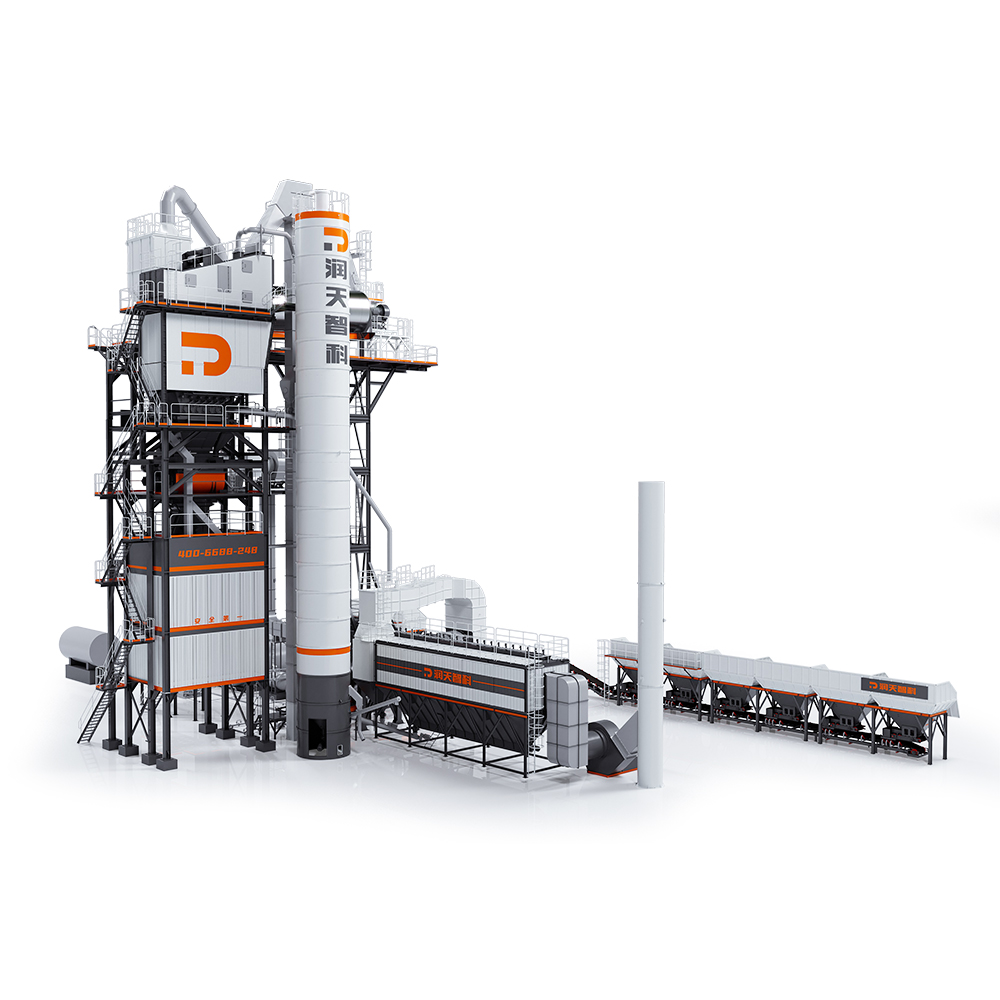 LBR Series Integrated Asphalt Mixing Plant
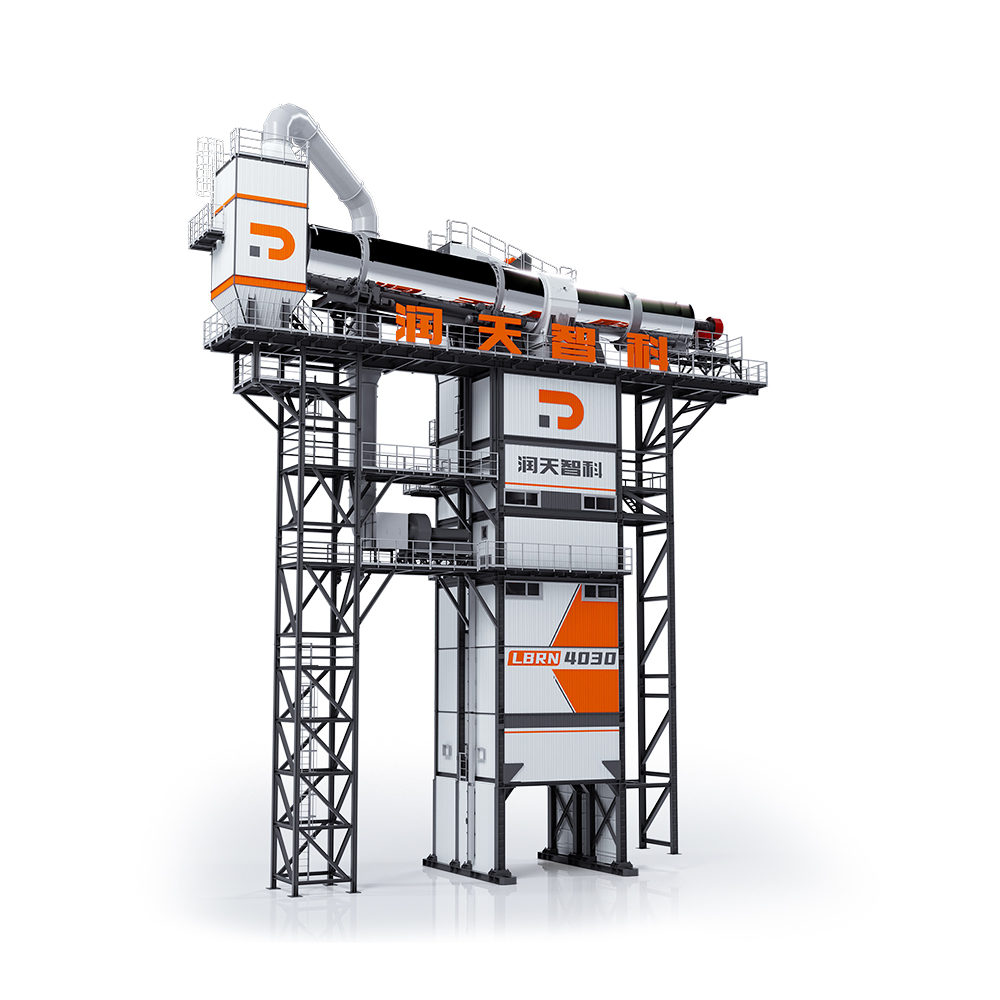 LBRN Series Counterflow Integral Asphalt Mixing Plant
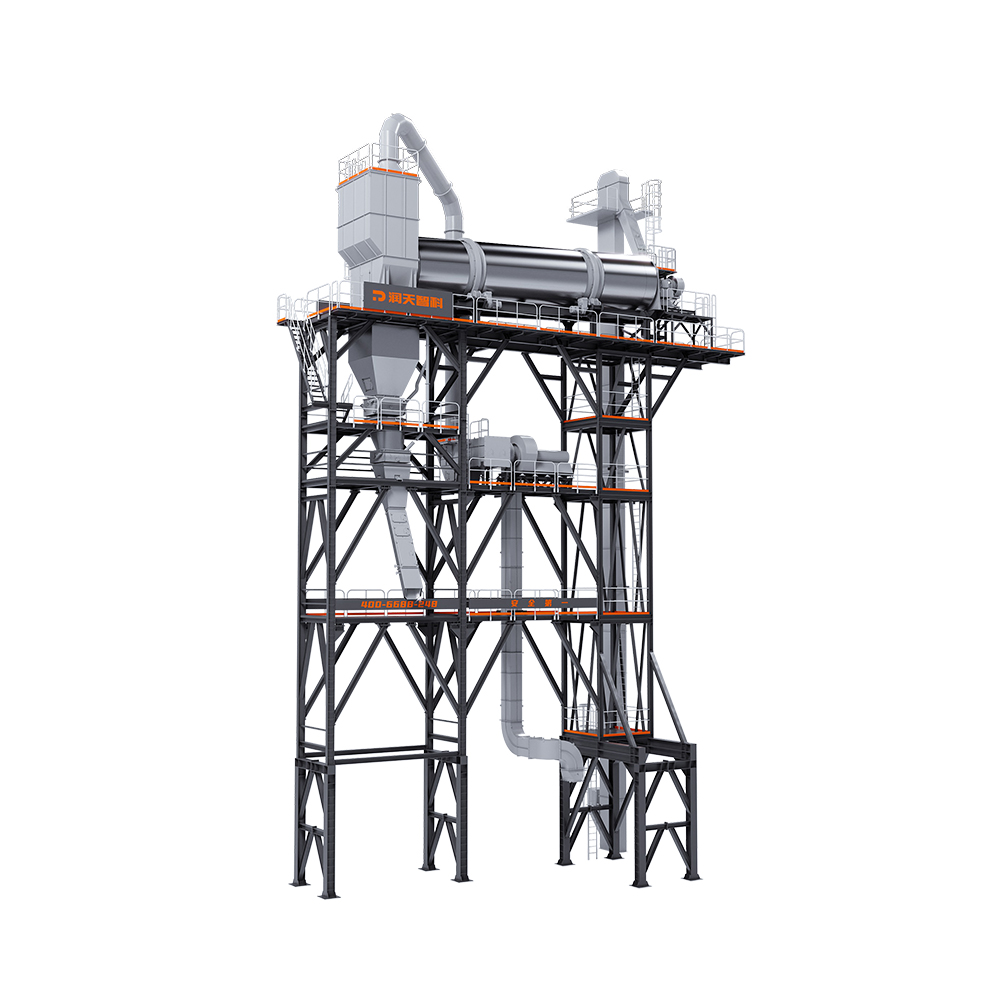 RZS Series Asphalt Mixing Plant
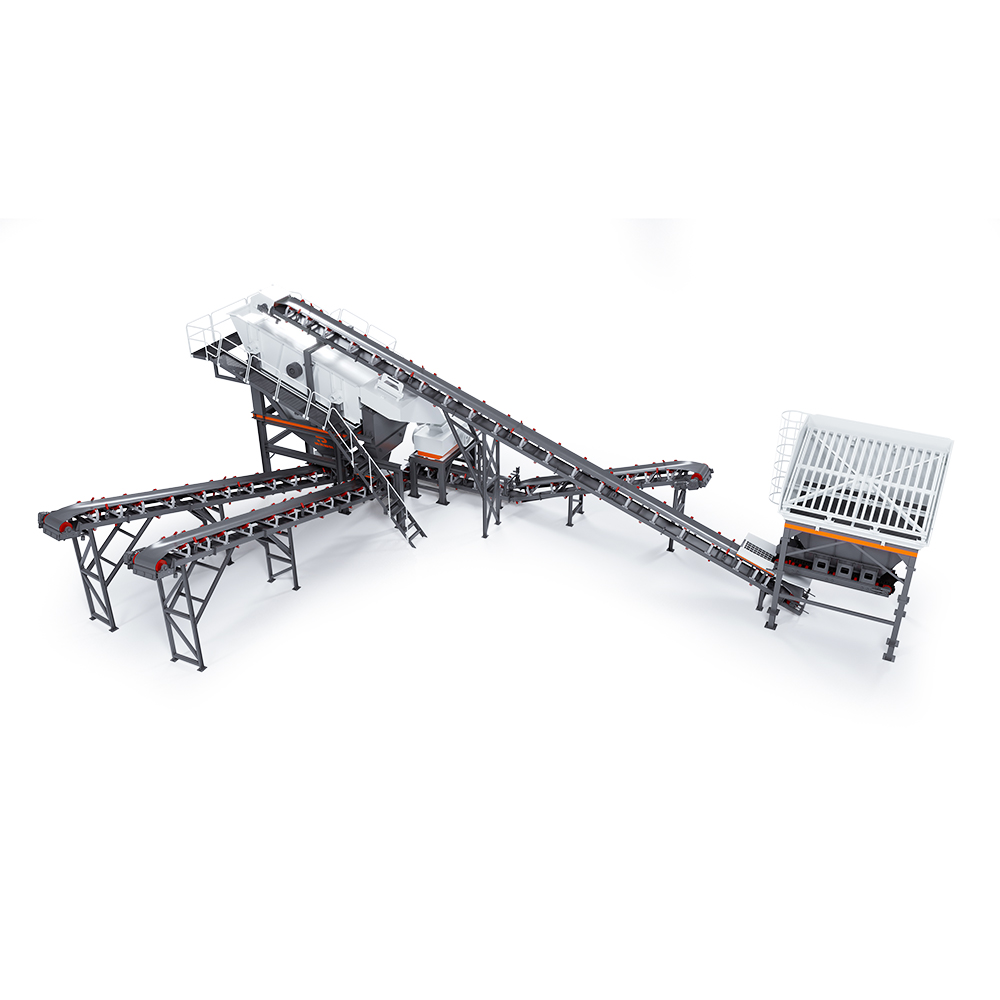 RTZS120 Series RAP Crushing & Screening Plant
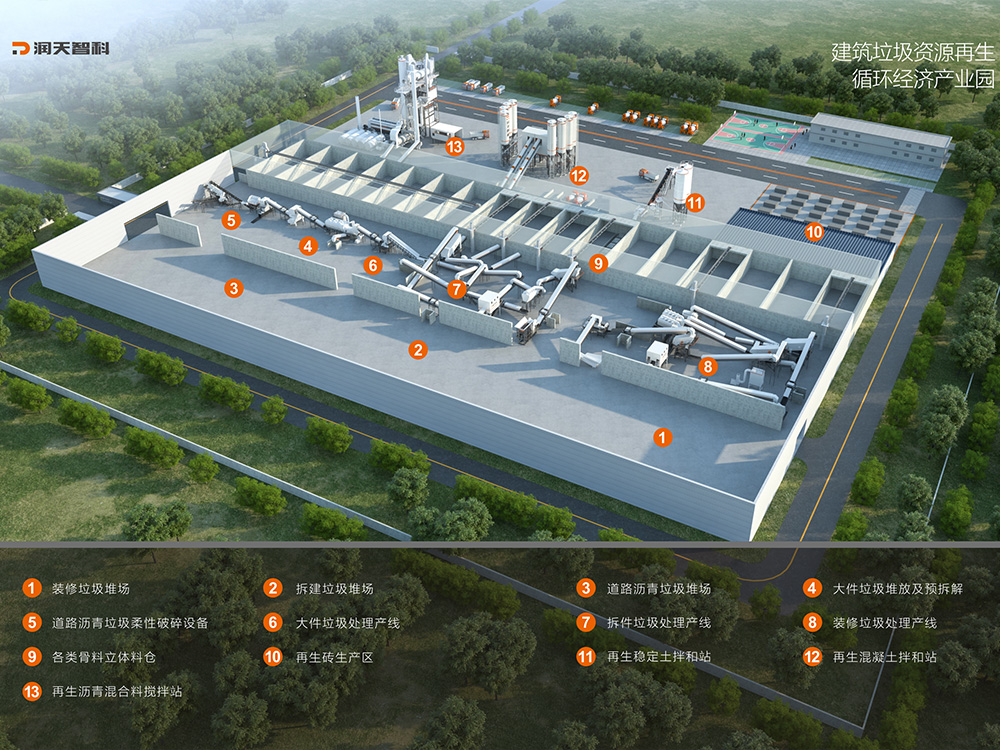 Construction Waste Resourceful Treatment Line