Why Choose a Portable Rock Crusher for Your Business Needs?
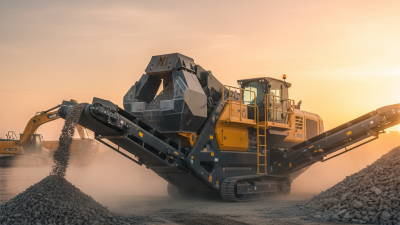
The construction and mining industries are evolving rapidly. An increasing number of businesses are turning to innovative solutions like the Portable Rock Crusher. This machinery offers notable efficiency in crushing large rocks and aggregates. According to a recent industry report by Grand View Research, the global mobile crushers market is projected to reach $3.45 billion by 2025. This growth is driven by the rising demand for sustainable construction materials.
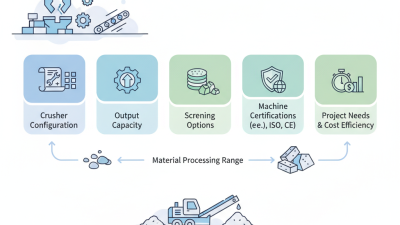
Portable Rock Crushers are versatile. They can be easily transported to different job sites. This flexibility can lead to significant cost savings. Companies can reduce transportation expenses and increase productivity. Various studies indicate that businesses using portable crushers can improve their operational efficiency by up to 25%. However, not every model is suitable for all applications. It’s crucial to assess your specific needs and project requirements.
Owning a Portable Rock Crusher can be a significant investment. Businesses must weigh the pros and cons carefully. While they offer convenience, maintenance and operational costs can add up. Additionally, it’s important to ensure proper training for operators. This will enhance safety and maximize efficiency. Taking time to research the options can lead to smarter purchasing decisions.
The Growing Demand for Portable Rock Crushers in the Mining Industry
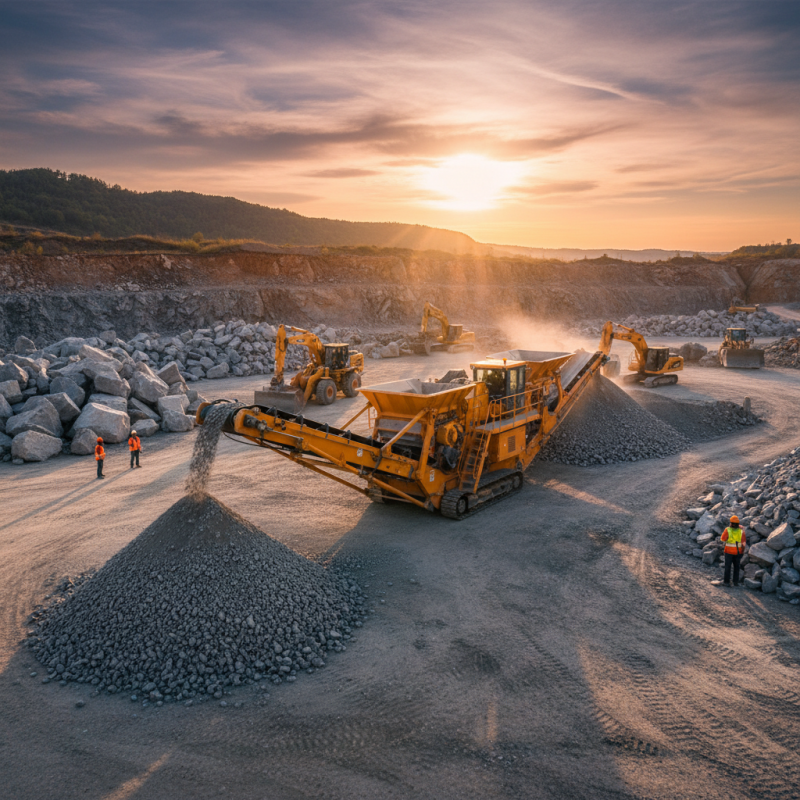
The mining industry's demand for portable rock crushers is rapidly increasing. This trend can be attributed to several factors, including advancements in technology and the need for efficient resource extraction. According to a report by Global Market Insights, the portable rock crusher market is projected to grow at a compound annual growth rate (CAGR) of over 5% from 2023 to 2030. This growth underscores the industry's shift towards more mobile solutions.
Portable rock crushers provide flexibility. They allow mining companies to bring equipment directly to the site, reducing transportation costs. This mobility often results in quicker project turnaround times. Additionally, these machines are designed for various terrains and can handle different sizes of rocks. A study from ResearchAndMarkets indicates that nearly 60% of mining companies are opting for portable solutions to meet their operational needs.
Tip: Consider evaluating the total cost of ownership when investing in portable rock crushers. While initial costs may seem high, their efficiency can lead to overall savings.
Despite these advantages, it’s essential to keep in mind the limitations. Portable crushers often have smaller production capacities compared to stationary models. Operators might experience challenges with maintenance and wear, as mobile units are subjected to more frequent use. Balancing mobility and performance remains crucial for businesses in this competitive landscape.
Key Advantages of Portable Rock Crushers for Material Handling
Portable rock crushers have become essential for many businesses in the construction and mining industries. Their efficiency in material handling is unmatched. According to the Mining Journal, the global demand for portable crushers has surged by over 30% in the past five years. This growth highlights the importance of mobility and flexibility in material processing.
One of the key advantages of portable rock crushers is their ability to operate in diverse locations. Companies can save both time and costs by crushing materials on-site. A study by the National Stone Association illustrates that transportation costs can account for up to 20% of total project expenses. By minimizing these costs, businesses can improve their overall profitability. This aspect is particularly crucial for small to mid-sized operations that may not have large budgets.
Additionally, portable rock crushers often come with advanced features like automation and easy maintenance. These machines can significantly reduce downtime, enhancing productivity. However, operators sometimes struggle with the learning curve of utilizing these advanced technologies effectively. Continuous training is essential to harness the full potential of these machines. Despite occasional challenges, the benefits of increased efficiency and cost savings make portable rock crushers a smart choice for many operations.
Key Advantages of Portable Rock Crushers for Material Handling
Cost-Effectiveness: Comparing Fixed and Portable Crushing Solutions
When evaluating crushing solutions, cost is a significant factor. Fixed crushers can seem cheaper initially. However, hidden costs often arise during operations. These include maintenance, transport, and labor expenses. In contrast, portable rock crushers can reduce these costs effectively. They are designed for mobility, which minimizes transportation fees. This aspect is crucial for businesses that operate across multiple sites.
According to industry reports, portable crushers can decrease operational costs by up to 30%. They allow companies to crush material directly at the site. This method reduces transportation times and costs significantly. Additionally, maintenance on portable units is often more straightforward. Many operators find that they can perform basic repairs themselves. This capability can lead to further savings over time.
However, businesses must consider the initial investment in portable equipment. While it may be higher upfront, the return on investment is often quicker. Companies that utilize portable solutions often report quicker project turnaround times. This efficiency can lead to increased revenue. It’s essential to weigh these factors carefully to determine the best solution for specific needs.
Performance Metrics: Efficiency and Productivity of Portable Crushers
When considering portable rock crushers, efficiency and productivity are pivotal. Precise metrics can showcase their impact on business operations. According to industry reports, portable crushers offer a reduction in operational time by up to 30%. This efficiency can lead to a significant decrease in project timelines and labor costs.
The mobility of portable rock crushers allows for flexibility on job sites. Many operations report an increase in throughput by as much as 25% when using these machines. This boost is critical for meeting tight deadlines. Furthermore, with advancements in technology, some models possess crushing capabilities that rival stationary versions.
Despite these advantages, it's essential to note potential pitfalls. Operators must receive proper training to avoid misuse. Misunderstanding operational limits can lead to decreased productivity. Regular maintenance is necessary to sustain performance, which some businesses overlook. Balancing these challenges against the benefits is key to leveraging portable rock crushers effectively.
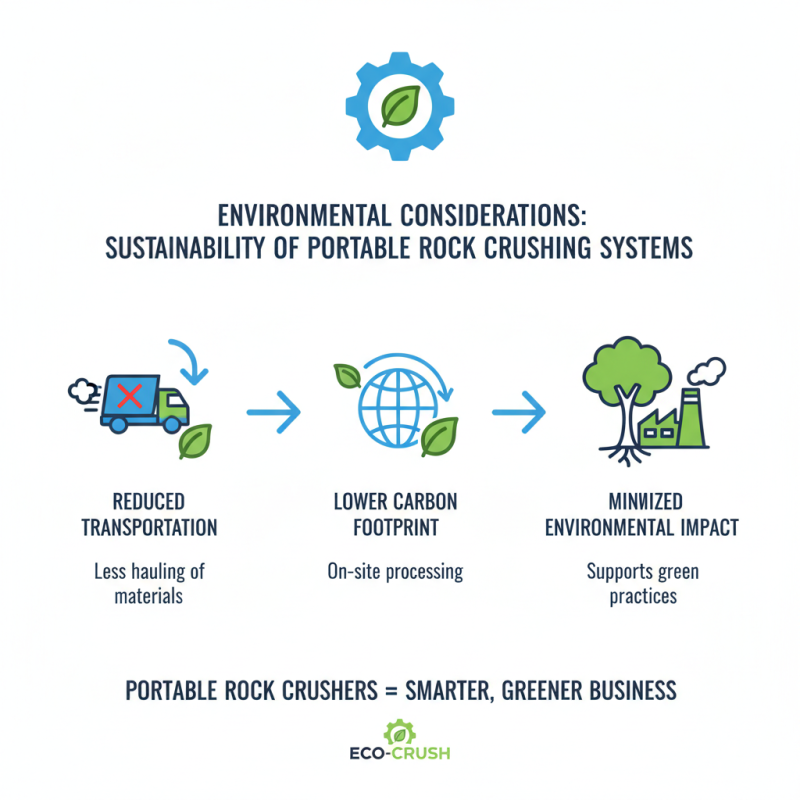
Environmental Considerations: Sustainability of Portable Rock Crushing Systems
Portable rock crushers are rapidly gaining popularity due to their sustainable benefits for businesses. These machines reduce the need for transporting materials, thus lowering carbon footprints. By processing rocks on-site, they minimize environmental impact. This is crucial for businesses prioritizing green practices.
Sustainability in portable rock crushing goes beyond reduced transport emissions. Many systems are designed to conserve water and energy. They often incorporate closed-loop water systems to prevent waste. However, the issue of noise pollution and dust generation remains. Companies must implement proper shielding and dust control measures. This reflection on operational impact demonstrates a commitment to responsible practices.
In addition to environmental factors, portable rock crushers contribute to resource efficiency. Their ability to recycle materials reduces waste in landfills. Yet, businesses must remain vigilant about maintenance to ensure longevity. Regular checks and updates are essential to minimize inefficiencies. Balancing productivity with environmental stewardship can be challenging, but it is necessary for long-term success.

 Concrete Mixing Plant
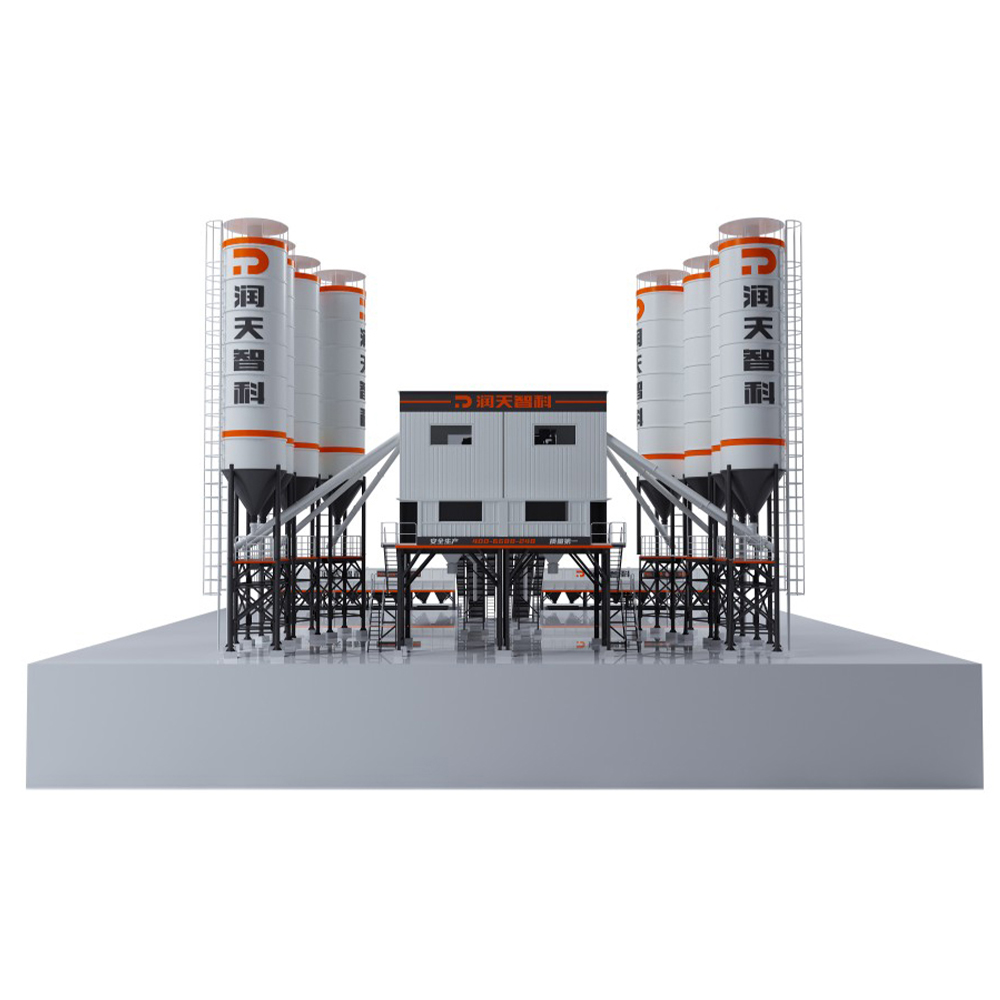 HZS Series Belt Concrete Mixing Plant
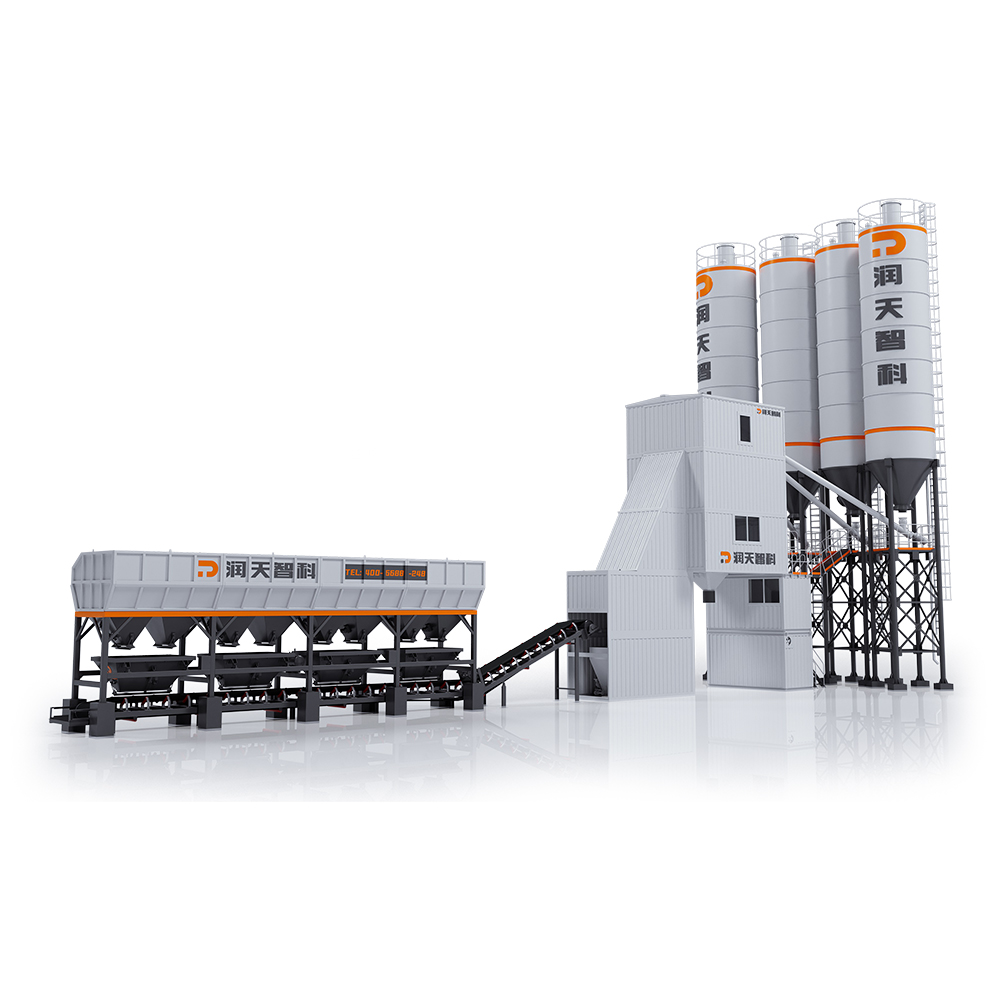 HZS Series Bucket-Lifting Type Container Concrete Mixing Plant
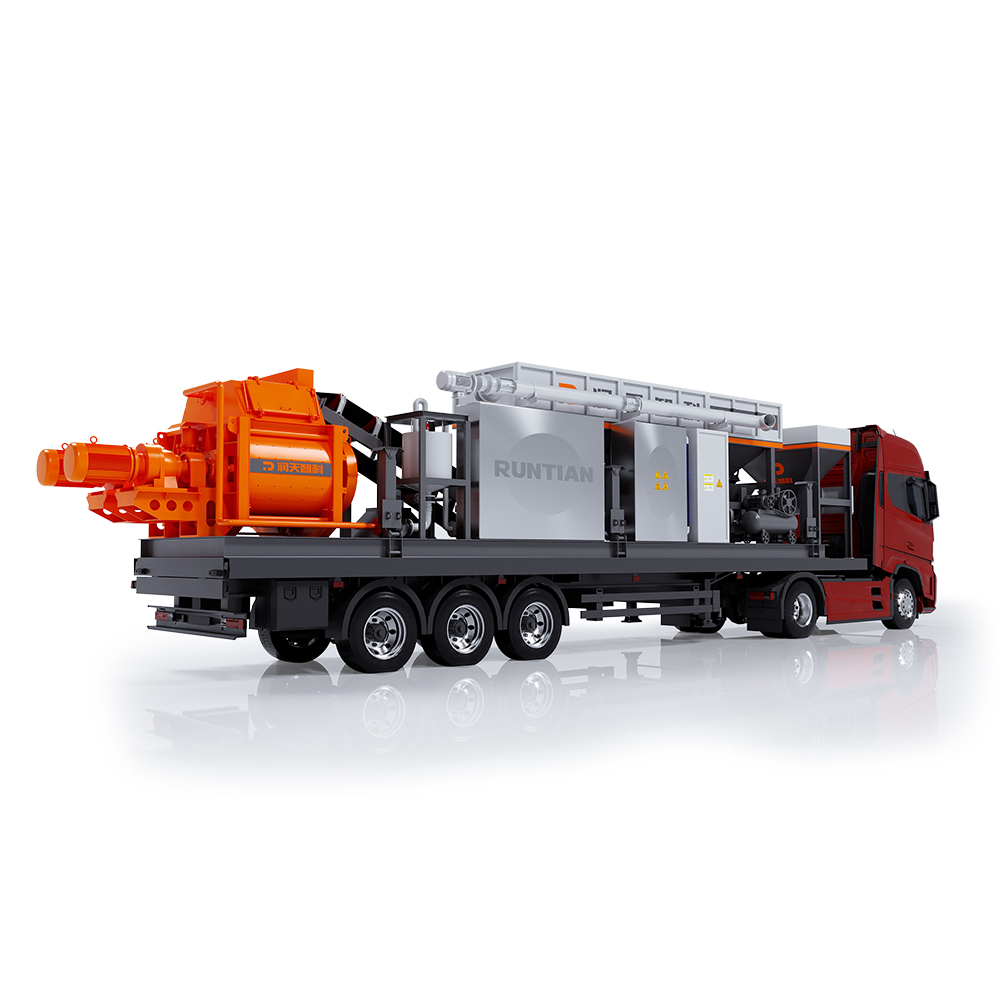 HZS60 Mobile Concrete Mixing Plant
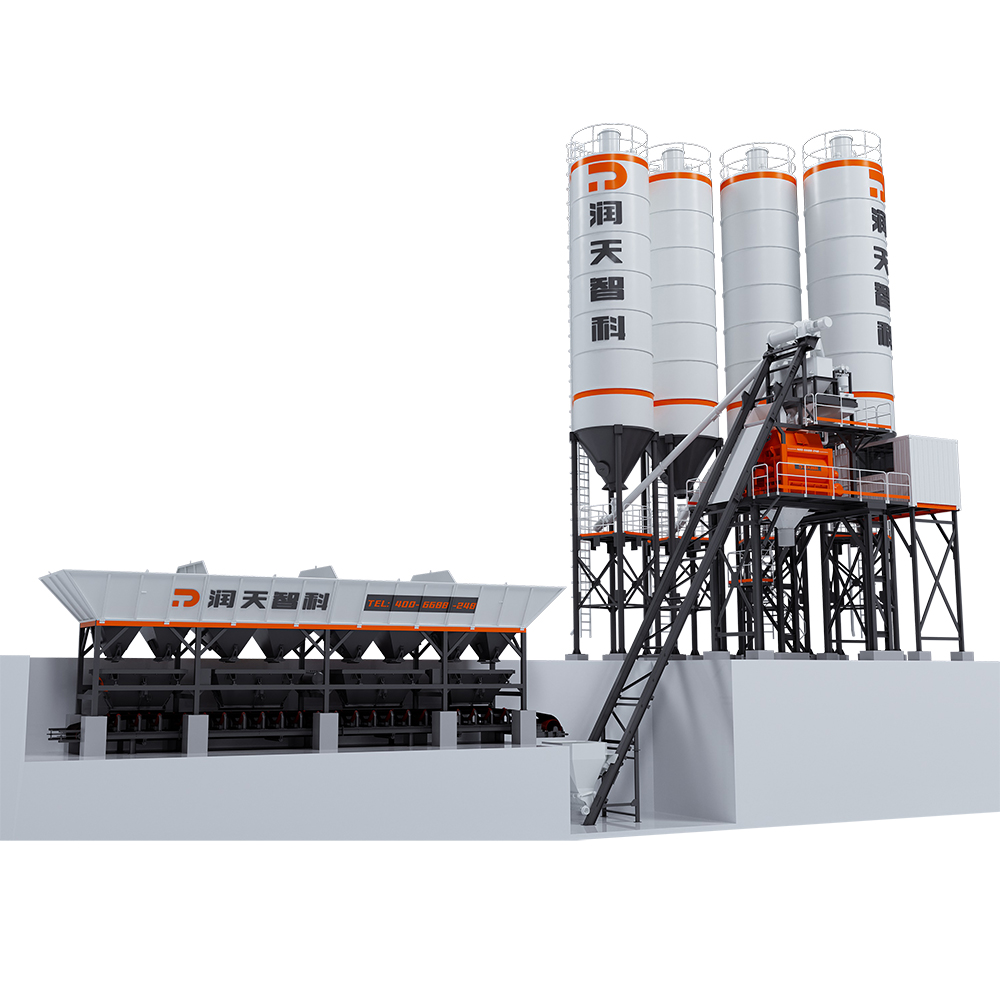 HZS Series Bucket-Lifting Type Concrete Mixing Plant
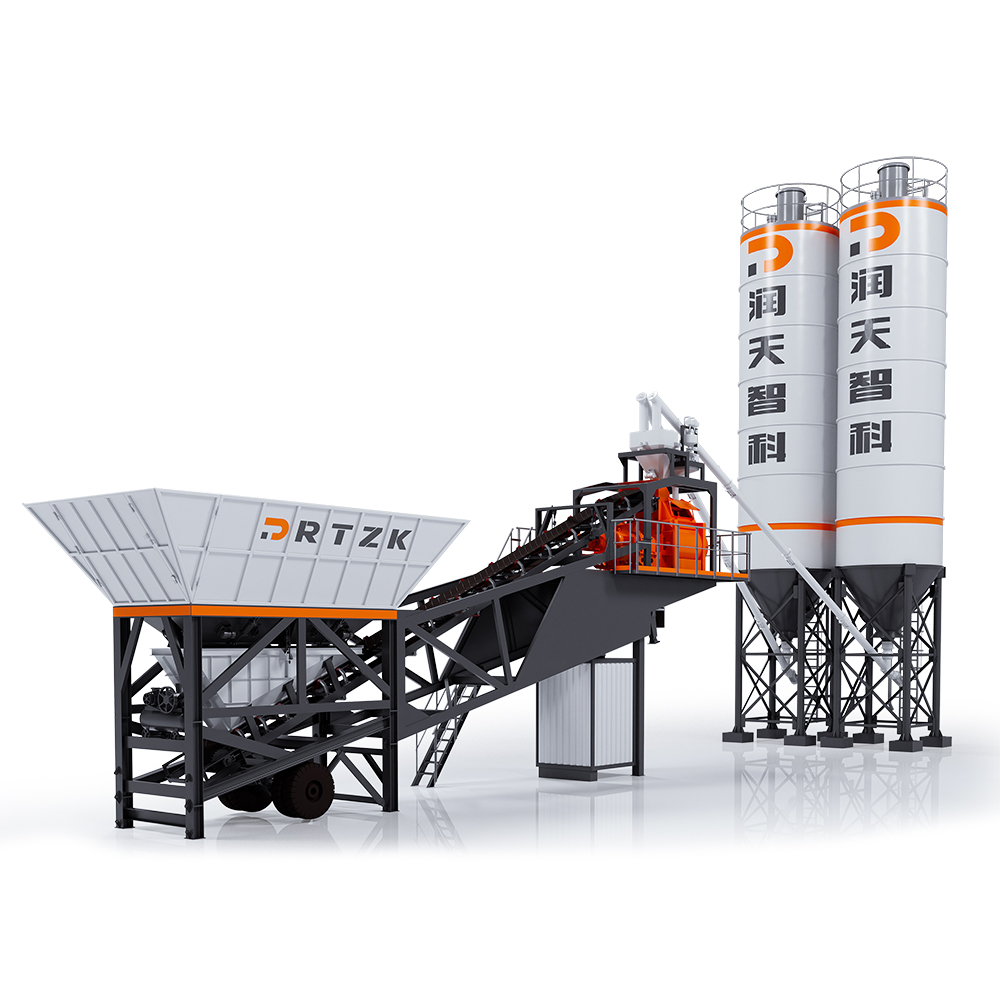 HZS Series Mobile Concrete Mixing Plant
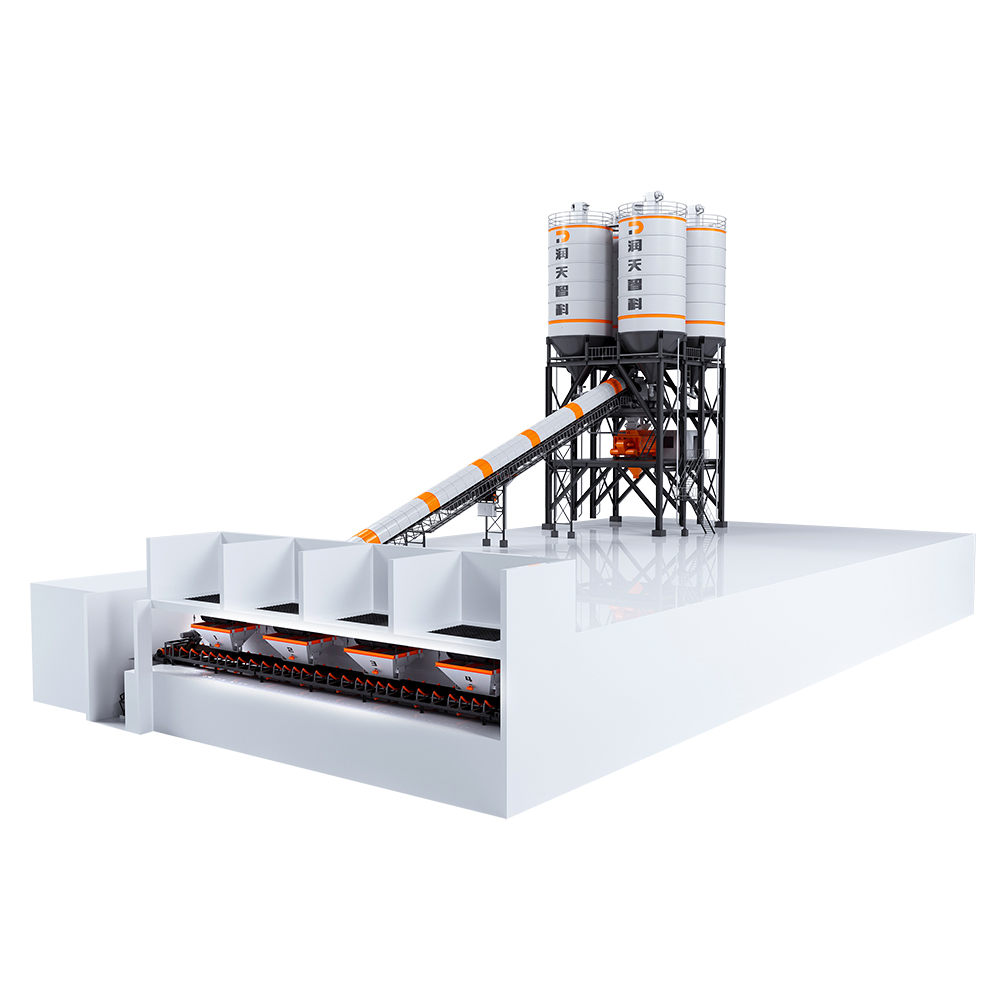 HZS Series Top-Mounted Concrete Mixing plant
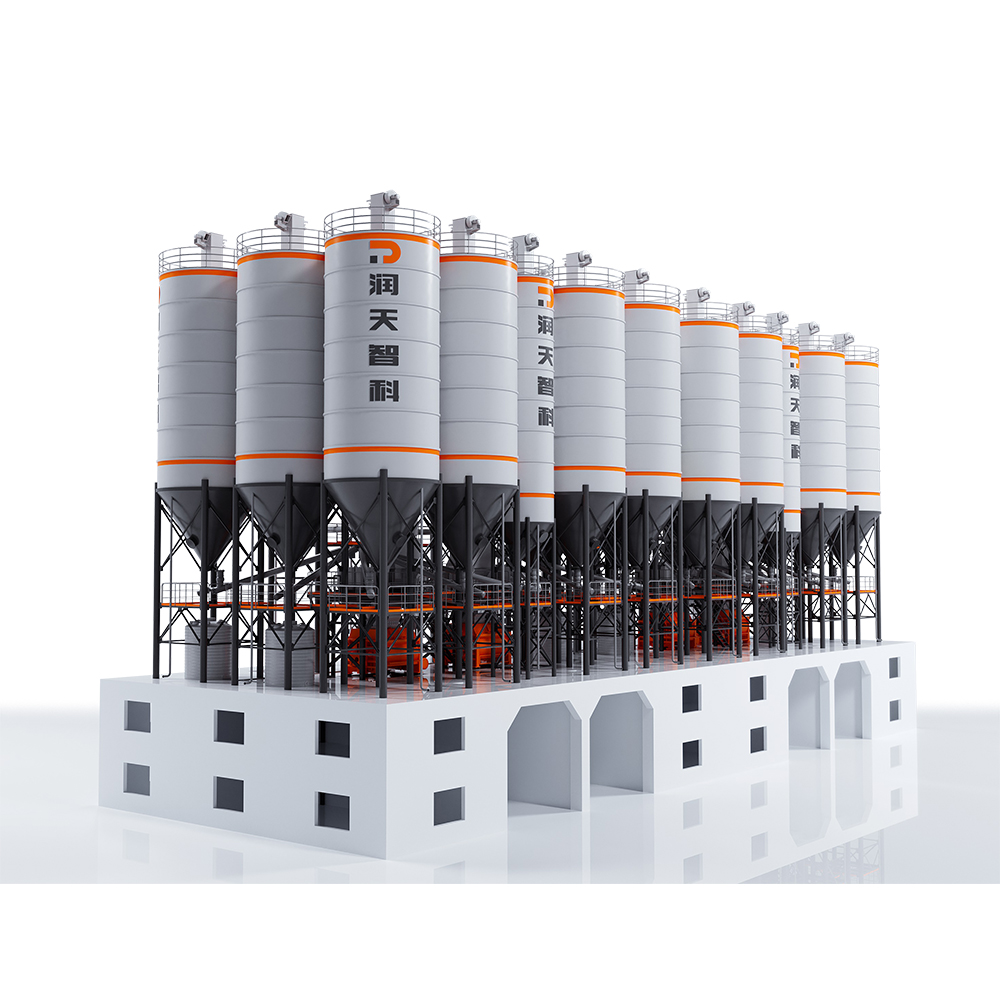 HZS Series Semi-Top Mounted Concrete Mixing Plant
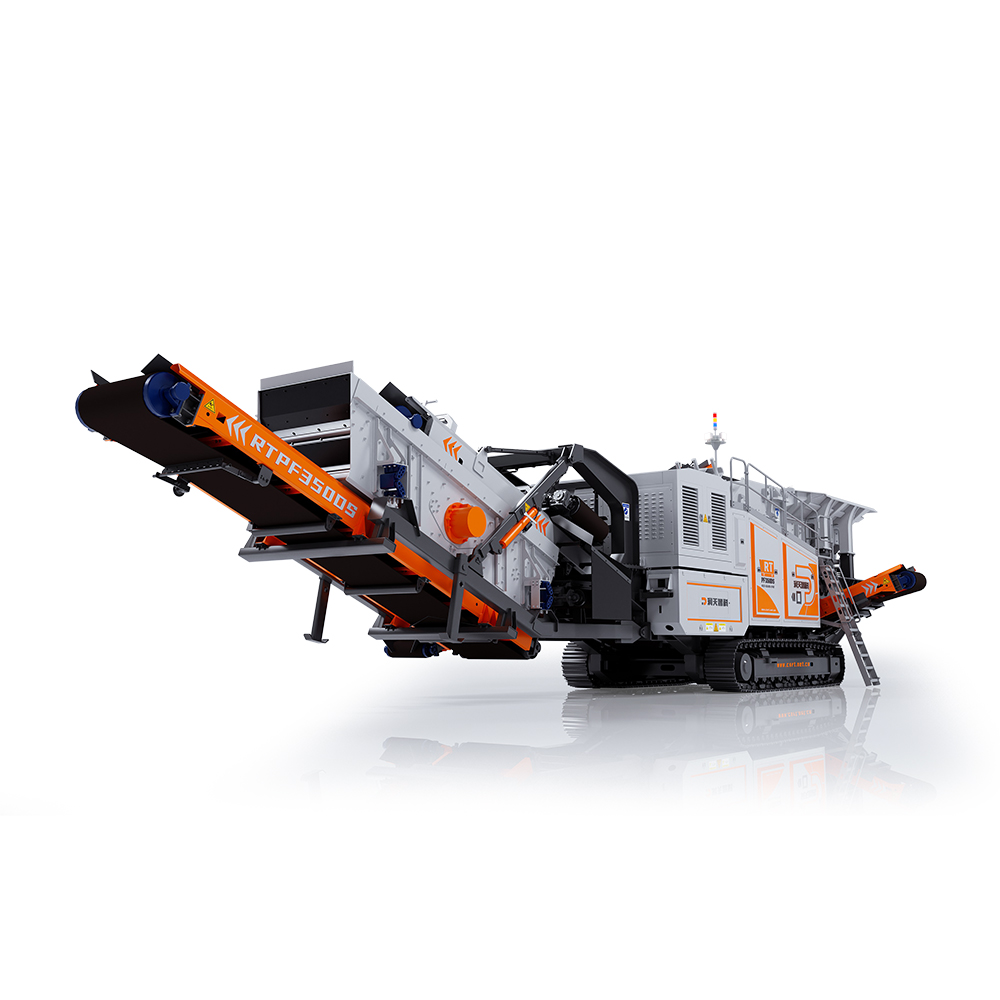 RTPF350DS Crawler Mobile Impact Crushing Plant
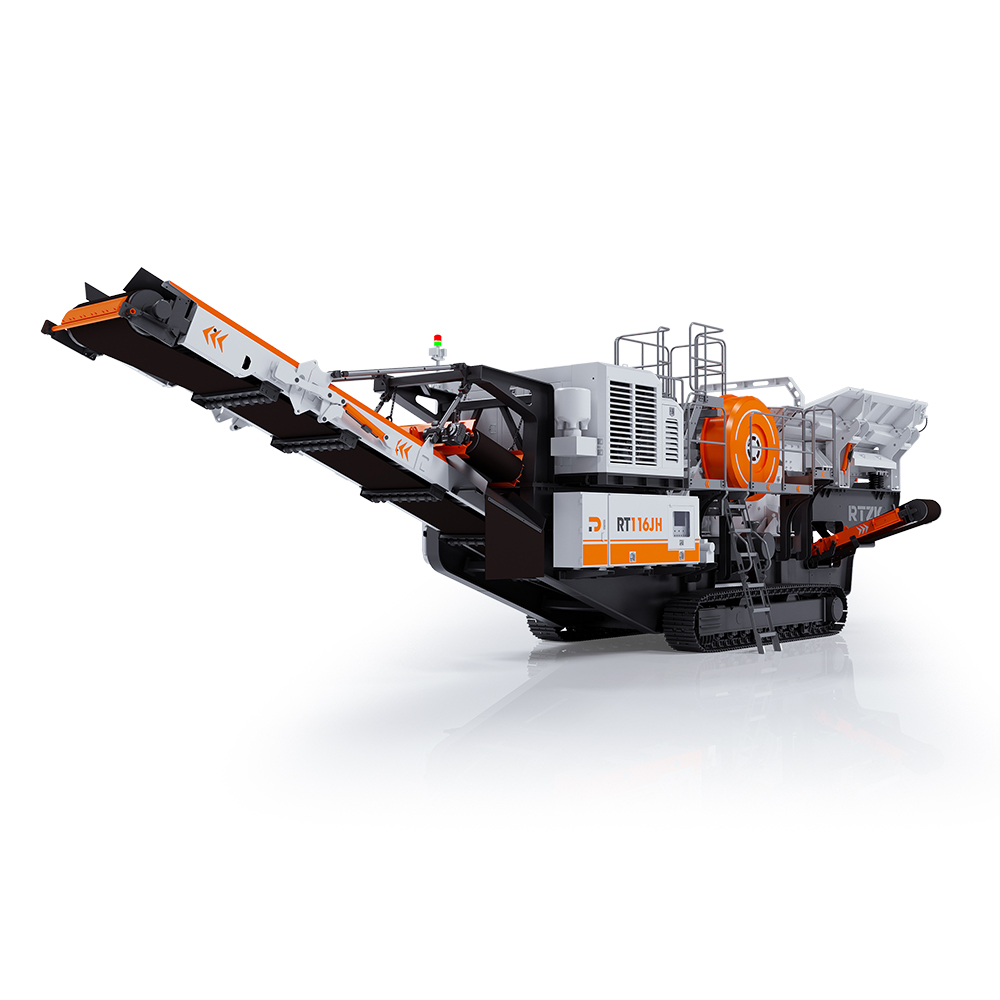 RT116JH Crawler Mobile Jaw Crushing Plant
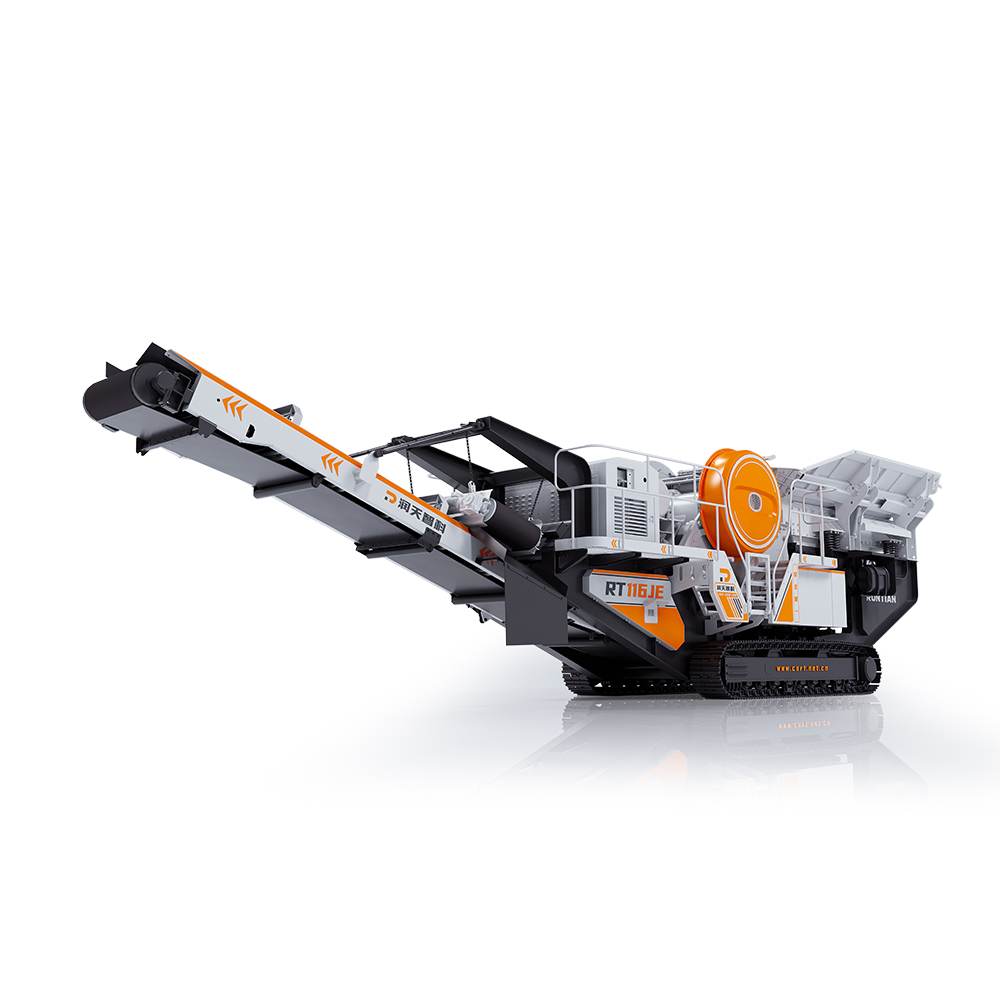 RT116JE Crawler Mobile Jaw Crushing Plant
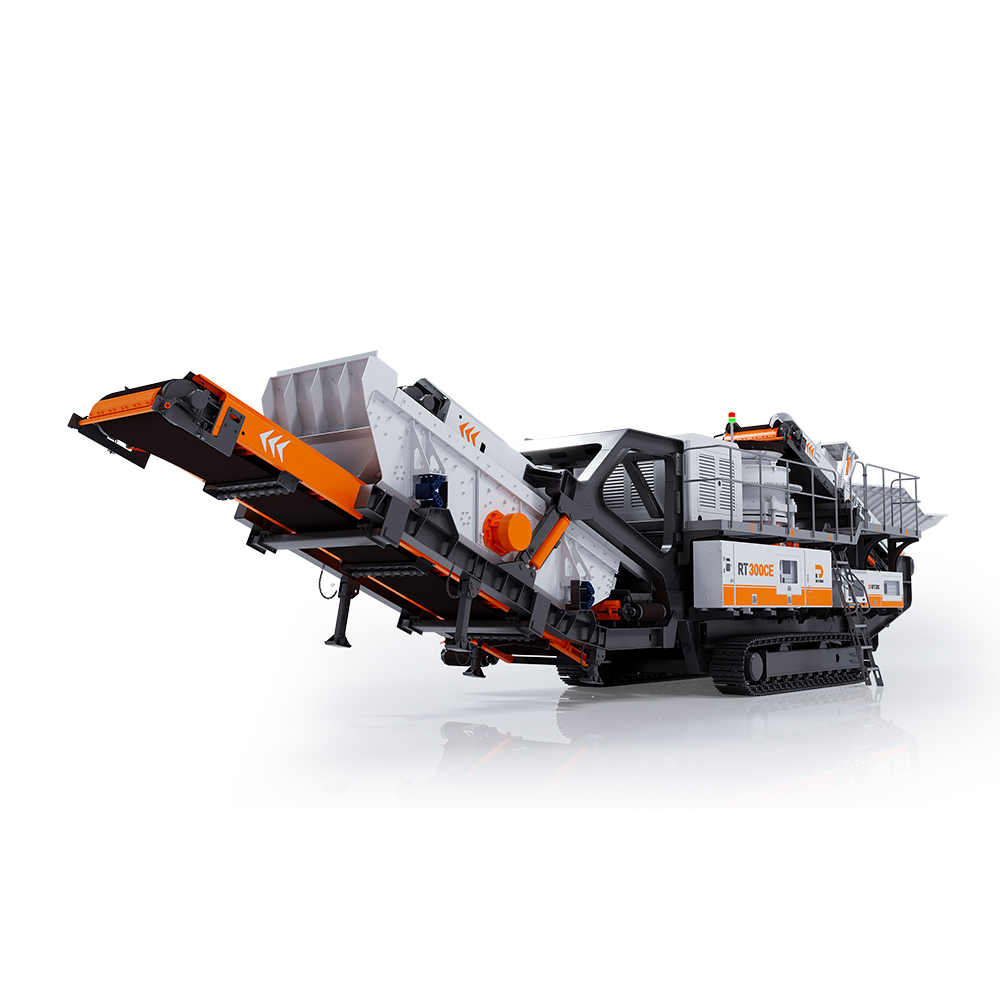 RT300CE Crawler Mobile Cone Crushing Plant
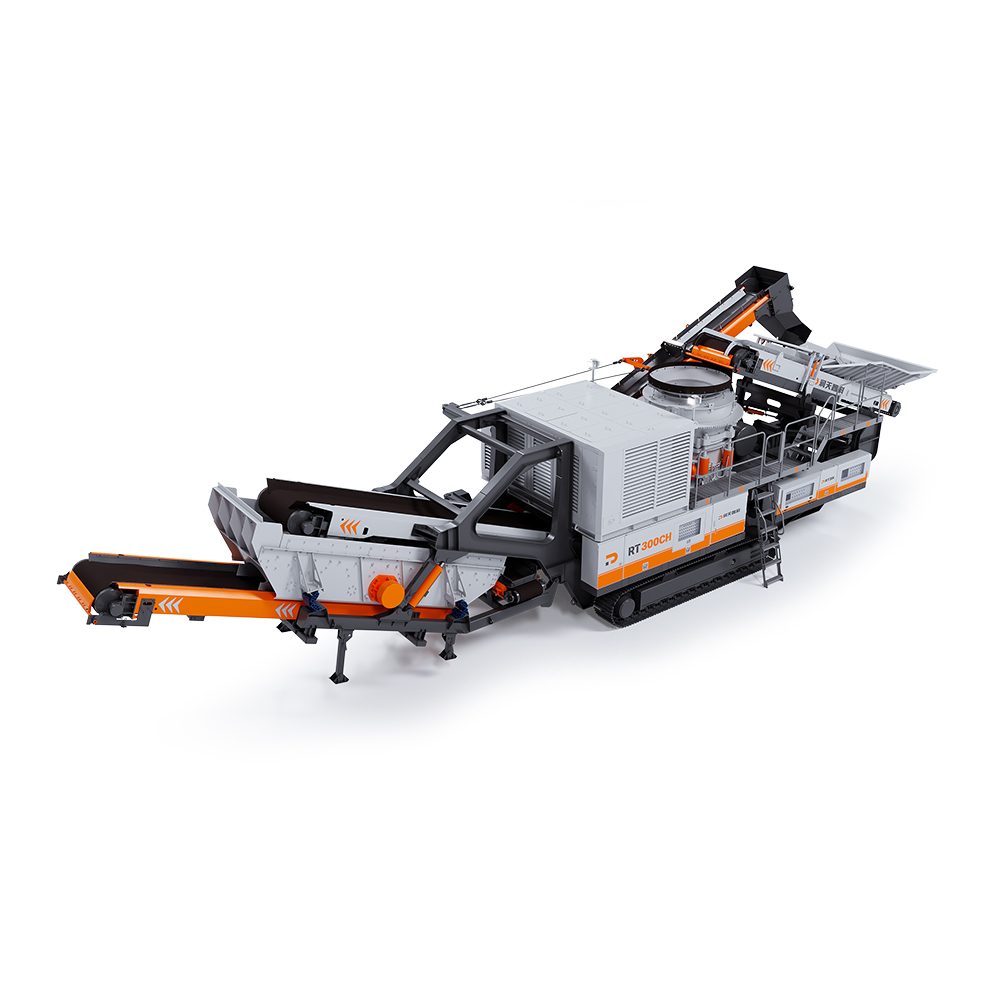 RT300CH Crawler Mobile Cone Crushing Plant
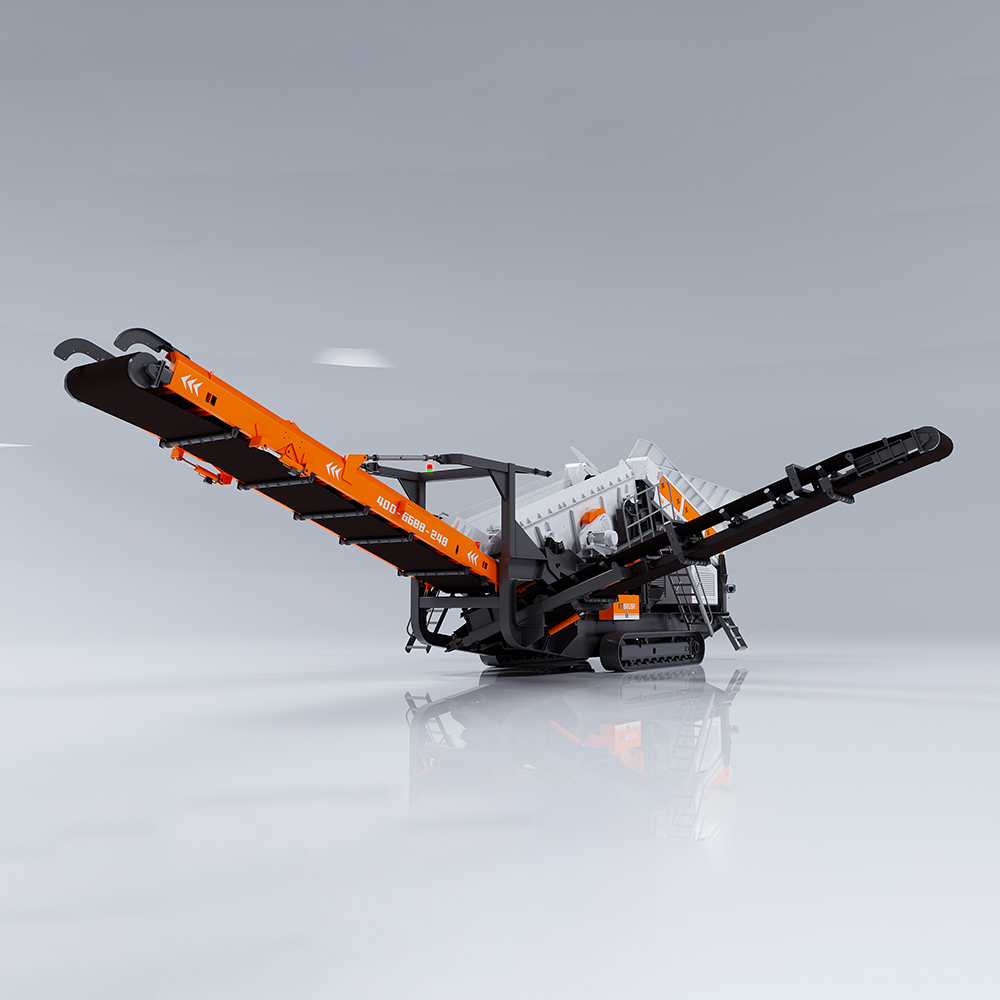 RT5015H Mobile Scalping Screen
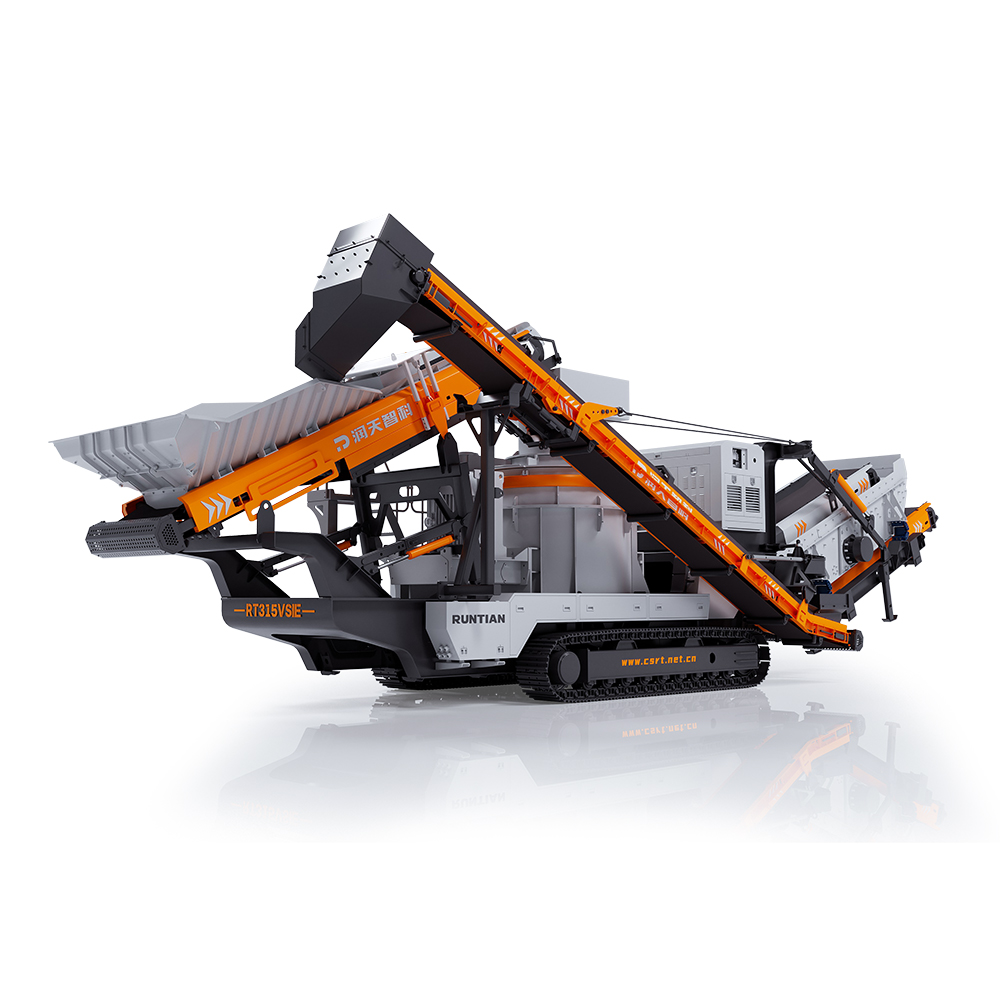 RT315VSIE Crawler Mobile Sand Maker
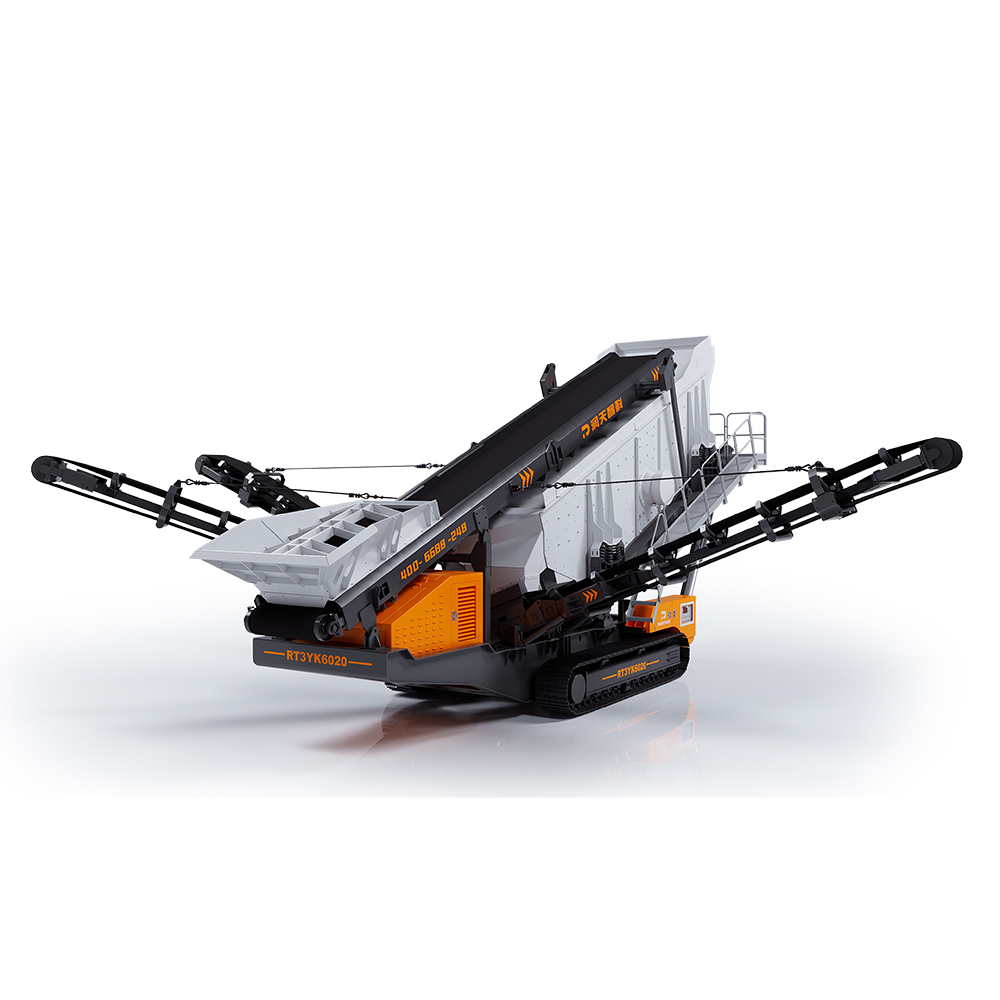 RT3YK6020 Crawler Mobile Screening Plant
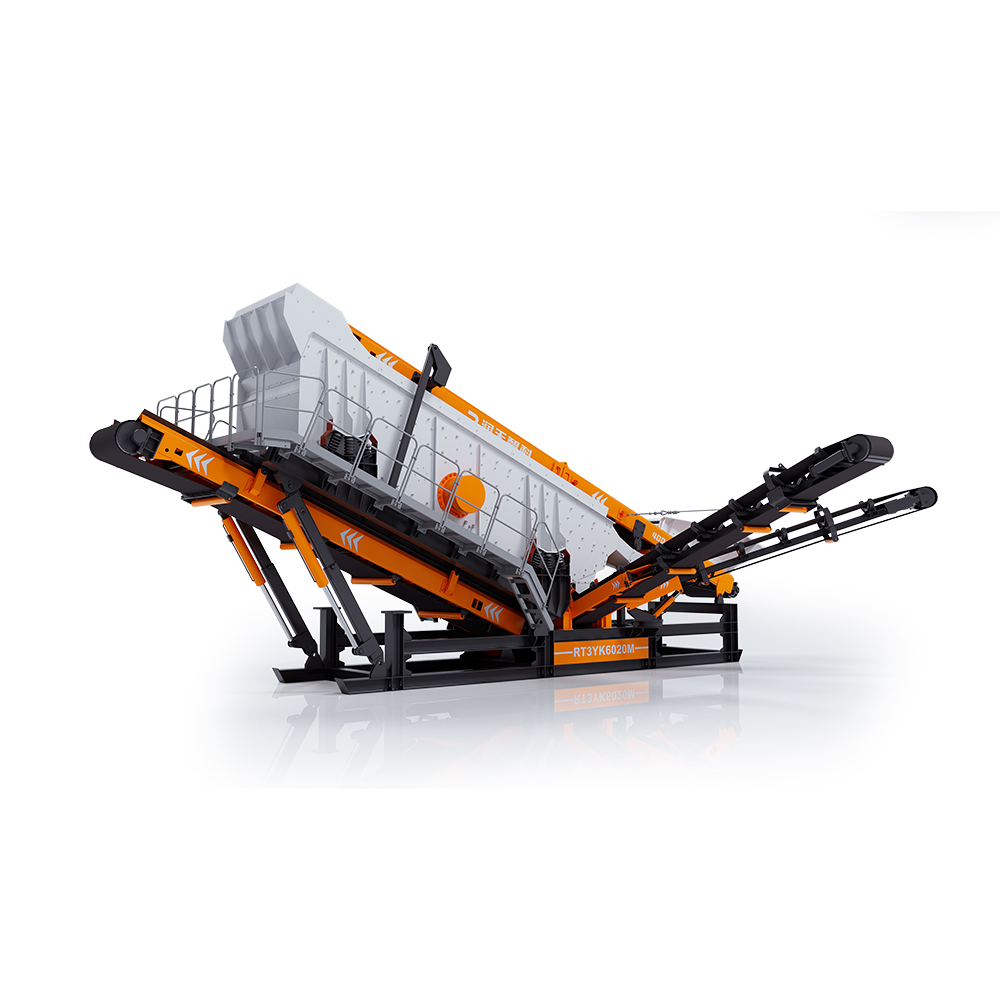 RT3YK6020M Modular Screening Plant
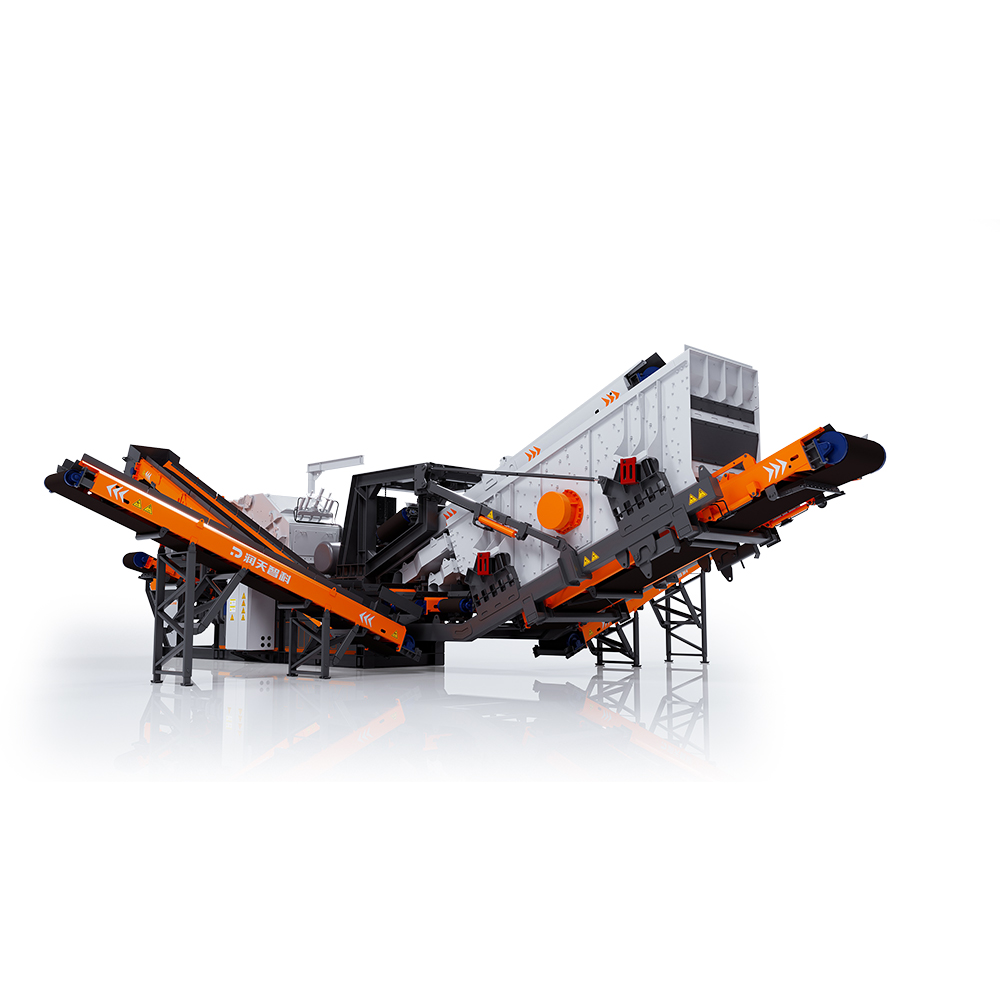 RTF260M Modular Counterattack Crushing and Screening Integrated Machine
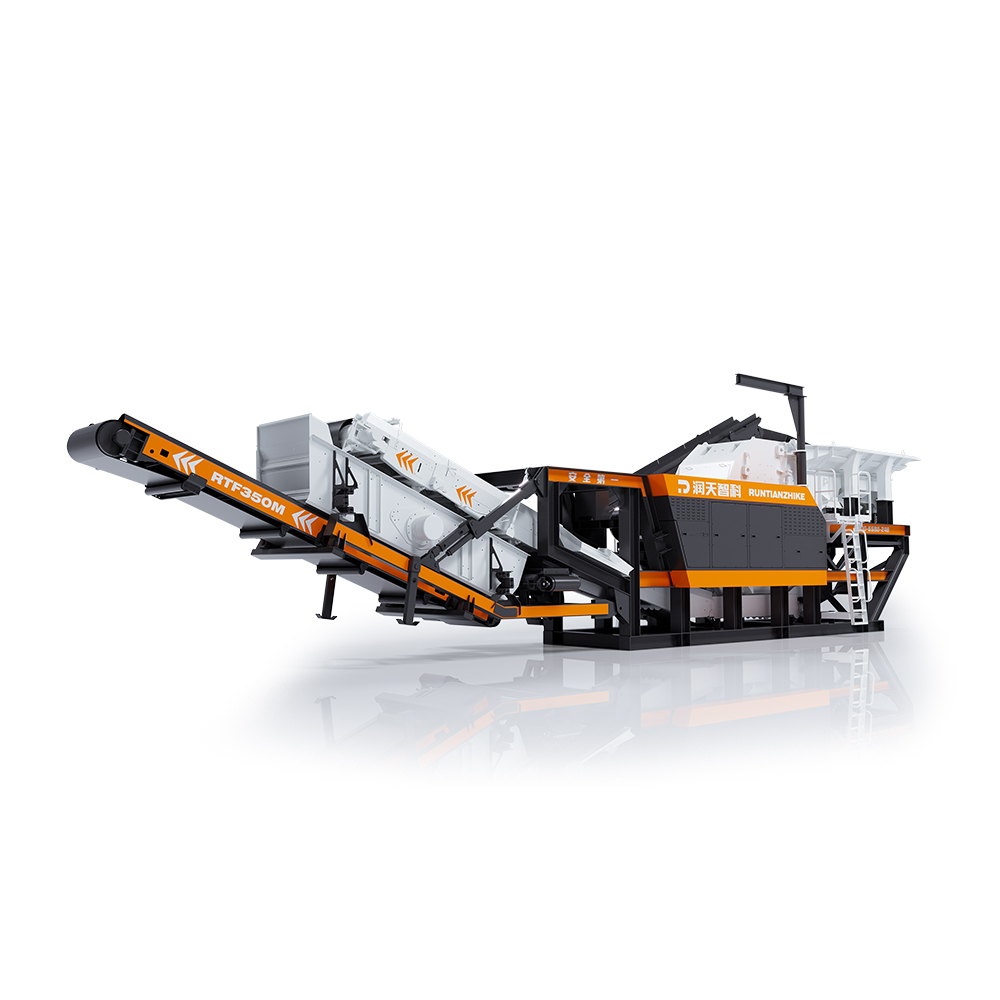 RTF350M Modular Impact Crushing Plant
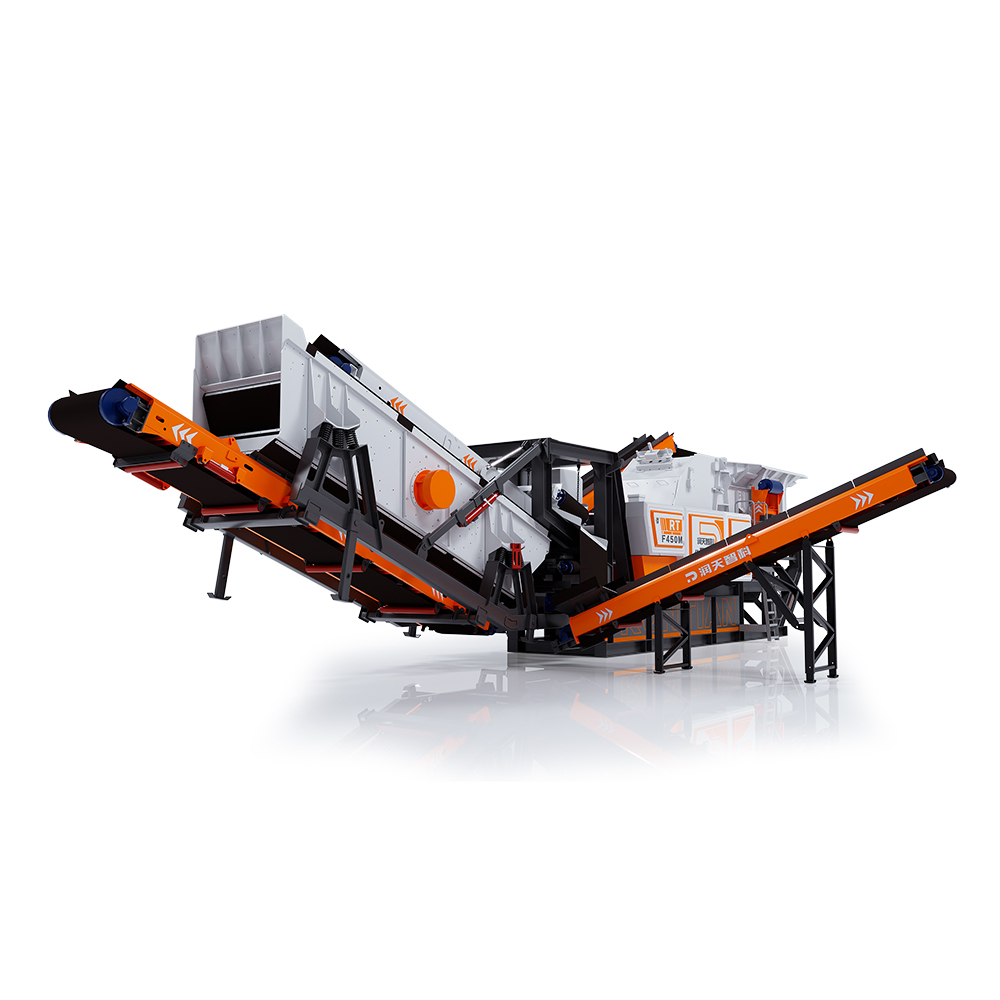 RTF450M Modular Impact Crushing Plant
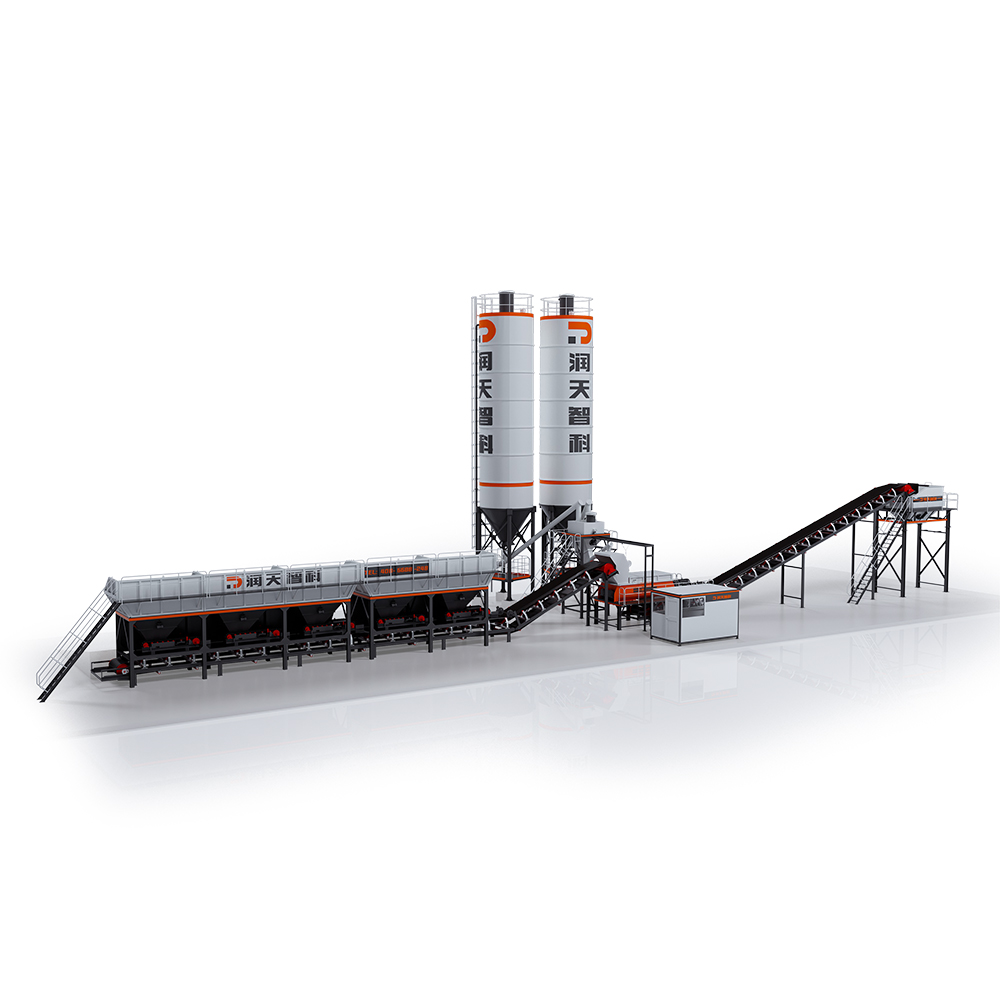 WDB Series Foundation-Free Stability Soil Mixing Plant
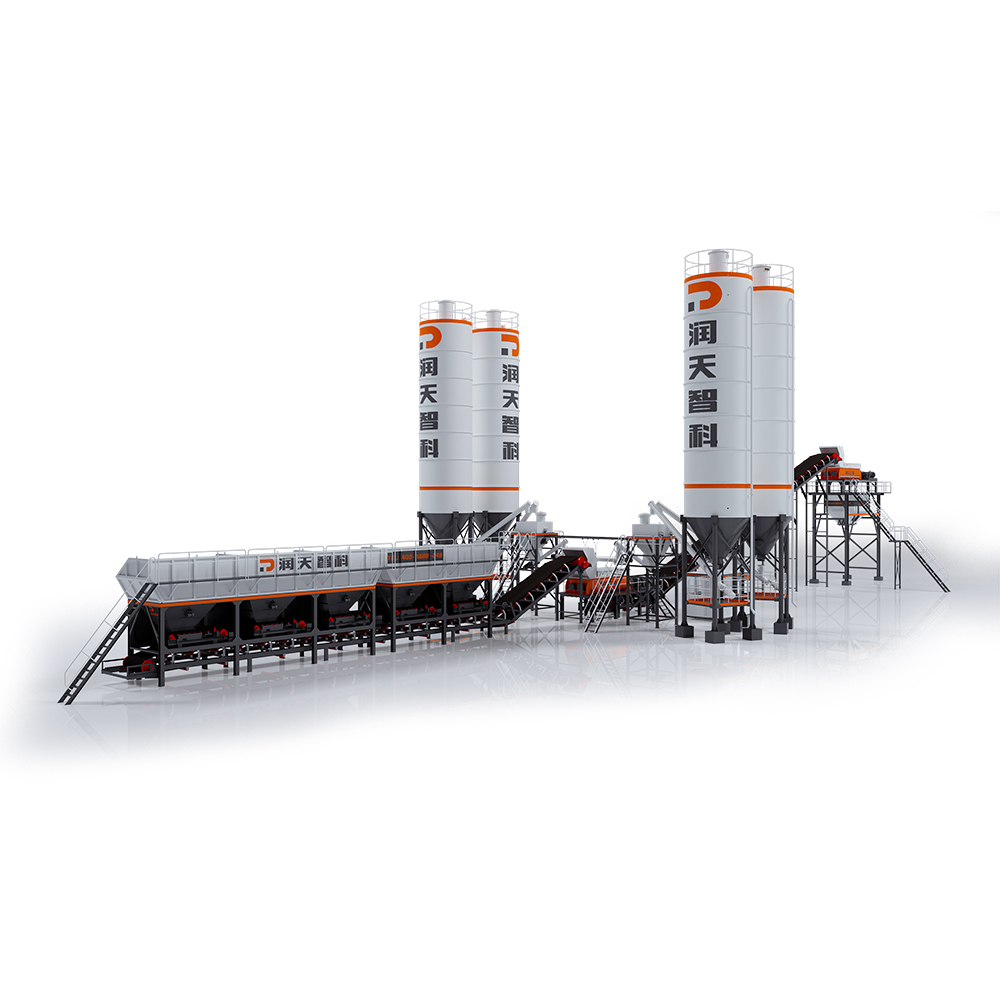 LCB Series Emulsified Asphalt Cold Regeneration Secondary Mixing Plant
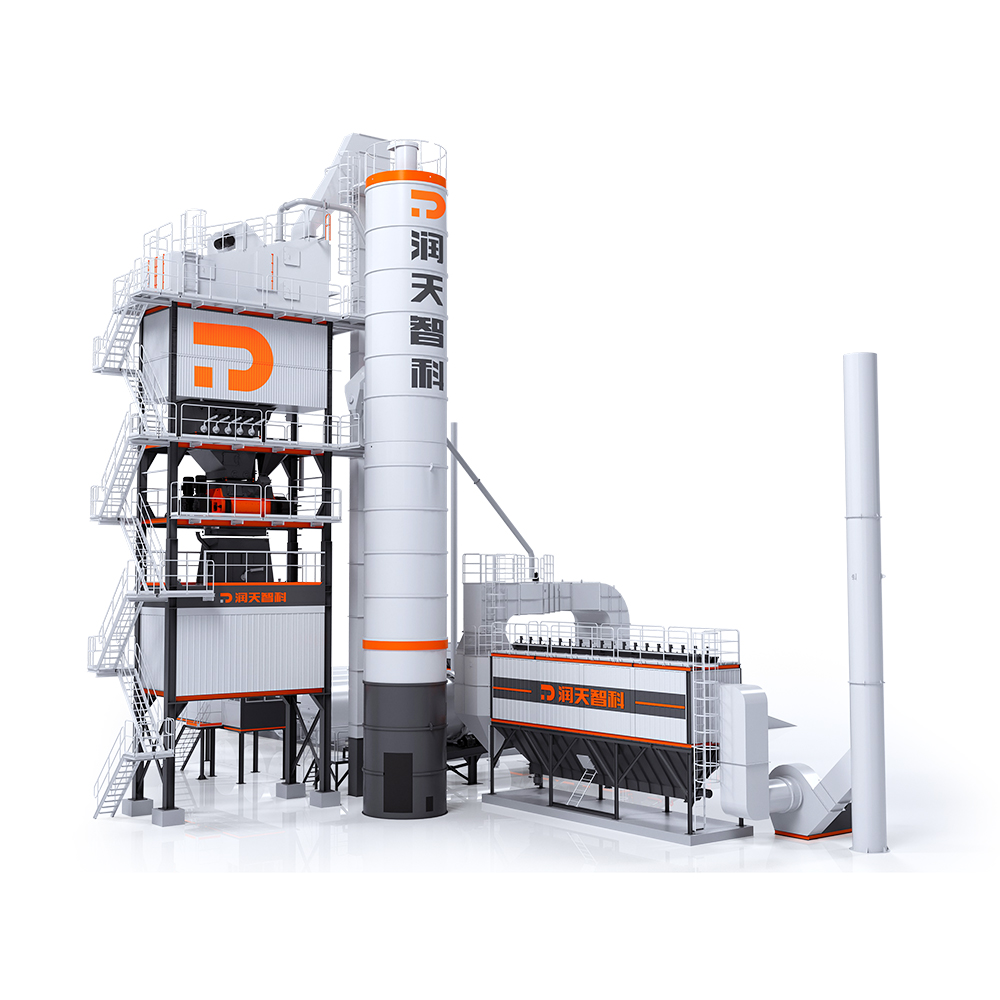 LB Series Asphalt Mixing Plant
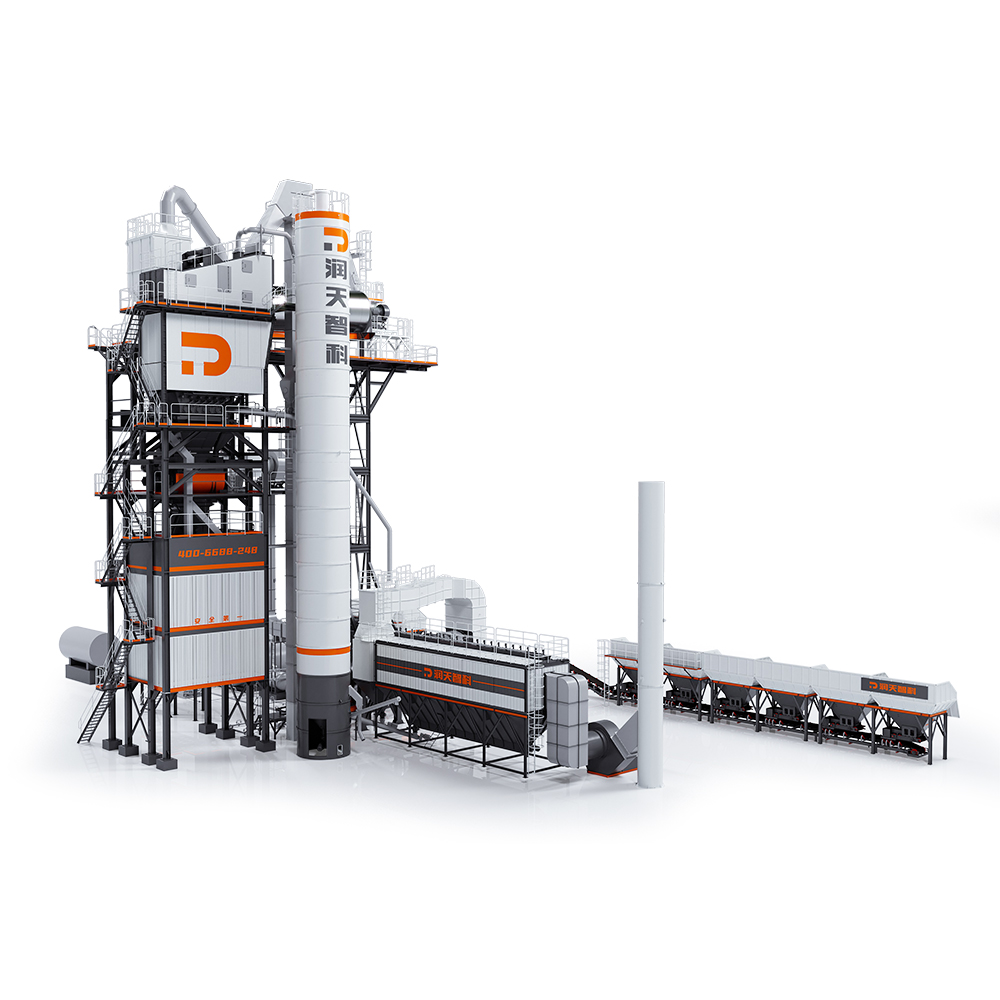 LBR Series Integrated Asphalt Mixing Plant
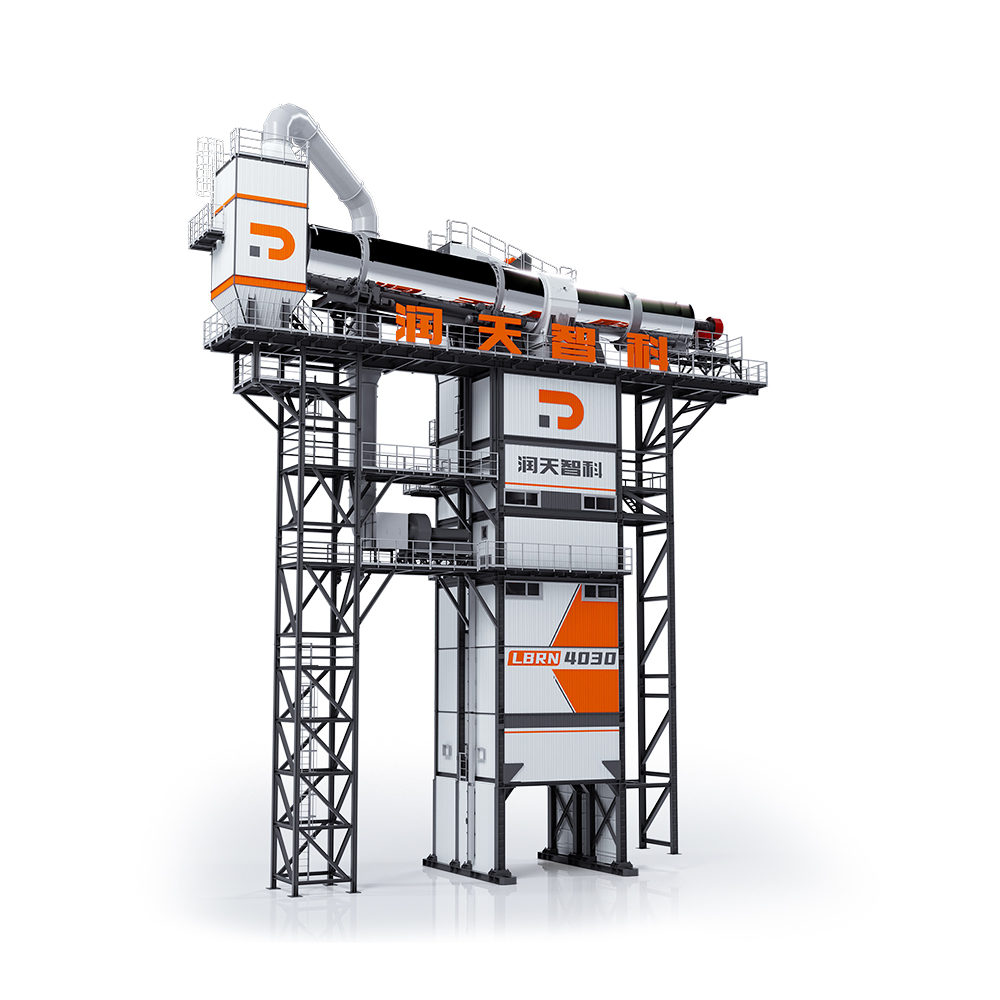 LBRN Series Counterflow Integral Asphalt Mixing Plant
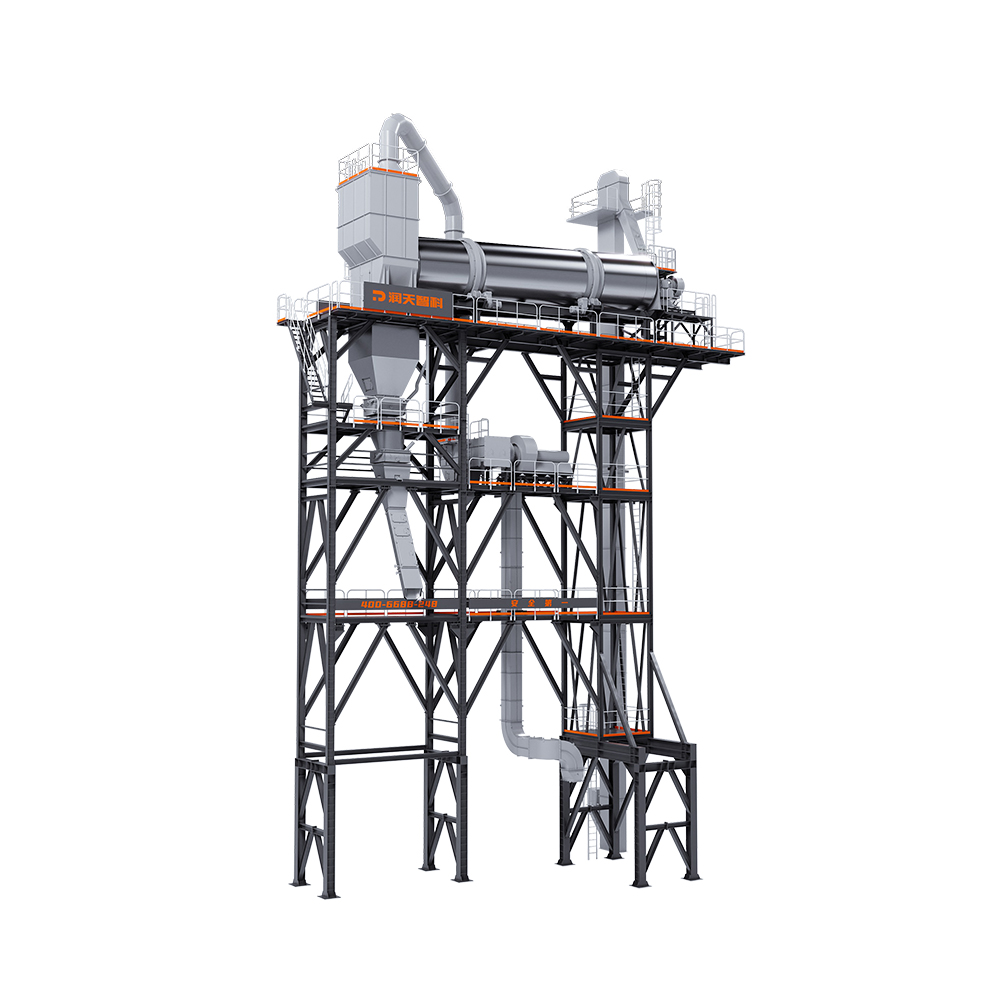 RZS Series Asphalt Mixing Plant
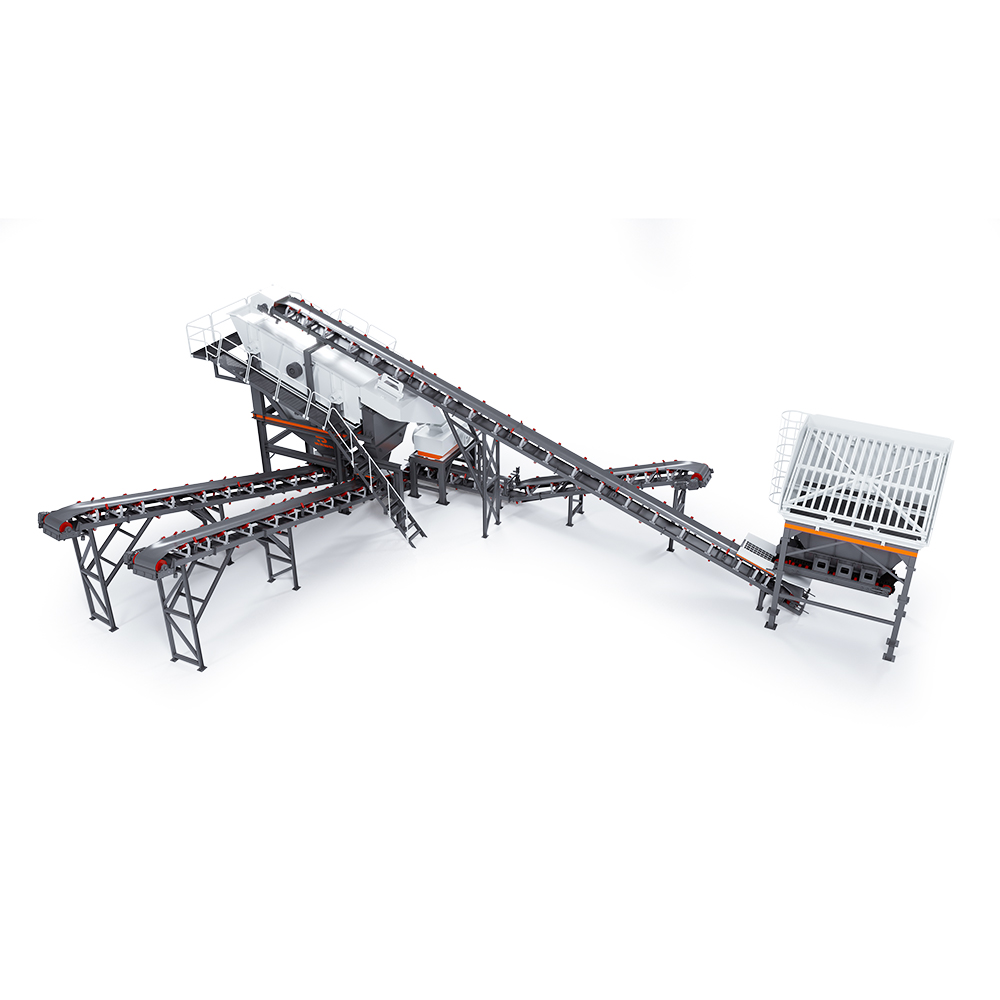 RTZS120 Series RAP Crushing & Screening Plant
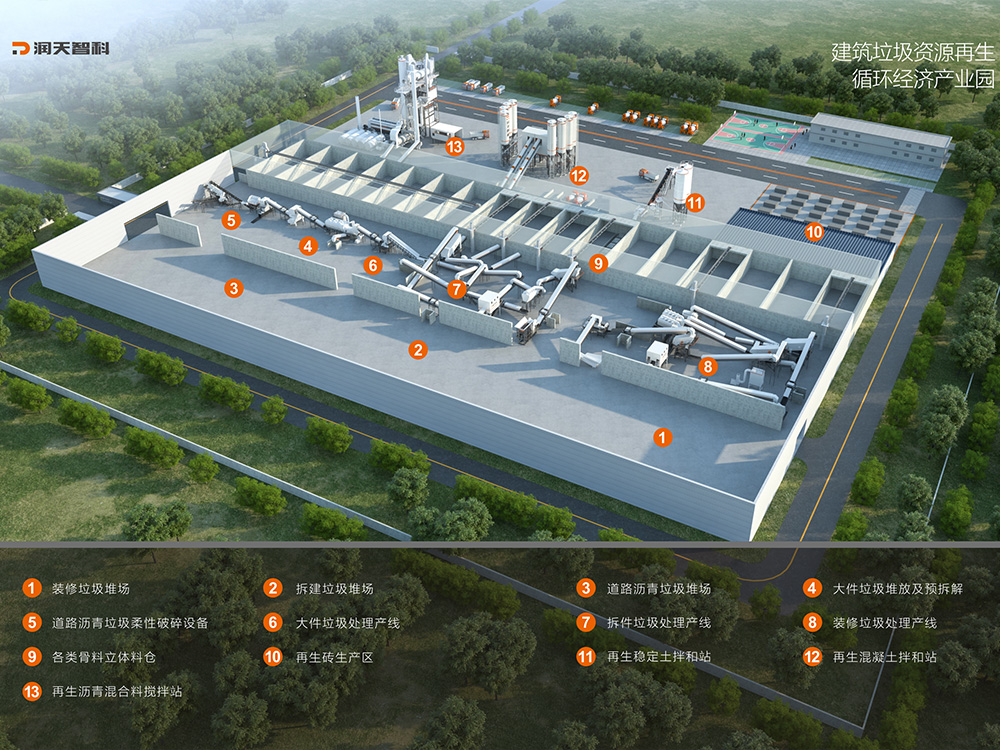 Construction Waste Resourceful Treatment Line