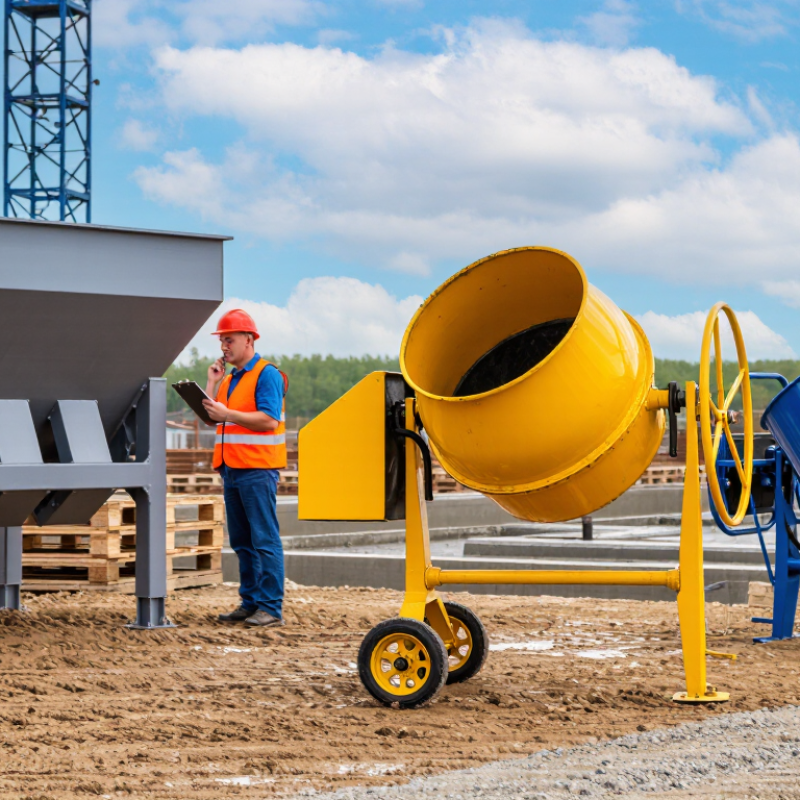
| Typical Best Use |
Small repair work, footings, paths, posts, and occasional residential batches. |
Small-to-medium construction sites requiring repeated batches and movement between locations. |
Small batches requiring uniform mixing, including repair mortars, concrete products, and low-slump mixes. |
Large pours requiring continuous delivery of ready-mixed concrete over substantial volumes. |
| Typical Batch Capacity |
Approximately 80–250 L per batch, depending on the drum design and material. |
Approximately 250–750 L per batch; the rated capacity should not be confused with the maximum drum volume. |
Approximately 100–500 L per batch; capacity varies significantly by pan and mixing-tool configuration. |
Approximately 5–12 m³ of concrete per load; the permitted load is governed by vehicle and road regulations. |
| Output Planning |
Generally suitable for low-volume work. Actual output depends on loading, mixing, discharge, and cleaning time. |
Suitable for recurring site batches; production is usually higher than a small portable unit when properly staged. |
Efficient for controlled small batches, especially where short mixing cycles and consistent proportions are important. |
Best for high-volume pours; placement equipment, traffic access, and delivery scheduling may limit the effective rate. |
| Power and Site Requirements |
Usually electric or small-engine powered. Requires a stable, level surface and suitable electrical protection where applicable. |
Usually engine powered or supplied with higher-capacity electrical equipment. Requires towing access and stable setup space. |
Often electric or hydraulic. Requires a firm base, appropriate power supply, and clearance around the discharge area. |
Requires a suitable access road, turning space, washout area, and coordination with the concrete supply and placement crew. |
| Main Safety Risks |
Entanglement at moving parts, manual handling injuries, electrical shock, unstable placement, and contact with wet cement. |
Trailer movement, inadequate wheel chocking, entanglement, lifting during loading, and wet-cement exposure. |
Access to rotating mixing tools, unexpected start-up, dust exposure, manual loading, and wet-cement contact. |
Vehicle movement, blind spots, chute pinch points, falls from access platforms, washout hazards, and wet-cement exposure. |
| Recommended Safety Controls |
Use guards and emergency-stop controls where fitted; keep hands and tools out of the drum; wear eye, hand, hearing, and suitable respiratory protection. |
Apply the parking brake, use wheel chocks, secure the tow connection, inspect tires and lights, and keep bystanders clear during movement. |
Use interlocked covers where provided; isolate and lock out power before clearing blockages or entering the mixing area. |
Use a trained spotter, follow site traffic controls, maintain safe clearance from the chute, and never stand beneath raised components. |
| Cement Exposure Control |
Wet cement can cause skin burns and eye injuries, while dry cement dust may irritate the respiratory system. Use the product safety data sheet, avoid dry sweeping, control dust, and provide clean water and suitable washing facilities. |
| Daily Maintenance |
Clean the drum and discharge area before material hardens; inspect the power cable, plug, switch, frame, and drum attachment points. |
Complete cleaning, check tires and wheel hubs, inspect the hitch and safety chains, and check engine fluids if engine powered. |
Clean the pan and mixing tools; inspect blades, paddles, covers, interlocks, cable connections, and the discharge mechanism. |
Wash the drum, chutes, and hoppers immediately after discharge; inspect hydraulic lines, water system, chute hardware, and access steps. |
| Periodic Maintenance |
Lubricate specified bearings, inspect belts and fasteners, and replace worn drum components according to the service schedule. |
Service the engine or drive system, inspect brakes and bearings, grease specified points, and check frame and towing components. |
Inspect gear reducers, couplings, wear liners, mixing tools, and electrical protection; adjust or replace wear parts as required. |
Follow the vehicle and mixer service schedules; inspect drum rollers, reducer, hydraulic system, water tank, and wear-resistant components. |
| Cleaning Difficulty |
Low
Usually quick if cleaned immediately after each batch. |
Moderate
Larger drums and chassis areas require more water, time, and access. |
Moderate
Hardened material around paddles, liners, and discharge gates can be difficult to remove. |
High
Large internal surfaces and discharge components require disciplined washout procedures. |
| Downtime Exposure |
Usually limited to simple component replacement, but a failed small unit may stop the entire operation. |
Can be affected by engine, towing, tire, bearing, or frame problems; maintain critical spare parts on site. |
Wear on blades, liners, seals, or gearboxes can affect mixing quality and may require specialized service. |
Downtime can affect an entire pour and may involve both vehicle and mixer systems; planned servicing is especially important. |
| Indicative Purchase Cost |
Low relative initial cost; price is influenced by capacity, power source, frame quality, and safety equipment. |
Moderate initial cost; towing equipment, tires, brakes, and engine configuration add to the purchase price. |
Moderate to high initial cost; wear-resistant components, controls, and power requirements influence the price. |
High initial cost or high contracted delivery cost; vehicle specification, capacity, and regulatory requirements are significant factors. |
| Operating Cost Drivers |
Electricity or fuel, labor for loading and cleaning, replacement belts, bearings, and occasional drum repairs. |
Fuel, towing, tires, servicing, lubrication, labor, and wear on drum, drive, and trailer components. |
Electricity, wear parts, specialized maintenance, cleaning labor, and possible dust-control measures. |
Fuel, driver and operator time, vehicle maintenance, delivery charges, washout, traffic delays, and minimum-load fees. |
| Labor Demand |
High relative labor per cubic metre because loading and discharge are frequently manual. |
Moderate labor demand; staging materials close to the mixer can significantly improve productivity. |
Moderate labor demand, with efficient batching possible when aggregate and cement are accurately pre-measured. |
Lower on-site mixing labor, but requires coordinated placement, traffic management, and qualified vehicle operation. |
| Mobility and Access |
Easy to move around a small site but may require manual handling or lifting over uneven ground. |
Good mobility between prepared areas, but towing and turning space are required. |
Usually moved by forklift, pallet equipment, or site handling equipment; best for prepared work zones. |
Excellent road mobility but restricted by site width, overhead clearance, ground bearing capacity, and turning radius. |
| Quality and Batch Consistency |
Acceptable for small non-critical work when water and aggregate quantities are measured consistently. |
Good for routine site batching when loading sequence, mixing time, and water content are controlled. |
Very good for uniform small batches and stiff or specialized mixes when the mixer is correctly loaded. |
Generally high consistency when the approved mix design, delivery time, drum rotation, and placement procedures are controlled. |
| Total Ownership Cost Outlook |
Low to Moderate
Best when utilization is occasional and labor is available; low purchase cost may be offset by slow output. |
Moderate
Often a practical balance for repeated site work, provided towing, maintenance, and fuel costs are budgeted. |
Moderate to High
Higher investment and wear-part costs can be justified by consistent output and specialized mixing performance. |
High Fixed or Contracted Cost
Economical for large, scheduled pours but inefficient for very small quantities or difficult site access. |
| Selection Rule |
Choose when the project is small, access is limited, and the lower purchase cost is more important than high productivity. |
Choose when you need repeated batches, site mobility, and more capacity without using a full-size delivery vehicle. |
Choose when mix uniformity, stiff materials, or controlled small-batch production is a priority. |
Choose when the required volume, pour schedule, access, and placement resources support truck delivery and rapid discharge. |

 Concrete Mixing Plant
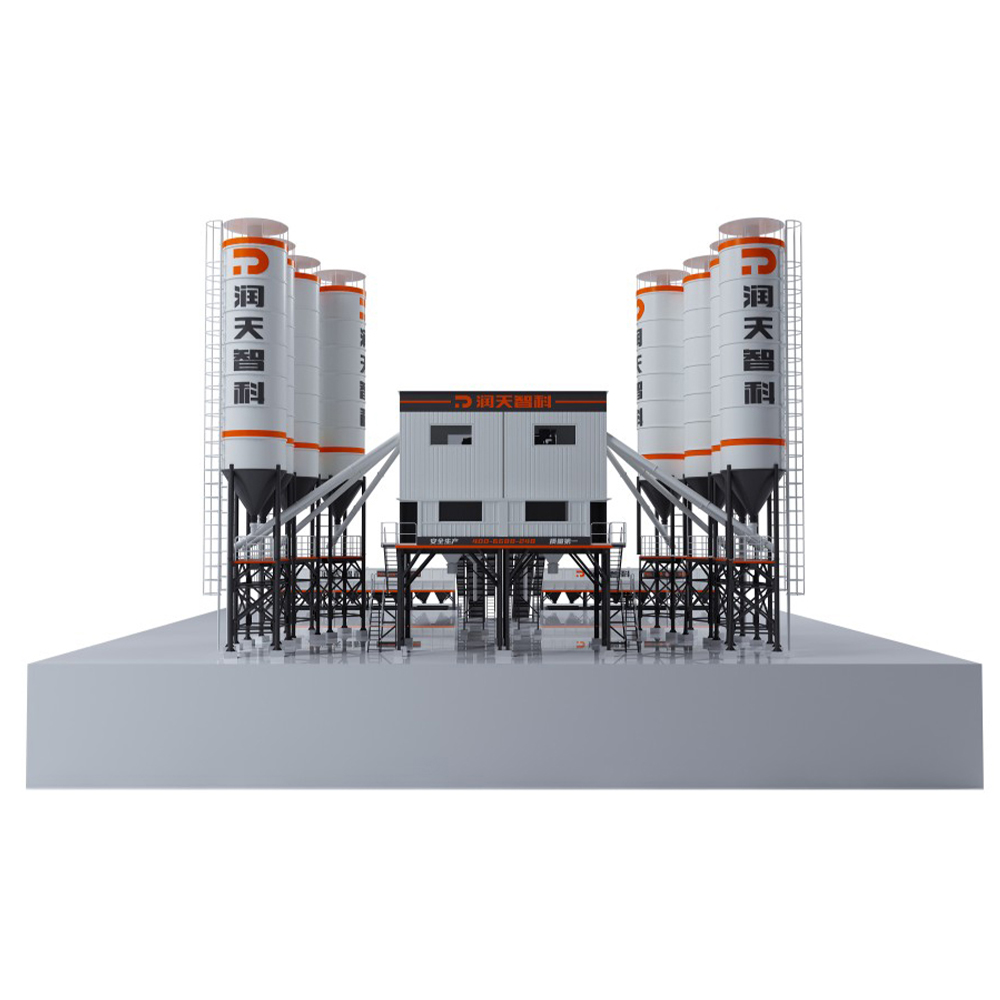 HZS Series Belt Concrete Mixing Plant
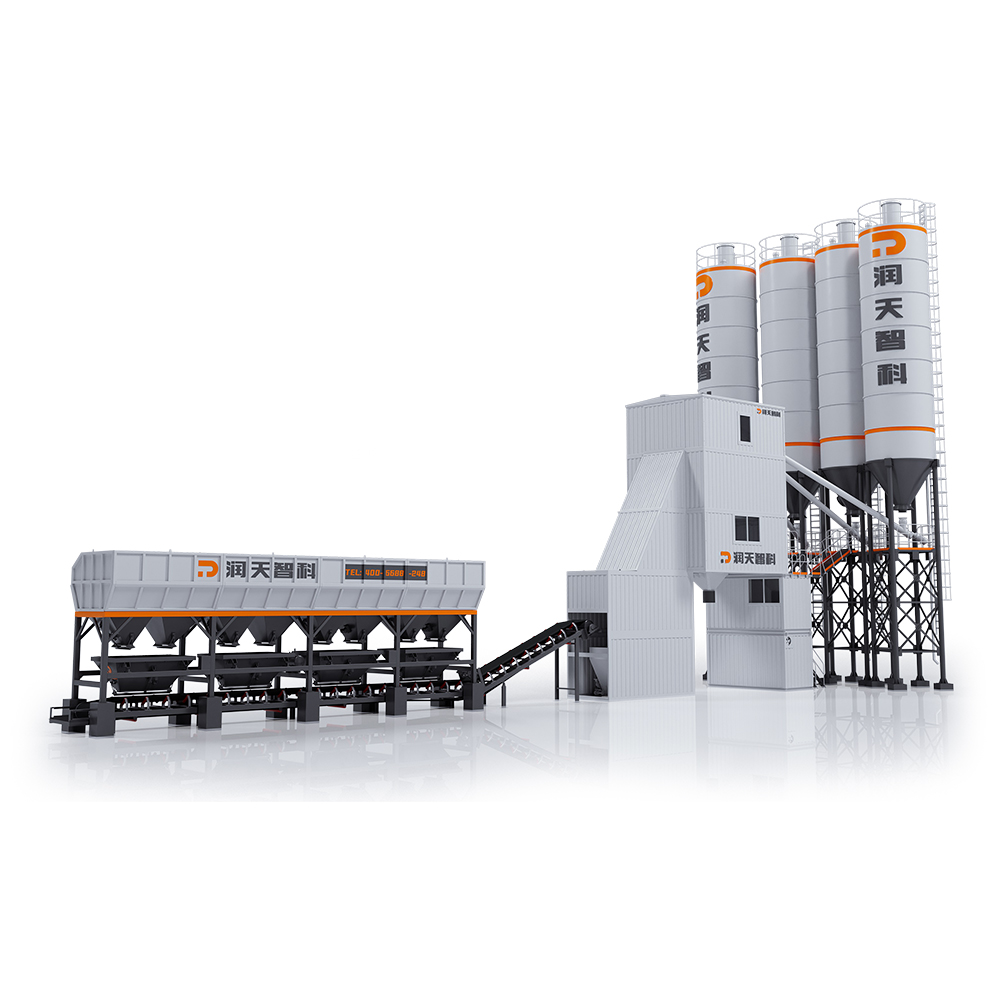 HZS Series Bucket-Lifting Type Container Concrete Mixing Plant
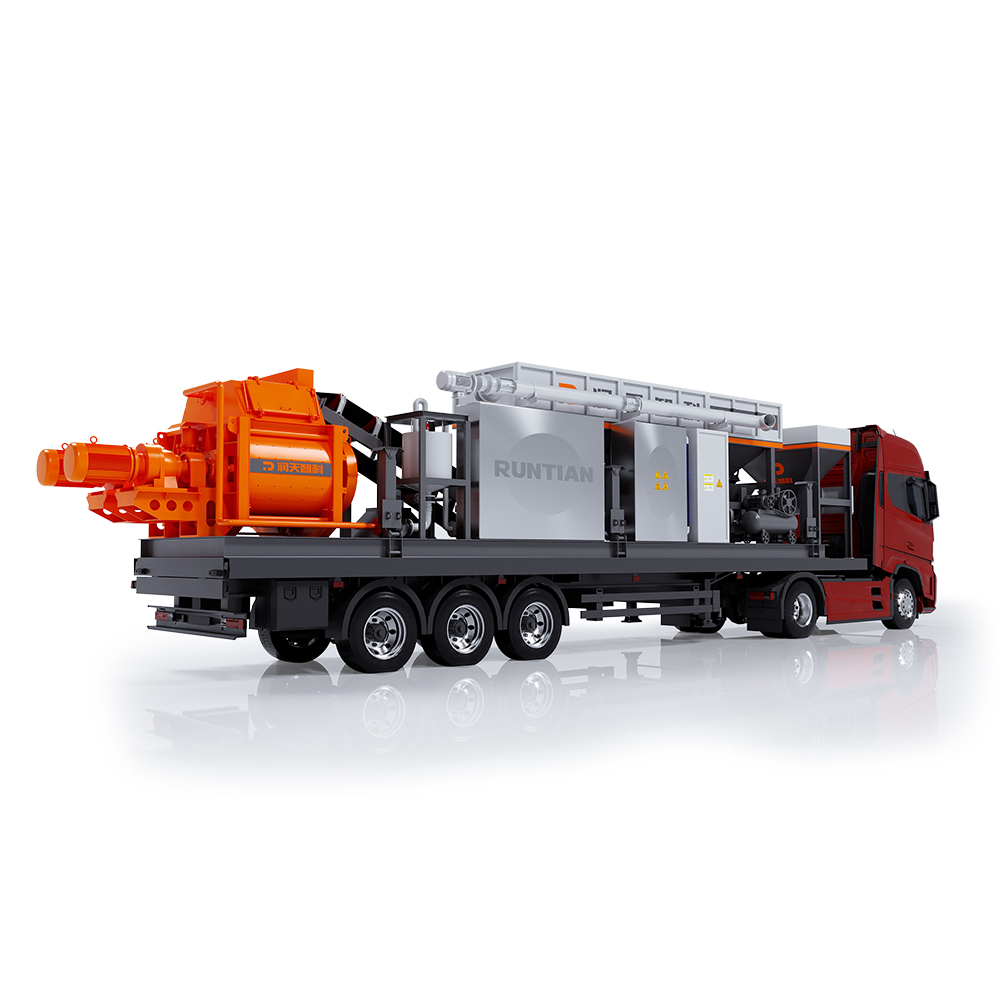 HZS60 Mobile Concrete Mixing Plant
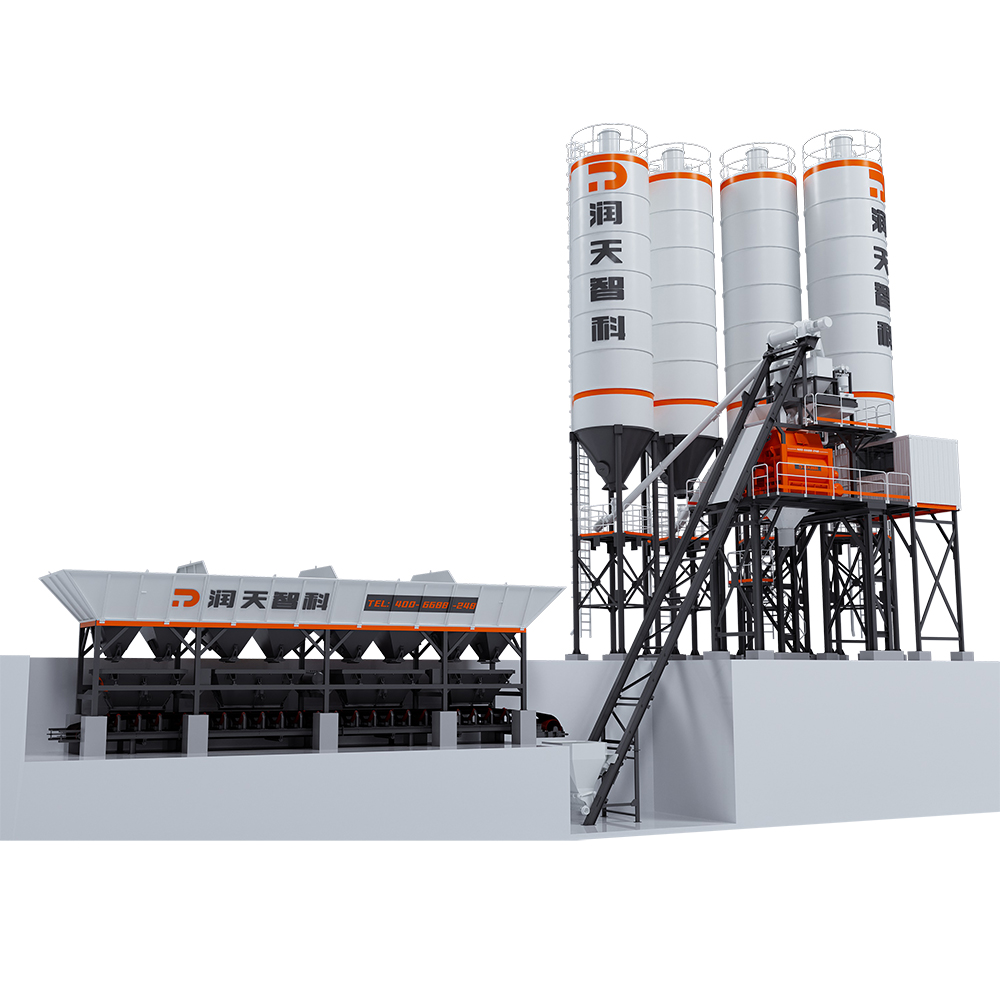 HZS Series Bucket-Lifting Type Concrete Mixing Plant
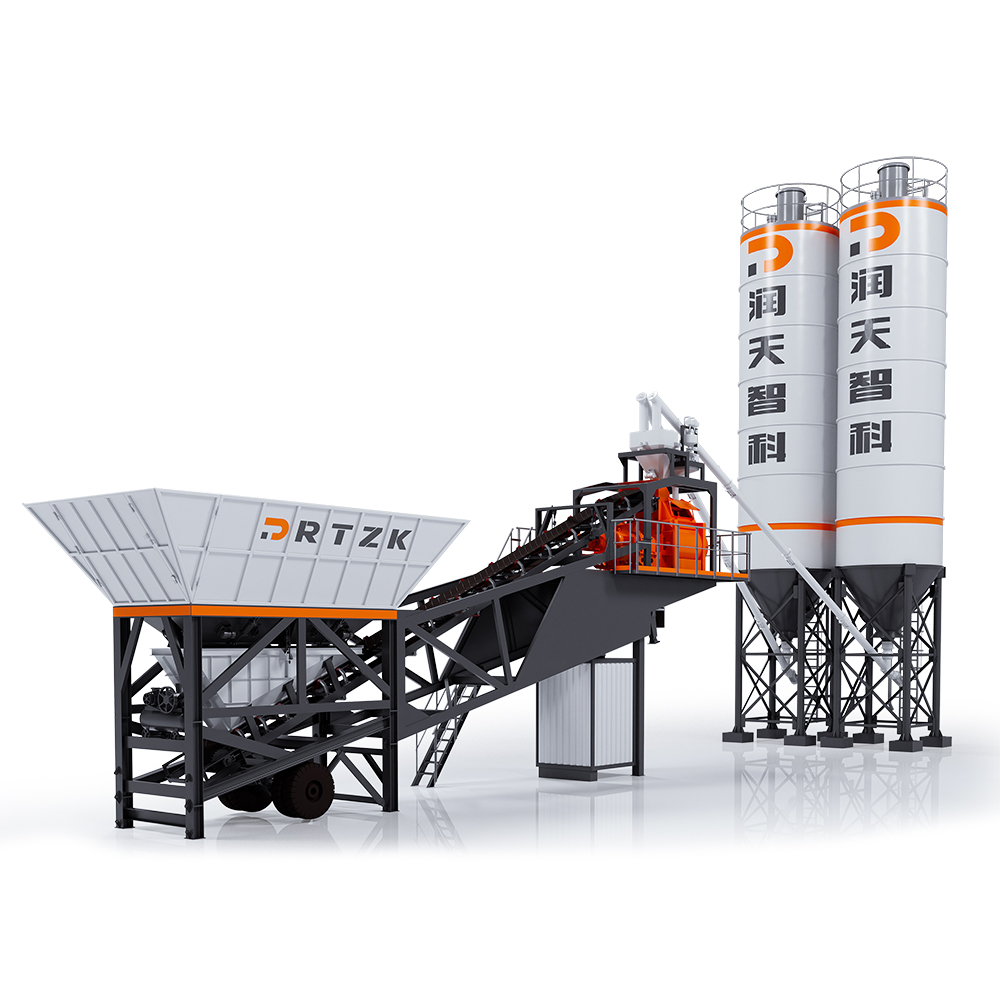 HZS Series Mobile Concrete Mixing Plant
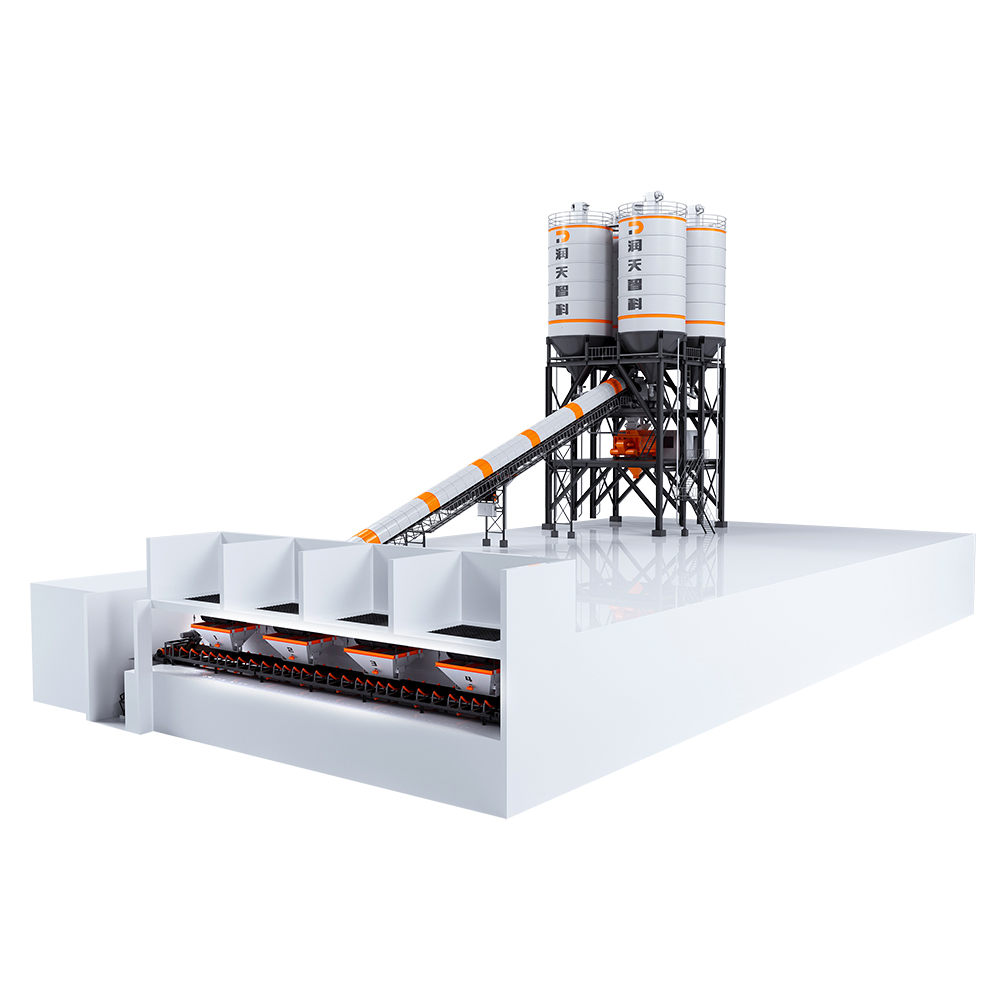 HZS Series Top-Mounted Concrete Mixing plant
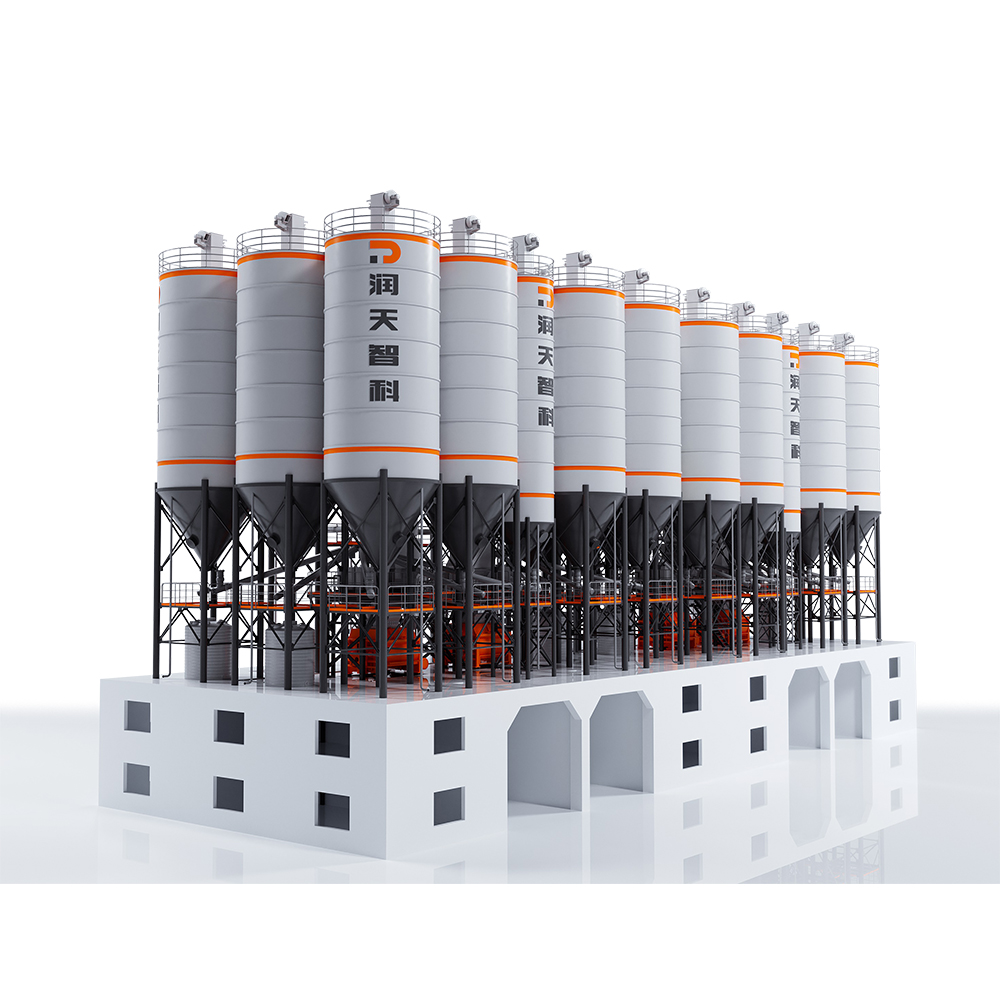 HZS Series Semi-Top Mounted Concrete Mixing Plant
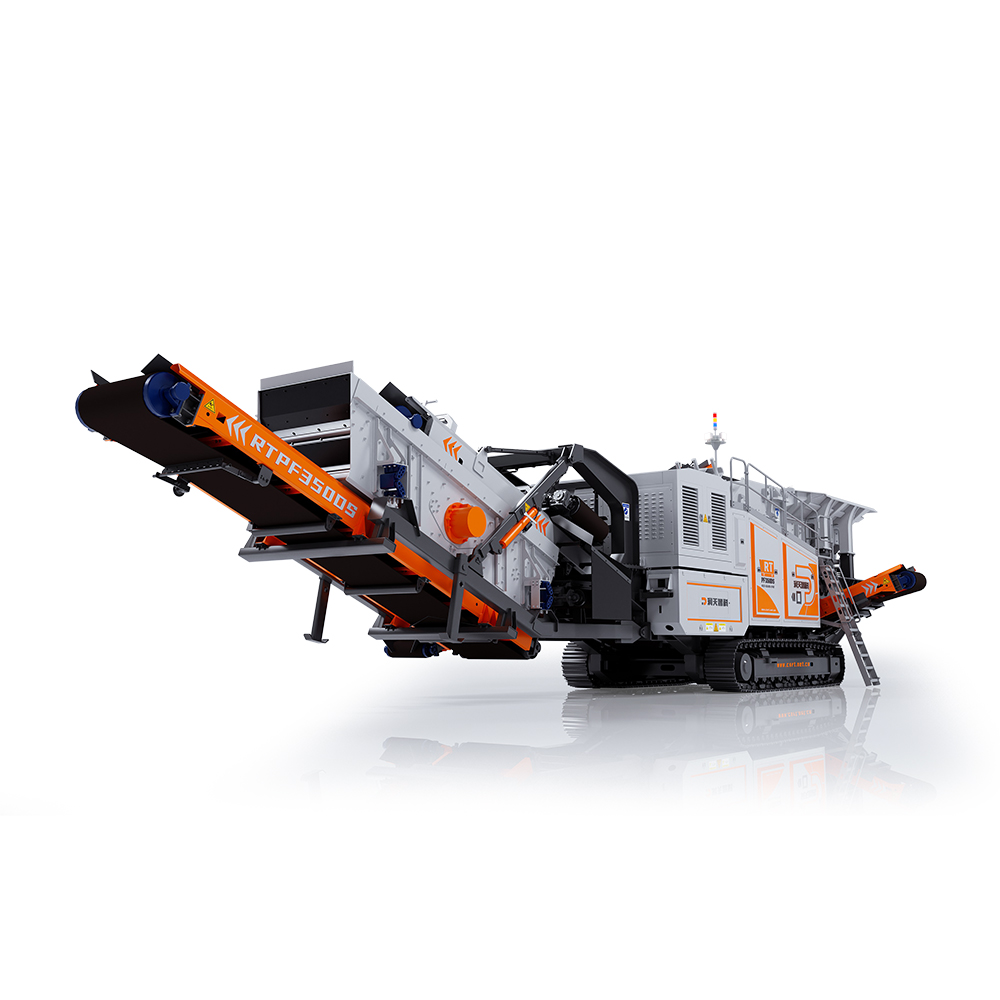 RTPF350DS Crawler Mobile Impact Crushing Plant
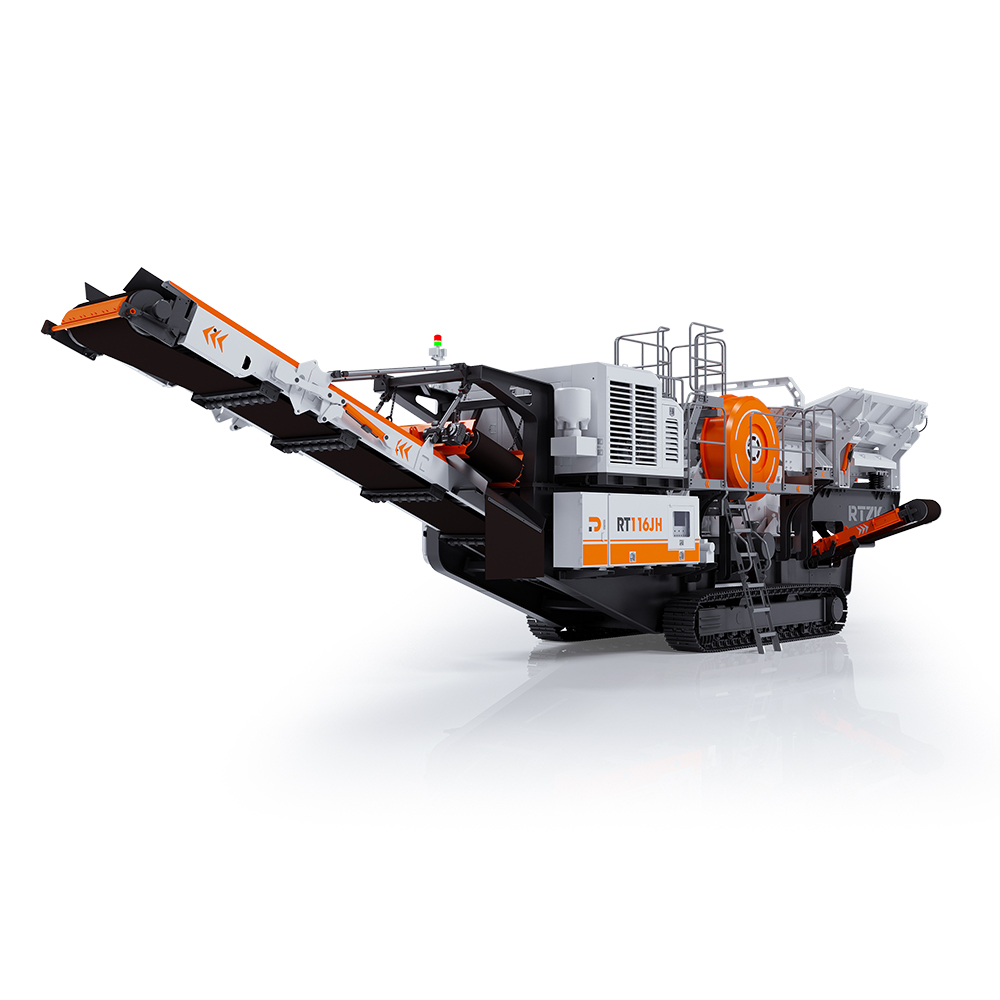 RT116JH Crawler Mobile Jaw Crushing Plant
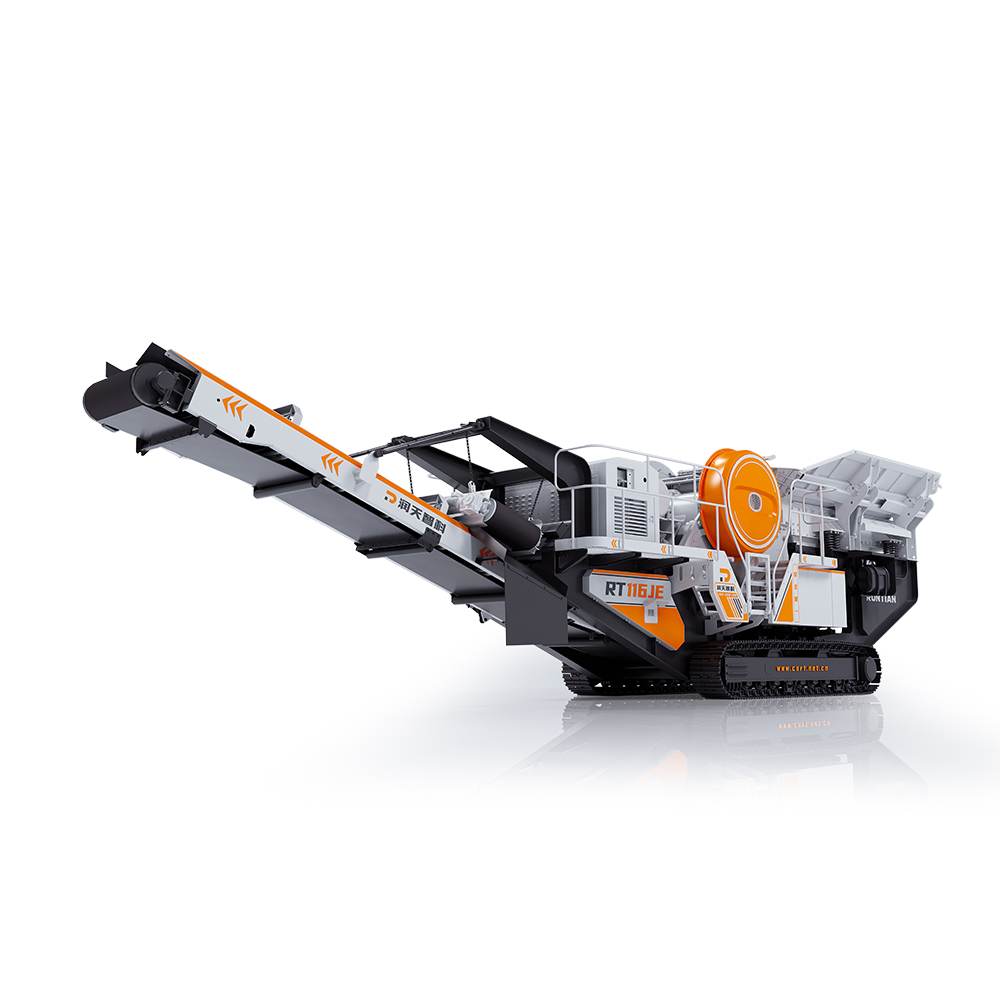 RT116JE Crawler Mobile Jaw Crushing Plant
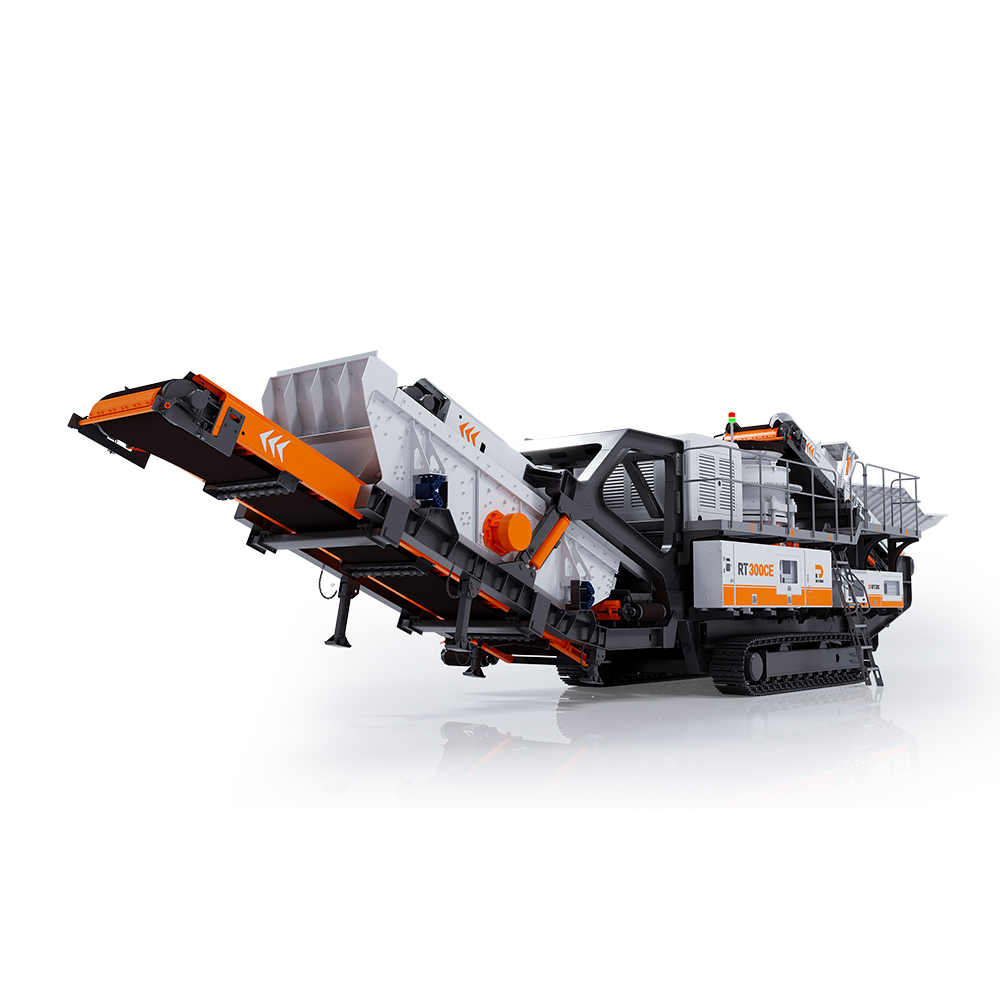 RT300CE Crawler Mobile Cone Crushing Plant
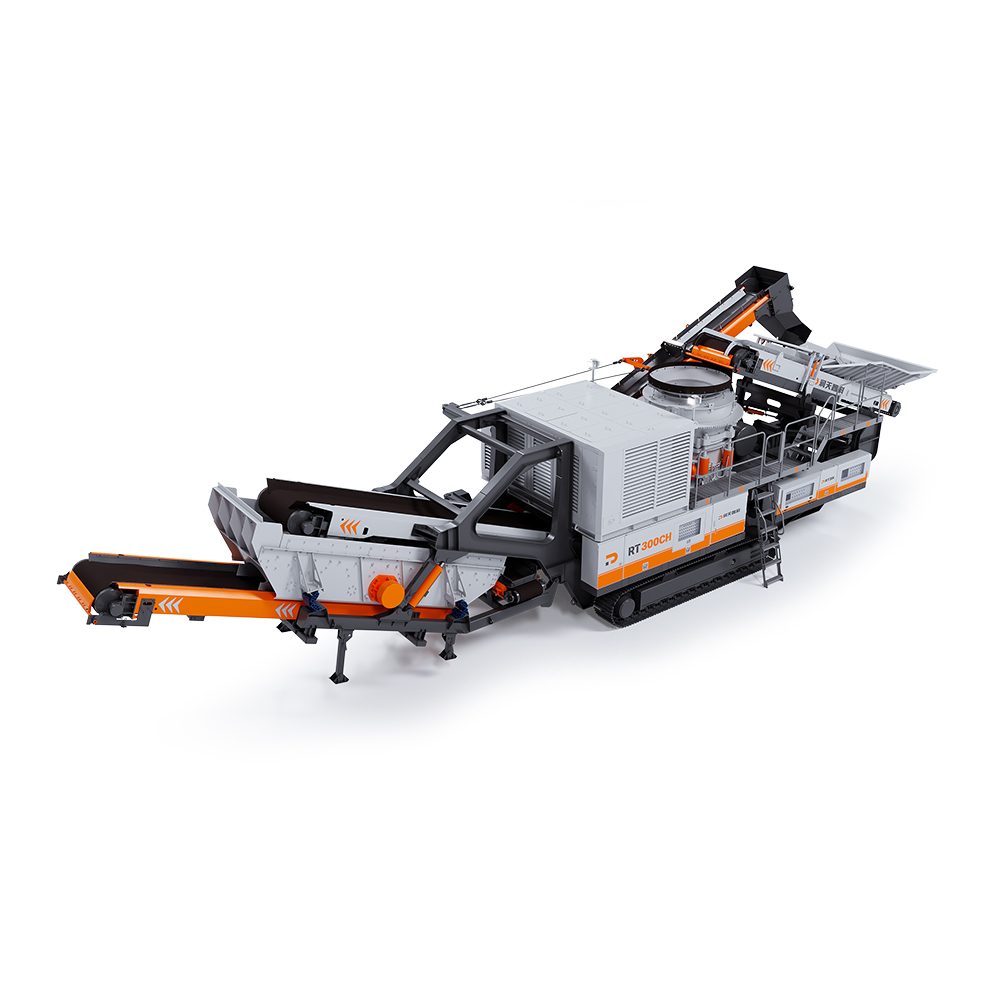 RT300CH Crawler Mobile Cone Crushing Plant
 RT5015H Mobile Scalping Screen
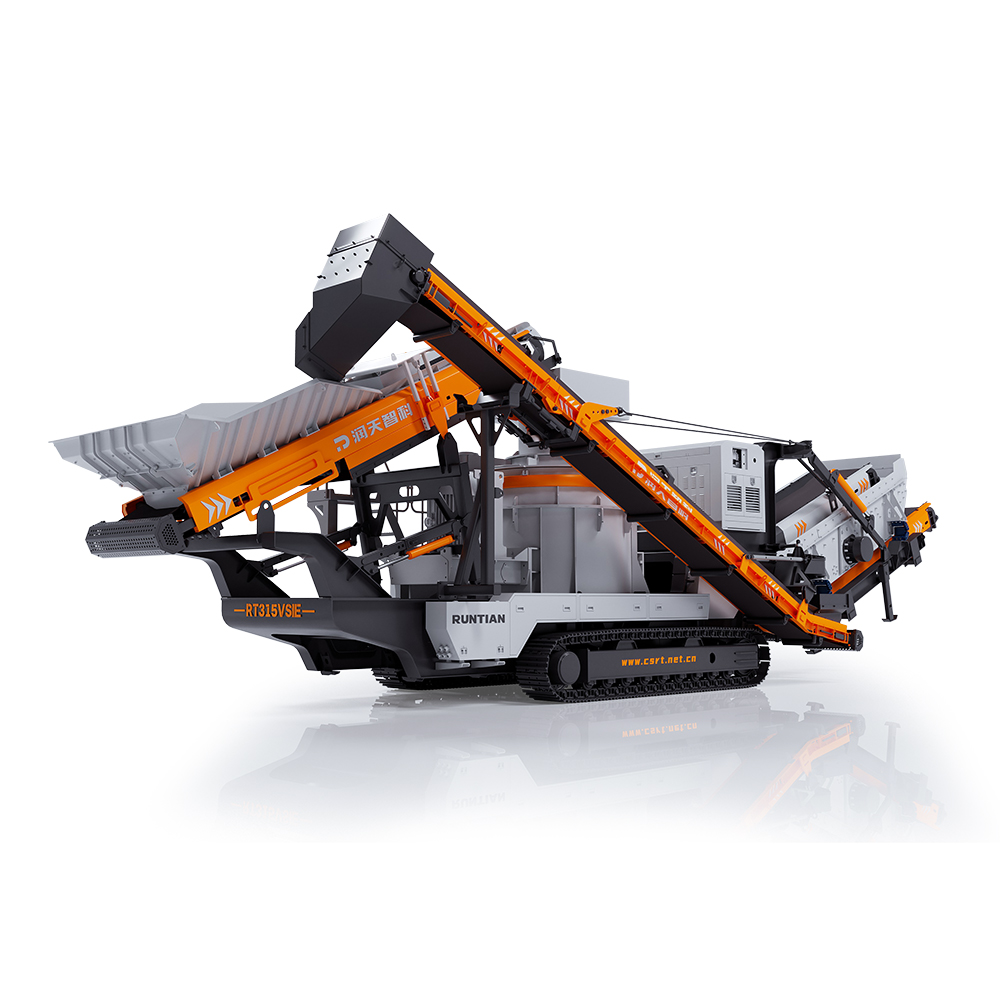 RT315VSIE Crawler Mobile Sand Maker
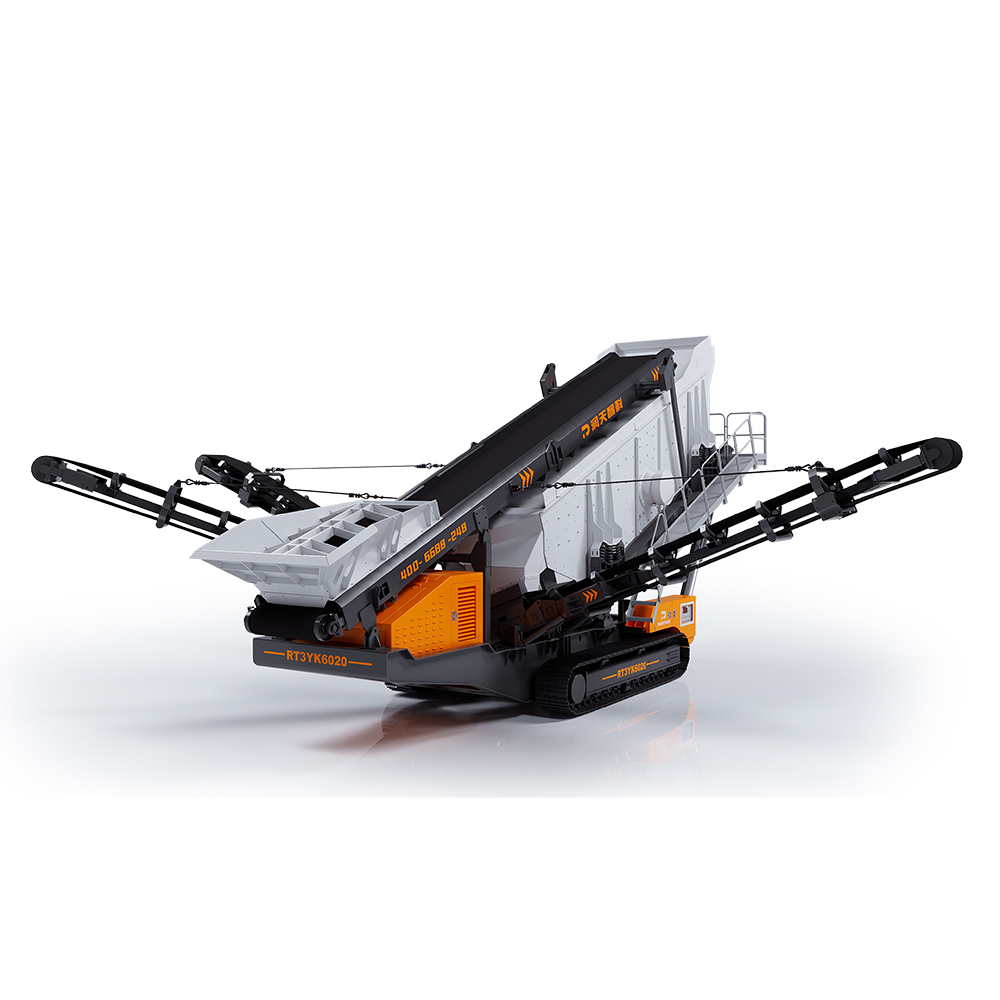 RT3YK6020 Crawler Mobile Screening Plant
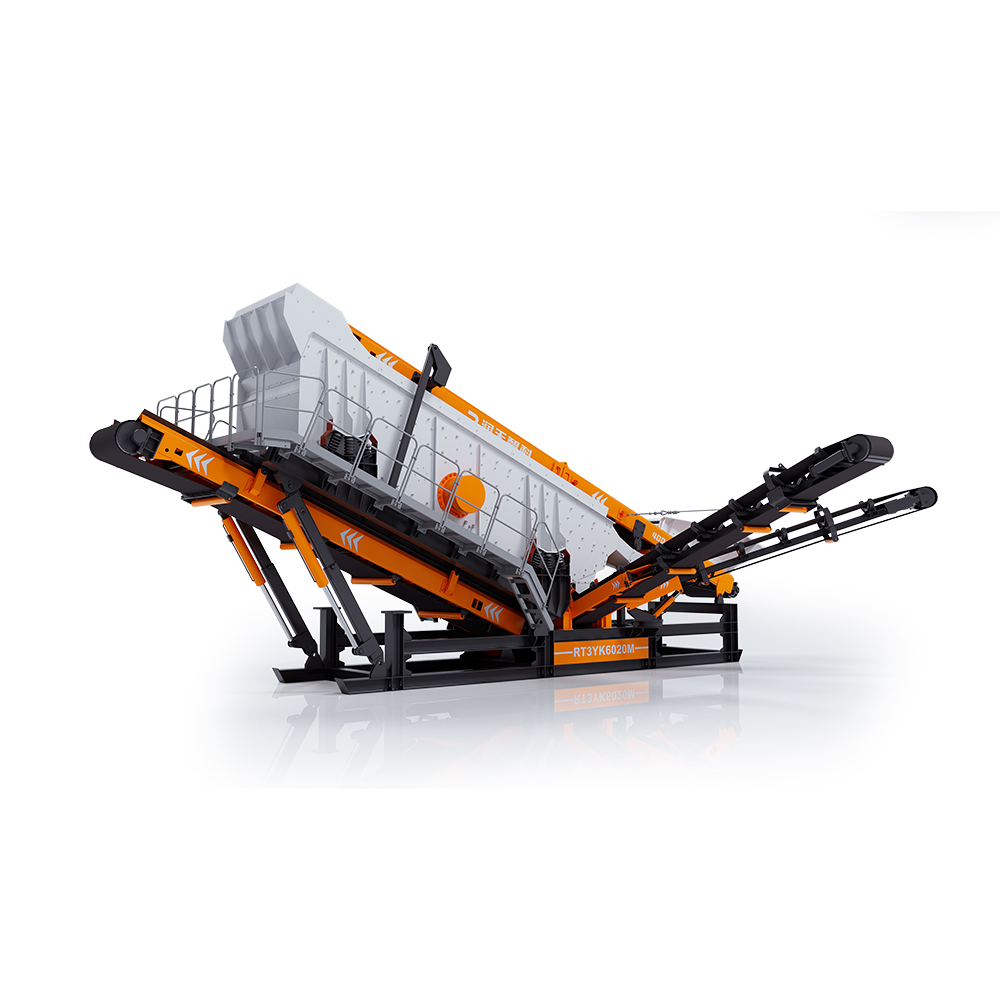 RT3YK6020M Modular Screening Plant
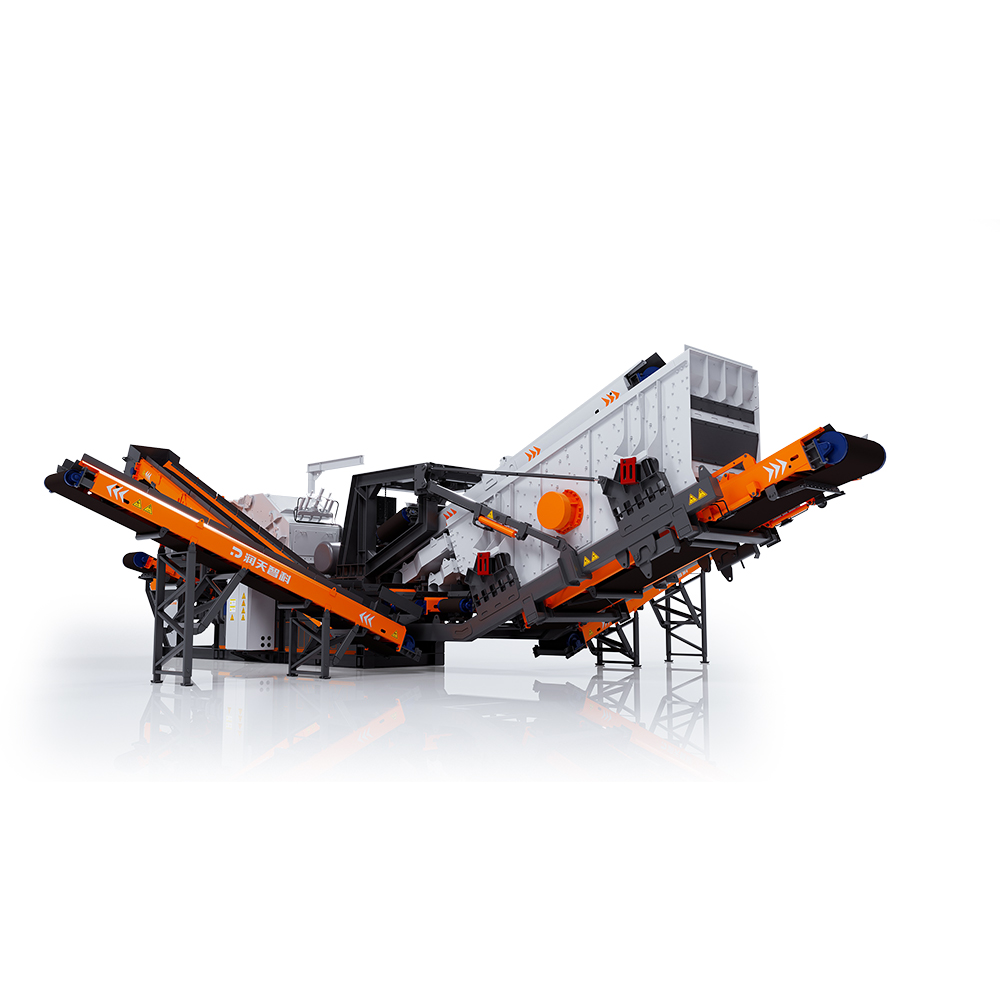 RTF260M Modular Counterattack Crushing and Screening Integrated Machine
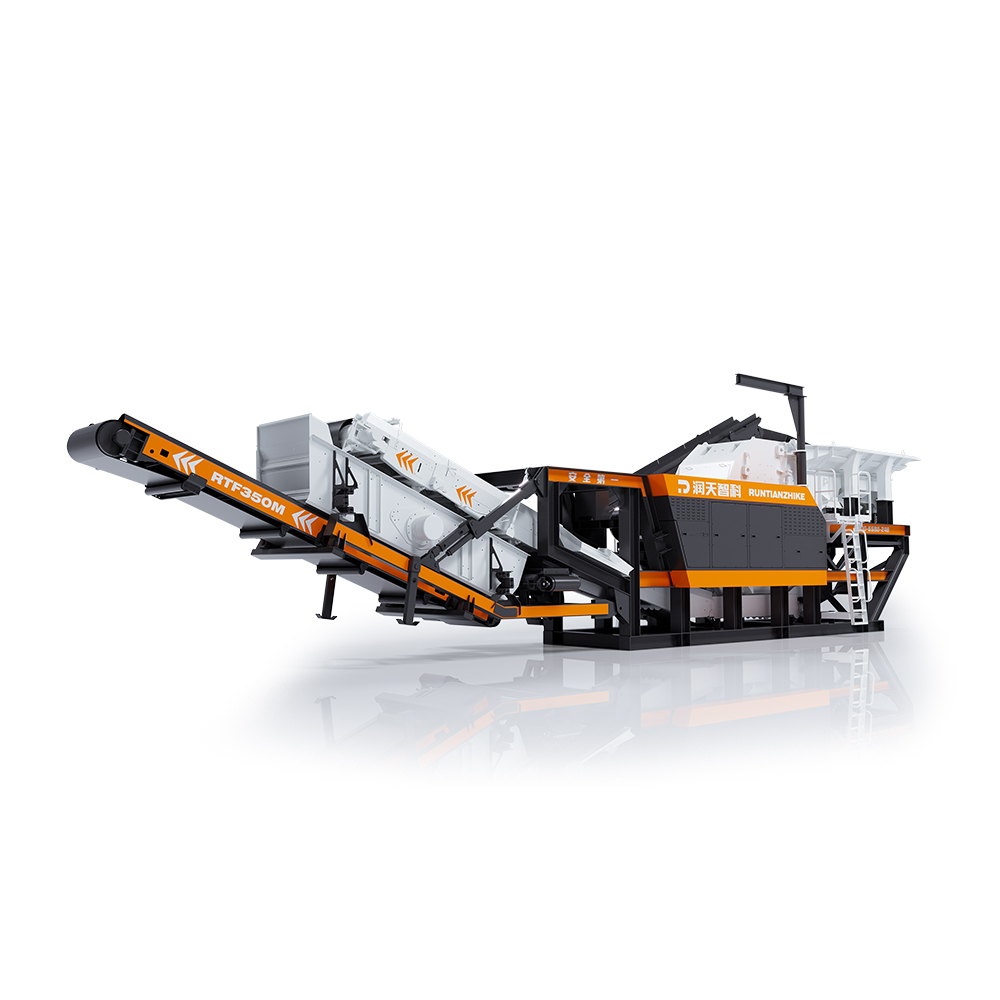 RTF350M Modular Impact Crushing Plant
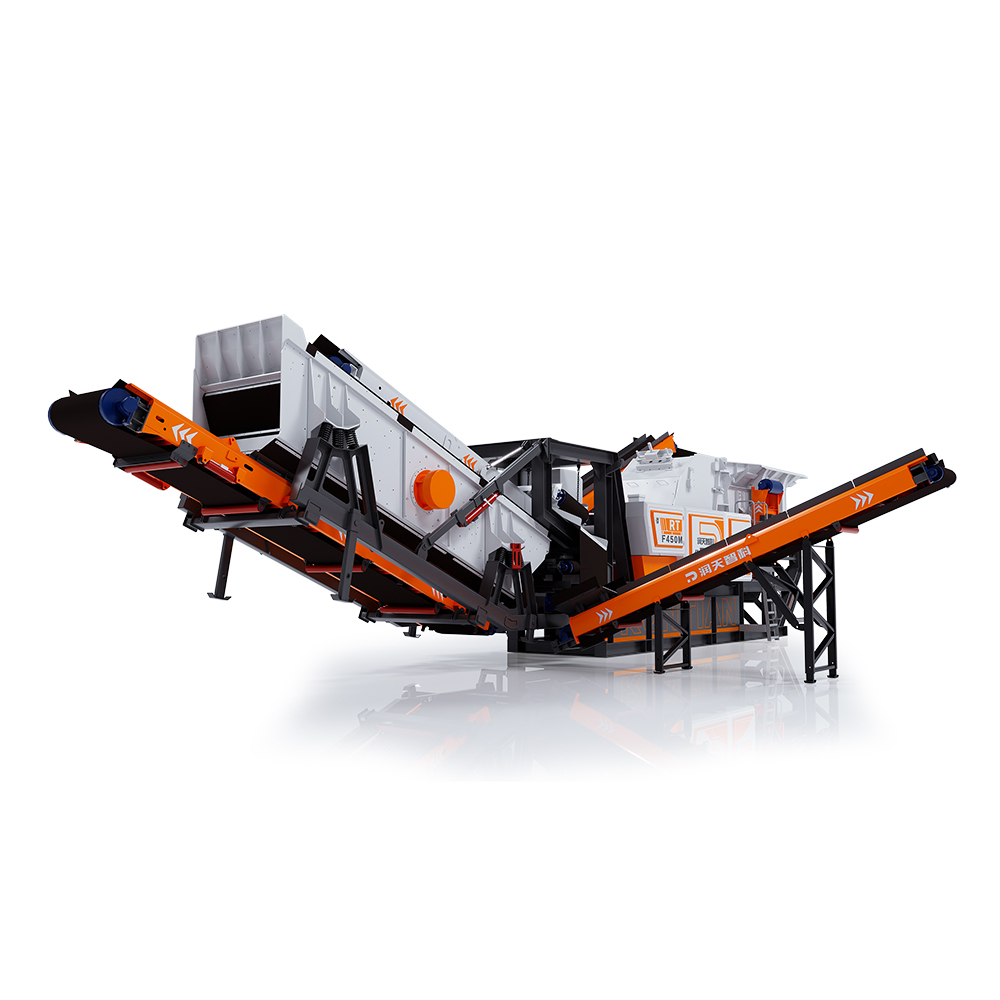 RTF450M Modular Impact Crushing Plant
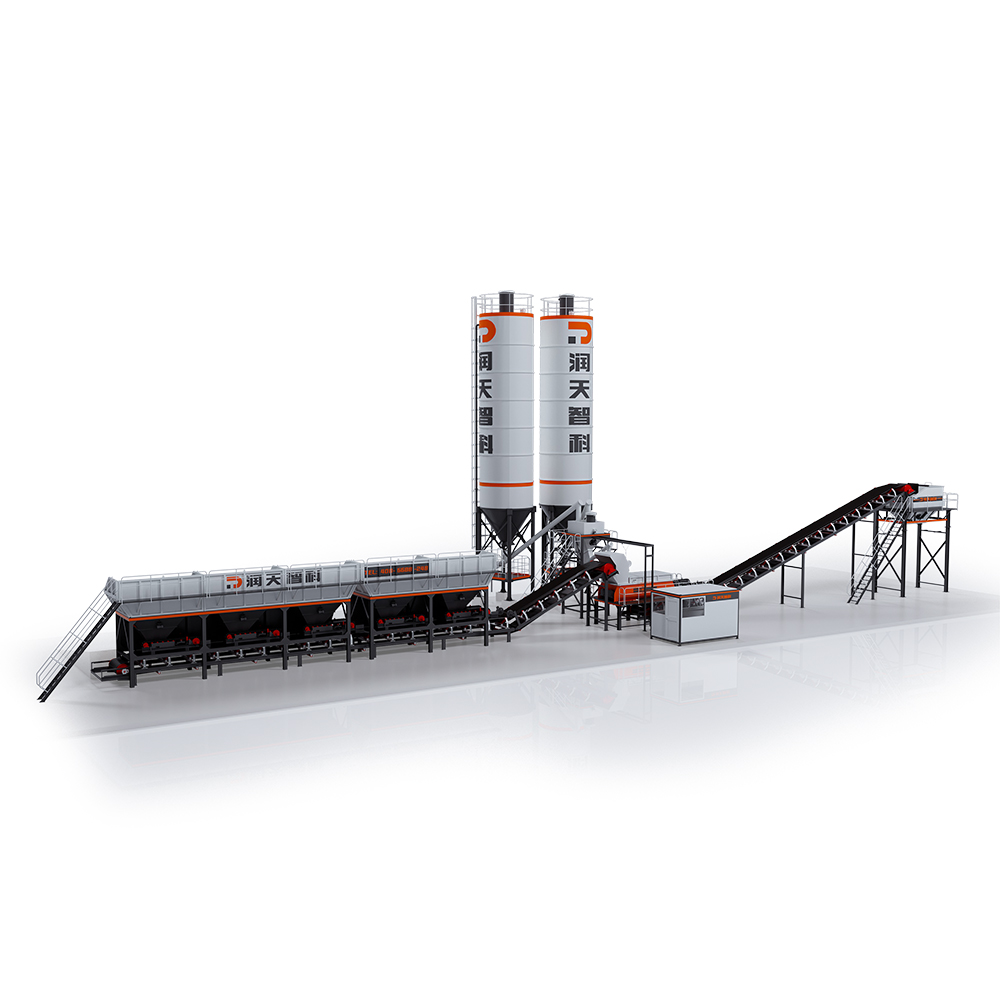 WDB Series Foundation-Free Stability Soil Mixing Plant
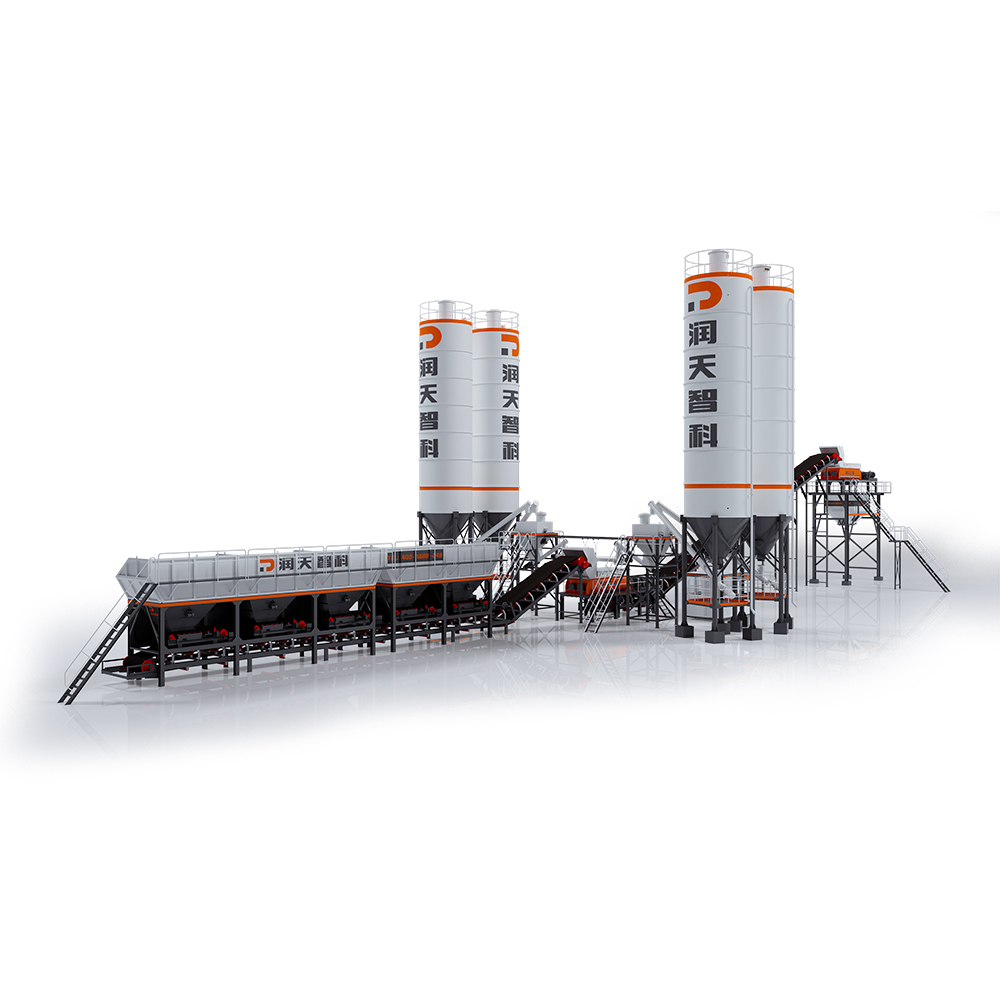 LCB Series Emulsified Asphalt Cold Regeneration Secondary Mixing Plant
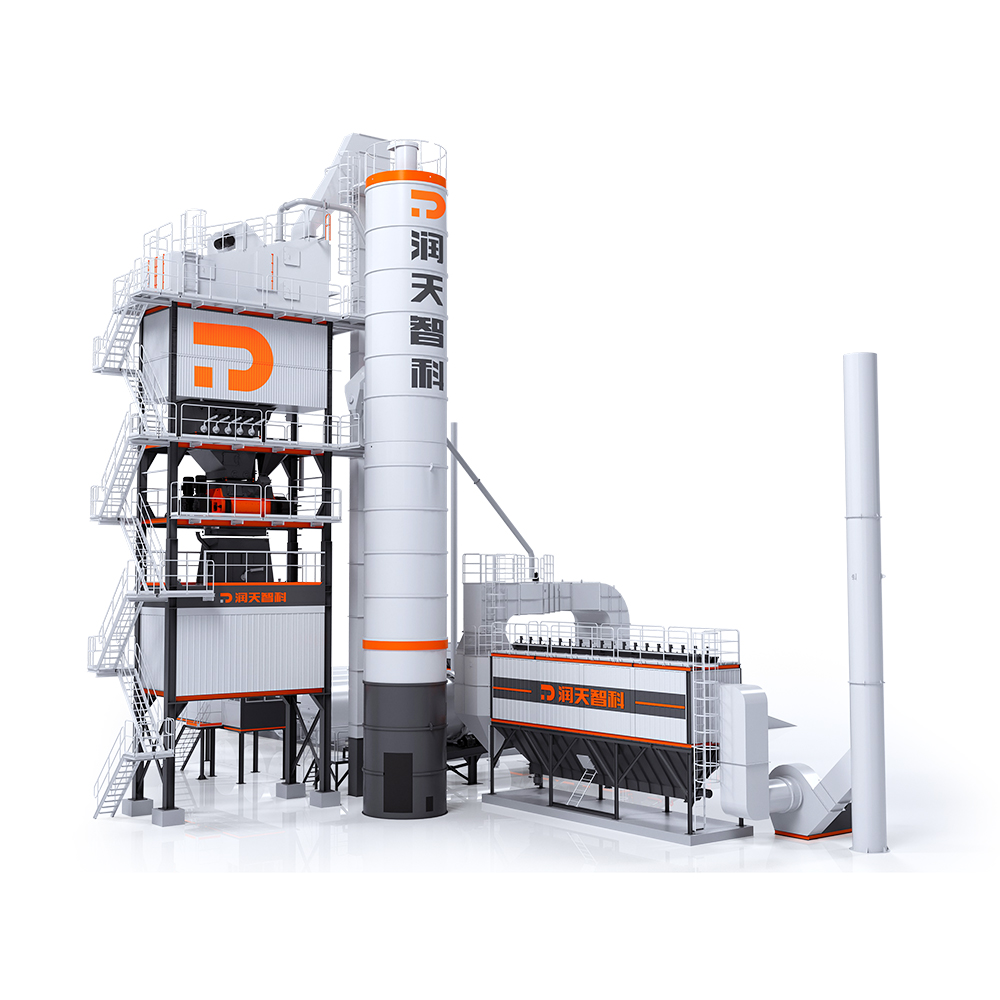 LB Series Asphalt Mixing Plant
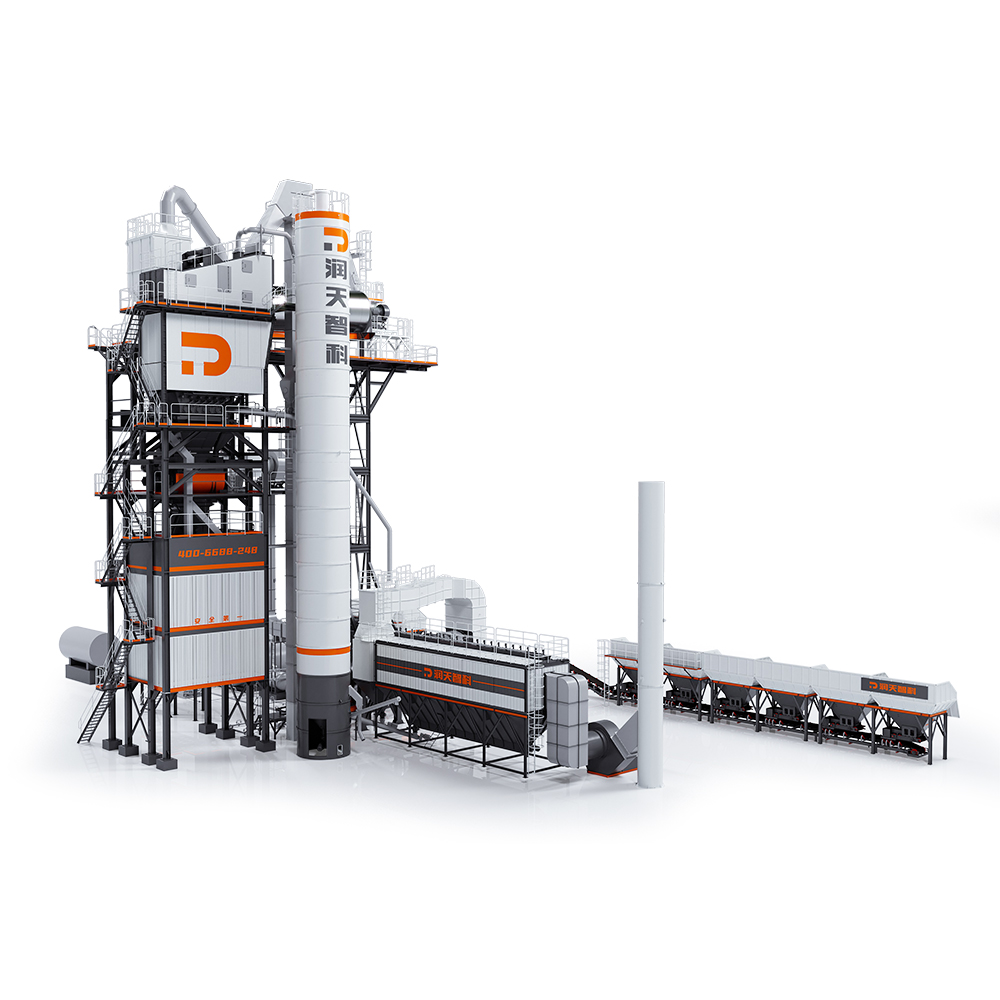 LBR Series Integrated Asphalt Mixing Plant
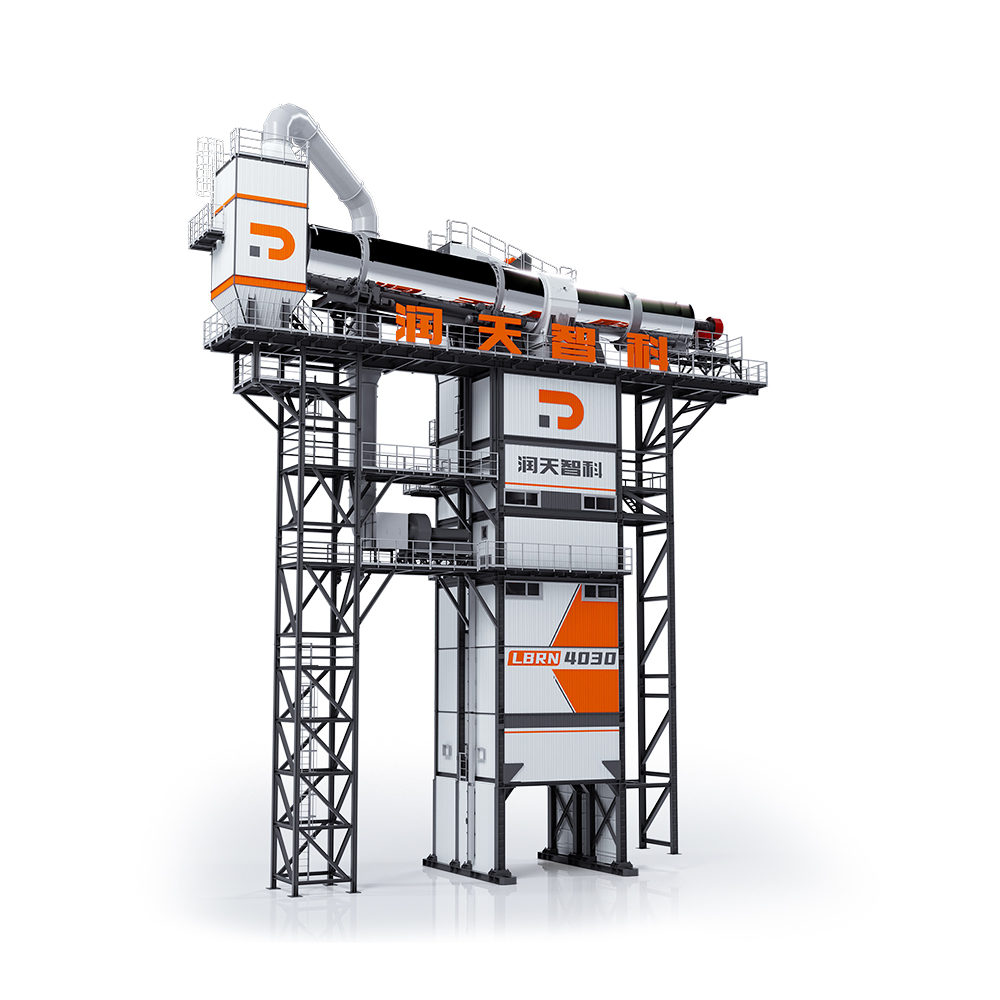 LBRN Series Counterflow Integral Asphalt Mixing Plant
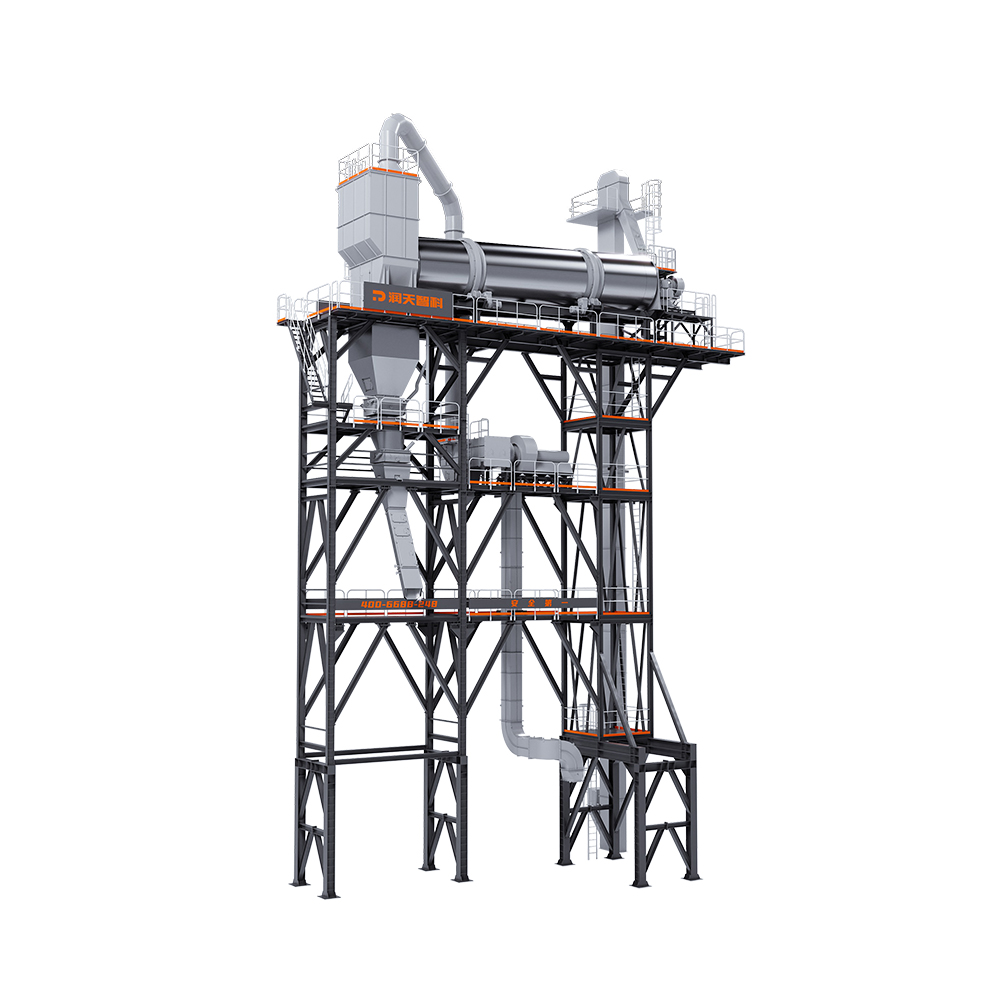 RZS Series Asphalt Mixing Plant
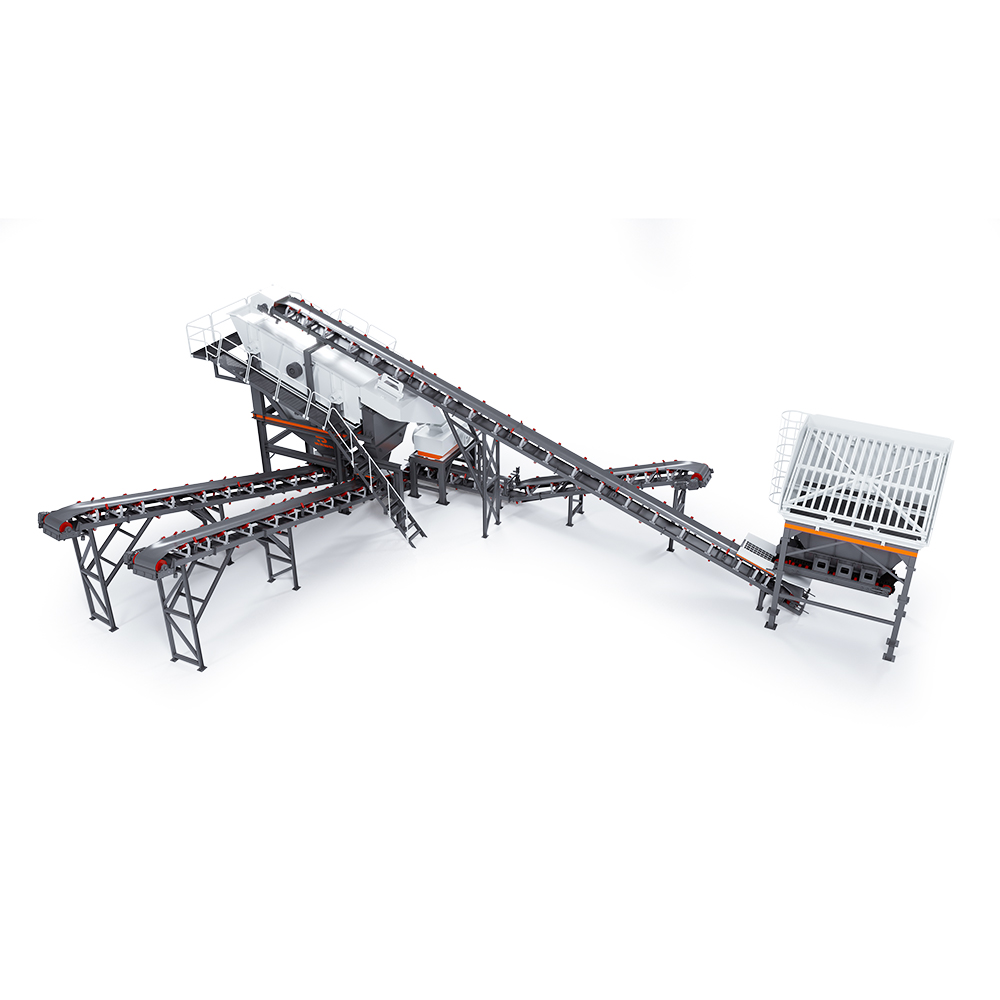 RTZS120 Series RAP Crushing & Screening Plant
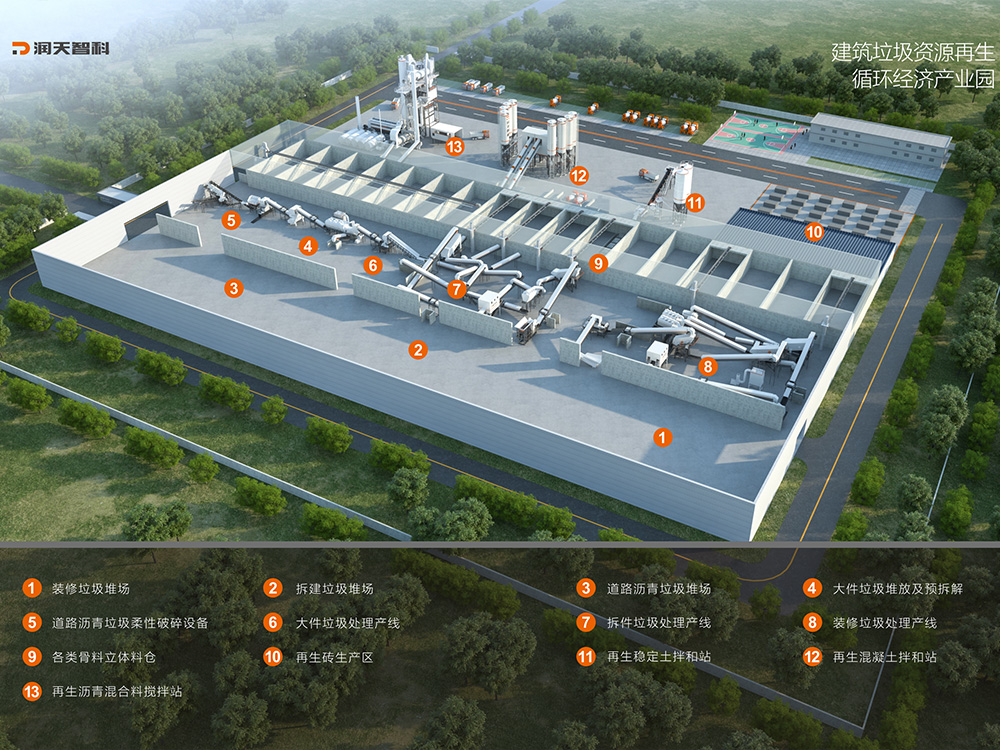 Construction Waste Resourceful Treatment Line