Top Concrete Mixer Models to Buy for Your Construction Needs?
Choosing the right concrete mixer is crucial for your construction projects. A good mixer enhances efficiency and quality. The market offers various models, each with unique features.
Concrete mixers come in different sizes and capabilities. Some are perfect for small jobs, while others handle large-scale projects. Understanding your needs is essential. Misjudging the required capacity can lead to wasted time and resources.
Expert insights suggest considering durability and ease of use. Some models may look appealing but lack reliability. Researching user reviews can help identify potential issues. Don't overlook the importance of maintenance and support. A great mixer needs proper care to perform optimally.
Overview of Concrete Mixer Types for Construction Projects
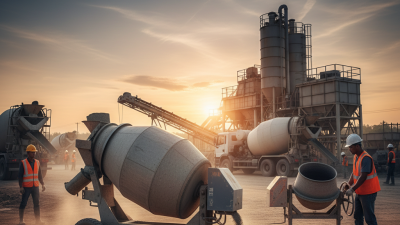
When selecting a concrete mixer, understanding the various types available is essential for construction projects. There are drum mixers, which are commonly used for small to medium projects. They are better for producing lower volumes of concrete. A 2022 industry report suggests that drum mixers account for about 45% of concrete mixer sales, highlighting their popularity.
On the other hand, twin-shaft mixers excel in high-capacity production. They are ideal for large-scale projects, capable of mixing large batches within a short time. Their efficiency makes them crucial in commercial construction, where time is a constraint. The same report indicates that twin-shaft mixers have seen a 30% increase in demand over the past two years.
However, it’s vital to recognize potential inefficiencies. For example, if a project requires frequent shifts between different concrete types, the mixer choice could complicate logistics. Operators must also consider the maintenance needs of each mixer type. Not all mixers are suited for every job. Understanding these nuances can prevent costly mistakes and optimize project outcomes.
Key Features to Consider When Choosing a Concrete Mixer
When selecting a concrete mixer, several key features should guide your decision. First, consider the capacity. A mixer with a larger drum can handle bigger jobs efficiently. For smaller projects, a compact model is often more practical. Pay attention to the mixing speed, as this can greatly influence the time needed to achieve consistent results. A mixer that operates swiftly can enhance productivity on-site.
Durability is another crucial factor. Look for materials that withstand challenging environments. Steel frames tend to offer better longevity compared to plastic ones. Also, consider the ease of cleaning. A simpler design may save you valuable time after use. Lastly, examine whether the mixer offers portability features, such as wheels or a lightweight build, making transport hassle-free.
Remember, choosing the right concrete mixer is not just about features. It's about matching those features to your specific needs. A high-capacity mixer might not be beneficial for small jobs. Reflecting on your projects and work style can help you pick the right machine. Assess your priorities before making a decision.
Top Concrete Mixer Models to Buy for Your Construction Needs
Top Rated Concrete Mixer Models in 2023
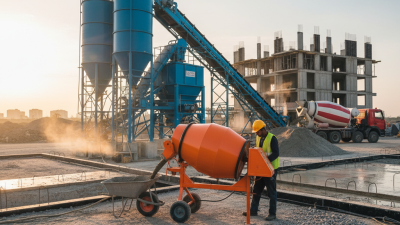
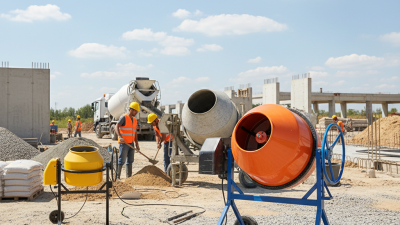
When choosing a concrete mixer, it's important to focus on the features that will meet your construction needs in 2023. Many models excel in mixing efficiency and durability. A popular choice is the portable concrete mixer, known for its mobility. These mixers often come with robust wheels, making them easy to transport on job sites. The convenience of a compact size can't be overlooked, especially when working in tight spaces.
Additionally, electric mixers are gaining traction for their reliability and low maintenance. They typically require less muscle power, which can be a relief during long hours. Users often praise the smooth mixing performance and shorter mixing times. However, some models may struggle with larger batches or tougher materials. It's essential to assess your workload carefully and select the right size and power for your projects.
There is also a tendency to overlook the importance of user-friendly controls. A simple interface can drastically reduce the learning curve for new operators. But not all designs prioritize this feature. A clunky mixer can lead to errors and wasted materials. Reviews often highlight the difference between top-rated and lesser models based on this aspect. The value lies in understanding your specific tasks and aligning them with the right equipment.
Cost Comparison of Popular Concrete Mixers
When considering the best concrete mixers for your construction projects, understanding the cost is vital. Various models showcase distinct features, which influence their price points. Basic models may start at a few hundred dollars, while advanced options can soar into the thousands. The difference often lies in capacity, power, and durability. A larger drum leads to higher efficiency, yet these units also command a premium.
The market has options catering to different budgets. For instance, portable mixers are ideal for small jobs and often more cost-effective. They are lightweight and easy to transport, but may lack the robustness of larger, stationary models. On the other hand, high-capacity electric mixers offer more power, suitable for bigger projects. However, they come with increased costs.
Many buyers overlook long-term value when comparing prices. A cheaper model might save you upfront but can lead to higher maintenance costs. It's essential to balance initial investment with expected performance. Always consider durability and warranty options. An investment in quality may serve you better in the long run, despite a higher cost at the outset.
Maintenance Tips for Extending the Life of Your Concrete Mixer
Maintaining your concrete mixer is vital for its longevity. Regular inspection is the first step. Check for wear and tear on the drum and blades. Minor issues can often lead to bigger problems. Listen for unusual noises during operation; they can indicate mechanical issues.
Cleaning after each use prevents material buildup. Concrete residue can harden and become difficult to remove. Use water and a stiff brush to clean the interior. Don’t forget to check the seals and bearings regularly. Replace them if you notice any wear. This simple upkeep extends the life of your mixer, saving you money in the long run.
Oil the moving parts frequently to ensure smooth operation. Lubrication reduces friction and prevents rust. Keep the machine sheltered from the elements when not in use. Exposure to rain or extreme weather can lead to corrosion. Remember, neglecting maintenance can result in costly repairs. Regular care is essential for optimal performance.

 Concrete Mixing Plant
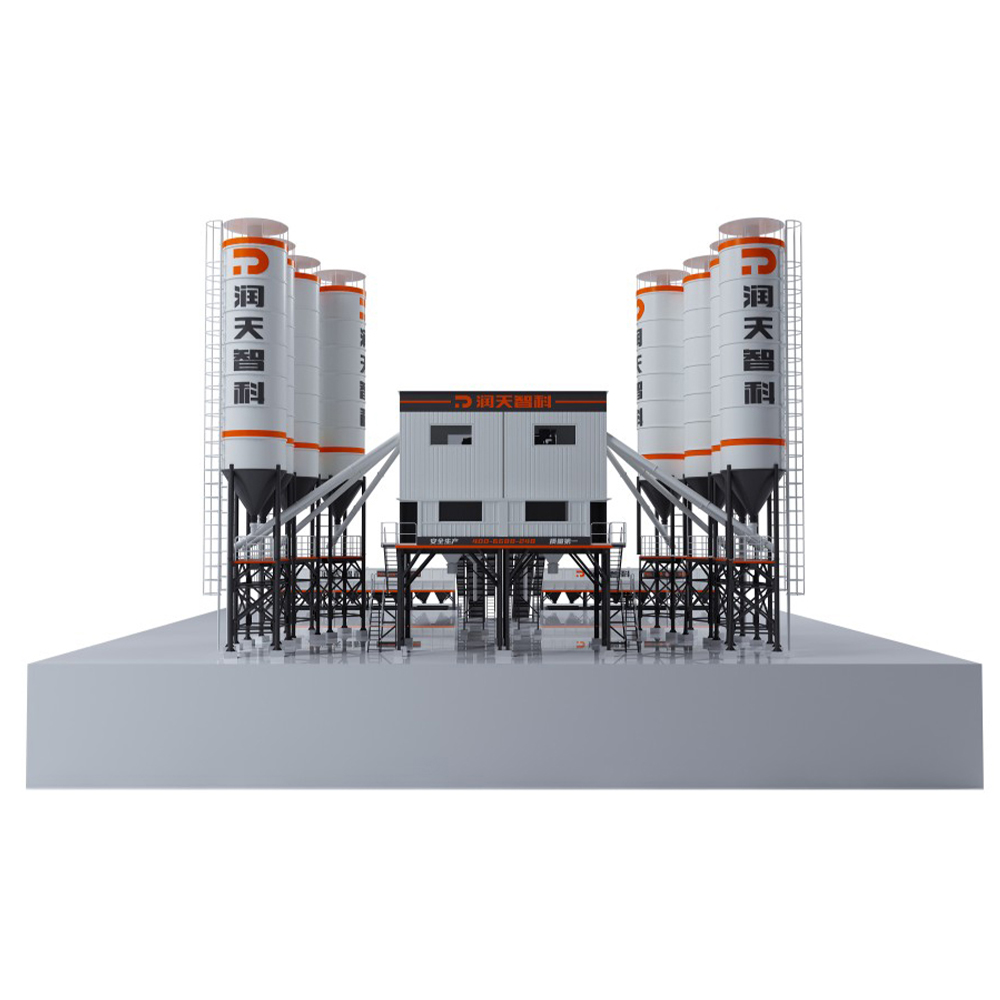 HZS Series Belt Concrete Mixing Plant
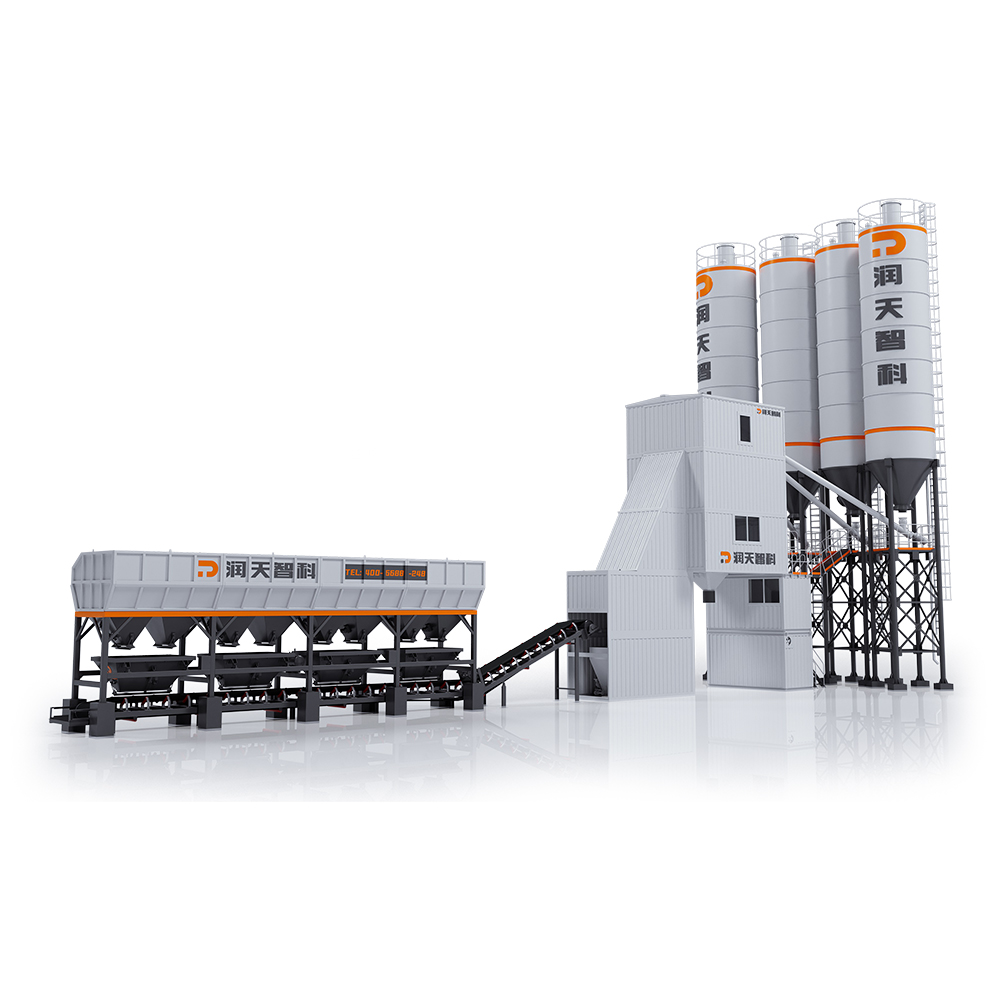 HZS Series Bucket-Lifting Type Container Concrete Mixing Plant
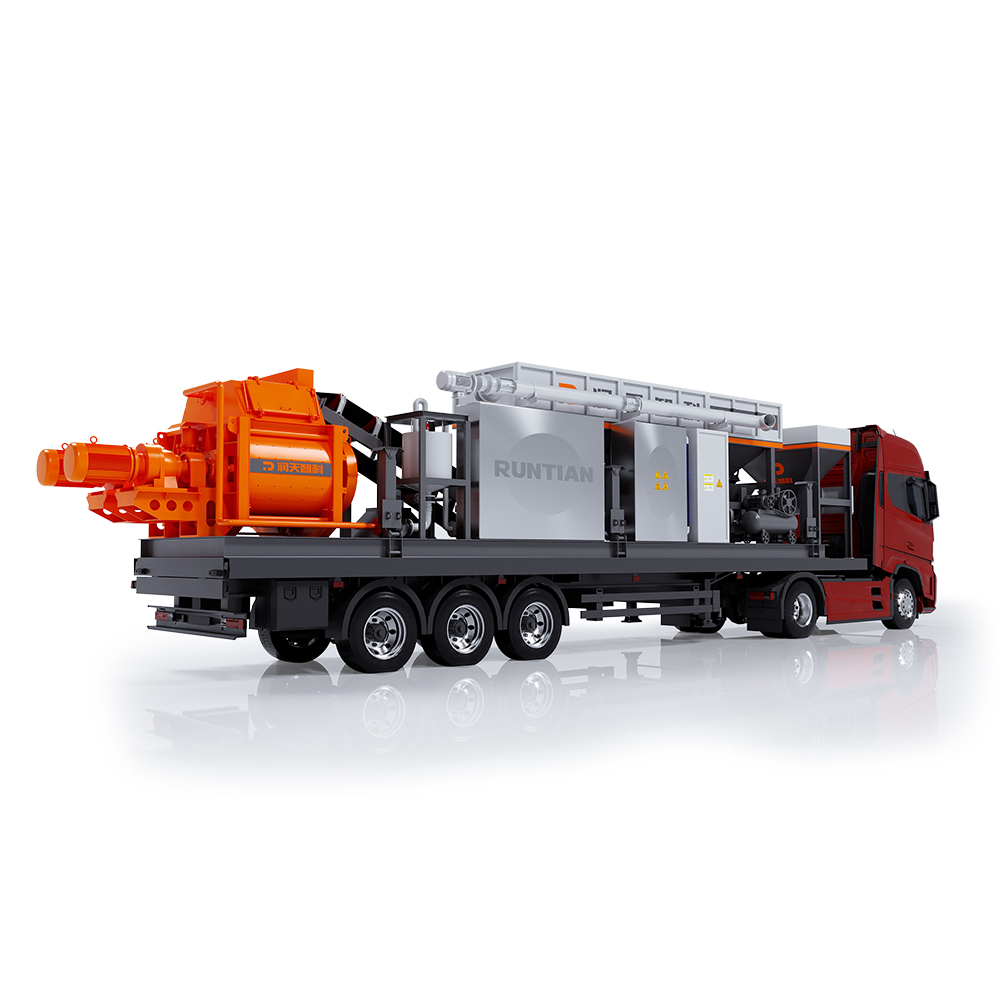 HZS60 Mobile Concrete Mixing Plant
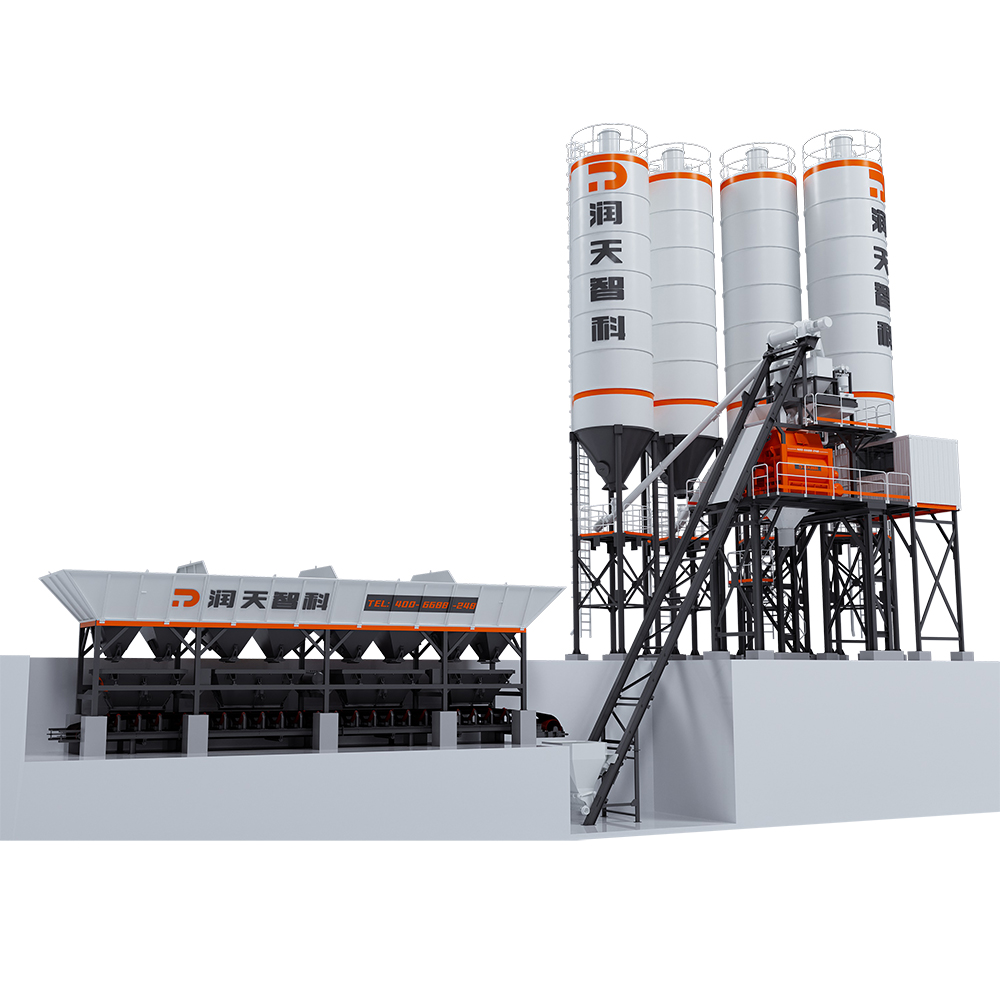 HZS Series Bucket-Lifting Type Concrete Mixing Plant
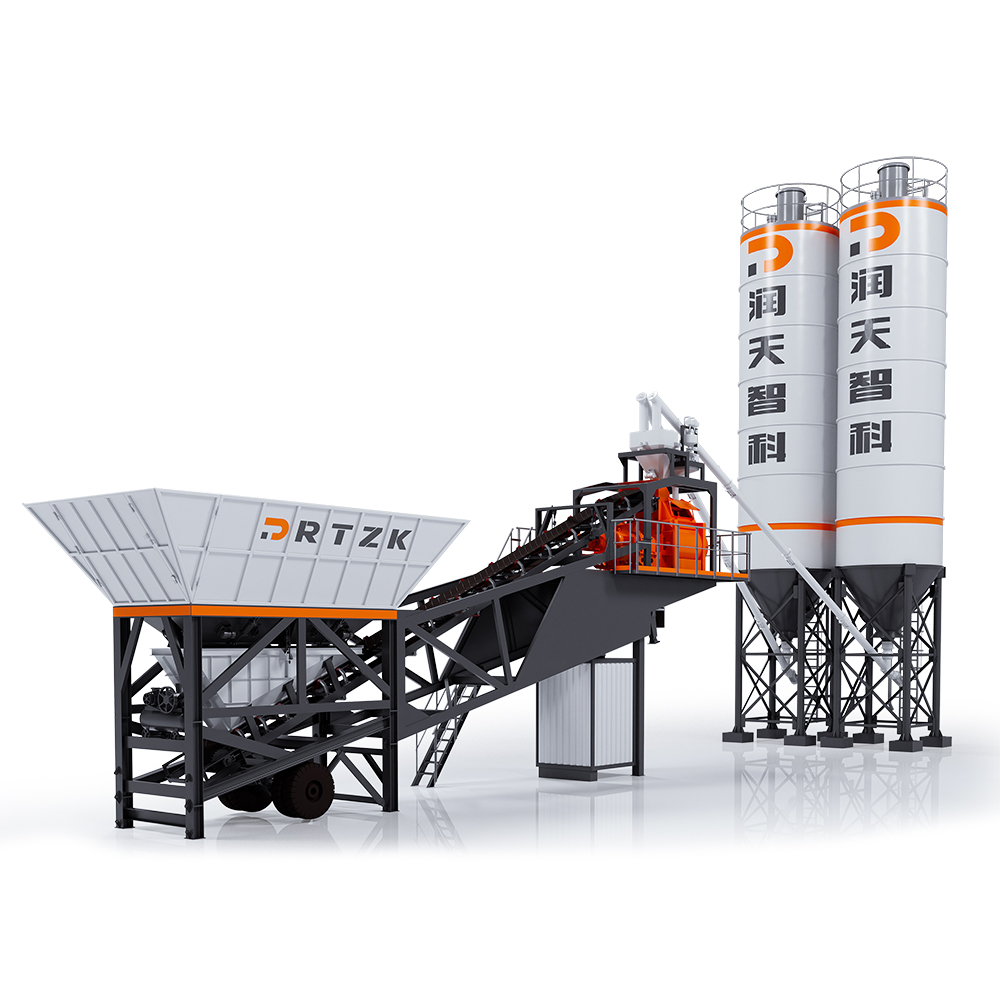 HZS Series Mobile Concrete Mixing Plant
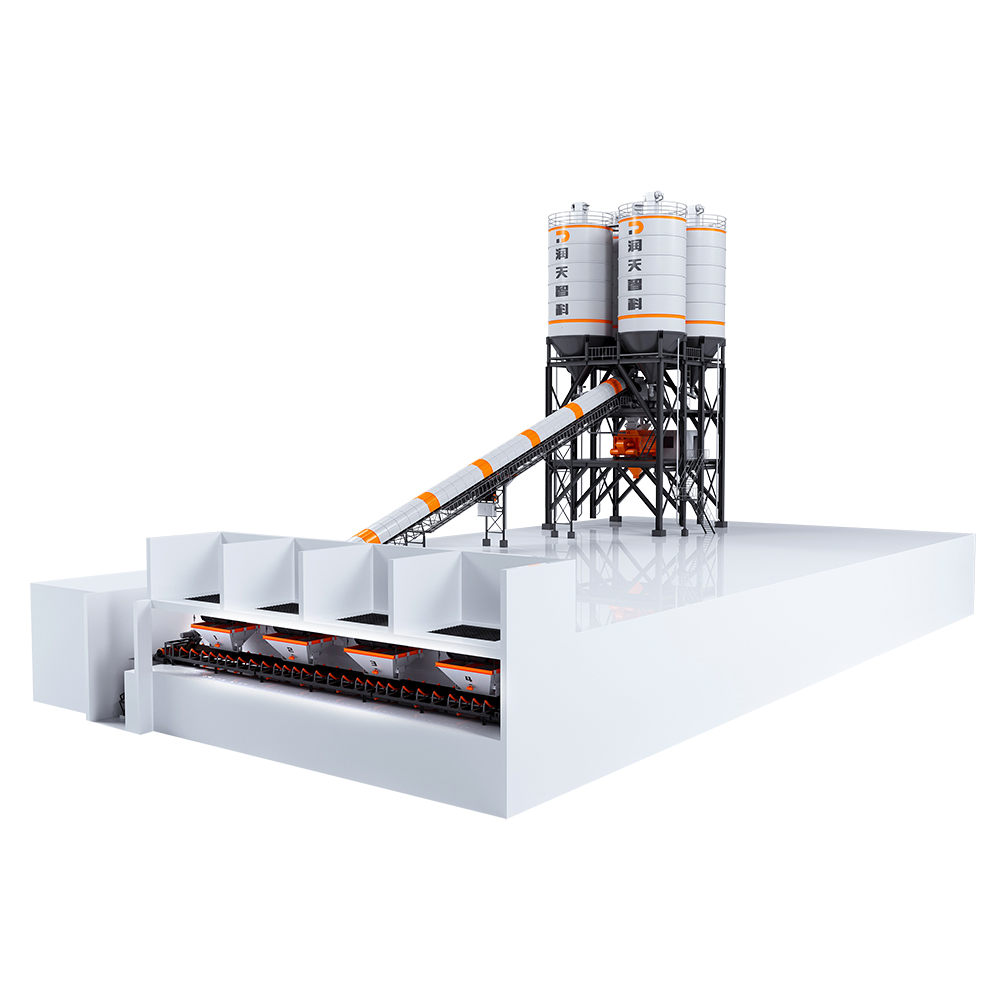 HZS Series Top-Mounted Concrete Mixing plant
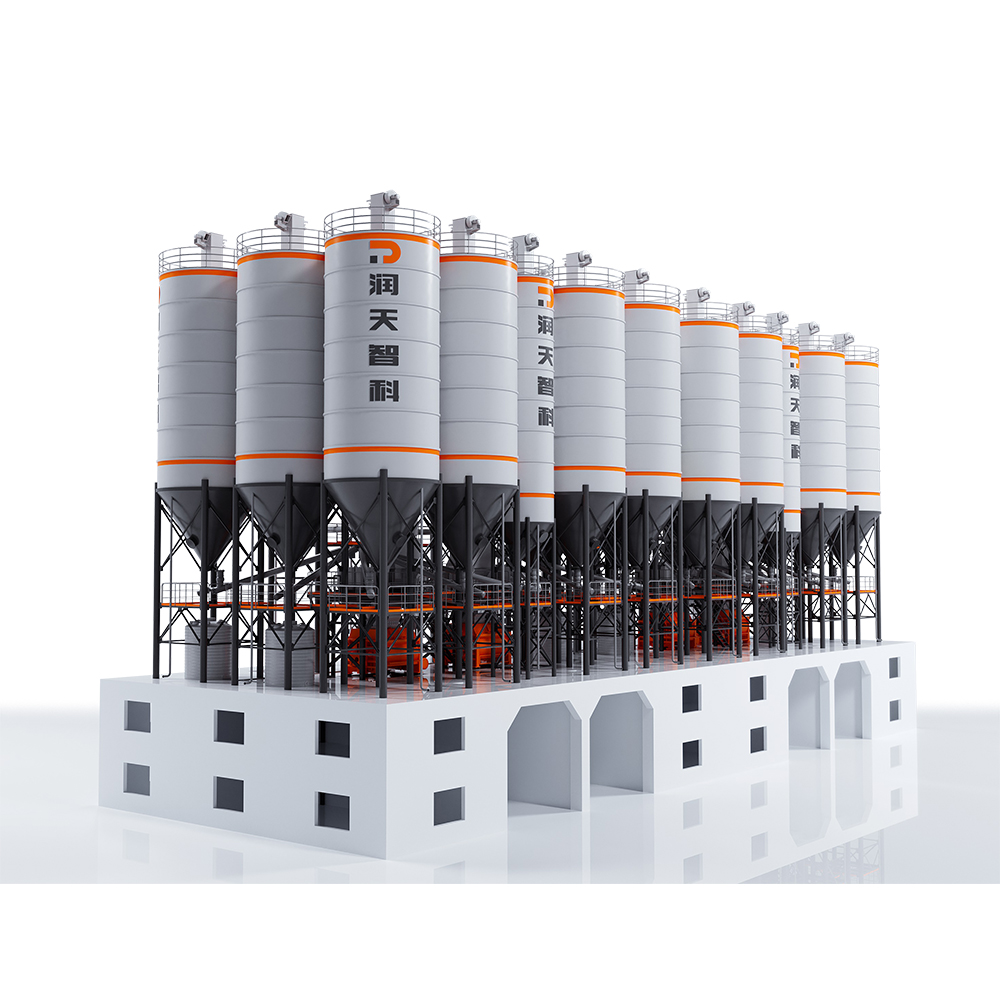 HZS Series Semi-Top Mounted Concrete Mixing Plant
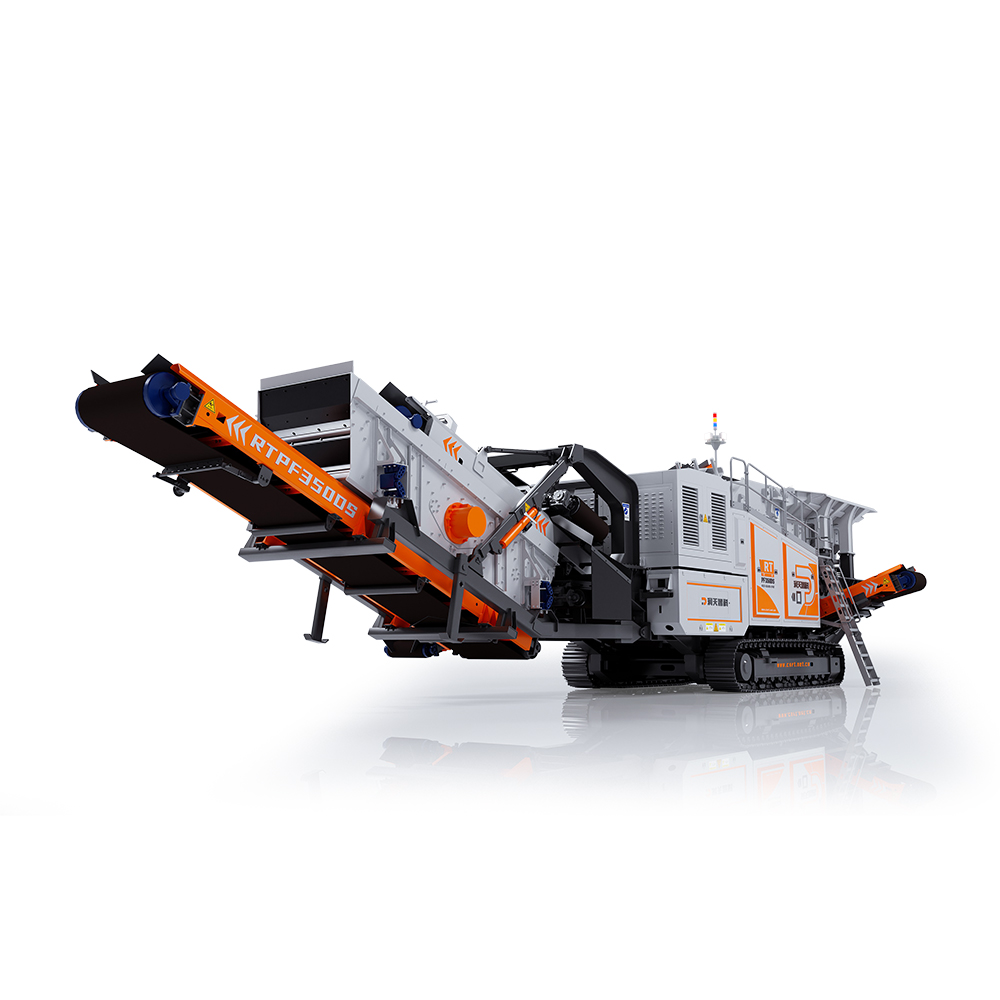 RTPF350DS Crawler Mobile Impact Crushing Plant
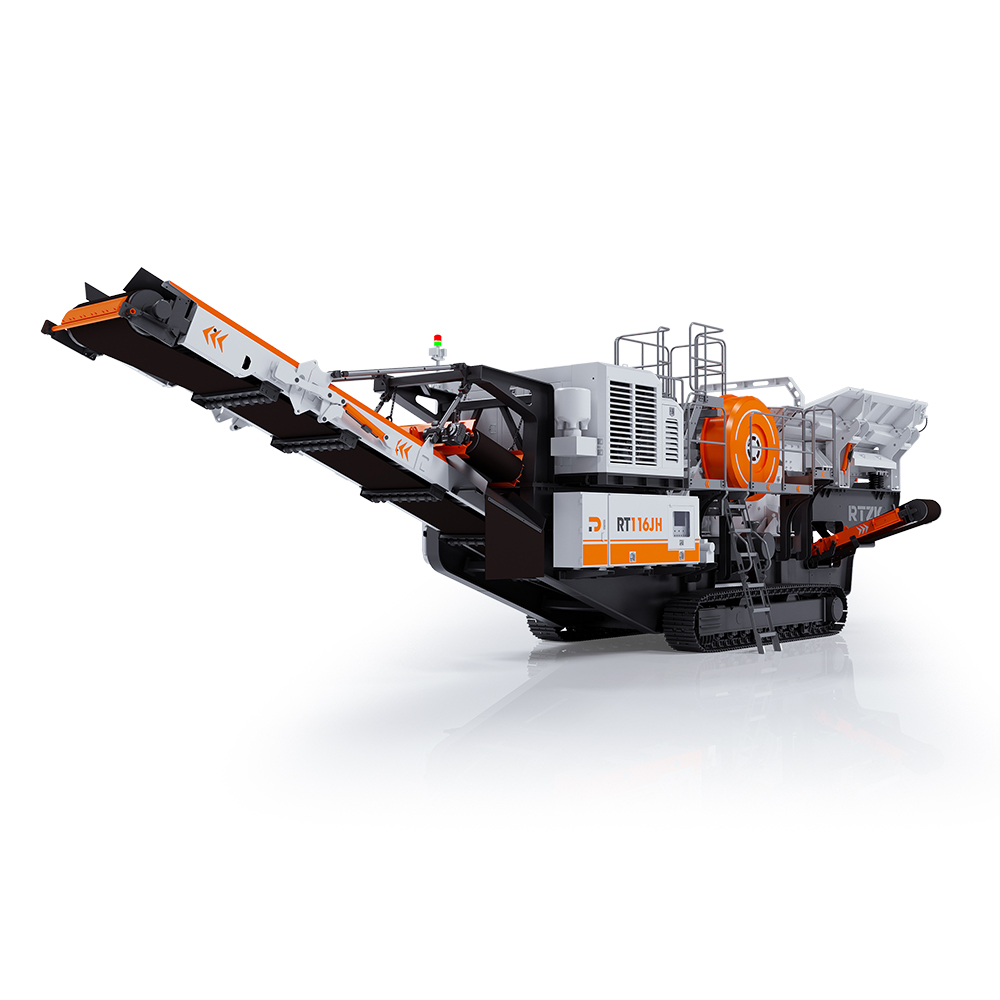 RT116JH Crawler Mobile Jaw Crushing Plant
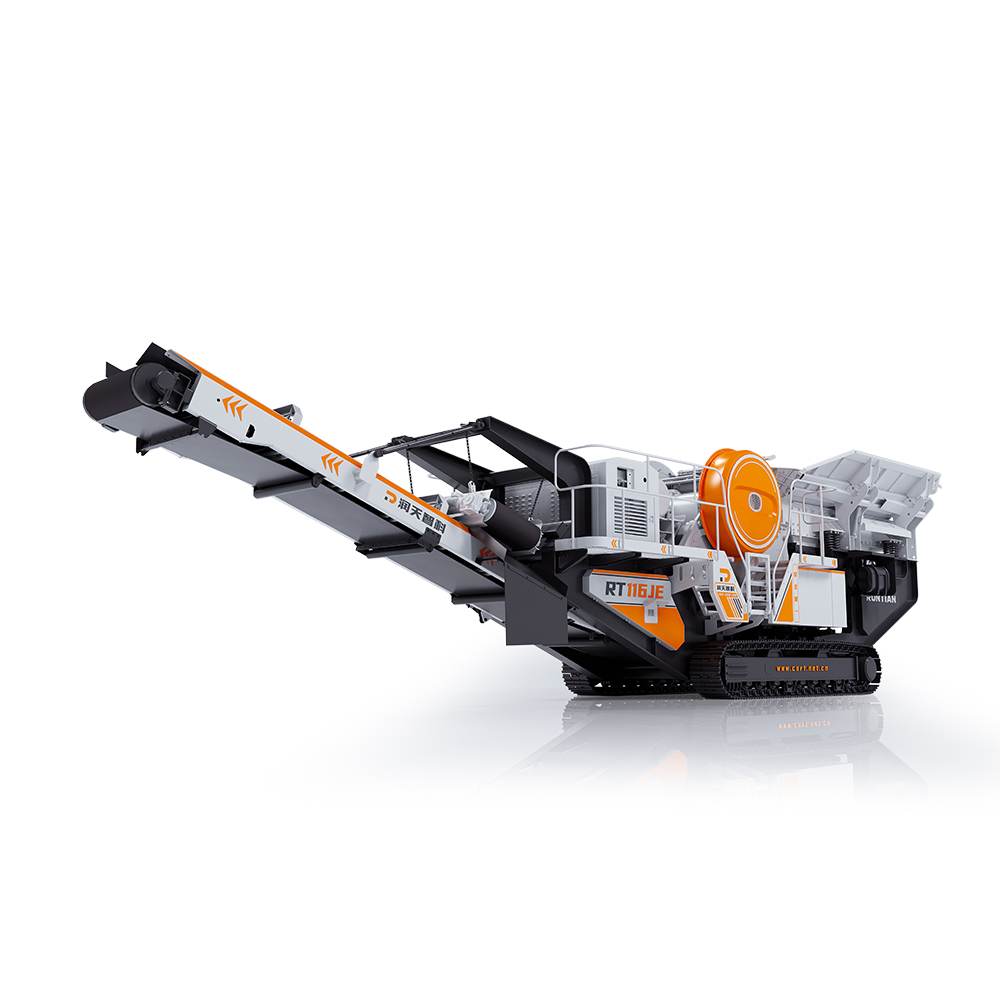 RT116JE Crawler Mobile Jaw Crushing Plant
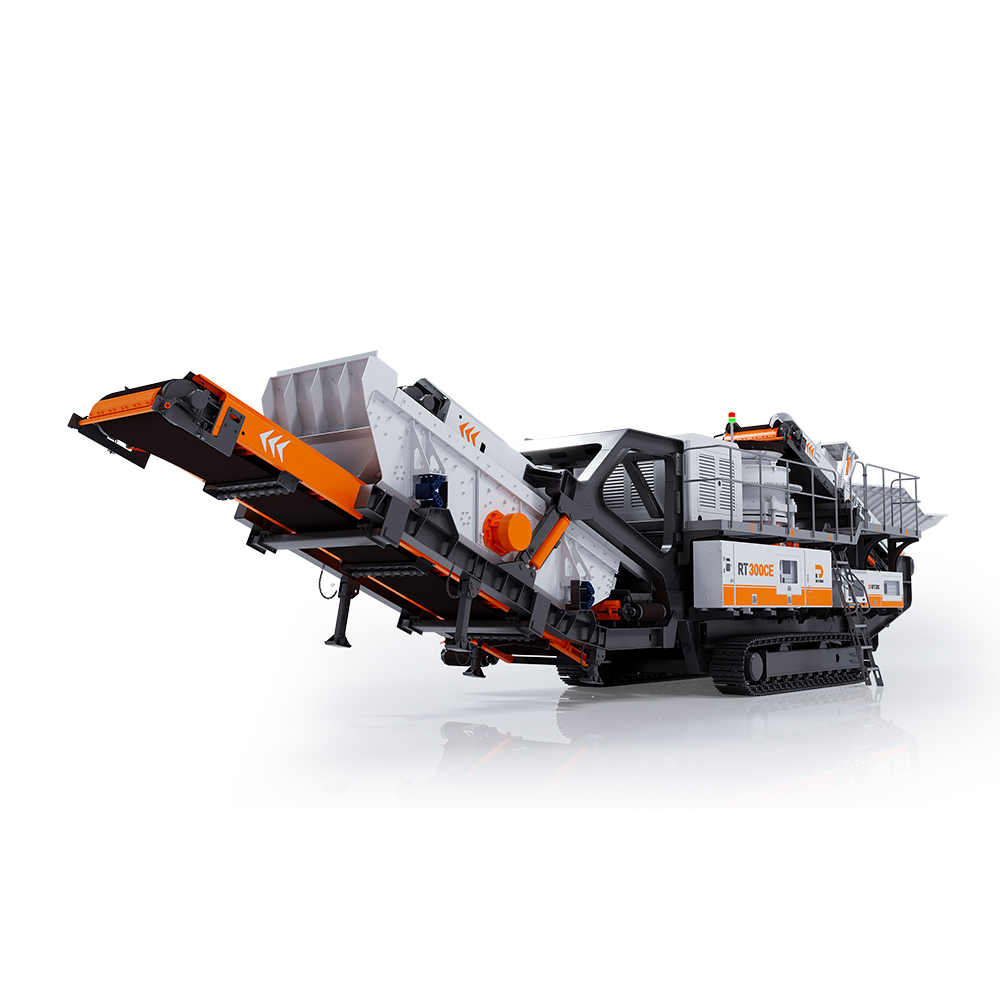 RT300CE Crawler Mobile Cone Crushing Plant
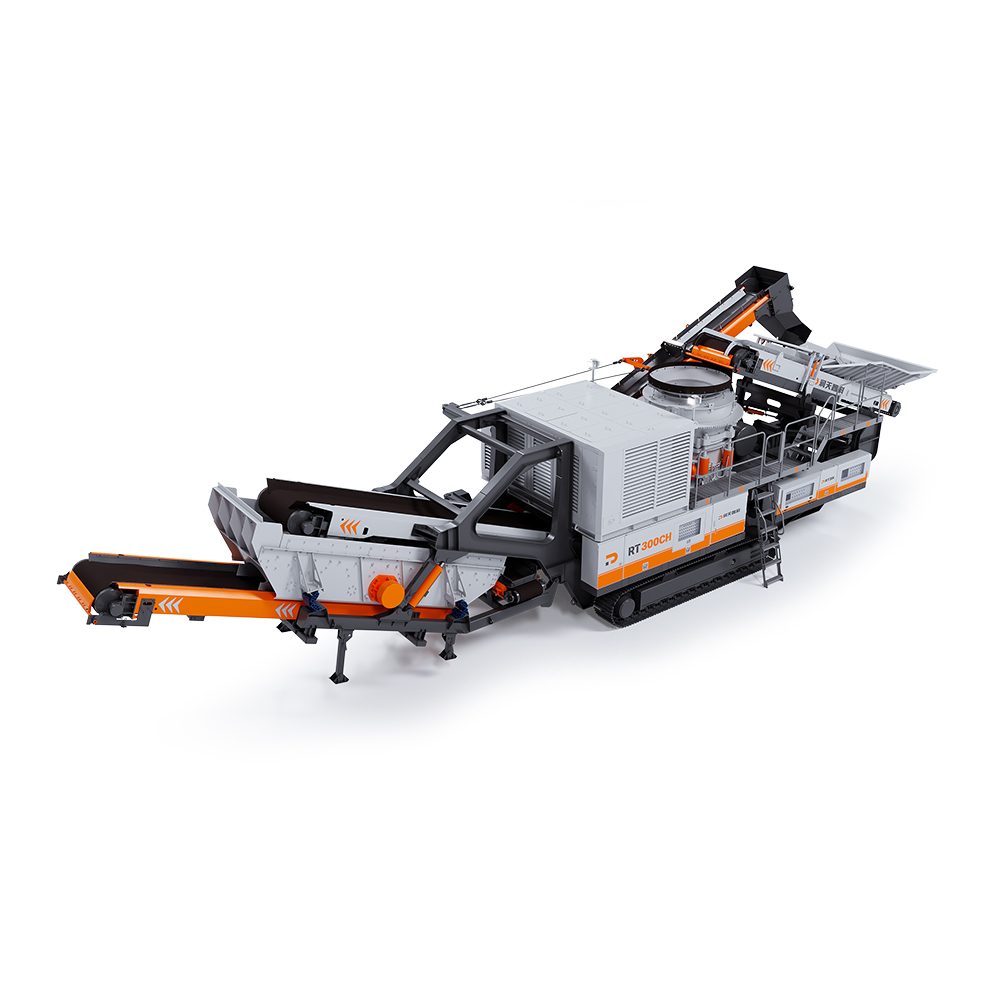 RT300CH Crawler Mobile Cone Crushing Plant
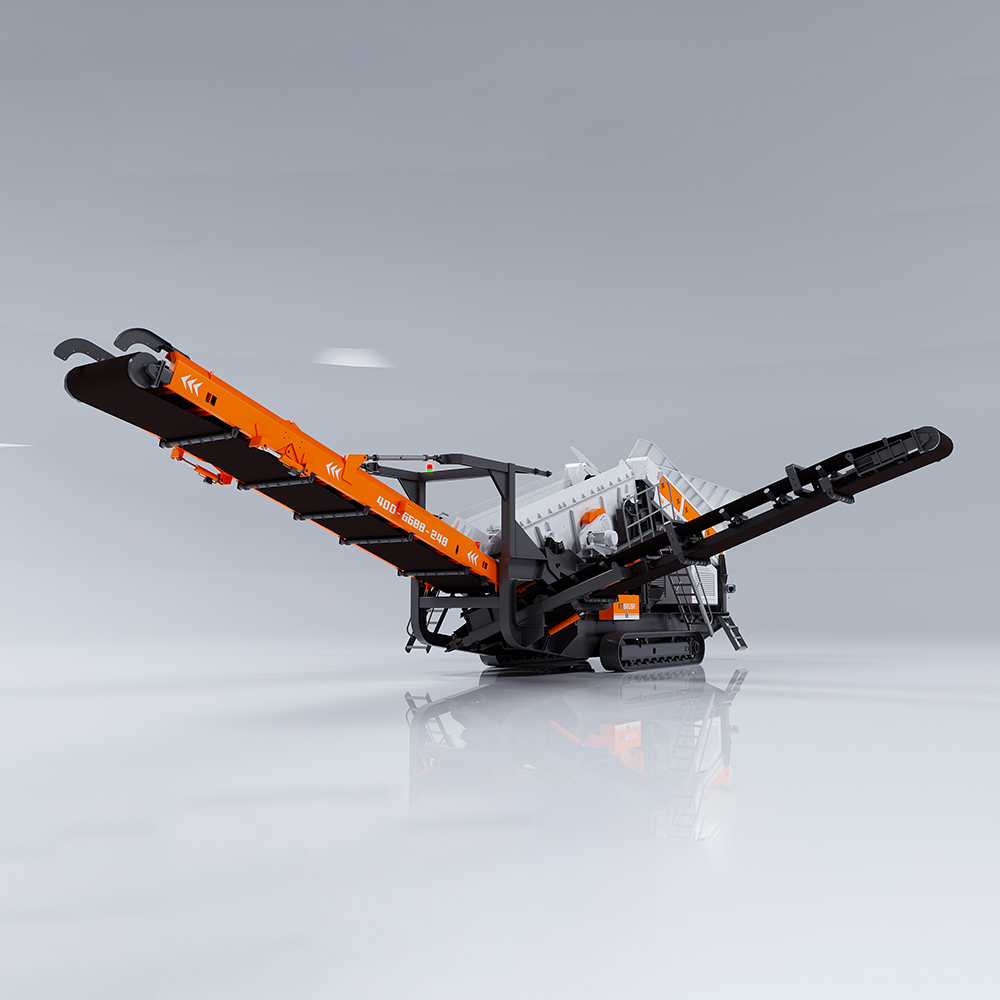 RT5015H Mobile Scalping Screen
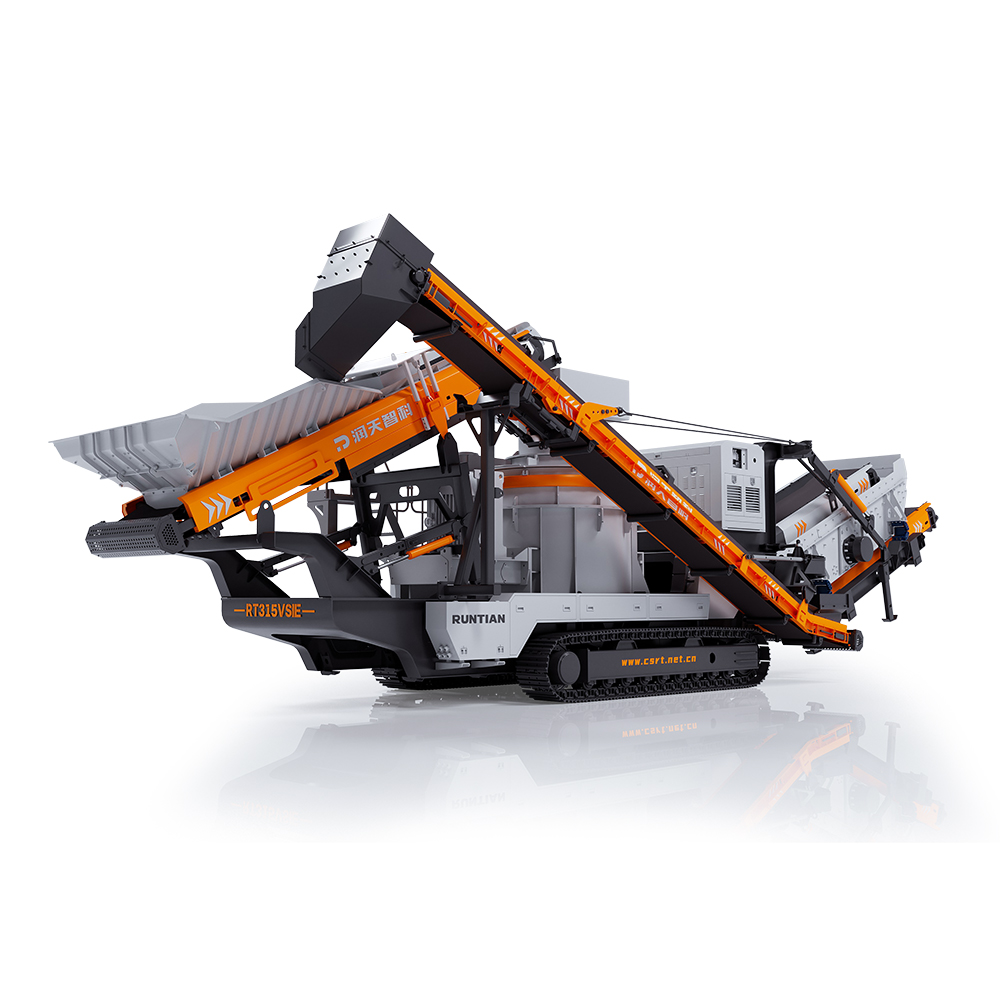 RT315VSIE Crawler Mobile Sand Maker
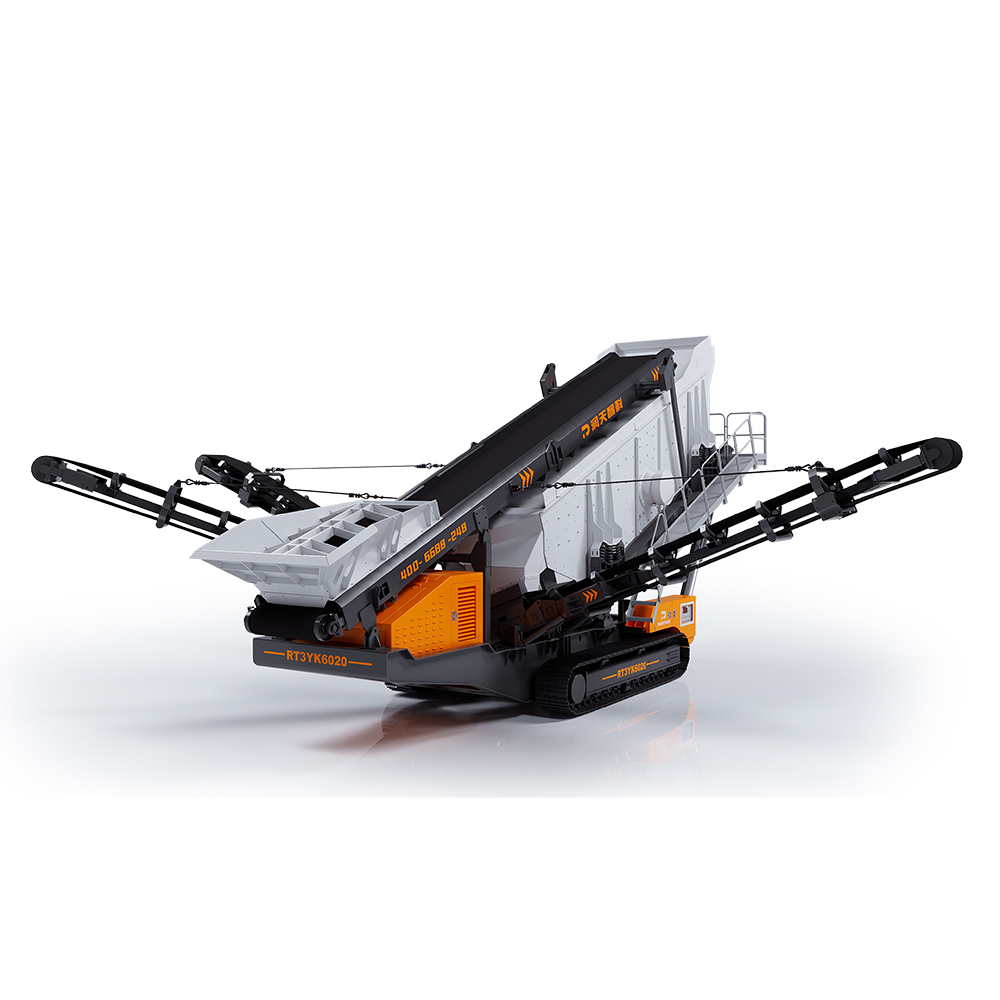 RT3YK6020 Crawler Mobile Screening Plant
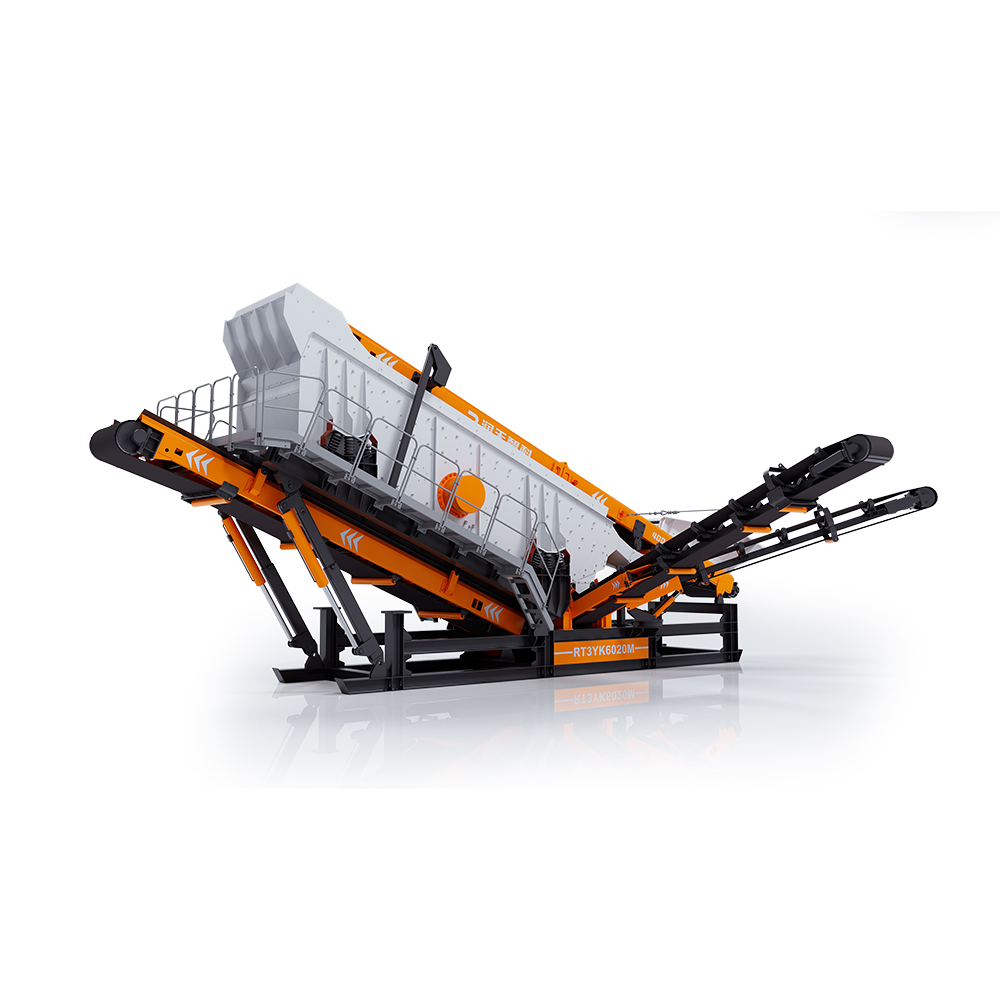 RT3YK6020M Modular Screening Plant
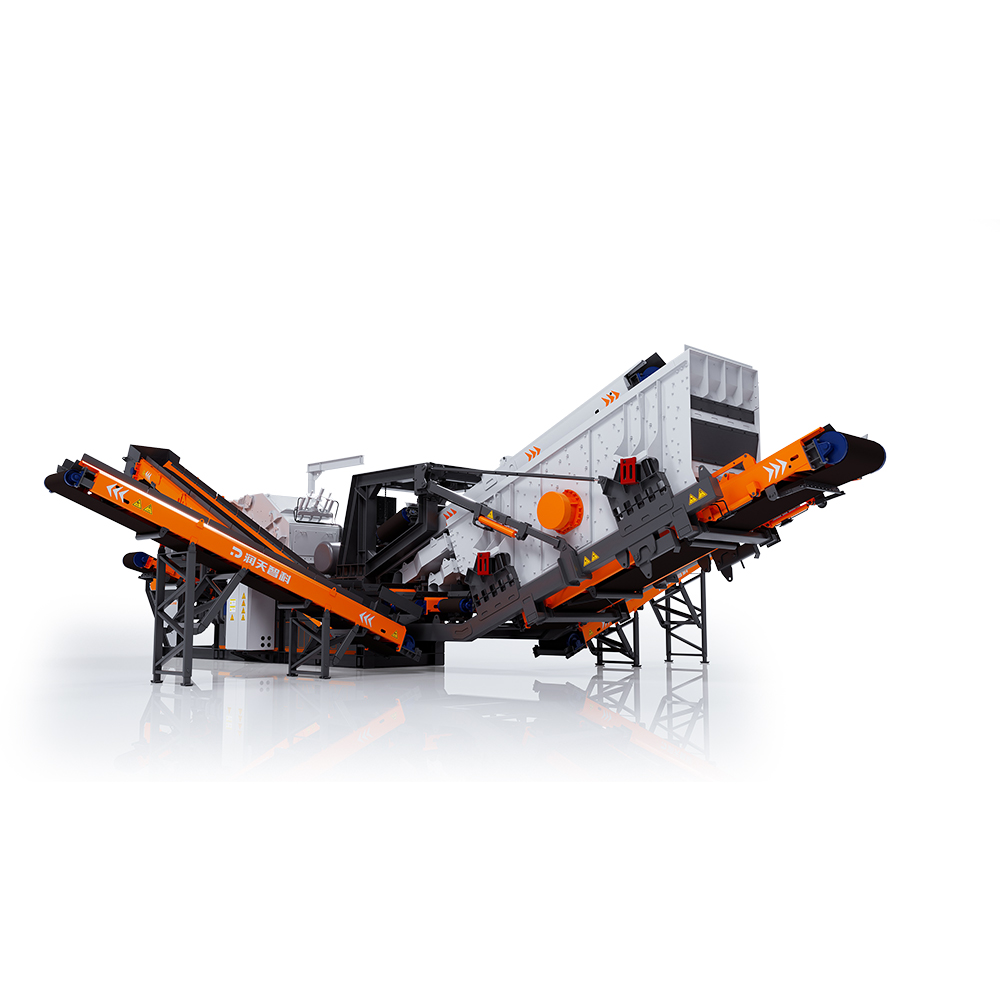 RTF260M Modular Counterattack Crushing and Screening Integrated Machine
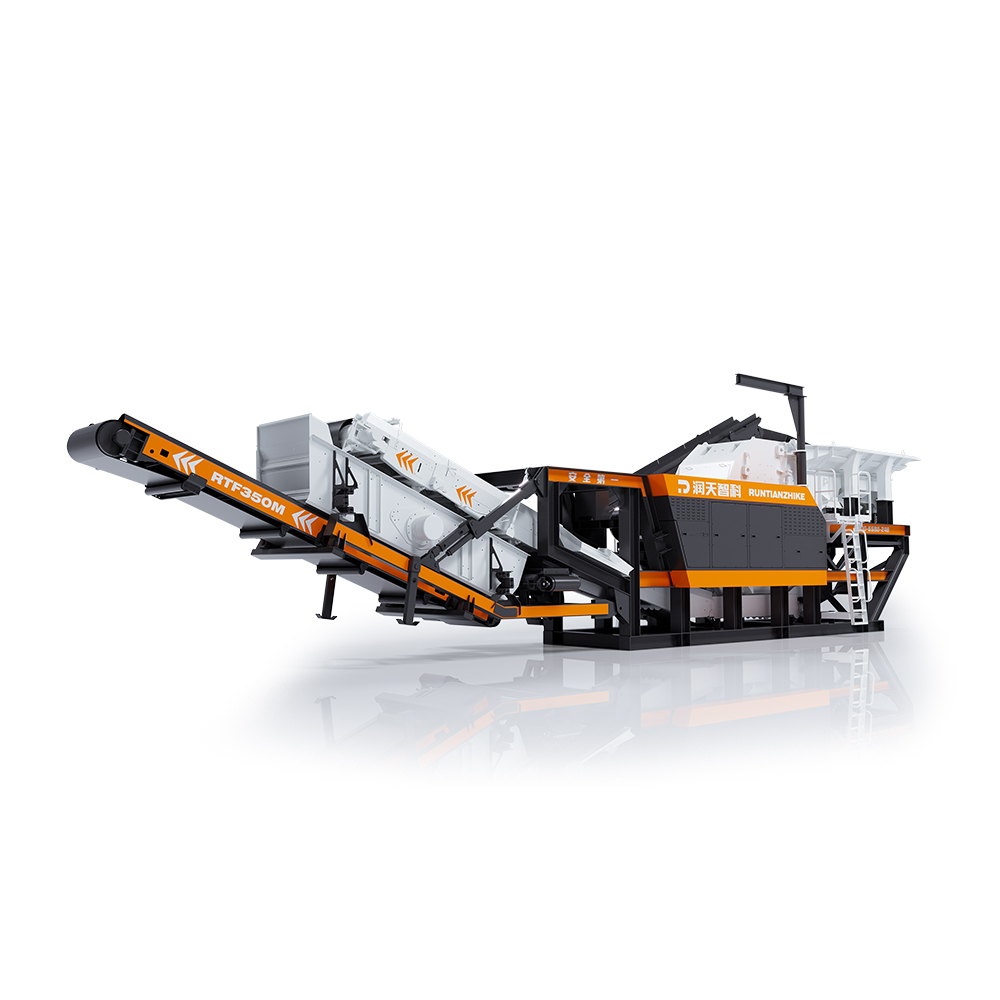 RTF350M Modular Impact Crushing Plant
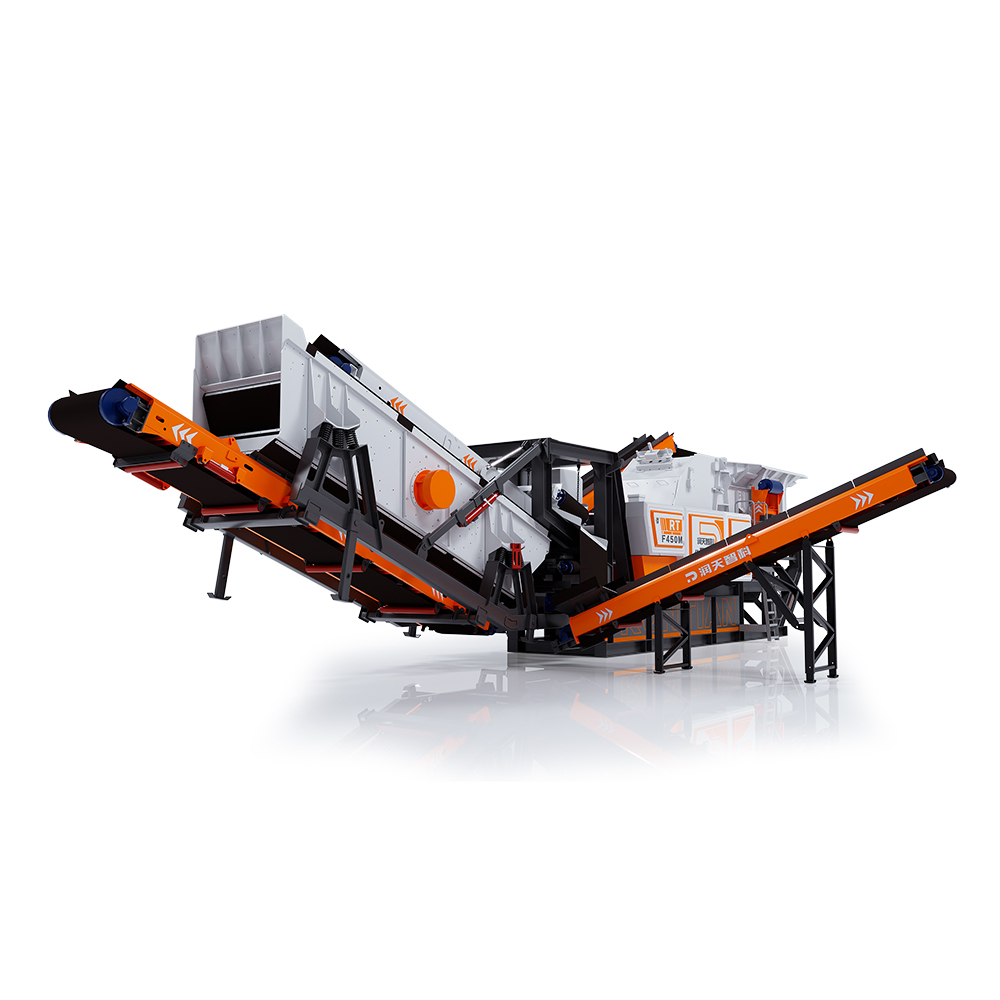 RTF450M Modular Impact Crushing Plant
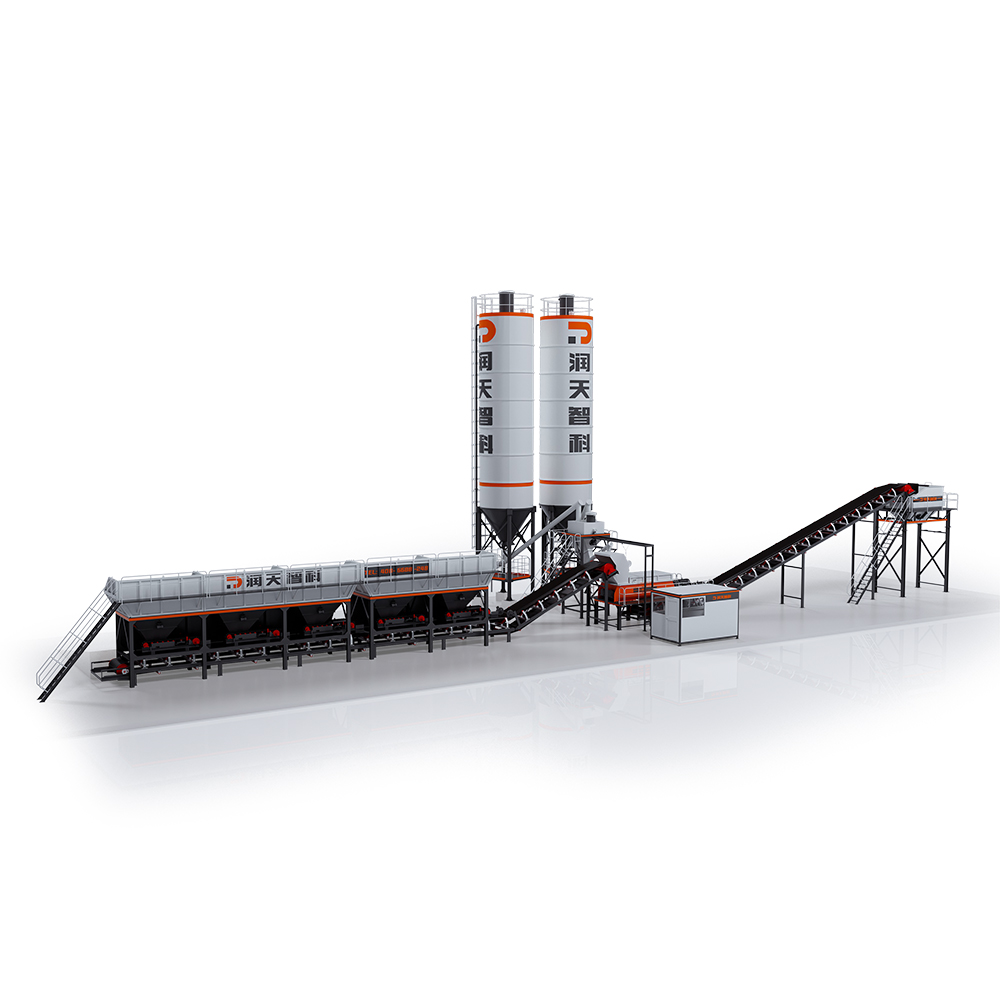 WDB Series Foundation-Free Stability Soil Mixing Plant
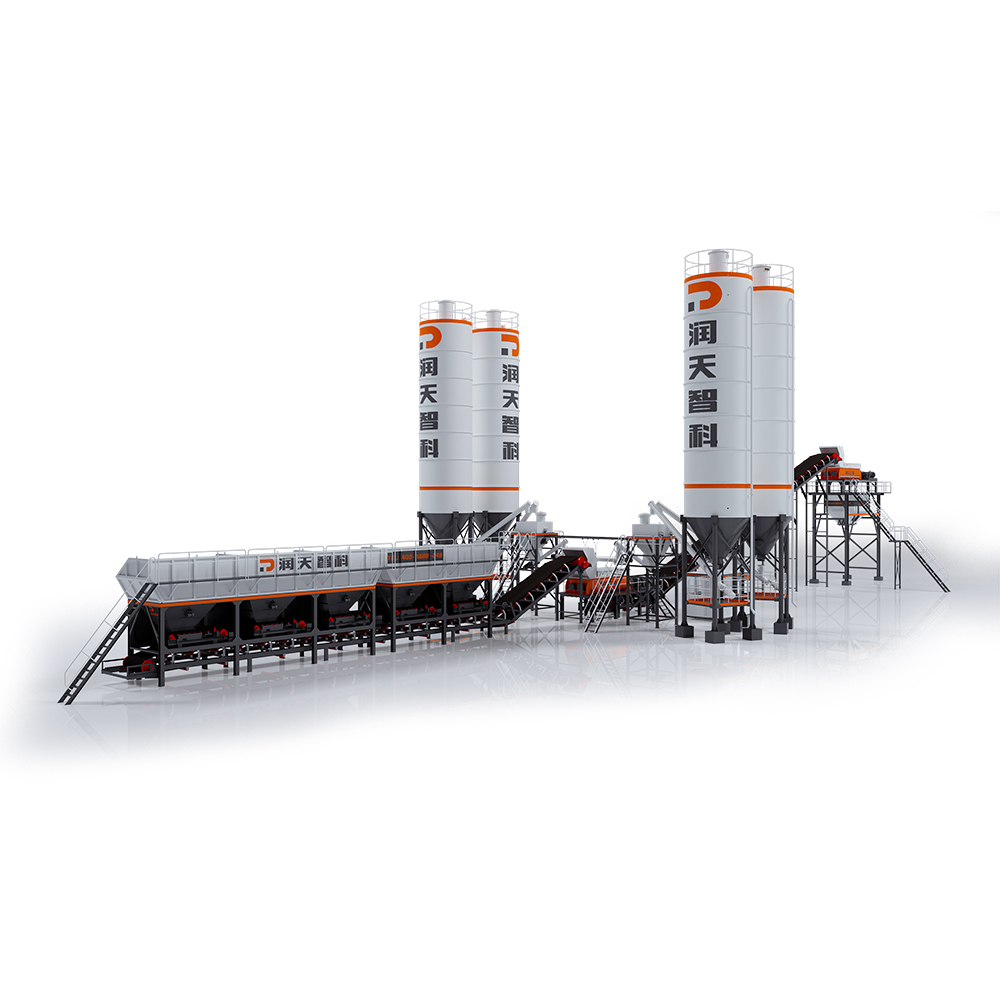 LCB Series Emulsified Asphalt Cold Regeneration Secondary Mixing Plant
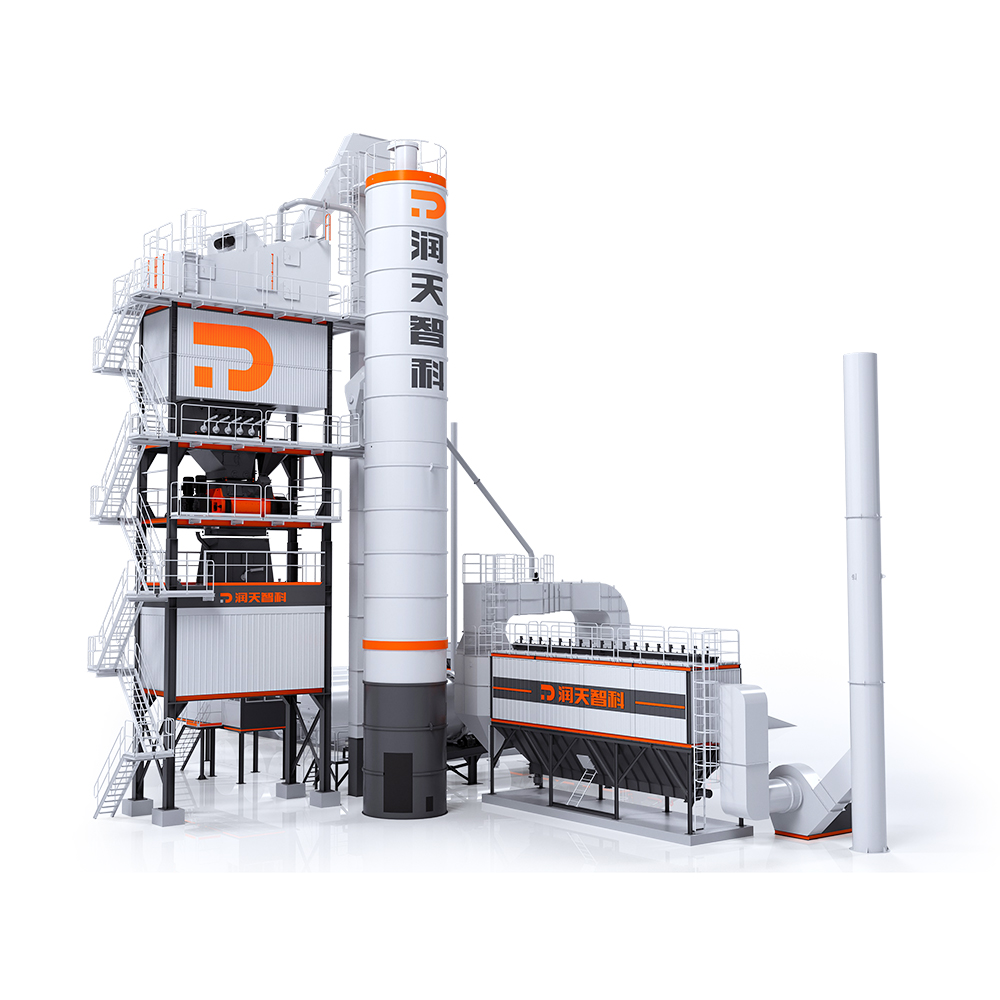 LB Series Asphalt Mixing Plant
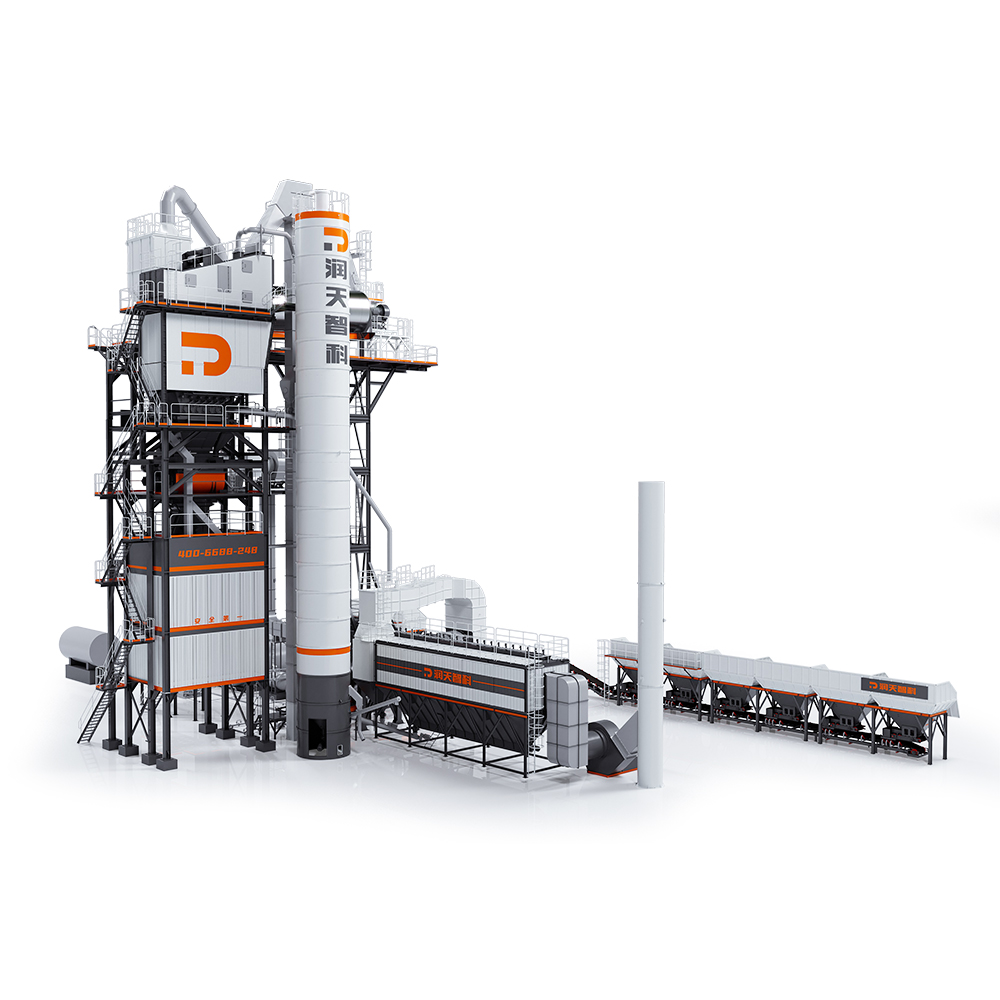 LBR Series Integrated Asphalt Mixing Plant
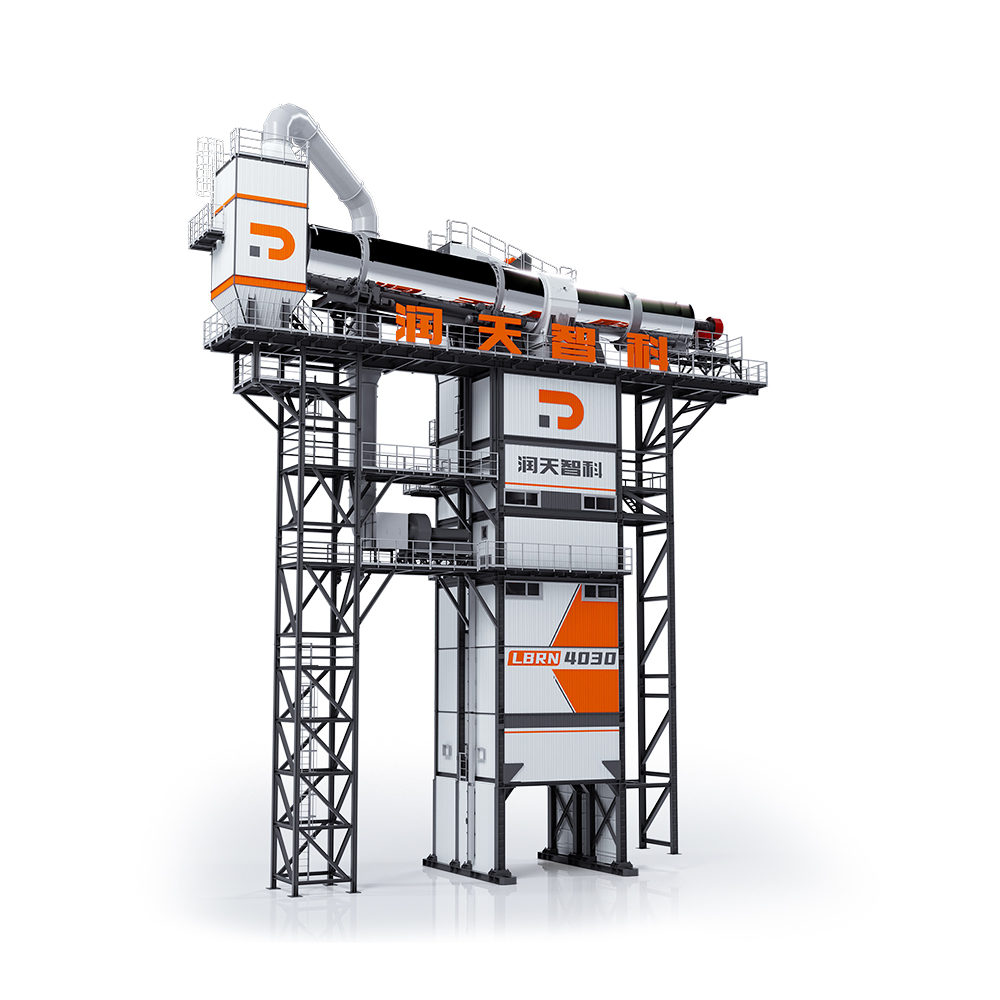 LBRN Series Counterflow Integral Asphalt Mixing Plant
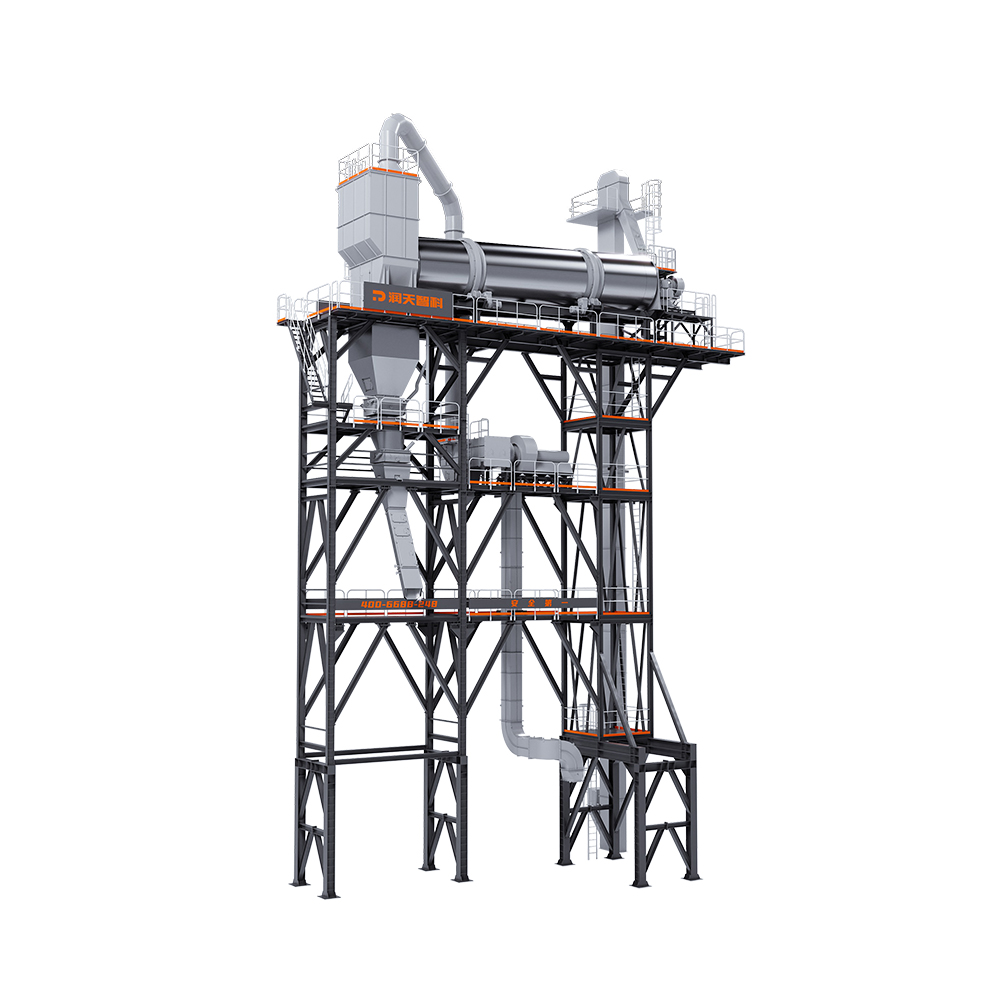 RZS Series Asphalt Mixing Plant
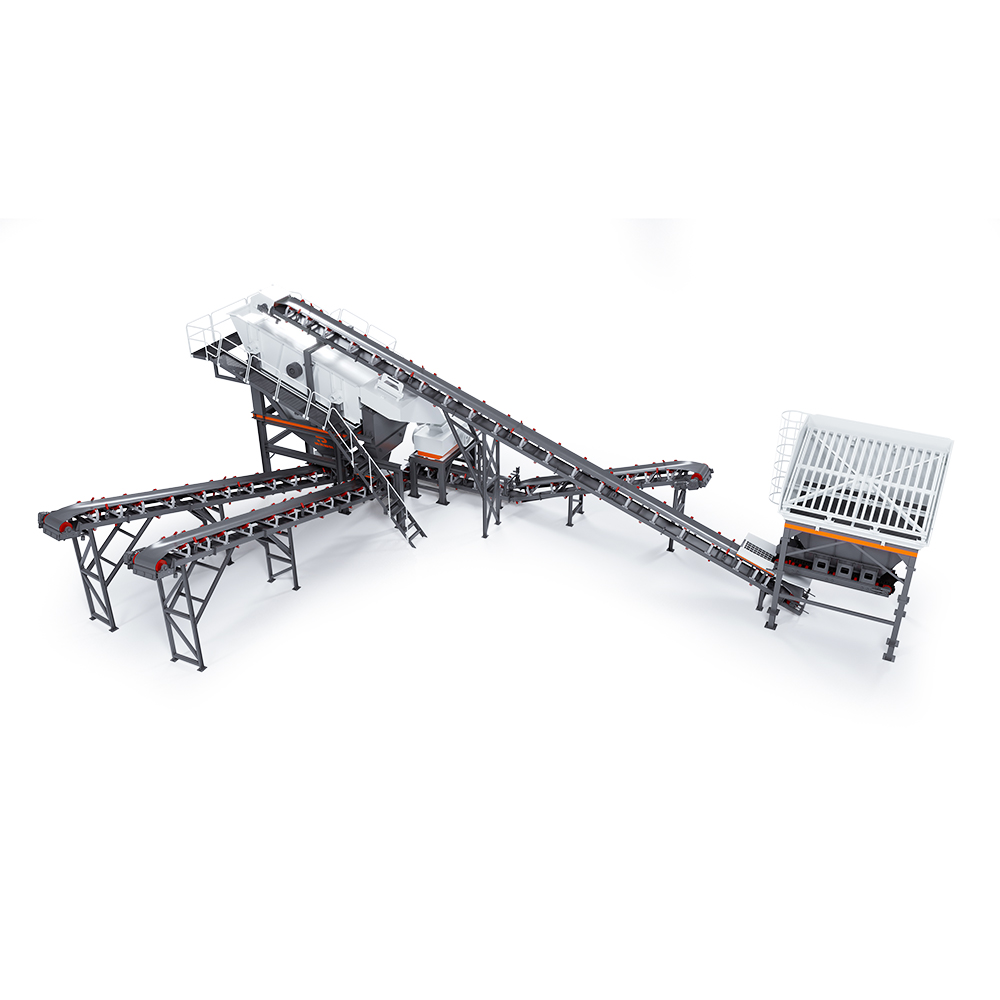 RTZS120 Series RAP Crushing & Screening Plant
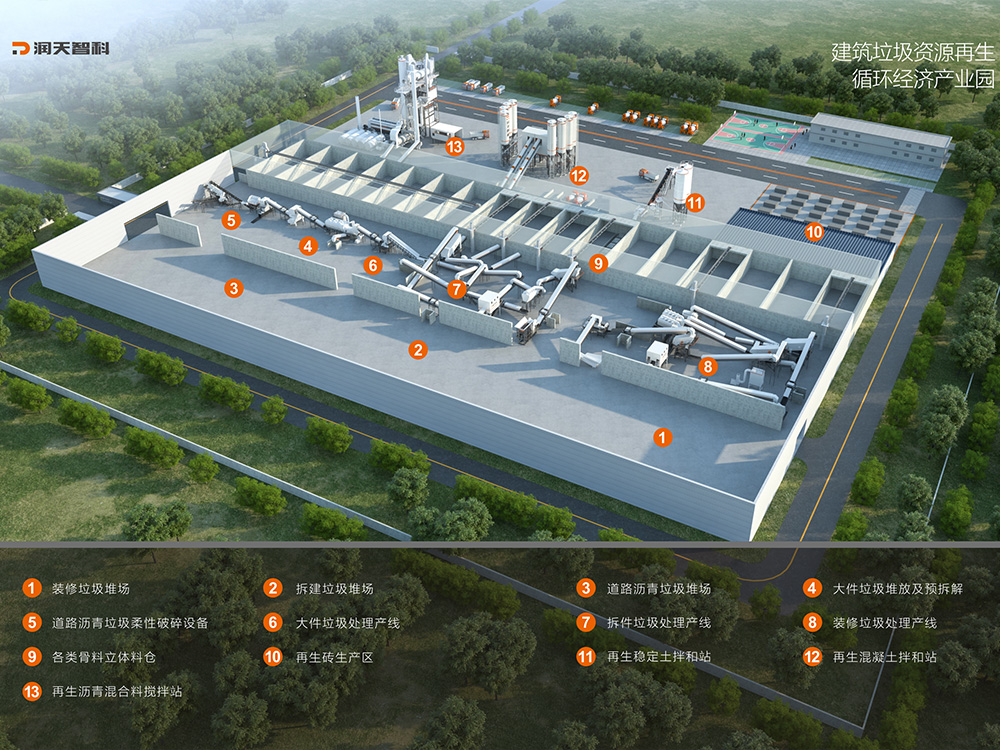 Construction Waste Resourceful Treatment Line