China Top 10 Concrete Mixer Manufacturers in 2026?
China’s concrete equipment industry continues to attract global buyers in 2026. This guide examines ten leading Chinese Concrete Mixer manufacturers, focusing on practical performance rather than advertising claims. Their products serve ready-mix plants, construction sites, precast factories, and infrastructure projects.
The comparison considers mixing capacity, shaft design, motor efficiency, discharge speed, wear resistance, and maintenance access. A reliable mixer should produce a consistent blend, even when aggregate moisture changes. Operators often notice quality through simple details, such as smooth discharge, stable vibration, and fewer material buildups inside the drum. Small details matter.
We also review manufacturing experience, export records, quality systems, technical support, and spare-parts availability. These factors can affect ownership costs more than the initial quotation. Buyers should examine factory testing documents, machine drawings, warranty terms, and installation guidance before making a decision. Independent verification remains valuable, especially when specifications appear unusually attractive.
This ranking is not absolute. Market data changes, and manufacturer performance may differ by model and project. A company with strong exports may not suit every local application. That is worth remembering. Site conditions, aggregate size, climate, production volume, and regional service capacity all influence the final choice. The following overview offers a practical starting point for engineers, contractors, distributors, and purchasing teams seeking dependable Chinese Concrete Mixer suppliers in 2026.
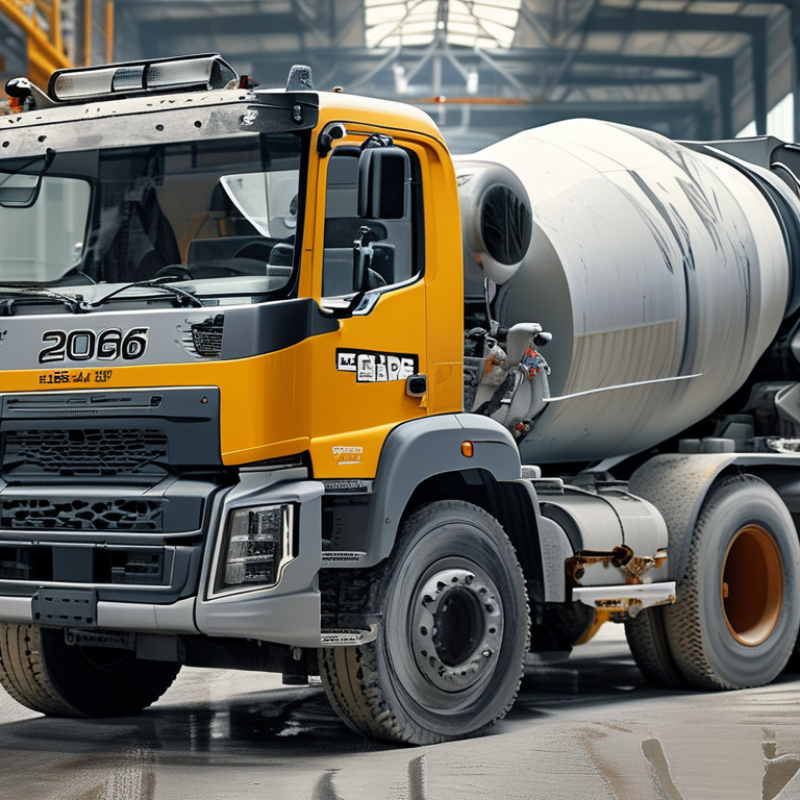
Defining China’s Concrete Mixer Manufacturing Industry in 2026
China Top 10 Concrete Mixer Manufacturers in 2026?
Defining China’s Concrete Mixer Manufacturing Industry in 2026
China’s concrete mixer manufacturing industry is shifting from volume to measurable performance. The National Bureau of Statistics reported continued growth in fixed-asset investment and infrastructure activity in 2024, supporting demand for mixing, batching, and transport equipment. However, demand is uneven. Property construction remains weaker than major infrastructure and urban renewal projects.
The China Construction Machinery Industry Association’s 2024 industry statistics indicate a more cautious equipment market, with manufacturers facing slower replacement cycles and stronger price competition. This pressure is changing factory priorities. Buyers now examine drum wear, hydraulic efficiency, discharge accuracy, noise levels, and service response time. A mixer that looks efficient on paper may perform poorly on a dusty site.
Field experience reveals another issue: digital functions are often added before operators need them. More screens do not guarantee better concrete quality. The real test is data stability during long shifts. Small details matter. A clean inspection hatch matters. So does a reliable water system.
Research from Fortune Business Insights and Grand View Research continues to identify automation, electric powertrains, and low-emission equipment as important market directions. Yet these forecasts should be read carefully. Adoption depends on charging access, project duration, local standards, and total ownership cost. In 2026, the strongest Chinese manufacturers will likely be judged less by production scale and more by verified durability, transparent testing, and practical after-sales support. Some industry claims still need independent checking.
China’s Top 10 Concrete Mixer Manufacturers in 2026
China’s Top 10 Concrete Mixer Manufacturers in 2026
China’s leading concrete mixer manufacturers are competing on durability, digital control, and export readiness. Research and Markets estimates the global concrete mixer truck market will expand at roughly 5% annually through 2030. This growth rewards suppliers with stable production, not only low prices. The strongest Chinese manufacturers typically offer drum capacities from 6 to 16 cubic meters, reinforced mixing blades, and automated lubrication systems. These details matter on dusty construction sites, where neglected bearings can stop a truck before noon.
A credible 2026 top-ten assessment should examine factory output, export records, warranty response, and verified field performance. Off-Highway Research identifies Asia-Pacific as the largest construction equipment region, creating strong demand for locally supported machinery. China’s export data also show construction equipment remains an important industrial category, although mixer-specific figures are not always reported separately. That gap makes simple sales rankings unreliable. A large shipment count can hide weak after-sales service.
Practical buyers should inspect drum wear after repeated loading cycles, hydraulic temperature under traffic, and discharge consistency at the jobsite. Telematics can track fuel use, idle time, and maintenance alerts. Useful, but not flawless. Sensors still need calibration. The China Construction Machinery Industry Association emphasizes stronger quality control and intelligent manufacturing across the sector. Therefore, the most dependable manufacturers in 2026 will combine measurable reliability with transparent testing records. Independent audits, customer references, and spare-parts availability should carry more weight than promotional claims.
This chart presents ten commonly published concrete mixer truck capacity classes used in China, ranging from compact urban models to high-capacity construction vehicles. The figures describe nominal drum capacity and are provided as an industry benchmark rather than company- or brand-specific data.
Product Ranges, Technologies, and Industry Applications
China’s top concrete mixer manufacturers in 2026 are increasingly judged by product coverage, not production volume alone. Their ranges typically include truck mixers, self-loading mixers, planetary mixers, twin-shaft units, and compact models for restricted sites. According to Grand View Research, the global concrete mixer market is expected to expand steadily through the decade, supported by urban infrastructure and housing demand. China remains important because it serves both domestic megaprojects and export markets.
Technology now shapes practical value. Telematics can record drum speed, discharge time, fuel use, and maintenance alerts. Automated batching improves consistency, while wear-resistant liners extend service life in abrasive aggregate conditions. Electric and hybrid mixers are also appearing in low-emission construction zones. The International Energy Agency reports that cement production contributes about 7% of global energy-related carbon dioxide emissions, so equipment efficiency matters beyond fuel savings. Small gains count.
Applications differ sharply. Large truck mixers support highways, bridges, and high-rise foundations. Self-loading units suit rural roads, mines, and sites without permanent batching plants. Planetary mixers often serve precast factories and controlled industrial production. Buyers should check drum capacity, axle limits, cleaning access, and local service support. A high-output machine can still fail operationally when spare parts arrive slowly. Rankings are not perfectly stable. Field reliability, operator training, and verified test data deserve more weight than catalogue claims.
How to Select the Right Chinese Concrete Mixer Manufacturer
China Top 10 Concrete Mixer Manufacturers in 2026?
How to Select the Right Chinese Concrete Mixer Manufacturer
Selecting a Chinese concrete mixer manufacturer requires more than comparing catalog prices. Start with your project conditions: mixer capacity, aggregate size, discharge height, climate, and daily output. A supplier should explain how its drum, motor, gearbox, and wear parts match those conditions. Ask for drawings, load data, and a clear production test. Vague promises are warning signs.
Verify manufacturing experience through factory records, inspection procedures, and similar equipment references. Request videos of welding, machining, assembly, and final testing, but do not treat videos as proof alone. A reliable manufacturer shares material specifications, tolerances, maintenance intervals, and spare-parts availability. Check whether technicians can communicate in your working language and provide practical installation guidance. This detail matters when a mixer arrives at a dusty jobsite with limited tools. I would also inspect the control cabinet, emergency stop, guarding, and electrical documentation before payment.
Compare the complete cost, not only the machine quotation. Include shipping, commissioning, training, wear parts, energy use, and downtime risks. Ask for a written warranty with response times and exclusions. Try a sample batch using your actual mix design. Check the basics. Concrete may slump differently than expected. That test can expose uneven mixing, slow discharge, or excessive residue. No supplier is perfect, including the one that looks most organized. I would record unresolved questions and make them contract requirements. A lower price may still be expensive if support disappears after delivery.

 Concrete Mixing Plant
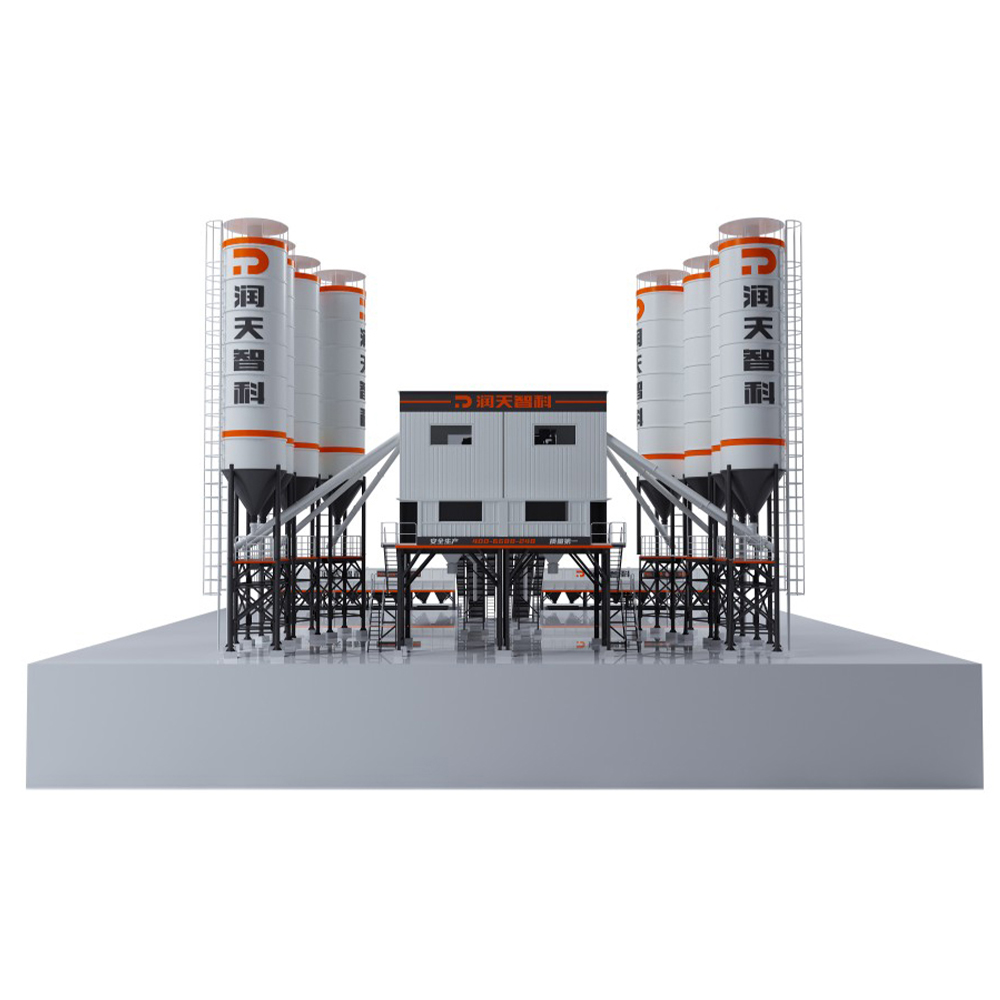 HZS Series Belt Concrete Mixing Plant
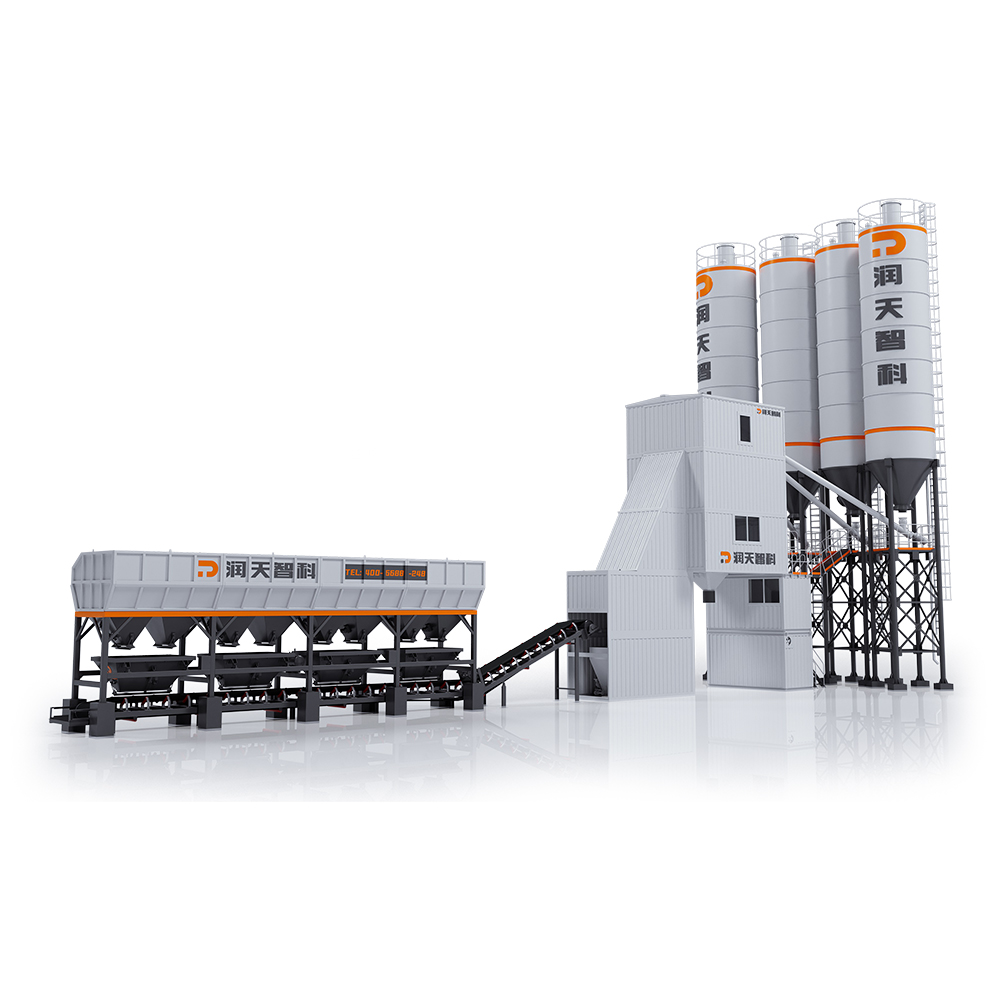 HZS Series Bucket-Lifting Type Container Concrete Mixing Plant
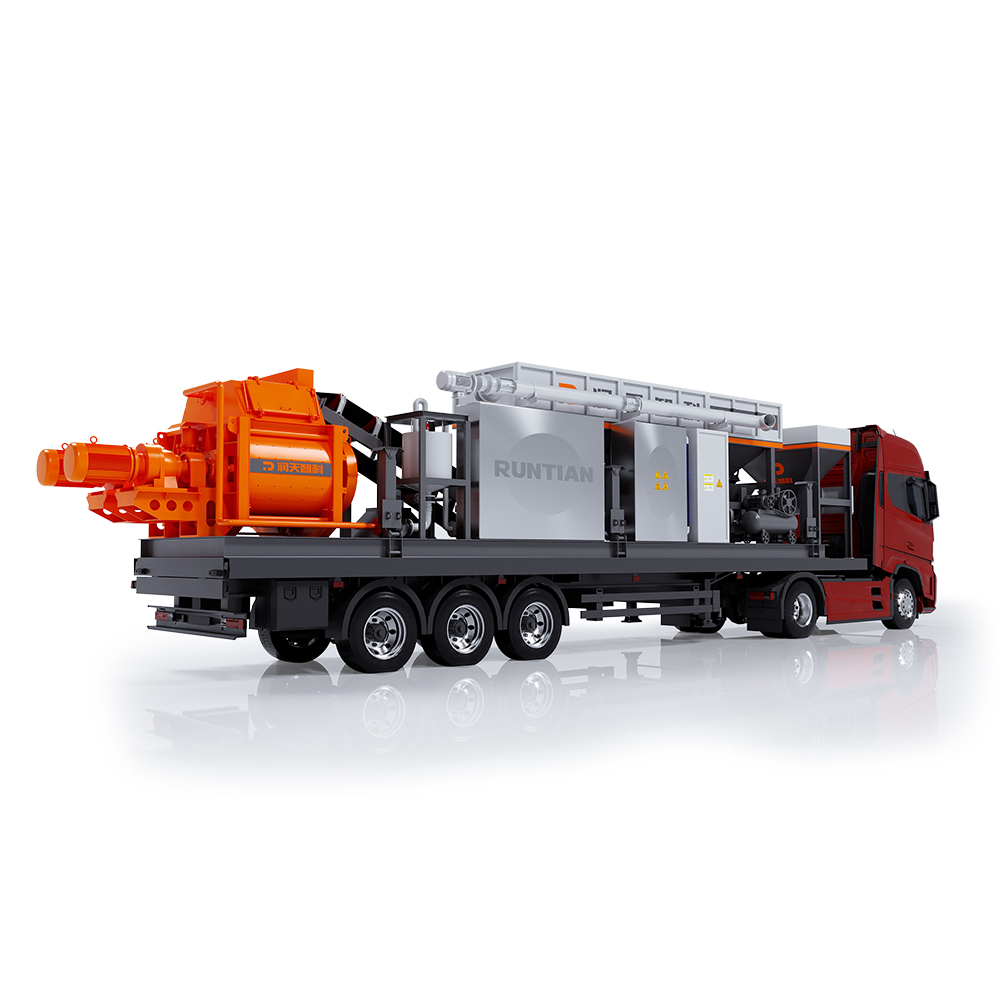 HZS60 Mobile Concrete Mixing Plant
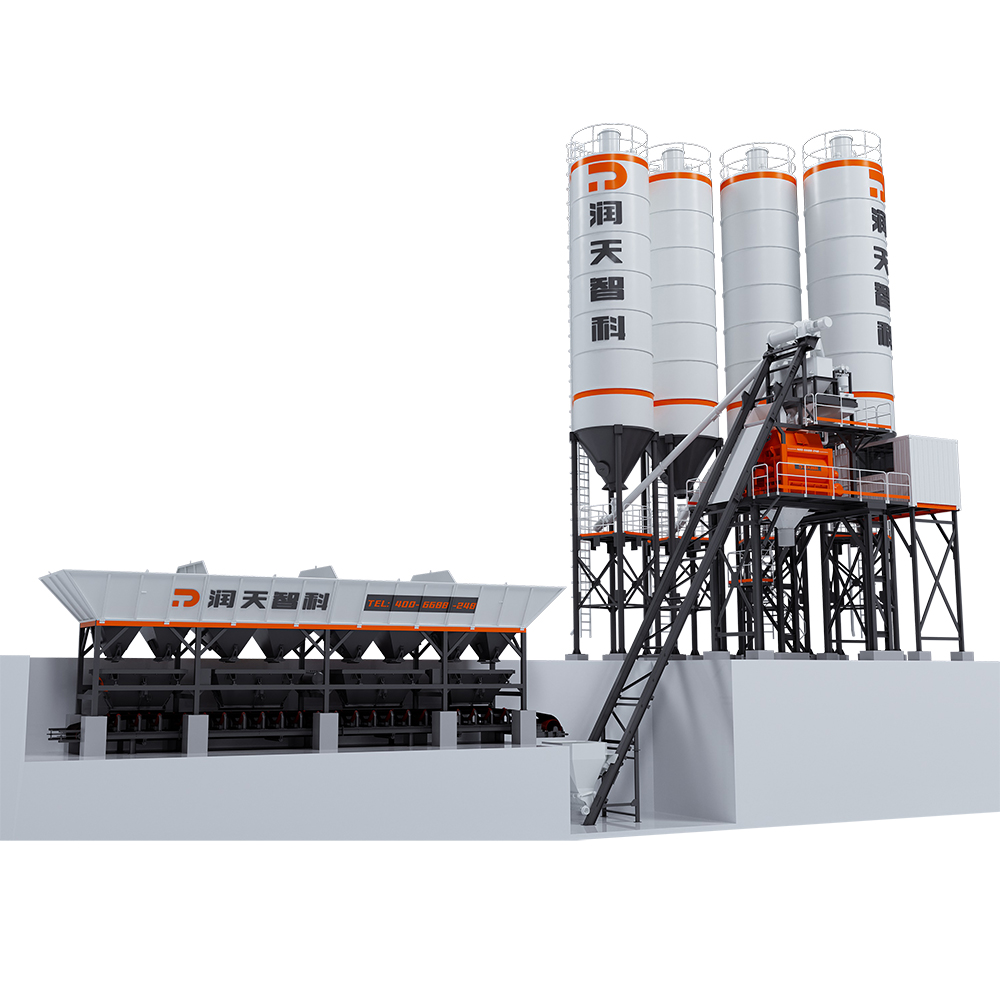 HZS Series Bucket-Lifting Type Concrete Mixing Plant
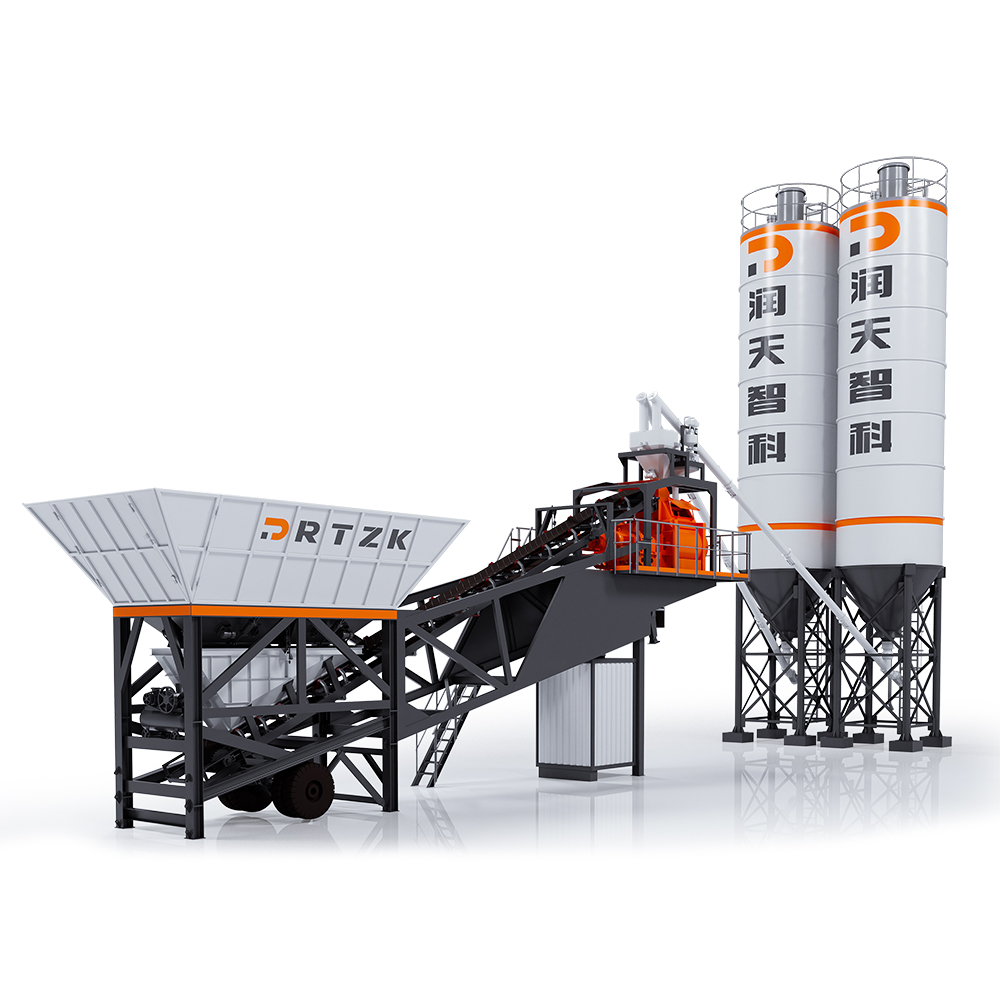 HZS Series Mobile Concrete Mixing Plant
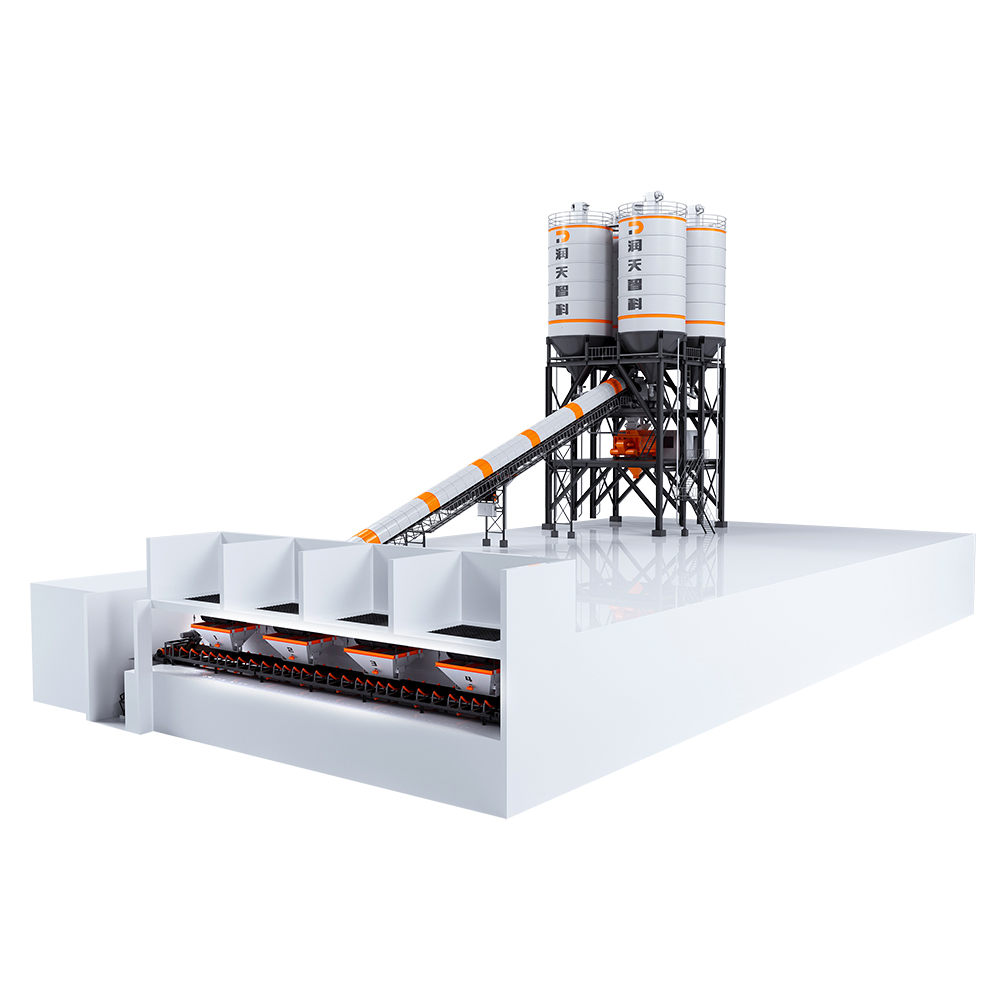 HZS Series Top-Mounted Concrete Mixing plant
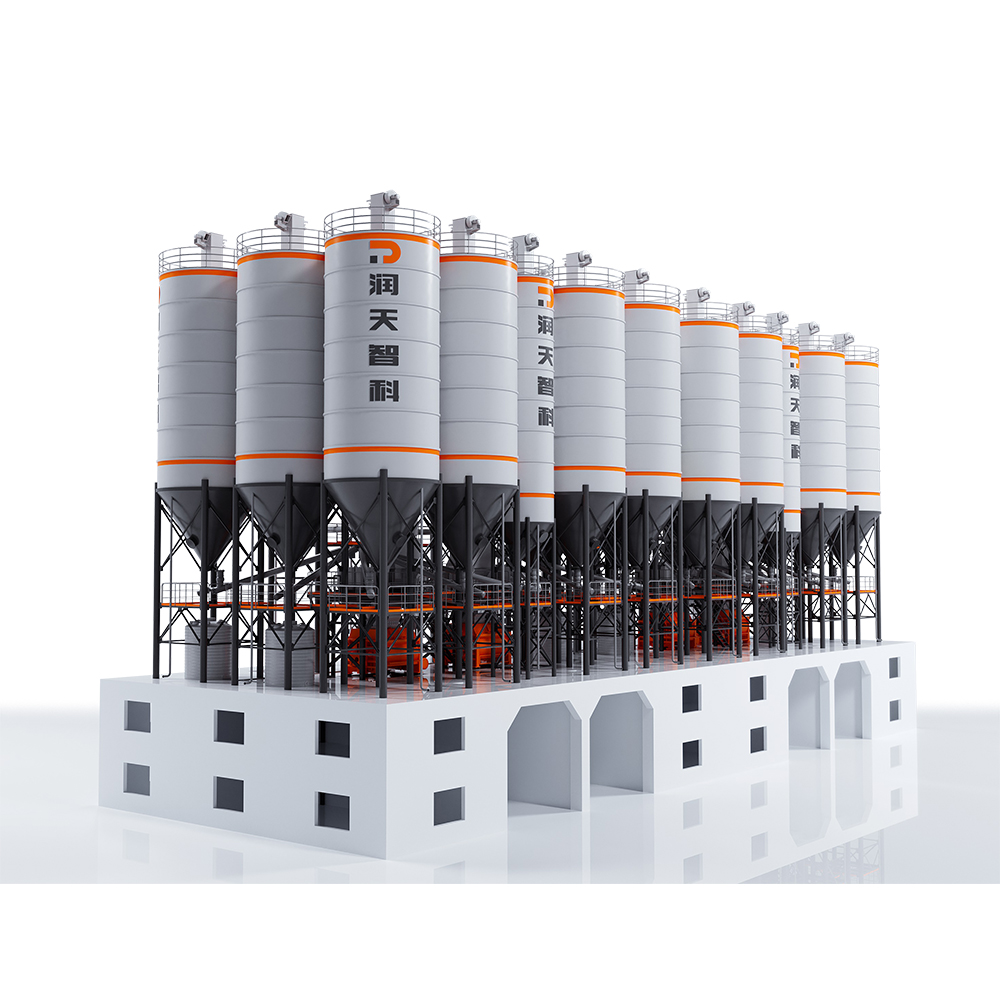 HZS Series Semi-Top Mounted Concrete Mixing Plant
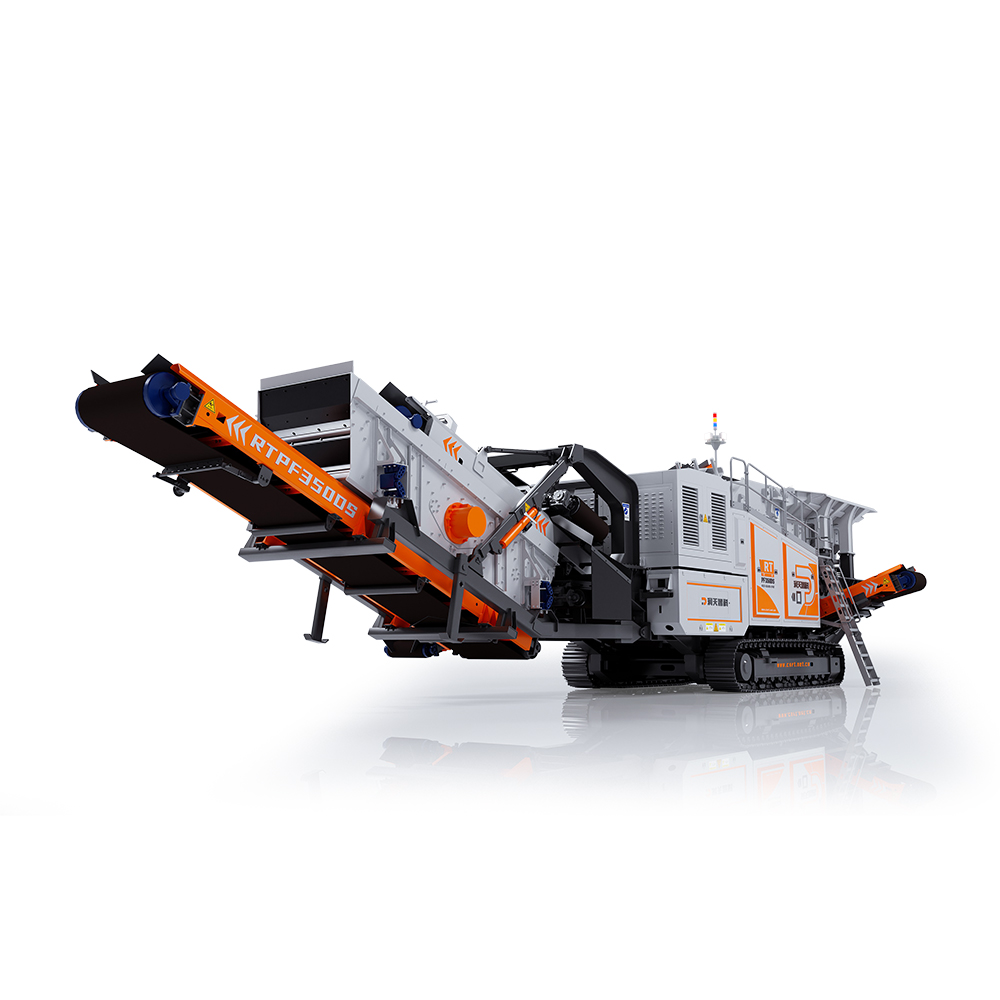 RTPF350DS Crawler Mobile Impact Crushing Plant
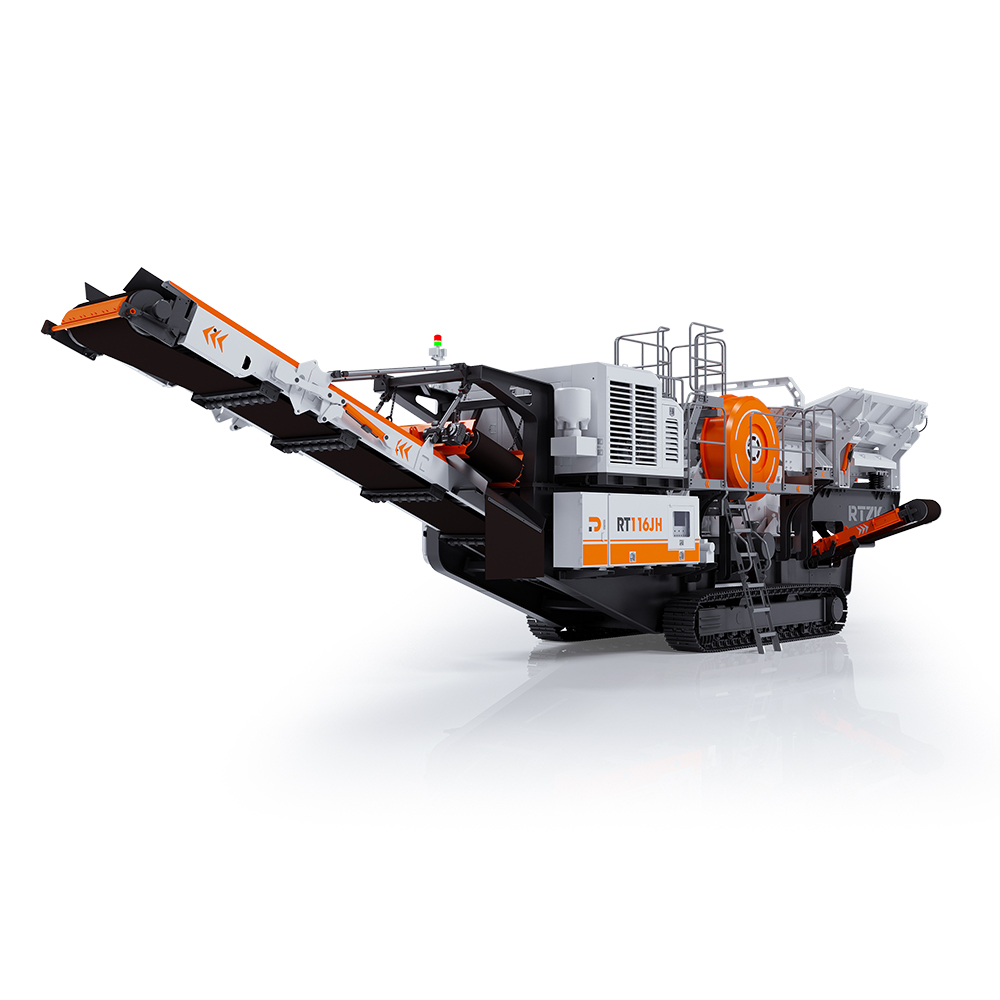 RT116JH Crawler Mobile Jaw Crushing Plant
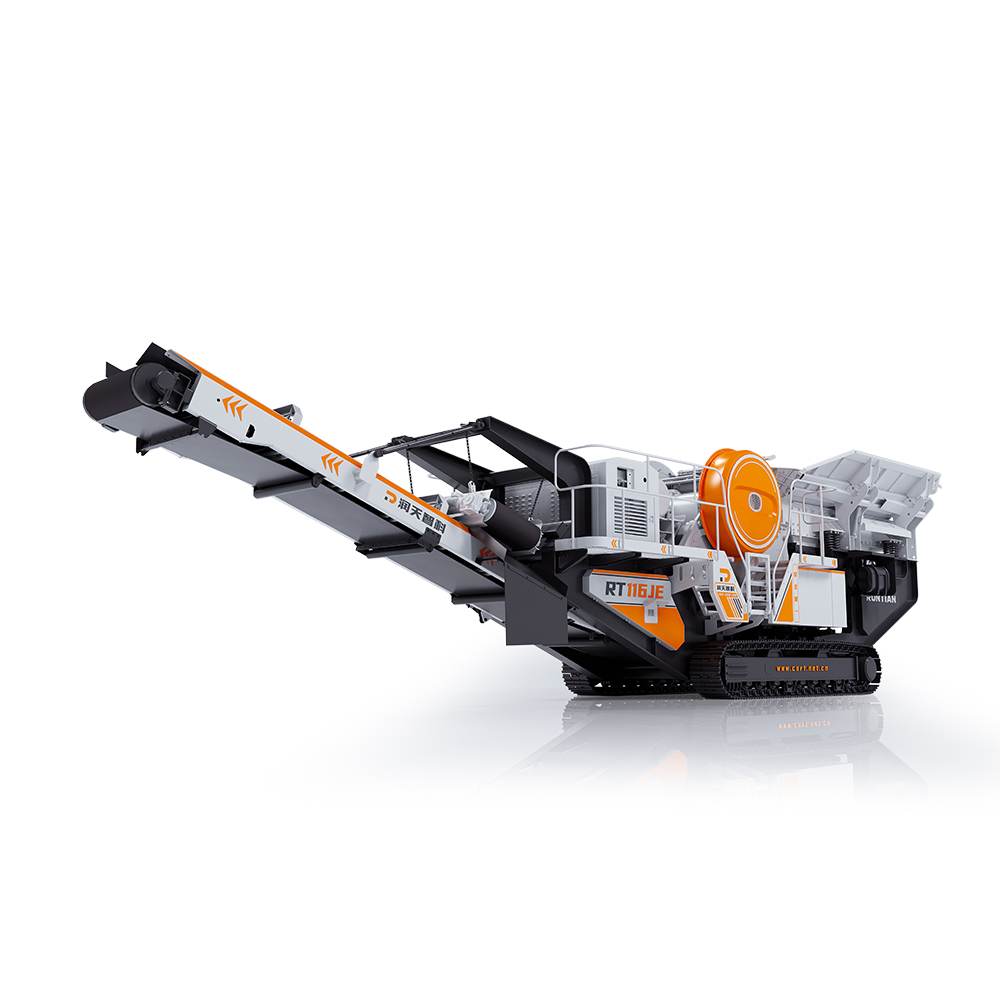 RT116JE Crawler Mobile Jaw Crushing Plant
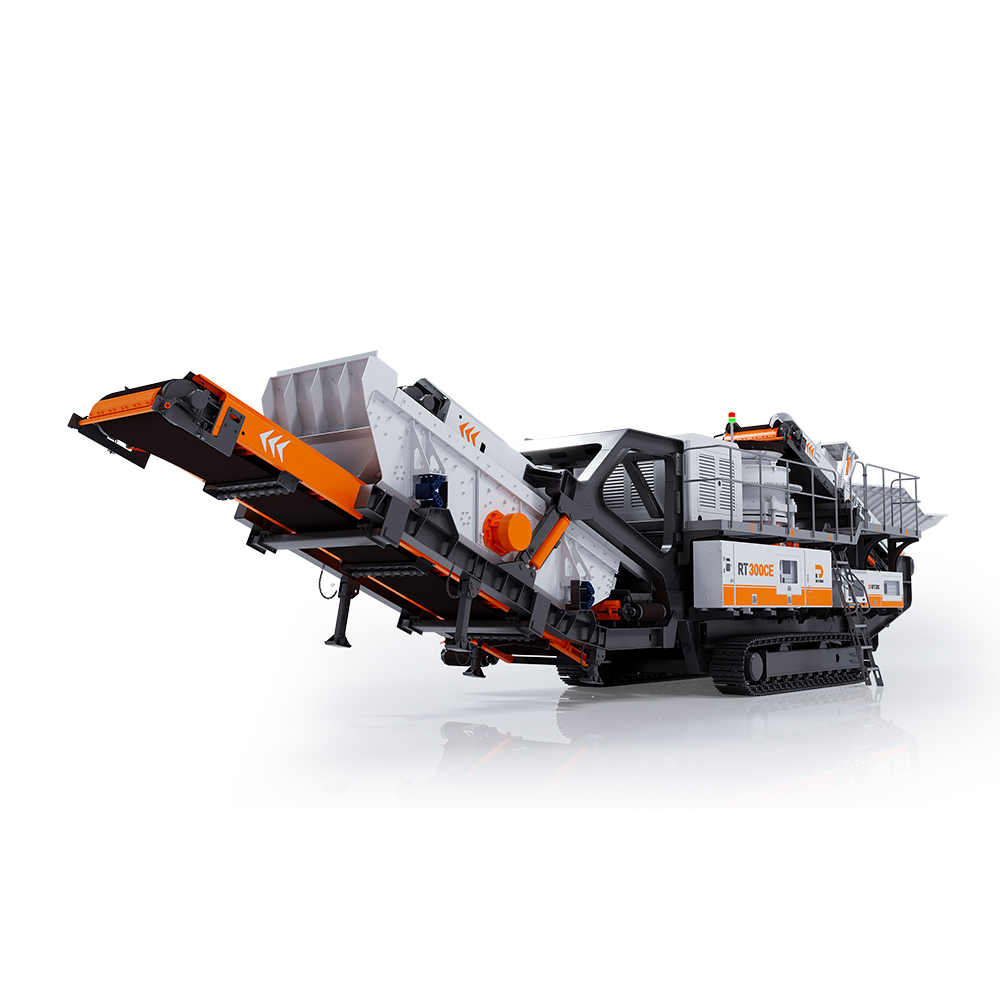 RT300CE Crawler Mobile Cone Crushing Plant
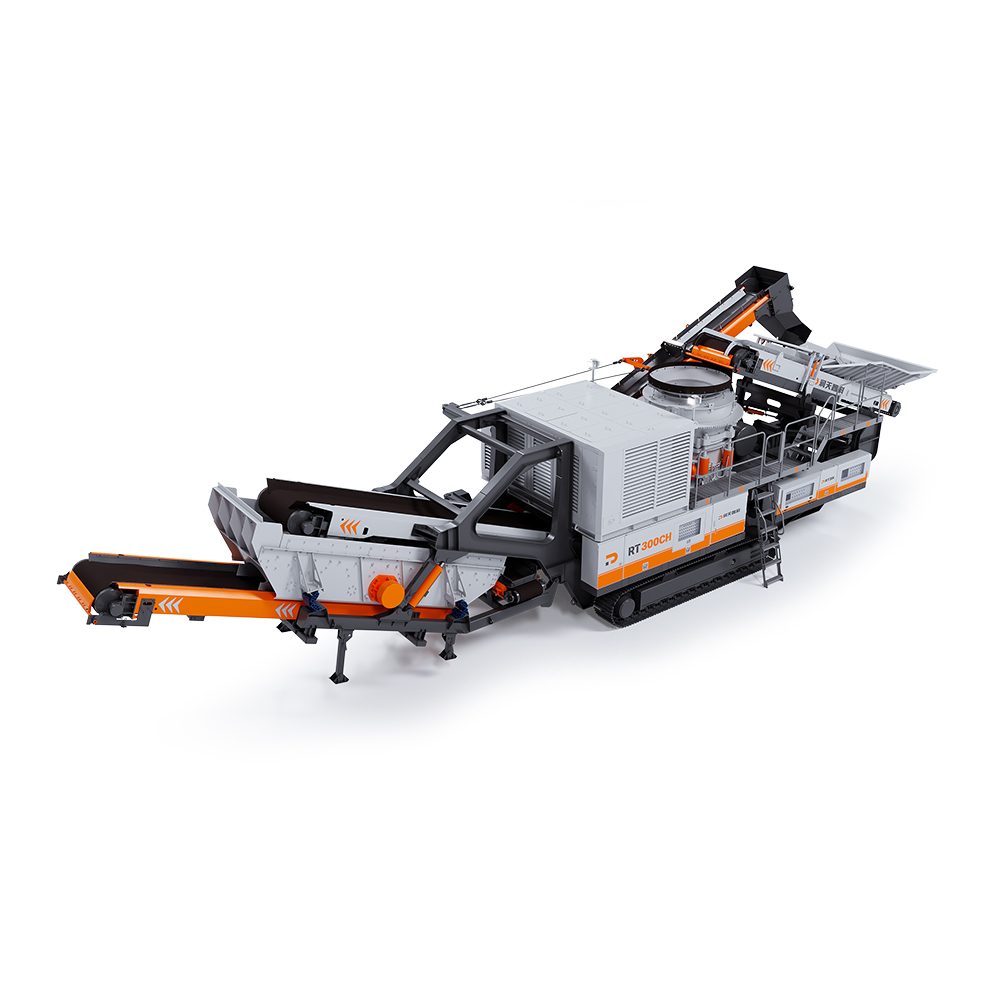 RT300CH Crawler Mobile Cone Crushing Plant
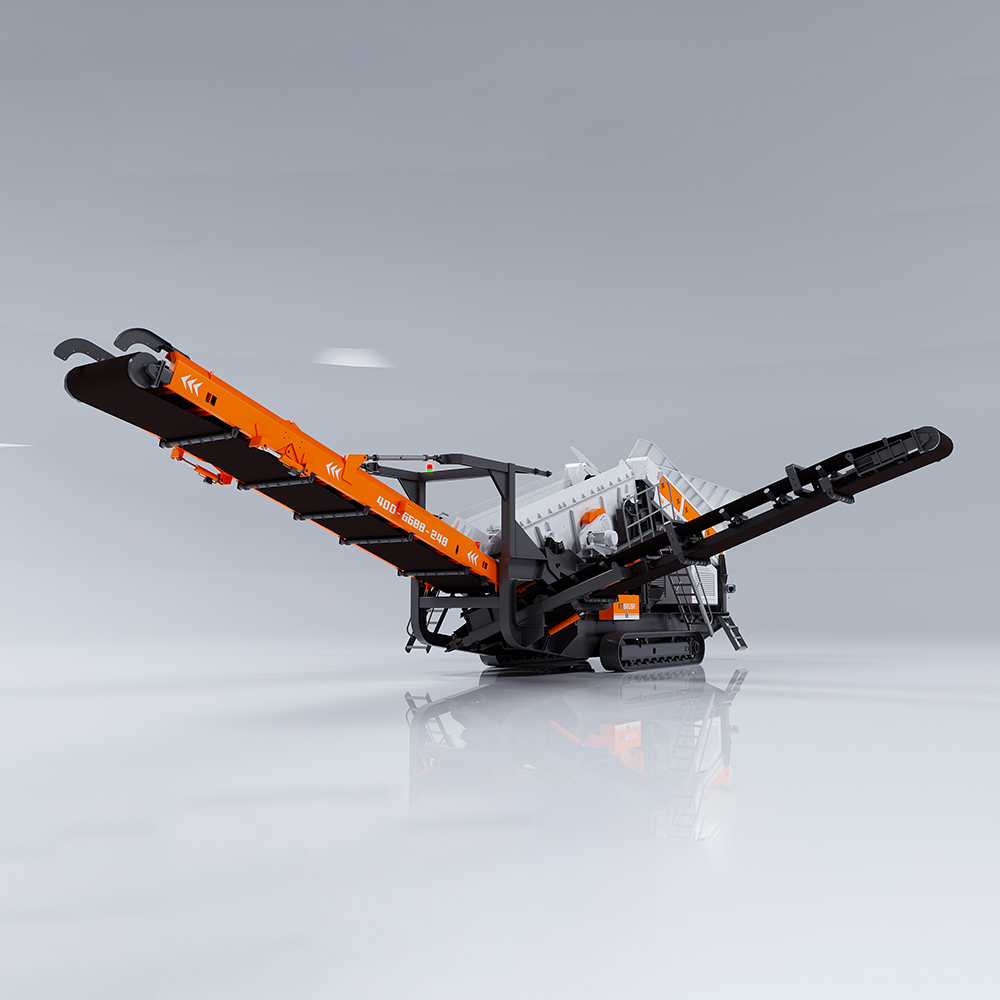 RT5015H Mobile Scalping Screen
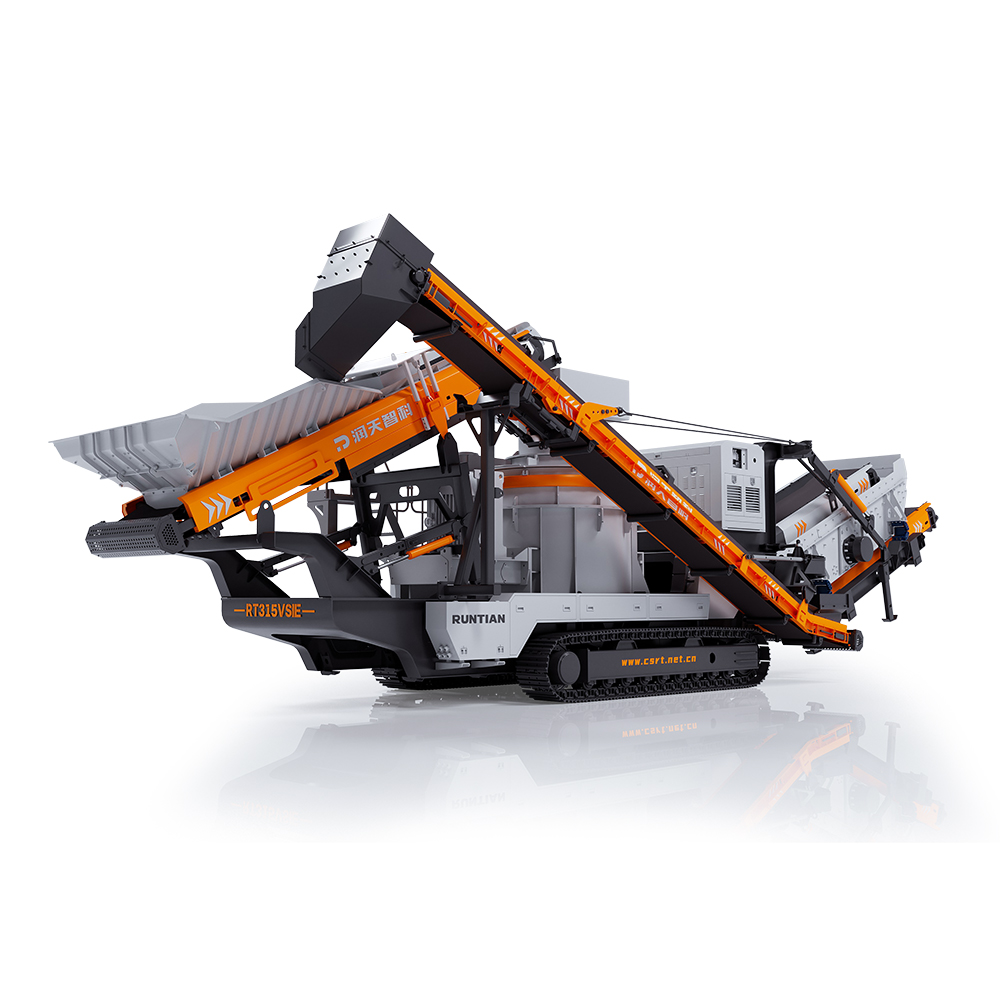 RT315VSIE Crawler Mobile Sand Maker
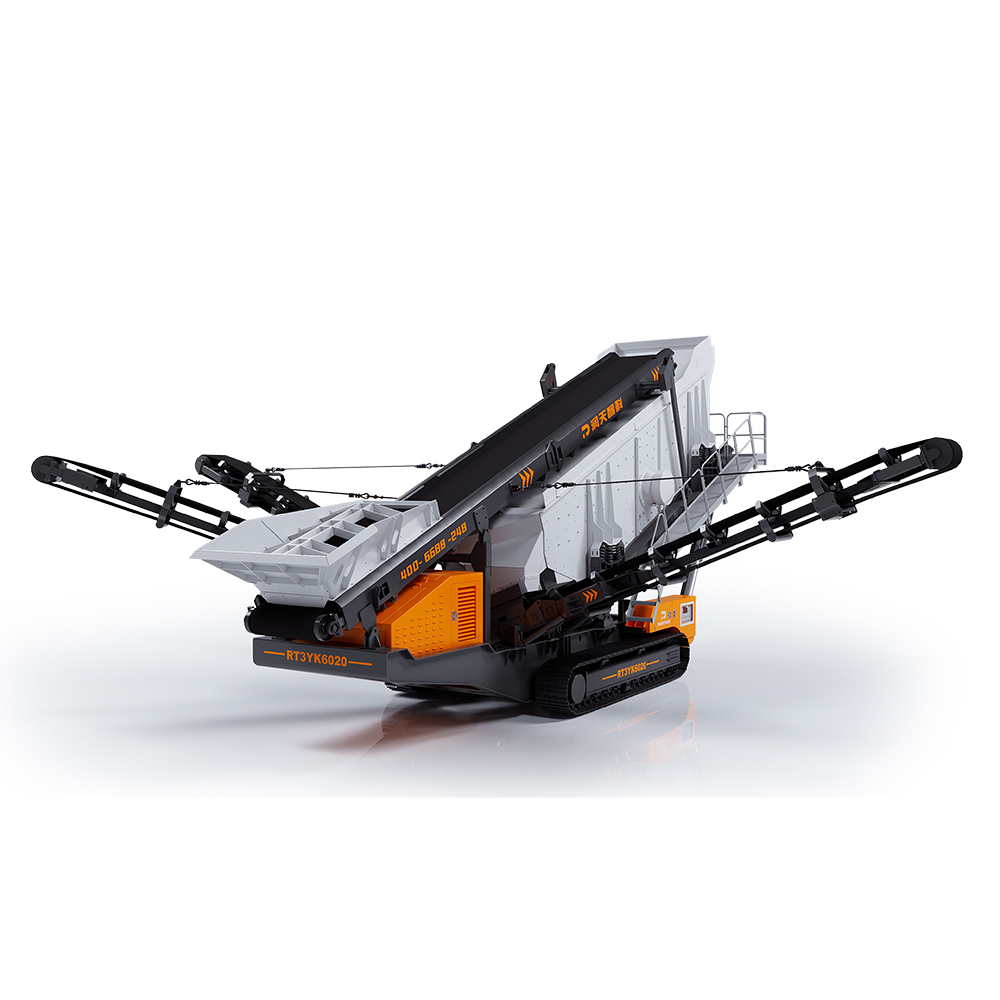 RT3YK6020 Crawler Mobile Screening Plant
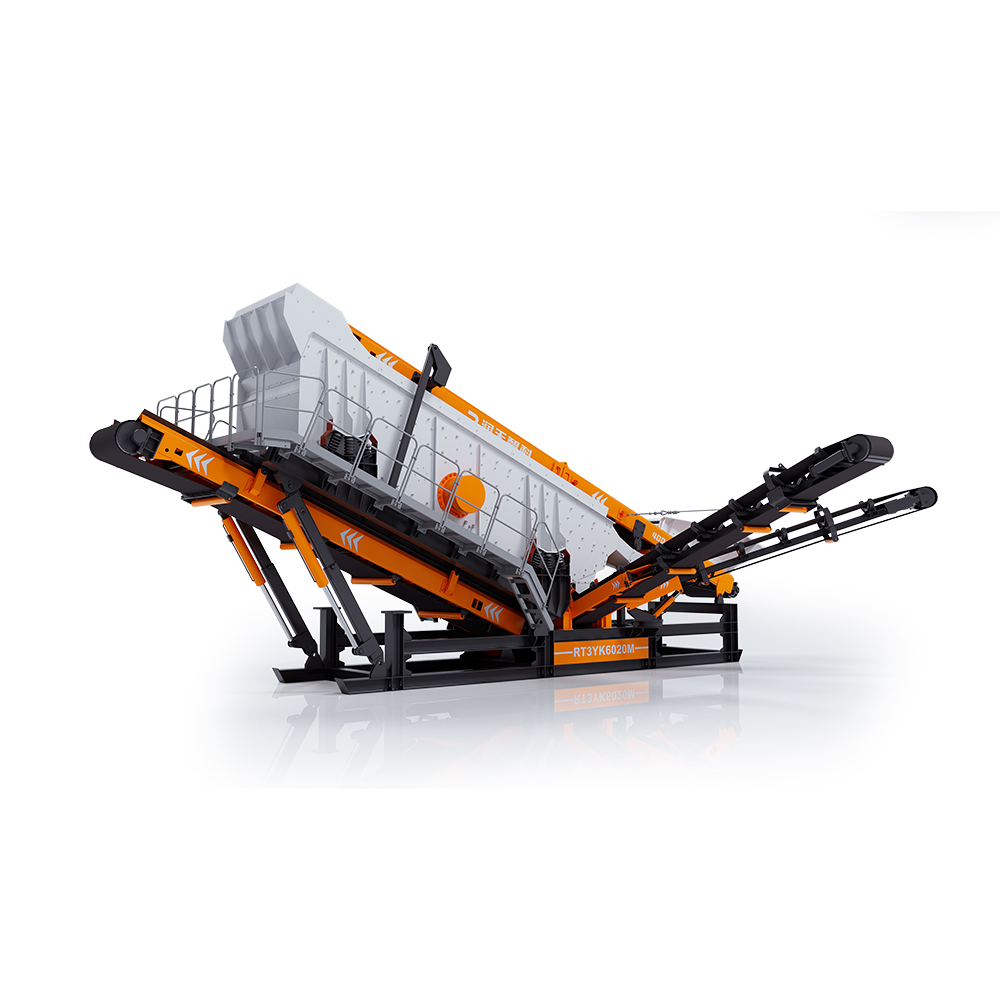 RT3YK6020M Modular Screening Plant
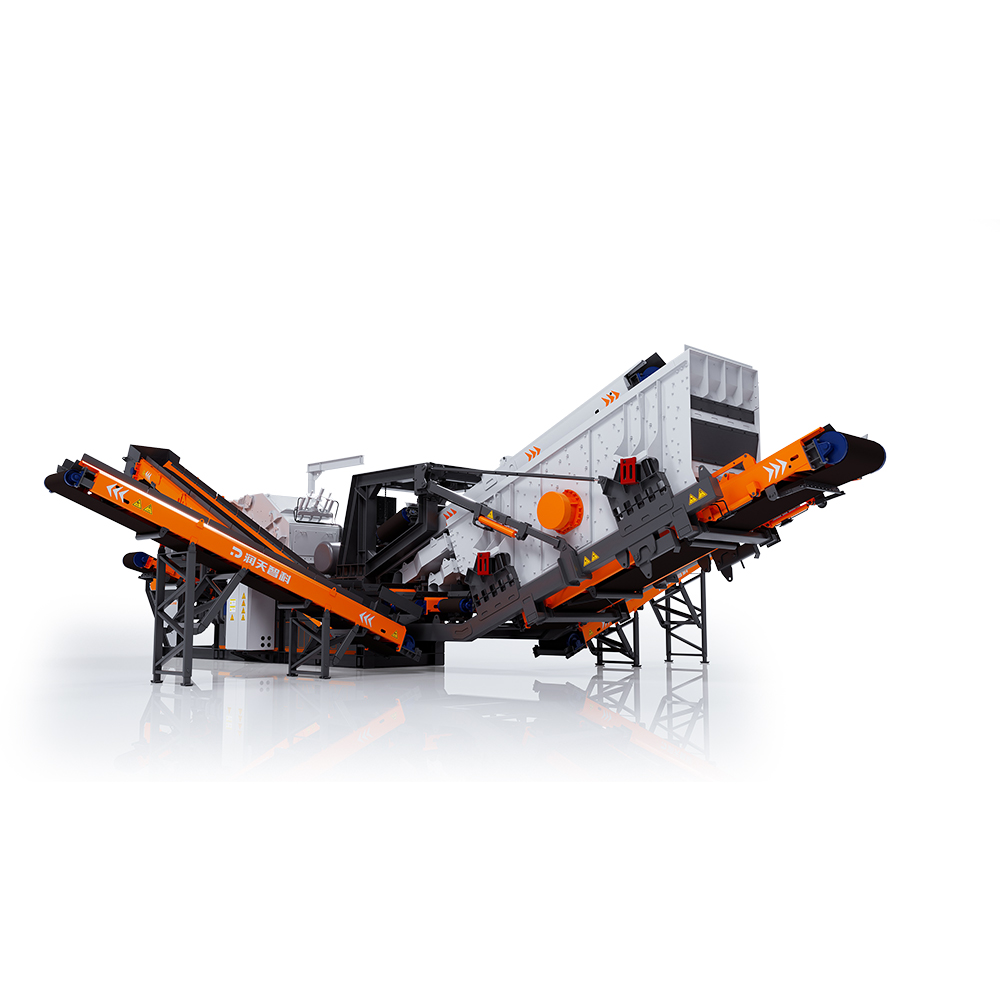 RTF260M Modular Counterattack Crushing and Screening Integrated Machine
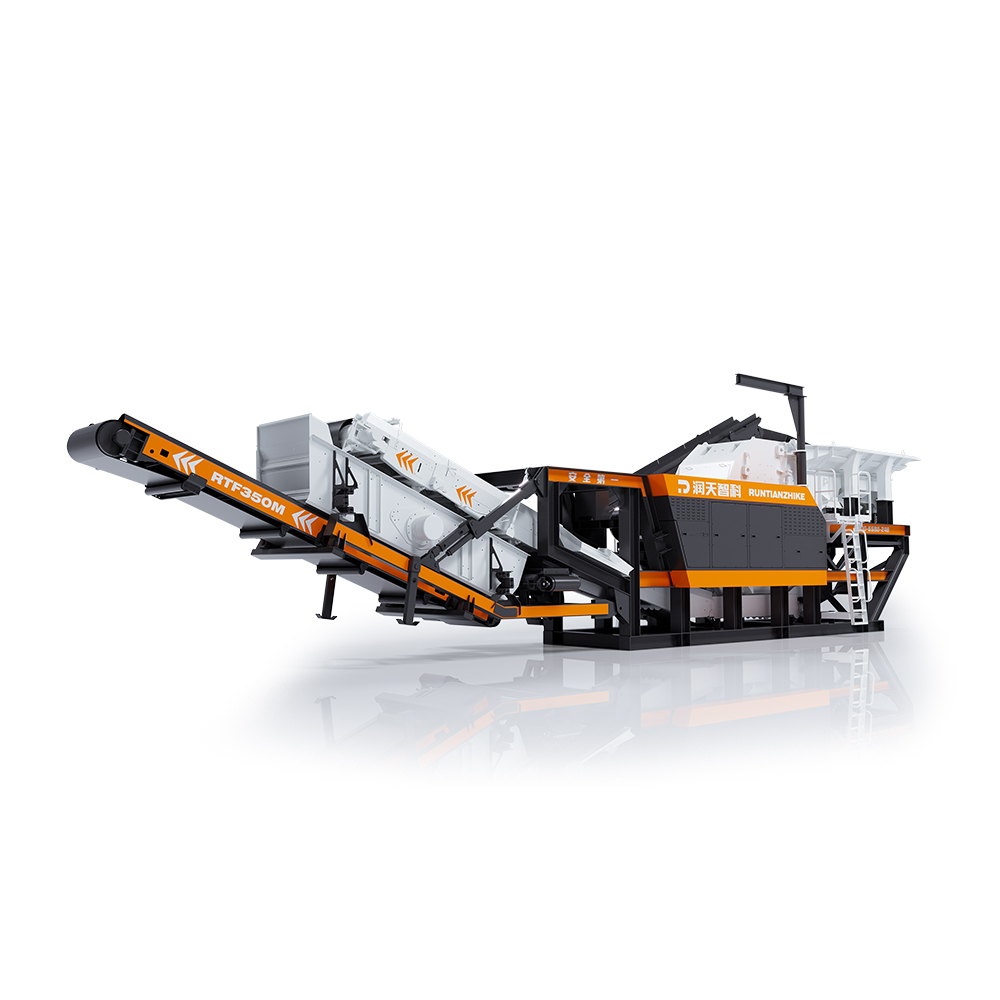 RTF350M Modular Impact Crushing Plant
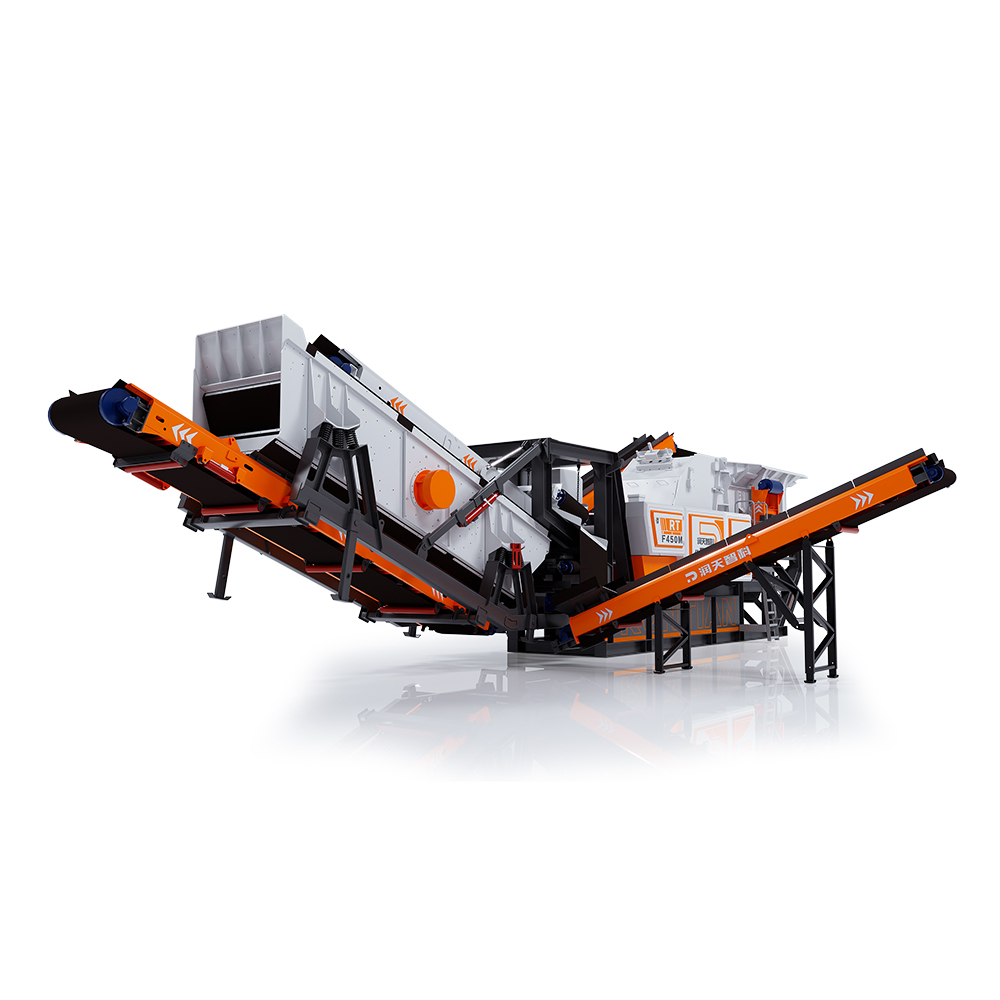 RTF450M Modular Impact Crushing Plant
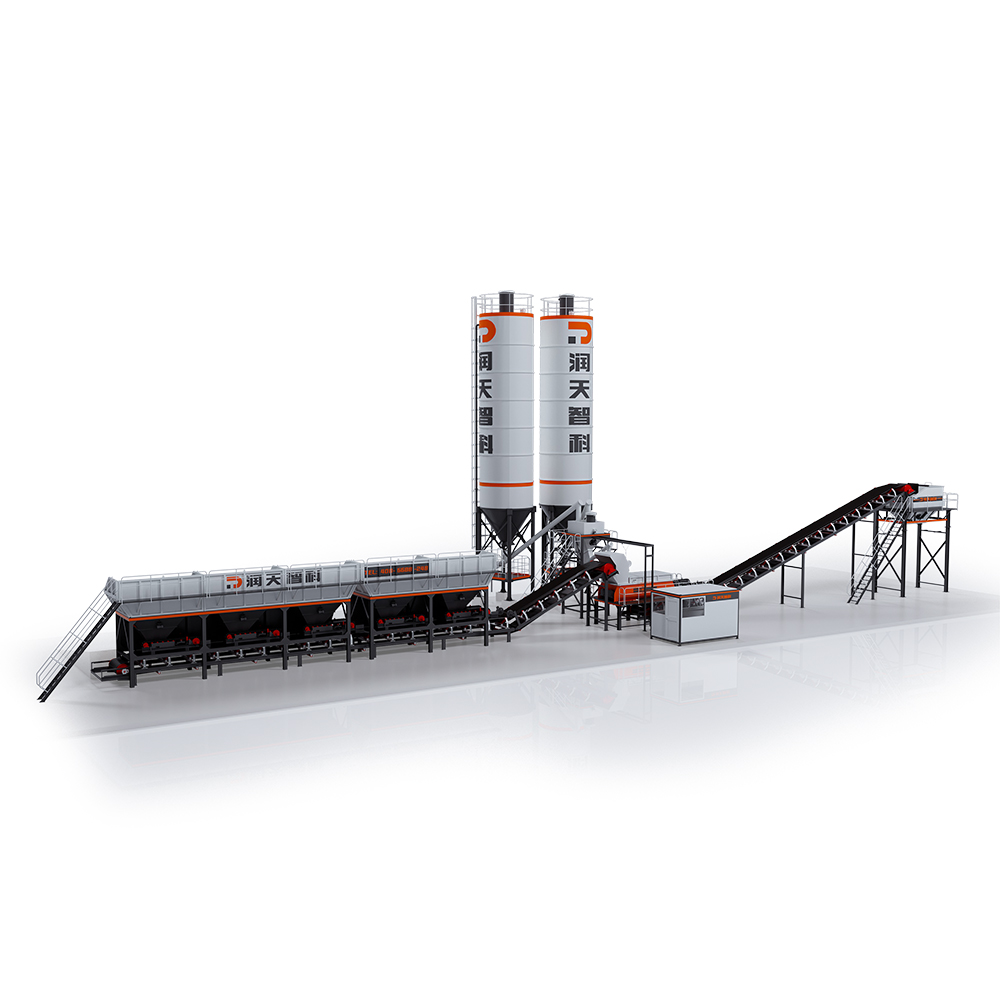 WDB Series Foundation-Free Stability Soil Mixing Plant
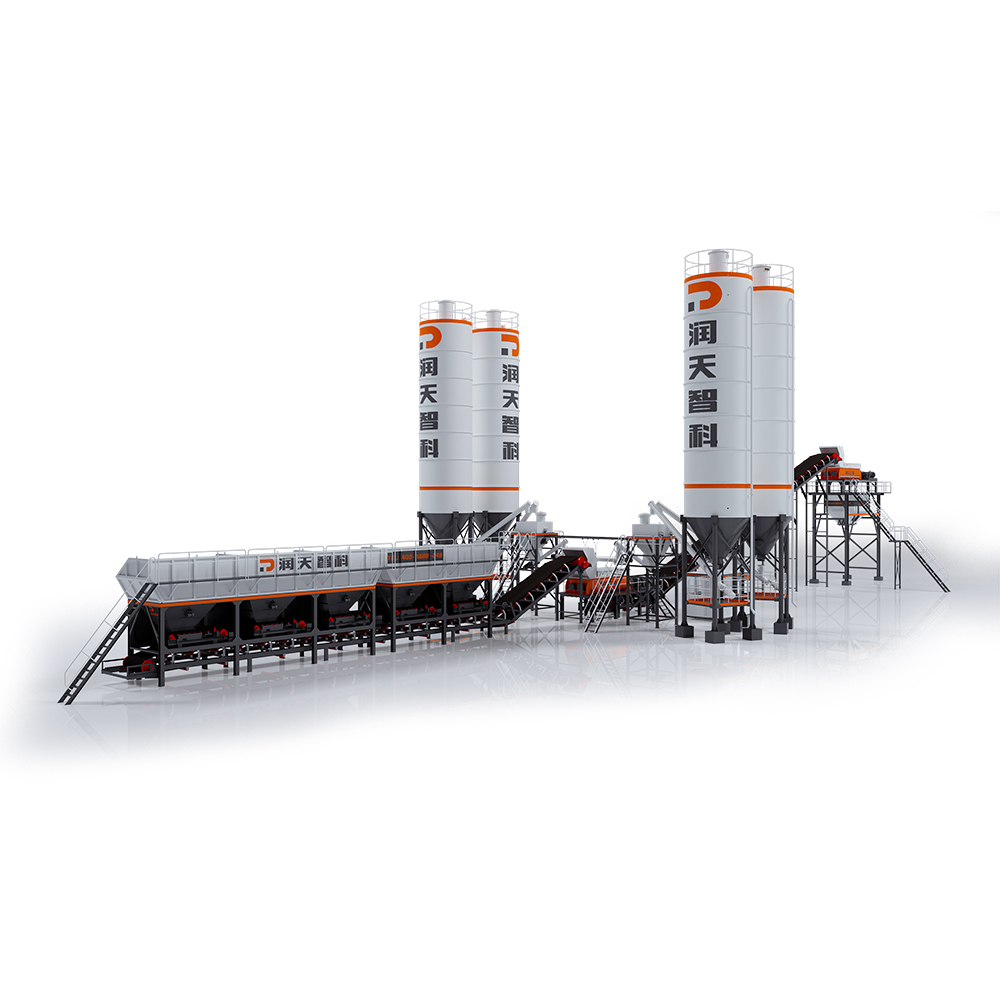 LCB Series Emulsified Asphalt Cold Regeneration Secondary Mixing Plant
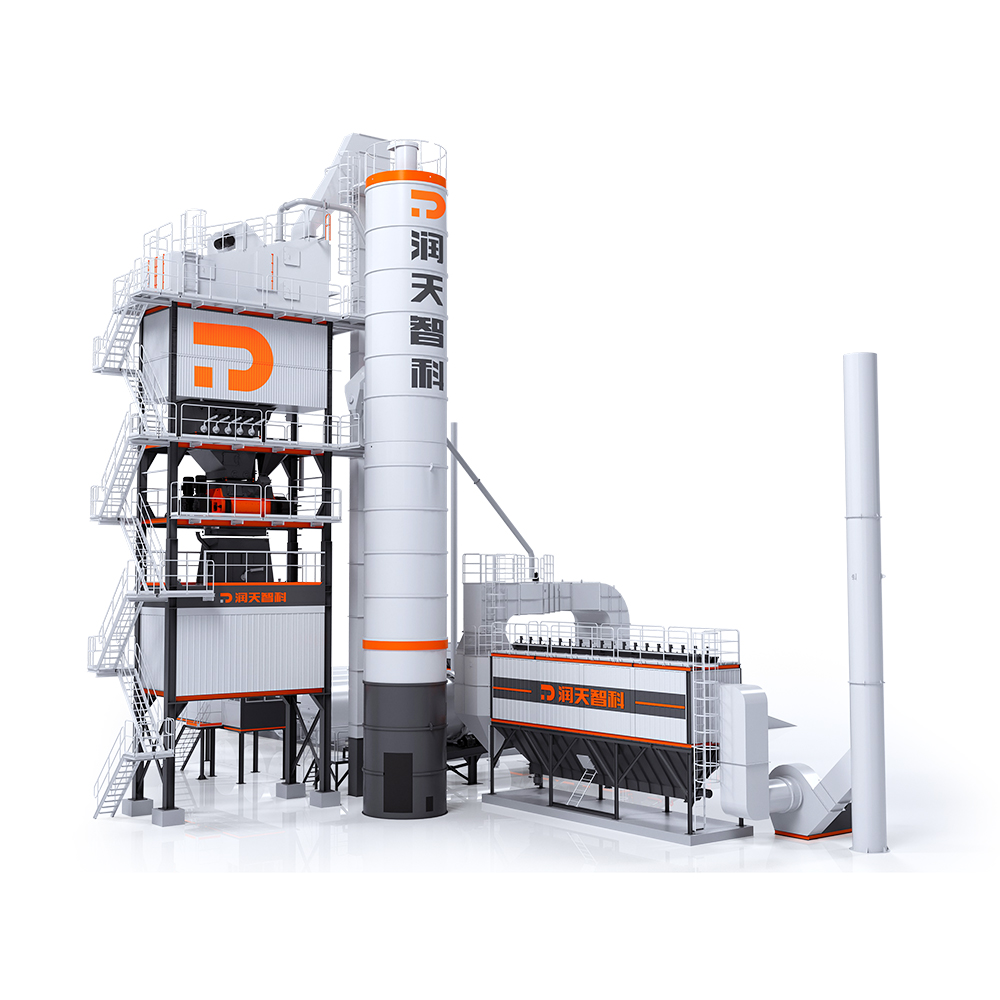 LB Series Asphalt Mixing Plant
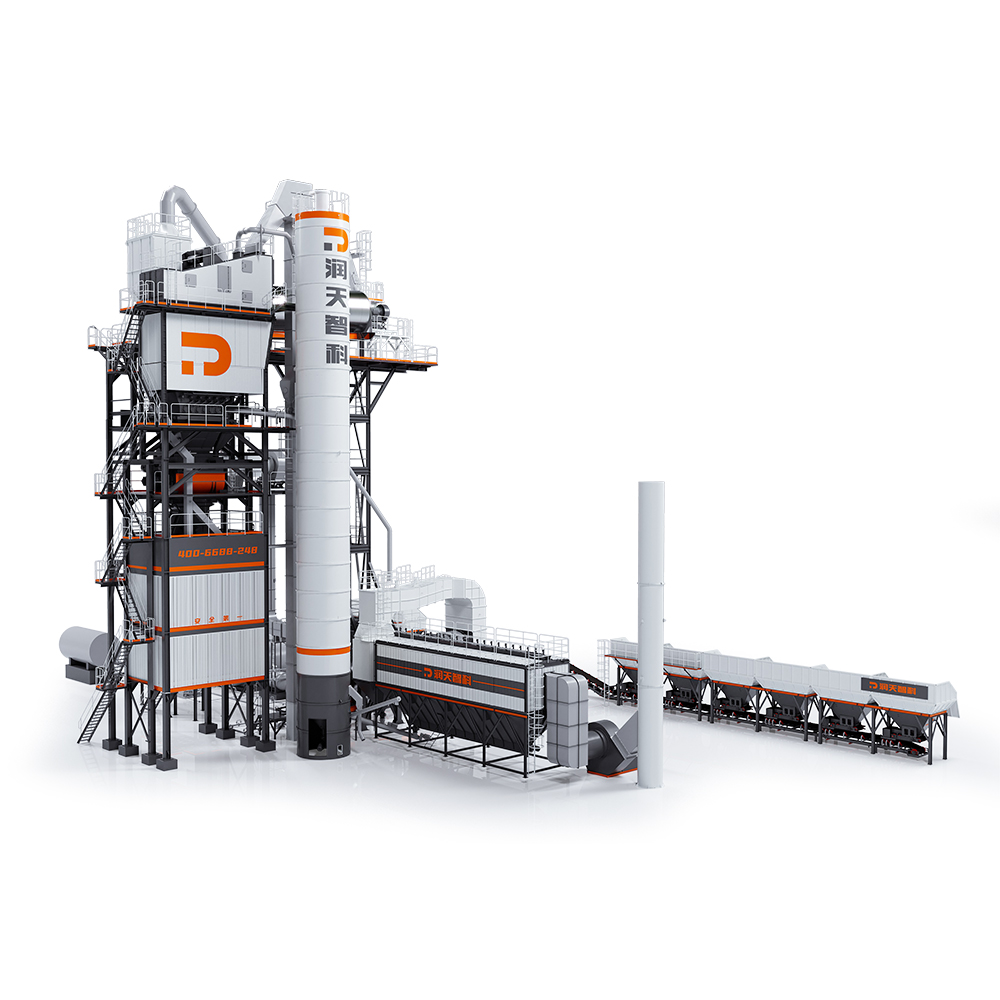 LBR Series Integrated Asphalt Mixing Plant
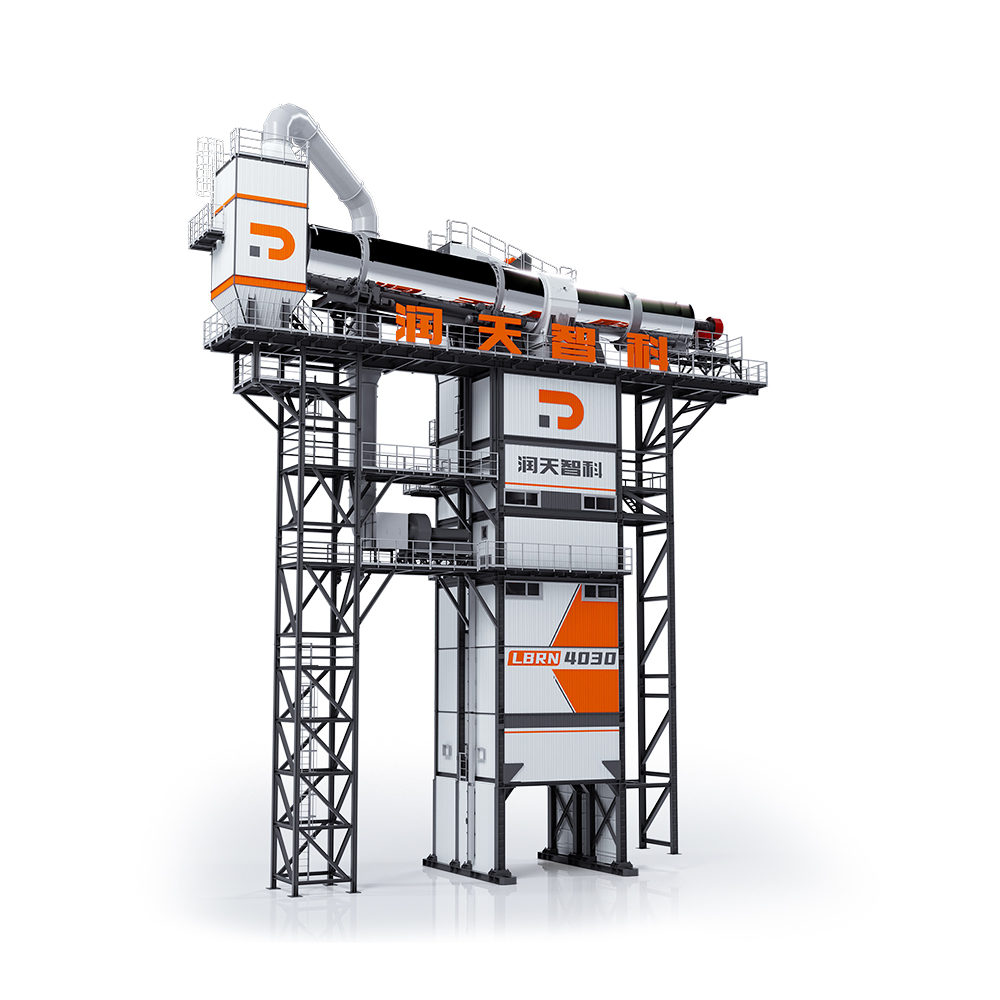 LBRN Series Counterflow Integral Asphalt Mixing Plant
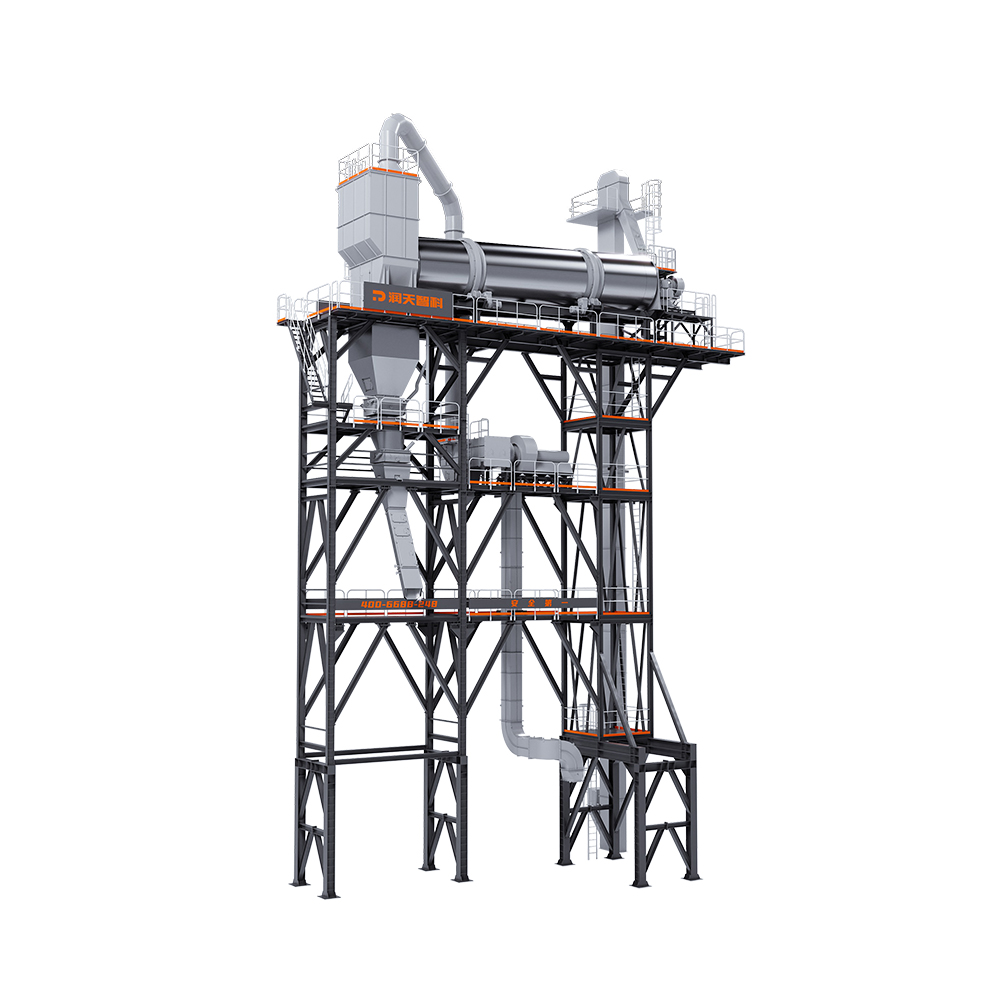 RZS Series Asphalt Mixing Plant
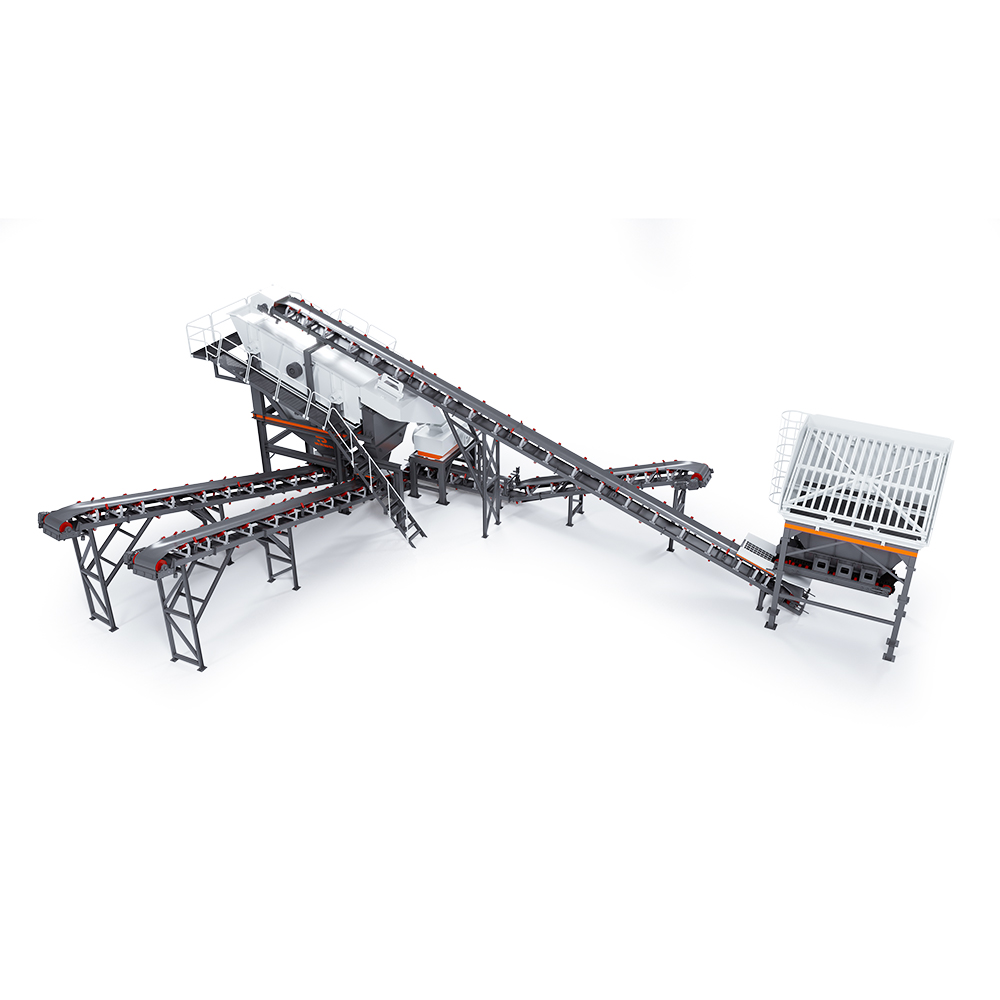 RTZS120 Series RAP Crushing & Screening Plant
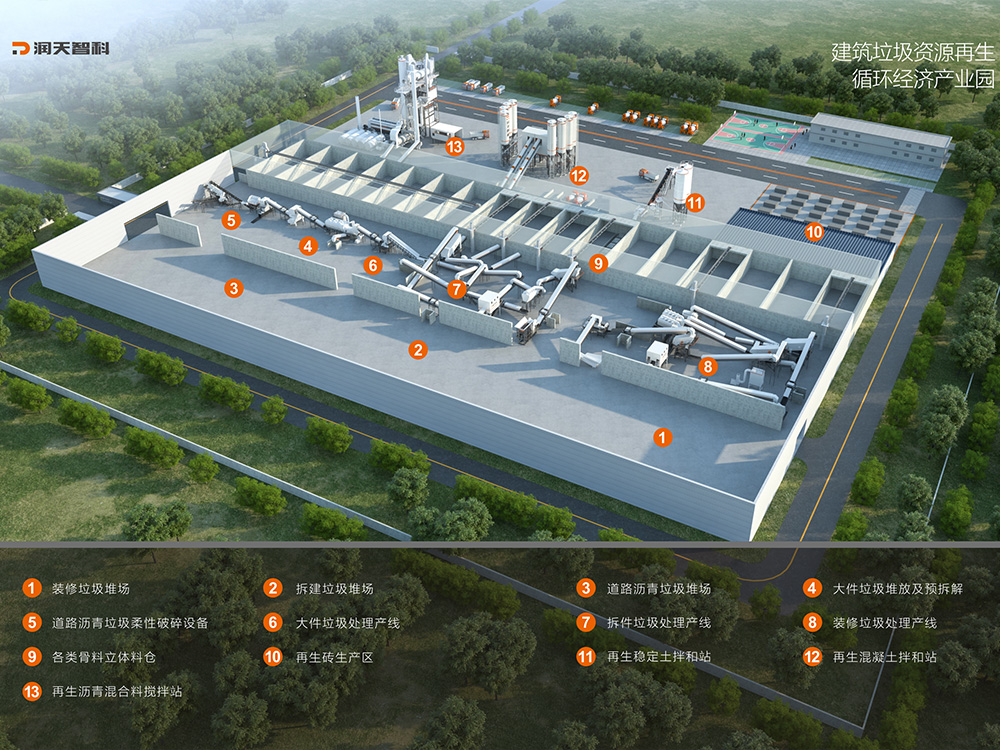 Construction Waste Resourceful Treatment Line