Top Types of Asphalt Batching Plant for Efficient Construction Solutions?
In the evolving world of construction, the role of an Asphalt Batching Plant is paramount. Expert John Smith, a leading authority in construction technology, emphasizes, “Choosing the right Asphalt Batching Plant can drastically enhance project efficiency.” With various types available, selecting the ideal plant is crucial for timely and cost-effective construction.
Asphalt Batching Plants facilitate the mixing of asphalt with additives. Their effectiveness significantly impacts the quality of the roadways we build. However, not all plants are created equal. Some plants are designed for smaller-scale projects, while others cater to large-scale operations. Understanding these distinctions can be challenging but necessary.
In a market saturated with options, refocusing on the specific needs of each project becomes essential. Professionals must weigh performance against investment, ensuring the selected Asphalt Batching Plant aligns with desired outcomes. The right choice can lead to better resource management, yet many still overlook this critical step. In this landscape, continuous learning and adaptation are vital for success.
Types of Asphalt Batching Plants: An Overview
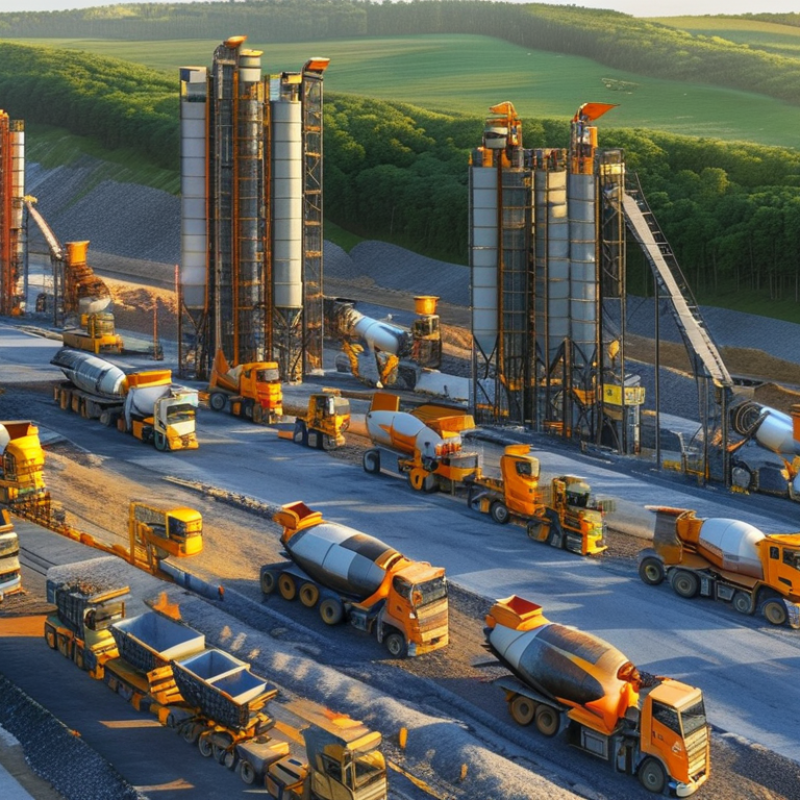
Asphalt batching plants are crucial for modern road construction. They allow for precise mixing of asphalt at a controlled temperature. This ensures high-quality output for paving projects. According to a report by Allied Market Research, the global asphalt market is expected to reach 450 million tons by 2025. This significant growth highlights the need for efficient batching solutions.
There are various types of asphalt batching plants. Each is designed for specific project demands. For example, batch mix plants are known for their quality. They produce small quantities in batches, allowing for better control over the mix. Meanwhile, continuous mix plants excel in high-volume production. They are often preferred for larger projects due to their efficiency. A study by MarketsandMarkets indicates that the continuous plant segment is projected to grow at a CAGR of 4.5% through 2026.
Yet, not all solutions work for every scenario. Selecting the right type requires careful consideration of project scale and budget. Factors such as local regulations and environmental impact also play a significant role. While technology has advanced, many operators face challenges, including equipment maintenance and fluctuating raw material costs. Understanding these variables is essential for maximizing the potential of asphalt batching plants.
Batching Plant Components and Their Functions
Asphalt batching plants consist of several critical components, each playing a vital role in the production of high-quality asphalt. The aggregate batcher is essential; it ensures accurate measurement of materials. Accurate measurements are crucial for achieving the desired asphalt mix, impacting both quality and durability. According to industry data, a mere 1% variance in material measurement can lead to a 5% decrease in overall mix performance.
The mixer is another key component. This part combines the heated asphalt with aggregates, ensuring a homogeneous mix. Various types of mixers, such as counterflow and parallel flow, provide different benefits and efficiencies. Research suggests that a counterflow mixer can enhance mixing precision by up to 15%, offering a better end product. Such improvements can lead to lower maintenance costs and higher project reliability, a significant advantage in large-scale construction.
Lastly, the control system integrates all plant components. A sophisticated control system optimizes the operation by monitoring temperatures and material flow rates. Data from recent studies highlight that advanced control systems can reduce operational errors by as much as 30%. However, reliance on technology can be a double-edged sword. If not managed well, it may lead to over-dependence, causing delays when issues arise. Thus, while these components enhance efficiency, continuous monitoring and skilled operation remain essential for success.
Top Types of Asphalt Batching Plant for Efficient Construction Solutions
This chart represents the efficiency of various types of asphalt batching plants based on their output capacity (tonnes per hour). The data shows the average capacities of different plant types commonly used in construction.
Key Features for Efficient Asphalt Production
When considering asphalt batching plants, understanding their core features is essential. Efficient asphalt production relies heavily on technology that enhances mixing quality and reduces emissions. A recent report by the National Asphalt Pavement Association highlights that advanced plants can cut greenhouse gas emissions by up to 30%. This efficiency not only meets regulatory standards but also supports sustainability goals.
Key features of modern asphalt plants include continuous mixing systems and batch recyclers. Continuous mixing allows for a constant flow of materials, which boosts productivity and consistency. Batch recyclers can reclaim up to 50% of used asphalt, which decreases waste and promotes resource efficiency. However, reliance on outdated equipment still exists in some regions. These older plants often lack precision controls, leading to variations in mix quality.
Flexibility is another important aspect of asphalt production. Some plants can adapt to different mix designs without significant downtime. Yet, many sites still struggle with this adaptability. The need for skilled operators also remains an obstacle. Training programs are crucial. They ensure operators can utilize advanced features fully. Enhanced training can reduce errors that might compromise the mix.
Comparison of Stationary and Mobile Asphalt Batching Plants
When considering asphalt batching plants, two main types dominate the scene: stationary and mobile plants. Both have their benefits and drawbacks, making the choice dependent on specific project needs. Stationary plants are known for their larger production capacity and durability. They are ideal for long-term projects situated in fixed locations. However, their installation and setup can be time-consuming and costly.
In contrast, mobile asphalt batching plants offer unparalleled flexibility. They can be easily transported to various project sites, allowing for quick setups. This is particularly advantageous for projects with changing locations or shorter timelines. However, they typically have lower production capacity. Some users may find mobile plants do not meet high-demand scenarios. Thus, each type presents unique challenges and requires careful consideration of project requirements.
Ultimately, efficient construction solutions hinge on understanding these differences. The right choice depends on a thorough assessment of project timelines, output needs, and budget constraints. This decision-making process is crucial for achieving optimal results in asphalt production.
Top Types of Asphalt Batching Plant for Efficient Construction Solutions
| Type |
Advantages |
Disadvantages |
Best Use Case |
| Stationary Asphalt Batching Plant |
High production capacity; consistent quality; suitable for large projects |
Less flexibility; longer setup time; site-specific installation required |
Large-scale road construction, urban development projects |
| Mobile Asphalt Batching Plant |
Portability; quick setup and relocation; ideal for smaller projects |
Lower production capacity; may require frequent calibration |
Repair work, small construction sites, and rural locations |
| Continuous Asphalt Batching Plant |
Efficiency in continuous production; less waste; ideal for large-scale needs |
Higher initial investment; complex operation |
Large volume projects requiring an ongoing supply of asphalt |
| Batch Asphalt Batching Plant |
Better control over mix design; ideal for varying asphalt needs |
Slower production rates; can be less efficient for large projects |
Projects requiring diverse asphalt mixes and specifications |
Advantages of Modern Asphalt Batching Technologies
Asphalt batching plants have evolved significantly, enhancing efficiency in construction projects. Modern technologies lead to more precise mixing and higher output. A recent industry report indicates that advanced plants can increase production efficiency by up to 30%. This transformation is crucial for meeting rising demand.
One of the main advantages of modern asphalt batching technologies is their capacity for real-time monitoring. Sensors and automated systems help ensure the perfect blend of materials. This not only saves resources but also reduces waste. Improved accuracy means better quality asphalt. According to research, projects utilizing advanced batching solutions see a decrease in rework by nearly 25%.
Tip: Regular maintenance of batching plants is essential. This can help prevent costly downtime and ensure consistent performance. Additionally, investing in staff training for new technologies can maximize the benefits of modern equipment. Remember, while new tech is beneficial, understanding its operation is key for success.

 Concrete Mixing Plant
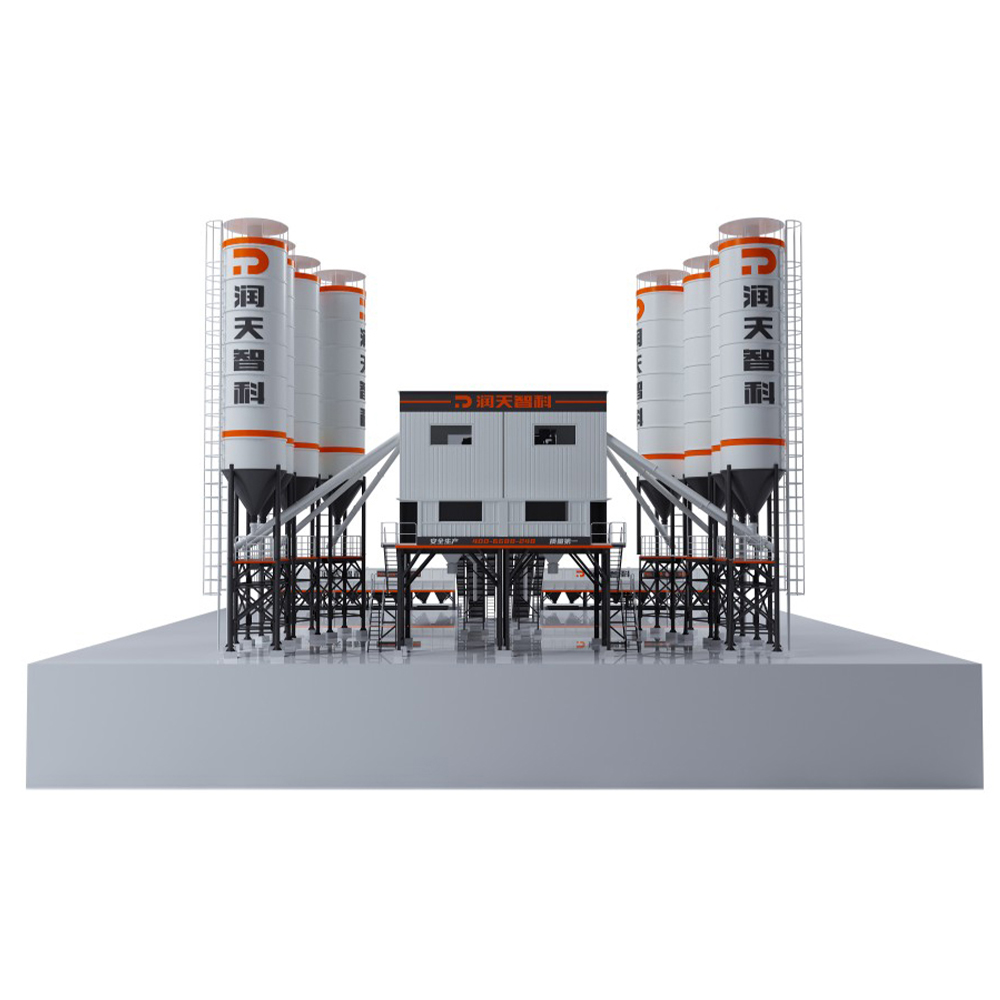 HZS Series Belt Concrete Mixing Plant
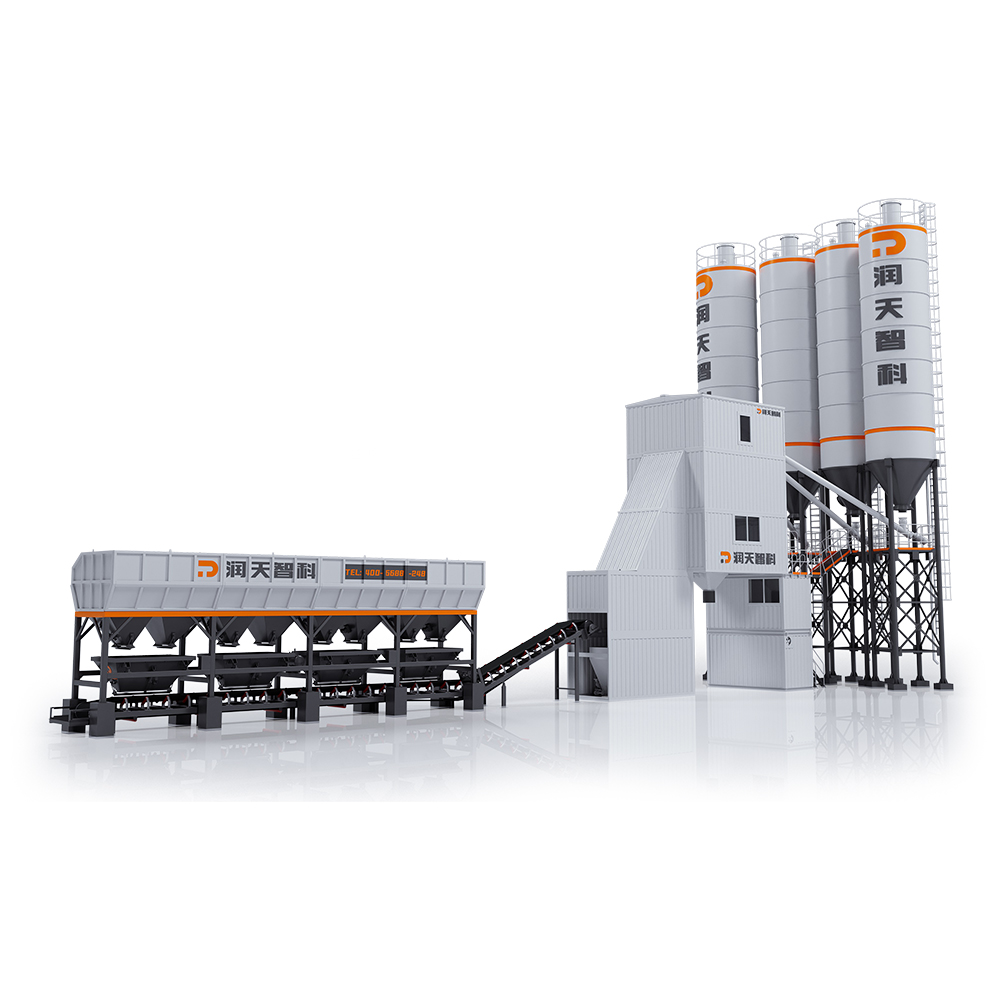 HZS Series Bucket-Lifting Type Container Concrete Mixing Plant
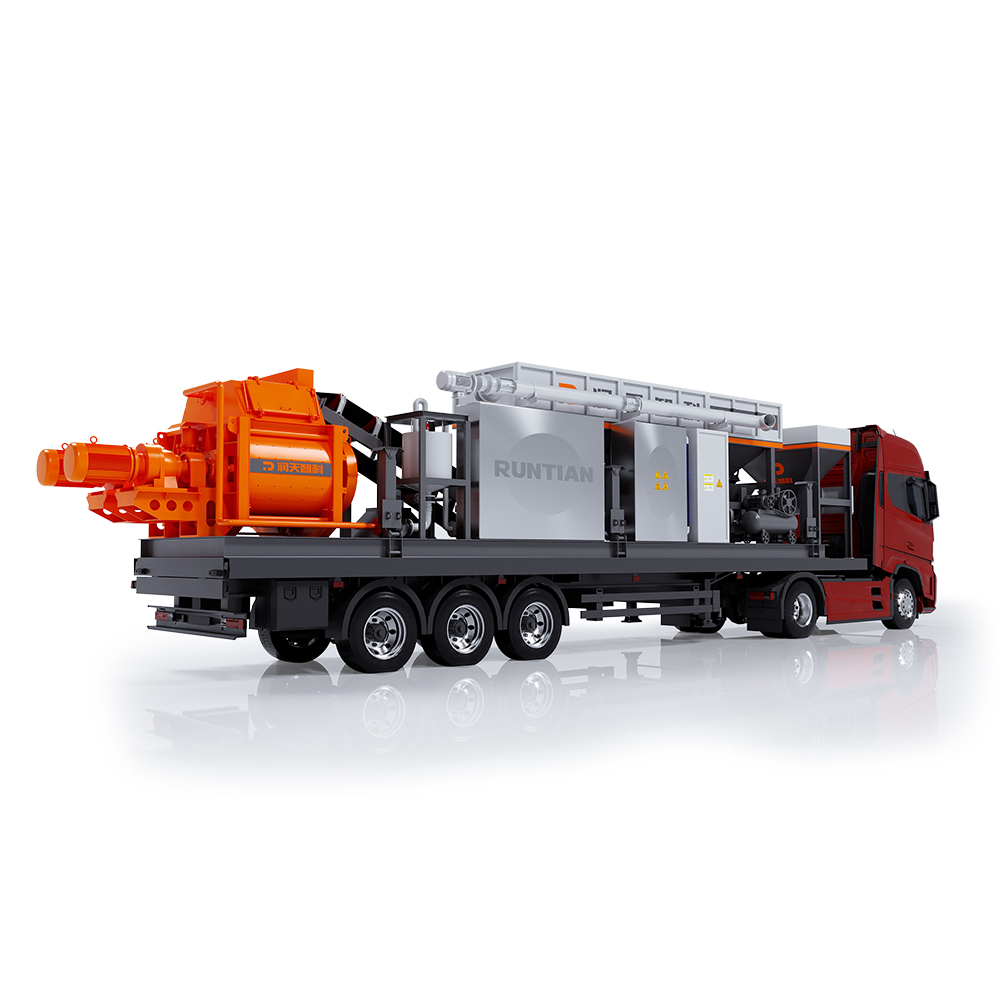 HZS60 Mobile Concrete Mixing Plant
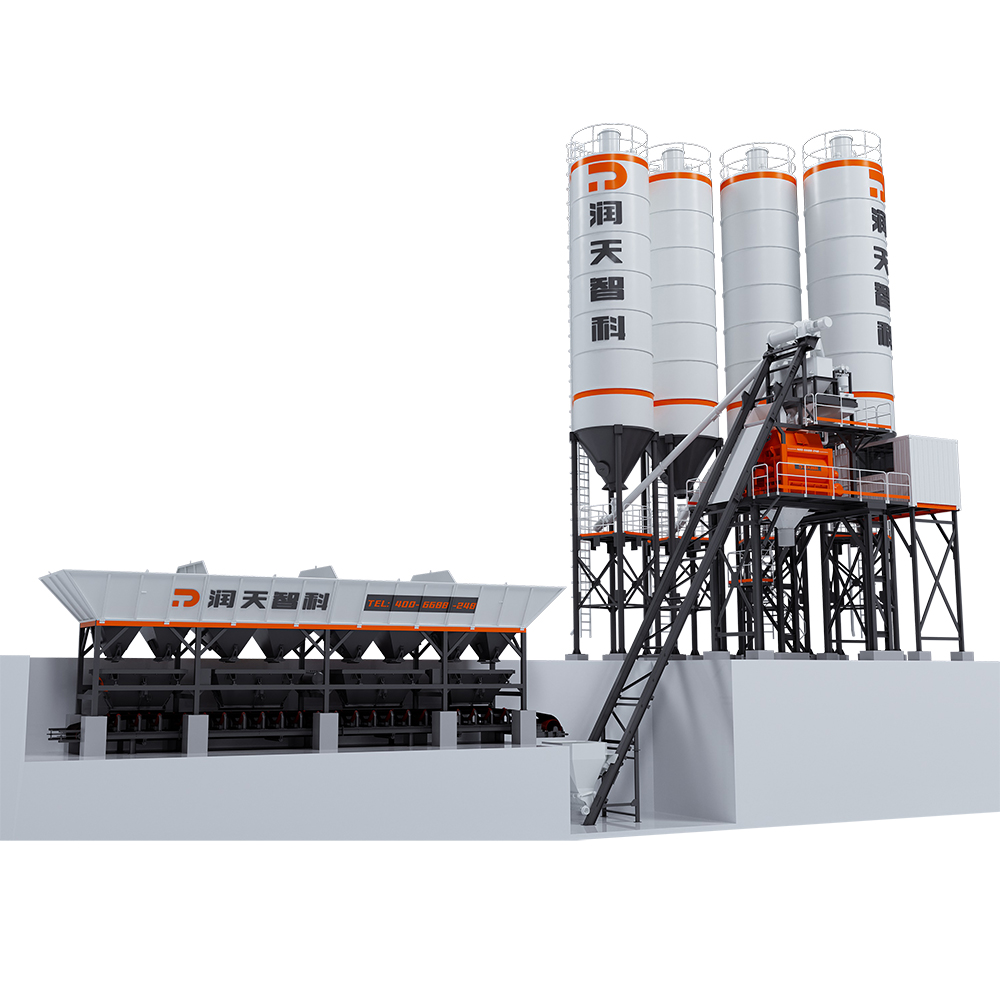 HZS Series Bucket-Lifting Type Concrete Mixing Plant
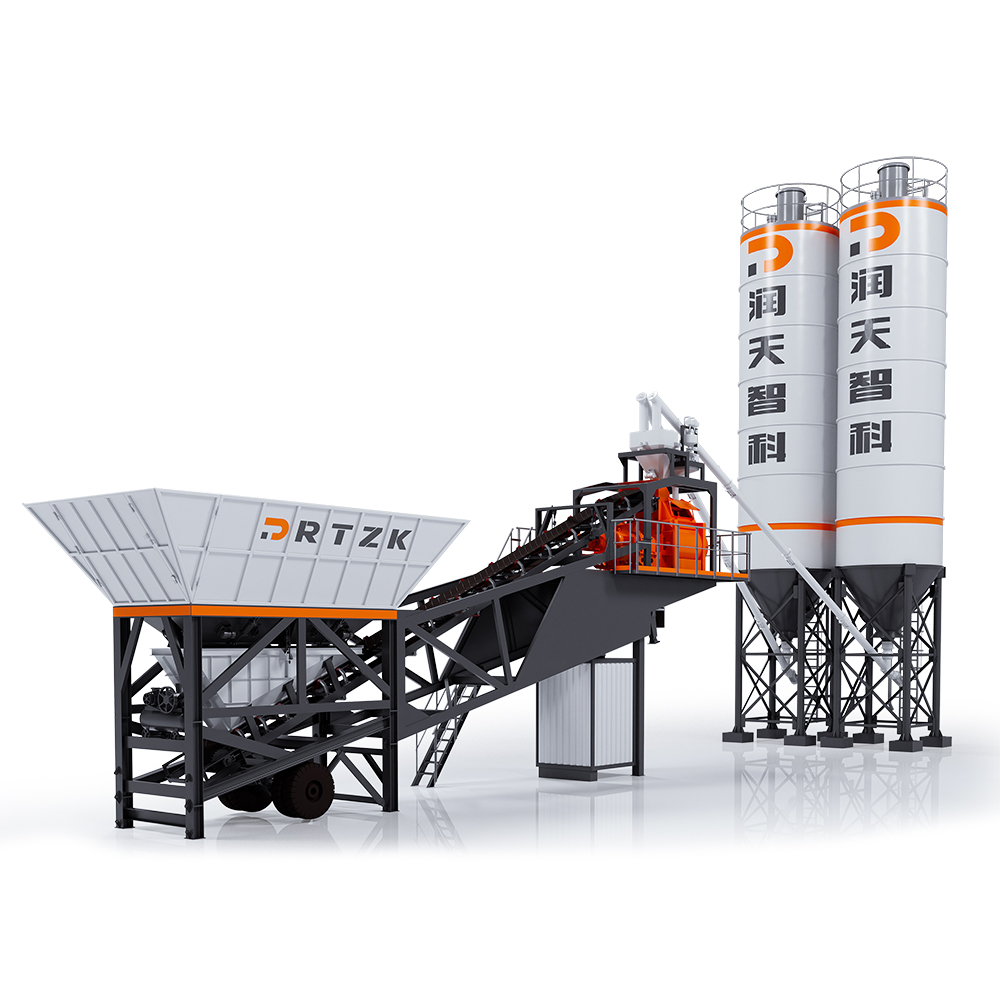 HZS Series Mobile Concrete Mixing Plant
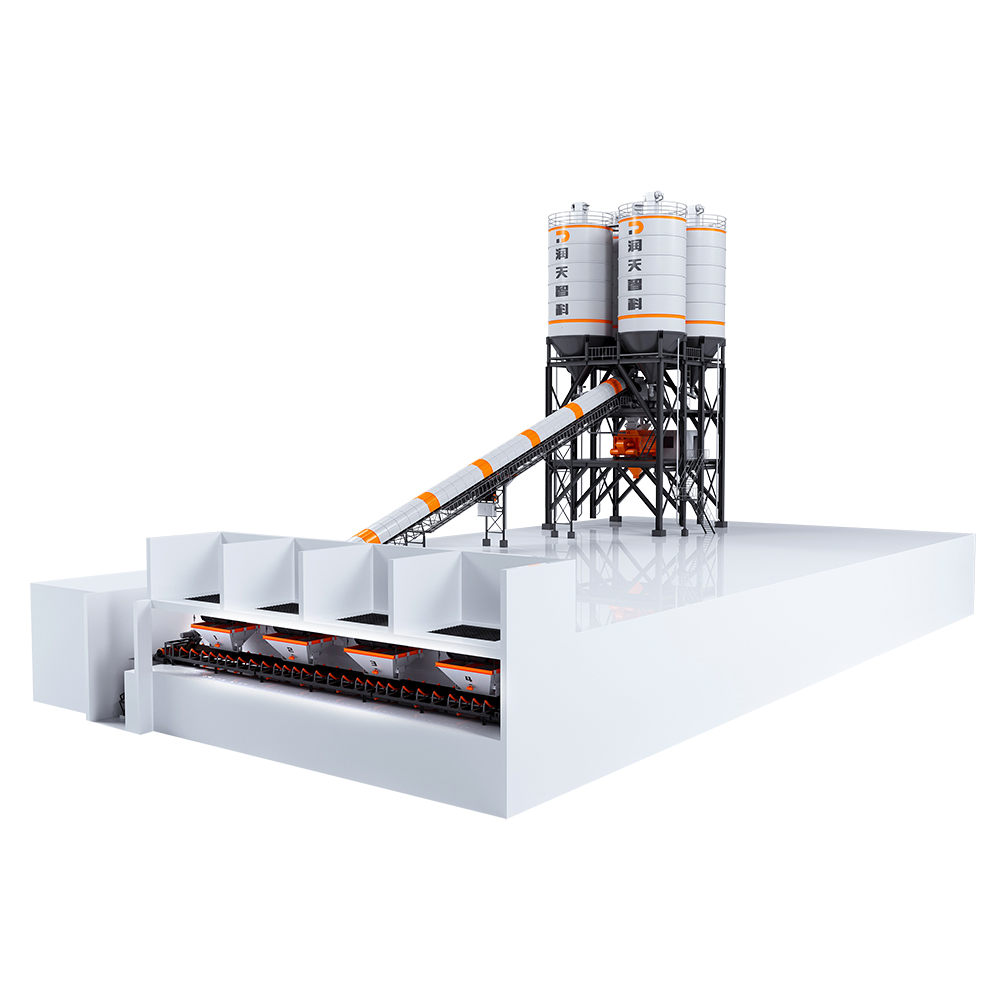 HZS Series Top-Mounted Concrete Mixing plant
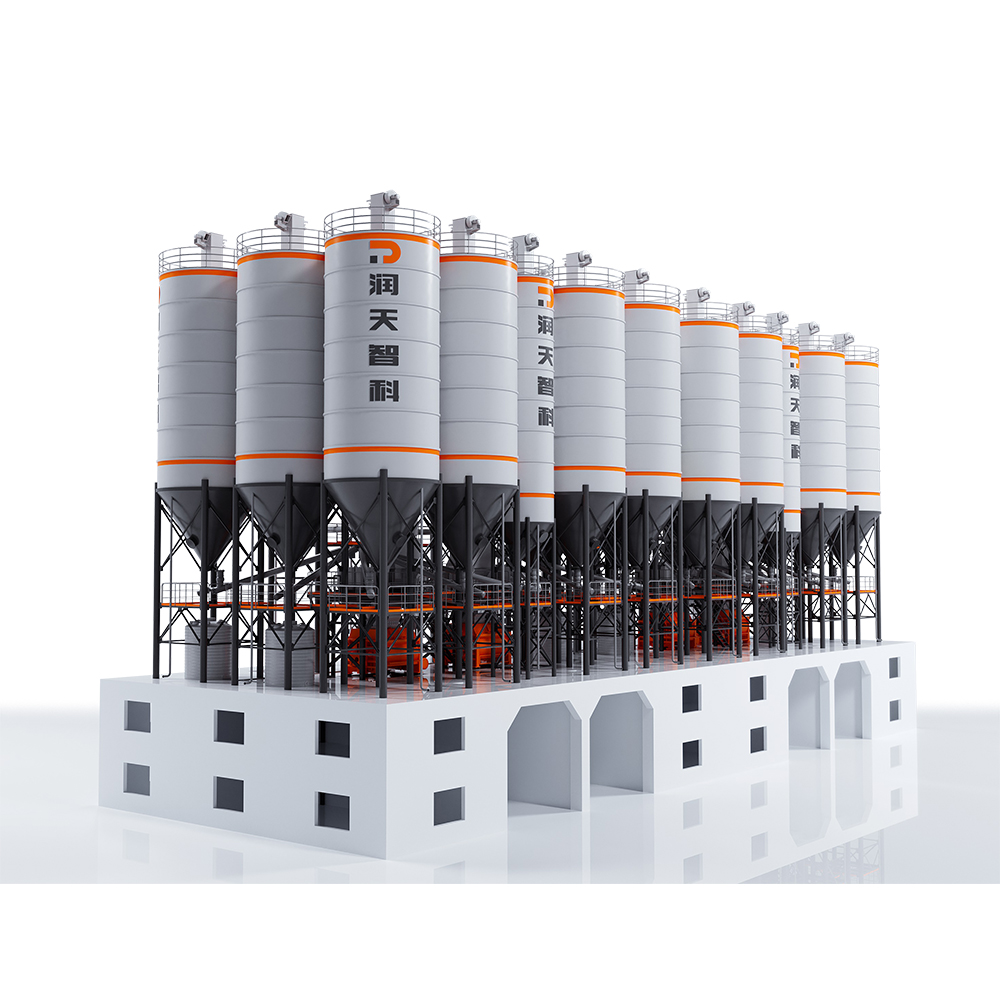 HZS Series Semi-Top Mounted Concrete Mixing Plant
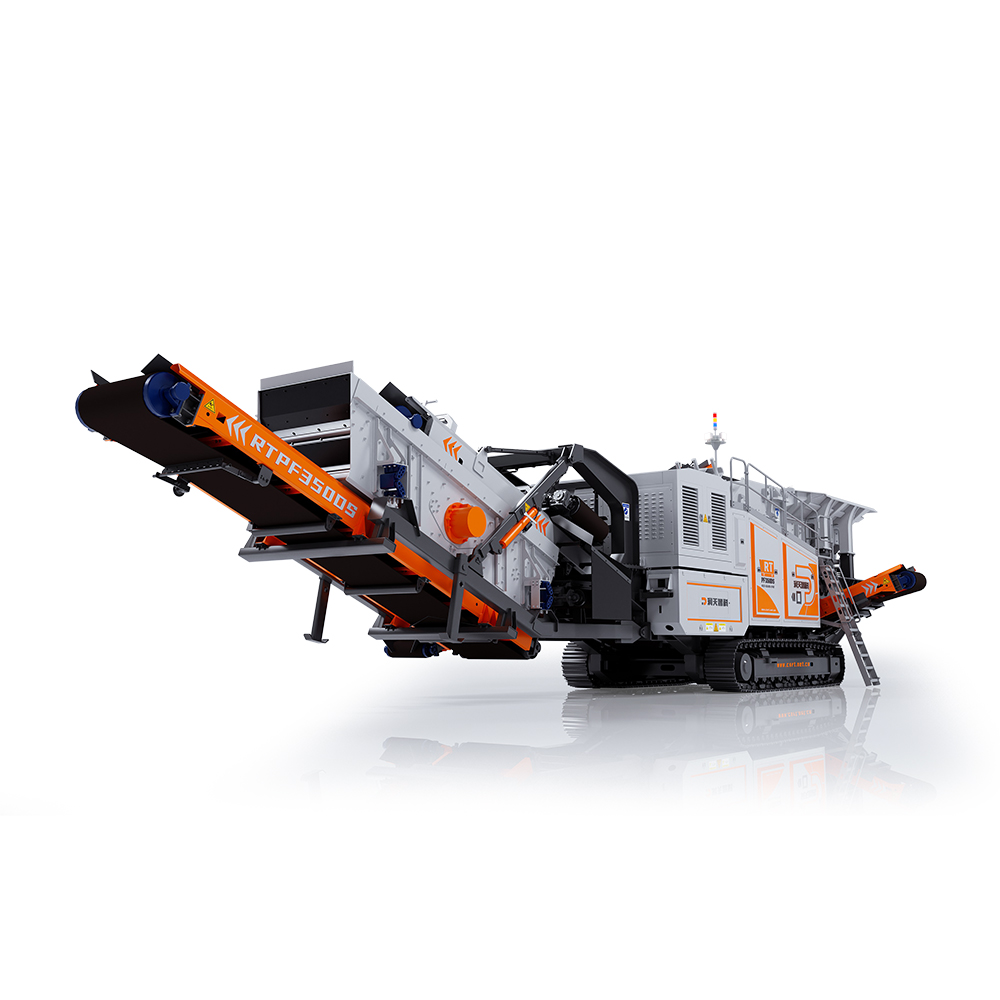 RTPF350DS Crawler Mobile Impact Crushing Plant
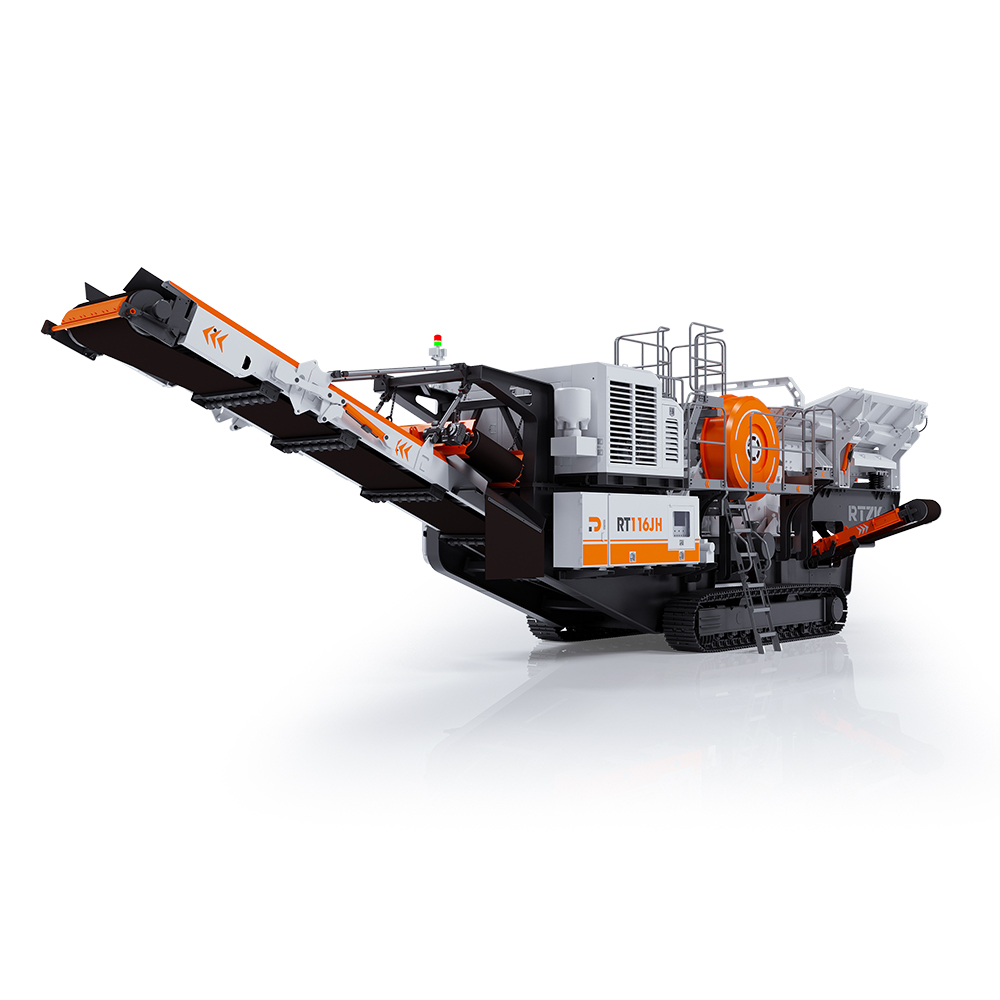 RT116JH Crawler Mobile Jaw Crushing Plant
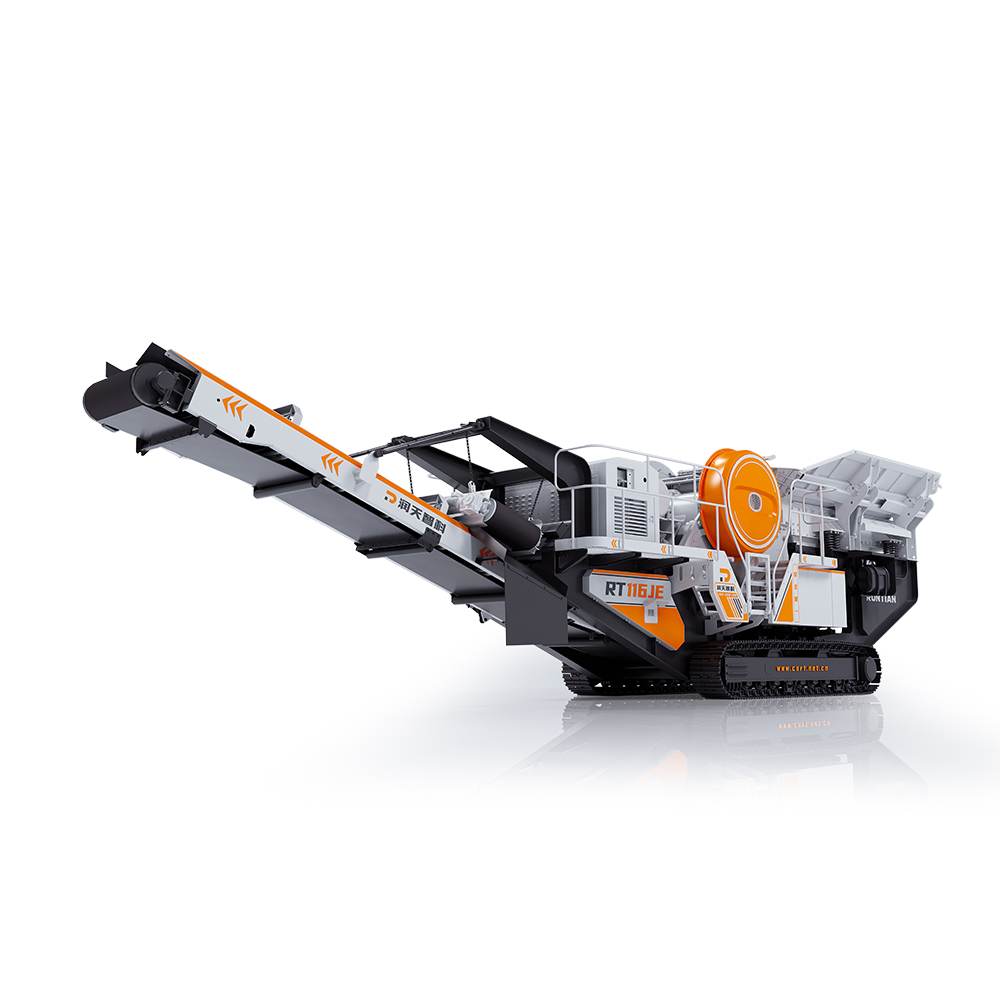 RT116JE Crawler Mobile Jaw Crushing Plant
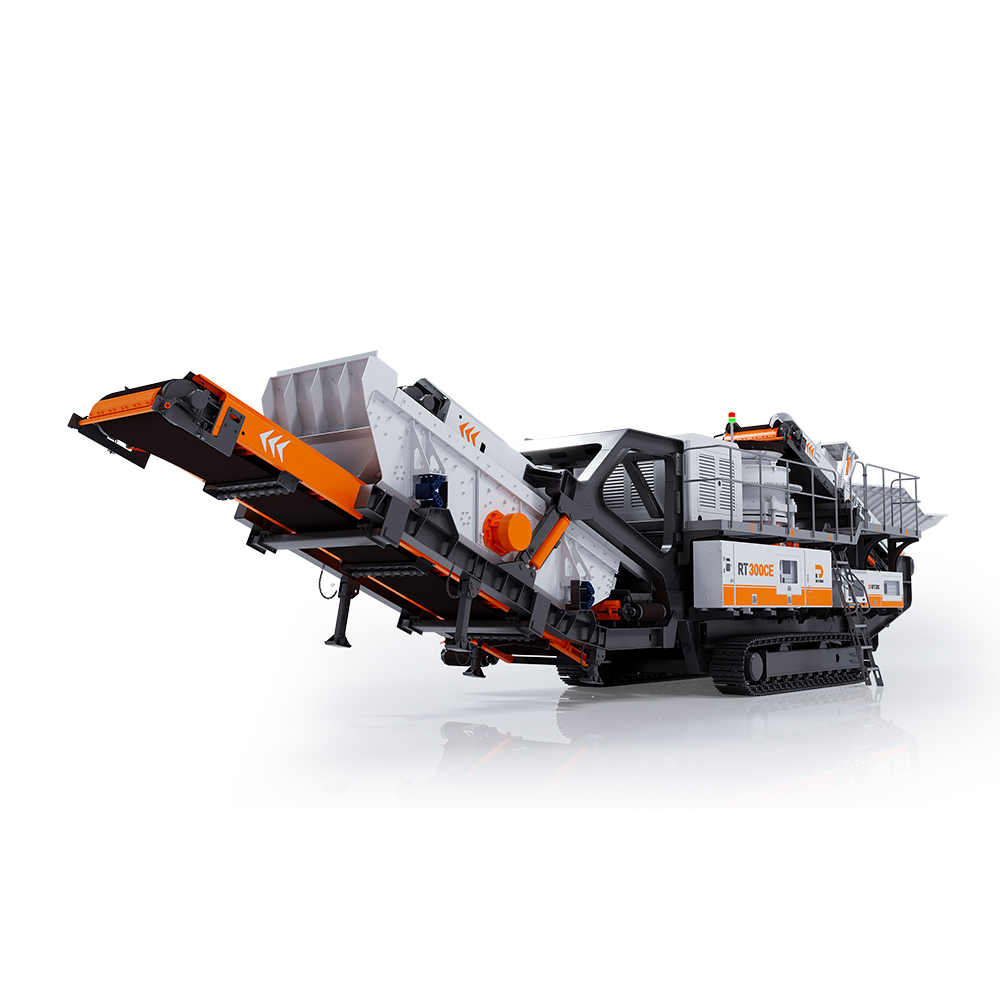 RT300CE Crawler Mobile Cone Crushing Plant
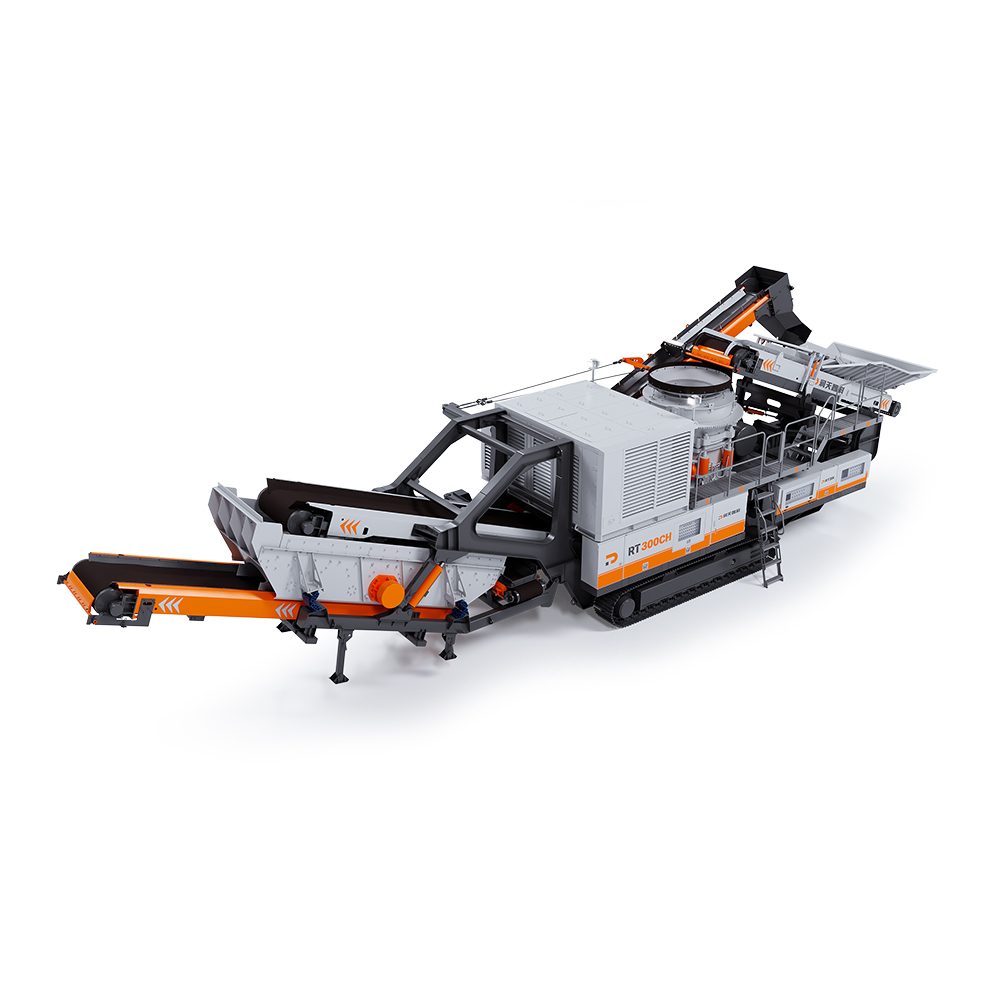 RT300CH Crawler Mobile Cone Crushing Plant
 RT5015H Mobile Scalping Screen
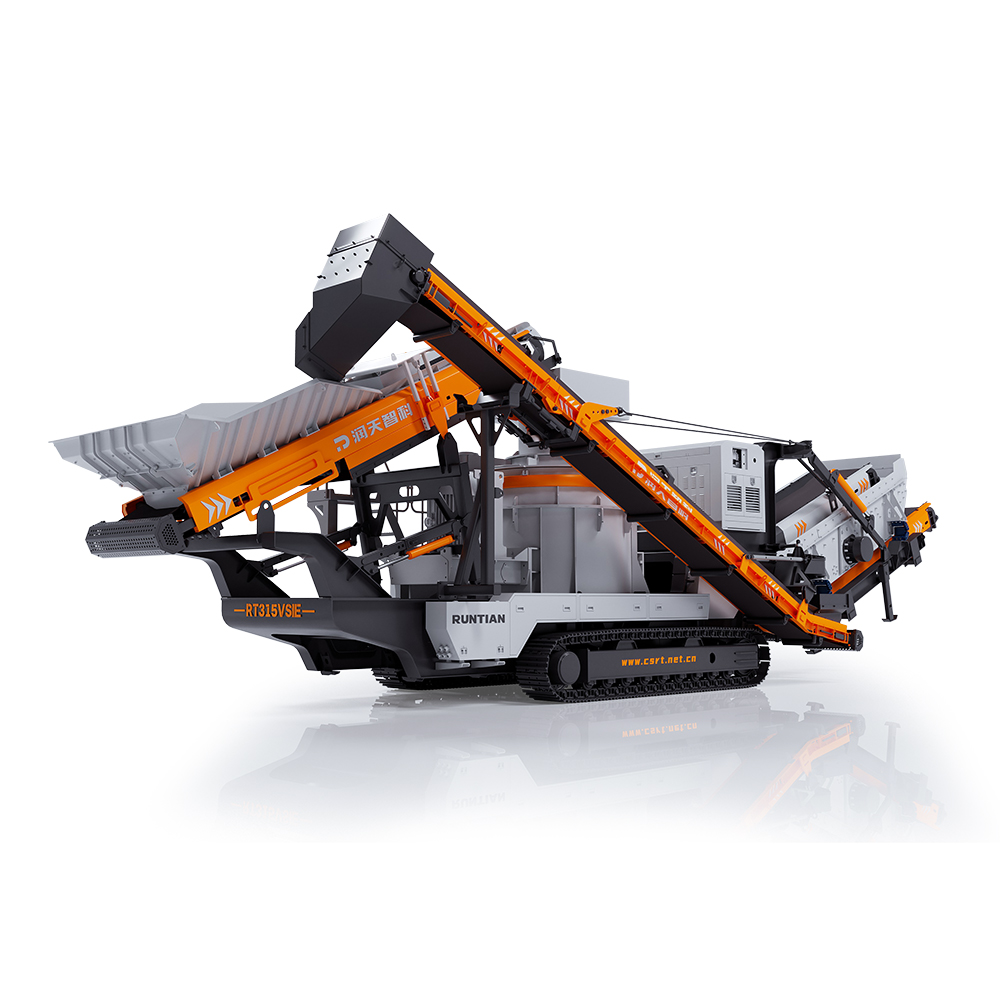 RT315VSIE Crawler Mobile Sand Maker
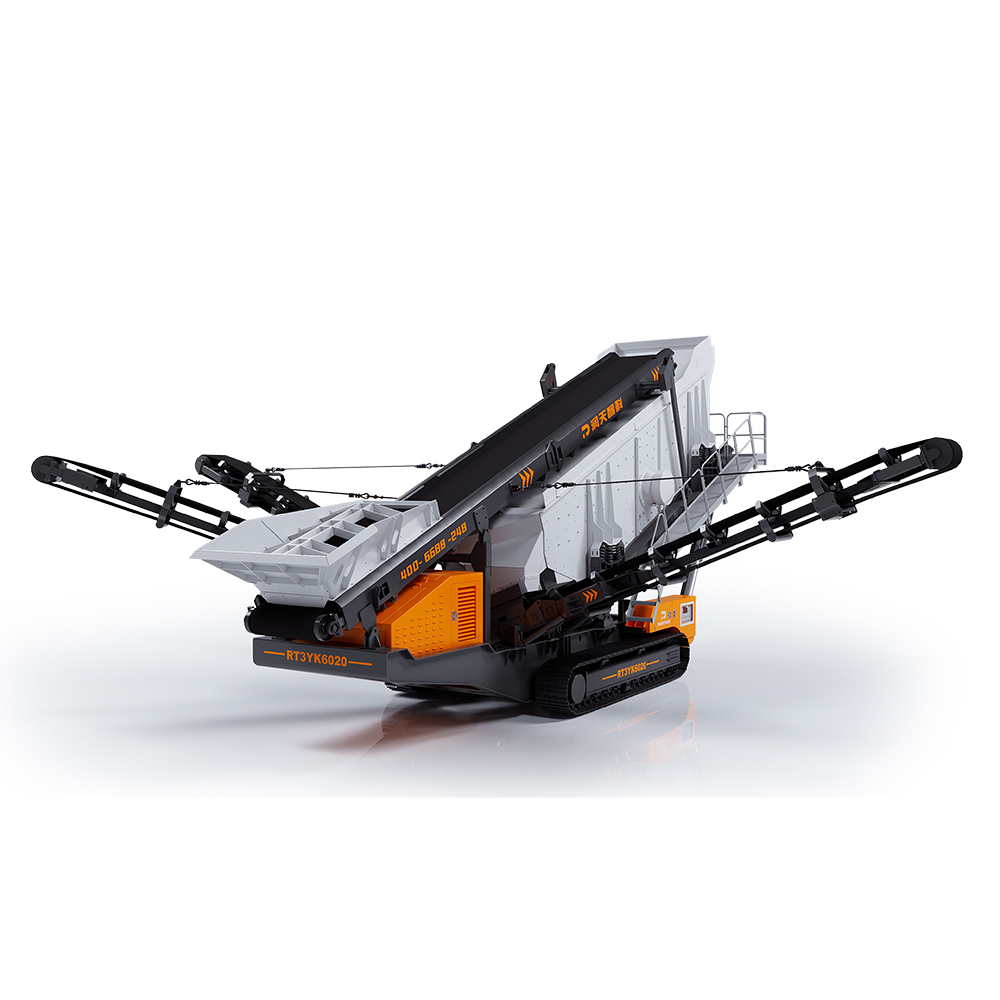 RT3YK6020 Crawler Mobile Screening Plant
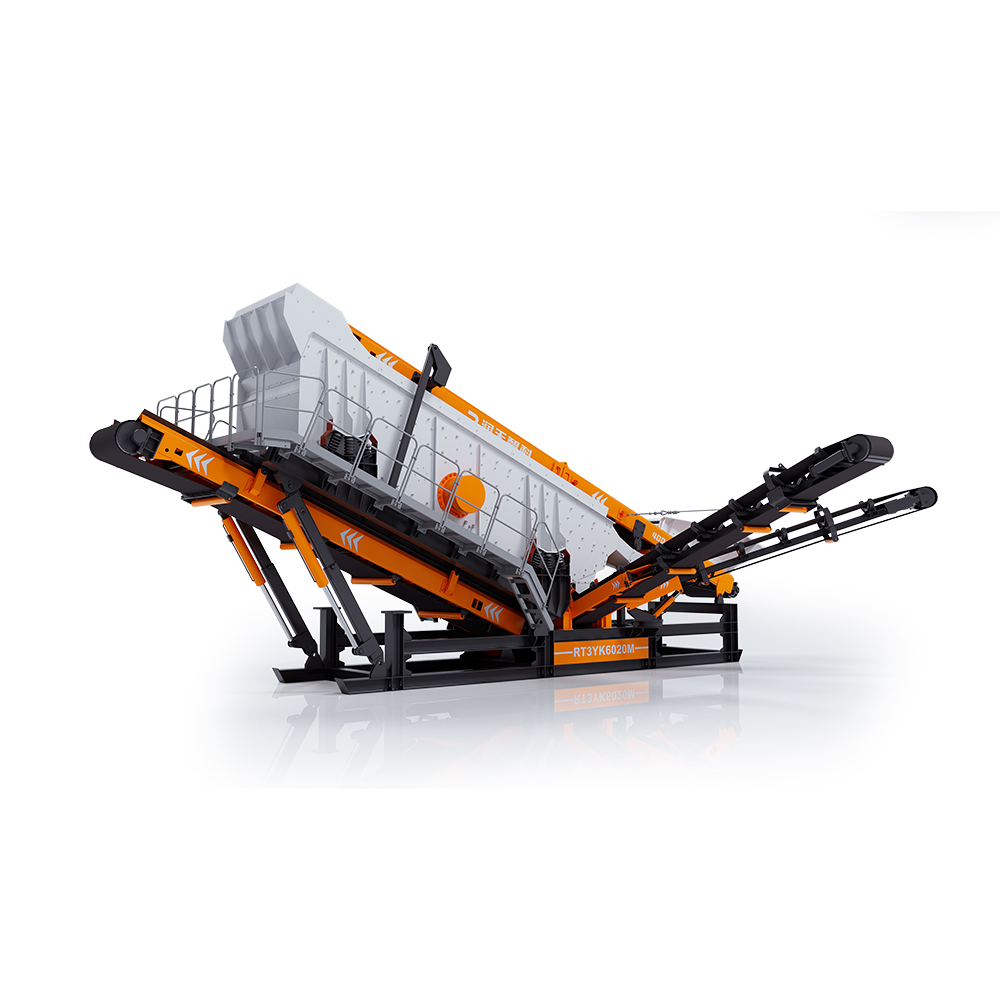 RT3YK6020M Modular Screening Plant
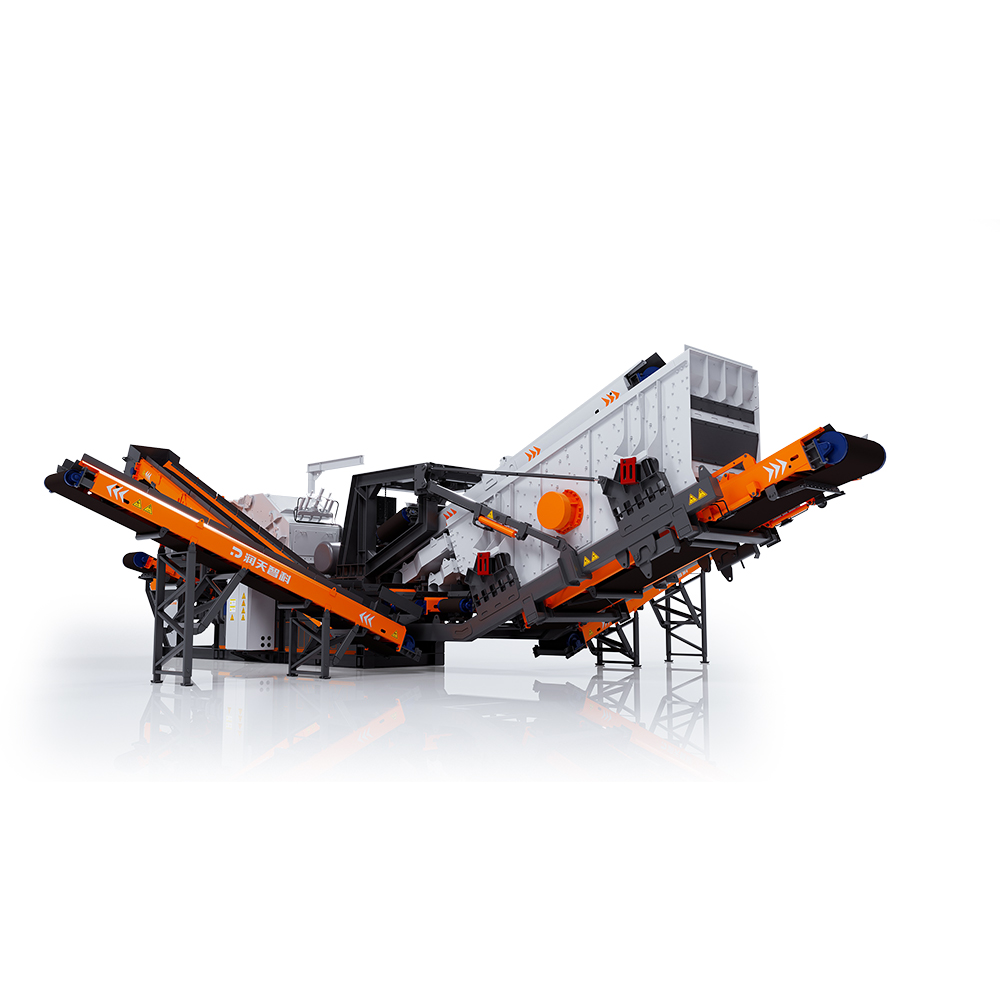 RTF260M Modular Counterattack Crushing and Screening Integrated Machine
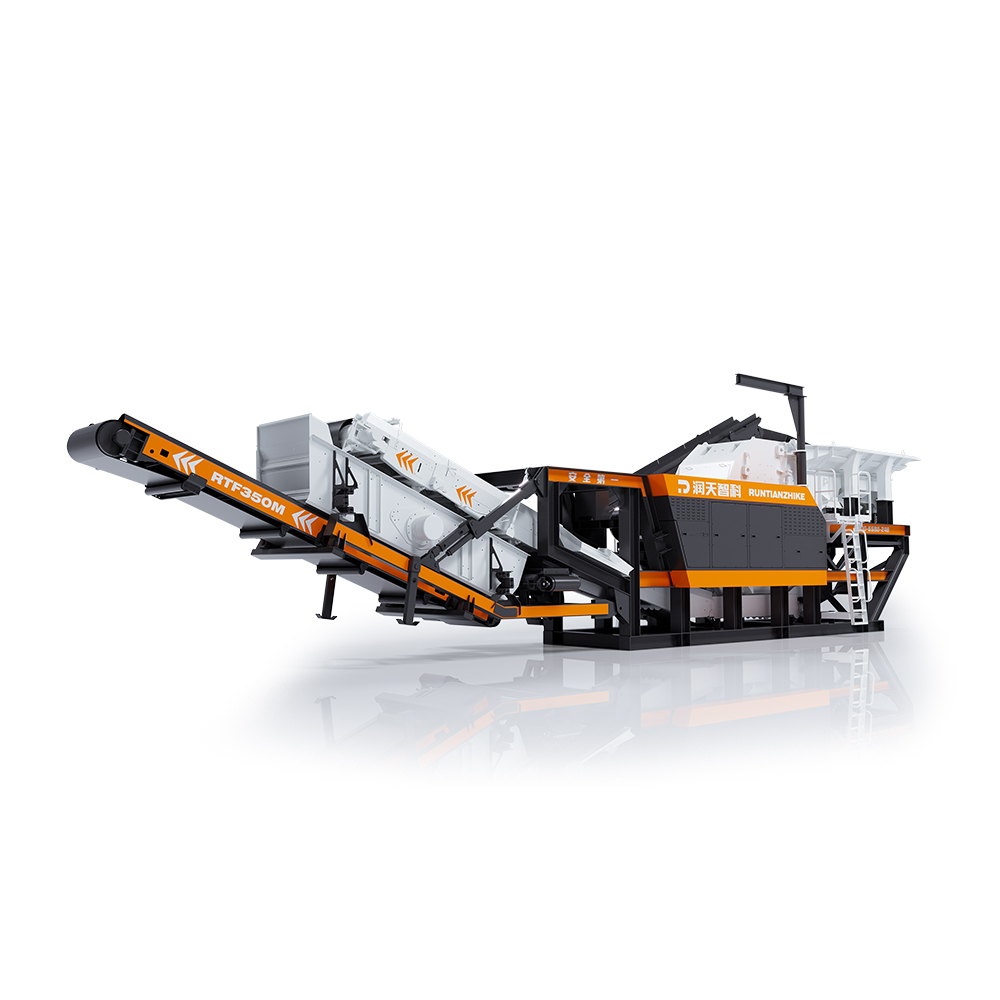 RTF350M Modular Impact Crushing Plant
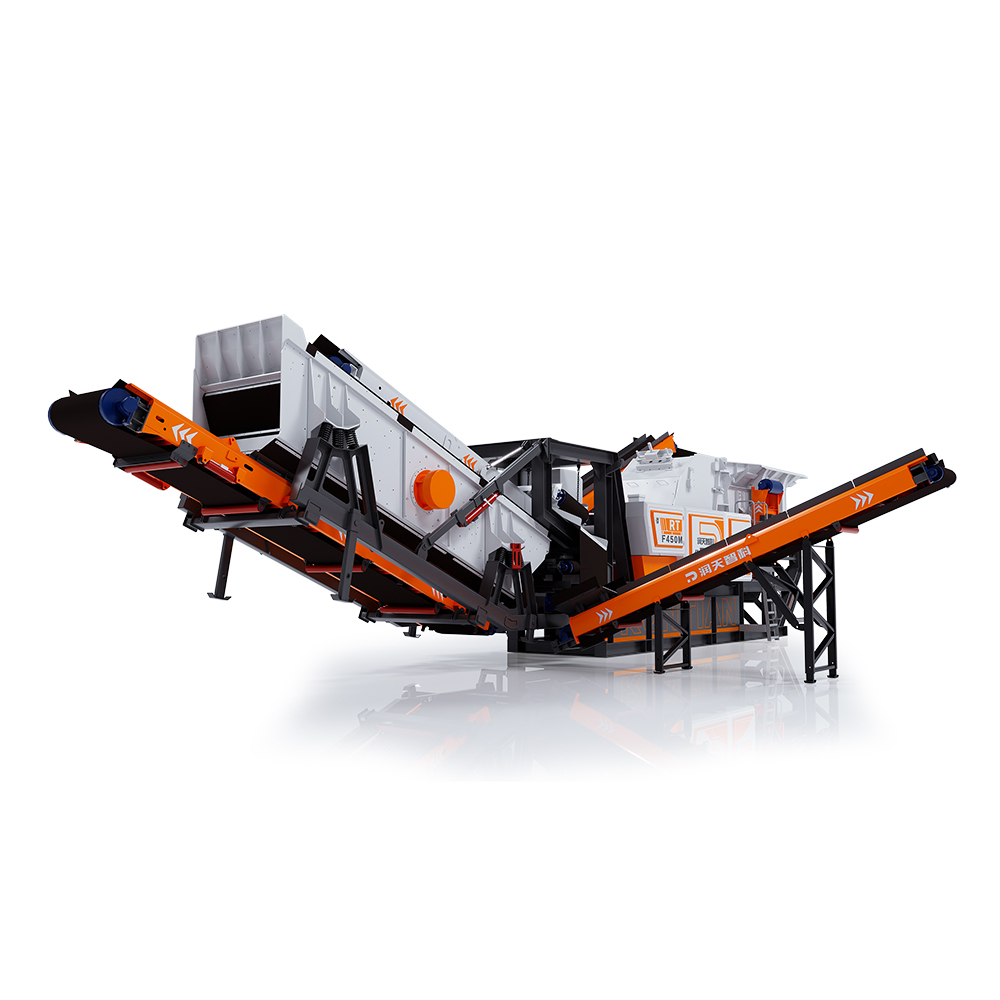 RTF450M Modular Impact Crushing Plant
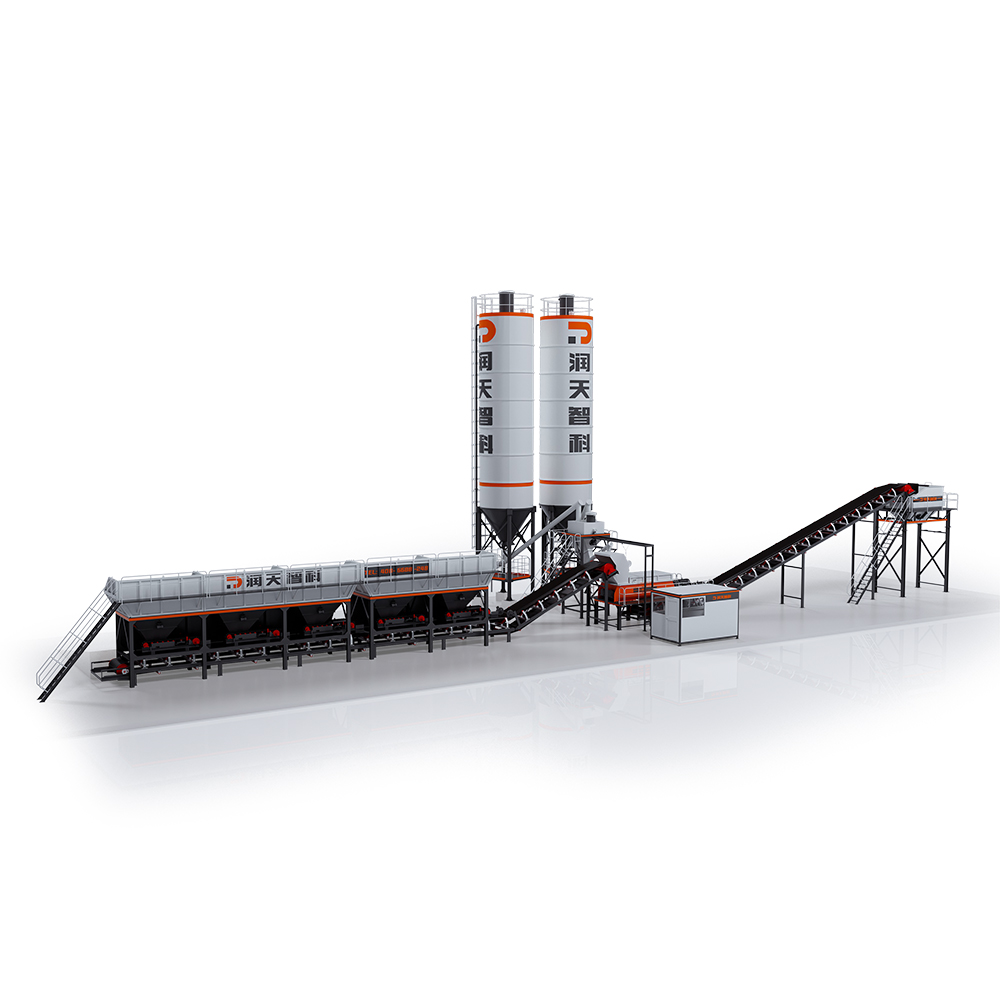 WDB Series Foundation-Free Stability Soil Mixing Plant
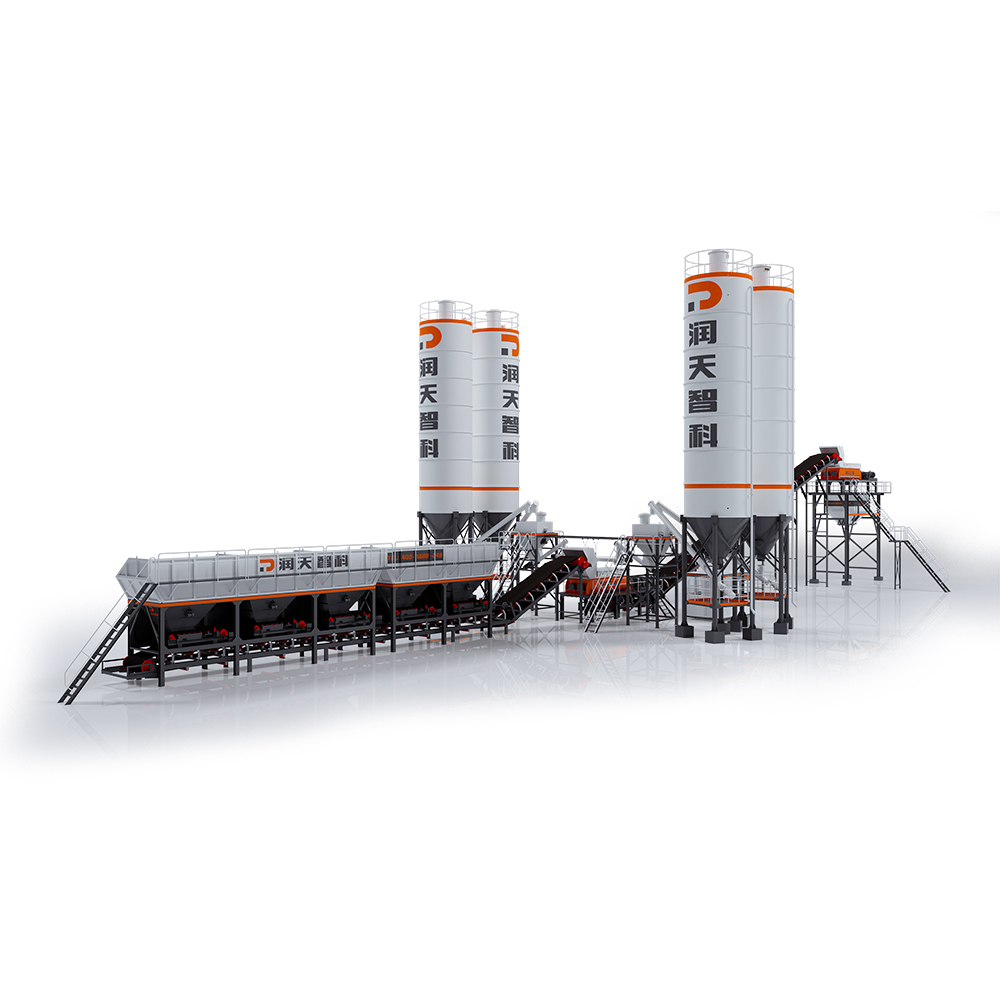 LCB Series Emulsified Asphalt Cold Regeneration Secondary Mixing Plant
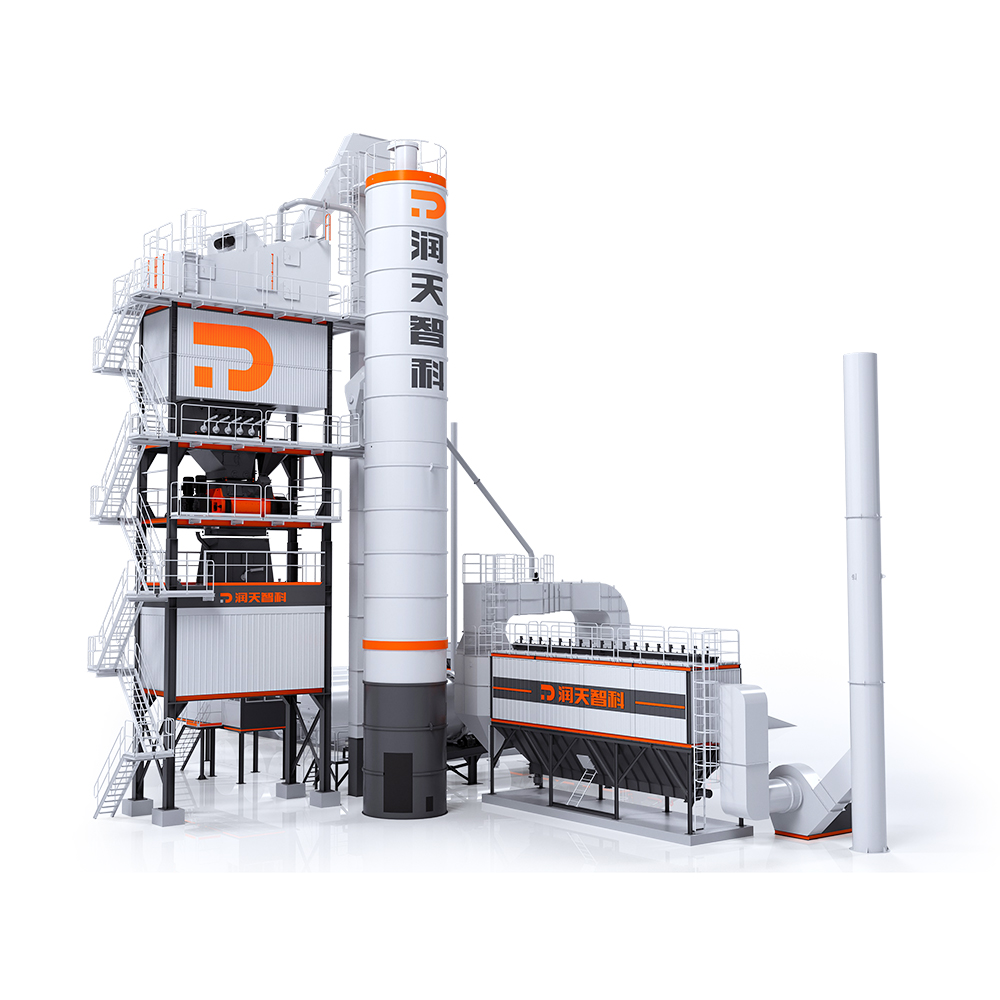 LB Series Asphalt Mixing Plant
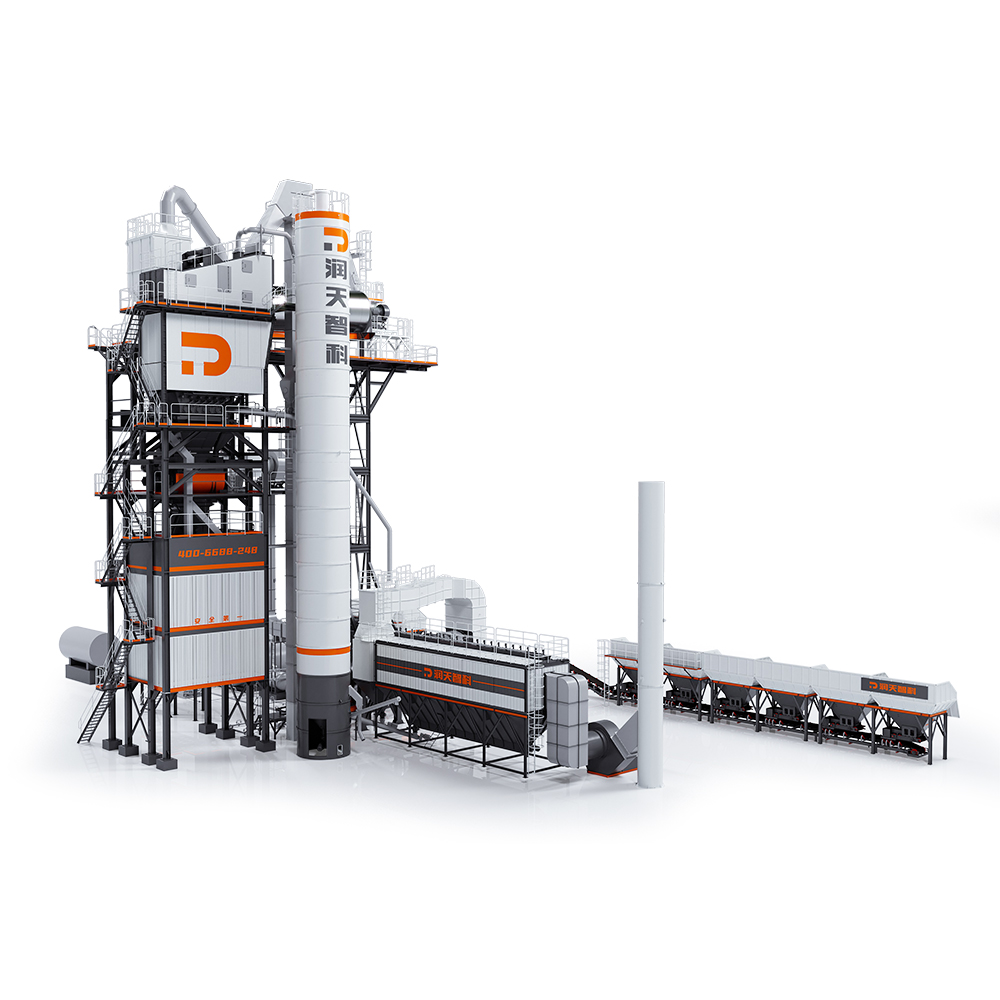 LBR Series Integrated Asphalt Mixing Plant
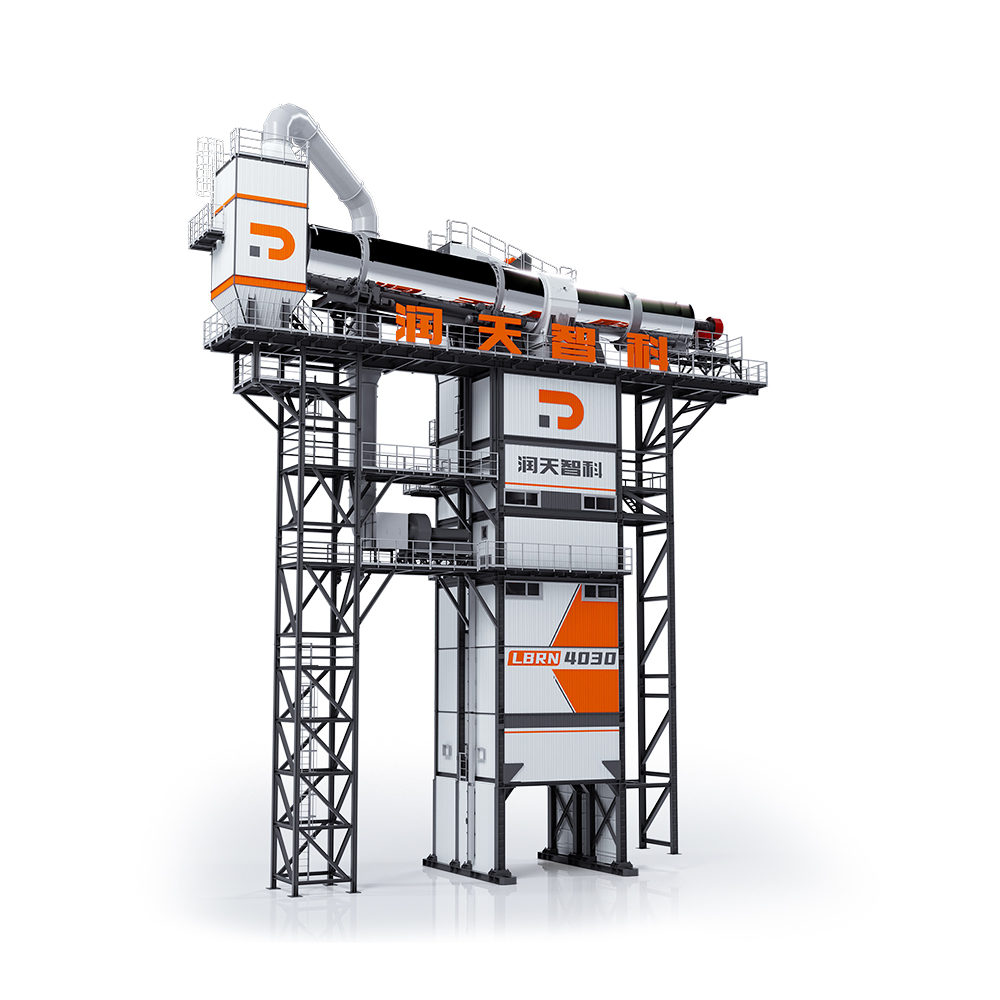 LBRN Series Counterflow Integral Asphalt Mixing Plant
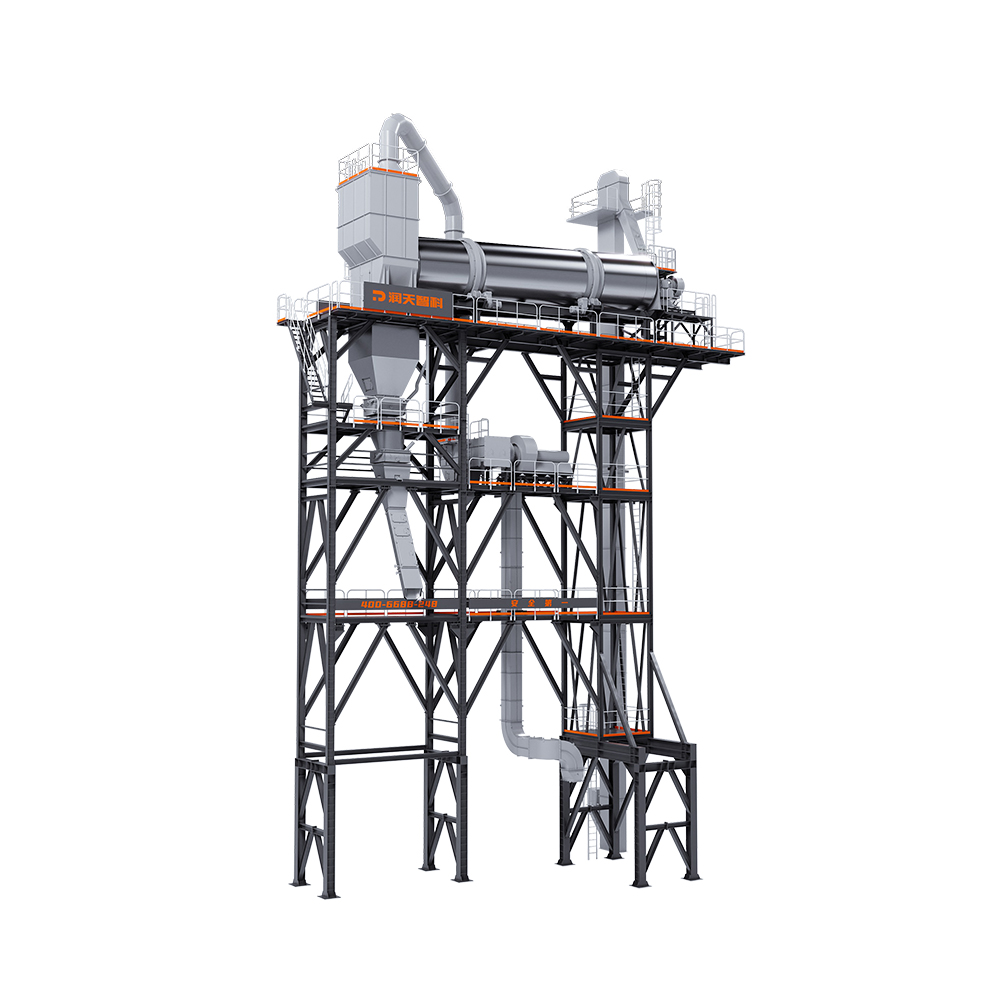 RZS Series Asphalt Mixing Plant
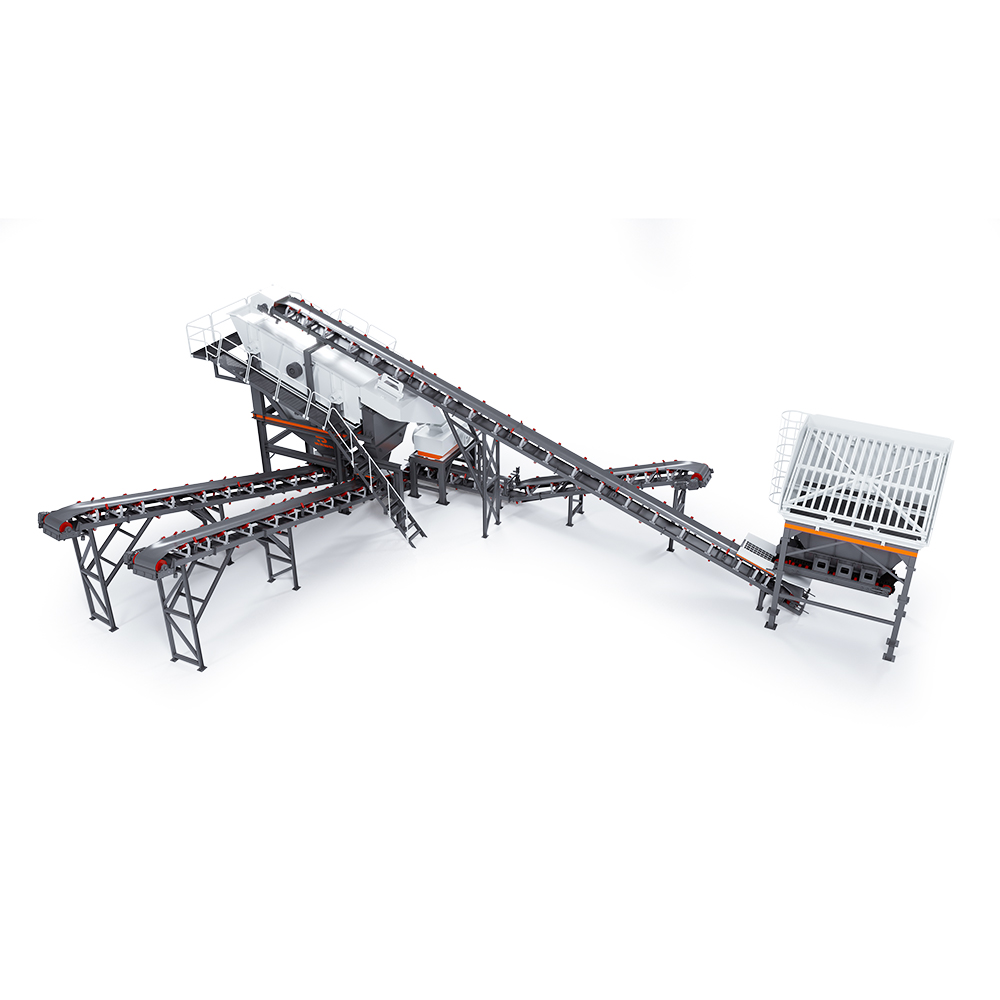 RTZS120 Series RAP Crushing & Screening Plant
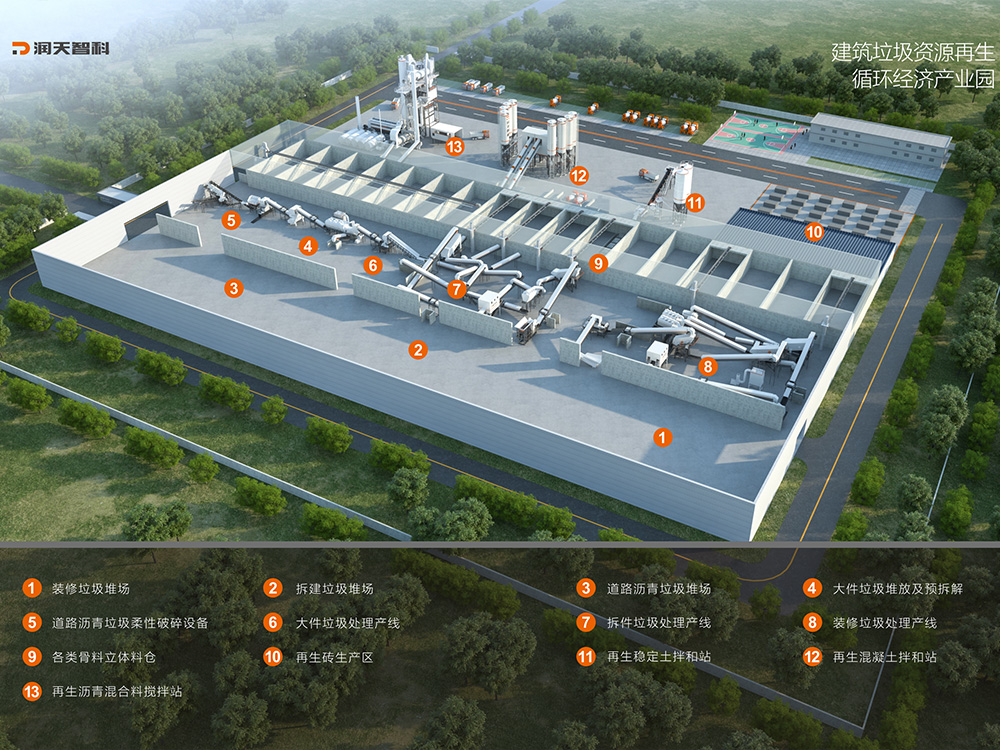 Construction Waste Resourceful Treatment Line