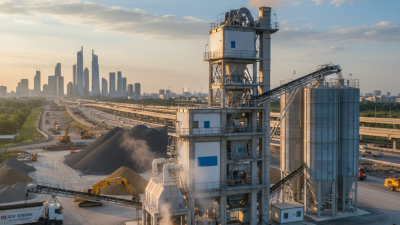
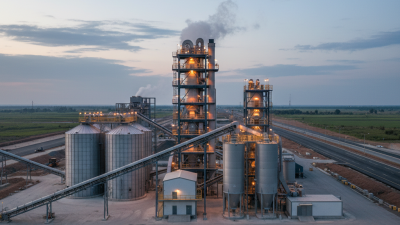
How to Choose the Best Hot Mix Asphalt Plant for Your Needs?
Selecting the right Hot Mix Asphalt Plant (HMA) is critical for infrastructure projects. The global asphalt market is projected to reach $42.98 billion by 2028, growing at a CAGR of 5.1% (Research and Markets). This growth highlights the increasing demand for quality asphalt solutions. As cities expand and road networks age, the need for efficient HMA production becomes essential.
Understanding your project requirements is vital. Not all Hot Mix Asphalt Plants are created equal. Factors such as capacity, type of asphalt produced, and energy consumption must be considered. For instance, a plant's production capacity significantly impacts the timeline of municipal roadwork projects. Recent studies suggest that high-capacity plants can improve project timelines by up to 25% (Asphalt Pavement Alliance).
Quality and reliability are equally important. Investing in a plant that meets industry standards is crucial to avoid costly downtimes. Many facilities face challenges, from outdated equipment to inadequate maintenance. Reflecting on past project choices can provide insights into improving future decisions. Choosing the best Hot Mix Asphalt Plant requires careful consideration of needs, market trends, and potential pitfalls.

Understanding Your Project Requirements for Hot Mix Asphalt
When selecting a hot mix asphalt plant, understanding your project requirements is essential. Start by defining the scope of your project. Are you working on a small parking lot or a major highway? Each project demands different types of asphalt and plant capacities. A small job may need a mobile plant, while larger projects might require a stationary facility. The choice significantly affects your budget and timeline.
Consider production capacity and output needs. If your project requires high volumes of asphalt, opt for a plant that can meet these demands efficiently. In some cases, a plant’s capability might not match the speed of your construction schedule. Reflect on past experiences; delays can lead to increased costs. Evaluate the environmental impact as well. You may need to comply with local regulations regarding emissions.
Legal guidelines can also dictate what type of asphalt mix you can use. Are there specific standards in your area? Access to quality raw materials is another factor. Without reliable suppliers, your work could suffer. Always have contingency plans in place. A well-prepared approach will not only enhance productivity but also ensure your project stays on track.
Hot Mix Asphalt Plant Selection Criteria
Types of Hot Mix Asphalt Plants and Their Features
When selecting a hot mix asphalt plant, understanding the types available is crucial. There are mainly four categories:
batch plants,
drum plants,
continuous mix plants, and
mobile plants. Each type serves different project needs.
A batch plant produces asphalt in batches, allowing precise control over mix quality. This can result in better performance for specific applications.
Drum plants, on the other hand, create asphalt continuously, making them efficient for larger projects. According to the National Asphalt Pavement Association, drum plants have seen a rise in usage, partly due to their ability to minimize production costs. Continuous mix plants maintain a steady flow, suitable for road projects with high demand. Mobile plants are increasingly popular for their flexibility, allowing for on-site production, which reduces transportation costs.
As you consider these types, reflect on your project’s scale and requirements. Sometimes, opting for a more traditional
batch plant may yield better long-term benefits despite higher upfront costs. Additionally, evaluate the source of the
raw materials to ensure quality. Each choice involves trade-offs, and understanding these nuances will lead to better decision-making in your asphalt production needs.
Key Factors to Consider When Choosing a Plant
When choosing a hot mix asphalt plant, several key factors come into play. The production capacity is vital. According to the National Asphalt Pavement Association, the average plant produces around 200 tons per hour. Thus, understanding your project's size is essential. High-demand jobs may require larger capacities, while smaller projects can operate efficiently with compact models.
Another critical aspect is the technology used in the plant. Modern plants often utilize advanced features like recycling capabilities. A report by the Federal Highway Administration notes that 95% of asphalt pavement can be recycled. This enhances sustainability and reduces material costs. Additionally, consider the plant’s emissions standards. Stricter regulations can lead to higher operational costs if compliance is necessary.
Budget constraints also play a significant role. It’s crucial to look beyond the initial purchase price. Long-term operational costs might differ widely based on efficiency and maintenance needs. Materials that promise low upkeep but fail can lead to wasted investment. Gathering insights from industry experts can assist you in making a well-informed choice. Always approach decisions with a critical eye to avoid potential pitfalls.
Assessing Budget and Financial Implications
Choosing the right hot mix asphalt plant involves careful consideration of financial implications. The initial purchase price of an asphalt plant varies widely, often ranging from $100,000 to over $1 million. This depends on factors like capacity and technology used. Understanding your budget is critical. An analysis from the National Asphalt Pavement Association highlights that maintenance and operational costs can add up to 30% of the initial cost over time.
Financing options play a significant role in budget assessment. Many contractors consider loans, leases, or outright purchases. A 2023 survey showed that approximately 45% of companies preferred financing options that allow for flexible payment terms. It's vital to evaluate these choices against your cash flow projections. Will your project revenues offset the plant's cost within a reasonable period?
Moreover, operational efficiency can lead to significant savings. Research indicates that a well-maintained plant can reduce costs by 10-15% per ton of asphalt produced. Investing in training for staff further enhances this efficiency. Balancing upfront costs and long-term savings requires strategic planning and precise forecasting. This approach ensures you make a financially sound decision that aligns with project demands and sustainability goals.
How to Choose the Best Hot Mix Asphalt Plant for Your Needs? - Assessing Budget and Financial Implications
| Feature |
Description |
Estimated Cost ($) |
Operating Cost (per ton) ($) |
| Production Capacity |
Production volume per hour |
100,000 - 400,000 |
20 - 50 |
| Type of Mix |
Hot, Warm, or Cold Mix |
Dependent on specifications |
N/A |
| Energy Source |
Fuel type used for heating |
Natural Gas, Diesel |
5 - 15 |
| Location Considerations |
Proximity to suppliers and clients |
Variable |
N/A |
| Technology and Features |
Automation, control systems, etc. |
50,000 - 200,000 |
10 - 25 |
Evaluating Manufacturers and After-Sales Support
When evaluating manufacturers of hot mix asphalt plants, consider their industry experience. A company with a long-standing presence is often more reliable. Check how many years they have operated and the types of projects they have completed. You may find this information on their website or through industry publications. Understanding their track record gives you insight into their expertise.
After-sales support is critical when selecting a manufacturer. Does the company offer training for your team? What kind of maintenance options do they provide? Quick response times for service requests are essential. Try to connect with current customers. Ask them about their experiences with the manufacturer's support team. Feedback from real users can reveal strengths and weaknesses.
It’s important to think about challenges as well. Some manufacturers may promise extensive support but fall short during critical times. Look for manufacturers that offer transparent communication. A manufacturer that is forthcoming about potential issues can build trust. Prioritize those who can clearly address your specific needs while providing ongoing support.

 Concrete Mixing Plant
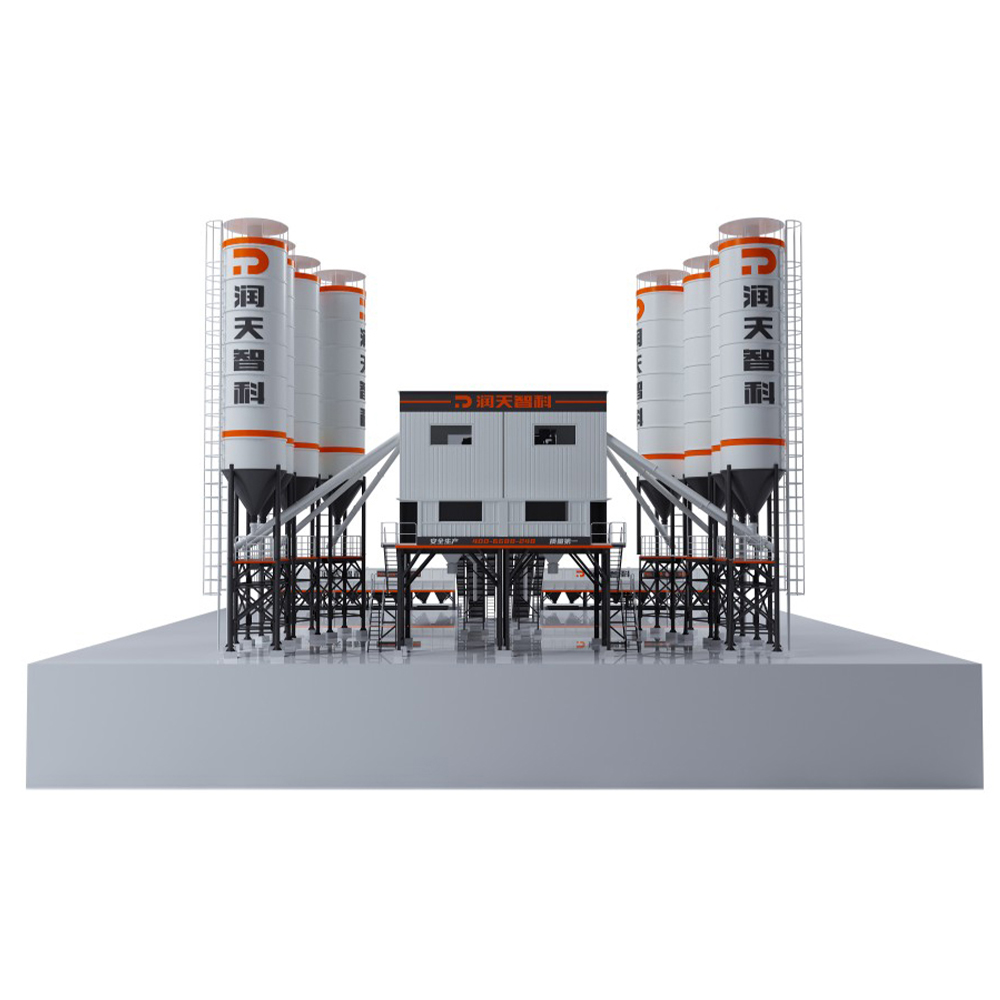 HZS Series Belt Concrete Mixing Plant
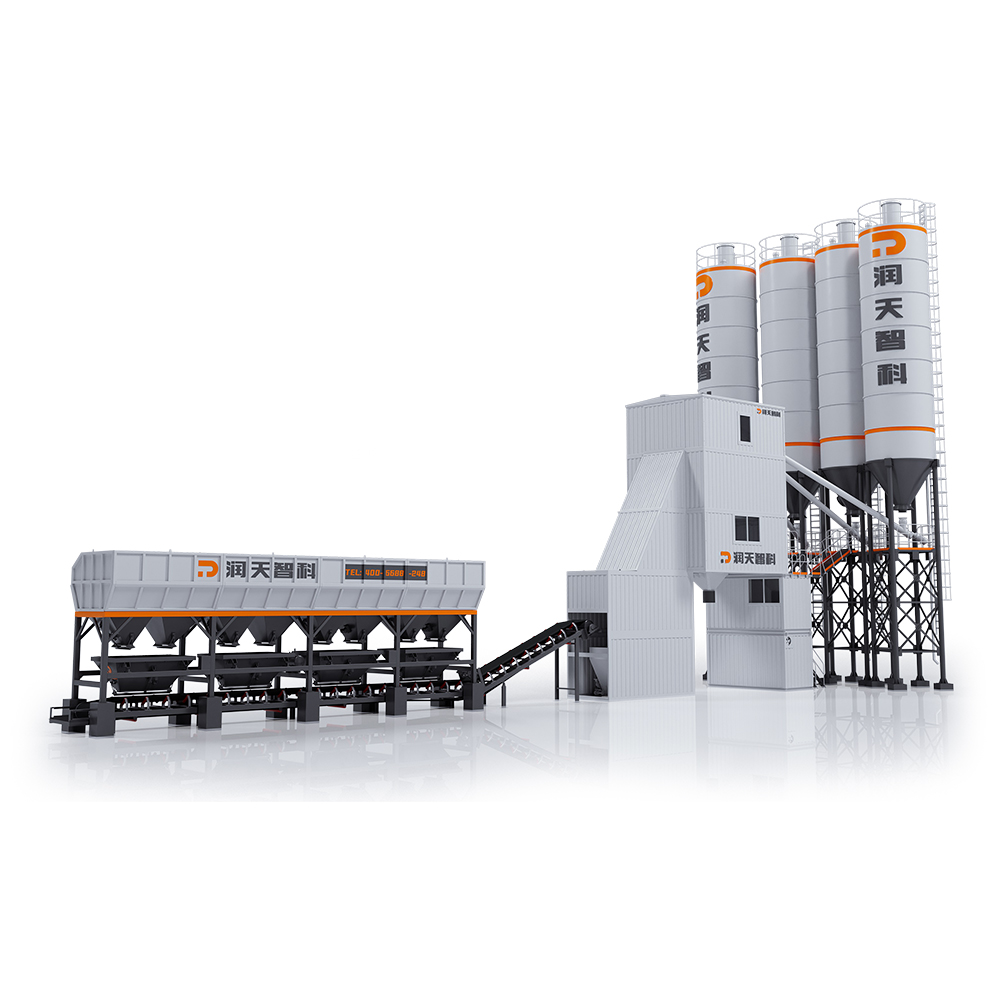 HZS Series Bucket-Lifting Type Container Concrete Mixing Plant
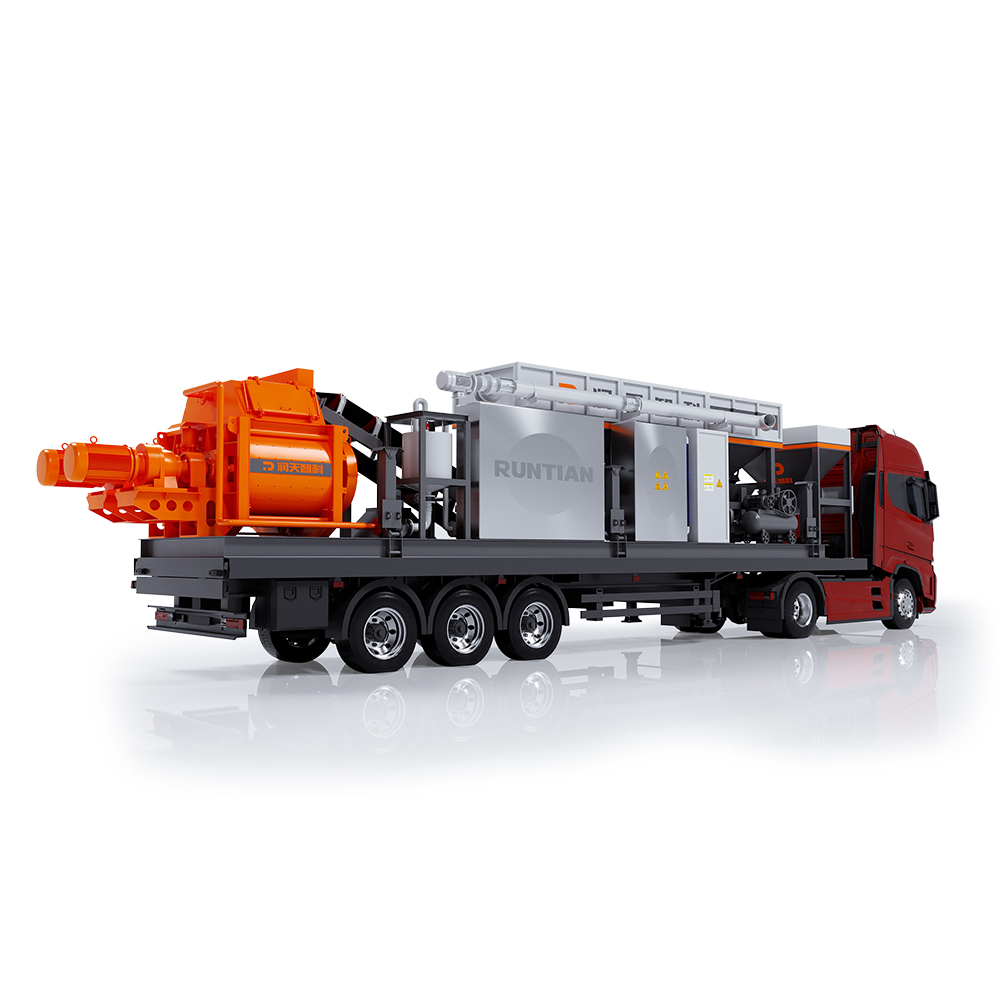 HZS60 Mobile Concrete Mixing Plant
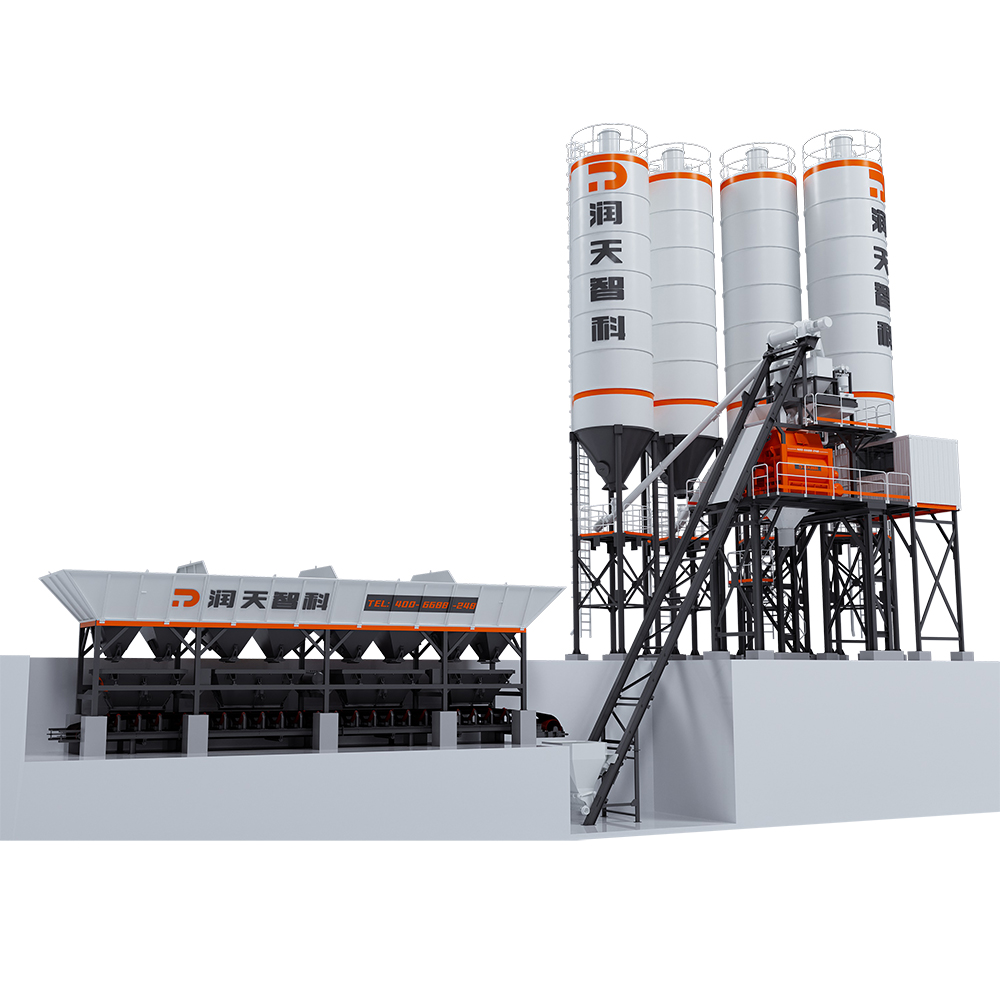 HZS Series Bucket-Lifting Type Concrete Mixing Plant
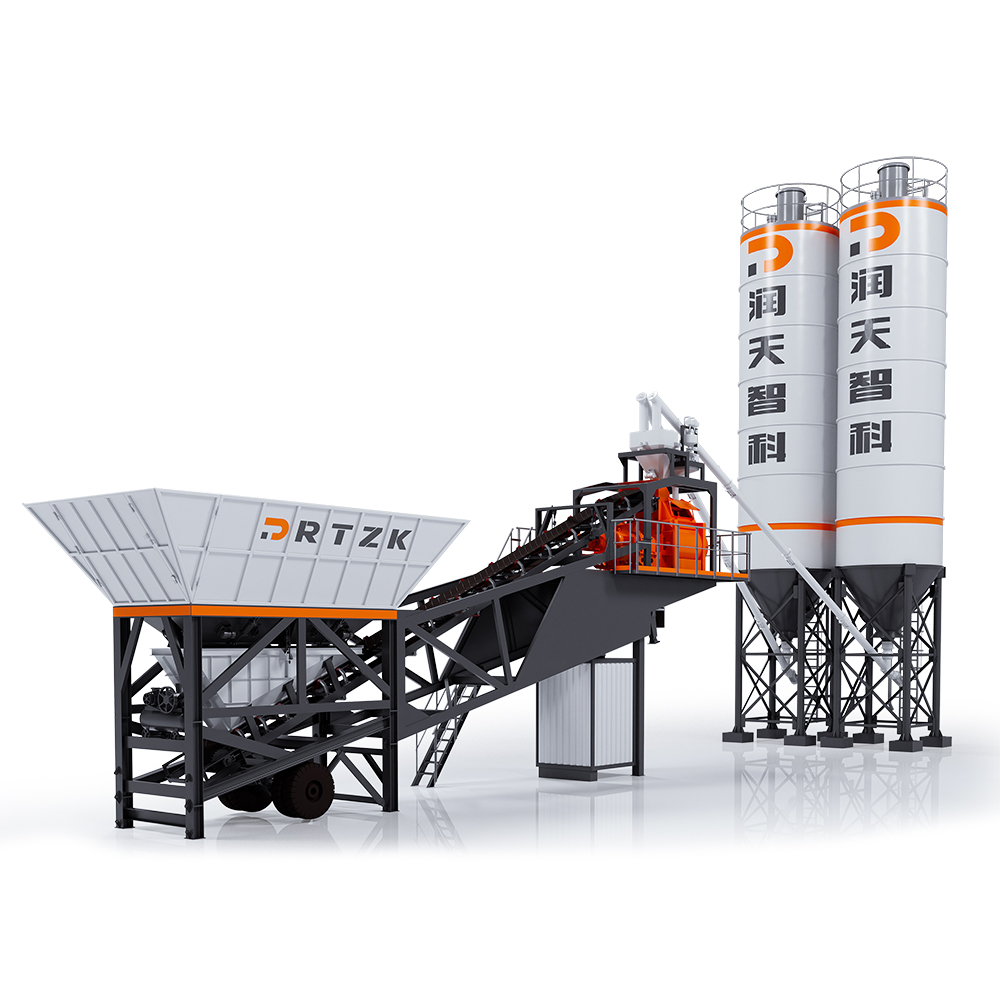 HZS Series Mobile Concrete Mixing Plant
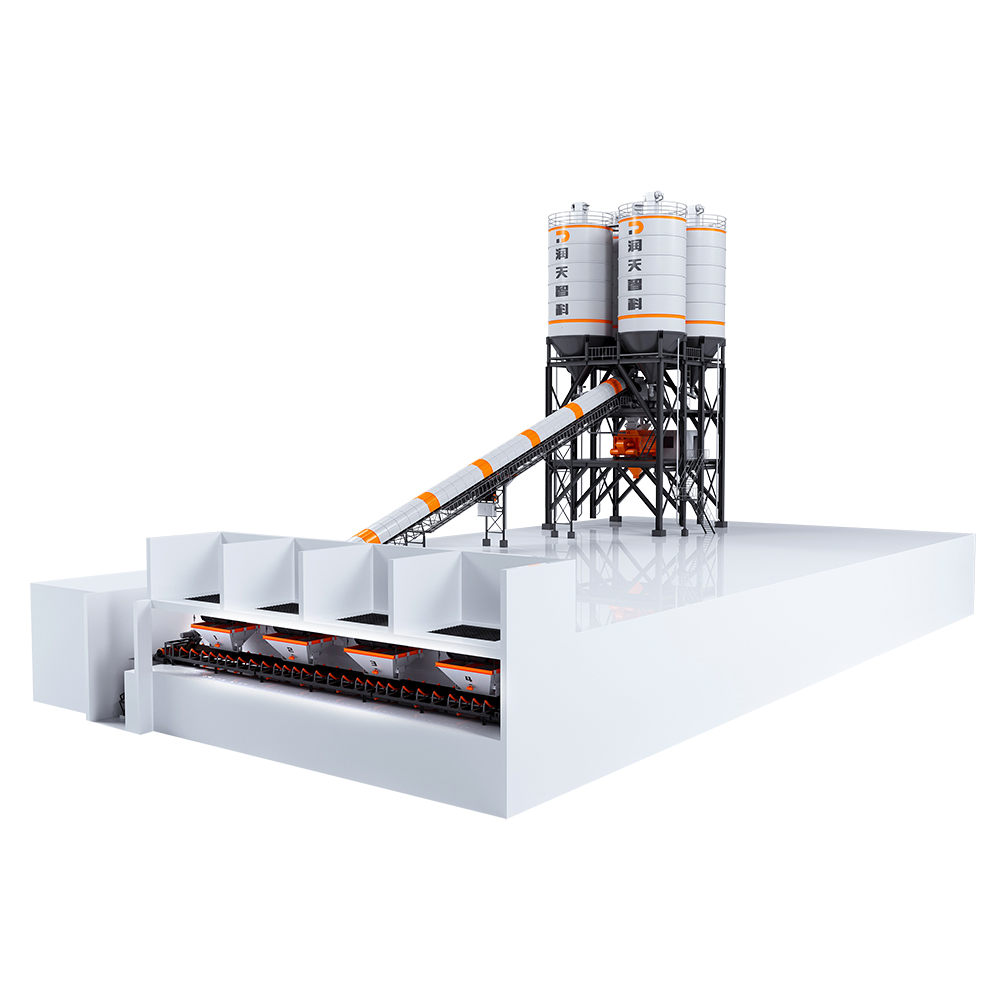 HZS Series Top-Mounted Concrete Mixing plant
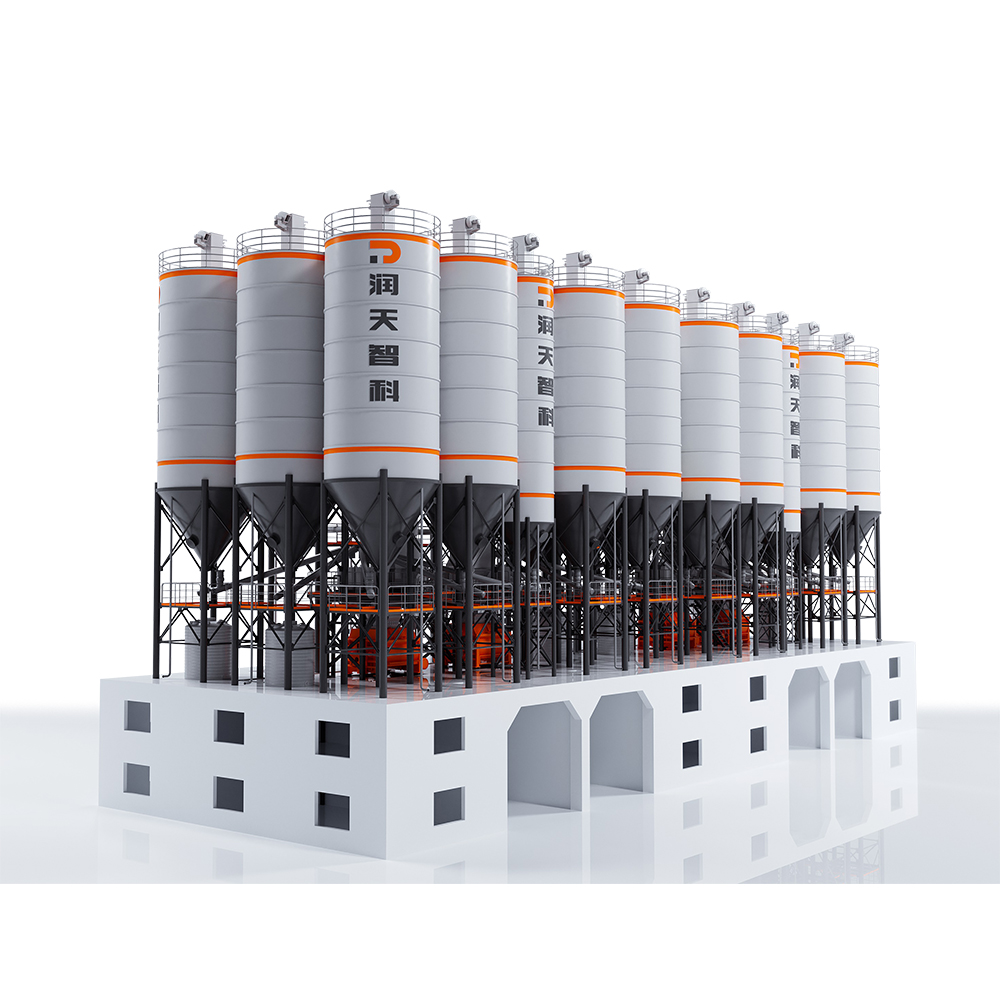 HZS Series Semi-Top Mounted Concrete Mixing Plant
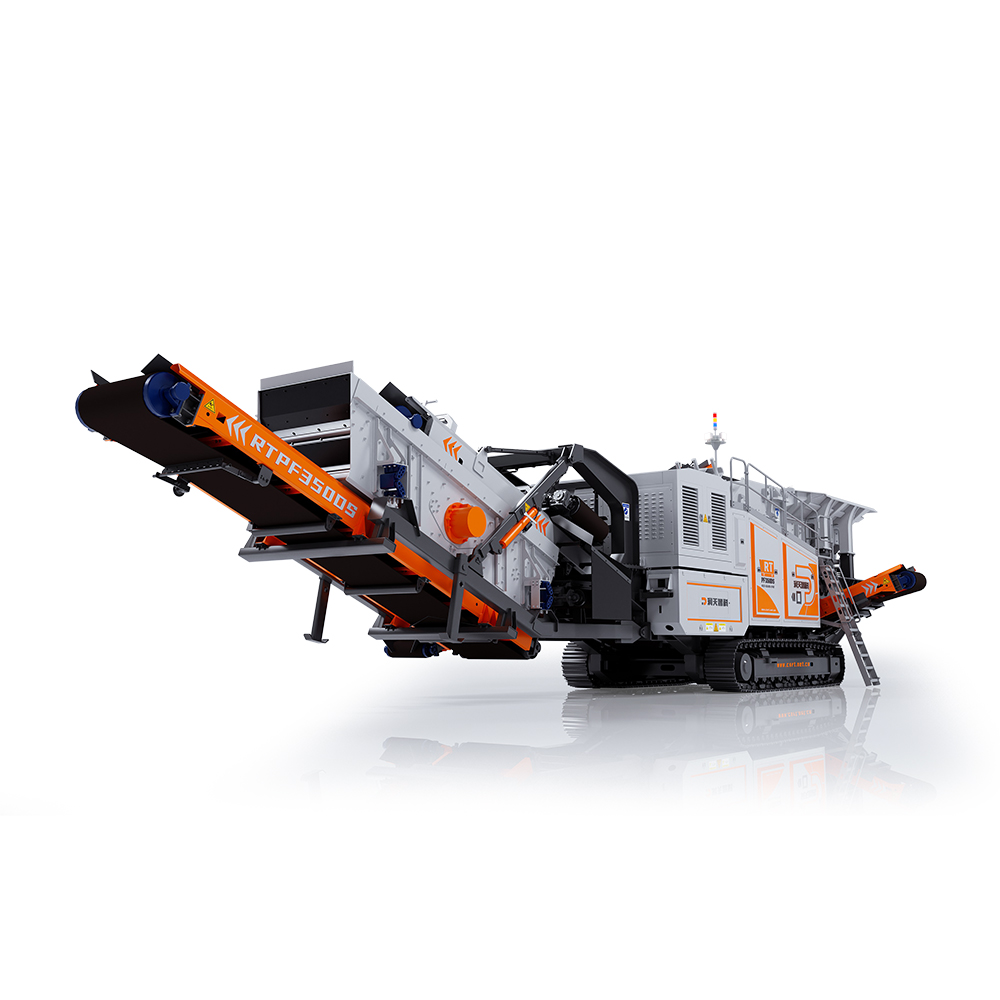 RTPF350DS Crawler Mobile Impact Crushing Plant
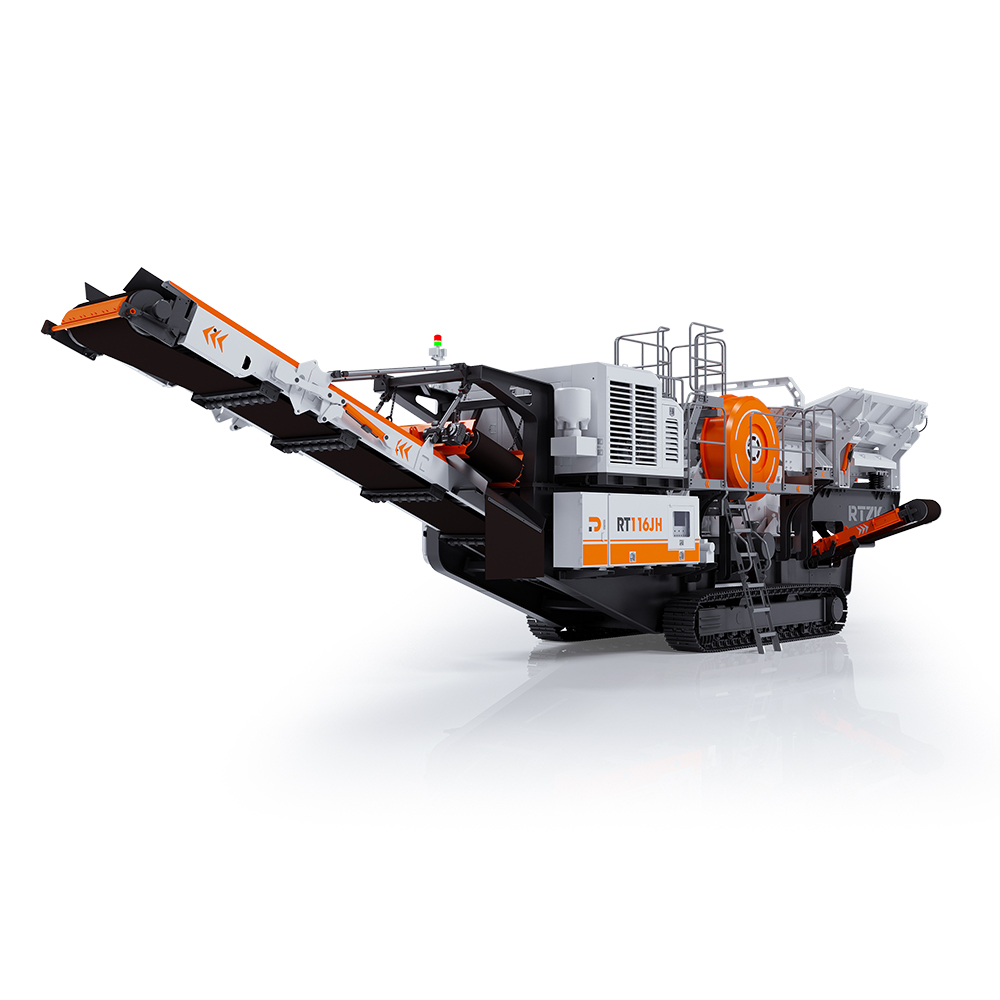 RT116JH Crawler Mobile Jaw Crushing Plant
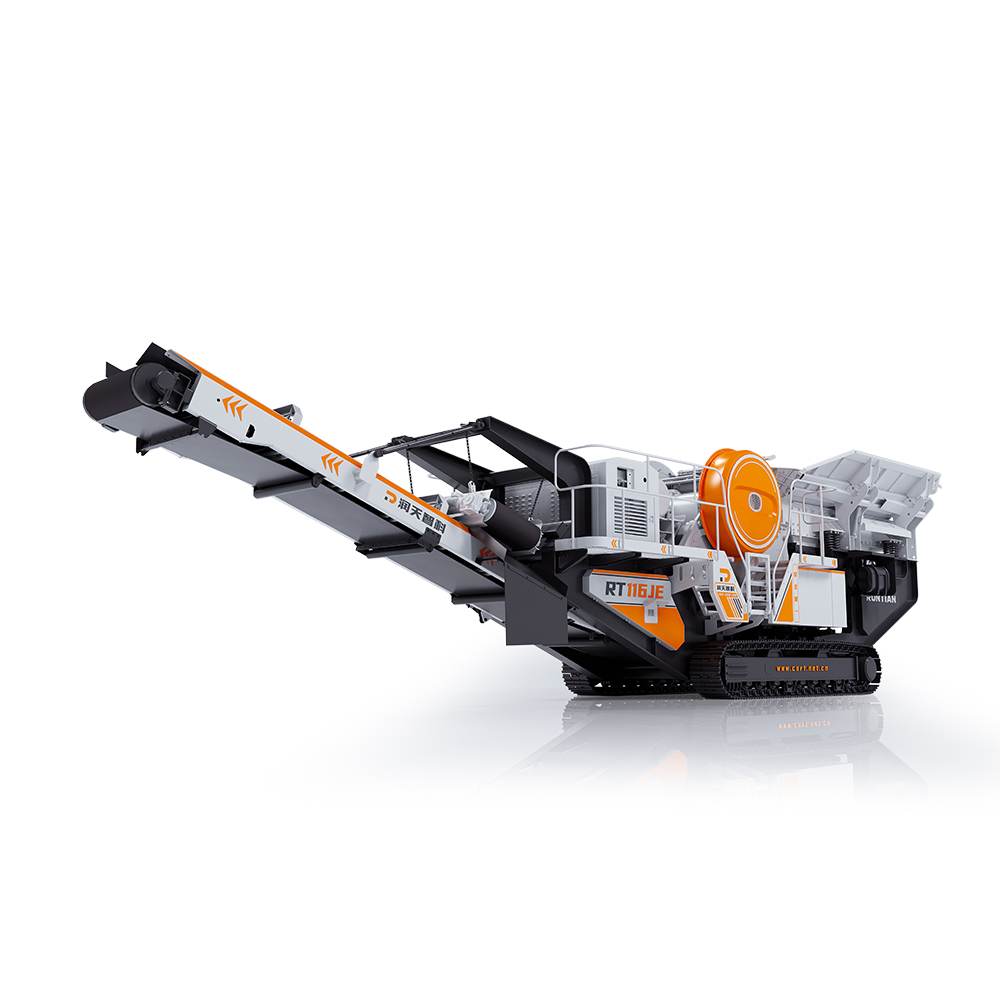 RT116JE Crawler Mobile Jaw Crushing Plant
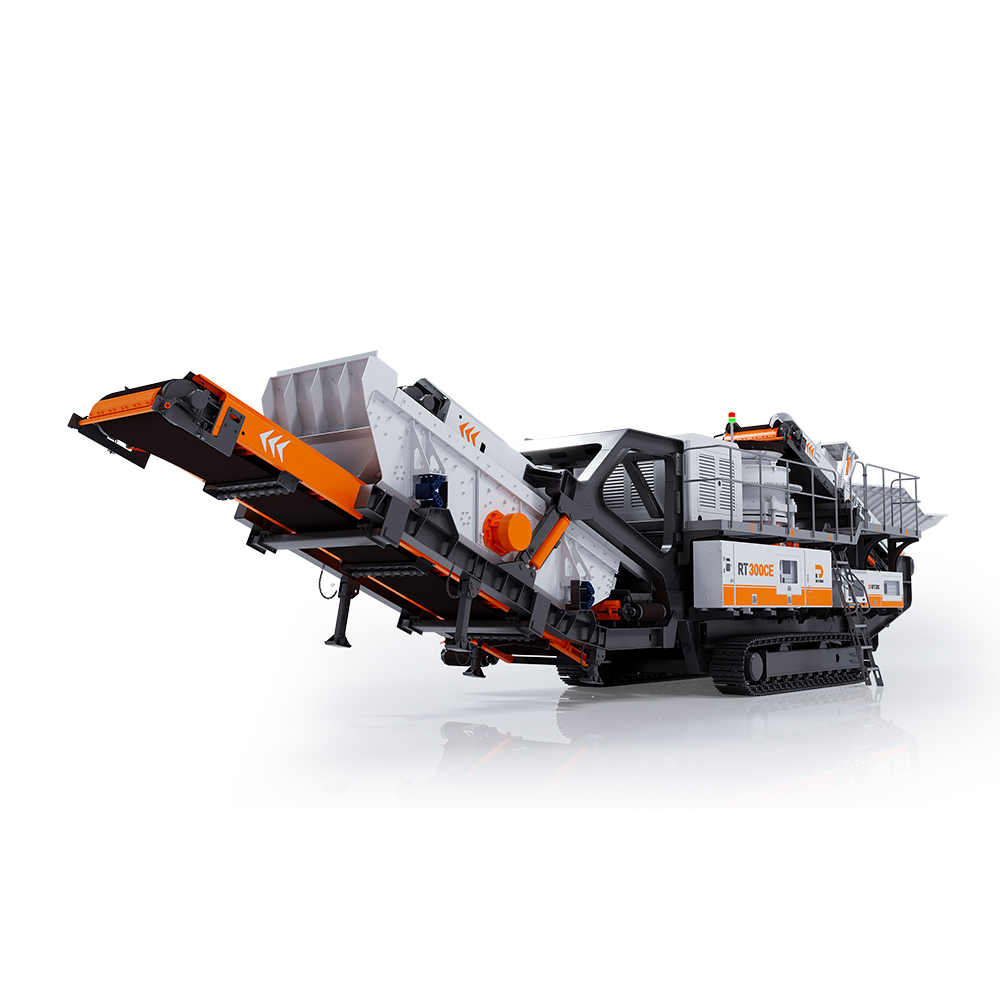 RT300CE Crawler Mobile Cone Crushing Plant
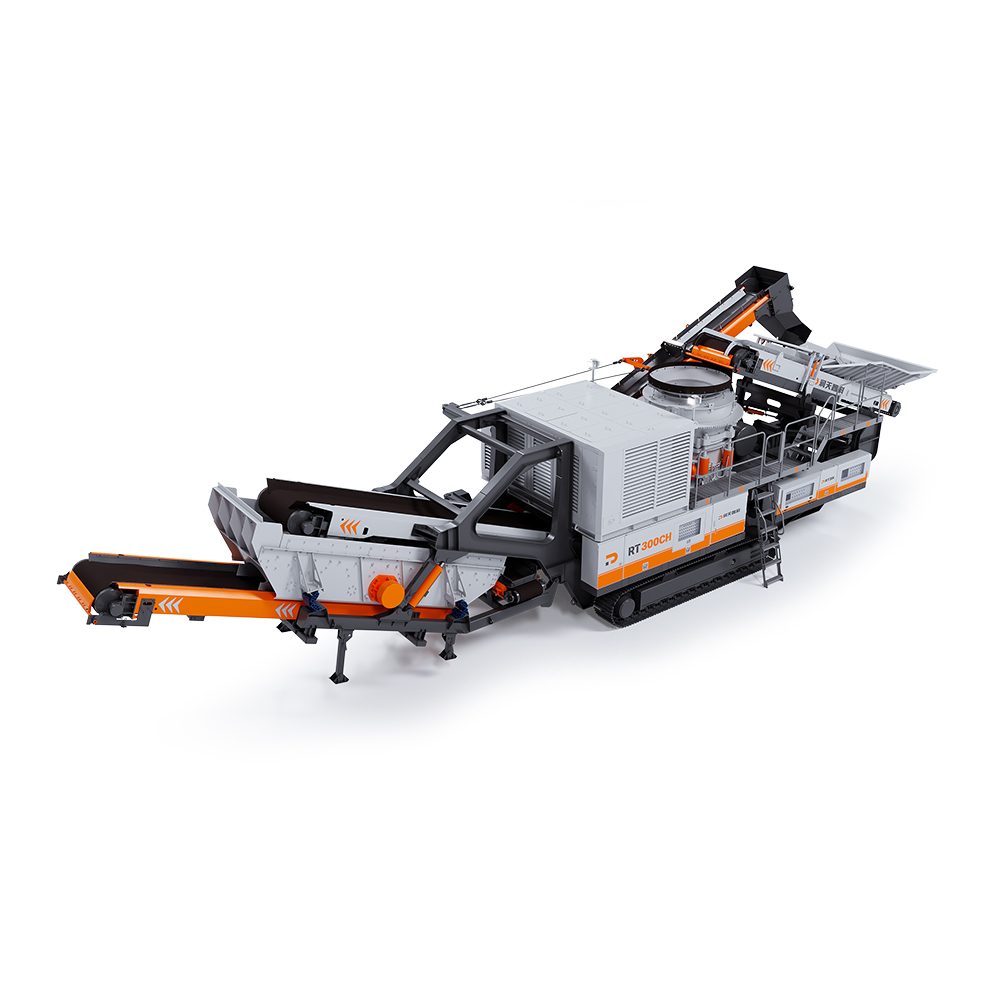 RT300CH Crawler Mobile Cone Crushing Plant
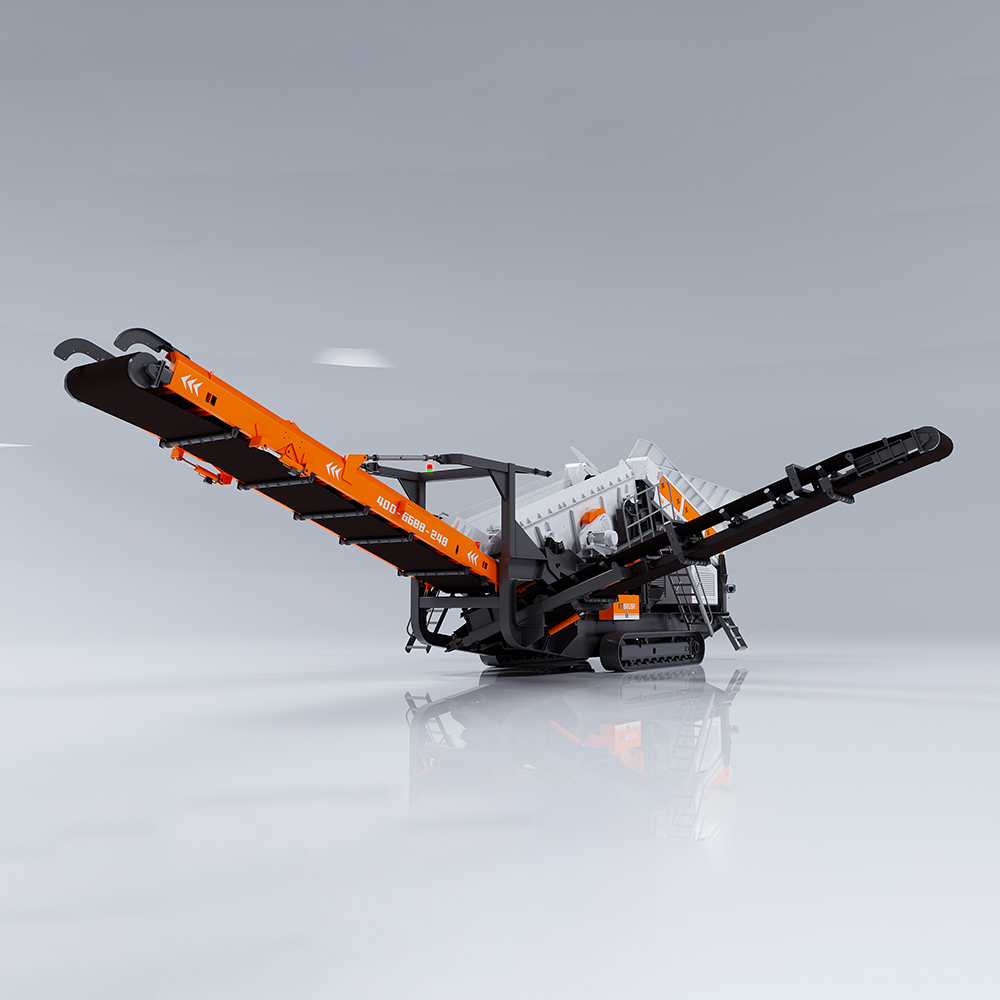 RT5015H Mobile Scalping Screen
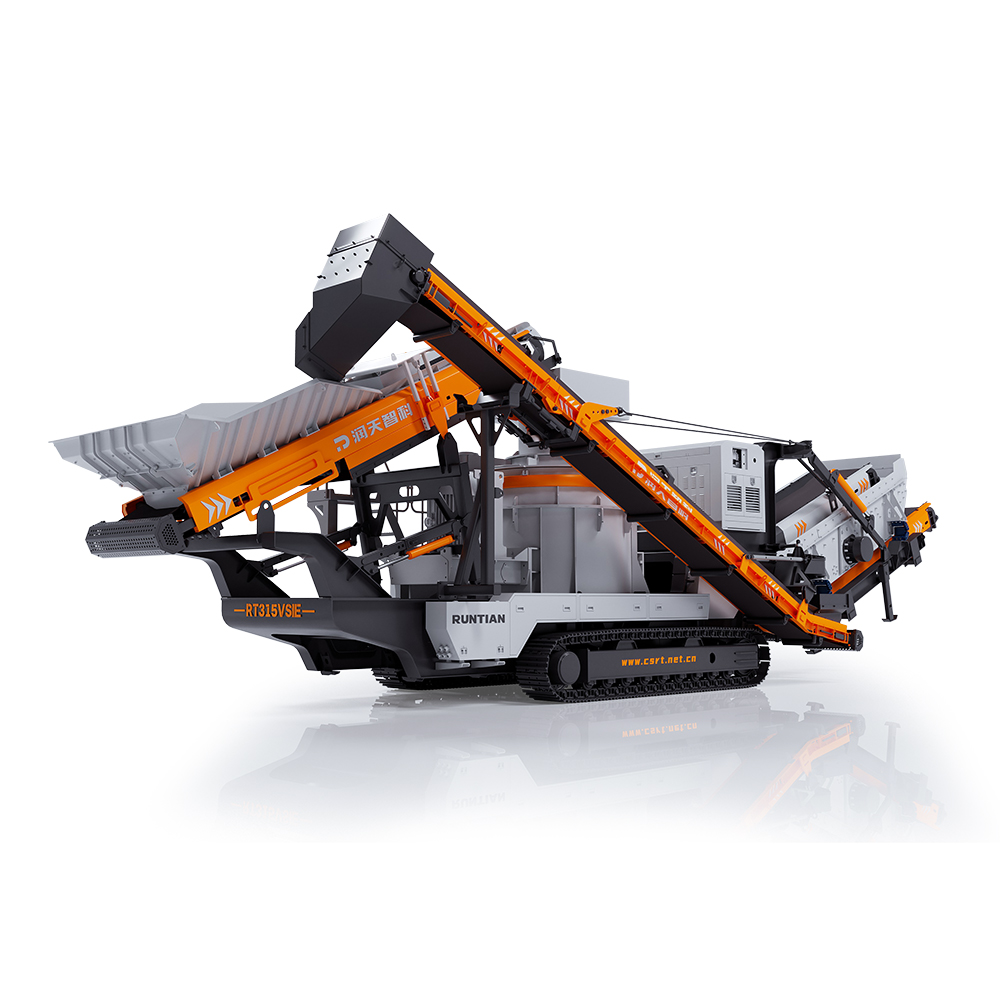 RT315VSIE Crawler Mobile Sand Maker
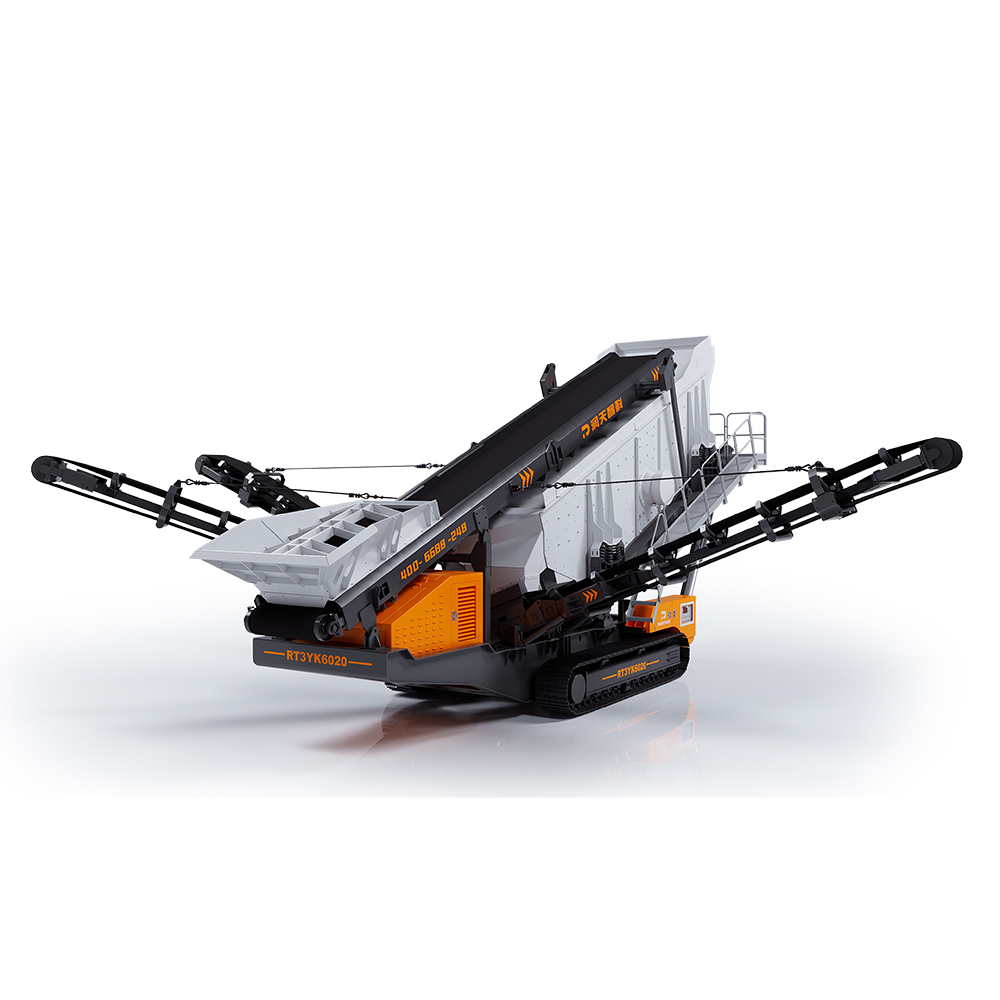 RT3YK6020 Crawler Mobile Screening Plant
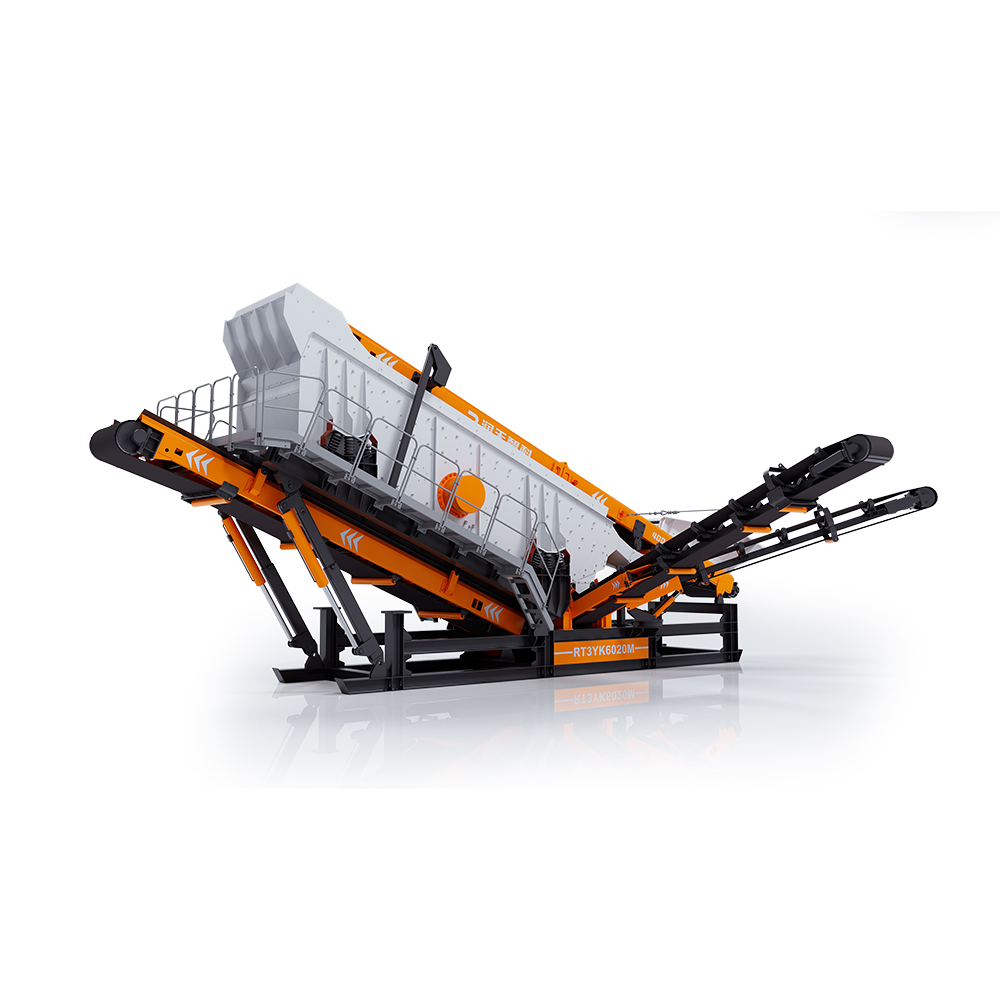 RT3YK6020M Modular Screening Plant
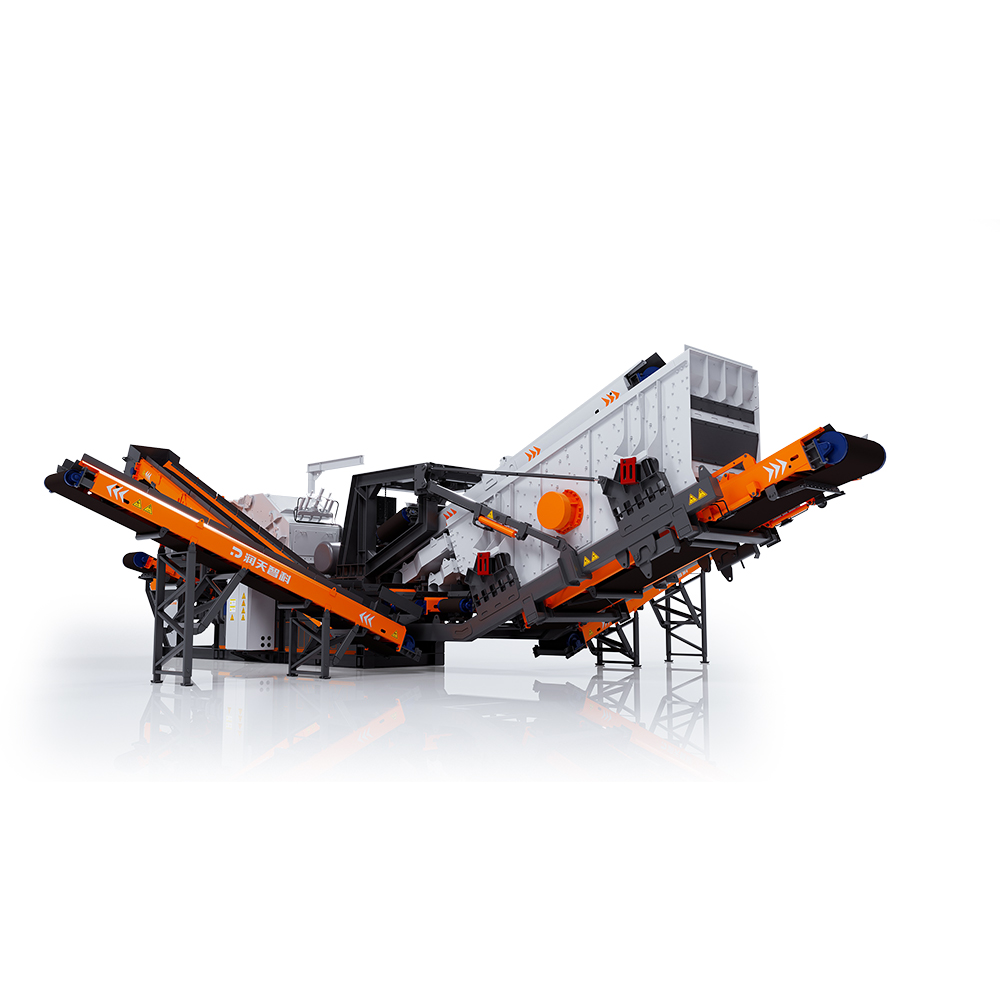 RTF260M Modular Counterattack Crushing and Screening Integrated Machine
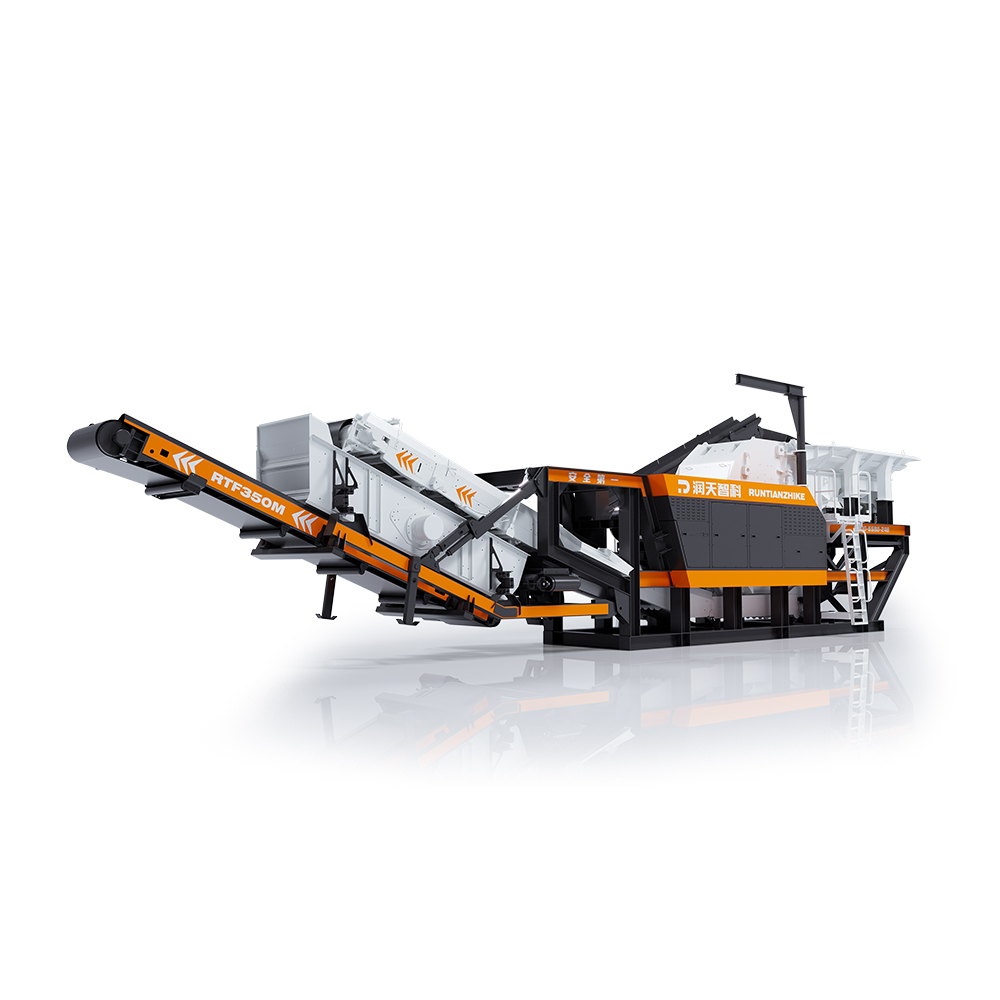 RTF350M Modular Impact Crushing Plant
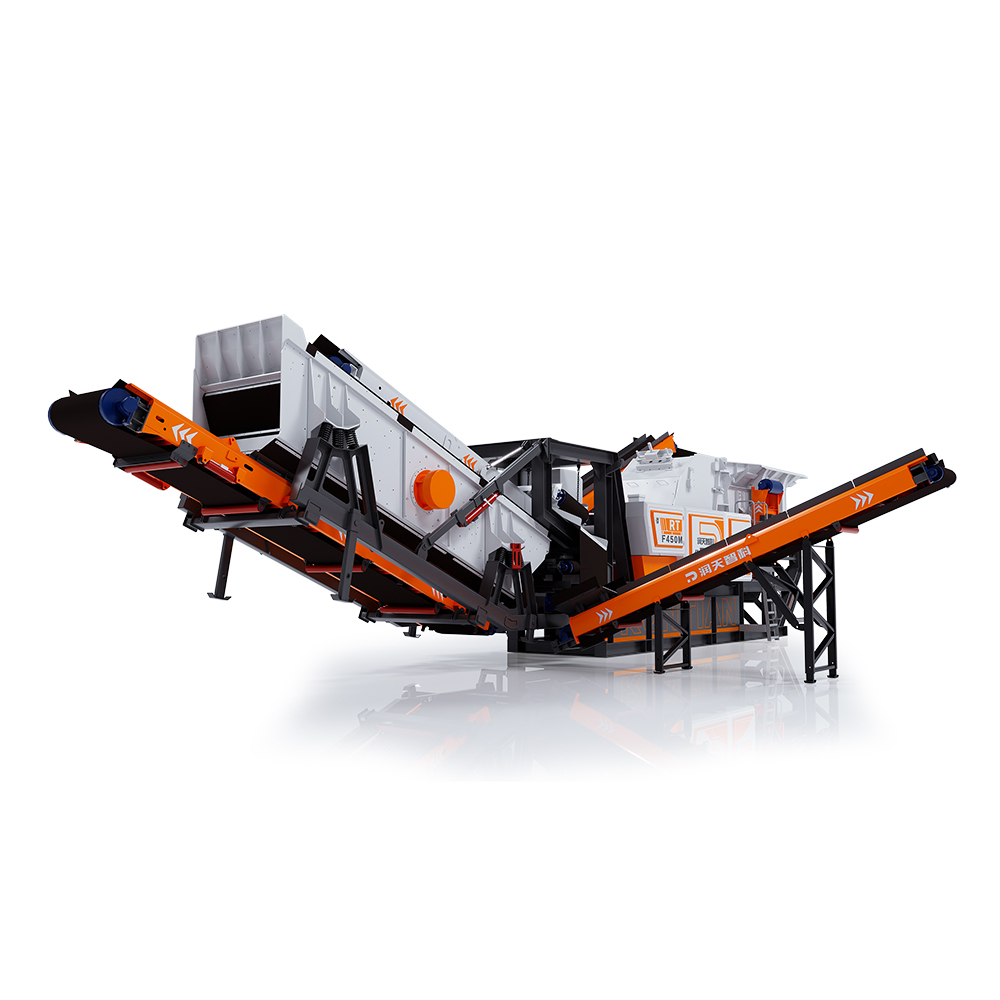 RTF450M Modular Impact Crushing Plant
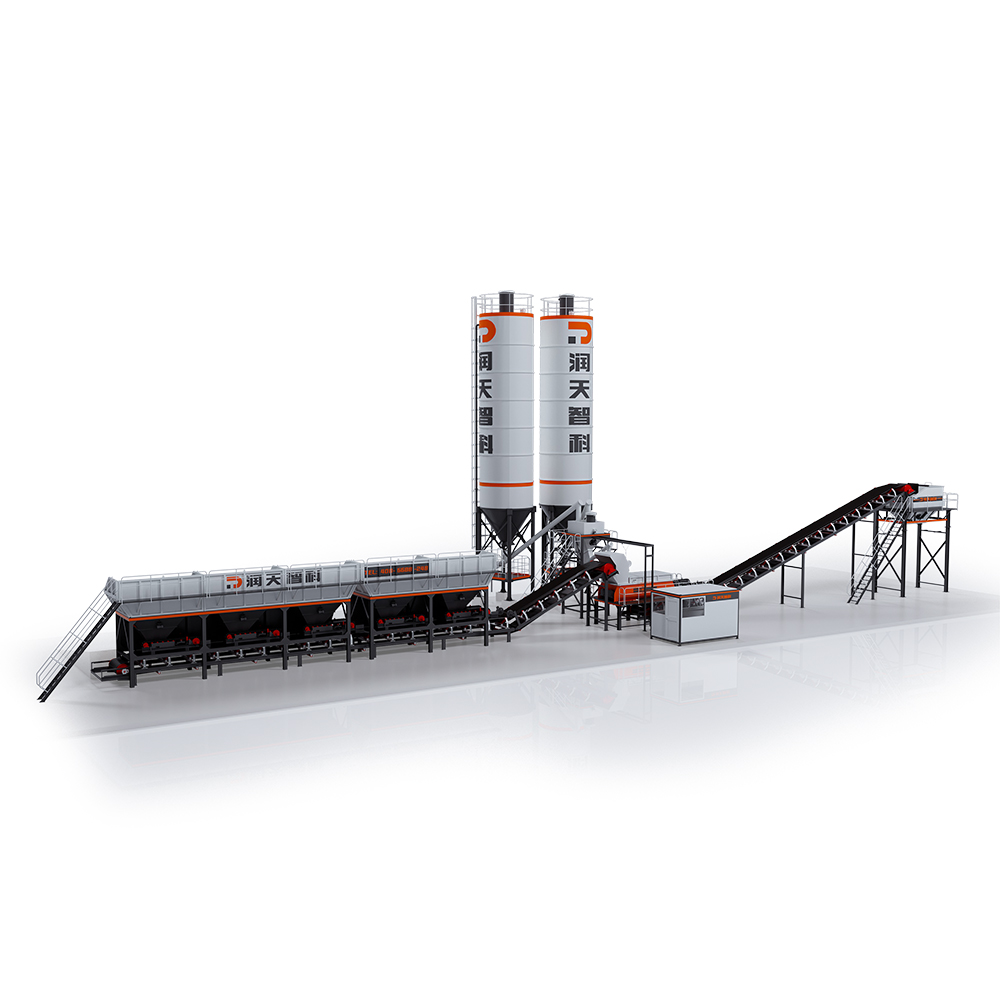 WDB Series Foundation-Free Stability Soil Mixing Plant
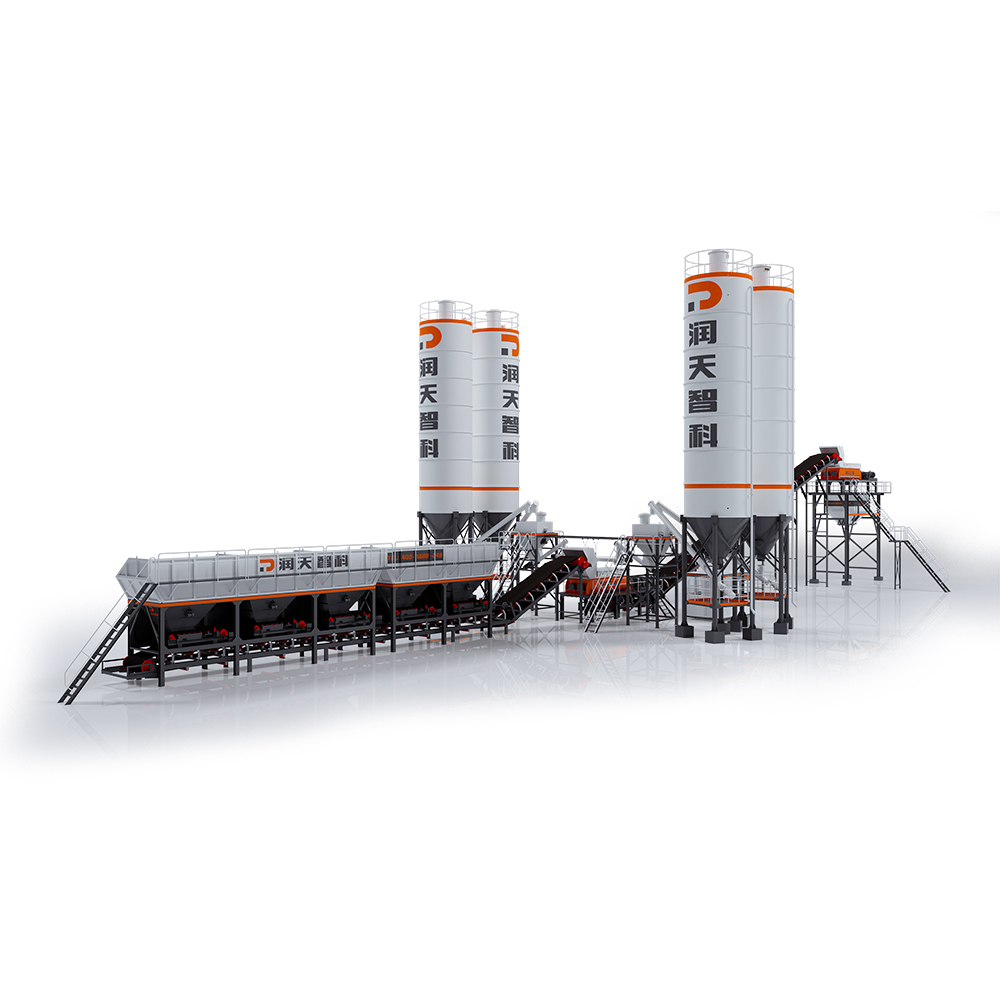 LCB Series Emulsified Asphalt Cold Regeneration Secondary Mixing Plant
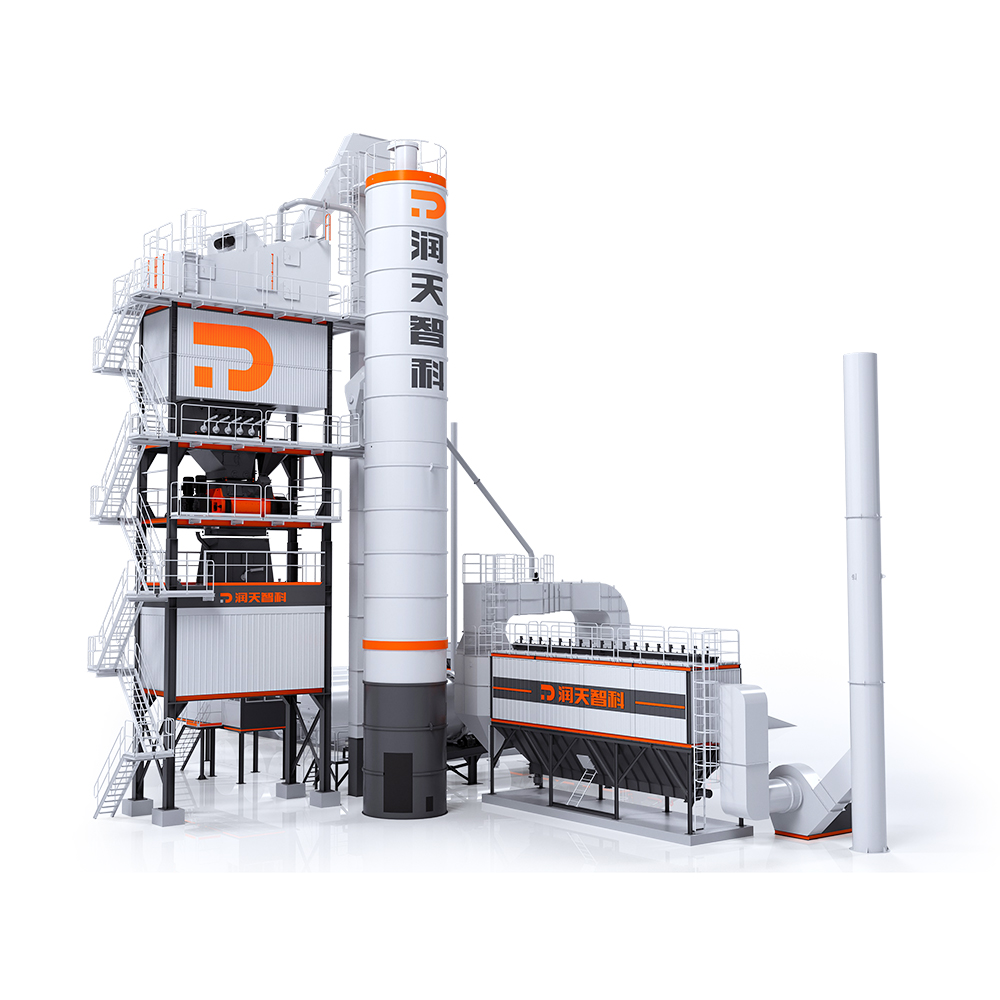 LB Series Asphalt Mixing Plant
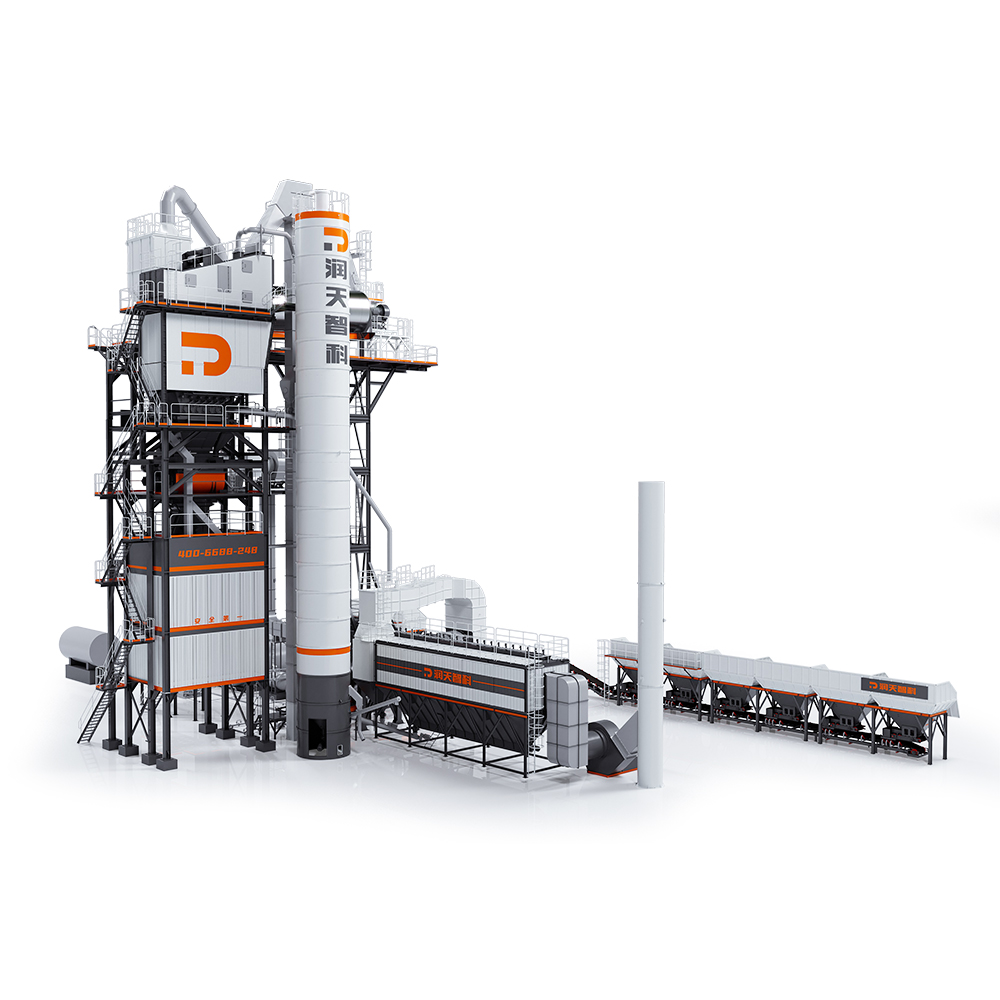 LBR Series Integrated Asphalt Mixing Plant
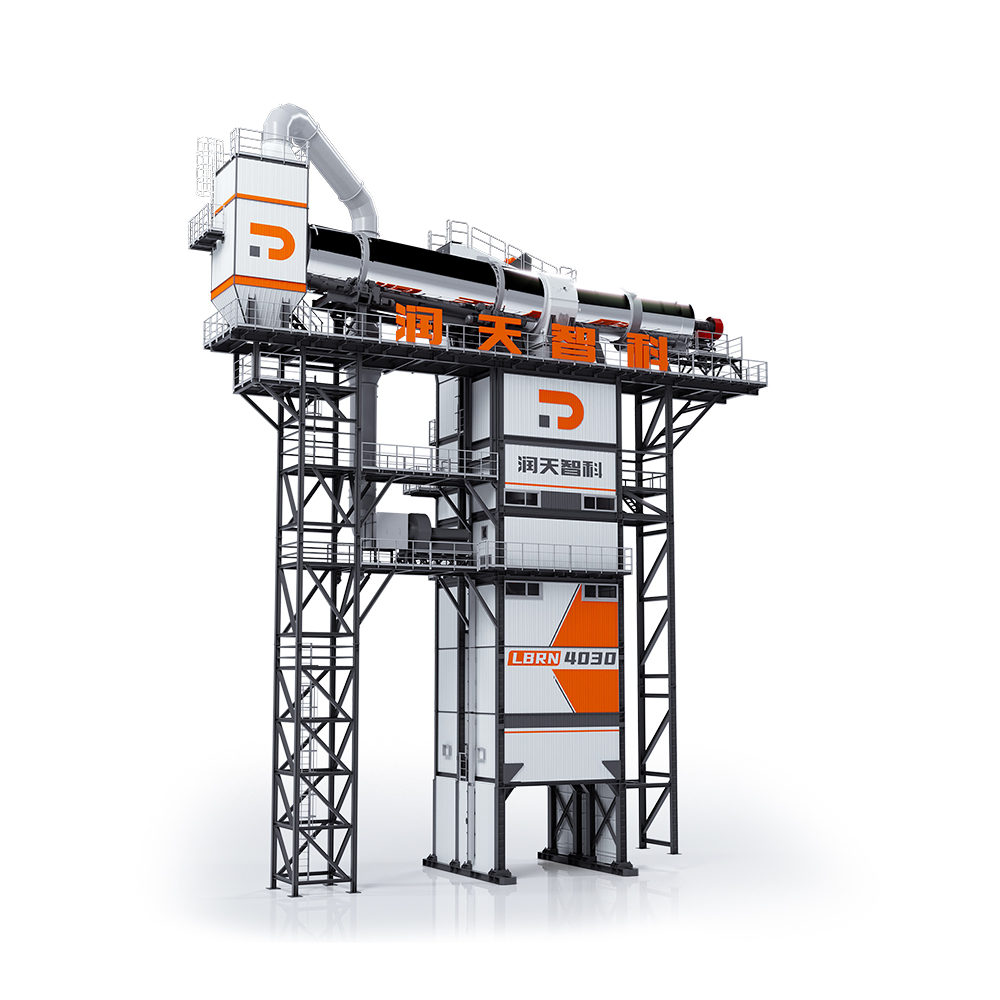 LBRN Series Counterflow Integral Asphalt Mixing Plant
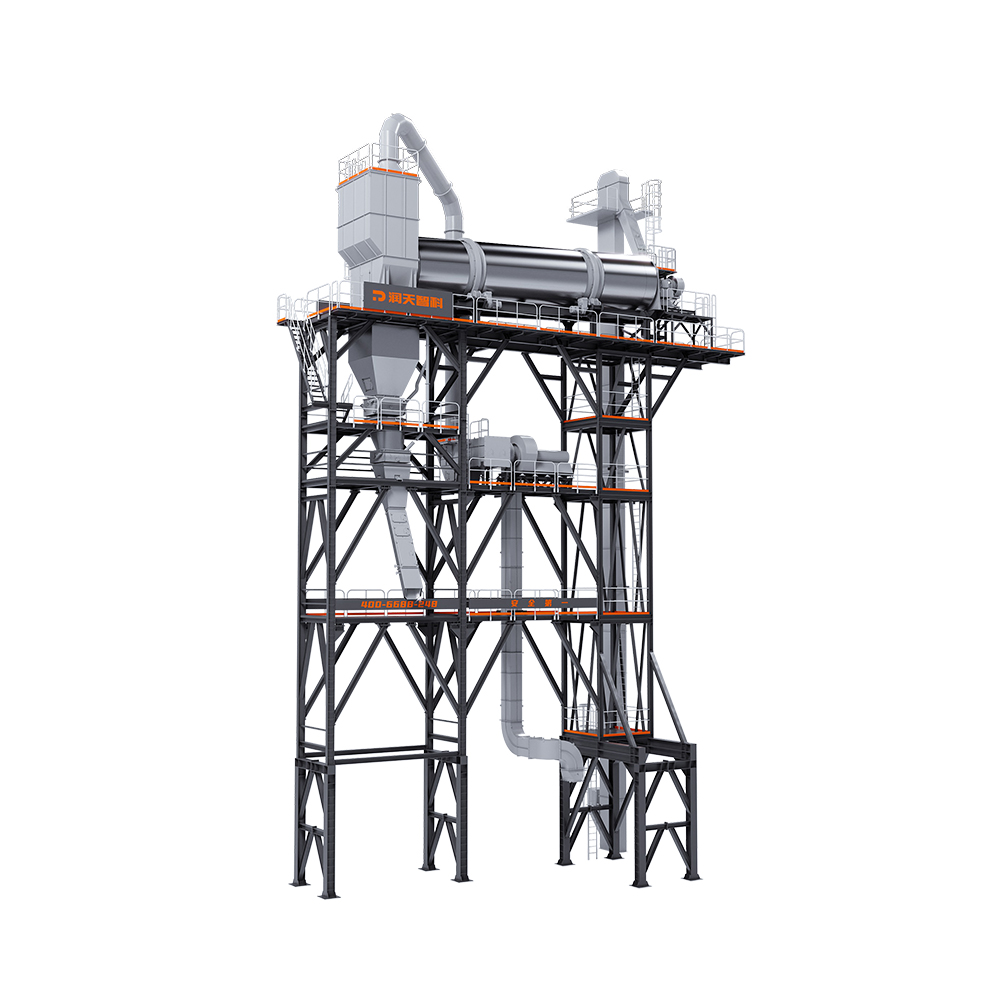 RZS Series Asphalt Mixing Plant
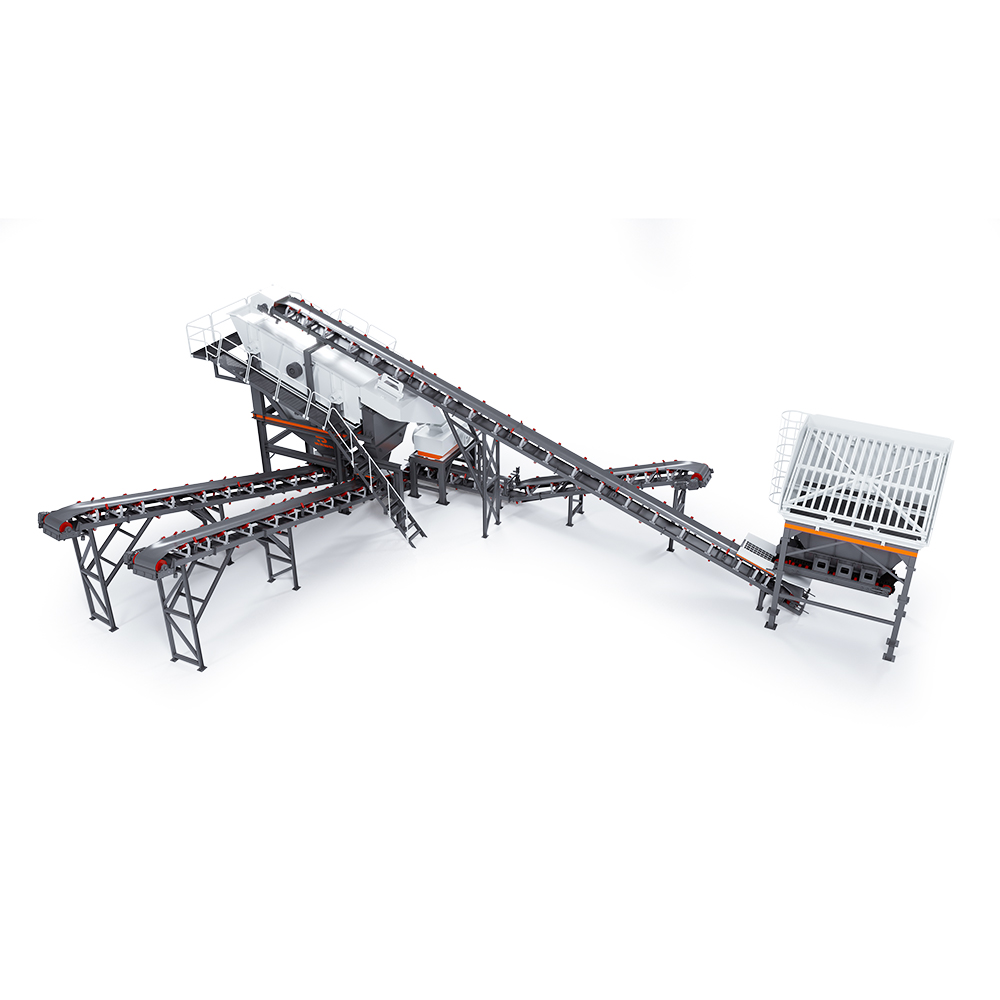 RTZS120 Series RAP Crushing & Screening Plant
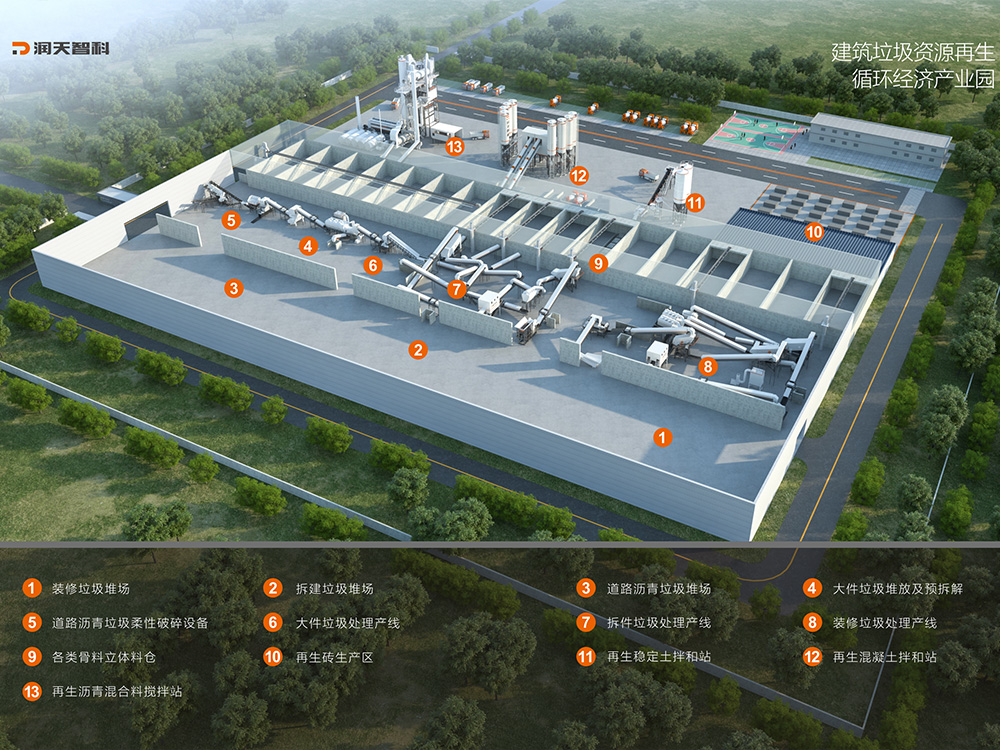 Construction Waste Resourceful Treatment Line