How to Choose the Right Asphalt Plant for Your Business Needs?
Choosing the right asphalt plant is critical for your business. The right plant can boost efficiency and productivity. It can also enhance your reputation in the industry. However, selecting an asphalt plant is not a simple task.
When evaluating your options, consider your specific needs. Different plants serve different capacities and projects. Quality, cost, and maintenance requirements vary widely. An informed decision requires research and experience. Talk to industry professionals if possible. Their insights can shed light on what works best.
Evaluate your long-term goals as well. An asphalt plant should align with your business objectives. Reflect on your past experiences with other plants. What worked? What didn't? A thoughtful approach today can set the stage for success tomorrow.
Understanding Different Types of Asphalt Plants and Their Functions
When selecting an asphalt plant, understanding the different types available is crucial. There are primarily batch plants and drum plants. Batch plants produce asphalt in separate batches, ensuring quality control. This approach is ideal for customized jobs requiring specific mixtures. Drum plants, however, provide continuous production. They mix ingredients on the go, maximizing efficiency for large-scale projects.
Tips: Evaluate your production needs. If you handle numerous small projects, a batch plant might suit you. For high-volume demands, consider a drum plant.
Another consideration is the mobility of the plant. Portable plants are available for those needing flexibility. They can be moved easily to different job sites. Conversely, stationary plants offer higher production capacities, perfect for established areas.
Tips: Think about your work locations. Mobile plants can save time and reduce transport costs. However, assess whether the high-output capability of a stationary plant might better serve your long-term goals. Remember to prioritize ease of use and maintenance. Regular upkeep ensures a longer lifespan and consistent output.
Evaluating Your Business Needs and Production Requirements
When evaluating your business needs for an asphalt plant, consider your production requirements. Understand the volume of asphalt you anticipate needing. This volume will directly impact the type and size of the plant suitable for your operations. A small contractor may only require a modest output, while large infrastructure projects demand high-capacity plants.
Evaluate your mixing needs. Different projects may require varied asphalt mixtures. A plant that can easily adjust to these specifications offers better flexibility. It's crucial to assess how the plant's technology aligns with your operational goals. Complex technology can improve efficiency but may require additional operator training.
Tips: Look for plants with user-friendly interfaces. This can save time during training. Also, consider maintenance needs. A lower maintenance demand might seem appealing initially. However, if the plant frequently underperforms, reassessing its reliability becomes essential. Always ensure your chosen plant can deliver the quality and consistency necessary for your projects.
How to Choose the Right Asphalt Plant for Your Business Needs? - Evaluating Your Business Needs and Production Requirements
| Criteria |
Considerations |
Recommended Plant Type |
| Production Capacity |
Daily volume of asphalt needed |
Batch Plant or Continuous Plant |
| Type of Asphalt |
Hot Mix, Warm Mix, Cold Mix |
Mix Type Specific Plant |
| Location |
Proximity to job sites and materials |
Portable Plant |
| Budget |
Initial investment and operational costs |
Economy Plant |
| Regulatory Compliance |
Air quality and environmental regulations |
Environmentally Friendly Plant |
| Technology |
Automation and efficiency enhancements |
Modern Control System Plant |
Key Features to Look for in an Asphalt Plant
When considering the right asphalt plant for your business, focus on key features. First, evaluate production capacity. This determines how much asphalt you can produce during peak times. It’s essential to match your plant's output with your project demands. Too small, and you risk delays. Too large, and you might waste resources.
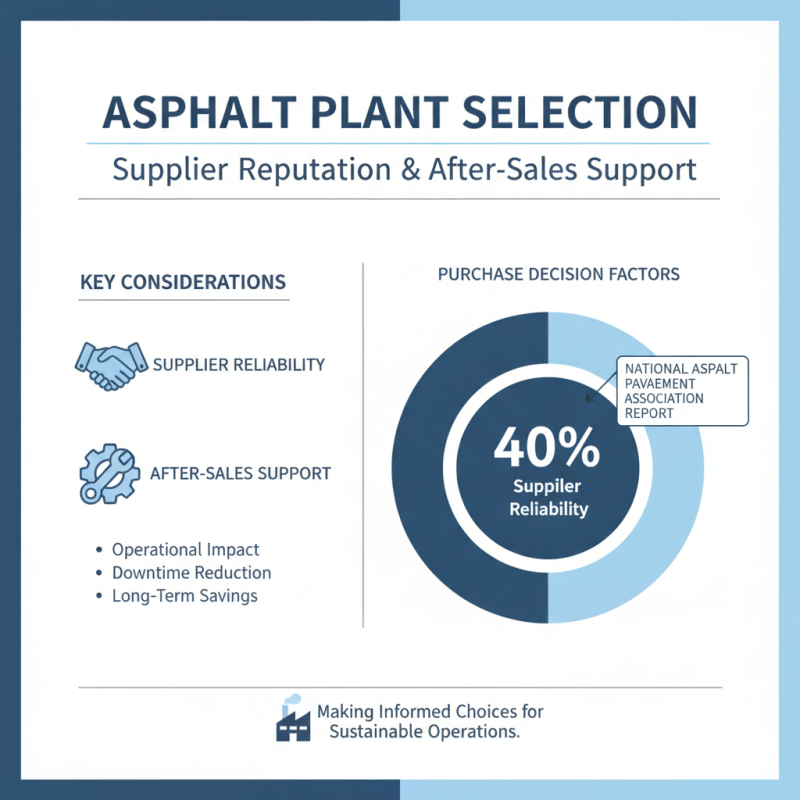
Next, consider the technology used in the plant. Modern asphalt plants often incorporate advanced controls and automation. These features enhance efficiency and reduce operational errors. Look for user-friendly interfaces that can simplify your training process. Reliability is another crucial aspect. An unreliable plant can halt projects and hurt your reputation. Research the plant's maintenance requirements and warranty options.
Try to assess the adaptability of the asphalt plant. The market is always changing. Plants that can switch between different asphalt mixes can give you an edge. Reflect on how often you expect to pivot your production strategy. The choice of an asphalt plant directly impacts your business’s success. Make sure to weigh each feature carefully before making a decision.
Key Features to Look for in an Asphalt Plant
Budget Considerations When Choosing an Asphalt Plant
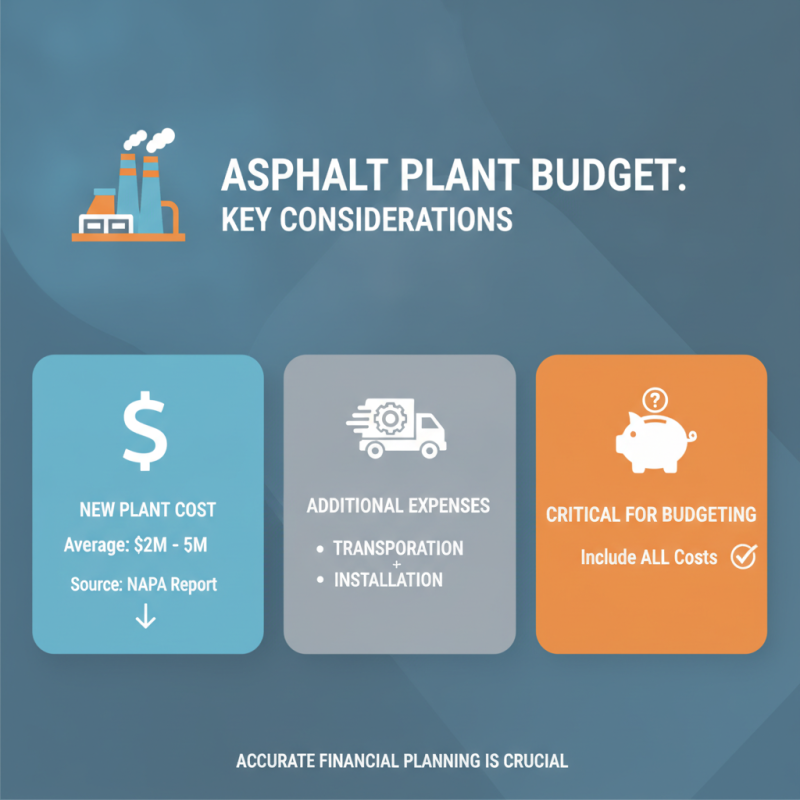
When choosing an asphalt plant, budget is a critical factor. A comprehensive report by the National Asphalt Pavement Association indicates the average cost of setting up a new plant ranges from $2 million to $5 million. These figures often exclude transportation and installation expenses. Considering these added costs is vital for accurate budgeting.
Operational costs also significantly affect your budget. According to the Federal Highway Administration, maintenance and labor can consume 20-30% of an asphalt plant’s annual operating budget. Inadequate planning can strain your finances. For example, older plants may have higher maintenance costs. It's important to assess the potential return on investment before making a decision.
Financing plays an essential role. Many companies opt for loans or leasing options to lessen the financial burden. However, the terms often differ wildly, impacting long-term expenditures. Companies might find themselves caught in a cycle of debt if initial calculations are poor. Thus, reviewing financial options meticulously is necessary to ensure a sustainable investment in your asphalt plant.

 Concrete Mixing Plant
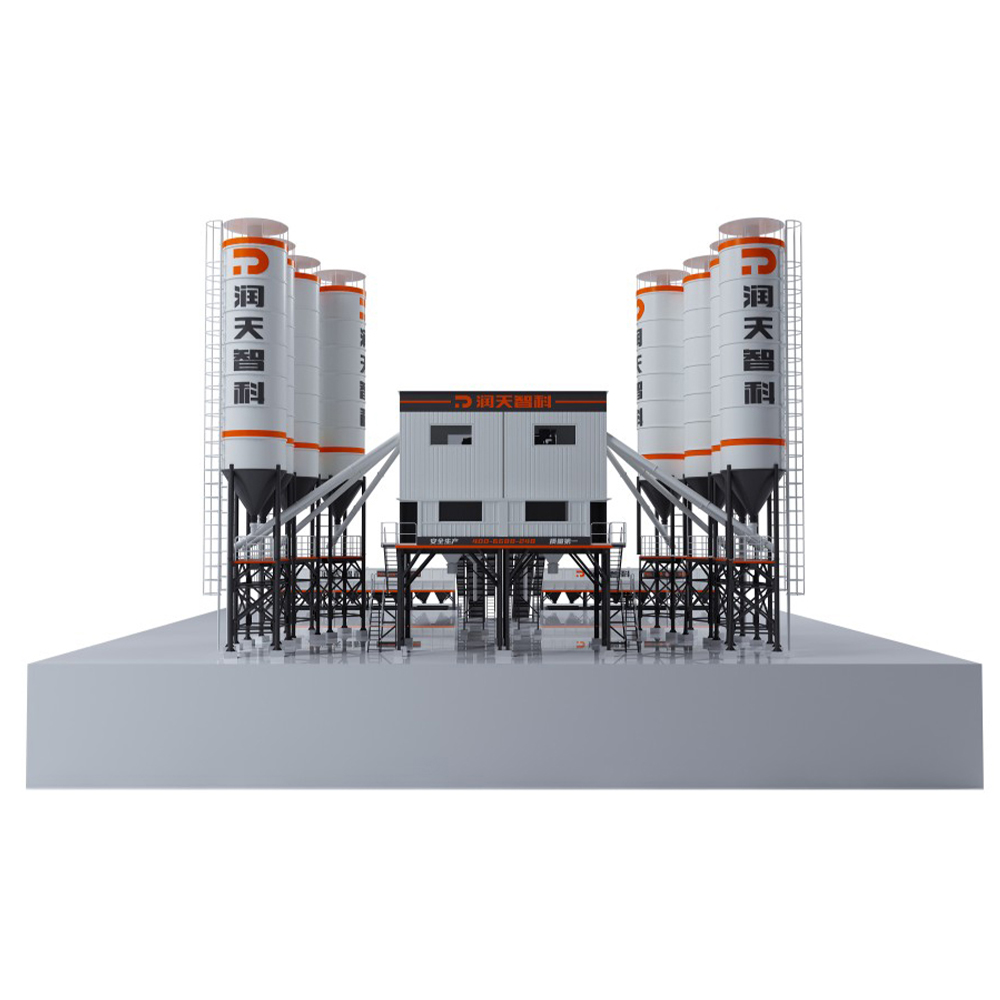 HZS Series Belt Concrete Mixing Plant
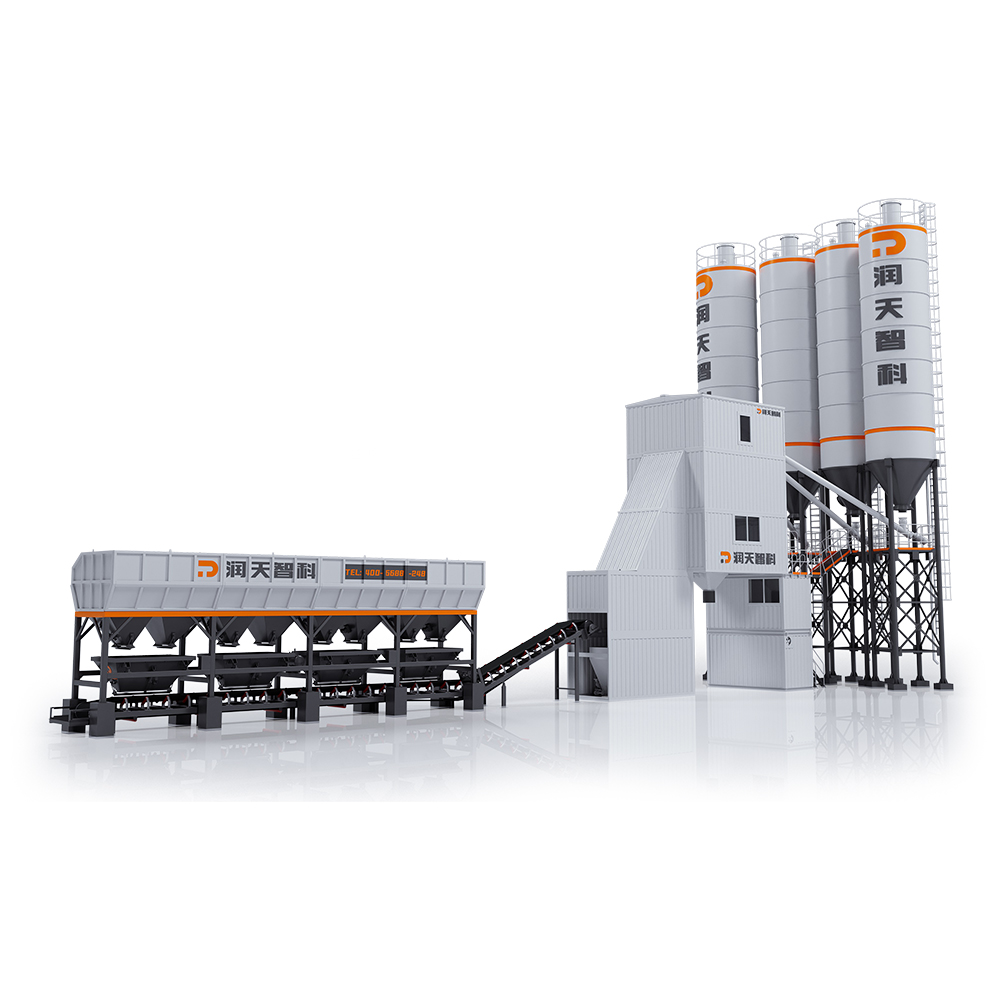 HZS Series Bucket-Lifting Type Container Concrete Mixing Plant
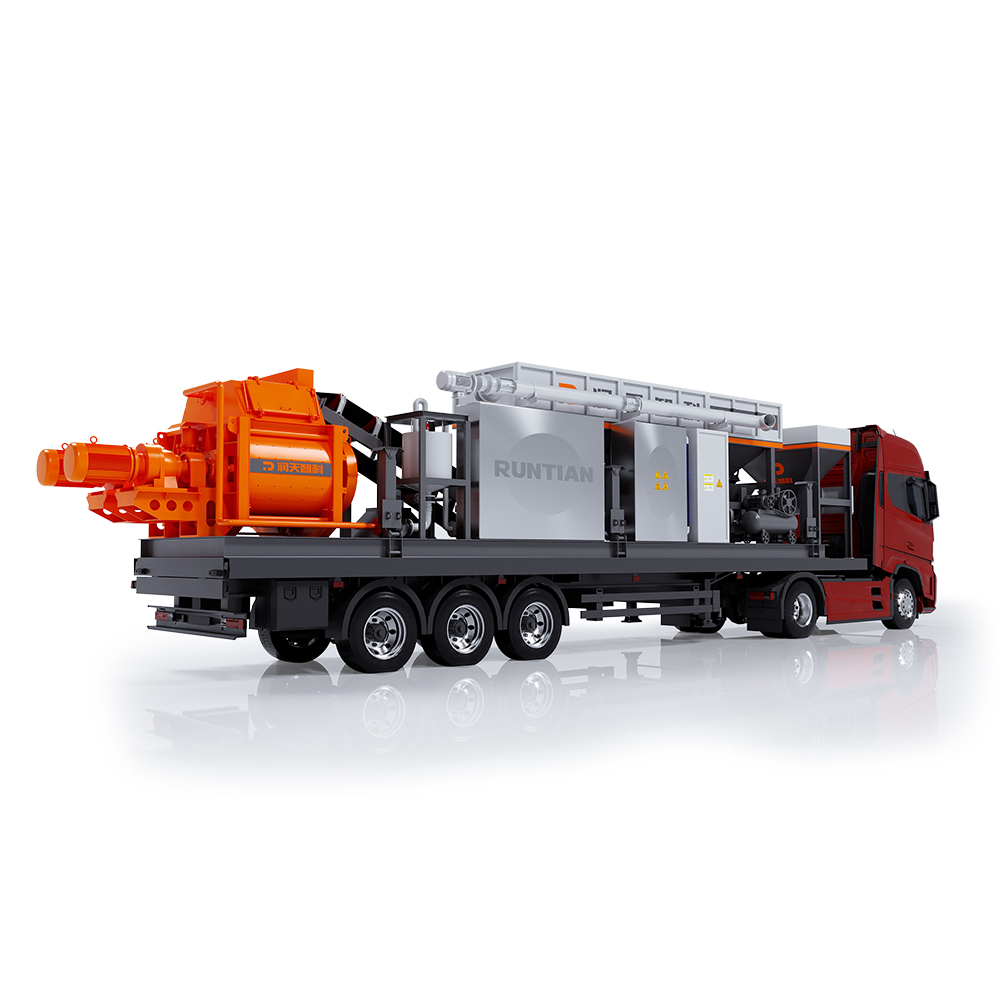 HZS60 Mobile Concrete Mixing Plant
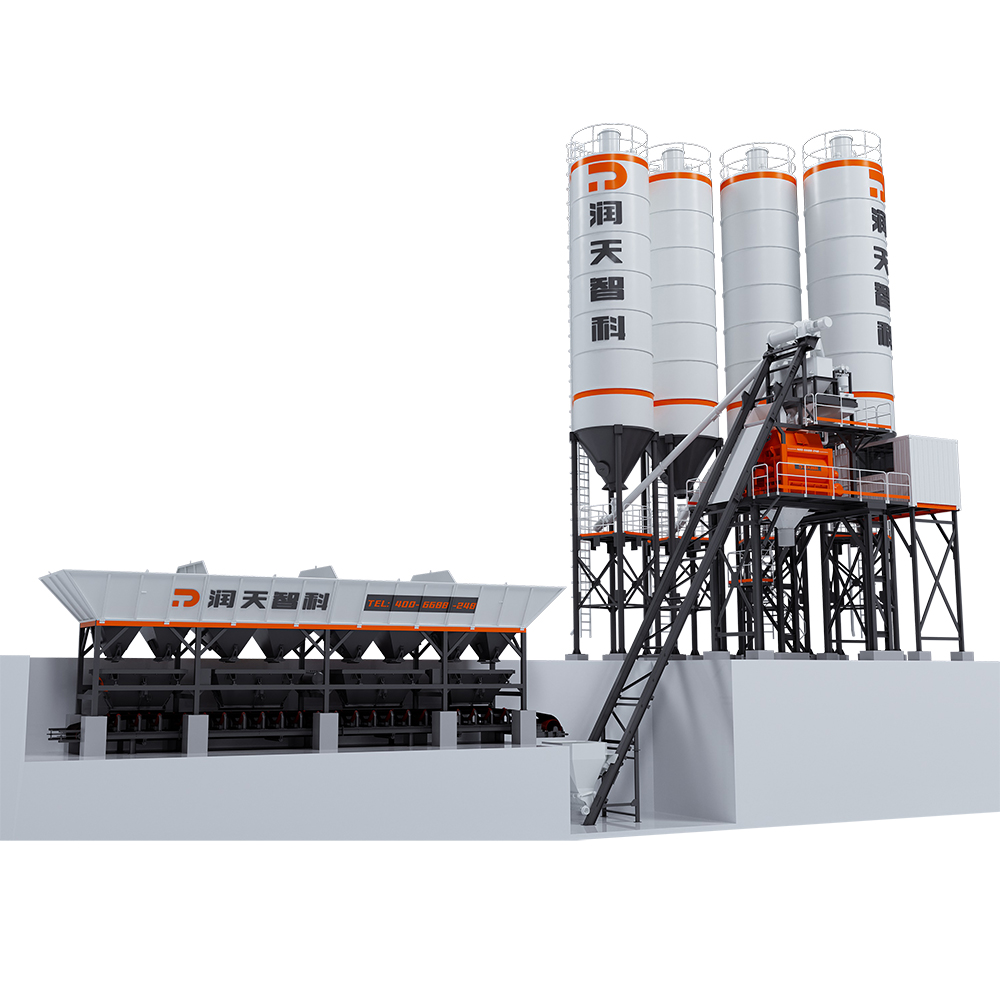 HZS Series Bucket-Lifting Type Concrete Mixing Plant
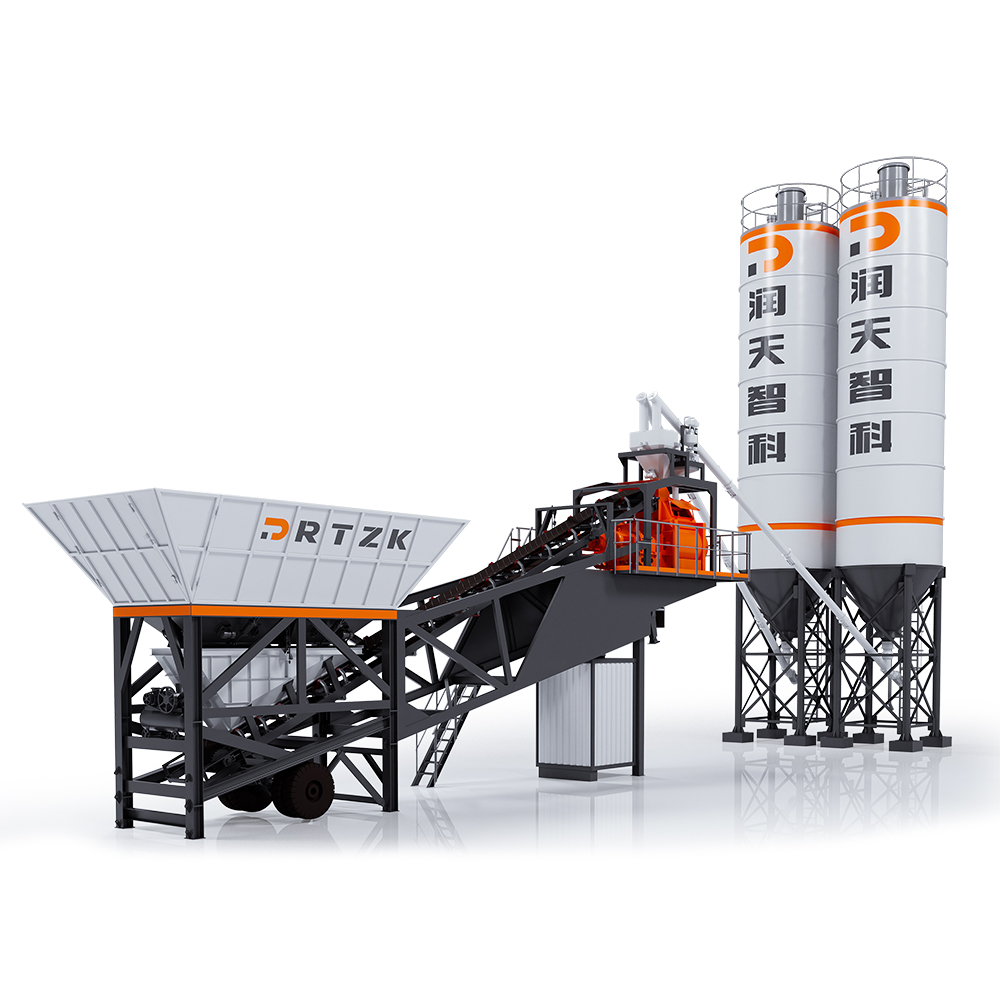 HZS Series Mobile Concrete Mixing Plant
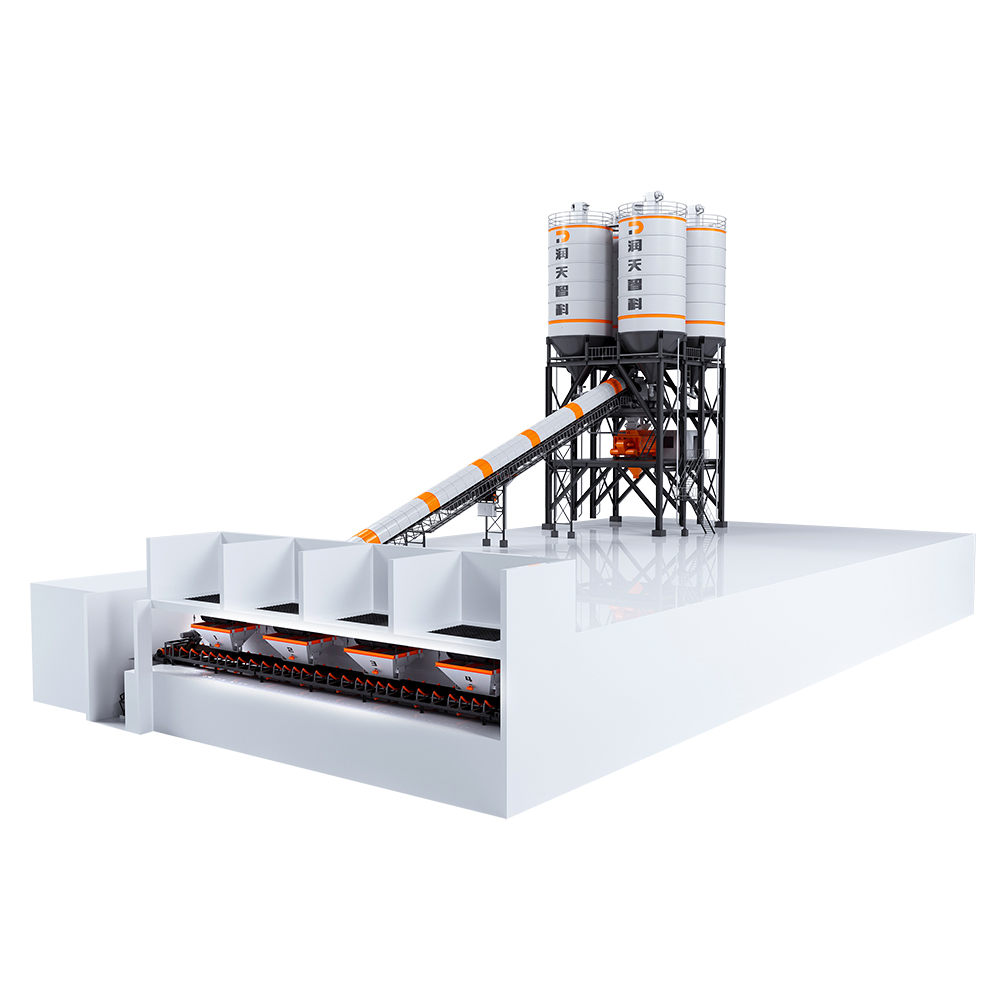 HZS Series Top-Mounted Concrete Mixing plant
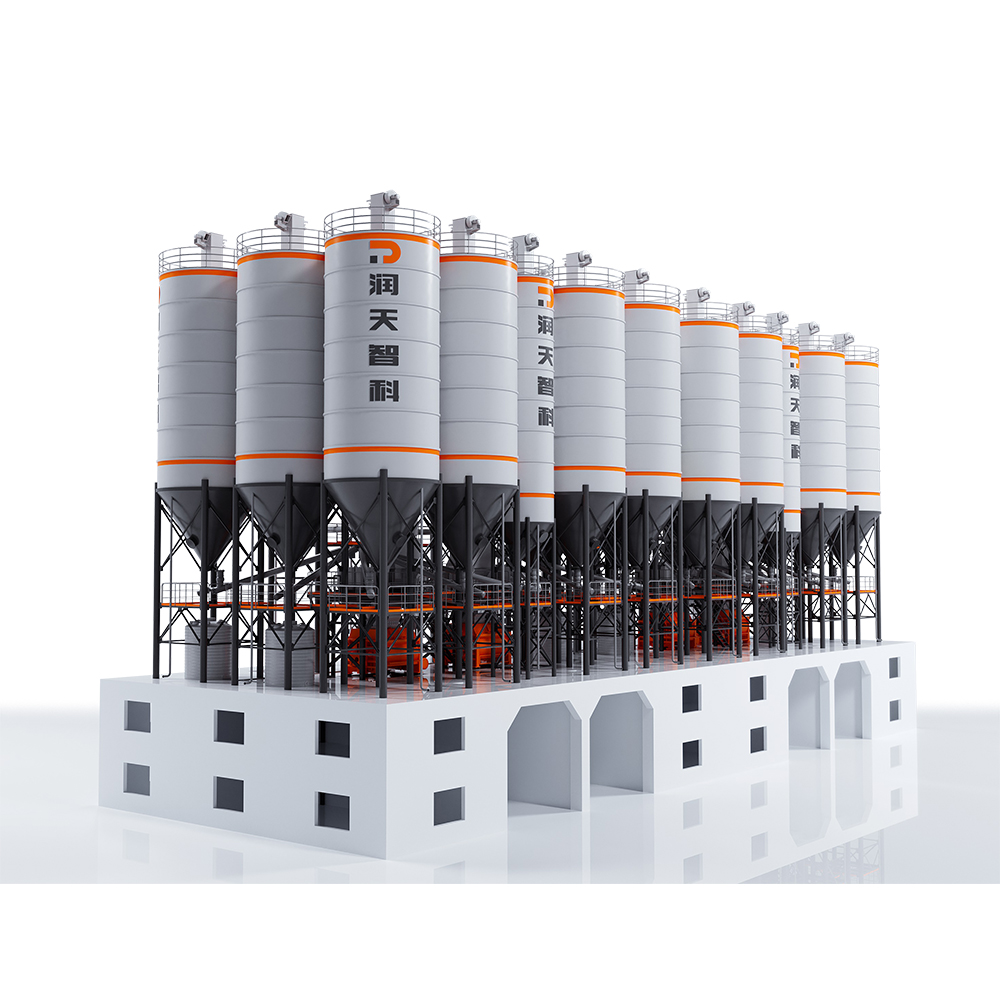 HZS Series Semi-Top Mounted Concrete Mixing Plant
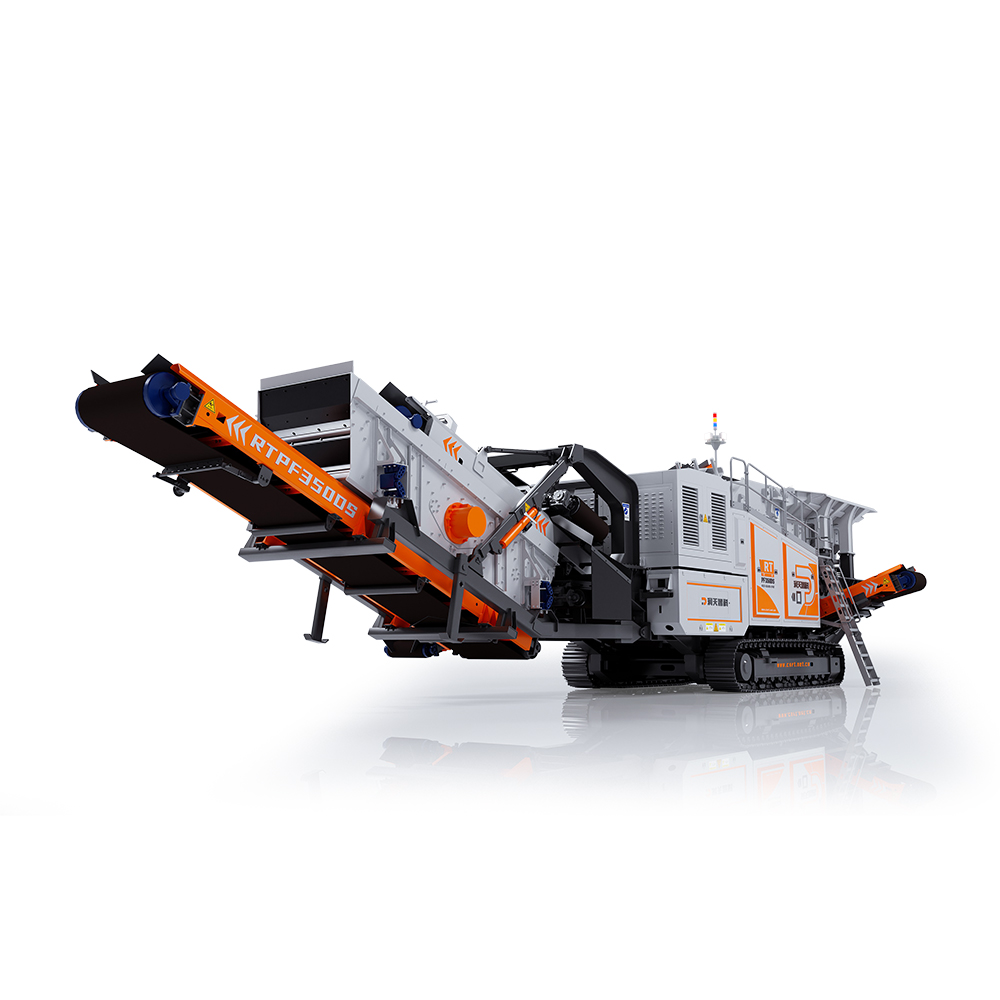 RTPF350DS Crawler Mobile Impact Crushing Plant
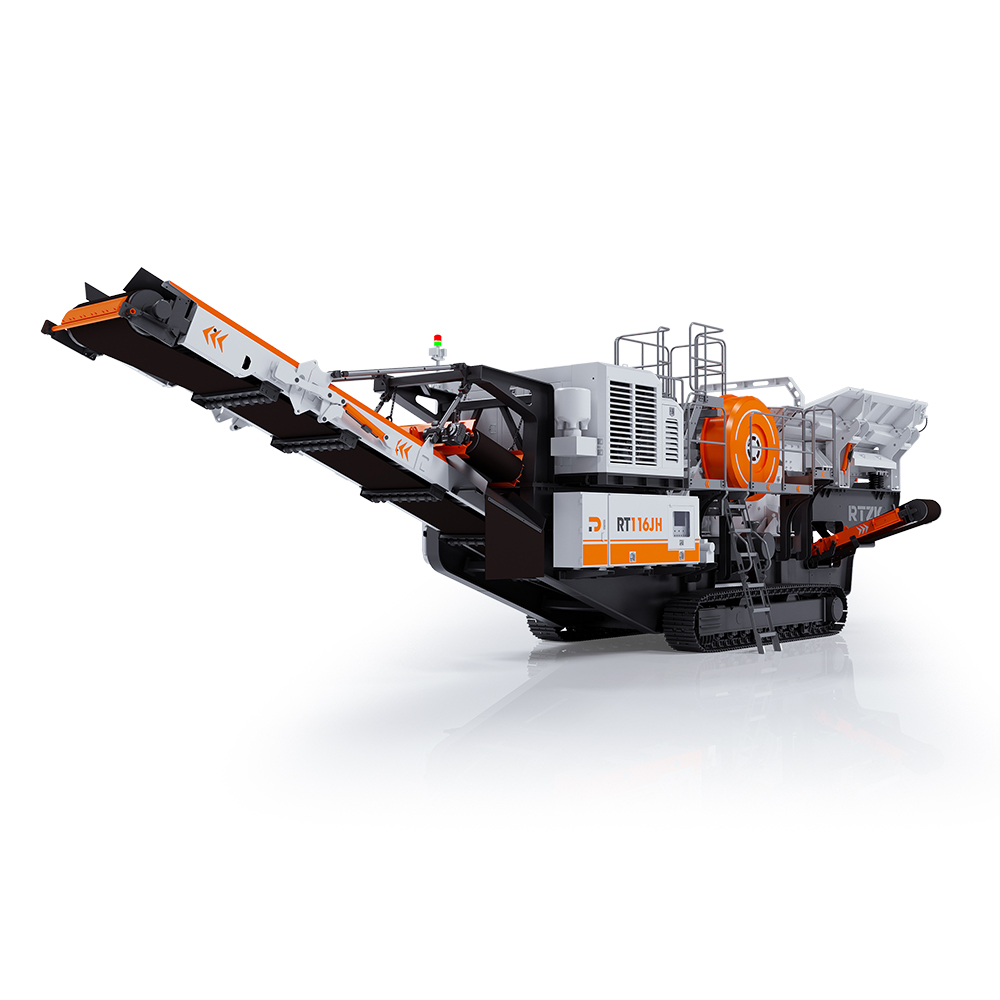 RT116JH Crawler Mobile Jaw Crushing Plant
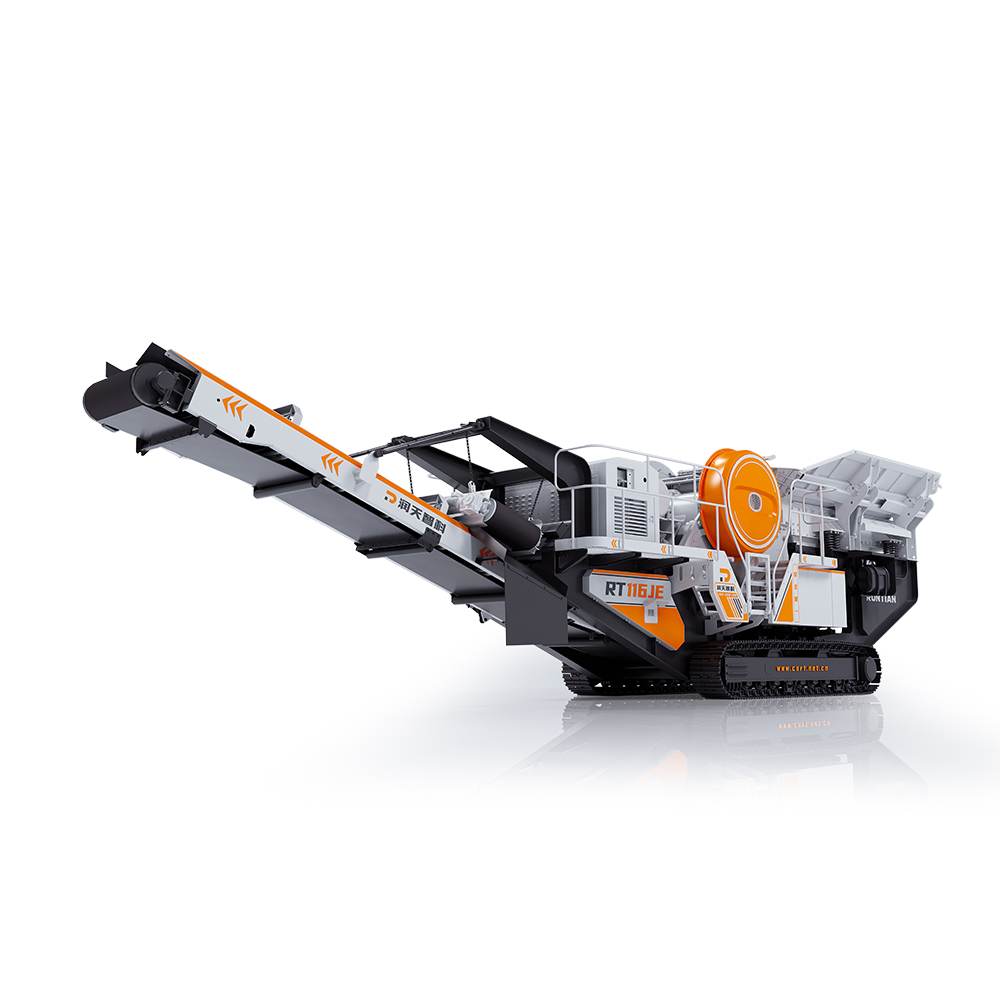 RT116JE Crawler Mobile Jaw Crushing Plant
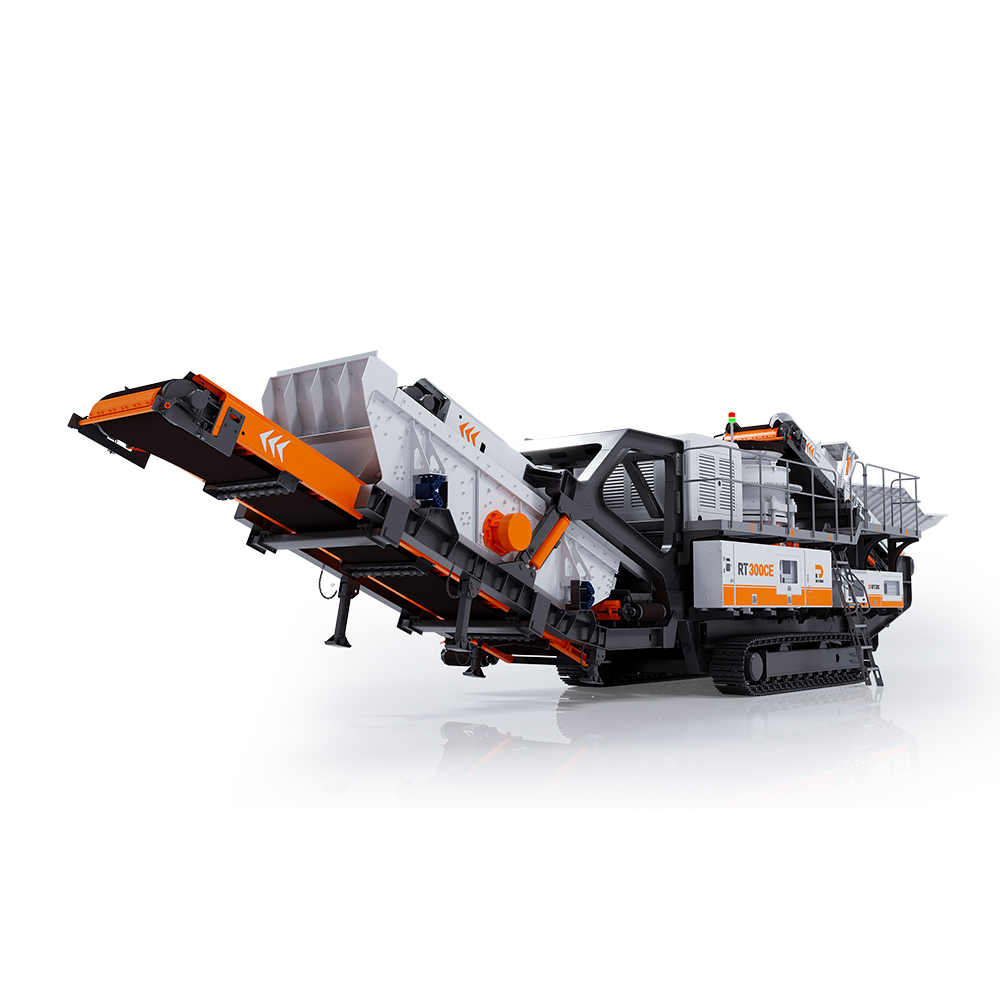 RT300CE Crawler Mobile Cone Crushing Plant
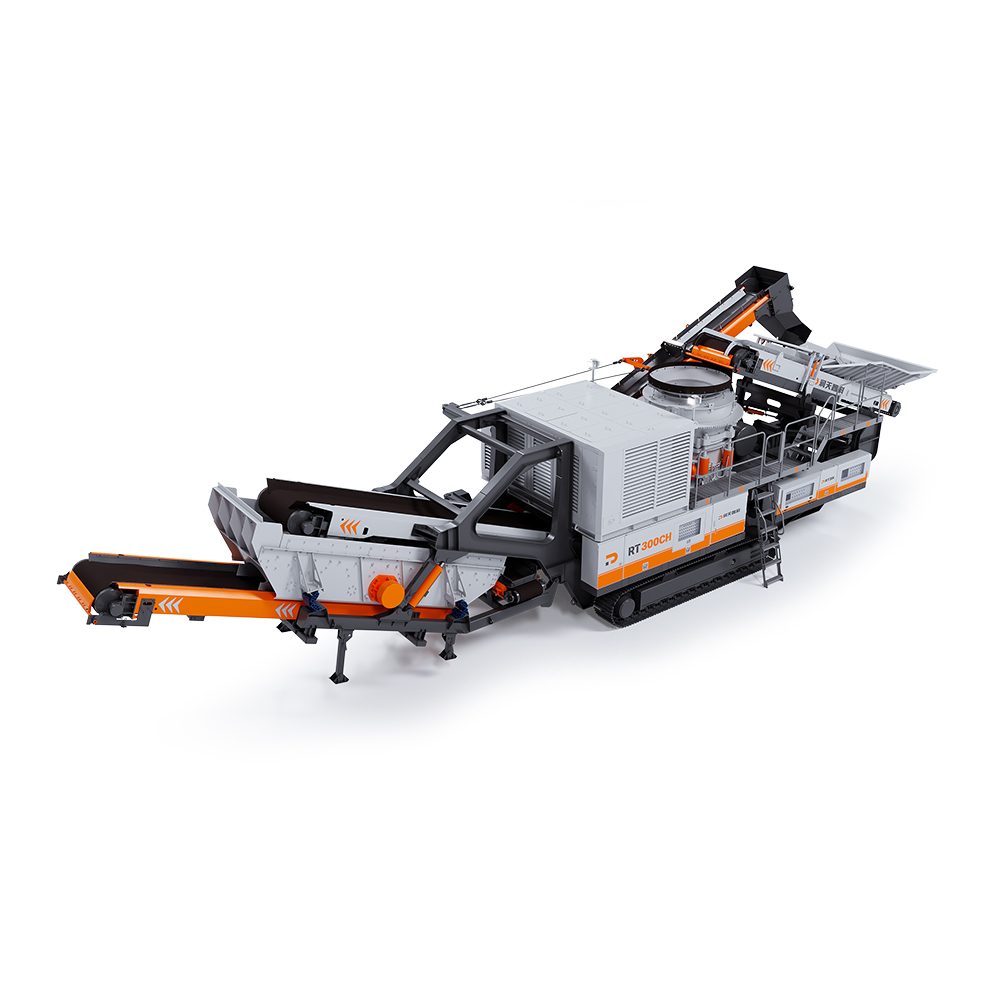 RT300CH Crawler Mobile Cone Crushing Plant
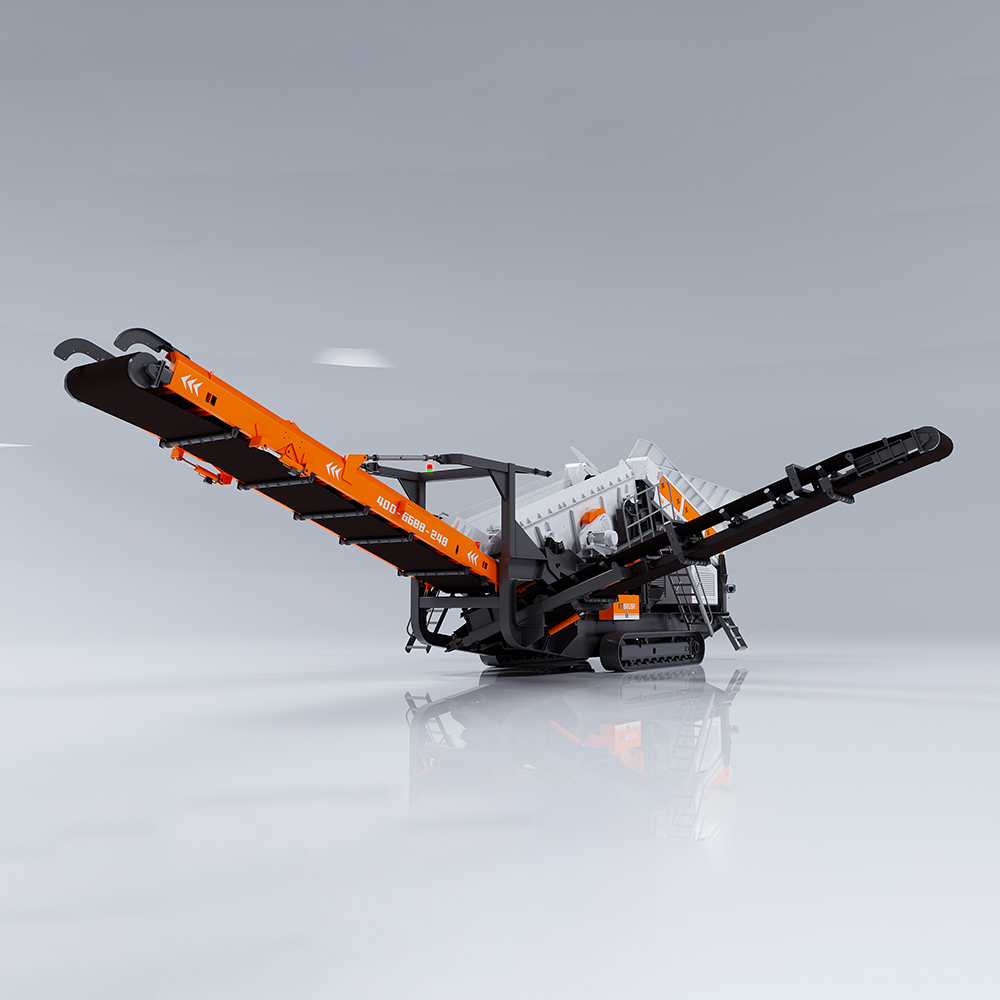 RT5015H Mobile Scalping Screen
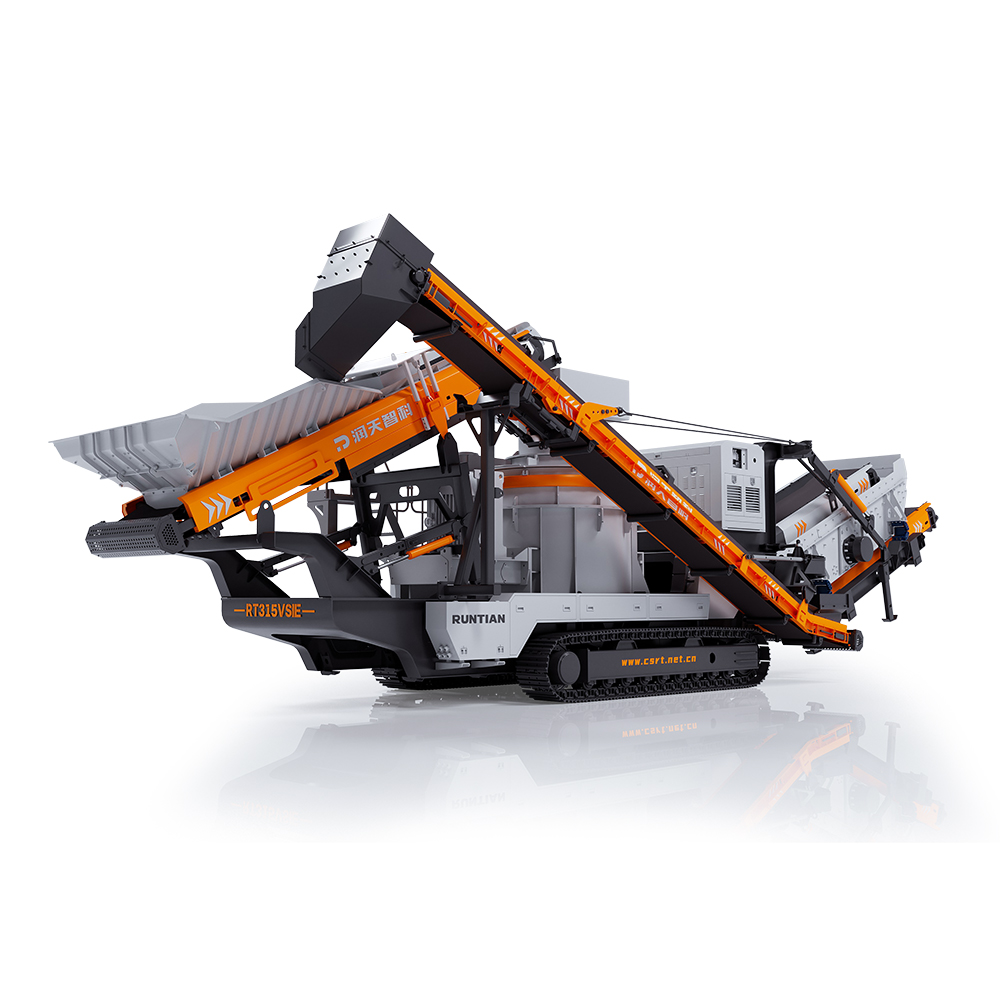 RT315VSIE Crawler Mobile Sand Maker
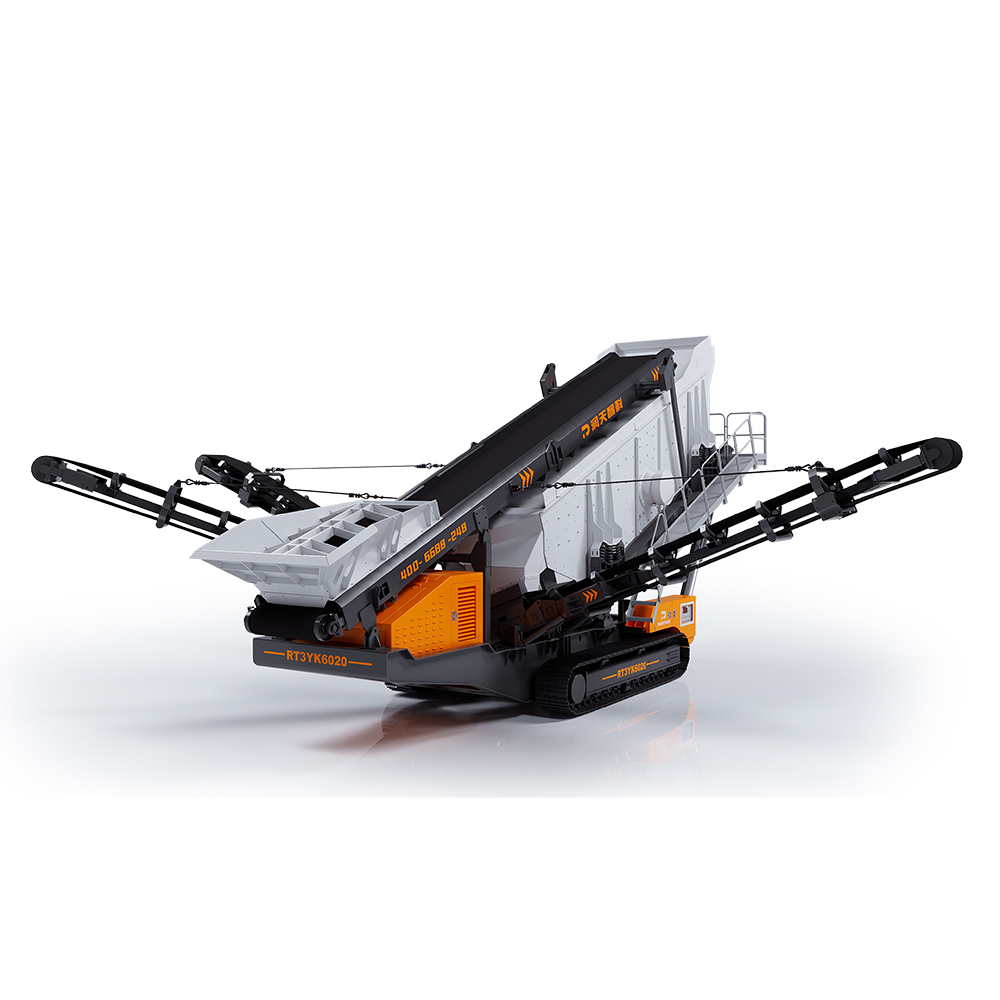 RT3YK6020 Crawler Mobile Screening Plant
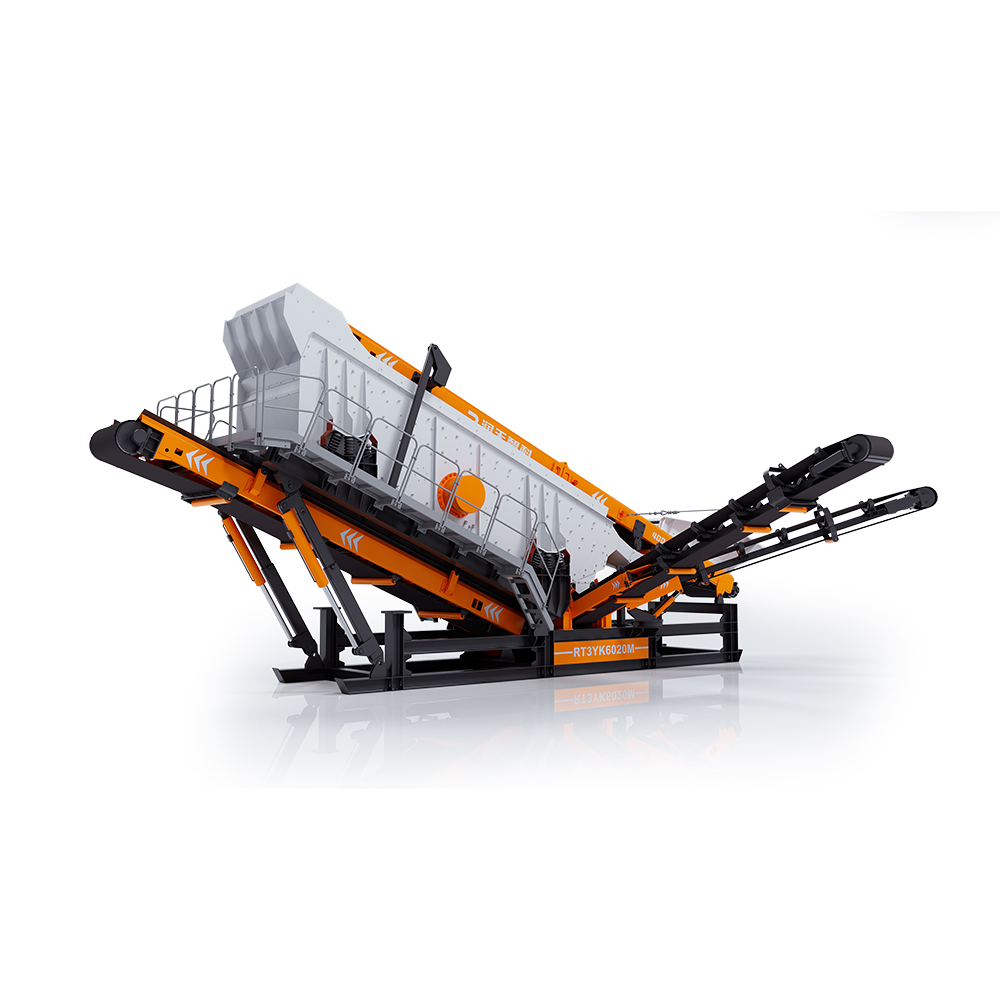 RT3YK6020M Modular Screening Plant
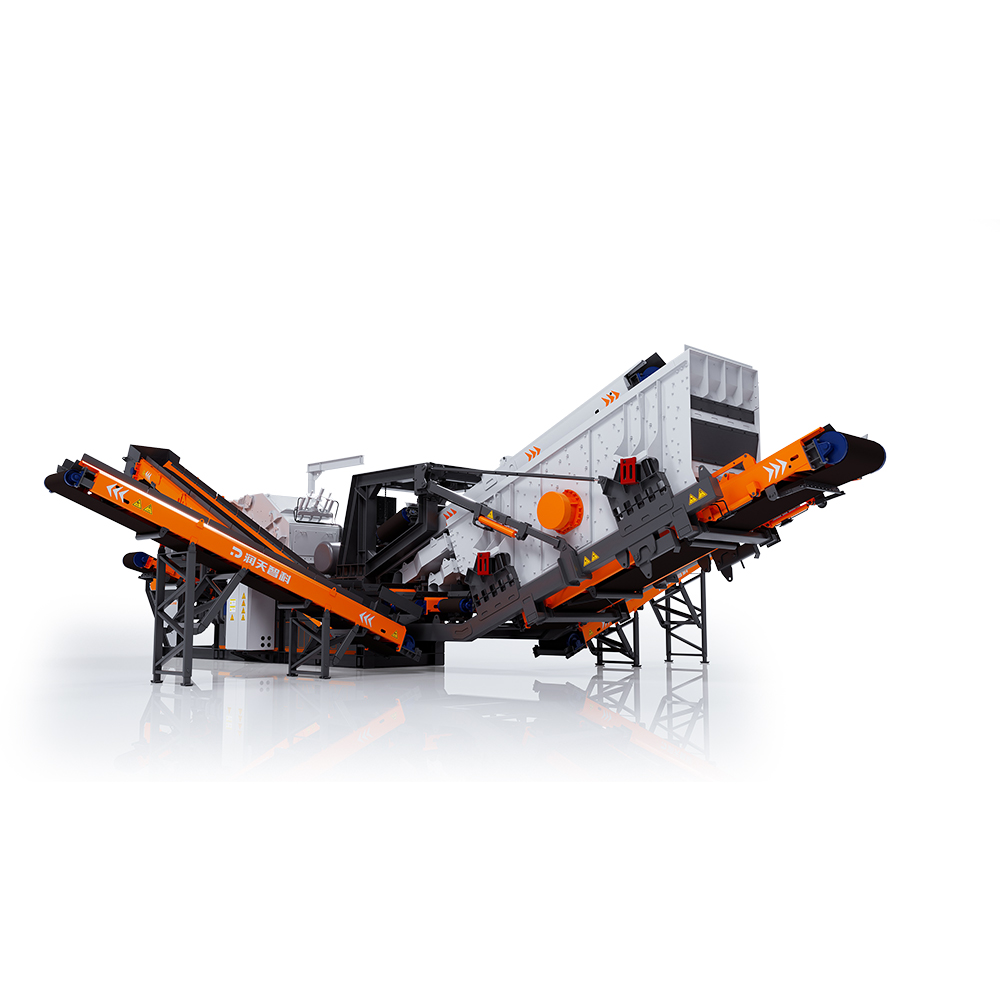 RTF260M Modular Counterattack Crushing and Screening Integrated Machine
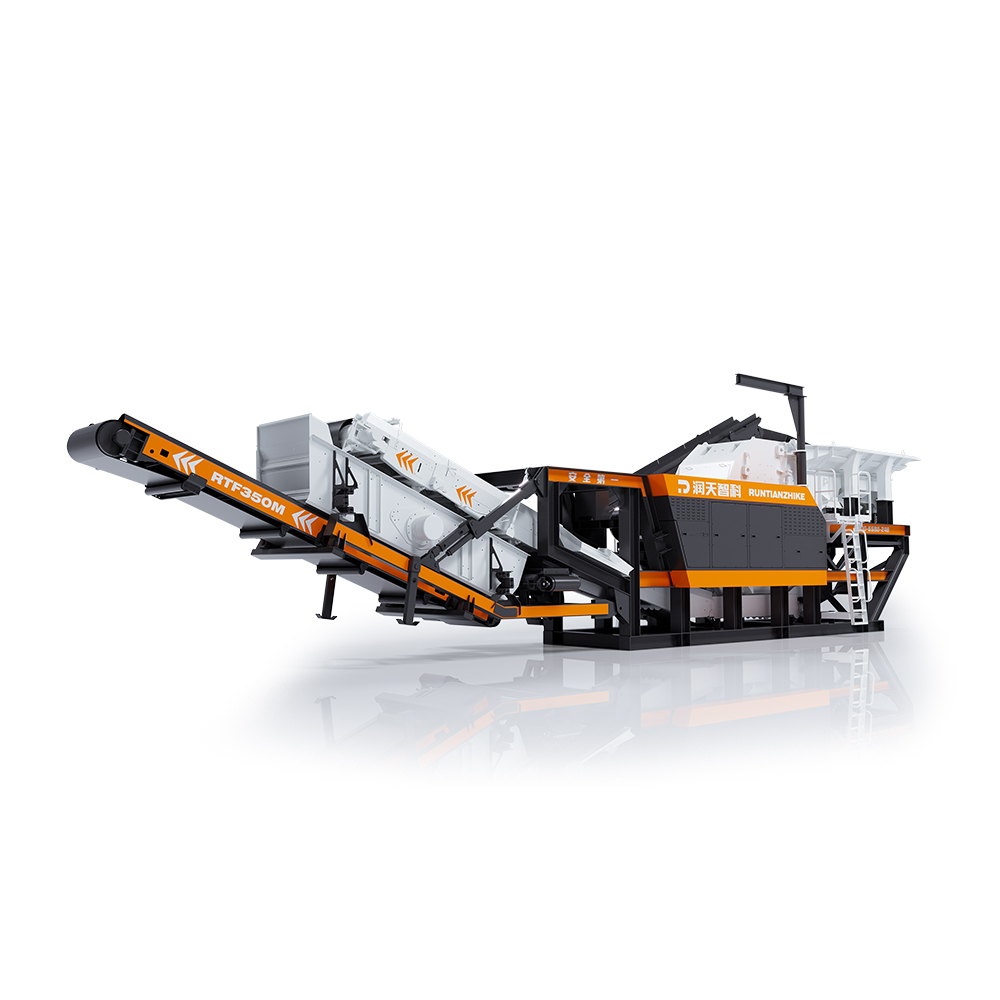 RTF350M Modular Impact Crushing Plant
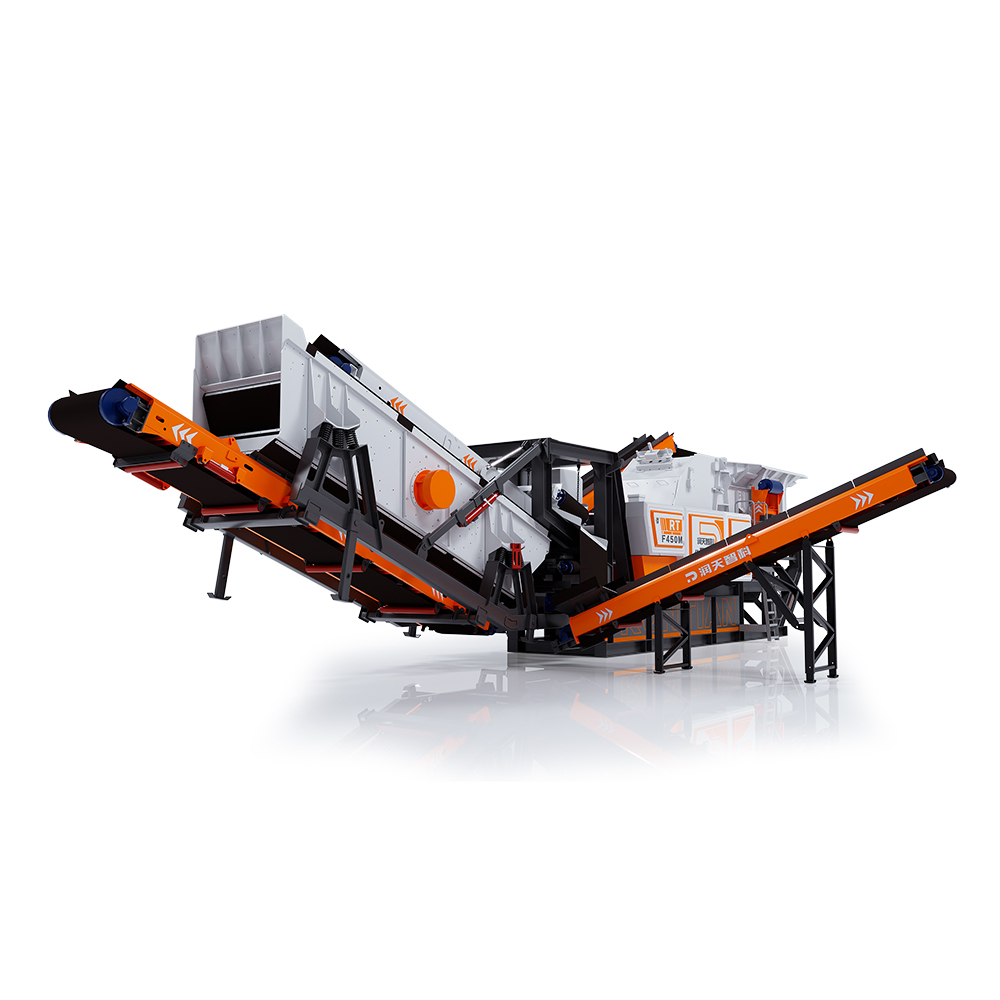 RTF450M Modular Impact Crushing Plant
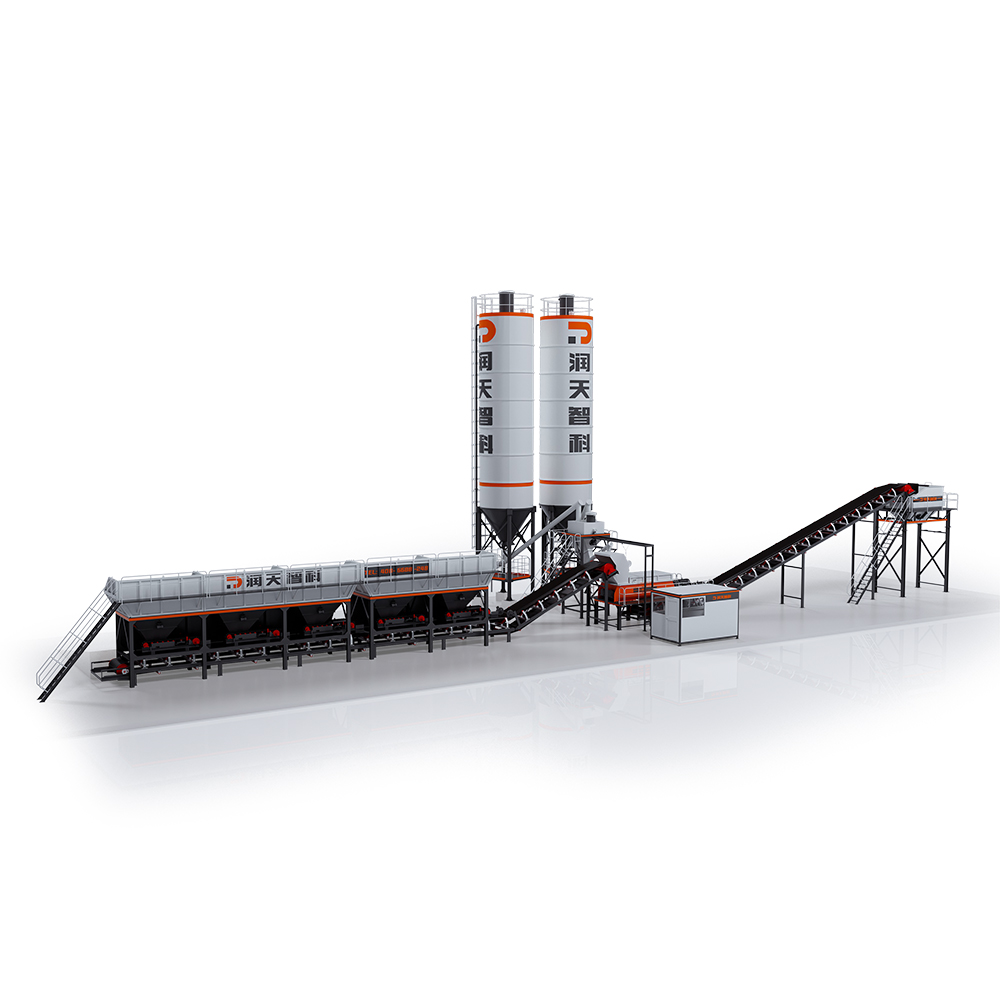 WDB Series Foundation-Free Stability Soil Mixing Plant
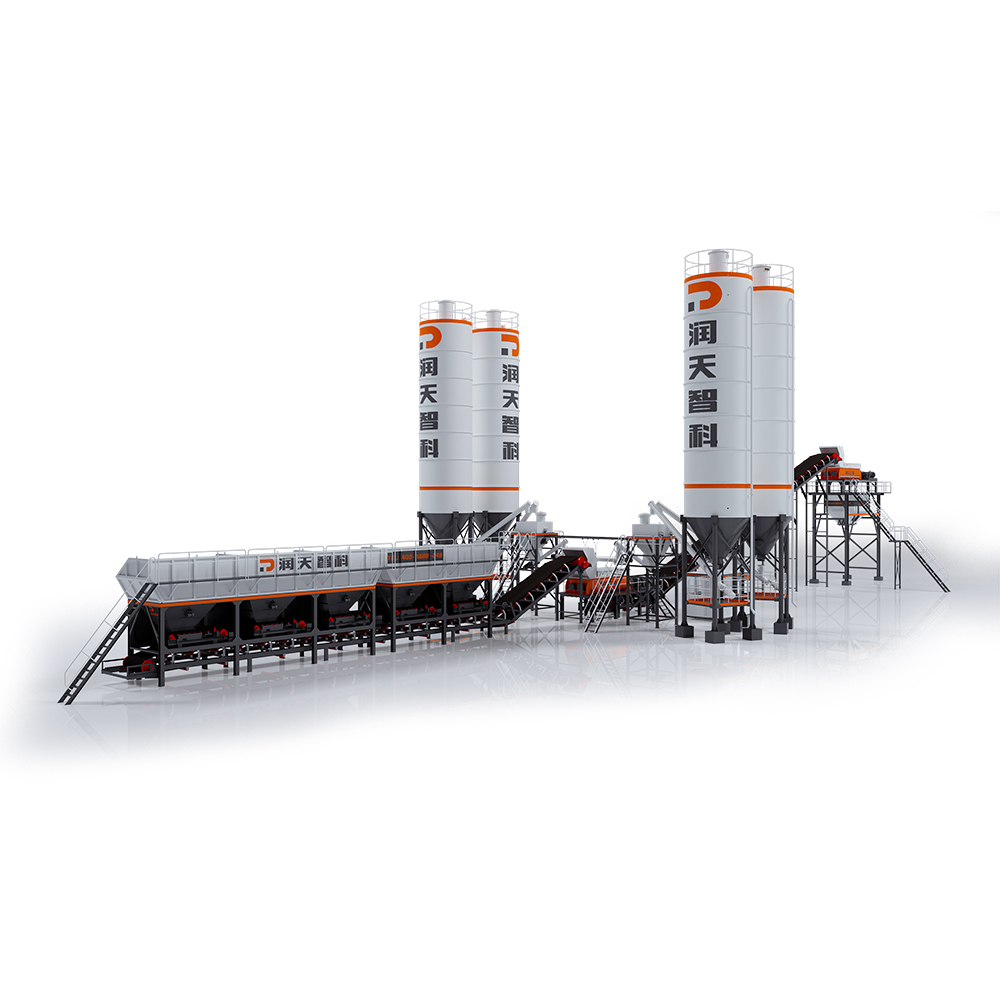 LCB Series Emulsified Asphalt Cold Regeneration Secondary Mixing Plant
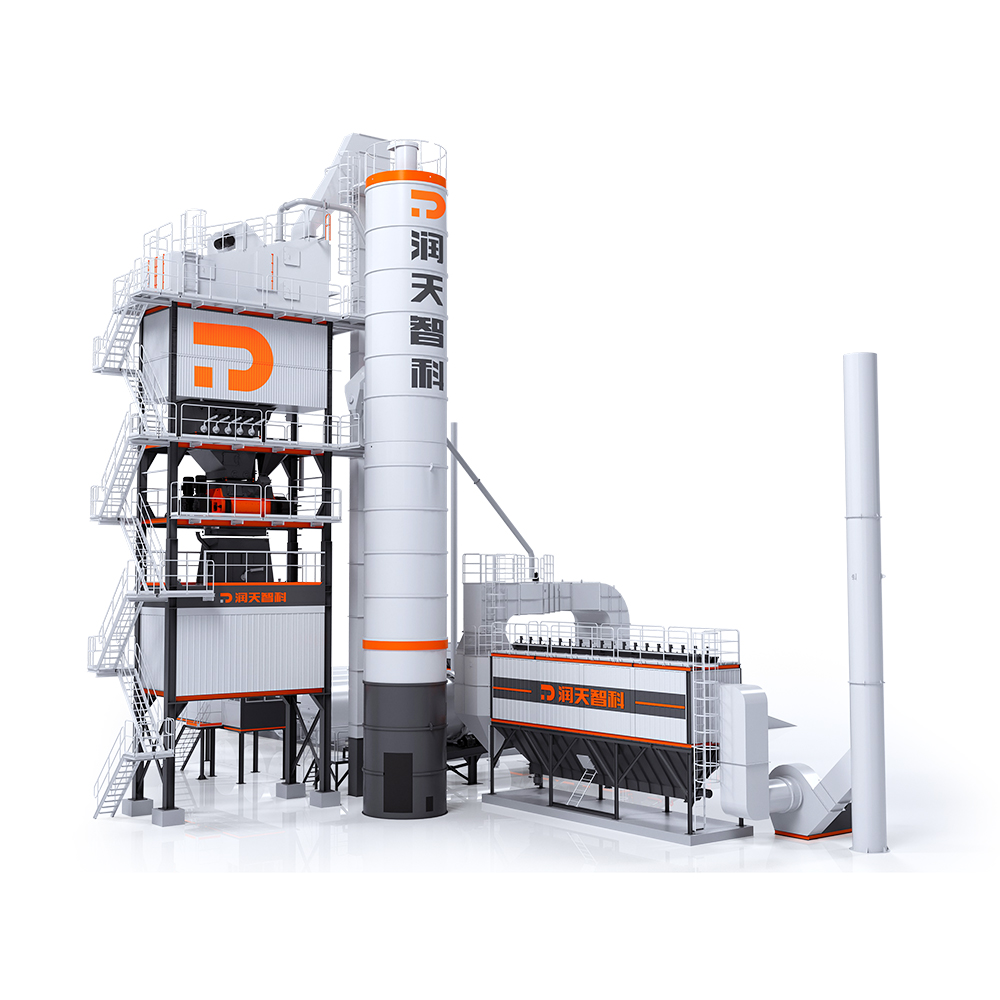 LB Series Asphalt Mixing Plant
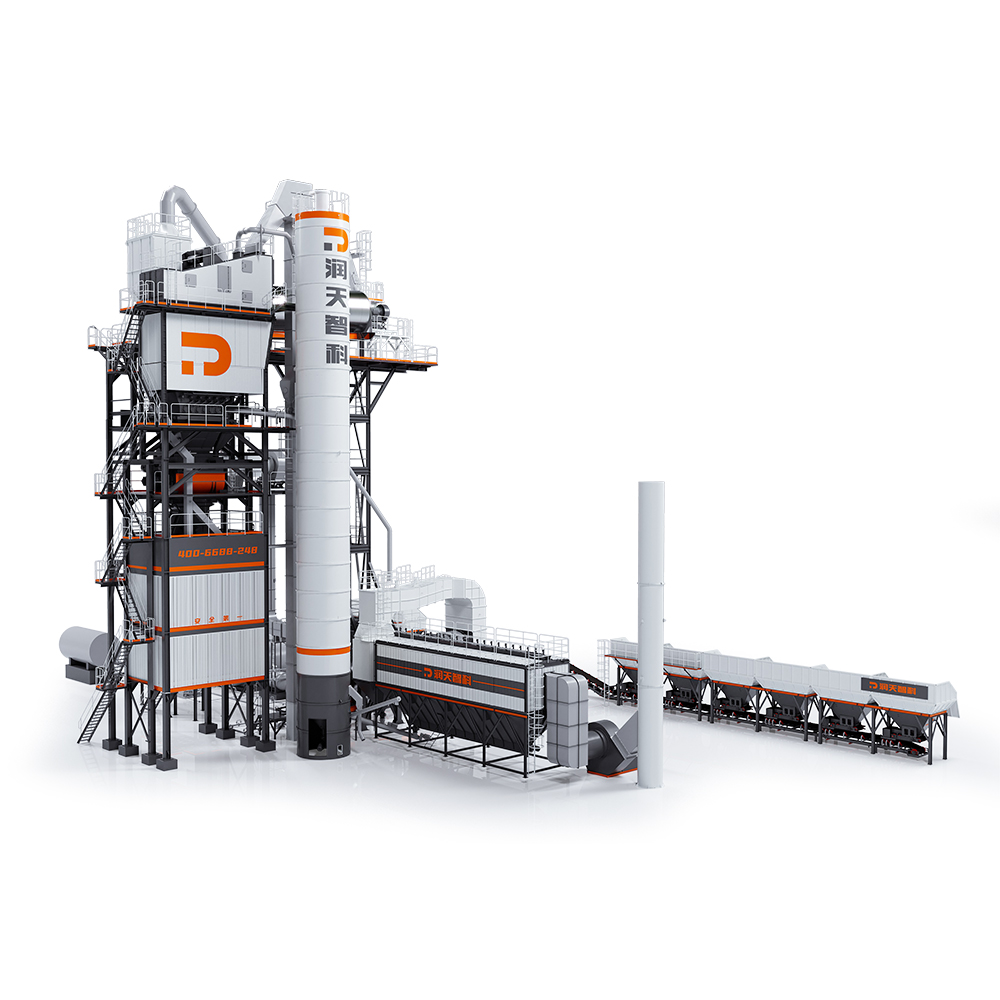 LBR Series Integrated Asphalt Mixing Plant
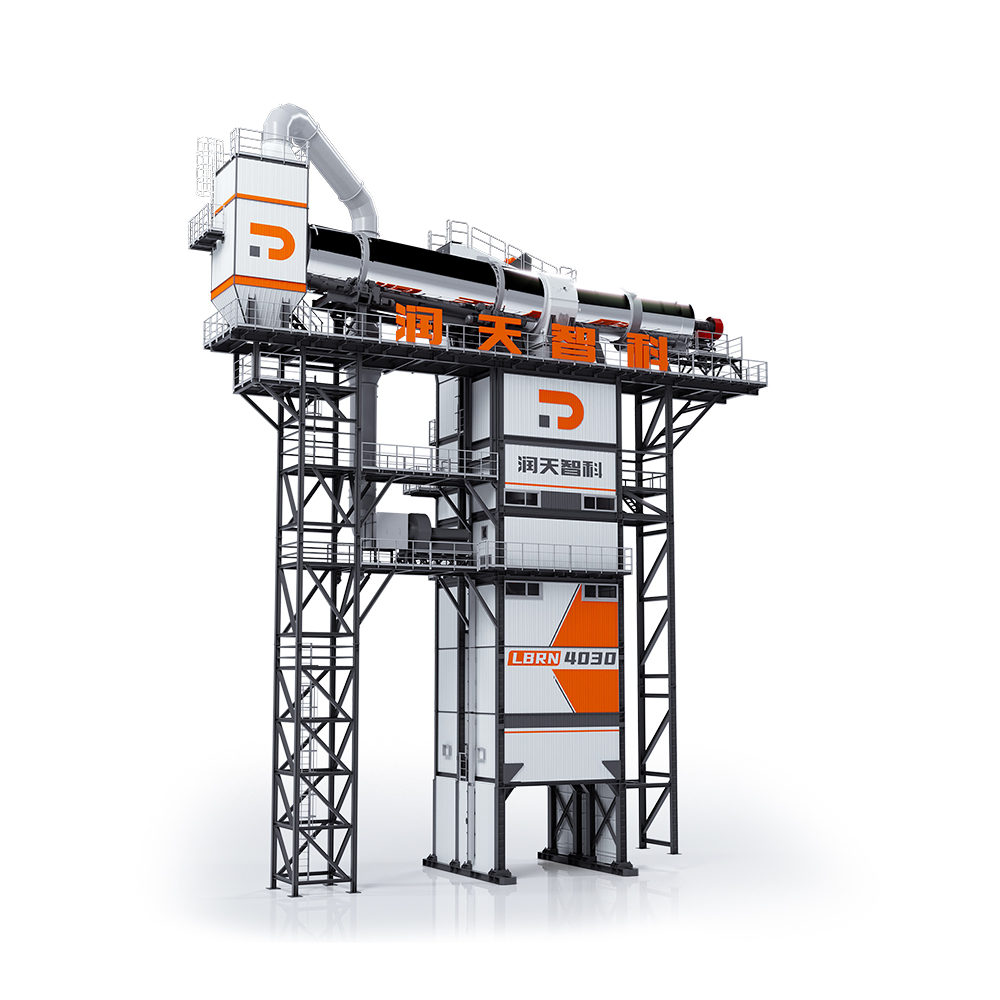 LBRN Series Counterflow Integral Asphalt Mixing Plant
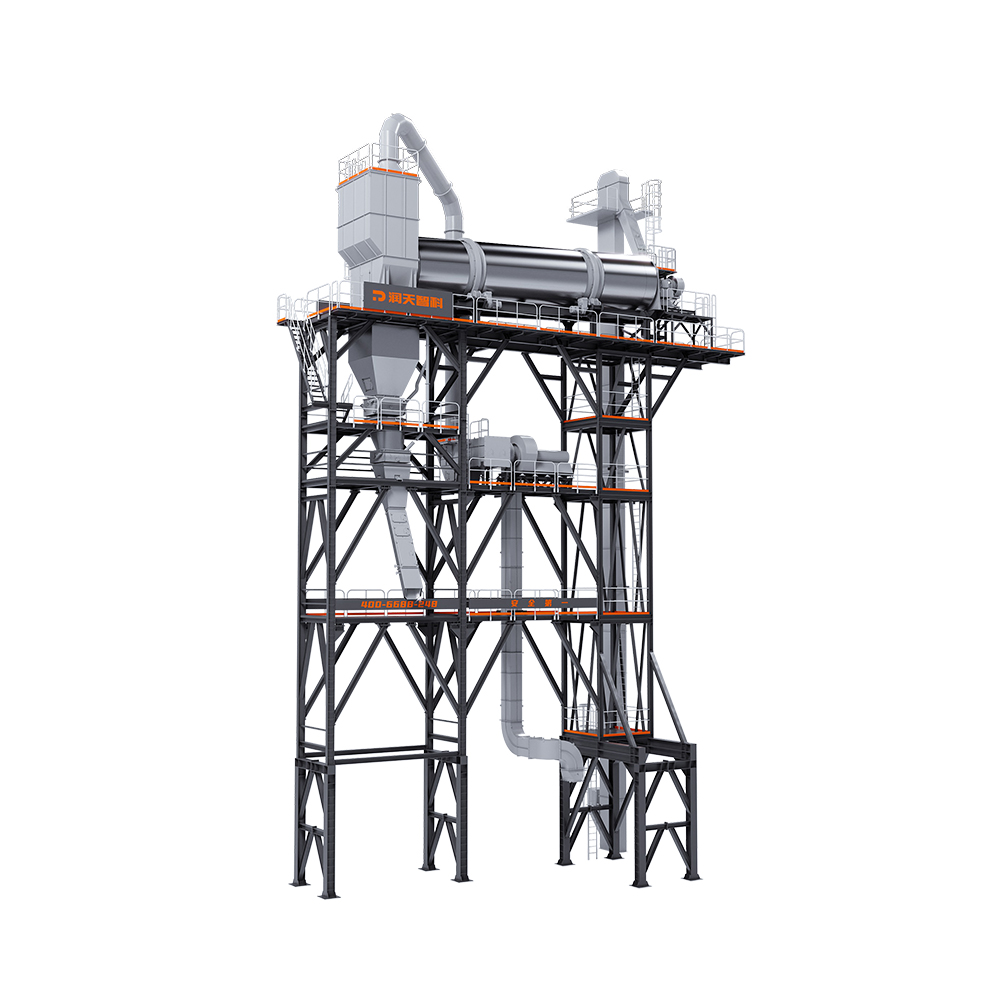 RZS Series Asphalt Mixing Plant
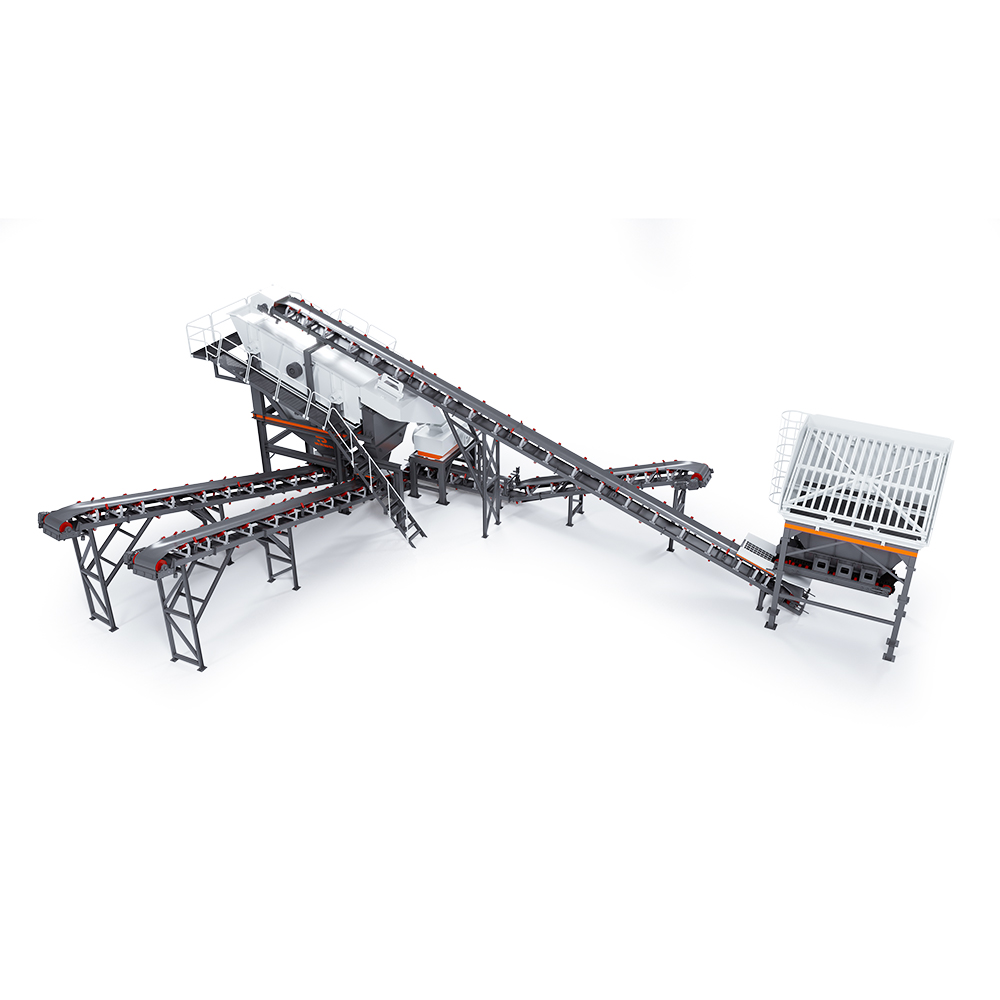 RTZS120 Series RAP Crushing & Screening Plant
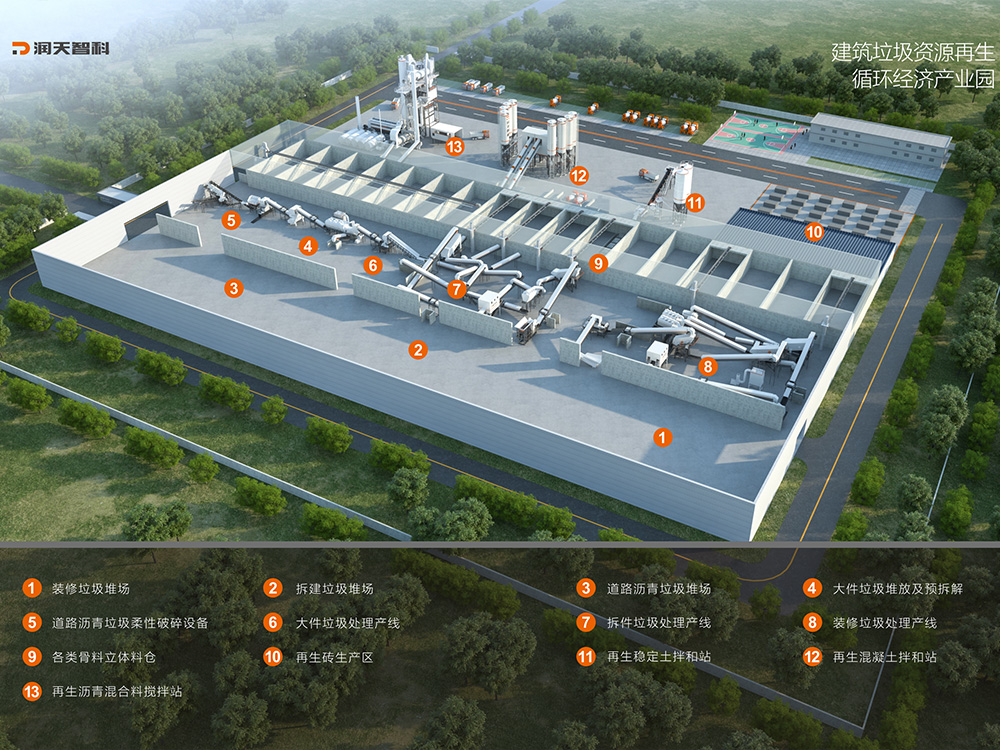 Construction Waste Resourceful Treatment Line