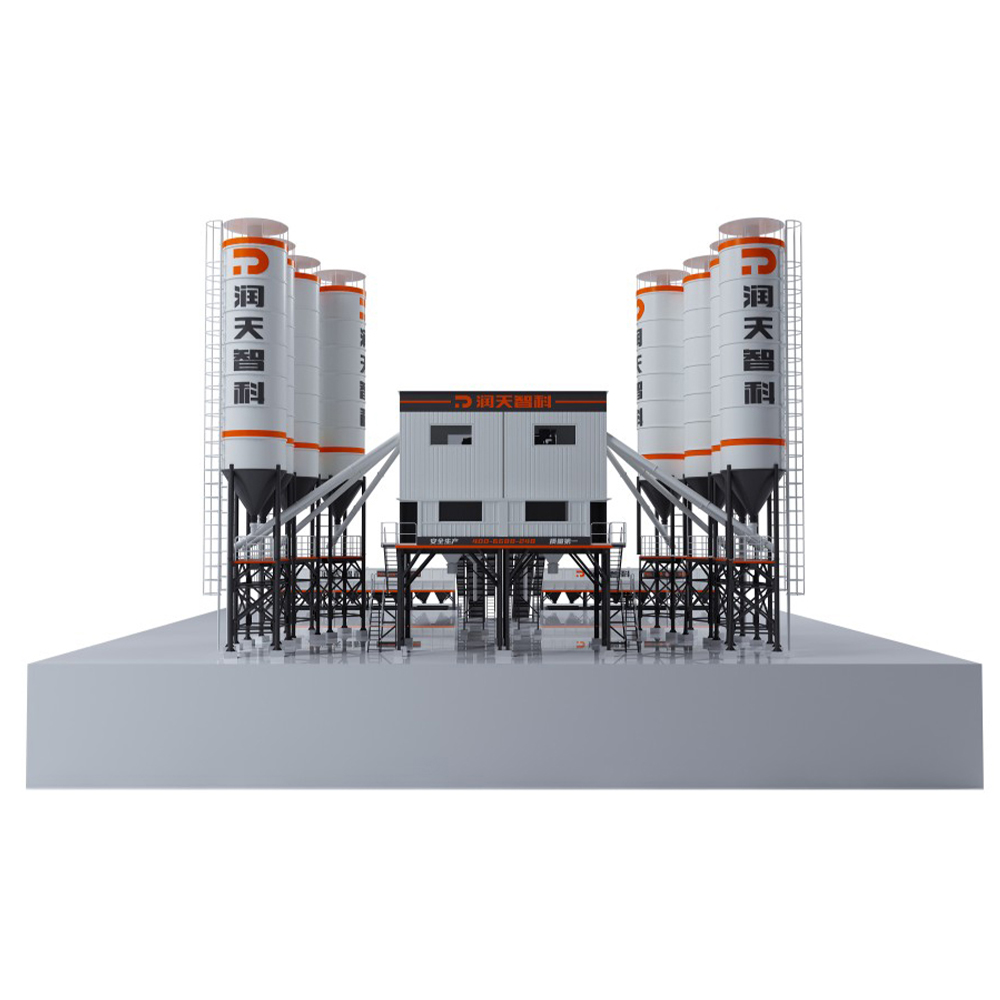
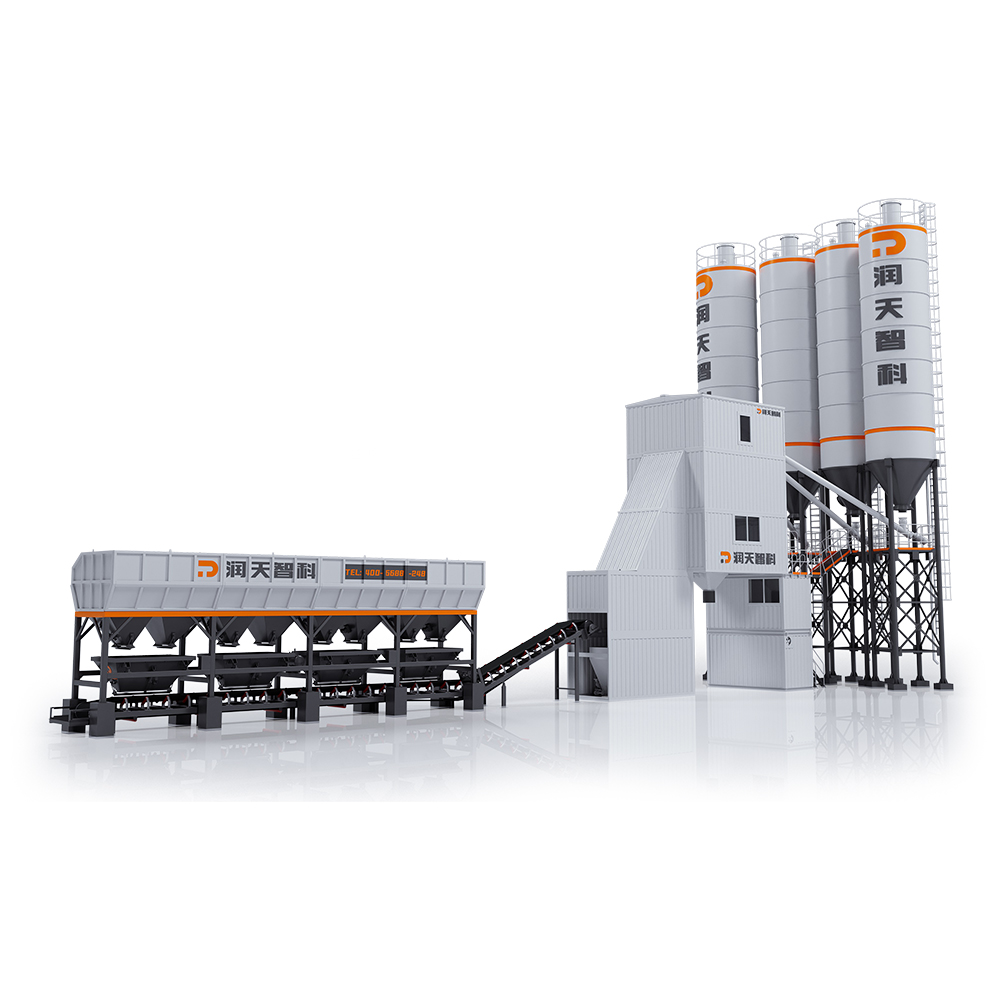
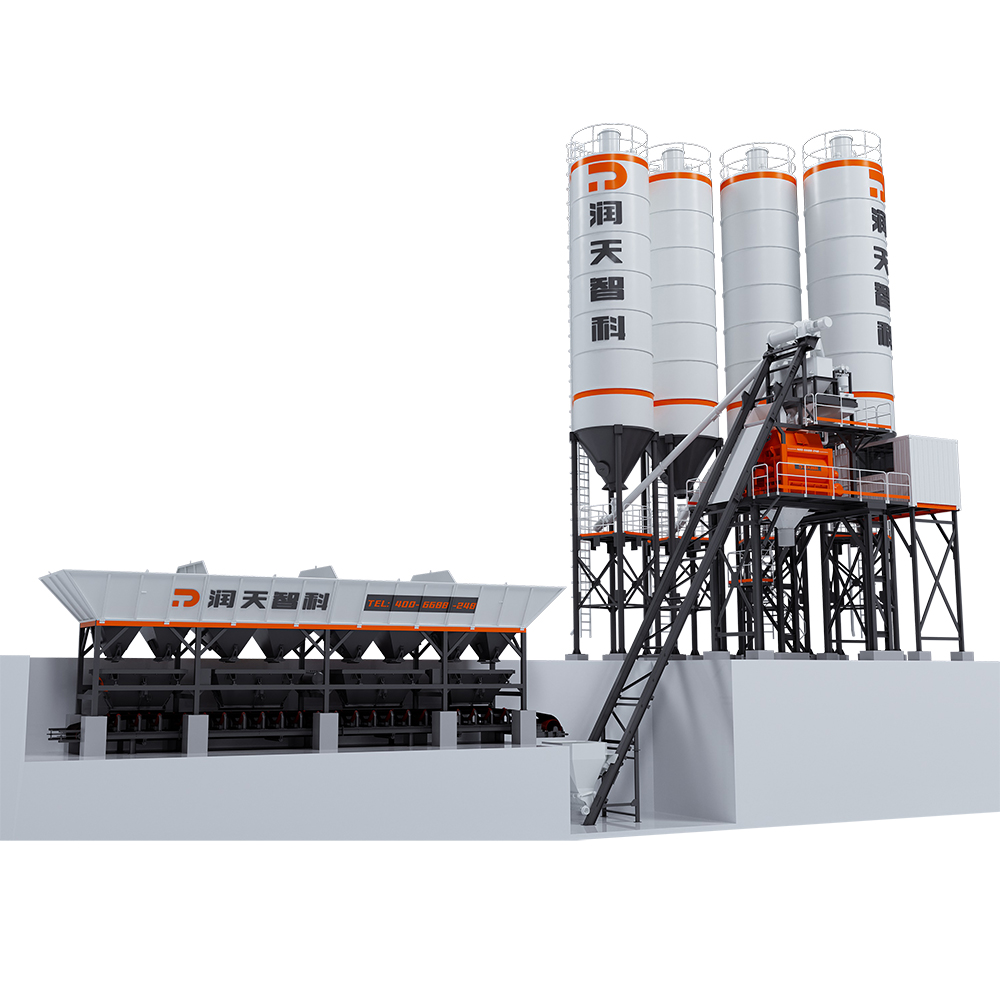
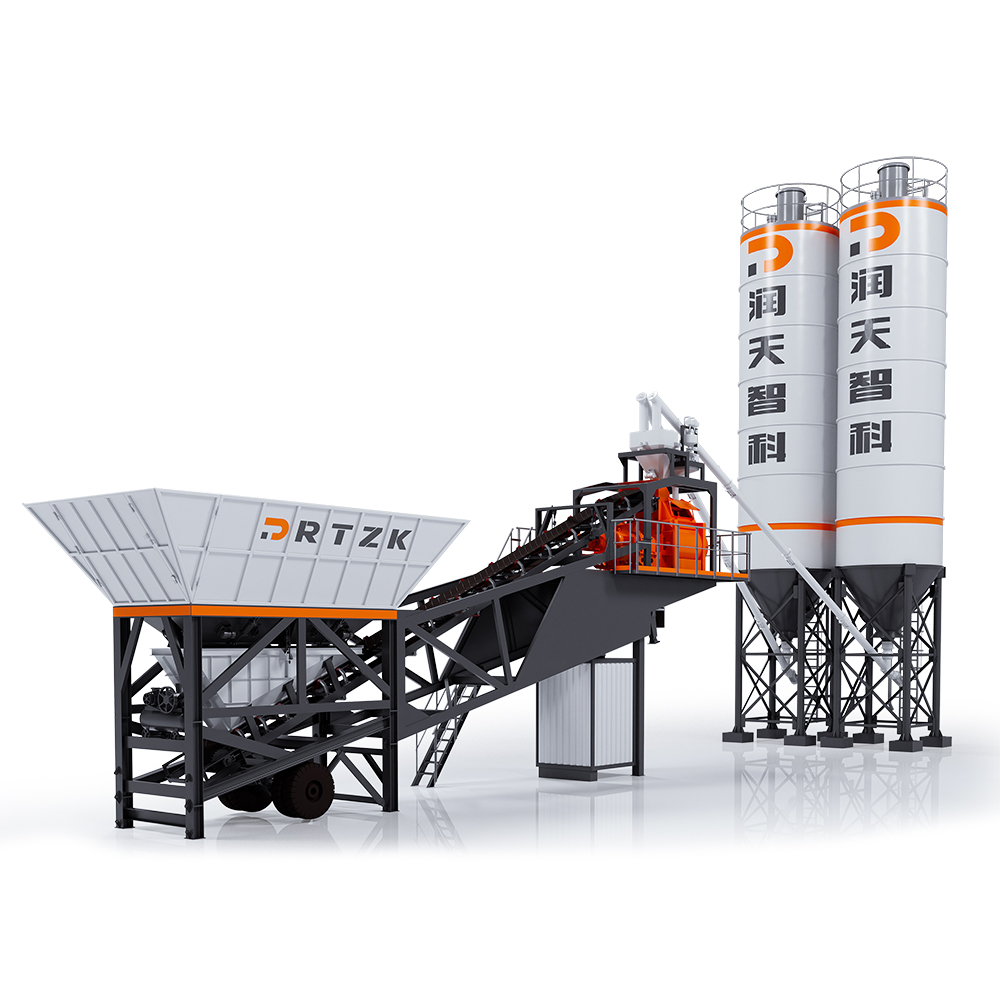
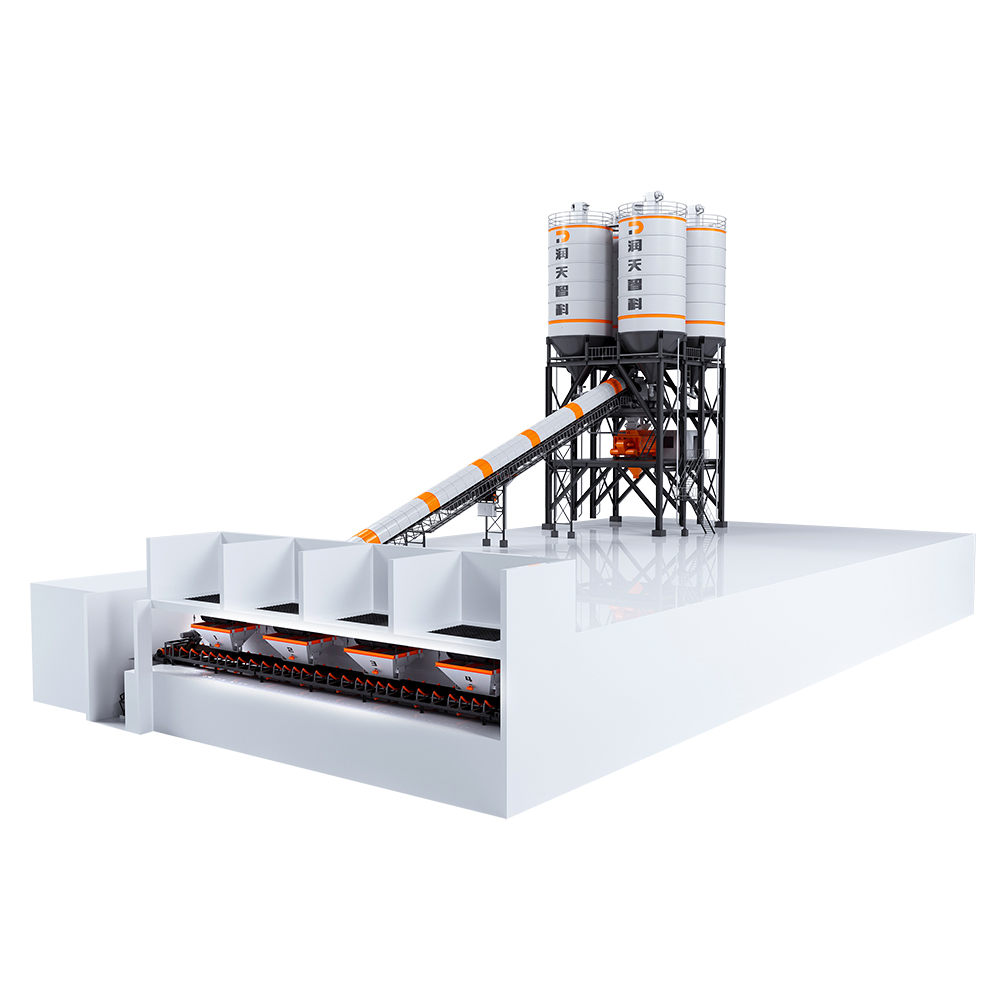
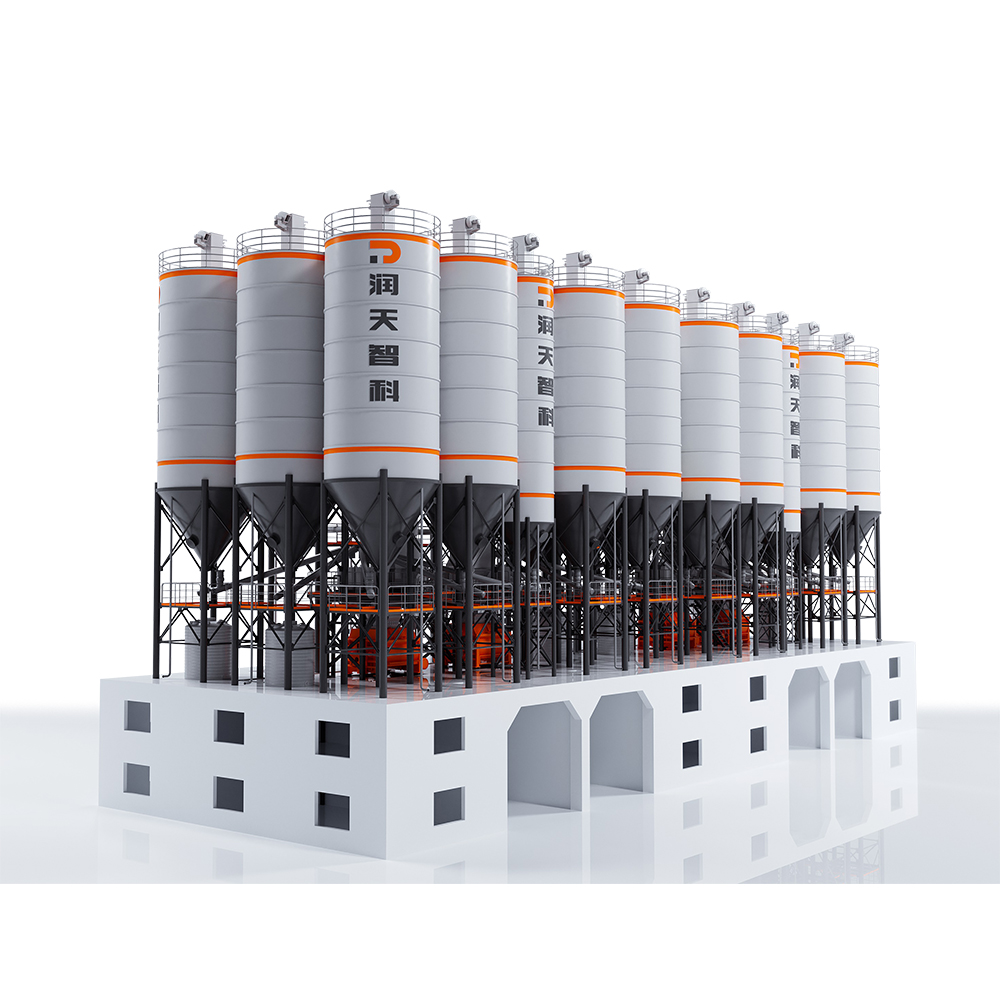
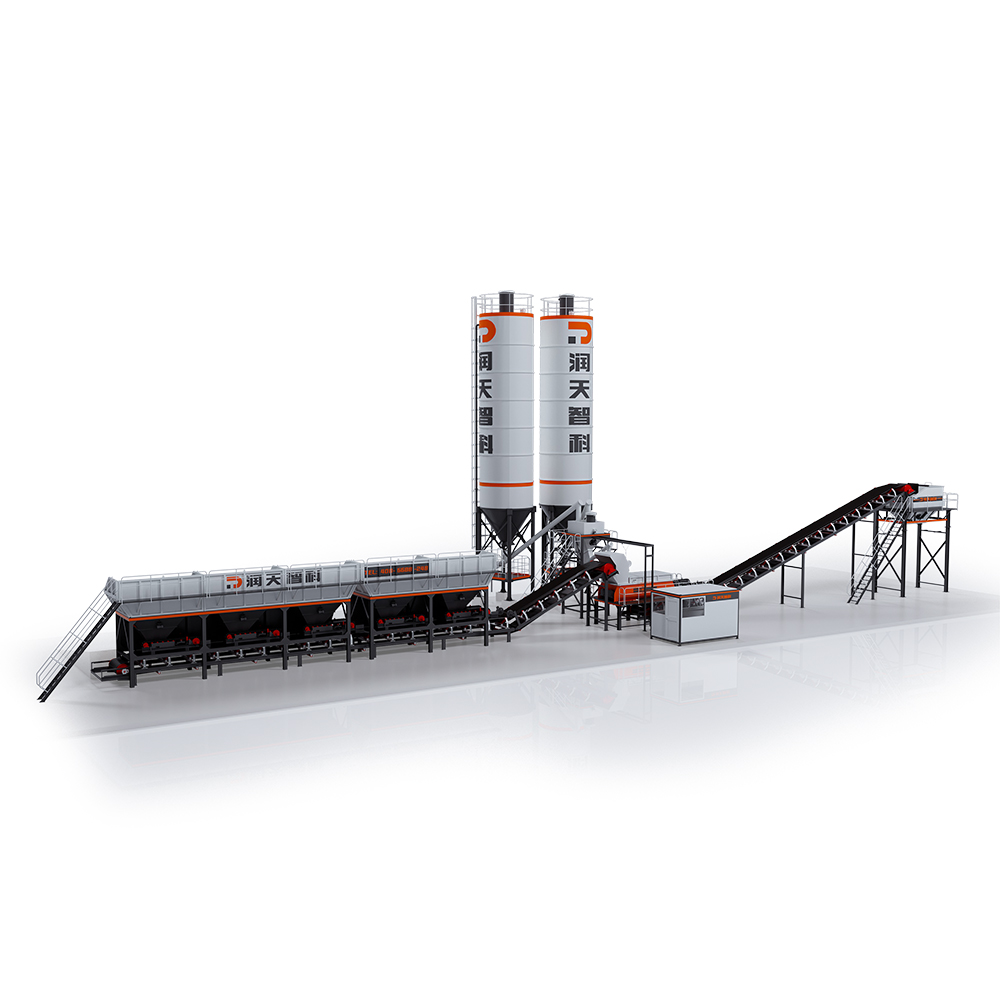
HZS Series Belt Concrete Mixing Plant
HZS Series Bucket-Lifting Type Container Concrete Mixing Plant
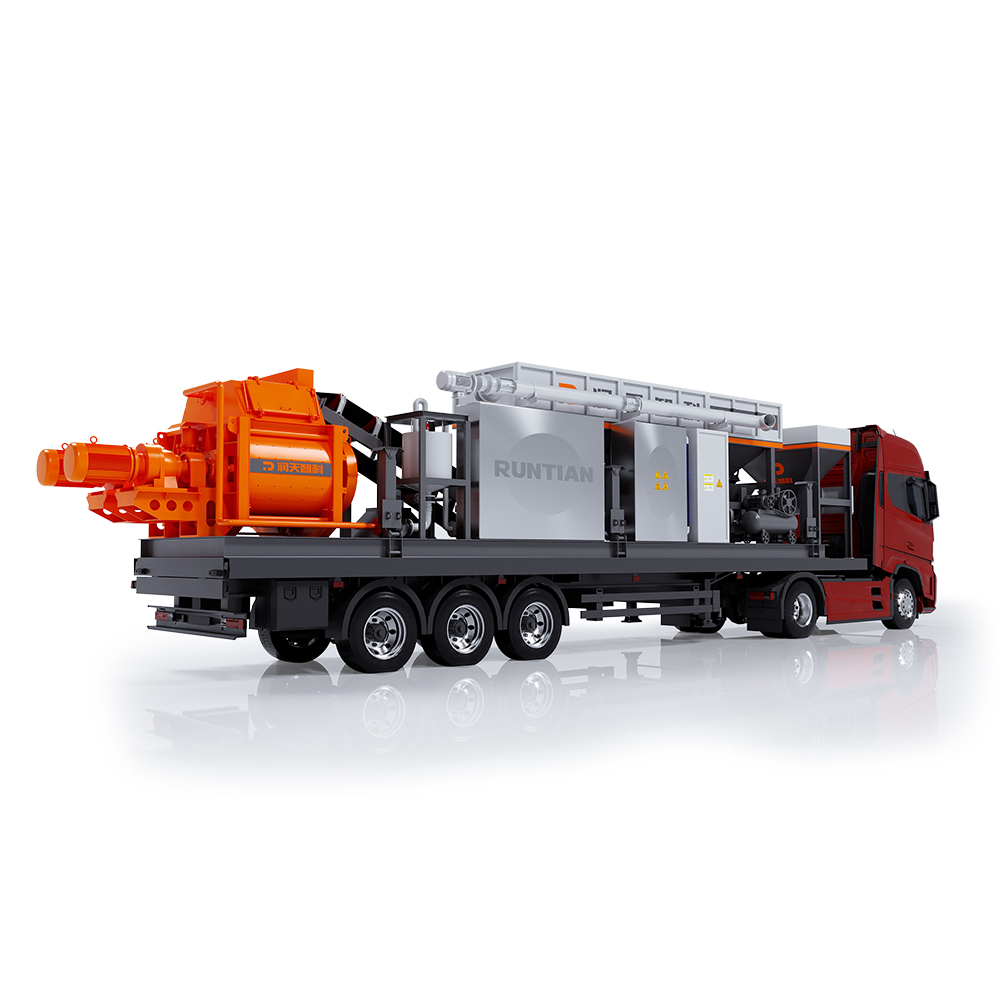
HZS60 Mobile Concrete Mixing Plant
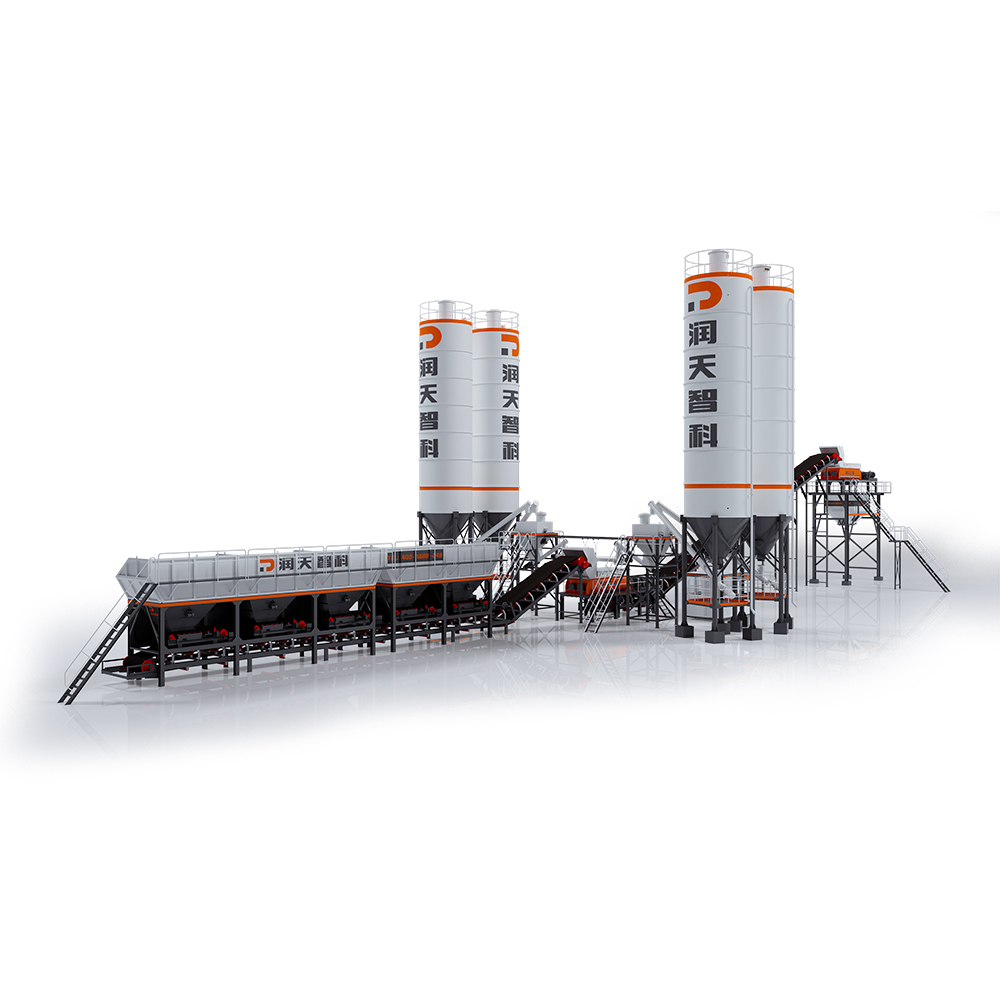
HZS Series Bucket-Lifting Type Concrete Mixing Plant
HZS Series Mobile Concrete Mixing Plant
HZS Series Top-Mounted Concrete Mixing plant
HZS Series Semi-Top Mounted Concrete Mixing Plant
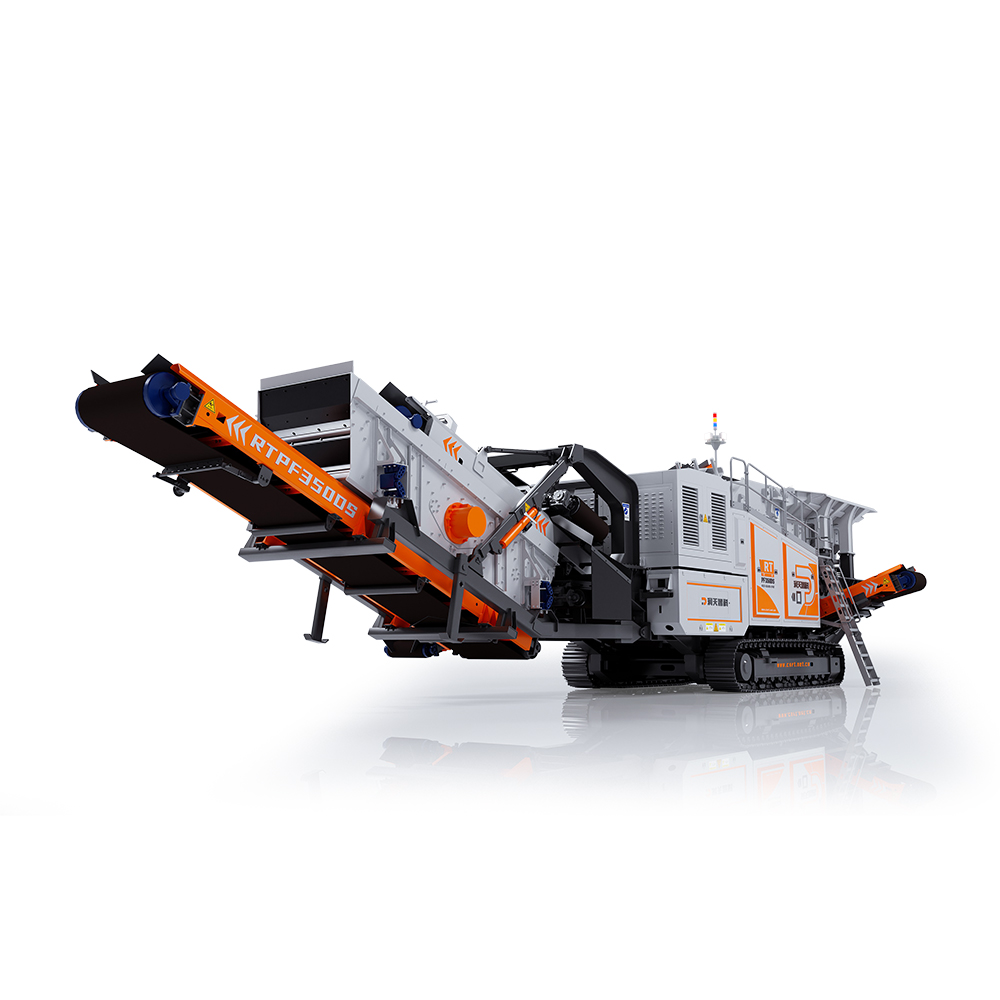
RTPF350DS Crawler Mobile Impact Crushing Plant
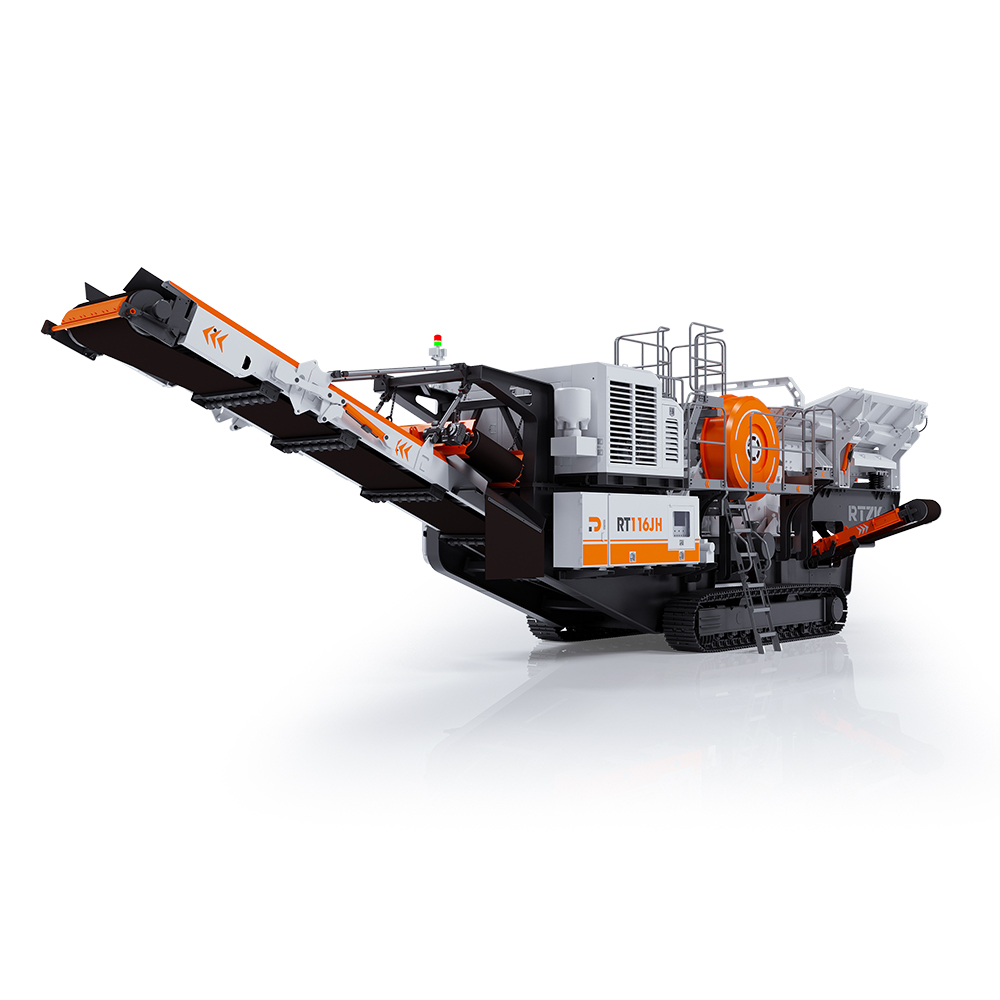
RT116JH Crawler Mobile Jaw Crushing Plant
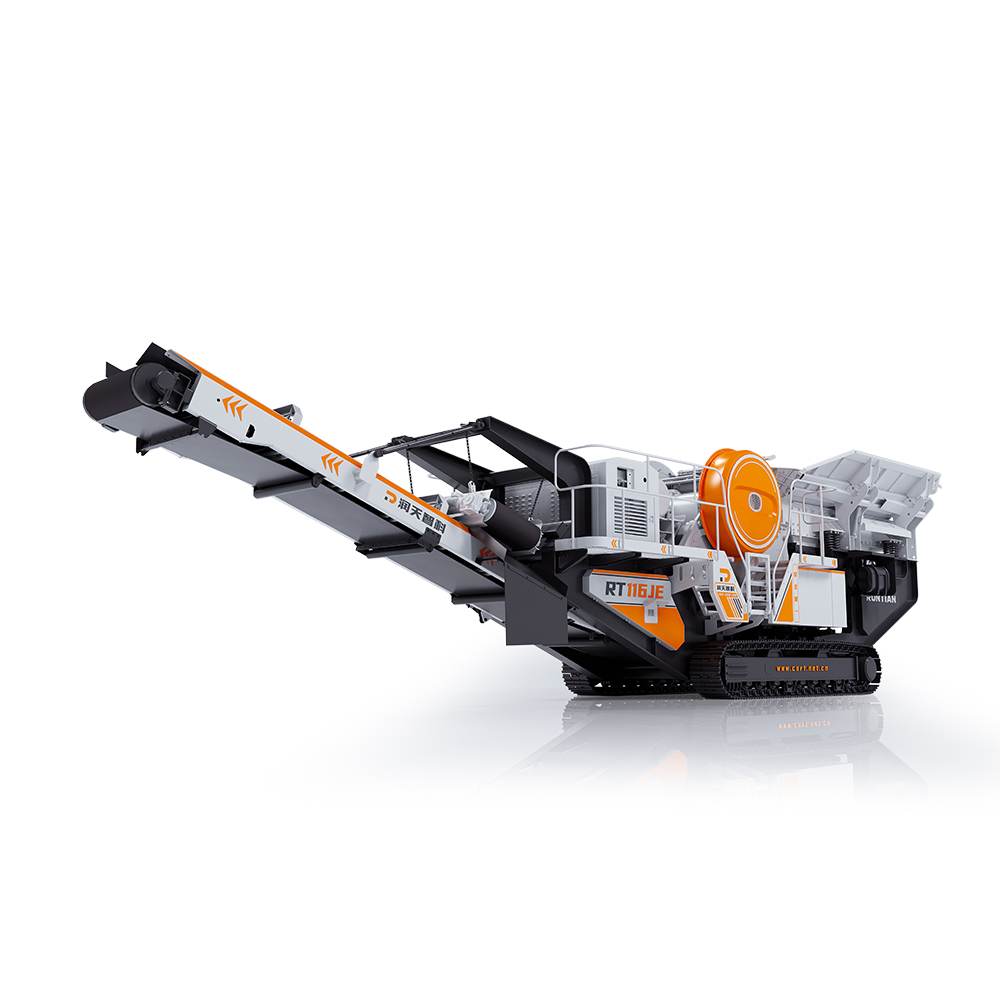
RT116JE Crawler Mobile Jaw Crushing Plant
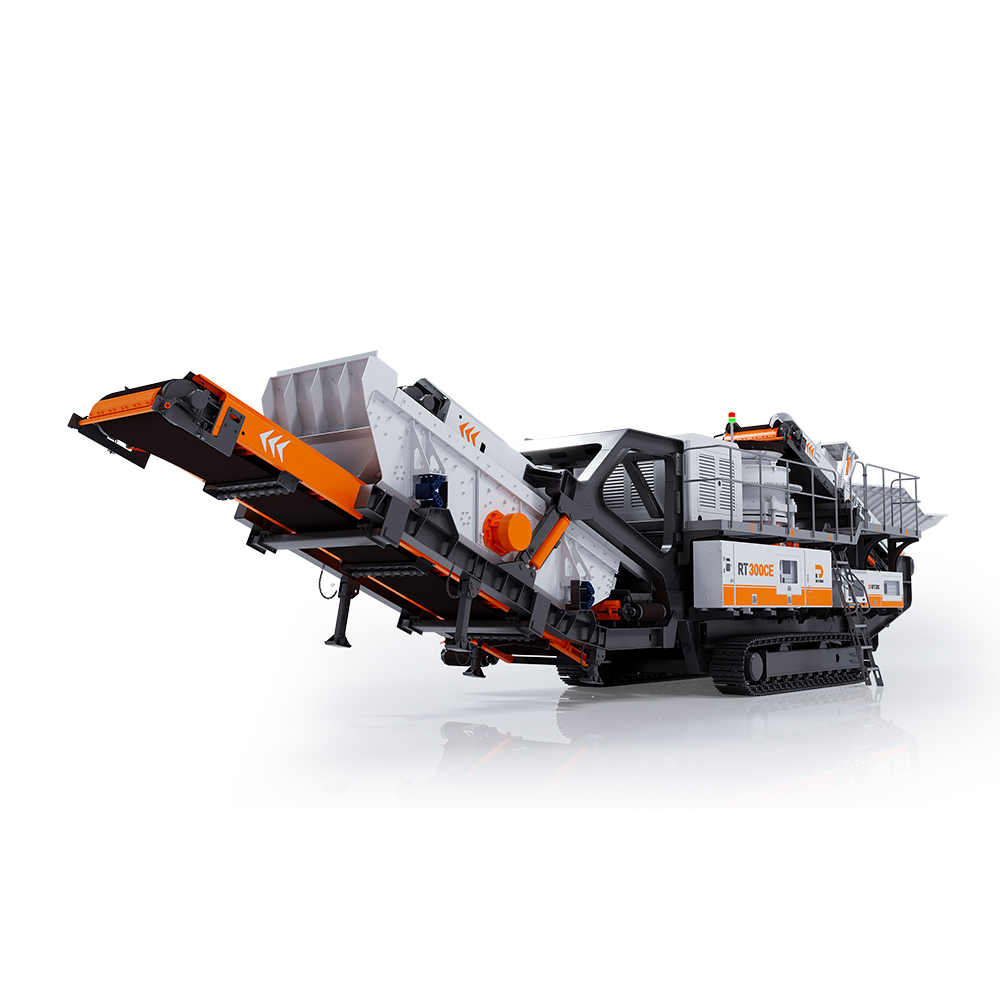
RT300CE Crawler Mobile Cone Crushing Plant
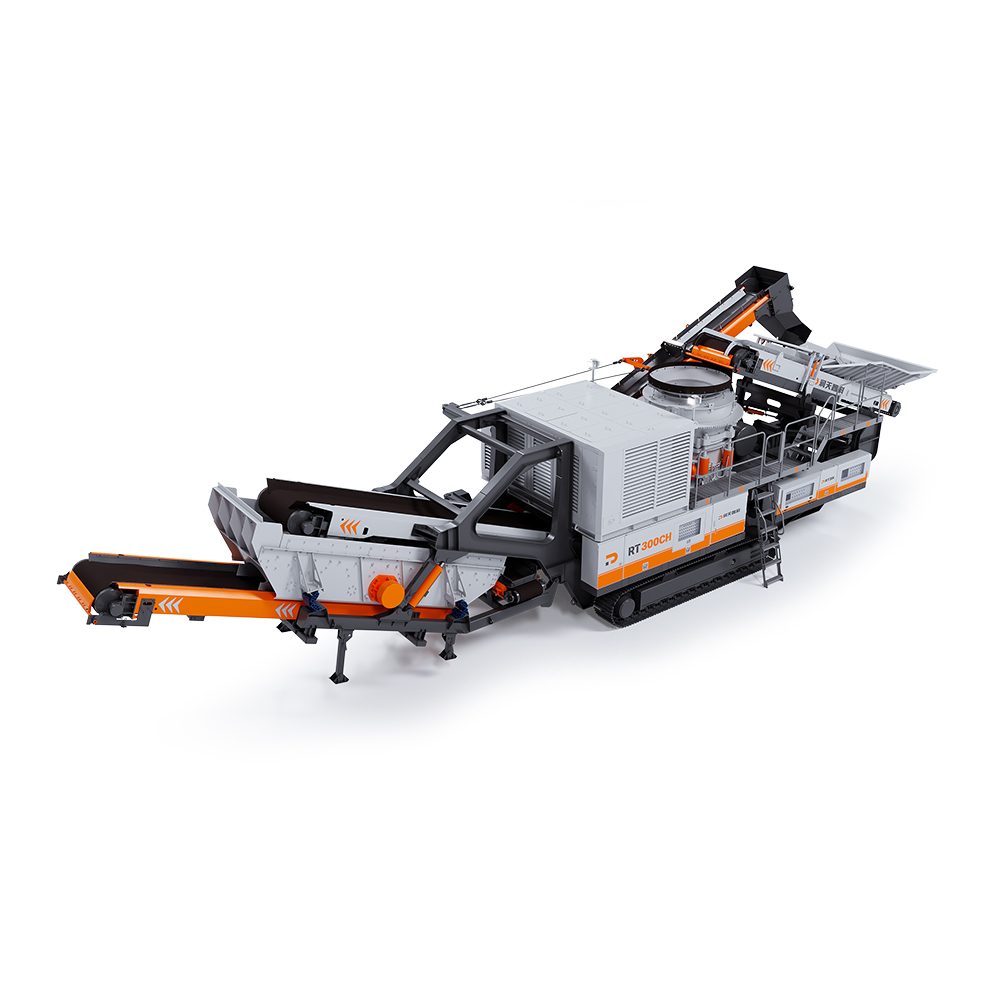
RT300CH Crawler Mobile Cone Crushing Plant
RT5015H Mobile Scalping Screen
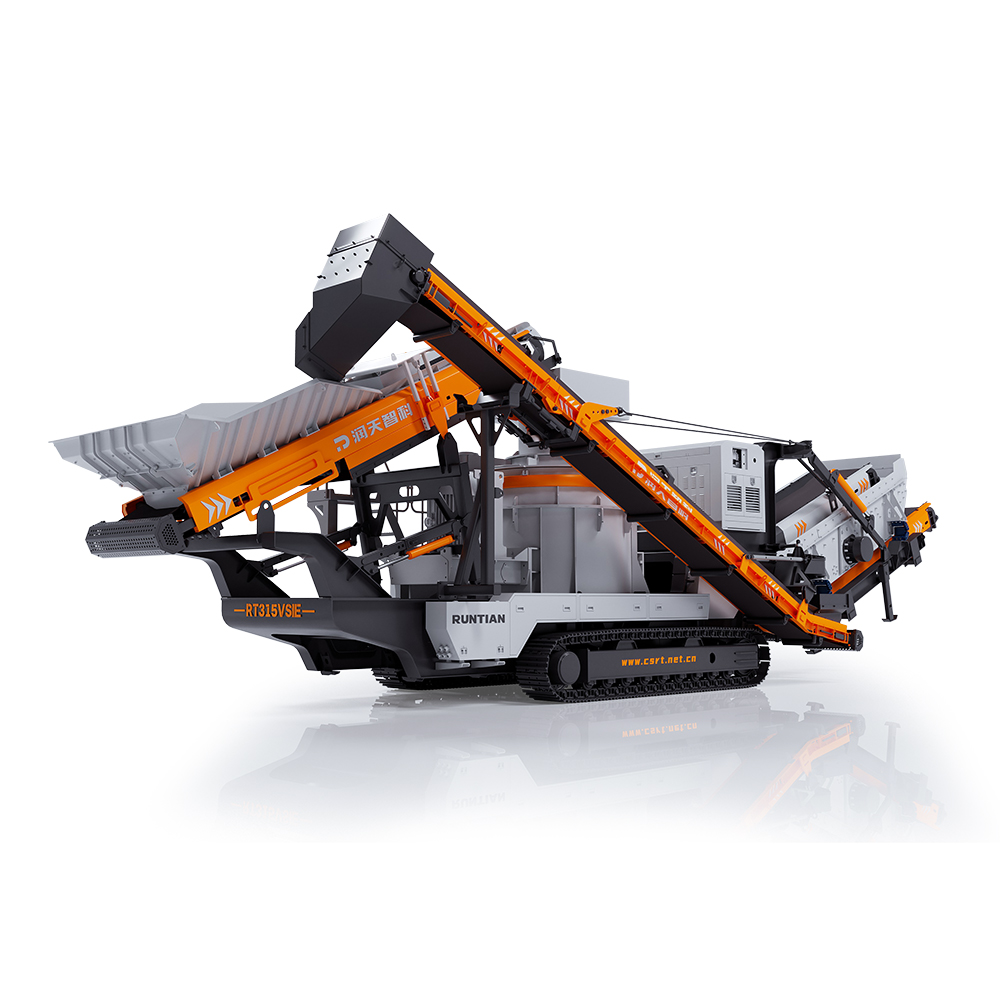
RT315VSIE Crawler Mobile Sand Maker
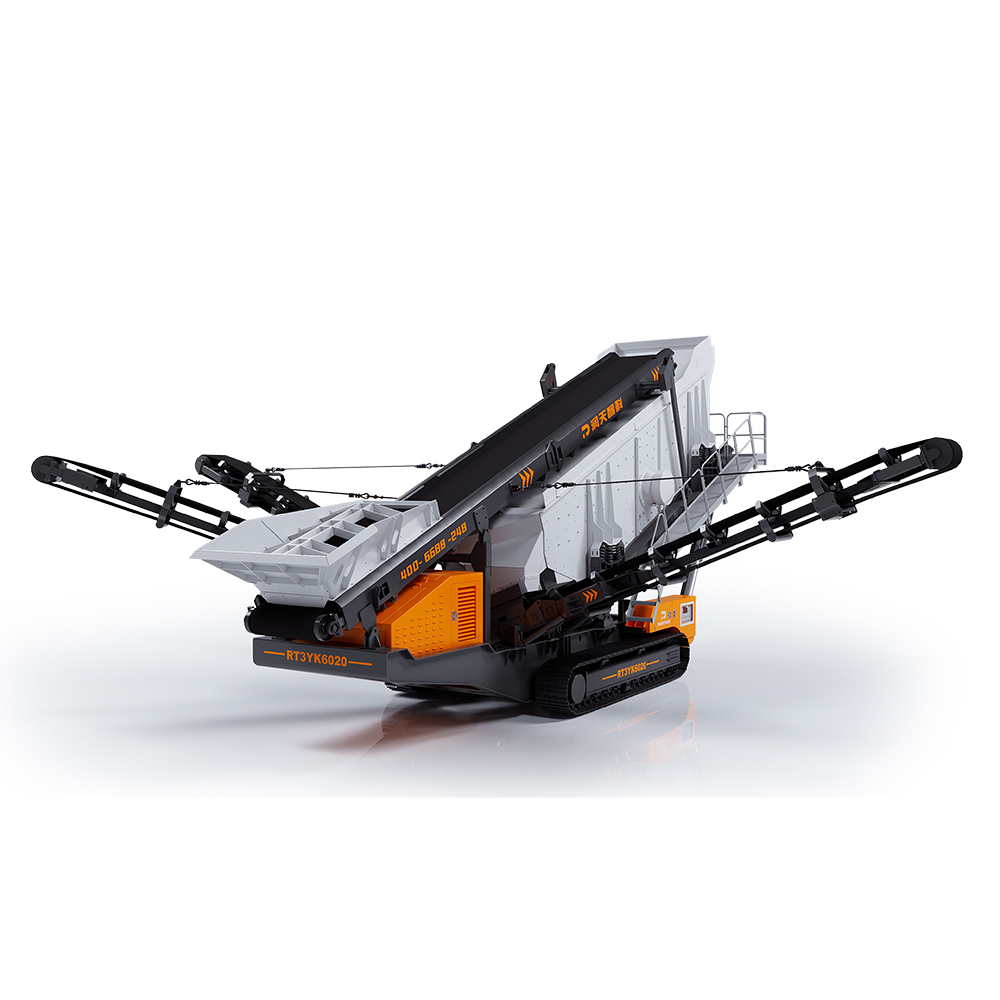
RT3YK6020 Crawler Mobile Screening Plant
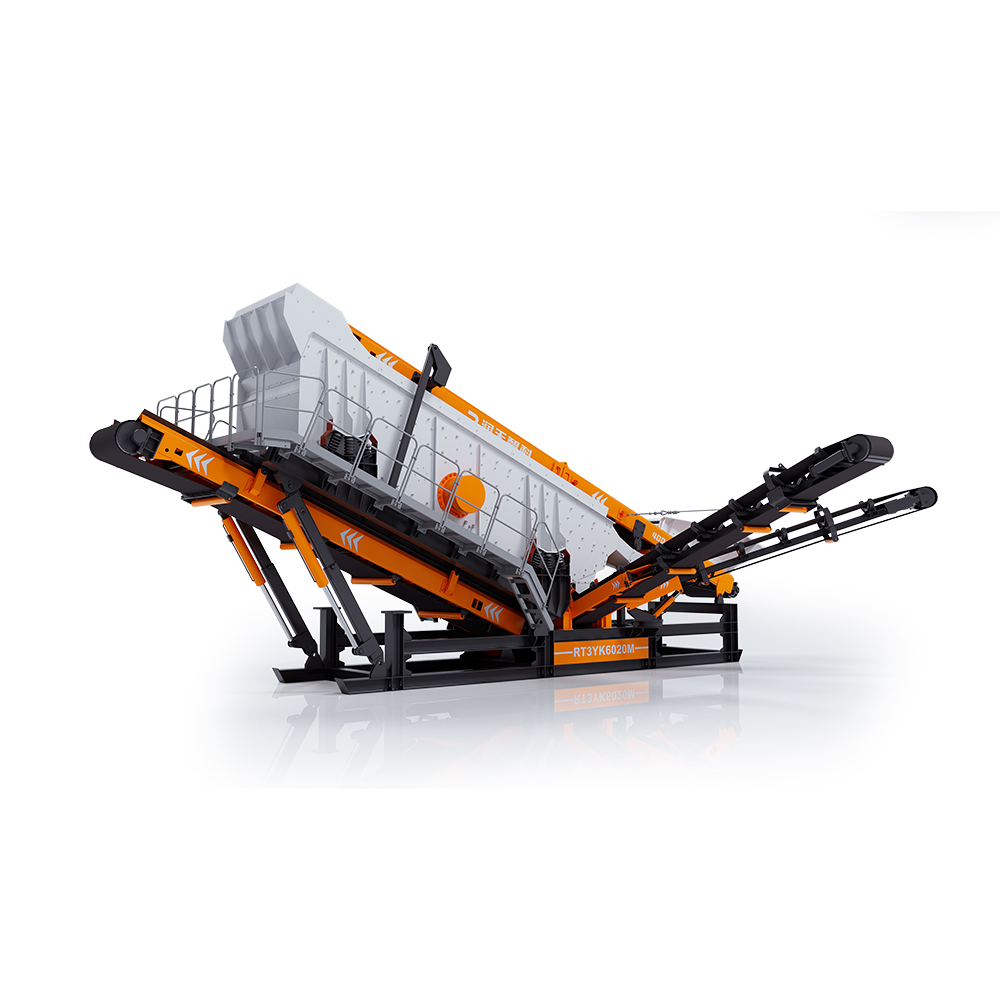
RT3YK6020M Modular Screening Plant
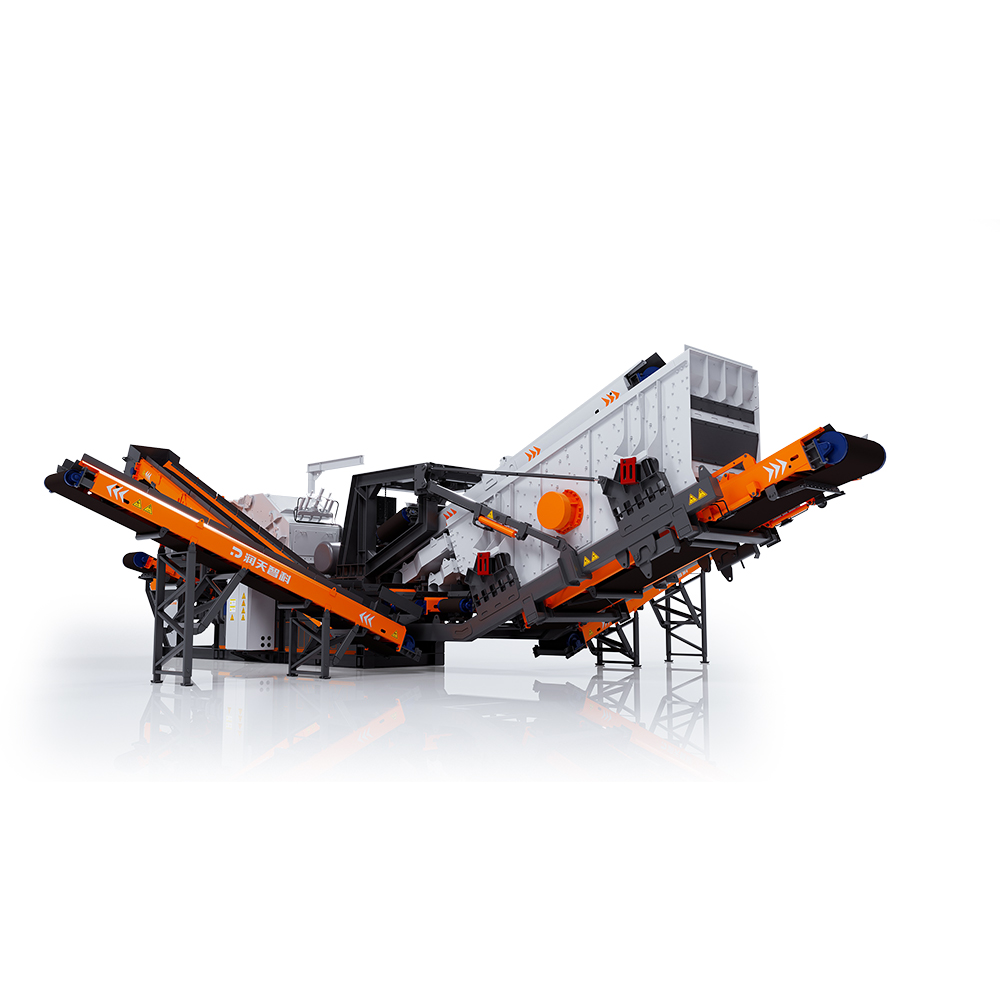
RTF260M Modular Counterattack Crushing and Screening Integrated Machine
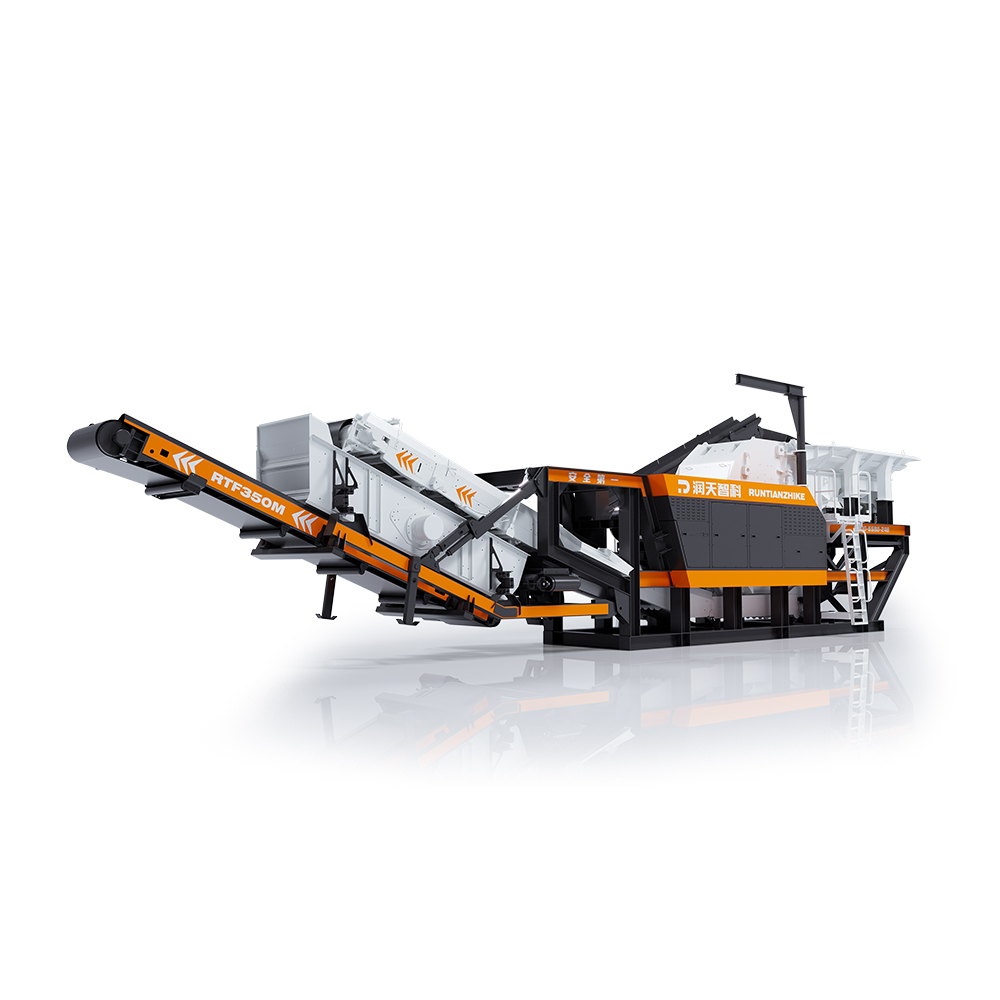
RTF350M Modular Impact Crushing Plant
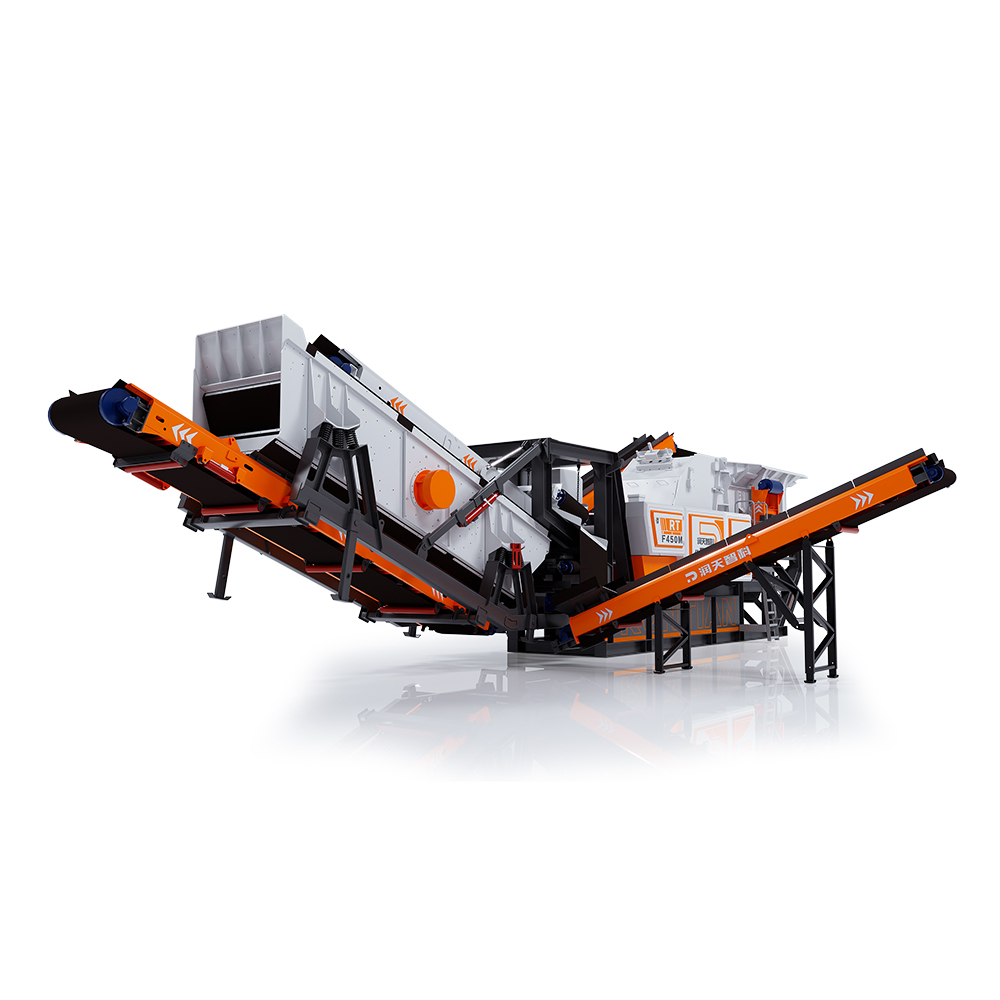
RTF450M Modular Impact Crushing Plant
The asphalt plant market has been steadily growing, with a projected CAGR of 5.2% through 2026, according to industry reports. This growth reflects the increased demand for infrastructure development worldwide. Yet, navigating the buying process for an asphalt plant can be complex and daunting for global traders.
Experts like Dr. Emily Carter, a renowned figure in asphalt technology, emphasize the importance of making informed decisions. She states, "Selecting the right asphalt plant requires careful consideration of operational efficiency and output capacity." Traders must weigh factors such as production rate, technology, and cost-effectiveness. Each choice impacts long-term profitability and project timelines.
In this evolving landscape, even seasoned traders encounter challenges. They may overlook critical specifications or underestimated operational costs. Understanding the nuances of the asphalt plant market is essential. It not only ensures superior investment but also mitigates risks inherent in this industry. Embracing these tips can lead to wiser purchasing decisions.
When selecting an asphalt plant, several key factors demand your attention. One crucial aspect is plant capacity. According to industry reports, most effective plants operate best between 100 to 400 tons per hour, depending on project demands. Understanding your project scale is fundamental. Too small a capacity can slow production, whereas an oversized plant might lead to inefficiency.
Another important consideration is technology. Advanced plants equipped with control systems enhance operational efficiency. It’s reported that plants using automatic batching systems can increase precision by up to 20%. Embrace innovation to improve your output quality. Look for features like warm mix asphalt technology; it can reduce emissions significantly and support environmental goals.
Additionally, think about the plant's mobility. Fixed plants offer stability, yet portable options can access remote locations. In some cases, transport costs can hit 15% of project budgets. Evaluate your site conditions carefully. Sometimes, a mobile unit may be a smart investment, especially in diverse geographical areas. With growing environmental regulations, robust emission controls are no longer optional; they are essential. Keep these considerations in mind when making your decision.
When exploring different types of asphalt plants, it’s essential to understand their core functions. Batch plants produce asphalt in discrete batches, allowing for precise control over quality. This method is ideal for projects that require custom mixes. On the contrary, drum mix plants continuously produce asphalt, ensuring higher output. They often operate at a lower cost due to their streamlined processes.
Mobile asphalt plants offer flexibility. These can be transported easily to various job sites. However, their capacity is generally lower than fixed plants. Choosing the right type depends on project size, location, and specific needs.
Traders must also consider technological advancements. Plants equipped with advanced control systems enhance efficiency and reduce waste. However, investment in such technology requires careful evaluation of financial implications. Balancing cost with benefits can be challenging but necessary. Understanding these details empowers traders to make informed decisions that impact their operations.
When considering the purchase of an asphalt plant, evaluating production capacity and efficiency is critical. An asphalt plant's production capacity typically ranges from 60 to 600 tons per hour, impacting construction timelines. According to the National Asphalt Pavement Association, high-capacity plants can significantly reduce the cost per ton, offering better value to traders. Investing in a plant with adequate throughput is essential, especially for large projects.
Efficiency metrics also warrant attention. Plants that incorporate advanced technologies can achieve efficiency rates above 90%. This means less energy consumption and reduced operational costs. Notably, maintenance routines often determine actual efficiency. Many operators report that neglecting routine checks leads to unexpected downtimes, impacting overall productivity.
Understanding the mix of materials and the plant's adaptability to varying asphalt mixtures can enhance profit margins. Data from recent industry studies indicate that a well-optimized plant can improve output quality and reduce waste. Buyers often overlook these nuances, focusing solely on size and price. However, integrating technology for real-time monitoring can revolutionize operations. This investment often pays off by extending the plant's life and ensuring compliance with evolving regulations.
When selecting an asphalt plant, understanding its technological features is crucial. Technology shapes efficiency and productivity. A modern asphalt plant should have advanced automation capabilities. This reduces human error and enhances precision in mix ratios. Automatic temperature controls also ensure the asphalt meets required specifications.
Consider the plant's energy consumption. Efficient energy use not only reduces costs but also minimizes environmental impact. Recycling capabilities are another key feature. The ability to reuse asphalt can lead to significant resource savings. Many plants now include recycling systems that allow for up to 30% recycled material in the mix.
Maintenance and durability are equally important. A plant designed with high-quality materials can save money over time. However, not all suppliers provide reliable information on longevity. It is vital to assess these aspects thoroughly. Feedback from previous users can highlight potential issues. Investing time in research pays off in the long run. The choices made today will impact operations for years.
This chart represents the importance rating of various technology features and considerations for global traders when purchasing asphalt plants. Each feature is rated on a scale of 1 to 10, indicating its significance in modern asphalt plant operations.
When considering the purchase of an asphalt plant, after-sales support and maintenance services should be a key factor. Suppliers that offer robust support contribute to the overall efficiency of operations. According to the National Asphalt Pavement Association (NAPA), timely support can reduce downtimes by up to 30%. This clarity is essential when navigating the complexities of asphalt production.
Quality after-sales service often includes providing training for operators. Research shows that well-trained staff can improve productivity by up to 15%. It's vital to assess what ongoing training your supplier provides. Many traders overlook this aspect, assuming that initial training is sufficient. However, technology and processes evolve. Regular updates and retraining sessions can enhance plant performance significantly.
Maintenance services are another critical element. Regular scheduled maintenance can prevent costly breakdowns. A report from the American Society of Civil Engineers highlights that unplanned outages can lead to losses exceeding $1 million annually for large operations. Thus, the reliability of a supplier's maintenance services is not just an add-on; it’s a necessity. Ensuring that your supplier offers accessible and responsive maintenance can save considerable time and money in the long run.
| Tip No. | Tip Description | Importance of After-Sales Support | Maintenance Services Offered | Response Time for Support |
|---|---|---|---|---|
| 1 | Assess supplier's reputation in the market. | Critical for long-term relationship. | Comprehensive plans available. | 24/7 support available. |
| 2 | Evaluate technical specifications of the plant. | Ensures the right fit for your needs. | Regular maintenance included. | Response in under 6 hours. |
| 3 | Inquire about warranty terms and conditions. | Reduces financial risk. | Lifetime support available. | Under 12-hour response. |
| 4 | Request a demonstration of the equipment. | Verifies performance before purchase. | On-site training provided. | Immediate phone support. |
| 5 | Check parts availability for repairs. | Minimizes downtime. | Spare parts readily accessible. | Support response within 4 hours. |
| 6 | Understand the operation and maintenance training provided. | Helps optimize plant usage. | Comprehensive training sessions included. | Same day response for inquiries. |
| 7 | Evaluate the supplier's local presence. | Facilitates better service. | Local technicians available. | Fast local support. |
| 8 | Review customer feedback and case studies. | Provides insight into reliability. | Customer success stories shared. | 94% satisfaction rate in support. |
| 9 | Ask about custom solutions for specific needs. | Ensures tailored operations. | Customization support offered. | Structured response in 8 hours. |
| 10 | Negotiate the best price and financing options. | Maximizes budget efficiency. | Flexible financing solutions available. | Assurance of commitment in financing. |