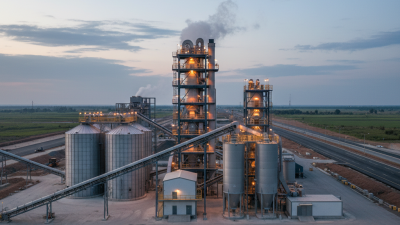
What is Asphalt Batching Plant and How Does It Work?
Asphalt Batching Plants play a crucial role in the construction industry. These plants mix asphalt and aggregate materials to create the road surface. According to Dr. William Hart, a leading expert in asphalt technology, "The efficiency of an Asphalt Batching Plant can significantly impact project timelines." His insights highlight the plant's importance.
The process begins with heating and drying aggregates. Then, these materials are mixed with heated asphalt in precise ratios. Ensuring quality in this process is vital. Each batch must meet stringent standards. Improper mixing can lead to issues in pavement longevity.
The technology behind Asphalt Batching Plants has evolved. Automated systems now enhance precision. However, not all plants are the same. Differences in equipment and technology can affect performance. This variability often sparks debates among industry professionals. Understanding these nuances is critical for successful operations and project completion.

What is an Asphalt Batching Plant?
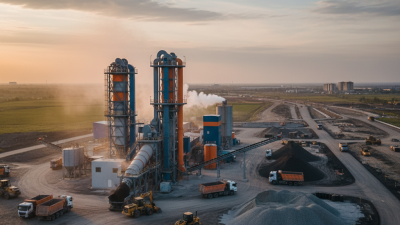
An asphalt batching plant is a facility where different materials are mixed to create asphalt. This plant is crucial for road construction and maintenance. It combines aggregates, sand, and bitumen in precise ratios. The mixing process is essential for producing high-quality asphalt. Consistency is key to ensuring durability and performance.
The operation starts with the feeding of raw materials into designated bins. Each material is weighed accurately before being mixed. This accuracy affects the final product's quality. Once mixed, the asphalt is transported to the site. It's a complex process requiring skilled operators to control the machinery.
Challenges arise in maintaining the right temperatures during mixing and transport. Too high or too low can degrade the asphalt's properties. Regular quality checks are necessary to ensure compliance with industry standards. Operators must reflect on methods that enhance efficiency and reduce waste. Improving these aspects leads to better outcomes in projects.
Key Components of an Asphalt Batching Plant
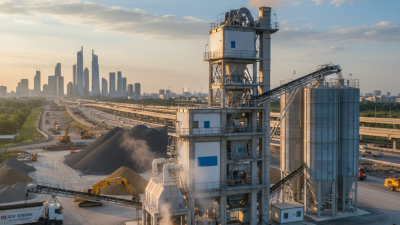
An asphalt batching plant is essential for producing asphalt mix for road construction. The key components of this facility work together to ensure high-quality asphalt. One major element is the cold aggregate supply system. This system feeds different sized aggregates into the drying drum. Proper aggregate sizing is crucial; incorrect sizes can lead to poor asphalt quality.
The drying drum is another vital part. It heats the aggregates, evaporating moisture. This step is critical, as any moisture can weaken the final product. A well-maintained drying drum improves efficiency but can wear out over time. Regular inspections can help mitigate issues like uneven heating.
The mixing tower, where the asphalt is blended with aggregates and filler, is equally important. It ensures everything combines uniformly. Consistency in the mixing process is key; variations can cause weak spots in the asphalt.
Tip: Always monitor the temperature closely. Fluctuations can affect the quality of your asphalt mixture.
The control system directs the entire operation. It adjusts parameters based on real-time data to optimize performance. A user-friendly interface helps operators respond quickly to any issues.
Tip: Training operators on control systems can improve the plant's efficiency. Proper training can reduce mistakes and enhance safety.
The Asphalt Production Process Explained
Asphalt production is a crucial process in the construction industry. It involves a series of steps that transform raw materials into a usable paving material. An asphalt batching plant plays a key role in this process. These plants mix aggregates, liquid asphalt, and additives in precise proportions. Accurate weighing is essential for quality control. Industry reports show that well-managed batching plants can deliver asphalt mixtures with a consistent quality.
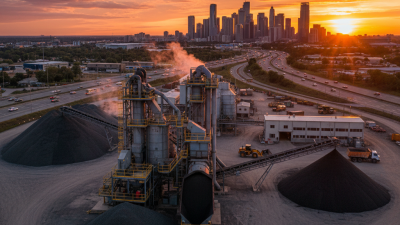
The production begins with the heating of aggregates, which is vital. Typically, aggregates must reach temperatures between 300°F and 350°F. This heating process allows effective mixing with asphalt binder. However, maintaining consistent temperatures can be challenging. Inconsistent heat can lead to uneven mixtures, affecting the final product’s durability. Additional concerns include environmental regulations. Operators must manage emissions from plants to minimize their environmental impact.
Once mixed, the asphalt is transported to the job site. Timing is critical here. The material must be used quickly to maintain its workability. Data indicates that asphalt must be laid within a certain window to prevent premature cooling. Yet, logistical issues can create delays. Understanding these dynamics is essential for efficient operation. Addressing these challenges can lead to improved performance and sustainability in asphalt production.
How to Operate an Asphalt Batching Plant
Operating an asphalt batching plant requires a careful understanding of the equipment and processes involved. The plant typically combines aggregates, bitumen, and filler to create hot mix asphalt. Each component plays a crucial role in the final product's quality. Operators must pay attention to the ratios and moisture content during mixing to ensure optimal results.
Daily operations demand consistent monitoring. The temperature of the asphalt mix is critical. It should be kept within specific limits for effective application. Operators often check the calibration of scales and measuring devices. Regular maintenance of the machinery is essential. It helps prevent breakdowns that could interrupt production. Mistakes can happen, like incorrect ingredient proportions or equipment malfunction. These glitches can lead to delays and increased costs.
Proper training is vital for operators. Understanding the intricacies of the plant allows for quick troubleshooting. Experimenting with different mix designs can yield better quality results. Learning from past errors can significantly enhance the operation process. Sharing experiences among team members fosters a culture of improvement and reliability. It ensures that operators are prepared to face challenges head-on.
Advantages of Using an Asphalt Batching Plant
An asphalt batching plant is essential in road construction. It ensures that asphalt is mixed efficiently and uniformly. Utilizing this technology has many advantages that contribute to the overall quality and sustainability of projects.
One significant benefit is quality control. According to a report from the National Asphalt Pavement Association, properly managed plants can improve the consistency of asphalt mixtures. A well-run plant can produce up to 70 tons of asphalt per hour. This high output meets the demands of large projects while minimizing waste. Advanced technologies employed in these plants help in optimizing materials and reducing emissions, promoting a more sustainable construction process.
Moreover, the speed of production is crucial. With real-time monitoring, operators can quickly adjust formulas to respond to changing conditions. This adaptability can save time and costs on projects. However, it does require skilled personnel to manage these systems. Training and expertise are vital to maintaining efficiency and quality. Mismanagement can lead to inconsistencies in asphalt quality, harming long-term infrastructure integrity. Attention to detail is essential, as even minor deviations can significantly impact performance.

 Concrete Mixing Plant
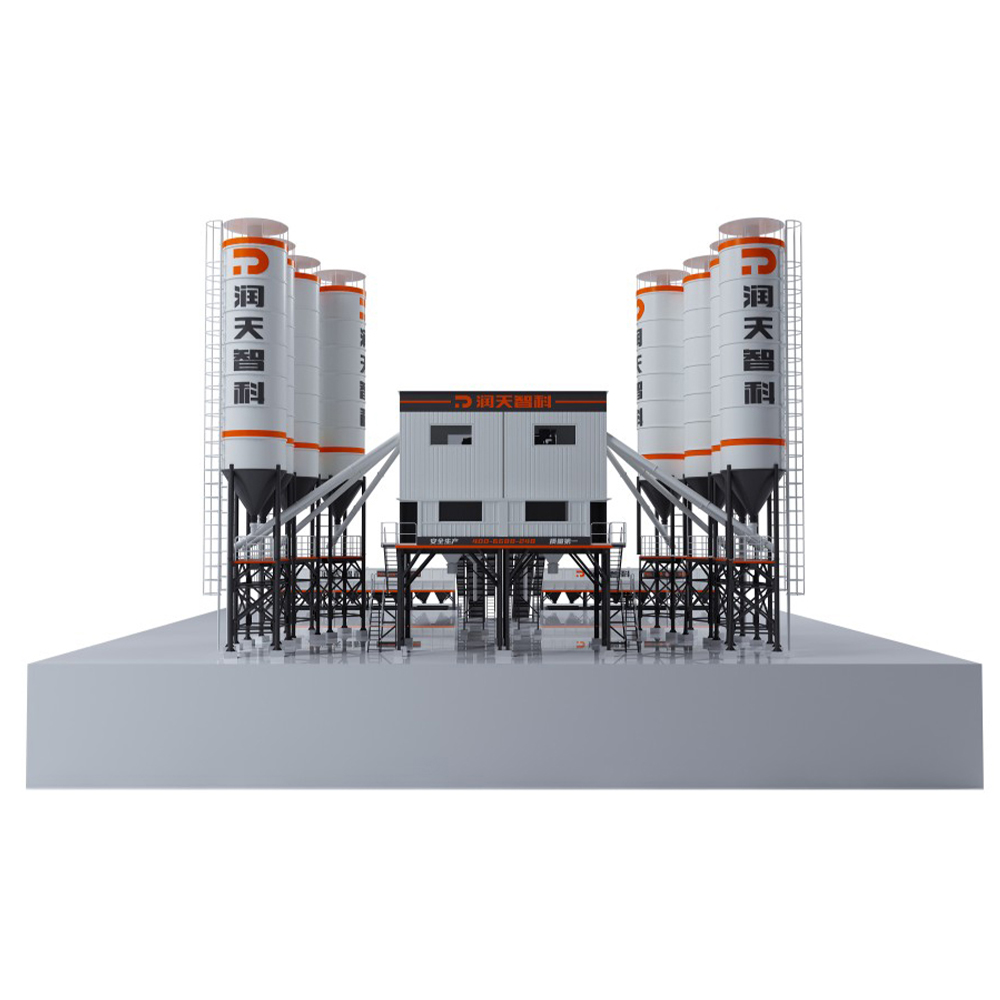 HZS Series Belt Concrete Mixing Plant
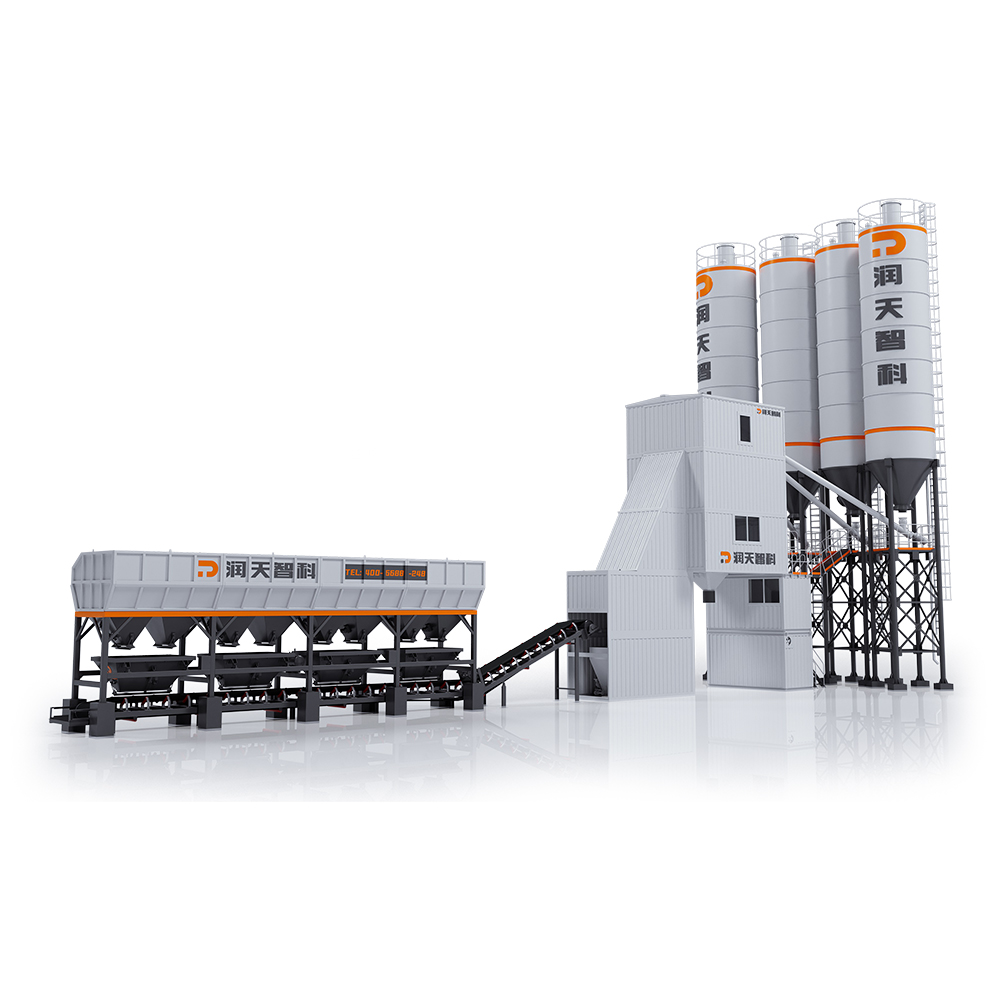 HZS Series Bucket-Lifting Type Container Concrete Mixing Plant
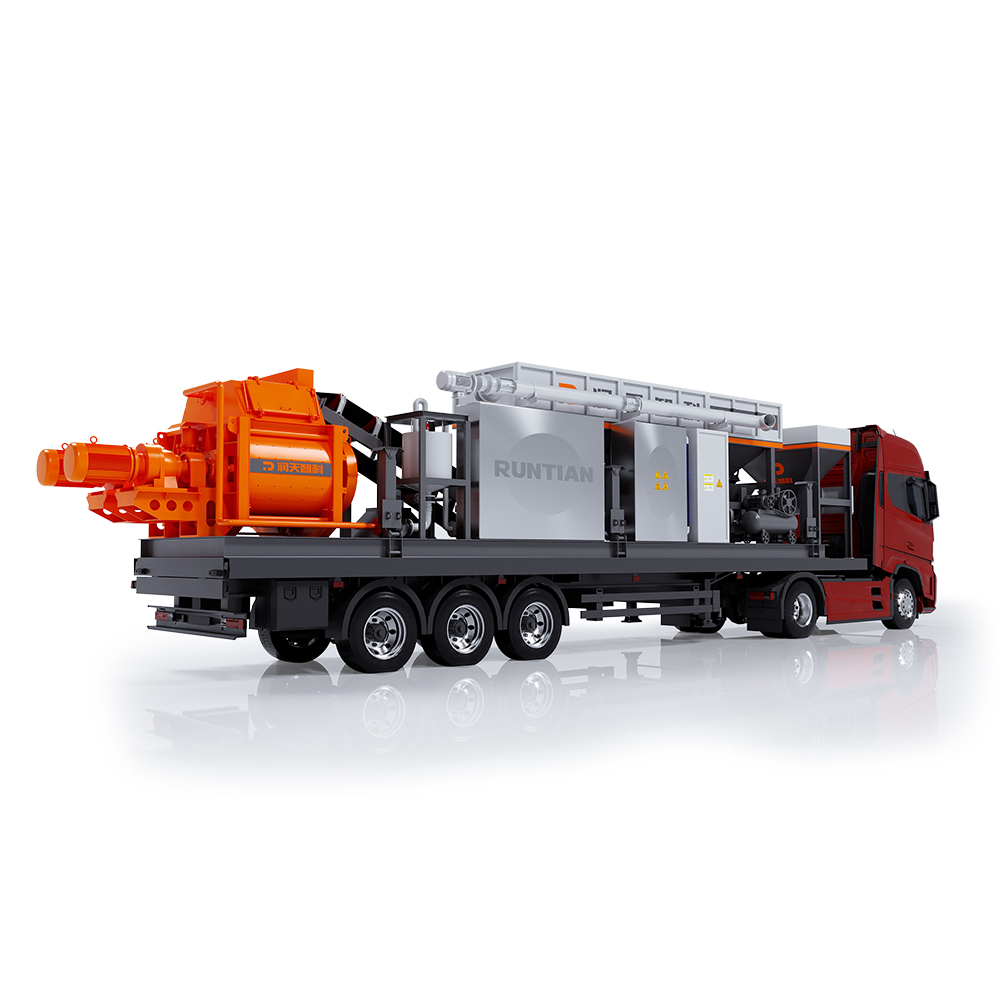 HZS60 Mobile Concrete Mixing Plant
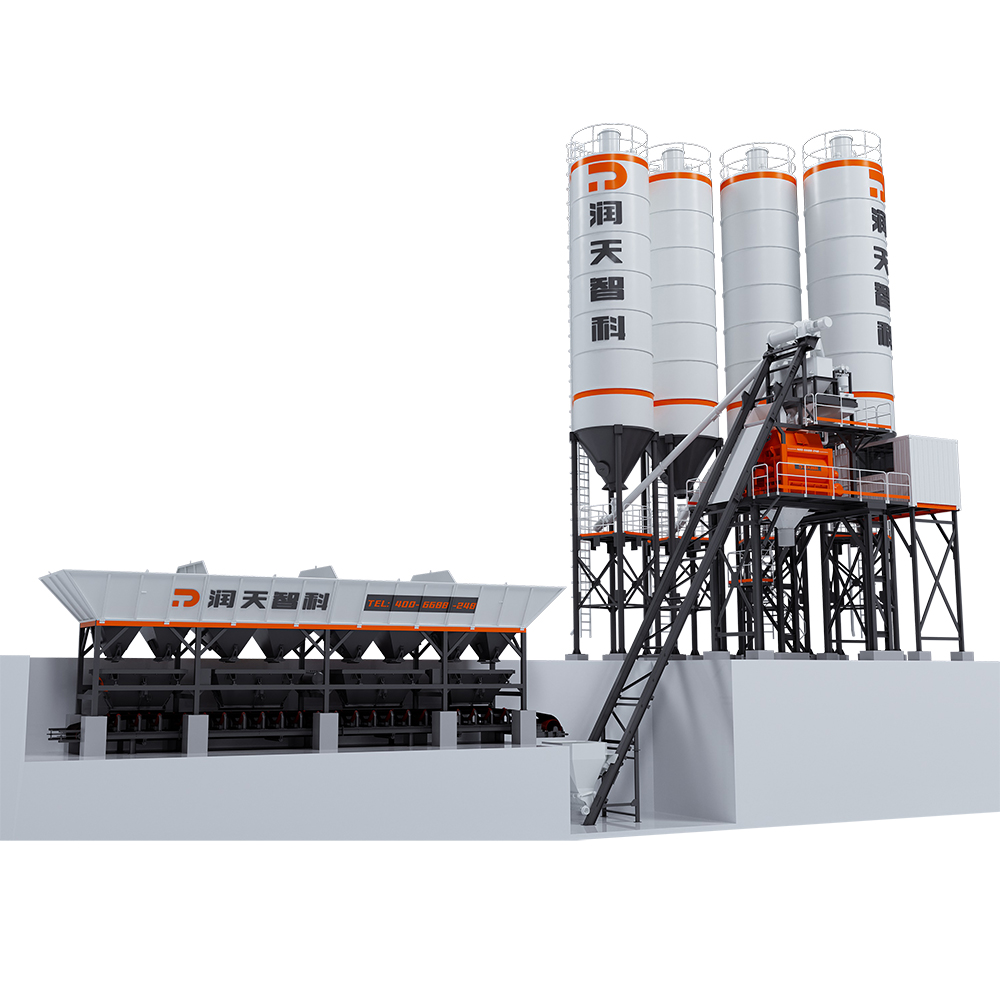 HZS Series Bucket-Lifting Type Concrete Mixing Plant
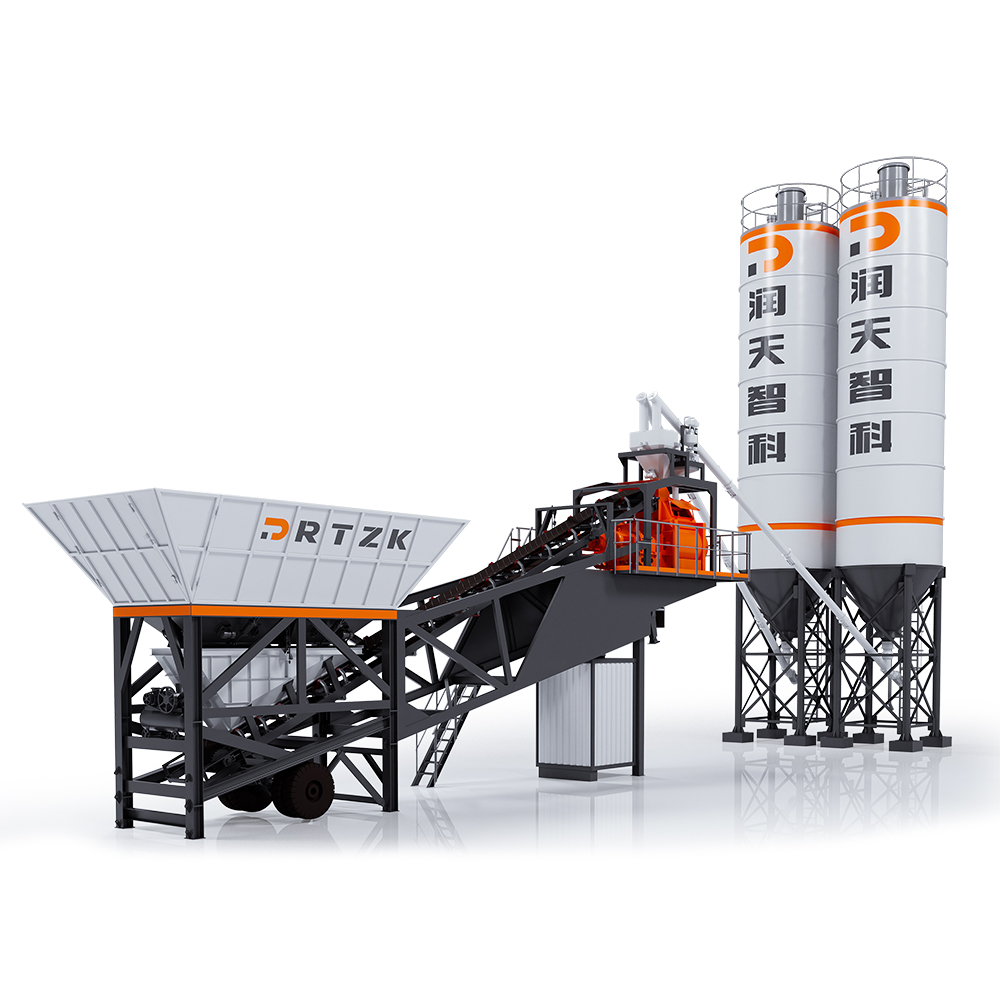 HZS Series Mobile Concrete Mixing Plant
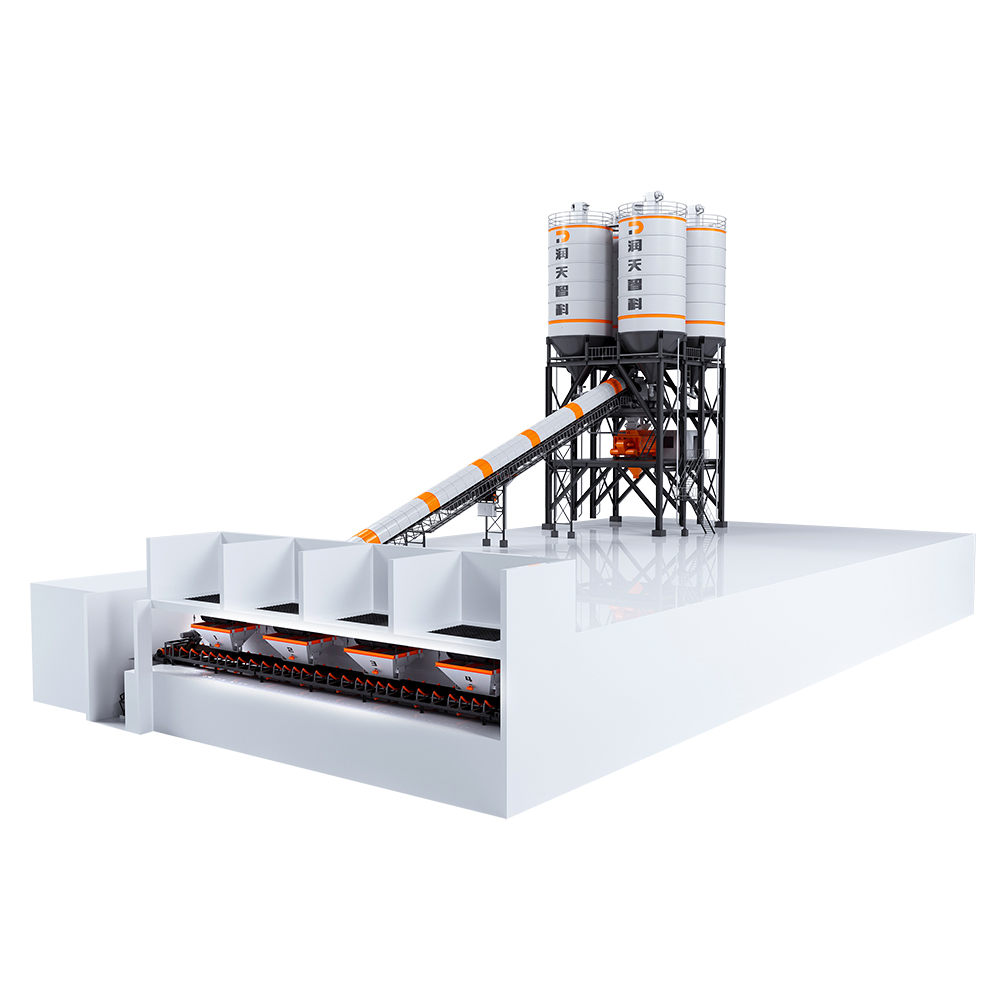 HZS Series Top-Mounted Concrete Mixing plant
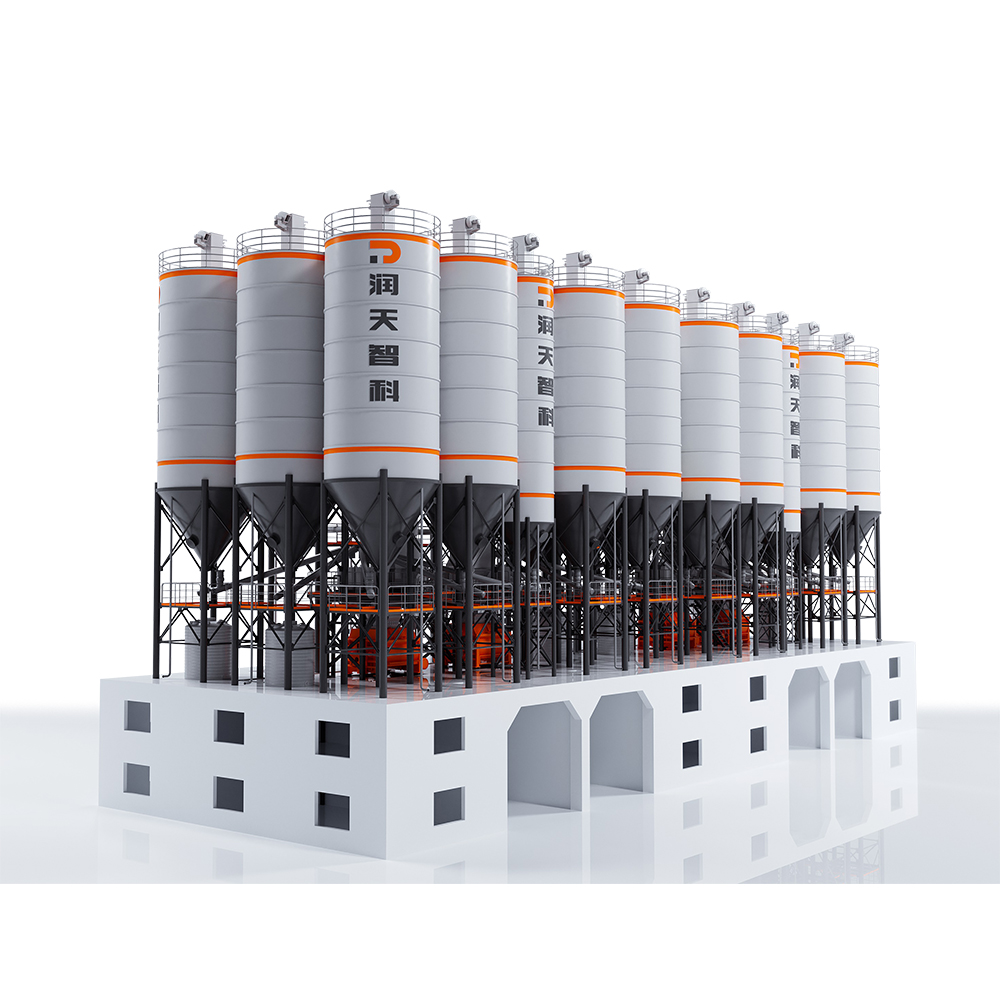 HZS Series Semi-Top Mounted Concrete Mixing Plant
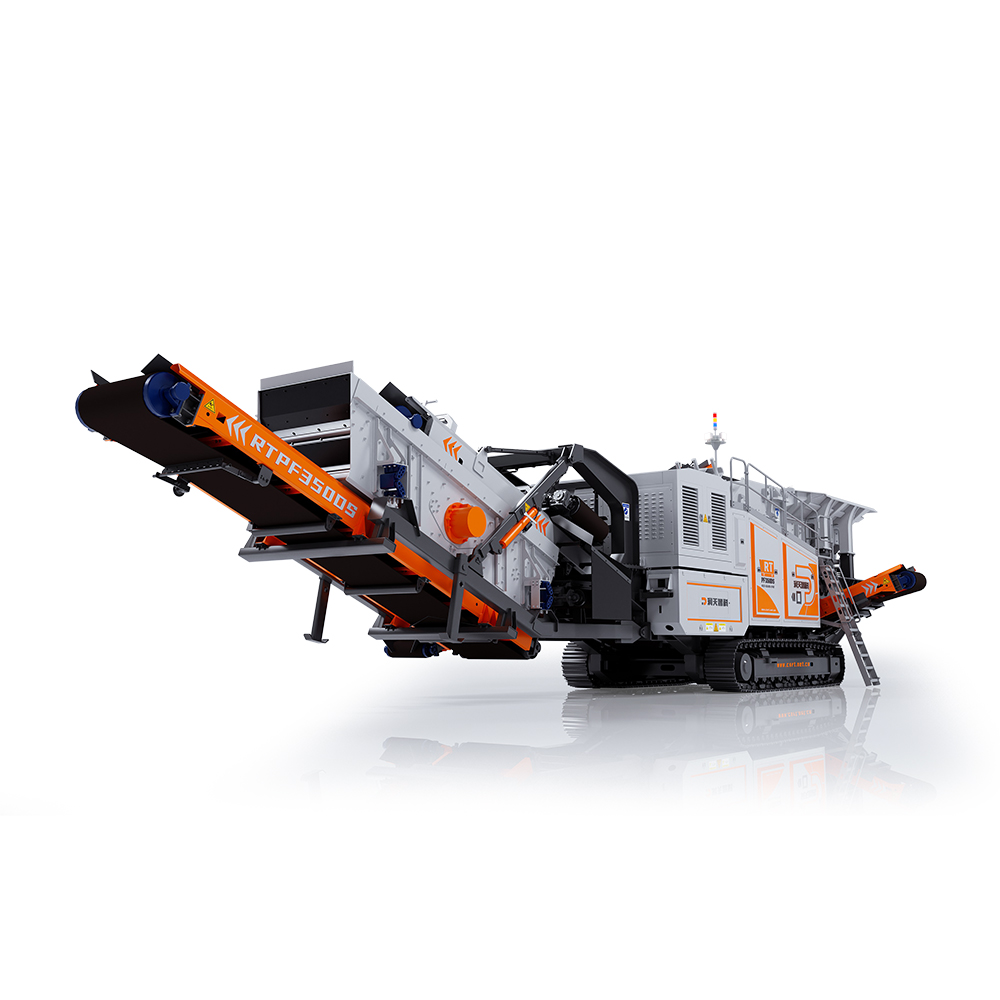 RTPF350DS Crawler Mobile Impact Crushing Plant
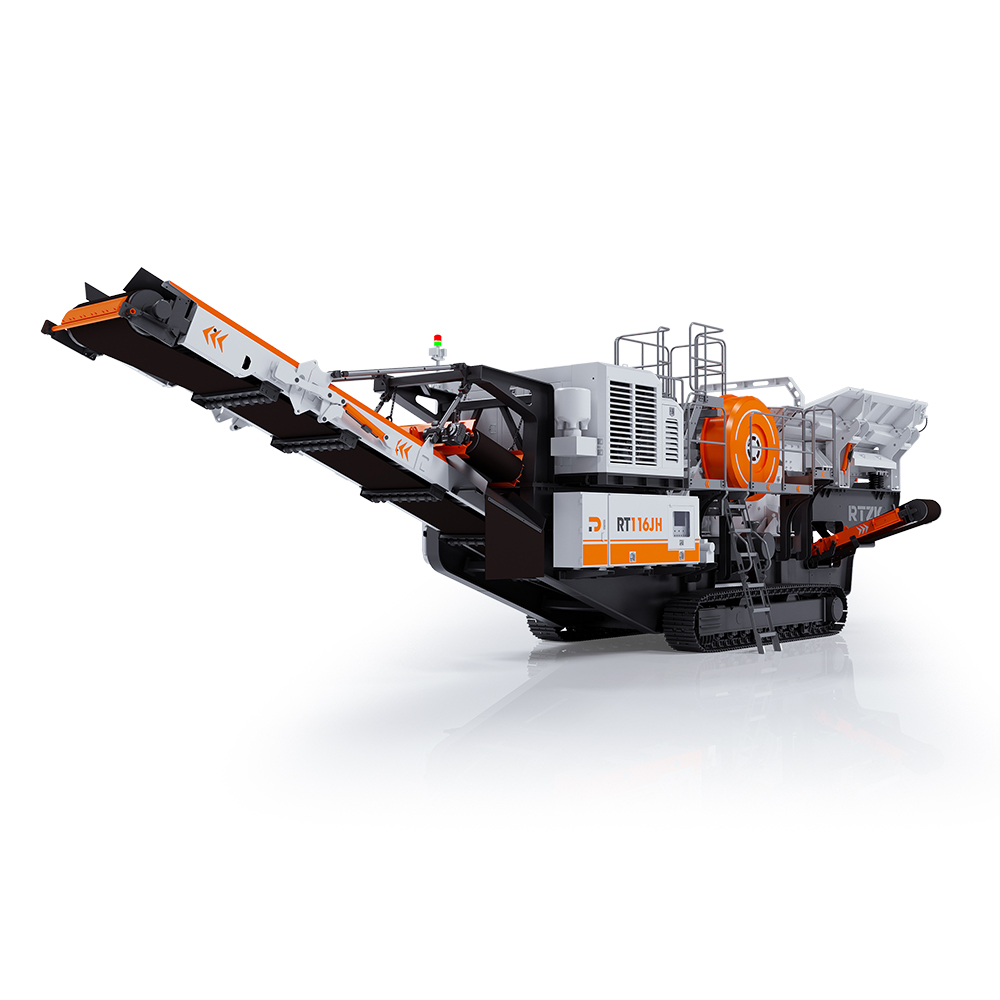 RT116JH Crawler Mobile Jaw Crushing Plant
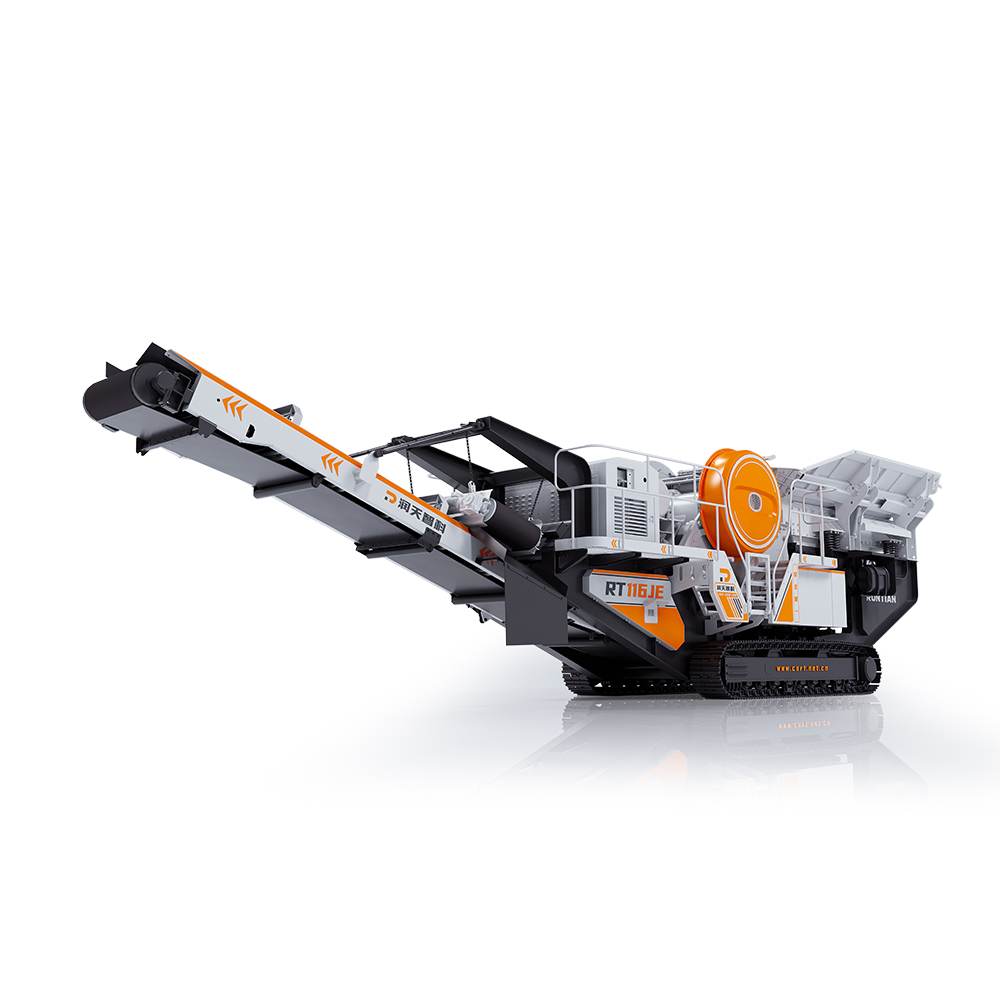 RT116JE Crawler Mobile Jaw Crushing Plant
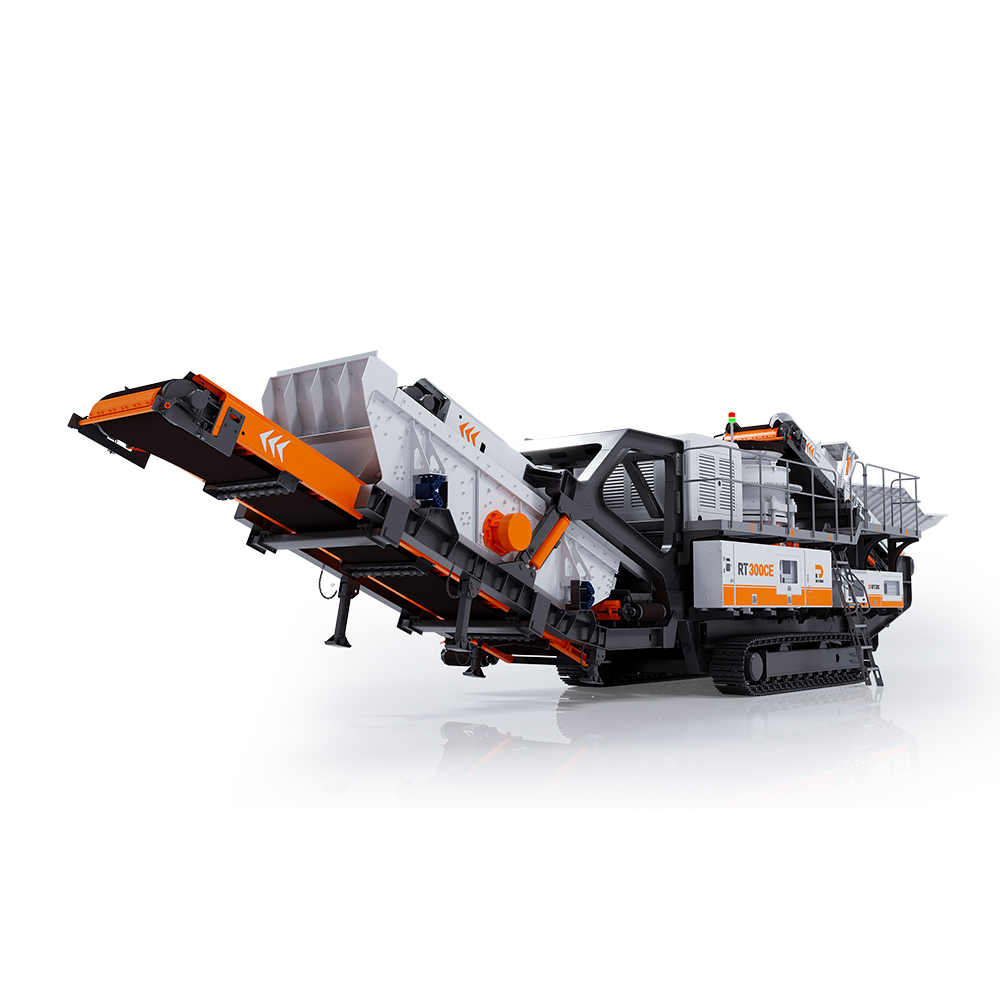 RT300CE Crawler Mobile Cone Crushing Plant
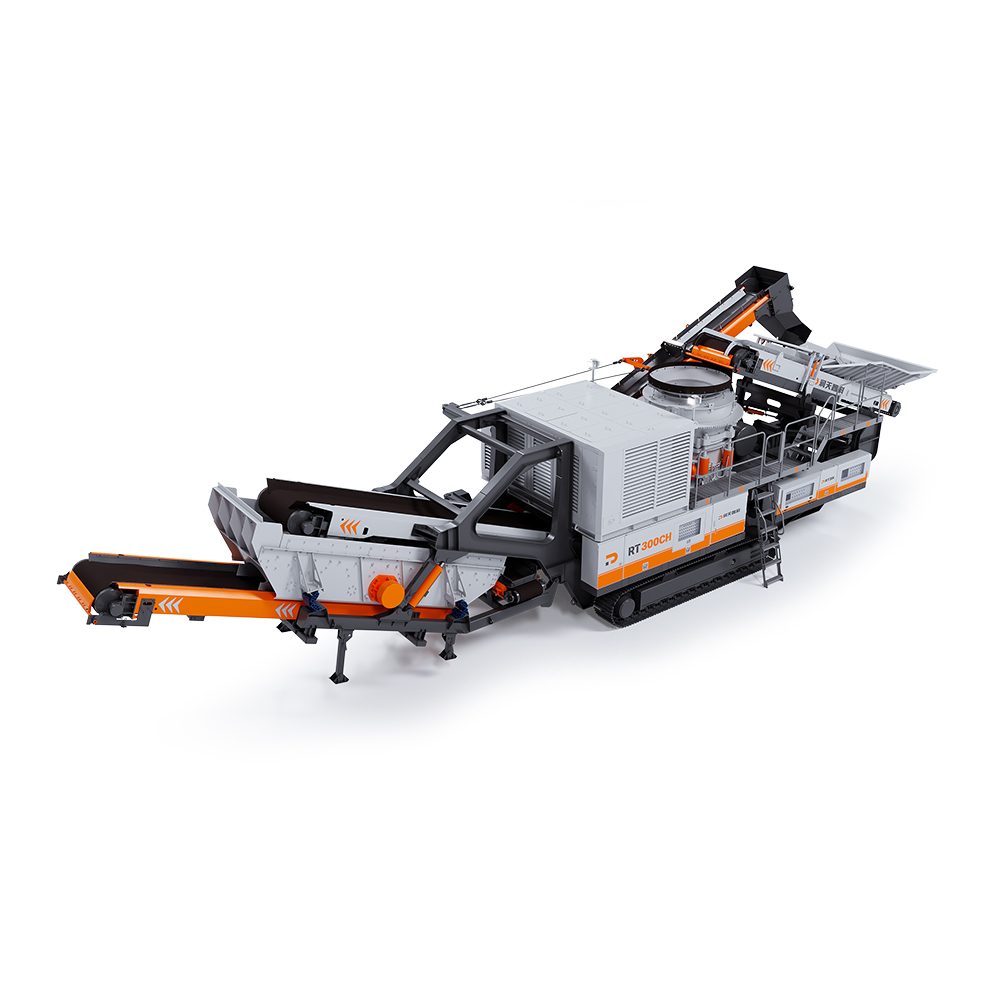 RT300CH Crawler Mobile Cone Crushing Plant
 RT5015H Mobile Scalping Screen
 RT315VSIE Crawler Mobile Sand Maker
 RT3YK6020 Crawler Mobile Screening Plant
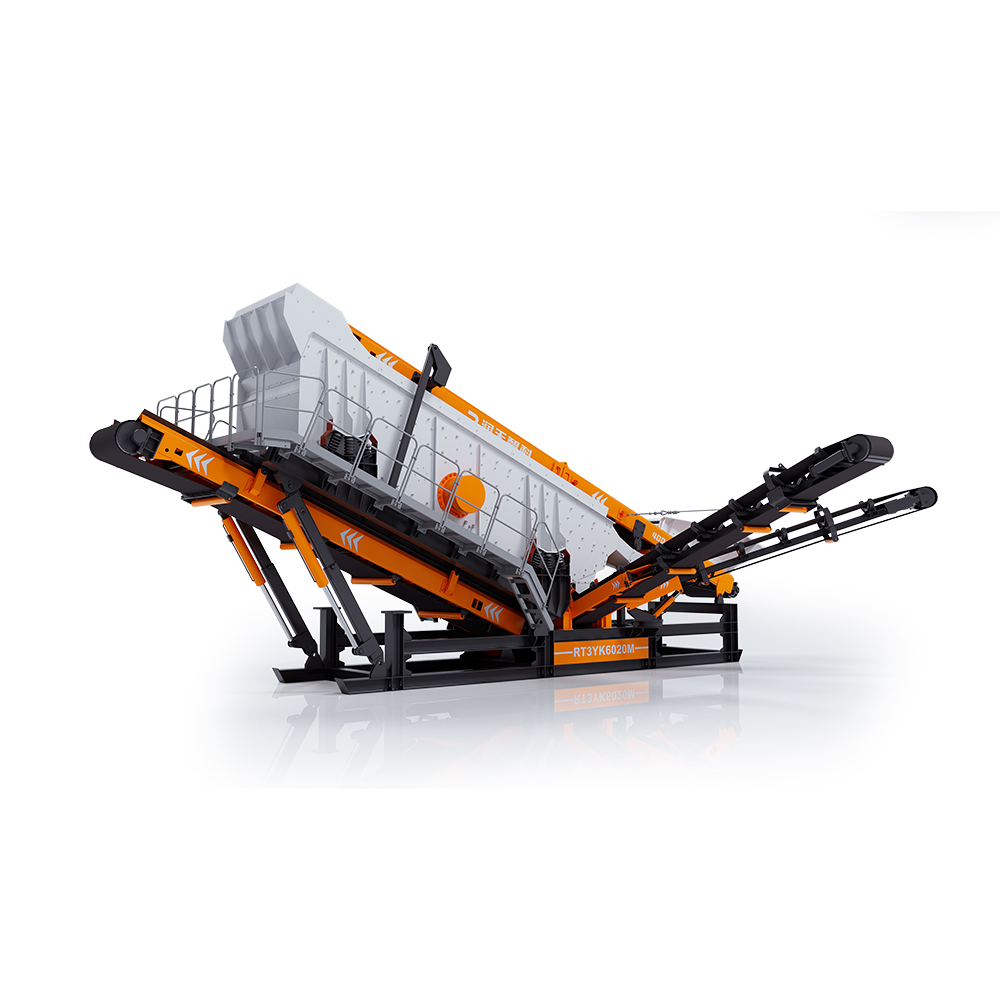 RT3YK6020M Modular Screening Plant
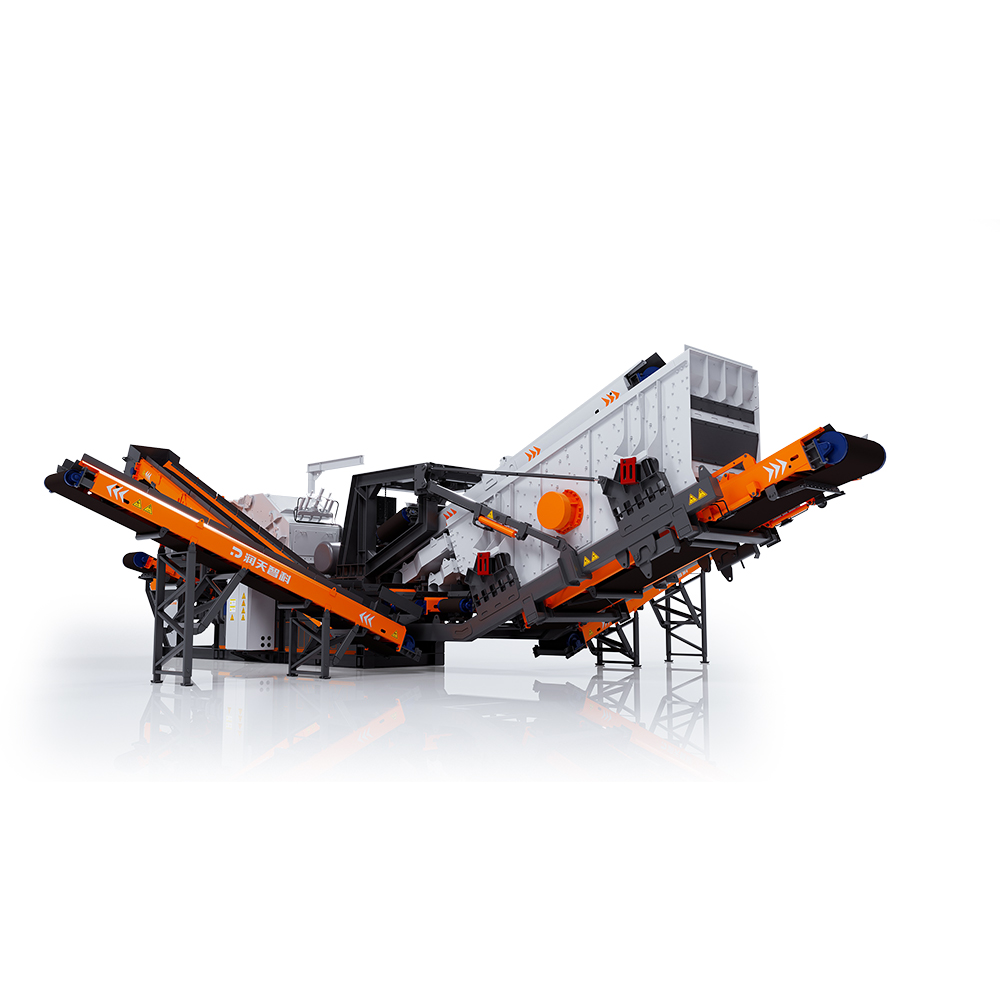 RTF260M Modular Counterattack Crushing and Screening Integrated Machine
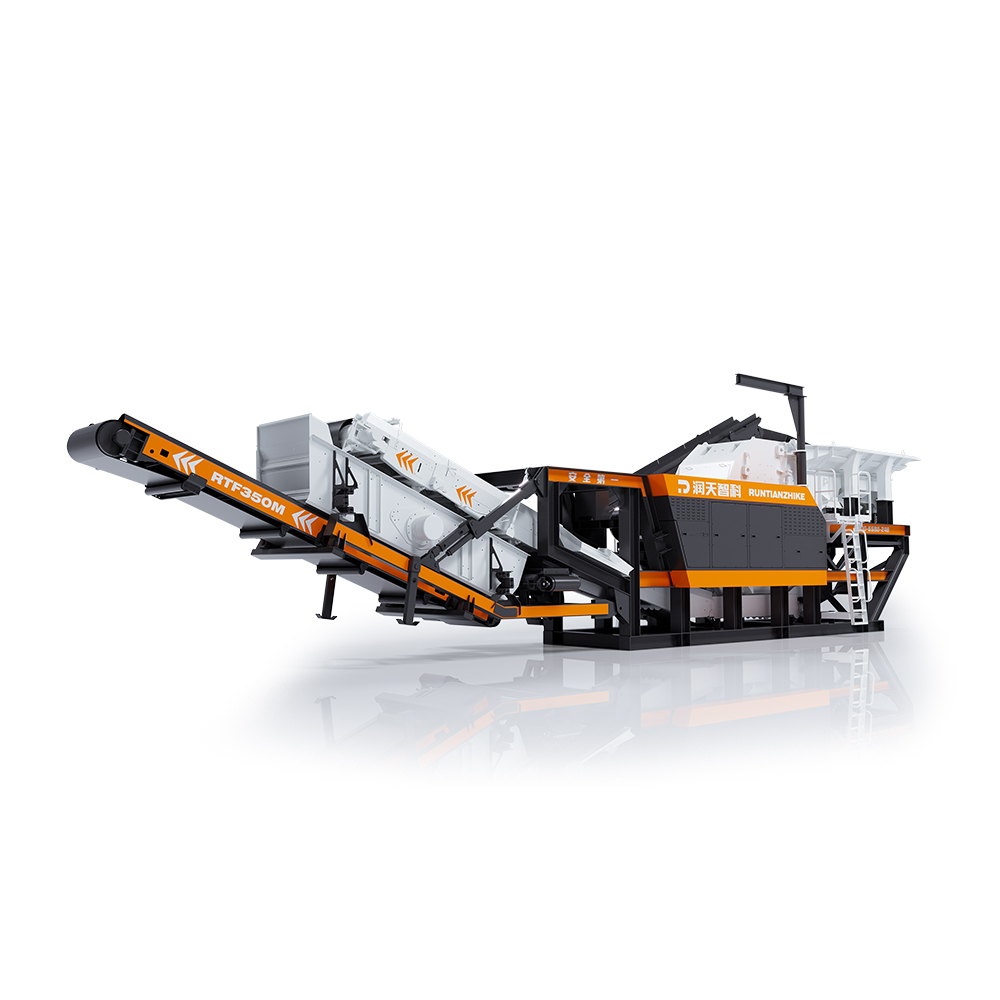 RTF350M Modular Impact Crushing Plant
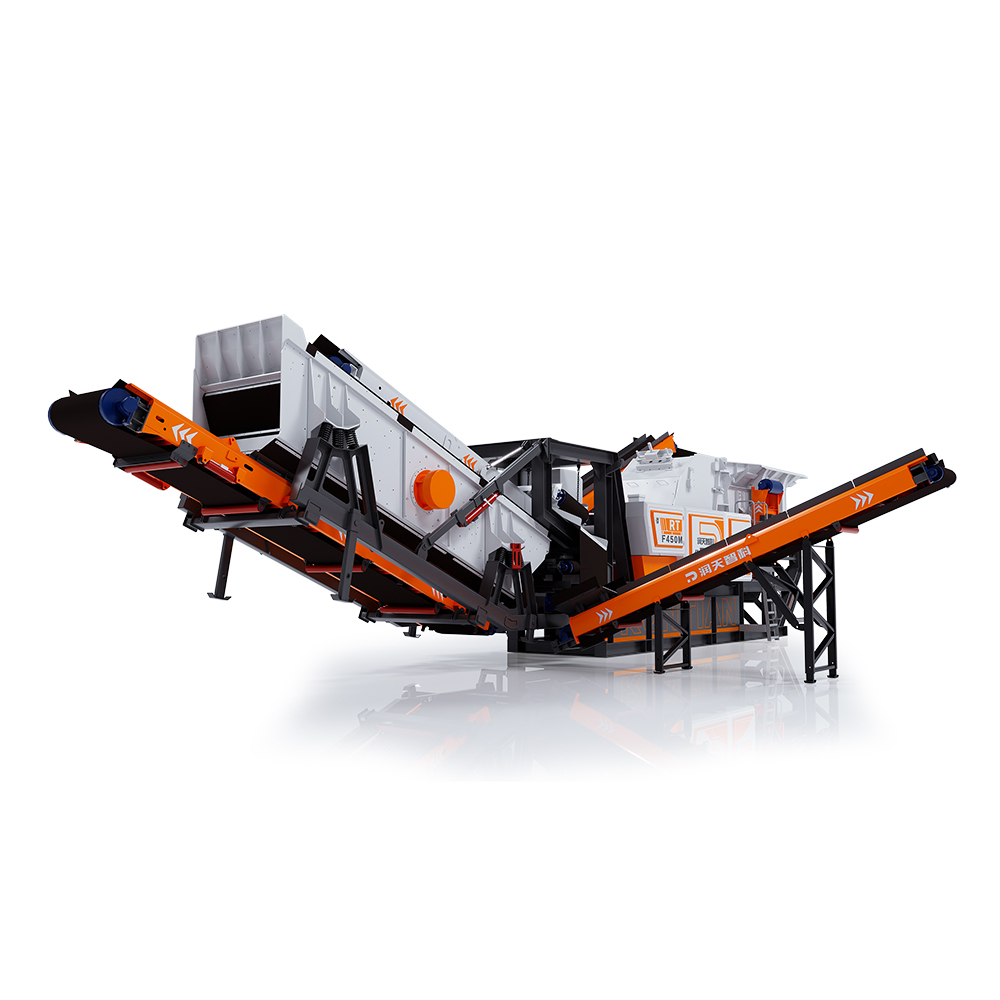 RTF450M Modular Impact Crushing Plant
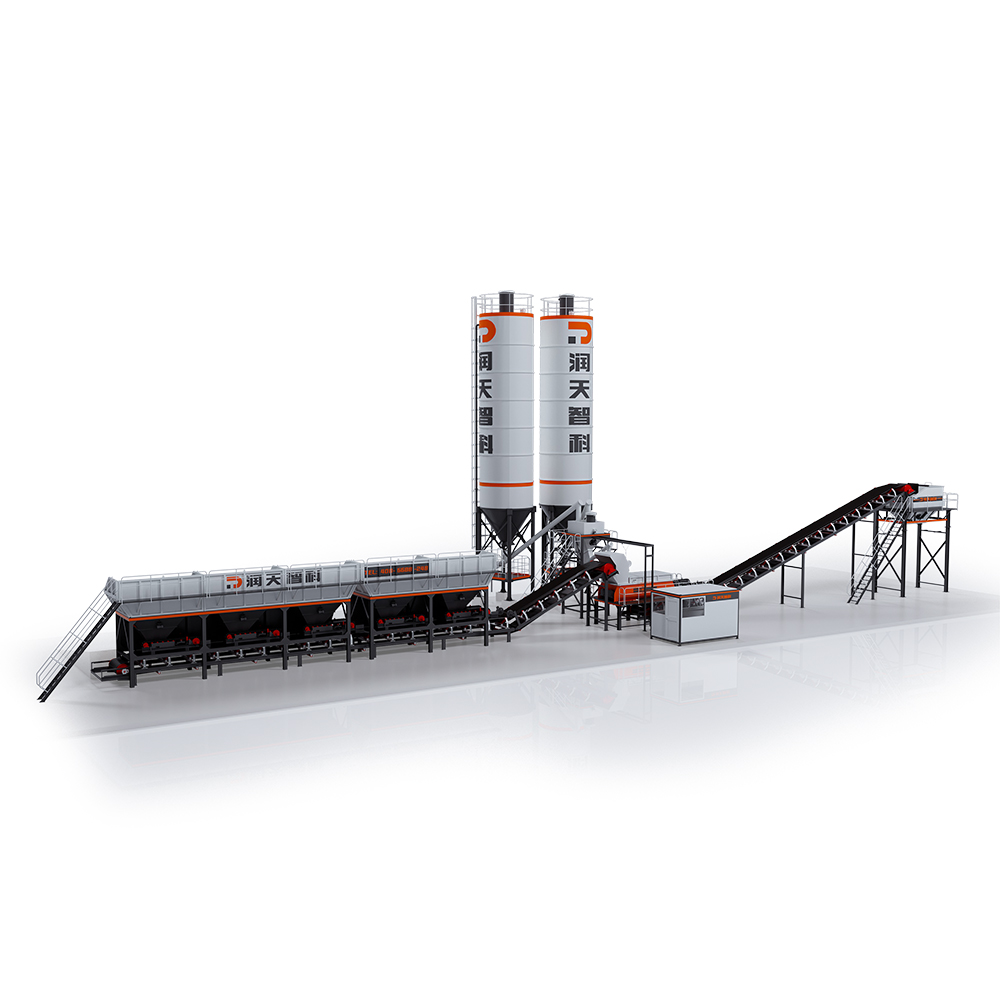 WDB Series Foundation-Free Stability Soil Mixing Plant
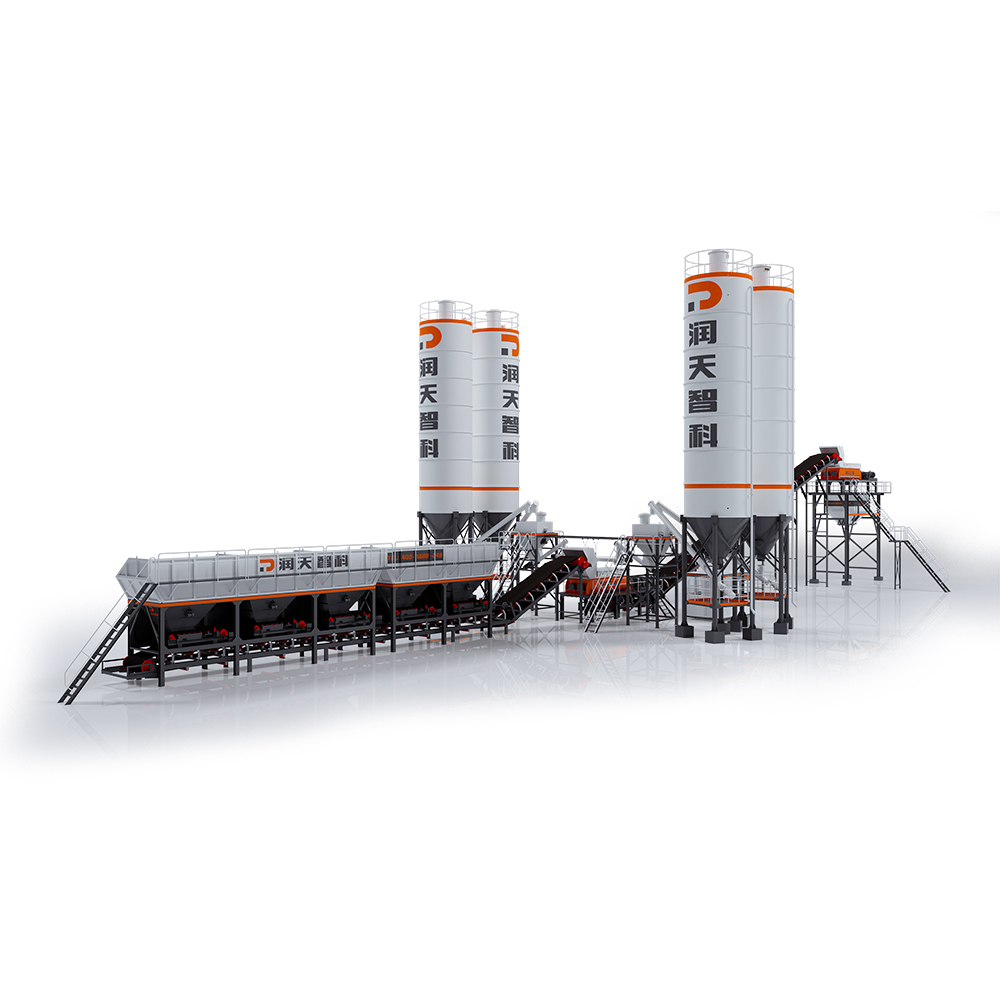 LCB Series Emulsified Asphalt Cold Regeneration Secondary Mixing Plant
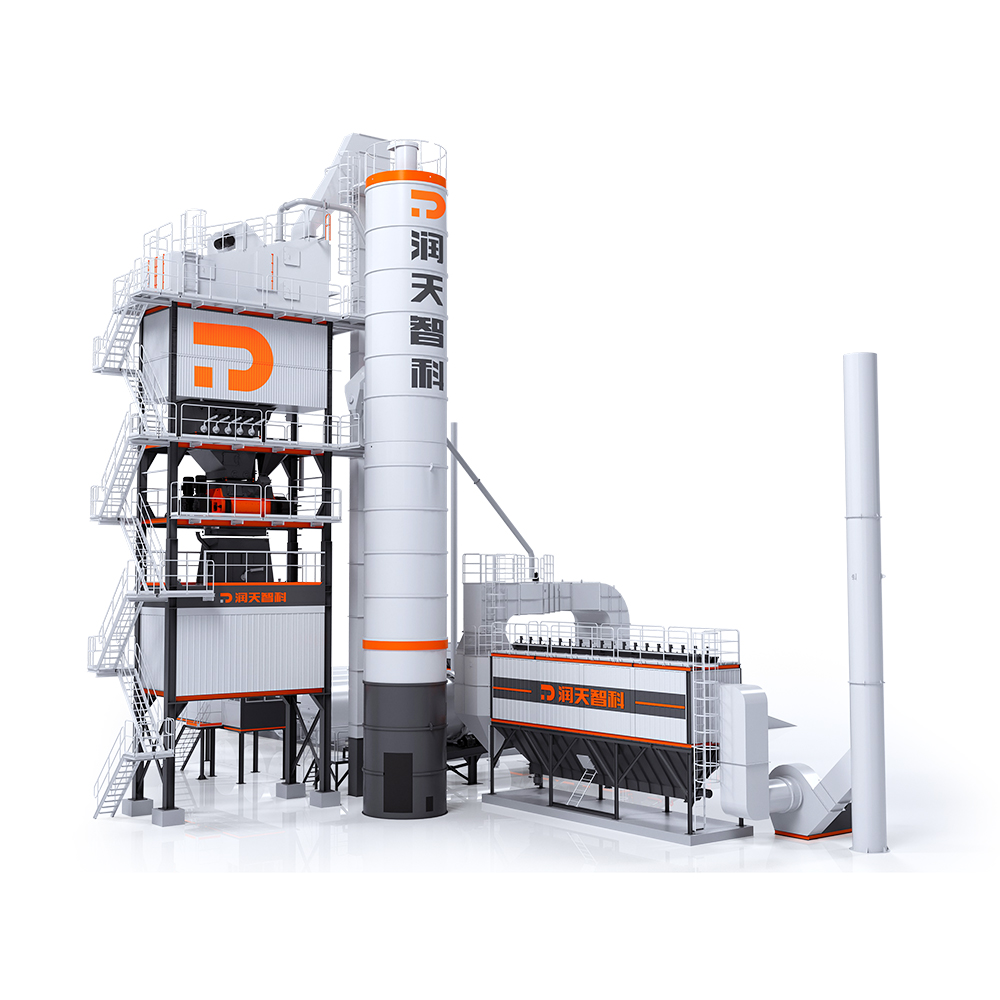 LB Series Asphalt Mixing Plant
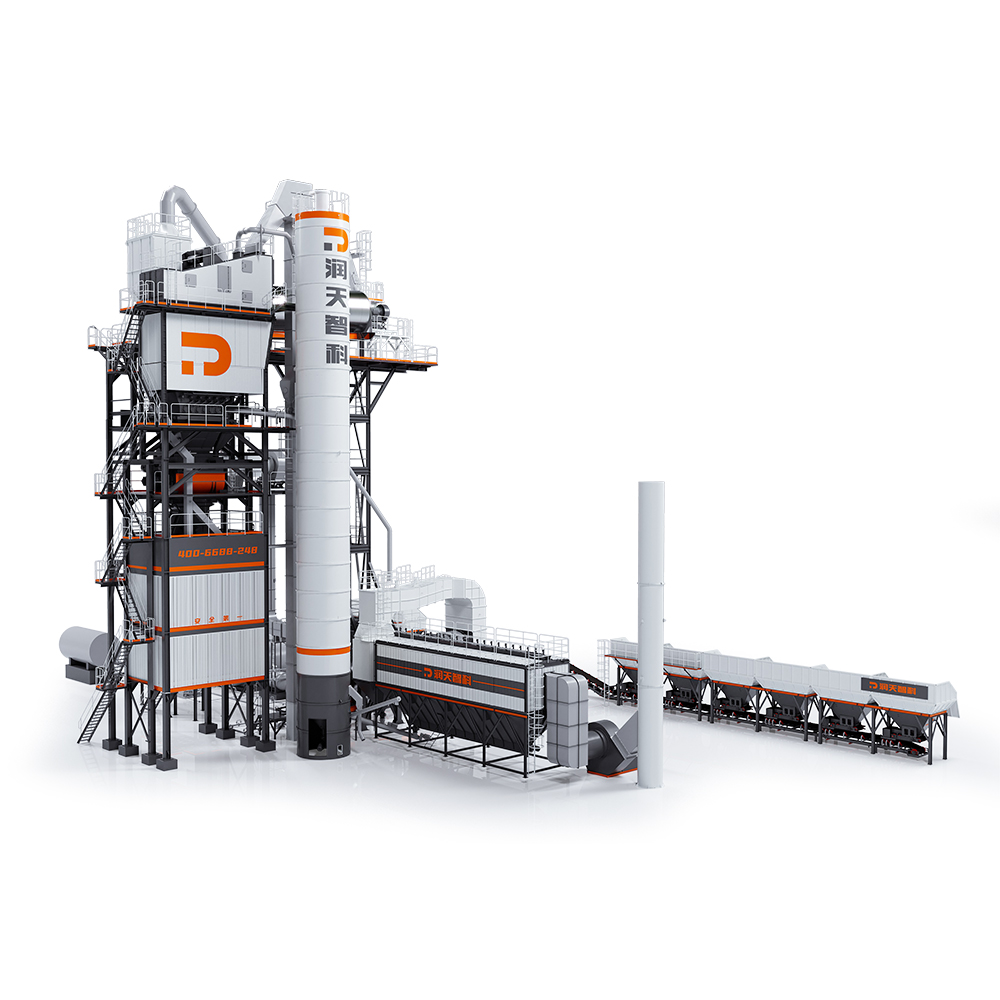 LBR Series Integrated Asphalt Mixing Plant
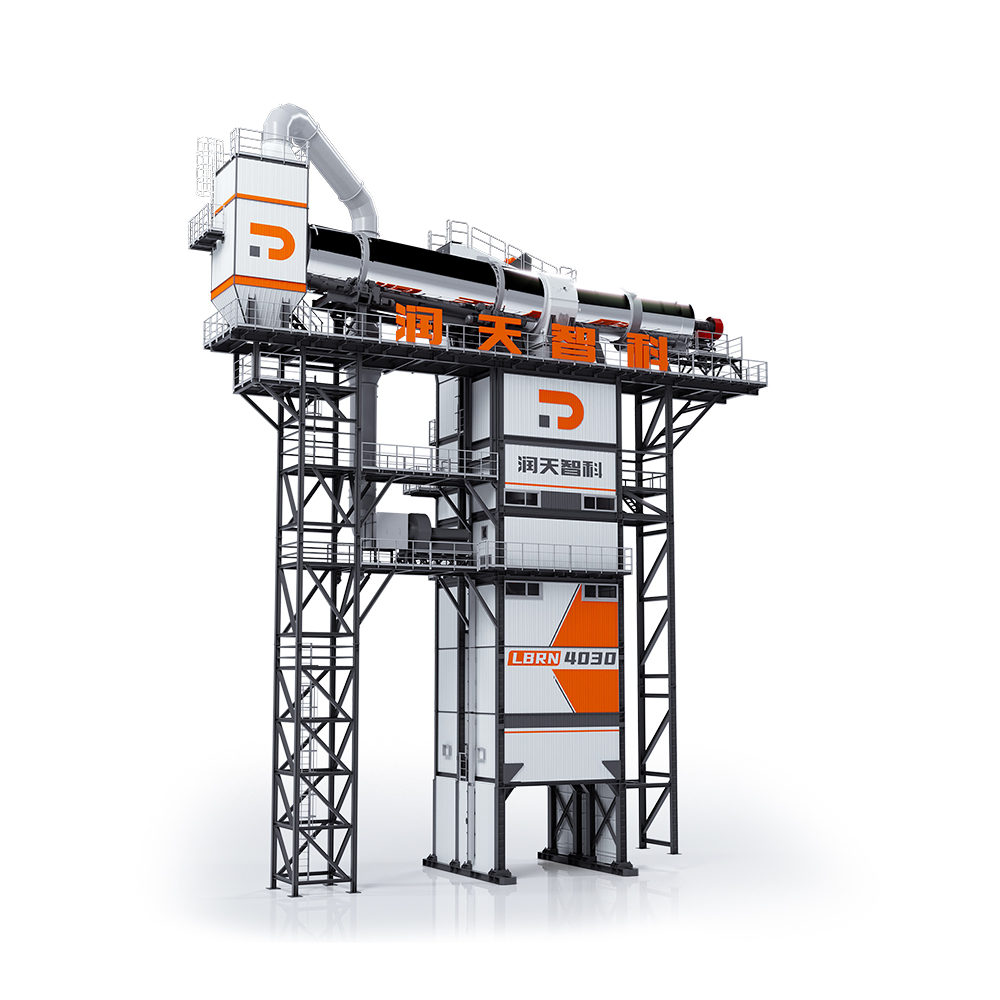 LBRN Series Counterflow Integral Asphalt Mixing Plant
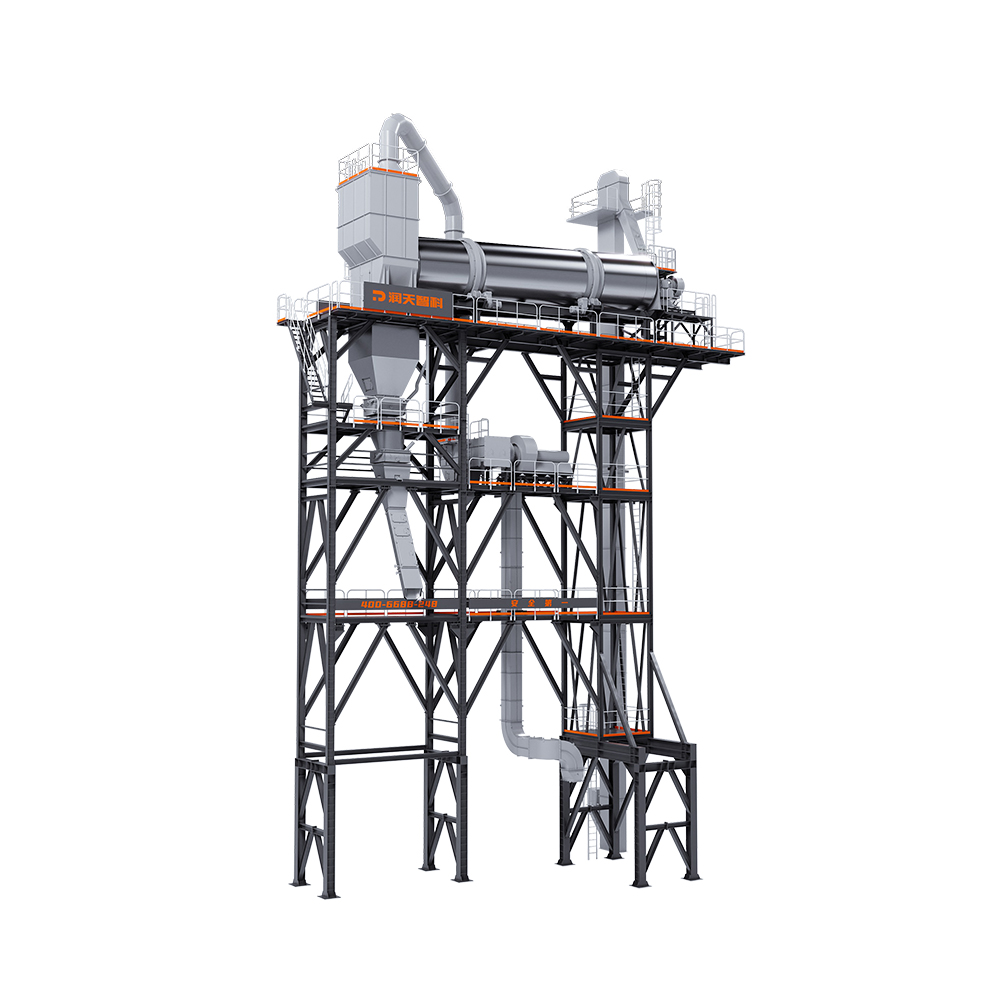 RZS Series Asphalt Mixing Plant
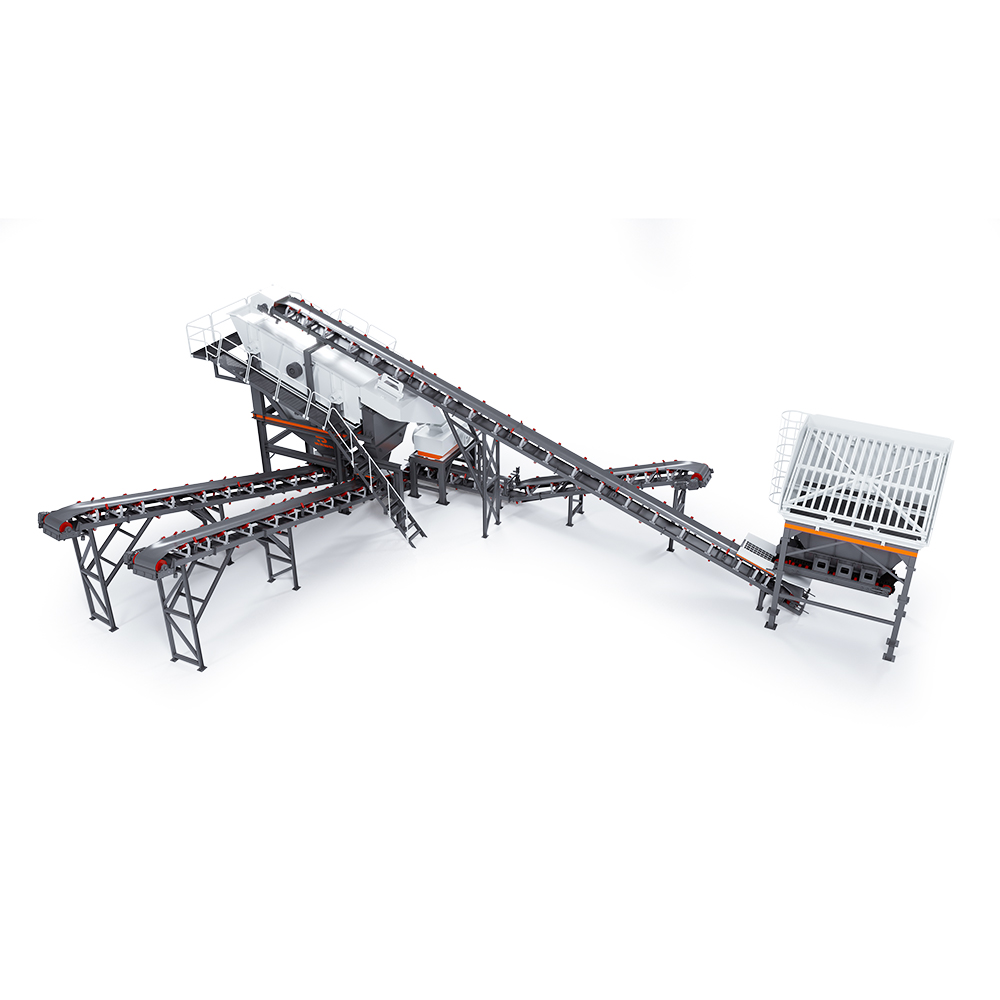 RTZS120 Series RAP Crushing & Screening Plant
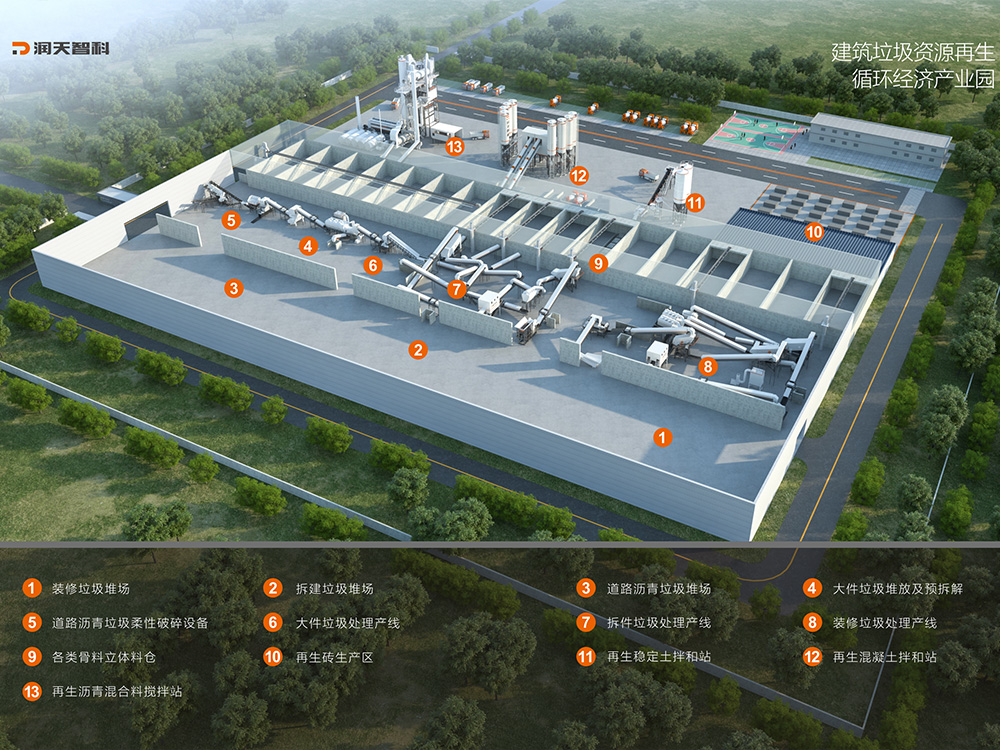 Construction Waste Resourceful Treatment Line