How to Choose the Right Asphalt Batching Plant for Your Needs?
Choosing the right Asphalt Batching Plant can be a daunting task. With many options available, understanding your needs is essential. Expert Mark Thompson, a renowned figure in the asphalt industry, once stated, "Selecting the right batching plant is as vital as the quality of the asphalt produced." This statement highlights the significance of making an informed decision.
When considering an Asphalt Batching Plant, various factors come into play. The size of your projects, the type of asphalt desired, and your budget are just a few. A plant that works for one may not suit another. For instance, a small-scale contractor may require a compact model, while larger companies may need high-capacity machines. Each choice impacts the efficiency and quality of output.
It's easy to feel overwhelmed by the specifications and features. Reflecting on past experiences can guide your decision-making. Many buyers overlook crucial details, such as maintenance and support services. Understanding these elements can lead to lasting benefits. Ultimately, investing time in research pays off when selecting the best Asphalt Batching Plant for your projects.
Understanding Your Project Requirements for Asphalt Batching Plants
When selecting an asphalt batching plant, understanding your project requirements is crucial. Each project has unique specifications, including volume, mix types, and site constraints. Analyze these factors carefully to determine your needs.
For instance, if your project demands high production rates, a larger plant may be necessary. Smaller projects might benefit from mobile units, which offer flexibility and mobility. Assess your operational environment as well. Is your site accessible for large equipment? Consider potential logistical challenges that could arise during operation.
Tips: Always consult with professionals who have extensive experience in the field. Their insights can save you from costly mistakes. Don’t overlook the importance of compliance with local regulations. Staying informed about zoning laws and environmental standards will help you choose a plant that meets legal requirements.
Moreover, think about the longevity and maintenance of the plant. Investing in reliable equipment can yield long-term savings. Reflect on whether lower costs today might lead to higher repairs in the future. The right asphalt batching plant aligns with your project goals and operational capabilities.
Evaluating Different Types of Asphalt Batching Plants Available
When evaluating different types of asphalt batching plants, several critical factors come into play. The market offers various plants, from stationary to mobile models. Each type serves distinct operational needs and site conditions. According to a report by the National Asphalt Pavement Association, stationary plants account for over 60% of the asphalt market due to their production capacity and efficiency. These plants typically deliver a higher output, making them suitable for large projects.
Mobile asphalt batching plants provide versatility and flexibility. They can be relocated to different job sites with ease. This feature appeals to contractors engaged in multiple smaller projects. The same report indicates a rising trend in mobile plant installations, with a growth rate of around 15% annually. However, users should consider the trade-offs. While mobile plants offer convenience, they often produce at lower capacities.
Batching plants can also differ in technology, such as continuous vs. batch mixing systems. Continuous plants are typically faster and more efficient. Yet, they may lack the flexibility of batch plants in terms of producing different mix designs. Each type has its pros and cons, making it essential for buyers to weigh their specific needs against these factors to choose wisely.
Key Features to Consider When Selecting an Asphalt Batching Plant
When selecting an asphalt batching plant, key features play a critical role in making the right choice. Durability is essential. Look for materials that withstand tough conditions. Consider the production capacity to meet project demands. A plant with a higher capacity ensures timely project completion, but also has higher operating costs. Balance is important.
Next, assess the technology used in the plant. Advanced control systems can enhance efficiency and accuracy. Some plants may have outdated systems that require manual adjustments. This can lead to inconsistencies in asphalt quality. Check for user-friendly interfaces as well. Operators should feel comfortable managing the plant for optimal results.
Transportability is also a factor. If projects vary widely in location, a portable plant may be best. However, these can sometimes sacrifice output capacity. Reflect on your specific needs. Are you prioritizing flexibility or high volume? Each choice has advantages and drawbacks, so weigh them carefully. The right plant should align with your operational goals.
How to Choose the Right Asphalt Batching Plant for Your Needs?
| Feature |
Description |
Importance Level |
| Production Capacity |
The maximum amount of asphalt the plant can produce within a certain time period. |
High |
| Type of Plant |
Batch vs. Continuous; determine which type suits your production needs. |
Medium |
| Energy Efficiency |
The energy used in the production, influencing both cost and environmental footprint. |
High |
| Automation Level |
The extent to which the plant is automated, affecting ease of operation. |
Medium |
| Quality Control Features |
Systems in place to ensure the quality of asphalt produced meets standards. |
High |
| Ease of Maintenance |
How easy it is to perform routine maintenance and repairs. |
Medium |
| Cost of Operation |
Estimated costs related to running the plant, including labor and materials. |
High |
| Site Requirements |
Space and infrastructure needs for installation and operation. |
Medium |
Budgeting and Cost Considerations for Asphalt Batching Plants
When it comes to asphalt batching plants, budgeting is crucial. The initial purchase price is only one aspect. Operational costs, maintenance, and labor also add to the total expenditure. It's essential to evaluate all these factors before making a decision. A lower upfront cost might lead to higher long-term expenses. Be wary of overly cheap options; they often compromise quality and efficiency.
Consider the capacity you need. Smaller plants generally cost less, but can’t handle large projects. Think about your typical project scale. If you often work on extensive jobs, investing in a larger plant is worth it. But if most tasks are small, a modest setup suffices. Additionally, consider the technology involved. Advanced features can increase the cost but often improve productivity.
Understand your financing options too. Some plants come with flexible payment plans. Others may require full payment upfront. Analyze your cash flow and identify the best approach. Also, remember to factor in the cost of training staff to operate the new machinery. This often gets overlooked in initial budgeting discussions, but it is essential for maximizing the plant’s potential.
Asphalt Batching Plant Cost Comparison
This bar chart compares the costs of four different asphalt batching plants, providing insights into the budget considerations necessary when selecting the right plant for your needs.
Assessing Supplier Reputation and After-Sales Support for Equipment
When selecting an asphalt batching plant, supplier reputation is crucial. A supplier with a strong reputation reflects years of experience and reliable service. According to a 2022 industry report, over 70% of customers prioritize supplier reviews before making a purchase. They often share their experiences online, making it essential to read feedback on platforms focused on construction equipment.
After-sales support is equally important. Ensuring ongoing service can save significant costs in the long run. Research indicates that 65% of equipment failures occur within the first year of use. A supplier that offers prompt technical support can minimize downtime and keep projects on track.
Tips: Always ask potential suppliers about their warranty terms and available support services. Don't hesitate to inquire about the availability of spare parts. A supplier’s commitment to after-sales service speaks volumes about their reliability. Failing to evaluate service options may lead to costly maintenance delays later on. Stay informed and choose wisely.

 Concrete Mixing Plant
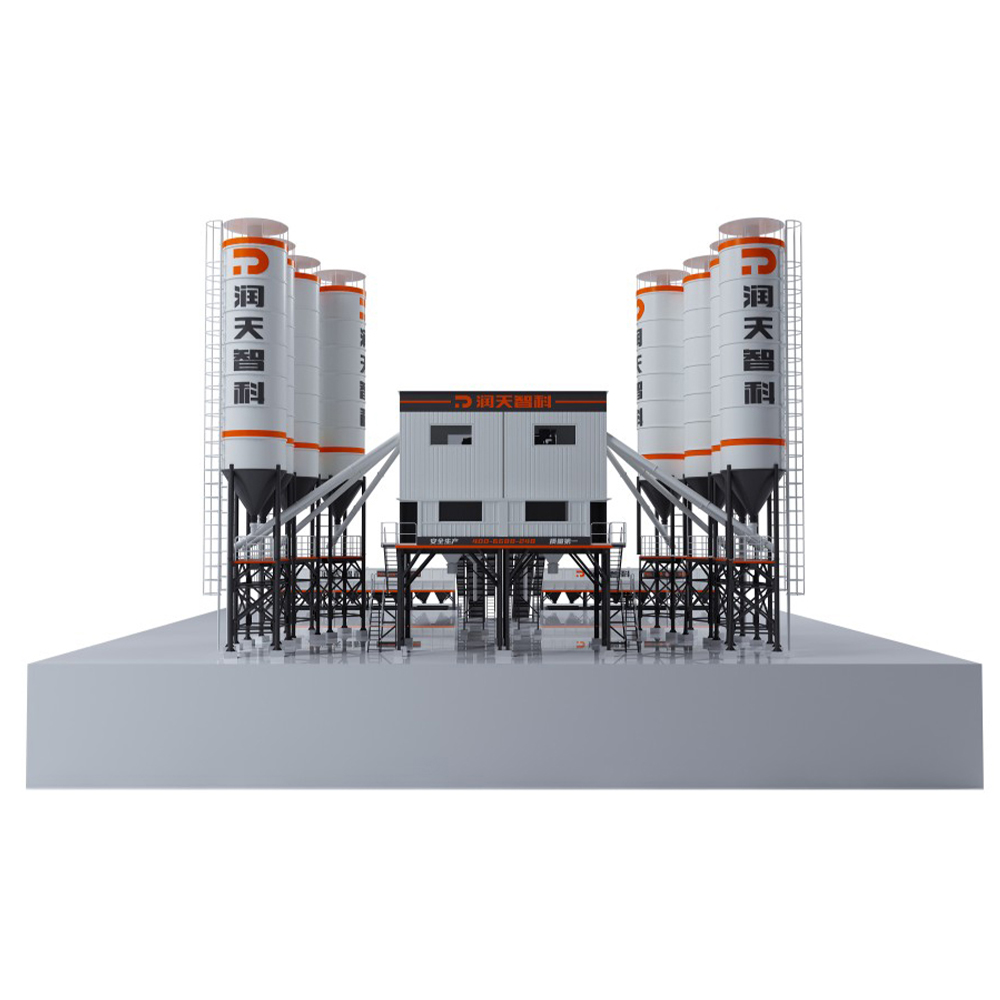 HZS Series Belt Concrete Mixing Plant
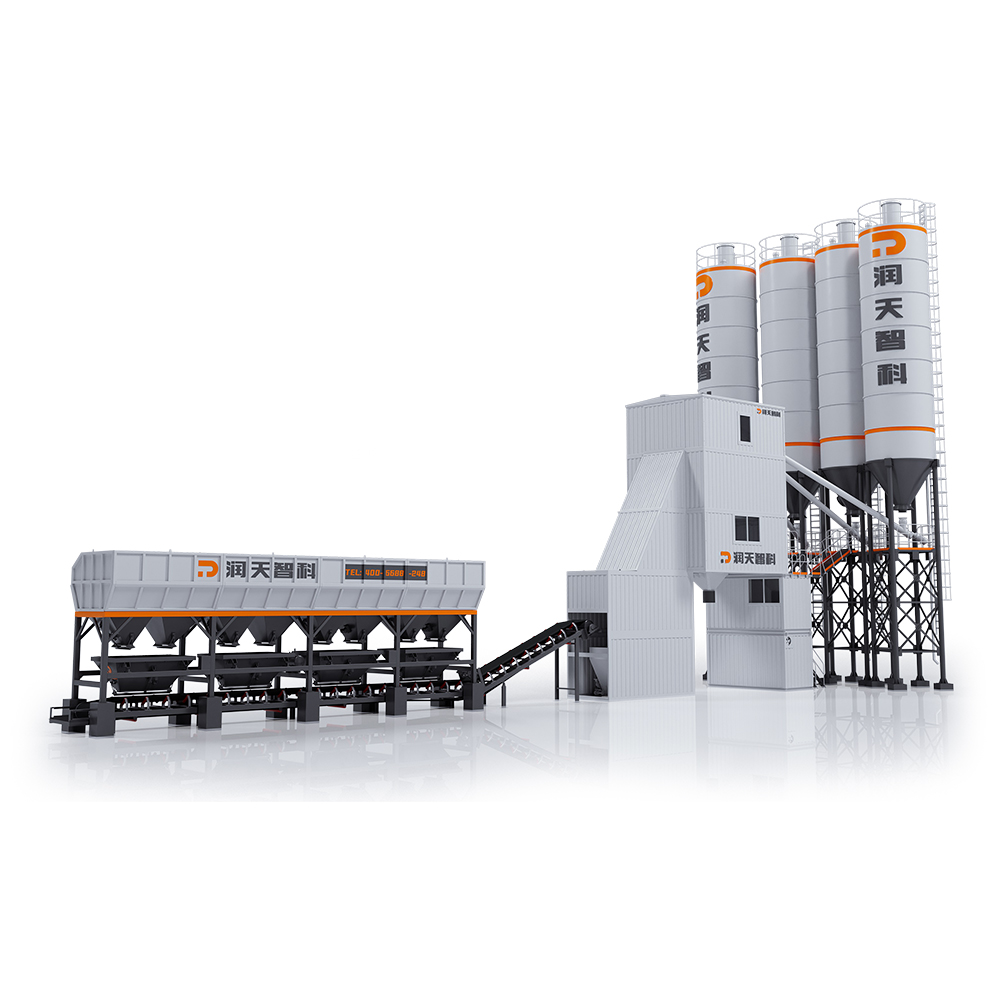 HZS Series Bucket-Lifting Type Container Concrete Mixing Plant
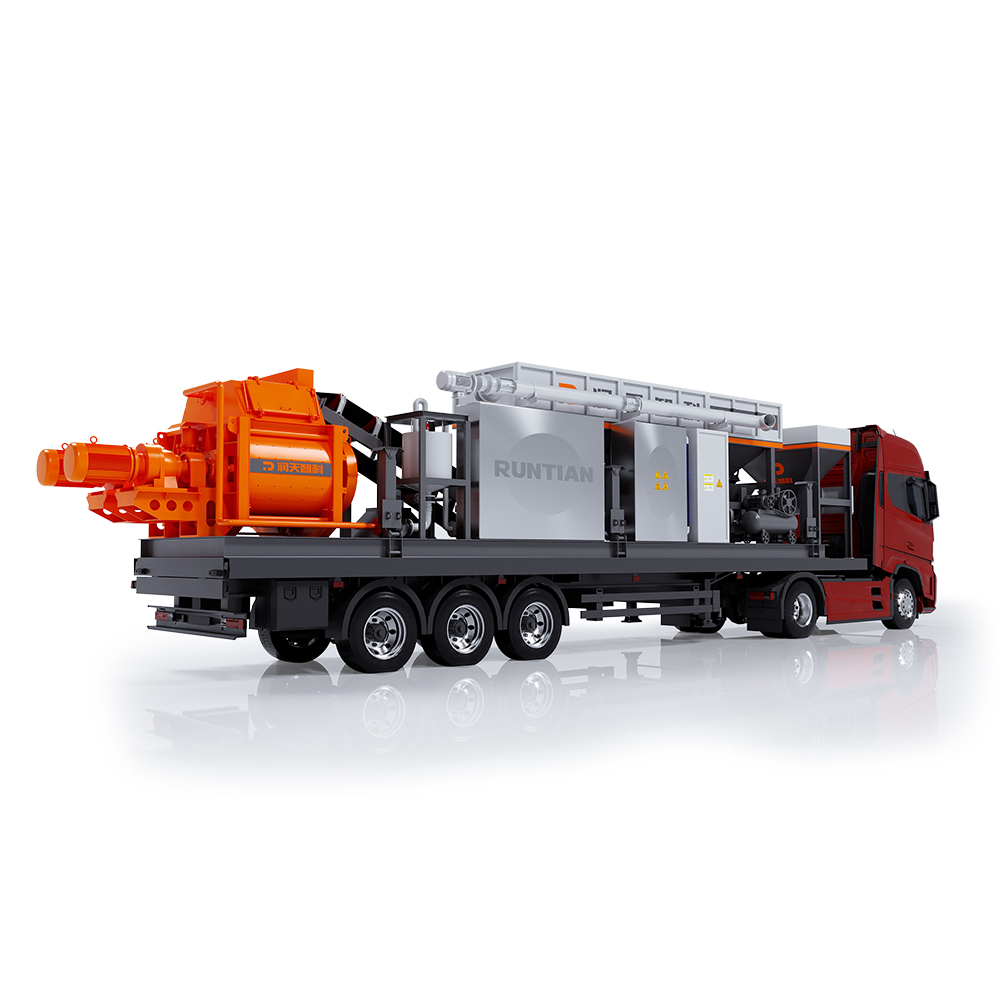 HZS60 Mobile Concrete Mixing Plant
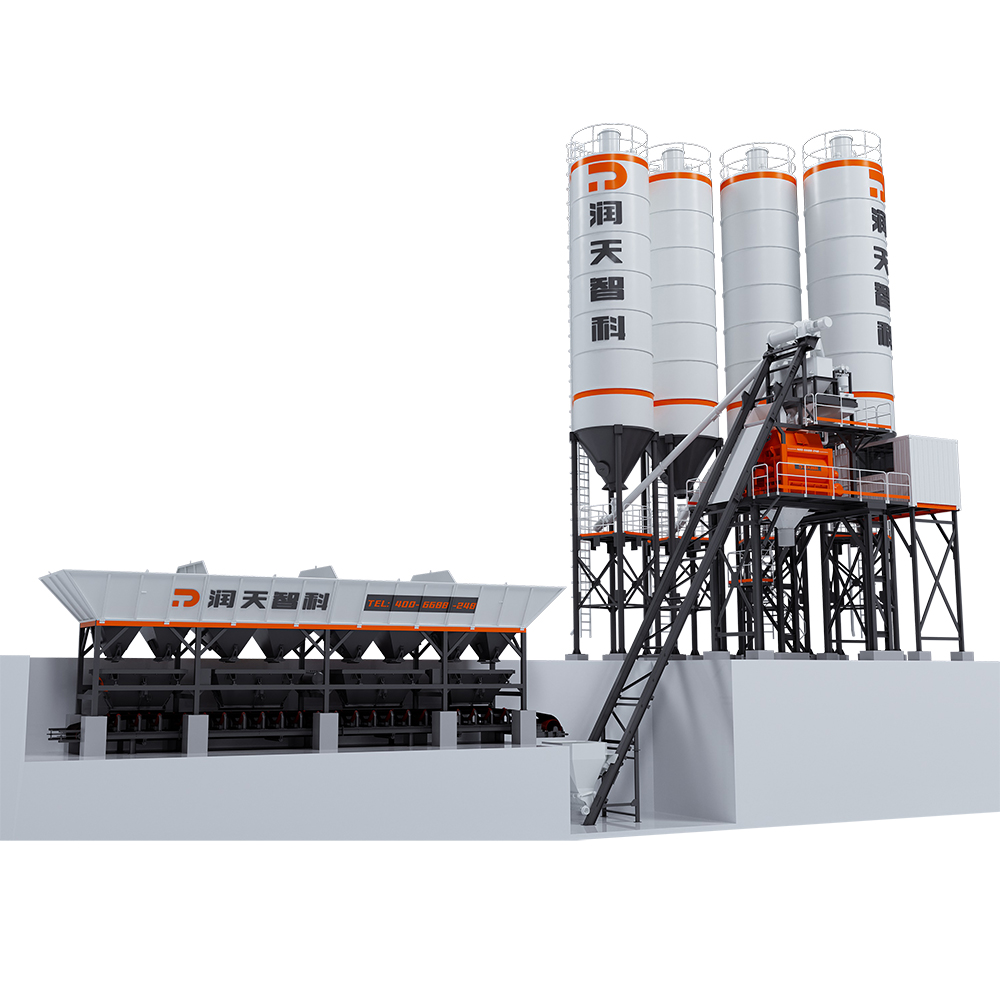 HZS Series Bucket-Lifting Type Concrete Mixing Plant
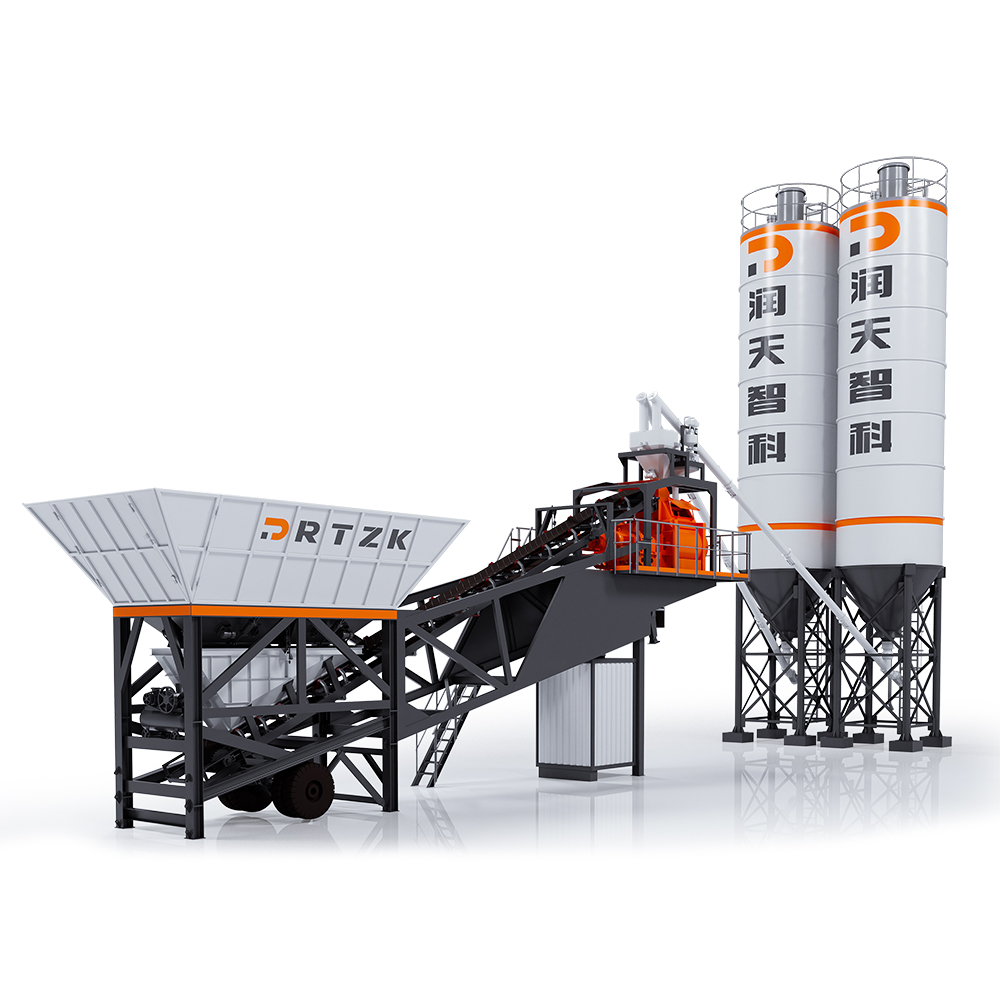 HZS Series Mobile Concrete Mixing Plant
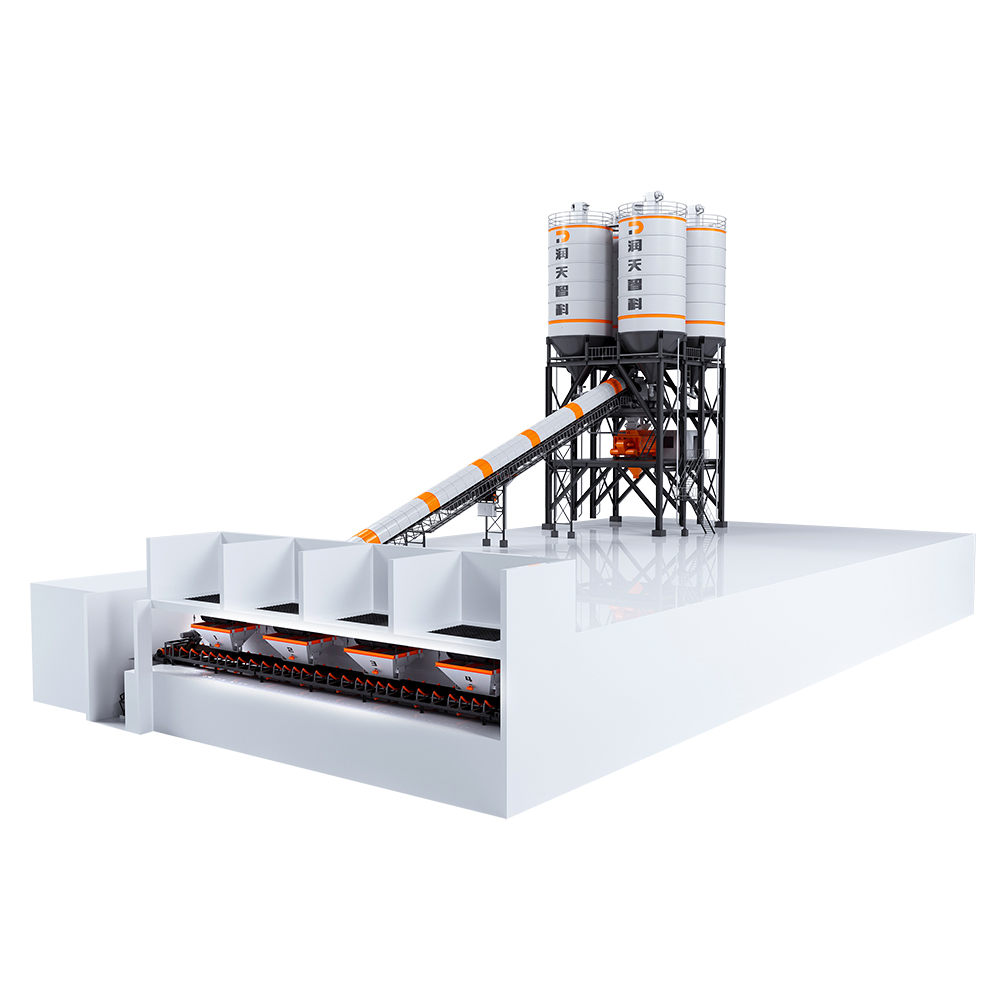 HZS Series Top-Mounted Concrete Mixing plant
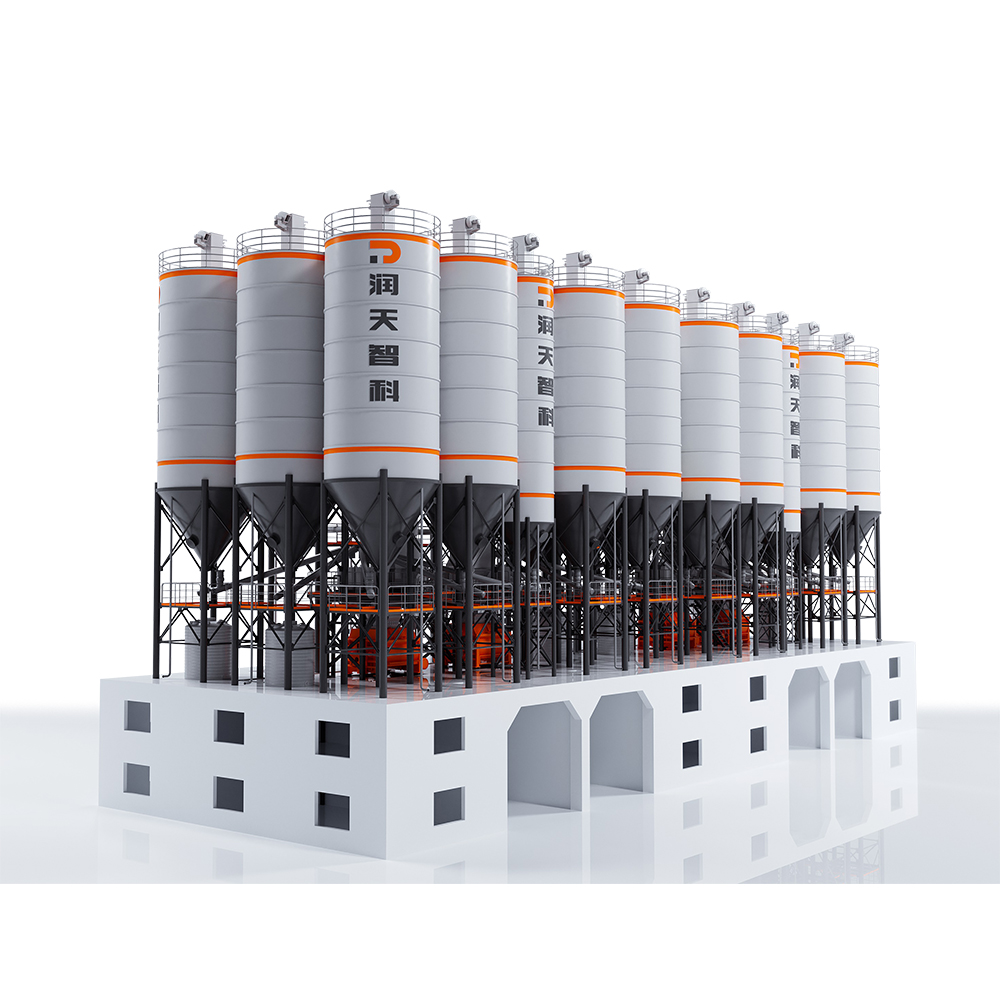 HZS Series Semi-Top Mounted Concrete Mixing Plant
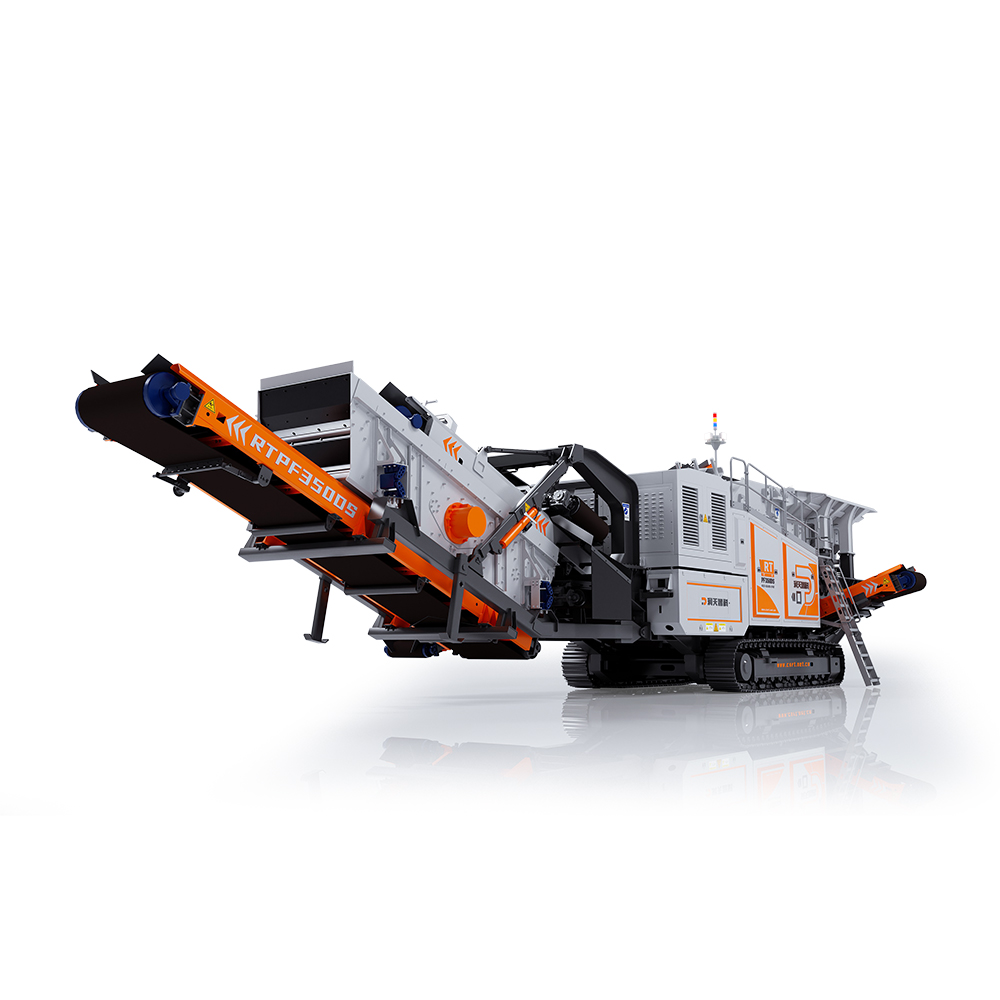 RTPF350DS Crawler Mobile Impact Crushing Plant
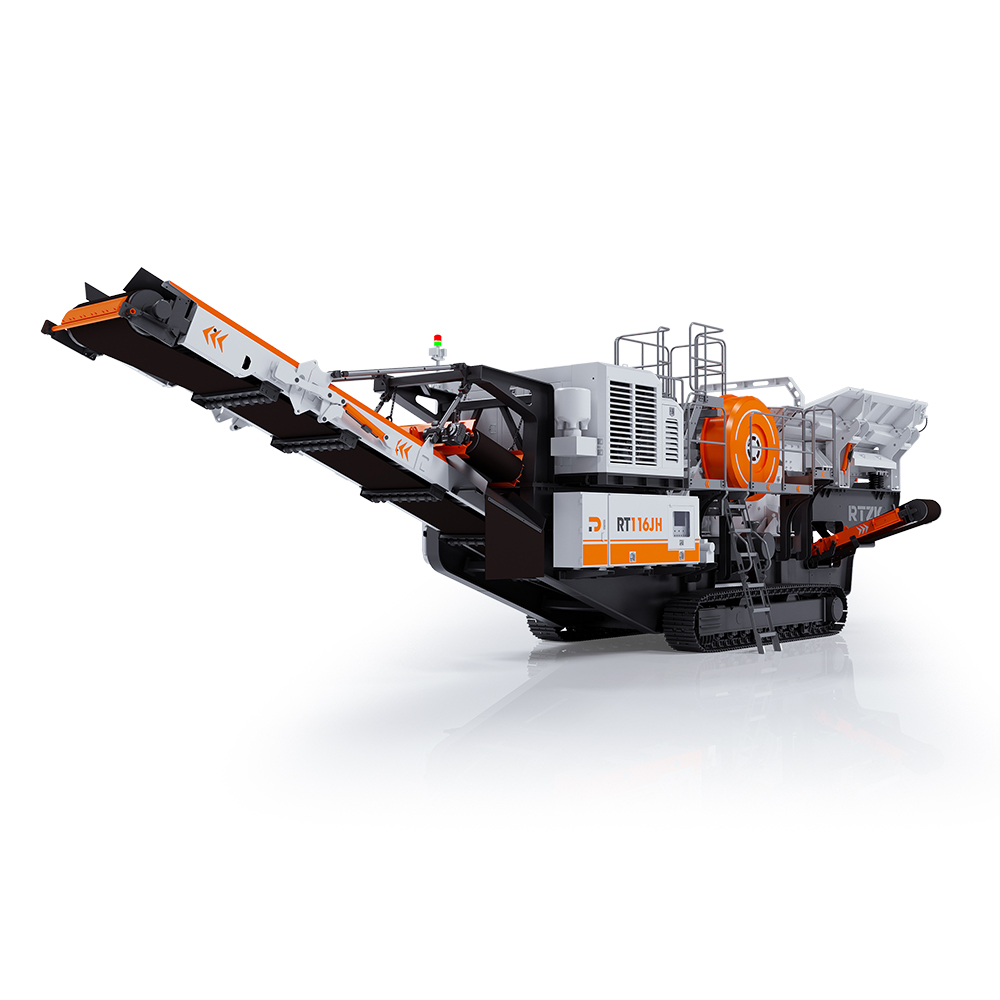 RT116JH Crawler Mobile Jaw Crushing Plant
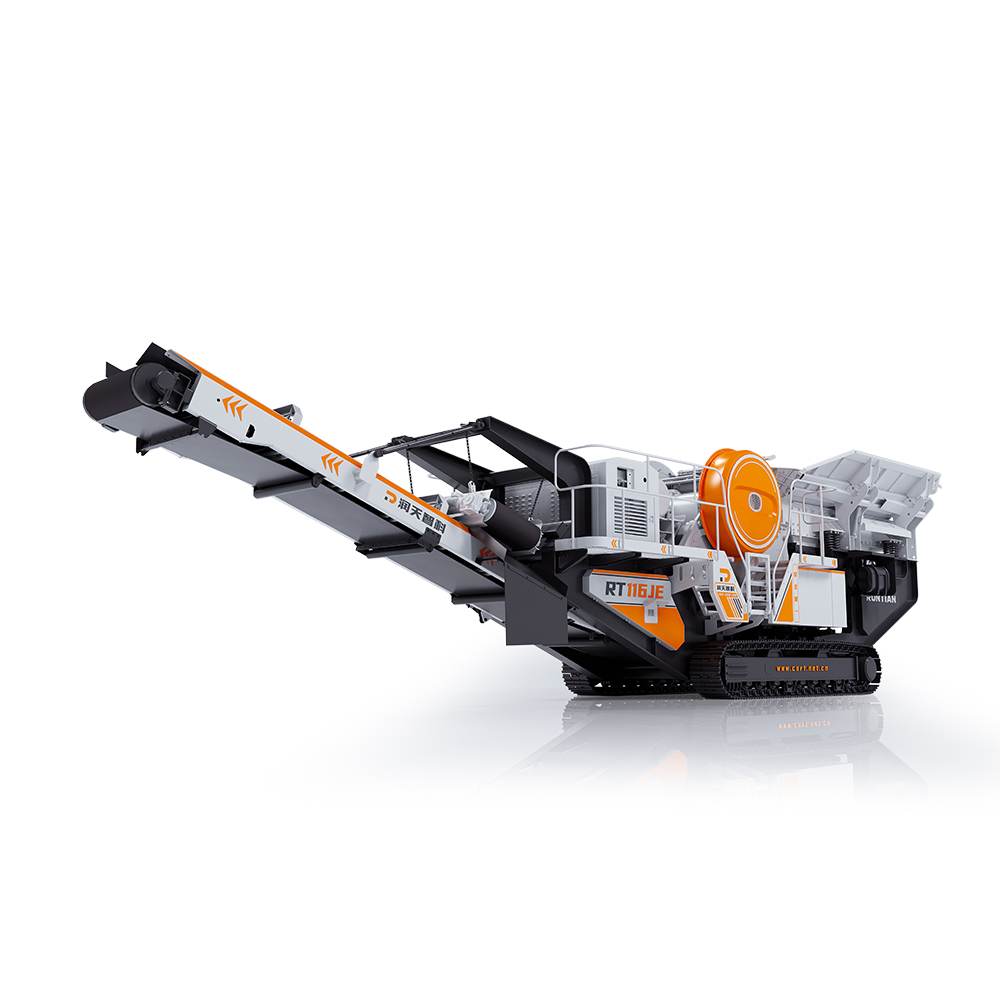 RT116JE Crawler Mobile Jaw Crushing Plant
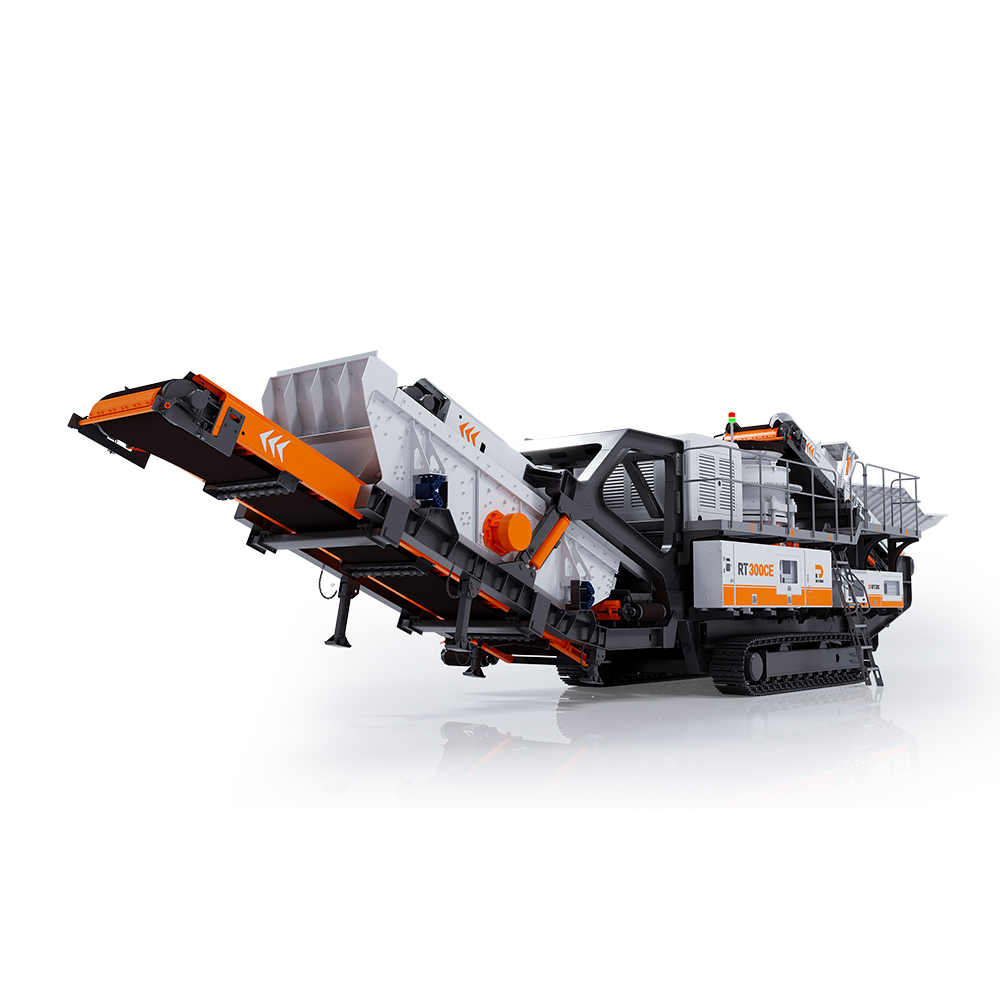 RT300CE Crawler Mobile Cone Crushing Plant
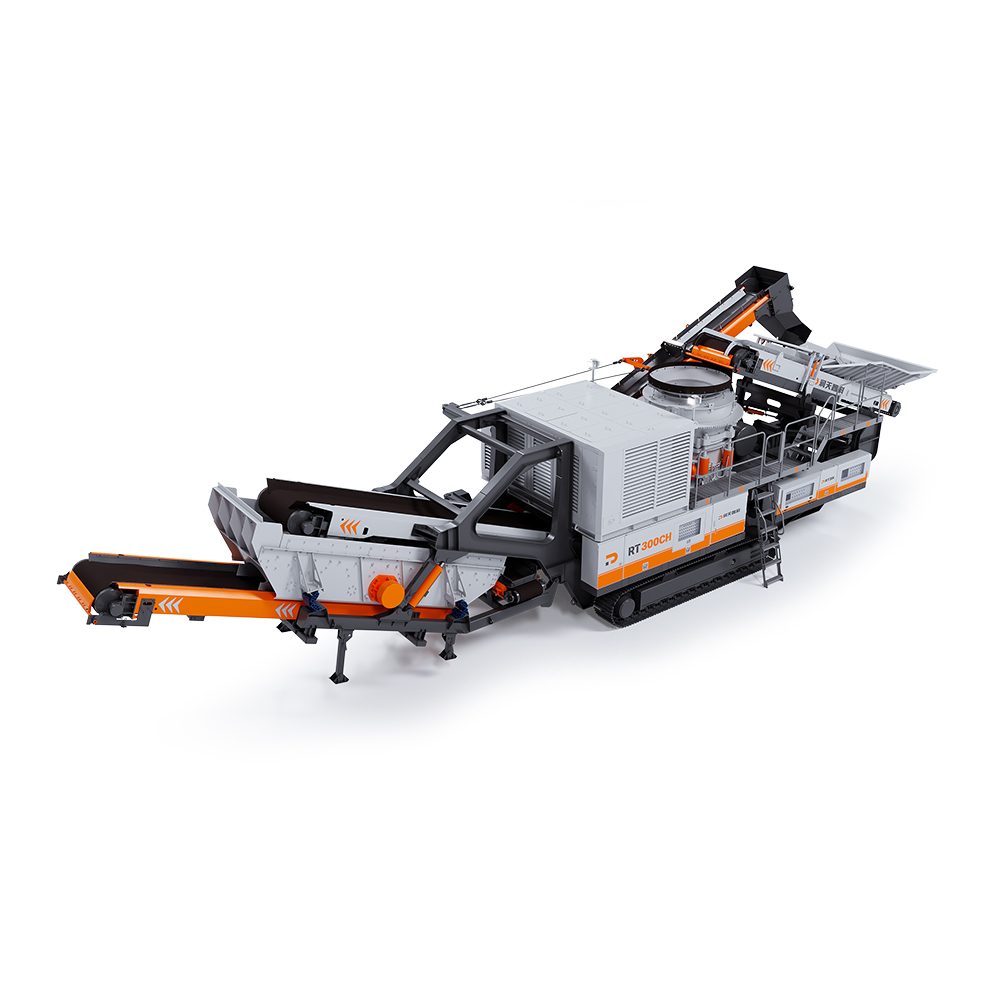 RT300CH Crawler Mobile Cone Crushing Plant
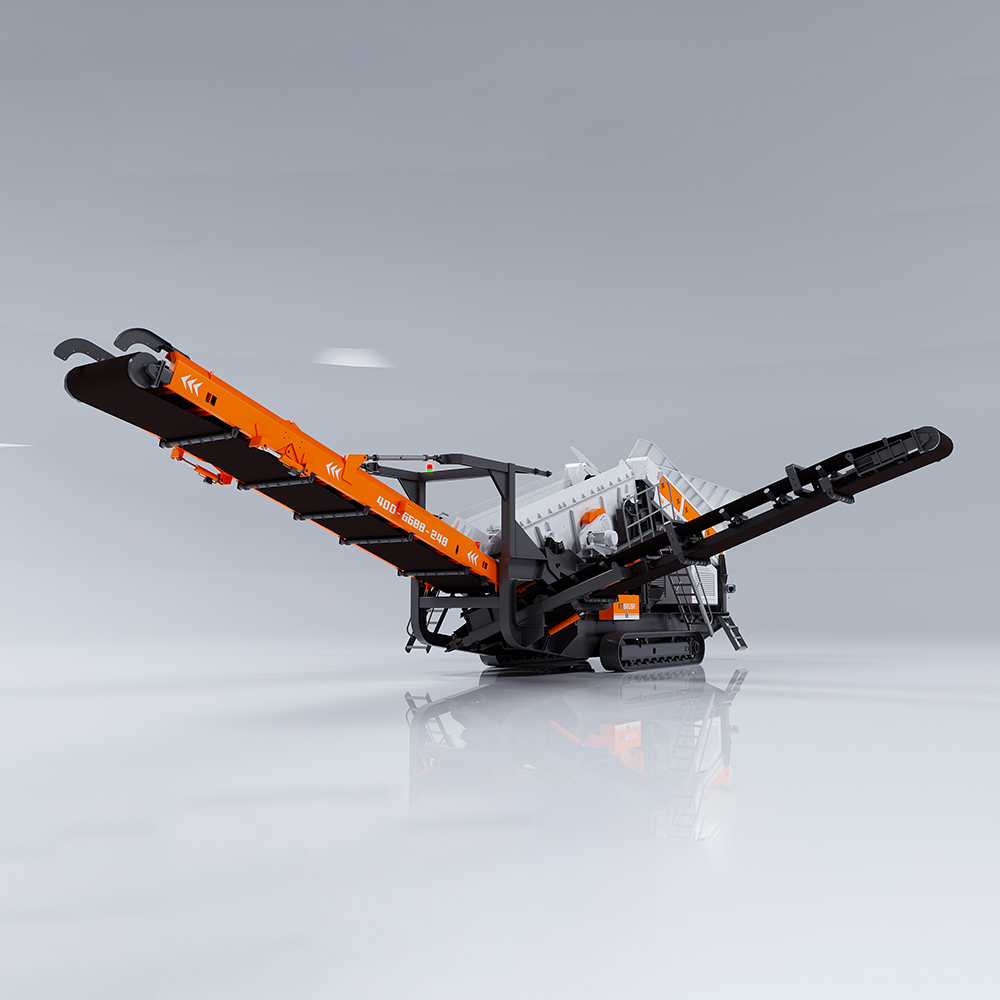 RT5015H Mobile Scalping Screen
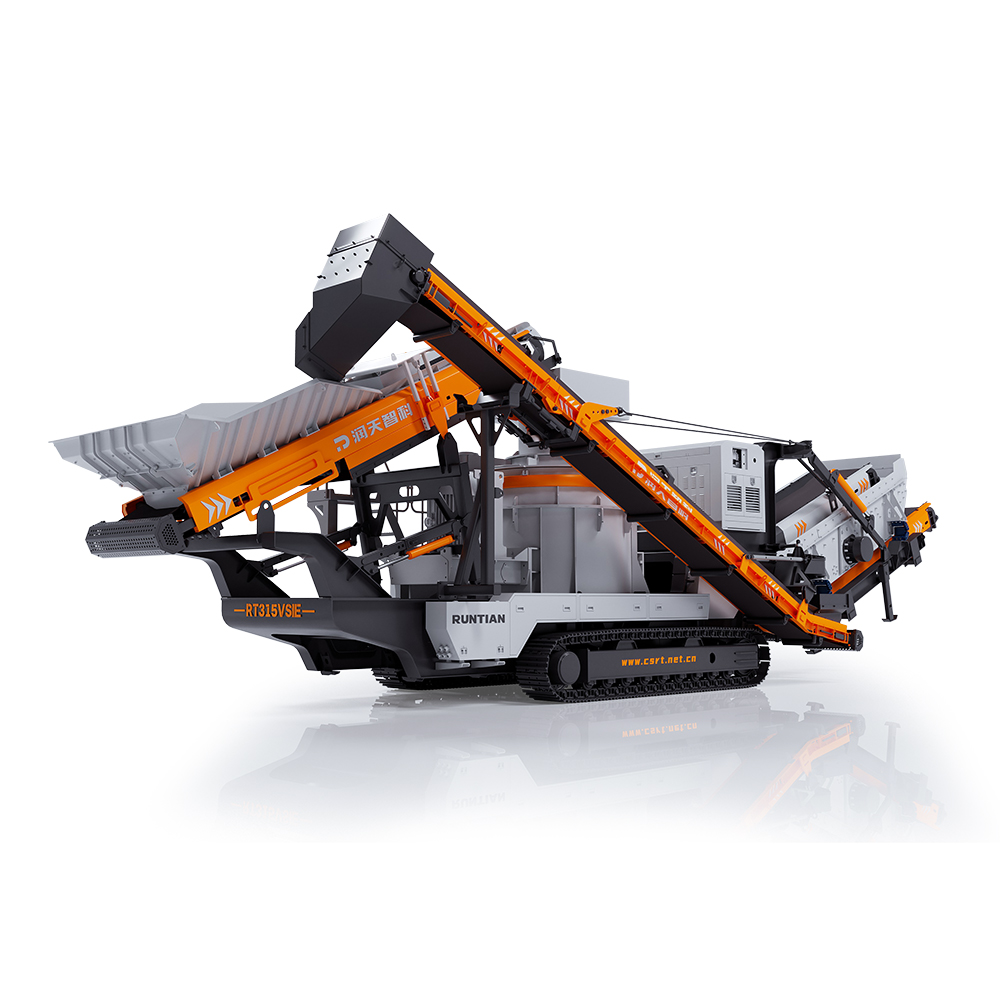 RT315VSIE Crawler Mobile Sand Maker
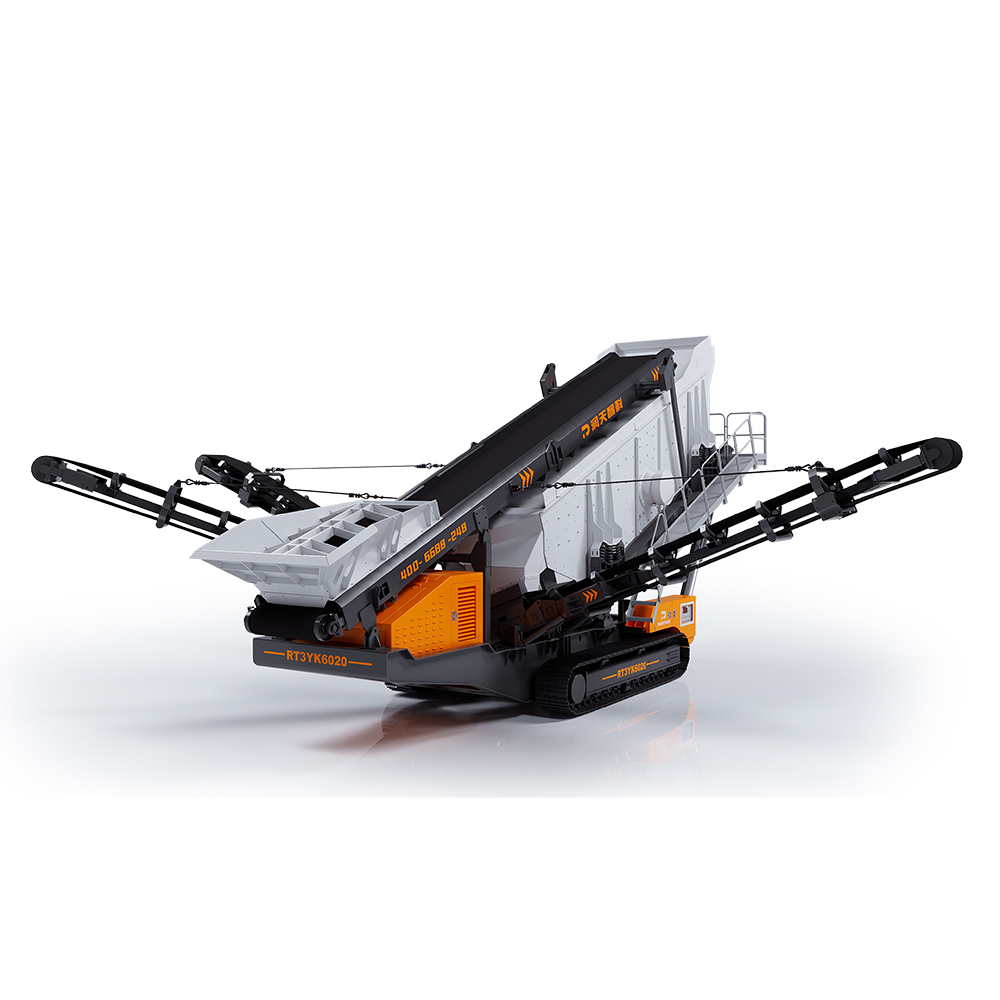 RT3YK6020 Crawler Mobile Screening Plant
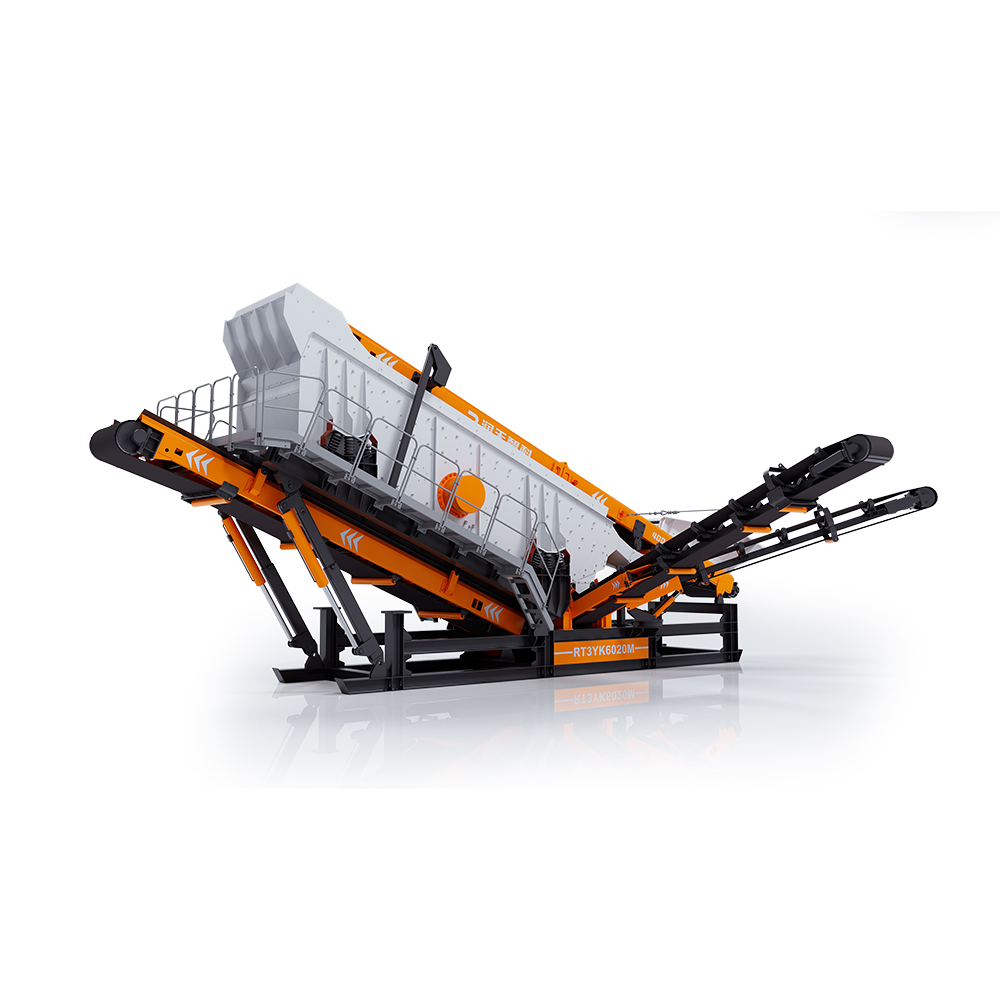 RT3YK6020M Modular Screening Plant
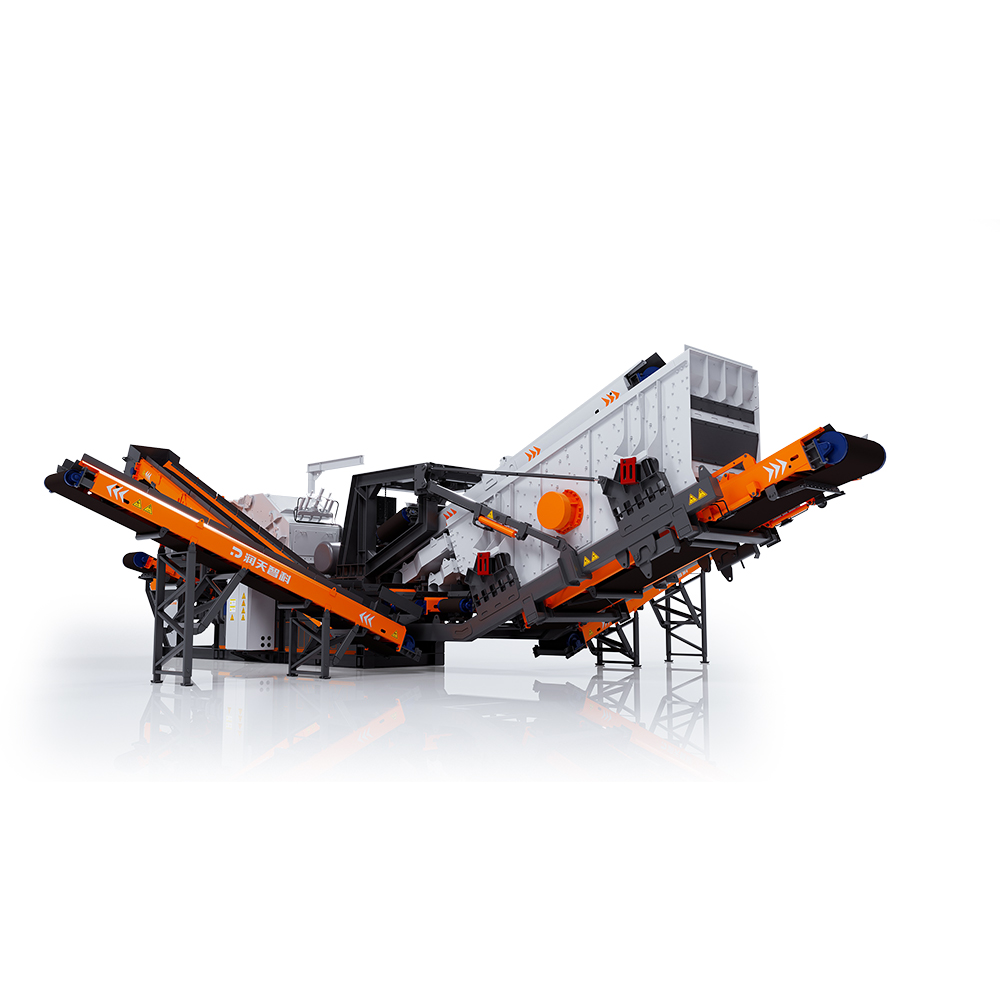 RTF260M Modular Counterattack Crushing and Screening Integrated Machine
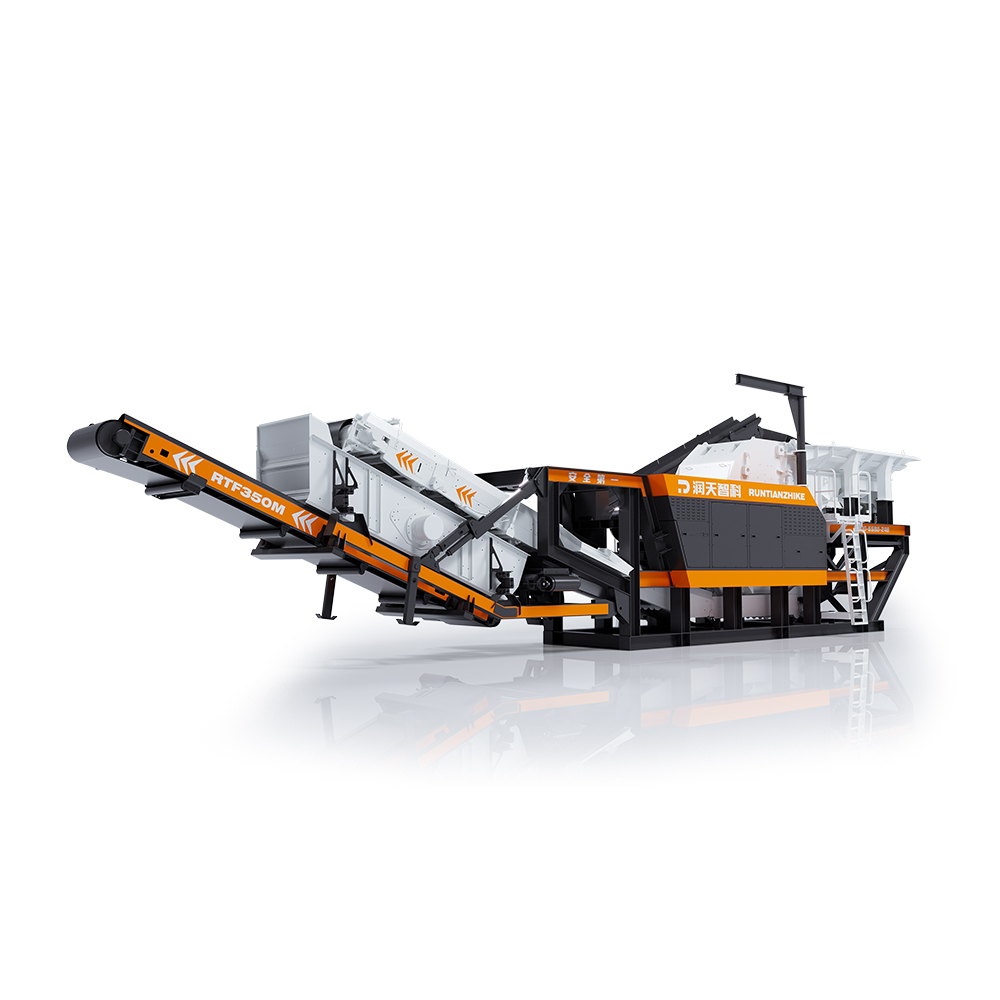 RTF350M Modular Impact Crushing Plant
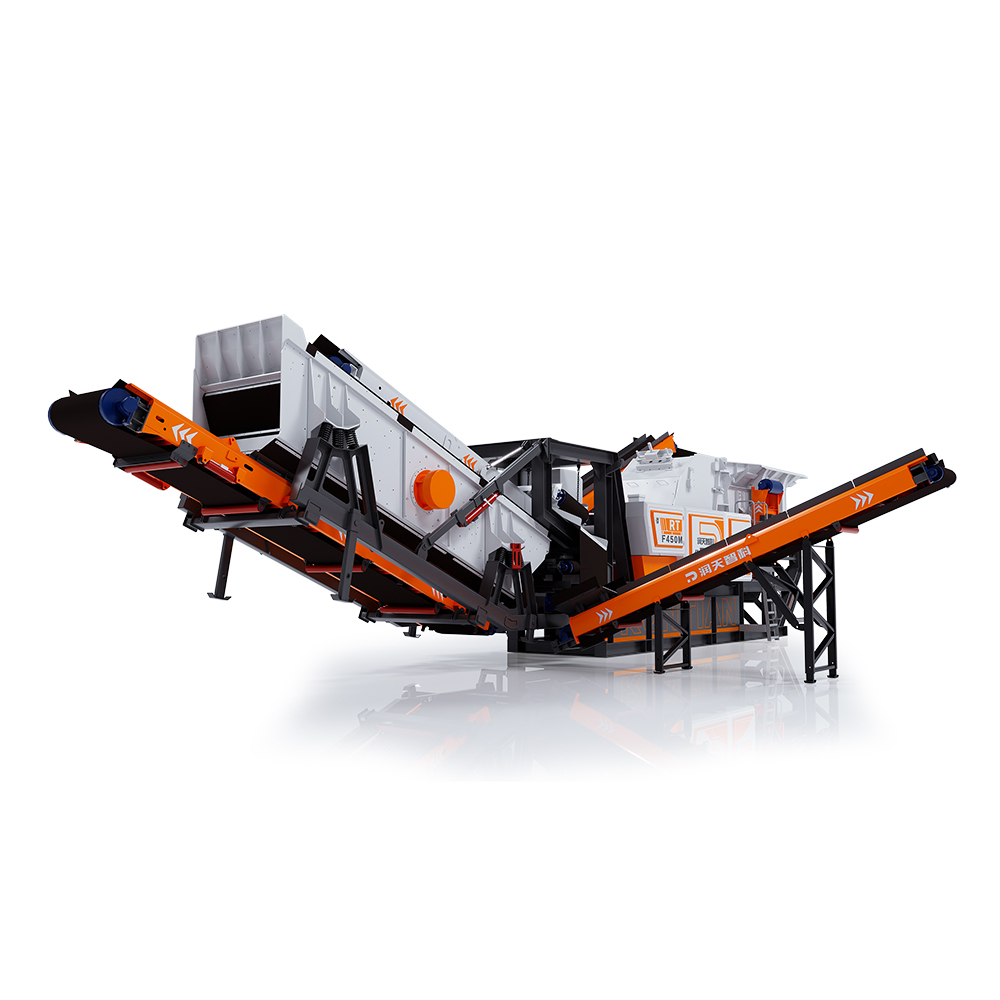 RTF450M Modular Impact Crushing Plant
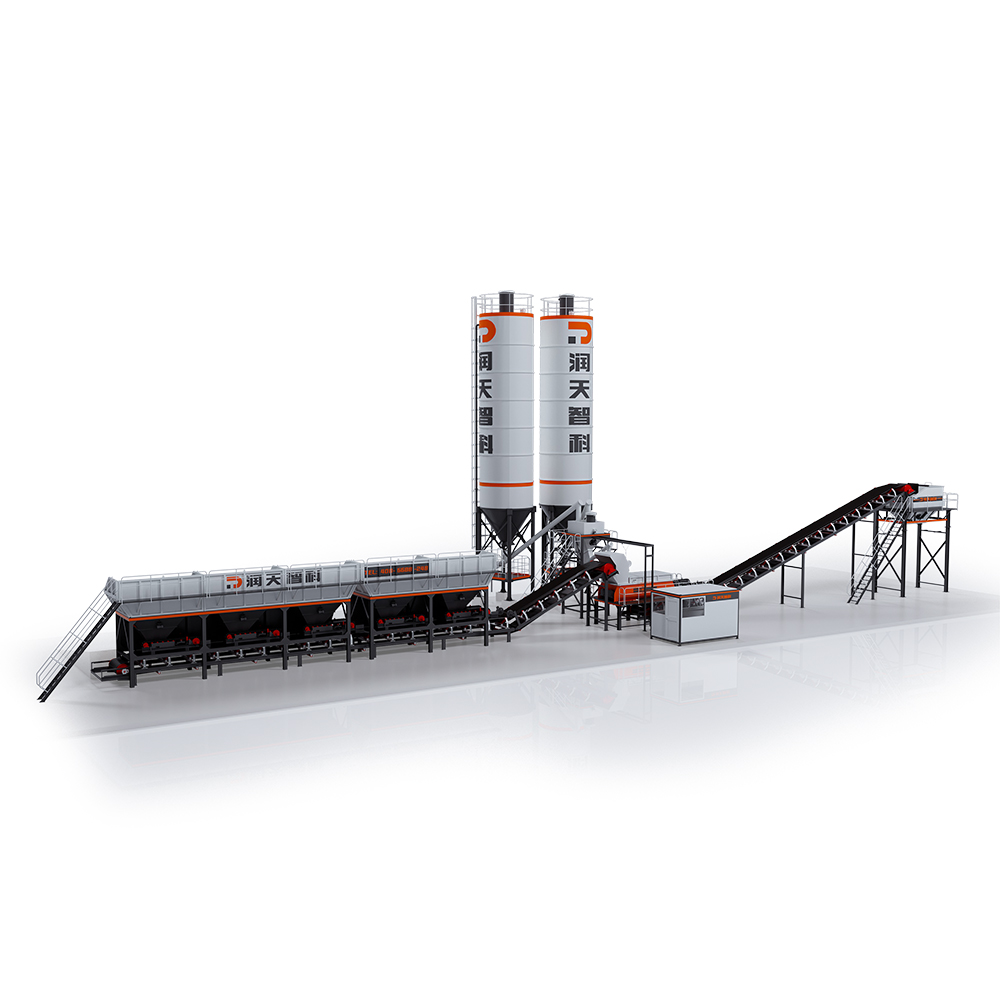 WDB Series Foundation-Free Stability Soil Mixing Plant
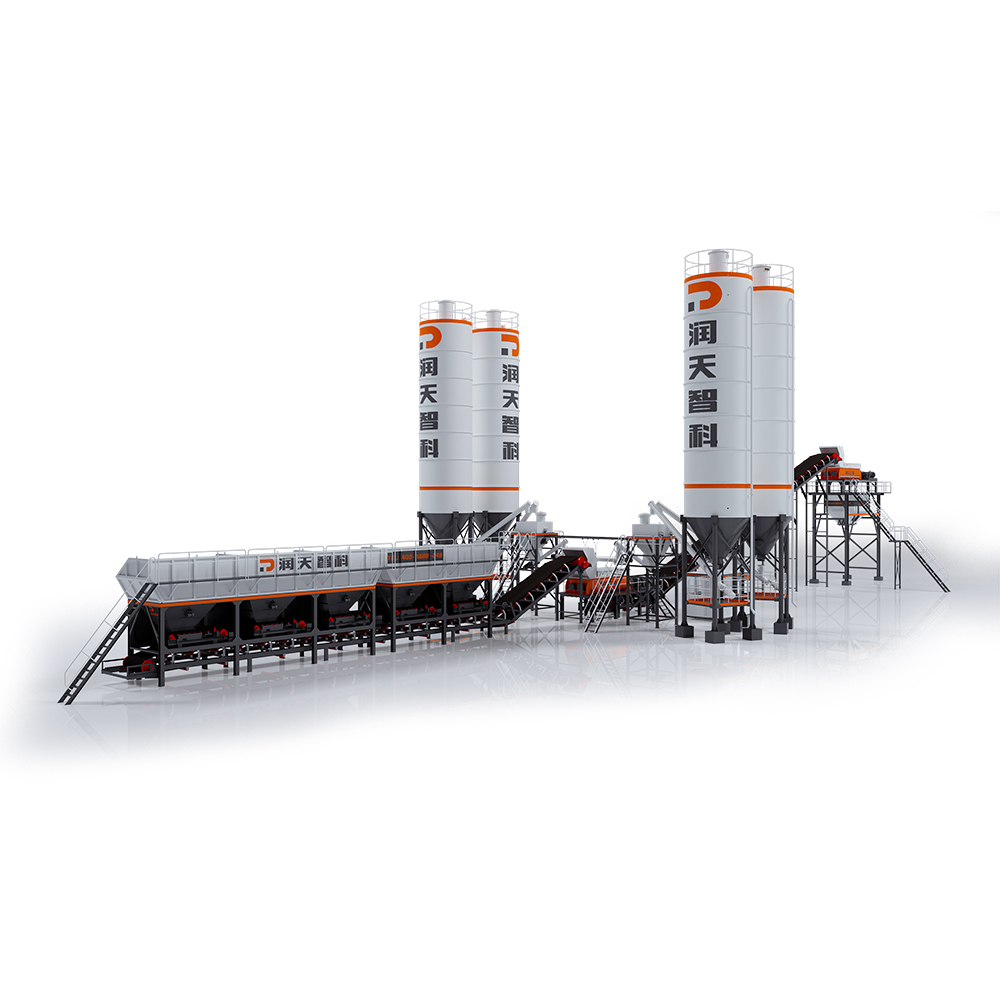 LCB Series Emulsified Asphalt Cold Regeneration Secondary Mixing Plant
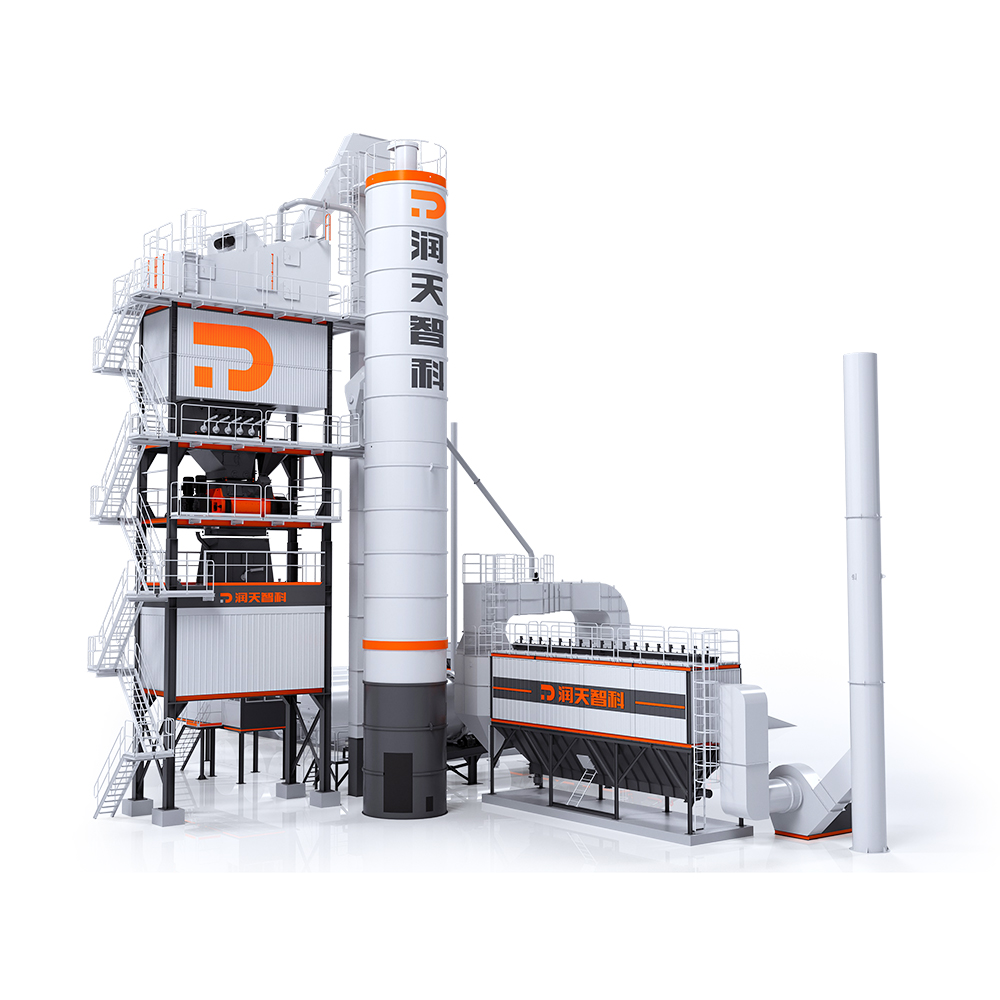 LB Series Asphalt Mixing Plant
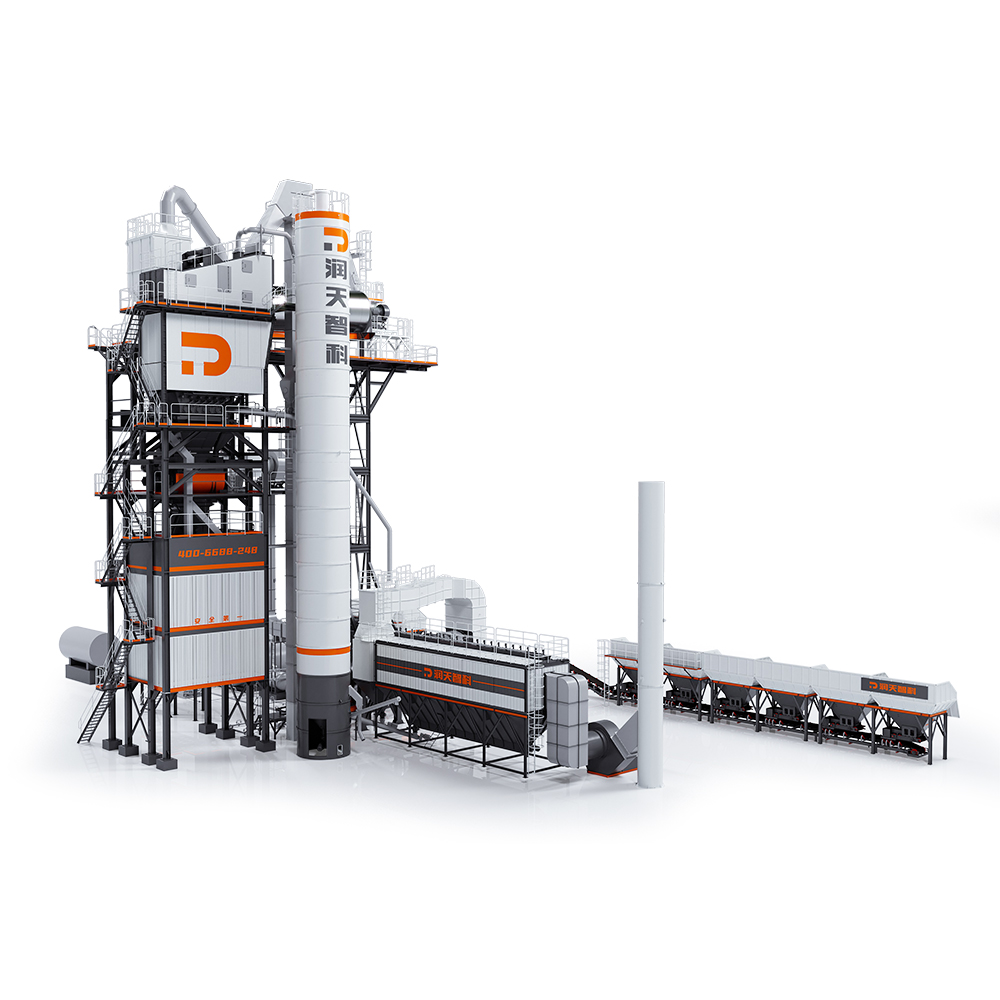 LBR Series Integrated Asphalt Mixing Plant
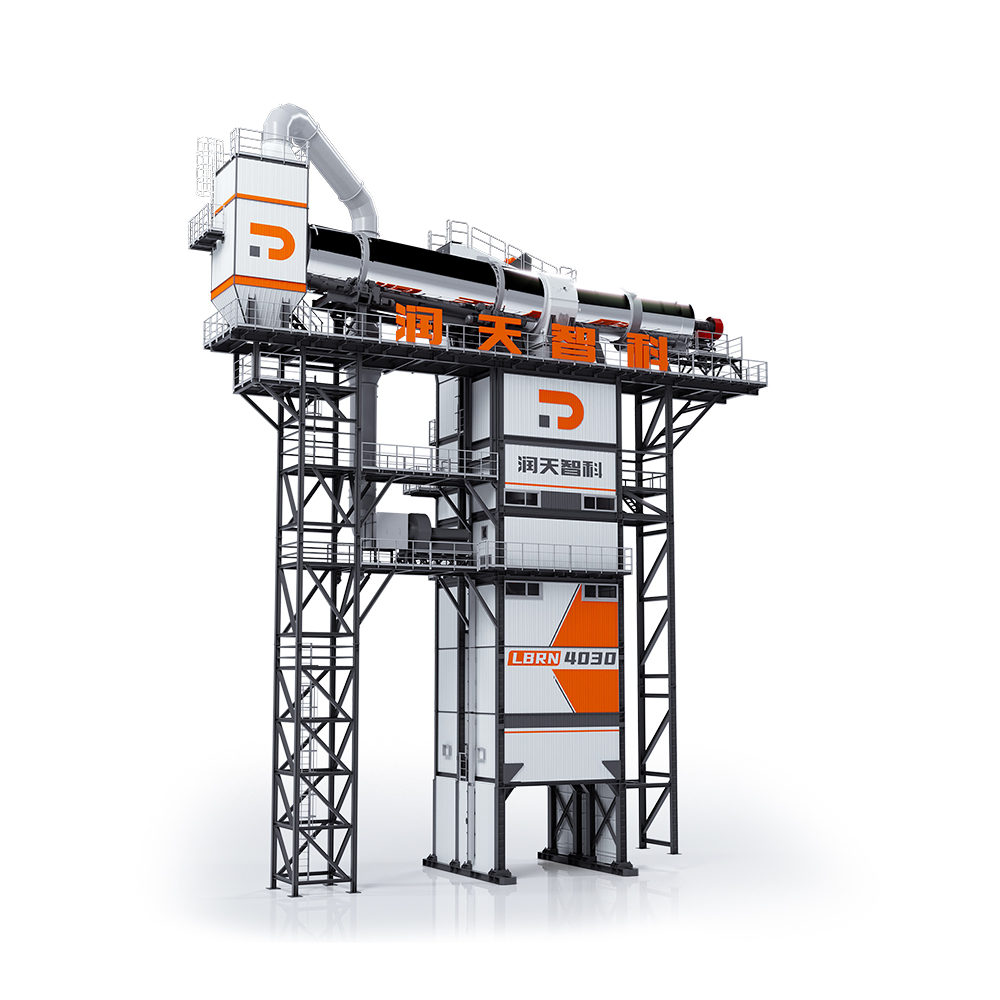 LBRN Series Counterflow Integral Asphalt Mixing Plant
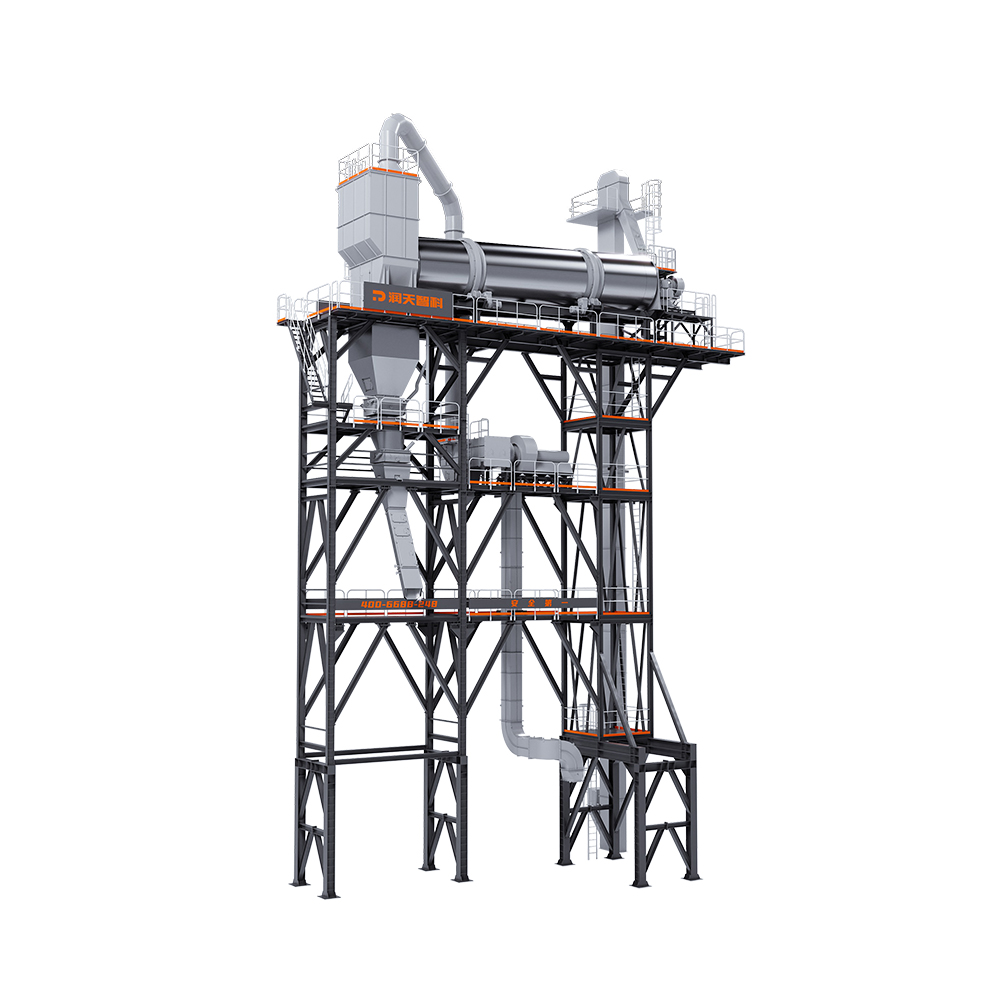 RZS Series Asphalt Mixing Plant
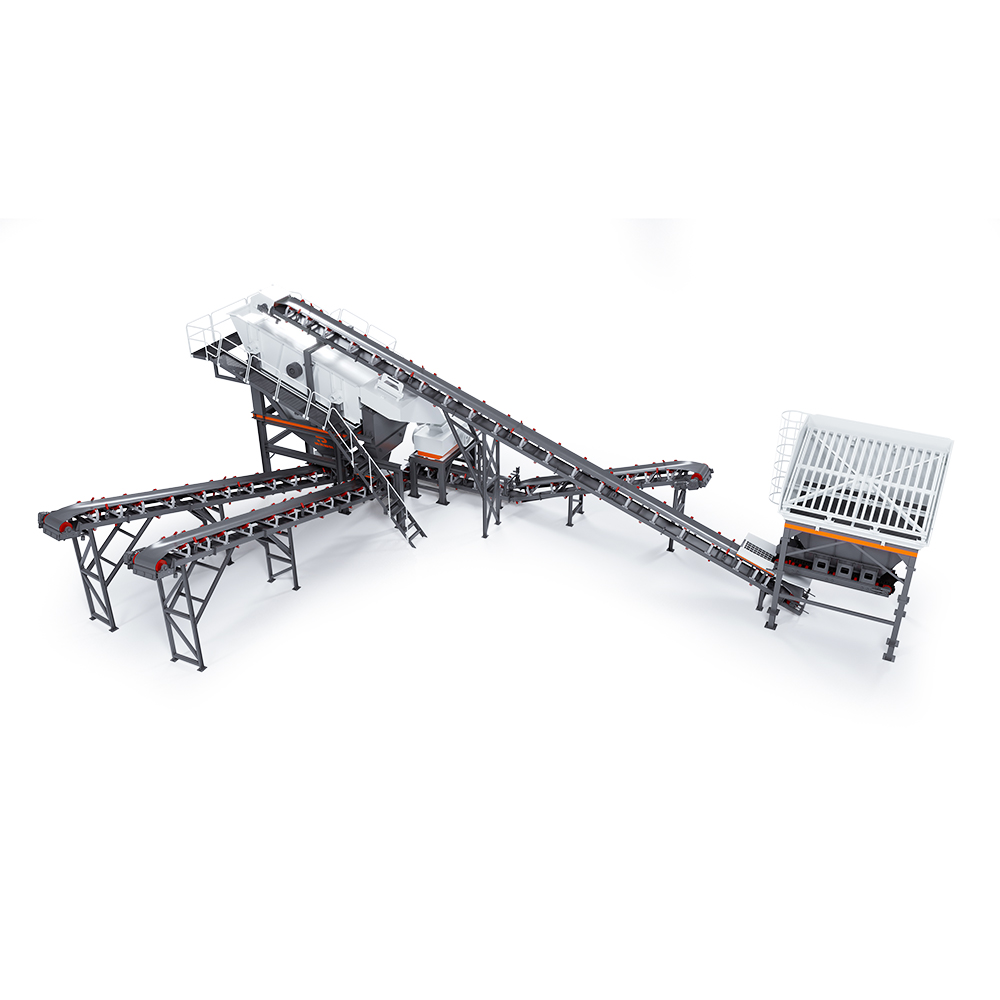 RTZS120 Series RAP Crushing & Screening Plant
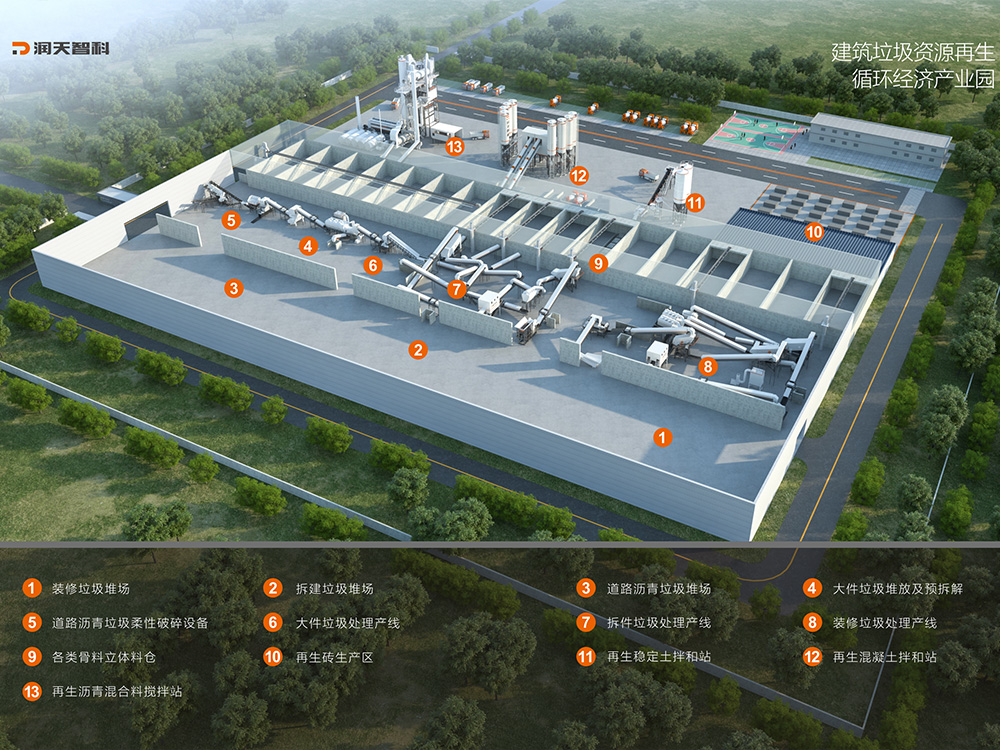 Construction Waste Resourceful Treatment Line