How to Choose the Best Portable Rock Crusher for Your Needs?
When selecting the best Portable Rock Crusher, understanding your specific needs is crucial. According to a recent industry report by Market Research Future, the global portable rock crusher market is projected to grow at a CAGR of 5.6% from 2020 to 2027. This growth reflects a rising demand for mobile crushing solutions in various sectors, including mining, construction, and recycling. The versatility and efficiency of these machines are key factors in their popularity.
Industry expert John Smith states, "Choosing a Portable Rock Crusher requires careful consideration of capacity, portability, and durability." His insights highlight the importance of matching the crusher's specs with your project requirements. Many users often overlook factors like ease of transport and access to spare parts. Additionally, while cost is a significant factor, quality and longevity should not be compromised.
Investing in the right Portable Rock Crusher not only ensures efficiency but can also save money in the long run. As the industry evolves, staying informed about technological advances is vital. Careful evaluation of options can prevent regrets later. A well-informed choice can make a significant difference in project success and operational efficiency.
Understanding Your Crushing Needs and Requirements
When selecting a portable rock crusher, understanding your specific crushing needs is essential. Each project demands different crushing capacities. For instance, a study by the U.S. Geological Survey states that the demand for crushed stone in construction has reached over 1.5 billion tons annually. This number highlights the importance of choosing a machine that can handle a high output without sacrificing efficiency.
In addition to capacity, consider the type of material you will crush. Different rocks require different crushing techniques. A report from the National Stone, Sand & Gravel Association notes that the hardness of materials varies significantly. For example, granite is much harder than limestone. This variance affects not only the choice of crusher but also the wear and tear on your equipment. Evaluate the rock types to determine if you need a more robust machine that can withstand abrasiveness.
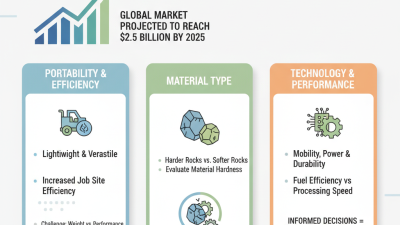
Size and weight matter too. Many operators overlook portability, which can impact site mobility. Being able to easily transport your equipment from one location to the next is crucial. Lightweight models can be easier to transport, but they might compromise on power. Balancing these factors requires a nuanced approach. Always reflect on your specific operations before making a choice.
Evaluating Different Types of Portable Rock Crushers
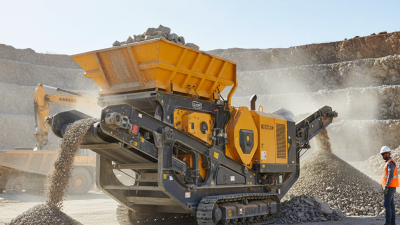
Choosing a portable rock crusher can be challenging. You need to consider various types on the market. Different crushers serve specific needs. For instance, jaw crushers are ideal for primary crushing. They provide a straightforward design and efficient operation. However, they may not handle tougher materials well.
Impact crushers are another option. These are more versatile, as they crush materials through high-speed impact. They can tackle a range of rock sizes. But, they can wear out quickly if used continuously on tougher rocks. Cone crushers can also be useful. They offer greater precision and control but come with a steeper price tag and maintenance issues.
Evaluating each type requires a clear understanding of your specific requirements. Think about your project’s scale and the types of materials you’ll encounter. Also, consider portability and ease of setup. Some machines are heavier and harder to move, complicating onsite setups. Reflecting on both benefits and drawbacks for each type can guide you to the right choice.
Factors to Consider: Size, Weight, and Mobility
When selecting a portable rock crusher, understanding size, weight, and mobility is crucial. The size of the crusher determines its capacity and the types of materials it can process. For instance, most crushers range from small units that can fit on a trailer to larger models that require more space. According to industry reports, smaller machines typically crush between 5 to 10 tons of rock per hour, while larger units can process 20 tons or more. This variation can significantly impact your operations and productivity.
Weight is another critical factor. Heavier models often provide increased durability but can limit mobility. Lightweight crushers are easier to transport but may sacrifice processing power. For most job sites, a balance between weight and performance must be struck. An analysis from recent construction reports indicates that 60% of operators prefer portable models weighing less than 1,500 pounds for easier maneuverability.
Mobility directly affects how quickly you can move from site to site. Units with tracks or wheels offer better portability compared to stationary setups. The market trend suggests that about 75% of contractors prioritize mobility for efficiency. Engaging with these equipment choices requires careful consideration of project needs and site conditions. What fits one operation might not suit another. Always reflect on your specific needs before making a decision.
How to Choose the Best Portable Rock Crusher for Your Needs? - Factors to Consider: Size, Weight, and Mobility
| Model |
Size (LxWxH, inches) |
Weight (lbs) |
Mobility Features |
Crushing Capacity (tons/hour) |
| Compact Crusher A |
30 x 20 x 25 |
500 |
Wheels and handle |
5 |
| Heavy-Duty Crusher B |
40 x 30 x 35 |
800 |
Track-mounted |
10 |
| Portable Crusher C |
25 x 18 x 20 |
350 |
Foldable design |
3 |
| Standard Crusher D |
35 x 25 x 30 |
600 |
Skid-mounted |
7 |
Assessing Power Source Options for Portable Crushers
When selecting a portable rock crusher, the power source is crucial. Various options exist, each with unique advantages and limitations. Electric models offer consistent power and are quieter during operation. They are ideal for indoor projects or areas with access to electricity. However, they require an outlet, which may limit mobility.
On the other hand, gas-powered crushers provide great versatility. They offer powerful performance and can operate remotely without needing power cords. This makes them suitable for rugged terrains or off-grid locations. However, they can be noisy and emit harmful fumes, which might not be suitable for all environments.
Many users overlook the importance of assessing these power options based on their specific application. Consider whether you prioritize performance or convenience. The right power source significantly impacts efficiency and usability. A mismatch may lead to frustrations during your project, prompting a need for reevaluation. Understanding the nuances of each option allows for a more informed decision that aligns with your operational requirements.
Budget Considerations and Cost-Effectiveness of Models
When selecting a portable rock crusher, budget considerations play a pivotal role. The cost of models varies significantly based on their features and capabilities. According to industry reports, prices for portable rock crushers can range from $5,000 to over $30,000. A lower-priced model may serve small projects but might lack durability and efficiency.
Understanding cost-effectiveness is essential. A more expensive model could yield higher productivity and lower operational costs over time. For instance, advanced models may reduce the need for frequent repairs and downtime. This could save businesses thousands annually.
User reviews often highlight the importance of maintenance costs, which should be factored into the overall budget. Higher-quality machines may have better warranties and service support. However, opting for the lowest price tag can lead to unexpected expenses. An investment should be based not only on initial costs but also on long-term benefits. Observing these aspects is crucial for making an informed decision.

 Concrete Mixing Plant
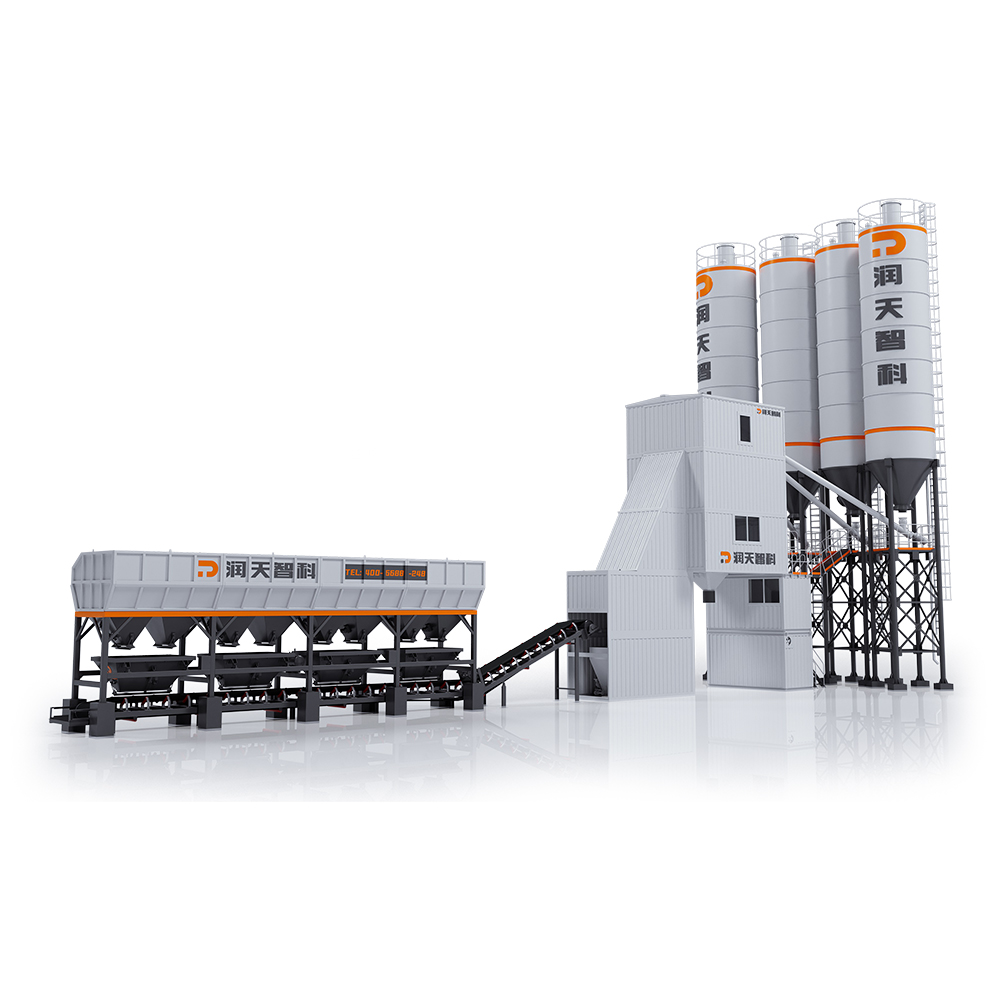
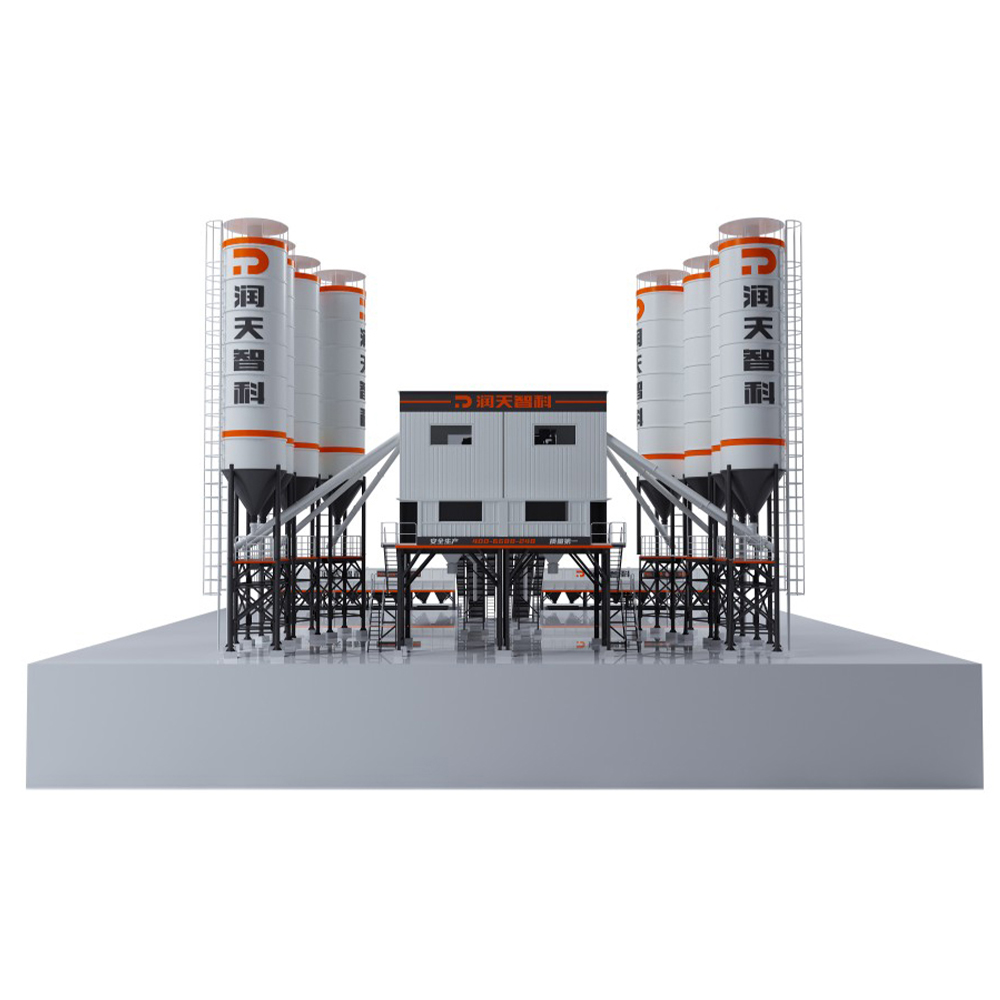 HZS Series Belt Concrete Mixing Plant
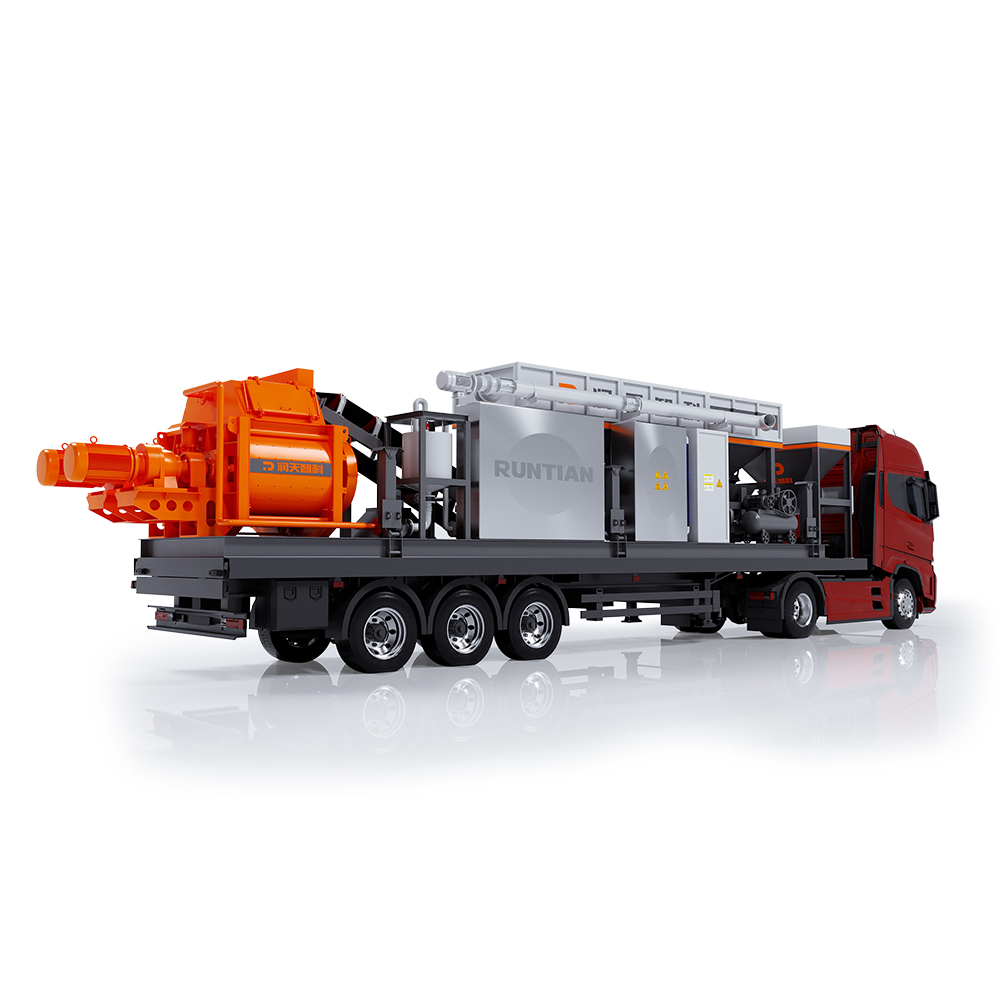
 HZS Series Bucket-Lifting Type Container Concrete Mixing Plant
 HZS60 Mobile Concrete Mixing Plant
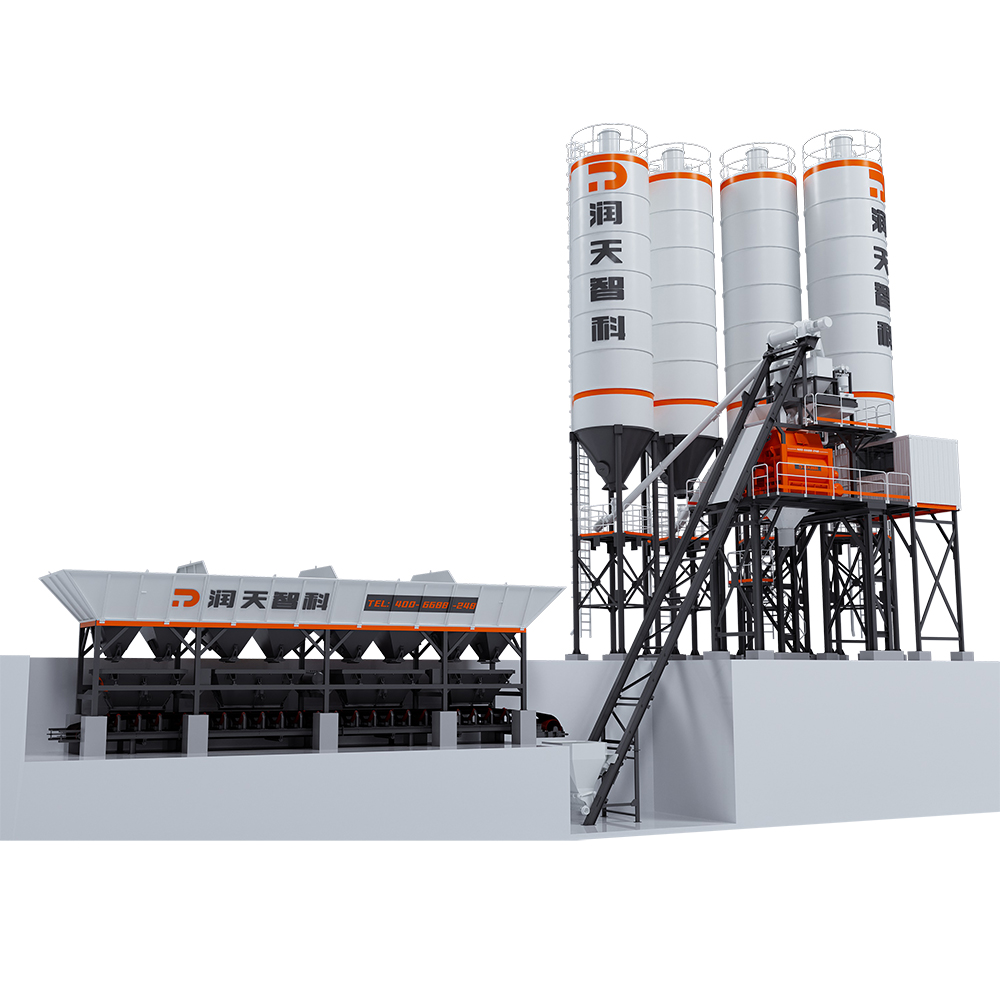 HZS Series Bucket-Lifting Type Concrete Mixing Plant
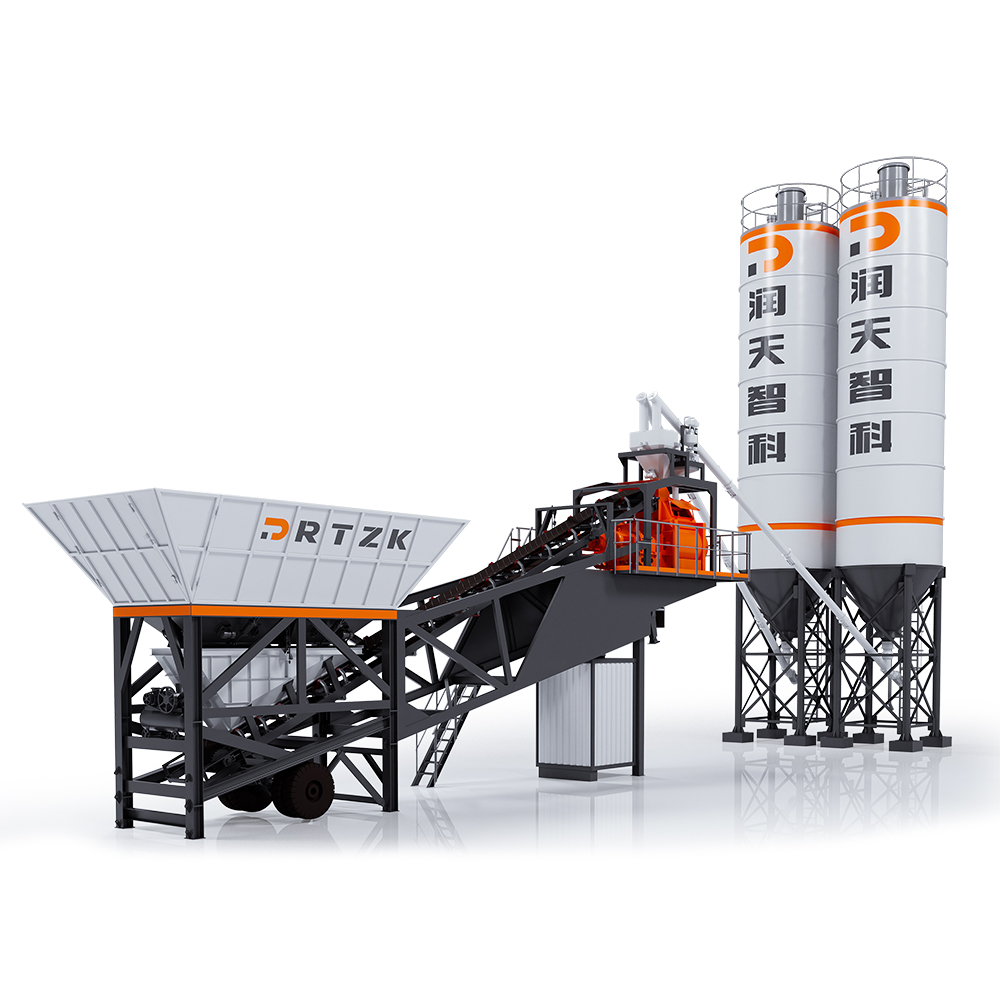 HZS Series Mobile Concrete Mixing Plant
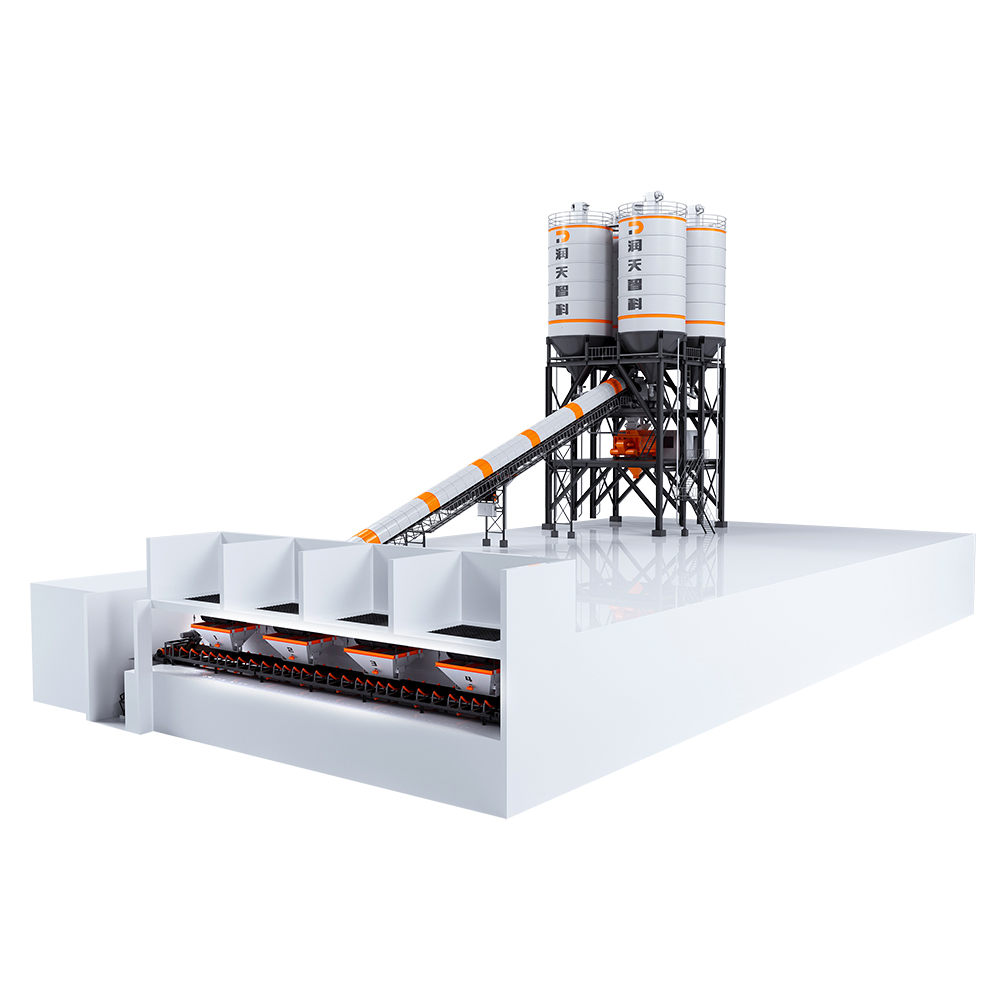 HZS Series Top-Mounted Concrete Mixing plant
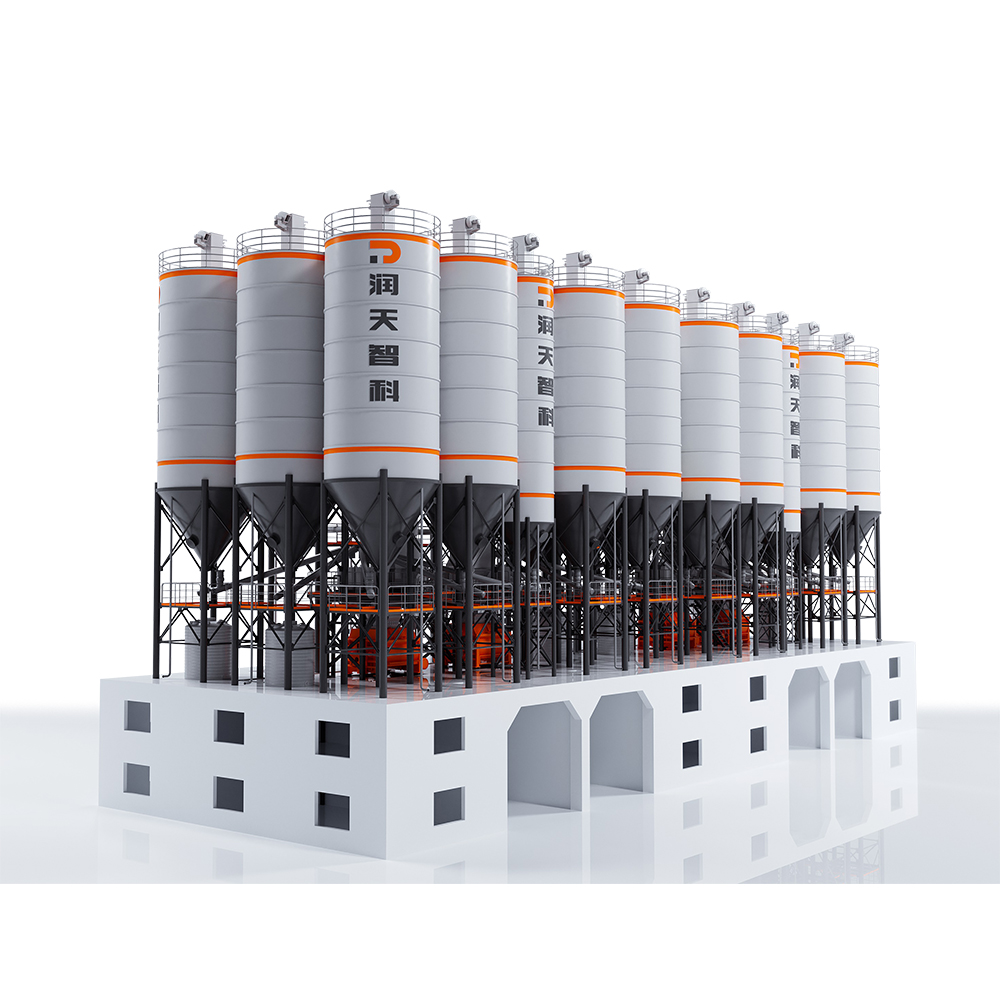 HZS Series Semi-Top Mounted Concrete Mixing Plant
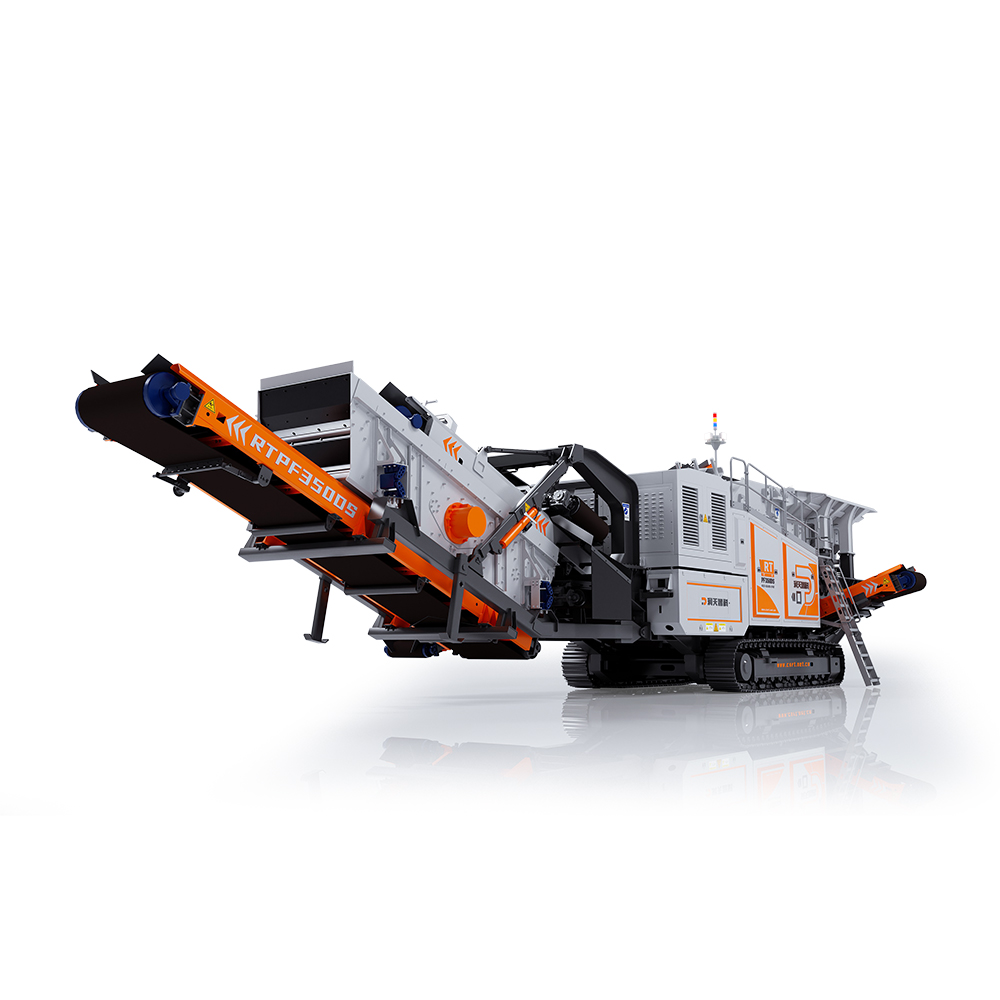 RTPF350DS Crawler Mobile Impact Crushing Plant
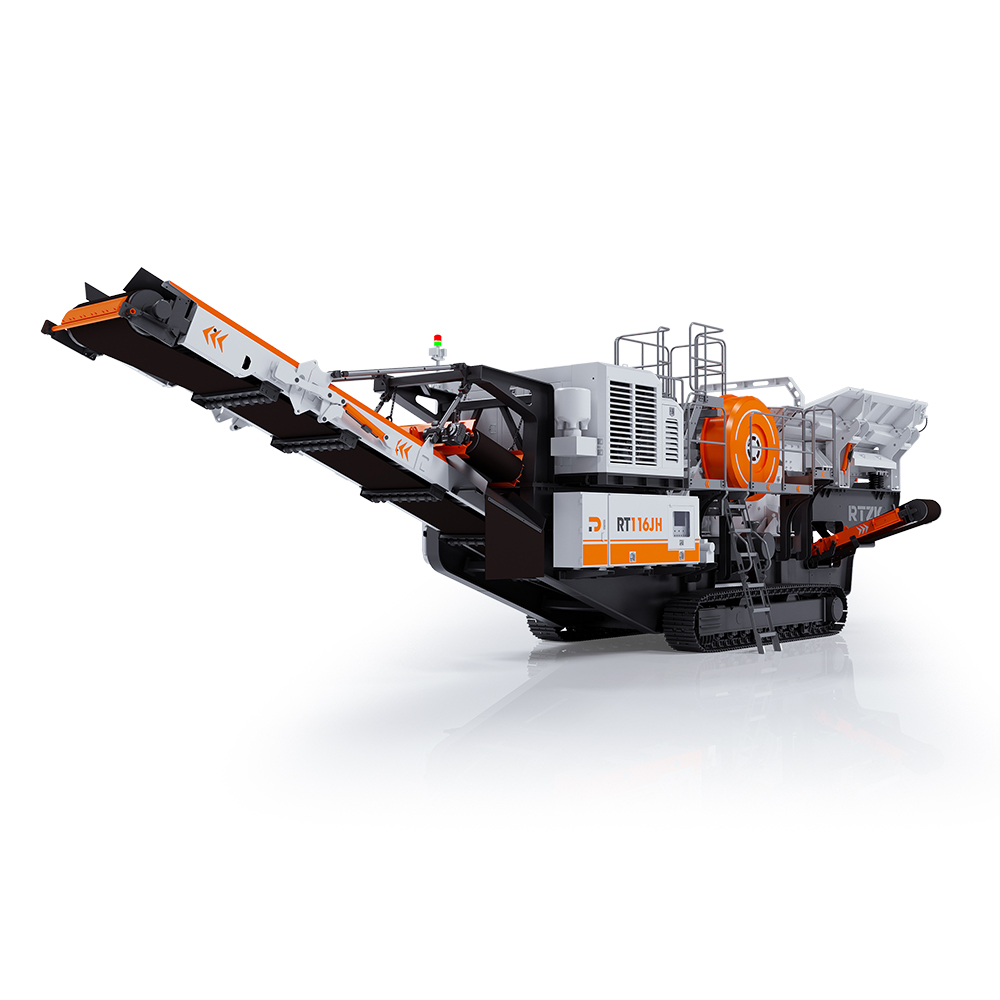 RT116JH Crawler Mobile Jaw Crushing Plant
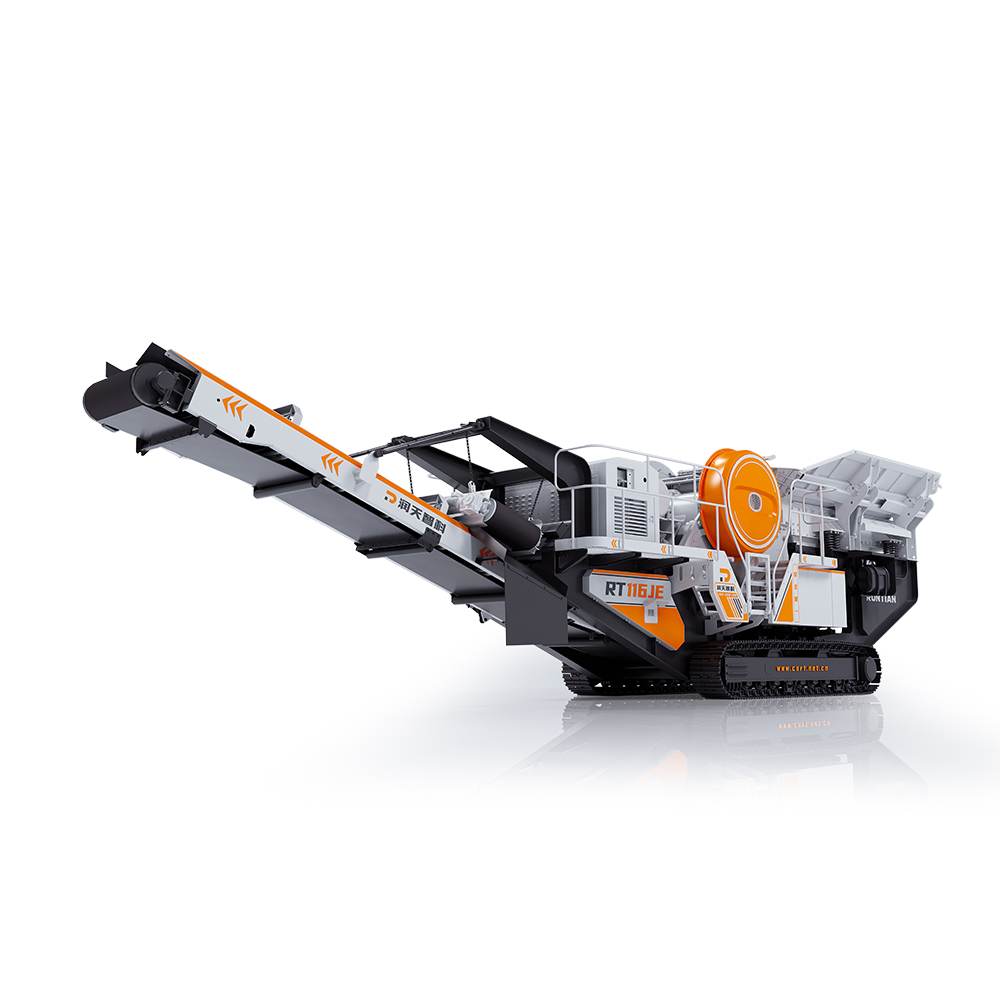 RT116JE Crawler Mobile Jaw Crushing Plant
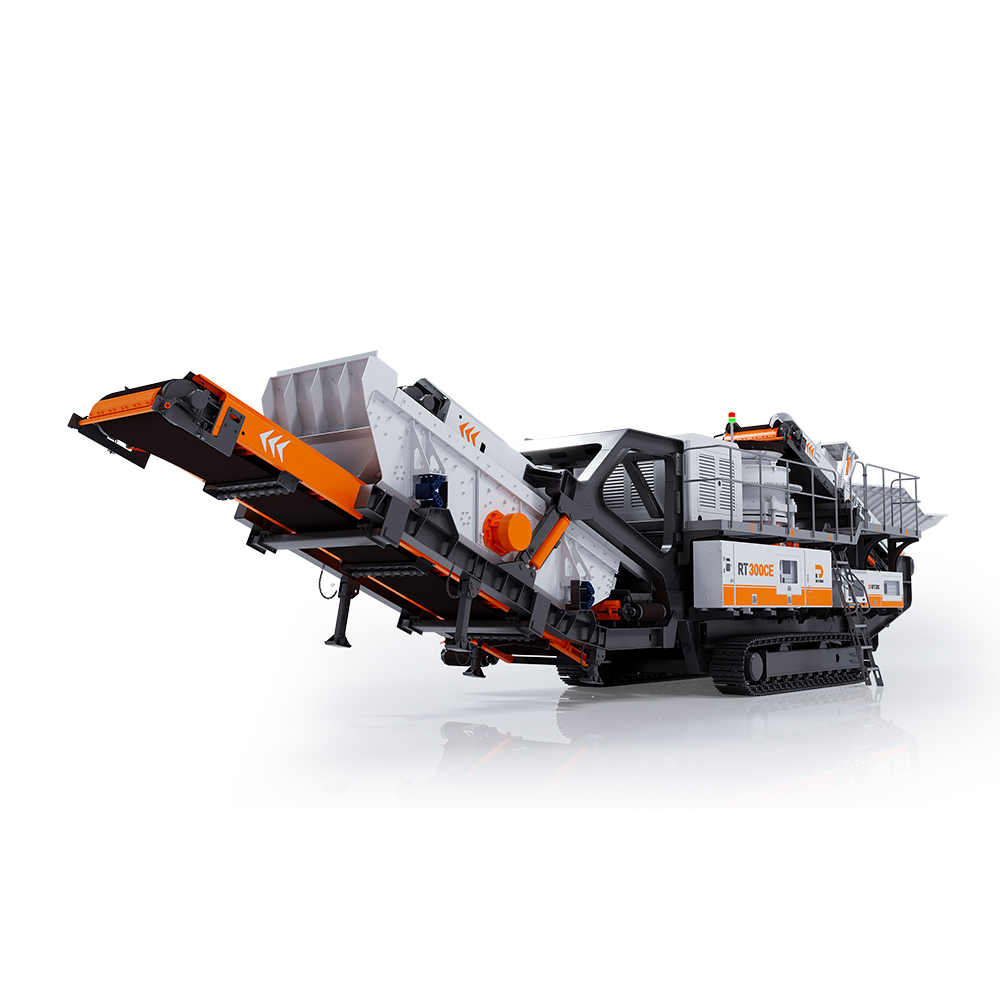 RT300CE Crawler Mobile Cone Crushing Plant
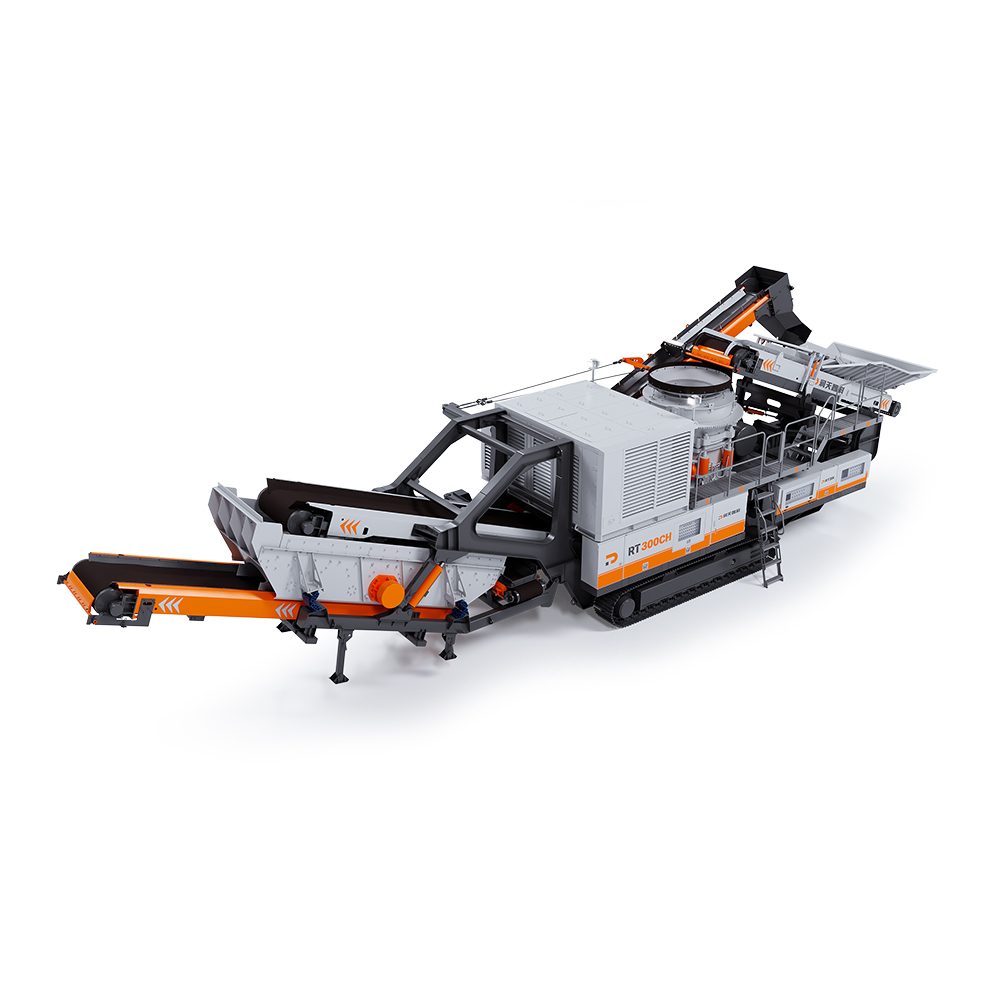 RT300CH Crawler Mobile Cone Crushing Plant
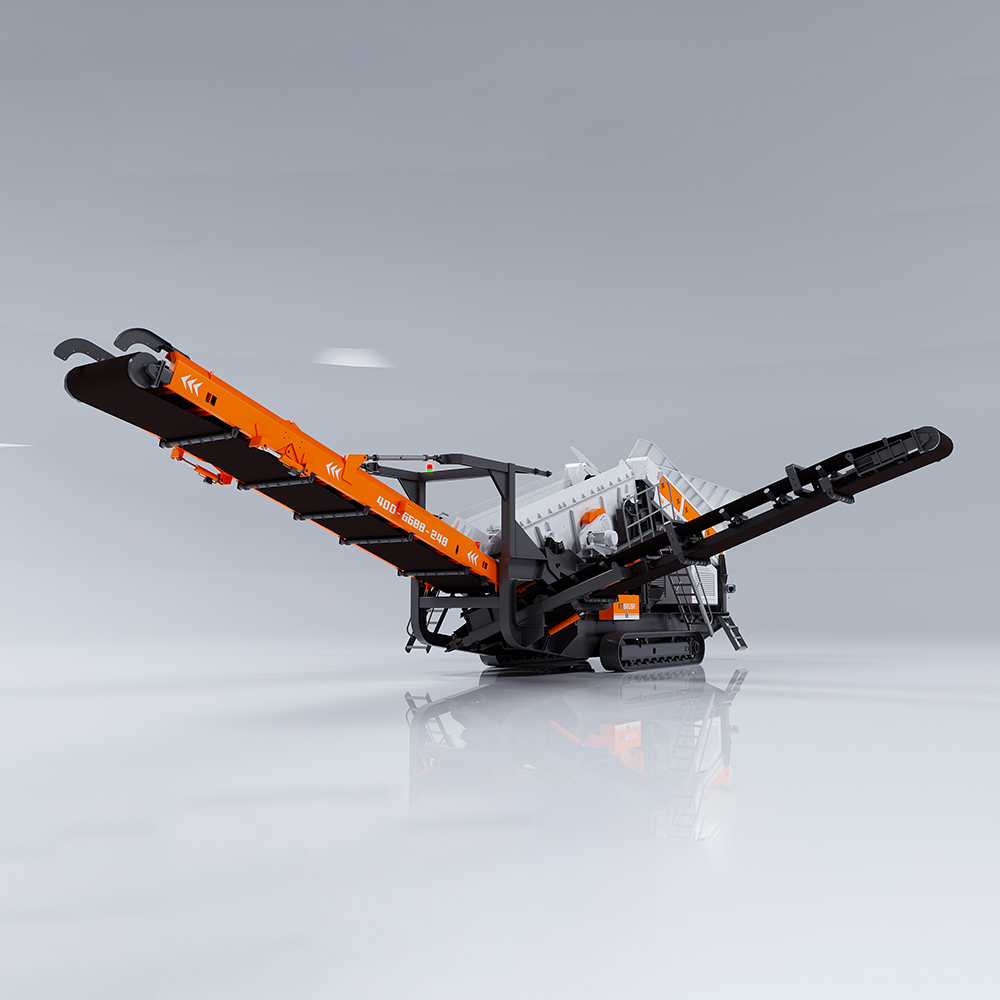 RT5015H Mobile Scalping Screen
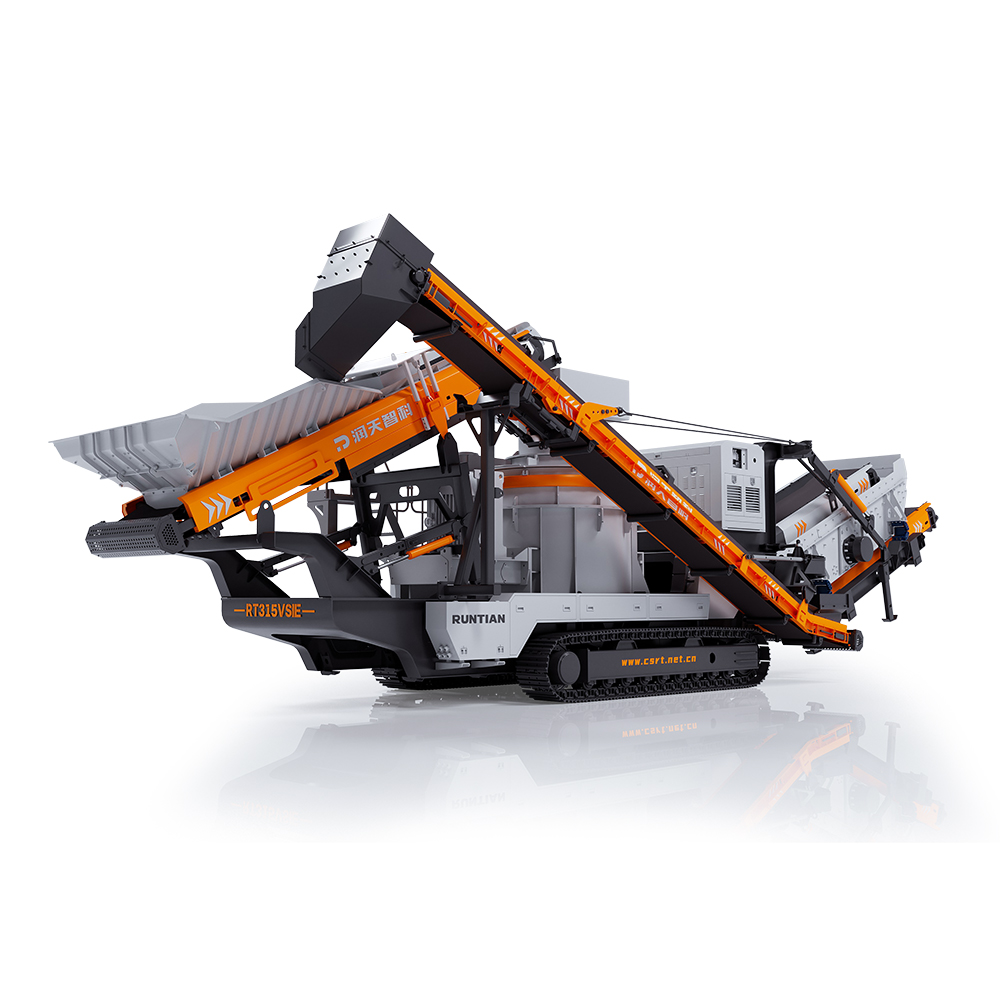 RT315VSIE Crawler Mobile Sand Maker
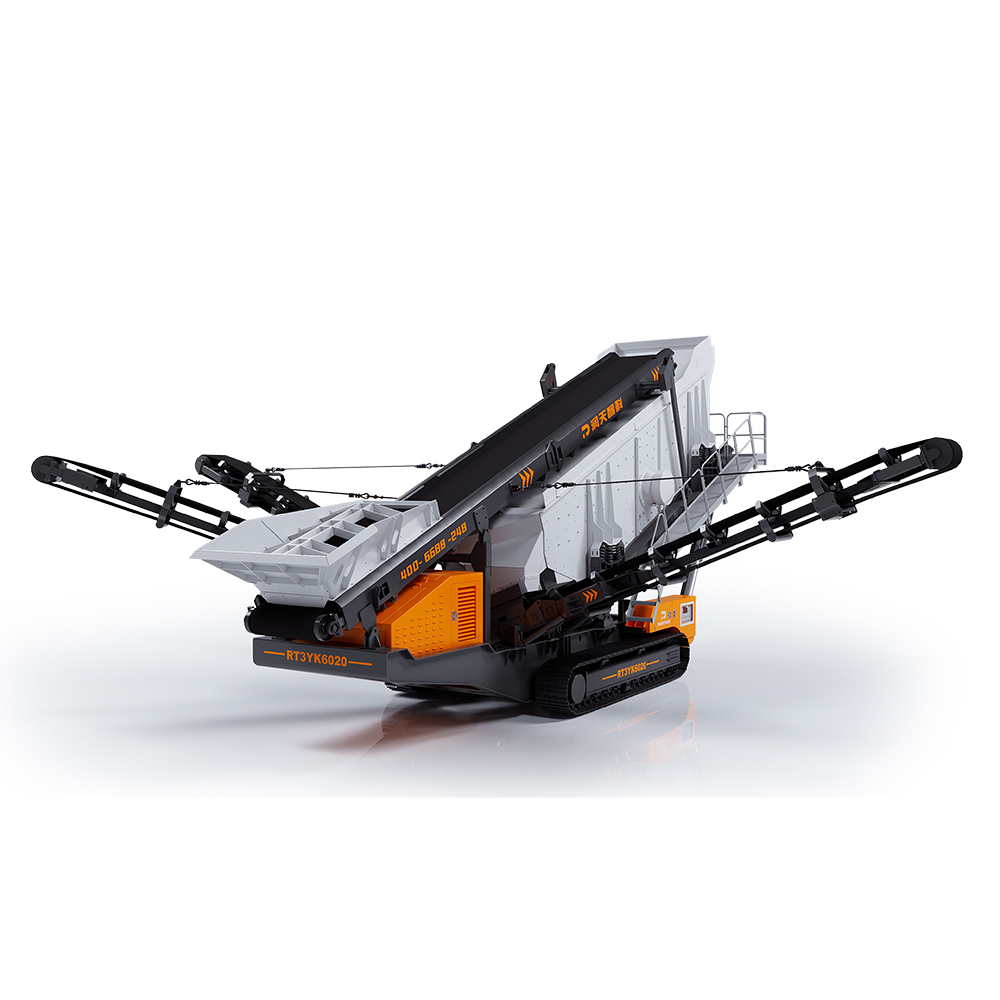 RT3YK6020 Crawler Mobile Screening Plant
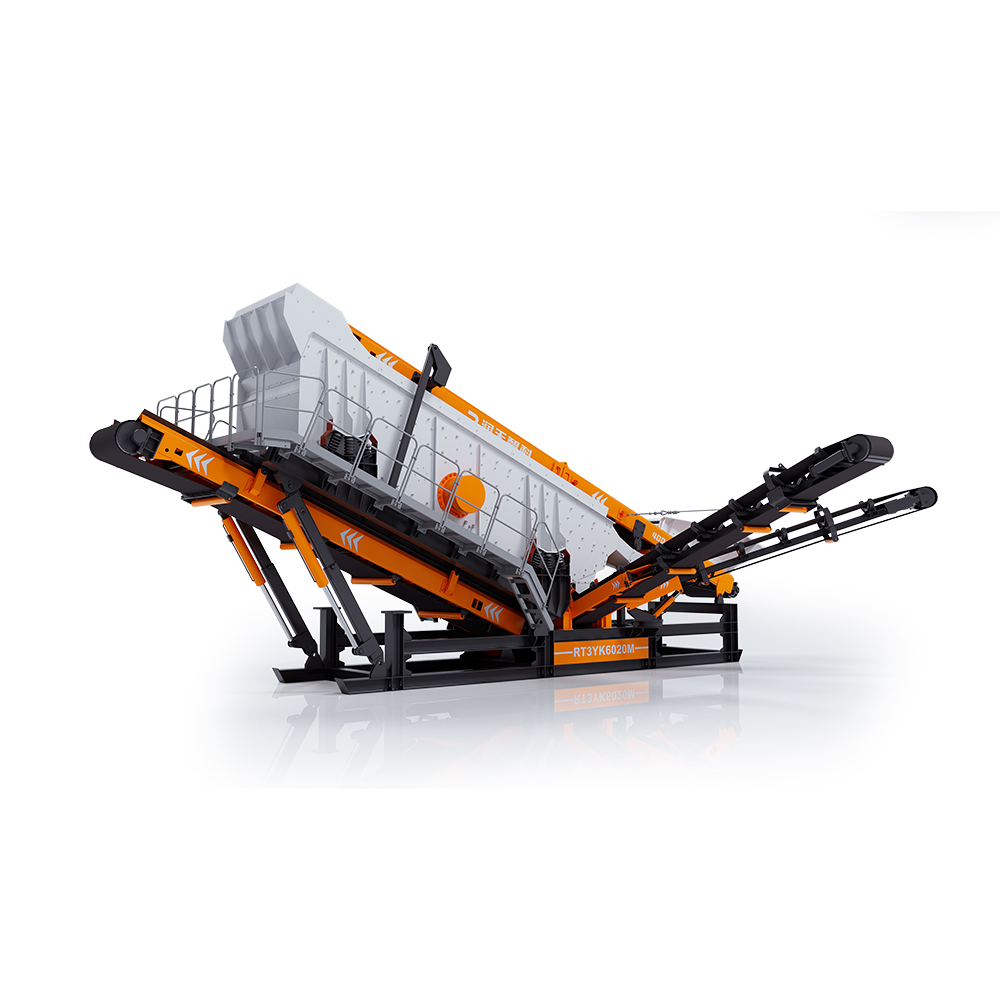 RT3YK6020M Modular Screening Plant
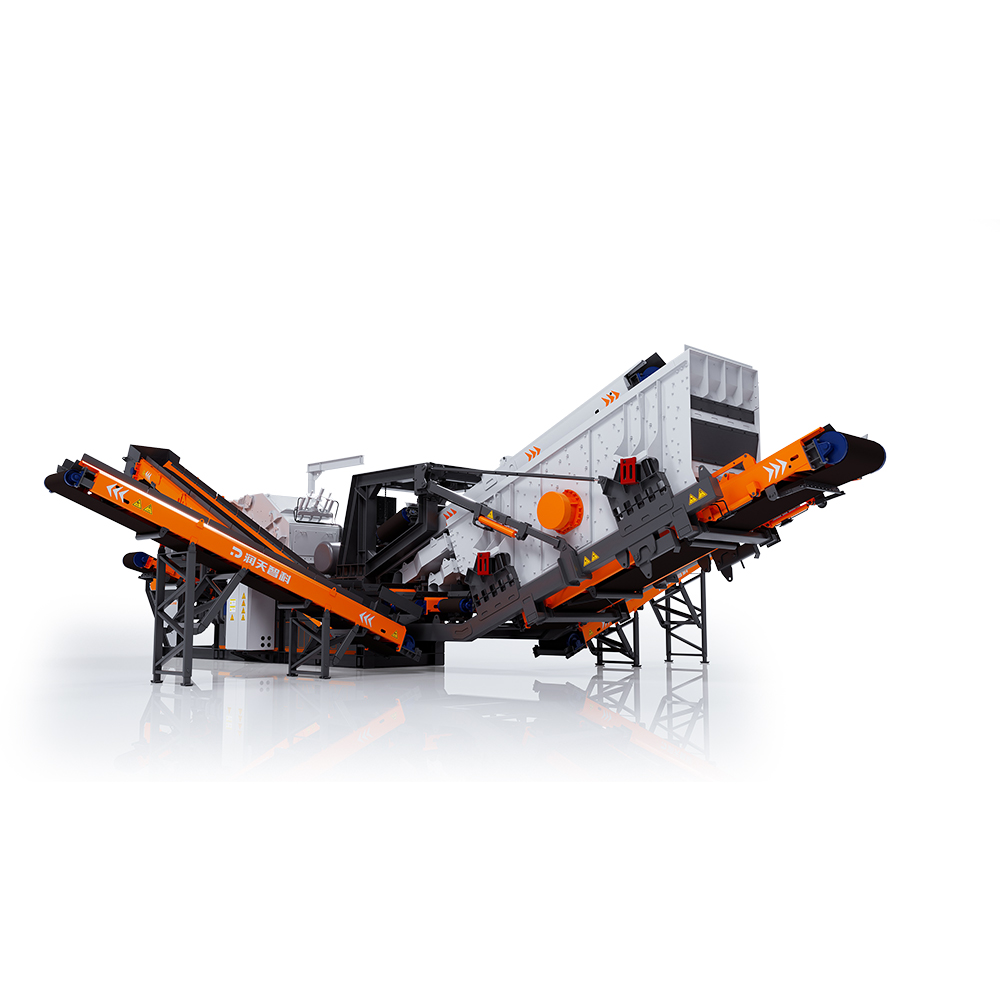 RTF260M Modular Counterattack Crushing and Screening Integrated Machine
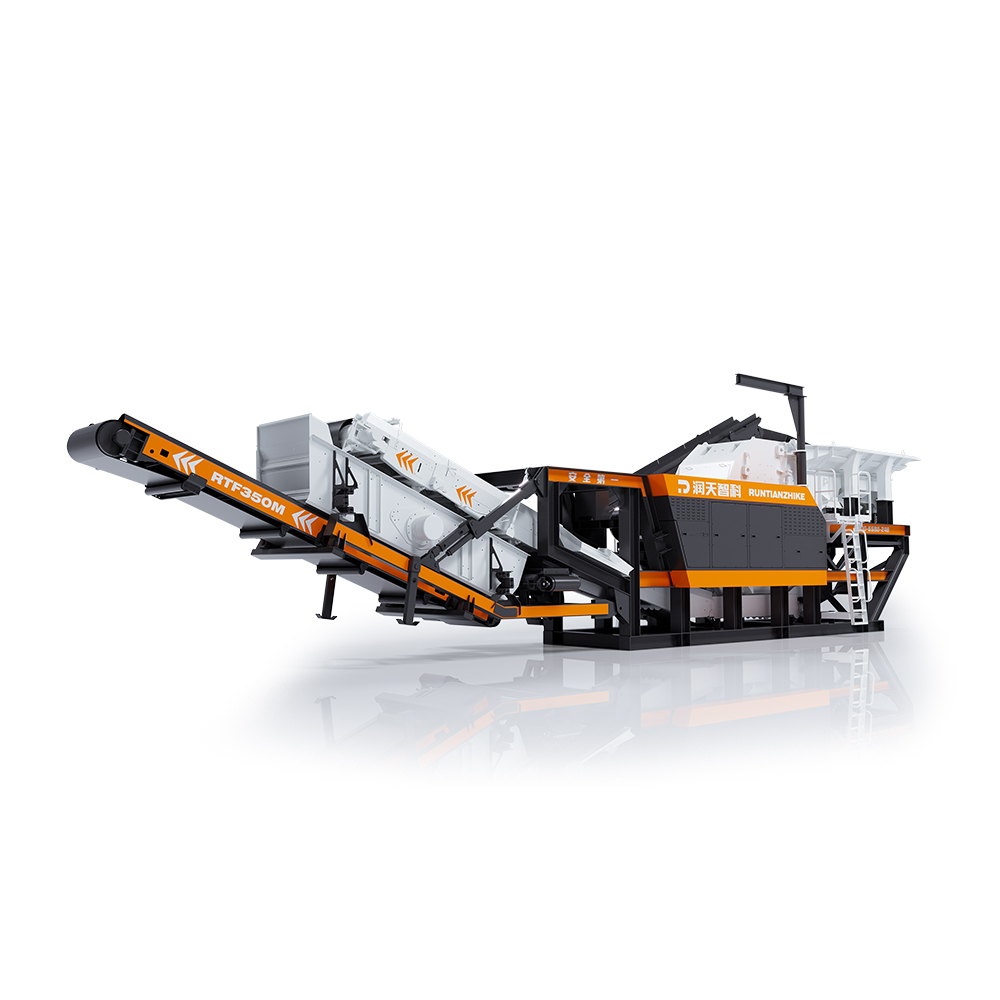 RTF350M Modular Impact Crushing Plant
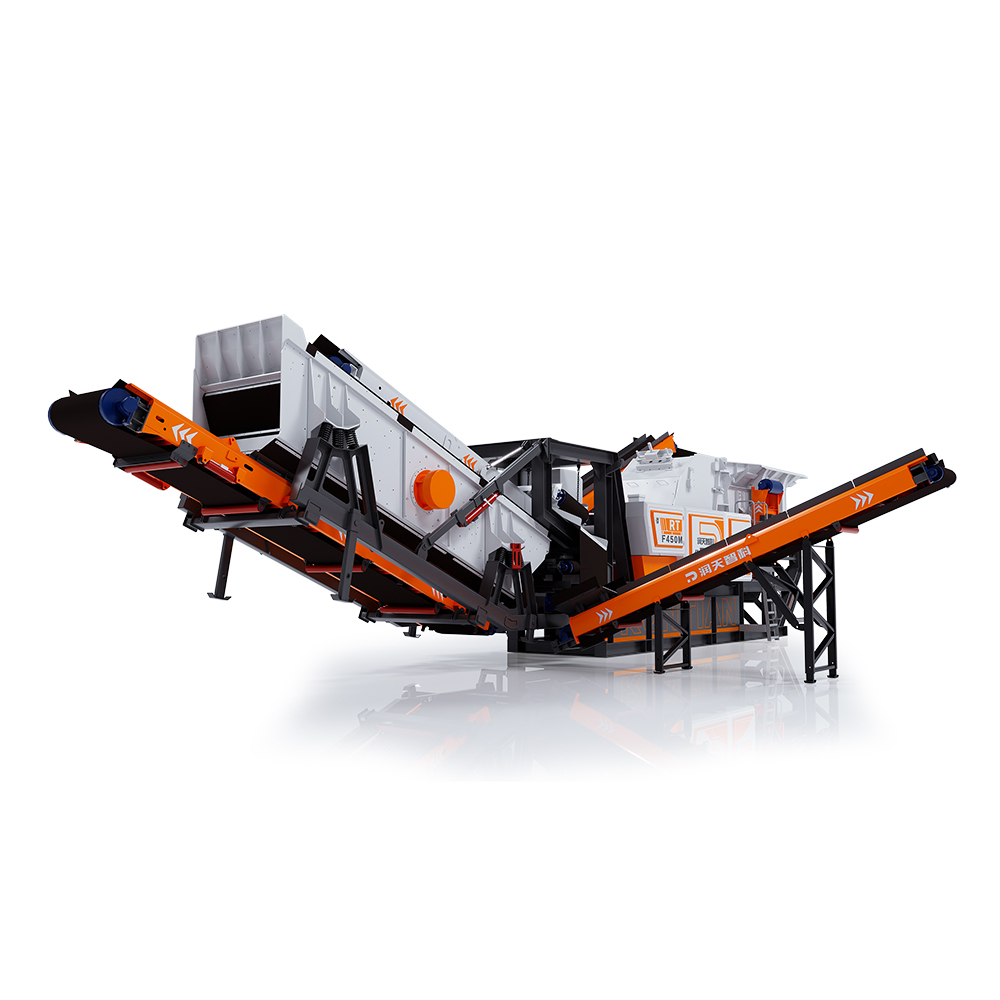 RTF450M Modular Impact Crushing Plant
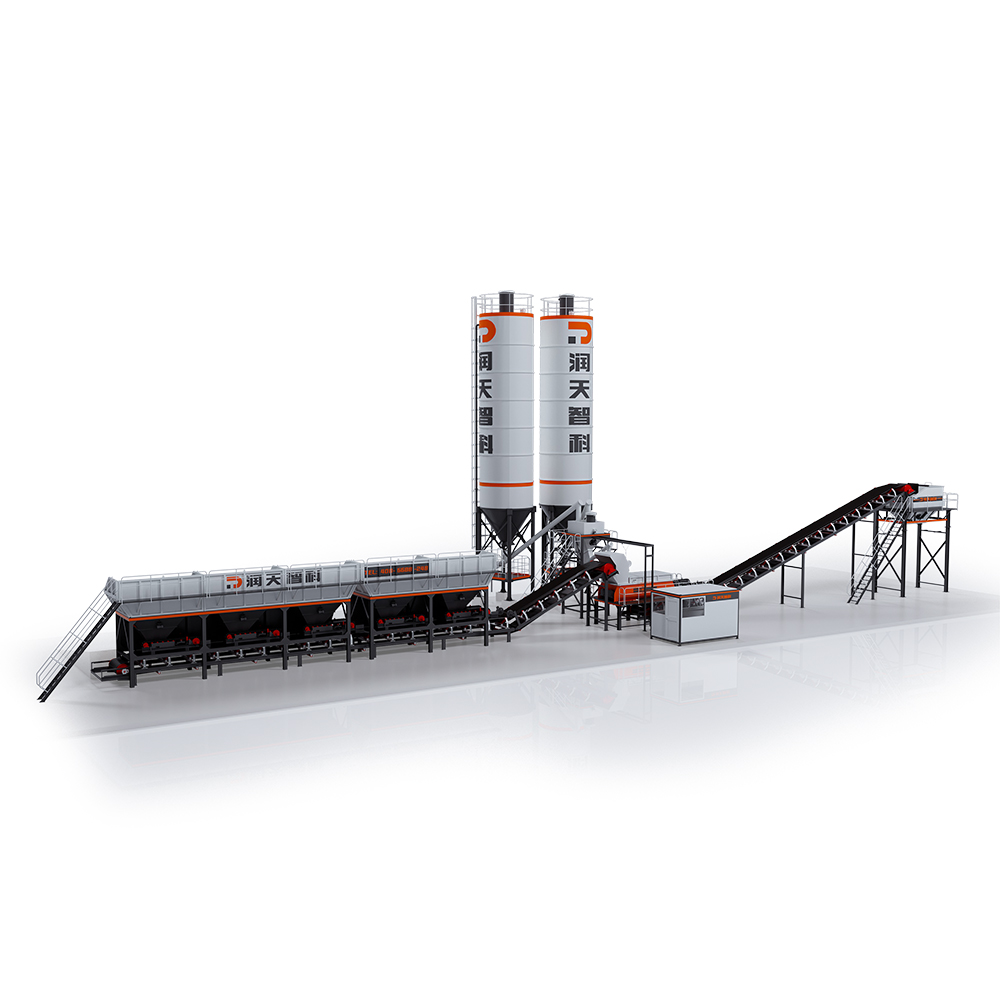 WDB Series Foundation-Free Stability Soil Mixing Plant
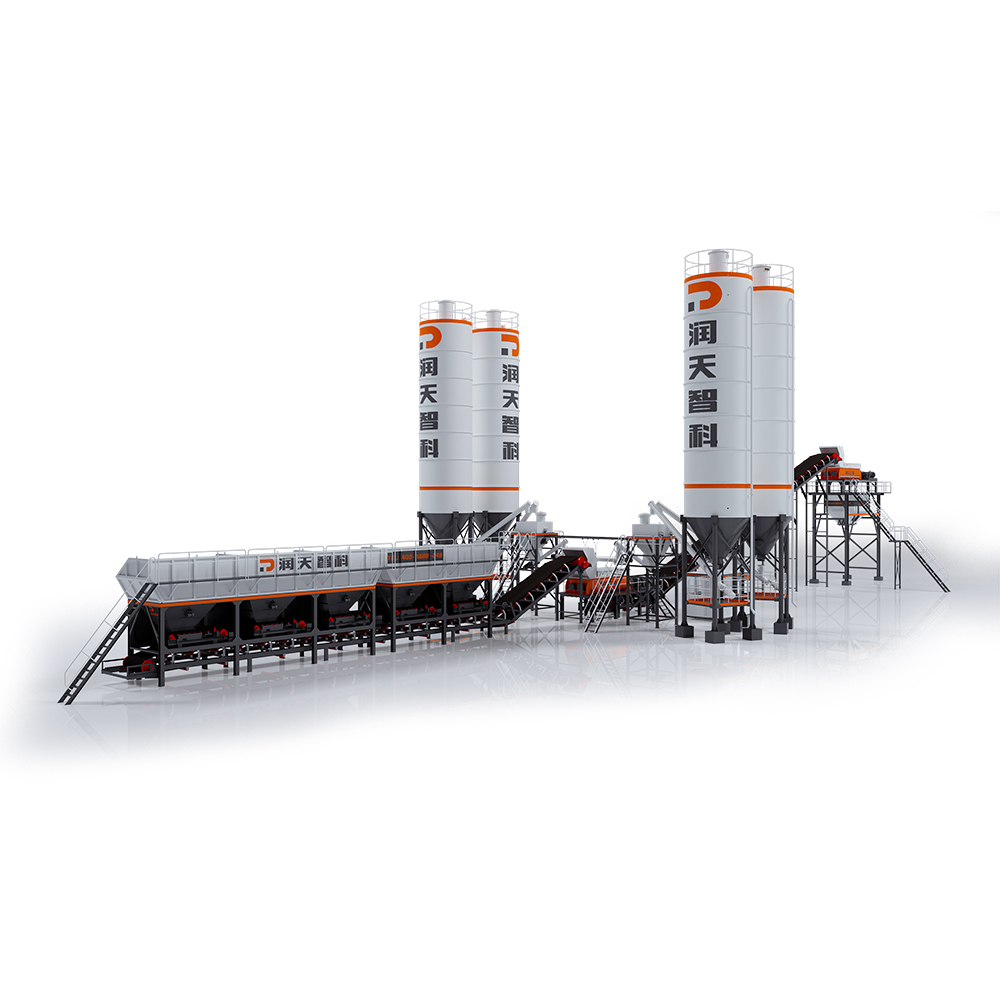 LCB Series Emulsified Asphalt Cold Regeneration Secondary Mixing Plant
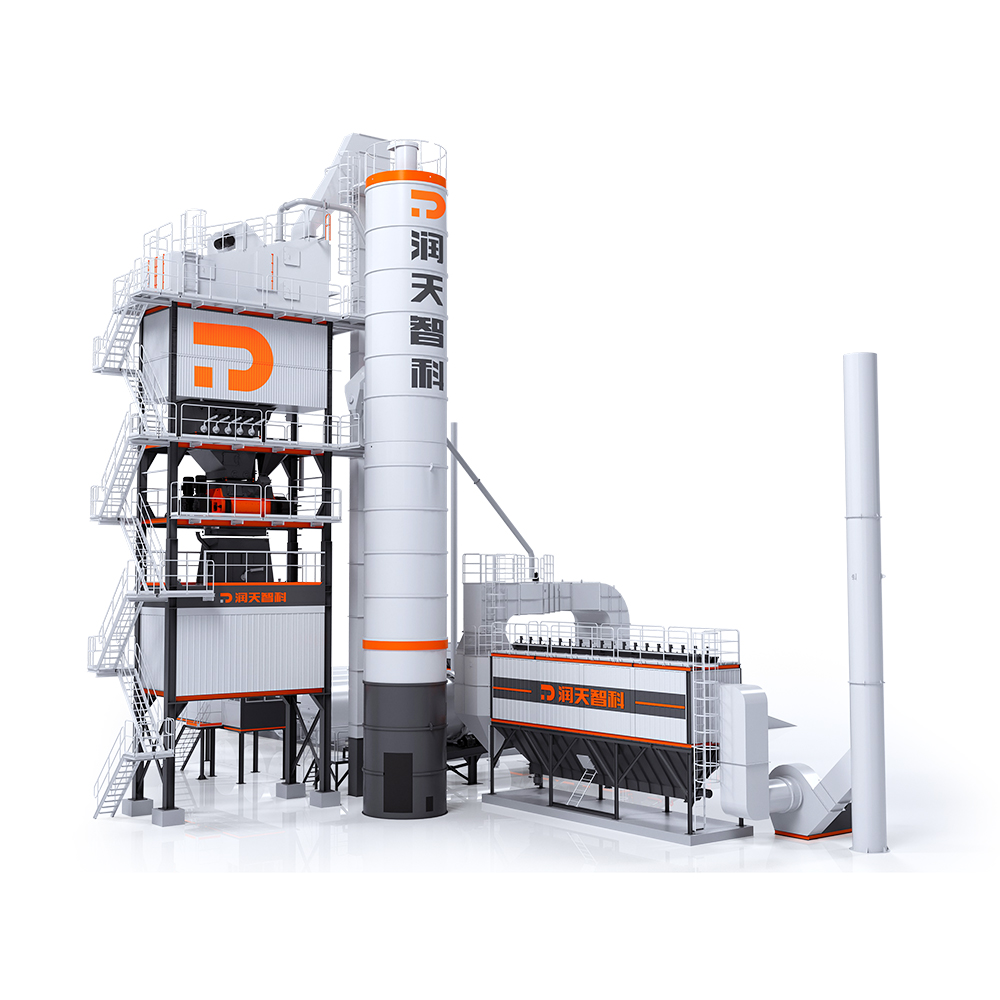 LB Series Asphalt Mixing Plant
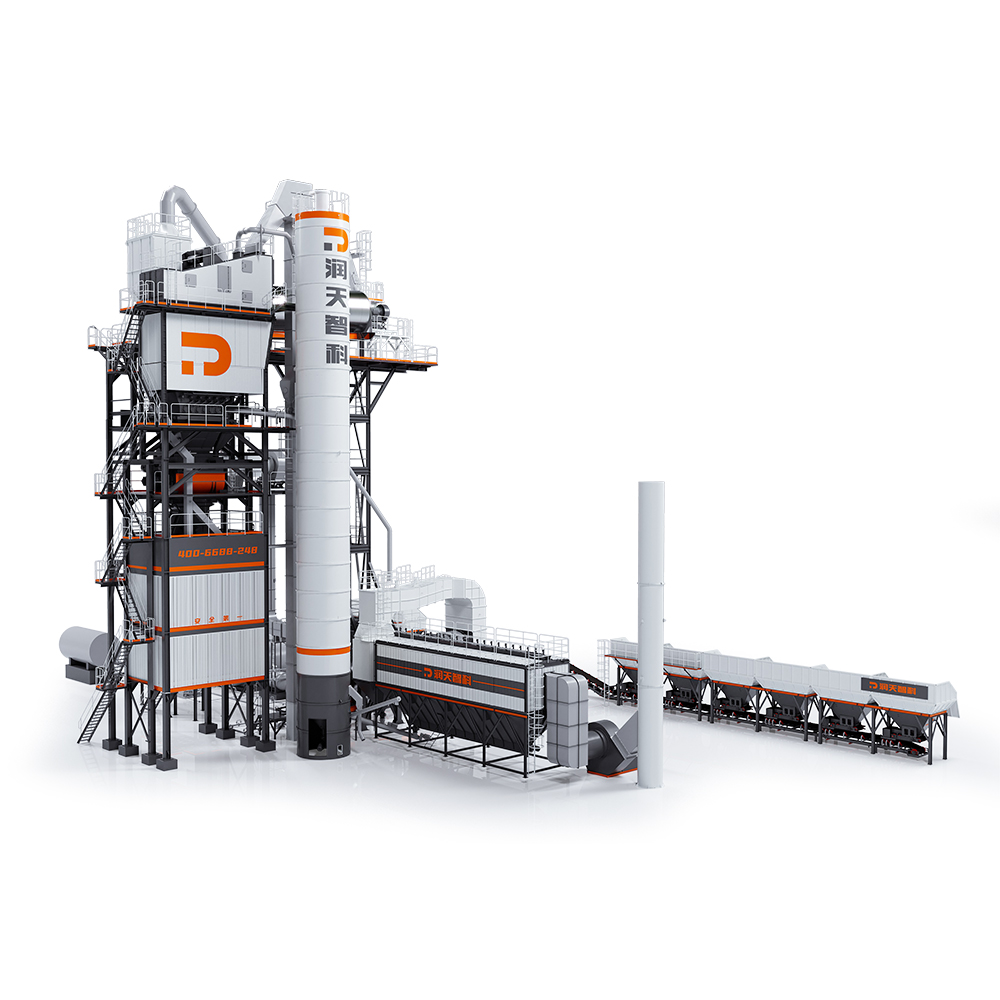 LBR Series Integrated Asphalt Mixing Plant
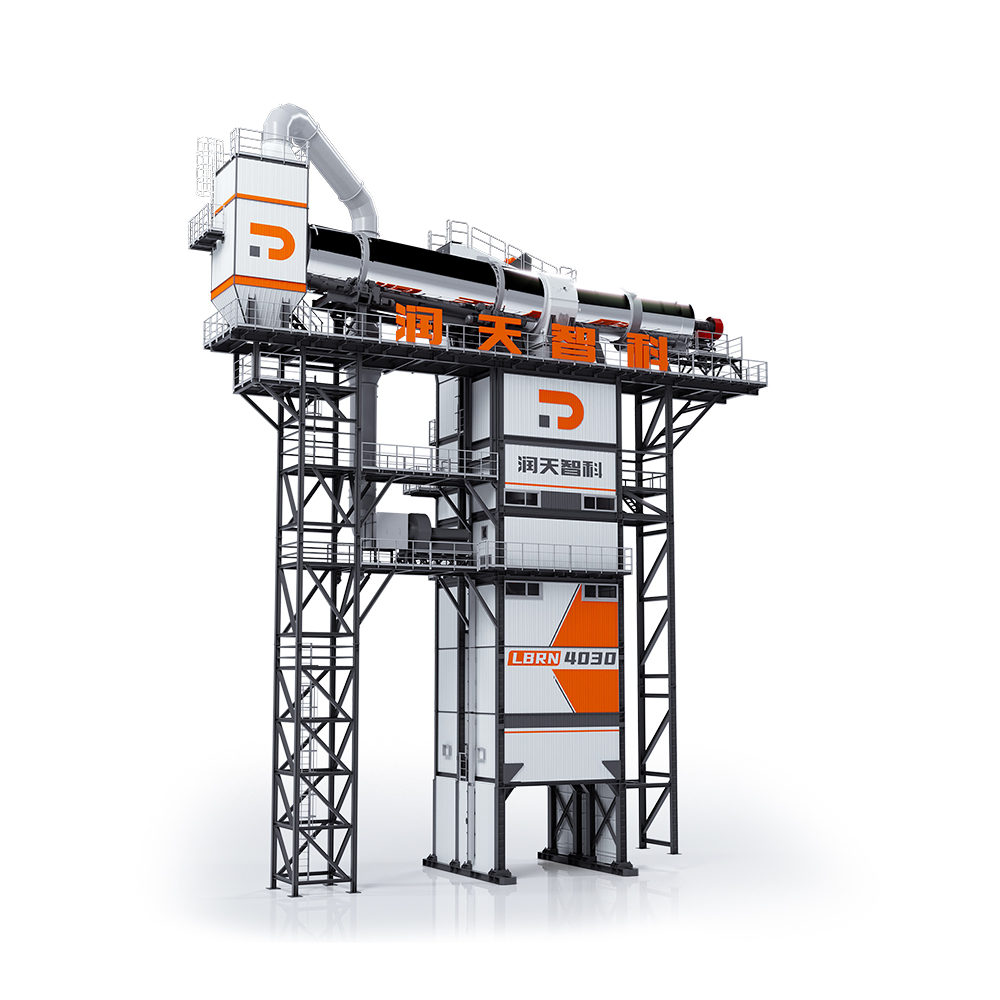 LBRN Series Counterflow Integral Asphalt Mixing Plant
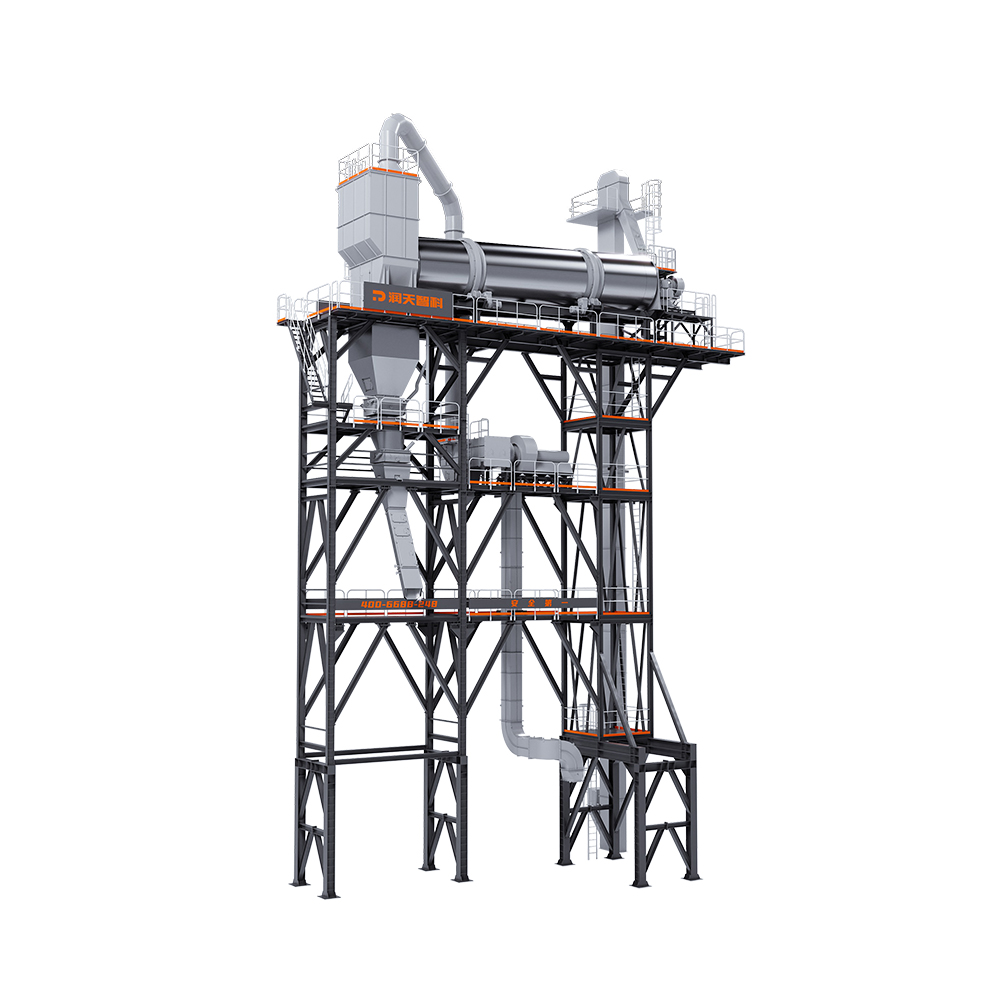 RZS Series Asphalt Mixing Plant
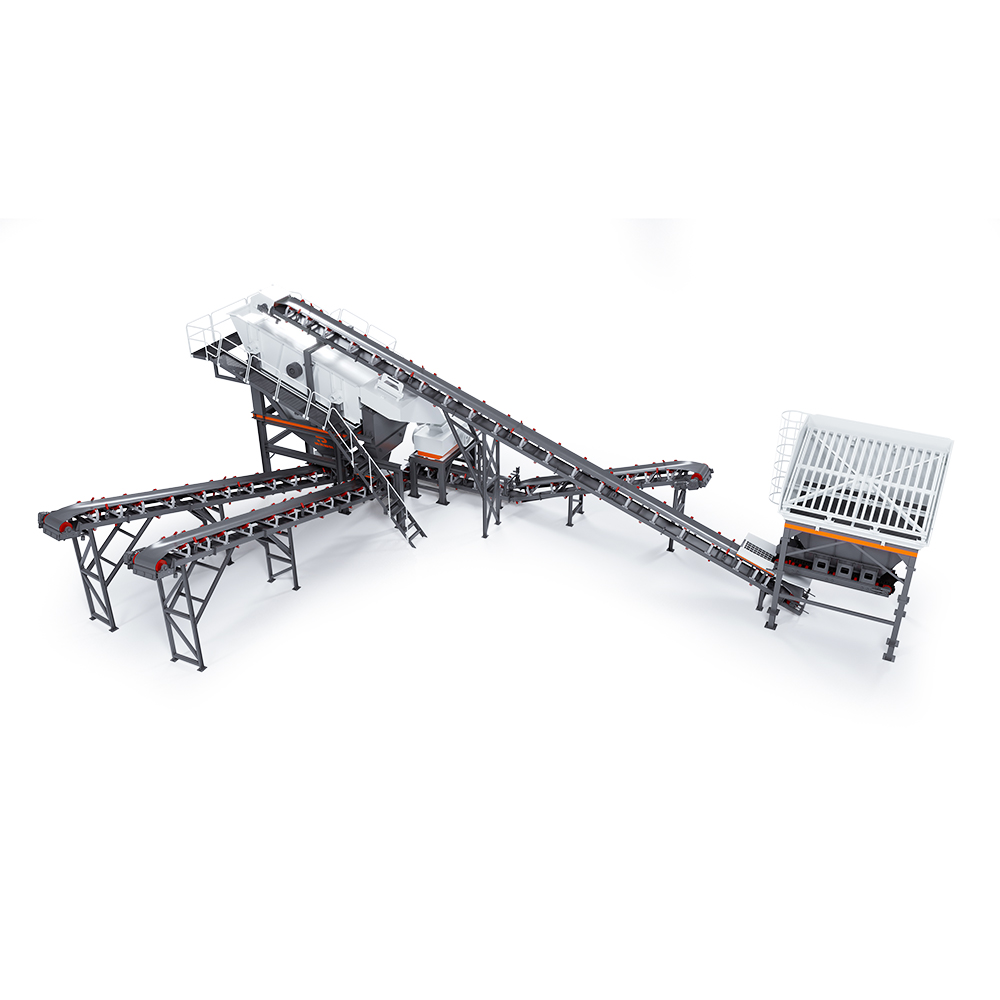 RTZS120 Series RAP Crushing & Screening Plant
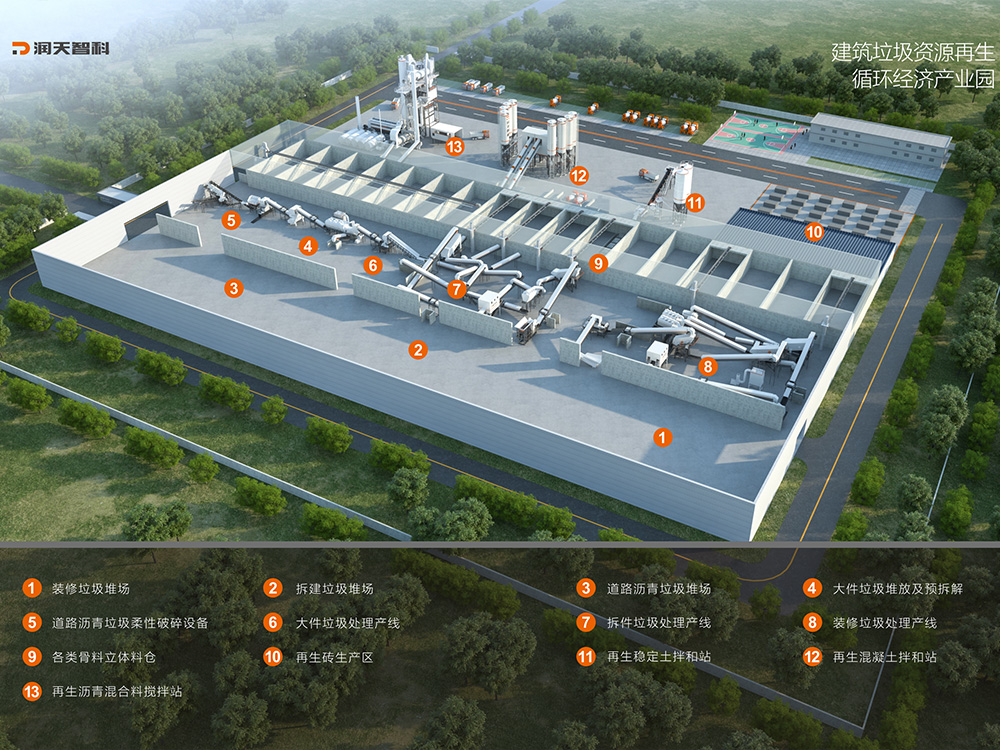 Construction Waste Resourceful Treatment Line