Top Types of Asphalt Mixing Plants for Optimal Performance?
As the demand for high-quality asphalt continues to rise, the efficiency of the Asphalt Mixing Plant becomes critical. According to a recent report by the Global Asphalt Market, the industry is projected to reach a value of $35 billion by 2025. This growth highlights the importance of optimizing asphalt production processes. Expert Dr. James McCormick, a leading authority in the asphalt technology sector, states, “The type of mixing plant directly influences the quality and sustainability of asphalt.”
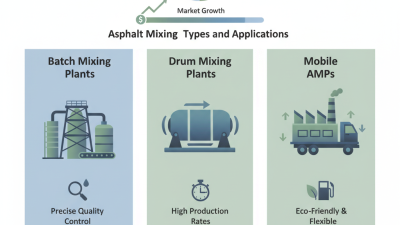
Different types of Asphalt Mixing Plants cater to varied project needs. Batch plants offer precise control over mixture quality, while drum mix plants deliver high throughput. Each plant type has unique advantages and trade-offs. Efficiency and emission standards also play a crucial role in selecting the right equipment. It is essential to evaluate specific project requirements and environmental regulations when making a choice.
While the advancements in technology enhance performance, some challenges persist. Many operators struggle with balancing speed and quality. Continuous monitoring and maintenance of the Asphalt Mixing Plant are necessary to achieve optimal results. The evolution of equipment and practices requires constant adaptation. This dynamic landscape pushes industry professionals to rethink traditional methods for ongoing improvement and sustainability.
Key Characteristics of Asphalt Mixing Plants
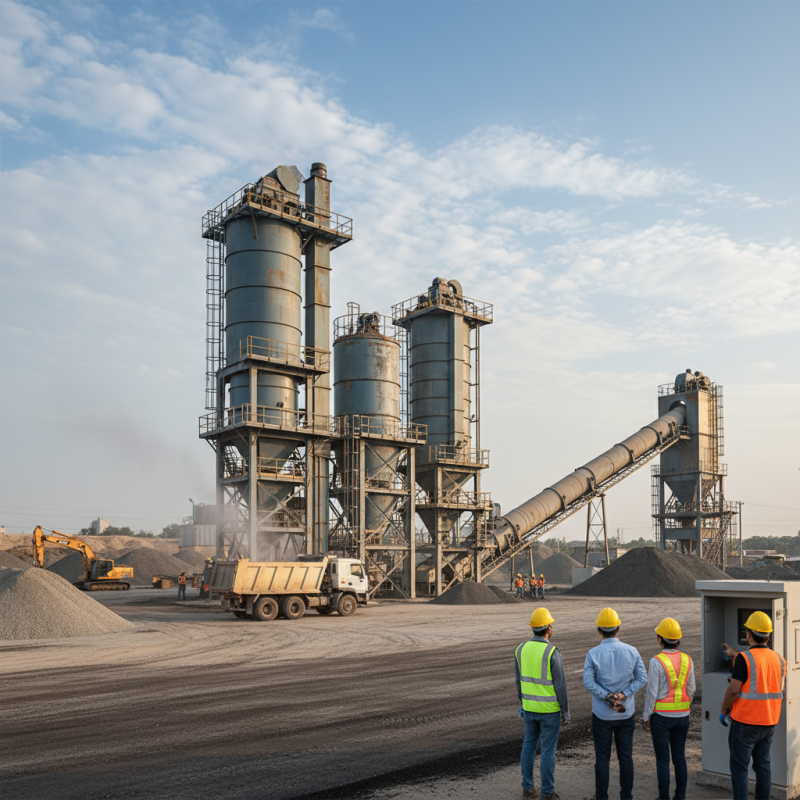
Asphalt mixing plants are vital for paving projects. Their effectiveness hinges on several key characteristics. One primary factor is the plant type. Each type, whether batch or continuous, offers unique benefits. Batch plants are known for their precise control over mix quality. Continuous plants excel in high-output scenarios.
Another characteristic to consider is production capacity. This capacity impacts the plant's efficiency. Larger plants can handle bigger jobs quicker, but may require more space and energy. Additionally, mobility plays a significant role. Some plants are portable, allowing for flexibility on job sites. However, this can compromise certain features.
Moreover, environmental considerations are essential. Many modern plants incorporate eco-friendly technologies. These features can help reduce emissions, making projects more sustainable. Yet, not all plants are designed the same. Some may lack essential energy-saving mechanisms, which can lead to unnecessary waste. Understanding these traits is crucial for selecting the right asphalt mixing plant.
Top Types of Asphalt Mixing Plants for Optimal Performance
Types of Asphalt Mixing Plants: Batch vs. Continuous
When considering asphalt mixing plants, the choice between batch and continuous types is crucial for performance. Batch plants produce asphalt in batches. They allow for greater flexibility in mixing different asphalt formulations. This can be beneficial for projects requiring specific asphalt characteristics. However, batch plants may have slower output rates. This means they can be less efficient for large projects.
On the other hand, continuous mixing plants operate differently. They produce asphalt continuously, making them ideal for high-demand situations. This type keeps materials moving through the mixing process without halts. Yet, this efficiency comes at a cost. Continuous plants can be less adaptable when it comes to varying mix designs. For project managers, choosing the right plant type is essential. It hinges on the specific needs of the project.
Understanding these differences can help in making informed decisions. Each plant type has its own strengths and challenges. Balancing efficiency with adaptability is key. Ultimately, the right choice depends on project size, requirements, and constraints. Each decision can lead to reflections on improving future choices.
Advantages of Portable Asphalt Mixing Plants
Portable asphalt mixing plants are gaining traction in the construction industry due to their versatility and efficiency. A report by the National Asphalt Pavement Association highlights that these plants can be set up quickly at various sites. This adaptability significantly reduces transportation costs and improves project timelines. The ability to move the plant closer to the job site minimizes the time spent on material delivery.
One standout advantage is the lower emissions associated with portable plants. According to the Environmental Protection Agency, modern portable asphalt plants can lower overall emissions by as much as 30%. This reduction demonstrates a commitment to environmental responsibility. However, it's essential to acknowledge that while portable plants offer benefits, they may require more frequent maintenance compared to stationary versions.
Moreover, the output capacity of portable plants can vary. Industry data reveals that while some models can produce up to 120 tons per hour, others may operate at lower efficiencies. This variability can affect project planning. Effective management is crucial to maximize performance and minimize delays. Understanding the needs of the project is vital in choosing the right type of plant.
Factors Influencing Asphalt Mixing Plant Performance
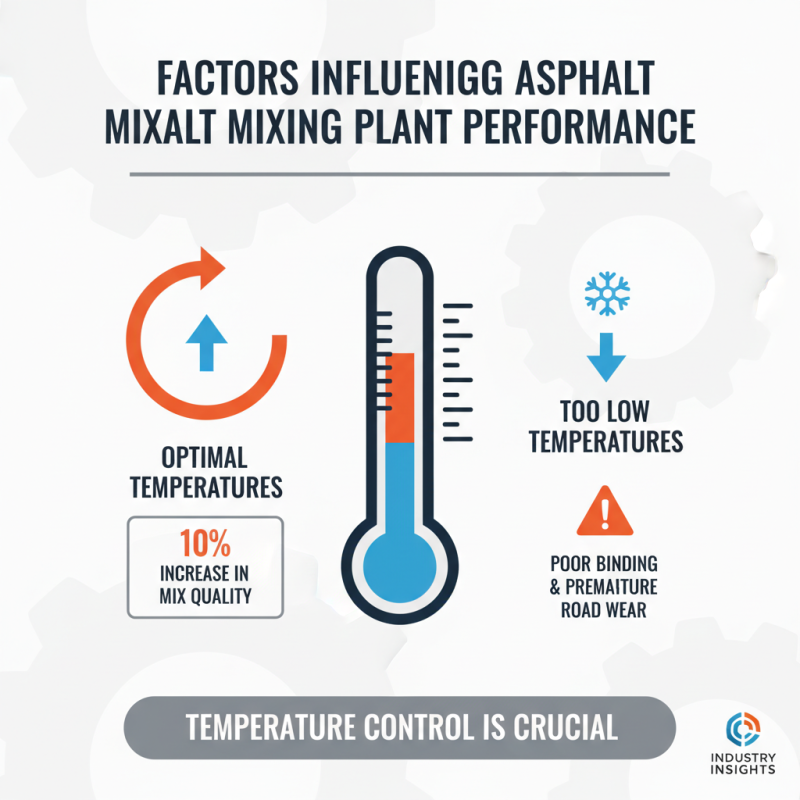
The performance of asphalt mixing plants greatly depends on several influencing factors. Temperature control is crucial. According to industry studies, maintaining optimal temperatures can lead to a 10% increase in mix quality. If temperatures are too low, the asphalt may not bind properly, leading to premature wear in the road surface.
Another significant factor is the type of materials used. High-quality aggregates improve durability and reduce the likelihood of crack formation. Reports indicate that using less than 5% recycled asphalt can impact integrity positively. Yet, over-reliance on recycled content can compromise mix performance. Operators must find a balance between sustainability and quality.
The plant's technology also plays a vital role. Modern plants equipped with advanced control systems ensure efficient mixing and consistent output. However, not all plants are upgraded regularly. Some operators hesitate to invest in newer technologies, potentially limiting performance. Regular maintenance and staff training can amplify the benefits of existing equipment, leading to more reliable operations. Adapting to new techniques and materials is essential for staying competitive.
Innovations in Asphalt Mixing Technology for Efficiency
Innovations in asphalt mixing technology are transforming the construction industry. Modern plants now integrate advanced control systems for improved production accuracy. These systems allow for real-time monitoring, resulting in enhanced quality control. As a result, the final product meets rigorous standards consistently.
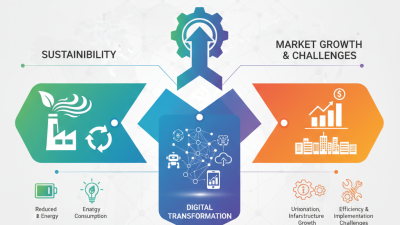
Another notable advancement is the shift towards eco-friendly practices. Many facilities are adopting warm-mix asphalt technologies. This method not only reduces energy consumption but also lowers emissions during production. However, the transition is not without challenges. Some companies struggle with the initial costs of new equipment. A balance between environmental responsibility and financial sustainability requires thoughtful planning.
Furthermore, automation is reshaping asphalt mixing operations. Robots and AI are now common for tasks like quality checks. Yet, reliance on technology can lead to issues if not managed carefully. Technicians need to stay skilled to troubleshoot when machines fail. Continuous training becomes essential in this evolving landscape. Embracing these innovations is key, but it also demands a readiness to adapt and overcome obstacles.

 Concrete Mixing Plant
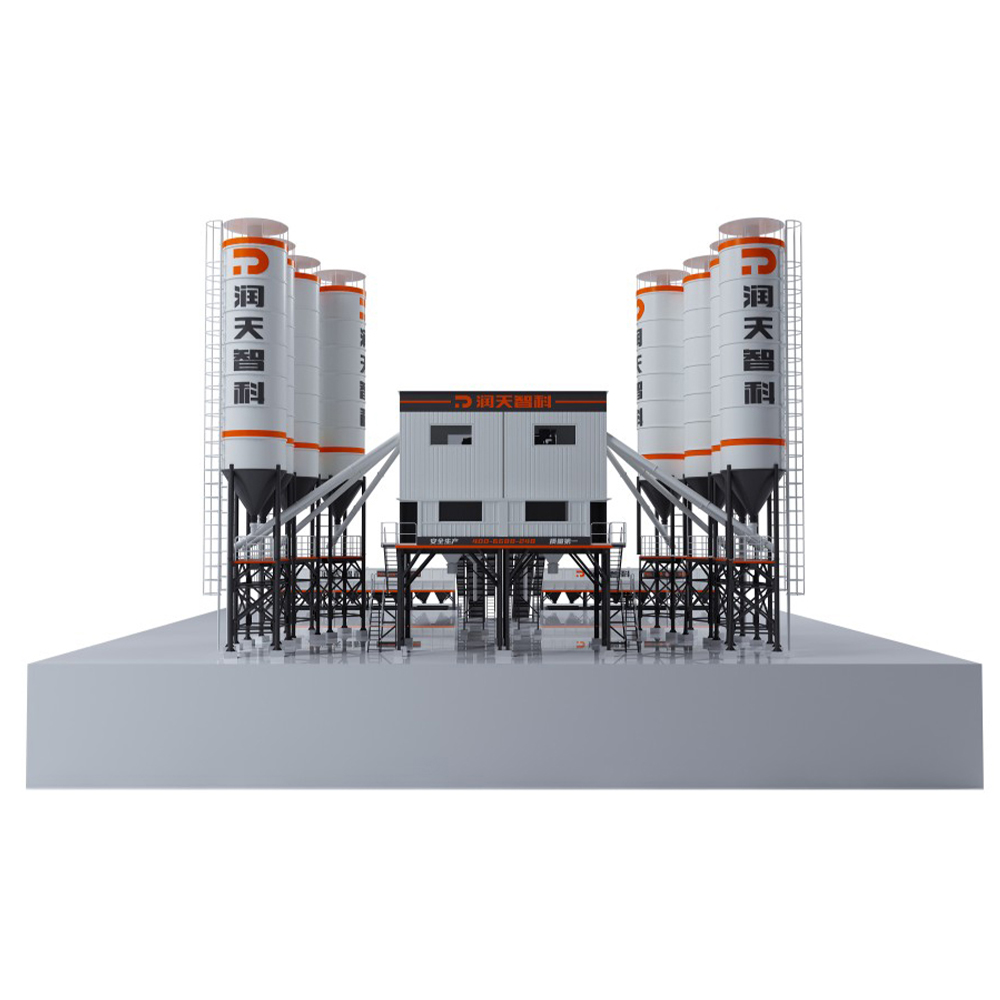 HZS Series Belt Concrete Mixing Plant
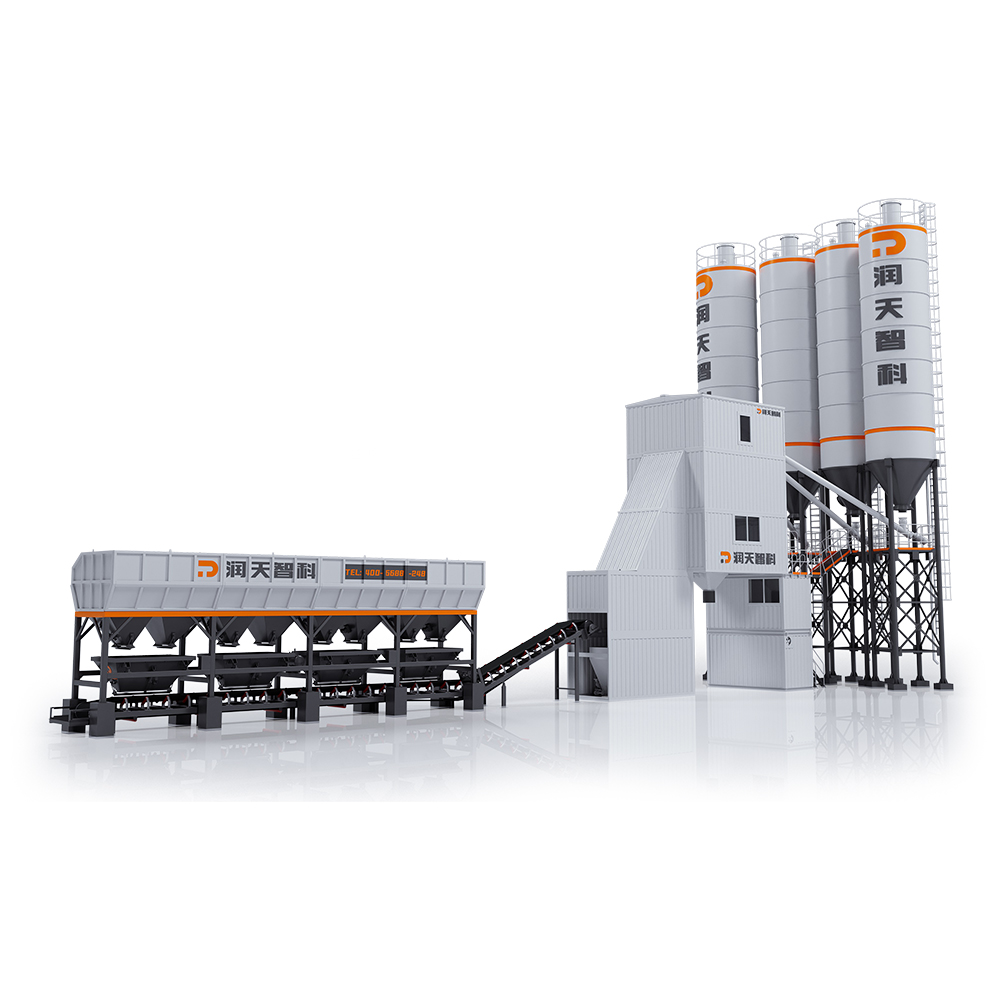 HZS Series Bucket-Lifting Type Container Concrete Mixing Plant
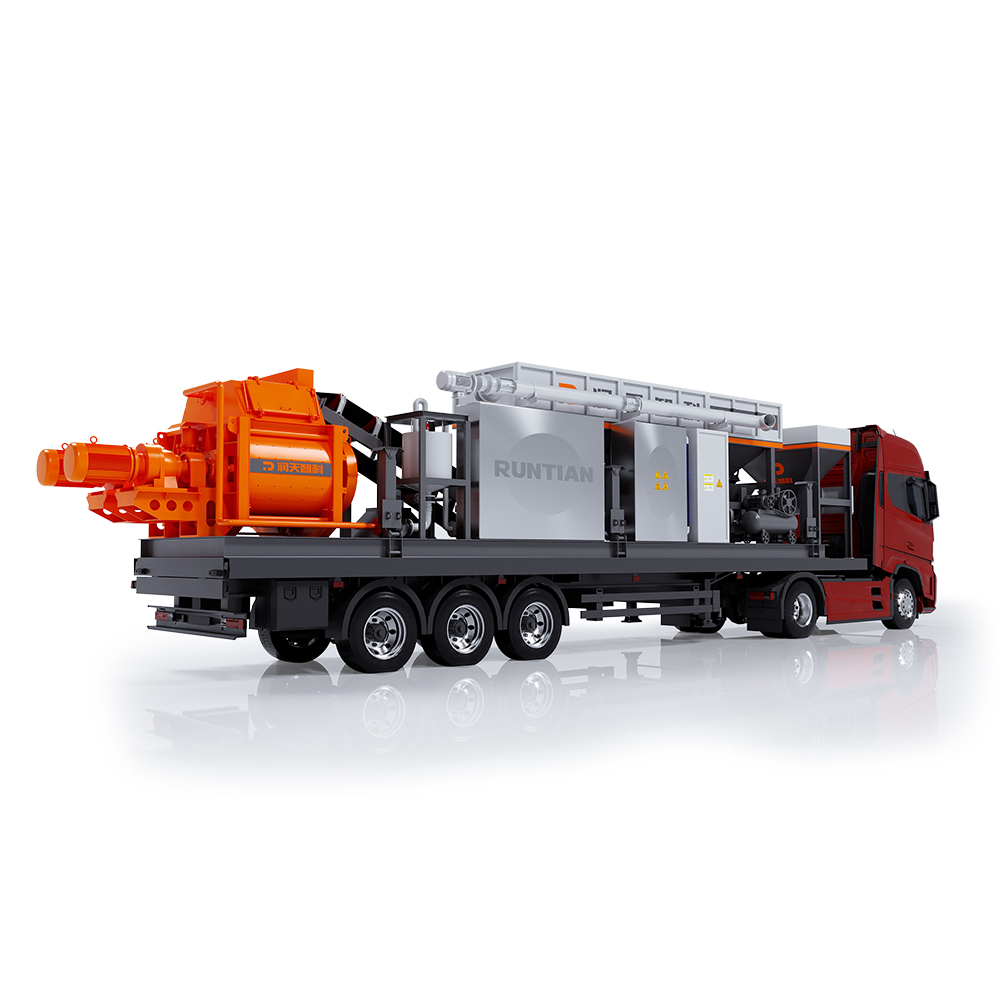 HZS60 Mobile Concrete Mixing Plant
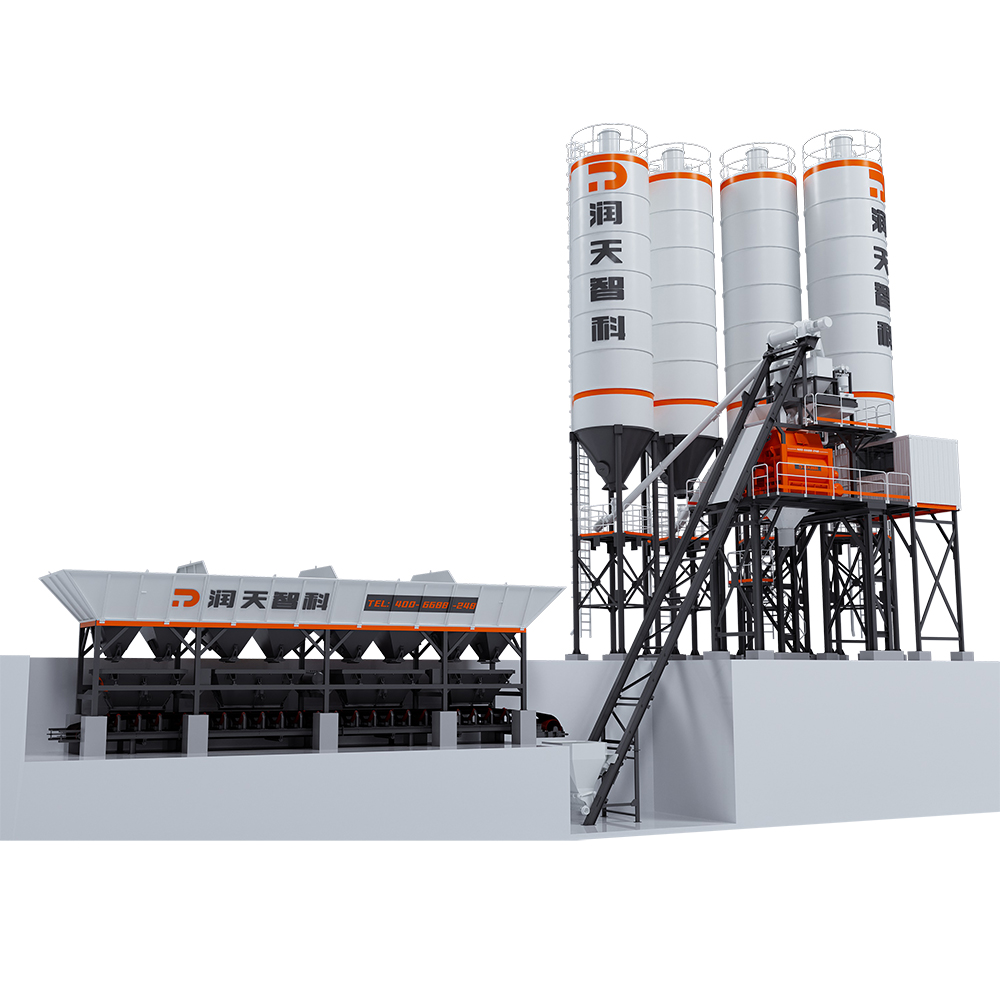 HZS Series Bucket-Lifting Type Concrete Mixing Plant
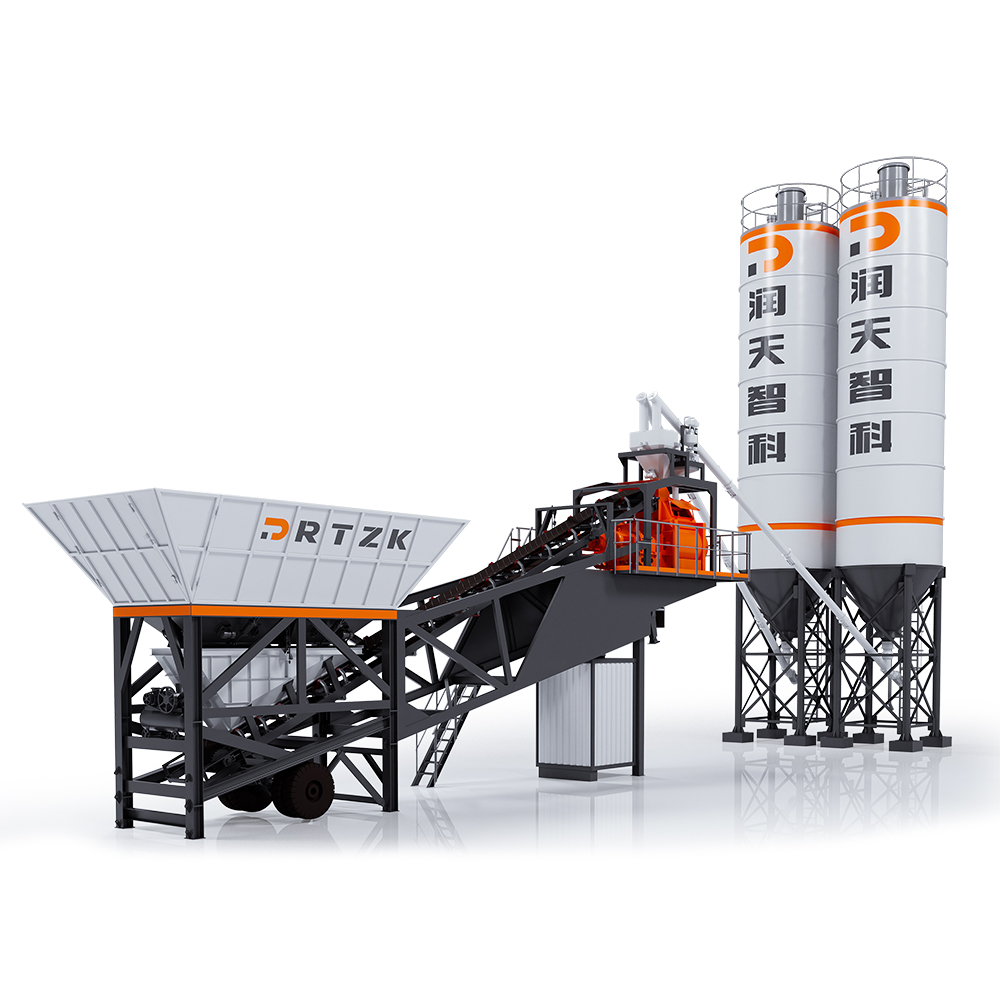 HZS Series Mobile Concrete Mixing Plant
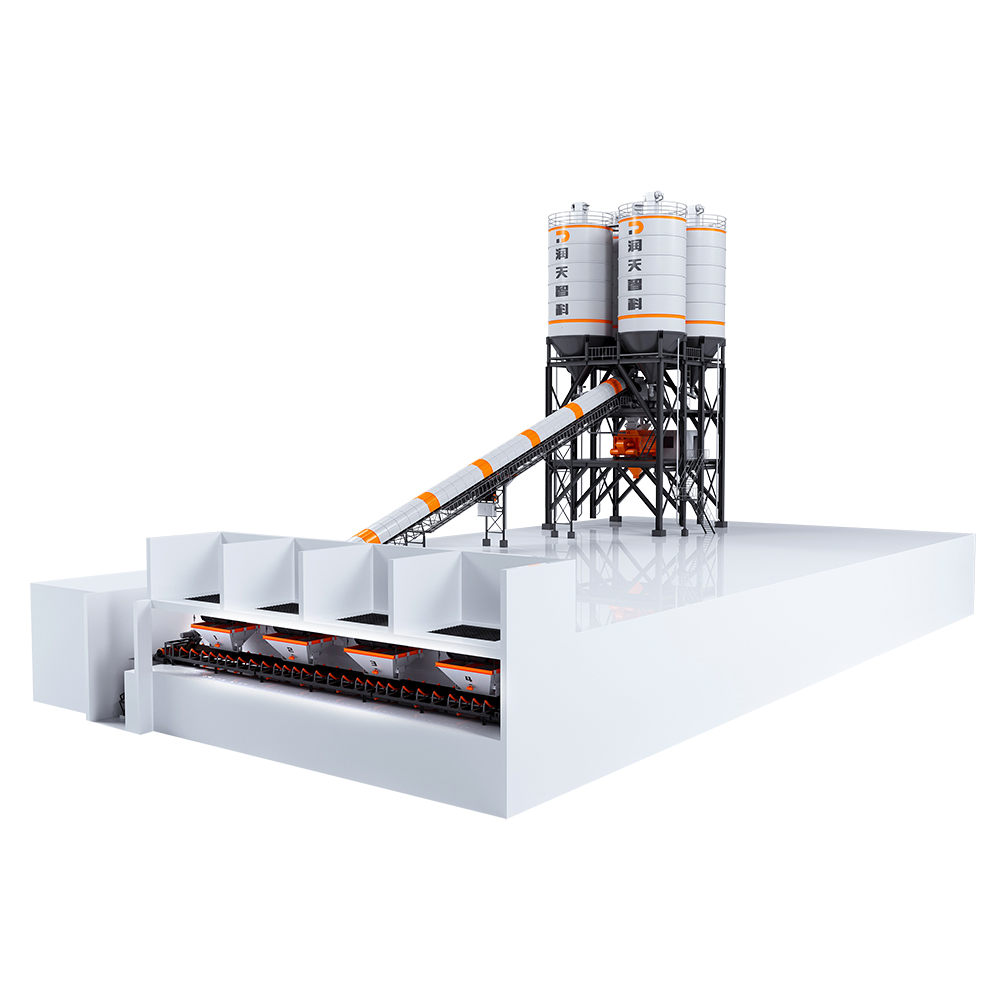 HZS Series Top-Mounted Concrete Mixing plant
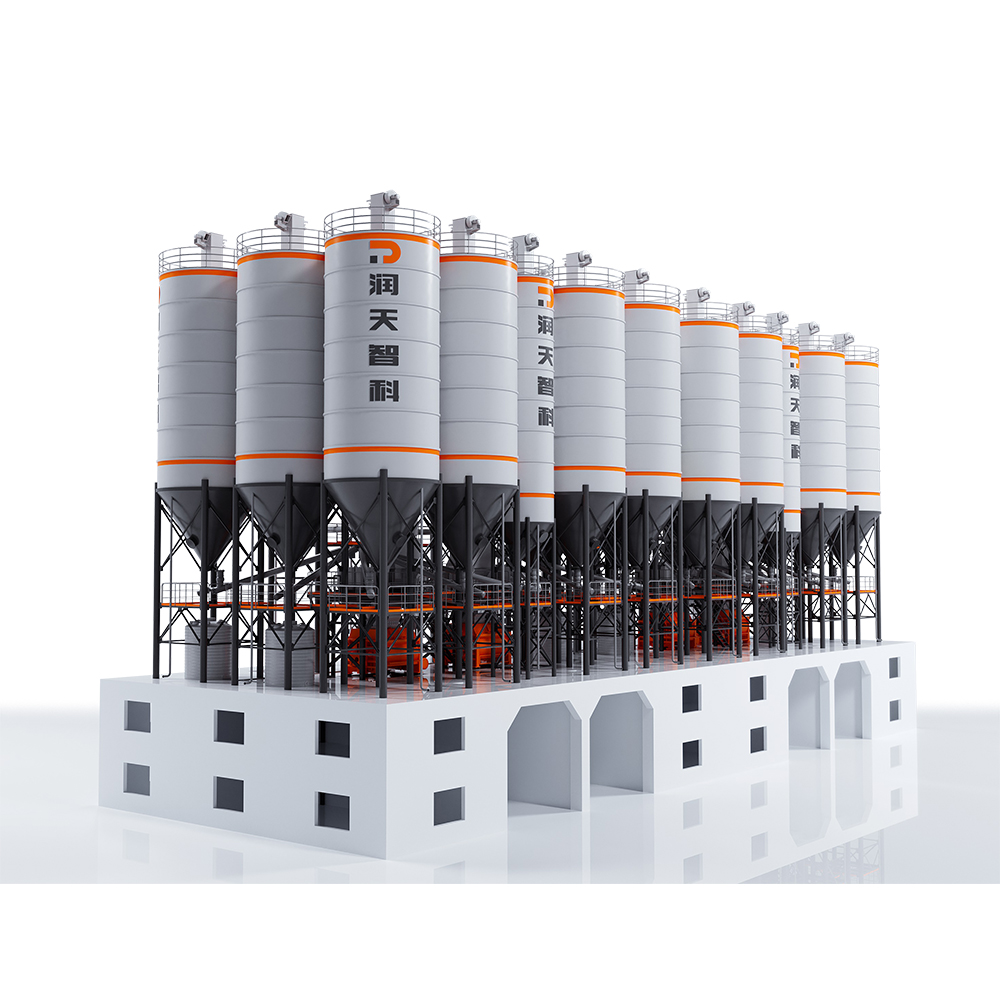 HZS Series Semi-Top Mounted Concrete Mixing Plant
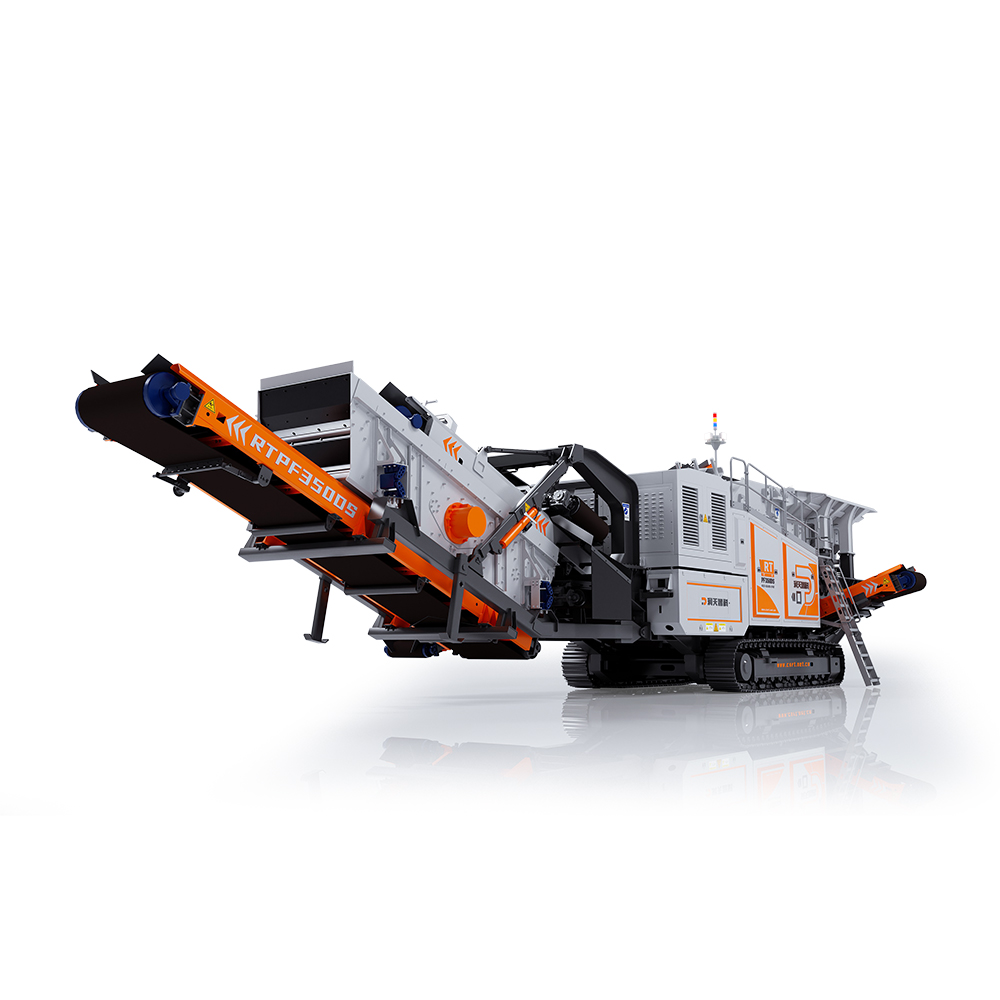 RTPF350DS Crawler Mobile Impact Crushing Plant
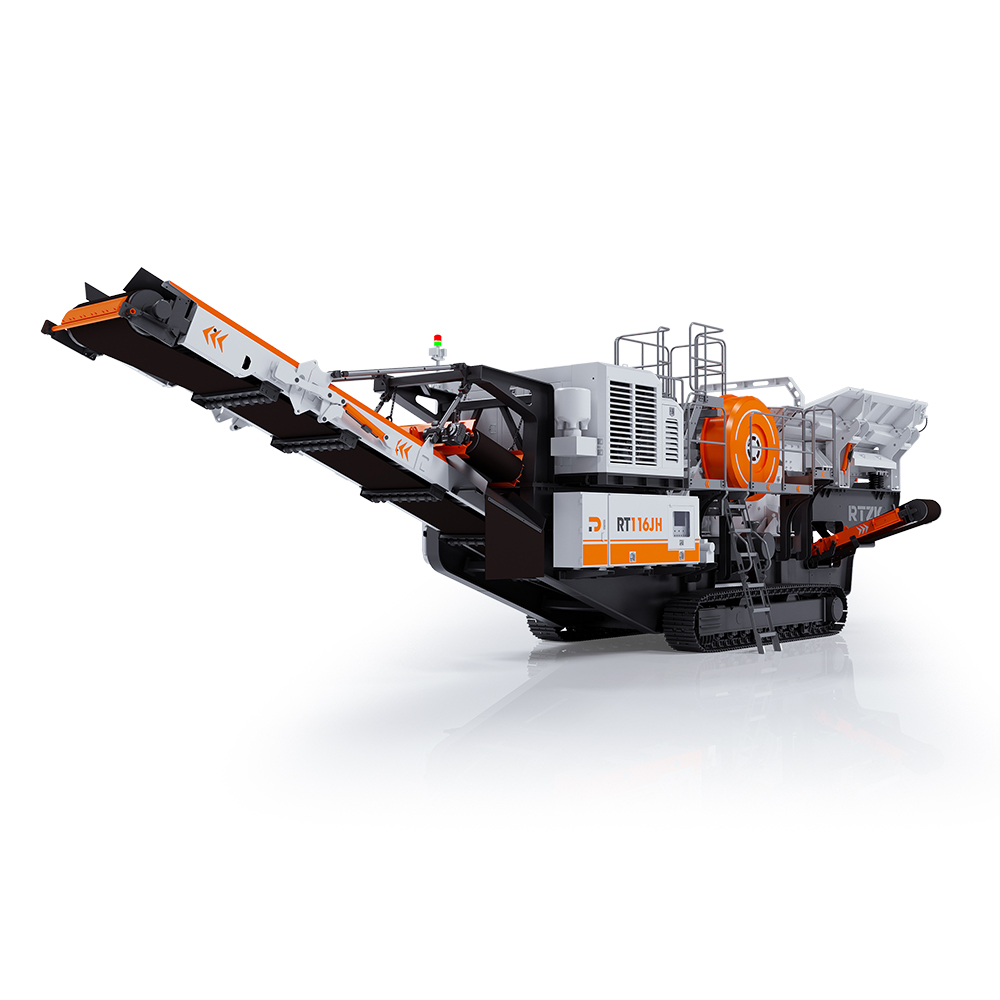 RT116JH Crawler Mobile Jaw Crushing Plant
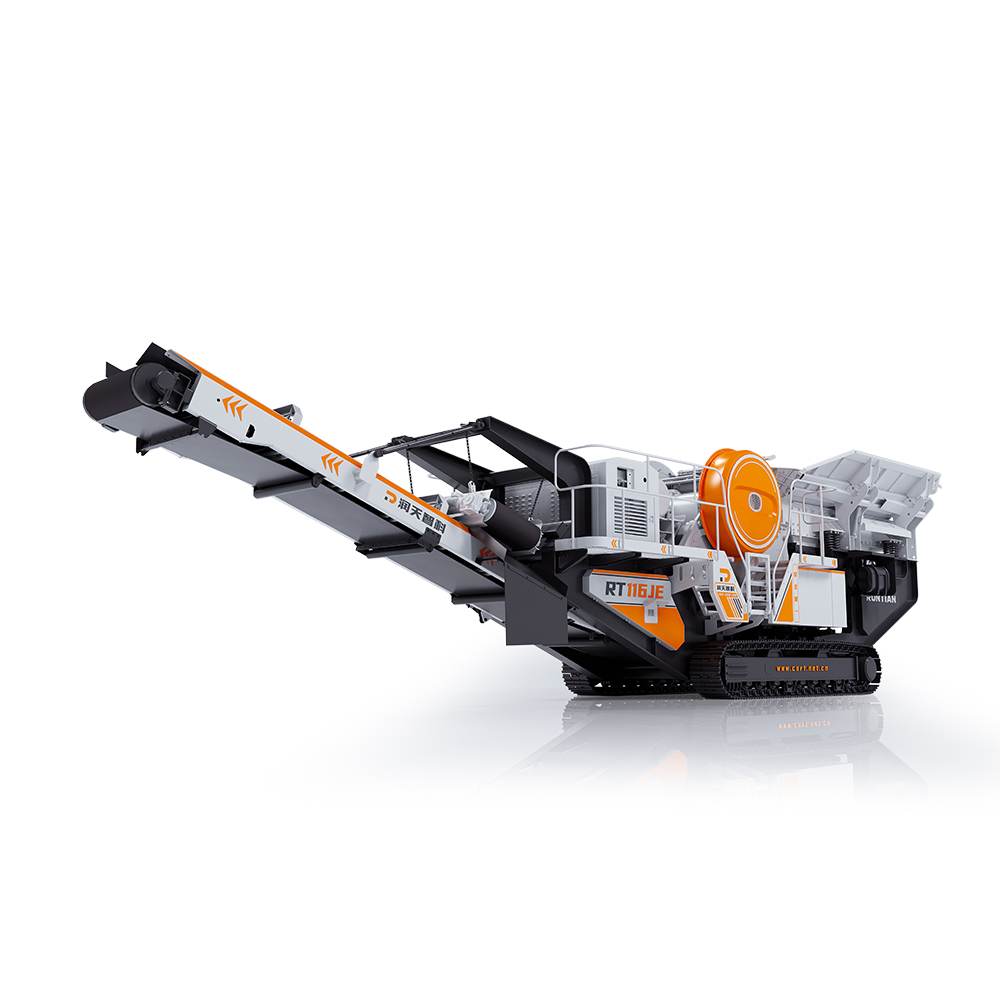 RT116JE Crawler Mobile Jaw Crushing Plant
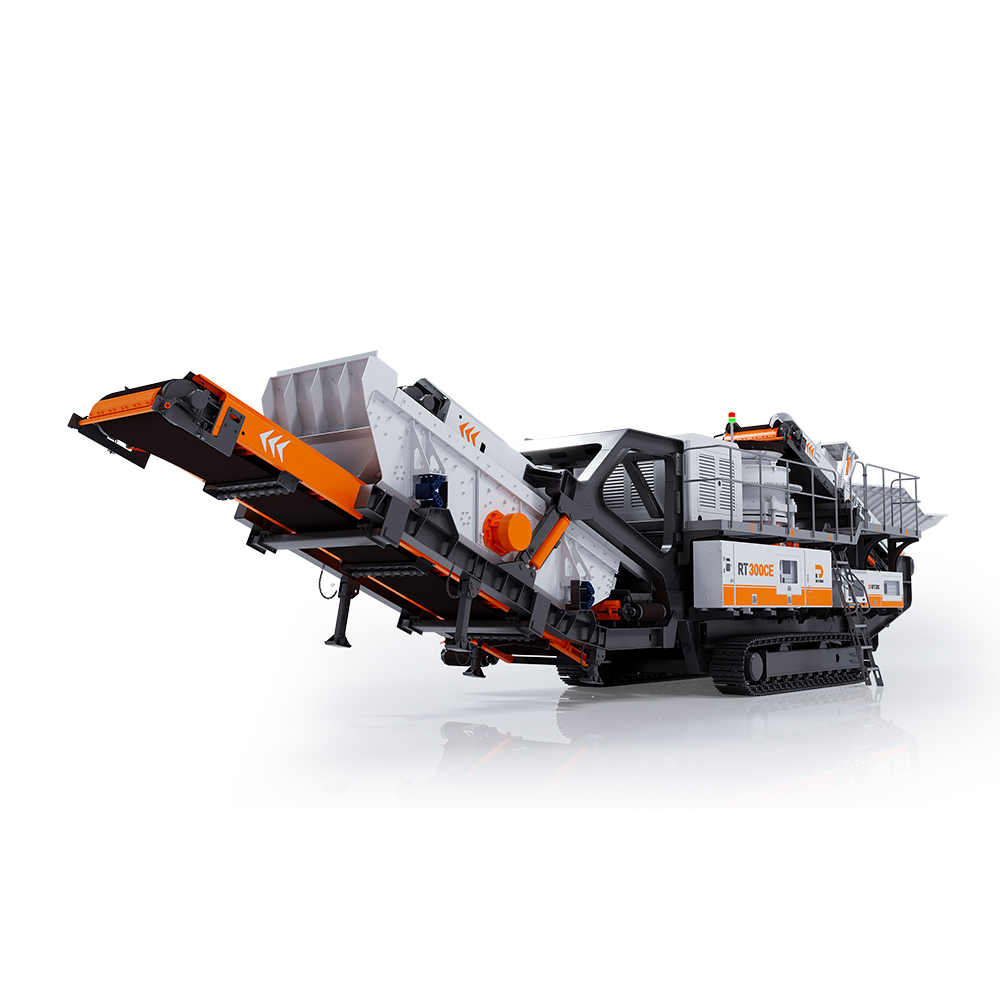 RT300CE Crawler Mobile Cone Crushing Plant
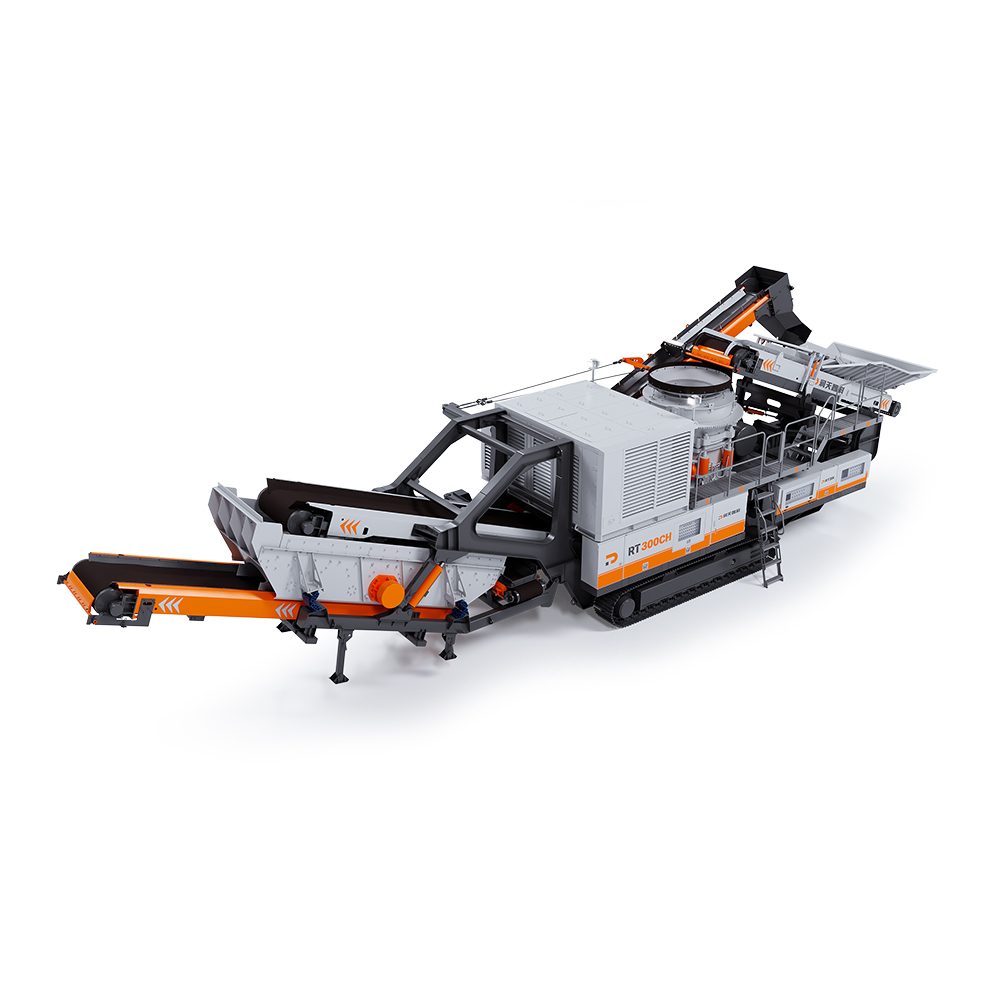 RT300CH Crawler Mobile Cone Crushing Plant
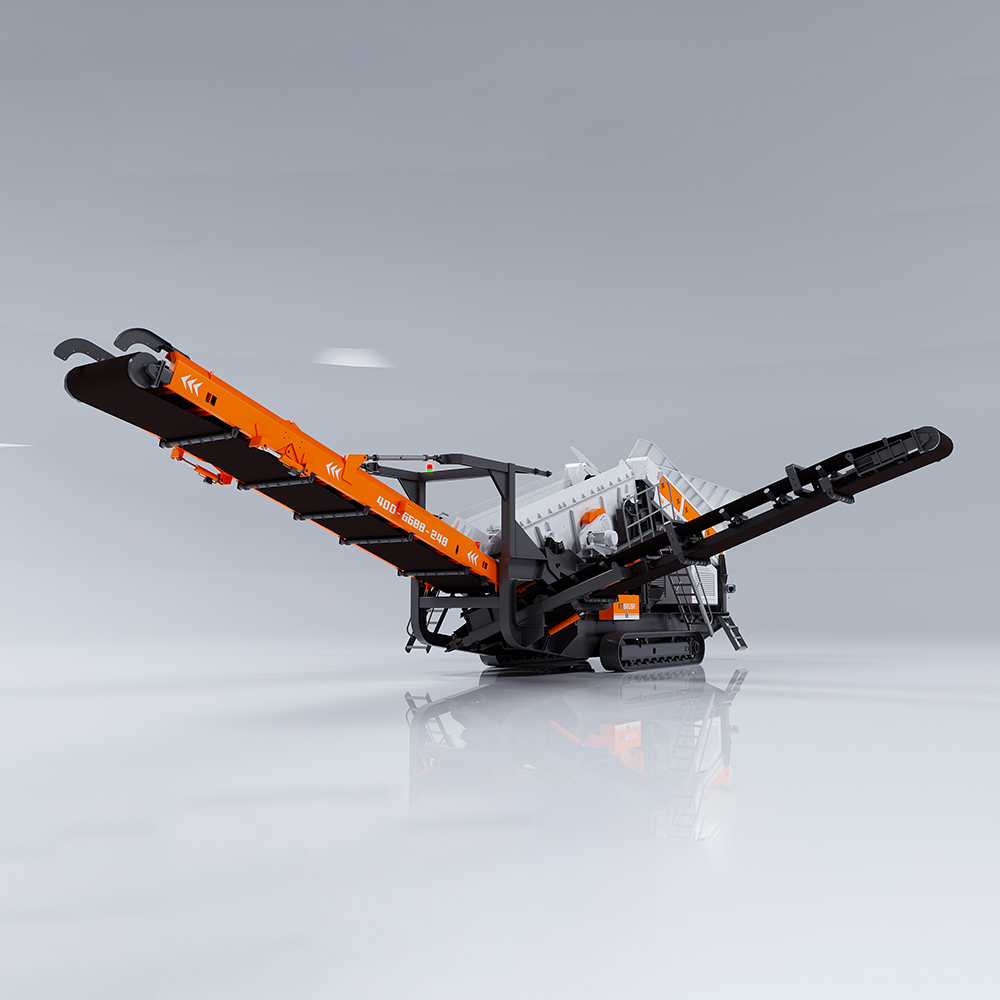 RT5015H Mobile Scalping Screen
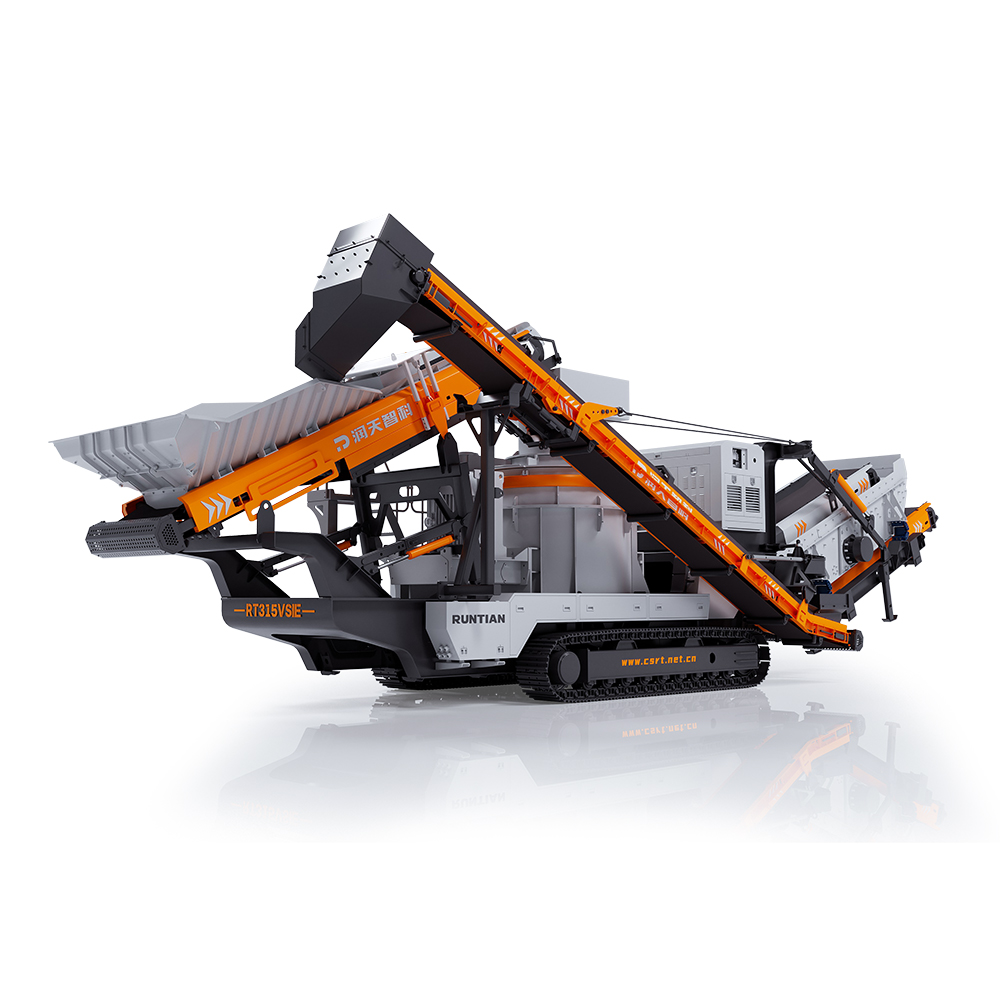 RT315VSIE Crawler Mobile Sand Maker
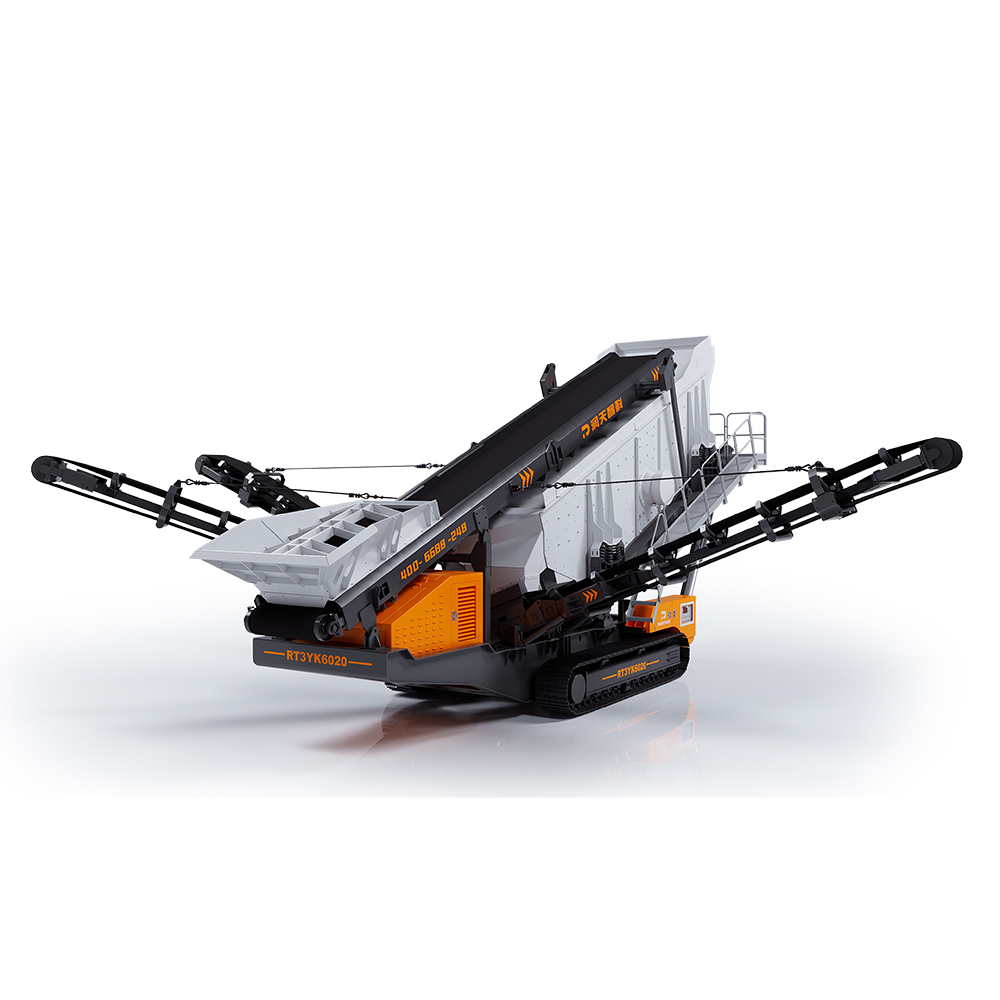 RT3YK6020 Crawler Mobile Screening Plant
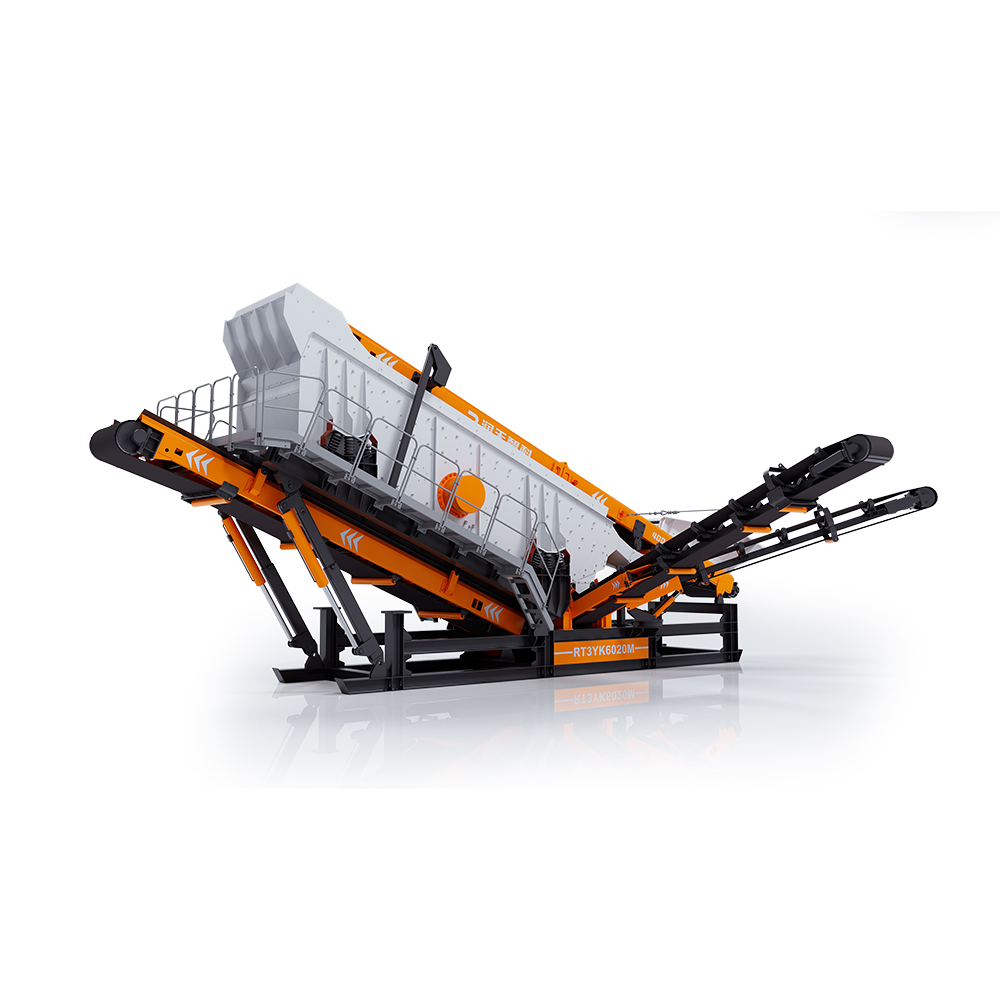 RT3YK6020M Modular Screening Plant
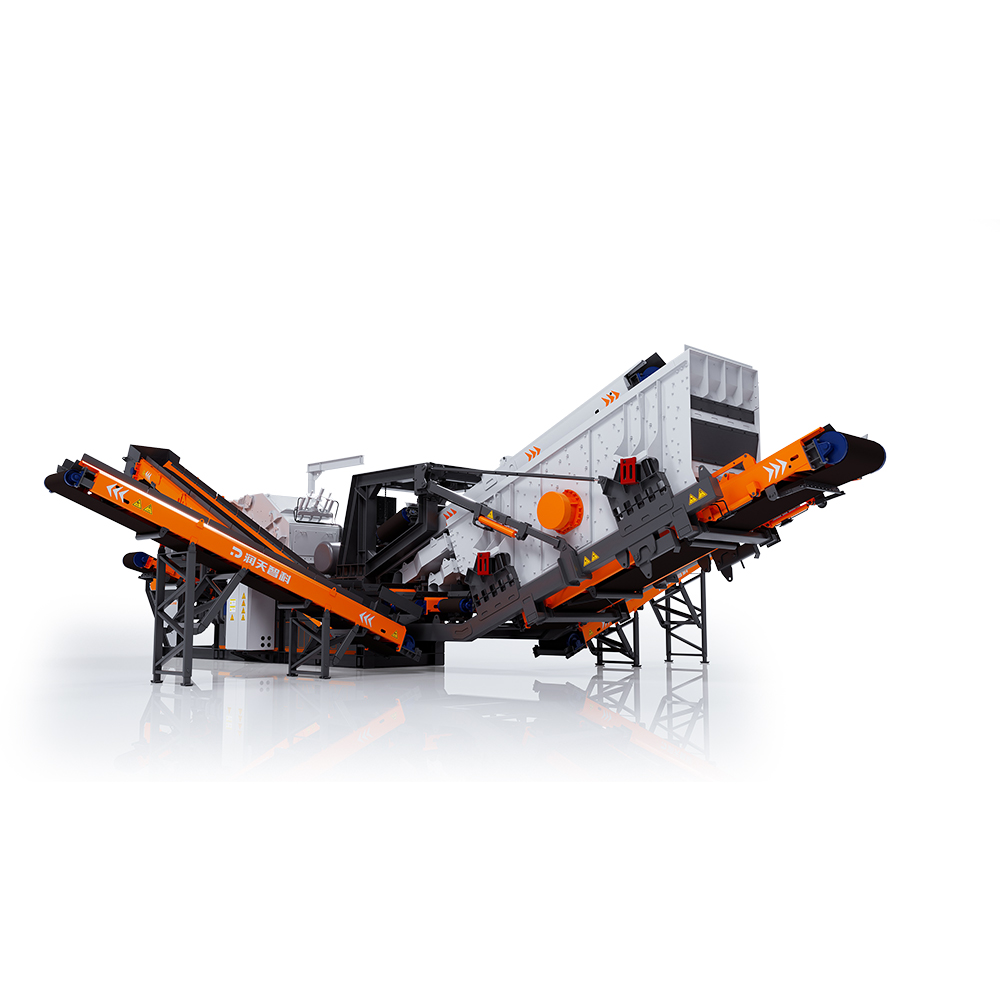 RTF260M Modular Counterattack Crushing and Screening Integrated Machine
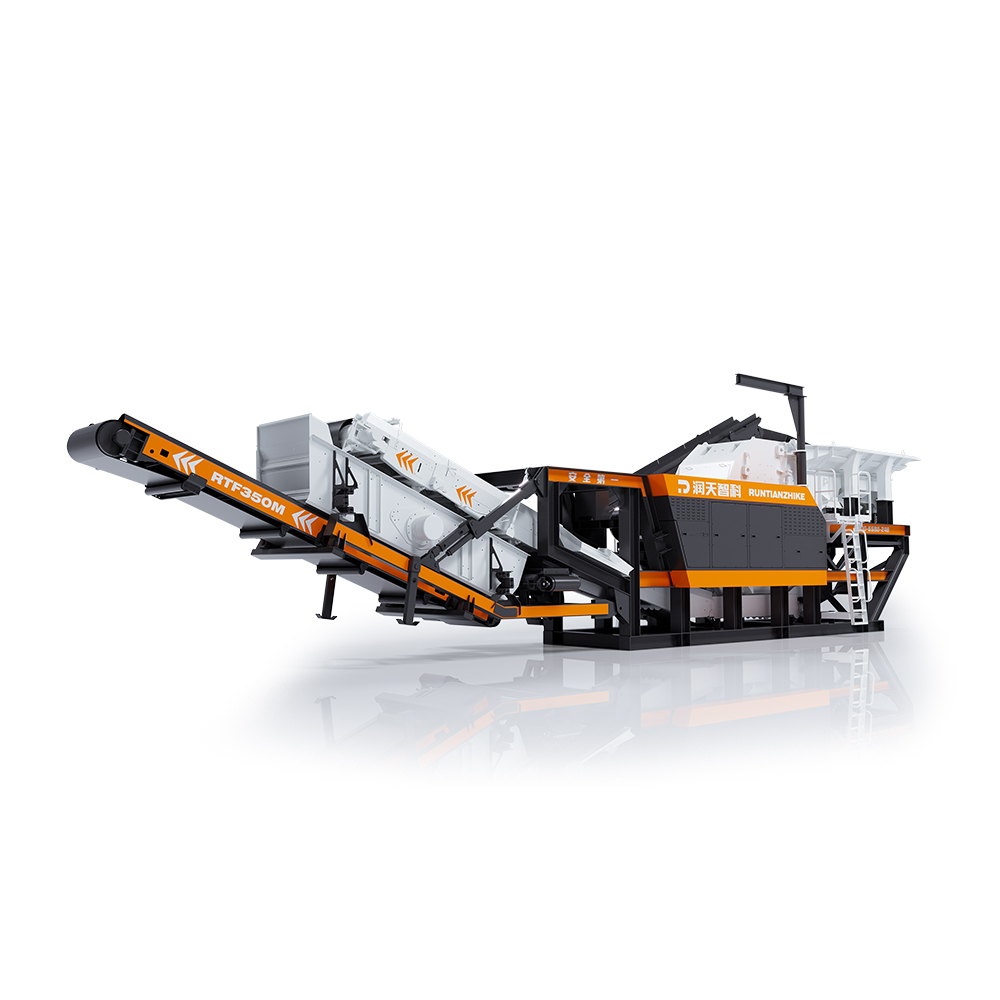 RTF350M Modular Impact Crushing Plant
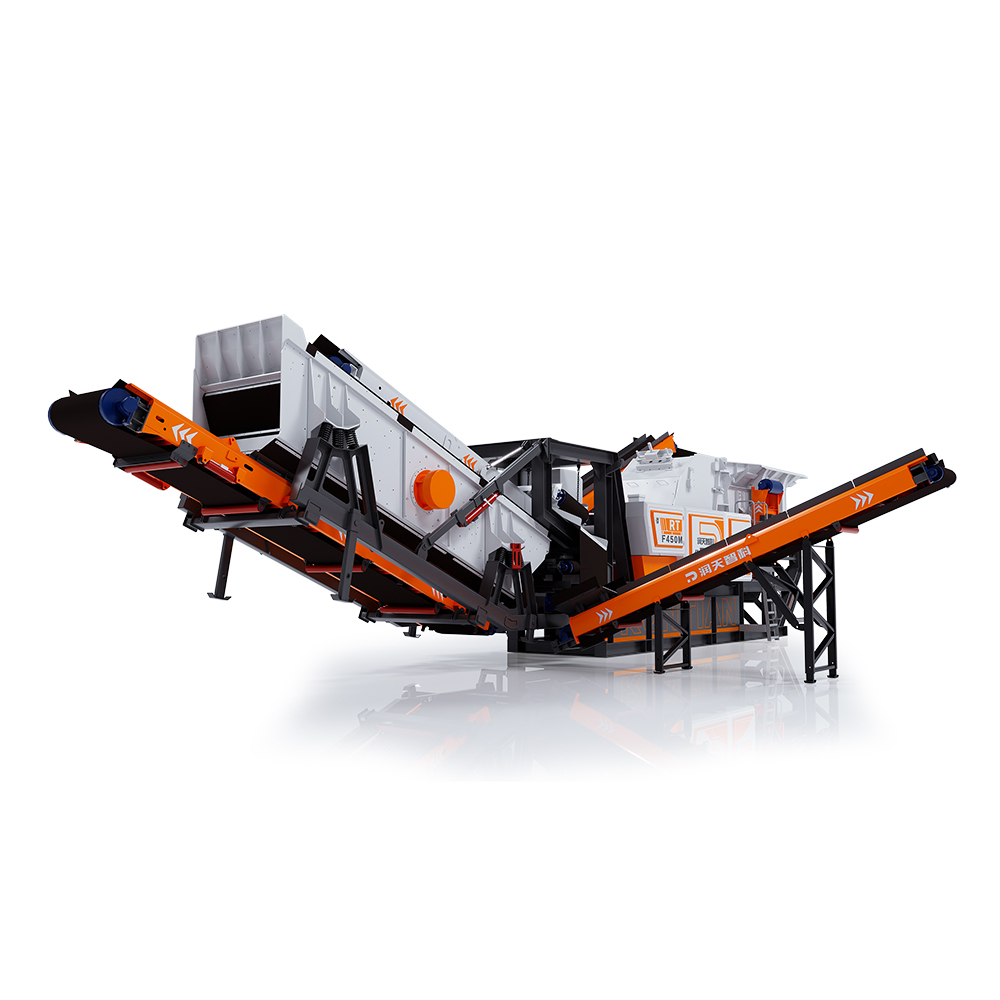 RTF450M Modular Impact Crushing Plant
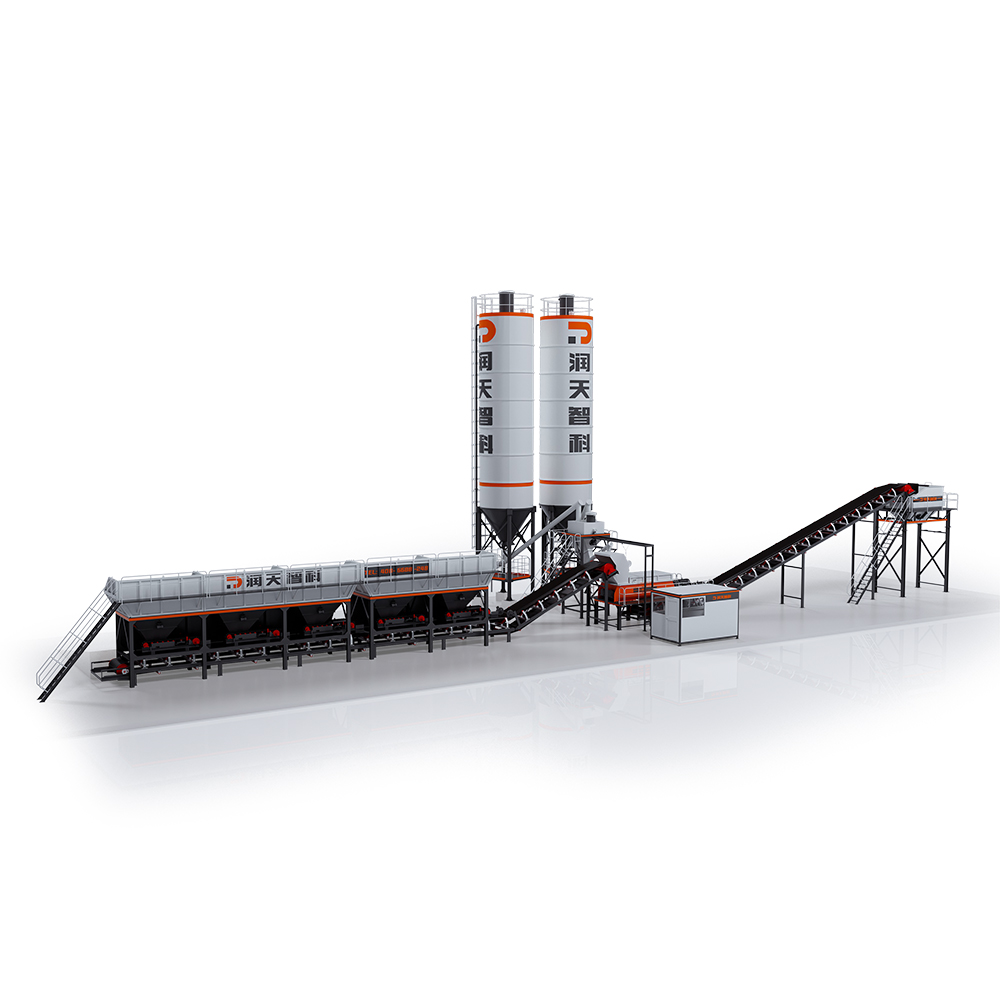 WDB Series Foundation-Free Stability Soil Mixing Plant
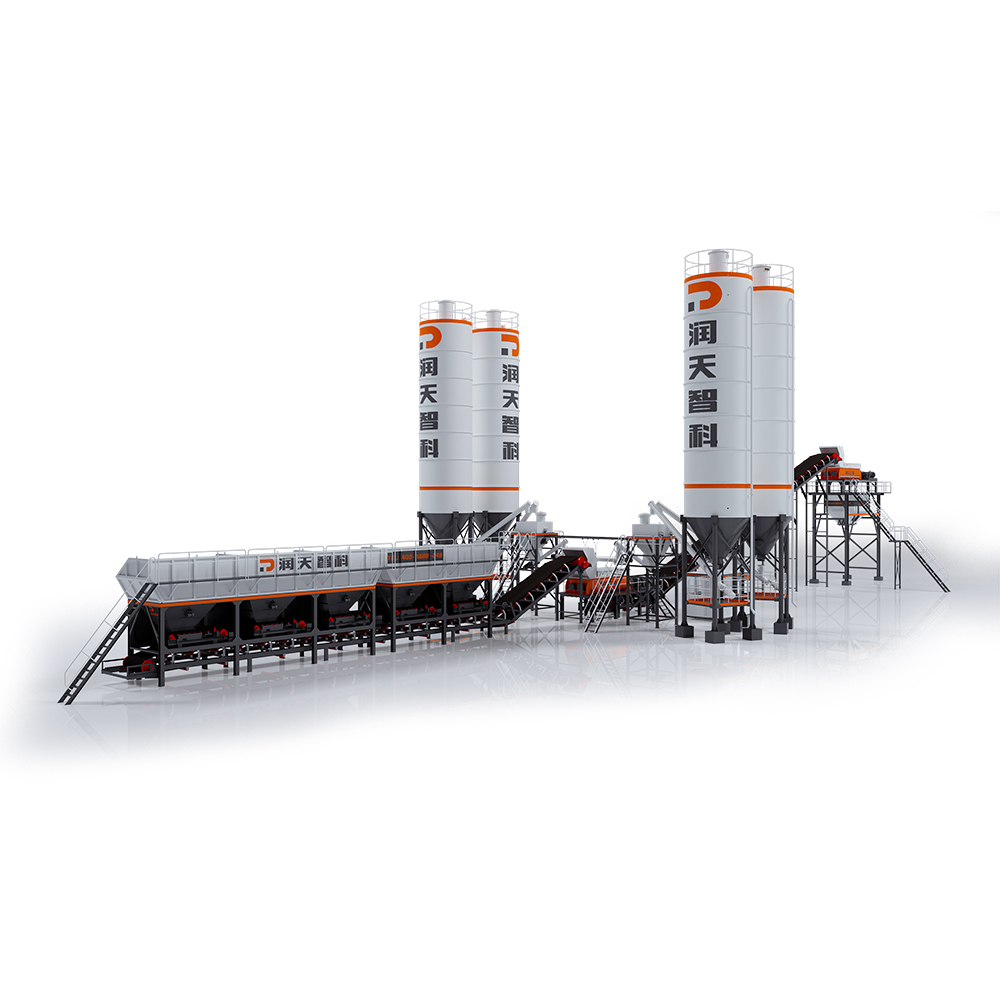 LCB Series Emulsified Asphalt Cold Regeneration Secondary Mixing Plant
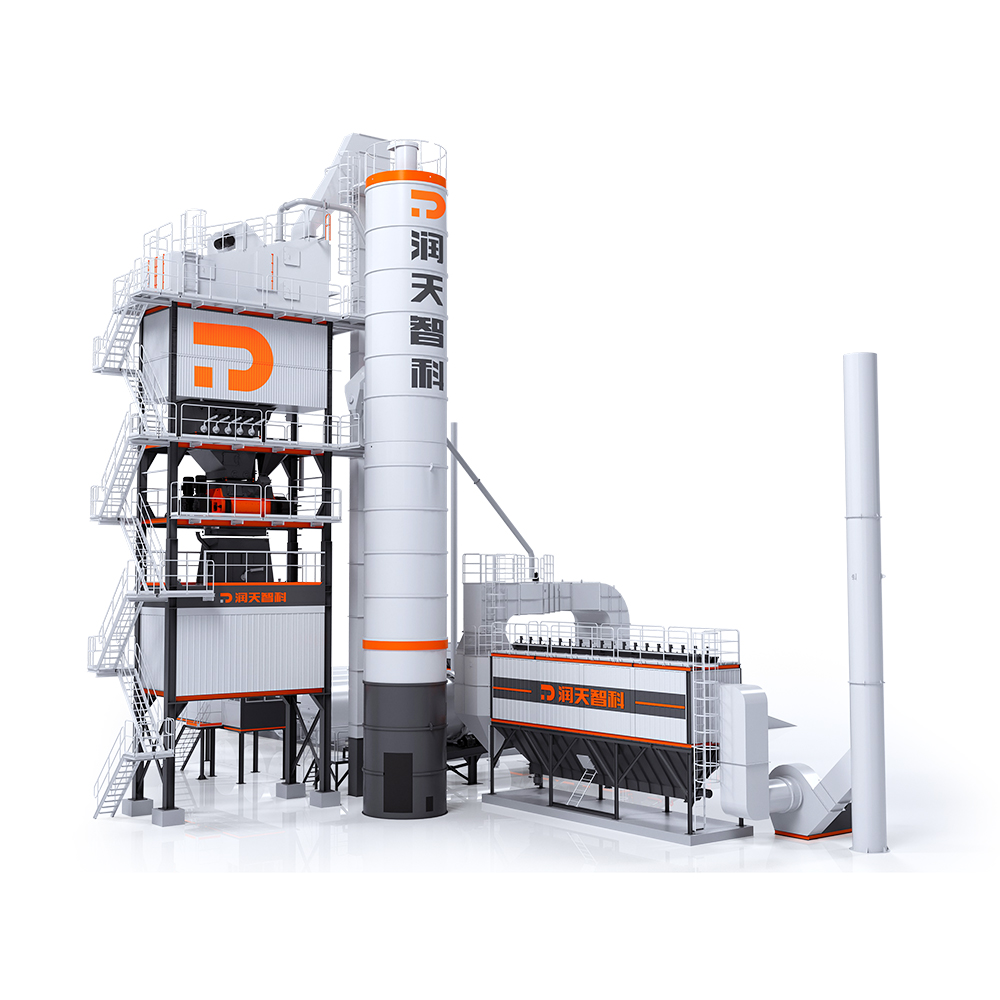 LB Series Asphalt Mixing Plant
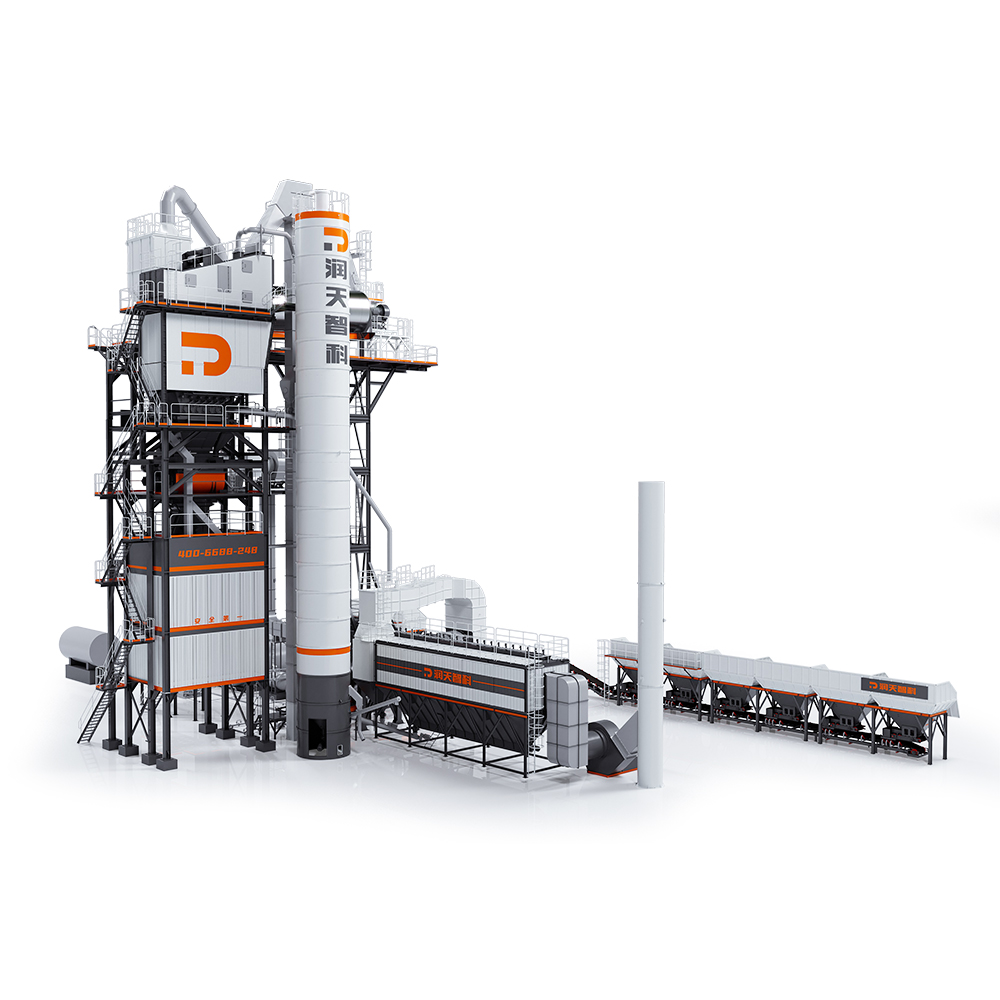 LBR Series Integrated Asphalt Mixing Plant
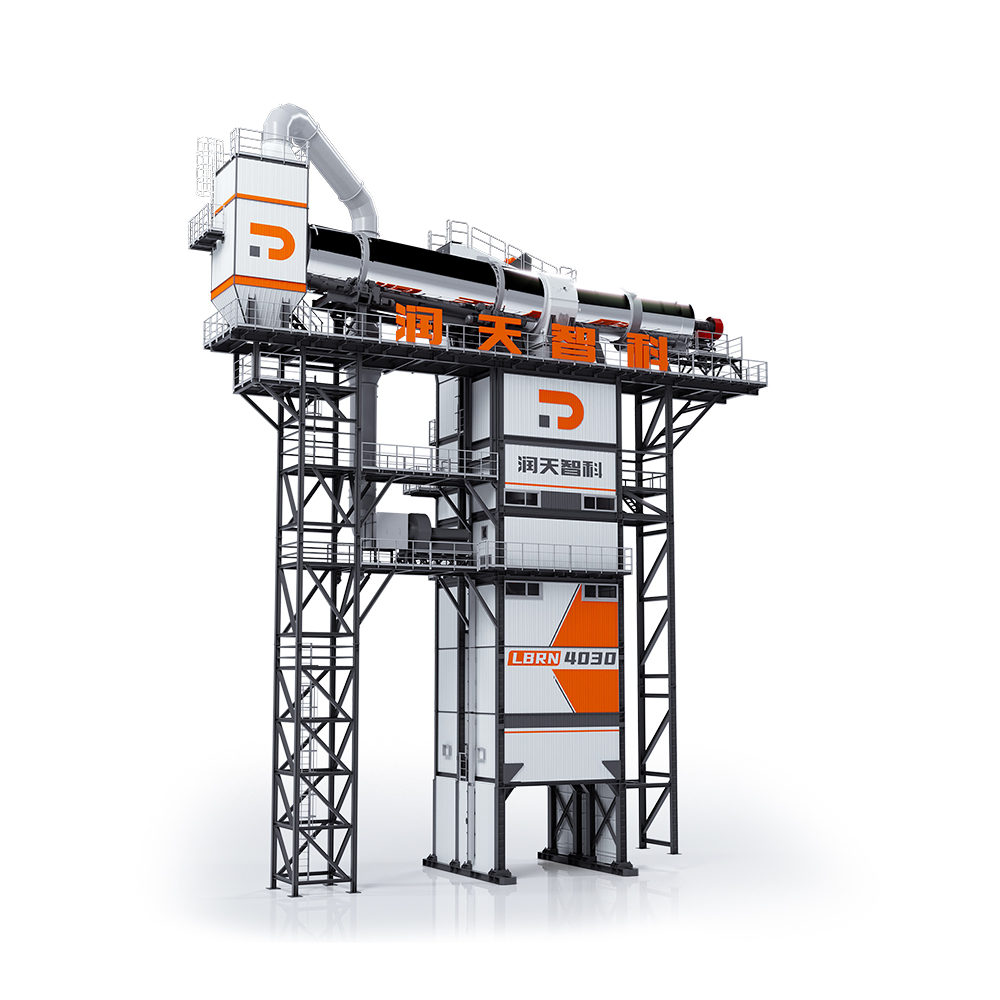 LBRN Series Counterflow Integral Asphalt Mixing Plant
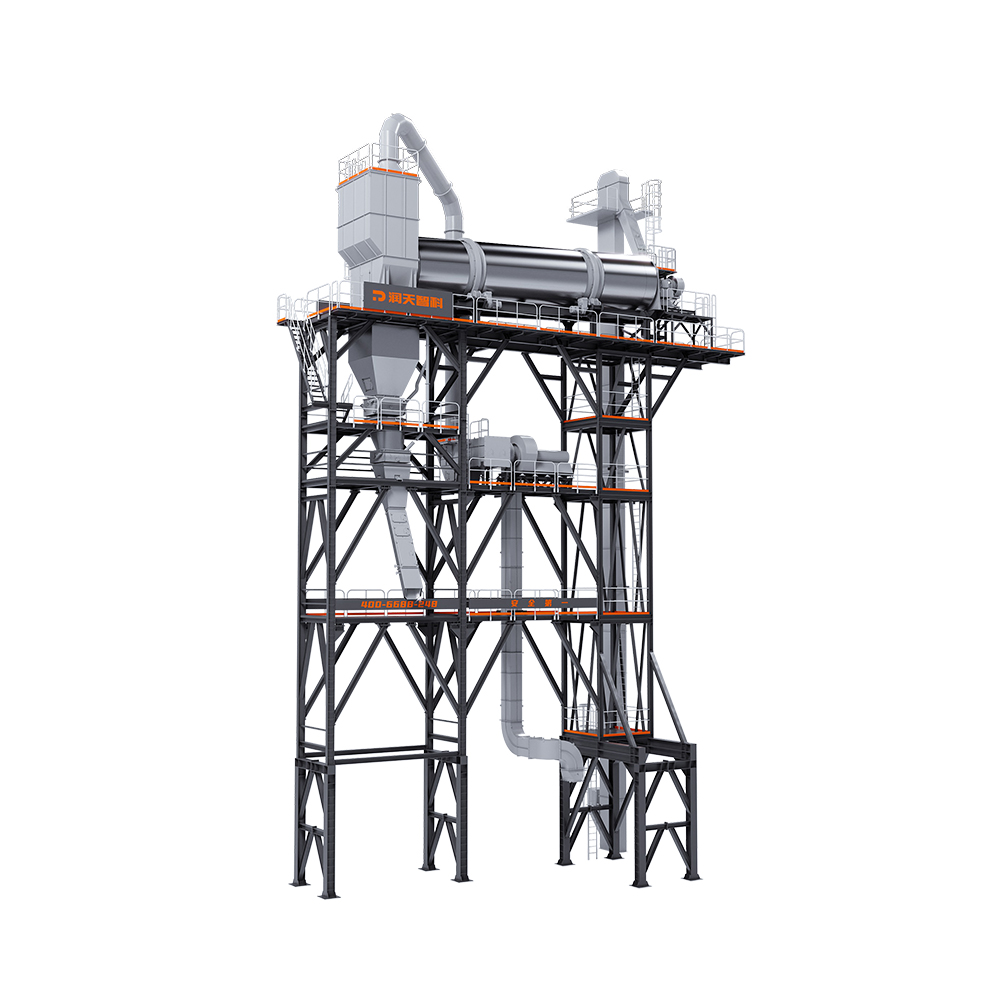 RZS Series Asphalt Mixing Plant
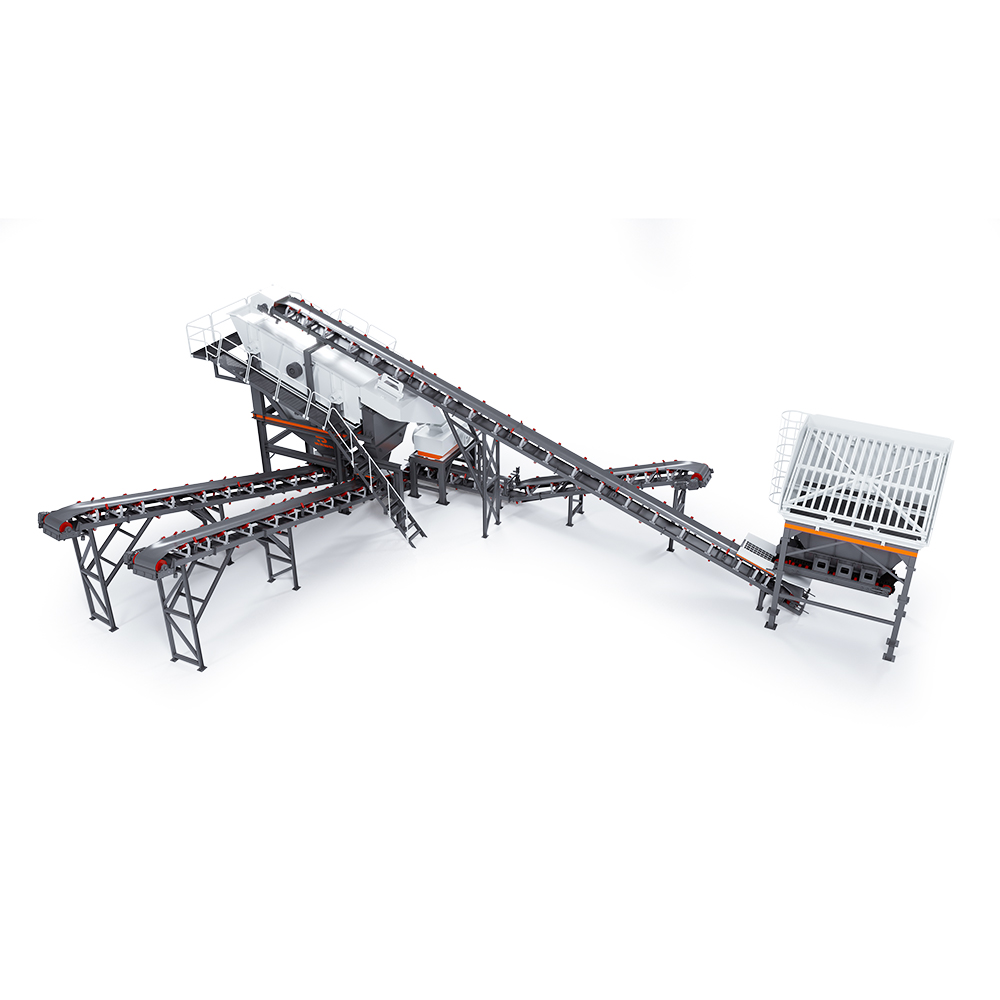 RTZS120 Series RAP Crushing & Screening Plant
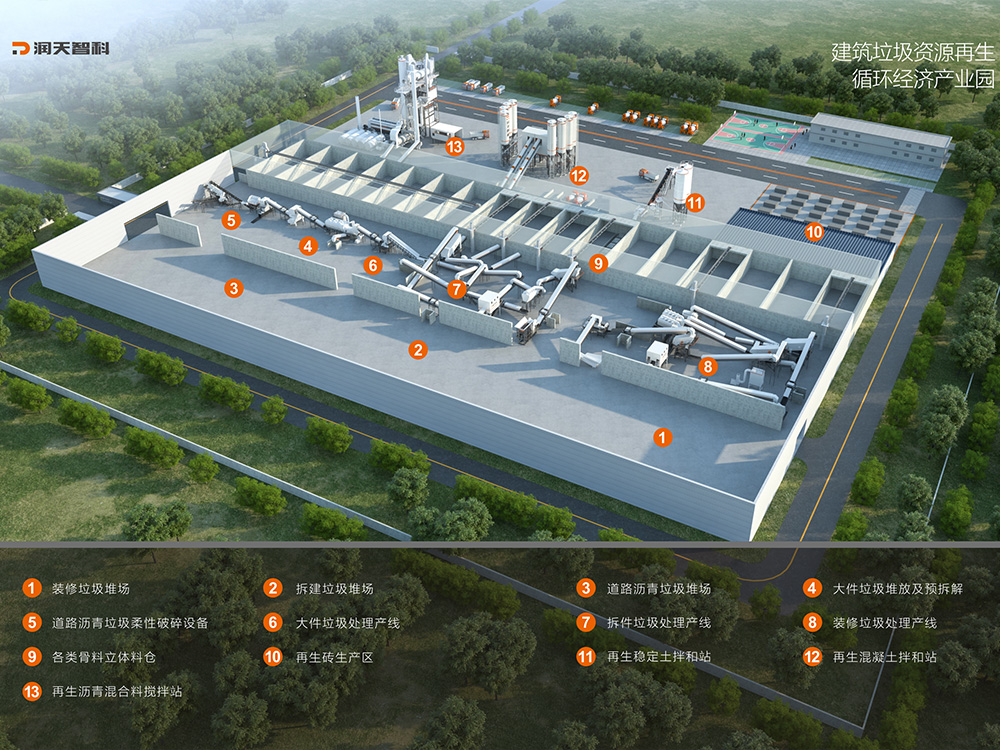 Construction Waste Resourceful Treatment Line