China Top Asphalt Mixing Plant Types and Their Applications?
As the demand for infrastructure grows, the role of asphalt mixing plants (AMPs) becomes critical. According to a market analysis by Grand View Research, the global asphalt mixing plant market is expected to reach $9.4 billion by 2025, highlighting its importance in construction projects worldwide. Expert John Smith notes, “The efficiency of asphalt mixing plants is essential for modern road construction.”
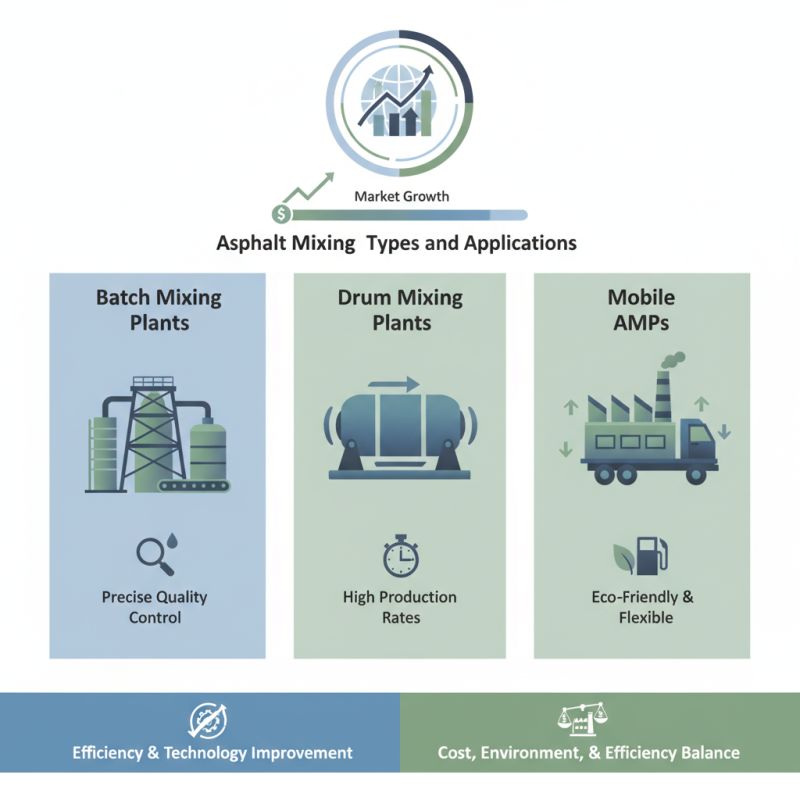
Different types of asphalt mixing plants cater to specific project needs. For instance, batch mixing plants offer precise control over the asphalt quality, while drum mixing plants ensure higher production rates. With the rise of eco-friendly technologies, mobile AMPs are gaining traction, allowing flexibility and reduced transportation costs.
However, not all AMPs operate seamlessly. Some plants face challenges with emissions and energy consumption. This highlights the need for continuous improvement in technology and practices. The balance between efficiency, cost, and environmental impact is an ongoing concern in the industry. Understanding these dynamics can lead to better decision-making for stakeholders involved in asphalt production.
Types of Asphalt Mixing Plants in China
Asphalt mixing plants are vital for road construction in China. Understanding their types can aid project managers in selecting the right equipment. There are mainly three categories: batch mix, drum mix, and mobile plants. Each type serves specific needs.
Batch mix plants produce asphalt in batches. This ensures precise control over the mixture. However, they can be slower than other types, which may not suit every project. Drum mix plants continuously mix asphalt. They are efficient for high-output needs but may lack flexibility in mixture adjustments. Mobile plants are portable and ideal for smaller projects or remote locations. While convenient, they might not deliver the same capacity as fixed plants.
Choosing the right type comes with challenges. Project size, location, and material requirements impact this decision. Each type has strengths and weaknesses. Understanding these can lead to better project outcomes. Ignoring these factors may lead to inefficiencies. Road construction professionals must weigh their options carefully for optimal results.
Key Features of Batch and Drum Mix Asphalt Plants
Batch and drum mix asphalt plants are two popular types in the industry. Each has unique features that cater to different project needs. Batch plants focus on producing high-quality asphalt mixes. They work by heating aggregate and mixing it with asphalt in a controlled environment. This results in precise blends that meet specific project requirements. On the other hand, drum mix plants offer continuous production. They mix asphalt while simultaneously heating aggregates, which leads to higher efficiency. This makes them suitable for large-scale projects.
Key features of batch plants include:
- Accurate weighing systems
- Customizable settings
These elements enhance the quality of asphalt produced. They allow for adjustments based on varying ingredient needs.
Drum mix plants, however, are known for speed and productivity. Their one-step process simplifies operations, leading to faster project completion. Yet, this speed may compromise control over mix quality. Operators must be vigilant to ensure the final product meets standards.
While batch plants excel in precision, they can be slower and require more maintenance. Drum plants, while efficient, may produce variable results if not monitored closely. Understanding these trade-offs is crucial for selecting the right plant for your project. Operational strategy should prioritize the specific needs of the job at hand. By balancing quality and efficiency, you can make informed decisions in asphalt production.
Applications of Asphalt Mixing Plants in Road Construction
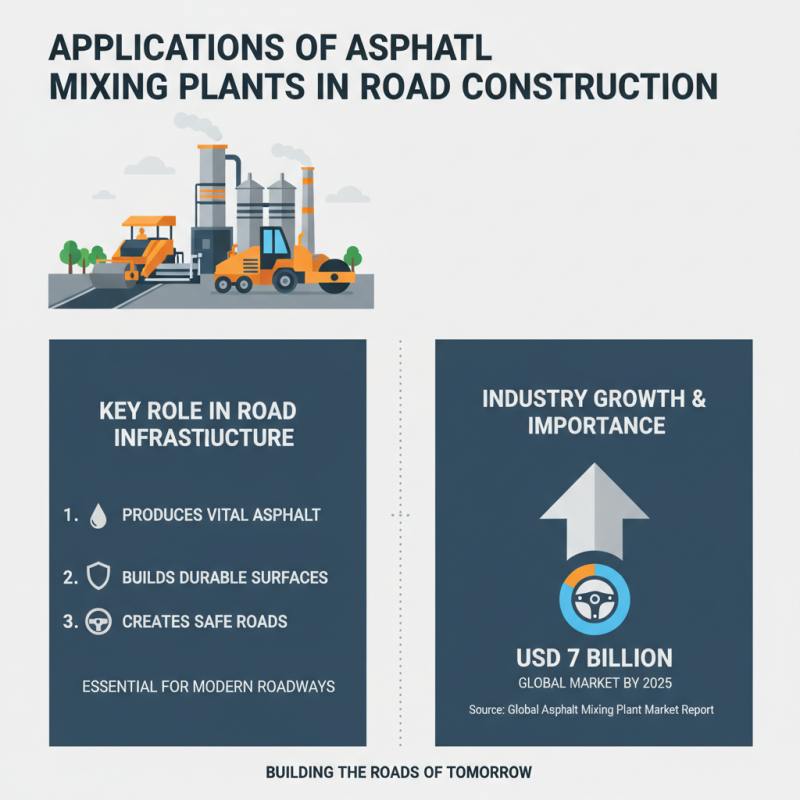
Asphalt mixing plants play a crucial role in road construction. These plants produce asphalt that is vital for building durable and safe road surfaces. According to the Global Asphalt Mixing Plant Market report, the industry is expected to reach USD 7 billion by 2025, reinforcing its importance.
Different asphalt mixing plants are applicable in various construction phases. Batch plants offer high-quality mixes, ideal for projects requiring precision. Continuous mixing plants are more efficient for large-scale operations, producing asphalt without interruptions. Each type serves unique needs in road projects, contributing to both performance and longevity.
Tips: Always select the right plant type based on project demand. Evaluate your budget against potential long-term benefits. Also, consider the local environment when planning your asphalt production. Small changes can greatly impact efficiency. Remember, not every project requires the most advanced technology; sometimes, simple solutions yield the best results.
Environmental Considerations in Asphalt Production
The environmental impact of asphalt production is significant and often overlooked. Traditional methods can lead to air pollution and greenhouse gas emissions. The production process involves heating materials, which emits harmful volatiles. These emissions can contribute to local air quality issues and pose health risks.
Modern asphalt mixing plants are designed to minimize these effects. Many incorporate advanced technologies that reduce emissions and improve energy efficiency. For instance, warm mix asphalt technologies lower the temperature of production, significantly cutting emissions. Some plants also recycle old asphalt pavement, reducing waste and conserving resources. However, not all facilities adhere to these eco-friendly practices.
There remains a challenge in standardizing environmental regulations across regions. Some plants still operate without modern equipment, leading to excessive emissions. Industry players must prioritize sustainable practices. Continuous improvement in technology and adherence to stricter regulations can help mitigate the detrimental effects on the environment. More dialogue is needed to push for these advancements in asphalt production.
China Top Asphalt Mixing Plant Types and Their Applications
This chart represents the various types of asphalt mixing plants commonly used in China and their corresponding applications. The data highlights the prevalence of each type and their environmental considerations during production.
Future Trends in Asphalt Mixing Technology in China
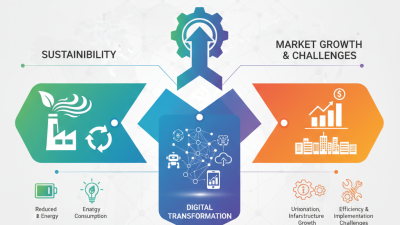
Asphalt mixing technology in China is rapidly evolving. Innovative methods are reshaping how asphalt is produced and used. The shift towards environmentally friendly materials is noticeable. More plants are now incorporating recycled asphalt, which reduces waste. This method not only cuts costs but also lowers the carbon footprint.
Another significant trend is the integration of digital technologies. Real-time monitoring systems enhance efficiency and ensure quality control. This shift allows operators to make data-driven decisions. It brings speed and reliability to the production process. However, the reliance on technology raises concerns about cybersecurity. Ensuring the safety of data and systems is crucial.
Sustainability is a recurring theme in discussions around future trends. There is a push for warm mix asphalt, which requires less energy to produce. This technique offers a viable alternative to traditional hot mix asphalt. It also reduces emissions. Yet, the industry faces challenges in adopting these new techniques universally. Traditional methods are deeply entrenched in many processes, and change will take time. The transition to greener practices requires training and investment.

 Concrete Mixing Plant
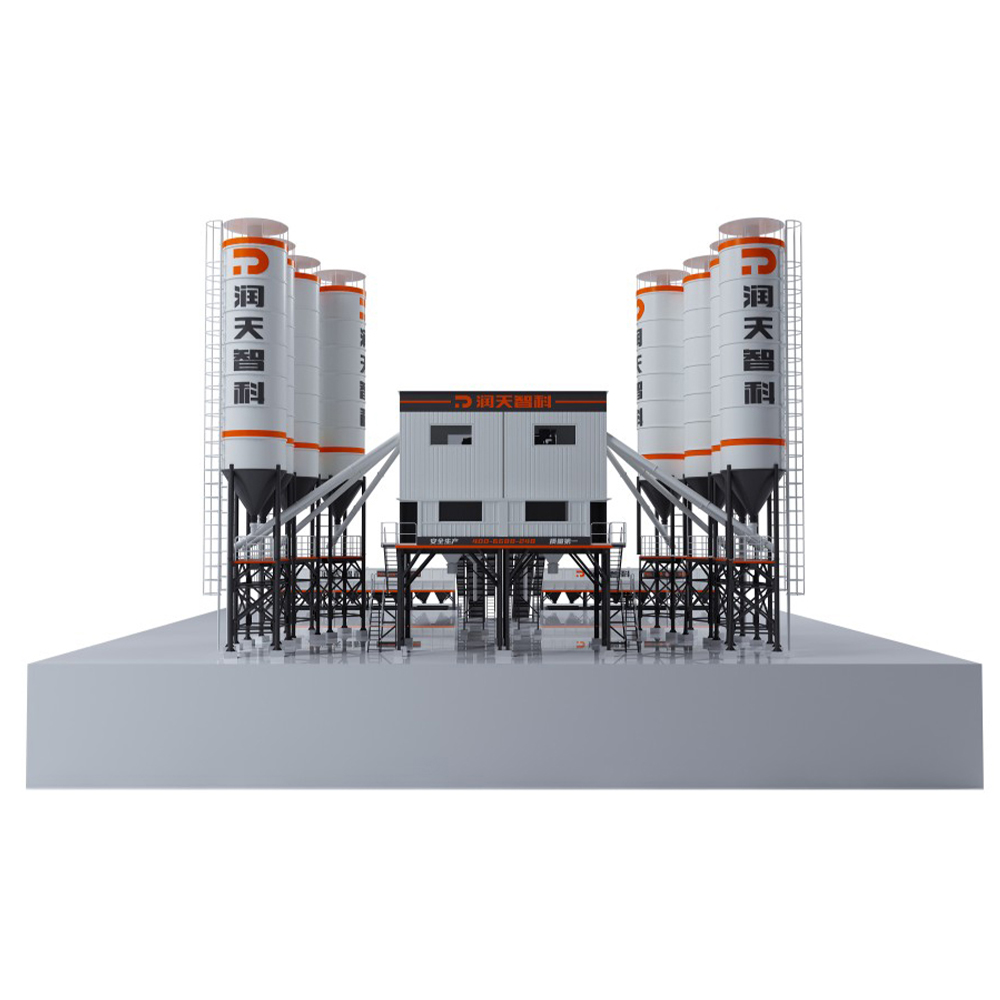 HZS Series Belt Concrete Mixing Plant
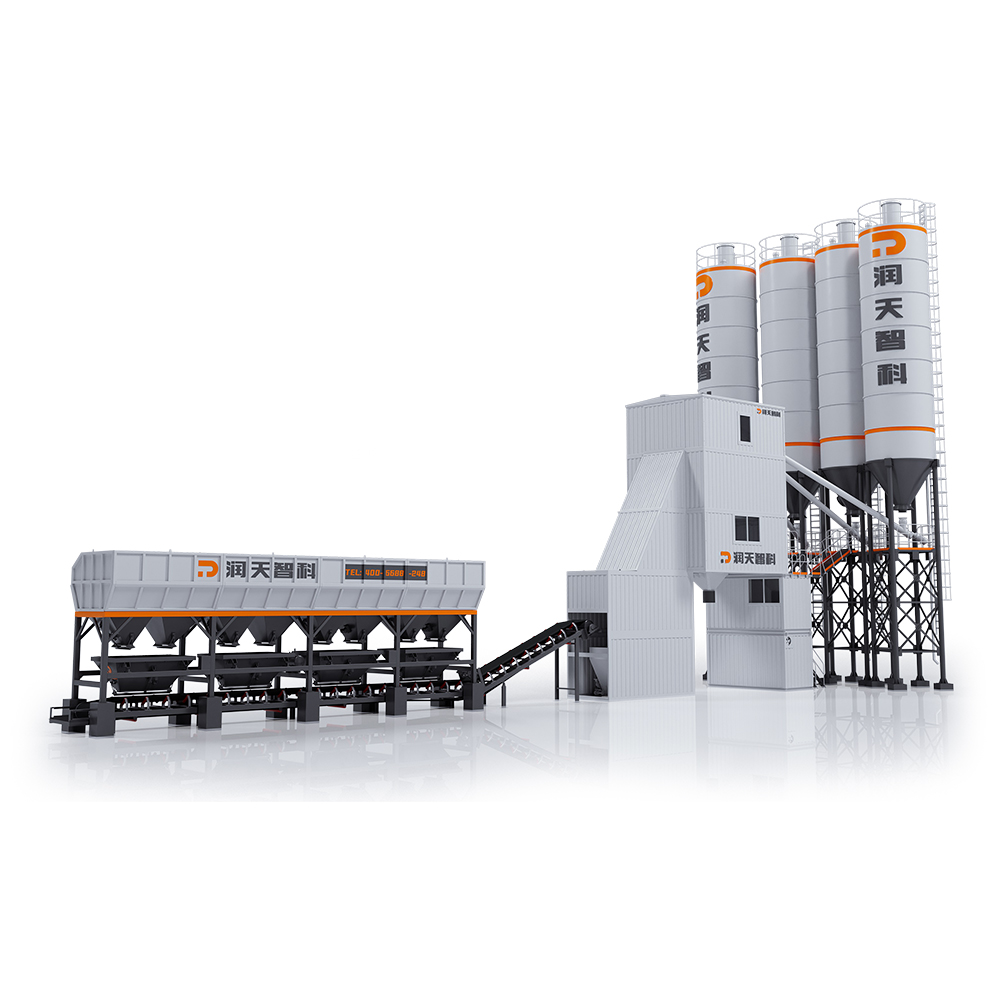 HZS Series Bucket-Lifting Type Container Concrete Mixing Plant
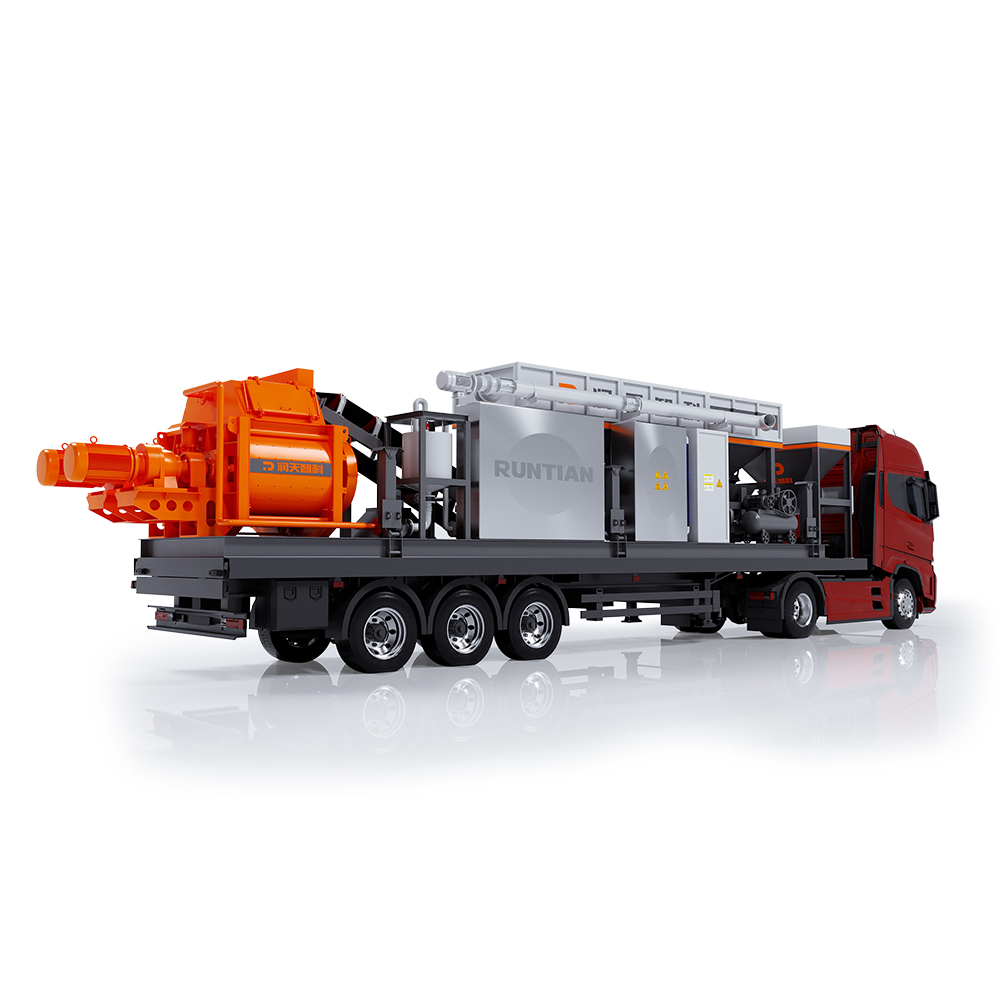 HZS60 Mobile Concrete Mixing Plant
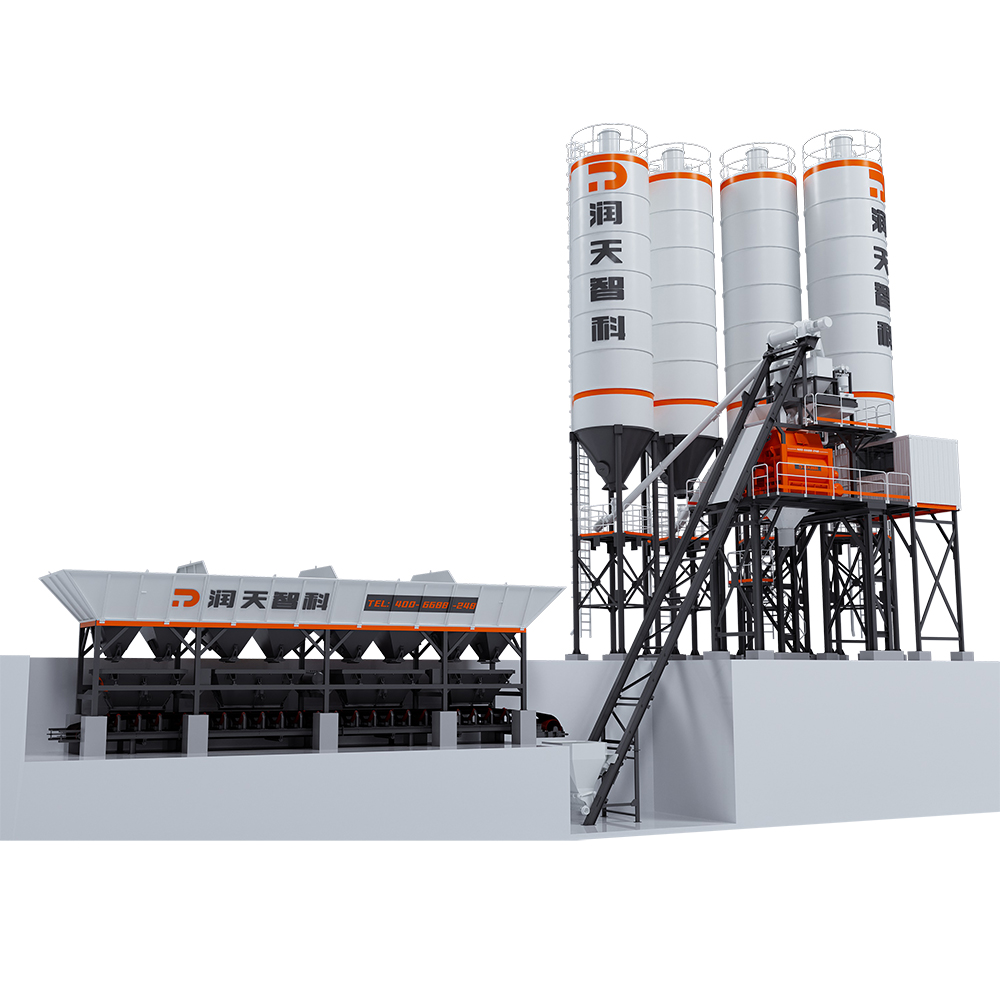 HZS Series Bucket-Lifting Type Concrete Mixing Plant
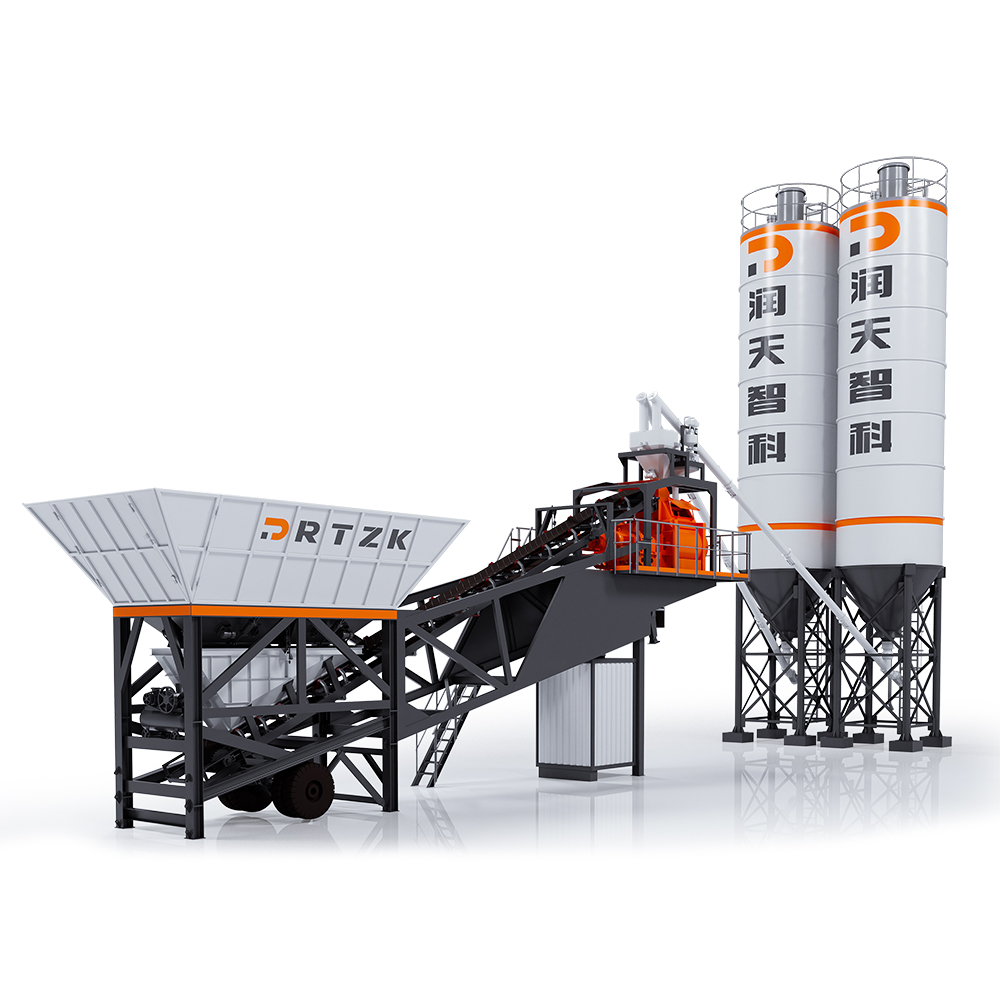 HZS Series Mobile Concrete Mixing Plant
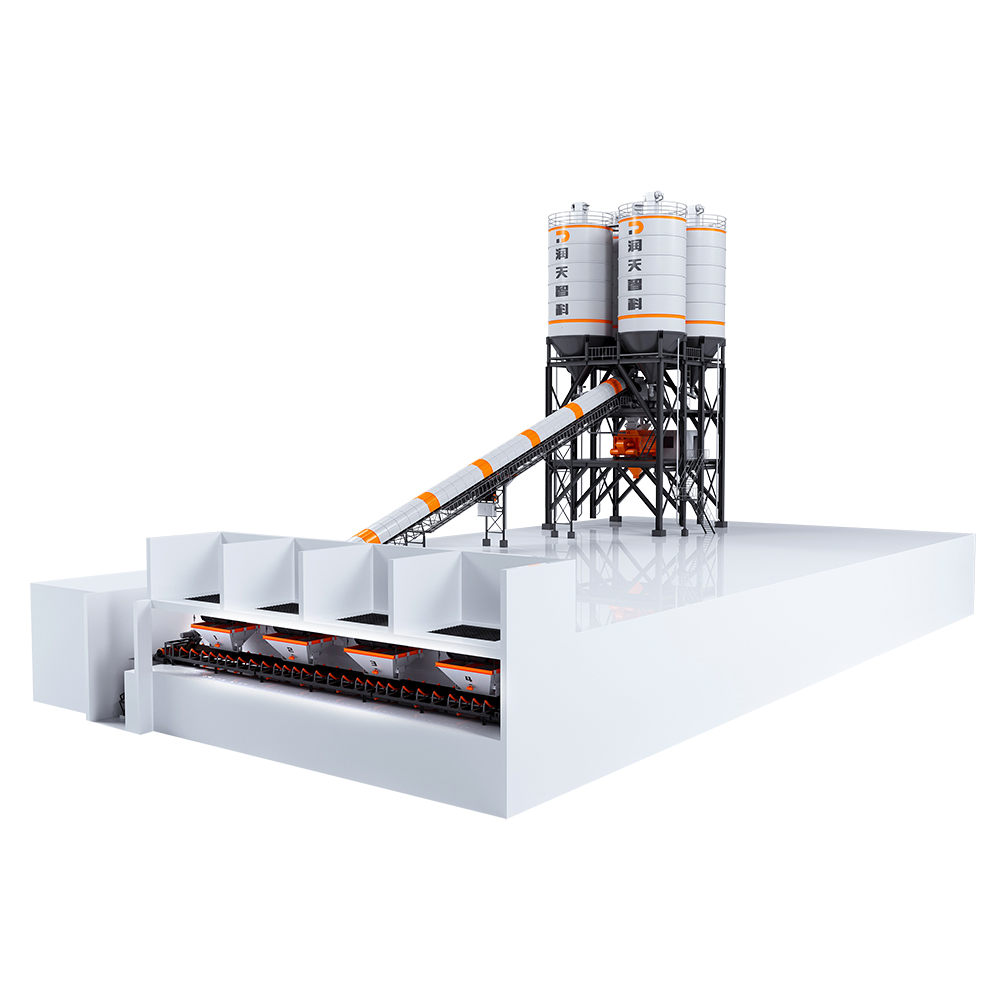 HZS Series Top-Mounted Concrete Mixing plant
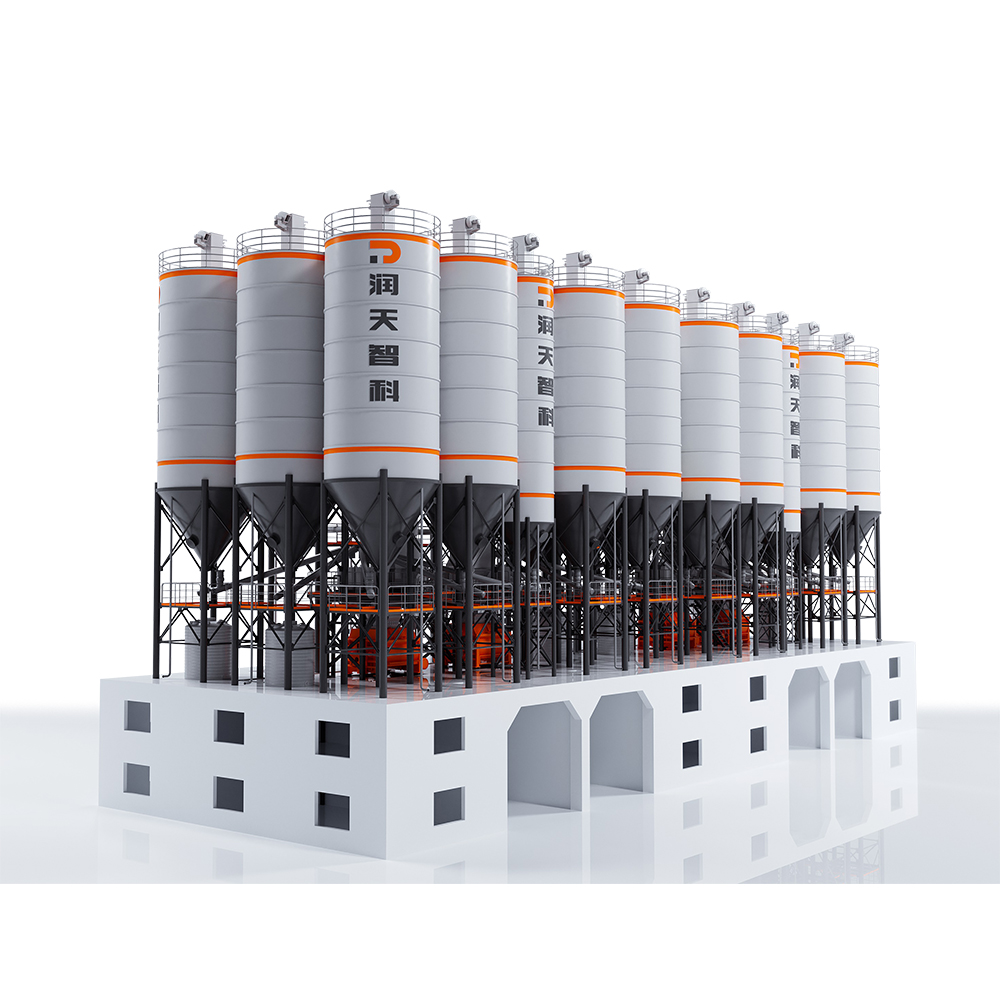 HZS Series Semi-Top Mounted Concrete Mixing Plant
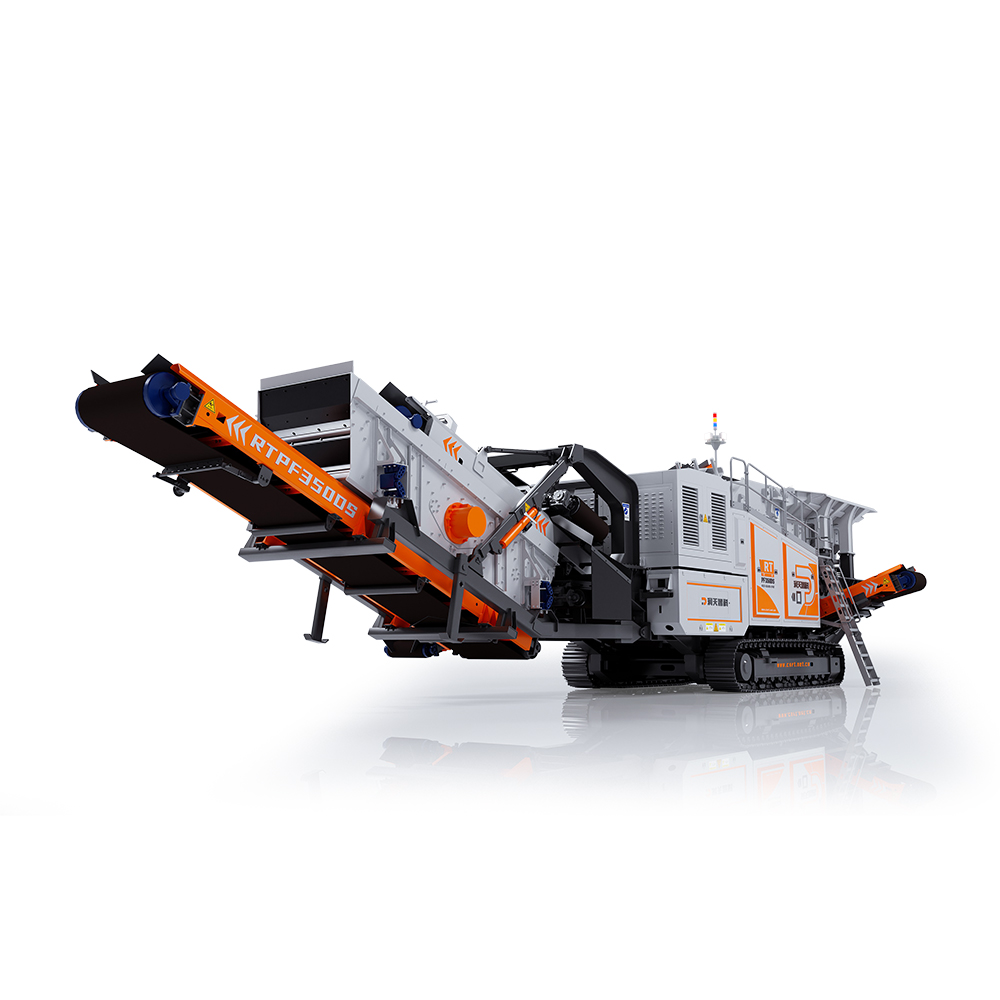 RTPF350DS Crawler Mobile Impact Crushing Plant
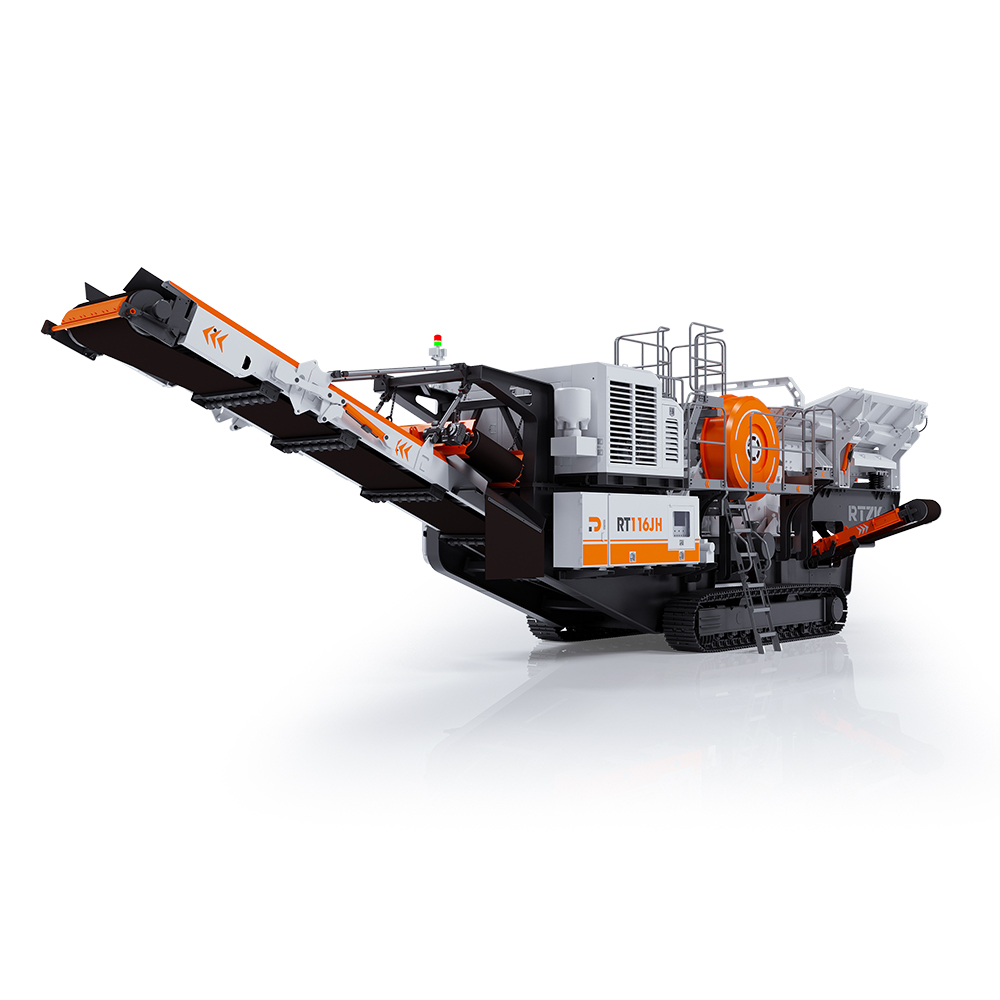 RT116JH Crawler Mobile Jaw Crushing Plant
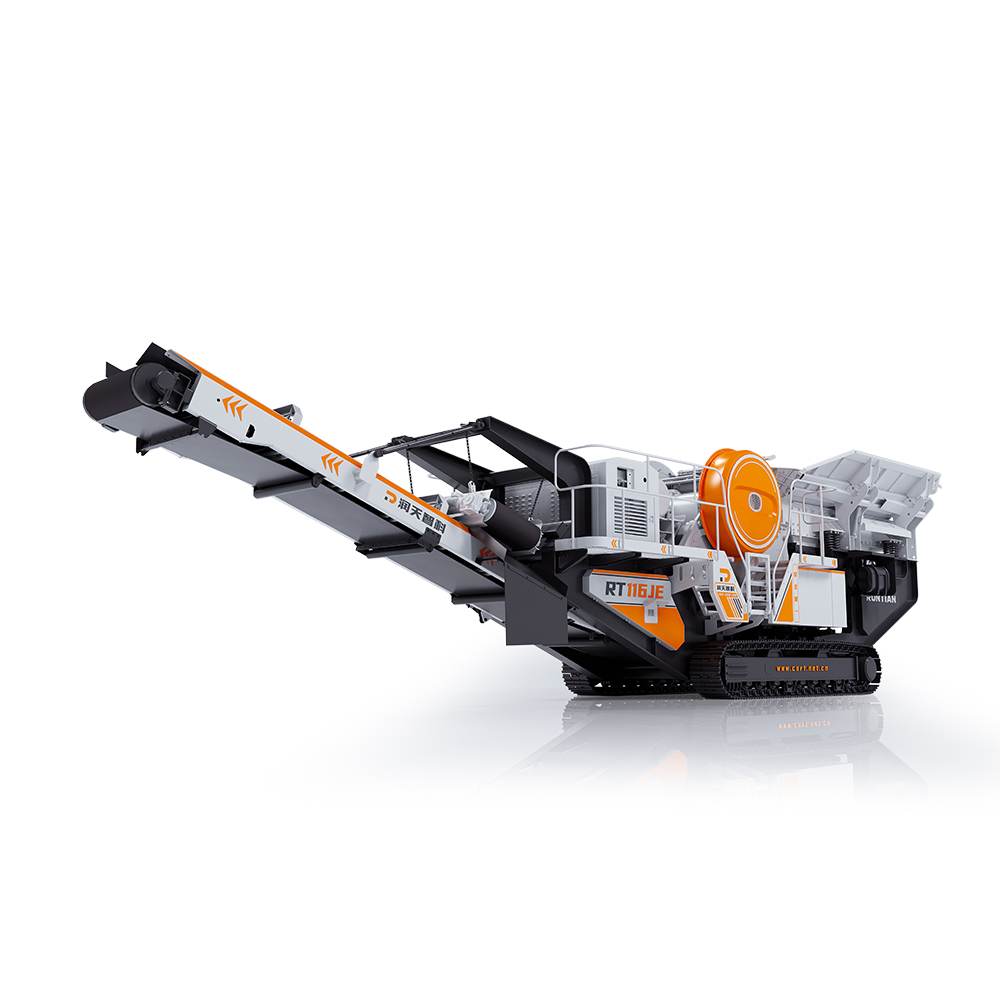 RT116JE Crawler Mobile Jaw Crushing Plant
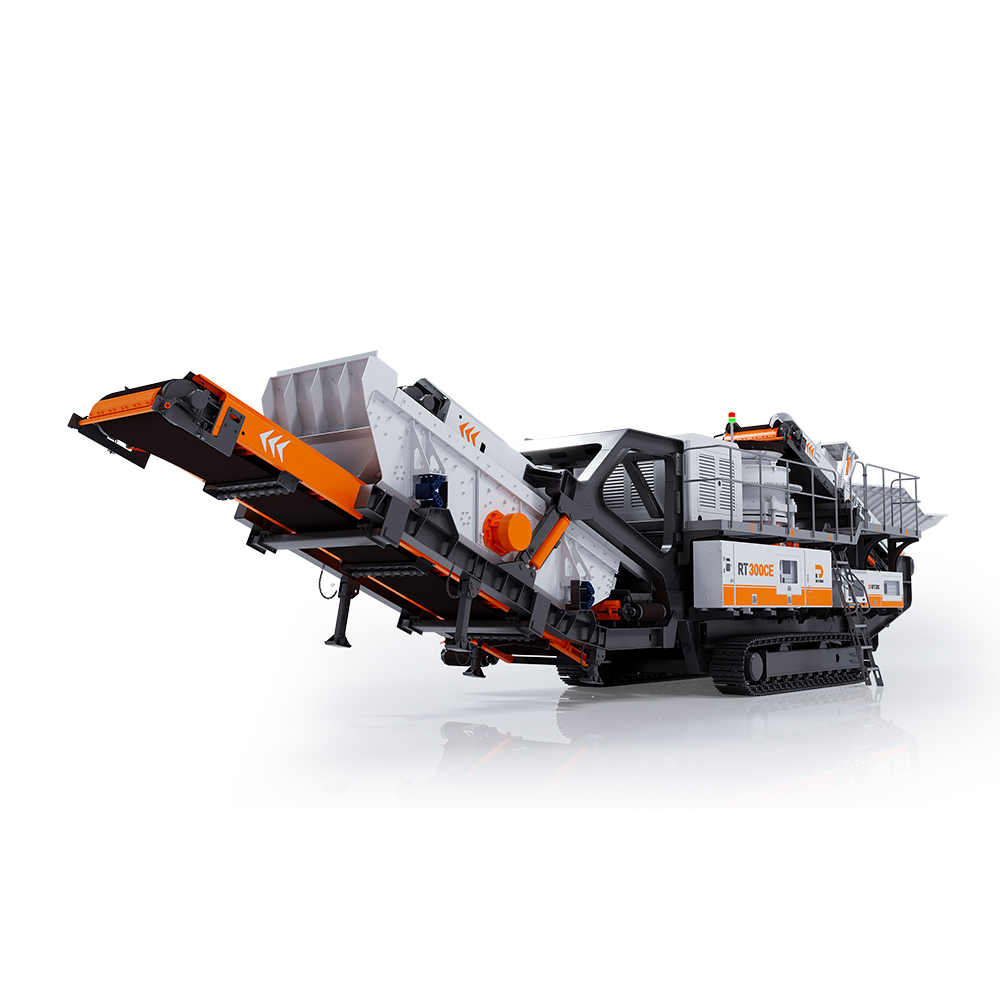 RT300CE Crawler Mobile Cone Crushing Plant
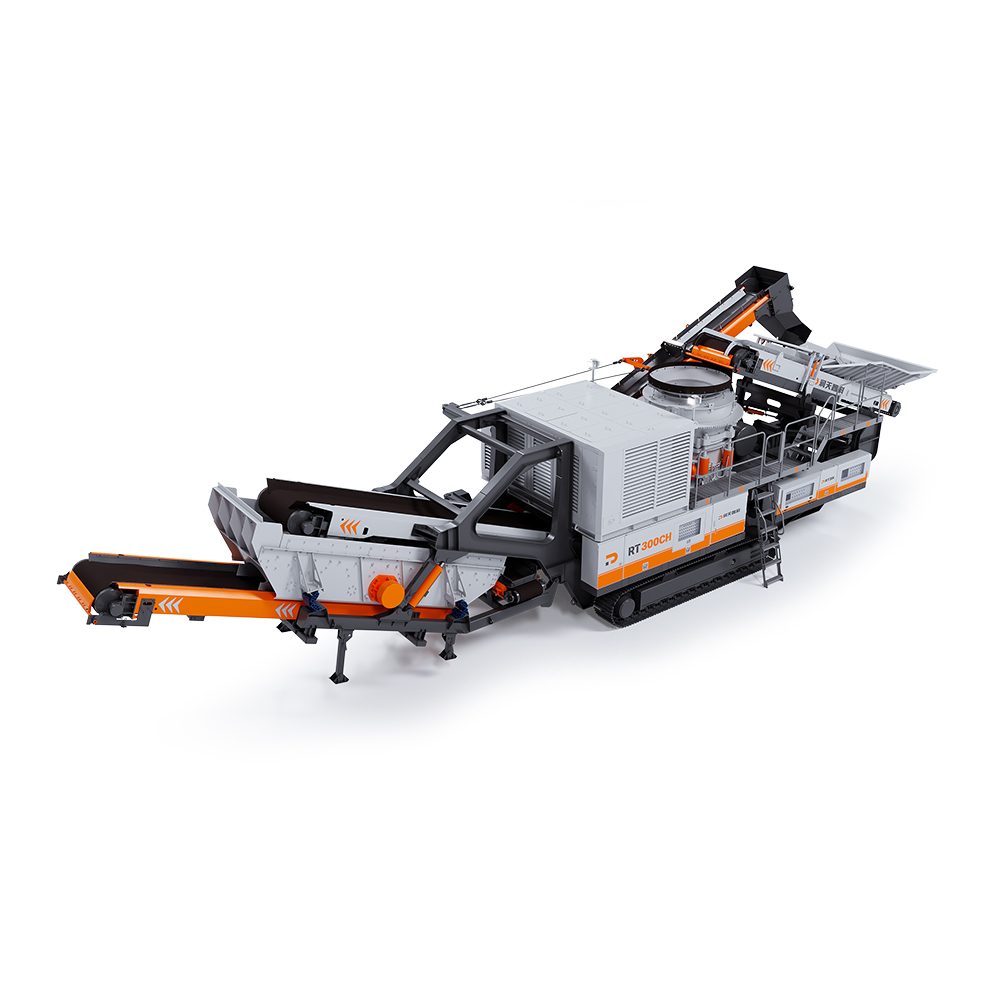 RT300CH Crawler Mobile Cone Crushing Plant
 RT5015H Mobile Scalping Screen
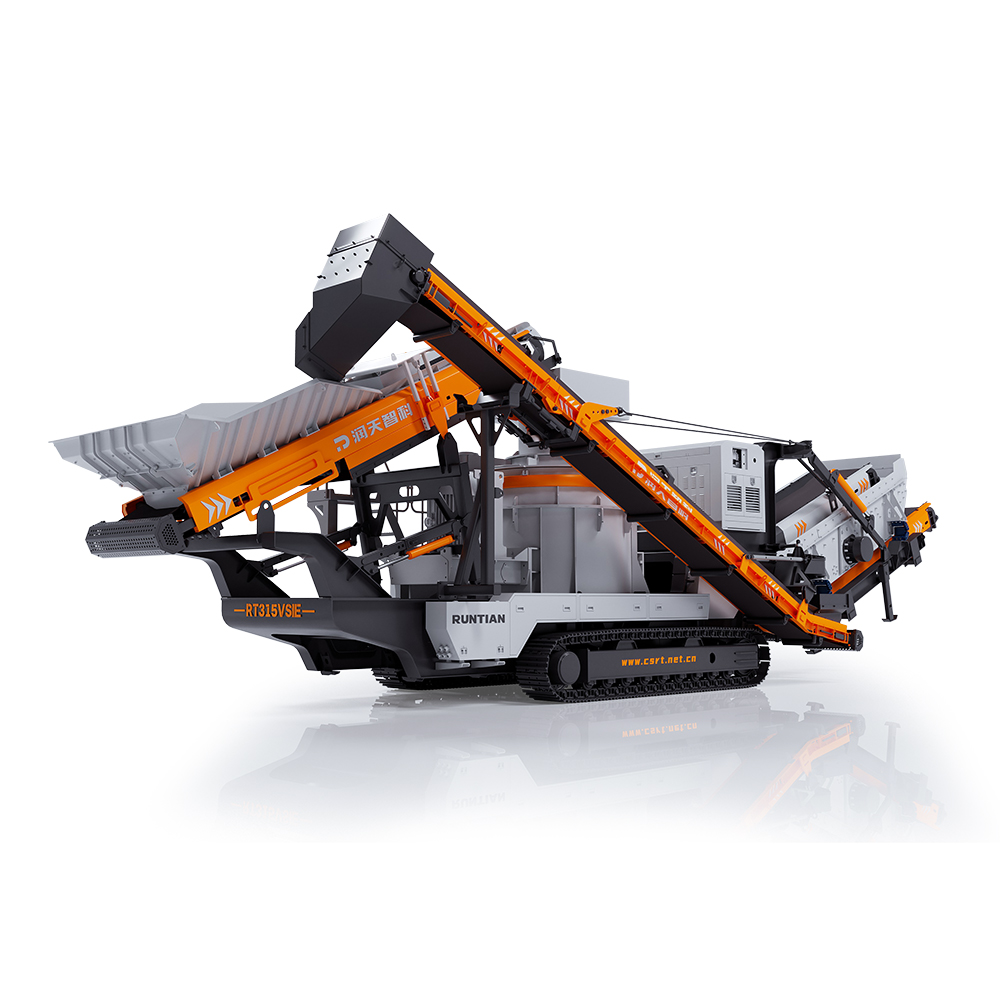 RT315VSIE Crawler Mobile Sand Maker
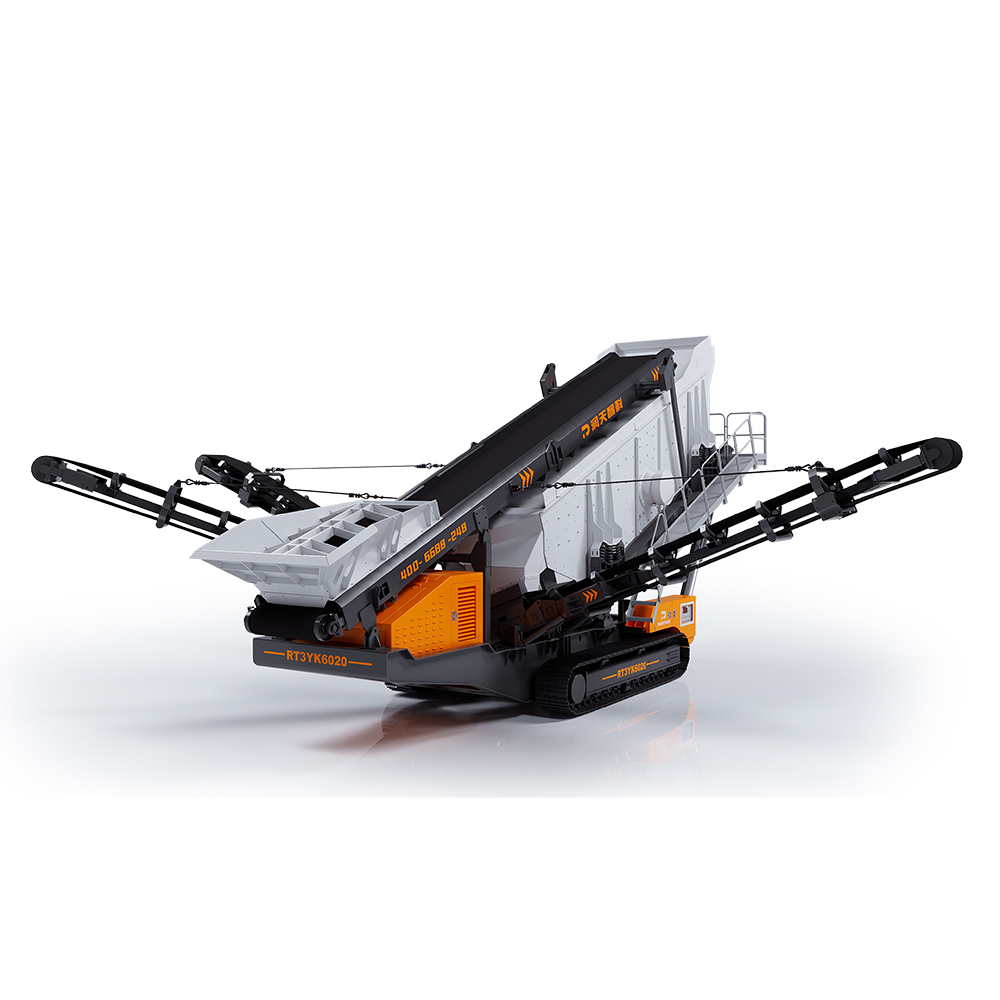 RT3YK6020 Crawler Mobile Screening Plant
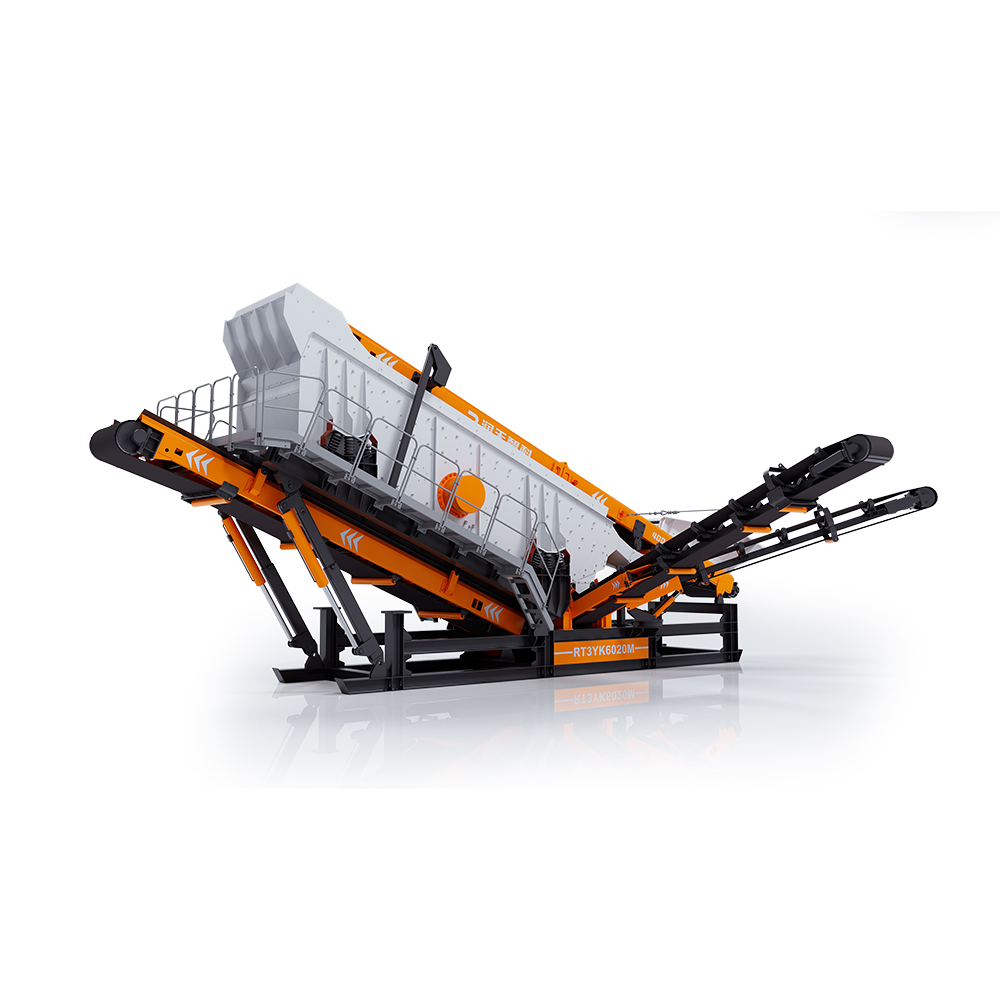 RT3YK6020M Modular Screening Plant
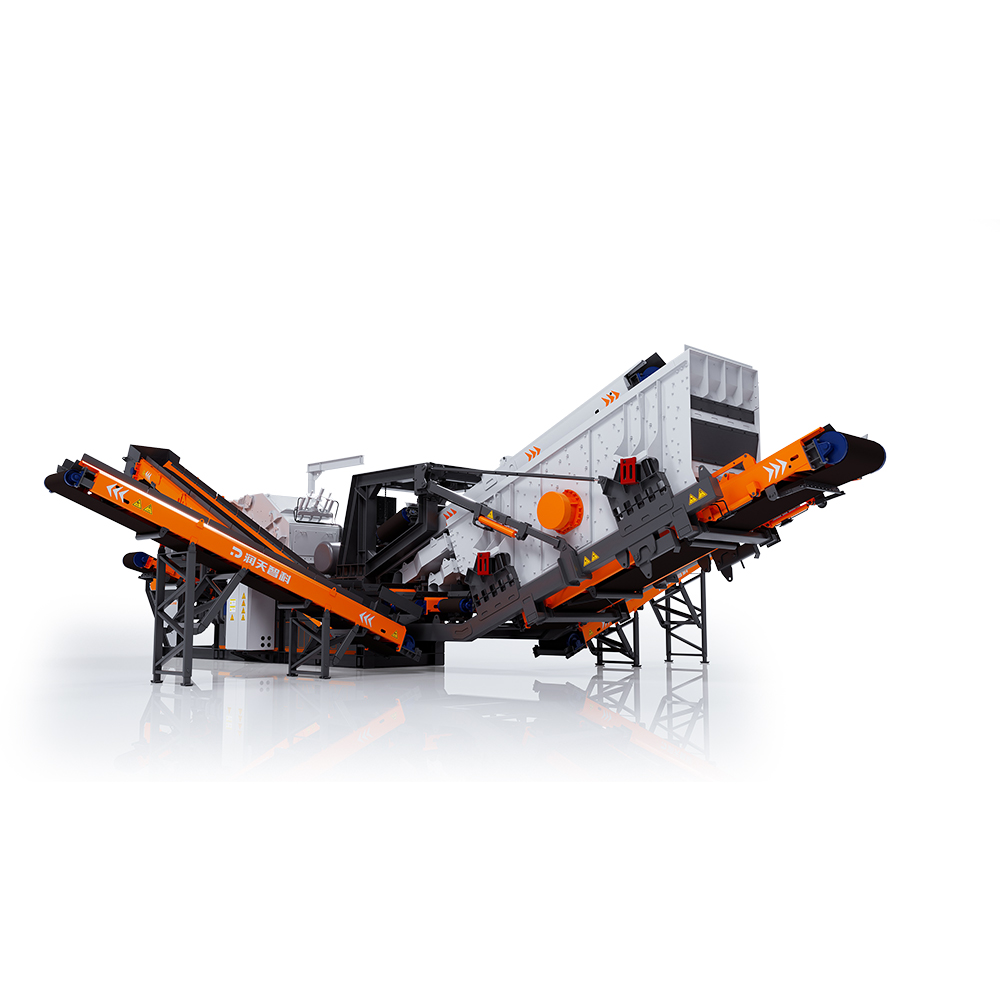 RTF260M Modular Counterattack Crushing and Screening Integrated Machine
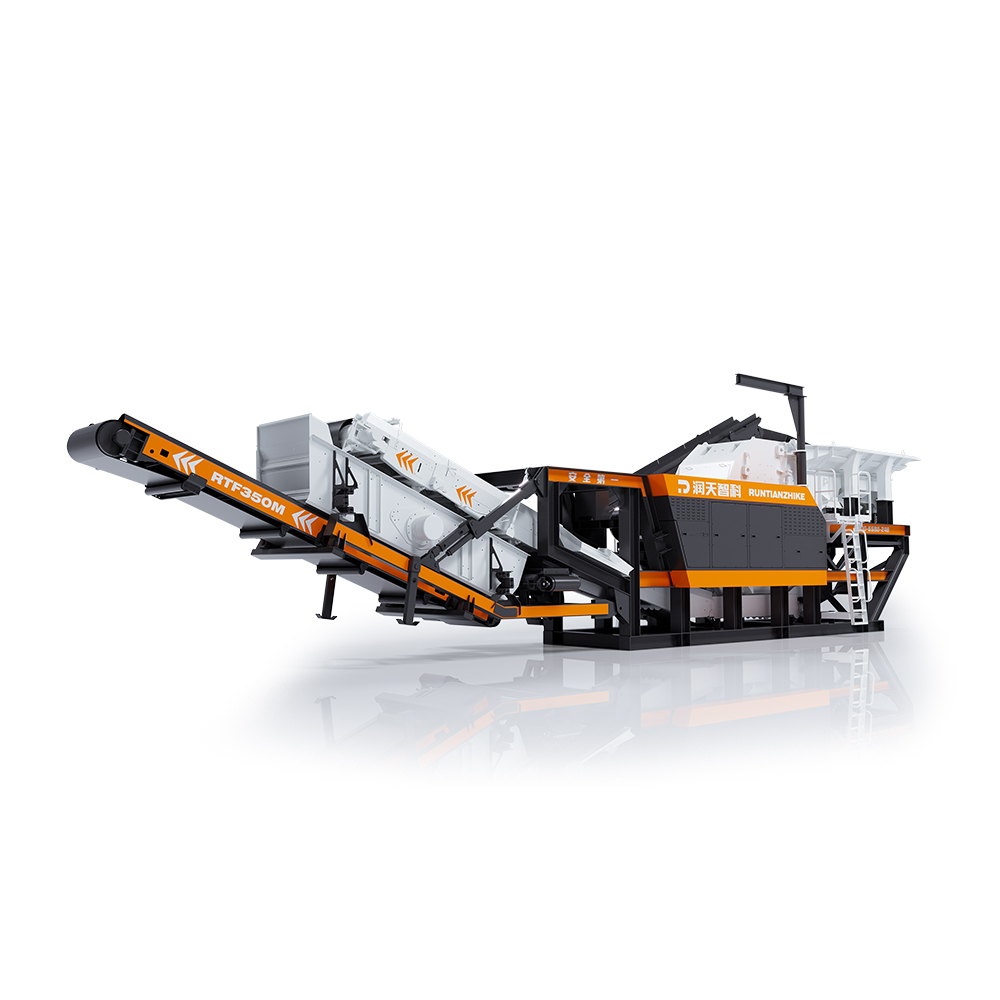 RTF350M Modular Impact Crushing Plant
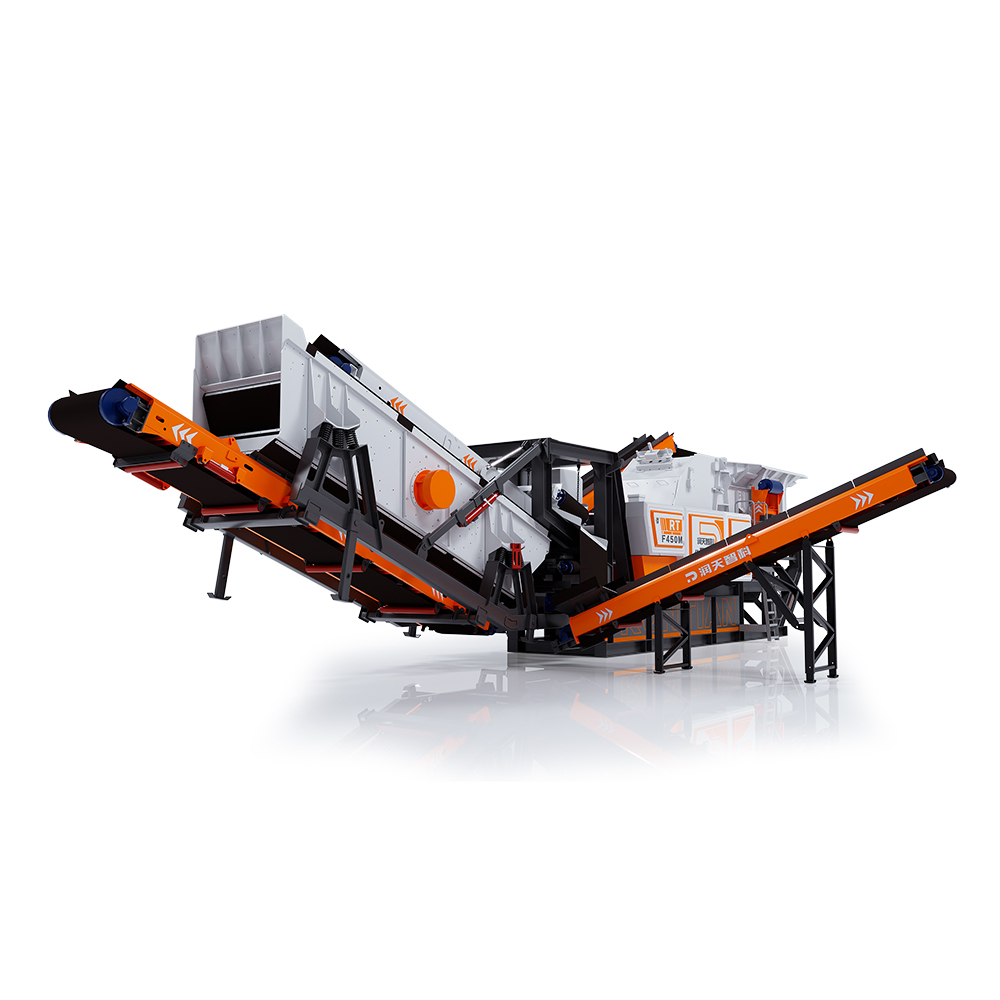 RTF450M Modular Impact Crushing Plant
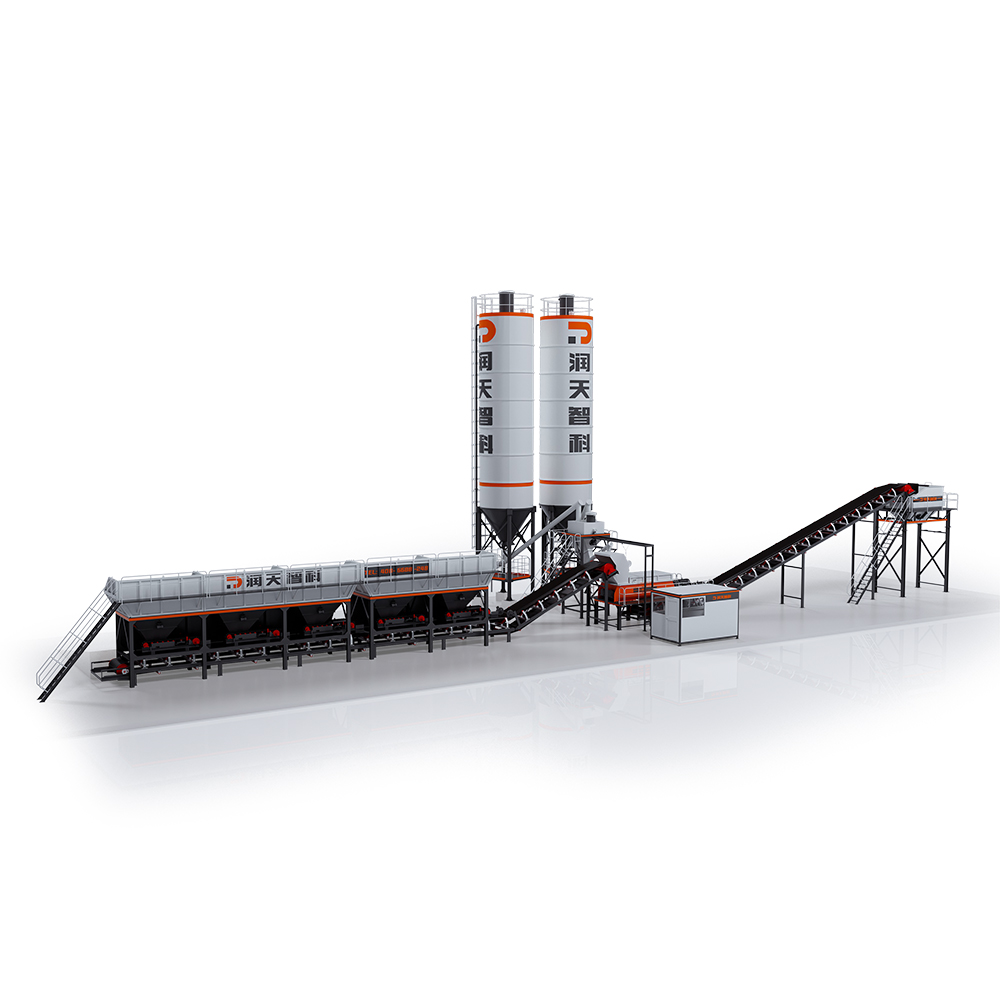 WDB Series Foundation-Free Stability Soil Mixing Plant
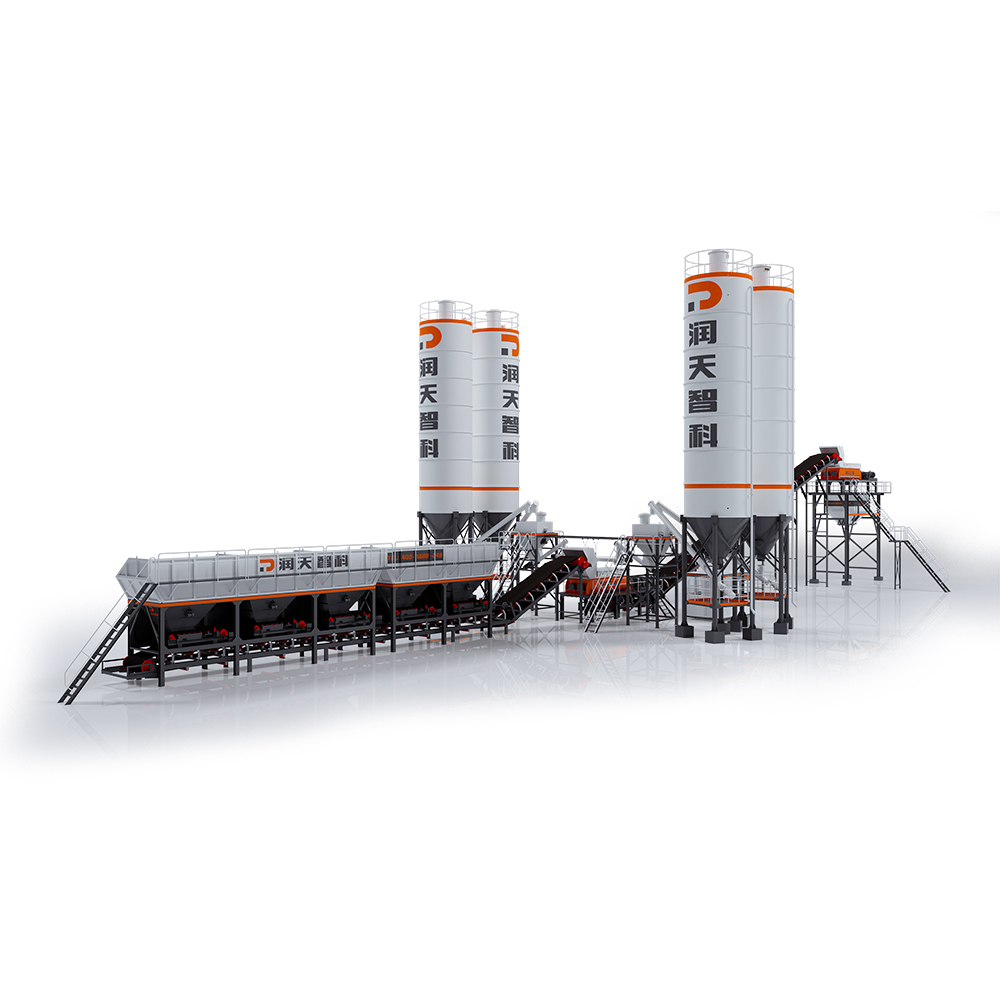 LCB Series Emulsified Asphalt Cold Regeneration Secondary Mixing Plant
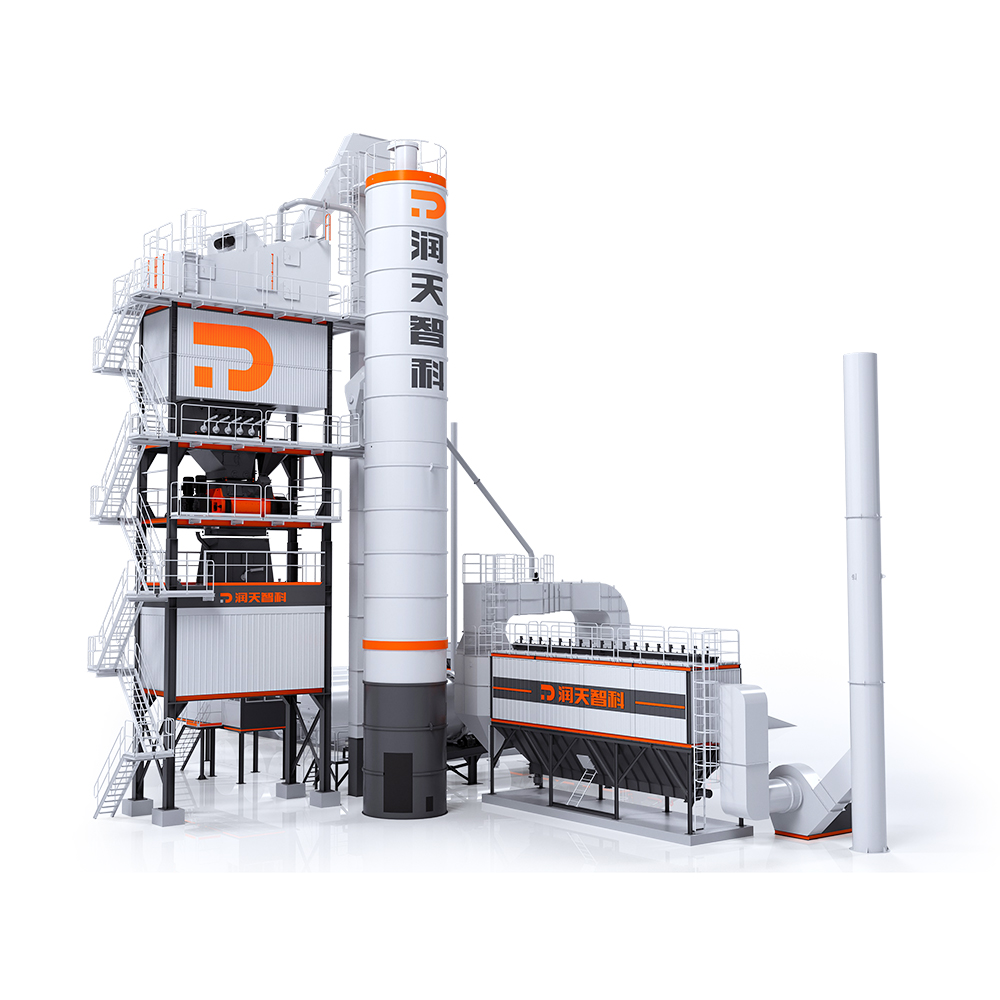 LB Series Asphalt Mixing Plant
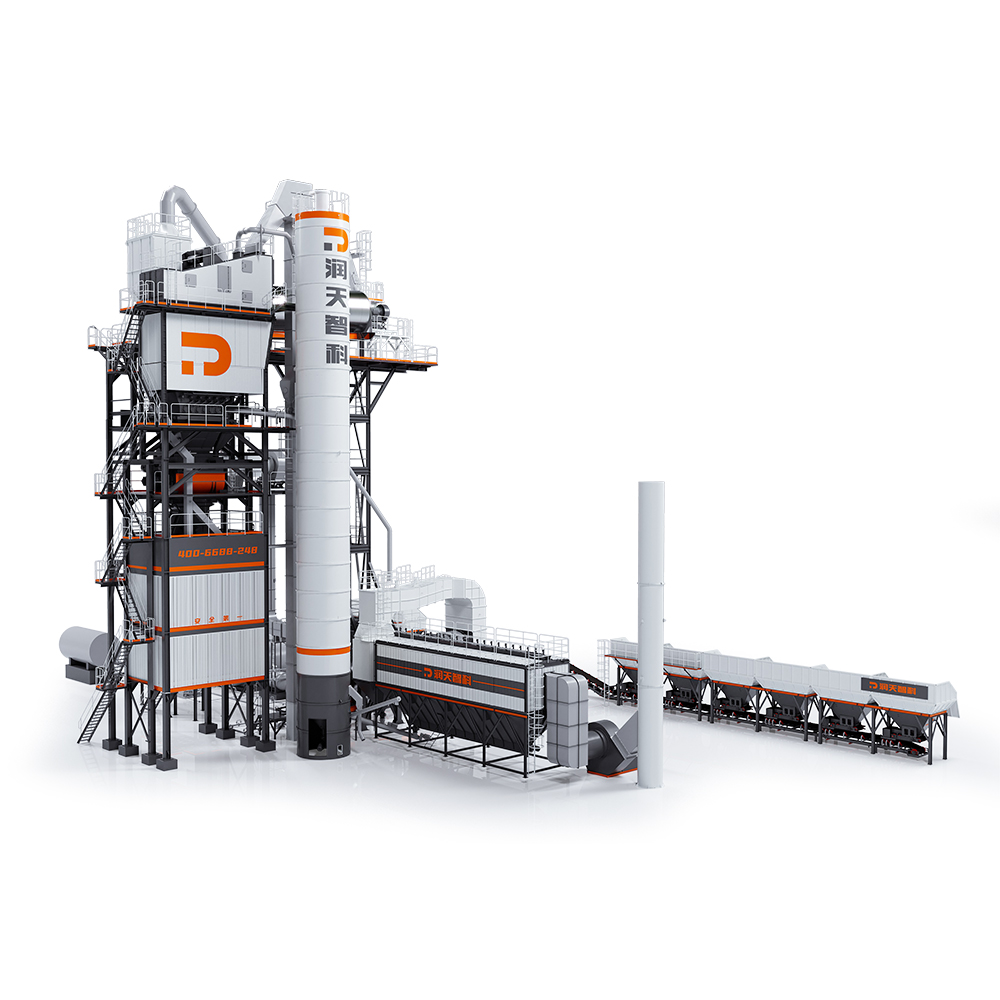 LBR Series Integrated Asphalt Mixing Plant
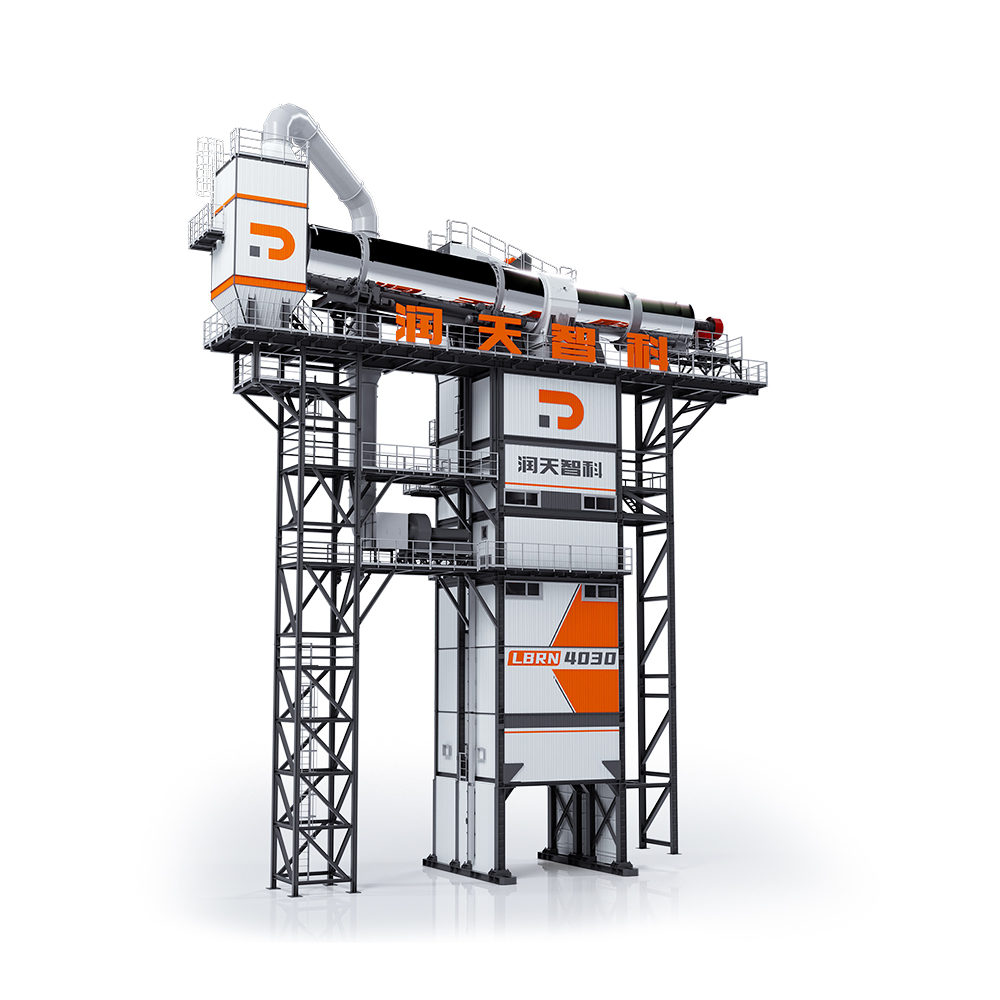 LBRN Series Counterflow Integral Asphalt Mixing Plant
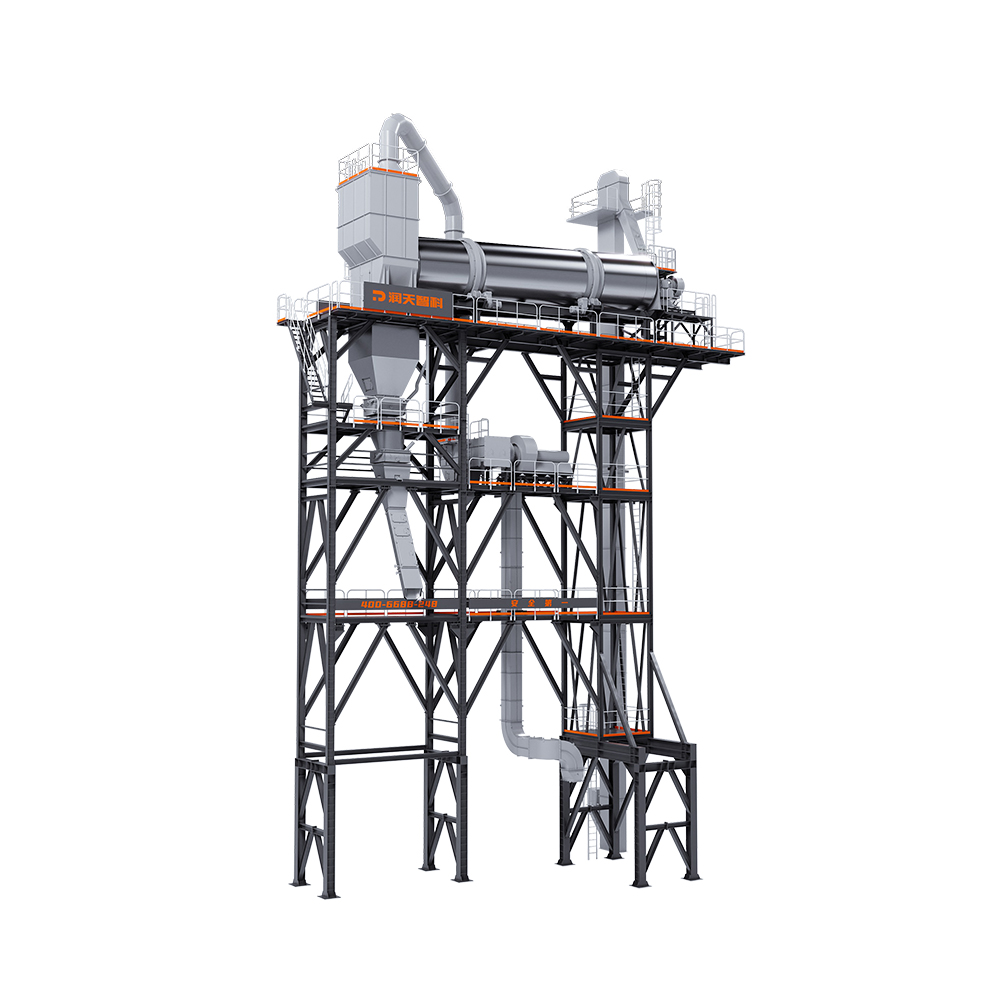 RZS Series Asphalt Mixing Plant
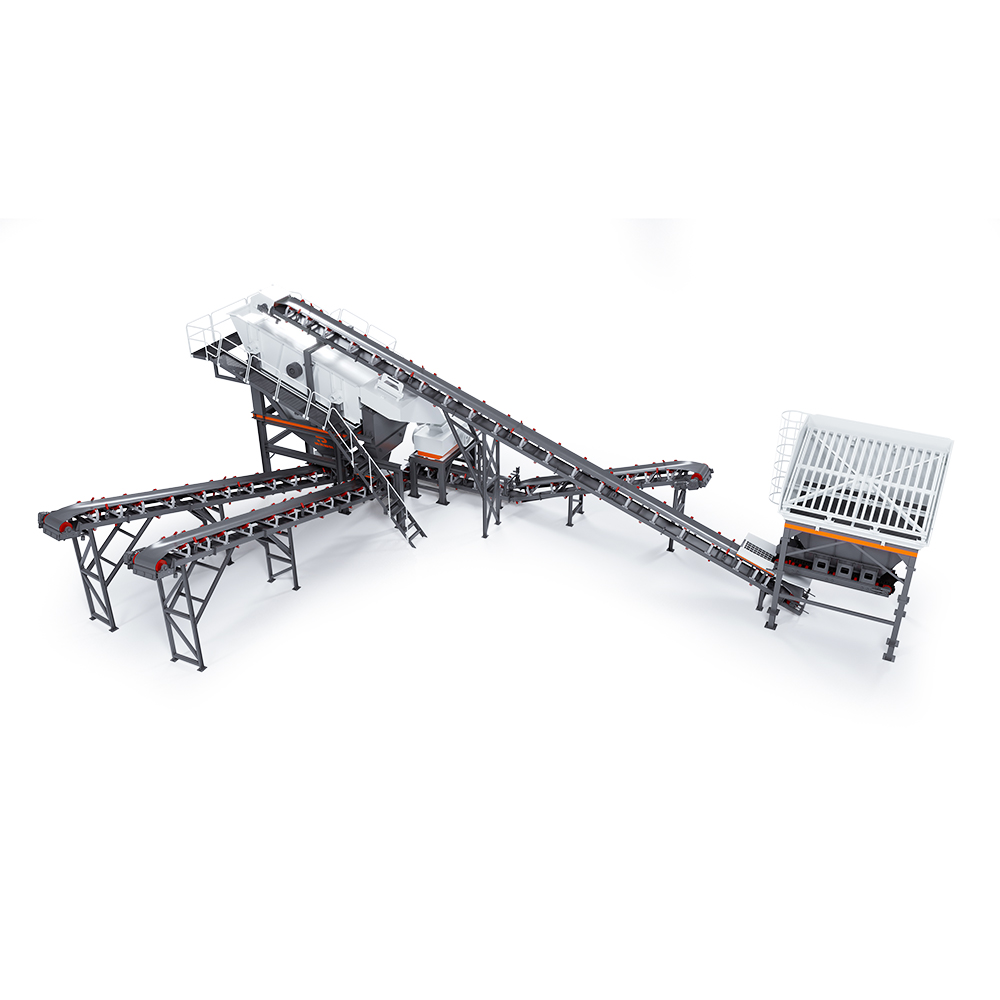 RTZS120 Series RAP Crushing & Screening Plant
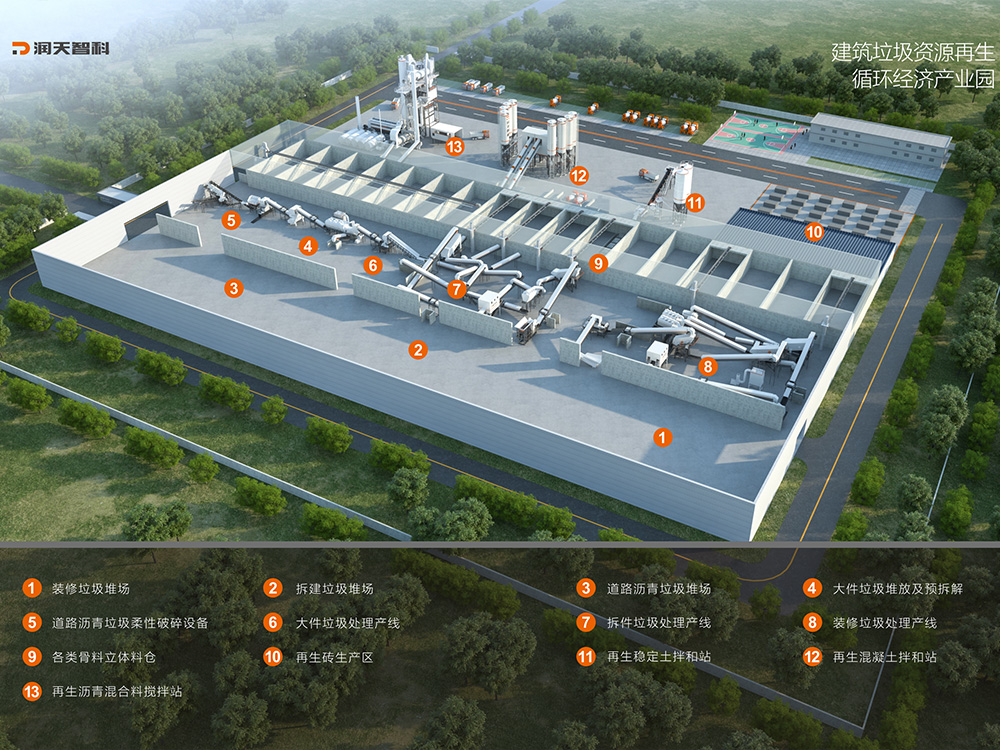 Construction Waste Resourceful Treatment Line