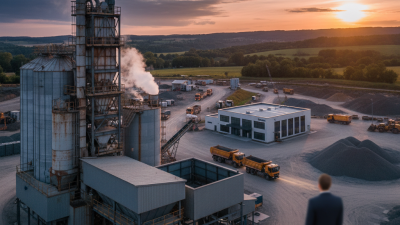
Top Benefits of Hot Mix Asphalt Plant for Road Construction and Maintenance?
The adoption of Hot Mix Asphalt Plants has revolutionized road construction and maintenance. According to the National Asphalt Pavement Association, about 94% of America's paved roads are constructed using asphalt. This percentage highlights the critical role of Hot Mix Asphalt Plants in modern infrastructure.
Industry expert Dr. Robert Johnson emphasizes, “Hot Mix Asphalt Plants offer flexibility and efficiency unmatched by other materials.” The ability to produce asphalt quickly leads to reduced project timelines. Furthermore, these plants can provide different asphalt grades tailored to specific needs. This adaptability is vital for addressing unique environmental conditions and road usage.
However, it’s essential to consider the environmental impact. While Hot Mix Asphalt Plants contribute significantly to infrastructure, they can release emissions. Continuous improvement is needed to balance efficiency and sustainability. Overall, the benefits of Hot Mix Asphalt Plants far outweigh the drawbacks, reinforcing their importance in road development.
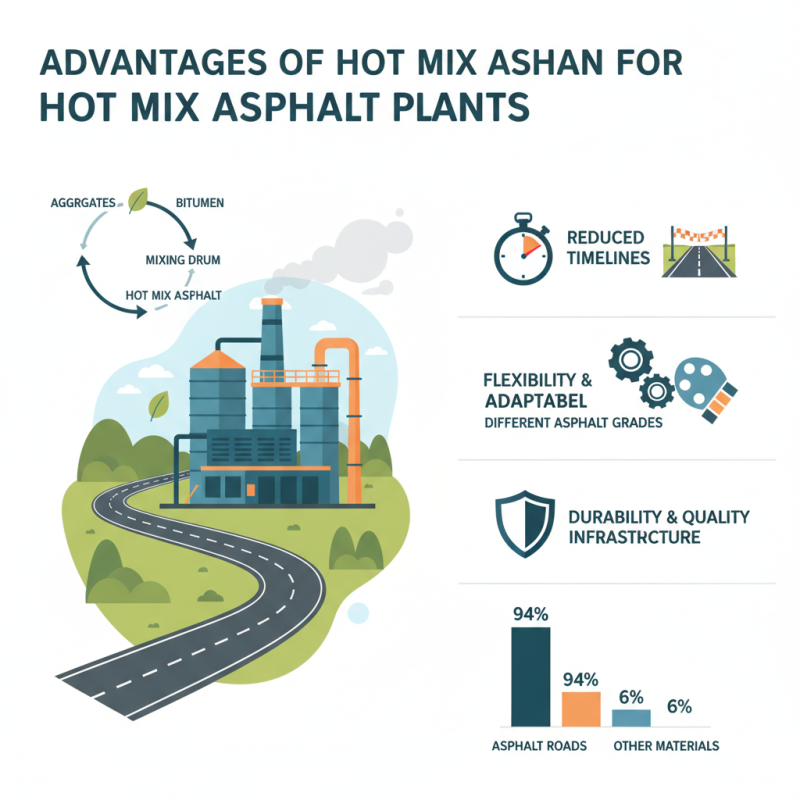
Key Features of Hot Mix Asphalt Plants for Efficient Roadwork
Hot mix asphalt plants play a crucial role in road construction and maintenance. These facilities enable the efficient production of asphalt mixtures, essential for creating durable road surfaces. A significant feature of hot mix asphalt plants is their ability to maintain consistent temperatures during the mixing process. This ensures that the asphalt binder adheres properly to aggregates, enhancing the longevity of road surfaces. According to industry reports, proper temperature control can improve the lifespan of asphalt by up to 30%.
Another important characteristic is the plant's modular design. This allows for easy transport and setup at various construction sites. As per the National Asphalt Pavement Association (NAPA), modular plants can significantly reduce mobilization time, optimizing overall project timelines. However, it’s also important to remember that installation challenges may arise. Ensuring proper site evaluation before setup is key to avoiding operational inefficiencies.
Tips for better efficiency include performing regular maintenance on plants to avoid downtime. An overlooked aspect is constant monitoring of production rates to prevent quality inconsistencies. Keeping a checklist of required materials on hand can further streamline the process. Make sure to educate the workforce on best practices, as human error can lead to costly mistakes. These practices are crucial for maximizing the effectiveness of hot mix asphalt plants in roadwork.
Environmental Benefits of Using Hot Mix Asphalt in Construction
Hot mix asphalt (HMA) is increasingly recognized for its environmental advantages in road construction and maintenance. Research from the National Asphalt Pavement Association (NAPA) indicates that using HMA can significantly reduce carbon footprints by enhancing sustainability. The recycling of asphalt material allows up to 90% of the used asphalt to be reclaimed for new projects. This not only conserves resources but also minimizes the need for new materials.
The warming effect of traditional paving materials raises concerns. HMA helps combat this issue. By reflecting more sunlight compared to darker paving materials, HMA can lower surface temperatures, reducing the urban heat island effect. A study published in the Journal of Environmental Quality points out that reflective pavements can decrease city temperatures by 1-3 degrees Fahrenheit. Implementing HMA in various projects can lead to cooler cities and reduced energy consumption for cooling.
Furthermore, using HMA can promote better stormwater management. The permeability of asphalt mixtures can improve water drainage. When properly designed, HMA can minimize runoff and help recharge groundwater supplies. However, these benefits need continual evaluation. The impact of mix designs and construction practices must be monitored to ensure these environmental advantages are realized effectively.
Cost-Effectiveness of Hot Mix Asphalt in Road Maintenance Projects
Hot mix asphalt (HMA) has become increasingly vital in road maintenance projects due to its cost-effectiveness and durability. According to the National Asphalt Pavement Association, HMA can provide a significant return on investment. A well-maintained road using HMA can reduce maintenance costs by up to 40%. This is crucial for municipalities operating under tight budgets.
Repairing roads with HMA also minimizes traffic disruption. Projects can be completed faster, reducing downtime for local businesses. Data from the Federal Highway Administration indicates that proper use of HMA leads to a life expectancy of 15-30 years, depending on traffic load and environmental conditions. However, maintenance schedules based on actual usage can often be overlooked.
While HMA offers numerous benefits, it’s not without challenges. Temperature control during mixing is crucial to ensure the longevity of the pavement. Improperly mixed asphalt can lead to premature failures, such as cracking or raveling. Regular training for operators and adherence to quality control can mitigate these issues. The focus should always be on a balance between cost savings and long-term performance.
Top Benefits of Hot Mix Asphalt Plant for Road Construction and Maintenance
| Benefit |
Description |
Cost-Effectiveness |
| Durability |
Hot mix asphalt provides a strong and resilient surface that requires less frequent repairs. |
Longer lifespan reduces maintenance costs over time. |
| Quick Installation |
The application process of hot mix asphalt is faster compared to other materials. |
Reduced labor costs due to quicker project completion. |
| Flexibility |
Can be utilized in various weather conditions and is adaptable to different project needs. |
Minimizes additional costs for project modifications. |
| Recyclability |
Hot mix asphalt can be recycled for future use, contributing to sustainability. |
Reduces material costs in future projects. |
| Reduced Noise |
The smooth surface of hot mix asphalt helps in reducing road noise. |
Improves community satisfaction, potentially lowering costs associated with noise mitigation efforts. |
Comparison of Hot Mix Asphalt and Other Pavement Materials
When comparing hot mix asphalt to other pavement materials, several key factors emerge. Hot mix asphalt is known for its durability and strength. Its ability to withstand heavy traffic makes it a popular choice for road construction. The flexibility of hot mix asphalt allows it to adjust to temperature changes without cracking. This adaptability provides a long-lasting road surface.
Other materials, like concrete, have their pros and cons. Concrete surfaces tend to last longer but can be more expensive to install. Additionally, they are less flexible, which can lead to cracking in colder climates. In contrast, hot mix asphalt requires maintenance, but the repair process is quicker and less costly. The ease of production and application of hot mix asphalt contributes to its appeal for various projects.
However, not all asphalt mixes perform the same. Some mixes may compromise performance for cost savings. It’s essential to choose the right type for specific conditions. Local climate and expected traffic loads play a crucial role in the selection process. Decisions in this area can significantly impact the longevity and overall quality of roadways. Understanding these materials is vital for effective road maintenance and construction planning.
Impact of Hot Mix Asphalt on Road Durability and Longevity
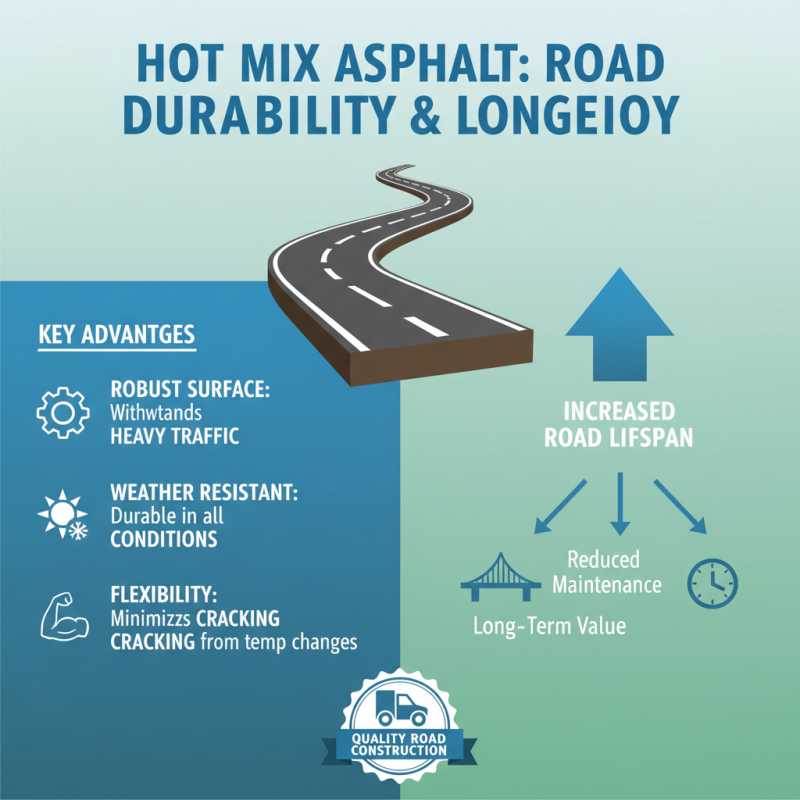
Hot mix asphalt (HMA) plays a vital role in road construction and maintenance. Its unique blend offers several advantages, especially in enhancing road durability and longevity. When applied correctly, HMA creates a robust surface that withstands heavy traffic and adverse weather. Unlike other materials, HMA maintains its flexibility even under stress. This flexibility helps minimize cracking, a common issue in roads exposed to fluctuating temperatures.
Tips for proper application include ensuring the right temperature. The mix should be heated adequately to achieve optimal adhesion. Also, timing is crucial. HMA must be laid down quickly to ensure proper compaction. If delayed, the mixture might cool prematurely, compromising its performance.
The quality of HMA directly influences a road's lifespan. Regular maintenance is essential but often overlooked. Some projects use thin layers of HMA to repair existing surfaces, which can reduce costs effectively. However, if the original layer is severely damaged, this might only delay necessary repairs. It’s vital to assess the road's condition before deciding on the thickness of the HMA layer. Balancing cost and quality is an ongoing challenge for many road construction projects.

 Concrete Mixing Plant
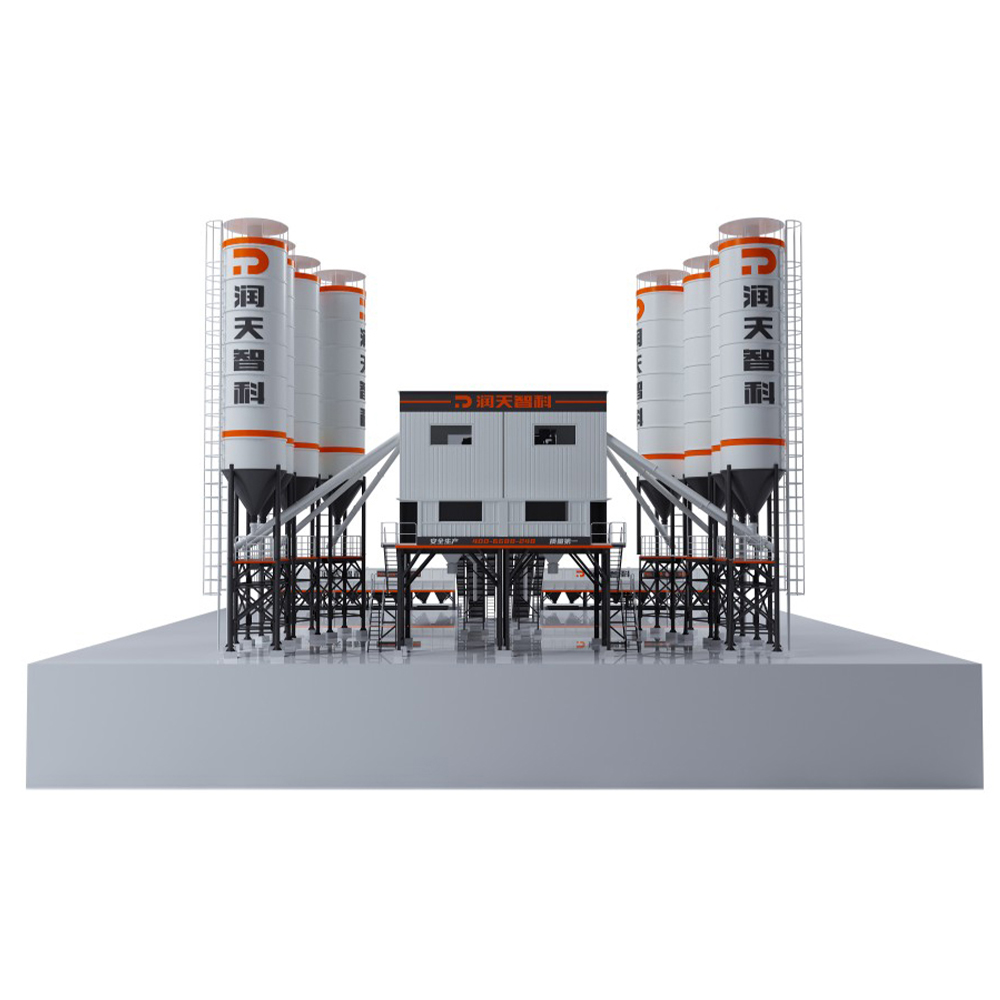 HZS Series Belt Concrete Mixing Plant
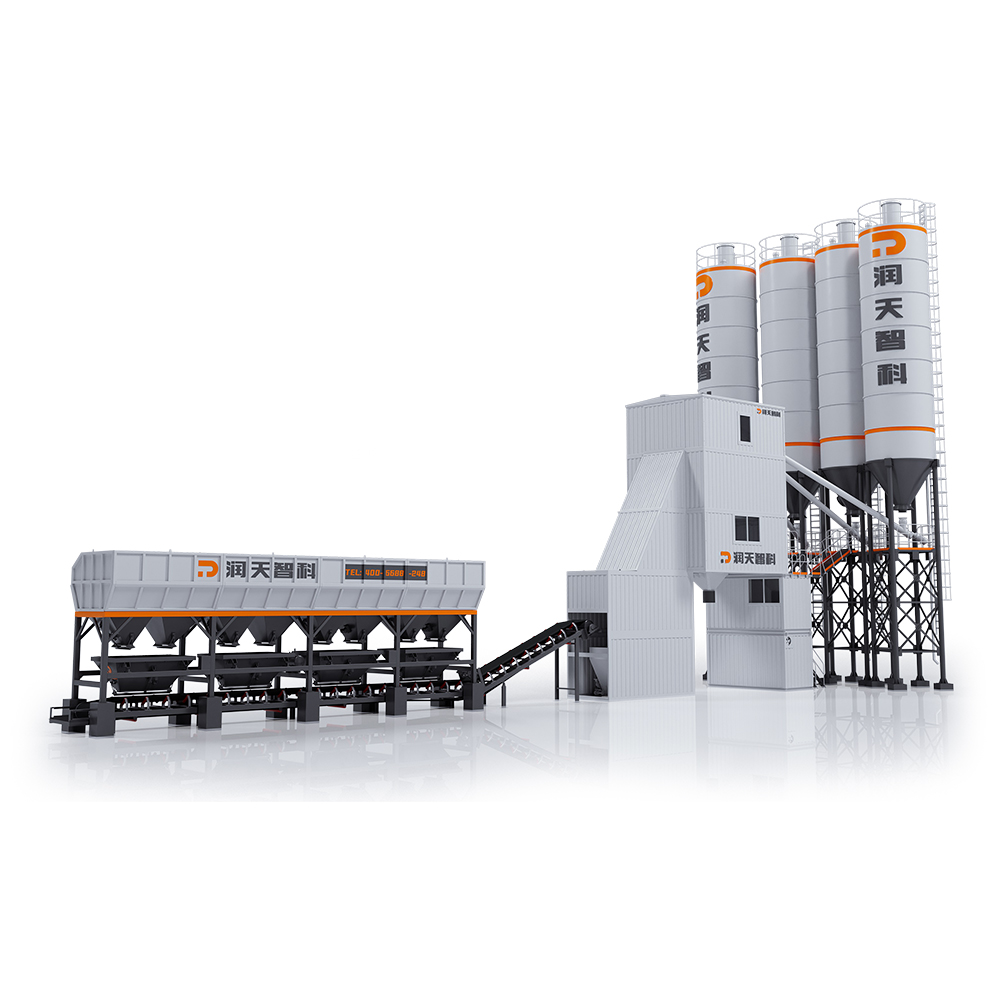 HZS Series Bucket-Lifting Type Container Concrete Mixing Plant
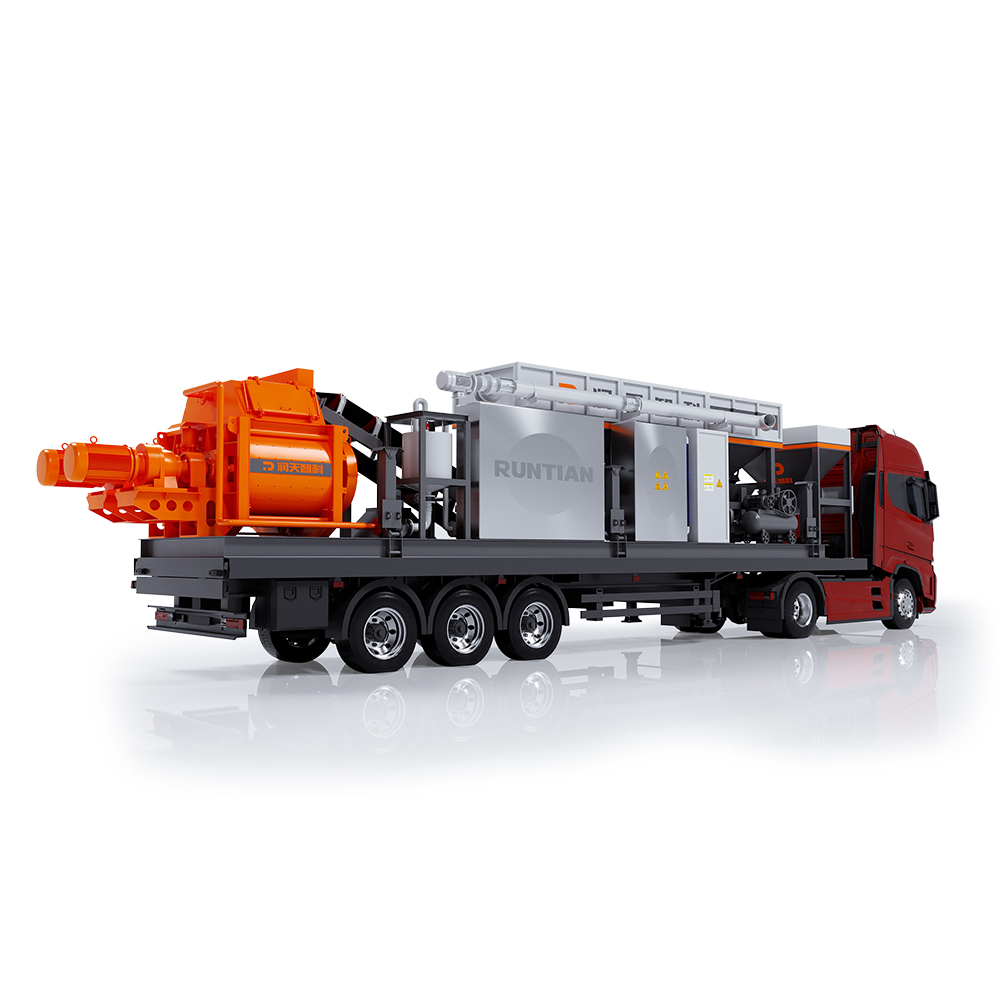 HZS60 Mobile Concrete Mixing Plant
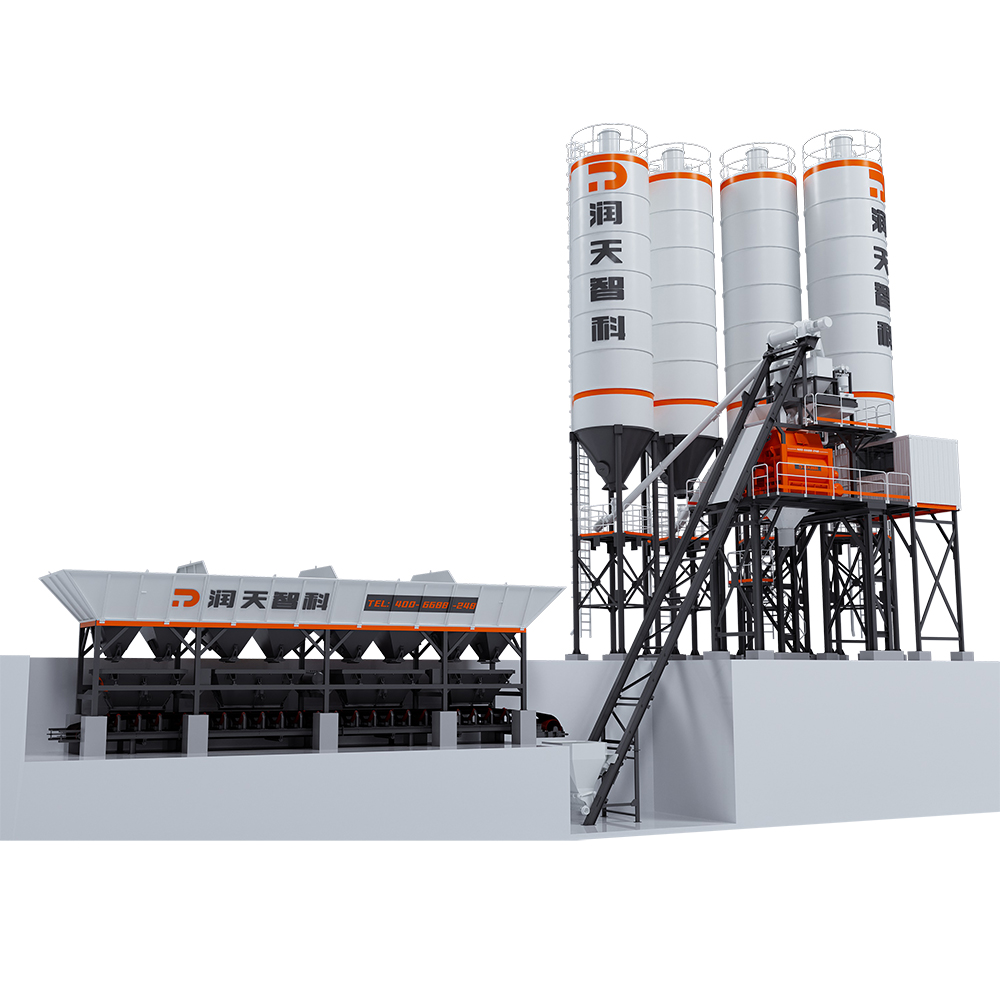 HZS Series Bucket-Lifting Type Concrete Mixing Plant
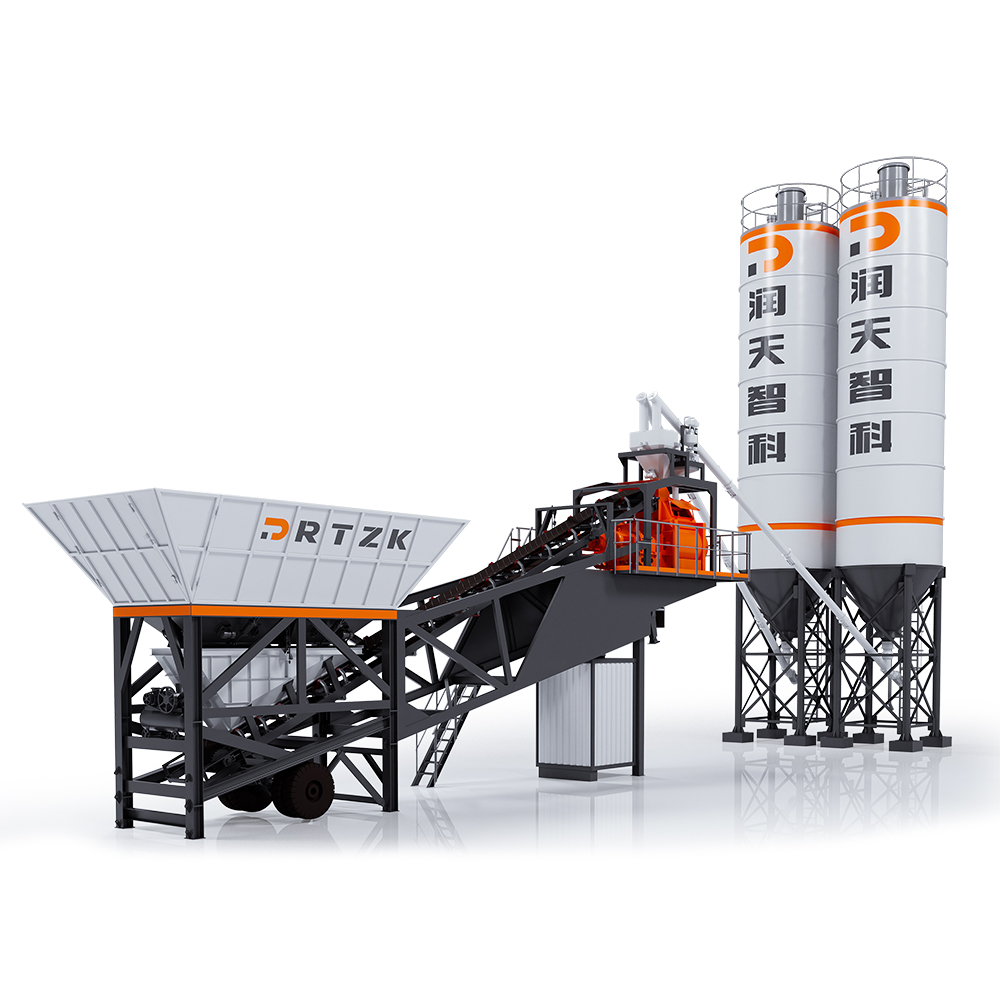 HZS Series Mobile Concrete Mixing Plant
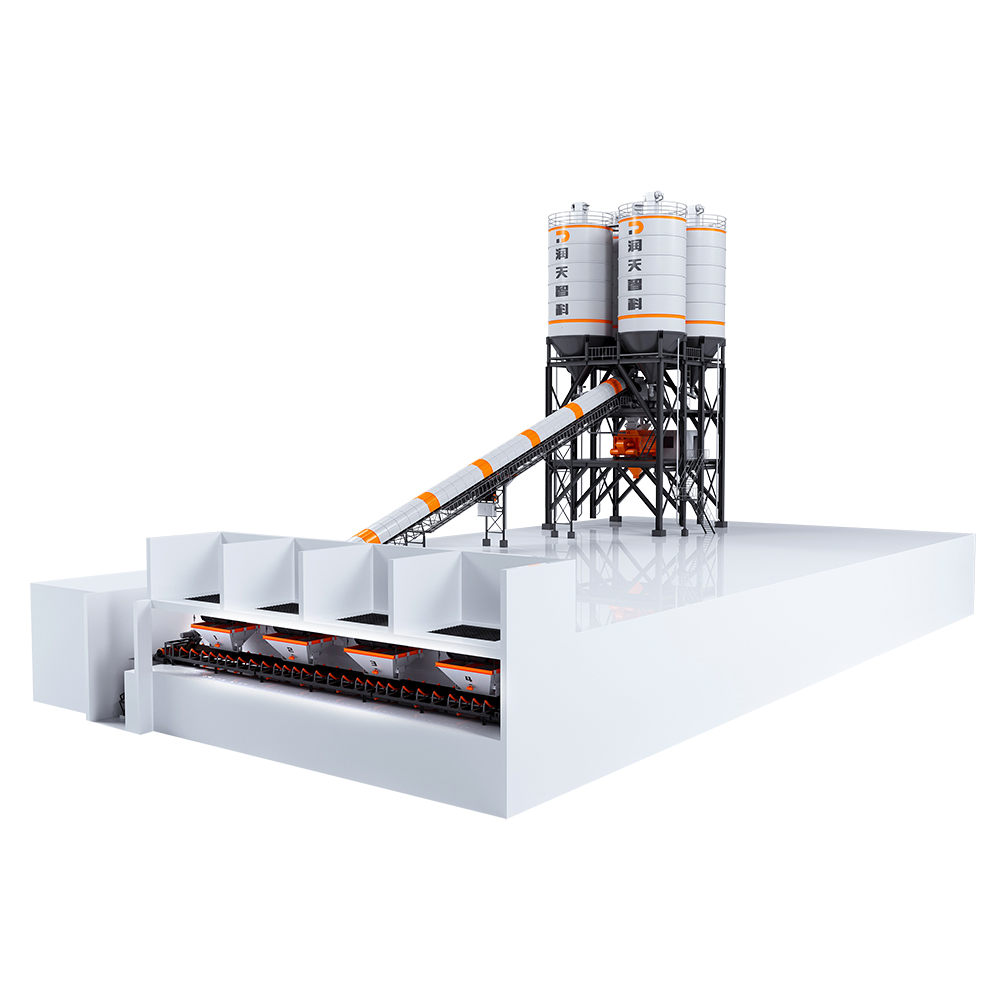 HZS Series Top-Mounted Concrete Mixing plant
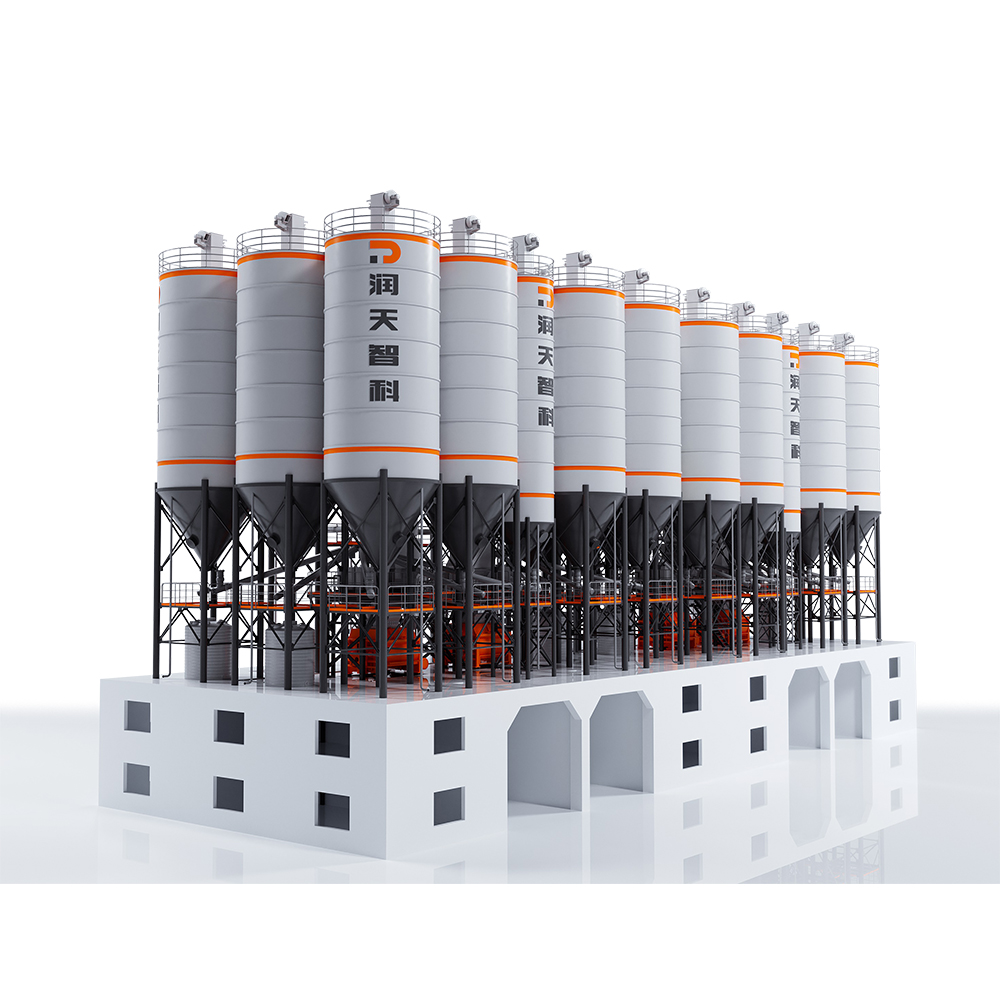 HZS Series Semi-Top Mounted Concrete Mixing Plant
 RTPF350DS Crawler Mobile Impact Crushing Plant
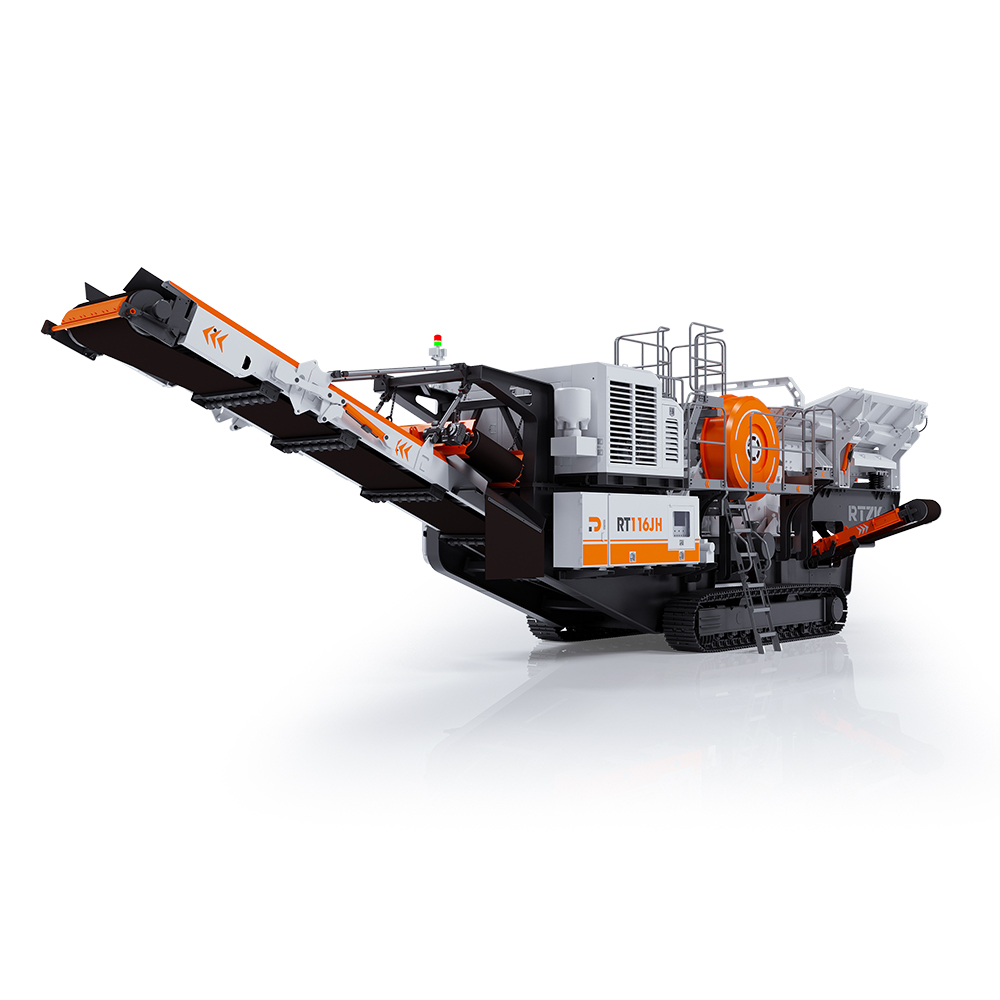 RT116JH Crawler Mobile Jaw Crushing Plant
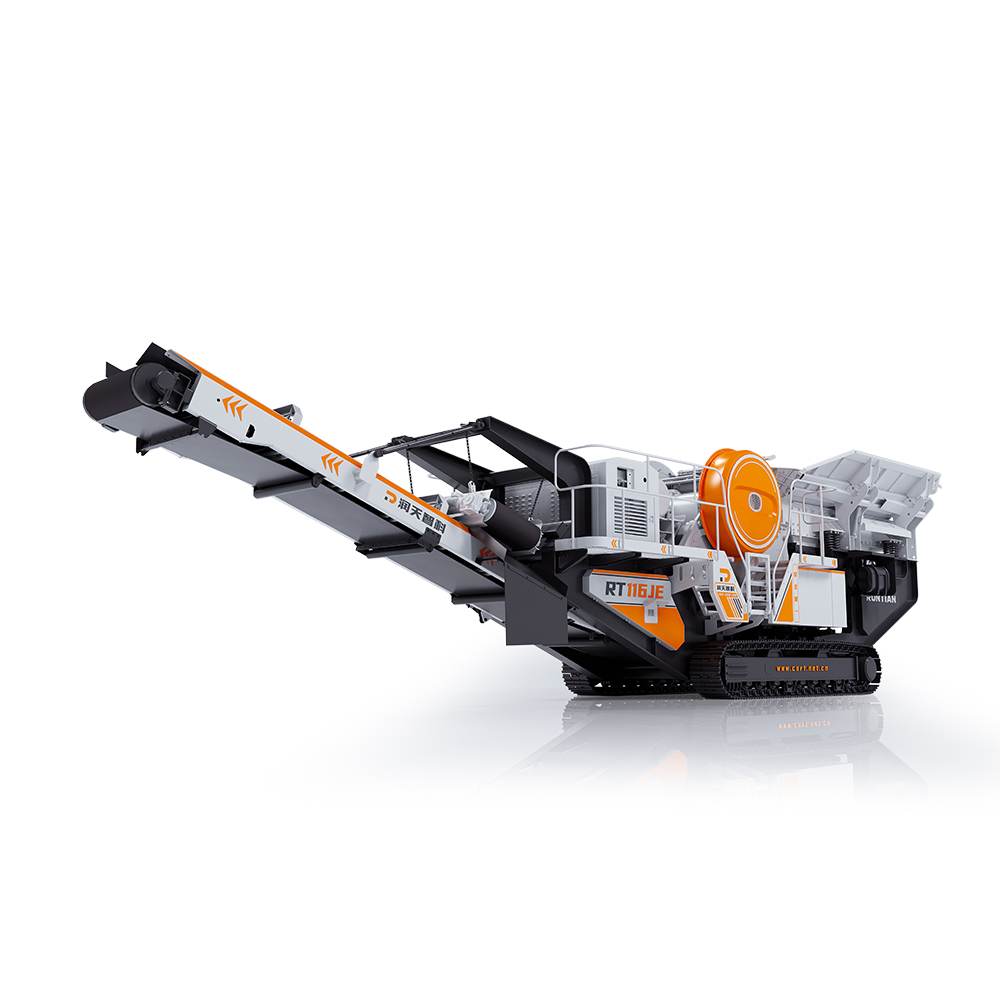 RT116JE Crawler Mobile Jaw Crushing Plant
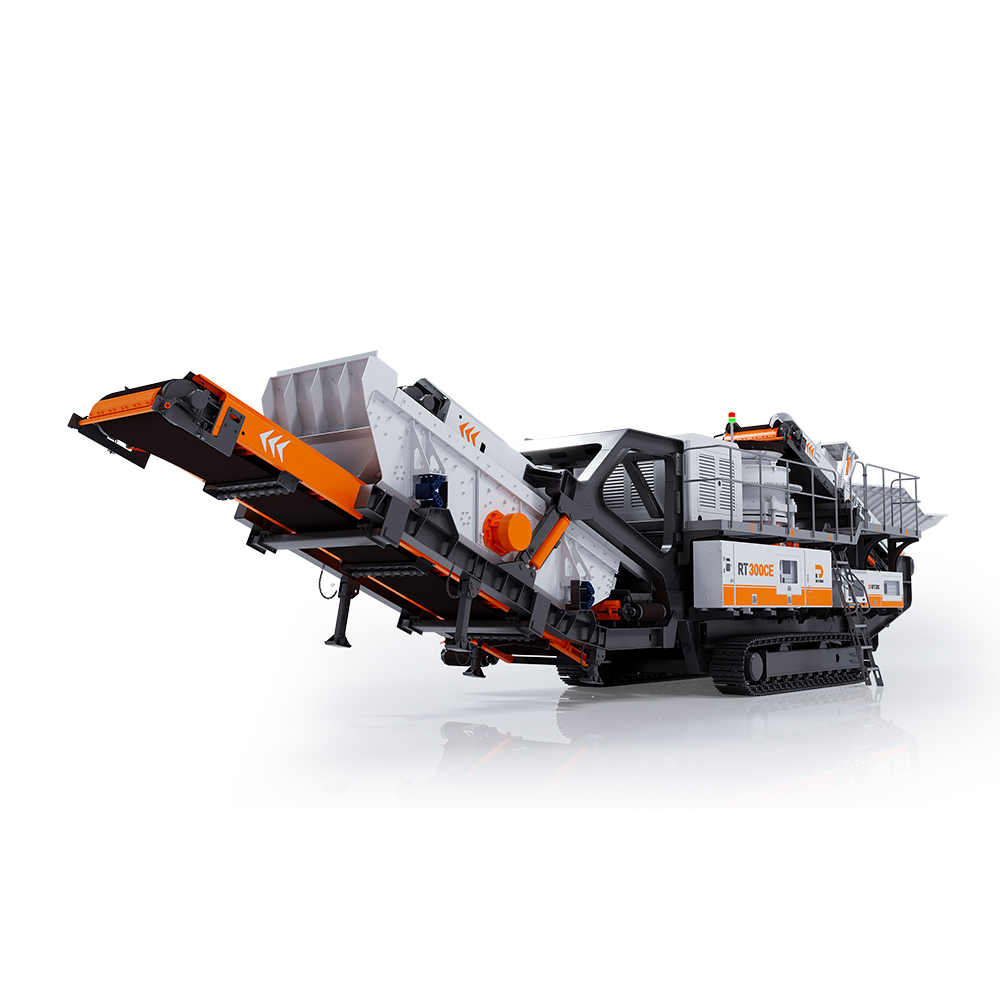 RT300CE Crawler Mobile Cone Crushing Plant
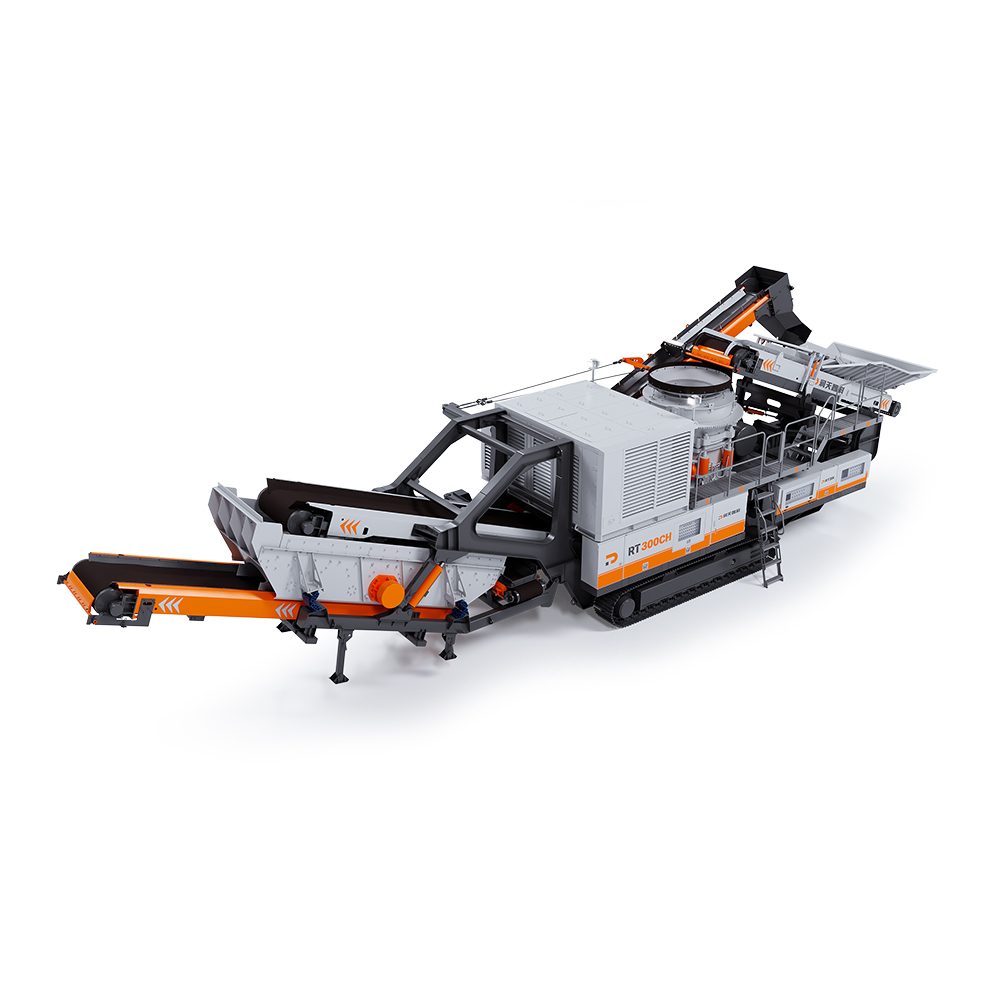 RT300CH Crawler Mobile Cone Crushing Plant
 RT5015H Mobile Scalping Screen
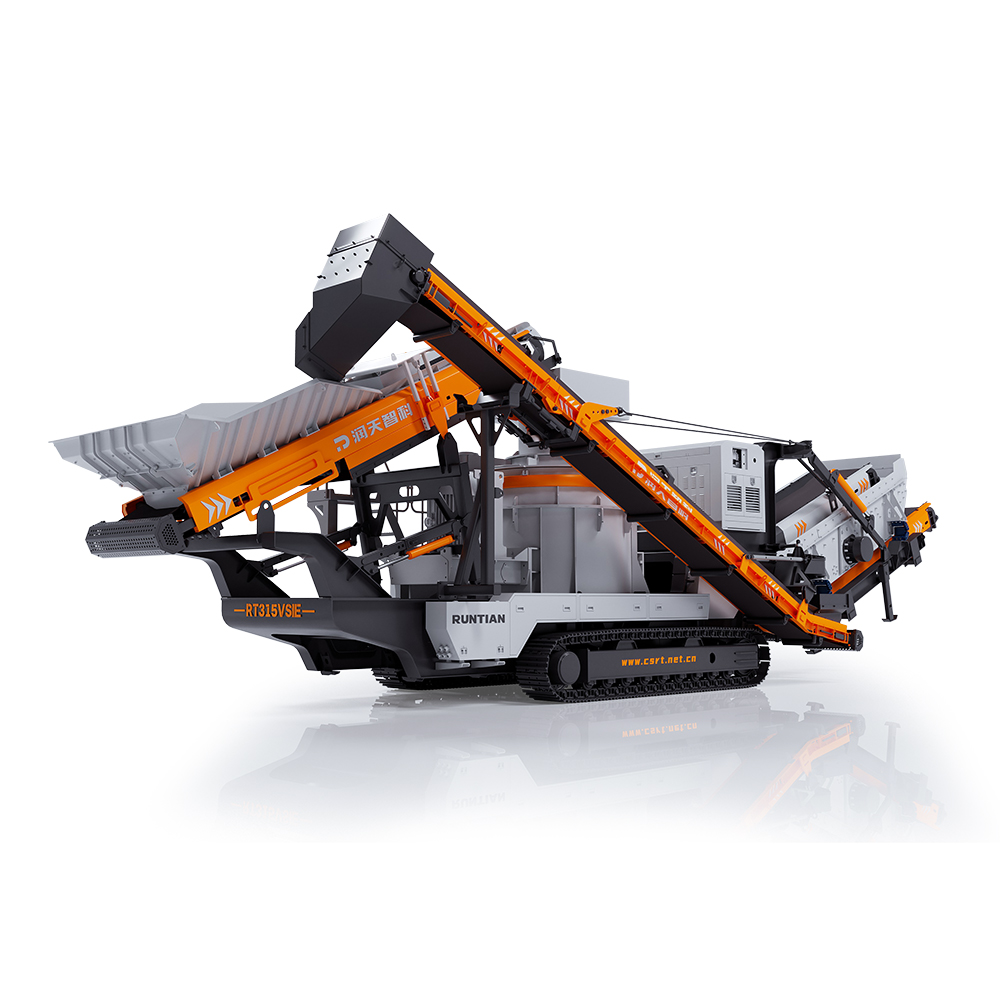 RT315VSIE Crawler Mobile Sand Maker
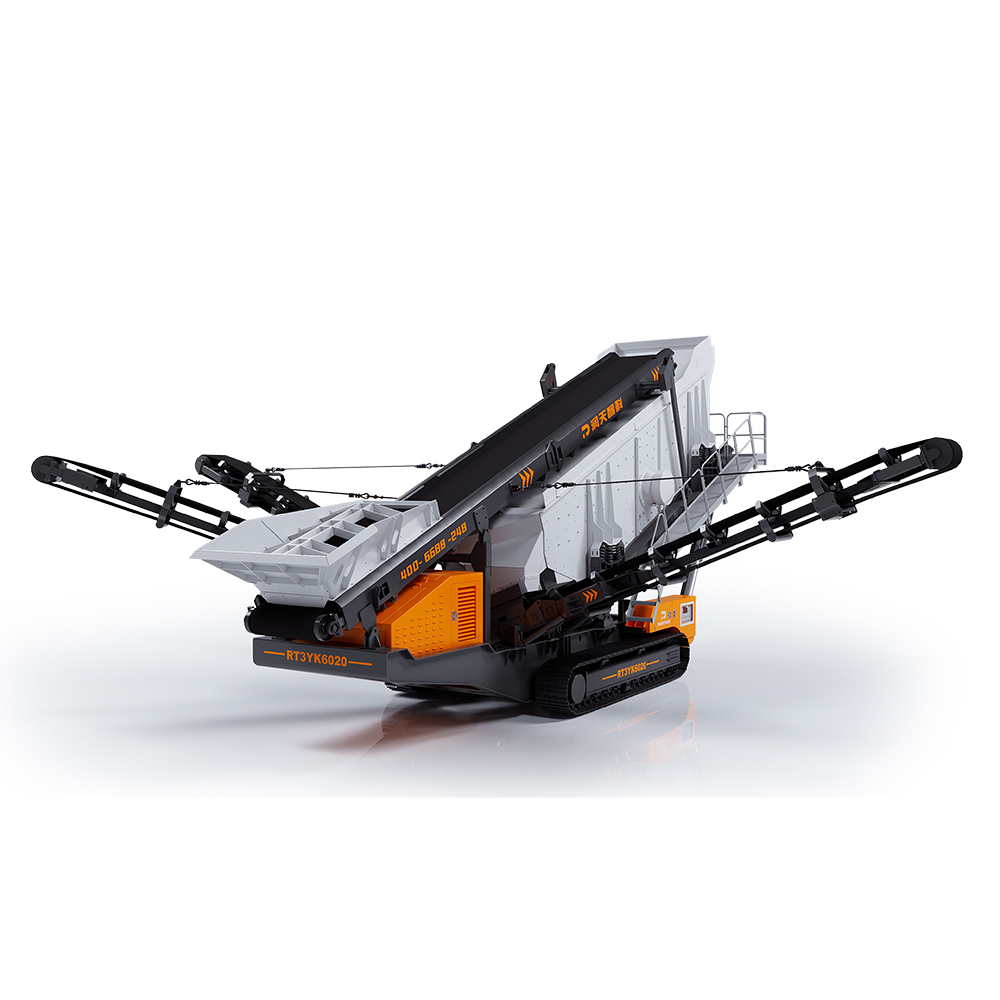 RT3YK6020 Crawler Mobile Screening Plant
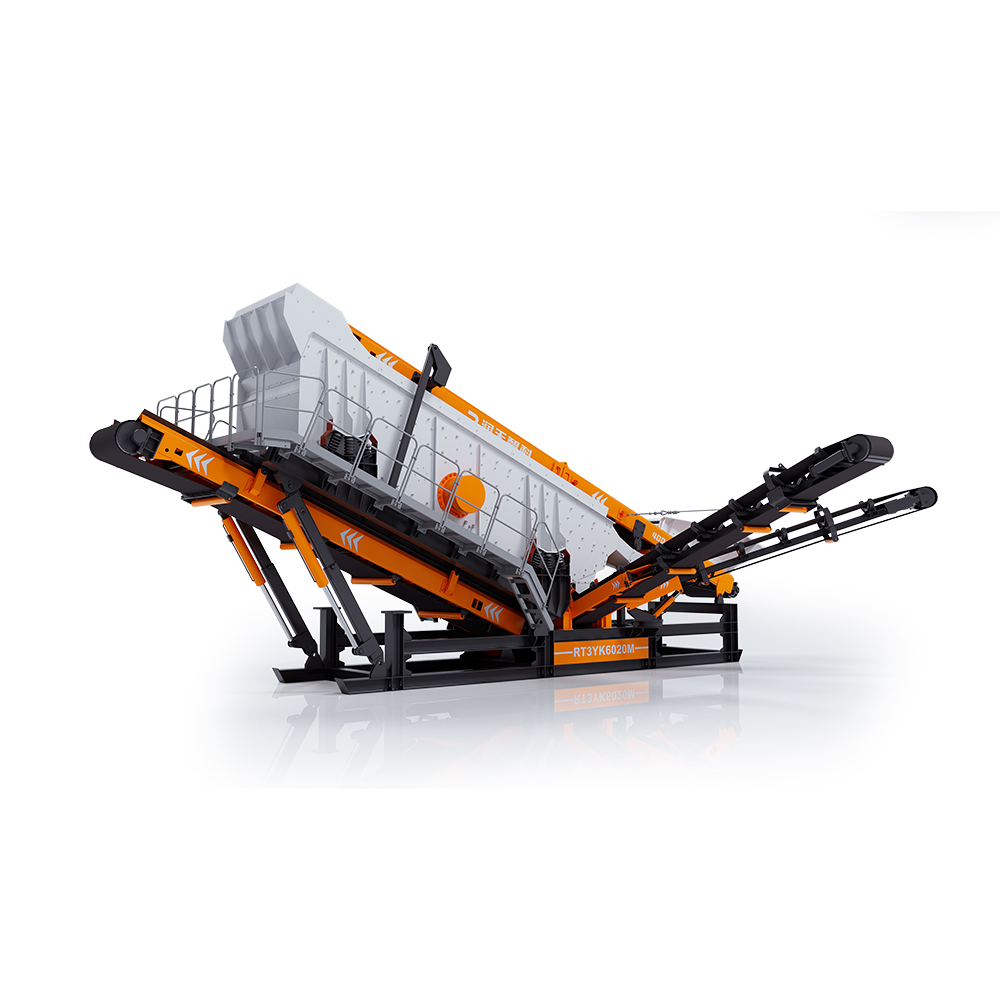 RT3YK6020M Modular Screening Plant
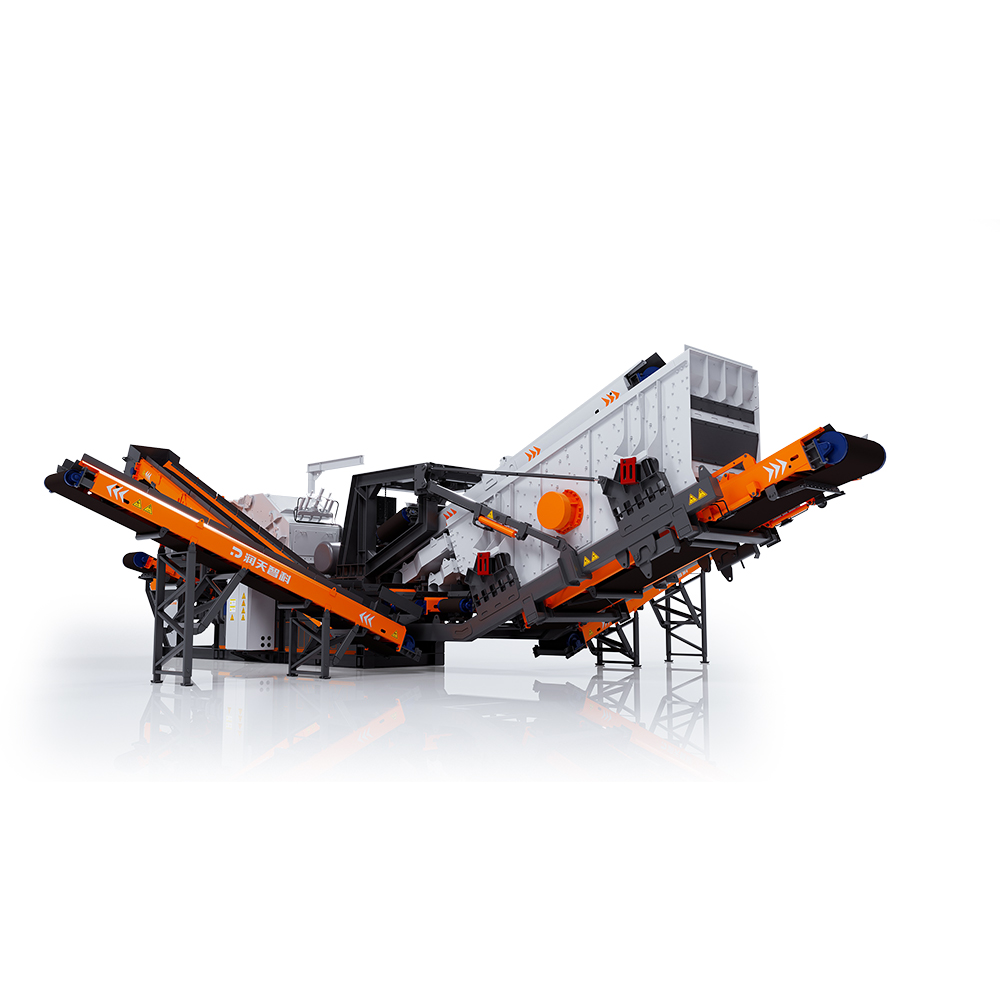 RTF260M Modular Counterattack Crushing and Screening Integrated Machine
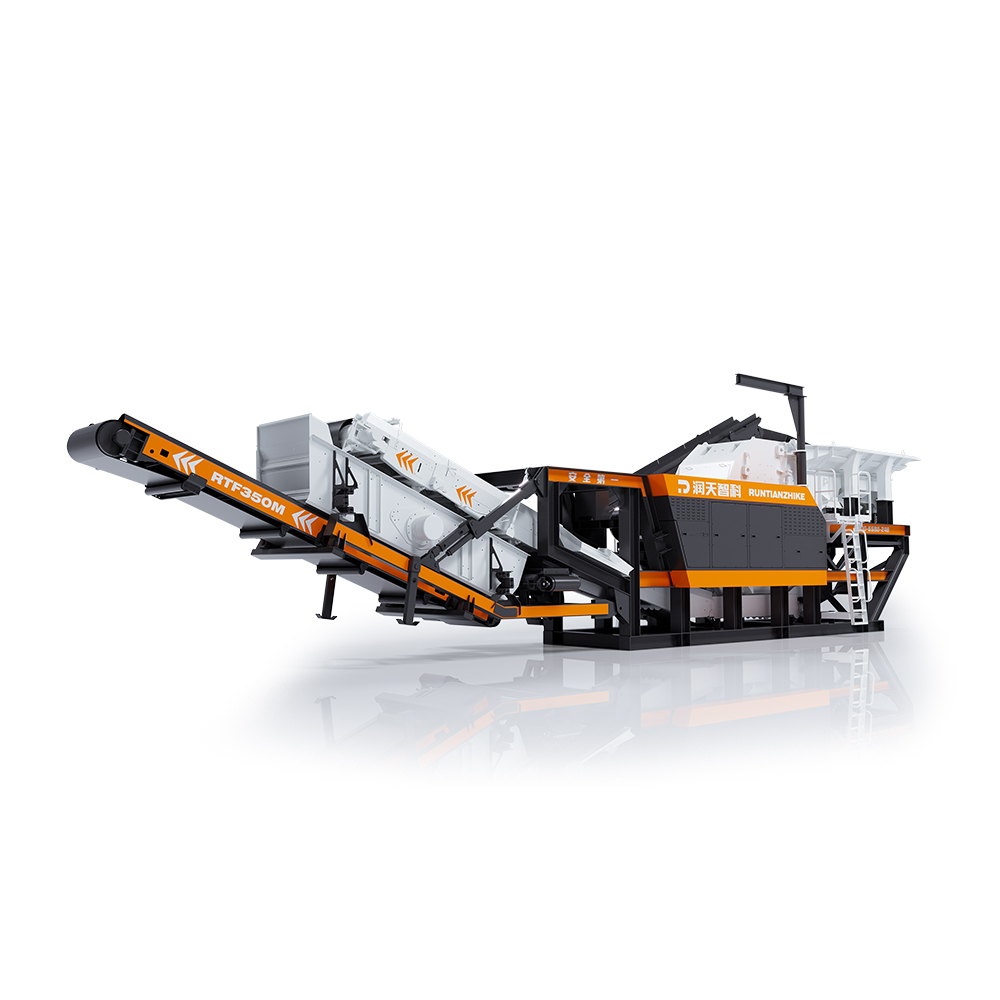 RTF350M Modular Impact Crushing Plant
 RTF450M Modular Impact Crushing Plant
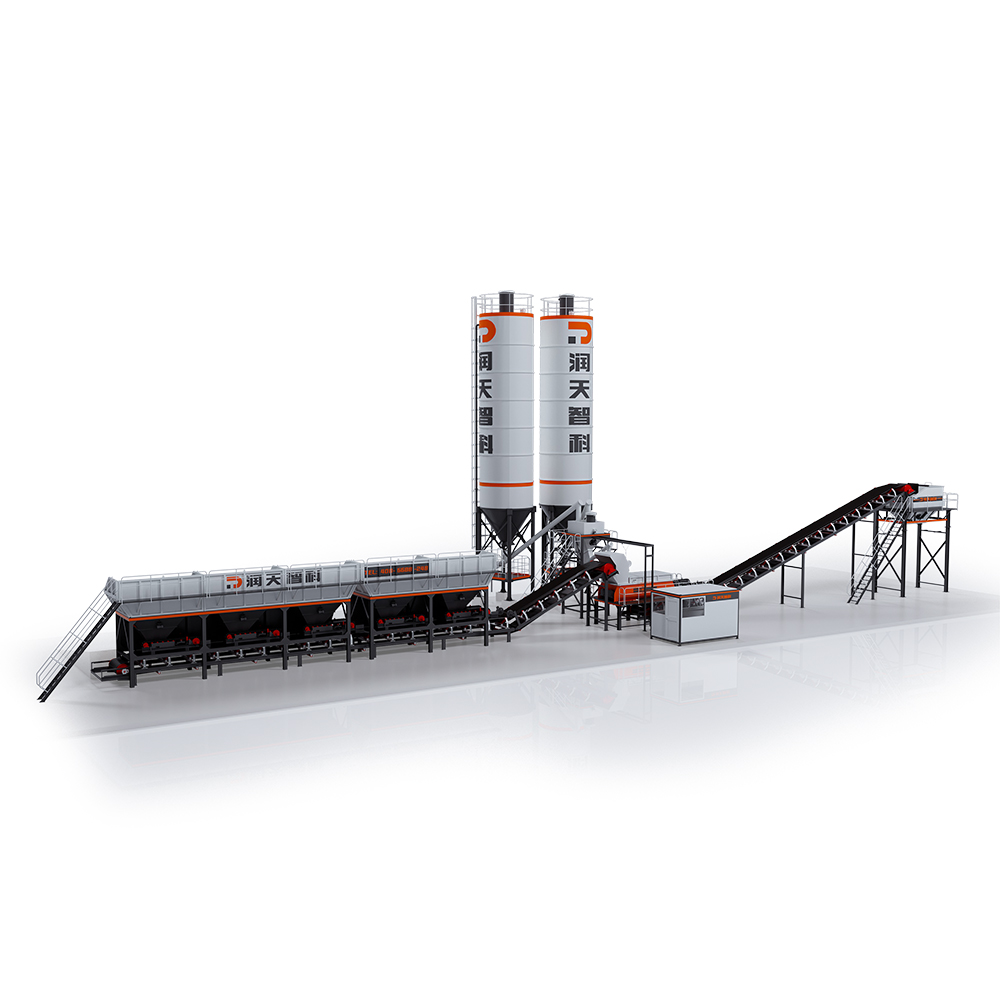 WDB Series Foundation-Free Stability Soil Mixing Plant
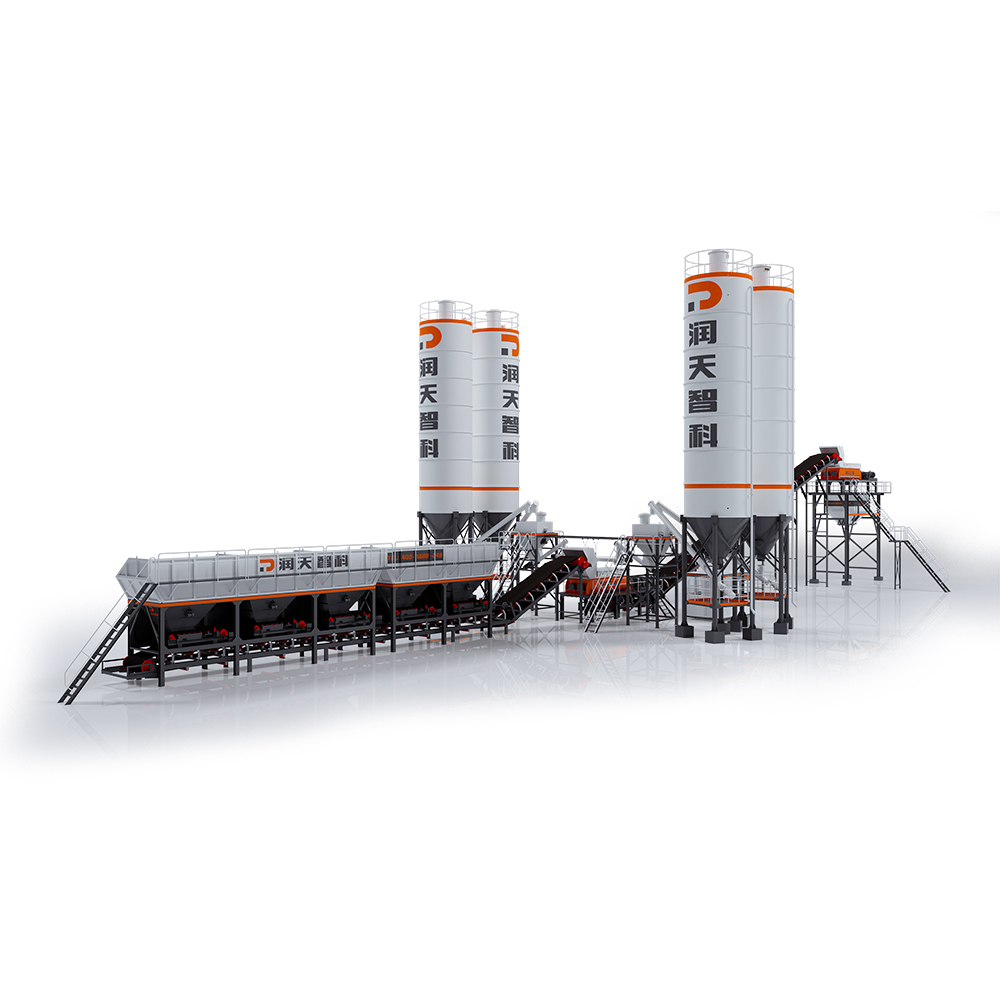 LCB Series Emulsified Asphalt Cold Regeneration Secondary Mixing Plant
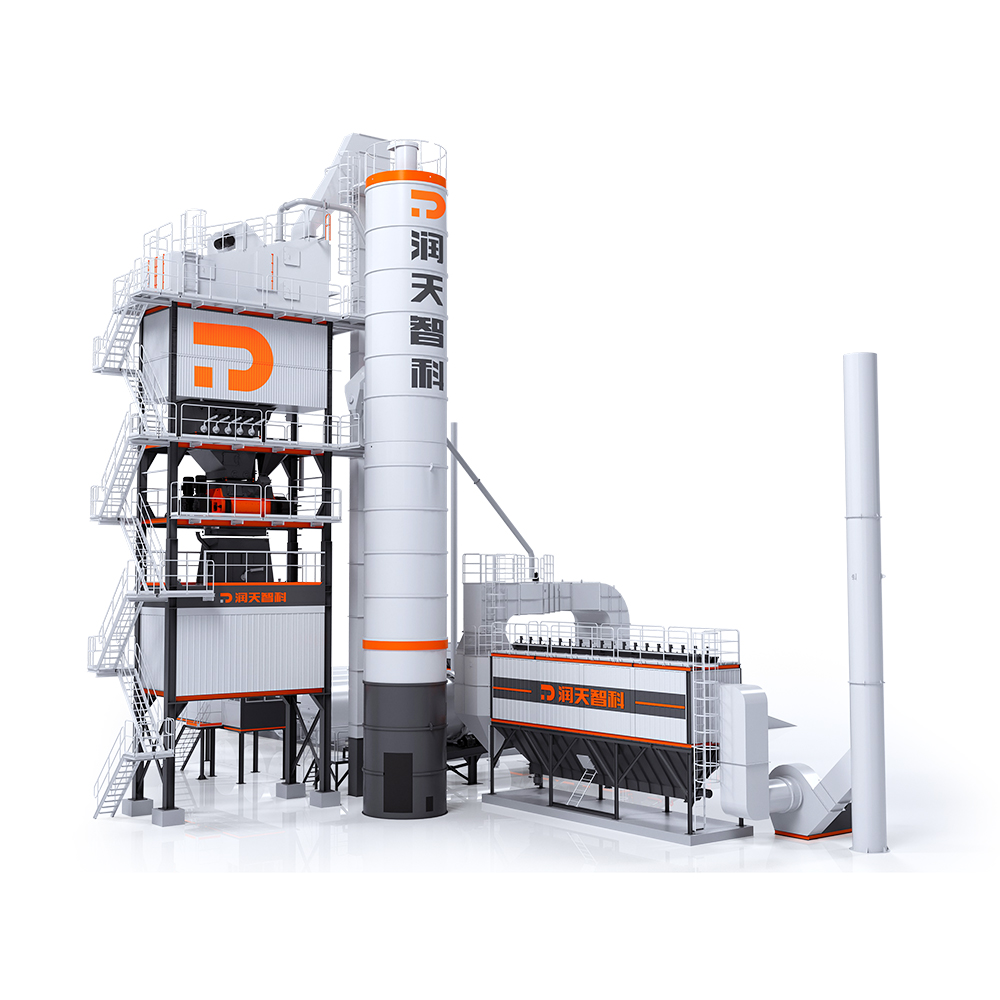 LB Series Asphalt Mixing Plant
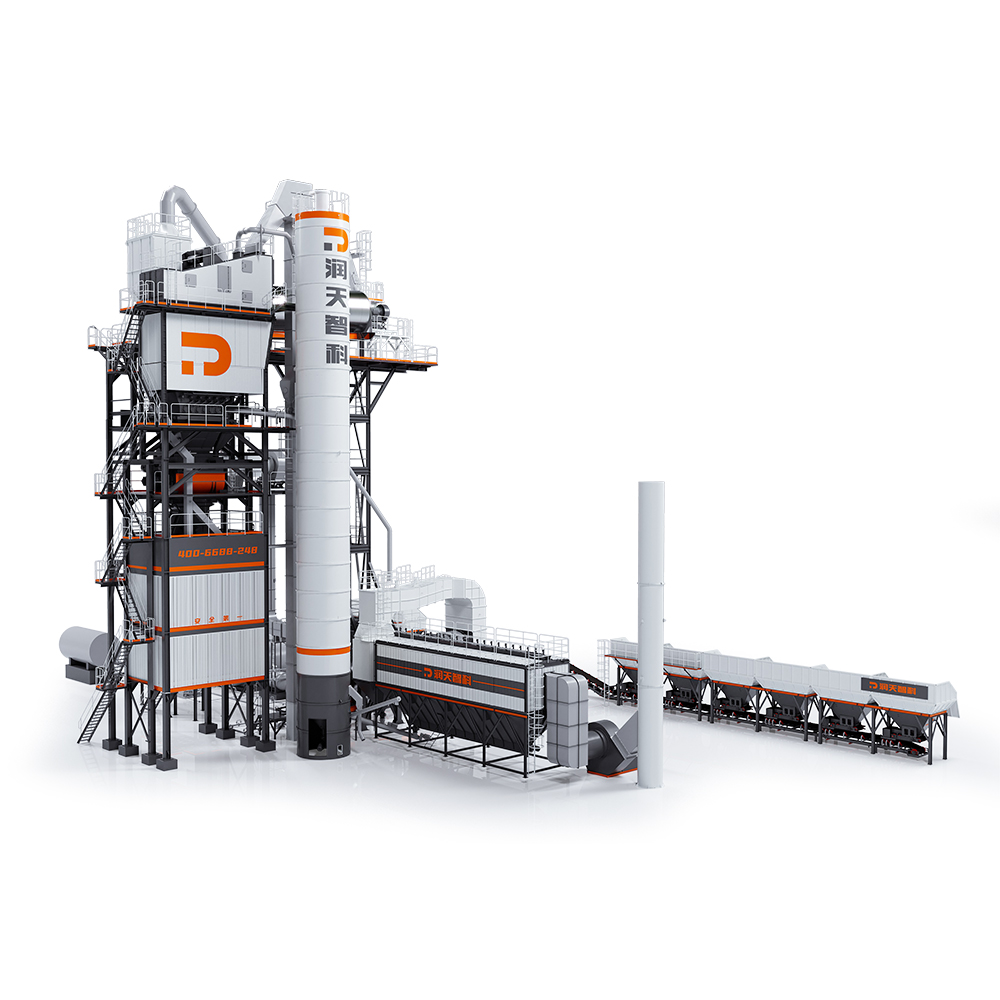 LBR Series Integrated Asphalt Mixing Plant
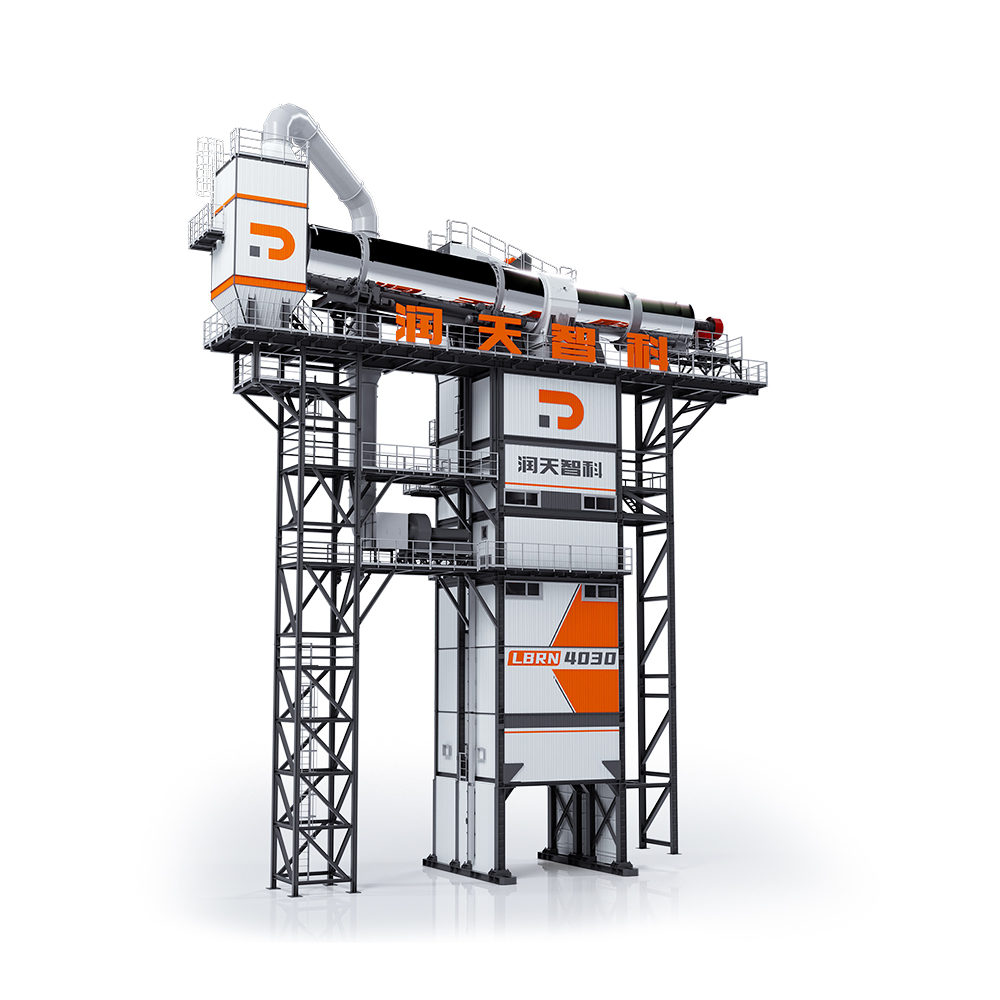 LBRN Series Counterflow Integral Asphalt Mixing Plant
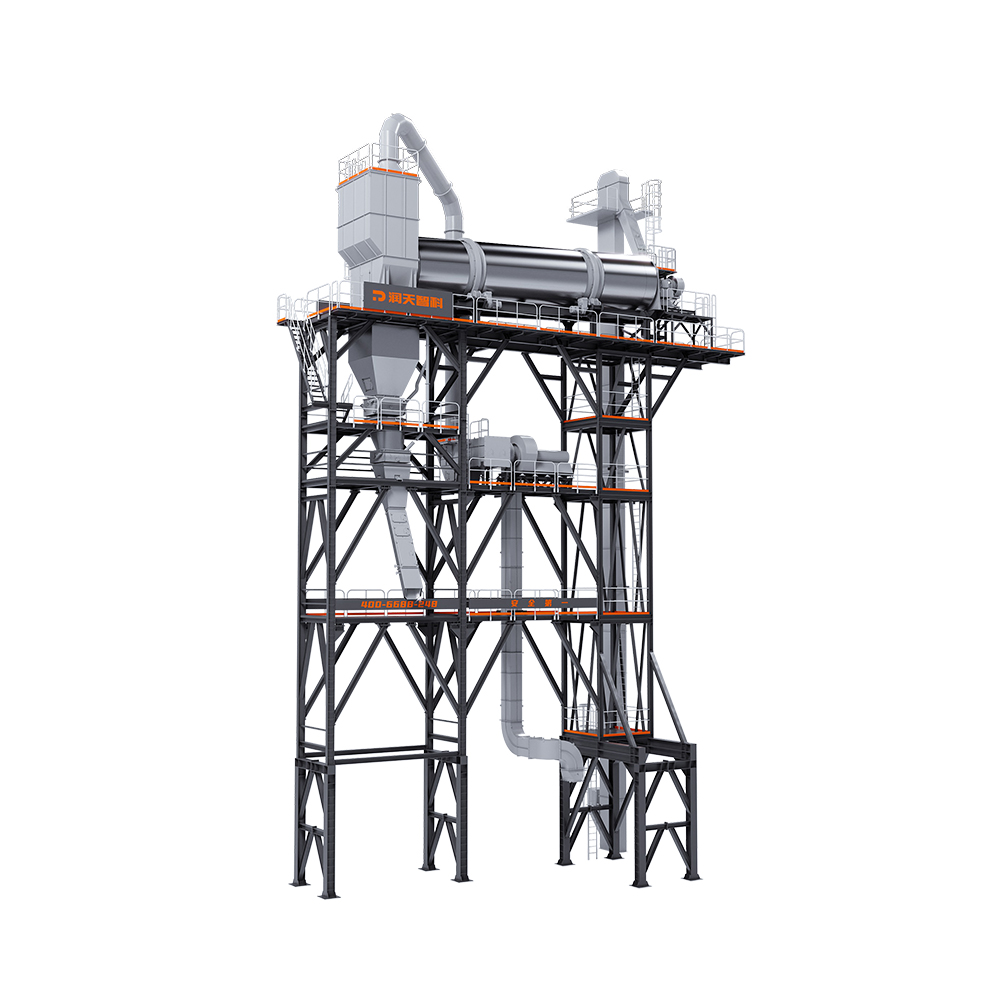 RZS Series Asphalt Mixing Plant
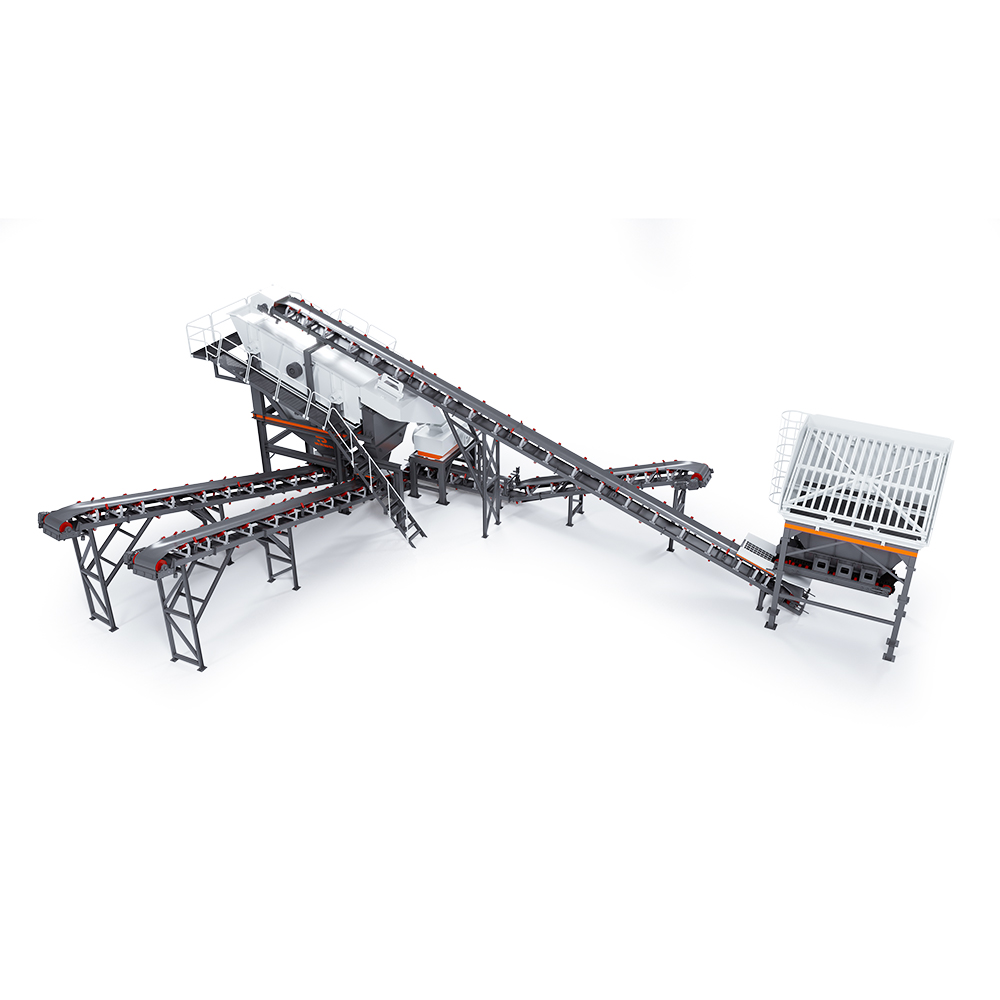 RTZS120 Series RAP Crushing & Screening Plant
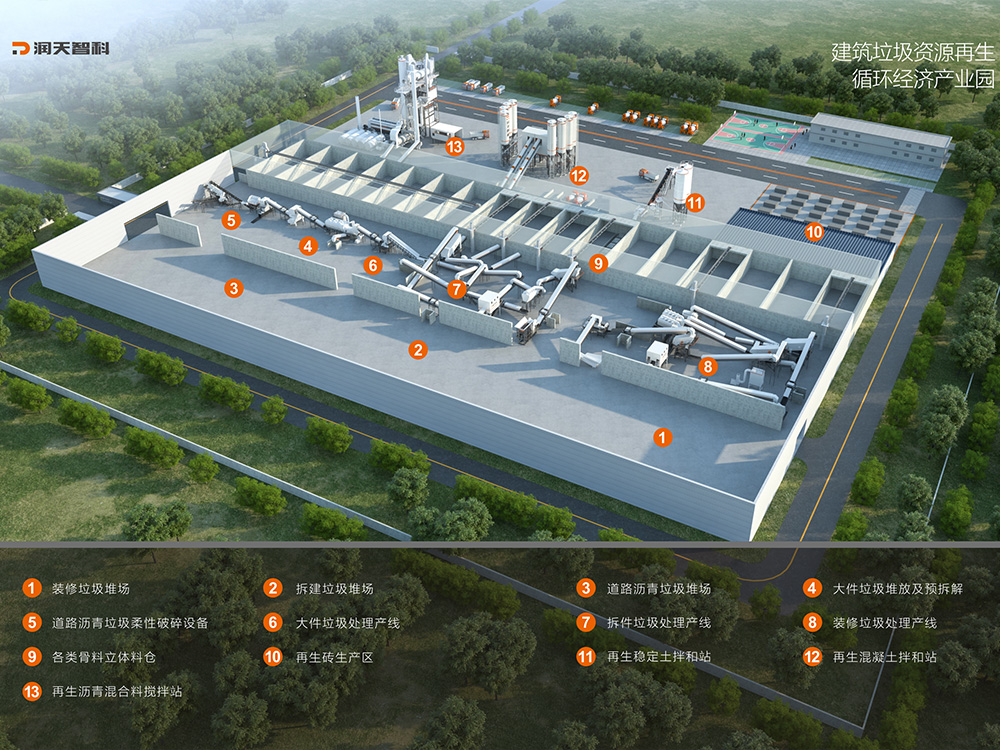 Construction Waste Resourceful Treatment Line