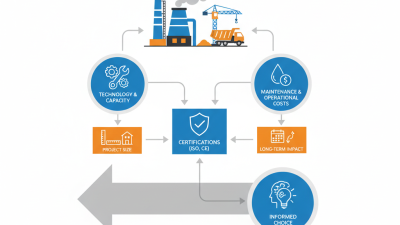
How to Choose the Best Mobile Jaw Crusher for Your Needs?
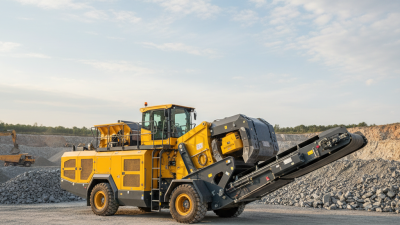
Choosing the right Mobile Jaw Crusher involves careful consideration of various factors. This equipment is crucial for recycling, mining, and construction. A Mobile Jaw Crusher is designed to be portable, allowing operations to move where needed. It can enhance productivity significantly.
Understanding your specific needs is essential. What material will you crush? How much volume do you require? Examining these details can lead to better decision-making. Many brands exist, each offering different features and specifications. This diversity can make the selection process overwhelming.
Evaluating the reliability and performance of each model is vital. It's not just about the price; it's about the quality and longevity of your investment. Mismanagement in selecting a Mobile Jaw Crusher can lead to costly mistakes. Reflecting on your choices and gathering user feedback can aid you. A well-chosen Mobile Jaw Crusher can significantly impact your project's success.
Understanding the Different Types of Mobile Jaw Crushers
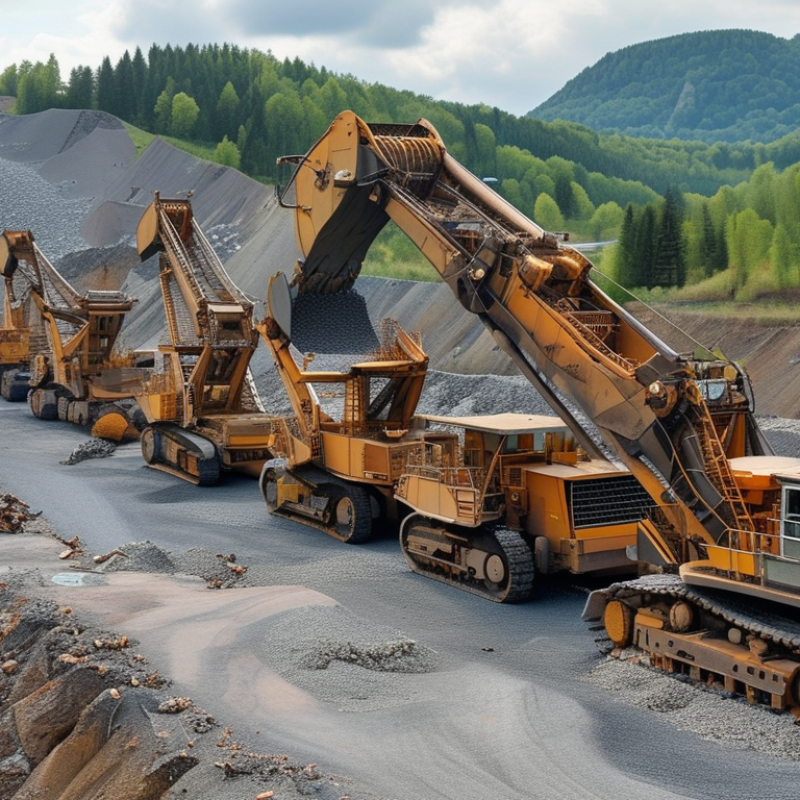
Understanding the different types of mobile jaw crushers is essential for making informed decisions. There are two main categories: tracked and wheeled mobile jaw crushers. Tracked crushers are ideal for rugged terrains. Wheeled models offer greater mobility on paved surfaces. According to industry reports, tracked units are gaining popularity due to their enhanced mobility and stability.
Each type comes with distinct advantages. Tracked mobile jaw crushers provide superior fragmentation and can handle various materials, including quarry rocks and construction waste. In contrast, wheeled crushers are often lighter and easier to transport. The choice depends on your specific needs, such as material type and job site conditions.
When choosing a mobile jaw crusher, consider the feed capacity and output size. Assess your project requirements carefully. Understand your operating environment and material characteristics. Blindly following recommendations may lead you to an unsuitable model. A detailed site analysis can save you time and costs in the long run.
Key Factors to Consider When Choosing a Mobile Jaw Crusher
When selecting a mobile jaw crusher, several key factors must be considered. The crusher's capacity is one of the most critical aspects. Capacity often influences productivity and efficiency. According to the latest industry data, optimal crushers can process between 100 to 300 tons per hour, depending on their design. Choose a model that aligns with your project's requirements. A mismatch in capacity can lead to delays and increased operational costs.
Equally important is the material type the crusher will handle. Different jaw crushers are designed for various materials. For instance, some are better for hard rocks, while others excel with softer materials. Testing the material samples to ensure compatibility with your selected crusher is prudent. Reports indicate that 15% of projects experience material-related challenges, causing project delays. Understanding this aspect can save time and money.
Additionally, consider maintenance needs. Regular maintenance keeps equipment in optimal condition and reduces downtime. Industry studies show poorly maintained crushers can have a 30% higher failure rate. Building a maintenance schedule into your operations is a practical approach. It may require an upfront investment of time and resources, but the long-term benefits are substantial.
Assessing Your Material Processing Needs and Requirements
When selecting a mobile jaw crusher, it’s essential to assess your material processing needs thoroughly. Consider the type of materials you will be working with. Harder materials require more robust machinery. On the other hand, softer materials may not demand as heavy-duty an approach. This differentiation can significantly impact your long-term operational costs.
Evaluating production capacity is also crucial. Determine the volume of materials you need to process regularly. That will help you choose a crusher with an adequate output rate. It's easy to underestimate this aspect, leading to inefficiencies. Additionally, think about the desired output size. The crusher must be able to meet specific requirements for end products. It’s vital to match these specifications to avoid potential bottlenecks.
Lastly, consider portability. A mobile jaw crusher should be easy to transport from one site to another. This capability is essential for projects that require frequent relocations. However, the emphasis on portability should not compromise the machine’s durability and efficiency. Balancing these factors can be challenging, but it is necessary for long-term success.
Mobile Jaw Crusher Comparison
This bar chart compares different mobile jaw crushers based on their processing capacity measured in tons per hour. Assessing these specifications is crucial for selecting the best mobile jaw crusher that meets your material processing needs.
Evaluating Performance Features and Specifications
When selecting a mobile jaw crusher, performance features and specifications are crucial.
Key aspects include the crushing capacity, feed size, and output size.
Usually, a capacity of 100 to 200 tons per hour is sufficient for mid-sized operations.
In contrast, larger projects may require machines that can handle over 300 tons per hour.
Assessing feed and output sizes helps ensure that the crusher meets your specific operational needs.
Engine power is another vital specification.
A mobile jaw crusher typically operates with a power range of 200-400 kW.
This power drives the machine’s efficiency, affecting productivity.
Additionally, take note of weight factors; a machine that is overly heavy may cause transportation and setup challenges.
The ideal model balances robustness with ease of mobility.
Evaluate the technology incorporated into the crusher, like hydraulic systems and automation features.
These advancements can significantly enhance performance and reduce operator fatigue.
While advanced models can come at a premium, the long-term benefits often justify the cost.
Reflect on the total cost of ownership rather than just the initial price;
maintenance and operational efficiency play key roles in overall investment value.
Budgeting for Purchase and Maintenance of Mobile Jaw Crushers
When budgeting for a mobile jaw crusher, it's crucial to consider both the initial purchase price and ongoing maintenance costs. Industry reports suggest that maintenance can account for up to 30% of total operating costs. This means that choosing a machine with readily available parts can lead to significant savings. Maintenance frequency also varies; some models require more frequent servicing than others, impacting your budget considerably.
Additionally, considering fuel efficiency is important. A report from the International Energy Agency indicates that fuel costs for heavy machinery can represent around 25% of total expenses. Opting for a more fuel-efficient crusher can lower these costs over time. It's wise to assess potential machines not only based on their purchase price but also on these long-term operating expenses.
Lastly, creating a contingency fund for unexpected repairs may also be beneficial. Breakdowns can lead to costly downtime, which may impact your profits. Setting aside about 10% of your annual budget for unforeseen maintenance issues could provide peace of mind. Careful planning and research can prevent costly mistakes as you navigate this essential investment.

 Concrete Mixing Plant
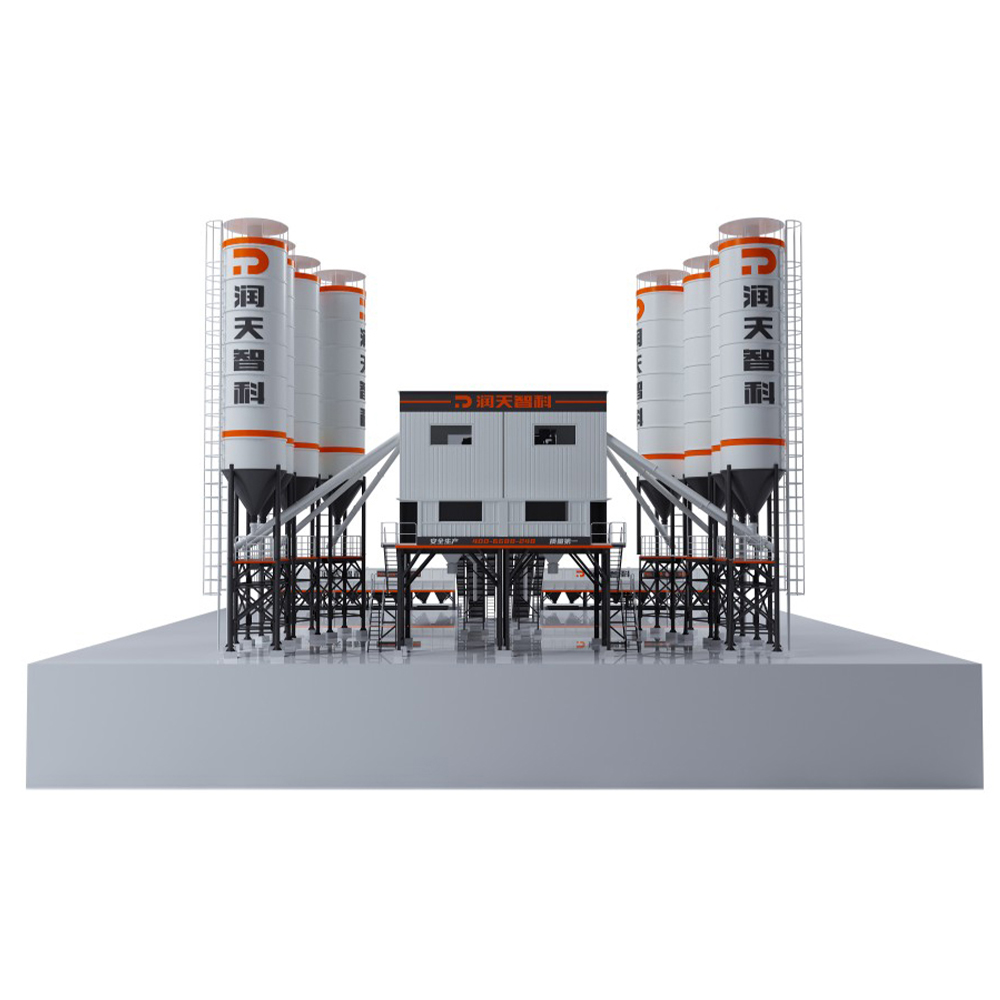 HZS Series Belt Concrete Mixing Plant
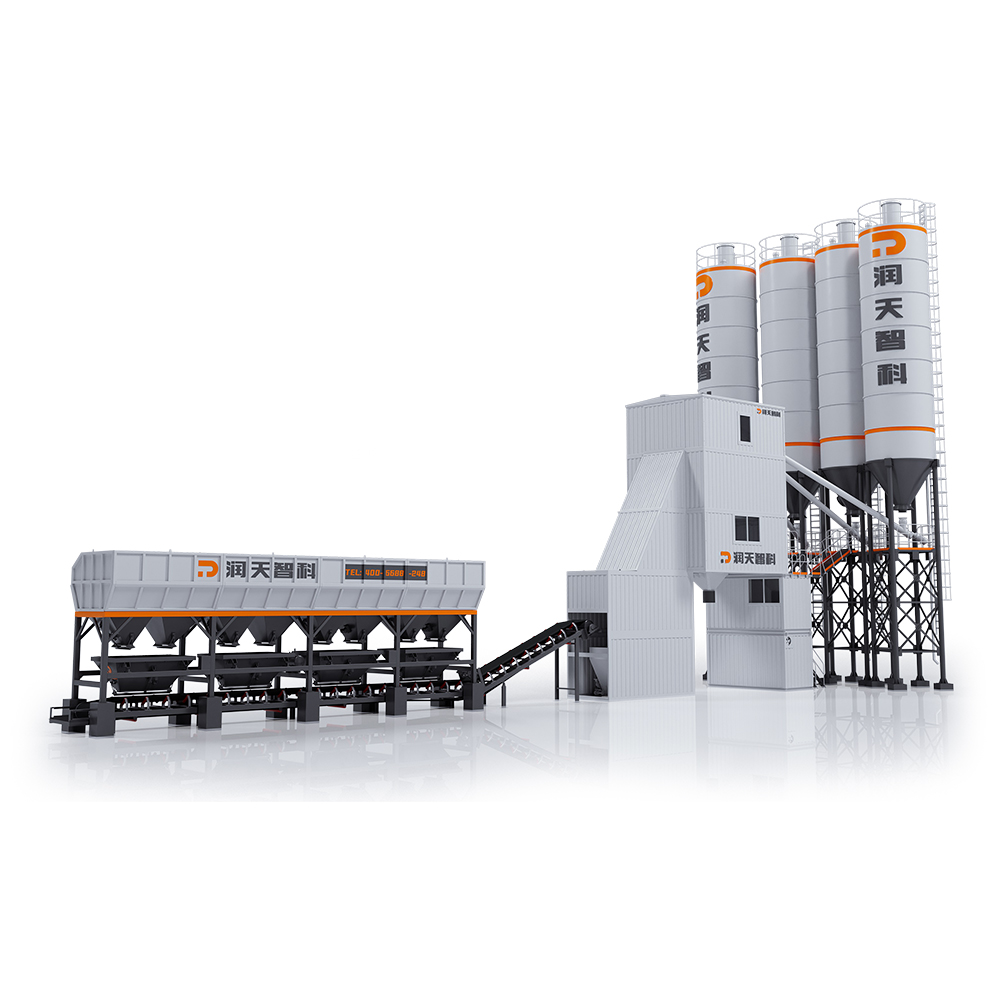 HZS Series Bucket-Lifting Type Container Concrete Mixing Plant
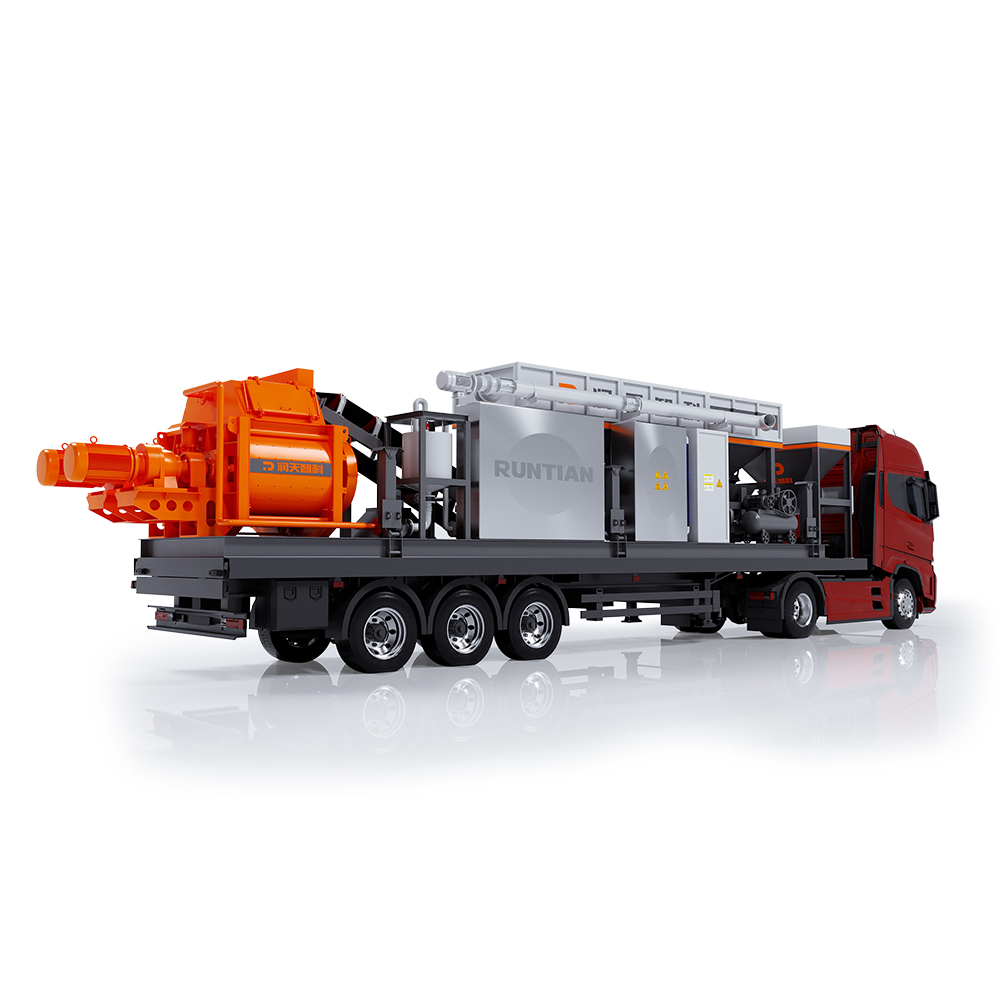 HZS60 Mobile Concrete Mixing Plant
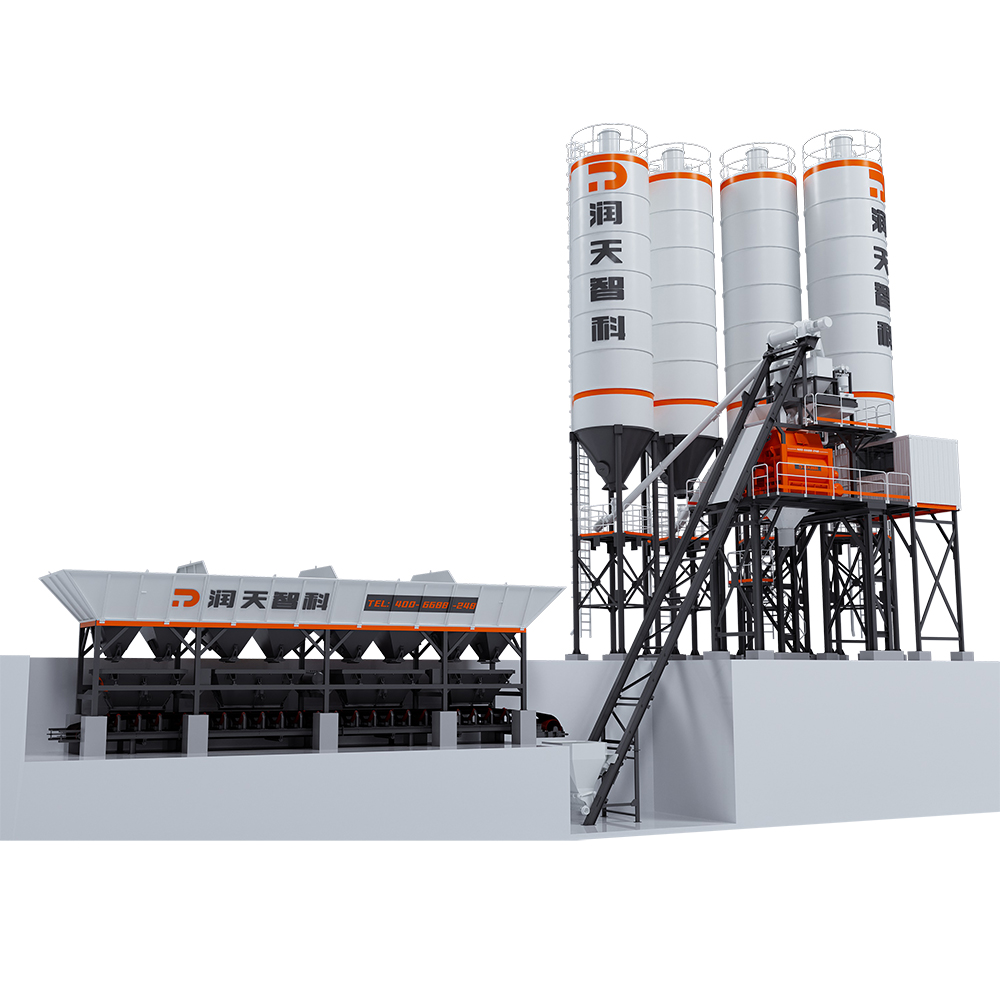 HZS Series Bucket-Lifting Type Concrete Mixing Plant
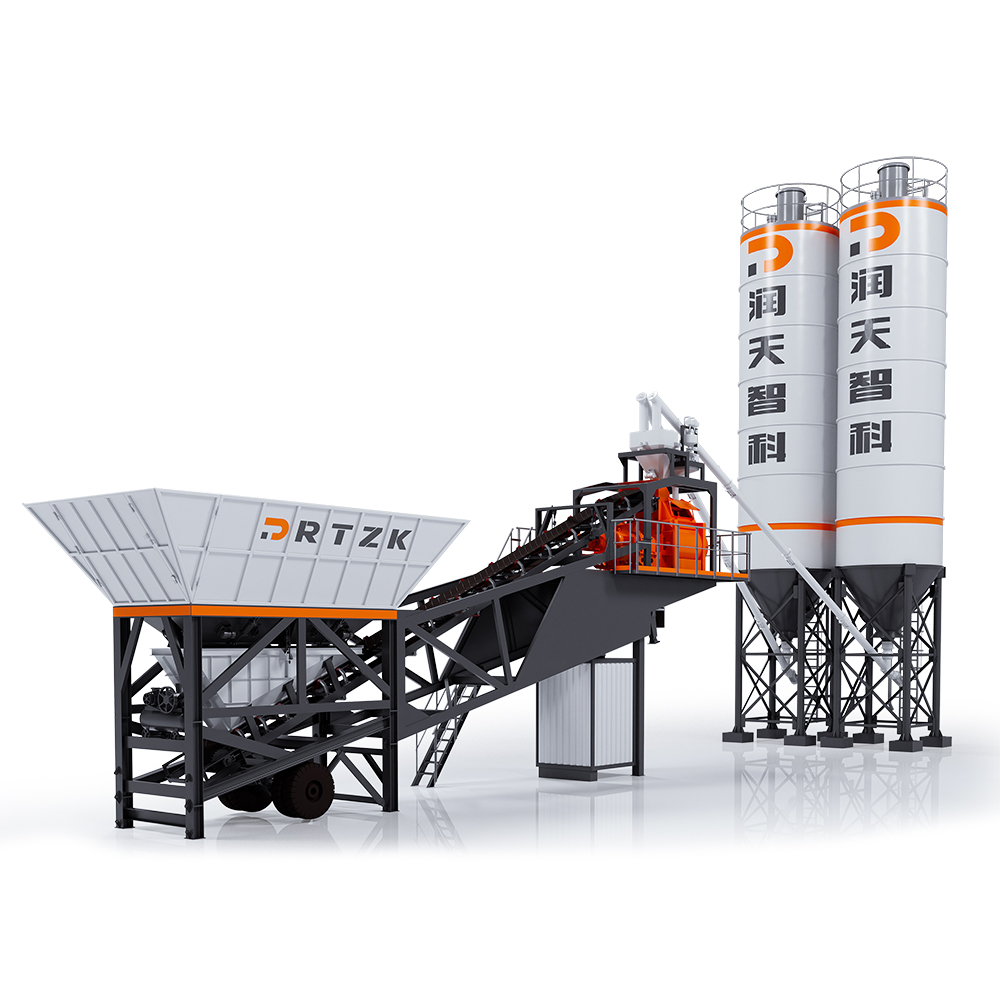 HZS Series Mobile Concrete Mixing Plant
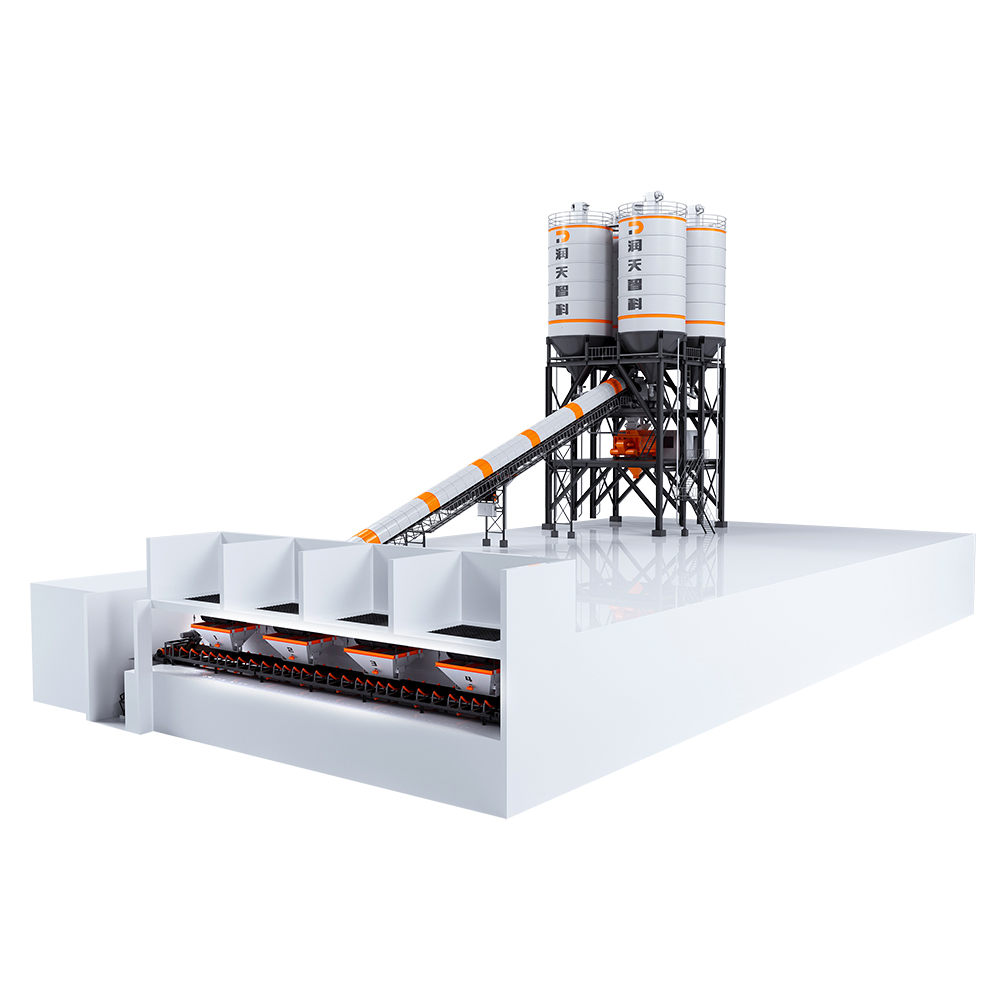 HZS Series Top-Mounted Concrete Mixing plant
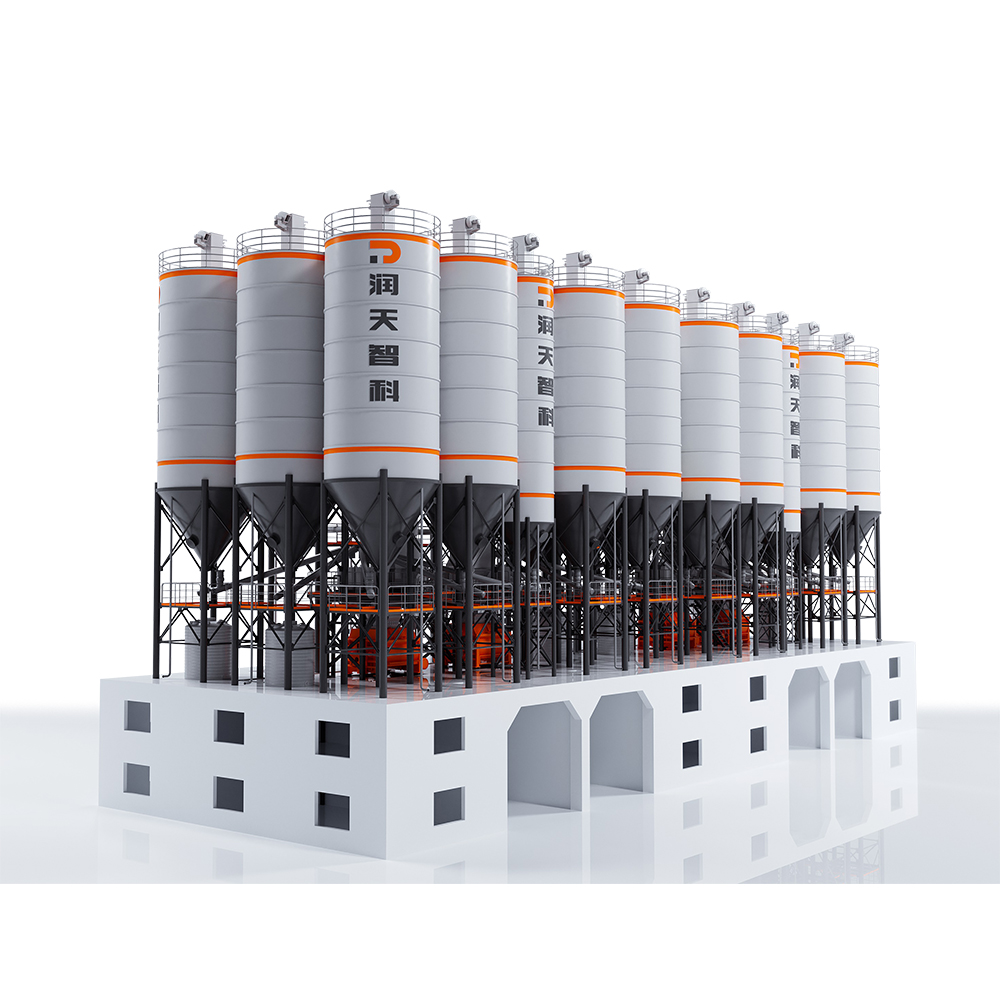 HZS Series Semi-Top Mounted Concrete Mixing Plant
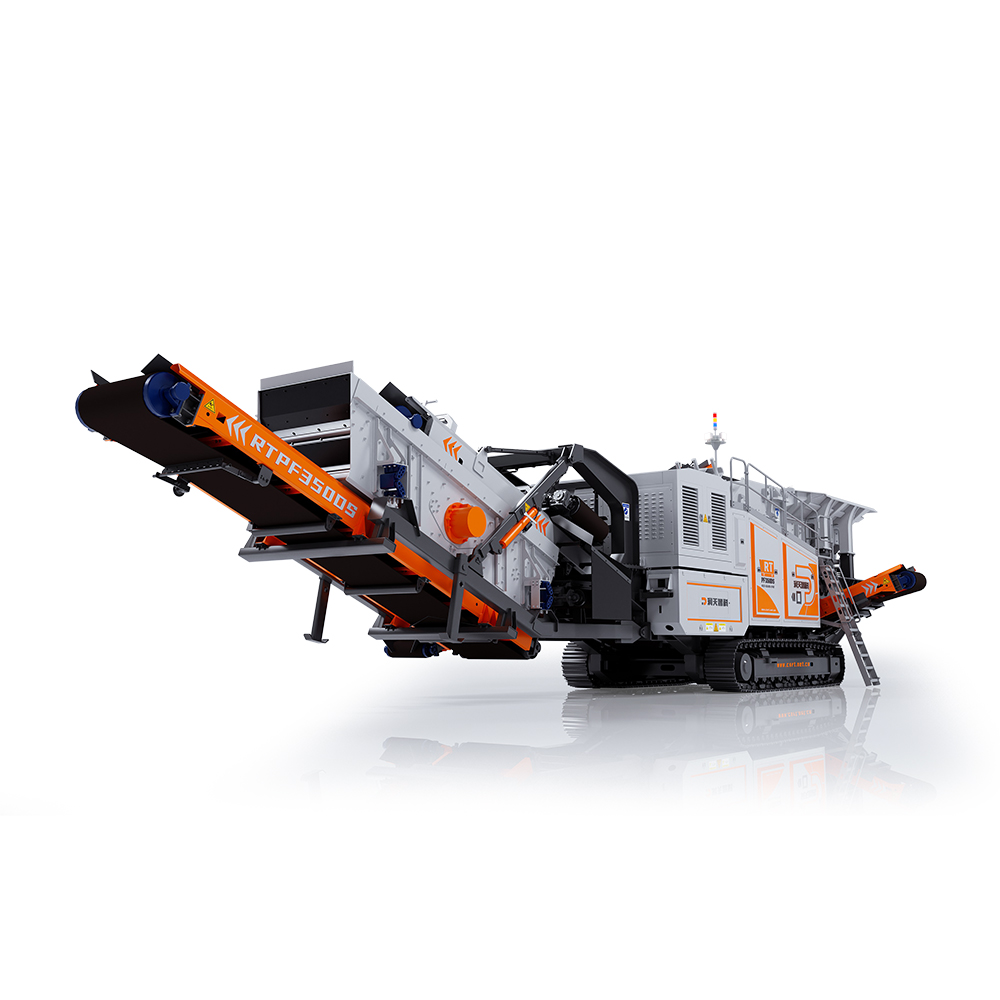 RTPF350DS Crawler Mobile Impact Crushing Plant
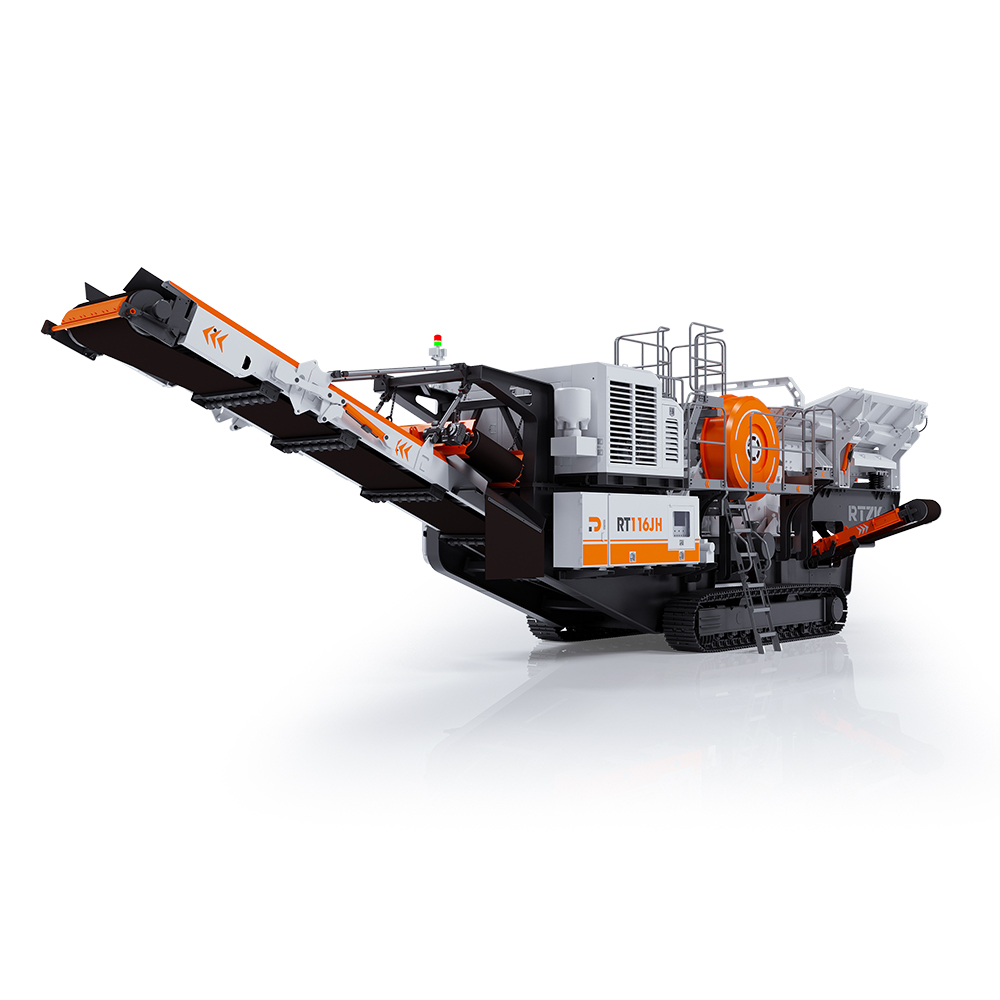 RT116JH Crawler Mobile Jaw Crushing Plant
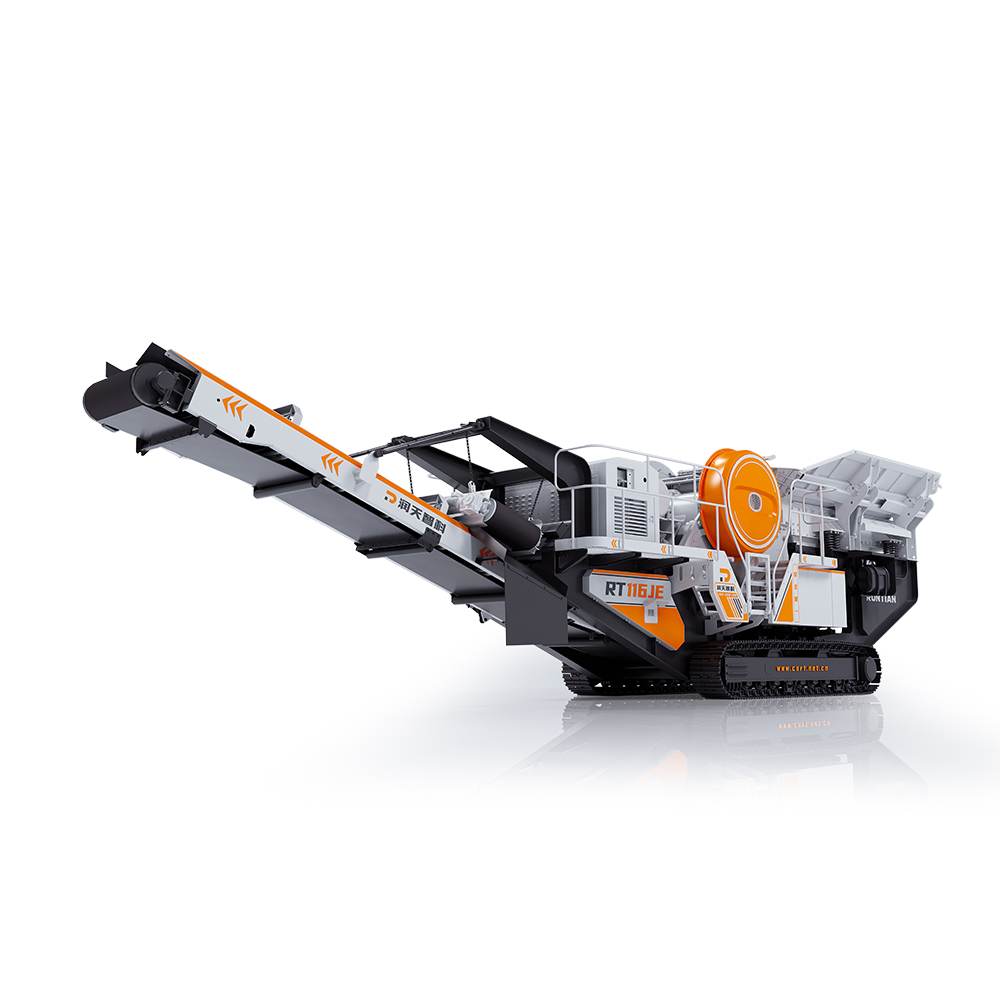 RT116JE Crawler Mobile Jaw Crushing Plant
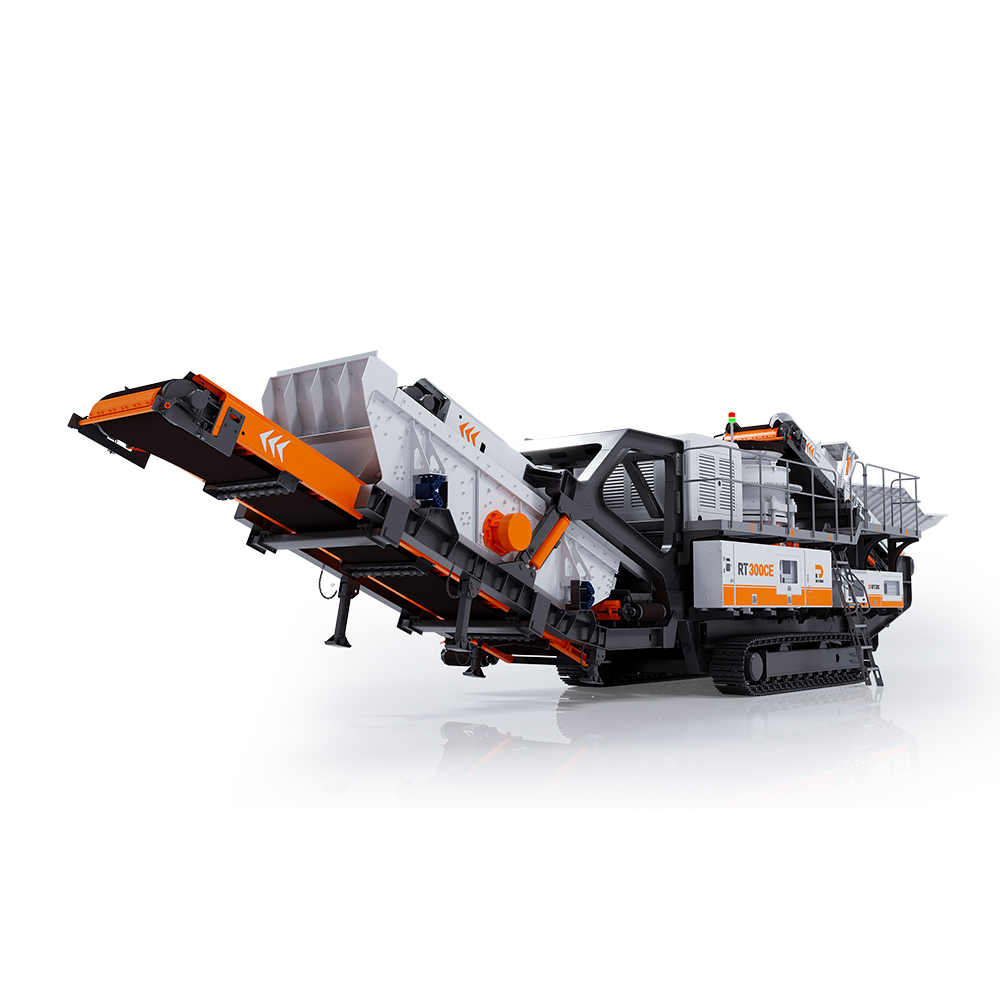 RT300CE Crawler Mobile Cone Crushing Plant
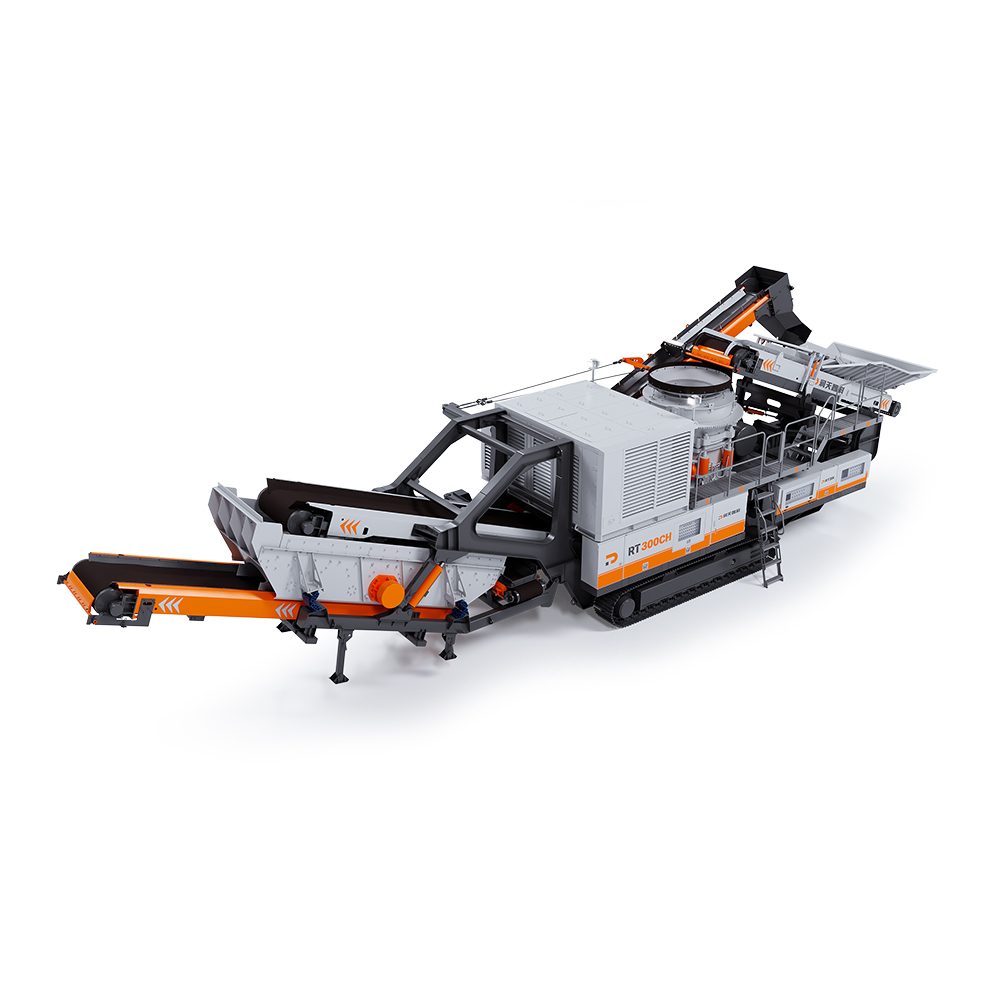 RT300CH Crawler Mobile Cone Crushing Plant
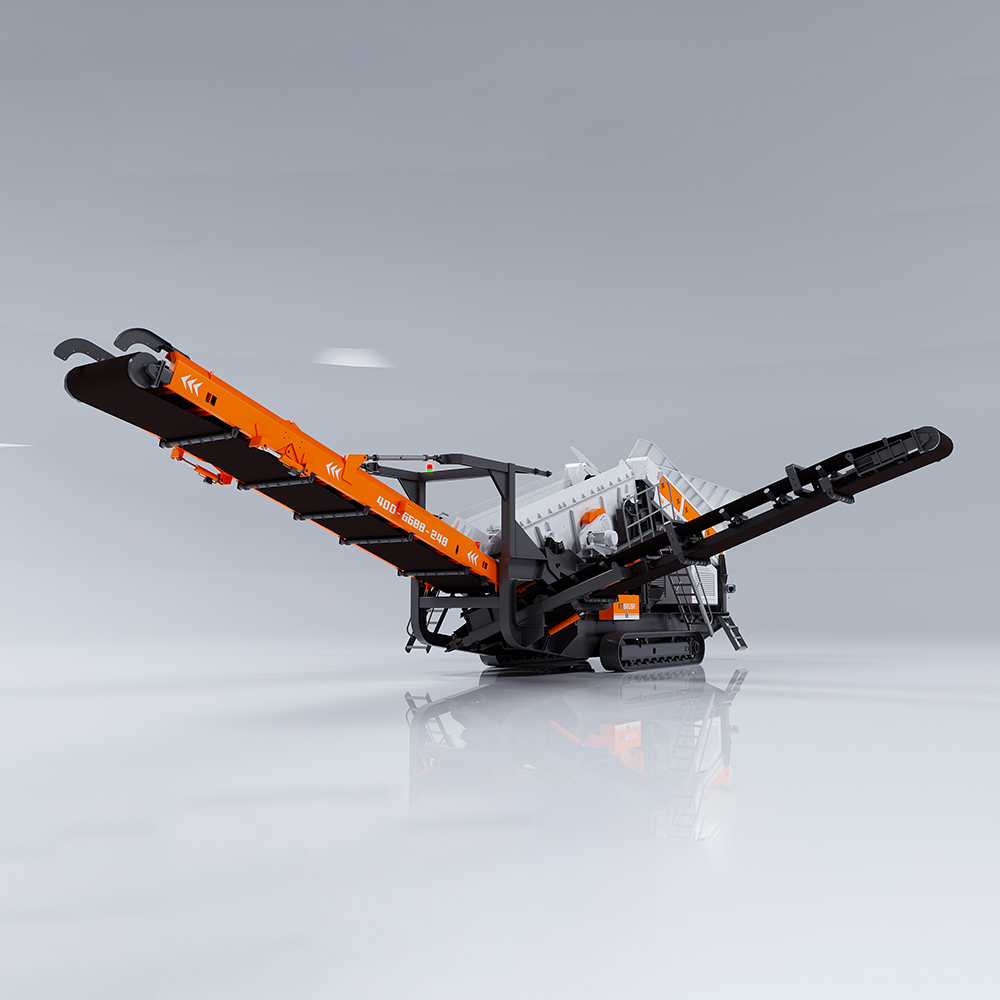 RT5015H Mobile Scalping Screen
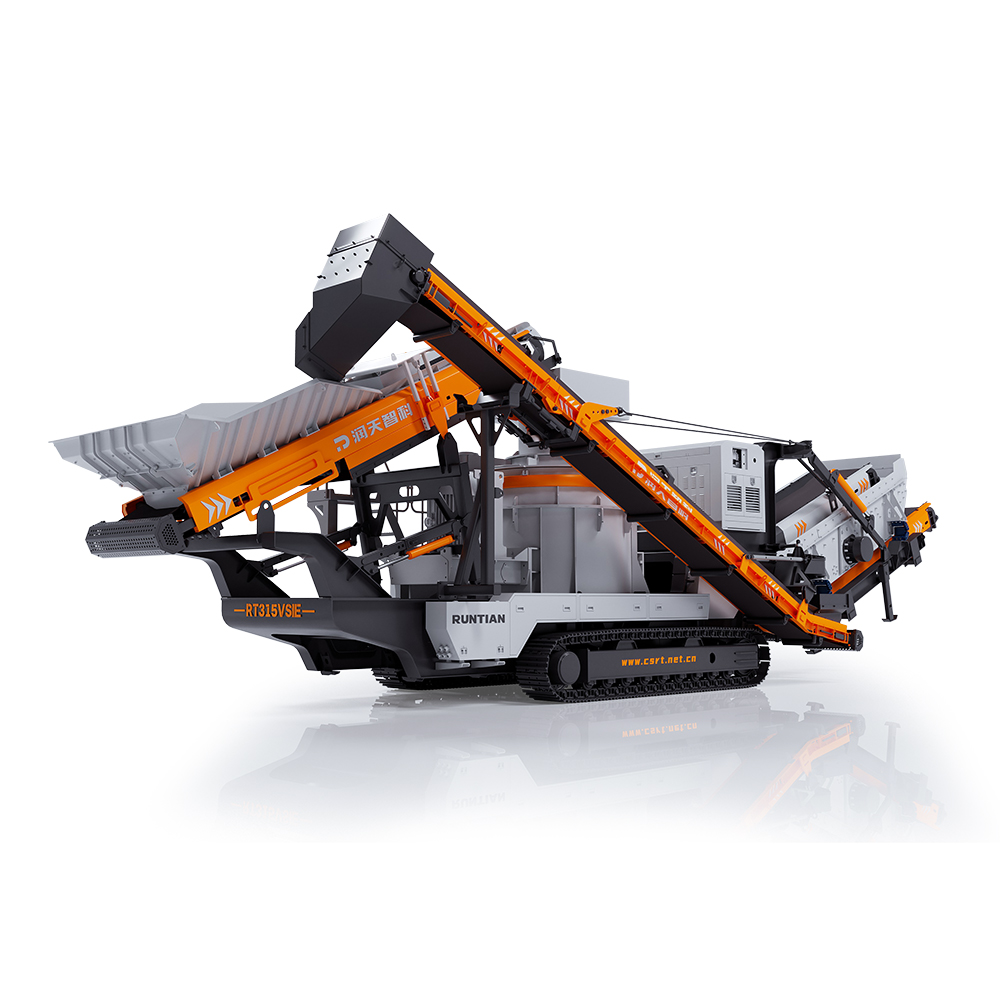 RT315VSIE Crawler Mobile Sand Maker
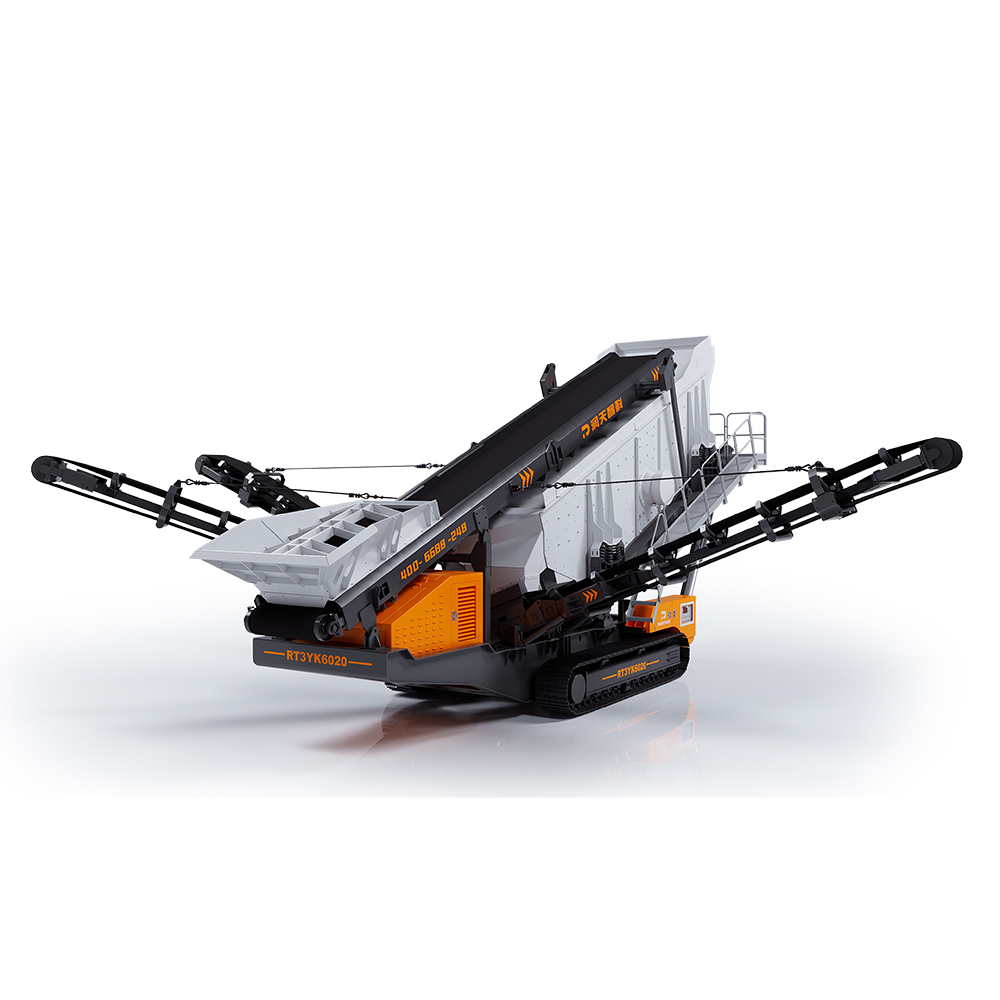 RT3YK6020 Crawler Mobile Screening Plant
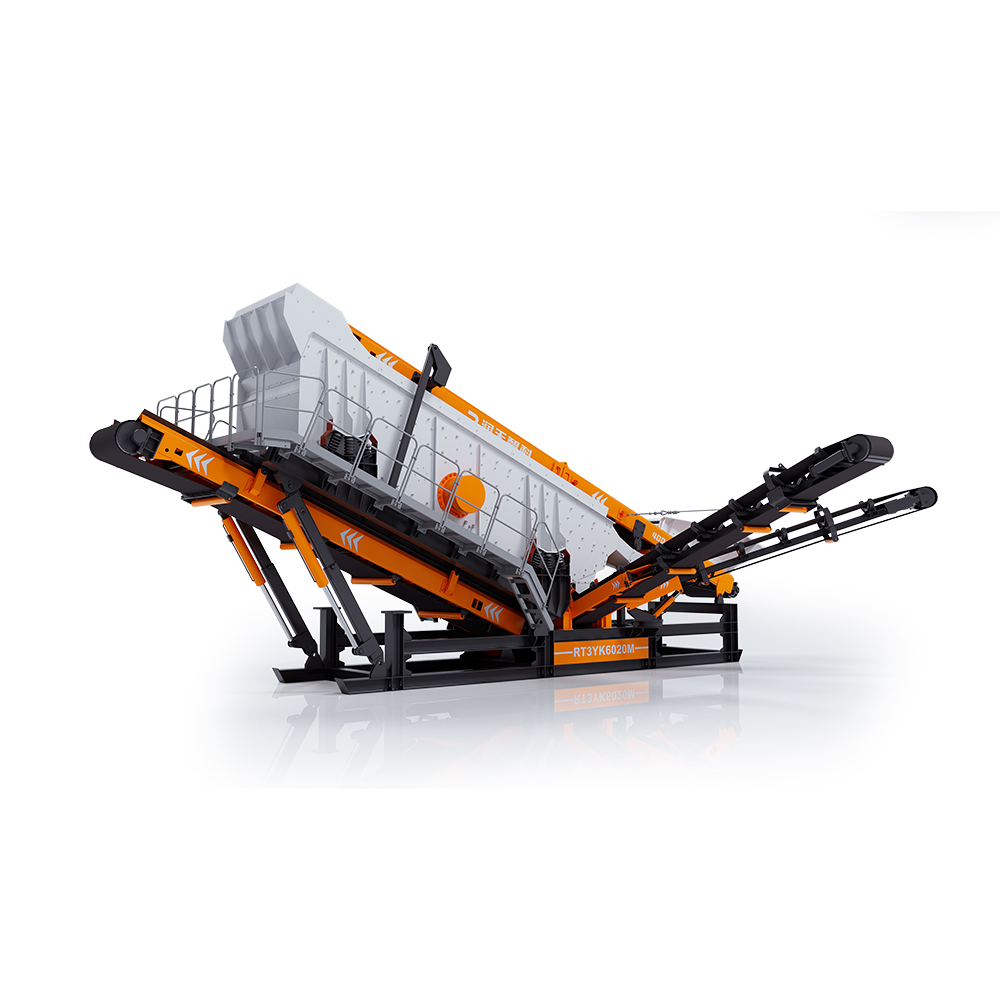 RT3YK6020M Modular Screening Plant
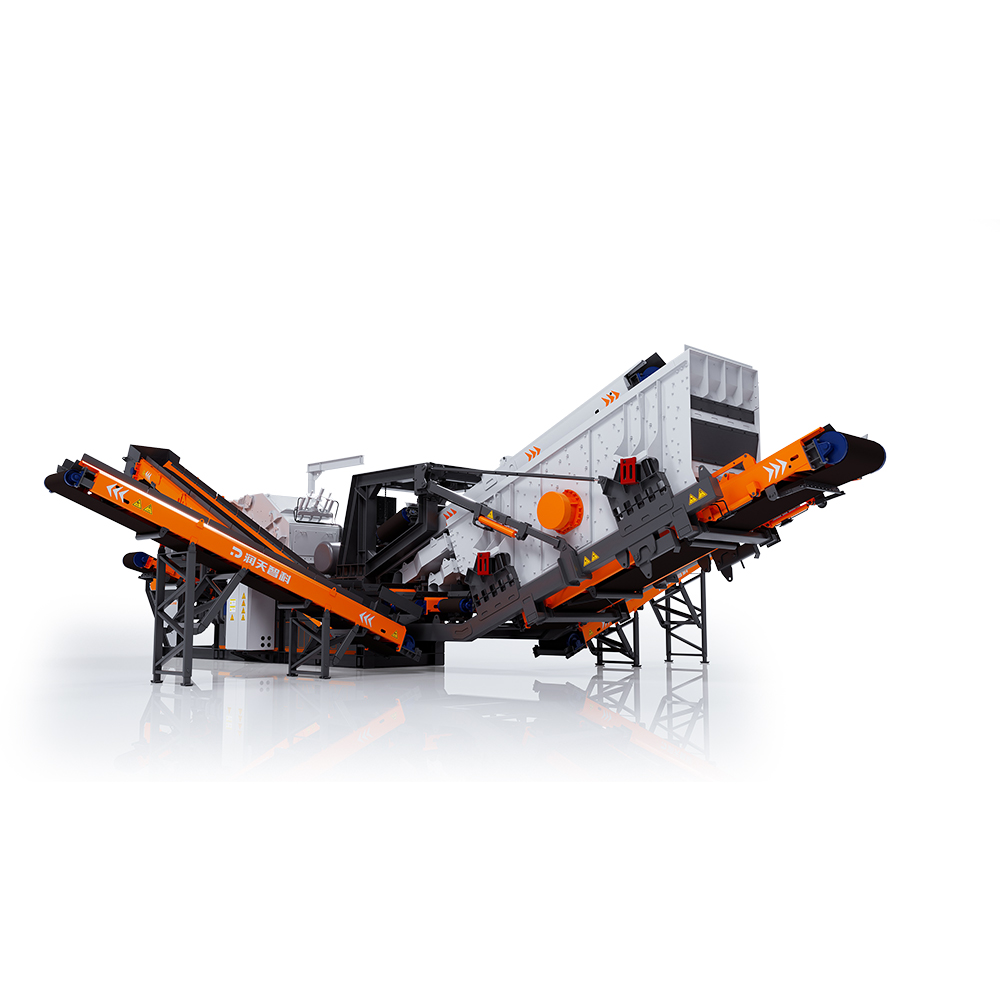 RTF260M Modular Counterattack Crushing and Screening Integrated Machine
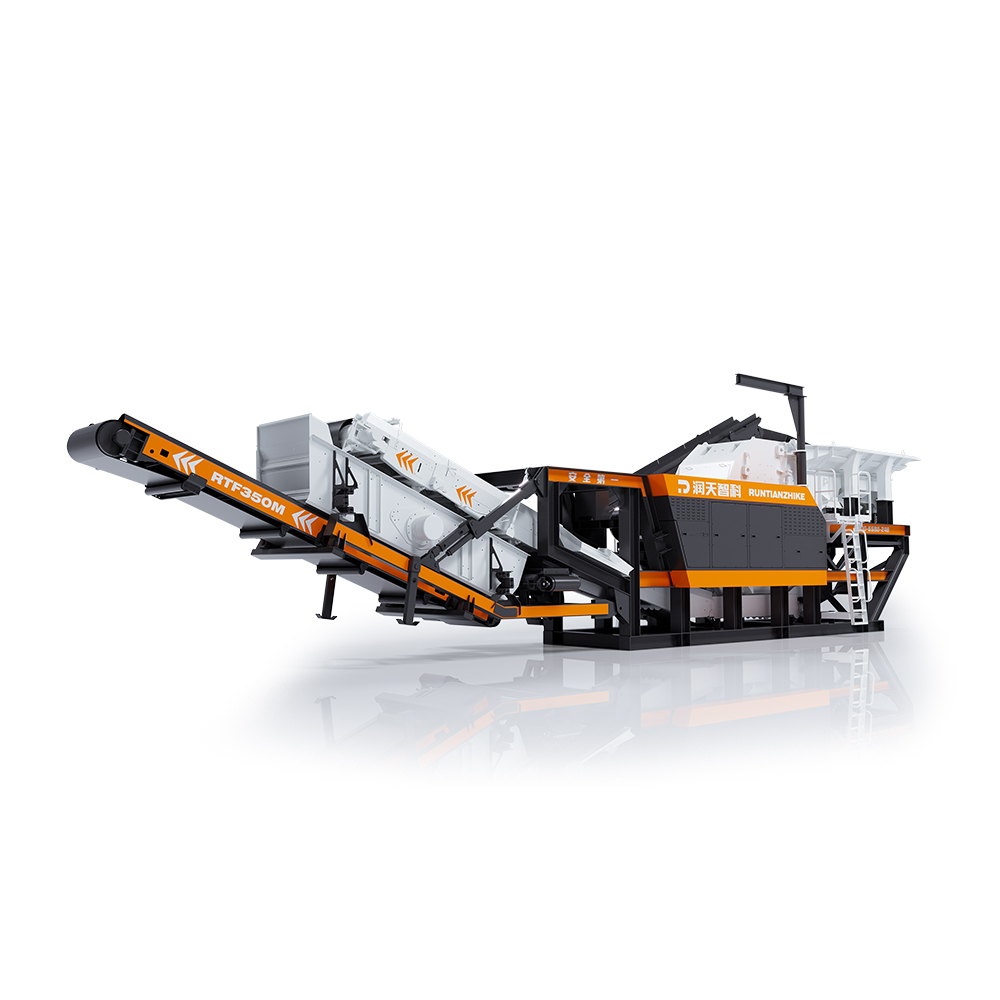 RTF350M Modular Impact Crushing Plant
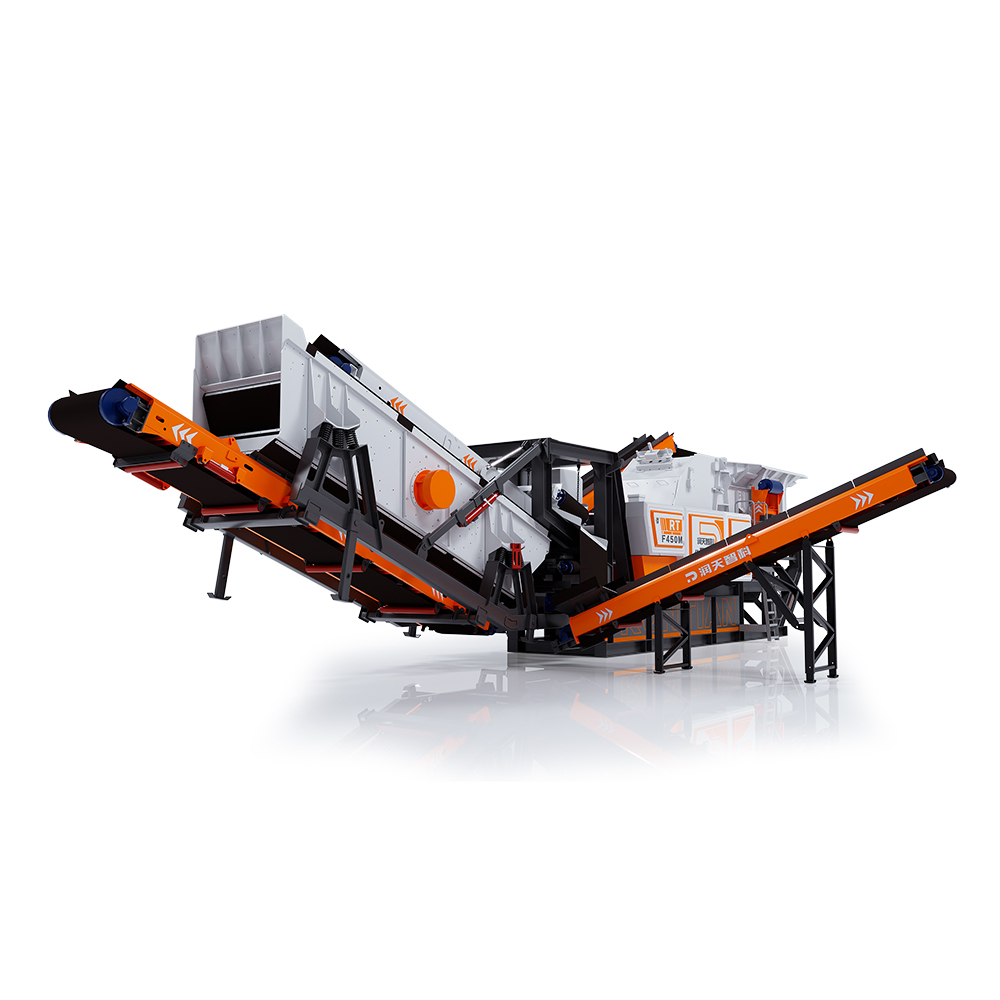 RTF450M Modular Impact Crushing Plant
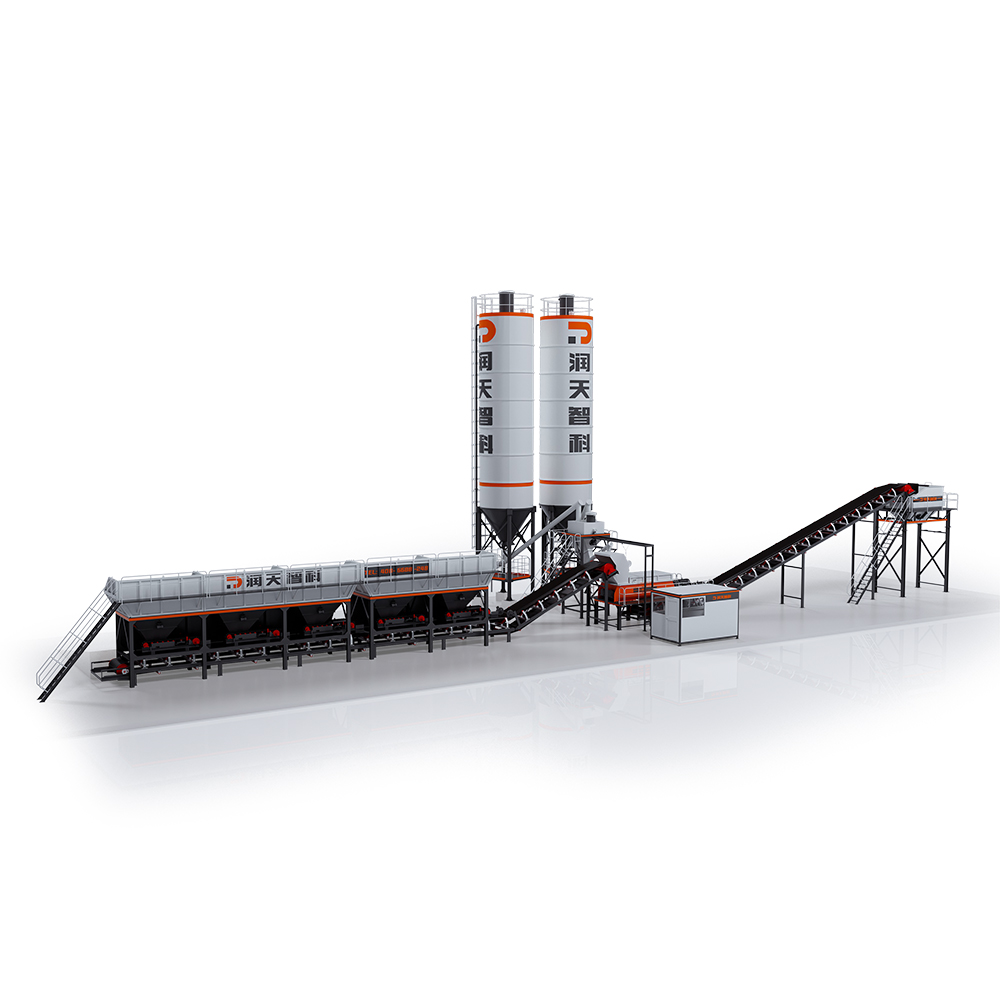 WDB Series Foundation-Free Stability Soil Mixing Plant
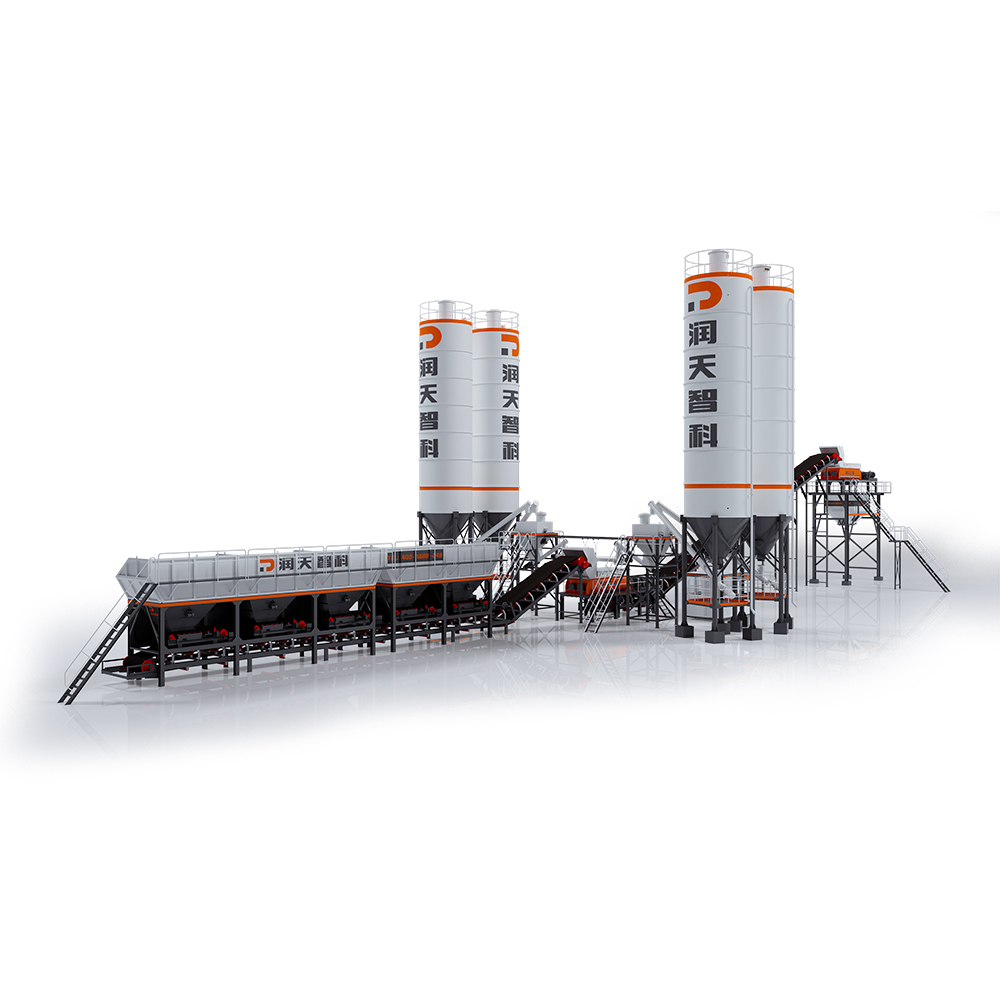 LCB Series Emulsified Asphalt Cold Regeneration Secondary Mixing Plant
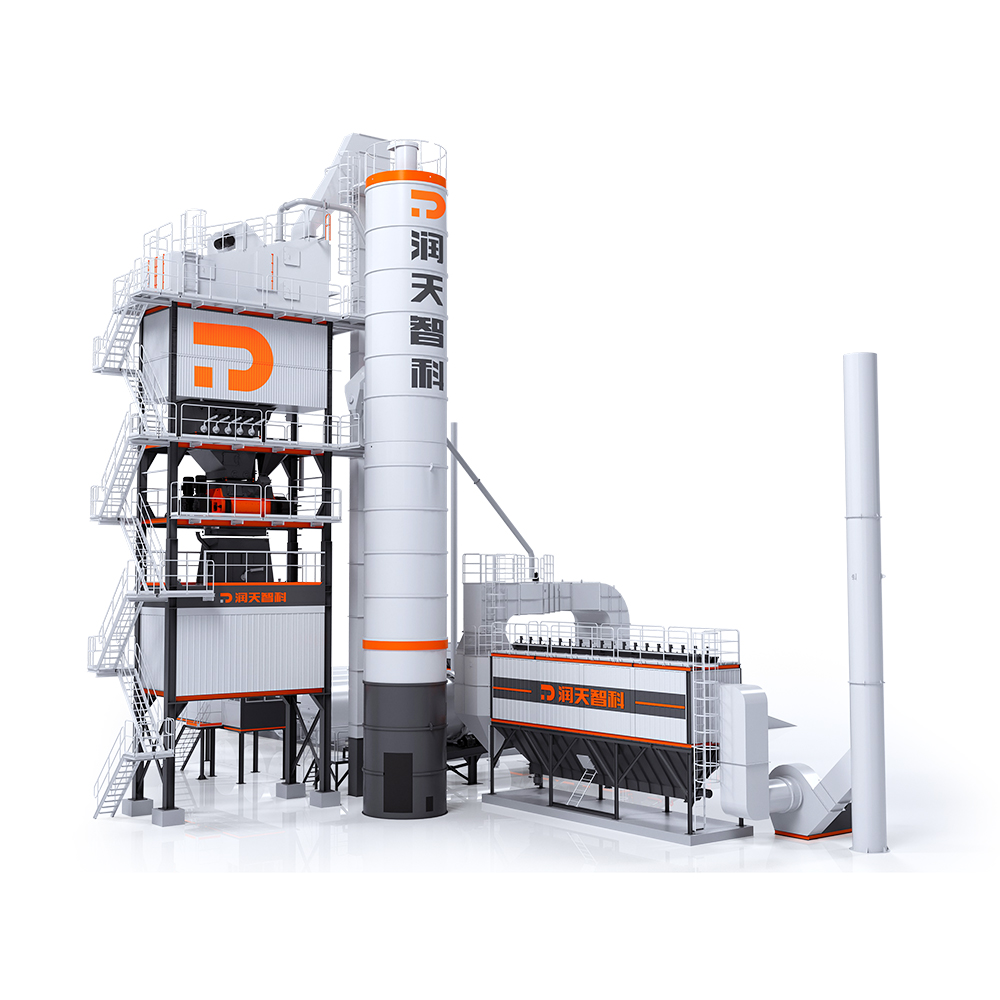 LB Series Asphalt Mixing Plant
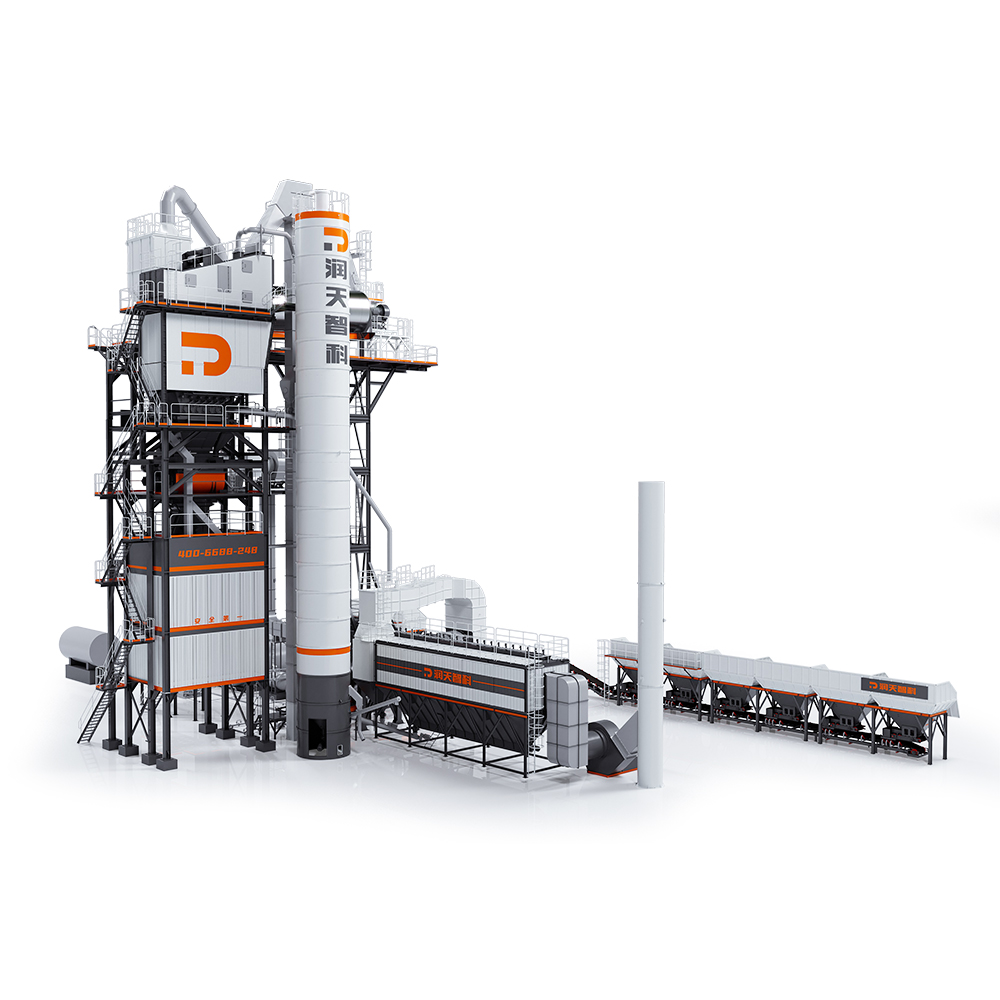 LBR Series Integrated Asphalt Mixing Plant
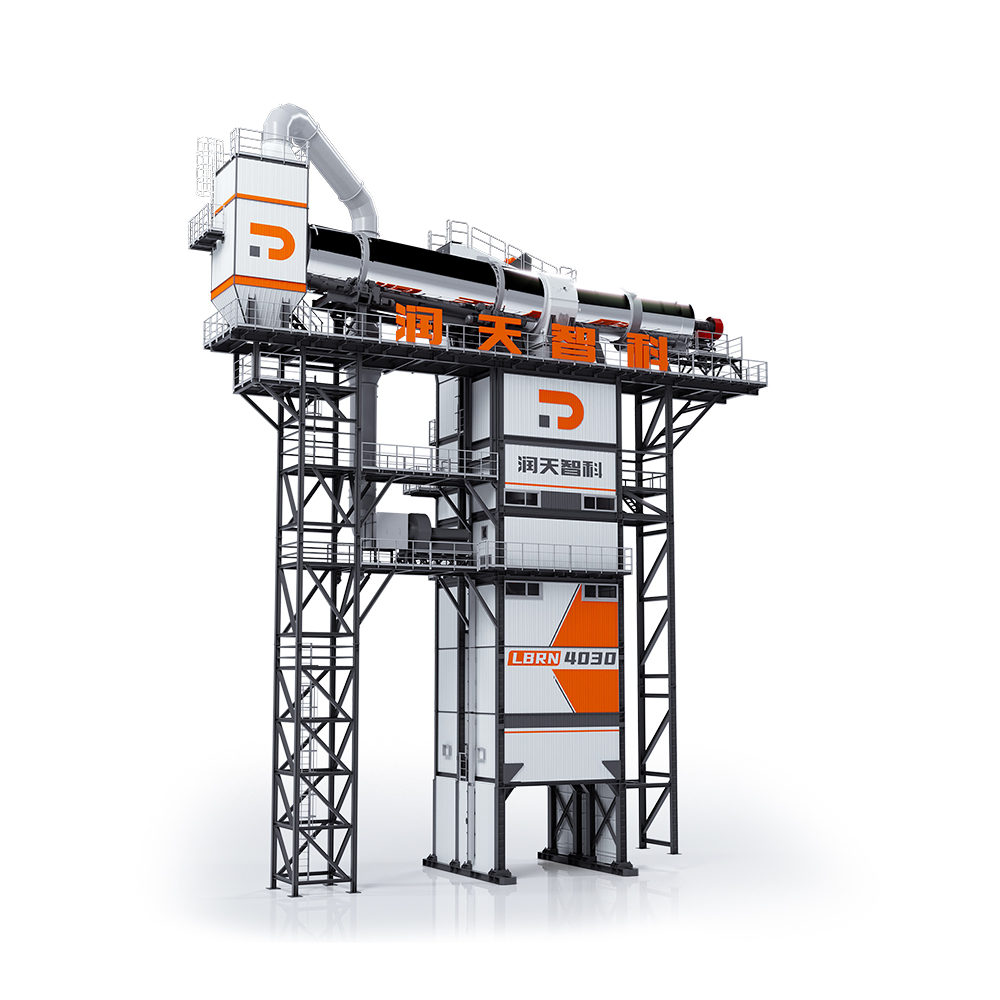 LBRN Series Counterflow Integral Asphalt Mixing Plant
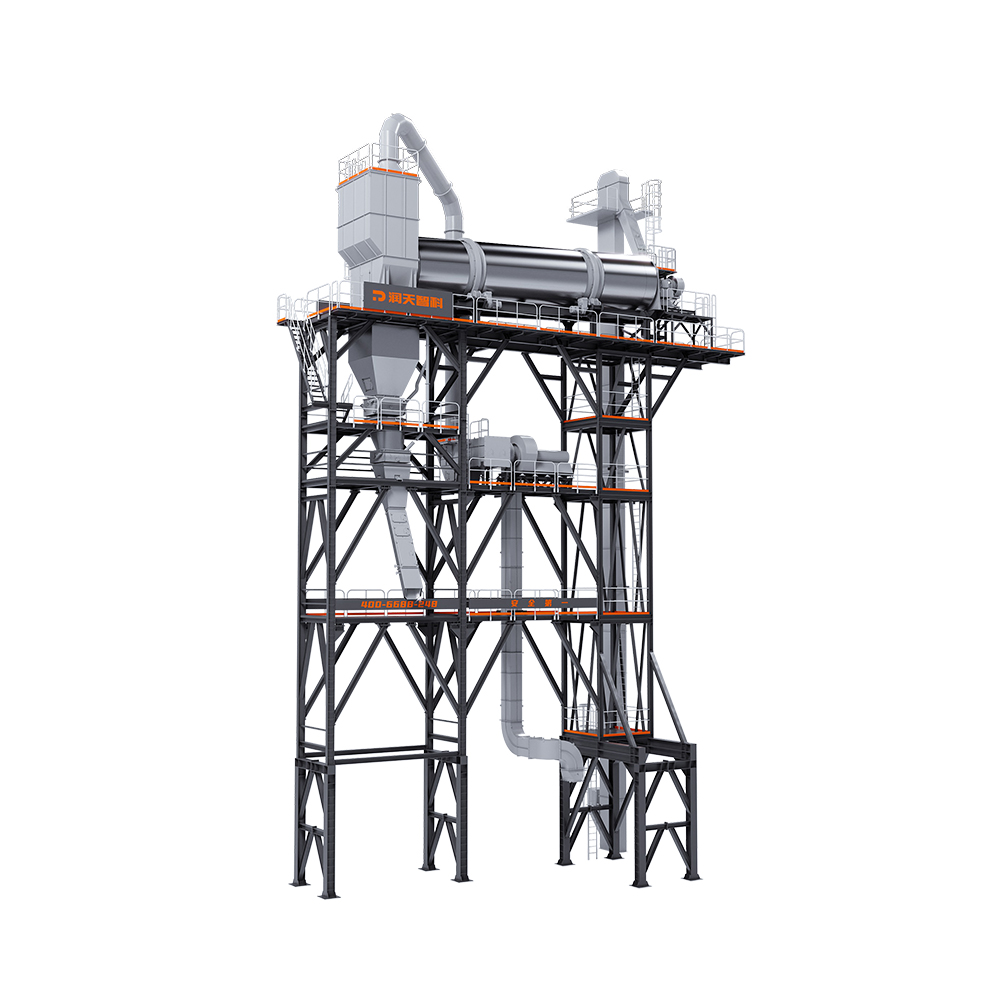 RZS Series Asphalt Mixing Plant
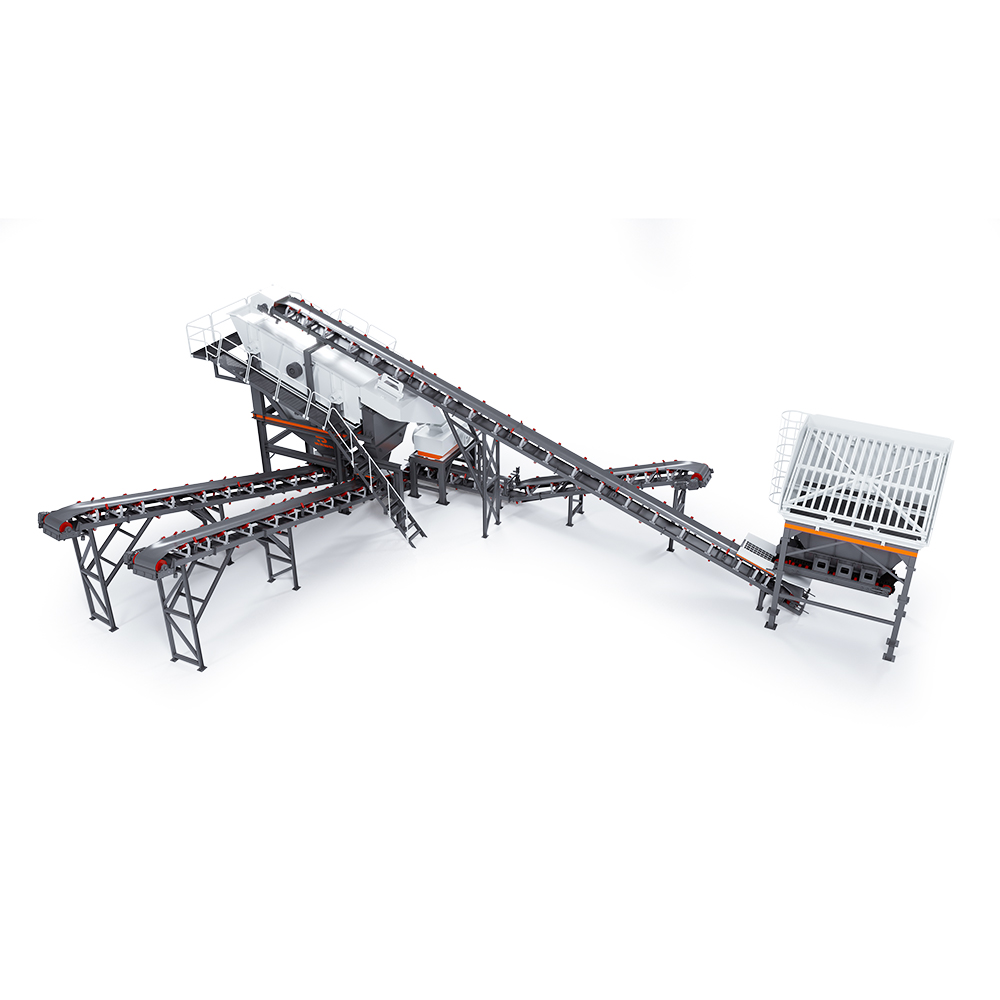 RTZS120 Series RAP Crushing & Screening Plant
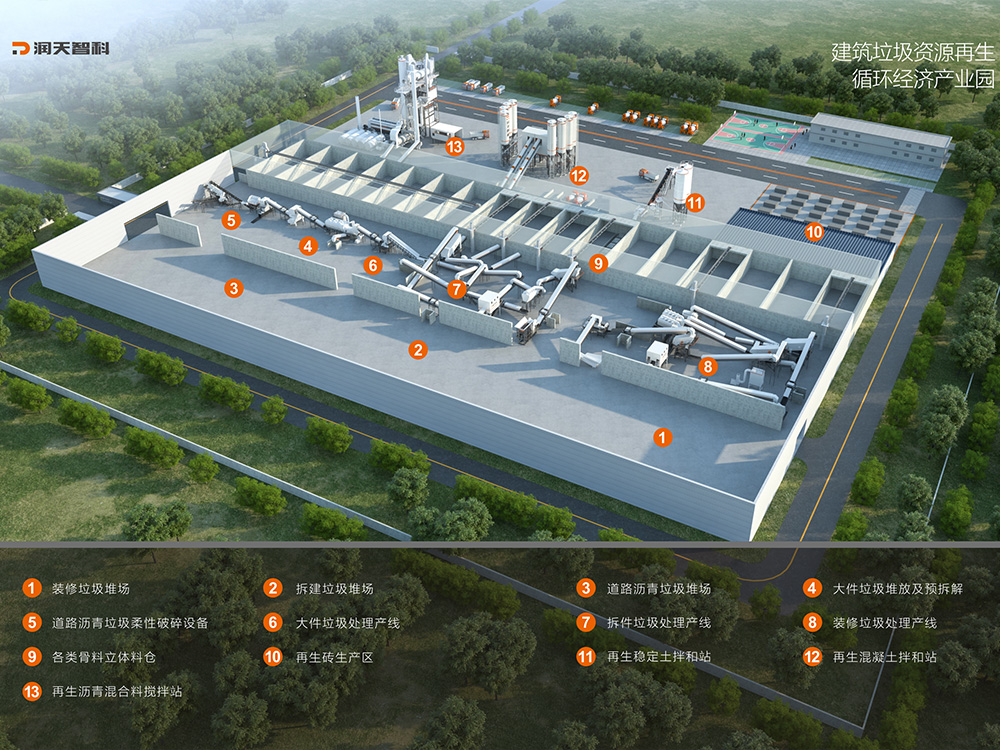 Construction Waste Resourceful Treatment Line