2026 Top Hot Mix Asphalt Plant Buying Guide and Trends?
As the road construction industry evolves, choosing the right Hot Mix Asphalt Plant becomes crucial. With various options available, understanding the current trends is essential. This guide aims to provide insights into selecting a suitable plant for your needs.
Investing in a Hot Mix Asphalt Plant requires careful consideration of several factors. Quality, efficiency, and sustainability are key elements that can impact your decision. In 2026, new technologies may also influence plant features, making it vital to stay informed about these innovations.
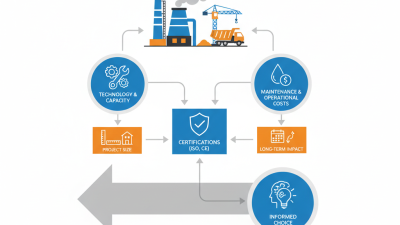
Buyers must balance price with performance. Cheaper plants may seem appealing, but they can lead to long-term disadvantages. Seeking expert opinions and reliable reviews from industry veterans can enhance your understanding of different models. Reflecting on your requirements will ultimately help you make a more informed choice.
2026 Top Hot Mix Asphalt Plant Overview: Types and Applications
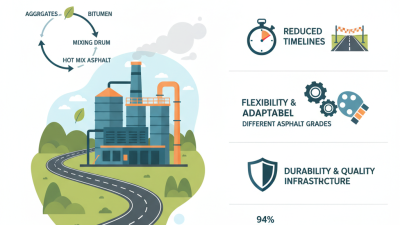
The hot mix asphalt (HMA) market is evolving rapidly. In 2026, understanding the various types of HMA plants becomes crucial for industry professionals. There are two main categories: batch mix plants and drum mix plants. Each serves different project needs. Batch mix plants offer higher flexibility, allowing for precise mix designs. Meanwhile, drum mix plants excel in production efficiency, ideal for large-scale operations.
Applications of HMA are diverse. These plants support road construction, airport runways, and parking lots. Industry reports suggest that the demand for durable and sustainable asphalt solutions is increasing. In particular, the global hot mix asphalt market is projected to reach $35 billion by 2026. This growth is influenced by the rising need for infrastructure development and maintenance.
However, potential buyers should remain cautious. The choice of plant type may impact the quality and durability of asphalt mixes. It is essential to consider local regulations, environmental impact, and the specific requirements of projects. Investing in HMA technology requires careful evaluation of operational costs versus expected benefits. Balancing efficiency and quality is critical for long-term success in the asphalt paving industry.
Key Features to Consider When Buying Hot Mix Asphalt Plants in 2026
When purchasing a hot mix asphalt plant in 2026, key features play a crucial role. Efficiency is paramount. A report from the National Asphalt Pavement Association states that modern plants can reduce energy consumption by up to 20%. This not only cuts costs but also lowers environmental impact. Energy-efficient burners and improved insulation are essential features to consider.
The capacity of the plant is another important aspect. Plants offering higher production rates can meet the demands of larger projects. Research indicates that a 300-ton-per-hour plant can significantly outperform older models, especially in peak seasons. However, potential buyers should assess their actual needs to avoid over-investing in capacity that might not be necessary for their operations.
Technology integration is becoming increasingly vital. GPS tracking and automated controls can enhance operational efficiency. Yet, a reliance on technology raises concerns about potential downtimes and technical glitches. It’s essential to evaluate the balance between high-tech features and the reliability of traditional systems. The durability of materials used in the plant’s construction also cannot be overlooked, as wear and tear can impact long-term performance.
Current Industry Trends Impacting Hot Mix Asphalt Plant Purchases
The demand for hot mix asphalt plants is influenced by various industry trends. The
global asphalt market is expected to reach $45 billion by 2026, driven by increasing road
construction activities. Rising urbanization significantly boosts the need for durable pavements. The International Road Assessment Programme notes that high-quality asphalt ensures longevity and better performance.
Sustainability trends shape purchasing decisions as well. More contractors seek eco-friendly options. Reports indicate that recycled asphalt can reduce costs by 20-30%. However, not all plants efficiently process recycled materials. This gap leads many buyers to weigh environmental benefits against upfront costs. Innovations in technology also contribute to improved plant efficiency, yet the learning curve remains steep for some operators.
The need for compliance with stricter regulations is increasingly urgent. Industry experts suggest that understanding local regulations is crucial for purchasing decisions. Many plants face challenges meeting evolving standards. Investing in advanced technology and training staff is often necessary. Balancing short-term costs with long-term benefits is a complex issue in the asphalt sector.
Cost Analysis: Investment Considerations for Hot Mix Asphalt Plants
Investing in hot mix asphalt plants requires careful financial planning. According to a recent industry report, capital investment ranges from $200,000 to $4 million. This variation stems from plant capacity, technology, and location. Smaller plants typically cost less. However, larger operations often feature advanced technology, which can enhance operational efficiency.
Operational costs also play a significant role. Energy expenses account for about 40% of total costs in asphalt production. Additionally, maintenance costs can reach up to 15% of overall expenditures. These figures highlight the importance of selecting a plant with reliable performance and lower operational costs.
Market trends indicate a shift towards eco-friendly technologies. While initial investments in greener alternatives may be higher, long-term savings can offset these expenses. With increasing regulations, investing in sustainable practices may also enhance a company's reputation. While the initial cost can be daunting, the potential for future savings and compliance should not be overlooked.
Sustainability and Innovation in Hot Mix Asphalt Plant Technology
Sustainability is becoming critical in hot mix asphalt (HMA) plant technology. Recent studies show that about 30% of asphalt plants are adopting warm mix asphalt (WMA) technologies. These methods lower energy consumption by up to 40%. They also reduce greenhouse gas emissions, making them more environmentally friendly.
Innovation plays a vital role in the evolution of HMA plants. For example, integrating recycled asphalt pavement (RAP) can significantly lower material costs. Research indicates that using 20% to 30% RAP reduces the need for new materials by almost one-third. However, the quality of recycled materials can be inconsistent, posing challenges for manufacturers seeking reliability in their mixes.
Despite advancements, there's room for improvement. Many plants still rely on outdated technologies, impacting efficiency and sustainability. Regular assessments of production processes are essential. Implementing innovative practices can be daunting but necessary for long-term benefits. Transitioning to greener options not only meets regulatory demands but also aligns with the growing public awareness of environmental issues.
2026 Top Hot Mix Asphalt Plant Buying Guide and Trends - Sustainability and Innovation in Hot Mix Asphalt Plant Technology
| Feature |
Description |
Current Trends |
Sustainability Aspects |
| Recycling Capability |
Ability to use recycled materials in production |
Increased use of Reclaimed Asphalt Pavement (RAP) |
Reduces waste and energy consumption |
| Energy Efficiency |
Equipment designed to minimize energy usage |
Adoption of warm mix asphalt technology |
Lower carbon footprint during production |
| Automation Features |
Advanced control systems for efficient operation |
Integration of Internet of Things (IoT) |
Improves resource management |
| Modular Design |
Plant components that can be easily assembled and disassembled |
Facilitates relocation and expansion |
Minimizes construction waste |
| Emission Control |
Technologies to reduce air pollution |
Use of electrostatic precipitators |
Improved air quality in surrounding areas |

 Concrete Mixing Plant
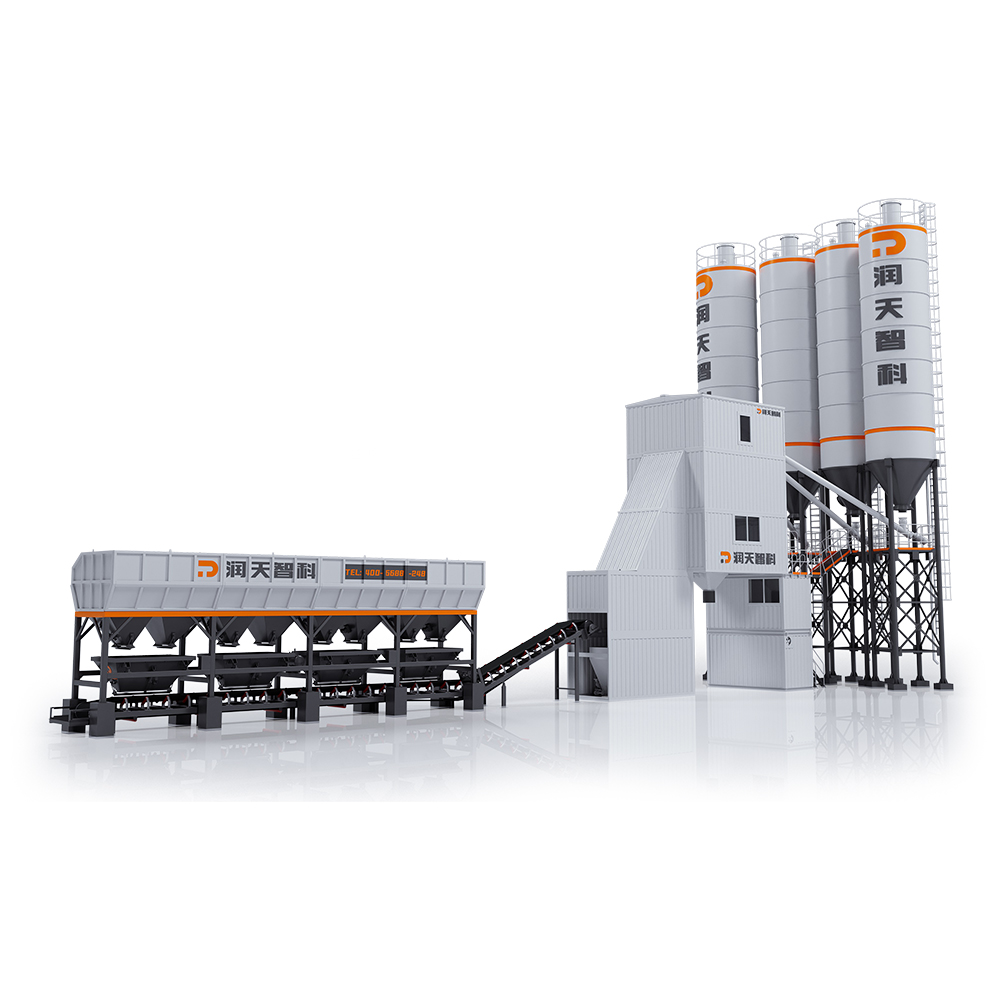
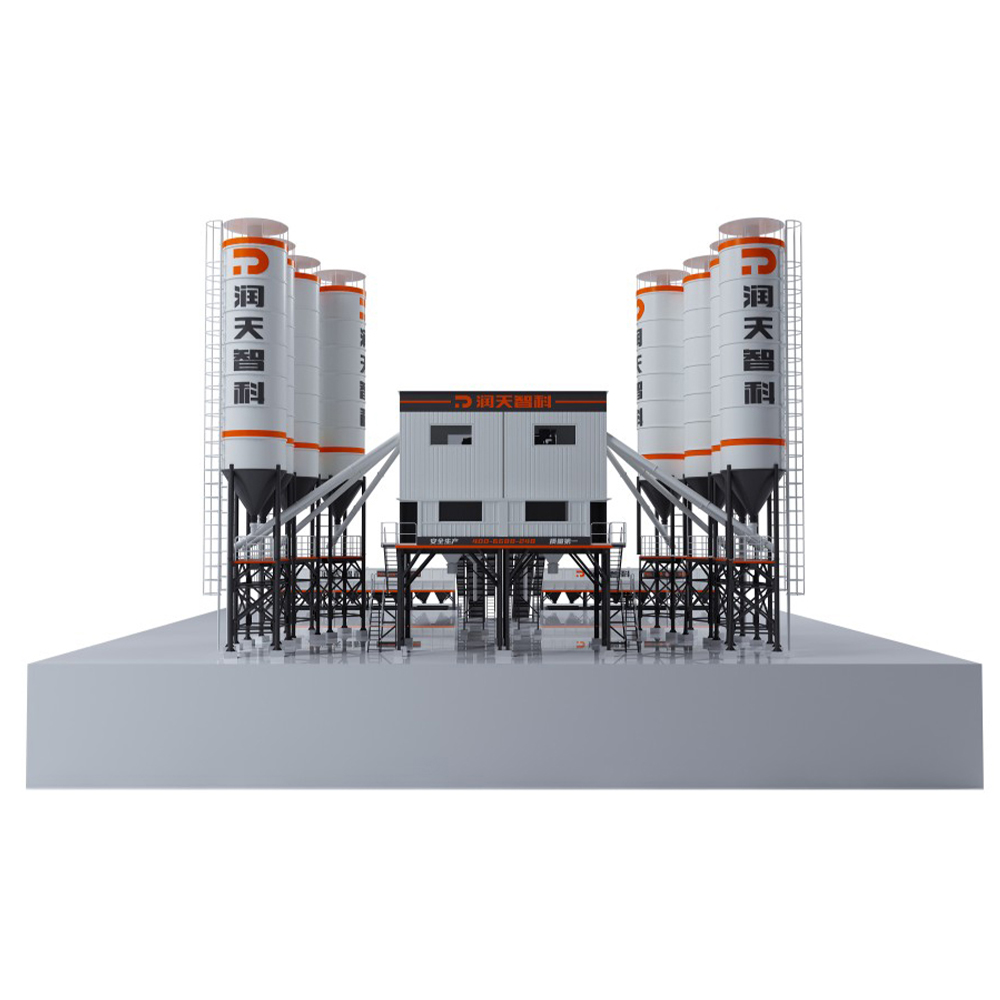 HZS Series Belt Concrete Mixing Plant
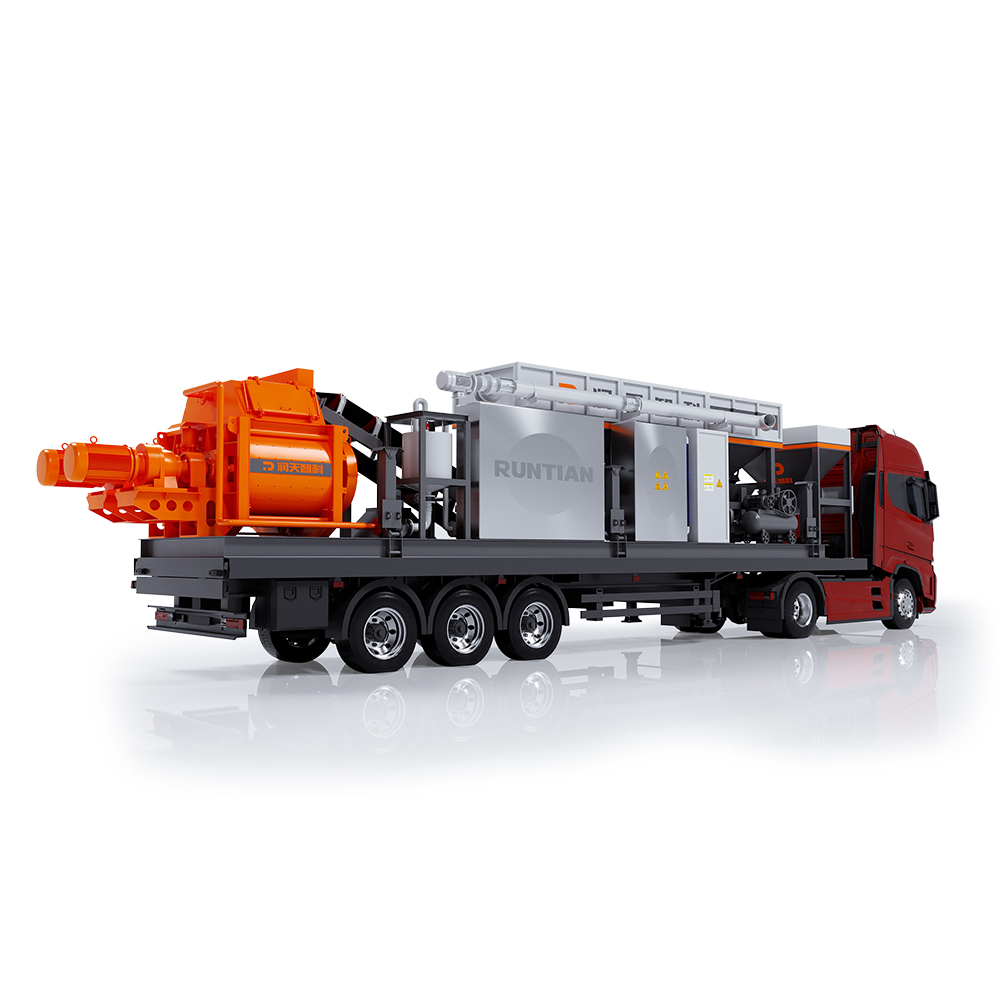
 HZS Series Bucket-Lifting Type Container Concrete Mixing Plant
 HZS60 Mobile Concrete Mixing Plant
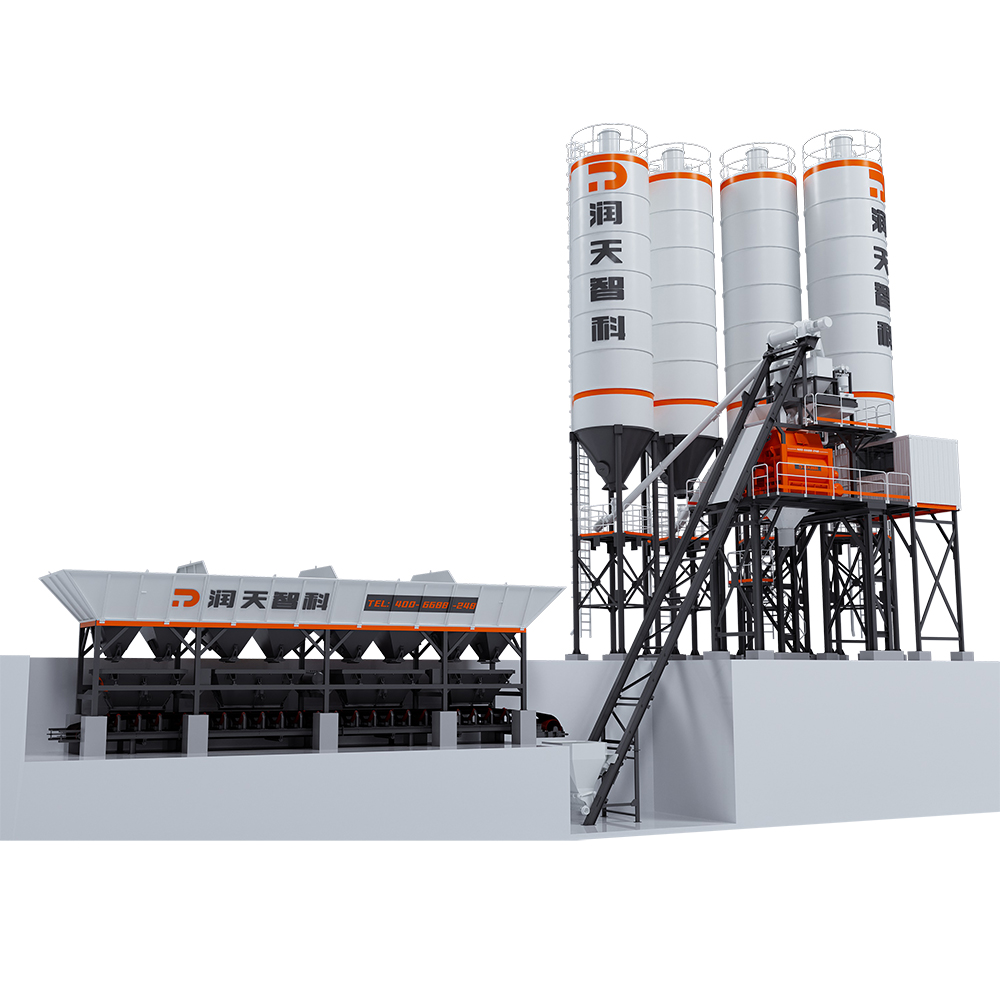 HZS Series Bucket-Lifting Type Concrete Mixing Plant
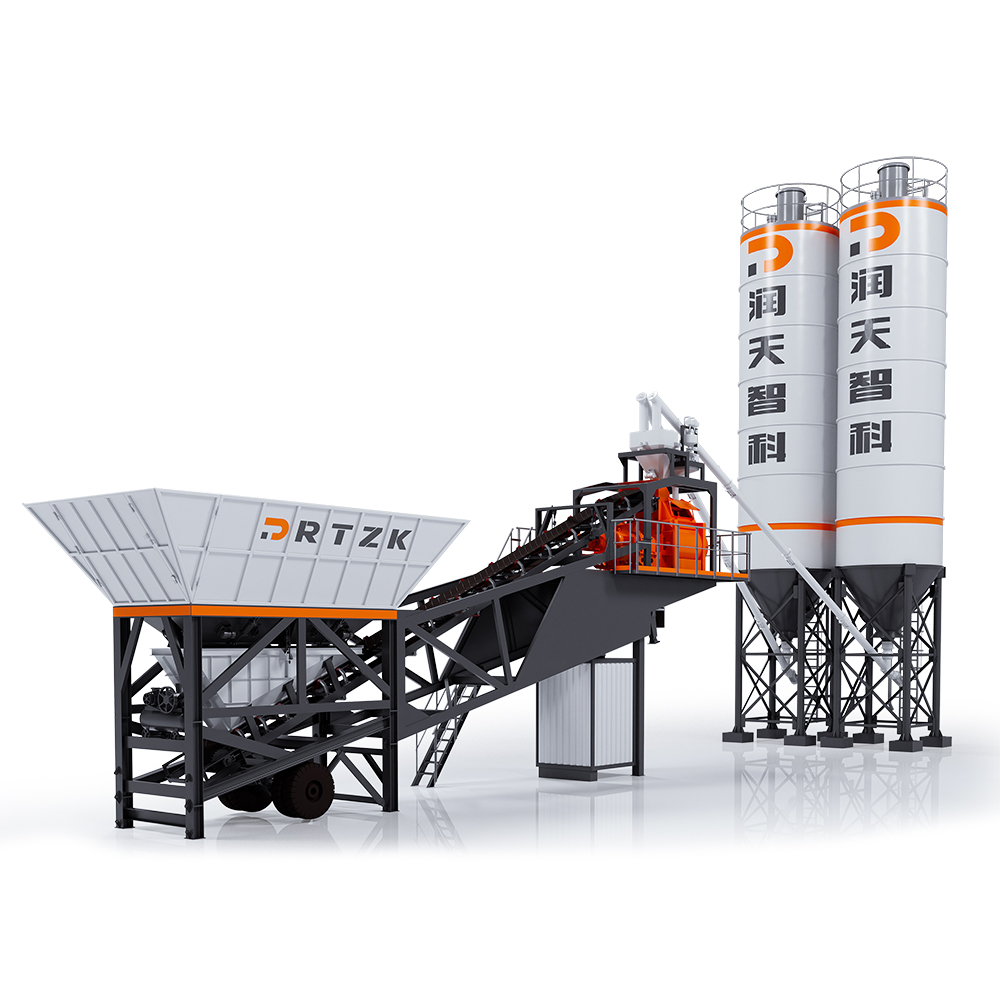 HZS Series Mobile Concrete Mixing Plant
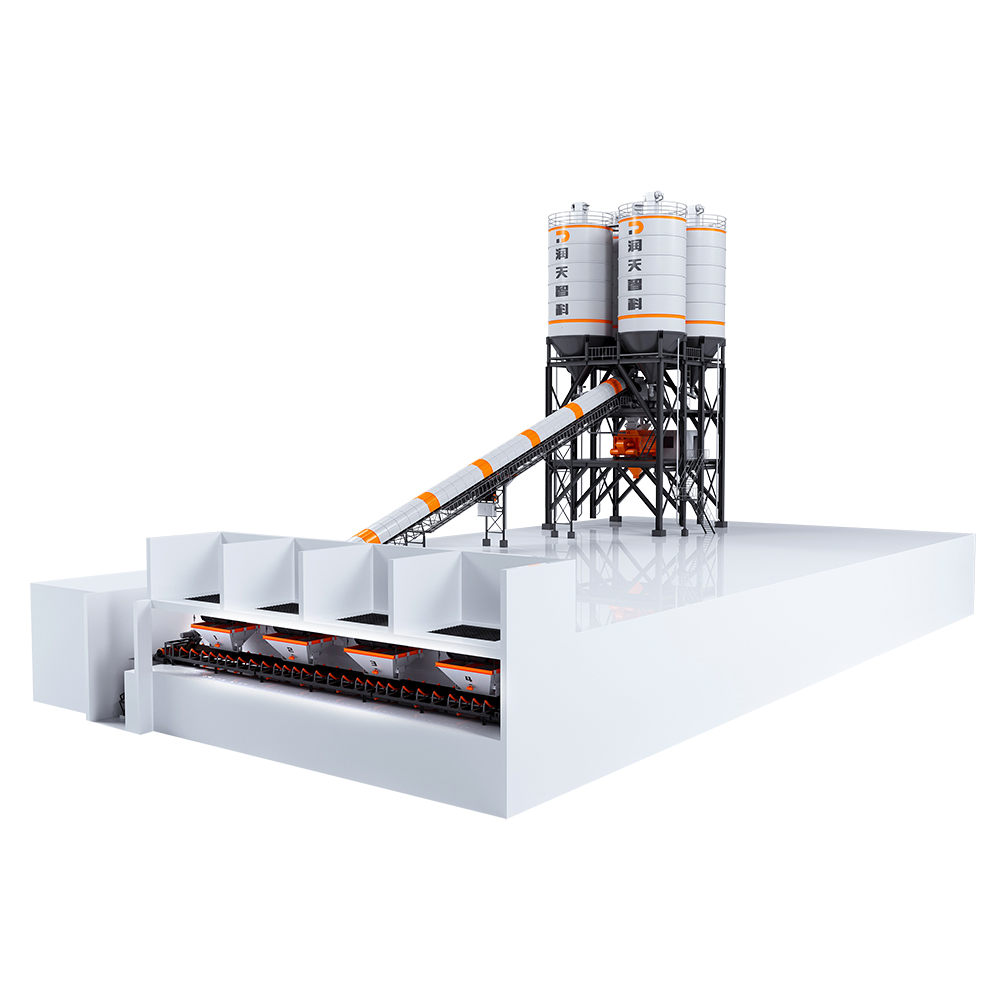 HZS Series Top-Mounted Concrete Mixing plant
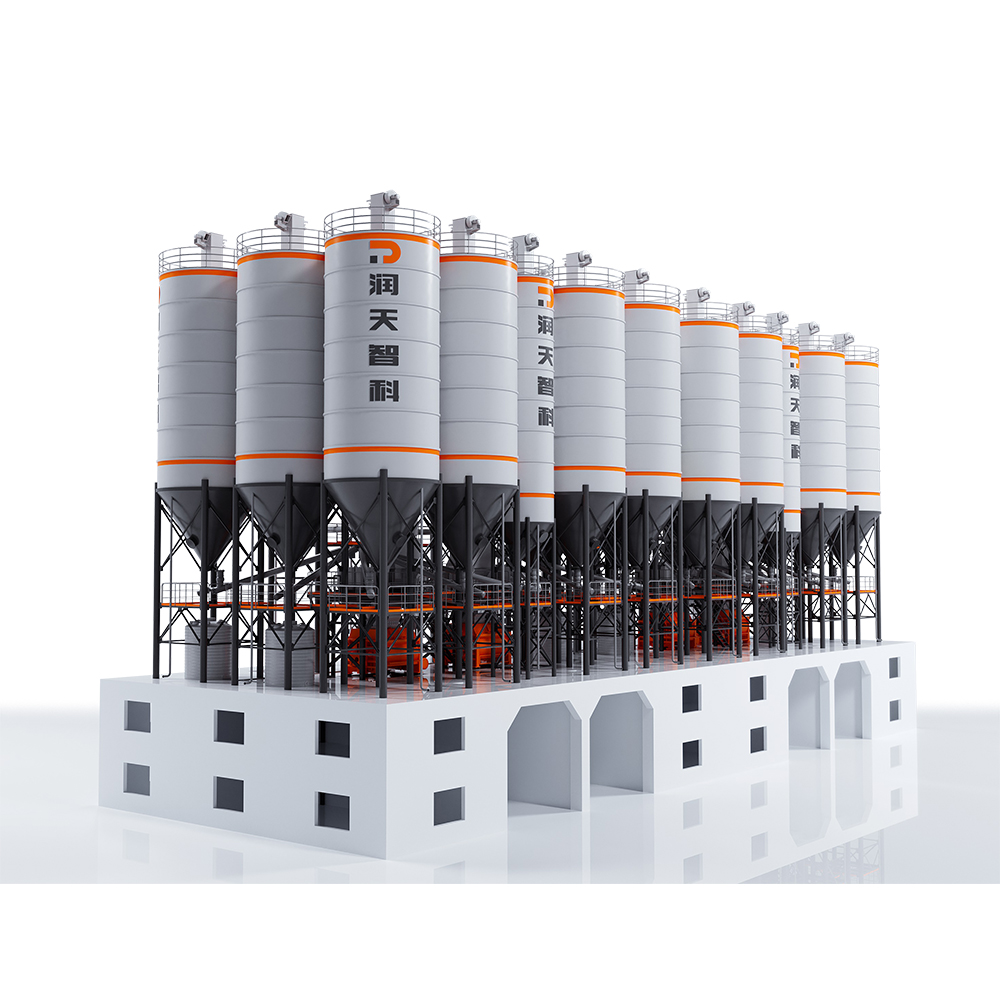 HZS Series Semi-Top Mounted Concrete Mixing Plant
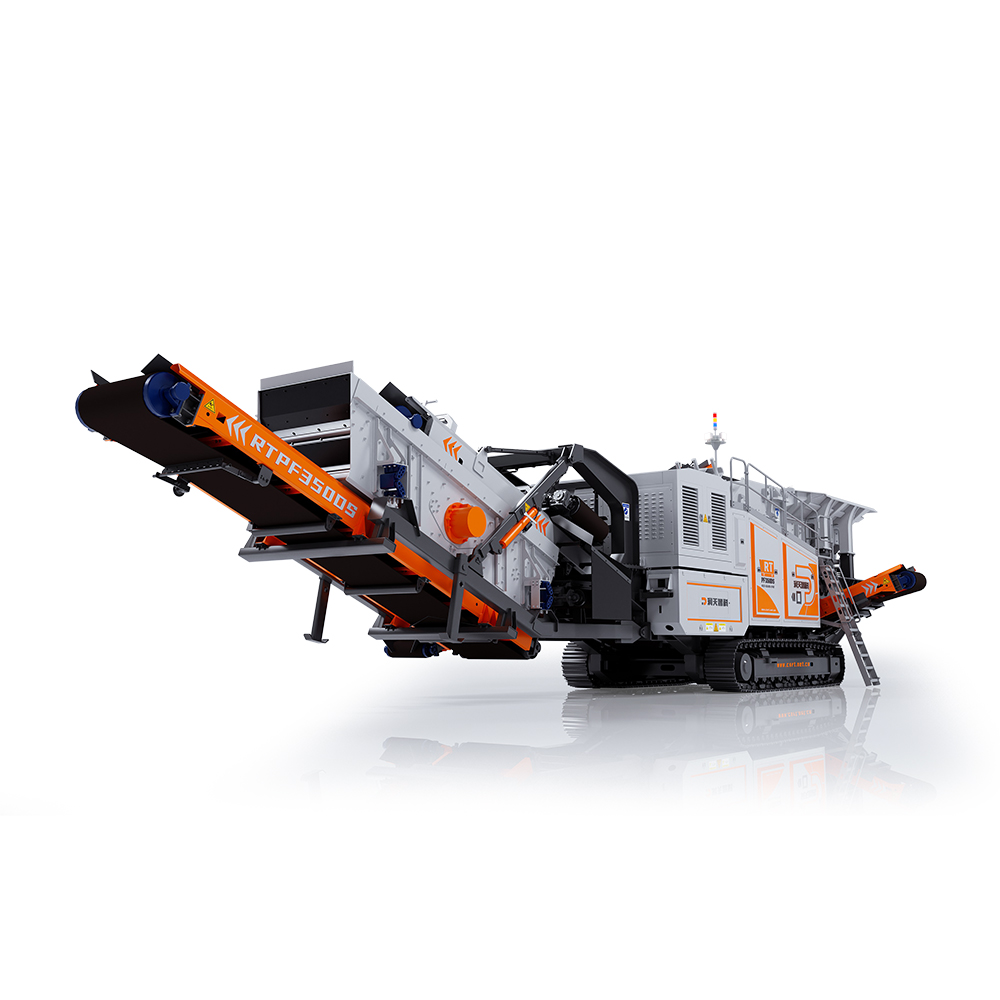 RTPF350DS Crawler Mobile Impact Crushing Plant
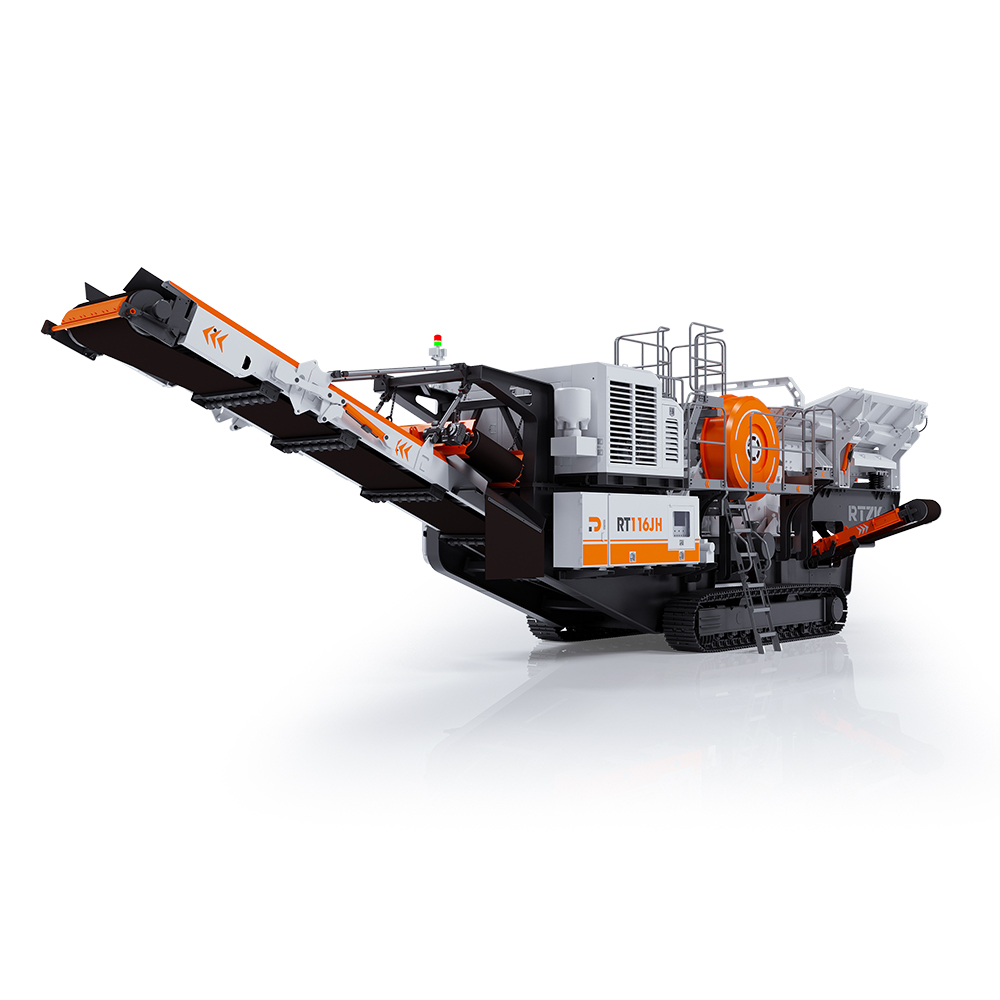 RT116JH Crawler Mobile Jaw Crushing Plant
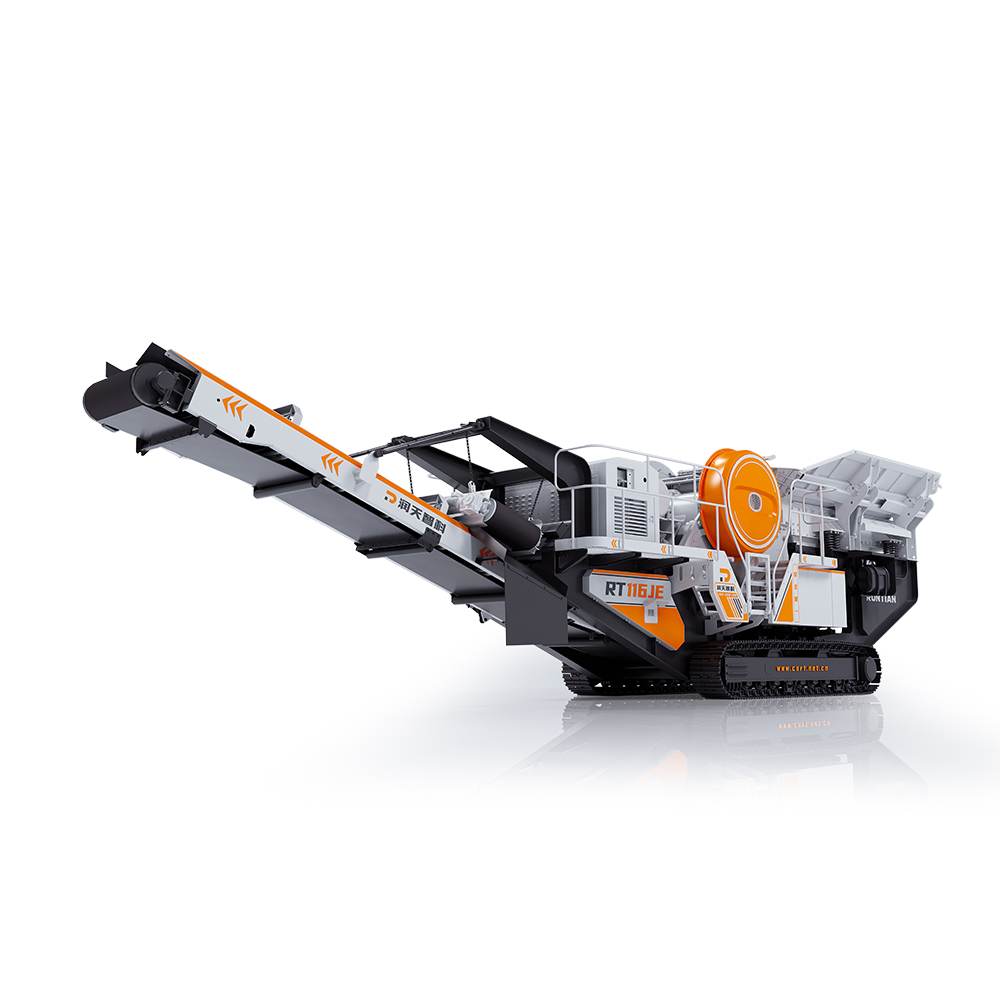 RT116JE Crawler Mobile Jaw Crushing Plant
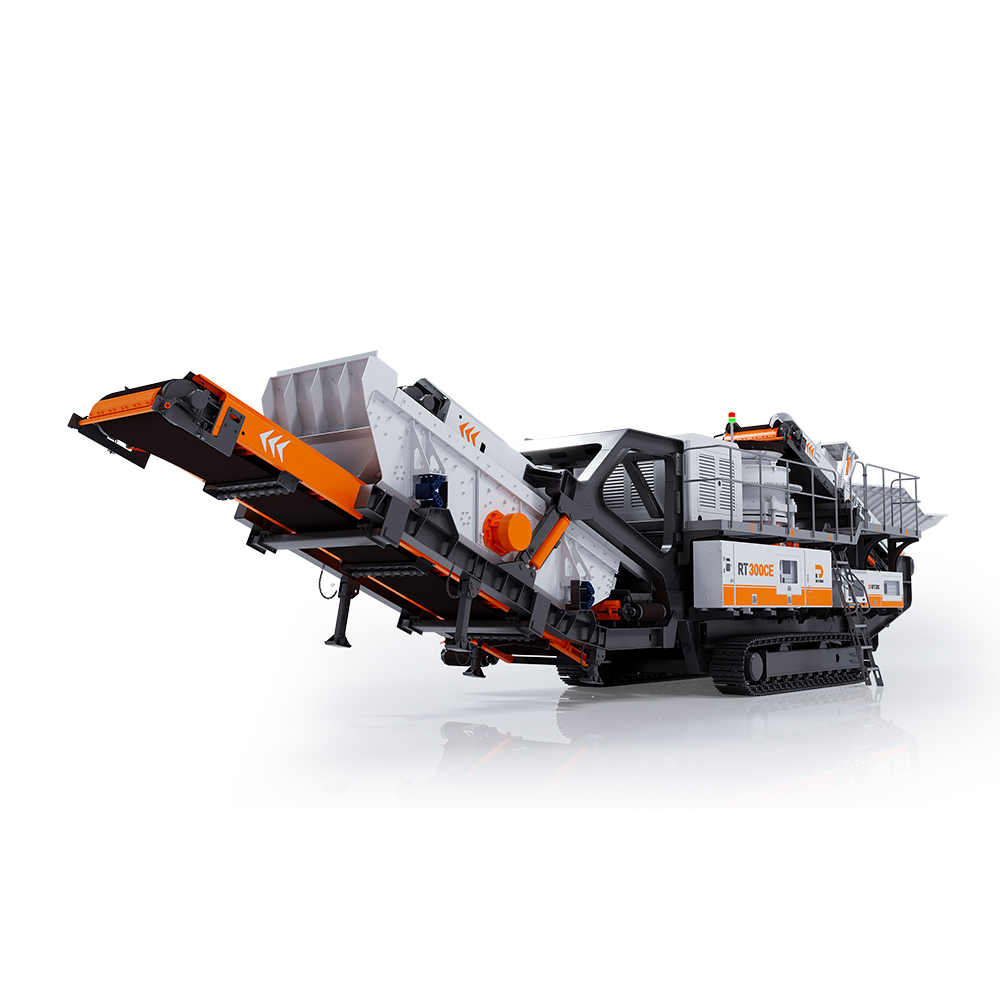 RT300CE Crawler Mobile Cone Crushing Plant
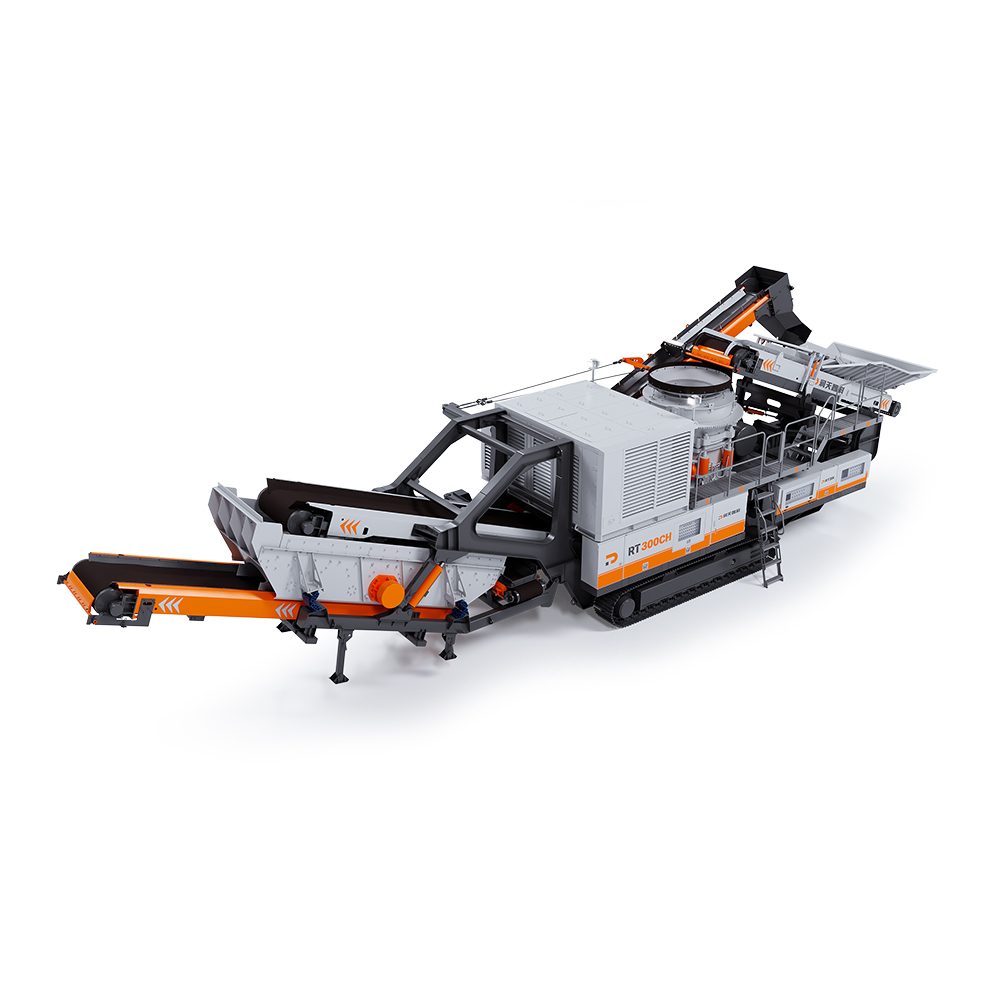 RT300CH Crawler Mobile Cone Crushing Plant
 RT5015H Mobile Scalping Screen
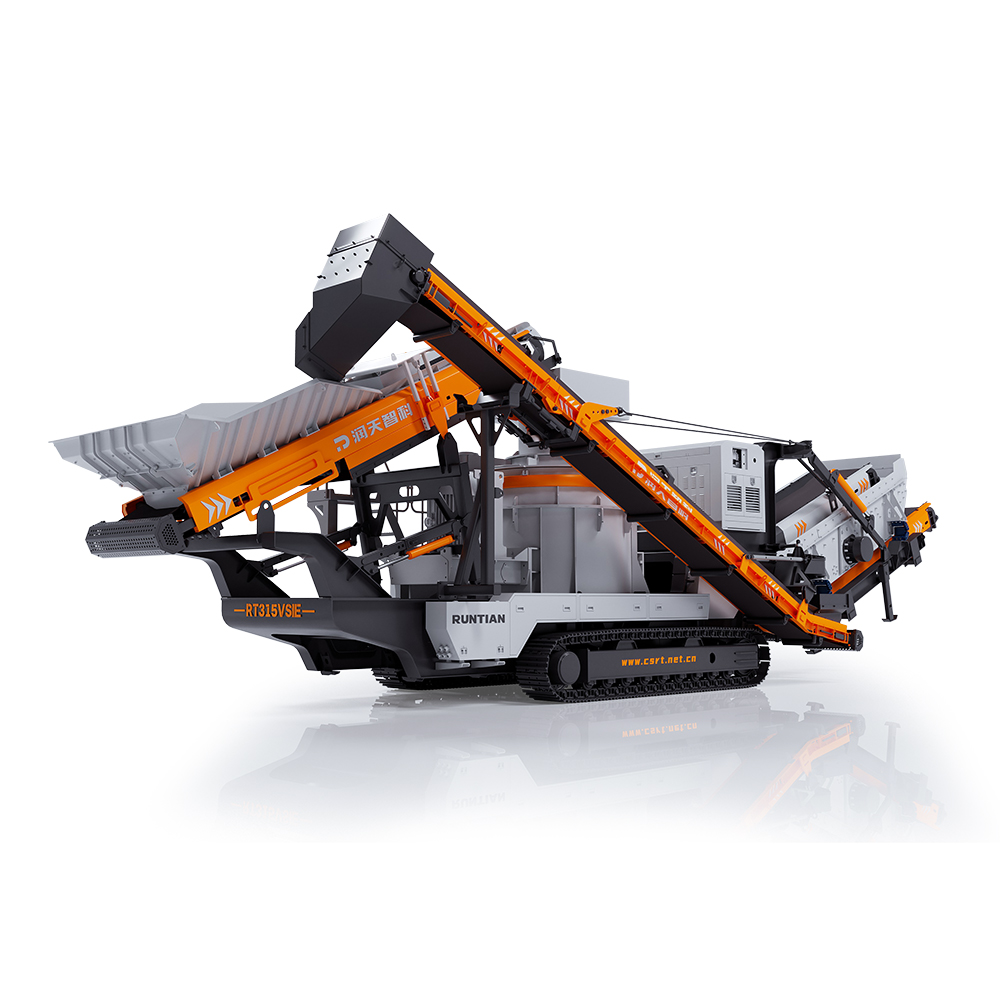 RT315VSIE Crawler Mobile Sand Maker
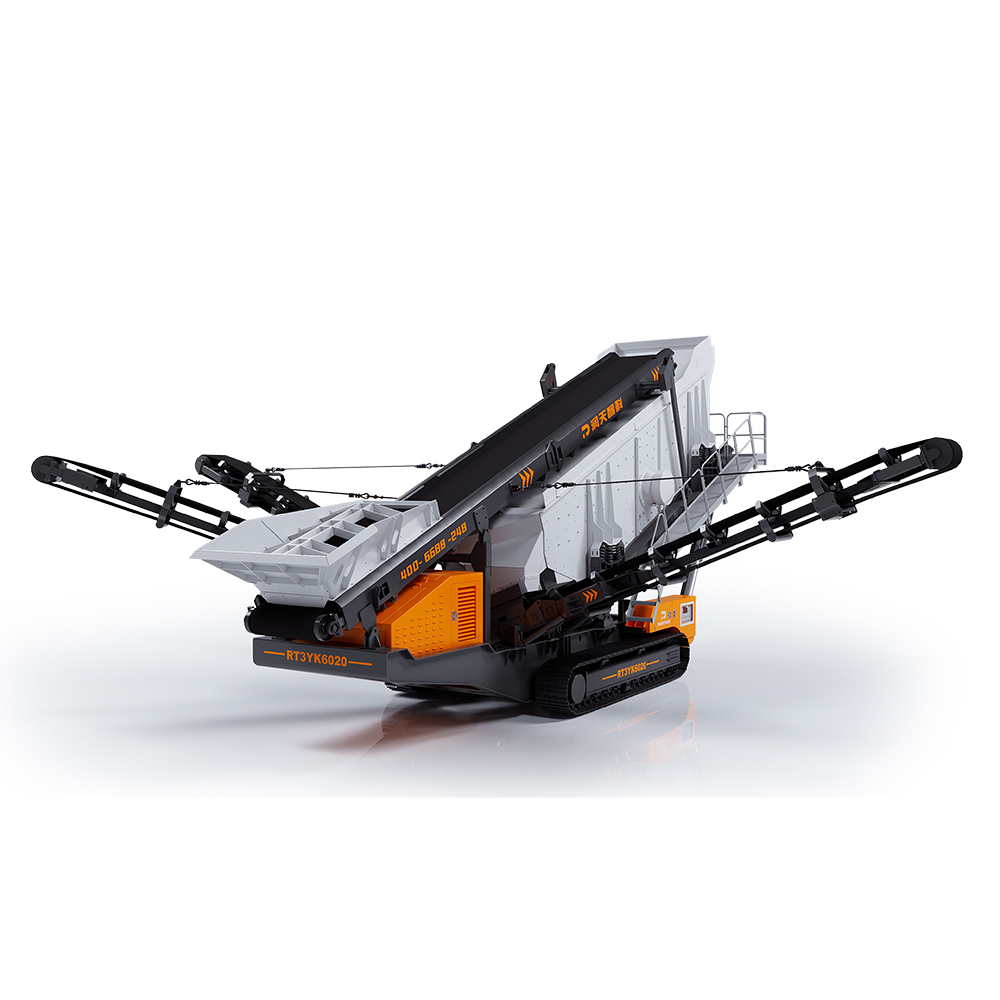 RT3YK6020 Crawler Mobile Screening Plant
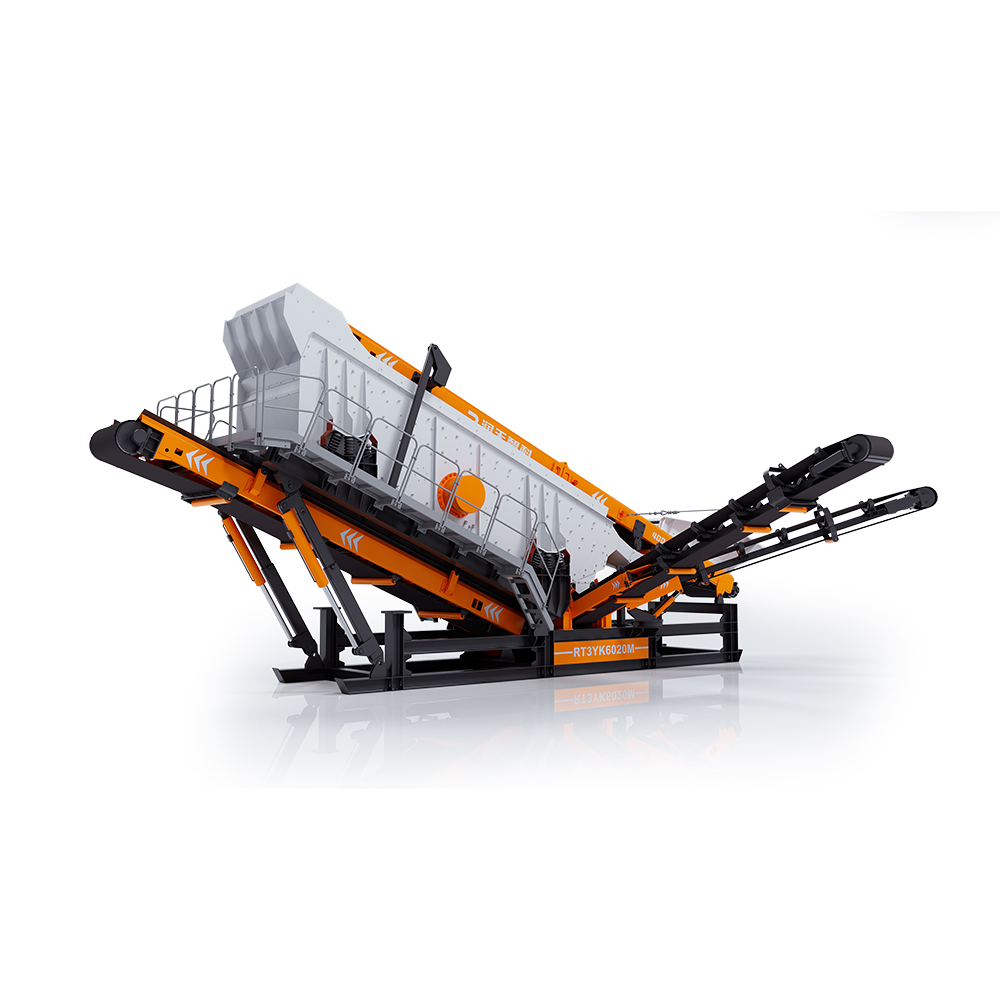 RT3YK6020M Modular Screening Plant
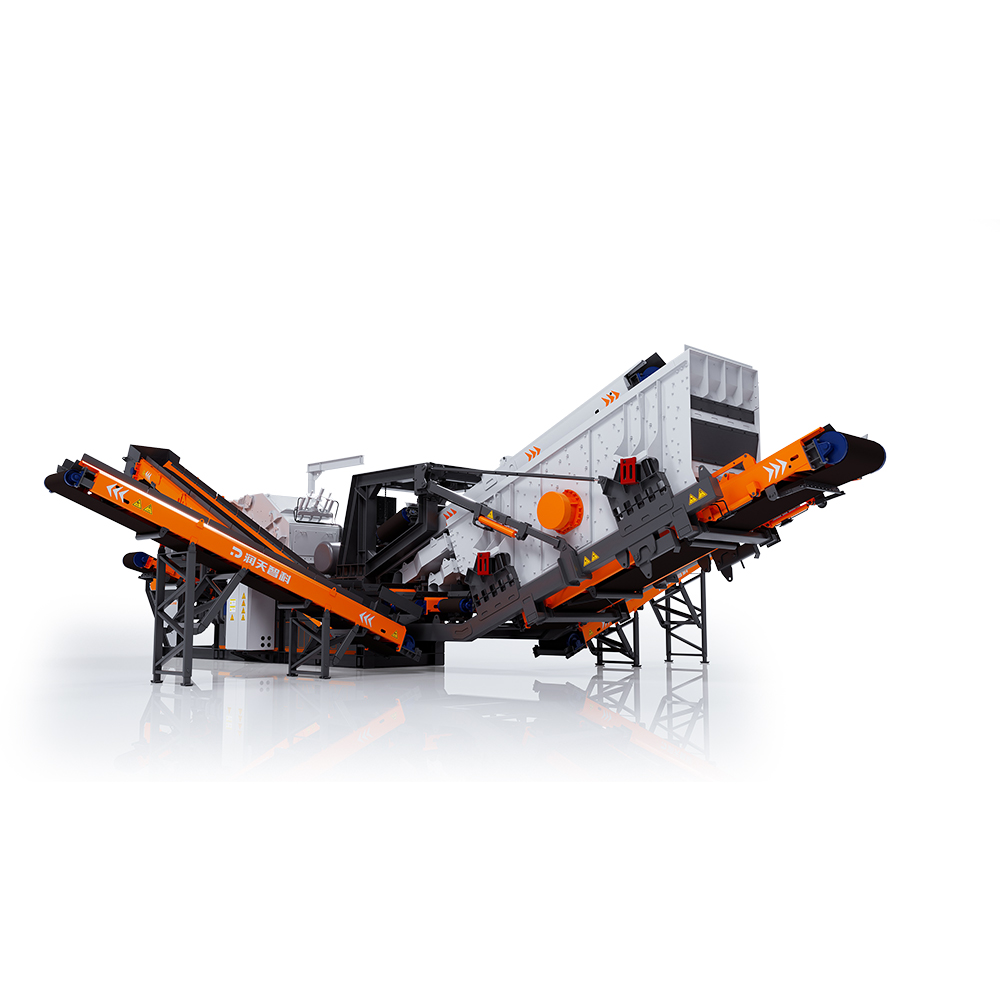 RTF260M Modular Counterattack Crushing and Screening Integrated Machine
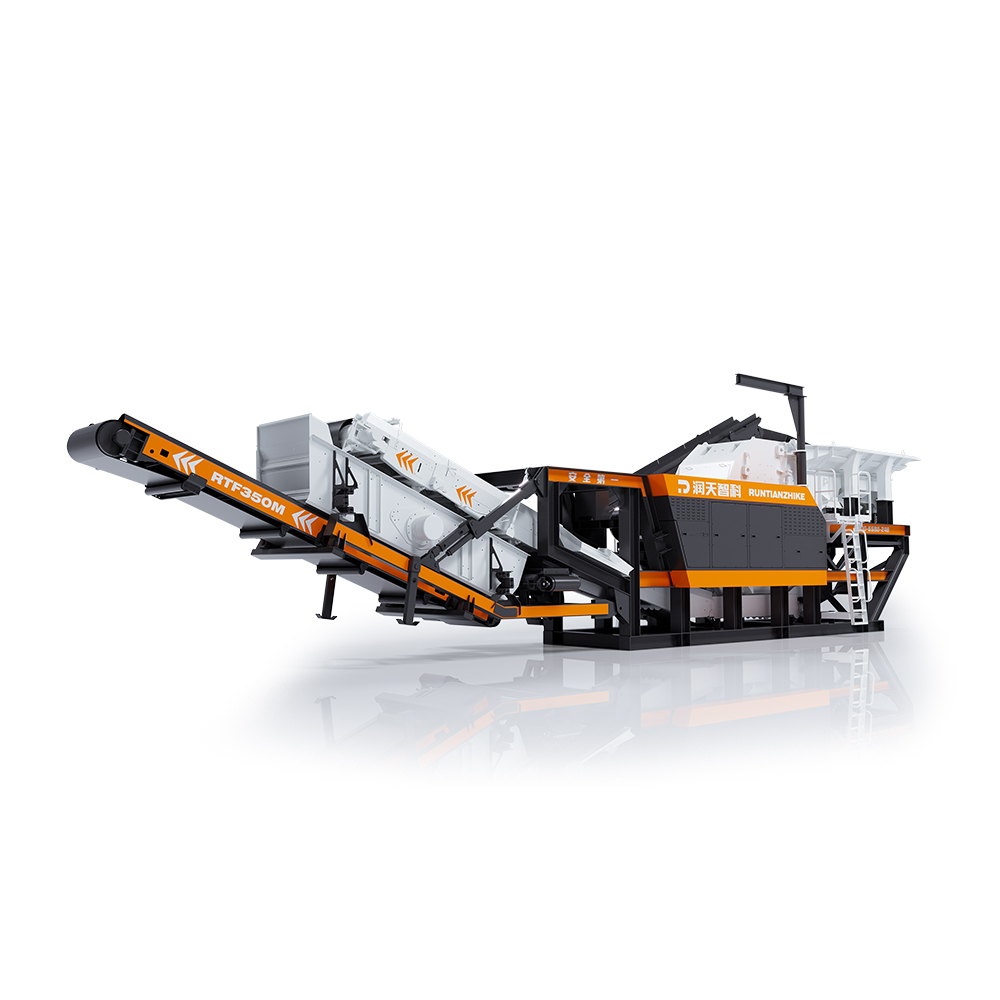 RTF350M Modular Impact Crushing Plant
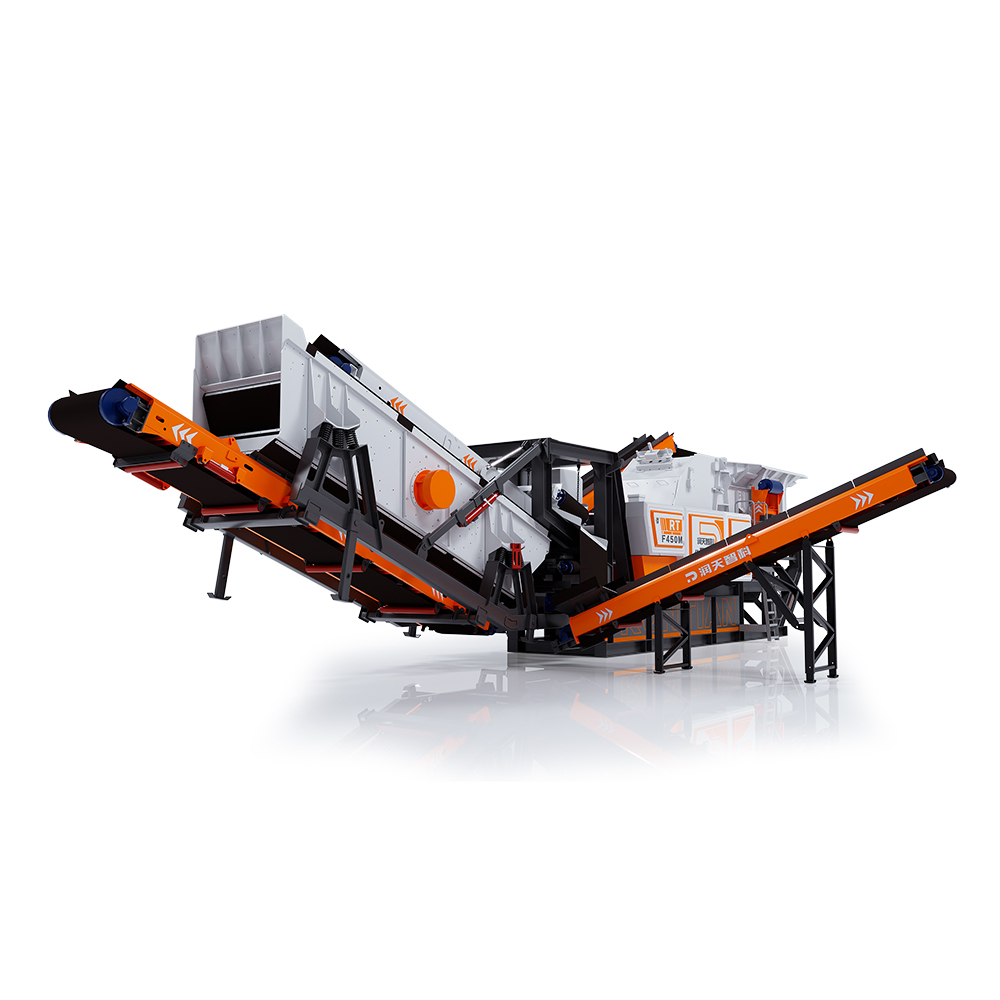 RTF450M Modular Impact Crushing Plant
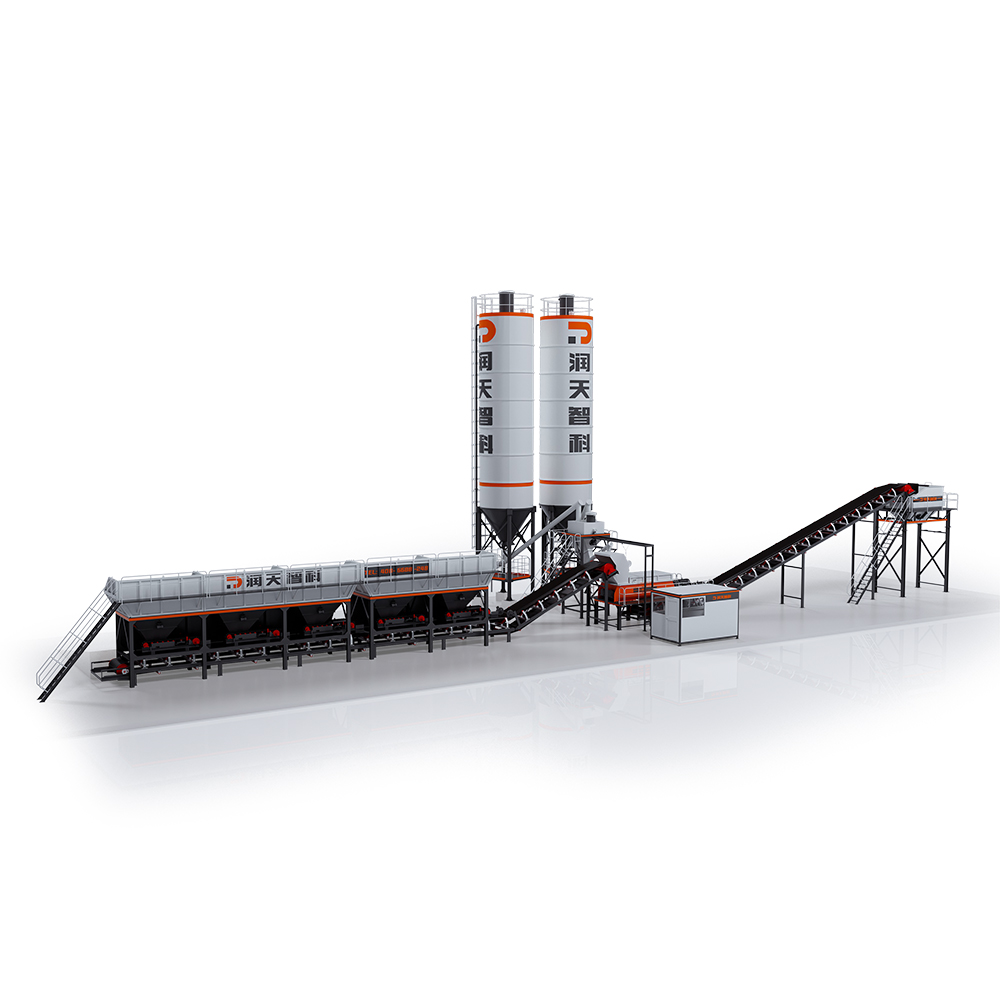 WDB Series Foundation-Free Stability Soil Mixing Plant
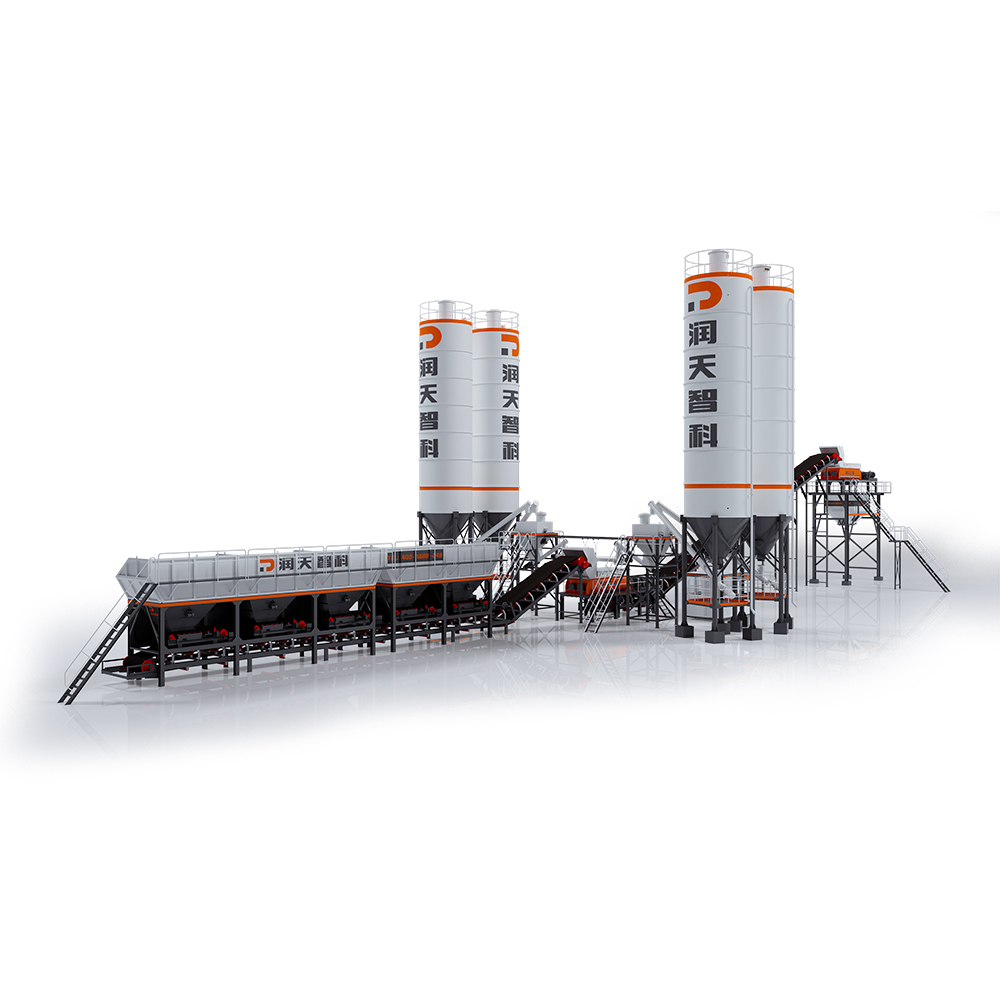 LCB Series Emulsified Asphalt Cold Regeneration Secondary Mixing Plant
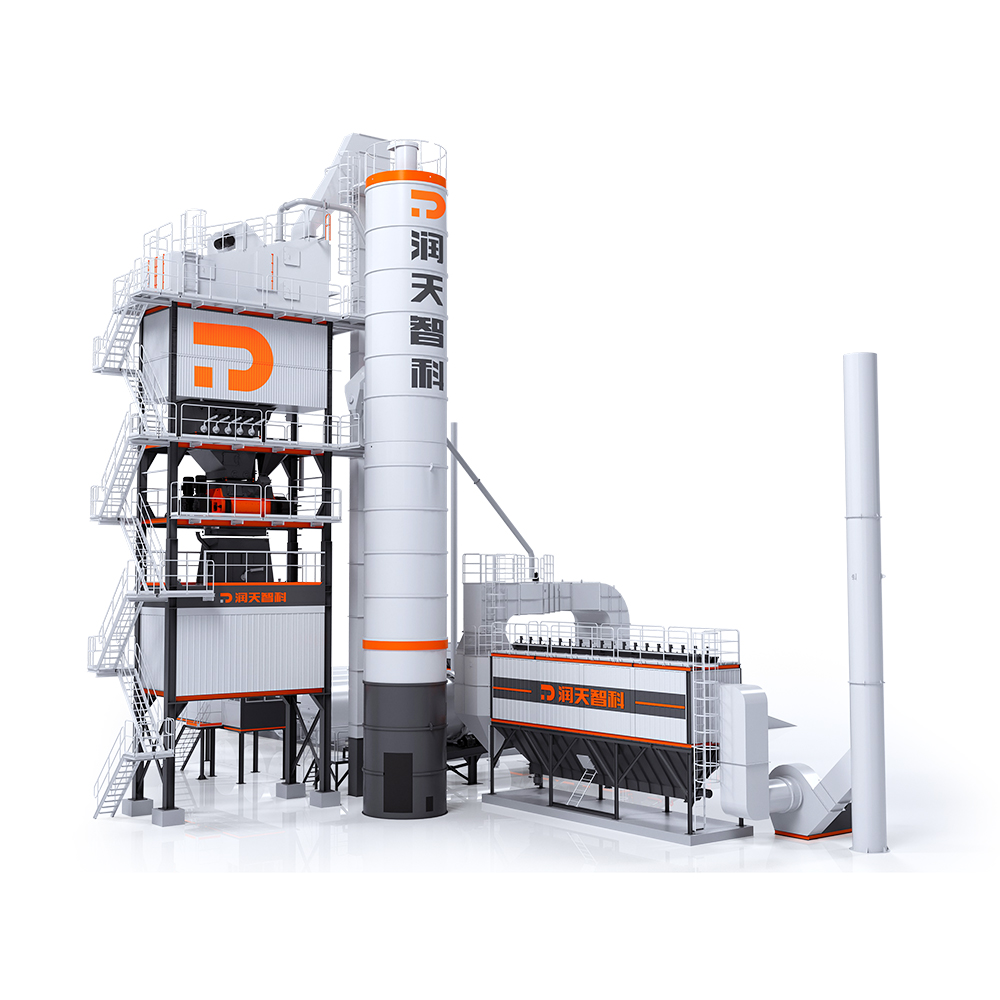 LB Series Asphalt Mixing Plant
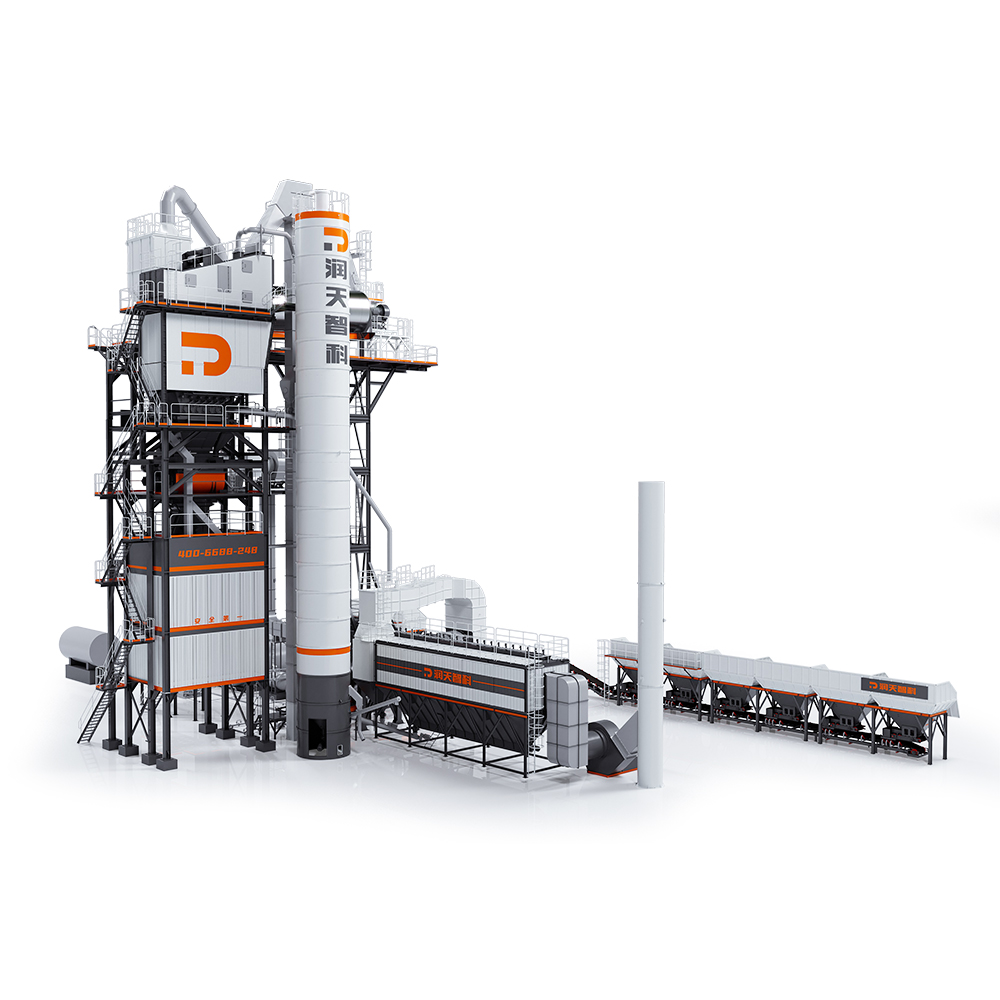 LBR Series Integrated Asphalt Mixing Plant
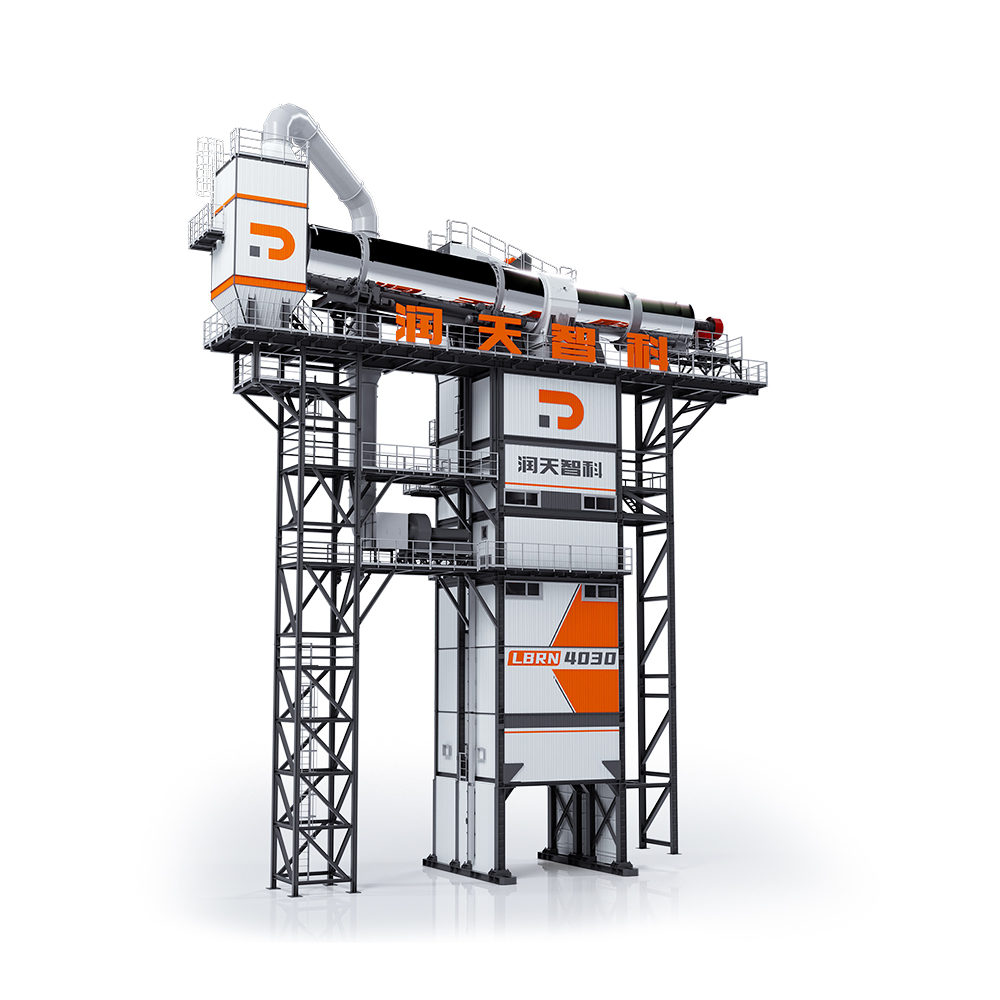 LBRN Series Counterflow Integral Asphalt Mixing Plant
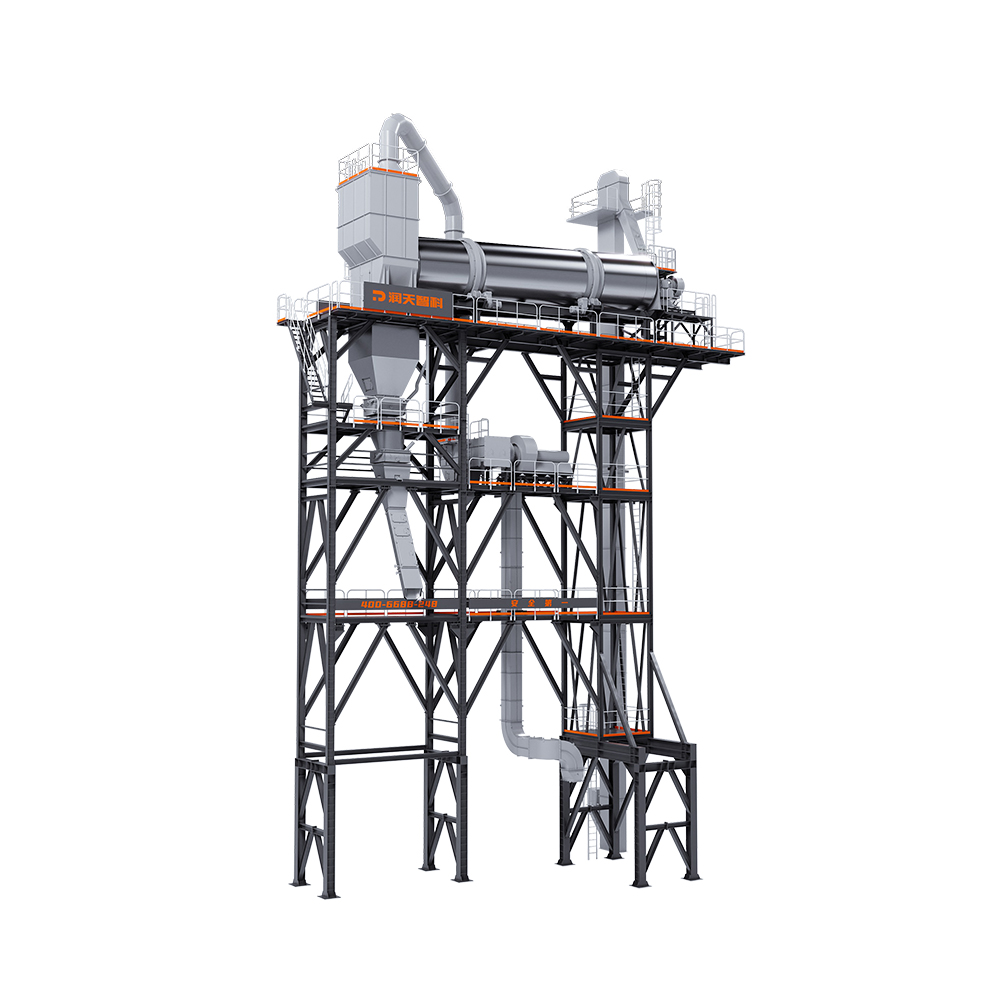 RZS Series Asphalt Mixing Plant
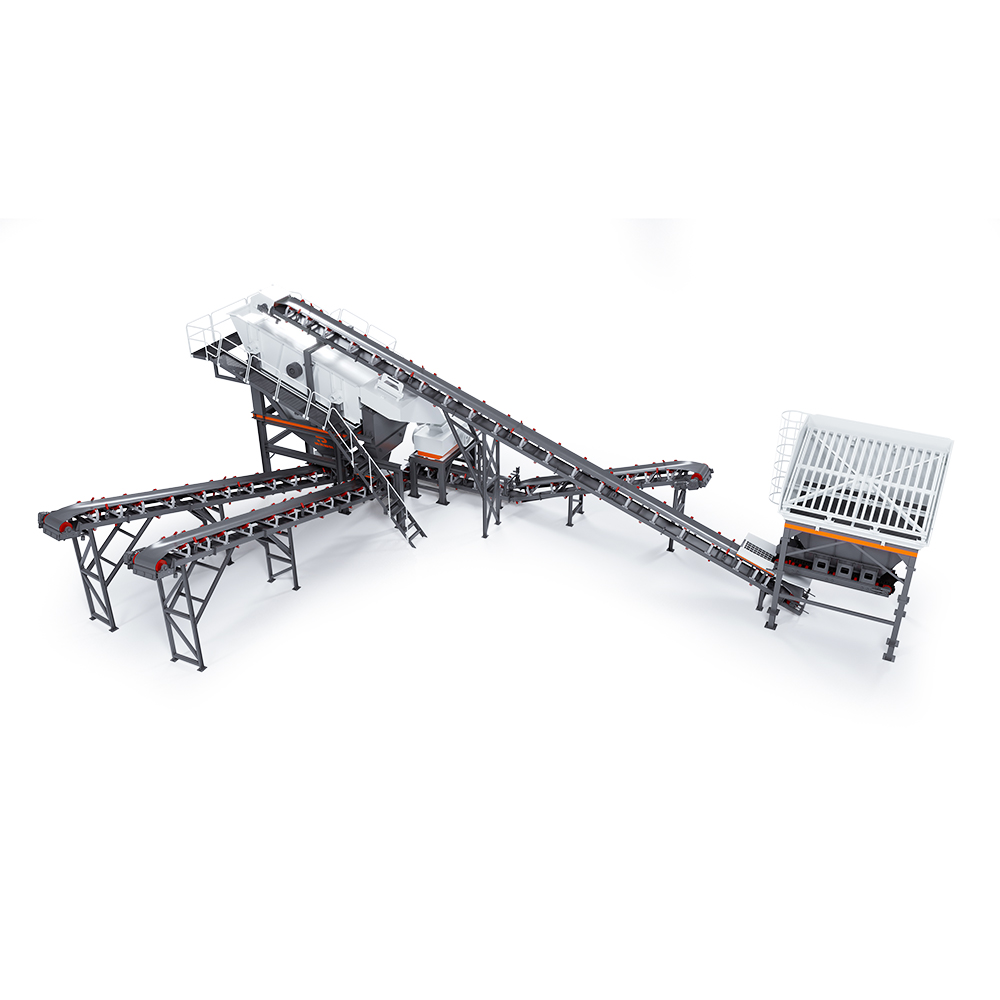 RTZS120 Series RAP Crushing & Screening Plant
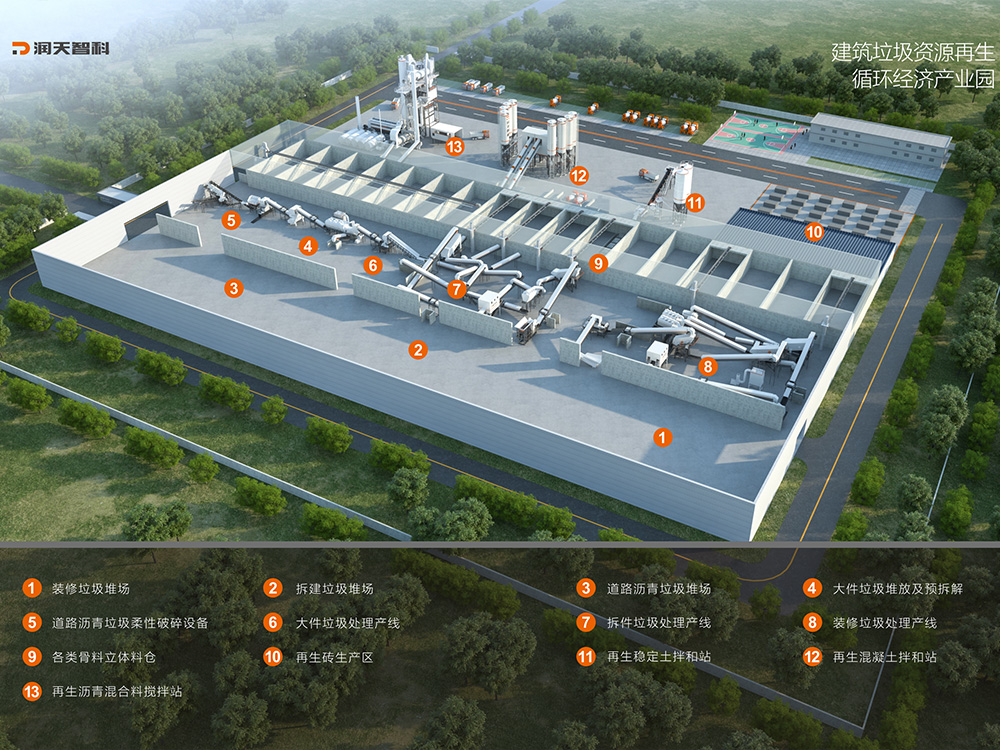 Construction Waste Resourceful Treatment Line