Best Mobile Jaw Crusher Options for Global Buyers?
The demand for efficient and durable Mobile Jaw Crushers is rising globally. These machines are essential in construction and mining. They compress materials for easier handling and transportation, making them valuable assets.
Buyers seek various features in Mobile Jaw Crushers. Factors such as size, weight, and power consumption play significant roles. A well-chosen model can improve productivity and reduce operational costs. However, selecting the right unit may be challenging. Many options exist, and distinguishing quality from inferior models requires careful assessment.
It’s crucial to consider supplier reputation and customer feedback. This can help buyers avoid subpar products. Furthermore, understanding maintenance requirements is key. A reliable Mobile Jaw Crusher should offer easy servicing without excessive downtime. Ultimately, informed decisions lead to better investments and enhanced project outcomes.
Overview of Mobile Jaw Crushers in the Global Market
Mobile jaw crushers have become essential in the global market. Their ability to work in various environments makes them highly versatile. These machines excel at crushing materials on-site, minimizing transportation costs. Buyers are drawn to their portability and efficiency. Many industries, from mining to construction, now depend on this equipment for seamless operations.
The global demand for mobile jaw crushers is influenced by numerous factors. Robust designs ensure longevity, but wear and tear are common challenges. Operators often need to balance usage and maintenance. Additionally, different regions may have specific requirements based on local materials. This diversity can complicate the decision for buyers seeking the best option. Ongoing technological advancements can also present both opportunities and hurdles for manufacturers and buyers alike. The complexity of selecting the right crusher highlights the need for thorough research and informed choices in this competitive market.
Key Features to Consider When Choosing a Mobile Jaw Crusher
When choosing a mobile jaw crusher, several key features deserve careful consideration. The crusher's capacity is critical. For instance, models typically range from 50 to 500 tons per hour. A higher capacity often indicates a more robust build. However, this can impact mobility. Buyers should balance between output and transportability.
Another important feature is the crushing mechanism. Different designs affect efficiency and size reduction ratios. Standard ratios usually range from 4:1 to 6:1. A greater reduction ratio means finer material output but may require more energy. Energy consumption rates should also factor into decision-making. Reports suggest that modern models can save up to 30% energy compared to older versions.
Durability and maintenance are vital aspects as well. Quality materials can prevent breakdowns, even under heavy use. Many distributors offer maintenance packages, which can enhance reliability. However, the cost implications of these packages vary significantly. Buyers should evaluate long-term maintenance needs against initial investments.
Top Manufacturers of Mobile Jaw Crushers Worldwide
The mobile jaw crusher market has witnessed significant growth, driven by rising demand for recycling and mining operations. According to a recent report by Fortune Business Insights, the global mobile jaw crusher market is projected to reach $2.1 billion by 2026, growing at a CAGR of 3.5%. This increase highlights the necessity for buyers to consider top manufacturers in the industry.
Prominent manufacturers offer innovative designs and advanced technology. Many mobile jaw crushers now include features such as easy mobility and enhanced productivity. For instance, models equipped with hydraulic systems provide efficient operations, reducing downtime. Additionally, the increasing emphasis on eco-friendly solutions has led to a surge in demand for crushers that minimize dust and noise pollution.
However, sourcing reliable equipment poses challenges. Buyers must evaluate factors like spare parts availability and after-sales service. Some manufacturers may lack adequate support, leading to operational inefficiencies. Ensuring a trustworthy relationship with suppliers is essential. It's a complex market that demands careful consideration of multiple aspects before making a decision.
Comparative Analysis of Price Ranges for Mobile Jaw Crushers
The mobile jaw crusher market is diverse. Prices can vary significantly based on design, features, and capabilities. A recent industry report indicates that mobile jaw crushers range from $200,000 to over $1 million. This broad spectrum reflects variations in technology and functionality.
For instance, entry-level models may lack advanced features like integrated digital control systems. These basic versions usually fall in the lower price bracket, typically between $200,000 and $400,000. In contrast, high-end models offer sophisticated crushing mechanisms, enhanced mobility, and fuel efficiency, justifying their steep price tags. Many buyers consider operational cost alongside initial purchase price.
Buyers should factor in not just the upfront cost but also long-term ROI. A machine that may seem expensive could save money through reduced maintenance and operational expenses. Moreover, purchasing decisions should consider dealers' support and parts availability. Industry data reveals that a well-supported crusher can boost productivity by 30%. Buyers must reflect on these aspects thoroughly during their search for the right mobile jaw crusher.
Future Trends in Mobile Jaw Crusher Technology and Design
The mobile jaw crusher industry is evolving rapidly. New technologies are being integrated to improve efficiency. Innovations focus on weight reduction and enhanced portability. This makes transport easier for users in various sectors.
AI and automated systems are key trends. They enhance precision in material handling. Remote monitoring becomes standard to ensure optimal performance. However, not all users fully understand these features. Training is essential to maximize the benefits.
Sustainability is increasingly pivotal in design. Manufacturers are seeking eco-friendly materials. Yet, the balance between performance and environmental impact is challenging. Many products still rely on traditional components. Users must reflect on their choices. The future promises advancements, but awareness is crucial.

 Concrete Mixing Plant
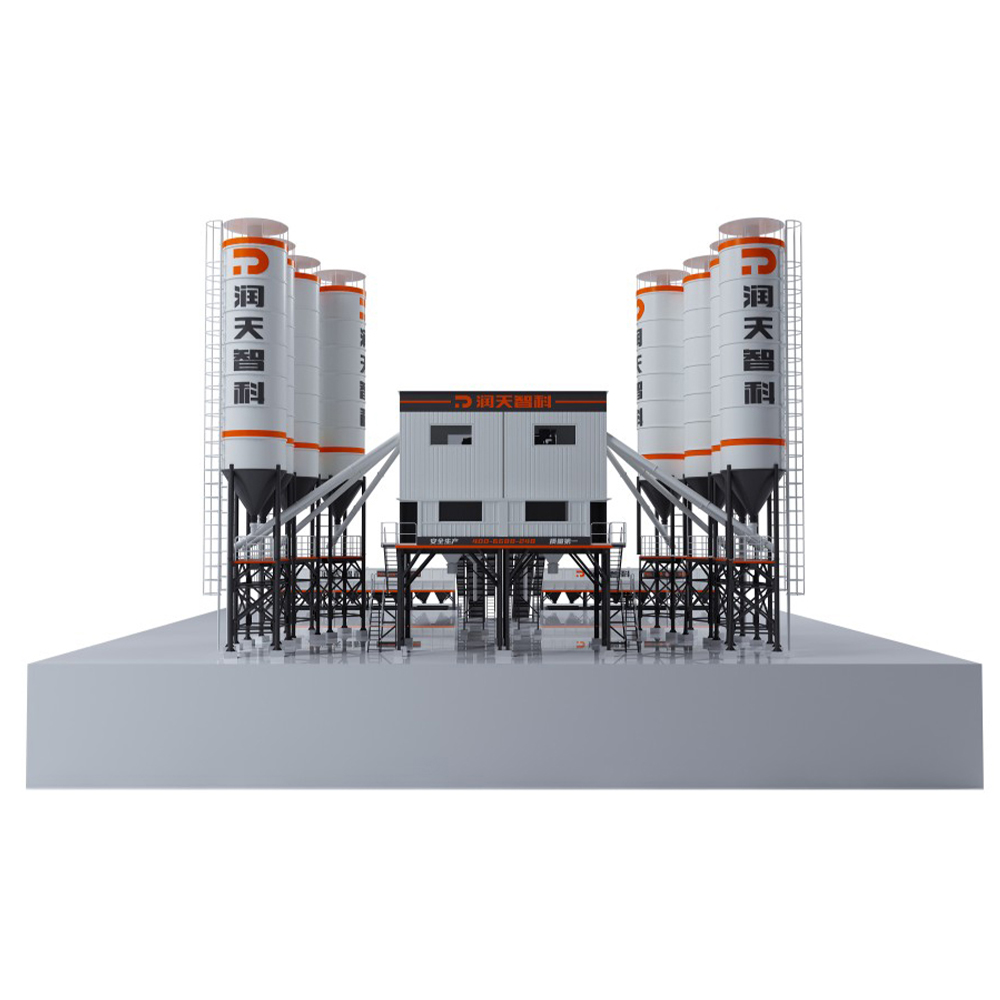 HZS Series Belt Concrete Mixing Plant
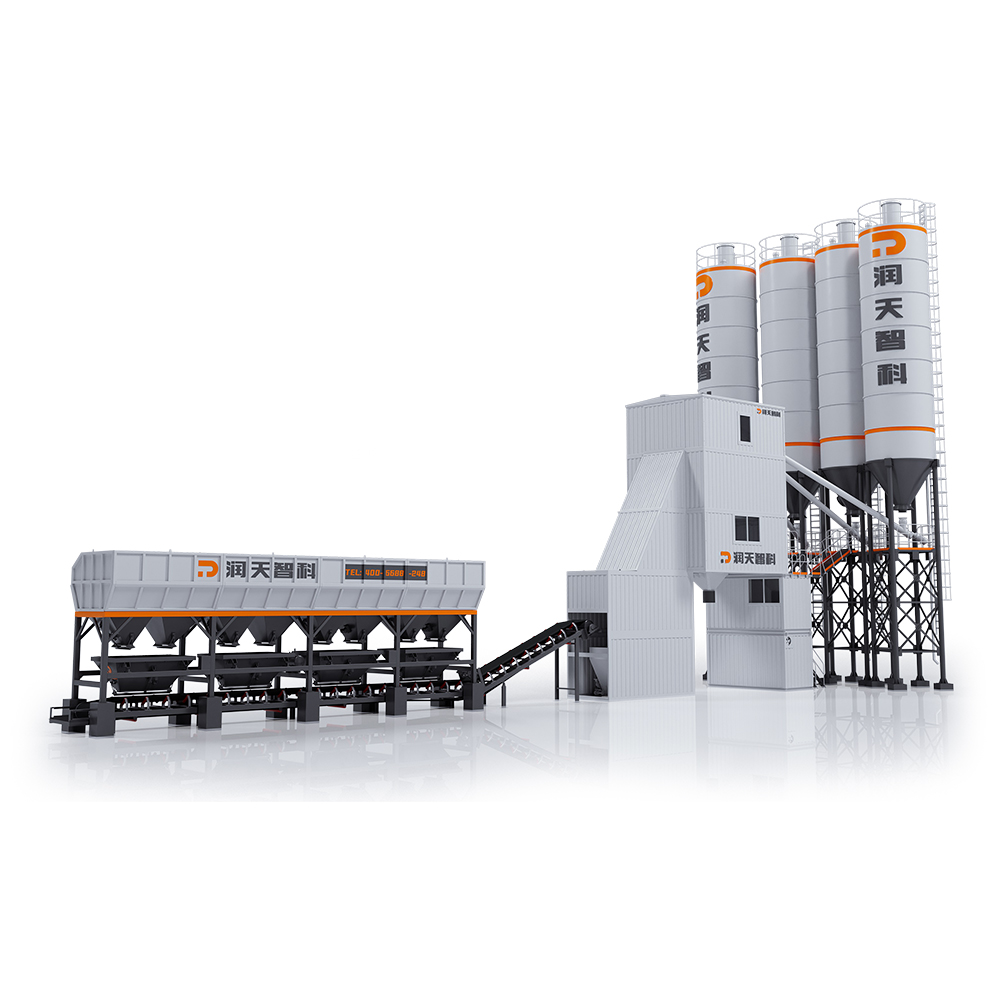 HZS Series Bucket-Lifting Type Container Concrete Mixing Plant
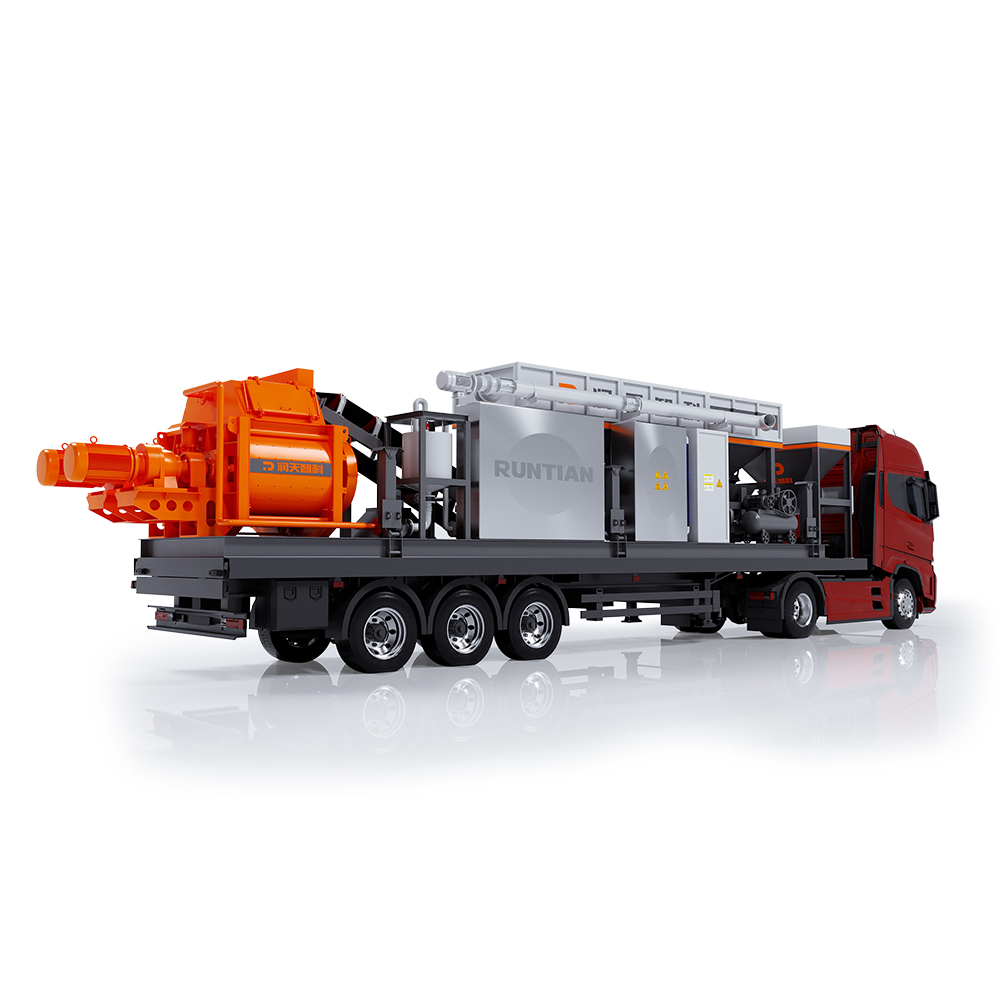 HZS60 Mobile Concrete Mixing Plant
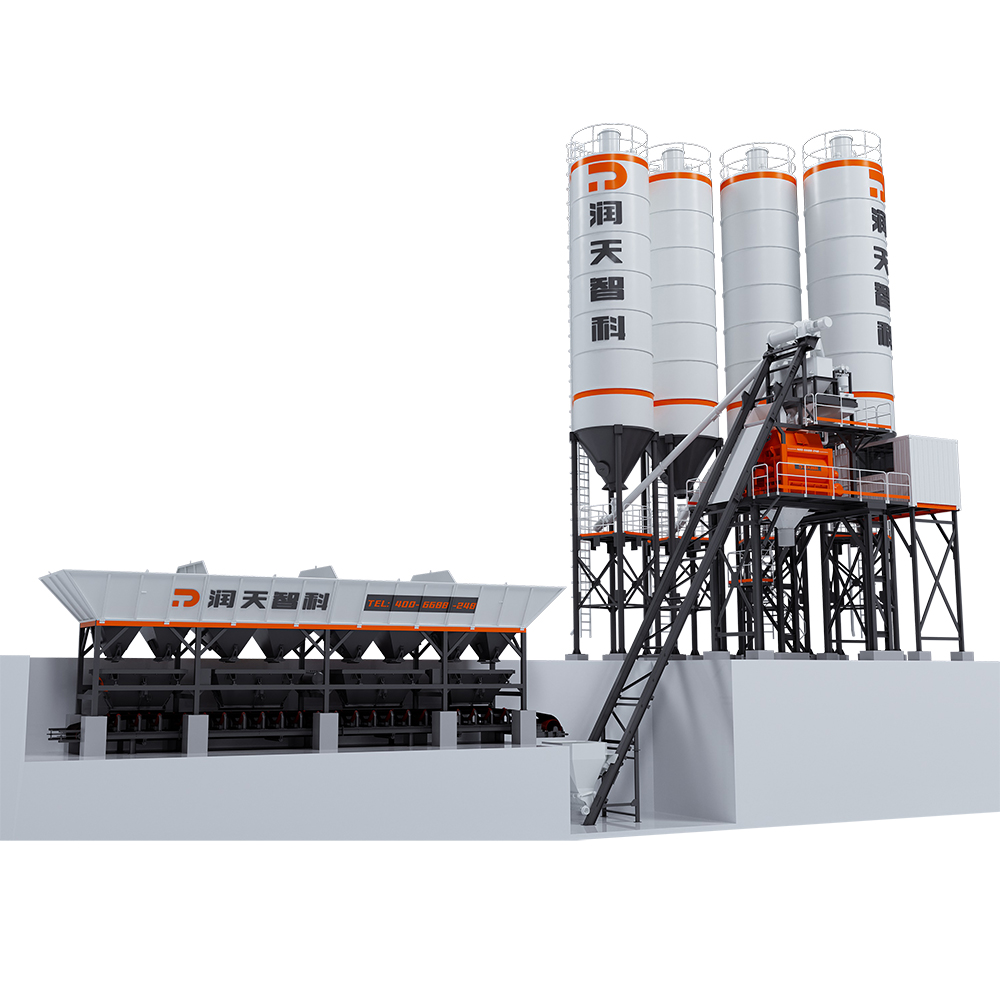 HZS Series Bucket-Lifting Type Concrete Mixing Plant
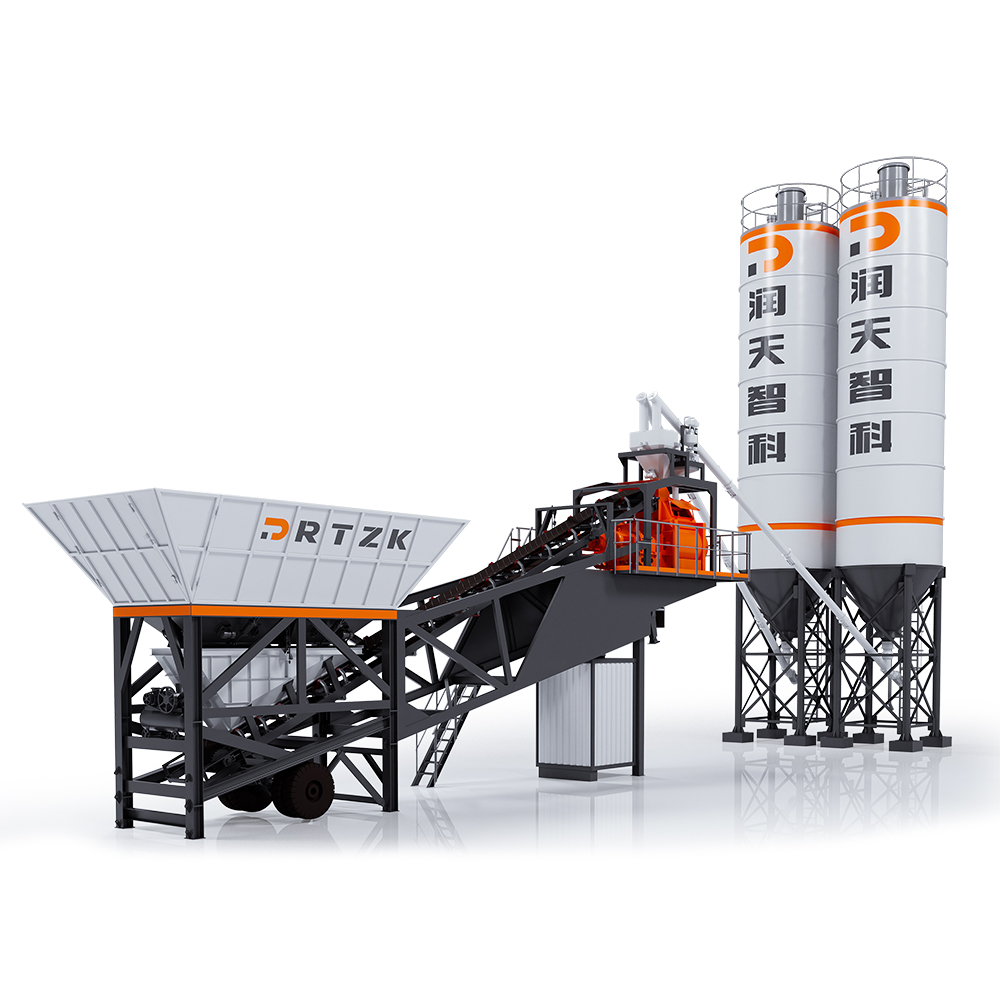 HZS Series Mobile Concrete Mixing Plant
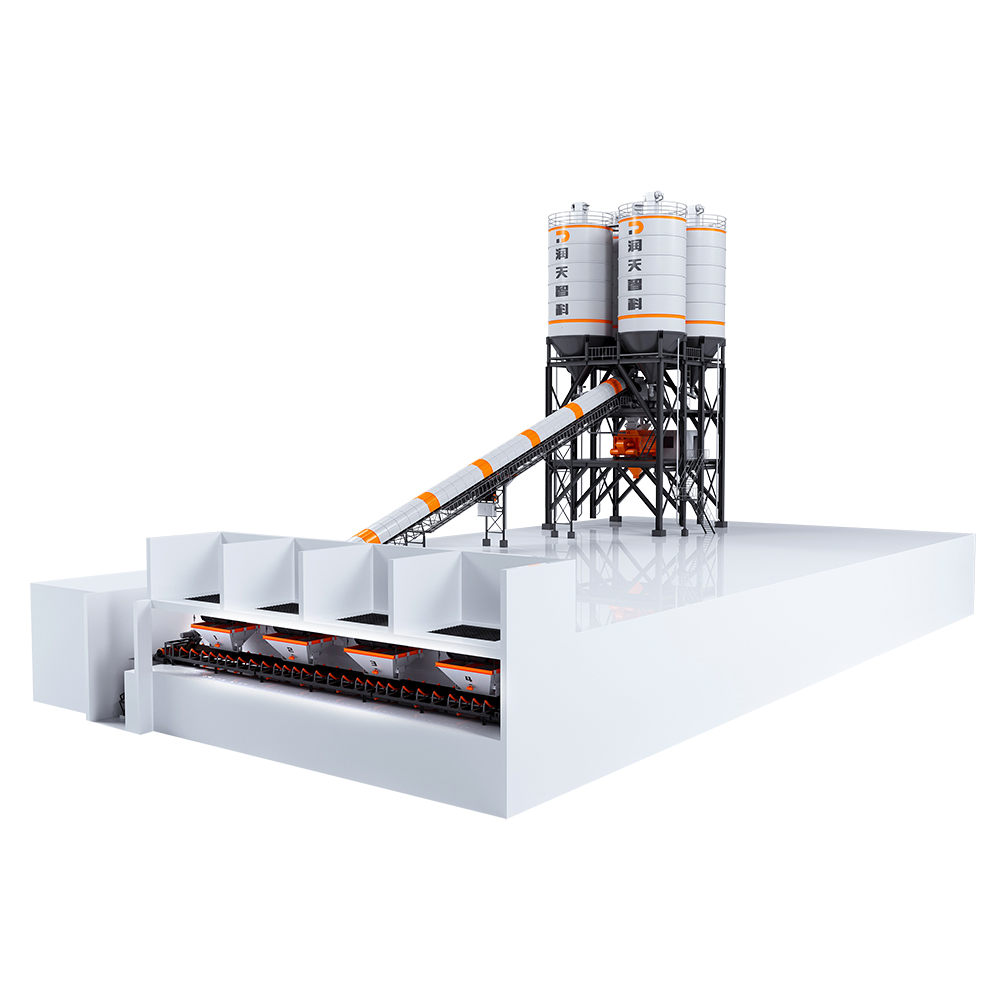 HZS Series Top-Mounted Concrete Mixing plant
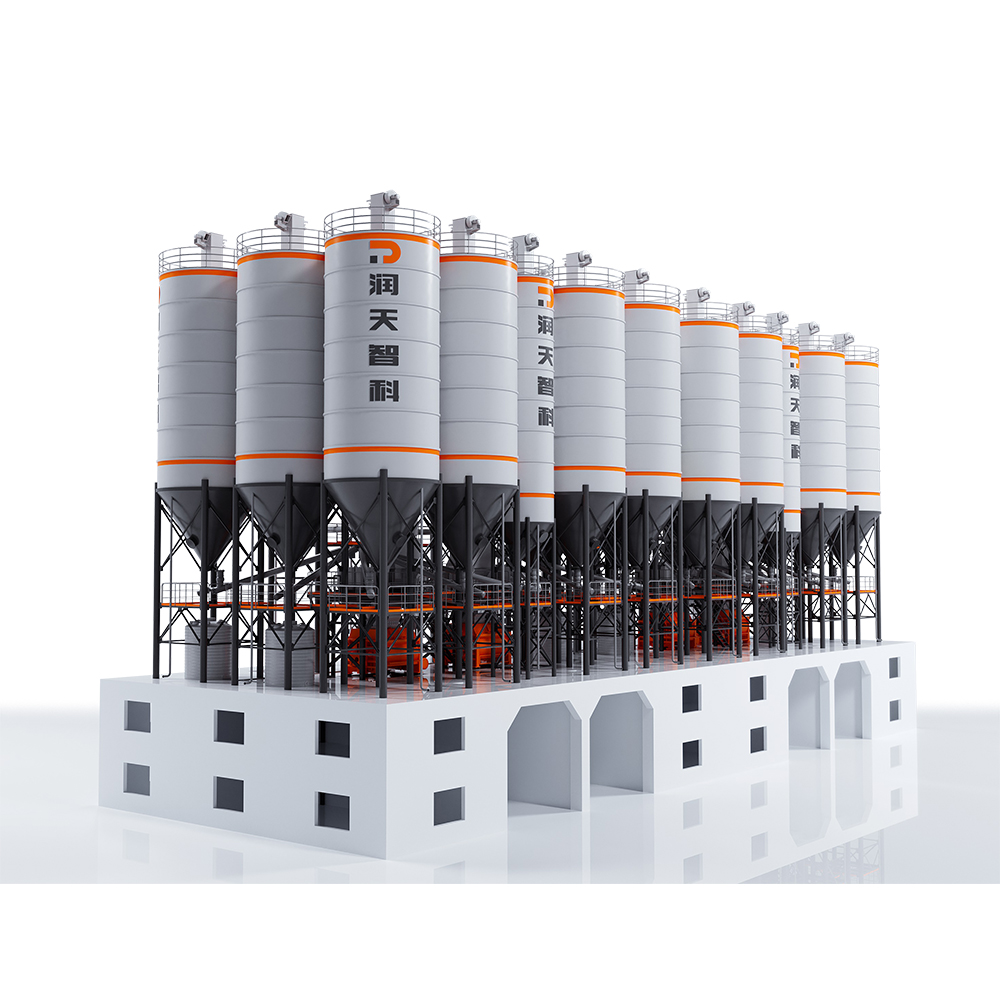 HZS Series Semi-Top Mounted Concrete Mixing Plant
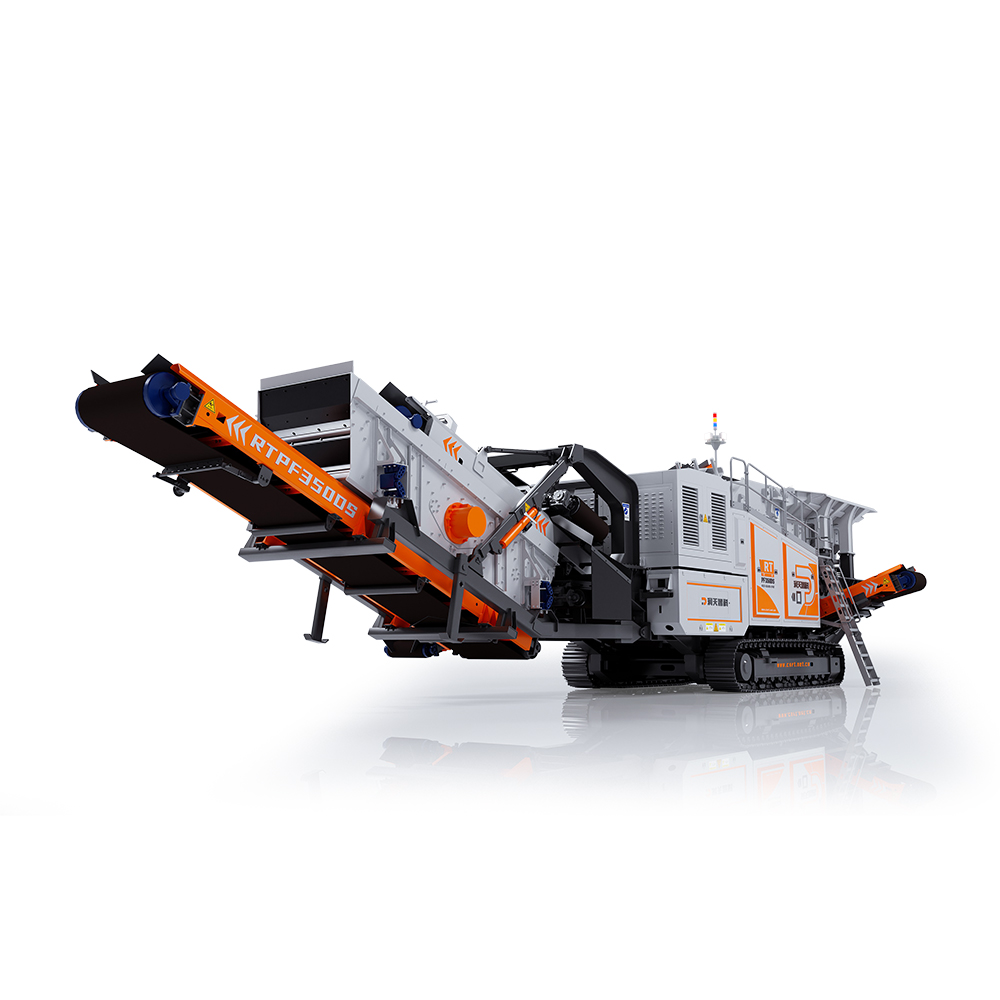 RTPF350DS Crawler Mobile Impact Crushing Plant
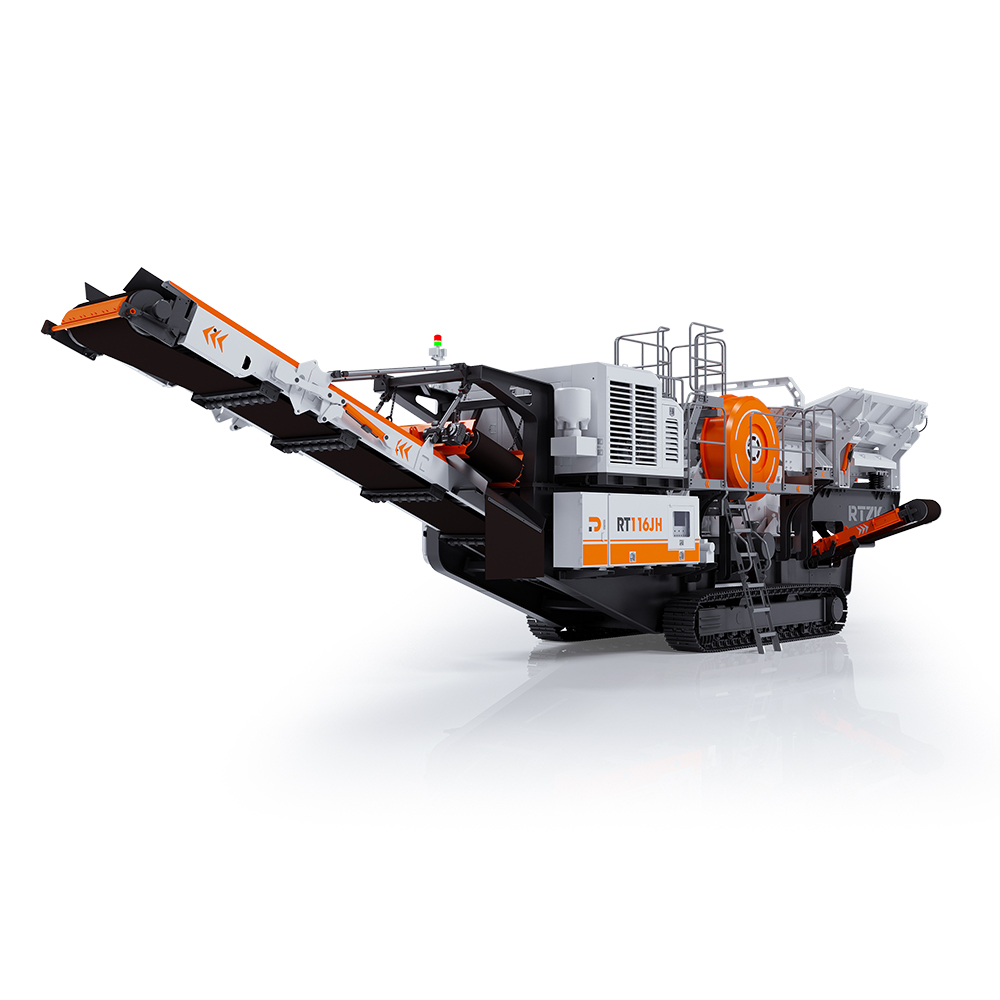 RT116JH Crawler Mobile Jaw Crushing Plant
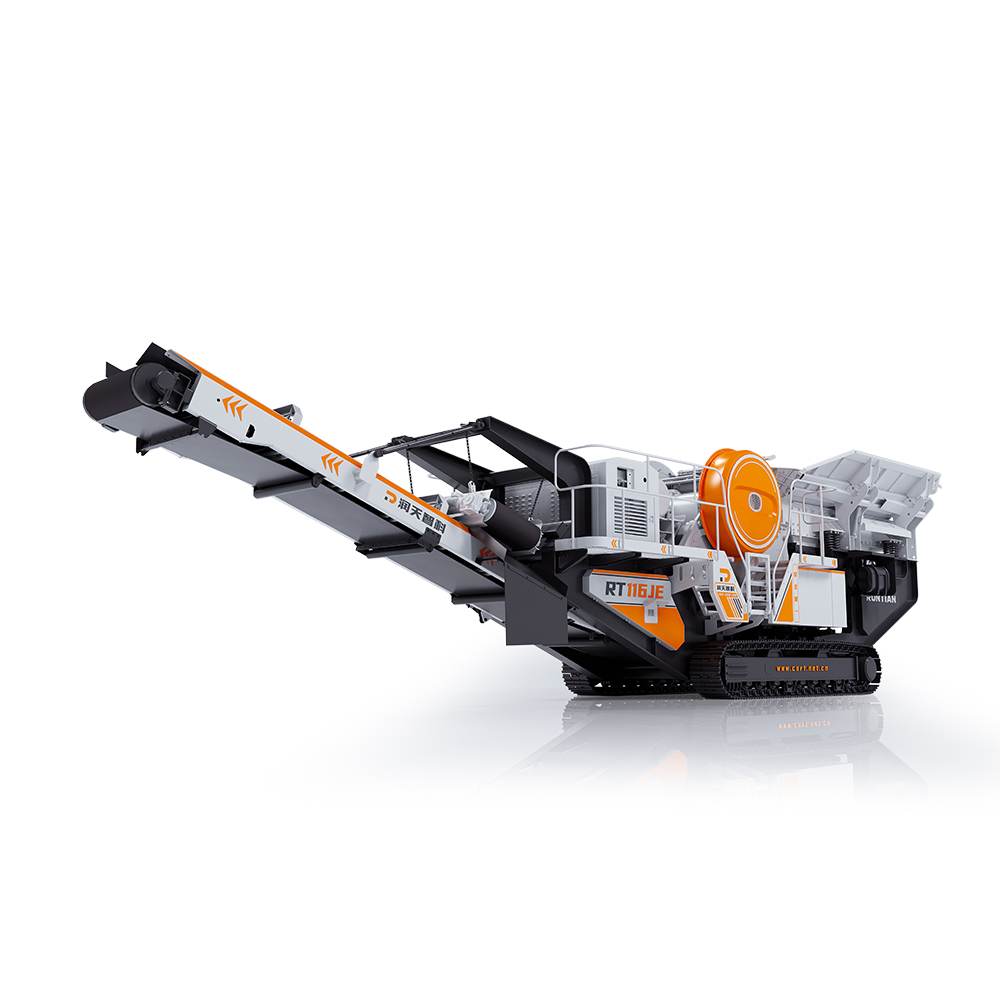 RT116JE Crawler Mobile Jaw Crushing Plant
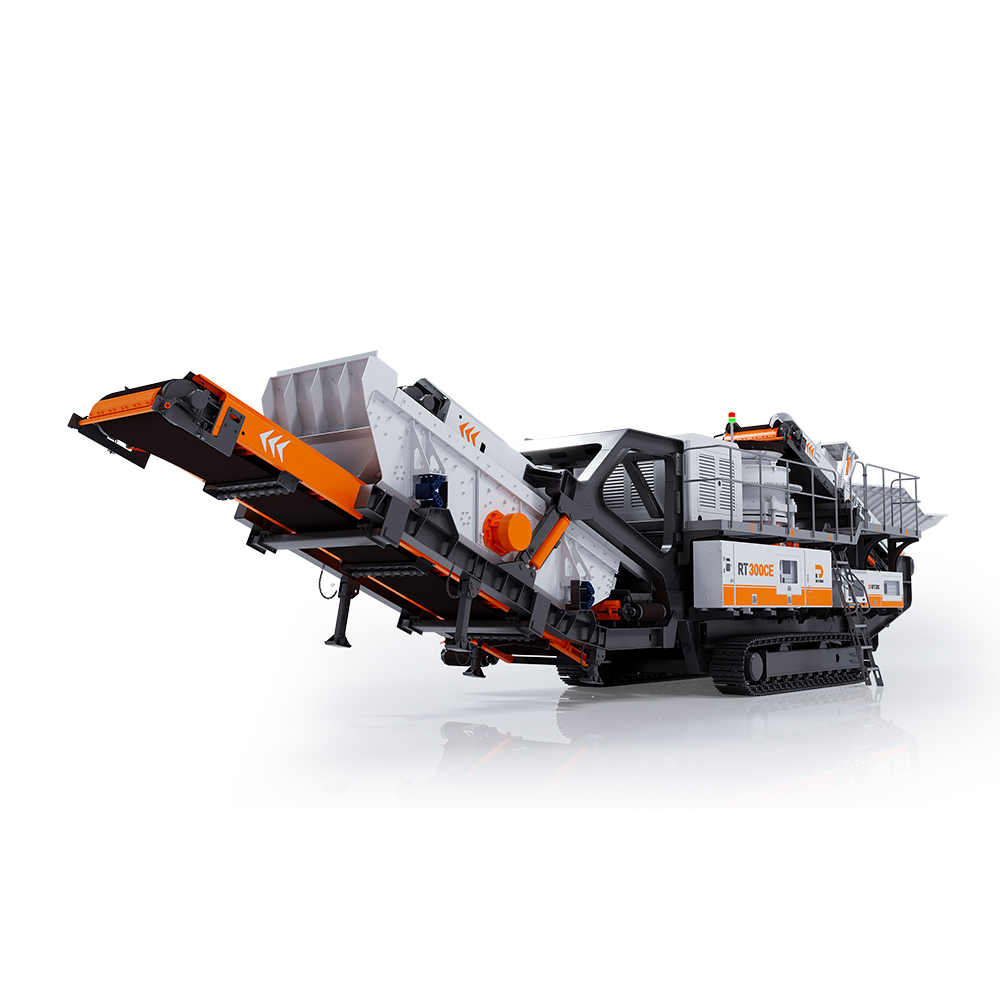 RT300CE Crawler Mobile Cone Crushing Plant
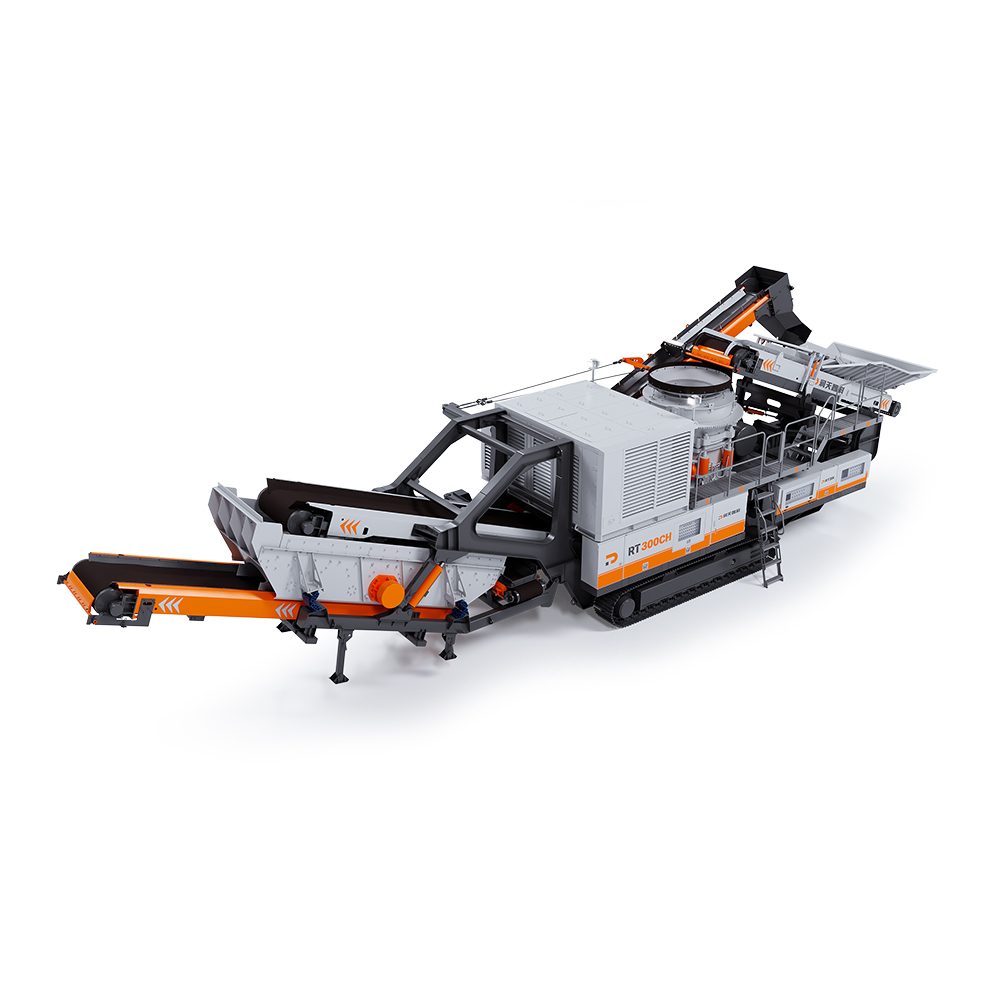 RT300CH Crawler Mobile Cone Crushing Plant
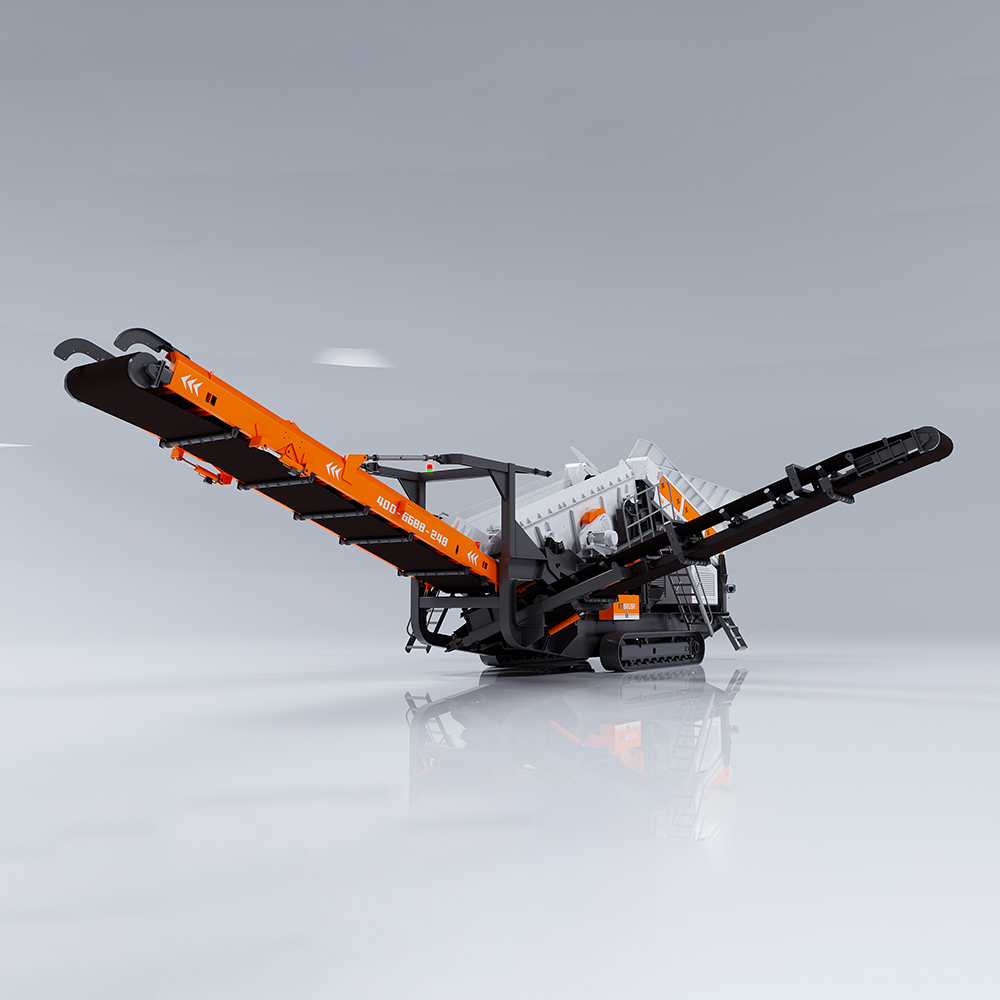 RT5015H Mobile Scalping Screen
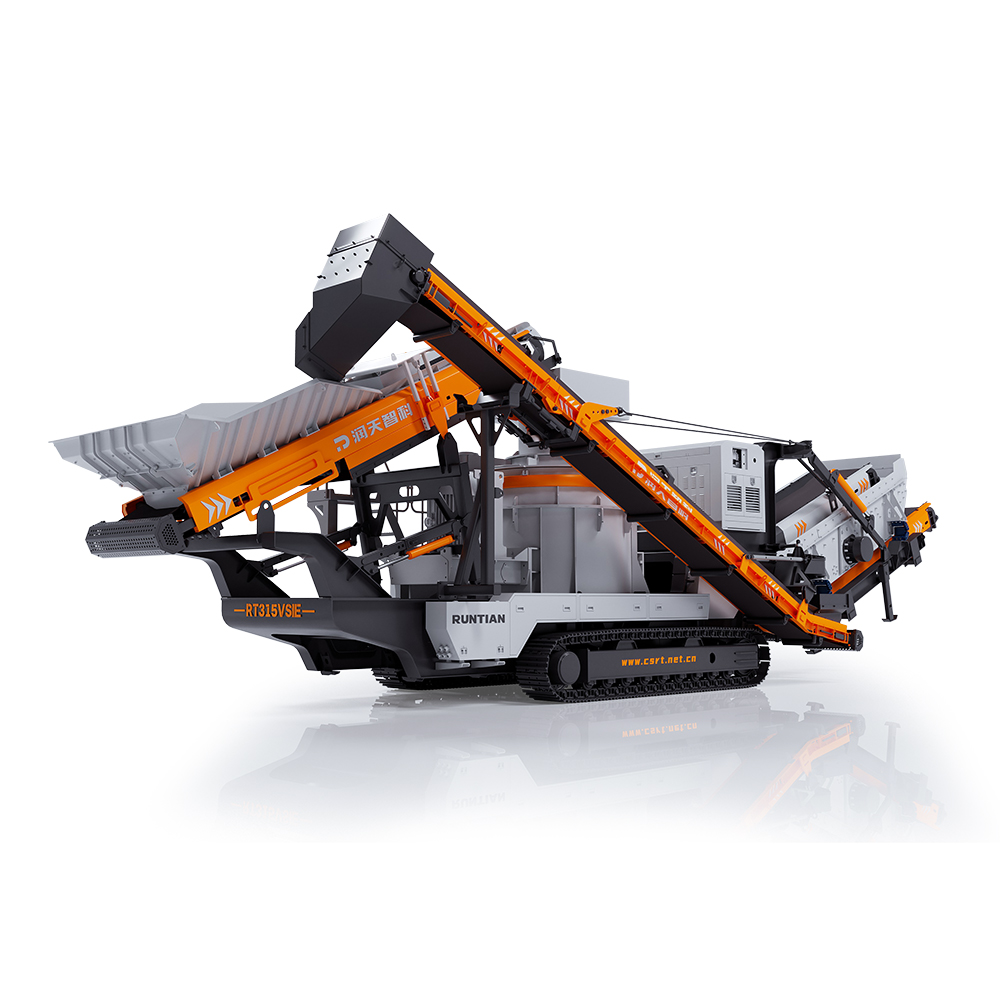 RT315VSIE Crawler Mobile Sand Maker
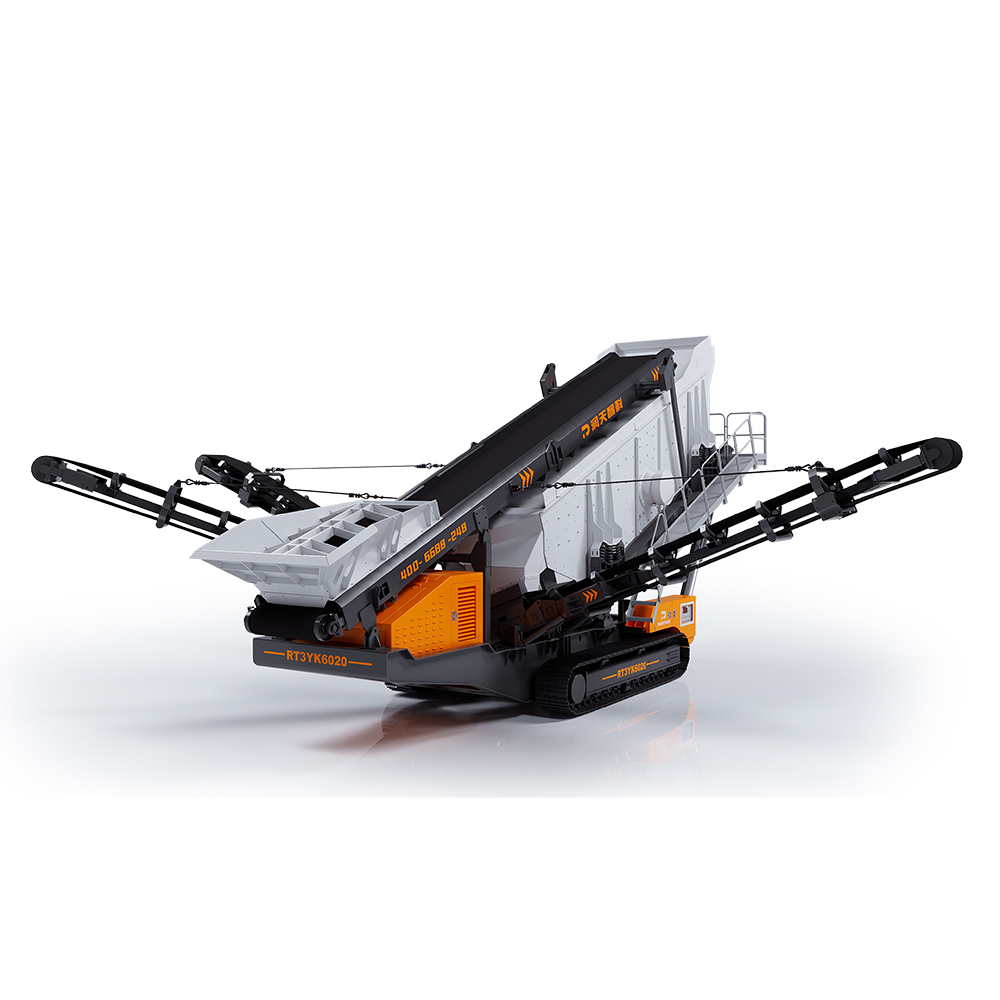 RT3YK6020 Crawler Mobile Screening Plant
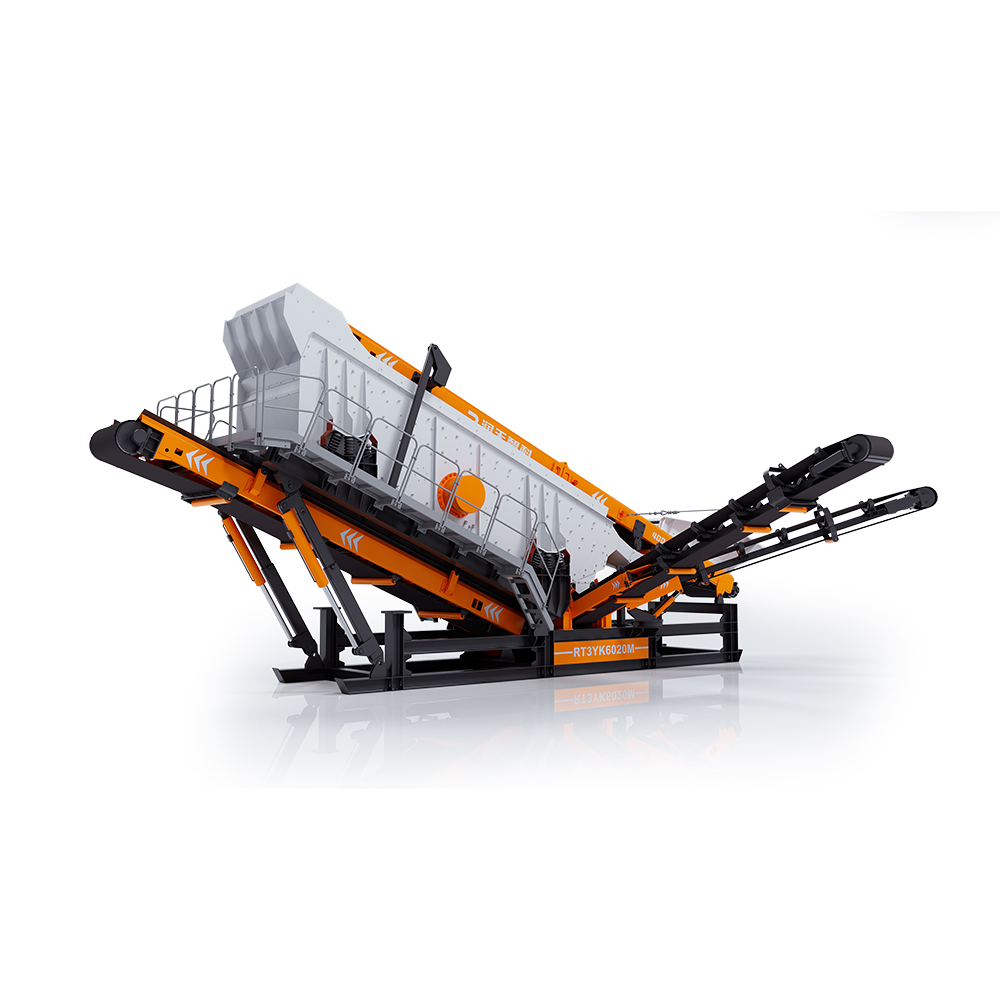 RT3YK6020M Modular Screening Plant
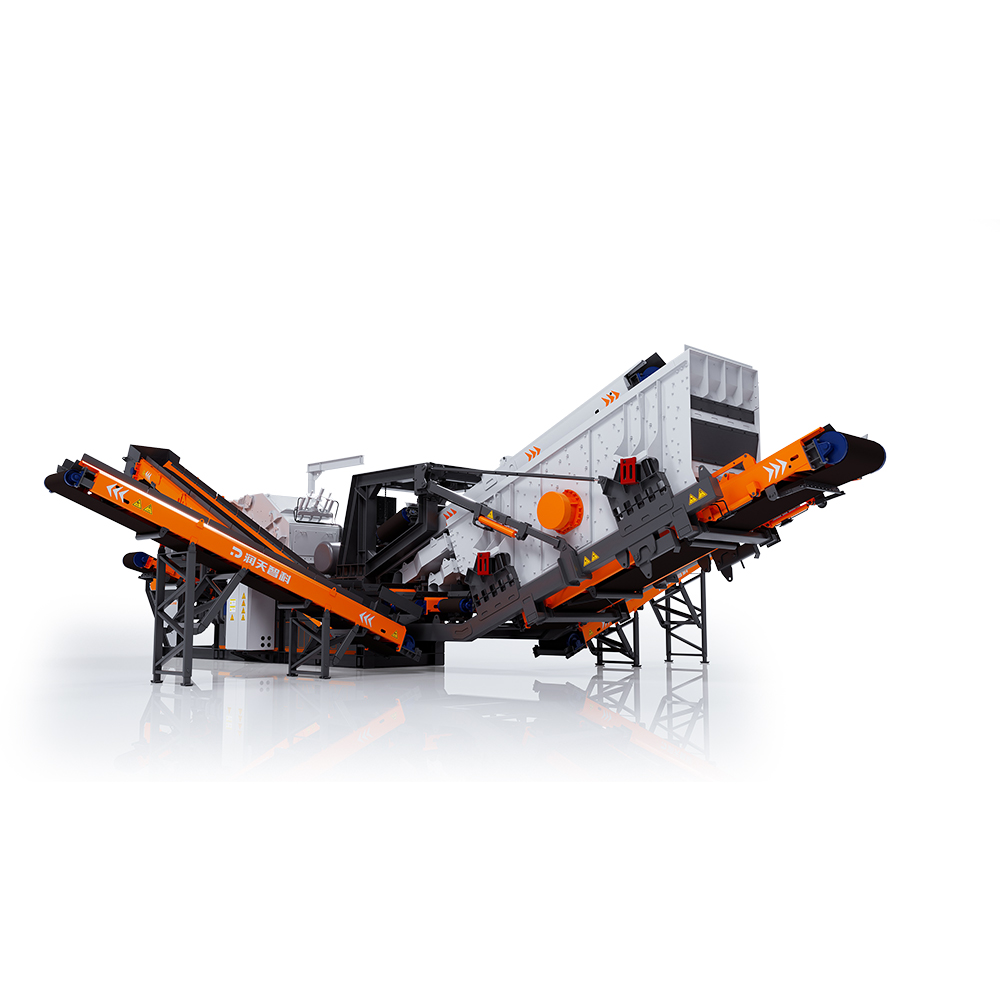 RTF260M Modular Counterattack Crushing and Screening Integrated Machine
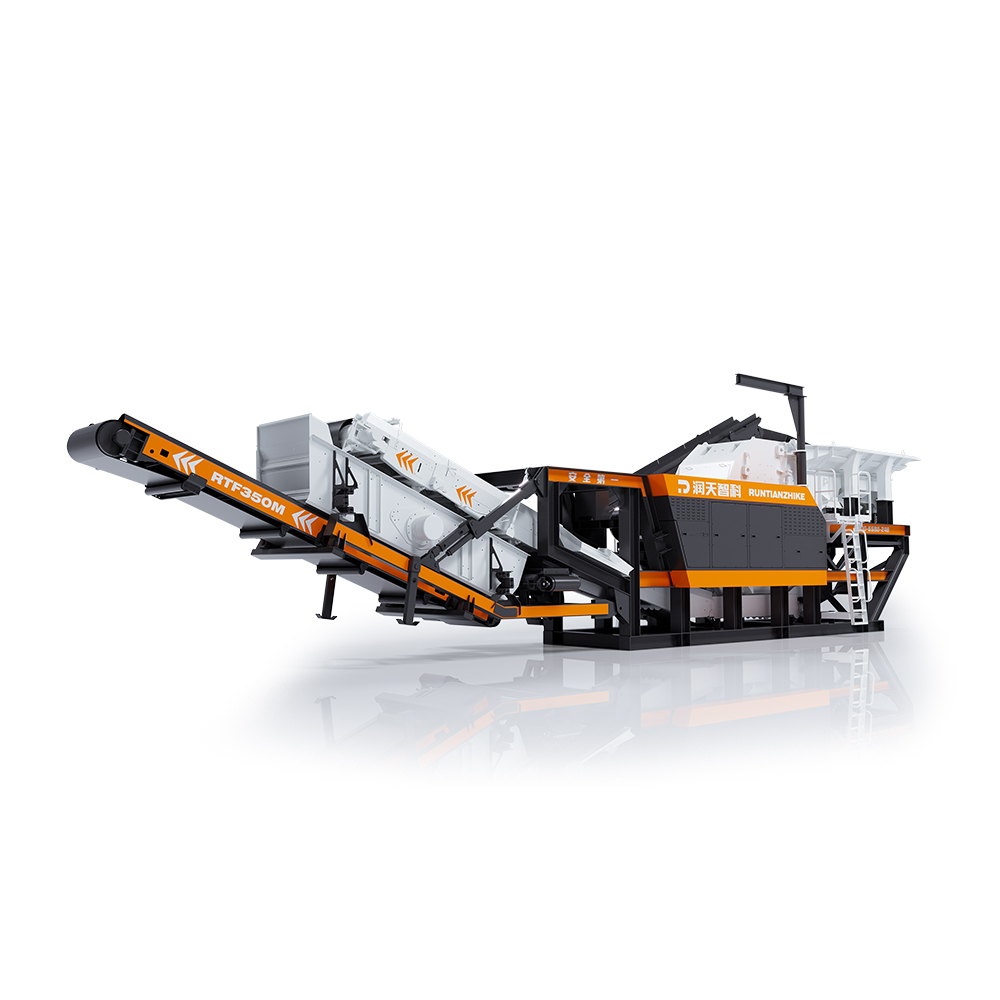 RTF350M Modular Impact Crushing Plant
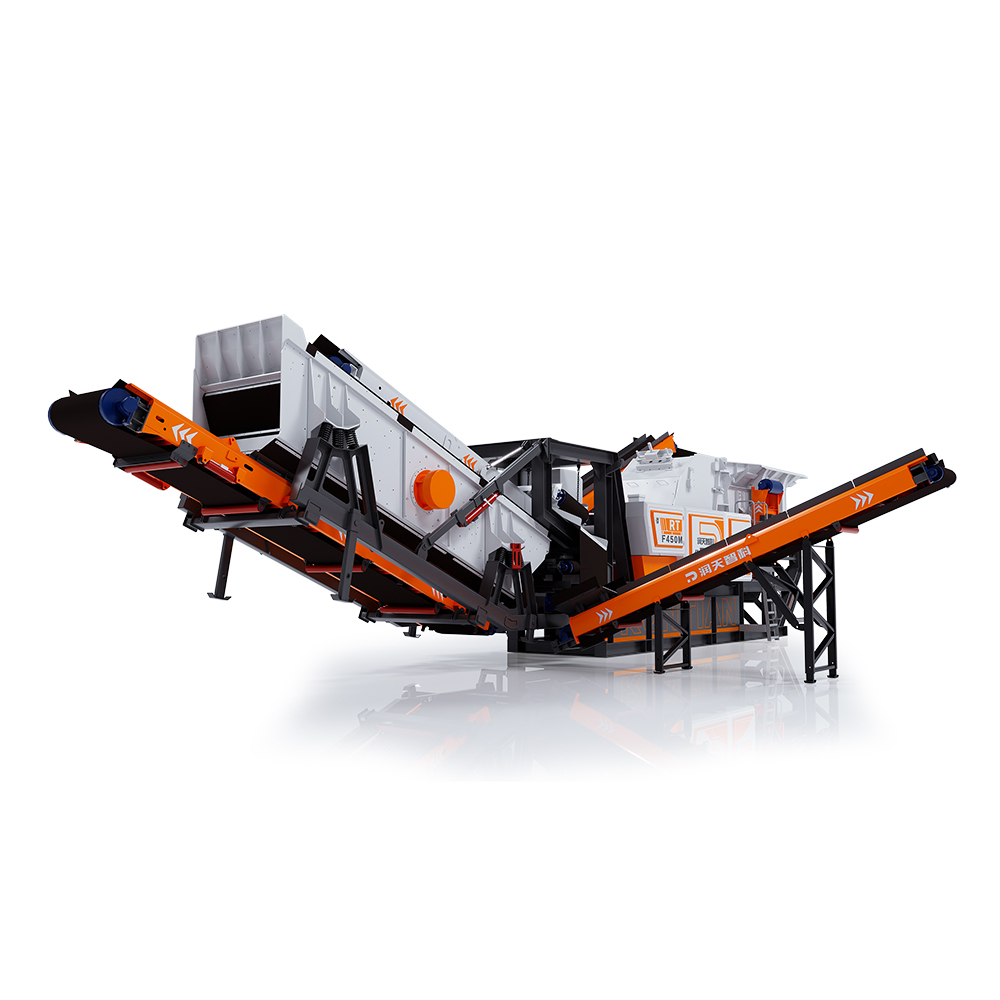 RTF450M Modular Impact Crushing Plant
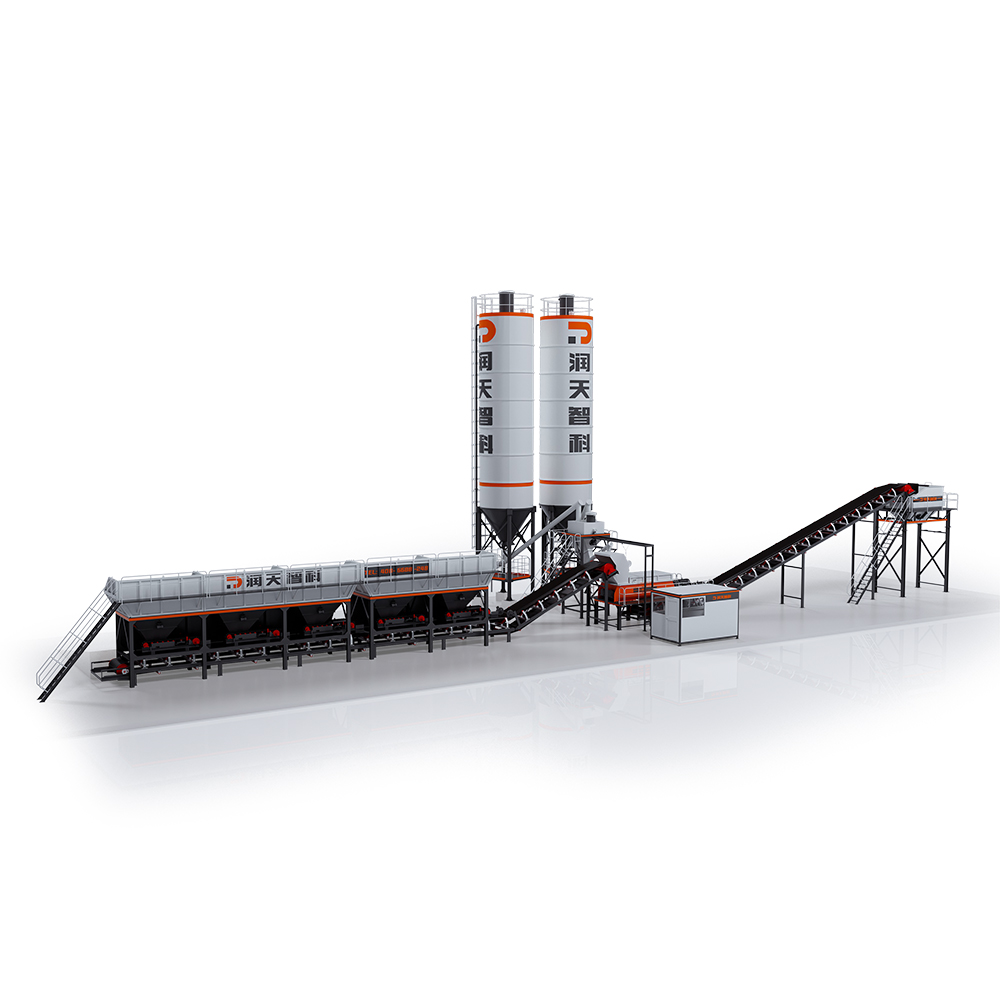 WDB Series Foundation-Free Stability Soil Mixing Plant
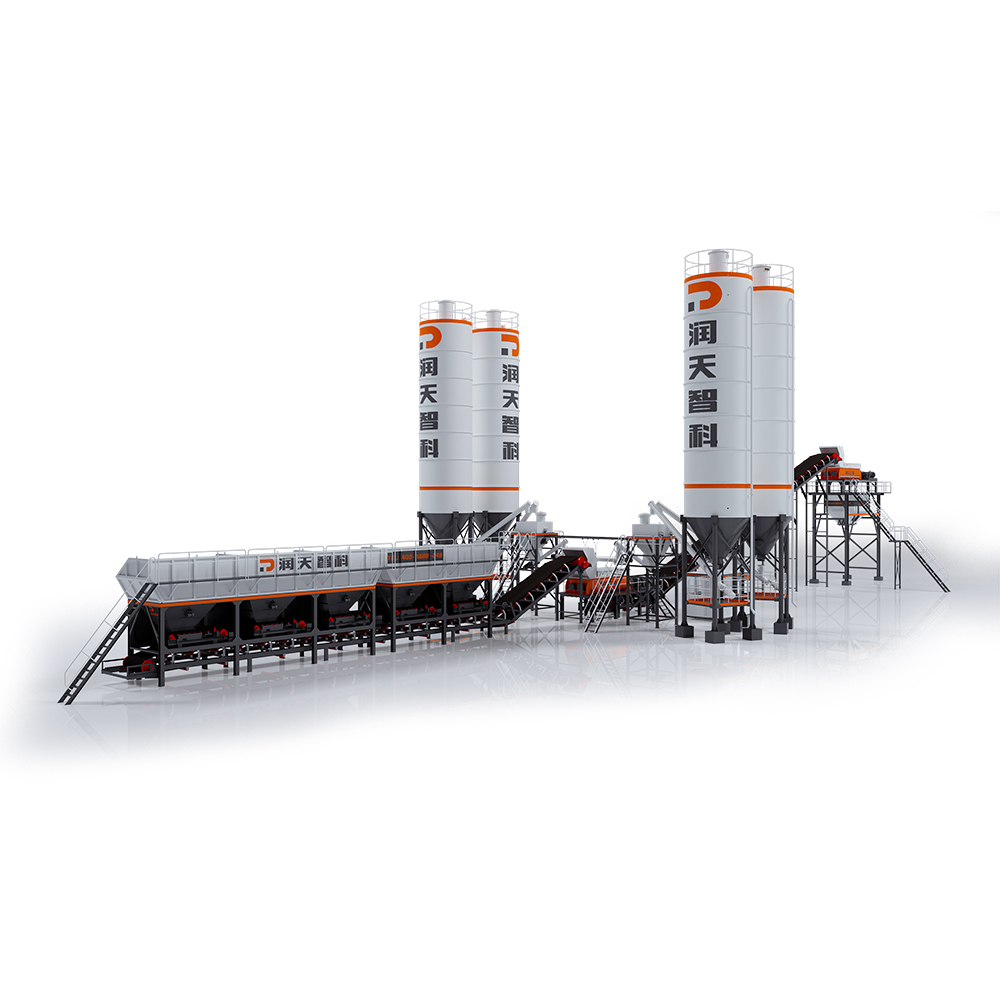 LCB Series Emulsified Asphalt Cold Regeneration Secondary Mixing Plant
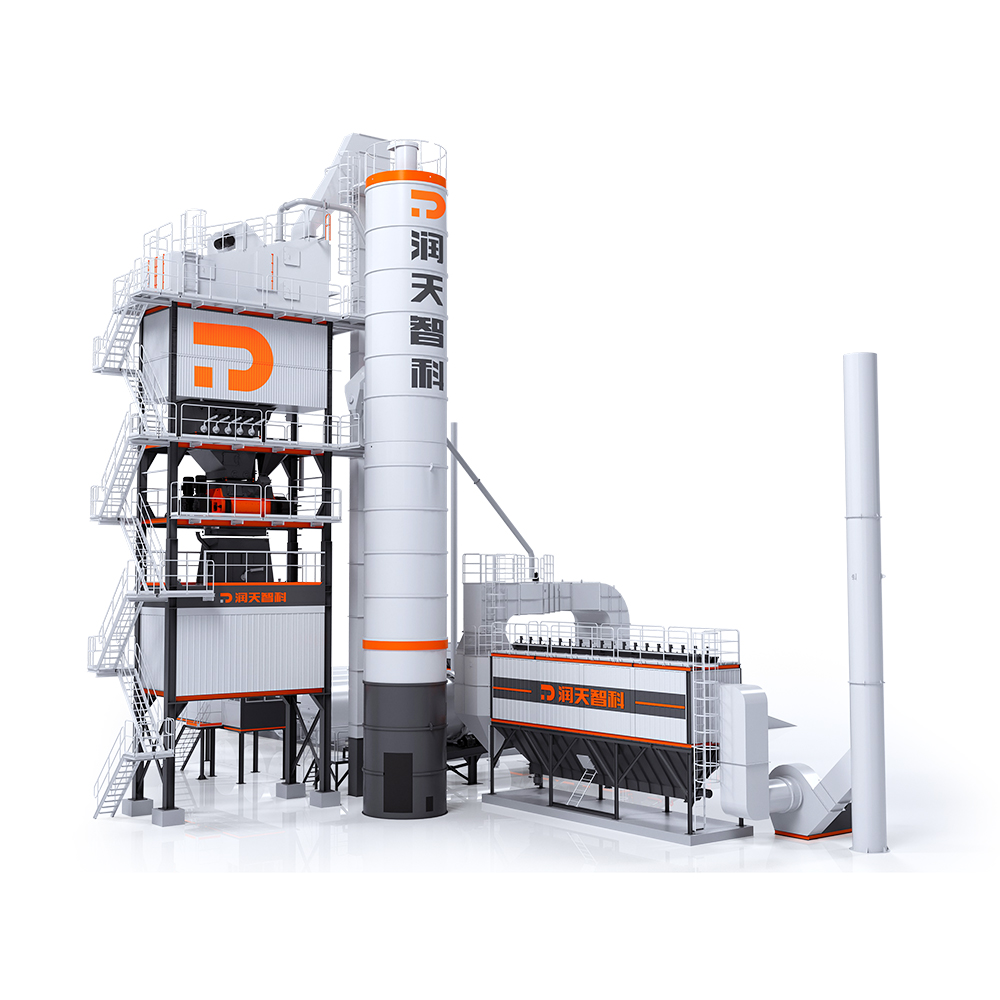 LB Series Asphalt Mixing Plant
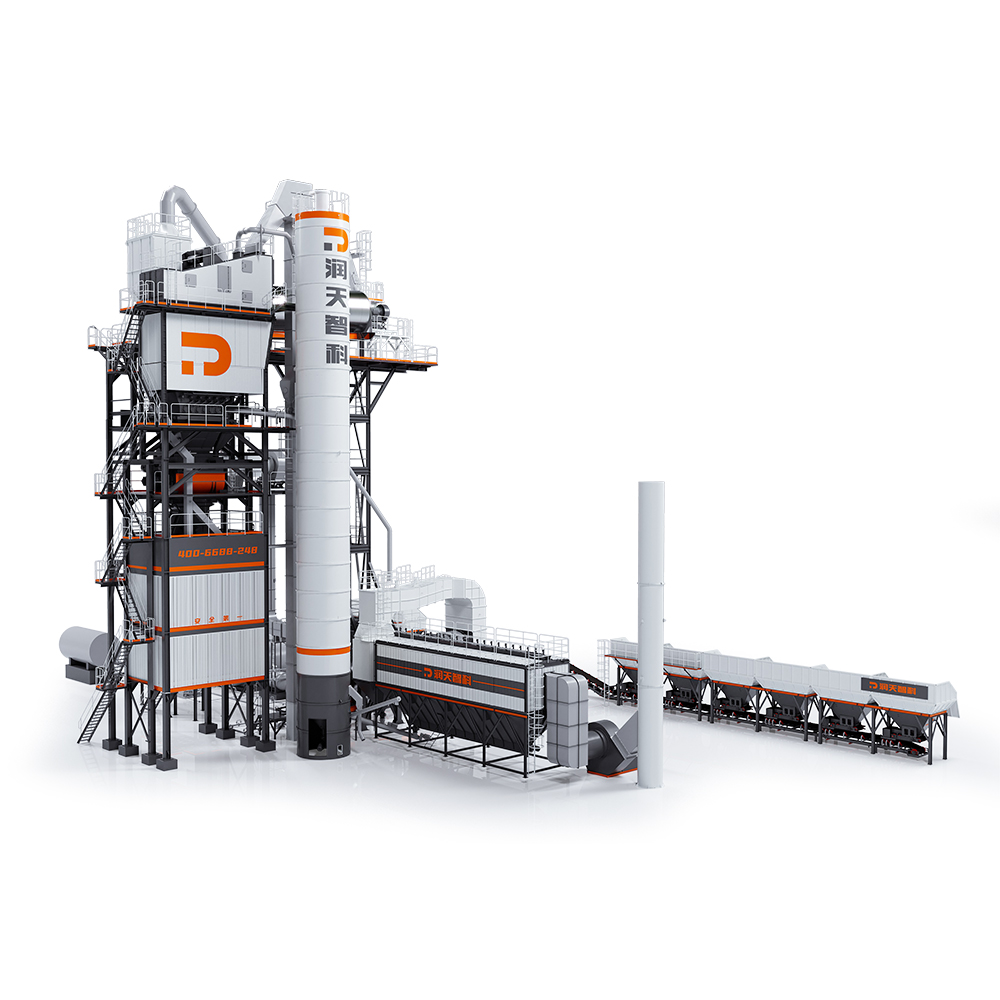 LBR Series Integrated Asphalt Mixing Plant
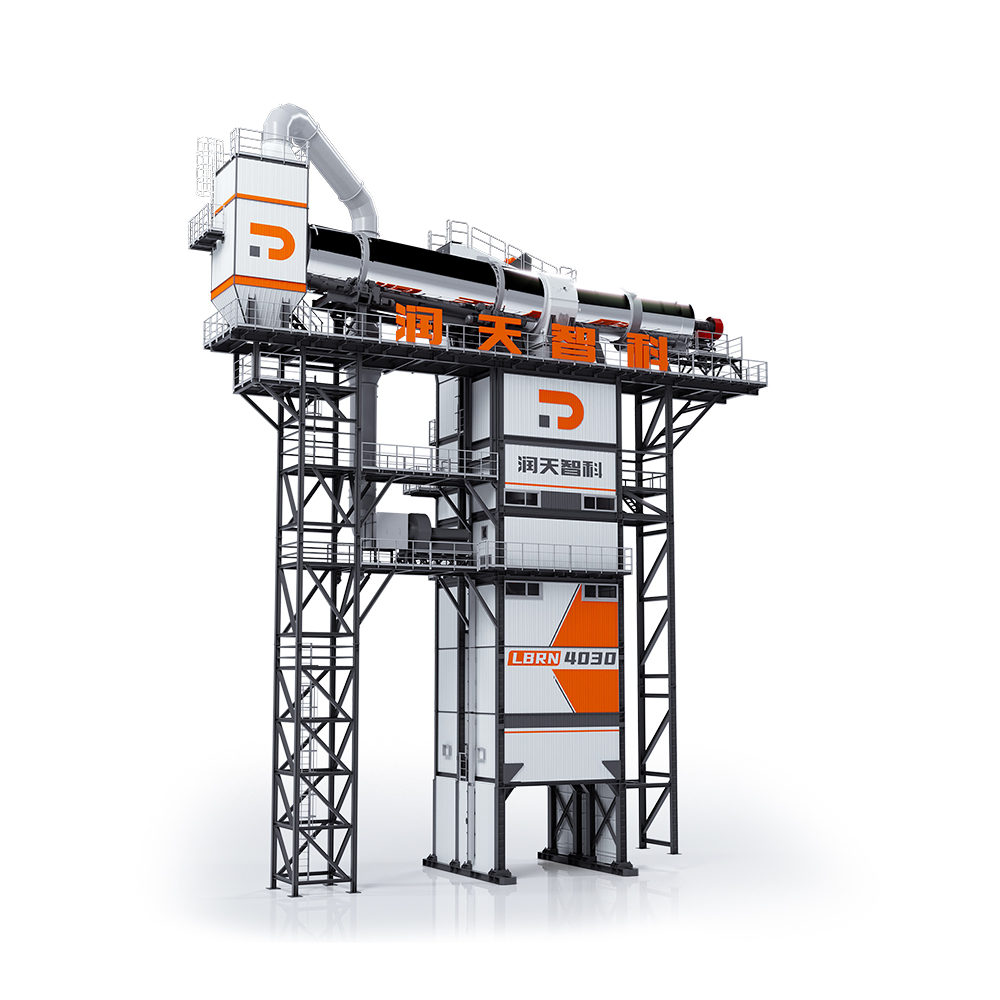 LBRN Series Counterflow Integral Asphalt Mixing Plant
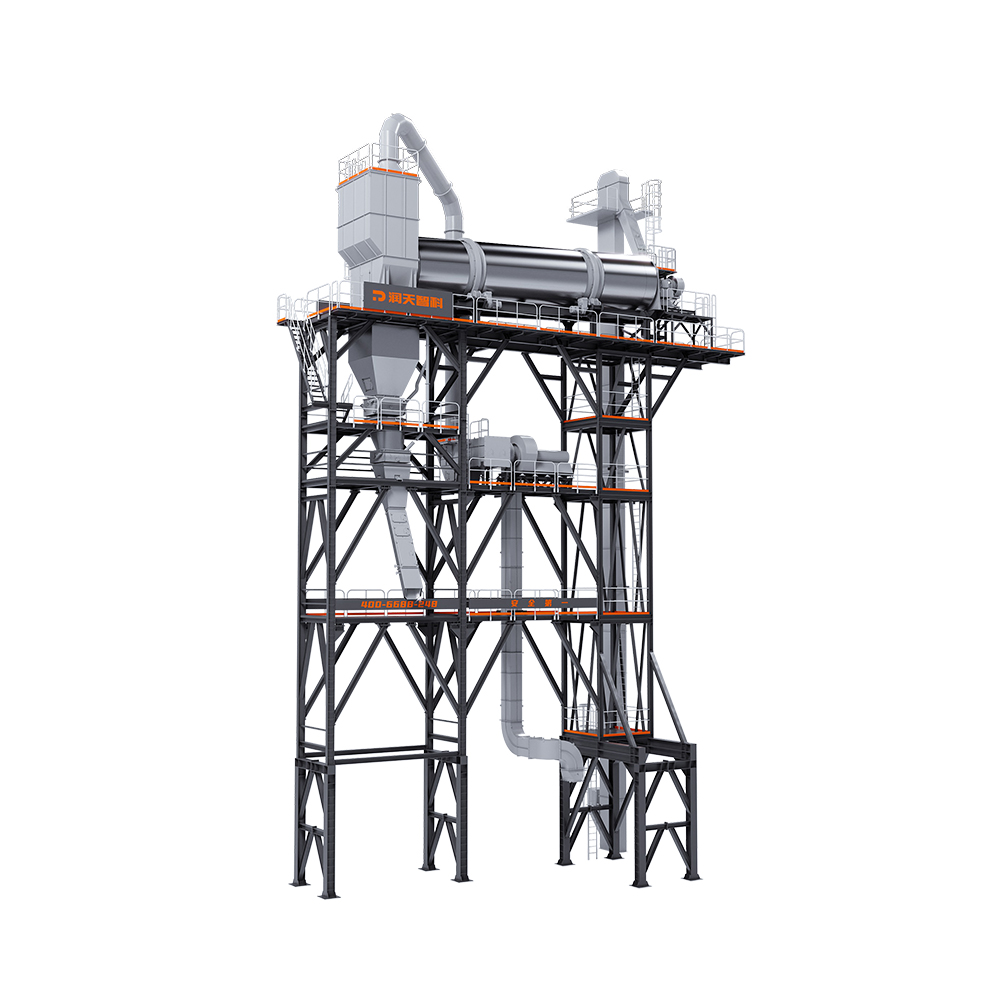 RZS Series Asphalt Mixing Plant
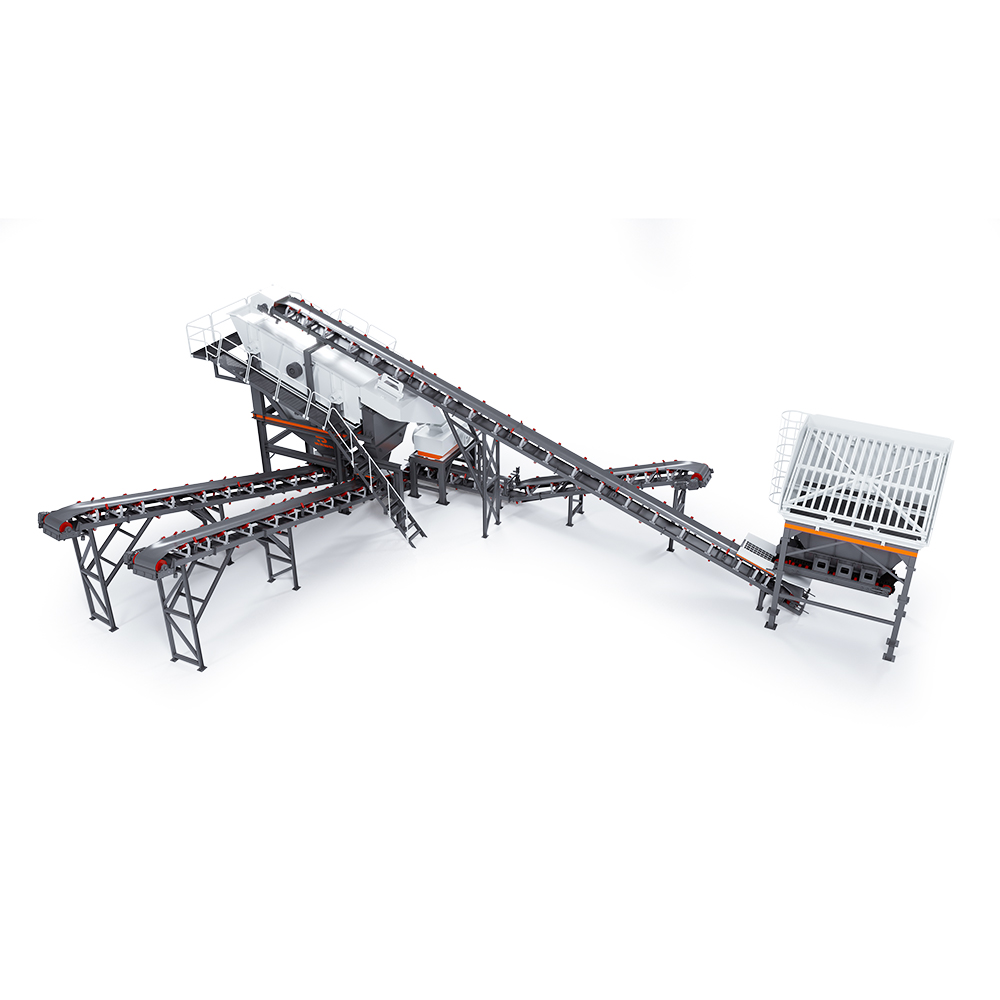 RTZS120 Series RAP Crushing & Screening Plant
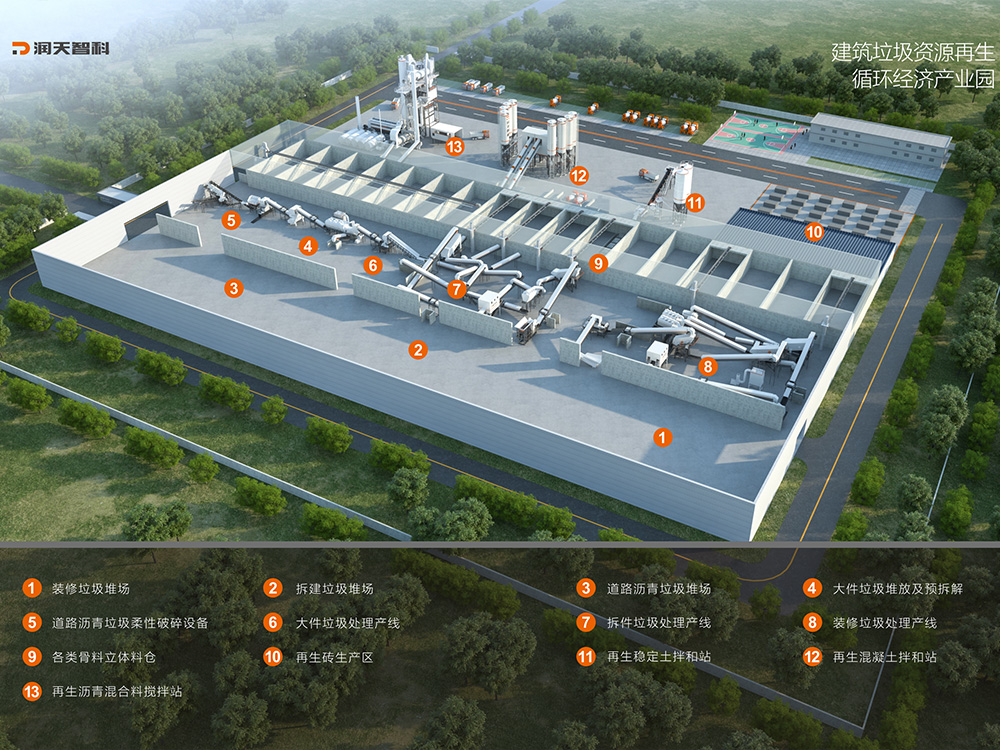 Construction Waste Resourceful Treatment Line