Top 5 Tips for Choosing the Best Mobile Jaw Crusher for Your Needs
In the construction and mining equipment industry, selecting the right Mobile Jaw Crusher is crucial for operational efficiency. According to industry reports, the global mobile crushing and screening equipment market is projected to grow significantly. One key factor is the demand for versatile and efficient machinery on job sites.
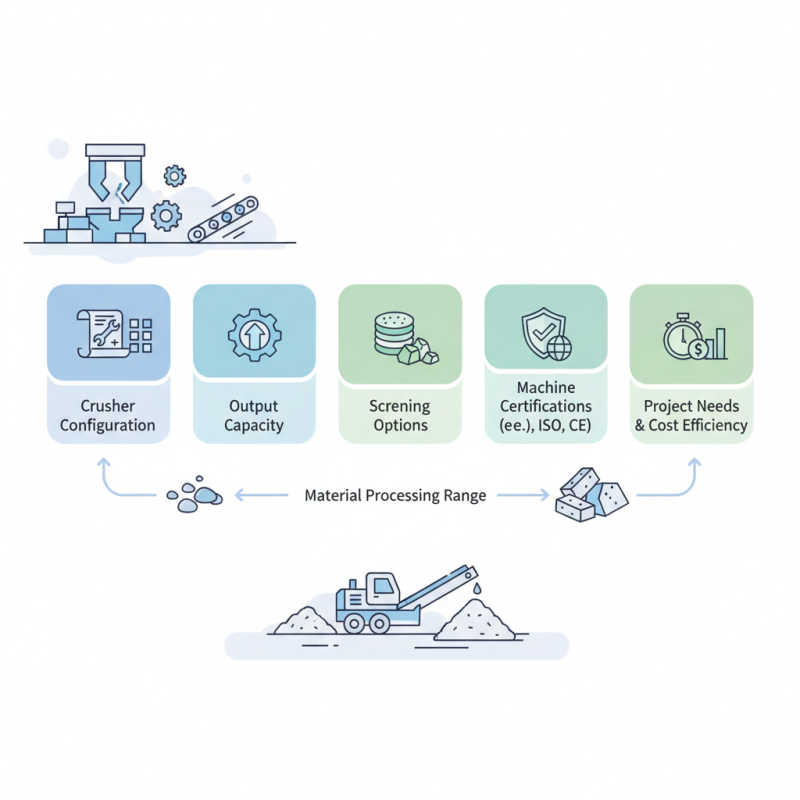
Mobile Jaw Crushers are popular for their ability to process a wide range of materials, from concrete to softer limestone. Their mobility allows for easier transport between sites, reducing downtime. However, choosing the perfect model requires careful consideration of specific project needs. Factors like crusher configuration, output capacity, and screening options are vital.
Despite the growing technologies, decision-making can be challenging. Buyers often overlook important details, leading to suboptimal choices. For instance, understanding the importance of machine certifications like ISO or CE can greatly influence reliability and performance. Assessing these factors early can prevent costly mistakes and enhance productivity on the job.
Understanding the Different Types of Mobile Jaw Crushers Available
When selecting a mobile jaw crusher, understanding the various types available is crucial. These machines come in different configurations and capacities, catering to diverse operational needs. For instance, some models are designed for heavy-duty applications, boasting a high crushing force. Others may prioritize mobility and ease of transport, sacrificing some crushing power.
One tip for choosing the best mobile jaw crusher is to consider the material you will process. Different crushers excel with different materials. According to industry studies, compression strength of the material impacts crusher performance. Soft rocks like limestone require less power than hard rocks such as granite. Matching the crusher type to your materials can enhance efficiency.
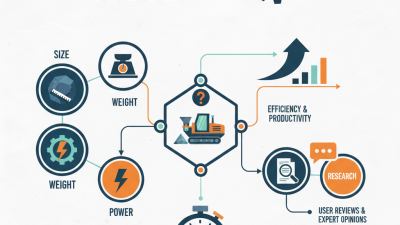
Another point to reflect on is the machine's weight and dimensions. Heavier models may be more stable, but they can limit mobility. Portability matters if you're moving from site to site frequently. Some users may overlook how these factors influence their projects' timelines and costs. Analyze your operational landscape carefully to make the best choice.
Top 5 Tips for Choosing the Best Mobile Jaw Crusher for Your Needs
| Type of Mobile Jaw Crusher |
Crushing Capacity (Tonnes/hr) |
Weight (kg) |
Power (kW) |
Key Features |
| Standard Mobile Jaw Crusher |
150 |
25,000 |
110 |
Robust design, ease of transport |
| Compact Mobile Jaw Crusher |
90 |
18,000 |
75 |
Space-efficient, easy to maneuver |
| High-Efficiency Mobile Jaw Crusher |
200 |
30,000 |
150 |
Fuel-efficient, advanced crushing technology |
| Tracked Mobile Jaw Crusher |
170 |
28,000 |
130 |
High mobility, excellent performance |
| Diesel-Powered Mobile Jaw Crusher |
120 |
27,000 |
100 |
Powerful, suitable for remote locations |
Key Features to Consider When Choosing a Mobile Jaw Crusher
When selecting a mobile jaw crusher, there are key features to consider that can significantly impact performance. One major aspect is the crushing capacity. Reports indicate that models with a 100-200 tons per hour capacity are often most suitable for medium-sized operations. However, operators should not overlook maintenance requirements. Crushers with accessible parts tend to require less downtime, which is crucial in continuous operations.
Another important feature is mobility. The best mobile jaw crushers are designed to be easily transported. Many units can be moved via flatbed truck or towed, increasing flexibility on job sites. However, not all machines offer the same level of agility. Some may struggle on uneven terrain. Therefore, understanding your work environment is essential.
Additionally, power sources can greatly affect efficiency. Electric models are often quieter and produce fewer emissions, aligning with industry trends towards sustainability. However, they may lack the raw power required for specific applications. Hence, it’s vital to balance environmental goals with operational needs. Being aware of these nuances can lead to a more informed decision.
Evaluating Performance Metrics: Power, Capacity, and Efficiency
When selecting a mobile jaw crusher, evaluating performance metrics is crucial. Power plays a vital role. Crushers typically have power ratings ranging from 75 to 300 kW. Higher power enables better performance but may increase fuel consumption. Fuel efficiency is critical. Studies show that efficient models can reduce operational costs by up to 30%.
Capacity is another key metric. The throughput of mobile jaw crushers often varies between 50 and 600 tons per hour. Ensure your chosen model meets your project's demands. However, high capacity alone does not guarantee efficiency. Some models with higher capacity may have lower overall efficiency. It's essential to balance these factors carefully.
Efficiency is not just about machinery specs. It also involves operational practices and maintenance. Poor maintenance can reduce efficiency by 15%. Regular checks and timely repairs are necessary. Each operational scenario can differ greatly, impacting overall performance metrics. Always consider the specific needs of your environment and operations.
Assessing Cost-Effectiveness and Return on Investment
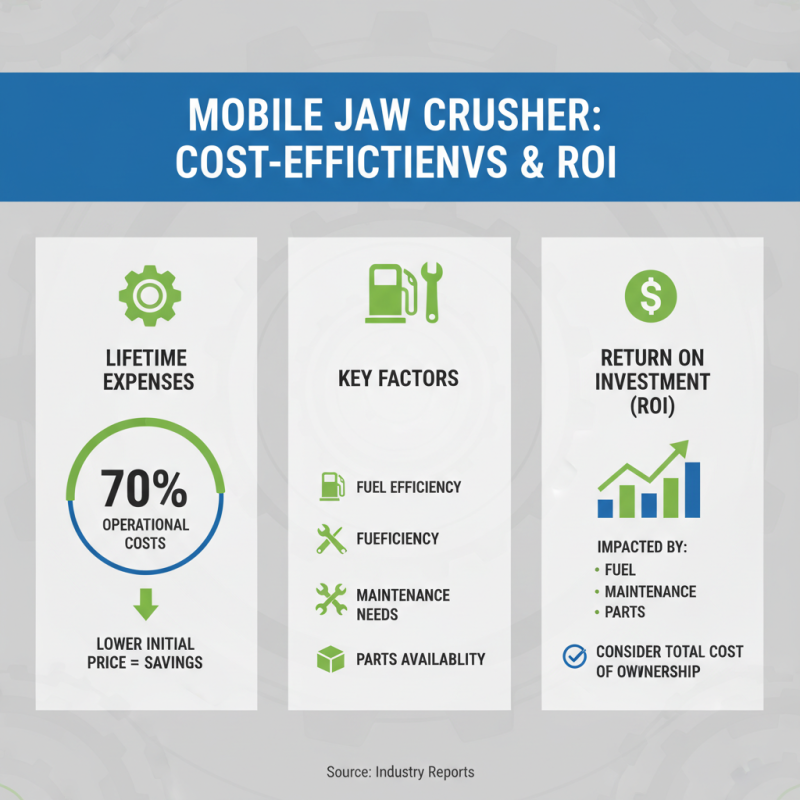
When selecting a mobile jaw crusher, assessing cost-effectiveness is crucial. According to industry reports, operational costs can account for up to 70% of a machine's lifetime expenses. A lower initial purchase price does not always guarantee long-term savings. Consider fuel efficiency, maintenance needs, and parts availability. These factors directly impact your return on investment.
Moreover, downtime can be costly. Studies show that an average construction project loses about $22,000 per hour in lost productivity due to equipment failure. Investing in a reliable mobile jaw crusher can prevent these disruptions. Additionally, some machines require specific parts that may not be readily available. This can lead to increased maintenance costs and longer wait times for repairs.
Always calculate your projected ROI before making a decision. If a machine’s average lifespan is 10,000 hours, evaluate its output potential against these hours. Are you maximizing each shift? Remember, underperformance or inefficiency can hinder profitability. Understand your operational needs well. A mismatch between equipment and tasks can lead to overspending and missed opportunities.
Maintenance Requirements and Service Support for Mobile Crushers
When selecting a mobile jaw crusher, maintenance requirements are crucial. A well-maintained machine not only ensures longevity but also enhances performance.
Regular inspections are essential. Check for any wear and tear on components. A worn-out jaw can lead to inefficient crushing.
Lubrication is vital too. Ensure that all moving parts are adequately greased. This simple step can prevent breakdowns and costly repairs.
Service support is equally important. A good manufacturer should offer extensive support. This includes readily available replacement parts and expert advice.
Ask about response times when issues arise. Delays can halt operations, leading to financial losses.
Furthermore, consider training for your team. Understanding how to operate and maintain the crusher can mitigate risks. An informed team is less likely to make mistakes.
It’s also worth reflecting on your specific needs. Not all mobile jaw crushers are the same. Some may suit certain applications better than others.
Evaluate your material types and production goals. A mismatch can lead to underwhelming results.
It’s essential to choose wisely, balancing specifications with maintenance and support requirements.

 Concrete Mixing Plant
 HZS Series Belt Concrete Mixing Plant
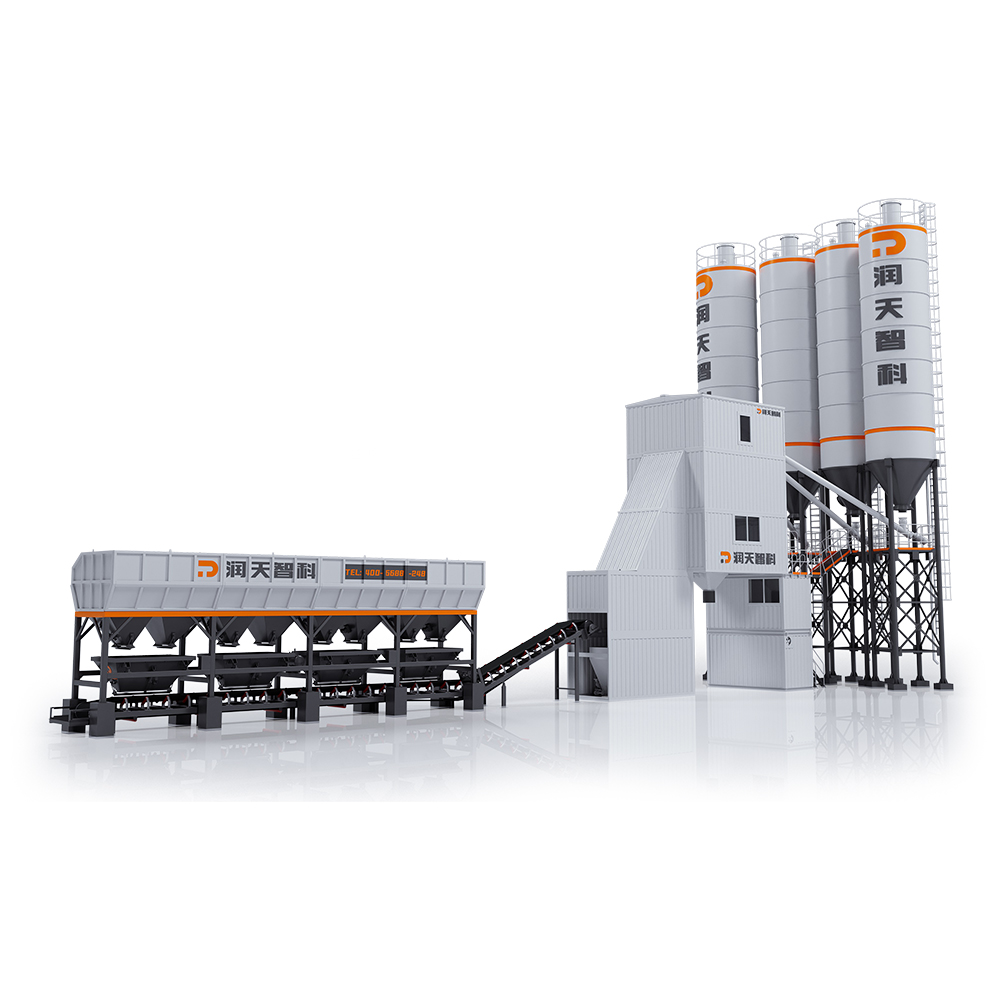 HZS Series Bucket-Lifting Type Container Concrete Mixing Plant
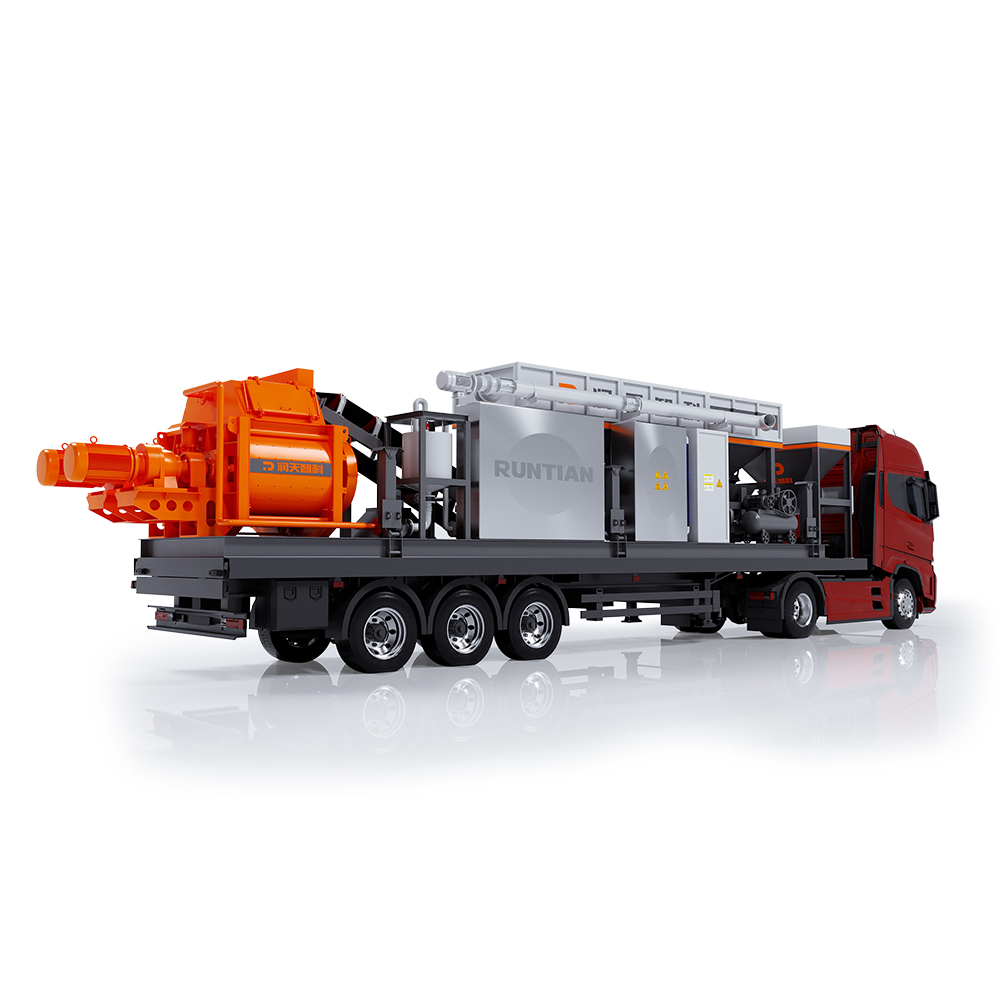 HZS60 Mobile Concrete Mixing Plant
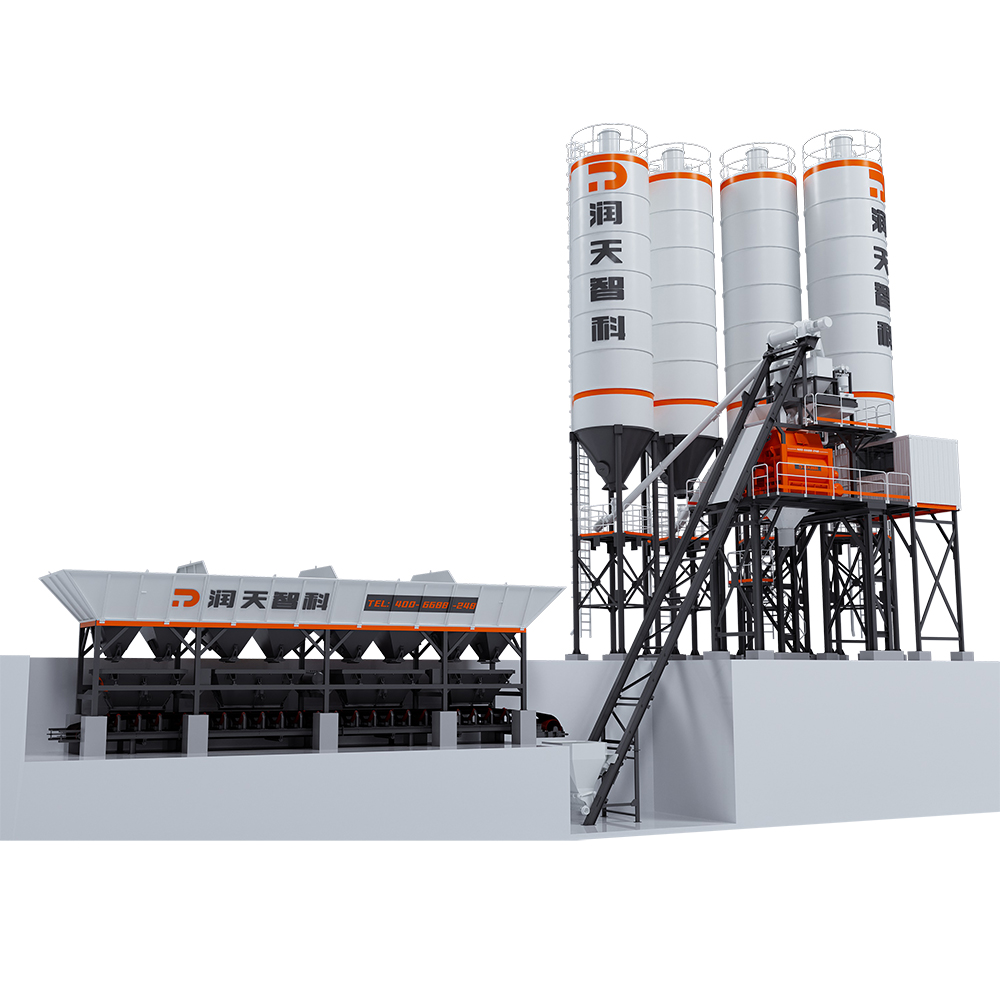 HZS Series Bucket-Lifting Type Concrete Mixing Plant
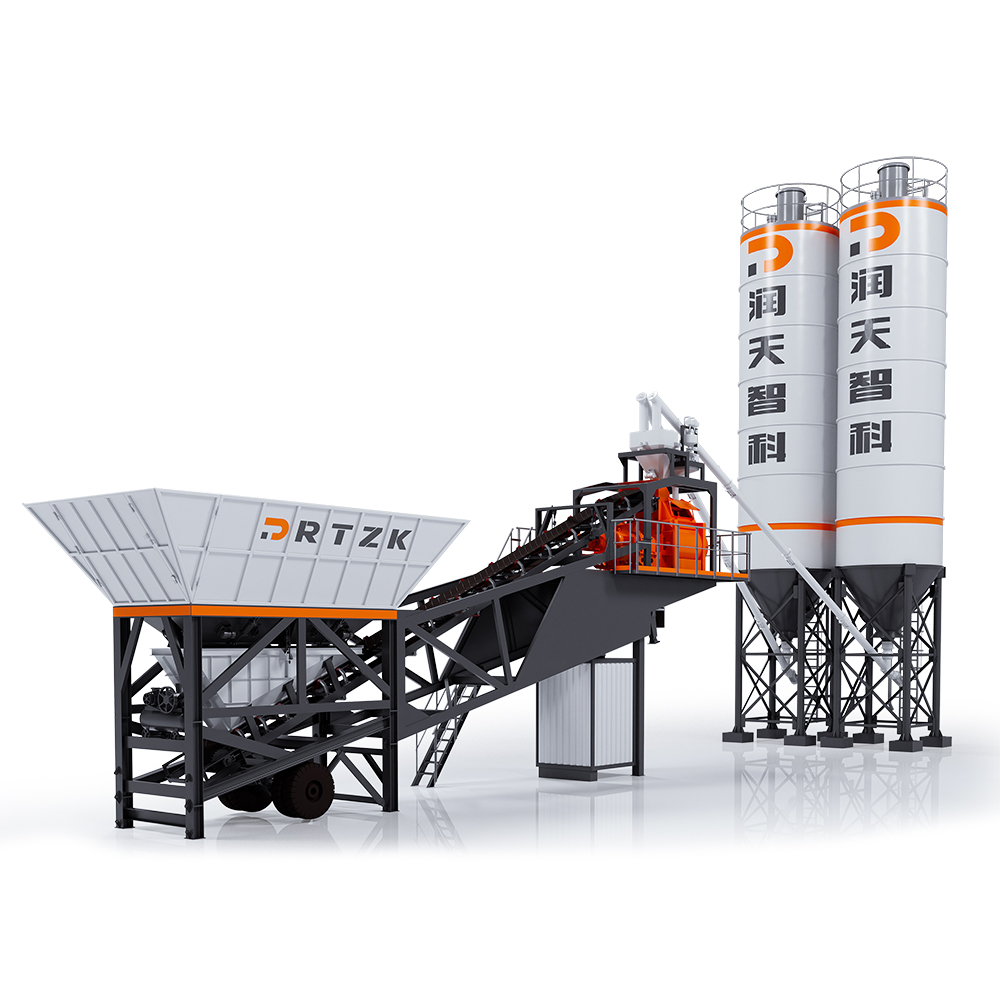 HZS Series Mobile Concrete Mixing Plant
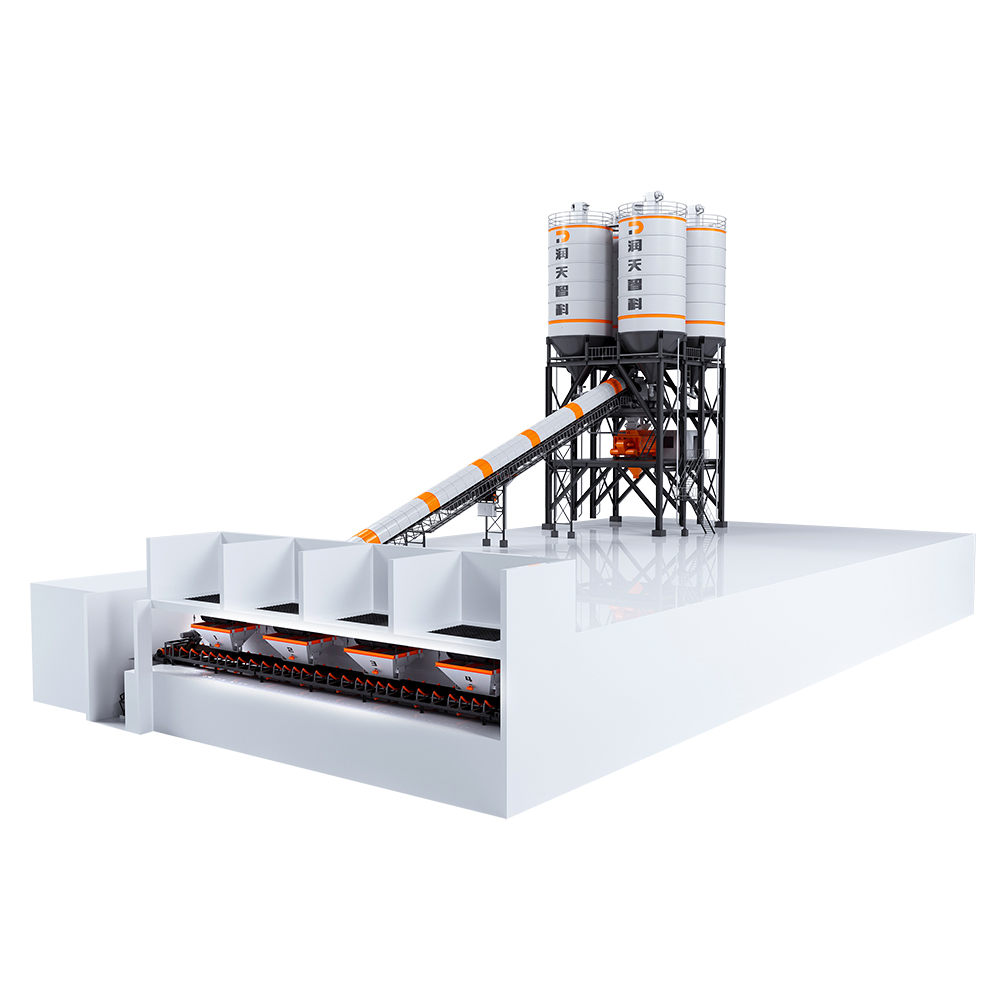 HZS Series Top-Mounted Concrete Mixing plant
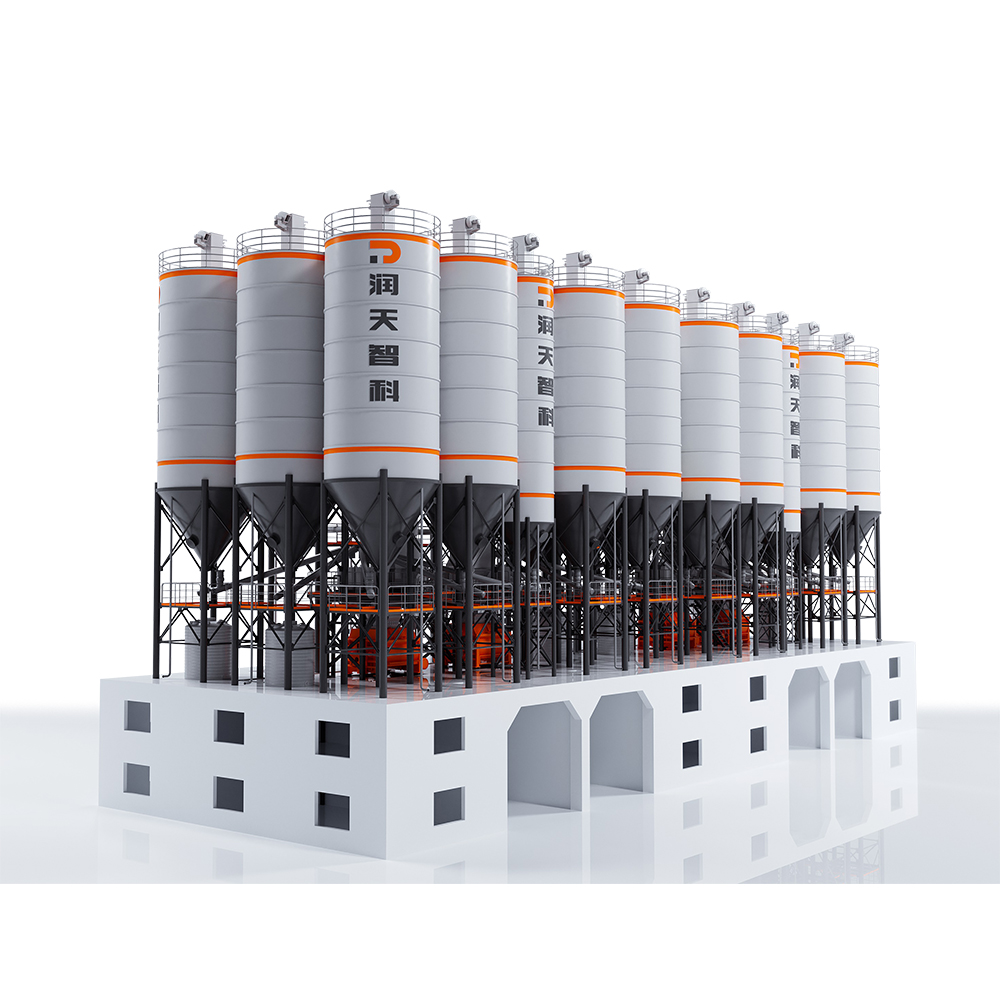 HZS Series Semi-Top Mounted Concrete Mixing Plant
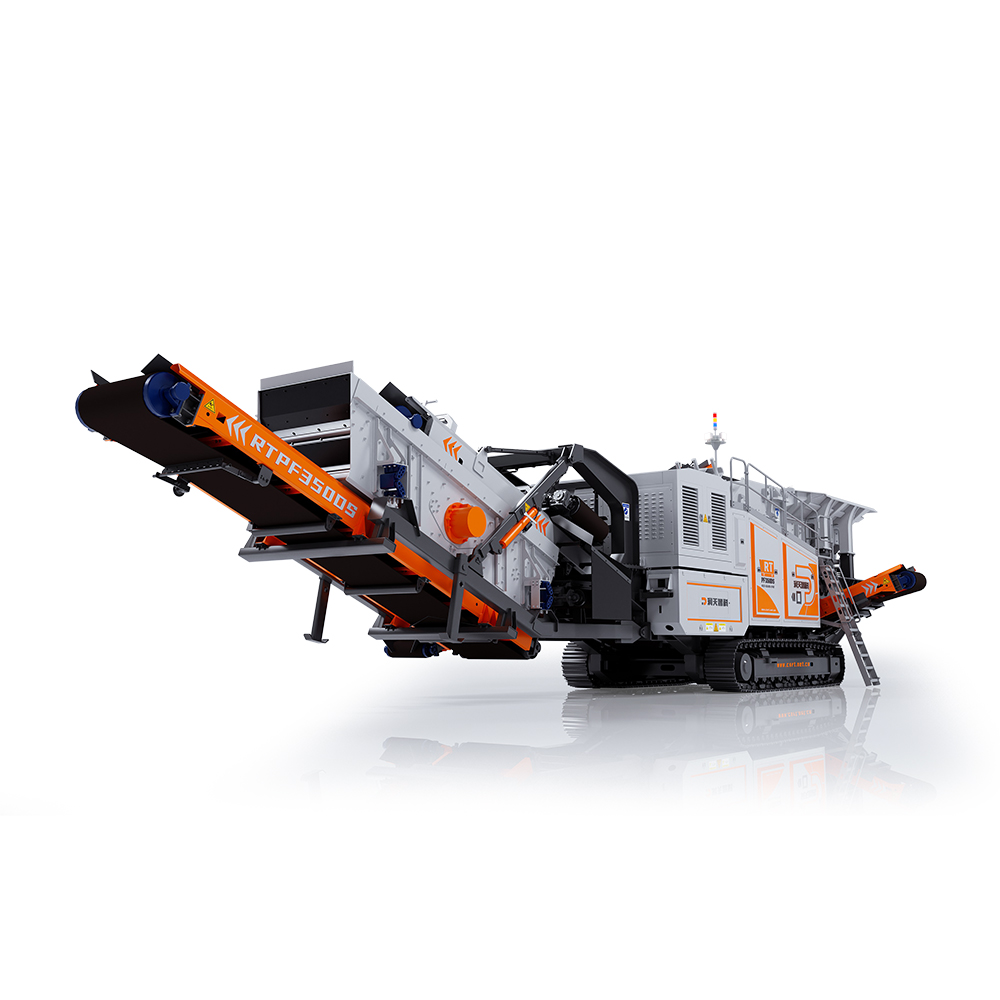 RTPF350DS Crawler Mobile Impact Crushing Plant
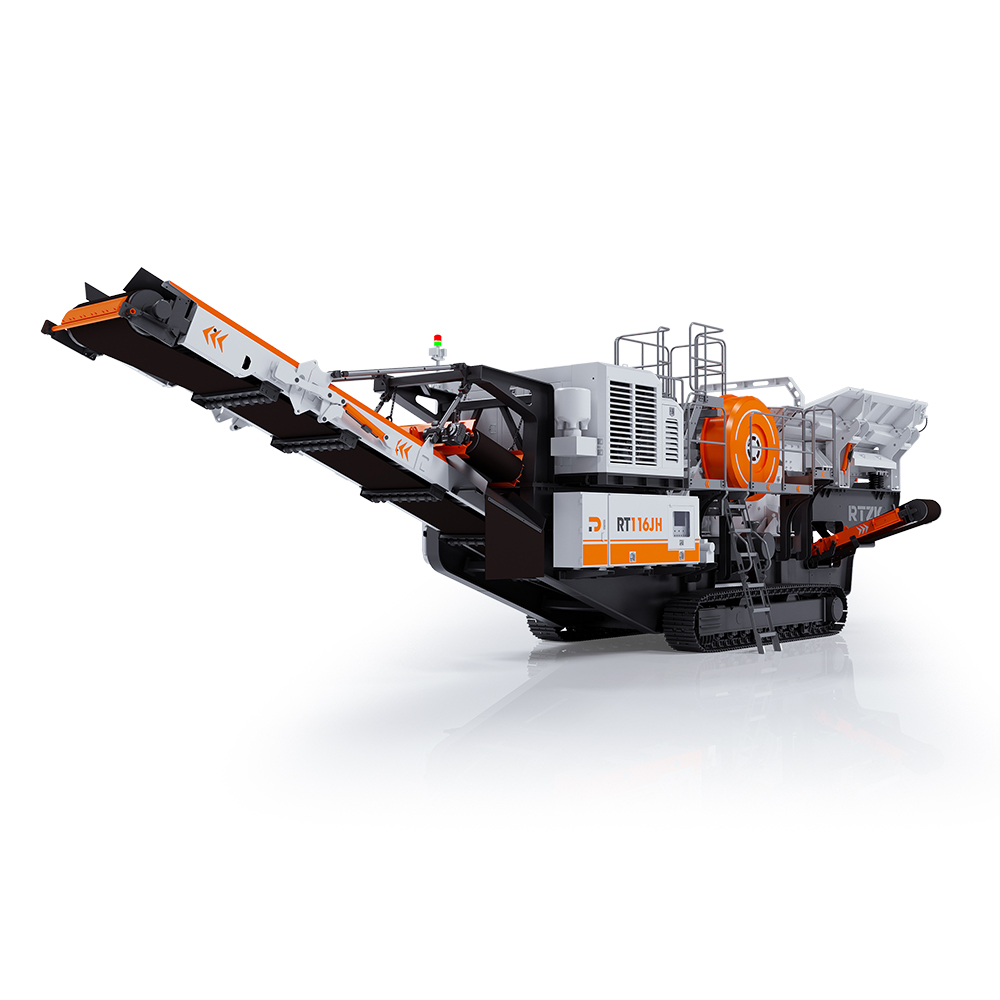 RT116JH Crawler Mobile Jaw Crushing Plant
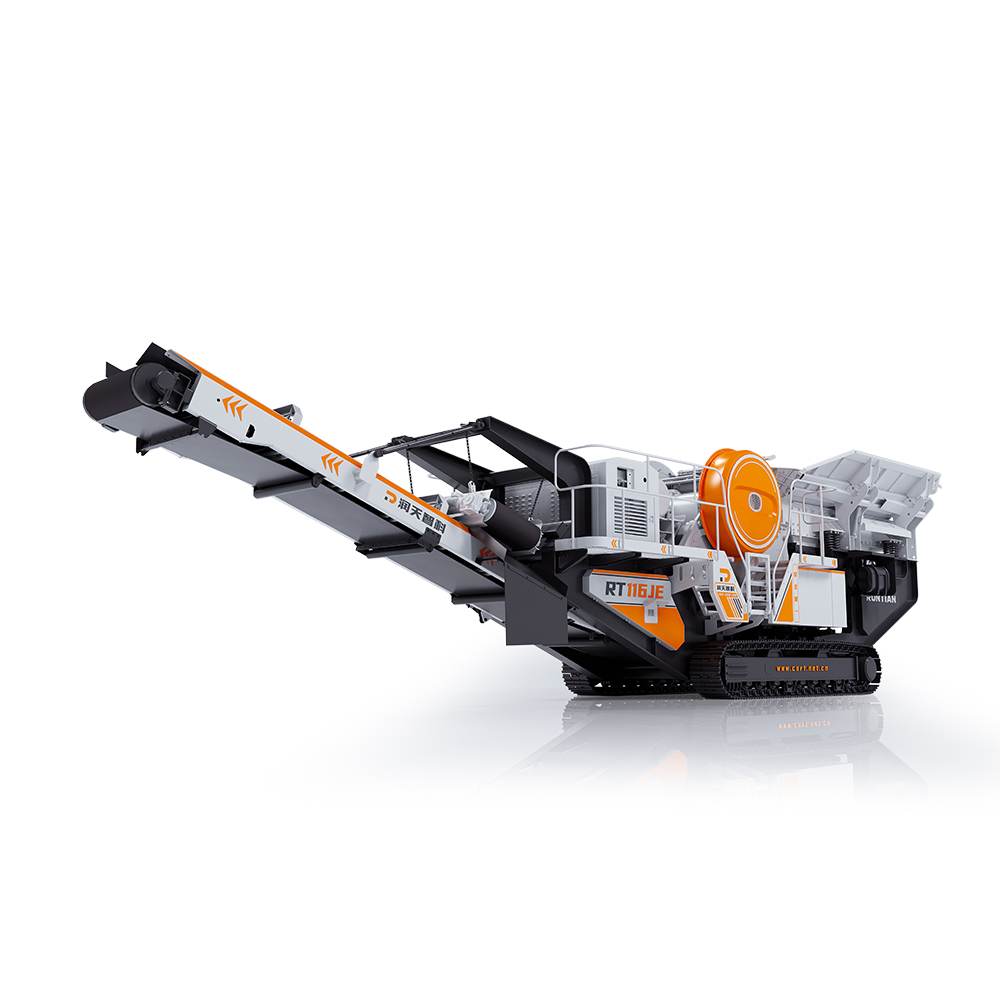 RT116JE Crawler Mobile Jaw Crushing Plant
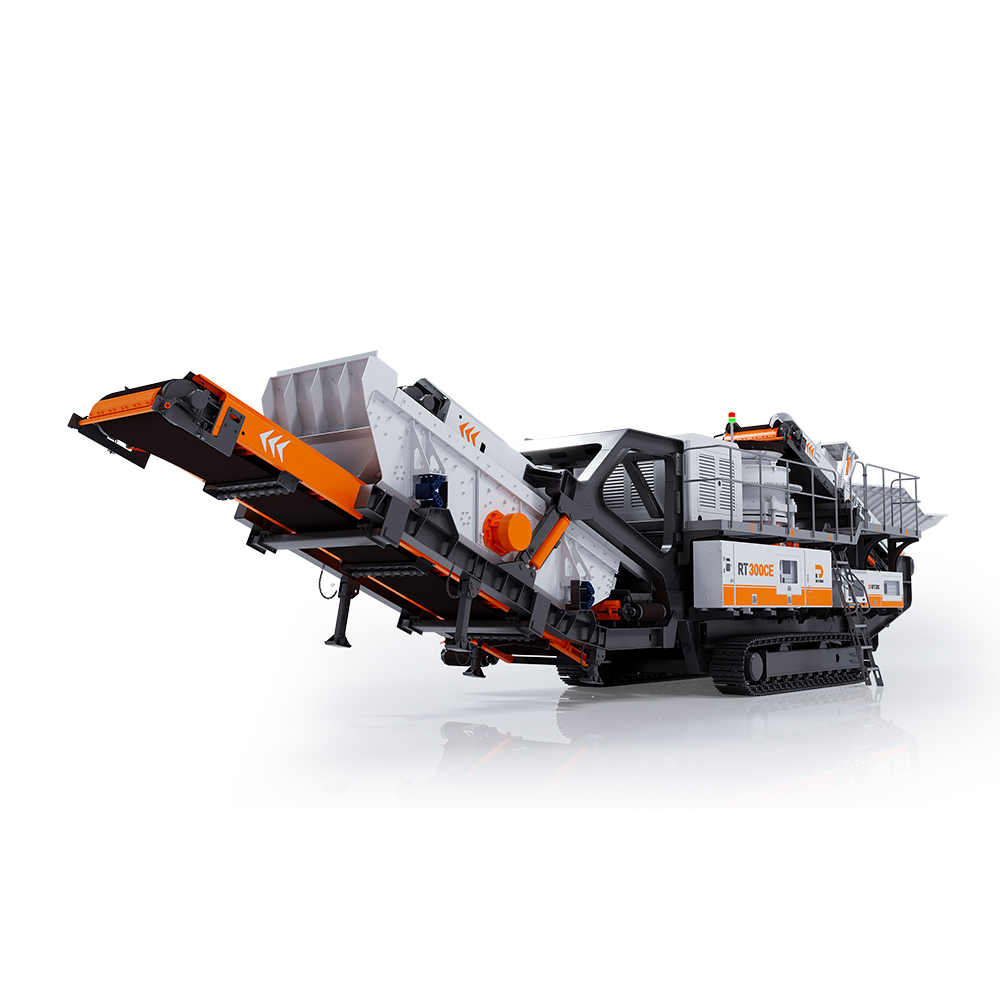 RT300CE Crawler Mobile Cone Crushing Plant
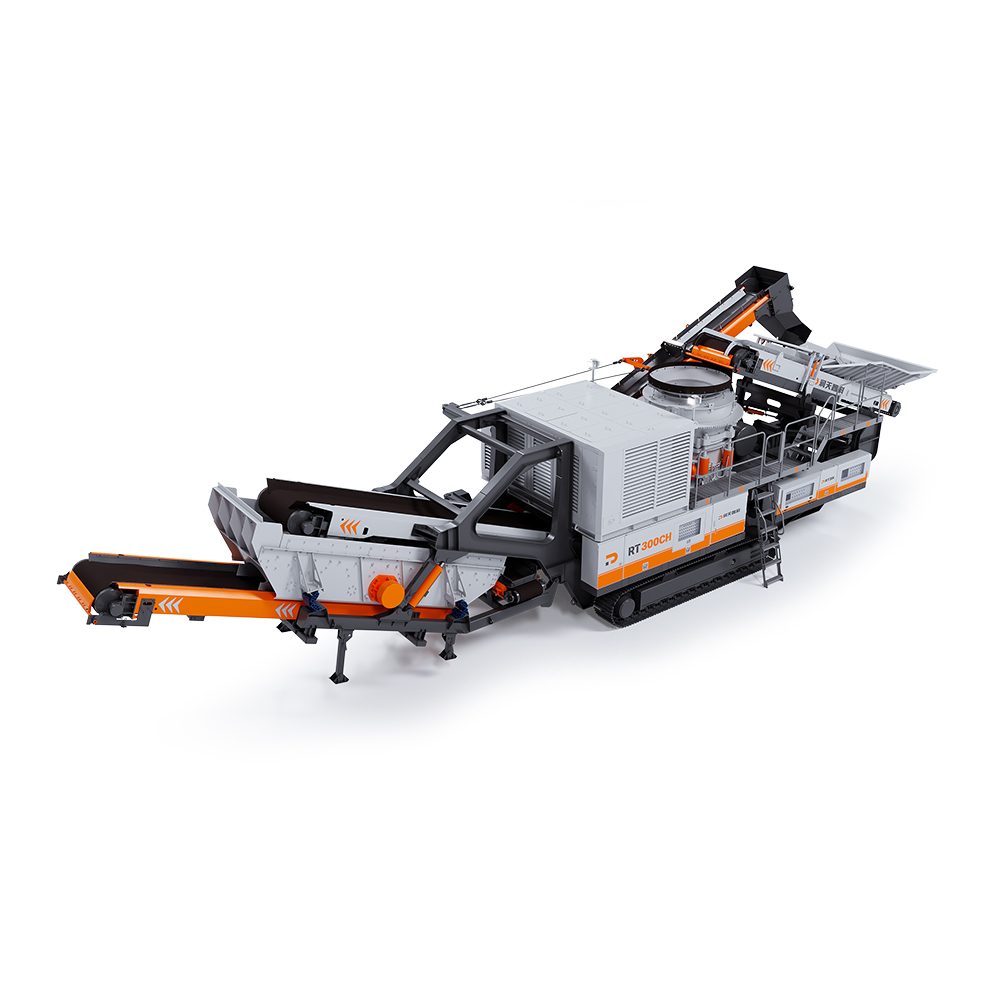 RT300CH Crawler Mobile Cone Crushing Plant
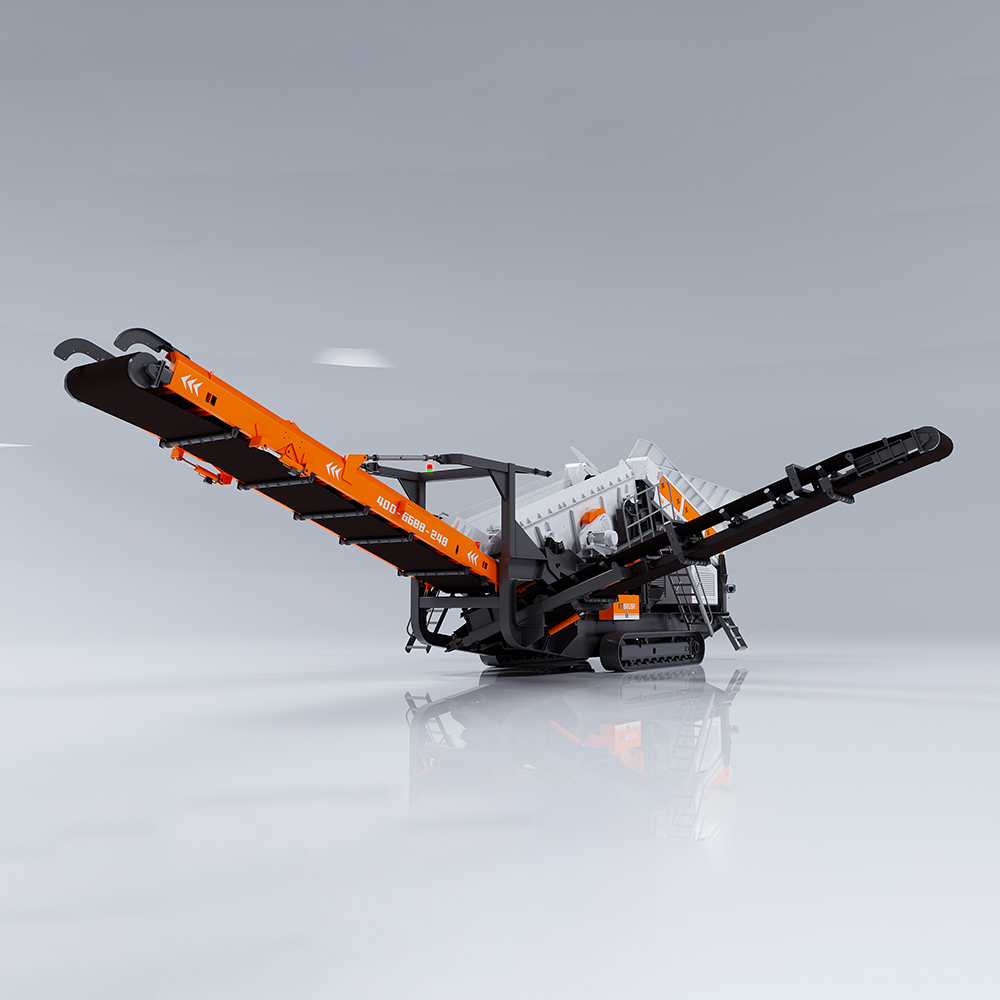 RT5015H Mobile Scalping Screen
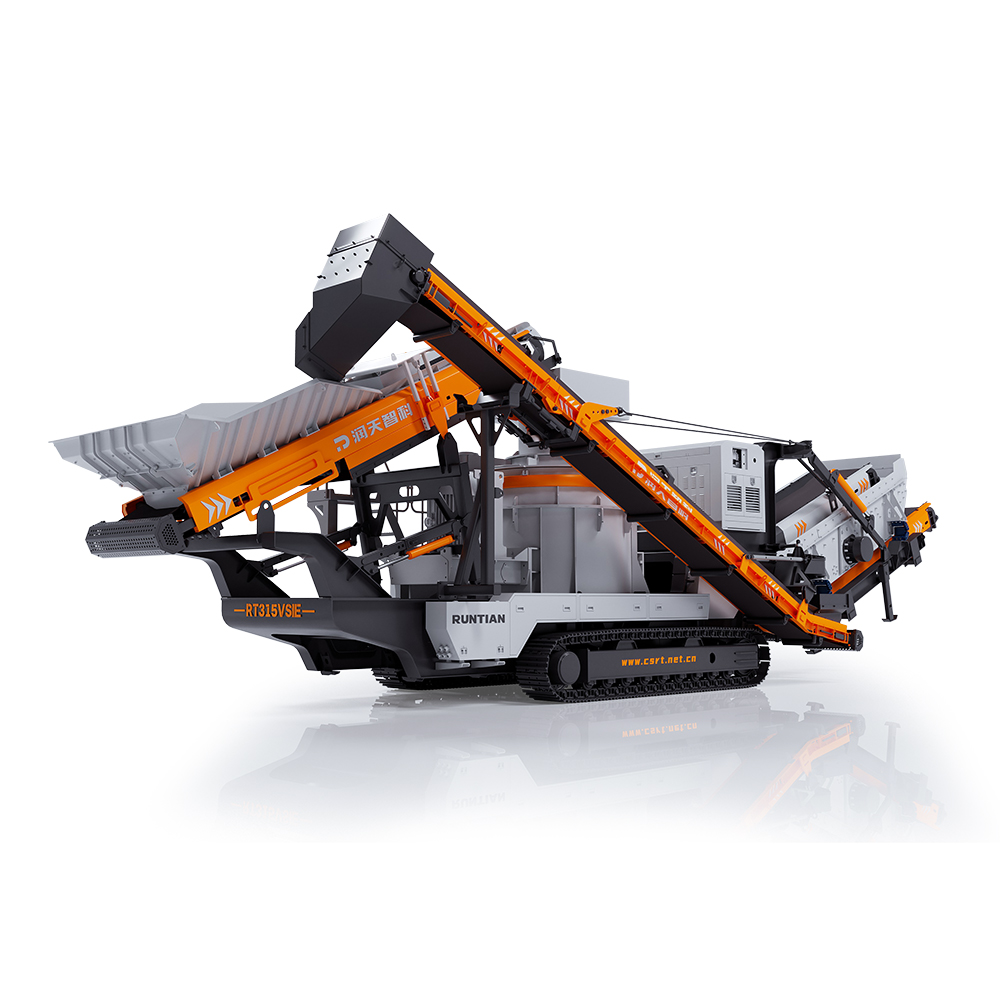 RT315VSIE Crawler Mobile Sand Maker
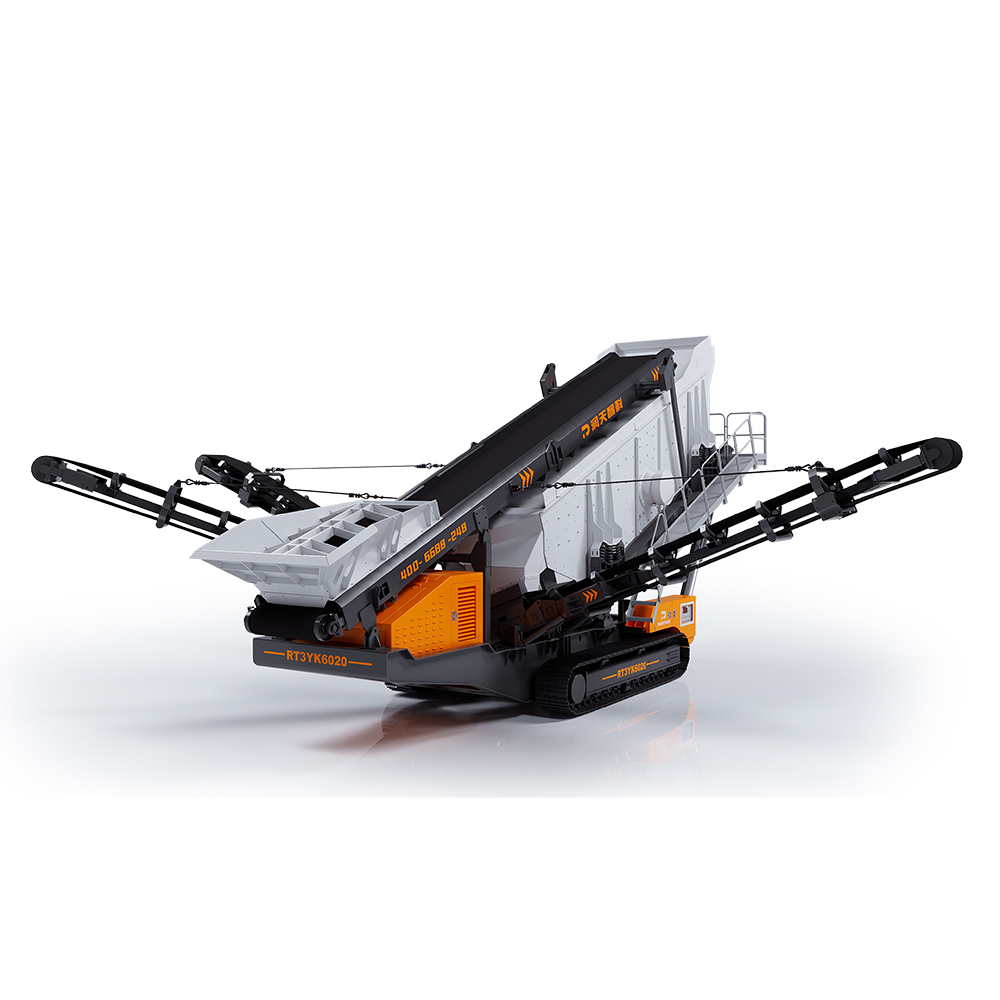 RT3YK6020 Crawler Mobile Screening Plant
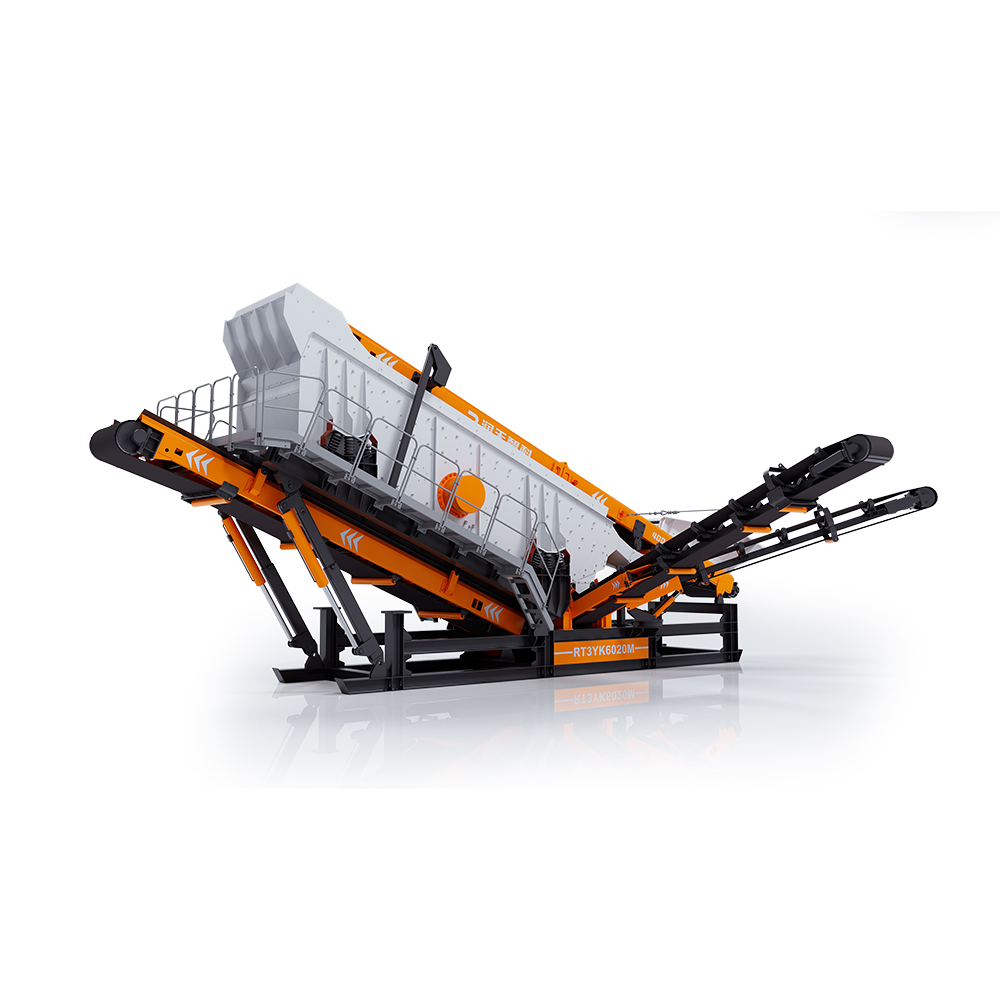 RT3YK6020M Modular Screening Plant
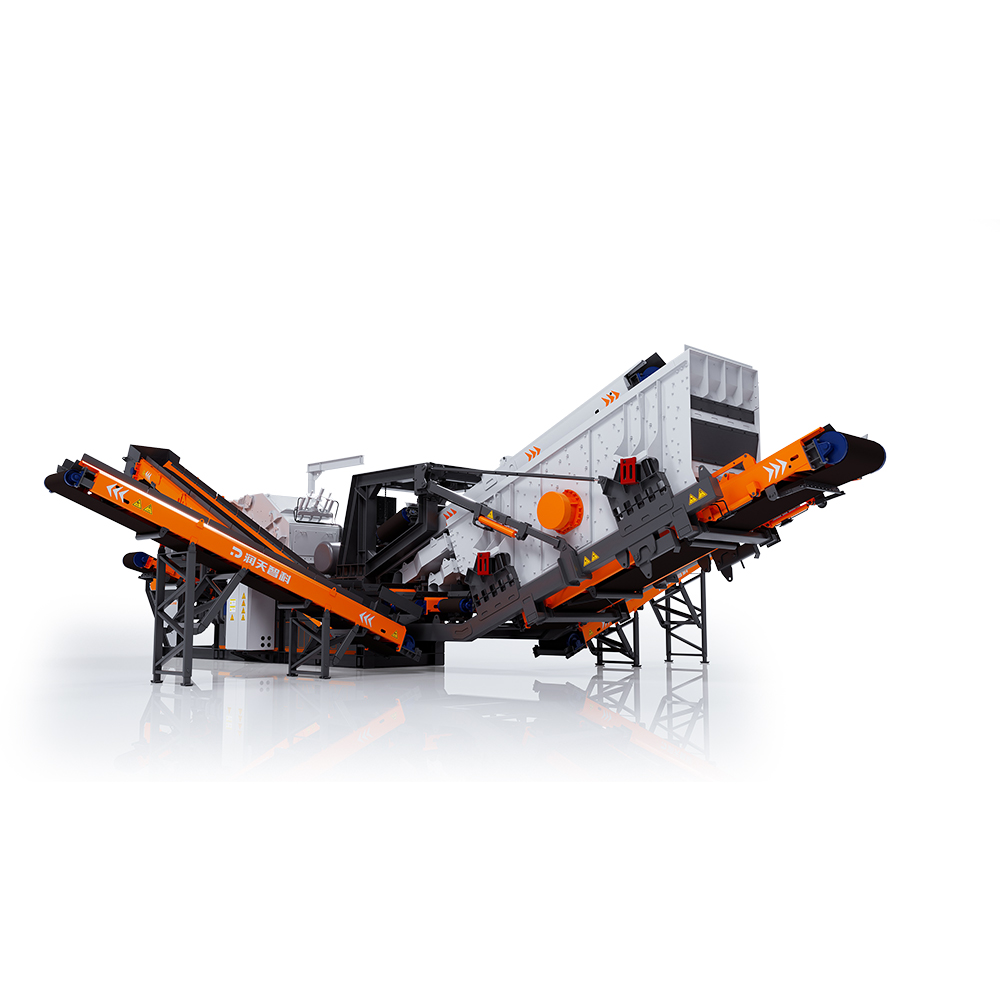 RTF260M Modular Counterattack Crushing and Screening Integrated Machine
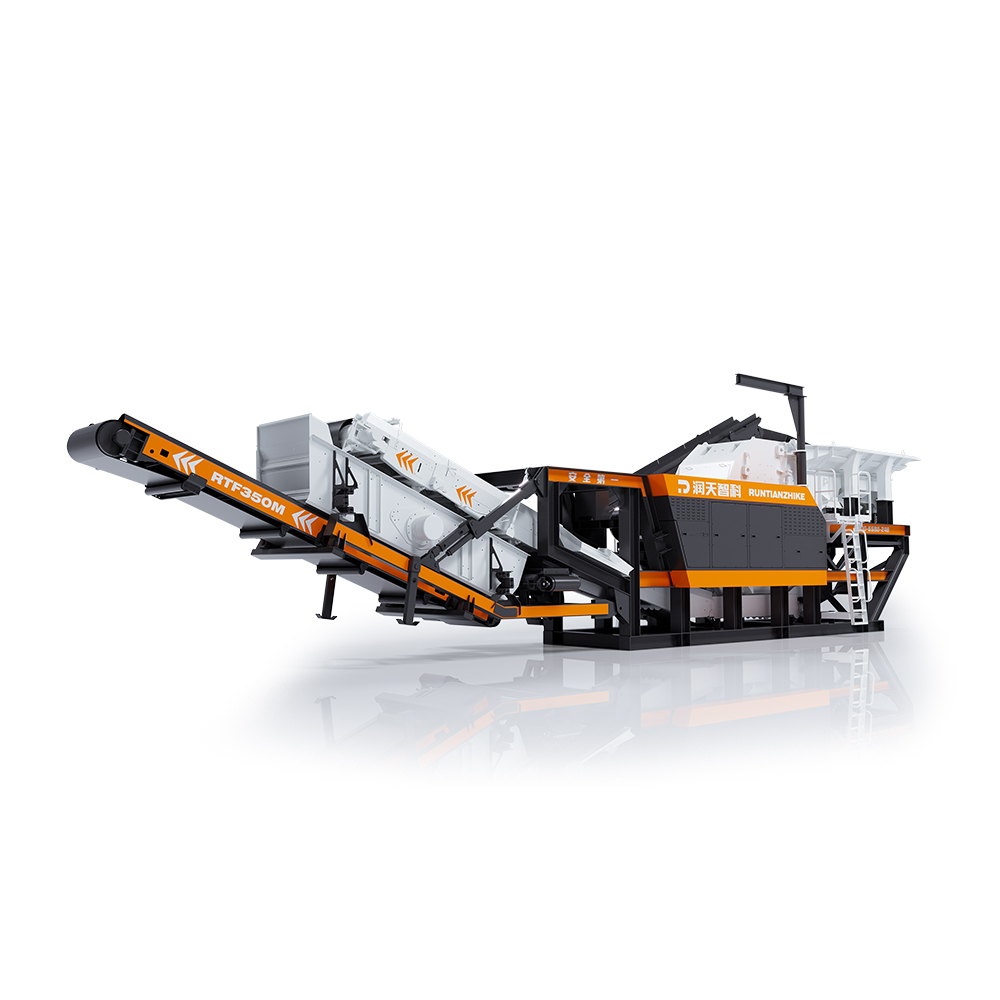 RTF350M Modular Impact Crushing Plant
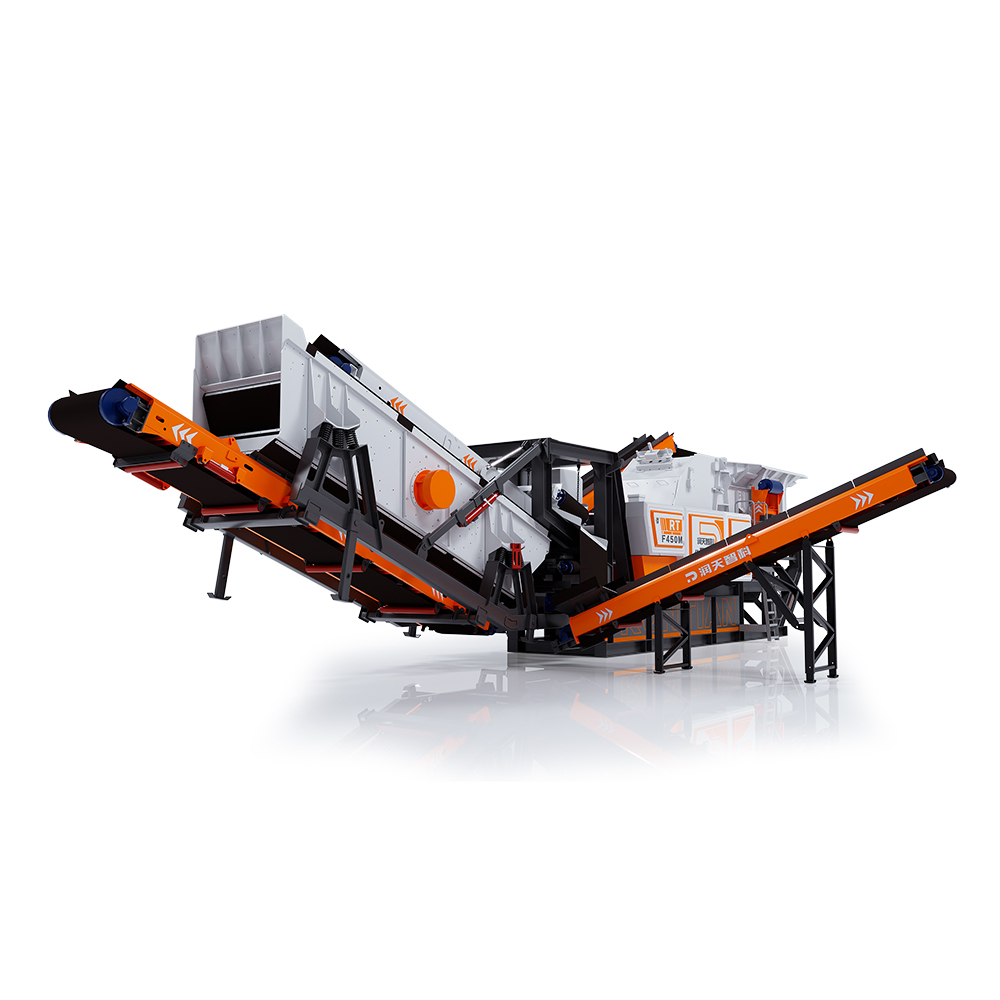 RTF450M Modular Impact Crushing Plant
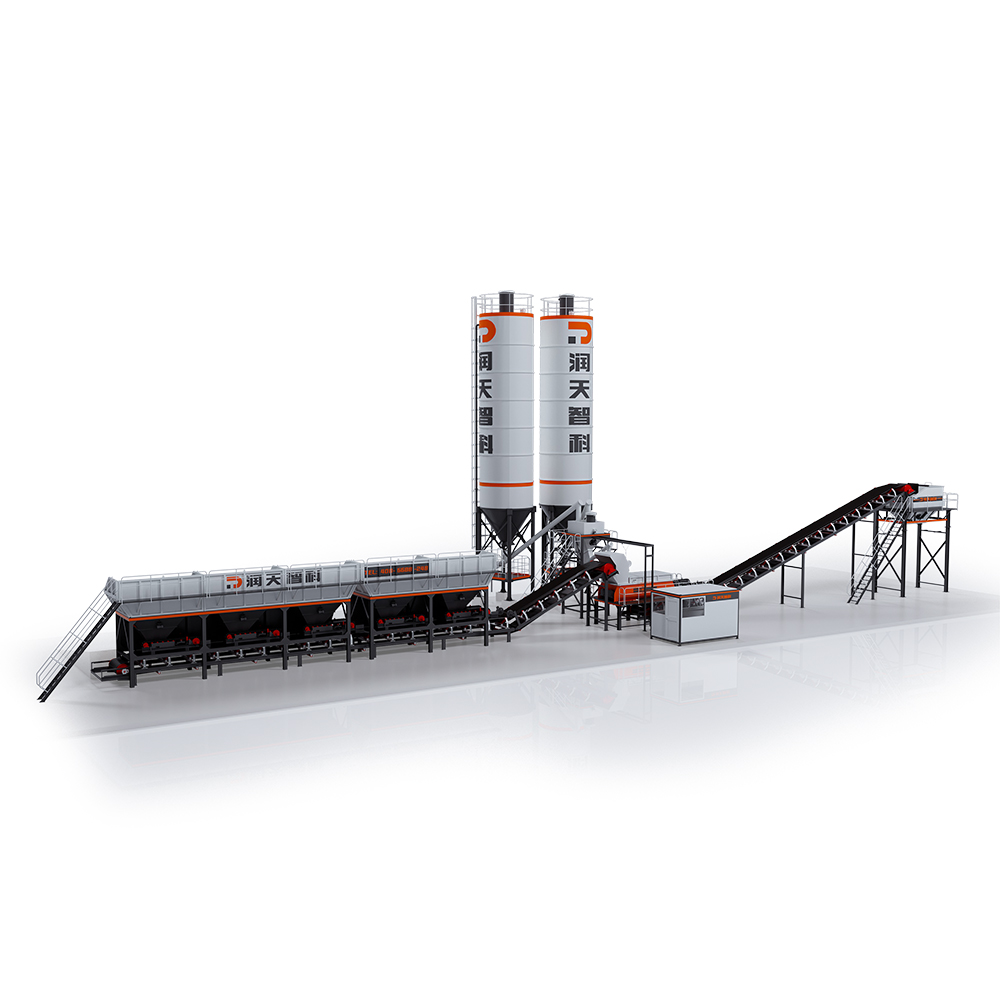 WDB Series Foundation-Free Stability Soil Mixing Plant
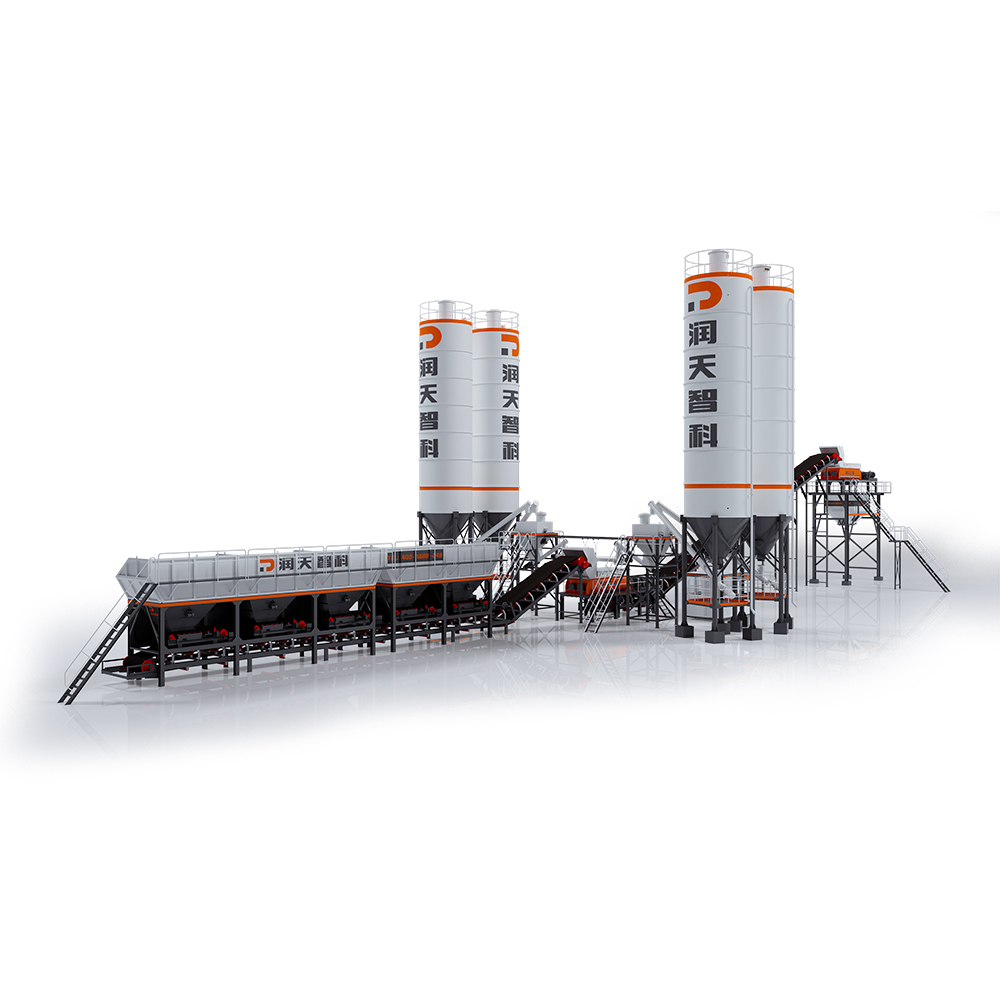 LCB Series Emulsified Asphalt Cold Regeneration Secondary Mixing Plant
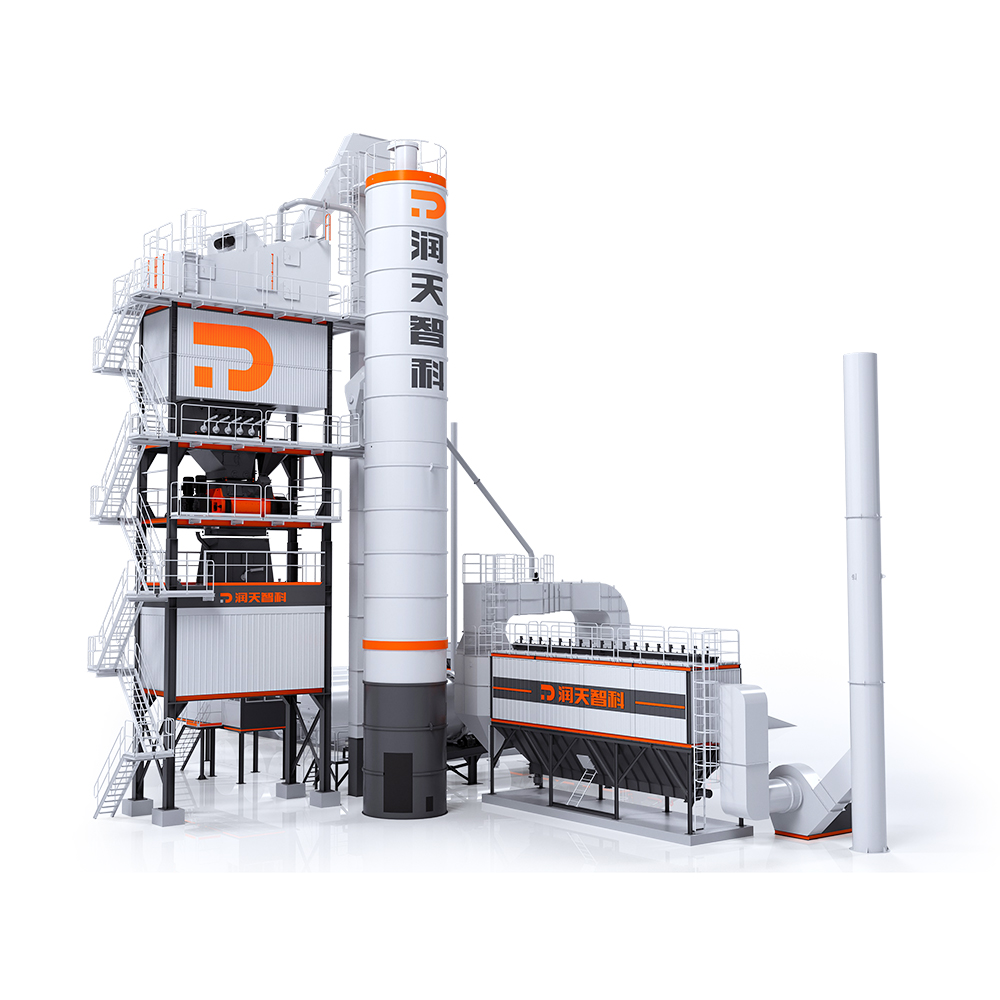 LB Series Asphalt Mixing Plant
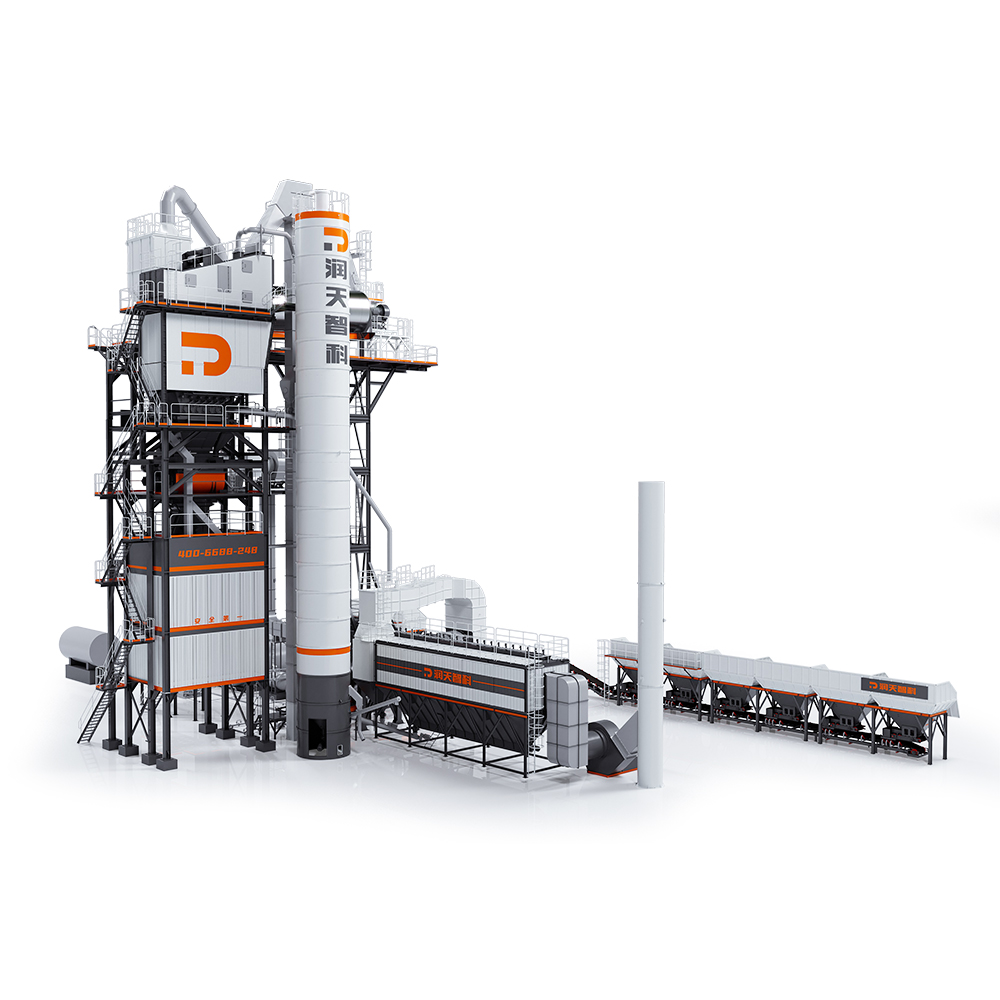 LBR Series Integrated Asphalt Mixing Plant
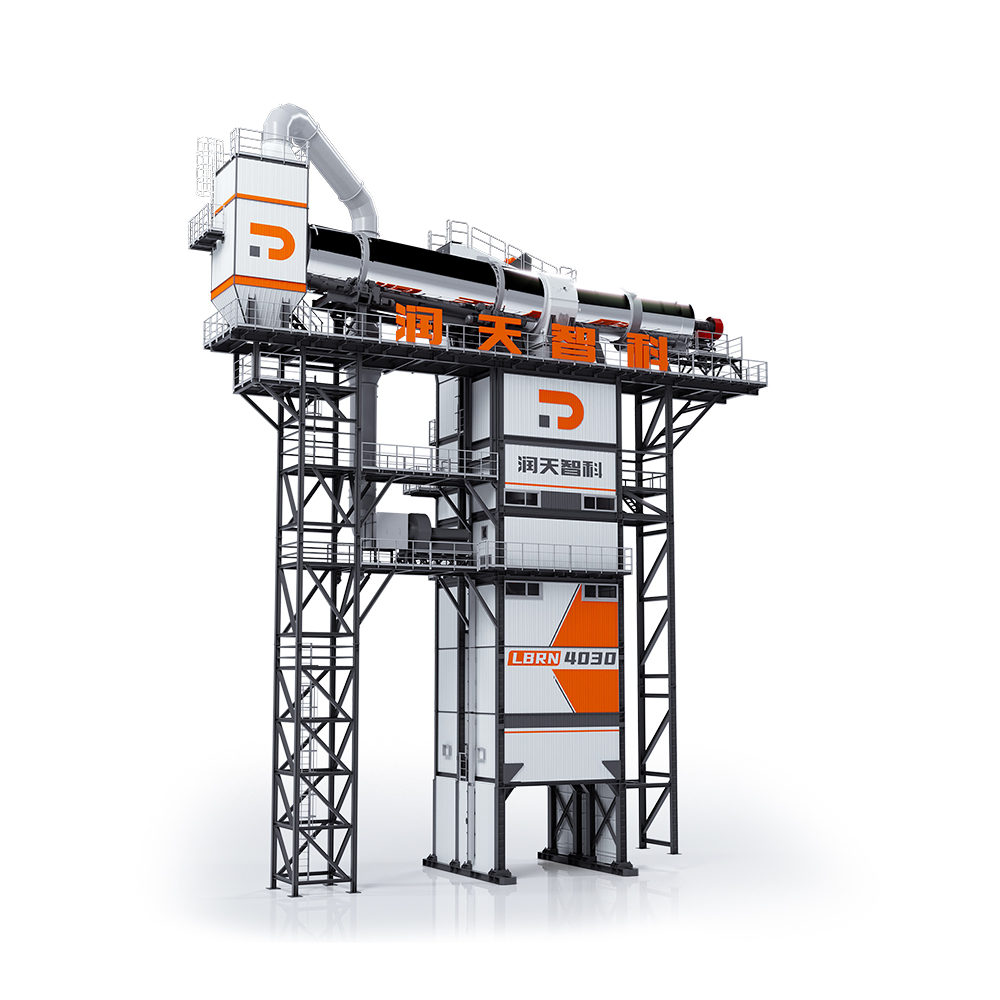 LBRN Series Counterflow Integral Asphalt Mixing Plant
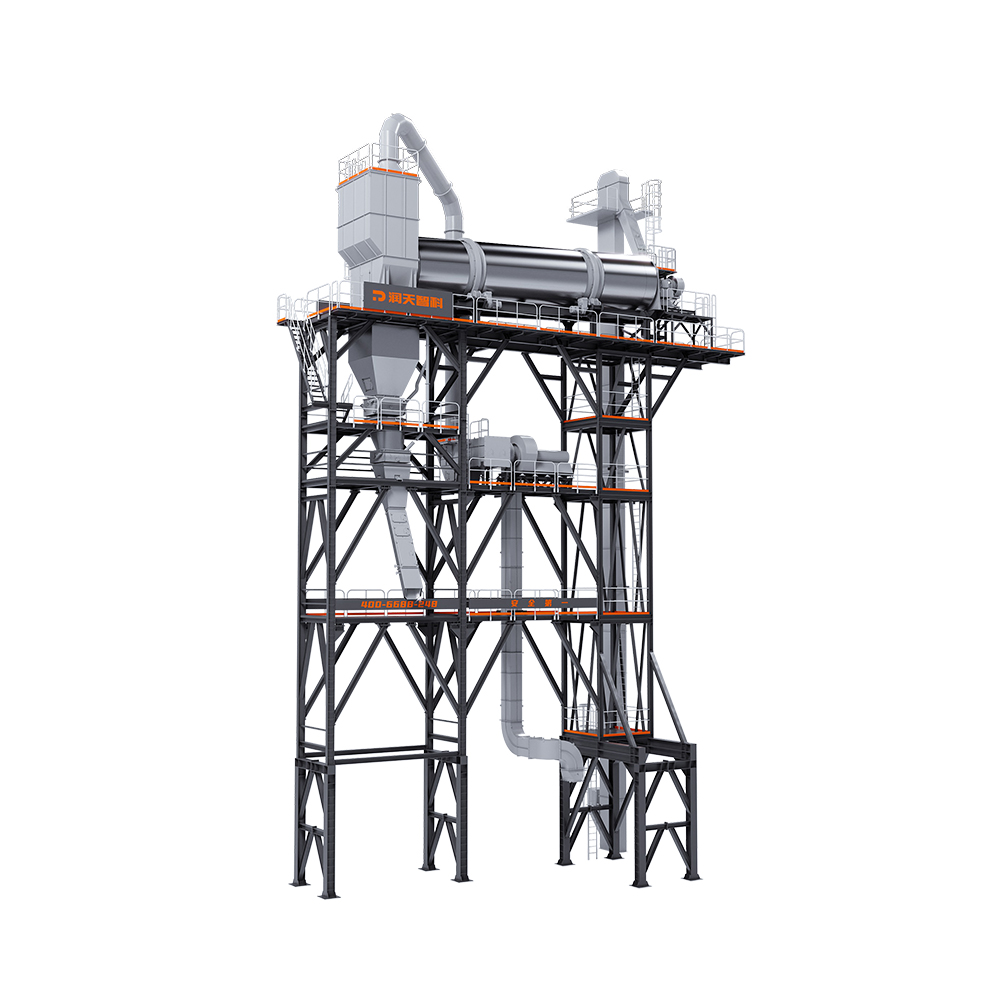 RZS Series Asphalt Mixing Plant
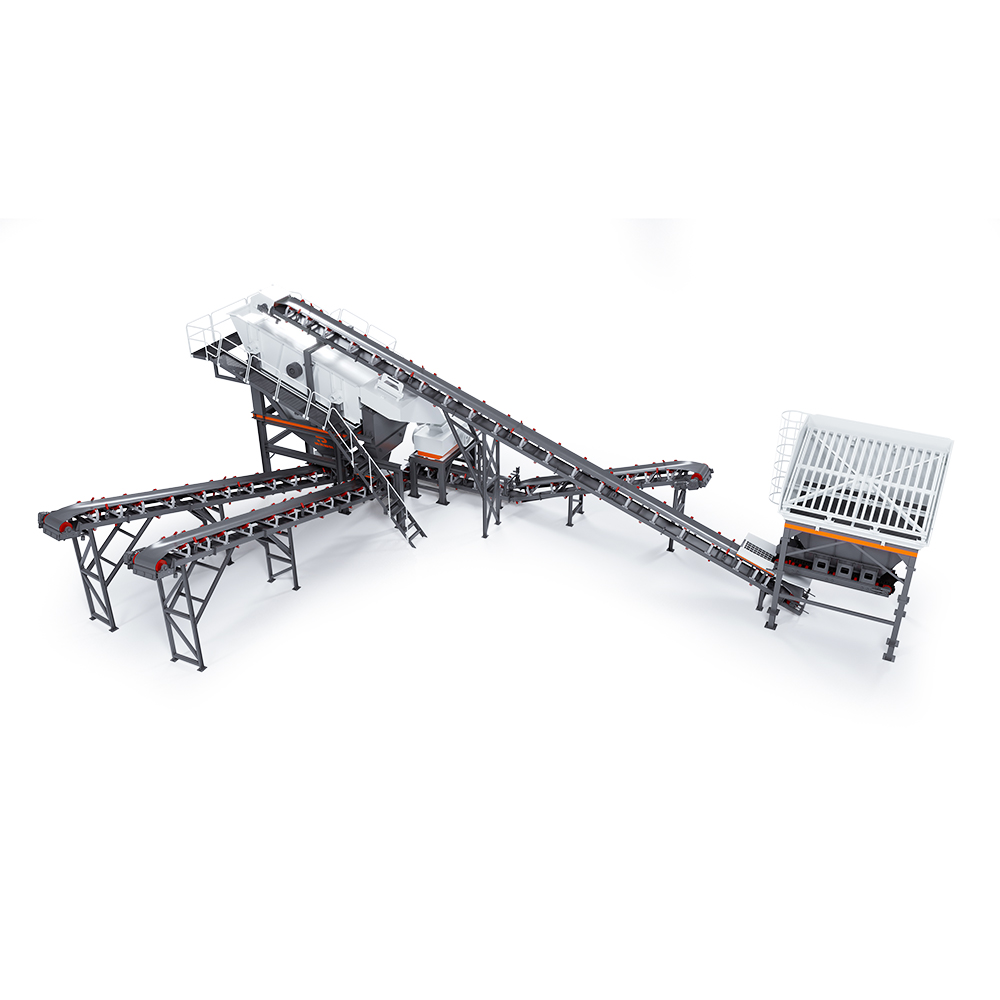 RTZS120 Series RAP Crushing & Screening Plant
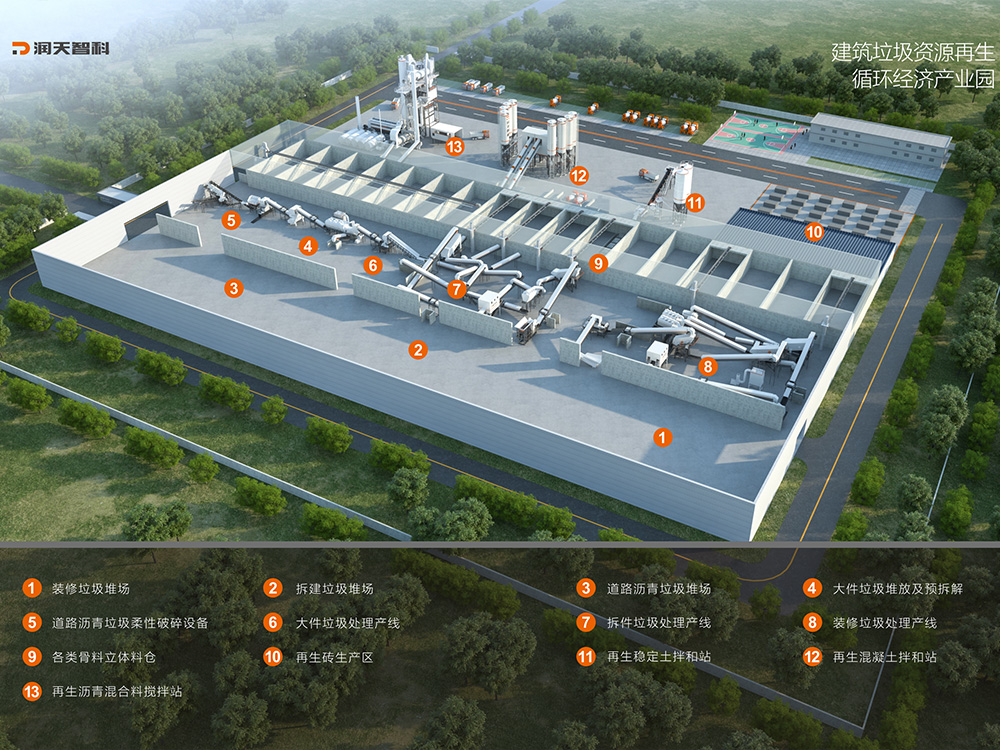 Construction Waste Resourceful Treatment Line