Top 10 Concrete Mixer Models for Your Construction Needs?
In the construction industry, a reliable concrete mixer is essential for project efficiency. According to a recent industry report, global concrete mixer demand is expected to grow by over 7% annually. This trend highlights the increasing reliance on technology and automation in construction processes. Modern concrete mixers not only improve mixing quality but also reduce labor costs.
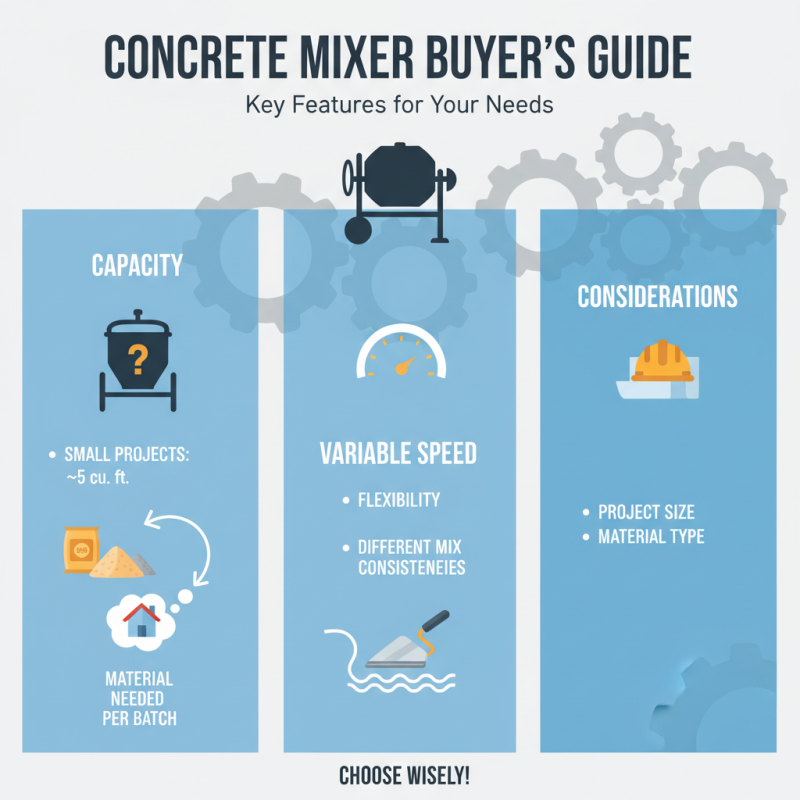
Choosing the right concrete mixer can be challenging. Numerous models exist, each designed for specific needs. Factors such as capacity, drum type, and ease of transport are crucial. A poorly chosen model can lead to significant delays and increased expenses. Understanding your project's requirements is key to making an informed decision.
Quality matters when selecting a mixer. High-performance models ensure a consistent mix, which is vital for structural integrity. However, not all mixers are created equal, and some may falter under heavy use. In this article, we explore the top 10 concrete mixer models that meet diverse construction needs. Each option brings its strengths and weaknesses, making careful selection essential.
Overview of Concrete Mixer Types and Their Applications
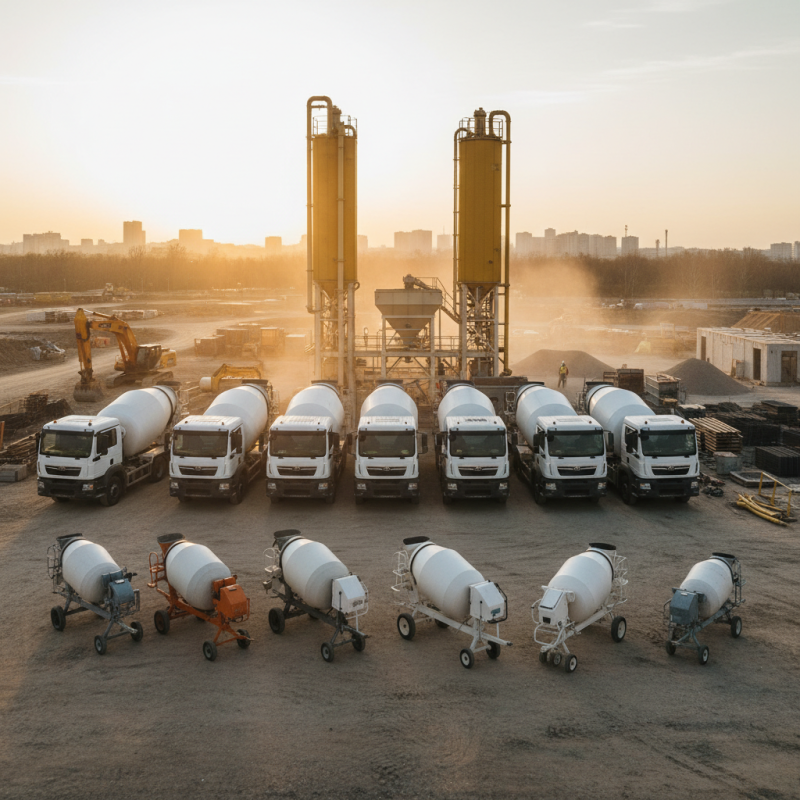
When it comes to concrete mixers, understanding the types available is crucial. There are two main categories: portable mixers and stationary mixers. Portable mixers are versatile. They can be moved easily to various job sites. This mobility is beneficial for smaller projects or tight spaces. On the other hand, stationary mixers are usually used for larger construction sites. They offer higher capacity, making them suitable for extensive work.
The applications of these mixers vary significantly. For instance, portable mixers are excellent for DIY projects, home renovations, or small-scale construction. They mix concrete fresh on site, ensuring quality. Stationary mixers, however, are vital in commercial construction. They handle larger batches, mixing concrete for foundations, roads, and bridges. This type can produce consistent and high-quality mixtures over extended periods.
Choosing the right mixer can often be overwhelming. Many factors must be considered, such as the size of the project, the mixing volume needed, and site conditions. Mistakes can lead to inefficiencies and extra costs. Therefore, it's essential to assess your specific requirements thoroughly. Avoiding a one-size-fits-all approach is key to achieving successful results in any construction endeavor.
Top 10 Concrete Mixer Models for Your Construction Needs
| Model |
Capacity (Cubic Feet) |
Power Source |
Mixing Speed (RPM) |
Application |
| Model A |
3 |
Electric |
24 |
Residential Projects |
| Model B |
4 |
Gasoline |
28 |
Commercial Use |
| Model C |
5 |
Diesel |
30 |
Medium Construction Sites |
| Model D |
6 |
Electric |
22 |
Large Residential Projects |
| Model E |
8 |
Gasoline |
25 |
Heavy-Duty Commercial Use |
| Model F |
9 |
Diesel |
26 |
Industrial Applications |
| Model G |
10 |
Electric |
29 |
Infrastructure Projects |
| Model H |
7 |
Gasoline |
27 |
Construction Labor Markets |
| Model I |
4 |
Diesel |
23 |
Small Scale Projects |
| Model J |
5 |
Electric |
21 |
DIY Projects |
Top 10 Recommended Concrete Mixer Models for Construction Projects
When selecting a concrete mixer for construction projects, several models stand out. These recommended models cater to various needs, ensuring efficient mixing and durability. Recent industry data reveals that investing in a reliable mixer can boost productivity by up to 30%. Many construction teams report improved project timelines when using advanced mixers.
In particular, portable models are gaining traction due to their versatility. They are easy to transport and set up at different sites. However, it's essential to note that not all portable mixers perform at the same level. Some struggle with larger batches, causing delays. Hydraulic models, though often more expensive, provide better mixing consistency for heavy-duty tasks. But maintenance can be overlooked, leading to costly repairs.
Pay attention to the capacity and power of the mixer. A model with a 1.5 cubic foot capacity might suffice for small projects. Conversely, larger endeavors may require mixers that handle 4 cubic feet or more. Construction professionals often find that balancing cost and efficiency is crucial. In some cases, mixers that seem cost-effective initially may lead to inefficiencies down the line.
Top 10 Concrete Mixer Models for Your Construction Needs
This bar chart represents the top 10 concrete mixer models based on their mixing capacity measured in liters. It is essential for construction projects to choose the right concrete mixer for efficiency and effectiveness.
Comparative Analysis of Performance and Durability of Selected Mixers
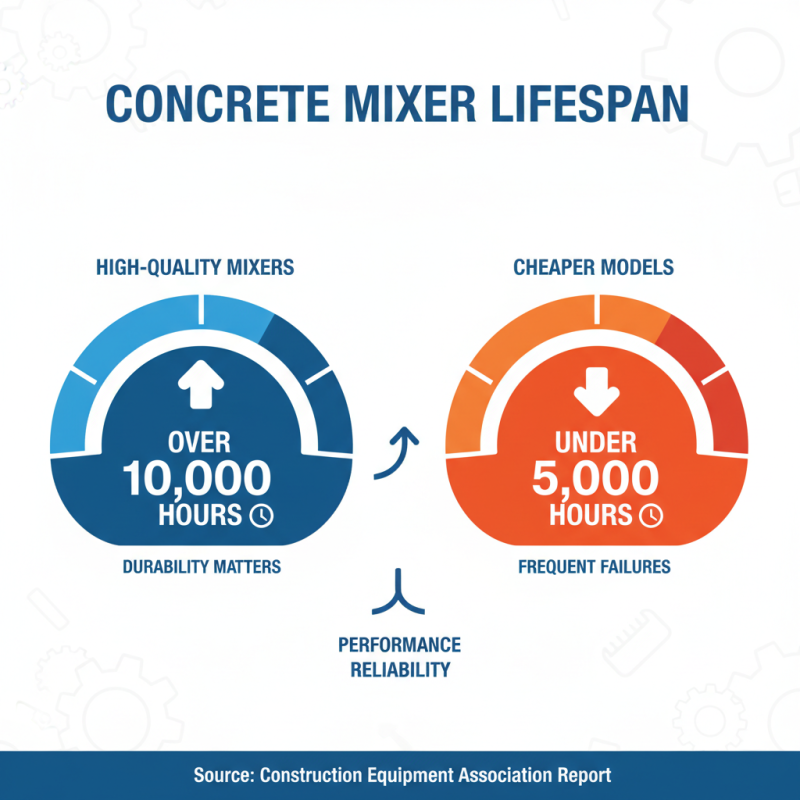
When choosing a concrete mixer, performance and durability are crucial. Numerous studies reveal that the lifespan of mixers varies significantly. In a report by the Construction Equipment Association, high-quality mixers can exceed 10,000 hours of operation. However, cheaper models often fail after less than 5,000 hours.
Wear and tear can affect the mixing process. Many mixers struggle with an uneven blend, which increases material waste. A recent survey showed that nearly 25% of construction sites experienced issues due to inadequate mixing. Operators noted that the design of the drum impacts speed and efficiency. Some mixers take longer to mix, ultimately affecting project timelines.
Durability is another key concern. Concrete mixers exposed to harsh conditions can corrode quickly. A study by the Concrete and Cement Association found that regular maintenance extends durability by up to 30%. However, many operators overlook this aspect. The right choice involves balancing cost, efficiency, and upkeep. Knowing when to invest more can make a difference. A robust mixer ultimately saves money in the long run.
Maintenance Tips for Optimal Performance of Concrete Mixers
Maintaining your concrete mixer is essential for optimal performance. Regularly check the motor and electrical components. Over time, wear can lead to malfunctions. A simple inspection can save significant repair costs. Pay attention to unusual noises or vibrations while operating. These can indicate underlying issues that need immediate attention.
Clean the mixer thoroughly after each use. Concrete residue can build up, affecting performance. Use water and a stiff brush, but avoid harsh chemicals. If possible, store the mixer indoors to protect it from the elements. Outdoor exposure can cause rust and damage over time.
Lastly, remember to lubricate moving parts regularly. This prevents wear and ensures smooth operation. Even minor oversight can lead to major problems later. Regular maintenance is a proactive approach. It prolongs the life of your equipment and enhances efficiency.

 Concrete Mixing Plant
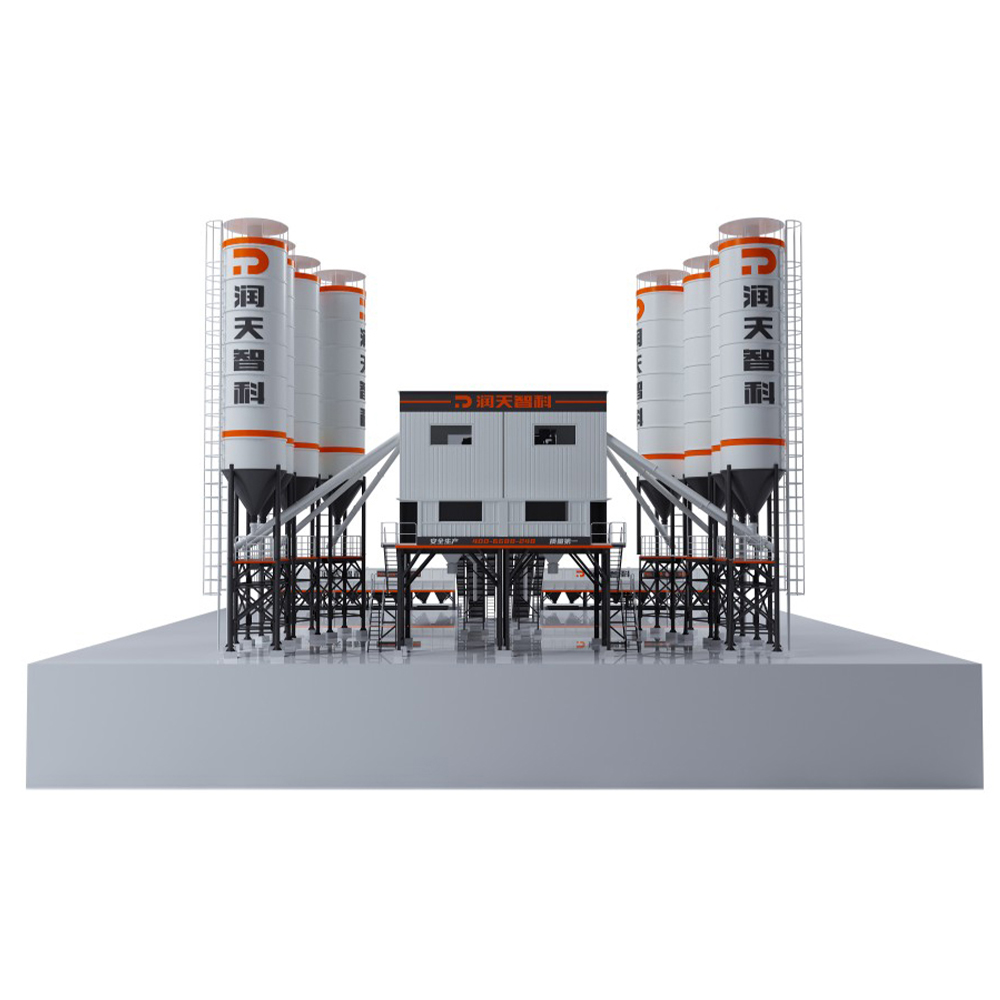 HZS Series Belt Concrete Mixing Plant
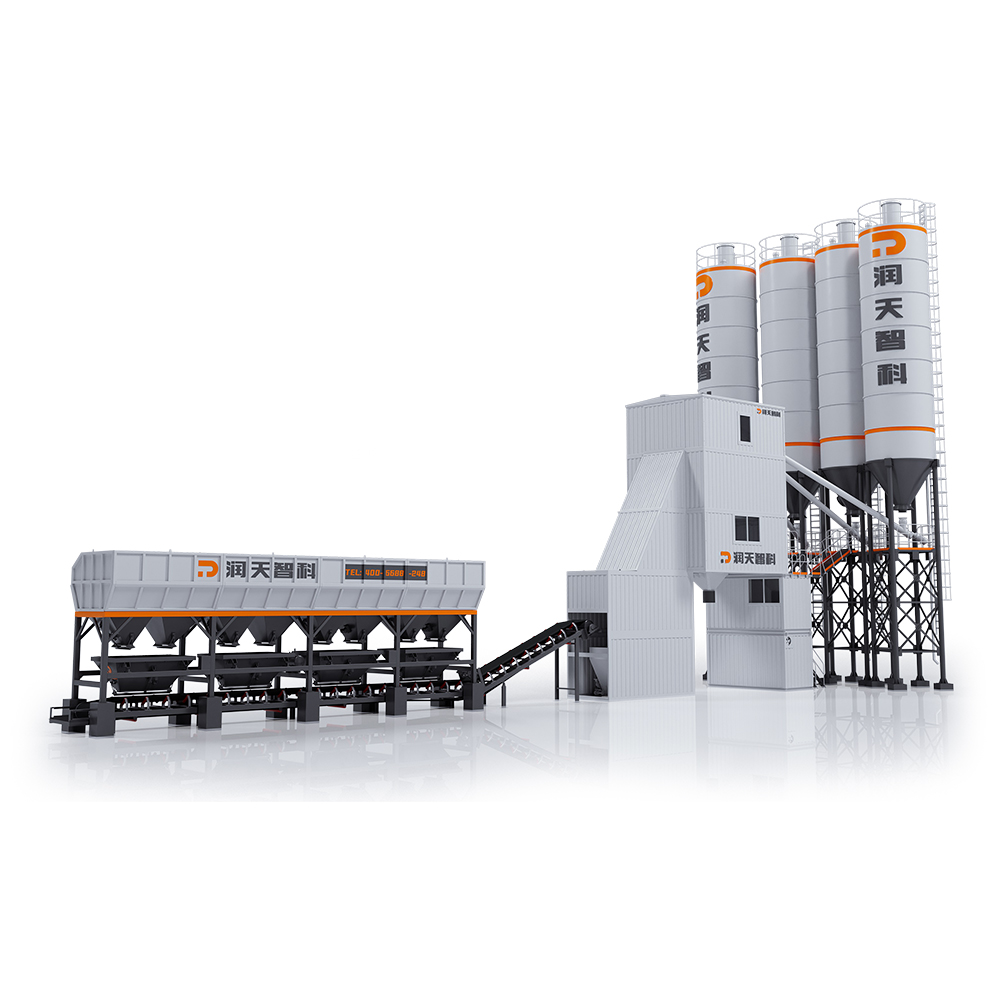 HZS Series Bucket-Lifting Type Container Concrete Mixing Plant
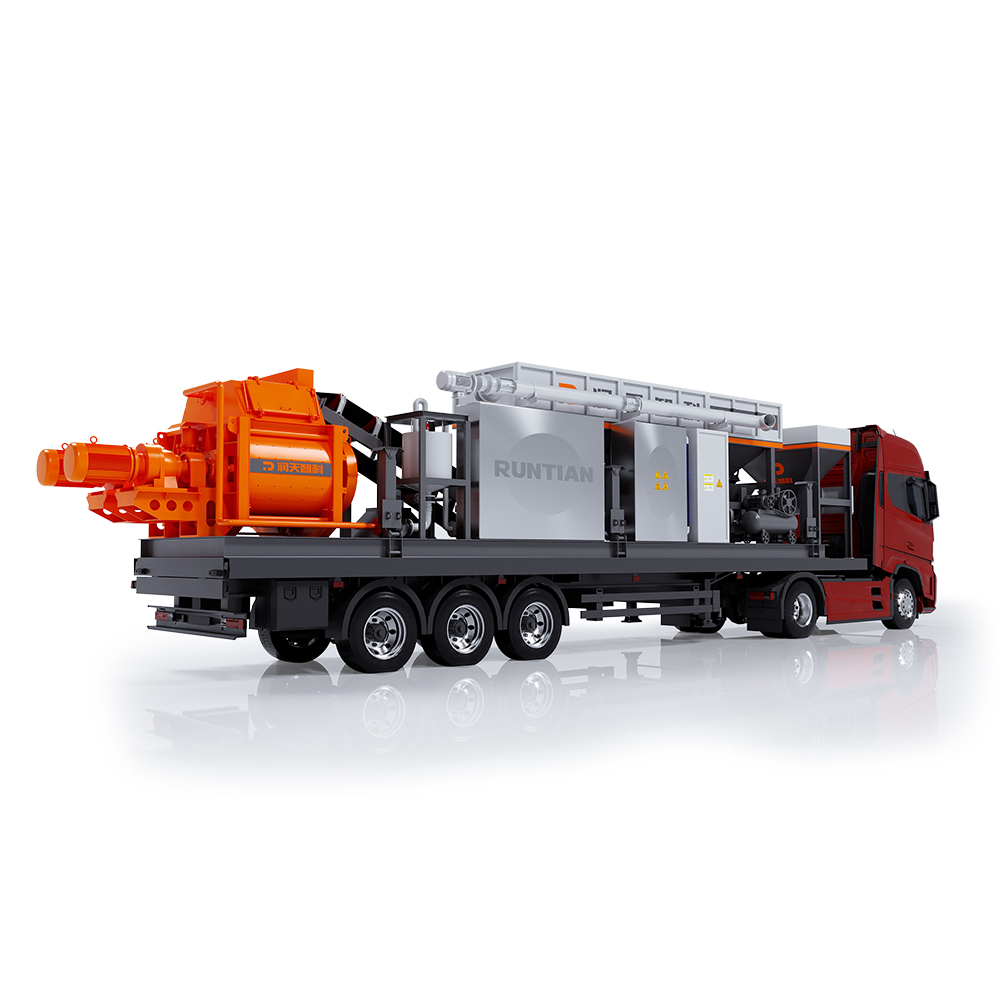 HZS60 Mobile Concrete Mixing Plant
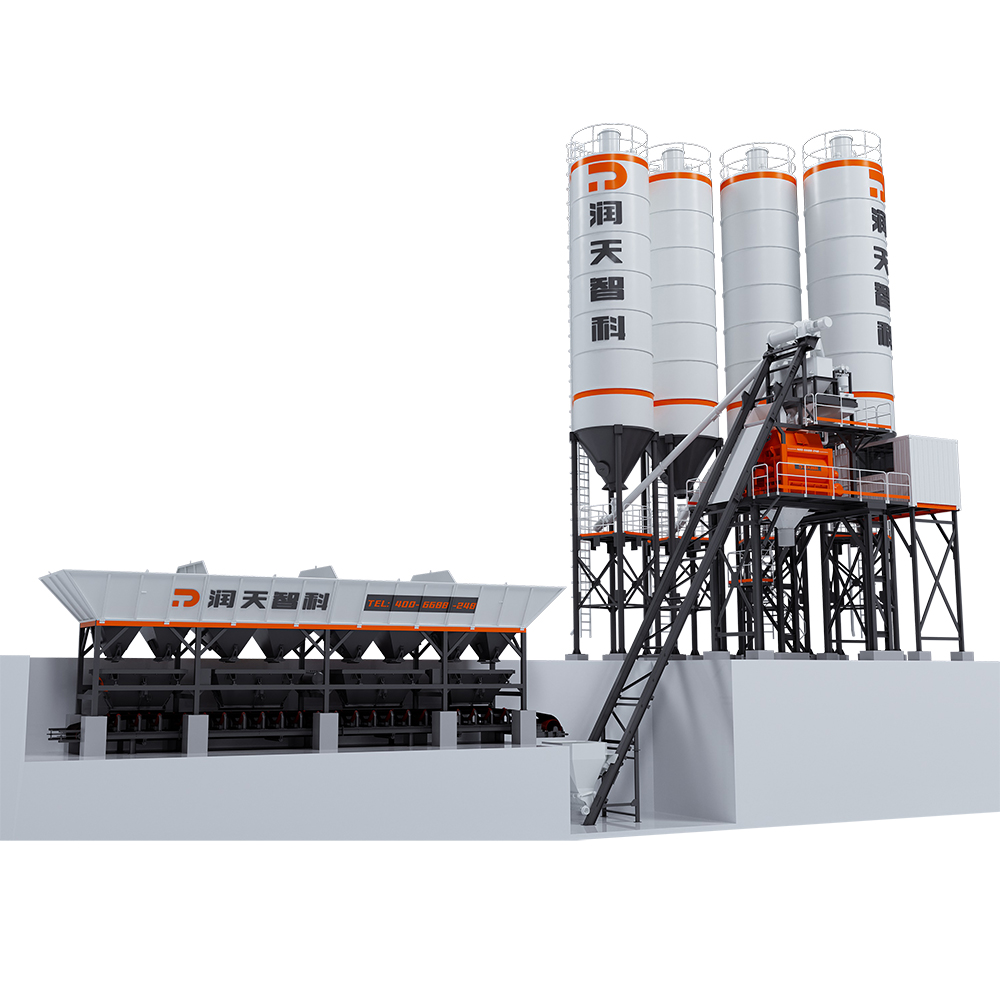 HZS Series Bucket-Lifting Type Concrete Mixing Plant
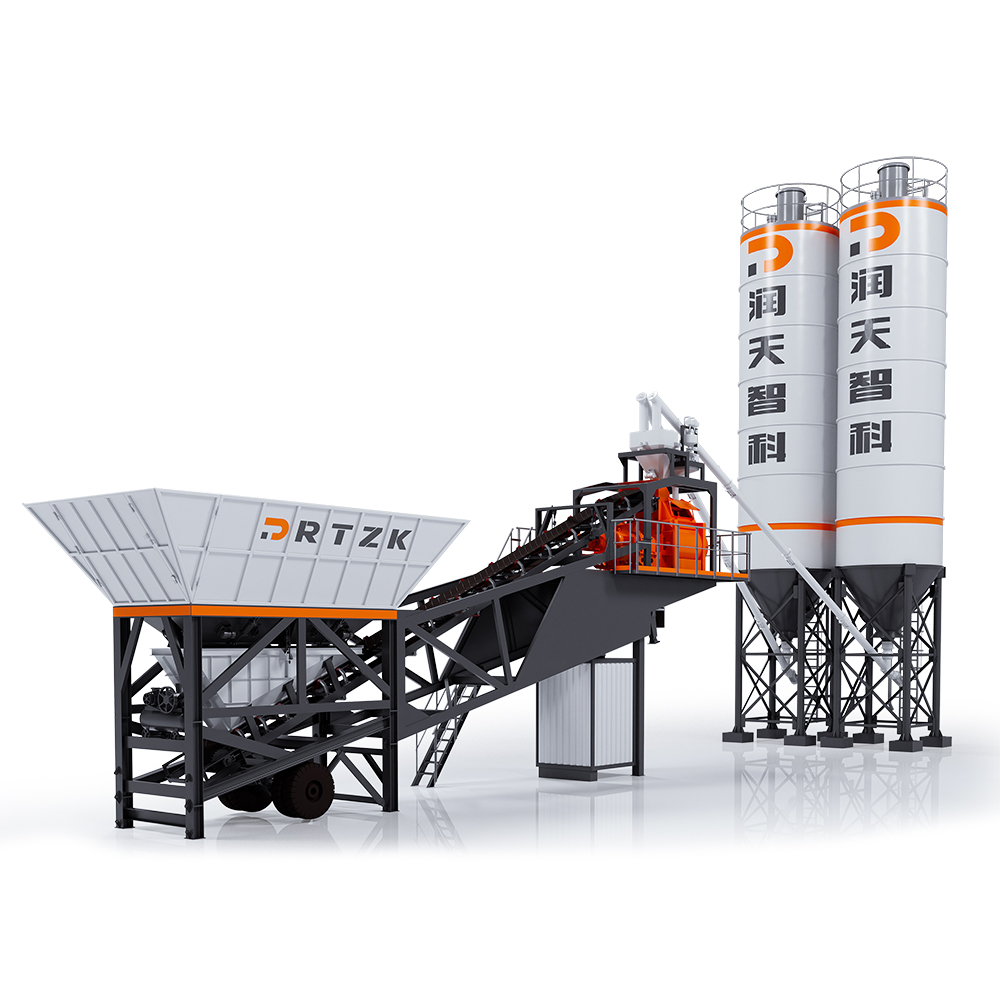 HZS Series Mobile Concrete Mixing Plant
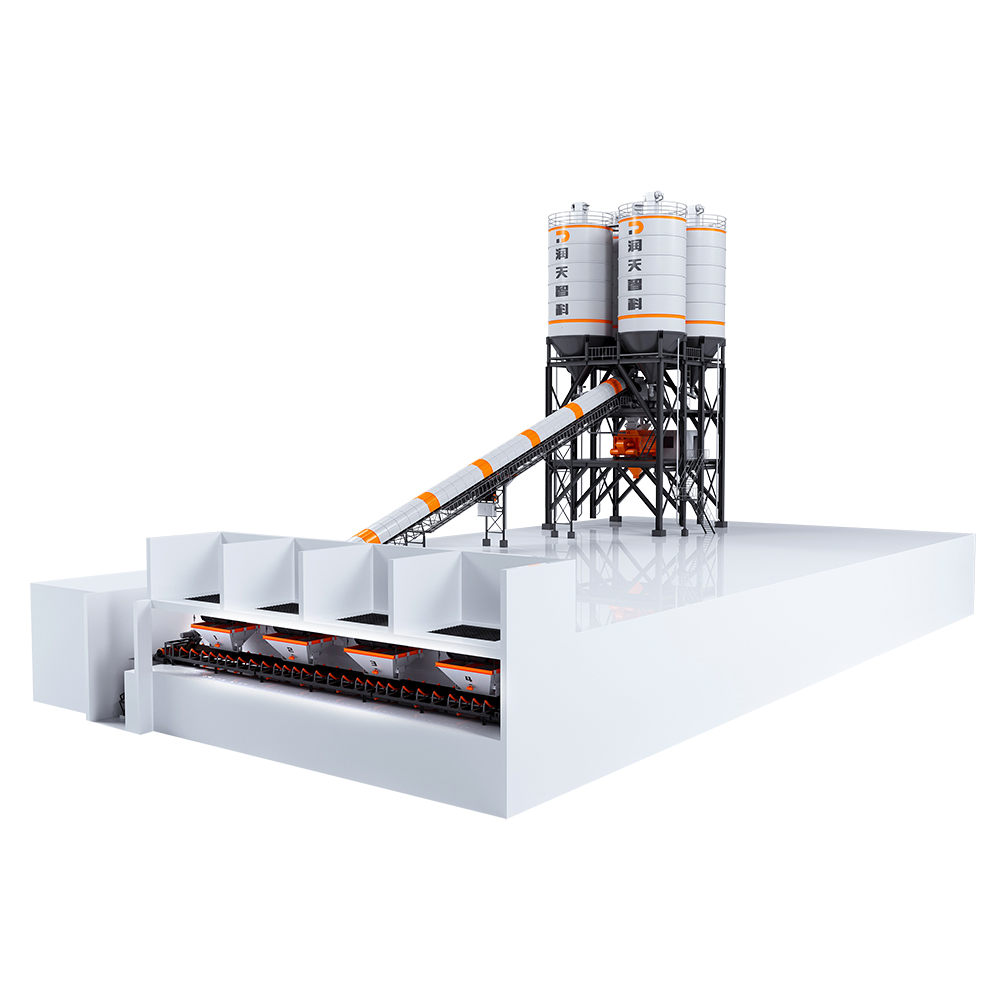 HZS Series Top-Mounted Concrete Mixing plant
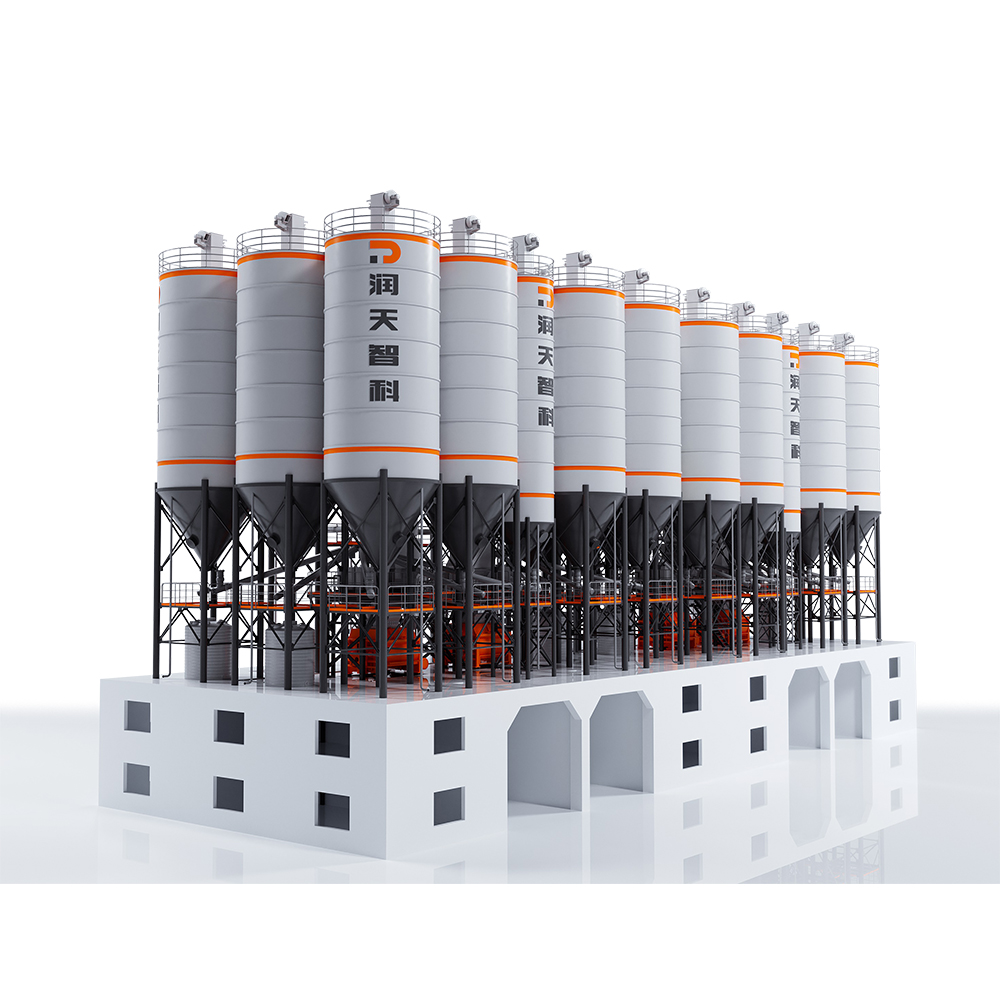 HZS Series Semi-Top Mounted Concrete Mixing Plant
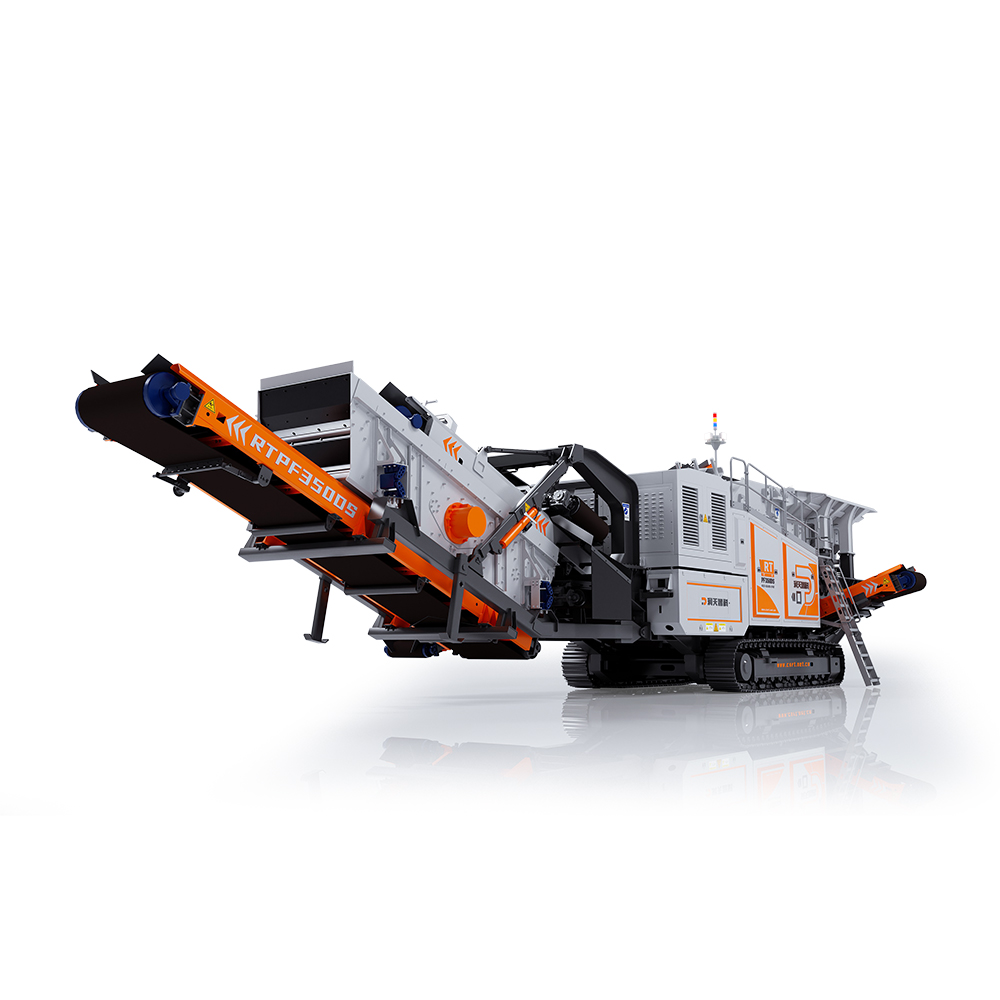 RTPF350DS Crawler Mobile Impact Crushing Plant
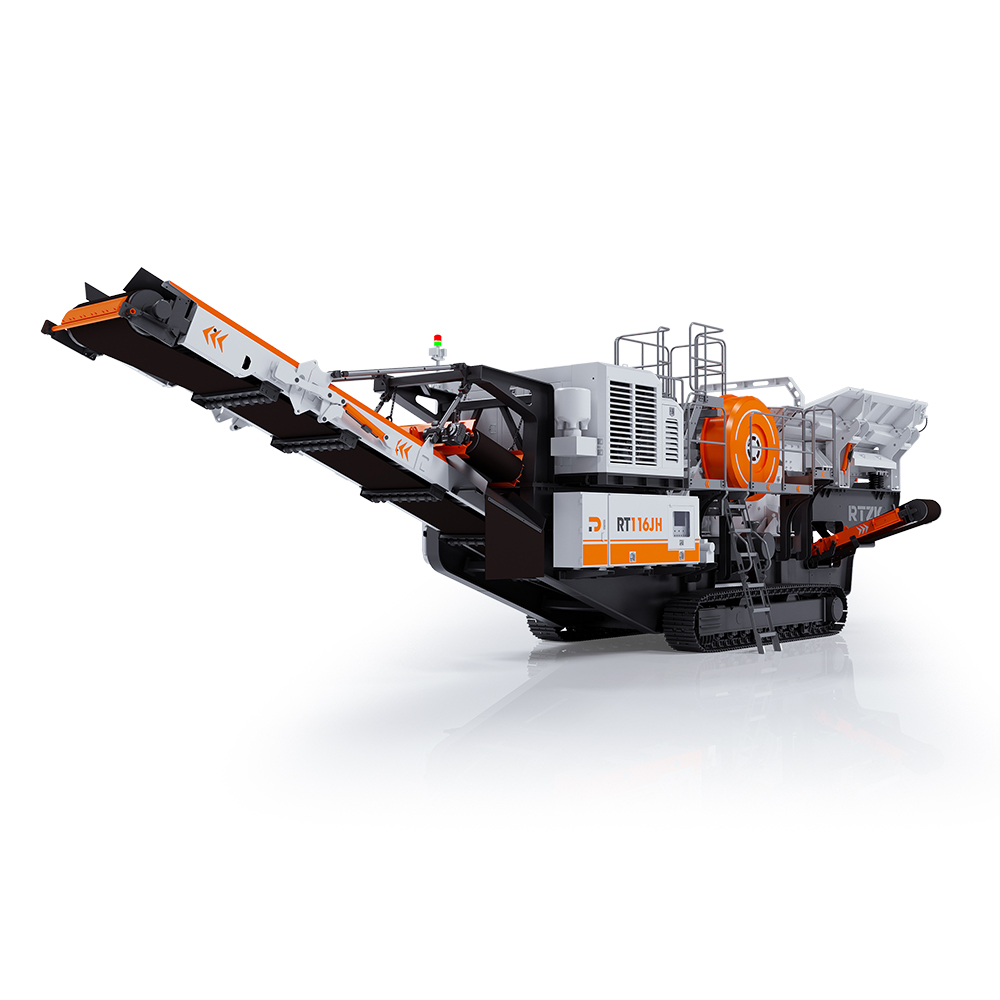 RT116JH Crawler Mobile Jaw Crushing Plant
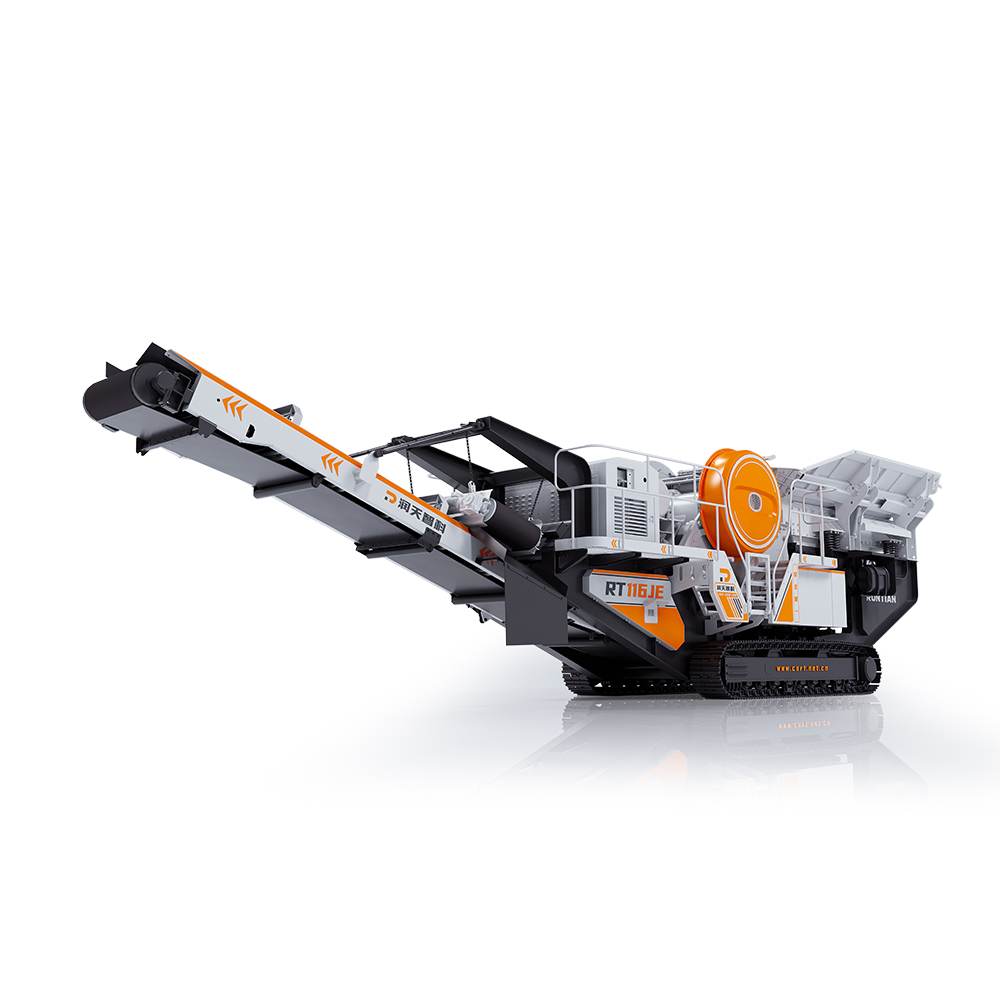 RT116JE Crawler Mobile Jaw Crushing Plant
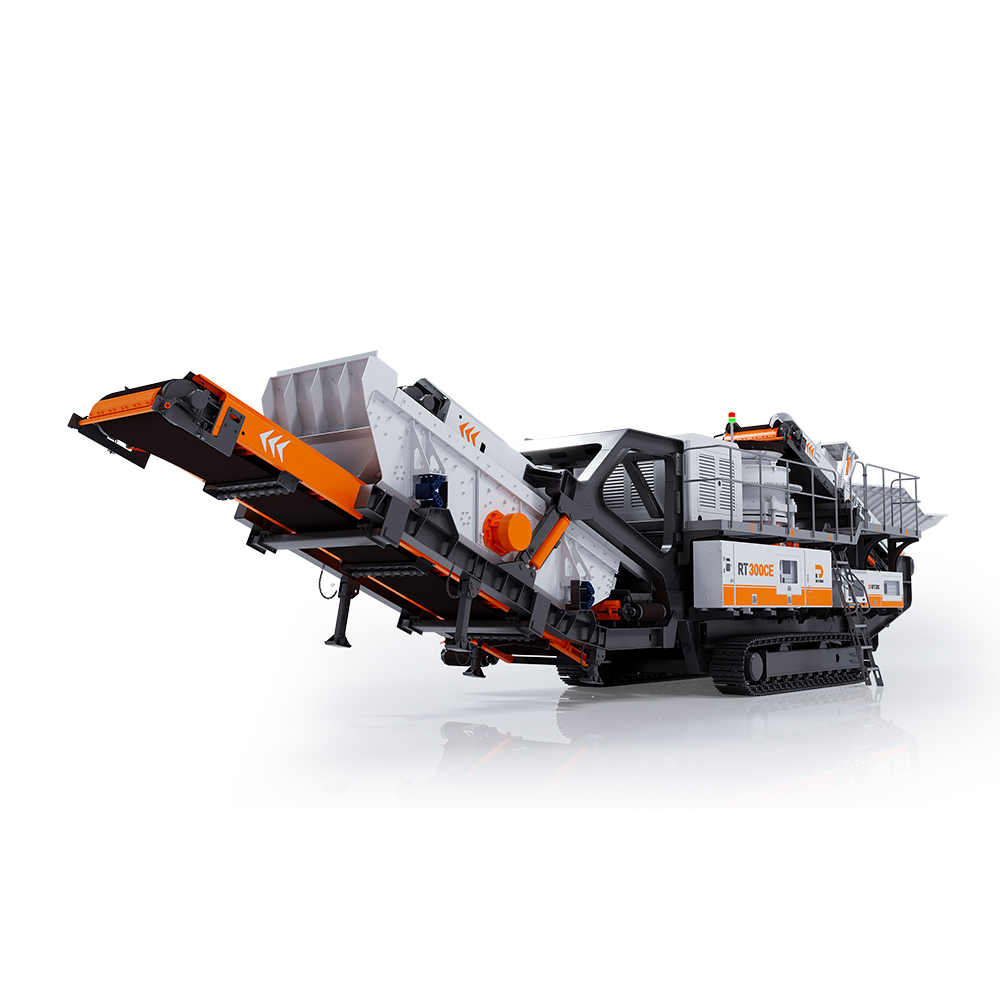 RT300CE Crawler Mobile Cone Crushing Plant
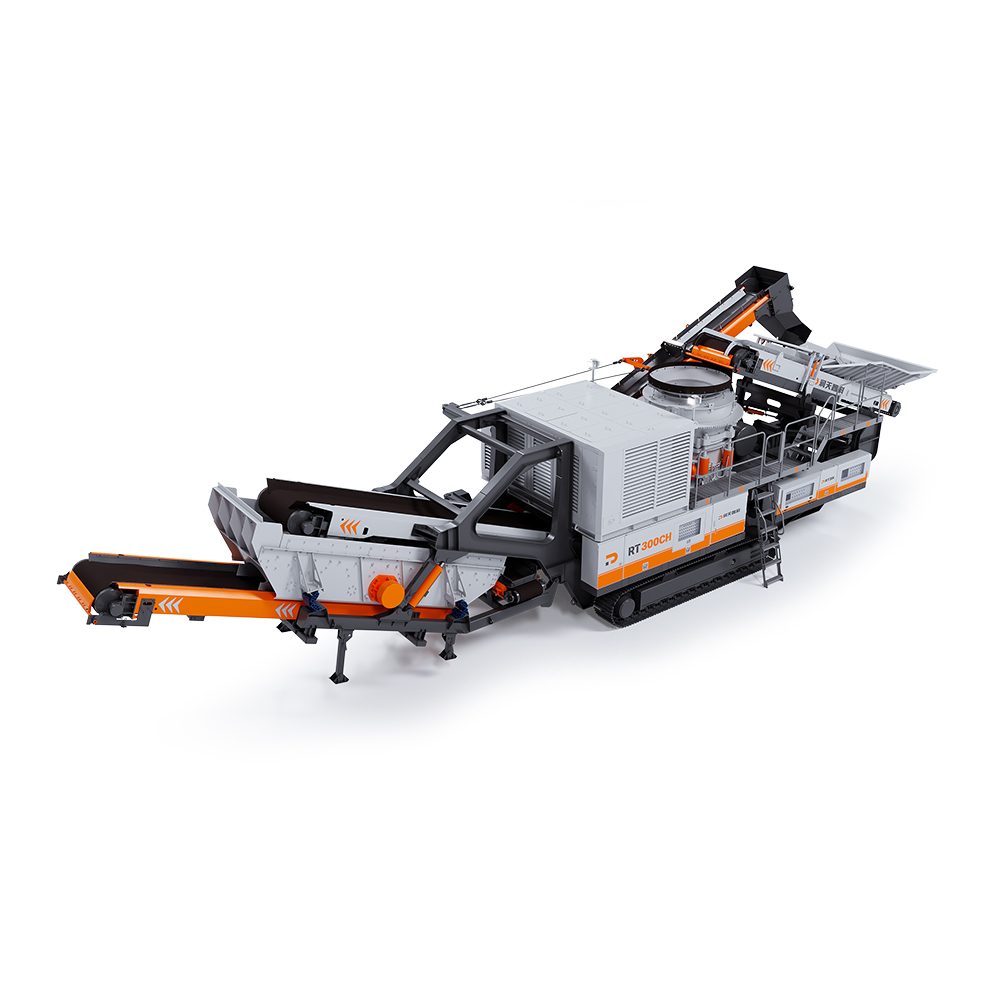 RT300CH Crawler Mobile Cone Crushing Plant
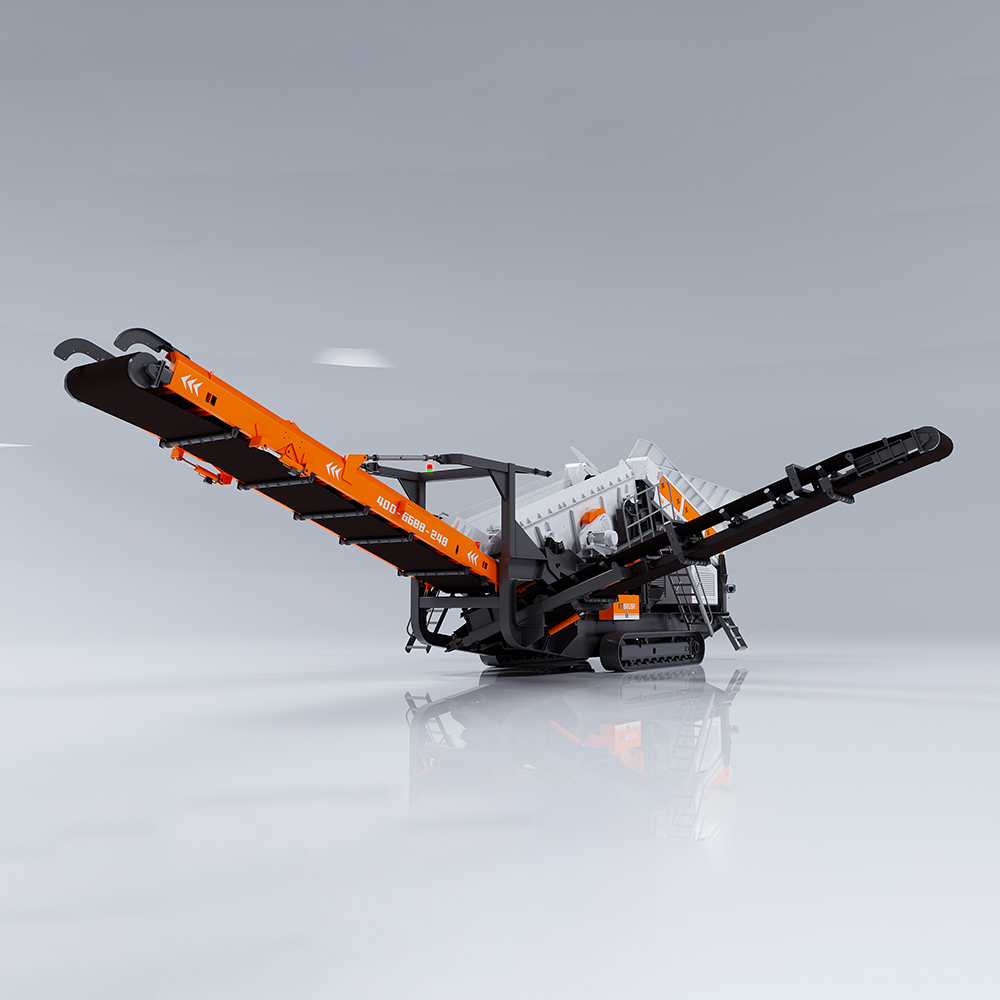 RT5015H Mobile Scalping Screen
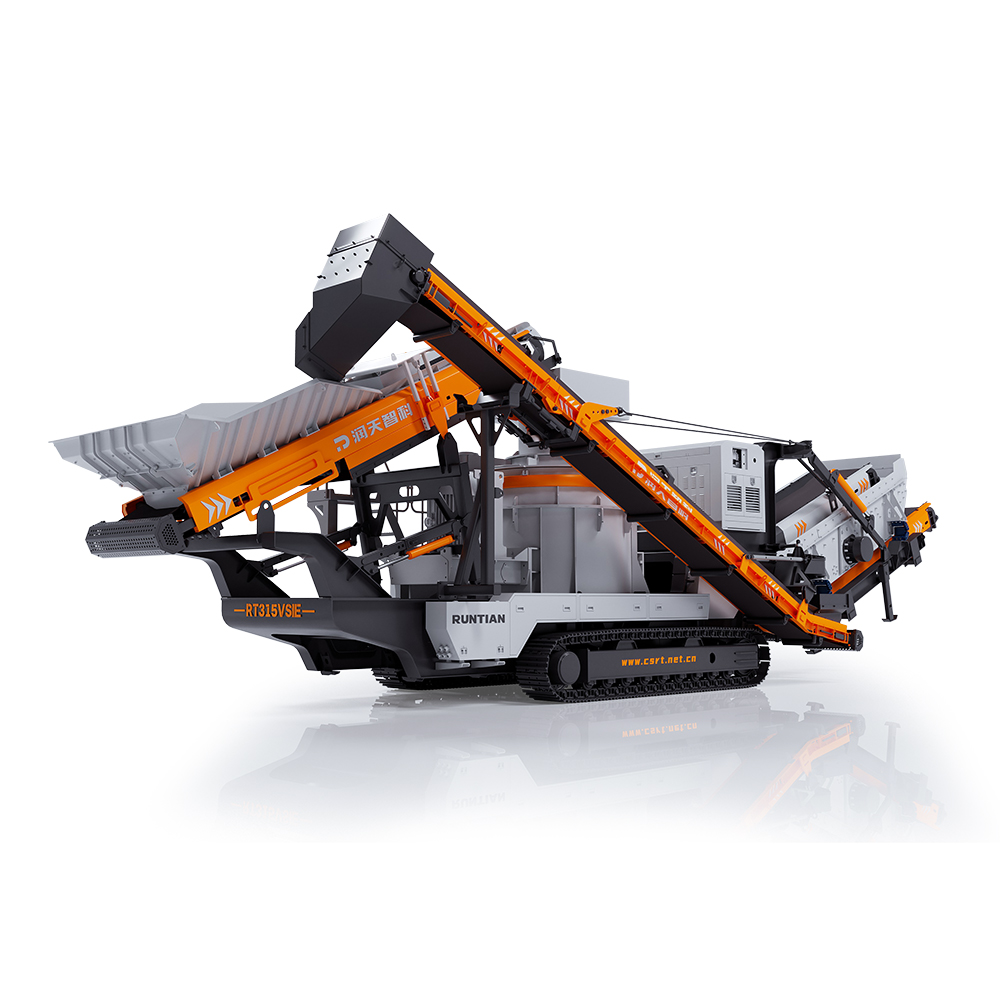 RT315VSIE Crawler Mobile Sand Maker
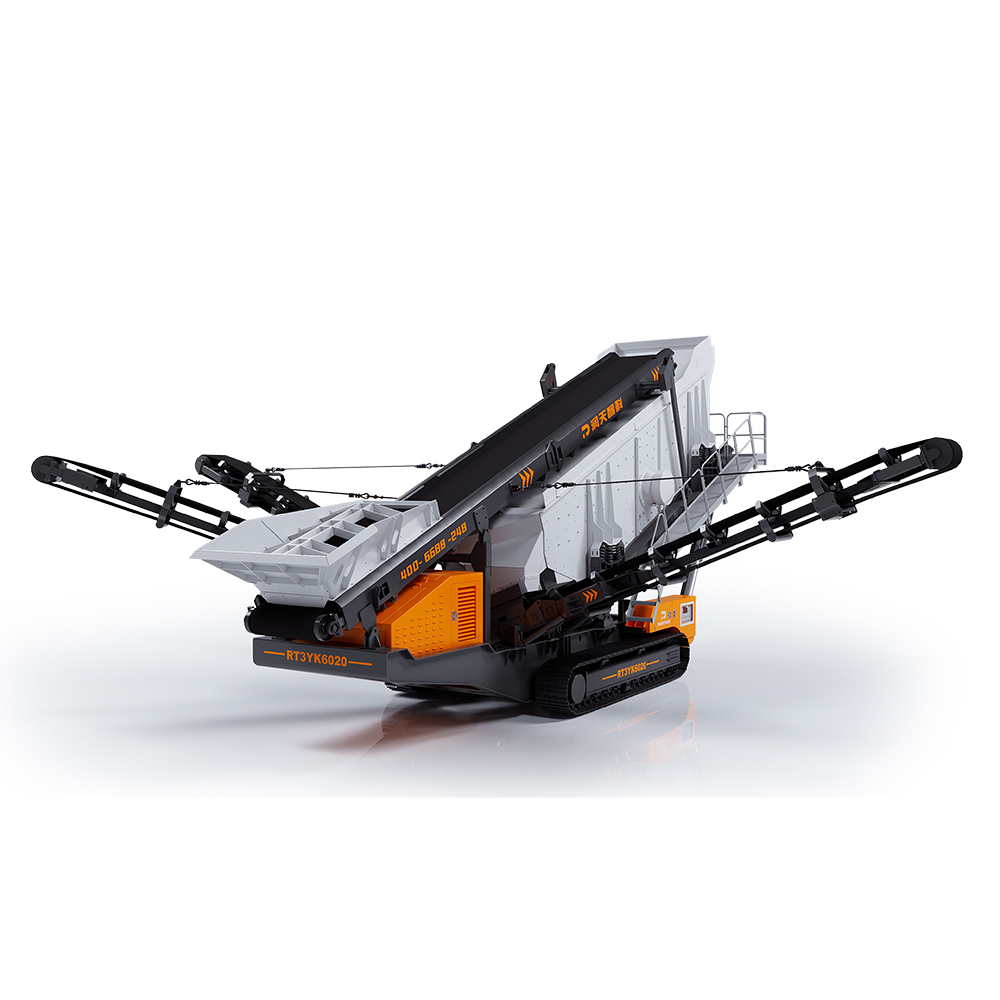 RT3YK6020 Crawler Mobile Screening Plant
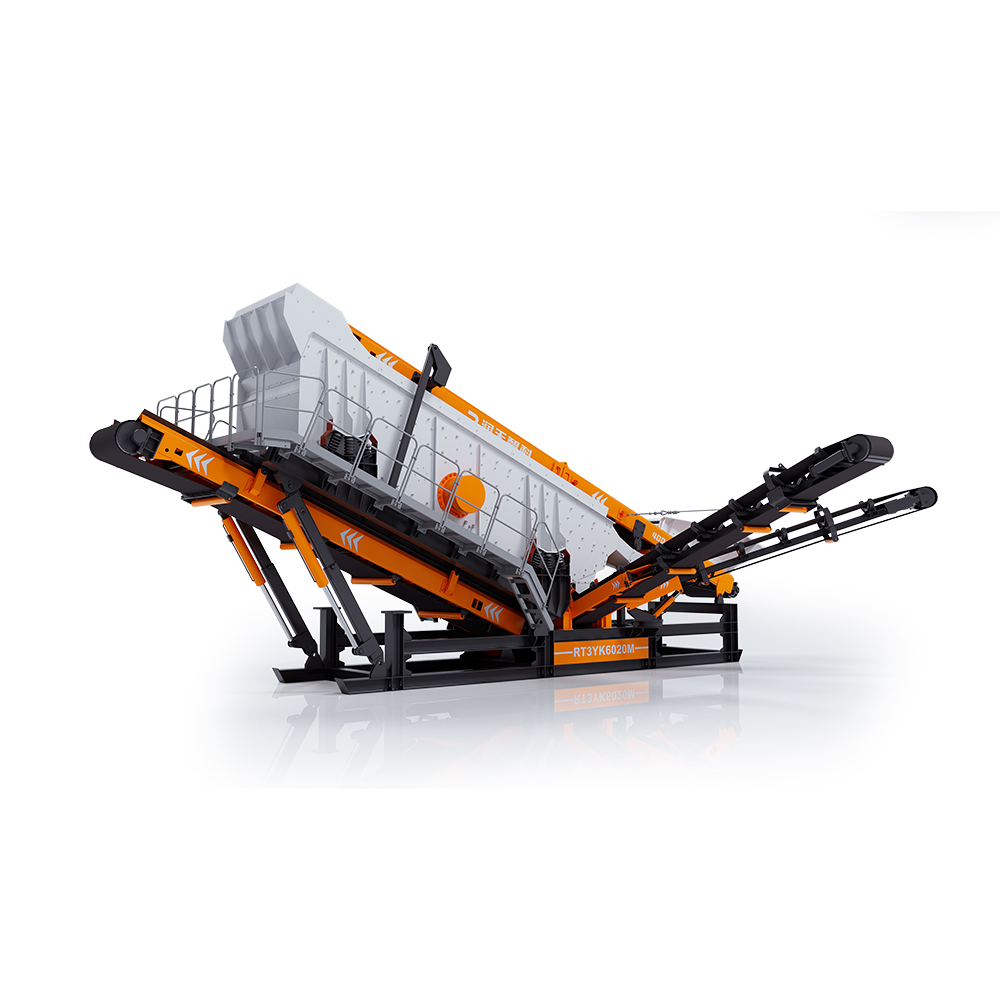 RT3YK6020M Modular Screening Plant
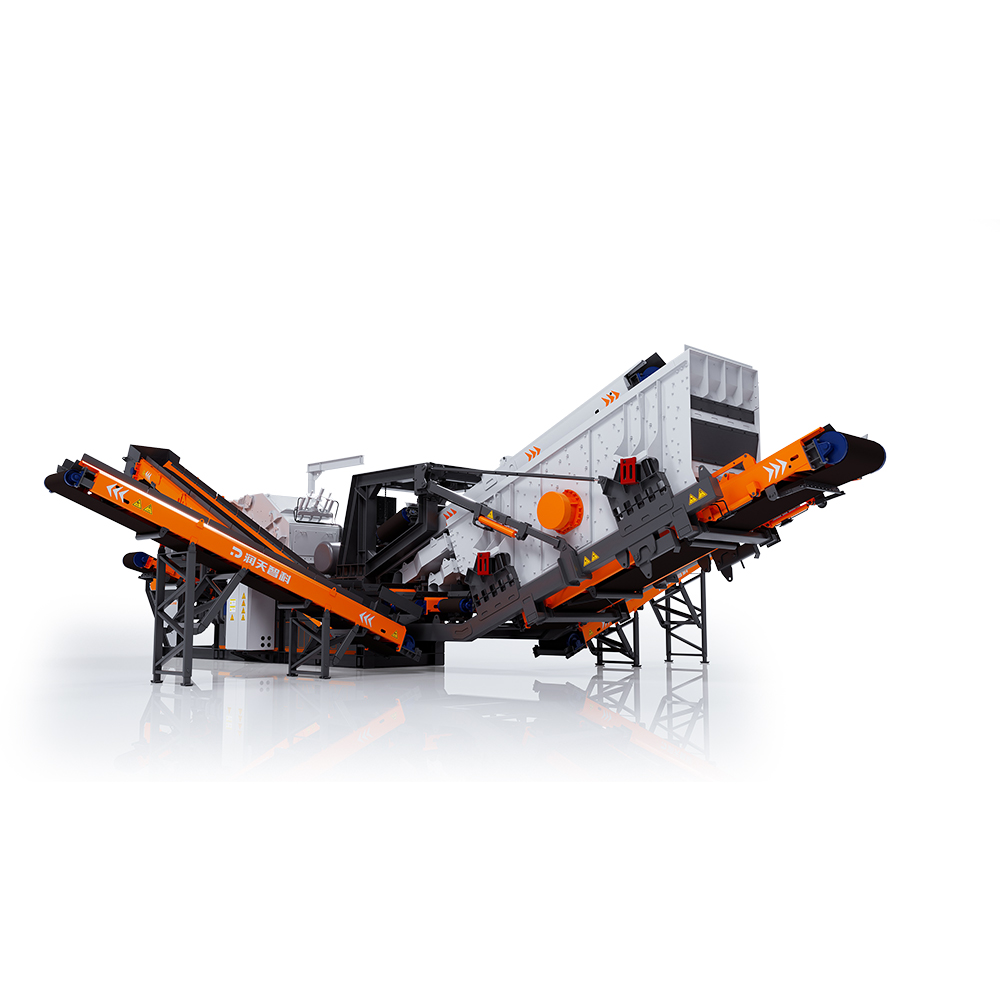 RTF260M Modular Counterattack Crushing and Screening Integrated Machine
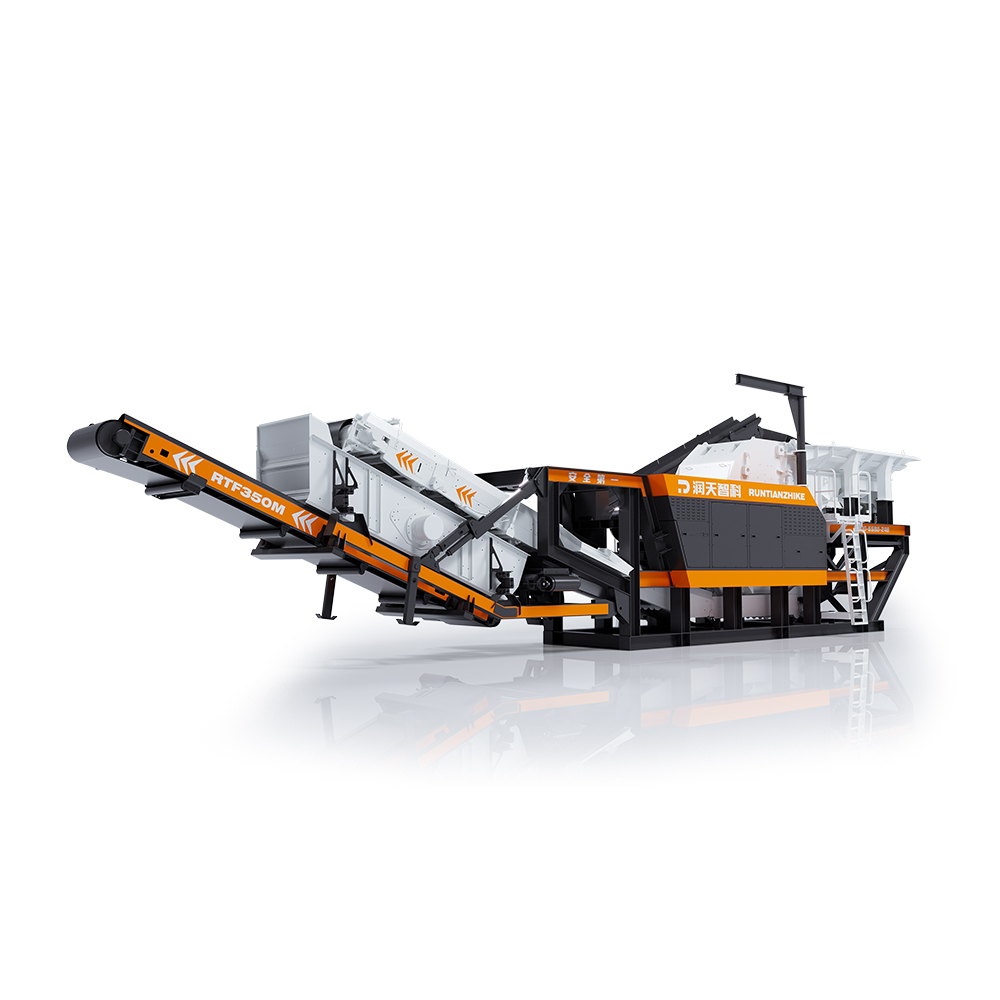 RTF350M Modular Impact Crushing Plant
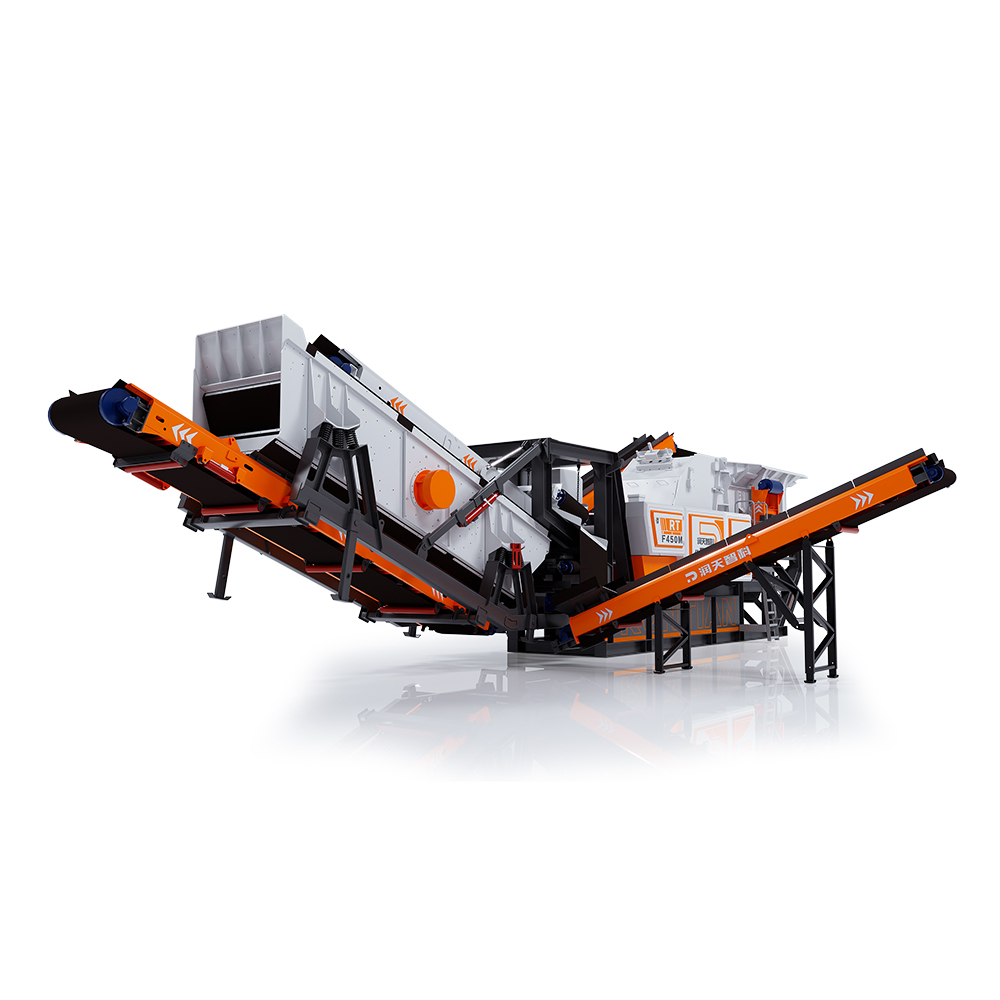 RTF450M Modular Impact Crushing Plant
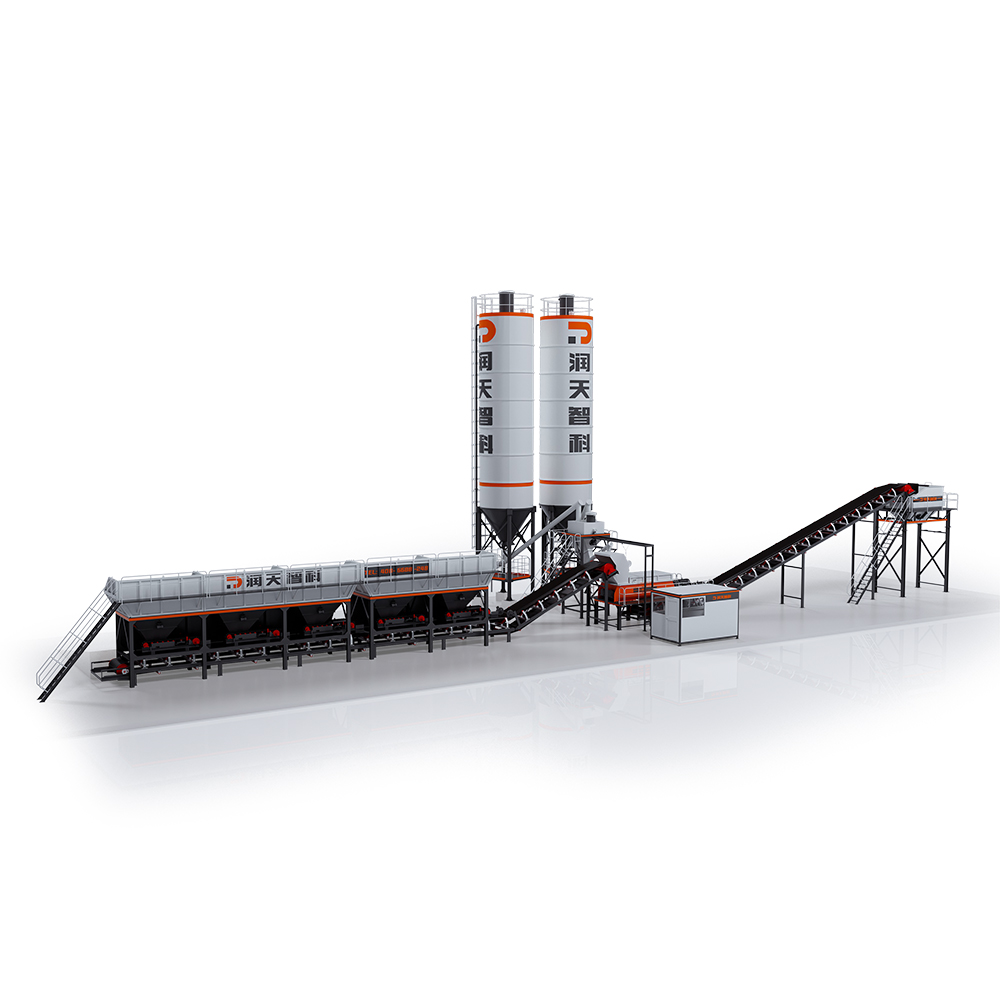 WDB Series Foundation-Free Stability Soil Mixing Plant
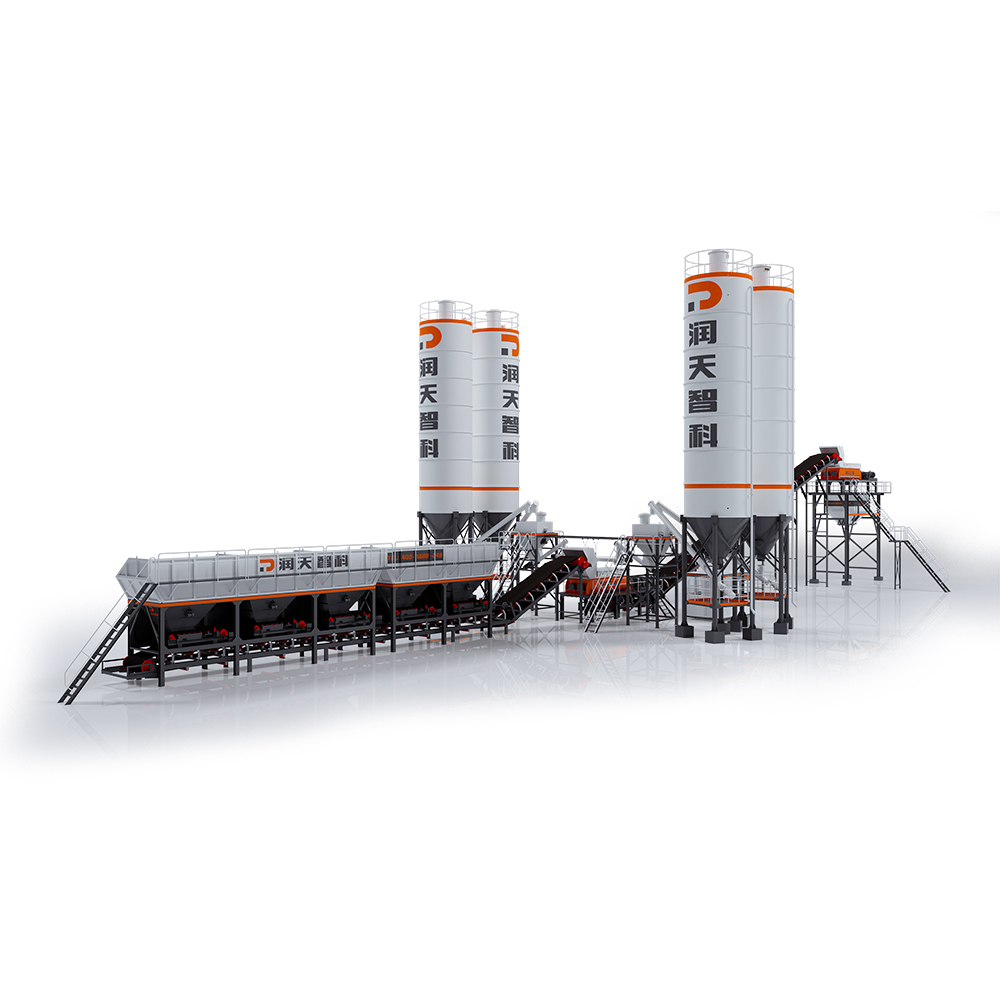 LCB Series Emulsified Asphalt Cold Regeneration Secondary Mixing Plant
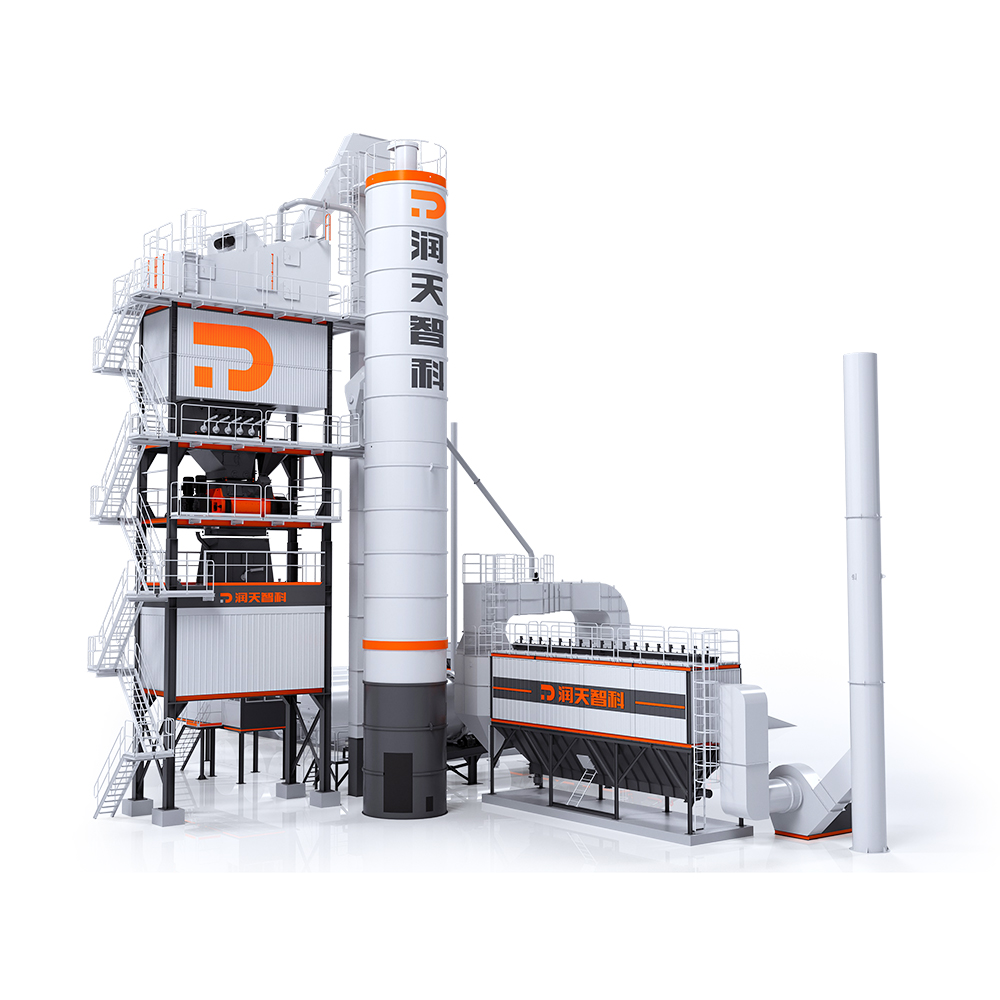 LB Series Asphalt Mixing Plant
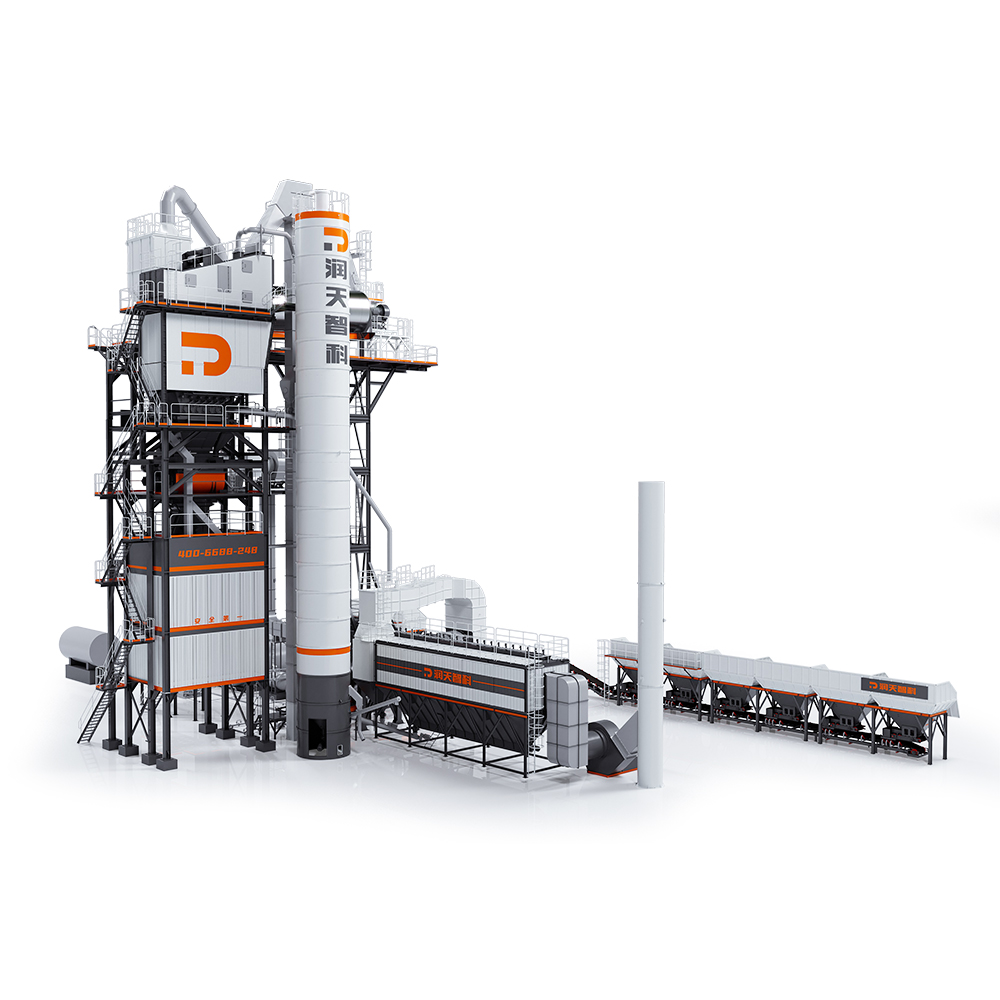 LBR Series Integrated Asphalt Mixing Plant
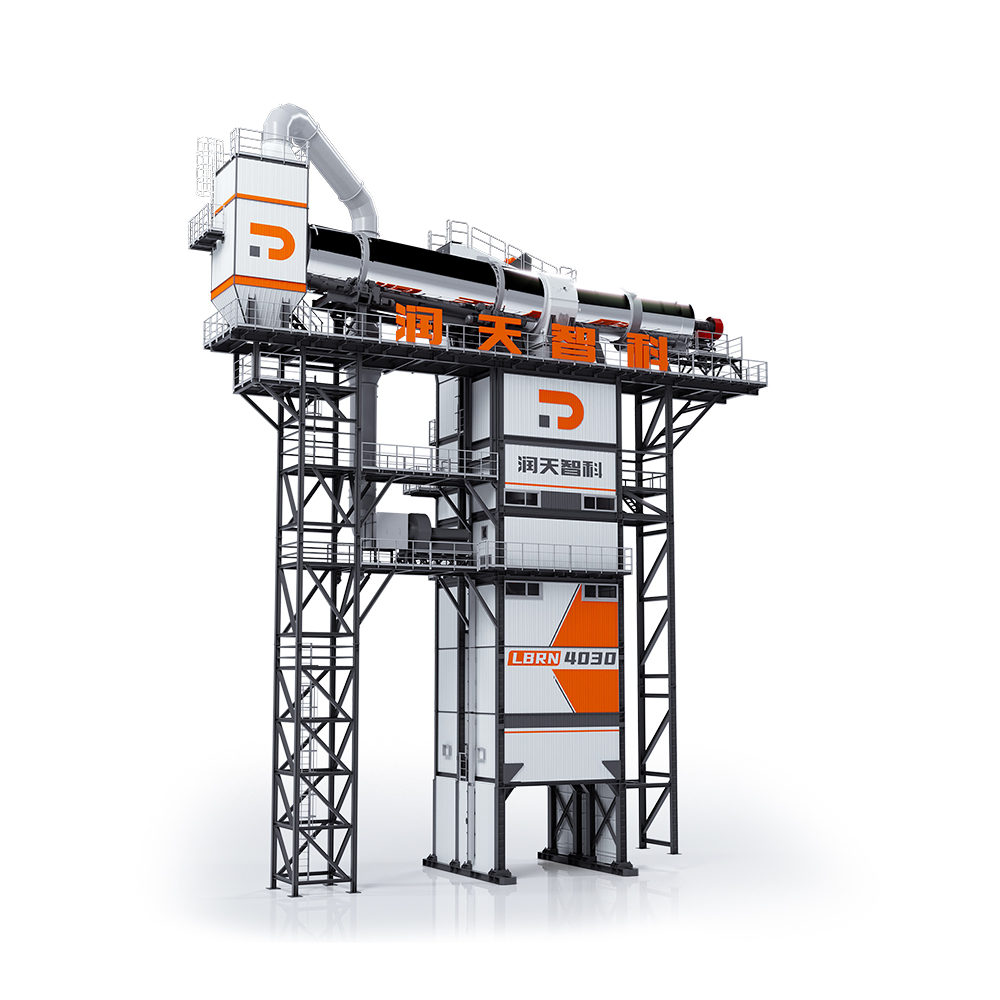 LBRN Series Counterflow Integral Asphalt Mixing Plant
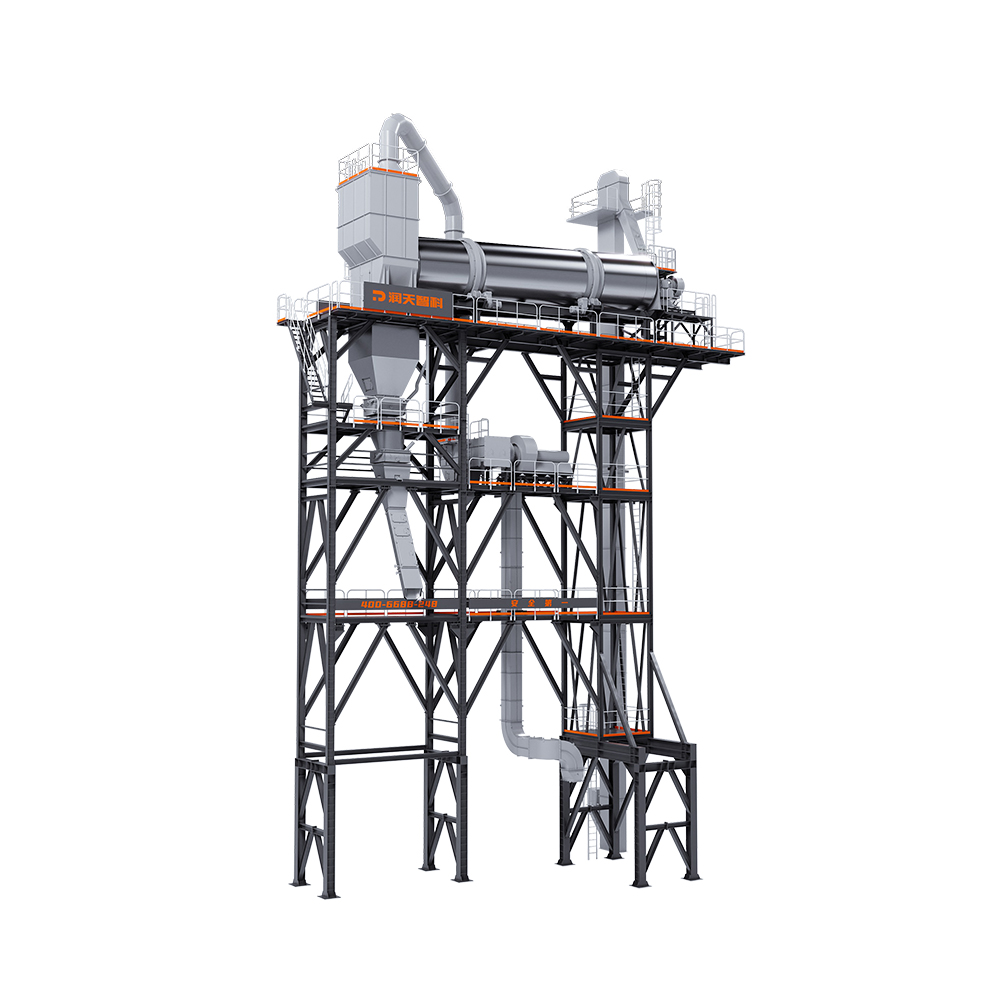 RZS Series Asphalt Mixing Plant
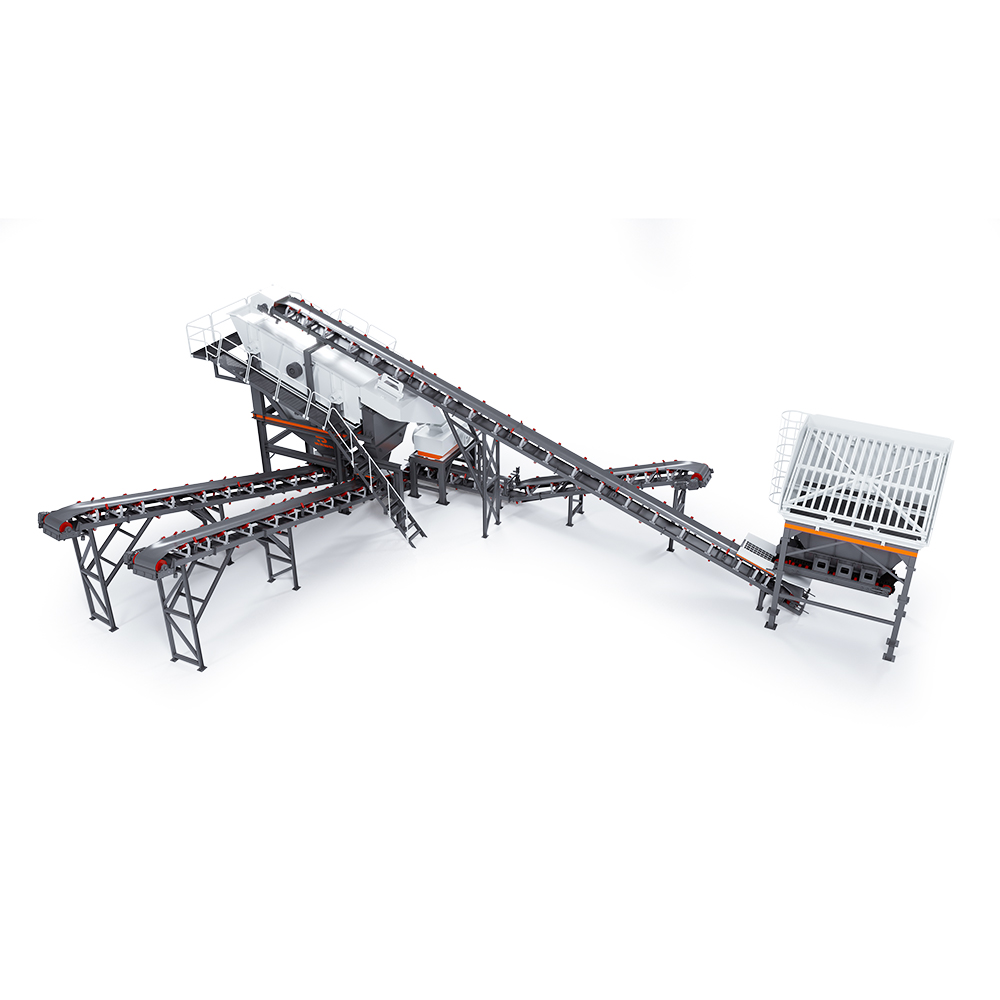 RTZS120 Series RAP Crushing & Screening Plant
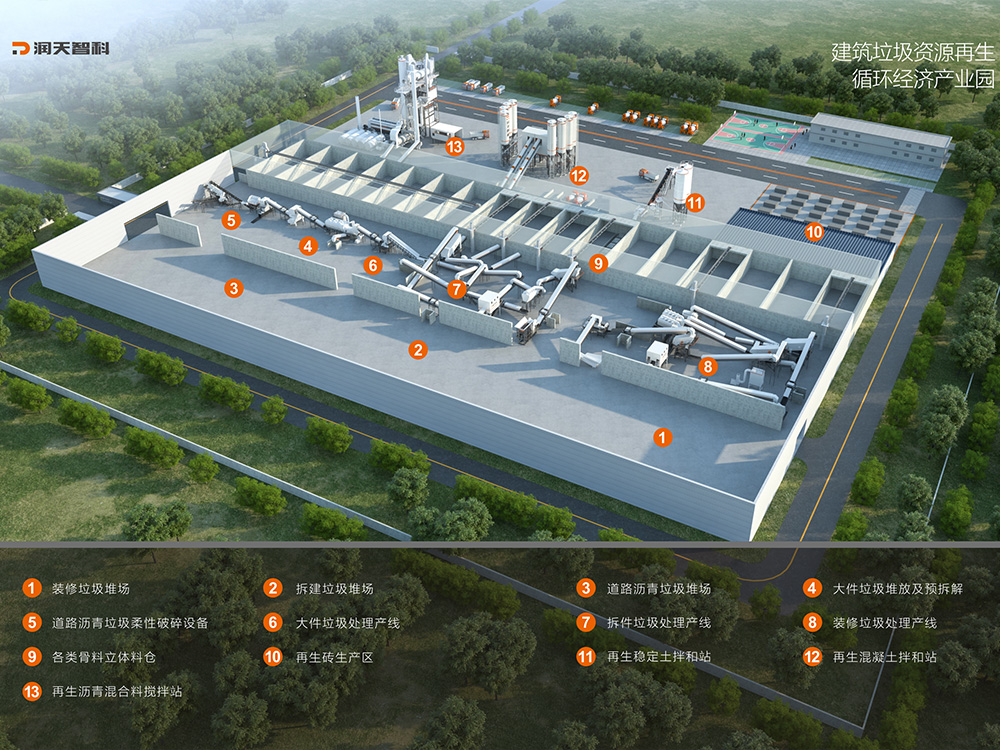 Construction Waste Resourceful Treatment Line