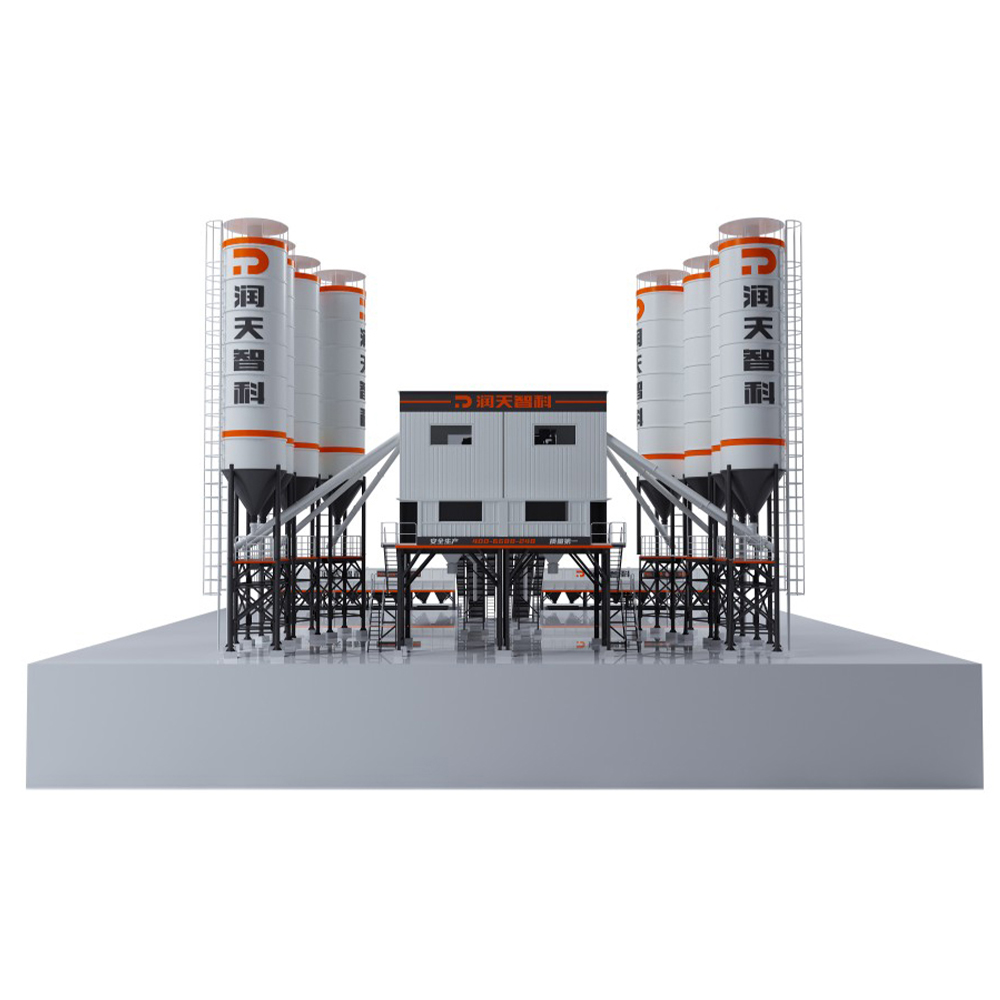
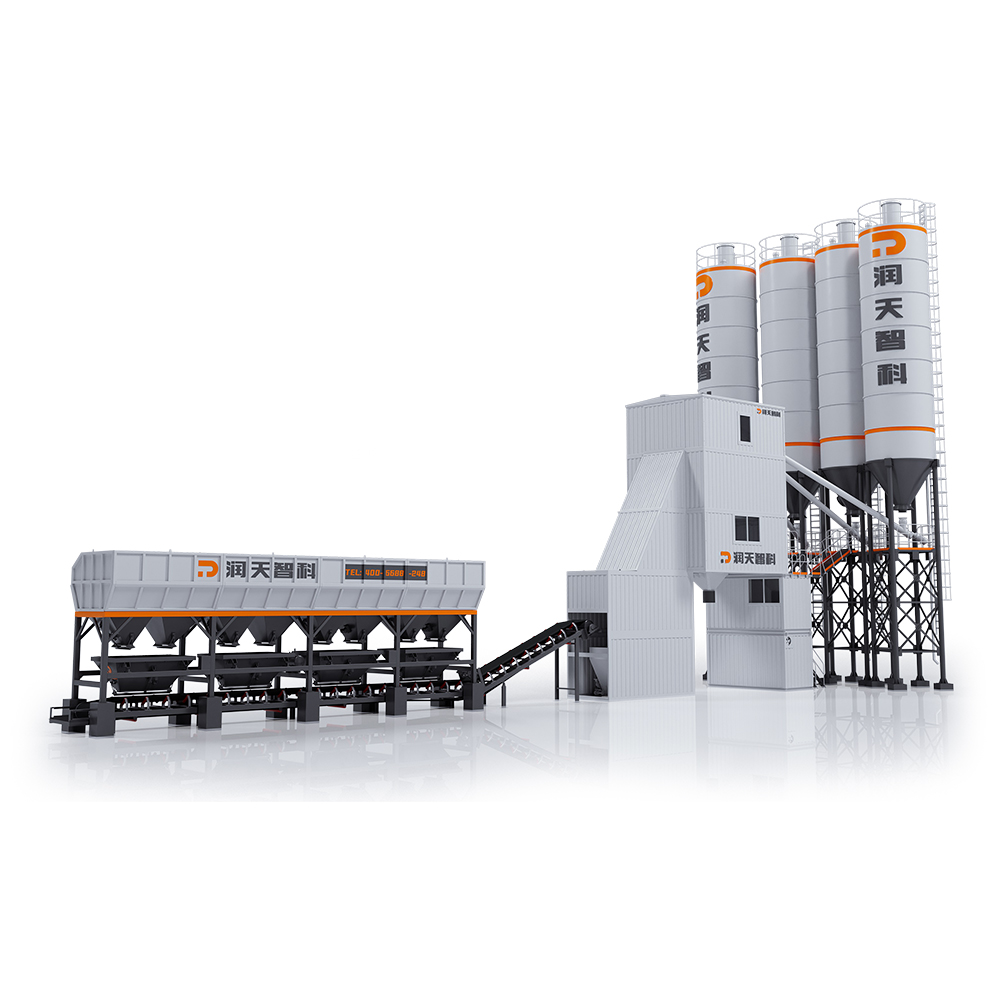
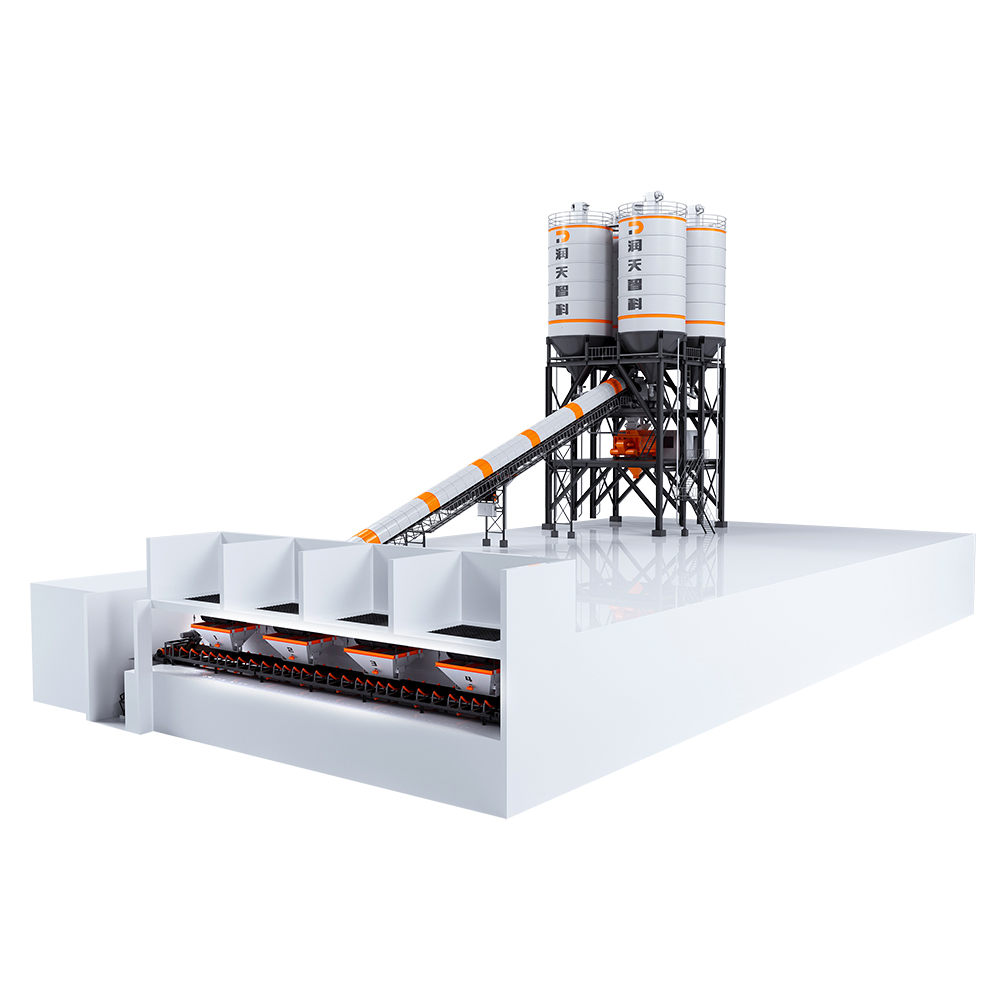
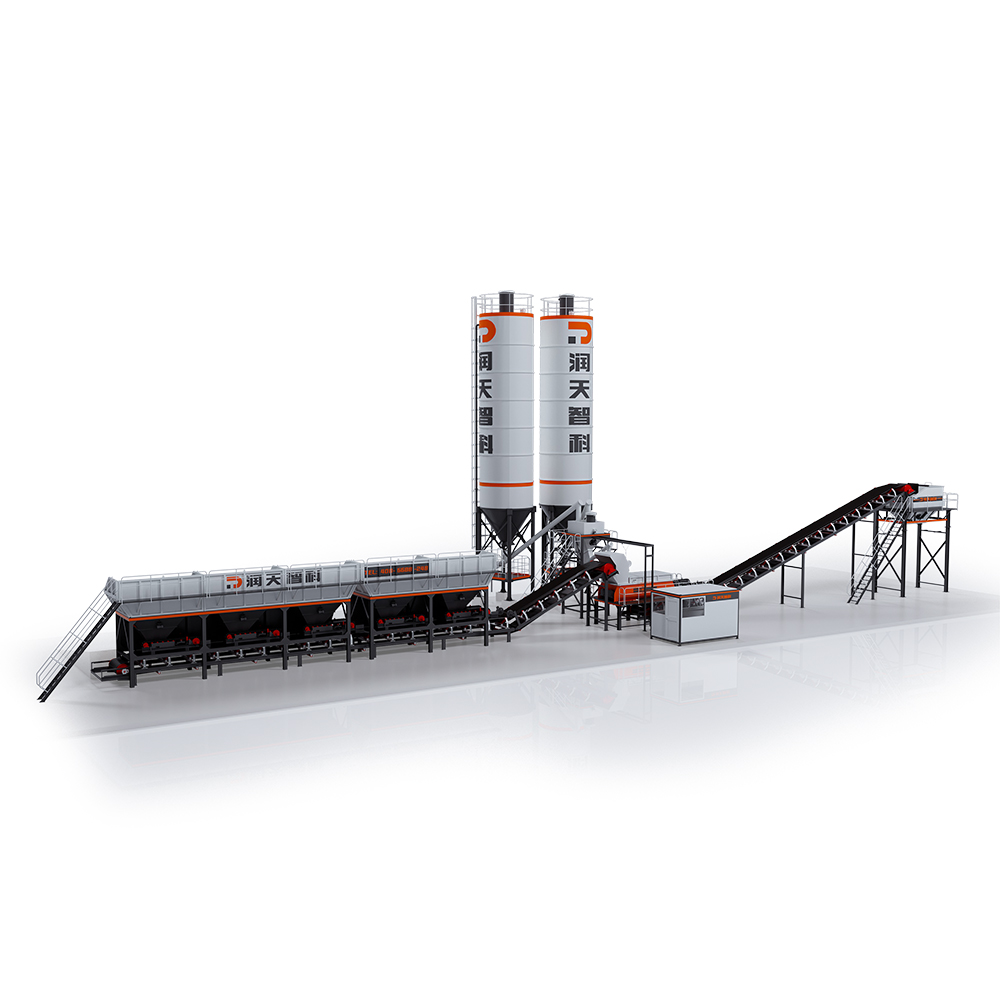
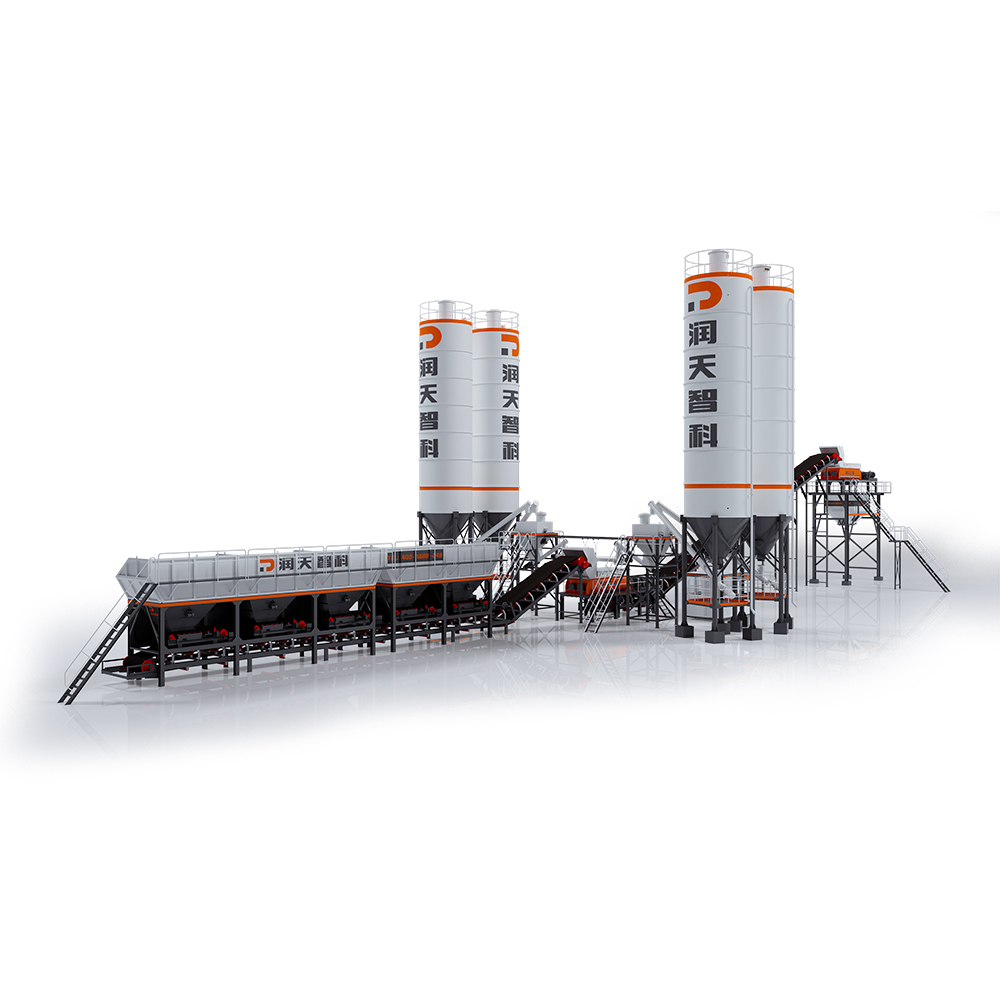
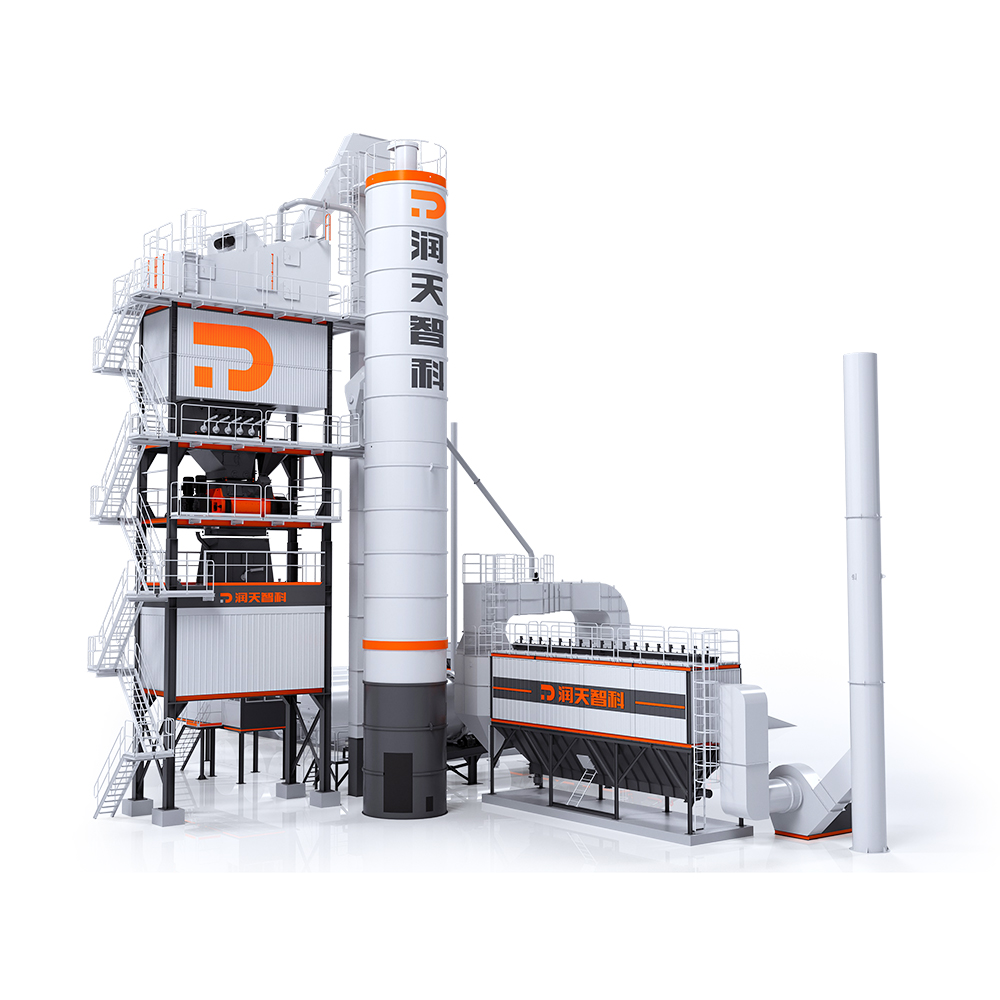
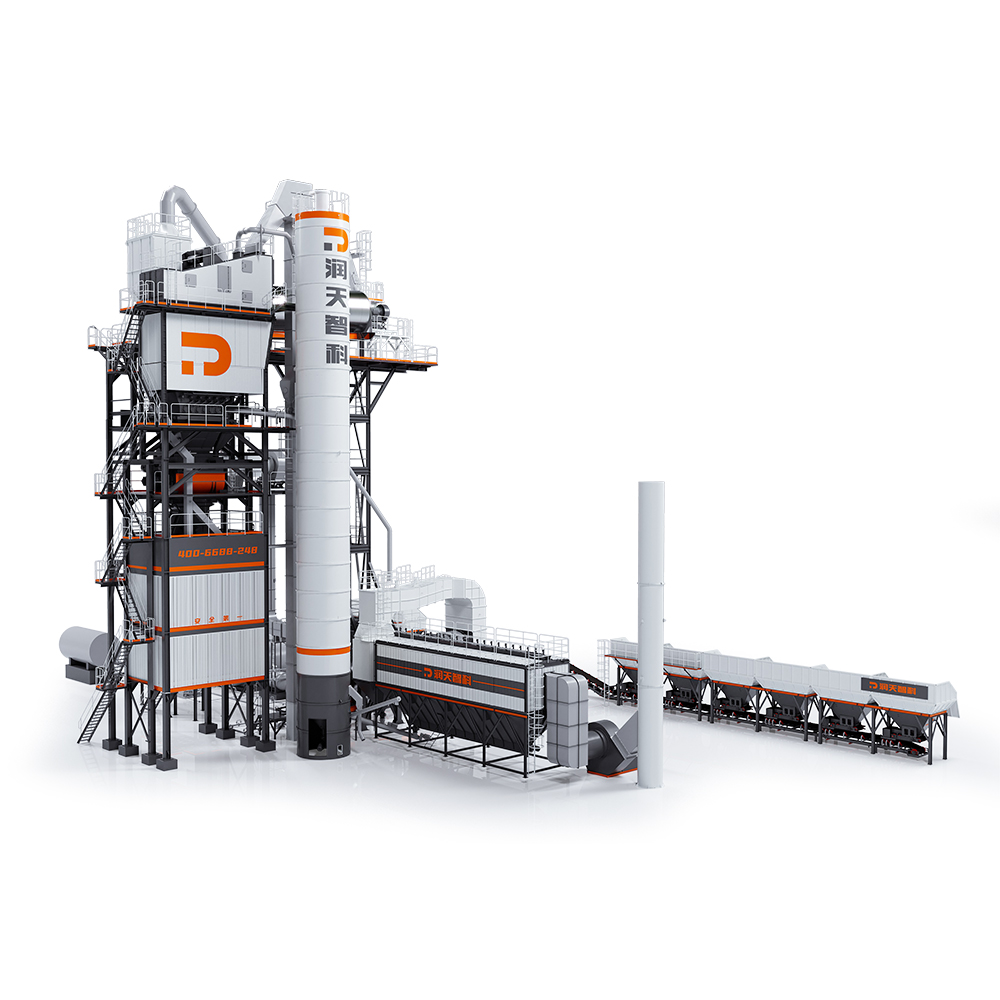
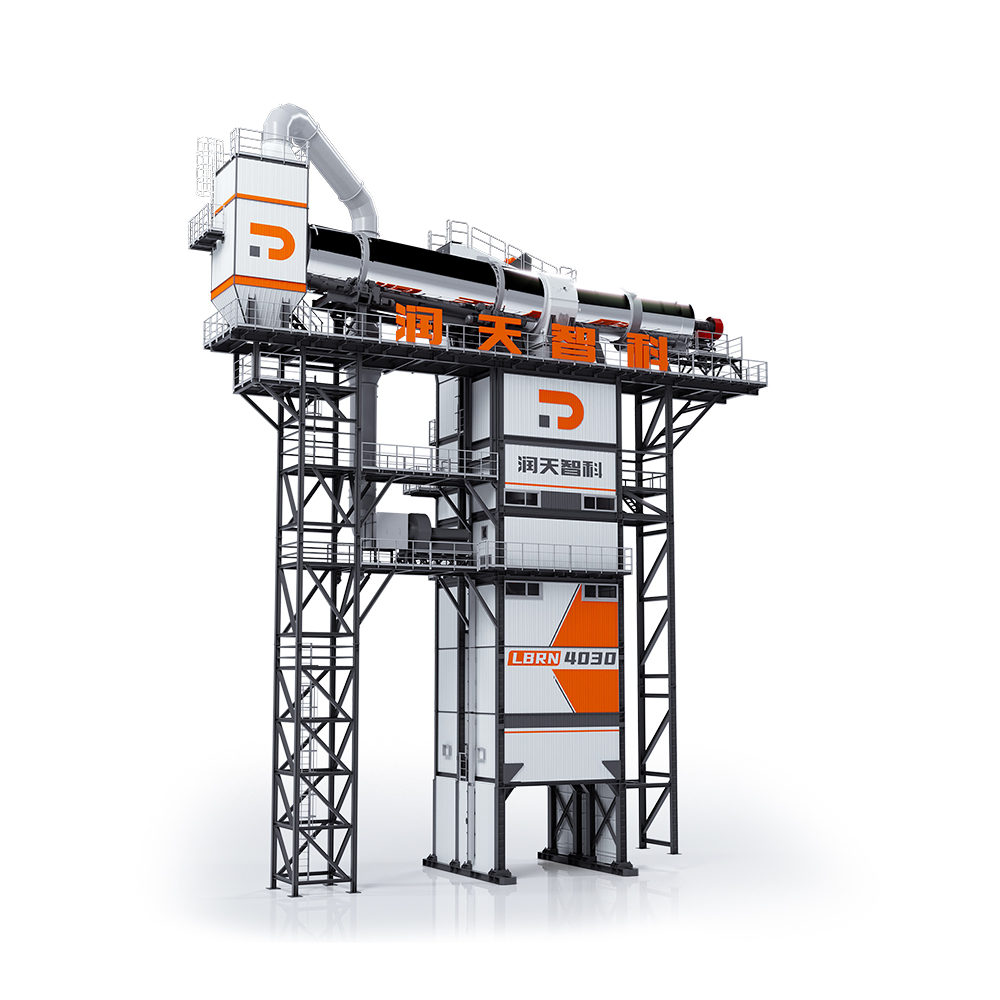
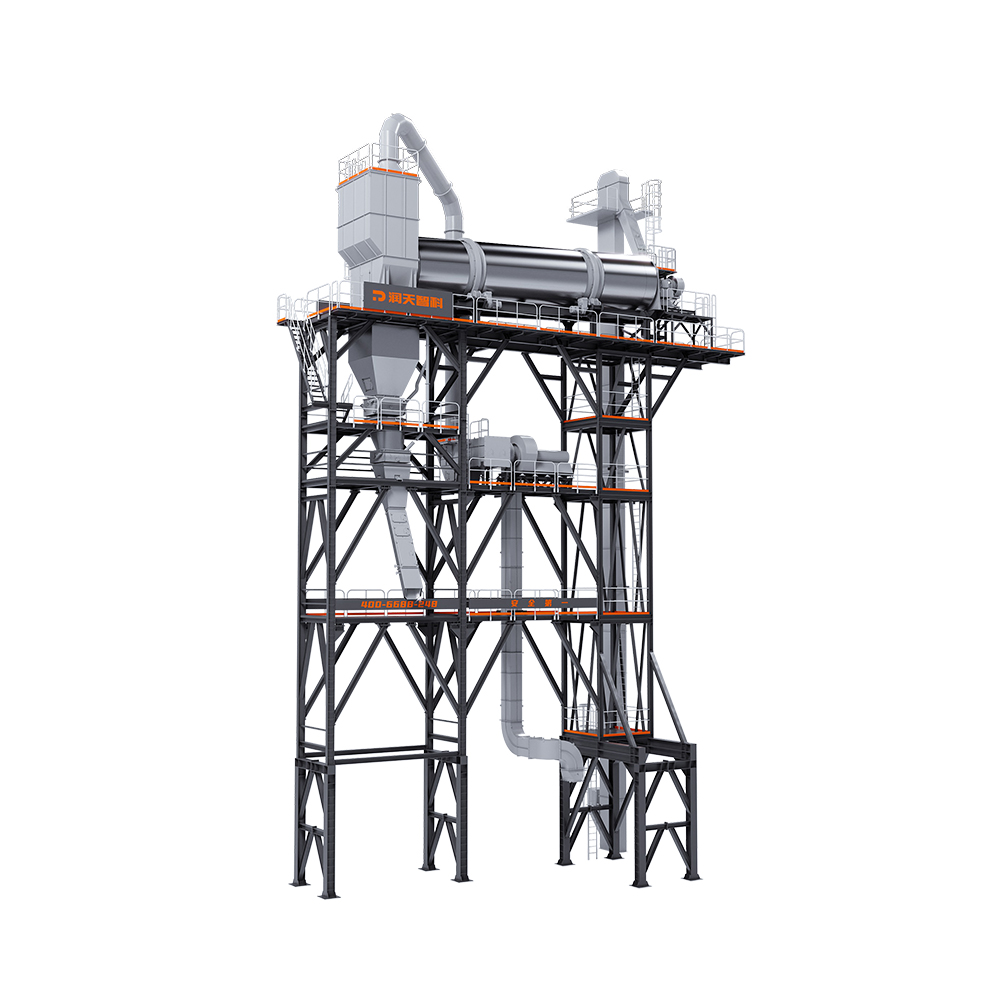
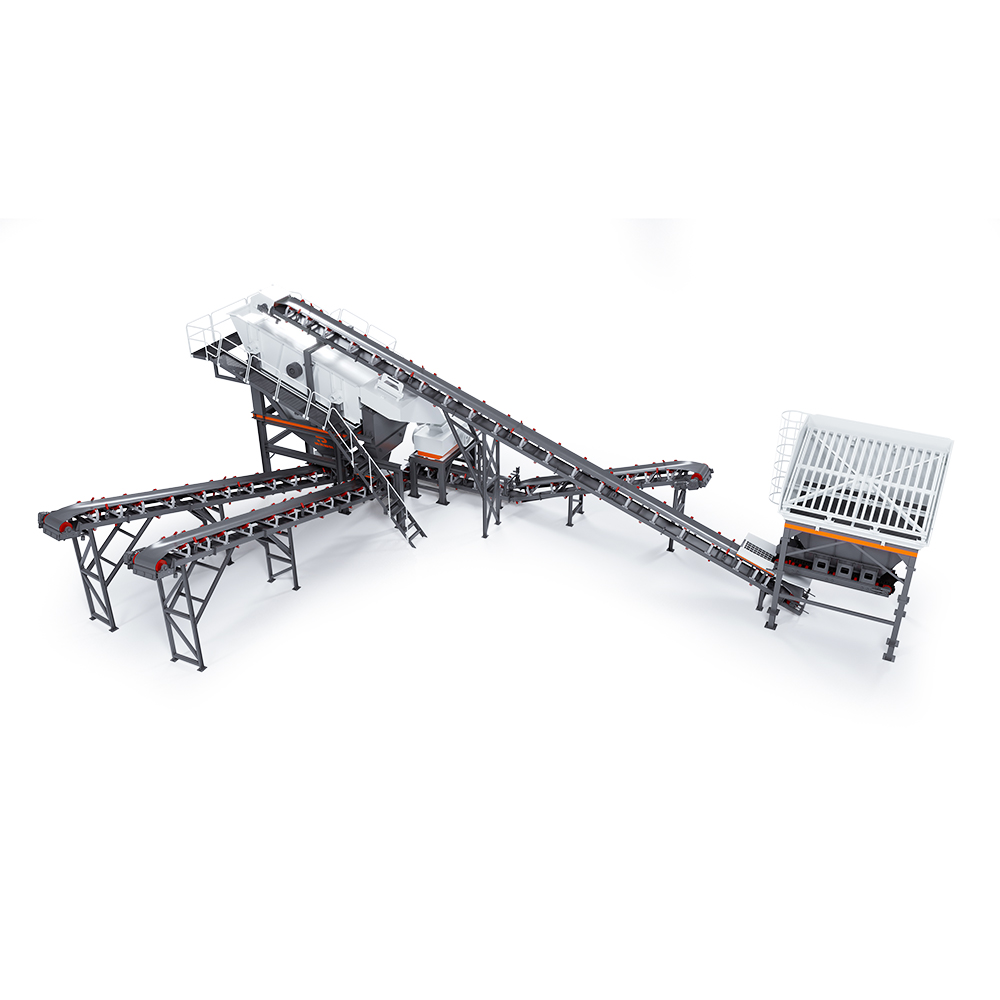
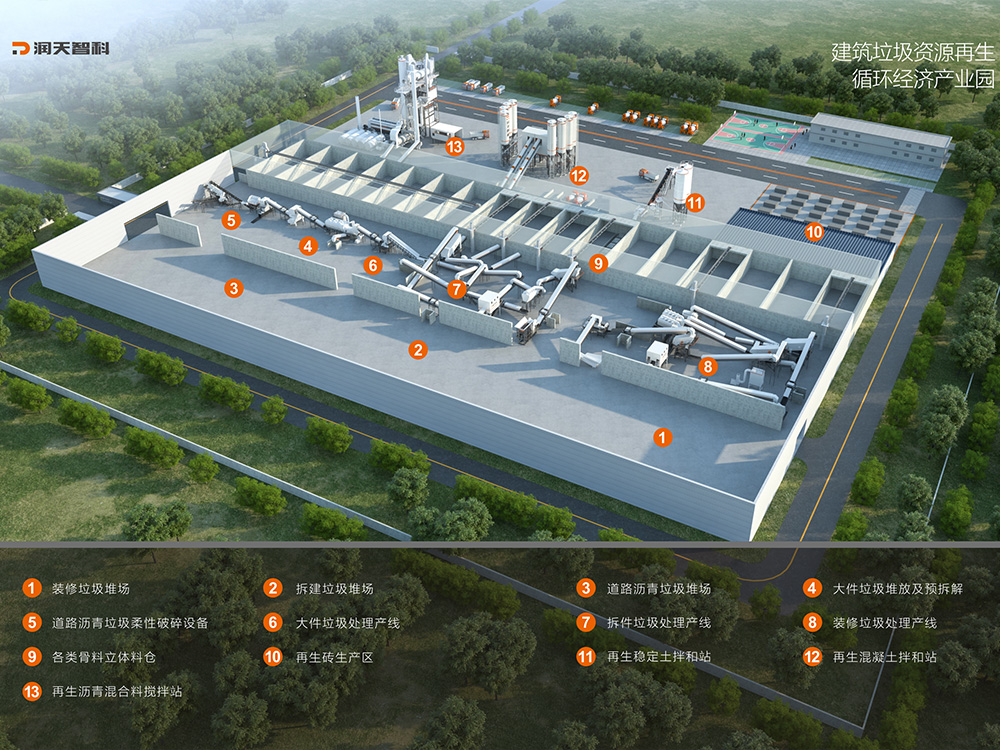
HZS Series Belt Concrete Mixing Plant
HZS Series Bucket-Lifting Type Container Concrete Mixing Plant
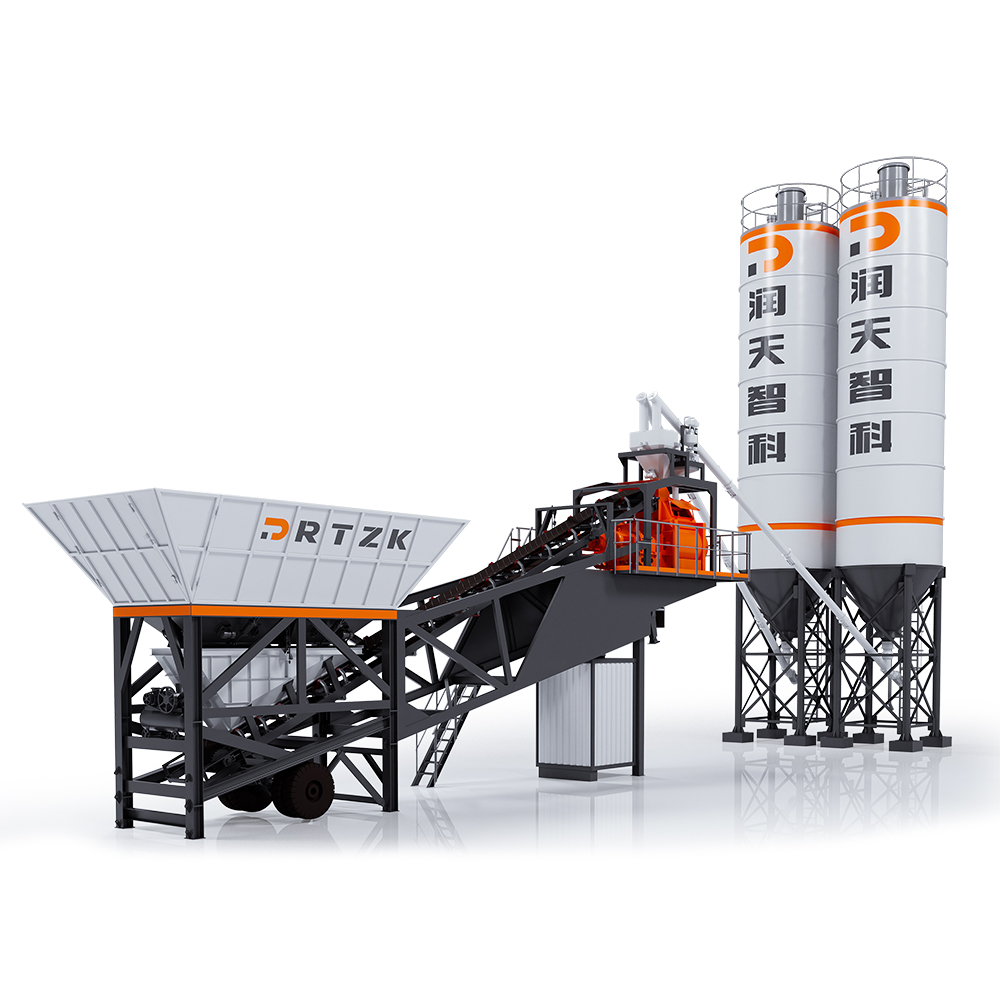
HZS60 Mobile Concrete Mixing Plant
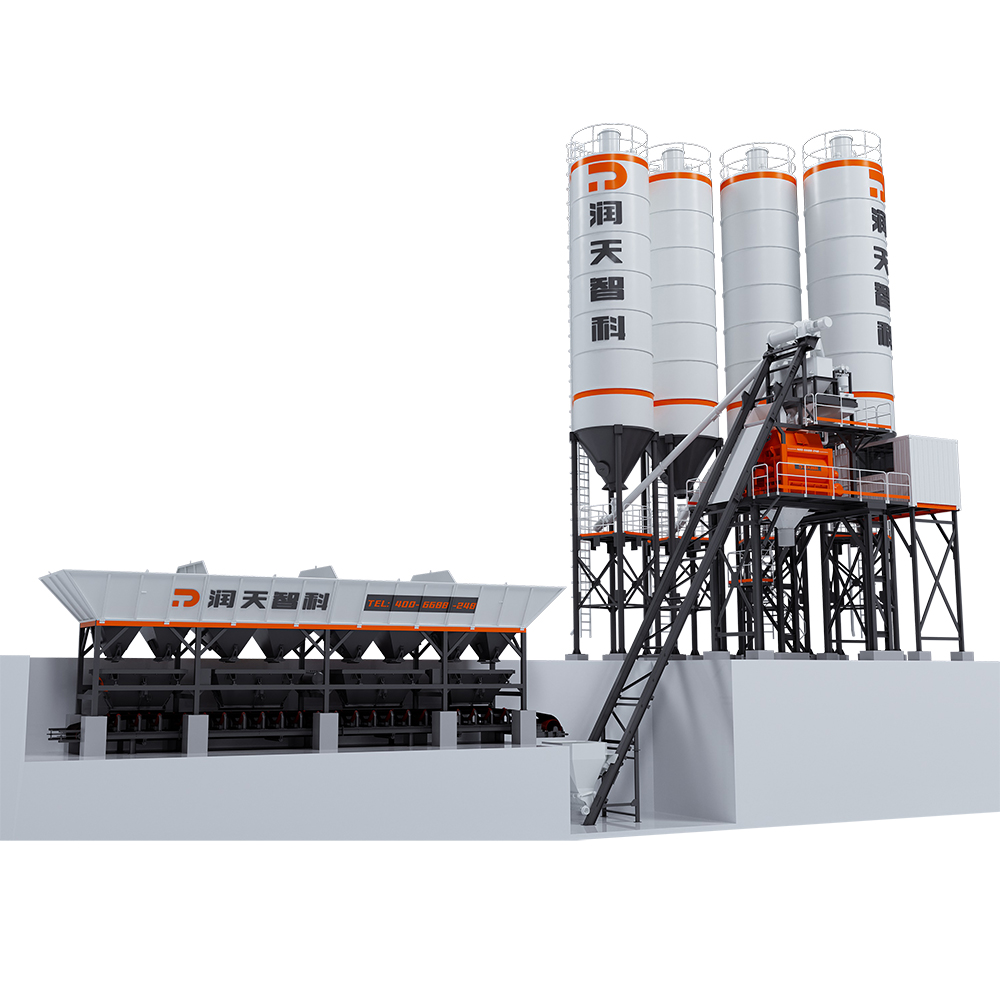
HZS Series Bucket-Lifting Type Concrete Mixing Plant
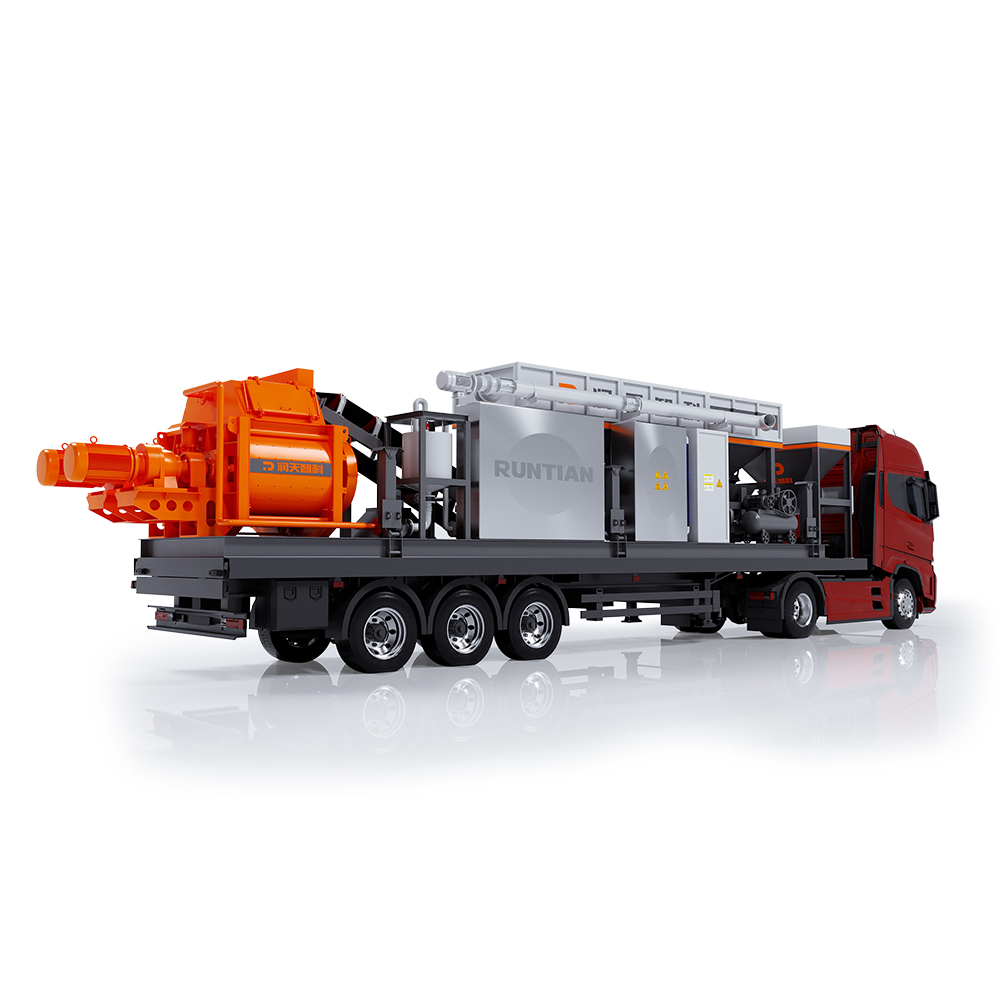
HZS Series Mobile Concrete Mixing Plant
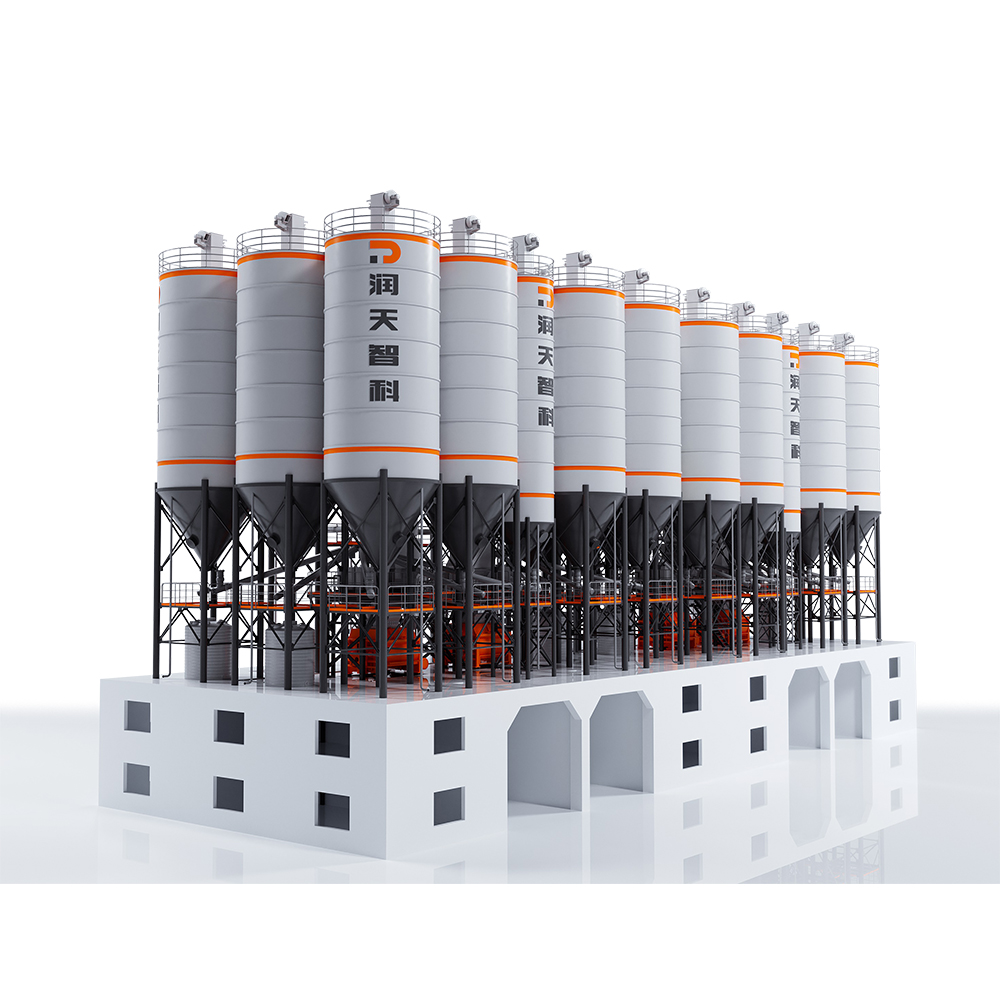
HZS Series Top-Mounted Concrete Mixing plant
HZS Series Semi-Top Mounted Concrete Mixing Plant
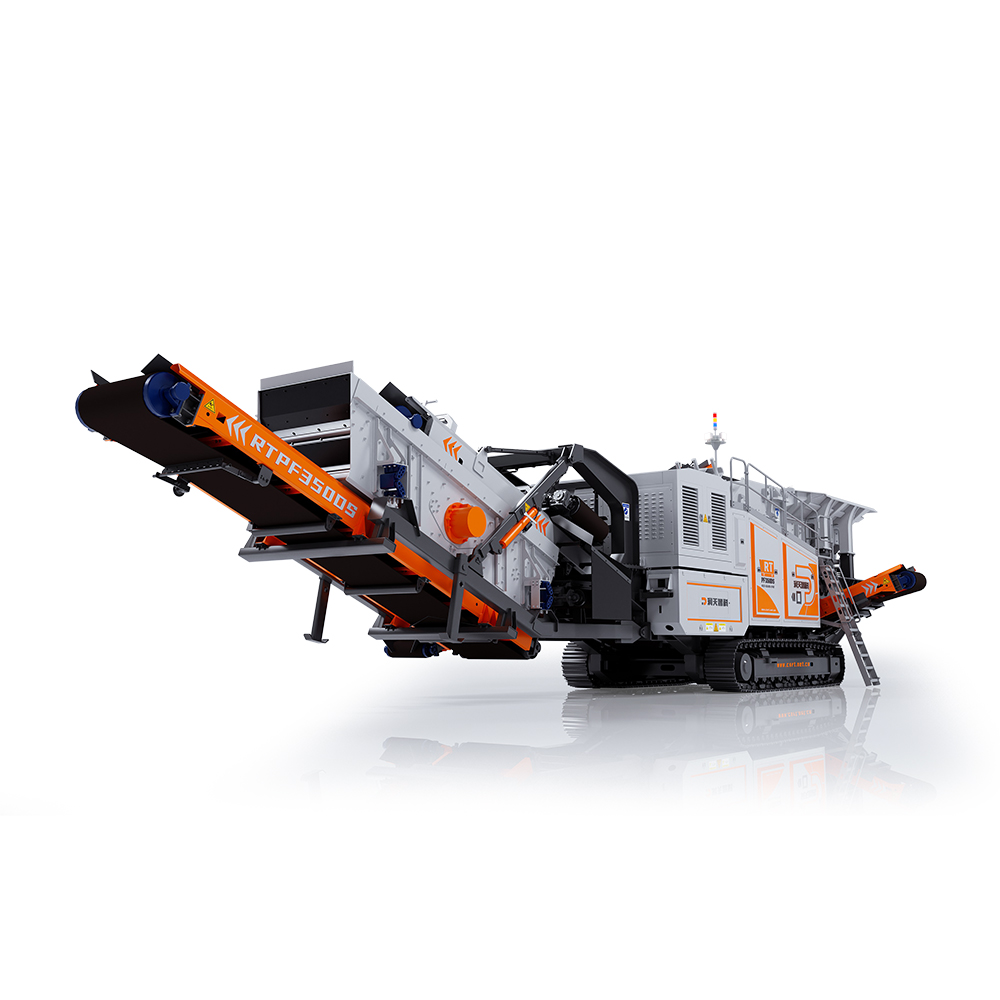
RTPF350DS Crawler Mobile Impact Crushing Plant
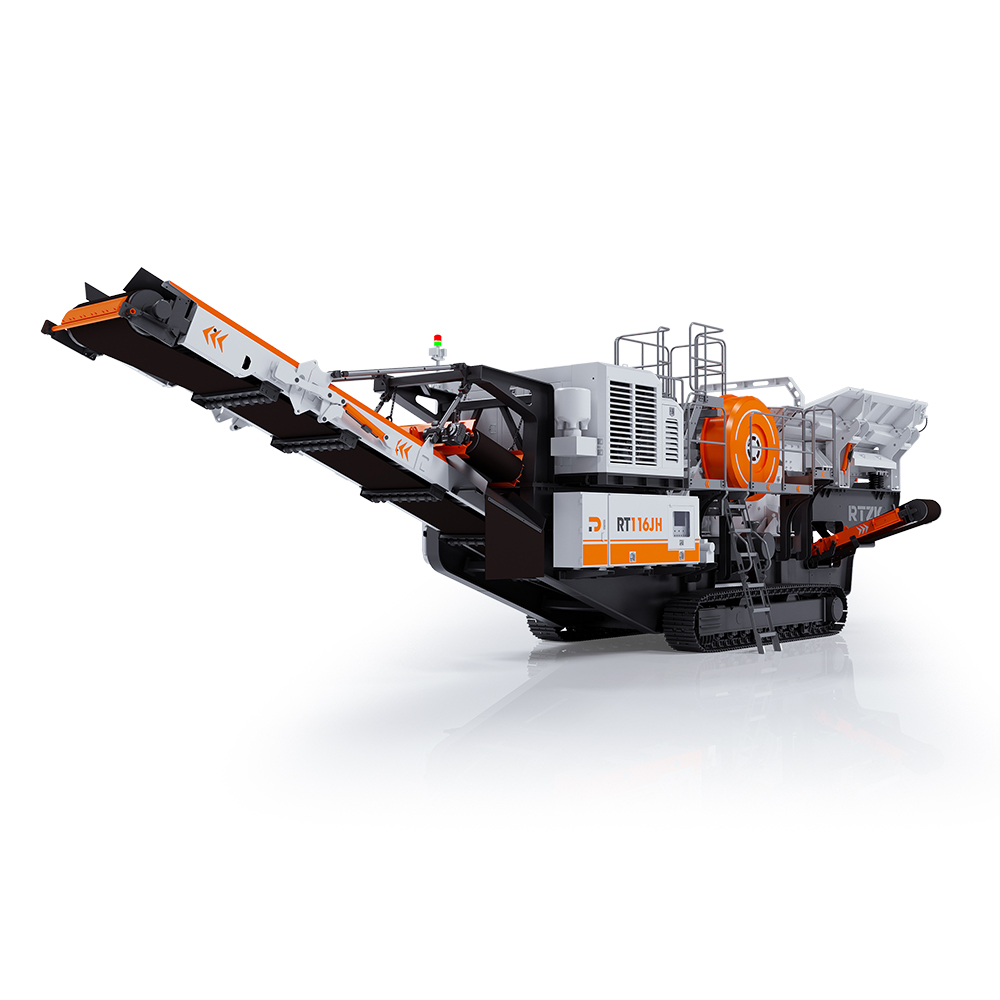
RT116JH Crawler Mobile Jaw Crushing Plant
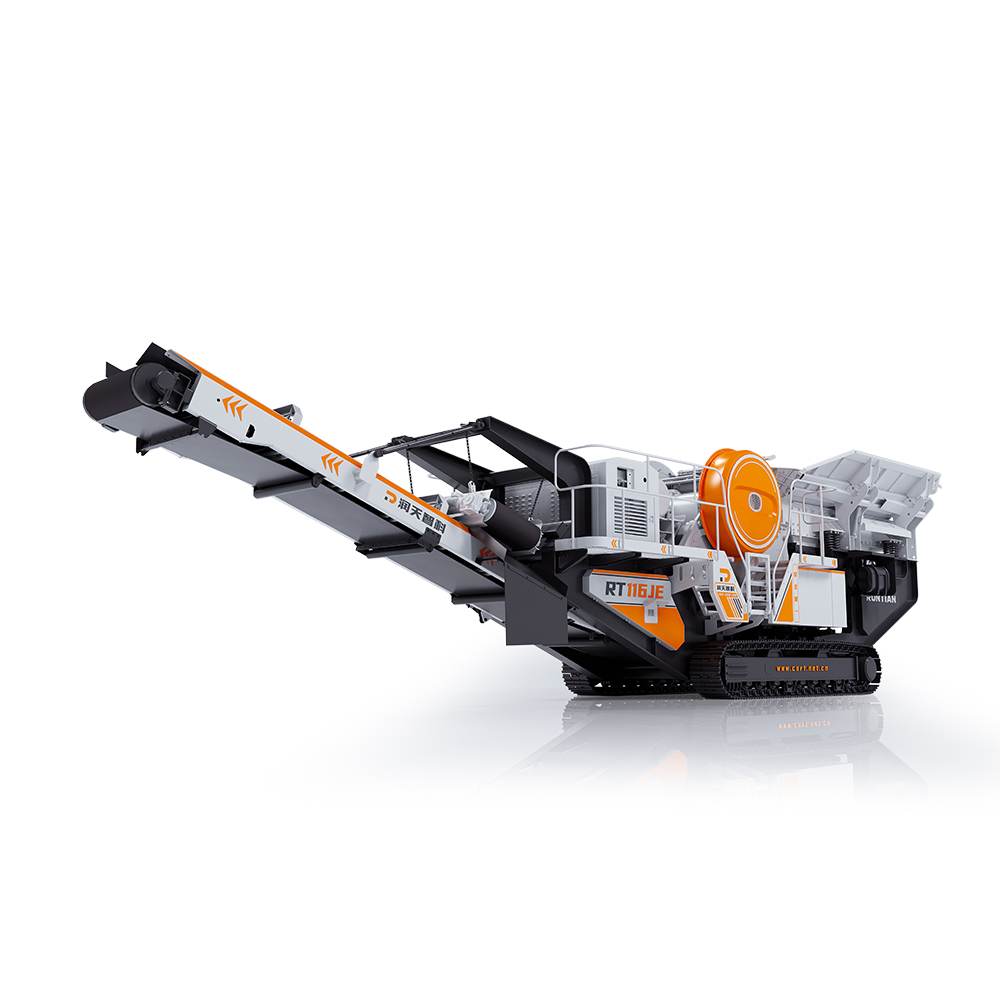
RT116JE Crawler Mobile Jaw Crushing Plant
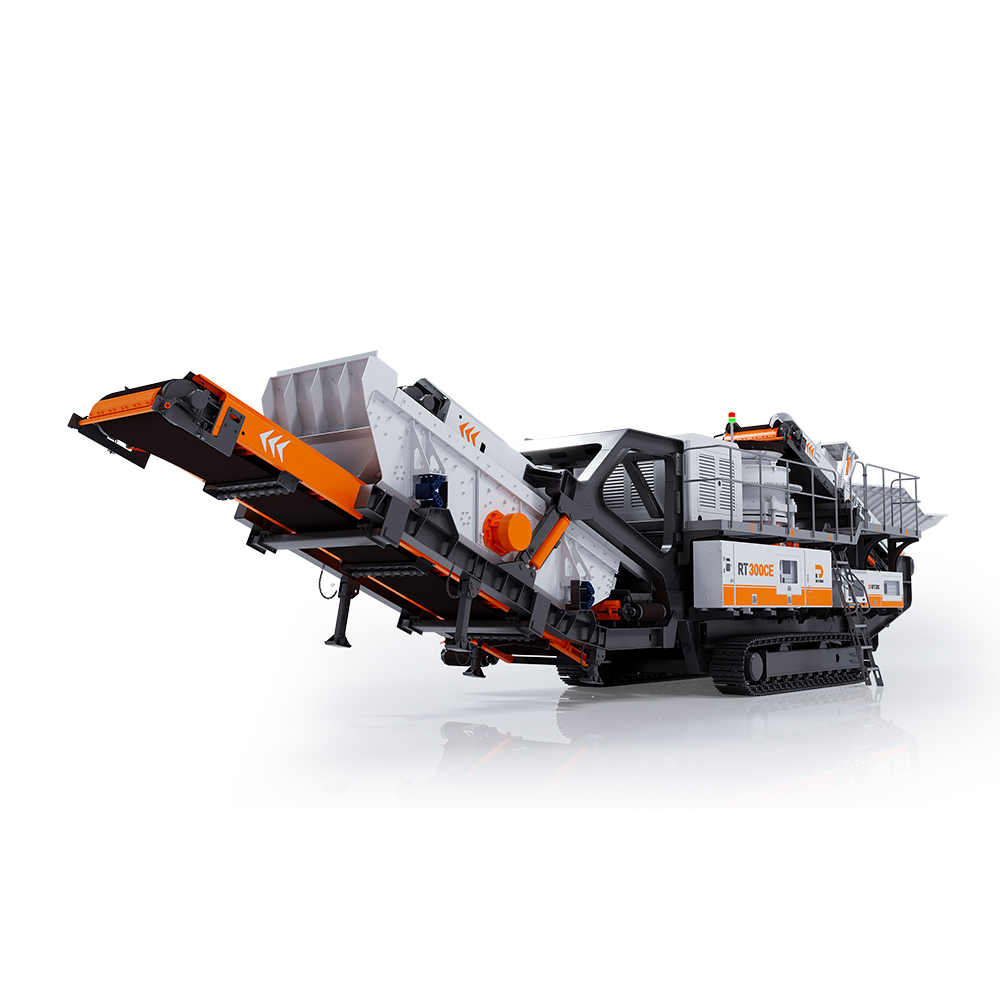
RT300CE Crawler Mobile Cone Crushing Plant
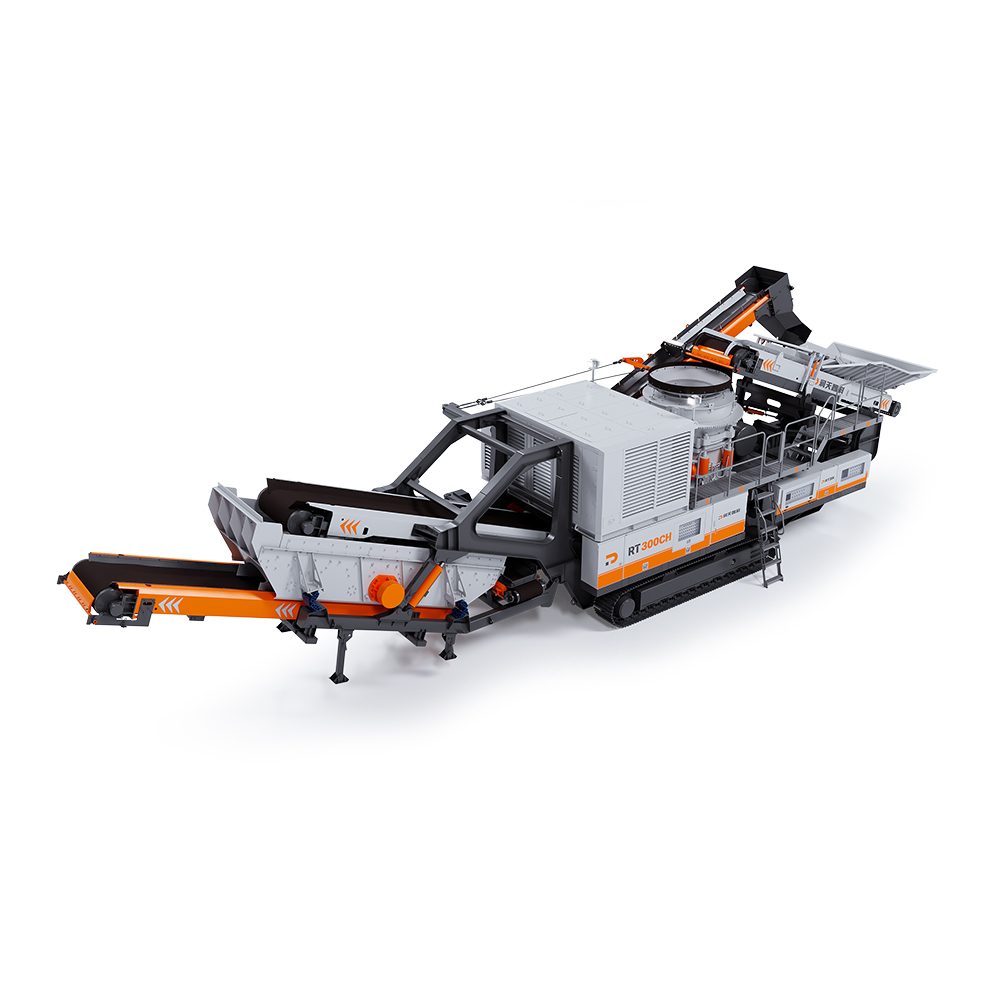
RT300CH Crawler Mobile Cone Crushing Plant
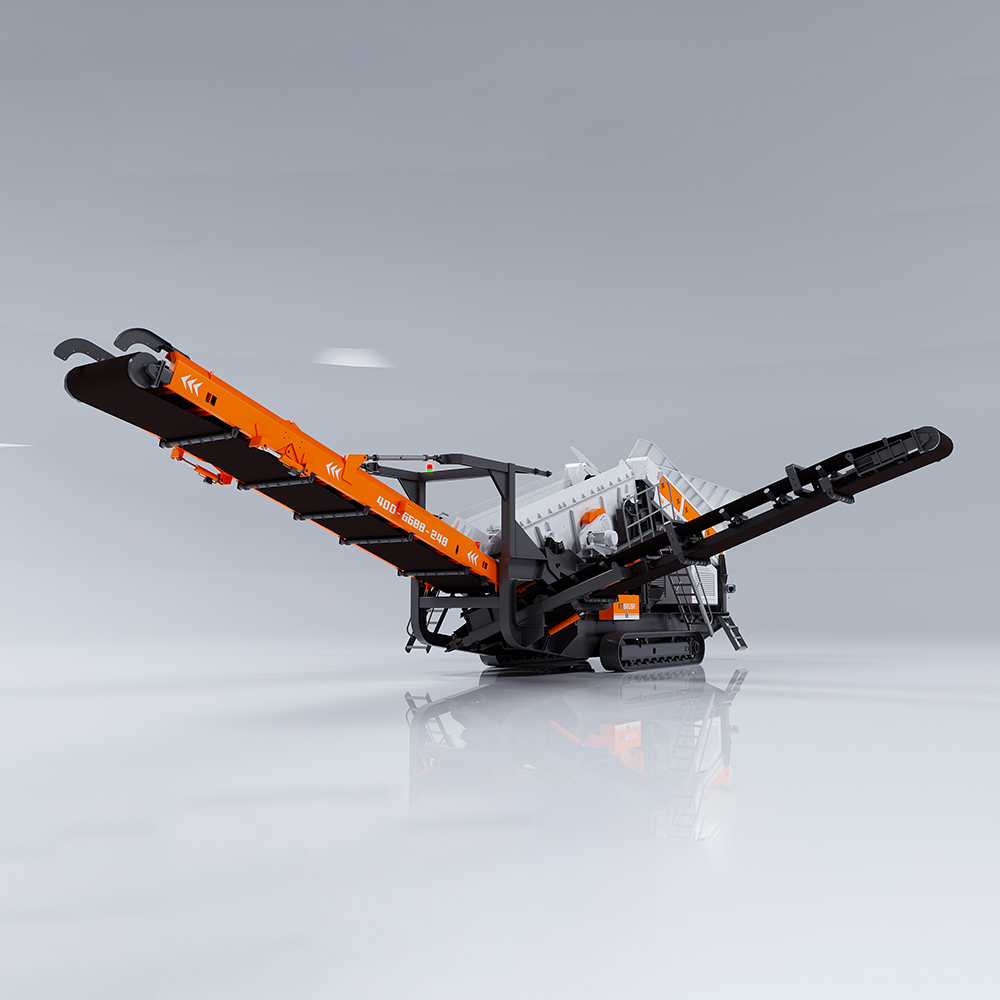
RT5015H Mobile Scalping Screen
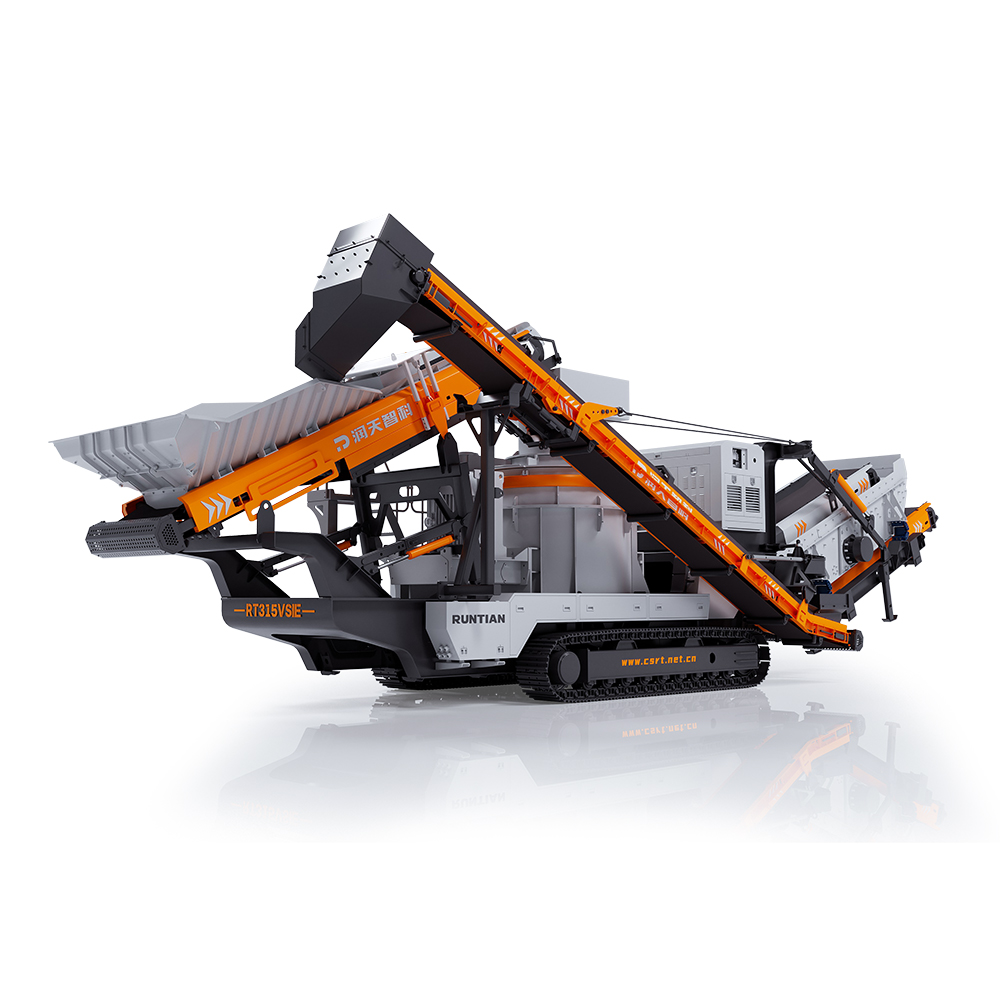
RT315VSIE Crawler Mobile Sand Maker
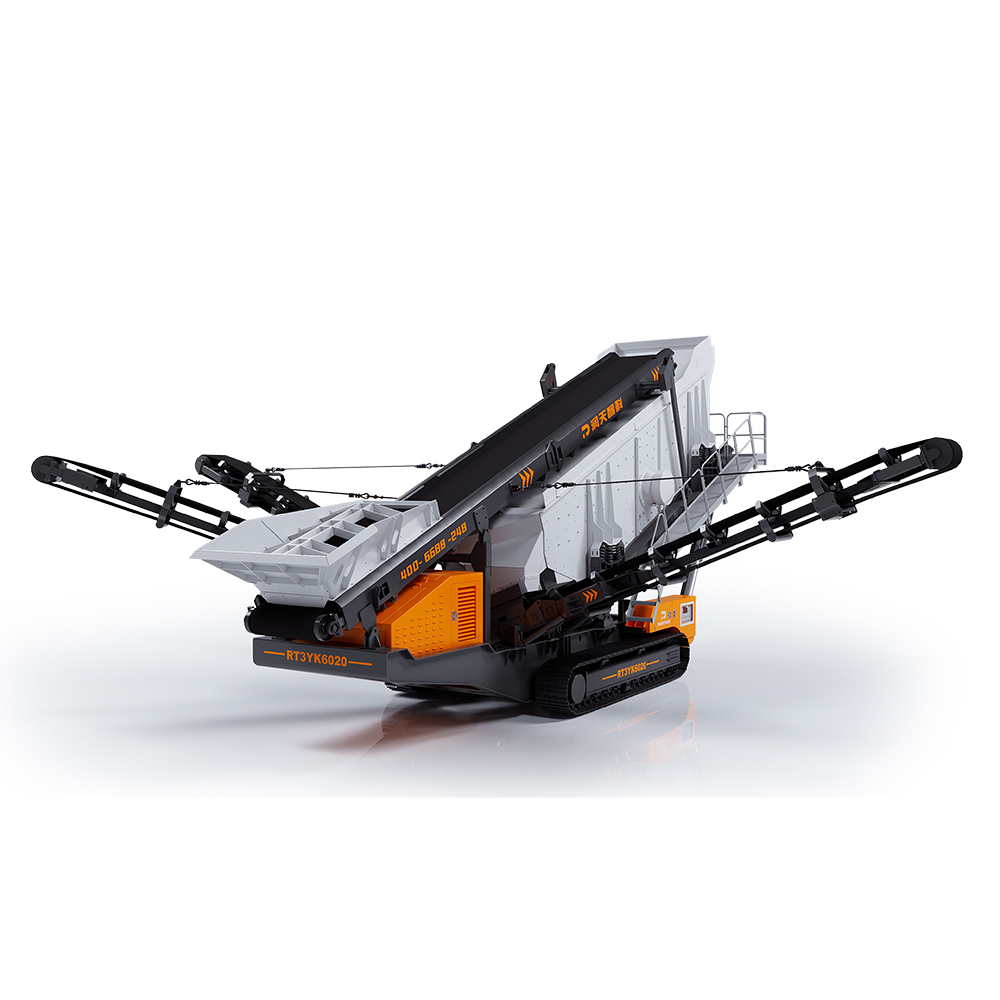
RT3YK6020 Crawler Mobile Screening Plant
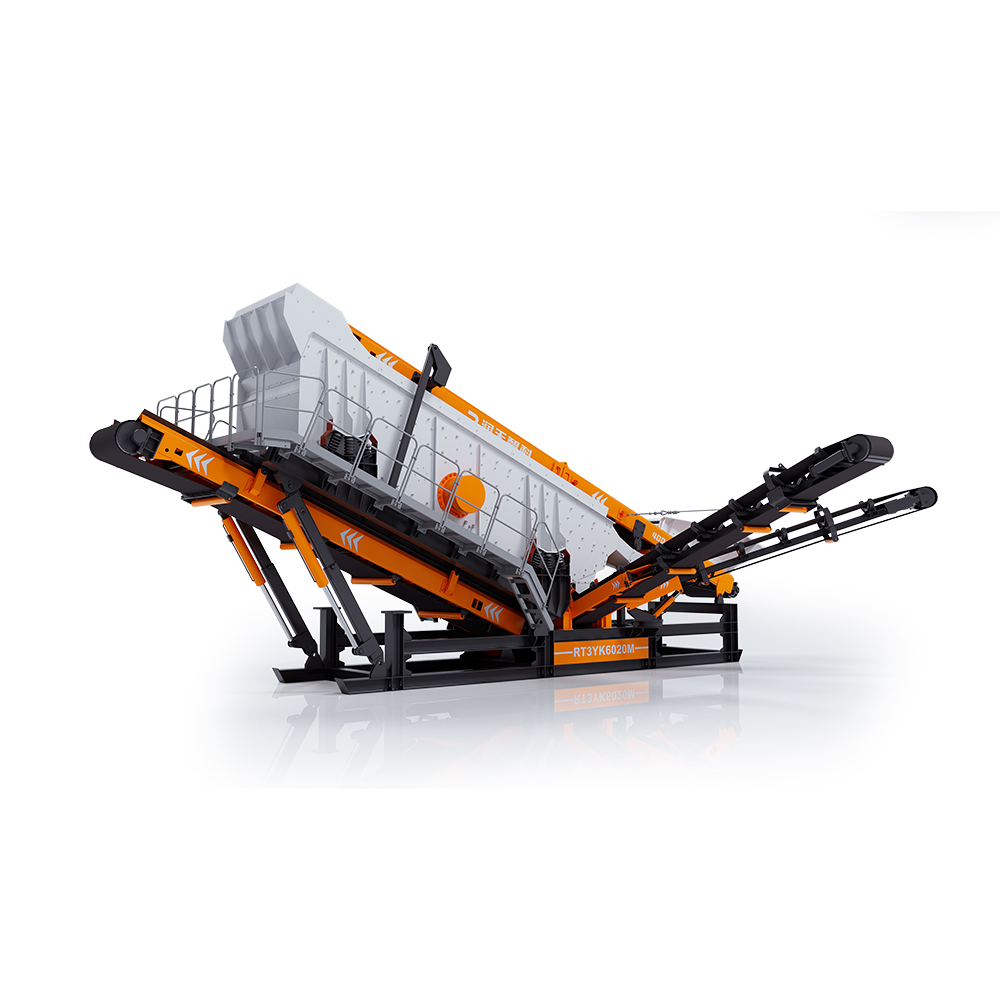
RT3YK6020M Modular Screening Plant
RTF260M Modular Counterattack Crushing and Screening Integrated Machine
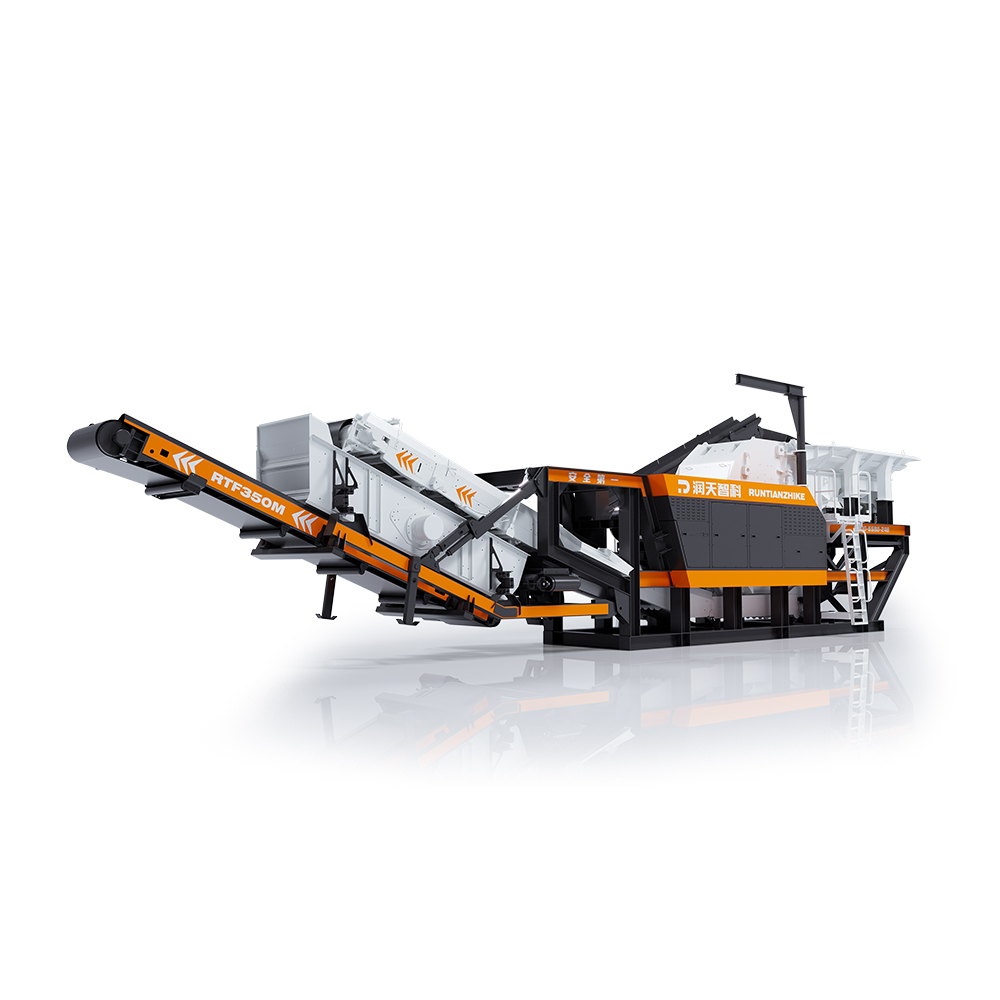
RTF350M Modular Impact Crushing Plant
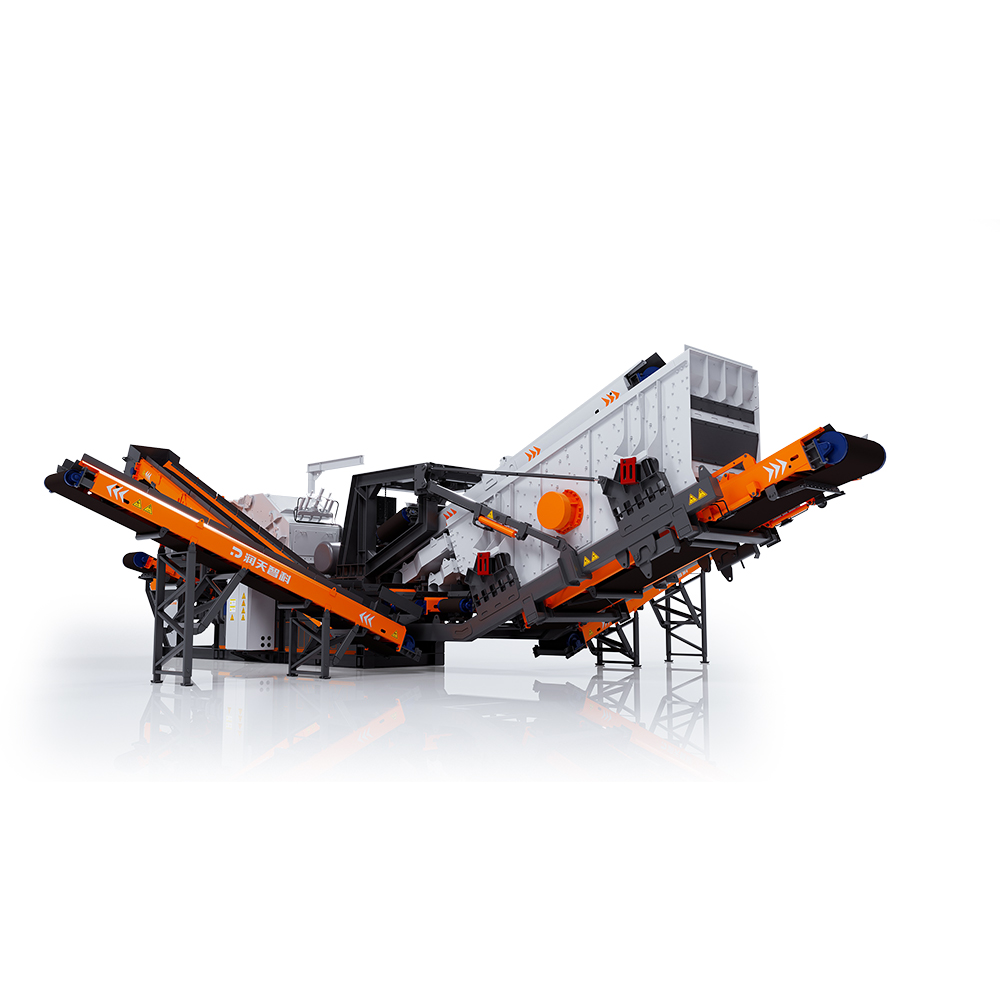
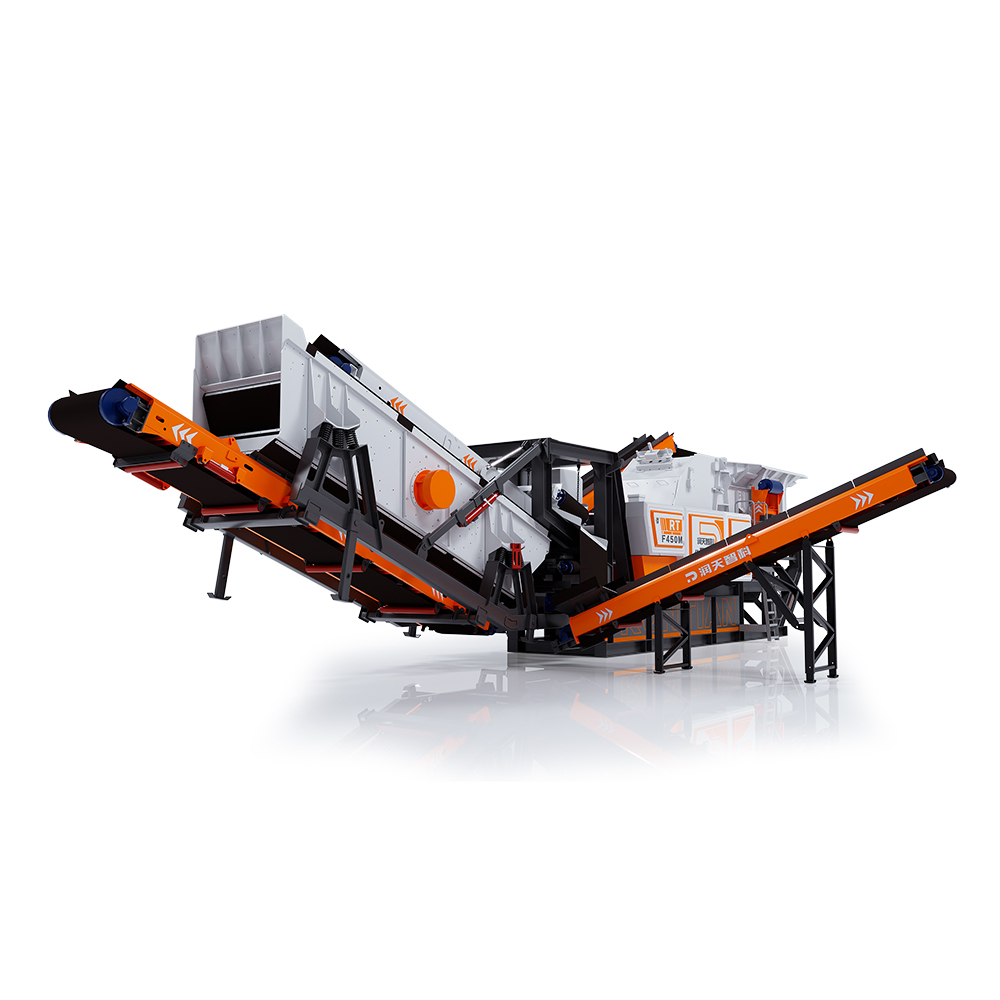
RTF450M Modular Impact Crushing Plant
Selecting the right Concrete Mixer for your projects is crucial. The global concrete mixer market is expected to grow significantly, projected to reach $12 billion by 2026. A quality mixer can enhance productivity and ensure consistency in your concrete. According to industry expert Jane Doe, "A proper Concrete Mixer can drastically reduce your project's downtime."
However, choosing the right mixer is complex. There are different types available, each suited for various applications. A portable mixer may benefit small jobs, while larger stationary models are better for large-scale projects. Misjudging your needs could lead to inefficiencies.
Many overlook the implications of mixer size and capabilities. Not considering your specific project demands can result in subpar outcomes. The choice of a Concrete Mixer should revolve around factors like capacity, durability, and type of concrete used. Investing time in research is essential; the right mixer influences the overall success of your project.
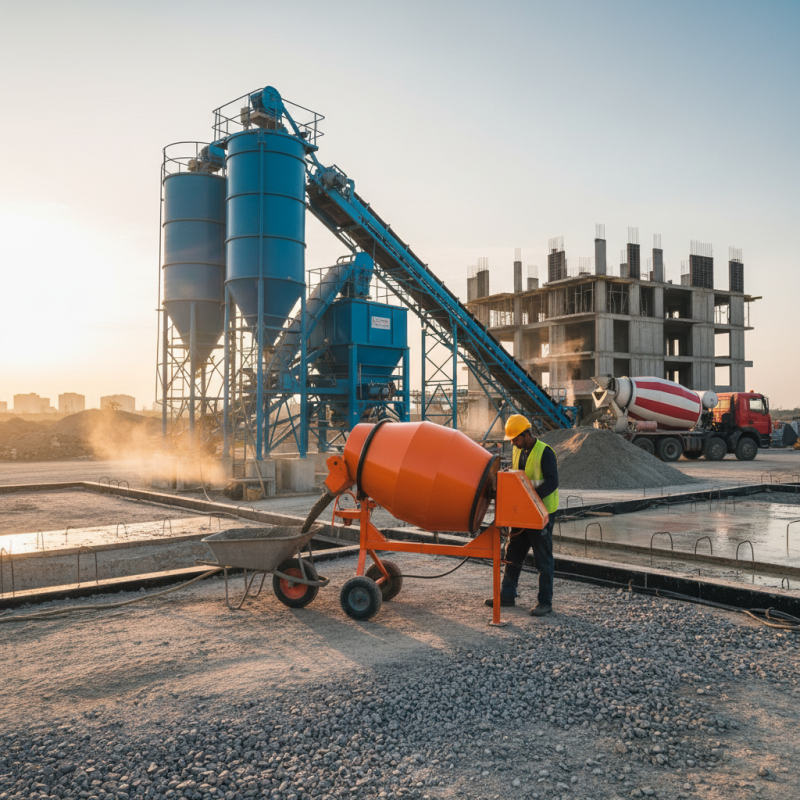
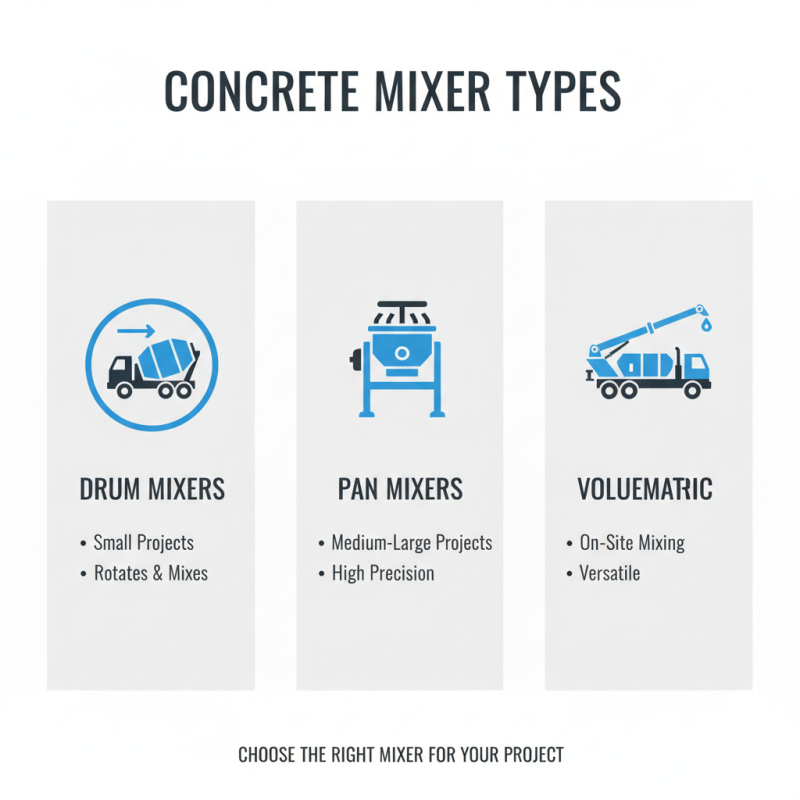
When choosing a concrete mixer, understanding the different types available is crucial. There are three primary types: drum mixers, pan mixers, and volumetric mixers. Drum mixers are ideal for small projects. They rotate and mix materials uniformly. Pan mixers offer a larger capacity, making them suitable for medium to large projects. They provide excellent mixing precision. Volumetric mixers are versatile, allowing you to mix concrete on-site according to your project needs.
**Tip:** Consider your project size. For smaller jobs, a drum mixer is often enough. Larger projects might benefit from the capacity of a pan mixer.
Each type of mixer has its advantages. However, do not overlook the potential drawbacks. Drum mixers take more time for larger batches. Pan mixers can be costly and require more maintenance. Volumetric mixers offer flexibility but can be complex to operate. It's essential to weigh these factors.
**Tip:** Evaluate your budget. Often, you get what you pay for regarding durability and performance. Sometimes, investing a little more pays off in the long run.
Choosing the right concrete mixer involves considering various factors. Efficiency, capacity, and your project's specifics can guide your decision. Be aware, though, that no mixer is perfect. Each has strengths and weaknesses, so reflect on your needs carefully.
When choosing a concrete mixer, key features play a crucial role. One vital aspect is mixer size. Larger projects demand bigger mixers for efficiency. According to industry reports, a 1-yard capacity mixer is suitable for most residential jobs. However, commercial projects might require mixers that hold 2 to 3 yards. This difference can significantly impact productivity.
Another important feature is the type of mixer. There are drum mixers and volumetric mixers. Drum mixers are common for standard mixes. They are typically less expensive and easier to operate. Yet, volumetric mixers offer flexibility. They can create custom mixes on-site. A report from Concrete Construction magazine states that volumetric mixers can save up to 30% on material costs. This is worth considering for budget-conscious projects.
Durability is equally important. Mixers are exposed to harsh conditions. Choosing models that withstand wear and tear ensures longevity. However, some less robust models may need frequent repairs. This can disrupt workflow. Evaluating user reviews can provide insights into which models endure tough jobs. Ultimately, understanding these features can lead to a more informed decision on the right mixer for your needs.
When selecting a concrete mixer, there are key features to consider, including capacity, power source, mixing type, and portability. The following chart showcases a comparison of different types of concrete mixers based on these key features.
When selecting a concrete mixer, assessing the project size and requirements is crucial. A larger project often demands a mixer with a bigger capacity. According to the National Ready Mixed Concrete Association, most residential projects use around 5 to 10 cubic yards of concrete. This means a portable mixer with a capacity of 1.5 to 2 cubic yards may be sufficient. However, for commercial projects, consider a larger mixer that can handle 5 cubic yards or more per load.
It's also essential to evaluate your mixing frequency. If you mix concrete frequently, a mixer with a higher capacity may save you time and labor costs. On the other hand, using a small mixer for a large project and running it repeatedly can be inefficient. In fact, it may lead to inconsistent mixtures. Research shows that poorly mixed concrete can result in a drop in compressive strength by as much as 20%. Therefore, balancing capacity with your project's needs is key. Always reflect on whether the chosen mixer truly aligns with the size and demands of your work.
When selecting a concrete mixer, durability and maintenance are vital factors. A mixer should withstand the rigors of construction work. According to industry reports, a mixer’s lifespan can significantly depend on its material quality. Steel and high-grade alloys typically outlast cheaper alternatives. Operators should be aware that mixers often require regular inspections. Components like drums and motors wear out over time. A thorough maintenance schedule can mitigate these issues.
Tips: Always check the mixer’s wear indicators. This gives insight into whether parts need replacing soon.
Maintenance needs vary. Some mixers may need grease applied every 50 hours of use, while others might require different frequencies. Pay attention to the user manual for specific recommendations. It’s essential to clean the mixer after every use. Concrete build-up can cause damage over time. Regular cleaning not only prolongs the mixer’s life but also ensures optimal performance.
Tips: Use a hose or pressure washer for an effective clean.
Lastly, consider the storage of your mixer. Harsh weather conditions can lead to corrosion and other structural damage. A sheltered or covered area can be a game-changer. Remember that overlooking maintenance can lead to costly repairs down the line. Spending a little time now can save money in the long run.
| Mixer Type | Durability Rating (1-10) | Maintenance Frequency (Months) | Weight Capacity (Cub. Ft.) | Price Range ($) |
|---|---|---|---|---|
| Portable Concrete Mixer | 7 | 6 | 3.0 | 300 - 800 |
| Tow-Behind Concrete Mixer | 8 | 8 | 4.0 | 500 - 1500 |
| Stationary Concrete Mixer | 9 | 12 | 10.0 | 2000 - 6000 |
| Volumetric Concrete Mixer | 9 | 10 | 8.0 | 1500 - 5000 |
When choosing the right concrete mixer, budgeting is crucial.
Understand that concrete mixers vary widely in cost. On average, a quality mixer can range from $300 to $5,000.
Factors like size, capacity, and technology affect pricing. If you're a small contractor, consider a portable mixer.
It's often cheaper and can handle smaller projects efficiently.
Tips: Look into renting mixers for short-term projects. It can significantly cut costs. Many contractors save 30% or more by borrowing instead of buying.
Investing in a concrete mixer can lead to potential savings. By mixing concrete on-site, you avoid delivery fees.
Industry reports indicate that companies cutting transportation costs save up to 20% overall.
However, it's essential to account for maintenance. Skimping on upkeep can lead to costly repairs later.
Best practice suggests setting aside 5% of your mixer’s cost annually for maintenance.