10 Essential Tips for Using a Vsi Crusher Effectively
Using a VSI Crusher effectively requires skill and knowledge. According to John Smith, an industry expert in crushing technology, "A VSI Crusher can enhance output when operated correctly." This underscores the vital role of best practices.
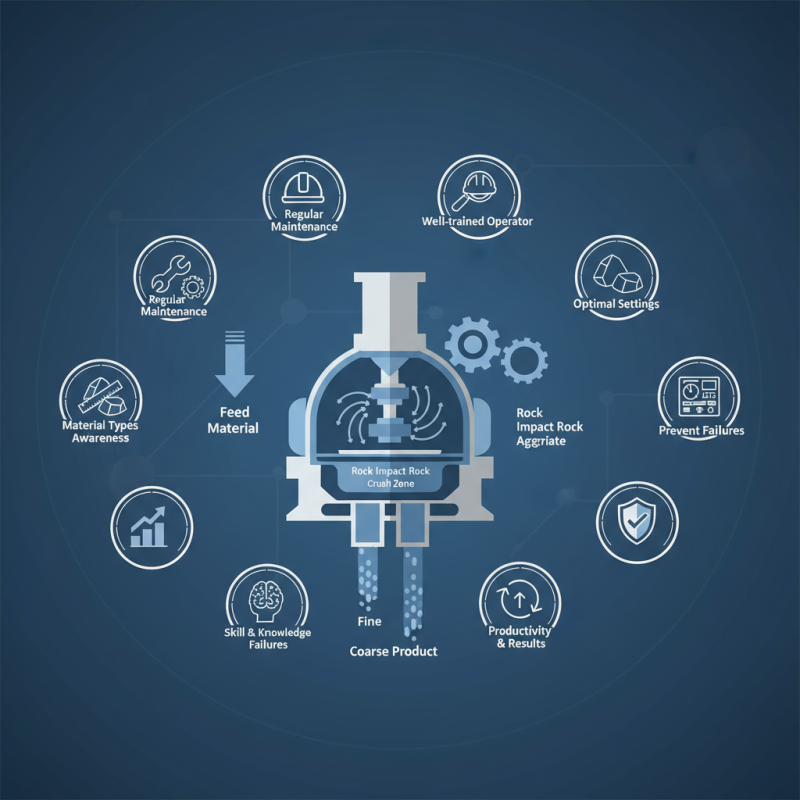
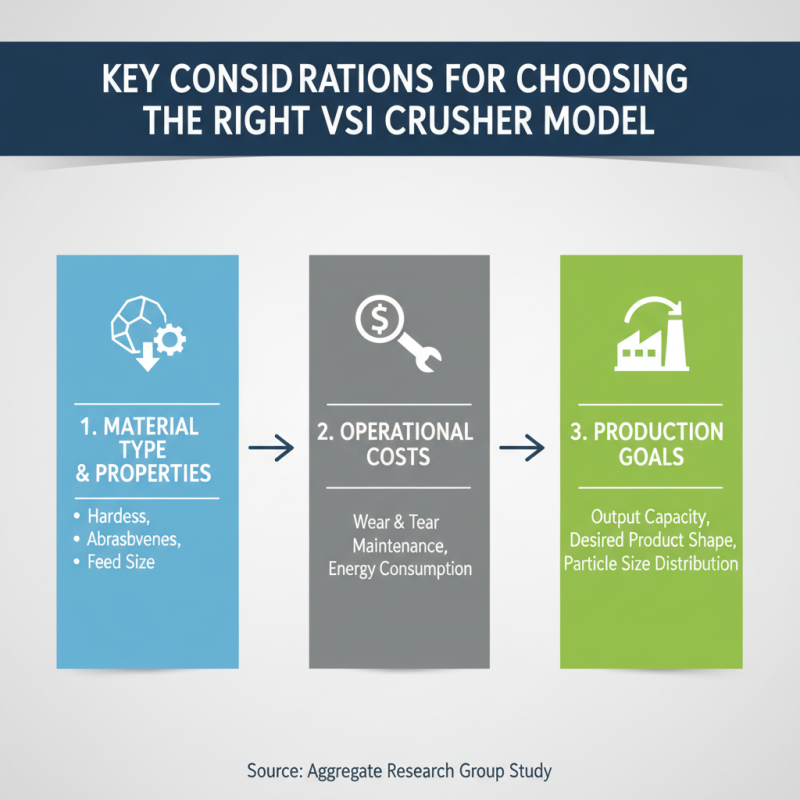
Effective use of a VSI Crusher involves several essential tips. The right settings will ensure optimal performance. Regular maintenance checks can prevent unexpected failures. Operators must be aware of material types and their impact on crusher efficiency. Understanding the feed size affects how well the machine performs.
Finally, mistakes will happen. Frequent adjustments may be necessary. It's important to learn from these challenges. A well-trained operator can maximize a VSI Crusher’s capabilities. Implementing these tips will lead to better productivity and lasting results.
Understanding the Basics of VSI Crushers and Their Functionality
VSI crushers, or vertical shaft impact crushers, play a critical role in various industries, particularly in the production of aggregate materials. They work by using high-speed rotor technology to accelerate materials. This enables them to break and shape stone into smaller, more manageable pieces. Such efficiency can significantly improve the quality of end products. Still, many operators may struggle with optimizing their performance.
Understanding the functionality of VSI crushers is vital for effective usage. They can handle different materials, from soft aggregates to hard stones. However, the settings must be adjusted based on the material type. This means an operator must constantly reassess their approach. Is the feed size correct? Are the impact velocities appropriate? Small changes can lead to noticeable differences in output quality.
Regular maintenance is crucial but often overlooked. Worn-out parts can diminish the crusher's efficiency. Operators may hesitate to replace parts, thinking they can last longer. This mindset can lead to unnecessary downtime and costs. Knowing when to replace components can make a significant difference in a VSI crusher's performance. Understanding and managing these aspects is fundamental to harnessing the full potential of your VSI crusher.
Essential Maintenance Practices for Optimal VSI Crusher Performance
Maintaining a VSI crusher is crucial for optimal performance. Regularly checking and replacing wear parts can enhance efficiency. According to industry reports, using high-quality materials for these components can reduce operational costs by up to 20%. Neglecting maintenance often leads to expensive downtime. Operators must monitor the wear rates and adjust schedules accordingly.
Another vital aspect is the adjustment of the crusher settings. Properly calibrated machines deliver a more consistent product. Inadequate adjustments result in uneven wear and reduced output quality. It's reported that poorly maintained VSI crushers can lose up to 15% of their potential output. Regular inspections and performance reviews can help identify these inefficiencies early.
Lastly, it's essential to keep the machine clean and free of debris. Accumulated material can obstruct the flow and damage components. Clear the feed area and ensure the conveyor belts are in good condition. Reports suggest that daily maintenance checks can prevent 30% of common failures. Unattended machines may lead to unforeseen breakdowns and costly repairs. Operators must remain vigilant and proactive to avoid unnecessary setbacks.
10 Essential Tips for Using a Vsi Crusher Effectively
| Tip Number |
Tip Description |
Importance |
Frequency of Maintenance |
| 1 |
Regularly inspect wear parts for signs of damage |
High |
Weekly |
| 2 |
Maintain a proper feed rate to optimize crushing |
High |
Ongoing |
| 3 |
Ensure proper lubrication of all moving parts |
Medium |
Monthly |
| 4 |
Monitor power consumption for signs of inefficiency |
High |
Weekly |
| 5 |
Adjust the cascade ratio to enhance product shape |
Medium |
As needed |
| 6 |
Keep the crushing chamber clean and debris-free |
High |
Daily |
| 7 |
Evaluate the material being crushed to avoid damage |
High |
Continuous |
| 8 |
Train operators on best operational practices |
Medium |
Annually |
| 9 |
Inspect the discharge conveyor for blockages |
Medium |
Weekly |
| 10 |
Document maintenance activities for better tracking |
Medium |
Ongoing |
Techniques for Enhancing Efficiency in VSI Crushing Operations
When operating a VSI crusher, efficiency is key. To enhance performance, proper feeding is crucial. Ensure the materials are evenly distributed across the feed hopper. Avoid feeding oversized materials, as this can lead to blockages and reduced efficiency. Using a vibrating feeder might help maintain a consistent flow. This small adjustment could save time and increase productivity.
Another aspect to consider is the rotor speed. Too high or too low can impact the crushing process. Find the optimal speed through testing. It’s a balancing act, as incorrect settings can lead to excessive wear and tear. Monitoring the machine frequently is essential. Adjustments may be necessary based on the changing feed type and conditions.
Lastly, take into account the quality of the crushed material. If the output isn’t meeting expectations, reassess the entire operation. Sometimes, small changes can lead to significant improvements. Regular maintenance checks can also prevent unexpected downtimes. Reflect on your processes and seek areas that need enhancement. Efficiency is not just about machinery; it’s about the entire operation.
Common Mistakes to Avoid When Using a VSI Crusher
When using a VSI crusher, avoiding common pitfalls is crucial for ensuring optimal performance. One frequent mistake is neglecting regular maintenance. Skipping maintenance can lead to clogs and reduced efficiency. Checking components like rotors and anvils regularly can prevent costly downtime. It’s easy to overlook these details in a busy environment, but this oversight can significantly impact output quality.
Another common oversight is improper feed sizing. Feeding materials that are too large can cause blockages. It may seem like a good idea to process more material at once, but it often backfires. Not only does it strain the machine, but it can also produce inconsistent results. Understanding the ideal feed size is essential for achieving the desired product.
Operators may also forget to adjust the crusher’s settings based on the material type. Different materials require different settings for optimal performance. Sticking to one setting for all materials can lead to decreased efficiency. It’s vital to have a flexible approach and adapt to the specific requirements of the job at hand. Taking the time to assess these factors can lead to much better outcomes.

 Concrete Mixing Plant
 HZS Series Belt Concrete Mixing Plant
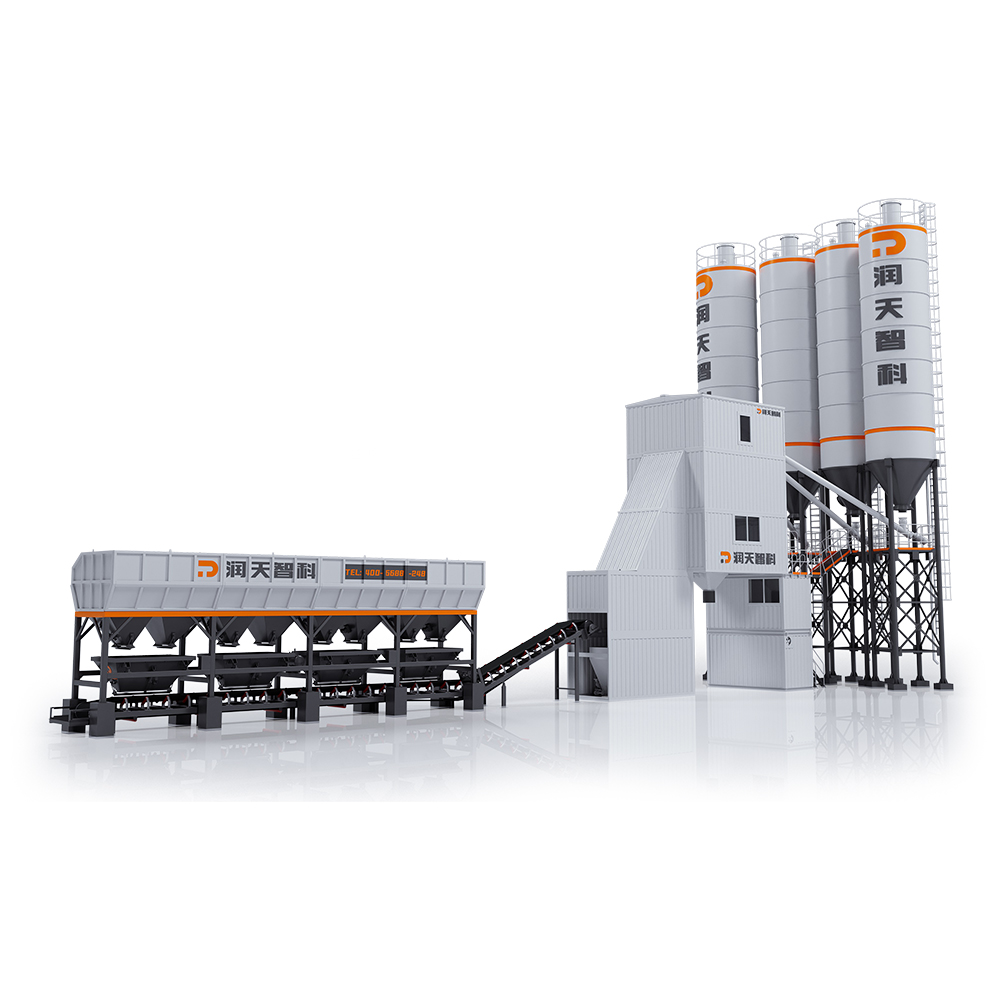 HZS Series Bucket-Lifting Type Container Concrete Mixing Plant
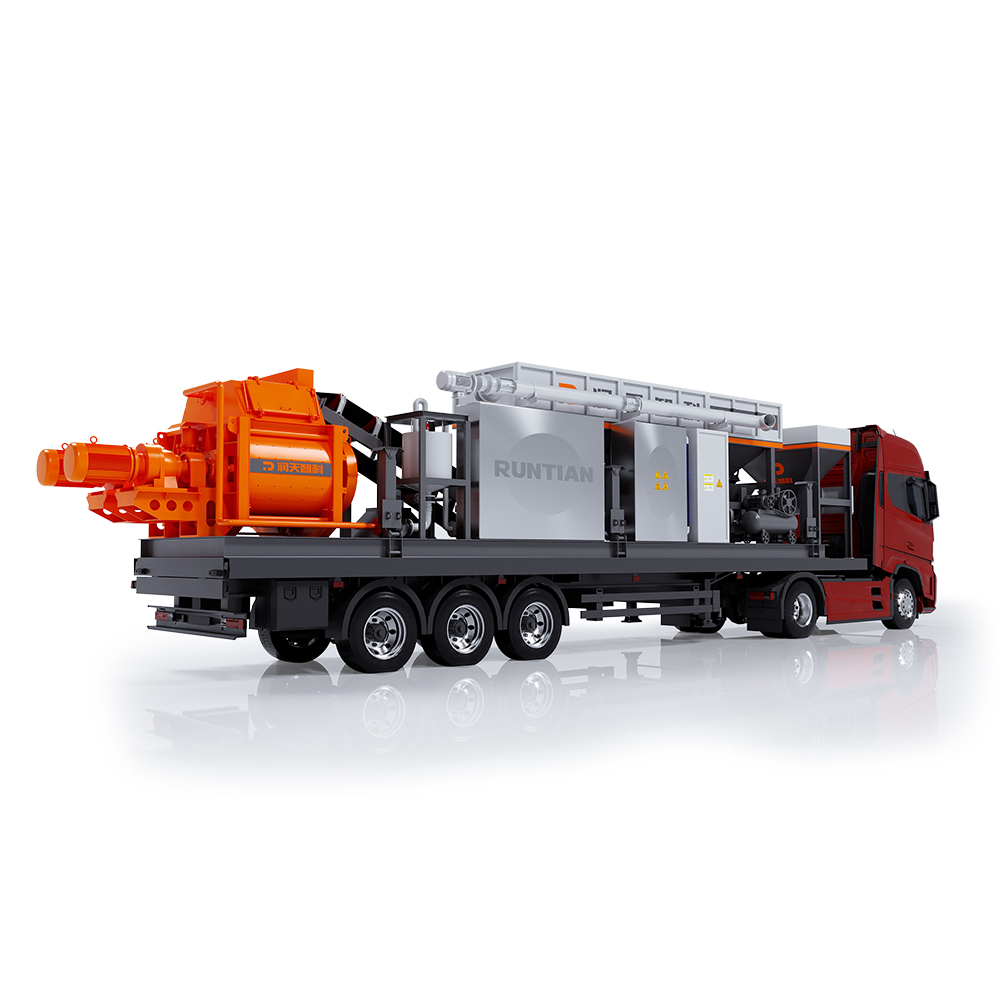 HZS60 Mobile Concrete Mixing Plant
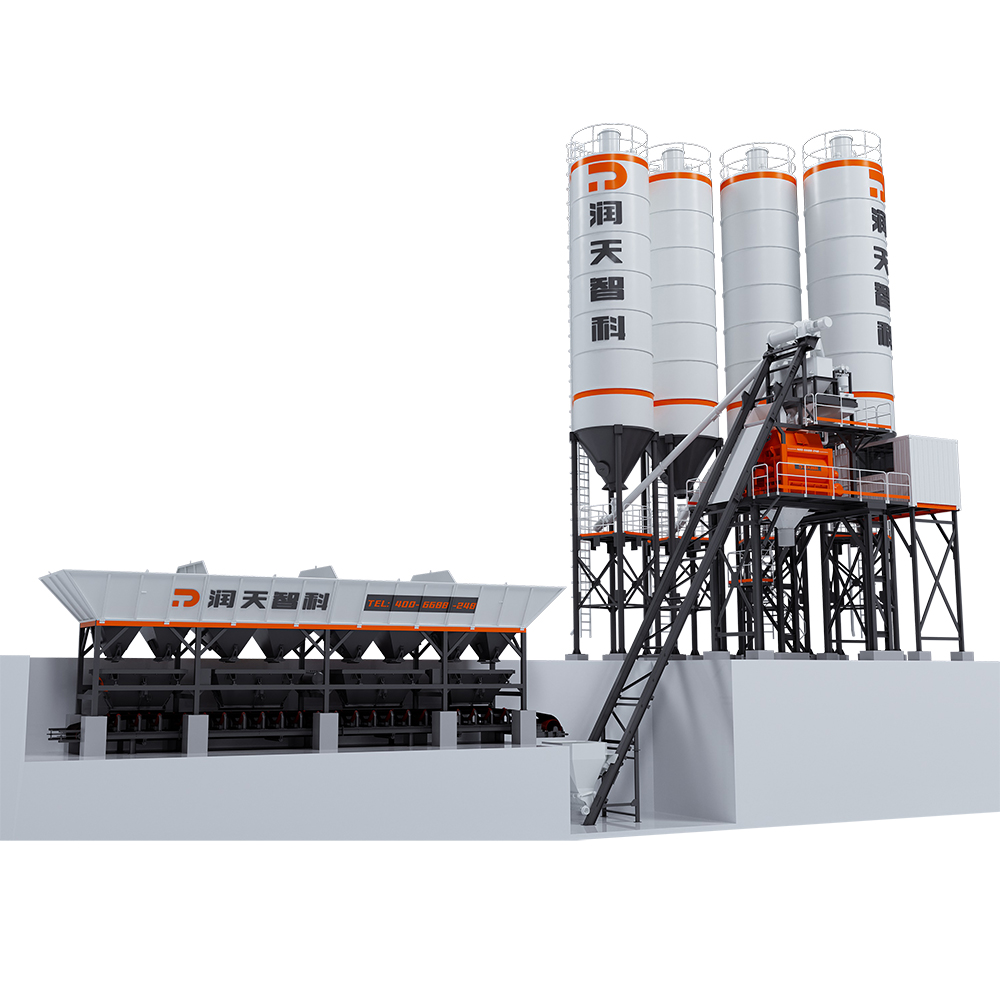 HZS Series Bucket-Lifting Type Concrete Mixing Plant
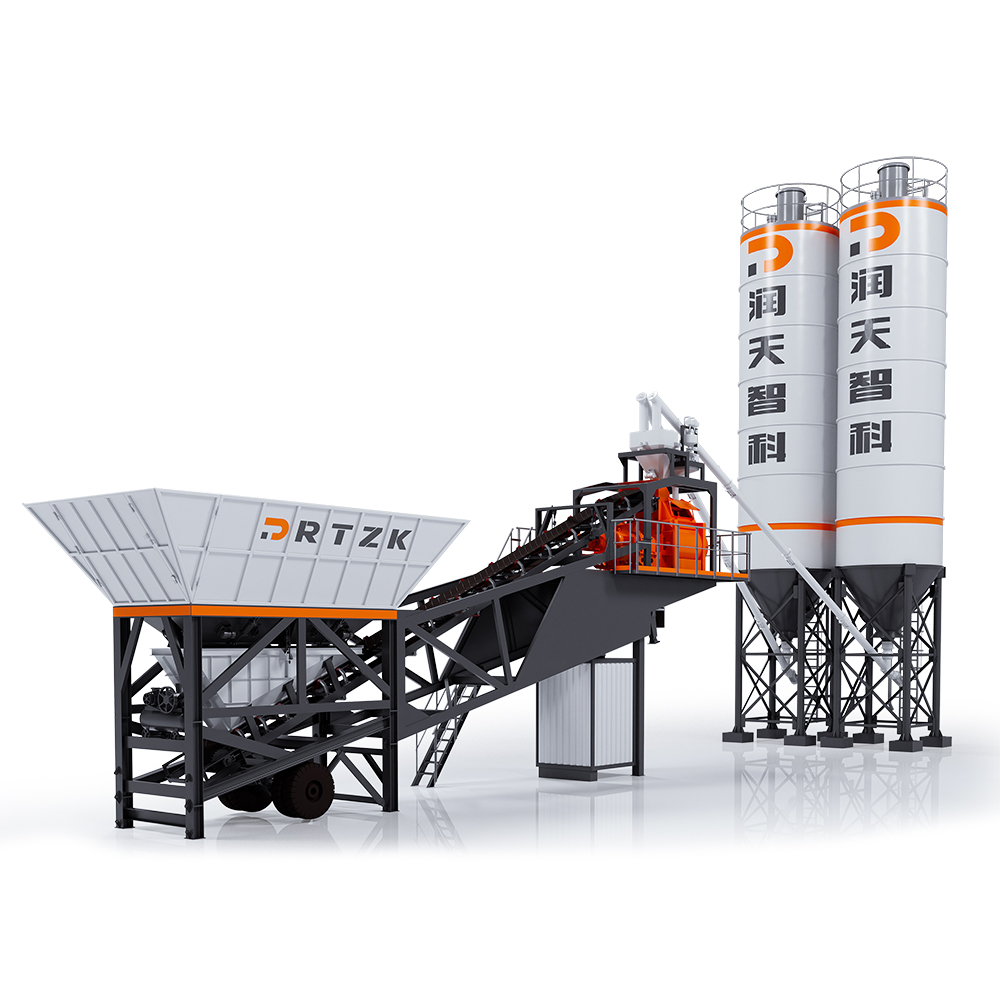 HZS Series Mobile Concrete Mixing Plant
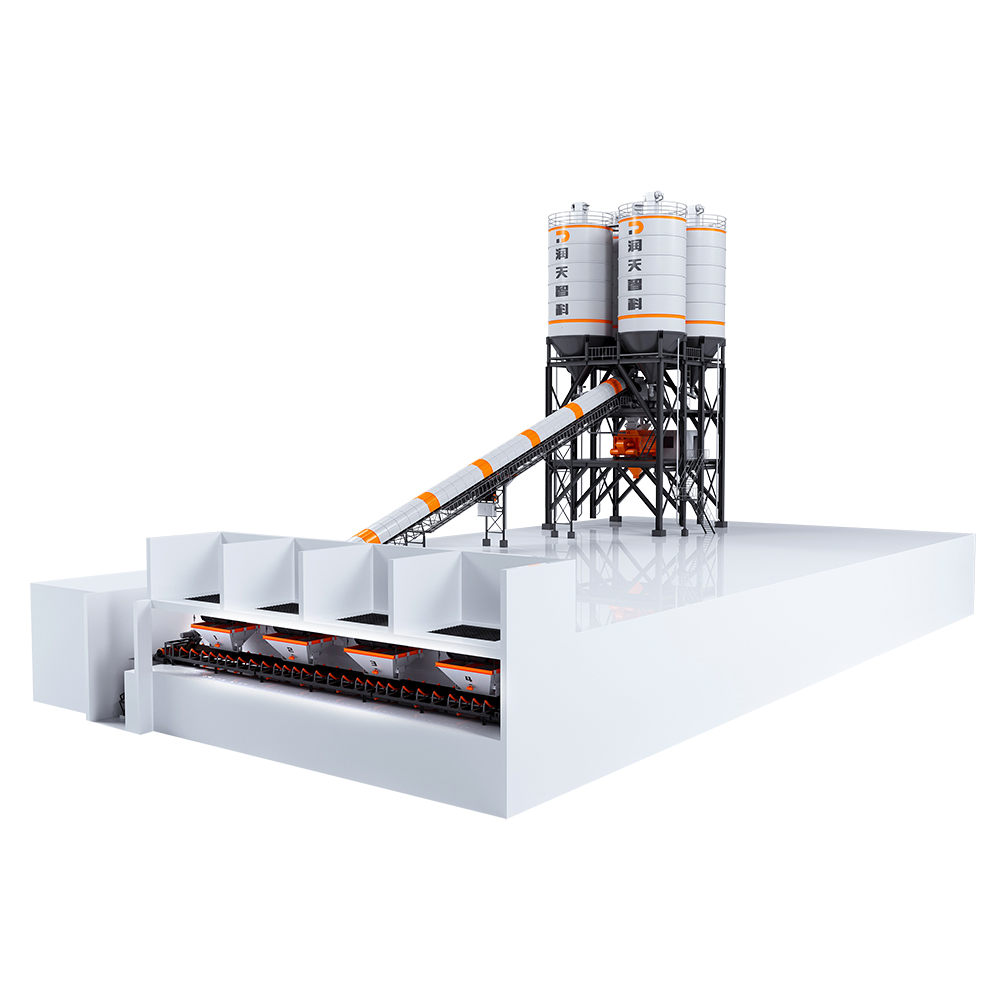 HZS Series Top-Mounted Concrete Mixing plant
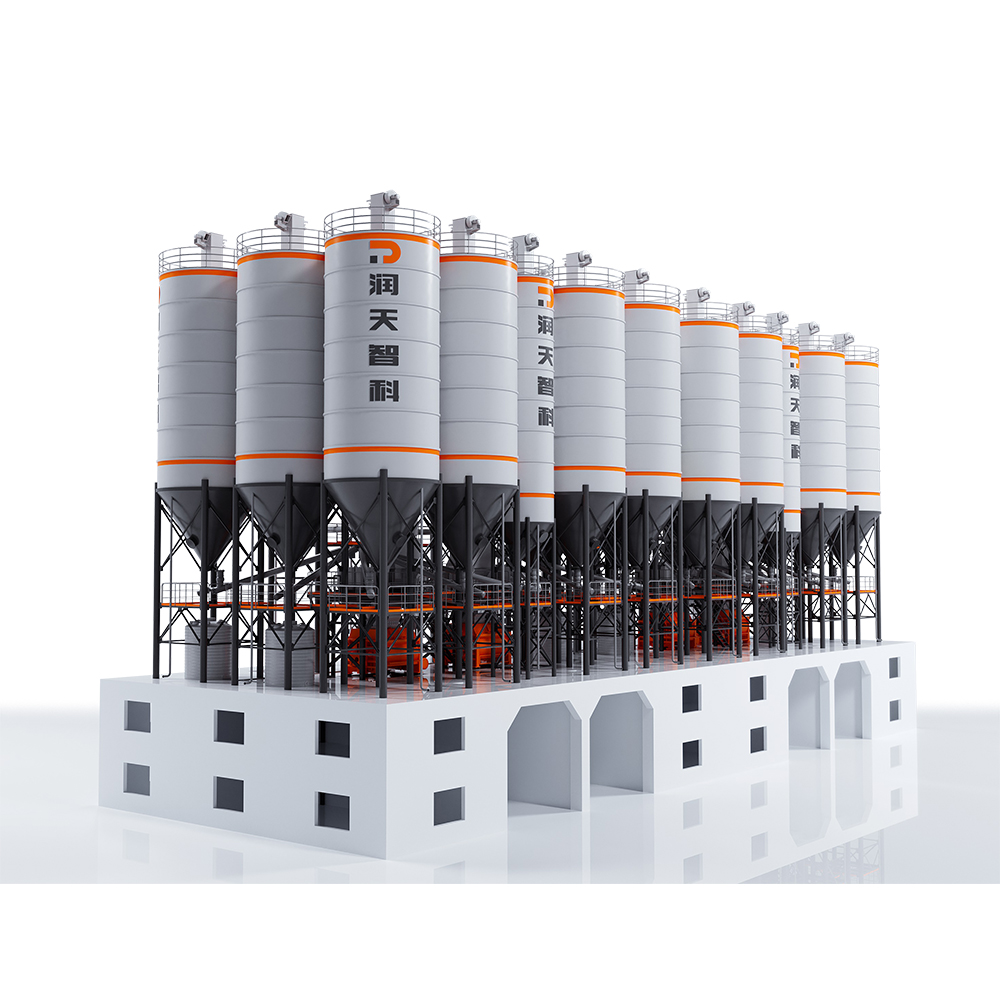 HZS Series Semi-Top Mounted Concrete Mixing Plant
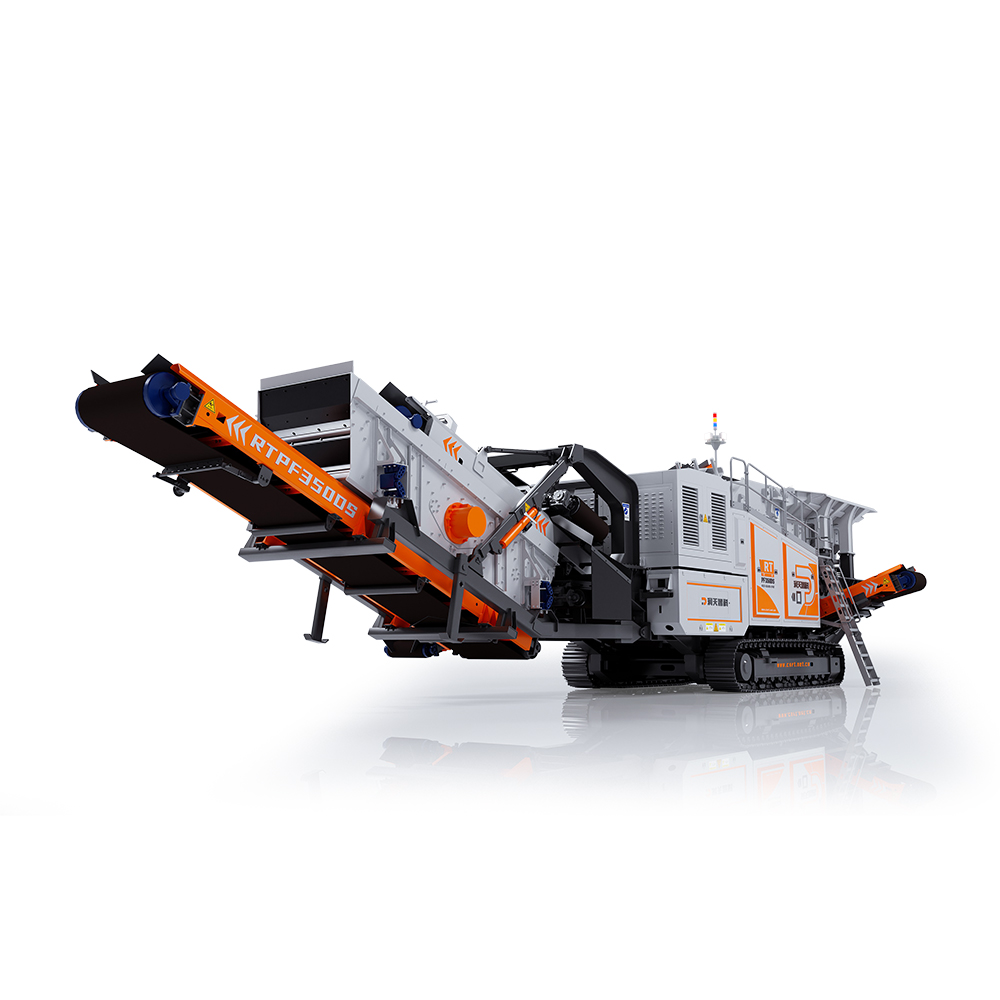 RTPF350DS Crawler Mobile Impact Crushing Plant
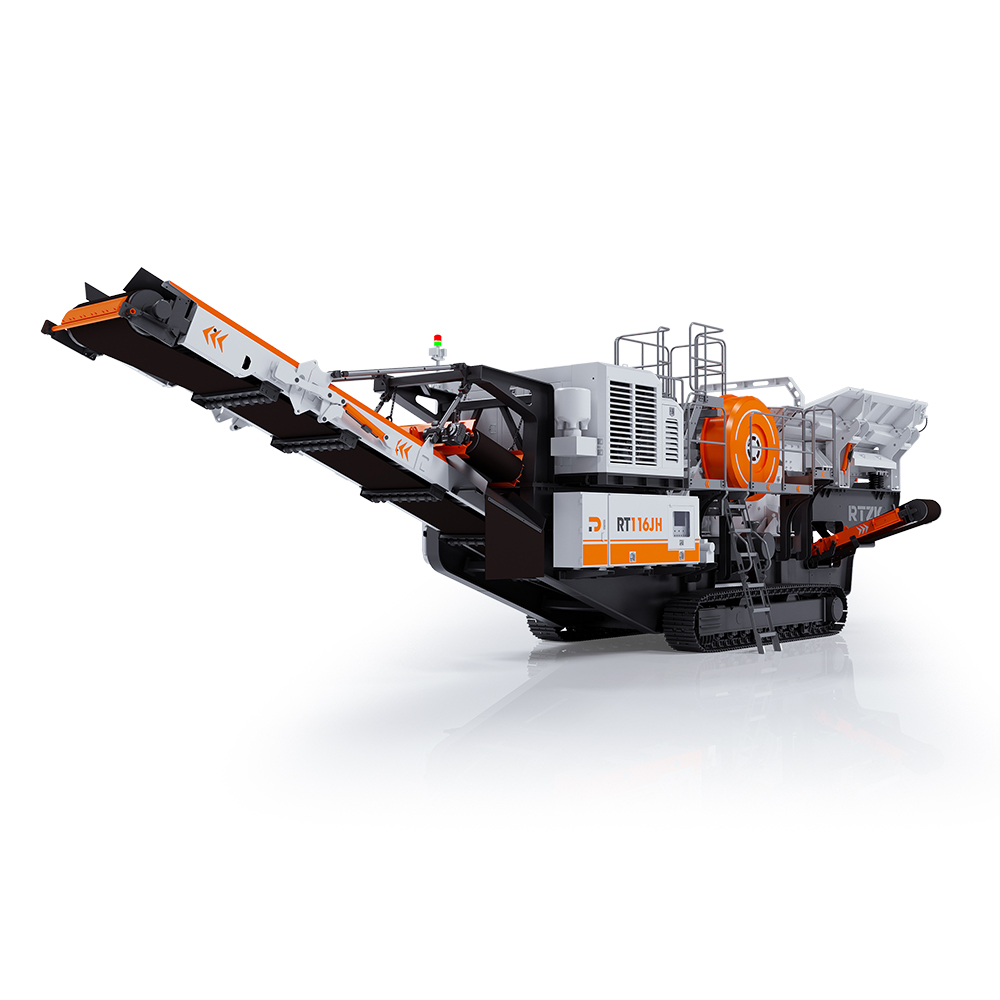 RT116JH Crawler Mobile Jaw Crushing Plant
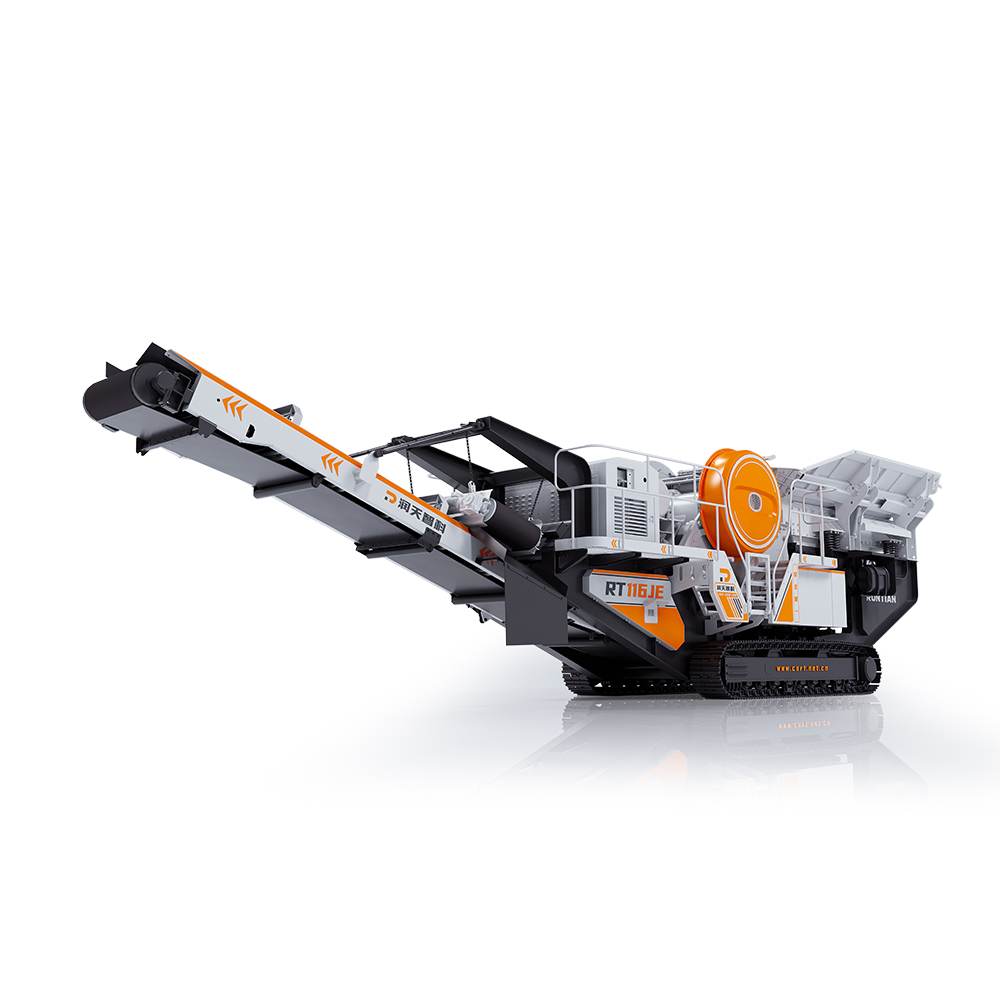 RT116JE Crawler Mobile Jaw Crushing Plant
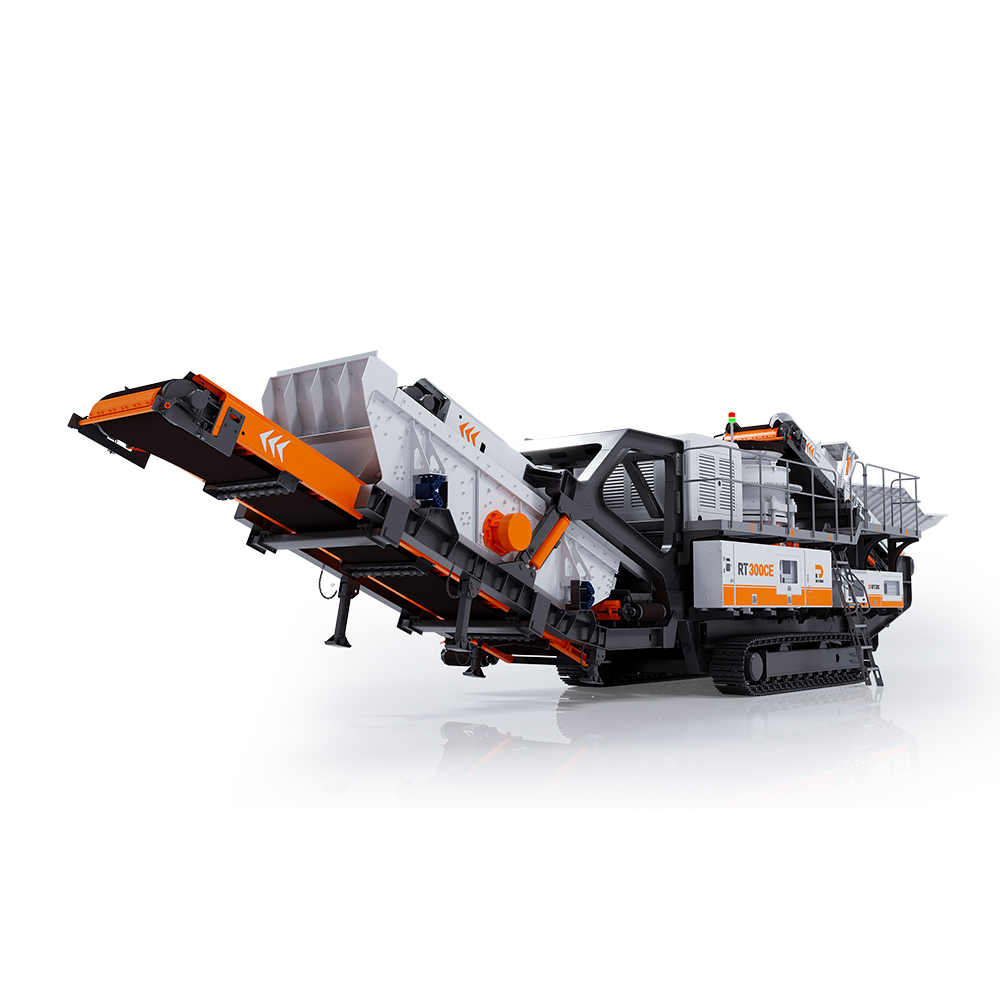 RT300CE Crawler Mobile Cone Crushing Plant
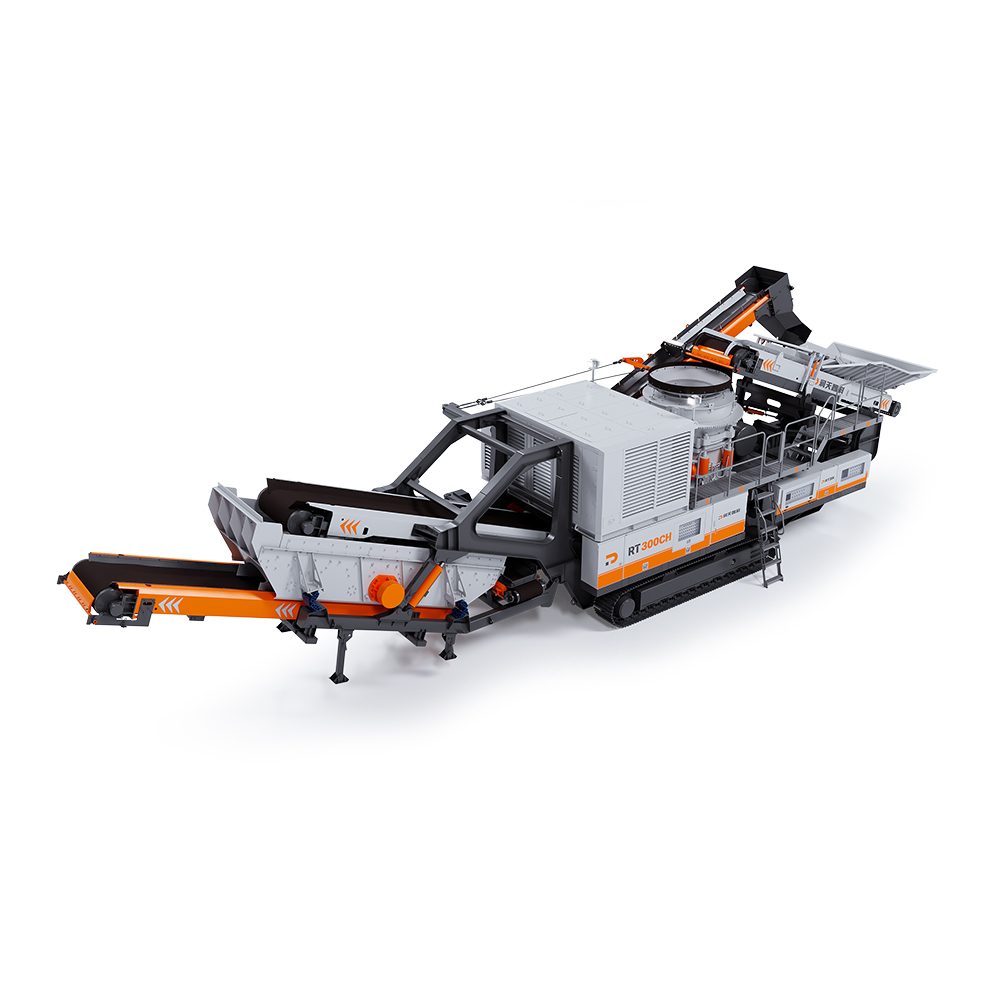 RT300CH Crawler Mobile Cone Crushing Plant
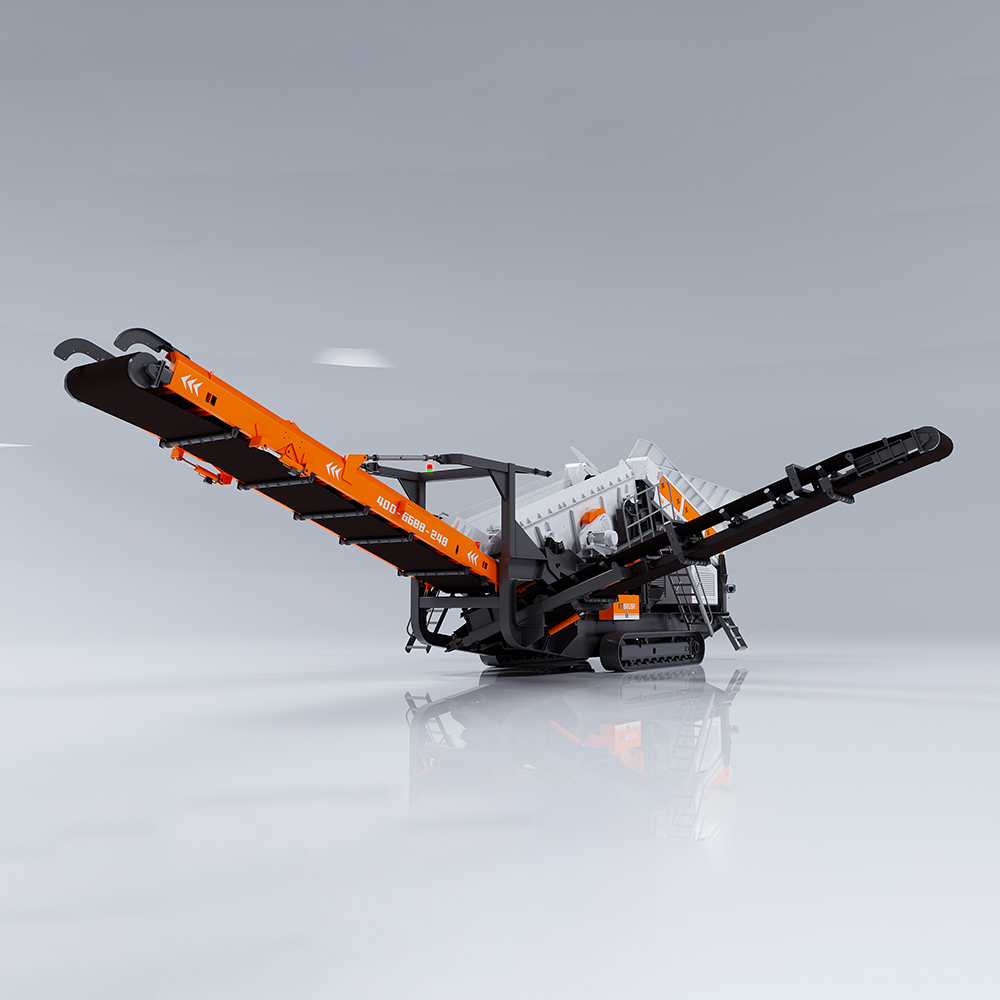 RT5015H Mobile Scalping Screen
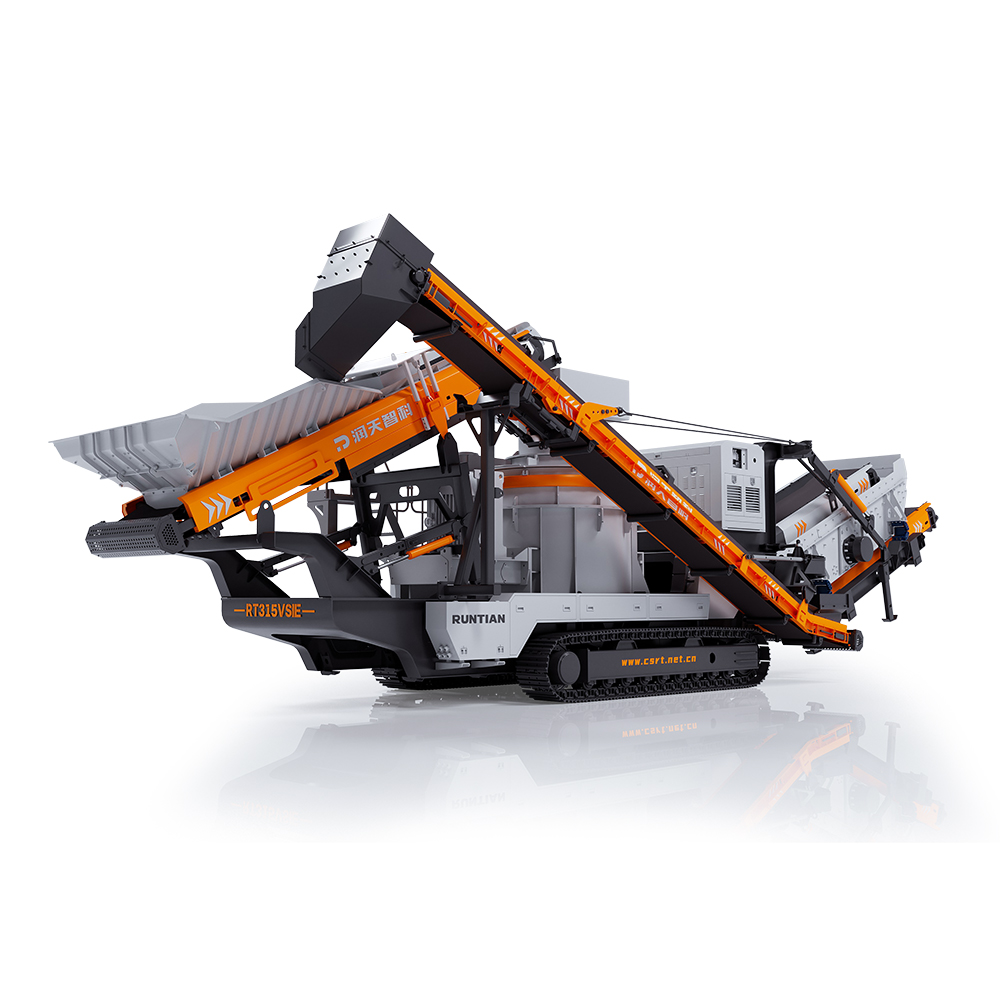 RT315VSIE Crawler Mobile Sand Maker
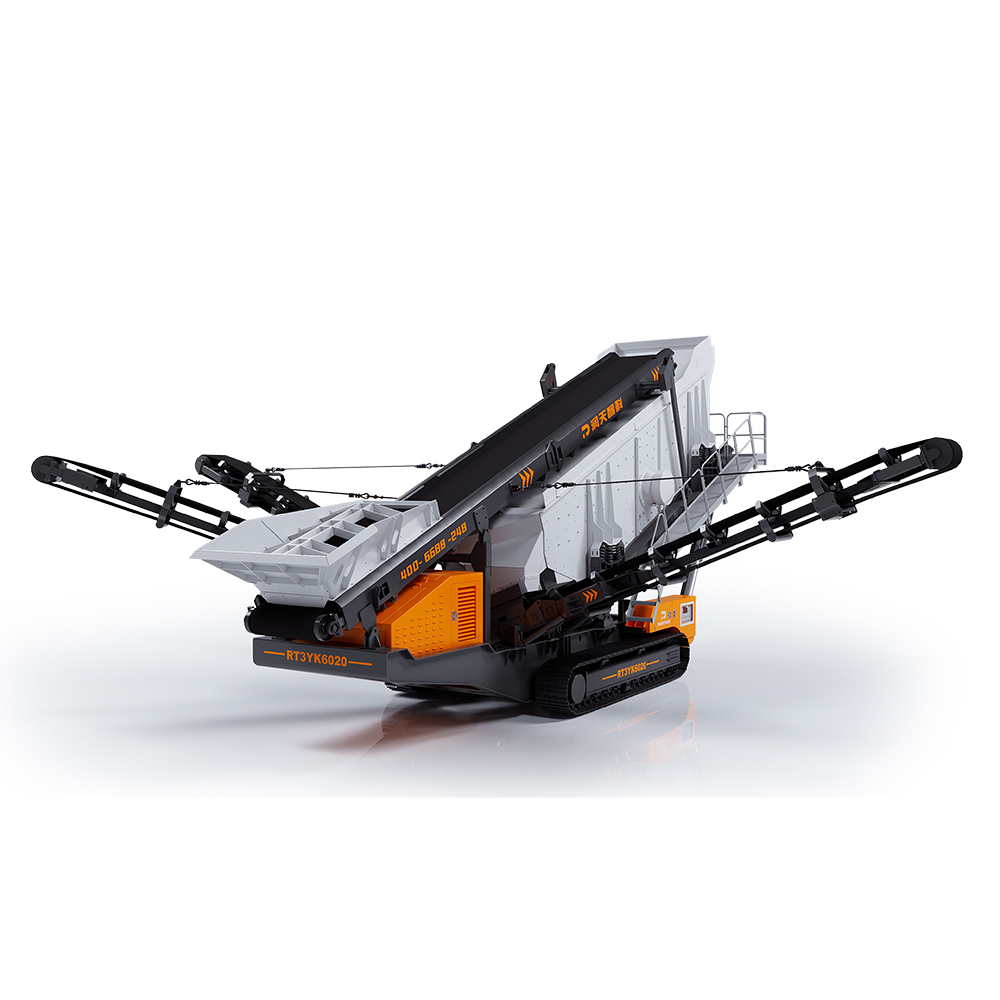 RT3YK6020 Crawler Mobile Screening Plant
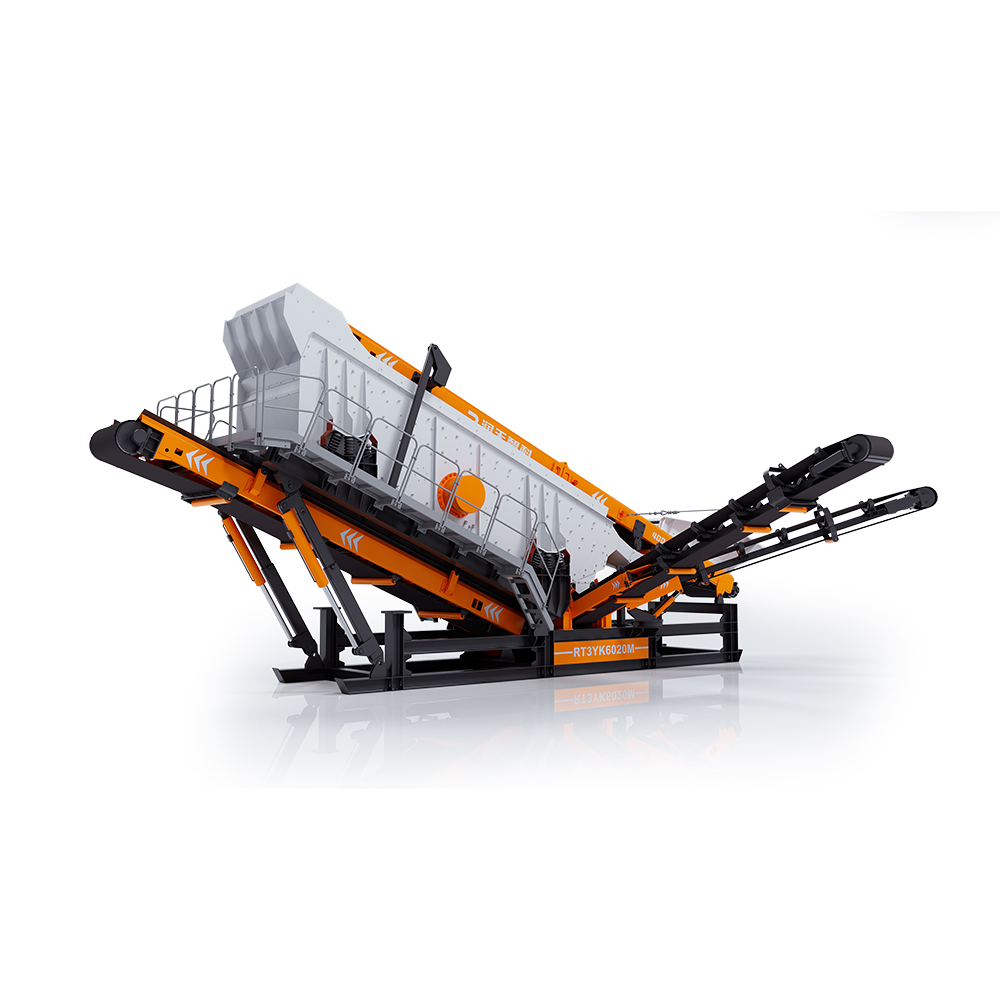 RT3YK6020M Modular Screening Plant
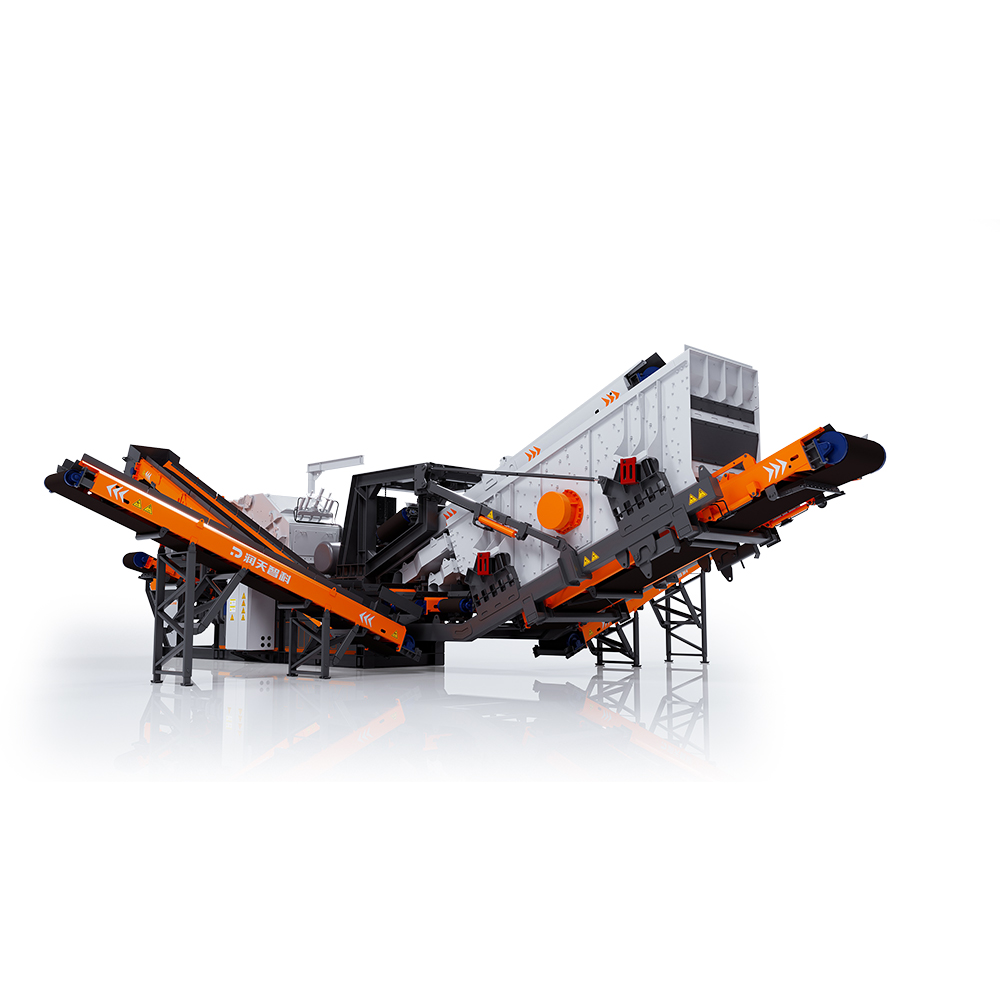 RTF260M Modular Counterattack Crushing and Screening Integrated Machine
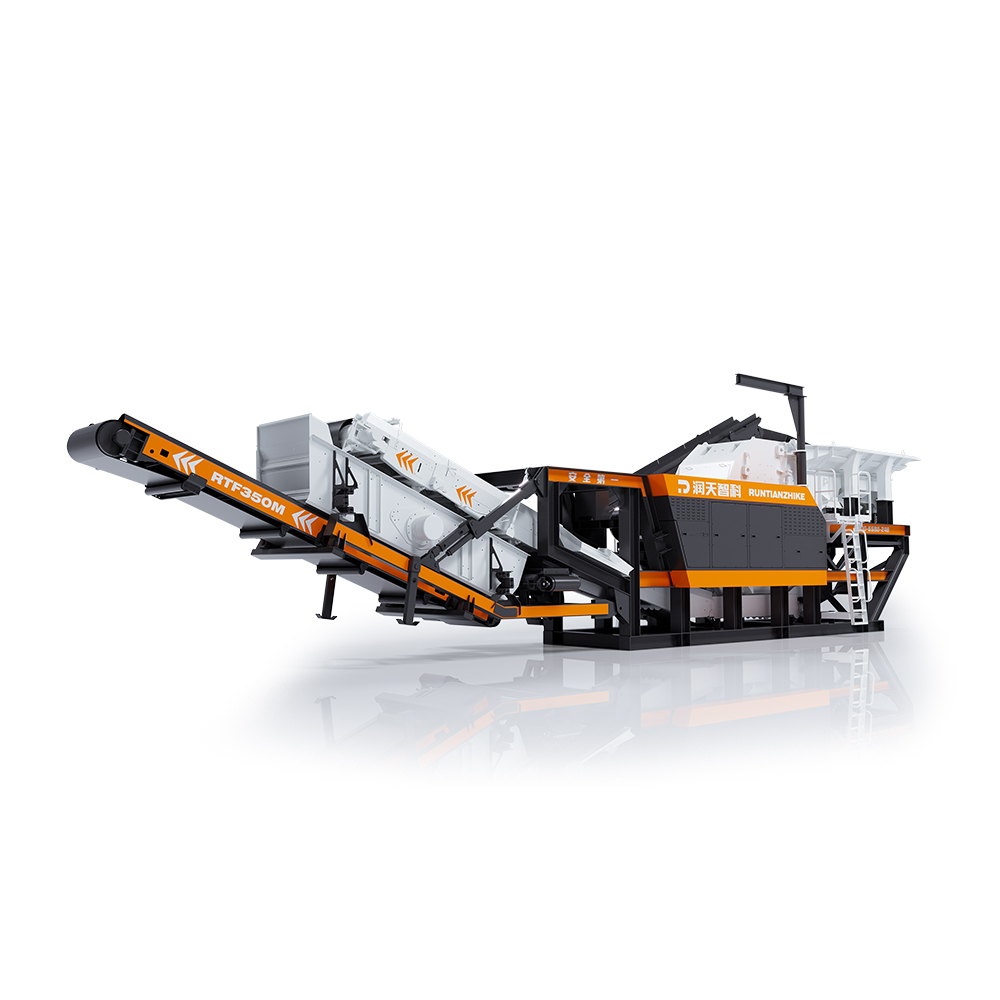 RTF350M Modular Impact Crushing Plant
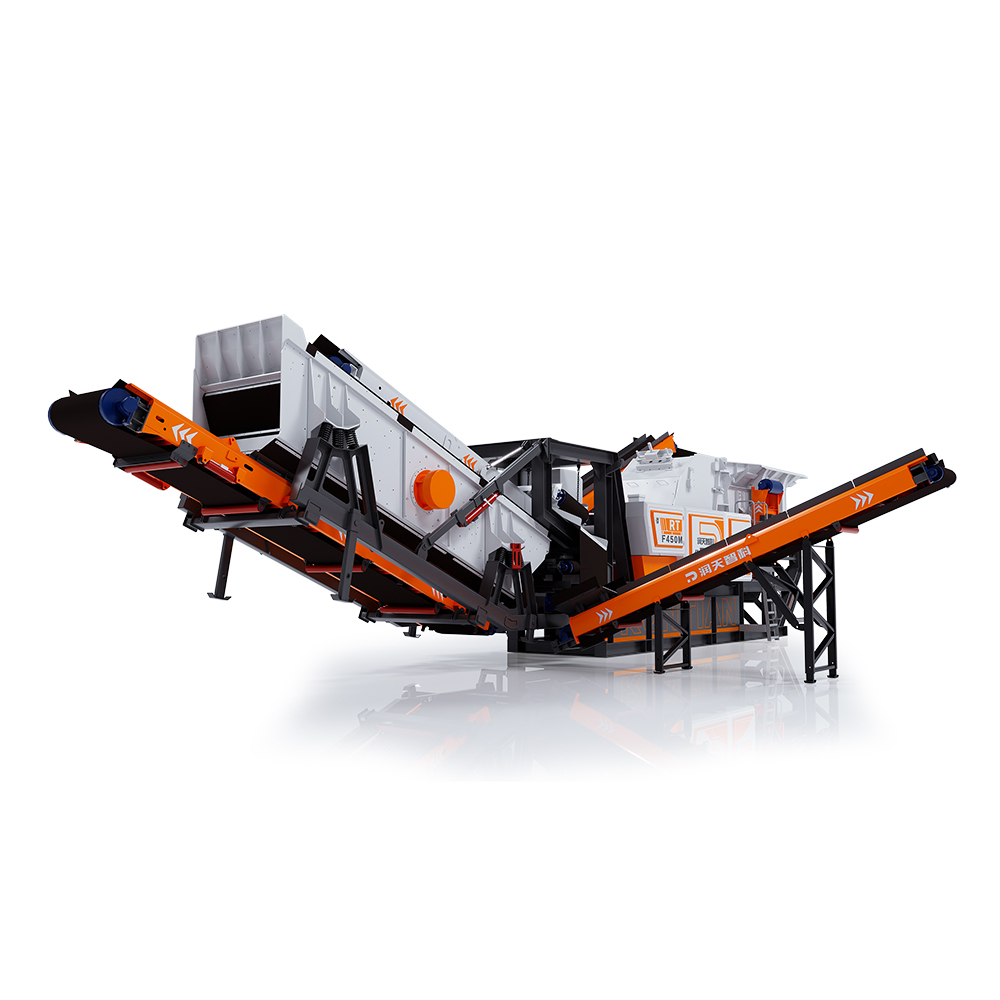 RTF450M Modular Impact Crushing Plant
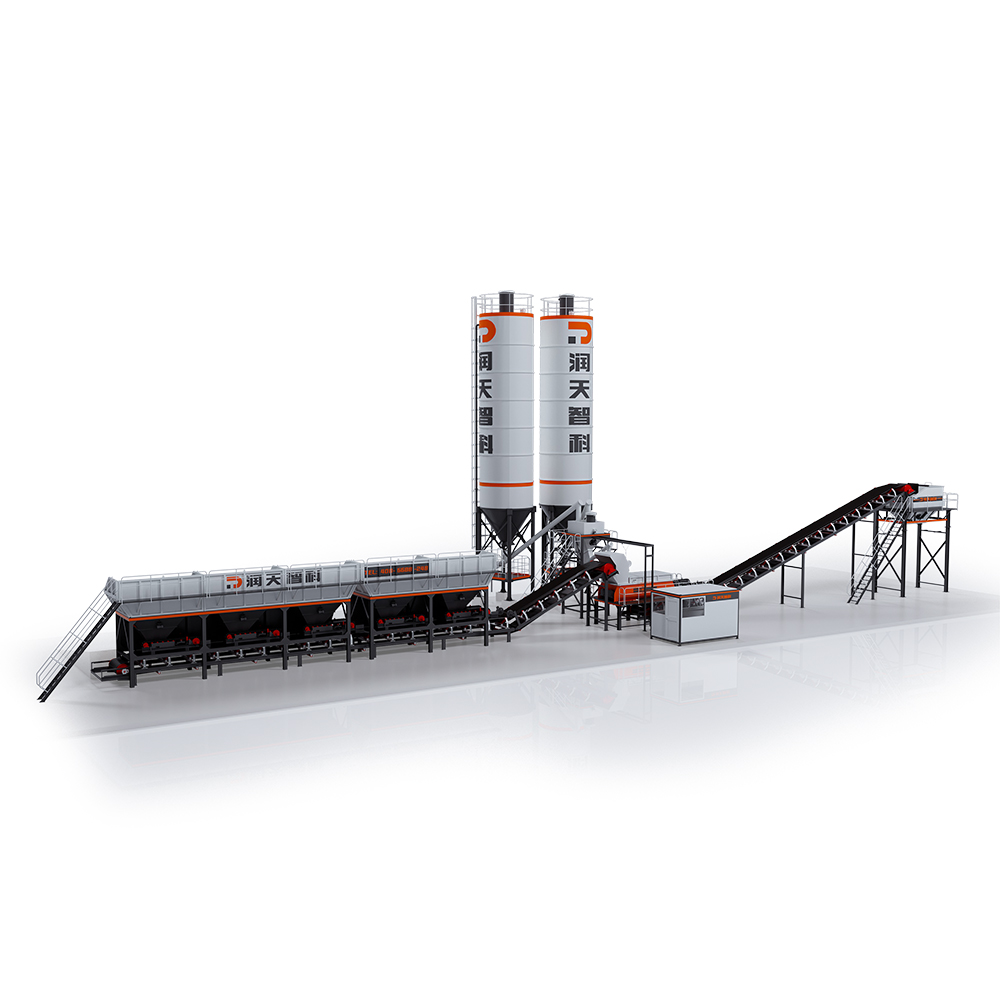 WDB Series Foundation-Free Stability Soil Mixing Plant
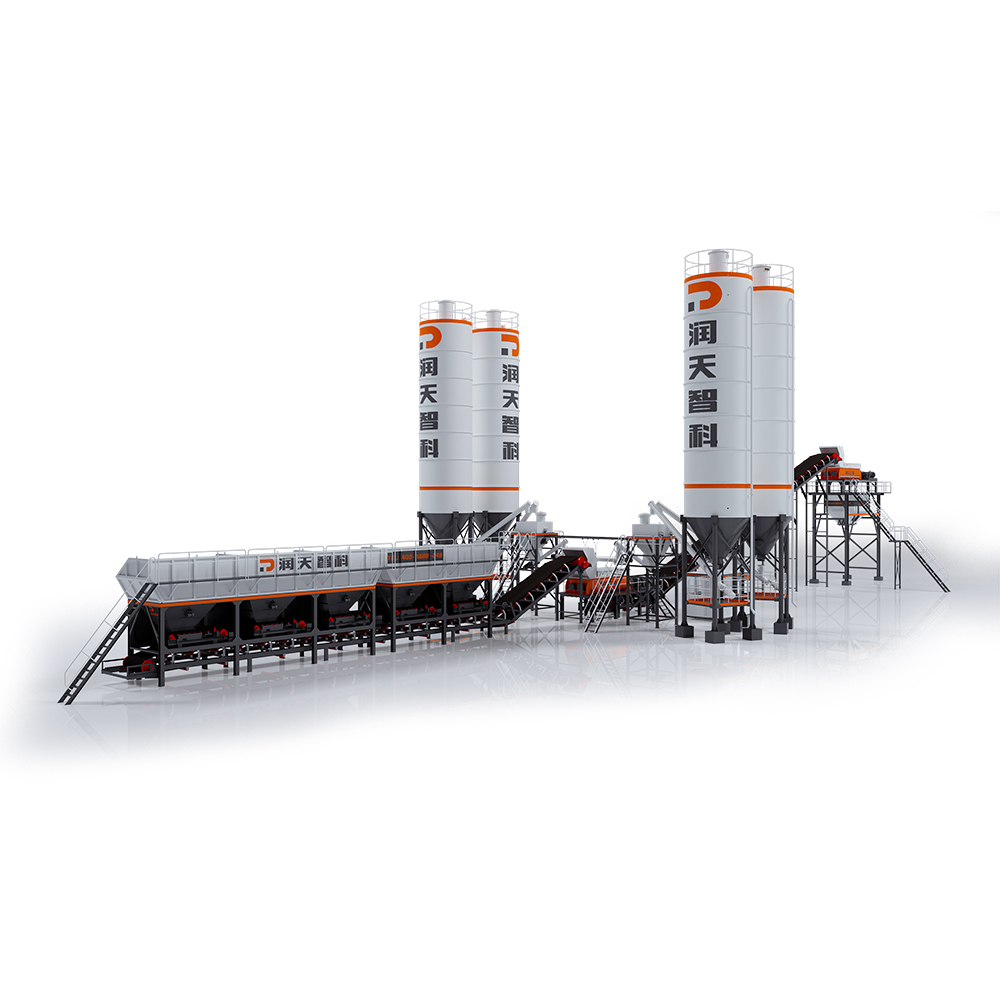 LCB Series Emulsified Asphalt Cold Regeneration Secondary Mixing Plant
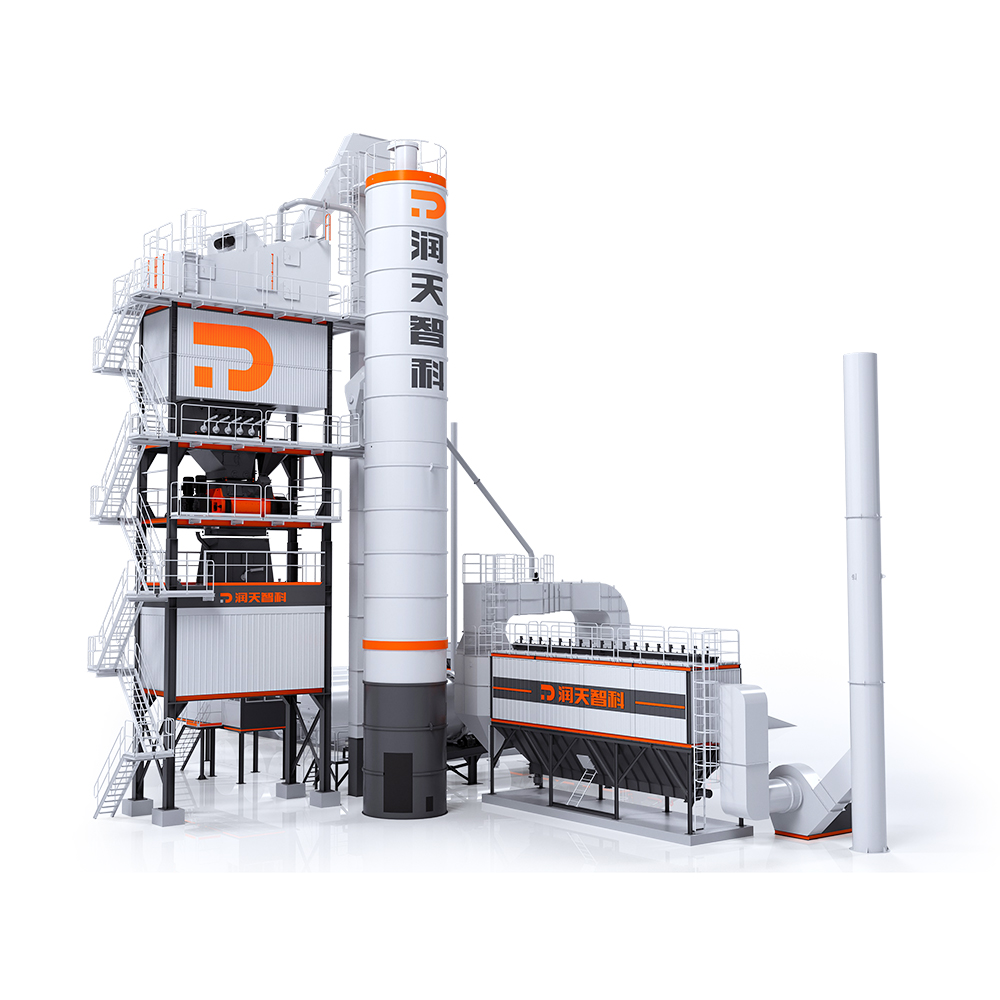 LB Series Asphalt Mixing Plant
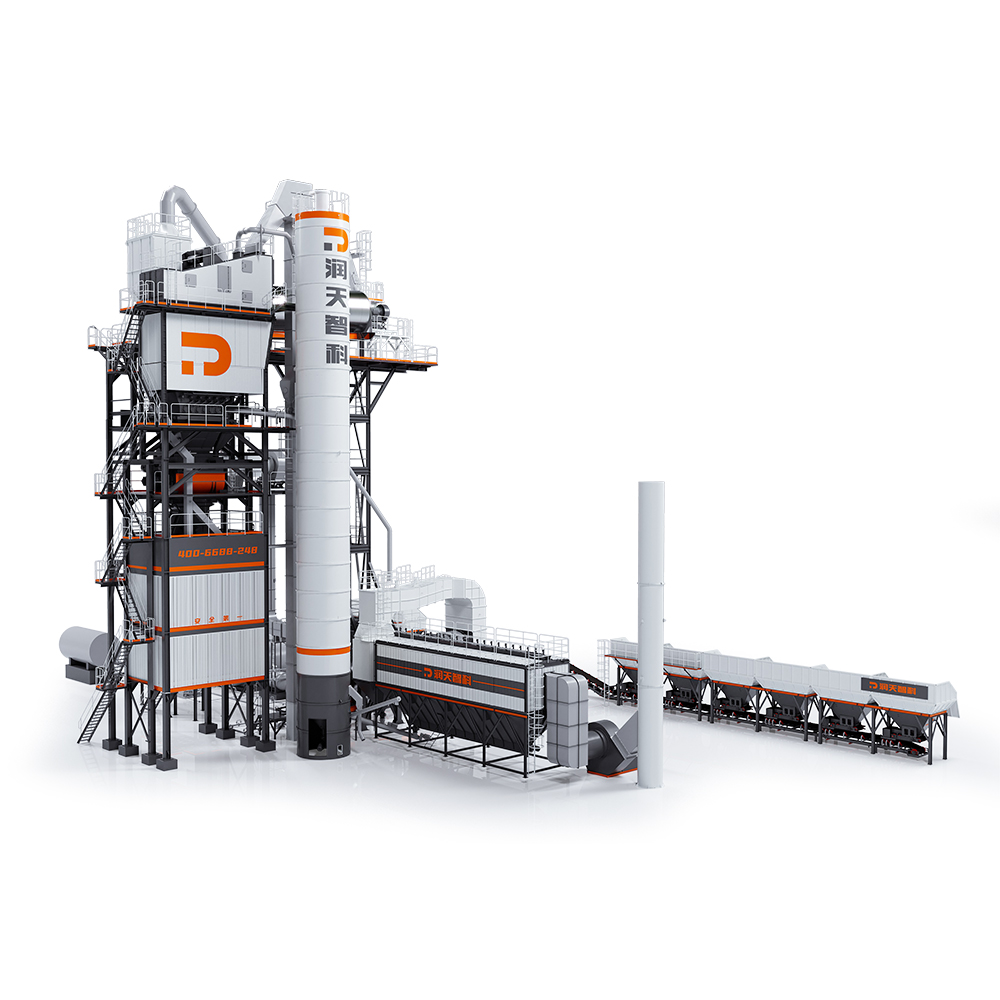 LBR Series Integrated Asphalt Mixing Plant
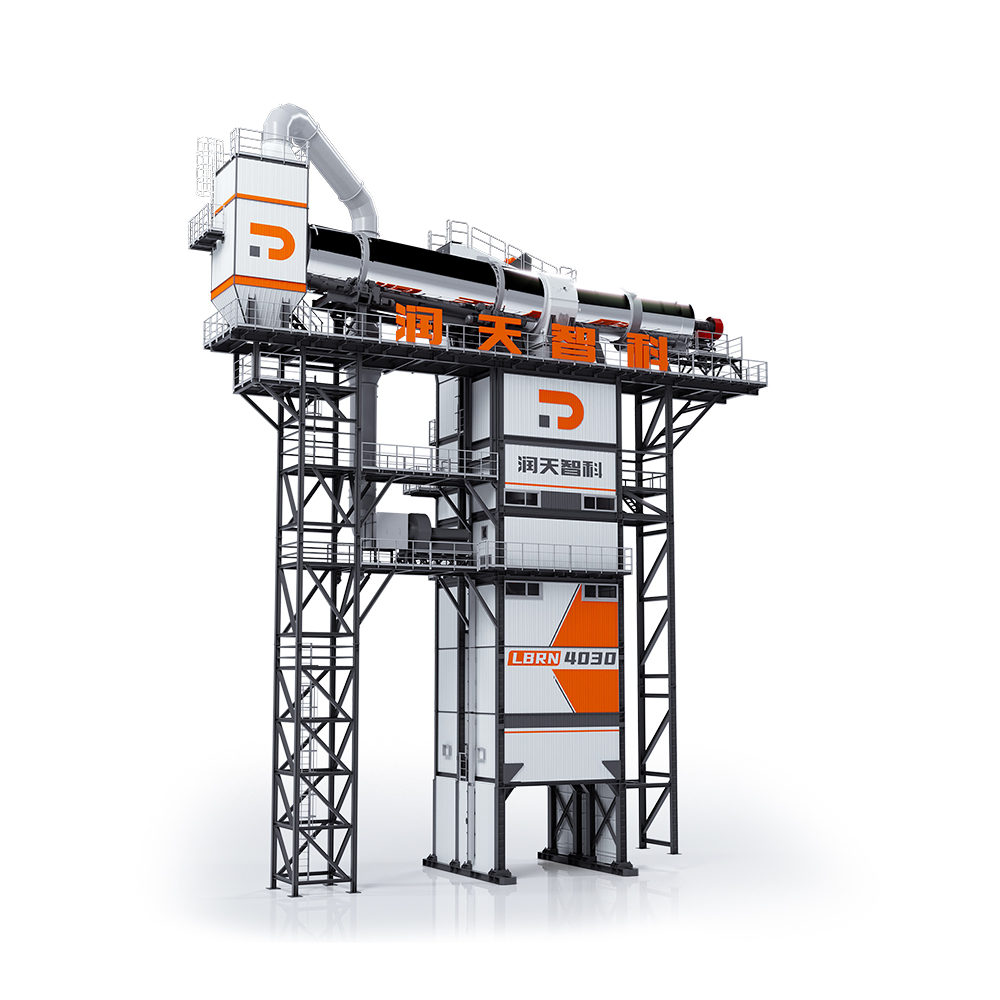 LBRN Series Counterflow Integral Asphalt Mixing Plant
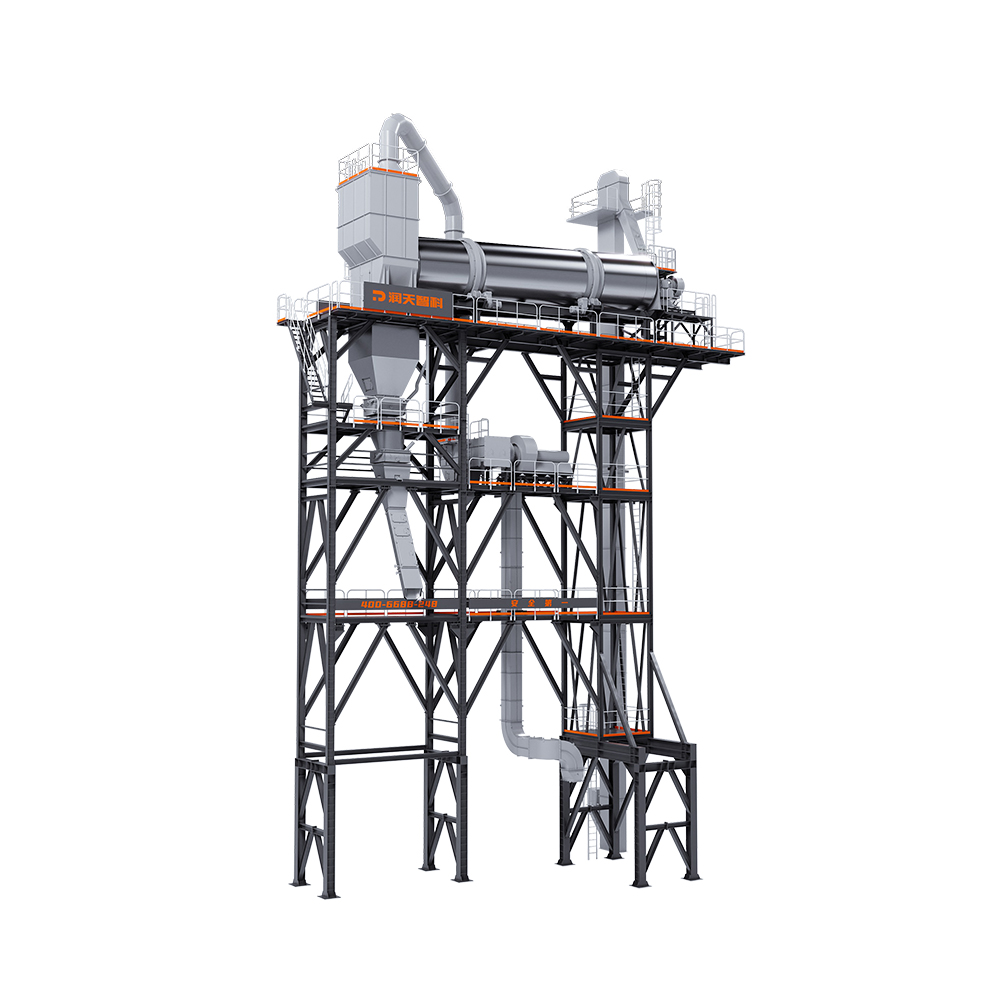 RZS Series Asphalt Mixing Plant
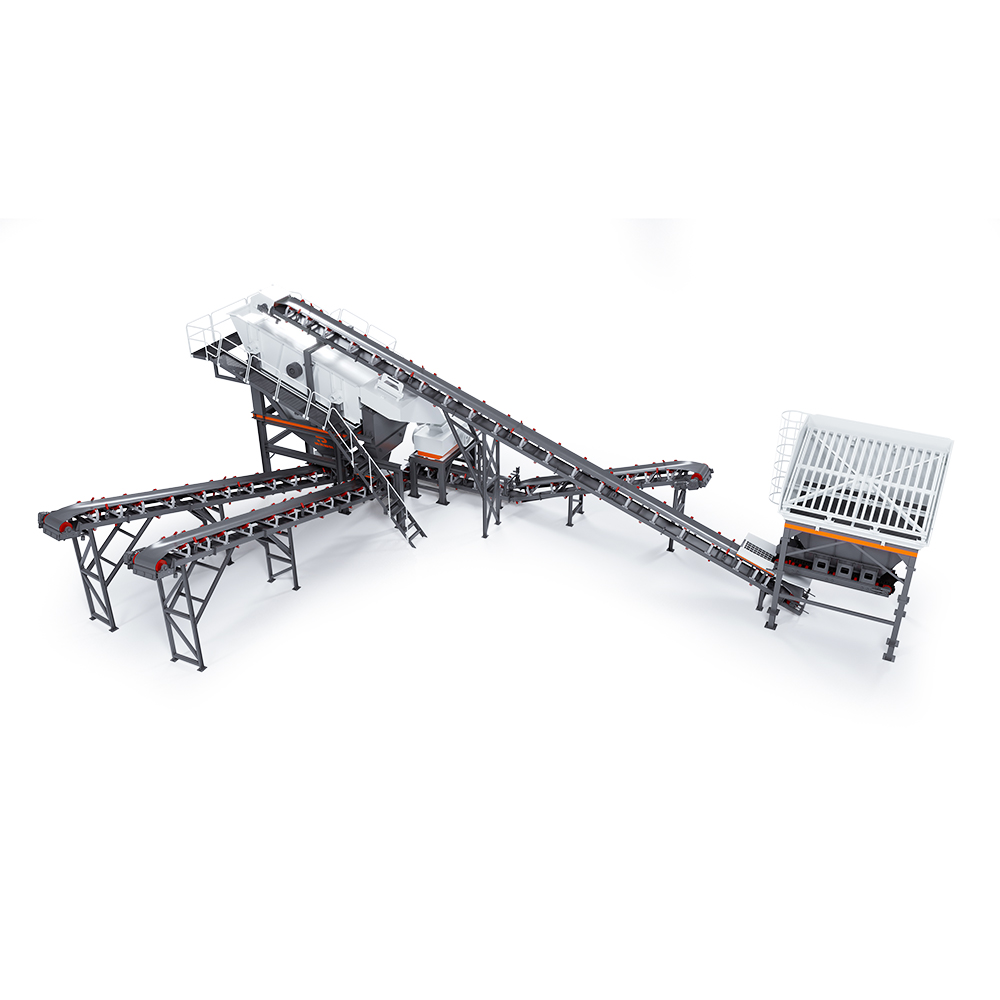 RTZS120 Series RAP Crushing & Screening Plant
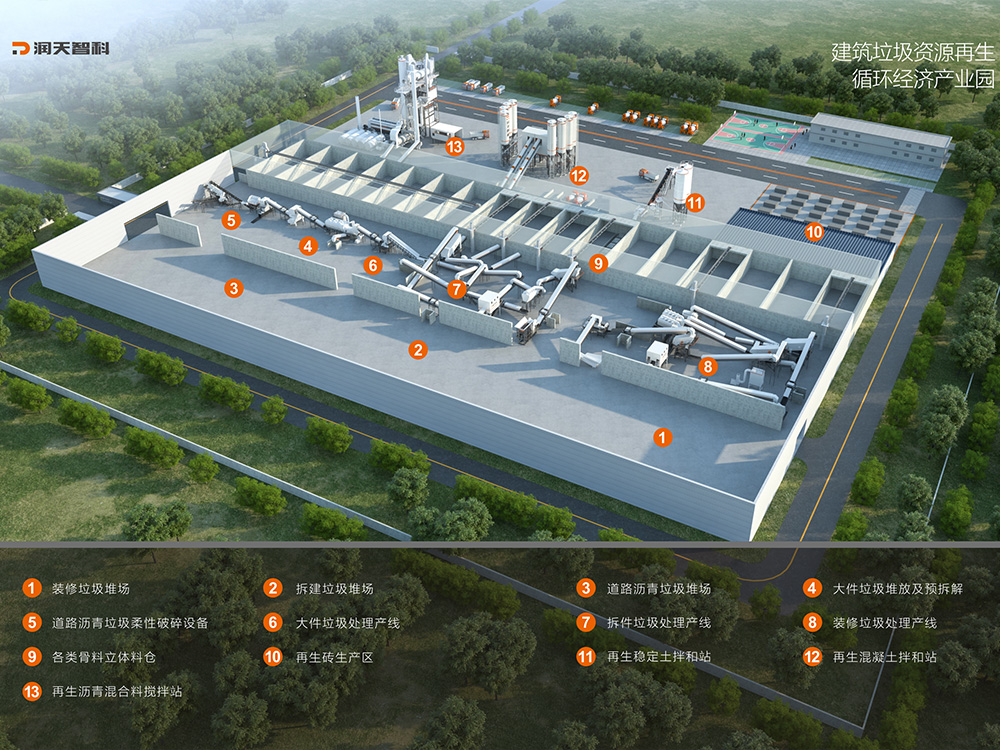 Construction Waste Resourceful Treatment Line