10 Essential Tips for Choosing the Right Mobile Jaw Crusher
The selection of a Mobile Jaw Crusher can significantly impact operational efficiency. According to a report by Grand View Research, the global mobile crushers market is projected to reach USD 4 billion by 2027. This growth highlights the importance of choosing the right equipment for specific applications.
Industry expert John Smith emphasizes, "Selecting the right Mobile Jaw Crusher is critical to maximizing production and minimizing costs." With various models and features available, buyers face challenges in making an informed decision. Considerations like jaw size, weight, and power can greatly influence performance.
In practice, many operators overlook the maintenance requirements when choosing a mobile jaw crusher. This can lead to unplanned downtime. Additionally, some may prioritize price over quality, which could hurt their long-term investment. It's essential to evaluate all factors before making a choice.
Understanding Your Crushing Needs and Application Requirements
When selecting a mobile jaw crusher, understanding your crushing needs is crucial. The right choice can dramatically affect efficiency and productivity. According to industry reports, the global mobile crushing and screening equipment market is projected to reach USD 4.49 billion by 2027. This growth emphasizes the importance of choosing equipment that suits specific application requirements.
Consider the material type you will crush. Different materials have varying hardness levels. For instance, limestone is softer compared to granite. Equipment designed for harder materials needs more robust construction. Optimizing your mobile jaw crusher selection means evaluating your typical input size. The ideal crusher should accommodate your largest material without compromising performance.
The intended location for the crusher is also significant. If operating in confined spaces, a compact model may be necessary. However, larger crushers offer higher production rates. Balancing size and capability is a common challenge. Some might prioritize production over maneuverability, only to later realize operational inefficiencies. Understanding these dynamics will help mitigate potential pitfalls in the procurement process. Assess your needs carefully to avoid costly mistakes.
10 Essential Tips for Choosing the Right Mobile Jaw Crusher
| Tip Number |
Key Consideration |
Description |
Impact on Selection |
| 1 |
Material Type |
Identify the materials you will be crushing. |
Affects the design and durability requirements of the crusher. |
| 2 |
Feed Size |
Measure the maximum size of material to be processed. |
Determines required opening size and capacity. |
| 3 |
Desired Output Size |
Define the size of aggregate you need. |
Influences the crusher settings and configuration. |
| 4 |
Capacity Requirements |
Estimate required tons per hour of processed material. |
Helps select a model that meets your operational needs. |
| 5 |
Mobility Needs |
Assess the terrain and location for operation. |
Determines the type of mobility feature required. |
| 6 |
Power Source |
Choose between diesel and electric powered models. |
Affects operating costs and site requirements. |
| 7 |
Maintenance Factors |
Evaluate service access and ease of maintenance. |
Impacts long-term operational efficiency. |
| 8 |
Budget Constraints |
Define your budget limits for purchase. |
Guides the range of options available to you. |
| 9 |
Safety Features |
Look for compliance with safety standards. |
Ensures operator safety and liability minimization. |
| 10 |
Reviews and Recommendations |
Research customer feedback and case studies. |
Assists in making an informed purchase decision. |
Evaluating the Specifications of Mobile Jaw Crushers
When evaluating mobile jaw crushers, specifications are crucial. The performance of these machines heavily relies on their design and components. For instance, jaw size, crushing capacity, and material handling can vary significantly. A well-designed mobile jaw crusher can process 50 to 650 tons of material per hour. Larger jaws often handle bigger materials, but they also require more power.
Tip 1: Check the max feed size and output size. This gives insight into the material types the crusher can handle. A narrow output size may limit your materials but offer better final products.
Weight is another essential specification. A lighter machine may be easier to transport but could lack durability. Conversely, a heavier machine could sustain more wear and tear, leading to possible maintenance issues. Evaluate the operational weight against your site requirements.
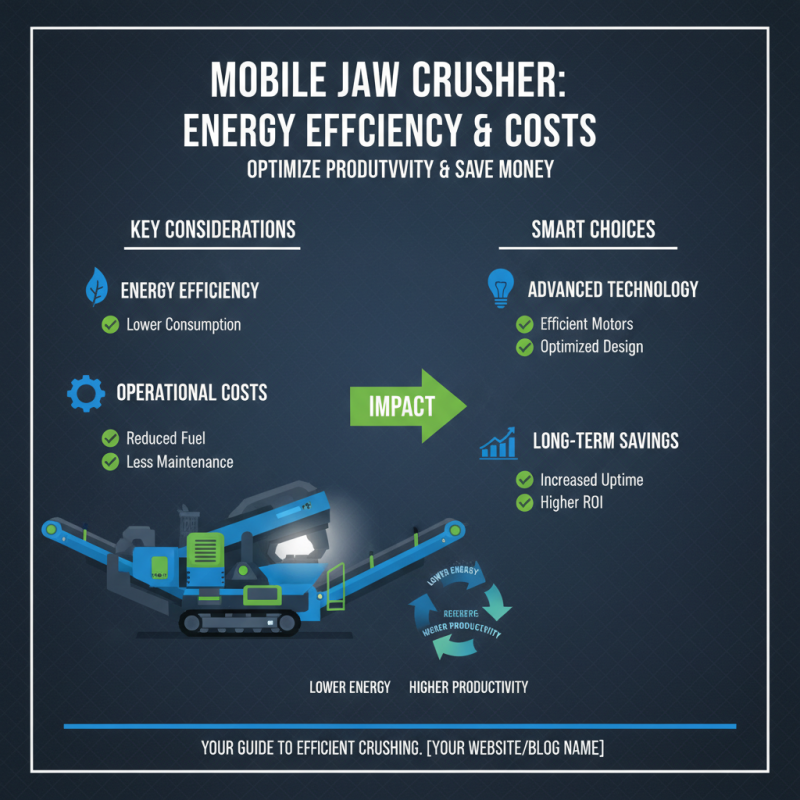
Tip 2: Look for fuel efficiency ratings. Machines with high efficiency can save costs in the long run. Operating at reduced fuel consumption also lowers the environmental impact.
Understanding these specifications can be tricky. It’s not uncommon to overlook crucial details. Be critical of the data provided. If specifications seem too good to be true, they might be. Always question the performance claims.
Assessing the Importance of Mobility and Transportability
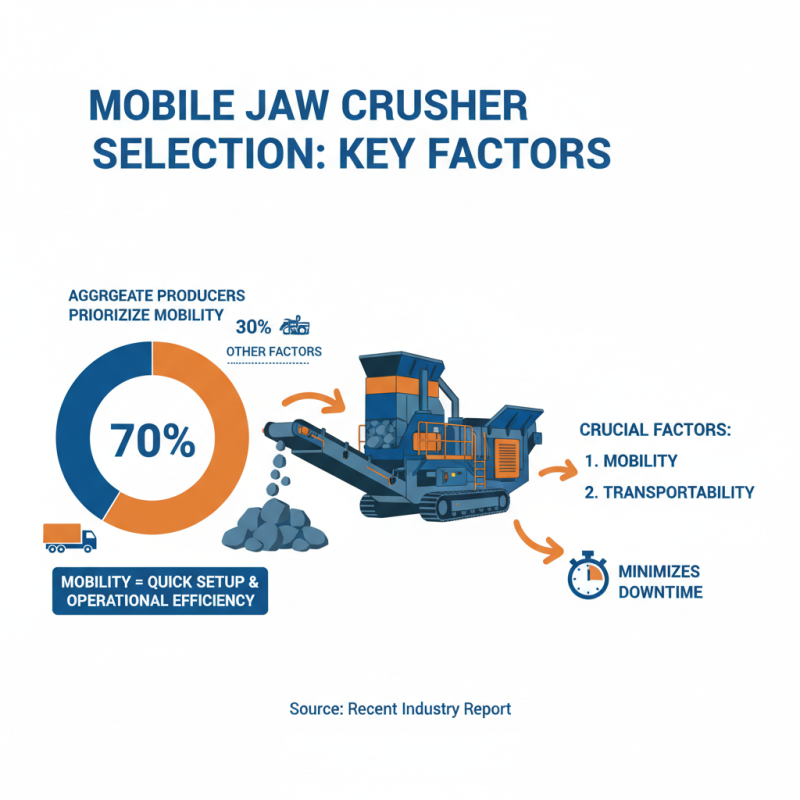
Mobility and transportability are crucial factors when selecting a mobile jaw crusher. According to a recent industry report, around 70% of aggregate producers prioritize mobility in their equipment decisions. This statistic highlights the tendency for companies to seek machines that can move easily to different job sites. High mobility allows for quick setup and operational efficiency, minimizing downtime.
When evaluating options, consider the weight and dimensions of the crusher. Heavier models may provide better stability but can limit transport options. A lighter, compact version can be driven on back roads or transported on smaller trailers. This is particularly important in urban areas where access might be restricted. The right balance is essential, as too much emphasis on weight can compromise productivity.
Moreover, the ability to adapt to various terrains matters. Many operators face challenges in navigating uneven surfaces. In fact, reports suggest that 40% of equipment failures occur due to poor mobility across different site conditions. Operators must reflect on their unique requirements. Think about the geographical locations where the crusher will be used. This kind of foresight can lead to better decisions that enhance operational effectiveness over time.
Researching Maintenance and Support Options for Longevity
When choosing a mobile jaw crusher, maintenance and support options are crucial factors. Research shows that 70% of equipment failures are due to insufficient maintenance. Regular upkeep can prevent costly repairs and downtime. Understanding the maintenance needs of your chosen crusher will ensure a longer lifespan.
Consider components like the crusher's jaw and bearings. These are often subjected to significant wear, requiring routine check-ups. Some reports indicate that up to 40% of operational costs can arise from maintenance. Selecting equipment that offers clear guidelines and accessible support can make a difference. However, even with the best plans, things can go wrong. A failure to adapt to unexpected issues can lead to reduced productivity.
Support options are equally important. Look for suppliers offering comprehensive service packages. Some might include remote monitoring, which can forecast issues before they arise. Yet, not all support is created equal. Read reviews and seek user experiences to understand potential shortcomings. In the end, the right mix of maintenance understanding and reliable support will drive success in your operations.

 Concrete Mixing Plant
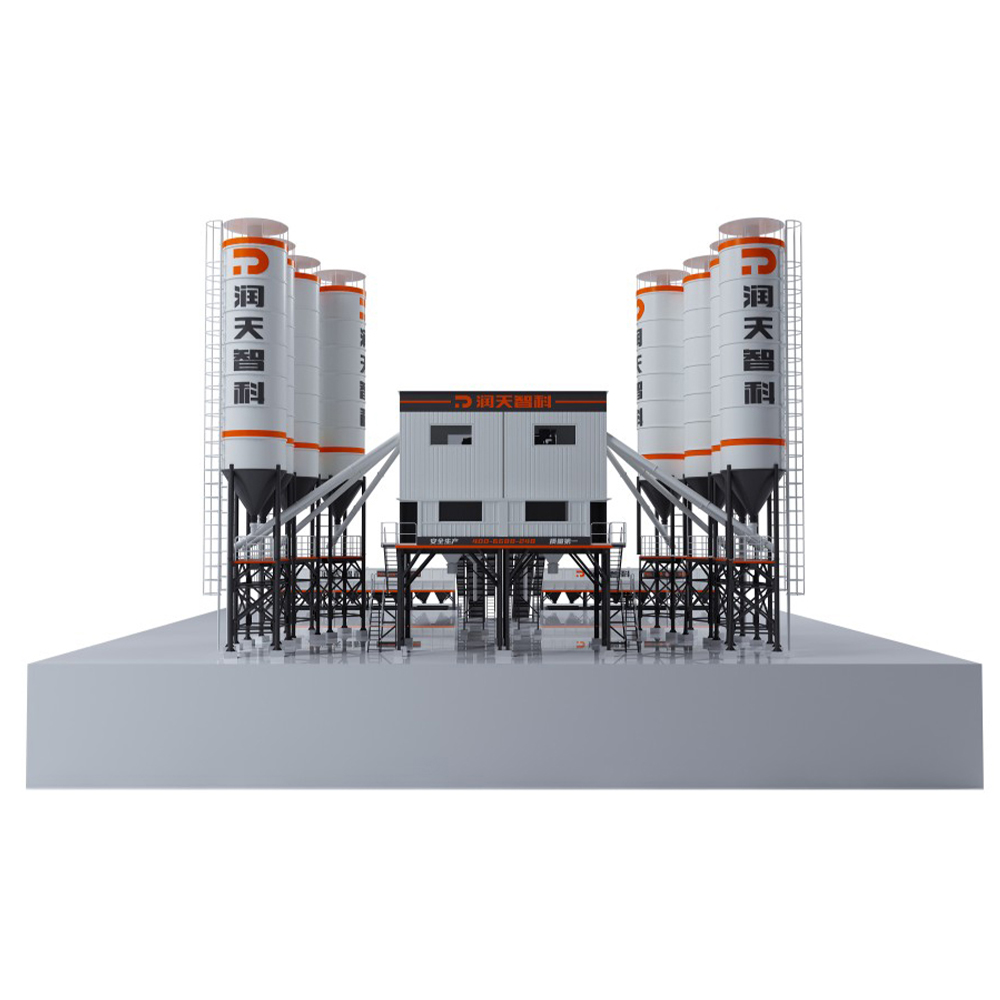 HZS Series Belt Concrete Mixing Plant
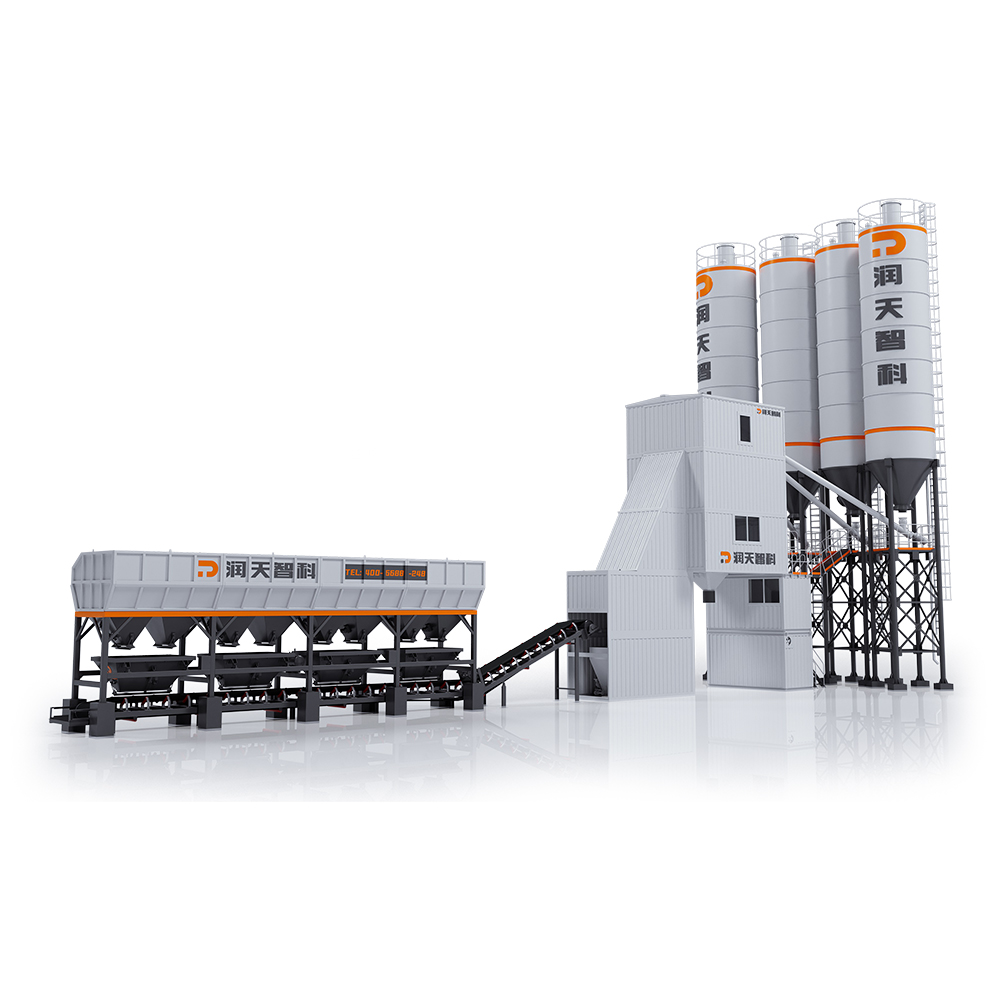 HZS Series Bucket-Lifting Type Container Concrete Mixing Plant
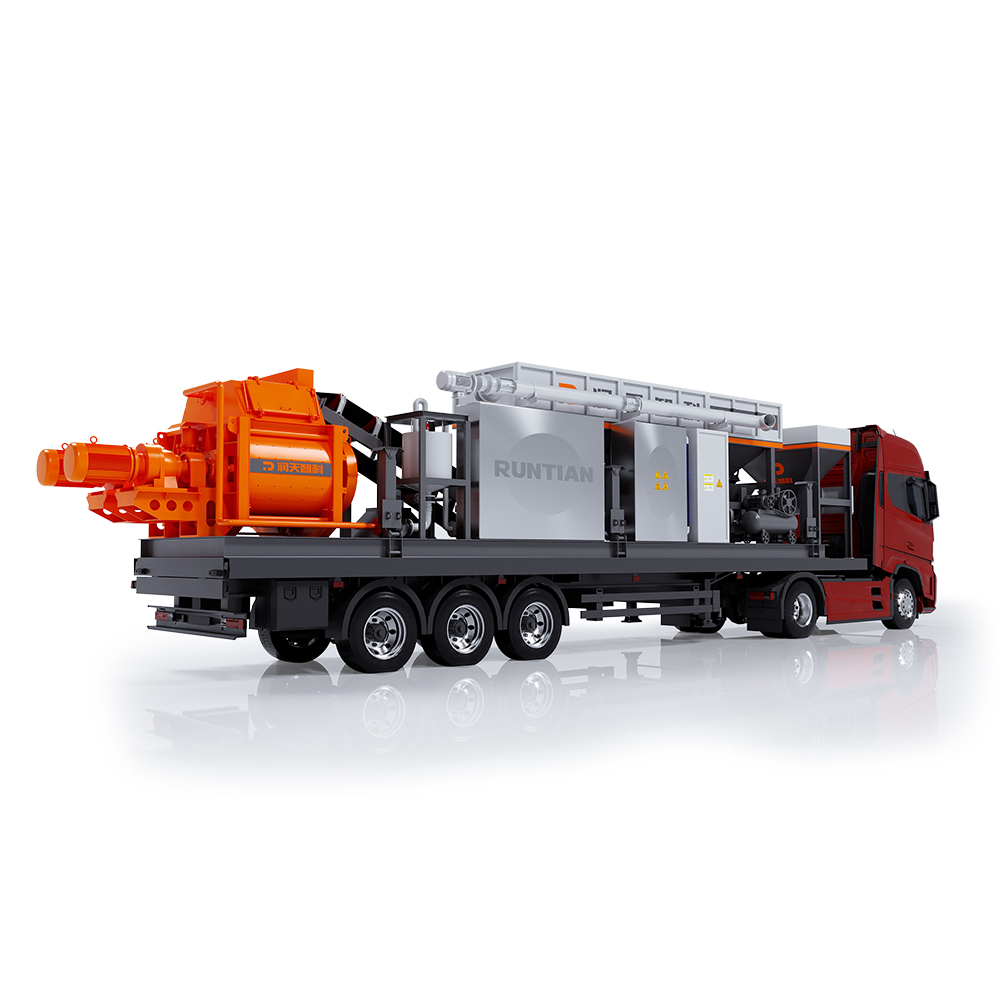 HZS60 Mobile Concrete Mixing Plant
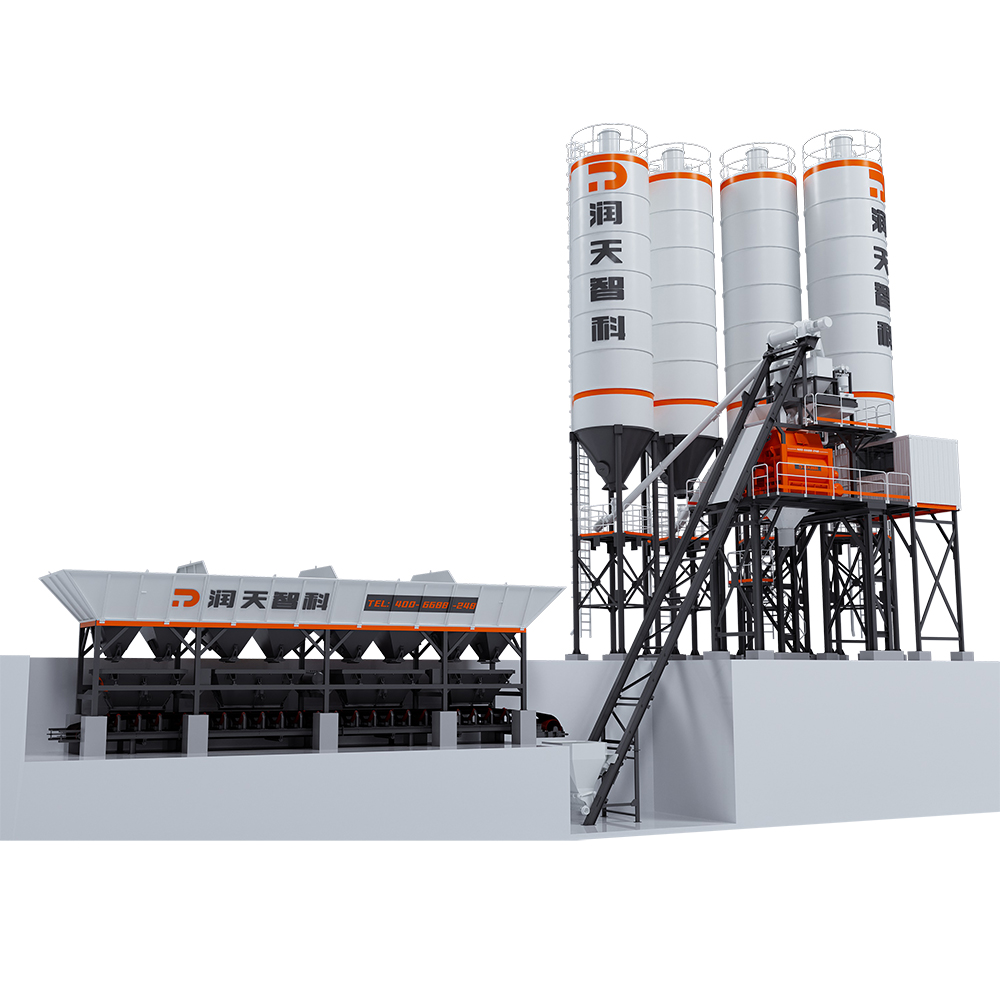 HZS Series Bucket-Lifting Type Concrete Mixing Plant
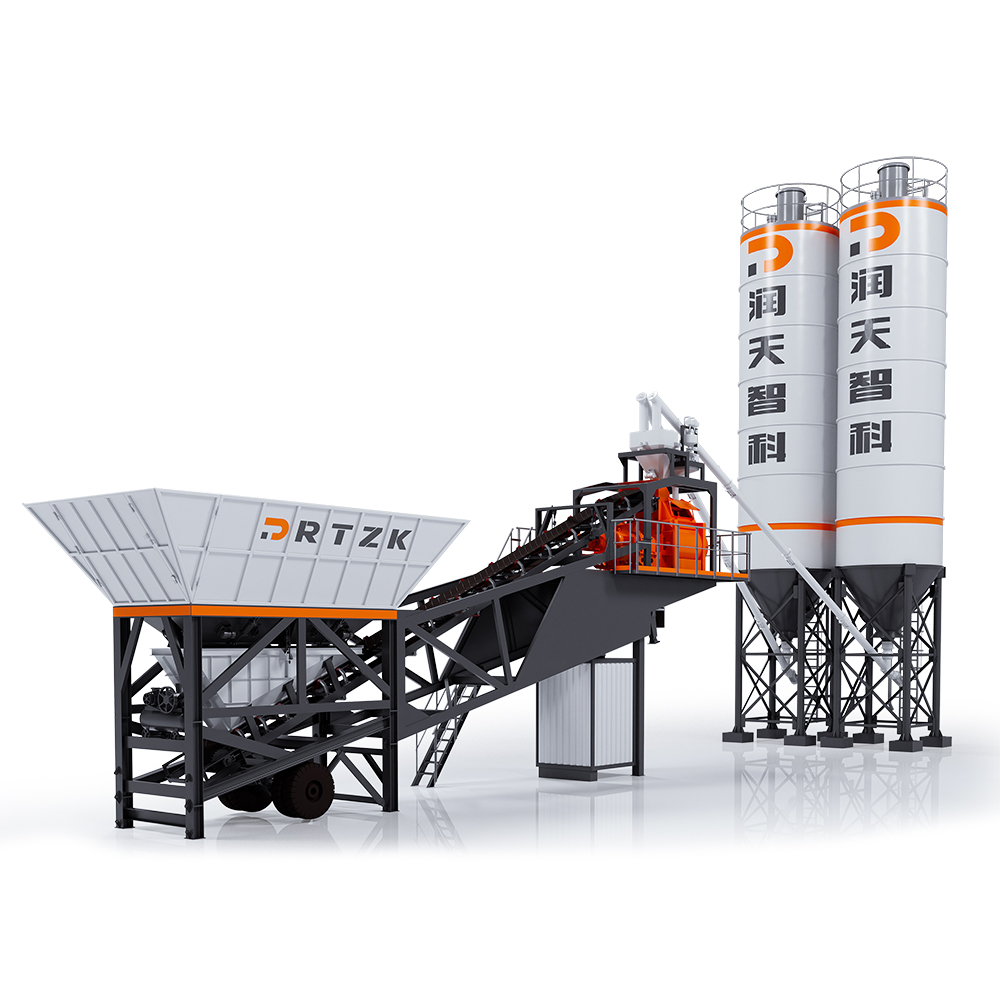 HZS Series Mobile Concrete Mixing Plant
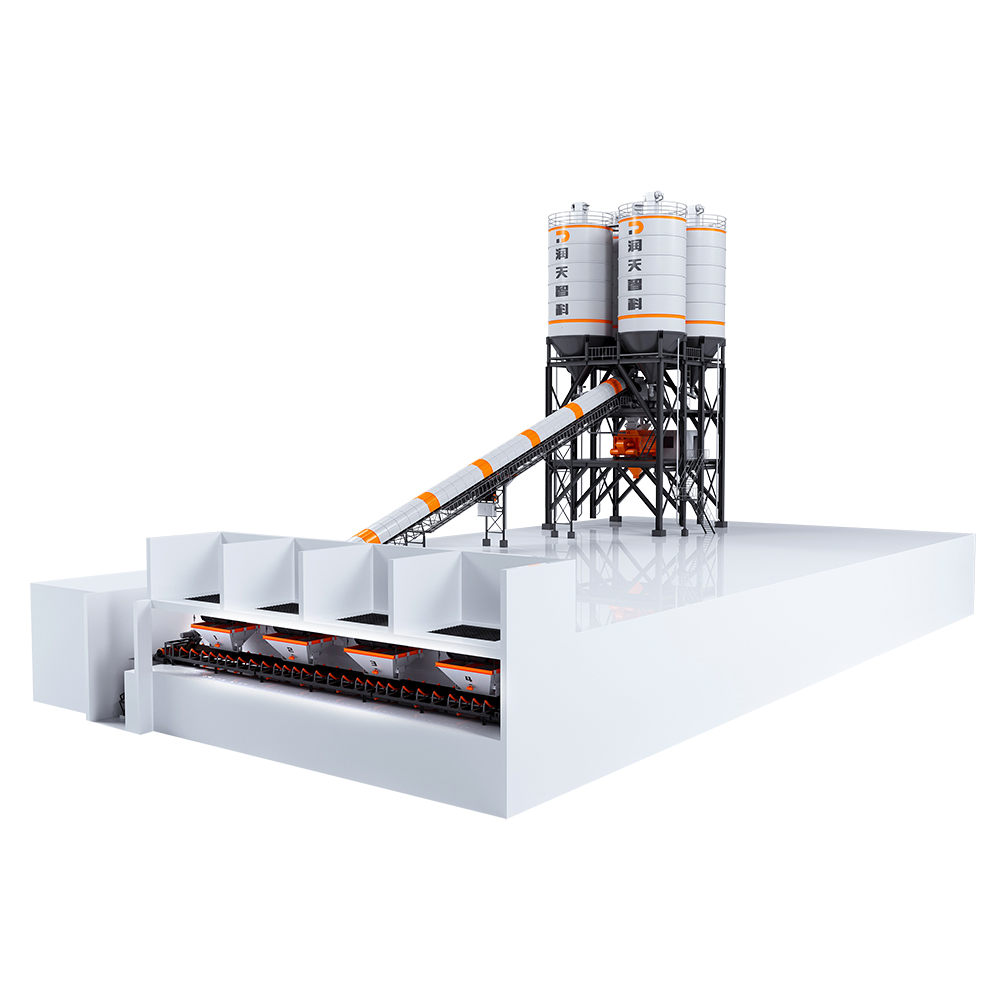 HZS Series Top-Mounted Concrete Mixing plant
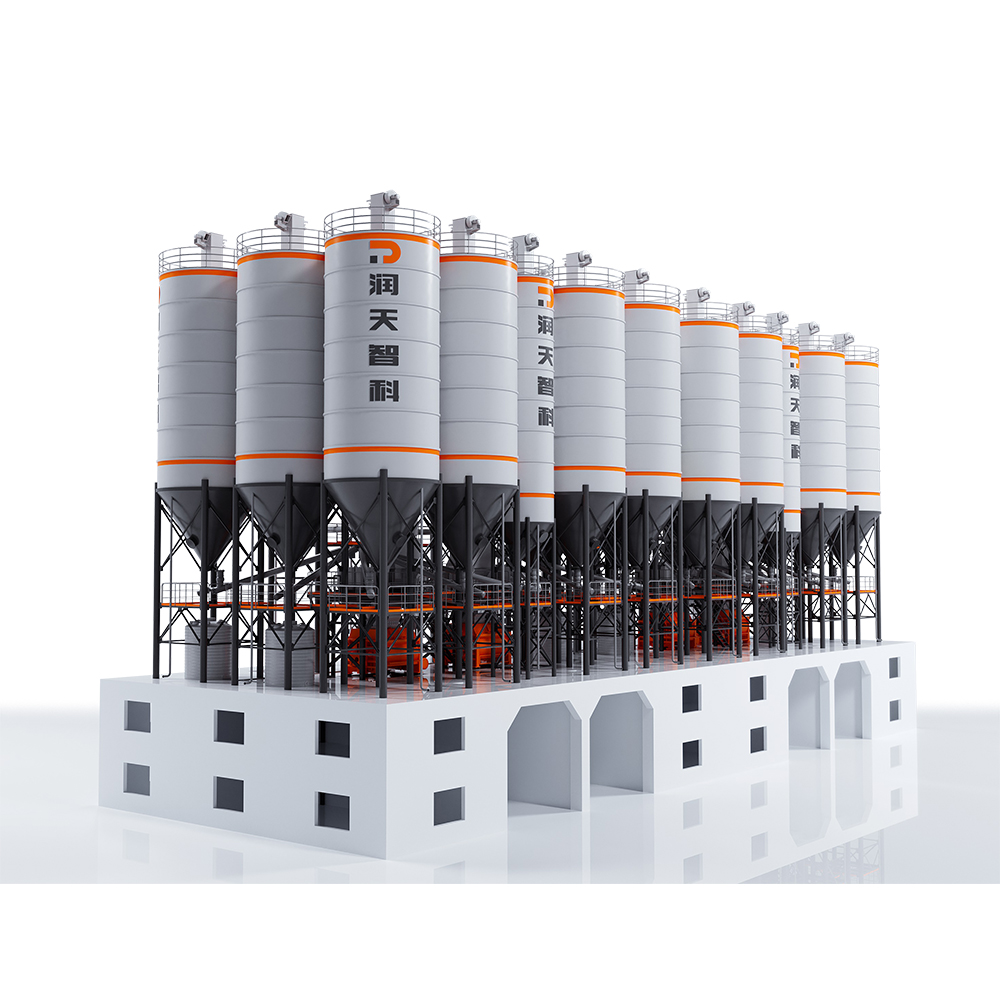 HZS Series Semi-Top Mounted Concrete Mixing Plant
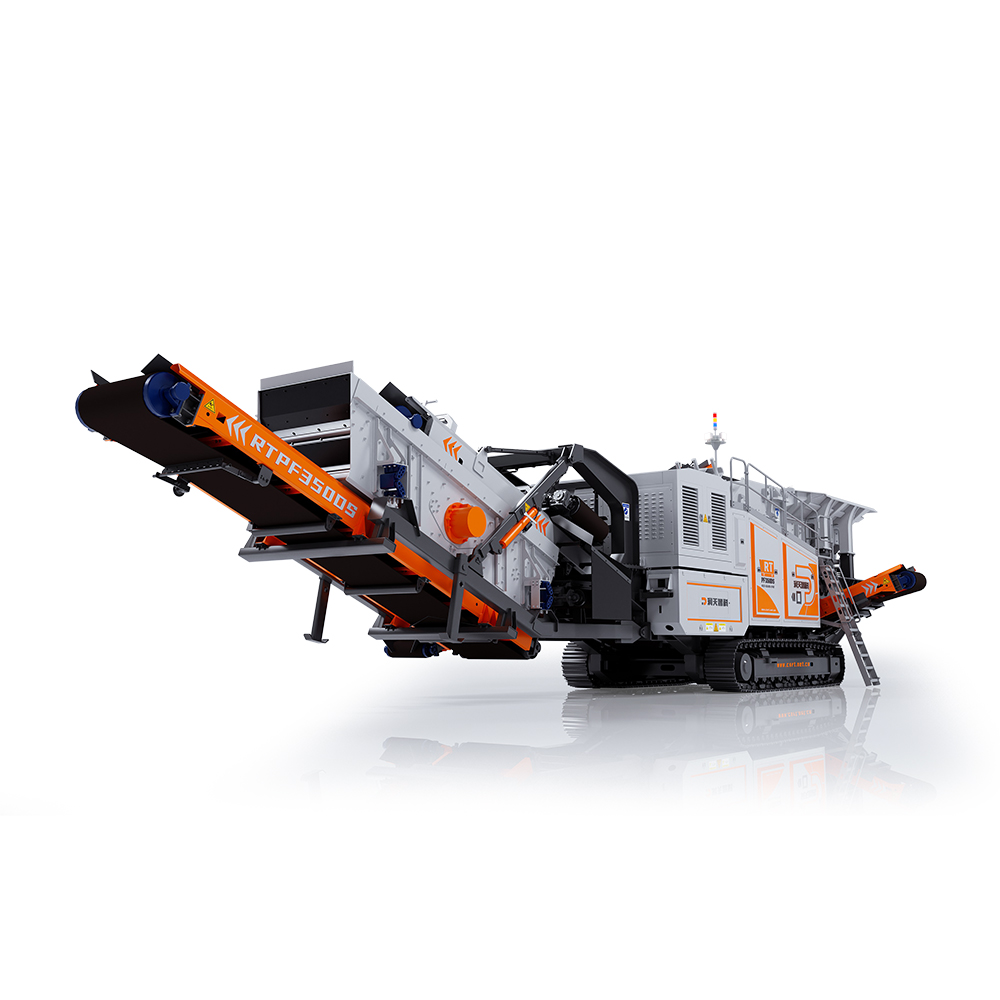 RTPF350DS Crawler Mobile Impact Crushing Plant
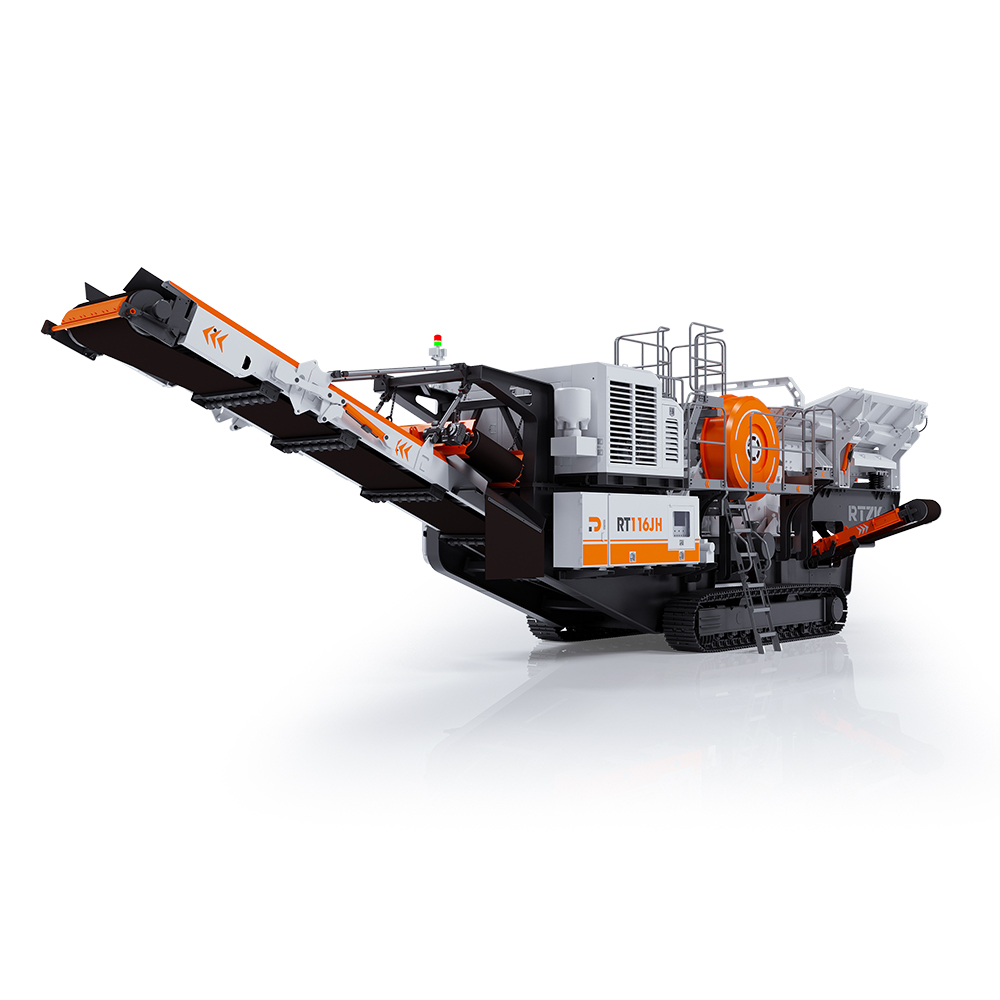 RT116JH Crawler Mobile Jaw Crushing Plant
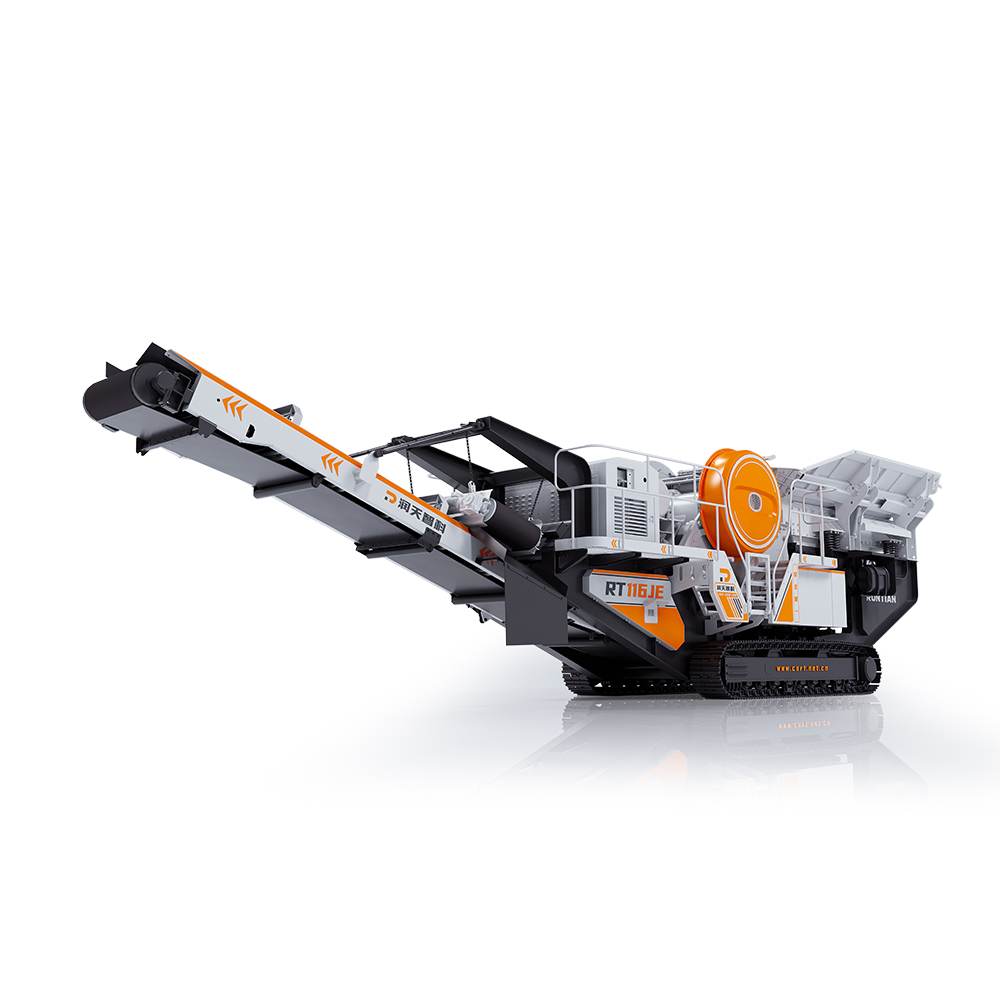 RT116JE Crawler Mobile Jaw Crushing Plant
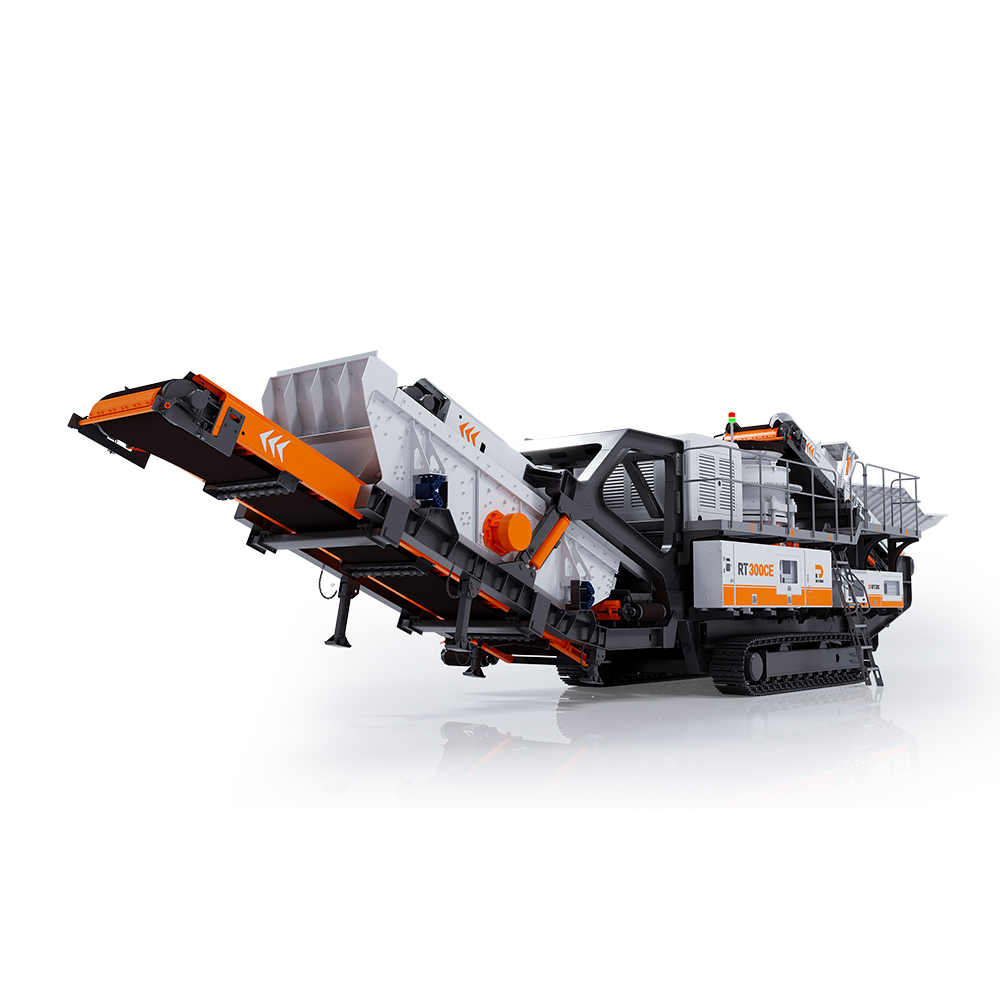 RT300CE Crawler Mobile Cone Crushing Plant
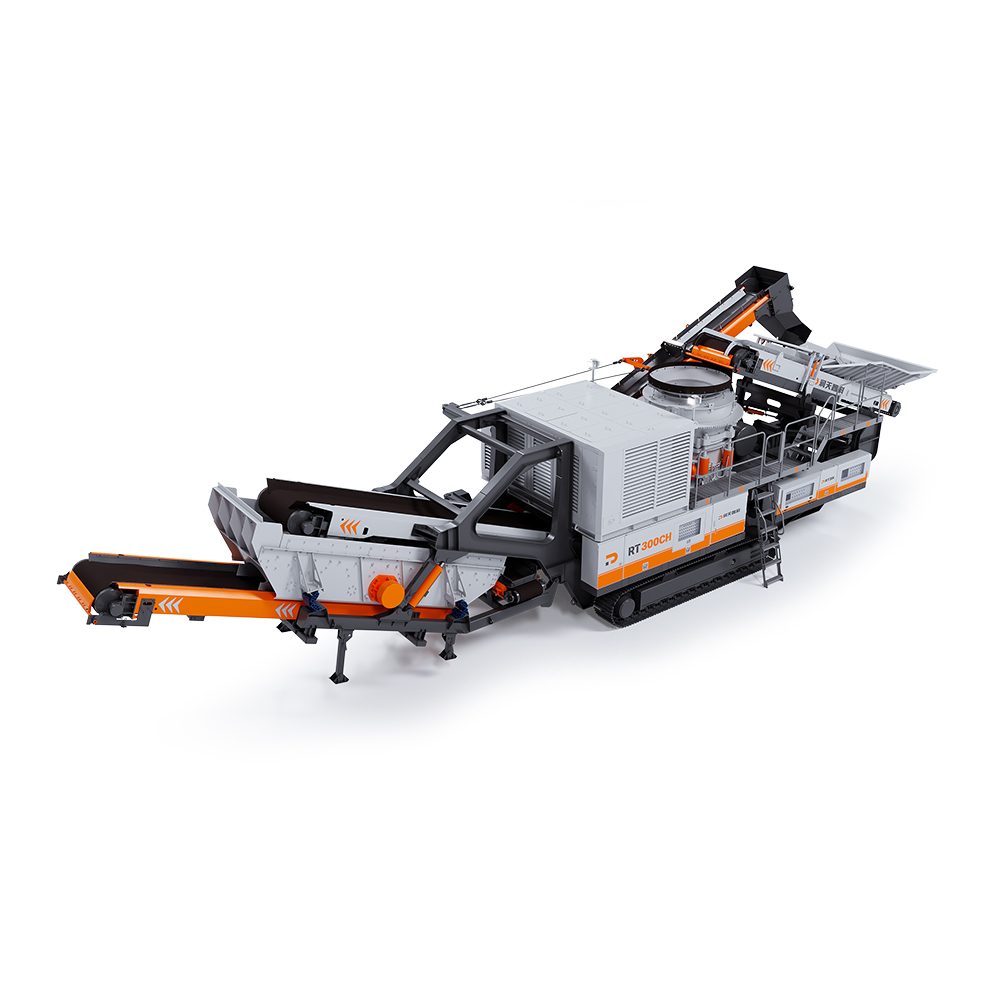 RT300CH Crawler Mobile Cone Crushing Plant
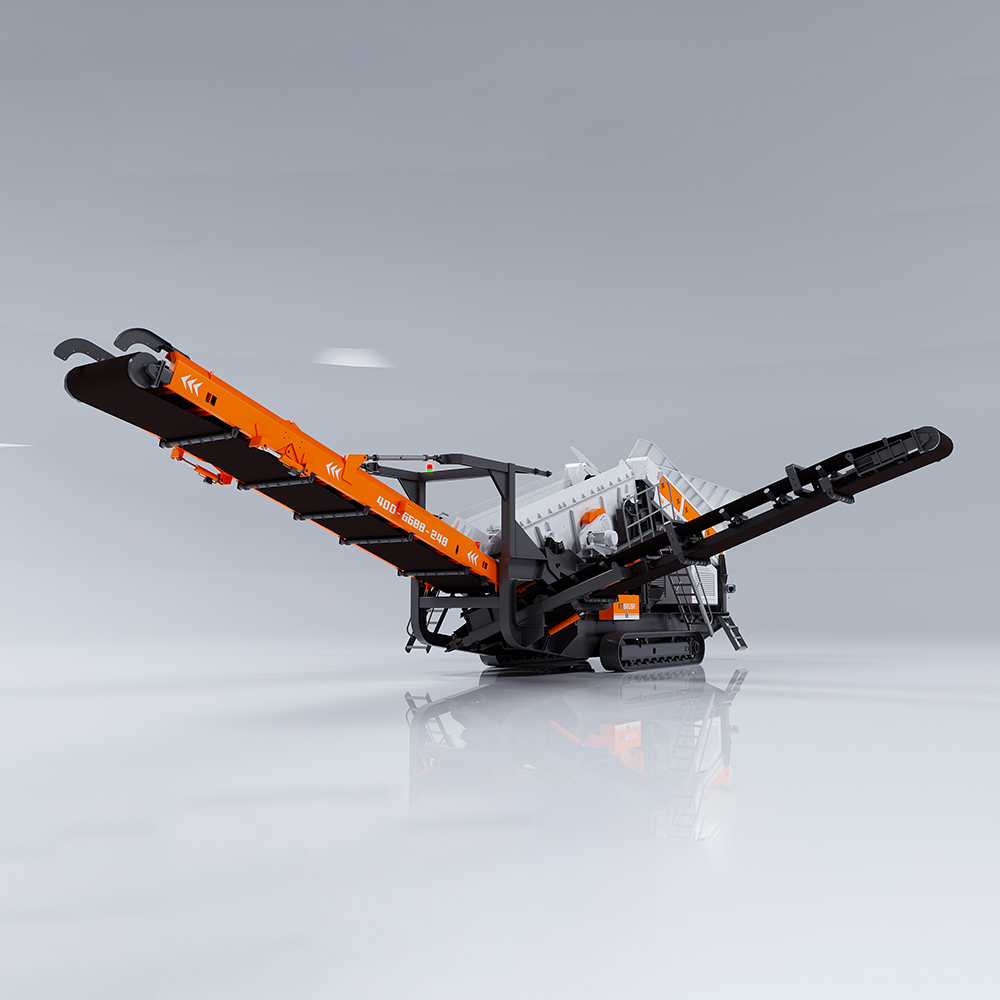 RT5015H Mobile Scalping Screen
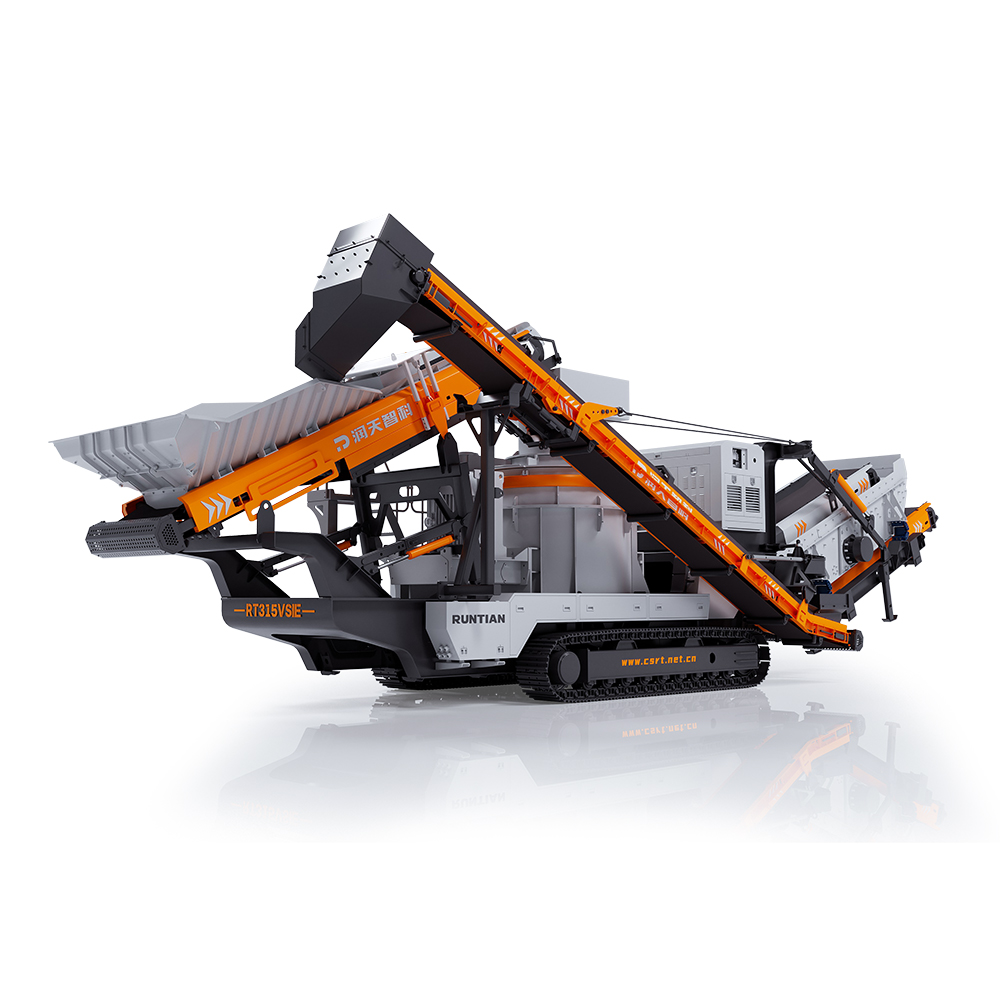 RT315VSIE Crawler Mobile Sand Maker
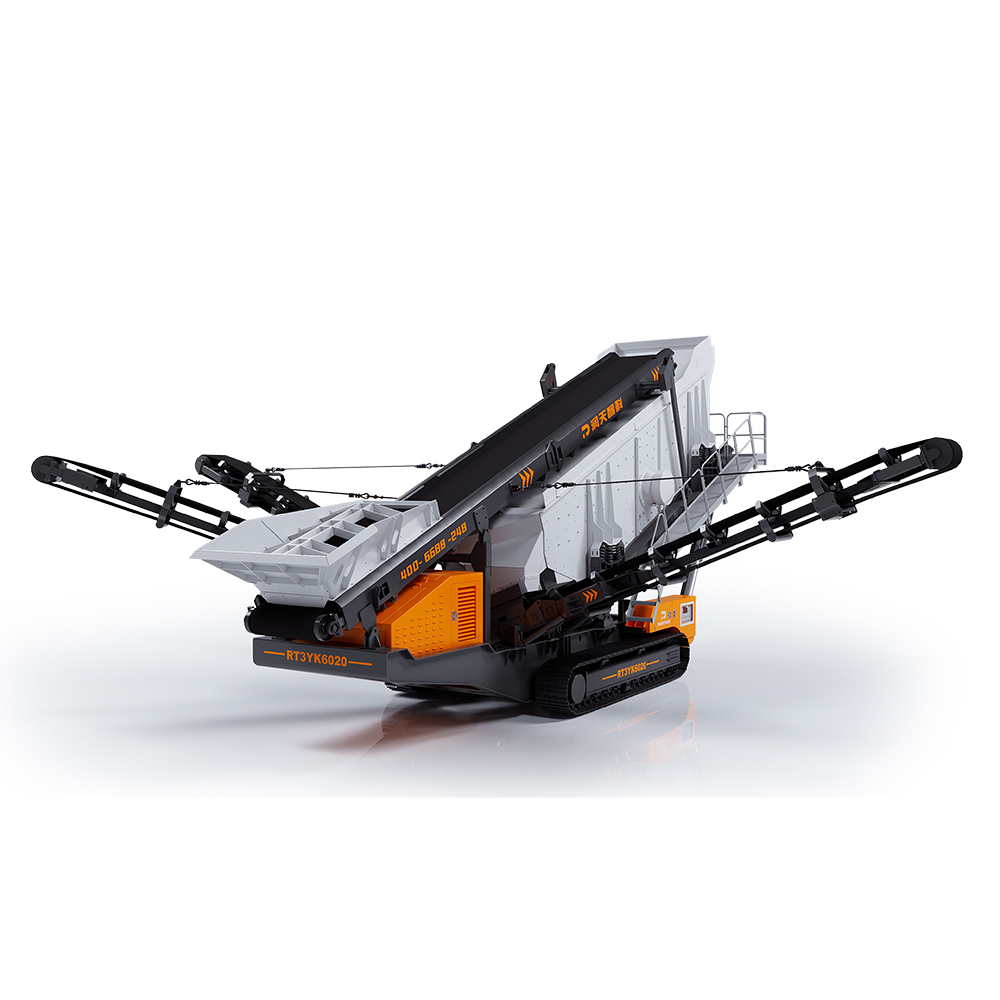 RT3YK6020 Crawler Mobile Screening Plant
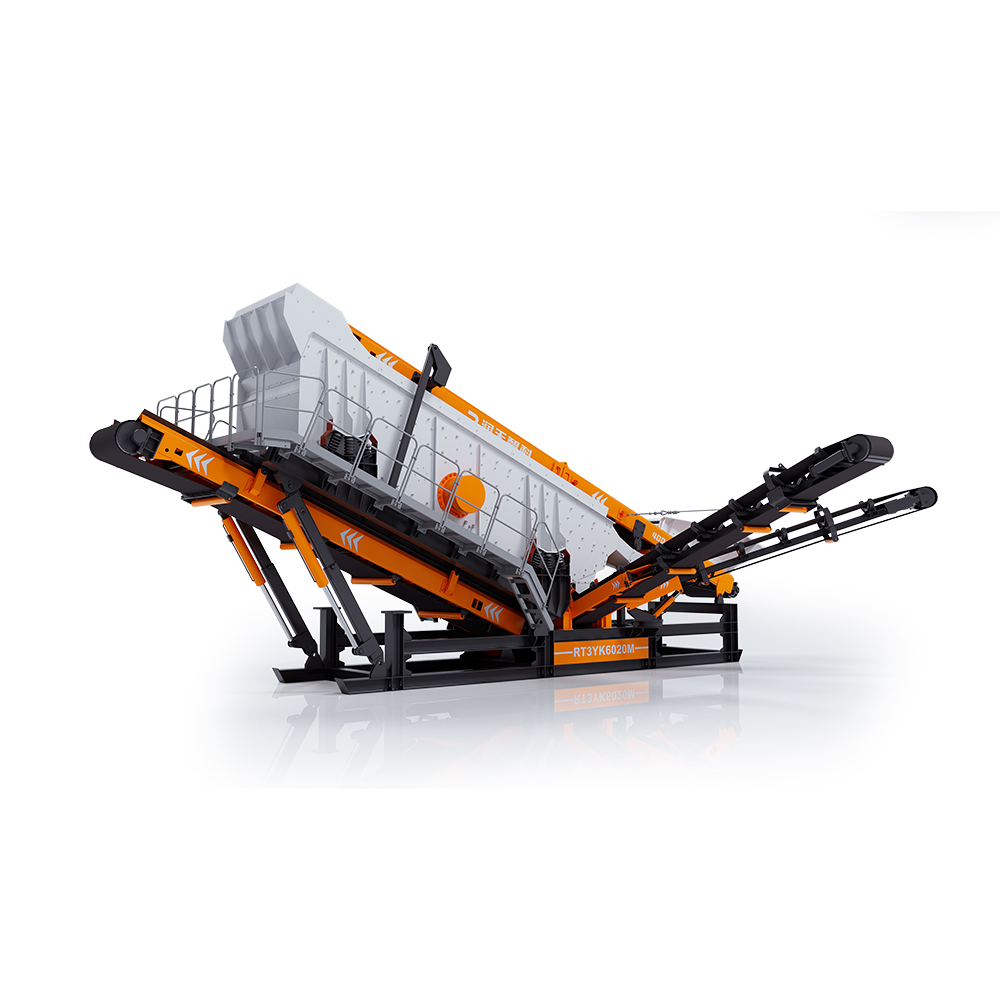 RT3YK6020M Modular Screening Plant
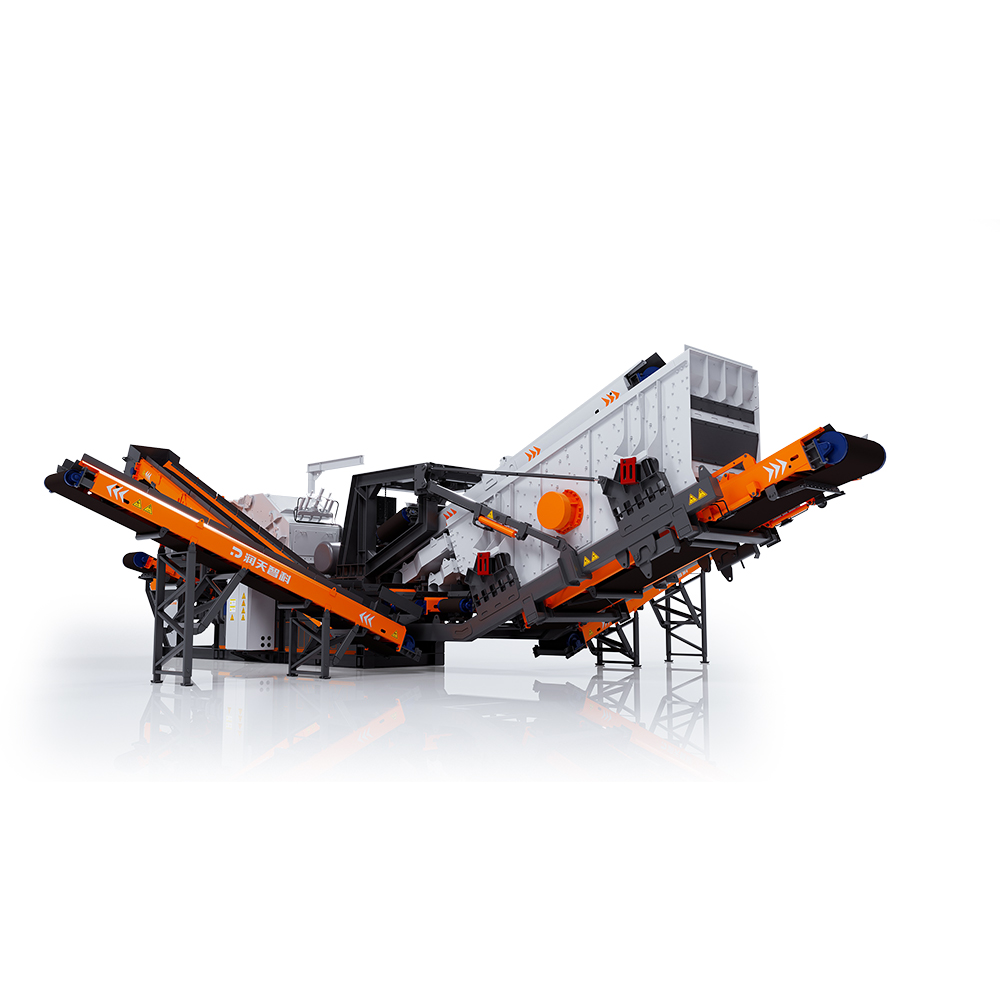 RTF260M Modular Counterattack Crushing and Screening Integrated Machine
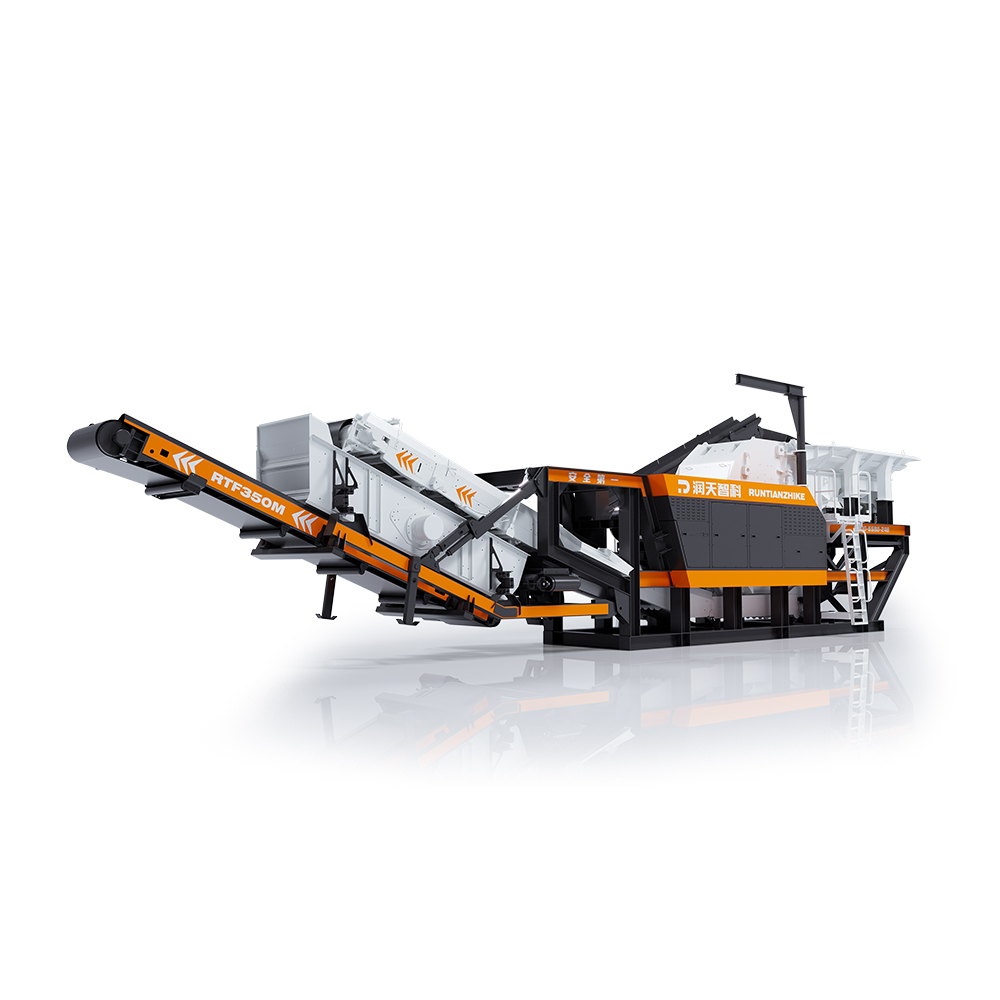 RTF350M Modular Impact Crushing Plant
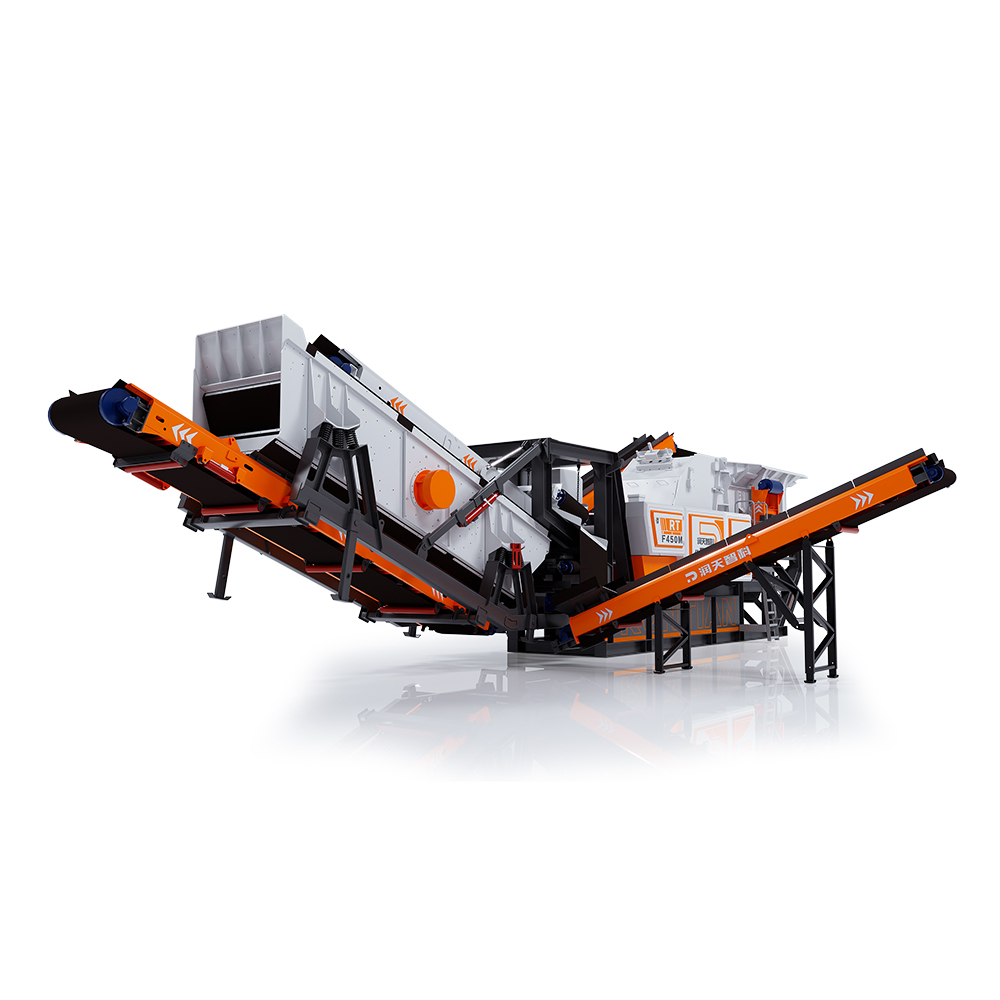 RTF450M Modular Impact Crushing Plant
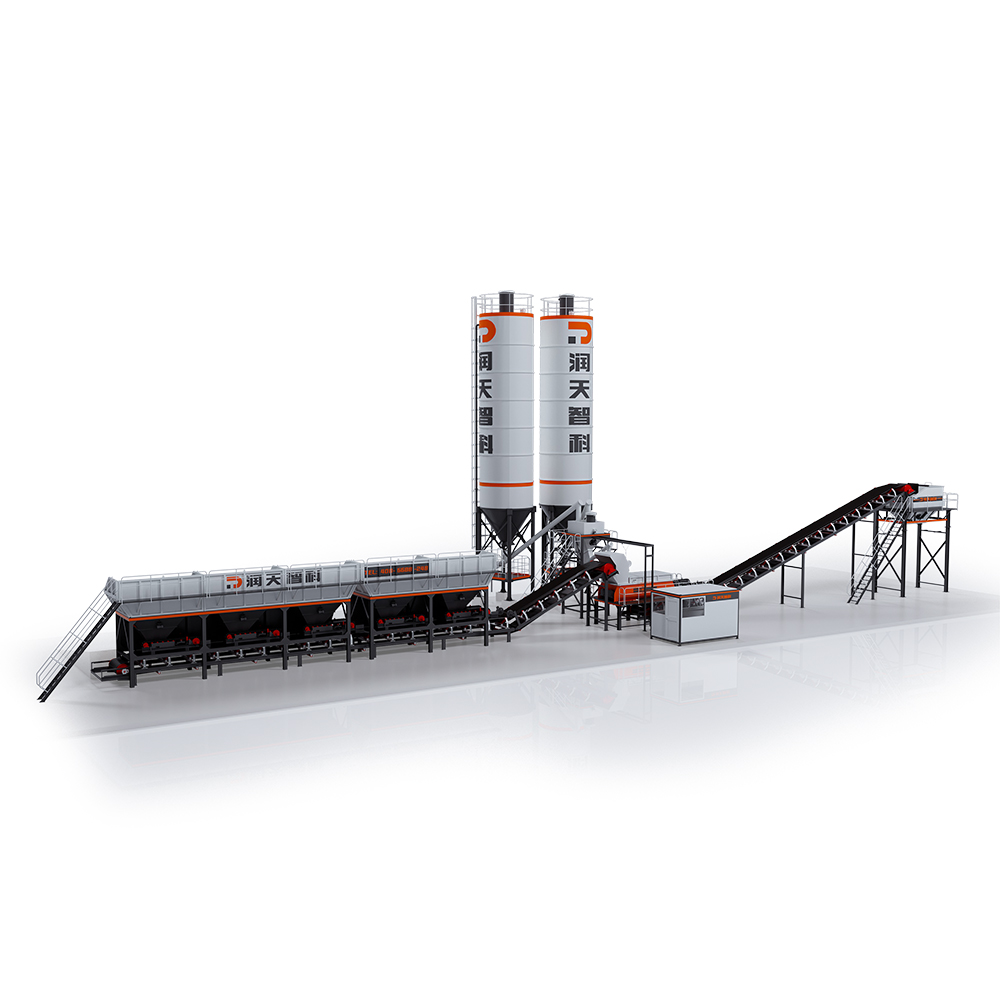 WDB Series Foundation-Free Stability Soil Mixing Plant
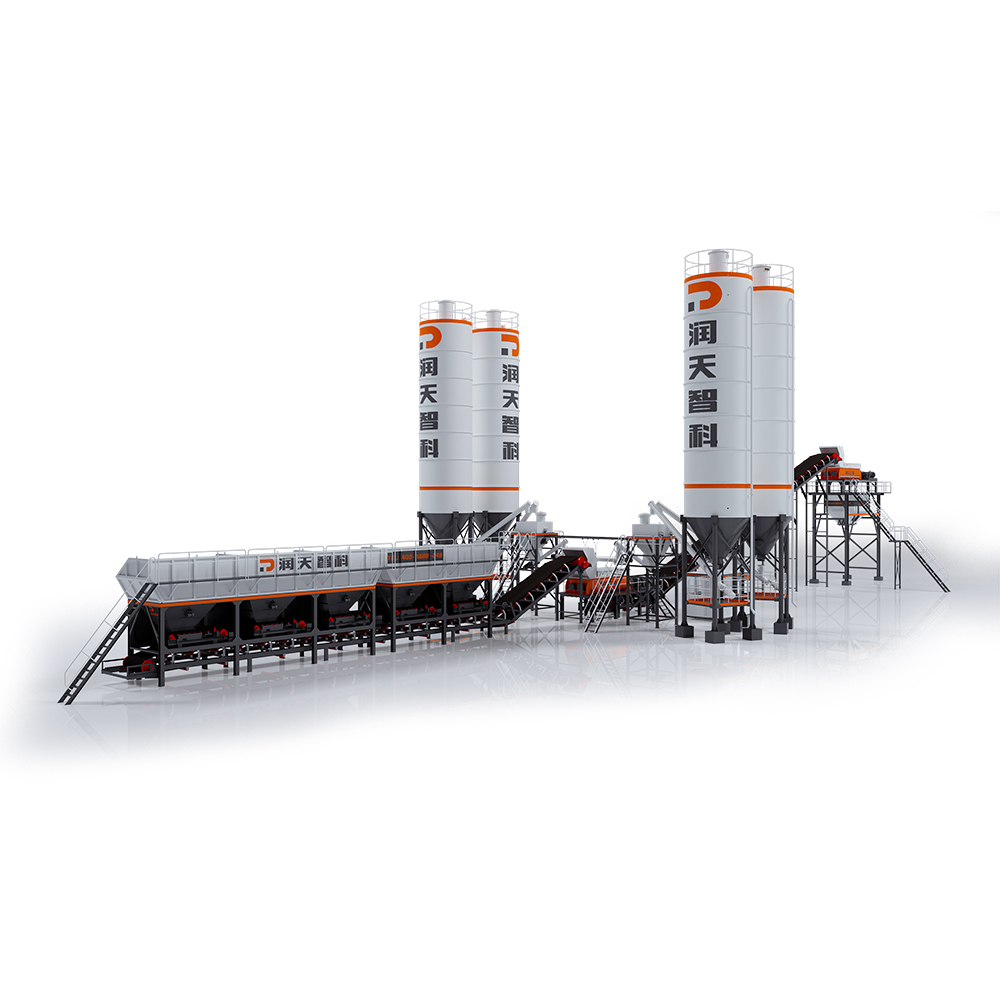 LCB Series Emulsified Asphalt Cold Regeneration Secondary Mixing Plant
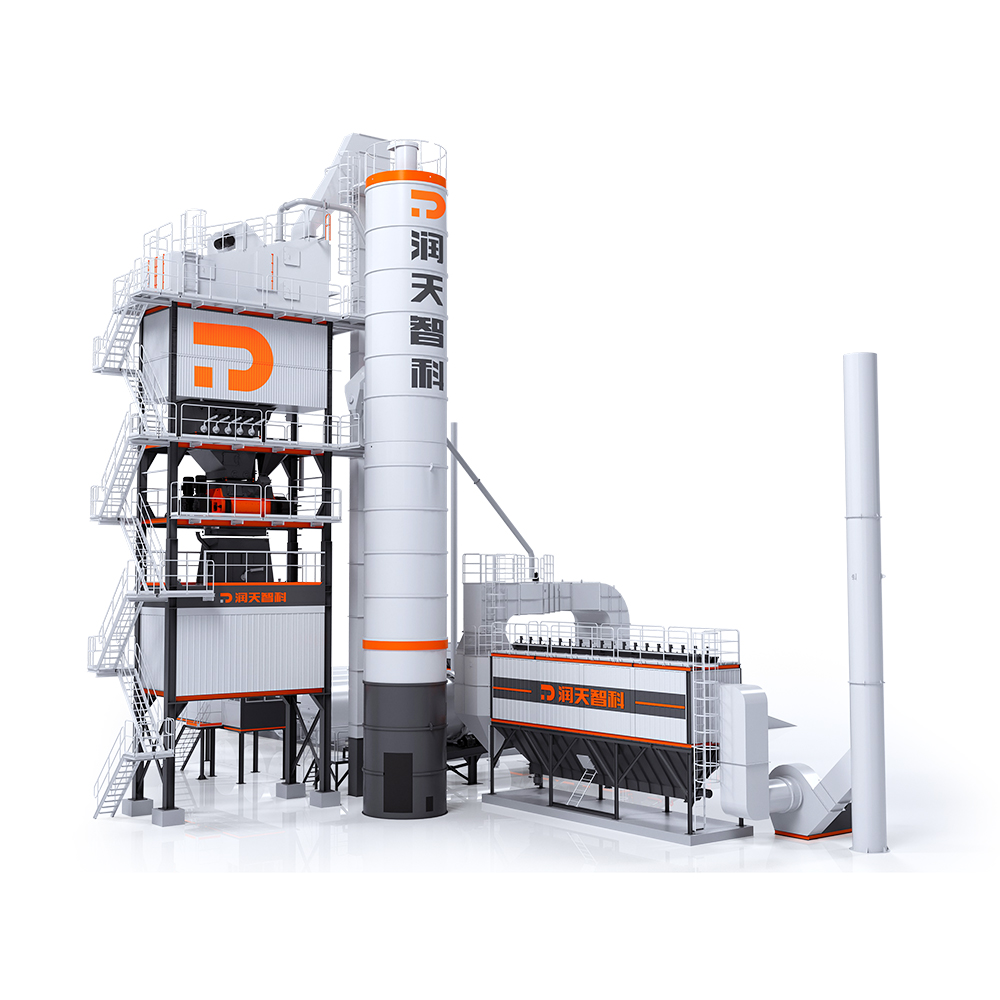 LB Series Asphalt Mixing Plant
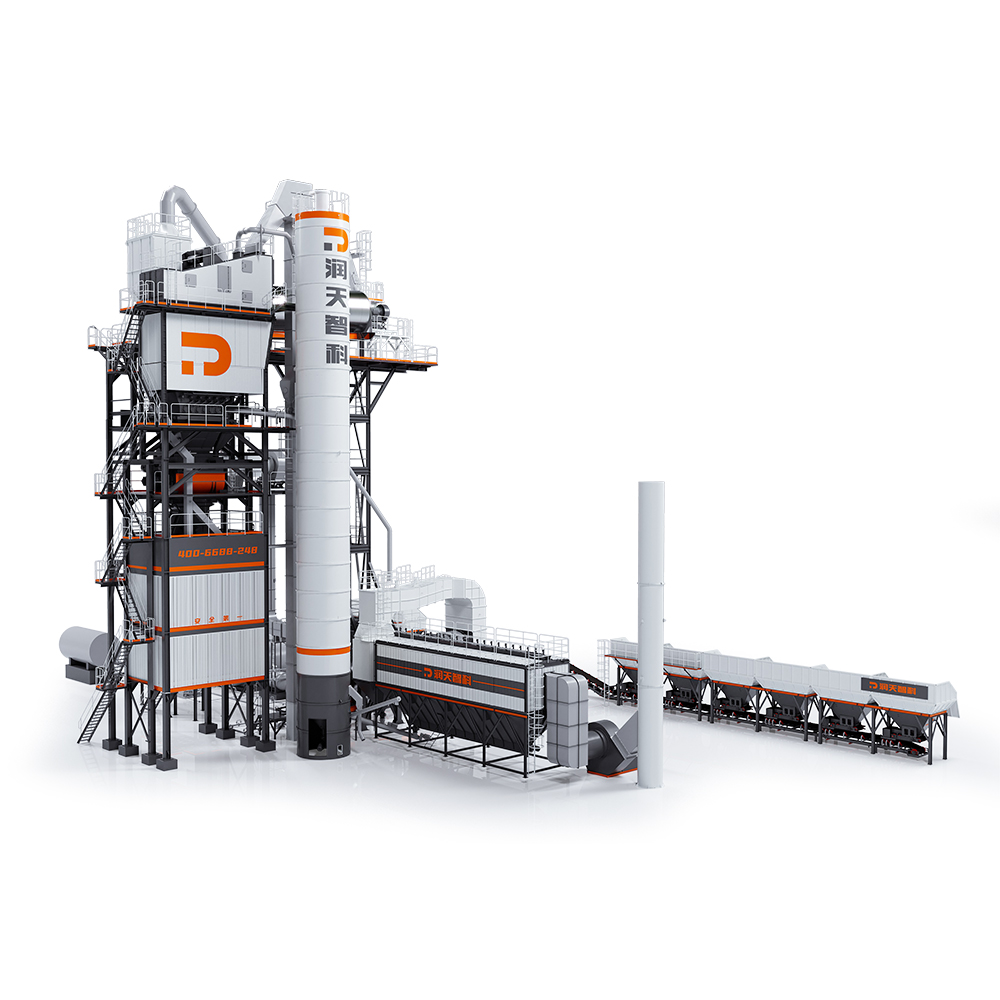 LBR Series Integrated Asphalt Mixing Plant
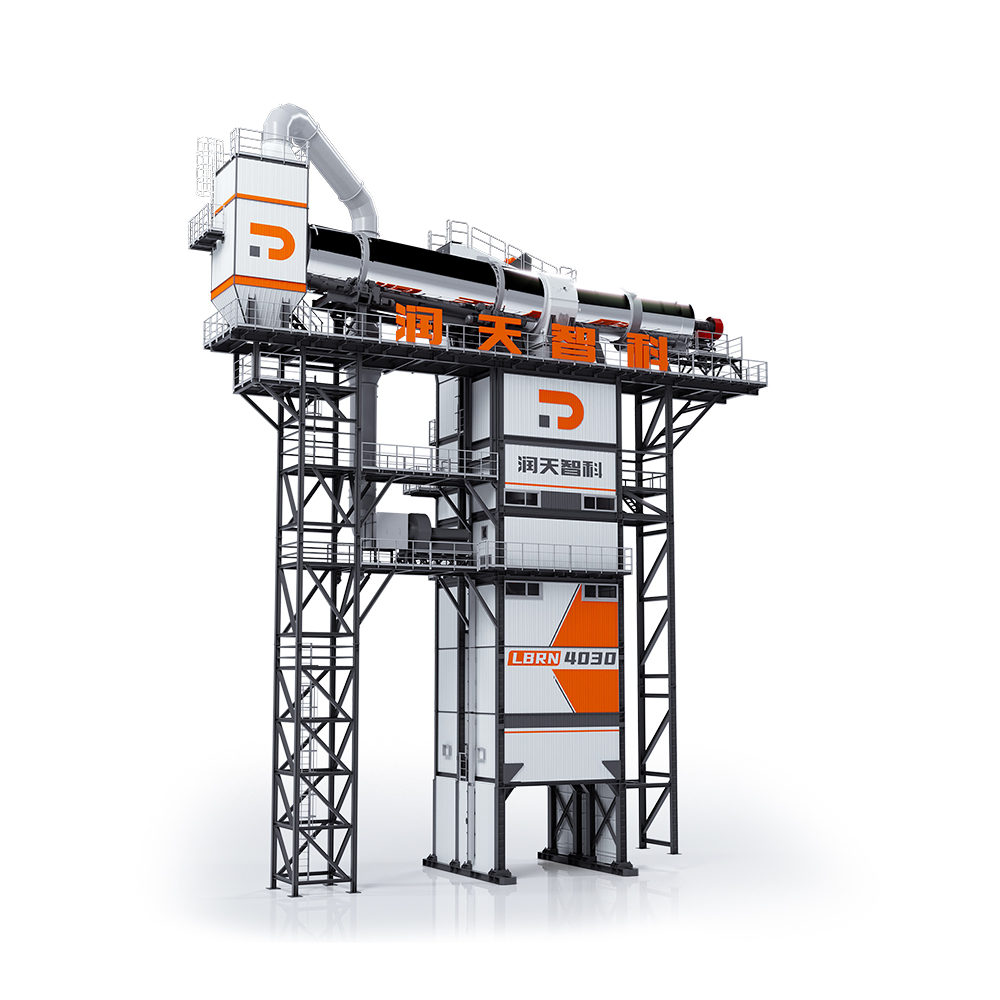 LBRN Series Counterflow Integral Asphalt Mixing Plant
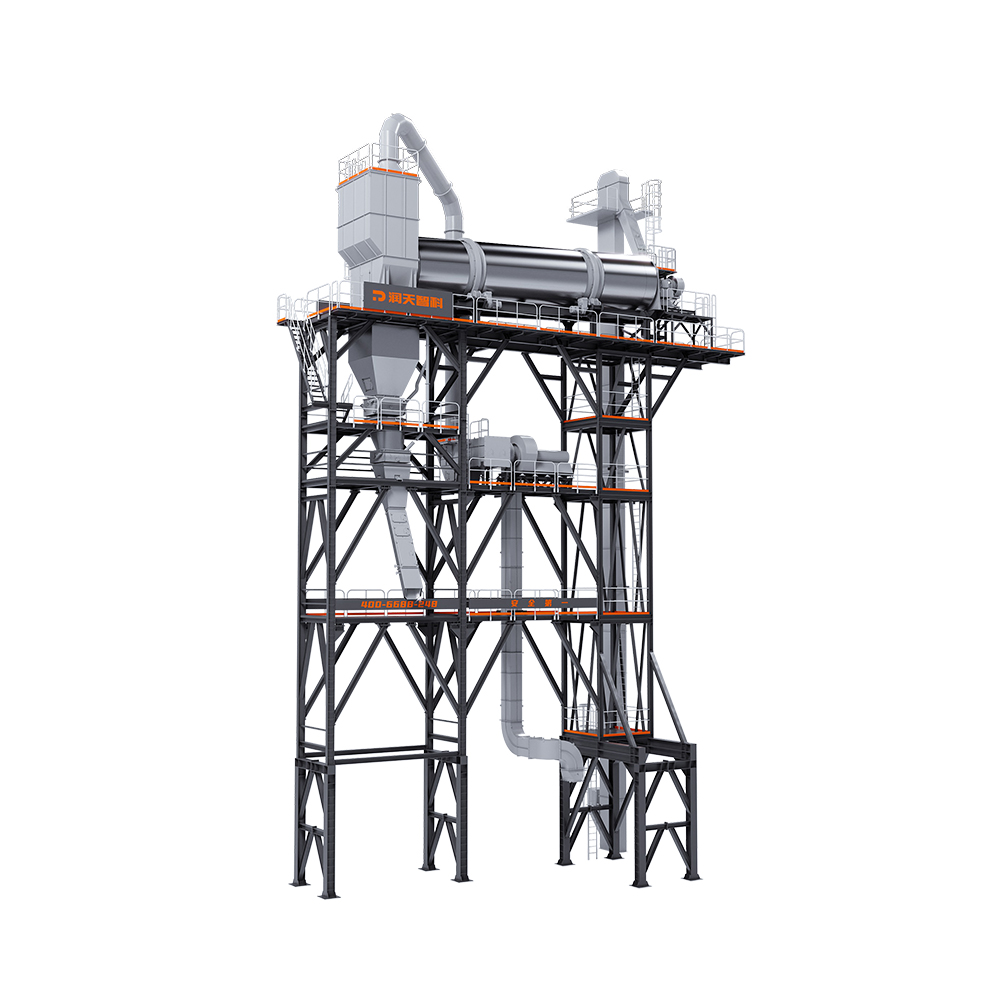 RZS Series Asphalt Mixing Plant
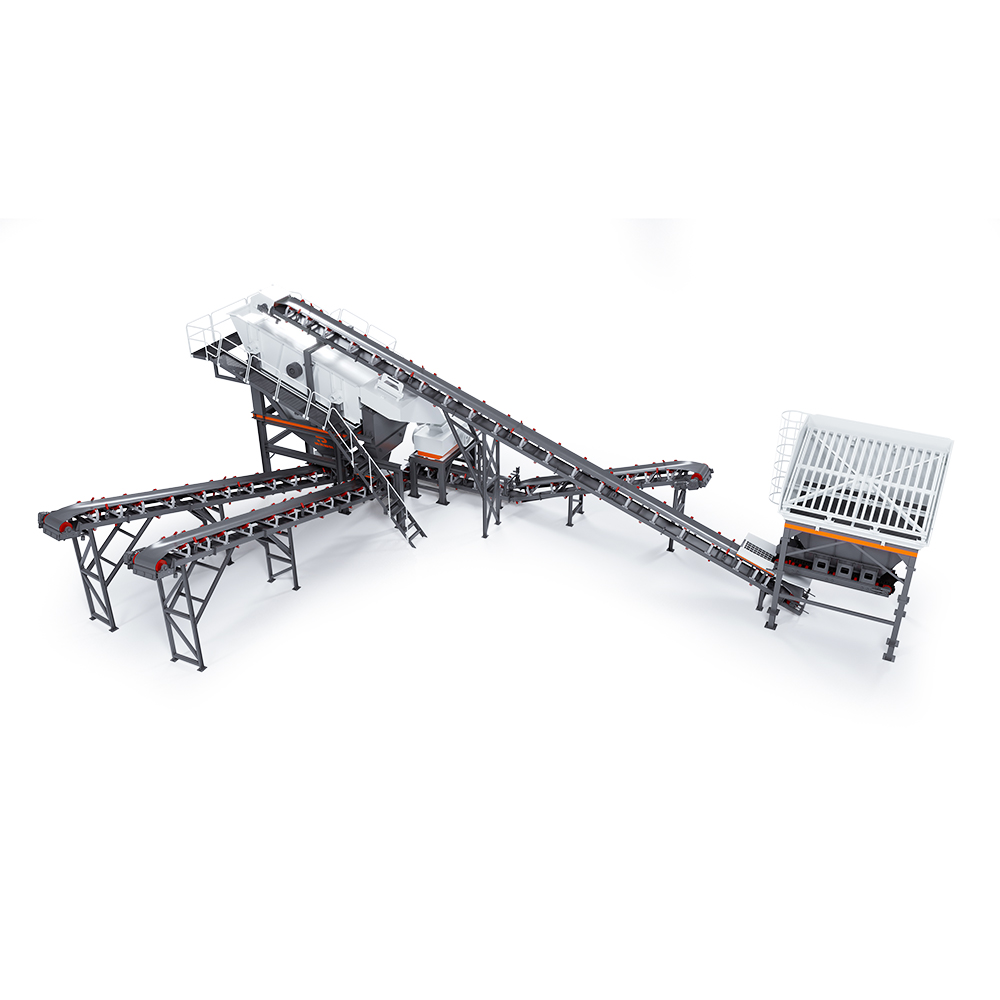 RTZS120 Series RAP Crushing & Screening Plant
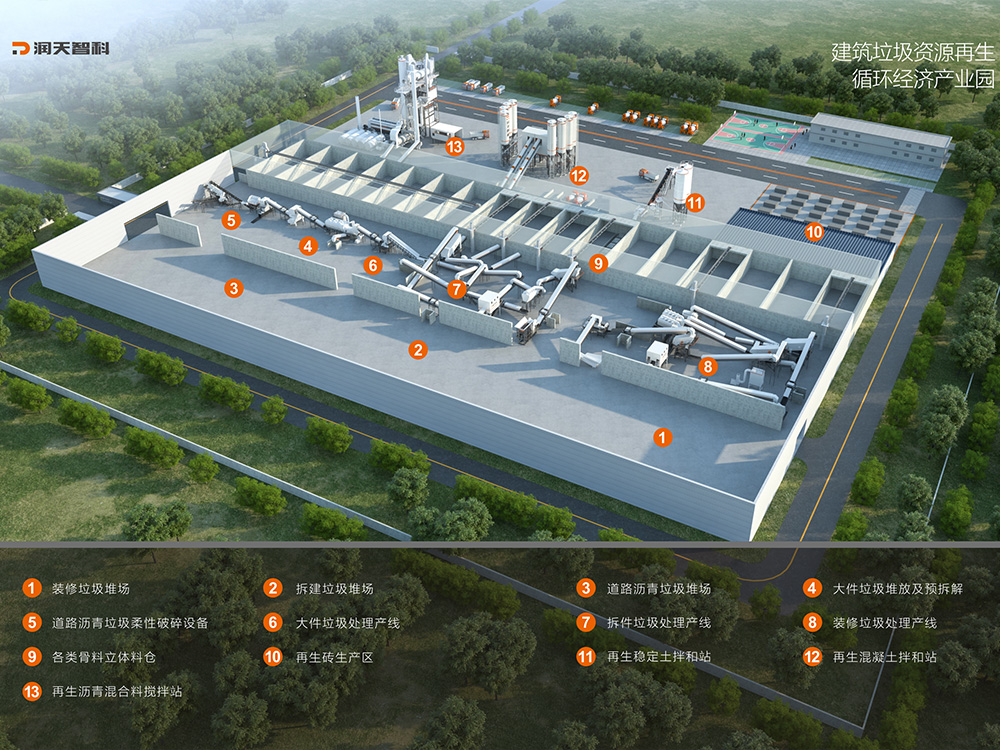 Construction Waste Resourceful Treatment Line