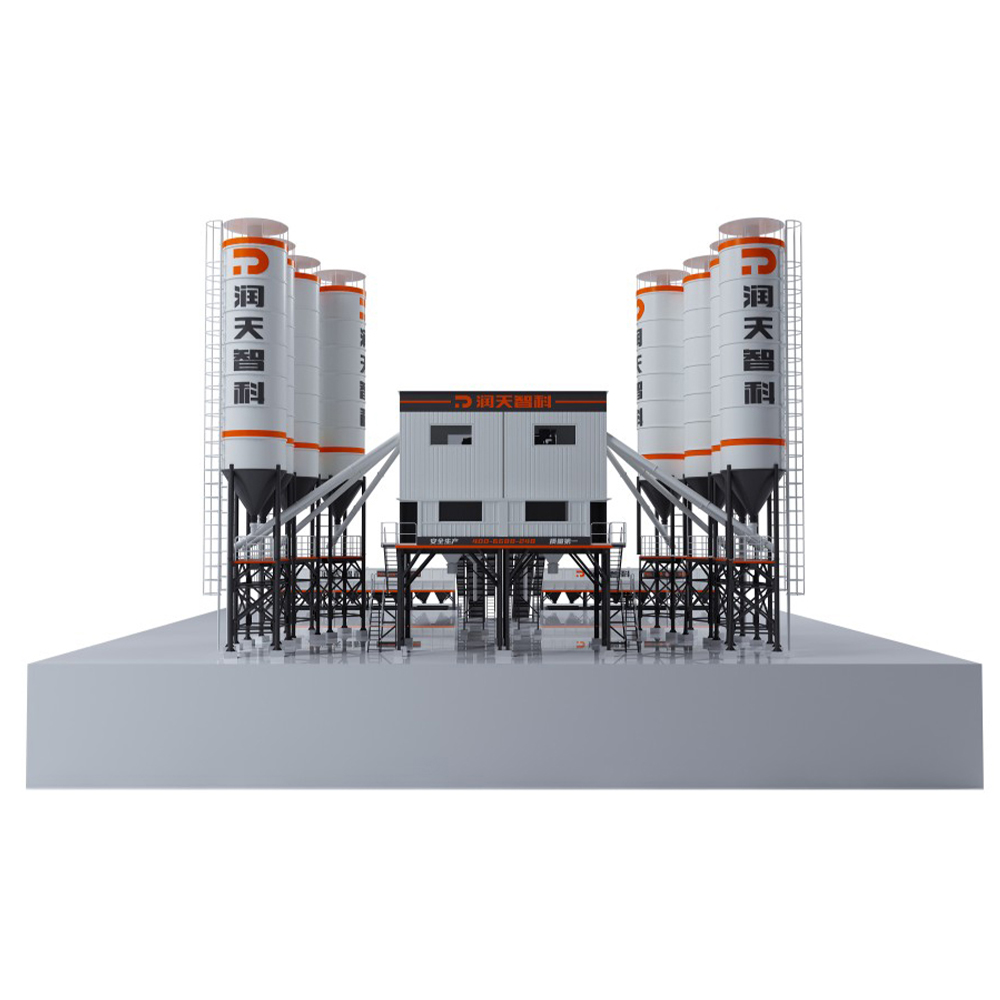
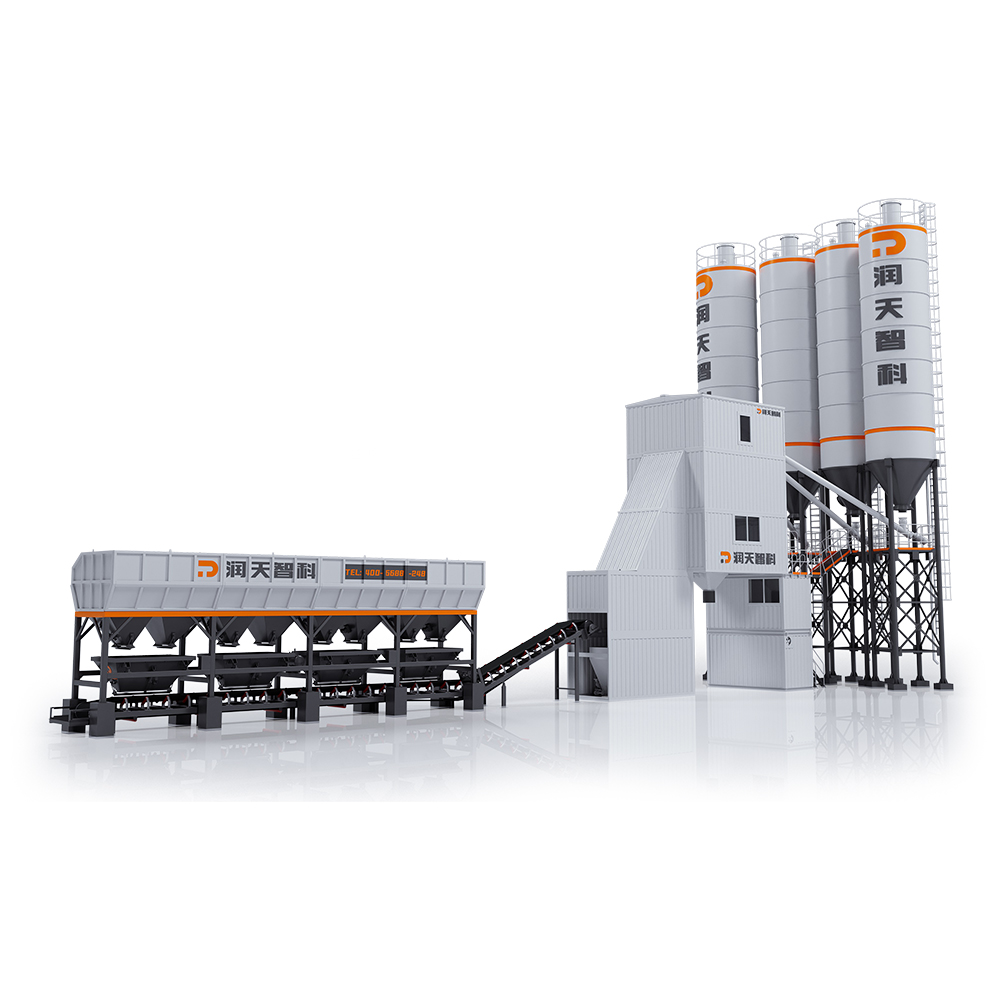
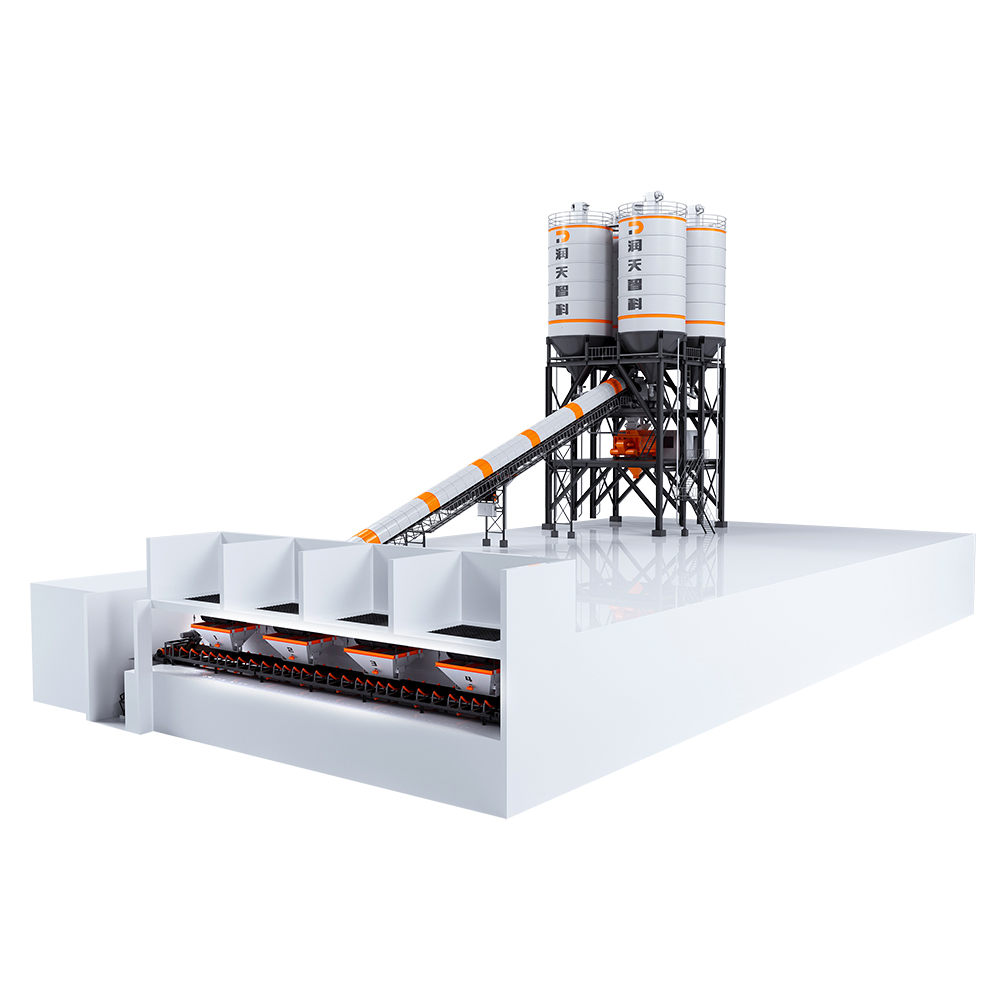
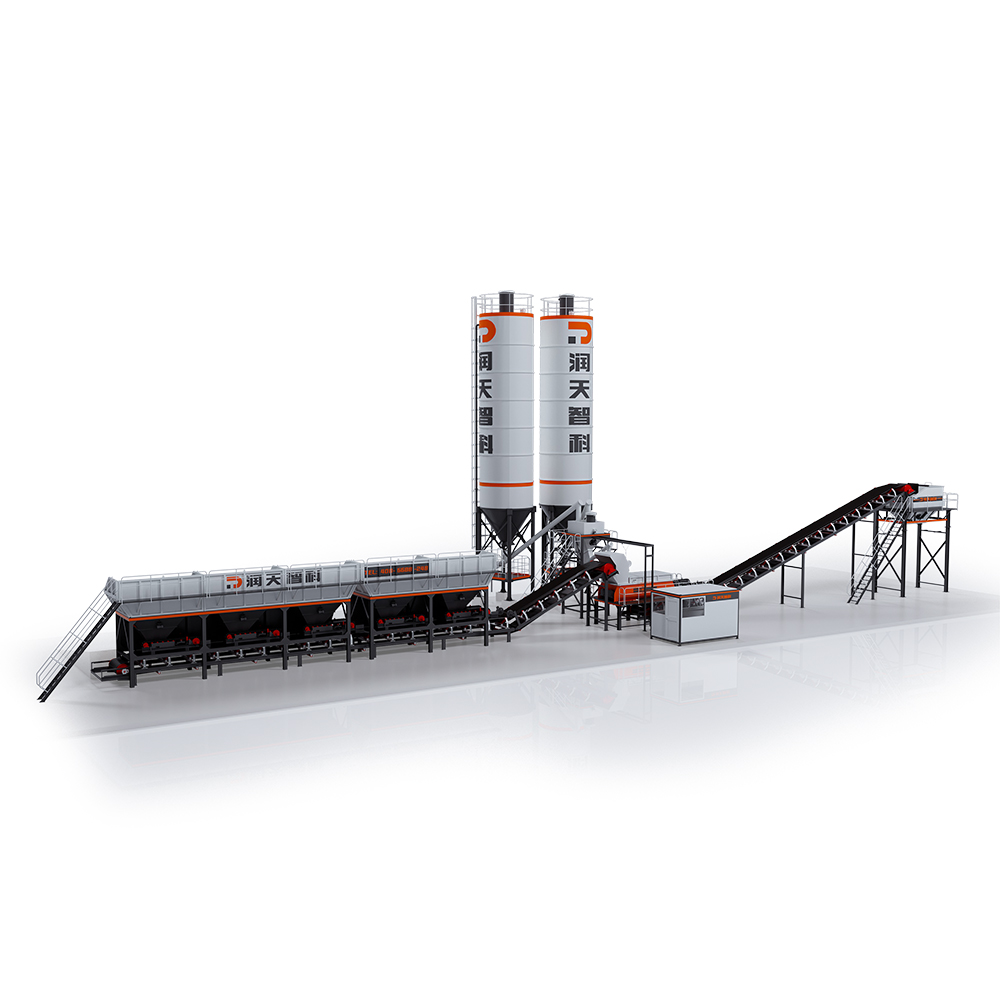
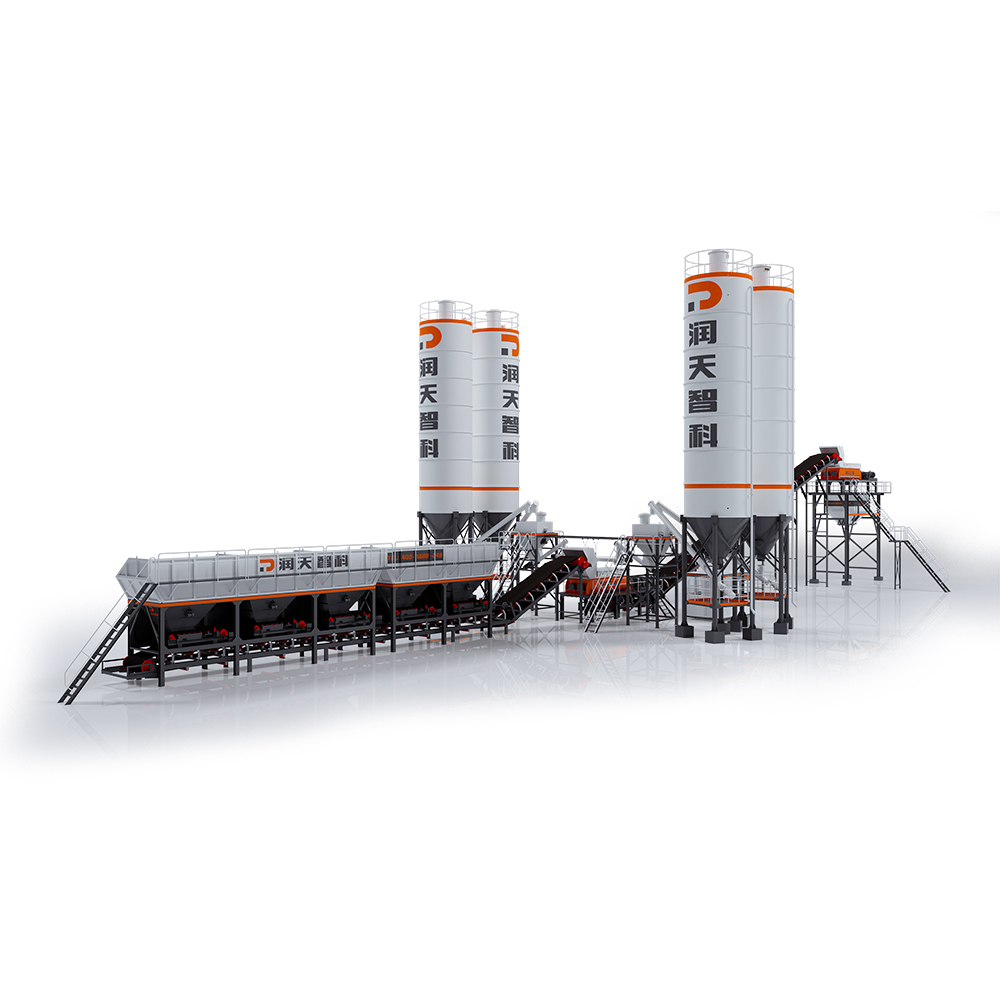
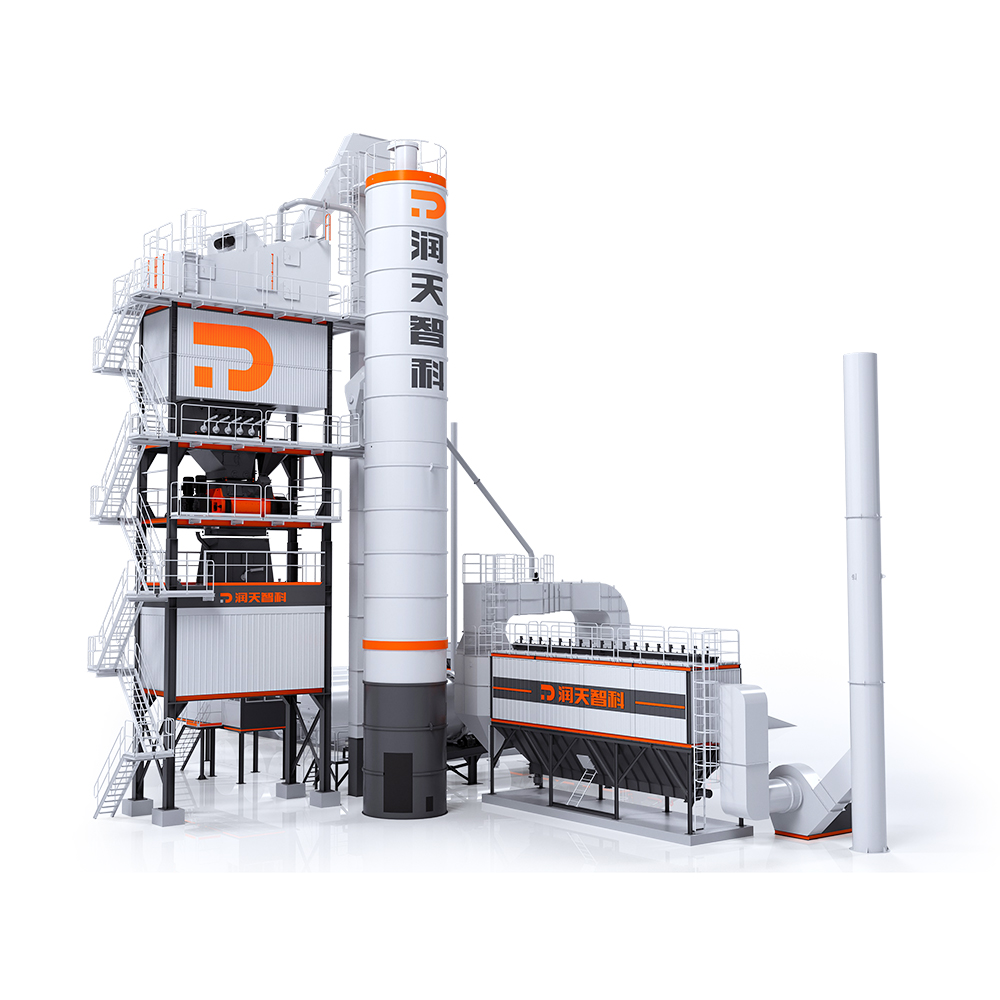
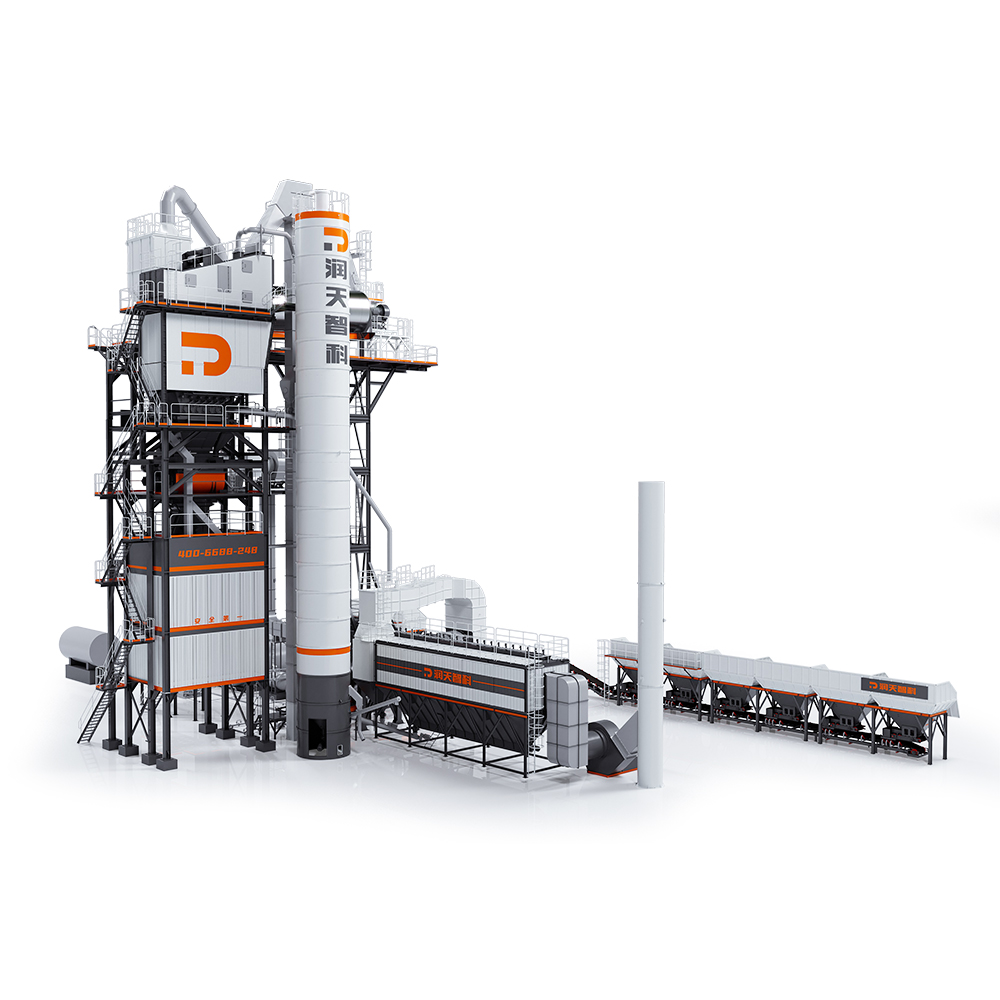
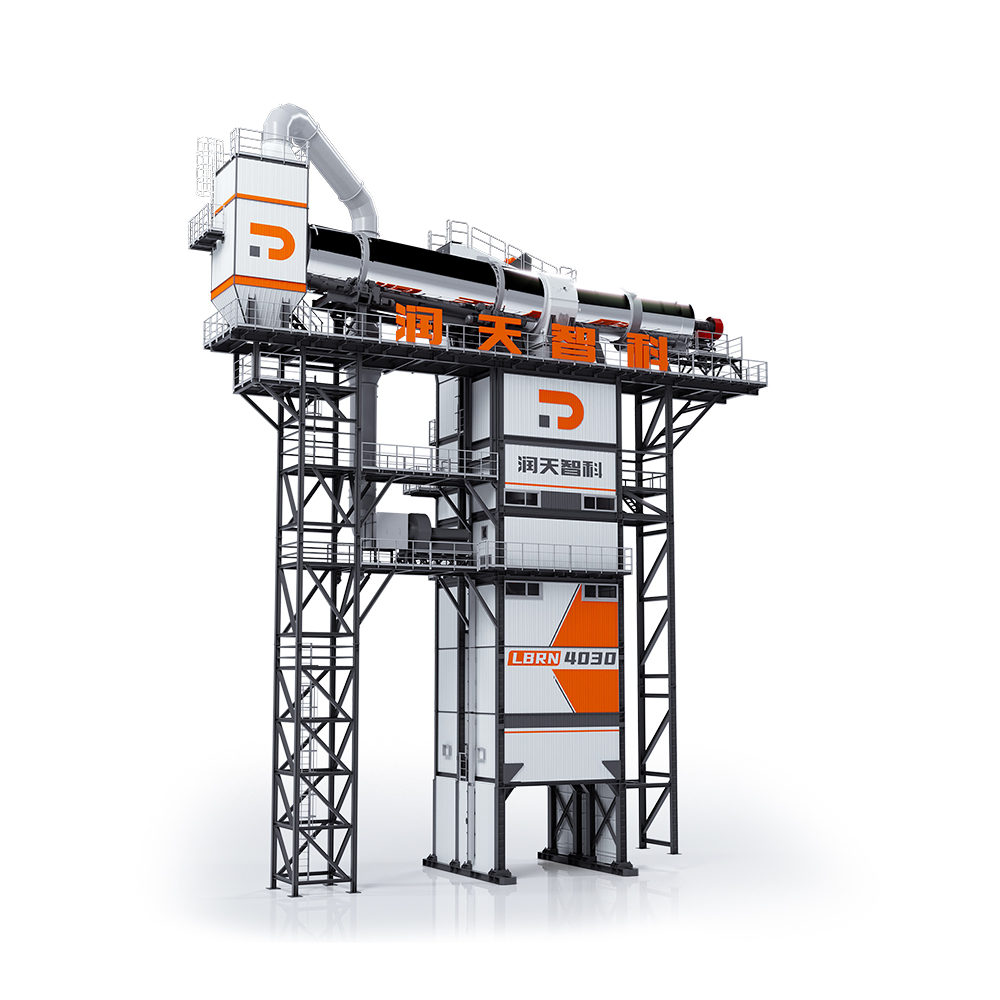
HZS Series Belt Concrete Mixing Plant
HZS Series Bucket-Lifting Type Container Concrete Mixing Plant
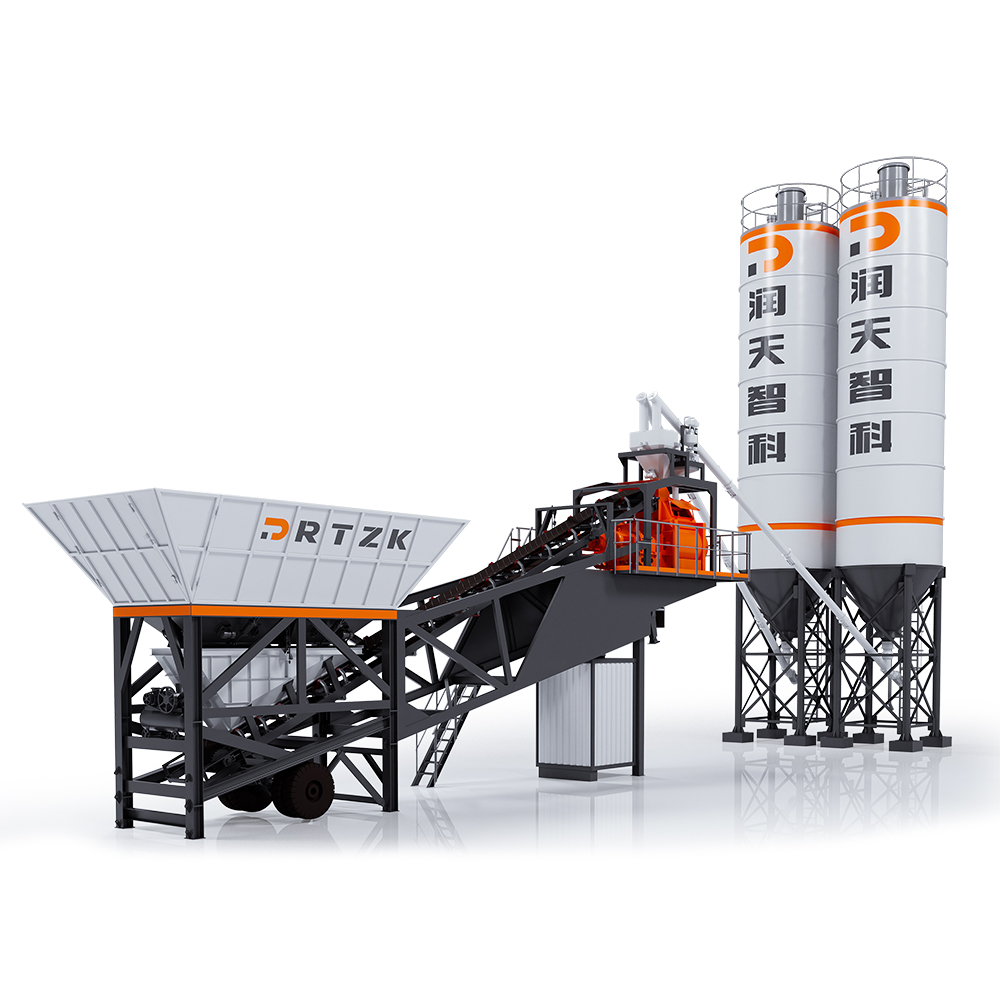
HZS60 Mobile Concrete Mixing Plant
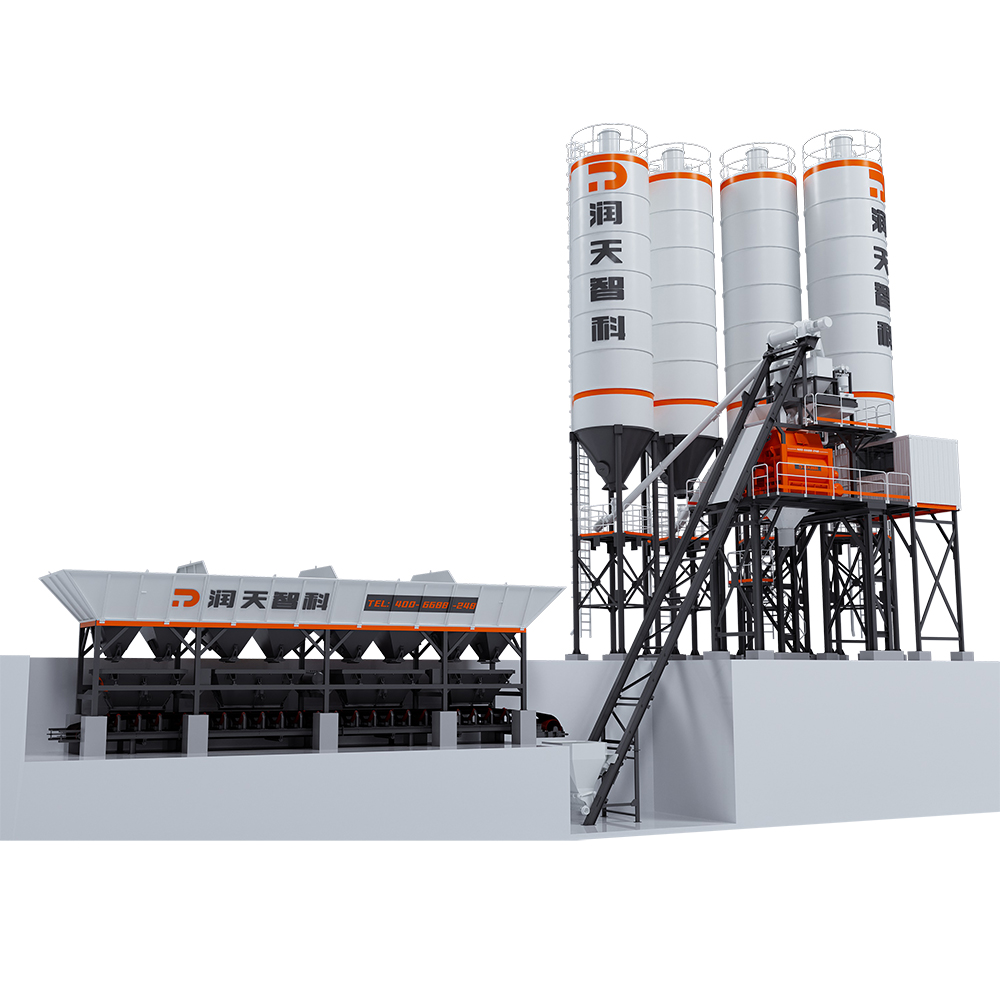
HZS Series Bucket-Lifting Type Concrete Mixing Plant
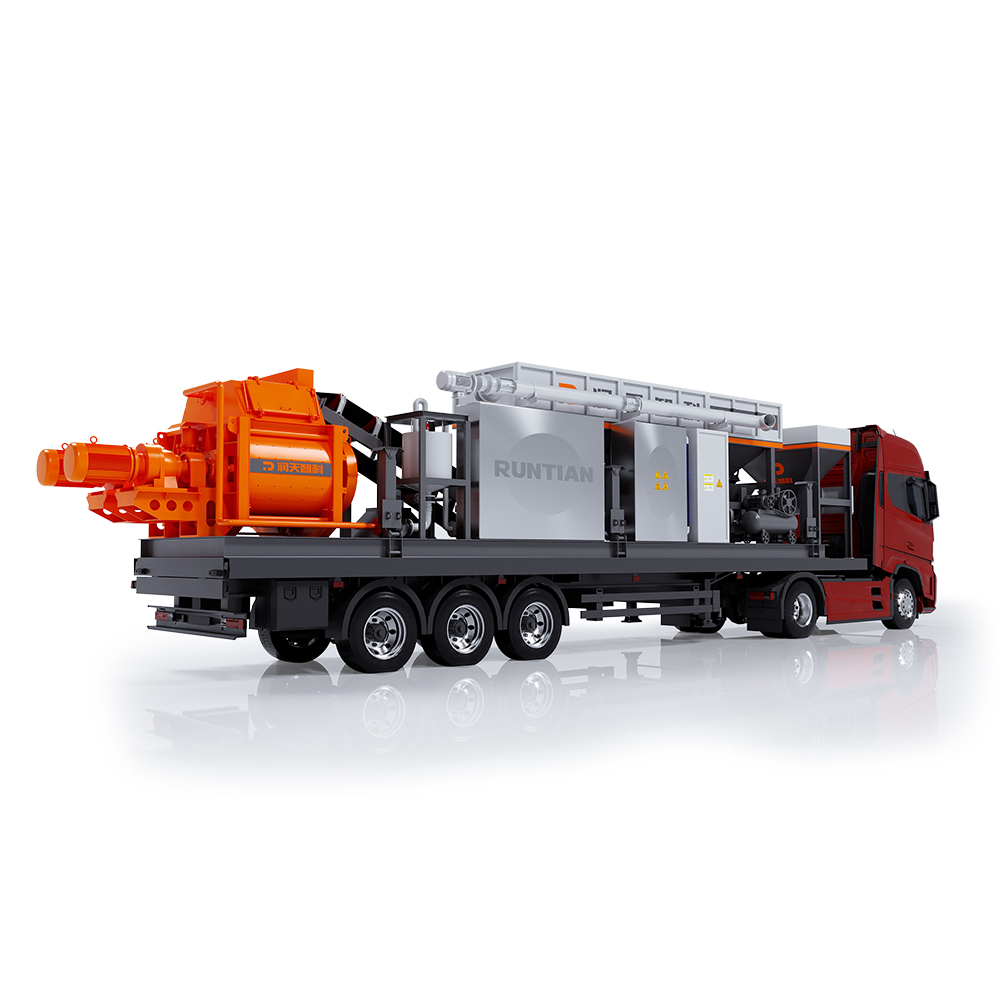
HZS Series Mobile Concrete Mixing Plant
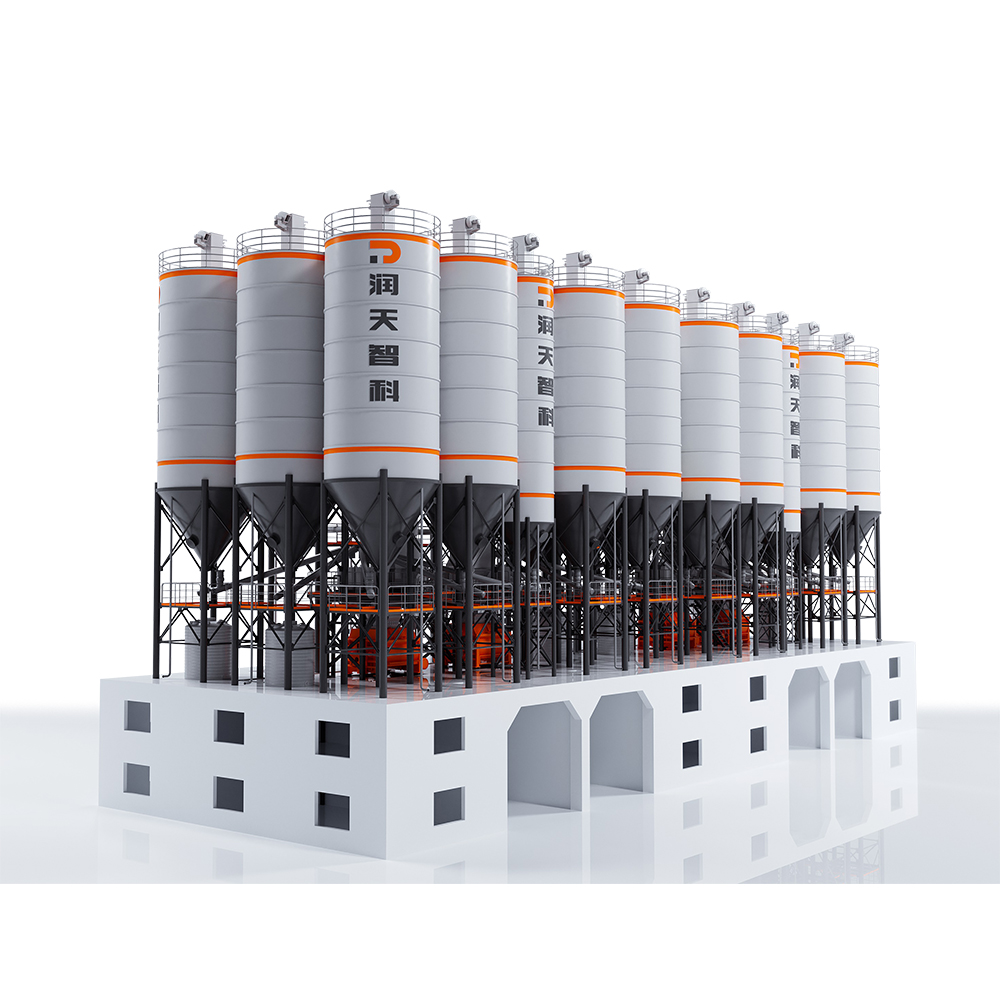
HZS Series Top-Mounted Concrete Mixing plant
HZS Series Semi-Top Mounted Concrete Mixing Plant
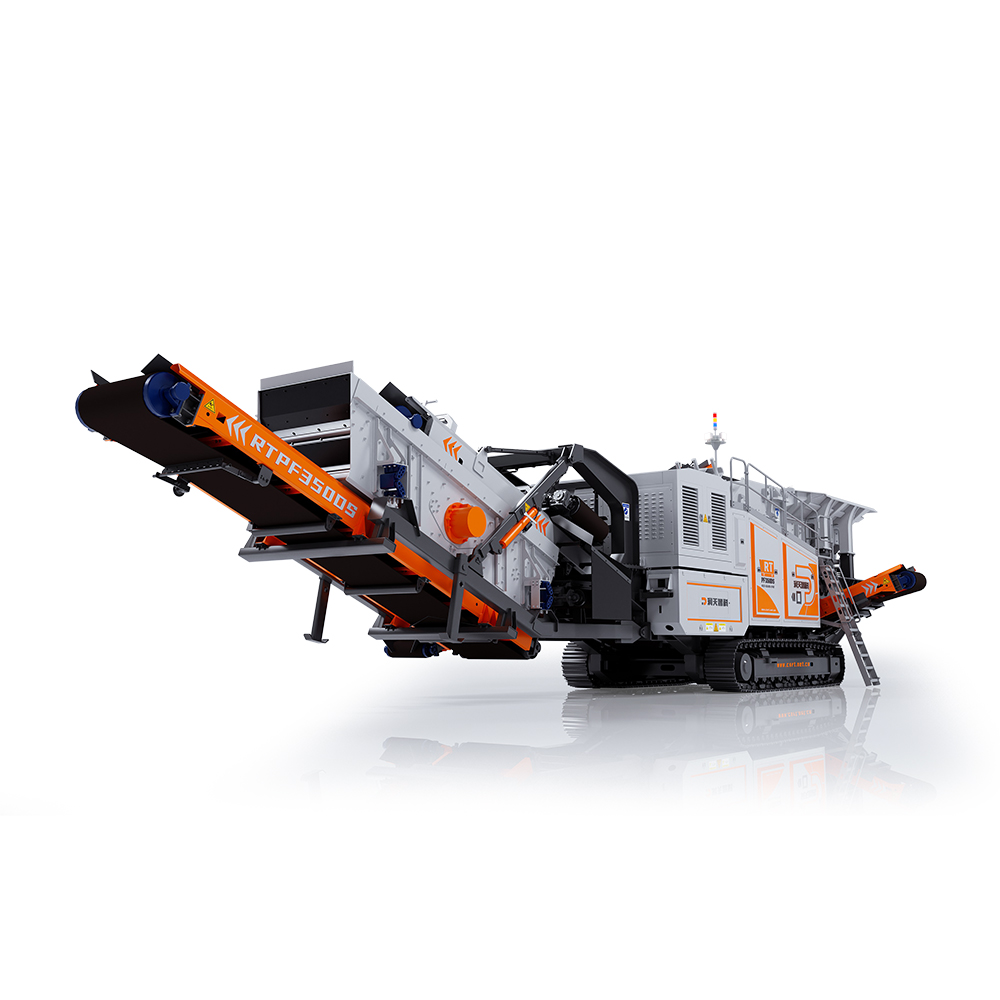
RTPF350DS Crawler Mobile Impact Crushing Plant
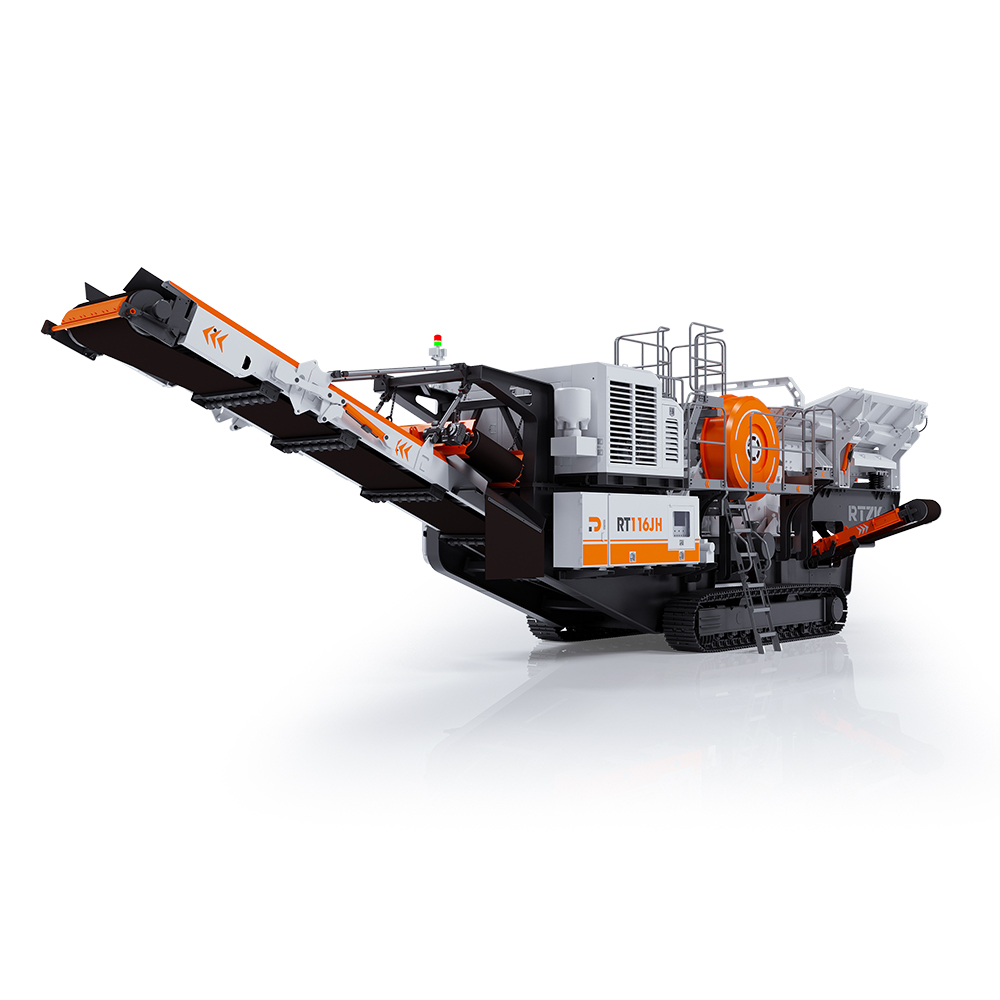
RT116JH Crawler Mobile Jaw Crushing Plant
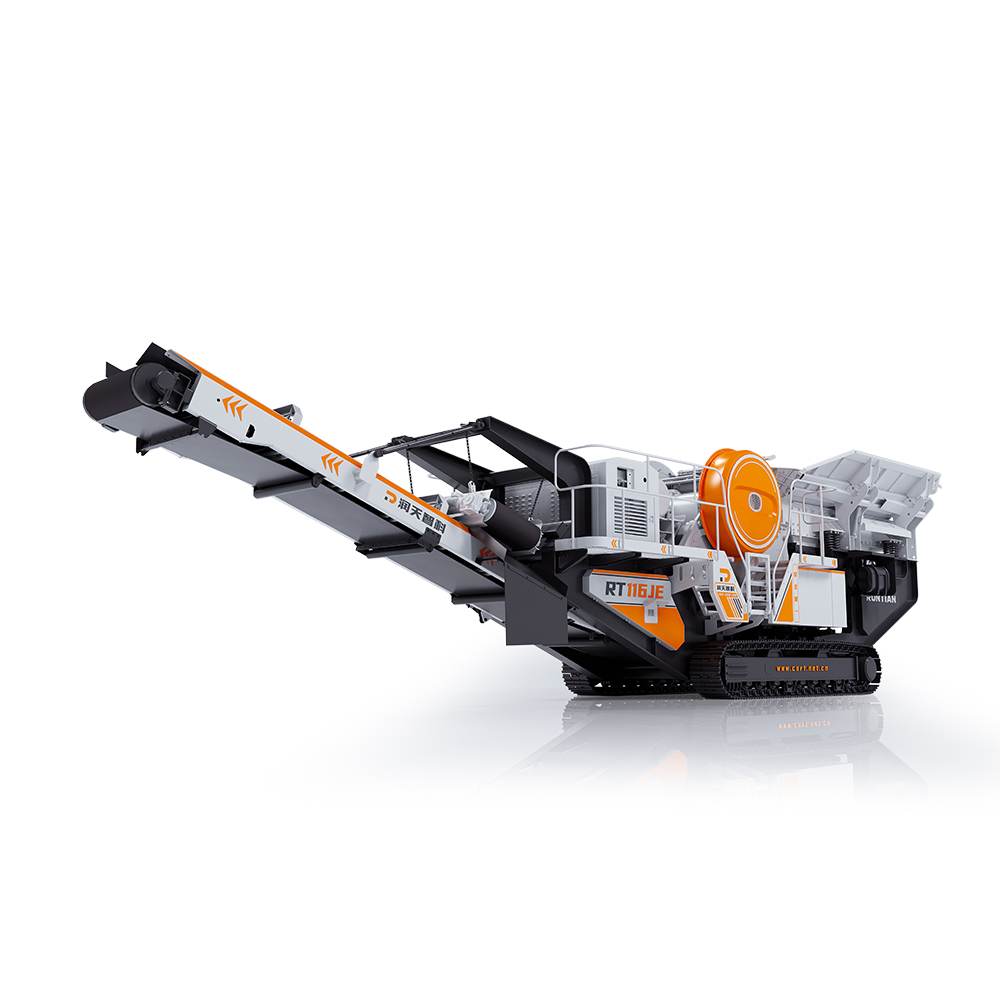
RT116JE Crawler Mobile Jaw Crushing Plant
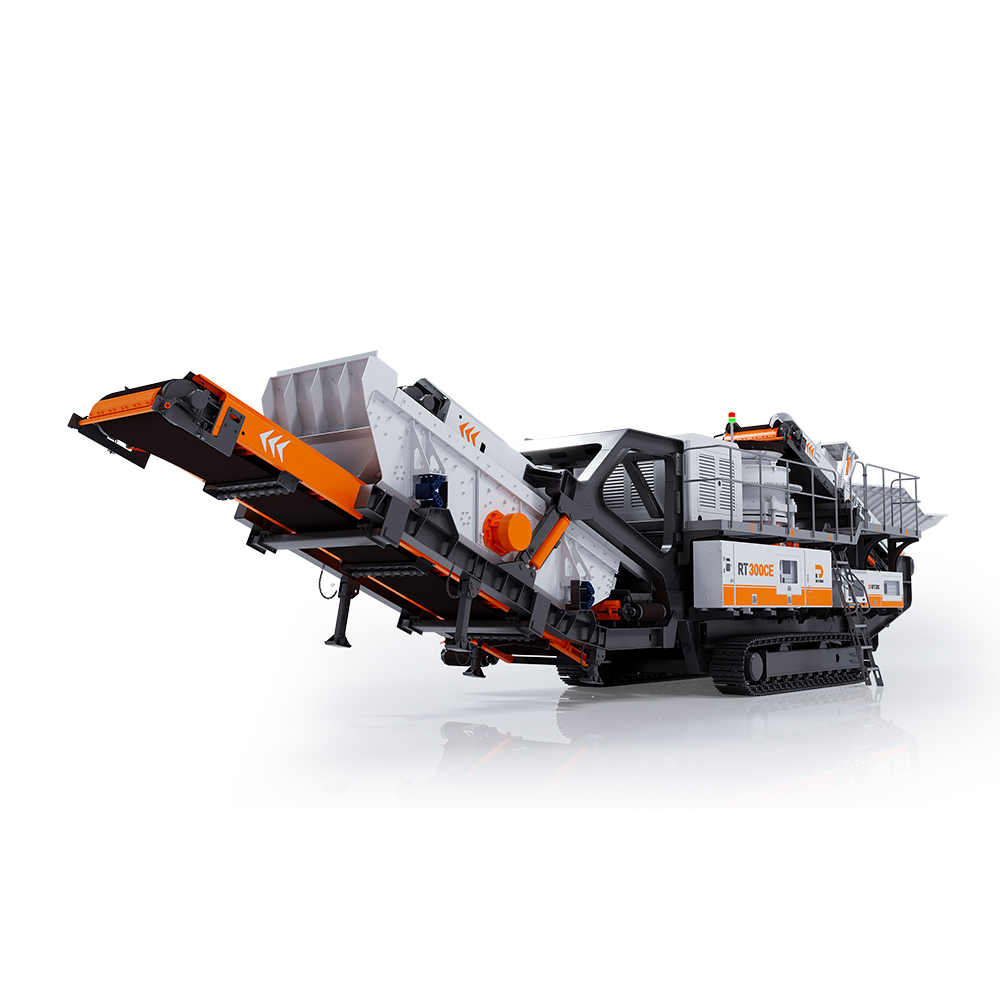
RT300CE Crawler Mobile Cone Crushing Plant
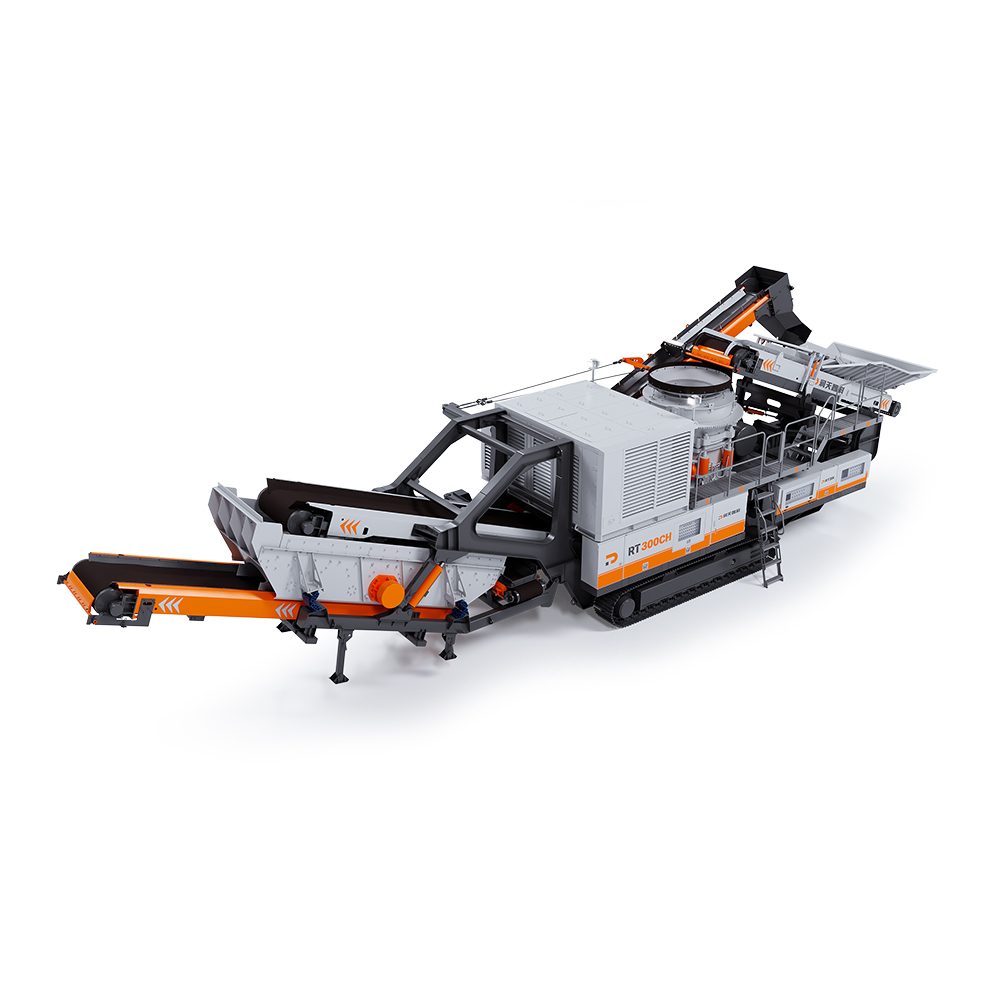
RT300CH Crawler Mobile Cone Crushing Plant
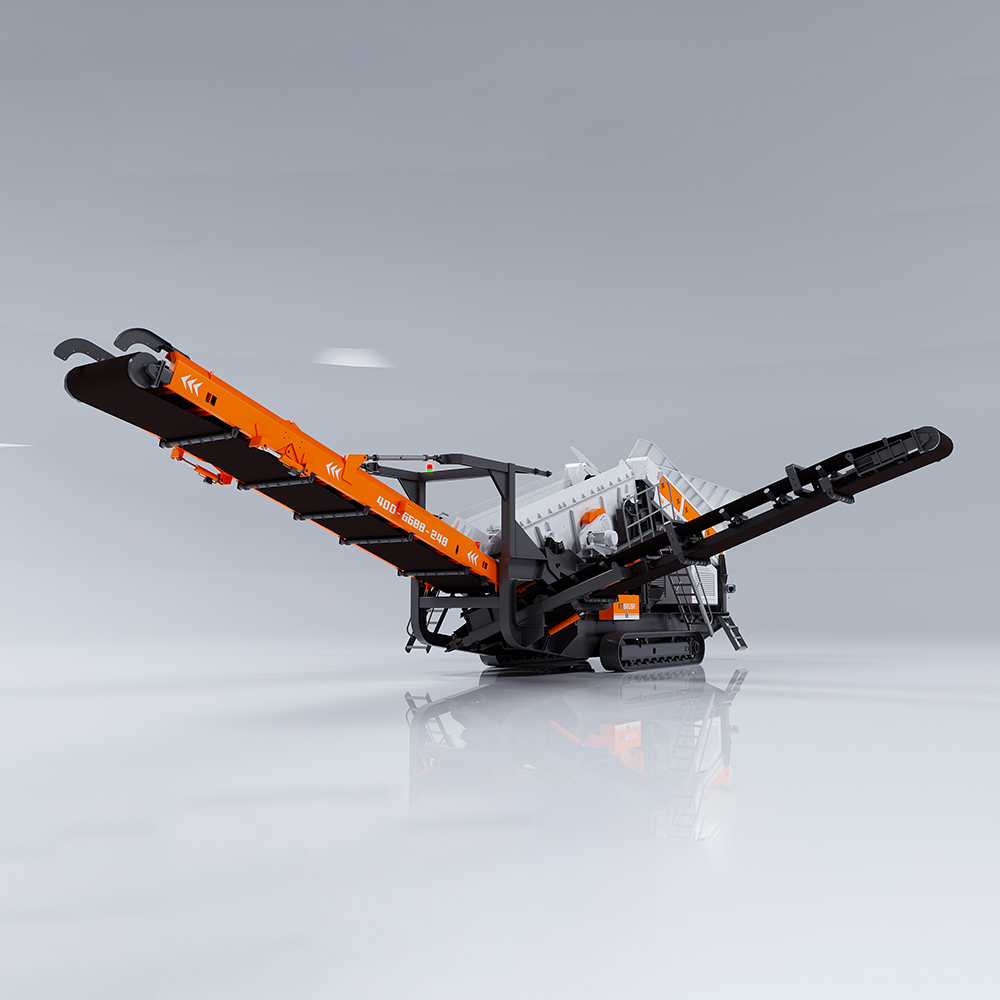
RT5015H Mobile Scalping Screen
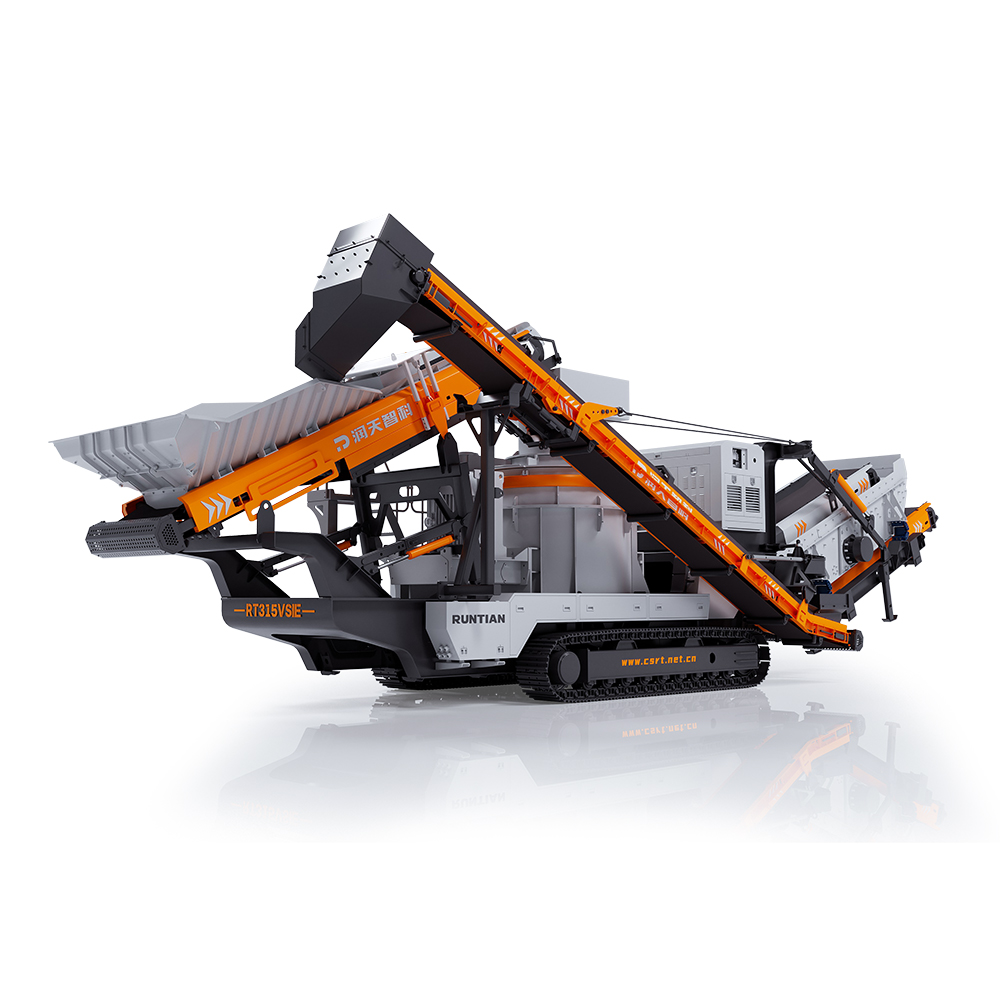
RT315VSIE Crawler Mobile Sand Maker
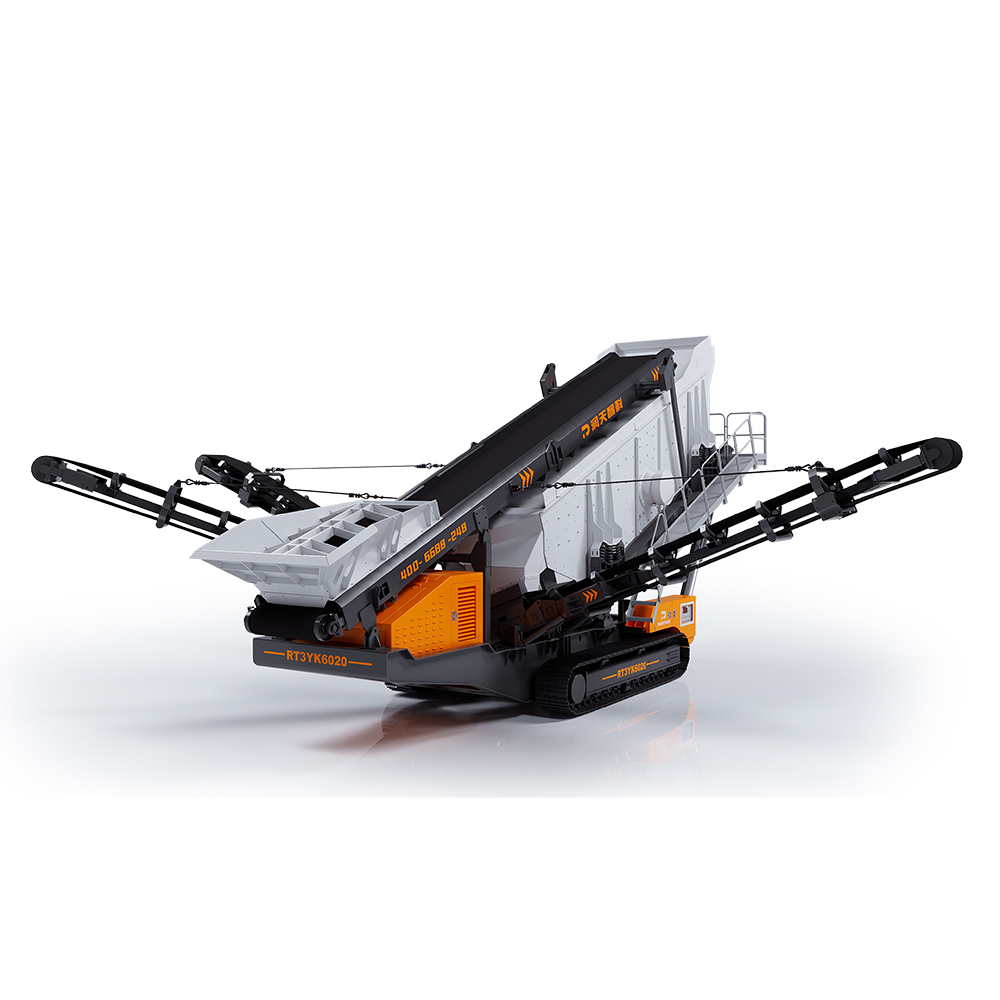
RT3YK6020 Crawler Mobile Screening Plant
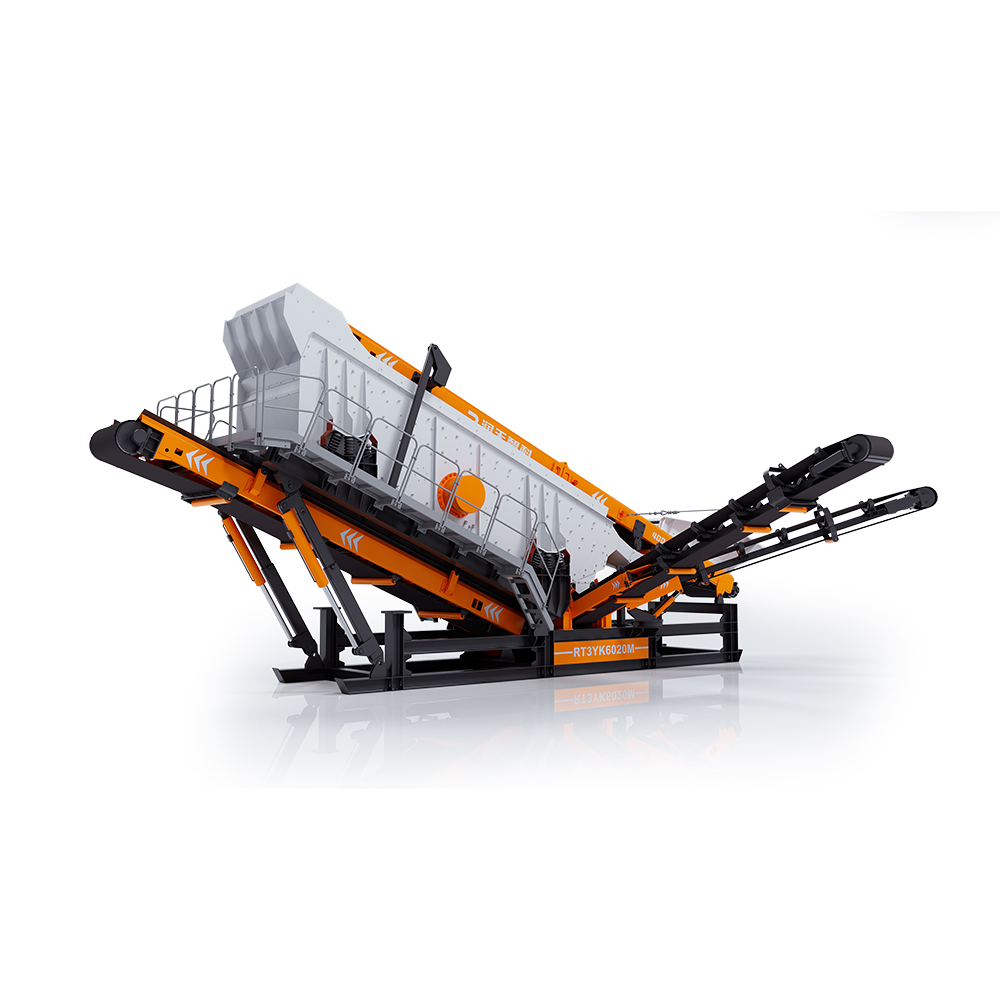
RT3YK6020M Modular Screening Plant
RTF260M Modular Counterattack Crushing and Screening Integrated Machine
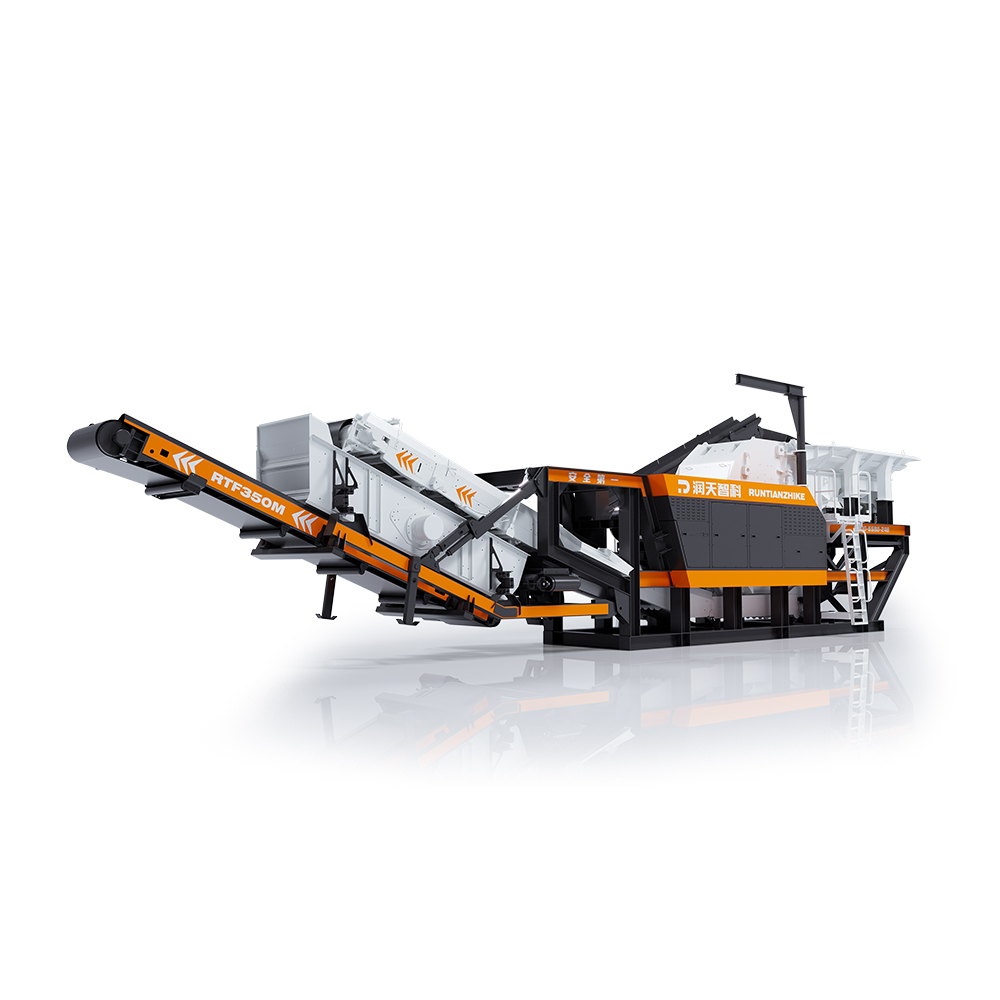
RTF350M Modular Impact Crushing Plant
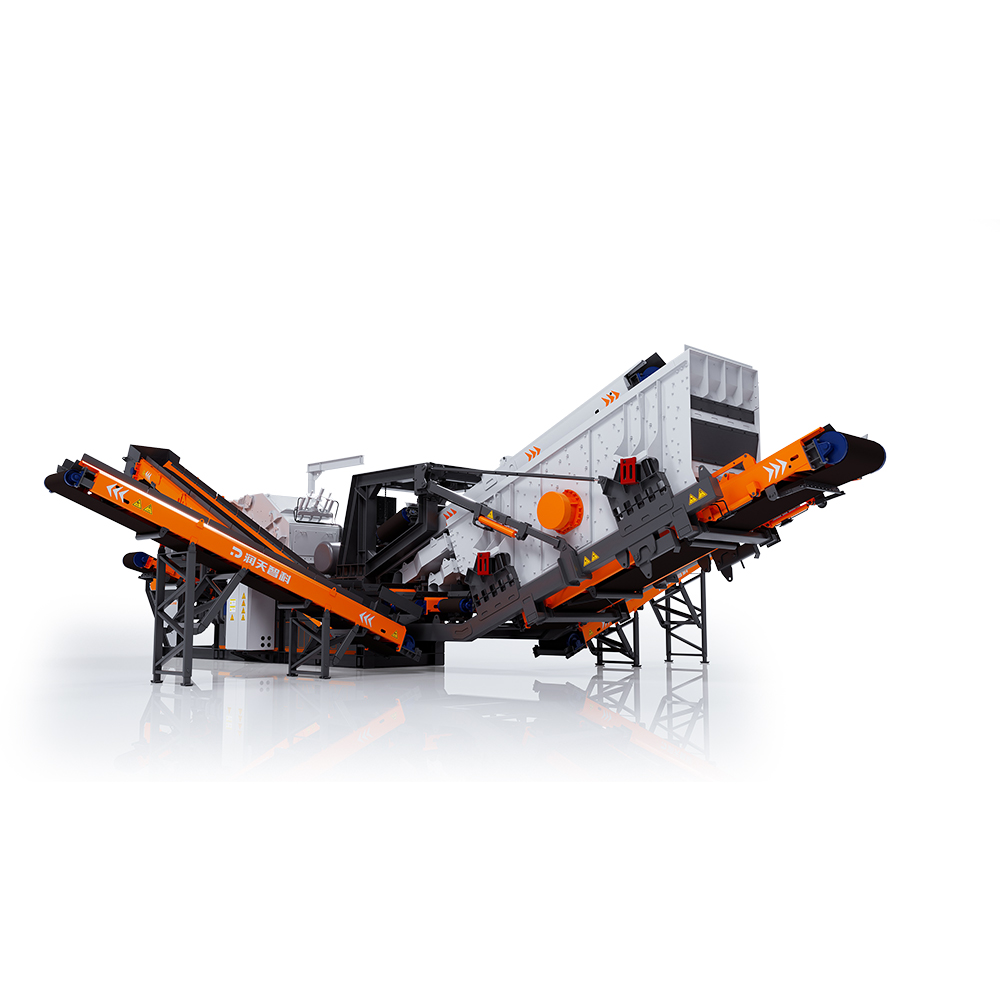
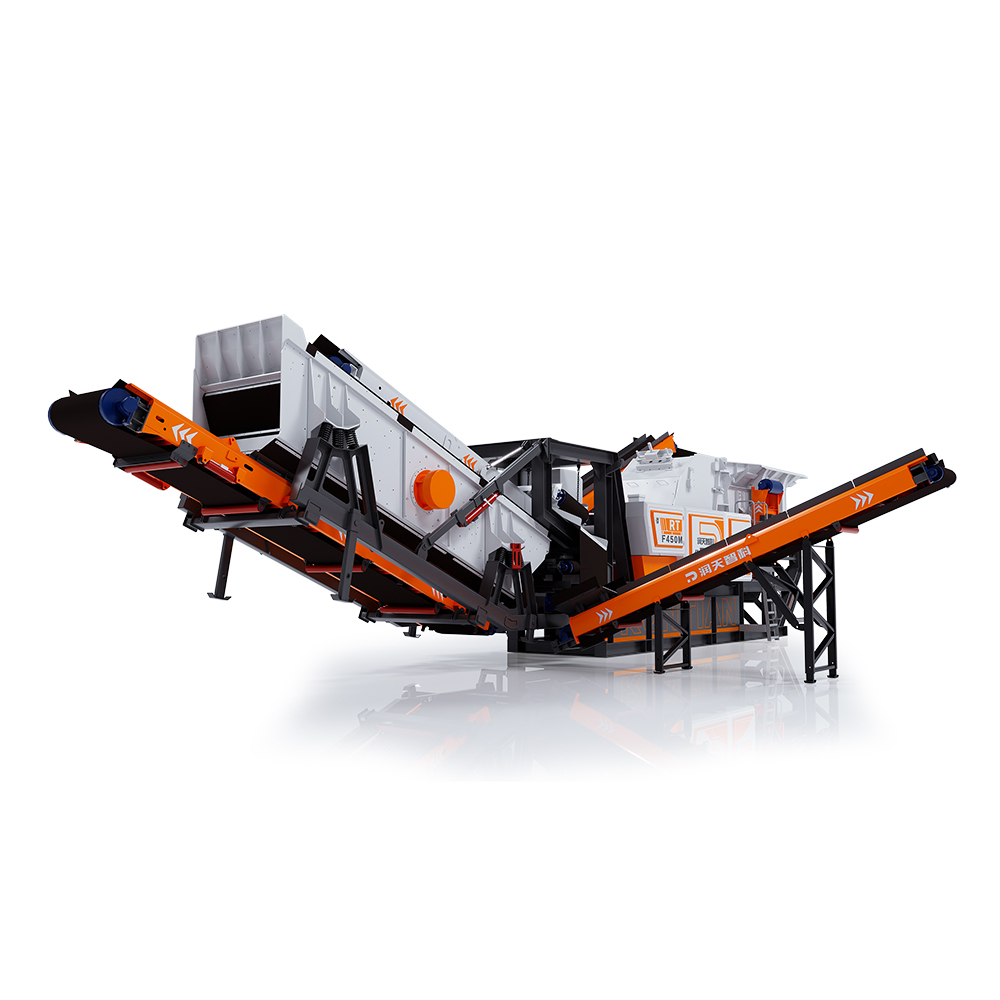
RTF450M Modular Impact Crushing Plant
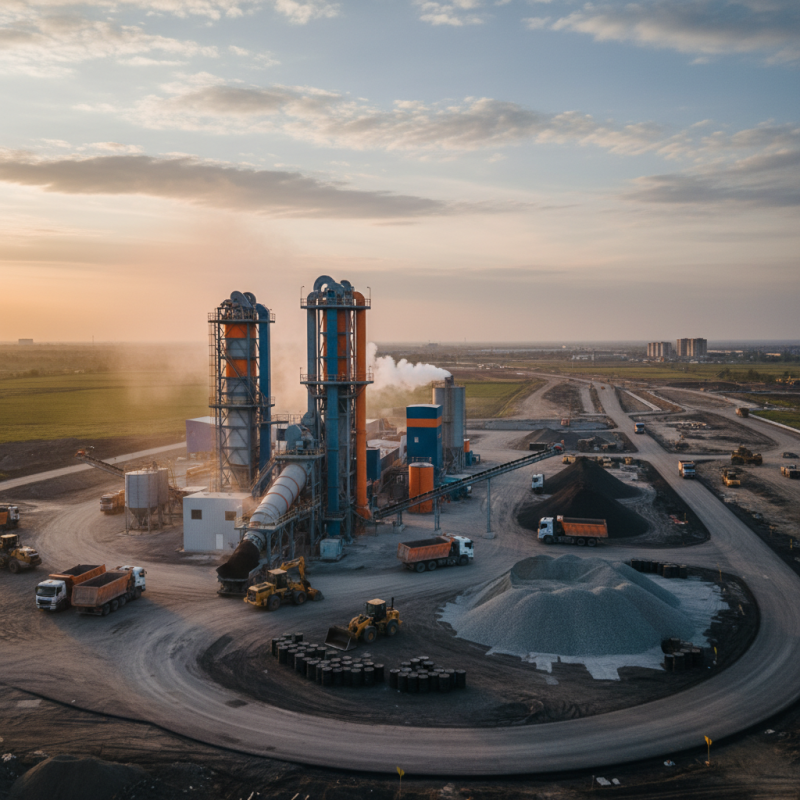
Choosing the right Asphalt Plant is crucial for any construction project. The global asphalt market was valued at approximately $30 billion in 2022 and is projected to grow significantly. This growth highlights the increasing demand for efficient and reliable asphalt production.
When selecting an asphalt plant, consider factors such as production capacity, technology, and maintenance needs. A common mistake is underestimating the long-term operational costs. An effective asphalt plant should not only meet immediate needs but also ensure sustainability.
Many buyers focus solely on price without considering quality. Inadequate research can lead to poor decision-making. According to industry analysts, the wrong choice can increase project delays and costs. Therefore, investing time in understanding your requirements is vital.
Choosing the right asphalt plant hinges on understanding your project requirements. Are you working on a large highway or a small parking lot? Each project demands different production capabilities and equipment features. For extensive jobs, larger plants may be necessary to ensure consistent supply. However, smaller projects might benefit from more compact designs that are easier to transport and set up.
Moreover, consider the types of asphalt mixes you plan to produce. Hot mix asphalt may require different specifications compared to warm or cold mixes. Factor in potential material availability as well. Some plants handle specific materials better than others. Assess your long-term goals too. Will you need to adapt to changing demands? A plant with modular options may allow for greater flexibility down the line. Evaluate your budget realistically; sometimes, spending a bit more initially on a plant that meets all your needs can save you costs in the long run.
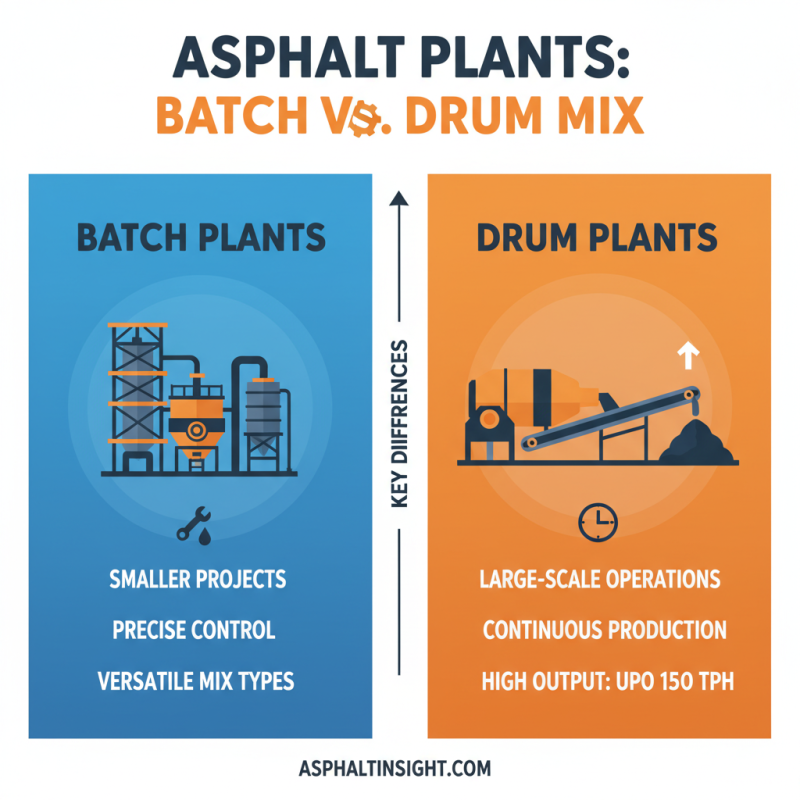
When evaluating asphalt plants, understanding the different types is crucial. There are mainly two categories: batch plants and drum plants. Batch plants are ideal for smaller projects, allowing precise control over mixture. They can produce a variety of asphalt types. Drum plants, on the other hand, offer continuous production, beneficial for large-scale operations. They have a higher output, reaching up to 150 tons per hour.
According to industry reports, the global asphalt plant market is projected to grow substantially in the coming years. Growth rates may reach approximately 4.5% annually, driven by increasing road construction activities. However, choosing the right type comes with challenges. For instance, some drum plants might struggle with quality consistency during high-speed operations. Conversely, batch plants may have slower production rates, impacting project timelines.
Selecting the appropriate asphalt plant requires a careful assessment of project needs. Consider production capacity, location, and environmental regulations. Some plants are not designed for certain climates. It's important to evaluate both business goals and quality requirements. Balancing these factors can be complex, leading to investments that don't always pay off in the long run. In the end, thorough research and consideration of real-world performance data are essential for making an informed decision.
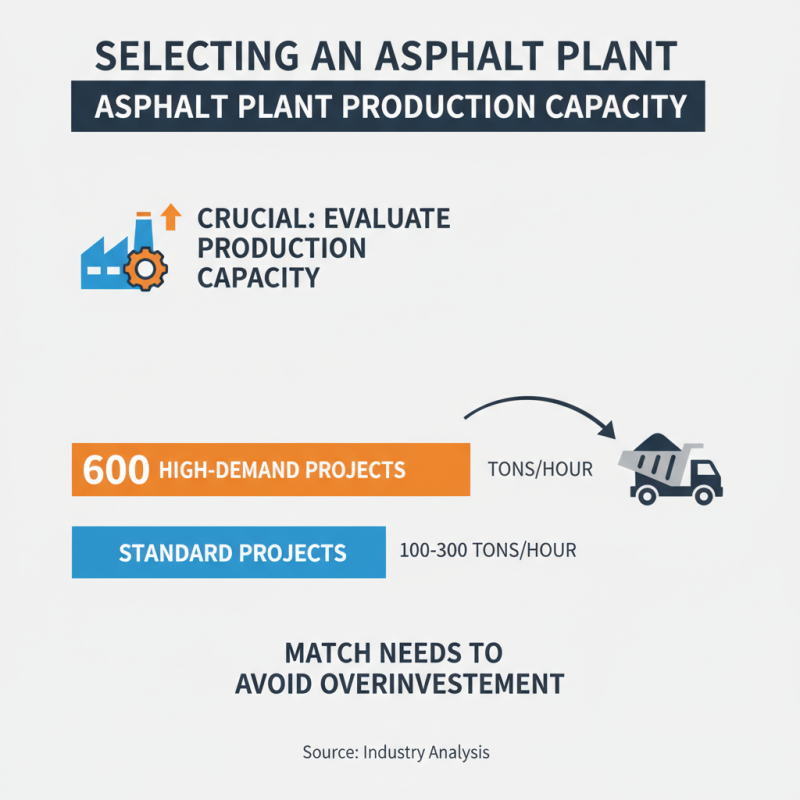
When selecting an asphalt plant, evaluating production capacity is crucial. Plants vary significantly. Some can produce as much as 600 tons per hour. This capacity is essential for high-demand projects. However, not all projects require that level of output. Understanding your specific needs helps avoid overinvestment.
Efficiency also plays a vital role. Studies show that efficient plants minimize fuel consumption. They can reduce operational costs by up to 20%. Yet, not all high-capacity plants achieve efficiency. Some models waste energy despite their production power. Balancing capacity and efficiency requires careful consideration. Can a plant deliver what you need without excess?
Consider the technology employed. Advanced automation can increase accuracy in mix ratios. This reduces waste and enhances quality. However, the complexity of modern systems can lead to higher maintenance costs. Finding a plant that matches your operational goals is essential to avoid unexpected expenses. Always reflect on your long-term needs.
When investing in an asphalt plant, understanding budget constraints is crucial. According to industry data, around 70% of companies prioritize cost over other factors during procurement. This makes sense, as the initial purchase price can significantly impact overall profitability. Typical asphalt plants can range from $300,000 to over $1 million, depending on size and technology. Evaluating your project needs against local market rates helps narrow down options.
Additionally, financing options play a pivotal role. Many companies opt for loans or lease agreements to ease upfront financial burdens. A reported 60% of buyers utilize financing to manage cash flow effectively. This approach allows for the purchase of higher-end models that may boost efficiency, even if the initial outlay is larger.
While these strategies can optimize your investment, it’s important to reflect on long-term expenses. Maintenance, operational costs, and eventual upgrades can add substantial financial weight. Industry experts note that ongoing costs often exceed expectations, highlighting the need for thorough analysis. Ultimately, a balanced approach to budget and financing could lead to more sustainable choices in asphalt plant acquisition.
When choosing the right asphalt plant, warranty, maintenance, and support services weigh heavily on your decision. A comprehensive warranty often indicates a manufacturer’s confidence in their product. Typical warranties range from one to three years. However, some plants only cover core components, leaving crucial parts unprotected. This gap can lead to substantial repair costs over time.
Maintenance is another critical factor. Regular upkeep can extend the life of your asphalt plant significantly. According to industry reports, an ignored maintenance schedule can reduce productivity by up to 30%. Look for manufacturers that offer detailed maintenance plans. Some may even provide monthly check-ups. This can save unexpected downtime and enhance operational efficiency.
Support services should not be overlooked. The availability of technical support can make or break your experience. Response times can vary greatly. In some cases, companies take more than 48 hours to respond, hindering project timelines. Ideally, choose a provider with a track record of quick, effective service. A solid support system gives you peace of mind in a demanding industry. Also, examine online reviews and testimonials. These can provide insights into outliers—both positive and negative.
| Feature | Importance | Considerations | Ratings |
|---|---|---|---|
| Warranty Period | High | Look for at least 1-2 years | 4.5/5 |
| Maintenance Requirements | High | Ease of access and frequency | 4/5 |
| Spare Parts Availability | Medium | Ensure local suppliers | 4/5 |
| Technical Support | High | 24/7 availability is ideal | 5/5 |
| Fuel Efficiency | High | Check specs for consumption rates | 4.5/5 |
| Production Capacity | High | Match to project requirements | 4/5 |
| User-Friendliness | Medium | Easy to operate and monitor | 4.5/5 |
| Safety Features | High | Compliance with industry standards | 5/5 |
| Environmental Regulations | High | Check for emissions compliance | 4/5 |
| Cost of Ownership | High | Analyze initial and operational costs | 3.5/5 |