What is a Concrete Mixer and How Does It Work?
Concrete mixers are essential machines in the construction industry. They blend concrete ingredients, ensuring a uniform mix for various projects. According to John Smith, a leading expert in concrete technology, "A concrete mixer is the heart of any construction site." His insight highlights the importance of reliable mixing.
These machines come in various sizes and types. Some are portable, while others are stationary. Each type serves specific needs. They can mix large quantities efficiently, saving time and labor costs. Proper use of a concrete mixer can enhance the quality of the final product. However, users often overlook maintenance, leading to performance issues.
While concrete mixers are efficient, they require constant attention. Users must ensure they are clean and functioning well. Even minor neglect can result in uneven mixing, which compromises strength. Balancing efficiency with care is vital. Understanding the workings of a concrete mixer can lead to better outcomes and fewer mistakes.
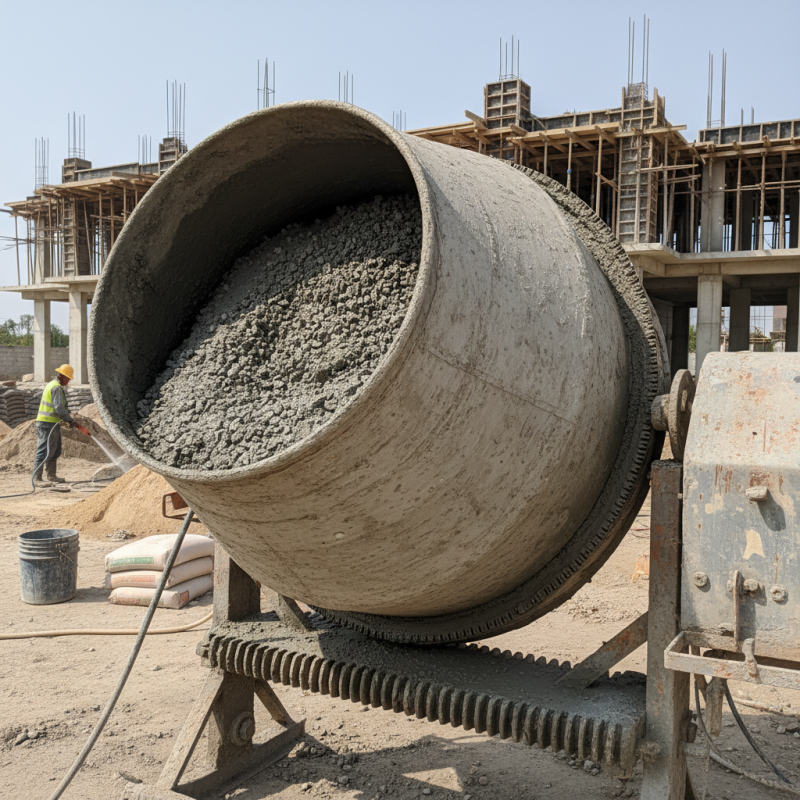
Definition of a Concrete Mixer and Its Importance in Construction
A concrete mixer is an essential tool in construction. It takes components like cement, water, and aggregates, mixing them into a uniform paste. This mixture is the backbone of most buildings and infrastructure. By ensuring a consistent blend, the concrete mixer improves the strength and durability of the finished product. In simple terms, it plays a crucial role in the construction process.
Tips: Always check the mixer’s calibration before starting. A well-calibrated mixer ensures the right ratios. Mix too little or too much water, and the project may suffer.
Moreover, understanding how different types of mixers work can also aid in selecting the right equipment. However, some mixers may not handle large volumes well. Observing their limitations can save time and resources later. Many beginners overlook this aspect, leading to frustrations on site.
Tips: Plan your workload accordingly. Mixing concrete in smaller batches can sometimes yield better results. Remember, rushing can lead to mistakes. Aim for quality over quantity. The integrity of your construction relies on the details.
Types of Concrete Mixers: Batch vs. Continuous Mixers
Concrete mixers are essential tools in construction. They blend cement, water, and aggregates to create concrete. There are two main types—batch mixers and continuous mixers.
Batch mixers produce concrete in specific quantities. They mix everything at once, which is useful for smaller projects. According to industry reports, batch mixers can improve efficiency by up to 30% for small-scale construction. They allow for adjustments in material ratios. However, a possible downside is the waiting time between batches. This may lead to delays if the demand for concrete increases unexpectedly.
Continuous mixers, on the other hand, offer a steady flow of concrete. They mix materials continuously, making them ideal for large projects. Industry studies show that continuous mixers can handle up to 20% more volume than batch mixers. But, they require careful calibration. A small error in the mix can affect the entire output. This could lead to subpar concrete quality.
Tips: Always monitor the mixture closely. Small adjustments can yield big results. Experimenting with material ratios may uncover a more efficient formula. Regular maintenance of your mixer is essential for optimal performance.
Types of Concrete Mixers: Batch vs. Continuous Mixers
Components of a Concrete Mixer and Their Functions
A concrete mixer is a vital machine used in construction. Its primary role is to blend concrete ingredients, which include cement, water, aggregate, and additives. The mixer ensures a homogeneous mixture, crucial for strength and durability.
Key components of a concrete mixer include the drum, which rotates to mix the materials. The blades inside the drum help distribute the ingredients evenly. The drive motor drives the rotation, allowing the mixer to maintain consistent performance. The loading and unloading chutes facilitate easy access for adding and pouring the mixture.
Tips for using a concrete mixer include checking for wear and tear on the blades. Dull blades can lead to uneven mixing. Regular maintenance prevents malfunctions during operation. Always ensure the mixer is level to avoid spills and inefficiencies. A common mistake is overloading the drum, which can lead to poor mixing and strain on the motor.
Using the right water-to-cement ratio is essential. Too much water weakens the concrete. Additionally, always measure materials accurately. This practice enhances the mixer’s effectiveness and ensures the final product meets quality standards.
How a Concrete Mixer Operates: Step-by-Step Process
A concrete mixer is an essential machine for construction projects. It combines cement, water, and aggregates to create concrete. Understanding how it operates can help you optimize its use.
To start, place the dry ingredients into the mixer. This includes cement, sand, and gravel. Make sure the proportions are correct. Then, add water gradually. Mixing should begin immediately. The drum rotates, blending the materials thoroughly. If the mixture is too dry, add a little water. If it’s too wet, evaluate the ingredient ratios.
Tips: Always check the mixer’s condition before use. Worn parts can lead to improper mixing. Start with a small batch to test your mix. This helps to identify any issues early.
After mixing, pour the concrete into molds or forms quickly. Fresh concrete sets fast. Ensure you have everything ready before mixing. Time management is crucial. Leaving mixed concrete for too long can ruin your project.
Tips: Clean the mixer right after use. Dried concrete is hard to remove and can affect future projects. Regular maintenance can save time and money. Be mindful of mixing times and ingredient quality for the best results.
Applications of Concrete Mixers in Construction Projects
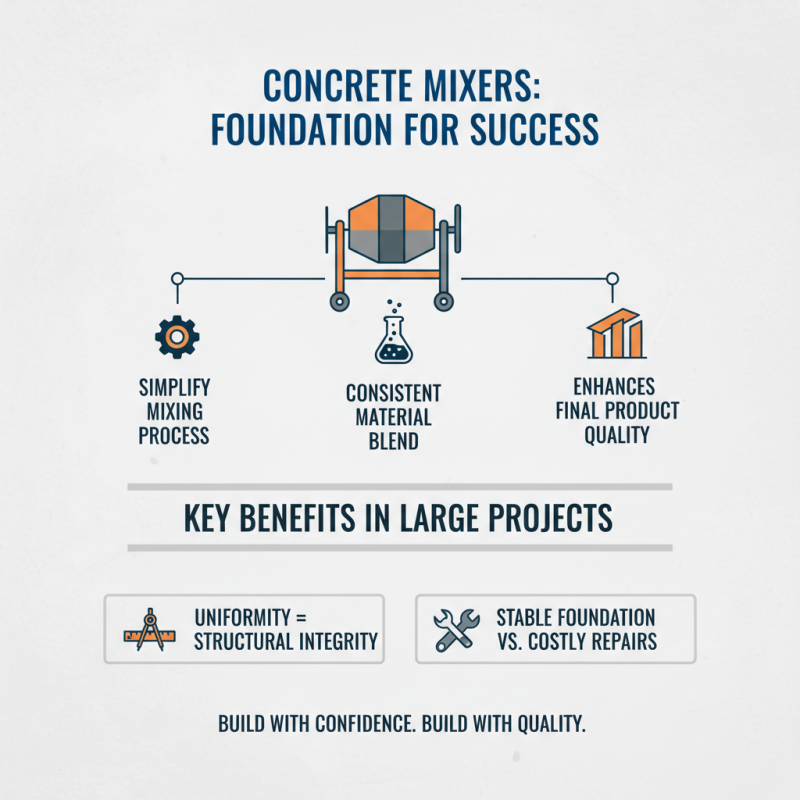
Concrete mixers play a vital role in construction projects. They simplify the process of mixing concrete, ensuring a consistent blend of materials. This capability enhances the quality of the final product. In many large projects, uniformity is key to structural integrity. A well-mixed batch of concrete can make the difference between a stable foundation and costly repairs later on.
In road construction, concrete mixers are indispensable. Workers use large quantities of mixed concrete for pavement and bridges. The speed and efficiency of mixers allow for faster project completion. However, not all mixers are suitable for every project. Some sites may face space constraints, making it challenging to operate larger mixers. Smaller mixers might not yield enough material for extensive applications. Understanding these limitations is essential.
Another application is in residential buildings. Home builders utilize concrete mixers for driveways and patios. The convenience of having a ready supply of concrete improves workflow. Yet, without careful handling, the quality may suffer. Improper mixing can lead to weak spots in the structure. This reflects the necessity of skilled operators to oversee the mixing process. Attention to detail can prevent costly mistakes down the line.

 Concrete Mixing Plant
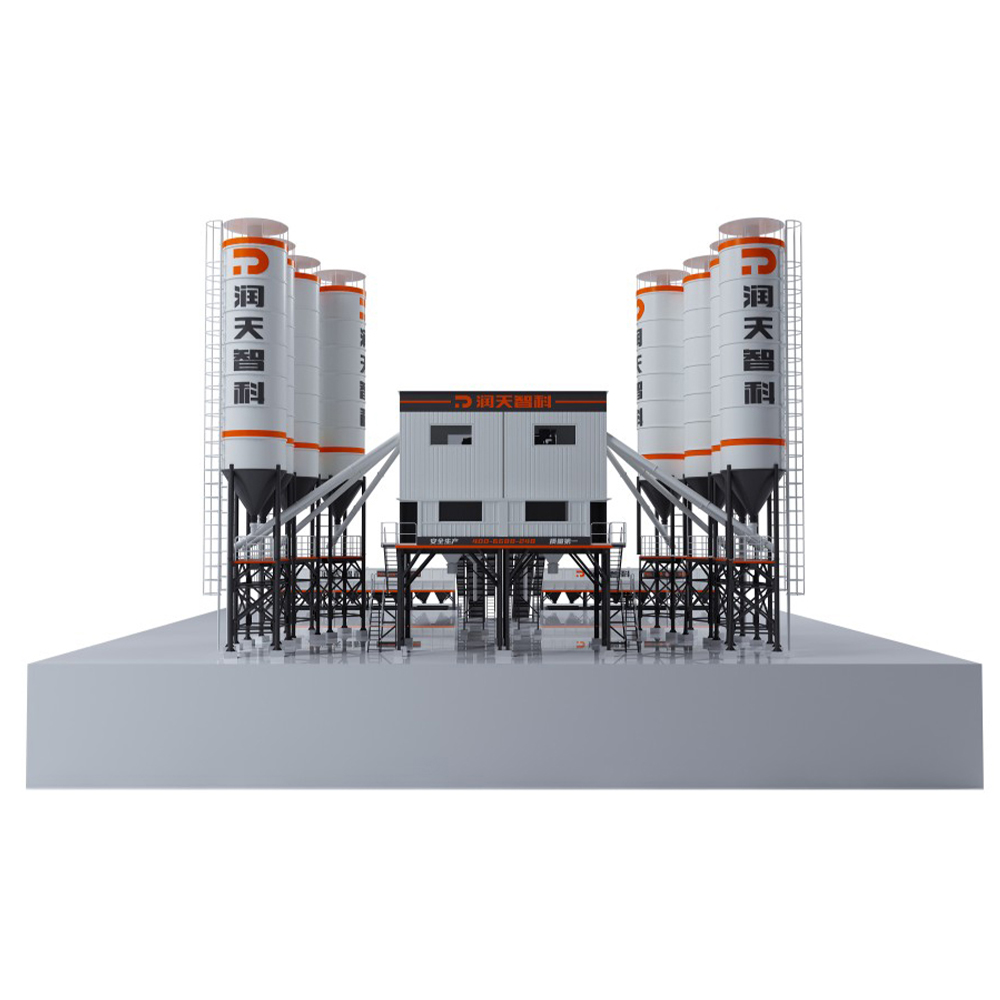 HZS Series Belt Concrete Mixing Plant
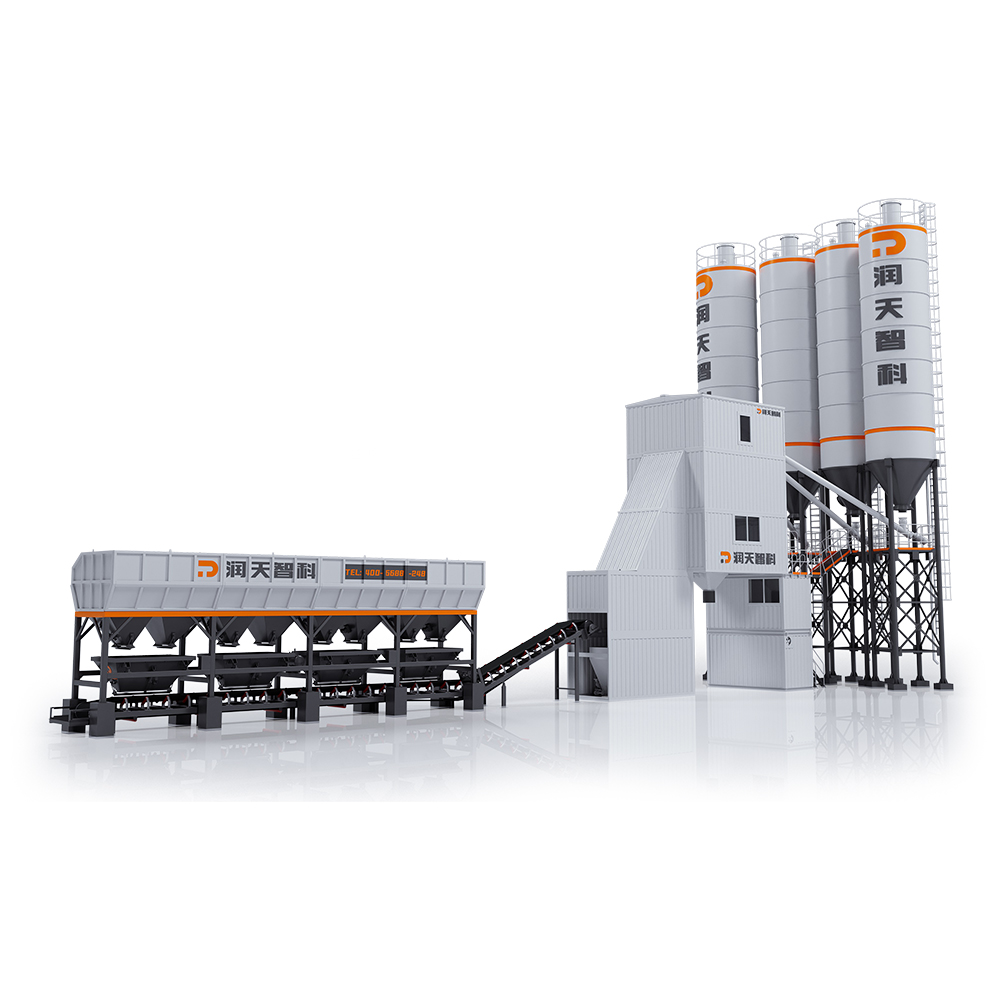 HZS Series Bucket-Lifting Type Container Concrete Mixing Plant
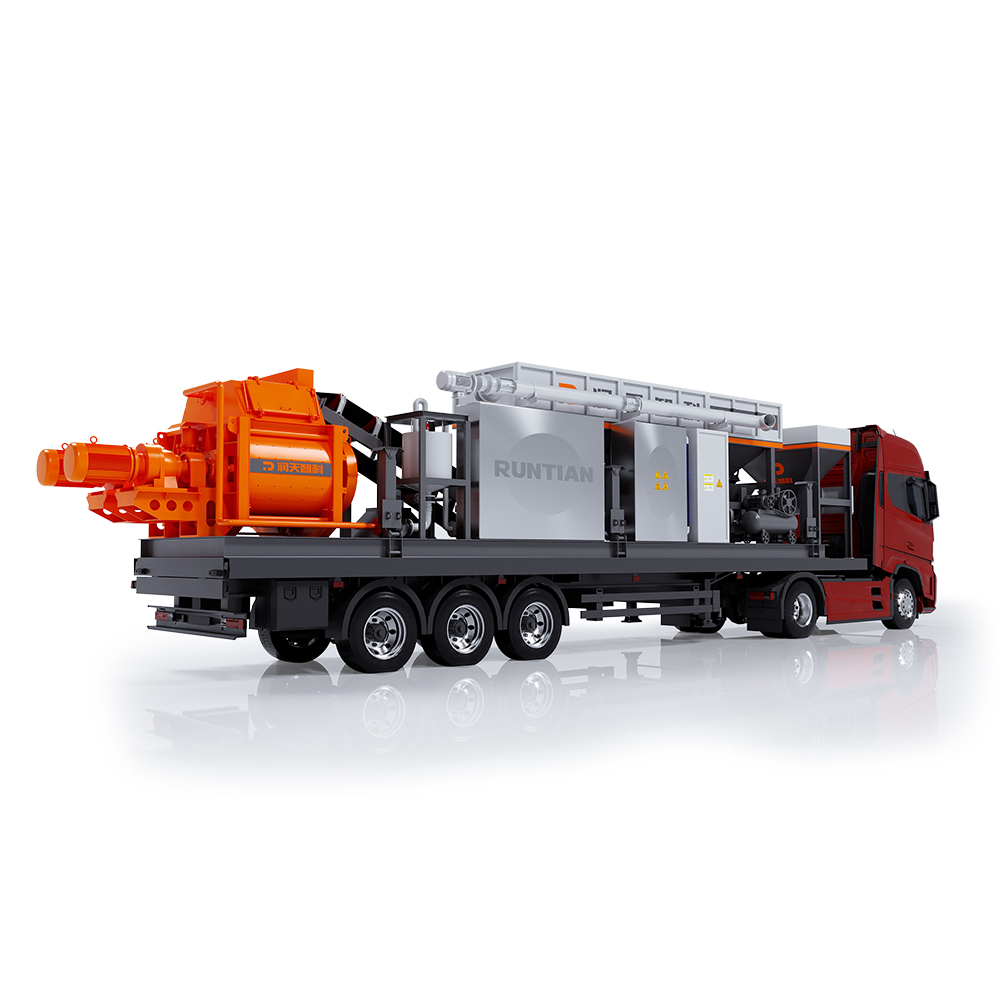 HZS60 Mobile Concrete Mixing Plant
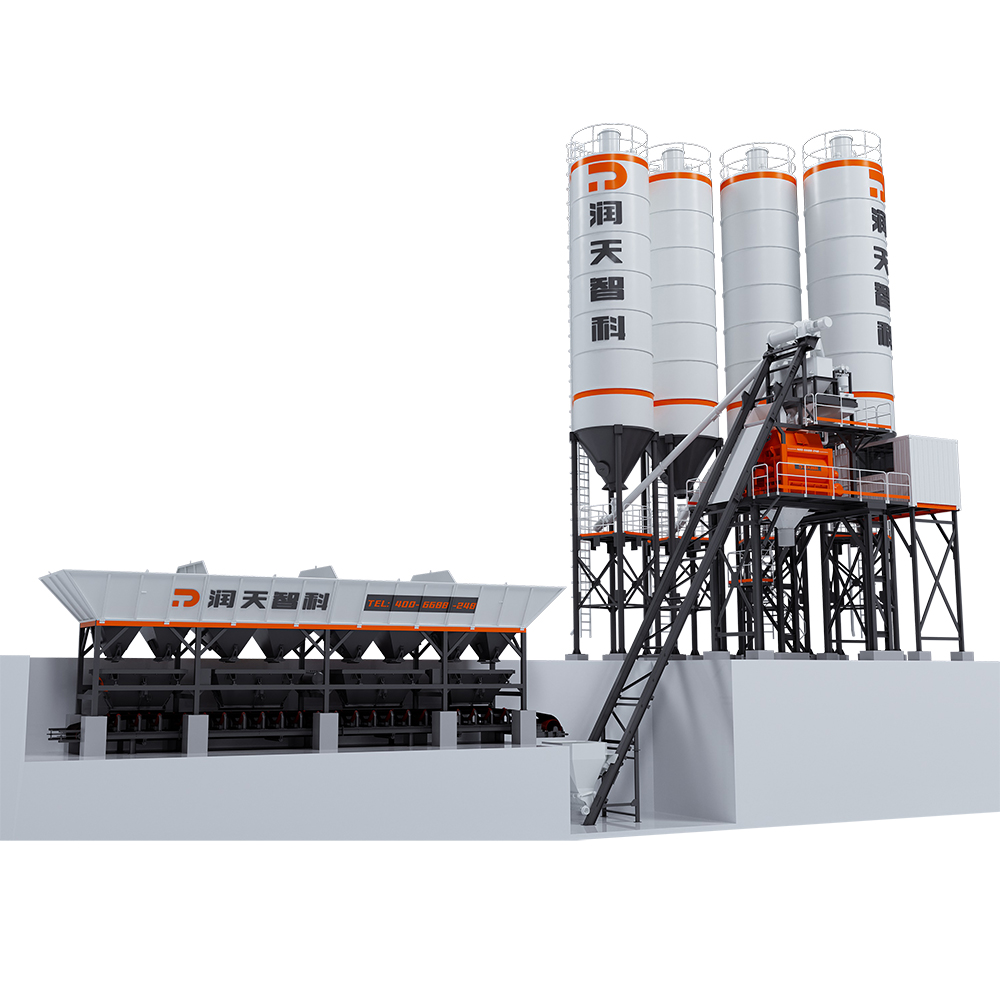 HZS Series Bucket-Lifting Type Concrete Mixing Plant
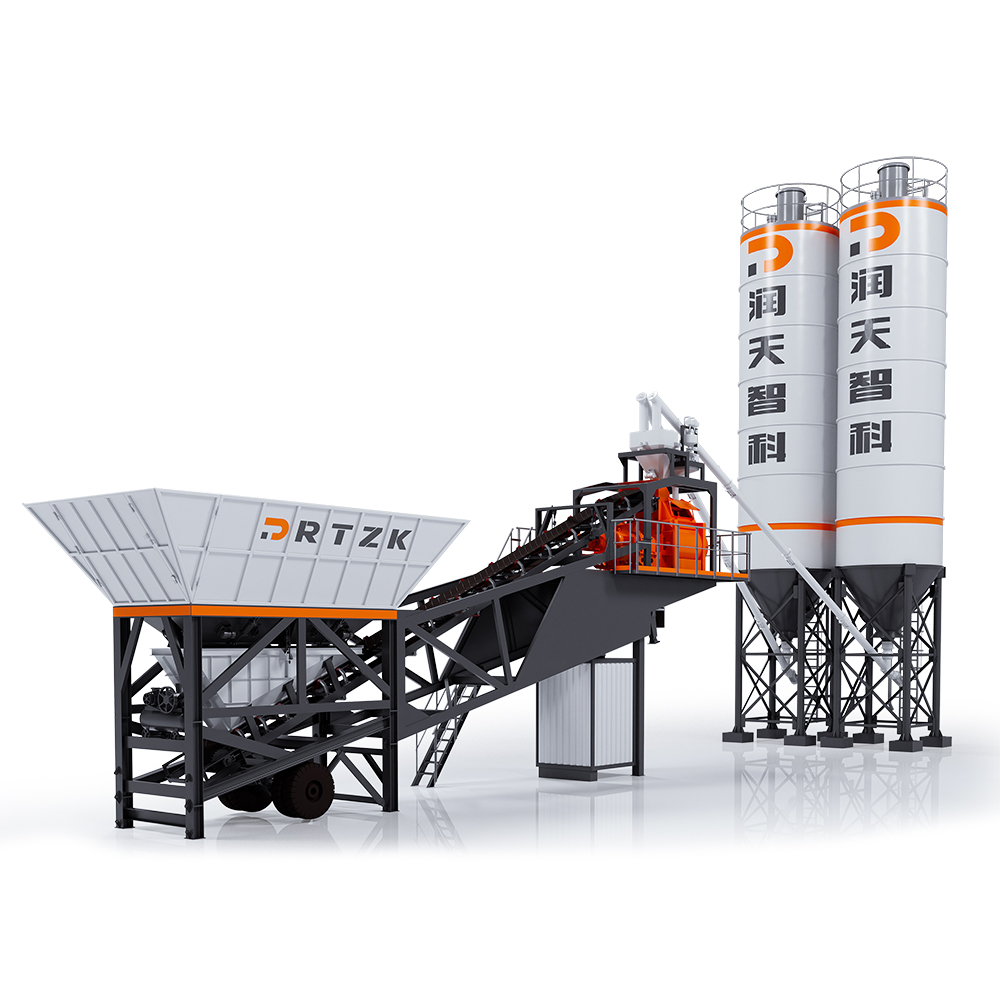 HZS Series Mobile Concrete Mixing Plant
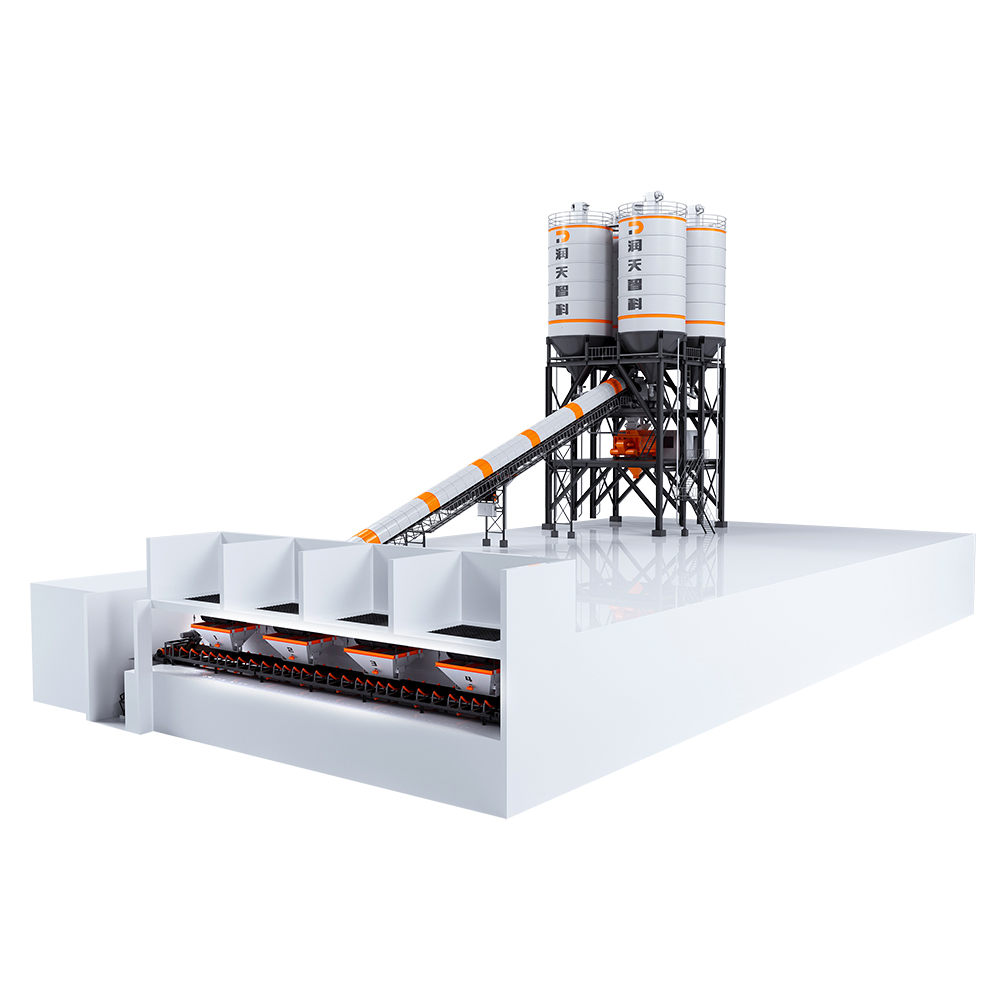 HZS Series Top-Mounted Concrete Mixing plant
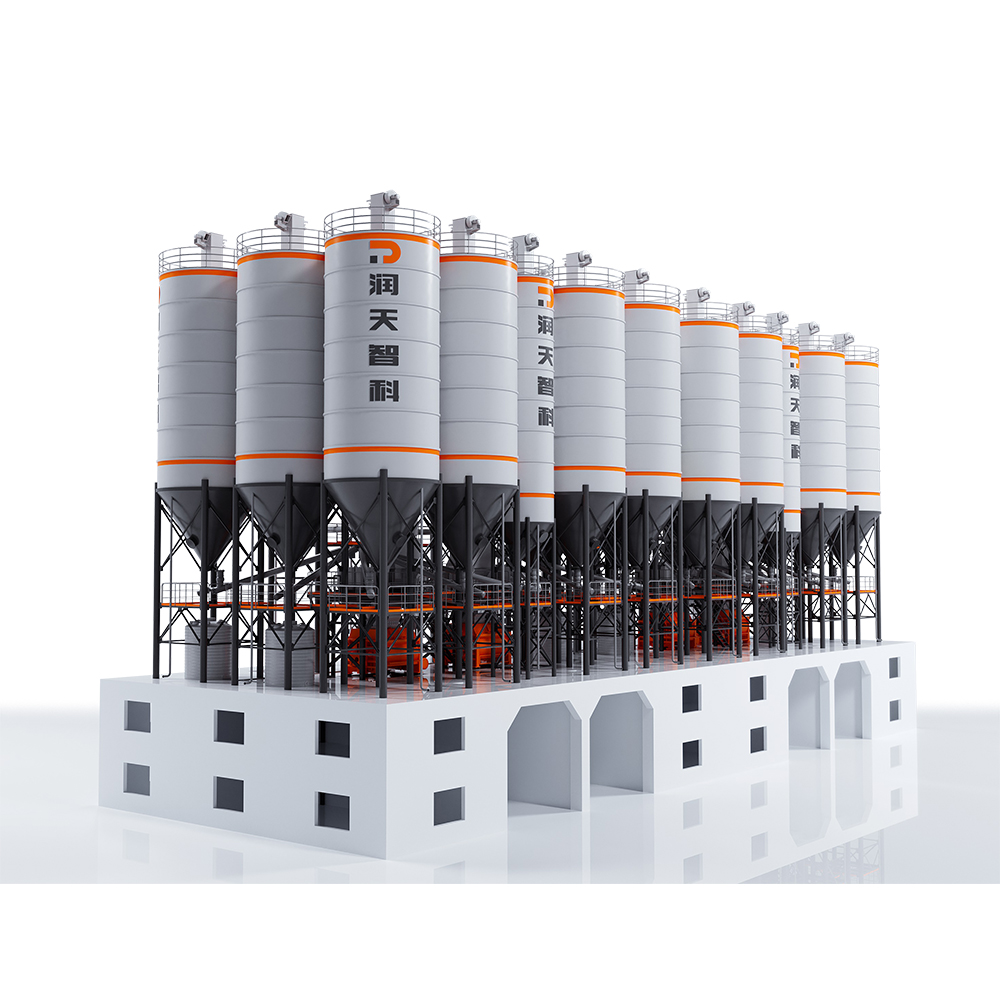 HZS Series Semi-Top Mounted Concrete Mixing Plant
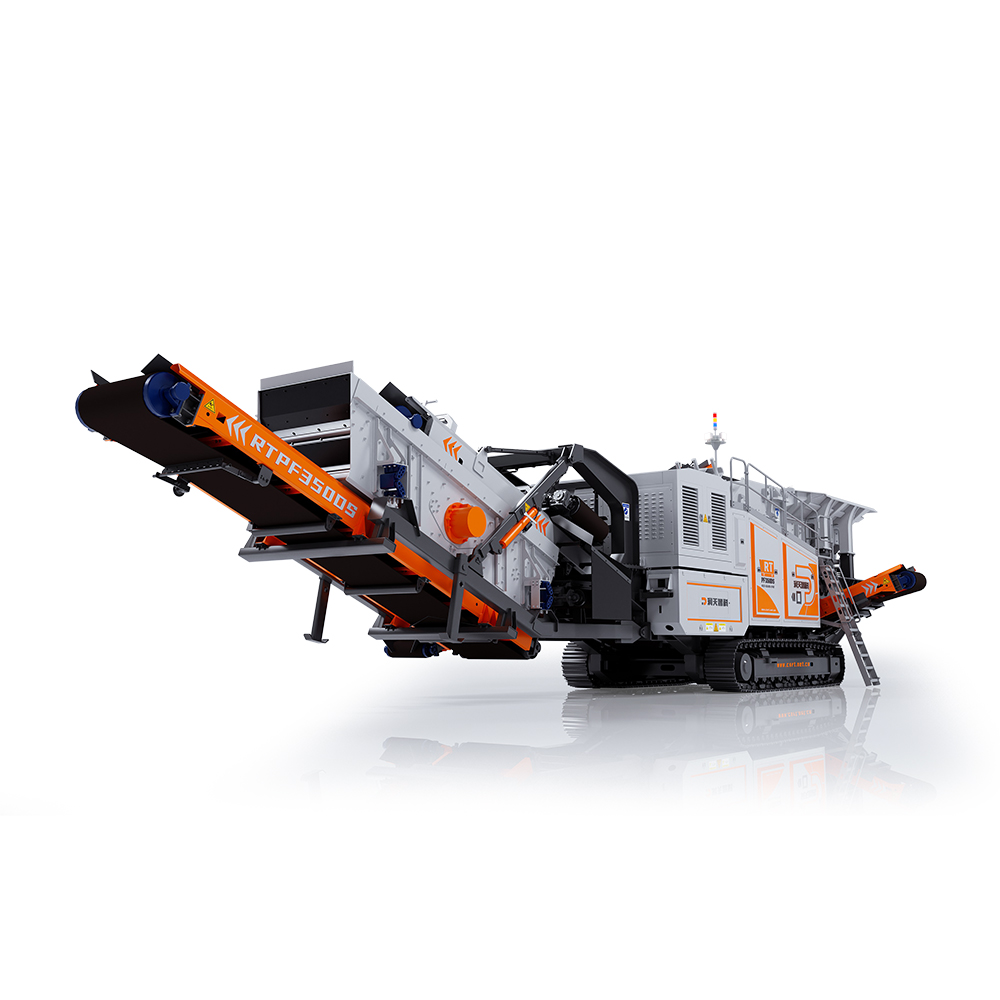 RTPF350DS Crawler Mobile Impact Crushing Plant
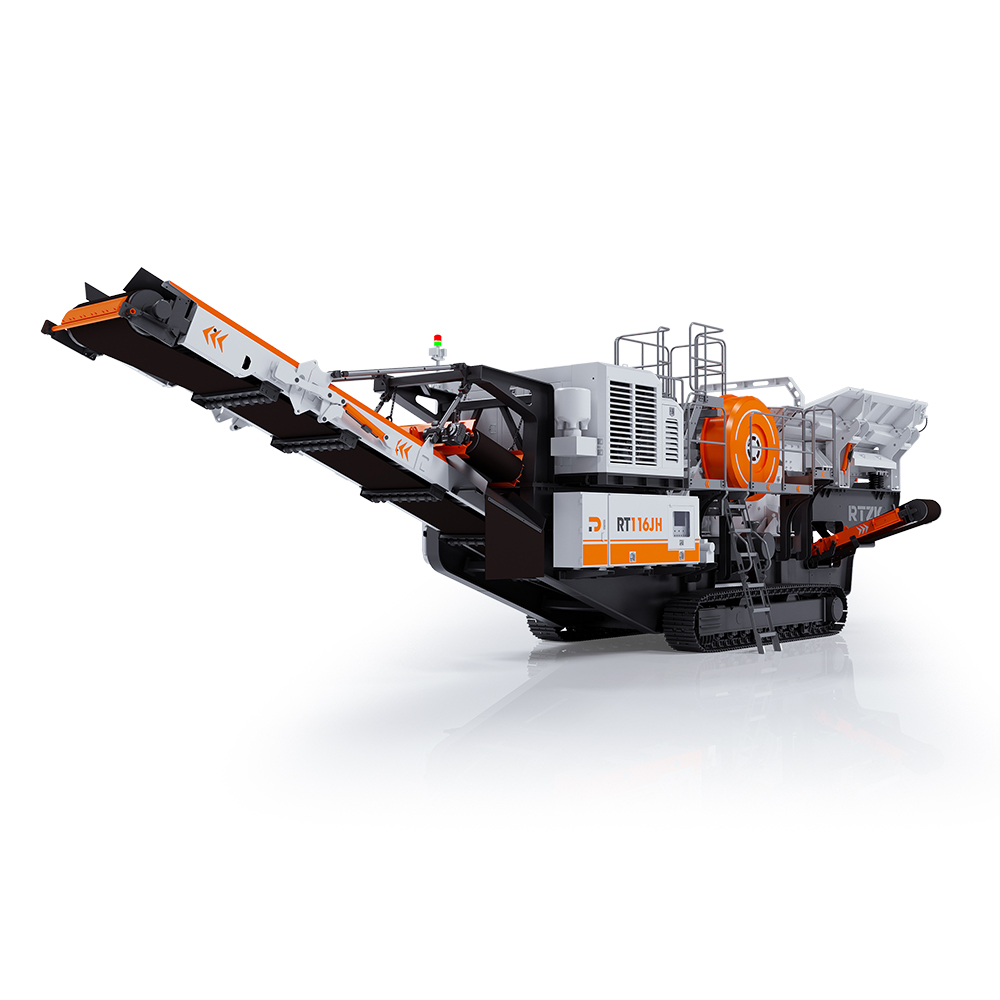 RT116JH Crawler Mobile Jaw Crushing Plant
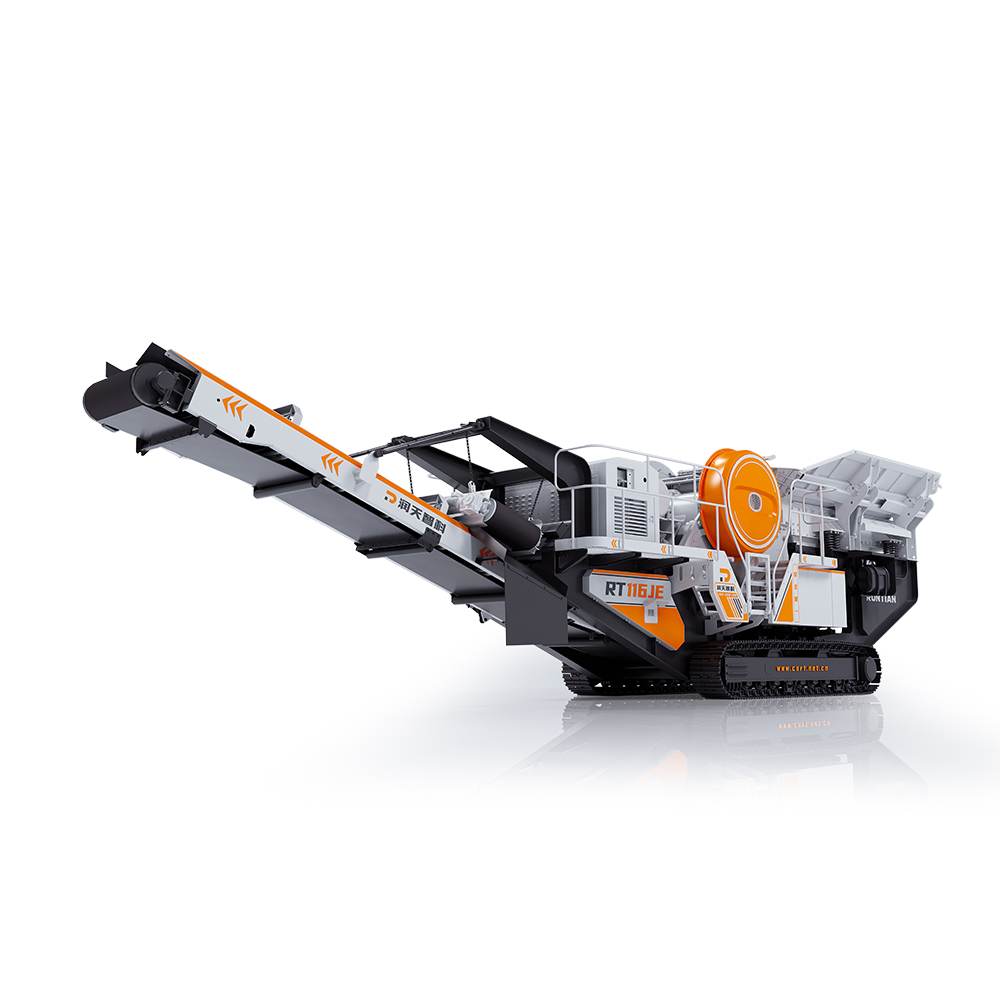 RT116JE Crawler Mobile Jaw Crushing Plant
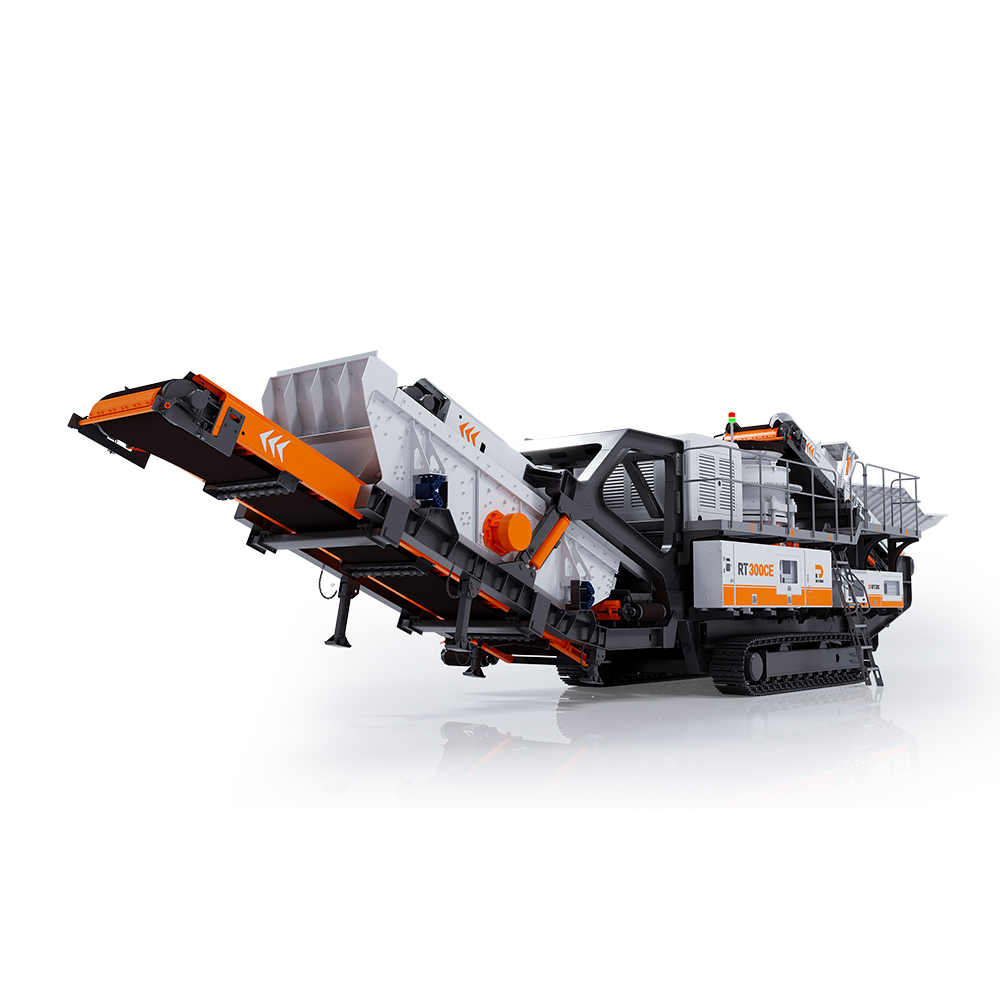 RT300CE Crawler Mobile Cone Crushing Plant
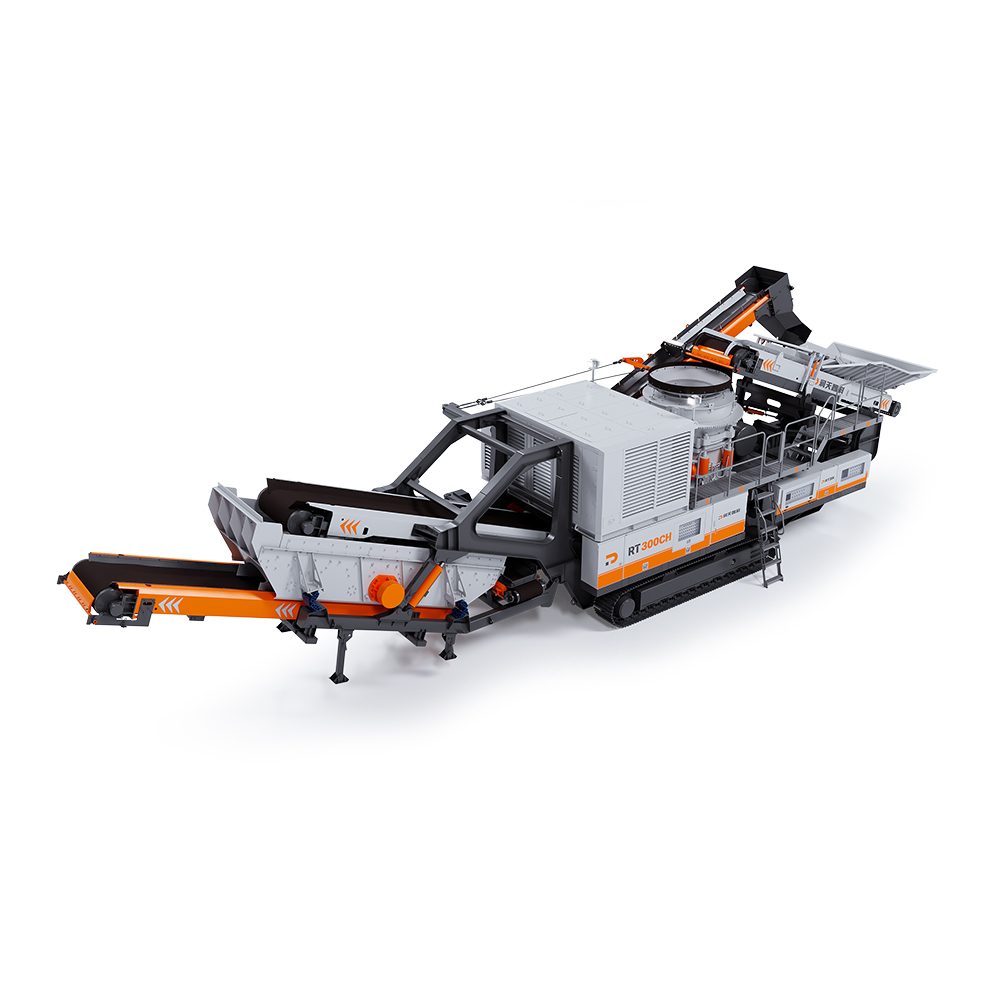 RT300CH Crawler Mobile Cone Crushing Plant
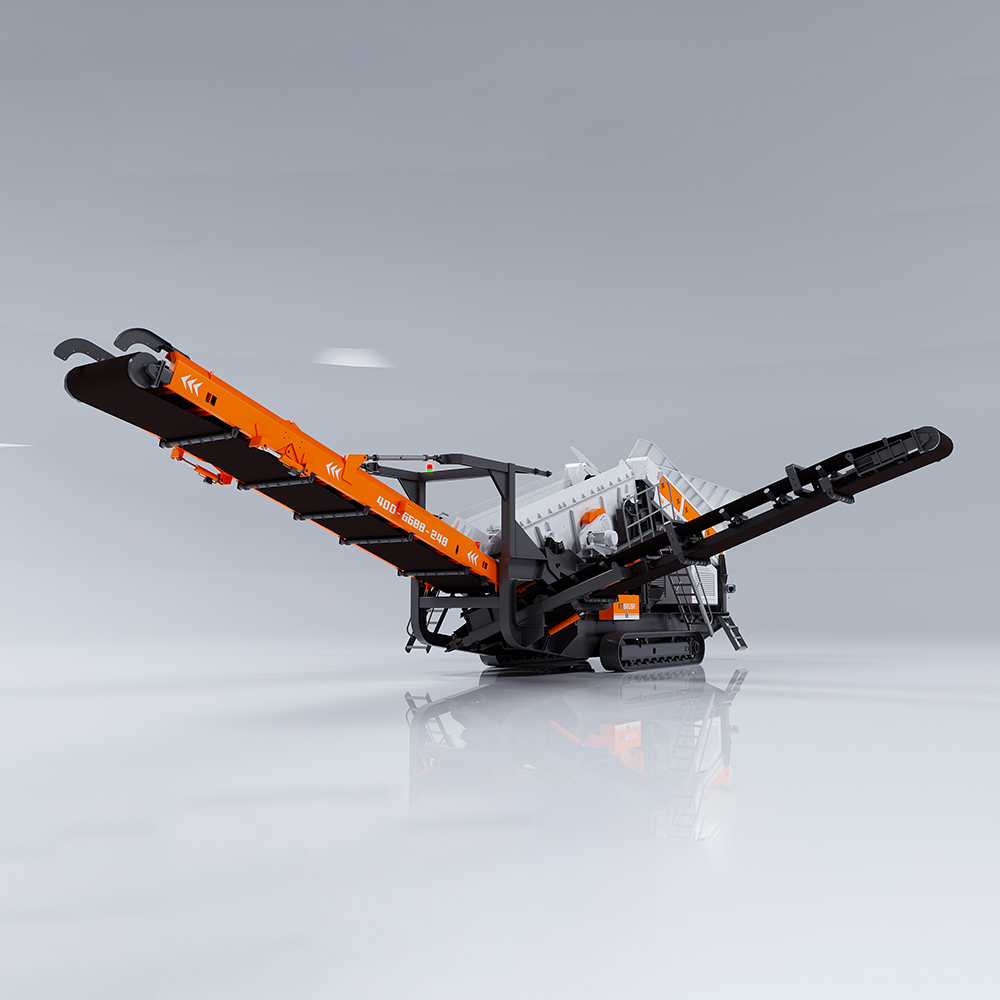 RT5015H Mobile Scalping Screen
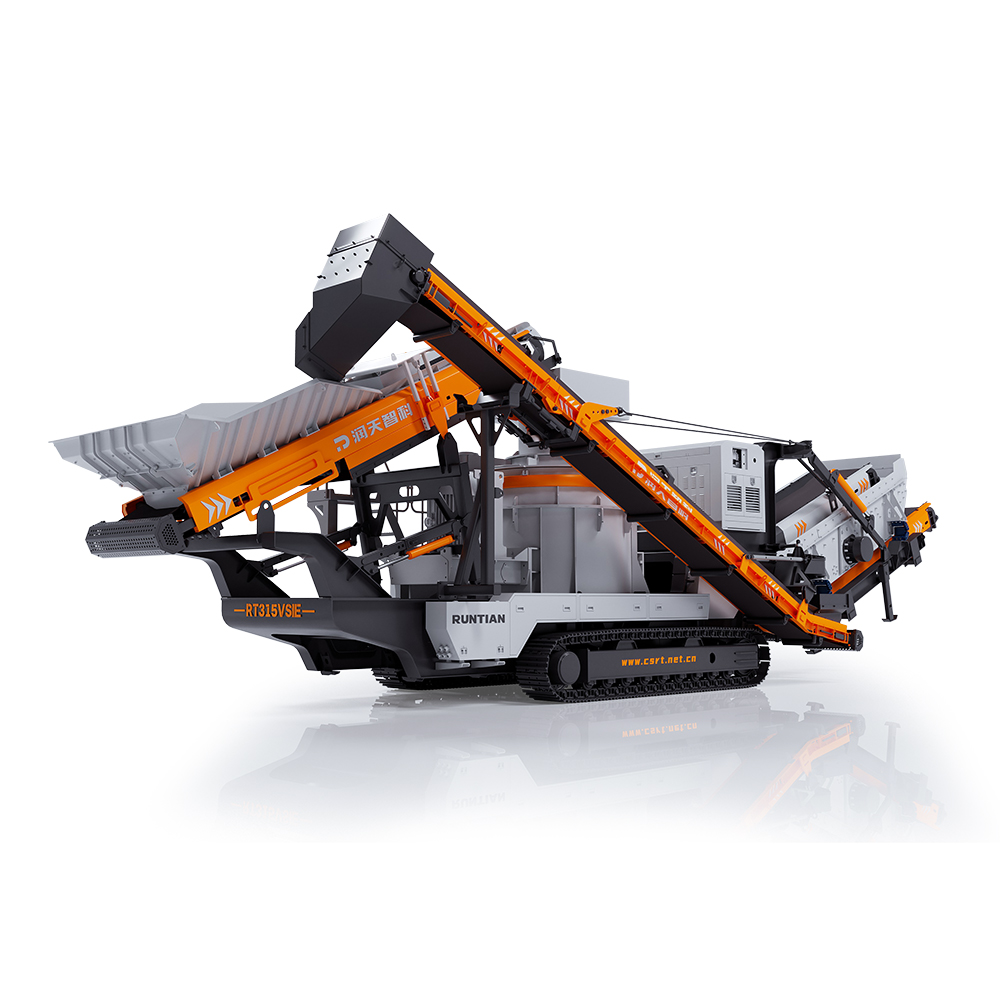 RT315VSIE Crawler Mobile Sand Maker
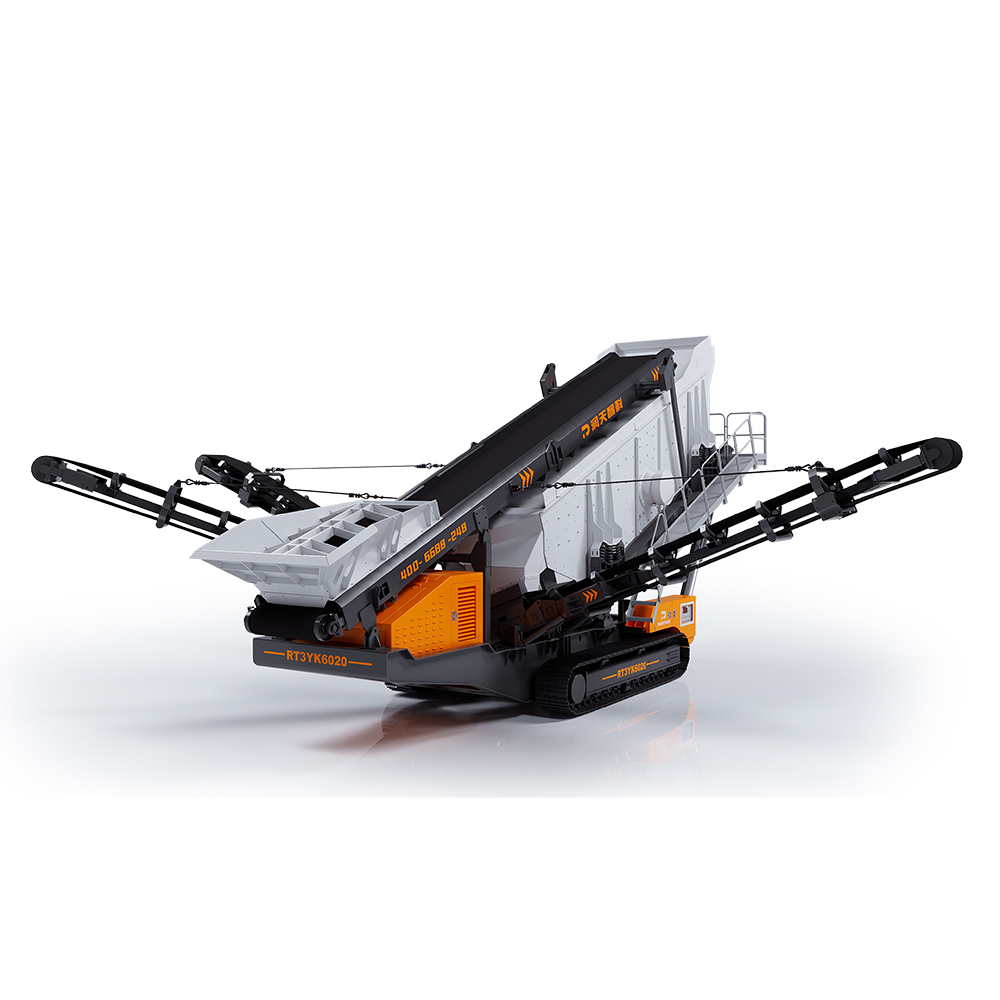 RT3YK6020 Crawler Mobile Screening Plant
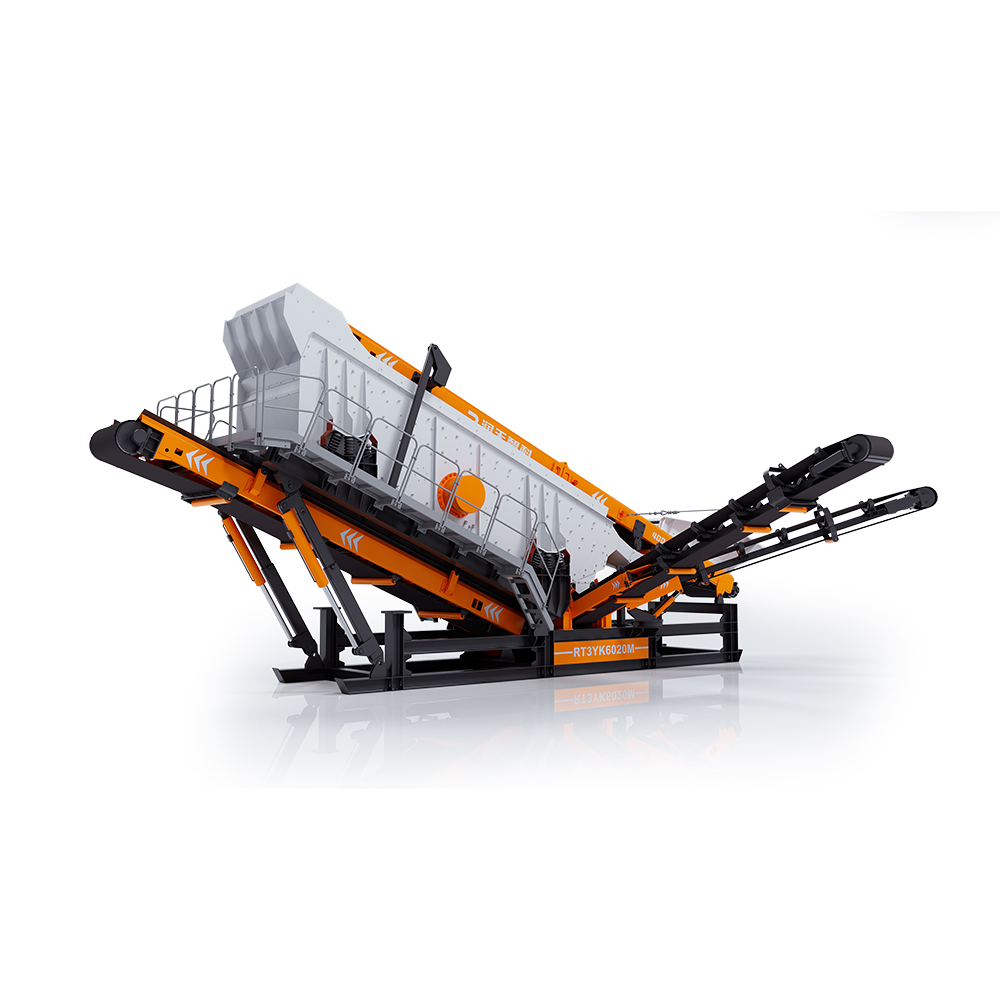 RT3YK6020M Modular Screening Plant
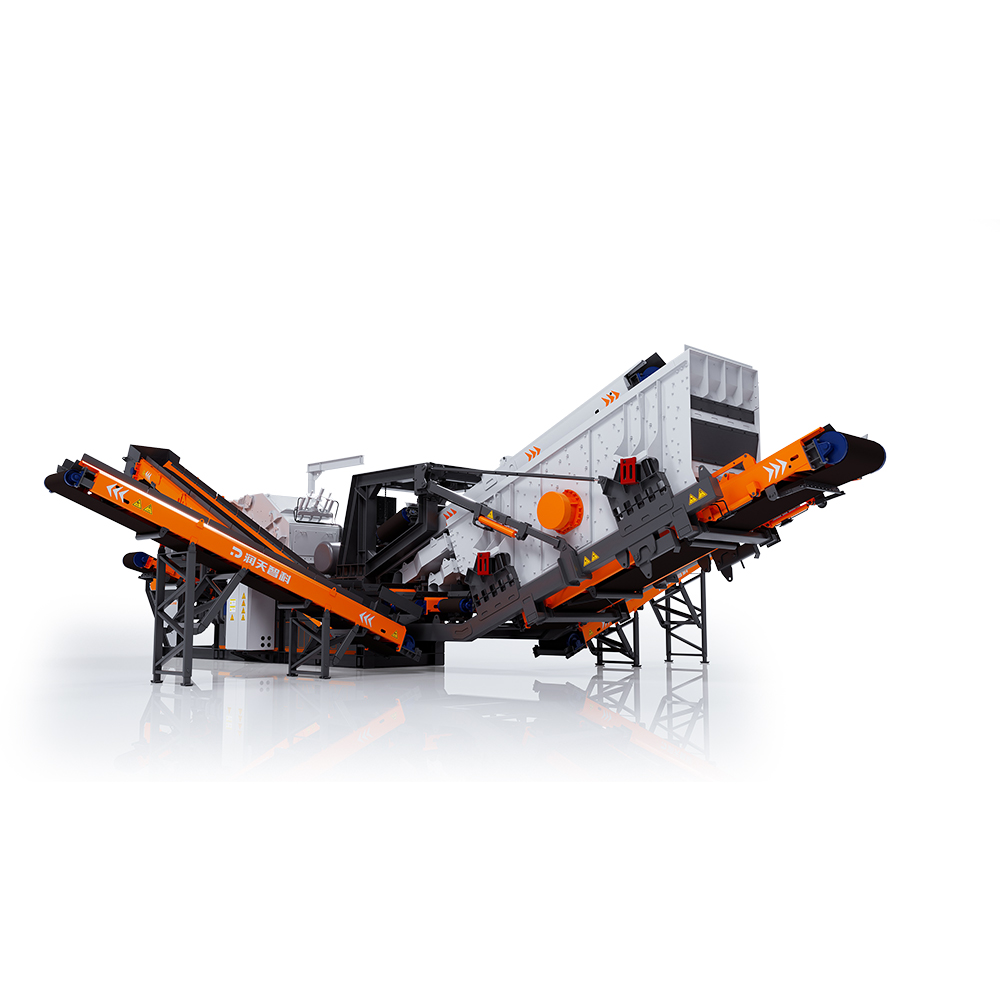 RTF260M Modular Counterattack Crushing and Screening Integrated Machine
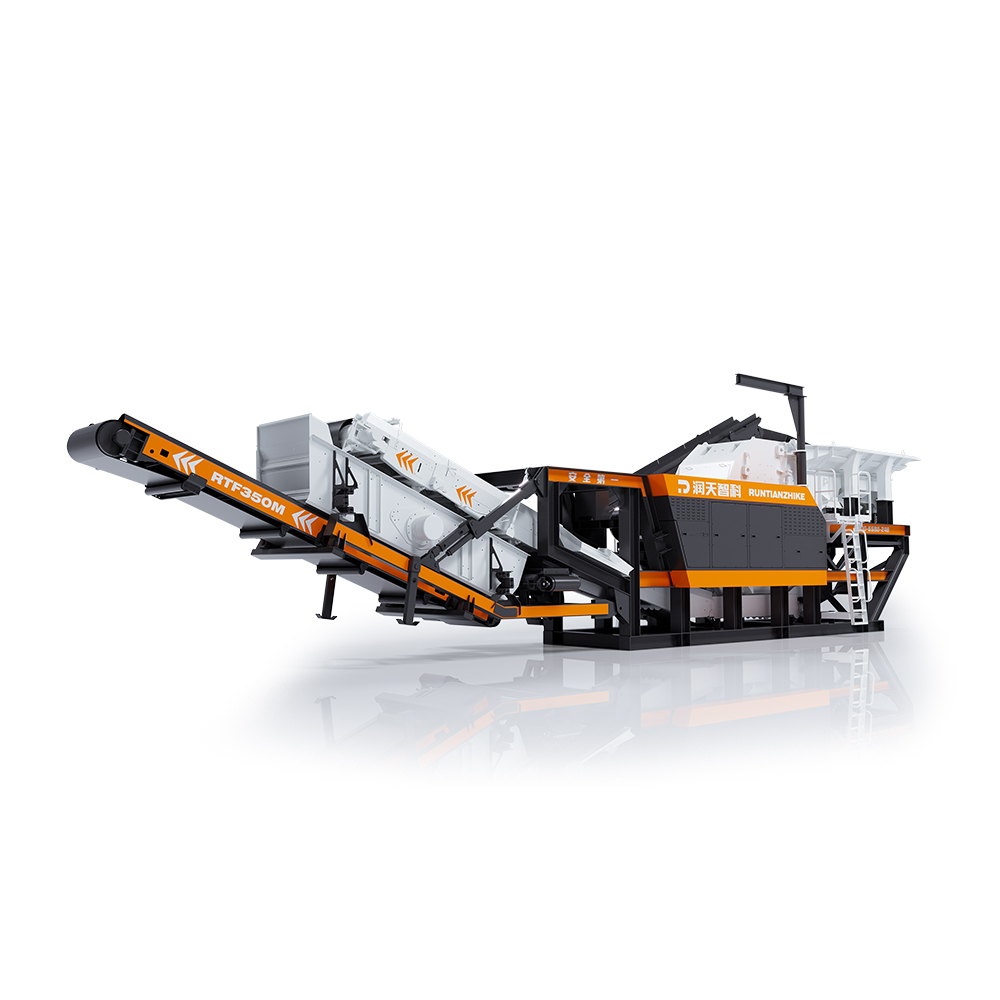 RTF350M Modular Impact Crushing Plant
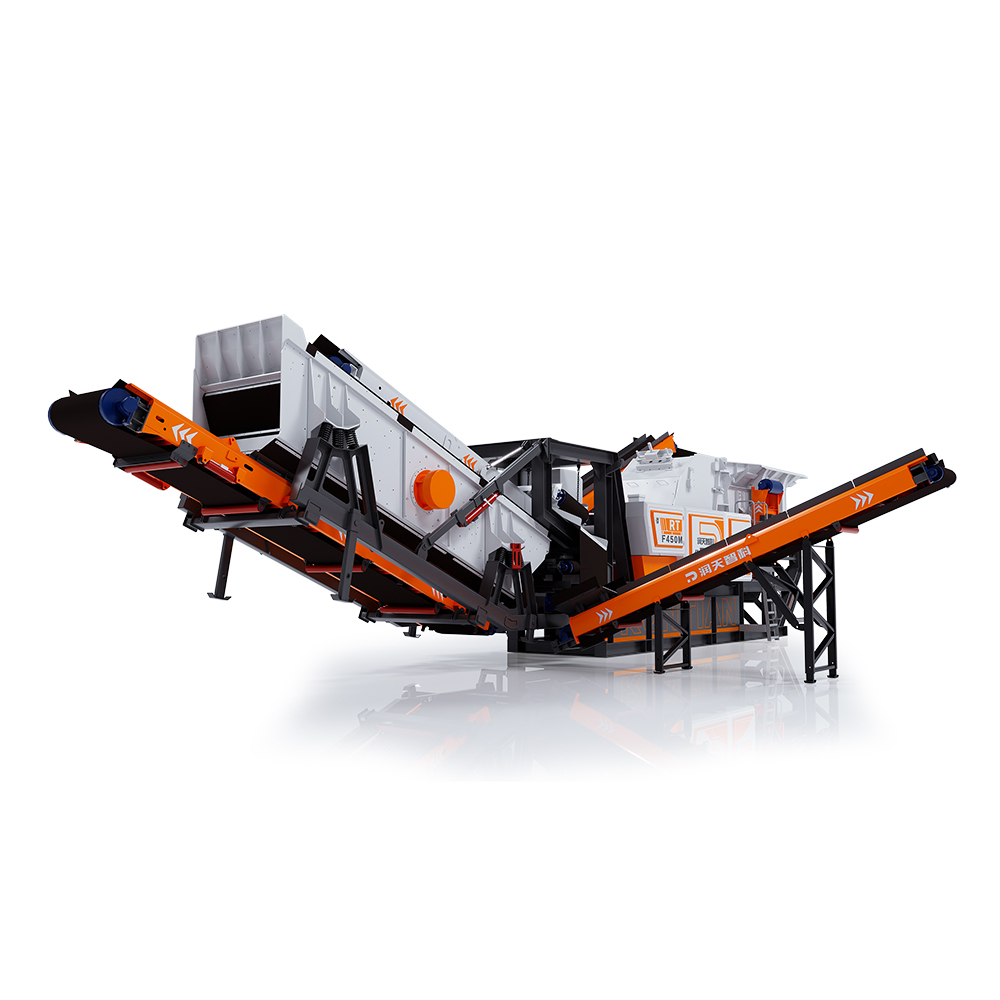 RTF450M Modular Impact Crushing Plant
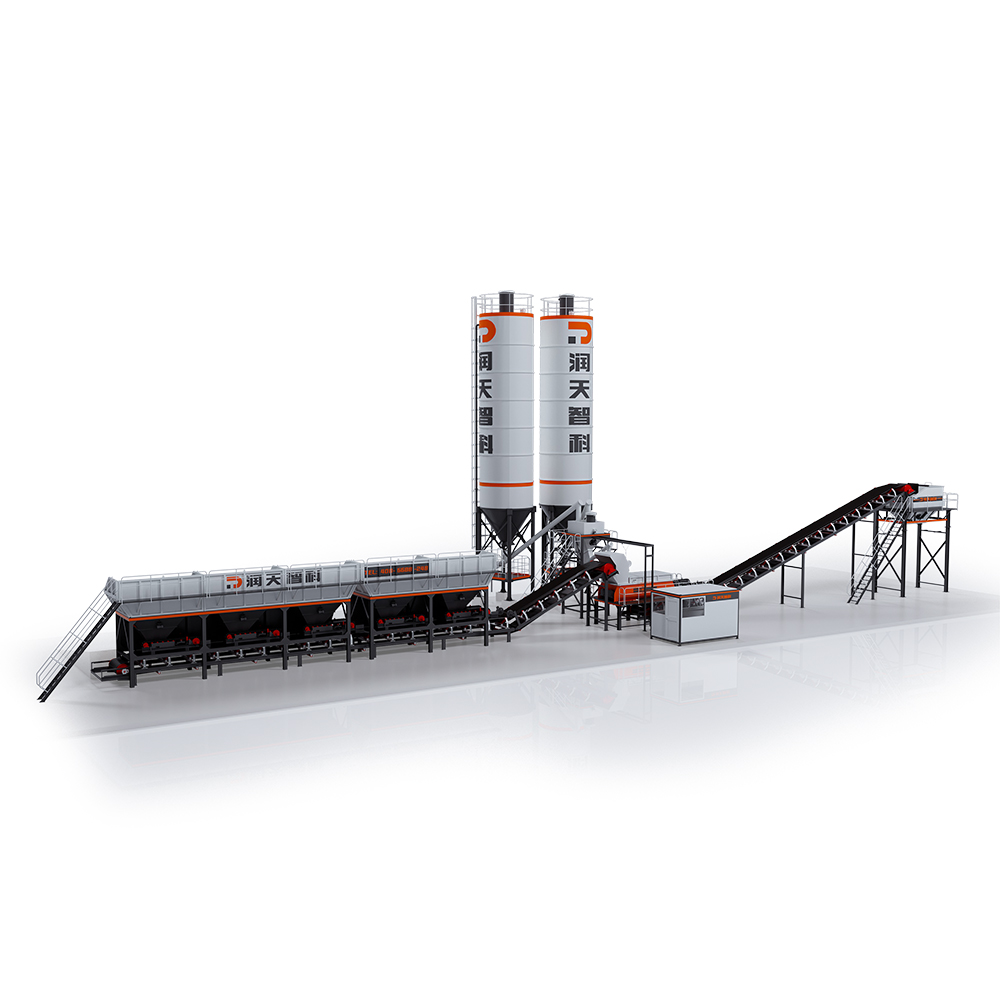 WDB Series Foundation-Free Stability Soil Mixing Plant
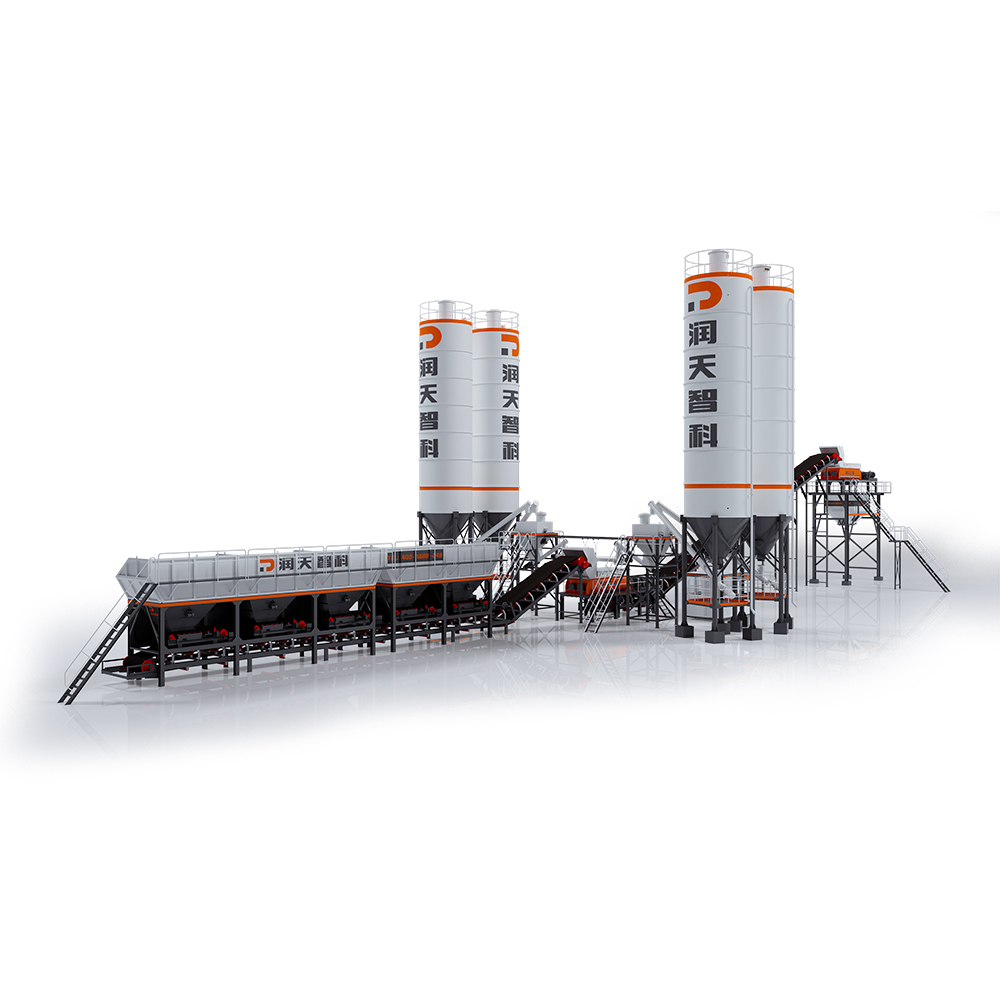 LCB Series Emulsified Asphalt Cold Regeneration Secondary Mixing Plant
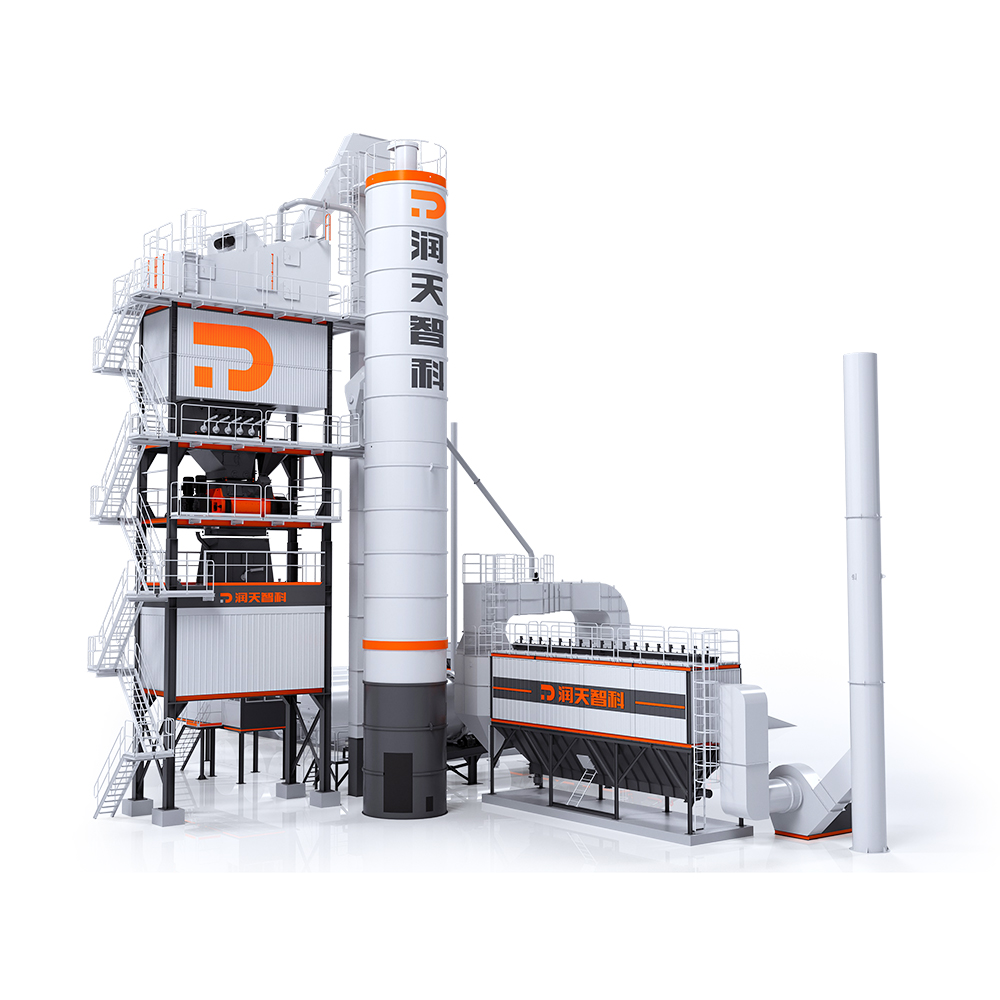 LB Series Asphalt Mixing Plant
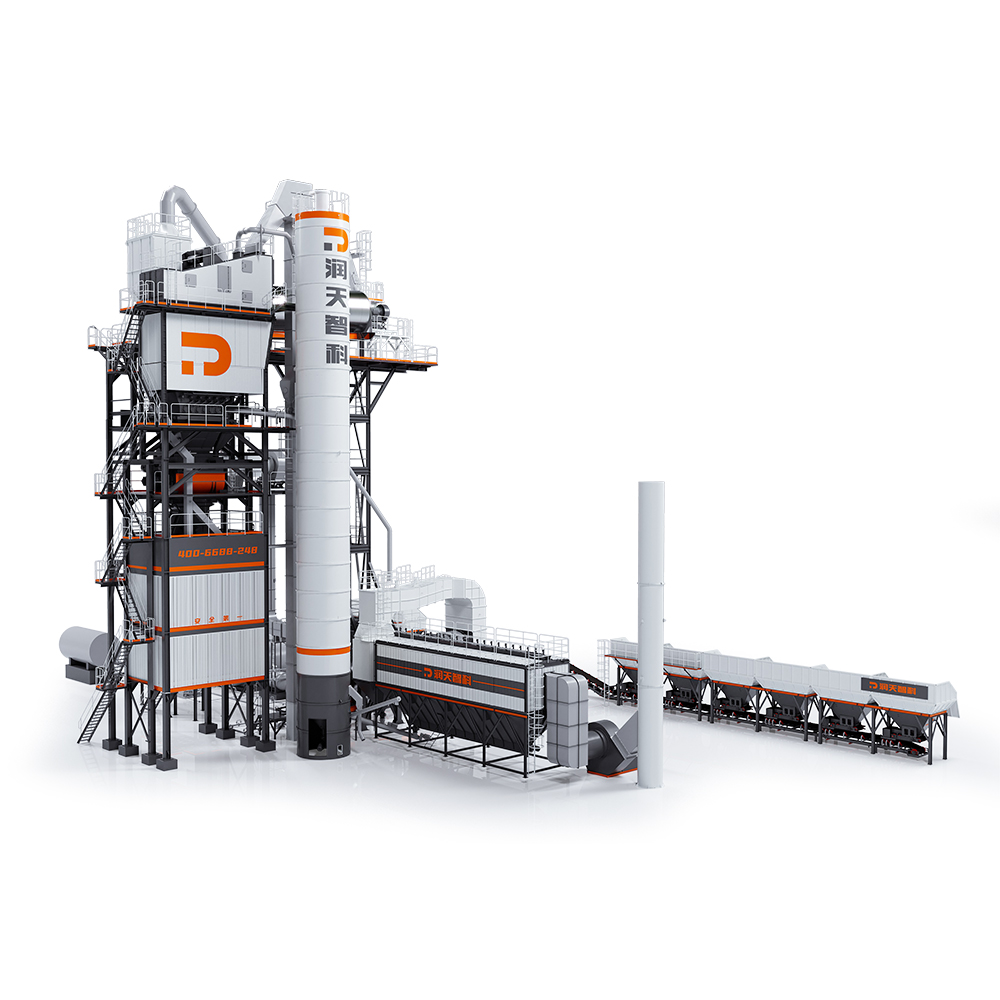 LBR Series Integrated Asphalt Mixing Plant
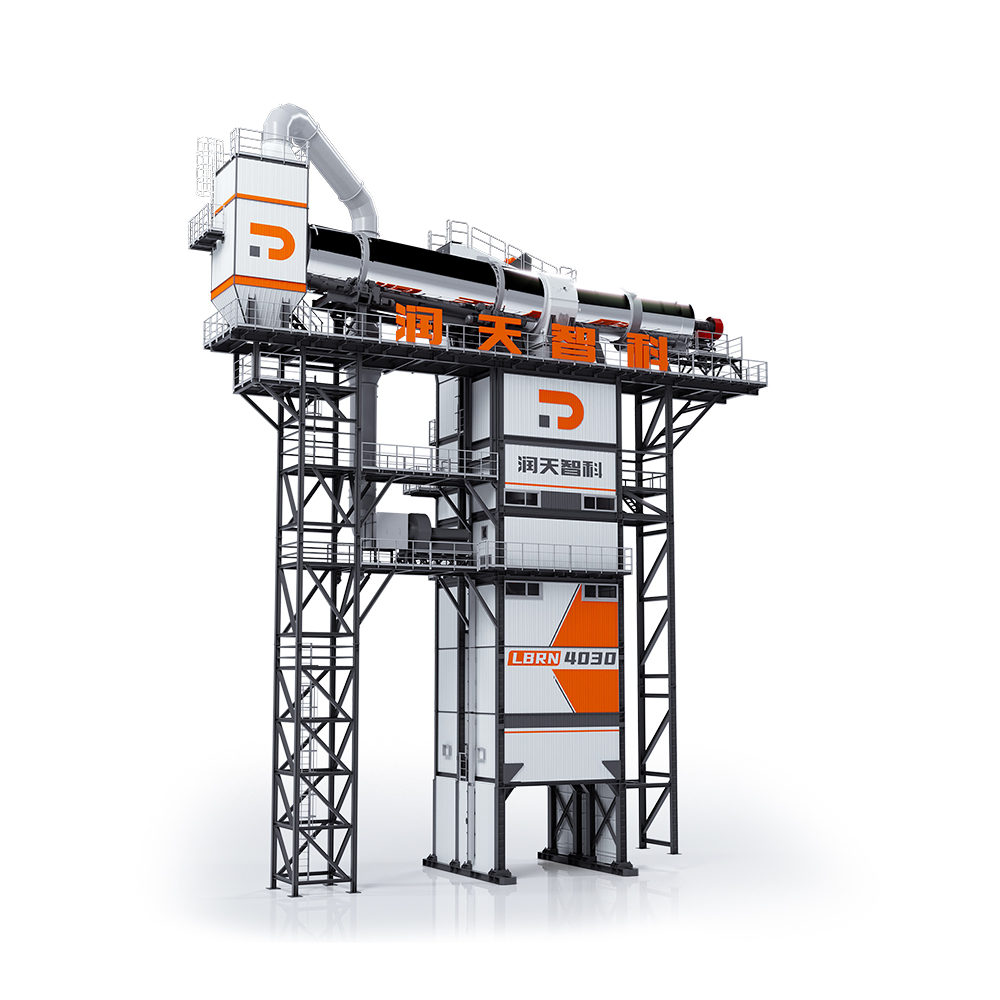 LBRN Series Counterflow Integral Asphalt Mixing Plant
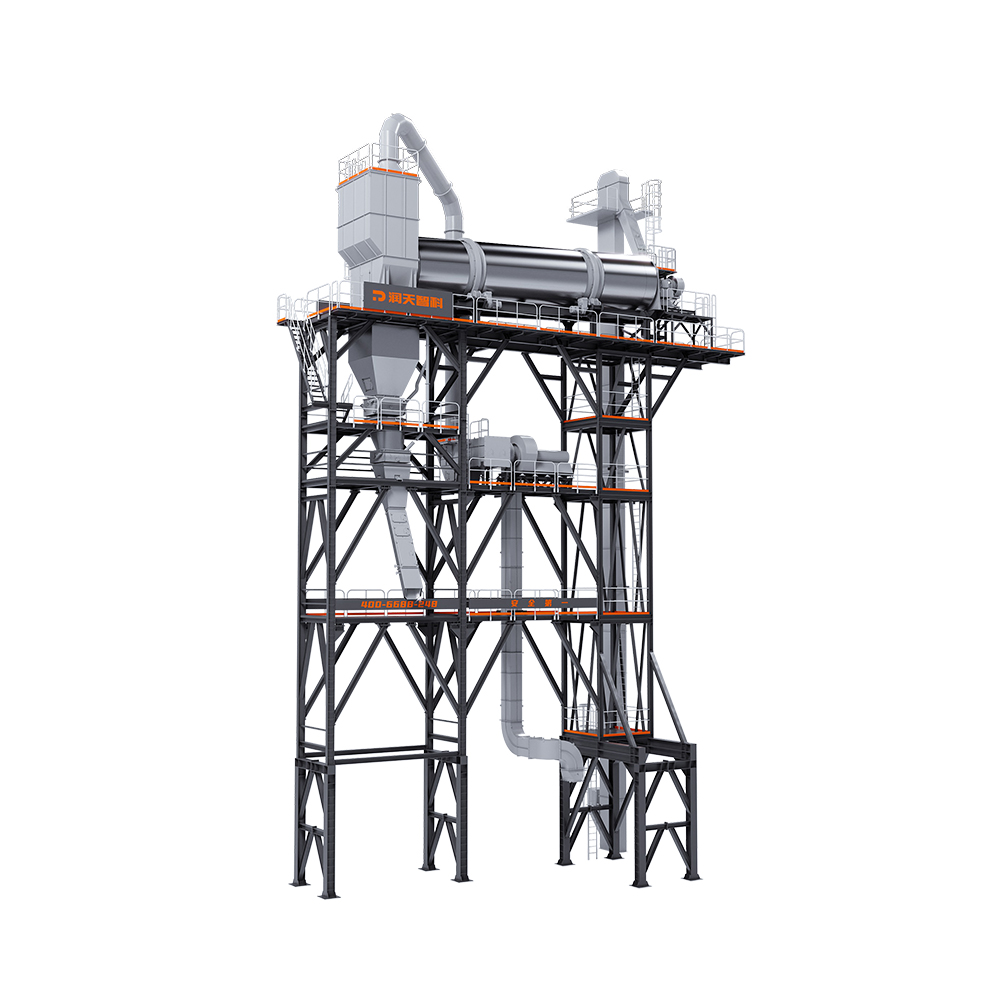 RZS Series Asphalt Mixing Plant
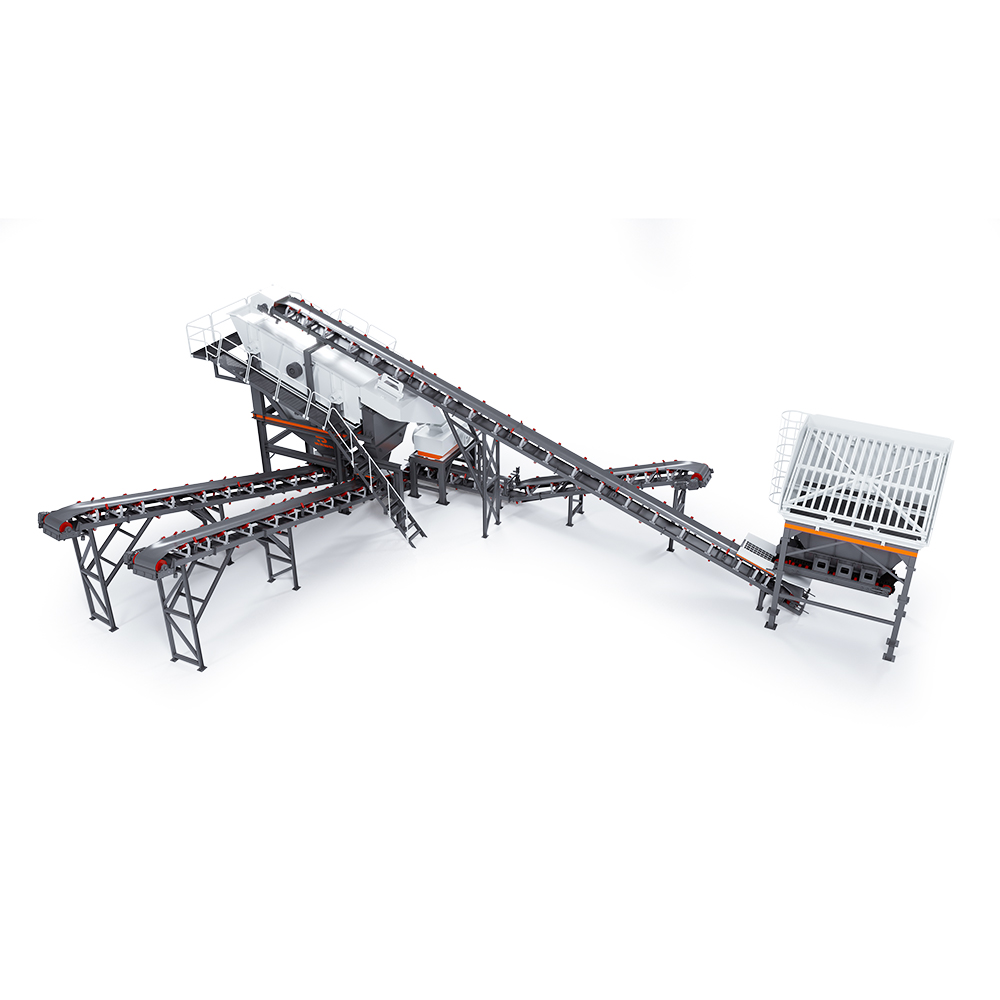 RTZS120 Series RAP Crushing & Screening Plant
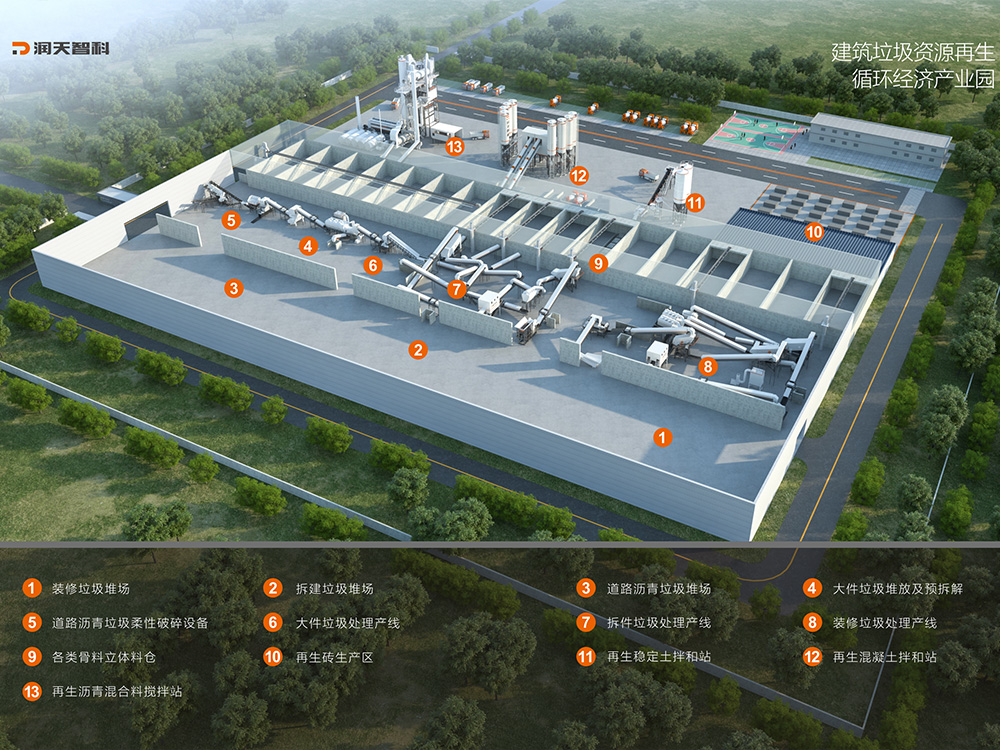 Construction Waste Resourceful Treatment Line