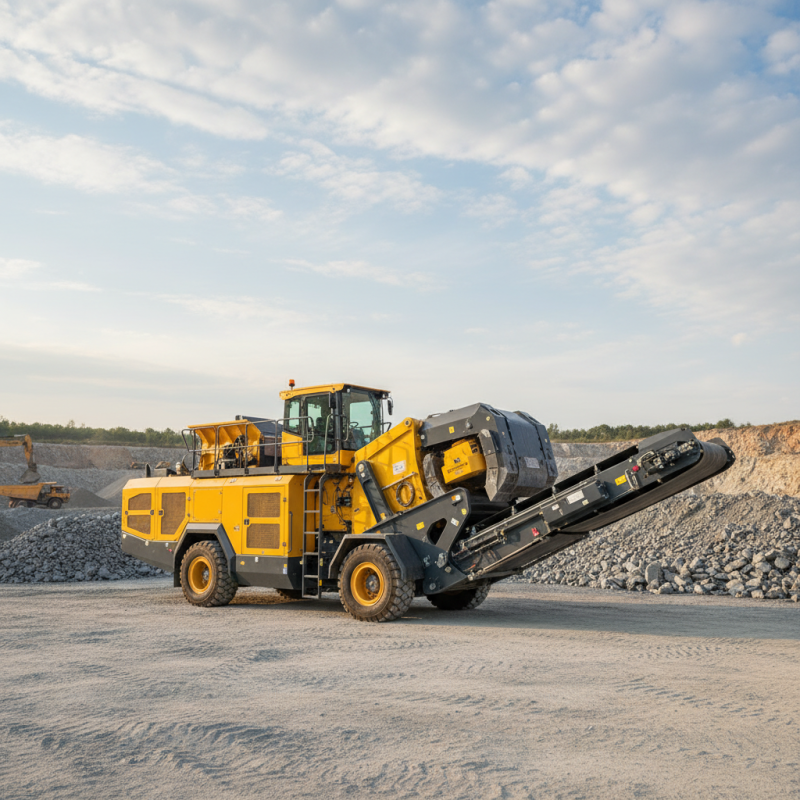
Top Tips for Choosing the Right Jaw Crusher Mobile for Your Needs?
Choosing the right Jaw Crusher Mobile can be a daunting task. With so many options available, it’s easy to feel overwhelmed. Mistakes can happen, and not doing proper research might lead to purchasing an unsuitable model.
Consider your operational needs carefully. The size, capacity, and purpose of your projects should guide your choice. Look into specific features that you might need. For instance, crushing efficiency and mobility are key factors.
Always remember that the right equipment can greatly impact productivity. Investing time in understanding different models pays off. A well-informed decision can save money and time in the long run. Reflect on your choices and don’t rush the process.
Understanding the Different Types of Mobile Jaw Crushers Available in the Market
When selecting a mobile jaw crusher, it’s crucial to understand the different types available. Portable models are very versatile. They can be easily moved between sites. These units are perfect for projects requiring high mobility. Consider what materials you will be processing. Some crushers excel with hard rocks, while others handle softer materials better.
Another category is tracked jaw crushers. These are perfect for rugged terrains. They offer stability and can work on uneven surfaces. Their ability to crush large volumes of material is impressive. Some users find them harder to transport, which may lead to logistical challenges. Understanding the weight and size restrictions of your site can prevent headaches later.
Additionally, hybrid designs are gaining attention. They combine electric and diesel-powered options. This can reduce fuel costs, but may require more maintenance. Think about these factors when making your choice. Consider your workload and future growth. Investing in the right mobile jaw crusher can lead to better efficiency and productivity. Be careful, as choosing the wrong type can lead to operational inefficiencies.
Key Performance Indicators to Evaluate When Selecting a Jaw Crusher Mobile
When selecting a mobile jaw crusher, several key performance indicators are crucial to consider. The crushability of different materials significantly impacts performance. For instance, softer materials may require less power, while harder rock demands more energy and stronger components. It's essential to assess the working hardness of your material. This basic knowledge can lead to better equipment choices.
Another important factor is the output size and capacity. Determine the ideal size for your projects. Mobile jaw crushers vary in their output capabilities. Some may process several tons per hour, while others offer less. It’s vital to match these details with your operational needs. Keep in mind that choosing a unit too powerful can lead to unnecessary expenses.
Mobility and ease of transport are also significant. If your worksite changes frequently, having a lightweight model can save time and resources. However, more compact units may compromise power. Reflect on your specific requirements and weigh the pros and cons. Finding a balance between power, size, and transportability can be challenging. It requires careful consideration of your operational workflow.
Top Tips for Choosing the Right Jaw Crusher Mobile for Your Needs
| Key Performance Indicator |
Description |
Importance Level |
Recommended Value |
| Throughput |
The amount of material processed per hour |
High |
50-250 tons/hour |
| Reduction Ratio |
The ratio of the size of the feed to the size of the output |
Medium |
5:1 to 10:1 |
| Power Consumption |
Energy required to operate the crusher |
High |
150-400 kW |
| Mobility |
Ease of transport and setup |
Medium |
Trailer-mounted or tracked |
| Durability |
Resistance to wear and tear |
High |
Over 10,000 operating hours |
Factors Influencing the Size and Capacity of a Mobile Jaw Crusher
When selecting a mobile jaw crusher, size and capacity are key factors. The size of the crusher affects its mobility and how effectively it can be transported. A smaller model may be more portable, making it easier to move between job sites. However, larger units often provide greater crushing power and capacity. It's a balancing act, and you may need to consider the environment where it will operate.
Screening capability also matters. A mobile jaw crusher's output depends on the material and size of the feed. For instance, dealing with large rock requires a bigger crusher. Conversely, for finer material, a smaller size might suffice. Sometimes, operators underestimate the importance of the desired output. It’s crucial to match the crusher with application needs. Oversized machinery can lead to inefficiencies, while too small a unit can cause processing delays.
Additionally, consider the power source. Diesel-powered units offer mobility but may limit output. Electric models can provide consistent power but can restrict where you can use the machine. Each option has its merits and drawbacks. Reflect on your specific requirements before making decisions. A hasty choice may result in needless costs. It's better to invest time in assessing what truly fits your needs.
Analyzing the Importance of Crusher Material and Durability Standards
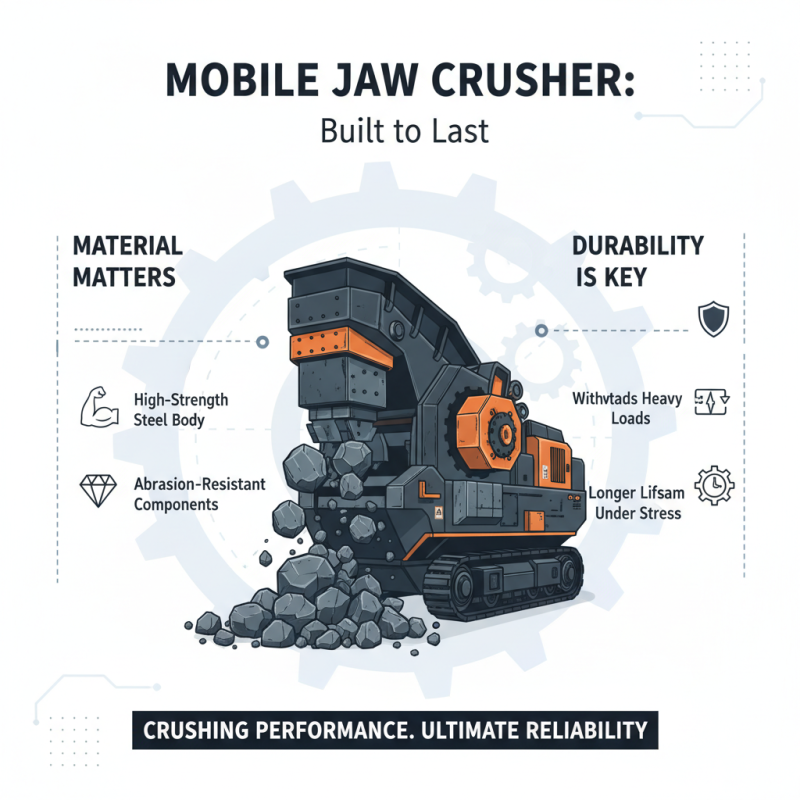
When choosing a mobile jaw crusher, material and durability are critical. The crusher must withstand heavy loads. It will encounter abrasive materials like rocks and metals. Selecting high-quality materials for the crusher body is essential. Steel grades vary significantly in strength and resilience. Look for crushers with durable components that can last longer under stress.
Correctly analyzing existing standards is also necessary. Many manufacturers claim high durability, but not all meet those standards. Third-party testing can provide valuable insights. Often, cheaper models cut corners, compromising safety. This choice may lead to frequent repairs or replacements. Reflecting on maintenance costs versus initial investment can shift your perspective. Choosing wisely today can save money in the long run.
Additional considerations include mobility and efficiency. Does the crusher fit your operational scale? Always verify whether it can adapt as your project evolves. A perfect choice may not exist, but a well-informed selection can guide you. Be ready to evaluate trade-offs between cost, durability, and performance. Making a choice requires careful thought and consideration of many factors.
Cost-Benefit Analysis: Balancing Price vs. Performance in Jaw Crushers
When choosing a jaw crusher mobile, a cost-benefit analysis is crucial.
Price and performance often clash, making it difficult to find the right balance. Industry data indicates that a
well-performing unit might have a higher upfront cost but can save money in the long run through
increased efficiency and lower operational costs. A report from Market Research Future
suggests that the demand for mobile crushers is expected to grow by over 5% annually,
emphasizing their importance in various sectors.
Consider factors like production capacity and durability.
A higher-capacity model could seem costly, but if it reduces downtime, it’s a worthy investment. Check the operational costs too.
Reports show that fuel consumption can significantly impact the total expenditure. Aim for models that optimize fuel efficiency.
Here are some tips. Always assess your project needs first. Analyze the materials
you'll be crushing. Look for reviews and performance data. Don’t ignore maintenance costs; neglecting this can lead to unexpected expenses.
Lastly, seek advice from industry professionals to avoid common pitfalls.
Choosing a jaw crusher mobile is more than just picking a price; it's about weighing long-term impacts.

 Concrete Mixing Plant
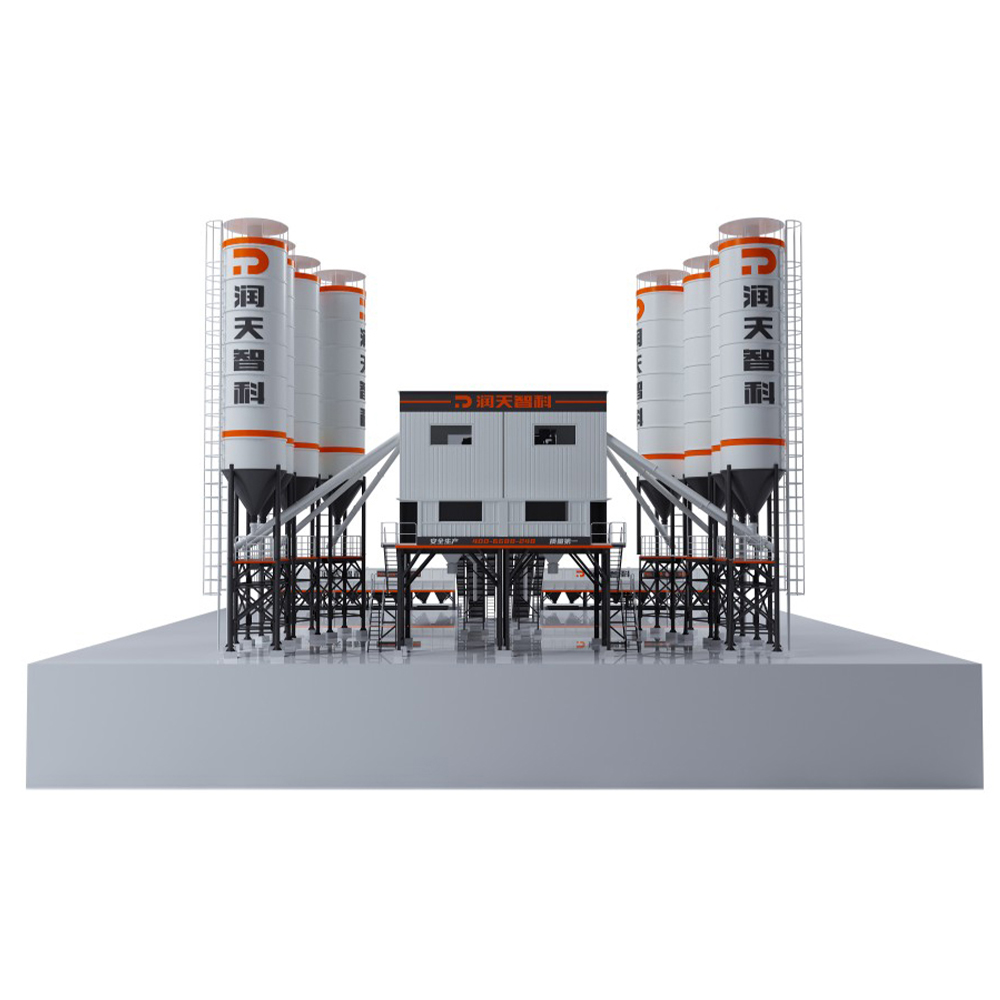 HZS Series Belt Concrete Mixing Plant
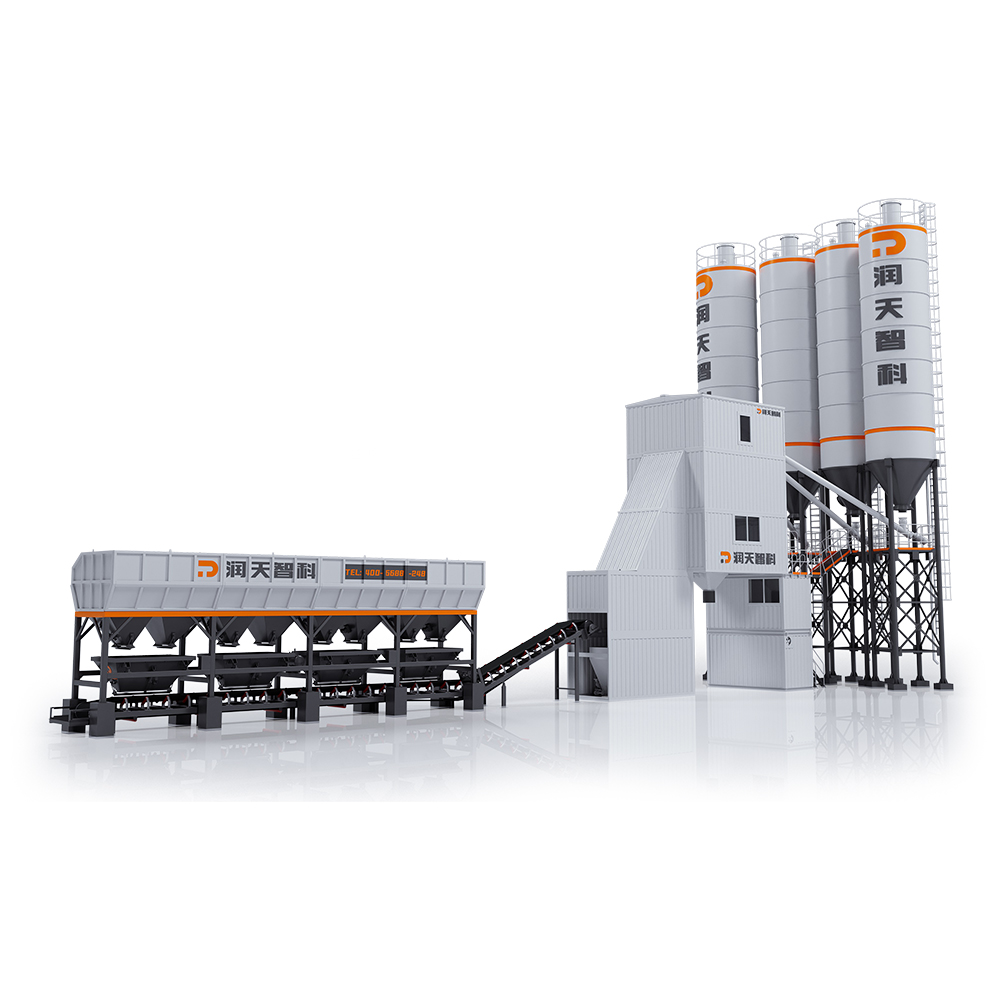 HZS Series Bucket-Lifting Type Container Concrete Mixing Plant
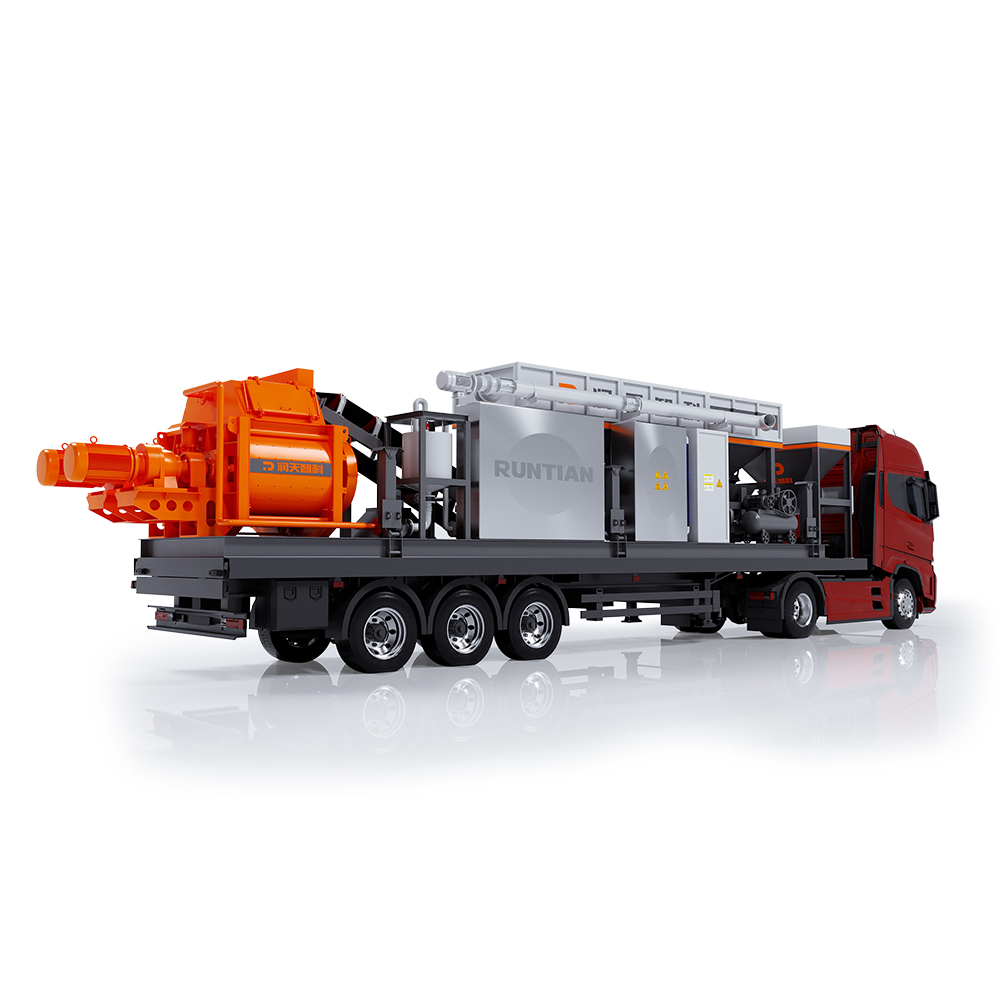 HZS60 Mobile Concrete Mixing Plant
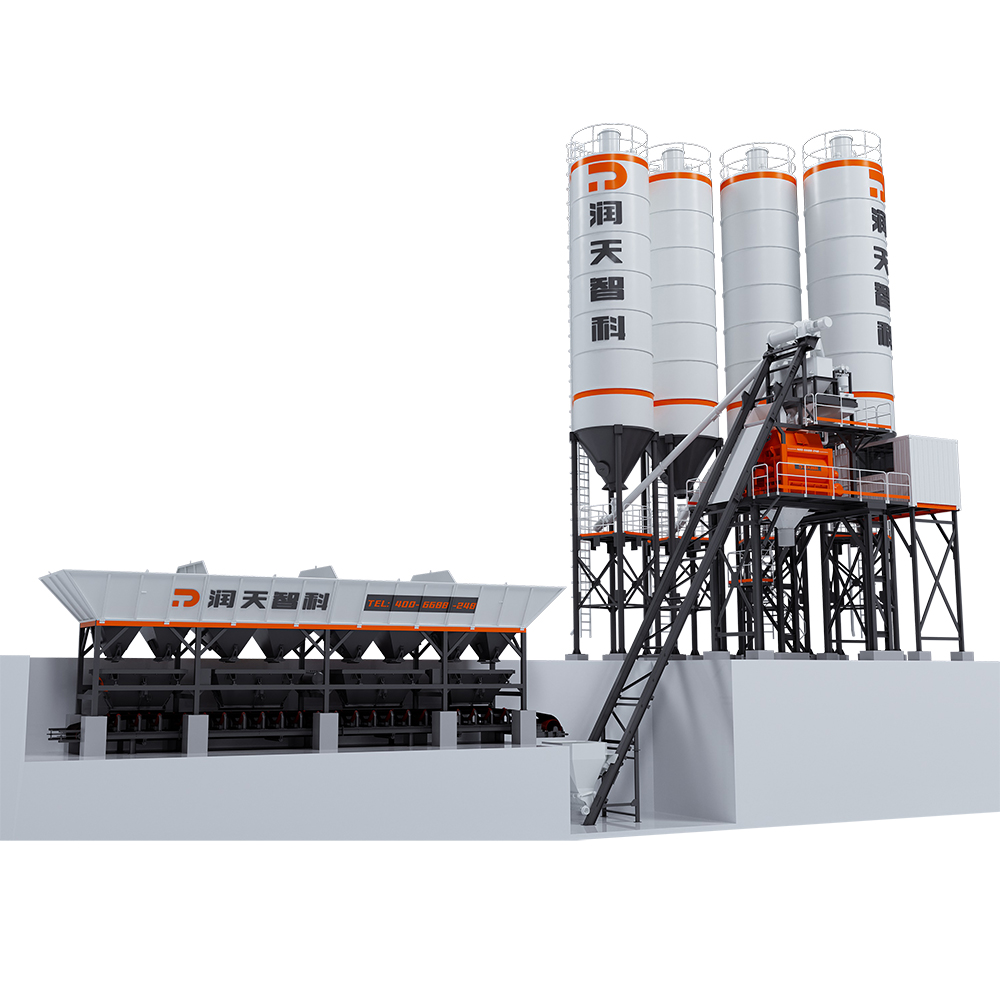 HZS Series Bucket-Lifting Type Concrete Mixing Plant
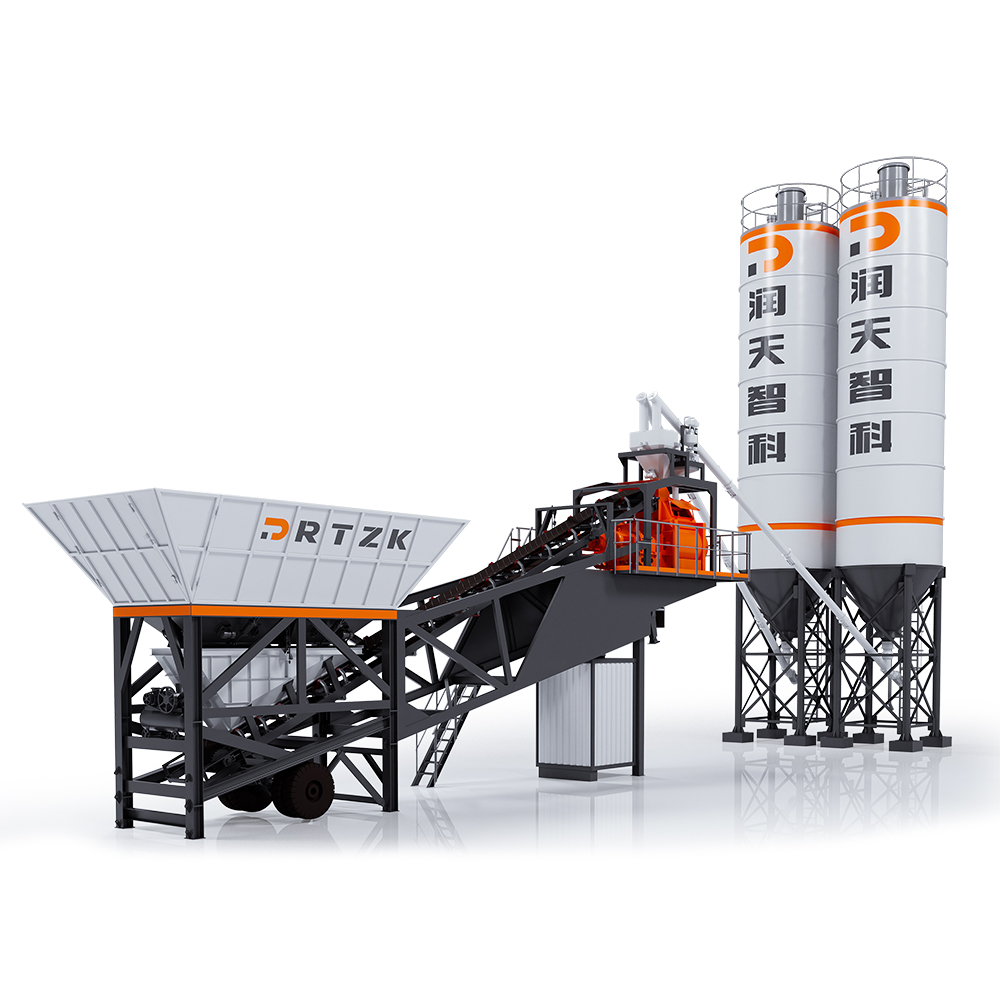 HZS Series Mobile Concrete Mixing Plant
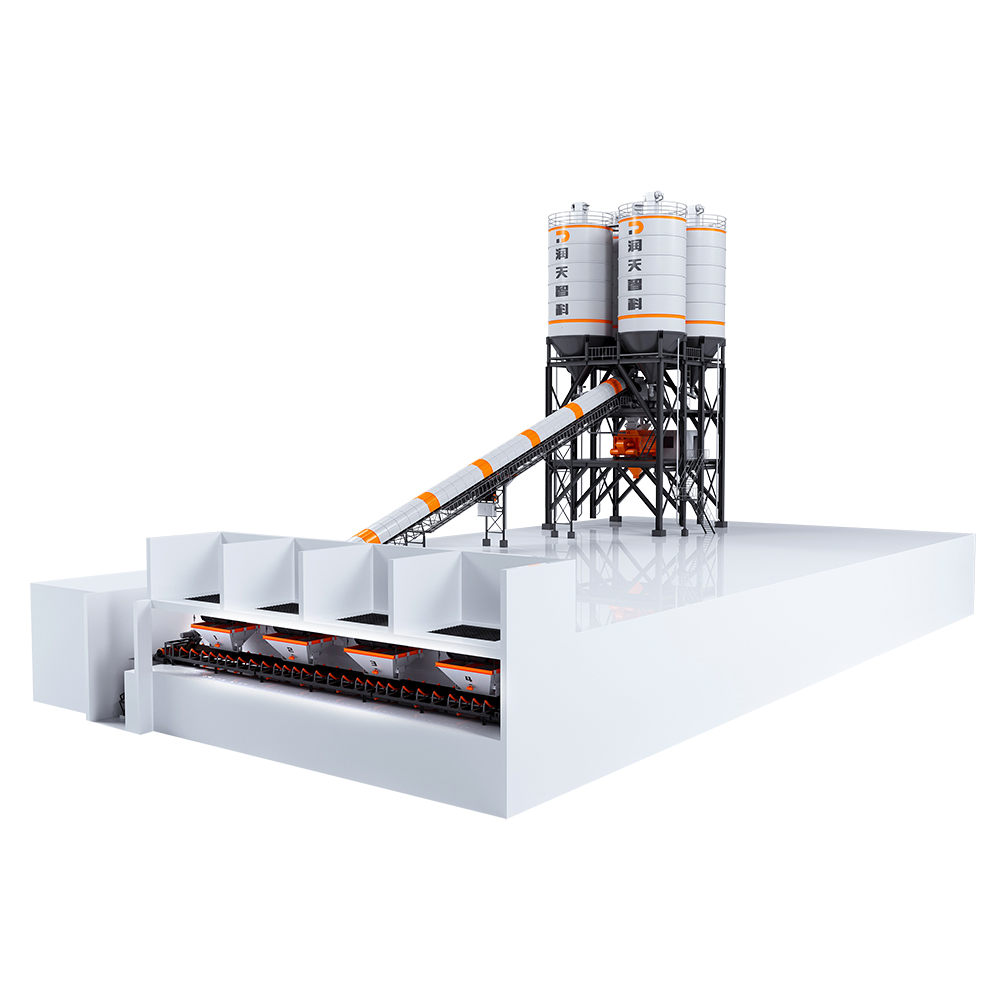 HZS Series Top-Mounted Concrete Mixing plant
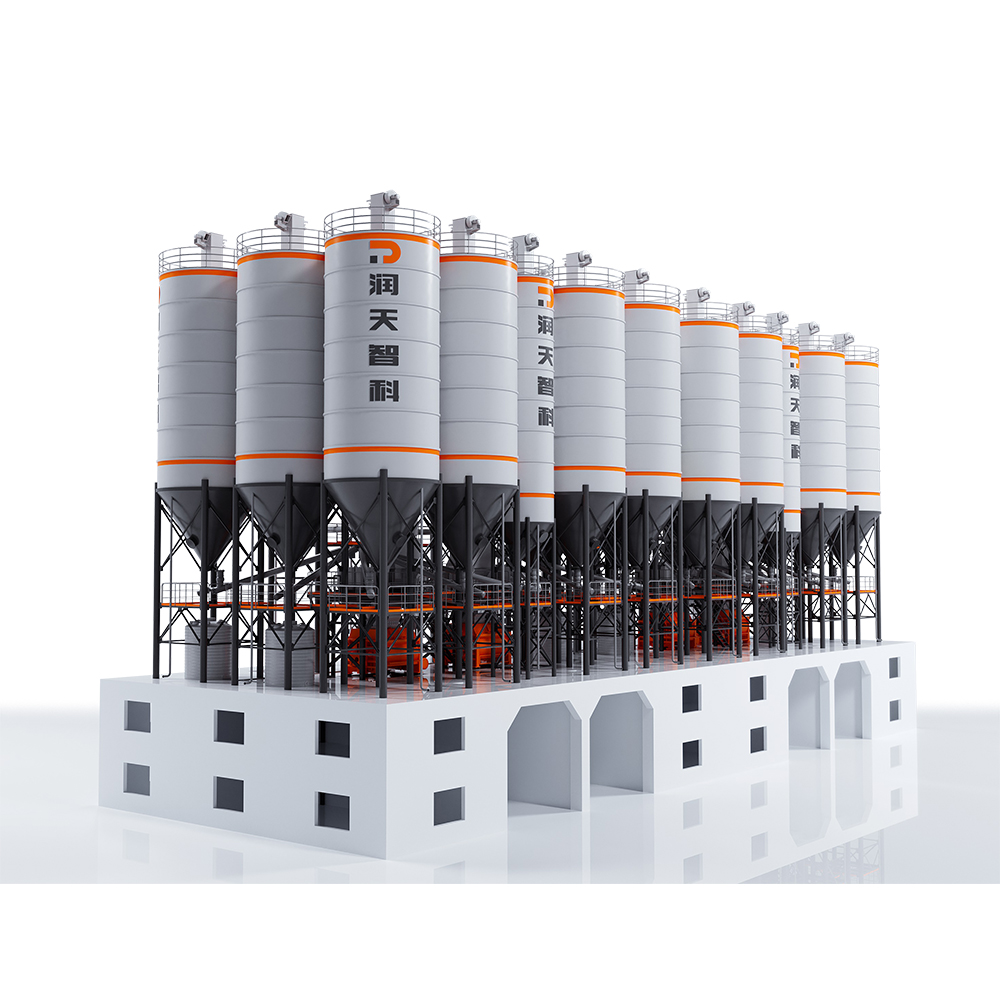 HZS Series Semi-Top Mounted Concrete Mixing Plant
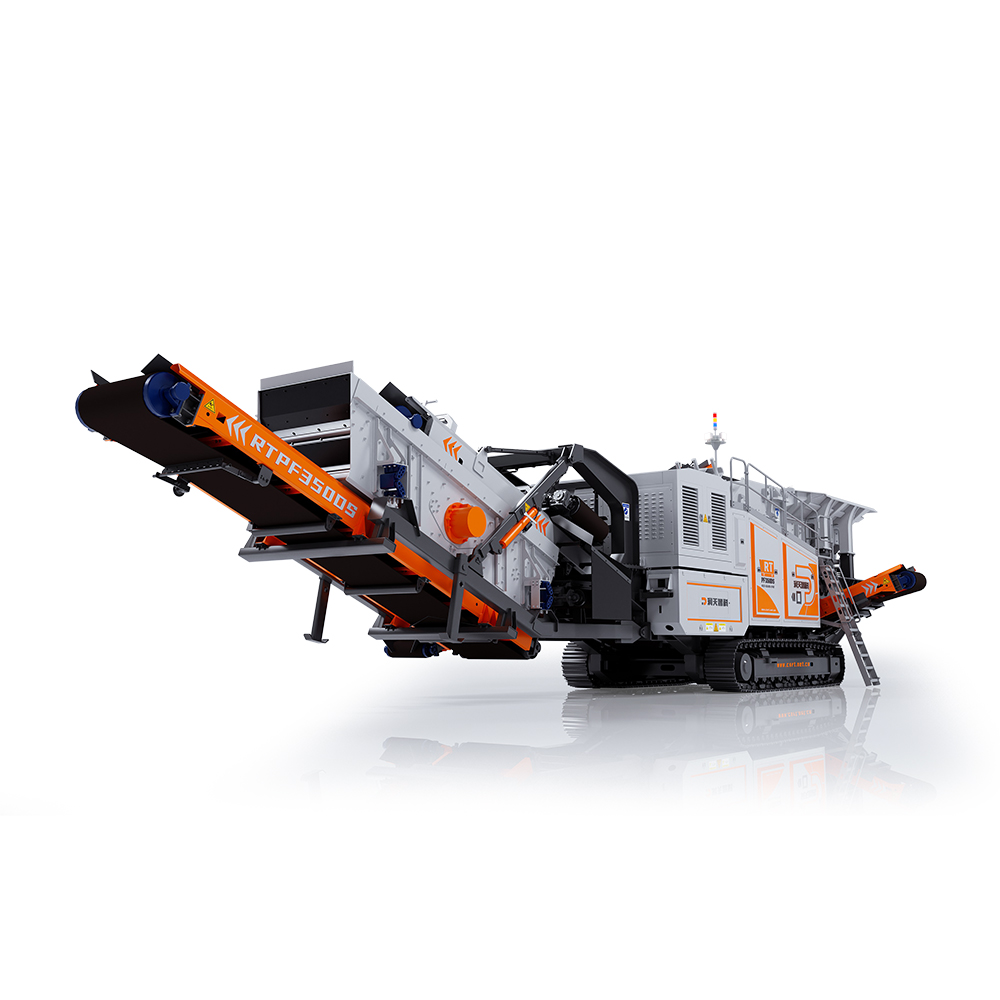 RTPF350DS Crawler Mobile Impact Crushing Plant
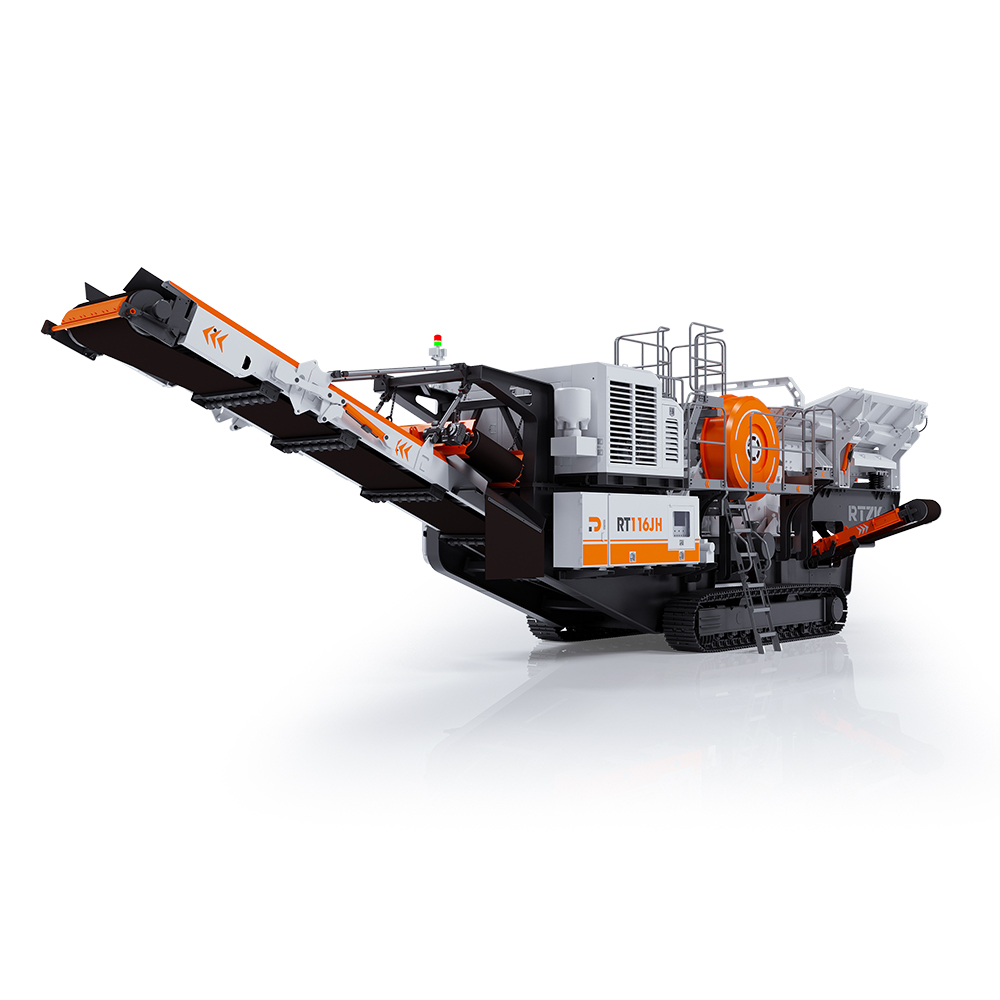 RT116JH Crawler Mobile Jaw Crushing Plant
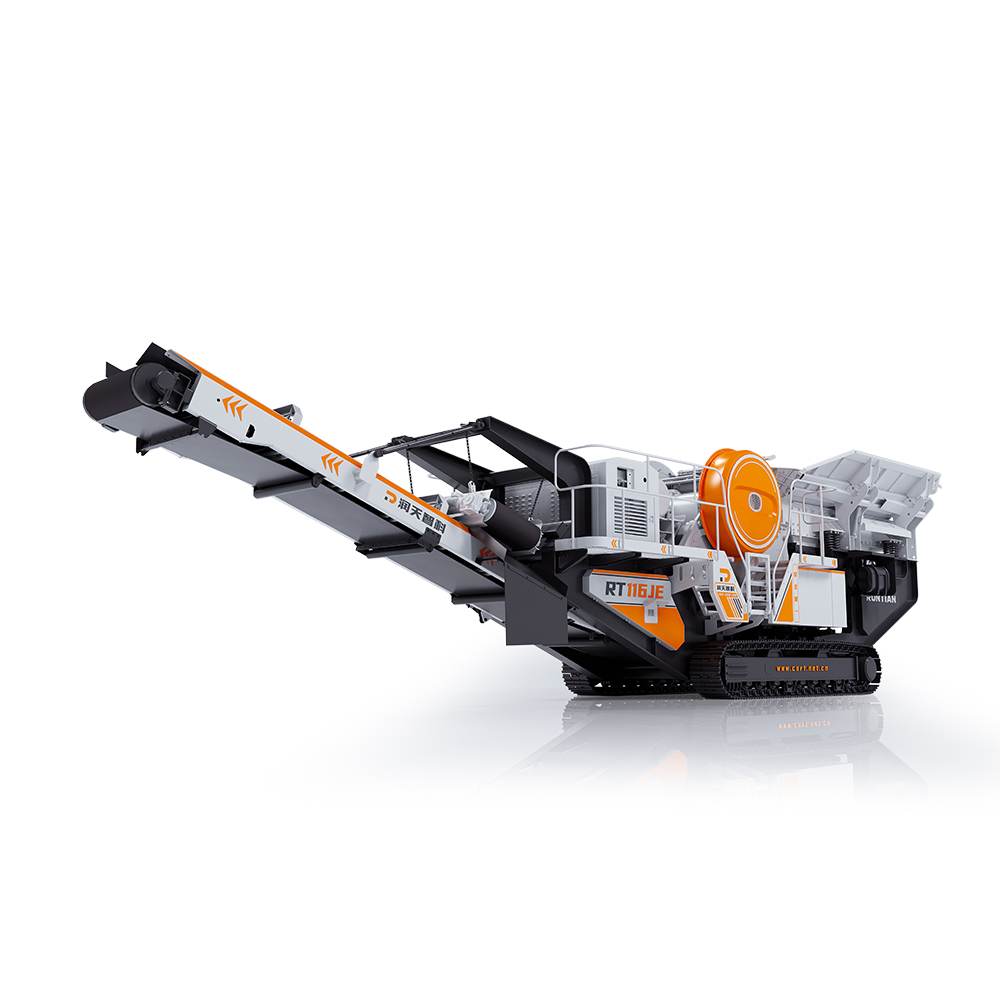 RT116JE Crawler Mobile Jaw Crushing Plant
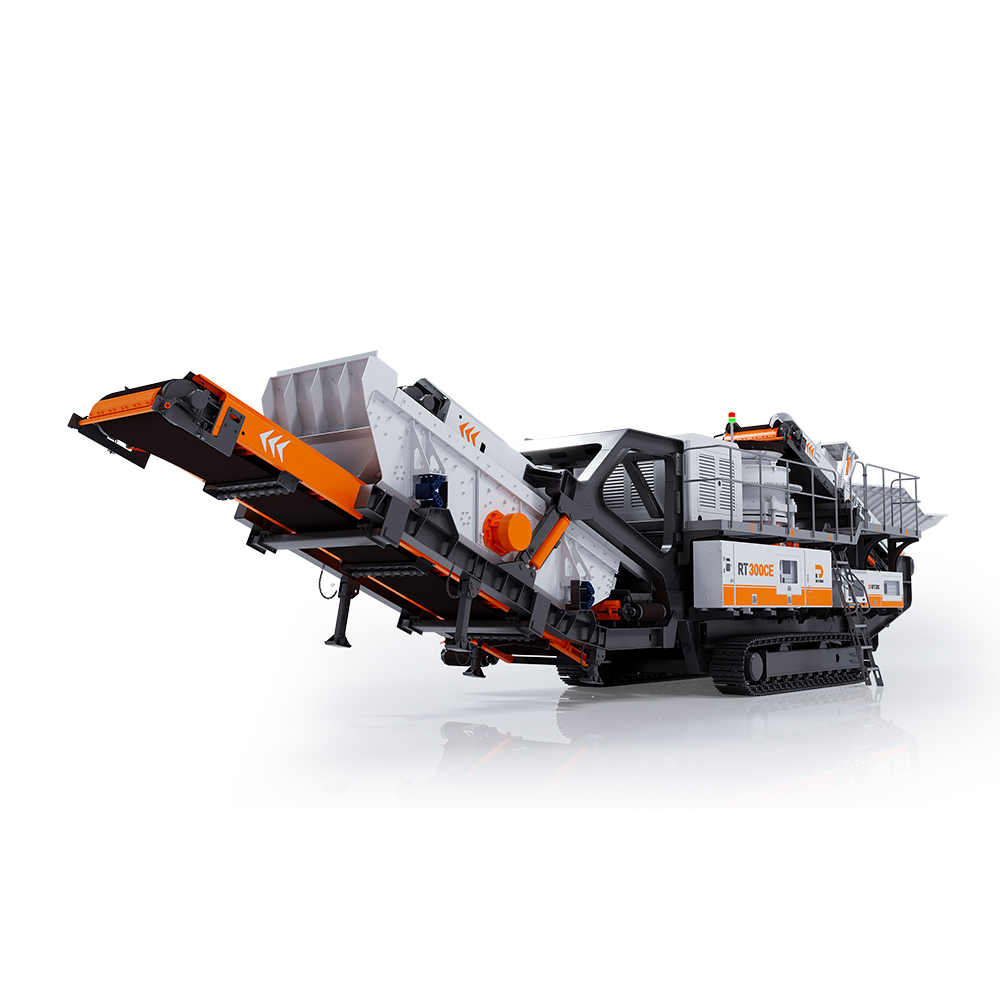 RT300CE Crawler Mobile Cone Crushing Plant
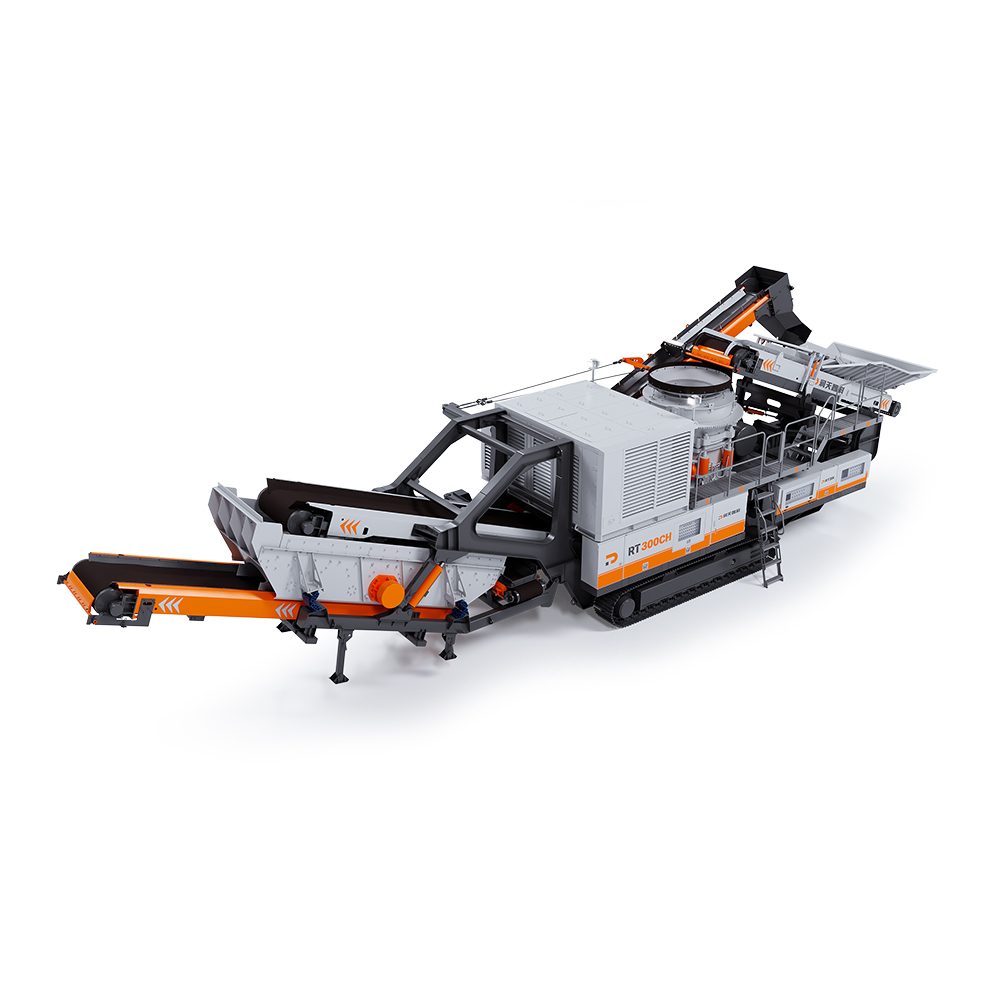 RT300CH Crawler Mobile Cone Crushing Plant
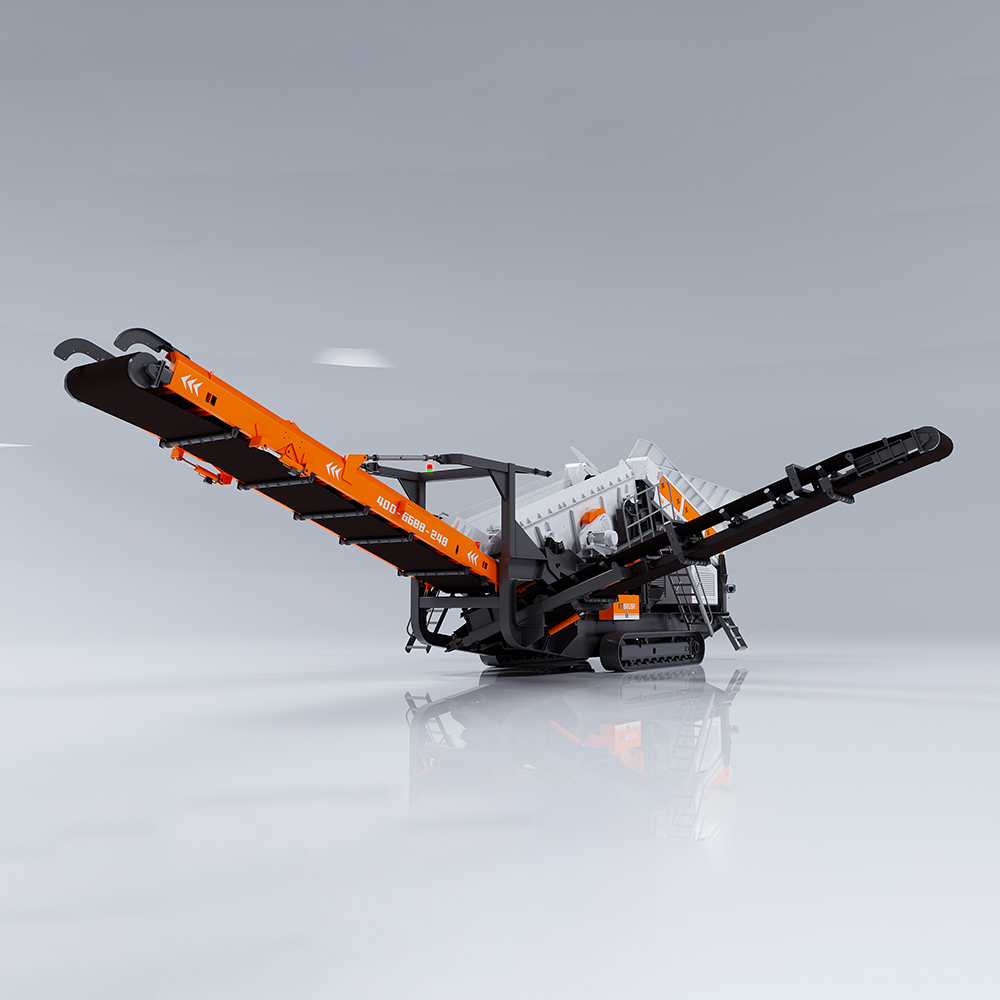 RT5015H Mobile Scalping Screen
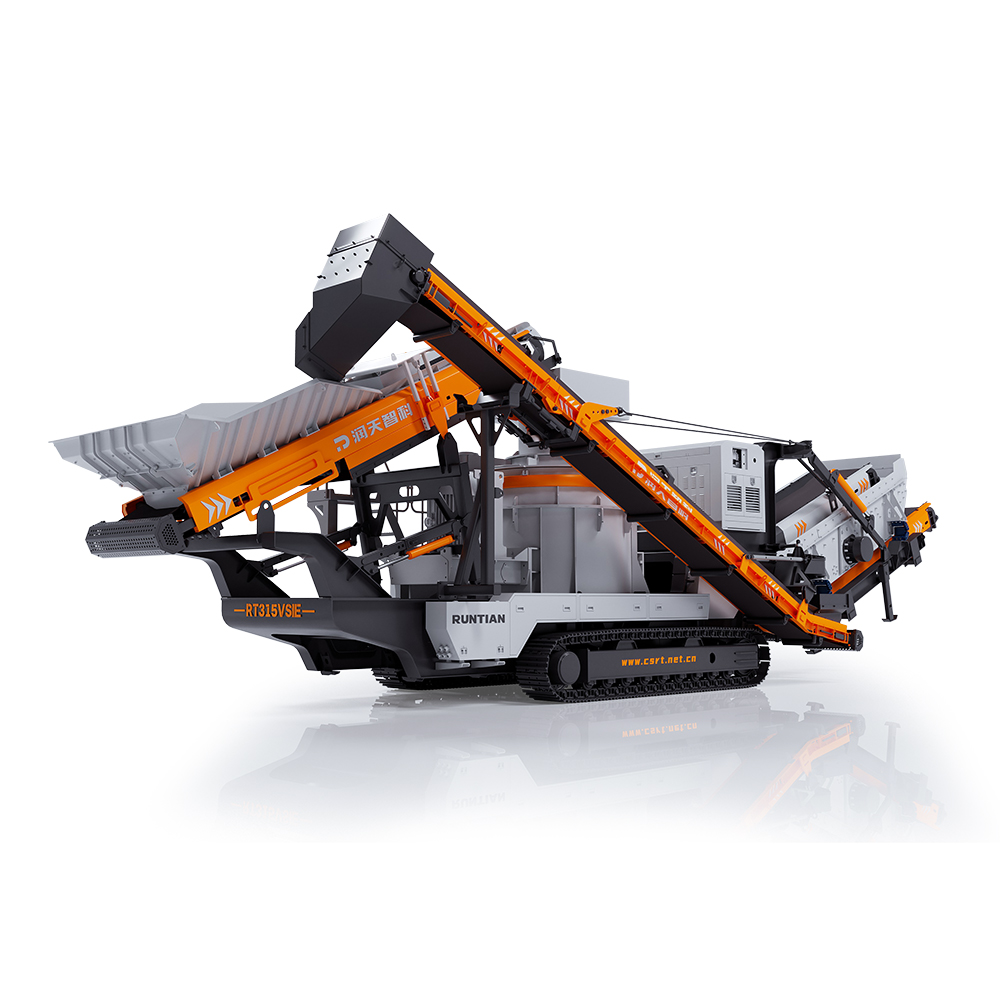 RT315VSIE Crawler Mobile Sand Maker
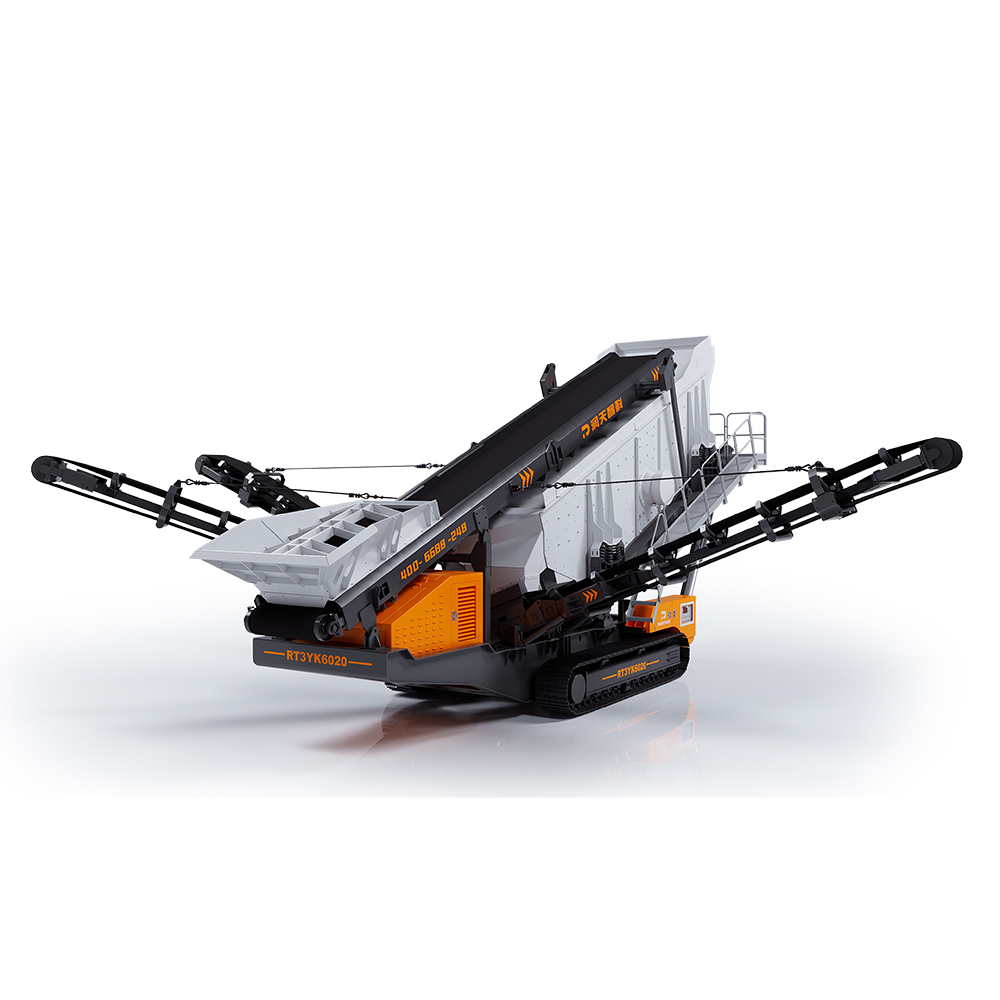 RT3YK6020 Crawler Mobile Screening Plant
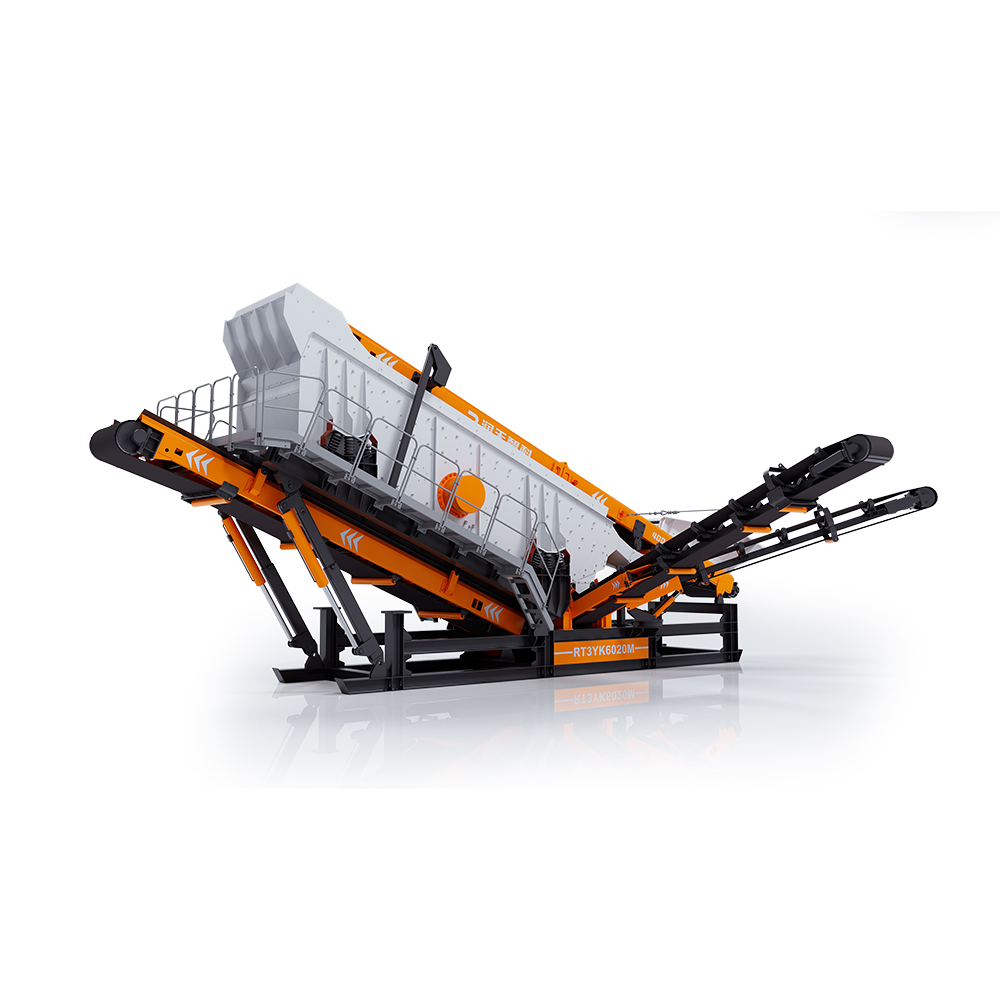 RT3YK6020M Modular Screening Plant
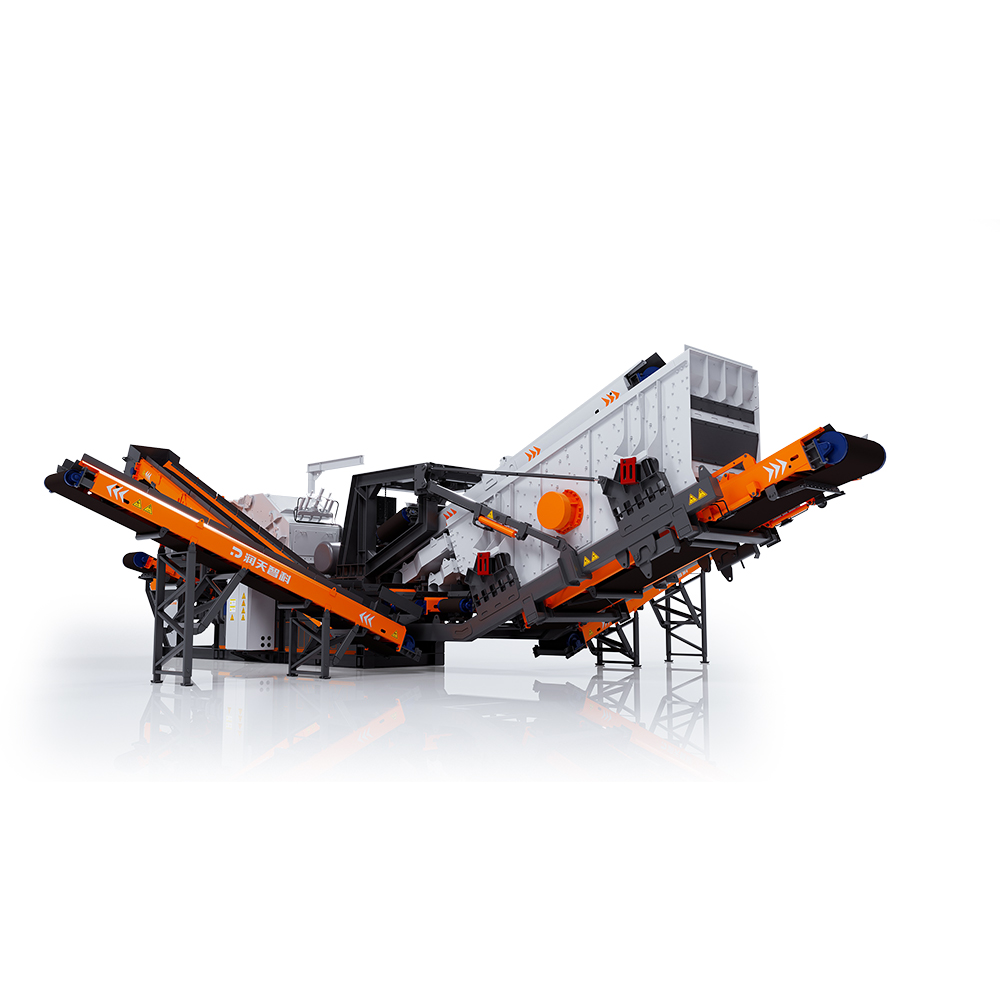 RTF260M Modular Counterattack Crushing and Screening Integrated Machine
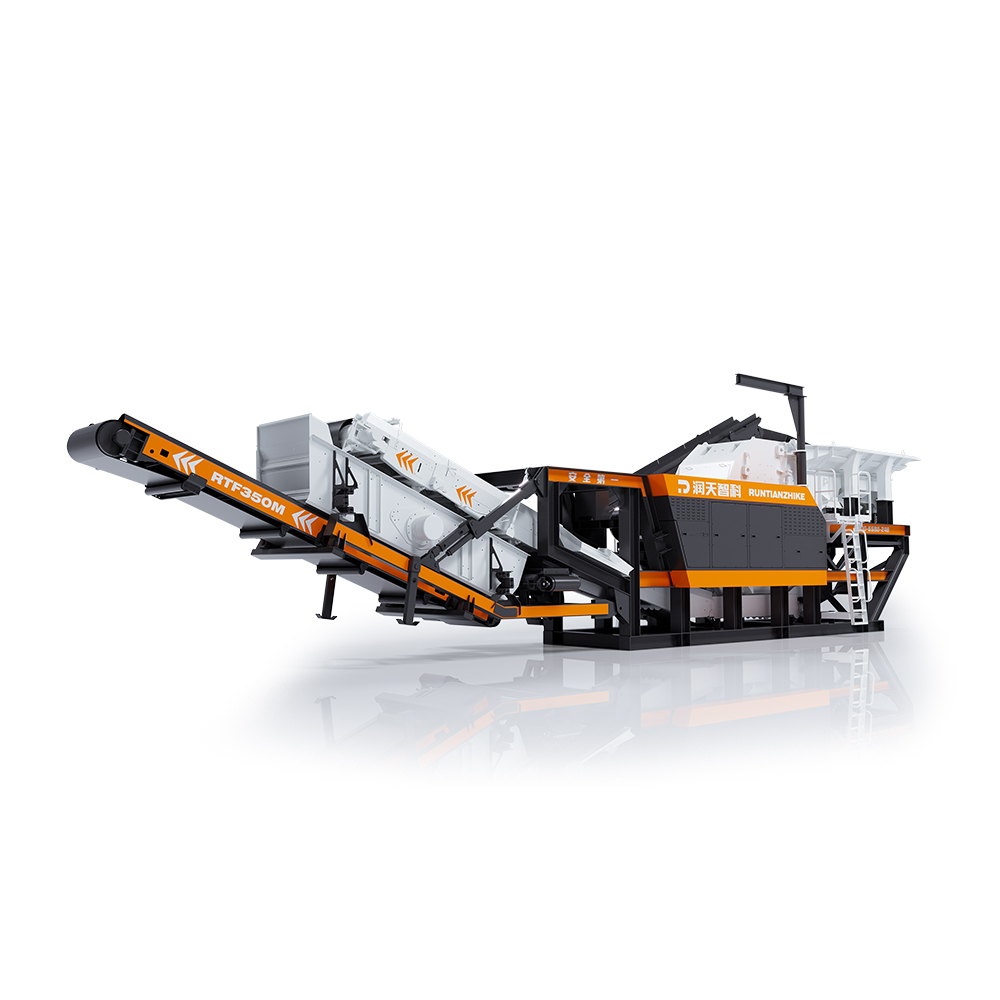 RTF350M Modular Impact Crushing Plant
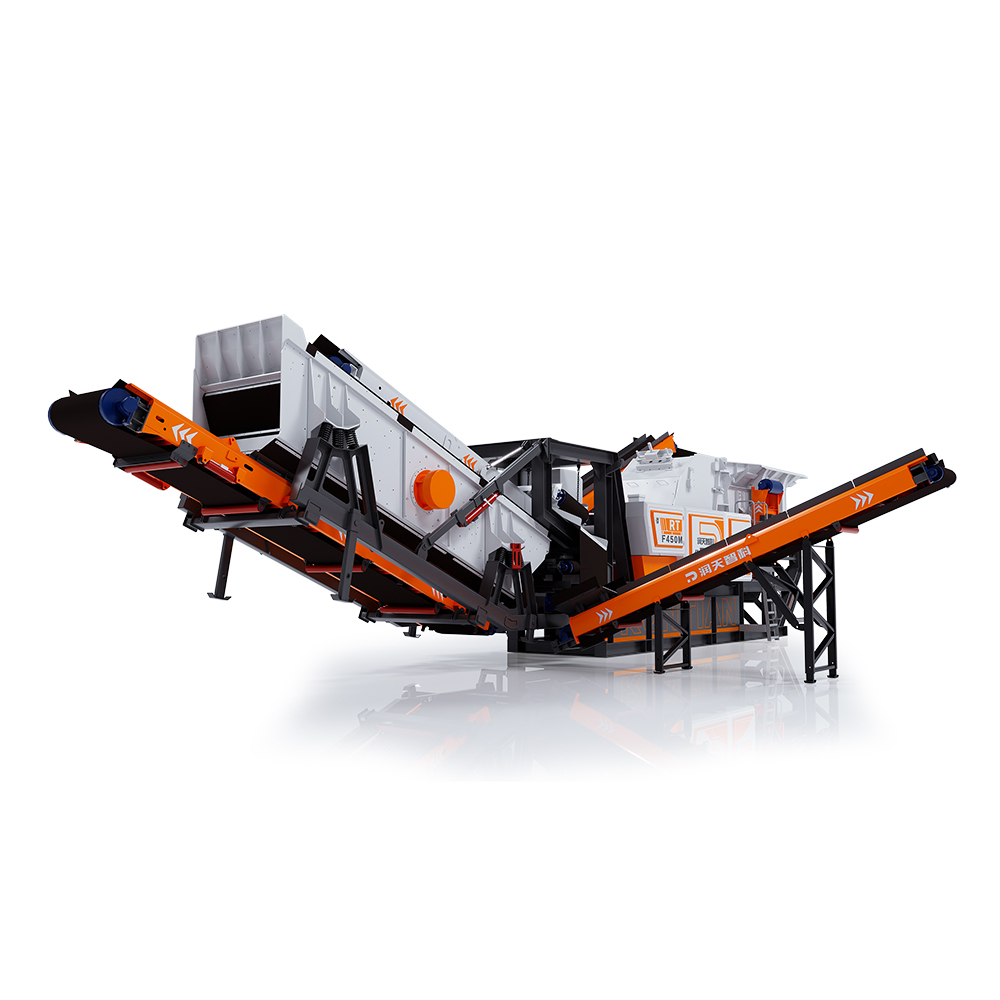 RTF450M Modular Impact Crushing Plant
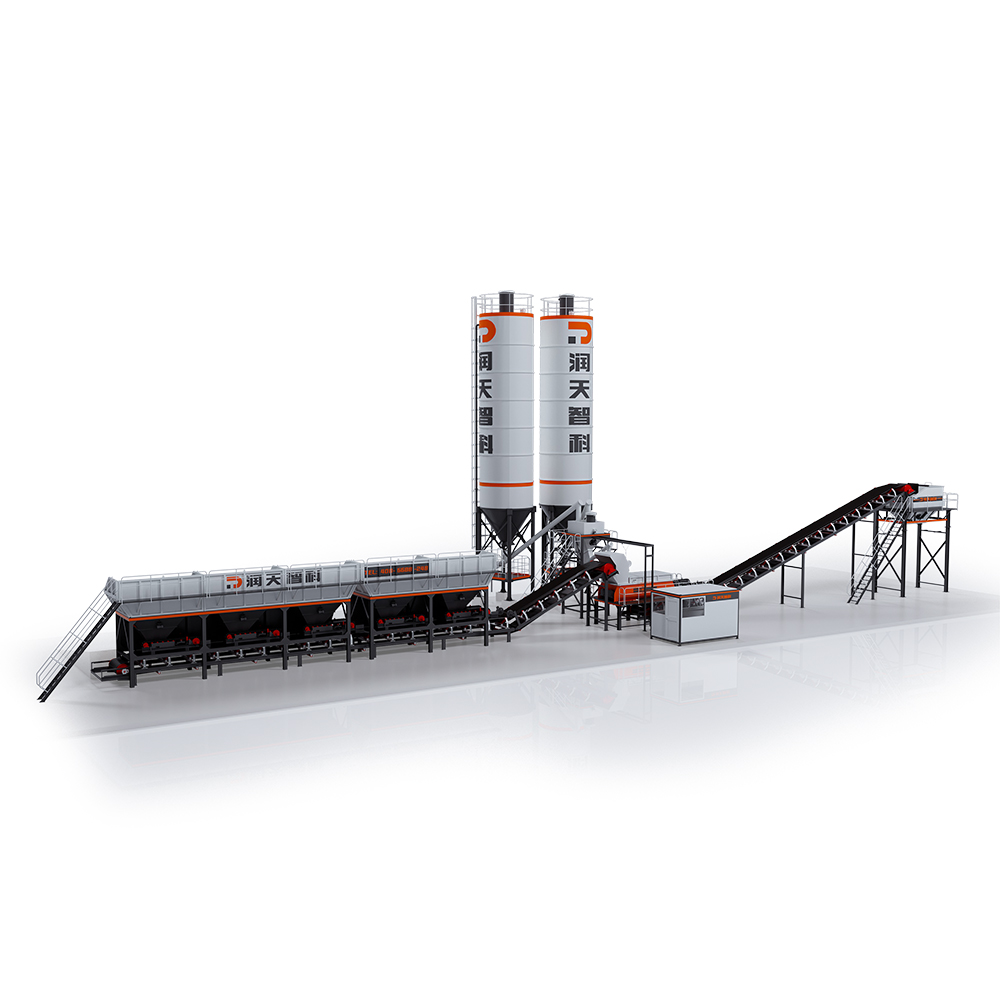 WDB Series Foundation-Free Stability Soil Mixing Plant
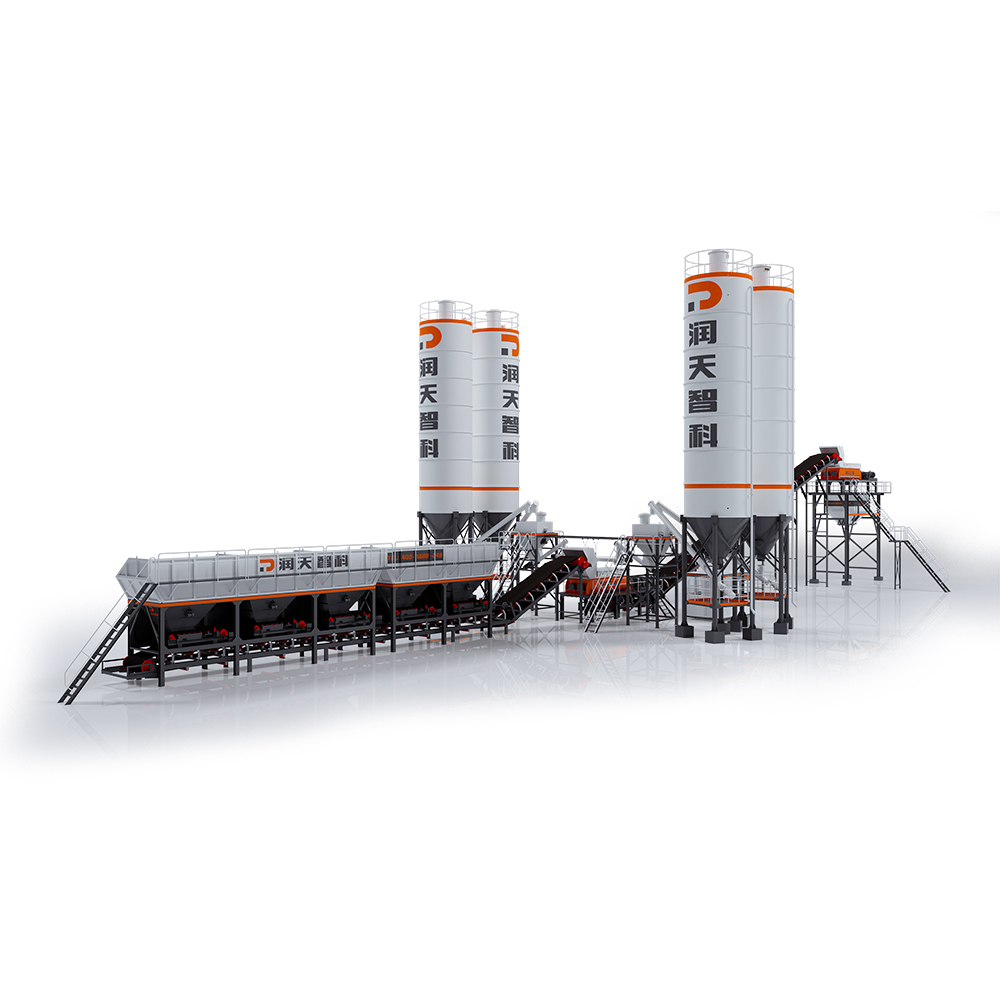 LCB Series Emulsified Asphalt Cold Regeneration Secondary Mixing Plant
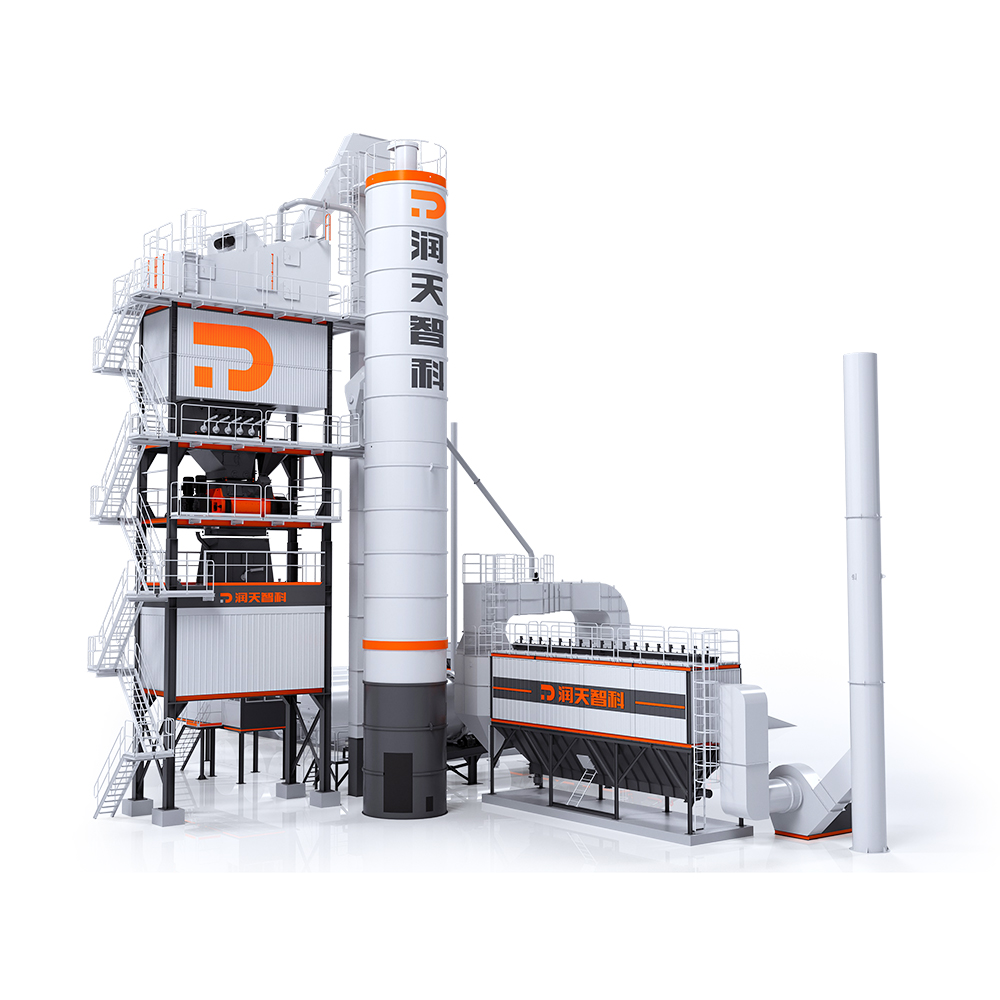 LB Series Asphalt Mixing Plant
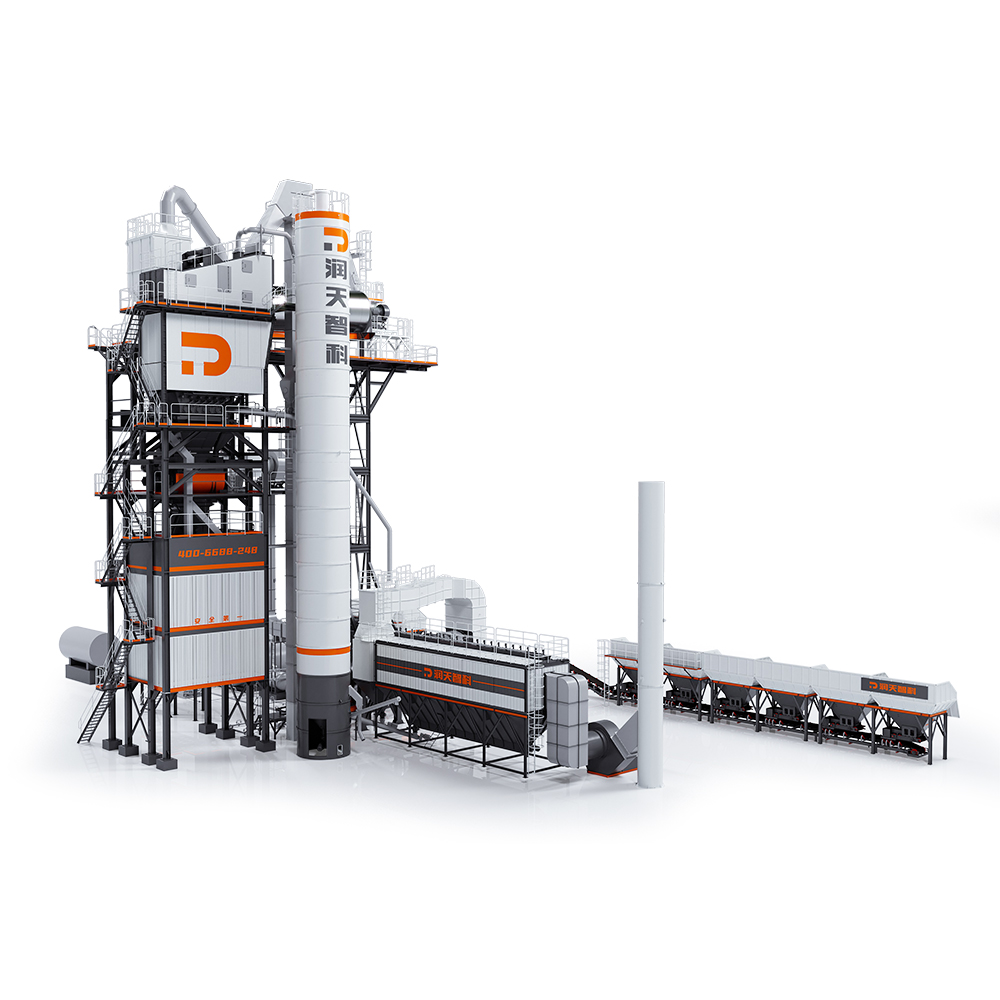 LBR Series Integrated Asphalt Mixing Plant
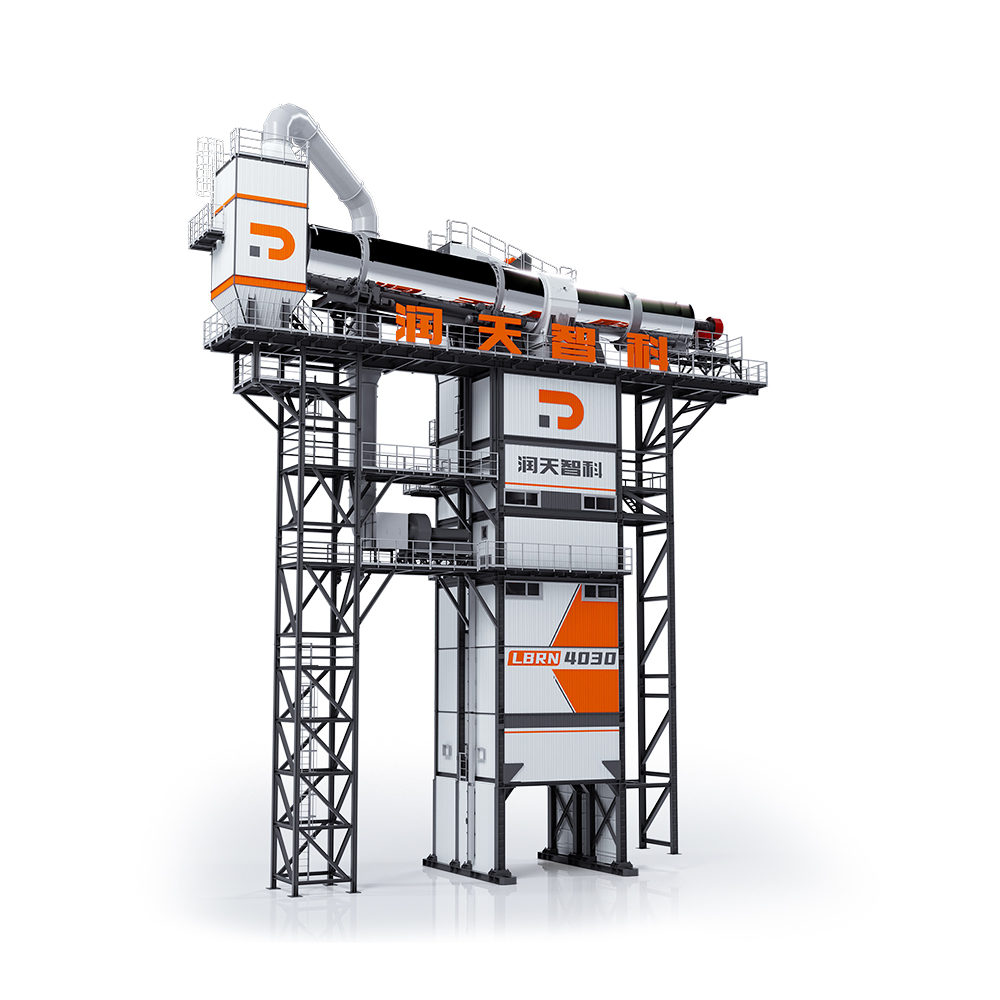 LBRN Series Counterflow Integral Asphalt Mixing Plant
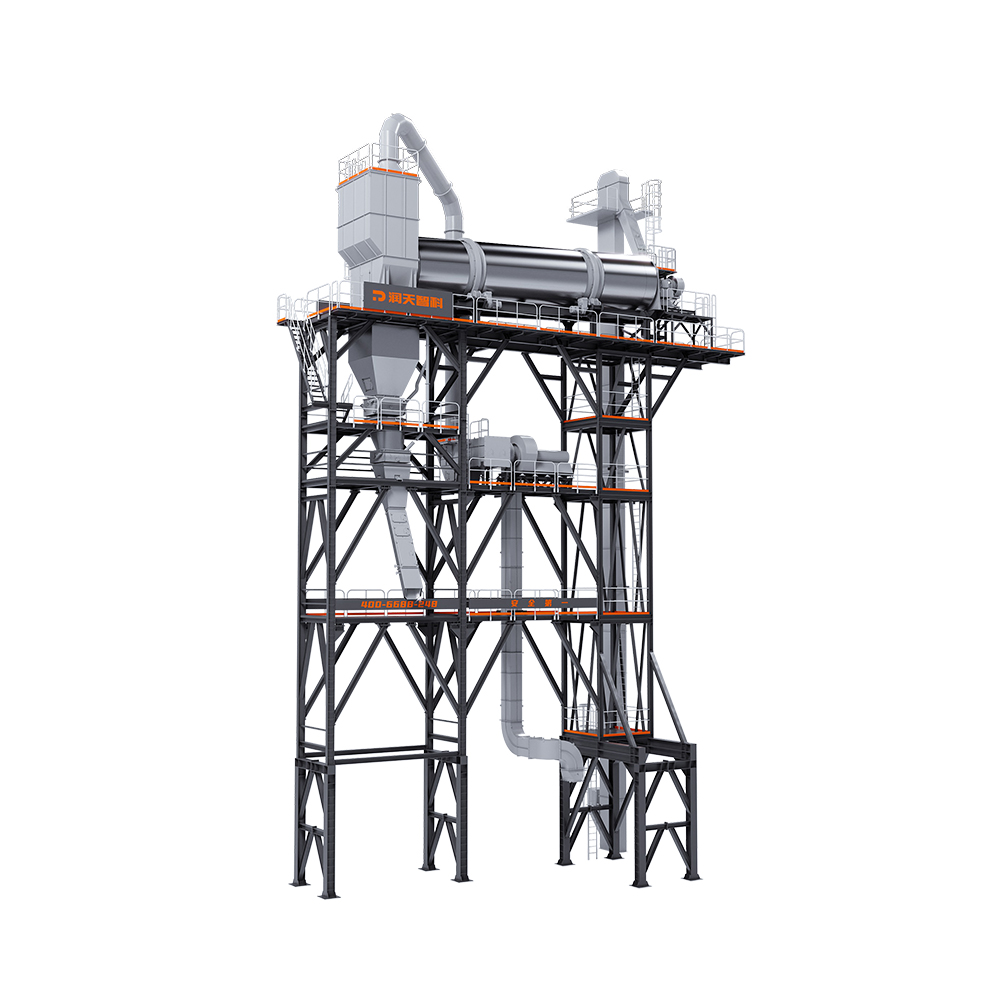 RZS Series Asphalt Mixing Plant
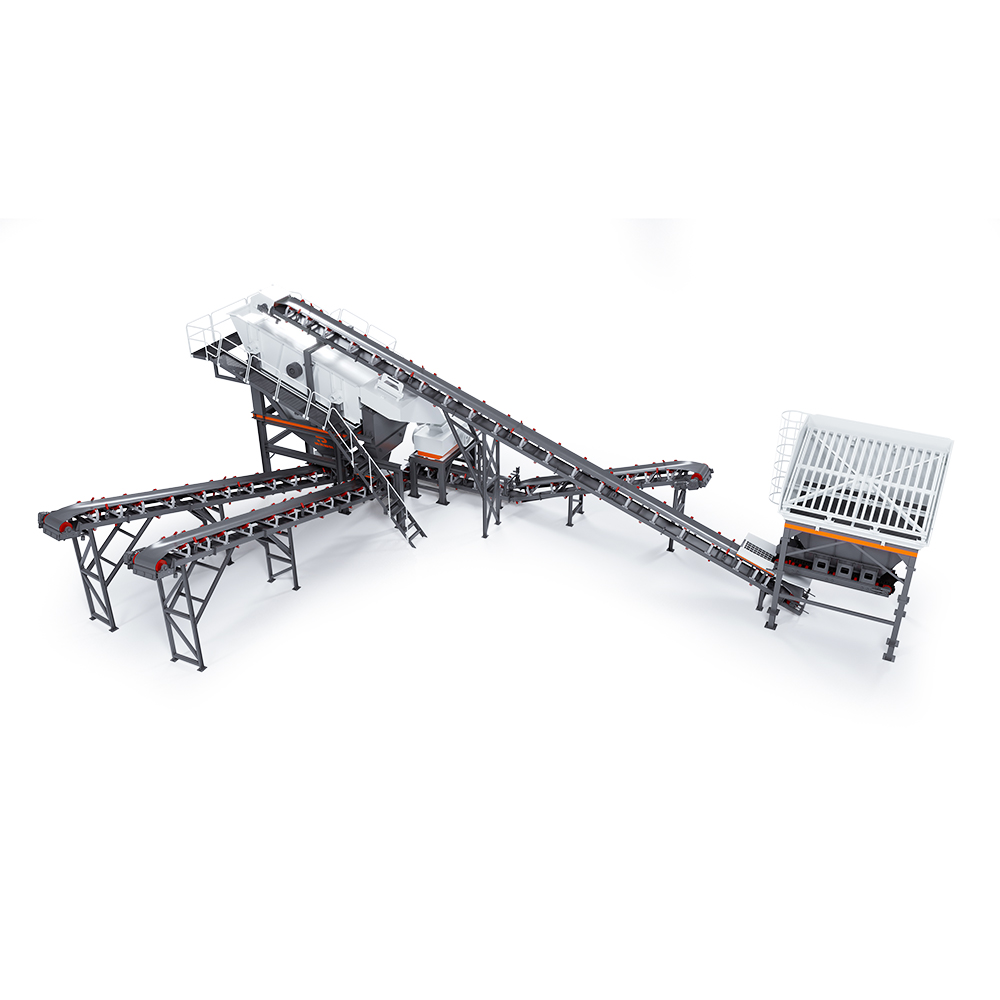 RTZS120 Series RAP Crushing & Screening Plant
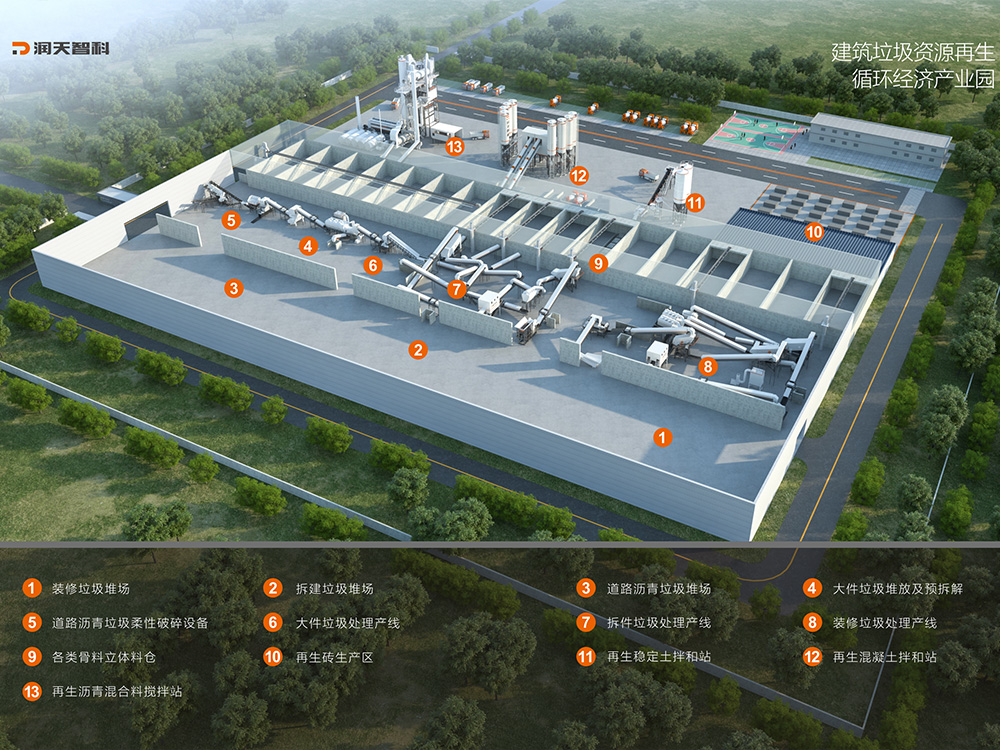 Construction Waste Resourceful Treatment Line