How to Choose the Right Asphalt Plant for Your Construction Needs?
Choosing the right Asphalt Plant is crucial for construction projects. John Smith, a renowned industry expert, once stated, "The right plant can make or break your project." This emphasizes the importance of careful selection.
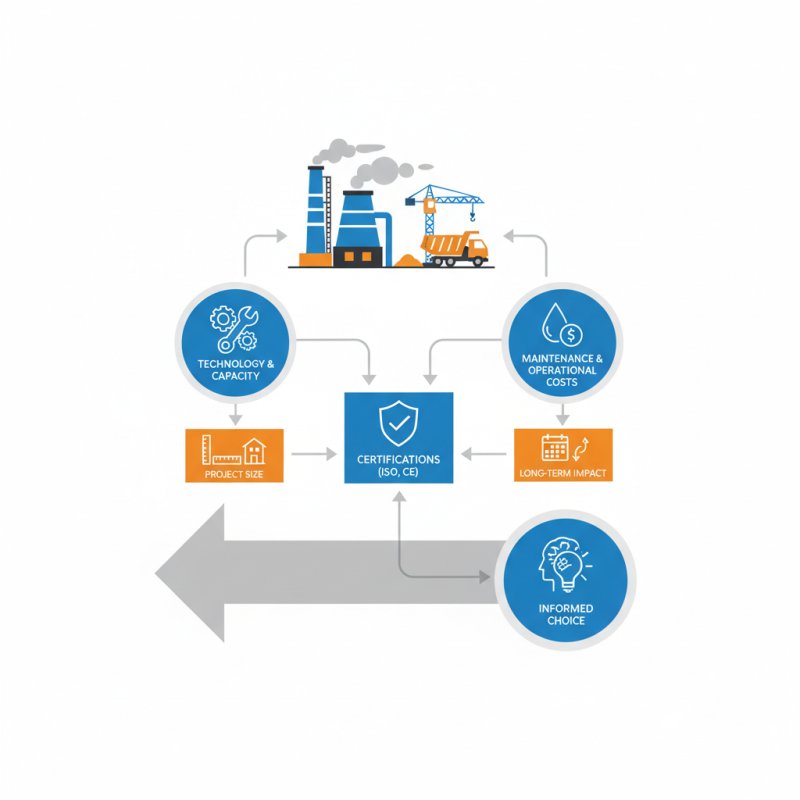
Asphalt Plants vary widely in technology and capacity. When selecting one, consider your project size. The right choice can ensure efficiency and quality. However, many overlook maintenance needs and long-term operational costs. This decision impacts not just the present but future projects too.
Investing in an Asphalt Plant is not simplistic. Each project has unique demands. Ensure that the plant adheres to required certifications, like ISO and CE. Without proper research, you may find yourself facing unforeseen challenges. Reflecting on these factors will lead you closer to making an informed choice.
Understanding Different Types of Asphalt Plants: Batch vs. Drum Mix
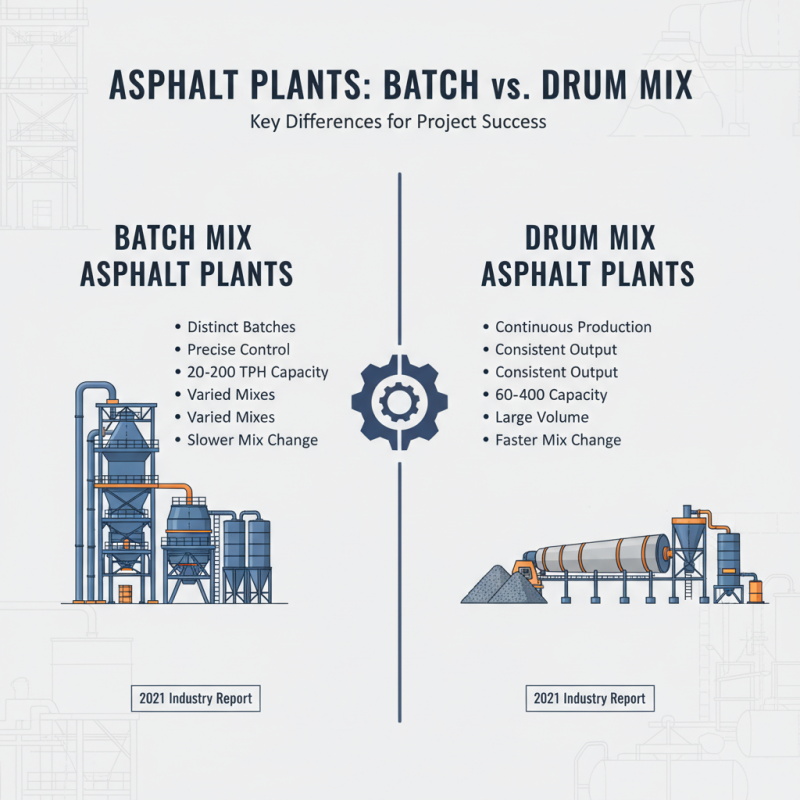
When choosing an asphalt plant, understanding the differences between batch and drum mix plants is crucial. Batch plants produce asphalt in distinct batches. These plants allow for precise control over mix designs. According to a 2021 industry report, batch plants can achieve a production capacity of 20 to 200 tons per hour. This capacity supports projects requiring varied asphalt mixes. However, they require more time to switch between different mix types, leading to potential delays.
In contrast, drum mix plants operate continuously. They mix asphalt and aggregate in a single, streamlined process. This method generally yields a higher production rate, often exceeding 300 tons per hour. A study by the National Asphalt Pavement Association noted that these plants are ideal for high-demand projects. But, they offer less flexibility in mix design changes. A contractor might find themselves constrained when unexpected mix specifications arise.
Both types have their advantages and challenges. Batch plants excel in mix precision, while drum mix plants enhance efficiency. Evaluating your project's specific needs is vital. Insufficient attention to these factors can result in inefficiencies. Make informed decisions to optimize both time and resources in your construction endeavors.
Key Factors to Consider When Selecting an Asphalt Plant for Projects
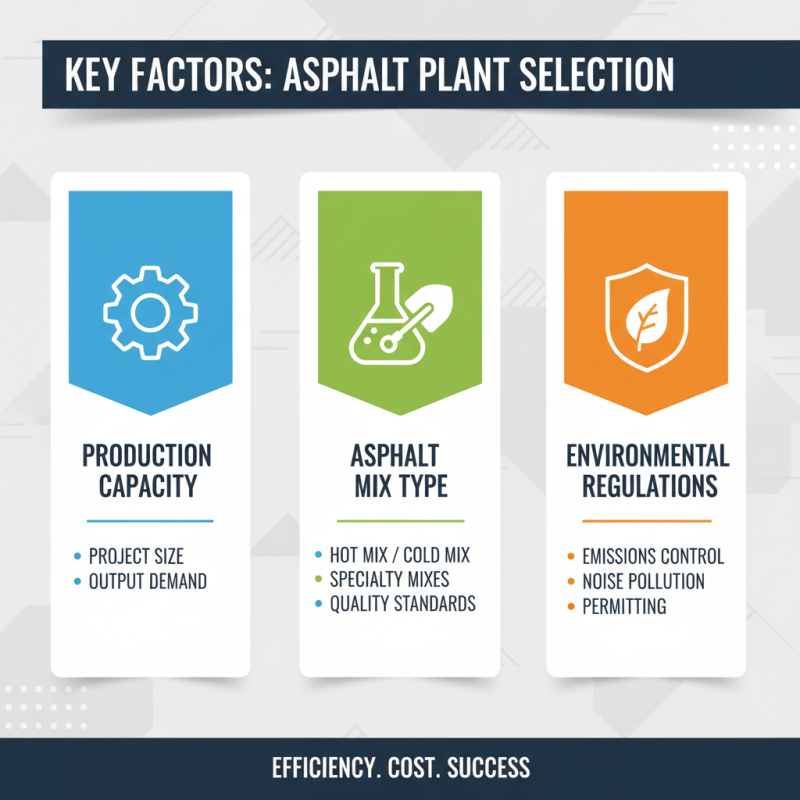
Choosing the right asphalt plant is crucial for construction projects. It directly impacts efficiency and costs. Each project has unique requirements that demand careful consideration. Factors like production capacity, type of asphalt mix, and environmental regulations should be prioritized.
When assessing production capacity, look at the average daily output. The National Asphalt Pavement Association states that many projects require 200 tons per hour or more. This output can affect timelines and labor costs. A plant with higher capacity may reduce waiting times and increase project momentum.
Understanding the different types of asphalt mixes is essential. Variability in climate and project scope can influence the choice of mix. Moreover, look at the technology used for mixing. Some plants feature advanced control systems that enhance quality. However, these systems may require specialized training for operators. Not all teams may be prepared for this change, leading to potential delays and errors.
Finally, always consider the proximity of the plant to the project site. Transportation costs can escalate rapidly if the plant is far. The decision shouldn't be rushed, as it impacts project success. Reflecting on these factors helps in making informed choices. Each decision shapes the outcome of your construction endeavors.
Evaluating Production Capacity and Efficiency for Your Construction Needs
When selecting an asphalt plant, production capacity and efficiency are vital. The right capacity meets project demands without excess. A study by the National Asphalt Pavement Association noted that plants should ideally match or slightly exceed project needs. For instance, a plant operating at 300 tons per hour might be necessary for large-scale jobs, while smaller projects may require only 100 tons per hour.
Efficiency also plays a critical role in asphalt production. Efficient plants reduce fuel consumption and enhance material use. According to the Federal Highway Administration, efficient plants can save up to 15% in operational costs. They utilize advanced technologies to manage heating and mixing processes effectively. However, many plants struggle with maintenance, impacting their efficiency. Regular inspections and timely repairs are essential to maintain optimal performance.
Despite advances, not all plants deliver as expected. Some claim high output but fall short under real conditions. Buyers must critically evaluate production claims and consider long-term operational reliability. Comprehensive assessments from trusted reports provide insights, but final decisions should involve on-site visits and performance testing. Understanding these variables enhances the likelihood of acquiring a suitable asphalt plant for any construction endeavor.
How to Choose the Right Asphalt Plant for Your Construction Needs? - Evaluating Production Capacity and Efficiency for Your Construction Needs
| Plant Type |
Production Capacity (ton/hour) |
Fuel Type |
Efficiency (%) |
Energy Consumption (kWh/ton) |
| Batch Plant |
80 |
Natural Gas |
90 |
50 |
| Drum Plant |
120 |
Diesel |
85 |
70 |
| Mobile Plant |
60 |
Propane |
88 |
65 |
| Recycling Plant |
100 |
Electric |
92 |
55 |
Assessing Environmental Regulations and Sustainability Features
When selecting an asphalt plant, environmental regulations are crucial. Many areas enforce limits on emissions. It's vital to check local laws to ensure compliance. Non-compliance can lead to fines and project delays. Therefore, research potential plants' environmental records.
Sustainability features also play a significant role. Look for plants equipped with advanced technology. Some may use recycled materials effectively. Others might have energy-efficient systems. These features can reduce waste and energy consumption. However, not all plants prioritize sustainable practices. It’s important to dig deeper.
Budget constraints can complicate choices. Quality plants often incur higher upfront costs. Some may not have the latest environmental features, leading to regrets later. Assessing cost versus sustainability is challenging. Each decision carries long-term implications for the project. Consider the trade-offs carefully before making a choice.
Environmental Impact Assessment of Asphalt Plants
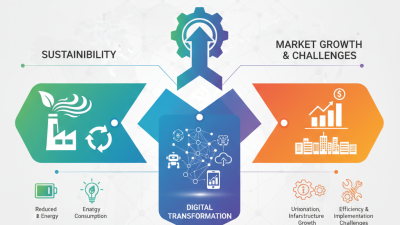
This chart illustrates the environmental impact metrics of different asphalt plants, focusing on key factors such as carbon emissions, water usage, energy consumption, and the use of recycled materials. These metrics are essential in assessing the sustainability features of each plant, helping construction companies make informed decisions based on environmental regulations and sustainability goals.
Maintenance and Support Services: What to Look For in a Supplier
When selecting the right asphalt plant, maintenance and support services are crucial. A report from the National Asphalt Pavement Association highlighted that up to 80% of operational costs stem from inadequate maintenance. This underlines the necessity of a reliable service provider. You want a supplier who offers comprehensive support. Regular check-ups and quick response times can significantly prolong your plant's lifespan.
Evaluate service agreements carefully. Quality suppliers often provide transparent terms. Look for those who offer training as part of their package. According to industry studies, plants with trained operators perform 25% better. Additionally, access to 24/7 customer support can be invaluable during peak project times. Consider reading reviews from other users in similar sectors. Their experiences can guide you on the reliability of maintenance services.
Many buyers overlook parts availability. If a supplier struggles to provide spare parts quickly, it can halt your construction project. The default lead time for parts should ideally be less than a week. Not all suppliers can deliver on this. A proactive approach is to ask for a list of parts and their typical replenishment times. By doing so, you're setting the groundwork for a smoother operation.

 Concrete Mixing Plant
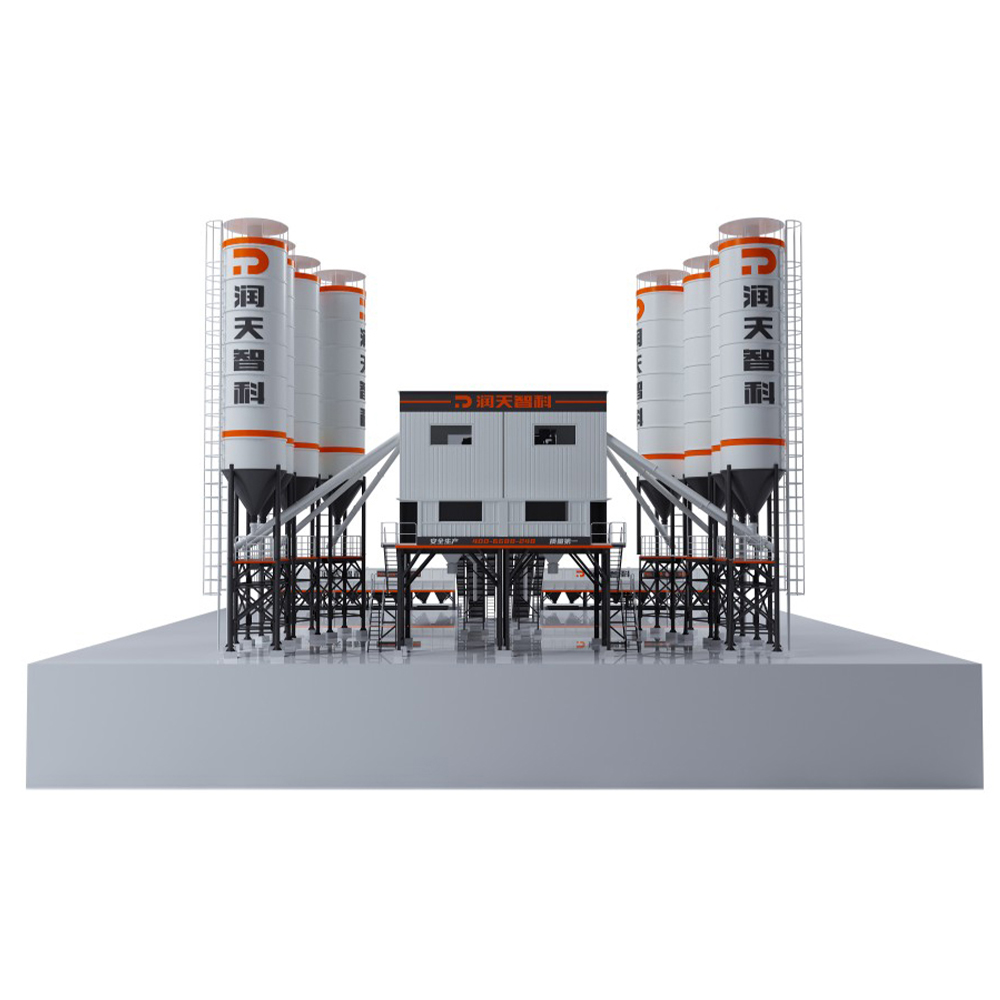 HZS Series Belt Concrete Mixing Plant
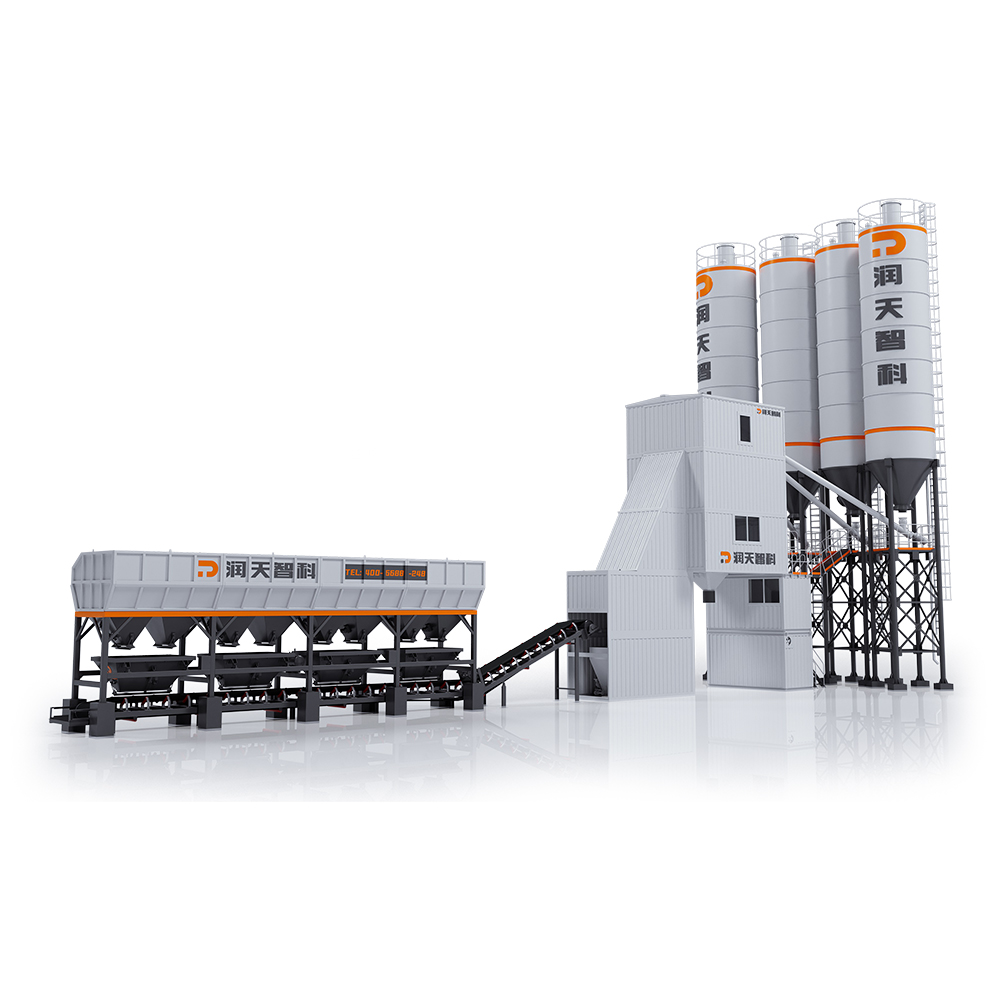 HZS Series Bucket-Lifting Type Container Concrete Mixing Plant
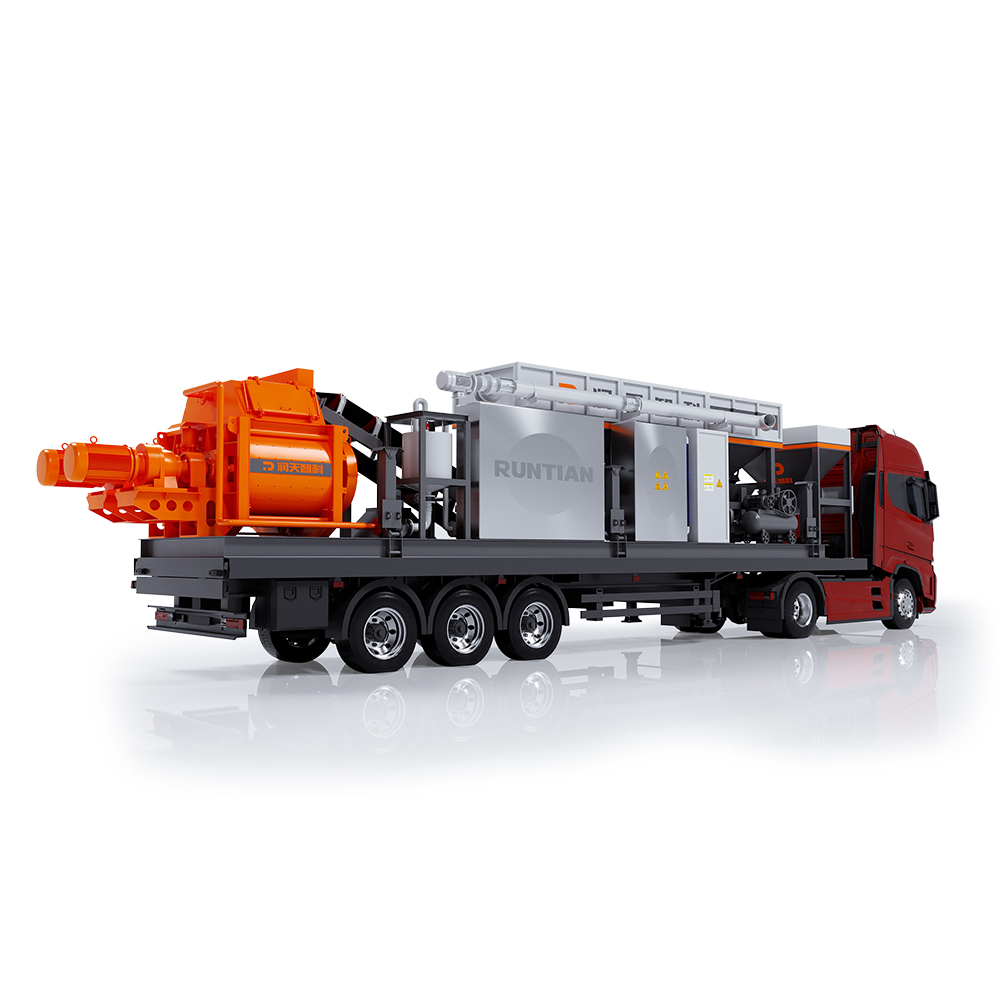 HZS60 Mobile Concrete Mixing Plant
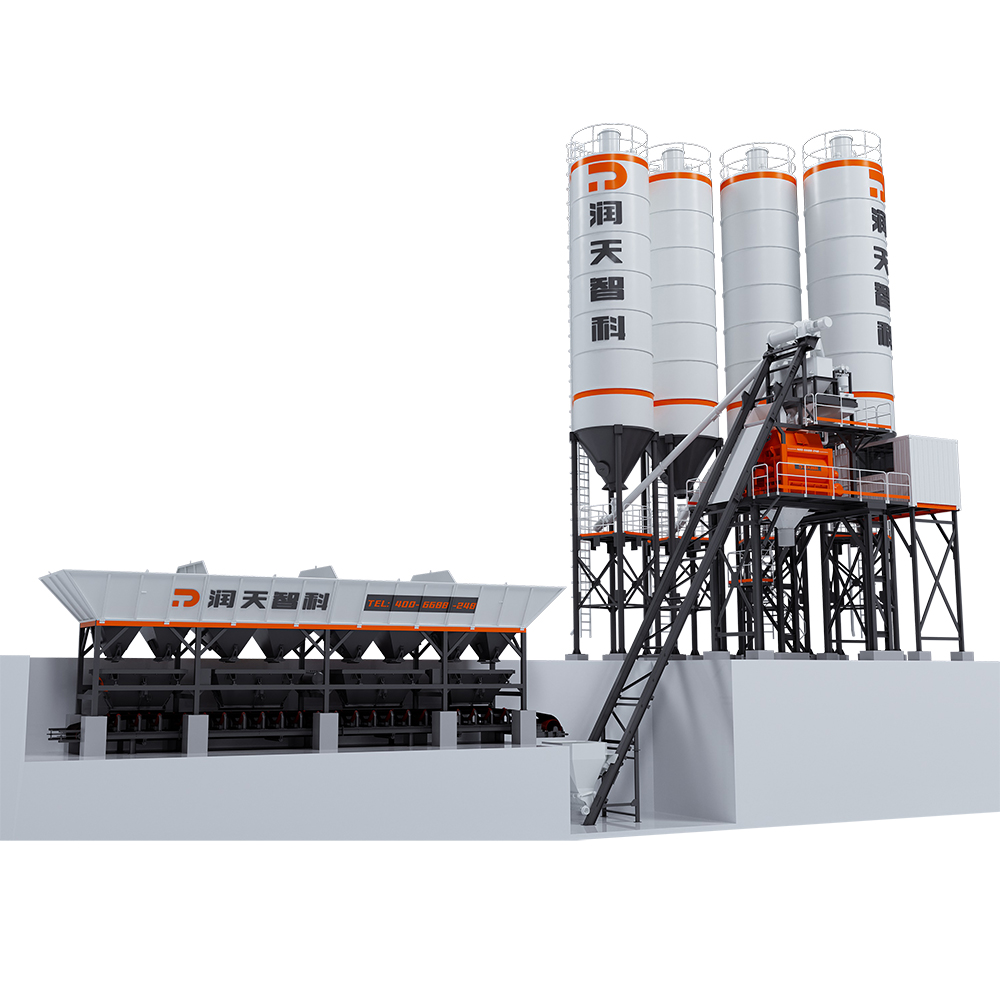 HZS Series Bucket-Lifting Type Concrete Mixing Plant
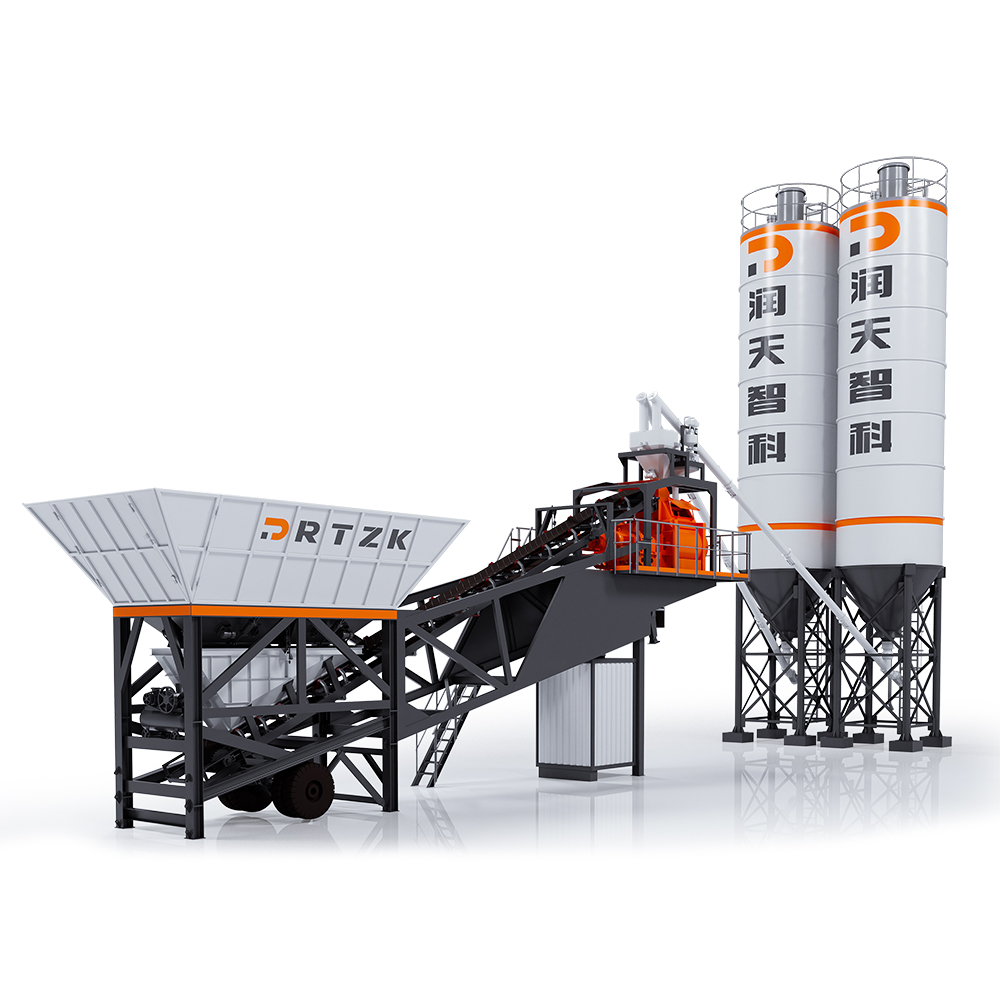 HZS Series Mobile Concrete Mixing Plant
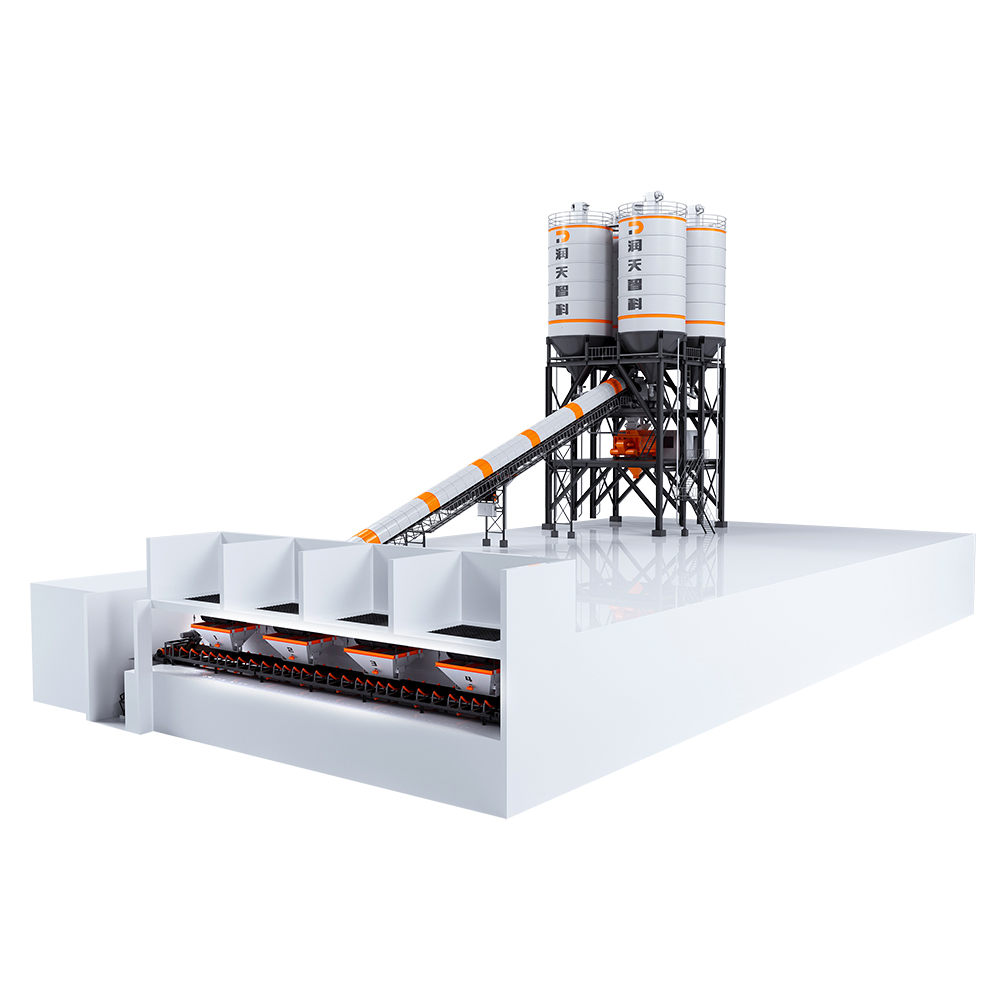 HZS Series Top-Mounted Concrete Mixing plant
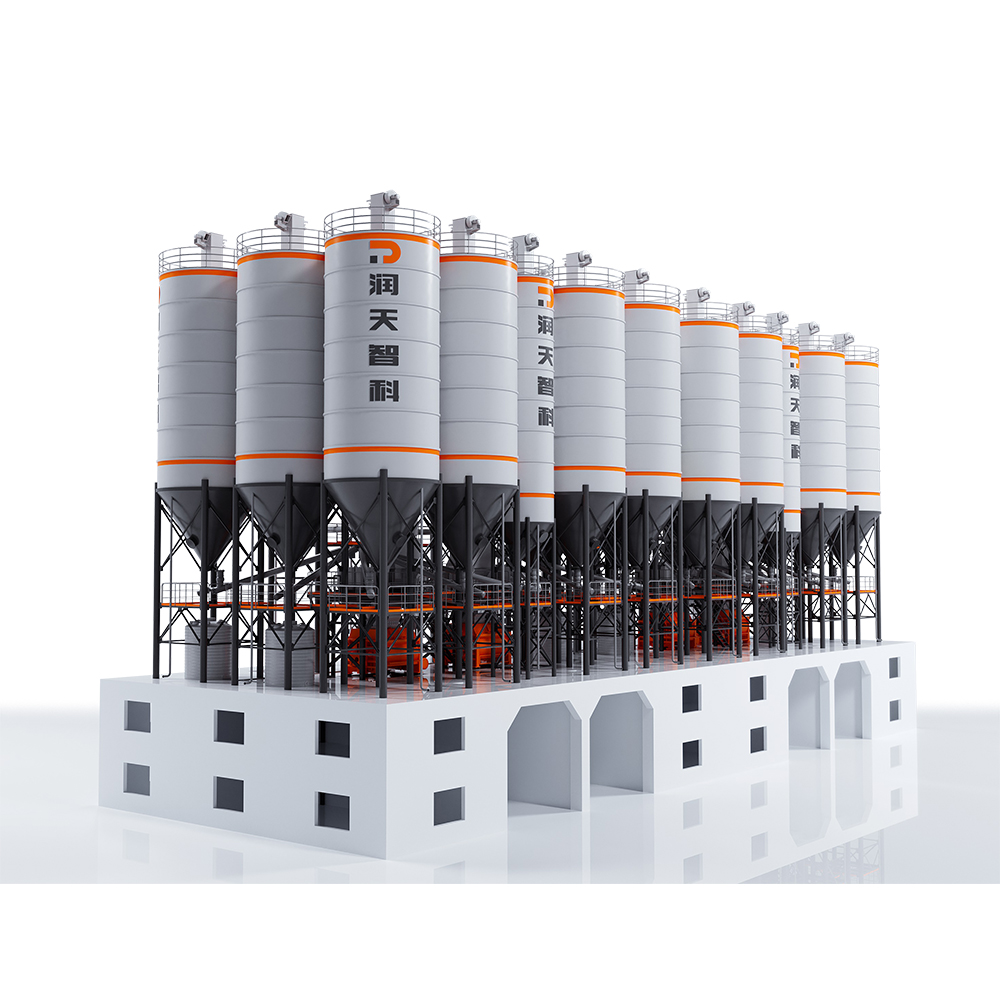 HZS Series Semi-Top Mounted Concrete Mixing Plant
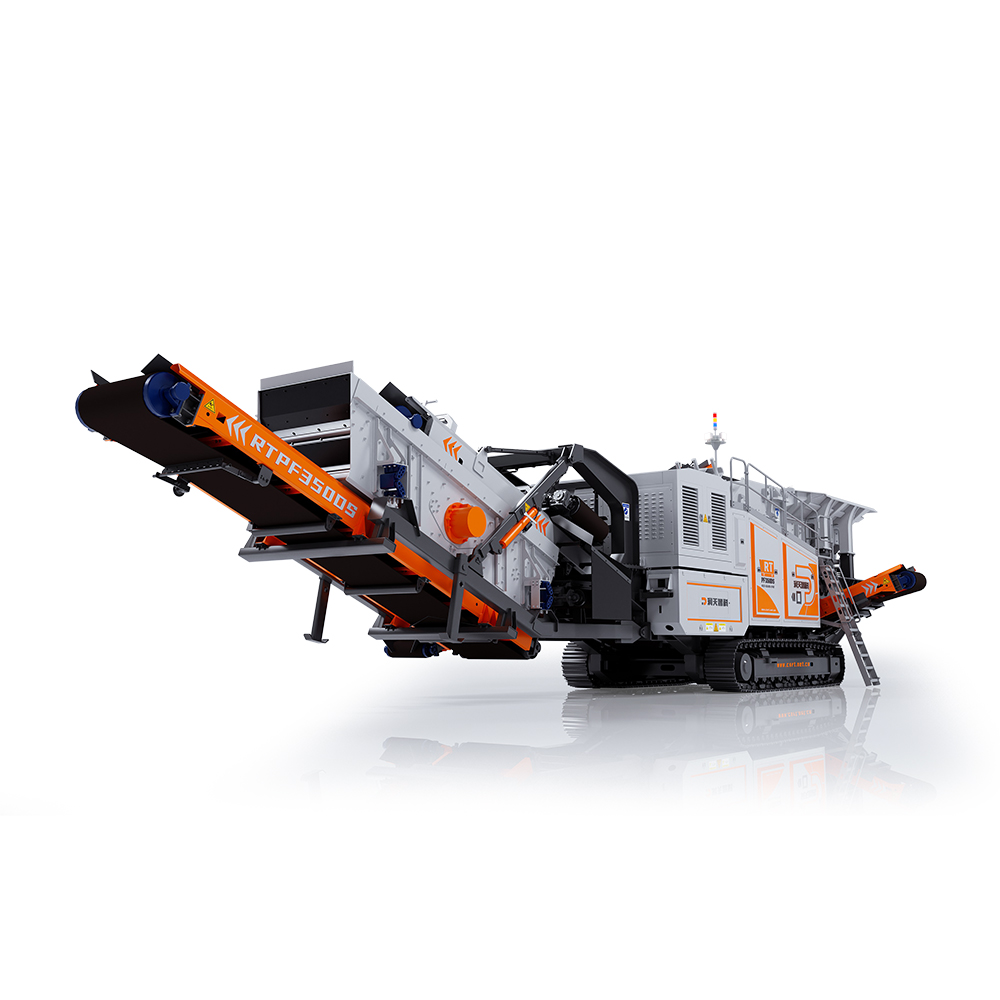 RTPF350DS Crawler Mobile Impact Crushing Plant
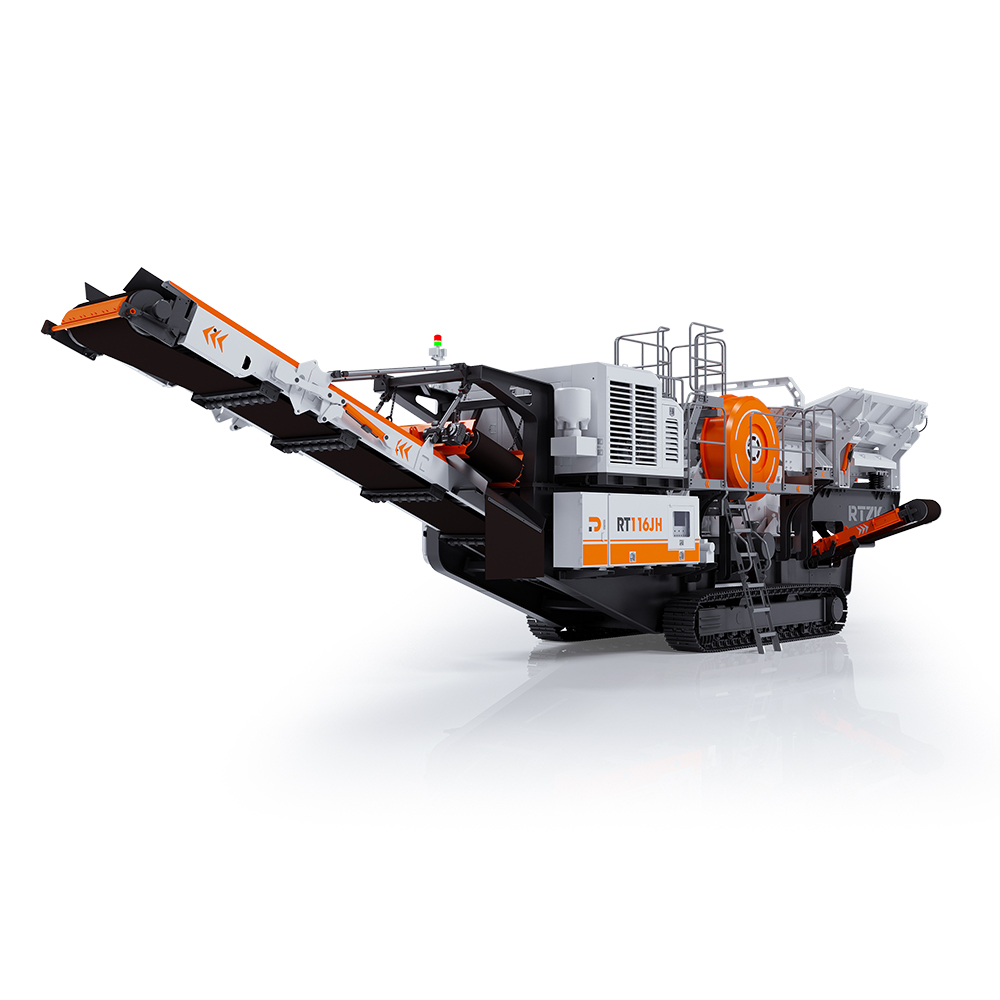 RT116JH Crawler Mobile Jaw Crushing Plant
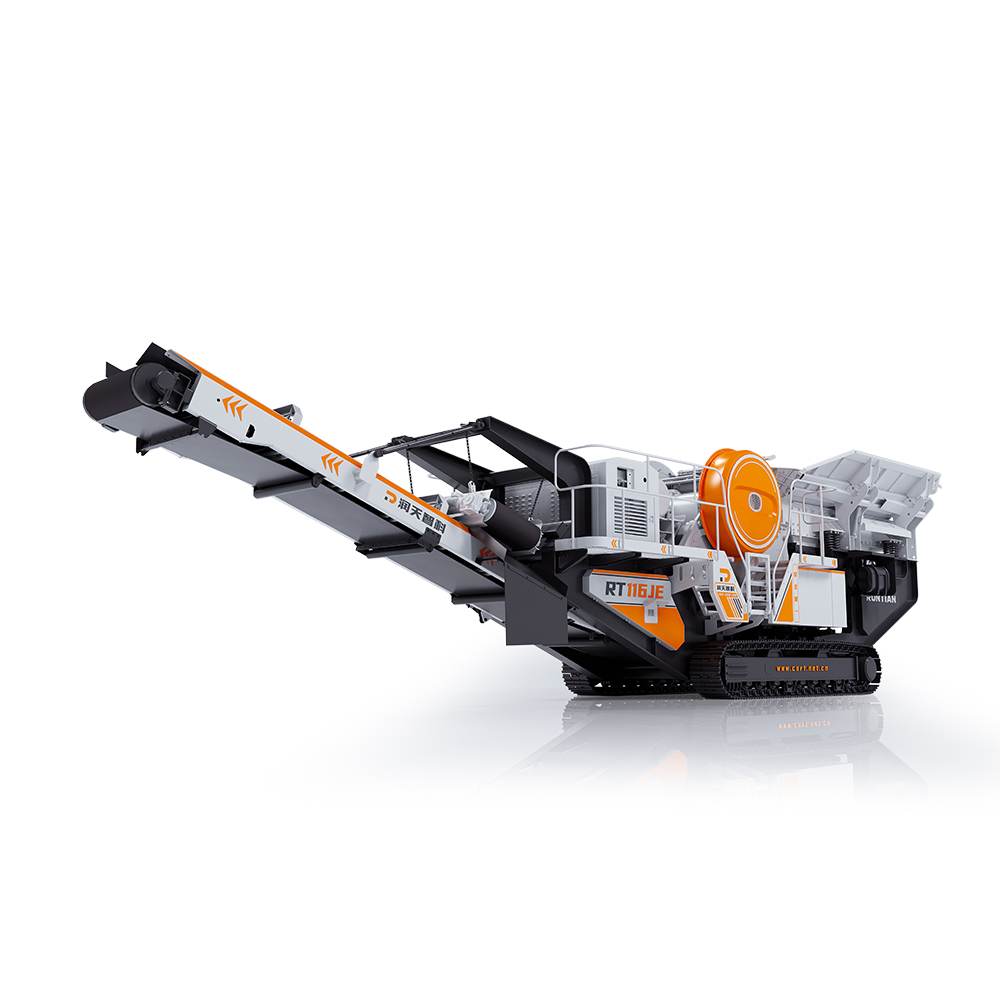 RT116JE Crawler Mobile Jaw Crushing Plant
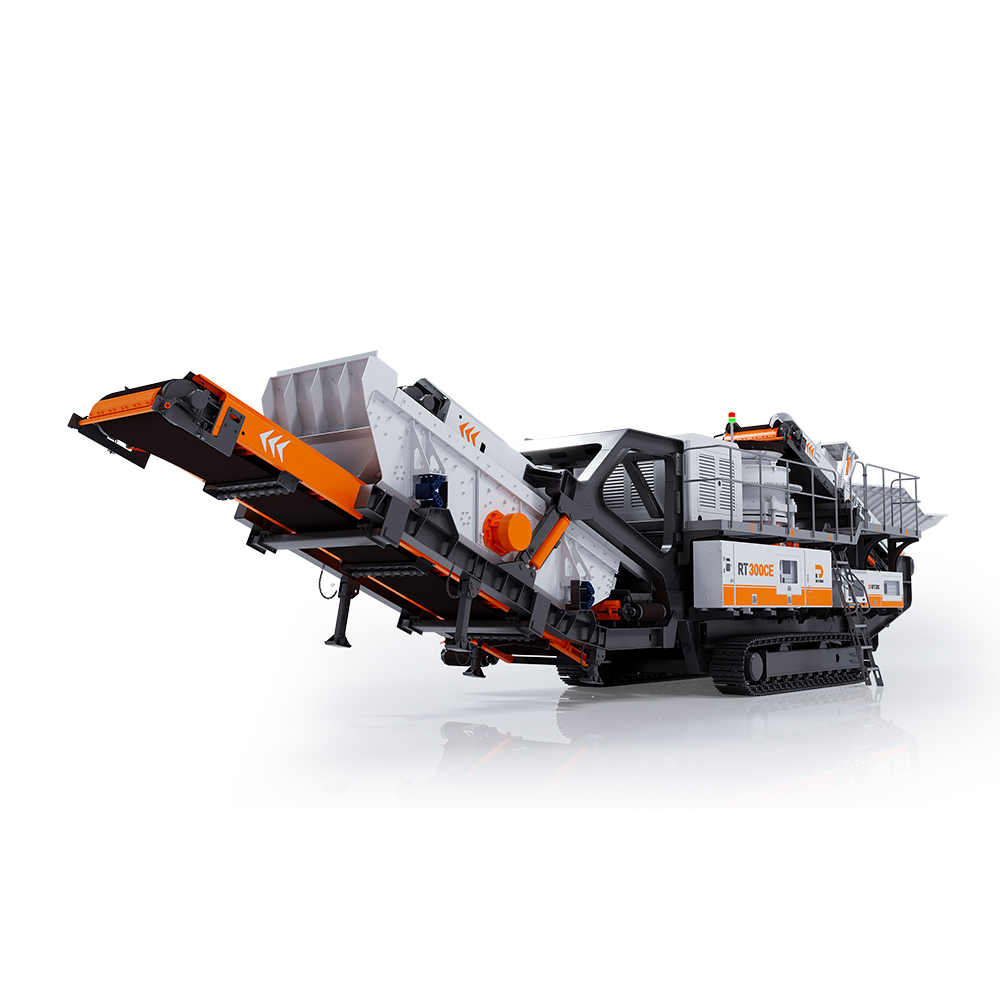 RT300CE Crawler Mobile Cone Crushing Plant
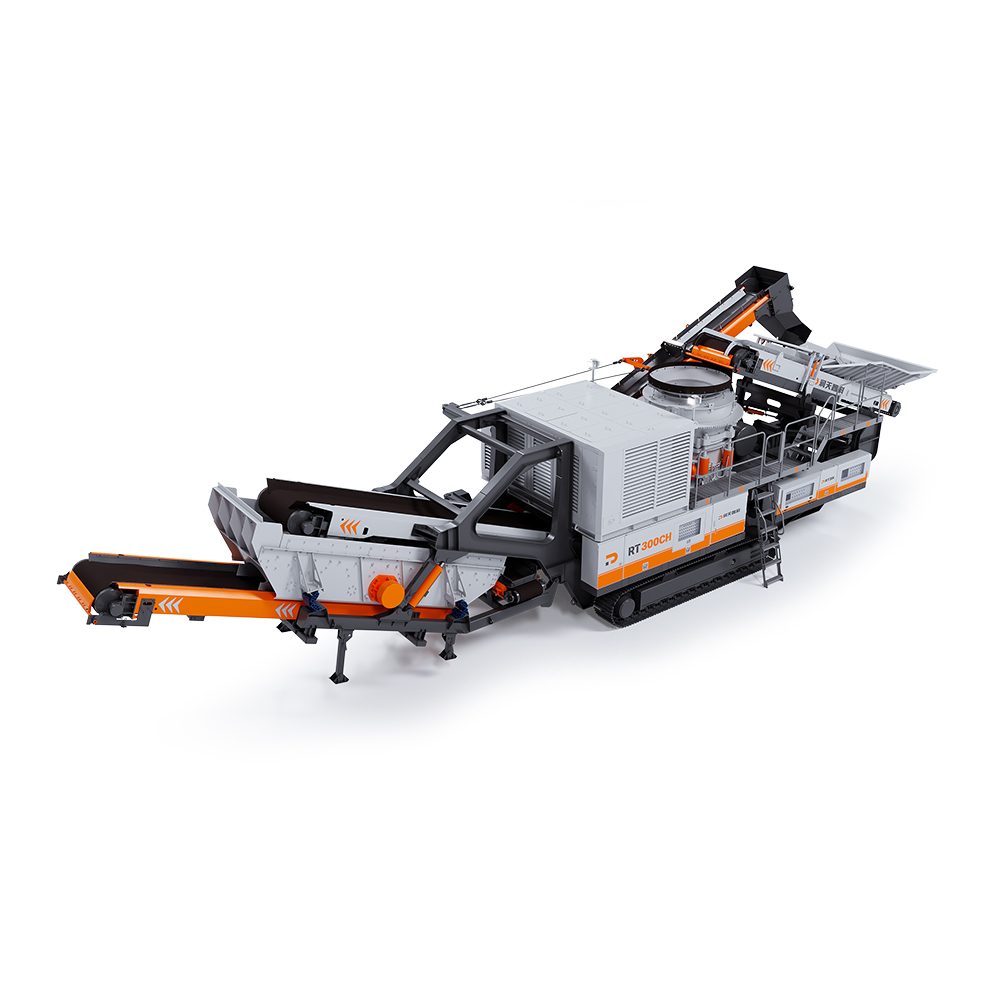 RT300CH Crawler Mobile Cone Crushing Plant
 RT5015H Mobile Scalping Screen
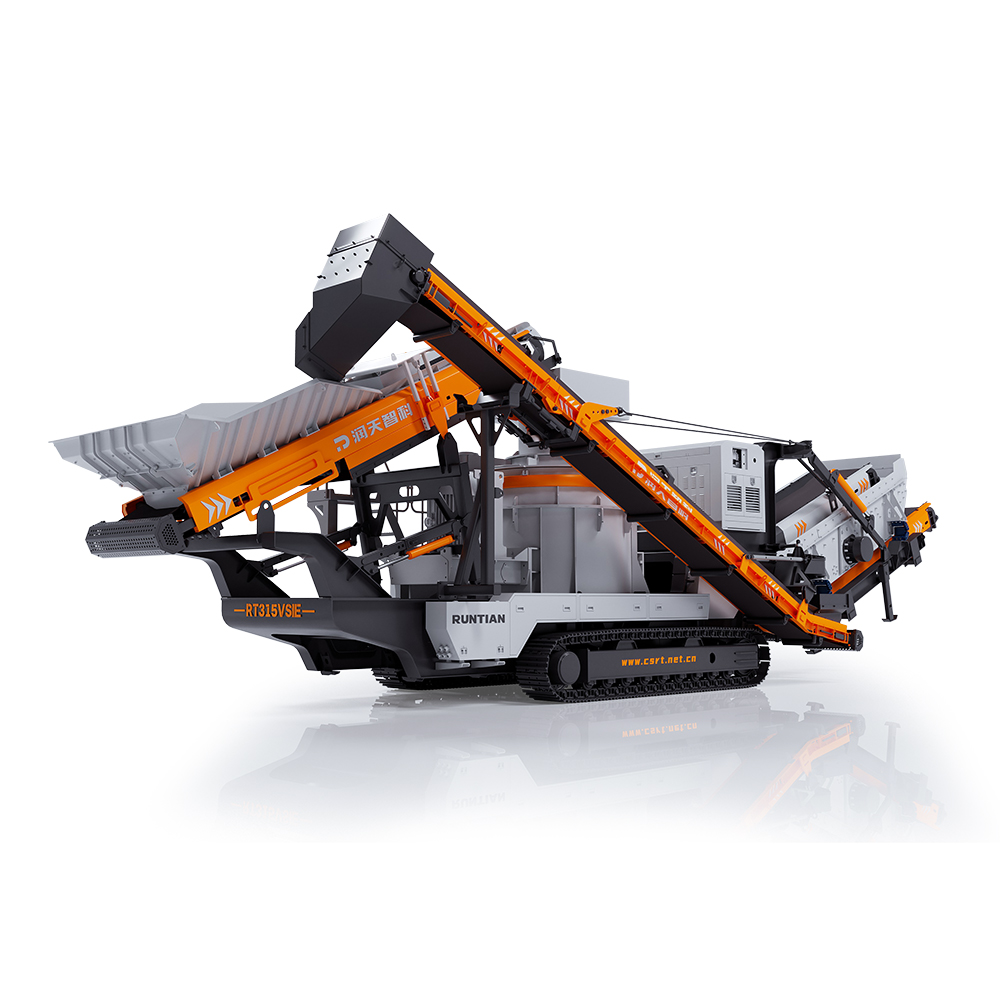 RT315VSIE Crawler Mobile Sand Maker
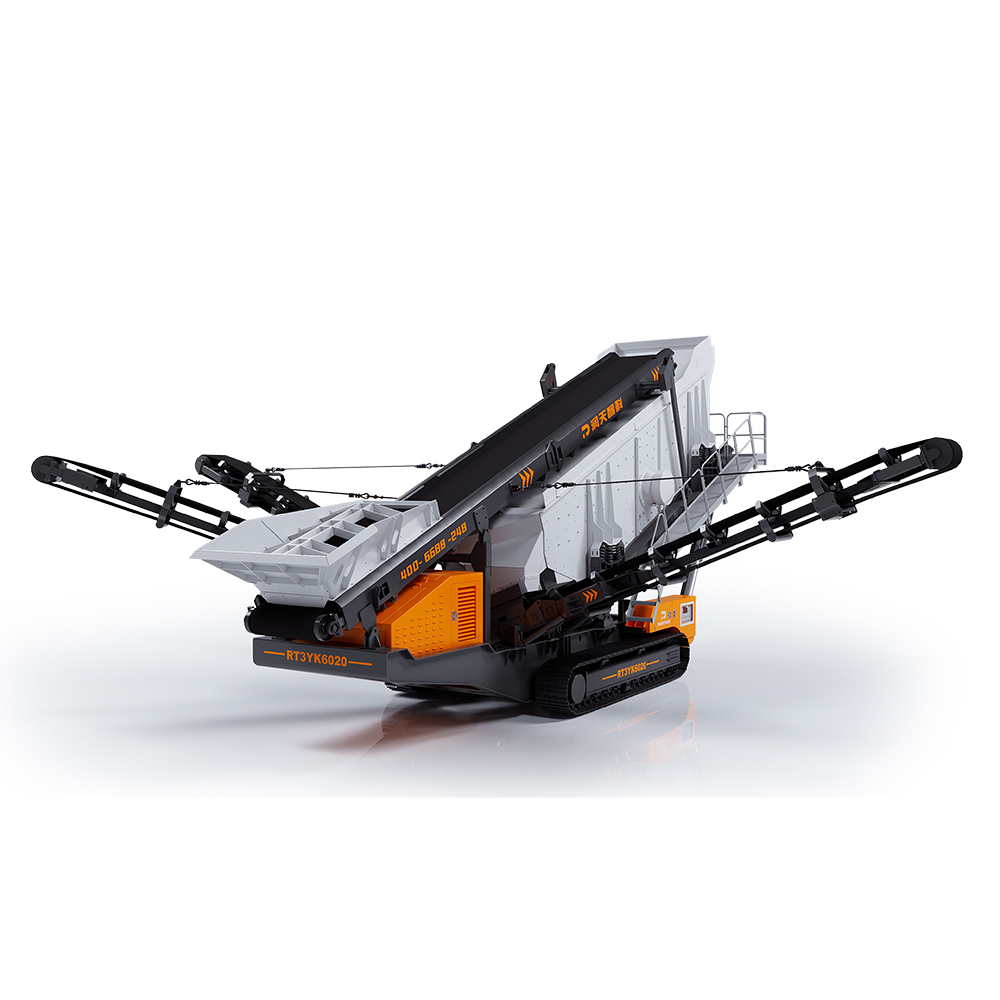 RT3YK6020 Crawler Mobile Screening Plant
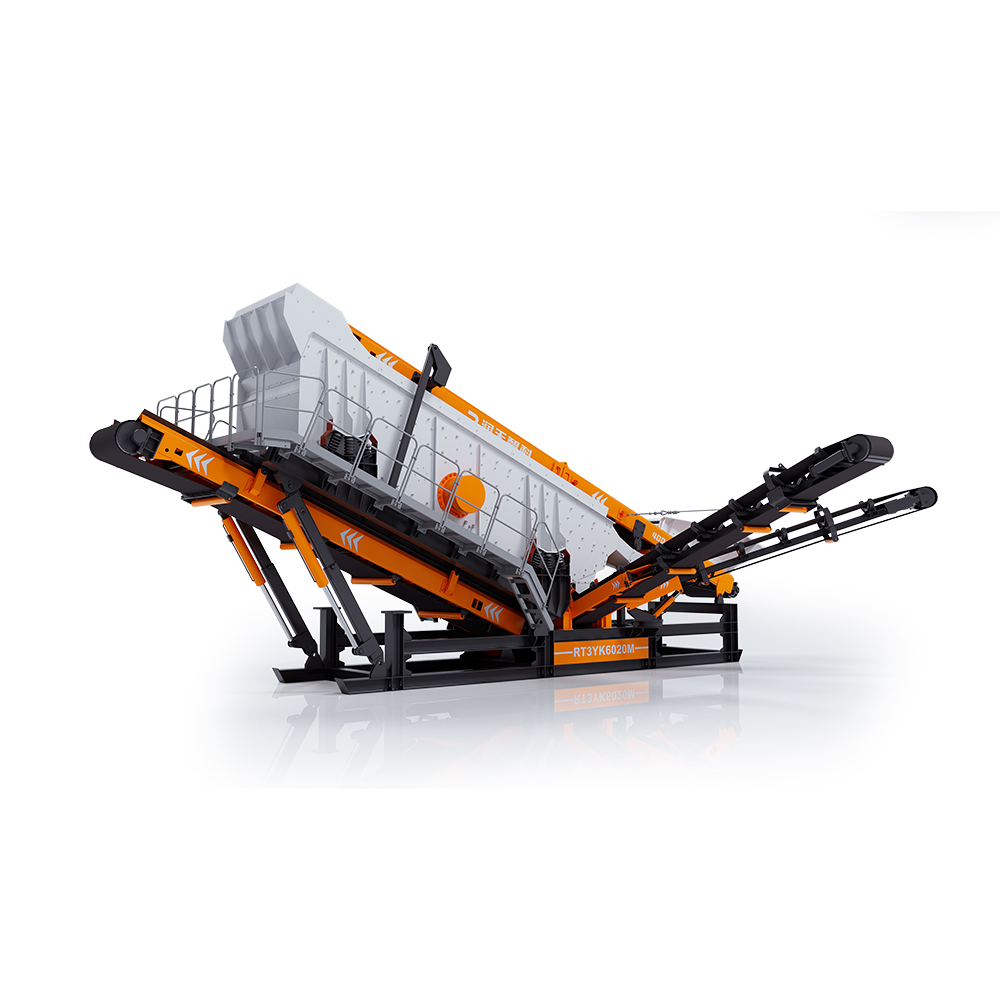 RT3YK6020M Modular Screening Plant
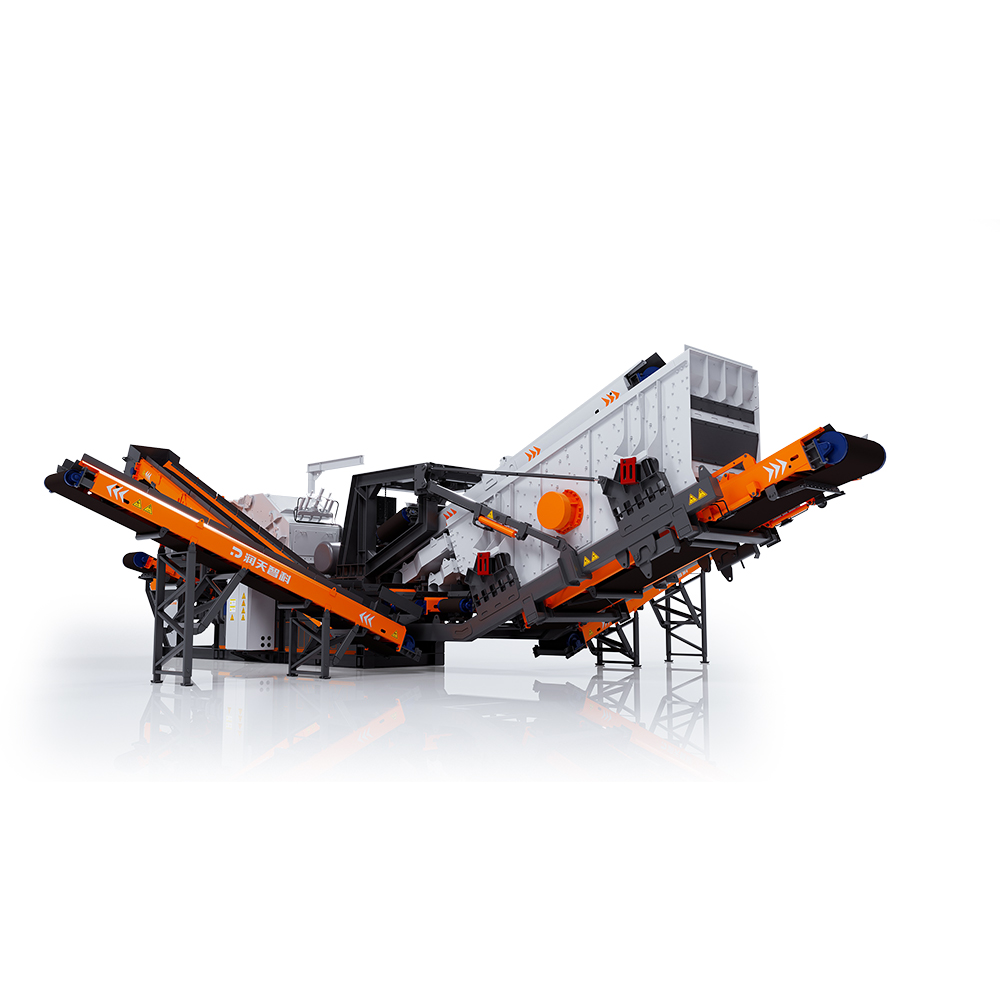 RTF260M Modular Counterattack Crushing and Screening Integrated Machine
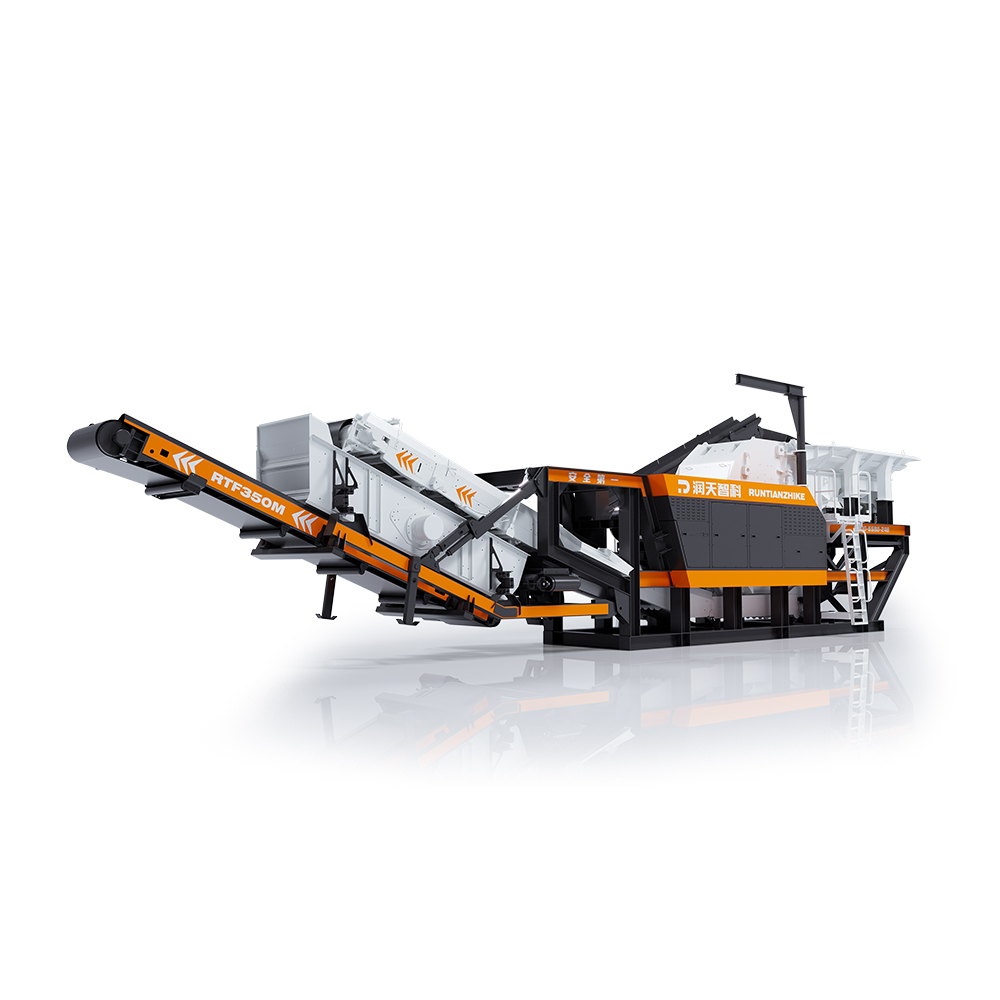 RTF350M Modular Impact Crushing Plant
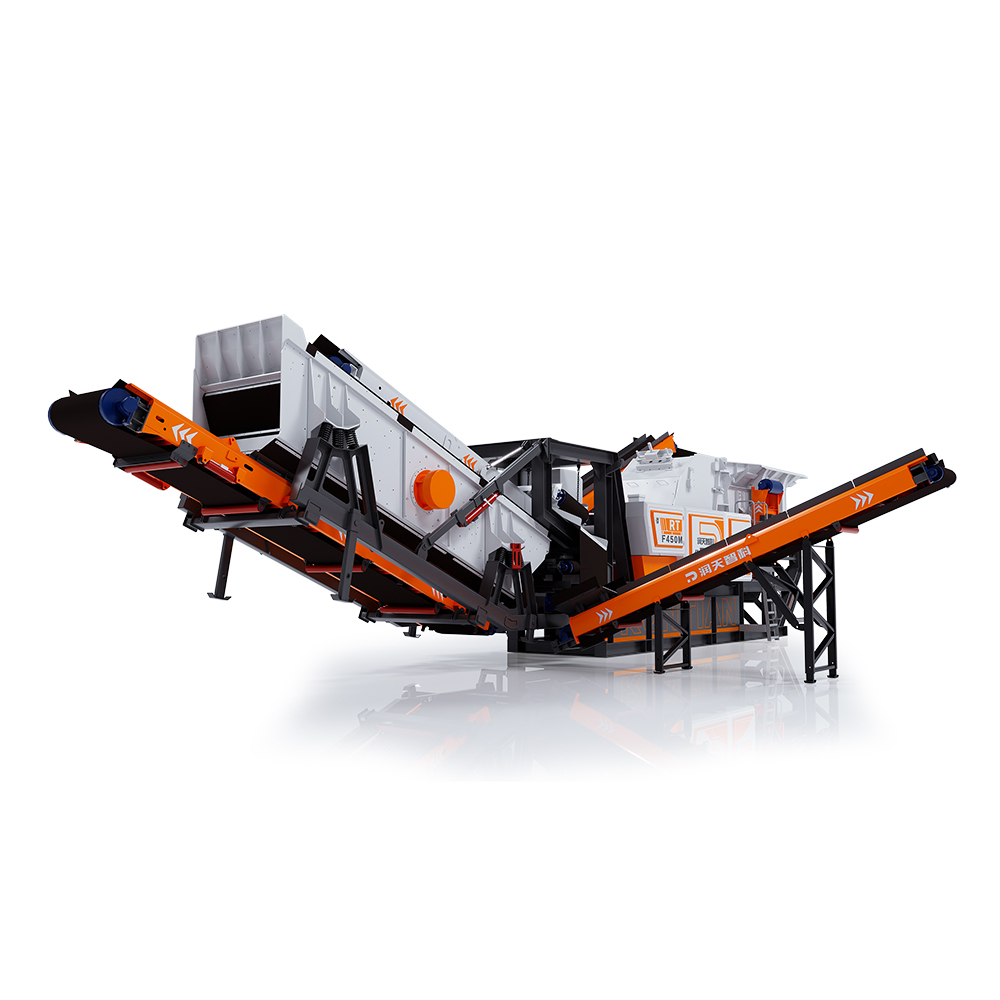 RTF450M Modular Impact Crushing Plant
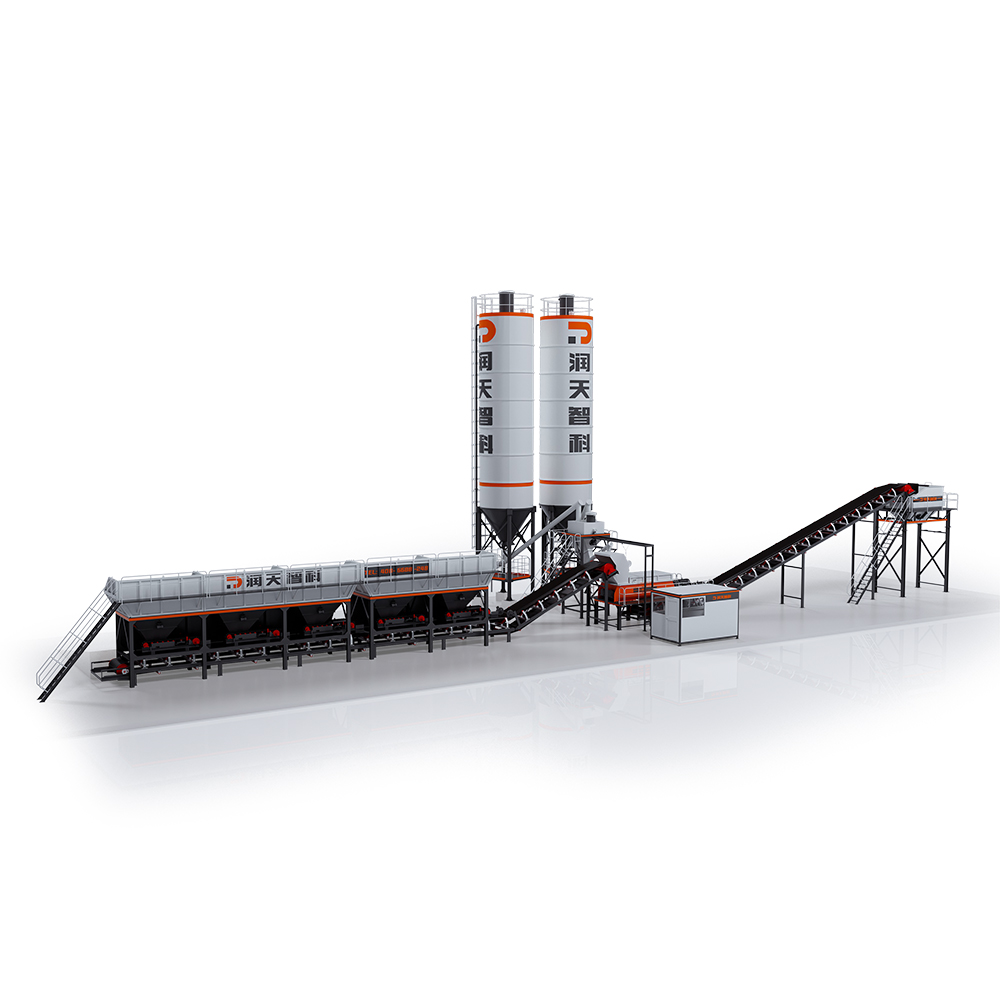 WDB Series Foundation-Free Stability Soil Mixing Plant
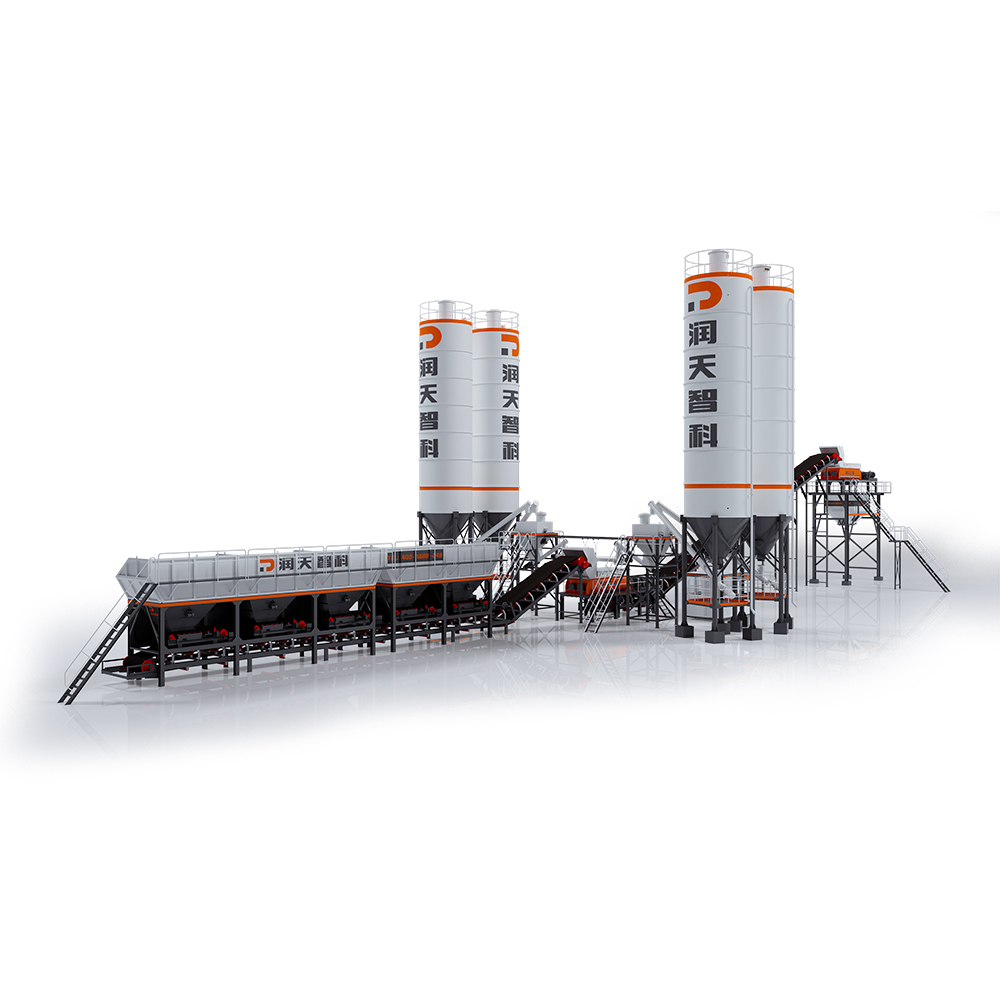 LCB Series Emulsified Asphalt Cold Regeneration Secondary Mixing Plant
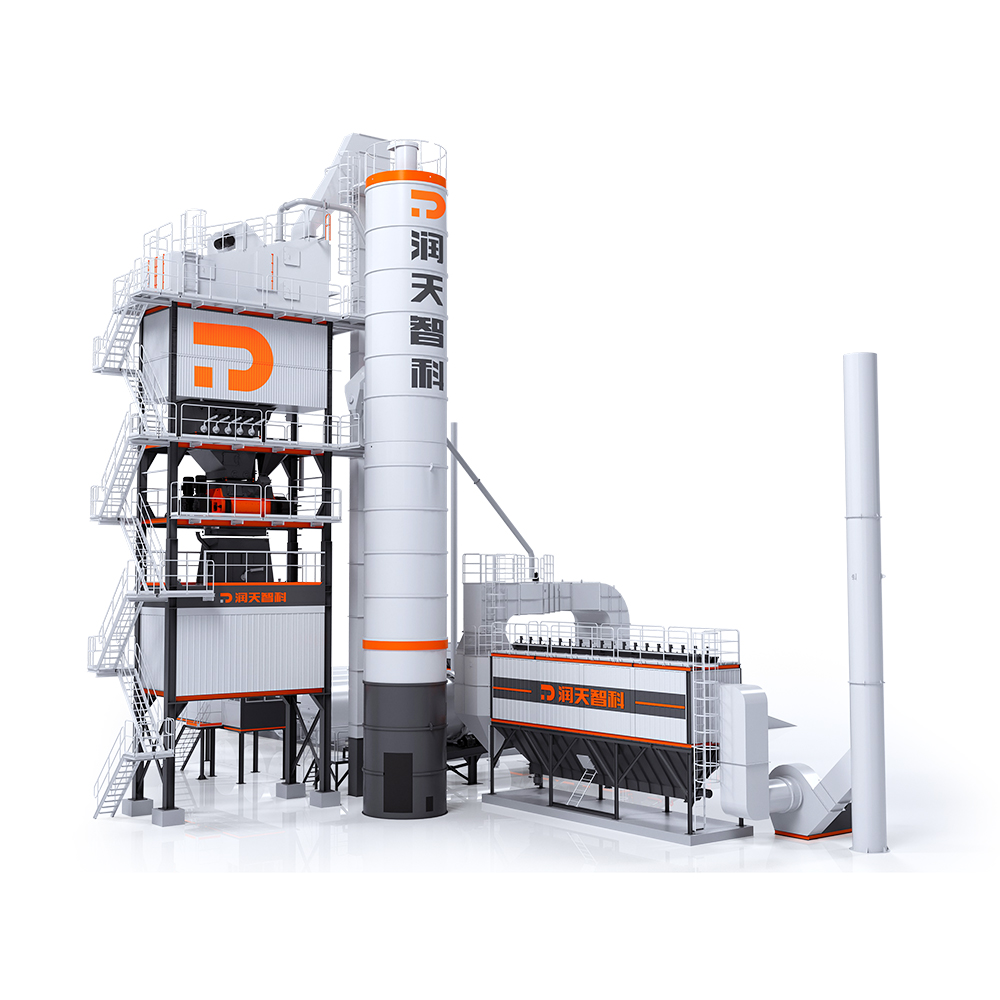 LB Series Asphalt Mixing Plant
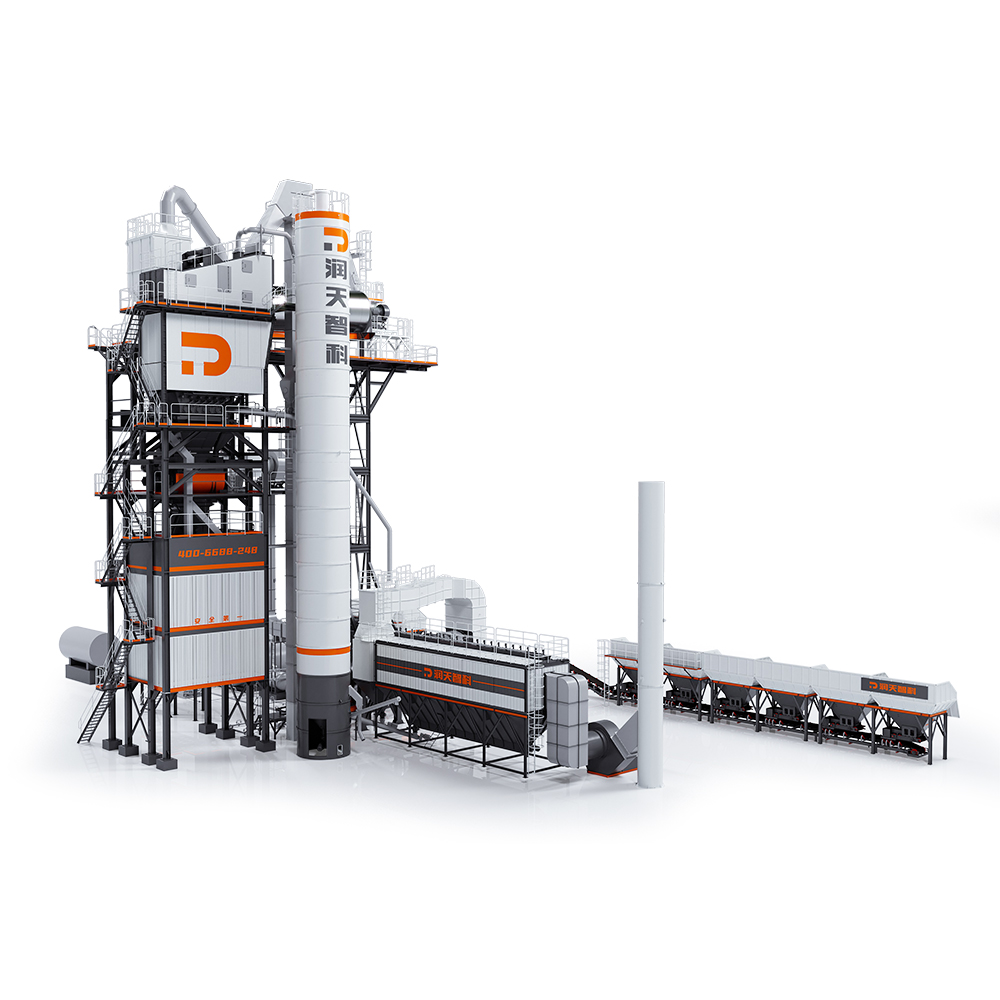 LBR Series Integrated Asphalt Mixing Plant
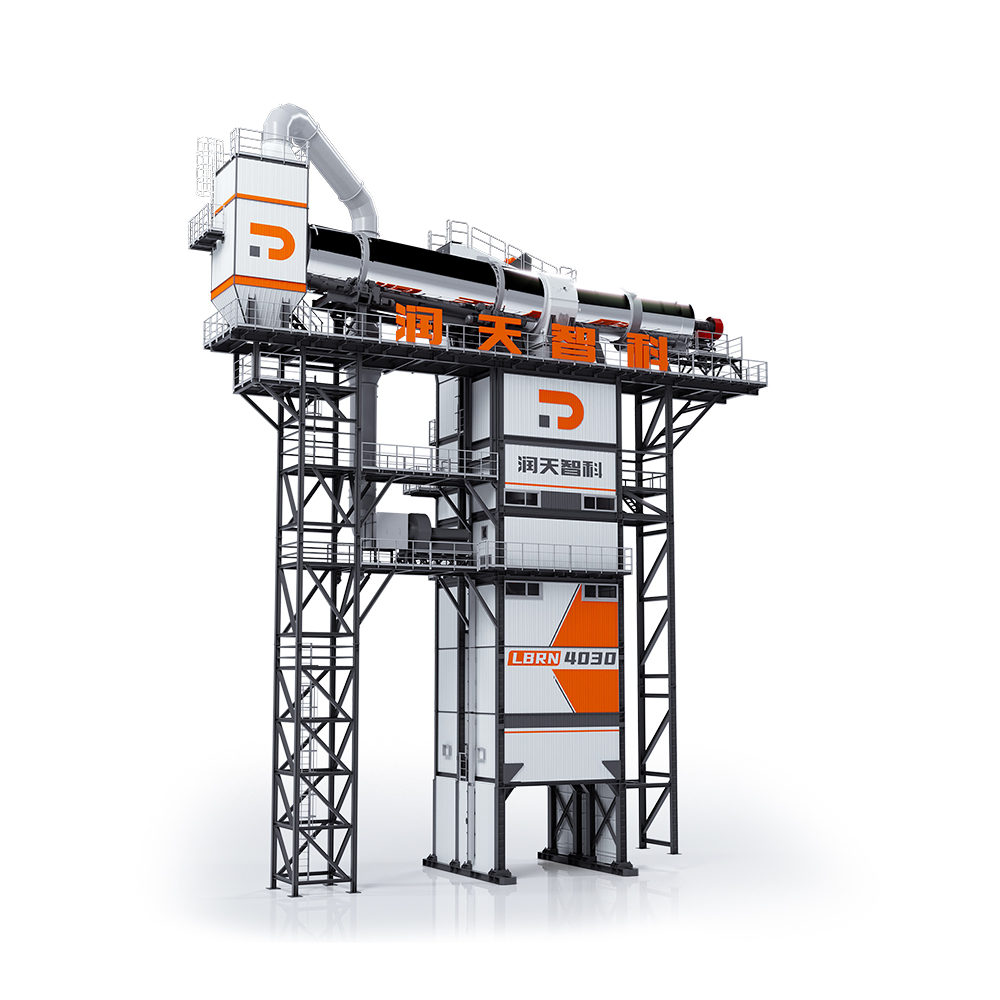 LBRN Series Counterflow Integral Asphalt Mixing Plant
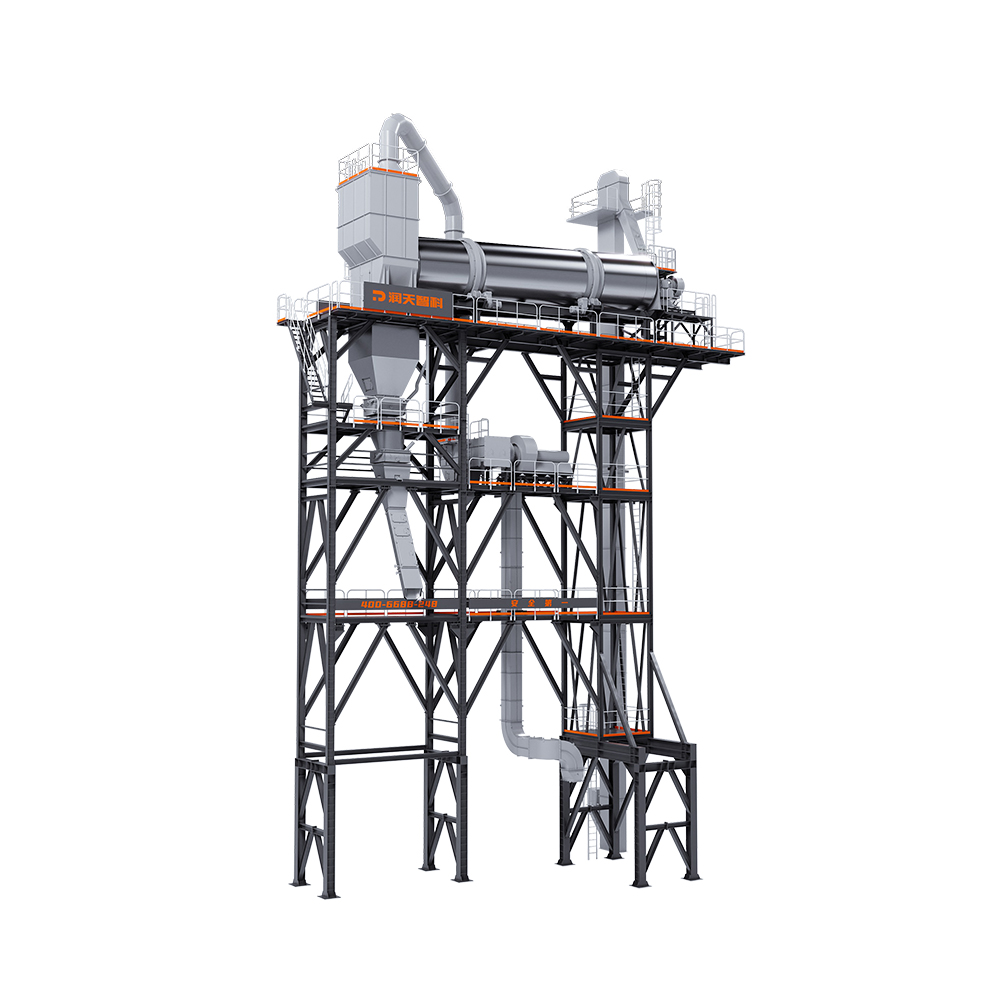 RZS Series Asphalt Mixing Plant
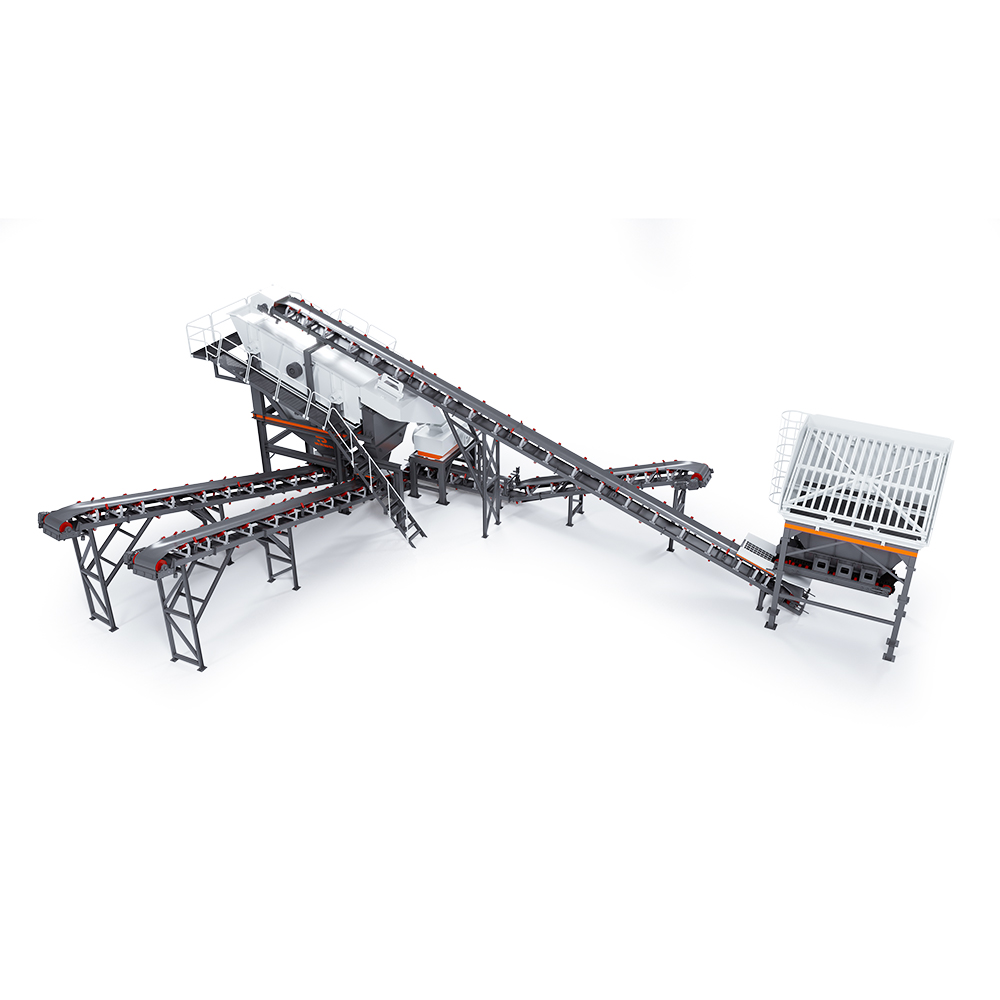 RTZS120 Series RAP Crushing & Screening Plant
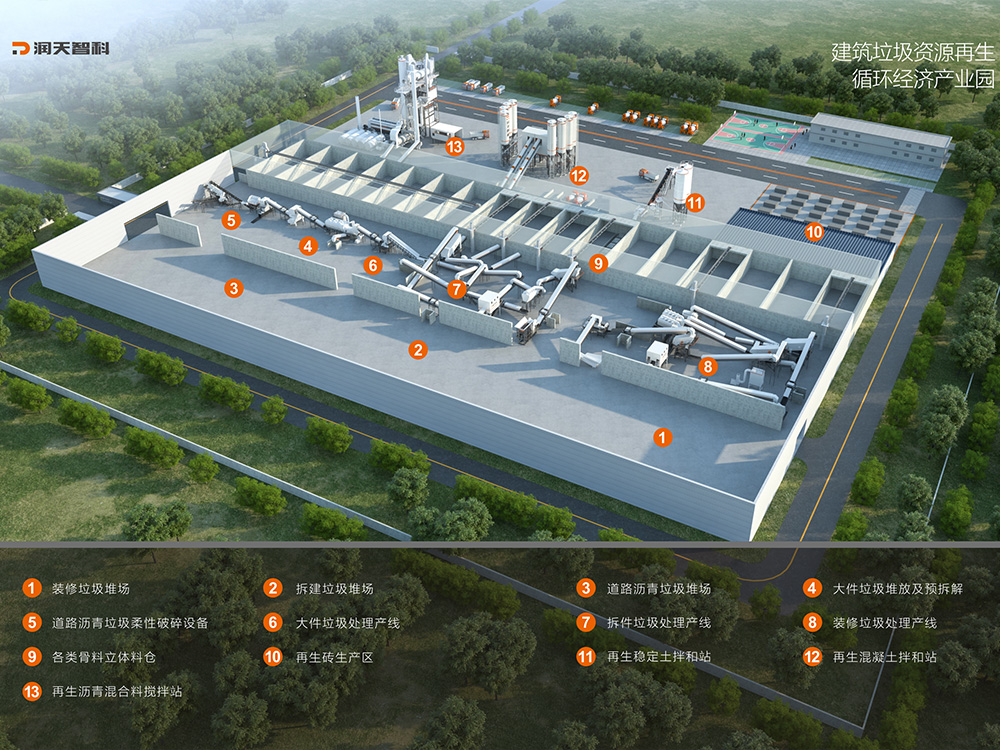 Construction Waste Resourceful Treatment Line